
Custom Clothing Manufacturer for Brands, Teams and Private-Label Buyers
EDVORIN is an OEM clothing manufacturer and ODM apparel manufacturer supporting product development, sourcing, sampling, decoration, quality control and bulk production.
One Production System for Custom Apparel Programs
Coordinate fabrics, trims, custom apparel printing, custom apparel embroidery, garment wash services, labels and packaging from approved sample through bulk production.
Classify Every Product Clearly
Define garment type, knit or woven construction, fiber content, intended wearer and product details before reviewing applicable tariff classifications.
Estimate Landed Costs Early
Build realistic budgets around product cost, decoration, packaging, freight, duties and related import charges before confirming wholesale pricing.
Prepare Complete Documentation
Organize invoices, packing details, origin information, fiber content, labeling requirements and approved specifications for smoother import coordination.
Review Sourcing Risks
Compare materials, country of origin, production routes, lead times and order volumes to identify cost or compliance risks early.
Control Standards Through Bulk
Use approved samples, measurement charts, trim details, artwork placement and inspections to protect consistency from development through repeat production.
Import Duty Planning Across Apparel Buying Scenarios
Plan classification, documentation and landed costs around each product’s materials, construction, decoration, intended use and repeat-order requirements.
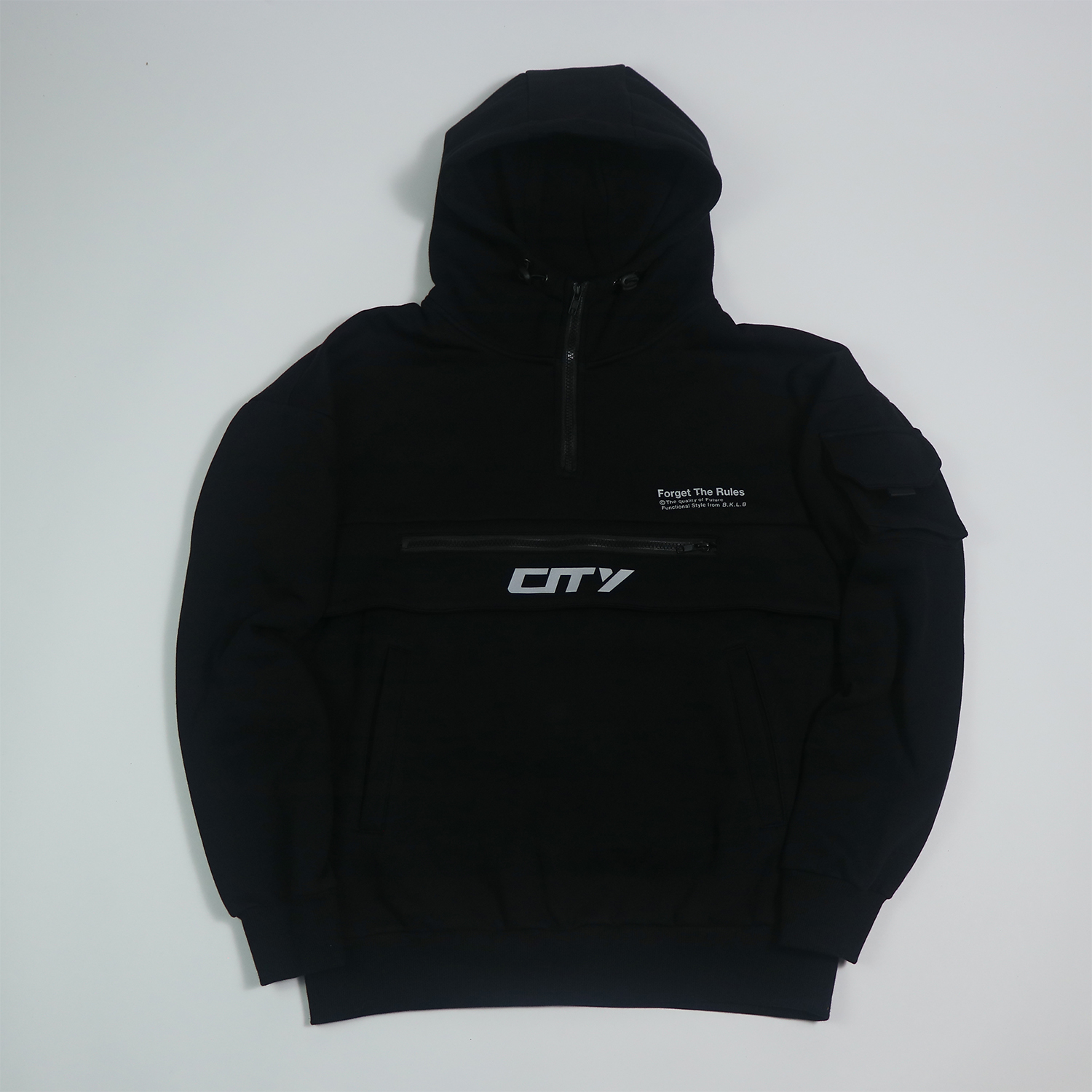
Custom Hoodies
As a custom hoodie manufacturer and private label clothing manufacturer, EDVORIN documents fleece composition, fabric weight, knit construction, decoration and finishing for approved samples and repeat bulk orders.
Get a Quote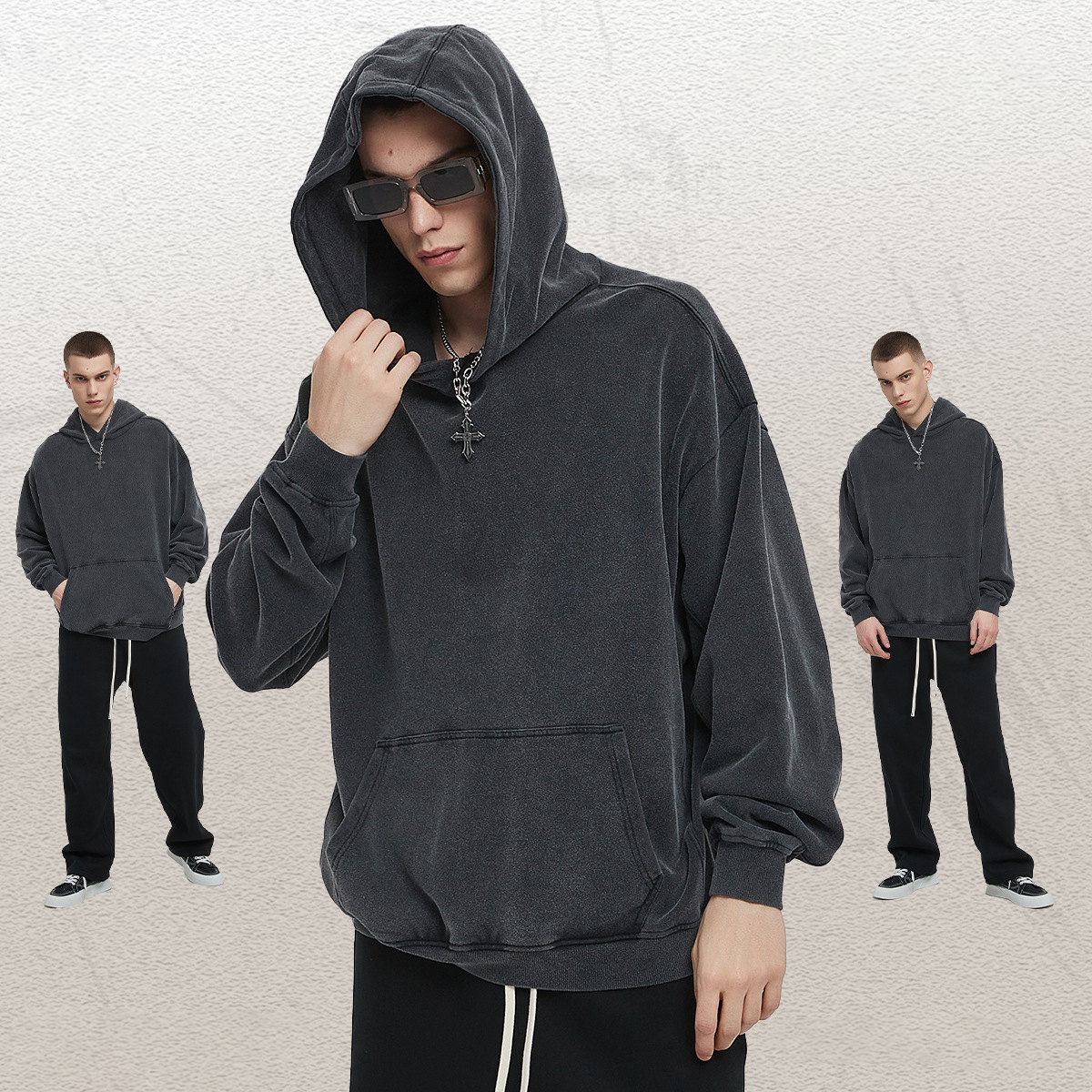
Pullover Sweatshirts
A sweatshirt manufacturer must account for fabric composition, brushed or unbrushed fleece, garment weight, construction and applied artwork. EDVORIN supports pullover sweatshirt development for men’s and women’s collections, coordinating materials, patterns, decoration, labels and packaging for clearer landed-cost planning.
Get a Quote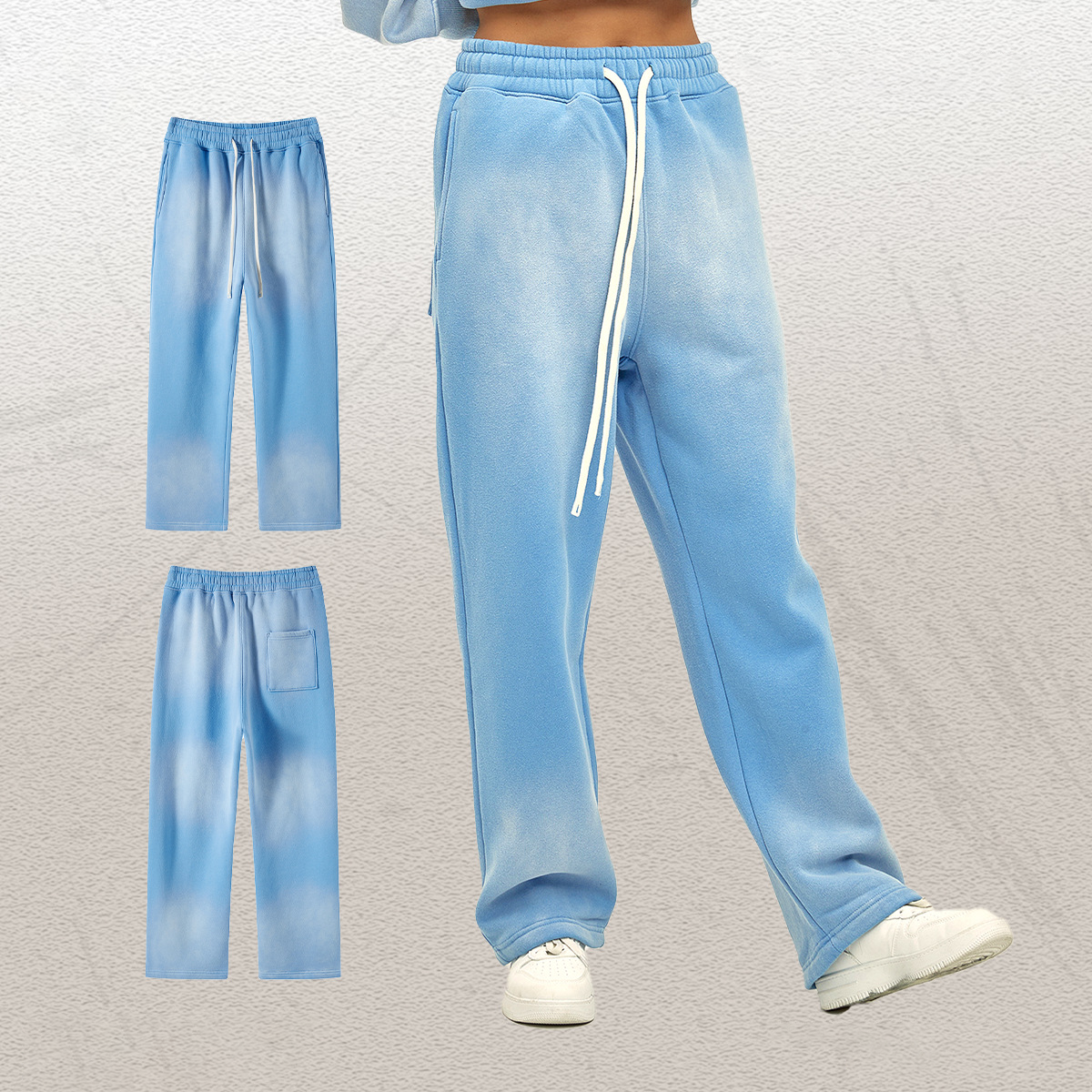
Sweatpants & Joggers
A sweatpants manufacturer needs accurate records for knit composition, brushed interiors, waistband construction, pocket details, trims and decoration. EDVORIN develops sweatpants and joggers for casualwear, streetwear and teamwear programs, using approved measurements and samples to control repeat production and purchasing costs.
Get a Quote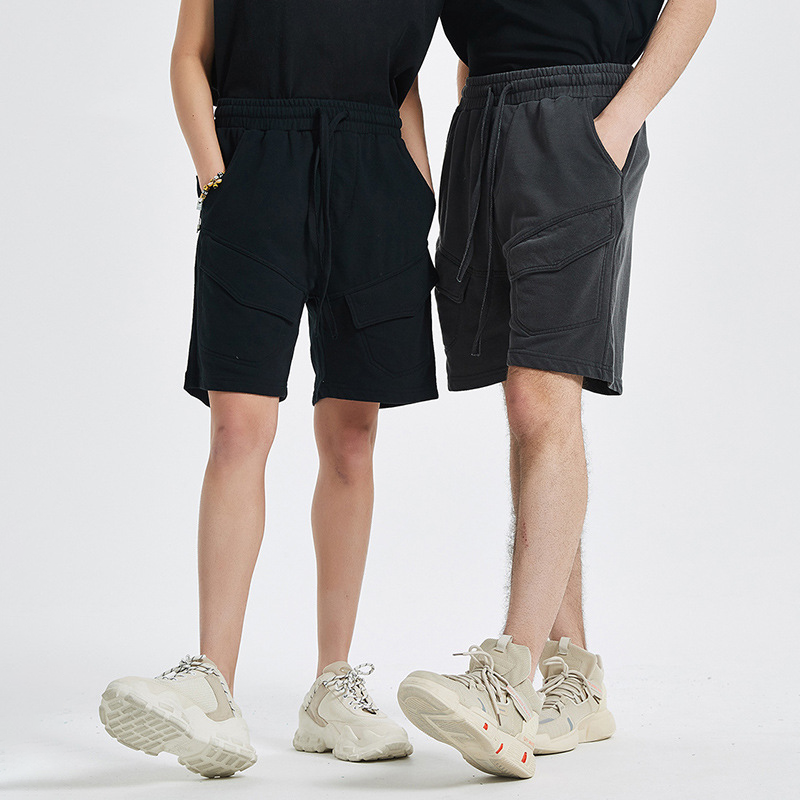
Custom Shorts
A custom shorts manufacturer may need to distinguish fleece, jersey, woven or performance constructions, along with pockets, liners, trims and decoration. EDVORIN develops custom shorts for fashion brands, schools, sports clubs and private-label buyers with documented specifications for production and import planning.
Get a Quote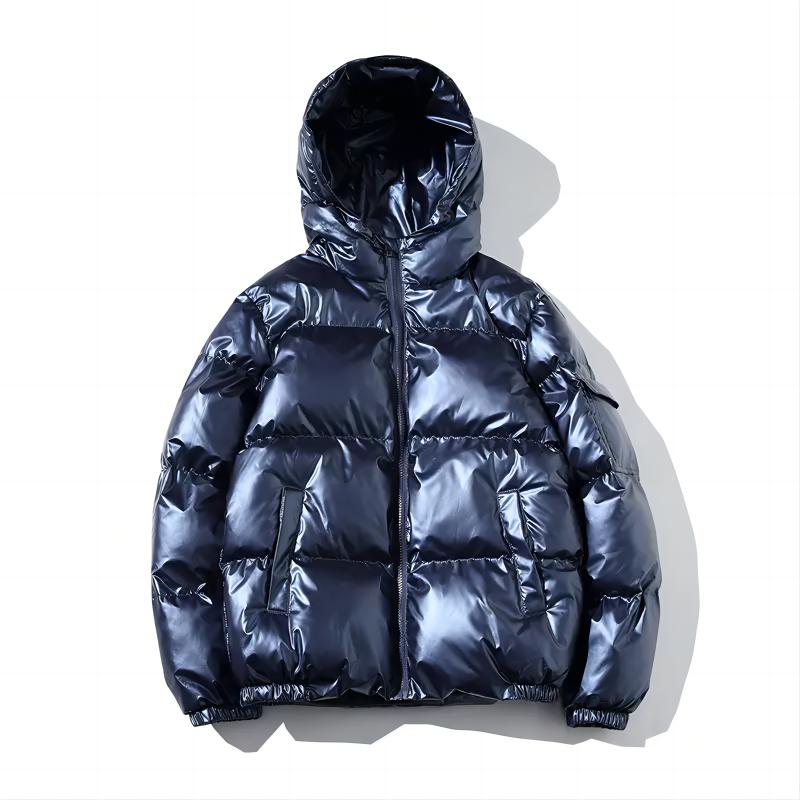
Varsity & Baseball Jackets
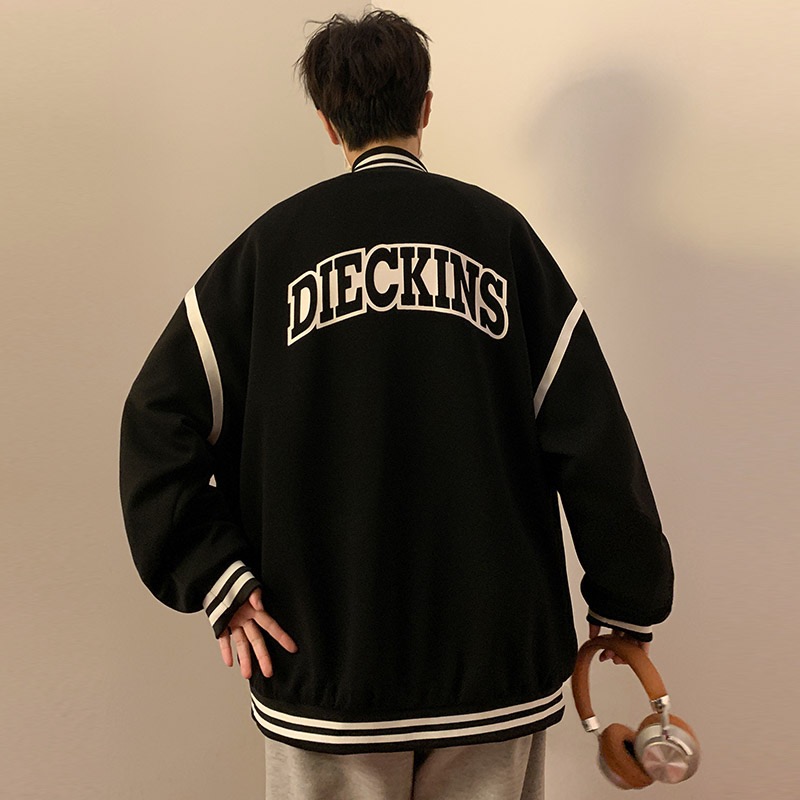
A varsity jacket manufacturer must coordinate body fabric, leather or synthetic sleeves, ribbing, lining, snaps, patches, embroidery and insulation. EDVORIN develops varsity and baseball jackets for streetwear, schools and team programs, recording construction and decoration details that affect classification, costing and repeatability.
Get a Quote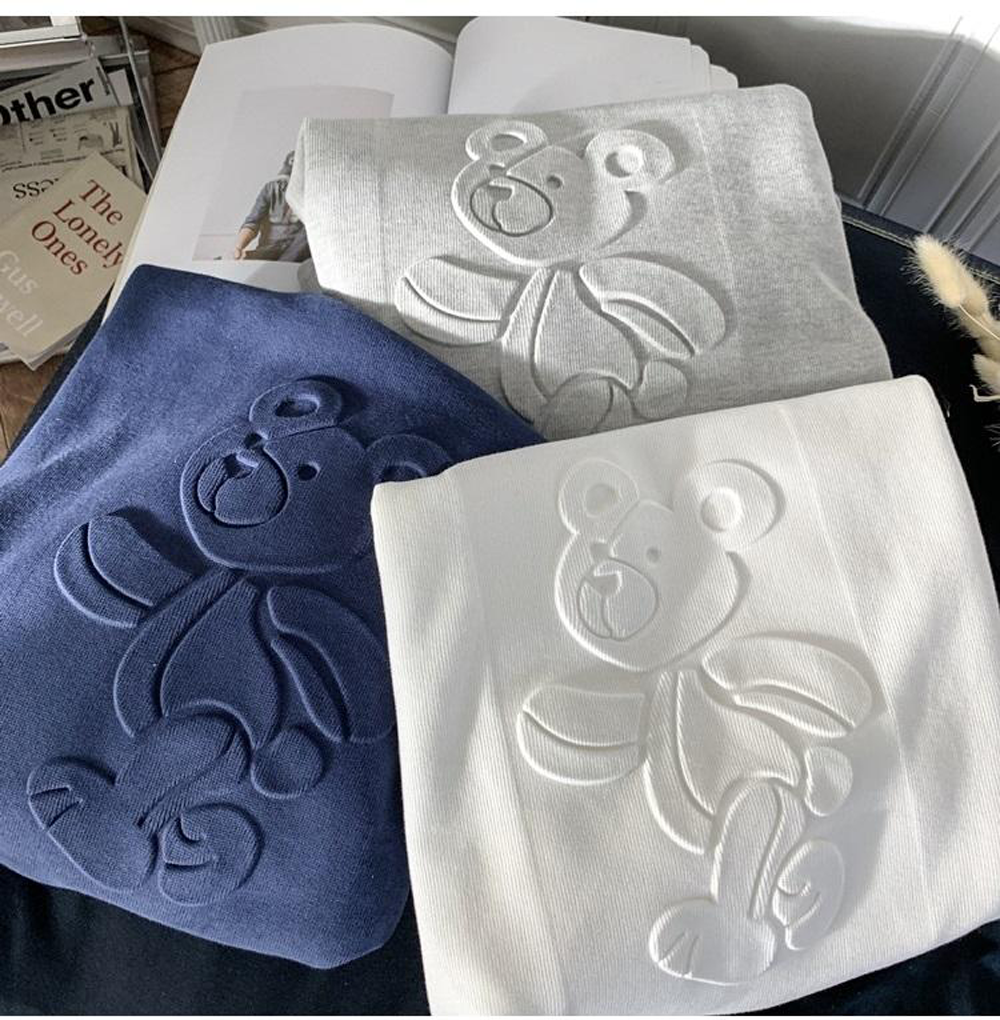
Custom T-Shirts
A custom T-shirt manufacturer must define fiber content, fabric weight, knit structure, fit, printing, embroidery and finishing. EDVORIN develops custom T-shirts for emerging brands, wholesalers and private-label collections, helping buyers maintain approved product standards across size sets, decoration methods and repeat orders.
Get a Quote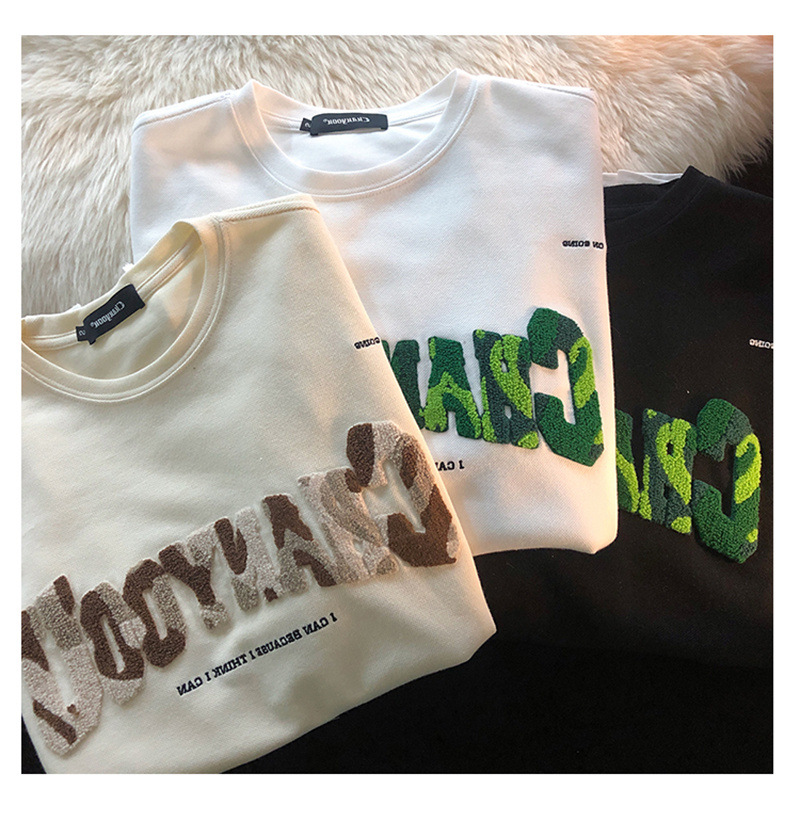
Custom Polo Shirts
A polo shirt manufacturer must consider pique or jersey construction, fiber blend, collar and cuff composition, plackets, buttons and embroidery. EDVORIN develops polo shirts for corporate programs, schools, wholesalers and private-label buyers, coordinating specifications that support consistent production and more reliable landed-cost calculations.
Get a Quote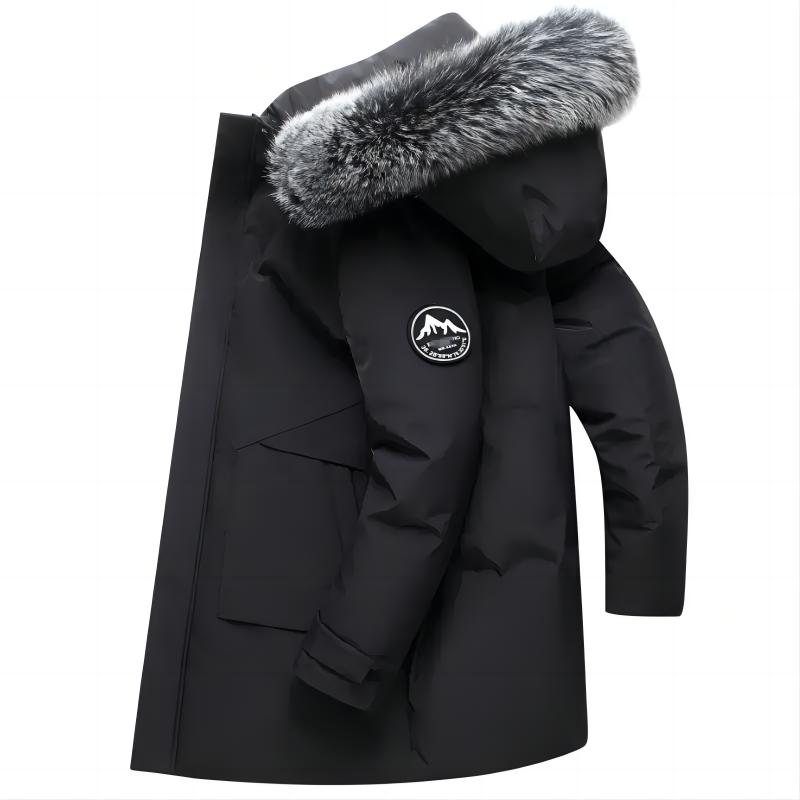
Windbreaker Jackets
A windbreaker manufacturer needs clear records for shell fiber, coating, lining, hood construction, elastic, zippers, pockets and reflective or printed details. EDVORIN develops windbreakers for streetwear, sports and branded programs, aligning functional construction with documented samples and purchase planning.
Get a Quote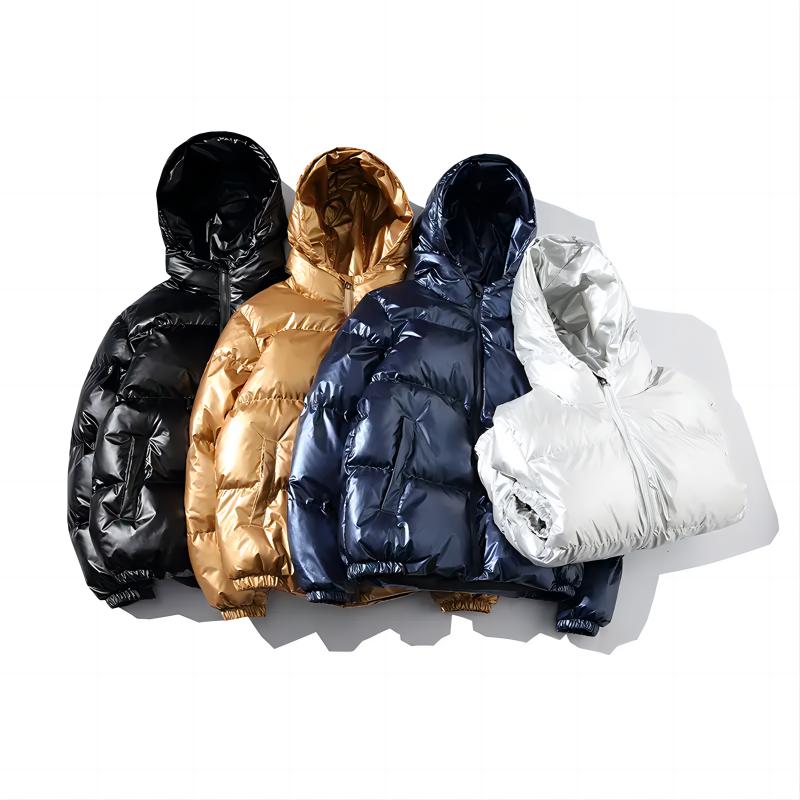
Quilted Jackets
A quilted jacket manufacturer must specify shell and lining composition, fill type, quilting pattern, insulation weight, closures and finishing. EDVORIN develops quilted outerwear for men’s and women’s collections, coordinating material sourcing, patterns, sampling and quality checks so buyers can evaluate product classification and total import cost.
Get a Quote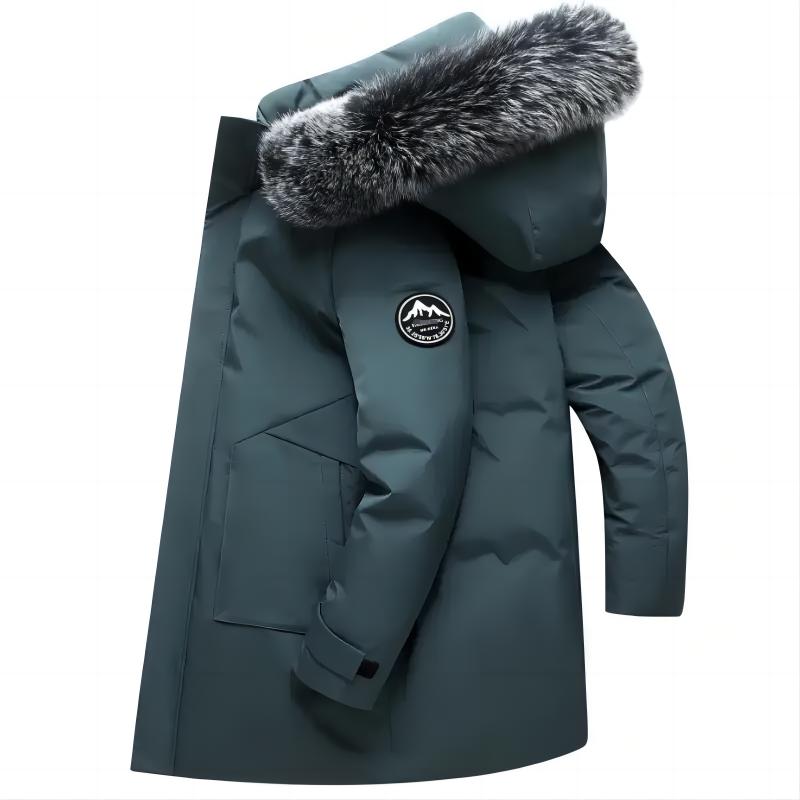
Bomber Jackets
A bomber jacket manufacturer must coordinate shell fabric, lining, rib collar and cuffs, zipper, pockets, insulation and applied decoration. EDVORIN develops bomber jackets for fashion, streetwear and private-label buyers, turning approved construction details into repeatable specifications for costing, production and import documentation.
Get a Quote
Custom Shirts
A custom woven shirt manufacturer must define woven fiber content, fabric weight, weave, collar, cuffs, buttons, pockets, labels and finishing. EDVORIN develops custom shirts for fashion brands, wholesalers and corporate or private-label programs, with sample approval and production records supporting consistent purchasing decisions.
Get a Quote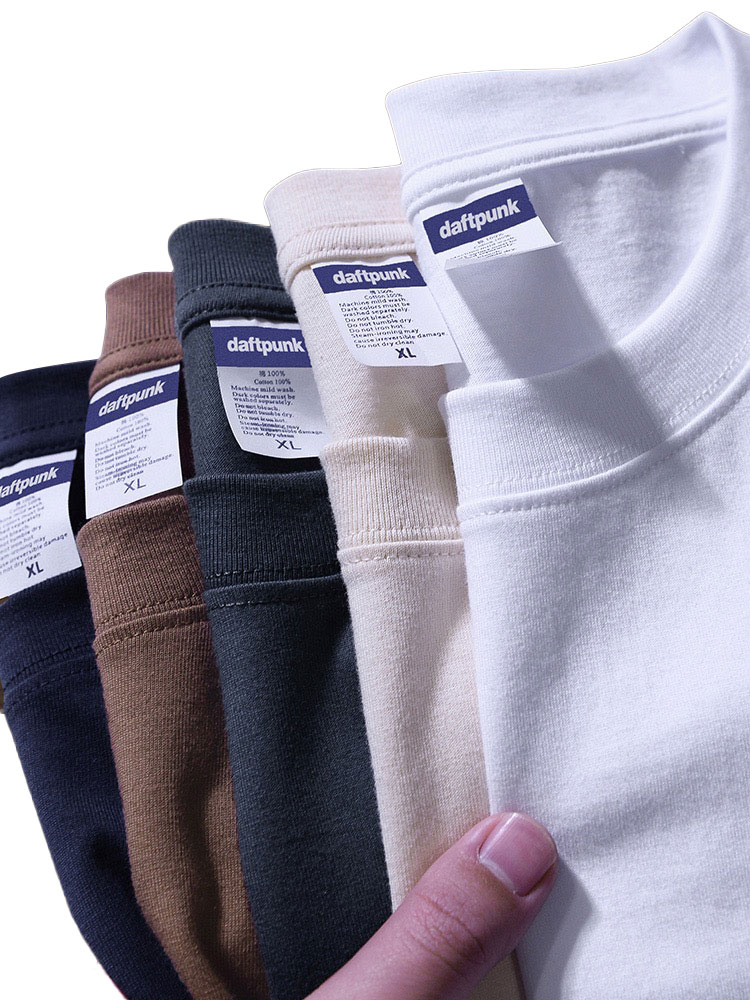
Custom Jerseys
A custom jersey manufacturer must document performance-fabric composition, knit structure, ventilation, panels, trims, printing, embroidery and name or number placement. EDVORIN develops custom jerseys for sports clubs, schools and teamwear buyers, coordinating size grading and decoration standards for repeat orders and clearer landed-cost planning.
Get a Quote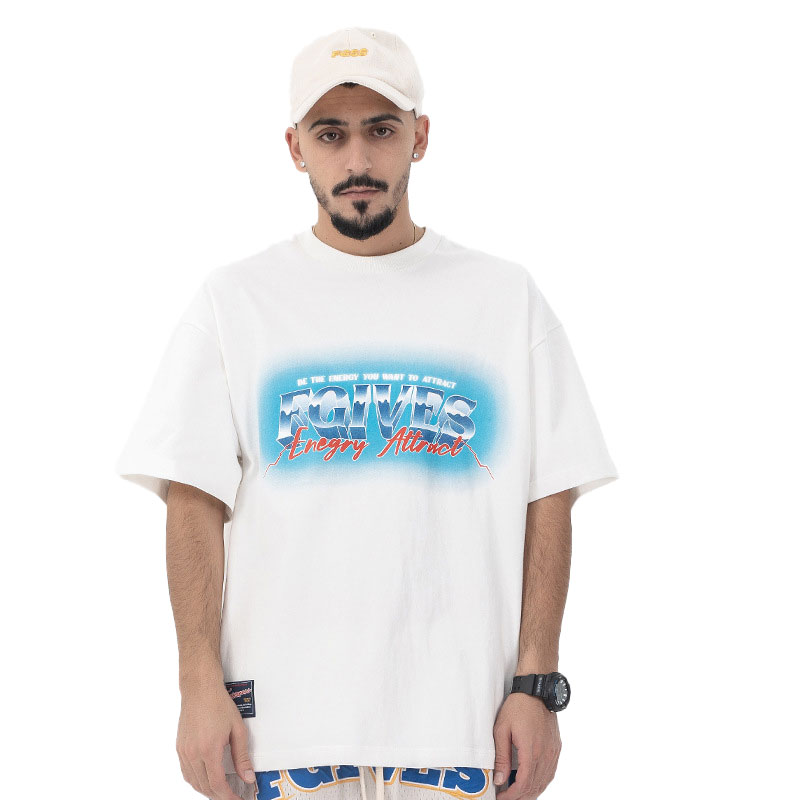
Tank Tops
A custom tank top manufacturer should define jersey or performance fabric, fiber composition, binding, armhole construction, fit, printing and embroidery. EDVORIN develops tank tops for streetwear, sports and private-label programs, adapting men’s and women’s blocks while documenting approved materials and decoration methods.
Get a Quote
Soccer Uniforms
A soccer uniform manufacturer must coordinate performance fabric, jersey and short construction, mesh panels, color standards, sponsor artwork, names, numbers and size grading. EDVORIN supports soccer uniform programs for clubs, schools and academies, organizing approved samples and repeatable specifications for production and import planning.
Get a Quote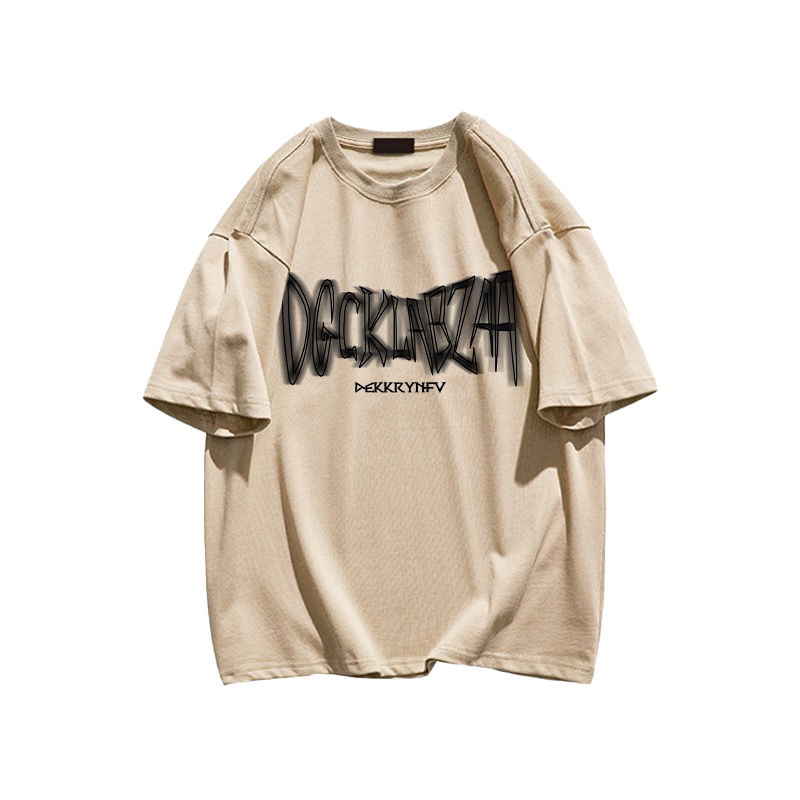
Basketball Uniforms
A basketball uniform manufacturer needs clear specifications for breathable mesh or performance fabric, jersey and short construction, trims, color placement, names, numbers and grading. EDVORIN develops basketball uniforms for teams, schools and sports organizations, controlling decoration and size-set consistency across recurring orders.
Get a Quote
Streetwear Collections
A streetwear clothing manufacturer may manage hoodies, sweatshirts, T-shirts, woven shirts, jackets and coordinated separates within one collection. EDVORIN connects product development, fabric and trim sourcing, decoration, washing, packaging and quality control so buyers can evaluate each style’s classification, landed cost and repeat-order requirements.
Get a QuoteClothing Import Duty Guide: 7-Step Tariff Checklist
Use this decision framework to classify garments, estimate landed cost, evaluate suppliers, prepare documentation, and avoid compliance mistakes that can delay shipments or erode margins for your apparel business.
1. What Is a Clothing Import Duty Guide?
1 shipment can carry five separate cost layers: the supplier’s garment price, international freight and insurance, import duty or tariff, destination taxes such as VAT or sales tax, and customs, broker, handling, or delivery fees. Landed cost is the combined amount required to bring finished apparel to the buyer’s warehouse, not merely the factory quote. 2 classification decisions determine the applicable duty line. S. gov/. 3 estimates should be completed before approving production: product value, freight, insurance, duty, tax, clearance fees, port or terminal charges, inspection costs, labeling or compliance work, and last-mile delivery.
2. Evolution of Clothing Import Duty Rules
S. Harmonized Tariff Schedule’s predecessor framework, making classification—not simply garment price—the basis for duty assessment. Apparel is sorted by construction, fiber, garment type, and intended wearer; today, knit garments generally fall in Chapter 61 and woven garments in Chapter 62. gov/. 1994 introduced USMCA’s predecessor, NAFTA, demonstrating how trade agreements can change sourcing economics when origin rules are satisfied. Preferential treatment may depend on requirements such as regional processing, yarn-forward rules, or substantial transformation; moving final assembly alone may not change origin. A supplier quote is therefore incomplete without the shipment’s documented origin analysis. 2000s onward brought tighter attention to fiber-content labels, country-of-origin marking, invoices, and customs valuation, alongside more active enforcement of misclassification and transshipment. gov/legal-library/browse/rules/textile-labeling-rules.
3. Types of Clothing Import Duty Guide Scenarios
HTS construction, fiber content, origin, shipment value, and intended transaction determine how a clothing import duty guide applies.
Knit, Woven, And Fiber
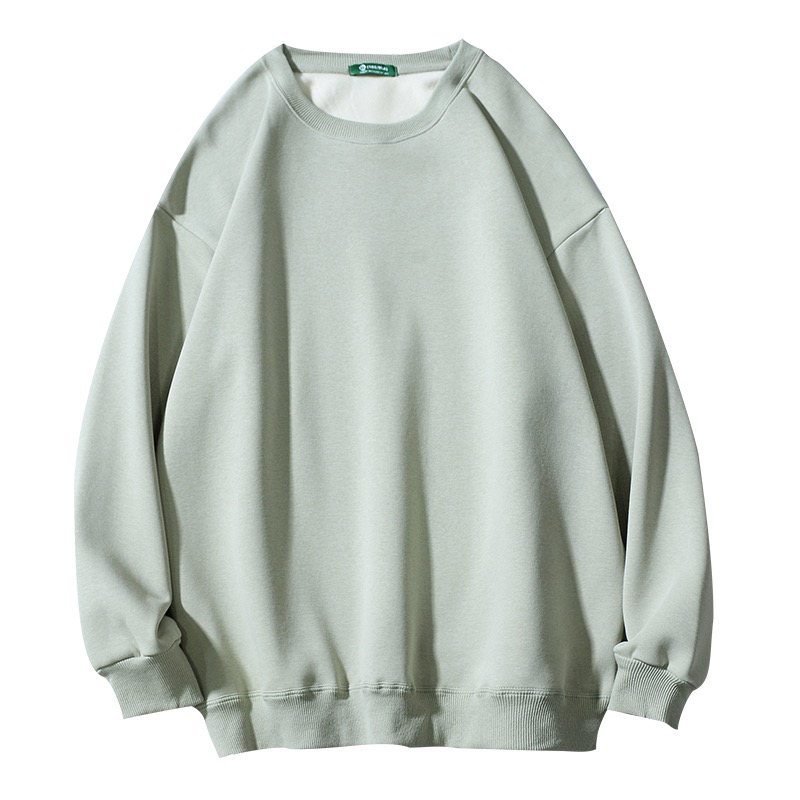
HTS Chapters 61 and 62 separate knitted from woven apparel; cotton, polyester, wool, and blended-fiber percentages can change the tariff line. gov/). A hoodie, jersey, polo, or jacket should be classified by construction, garment type, fiber content, and wearer category.
Preferential Origin Programs
USMCA, CAFTA-DR, and other preference programs depend on product-specific origin rules, not merely final assembly in a partner country. Document yarn, fabric, cutting, and sewing locations.
Parcels Versus Commercial Entries
Shipment value and entry method can change documentation, duty, tax, and broker handling; low-value thresholds are jurisdiction-specific and may change. Confirm current rules before dispatch. Commercial production requires consistent invoices, packing data, fiber declarations, and origin records.
Re-Export And Drawback
Re-exported garments, returned goods, and imported inputs used in exported products may qualify for drawback or other relief, subject to records and program rules.
4. Clothing Import Duty Guide: Materials and Fabrics
Cotton, polyester, nylon, wool, blends, and specialty fabrics can change an apparel style’s HTS classification, labeling requirements, and landed duty estimate. gov/.
| Fabric | Typical applications | Documentation needs | Duty-planning considerations |
|---|---|---|---|
| Cotton | T-shirts, hoodies, basics | Fiber %, GSM, knit structure | Check cotton garment classification |
| Polyester | Jerseys, uniforms, mesh | Fiber %, performance tests | Record knit, coating, and use |
| Nylon | Windbreakers, shells | Fiber %, coating details | Construction and finish may matter |
| Wool | Varsity jackets, outerwear | Fiber %, weight, origin | Confirm garment category and blend |
| Blends | Stretch basics, fleece | All fiber percentages | Test dominant fiber and labeling |
| Specialty fabrics | Quilted, bonded, recycled | Layer, finish, certification records | Document construction and material claims |
Fiber Content And Classification
1 composition record should state fiber percentages by weight, construction, and garment category. Cotton fleece, polyester jerseys, nylon shells, and wool outerwear may fall under different tariff lines. 2 samples should match the supplier’s composition declaration.
GSM Construction And End Use
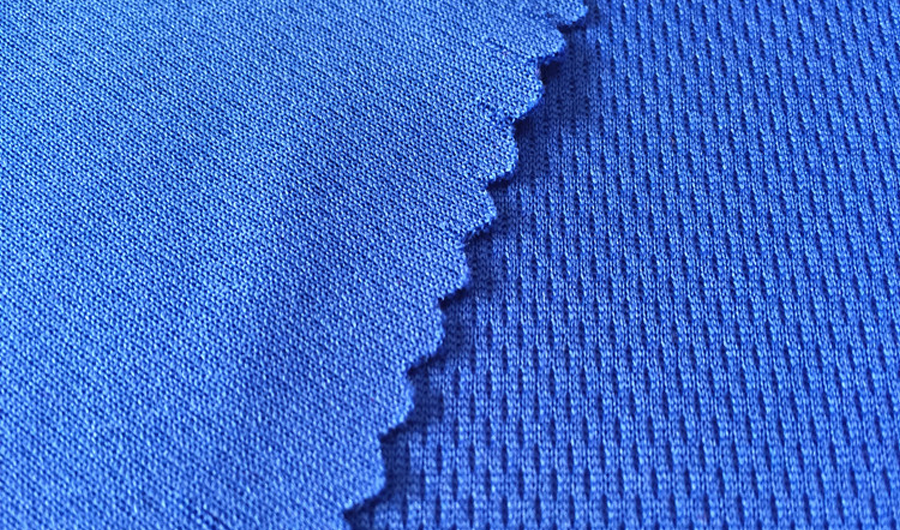
180–500 GSM commonly separates lightweight basics from heavyweight streetwear, fleece, and outerwear programs. GSM alone does not determine duty, but it helps document the material standard and intended performance.
- Streetwear: French terry, fleece, heavyweight jersey
- Sportswear: polyester mesh, interlock, stretch blends
- Uniforms: stable twill, pique, performance knits
Supplier Records For Duty Planning
4 records should accompany each fabric approval: composition sheet, GSM specification, construction description, and country-of-origin information. Add test reports or certifications such as GOTS, OEKO-TEX, or recycled-content evidence when applicable. A commercial invoice should describe the finished garment precisely, including fiber, knit or woven structure, and use.
5. Customization, Decoration, and Duty Classification
Eight decoration choices can change the garment description, declared value, sample approval and supplier paperwork.
Confirm Decoration Scope
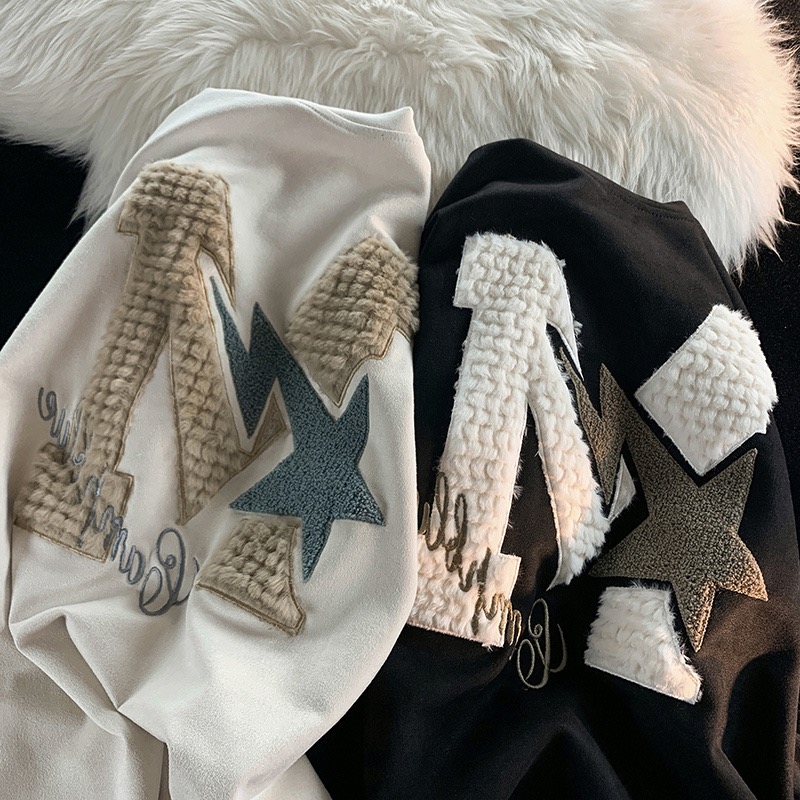
Before production, record screen printing, embroidery, sublimation, heat transfer, patches, labels and trims in the tech pack. Specify artwork, placement, dimensions, thread or ink, Pantone references, hardware, quantities and approved samples. Confirm whether decoration and garment washing occur before export or after import.
Compare Decoration Methods
Five common methods carry different durability, cost and documentation considerations.
| Method | Durability | Main Cost Drivers | Documentation Complexity |
|---|---|---|---|
| Screen printing | Good; depends on ink and wash | Screens, colors, setup, print locations | Artwork, ink, placement, wash test |
| Embroidery | High; may stress lightweight fabric | Stitches, patches, backing, size | Thread, backing, placement, sample |
| Sublimation | High on suitable polyester | Artwork, coverage, color matching | Fiber content, color standard, artwork |
| Heat transfer | Moderate to high | Transfer type, size, setup | Film specification, placement, testing |
| Patches | High when securely applied | Patch construction, attachment, edge finish | Patch material, attachment, dimensions |
Align Paperwork And Samples
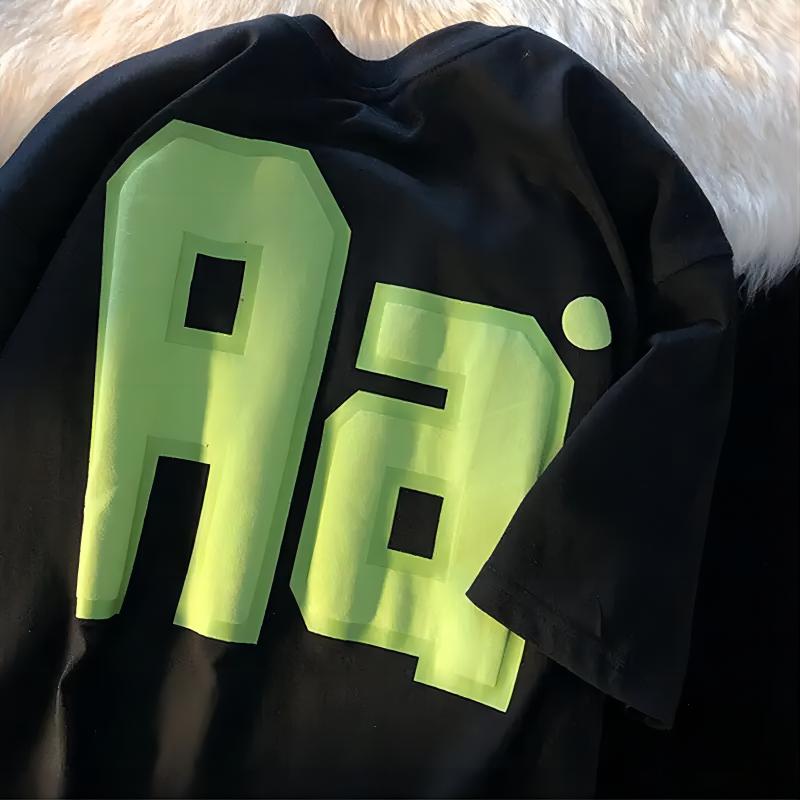
Labels, trims and washing should appear consistently on the approved sample, invoice description, packing information and production records. Note fiber content, decoration location, trim materials, wash treatment and unit value where relevant.
- Approve decoration and wash samples before bulk production.
- Separate garment value from post-import service costs when applicable.
- Match carton, invoice and sample terminology.
6. Key Construction and Compliance Quality Elements
Chapters 61 and 62 separate knitted from woven apparel, so classification depends on documented construction, composition, garment type, and wearer category.
Construction And Garment Type
Chapter 61 covers knitted garments and Chapter 62 covers woven garments; record the construction method beside the exact item type. A fleece hoodie, woven windbreaker, polo shirt, and soccer jersey should each have a precise commercial description.
Fiber, Fit, And Wearer Category
Fiber percentages should total 100% by weight and match test records, labels, and the commercial invoice. Distinguish cotton, polyester, viscose, wool, and blended constructions because composition can affect the applicable tariff line.
Labels, Origin, And Packaging
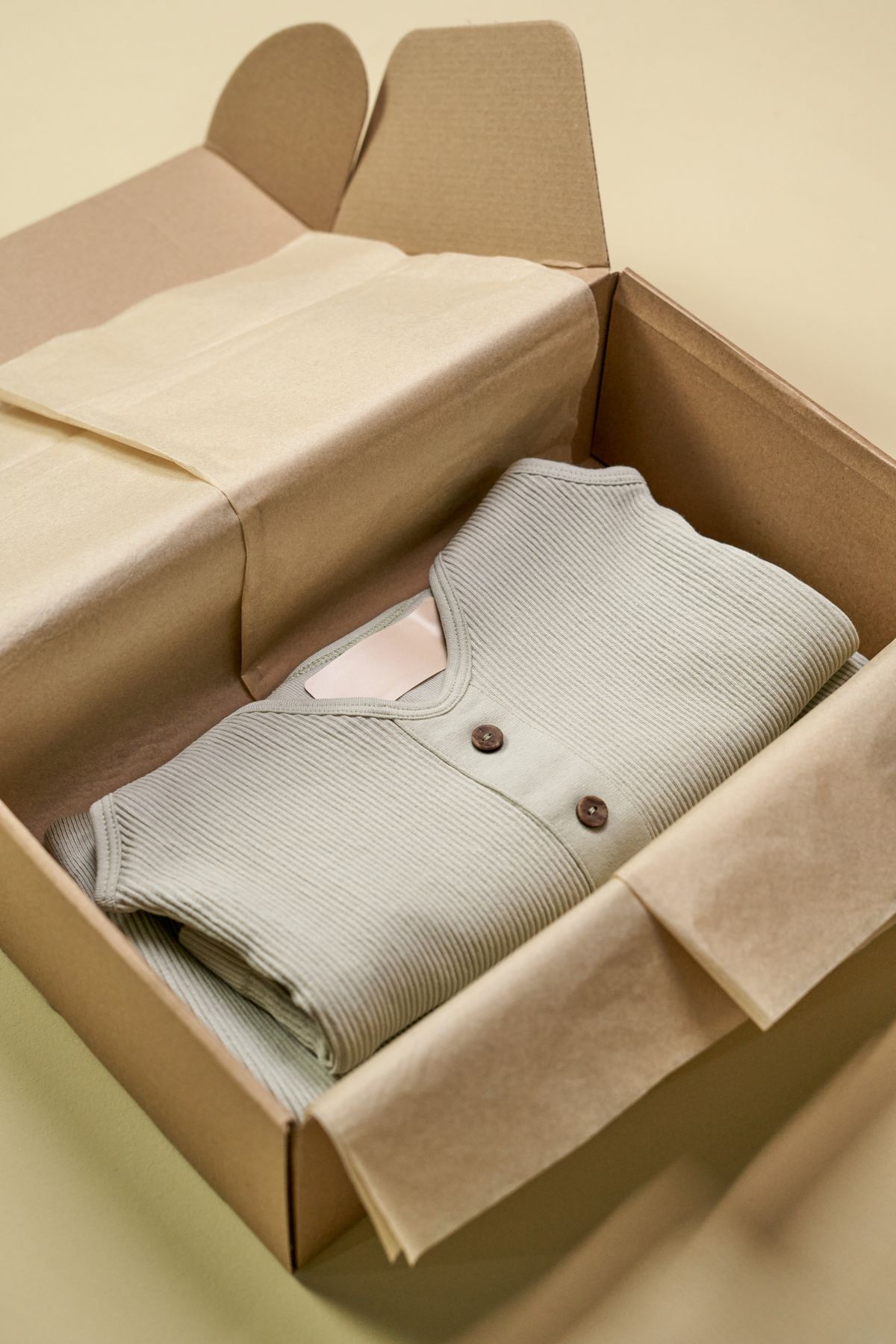
Country-of-origin marking must agree with the declared manufacturing origin and the production documentation; do not assume final packing alone changes origin. Fiber-content, care, and identity labels should be checked against the approved sample before bulk release.
One Consistent Shipment Record
One approved revision should control the tech pack, invoice, packing list, test reports, and pre-shipment inspection checklist. Compare style numbers, colors, fiber percentages, quantities, measurements, labels, and carton totals before dispatch.
7. How to Choose a Clothing Manufacturer
A factory affects duty risk through the data it creates, the origin it documents, and the changes it controls.
Verify Origin And Classification Data
2000 is EDVORIN’s founding year, but supplier age alone does not prove origin control. Ask where yarn, fabric, cutting, sewing, decoration and finishing occur, then reconcile those answers with the commercial invoice and origin declaration. A complete product file should state fiber percentages, knit or woven construction, garment type, gender category and decoration details. com/usa/blog/importing-textiles-into-us.
- Where is each major production step performed?
- Can you provide fiber and construction records by style?
- Which export markets and apparel documents do you routinely handle?
Test Documents And Export Experience
Three documents deserve line-by-line comparison: commercial invoice, packing list and bill of lading. Check style names, quantities, weights, values, carton counts, fiber content and origin against the approved sample and purchase order. Five sample units can expose labeling, measurement or decoration issues before a production run.
- Who is importer of record under the proposed Incoterm?
- Which party coordinates the customs broker and entry data?
- Can documents be corrected before shipment release?
Lock Changes And Traceability
One approved sample, tech pack and revision log should define bulk production. Record fabric lot, trim specification, artwork placement, label wording, carton markings and inspection checkpoints so a late change cannot silently alter classification or origin evidence. Two sign-offs are practical: buyer approval before cutting and factory confirmation before packing.
- What triggers a written change request?
- How are substitutions blocked or approved?
- What evidence links finished cartons to approved materials?
8. Common Clothing Import Duty Mistakes Buyers Make
Eight recurring errors can turn an accurate clothing import duty guide into an expensive landed-cost surprise.
Descriptions And HTS Codes
A vague invoice entry such as ‘clothing’ can delay clearance or produce the wrong duty assessment. Specify garment type, knit or woven construction, fiber percentages, gender category and intended use. A copied HTS code may reflect an older style or ruling.
Origin And Customs Value
A ship-from address is not necessarily the country of origin; origin depends on applicable manufacturing and transformation rules. Record where fabric formation, cutting, sewing and substantial assembly occur, then verify the declaration. An understated invoice can trigger penalties, reassessment, holds and audit exposure.
Shipment And Label Controls
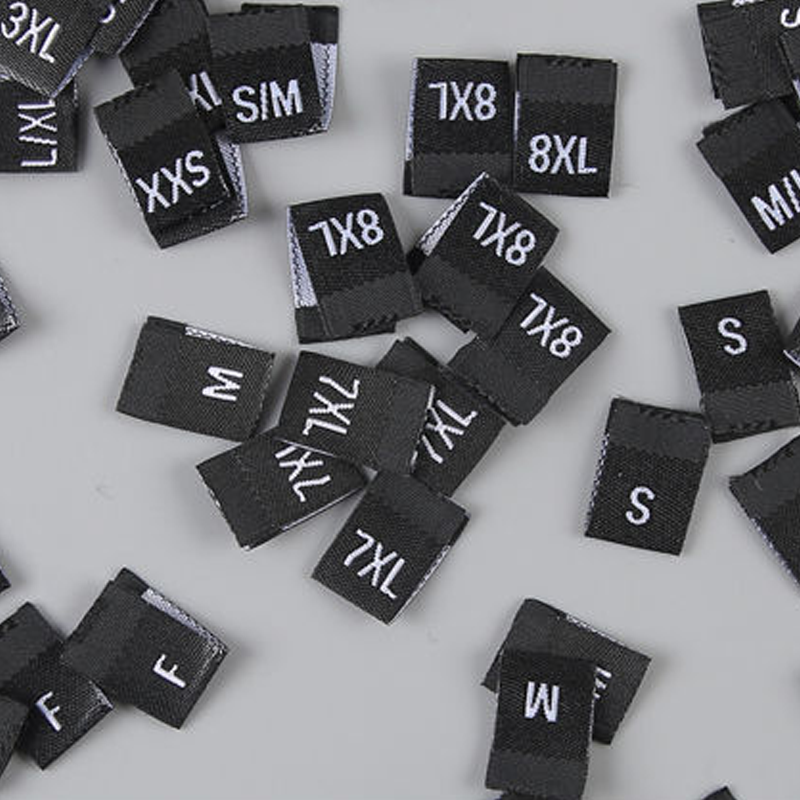
Splitting one commercial order into smaller parcels to avoid thresholds can invite scrutiny, delayed release or enforcement. Confirm the destination country’s rules and declare related shipments consistently with your broker.
Fees And Supplier Estimates
Duty is only one landed-cost line: brokerage, merchandise processing, harbor, handling, storage, tax and carrier disbursement fees may also apply. Request a written quote showing each assumption and charge. A supplier’s duty estimate is not a customs determination.
9. Steps to Launch Your Apparel Brand
Seven controlled decisions move an apparel concept from sketch to first import entry.
Define Product And Destination
Step 1 records garment type, wearer, quantity, destination market, delivery date and selling channel. The buyer owns this brief because knit versus woven construction, gender, fiber and destination determine later classification and compliance work.
Classify And Verify Origin
Step 3 assigns a provisional HS or HTS code using garment type, knit or woven construction, fiber content and intended wearer; US apparel commonly falls in Chapters 61 or 62. The importer and textile customs broker should confirm the line before purchase-order approval.
Model Cost And Audit Supply
Step 5 models unit price, freight, insurance, duty, taxes, brokerage, inspection, labeling and packaging against the confirmed classification and origin. The buyer owns the landed-cost sheet and should stress-test exchange rates, quantity and freight changes. Step 6 audits the supplier’s capacity, quality controls, material traceability and decoration process.
Approve, Ship, Review
Step 7 approves the pre-production sample, measurement chart, care and fiber labels, country-of-origin marking, carton marks and packing list before bulk cutting. The buyer and factory quality owner sign one revision-controlled approval record.
10. Clothing Import Duty Guide Pricing and Cost
1 landed-cost model starts with product value, then adds estimated duty, brokerage, international freight, insurance, destination taxes, port or carrier fees, and pre-shipment inspection. gov/ and customs guidance before quoting. 2 classification checks should separate knit and woven garments, fiber composition, garment type, and preferential-origin eligibility. A customs broker can validate the duty basis, while EDVORIN can provide the commercial invoice details, packing information, construction description, and approved product standard needed for review. 3 planning tiers should show how scale changes unit economics without treating freight or inspection as invisible costs.
| Quantity Tier | Unit Price | Estimated Duty Basis | Lead Time | Total Landed-Cost Planning Notes |
|---|---|---|---|---|
| 100–299 units | $18–$32 | Customs value × confirmed HTS rate | 35–50 days | Add brokerage, freight, insurance, taxes, carrier fees, and inspection; fixed costs raise unit cost. |
| 300–999 units | $14–$26 | Customs value × confirmed HTS rate | 40–60 days | Recalculate duty on final invoice value and allocate freight, inspection, and clearance charges per unit. |
| 1,000+ units | $10–$22 | Customs value × confirmed HTS rate | 50–75 days | Request consolidated freight pricing, confirm origin documentation, and retain contingency for rule changes. |
Apparel Import Planning for EDVORIN Buyers
Clear answers for planning classification, documentation, landed costs and repeatable apparel production with EDVORIN.
What is included in a clothing import duty guide?
How do I classify garments for a clothing import duty guide?
Does country of origin change the result in a clothing import duty guide?
What paperwork should apparel buyers prepare?
Can a clothing import duty guide estimate my landed cost?
How can an OEM or ODM partner reduce import uncertainty?
Should I confirm duty details before requesting an apparel quote?
Ready to Act on Your Clothing Import Duty Guide?
Share your product concept, target market, quantities, and sourcing requirements with EDVORIN to plan a production-ready apparel program.