
Clothing Sample Process From Concept to Production-Ready Collection
A structured clothing sample process for fashion, streetwear, teamwear and private-label buyers—turning concepts into approved, repeatable products.
What Approval Must Prove Before Bulk Production
Validate every decision that turns an apparel concept into a fit-approved, production-ready standard for repeatable collections.
Fit and Grading Control
Validate proportions, measurements, movement and size grading for the intended men’s or women’s program before approval.
Material and Trim Selection
Confirm fabric weight, hand feel, recovery, color, hardware, labels and other trims suit the garment’s end use.
Construction Ready for Bulk
Test seams, panels, pockets, closures and finishing details so the approved construction can be repeated consistently in production.
Decoration Placement and Performance
Review custom apparel printing, custom apparel embroidery, patches or numbers for placement, color, scale and durability across category-specific materials and designs, with garment wash services coordinated where required.
Document the Approved Standard
Record measurements, artwork, materials, revisions, inspection points, and custom clothing labels and packaging requirements so every bulk order follows the same approved reference.
The Clothing Sample Process in 7 Buyer-Friendly Steps
EDVORIN coordinates OEM, ODM and private-label product development, technical development, sample revisions, approval and bulk-production handoff so apparel buyers can move from concept to repeatable production with confidence.
Share Your Brief
Send a tech pack, sketch, reference garment, or collection concept so EDVORIN can define materials, construction, fit goals, decoration, and target quantities.
Build the Technical Foundation
EDVORIN develops patterns, measurements, fabric and trim specifications, artwork placement, and construction details for the intended men’s or women’s fit and category.
Create the First Sample
The prototype tests design feasibility, garment construction, material behavior, and decoration execution in the sample room before focused fit revisions begin.
Refine Fit and Details
Review the sample against measurements, silhouette, comfort, artwork, trims, and finishing; EDVORIN records consolidated feedback and coordinates targeted revisions efficiently.
Verify the Size Range
Develop size-set checks to confirm grading, proportions, and measurement consistency across the approved fit block for the intended men’s or women’s collection.
Approve the Production Standard
Confirm final materials, colors, trims, decoration, measurements, labeling, and packaging against the approved sample before releasing the style for bulk production.
Hand Off to Bulk Production
EDVORIN transfers approved specifications into production planning, with in-line quality checks and final inspection protecting consistency from cutting through packing.
Sample-to-Bulk Paths for Every Buyer Program
Controlled product development adapts one accountable sampling framework to fashion, streetwear, teamwear, school, wholesale and private-label requirements.
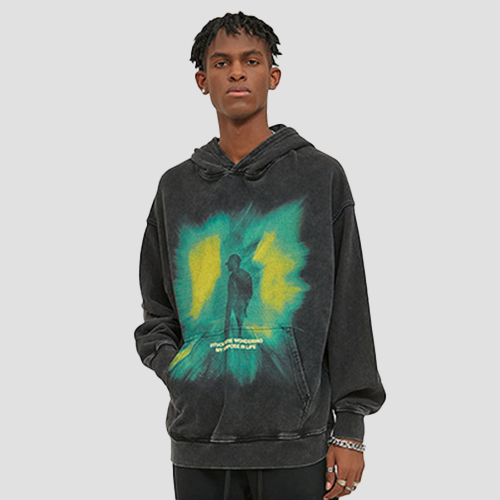
Custom Hoodies
EDVORIN develops custom hoodies around fleece weight, fit blocks, rib recovery, drawcords, artwork placement and finishing details. As a custom hoodie manufacturer, the company coordinates fabric, trims, decoration, custom clothing labels and packaging, then carries approved specifications into repeatable bulk production for fashion, teamwear and private-label programs.
Get a Quote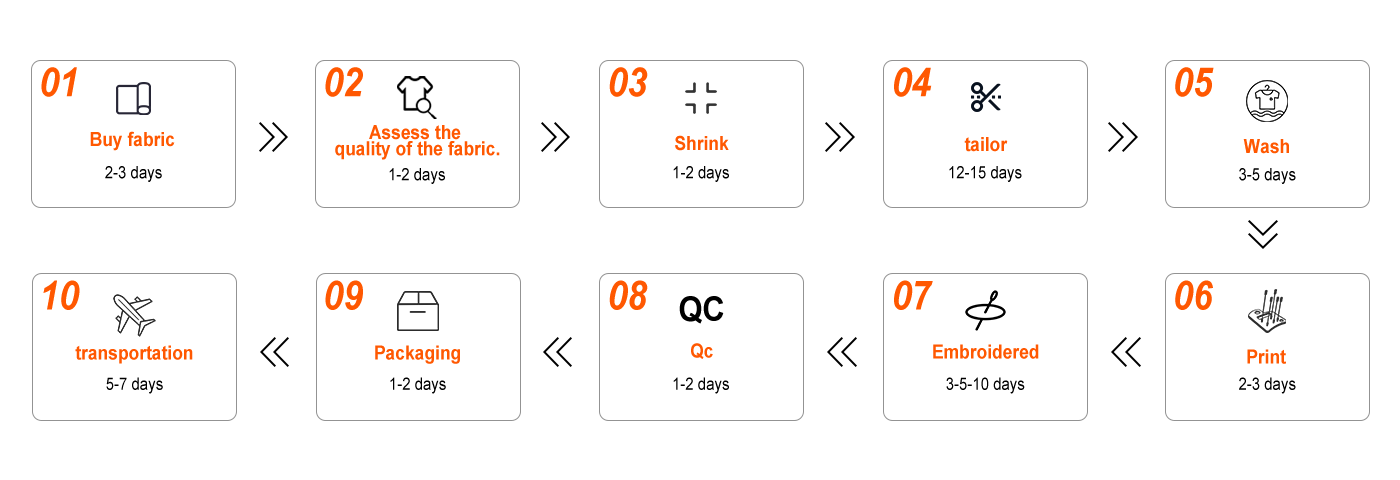
Pullover Sweatshirts
Pullover sweatshirts are developed through coordinated decisions on fabric weight, brushed or unbrushed fleece, neckline construction, cuffs, hem, fit and decoration. As a sweatshirt manufacturer, OEM clothing manufacturer and ODM apparel manufacturer, EDVORIN supports programs from sketch or tech pack through sampling, revisions, approved standards, quality control and bulk production for men’s and women’s ranges.
Get a Quote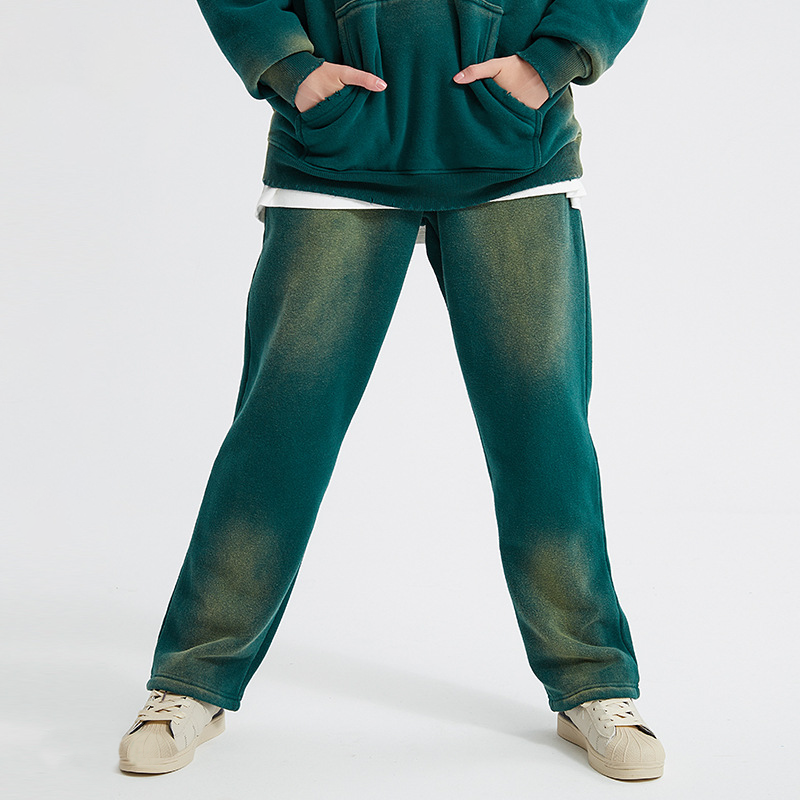
Sweatpants & Joggers
EDVORIN develops sweatpants and joggers with attention to rise, leg shape, waistband construction, drawcords, pockets, cuffs, fabric behavior and wash requirements. As a sweatpants manufacturer, the company aligns fit, trims, decoration and grading before approval, supporting coordinated casualwear, streetwear, teamwear and private-label bottom programs.
Get a Quote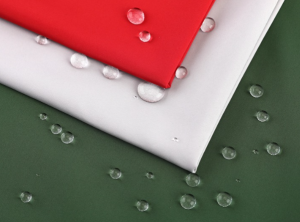
Custom Shorts
Custom shorts require clear control of inseam, silhouette, waistband, pocket construction, lining, fabric weight and decoration placement. As a custom shorts manufacturer and private label clothing manufacturer, EDVORIN serves casualwear, sports, school and private-label buyers, converting references or technical packs into approved samples that can guide consistent repeat orders.
Get a Quote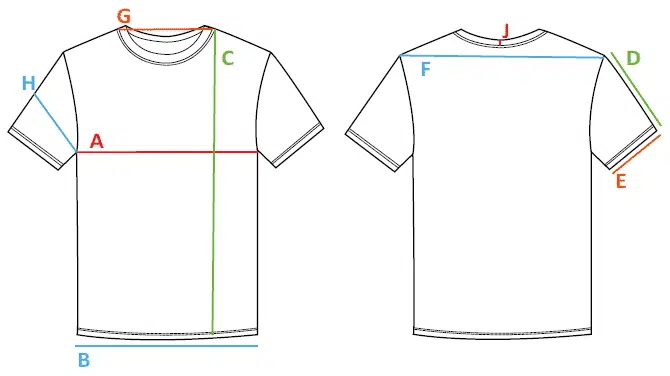
Varsity & Baseball Jackets
Varsity and baseball jackets combine body fabric, sleeves, lining, rib, snaps, patches, embroidery and fit into one coordinated product. EDVORIN supports varsity jacket manufacturer programs by documenting construction, material and decoration standards, with sampling and inspection suited to fashion labels, schools, clubs and private-label collections.
Get a Quote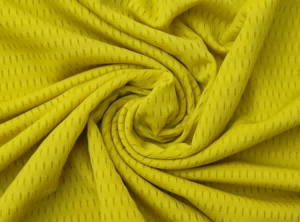
Custom T-Shirts
EDVORIN develops custom T-shirts through decisions on yarn or fabric type, weight, fit, neckline, seam construction, color, print, embroidery, labeling and packaging. As a custom t shirt manufacturer, the company supports branded basics, event programs, wholesale ranges and private-label collections from initial concept through controlled sample-to-bulk production.
Get a Quote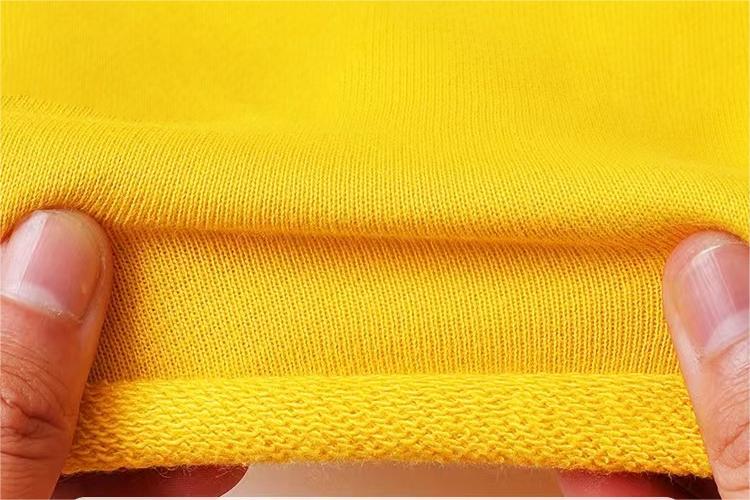
Custom Polo Shirts
Custom polo shirts require coordination between pique or performance fabric, collar and cuff construction, placket, buttons, fit, embroidery and color standards. EDVORIN works as a polo shirt manufacturer for corporate, school, sports, wholesale and private-label buyers, developing men’s and women’s samples before grading and bulk quality control.
Get a Quote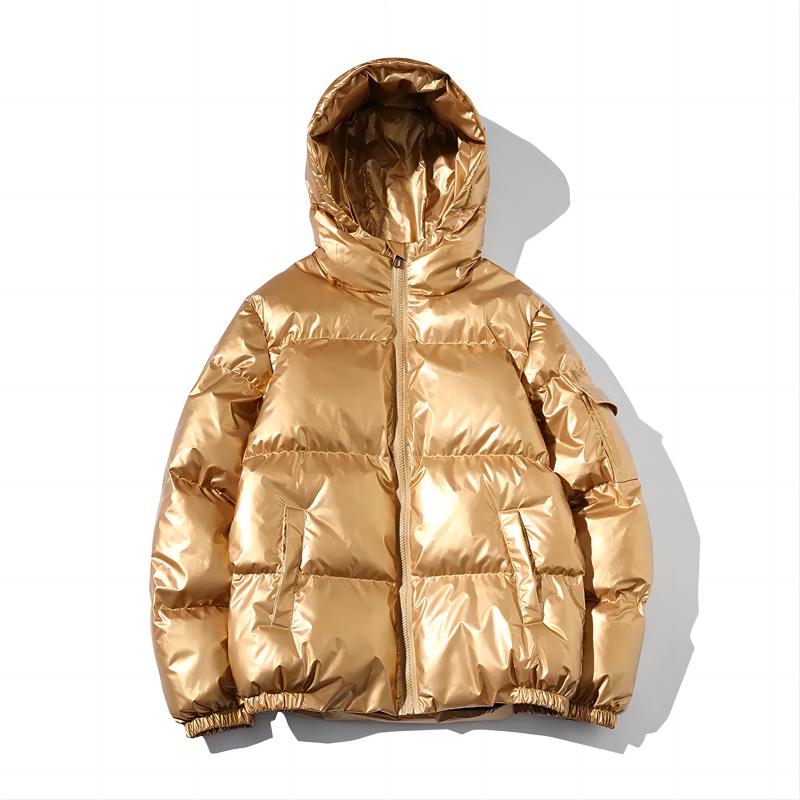
Windbreaker Jackets
Windbreaker jackets are developed around shell fabric, water-resistant performance, lining or mesh, hood and hem adjustments, zippers, pockets and reflective or printed details. EDVORIN coordinates these requirements as a windbreaker manufacturer, creating an approved construction standard for teamwear, streetwear, outdoor programs and private-label outerwear.
Get a Quote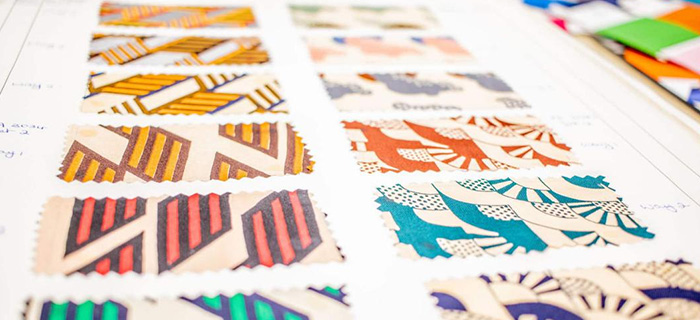
Quilted Jackets
Quilted jackets require control of shell fabric, lining, insulation weight, quilting pattern, panel construction, hardware, fit and finishing. EDVORIN develops quilted outerwear with documented material and measurement standards, supporting fashion brands, wholesalers and private-label buyers through sampling, revisions, bulk inspection and coordinated packaging.
Get a Quote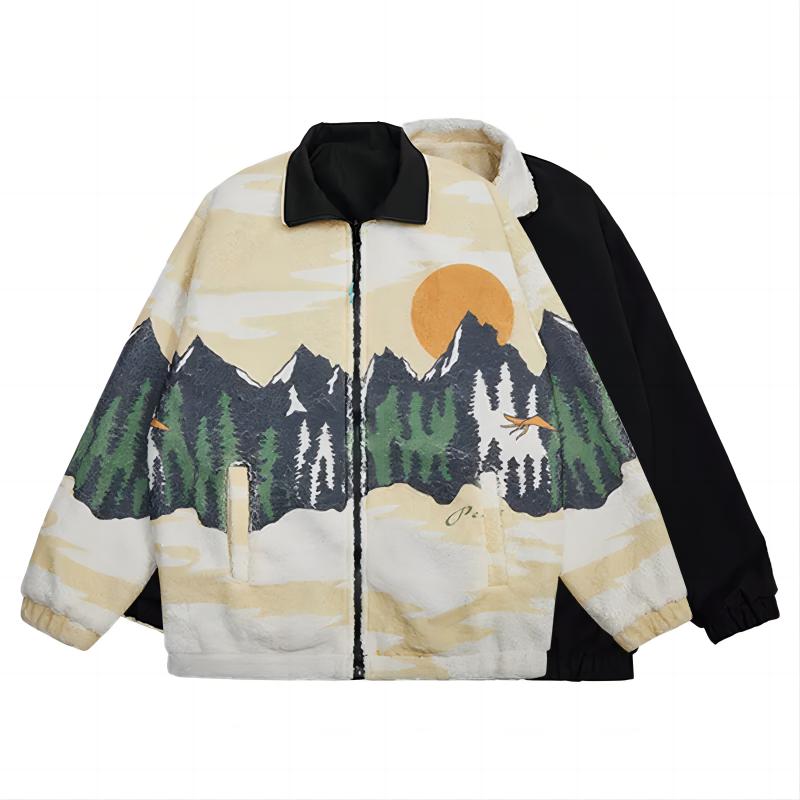
Bomber Jackets
Bomber jackets depend on the balance between shell, lining, rib collar, cuffs, waistband, zipper, pockets and decoration. EDVORIN develops bomber jacket manufacturer programs by testing construction and fit during sampling, then recording approved specifications for consistent production across streetwear, fashion, teamwear and private-label collections.
Get a Quote
Custom Shirts
Custom woven shirts are developed through fabric selection, collar and cuff construction, plackets, buttons, seam details, fit, grading and decoration. As a custom woven shirt manufacturer, EDVORIN supports fashion brands, corporate buyers, wholesalers and private-label programs with technical development, approved samples, bulk coordination and final quality checks.
Get a Quote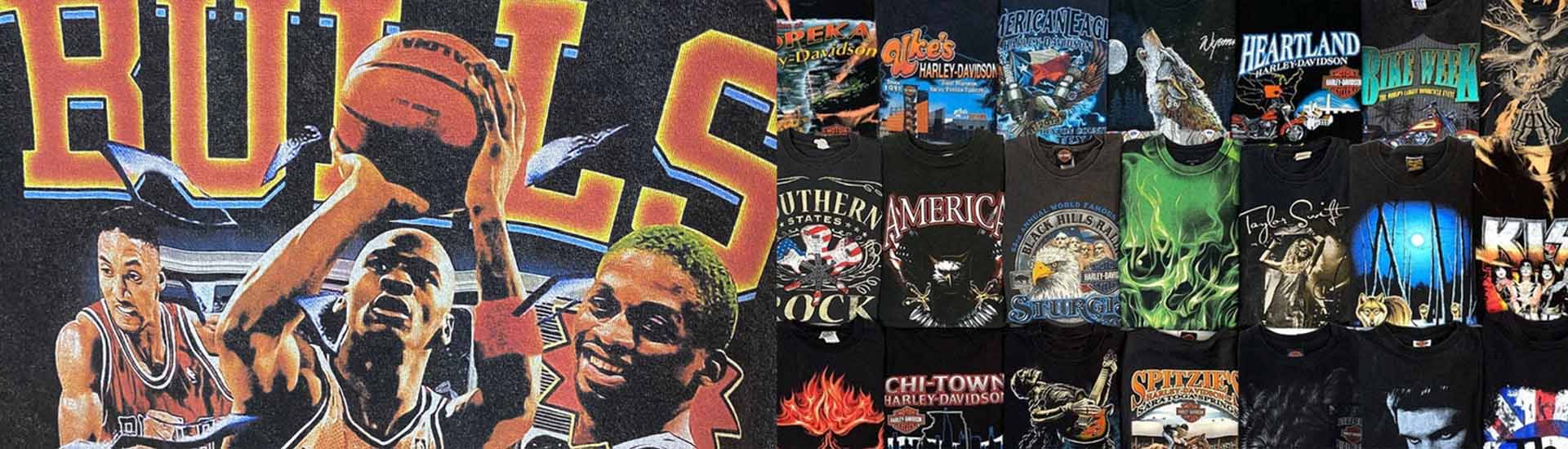
Custom Jerseys
Custom jerseys require stable fabric performance, breathable construction, color matching, panel layout, numbers, names, sponsor artwork and size grading. EDVORIN works as a custom jersey manufacturer for clubs, schools, sports organizations and private labels, coordinating decoration and inspection so approved designs remain consistent across repeat team orders.
Get a Quote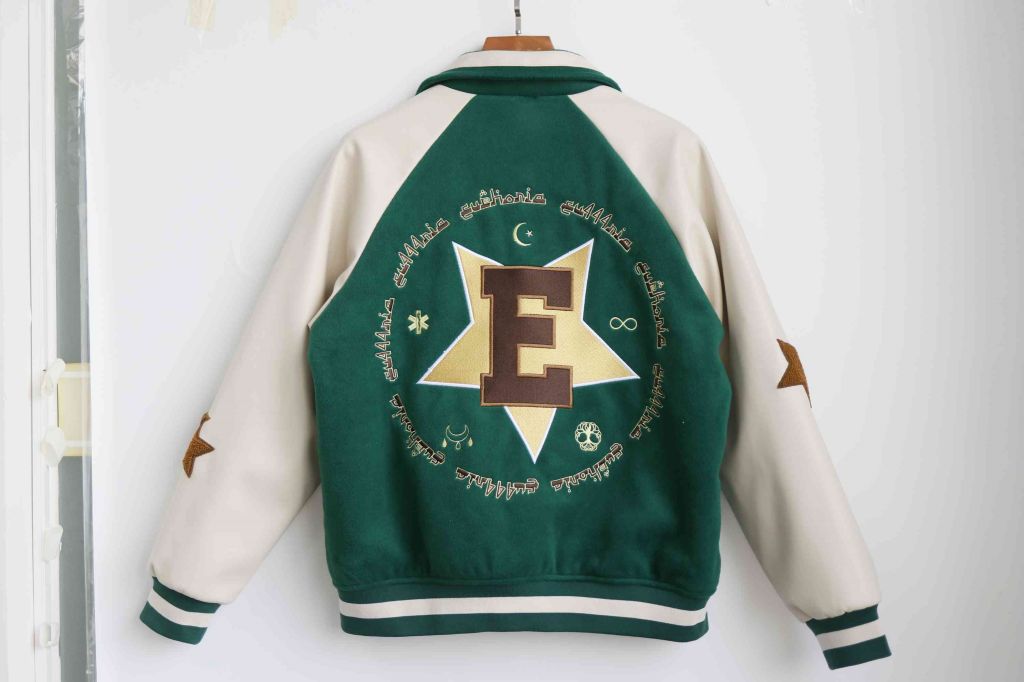
Tank Tops
Tank tops are developed around fabric weight, armhole and neckline proportions, fit, hem finish, color and artwork placement. EDVORIN supports custom tank top manufacturer programs for fashion, fitness, streetwear, school and teamwear buyers, developing men’s and women’s samples and carrying approved measurements and decoration into bulk production.
Get a Quote
Soccer Uniforms
Soccer uniforms require coordinated jersey and short construction, breathable performance fabrics, team colors, crests, sponsor marks, names, numbers and organized size grading. EDVORIN supports soccer uniform manufacturer programs for clubs, schools and academies, with sample approval, decoration control, inspection and packaging aligned to team-order requirements.
Get a Quote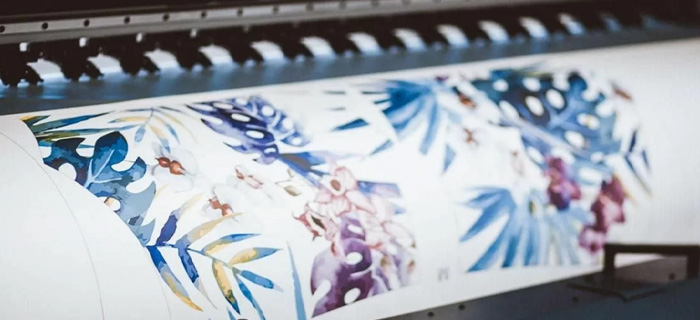
Basketball Uniforms
Basketball uniforms are developed around lightweight performance fabric, breathable panels, armhole and short proportions, elastic construction, team colors, names, numbers and size grading. EDVORIN works as a basketball uniform manufacturer for clubs, schools and sports organizations, coordinating artwork, samples, bulk inspection and organized packing for complete roster orders.
Get a Quote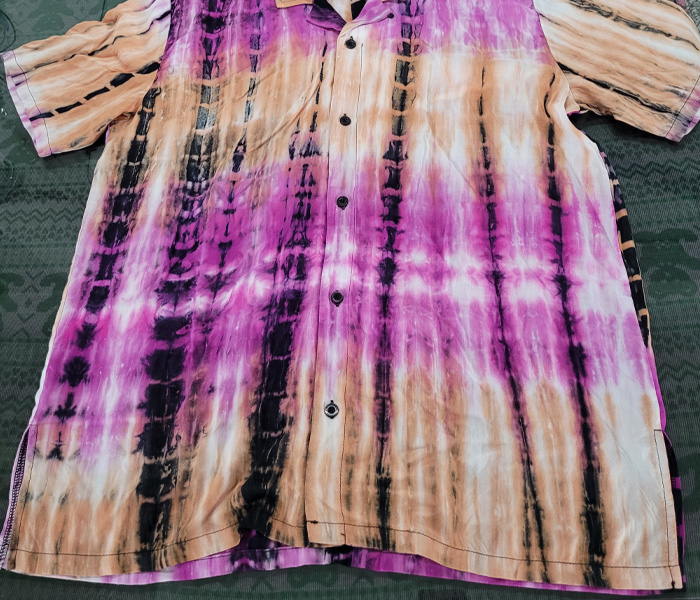
Streetwear Collections
EDVORIN develops streetwear collections as connected product programs rather than isolated garments, coordinating hoodies, sweatshirts, T-shirts, pants, jackets, woven shirts and decoration. As a streetwear and low MOQ clothing manufacturer with MOQ starting at 200 pieces per style, the company supports emerging and established labels with material sourcing, sampling, fit development, approved standards and repeatable collection production.
Get a QuoteApparel Development FAQs for Buyers
Practical answers about development, approvals and moving from an approved garment sample to repeatable bulk production with EDVORIN.
What does the clothing sample process include?
Can EDVORIN develop samples if we do not have a complete tech pack?
How many revisions are normal in the clothing sample process?
How is fit approval handled for men’s and women’s apparel?
Can decoration be tested during the clothing sample process?
What MOQ applies when starting a clothing sample process?
How does EDVORIN move from an approved sample to bulk production?
The Complete Buyer’s Guide to the Clothing Sample Process
Use this decision framework to compare sample stages, materials, quality controls, supplier capabilities, costs, and common mistakes before approving apparel production.
1. What Is the Clothing Sample Process?
Three checkpoints define the clothing sample process: a physical garment is developed, reviewed, revised, and approved before bulk cutting begins. Samples test whether the design survives real fabric, pattern geometry, sewing operations, trims, decoration, labels, and intended use—not merely whether a sketch looks correct. One prototype is an early problem-solving version, often used to test shape, construction, or manufacturability before details are finalized. Sampling is the broader controlled evidence process, covering fit review, material confirmation, branding placement, size consistency, and production-readiness; final production is the repeated manufacture of the approved standard at volume. Six buyer groups benefit from approval evidence: fashion brands, streetwear labels, sports teams, schools, wholesalers, and private-label programs.
2. Evolution and History of Apparel Sampling
1. Early workshop sampling centered on pattern development, cutting, sewing, and physical fitting, with corrections communicated directly between the maker and buyer. That hands-on model established the essential purpose of the clothing sample process: test whether a concept can become a workable garment before committing to volume production. 2. Standardized factory stages later separated development into recognizable checkpoints such as proto, fit, size set, salesman, and pre-production samples. nyc/blog/sampling-stages-for-apparel). 3. Digital patternmaking and 3D prototyping now allow teams to review proportions, construction logic, and design changes before every physical iteration, although production samples remain important for validating actual materials and workmanship. For modern sourcing, the practical expectation is traceability: documented revisions, faster approval cycles, an approved reference sample, and specifications that a factory can reproduce consistently across sizes, seasons, and larger orders.
3. Types of Clothing Sample Process Stages
Seven sample stages answer different production questions; using every stage for a simple T-shirt can add cost without reducing meaningful risk.
Development And Fit Samples
1 development sample tests whether the concept, pattern, construction, and decoration can become a workable garment. It answers: can this design be built as intended?
Size Set And Selling Samples
3 a size set checks grading across the actual size range, such as S–XXL, and answers: does the approved fit remain proportionate beyond the base size? 4 salesman or photoshoot samples present styling, color, decoration, and visual finish for buyer presentations, e-commerce, or photography.
Pre-Production And Top Samples
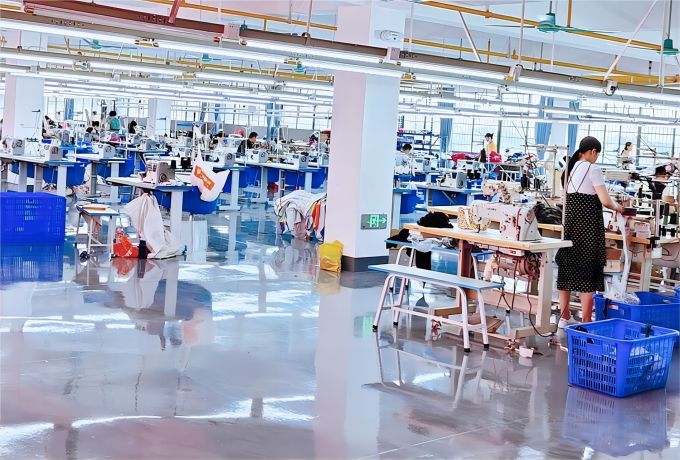
5 the pre-production sample uses final fabric, trims, labels, artwork, and construction methods. It answers: is this the exact manufacturing standard to approve before cutting bulk? 6 the top-of-production sample is pulled from early bulk output to confirm that approved specifications survived line setup.
Shipment Sample
7 the shipment sample represents packed finished goods and verifies measurements, appearance, labels, folding, tagging, and packaging before dispatch. It answers: does the order leaving the factory match the approved reference?
4. Materials and Fabrics in the Clothing Sample Process
Fiber content and fabric structure determine how a sample fits, feels, washes, and performs.
| Fabric type | Typical characteristics | Suitable applications | Key sample checks |
|---|---|---|---|
| French terry | Loopback, midweight, breathable | Streetwear, hoodies, joggers | GSM, drape, shrinkage, rib recovery |
| Fleece | Brushed, warm, soft hand | Cold-weather streetwear, schoolwear | Pilling, loft, wash shrinkage, color |
| Polyester blend | Durable, quick-drying, stable | Sportswear, jerseys, uniforms | Stretch, wicking, colorfastness, abrasion |
| Cotton poplin or pique | Crisp or textured, washable | Shirts, polos, private-label basics | Fit, opacity, laundering, shade consistency |
Match Fabric To End Use
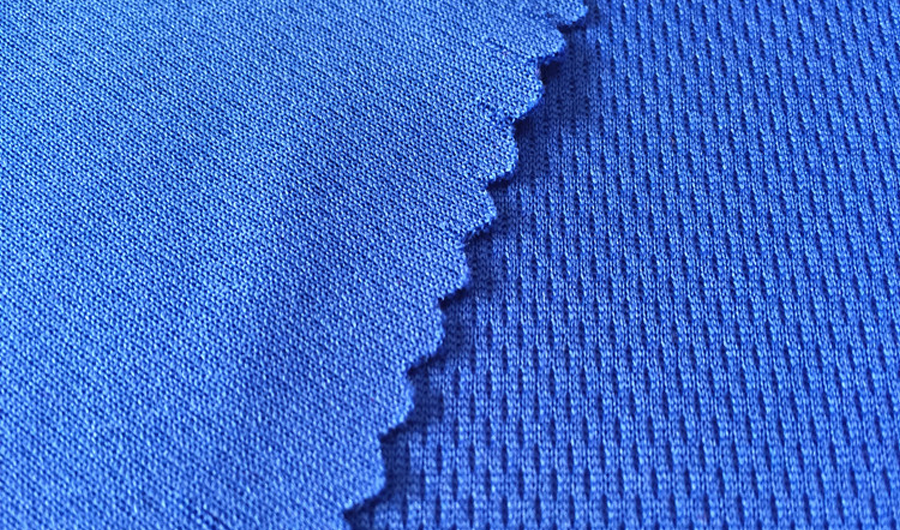
180–450 GSM fabrics cover many apparel programs, but weight alone does not define performance. French terry supports structured streetwear; fleece adds warmth; polyester blends improve durability and moisture management.
Check Material Behavior
2–5% elastane can materially change recovery, mobility, and grading, while knit structure affects stretch in different directions. Review drape on the actual pattern, not only as a loose fabric swatch.
Sampling Priorities By Fabric
1 approved color standard, such as a Pantone reference or lab dip, prevents avoidable shade disputes. Sports and teamwear also require breathability, drying behavior, abrasion resistance, and movement comfort. Use the sample to confirm fabric weight, seam compatibility, decoration surface, and post-wash appearance.
5. Customization and Decoration Options
Four variables—artwork, fabric surface, placement, and order quantity—determine whether a decoration is suitable for sampling.
| Method | Best Surface | Key Checks | Typical Risk |
|---|---|---|---|
| Screen printing | Cotton jersey or fleece | Color count, registration, hand feel | Cracking or heavy handle |
| Embroidery | Stable panels | Thread density, backing, placement | Puckering |
| Heat transfer | Smooth stretch fabrics | Adhesion, edges, wash test | Peeling |
| Sublimation | White polyester | Color profile, bleed, coverage | Limited fiber compatibility |
| Patches or badges | Jackets, fleece, twill | Attachment, edge, scale | Lift or stiffness |
Match Method to Surface
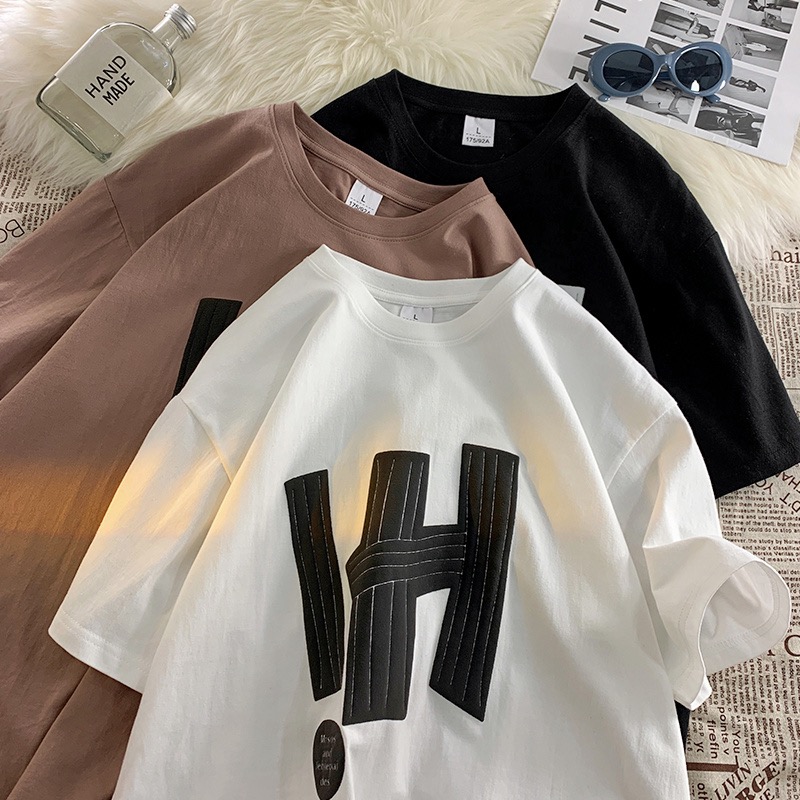
Screen printing suits cotton jerseys and fleece; embroidery and patches add dimension but need stable panels. Heat transfer works for fine details and names.
Control Artwork and Placement
One-color artwork is simpler than six-color printing; small text, gradients, and fine lines may require transfer or digital methods. Confirm Pantone references, scale, and registration. Chest, sleeve, back, hem, and cap placements need measured coordinates.
Approve Decoration Before Bulk
Two approvals may be necessary: a strike-off for print, dye, or color accuracy, and a decoration sample for embroidery, patches, labels, or badges. Wash testing should check cracking, peeling, bleeding, shrinkage, and hand feel.
6. Key Construction Quality Elements to Inspect
Measure the approved sample against the tech pack before judging appearance.
Measurements And Balance

Chest, body length, sleeve length, shoulder, armhole, and hem opening should be recorded in the specified size, with tolerances stated in centimeters. Check garment balance on a consistent fit model: side seams should hang vertically, and the body should not twist or pull.
Seams And Recovery
Use seam pull and stretch checks on high-stress areas, especially armholes, crotch seams, pocket openings, and waistband joins. Confirm stitch density, secure back-tacking, even seam allowance, and no skipped stitches or exposed raw edges. Necklines, cuffs, and waistbands should recover after repeated stretching without rippling.
Closures, Trims, And Labels
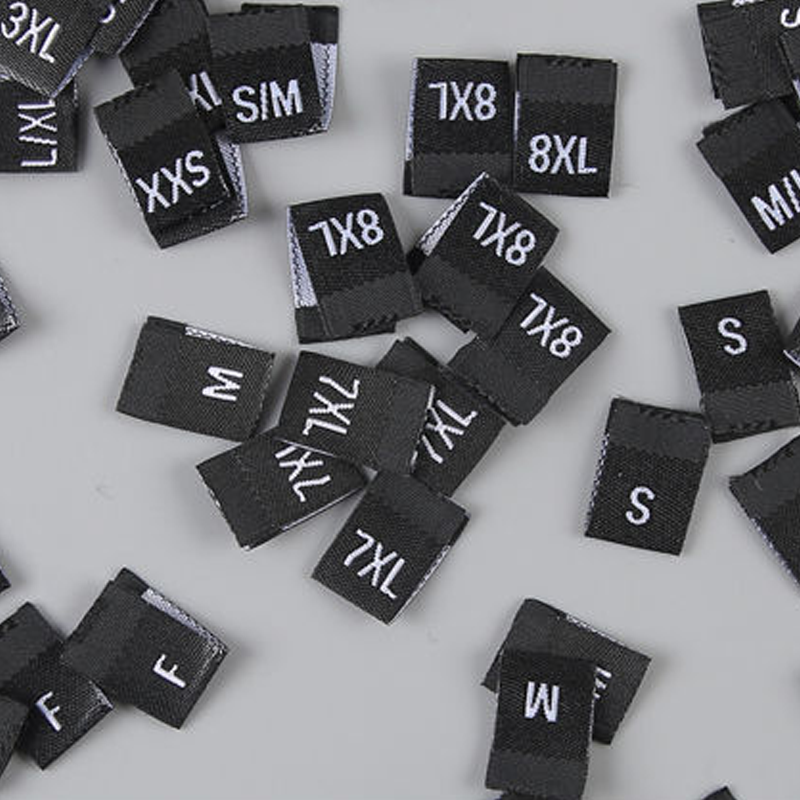
Operate every zipper, snap, button, drawcord, and elastic component repeatedly; check alignment, pull strength, snagging, and attachment security. Confirm labels, care instructions, patches, embroidery, and trims match the approved artwork, placement, and size. Inspect pressing and finishing for shine, puckering, loose threads, stains, and distortion.
Color And Wash Results
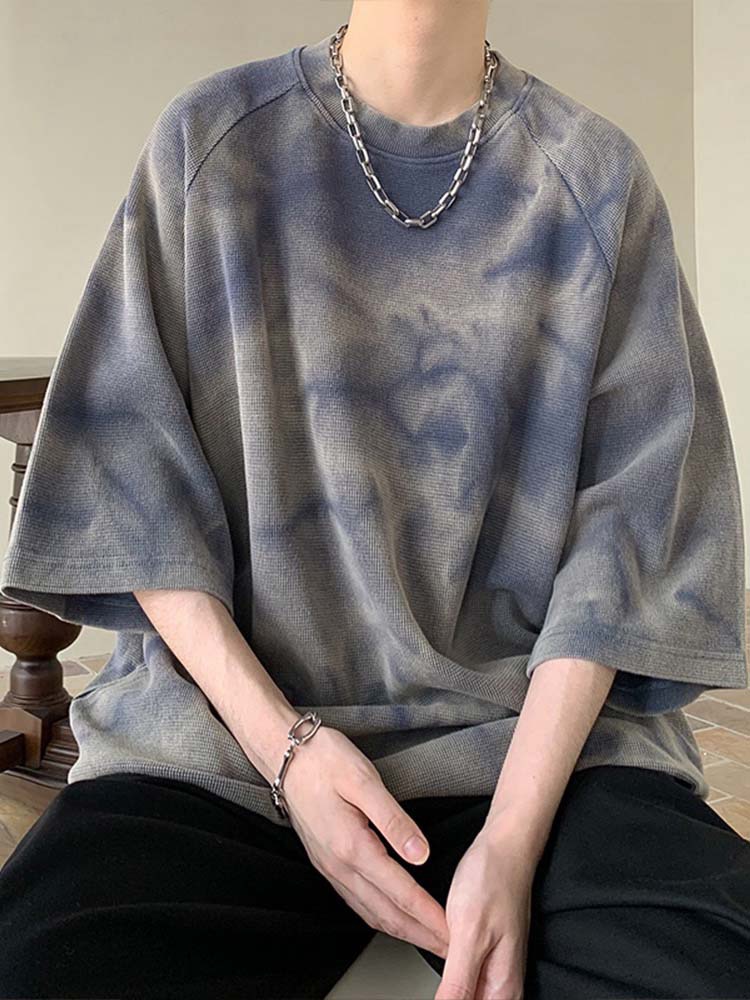
Compare body fabric, rib, thread, trims, and decoration under consistent lighting against the approved color standard. Look for panel-to-panel shade variation, print migration, embroidery distortion, and uneven finishing. After the specified wash, record dimensional change, twisting, pilling, colorfastness, shrinkage, and print adhesion.
7. How to Choose a Clothing Sample Manufacturer
Three checks separate a capable clothing sample process from a supplier that only makes attractive prototypes.
Match Product Experience
Five product questions matter first: has the supplier made your category, fabric weight, construction, and decoration method before, and can it show comparable samples? EDVORIN develops hoodies, jackets, jerseys, uniforms, and coordinated streetwear for both men’s and women’s programs. A capable sample room should connect pattern making, grading, sewing, washing, and finishing.
- Request comparable finished samples, not only design images.
- Confirm pattern, grading, and technical-pack support.
- Ask how fit comments and revisions are documented.
Audit Materials And Controls
Four sourcing records should be available before approval: fabric composition and GSM, color references, trim specifications, and decoration strike-offs. Check whether the supplier can source or control items such as YKK hardware, labels, elastics, and approved Pantone references. A pre-production sample should use production-intent materials, trims, labels, and decoration.
- Verify fabric substitutions require written approval.
- Ask for inspection stages and corrective-action records.
- Confirm decoration equipment matches your artwork and volume.
Test Commercial Reliability
EDVORIN’s MOQ starts at 200 pieces per style. Two numbers expose operational fit: minimum order quantity and realistic lead time for sampling and bulk production. Ask for revision charges, remake rules, capacity during peak seasons, payment milestones, and named communication contacts.
- Request a written sample and bulk timeline.
- Confirm capacity for repeat and size-set orders.
- Use a pilot order with documented inspection criteria.
8. Common Clothing Sample Process Mistakes Buyers Make
Ten preventable errors can turn a manageable clothing sample process into costly rework, delayed launches, or inconsistent bulk goods.
Lock The Technical Brief
One incomplete tech pack can leave fabric, GSM, trims, measurements, artwork, labels, and wash requirements open to interpretation. The commercial risk is incorrect samples, remakes, and avoidable development charges.
Control Fit And Sizing
One changing fit model can make revisions impossible to compare, while skipping a size set hides grading errors across the intended range. The result may be returns, poor teamwear consistency, or unsellable stock. Keep the same model and record body measurements.
Protect Materials And Decoration
One substitute fabric can alter drape, shrinkage, color, and hand feel; untested screen printing, embroidery, or heat transfer can fail after washing. These errors create customer complaints and margin loss. Approve production fabric, trims, and decoration through physical testing.
Consolidate Final Approval
One mixed revision folder or series of scattered change requests can cause the factory to build from obsolete instructions. Repeated late changes extend sampling and increase freight, labor, and launch risks.
9. Steps to Launch Your Brand After Sampling
Three approval gates turn an approved sample into a launch-ready product: technical release, production release, and shipment release.
Release The Manufacturing Brief
Step 1 starts with the design brief, tech pack, measurement chart, artwork, trims, labels, packaging requirements, and target quantity. The buyer owns commercial intent; EDVORIN confirms construction, materials, decoration, and manufacturability. Step 2 is the supplier briefing.
Approve Fit, Cost, And Grading
Step 3 reviews the sample on the intended fit model, recording quantitative comments on measurements, balance, decoration placement, and functionality. One consolidated revision file prevents conflicting instructions. Step 4 closes costing, grading, and the size set.
Authorize Production
Step 5 is pre-production approval using final production fabric, trims, labels, artwork, and finishing. The signed PP sample becomes the physical reference, while the purchase order confirms quantities, sizes, colors, delivery terms, and packaging instructions. Step 6 assigns production monitoring to EDVORIN and commercial ownership to the buyer.
Inspect, Pack, And Launch
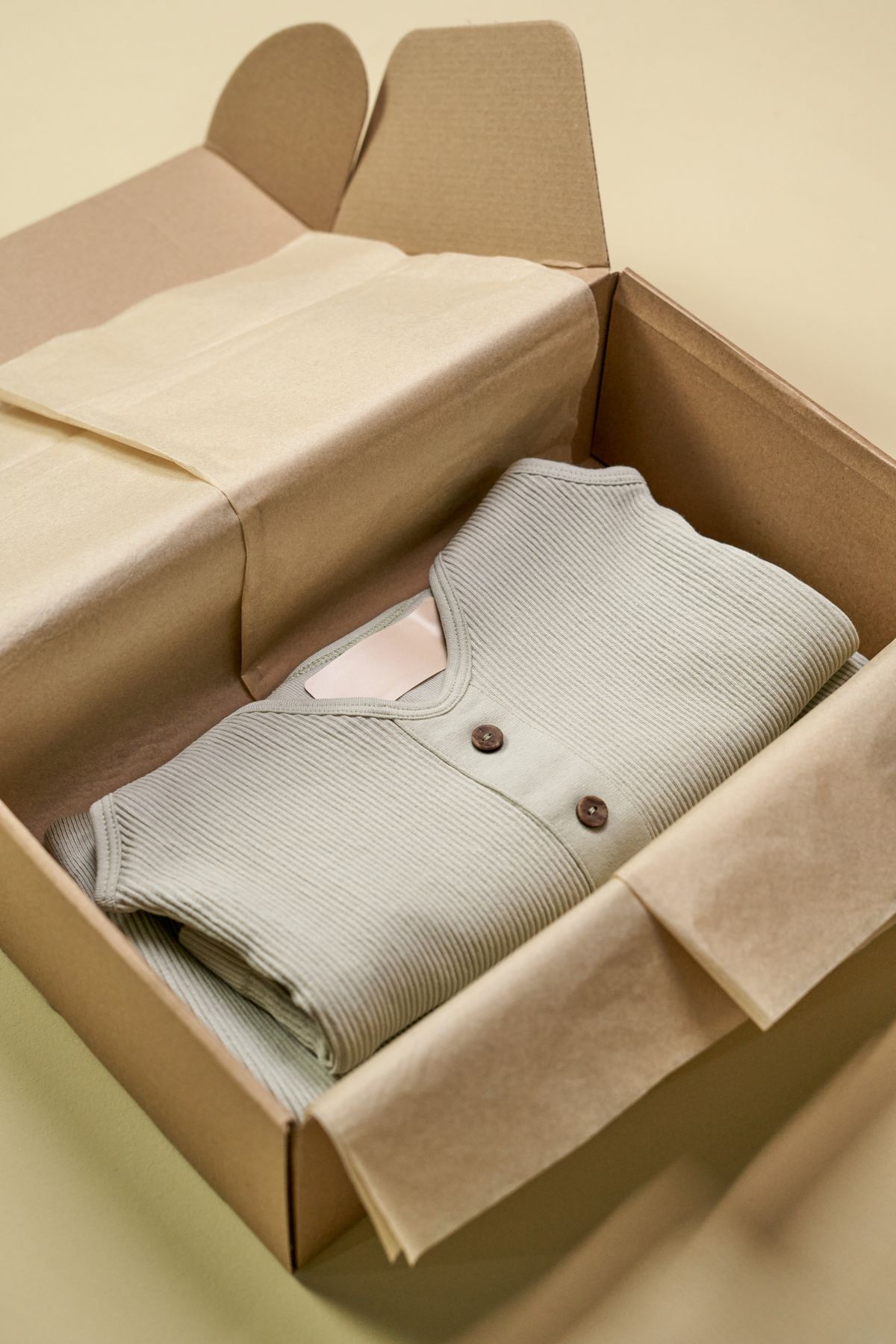
Step 7 covers final inspection, folding, tagging, carton packing, and shipment-sample retention. Release requires the buyer’s confirmation that quantity, quality, labeling, and packaging match the approved standard.
10. Clothing Sample Process Pricing and Cost Factors
Seven cost lines usually shape a clothing sample process quotation: pattern development, sample-room labor, fabric and trims, decoration setup, special techniques, shipping, and revisions. A lined jacket, embroidered varsity style, or washed fleece generally requires more development work than a basic T-shirt. Two to four weeks is a useful planning range for a straightforward sample round, but fabric availability, trim sourcing, washhouse capacity, decoration testing, and revision count can extend the schedule. Sample quantity also matters: a single prototype and a full size set create different labor, material, and freight requirements.
| Sample Stage or Quantity | Indicative Cost Drivers | Expected Lead-Time Factors | Buyer Notes |
|---|---|---|---|
| 1 prototype | Pattern work, base fabric, trims, sewing labor, local freight | Tech-pack clarity; material availability; construction complexity | Confirm whether pattern development and one revision are included |
| Fit revision | Pattern correction, remake labor, replacement materials, fitting review | Comment turnaround; number of revisions; fit-model access | Send consolidated, measurement-based comments |
| Size set, 3–6 pieces | Grading, multiple sizes, added fabric and trims, packing | Grade-rule approval; size availability; sewing capacity | Confirm each size, colorway, and decoration requirement |
| Decorated or technical sample | Artwork setup, embroidery or print testing, washing, special seams, express shipping | Decoration queue; wash testing; new-technique development | Request separate setup, per-unit, testing, and shipping lines |
Ready to Start Your Clothing Sample Process?
Share your concept with EDVORIN and move from sampling decisions to a production-ready apparel program with one accountable partner.