
Cotton vs Polyester Clothing: Choose the Right Fabric
Understand cotton vs polyester clothing and select materials that support comfort, performance, decoration and repeatable production.
Cotton vs Polyester Clothing: Compare the Factors That Matter
Evaluate comfort, performance, durability, care, decoration and cost before turning fabric choices into production-ready apparel programs.
Comfort And Hand Feel
Assess hand feel, softness and wearer expectations across everyday apparel, streetwear layers, team uniforms and private-label basics.
Breathability And Activity
Compare airflow, heat comfort and intended activity to guide cotton, polyester or blended constructions for each product category.
Durability And Wear
Review shape retention, abrasion resistance and repeat-wear demands before approving materials for hoodies, jerseys, outerwear or work-ready programs.
Moisture Management
Match absorbency, drying behavior and activity level with the wearer experience your sports, teamwear or everyday collection needs.
Care And Cost
Balance material price, shrinkage, wrinkle resistance, washing requirements and expected lifecycle value when planning repeatable production.
Decoration Compatibility
Evaluate screen printing, embroidery, sublimation and artwork placement alongside fabric choice to protect appearance, performance and production consistency.
Cotton vs Polyester for Brands, Teams and Wholesalers
Choose fabric, construction and decoration according to comfort, durability, performance, repeatability and the demands of each apparel program.
Custom Hoodies
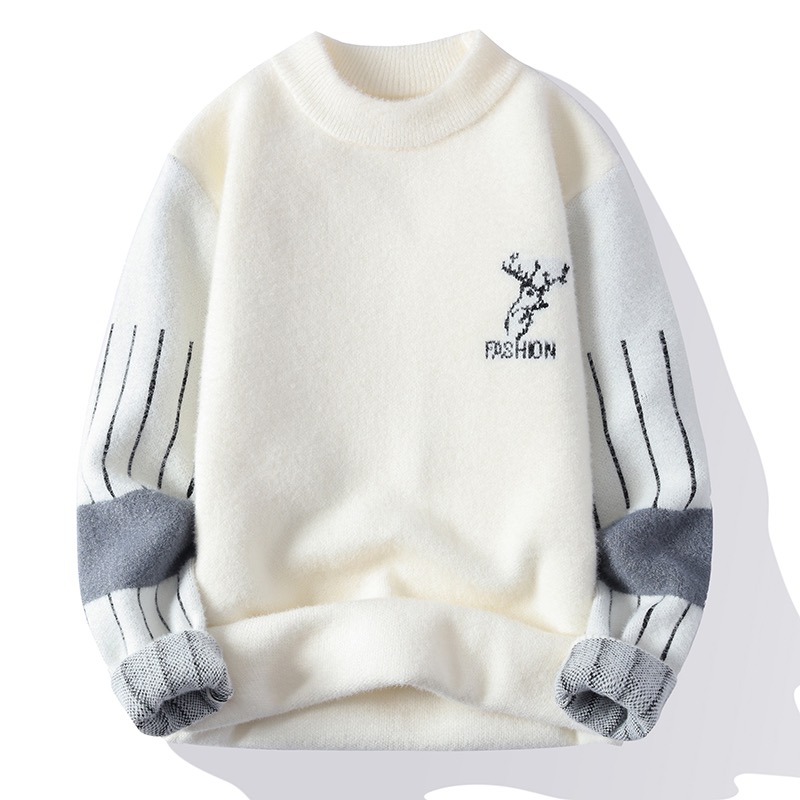
As an OEM clothing manufacturer and custom hoodie manufacturer, EDVORIN helps brands compare cotton, cotton blends and polyester fleece by hand feel, warmth, shrinkage and print compatibility. EDVORIN develops fit, rib, drawcords, labels and packaging for streetwear drops, school programs, wholesale ranges and private-label collections.
Get a Quote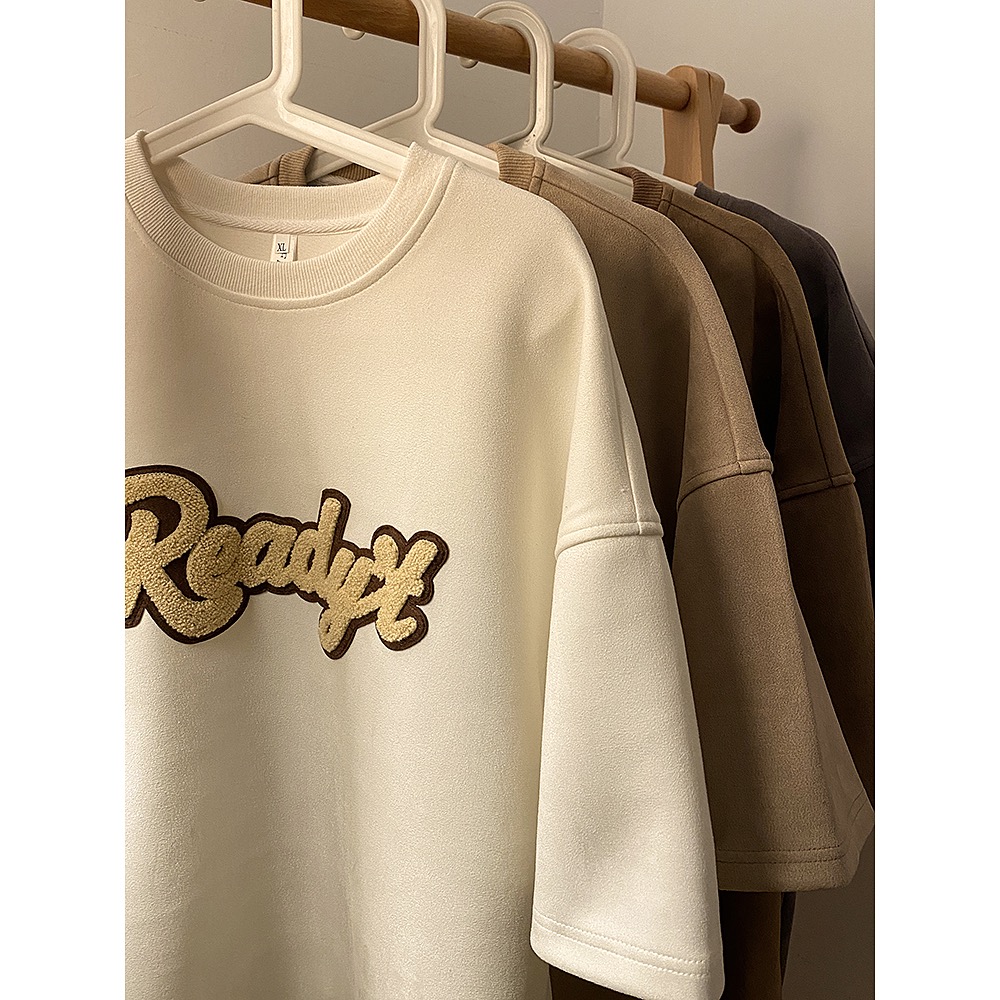
Pullover Sweatshirts
A sweatshirt manufacturer can develop brushed or unbrushed fleece in cotton, polyester or blended constructions. Material selection affects softness, pilling, weight, color stability and production cost, while approved measurements and decoration standards support consistent repeat orders across casualwear and wholesale programs.
Get a Quote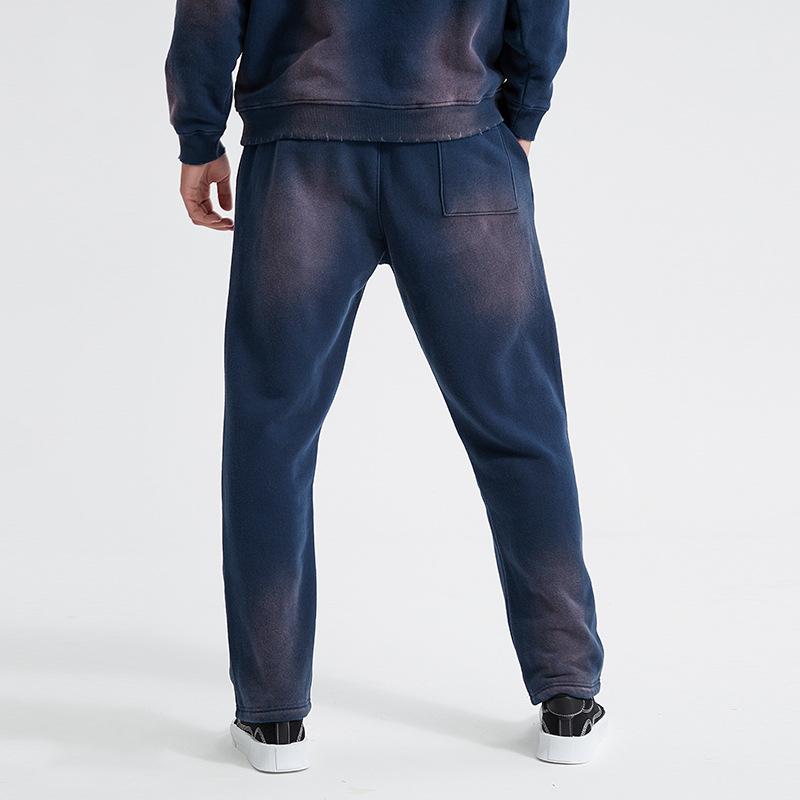
Sweatpants & Joggers
A sweatpants manufacturer balances cotton comfort with polyester durability, moisture management and shape retention. EDVORIN can develop jogger and sweatpant blocks with appropriate waistbands, cuffs, pockets, drawcords, embroidery or printing for streetwear collections, school apparel, team programs and private-label basics.
Get a Quote
Custom Shorts
A custom shorts manufacturer adjusts fabric choice to the use case: cotton and fleece for casual comfort, polyester blends for lighter weight, quick drying and repeated wear. Development can cover athletic shorts, lounge styles, pockets, waist construction, decoration placement and size grading.
Get a Quote
Varsity & Baseball Jackets
A varsity jacket manufacturer coordinates wool or wool-look bodies, polyester shells, lining, insulation, rib, snaps, patches and embroidery. Material priorities differ between fashion-led streetwear and school or team programs, so construction, decoration durability, fit and repeatable color control must be documented.
Get a Quote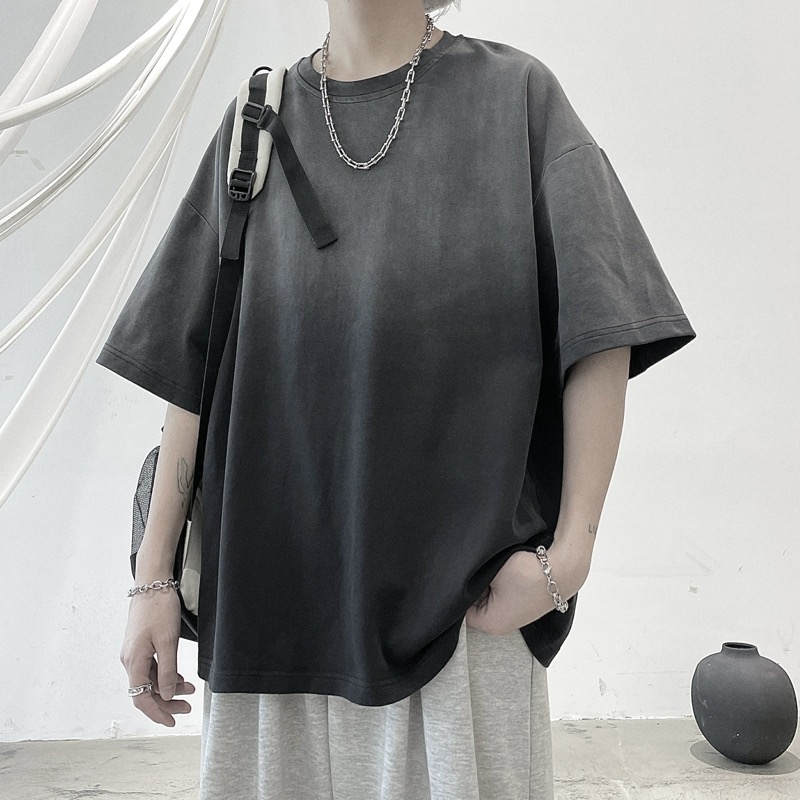
Custom T-Shirts
A custom T-shirt manufacturer helps buyers select cotton for softness and natural hand feel, polyester for performance and easy-care requirements, or blends for balanced wear. EDVORIN coordinates fabric weight, neckline, fit, custom apparel printing, custom apparel embroidery, custom clothing labels and packaging for brands, clubs, schools and wholesalers.
Get a Quote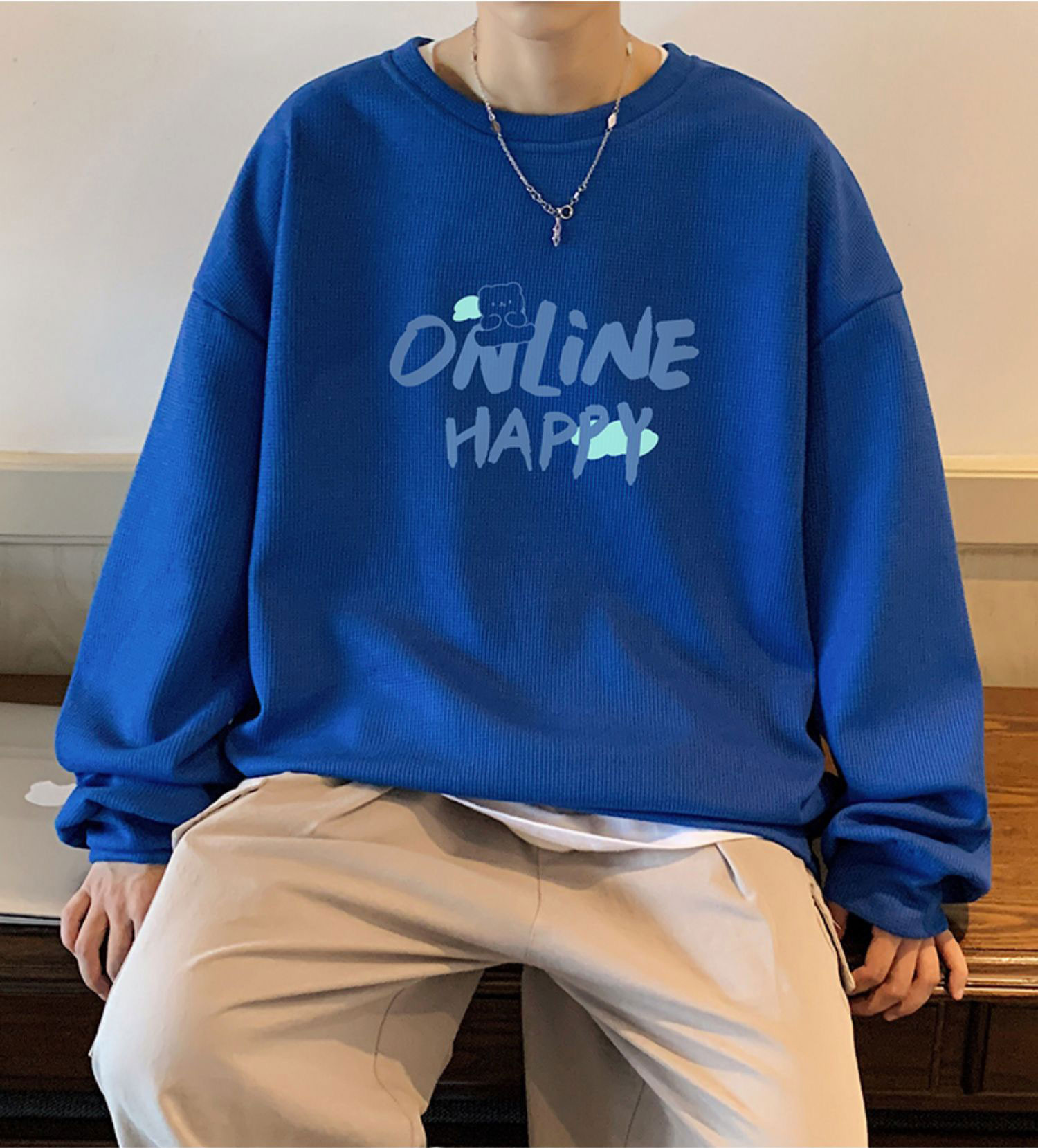
Custom Polo Shirts
A polo shirt manufacturer develops cotton piqué, polyester performance fabric or blended options according to comfort, breathability, color retention and care requirements. EDVORIN can coordinate collars, cuffs, plackets, buttons, embroidery, printing and grading for corporate, school, teamwear and private-label programs.
Get a Quote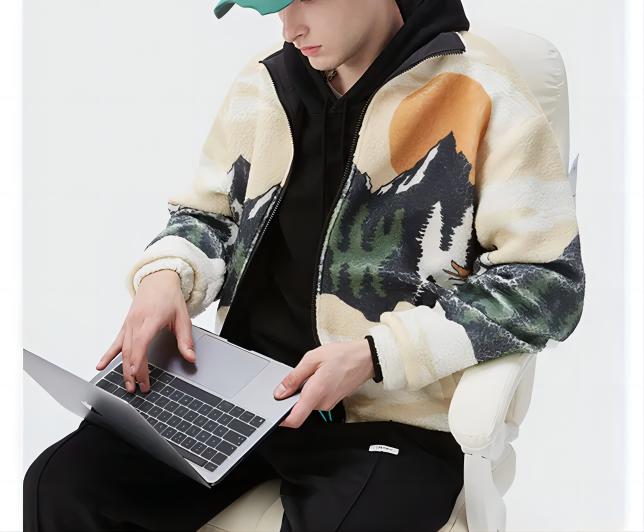
Windbreaker Jackets
A windbreaker manufacturer evaluates lightweight polyester or nylon shells for water resistance, wind protection, packability and decoration performance. EDVORIN coordinates lining, hoods, zippers, elastic details, reflective elements, labels and packaging for teamwear, streetwear, school apparel and wholesale outerwear ranges.
Get a Quote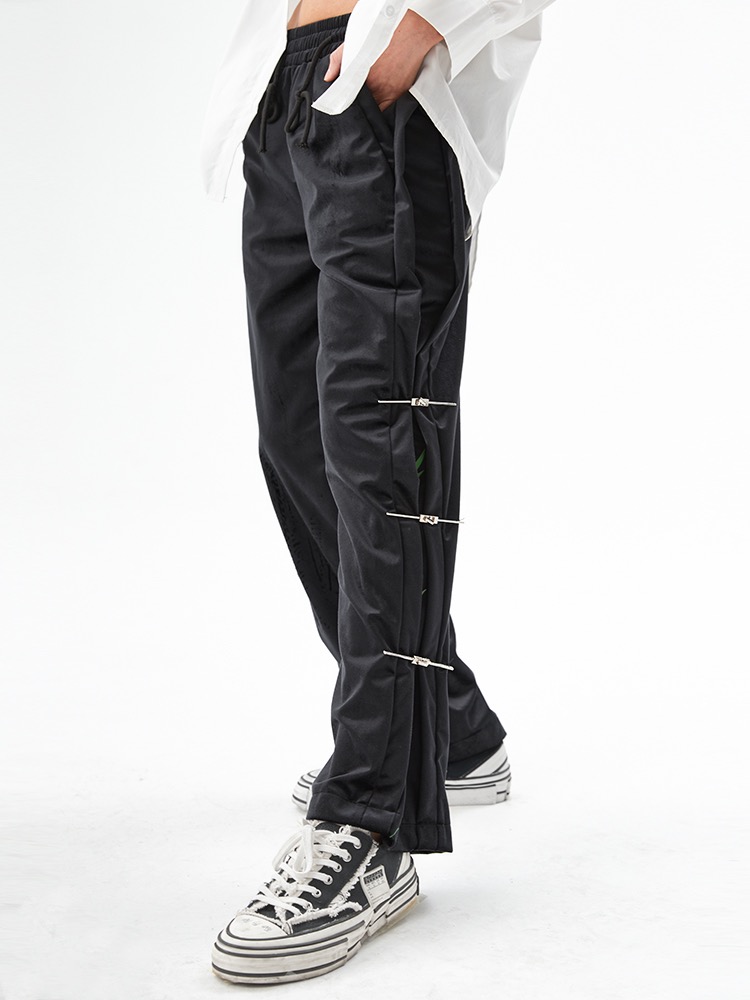
Quilted Jackets
A quilted jacket manufacturer coordinates shell fabric, lining, insulation, quilting pattern, hardware and finishing. Polyester and nylon often support lightweight protection and color consistency, while material weight and insulation level are adjusted for fashion collections, uniform programs, wholesale requirements and intended climates.
Get a Quote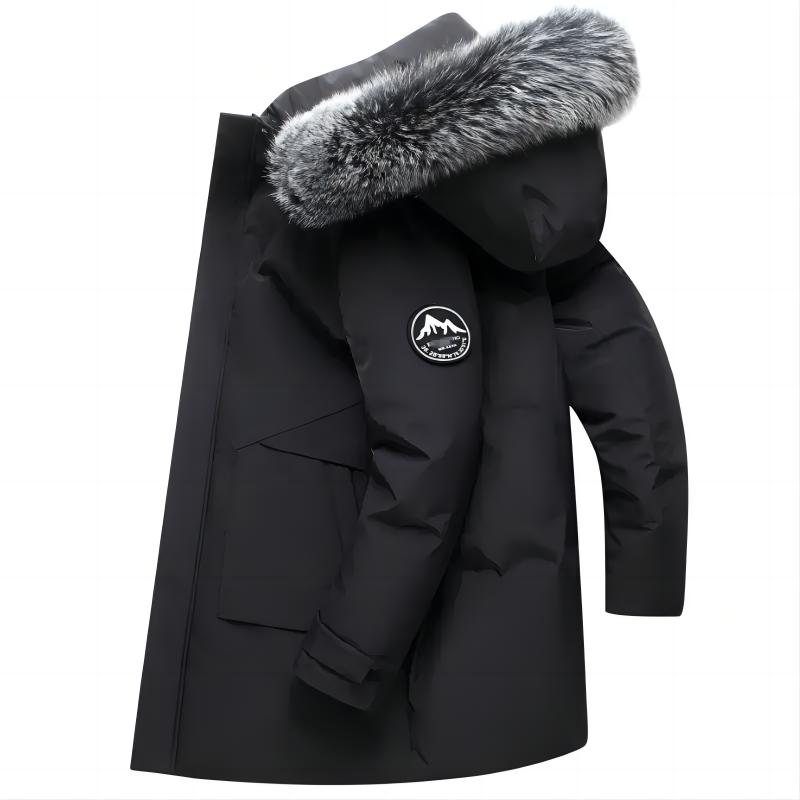
Bomber Jackets
A bomber jacket manufacturer balances shell durability, lining comfort, insulation, rib recovery and hardware performance. EDVORIN develops cotton, polyester, nylon or blended constructions with coordinated embroidery, patches, printing, labels and packaging for streetwear, school, team, wholesale and private-label collections.
Get a Quote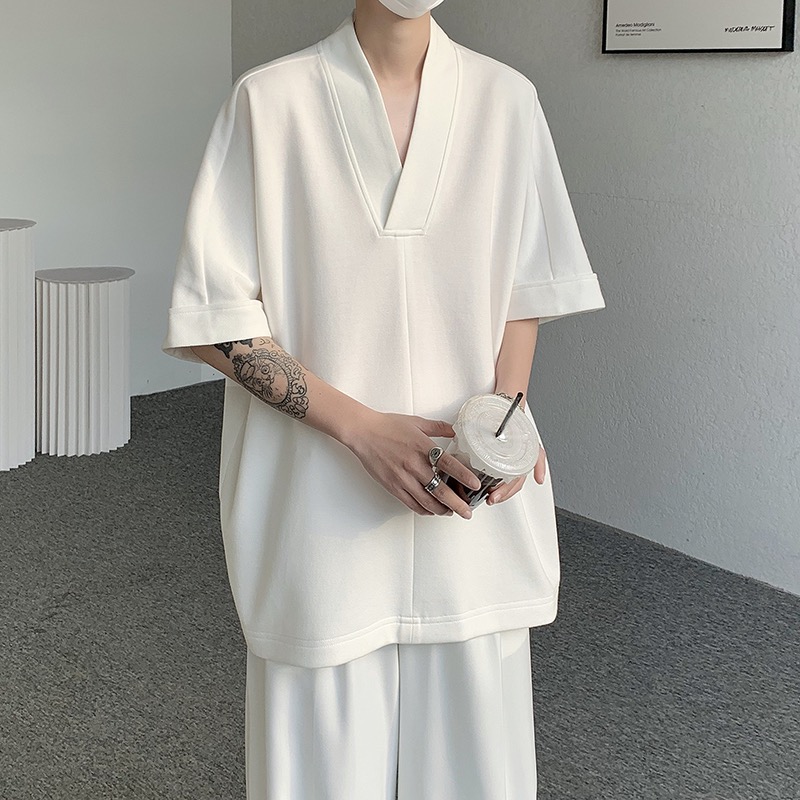
Custom Shirts
A custom woven shirt manufacturer develops cotton, polyester, rayon or blended fabrics according to drape, breathability, wrinkle resistance and care expectations. EDVORIN coordinates collars, cuffs, plackets, buttons, fit blocks, embroidery, printing and packaging for fashion brands, uniforms, wholesalers and private-label buyers.
Get a Quote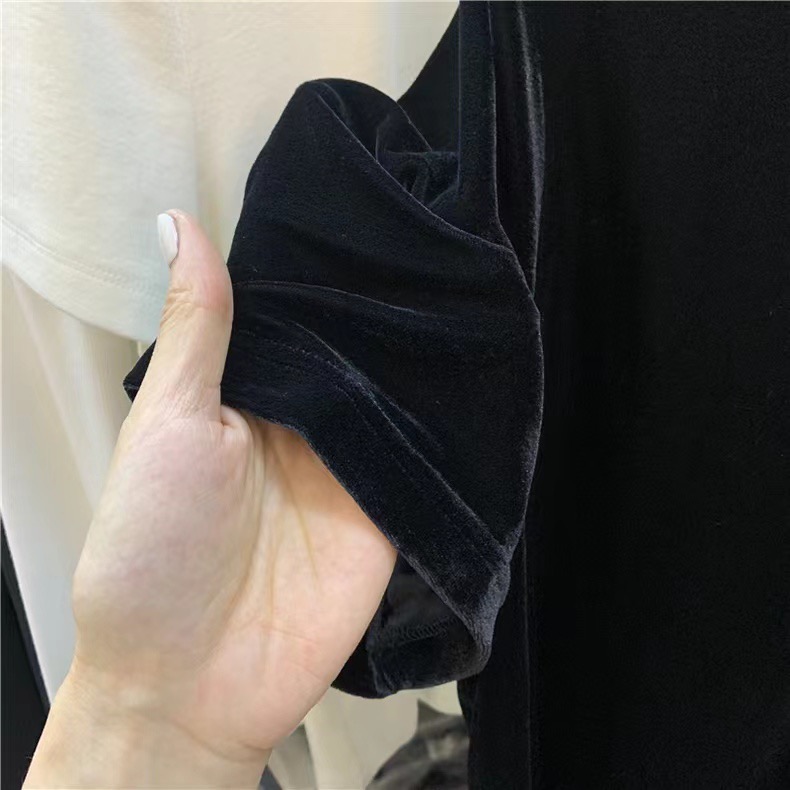
Custom Jerseys
A custom jersey manufacturer prioritizes polyester performance fabrics for moisture management, color stability, lightweight wear and repeated washing, while cotton or blends suit lifestyle merchandise. EDVORIN coordinates panels, seams, sublimation or other decoration, names, numbers, grading and approved standards for clubs and brands.
Get a Quote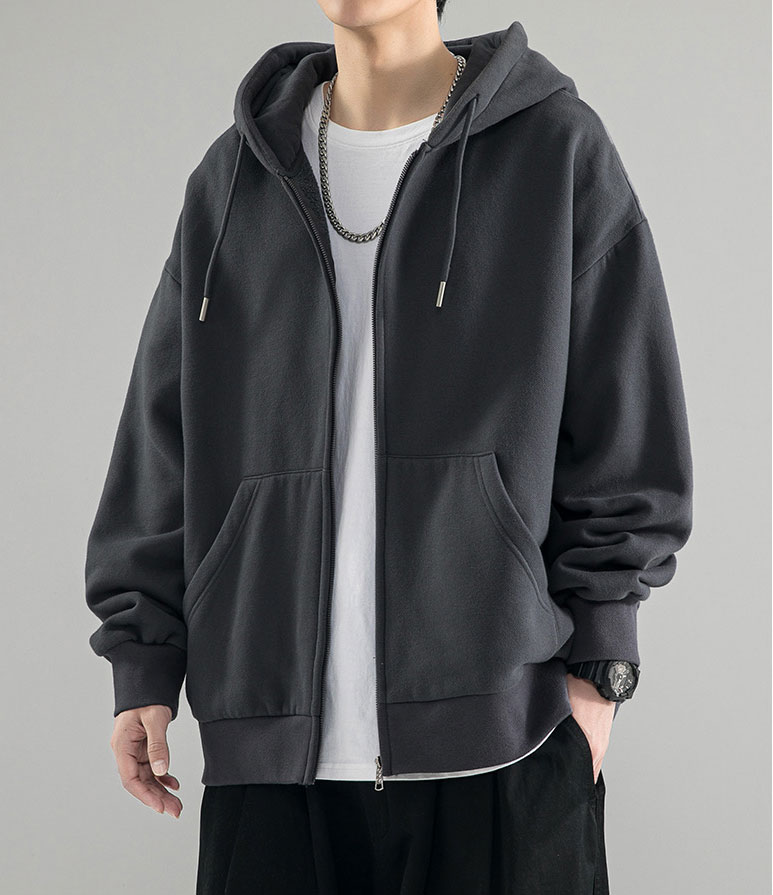
Tank Tops
A custom tank top manufacturer selects cotton for everyday softness, polyester for athletic performance or blends for balanced comfort and durability. EDVORIN develops neckline and armhole proportions, fabric weight, printing, embroidery, labels and grading for streetwear, training, school and private-label programs.
Get a Quote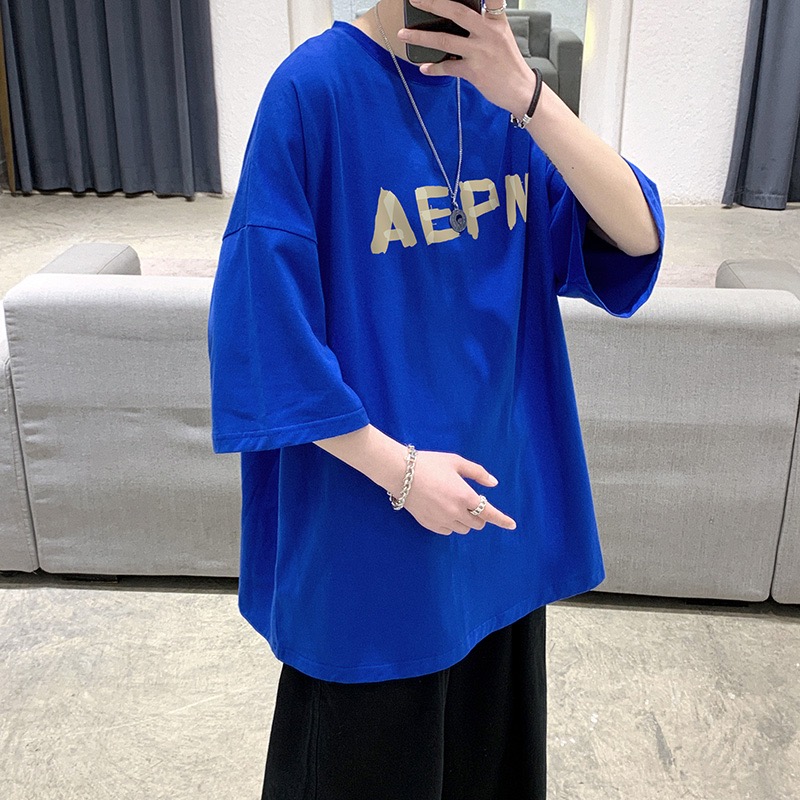
Soccer Uniforms
A soccer uniform manufacturer typically uses lightweight polyester for moisture management, durability, color consistency and repeated laundering. EDVORIN coordinates jerseys, shorts, socks, sublimation or applied decoration, names, numbers, size sets and packaging for clubs, academies, schools, wholesalers and repeat team orders.
Get a Quote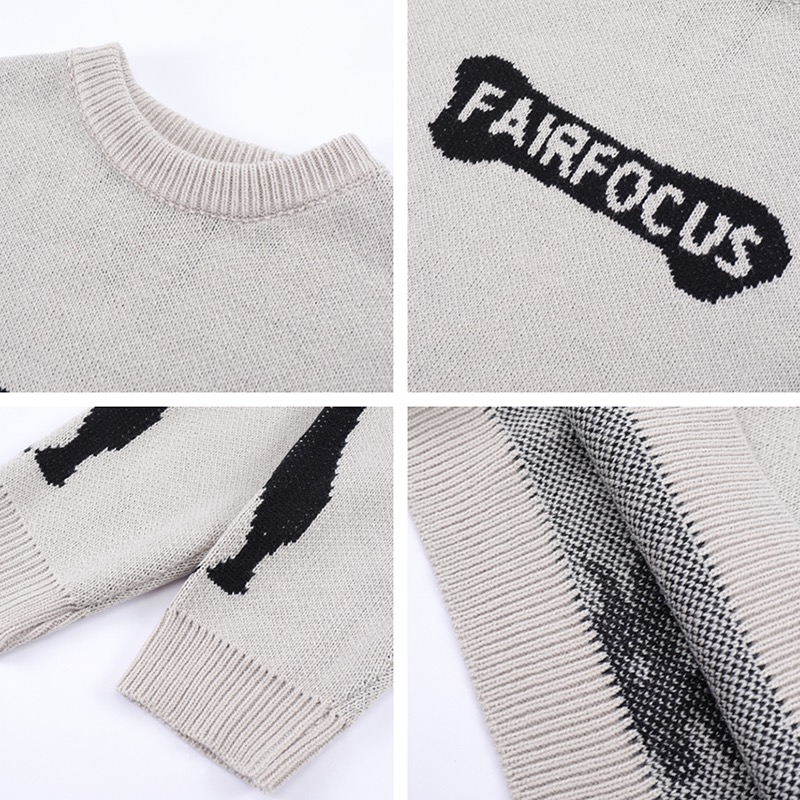
Basketball Uniforms
A basketball uniform manufacturer develops breathable polyester mesh or performance knits for movement, ventilation and repeated use. EDVORIN coordinates jerseys, shorts, panel construction, sublimation, names, numbers, size grading and packaging for clubs, schools, academies, leagues, distributors and private-label sports programs.
Get a Quote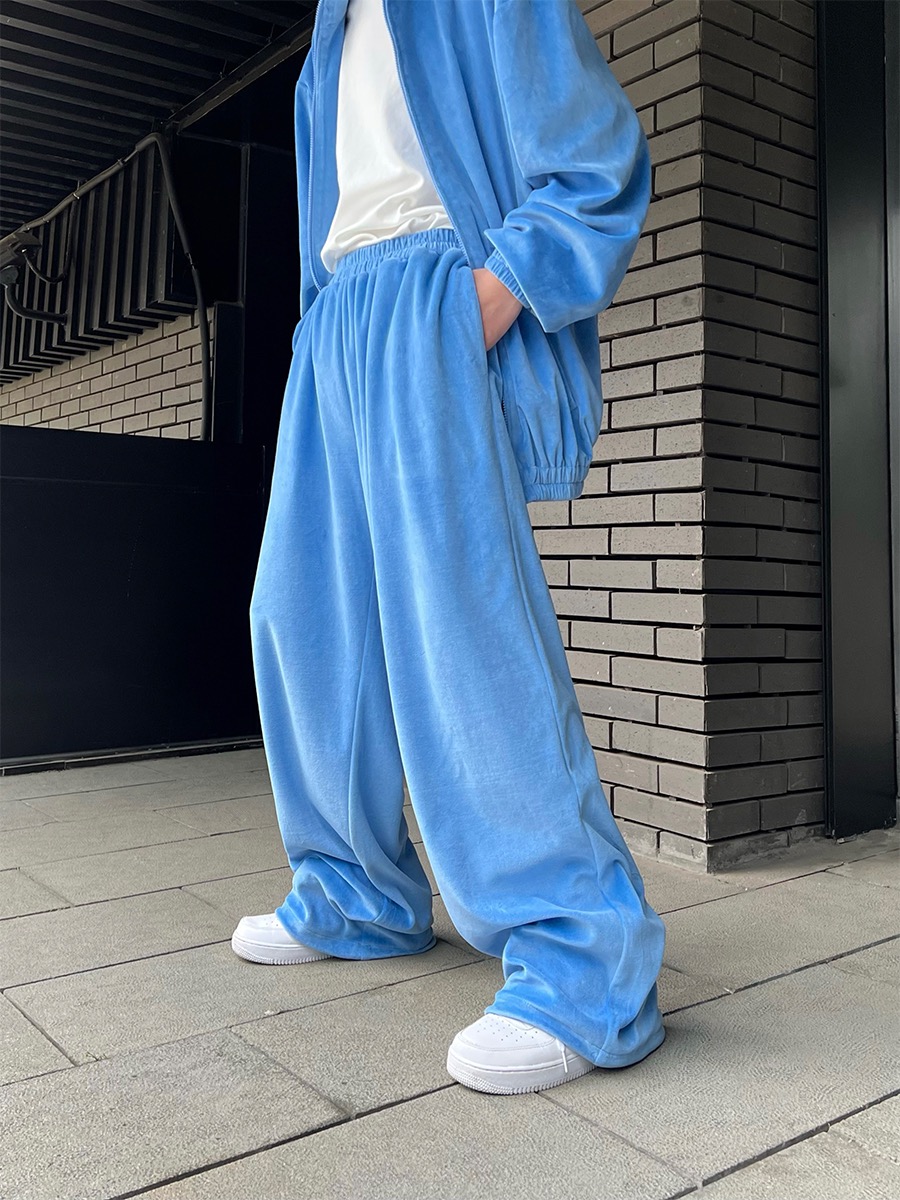
Streetwear Collections
EDVORIN’s MOQ starts at 200 pieces per style. As a low MOQ clothing manufacturer and private label clothing manufacturer, EDVORIN coordinates cotton, polyester, nylon and blended materials across hoodies, tees, sweatpants, jackets and coordinated sets. EDVORIN connects product development, decoration, garment wash services, labeling and packaging so a collection maintains its intended fit, hand feel, color language and repeatability.
Get a QuoteCotton vs Polyester Clothing: Side-by-Side Comparison
Compare cotton, polyester and blended fabrics by performance, feel, decoration, maintenance and apparel application.
← Swipe left or right to view →
Cotton vs Polyester Clothing: The Complete Buyer’s Guide
Use this decision framework to match cotton, polyester, or blends to garment purpose, decoration method, fit, sourcing needs, and repeat-order controls while avoiding costly quality, pricing, and production mistakes.
1. What Is Cotton vs Polyester Clothing?
Two fiber origins define the basic choice: cotton is a natural cellulose fiber harvested from plants, while polyester is a synthetic polymer fiber commonly made from petrochemical feedstocks. Cotton usually feels soft and breathable but absorbs moisture, whereas polyester tends to move moisture across the surface, dry quickly, resist wrinkles and hold shape with less shrinkage. A 100% cotton garment can develop more shrinkage, creasing and gradual wear through washing, while polyester generally offers stronger abrasion resistance and faster care cycles. Polyester may also retain body odor when sweat and residue remain in the fiber; cotton can feel cooler but may stay damp longer. Fabric construction, finishing and laundering still matter more than fiber labels alone. A 50/50 cotton-polyester blend combines some cotton softness and breathability with polyester’s stability, drying speed and reduced shrinkage.
2. Evolution and History of Cotton vs Polyester Clothing
Cotton has been cultivated and woven for thousands of years, while polyester development in the 1940s introduced a durable synthetic alternative. By the 1950s, wider polyester adoption shifted buying decisions from cotton versus synthetic toward purpose-built fabric selection. Cotton-polyester blends, including 50/50 constructions and tri-blends, became useful for private-label collections and streetwear because they balance hand feel, shape retention, drying behavior and decoration requirements. Modern purchasing still depends on testing shrinkage, colorfastness, wearer comfort and care expectations before bulk approval.
3. Types of Cotton vs Polyester Clothing
100% cotton, 100% polyester, and blended constructions serve different buyer priorities.
Cotton Basics And Streetwear
100% cotton T-shirts and 300–500 GSM heavyweight fleece offer a soft, breathable hand and structured streetwear fit. Ring-spun cotton suits premium basics, while open-end yarn supports cost-focused programs. Screen printing, DTG, and embroidery are generally compatible, but shrinkage and shape change require controlled finishing and approved measurements.
Performance Polyester
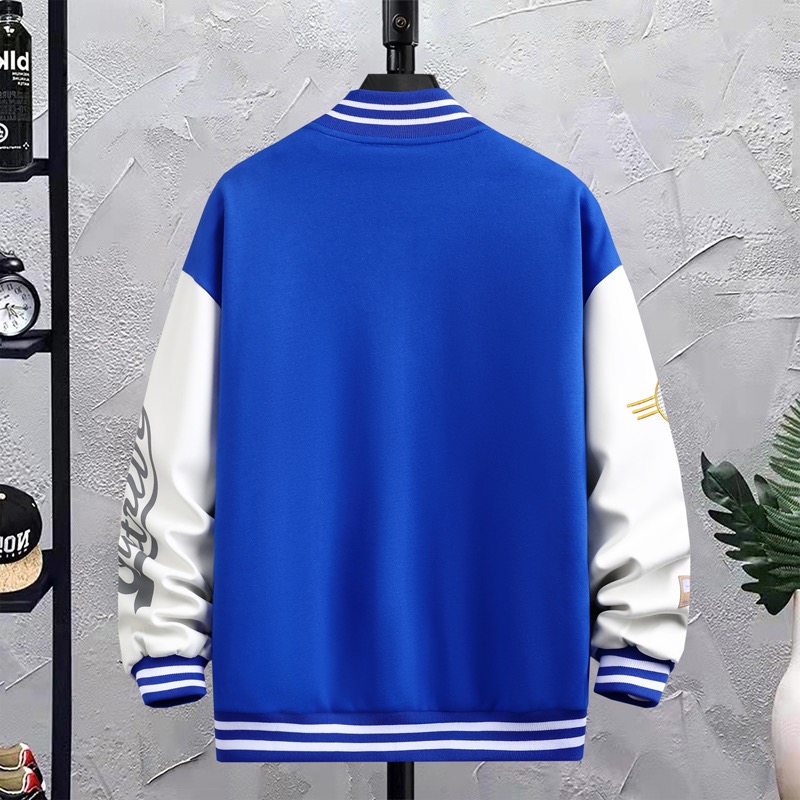
100% polyester jerseys and mesh fabrics provide a smooth, lighter hand, athletic fit, moisture management, and quick drying. They suit training tops, soccer uniforms, outdoor layers, and high-wash programs. Sublimation works especially well on polyester, while embroidery and selected screen-print systems require tested settings.
Blends And Tri-Blends
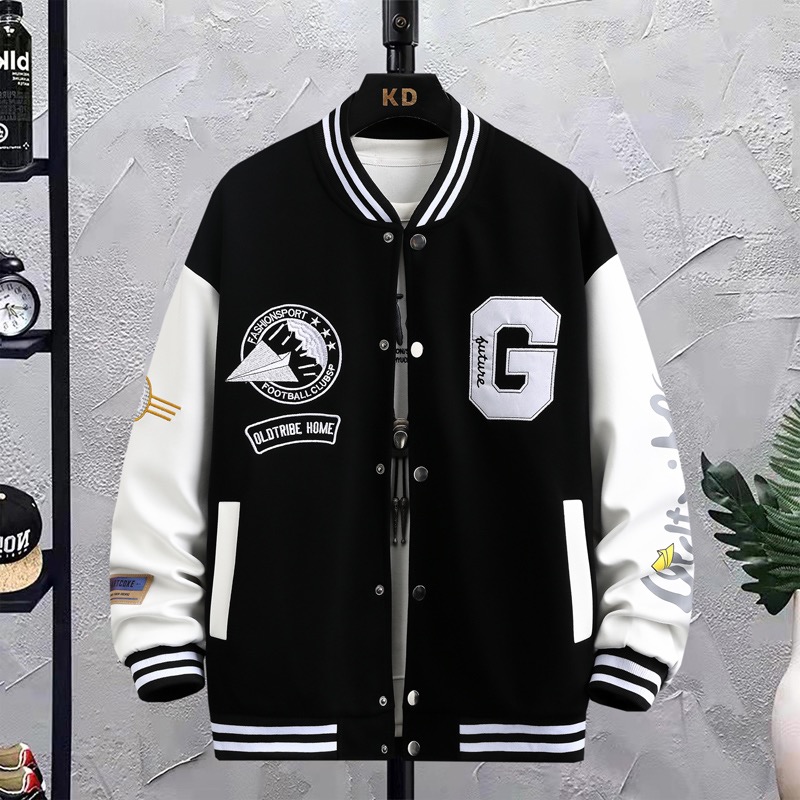
50/50 cotton-poly fleece or jersey balances softness, durability, reduced shrinkage, and easier care, with a familiar midweight hand. Cotton-rich CVC feels more natural; tri-blends commonly add rayon for lighter drape and a fashion-fit silhouette. These constructions support screen printing and embroidery, though heather effects and stretch can alter artwork appearance.
Fleece Jersey And Teamwear
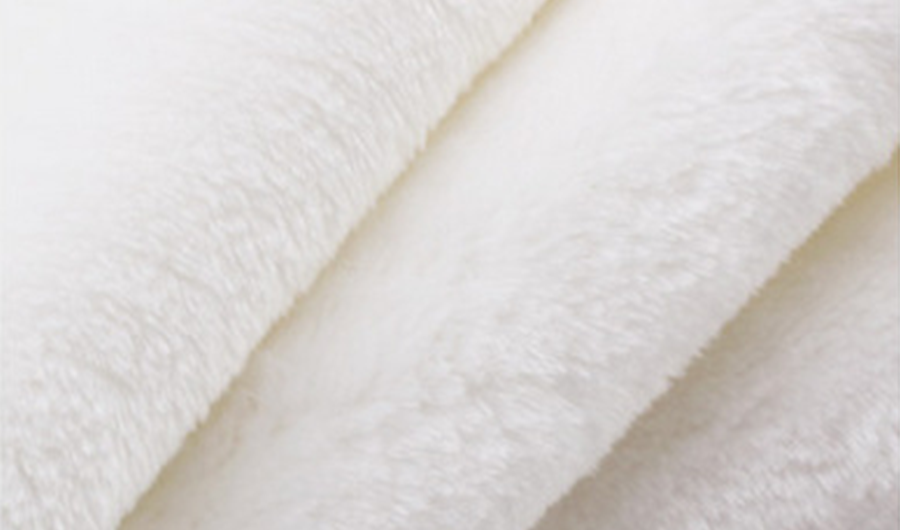
French terry, brushed fleece, and performance jersey differ mainly in loop structure, warmth, weight, and stretch. Fleece supports hoodies and joggers; jersey supports T-shirts and uniforms; teamwear typically prioritizes polyester stability, grading, and coordinated decoration. Specify fit blocks, rib recovery, flatlock or coverstitch details, number placement, and color standards before sampling.
4. Cotton vs Polyester Clothing Materials and Fabrics
Apparel development practice shows that cotton versus polyester clothing should be decided by performance targets, garment construction and end use rather than fiber preference alone.
Fiber And Fabric Structure
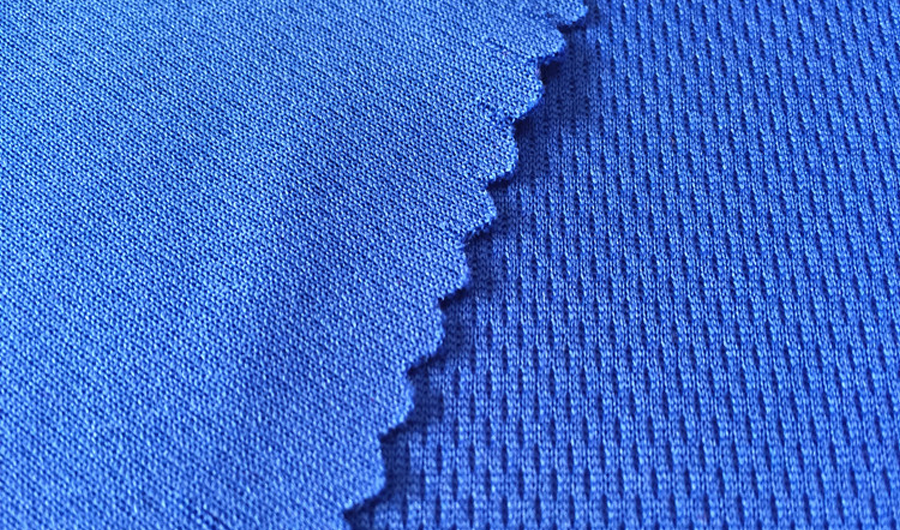
100% cotton, 100% polyester, and blends behave differently. Ring-spun yarn feels smoother than open-end yarn; French terry, fleece, jersey, piqué, and woven shells each change drape, warmth, and decoration response. 2–5% elastane can add stretch, while knit recovery depends on loop structure and finishing.
Performance And Testing
180–400 GSM covers many T-shirts, sweatshirts, and hoodies, but GSM alone does not predict quality. Cotton usually offers airflow and absorbency; polyester can wick moisture and dry faster when engineered with suitable structure and finish. Wash testing should check shrinkage, spirality, pilling, colorfastness, stretch recovery, and dimensional change.
Selection Matrix
280 GSM cotton fleece suits heavyweight streetwear in moderate climates; 140 GSM polyester jersey suits high-sweat teamwear.
| Fabric and GSM | Suitable garments | Climate and wear | Decoration needs |
|---|---|---|---|
| 140–180 GSM polyester jersey | Jerseys, polos | Hot; high intensity | Sublimation or heat transfer |
| 160–220 GSM cotton jersey | T-shirts, tanks | Mild; daily wear | Screen print, DTG, embroidery |
| 280–400 GSM cotton fleece | Hoodies, joggers | Cool; heavy wear | Screen print, appliqué, embroidery |
5. Customization and Decoration for Cotton vs Polyester Clothing
Three variables—fiber, decoration method, and end use—determine whether artwork remains sharp after production and laundering.
Match Method To Fiber
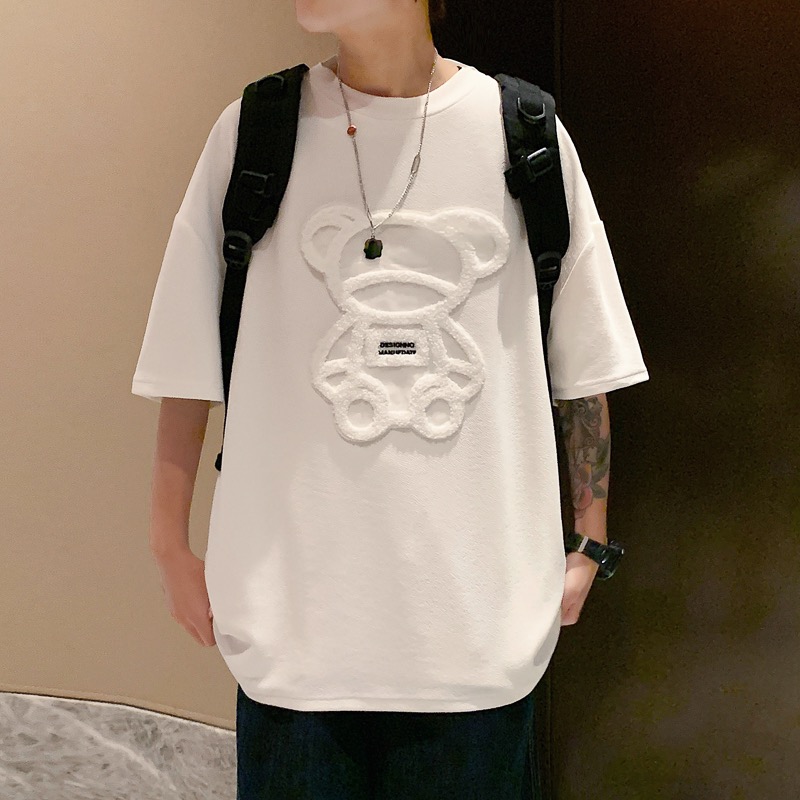
Screen printing gives cotton a strong color deposit and familiar print hand; polyester needs low-bleed inks and often a blocker underbase to reduce dye migration. DTG suits cotton-rich surfaces, while sublimation is strongest on white or light polyester. Heat transfer handles detailed artwork and names across both fibers, but adhesion, stretch, and edge lifting require testing.
- Cotton: screen print, DTG, embroidery
- Polyester: sublimation, performance transfers
- Blends: test ink absorption and color shift
Control Color And Placement
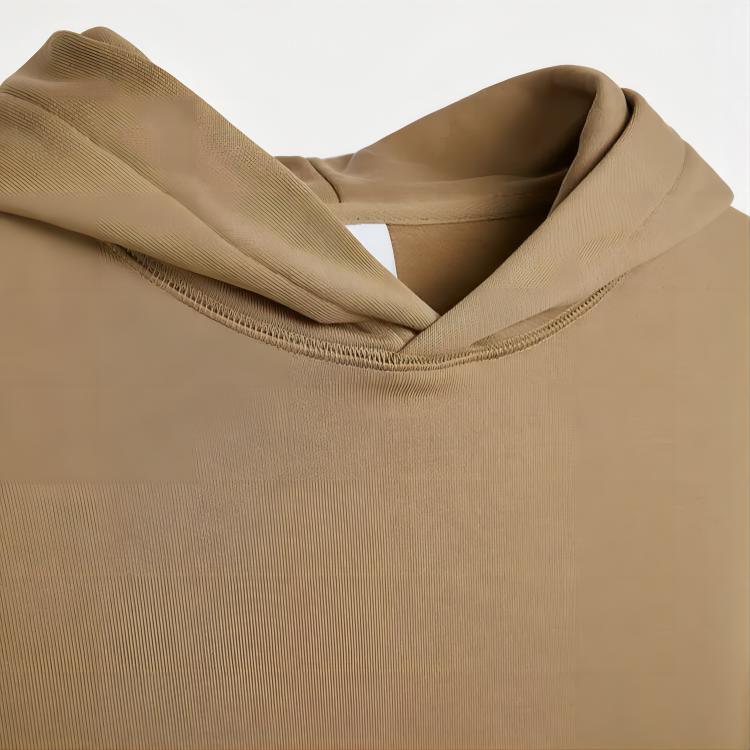
White polyester provides the widest sublimation color range; dark garments require opaque transfers, applique, or screen-print underbases. Heathered blends can soften fine detail and alter color appearance. Artwork files should specify Pantone references, dimensions, placement from seams, and minimum line weights.
- Record artwork size and placement points
- Check bleed resistance near seams
- Approve labels against garment color
Sample And Wash-Test
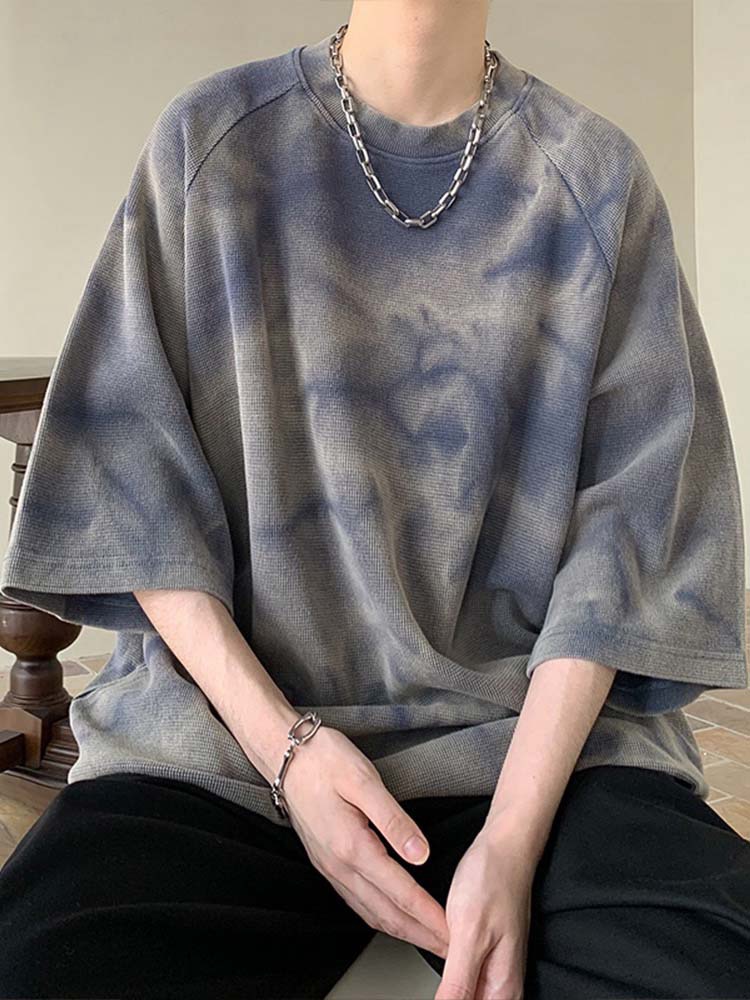
One decorated sample is insufficient for bulk approval. EDVORIN should review the intended fabric, colorway, placement, and decoration method, then perform wash testing for cracking, fading, migration, peeling, shrinkage, and embroidery puckering.
- Test light and dark colorways
- Wash-test before bulk cutting
- Retain an approved decorated standard
6. Key Construction Quality Elements to Inspect
12 checkpoints should be agreed before a cotton or polyester clothing order moves from sample to bulk.
Pattern, Measurements, And Seams

An approved pattern and graded size set should match the tech pack. Check chest, length, sleeve, rise, neckline and cuff measurements against stated tolerances, then verify symmetry and grading before bulk cutting.
Fabric And Dimensional Stability
The approved GSM, composition, shade and hand feel must be documented for each garment. Compare fabric rolls and panels for consistent color before cutting. Wash testing should confirm shrinkage, spirality, colorfastness, neckline recovery, cuff recovery and hem behavior.
Decoration, Trims, And Final Checks
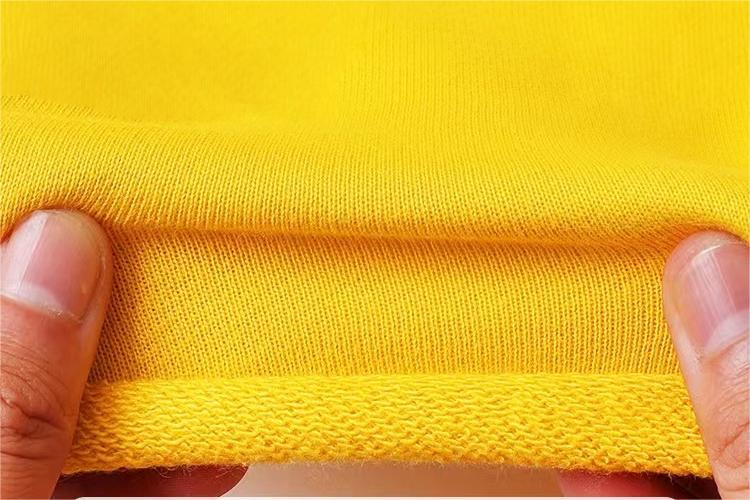
3 placement records should define print or embroidery coordinates, scale, thread or ink color, labels, snaps, zippers, drawcords, and other trims. Verify care labels, branding, and country-of-origin details before packing. A pre-shipment inspection should compare measurements, workmanship, shade, decoration, packaging, and wash-test results with the approved sample.
7. How to Choose a Cotton or Polyester Clothing Manufacturer
A 2026 supplier review should test whether a factory can translate cotton vs polyester clothing choices into repeatable production standards.
Match Product Specialization
2000 marks EDVORIN’s founding, with development covering hoodies, jerseys, uniforms, outerwear and coordinated collections. Ask whether the supplier routinely serves your garment category, wearer, fit block and decoration requirements.
- Which categories and buyer types do you produce most often?
- Can you support both men’s and women’s fit programs?
- What fabric test or approval process supports the recommendation?
Verify Development And Capacity
Sample approval, confirmed MOQ and a documented lead time should precede commitment. Request a graded size set, pre-production sample, material swatches and a production calendar showing critical approvals. Confirm fabric sourcing, color matching, screen printing, embroidery, washing, labeling and packaging capabilities. EDVORIN’s standard MOQ starts at 200 pieces per style.
- What is the MOQ per style, color and size ratio?
- Who owns revisions after sample comments?
- What is the reorder process and expected repeat lead time?
Audit Quality And Compliance

1 approved sample is not a quality system. Request measurement tolerances, in-line inspection records, final inspection criteria, defect handling and evidence of traceable material and artwork approvals. Ask for applicable OEKO-TEX, GOTS, WRAP or BSCI documentation only when relevant, plus factory identity and document validity.
- Which inspections occur before packing?
- How are failed units isolated and corrected?
- Can you provide current compliance documents and test reports?
Confirm Communication And Delivery
Agree on response expectations before development, alongside one accountable contact and a revision log. Confirm carton markings, size stickers, labels, packing ratios, shipping terms, export documents and destination logistics. Before signing, request a written quotation, timeline, packaging specification and escalation route.
- Who approves substitutions or schedule changes?
- What are the carton, labeling and packing requirements?
- Which milestones trigger buyer approval?
8. Common Mistakes Buyers Make with Cotton and Polyester Clothing
Three checkpoints prevent most cotton vs polyester clothing failures: define the wearer, validate the garment, and document the approved standard.
Match Fabric To End Use
One decision—cotton for softness or polyester for performance—does not fit every program. Moisture-wicking moves sweat; it does not mean the fabric absorbs it, so a team jersey and lifestyle hoodie require different tests and expectations.
Specify Construction, Not GSM Alone
A 280 GSM specification still leaves unanswered whether the fabric is French terry or fleece, ring-spun or open-end, brushed or unbrushed, and how it will shrink.
Test Decoration And Sizing
One approved print or embroidery sample is not enough. Require wash tests, placement checks, and a size-set sample across the intended range before bulk production.
Plan Time And Repeatability
Four variables—material booking, sampling, decoration approval, and inspection—can extend lead time beyond the sewing estimate. Underestimating them risks missed launches and expedited freight.
9. Steps to Launch Your Cotton vs Polyester Clothing Line
Step 1 starts with the wearer, use case, climate, activity level, and sales channel.
Define The Product Brief
Step 1 records customer profile, garment purpose, season, target price, sales channel, and expected wash frequency. A first collection can validate one or two core silhouettes; teamwear, uniforms, and private-label programs need documented color, branding, replenishment, and wearer requirements. Step 2 compares cotton, polyester, or a blend against performance needs.
Build And Approve Samples
EDVORIN’s MOQ starts at 200 pieces per style. Step 3 turns the approved concept into a tech pack covering measurements, tolerances, construction, trims, labels, artwork placement, packaging, and revision history. Shortlist suppliers that can support the required product category, decoration method, testing, MOQ, and communication cadence. Step 4 requires a sample, fit review, wash test, and decoration test.
Scale The Production Control
Step 5 calculates landed cost using fabric, trims, labor, decoration, packaging, freight, testing, and expected wastage. Plan the size curve from customer data; wholesale and teamwear orders also need roster or channel breakdowns, reserve quantities, and reorder rules. Step 6 confirms pre-production approval, in-line inspections, final measurement checks, shade control, label accuracy, carton counts, and launch timing.
10. Cotton vs Polyester Clothing Pricing and Cost
Separate fabric composition and GSM, garment complexity, trims, decoration, artwork setup, sampling, packaging, freight, duties, testing and expected rework in every quote. Cotton, polyester and blends can produce different costs even at the same weight because yarn quality, finishing, shrinkage control and performance requirements change the specification. EDVORIN‘s standard MOQ starts at 200 pieces per style, and an approved sample should become the commercial reference before bulk pricing is accepted.
| Quantity Tier | Indicative Price Position | Typical Production Lead Time | Main Cost Effect |
|---|---|---|---|
| Below 200 units (not standard bulk MOQ) | Development or exception pricing | 4–8 weeks | Sampling, setup, testing, and small-batch inefficiency remain concentrated |
| 100–299 units | Moderate-high | 5–9 weeks | Artwork, trims, and development costs spread across more units |
| 300–999 units | Moderate | 6–10 weeks | Better material purchasing and production-line efficiency |
| 1,000+ units | Lowest potential per-unit cost | 8–14 weeks | Stronger tier pricing, but higher commitment and inventory exposure |
Cotton vs Polyester Clothing FAQs
Clear answers for brands choosing fabrics, decoration methods and repeatable bulk production standards.
Is cotton vs polyester clothing better for everyday apparel?
Does cotton vs polyester clothing shrink differently?
Does cotton vs polyester clothing make you sweat more?
Which fabric is best for printing and embroidery?
Are cotton-polyester blends a good choice for bulk apparel programs?
Which is more sustainable, cotton or polyester clothing?
How should brands choose fabric for a repeat apparel order?
Plan Cotton vs Polyester Clothing Collections with EDVORIN
Discuss fabric selection, product development, OEM/ODM manufacturing and dependable bulk production for your next apparel program.