
Fabric GSM Guide: Choose the Right Weight for Every Apparel Program
Use this fabric GSM guide to align comfort, structure, performance, and repeatable production across fashion, streetwear, teamwear, and private-label programs.
Make GSM Decisions That Hold Up in Bulk Production
Translate fabric weight into the right balance of hand feel, structure, breathability, decoration performance, and repeatable bulk quality.
Define the Right GSM
Set a clear GSM target around end use, fit, season, and category requirements before sampling hoodies, tees, jerseys, or outerwear.
Balance Feel and Performance
Evaluate how weight changes drape, opacity, warmth, breathability, durability, and perceived substance so the approved sample matches your market position.
Plan Decoration Compatibility
Coordinate fabric weight with custom apparel printing, custom apparel embroidery, patches, washing, and trims to protect artwork clarity, comfort, and construction integrity.
Standardize Bulk Production
Document GSM, tolerances, composition, measurements, and finishing details so suppliers and production teams can reproduce the approved standard consistently.
Develop Complete Programs
Use EDVORIN’s OEM and ODM workflow as a private label clothing manufacturer to develop men’s and women’s programs from concept through sampling, inspection, custom clothing labels and packaging, and repeat orders.
Fabric GSM Guide by Garment and Buyer Use Case
Match fabric weight, construction and decoration requirements to apparel programs for fashion, teamwear, schoolwear, wholesale and private-label buyers.
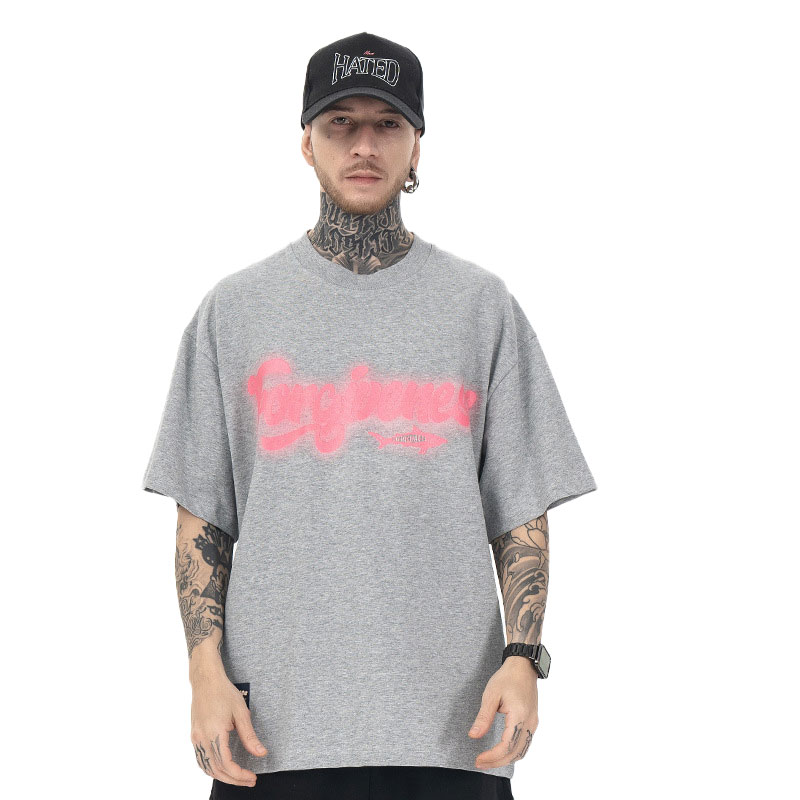
Custom Hoodies
As a custom hoodie manufacturer, EDVORIN develops fleece weights and GSM options for seasonal drops, heavyweight streetwear and everyday programs. Fabric choice is coordinated with fit, rib recovery, drawcords, printing or embroidery, ensuring approved samples can be reproduced consistently in bulk.
Get a Quote
Pullover Sweatshirts
As a sweatshirt manufacturer, EDVORIN helps buyers select GSM and fleece or terry constructions for pullover silhouettes, from lighter layering pieces to structured premium styles. Patterns, cuffs, hems, decoration placement and grading are developed around the intended men’s or women’s program.
Get a Quote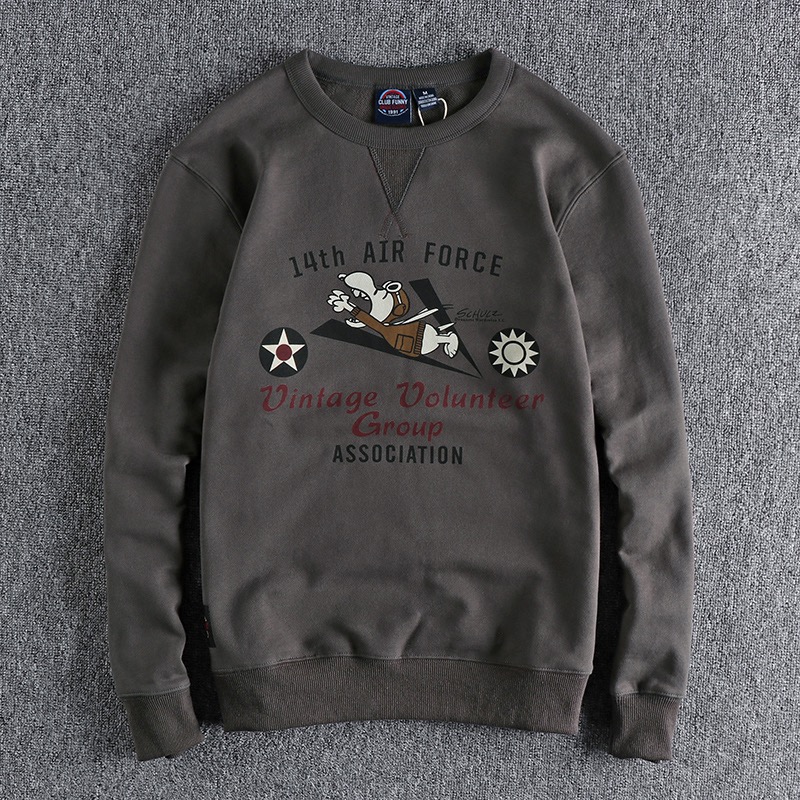
Sweatpants & Joggers
As a sweatpants manufacturer, EDVORIN matches fleece or terry GSM with drape, warmth and durability requirements for joggers and sweatpants. Waistbands, drawcords, pocket construction, leg shape and size grading are documented for streetwear collections, uniform programs and repeat wholesale orders.
Get a Quote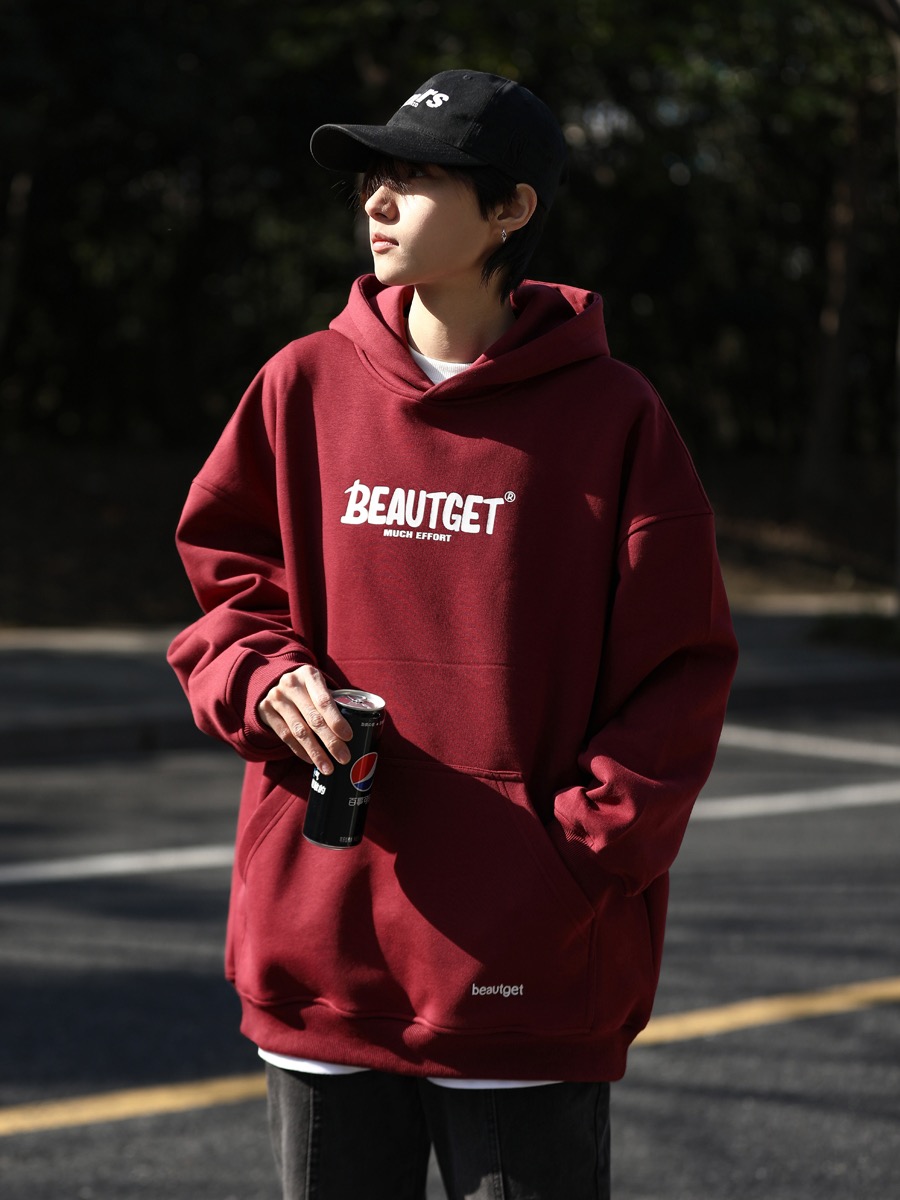
Custom Shorts
As a custom shorts manufacturer, EDVORIN develops GSM and fabric composition around intended use, whether lightweight casualwear, fleece lounge shorts or performance-oriented teamwear. Inseams, pockets, waist construction, trims and decoration are tested together before bulk production.
Get a Quote
Varsity & Baseball Jackets
As a varsity jacket manufacturer, EDVORIN coordinates body GSM, sleeve materials, lining, insulation, rib, snaps and patches for varsity and baseball jackets. Construction details are developed for school programs, streetwear labels and private-label collections, with approved specifications carried into production.
Get a Quote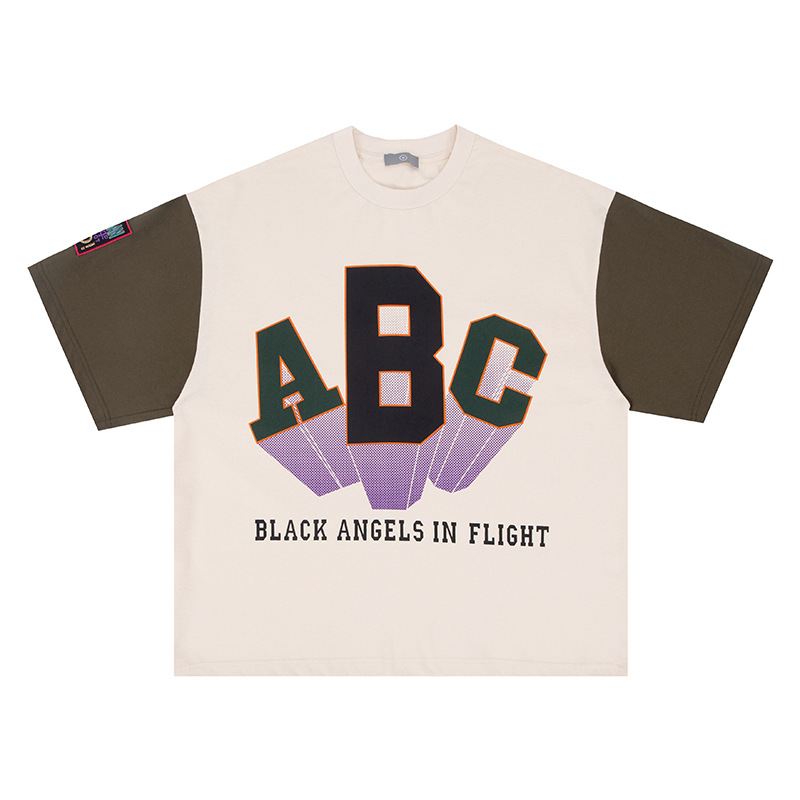
Custom T-Shirts
As a custom T-shirt manufacturer, EDVORIN offers GSM development for lightweight promotional pieces, midweight everyday basics and heavier streetwear silhouettes. Fabric, neck rib, fit, grading and print or embroidery compatibility are reviewed together for men’s and women’s collections.
Get a Quote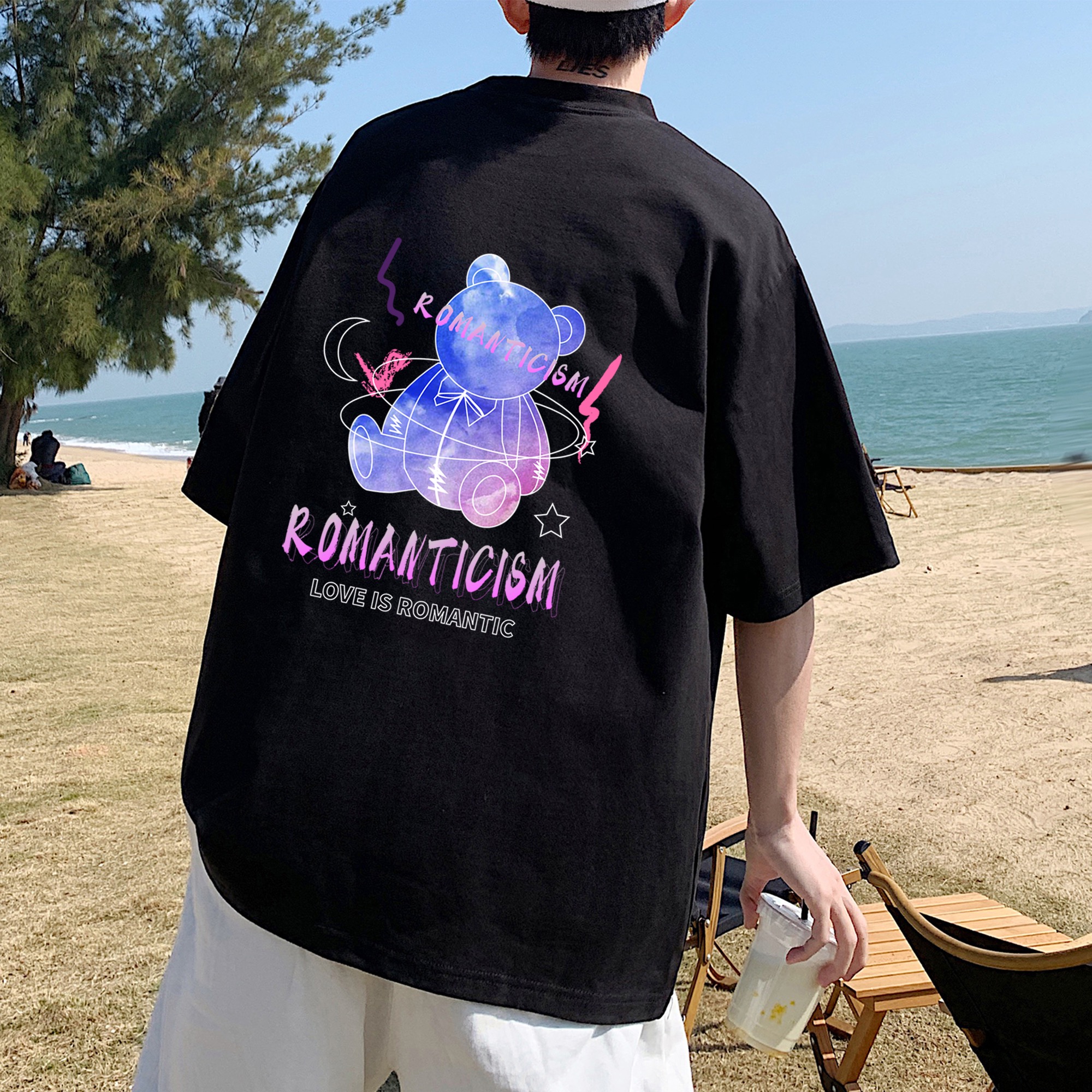
Custom Polo Shirts
As a polo shirt manufacturer, EDVORIN develops GSM and knit structures suited to corporate uniforms, schoolwear, sports clubs and private-label casualwear. Collar construction, plackets, buttons, color standards, fit blocks and embroidery placement are controlled through approved samples and production specifications.
Get a Quote
Windbreaker Jackets
As a windbreaker manufacturer, EDVORIN coordinates shell GSM with water resistance, breathability, lining and packability requirements. Zippers, hoods, elastic details, color blocking, reflective elements and decoration methods are developed for teamwear, outerwear collections and branded wholesale programs.
Get a Quote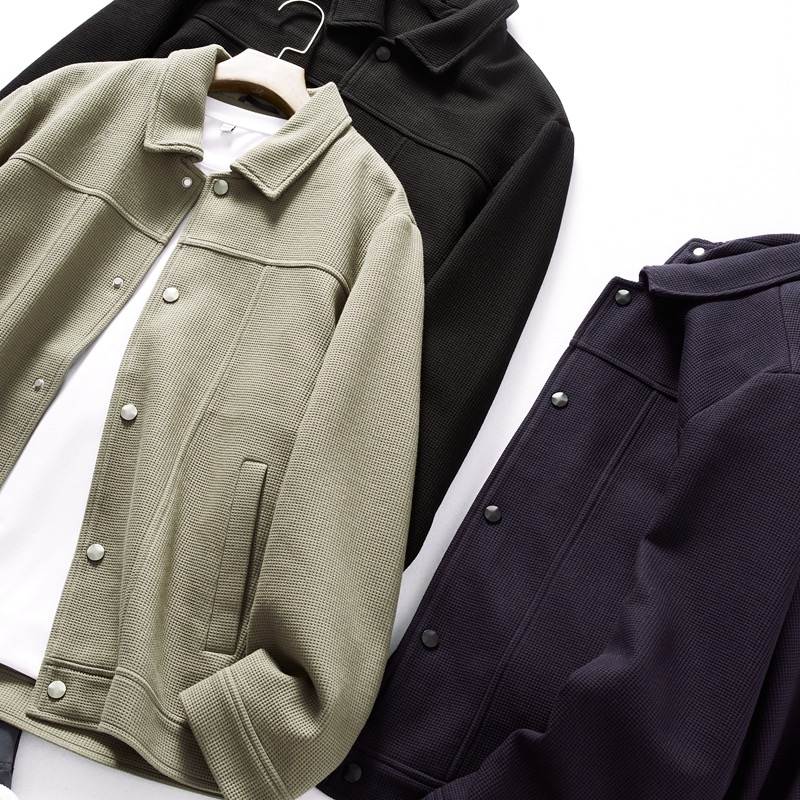
Quilted Jackets
As a quilted jacket manufacturer, EDVORIN balances shell GSM, lining, insulation weight and quilting construction for seasonal outerwear. Buyers can develop short or extended silhouettes with controlled panels, hardware, labeling and packaging, supported by sample approval and in-line quality checks.
Get a Quote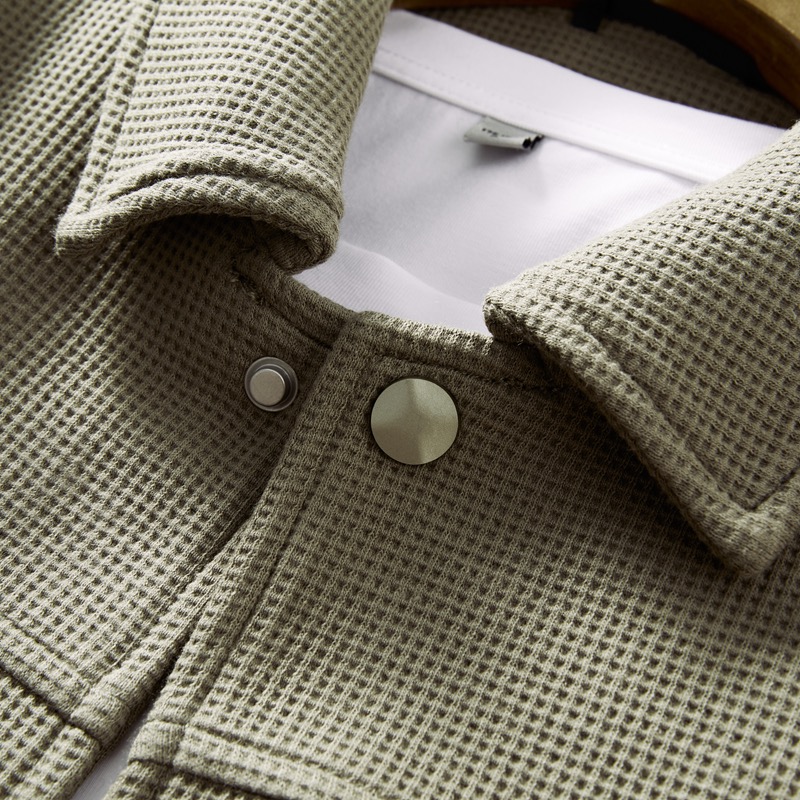
Bomber Jackets
As a bomber jacket manufacturer, EDVORIN develops body and lining weights around the required structure, warmth and hand feel. Rib, zipper, pocket, seam and decoration specifications are coordinated for fashion labels, streetwear brands, schools and private-label outerwear programs.
Get a Quote
Custom Shirts
As a custom woven shirt manufacturer, EDVORIN develops GSM and weave characteristics for overshirts, casual button-downs and structured streetwear pieces. Fabric sourcing is coordinated with collars, cuffs, buttons, plackets, fit, grading, labeling and packaging for repeatable collections.
Get a Quote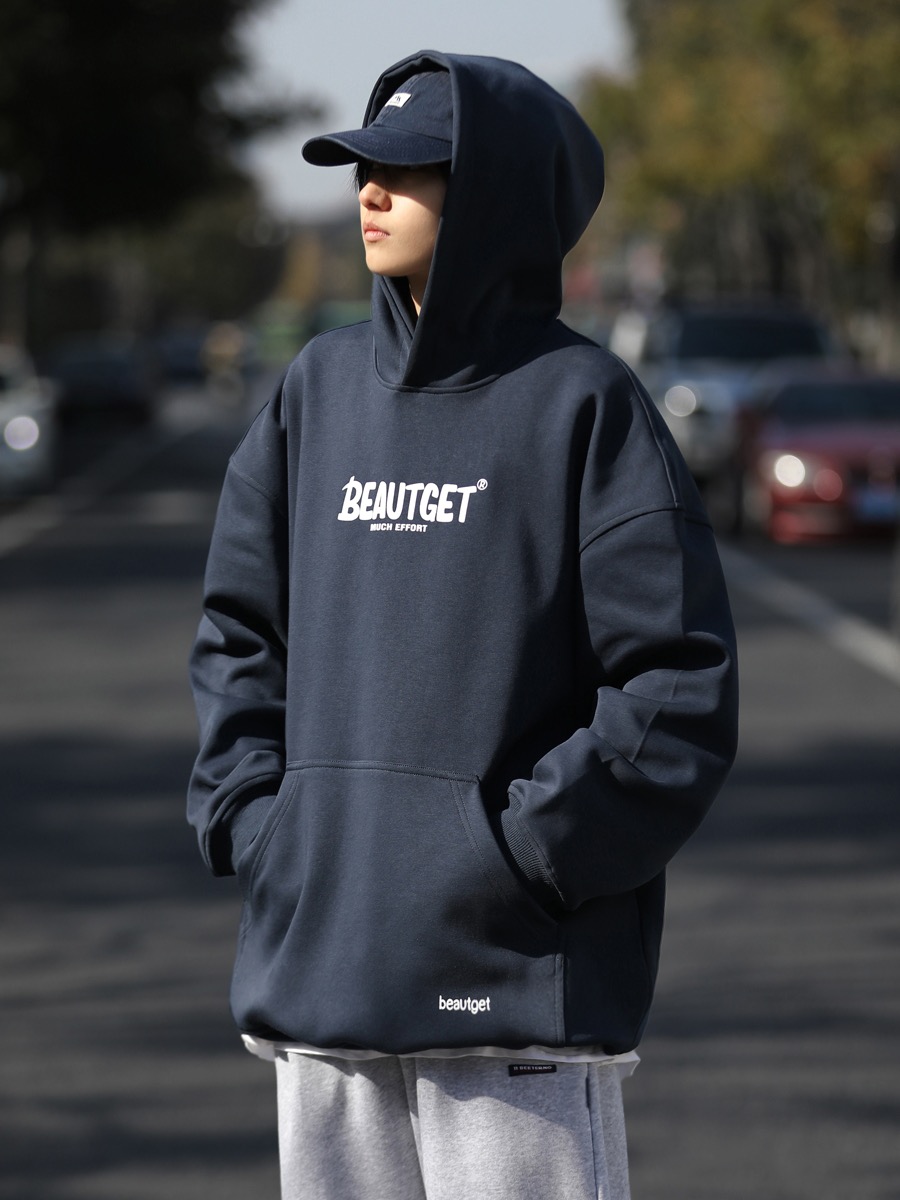
Custom Jerseys
As a custom jersey manufacturer, EDVORIN selects fabric GSM and performance characteristics for breathable, durable jerseys used by sports clubs, schools and branded teamwear programs. Color control, sublimation or other decoration, numbering, names, size grading and repeat-order standards are documented.
Get a Quote
Tank Tops
As a custom tank top manufacturer, EDVORIN develops GSM and fabric stretch for training, activewear, casual basics and summer streetwear. Armholes, necklines, binding, fit, grading and decoration are adjusted to the intended wearer and confirmed through approved samples before bulk production.
Get a Quote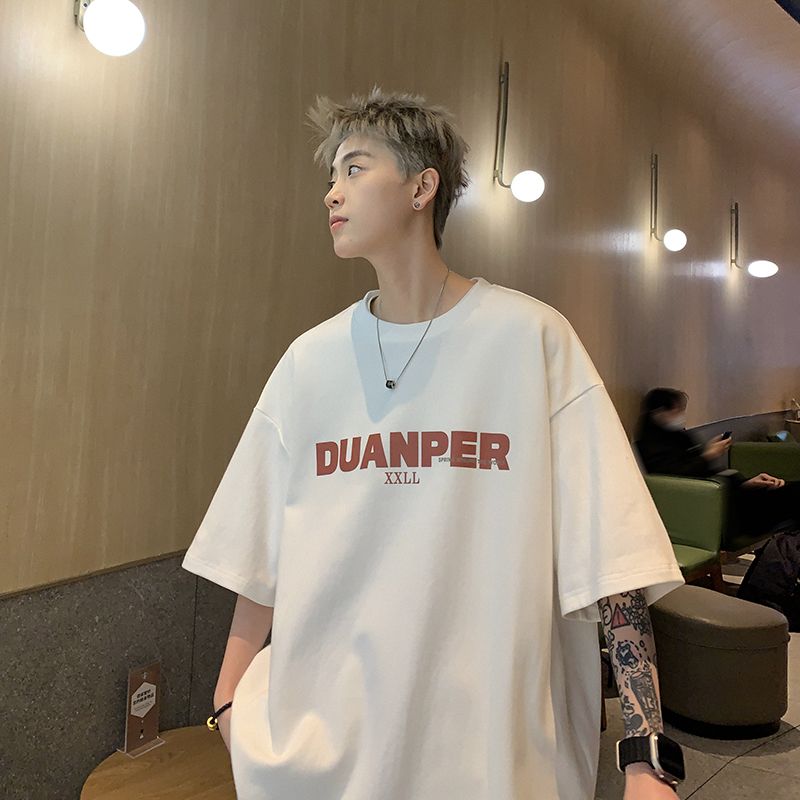
Soccer Uniforms
As a soccer uniform manufacturer, EDVORIN coordinates lightweight performance GSM with breathability, stretch, moisture management and team requirements. Jerseys, shorts, socks or coordinated pieces can include stable colors, player names, numbers, sponsor artwork and organized size sets for repeat orders.
Get a Quote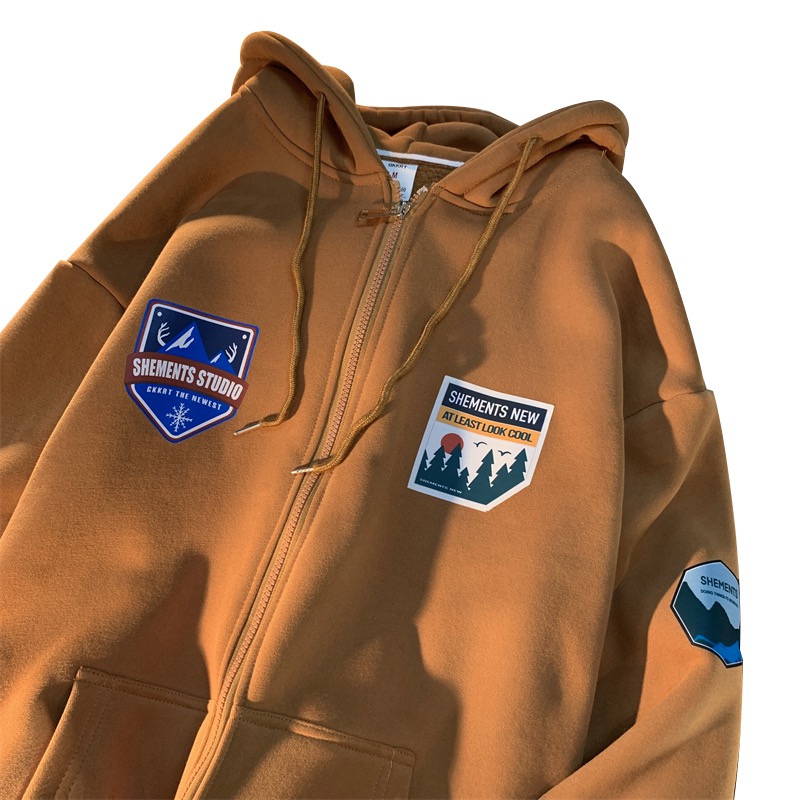
Basketball Uniforms
EDVORIN’s MOQ starts at 200 pieces per style. As a custom clothing manufacturer, OEM clothing manufacturer, ODM apparel manufacturer, and low MOQ clothing manufacturer, EDVORIN connects GSM decisions across hoodies, T-shirts, sweatpants, jackets, woven shirts and coordinated collections. Product development covers materials, patterns, decoration, washing, labeling and packaging, giving emerging and established brands a documented path from concept to repeat bulk production.
Get a Quote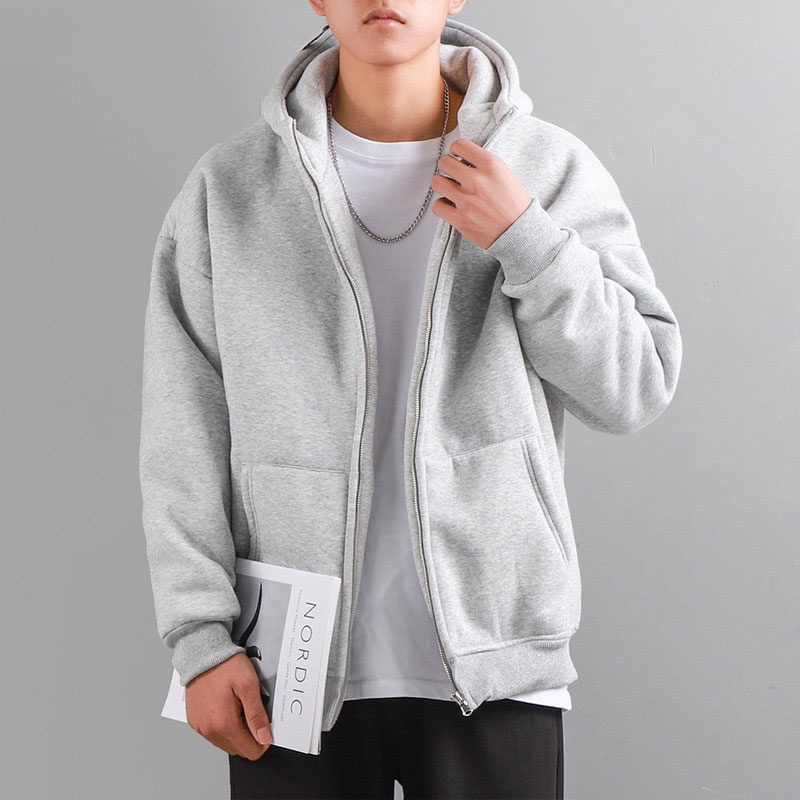
Streetwear Collections
As a streetwear clothing manufacturer, EDVORIN connects GSM decisions across hoodies, T-shirts, sweatpants, jackets, woven shirts and coordinated collections. Product development covers materials, patterns, decoration, washing, labeling and packaging, giving emerging and established brands a documented path from concept to repeat bulk production.
Get a QuoteFabric GSM Guide Support Built for Repeat Orders
From material decisions to approved bulk standards, EDVORIN keeps apparel programs clear, coordinated and production-ready.
Fabric GSM Guide: Choose the Right Weight for Apparel
Use a practical decision framework to compare fabric weights, match GSM to garments and climates, assess supplier quality, control production specifications, and avoid costly sourcing mistakes across apparel programs.
1. What Is a Fabric GSM Guide?
GSM means grams per square metre: fabric weight in grams divided by fabric area in square metres. It provides a common metric for comparing materials, but it is not the same as thickness or quality. Two fabrics with the same GSM can feel and perform differently because fiber type, yarn system, construction, and finish affect drape, opacity, stretch, recovery, surface feel, and shrinkage. Production decisions should therefore connect GSM to the end use: a T-shirt, French terry hoodie, soccer jersey, or quilted jacket each needs a different balance of weight, breathability, structure, and performance.
2. Fabric Weight Evolution and Industry History
As apparel sourcing became more international, teams increasingly replaced informal terms such as “lightweight” and “heavyweight” with GSM, meaning grams per square metre. This shared reference helps buyers compare fabrics across mills, countries, and garment categories. Recording target weight, test method, composition, width, and construction improves costing and repeatability, helps quality control identify lot variation, and reduces cross-border disputes. GSM does not define quality by itself, but it creates an auditable baseline that subjective terms such as “soft” or “heavy” cannot provide.
3. Fabric GSM Guide: Weight Categories and Use Cases
Ranges below are orientation points, not universal standards: knit structure, fiber, finishing, and intended climate can change performance at the same GSM.
| Range | Typical Concepts | Drape / Structure | Warmth / Opacity | Drying / Handling |
|---|---|---|---|---|
| <135 GSM | Tanks, summer layers | Fluid / low | Low / lower | Fast / delicate |
| 135–200 GSM | T-shirts, polos | Moderate / light | Low / moderate | Quick / easy |
| 200–270 GSM | French terry, shorts | Balanced / moderate | Moderate / good | Medium / manageable |
| 270–340 GSM | Hoodies, joggers | Controlled / firm | Higher / strong | Slow / heavier |
| 340–400 GSM | Premium fleece, varsity | Limited / structured | High / high | Slower / demanding |
| >400 GSM | Outerwear, coatings | Minimal / very firm | Highest / dense | Slowest / bulky |
Very Lightweight Fabrics
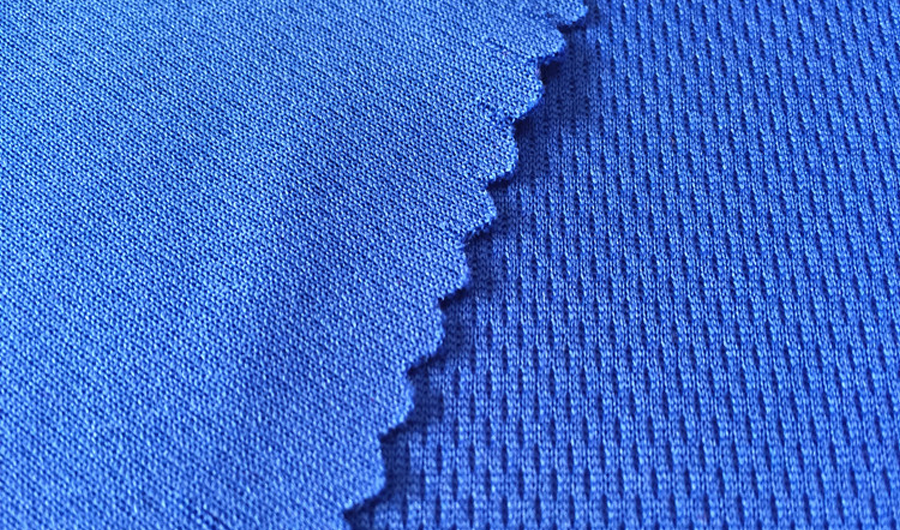
Below 135 GSM suits voile, fine jersey, tanks, and hot-weather layers; it drapes fluidly, offers lower opacity, minimal warmth, fast drying, and requires careful cutting.
Lightweight Fabrics
135–200 GSM fits T-shirts, polos, lightweight jerseys, and summer woven shirts; expect moderate drape, breathable comfort, quicker drying, and limited structure.
Medium Fabrics
200–270 GSM works for French terry, substantial T-shirts, shorts, and light joggers; it balances drape, opacity, warmth, structure, drying time, and sewing control.
Medium-Heavy Fabrics
270–340 GSM suits hoodies, sweatpants, denim shirts, and structured streetwear; garments feel warmer and more opaque, hold shape better, dry slower, and need stronger handling.
Heavyweight Fabrics
340–400 GSM fits premium fleece, heavy overshirts, varsity bodies, and outer layers; drape becomes controlled, warmth and opacity increase, while drying and seam handling become demanding.
Very Heavyweight Fabrics
Above 400 GSM is for dense outerwear, coatings, and statement jackets; expect maximum structure and warmth, minimal drape, slow drying, bulky seams, and slower production handling.
4. Materials, Fabrics, and Construction Variables
A 300 GSM fabric can feel crisp, soft, stretchy, or drapey depending on fiber and construction. Knit density, weave, yarn count, stretch content, and finishing all affect opacity, stability, and hand feel, so the fabric should be assessed against the garment’s end use and approved standard.
| Fabric type | GSM orientation | Hand feel | Behavior | Suitable products |
|---|---|---|---|---|
| Cotton | 120–240 | Soft | Breathable | T-shirts |
| Polyester | 120–260 | Smooth | Stable | Teamwear |
| Fleece | 280–500 | Plush | Warm | Hoodies |
| French terry | 220–380 | Looped | Breathable | Joggers |
| Jersey | 140–240 | Stretchy | Drapey | Tees |
| Denim | 280–500 | Firm | Abrasion-resistant | Jeans |
| Canvas | 250–500 | Crisp | Structured | Jackets |
| Wool blend | 250–450 | Warm | Insulating | Outerwear |
| Rayon | 120–220 | Fluid | Drapey | Woven shirts |
| Performance blend | 130–260 | Technical | Wicking | Uniforms |
Fiber And Yarn Quality

Long-staple cotton and finer ring-spun yarns generally feel smoother than coarse open-end yarns at the same GSM.
Construction Changes Performance
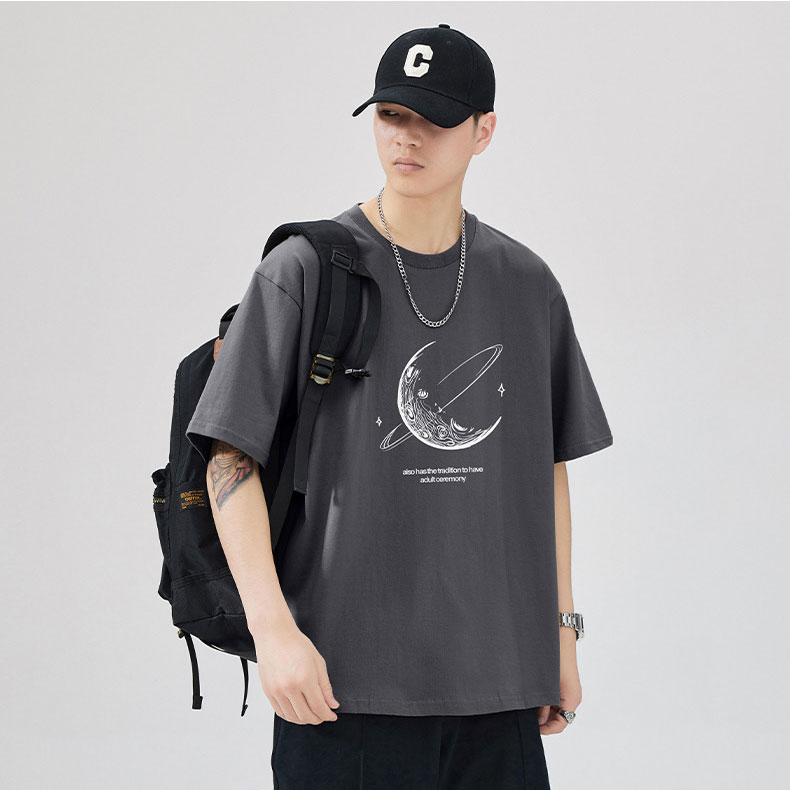
Knit density, weave, yarn count, stretch content, and finishing determine opacity, stability, and hand feel.
Shrinkage Needs Testing
Cotton and rayon may shrink or distort after washing, while polyester usually holds dimensions better.
5. Fabric GSM Guide to Customization and Decoration
180 GSM and 400 GSM fabrics can require different decoration settings because density, surface texture, and seam bulk change ink, thread, and heat behavior.
Printing And Transfer Compatibility
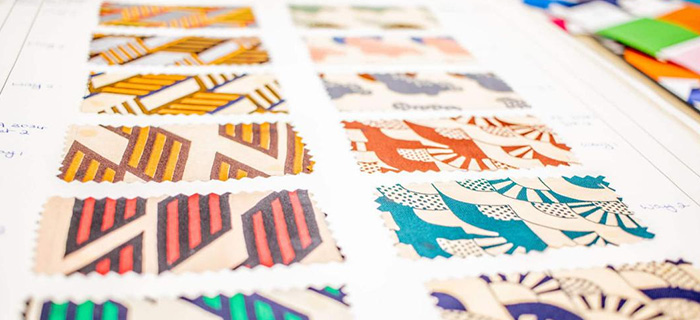
150–220 GSM smooth cotton jersey generally suits screen printing and DTG; dark or loosely knitted fabrics may need higher ink coverage to prevent show-through. French terry loops and fleece require testing for edge definition and surface absorption.
- Screen print: check opacity, hand feel, and cracking after wash.
- DTG: check pretreatment, fiber content, and color saturation.
- Sublimation: use compatible polyester and verify colorfastness.
| Method | Best Fit | Primary Check |
|---|---|---|
| Screen print | Smooth cotton, fleece | Ink coverage and show-through |
| DTG | Stable cotton jersey | Pretreatment and wash durability |
| Heat transfer | Heat-tolerant knits | Temperature and adhesion |
| Sublimation | Light polyester | Color accuracy and fastness |
Embroidery, Patches, And Labels
280 GSM fleece can support embroidery, but dense stitching may stiffen lightweight panels and cause puckering. Hooping must avoid distortion, while shoulder seams, ribs, and thick hems create seam bulk that affects placement.
- Check hooping distortion on stretch or brushed fabrics.
- Reduce stitch density where fabric is lightweight or unstable.
- Test patch edges and label seams after laundering.
Washing And Garment Dye Testing
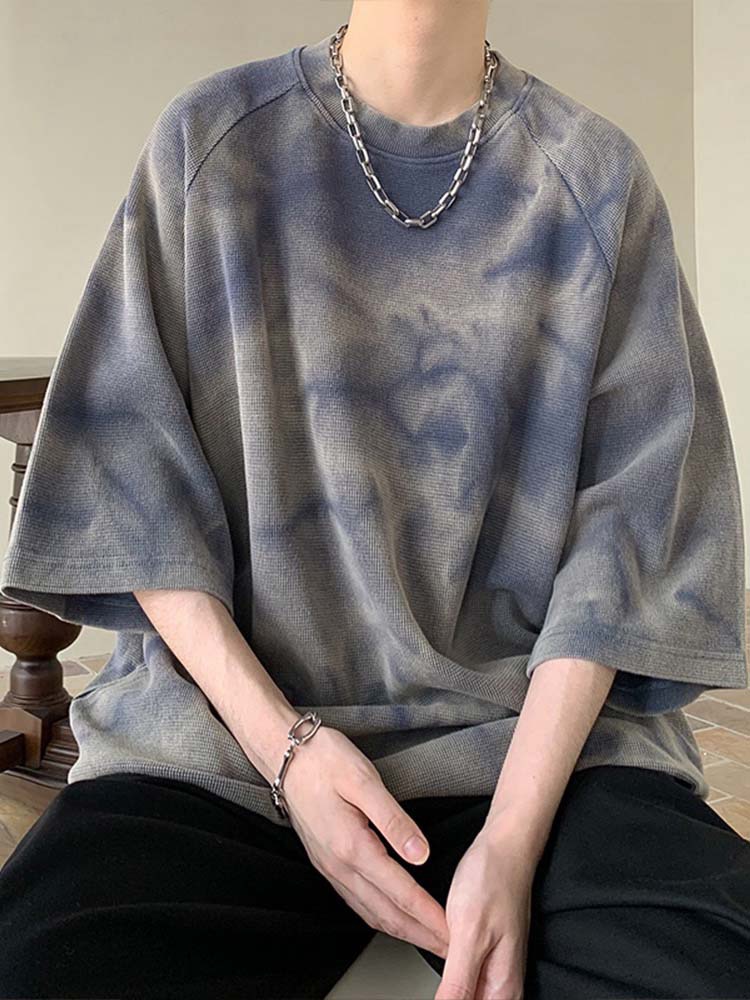
Three wash cycles can reveal failures that a fresh sample hides, including transfer lifting, embroidery puckering, print cracking, shrinkage, and color migration. Garment-dyed products need separate checks for shade variation, rubbing, and decoration colorfastness.
- Measure shrinkage before and after washing.
- Check colorfastness for fabric and decoration separately.
- Approve placement after laundering, not only on the pre-wash sample.
6. Key Construction and Quality-Control Elements
A ±3% GSM tolerance is a common control point, but weight alone cannot confirm quality. Fabric width, recovery, surface performance, color, and construction must be checked against the intended garment and approved standard.
Measure More Than GSM
A ±3% tolerance means 300 GSM may measure approximately 291–309 GSM, subject to the agreed specification. Record usable fabric width separately, because width variation changes consumption, yield, and costing.
- Confirm GSM, usable width, and tolerance.
- Test shrinkage and spirality after washing.
- Check pilling and abrasion against end use.
Inspect Construction And Color
Four construction checks protect repeatability: seam strength, stitch density, fabric defects, and trim attachment. Higher GSM does not automatically mean higher quality; fiber grade, yarn, knit structure, finishing, and workmanship can matter more. Colorfastness should cover washing, rubbing, perspiration, and light where relevant.
- Inspect holes, slubs, stains, barre, and knitting faults.
- Verify seam strength at stress points.
- Approve shade against the lab dip or standard.
Use A Staged Approval System
One approved swatch establishes hand feel, construction, and target GSM. The lab dip confirms color before bulk dyeing; the pre-production sample confirms fit, decoration, wash behavior, and measurement execution. Bulk testing then verifies production lots for GSM, width, shrinkage, shade, defects, and dimensional stability.
- Swatch: approve material direction.
- Lab dip: approve color.
- Pre-production sample: approve execution.
- Bulk test: release production by evidence.
7. How to Choose a Fabric Manufacturer
A supplier earns approval through evidence, not a catalog.
Verify Product Experience
2000 marks EDVORIN’s founding and a production background spanning hoodies, jerseys, uniforms, outerwear, and coordinated collections. Ask for comparable samples, construction details, decoration examples, and references relevant to your market.
- Which products match our construction and end use?
- Can you reproduce an approved sample consistently?
- Who owns pattern and revision control?
Audit Materials And Testing
A written GSM target should include an agreed tolerance, fabric composition, finish, color standard, and pre- or post-wash measurement basis. Ask for roll identification, mill details, batch records, and traceability from material receipt to finished garment. Request applicable test reports for colorfastness, shrinkage, pilling, seam strength, and restricted substances.
- What GSM tolerance is guaranteed?
- Which laboratory issued each report?
- How are failed lots handled?
Confirm Commercial Readiness
EDVORIN’s MOQ starts at 200 pieces per style. MOQ, capacity, and lead time should be quoted by product, color, size range, decoration method, and order stage. Ask for sample, bulk, replenishment, and peak-season timelines, plus capacity evidence for your expected volume.
- What are MOQ tiers by color and style?
- What is the realistic monthly capacity?
- Which export documents are supplied?
- Can packaging match our retail or team requirements?
8. Common Fabric GSM Guide Mistakes Buyers Make
A 300 GSM label describes mass per area, not automatic quality.
GSM Is Not A Quality Score
1 GSM measures fabric mass, while fiber length, yarn quality, construction, colorfastness, and finishing influence performance. Treating higher GSM as better can produce an expensive, uncomfortable garment that still pills or wears poorly. A 200 GSM long-staple cotton knit may outperform a heavier short-fiber fabric.
Compare Construction And Width
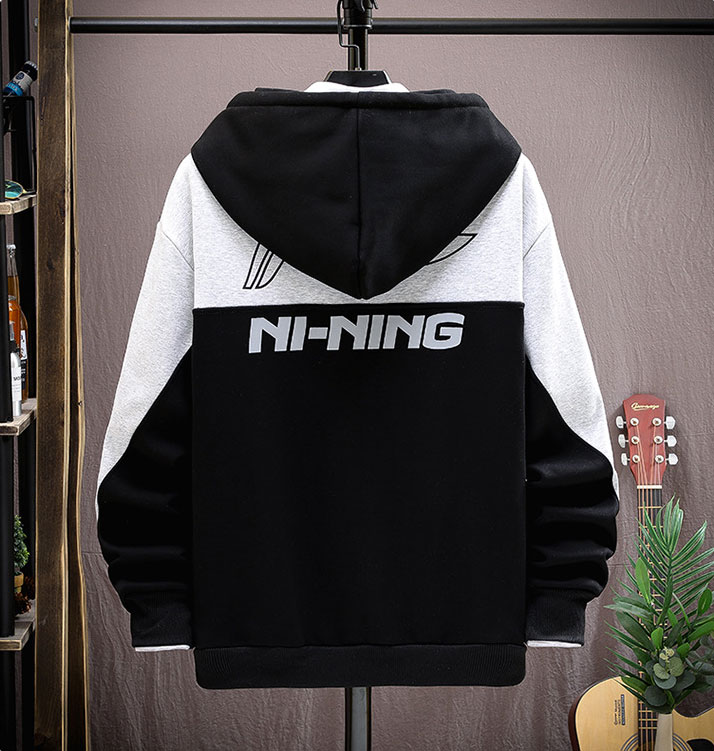
150 GSM French terry and 150 GSM woven poplin do not behave interchangeably; knit structure, stretch, recovery, and drape change the product result. Cross-comparison without context can cause incorrect fit, yield, and costing decisions. Fabric width also changes consumption.
Validate Climate And Finished State
A single GSM target cannot serve tropical teamwear and cold-weather fleece equally; the wrong weight can cause overheating, insufficient insulation, or weak seasonal sell-through. Set weight ranges by climate, garment category, layering, and end use.
Control Units And Production Tolerance
GSM measures fabric mass per area, while fiber length, yarn quality, construction, colorfastness, and finishing influence performance. Treating higher GSM as better can produce an expensive, uncomfortable garment that still pills or wears poorly. A 200 GSM long-staple cotton knit may outperform a heavier short-fiber fabric.
9. Steps to Launch Your Apparel Brand
Launch decisions should move from the wearer and use case to a documented production standard.
Define The Product Brief
Define the wearer, activity, climate, size range and sales channel. A streetwear label may prioritize drape and hand feel; a club needs mobility and repeatable team sizing; a school needs durability and easy replenishment.
Set Material And GSM Targets
Set a target GSM range, then confirm fiber, yarn and construction: ring-spun or open-end cotton, French terry or fleece, knit or woven. GSM is mass per square metre, not a standalone quality score.
Prototype And Approve
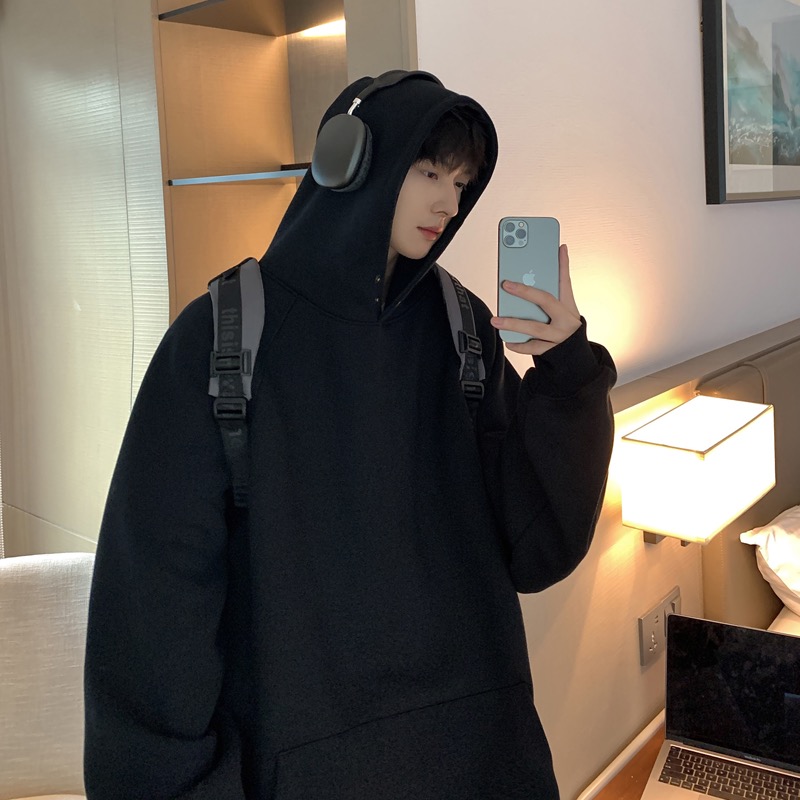
Shortlist suppliers able to develop the pattern, sample and required trims. EDVORIN can take a tech pack, sketch or reference garment into a reviewable prototype.
Control Bulk And Reorders
Approve the pre-production sample, graded measurements, artwork placement, labels, packaging and material standard. Record the GSM tolerance agreed for bulk control; a commonly cited benchmark is ±3%. Inspect materials, construction, decoration, measurements and packing during and after production.
10. Fabric GSM Guide Pricing and Cost Factors
300 GSM does not mean 300 grams per garment: consumption depends on pattern area, fabric width, shrinkage, and cutting efficiency. Higher GSM usually increases garment weight, freight charges, carton weight, and packaging requirements, while adding material and handling cost. An agreed GSM tolerance should be set during development because weight variation can affect hand feel, decoration coverage, sewing difficulty, and perceived value.
| Order Planning Factor | Indicative Cost Driver | Lead-Time Consideration | Buyer Action |
|---|---|---|---|
| Fabric consumption | Higher GSM increases material mass; yield also depends on width, shrinkage, and marker efficiency. | Allow time for fabric testing and shrinkage approval. | Confirm GSM, usable width, composition, and tolerance in the tech pack. |
| Garment weight and freight | Heavier finished goods increase carton weight and shipping exposure. | Recalculate freight after size-set and packaging approval. | Request packed-weight estimates by size and quantity tier. |
| Labor and decoration | Dense fleece or heavy knits may require slower sewing, stronger needles, or adjusted print and embroidery settings. | Sampling may need additional testing before bulk. | Approve decoration on the actual production fabric. |
| Packaging and value | Bulky garments may need larger cartons; substantial hand-feel can support premium positioning. | Packaging samples should be checked with final folding method. | EDVORIN’s MOQ starts at 200 pieces per style. Request a product-specific quote covering materials, trims, decoration, packing, MOQ, and lead time. |
Fabric GSM Guide FAQs for Apparel Buyers
Clear answers for selecting, specifying, and controlling fabric weight across repeatable apparel production.
What is a fabric GSM guide, and what does GSM mean?
Is higher GSM always better for apparel?
How does GSM differ from fabric thickness?
What fabric GSM should I choose for a hoodie or sweatshirt?
How much GSM variation is acceptable in bulk production?
How should I specify fabric weight in a tech pack?
Can EDVORIN help select GSM if I only have a garment concept?
Turn the Right Fabric GSM Into a Repeatable Collection
Bring your fabric GSM guide decisions to EDVORIN for material sourcing, sampling, decoration, quality control, and dependable bulk production.