
Fabric MOQ Guide for Smarter Apparel Sourcing
EDVORIN’s MOQ starts at 200 pieces per style. Use this fabric MOQ guide to compare material quantities, plan apparel programs, and reduce sourcing risk before samples move into bulk production.
What This Fabric MOQ Guide Helps You Compare
Evaluate fabric choices, supplier models, customization requirements and inventory plans before moving from sampling into repeatable apparel production.
Fabric Type And Weight
Compare how fabric construction, weight, availability and performance requirements can influence sourcing flexibility, product cost and production planning.
Supplier Model And MOQ
Assess stock-supported, custom-dyed and development-led supplier options against your order volume, collection goals and planned reorder cycle.
Customization Requirements
Review how custom colors, prints, embroidery, trims, washes and specialized finishes affect setup requirements and minimum production quantities.
Sampling Before Bulk
Plan fabric testing, fit samples and decorated prototypes so approved materials and construction details become clear production standards.
Inventory And Reorders
Match initial fabric commitments to demand forecasts, SKU breadth, storage capacity and the repeat-order potential of your collection.
Apparel Programs by Buyer and Product
Plan fabric commitments around garment construction, decoration, team sizing, repeat orders and the sourcing realities of each apparel buyer.
Custom Hoodies
EDVORIN’s MOQ starts at 200 pieces per style. As a custom hoodie manufacturer, EDVORIN develops fleece weight, rib, trims, artwork and fit for fashion brands, streetwear labels and private-label buyers. Fabric MOQ planning can be aligned with core colors, seasonal capsules or repeat programs, with development from approved sample through controlled bulk production.
Get a Quote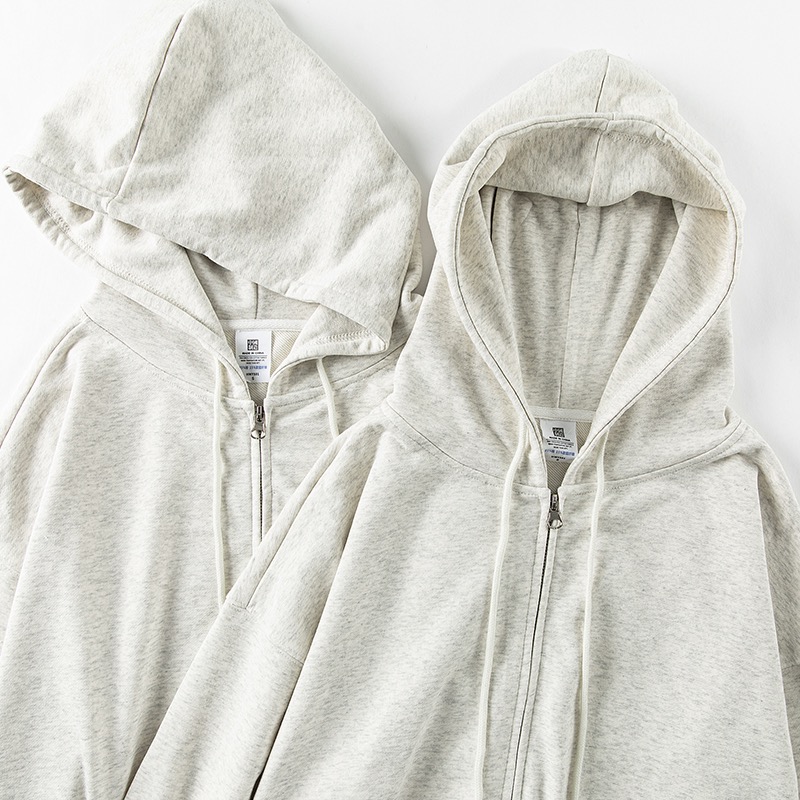
Pullover Sweatshirts
EDVORIN’s MOQ starts at 200 pieces per style. EDVORIN supports sweatshirt programs with fabric selection, brushed or unbrushed fleece, neckline construction, cuffs, labeling and decoration coordination. A sweatshirt manufacturer must account for color breadth and size demand, helping wholesalers, emerging brands and established buyers balance fabric MOQ commitments against forecasted repeat orders.
Get a Quote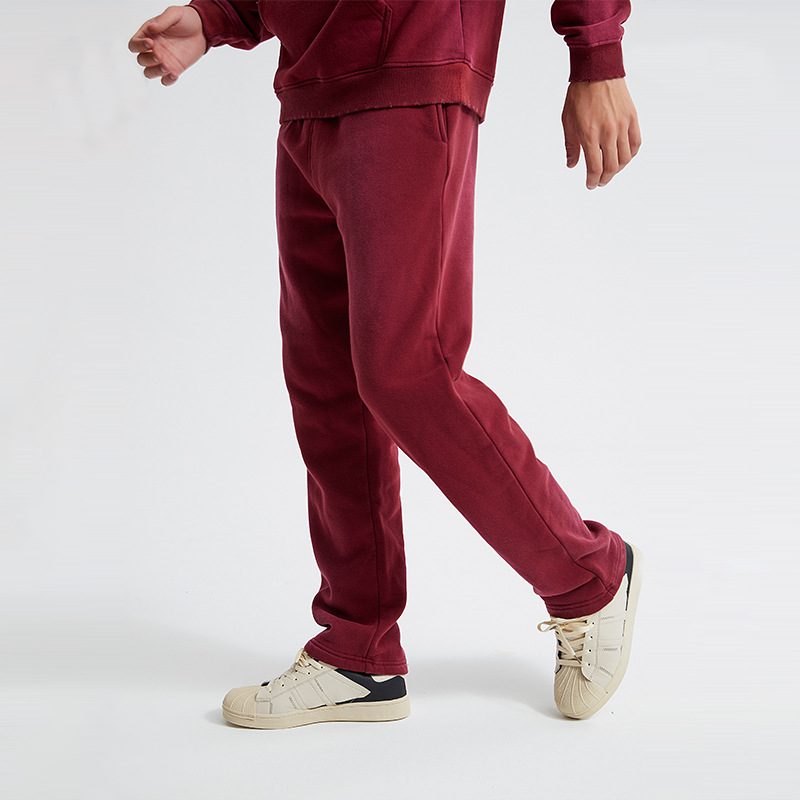
Sweatpants & Joggers
EDVORIN’s MOQ starts at 200 pieces per style. As a sweatpants manufacturer, EDVORIN coordinates fleece or jersey fabric, waistband recovery, drawcords, pocket construction, leg shape and finishing. MOQ planning considers matching tops, color continuity and men’s or women’s fit blocks, supporting complete programs for streetwear labels, private-label buyers and wholesale collections.
Get a Quote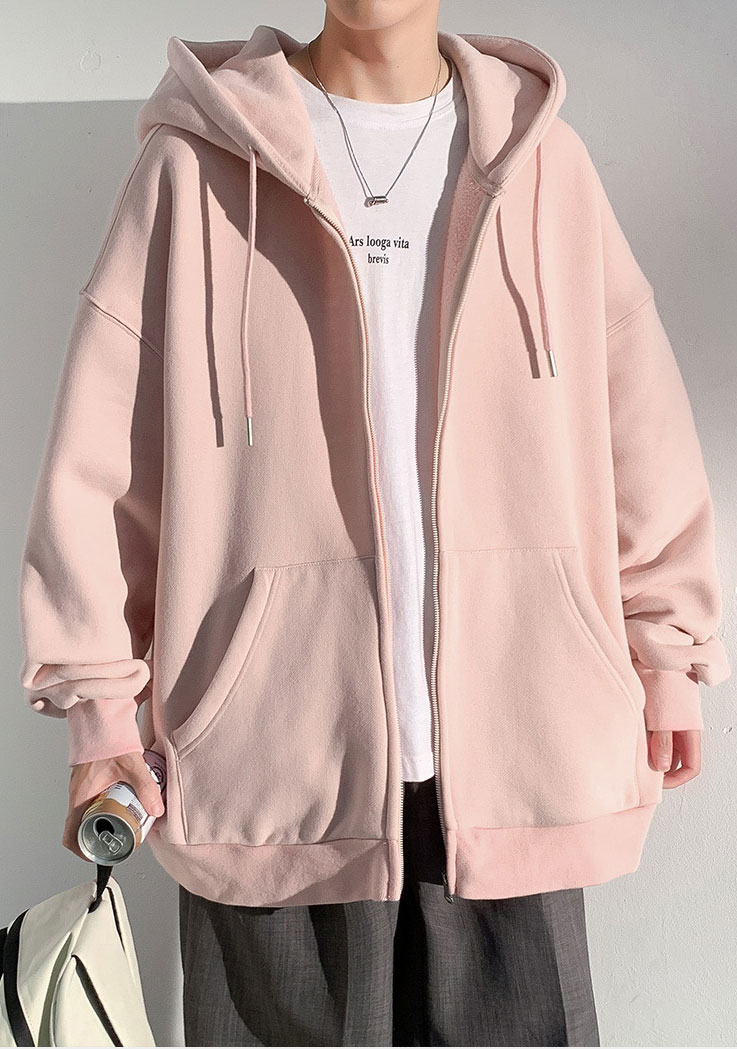
Custom Shorts
EDVORIN’s MOQ starts at 200 pieces per style. EDVORIN develops custom shorts around fabric behavior, inseam, waistband construction, pockets, lining and decoration requirements. A custom shorts manufacturer may support lightweight summer programs, fleece sets, team collections or private-label basics, with fabric MOQ decisions matched to color counts, size ratios and planned replenishment.
Get a Quote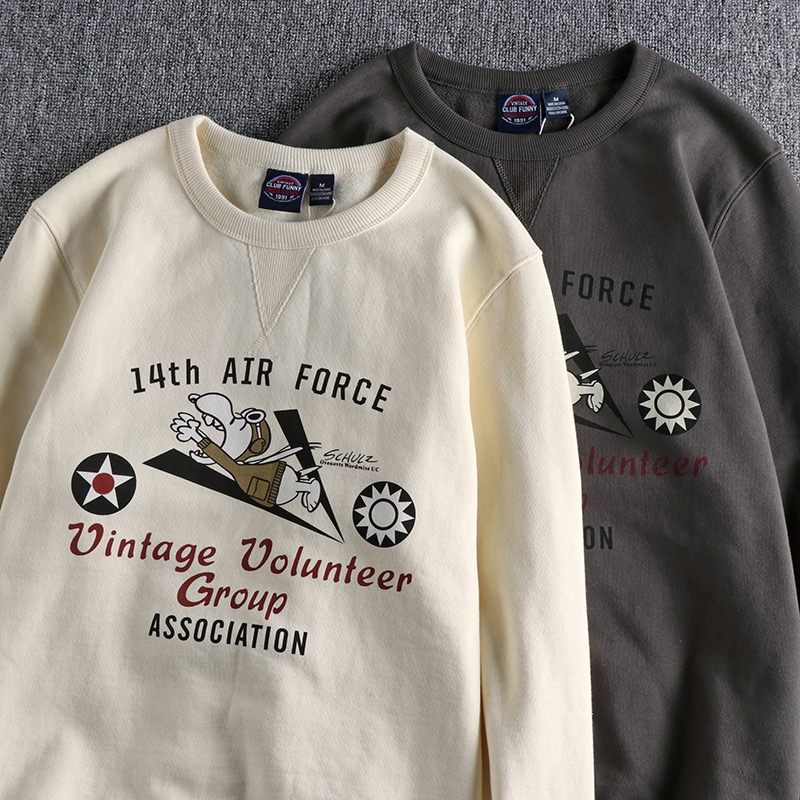
Varsity & Baseball Jackets
EDVORIN’s MOQ starts at 200 pieces per style. As a varsity jacket manufacturer, EDVORIN coordinates body fabric, sleeves, lining, insulation, rib, snaps, patches, embroidery and appliqué. Fabric MOQ planning is especially important when schools, sports clubs, streetwear labels or fashion brands require distinctive color combinations and consistent repeat production across sizes.
Get a Quote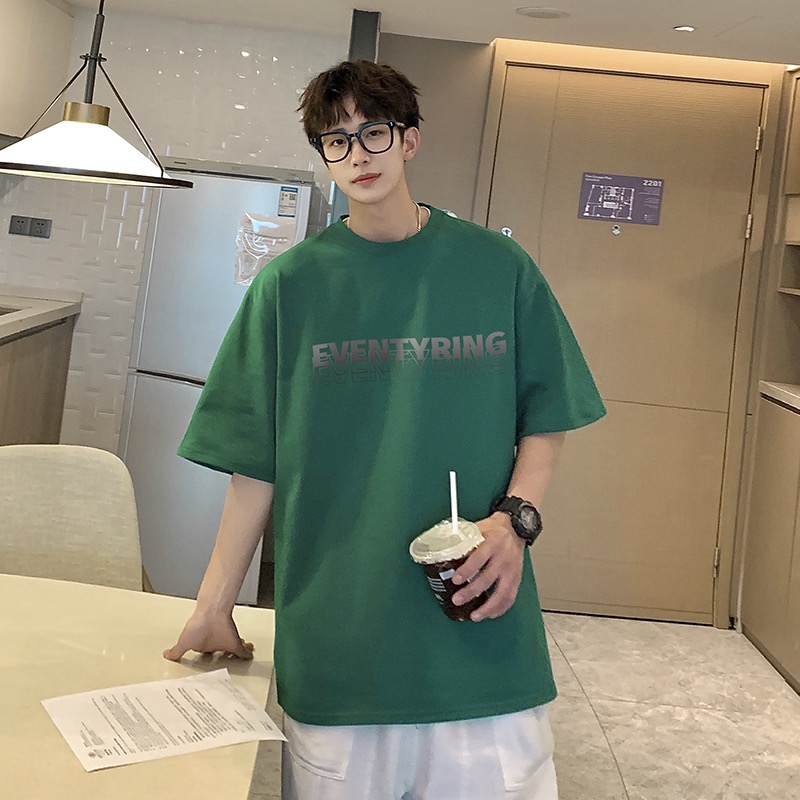
Custom T-Shirts
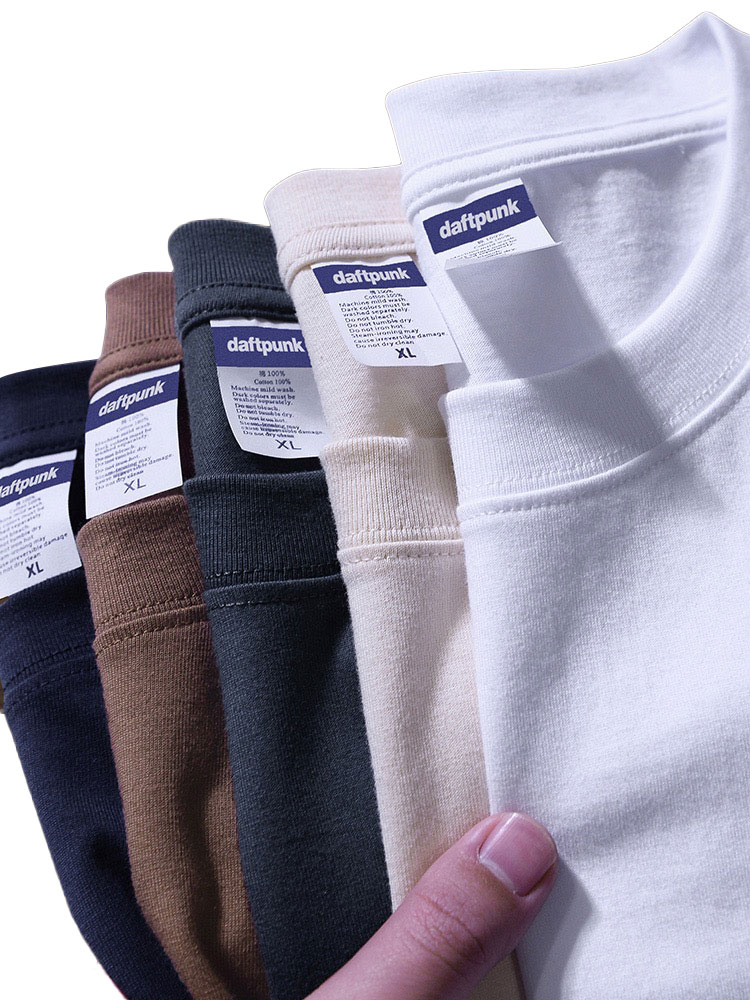
EDVORIN’s MOQ starts at 200 pieces per style. EDVORIN develops custom T-shirts using cotton, blends or performance fabrics selected for hand feel, weight, fit and decoration compatibility. A custom T-shirt manufacturer can plan fabric MOQ around screen printing, embroidery, labels and color demand for campaigns, wholesale basics, private-label ranges and recurring team or event orders.
Get a Quote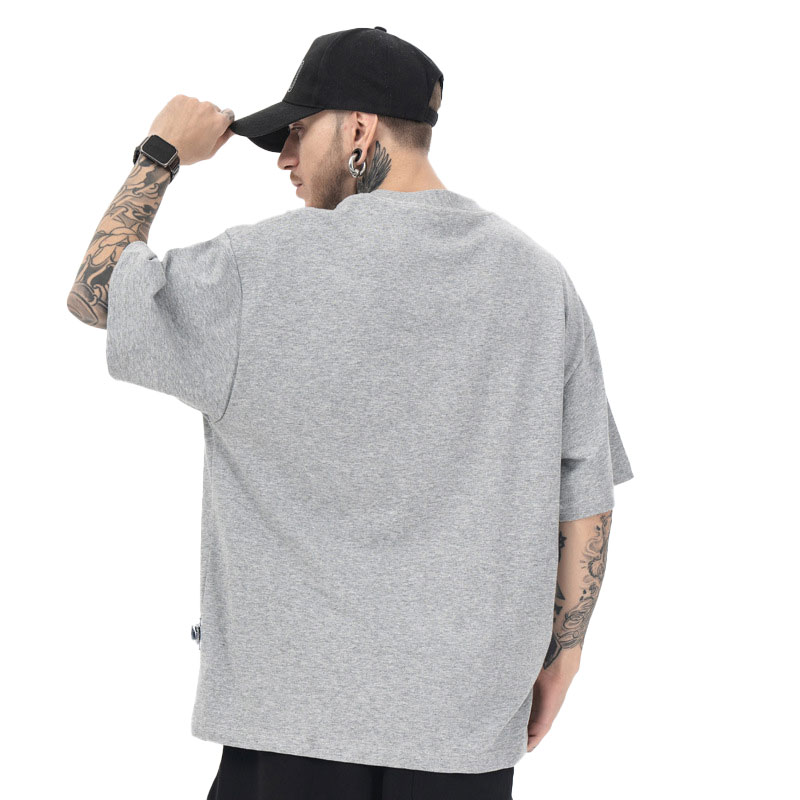
Custom Polo Shirts
EDVORIN’s MOQ starts at 200 pieces per style. As a polo shirt manufacturer, EDVORIN manages piqué or other knit fabrics, collars, cuffs, plackets, buttons, embroidery and fit development. MOQ planning can reflect corporate uniforms, school programs, wholesale assortments or private-label collections, with men’s and women’s specifications documented for reliable sample-to-bulk production.
Get a Quote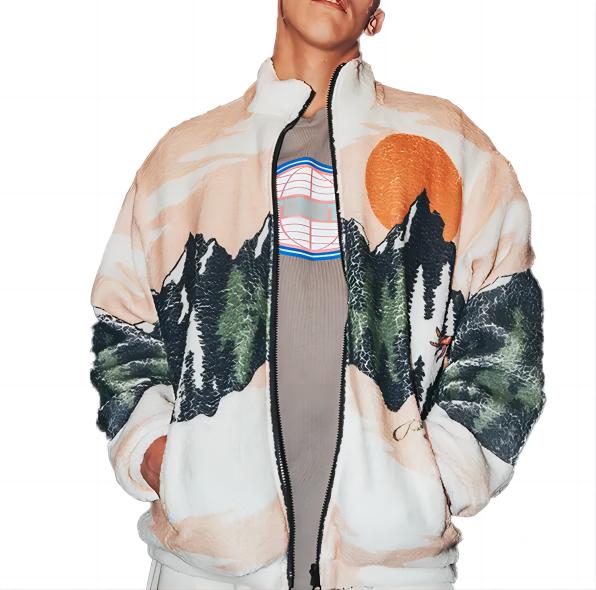
Windbreaker Jackets
EDVORIN’s MOQ starts at 200 pieces per style. EDVORIN develops windbreaker programs with shell fabrics, lining or mesh, water-resistant finishes, zippers, hoods, pockets and printed or embroidered branding. A windbreaker manufacturer must align fabric MOQ with seasonal demand, team requirements and colorways, supporting fashion, outdoor-inspired streetwear, school and sports applications.
Get a Quote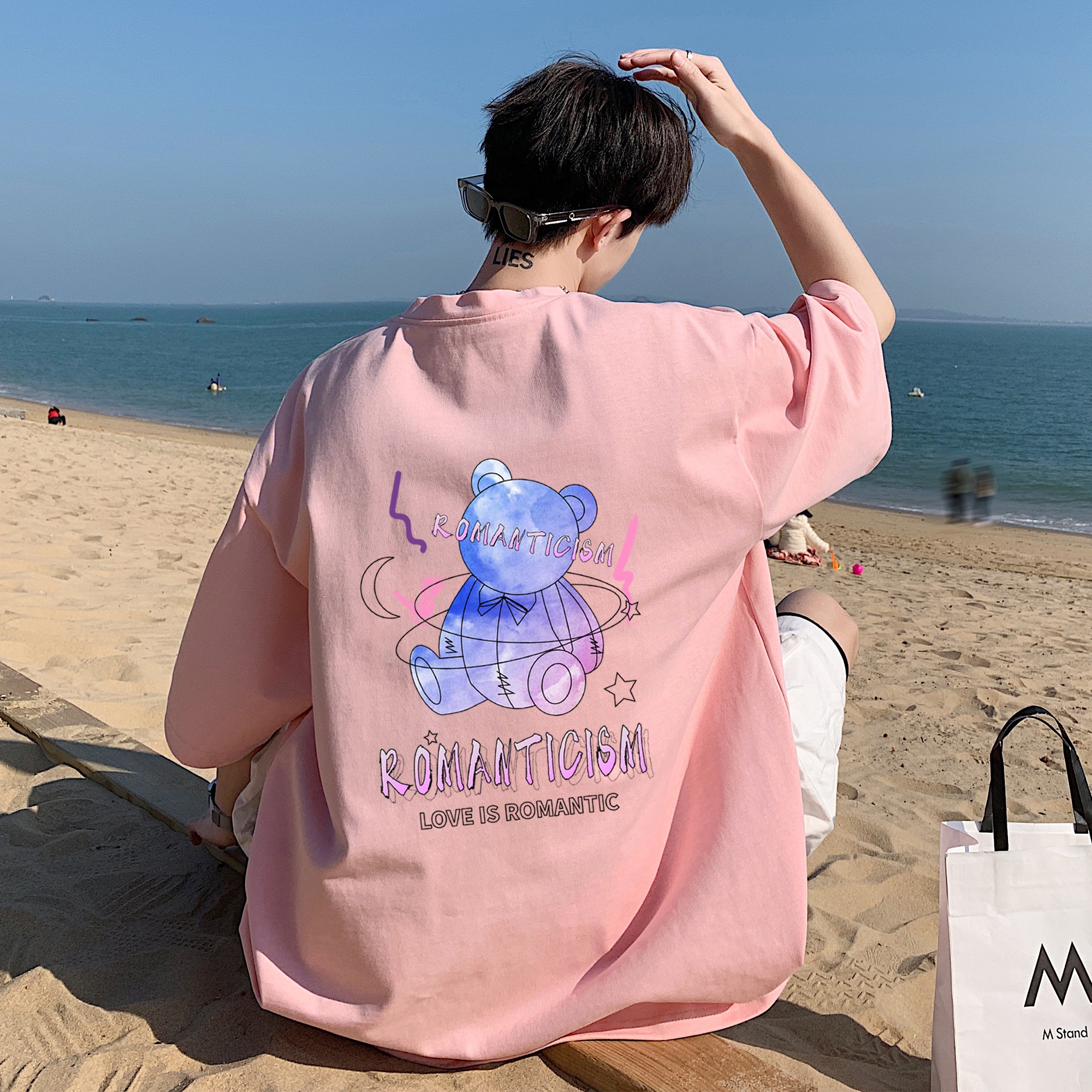
Quilted Jackets
EDVORIN’s MOQ starts at 200 pieces per style. As a quilted jacket manufacturer, EDVORIN coordinates shell fabric, lining, insulation weight, quilting pattern, hardware, pockets and finishing. Fabric MOQ planning depends on warmth level, seasonal color strategy and order scale, helping fashion brands, private-label buyers and wholesalers develop outerwear with a documented production standard.
Get a Quote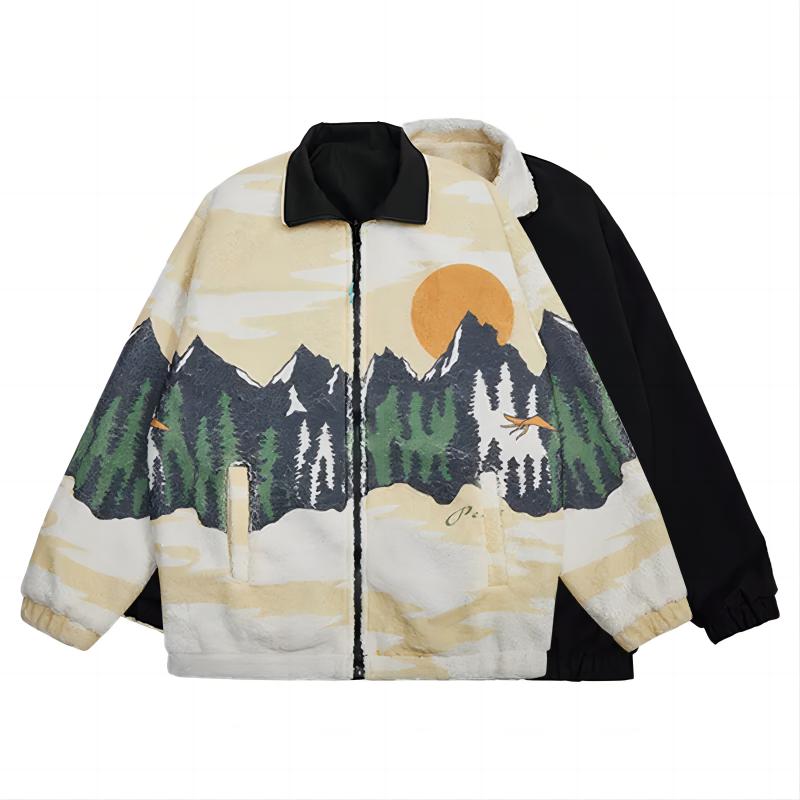
Bomber Jackets
EDVORIN develops bomber jackets around shell and lining choices, rib specifications, zippers, pockets, insulation and decoration placement. A bomber jacket manufacturer can plan fabric commitments for fashion collections, streetwear capsules, uniform-inspired programs or private-label ranges while maintaining consistent construction across approved sizes and repeat orders.
Get a Quote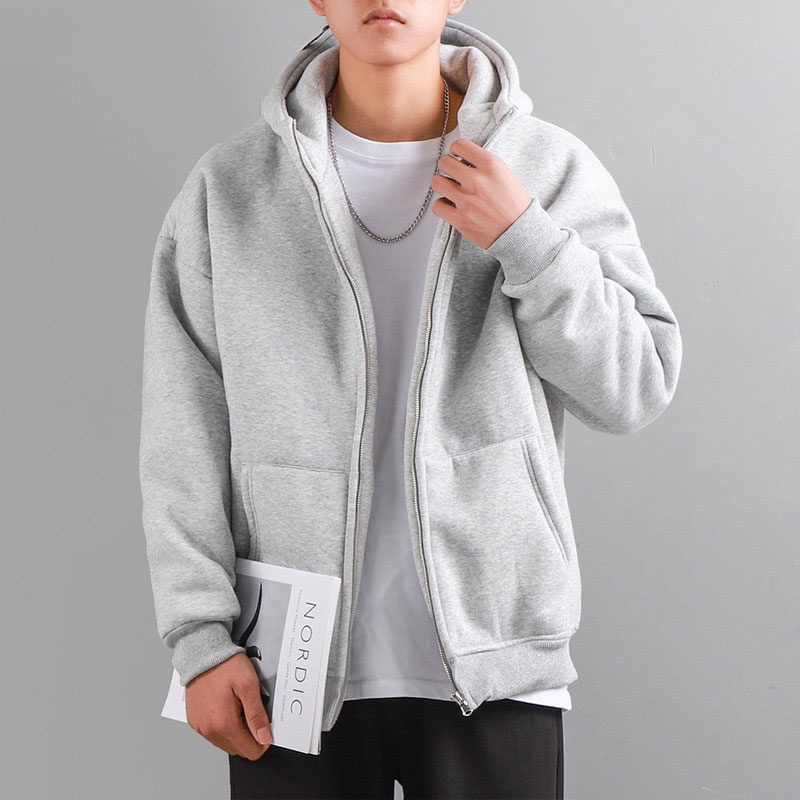
Custom Shirts
EDVORIN’s MOQ starts at 200 pieces per style. As a custom woven shirt manufacturer, EDVORIN coordinates woven fabric, collar and cuff construction, buttons, seams, labels and decoration. MOQ planning can distinguish fashion prints, wholesale solids, workwear-inspired programs and private-label collections, with material approvals and measurement standards established before bulk production.
Get a Quote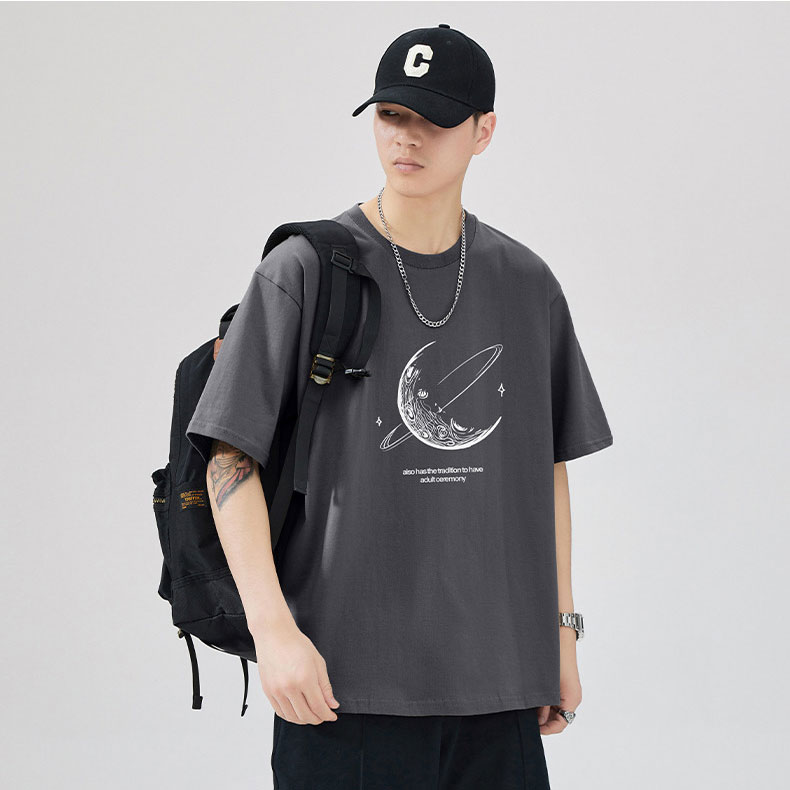
Custom Jerseys
EDVORIN develops custom jerseys for sports clubs, teams, schools and sportswear brands using performance fabrics, breathable structures, sublimation or other decoration methods. A custom jersey manufacturer must plan fabric and color continuity alongside names, numbers, sponsor artwork, size grading and organized repeat orders.
Get a Quote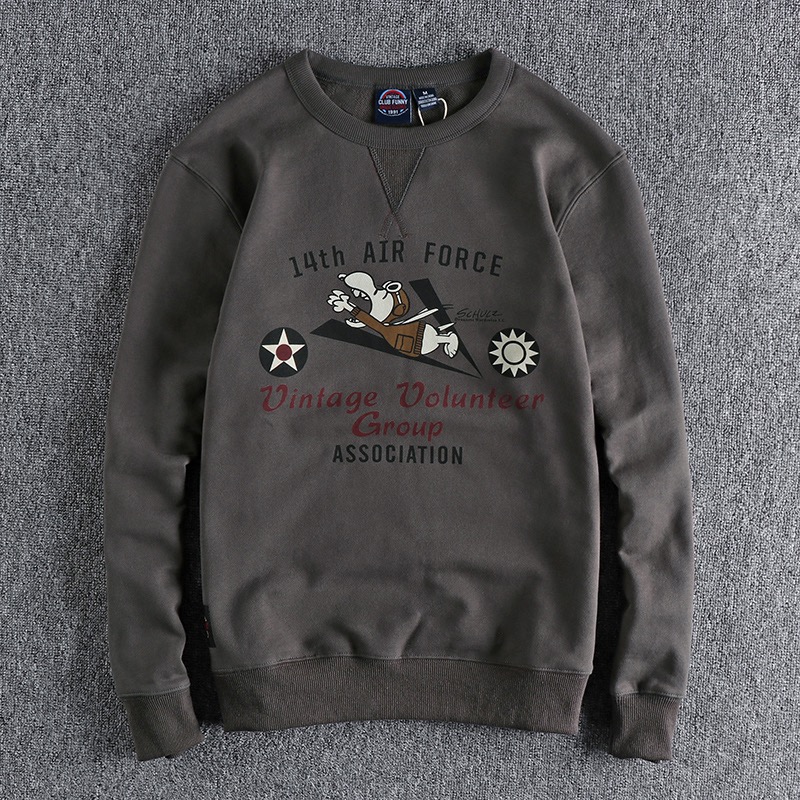
Tank Tops
EDVORIN’s MOQ starts at 200 pieces per style. As a custom tank top manufacturer, EDVORIN develops lightweight jersey or performance fabrics with attention to armholes, necklines, hem finishing, fit and decoration. Fabric MOQ planning can support gym, lifestyle, streetwear, event and team programs while accounting for men’s and women’s proportions and seasonal color demand.
Get a Quote
Soccer Uniforms
EDVORIN develops soccer uniforms with coordinated jerseys, shorts and optional socks, using performance fabrics, sublimation, heat transfers, numbers, names and sponsor graphics. A soccer uniform manufacturer must control color references, size sets and repeatability for clubs, academies, schools and wholesale teamwear programs.
Get a Quote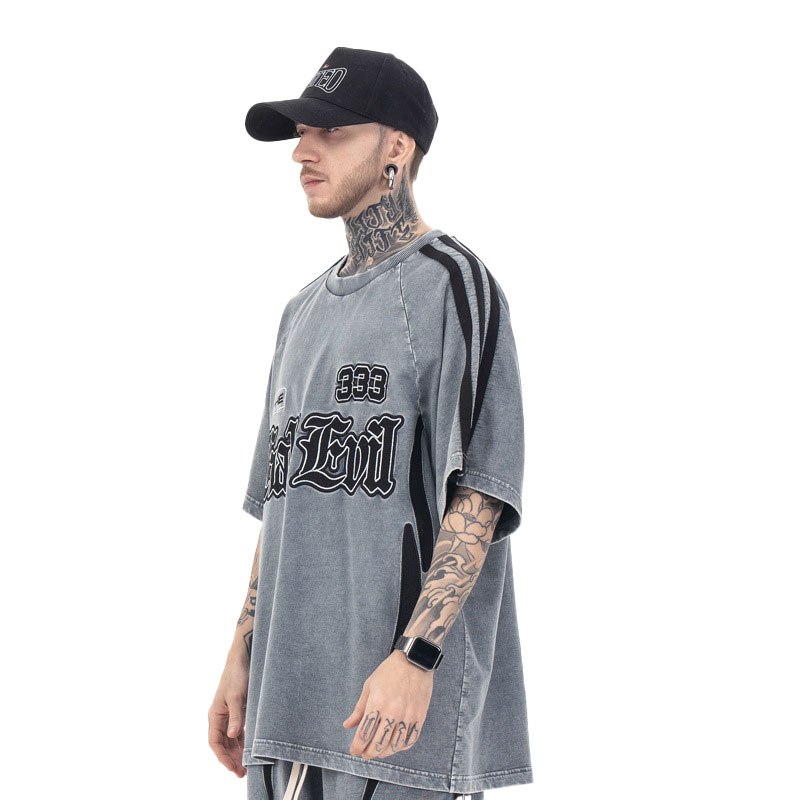
Basketball Uniforms
EDVORIN’s MOQ starts at 200 pieces per style. As a basketball uniform manufacturer, EDVORIN coordinates breathable mesh or performance fabrics, jersey and short construction, trims, numbers, names and team artwork. MOQ planning should reflect roster size, size grading, color combinations and replacement needs for schools, clubs, academies and established sportswear buyers.
Get a Quote
Streetwear Collections
EDVORIN’s MOQ starts at 200 pieces per style. EDVORIN builds streetwear collections by connecting hoodies, T-shirts, sweatpants, jackets, woven shirts and decoration into one production system. A streetwear clothing manufacturer must plan fabric MOQ across coordinated color stories, limited drops, evolving capsules and replenishment programs while preserving approved fit, artwork placement and construction standards.
Get a QuoteFrom Material Decisions to Approved Bulk Production
Turn fabric minimums into clear decisions, approved standards, and repeatable apparel production with EDVORIN.
Define Material Requirements
EDVORIN’s MOQ starts at 200 pieces per style. Share your concept, target market, garment category, fabric preferences, and expected volume so EDVORIN can identify practical sourcing options and MOQ implications.
Compare Sourcing Paths
Review stock-supported, custom, and performance fabric routes alongside color, trim, decoration, certification, lead-time, and cost considerations for a balanced production decision.
Approve Production Sample
Develop patterns, materials, decoration, measurements, and finishing details into a sample that establishes the approved standard for bulk manufacturing and future repeats.
Release Bulk and Repeats
Coordinate cutting, sewing, custom apparel printing, custom apparel embroidery, garment wash services, custom clothing labels and packaging, then use approved records to maintain consistency across bulk orders and seasonal replenishment.
Fabric MOQ Guide: Compare Minimums, Cut Sourcing Waste
EDVORIN’s MOQ starts at 200 pieces per style. Use this fabric MOQ guide to compare supplier minimums, fabric choices, pricing tiers, sampling requirements, and production risks—then select a sourcing strategy that protects cash flow, reduces excess inventory, and supports reliable brand launches.
1. What Is a Fabric MOQ Guide?
EDVORIN’s MOQ starts at 200 pieces per style. A fabric MOQ is the smallest quantity a mill, converter, or wholesaler will accept for one material order. It may be quoted in meters or yards for woven and knitted fabric, kilograms for some knit or dyed programs, or rolls for stocked wholesale goods; always confirm whether the minimum applies per color, style, construction, or total order.
A 300–1,000 meter range is common for some dye-house programs because yarn preparation, machine setup, dye-bath capacity, and finishing create fixed costs before production begins. Those constraints explain why custom fabric minimums can exceed stock-supported programs, while smaller quantities may carry a higher unit cost.
A garment MOQ counts finished units; a fabric MOQ counts the raw material needed to make them.
2. Evolution of Fabric MOQ Sourcing
Historically, dye-house and mill-scale planning often favored runs of 300–1,000 meters because loom setup, yarn preparation, dye-bath capacity and finishing favored fixed bulk production. That model suited established fashion programs and wholesalers, but it forced smaller labels, schools and private-label buyers to fund inventory before demand was proven. Today, 50–100 meters can be practical for some digital-print programs, while stock-supported running lines let suppliers sell fabric already produced for broader demand. Converter networks and small-batch manufacturing have further separated fabric production from a single mill’s full-run economics.
3. Types of Fabric MOQ Arrangements
EDVORIN’s MOQ starts at 200 pieces per style. Four fabric MOQ models map different levels of inventory risk and customization.
Stock-Supported Fabric
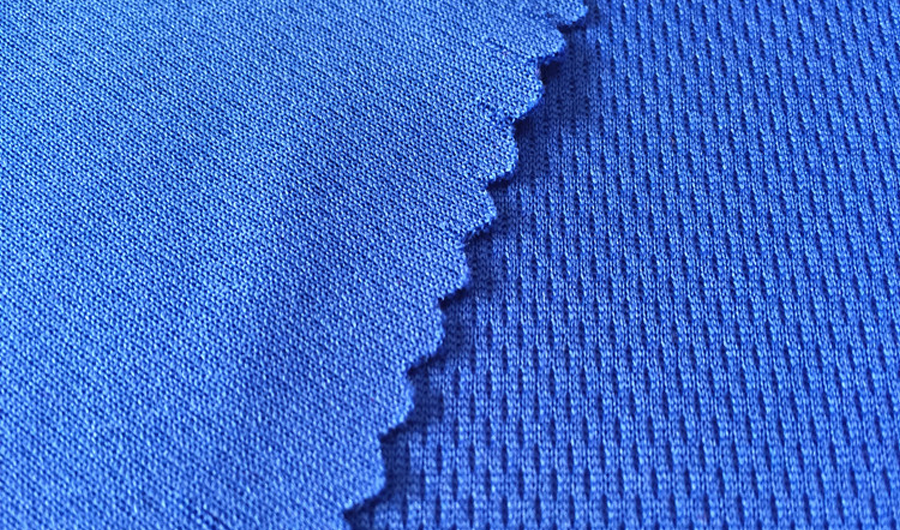
1 model uses available running stock, usually quoted by meters, kilograms, rolls, or color. It suits capsule drops, schools, and buyers prioritizing speed and low commitment.
Greige And Custom-Dyed Fabric
2 paths separate unfinished greige fabric from custom-dyed fabric. Greige supports early testing and flexible finishing; custom dyeing suits brands requiring approved Pantone color, but often adds setup, batch, and lead-time requirements.
Printed Fabric
3 print routes include screen, rotary, and digital printing. Digital printing generally fits smaller artwork tests and many colorways; rotary or screen production can improve unit economics at larger, repeatable volumes.
Performance And Full Custom
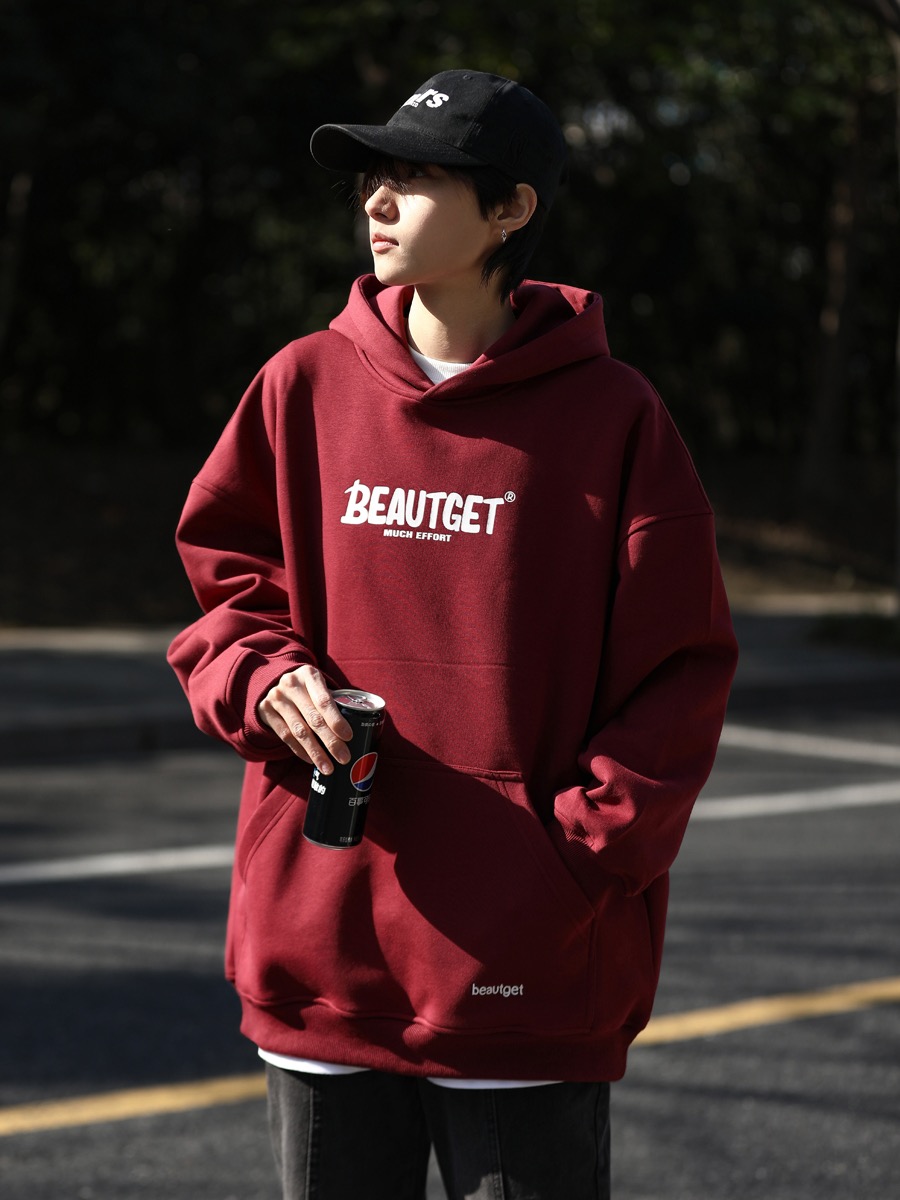
4 performance or specialty fabrics—such as mesh, stretch knits, laminated shells, or recycled constructions—usually require specification control and supplier testing. Full custom development adds yarn, structure, finish, and testing decisions, making it best for proven programs with forecasted demand.
4. Materials in the Fabric MOQ Guide
Fiber choice sets the garment’s hand, durability, performance ceiling, and sourcing risk.
| Material | Typical GSM | MOQ tendency | Best use |
|---|---|---|---|
| Cotton | 160–450 | Medium | Tees, fleece |
| Polyester | 100–220 | High | Uniforms, activewear |
| Recycled polyester | 100–220 | Medium–high | Teamwear, outerwear |
| Linen | 120–250 | Medium | Shirts, summerwear |
| Viscose | 100–180 | Medium–high | Draped fashion |
| Lyocell | 120–220 | Medium | Soft woven styles |
| Silk | 50–140 | Low–medium | Luxury capsules |
| Wool | 180–450 | Low–medium | Tailoring, jackets |
| Denim | 300–500 | High | Jeans, overshirts |
| Stretch knits | 180–350 | Medium–high | Fitted basics |
| Mesh | 90–180 | Medium–high | Breathable panels |
| Sports fabrics | 100–220 | Medium–high | Jerseys, training gear |
Fiber And Construction Effects
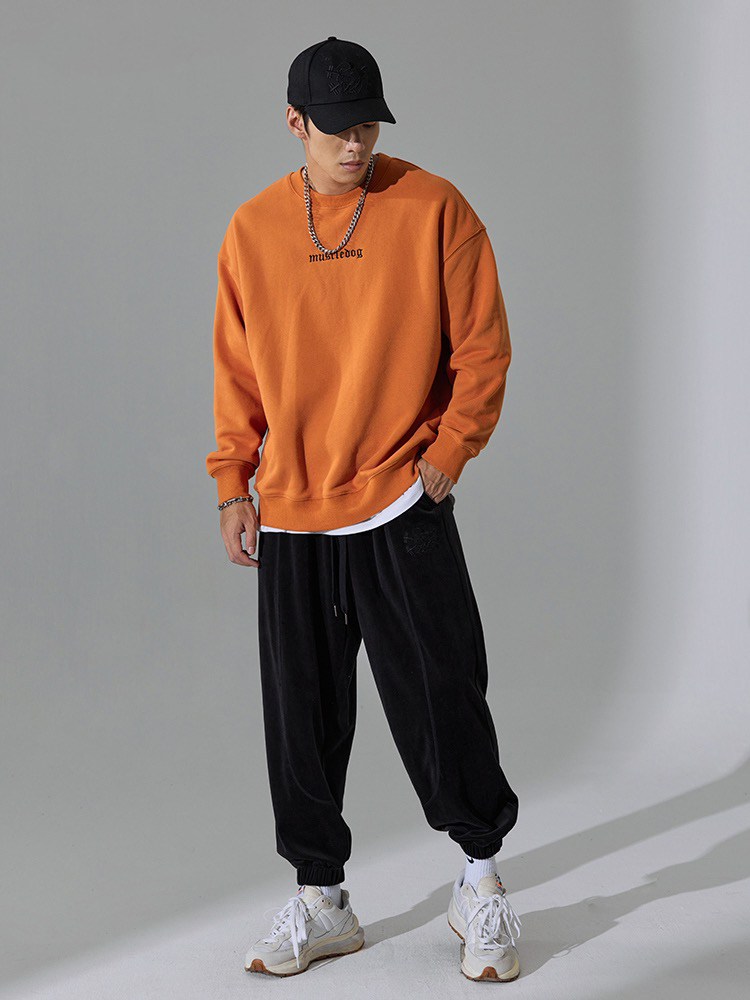
Cotton, polyester, recycled polyester, viscose, lyocell, linen, silk, and wool differ in shrinkage, recovery, abrasion resistance, and dye behavior. Ring-spun cotton and French terry sample differently from open-end yarns and fleece.
What Raises The Minimum
300–1,000 meters is a common custom-dyeing range, while knit programs may quote kilograms; exact minimums depend on mill capacity, color count, GSM, finish, and whether the base is stock-supported. Custom coatings, recycled inputs, and performance testing usually narrow supplier options.
Material Fit By Product
180–220 GSM cotton suits tees; 280–450 GSM fleece suits hoodies; 120–180 GSM polyester mesh suits team jerseys. Heavier denim, wool, or quilted constructions may improve durability but increase sampling and freight weight.
5. Customization Options in the Fabric MOQ Guide
Three variables usually move together: customization depth, production minimum, and approval workload.
| Method | Typical MOQ | Setup Cost | Approval / Repeatability | Best Fit |
|---|---|---|---|---|
| Solid, reactive, or pigment dyeing | 300–1,000 m/color | Medium | Lab dips; high repeatability | Uniform color programs |
| Digital or screen printing | 50–300 m/design | Low–High | Strike-offs; placement tolerance | Artwork-led capsules |
| Sublimation | 100–500 m/design | Medium | Color proof; strong repeatability | Polyester teamwear |
| Jacquard or embroidery-ready | 300–1,000 m/style | High | Loom file or test sew-out | Woven motifs and patches |
| Coating, lamination, or finishing | 500 m+ | High | Performance testing; batch variation | Water resistance and technical shells |
Dyeing And Surface Effects
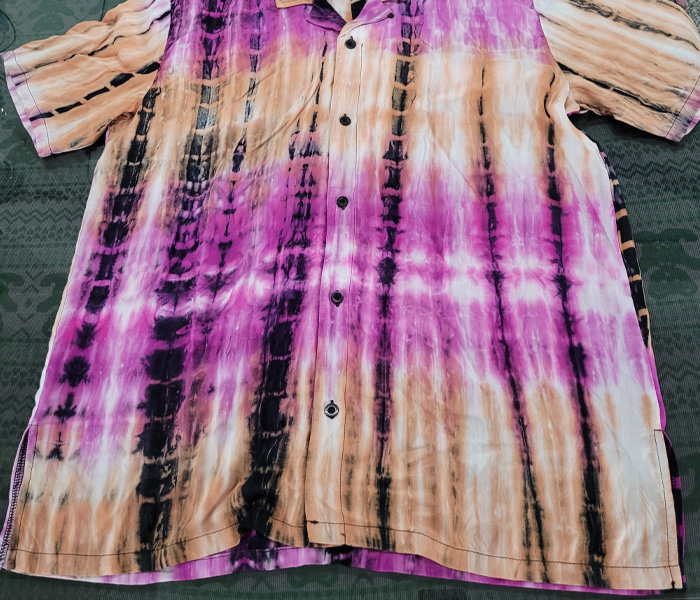
300–1,000 meters is a common planning range for solid, reactive, or pigment-dyed programs; reactive dyeing generally offers stronger wash durability, while pigment dyeing can produce intentional vintage variation.
Print And Woven Customization
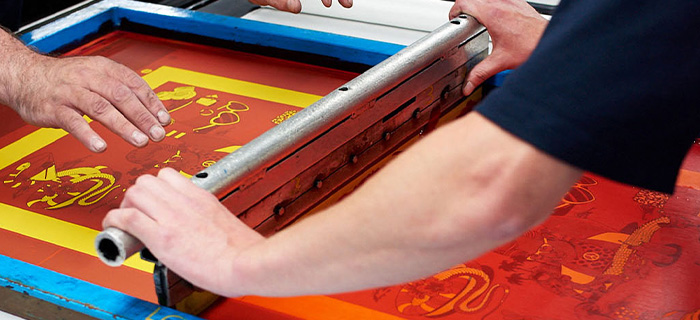
50–100 meters may suit digital-print trials, while screen printing adds artwork separation, screens, strike-offs, and per-color setup; sublimation requires polyester and tight heat-transfer control.
Performance Finishes And Approval
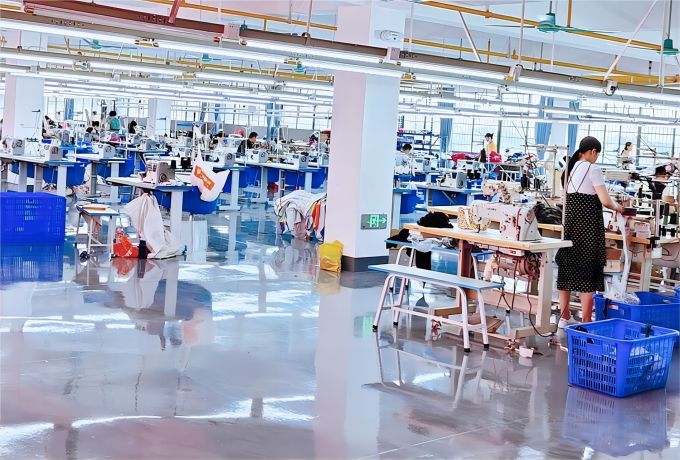
500 meters or more may apply to coatings or laminations because chemical batching and bonding lines favor longer runs; finishing treatments also add curing, testing, and lead-time risk.
6. Key Fabric Construction Quality Elements
EDVORIN’s MOQ starts at 200 pieces per style. Before a bulk fabric MOQ is committed, buyers should approve measurable construction limits, physical references, and test evidence.
Approve The Physical Specification

100% fiber composition, target GSM, usable width, roll length, shrinkage, stretch, and recovery should appear on the fabric specification. Record tolerance bands, not only nominal values; a signed hanger or meter sample establishes the accepted hand feel, surface, color, and finish. Test colorfastness, pilling, abrasion, tear strength, skew, and dimensional change using an agreed laboratory method.
Tie Evidence To The Purchase Order
EDVORIN’s MOQ starts at 200 pieces per style. Each MOQ purchase order should reference the approved sample, composition declaration, GSM and width tolerances, color standard, roll-length requirement, and defect classification. Require a roll inspection report, test results, shade-batch record, and packing list before shipment.
Match Controls To Buyer Risk
Fashion and streetwear buyers need repeatable hand feel, shade, shrinkage, and pilling performance across colorways. Sports clubs and schools should prioritize recovery, abrasion, colorfastness, width stability, and lot-to-lot consistency for repeated team orders. Wholesalers, distributors, and private-label buyers benefit from documented roll counts, inspection acceptance, and traceable test records.
7. How to Choose a Fabric Manufacturer
Four supplier types—mills, wholesalers, converters, and apparel manufacturers—solve different sourcing problems.
Match Supplier To Product
Four supplier types deserve different questions: does the mill control knitting or weaving, does the wholesaler hold stock, does the converter manage dyeing or finishing, and does the apparel manufacturer connect fabric to finished garments?
Verify MOQ And Sampling
EDVORIN’s MOQ starts at 200 pieces per style. Three quantities should be written separately: sample minimum, production minimum, and minimum per color. Confirm whether MOQ is measured in meters, kilograms, rolls, or finished units, and identify setup, dyeing, testing, and leftover charges. One approved sample is not enough.
Test Capacity And Control
Two capacity questions reveal operational risk: what monthly volume is available now, and what expansion can be reserved during peak season? Confirm lead-time assumptions for stock, custom development, bulk production, and replenishment.
Demand Evidence And Scalability
One complete file should contain the specification, Pantone reference, approved sample, test reports, revision history, packing requirements, and responsible contacts. Compliance evidence should be current and verifiable, such as OEKO-TEX, GOTS, WRAP, or BSCI where relevant.
8. Common Fabric MOQ Mistakes Buyers Make
A 300-meter quote can become a 600-meter commitment when minimums apply per color, finish, or style.
Confirm The True Minimum
EDVORIN’s MOQ starts at 200 pieces per style. Per-color and per-style minimums are different commitments; 100 meters per color across six colors means 600 meters, before cutting loss. Confirm whether the MOQ is measured in meters, kilograms, rolls, or finished units. A written order sheet should list colors, finishes, usable width, and any shared-base assumptions.
- Startups: consolidate colors or use stock-supported fabrics.
- Established buyers: reserve capacity by season and color family.
Approve Before Bulk
One lab dip or pre-production sample can reveal shade, shrinkage, hand feel, and decoration problems before bulk fabric is committed. Skipping approval transfers development risk into inventory. Record Pantone references, wash tests, tolerances, and the approved physical standard.
- Require signed lab-dip and pre-production approvals.
- Test the actual fabric with printing, embroidery, or washing.
Calculate Landed Exposure
Setup, freight, duty, sampling, testing, and cutting waste can erase an apparently low fabric price. Cutting plans should include marker efficiency and practical waste allowances, not only the net garment requirement. Compare suppliers using landed cost per usable meter.
- Add a contingency for cutting and sampling waste.
- Compare total landed cost, not quoted meter price.
Validate Demand And Repeats
EDVORIN’s MOQ starts at 200 pieces per style. A lower unit price does not justify ordering before demand validation; unsold fabric ties up cash and storage space. Startups should test a focused color range, while established buyers should connect MOQ decisions to sell-through data.
- Forecast by style, color, and planned reorder date.
- Ask how repeat lots will be matched and approved.
9. Steps to Launch With a Fabric MOQ Plan
EDVORIN’s MOQ starts at 200 pieces per style. A 10-step fabric moq guide turns a design brief into controlled production.
Forecast And Define The Brief
1–3 months of demand history, preorder data, or team roster counts should shape the opening forecast. Separate fashion capsules, uniforms, teamwear, wholesale programs, and private-label collections by style, color, size curve, and launch date.
Shortlist And Request Terms
EDVORIN’s MOQ starts at 200 pieces per style. Three to five suppliers are enough for a practical first comparison. Request fabric MOQ by color and material, sample fees, lab-dip terms, stock availability, lead time, payment schedule, and whether mixed colors or styles can share a production batch.
Test Yield And Approve
Two to three fabric iterations should cover hand feel, color, weight, dimensional stability, pilling, colorfastness, and decoration compatibility. Test the approved fabric in the intended garment, including fit, seam behavior, and wash response.
Order, Inspect, And Reorder
A controlled first order should cover the confirmed forecast plus a documented allowance, while preserving cash for corrections. Negotiate price tiers, reserve capacity, and agree how excess fabric, shade variation, and short shipment will be handled. Inspect fabric and garments in-line and before packing against the approved standard.
10. Fabric MOQ Pricing and Cost Trade-Offs
EDVORIN’s MOQ starts at 200 pieces per style. A practical fabric MOQ plan turns a design brief into controlled production.
| Quantity Tier | Estimated Landed Unit Price | Setup or Sampling Cost | Lead Time |
|---|---|---|---|
| 100 units | $24–$31 | $180–$300 | 25–35 days |
| 300 units | $18–$24 | $220–$380 | 30–40 days |
| 500 units | $15–$20 | $260–$450 | 35–45 days |
| 1,000 units | $12–$17 | $320–$550 | 40–55 days |
Fabric MOQ Questions, Answered
Clear answers on fabric minimums, sampling, custom materials, colorways and production planning with EDVORIN.
What does a fabric MOQ guide explain?
How does the fabric MOQ guide apply to custom apparel?
Can the fabric MOQ guide help reduce my minimum order?
What sample quantity should I order before bulk production?
Does each colorway have a separate fabric minimum?
What is EDVORIN’s apparel production MOQ?
Can EDVORIN source custom fabrics for small brands?
Turn Your Fabric MOQ Guide Into a Production Plan
Share your product concept, target quantities and fabric requirements with EDVORIN, an OEM clothing manufacturer, ODM apparel manufacturer and private label clothing manufacturer, for practical development support.