
French Terry vs Fleece: Choose the Right Fabric to Scale
Compare French terry and fleece with EDVORIN, then develop a repeatable OEM/ODM fabric program for your next collection.
French Terry vs Fleece: Key Differences at a Glance
See how EDVORIN turns the french terry vs fleece decision into a production-ready fabric program.
← Swipe left or right to view →
French Terry vs Fleece for Hoodies, Teamwear and Streetwear
Turn fabric structure, warmth and decoration requirements into a repeatable specification for your next apparel collection.
Match Fabric to Season
Choose breathable French Terry for transitional layers or fleece for warmer cold-weather hoodies, joggers and coordinated winter programs.
Build for Brand Positioning
Use fabric weight and hand feel to shape the perceived value of streetwear, private-label basics, wholesale programs and team apparel.
Plan Decoration Compatibility
Coordinate smooth faces, brushed interiors, embroidery, screen printing and heat transfers with artwork requirements before approving samples.
Support Teamwear Performance
Balance breathability, warmth, movement and wash expectations when developing uniforms, school apparel, club collections and training layers.
Standardize Repeat Orders
Document GSM, fiber blend, finish, measurements and wash results so approved French Terry or fleece styles remain consistent at scale.
Our Apparel Manufacturing Capabilities
From individual garments to coordinated collections, EDVORIN develops, decorates and produces apparel for repeatable wholesale and private-label programs.
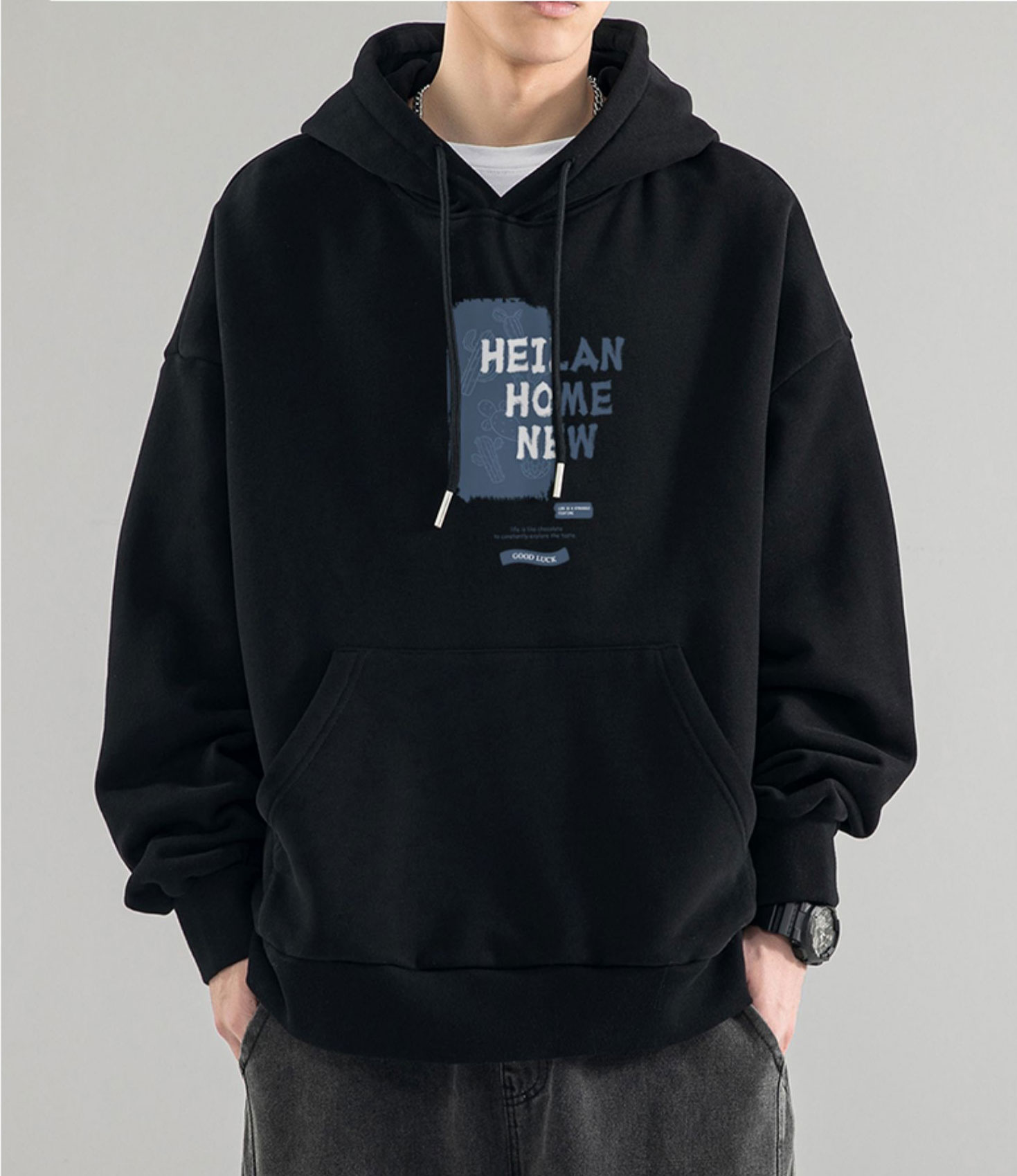
Custom Hoodies
EDVORIN develops custom hoodies from concept through bulk production, including fleece selection, fit blocks, rib construction, drawcords, labels and decoration. As a custom hoodie manufacturer, the company supports men’s and women’s programs with approved samples and documented standards for repeat orders.
Get a Quote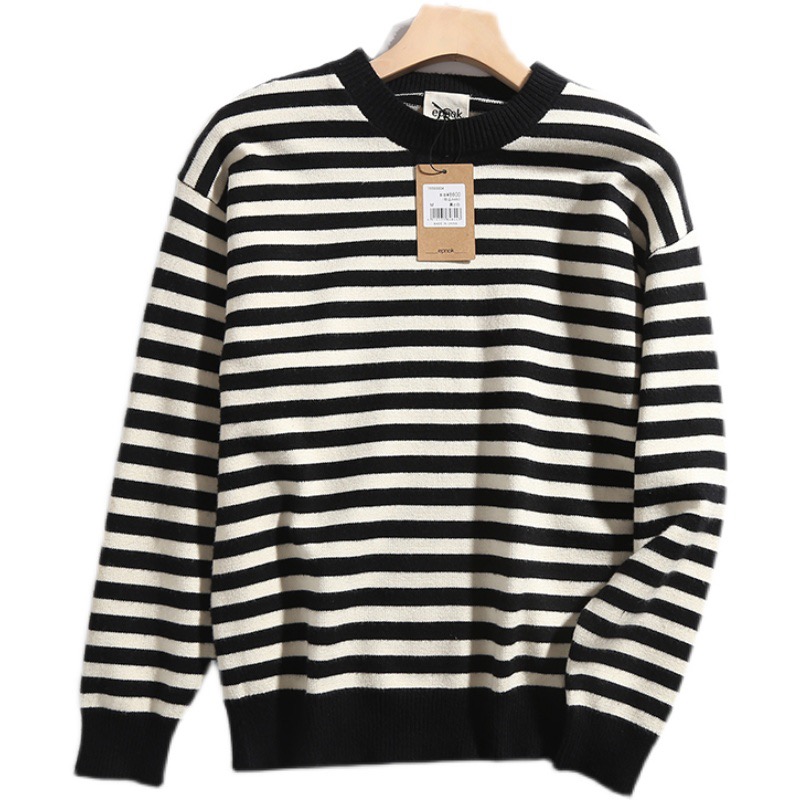
Pullover Sweatshirts
Pullover sweatshirts are developed around fabric weight, brushed or unbrushed fleece, rib recovery, fit and finishing requirements. EDVORIN operates as a sweatshirt manufacturer for fashion brands, wholesalers and private-label buyers, coordinating sampling, decoration, quality checks and bulk production against an approved standard.
Get a Quote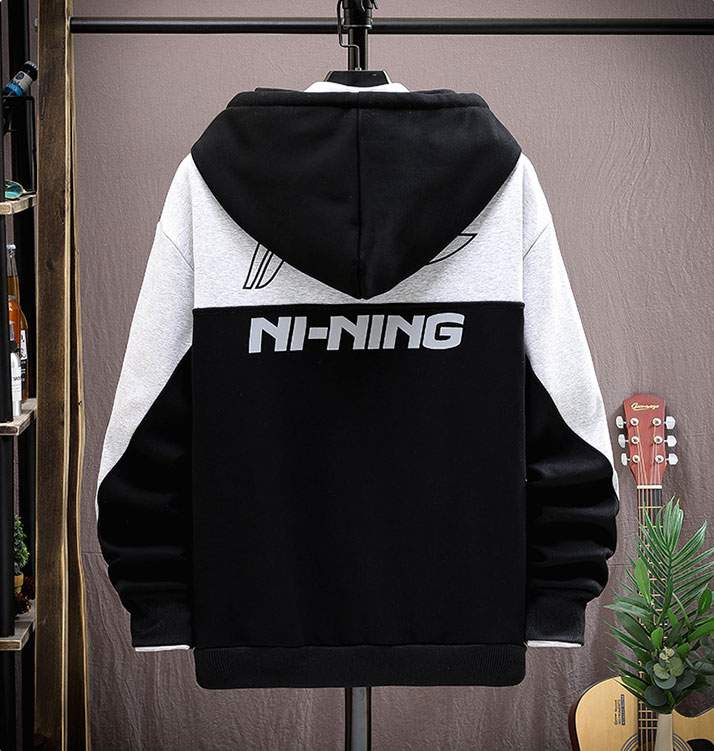
Sweatpants & Joggers
EDVORIN develops sweatpants and joggers with attention to fleece or French terry weight, waistband recovery, pocket construction, cuffs, drawcords and grading. As a sweatpants manufacturer, the company can align bottoms with hoodie programs for coordinated men’s, women’s or streetwear collections.
Get a Quote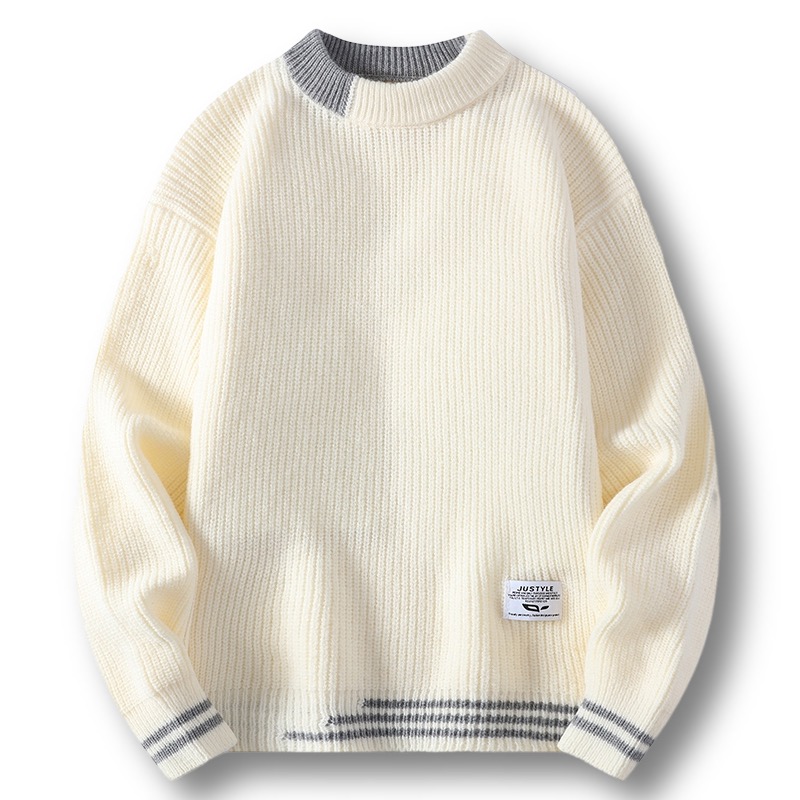
Custom Shorts
Custom shorts can be developed in fleece, French terry, woven or performance materials, depending on the intended use. EDVORIN coordinates fit, inseam, waistband, pockets, trims, decoration and packaging as a custom shorts manufacturer for casualwear, streetwear, teamwear and private-label programs.
Get a Quote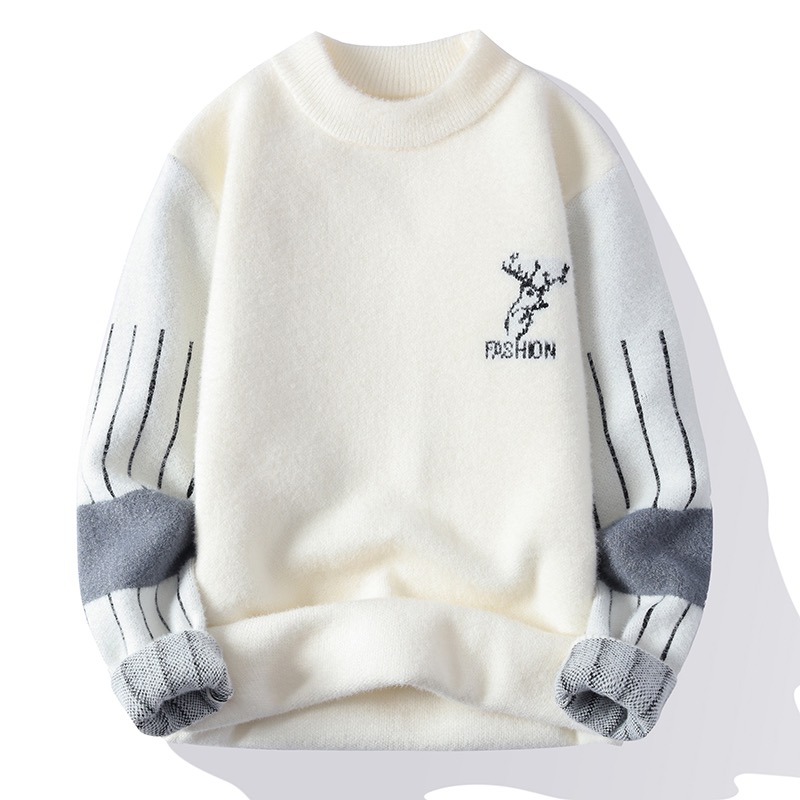
Varsity & Baseball Jackets
EDVORIN develops varsity and baseball jackets by coordinating body fabric, sleeves, lining, insulation, rib, snaps, patches and embroidery. As a varsity jacket manufacturer, the company manages the construction details and decoration placement needed to preserve a consistent approved sample through bulk production.
Get a Quote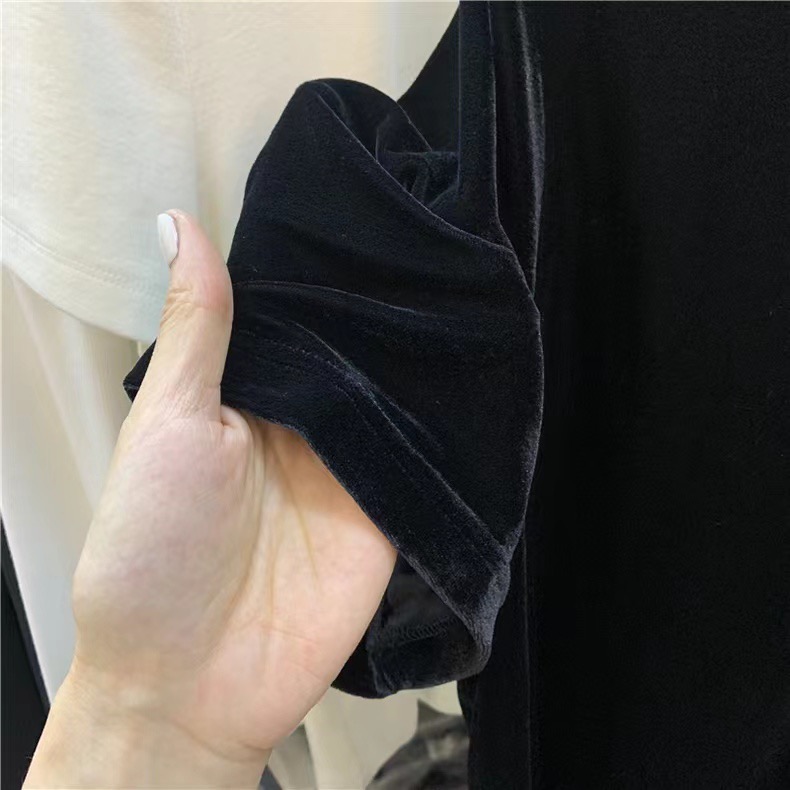
Custom T-Shirts
Custom T-shirts are developed through fabric selection, fit, neckline, sleeve proportions, grading and decoration planning. EDVORIN works as a custom T-shirt manufacturer for fashion labels, wholesalers and private-label buyers, coordinating screen printing, digital printing, embroidery, labels, packaging and sample-to-bulk quality control.
Get a Quote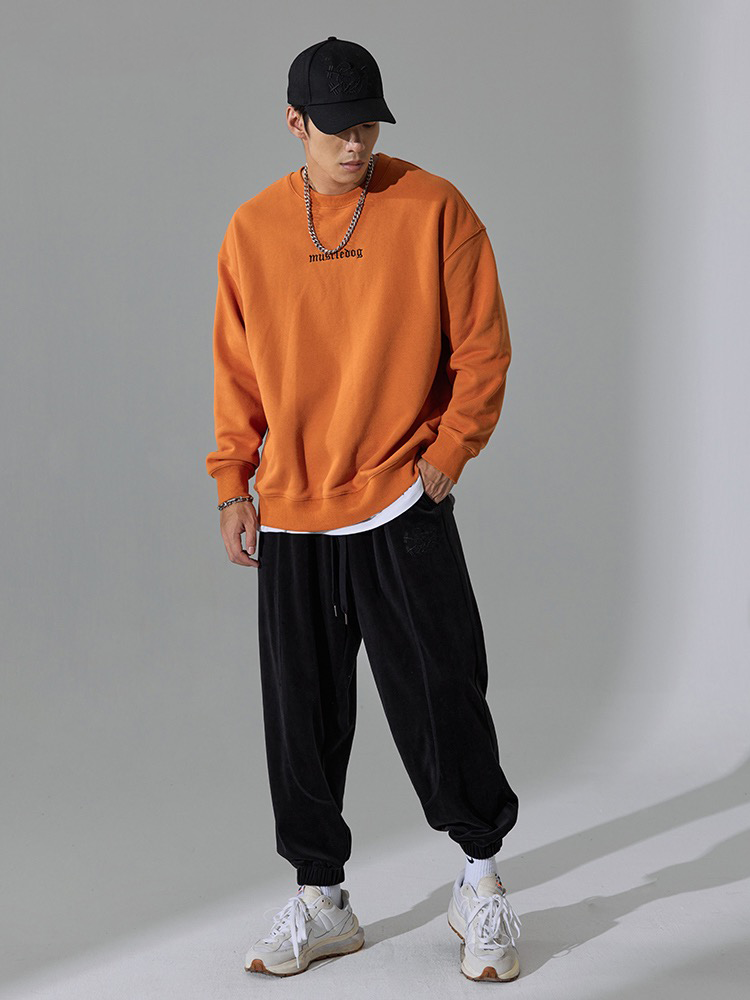
Custom Polo Shirts
EDVORIN develops custom polo shirts with suitable knit structures, collar and cuff specifications, plackets, buttons, fit blocks and branding details. As a polo shirt manufacturer, the company supports casual, corporate, school and teamwear programs with coordinated material sourcing, decoration and repeat-order standards.
Get a Quote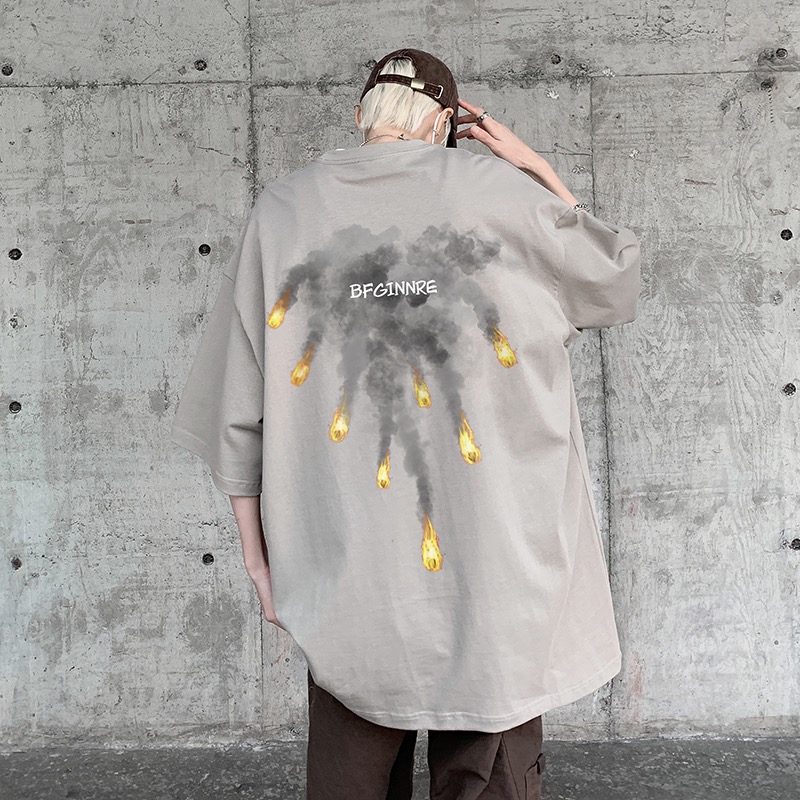
Windbreaker Jackets
Windbreaker jackets are developed around shell fabric, water resistance requirements, lining, hood construction, zippers, pockets, elastic details and packability. EDVORIN operates as a windbreaker manufacturer for streetwear, outdoor-inspired and teamwear programs, coordinating patterns, trims, artwork placement and inspection requirements.
Get a Quote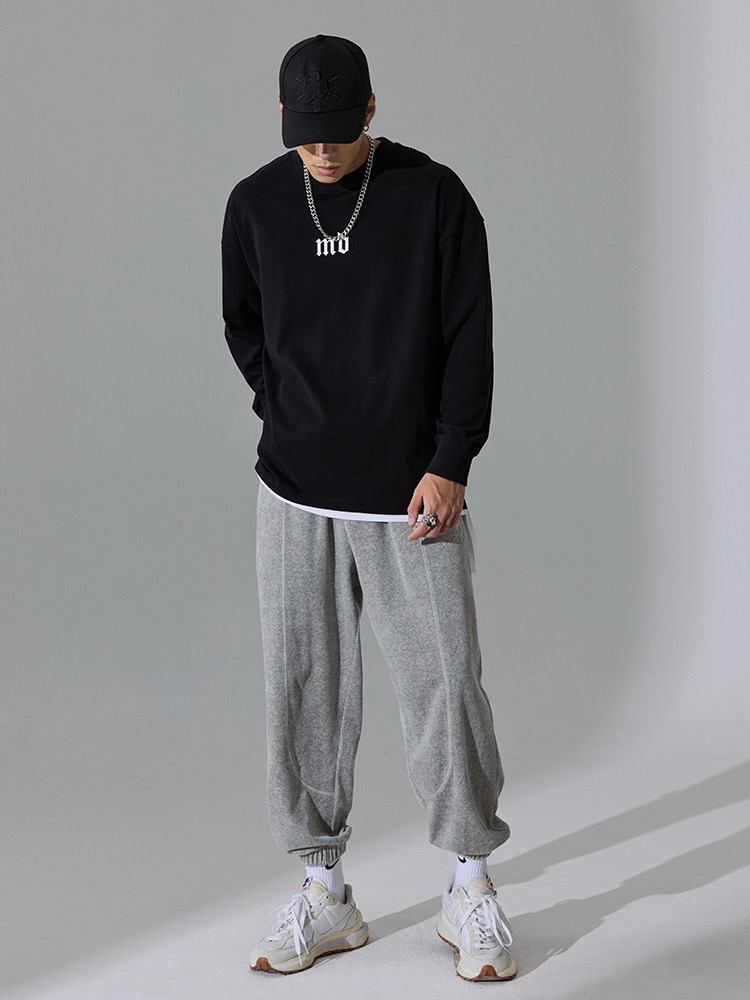
Quilted Jackets
Quilted jackets require controlled coordination of shell fabric, lining, insulation, quilting layout, seam construction, hardware and finishing. EDVORIN develops quilted outerwear for men’s and women’s programs, managing samples and bulk production so warmth, proportions, decoration and packaging remain aligned with the approved specification.
Get a Quote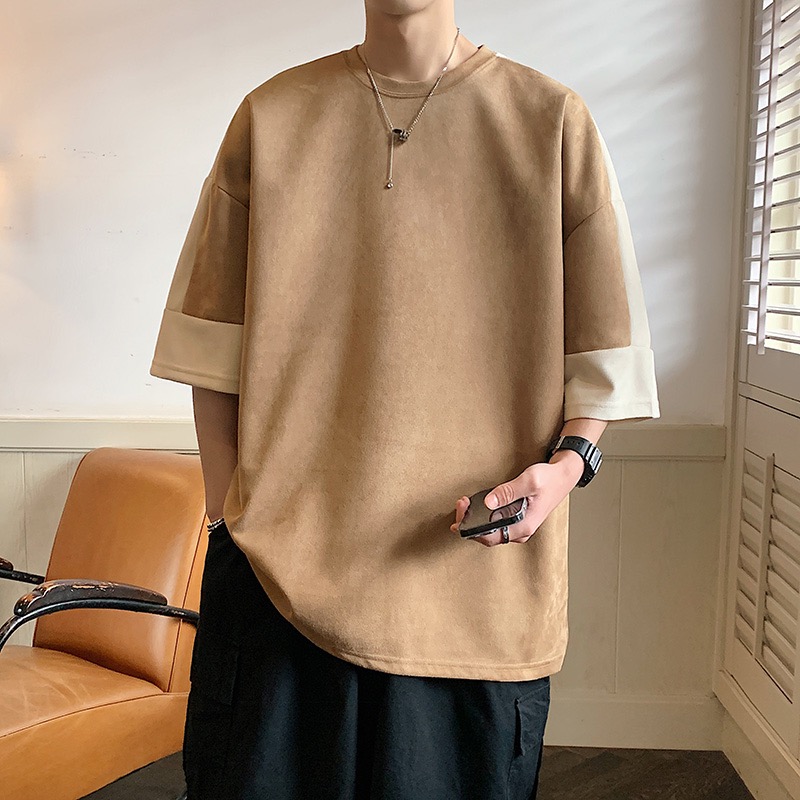
Bomber Jackets
EDVORIN develops bomber jackets with attention to shell and lining materials, insulation, rib proportions, zipper selection, pockets, fit and decoration. As a bomber jacket manufacturer, the company supports fashion and streetwear buyers from technical development through sampling, production, inspection and private-label finishing.
Get a Quote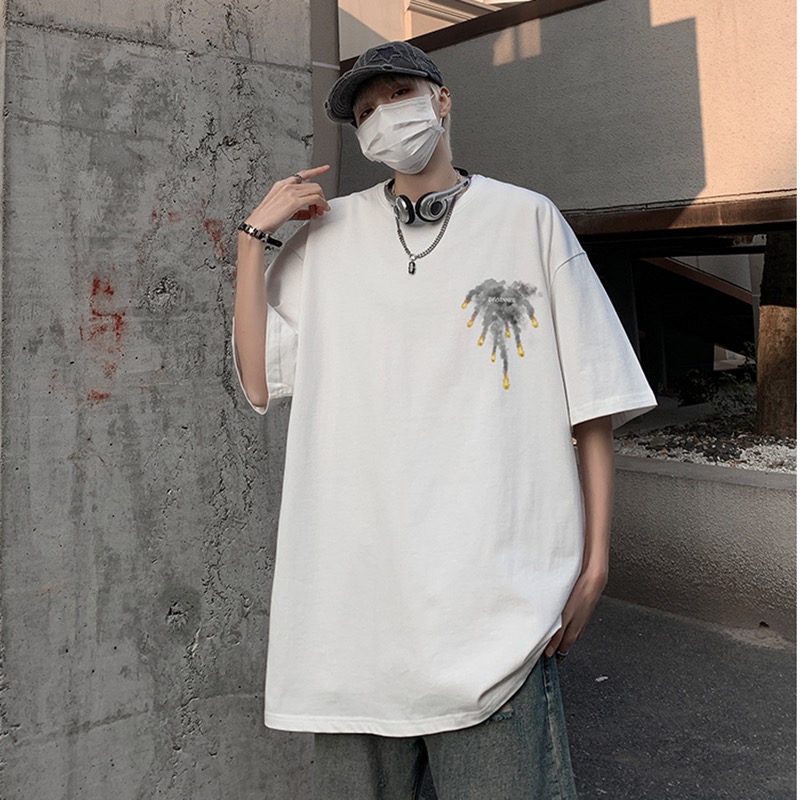
Custom Shirts
Custom woven shirts are developed around fabric composition, weave, collar, placket, cuffs, buttons, pocket details and intended fit. EDVORIN works as a custom woven shirt manufacturer for fashion, uniform and private-label programs, coordinating patterns, trims, decoration, labels and packaging for consistent bulk production.
Get a Quote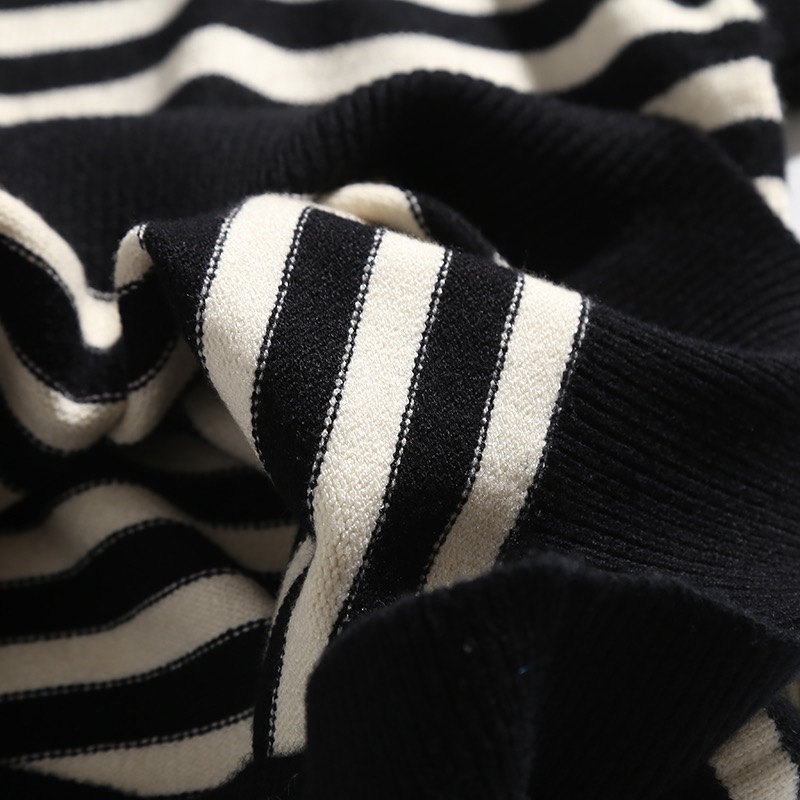
Custom Jerseys
Custom jerseys are developed for teamwear and sports programs with breathable fabrics, color control, panels, collars, sleeve construction and name or number application. EDVORIN supports custom jersey production by coordinating artwork, size grading, decoration placement, inspection and organized packing for repeat orders.
Get a Quote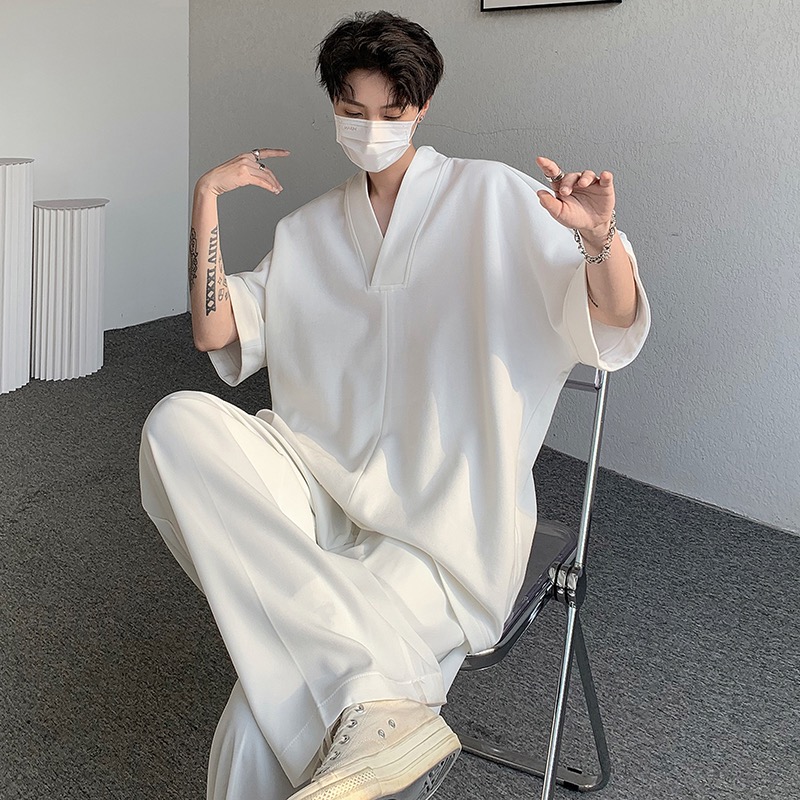
Tank Tops
Tank tops can be developed for casualwear, streetwear, training and teamwear programs using selected knits or performance fabrics. EDVORIN coordinates armhole and neckline construction, fit, grading, trims, printing or embroidery, labels and packaging as part of a repeatable custom tank top program.
Get a Quote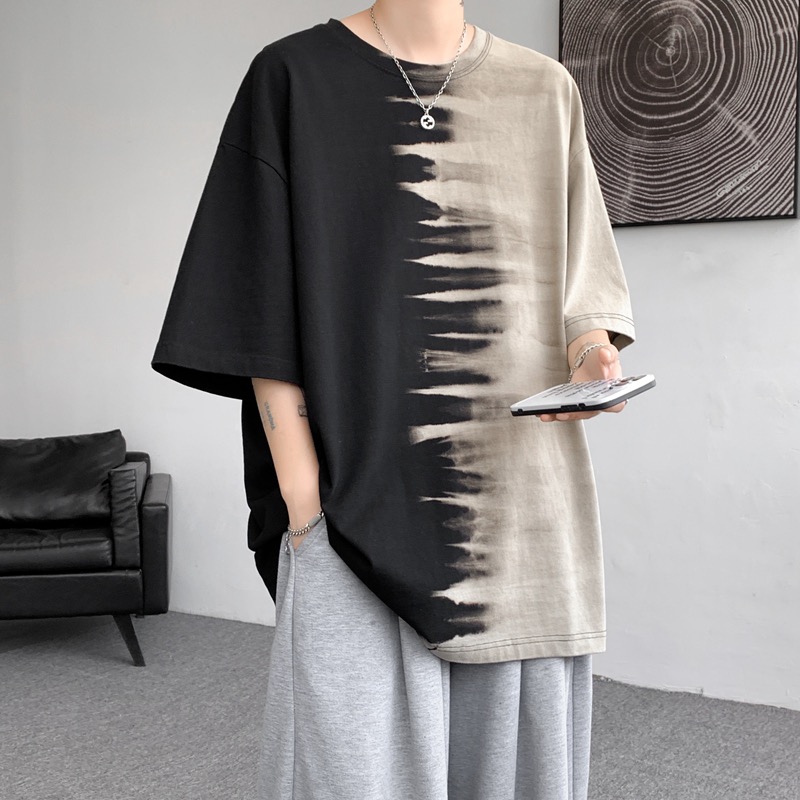
Soccer Uniforms
Soccer uniforms are developed as coordinated teamwear sets, including jerseys, shorts, color systems, breathable materials, player names, numbers, badges and size grading. EDVORIN supports soccer uniform programs through artwork control, sampling, bulk inspection and organized packing for clubs, schools, academies and sports organizations.
Get a Quote
Basketball Uniforms
Basketball uniforms are developed around breathable performance fabrics, coordinated jerseys and shorts, team colors, names, numbers, badges and movement-friendly proportions. EDVORIN manages artwork placement, size grading, sampling, production checks and packing for basketball teams, schools, academies, clubs and repeat uniform programs.
Get a Quote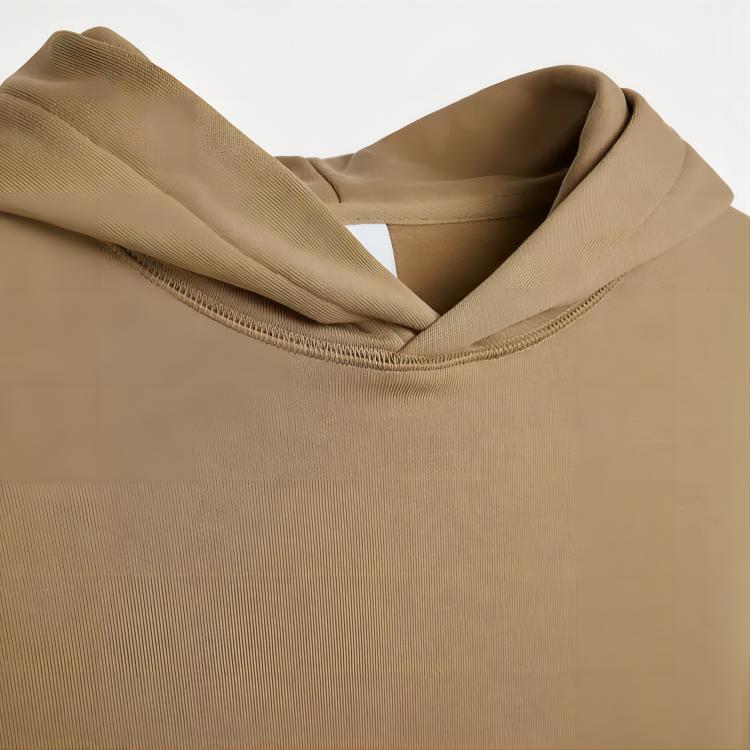
Streetwear Collections
EDVORIN develops streetwear collections by connecting hoodies, sweatshirts, T-shirts, bottoms, jackets, shirts and coordinated decoration under one production system. As a streetwear clothing manufacturer, the company supports concept development, materials, patterns, sampling, washing, labeling, packaging and repeatable bulk standards across men’s and women’s ranges.
Get a QuoteFrench Terry vs Fleece: The Apparel Buyer’s Guide
Use this practical decision framework to compare construction, GSM, warmth, decoration, testing, and supplier capabilities—then avoid costly specification, shrinkage, quality-control, and sample-to-bulk mistakes when developing apparel programs.
1. What Is French Terry vs Fleece?
Two inner constructions define the French terry vs fleece decision: French terry keeps uncut loops on the inside, while fleece is brushed into a raised, napped surface. The loop-back structure feels cooler, absorbs moisture, breathes better, stretches readily when blended with elastane, and usually gives a cleaner, more structured drape; fleece feels plusher, traps more air, and delivers greater warmth.
Three-season French terry suits lightweight hoodies, sweatshirts, joggers, training layers, and uniforms that need movement and airflow. Brushed fleece is better aligned with cold-weather hoodies, heavyweight crews, relaxed sweatpants, and winter team or school programs where insulation and a soft hand feel support the customer positioning.
Two buyer questions should settle the choice: where will the garment be worn, and should it feel active or cozy?
2. Evolution and History of Both Fabrics
Early 20th-century knitwear established loopback terry as a practical fabric structure: the smooth face presented a clean exterior, while uncut inner loops supported absorbency and airflow. That functional balance helped terry move from utility-oriented garments into sweatshirts, athletic layers and later casual basics. By the mid-to-late 20th century, brushed fleece became associated with warmer sweatshirts as finishing technology raised the softness and insulation of knitted fabrics. Two commercial roles explain their staying power: French terry supports breathable, transitional and layered products, while fleece supports cold-weather positioning and a plush hand feel.
3. Types of French Terry and Fleece
Commercial naming covers both fabric structure and fiber content, so ‘French terry’ or ‘fleece’ alone is not a sufficient sampling specification.
Weight And Seasonal Use
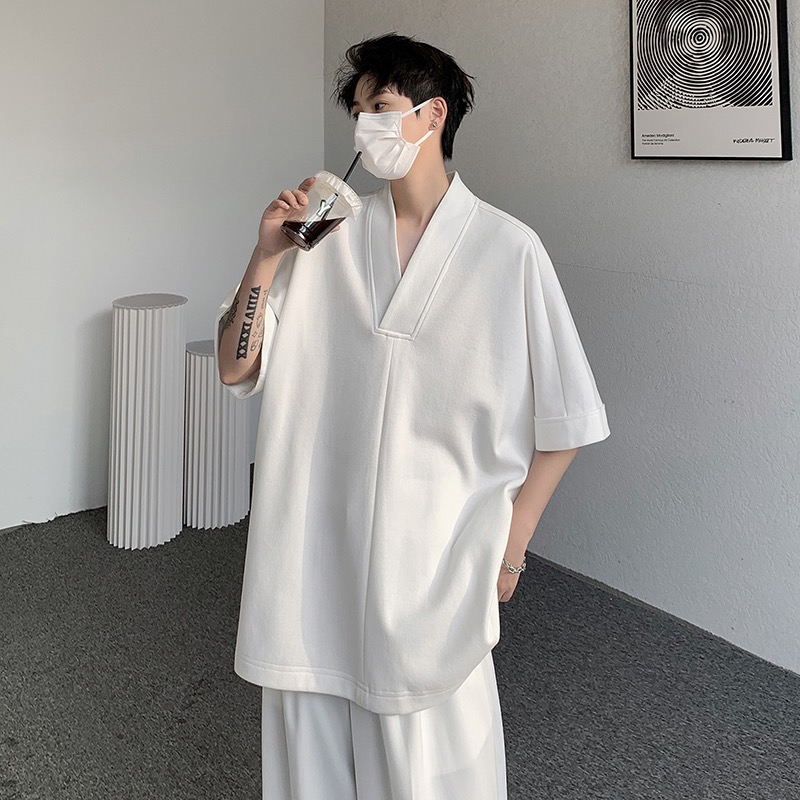
180–240 GSM lightweight French terry suits spring layers, fashion T-shirts, lightweight hoodies, and warm-climate joggers; its fluid hand works well with screen print and DTG. 240–320 GSM midweight fabric is the broadest sampling benchmark for hoodies, crews, shorts, and joggers.
Loopback And Brushed
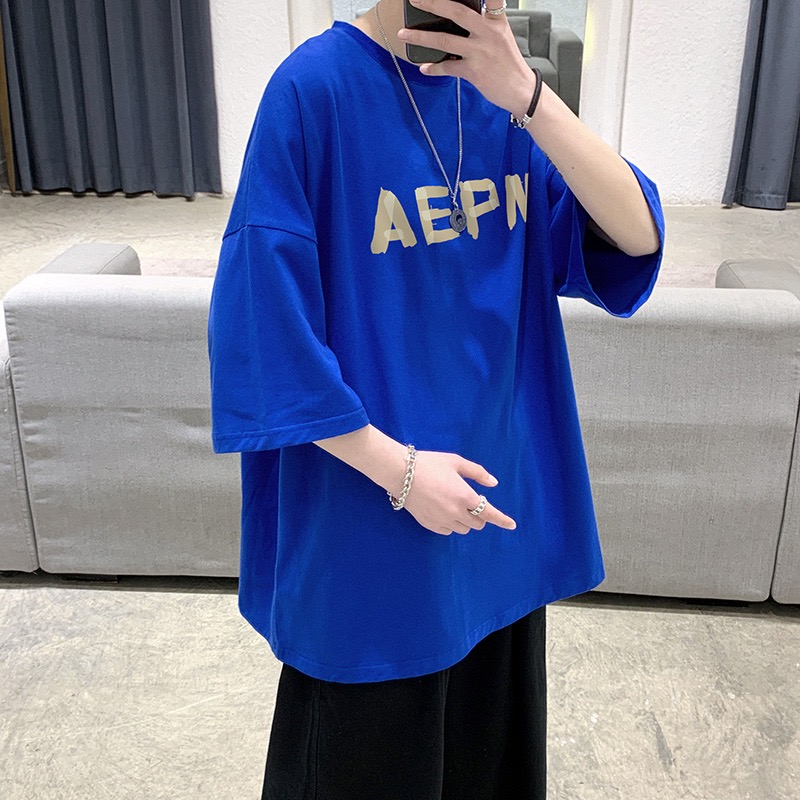
Loopback French terry keeps uncut loops inside, giving a breathable, lightly textured feel suited to transitional seasons, training layers, and everyday streetwear. The smooth face generally supports crisp screen printing and heat-transfer graphics. Brushed fleece has a napped interior that feels warmer and softer, making it suitable for winter hoodies, sweatpants, and premium loungewear.
Fiber Blend Options
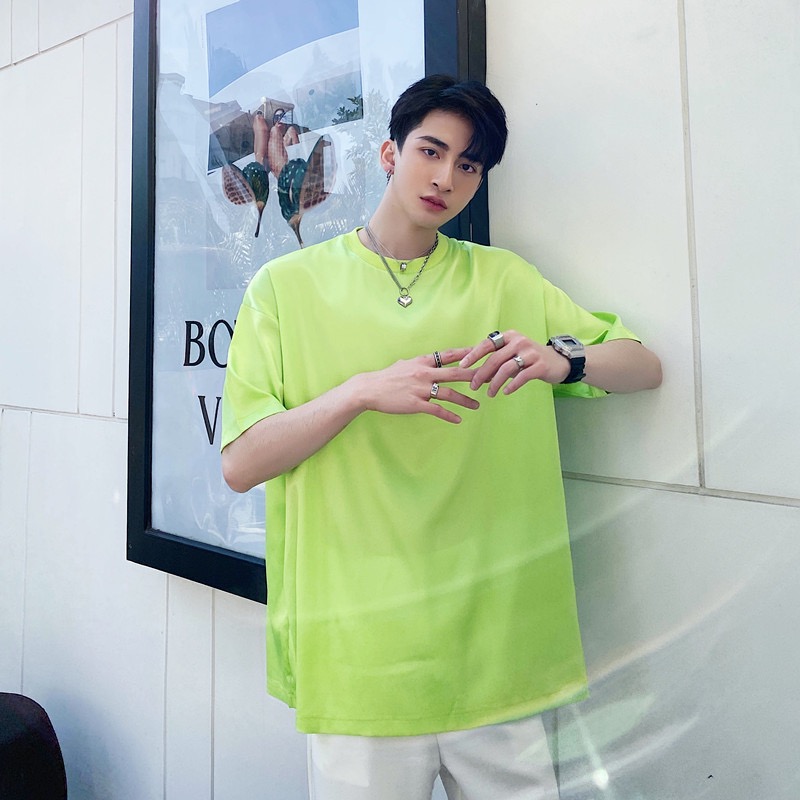
Cotton-rich constructions emphasize natural hand feel, absorbency, and a matte appearance; sample them for lifestyle hoodies, crews, and premium basics. Polyester-rich versions usually improve color retention, drying speed, and repeatability for sportswear, teamwear, and frequent-wash programs.
Recycled And Performance Variants
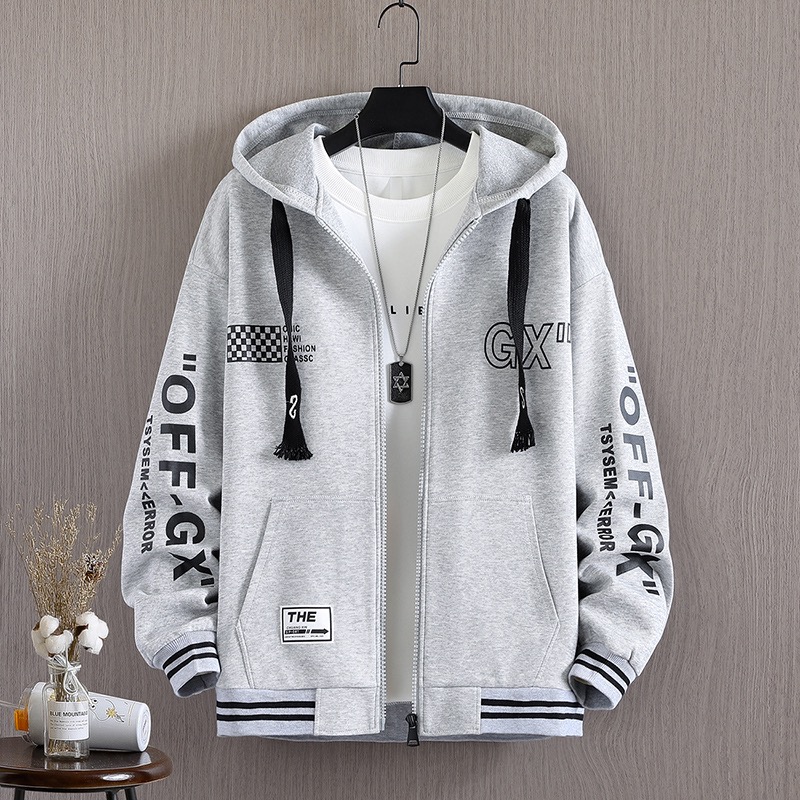
Recycled polyester can support sustainability-led ranges, but buyers should verify fiber claims, color consistency, hand feel, and certification documentation such as GRS or OEKO-TEX where required. These fabrics are worth sampling for jerseys, windbreakers, and durable fleece separates.
4. French Terry vs Fleece: Materials, GSM, and Fabric Specifications
240–400 GSM covers most commercial sweatshirt programs, but GSM alone does not determine warmth.
| Fabric | Construction | Weight | Breathability / Insulation | Stretch / Shrinkage | Best-Fit Products |
|---|---|---|---|---|---|
| French terry | Loop-back knit | 240–350 GSM | Higher / moderate | Moderate / lower risk | Transitional hoodies, joggers |
| Brushed fleece | Napped inner face | 280–400 GSM | Moderate / high | Low–moderate / higher risk | Winter hoodies, crews |
| Lightweight fleece | Light brushed pile | 240–300 GSM | Moderate / moderate | Moderate / medium risk | Layering sweatshirts, uniforms |
Fiber And Knit Structure
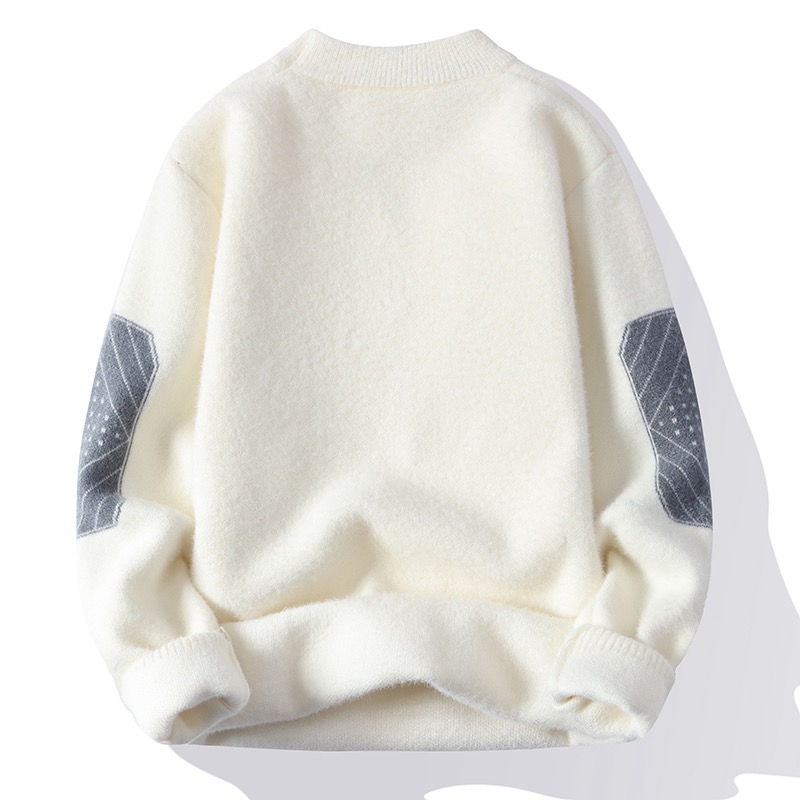
100% cotton offers natural hand feel and absorbency; cotton-polyester blends improve dimensional stability and drying. Ring-spun yarn generally gives a smoother face than open-end yarn.
Weight, Width, And Finish
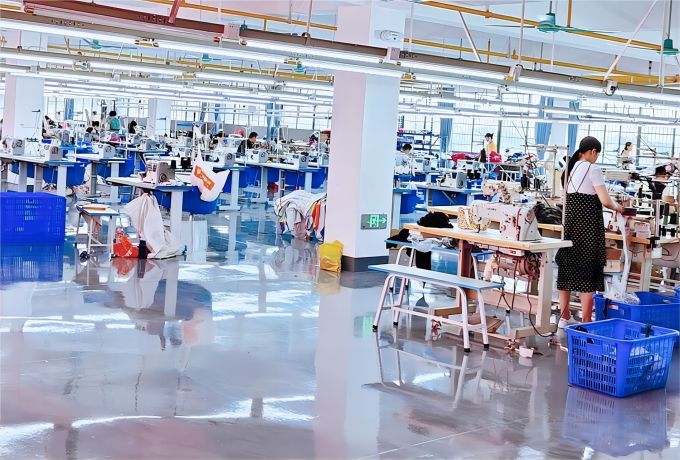
240–350 GSM French terry usually drapes more cleanly; 280–400 GSM fleece feels warmer because brushing traps more air. A heavier fabric can still feel cool if its structure is open.
Specifications For Approval

A tech pack or purchase order should state fiber percentages, yarn type, knit construction, finished GSM and usable width. Add color standard, finish, shrinkage tolerance, stretch and recovery requirements.
5. Customization and Decoration Options
French terry vs fleece requires decoration choices that match surface structure, weight, and end use.
Screen Printing And Transfers
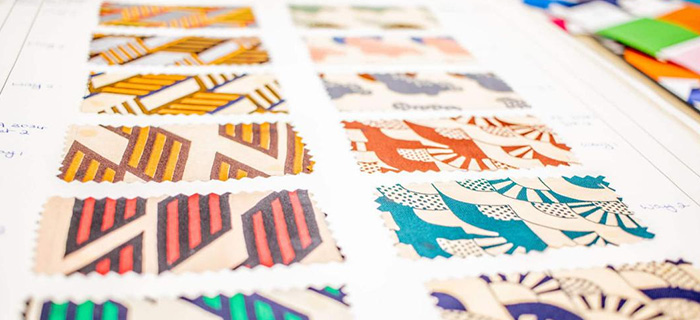
Screen printing and DTG usually perform cleanly on French terry because its outer face is smooth; dense artwork benefits from controlled ink deposit and adequate curing. Fleece can print well, but raised pile may soften edges and reduce fine detail. DTF or heat transfer suits short runs, names, numbers, and complex multicolor artwork.
Embroidery Appliqué And Patches
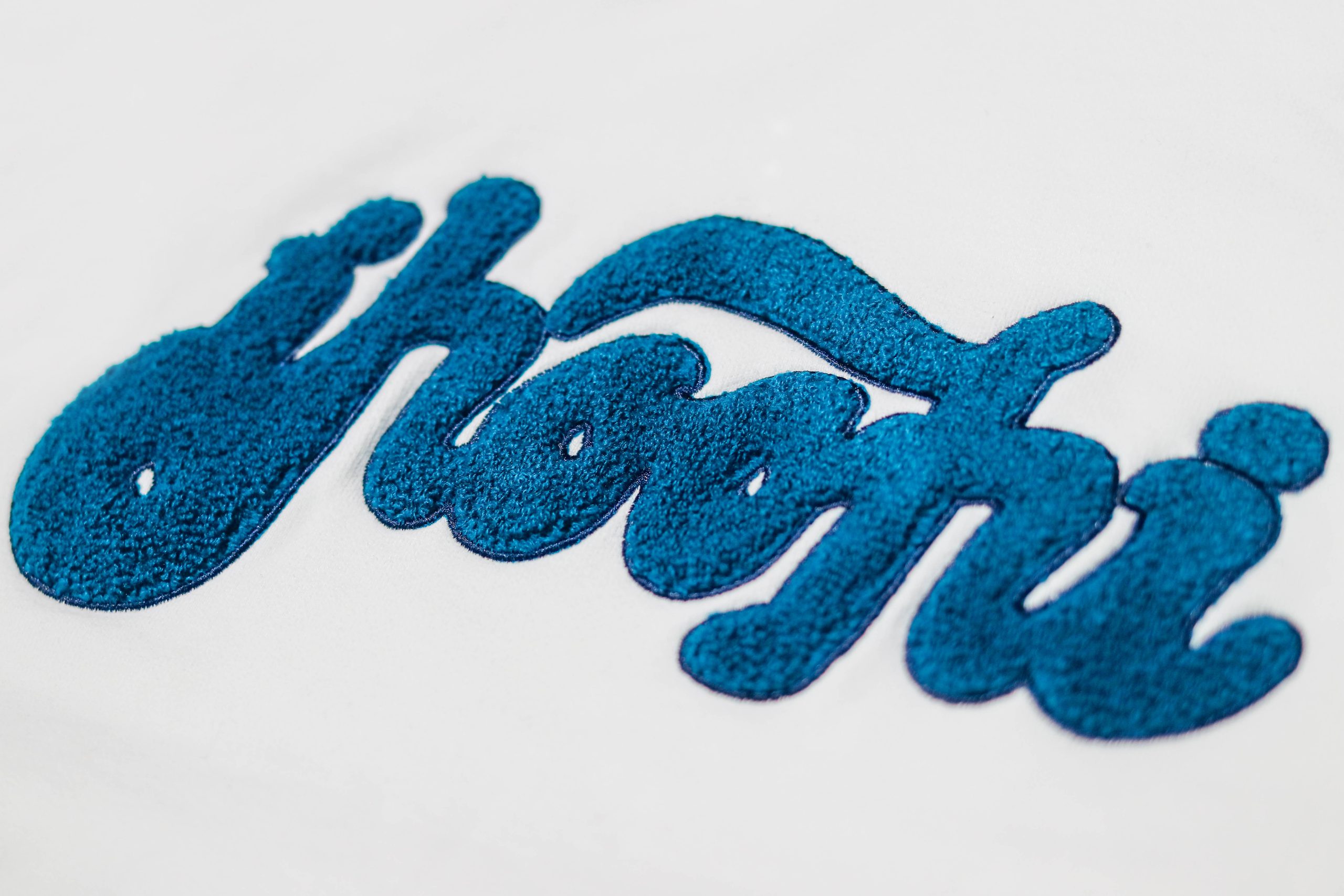
Embroidery is strongest when the garment has enough GSM and stabilizer support to prevent puckering. Fleece generally provides a fuller base, while lighter French terry may need reduced stitch density and careful backing. Appliqué, woven patches, and embroidered patches suit bold logos and premium streetwear positioning.
Dyeing Washes And Labels
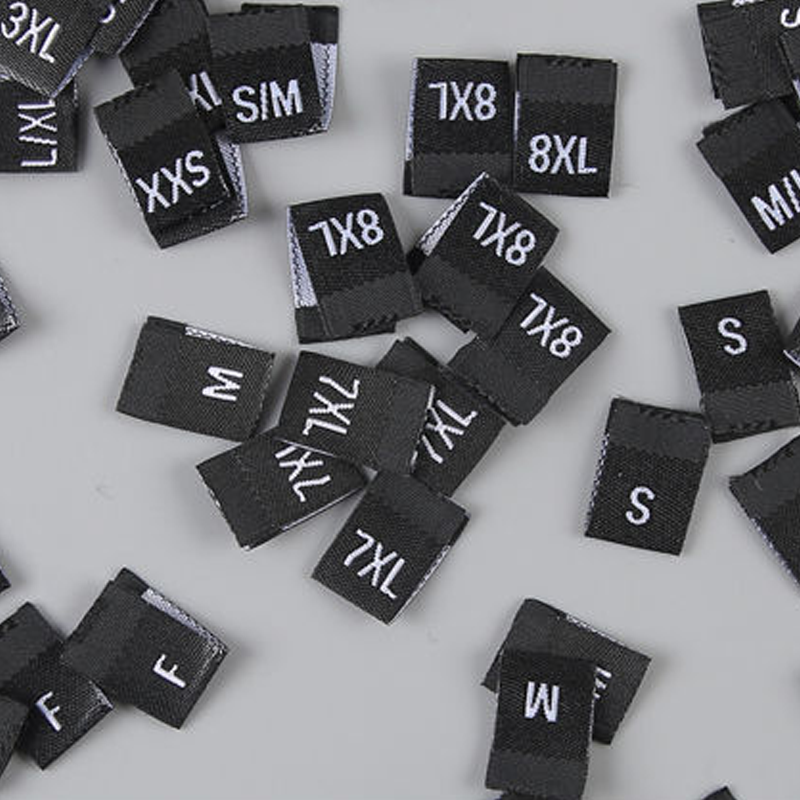
Garment dyeing, pigment effects, enzyme washing, and vintage fading can create intentional variation, but decoration must be tested after laundering. Screen prints, transfers, labels, and patches may change tone, hand feel, or adhesion during washing. High-volume basics favor screen printing and standardized labels; low-volume capsules favor DTF, appliqué, or patches.
6. Key Construction and Quality Elements
A 10-minute inspection before approval can expose defects that become expensive across bulk production.
Rib, Seams, And Stitching
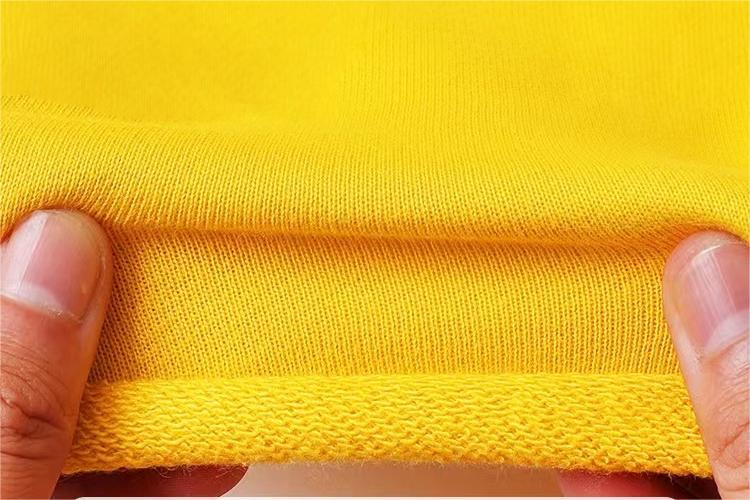
1×1 or 2×2 rib should recover after stretching without waviness, twisting, or loose loops. Check cuffs, waistband, and neck rib against the approved sample after washing.
- Stretch-test cuffs and waistband repeatedly.
- Inspect seam allowance consistency inside the garment.
- Require corrective action for broken or skipped stitches.
Hood, Cuff, And Panel Construction
Two-layer hoods should hold their shape without excessive distortion, while eyelets, drawcord channels, and bartacks must remain secure under normal pulling force. Cuff joins should be smooth and free from exposed raw edges. Three repeated garments should show matching panel dimensions, pocket placement, and color direction.
- Compare hood symmetry against the approved sample.
- Check pocket openings for equal height and width.
- Inspect panel matching under consistent lighting.
Surface Consistency And Pilling
All brushed areas should show an even nap without bald patches, streaks, or excessive loose fiber. French terry loops should remain continuous and level, especially around seams and decoration zones.
- Check body, sleeves, hood, and cuffs separately.
- Compare brushed fleece against the approved hand standard.
- Record defect locations by panel and size.
Wash, Color, And Dimensional Checks
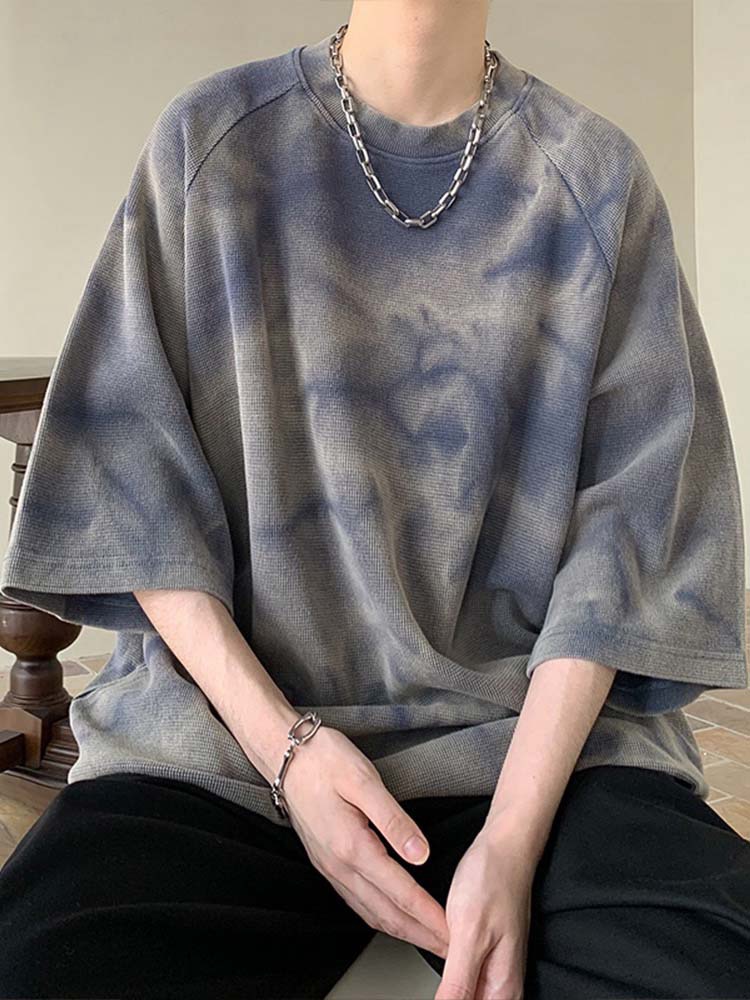
Three wash cycles can reveal shrinkage, skew, shade change, and hand-feel loss that a first sample hides. Measure body length, chest, sleeve, and rib openings against the tolerance chart after the specified wash process. Colorfastness should be checked for rubbing and laundering, including contrast rib and printed areas.
- Compare sample and bulk garments side by side.
- Use the same wash and drying method every time.
- Quarantine cartons until failed tests are resolved.
7. How to Choose a Manufacturer
A supplier review should test whether a factory can repeat the approved french terry vs fleece standard, not merely quote a garment price.
Audit Material Control
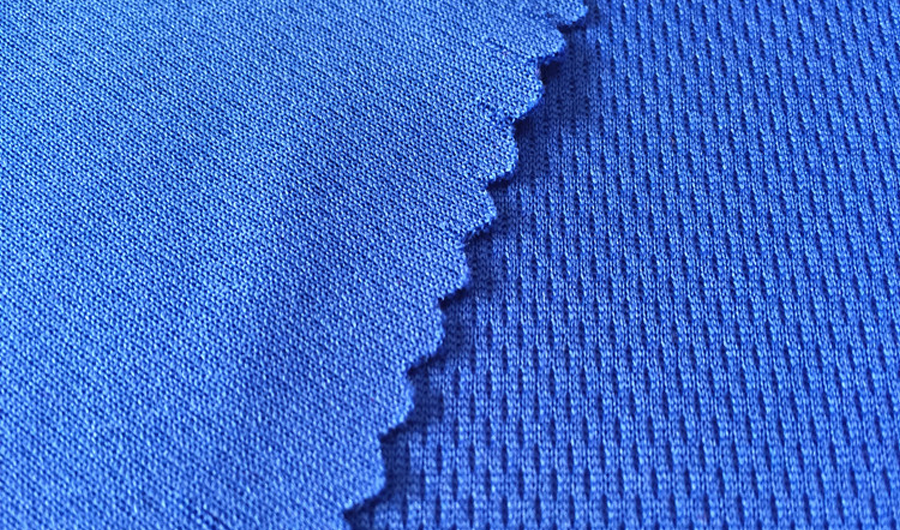
Ask where yarn and fabric are sourced, whether knitting is controlled in-house or through approved partners, and how GSM, width, shade, brushing, and shrinkage are recorded. Require lab dips, bulk fabric standards, and wash-test results for each colorway.
- Who owns fabric approval and shade matching?
- How are lot-to-lot variations controlled?
- What happens when fabric fails testing?
Test Development Capability
EDVORIN’s MOQ starts at 200 pieces per style. A complete tech pack should be supported by pattern engineering, fit samples, grading, and construction review for the intended men’s or women’s block. Ask for the sampling sequence, revision process, sample charges, and realistic MOQ tiers.
- What is the sample lead time?
- Can you develop from a sketch or reference garment?
- What is the MOQ per style and color?
Verify Testing And Quality
Before bulk approval, request shrinkage, colorfastness, pilling, tensile, seam, and decoration-performance checks appropriate to the product and end use.
- Which tests are internal versus third-party?
- Who signs the pre-production sample?
- How are nonconformities closed?
Measure Partnership Scalability
A factory comparison should include response speed, compliance documents, traceability, capacity by month, backup processes, and experience handling repeat orders. Compare total risk-adjusted cost: sampling, testing, rework, freight impact, defect exposure, and delivery reliability.
- Can you provide OEKO-TEX, GOTS, WRAP, or BSCI documentation where applicable?
- What capacity is reserved during peak season?
- Who is the escalation contact?
- How are approvals and revisions documented?
8. Common Mistakes Buyers Make
Small specification gaps become expensive when French terry or fleece moves into bulk production.
Specify More Than The Fabric Name
‘French terry’ or ‘fleece’ does not define GSM, fiber blend, finish, or brushed construction. Two fabrics with the same name can produce different warmth, drape, shrinkage, and print results.
Test Washing Before Bulk Approval
A first sample can hide shrinkage, pilling, uneven brushing, or body-to-rib distortion. Those failures create rejected goods, rework, late deliveries, and inconsistent repeat orders.
Control Color And Rib Compatibility
Color approval before bulk fabric and trims arrive creates avoidable shade variation, especially across body fabric, rib, thread, and decoration. A visually correct lab dip does not guarantee production matching. Approve bulk against a physical standard such as Pantone or an approved swatch.
Plan Decoration And Tolerances Early
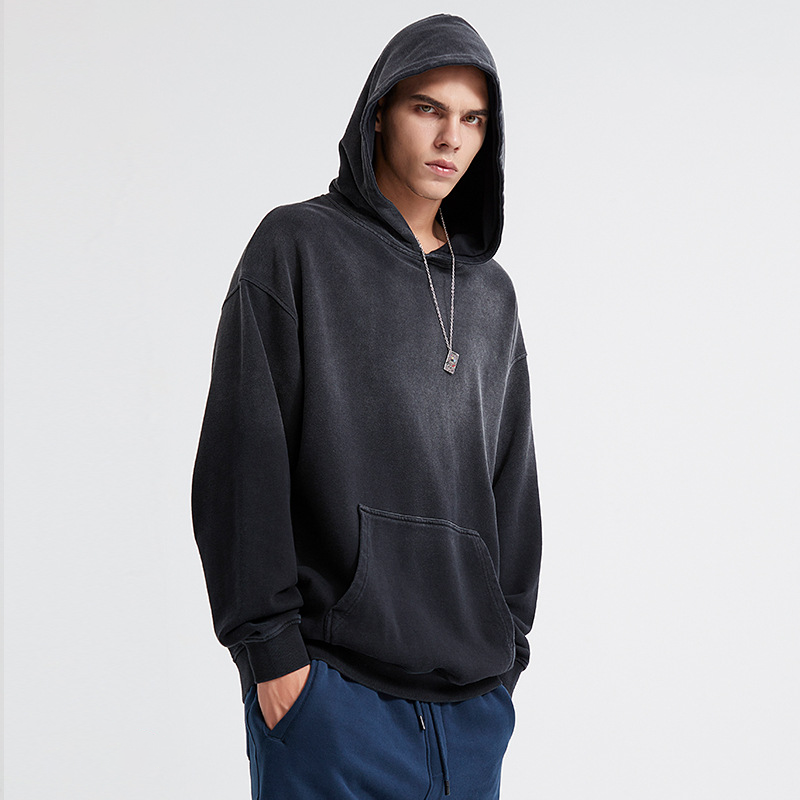
Decoration selected after fabric approval can force a different print method, artwork scale, backing, or placement. The commercial result may be added sampling, higher cost, missed ship dates, or damaged garments. Define screen print, embroidery, DTG, or transfer requirements during development, including artwork placement and test results.
9. Steps to Launch Your Brand Program
A launch program should convert the french terry vs fleece decision into documented, repeatable production controls.
Define The Product Brief
Step 1 records target customer, season, garment category, price position, size range and intended use. The buyer supplies references, branding priorities and required delivery window.
Develop And Shortlist
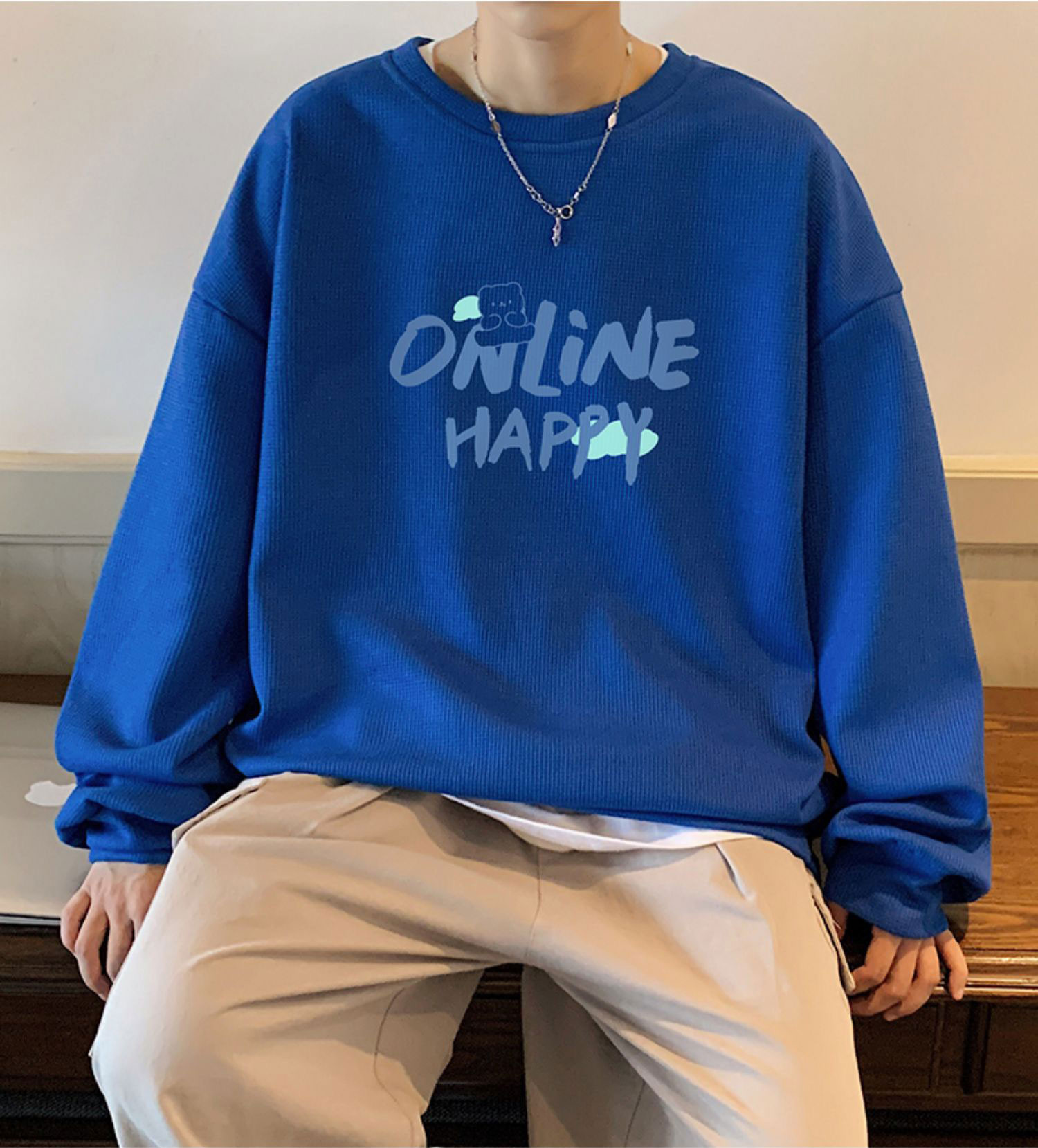
Steps 2–4 cover fabric selection, tech-pack drafting, supplier shortlisting and lab dips. Specify fiber blend, GSM, color standard, measurements, construction, trims and decoration locations.
Sample And Test
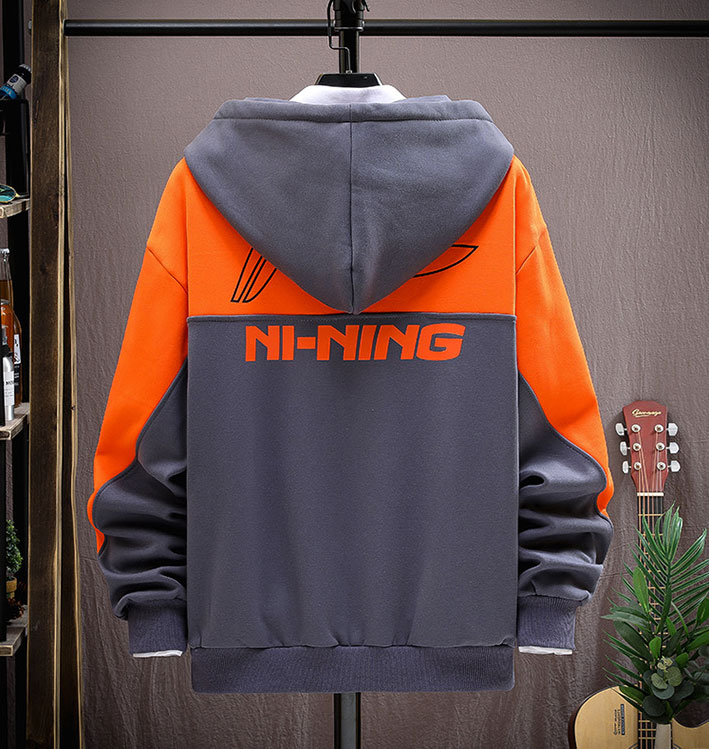
Steps 5–7 produce the prototype, fit sample and pre-production sample. The buyer checks measurements, grading, hand feel and construction, then authorizes wash, shrinkage, pilling, colorfastness and print or embroidery testing.
Control Bulk And Reorders
Steps 8–10 cover bulk manufacture, in-line inspection, final inspection and reorder review.
10. french terry vs fleece Pricing and Cost Factors
3 quote layers usually move the needle: material, garment construction, and order execution. Compare fiber blend, GSM, ring-spun versus open-end yarn, dyeing, finishing, decoration, sampling, testing, labels, packaging, freight, and the lead time each approval adds.
| Quantity Tier | Indicative Cost Components | Decoration Consideration | Lead-Time Consideration |
|---|---|---|---|
| 1–3 samples | Pattern development, fabric sourcing, grading, sample labor, testing | Artwork setup and strike-offs may be charged separately | Longest per-unit timeline; allow revision cycles |
| 100–299 units | Small-batch cutting, sewing, dyeing, trims, packaging, freight allocation | Screen-print or embroidery setup has greater unit impact | Material reservation and production scheduling are less flexible |
| 200–299 units | Balanced material utilization and production labor; finishing remains specification-dependent | Decoration setup spreads across more units | 通常 lead time improves after approvals and material booking |
| 1,000+ units | Better purchasing leverage, but fabric, color, testing, and carton planning increase commitment | Multi-location or specialty decoration needs tighter control | Lead time usually improves after approvals and material booking |
French Terry vs Fleece Questions Buyers Ask Before Sampling
Resolve fabric, decoration and production questions before developing your next repeatable apparel program with EDVORIN.
What is the main difference in french terry vs fleece for apparel brands?
Is french terry vs fleece better for warm-weather hoodies?
Which fabric wins in french terry vs fleece for winter collections?
Can I screen print and embroider on both French terry and fleece?
Which fabric shrinks less after washing: French terry or fleece?
What should a buyer include in a French terry or fleece tech pack?
EDVORIN’s MOQ starts at 200 pieces per style. What is the MOQ for custom French terry and fleece production, and can repeat orders follow the same standard?
Ready to Turn French Terry vs Fleece Into Production?
Get practical guidance on fabric sourcing, sampling, decoration and repeatable OEM/ODM production for your next collection.