
Garment Dye vs Pigment Dye: Choose the Right Finish
Compare garment dye vs pigment dye by color, feel, aging and production fit before approving your next apparel program.
Our Apparel Capabilities
From individual styles to coordinated programs, EDVORIN develops and manufactures production-ready apparel for fashion, streetwear, teamwear and private-label buyers.
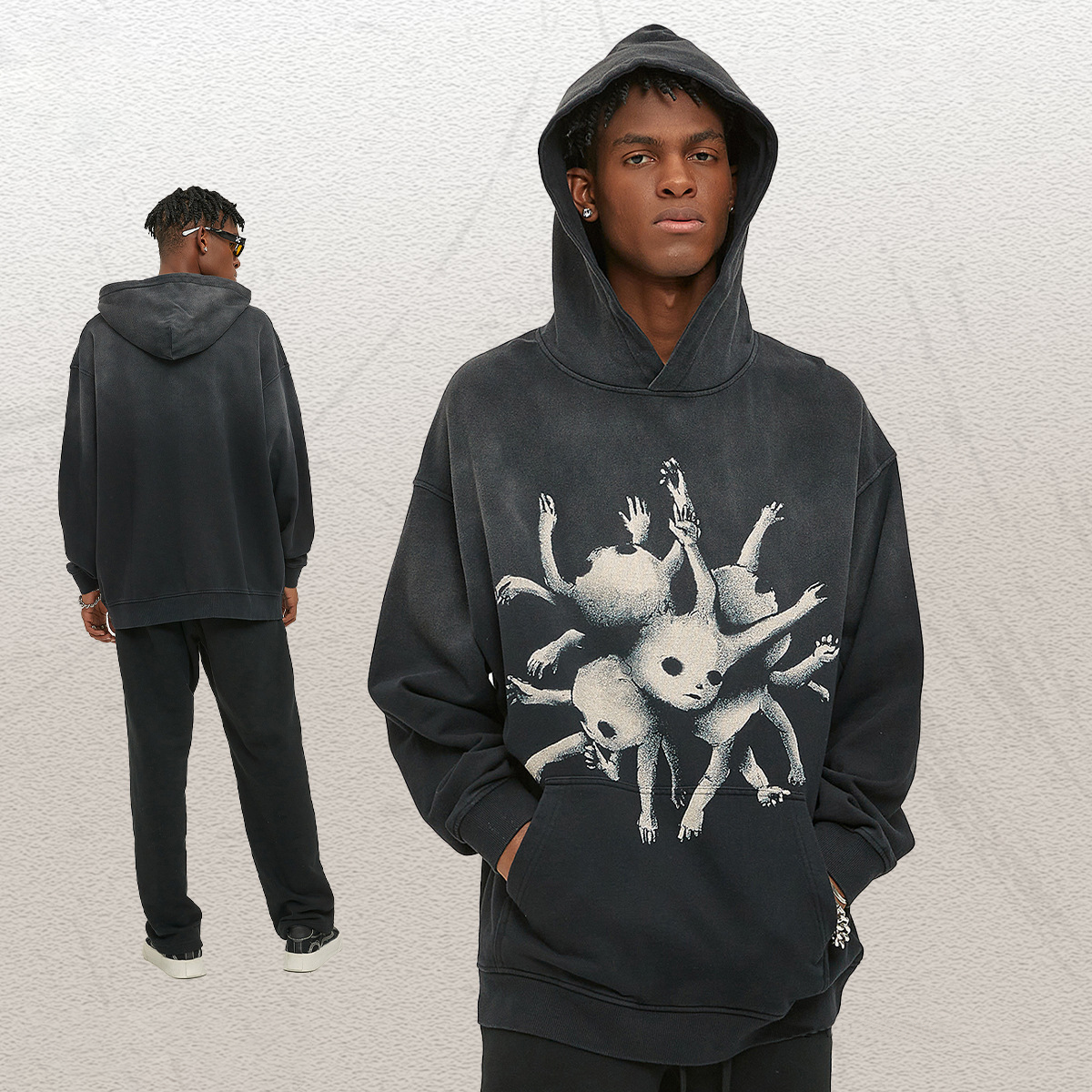
Custom Hoodies
As a custom hoodie manufacturer, EDVORIN develops fleece weights, fit blocks, rib details, drawcords, labels and decoration for men’s and women’s programs. Approved samples, artwork placement and construction specifications provide a repeatable standard for emerging brands, wholesale orders and established collections.
Get a Quote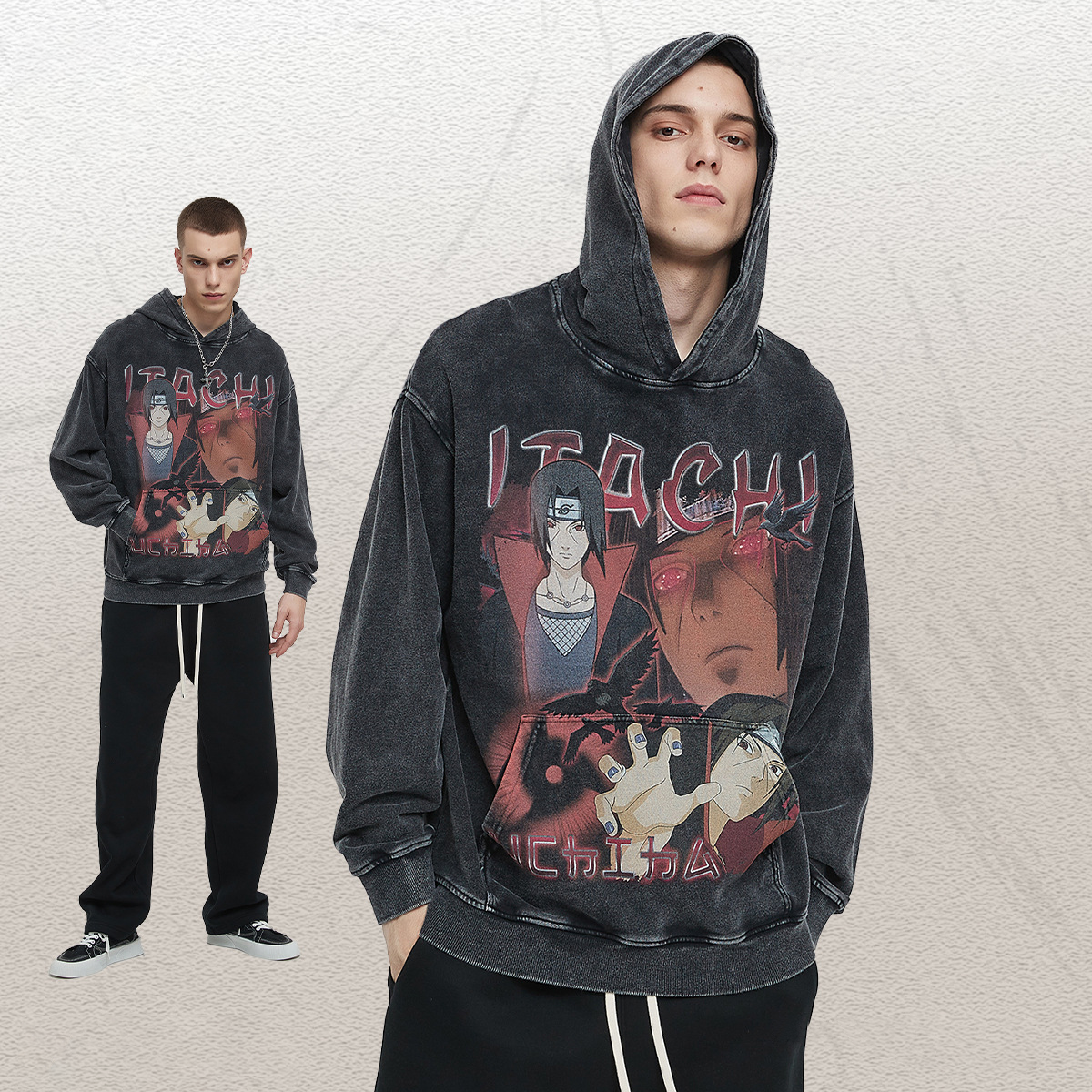
Pullover Sweatshirts
EDVORIN works as a sweatshirt manufacturer for pullover styles requiring consistent fleece, brushed or unbrushed finishes, rib recovery and proportion control. Product development can begin with a tech pack, sketch or reference garment, then progress through sampling, decoration coordination and bulk quality checks.
Get a Quote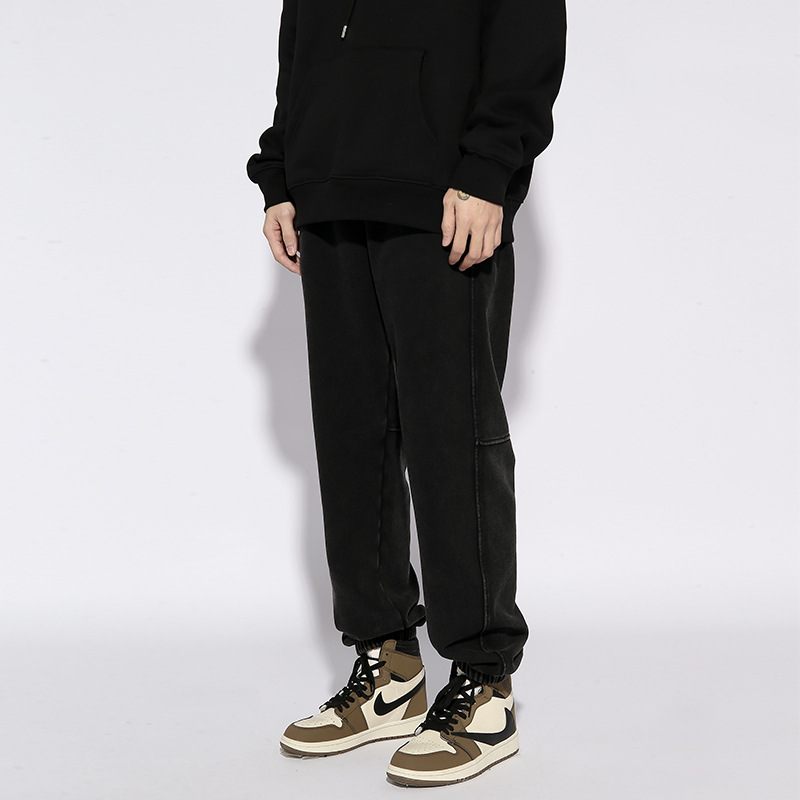
Sweatpants & Joggers
As a sweatpants manufacturer, EDVORIN develops joggers and sweatpants with appropriate fleece, waistband construction, drawcords, pocket details, cuffs and fit grading. Men’s and women’s blocks can be adjusted for casualwear, streetwear or private-label programs, with approved measurements used to control repeat production.
Get a Quote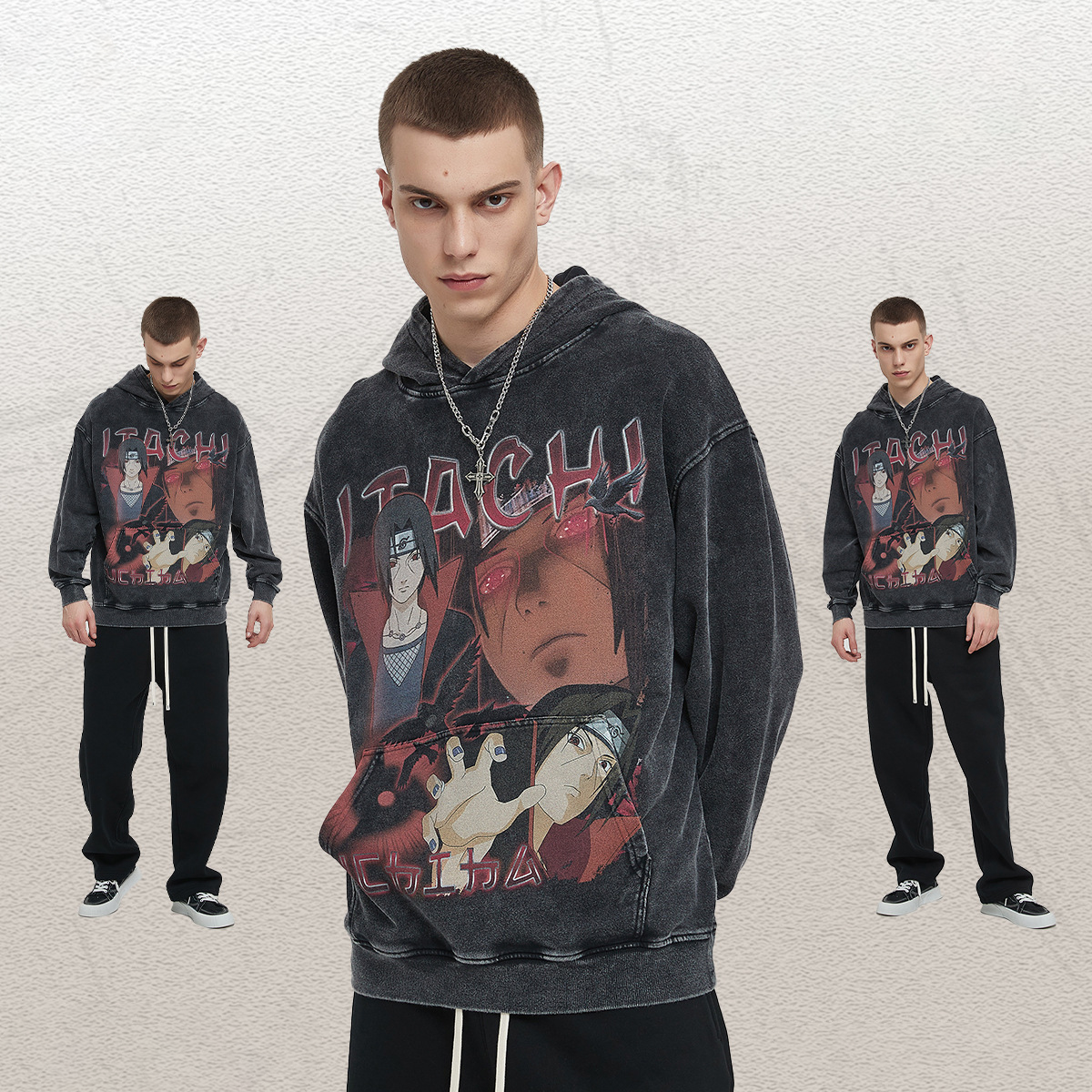
Custom Shorts
As a custom shorts manufacturer, EDVORIN develops shorts for casualwear, streetwear, sports and private-label programs. Fabric selection, inseam, waistband construction, pocket layout, trims, print or embroidery placement and size grading are documented during development so approved proportions and decoration can be reproduced across bulk orders.
Get a Quote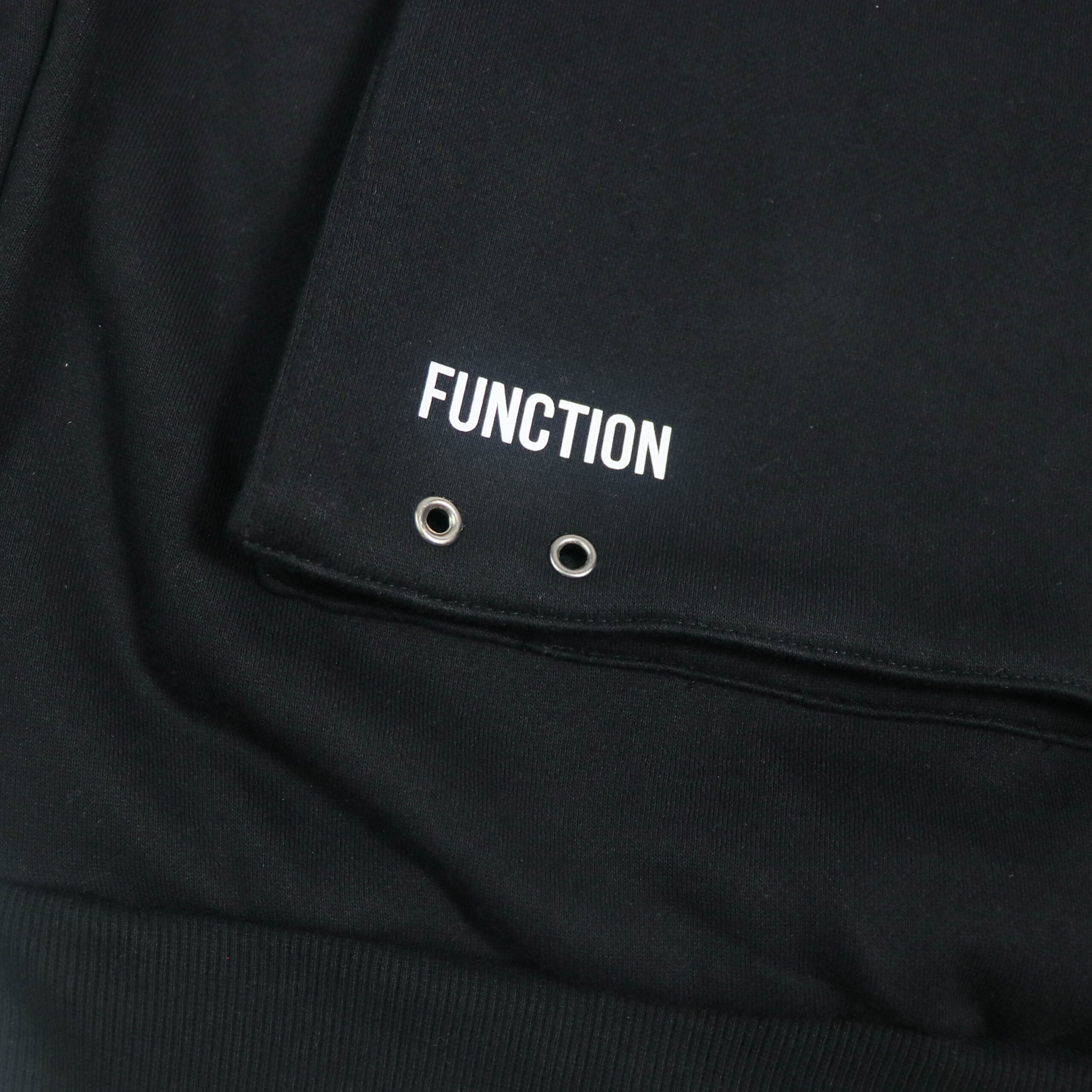
Varsity & Baseball Jackets
As a varsity jacket manufacturer, EDVORIN coordinates body fabrics, sleeves, rib, snaps, lining, insulation, patches, embroidery and appliqué. Baseball-inspired constructions can be developed for fashion brands, schools, clubs and private-label buyers, with the approved sample serving as the standard for bulk inspection.
Get a Quote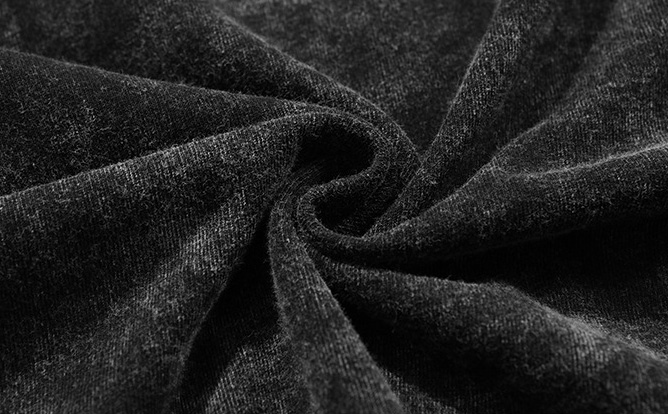
Custom T-Shirts
EDVORIN is a custom T-shirt manufacturer supporting jersey, cotton, blended and performance-oriented programs. Development covers fabric weight, fit, neck construction, sleeve proportions, color, printing, embroidery, labels and packaging. Men’s and women’s styles can be graded and documented for repeat wholesale or branded collections.
Get a Quote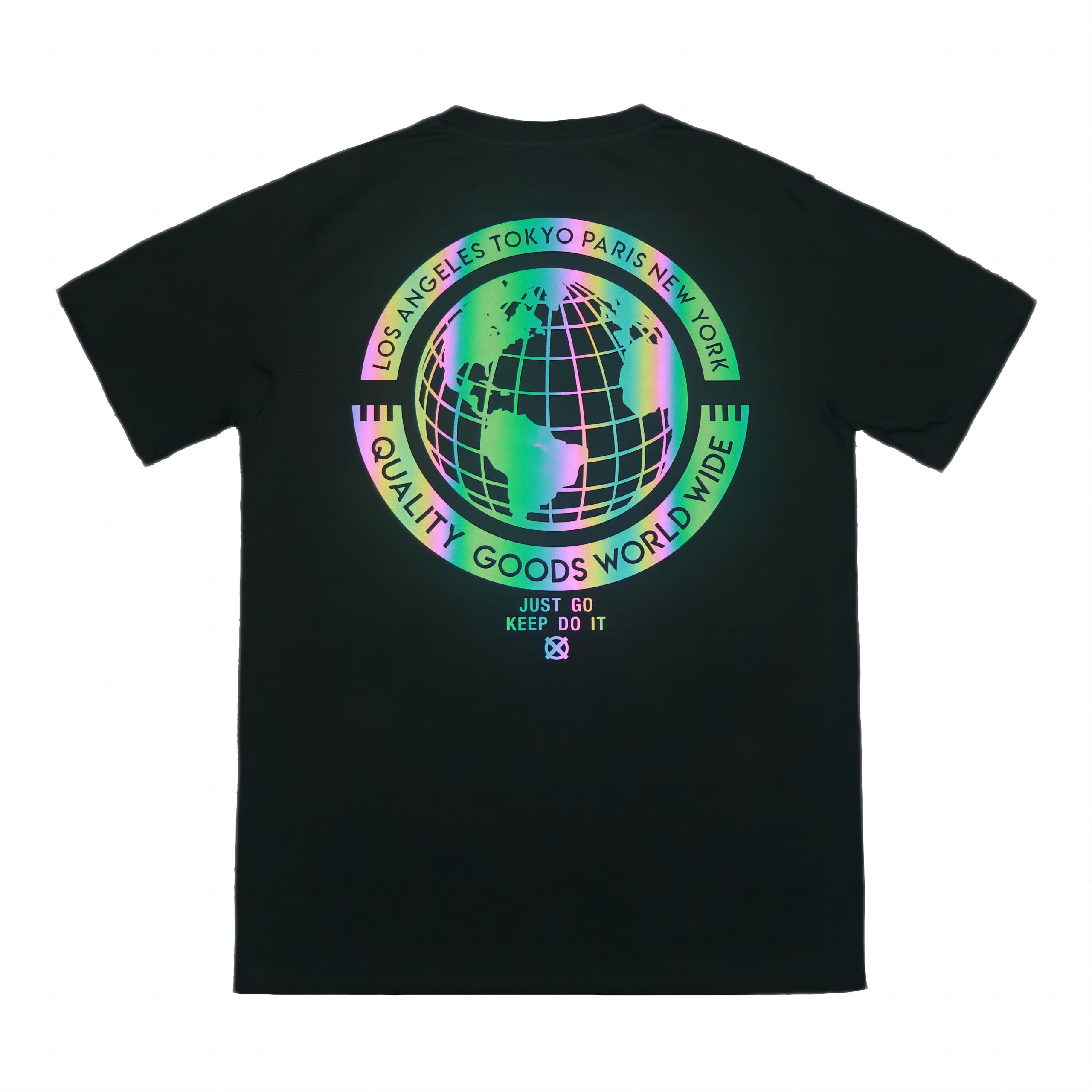
Custom Polo Shirts
As a polo shirt manufacturer, EDVORIN develops knit or performance polos around fabric hand, collar and cuff construction, plackets, buttons, fit and decoration requirements. Programs can be prepared for corporate apparel, schoolwear, sports organizations, private labels and fashion collections with controlled color and size grading.
Get a Quote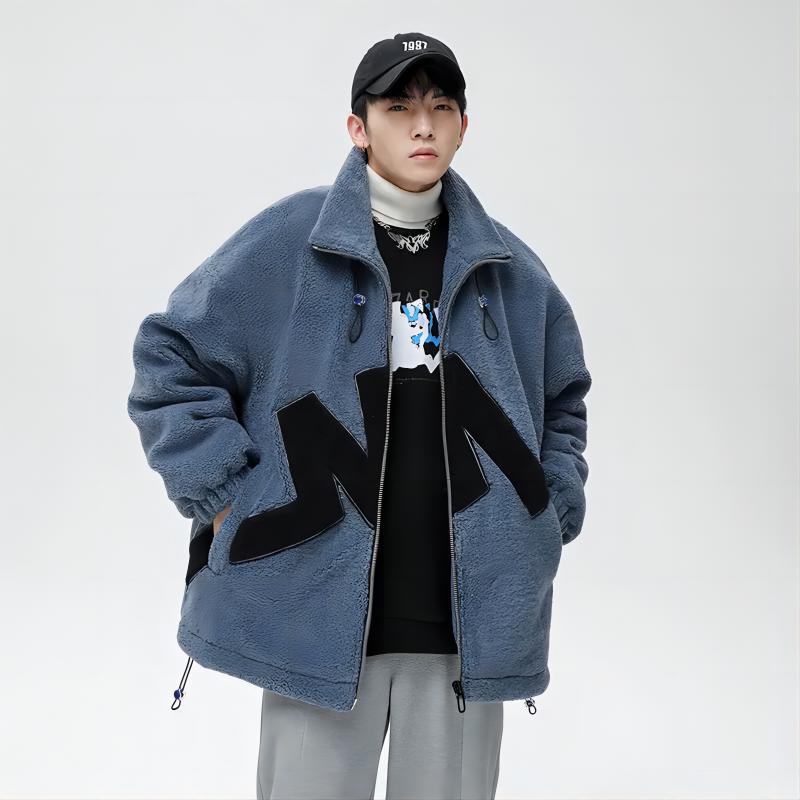
Windbreaker Jackets
As a windbreaker manufacturer, EDVORIN develops jackets with attention to shell fabric, water resistance requirements, lining, hood construction, elastic or adjustable details, zippers and packability. Custom decoration, labels and packaging are coordinated within the same production path for streetwear, teamwear, promotional and private-label programs.
Get a Quote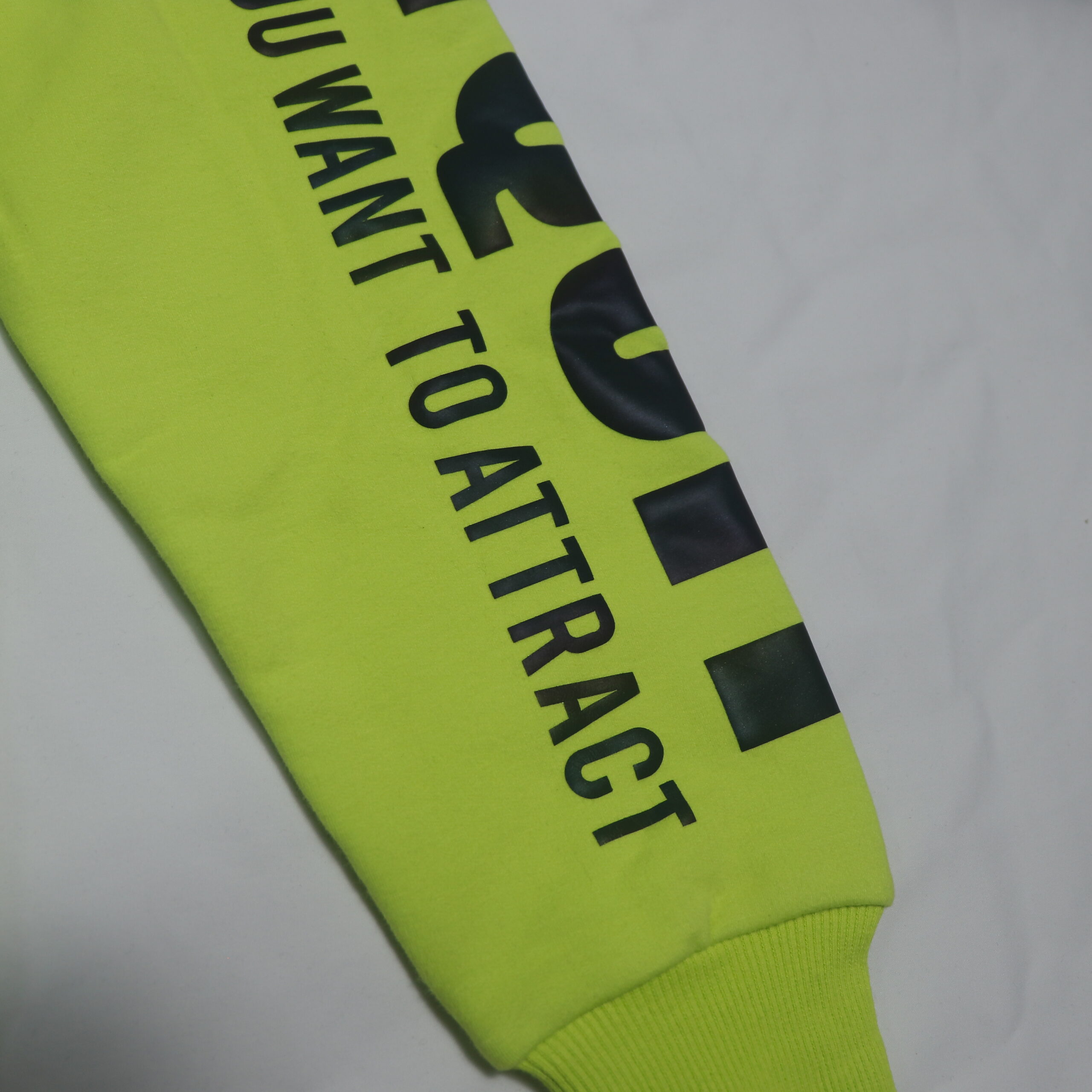
Quilted Jackets
As a quilted jacket manufacturer, EDVORIN coordinates shell materials, lining, insulation, quilting patterns, collar or hood construction, hardware and finishing. Development can address lightweight transitional styles or warmer outerwear, with fit, material and trim decisions recorded before bulk production for men’s and women’s collections.
Get a Quote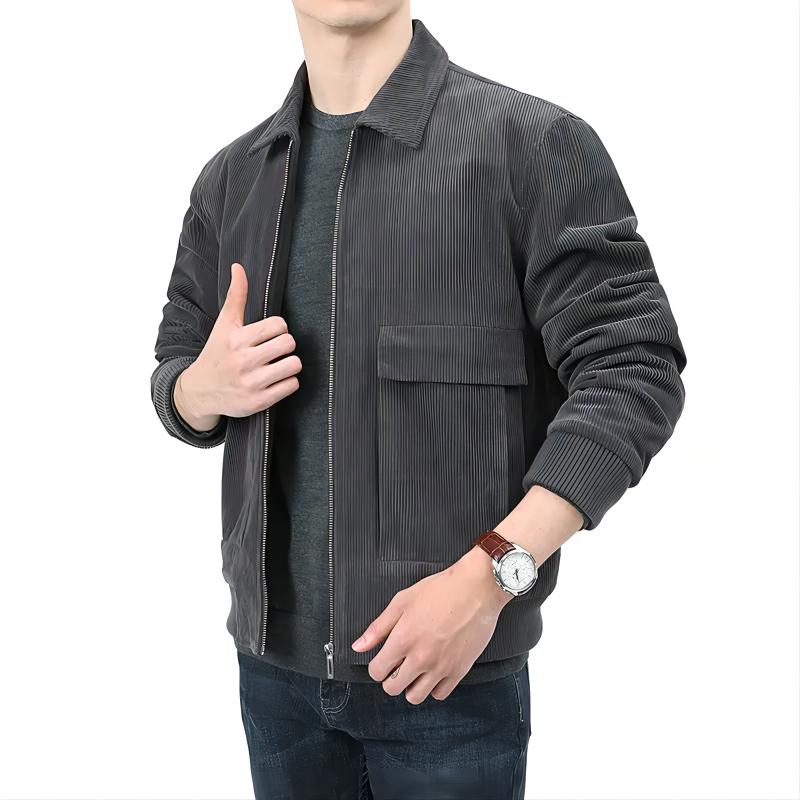
Bomber Jackets
As a bomber jacket manufacturer, EDVORIN develops bomber jackets for fashion, streetwear, teamwear and private-label buyers. Product specifications can cover shell and lining fabrics, insulation, rib, zipper or snap hardware, pockets, patches, embroidery and fit. Approved samples establish the construction, proportions and decoration standard for repeat orders.
Get a Quote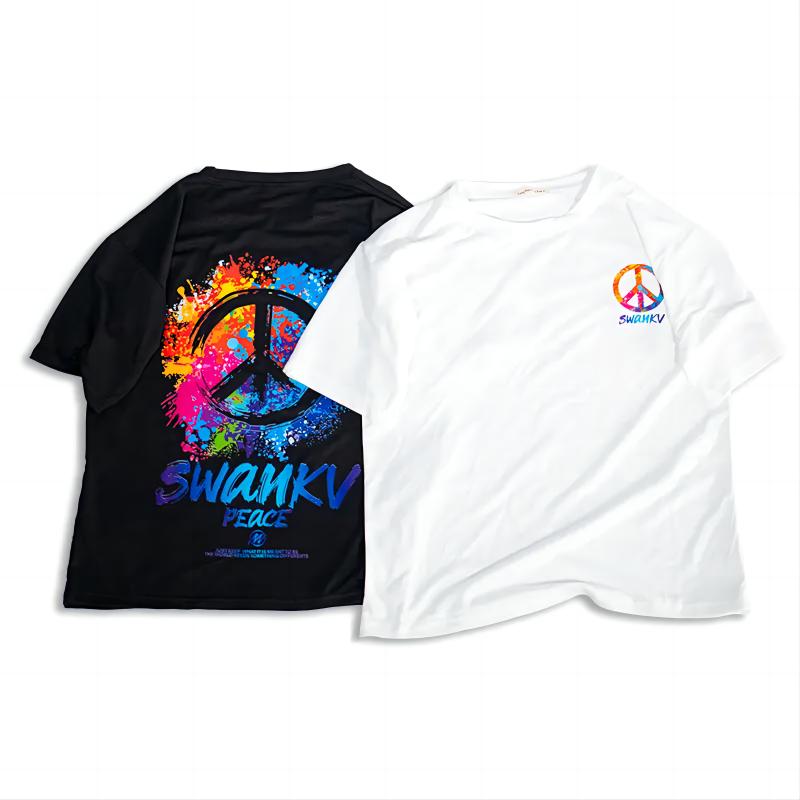
Custom Shirts
As a custom woven shirt manufacturer, EDVORIN develops shirts around fabric composition, weight, drape, collar, cuffs, plackets, buttons, pocket details and fit. Men’s and women’s programs can include branded labels, embroidery, printing or garment finishing, with measurements and construction details prepared for consistent bulk production.
Get a Quote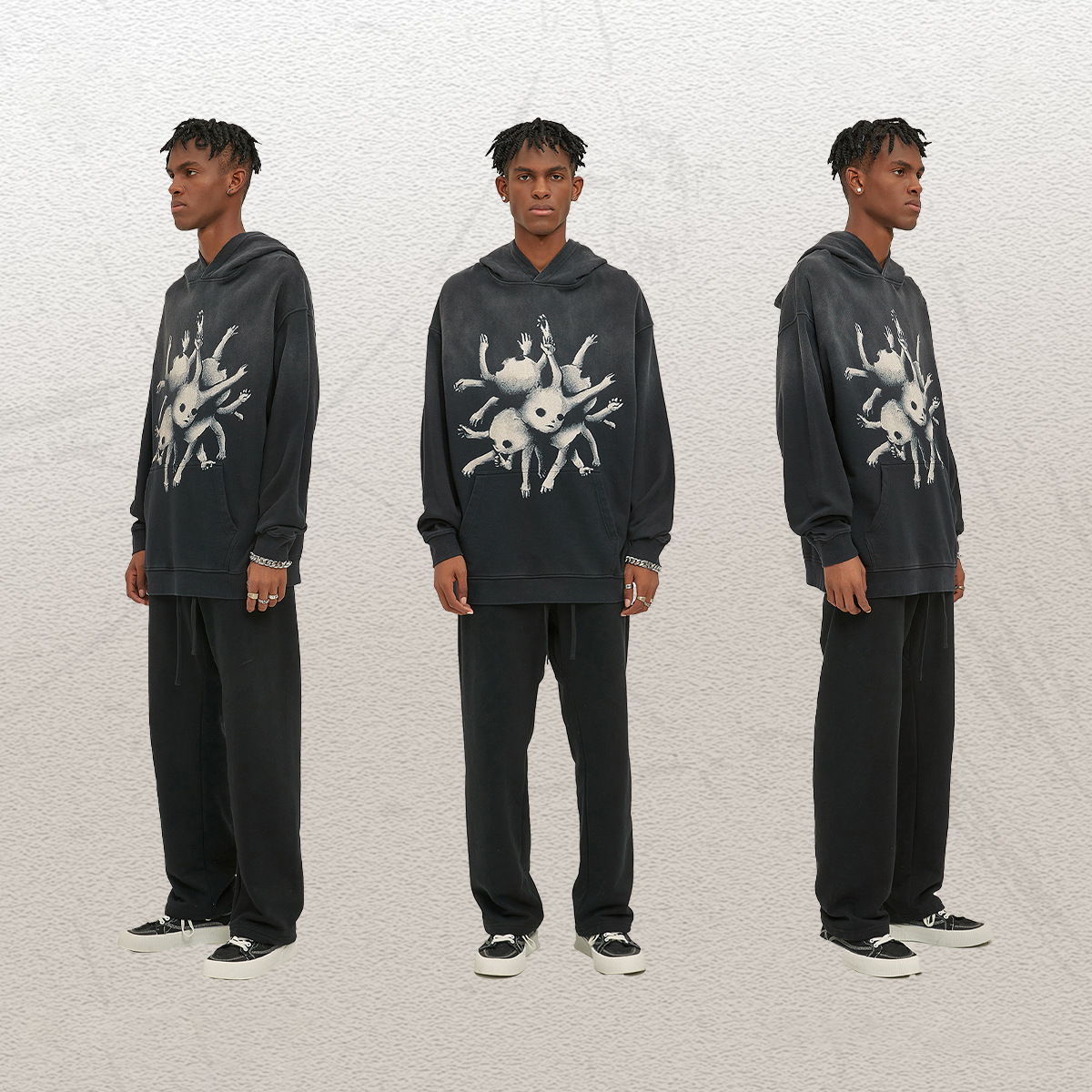
Custom Jerseys
EDVORIN is a custom jersey manufacturer for branded sportswear, clubs, schools, academies and streetwear programs. Development can include breathable performance fabrics, color blocking, sublimation or other decoration, names, numbers, badges, size grading and coordinated sets, with artwork and placement controlled across the order.
Get a Quote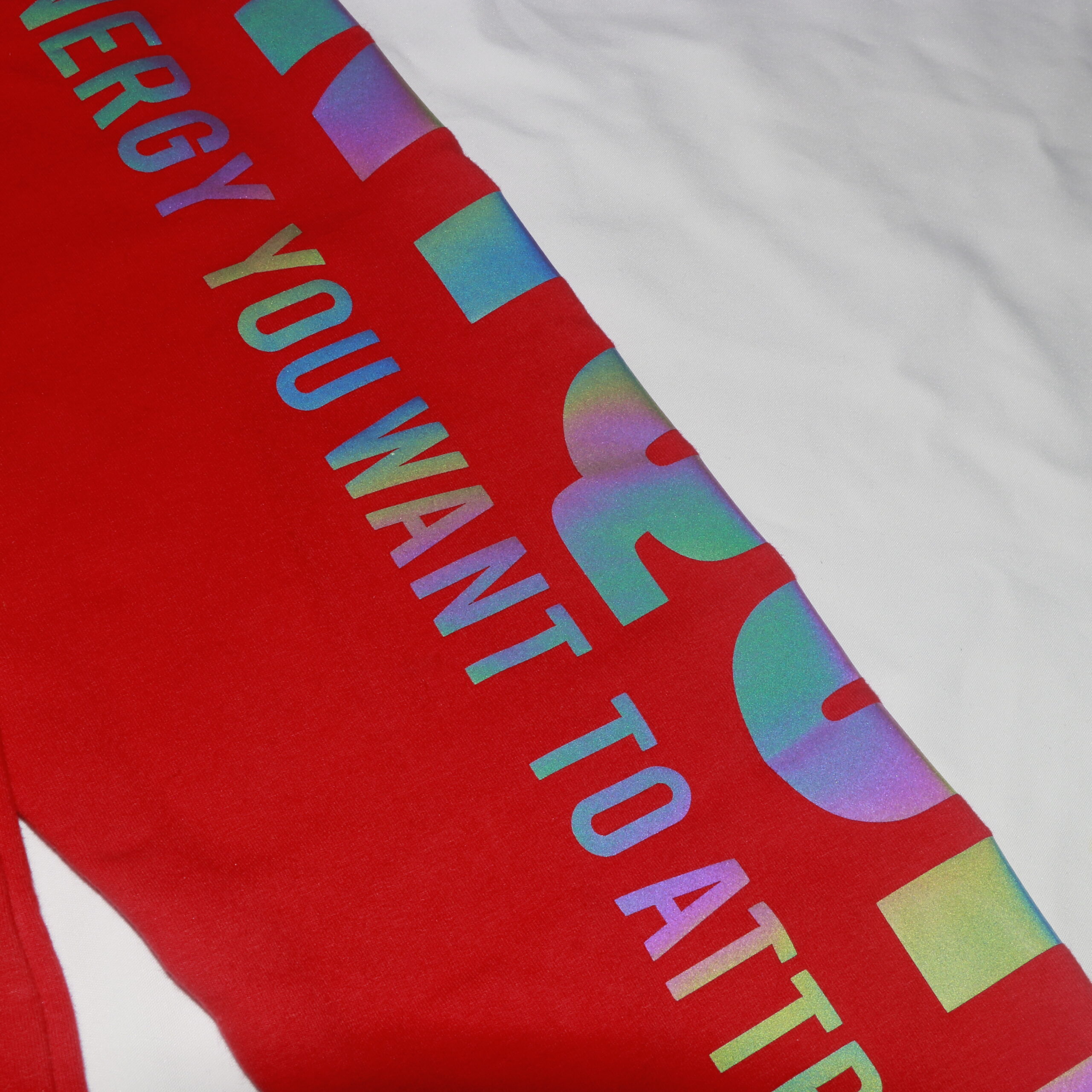
Tank Tops
EDVORIN develops tank tops for casualwear, activewear, teamwear and streetwear programs. Fabric selection, neckline, armhole shape, fit, side construction, hems, artwork, labels and packaging are reviewed during sampling. Men’s and women’s blocks can be adjusted to the intended use, market and sizing system.
Get a Quote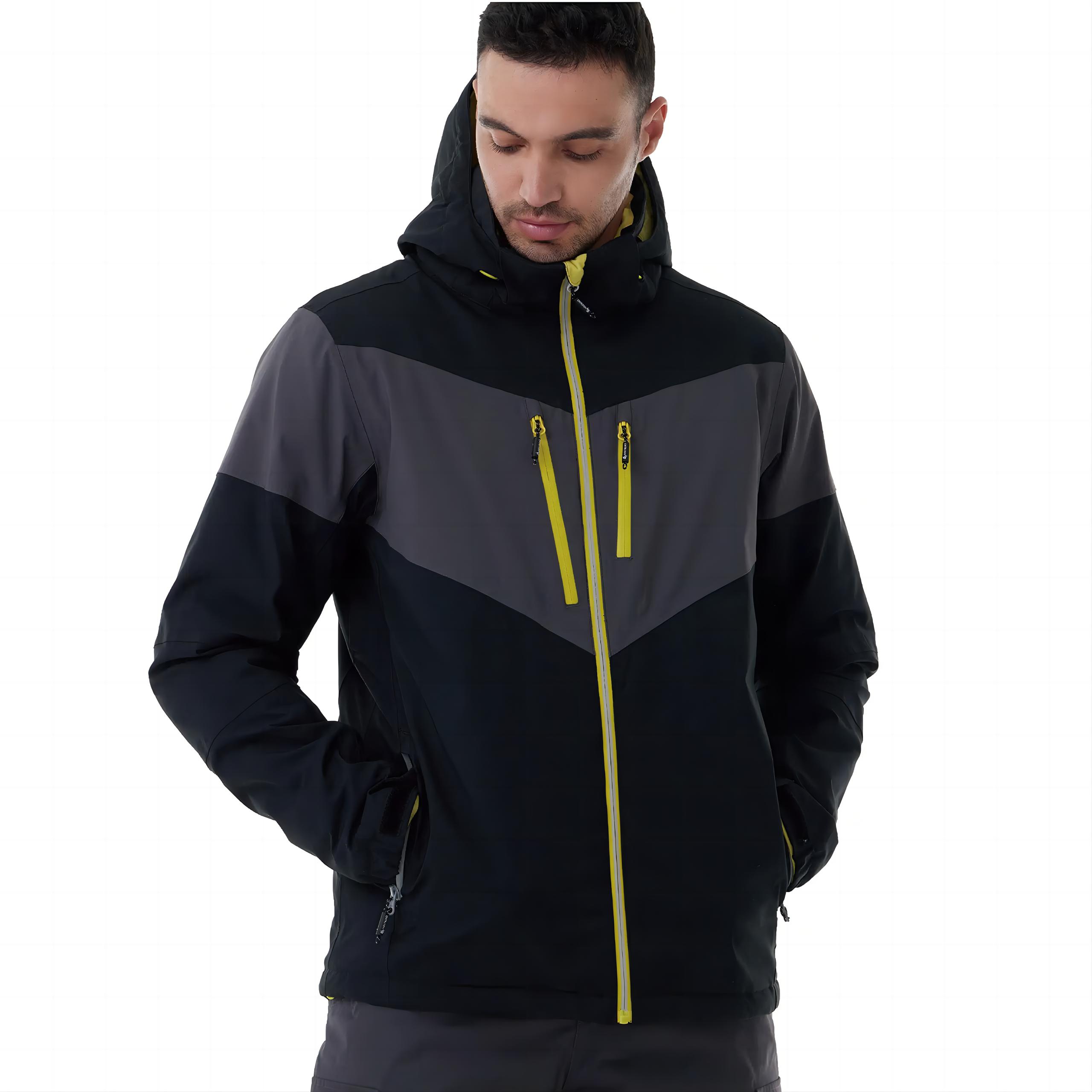
Soccer Uniforms
As a soccer uniform manufacturer, EDVORIN develops coordinated jerseys, shorts and related teamwear with performance fabrics, color references, badges, names, numbers and size grading. Artwork files and placement specifications are organized for repeatable team orders serving clubs, schools, academies, wholesalers and sports organizations.
Get a Quote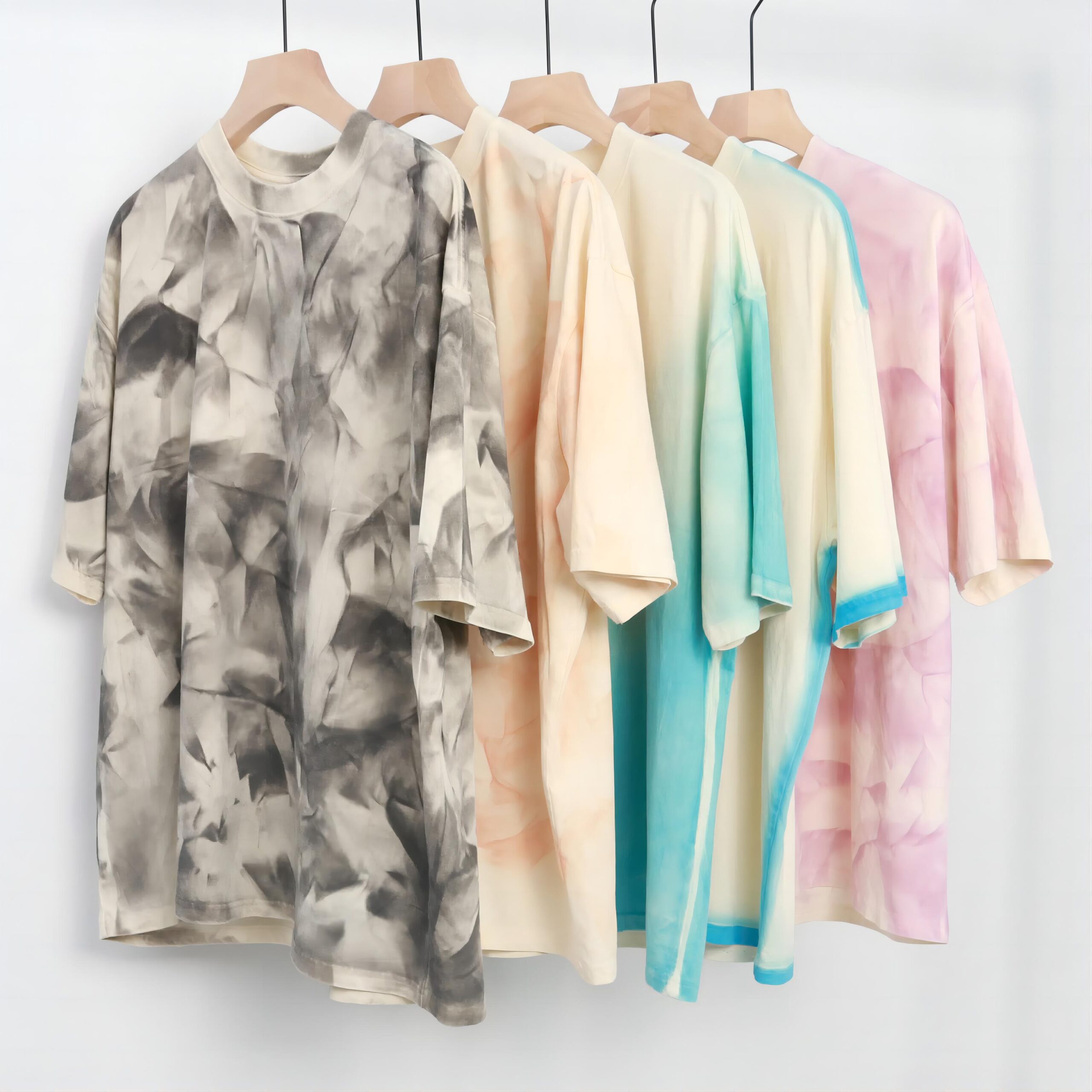
Basketball Uniforms
As a basketball uniform manufacturer, EDVORIN develops basketball uniforms with coordinated jerseys and shorts, performance fabrics, breathable construction, team colors, logos, names, numbers and player size sets. Product specifications are prepared for review before bulk production, helping clubs, schools, academies and distributors manage repeat orders with consistent decoration and grading.
Get a Quote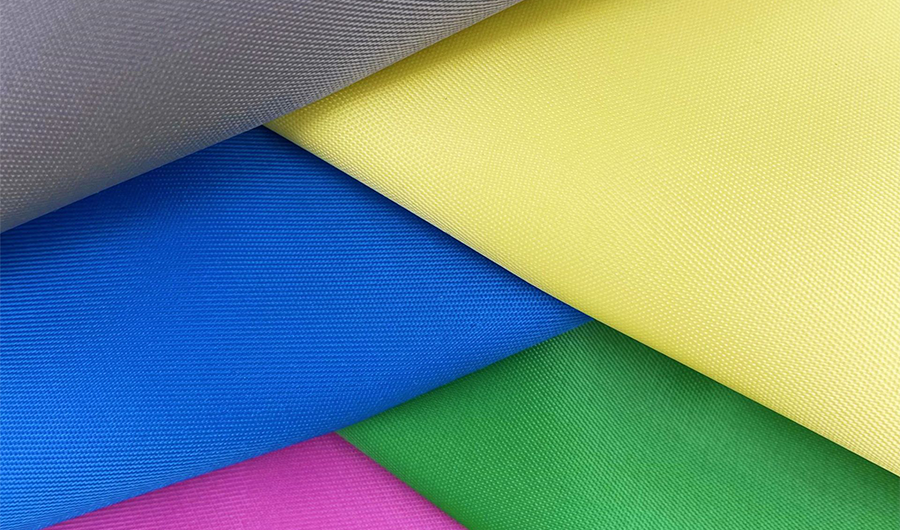
Streetwear Collections
As a streetwear clothing manufacturer, EDVORIN connects hoodies, sweatshirts, tees, bottoms, jackets, jerseys and coordinated separates within one production system. OEM, ODM and private-label support covers concept development, fabrics, trims, decoration, washing, labeling, packaging and sample-to-bulk quality control for emerging and established brands.
Get a QuoteCompare Dye Finishes for Apparel Production
Evaluate finish, feel, aging and production requirements before approving your apparel program.
← Swipe left or right to view →
Garment Dye vs Pigment Dye: The Apparel Buyer’s Guide
Use this decision framework to match dye methods with fabrics, decoration, durability, and brand positioning while evaluating manufacturers, comparing landed costs, and avoiding sourcing, color, care, and quality-control mistakes.
1. What Is Garment Dye vs Pigment Dye?
2 processes are commonly compared when buyers specify garment dye vs pigment dye. Garment dyeing colors the completed, cut-and-sewn garment, allowing the dye to penetrate the fabric, seams and thread for deeper saturation, a generally more even inside-versus-outside appearance and a soft, washed hand. Washing can still change shade and measurements, so EDVORIN treats the approved sample as the production reference. 1 key distinction is that pigment application places insoluble color near the fiber surface and uses a binder to hold it in place. The result is typically lower saturation, visible tonal variation and a natural, broken-in look; the outer face may appear stronger than the inside, while repeated washing gradually exposes the base color and creates controlled fading.
2. Garment Dye vs Pigment Dye: Evolution and History
Two established routes dominated earlier textile color planning: piece dyeing colored fabric before cutting, while yarn dyeing colored yarn before knitting or weaving patterns. These approaches supported repeatable checks at the textile stage, but the finished garment’s final character still depended on sewing, washing, and finishing. One later production shift moved color work after construction, allowing seams, threads, panels, and trims to be evaluated as one product. Buyers now use these methods for different reasons: streetwear labels and casualwear brands seek vintage depth and lived-in softness, while uniforms and team apparel use controlled garment finishing to align color across complete sets.
3. Types of Garment Dye vs Pigment Dye
Four dye routes can produce markedly different results even on the same silhouette.
Reactive Garment Dye
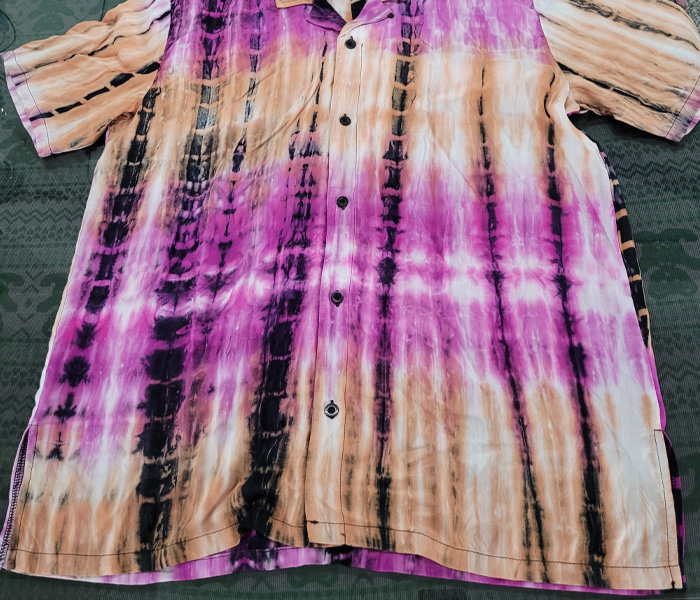
Reactive or fiber-reactive dye penetrates compatible cellulose fibers after sewing, producing saturated, relatively even color inside and outside the garment. It suits cotton T-shirts, French terry, and fleece where dependable shade depth matters. Colorfastness is generally stronger than surface pigment, but wash testing remains essential.
Vat And Specialty Routes
Vat dye is relevant for cotton programs needing strong wash resistance and distinctive dark or aged shades, while specialty systems may target unusual effects or performance requirements. Compatibility depends on fiber, construction, and finishing chemistry. These routes usually require tighter lab-dip approval and process control, with higher development risk than standard pigment.
Pigment Dye And Overdye
Standard pigment dye deposits color at the surface with a binder, creating softer, muted tones, tonal variation, and natural fading. Pigment wash or overdye can add abrasion, enzyme, or secondary-color effects for a deliberately worn appearance.
Piece And Yarn Dyed Alternatives
Piece dye colors fabric before cutting, improving efficiency and shade consistency across large runs; yarn dye colors yarns before weaving or knitting, enabling stable stripes, checks, and plaids. Neither is a substitute for post-sewn garment dye effects.
4. Materials and Fabrics for Garment Dye vs Pigment Dye
Cotton content, fabric construction, and finished weight determine how color enters or sits on an apparel product.
| Fabric profile | Typical GSM | Dye tendency | Common end use |
|---|---|---|---|
| Jersey, 100% cotton | 160–240 | Garment: even, soft | T-shirts, polos |
| Fleece or French terry | 280–450 | Garment: deep, fuller hand | Hoodies, joggers |
| Twill or canvas | 240–500 | Pigment: textured variation | Jackets, overshirts |
| Cotton-rich blend | 180–360 | Test blend for shade stability | Uniforms, streetwear |
Fiber And Construction
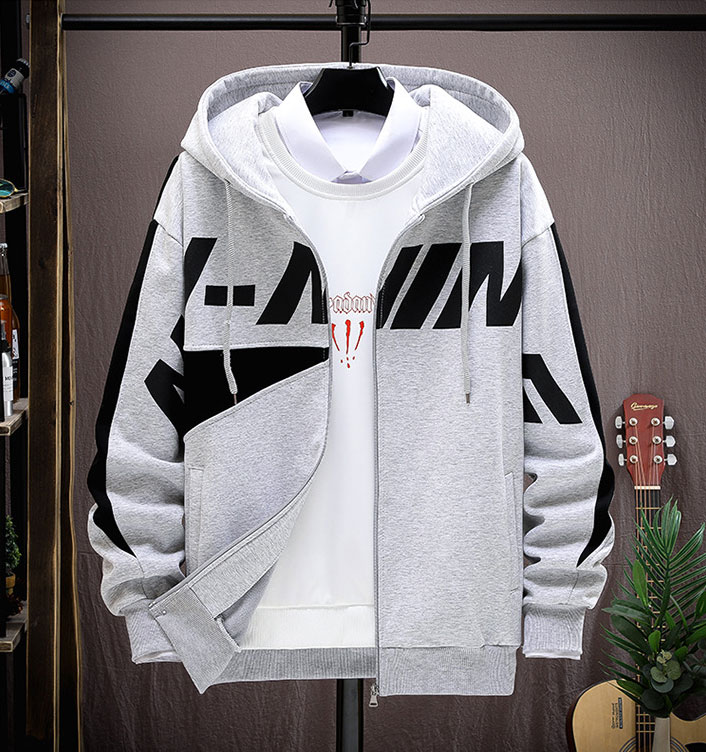
100% cotton usually accepts garment dye evenly and develops a softer hand after washing. Cotton-rich blends can show heathering or reduced uptake where polyester resists conventional dye, so fiber percentages must be confirmed.
Weight And Dimensional Stability
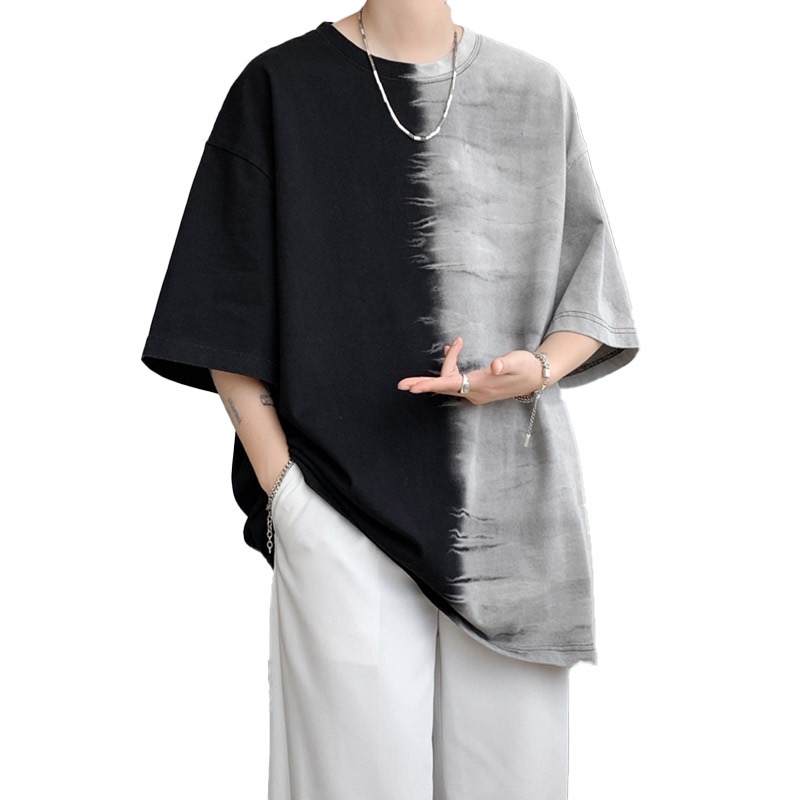
180–240 GSM jersey is common for T-shirts, while 280–450 GSM fleece and 300–500 GSM French terry suit sweatshirts and joggers. Heavier structures can produce deeper visual texture but require shrinkage testing.
Selecting The Dye Route
Garment dye suits absorbent cotton knits and wovens when cohesive color and a broken-in hand are priorities. Pigment dye suits textured surfaces where tonal variation and gradual fading support the design direction. Pilot lots should test the actual GSM, trims, thread, and wash recipe.
5. Customization and Decoration Options
Three controls determine decoration success: surface color, fiber absorption, and post-dye variation.
| Decoration Route | Best Fit | Primary Check |
|---|---|---|
| Screen print | Sharp graphics | Contrast, absorption, curing |
| Water-based or discharge | Vintage softness | Dye reaction and wash result |
| DTG | Detailed artwork | Migration and white-ink coverage |
| Embroidery or patches | Team and school marks | Placement, weight, adhesion |
| Heat transfers | Names and numbering | Temperature and registration |
Print Methods And Surface Behavior
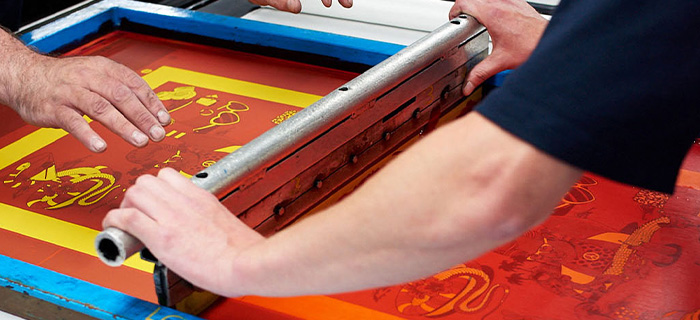
Screen printing gives the strongest route for sharp graphics, but pigment-dyed surfaces can absorb ink unevenly and shift contrast. Water-based or discharge systems improve softness, while curing must be confirmed against the dye and fabric. DTG requires a stable, clean surface; pigment migration can affect white ink and fine registration.
Embroidery, Patches, And Transfers
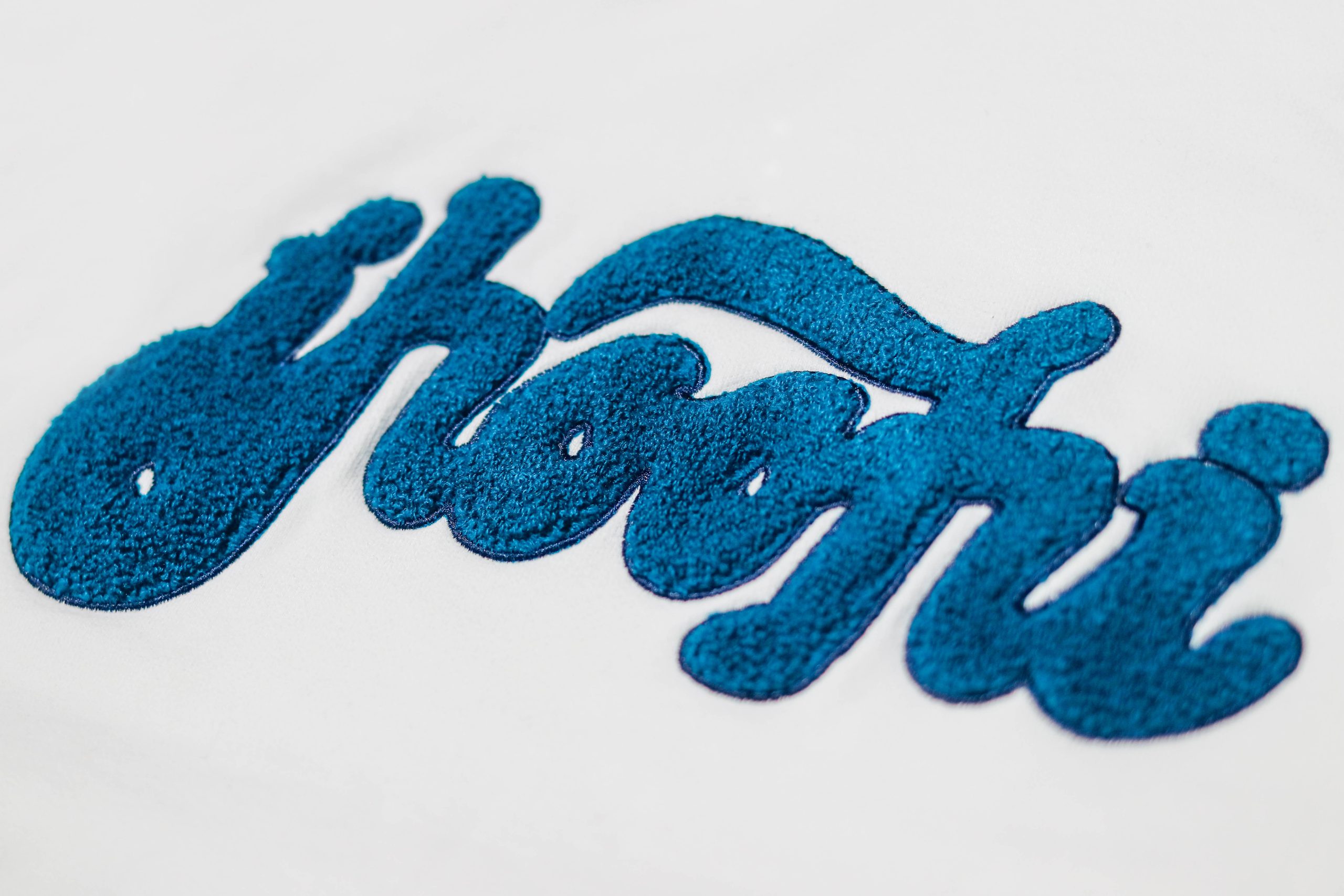
3D embroidery, woven patches, and heat transfers suit team names, school marks, and branded identifiers when print contrast is unreliable. Heavy stitching or adhesive can distort lightweight jersey areas and must be positioned around seams.
Labels, Trims, And Approval
Two approved samples are often useful: one for decoration appearance and one for wash evaluation.
6. Key Construction and Quality Elements
Three controls reveal whether dyed apparel is genuinely premium: construction compatibility, controlled dimensional change, and repeatable shade approval.
Construction Compatibility
1 sample should confirm that sewing thread, shell fabric, rib, labels, and trims respond consistently to the selected dye process. Check seams for puckering, skipped stitches, roping, and visibly different thread uptake. A 2–3 mm neckline tolerance is a practical review point, while collar recovery should be checked after stretching and laundering.
Panel And Stitch Consistency
4 or more panels should be compared for shade continuity across body, sleeves, hood, and pockets. Tonal movement can be intentional in pigment work; abrupt streaks, untreated zones, or mismatched panels indicate process variation. Use the approved sample to record stitch density, seam allowance, SPI, and placement measurements.
Shrinkage And Wash Testing
3 wash cycles can expose early dimensional problems in dyed hoodies, tees, and fleece programs. Measure body length, chest, sleeve length, collar opening, and rib recovery before and after testing. A signed wash-test record should identify temperature, detergent, drying method, and measurement change.
Bulk Inspection Standards
10–20 pieces per size or a documented AQL plan gives buyers a repeatable basis for checking bulk consistency. Inspect shade against the approved standard under defined lighting, not beside an unapproved reference. Record defects by type: construction failure, shade outlier, contamination, print or trim issue, and acceptable tonal variation.
7. How to Choose a Garment Dye Manufacturer
Two checkpoints define a credible supplier: proven dyed-apparel experience and a documented path from color approval to packed goods.
Verify Dyeing And Color Development
Two references should demonstrate relevant work across French terry, fleece, jersey, or woven garments, including both garment dye and pigment dye. Ask who controls fabric preparation, Pantone matching, lab dips, strike-offs, and shade tolerances. One approved lab dip is not enough.
- Which fabrics and dye systems do you run regularly?
- How many lab-dip rounds are included?
- What shade tolerance is recorded for bulk?
Test Sampling, Capacity, And Timing
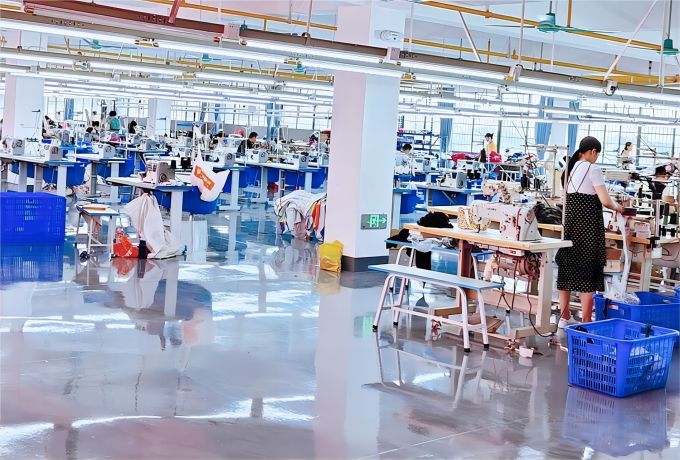
EDVORIN’s MOQ starts at 200 pieces per style. Three dates belong in the development plan: first sample, revised sample, and pre-production approval. Confirm whether sampling uses production-intent fabric, decoration, washing, measurements, and packaging rather than a simplified substitute. A written capacity plan should state MOQ by color and style, monthly output, peak-season constraints, and realistic lead times.
- What is the MOQ per color and size range?
- What is the approved bulk lead time?
- Can capacity support repeat or teamwear replenishment?
Audit Controls, Traceability, And Communication
Four records should follow every order: material lot, dye recipe or process reference, inspection result, and packing record. Require relevant compliance documentation such as OEKO-TEX, GOTS, WRAP, or BSCI only where applicable, and verify validity rather than accepting logos.
- Who approves shade and wash-test deviations?
- How are cartons, labels, and size assortments checked?
- Who owns communication when production moves off schedule?
8. Common Garment Dye and Pigment Dye Buying Mistakes
Eight recurring errors turn a workable dyed-apparel specification into inconsistent bulk goods, avoidable rework, or misleading pricing.
Misreading Pigment Behavior
Pigment color sits at the textile surface with a binder; it is not fully fiber-bonded color. Expecting uniform saturation can create complaints about fading, crocking, or tonal variation. Require a signed approval sample, crocking and wash results, and documented curing requirements before bulk production.
Ignoring Materials And Variation
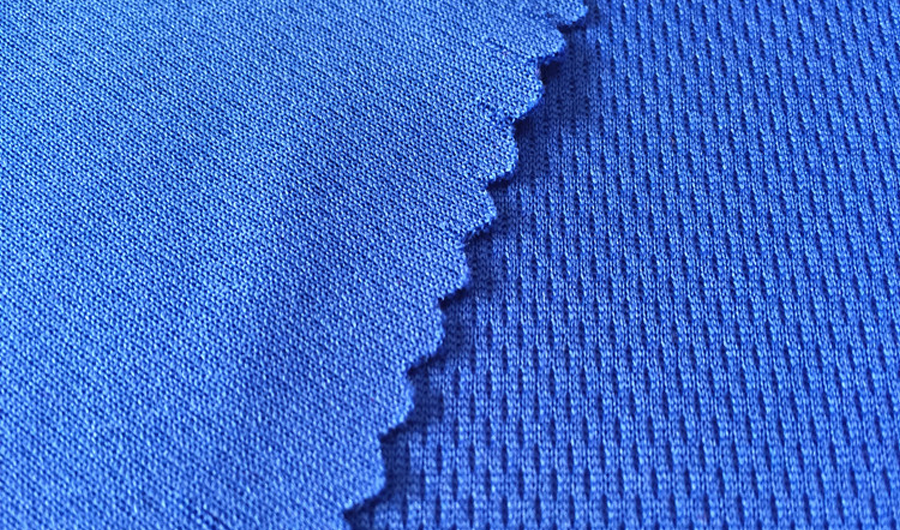
A 100% cotton French terry and a cotton-polyester blend will not absorb or retain color identically. Ignoring blend content can produce unexpected shade, hand feel, shrinkage, and decoration performance. Require fiber composition, fabric construction, GSM, and lot controls in the tech pack.
Skipping Physical Tests
One approved screen image cannot predict wash change, print adhesion, embroidery puckering, or dye migration. Skipping garment-wash and decoration tests transfers production risk to the buyer. Require decorated samples after the intended wash process, plus dimensional measurements before and after laundering.
Underestimating Delivered Cost
A 2% shrinkage difference can affect grading, fit, and returns, while unsuitable care labels can accelerate color loss or create compliance problems. Comparing factory quotes alone also hides freight, testing, relabeling, rework, and duty.
9. Steps to Launch Your Dyed Apparel Brand
1 brief should define the intended hand, color character, durability and end use before sampling.
Define The Product Brief
1 page should state silhouette, wearer, target season, color mood, required softness, abrasion expectations and decoration plan. Fashion labels may prioritize controlled variation; teams and schools should prioritize repeatable color, sizing and performance.
Select Fabric And Dye Method
280–450 GSM is a practical development range for many sweatshirts, while T-shirts often sit around 160–240 GSM; confirm GSM after washing. Compare ring-spun or open-end yarns, French terry or fleece, and shrinkage before approving the base.
- Record pre- and post-wash measurements.
- Test dark shades for crocking and migration.
- Match dye choice to print or embroidery.
Test And Approve The Standard
3 checkpoints should cover construction, decoration and wash performance before bulk: seam strength, rib recovery, print adhesion, embroidery distortion and color change. Test representative sizes, not only the fit sample.
Pilot, Inspect, And Learn
1 pilot order should expose production issues before a full launch; set the quantity around the most important sizes, colors and decoration combinations. Inspect bulk goods by lot for measurements, shade, defects, labels and packing accuracy.
10. Garment Dye vs Pigment Dye Pricing and Cost
2 primary variables—fabric GSM and dye chemistry—usually set the starting cost. Ring-spun cotton, heavier fleece, reactive garment dyeing, pigment binders, and additional wash controls can all move the quote; construction details such as rib, pockets, zippers, labels, and sewing minutes add further variation. 3 cost layers should be separated: development sampling and testing, production, and post-production handling. Compare decoration setup and per-piece costs, packaging, freight, inspection allowances, expected rejects, and reorder minimums rather than judging dye cost alone.
| Quantity Tier | Indicative Unit Price | Typical Lead Time | Decoration / Setup Cost |
|---|---|---|---|
| 100–299 units | US$[quote-dependent] | [quote-dependent] weeks | US$[setup] + US$[unit] |
| 300–999 units | US$[quote-dependent] | [quote-dependent] weeks | US$[setup] + US$[unit] |
| 1,000+ units | US$[quote-dependent] | [quote-dependent] weeks | US$[setup] + US$[unit] |
From Dye Selection to Bulk Production
EDVORIN turns the garment dye vs pigment dye choice into a documented, production-ready standard for consistent apparel programs.
Review Fabric and Finish
Compare the garment dye vs pigment dye direction against fabric composition, color goals, hand feel, construction, decoration needs and intended repeat-order requirements.
Develop and Sample
Build the selected finish into a sample, coordinating patterns, trims, artwork placement, washing and packaging details for the intended men’s or women’s program.
Approve the Standard
Review the approved sample with measurements, color references and finishing details, then document the production standard so every department works from the same version.
Control Bulk Production
Run in-line and final checks across color, measurements, decoration, construction, labeling and packing, protecting consistency from the first approved piece through repeat orders.
Dyeing, Decoration and Repeat-Order FAQs
Practical answers for brands comparing color, feel, decoration and repeat-order requirements.
What is the difference between garment dye vs pigment dye?
Which is better for streetwear, garment dye vs pigment dye?
Does garment dye vs pigment dye affect color variation?
Which dyeing method fades faster after washing?
Can garment dye vs pigment dye be used on the same fabrics?
How does dye choice affect printing and embroidery?
How can buyers keep repeat orders consistent with dyed apparel?
Ready to Develop Your Apparel Program?
Turn your approved direction into repeatable apparel with EDVORIN’s OEM/ODM, private-label and wholesale manufacturing support.