
Jersey vs Interlock Fabric: Choose the Right Knit for Your Collection
Compare jersey and interlock fabric, then work with an OEM clothing manufacturer and ODM apparel manufacturer to develop an approved, repeatable apparel program.
How Jersey vs Interlock Fabric Changes Garment Performance
EDVORIN turns jersey vs interlock fabric decisions into approved specifications for fit, decoration, sampling, and repeatable bulk production across apparel programs.
Knit Structure and Surface
EDVORIN is a custom hoodie manufacturer and private label clothing manufacturer for fashion, streetwear, teamwear and wholesale programs. Fabric selection, fit blocks, rib construction, drawcords, printing, embroidery, custom clothing labels and packaging are coordinated from approved sample through repeatable bulk production.
Weight and Warmth
EDVORIN’s MOQ starts at 200 pieces per style. As a sweatshirt manufacturer and low MOQ clothing manufacturer, EDVORIN develops pullover sweatshirts around fabric weight, brushed or French terry construction, neckline, cuffs, hem and intended fit. Custom decoration, labeling and packaging support men’s and women’s casualwear, streetwear and wholesale collections.
Stretch and Stability
Interlock generally offers greater dimensional stability, while jersey delivers flexible comfort; validate recovery, grading, and wash behavior in approved samples.
Decoration Compatibility
Match print, embroidery, and artwork placement to fabric weight, surface, and stretch so decoration remains clean through production and wear.
End-Use Fit
As a varsity jacket manufacturer, EDVORIN develops varsity and baseball jackets with coordinated body and sleeve materials, rib, snaps or zippers, lining, patches and embroidery. Construction, artwork placement, size grading, finishing, labels and packaging are documented for fashion brands, schools, clubs and private-label buyers.
Our Apparel Capabilities
Develop coordinated apparel programs with one production partner for product development, decoration, quality control and repeatable bulk manufacturing.
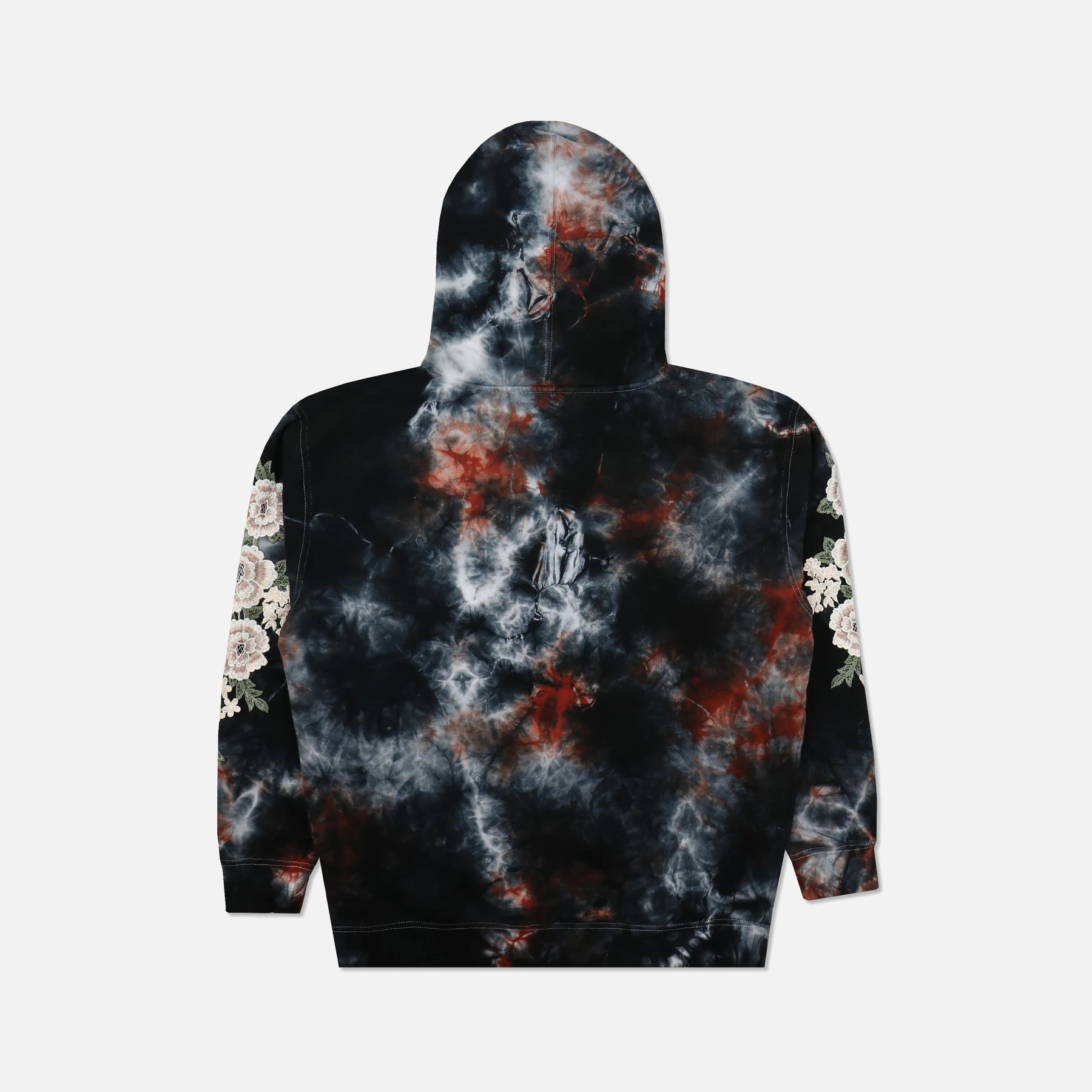
Custom Hoodies
EDVORIN develops custom hoodies for fashion, streetwear, teamwear and private-label programs, including fleece selection, fit blocks, rib construction, drawcords, prints, embroidery, labels and packaging. Each approved sample becomes a documented standard for consistent bulk production and repeat orders.
Get a Quote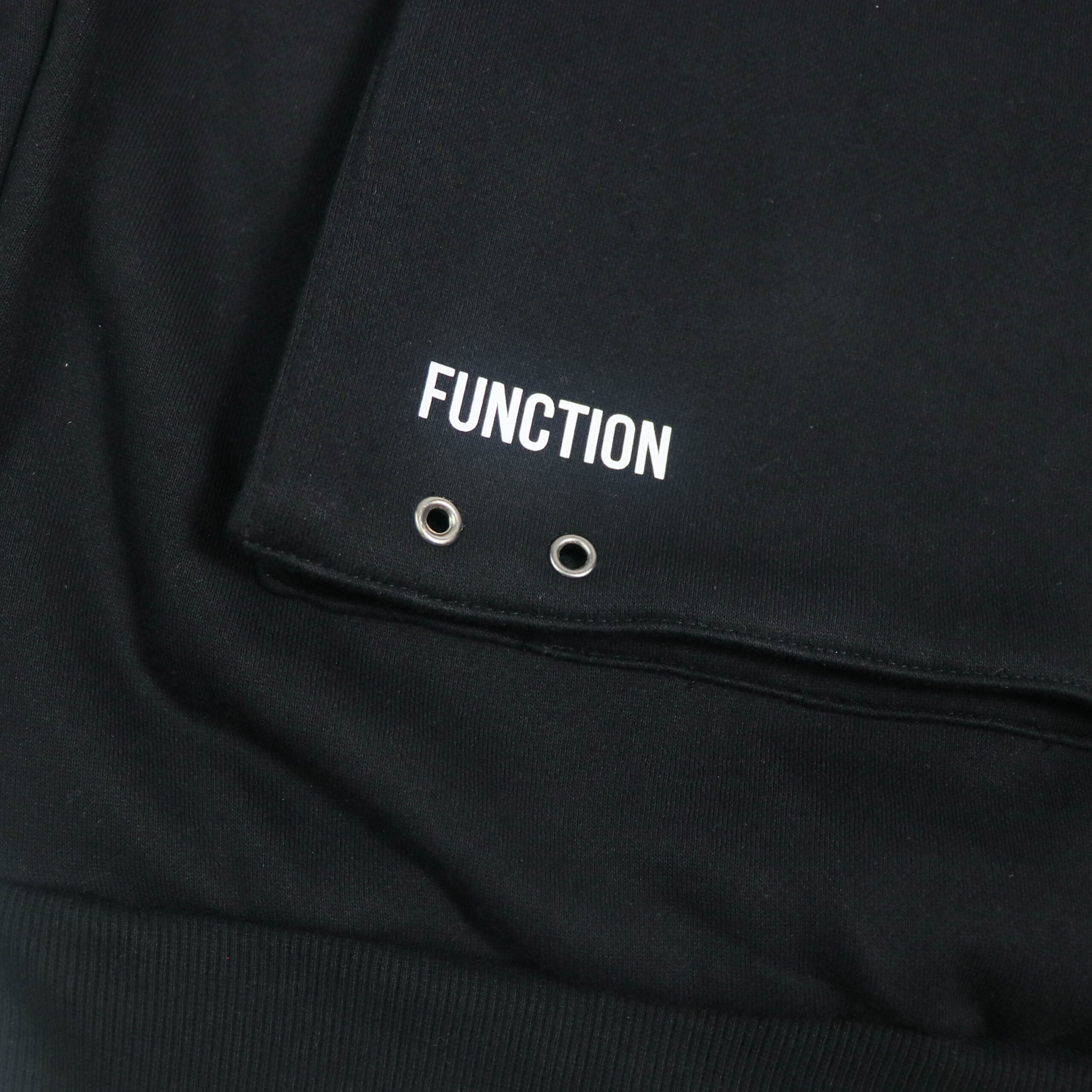
Pullover Sweatshirts
As a sweatshirt manufacturer, EDVORIN develops pullover sweatshirts around fabric weight, brushed or French terry construction, neckline, cuffs, hem and intended fit. Buyers can coordinate custom decoration, labeling and packaging for men’s and women’s casualwear, streetwear and wholesale collections.
Get a Quote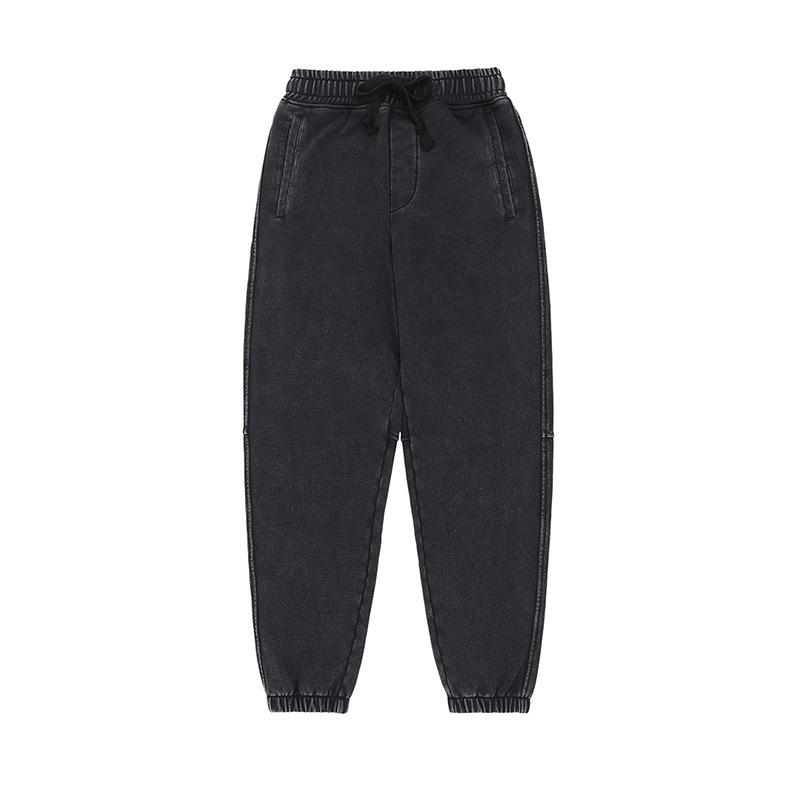
Sweatpants & Joggers
EDVORIN develops sweatpants and joggers with attention to fleece weight, waistband recovery, pocket construction, leg shape, cuffs, drawcords and grading. Product programs can include printed or embroidered branding, coordinated tops and documented specifications for consistent production across sizes and repeat orders.
Get a Quote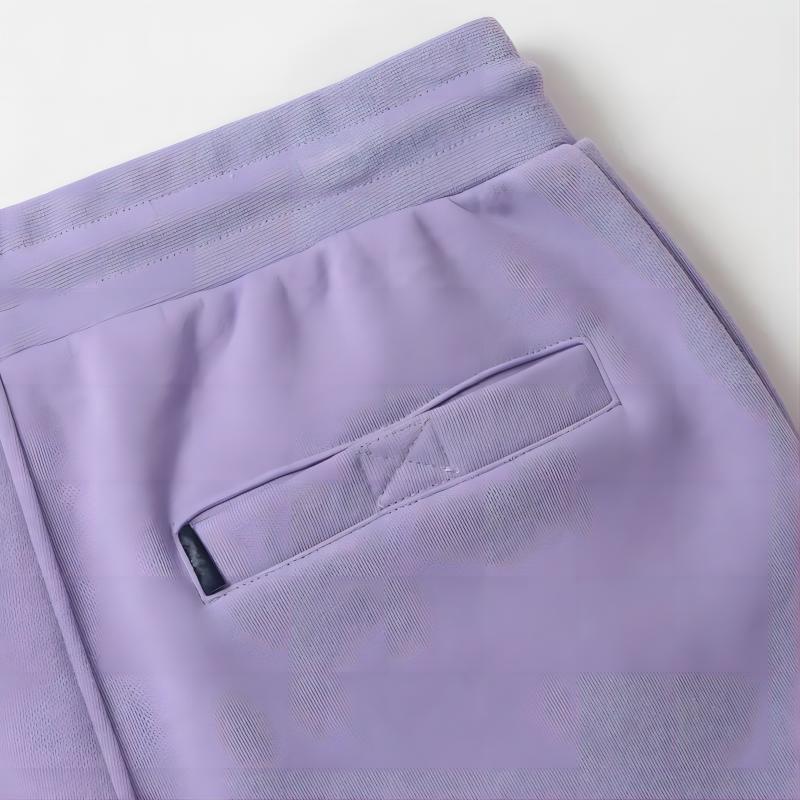
Custom Shorts
As a custom shorts manufacturer, EDVORIN develops casual, athletic and streetwear shorts using suitable woven or knit fabrics, waistbands, pockets, linings and trims. Fit, decoration, labeling and packaging are coordinated for men’s and women’s programs, wholesale ranges and teamwear collections.
Get a Quote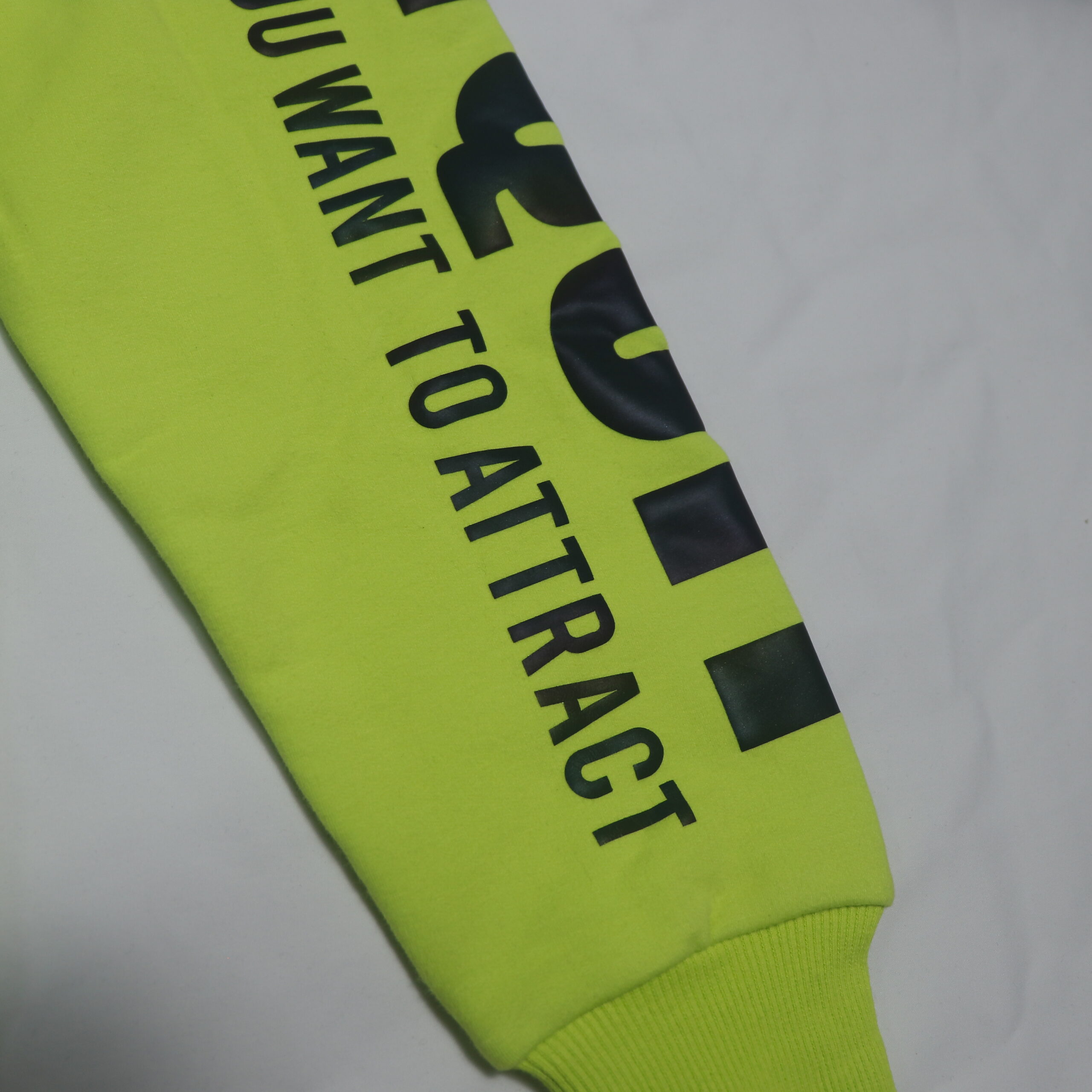
Varsity & Baseball Jackets
EDVORIN develops varsity and baseball jackets with coordinated body and sleeve materials, rib, snaps or zippers, lining, patches and embroidery. Construction, artwork placement, size grading and finishing are documented so fashion brands, schools, clubs and private-label buyers can reproduce approved designs.
Get a Quote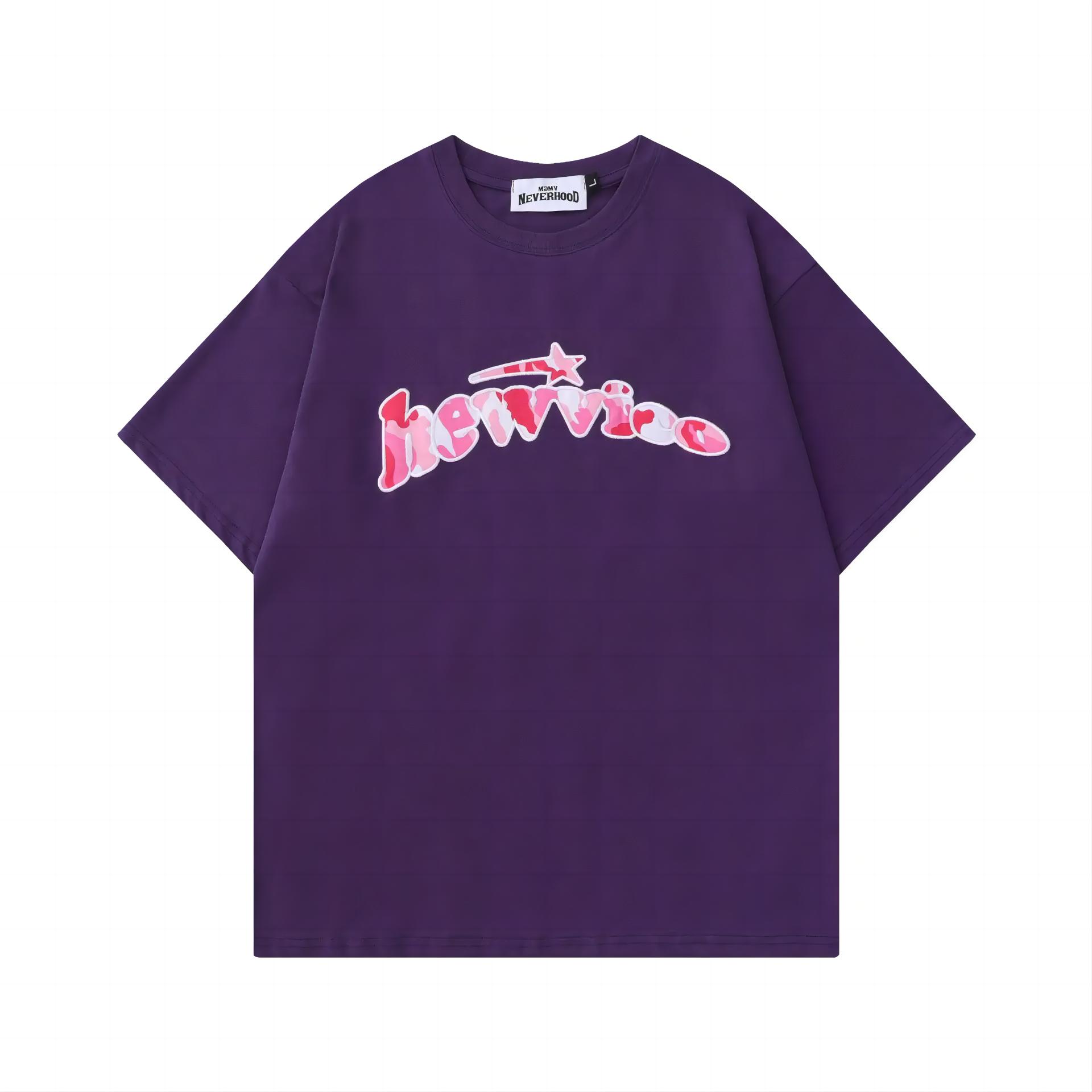
Custom T-Shirts
As a custom T-shirt manufacturer, EDVORIN develops jersey garments around fabric composition, weight, neckline, sleeve proportions, fit and wash requirements. Screen printing, digital printing, embroidery, labels and packaging can be coordinated for fashion, promotional, streetwear, wholesale and private-label programs.
Get a Quote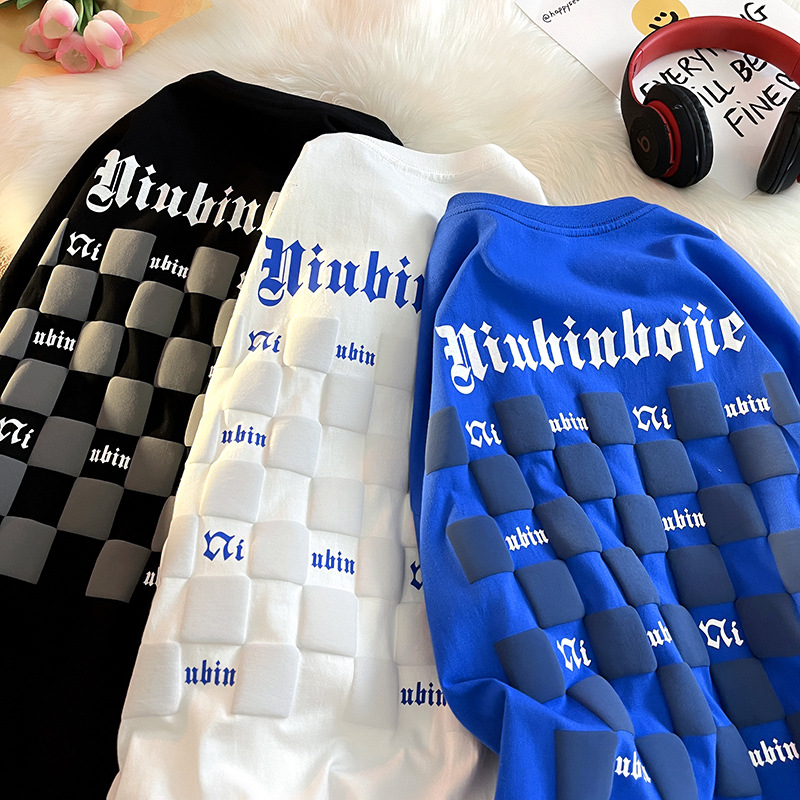
Custom Polo Shirts
EDVORIN develops custom polo shirts with attention to pique or performance fabric, collar construction, plackets, cuffs, buttons, fit and color consistency. Buyers can specify embroidery or printing, men’s and women’s blocks, labeling and packaging for corporate, teamwear, school, wholesale and private-label programs.
Get a Quote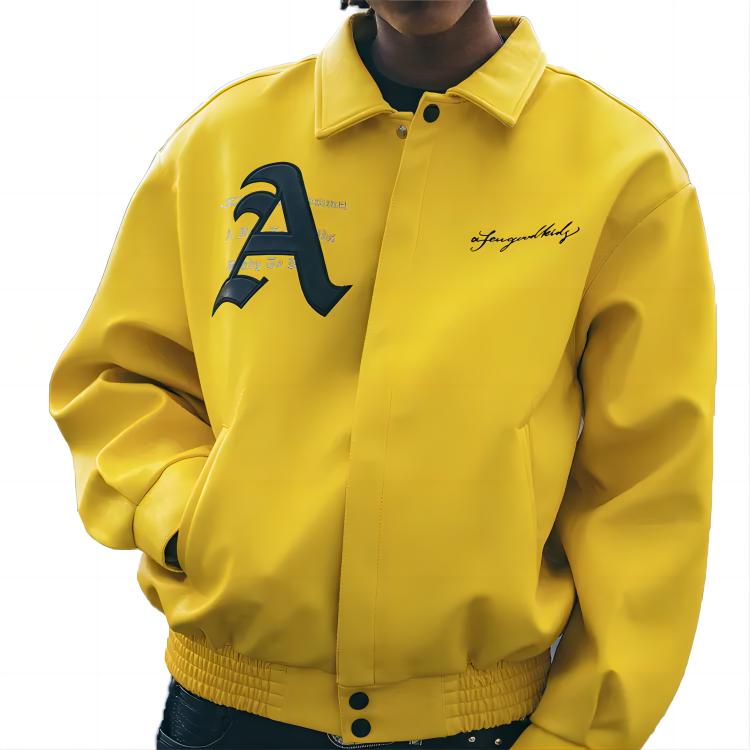
Windbreaker Jackets
As a windbreaker manufacturer, EDVORIN develops lightweight outerwear with suitable shell fabrics, lining, zippers, hoods, elastic details and pocket construction. Pattern development, decoration, labeling and inspection are coordinated for streetwear, sports, promotional and private-label collections requiring functional everyday layering.
Get a Quote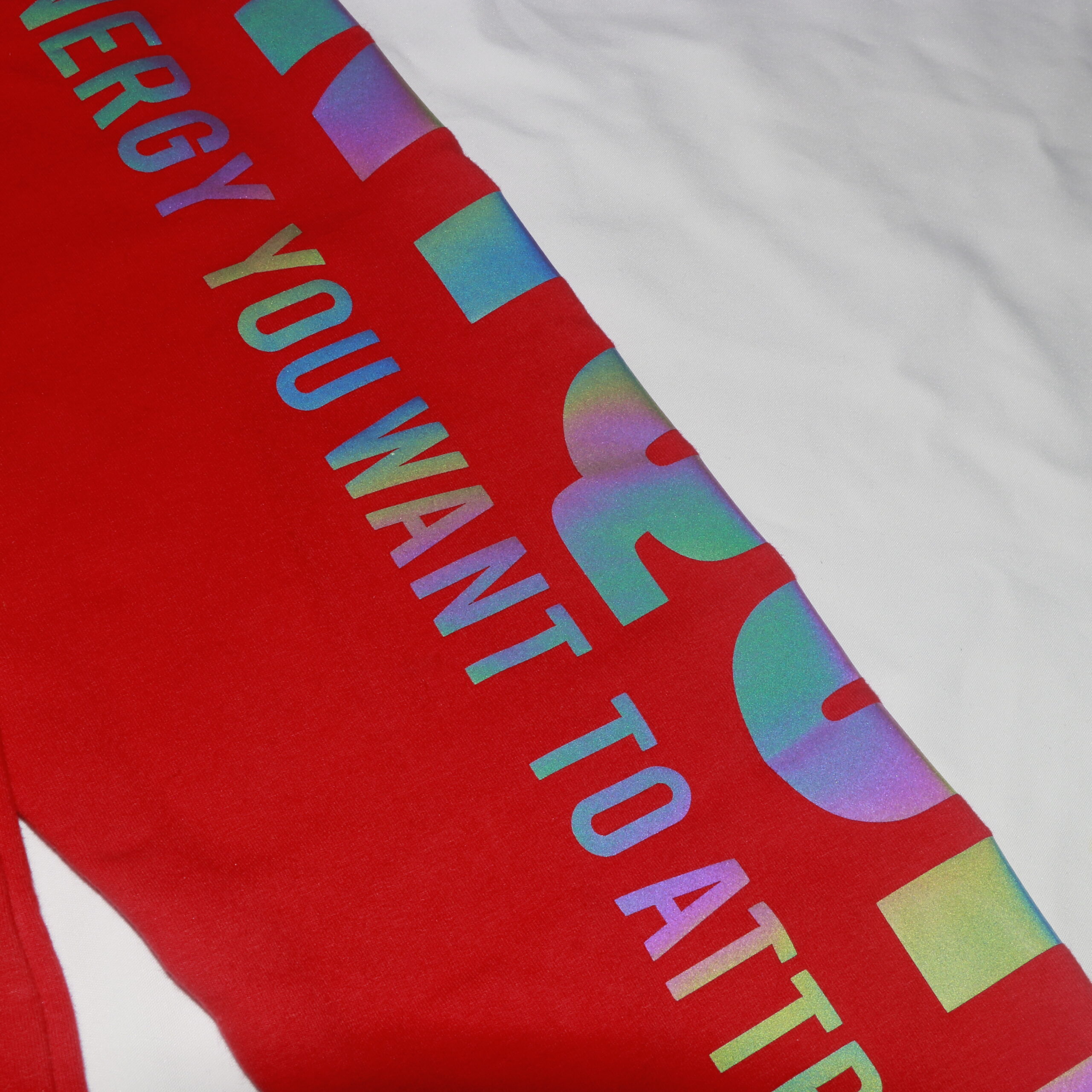
Quilted Jackets
EDVORIN develops quilted jackets by coordinating shell fabric, lining, insulation, quilting pattern, collar, closures, pockets and finishing. Material selection, sample approval, size grading, labeling and packaging are managed for seasonal outerwear programs serving fashion brands, wholesalers and private-label buyers.
Get a Quote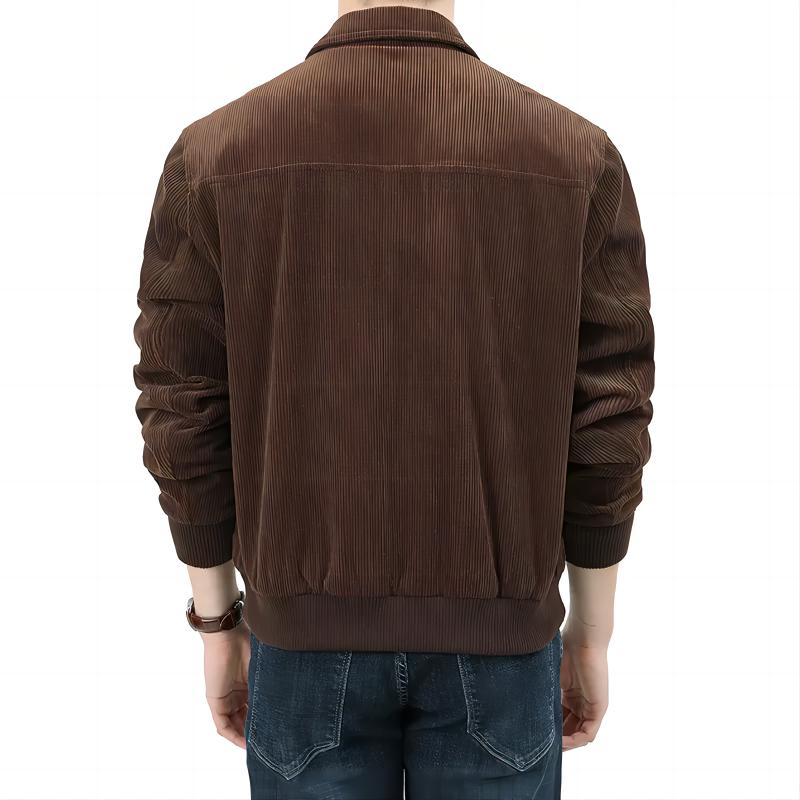
Bomber Jackets
As a bomber jacket manufacturer, EDVORIN develops bomber styles with suitable shell and lining fabrics, ribbed collar, cuffs and hem, hardware, pockets and optional insulation. Decoration, pattern refinement, labeling and quality checks support repeatable production for streetwear, fashion and private-label collections.
Get a Quote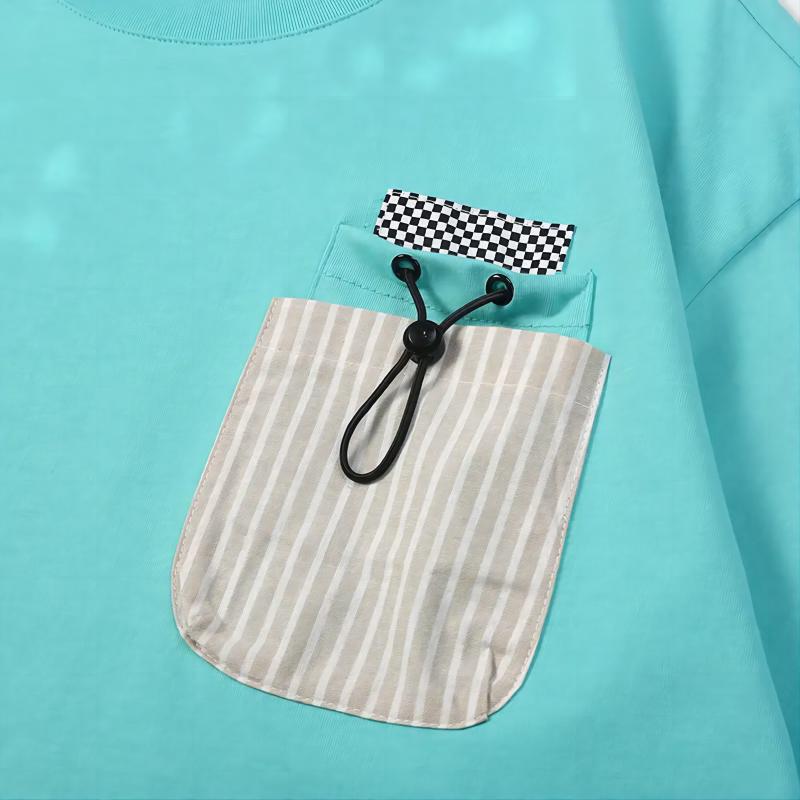
Custom Shirts
EDVORIN develops custom woven shirts with attention to fabric hand, collar, placket, cuffs, buttons, pocket details, fit and wash treatment. Buyers can build men’s and women’s programs with embroidery, printing, labeling and packaging coordinated from sample development through bulk inspection.
Get a Quote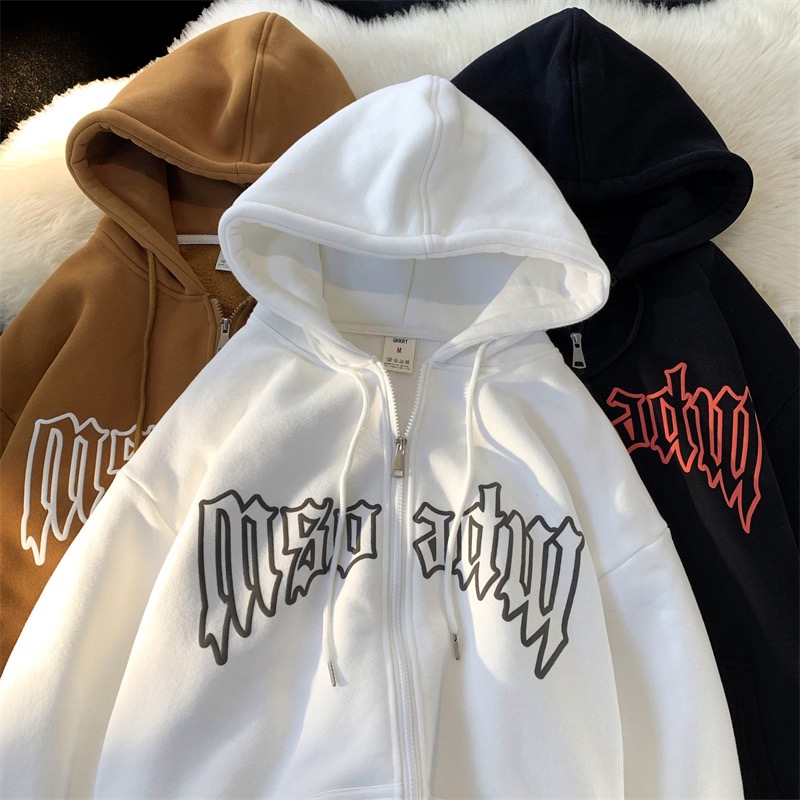
Custom Jerseys
As a custom jersey manufacturer, EDVORIN develops performance and lifestyle jerseys around breathable fabrics, panel construction, neckline, sleeve shape, color blocking and decoration. Artwork, names, numbers, size grading, labels and packaging are controlled for clubs, teams, sports brands, schools and repeat programs.
Get a Quote
Tank Tops
EDVORIN develops tank tops for casualwear, streetwear, training and teamwear programs using suitable knit or performance fabrics. Fit, armhole and neckline proportions, binding, decoration, labels and packaging are specified for men’s and women’s collections, with approved standards supporting consistent bulk production.
Get a Quote
Soccer Uniforms
As a soccer uniform manufacturer, EDVORIN develops coordinated kits with performance fabrics, breathable construction, jerseys, shorts and optional socks or accessories. Club colors, sponsor artwork, names, numbers, size grading, labeling and packaging are organized for schools, academies, teams and repeat orders.
Get a Quote
Basketball Uniforms
EDVORIN develops basketball uniforms around lightweight performance fabrics, breathable construction, jersey and short proportions, color blocking and durable decoration. Team artwork, names, numbers, size sets, labels and packaging are controlled through approved samples and production checks for clubs, schools, academies and sports organizations.
Get a Quote
Streetwear Collections
As a streetwear clothing manufacturer, EDVORIN develops coordinated collections across hoodies, sweatshirts, T-shirts, pants, jackets, woven shirts and accessories. Product development, fabric sourcing, washes, printing, embroidery, labeling, packaging and sample-to-bulk quality control are connected to support consistent seasonal and repeat collections.
Get a QuoteJersey vs Interlock Fabric: A Buyer’s Side-by-Side Comparison
Compare knit structure, performance and development support before approving your next apparel program.
← Swipe left or right to view →
Jersey vs Interlock Fabric: 7 Key Buying Differences
Use this buyer’s framework to compare construction, weight, comfort, decoration, quality controls, pricing, and supplier fit—then avoid common specification mistakes when sourcing apparel for brands, teams, schools, wholesalers, and private-label programs.
1. What Is Jersey vs Interlock Fabric?
2 knit constructions define the jersey vs interlock fabric decision. Single jersey is a weft-knit made with one needle bed, creating a recognizable face and a different, looped back. That lighter, more open structure generally supports airflow, softness, stretch, and fluid drape, although it can curl at cut edges. 2 needle beds form interlock, a denser double-knit construction in which the two knitted faces are interlocked. com/single-jersey-fabric-vs-interlock-fabric). 1 core buying choice should guide development: select single jersey when low weight, breathability, and relaxed drape matter most; select interlock when opacity, smoother reversibility, and a more structured hand are priorities. EDVORIN should confirm the actual fiber blend, GSM, stretch, recovery, and finished measurements through a fabric swatch and approved sample before bulk production.
2. Evolution and History of Jersey and Interlock Knits
One early role of knitted apparel was practical next-to-skin wear, where softness, stretch and moisture handling mattered more than formal structure. Single jersey became a basic platform for undershirts, T-shirts, sleepwear and lightweight casual garments because its simpler weft-knit construction supported comfortable, economical production. html
Two needle beds mark the key manufacturing step toward interlock: the machine forms a double-knit structure with a smoother, more balanced face and back. That added density and dimensional stability broadened knitted apparel beyond thin base layers into heavier casualwear, polos, children’s garments and selected sportswear. com/single-jersey-fabric-vs-interlock-fabric
150–450 GSM is a commonly cited interlock range, compared with roughly 100–250 GSM for single jersey, although actual specifications vary by yarn, gauge and finishing.
3. Types of Jersey vs Interlock Fabric
GSM ranges overlap, so jersey selection should start with knit structure and end with tested samples.
Single Jersey
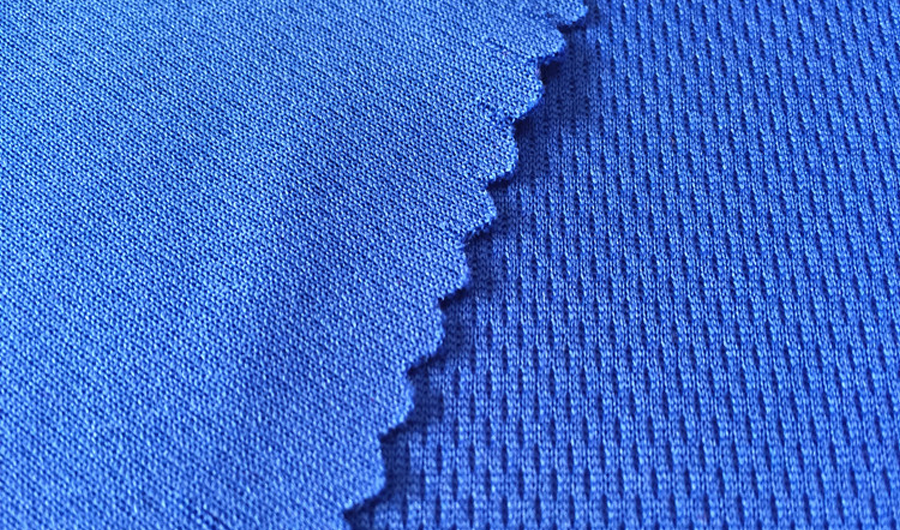
Single-needle construction, commonly 100–250 GSM, feels light and breathable with moderate stretch, limited recovery, and moderate opacity.
Cotton Jersey
Cotton single jersey feels soft and skin-friendly; 140–220 GSM is common, with comfortable stretch but modest recovery and opacity that depends on yarn and color.
Polyester Performance Jersey
Polyester jersey, often 120–180 GSM, is smooth, quick-drying, and breathable, with moderate stretch, good recovery, and generally reliable opacity.
Stretch Jersey With Elastane
Elastane blends, commonly 180–260 GSM, add a close hand feel, four-way stretch, stronger recovery, and improved opacity versus lightweight jersey.
Standard Interlock
Two-sided interlock construction commonly weighs 150–300 GSM, feels smooth and denser, stretches evenly, recovers better, and offers higher opacity than single jersey.
Performance Or Brushed Interlock
Performance or brushed interlock often runs 180–320 GSM, with a stable, soft hand, moderate-to-high stretch, strong recovery, and high opacity.
4. Materials and Fabrics: Jersey vs Interlock Fabric
Cotton, polyester, blends and elastane change how jersey and interlock handle softness, moisture, stretch and repeat wear.
| Construction | Fiber Options | Weight | Stretch / Recovery | Opacity | Common Uses |
|---|---|---|---|---|---|
| Single jersey | Cotton, polyester, blends | 100–250 GSM indicative | Moderate / fiber-dependent | Light–moderate | T-shirts, base layers |
| Interlock | Cotton, polyester, blends | 150–450 GSM indicative | Moderate–high / stronger stability | Moderate–high | Sportswear, polos, uniforms |
| Either construction + elastane | Cotton-, polyester- or blended base | Varies by specification | Higher / improved recovery | Varies | Fitted teamwear, activewear |
Fiber Selection
Cotton prioritizes softness and absorbency; polyester improves durability, color retention and moisture management. Blends balance comfort with service life, while elastane adds stretch and recovery.
GSM And Gauge
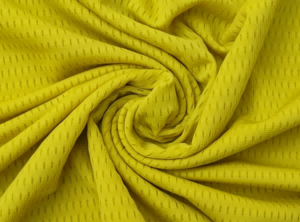
Indicative weights are 100–250 GSM for single jersey and 150–450 GSM for interlock, but yarn size, gauge and finishing alter the result. Heavier interlock generally offers greater opacity and stability.
Finishing Treatments
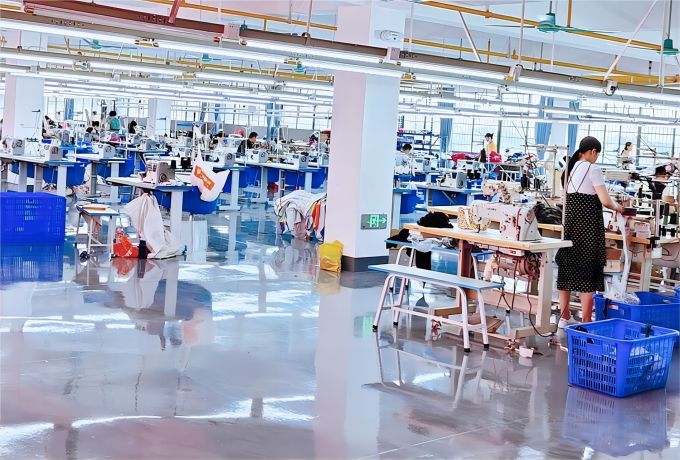
Silicone softening improves hand feel; compacting can reduce shrinkage, while wicking finishes support polyester sportswear. Enzyme washing may soften cotton but can change shade and surface character.
Testing Before Bulk
Test dimensional change, spirality, colorfastness, pilling, bursting strength and stretch recovery on the approved fabric. Compare results after laundering, not only in greige or freshly finished form.
5. Customization and Decoration Options
Eight decoration routes can change how jersey or interlock looks, stretches, washes and costs.
| Method | Surface and color | Stretch and risk | Checkpoint |
|---|---|---|---|
| Screen printing / DTG | Sharp surface graphics; DTG suits detailed artwork | Test cracking, bleed and recovery | Ink, mesh, pretreatment and wash test |
| Sublimation | Strong color integration on polyester | Low surface lift; test migration | Fiber content and heat exposure |
| Heat transfer | Sharp small graphics and names | Film may restrict stretch | Adhesion, seam clearance and wash |
| Embroidery / appliqué | Raised texture; stable contrast | Backing can stiffen fabric | Needle density, backing and flex |
| Woven labels / dyeing | Durable identity details; uniform base shade | Labels need seam planning | Label edge, shade approval and colorfastness |
Match Method To Fiber
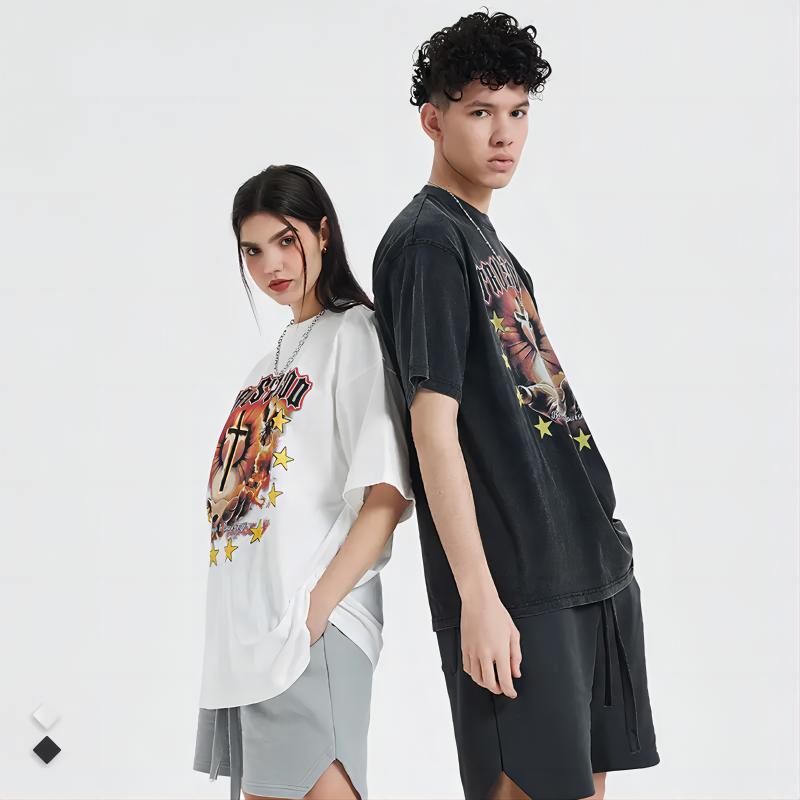
100% polyester or polyester-rich fabric can favor sublimation because the dye bonds into synthetic fibers; cotton-rich jersey and interlock often suit screen printing, DTG or heat transfer. Test the actual fabric, finish and color before bulk approval. Cotton content, fabric stability and surface smoothness affect print sharpness and hand feel.
Plan Placement And Stretch
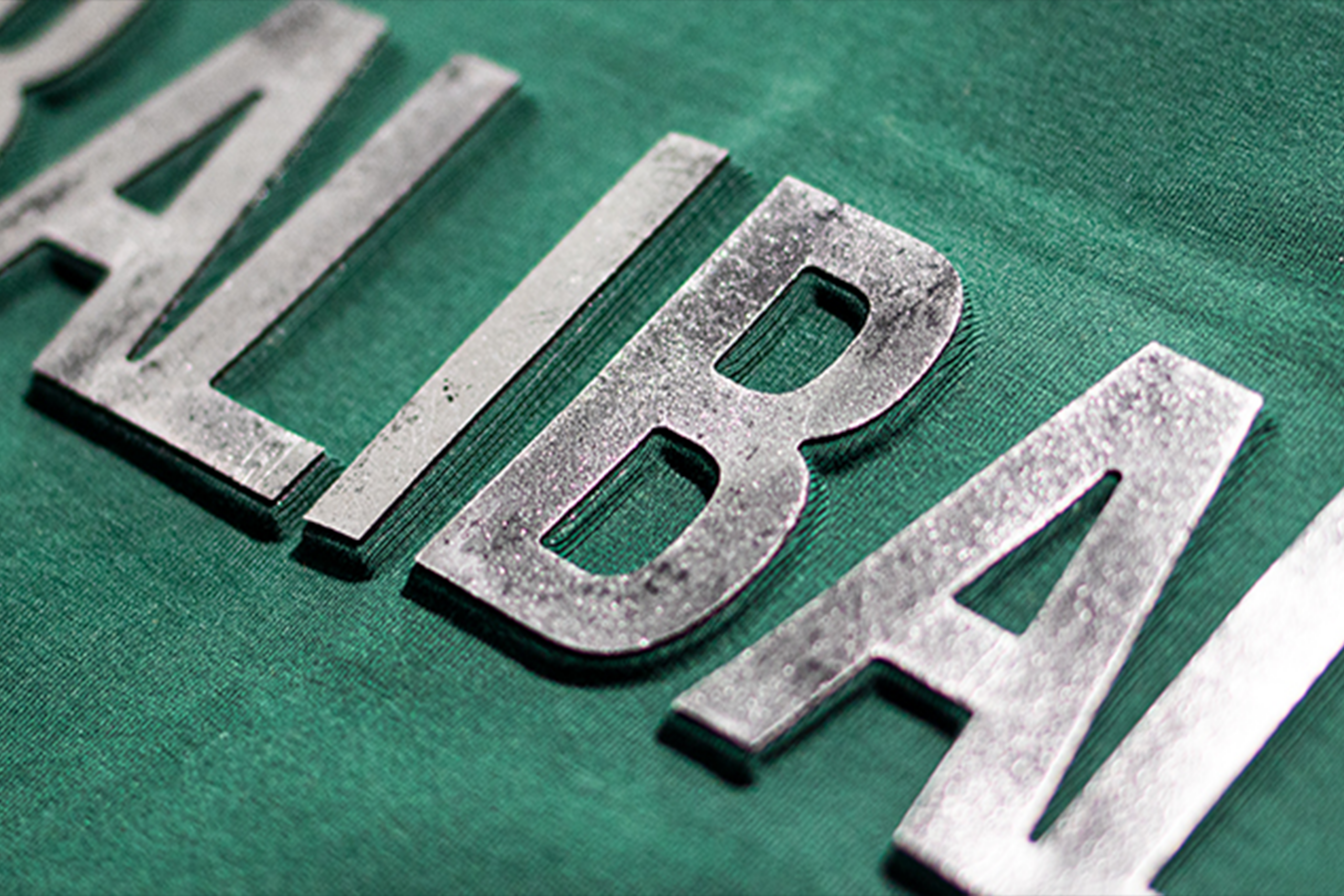
Flat surfaces improve registration for screen printing, DTG and heat transfer, while embroidery, appliqué and woven labels add texture and can restrict stretch. Keep artwork clear of seams, collars and high-flex zones unless the construction is tested.
Set Bulk And Care Expectations
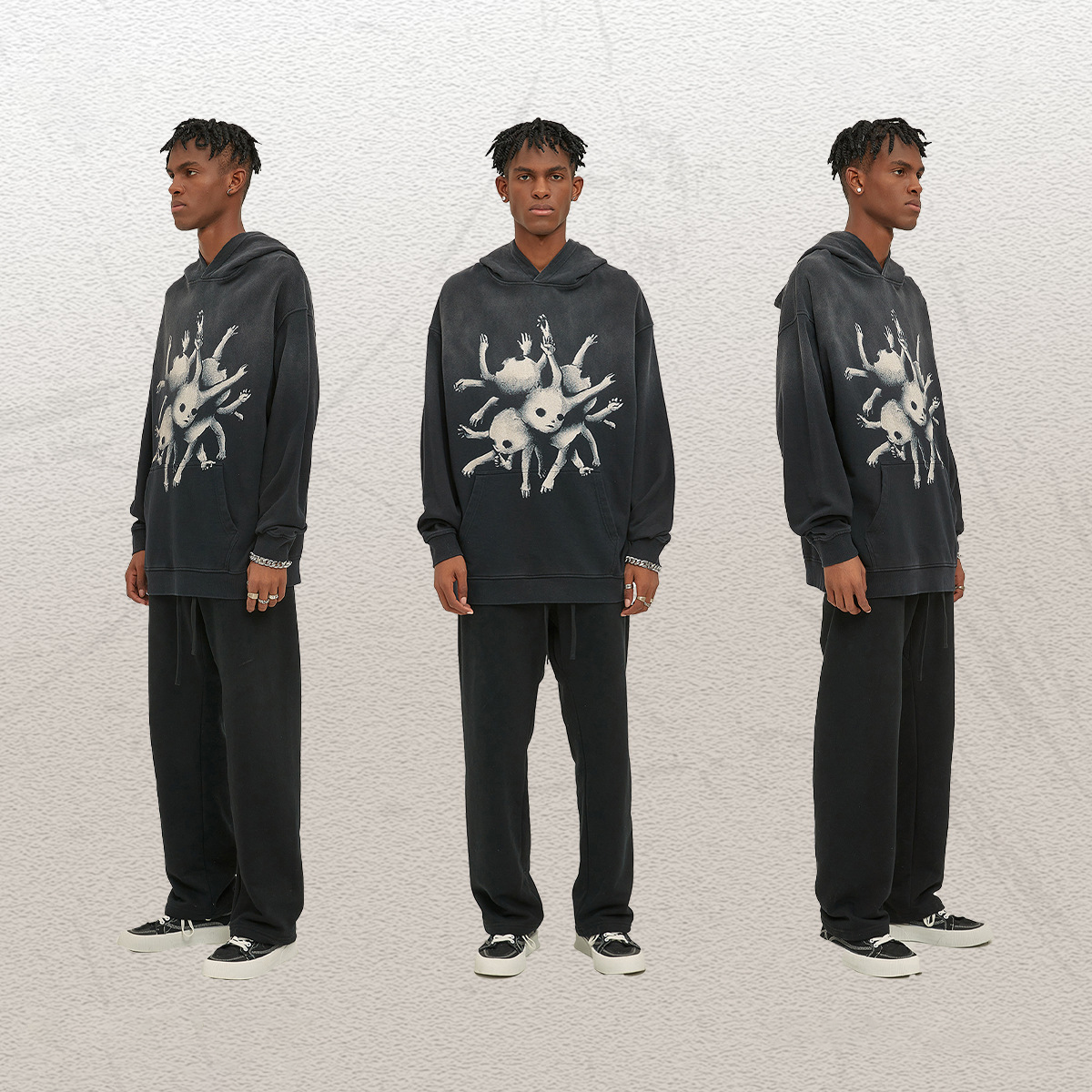
EDVORIN’s MOQ starts at 200 pieces per style. MOQ and setup costs vary by method, color count and supplier, so request a decoration sample at the intended quantity. Screen printing often scales efficiently, while embroidery, appliqué and woven labels require separate files, trims and placement approval. Wash testing should check cracking, peeling, colorfastness, migration and edge lifting.
6. Key Construction Quality Elements
A measurable fabric standard protects both wear performance and repeat production.
Inspection Checkpoints
12-point inspection systems can record holes, slubs, stains, barre, needle lines, skew, spirality, and edge damage. Confirm usable width and GSM across multiple rolls, not only at the roll start.
Laboratory Testing
Three key tests are shrinkage, pilling, and colorfastness after the intended wash method. Add stretch recovery, seam behavior, dimensional stability, and bursting or tensile performance when the garment is fitted or athletic.
Sample Approval
One approved garment should lock fabric, GSM, width, stitch density, seam construction, measurements, shrinkage allowance, artwork behavior, and trim interaction. Test the sample after laundering, then compare fit and appearance against the prewash version.
Production Consistency
Every bulk lot should be checked against the approved standard before cutting, with roll-level records for GSM, shade, width, defects, and test results. In-line checks should review seam puckering, skipped stitches, twisting, and measurement drift.
7. How to Choose a Manufacturer
Four checkpoints—technical communication, development, production control, and logistics—separate a capable jersey or interlock supplier from a reseller.
Request A Complete Tech Pack
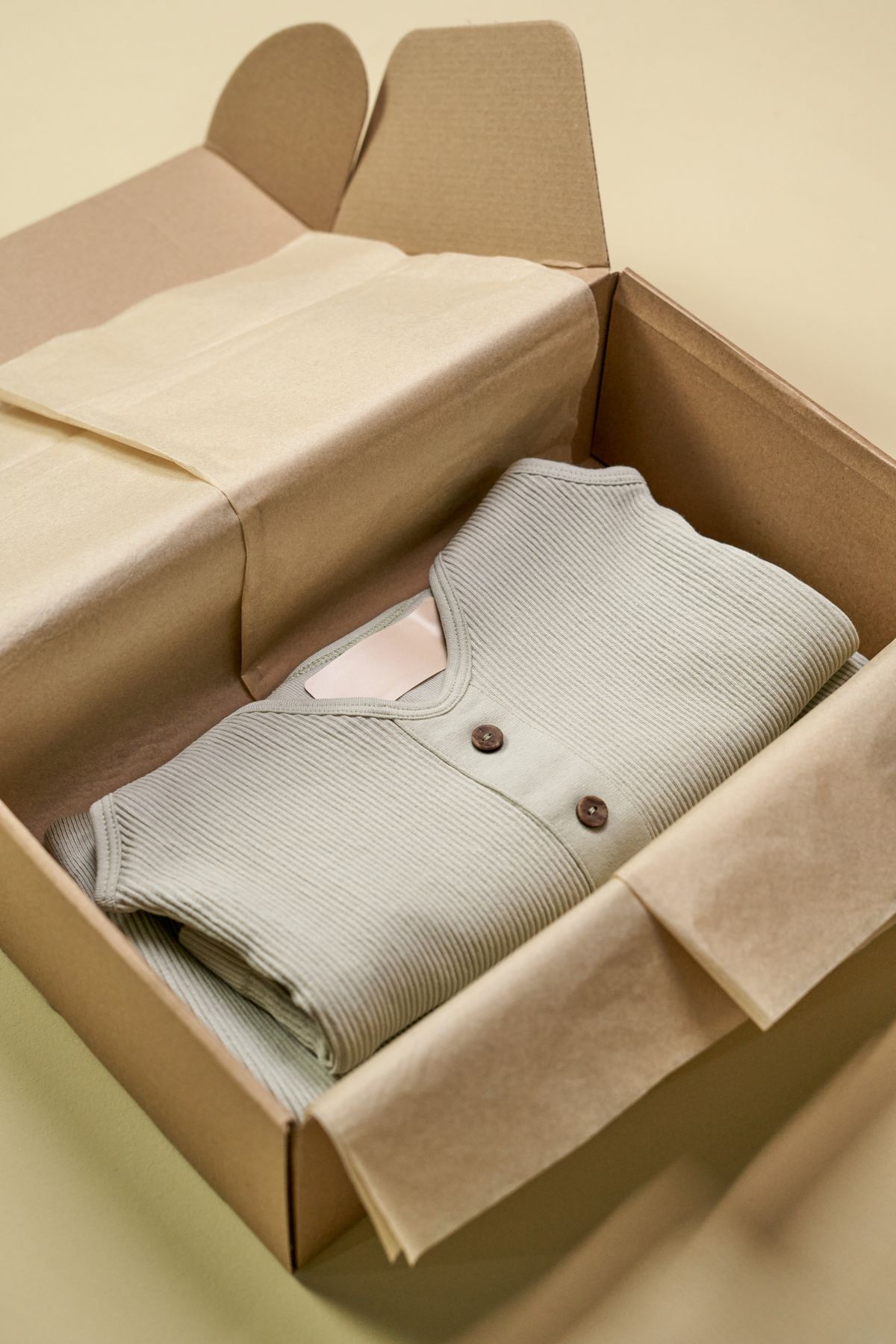
One tech pack should state fiber content, knit type, target GSM, tolerances, shrinkage allowance, measurements, grading, Pantone references, decoration files, labels, packaging, and revision date. EDVORIN can develop from a tech pack, sketch, or reference garment; require written confirmation of every undecided specification.
Evaluate Samples Scientifically
Two samples should be compared: the approved fit sample and a decorated, washed sample. Check GSM, recovery, spirality, shrinkage, seams, print adhesion, embroidery distortion, and grading.
Verify Production Controls
Three controls need evidence: incoming fabric inspection, in-line measurements, and final AQL inspection. Ask how shade, lot traceability, needle damage, colorfastness, pilling, and decoration placement are recorded.
Check Capacity And Logistics
EDVORIN’s MOQ starts at 200 pieces per style. Four commercial answers should be written: MOQ by color and style, monthly capacity, sample lead time, and bulk lead time. Ask whether capacity is reserved during your production window. Confirm Incoterms, carton markings, packing lists, inspection access, and export documents before issuing a purchase order.
8. Common Mistakes Buyers Make
A 2026 buying decision for jersey vs interlock fabric should be based on measured performance, not a swatch impression.
Measure Beyond Hand Feel
A soft swatch can hide poor recovery or unsuitable structure. Choosing by hand feel alone may produce garments that twist, stretch out, or feel different after finishing; request GSM, knit construction, fiber content, width, and recovery data. A 100 GSM jersey and 200 GSM interlock are not comparable weights.
Test Fiber And Decoration
A 95% cotton and 5% elastane fabric will behave differently from 100% polyester, even at identical GSM. Ignoring fiber content can cause mismatched shrinkage, moisture behavior, colorfastness, and decoration performance; approve the exact blend and yarn type. Three checks—wash, print, and dimensional testing—should precede bulk approval.
Do Not Overrate Interlock
A double-knit interlock is not automatically the better commercial choice. Its added density can increase cost, warmth, and drying time, while lightweight jersey may better suit breathable tees or hot-weather teamwear; match structure to the product brief. A 3% shrinkage error across a graded size set can make approved measurements commercially unusable.
Standardize Color And Use
One approved lab dip is safer than a verbal color description. Approving color without a Pantone reference, tolerance, and light source can create visible shade variation between lots; retain a signed standard for production and inspection. A soccer jersey, school polo, and fashion T-shirt impose different demands on breathability, opacity, abrasion, and recovery.
9. Steps to Launch Your Apparel Program
1. Start with the end use, target price, delivery date and expected order volume.
Define Requirements
1. Record jersey vs interlock fabric, target GSM, fiber blend, color references, fit block, decoration method and acceptable price range. Note whether the garment serves training, retail, school, club or private-label use. 2. Shortlist suppliers against sampling capability, communication, testing access and production capacity.
Build And Test Samples
2. Approve a fabric swatch, then develop the prototype with confirmed pattern, trims, labels and artwork placement. Run decoration trials for screen print, embroidery, heat transfer or sublimation on the actual fabric. 3. Test wear, wash, shrinkage, colorfastness, pilling and seam performance.
Use Approval Gates
4. Approve lab dips, prototype, decoration strike-off and wash-test results as separate gates. Record comments in a revised tech pack, measurement chart and signed sample reference. 5. Approve the size set before issuing the purchase order.
Plan Replenishment
6. Set reorder triggers using sales, roster or wholesale forecasts, then preserve the approved fabric, color code, artwork files and grading rules. Recurring programs should reserve realistic capacity and allow time for lab dips and pre-production checks. 7.
10. Jersey vs Interlock Fabric Pricing and Cost
EDVORIN’s MOQ starts at 200 pieces per style. 100–250 GSM single jersey and 150–450 GSM interlock are useful industry reference ranges, but GSM alone does not establish cost. Fiber choice, ring-spun versus open-end yarn, yarn count, color count, knitting complexity, finishing, dyeing, and shrinkage control can move the quote substantially. 3 cost stages should be separated: development, production, and delivery. Sampling, lab testing, decoration setup, MOQ, packaging, freight, and any required OEKO-TEX, GOTS, WRAP, or BSCI documentation should appear as identifiable quote fields; rework risk should be discussed when approvals or specifications remain incomplete.
| Cost category | Quote field to compare | Primary variables |
|---|---|---|
| Quantity tier | MOQ and unit-price basis | 100 / 500 / 1,000+ units; color and size mix |
| Fabric build | Material and fabric cost | Fiber, yarn, GSM, knitting complexity, dyeing, finishing |
| Development | Sample and setup costs | Patterns, lab dips, decoration setup, revisions, testing |
| Production | Lead time and rework allowance | Capacity, approval timing, defect risk, correction requirements |
| Delivery | Packaging and freight basis | Labels, cartons, destination, Incoterms, shipping method |
Jersey vs Interlock Fabric Questions Buyers Ask
Practical answers for apparel brands comparing knit structure, fit, decoration and repeat production.
What is the main difference in jersey vs interlock fabric?
Is jersey vs interlock fabric better for custom T-shirts?
How does jersey vs interlock fabric affect fit and sizing?
Can jersey vs interlock fabric both be used for sportswear?
Which is easier to print: jersey vs interlock fabric?
EDVORIN’s MOQ starts at 200 pieces per style. Does jersey vs interlock fabric change minimum order quantity or sampling?
How should buyers choose jersey vs interlock fabric for repeat orders?
Ready to Turn Jersey vs Interlock Fabric Into Production?
Share your concept, target specifications and collection goals with EDVORIN for OEM, ODM or private-label development from sample to bulk.