
Choose the Right Jacket Shell for Your Collection
Compare nylon vs polyester jacket shells by end use, then move from material selection to approved samples and repeatable production with EDVORIN.
6 Jacket Shell Factors That Shape Performance
Use construction, exposure, decoration and repeatability requirements to select the right shell for your fashion, streetwear or teamwear program.
Abrasion and Tear Resistance
Match shell construction and fabric strength to movement, equipment contact and high-wear zones across your intended jacket program.
Moisture and Drying Behavior
Evaluate coatings, lining and intended climate together so the finished jacket manages moisture without compromising comfort or production consistency.
UV and Color Stability
For outdoor collections and teamwear, review fiber choice, dye performance and finishing requirements before approving colors for bulk production.
Hand Feel and Drape
Compare softness, stiffness, weight and noise against your brand position, wearer expectations and the planned fit for men’s or women’s styles.
Decoration Compatibility
Coordinate printing, embroidery, patches, labels and placement specifications with the selected shell to protect artwork quality and construction integrity.
Repeatable Bulk Standards
Turn the approved sample into measurable fabric, trim, color, measurement and inspection standards that EDVORIN can reproduce across repeat orders.
Side-by-Side Jacket Material Comparison
Compare shell priorities, construction decisions and production support before developing your next jacket program.
← Swipe left or right to view →
Apparel Categories for Every Program
From streetwear outerwear to team uniforms and wholesale collections, EDVORIN develops materials, decoration and production standards around each brief.
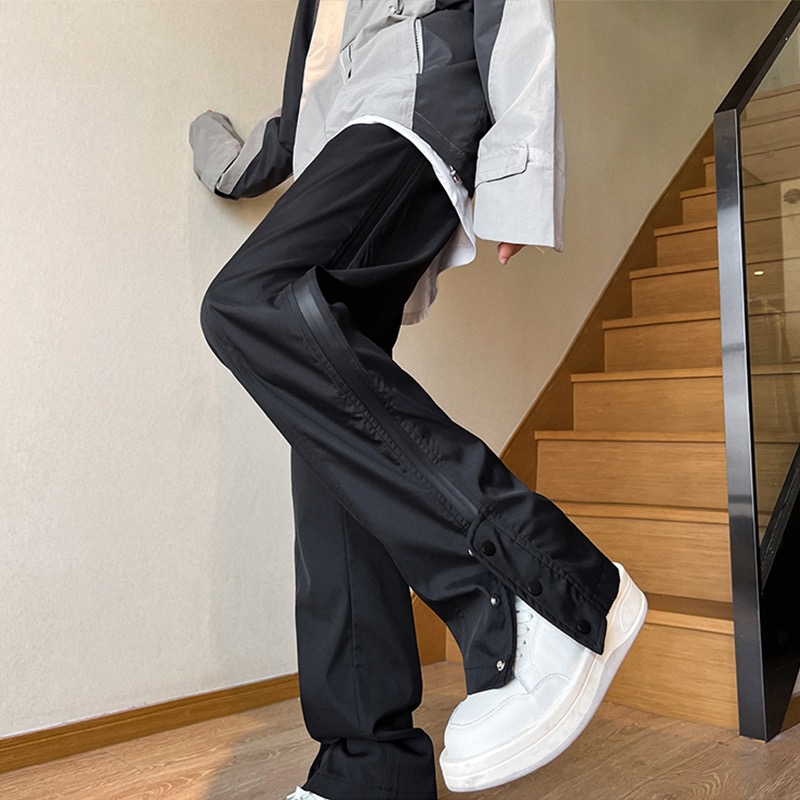
Custom Hoodies
As a custom hoodie manufacturer, EDVORIN develops fleece weights, fit blocks, rib specifications, drawcords and decoration for streetwear labels, private-label brands and wholesale programs. Samples are documented against approved measurements and materials before bulk production, supporting consistent repeat orders for men’s and women’s collections.
Get a Quote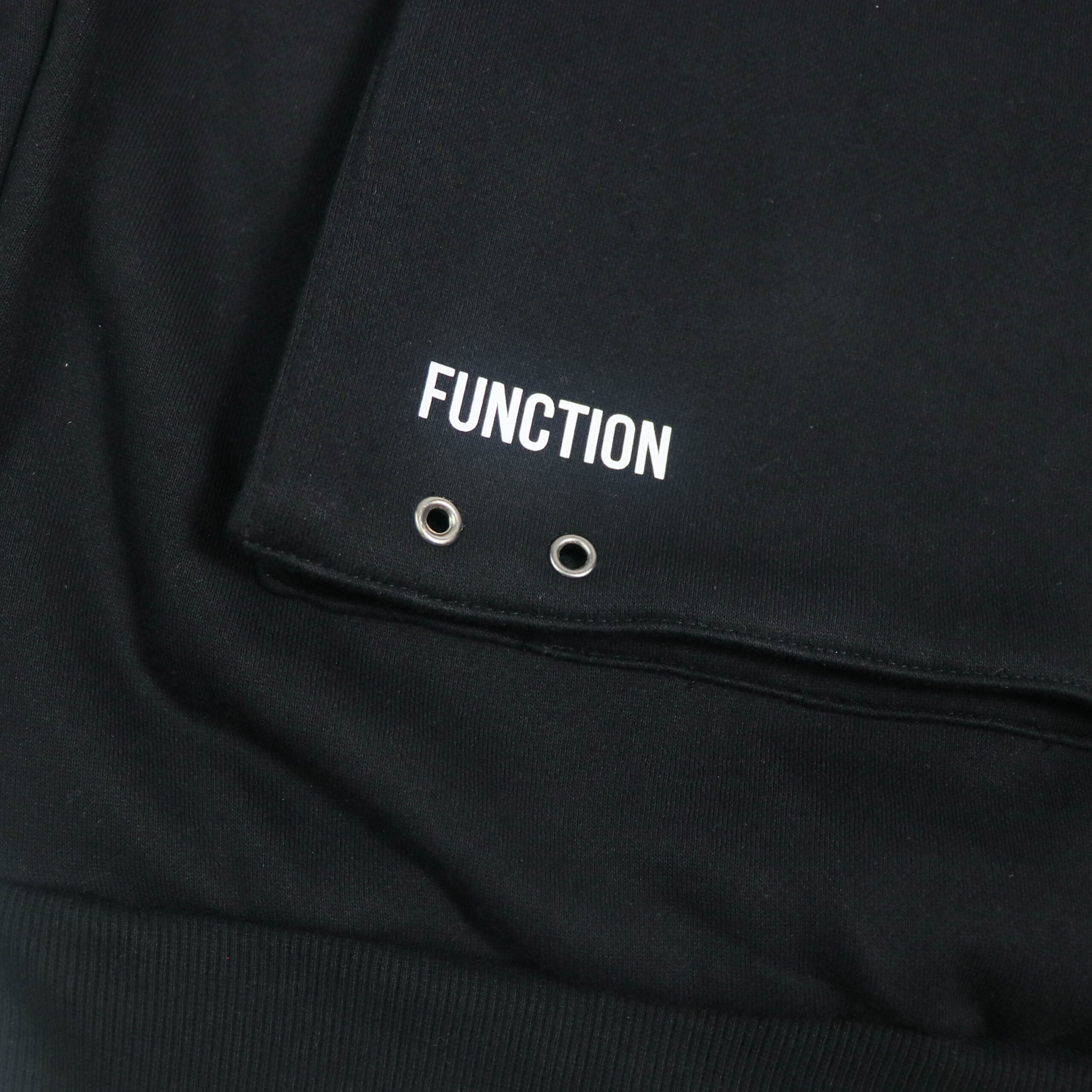
Pullover Sweatshirts
EDVORIN supports sweatshirt programs with material sourcing, pattern development, sampling and decoration matched to the intended hand feel and silhouette. As a sweatshirt manufacturer, the company can develop crewnecks and related pullovers for casualwear, school programs, branded merchandise and scalable wholesale collections.
Get a Quote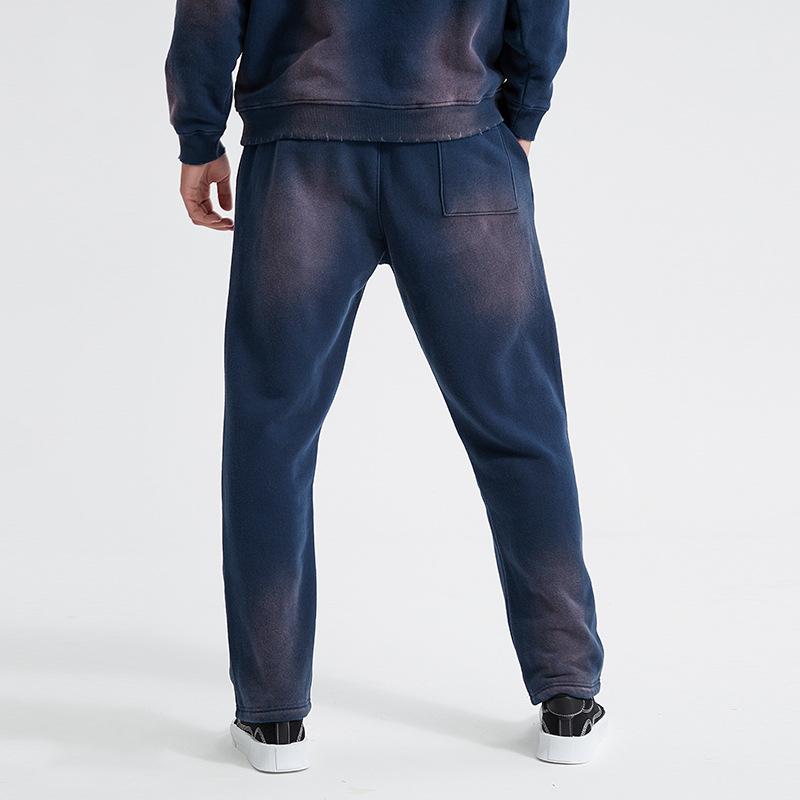
Sweatpants & Joggers
EDVORIN develops sweatpants and joggers around fabric weight, stretch, waistband construction, pocket details, cuffs and fit requirements. As a sweatpants manufacturer, it coordinates patterns, trims, printing or embroidery and sample-to-bulk quality control for streetwear, casualwear, team programs and private-label ranges.
Get a Quote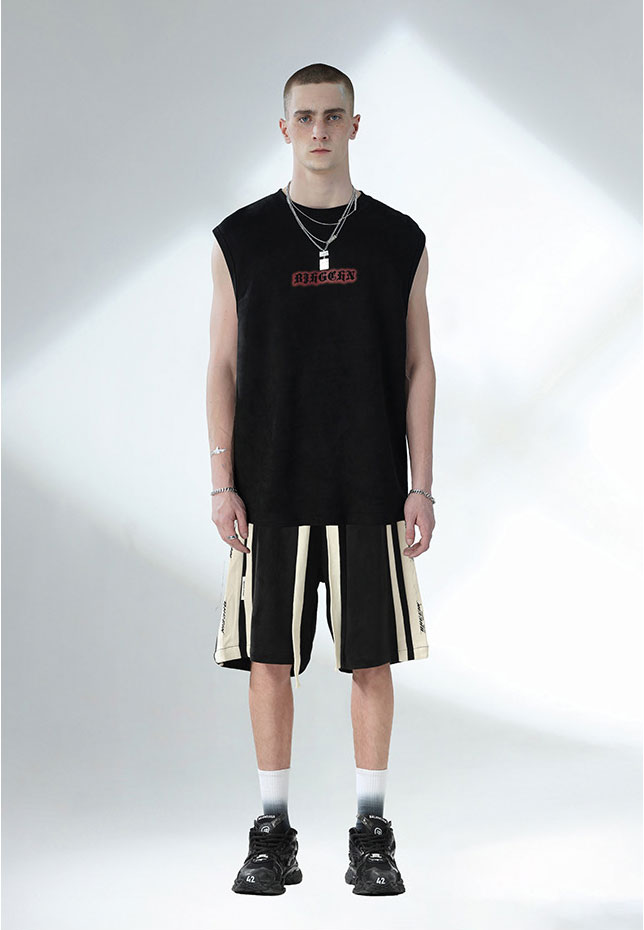
Custom Shorts
As a custom shorts manufacturer, EDVORIN develops shorts around intended use, fabric performance, inseam, waistband construction, pocket configuration and decoration placement. It supports casualwear, training, school and team programs with coordinated sampling and production, including material and grading decisions for men’s and women’s product lines.
Get a Quote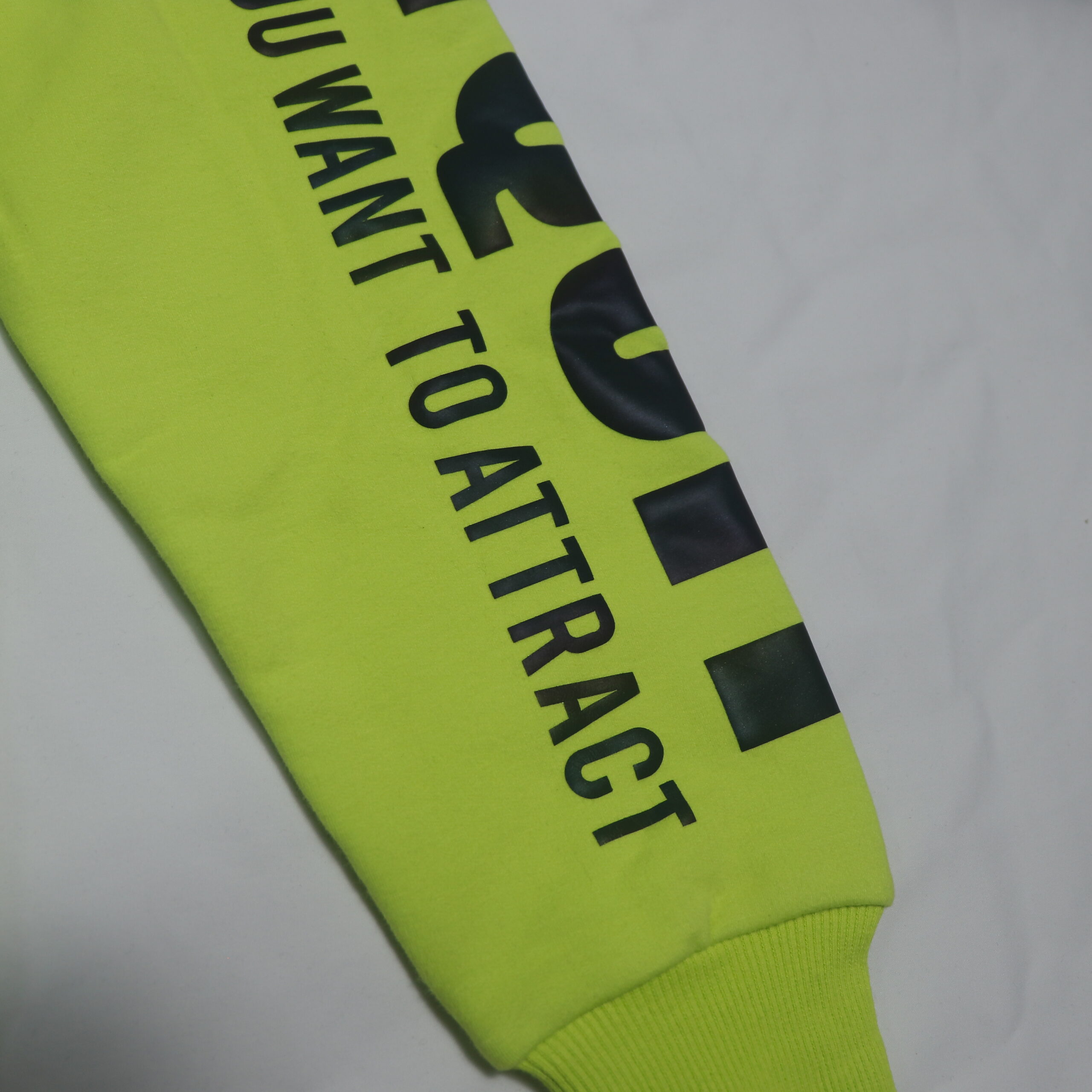
Varsity & Baseball Jackets
As a varsity jacket manufacturer, EDVORIN coordinates wool or synthetic bodies, leather-look sleeves, lining, insulation, rib, snaps, patches and embroidery. Baseball jacket programs can be developed for schools, sports clubs, streetwear labels and private-label buyers with construction details recorded for repeat production.
Get a Quote
Custom T-Shirts
EDVORIN develops custom T-shirts through fabric selection, pattern adjustment, collar construction, grading and decoration testing. As a custom t shirt manufacturer, it supports screen printing, embroidery and other specified treatments for fashion brands, school programs, wholesale collections and private-label basics in men’s and women’s fits.
Get a Quote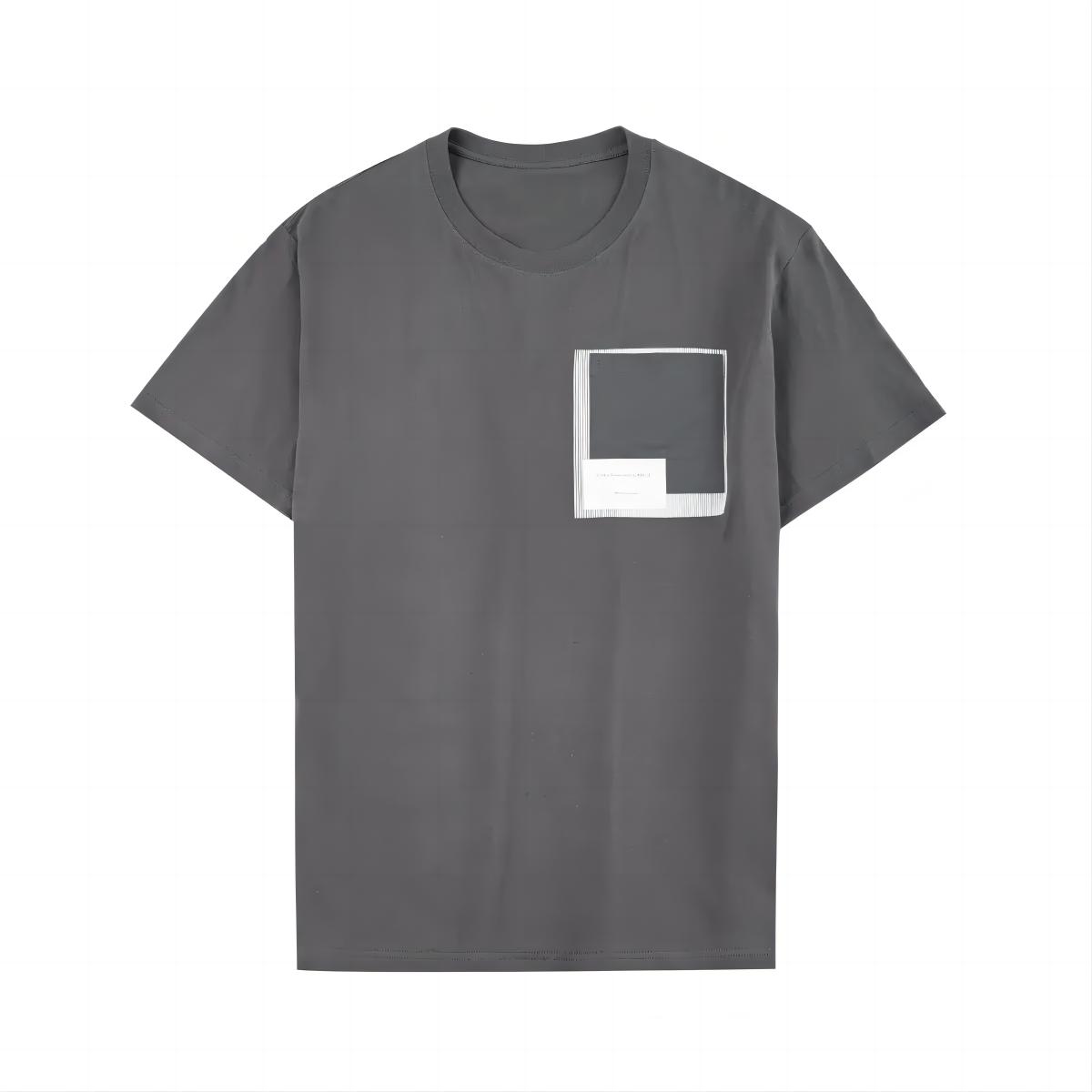
Custom Polo Shirts
As a polo shirt manufacturer, EDVORIN develops knit fabrics, collar and cuff construction, plackets, buttons, fit blocks and decoration placement around the buyer’s use case. Programs can serve corporate apparel, schools, sports organizations, private labels and wholesale collections requiring consistent sizing and repeatable specifications.
Get a Quote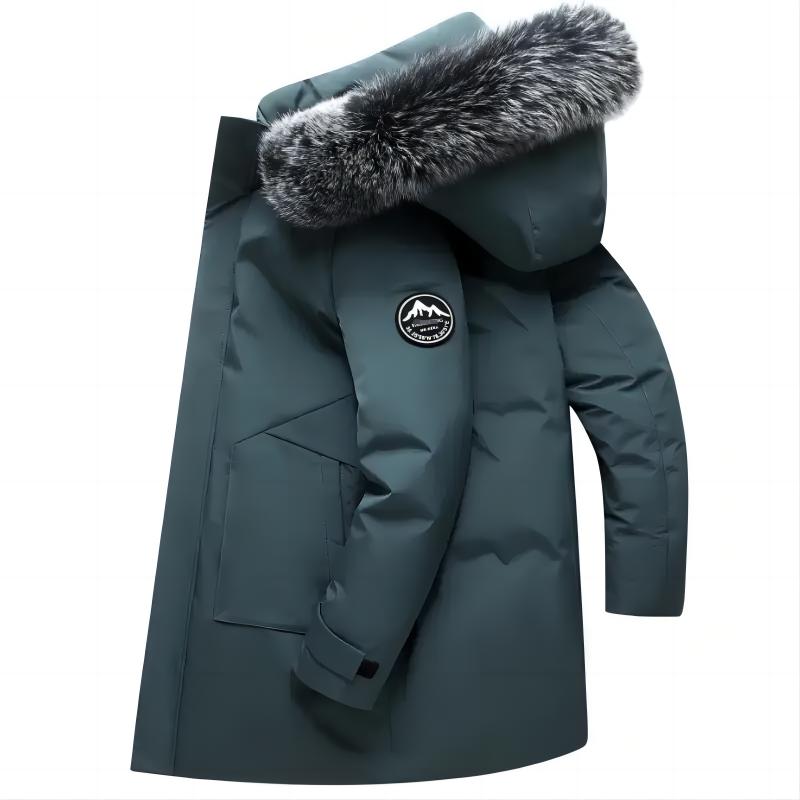
Windbreaker Jackets
EDVORIN develops windbreakers by balancing nylon or polyester shell performance, lining, water resistance requirements, hood and cuff construction, ventilation and packability. As a windbreaker manufacturer, it supports streetwear outerwear, school programs, teamwear and promotional collections with tested materials and documented decoration placement.
Get a Quote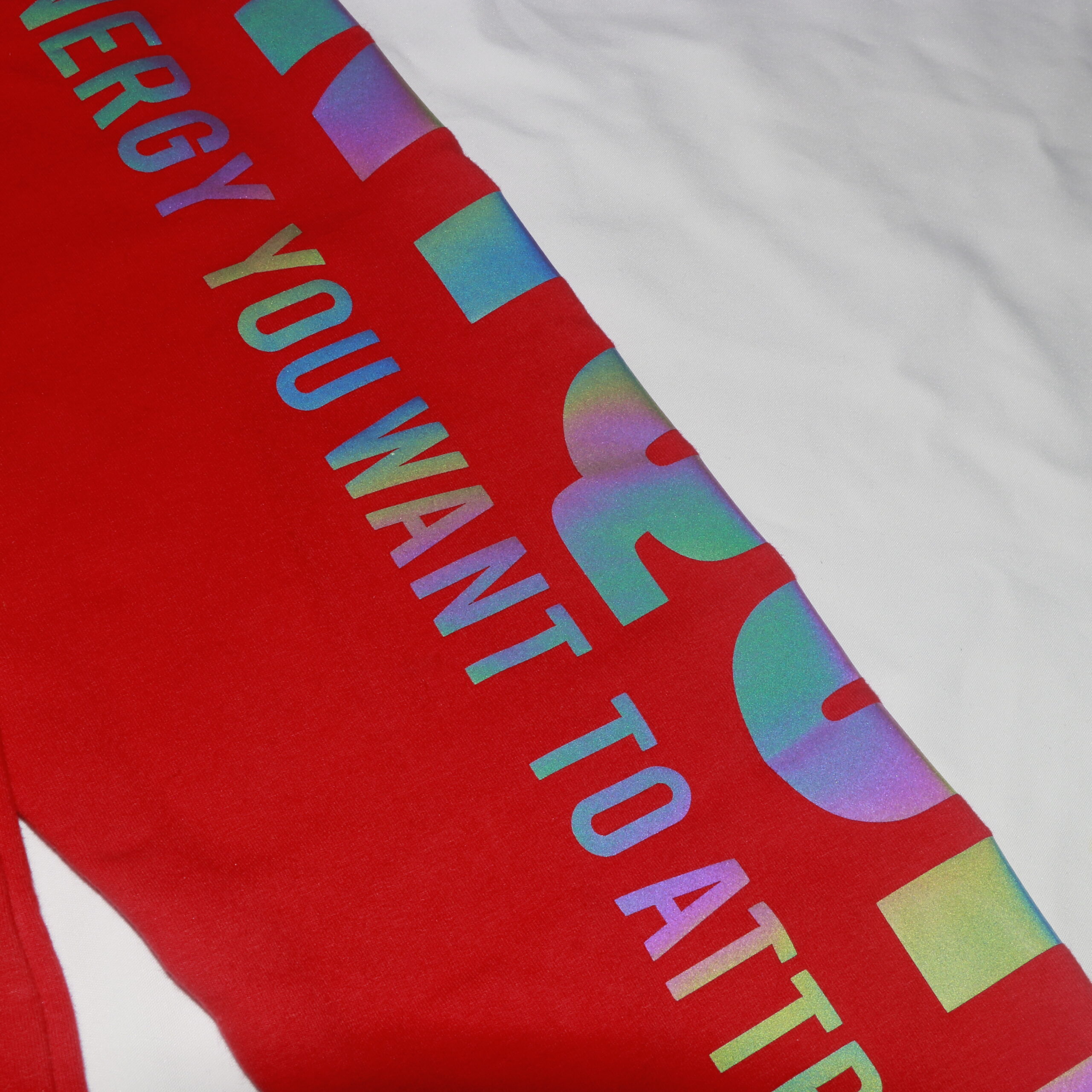
Quilted Jackets
As a quilted jacket manufacturer, EDVORIN develops jackets around shell fabric, lining, insulation weight, quilting pattern, fit, hardware and finishing requirements. It coordinates sampling and bulk standards for lightweight seasonal outerwear, private-label collections and wholesale programs, with material choices adjusted to the intended climate, wearer and price structure.
Get a Quote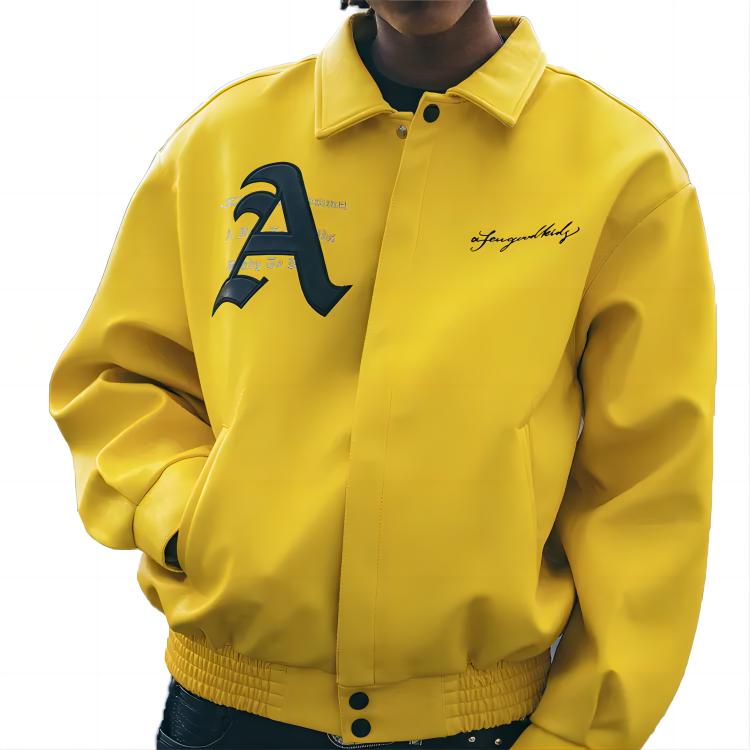
Bomber Jackets
As a bomber jacket manufacturer, EDVORIN coordinates shell and lining fabrics, insulation, rib construction, zippers, pockets, fit and decoration. Bomber programs can be developed for streetwear labels, fashion brands, schools and private-label buyers, with approved samples providing a reference for consistent bulk production.
Get a Quote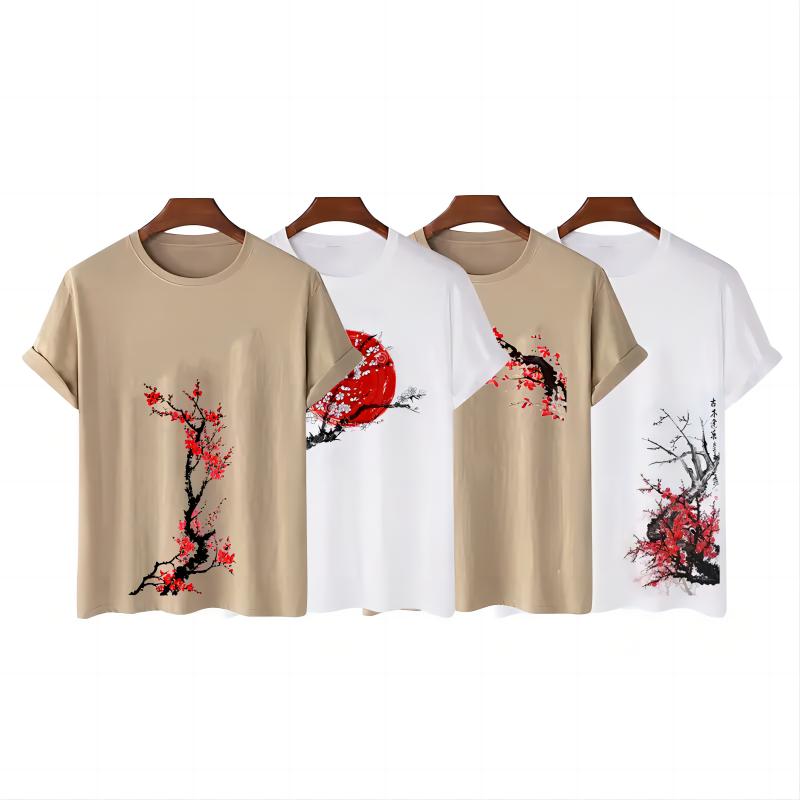
Custom Shirts
EDVORIN develops custom woven shirts through fabric sourcing, collar and cuff construction, plackets, seams, buttons, fit and finishing. As a custom woven shirt manufacturer, it supports fashion, streetwear, corporate, school and wholesale programs with men’s and women’s development and specifications prepared for repeat orders.
Get a Quote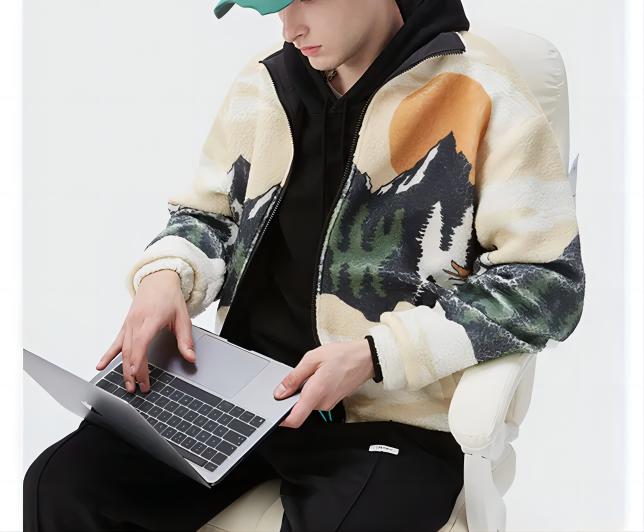
Custom Jerseys
As a custom jersey manufacturer, EDVORIN develops performance fabrics, breathable constructions, color blocking, collars, cuffs, names, numbers, logos and size grading. Programs can support sports clubs, schools, academies and branded teamwear, with artwork placement and approved size sets controlled before bulk production.
Get a Quote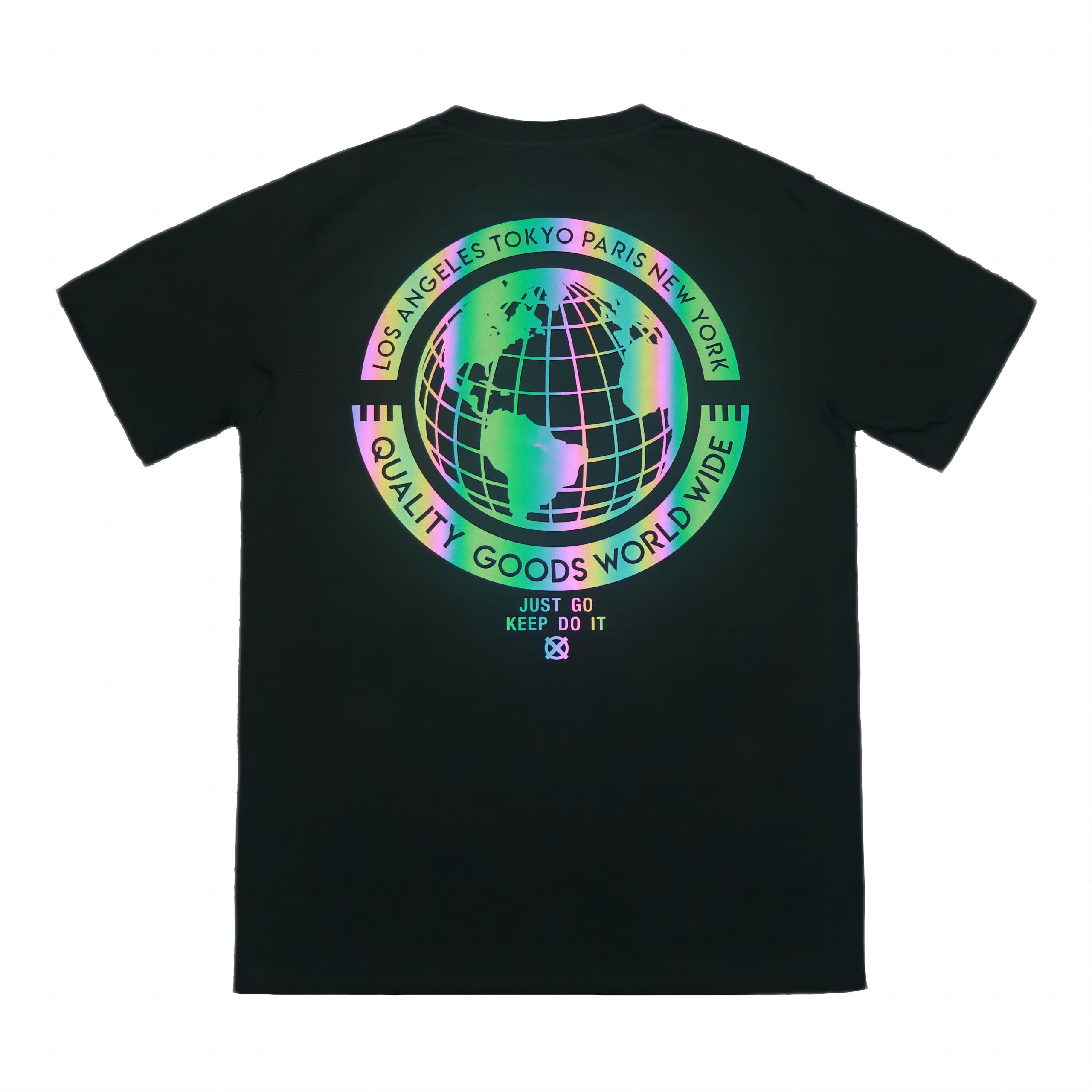
Tank Tops
EDVORIN develops tank tops around fabric weight, stretch, armhole shape, neckline, fit, finishing and decoration requirements. As a custom tank top manufacturer, it supports training apparel, summer collections, streetwear, school programs and private-label basics, with men’s and women’s patterns adjusted to the intended wearer.
Get a Quote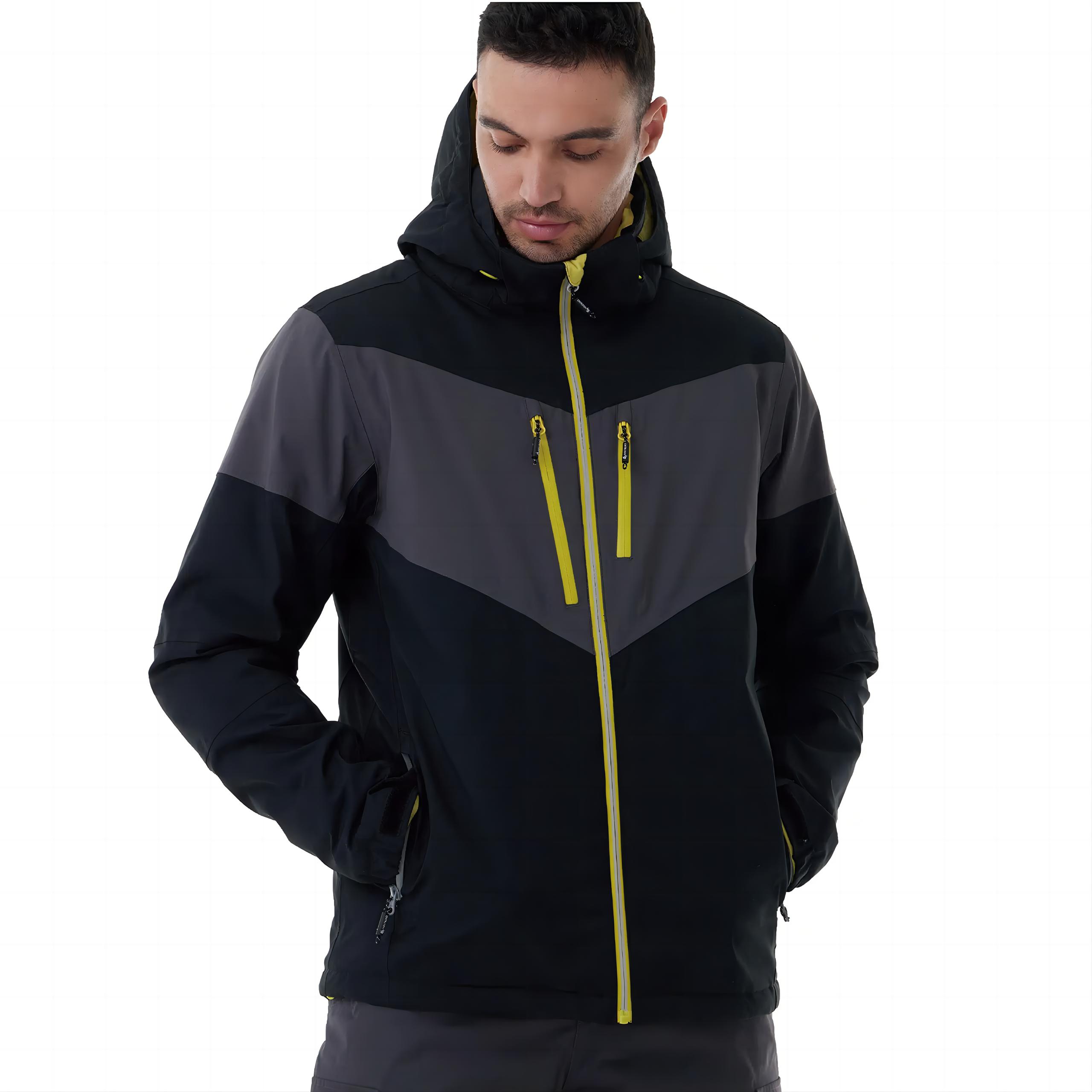
Soccer Uniforms
As a soccer uniform manufacturer, EDVORIN coordinates breathable fabrics, jersey and short construction, color standards, player names, numbers, crests, sponsor artwork and size grading. Team programs are developed around organized size sets and repeatable decoration standards for clubs, schools, academies and wholesale sportswear buyers.
Get a Quote
Basketball Uniforms
EDVORIN develops basketball uniforms with performance fabrics, armhole and neckline construction, shorts proportions, color blocking, numbers, names, logos and grading. As a basketball uniform manufacturer, it supports clubs, schools and academies with coordinated samples, artwork specifications and production controls for repeat team orders.
Get a Quote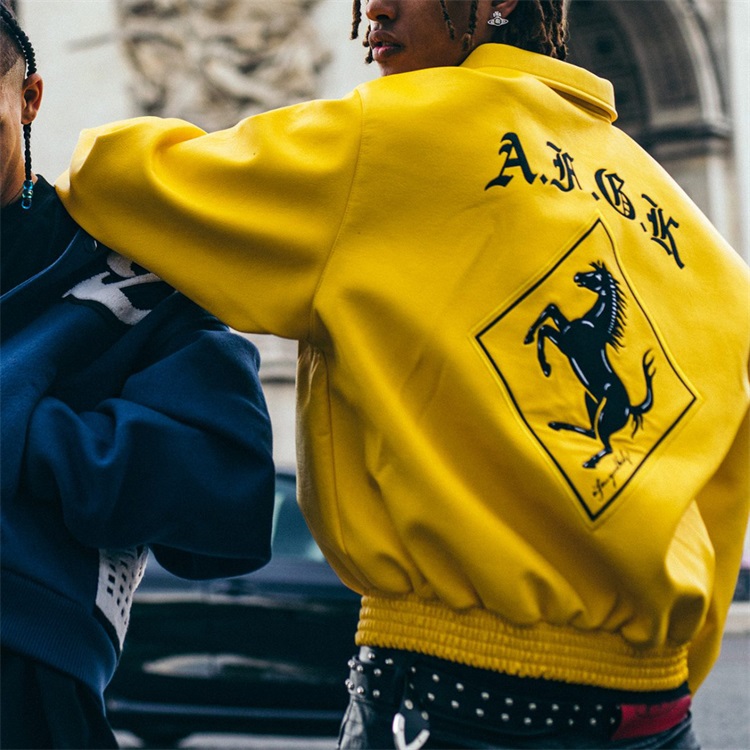
Streetwear Collections
As a custom clothing manufacturer, OEM clothing manufacturer, ODM apparel manufacturer and private label clothing manufacturer, EDVORIN connects hoodies, sweatshirts, bottoms, T-shirts, woven shirts and outerwear under one development and production system. Collections can combine nylon or polyester jackets with fleece, jersey and woven categories, supported by custom apparel printing, custom apparel embroidery, garment wash services, custom clothing labels and packaging, and repeat-order standards.
Get a QuoteNylon vs Polyester Jackets: 10 Factors for B2B Buyers
Use this decision framework to compare fiber behavior, coatings, construction, decoration, sampling, supplier capability, and production risks before committing to a nylon or polyester jacket program.
1. What Is a Nylon vs Polyester Jacket?
Two fiber families define most jacket shells: nylon is a polyamide valued for strength, abrasion resistance and a softer hand, while polyester is a PET fiber typically chosen for lower moisture absorption, faster drying, UV stability and cost control. These are starting points, not finished-jacket specifications; performance varies by yarn, denier, weave, weight and finish. Five system layers can change the result: the face fabric, PU or other coating, lining, insulation and construction details such as seam sealing, zipper design, pockets, cuffs and quilting. Waterproofness therefore comes from the complete tested system—not the word nylon or polyester on a fiber label. Three buying questions matter first: will the jacket face abrasion and repeated movement, prolonged sun exposure or frequent washing; must it dry quickly; and what hand feel, drape, warmth and target cost fit the program?
2. Nylon vs Polyester Jacket: Evolution and History
1935 marked nylon’s arrival as one of the first fully synthetic fibers, initially valued in technical products such as parachutes, ropes and other high-stress applications. That origin established nylon’s reputation for high strength, abrasion resistance, tear resistance and useful flexibility before it became common in apparel.
1941 introduced polyester, later commercialized as polyethylene terephthalate (PET), with a different value proposition: durable, cost-conscious fiber production at industrial scale. Lower moisture absorption, quick drying, strong UV resistance, dimensional stability and generally easy dyeing helped polyester expand across uniforms, activewear and outerwear programs.
Since 2000, EDVORIN has treated this history as a sourcing framework rather than a universal winner.
3. Types of Nylon vs Polyester Jackets
Six jacket categories cover most B2B programs, from packable windbreakers to structured streetwear outerwear.
Lightweight Windbreakers
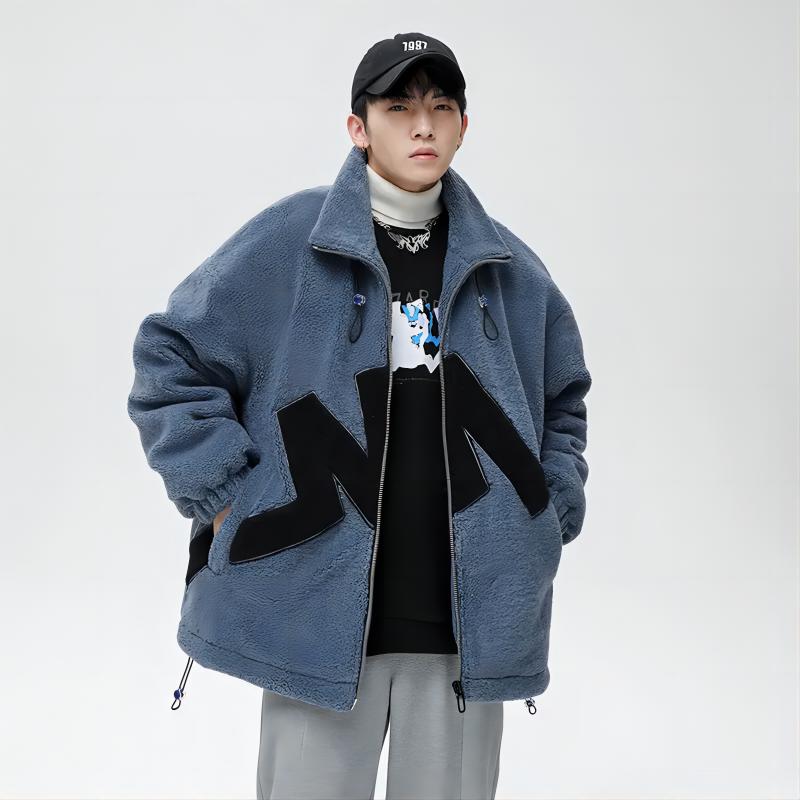
60–100 GSM polyester suits packable shells, team warm-ups, and frequent color programs because it dries quickly and handles sun exposure well. Specify elastic binding, mesh lining, ventilation, and low-temperature decoration testing.
Rain Shells
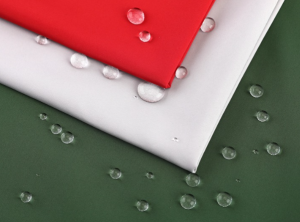
5- or 3-layer constructions use coated or laminated nylon or polyester; the coating and seam treatment determine waterproof performance more than fiber alone. Use seam sealing, waterproof zippers, adjustable hoods, and restrained decoration around membrane areas.
Insulated Jackets
100–200 GSM insulation commonly pairs with a tightly woven polyester or nylon shell, lining, and quilted or baffled construction. Plan embroidery away from narrow baffles and test needle holes, puckering, and heat transfer.
Track And Team Jackets
Polyester tricot or woven shells fit repeated club, school, and academy orders through quick drying, stable color, and easy name-and-number decoration. Include rib cuffs, contrast panels, pockets, and approved placement diagrams.
Utility And Streetwear Styles
Nylon suits abrasion-focused utility overshirts, while polyester supports UV exposure, structured styling, and cost-controlled fashion capsules. Specify reinforced seams, YKK hardware where required, pocket geometry, lining, and decoration zones before sampling.
4. Nylon vs Polyester Jacket Materials and Fabrics
A 70D nylon shell and a 150 GSM polyester shell can perform very differently despite the fiber label.
| Requirement | Starting Direction | Verify |
|---|---|---|
| Abrasion and tear | Nylon | Construction and test results |
| Fast drying and UV | Polyester | GSM, finish, colorfastness |
| Water protection | Coated shell | PU, DWR, laminate performance |
Fiber And Fabric Construction
Denier describes filament thickness; GSM describes finished weight. Plain weave, ripstop, and oxford constructions change tear behavior, abrasion resistance, stiffness, and noise, so nylon versus polyester alone is insufficient.
Performance In Wear
Nylon generally offers a softer hand, strong abrasion and tear performance, but absorbs more moisture and may dry more slowly. Polyester usually dries faster, resists UV exposure better, and offers stronger dimensional stability.
- Compare wet and dry abrasion
- Check tear strength in both directions
- Test shrinkage after care cycles
Lining And Recycled Options
Tricot, mesh, taffeta, and quilted linings change warmth, glide, breathability, and bulk. Recycled polyester and recycled nylon can support material targets, but verification should cover composition, performance, colorfastness, and supplier documentation.
5. Nylon vs Polyester Jacket Customization Options
Since 2000, EDVORIN has turned jacket briefs into repeatable decoration standards, from color matching and panel layouts to packaging.
Lock The Design Brief
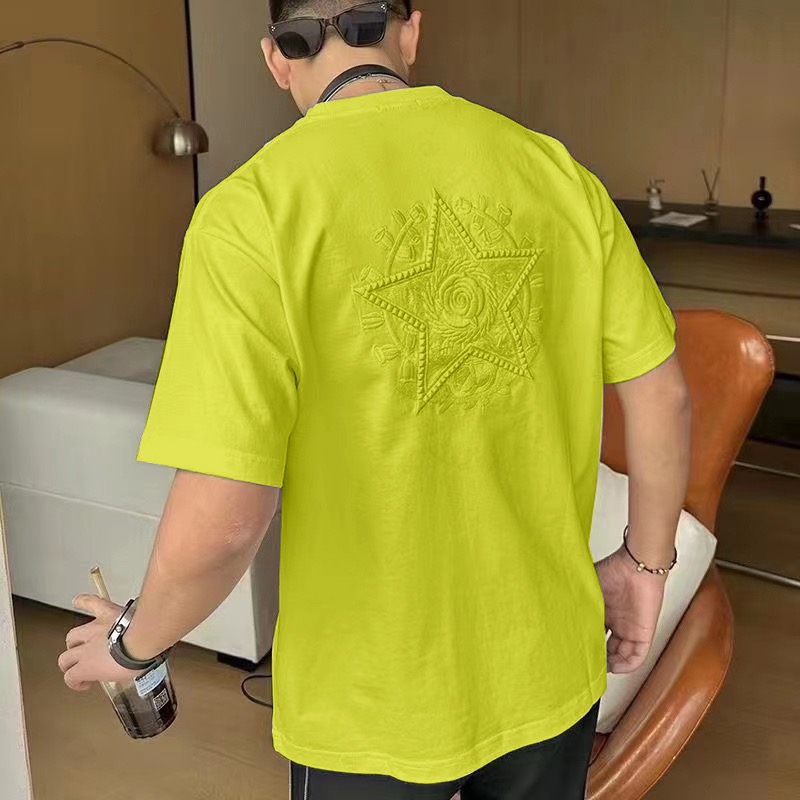
Pantone references, approved swatches and measured artwork establish the color standard before sampling. Record shell, lining, panels, reflective details, trims, YKK-style zipper specification, labels, patches and branded packaging separately.
Match Decoration To Fabric
Nylon’s smoother or coated surface may need adhesion testing for screen or transfer printing; polyester commonly supports sublimation when the fabric is suitable, light-colored and largely uncoated. Coating, weave and surface texture influence color sharpness, hand feel and wash durability. Embroidery and patches require stable backing, controlled stitch density and seam-aware placement.
Approve Artwork And Samples
Submit vector artwork with Pantone targets, dimensions, placement coordinates, stitch or print method, color count and acceptable tolerances. Confirm whether artwork crosses panels, zippers or curved seams before production files are released.
6. Key Construction Quality Elements
Three checkpoints usually expose whether a nylon vs polyester jacket is production-ready: seam integrity, hardware performance, and balanced fit.
Seams And Reinforcement
3–4 stitches per centimeter is a practical starting point for many woven shells, but the approved sample must govern final density. Inspect bartacks at pocket corners, reinforced stress points, seam allowance consistency, and skipped or loose stitches. Waterproof programs also require seam-sealing compatibility with the shell and coating.
Hardware And Weather Protection
YKK or equivalent zippers should run smoothly without tape waviness, slider binding, or exposed sharp edges. Test snaps for secure closure and repeated opening, while checking elastic recovery, cuff tension, hood depth, adjusters, and pocket access during movement.
Balance And Final Inspection
A 1 cm measurement tolerance should be defined by point of measure, size, and garment category rather than assumed universally. Compare shoulder balance, sleeve pitch, hem level, hood attachment, lining ease, and insulation thickness against the approved pattern. Before bulk release, inspect the pre-production sample under normal wear, closure, and wash checks.
7. How to Choose a Nylon vs Polyester Jacket Manufacturer
A supplier should be evaluated against documented production controls, not a polished sample alone.
Technical Communication And Development
A complete tech pack should define shell composition, denier, weave, coating, measurements, tolerances, trims, artwork, labels, and packaging. Ask who owns revisions and request a dated sample comment log.
- Request a revised tech pack and measurement chart.
- Ask how pattern changes are recorded and approved.
- Confirm sample rounds, costs, and target dates.
Materials, Trims, And Decoration
Three physical swatches should be compared for hand feel, shade, coating, opacity, and sewing behavior before bulk commitment. Request fabric composition, weight, color references, supplier details, and trim specifications without assuming stock availability.
- Request Pantone or lab-dip approval records.
- Verify zipper, snap, cord, label, and patch specifications.
- Ask which decoration tolerances are inspected.
Quality, Testing, And Compliance
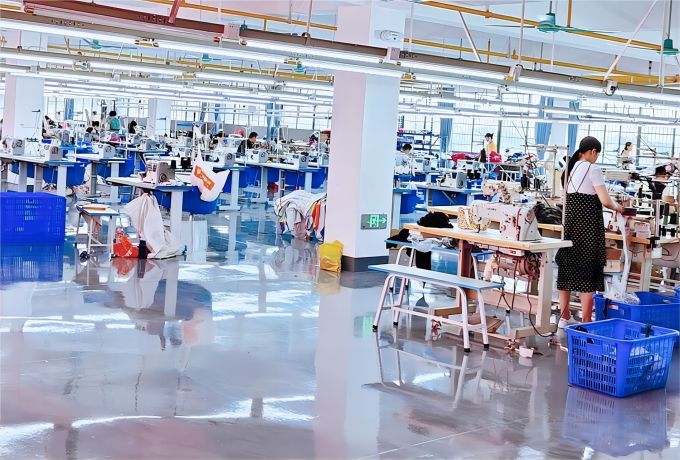
A written inspection plan should identify incoming-material checks, measurement tolerances, sewing checkpoints, decoration review, and final inspection. Request applicable test reports, restricted-substance documentation, and certificates such as OEKO-TEX, GOTS, WRAP, or BSCI only when relevant and current.
- Request a sample inspection report.
- Confirm testing laboratory and report dates.
- Ask how rejected goods and rework are resolved.
Commercial And Fulfillment Controls
EDVORIN’s MOQ starts at 200 pieces per style. Three quote lines should separate garment cost, decoration, trims, packaging, testing, tooling, freight terms, MOQ, and payment conditions. Compare like-for-like specifications rather than selecting the lowest headline price. A written production schedule should identify sampling, bulk lead time, capacity, inspection, packing, carton details, and reorder timing.
- Request MOQ tiers and capacity by monthly volume.
- Confirm lead times from approval to shipment.
- Compare folding, polybag, carton, labeling, and resolution terms.
8. Common Nylon vs Polyester Jacket Buying Mistakes
A fiber label is only the starting point in a nylon vs polyester jacket specification.
Specify Fabric Beyond Fiber
75D nylon and 300D nylon are not interchangeable, and GSM changes drape, warmth and durability. Record denier, GSM, weave, coating and intended use in the tech pack. DWR creates surface water beading; it does not equal waterproof construction.
Approve Physical Standards
1 approved swatch can reveal stiffness, opacity, coating feel and sewing behavior that photographs hide. Require physical swatches and a pre-production sample before committing to bulk fabric. Pantone approval alone cannot control production variation.
Check Decoration And Components
2 decoration methods can behave differently on the same shell: screen print, heat transfer and embroidery may affect adhesion, puckering or hand feel. Test the actual artwork on the approved fabric before ordering. YKK hardware, lining weight, rib recovery, drawcords and snap strength influence perceived quality.
Validate Fit And Delivery
3 size-set samples are more useful than one approved size for exposing grading, sleeve balance and layering problems. Test key sizes on intended wearers and record tolerances before bulk cutting. A vague lead time is not a production plan.
9. Steps to Launch Your Jacket Brand Program
A clear launch sequence turns a jacket concept into a repeatable production standard.
Define The Commercial Brief
1 page should state end use, target wearer, season, expected quantity, delivery date and budget. Separate fashion, teamwear, school and workwear requirements before selecting materials.
- Use case and wearer
- Target quantity and delivery window
- Budget, margin and contingency
Build And Validate Specifications

1 tech pack should record measurements, construction, seam details, artwork placement, labels, packaging and revision history. Specify nylon or polyester by fabric weight, weave, coating and finish—not fiber name alone. 3 to 5 swatches can expose differences in hand feel, color, stiffness, opacity and sewing behavior.
- Request physical swatches
- Check fabric and trim compatibility
- Approve one controlled sample
Approve The Production Gate
EDVORIN’s MOQ starts at 200 pieces per style. 2 reviews should separate fit approval from decoration approval. Test movement, pocket access, zipper operation, seam appearance, water behavior and branding placement on the intended size range. 1 costing sheet should confirm quantity, MOQ, trims, decoration, packaging and lead-time assumptions.
- Fit and performance approval
- Decoration and branding approval
- Cost, MOQ and pre-production approval
Control Bulk And Replenishment
Every bulk lot should be checked against the approved sample, measurements, color, trims, decoration and packing instructions. In-line inspections catch repeated defects before the order is complete. The first reorder should use recorded consumption, size ratios, defect findings and sales timing.
- Inspect during production
- Complete final packed-goods checks
- Record reorder data and revisions
10. Nylon vs Polyester Jacket Pricing and Cost
2 variables—fiber specification and order quantity—usually move a jacket quote most: nylon can carry a higher material cost, while polyester may offer a lower-cost starting point. Denier, GSM, weave, coating, lining, insulation and finish must be compared on the same performance brief. 3 cost layers should be separated: factory unit price, total landed cost and lifecycle value. Freight, duties, testing, packaging, sampling, defect risk and lead time can outweigh a small shell-fabric difference, especially for smaller or time-sensitive programs.
| Cost Component | What Changes the Quote | Buyer Check |
|---|---|---|
| Shell fabric | Nylon or polyester fiber, denier or GSM, weave, coating and finish | Compare like-for-like performance and weight |
| Interior build | Lining, insulation, quilting and seam construction | Confirm warmth target and construction details |
| Design and decoration | Pattern complexity, trims, embroidery, printing, labels and hardware | Approve artwork, placement and trim standards |
| Order execution | Sampling, quantity tier, testing, packaging and lead time | Separate development charges from unit price |
| Landed and lifecycle cost | Shipping, duties, defects, replenishment speed and expected wear | Evaluate delivered cost and repeat-order value |
Nylon vs Polyester Jacket FAQs for Apparel Buyers
Clear answers on fabric selection, development, customization and repeatable bulk production with EDVORIN.
What is the main difference in a nylon vs polyester jacket?
Which nylon vs polyester jacket fabric is better for outdoor durability?
Is a nylon vs polyester jacket better for teamwear and uniforms?
Can EDVORIN develop a custom nylon vs polyester jacket from a sketch?
What is the MOQ for a custom nylon vs polyester jacket?
Can EDVORIN develop men’s and women’s nylon vs polyester jacket fits?
How does EDVORIN control repeat-order quality for a nylon vs polyester jacket?
Ready to Develop Your Nylon vs Polyester Jacket?
Turn your material direction into a production-ready jacket with EDVORIN’s OEM, ODM and private-label development support.