
Screen Printing vs DTG: Choose the Right Apparel Method
Match artwork, fabric, order volume and repeatability to the right decoration method for your apparel program.
screen printing vs dtg: Compare Cost, Quality and Production Fit
Compare screen printing vs dtg across order volume, artwork detail, fabric compatibility, durability, setup and repeatable production economics.
← Swipe left or right to view →
Apparel Manufacturing for Every Program
Develop production-ready apparel for fashion, streetwear, teamwear, school orders and wholesale programs with coordinated development from sample approval through bulk delivery.
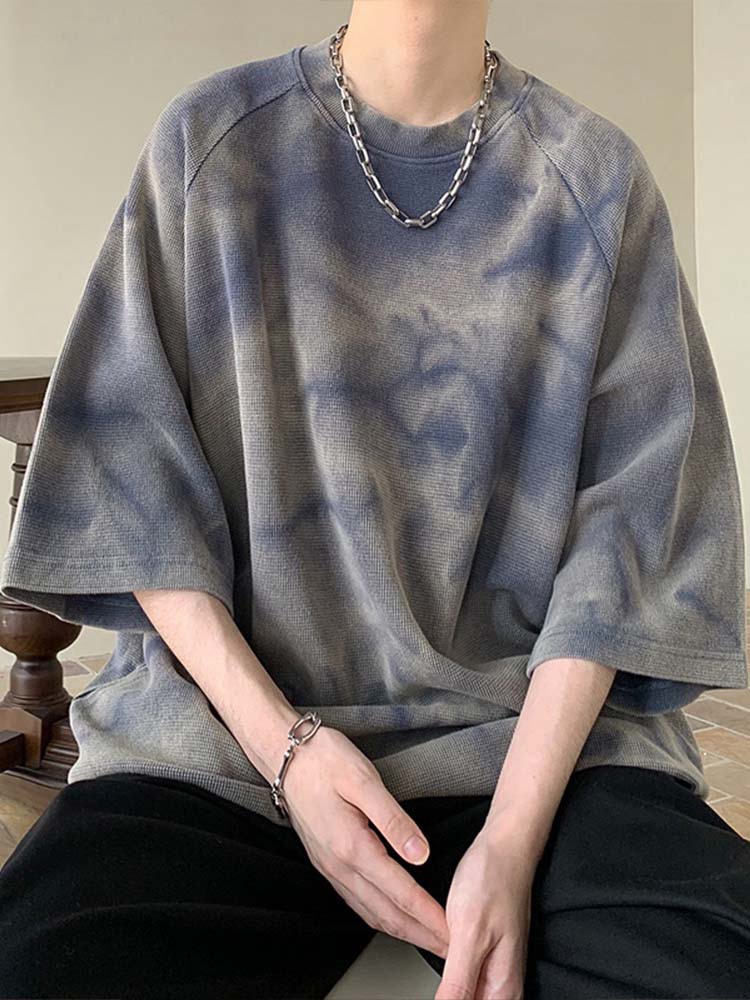
Custom Hoodies
As a custom hoodie manufacturer, EDVORIN develops fleece weights, fit blocks, rib specifications, drawcords, labels and decoration for men’s and women’s programs. Buyers can provide a tech pack, sketch or reference garment, with sample-to-bulk controls supporting repeatable streetwear, private-label and wholesale orders.
Get a Quote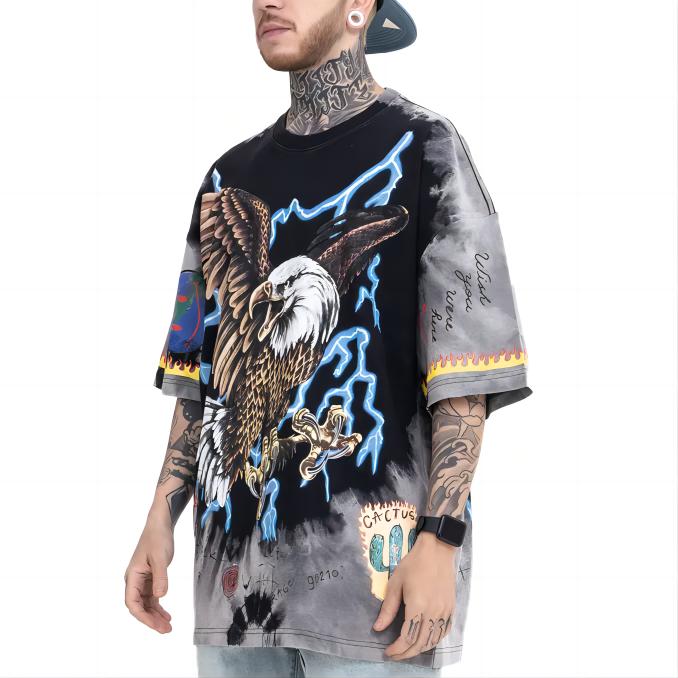
Pullover Sweatshirts
EDVORIN works as a sweatshirt manufacturer for pullover programs requiring controlled fleece selection, neckline construction, rib recovery, fit and artwork placement. Each approved sample establishes the material, measurements, trims and decoration standards needed for consistent replenishment across fashion, school and wholesale collections.
Get a Quote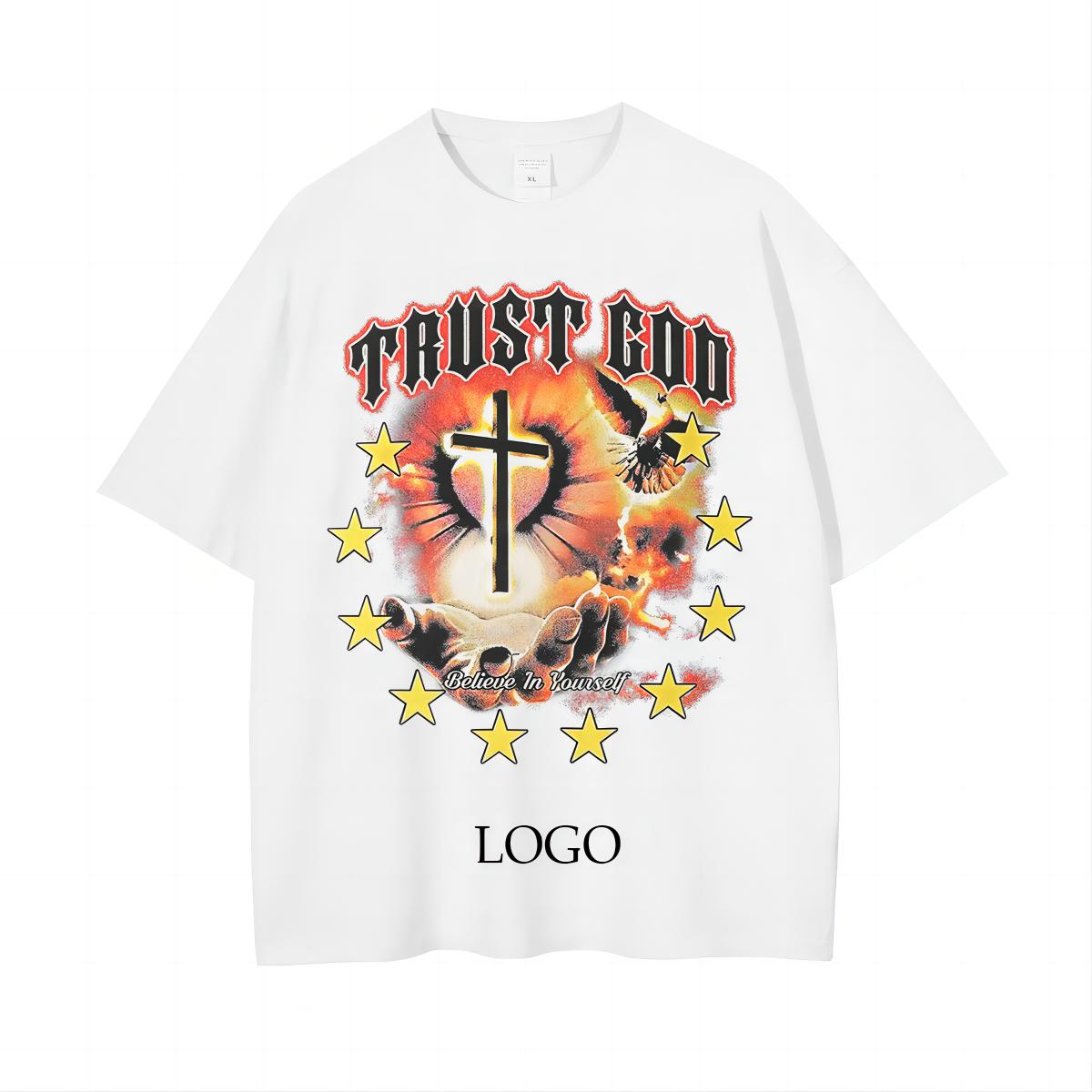
Sweatpants & Joggers
As a sweatpants manufacturer, EDVORIN develops joggers and sweatpants with defined fabric weight, waistband construction, drawcords, pocket details, leg proportions and grading. Programs can be coordinated with matching hoodies or sweatshirts for streetwear collections, school apparel, private-label ranges and team travelwear.
Get a Quote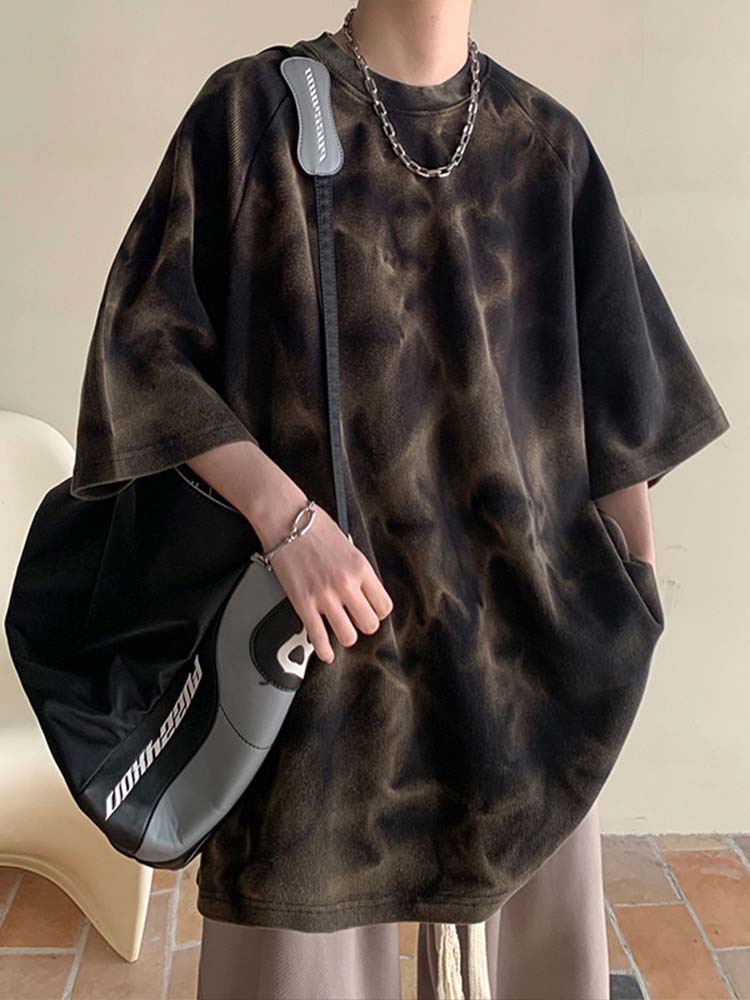
Custom Shorts
As a custom shorts manufacturer, EDVORIN develops shorts with material, inseam, waistband, pocket, lining and decoration specifications suited to the intended use. The same development process supports casualwear, training, school and team programs, with men’s and women’s fit options and approved standards carried into bulk production.
Get a Quote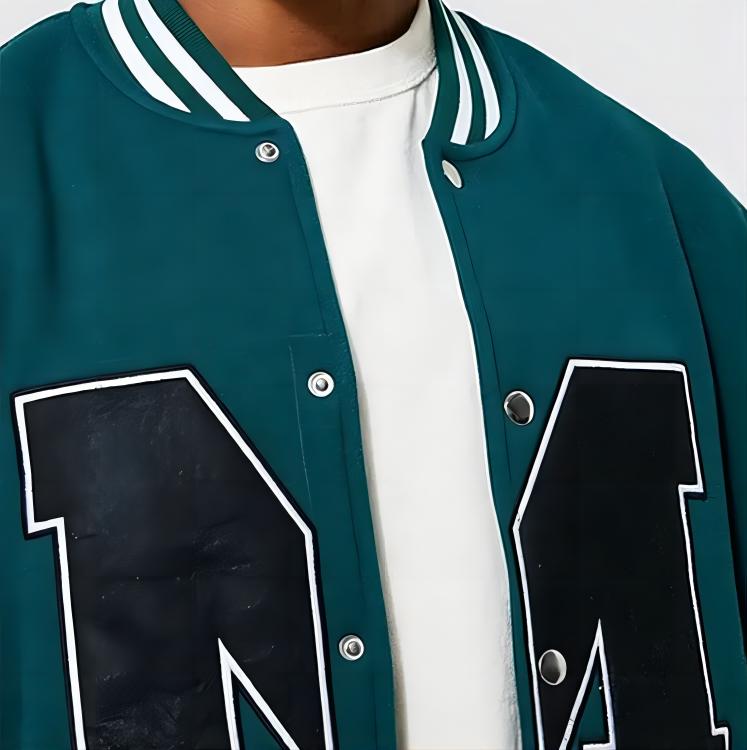
Varsity & Baseball Jackets
As a varsity jacket manufacturer, EDVORIN coordinates body fabric, sleeves, lining, insulation, rib, snaps, patches, embroidery and finishing details. Baseball and varsity styles can be developed for schools, streetwear labels, clubs and private-label buyers with construction and placement documented before production.
Get a Quote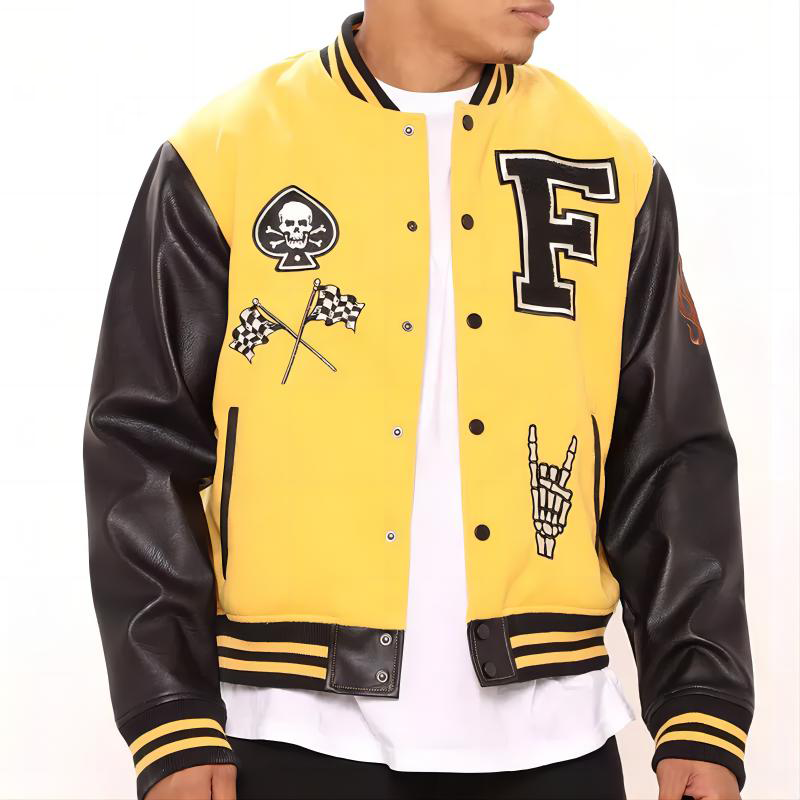
Custom T-Shirts
EDVORIN is a custom T-shirt manufacturer supporting jersey, cotton and performance-oriented programs. Product development covers fabric selection, fit, collar construction, size grading, screen or digital printing, embroidery and labeling, helping brands standardize core styles for fashion, school, event and wholesale orders.
Get a Quote
Custom Polo Shirts
As a polo shirt manufacturer, EDVORIN develops collar construction, plackets, buttons, cuffs, fabric handfeel, fit and decoration around the buyer’s market and use case. Options can support corporate apparel, school programs, clubwear, private-label collections and repeat wholesale orders in men’s and women’s sizing.
Get a Quote
Windbreaker Jackets
As a windbreaker manufacturer, EDVORIN develops windbreaker jackets with attention to shell fabric, lining, water resistance requirements, hood and cuff construction, zippers, pockets and reflective or printed details. These specifications can be adapted for streetwear, outdoor-inspired collections, school programs, teamwear and promotional wholesale apparel.
Get a Quote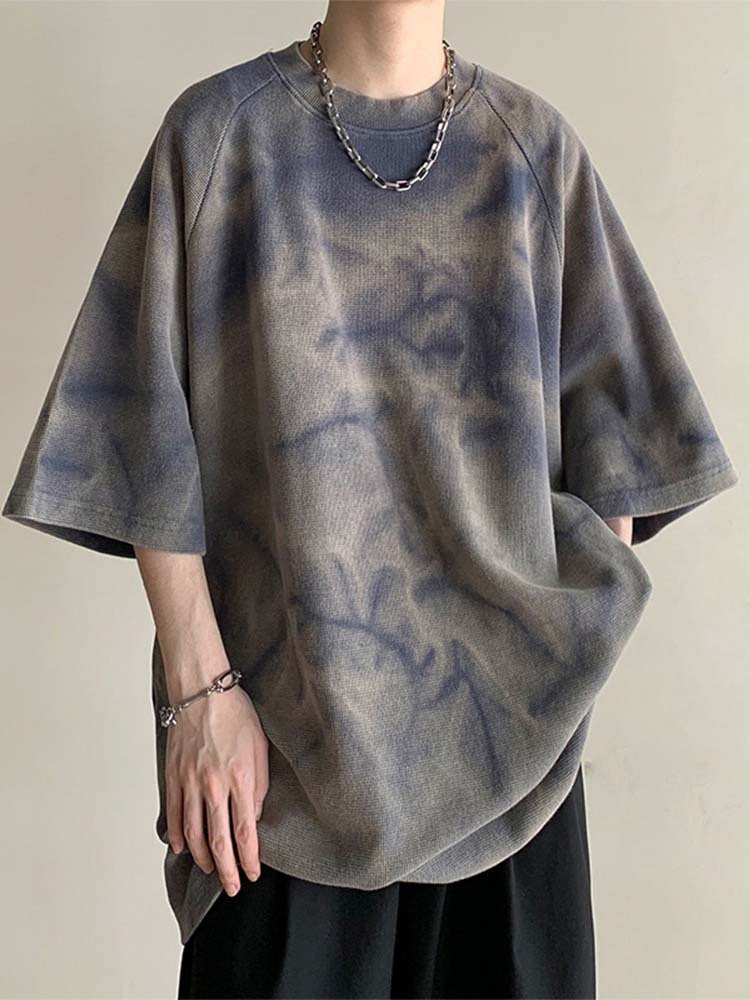
Quilted Jackets
As a quilted jacket manufacturer, EDVORIN coordinates shell fabric, quilting pattern, insulation, lining, hardware, fit and finishing. Development can be aligned to lightweight transitional styles or warmer outerwear programs, with custom apparel printing, labels, packaging and quality checkpoints defined before bulk production.
Get a Quote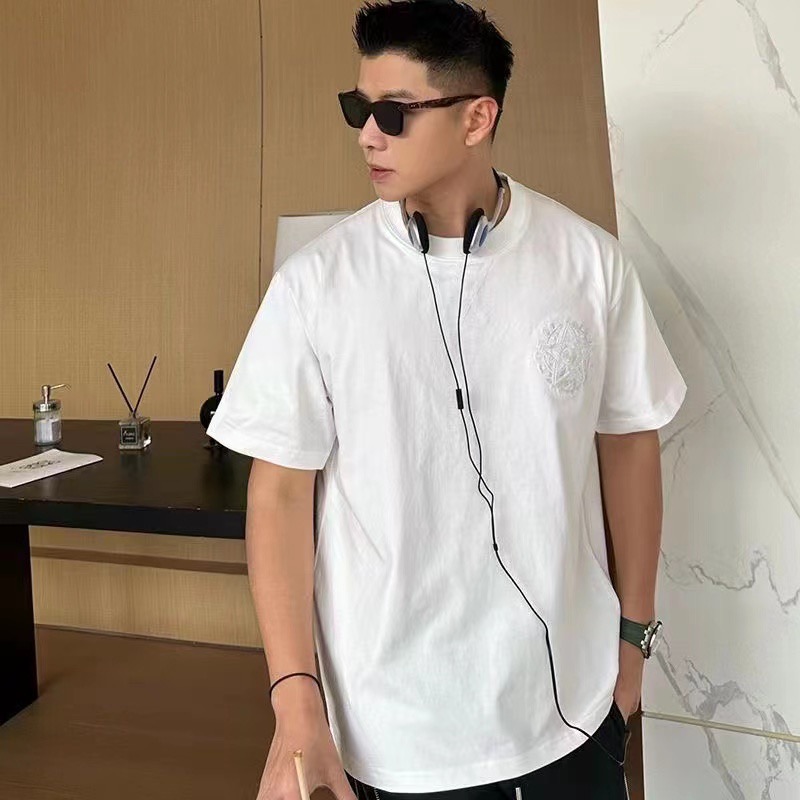
Bomber Jackets
As a bomber jacket manufacturer, EDVORIN develops bomber jackets by balancing shell material, lining, insulation, rib proportions, zipper selection, pocket construction and decoration. The category suits streetwear, fashion, school and private-label programs, with sample approval used to confirm fit, details and repeatable production requirements.
Get a Quote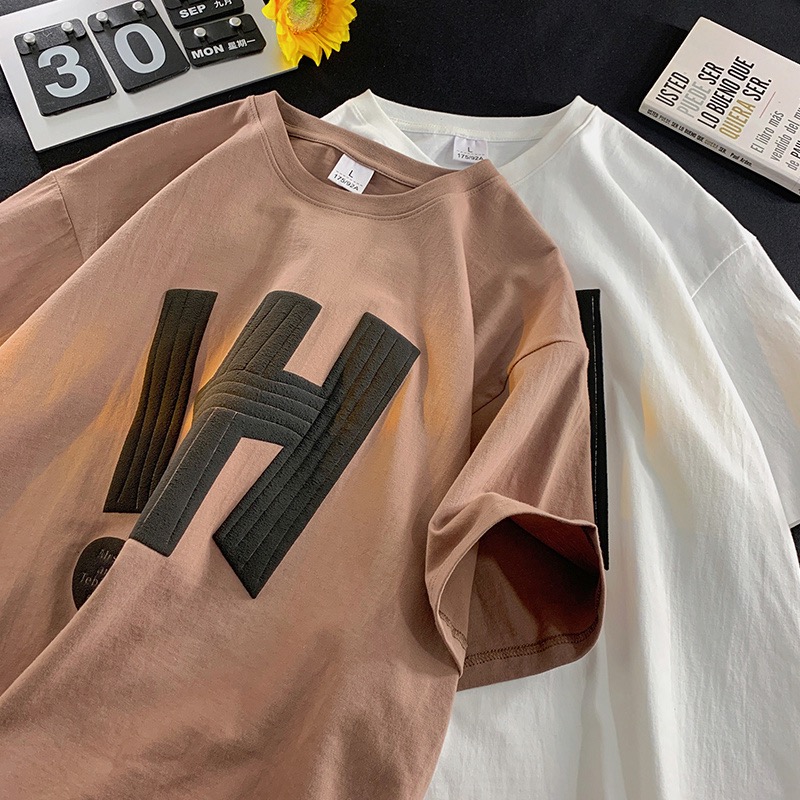
Custom Shirts
As a custom woven shirt manufacturer, EDVORIN develops woven fabrics, collars, cuffs, plackets, buttons, pocket details, proportions and grading for men’s and women’s programs. Buyers can build overshirts, casual button-ups or coordinated streetwear pieces with artwork, labels and packaging managed within one production workflow.
Get a Quote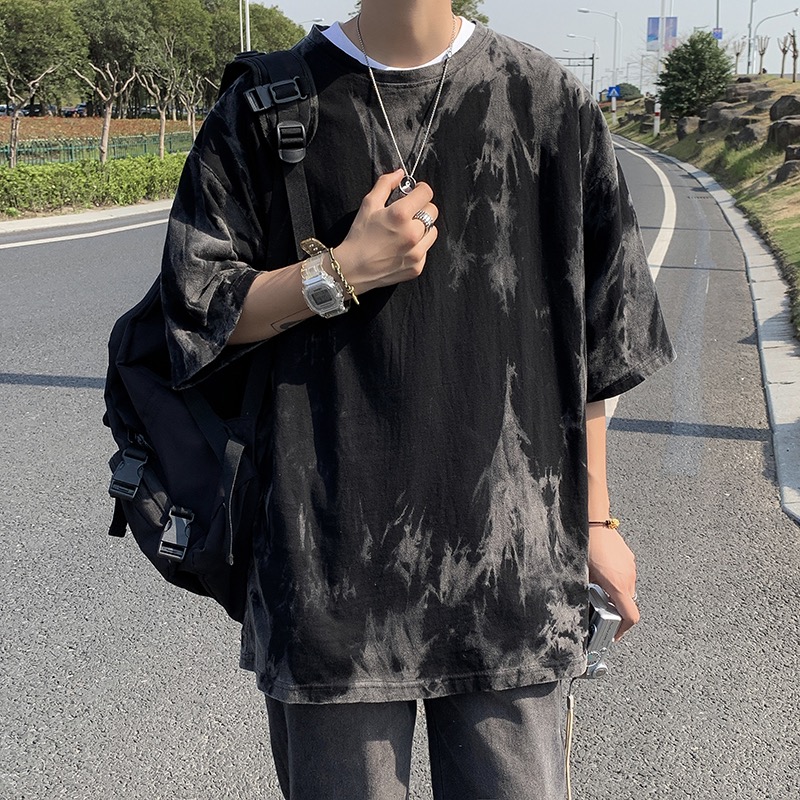
Custom Jerseys
EDVORIN is a custom jersey manufacturer for sports clubs, schools, academies and apparel brands requiring controlled fabric, breathability, fit, color, trim and decoration specifications. Sublimation, printing, names, numbers and size grading can be documented for organized team sets and repeat program orders.
Get a Quote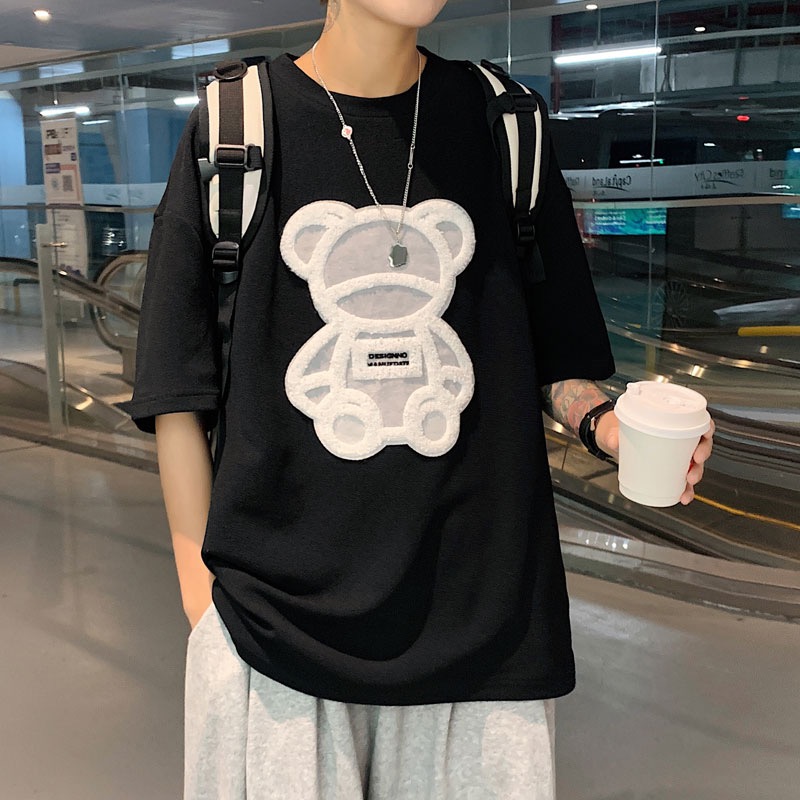
Tank Tops
EDVORIN develops custom tank tops with fit, armhole shape, neckline, fabric weight, stretch, hem finishing and decoration matched to the intended market. Programs may support casualwear, streetwear, training, teamwear or wholesale lines, with men’s and women’s development and approved bulk standards available.
Get a Quote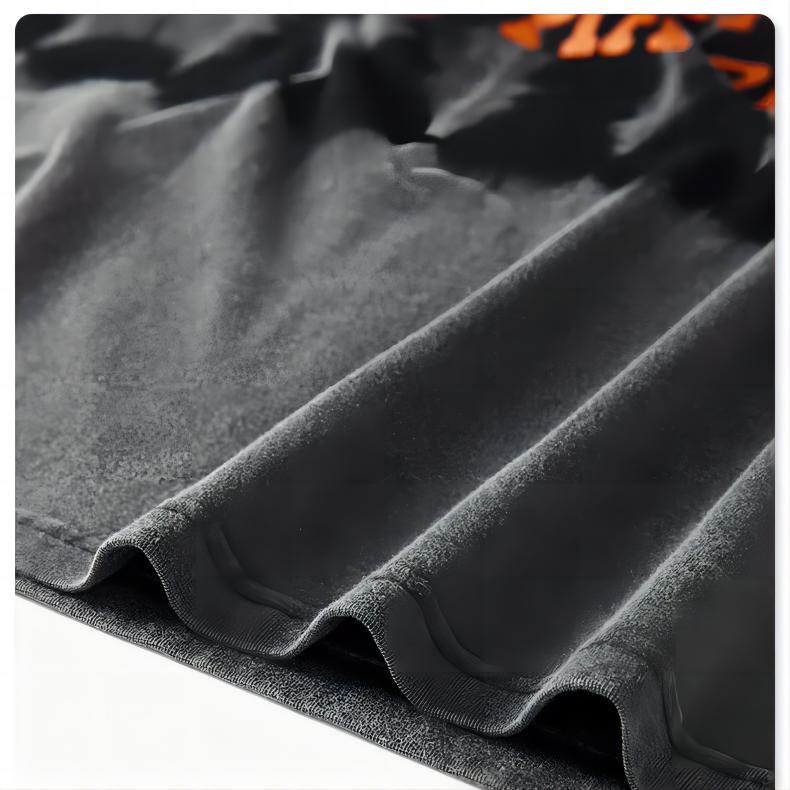
Soccer Uniforms
As a soccer uniform manufacturer, EDVORIN coordinates jerseys, shorts and related team pieces around performance fabric, color control, breathable construction, names, numbers, crests and size grading. Schools, clubs and distributors can establish an approved set standard for organized production and repeat orders.
Get a Quote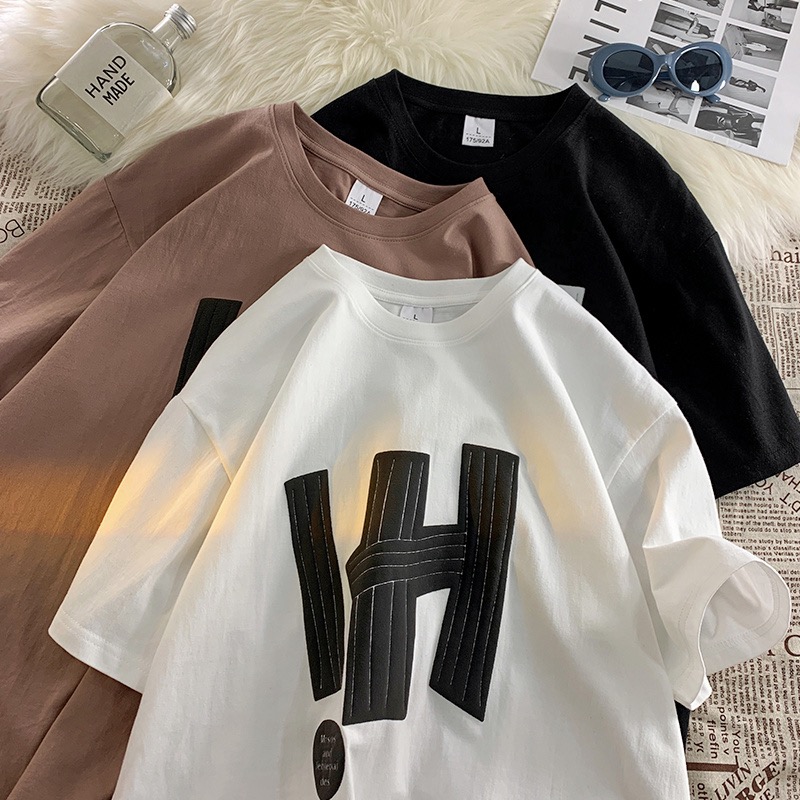
Basketball Uniforms
EDVORIN’s MOQ starts at 200 pieces per style. As a streetwear clothing manufacturer and low MOQ clothing manufacturer, EDVORIN develops coordinated collections across hoodies, sweatshirts, T-shirts, jackets, bottoms and woven styles. Product development combines material sourcing, patterns, sampling, custom apparel printing, custom apparel embroidery, garment wash services, custom clothing labels and packaging so each approved style can be reproduced across seasonal or replenishment orders.
Get a Quote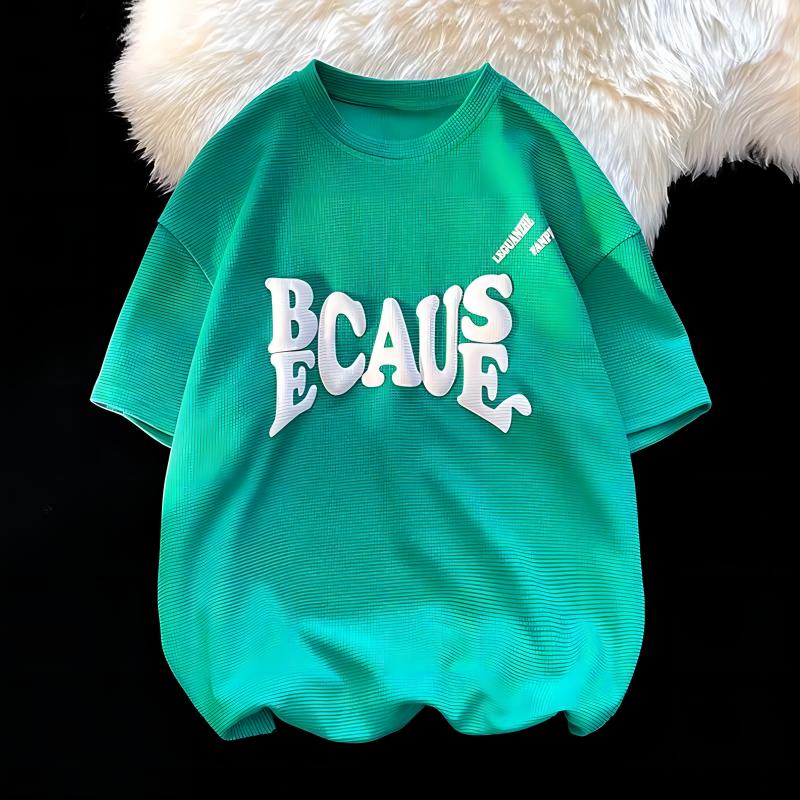
Streetwear Collections
As a streetwear clothing manufacturer, EDVORIN develops coordinated collections across hoodies, sweatshirts, T-shirts, jackets, bottoms and woven styles. Product development combines material sourcing, patterns, sampling, printing, embroidery, washing, labeling and packaging so each approved style can be reproduced across seasonal or replenishment orders.
Get a QuoteHow Decoration Becomes a Repeatable Production Standard
For screen printing vs dtg decisions, EDVORIN connects decoration testing, sampling, approval and quality control into one production-ready workflow.
Review Artwork and Requirements
Assess artwork detail, color count, placement, garment category and intended volume to recommend screen printing or DTG for the approved apparel program.
Test Materials and Decoration
Match the selected method with fabric, color, construction and performance needs, then test print quality, hand feel, coverage and wash expectations before sampling.
Approve the Production Sample
Develop a decorated sample with documented artwork placement, measurements, materials and finishing details, giving buyers a clear standard for review and sign-off.
Control Bulk Production
Carry approved specifications into cutting, decoration, inspection, labeling and packaging, with sample-to-bulk checks that protect consistency across repeat orders and size sets.
The Buyer’s Guide to Screen Printing vs DTG
Use a practical decision framework to match print method, fabric, artwork, order volume, and wear requirements while evaluating supplier capability, quality controls, reorders, and costly sourcing mistakes.
1. What Is screen printing vs dtg?
2 methods define the operational choice: screen printing pushes ink through a separate mesh stencil for each color, while direct-to-garment printing uses a digital inkjet head to spray water-based ink directly onto prepared fabric. Screen printing therefore requires artwork separation, screen exposure and registration; DTG mainly requires a production-ready digital file and garment pretreatment, especially on dark colors. com/blog/dtg-vs-screen-printing-which-method-works-best
1 screen can represent one color, so screen printing is strongest for bold logos, solid fills and repeat production where setup is spread across a larger run. The ink typically sits on the surface with a more tactile hand, while DTG ink absorbs into suitable fibers, producing a softer feel and smoother gradients; high-resolution PNG artwork is commonly used for DTG, whereas vector artwork supports clean screen separations. com/blog/dtg-vs-screenprinting
3 buyer priorities—artwork complexity, order size and repeatability—usually determine the method.
2. Screen Printing and DTG: Evolution and History
1 screen per ink color defines the basic logic of screen printing, a stencil-based method adapted into modern garment decoration through separated artwork, mesh screens and repeated squeegee passes. That development established its procurement advantage: once setup is complete, the same design can be reproduced efficiently across larger runs with bold, opaque color and consistent placement. com/blogs/education-and-training/understanding-the-differences-direct-to-garment-and-direct-to-film-vs-screen-printing)
2 digital capabilities changed the workflow when direct-to-garment printing applied specialized inkjet technology directly to fabric. DTG removed the need to prepare a separate screen for every color, allowing buyers to move from digital artwork to detailed, full-color samples with fewer setup constraints and greater one-off or short-run flexibility. com/blog/dtg-vs-screenprinting)
3 procurement priorities now reflect those histories: screen printing remains structurally suited to repetitive volume and solid-color graphics, while DTG supports customization, gradients, fine detail and photographic artwork.
3. Types of screen printing vs dtg
Four production variants cover most buyer decisions: spot-color screens prioritize repeatability, while digital workflows preserve artwork detail.
Spot-Color Screen Printing
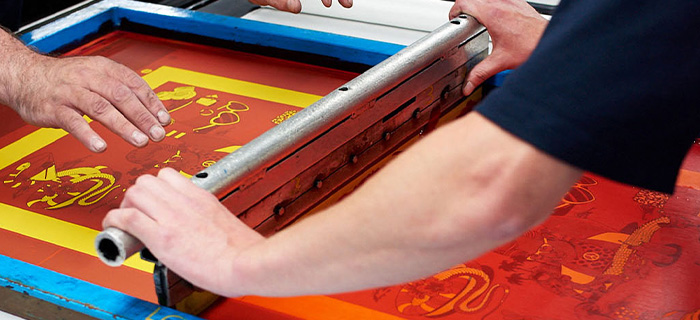
1–4 solid colors suit logos, typography, athletic numbers, and bold streetwear graphics on light or dark garments. Each color requires a separate screen, so clean separations and controlled registration matter.
Simulated Process And Specialty Screens
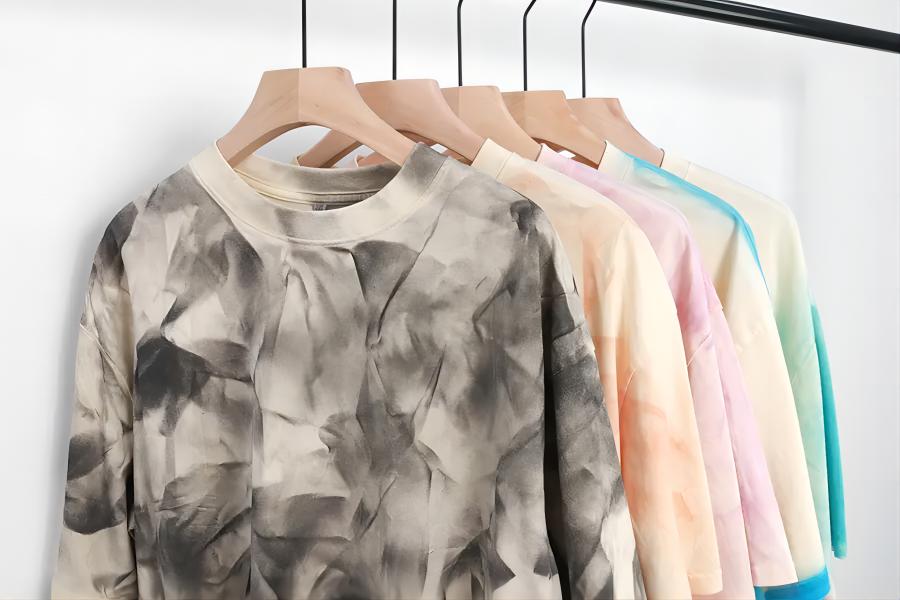
6–12 or more screens can build tonal depth through halftones, underbases, discharge, metallic, puff, or high-density effects. These methods suit illustrated artwork, vintage graphics, and premium streetwear on dark or colored garments. Medium-to-large runs are the practical fit because separations, testing, and registration increase development time.
White-Ink DTG For Dark Garments
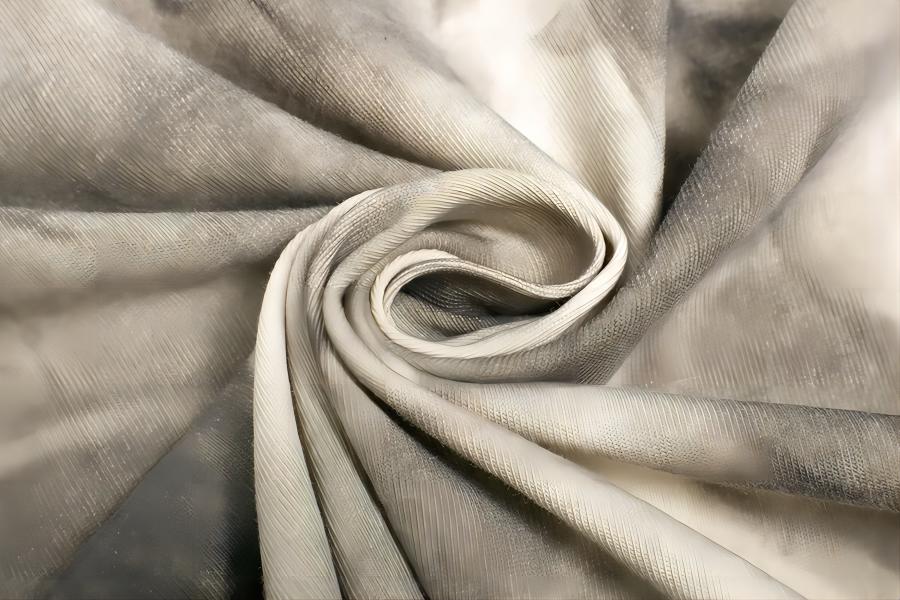
1 digital white underbase allows DTG to reproduce multicolor, detailed artwork on black, navy, and other dark cotton garments. It suits samples, personalized pieces, and short runs where screen setup would be disproportionate. Pretreatment, curing, fabric composition, and white-ink consistency control the result.
CMYK And Digital DTG Workflows
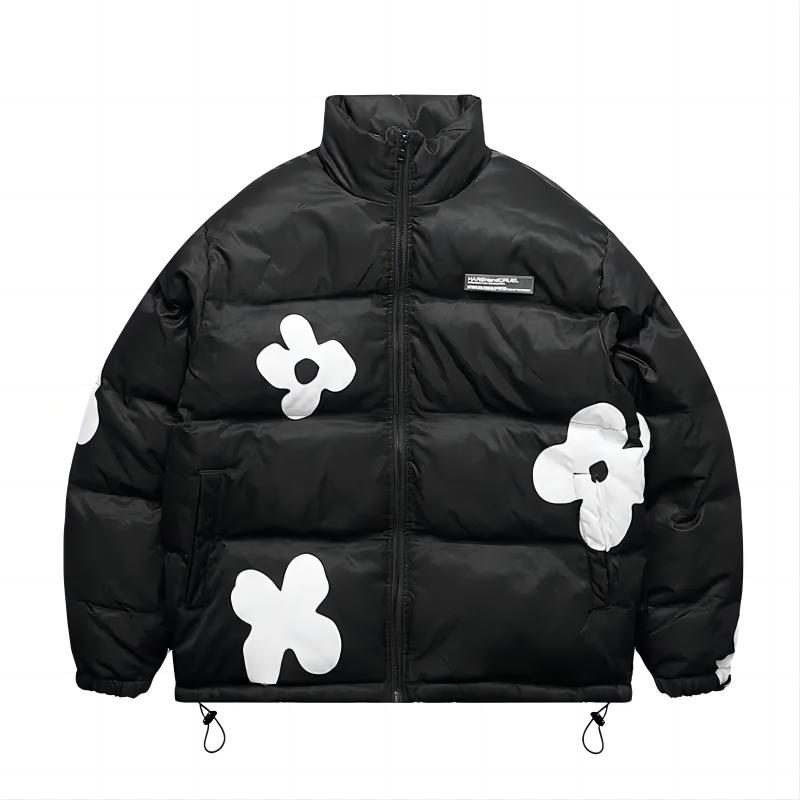
4 CMYK channels or digitally managed color workflows handle gradients, painterly artwork, and photographic imagery without a screen for every visible color. High-resolution files and reliable color references remain essential. Small-to-medium collections benefit from fast artwork changes and mixed designs.
When Hybrid Printing Fits
2 methods may be combined when a design needs a durable solid base plus digitally rendered detail, or when different artwork panels have different production requirements. A supplier should test layer order, curing, hand feel, and registration before approval. Hybrid work is most useful for capsule collections, premium graphics, and coordinated team or brand programs.
4. screen printing vs dtg: Materials and Fabrics
100% cotton absorbs water-based DTG ink most predictably, while screen printing gives broader fiber compatibility.
| Fabric or Weight | Best-Fit Method | Main Risk |
|---|---|---|
| 100% cotton jersey | DTG or screen printing | Shrinkage and dark-fabric opacity |
| Cotton-poly blend | Screen printing; DTG after testing | Dye migration and reduced absorption |
| 100% polyester | Screen printing | Bleeding and adhesion |
| 280–400 GSM fleece | Screen printing | Texture, pile, and heavy hand feel |
| Stretch performance fabric | Flexible screen ink | Cracking during extension |
Cotton And Blends
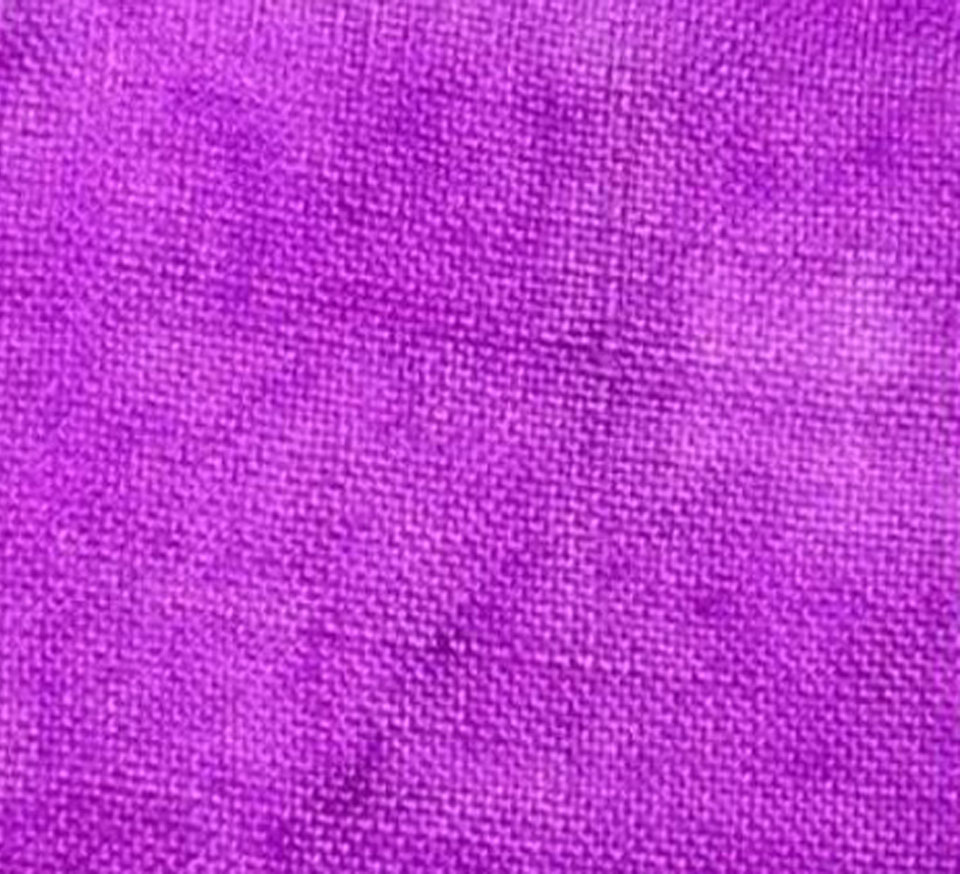
100% cotton, especially ring-spun jersey, is the safest DTG choice because its absorbent, smooth surface supports detail and soft hand feel.
Polyester And Performance Fabrics
100% polyester and moisture-management fabrics favor screen printing with low-bleed or sublimation-compatible systems because synthetic fibers resist absorption and can migrate dye.
Weight, Texture, And Validation
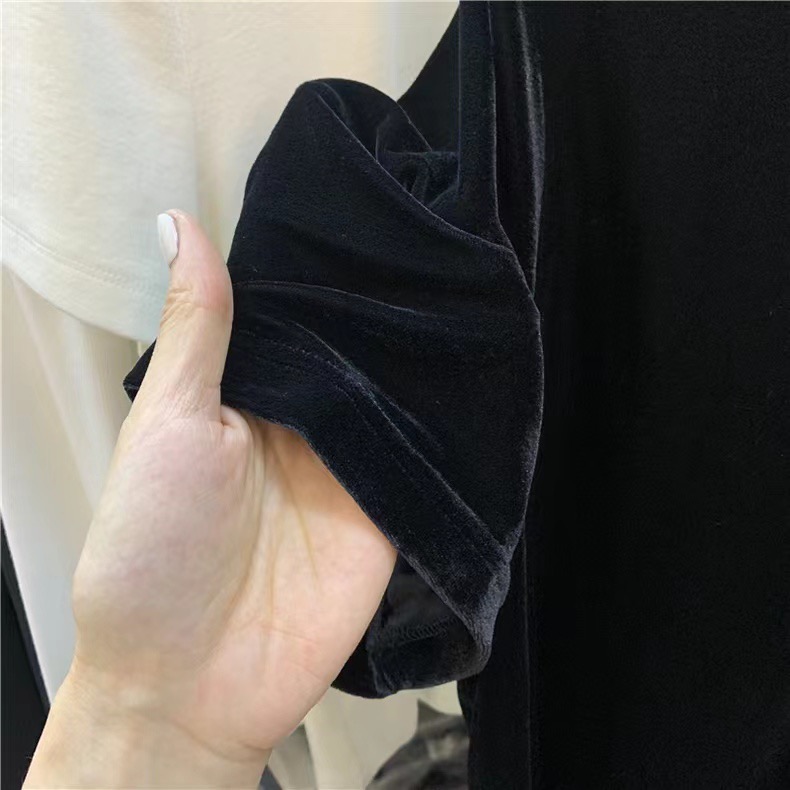
180–220 GSM jersey offers a relatively smooth print surface; 280–400 GSM fleece and French terry require ink deposition matched to pile, loops, and nap.
5. Customization and Decoration Options
Two variables decide the decoration route: artwork behavior and the number of unique SKUs.
Graphic Logos And Typography
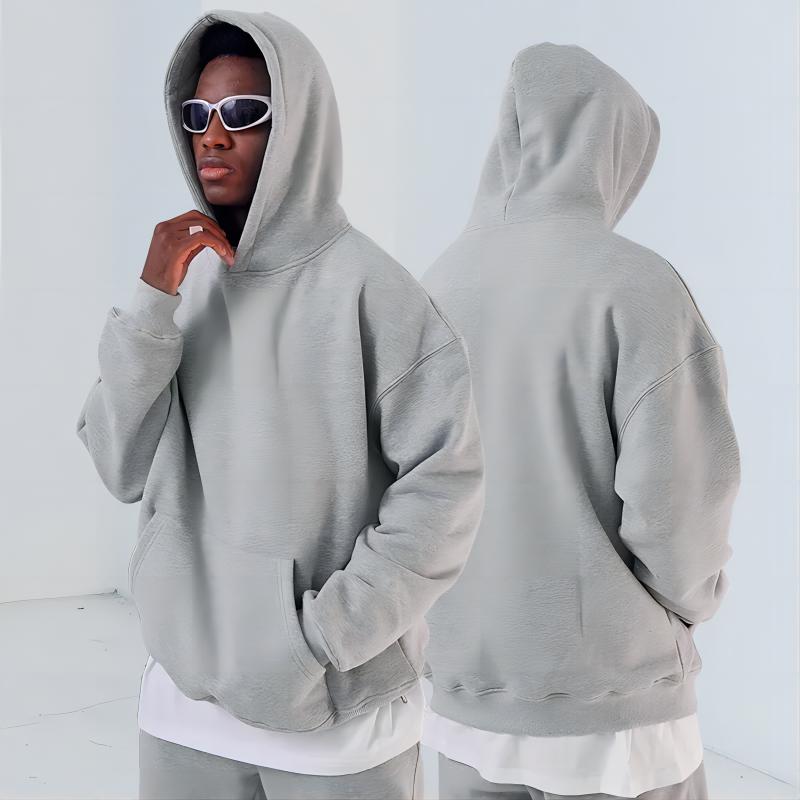
1–4 spot colors suit screen printing for logos, block typography, oversized graphics, and bold tonal effects. Specialty inks can add metallic, high-density, puff, or soft-hand finishes when the artwork and fabric support them. DTG suits fine lines, shading, gradients, and photographic artwork without separating each color into a screen.
Personalization And Placement
2–6 placements can be planned across chest, back, sleeve, leg, or hem, but each location needs its own artwork file, placement measurement, and approval standard. Screen printing remains efficient when the same design repeats across a size run. DTG is more practical for names, portraits, numbered variations, and one-to-one artwork changes.
Match Method To Range
Small, varied SKU ranges with photographic or gradient artwork generally favor DTG, especially when personalization is central to the assortment. Screen printing is stronger for larger repeat programs built around limited-color graphics and consistent visual language.
6. Key Construction and Print Quality Elements
A 320 GSM hoodie can still fail if seams, rib recovery, or print placement are inconsistent.
Garment Construction Controls
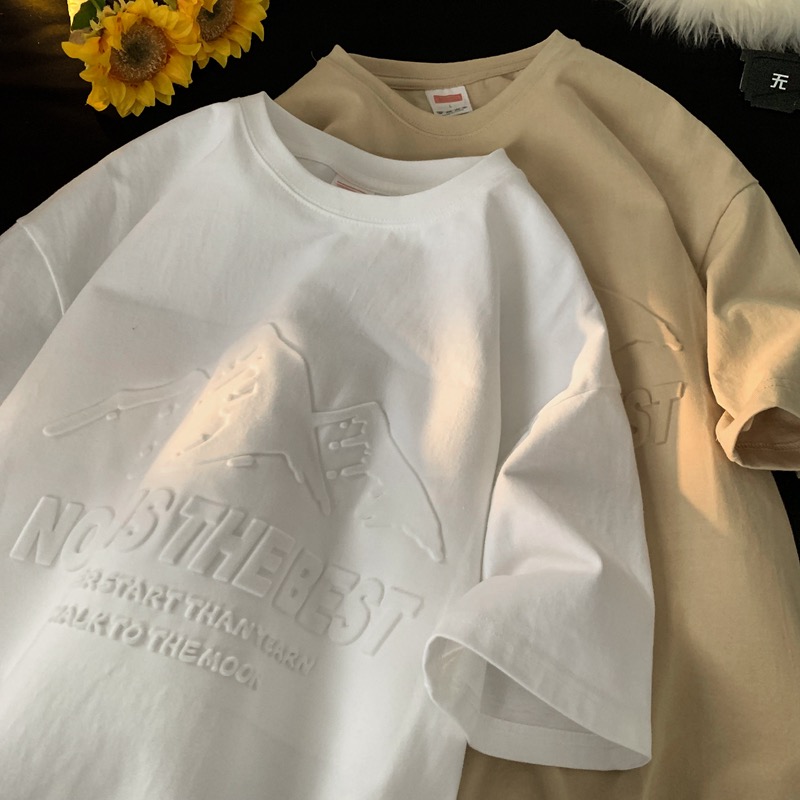
A 280–420 GSM range commonly separates lightweight from heavyweight fleece programs, but consistency matters more than the headline number. Check GSM across panels, seam placement, stitch density, collar shape, and rib recovery against the approved sample. A 2–3% dimensional change after washing can affect fit, hem alignment, and artwork position.
Decoration Accuracy And Durability
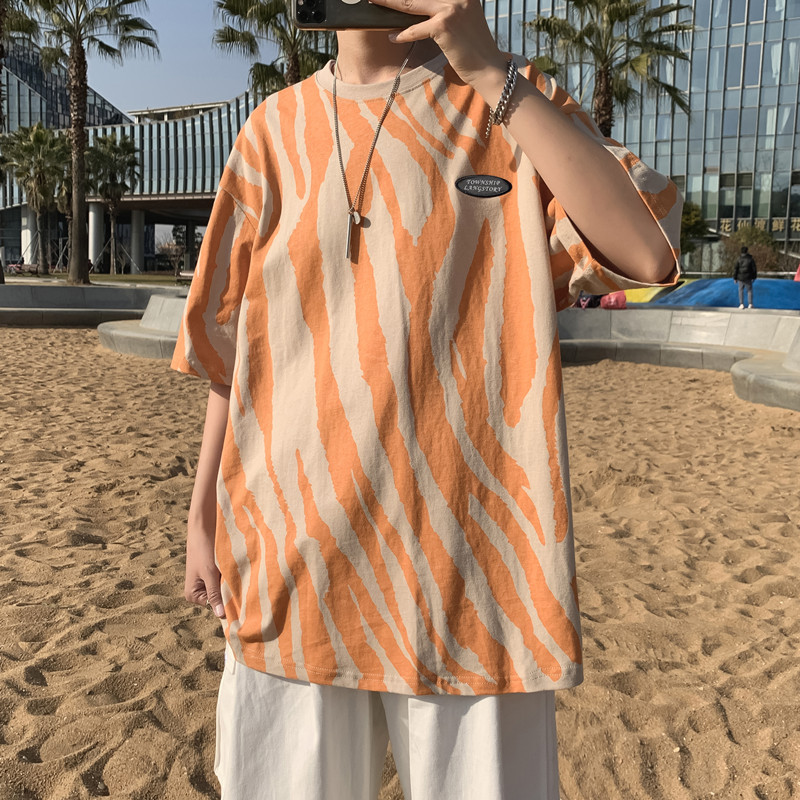
A 1–2 mm registration shift can make layered screen prints look visibly misaligned, especially around fine lettering. Inspect edge sharpness, opacity on dark garments, Pantone color matching, underbase coverage, and whether DTG pretreatment is evenly applied. A fully cured print should resist cracking, excessive fading, and peeling under the agreed wash test.
Pre-Production Approval
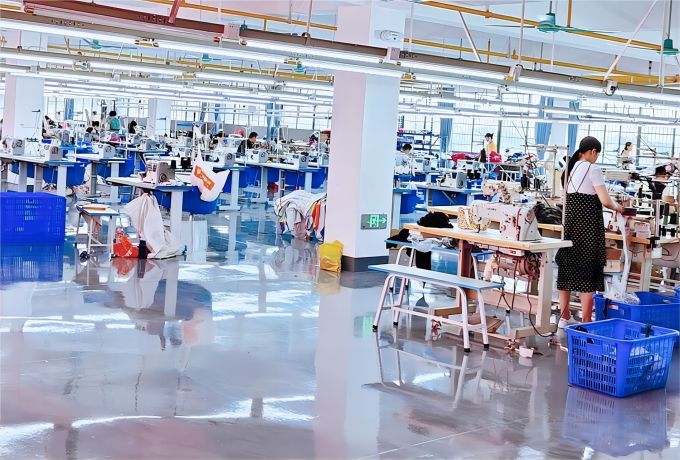
A signed approval sample should record artwork dimensions, placement from seams, print colors, curing conditions, fabric composition, GSM, measurements, and wash results. These details turn visual preference into a repeatable manufacturing standard. A final inspection should verify print registration, color consistency, dimensional stability, and garment fit before packing.
7. How to Choose a Manufacturer
A supplier should be judged on repeatable evidence, not a polished sample or low quotation.
Audit Technical Capability
100% cotton, cotton blends and polyester can require different DTG pretreatment, screen-print ink and curing controls. Ask whether the factory reviews artwork separations, fabric composition, GSM, stretch and placement before quoting. Three questions expose capability: Which ink suits this fabric?
- Confirm ring-spun versus open-end fabric assumptions.
- Request Pantone references and placement measurements.
- Ask who approves artwork changes.
Verify Samples And Testing
One approved sample is insufficient evidence. Require a pre-production sample, wash test under agreed conditions, and color comparison against the approved standard; inspect hand feel, registration, coverage, shrinkage and cracking. Two checkpoints matter before bulk: documented sample approval and first-piece inspection from production. com/blog/dtg-vs-screen-printing.
- Check wash results on the actual garment.
- Approve strike-offs before size-set sampling.
- Record tolerances for color and placement.
Compare Commercial Reliability
EDVORIN’s MOQ starts at 200 pieces per style. 2000 is EDVORIN’s founding year; every newer supplier still needs evidence of present capacity, MOQ, lead time and reorder performance. Ask for monthly capacity by product, realistic peak-season timing, packaging specifications and compliance documents covering ISO 9001, BSCI, WRAP, SEDEX, OEKO-TEX Standard 100, GRS and GOTS where relevant.
- Obtain a written production timeline.
- Confirm MOQ by color, size and decoration.
- Request references for repeat-order consistency.
8. Common Mistakes Buyers Make
Nine recurring purchasing errors can undermine an otherwise strong decoration plan.
Price Before Performance
1 unit price rarely represents total cost. A cheaper method may require more setup, produce unsuitable durability or create rejects when the garment and artwork are mismatched. Request a landed comparison covering setup, sampling, decoration, inspection and replacement risk.
Fabric And Artwork Mismatch
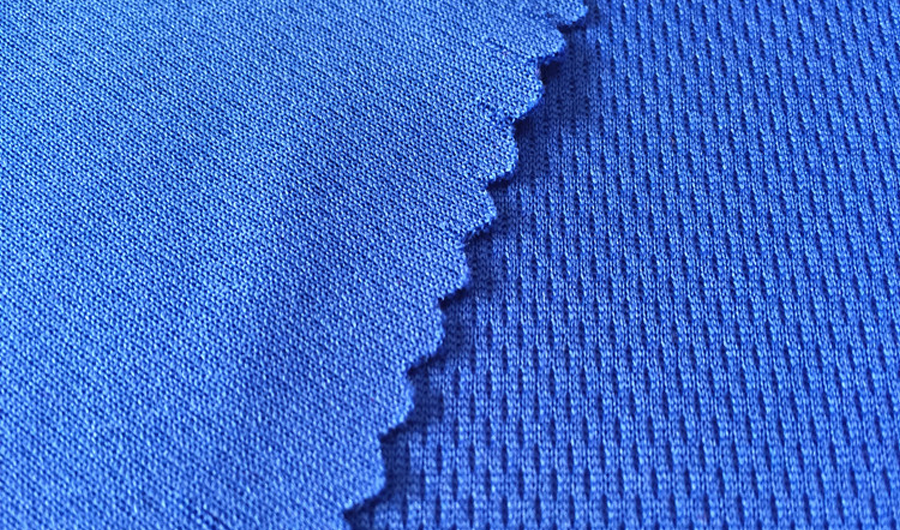
100% cotton, polyester and cotton blends can accept decoration differently. Ignoring fabric compatibility may cause weak adhesion, dye migration, muted color or inconsistent hand feel. Submit production-ready artwork with dimensions, color references, transparent backgrounds or vector separations as appropriate.
Weak Approval And Reorder Control
1 approved digital mockup is not a physical production standard. Screen color can differ from the garment, and skipping a sample hides placement, scale, curing and wash-performance problems.
9. Steps to Launch Your Brand
A 10-step launch sequence turns a design concept into a repeatable apparel program.
Define Buyer And Garment
Step 1: specify the customer, wearing occasion, expected price point and quantity before selecting products. Separate everyday streetwear, teamwear and uniform needs because fit, fabric and decoration priorities differ.
Prepare Artwork And Method
Step 3: prepare production-ready artwork with dimensions, placement measurements, color references and the correct file format. Vector artwork supports clean screen separations; high-resolution digital files support detailed DTG imagery. Step 4: choose screen printing vs dtg by comparing quantity, color complexity, fabric composition, hand feel and expected wear.
Sample, Test And Approve
Step 5: request a decorated sample using the intended blank, artwork and production method. Check print placement, registration, color, hand feel, seams and measurements against the specification. Step 6: conduct fit checks and wash testing before approval.
Order And Protect Reorders
Step 8: define labels, care instructions, hangtags, carton marks, folding and polybag requirements before placing the first order. Confirm size ratios and color quantities against realistic demand to limit stranded inventory. Step 9: place the order only after written approval of quantities, tolerances and delivery requirements.
10. screen printing vs dtg Pricing and Cost
1 screen is typically prepared for each screen-printed color, so artwork separation, screen charges and setup time rise with color count and added placements. com/magazine/dtg-printing-vs-screen-printing. 4 cost buckets should be quoted separately: garment quality, decoration, sampling and fulfillment. Confirm fabric composition and weight, print locations, Pantone matching, pretreatment, packaging, shipping, inspection allowances and the commercial treatment of defects before approving a unit price. 2 reorder questions matter: does the artwork remain unchanged, and can the approved garment and decoration standard be reproduced? Screen printing often improves at higher quantities because setup is spread across more units; DTG can protect cash flow for small, detailed runs, but sampling and per-piece costs may remain higher.
| Print Method / Tier | Indicative Cost Structure | Likely Lead-Time Implication | Buyer Decision Supported |
|---|---|---|---|
| DTG, 1–24 units | Low setup; higher per-piece ink, pretreatment and handling cost | Fast artwork-to-sample workflow; allow curing and approval time | Test detailed graphics or validate demand |
| Screen print, 25–99 units | Screen and color setup spread across a short run; placement adds cost | Setup and color separations extend pre-production | Choose limited colors and controlled placements |
| Screen print, 100+ units | Lower unit economics when artwork, colors and placements repeat | More efficient bulk production after approval | Commit to proven core styles or team orders |
| Any method, reorder | Existing screens or files may reduce setup; garment, packaging, freight and defect terms remain material | Shorter only when standards and materials are unchanged | Compare landed cost, not decoration price alone |
Screen Printing vs DTG: Frequently Asked Questions
Clear answers for brands planning samples, bulk production and repeatable apparel collections.
screen printing vs dtg: Which method is better for bulk apparel orders?
screen printing vs dtg: Can EDVORIN develop a sample before bulk production?
screen printing vs dtg: Which works better for detailed or photographic artwork?
Can screen printing and DTG be used on the same apparel collection?
What fabrics are compatible with screen printing and DTG?
EDVORIN’s MOQ starts at 200 pieces per style. Does EDVORIN have a minimum order quantity for printed apparel?
How does EDVORIN protect consistency on repeat orders?
Make Your Screen Printing vs DTG Decision With Confidence
Share your garment category, artwork, quantity and target market with EDVORIN for a production-ready decoration recommendation.