
Sublimation Printing for Production-Ready Apparel
A practical sublimation printing guide for brands, teams and private-label buyers—from artwork decisions to repeatable bulk production.
Key Decisions Before Sublimation Production
This sublimation printing guide helps apparel buyers align artwork, materials, color control and placement documentation before sampling and bulk production.
Artwork Prepared for Production
Translate brand artwork into print-ready files with correct dimensions, resolution, color references and repeatable placement specifications before sampling begins.
Material Compatibility First
Select polyester-rich fabrics and suitable garment constructions so sublimation performance, hand feel, color appearance and intended end use align.
Color Control That Scales
Define color references, proofing expectations and approval standards that help protect visual consistency across samples, sizes and repeat bulk orders.
Placement Documented Clearly
Record artwork position, dimensions and orientation by style and size so production teams can reproduce the approved appearance accurately.
Sample to Bulk Control
Use approved samples, documented revisions and in-line quality checks to connect development decisions with dependable bulk production.
From Artwork to Approved Bulk Production
EDVORIN turns your concept or tech pack into a tested, documented and repeatable sublimated apparel program.
Define the Production Standard
Review artwork, tech packs, fabric choices and intended use to establish sublimation requirements, color references, placement measurements, fit expectations and decoration specifications.
Develop and Test the Sample
Coordinate polyester fabrics, trims, artwork files and construction details, then produce a decorated sample that makes fit, color, placement and finish reviewable.
Approve the Repeatable Standard
Capture approved measurements, artwork positions, color targets, materials and finishing details in a clear standard before releasing the style for bulk production.
Control Production Through Inspection
Monitor cutting, decoration, sewing, finishing and packing with in-line and final checks so every garment reflects the approved sample across the order.
Sublimation Printing for Every Apparel Program
Explore how sublimation, construction and production controls support streetwear, teamwear, school, corporate and wholesale apparel programs.
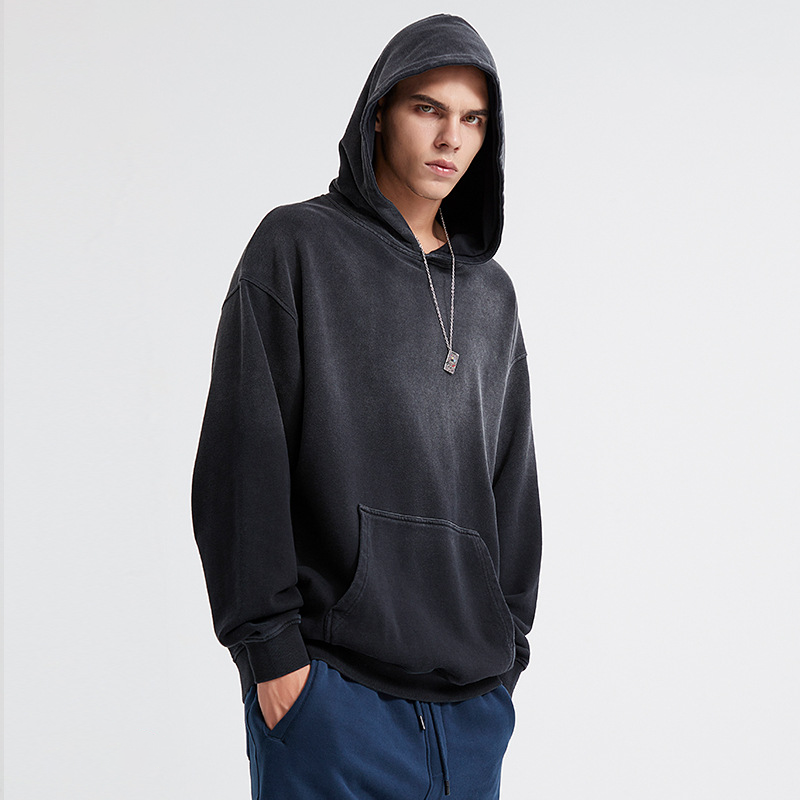
Custom Hoodies
EDVORIN develops custom hoodies with fabric, fit, fleece weight and artwork requirements aligned to the program. As a custom hoodie manufacturer, the company coordinates sublimation-compatible panels, additional decoration, labels and approved samples for repeatable streetwear, school, corporate and wholesale orders.
Get a Quote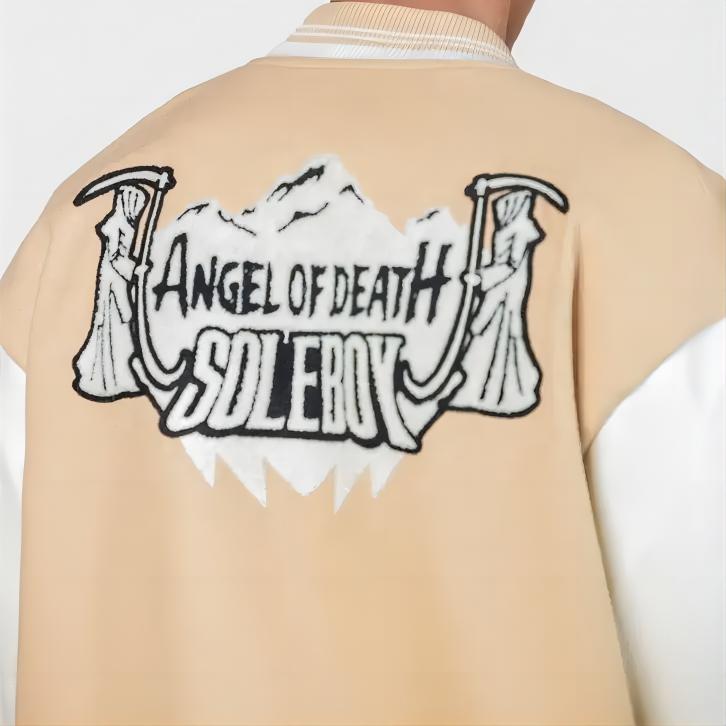
Pullover Sweatshirts
Pullover sweatshirts can be developed in fleece or other selected materials with controlled proportions, rib construction and decoration placement. EDVORIN operates as a sweatshirt manufacturer, coordinating sublimation applications where suitable alongside printing, embroidery, sampling and bulk quality checks.
Get a Quote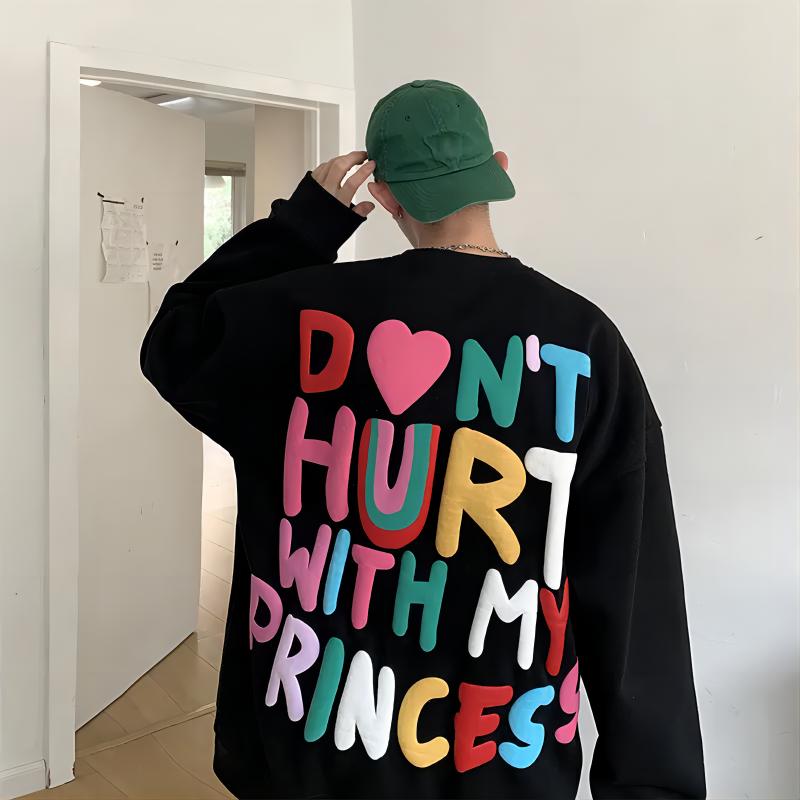
Sweatpants & Joggers
EDVORIN develops sweatpants and joggers with attention to fabric weight, waistband recovery, pocket construction, leg proportions and grading. As a sweatpants manufacturer, the company can coordinate sublimated artwork, embroidery or other decoration for matching teamwear, streetwear and private-label sets.
Get a Quote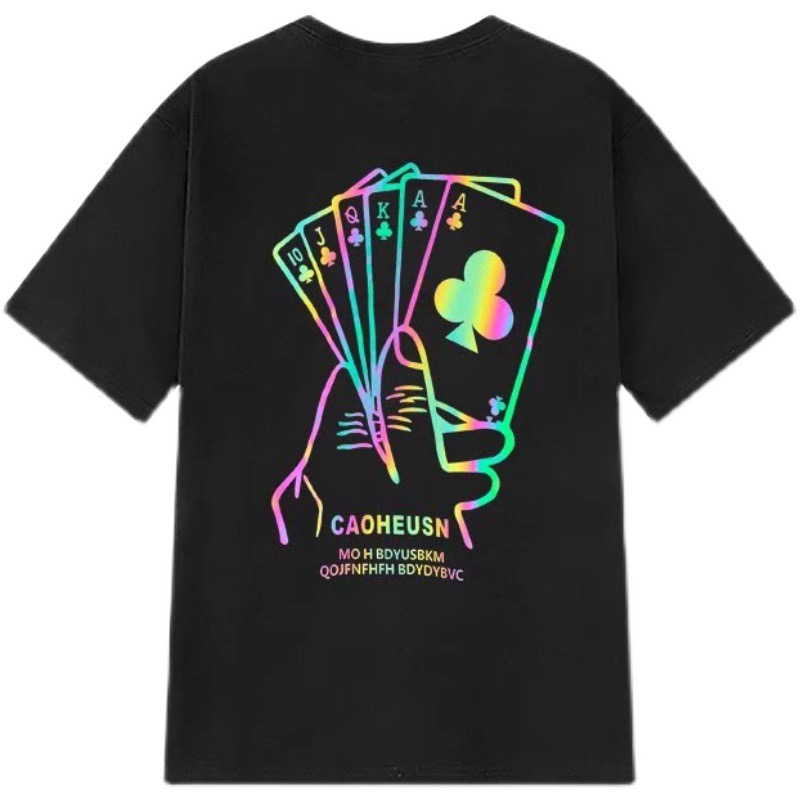
Custom Shorts
Custom shorts are developed around intended use, including casualwear, training, teamwear or promotional programs. EDVORIN coordinates shell fabric, lining, waistband, pockets, sublimation artwork and size grading as a custom shorts manufacturer, with approved standards carried through bulk production.
Get a Quote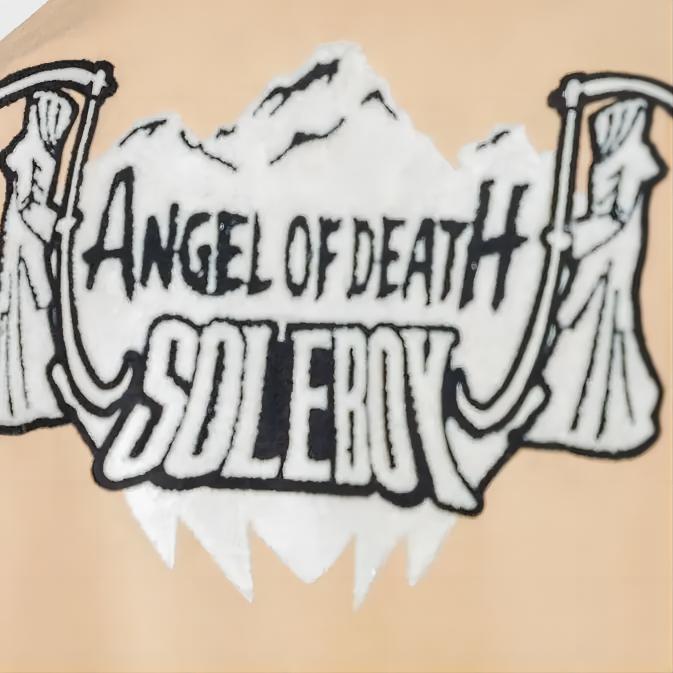
Varsity & Baseball Jackets
Varsity and baseball jackets require coordination between body fabric, sleeves, rib, snaps, patches, embroidery, lining and fit. EDVORIN supports these details as a varsity jacket manufacturer, developing school, streetwear, team and private-label programs from sample approval through checked bulk production.
Get a Quote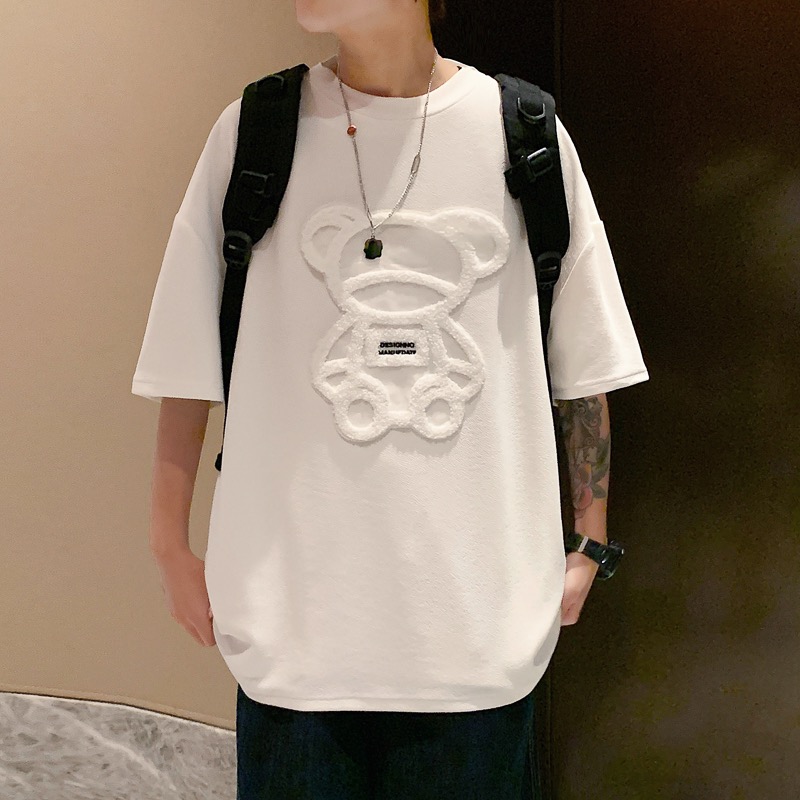
Custom T-Shirts
Custom T-shirts can be developed in cotton, blends or performance fabrics according to the application. As a custom t shirt manufacturer, EDVORIN coordinates sublimation, screen printing, embroidery, labels, fit blocks and grading for fashion, school, corporate, wholesale and teamwear collections.
Get a Quote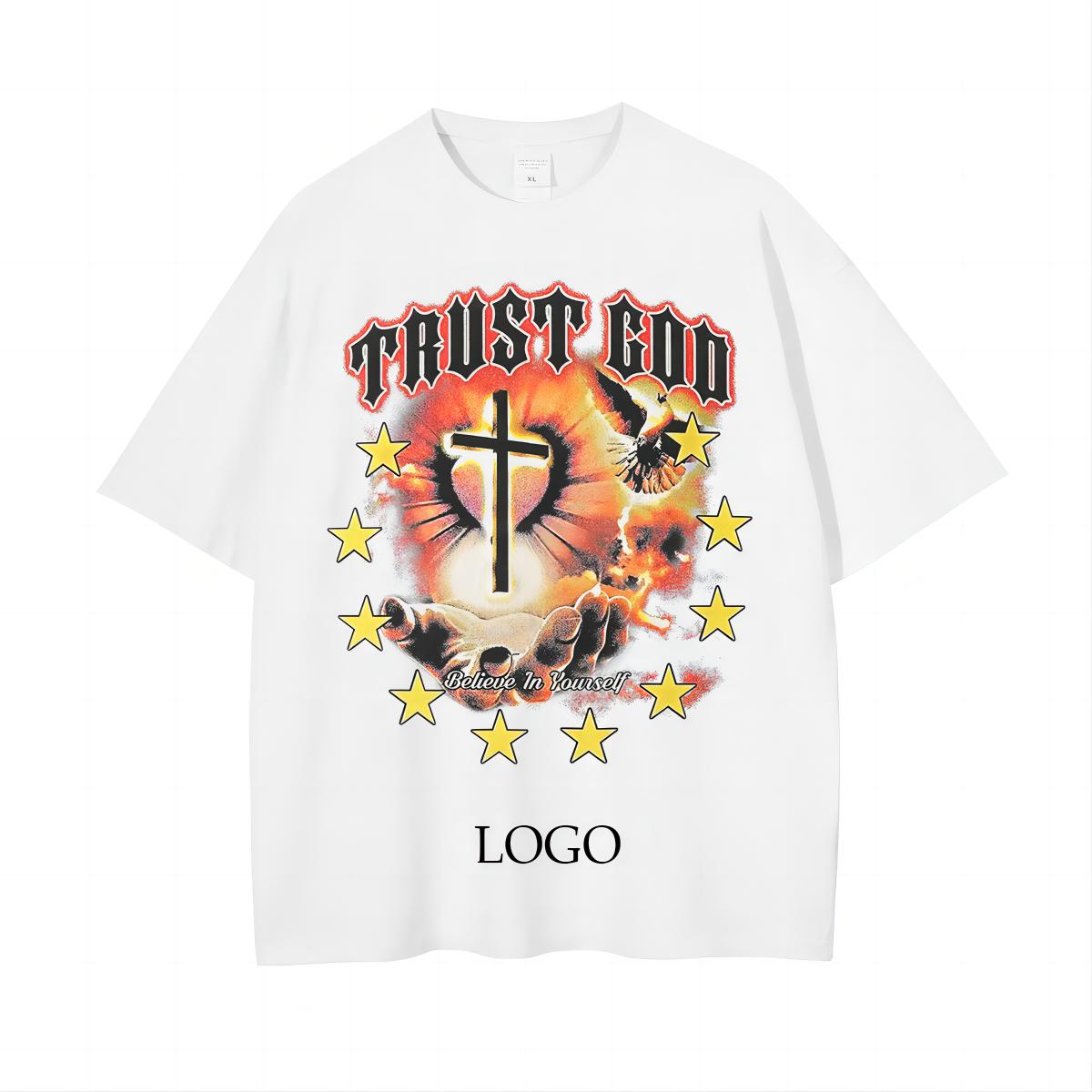
Custom Polo Shirts
Custom polo shirts are developed with attention to collar construction, plackets, button selection, fabric performance, embroidery and artwork placement. EDVORIN works as a polo shirt manufacturer for corporate uniforms, schools, clubs, hospitality programs and private labels requiring consistent sizing and repeat orders.
Get a Quote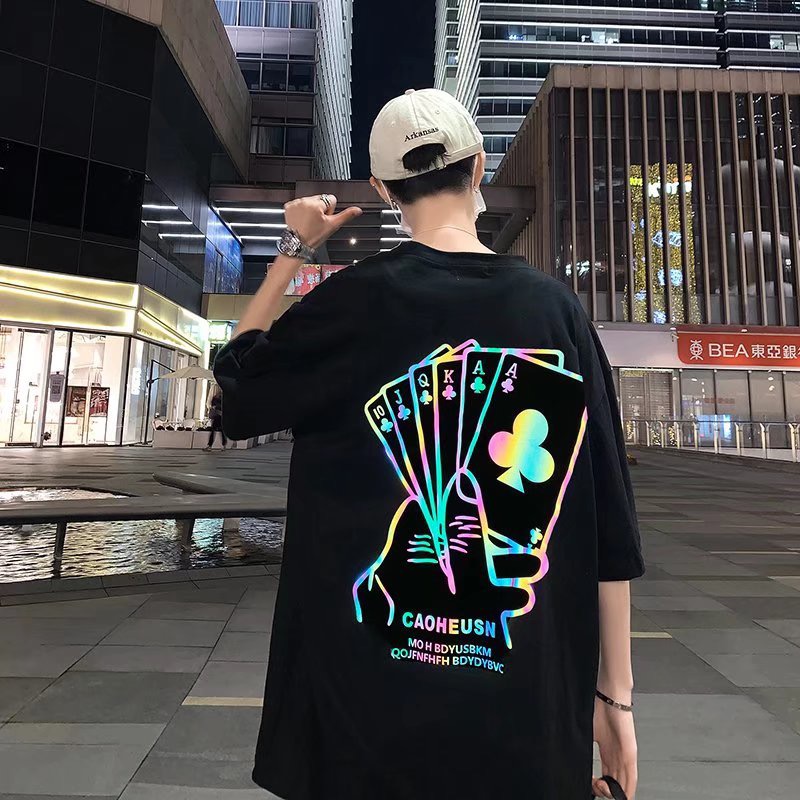
Windbreaker Jackets
Windbreaker jackets require suitable shell fabrics, lining decisions, closures, pockets and finishing for the intended environment. As a windbreaker manufacturer, EDVORIN coordinates sublimated panels or alternative decoration, color references and construction standards for teamwear, streetwear, corporate and promotional programs.
Get a Quote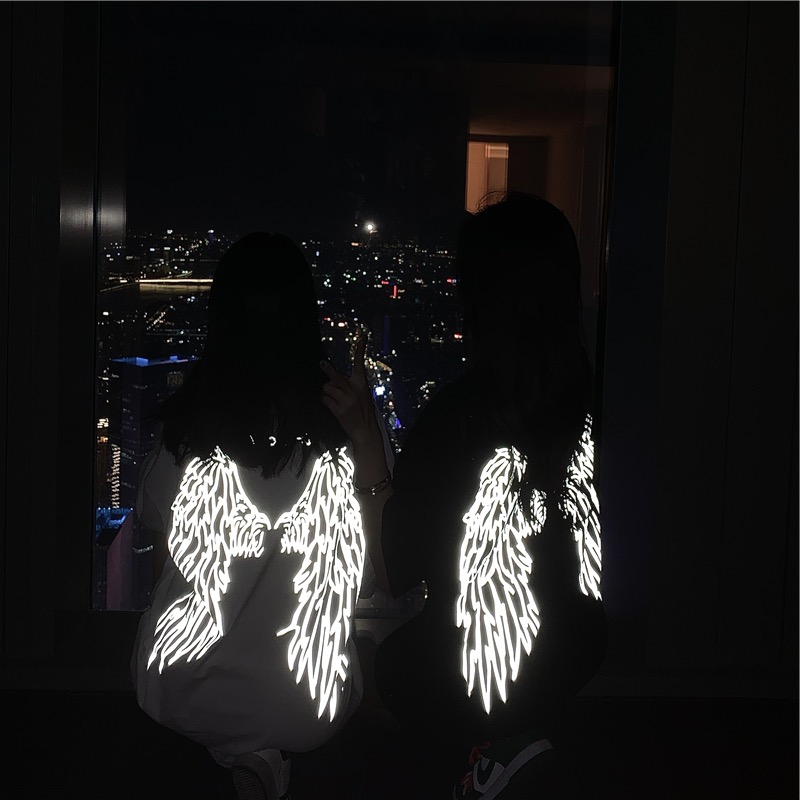
Quilted Jackets
Quilted jackets are developed through coordinated decisions on shell fabric, insulation, quilting pattern, lining, hardware and proportions. EDVORIN supports buyers as a quilted jacket manufacturer, documenting materials, trims, decoration and inspection points for seasonal fashion, corporate outerwear and wholesale programs.
Get a Quote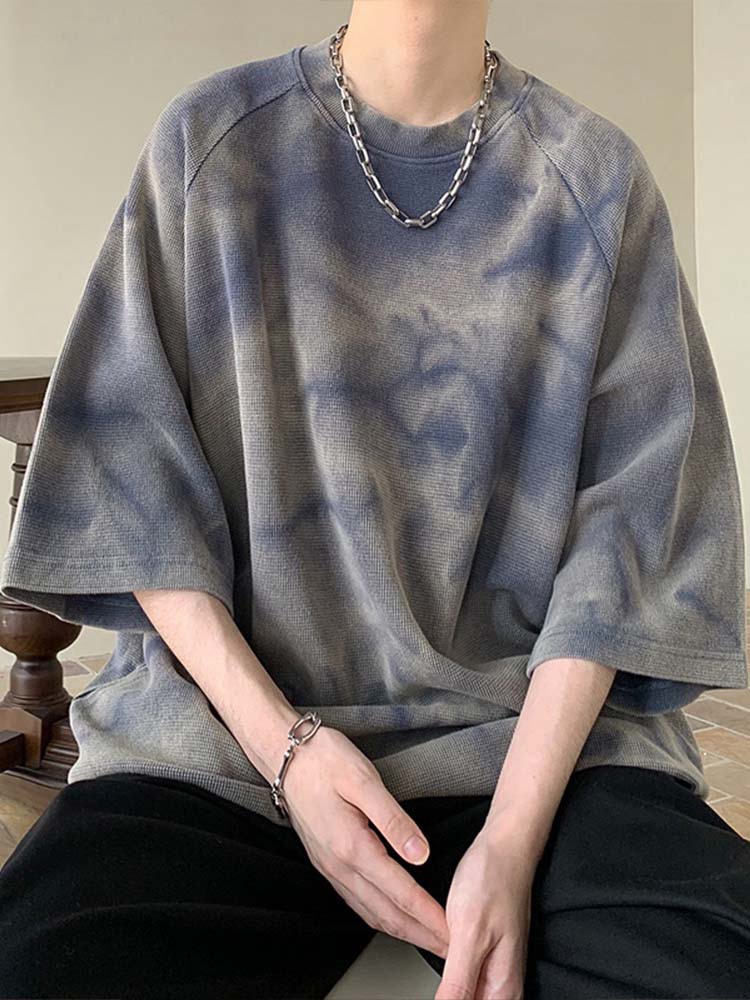
Bomber Jackets
Bomber jackets combine body construction with rib collars, cuffs, waistbands, lining, closures and optional patches or embroidery. As a bomber jacket manufacturer, EDVORIN develops the approved specification for streetwear, fashion, team and private-label buyers, including fit, artwork placement and bulk consistency.
Get a Quote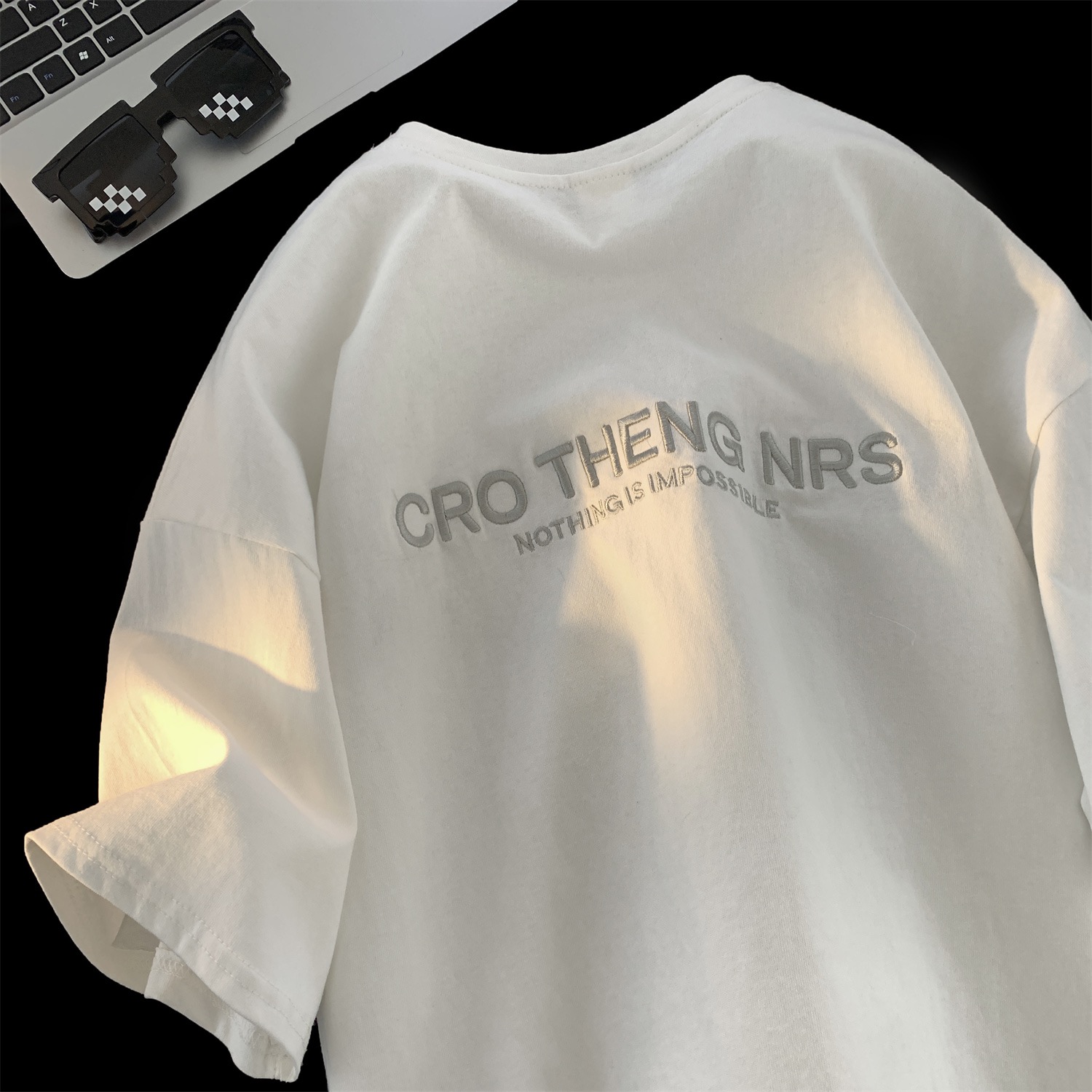
Custom Shirts
Custom woven shirts require clear decisions on fabric, collar, cuffs, plackets, buttons, pockets, fit and finishing. EDVORIN works as a custom woven shirt manufacturer, coordinating printing or embroidery where appropriate for fashion labels, corporate programs, uniforms and wholesale collections.
Get a Quote
Custom Jerseys
Custom jerseys are developed for sport, club, school and promotional use, with attention to breathable performance fabrics, panel construction, color control, names, numbers and sponsor artwork. As a custom jersey manufacturer, EDVORIN manages sublimation layouts, size grading and repeatable team-order standards.
Get a Quote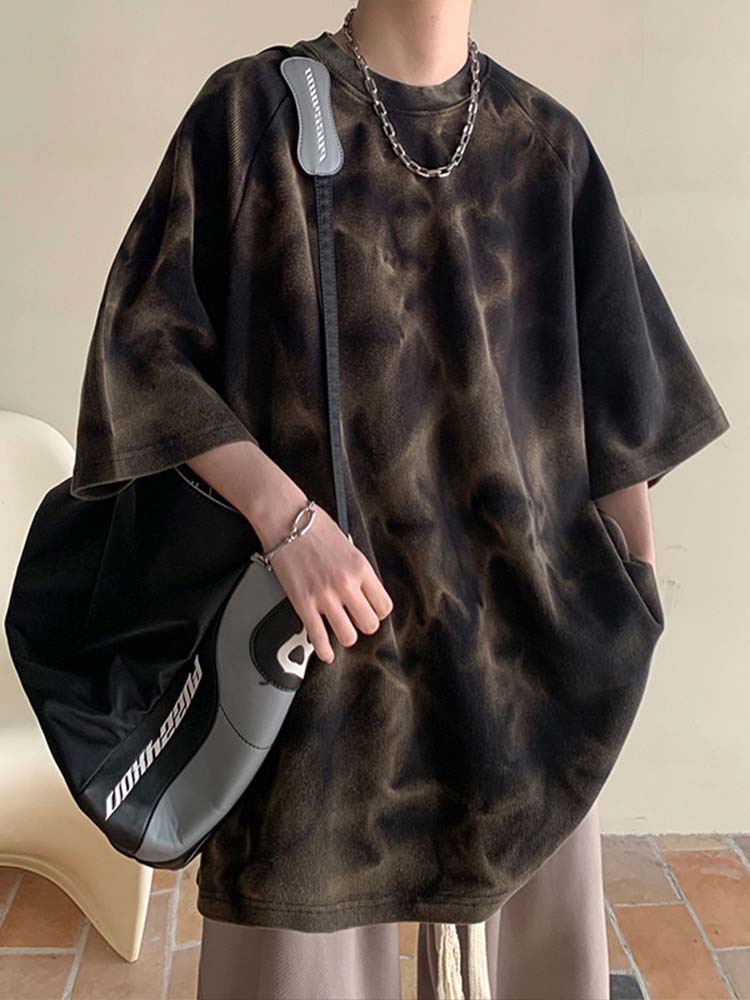
Tank Tops
Tank tops can be developed for training, casualwear, streetwear, events or coordinated team programs. EDVORIN supports custom tank top manufacturing through fabric selection, armhole and neckline construction, sublimation or other decoration, labels and grading for men’s and women’s collections.
Get a Quote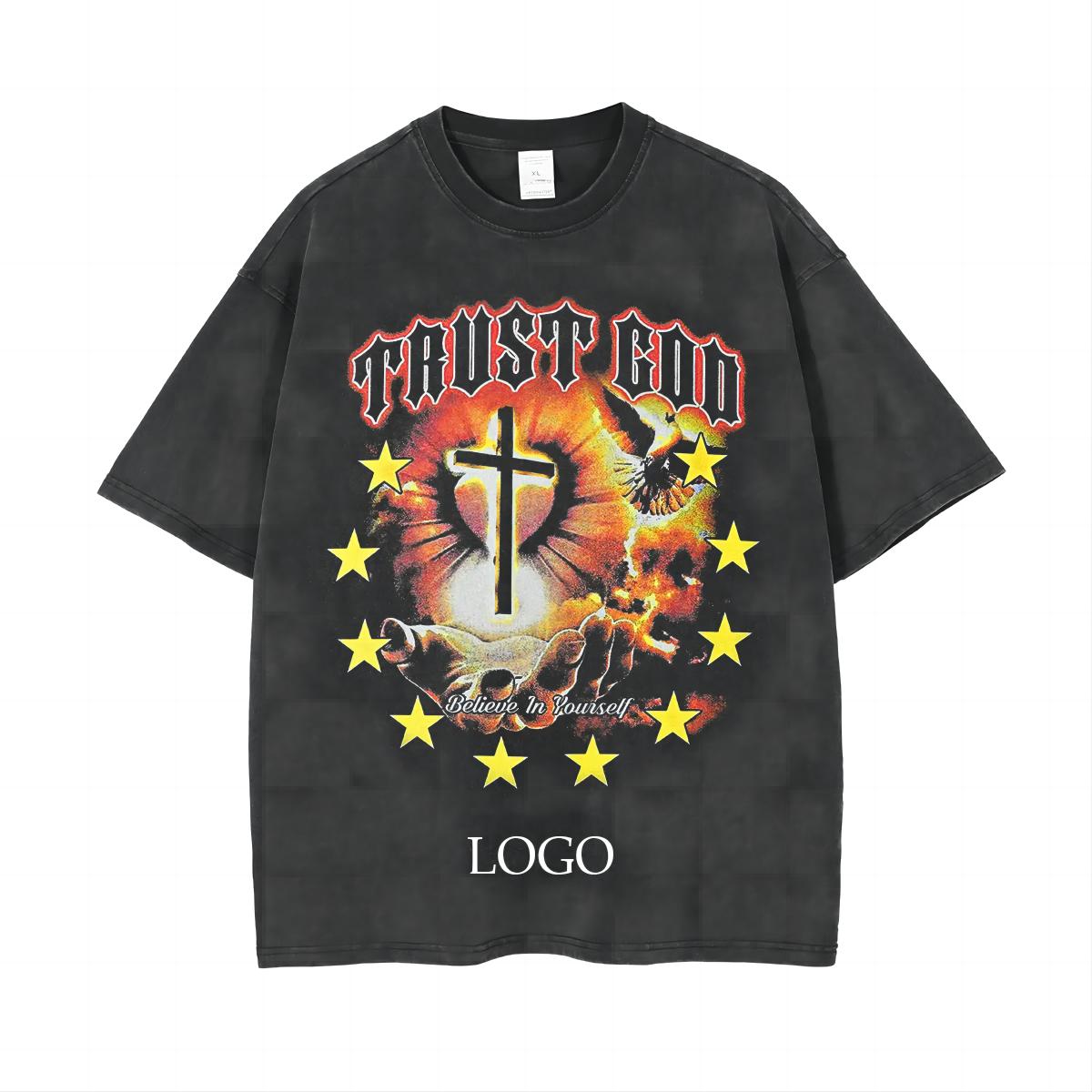
Soccer Uniforms
Soccer uniforms require coordinated jerseys, shorts and sometimes socks, with breathable materials, color accuracy, player identification and organized size sets. As a soccer uniform manufacturer, EDVORIN manages sublimation artwork, names, numbers, sponsor placement and approved standards for clubs, schools and academies.
Get a Quote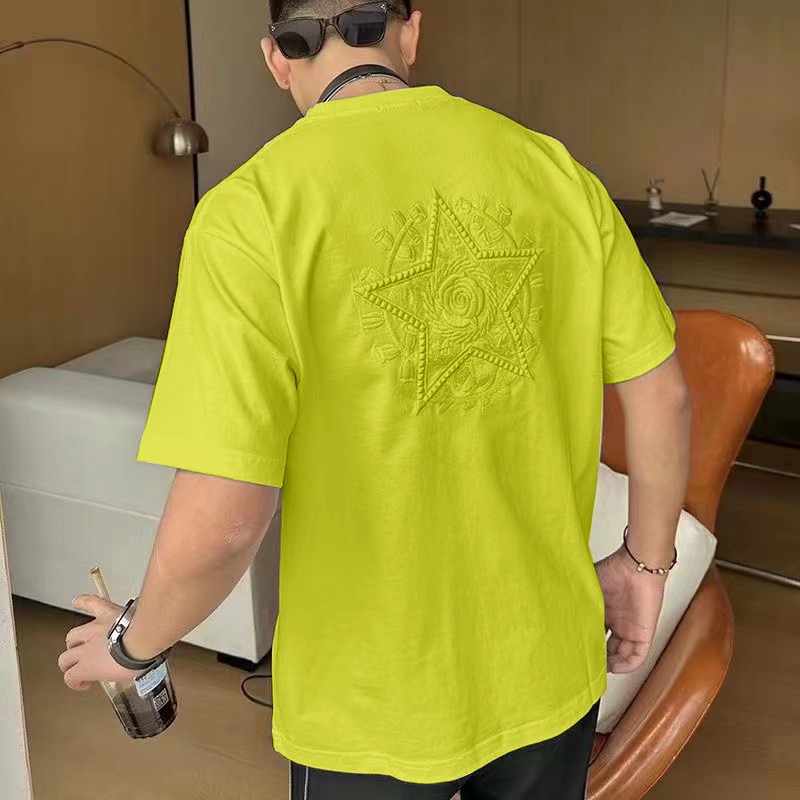
Basketball Uniforms
Basketball uniforms are developed for movement, breathable performance and consistent team presentation. EDVORIN coordinates mesh or performance fabrics, jersey and short construction, sublimated graphics, names, numbers, color references and size grading as a basketball uniform manufacturer for clubs, schools and academies.
Get a Quote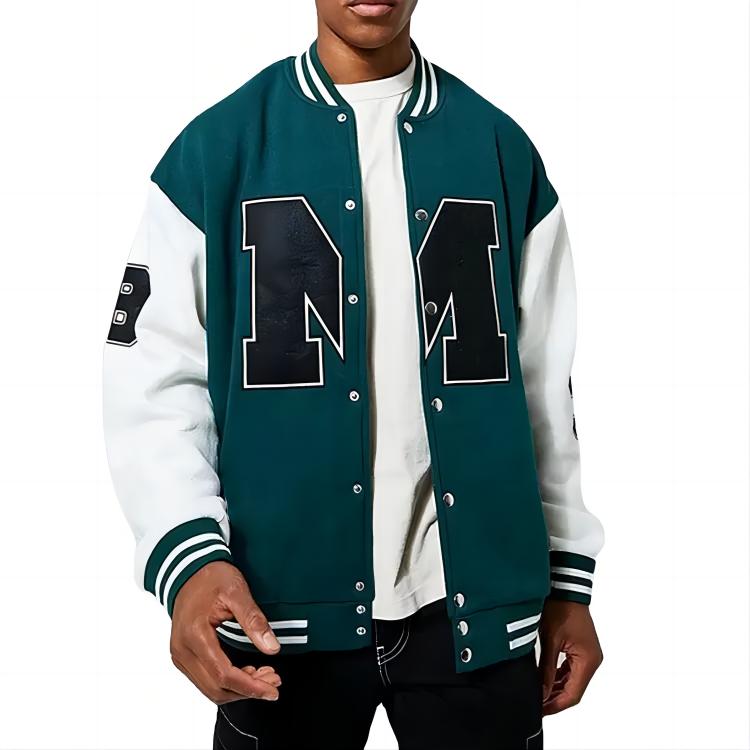
Streetwear Collections
Streetwear collections require consistency across silhouettes, materials, decoration and seasonal color direction. As a streetwear clothing manufacturer, EDVORIN connects hoodies, sweatshirts, bottoms, jackets, T-shirts and woven pieces under one production system, supporting OEM, ODM and private-label development from concept through repeat bulk orders.
Get a QuoteThe Complete sublimation printing guide for Apparel Buyers
Use this decision framework to evaluate fabrics, decoration methods, production quality, suppliers, pricing, and launch requirements while avoiding common sublimation buying mistakes that can reduce consistency, durability, margins, and customer satisfaction.
1. What Is a Sublimation Printing Guide?
100% polyester is the standard apparel substrate for dye sublimation. Artwork is printed with sublimation ink onto transfer paper, then heat changes the dye from a solid directly into a gas; the gas bonds with compatible polyester fibers or a polymer coating instead of forming a separate ink layer. com/blog/guide-to-sublimation-printing
All-over sublimation transfers artwork into cut fabric panels before sewing, allowing continuous color, gradients, photographs, team graphics and edge-to-edge patterns. Surface-applied decoration—such as screen printing, embroidery, vinyl or DTF—sits on top of a finished garment and is usually selected when the design needs cotton compatibility, dark-ground coverage or a localized logo. Five buyer groups can use sublimation effectively: fashion brands and streetwear labels needing engineered all-over graphics; sports teams and schools requiring names, numbers and repeatable full-color kits; and wholesalers or private-label buyers seeking scalable, consistent collections.
2. Sublimation Printing Guide: Evolution and History
1960s: dye-sublimation moved from specialized industrial applications toward textile decoration, establishing the core buyer advantage of embedding color into synthetic fibers instead of building a surface layer. com/blog/guide-to-sublimation-printing). 1990s–2000s: digital artwork and wider-format inkjet systems made photographic detail, gradients, all-over layouts, and rapidly revised files practical for apparel programs. Buyers could evaluate artwork on a digital proof, record placement and color references, then repeat the approved file across jerseys, uniforms, and coordinated collections without preparing a separate screen for every colorway. 2010s–2020s: web-to-print workflows and on-demand production reduced the commercial barrier for personalized garments and smaller runs.
3. Types Covered in This Sublimation Printing Guide
Five application types cover most B2B sublimation programs, from full cut-and-sew garments to limited promotional drops.
Cut-and-Sew All-Over Printing
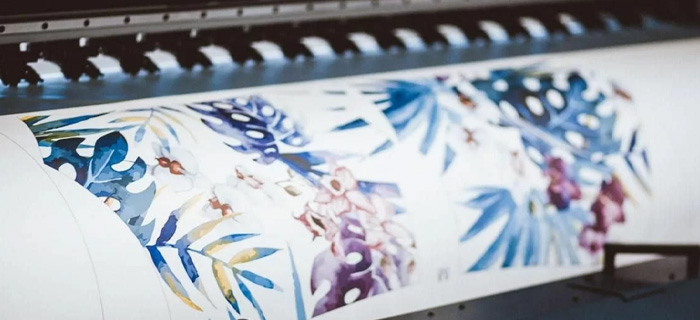
100% polyester cut-and-sew programs suit photographic graphics, gradients, and edge-to-edge artwork across shirts, jerseys, and lightweight outerwear.
Sublimated Panels
Two to six printed panels work well when the design needs controlled placement on sleeves, yokes, side inserts, or front bodies rather than full coverage. Panel programs can reduce artwork and construction complexity for moderate orders.
Teamwear And Uniforms
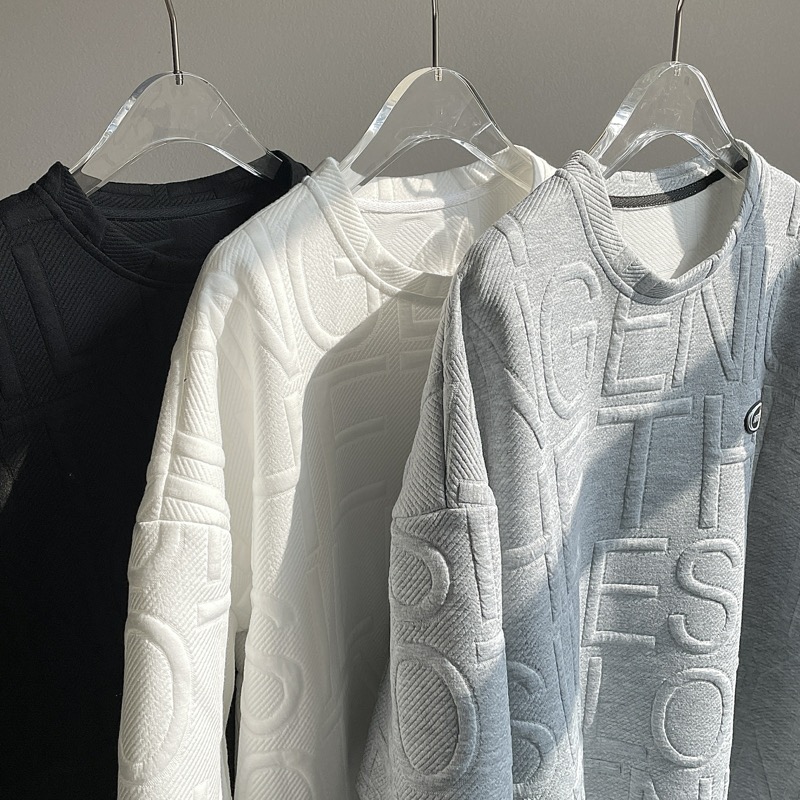
Numbered jerseys, soccer kits, basketball uniforms, and school teamwear benefit from repeatable names, numbers, crests, and color blocks across size runs. These programs fit replenishment orders and mixed-size assortments.
Fashion And Streetwear Capsules
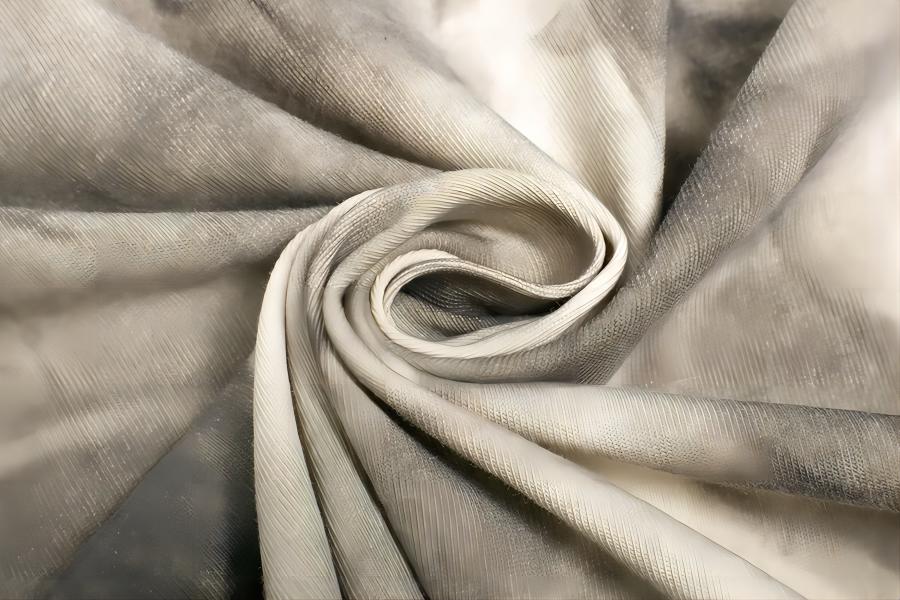
Small capsule drops use sublimation for bold graphics, illustrated artwork, and coordinated tops, shorts, or windbreakers without relying on separate appliqué layers. Limited runs suit testing new silhouettes and color stories.
Private-Label Collections
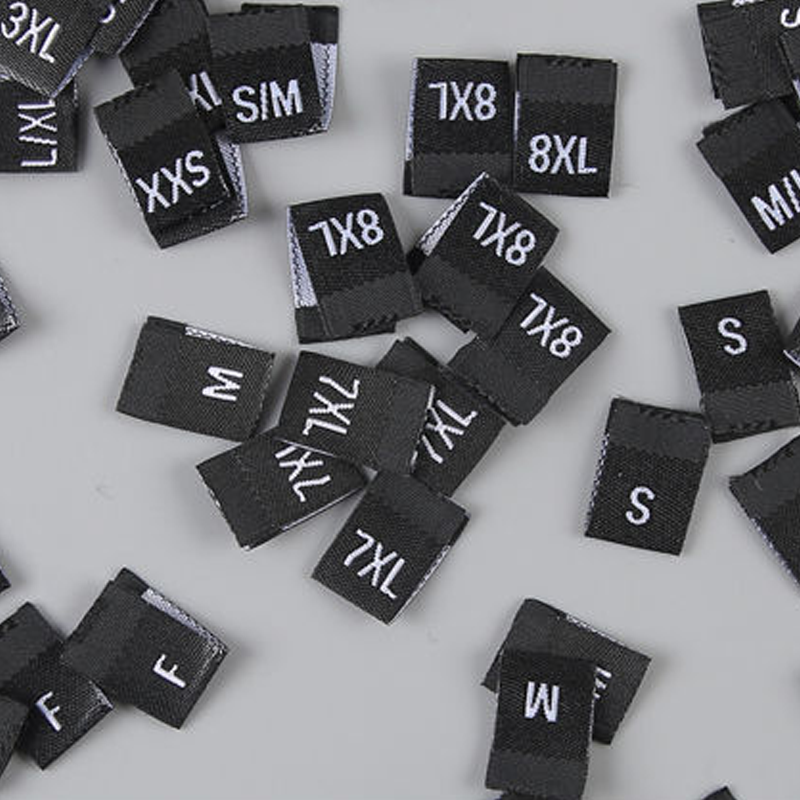
Private-label buyers can combine sublimated bodies with custom labels, packaging, trims, and approved fit blocks across a coordinated collection. This format suits wholesalers, distributors, and growing brands that need repeatable specifications.
4. Materials and Fabrics for Sublimation Printing
100% polyester generally gives the strongest sublimation color, while blends trade some print intensity for a softer, more cotton-like hand.
| Fabric / GSM | Typical Application | Buyer Consideration |
|---|---|---|
| Polyester jersey / 120–180 | Jerseys, soccer uniforms | Lightweight, breathable, vivid color |
| Polyester interlock / 160–220 | Activewear, performance tops | Smooth face and stable print |
| Polyester single jersey / 180–240 | Tees | Balanced body and comfort |
| Polyester fleece / 280–380 | Hoodies | Warmth; test shrinkage and press marks |
| Polyester woven / 140–220 | Shorts | Durable surface and movement ease |
| Coated polyester / 200–400 | Accessories | Coating uniformity controls detail and color |
Fiber Content And Color
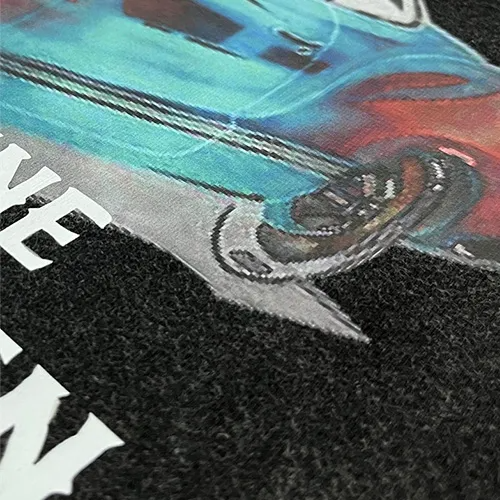
100% polyester accepts sublimation dye most consistently because the dye bonds with polyester fibers. Polyester-cotton blends can produce softer hand feel and better natural comfort, but cotton content reduces color density and may create a faded or heathered appearance.
- 100% polyester: brightest color and sharpest repeatability
- Polyester-spandex: stretch with strong color retention
- Polyester-cotton: softer hand, muted sublimation result
Weight, Hand Feel And Performance
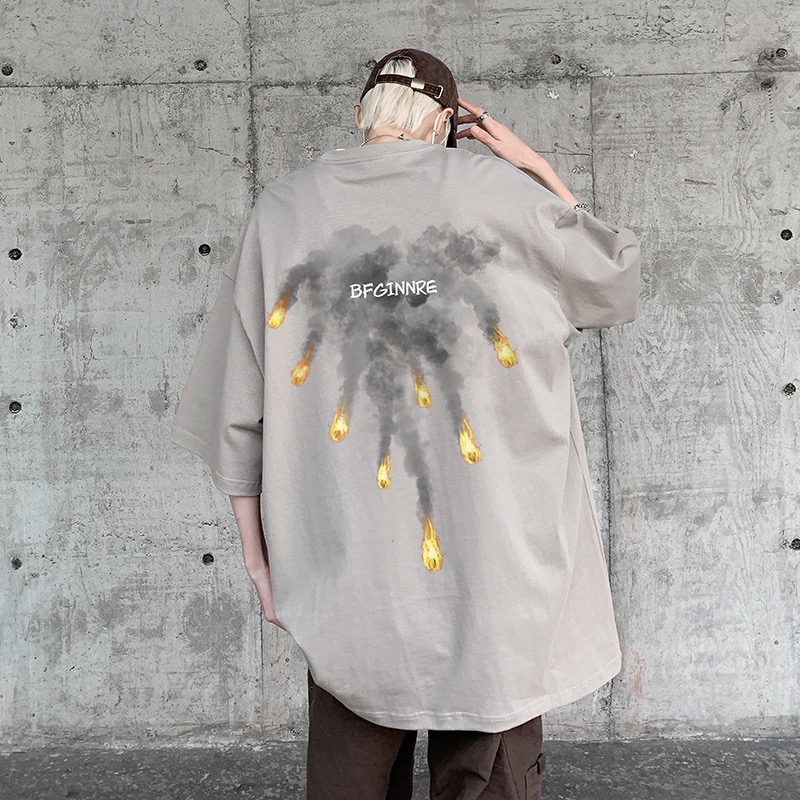
120–180 GSM jerseys suit lightweight teamwear, while 180–240 GSM tees and shorts offer more body. French terry and fleece at 280–380 GSM provide warmth and structure, but require controlled heat to limit shrinkage and press marks. Spandex improves stretch and recovery; tighter constructions can reduce breathability.
5. Customization Options in the Sublimation Printing Guide
100% polyester panels let sublimation carry artwork across seams, shaping the garment rather than adding a surface layer.
| Method | Color range | Feel | Minimums/setup | Durability | Garment shade |
|---|---|---|---|---|---|
| Sublimation | Full spectrum | Dye-in fabric | Setup; efficient panels | High | Light polyester |
| Screen print | Spot colors | Raised ink | Screens; favors volume | High | Light or dark |
| DTG | Full color | Soft surface ink | Low setup; small runs | Medium-high | Light; dark with white base |
| DTF | Full color | Transfer layer | Moderate setup | Medium-high | Light or dark |
| Heat-transfer vinyl | Cut colors | Plastic film | Low setup; weeding | Medium | Light or dark |
All-Over Graphics
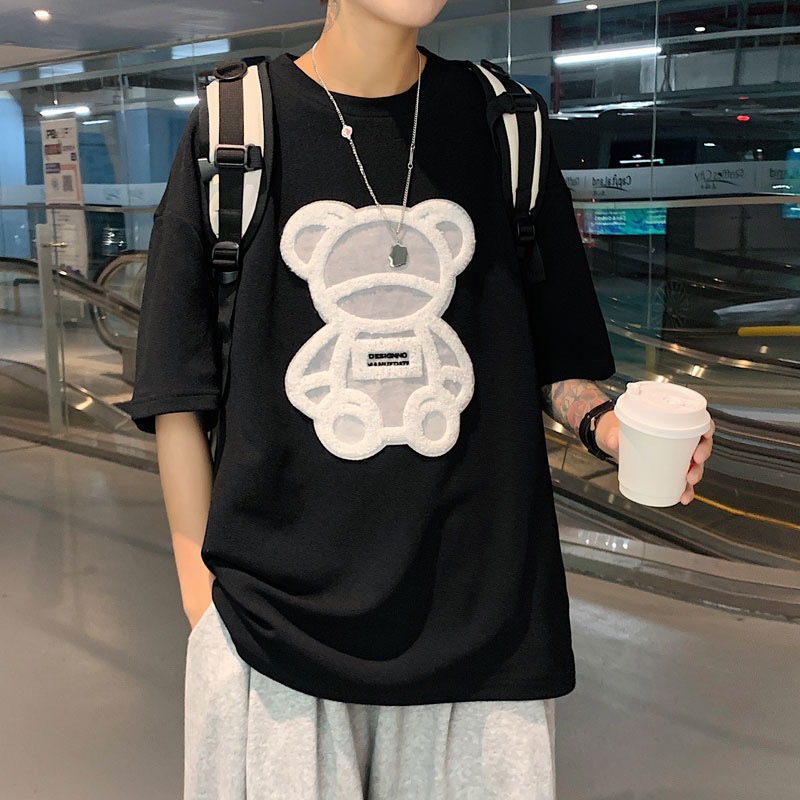
Full-panel sublimation suits jerseys, windbreakers, and coordinated streetwear where artwork must cross sleeves, side panels, and body sections.
Gradients And Photos
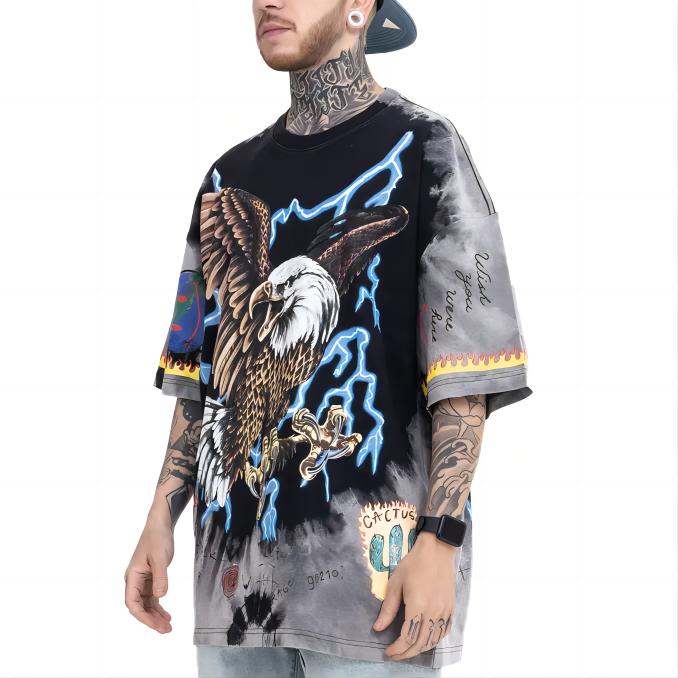
Continuous-tone gradients, photographic prints, and fine color transitions are practical strengths of sublimation on light polyester.
Logos And Numbering
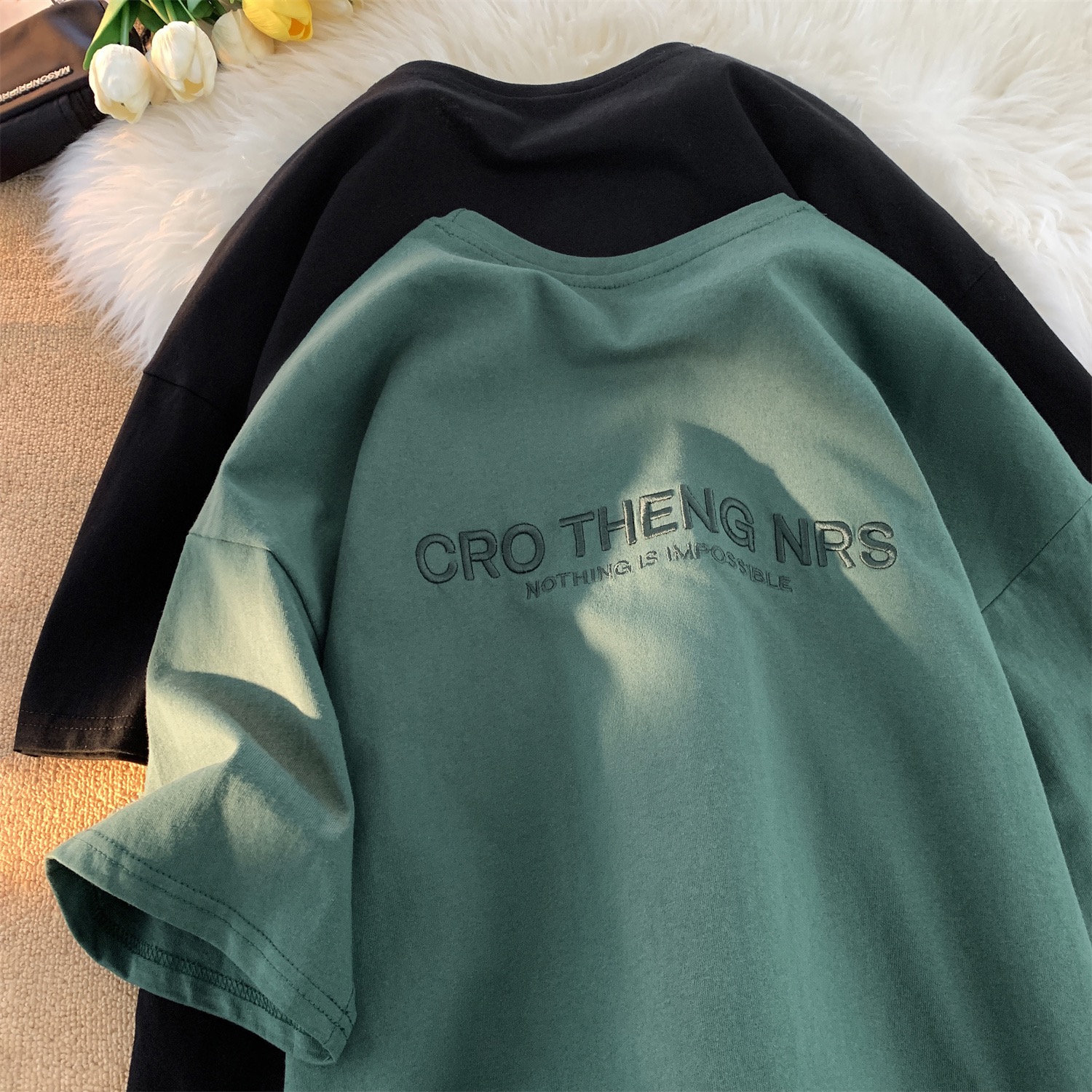
Team names, logos, and numbers require controlled artwork files, placement measurements, and repeatable color references.
Labels And Trims
Labels, woven badges, embroidery, zippers, snaps, and drawcords remain separate specification items even on a sublimated garment.
Mixed-Technique Garments
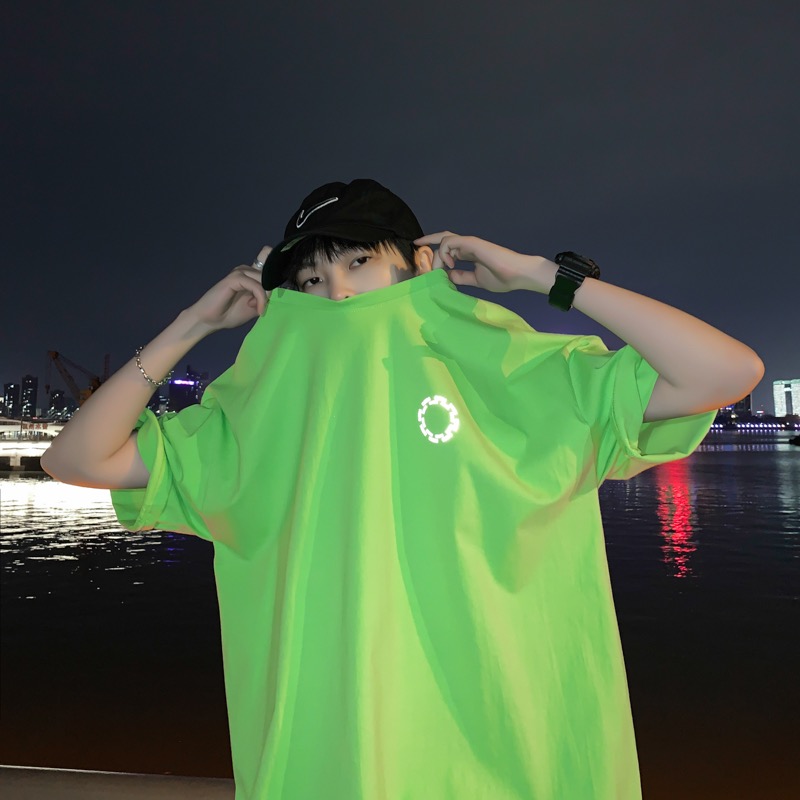
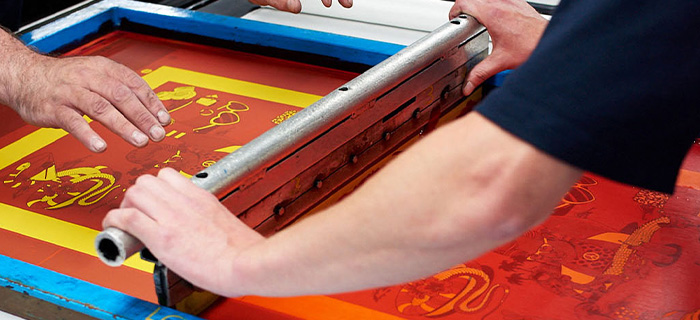
Combining sublimation with embroidery, screen print, DTF, or appliqué can add texture and hierarchy to a collection.
6. Key Construction and Quality Elements
A 100% polyester panel can print sharply and still fail as a garment.
Color and Registration
Pantone references, lab dips, and a signed strike-off establish the acceptable color range. Check registration at panel joins, especially across stripes, gradients, numbers, and logos. A 1–2 mm shift may be visible on athletic graphics.
Construction and Fit
Flatlock or secure overlock stitching, straight seams, balanced panels, and clean hems affect both comfort and perceived value. Inspect neckline recovery after stretching and confirm rib dimensions against the approved sample. Measure chest, body length, sleeve, inseam, and waistband against the size chart.
Labels and Trims
Woven labels, care labels, drawcords, snaps, zippers, and elastic should match the specification and remain securely attached. Hardware quality is particularly noticeable on jackets, uniforms, and premium streetwear. Panel alignment around pockets, collars, and side seams deserves a separate check.
Wash Testing and Shrinkage
Three to five wash cycles can reveal shade change, bleeding, shrinkage, seam twisting, cracking, or weak stretch recovery before bulk production. Test the finished garment, not only the fabric swatch. Record prewash and postwash measurements, then set acceptable tolerances by style.
7. How to Choose a Sublimation Manufacturer
Three checkpoints reveal most supplier risk: the development sample, documented production controls, and a small pilot order.
Apparel And Development Capability
Since 2000, EDVORIN has treated sublimation as part of garment development, where fit blocks, fabric behavior, seams, trims and decoration must work together. Confirm experience with your product category and intended wearer. Ask for a pre-production sample using the proposed fabric, artwork placement and size grading.
- Which apparel categories do you produce regularly?
- Can you provide a graded size set?
- How are sample revisions documented?
Artwork, Color And Equipment
Four-color process files still require controlled artwork preparation, calibrated output and repeatable heat-transfer settings. Ask how the supplier handles color references, panel matching, white grounds, gradients and placement tolerances. Verify claims with a strike-off or printed panel, production-equivalent equipment details and a wash test.
- Which RIP and press systems are used?
- How are color approvals archived?
- What tolerance applies across panels?
Materials, Quality And Compliance
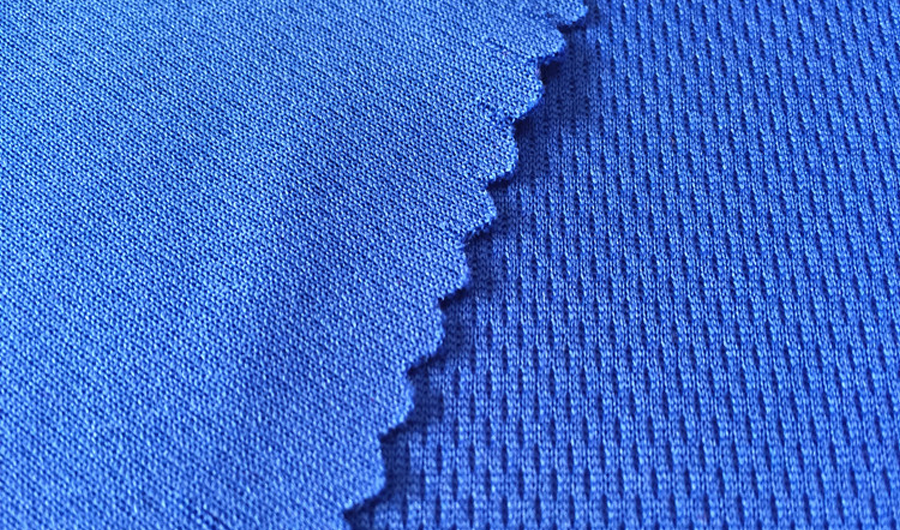
A documented fabric source should identify composition, weight, supplier and lot control. Request test reports for colorfastness, shrinkage and dimensional stability, plus applicable OEKO-TEX, GOTS, WRAP or BSCI documentation. Confirm in-line inspection, final inspection, defect classification, labeling and packaging checks.
- Who approves substitute materials?
- Which tests accompany bulk production?
- Can you share comparable buyer references?
Commercial Reliability And Reordering
MOQs, capacity, lead times and packaging rules should be written into the quotation, including size ratios, carton markings and replenishment terms. Ask what happens when demand changes or a repeat order uses a new colorway. Use a pilot order to verify communication speed, packing accuracy, delivery performance and reorder consistency.
- What are MOQ tiers and realistic lead times?
- Who owns reorder communication?
- How is capacity reserved during peak season?
8. Common Buyer Mistakes in Sublimation Printing
Four recurring mistakes create most avoidable sublimation problems: buyers approve artwork before validating fabric, color behavior, construction, fit and care performance.
Match Fabric To The Method
100% polyester gives sublimation its clearest color response; cotton-heavy blends can produce muted or unstable results. Confirm fiber content, fabric weight, finish, and intended garment before quoting.
Validate Color And White Bases
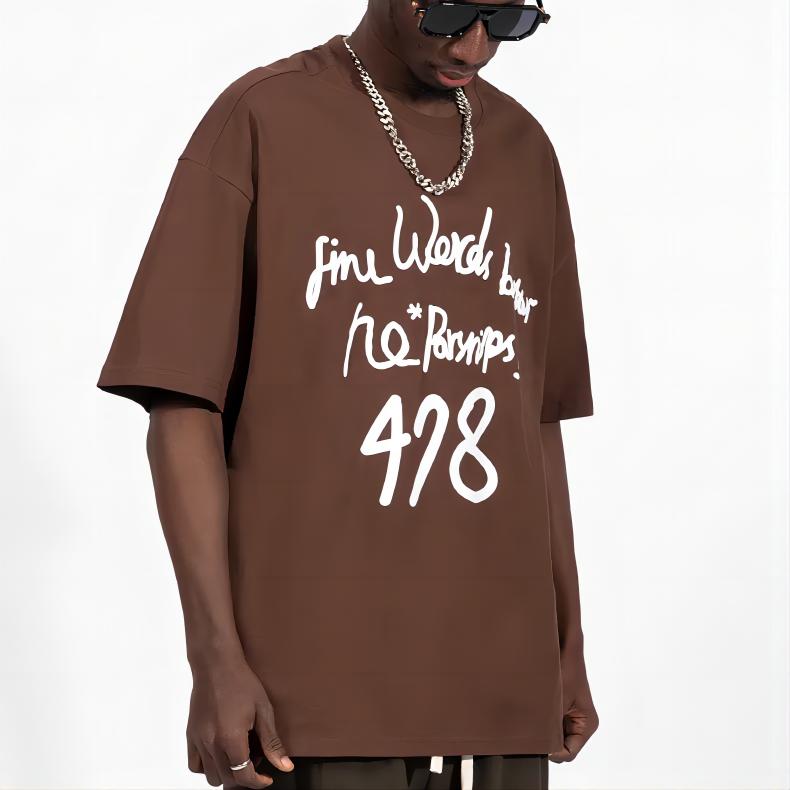
White-base limitations matter because sublimation adds color but does not print opaque white. Dark grounds, colored fabrics, and transparent artwork can therefore shift the final appearance.
Test Construction And Care
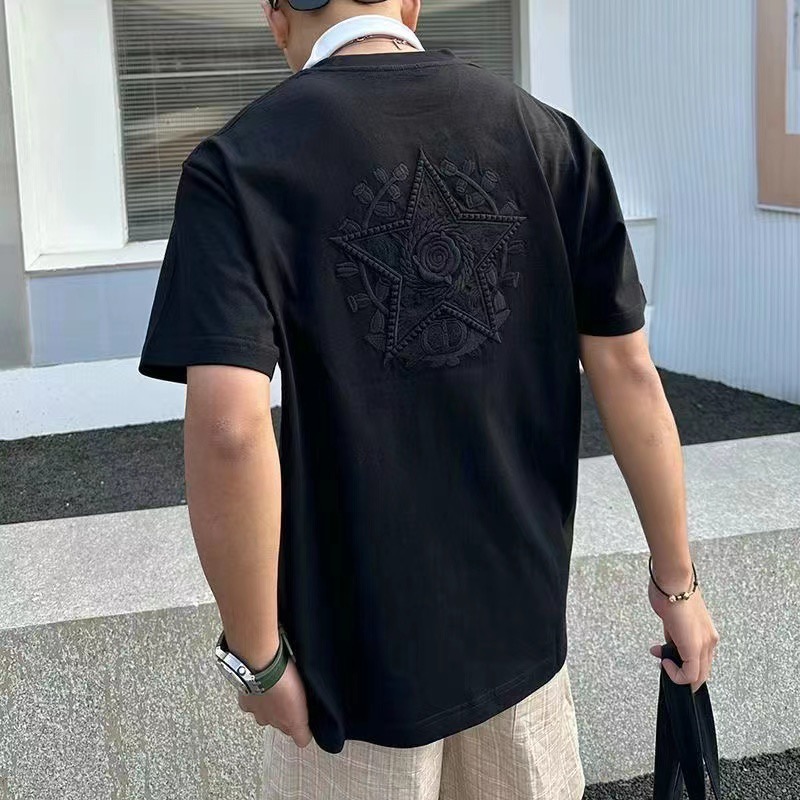
Seams, collars, pockets, and panels can interrupt artwork or create registration issues when placement is judged only on a flat screen. A digital mockup cannot reveal stretch, seam distortion, or press marks.
Compare Like With Like
Size ranges, grading, GSM, decoration coverage, trims, packaging, and inspection standards can change a quote more than the print itself. Comparing unit prices without matching specifications creates false savings.
9. Steps to Launch Your Apparel Brand
1 launch brief should define the customer, use case, target price, quantity and delivery date before artwork or sampling begins.
Define The Product Brief
5 buyer types need different gates: fashion brands approve silhouette and color story; sports organizations approve roster data and performance needs; schools approve identity rules and size coverage.
Prepare Artwork And Materials
3 files should be controlled: print artwork, placement map and color reference. Build sublimation artwork at final dimensions, then confirm fabric color, polyester content, GSM, fit block and grading before sampling.
Sample, Cost And Approve
2 checkpoints matter before bulk: review the first sample for fit, construction, color and decoration, then issue a revision sample where changes affect production risk. A complete costing should include fabric, decoration, trims, labels, packaging, freight and expected wastage.
Produce, Pack And Reorder
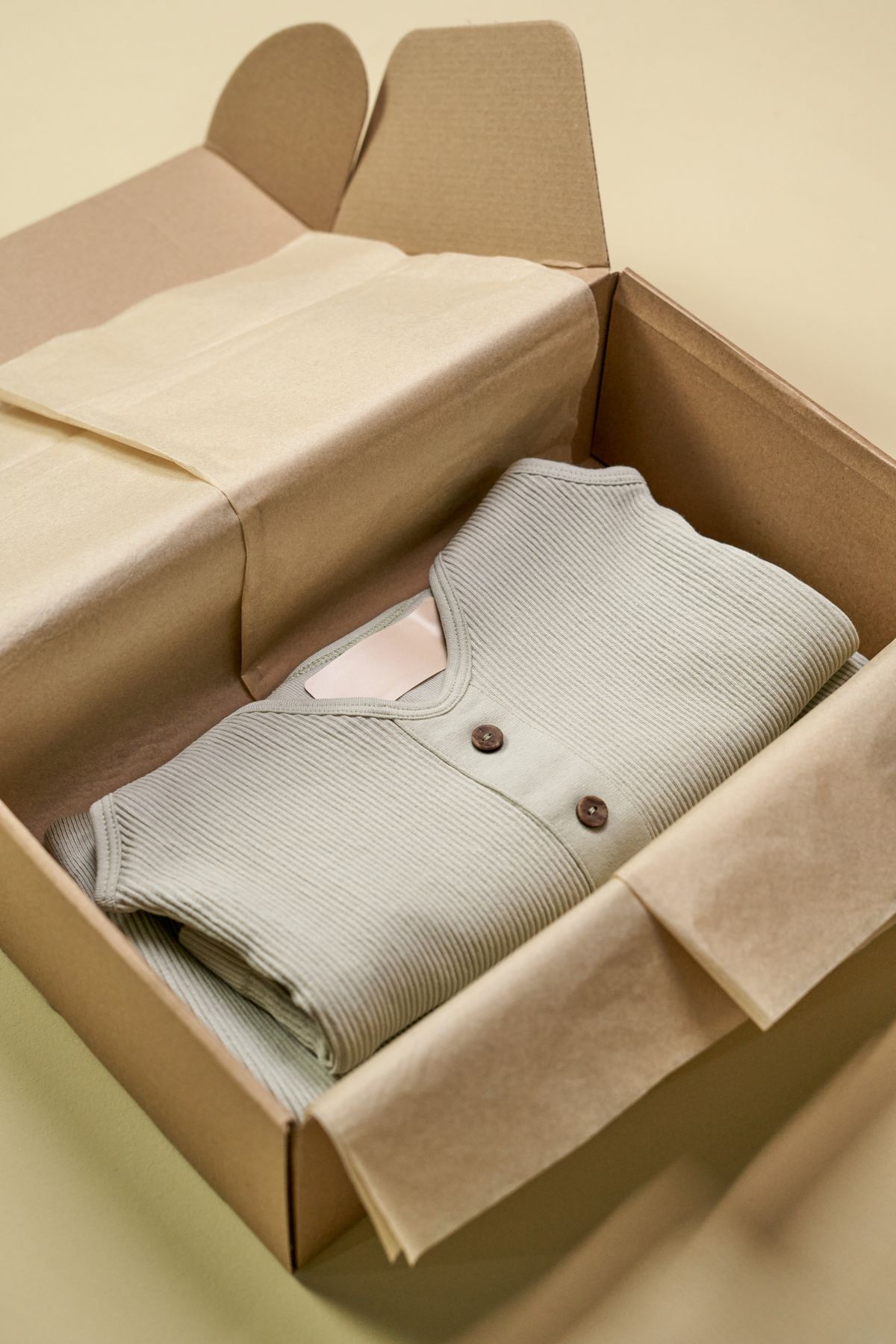
1 production file should follow the approved standard through cutting, sewing, sublimation, finishing and final inspection. Record lot information, defects, measurements and packed quantities before shipment. 30 days before the next launch, review sell-through, size gaps, color performance and customer feedback.
10. Sublimation Printing Pricing and Cost Guide
Four cost layers usually shape a sublimation quote: garment construction, fabric composition and GSM, decoration scope, and packaging or logistics. Compare polyester quality, panel count, print coverage, artwork complexity, sample fees, and setup or prepress separately; a full-front jersey and a cut-and-sew hoodie do not share the same cost base. Six variables can materially change the final landed cost: order quantity, packaging, shipping, revision rounds, approved sample requirements and rush production.
| Quantity Tier | Indicative Unit Price | Setup / Prepress | Lead-Time Consideration |
|---|---|---|---|
| 200–499 units | $18–$30; quote-dependent | $75–$200 per artwork | Sample approval plus 3–5 weeks |
| 500–999 units | $14–$24; quote-dependent | $50–$150 per artwork | Bulk production typically 3–5 weeks |
| 1,000–1,999 units | $11–$19; quote-dependent | $0–$100 when artwork is production-ready | Plan 4–6 weeks, including inspection |
| 2,000+ units | $9–$17; quote-dependent | Negotiated by program scope | Allow 5–8 weeks for capacity and logistics |
Sublimated Apparel: Frequently Asked Questions
Clear answers for buyers planning production-ready sublimated apparel with EDVORIN.
What does a sublimation printing guide recommend for apparel fabrics?
Is sublimation printing durable enough for teamwear and streetwear?
How does a sublimation printing guide address color consistency?
Can EDVORIN develop sublimated apparel from a sketch or reference garment?
What should I check before approving a sublimated apparel sample?
What is the minimum order quantity for sublimated apparel?
Can EDVORIN support repeat production after the first sublimation order?
Ready to Turn This Sublimation Printing Guide Into Production?
Share your artwork, garment specifications or collection concept with EDVORIN for samples, decoration planning and repeatable bulk production.