
Clothing Supplier Audit Checklist for Production-Ready Apparel
Use the clothing supplier audit checklist to evaluate development, manufacturing, decoration and quality control before placing your next 200-piece order.
What the Clothing Supplier Audit Checklist Should Verify
Assess the production systems that protect your apparel concept from development through repeatable bulk delivery.
Company Capability
EDVORIN’s MOQ starts at 200 pieces per style. Verify EDVORIN as an OEM clothing manufacturer and ODM apparel manufacturer providing private label clothing manufacturing, category coverage, development support and a 200-piece MOQ starting point.
Materials And Trims
Confirm fabrics, trims, labels and hardware are specified, sourced and coordinated against the approved product requirements.
Quality Control
Check approved samples, measurement control, in-line inspections and final checks that support consistency from sample to bulk.
Decoration Performance
Assess custom apparel printing, custom apparel embroidery and garment wash services, including placement and performance controls suited to each garment category and material.
Packaging Readiness
Review custom clothing labels and packaging, folding, carton standards and shipment checks so finished orders match the approved standard.
Our Apparel Capabilities
From custom basics to coordinated teamwear, EDVORIN develops, decorates and produces repeatable apparel programs for emerging brands, wholesale buyers and established organizations.
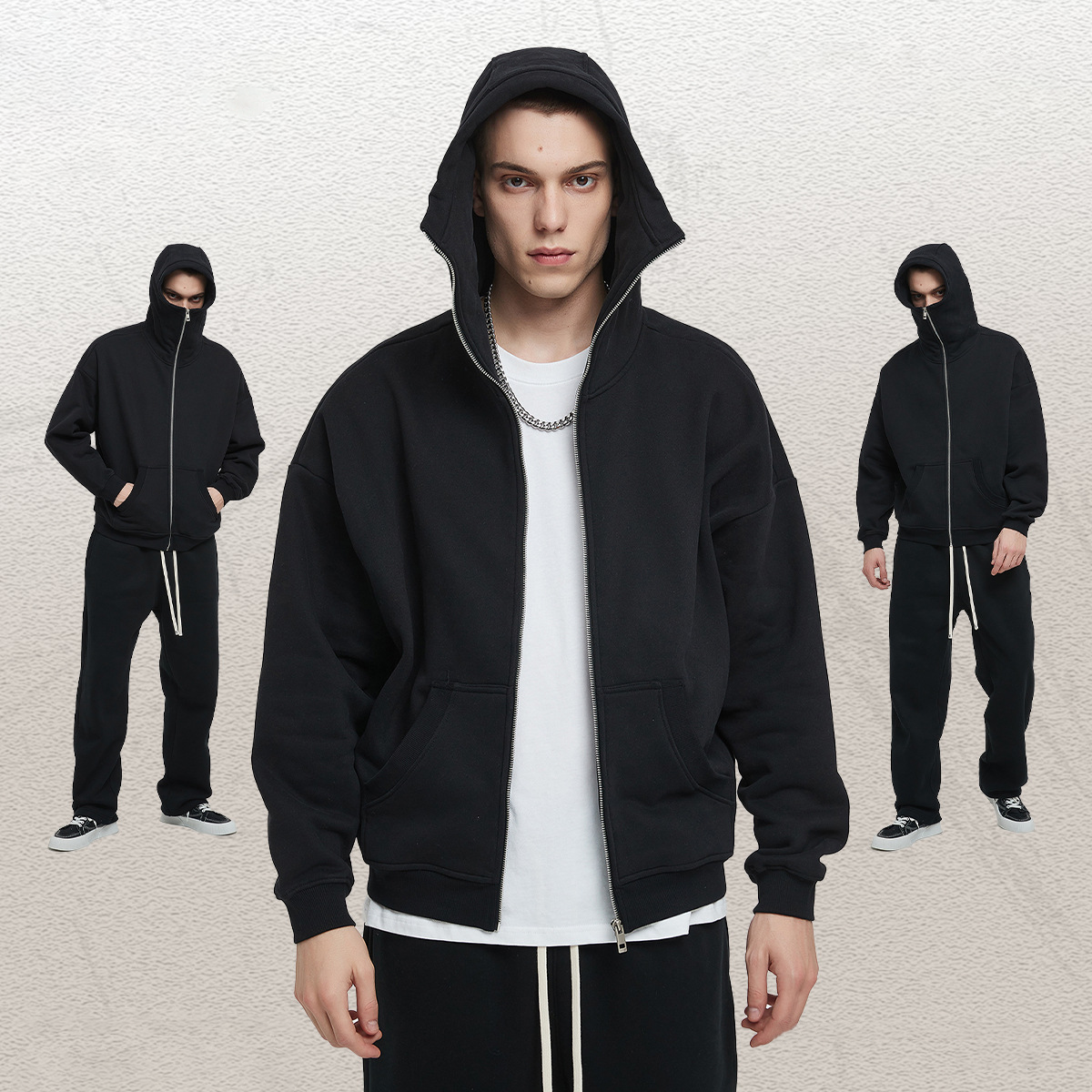
Custom Hoodies
As a custom hoodie manufacturer, EDVORIN develops fleece weights, fit blocks, ribbing, drawcords, labels and decoration for men’s and women’s programs. Samples are documented against approved measurements and construction standards before bulk production.
Get a Quote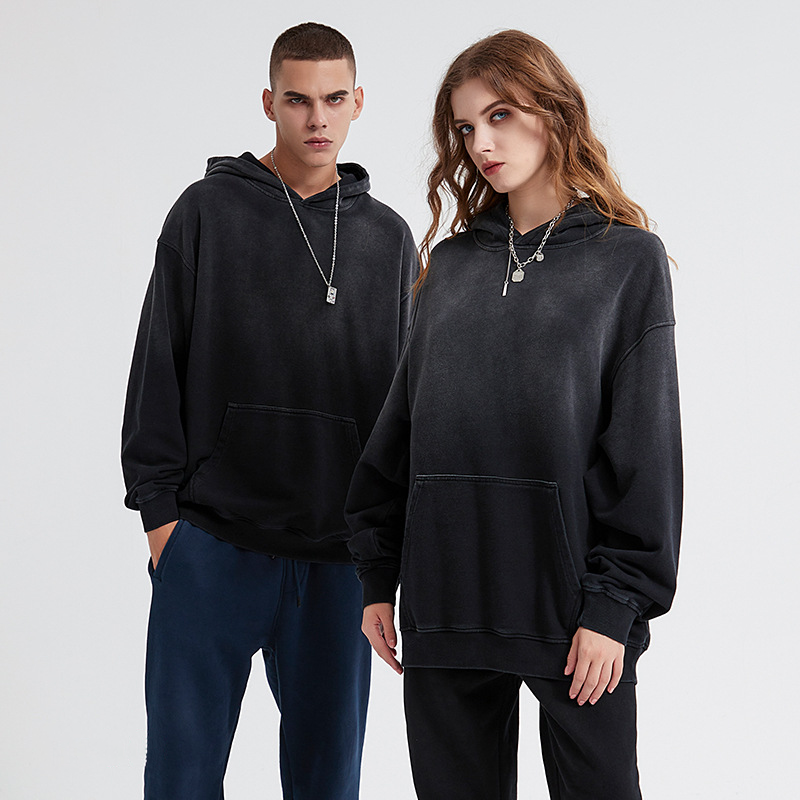
Pullover Sweatshirts
EDVORIN works as a sweatshirt manufacturer for pullover styles requiring controlled fleece selection, neckline construction, cuffs, hems and artwork placement. Product development can begin from a tech pack, reference garment or collection concept.
Get a Quote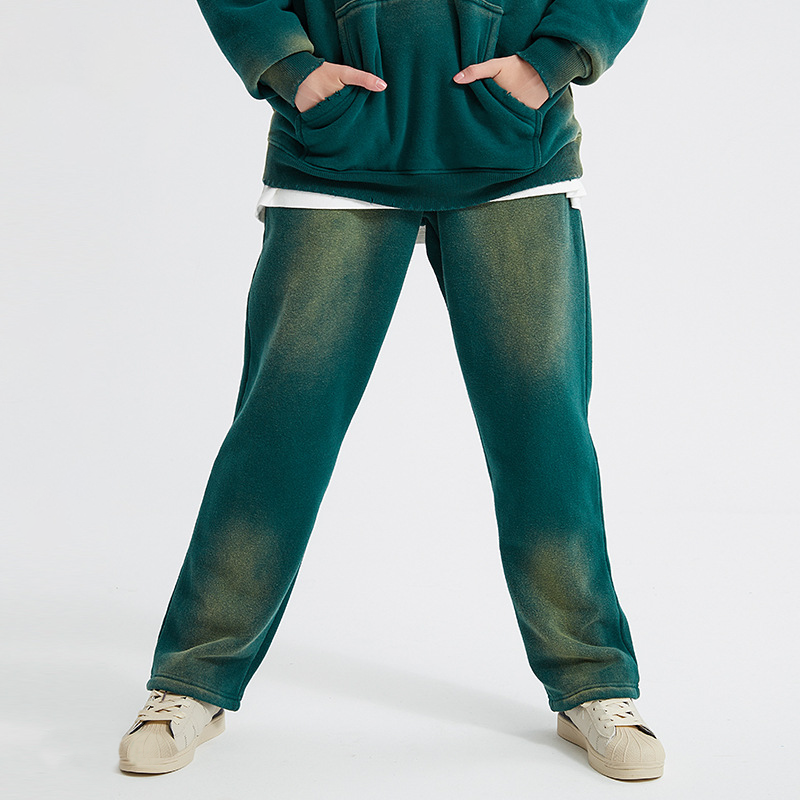
Sweatpants & Joggers
As a sweatpants manufacturer, EDVORIN develops joggers and sweatpants with the required fleece or knit weight, waistband construction, drawcords, pockets, cuffs and grading. Fit and specifications are adjusted for men’s and women’s collections.
Get a Quote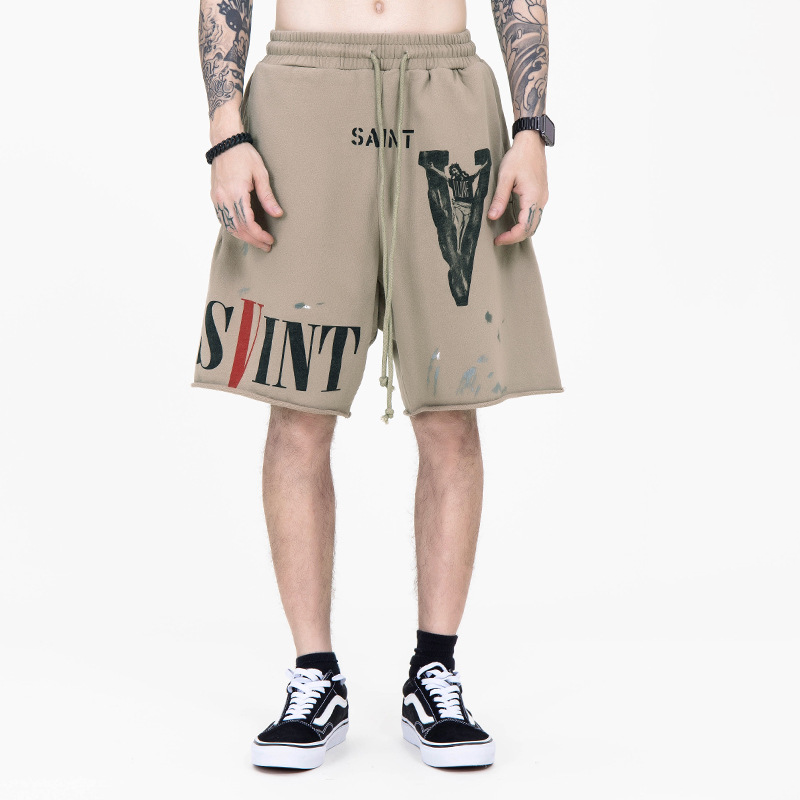
Custom Shorts
EDVORIN develops custom shorts as a custom shorts manufacturer for casualwear, streetwear, sports and private-label programs, coordinating fabric, inseams, waistbands, pockets, trims and decoration. Each style is sampled and checked against approved measurements before repeat production.
Get a Quote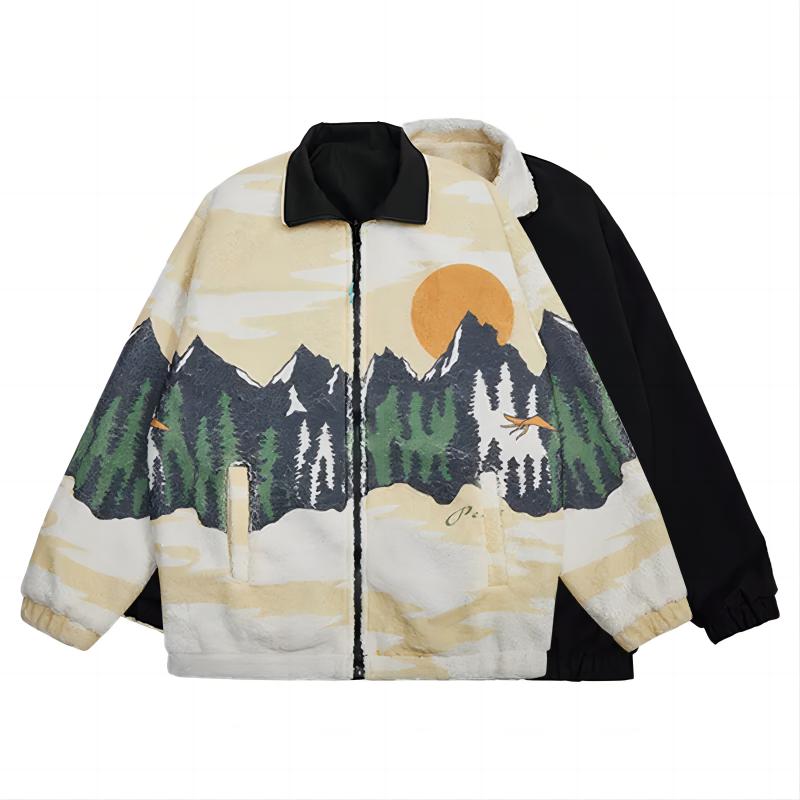
Varsity & Baseball Jackets
As a varsity jacket manufacturer, EDVORIN coordinates body fabric, sleeves, rib, snaps, lining, patches, embroidery and finishing. Baseball jacket variations can be developed for fashion labels, schools, clubs, teams and private-label buyers.
Get a Quote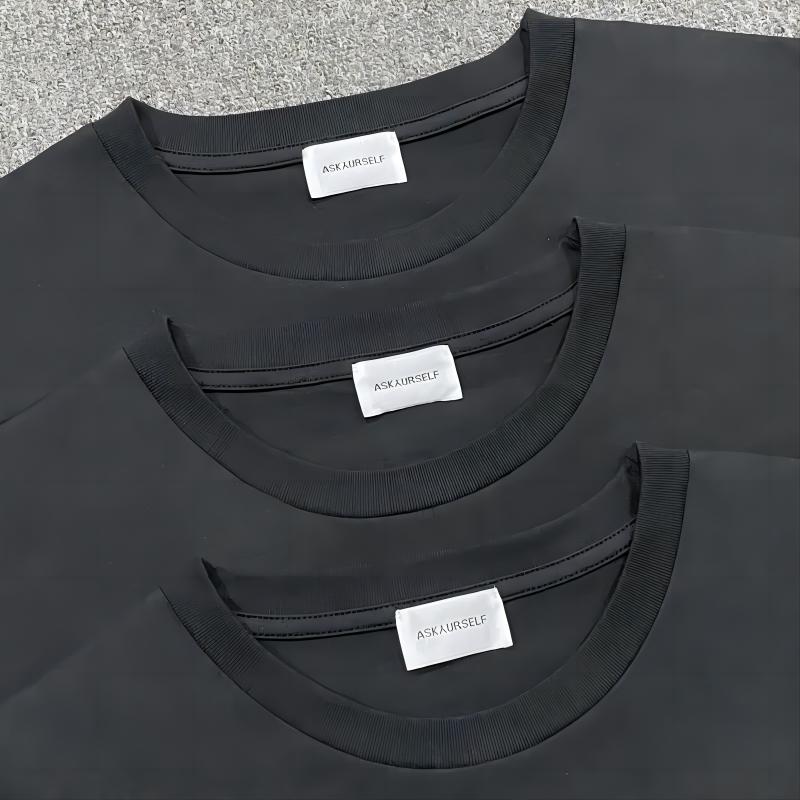
Custom T-Shirts
EDVORIN develops custom t shirt manufacturer programs across men’s and women’s collections, coordinating fabric weight, neckline, fit, grading, labels and print or embroidery requirements. Approved samples establish the standard for color, measurements, construction and bulk inspection.
Get a Quote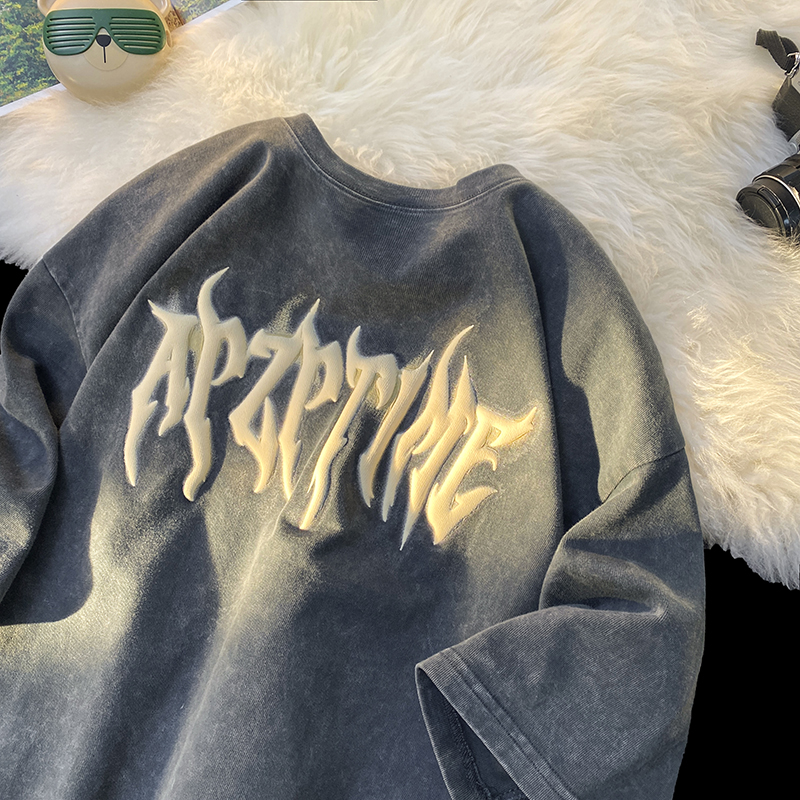
Custom Polo Shirts
As a polo shirt manufacturer, EDVORIN develops knit structures, collars, plackets, cuffs, buttons, embroidery and printed details for corporate, private-label, school, sports and fashion programs. Fit and grading are adapted to the intended wearer.
Get a Quote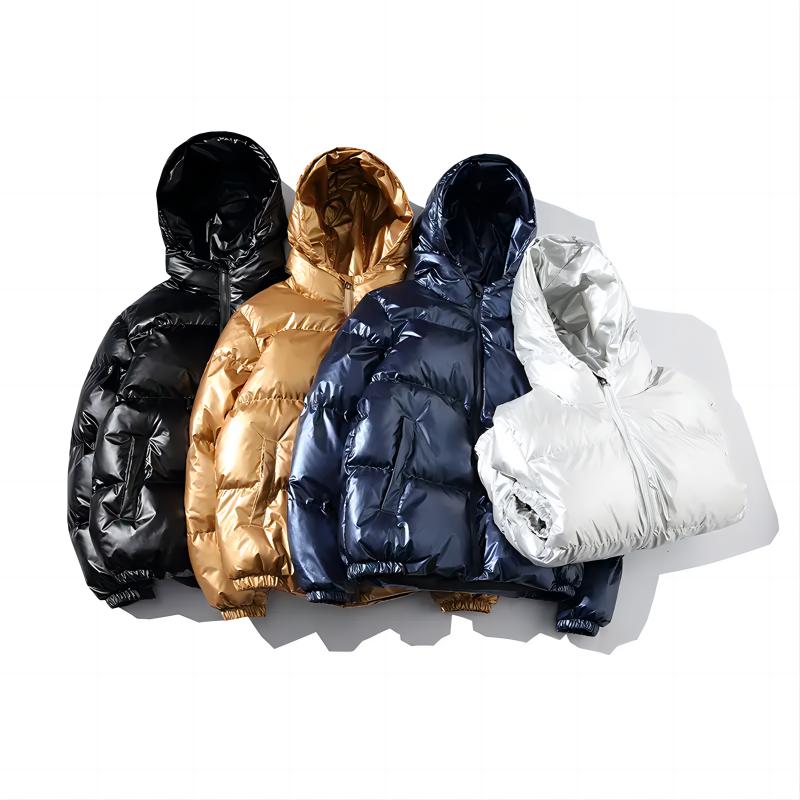
Windbreaker Jackets
As a windbreaker manufacturer, EDVORIN develops windbreaker jackets with coordinated shell fabrics, lining, zippers, hoods, elastic details, pockets and labels. Decoration, color references and construction specifications are reviewed during sampling for fashion, streetwear, teamwear and private-label orders.
Get a Quote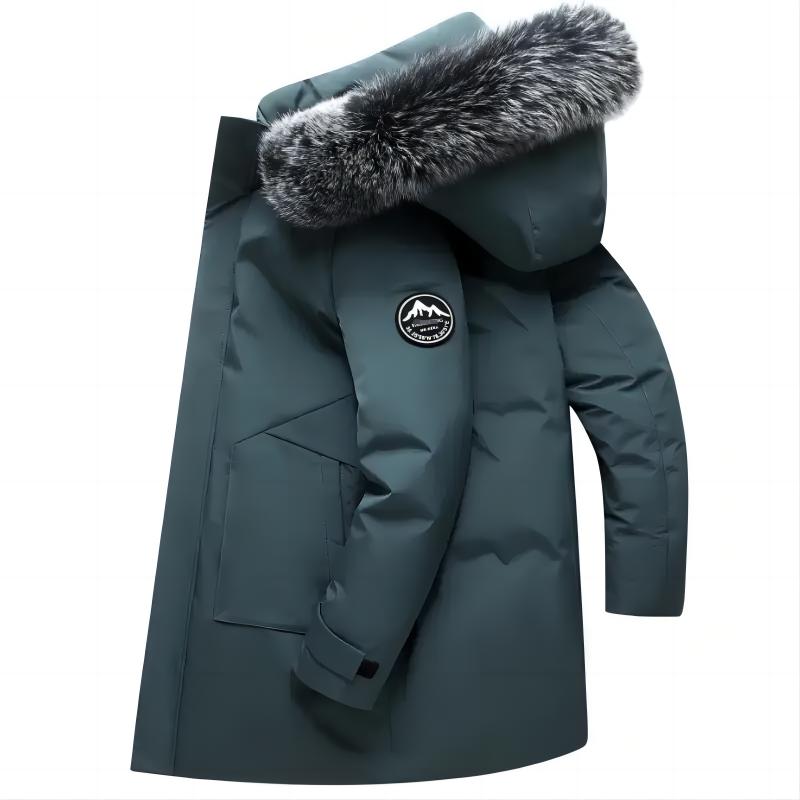
Quilted Jackets
As a quilted jacket manufacturer, EDVORIN coordinates shell fabric, lining, insulation, quilting patterns, closures, pockets and finishing. Development covers fit, warmth, proportions and decoration for men’s and women’s outerwear programs before controlled bulk production.
Get a Quote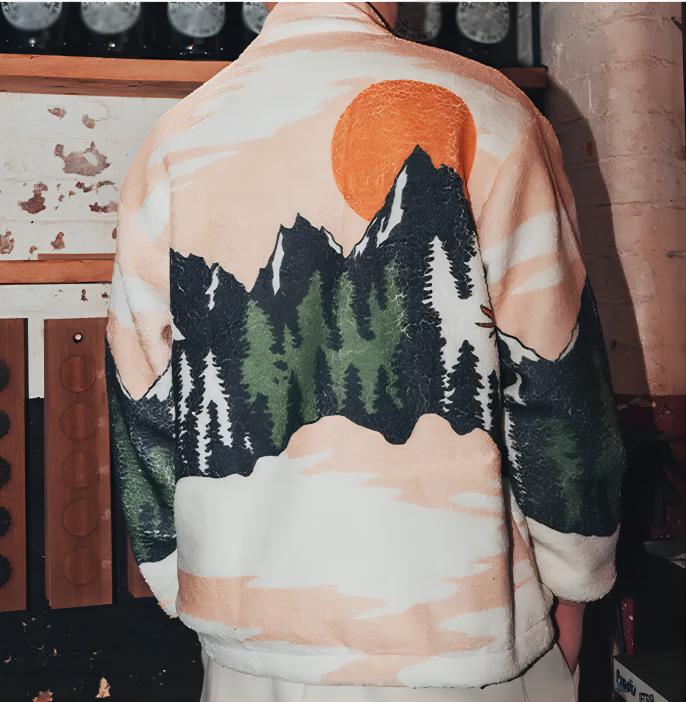
Bomber Jackets
As a bomber jacket manufacturer, EDVORIN develops bomber jackets by coordinating shell materials, lining, insulation where required, rib, hardware, pockets, labels and decoration. Product specifications are organized for repeatable production across fashion, streetwear, teamwear and private-label collections.
Get a Quote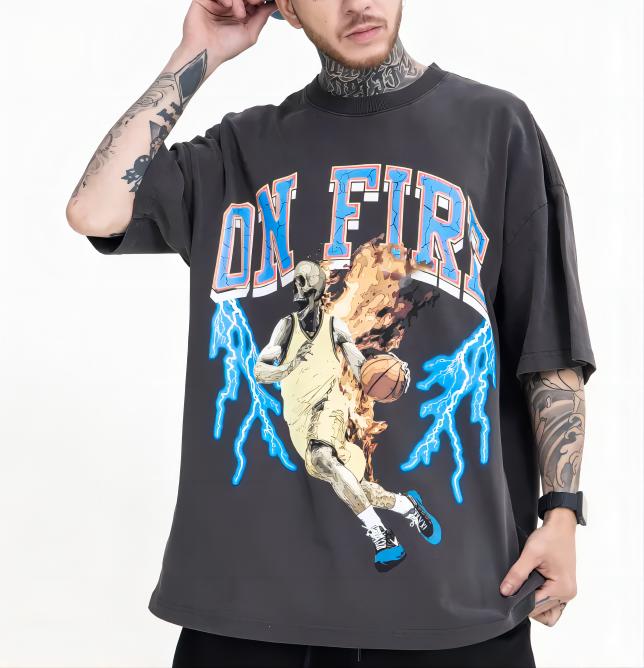
Custom Shirts
As a custom woven shirt manufacturer, EDVORIN develops woven fabrics, collars, plackets, cuffs, buttons, pockets, labels and fit blocks. Men’s and women’s styles can be sampled from a tech pack, reference garment or original concept.
Get a Quote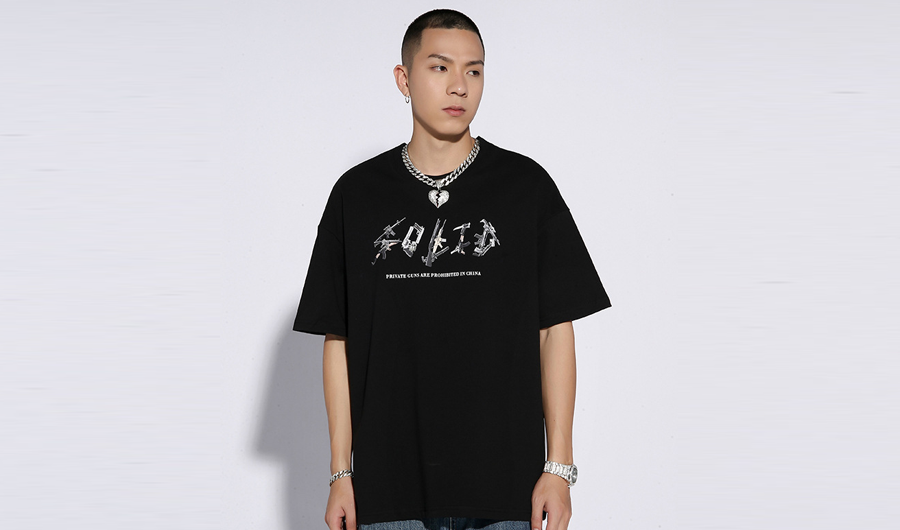
Custom Jerseys
As a custom jersey manufacturer, EDVORIN develops custom jerseys with performance fabrics, breathable construction, color control, panels, trims, names, numbers and sponsor or team decoration. Approved artwork placement, size grading and inspection standards support repeatable club, school and brand programs.
Get a Quote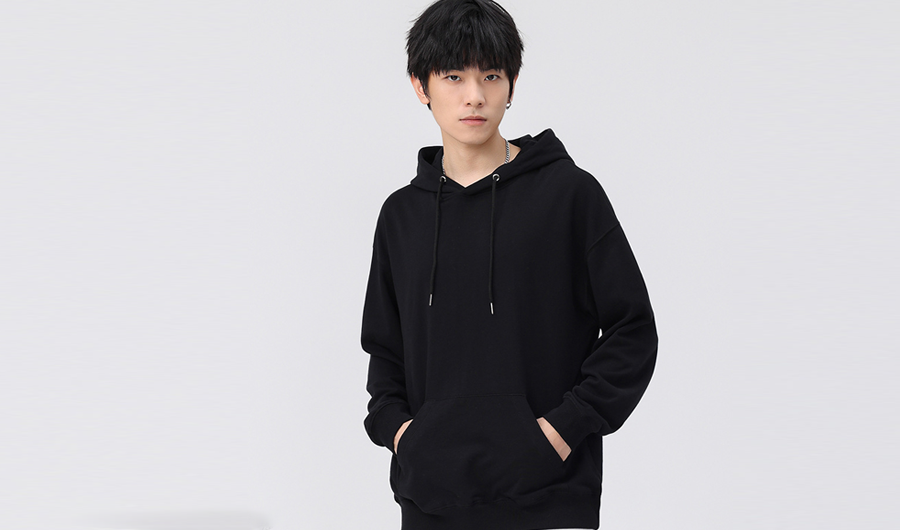
Tank Tops
As a soccer uniform manufacturer, EDVORIN develops soccer uniforms with coordinated jerseys, shorts and optional socks, managing performance fabrics, breathable construction, color references, names, numbers, badges and size grading. Organized specifications support team orders, repeat programs and private-label collections.
Get a Quote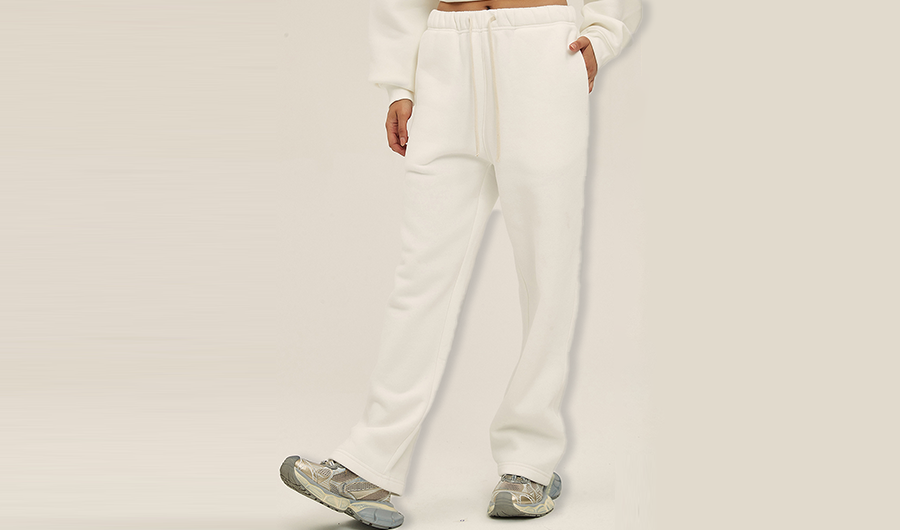
Soccer Uniforms
EDVORIN develops soccer uniforms with coordinated jerseys, shorts and optional socks, managing performance fabrics, breathable construction, color references, names, numbers, badges and size grading. Organized specifications support team orders, repeat programs and private-label collections.
Get a Quote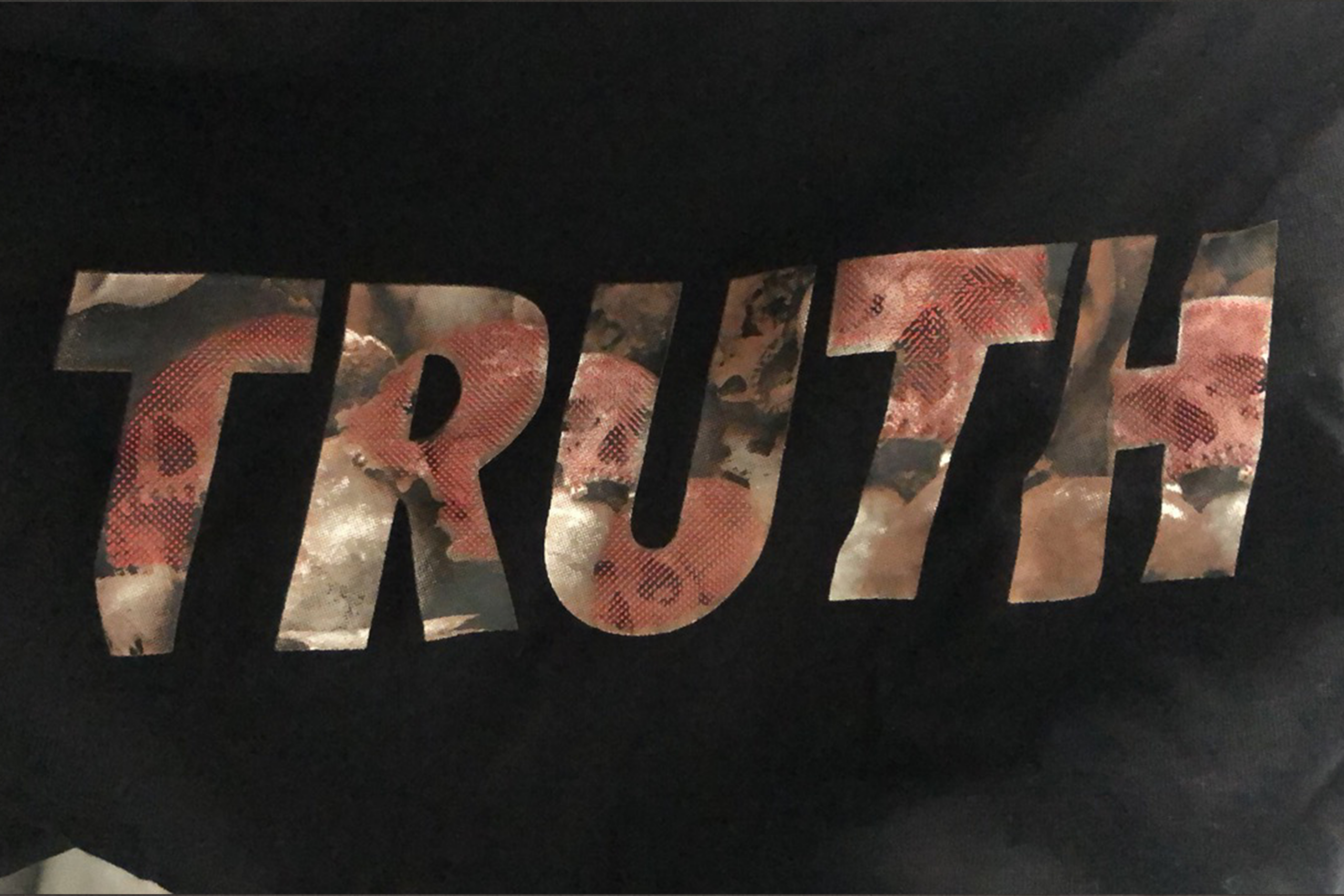
Basketball Uniforms
As a basketball uniform manufacturer, EDVORIN coordinates jerseys and shorts with performance fabrics, panel construction, color control, names, numbers, logos and grading. Sampling establishes decoration placement and fit standards before team or wholesale bulk production.
Get a Quote
Streetwear Collections
EDVORIN develops streetwear collections as connected product programs rather than isolated styles, combining hoodies, sweatshirts, bottoms, T-shirts, jackets, woven shirts and decoration. Materials, fit blocks, colors, trims, labels and packaging are coordinated for repeatable seasonal production.
Get a QuoteUse the Clothing Supplier Audit Checklist From Sample to Bulk
Turn your apparel concept into a documented, repeatable production standard with EDVORIN’s connected development, manufacturing, and quality-control workflow.
Review the Production Brief
Start with your sketch, reference garment, or tech pack, then align materials, fit blocks, measurements, decoration, trims, labeling, packaging, and production requirements.
Develop and Test Samples
Develop category-specific samples for hoodies, teamwear, outerwear, or coordinated collections, testing construction, fabric behavior, artwork placement, washing, and wearer-specific fit.
Approve the Repeatable Standard
Approve one documented standard covering measurements, colors, trims, decoration, labels, and revisions, giving production and quality teams a shared reference for repeat orders.
Control Bulk and Inspect
Monitor materials and in-line production, then complete final inspection for measurements, workmanship, decoration, quantity, labeling, packaging, and shipment readiness before release.
The Complete Clothing Supplier Audit Checklist for Apparel Buyers
Use this decision framework to verify supplier legitimacy, capacity, materials, fit, decoration, compliance, quality systems, pricing, and repeat-order readiness—while avoiding costly sourcing mistakes before committing to production.
1. What Is a Clothing Supplier Audit Checklist?
200 pieces is the practical test for whether a clothing supplier can handle a small but commercially meaningful order without weakening its controls. A clothing supplier audit checklist is a structured evaluation completed before production and revisited during manufacturing to answer five questions: Is the supplier legitimate, capable, compliant, consistent, and suitable for the required MOQ? 4 review areas should remain separate: the factory review checks legal identity, facilities, equipment, capacity and subcontracting; the technical quality review checks approved samples, measurements, construction, testing and inspection controls. The social-compliance review examines labor, safety and environmental documentation, while the commercial review confirms MOQ, pricing assumptions, lead times, payment terms and communication responsibility. 1 approval decision should be based on documented evidence rather than a showroom visit or persuasive quotation.
2. Evolution of Clothing Supplier Audits
Before the 2000s, many apparel buyers relied on factory visits, showroom impressions and sample checks. Global sourcing made that approach incomplete: production could involve multiple sites, outside processors and long-distance logistics, so buyers needed documented capacity, process controls and shipment records. The 2010s brought faster private-label growth and tighter retailer expectations around repeatability, lead times and compliance. Audits expanded from garment appearance to traceability, subcontracting controls, worker safety, chemical management and evidence such as OEKO-TEX, GOTS, WRAP or BSCI documentation; technical and compliance audits increasingly became distinct but connected reviews.
3. Types of Clothing Supplier Audit Checklists
Six audit types cover the decision from legal identity to repeat-order performance.
| Audit type | Evidence | Timing | Risk controlled |
|---|---|---|---|
| Legal | Registration and ownership | Before sampling | Identity and contract risk |
| Capability | Capacity and equipment records | Before quotation | Execution risk |
| Quality | Tech pack and inspection reports | Before and during bulk | Defect risk |
| Social | Payroll, safety, audit reports | Qualification and renewal | Ethical and legal risk |
| Environmental | Permits and chemical records | Qualification and renewal | Compliance risk |
| Order review | Final inspection and corrective actions | Before dispatch and reorder | Repeat-failure risk |
Identity And Capability
1. Company and legal verification requests business registration, ownership details, factory address, export records, and authorized signatory information. Conduct it before sampling to control counterfeit, middleman, and contract-enforcement risk. 2. Factory capability reviews machinery, staffing, product experience, capacity records, subcontracting, and sample-development resources.
Quality And Responsibility

3. Technical quality checks the tech pack, approved sample, measurement system, inspection records, testing equipment, and defect escalation process. Review before bulk production and during production to control specification drift, sizing errors, and inconsistent workmanship. 4. Social and labor compliance requests licenses, payroll and working-hour records, safety training, grievance procedures, and valid third-party reports such as WRAP or BSCI.
Environmental And Order Review
5. Environmental responsibility examines permits, chemical controls, wastewater handling, waste records, and relevant certifications such as OEKO-TEX or GOTS. Review during qualification and renewal to control regulatory and restricted-substance risk. 6. Pre-shipment and repeat-order review compares production against the approved standard, quantities, packaging, labels, and corrective actions.
4. Materials and Fabrics to Verify
A clothing supplier audit checklist should verify the material standard before bulk cutting, not only inspect finished garments.
| Material characteristic | Typical use | Inspection focus | Repeat-order risk |
|---|---|---|---|
| Heavy fleece, 320–400 GSM | Streetwear hoodies | GSM, pilling, shrinkage | Handfeel or shade drift |
| Polyester-elastane jersey | Activewear | Stretch, recovery, wicking | Fiber or dye-lot substitution |
| Cotton-poly blend, 180–240 GSM | Uniforms and schoolwear | Strength, colorfastness, wash tests | Unavailable matching blend |
| Cotton jersey, 160–200 GSM | Wholesale basics | Composition, GSM, skew, shade | Batch inconsistency |
Material Specification
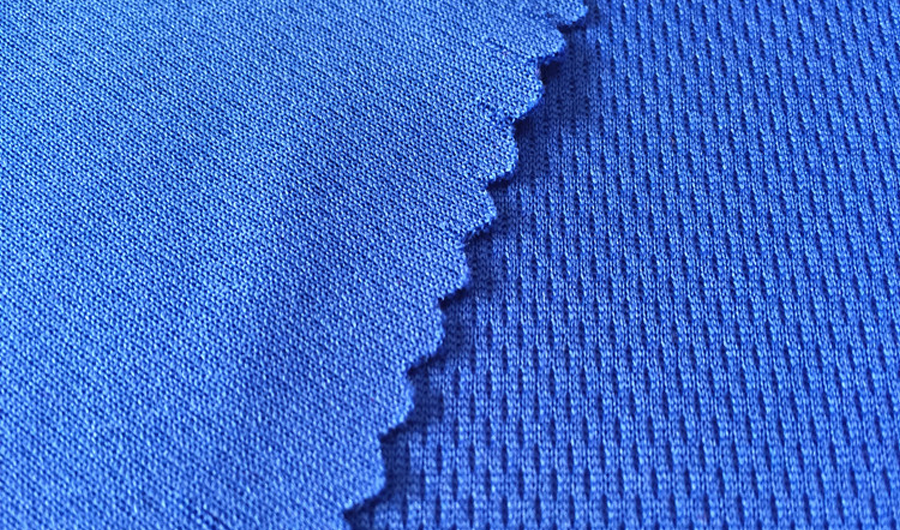
180–400 GSM is a practical range covering lightweight T-shirts through heavy fleece, but the approved spec must name fiber content, construction, and tolerance. Confirm ring-spun or open-end yarn, French terry or fleece, and measured GSM against the approved sample. Two or more dye lots should be checked under consistent lighting using Pantone references.
Trims And Documentation
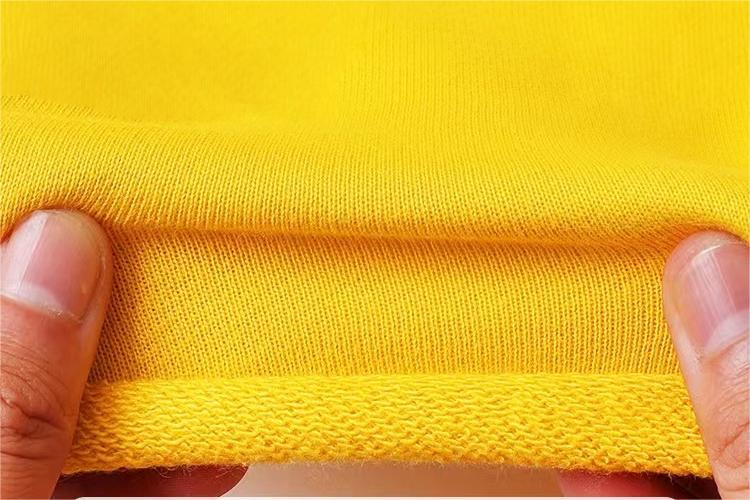
3–5 core trim groups—zippers, buttons, drawcords, labels, and elastics—should match the approved bill of materials and safety requirements. Verify hardware specifications, label fiber content and care language, and supplier traceability.
Use-Case Requirements
EDVORIN’s MOQ starts at 200 pieces per style. 5 buyer categories require different material priorities: streetwear favors handfeel and abrasion resistance; activewear needs stretch, recovery, wicking, and colorfastness; uniforms and schoolwear need durability, repeat color, and easy care. Wholesale basics prioritize stable cost, availability, and consistent replenishment. At a 200-piece MOQ, record the dye lot and reserve matching fabric or trims where possible.
5. Customization and Decoration Audit Points
Custom patterns, grading, decoration and packing should be audited as one repeatable production system.
Pattern And Grading Capability

Custom patterns should match the tech pack, reference garment or approved sample, with separate men’s and women’s fit blocks where required. Check grading across the full size set, seam alignment, artwork placement and measurement consistency. Pattern revisions must be dated and traceable before bulk cutting.
Decoration Sample Inspection
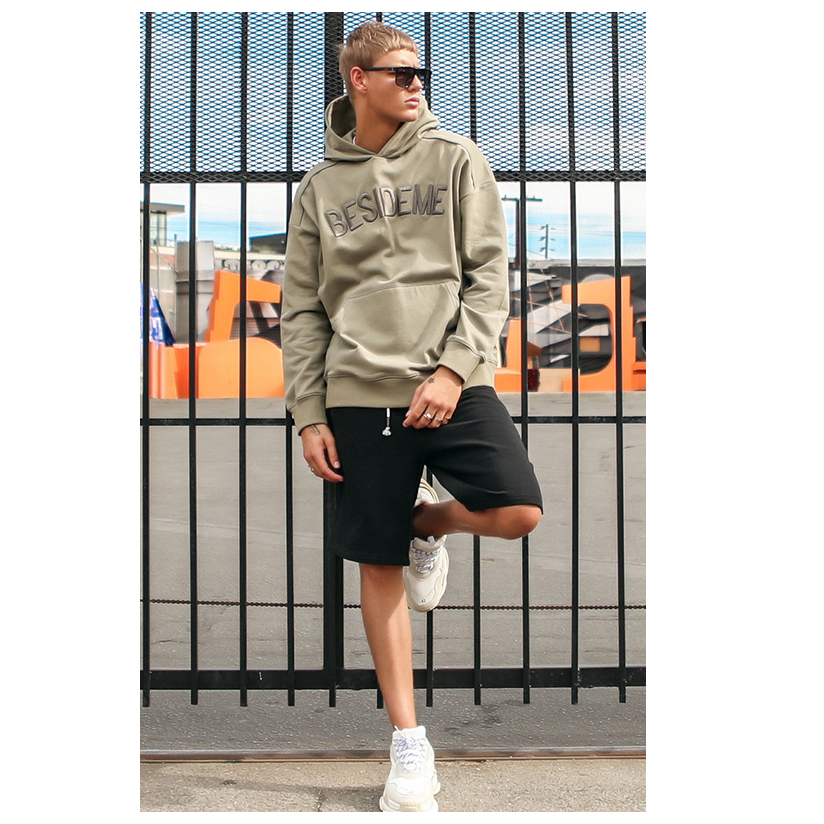
Embroidery, screen printing, DTG, heat transfer and patches require different approval standards. Inspect artwork accuracy, placement, color, registration, edge quality and hand feel against the approved strike-off or lab dip. Wash testing should confirm adhesion, cracking, peeling, bleeding and embroidery distortion.
Method Fit And Setup
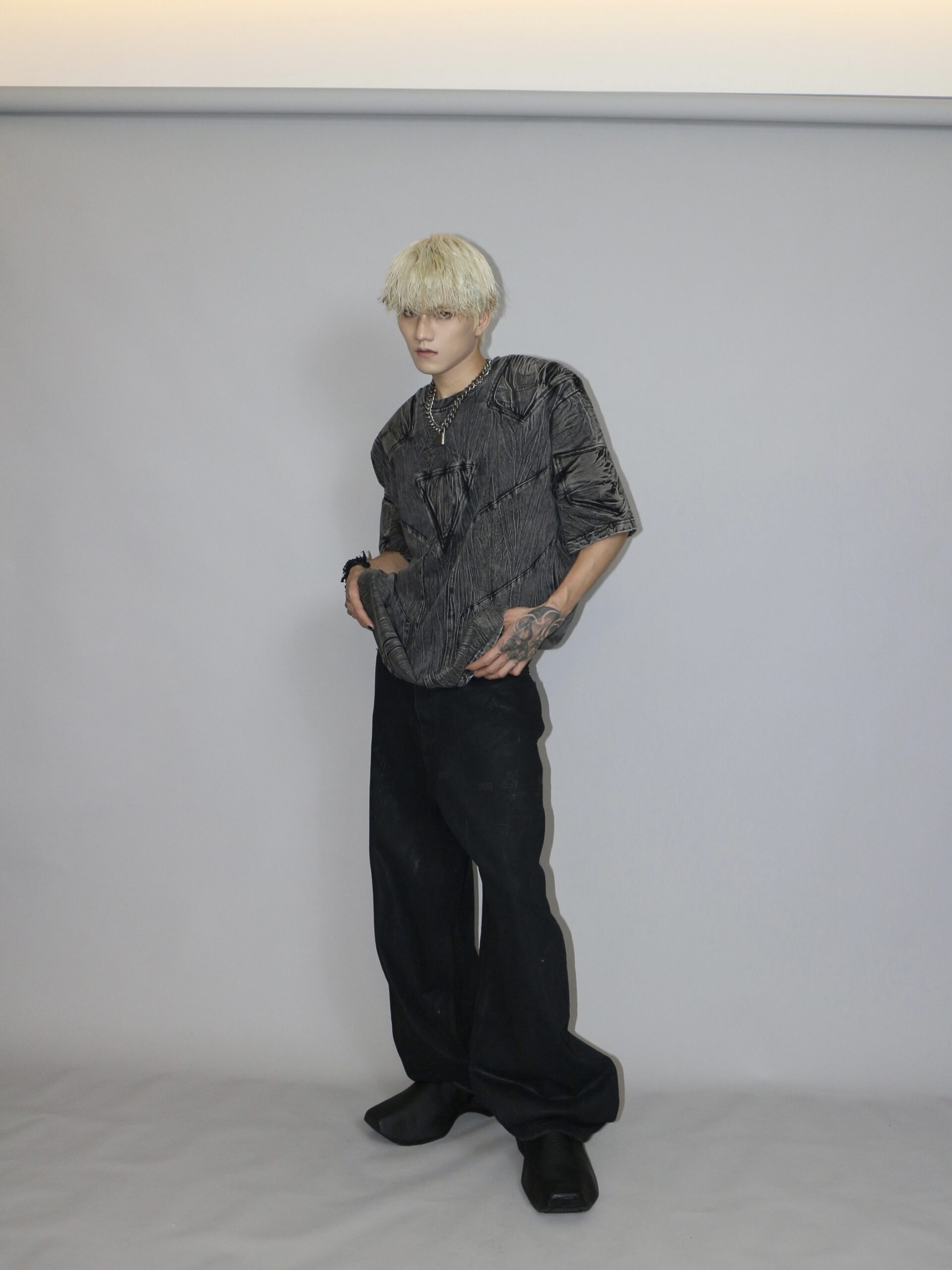
Screen printing suits repeat graphics; DTG suits detailed artwork and smaller runs; heat transfer supports names and numbers; embroidery adds raised texture; patches provide a distinct appliqué finish.
| Method | Best Fit | Durability | Small-Order Practicality |
|---|---|---|---|
| Screen print | Bold repeat graphics | High when cured | Setup required |
| DTG | Detailed artwork | Moderate; wash-test | Practical |
| Heat transfer | Names and numbers | Depends on film | Practical |
| Embroidery | Raised logos | High | Setup moderate |
6. Key Construction Quality Elements
One approved sample should define the physical standard for bulk production, including measurements, tolerances, fit, construction and finish.
Measurements And Fit
One approved sample and a complete size set establish the measurement baseline. Check chest, body length, sleeve length, rise and opening dimensions against the tech pack, recording actual measurements and permitted tolerances. Two fit reviews are useful: lay-flat measurement and on-body assessment.
Seams And Garment Details
Four seam checks cover stitch density, seam allowance, seam strength and skipped or broken stitches. Inspect flatlock or overlock seams, hems, necklines, cuffs and pressing for puckering, twisting or uneven recovery. Five detail areas deserve separate checks: closures, pockets, reinforcement, labels and loose threads.
Defect Records And Packing
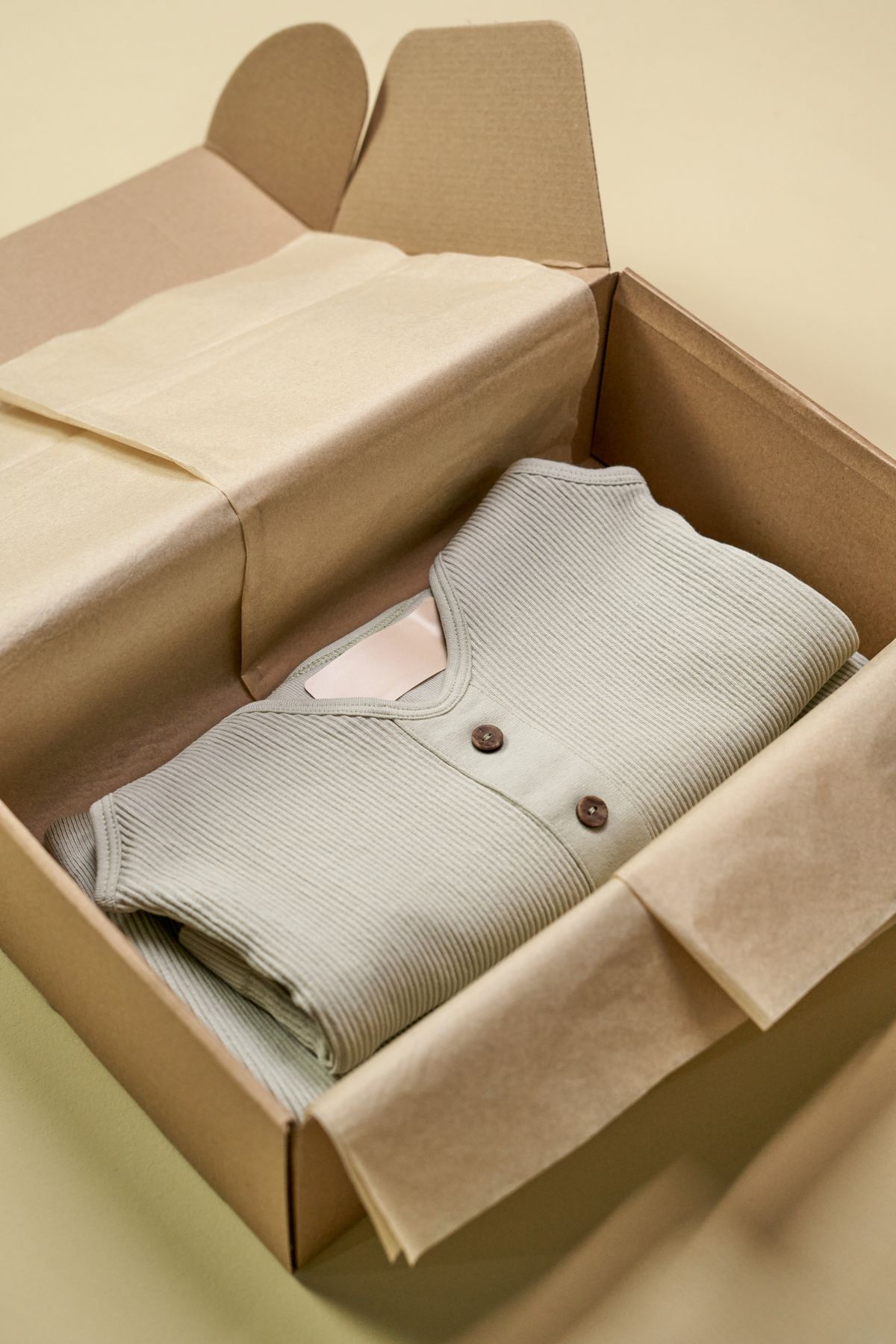
Three records should connect inspection to production: sample reference, defect location and acceptance decision. Classify defects consistently as critical, major or minor, attach photos where useful, and note quantity affected. A final packed-goods review confirms folding, size stickers, carton markings, labels and packaging match the purchase order.
7. How to Choose a Clothing Manufacturer
EDVORIN’s MOQ starts at 200 pieces per style. A 200-piece MOQ is useful only when the supplier can document how that order moves from approved sample to repeatable production.
Verify Identity And Experience
A legal business name, registration record, factory address and export contact should match the quotation and contract. Request references for comparable hoodies, jerseys, outerwear or private-label programs, then confirm the buyers actually received production.
- Check legal registration and bank-account consistency.
- Ask for two comparable buyer references.
- Review recent export documents or shipment records.
Inspect Capability And Capacity
A current factory video call or visit should show cutting, sewing, decoration, finishing, storage and quality-control areas. List equipment by product need, and record which operations are in-house versus outsourced, including printing, embroidery, washing and packaging. Monthly capacity, current utilization, peak-season lead times and subcontracting controls matter more than a headline output number.
- Match equipment to the approved product.
- Document subcontractors and approval controls.
- Confirm sampling and bulk lead times in writing.
Test Before Scaling
One pre-production sample should verify measurements, materials, trims, artwork placement, labels, packaging and workmanship against the tech pack. Require written quality checkpoints, defect handling, compliance evidence such as OEKO-TEX, GOTS, WRAP or BSCI where relevant, and export documentation.
- Use one approved reference sample.
- Set measurable acceptance criteria before cutting.
- Release larger orders only after trial results pass.
8. Common Clothing Supplier Audit Mistakes
Eight recurring errors can turn a promising supplier review into costly rework, delayed launches, or rejected inventory.
Trusting Polished Samples
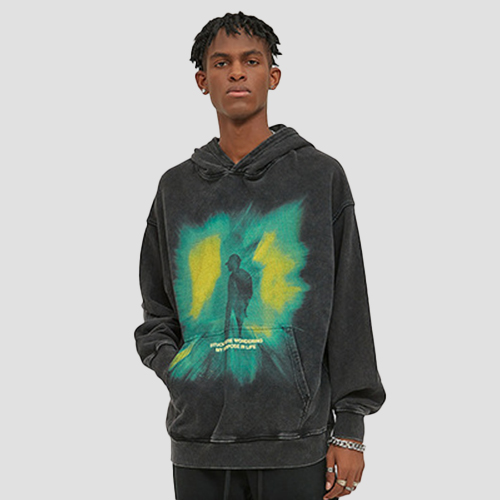
One showroom sample proves appearance, not repeatability. A supplier may present hand-finished details that bulk production cannot reproduce consistently. Require a documented measurement chart, construction notes, decoration specifications, and a pre-production sample.
Accepting Unverified Claims
A certificate without a valid issuer, scope, facility name, and expiry date is only an assertion. Treat OEKO-TEX, GOTS, WRAP, BSCI, and similar documents as evidence requiring independent verification. Record certificate numbers and audit coverage in the checklist.
Ignoring Production Reality
Two capacity errors are common: undisclosed subcontracting and orders placed during peak utilization. Both can shift production to unknown facilities or extend delivery beyond the launch window. List every approved production site, process, monthly capacity, and backup plan.
Leaving Standards Undefined
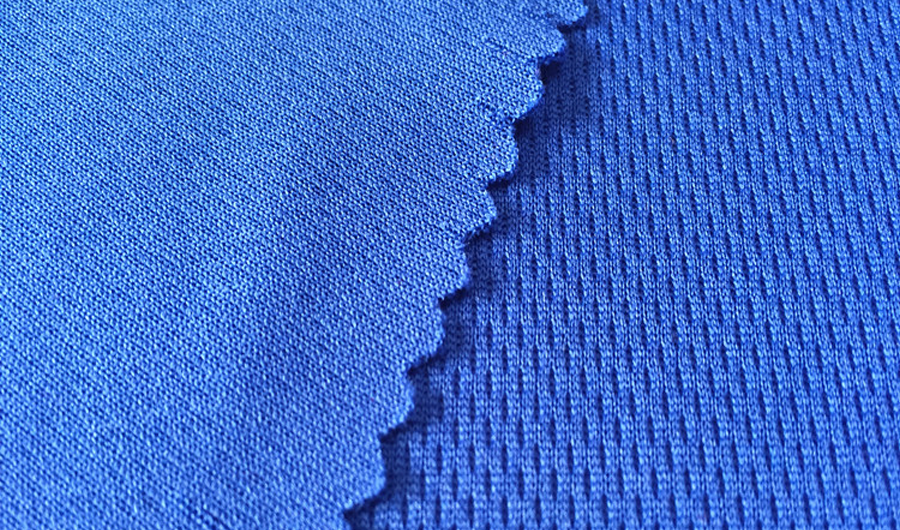
A quote comparison is meaningless when fabric tests, tolerances, packaging, testing, and inspection scope differ. Skipping shrinkage, colorfastness, seam-strength, or dimensional checks can create defects after bulk cutting. Set written tolerances and test requirements, then approve a signed golden sample before production.
9. Steps to Launch With an Audited Supplier
A 200-piece launch should follow one documented chain from product brief to repeat-order review.
Brief And Shortlist
1 product brief should define styles, fabrics, measurements, decoration, quantities, delivery date and packaging requirements. The buyer owns the specification and retains the tech pack, reference sample, supplier quotes and shortlist rationale. 2–3 suppliers can then be screened for relevant construction, capacity, communication and disclosed subcontracting.
Review And Score
4 document groups deserve review: legal identity, quality procedures, compliance records and production evidence. The buyer or appointed auditor verifies documents, while the supplier owns accurate, current submissions. 100-point scoring should separate critical failures from negotiable gaps.
- Quality systems and inspection records
- Capacity, lead times and subcontracting
- Compliance, safety and traceability
Approve And Launch
EDVORIN’s MOQ starts at 200 pieces per style. 1 approved sample, measurement chart, artwork file, trim list and packaging standard should be attached to the negotiated terms. The buyer owns final approval; EDVORIN’s production team confirms manufacturability, pricing, MOQ, lead time and payment milestones. The purchase order and pre-production meeting should lock revisions, tolerances, inspection points and escalation contacts.
Inspect And Learn
3 control points protect the 200-piece order: incoming-material checks, inline inspection and final inspection before shipment. Quality owns inspection reports and defect disposition; the buyer owns shipment release after reviewing quantity, measurements, appearance and packing evidence. 30 days after delivery, compare defects, delays, shortages, communication and corrective actions with the original scorecard.
10. Clothing Supplier Audit Checklist Pricing and Cost
200 pieces is a useful pilot tier, but the quoted unit price should be separated from one-time development costs. Compare sampling, pattern and grading, fabric and trims, decoration setup, revisions, inspection, packaging, freight, duties, and payment terms before approving the order. 3 commercial questions expose most hidden exposure: What is included in the unit price, who pays for failed inspection or rework, and what happens when an approved sample is revised?
| Quantity Tier | Indicative Cost Category | Lead-Time Effect | Commercial Questions |
|---|---|---|---|
| 200 pieces | Highest unit cost; sampling, grading, setup, inspection, and packaging spread over a small run | Allow prototype approval plus production; revisions can add days | EDVORIN’s MOQ starts at 200 pieces per style. Is the MOQ inclusive of size/color splits, setup, and inspection? |
| 500 pieces | Moderate unit cost; negotiate fabric, trims, decoration, and carton rates | More efficient scheduling; confirm material reservation | Which costs fall at breakpoints, and are duties or freight excluded? |
| 1,000+ pieces | Lowest indicative unit cost, but greater cash and rework exposure | Reserve capacity and approve bulk standards early | What payment milestones, defect allowance, rework remedy, and replacement-freight terms apply? |
Clothing Supplier Audit Checklist: Buyer Questions Answered
EDVORIN’s MOQ starts at 200 pieces per style. Use this clothing supplier audit checklist to evaluate MOQ, development support, certifications, decoration and repeatable bulk quality before you request a quote.
What should a clothing supplier audit checklist verify before placing an order?
What is the MOQ for EDVORIN apparel manufacturing?
Does the clothing supplier audit checklist include OEM and ODM development?
Can EDVORIN develop both men’s and women’s apparel programs?
Which certifications should a clothing supplier audit checklist review?
Can I approve samples before EDVORIN starts bulk production?
Does the clothing supplier audit checklist cover printing, embroidery and other decoration?
Ready to Use Your Clothing Supplier Audit Checklist?
Bring your approved standards, product goals and sourcing questions to EDVORIN for a production-ready quote from 200 pieces per style.