
Build Repeatable Apparel Programs with Sustainable Fabric Sourcing
Turn sustainable fabric sourcing into a documented path from material brief to approved bulk apparel production.
Make Sustainable Fabric Sourcing Production-Ready
Coordinate materials, documentation, decoration, and quality control through one production-ready apparel workflow.
Material-Fit Coordination
Align fabric choice with garment category, fit, decoration, wash, and performance requirements before sampling, so the approved specification supports production.
Documented Sourcing Standards
Record fiber composition, fabric weight, color references, trims, and supplier documentation in a clear standard buyers can review and reproduce.
Sample-to-Bulk Control
Use approved samples and measurement standards to compare bulk materials and finished garments, reducing variation across repeat orders.
Decoration Compatibility
Coordinate printing, embroidery, labels, washing, and packaging with the selected fabric to protect appearance, performance, and brand consistency.
Flexible Production Programs
Support emerging brands, wholesale programs, and established buyers with OEM clothing manufacturing, ODM apparel development, private-label production, and low MOQ programs starting at 200 pieces per style.
Custom Apparel Categories for Sustainable, Repeatable Programs
Develop responsibly sourced garments with coordinated materials, decoration and quality standards for emerging labels, teamwear programs, wholesalers and established private-label buyers.

Custom Hoodies
EDVORIN develops custom hoodies from early concepts, sketches or tech packs, coordinating fleece selection, rib construction, drawcords, printing, embroidery and fit blocks. Sustainable fabric options, including certified programs where applicable, are evaluated alongside sample approval and repeatable bulk production requirements.
Get a Quote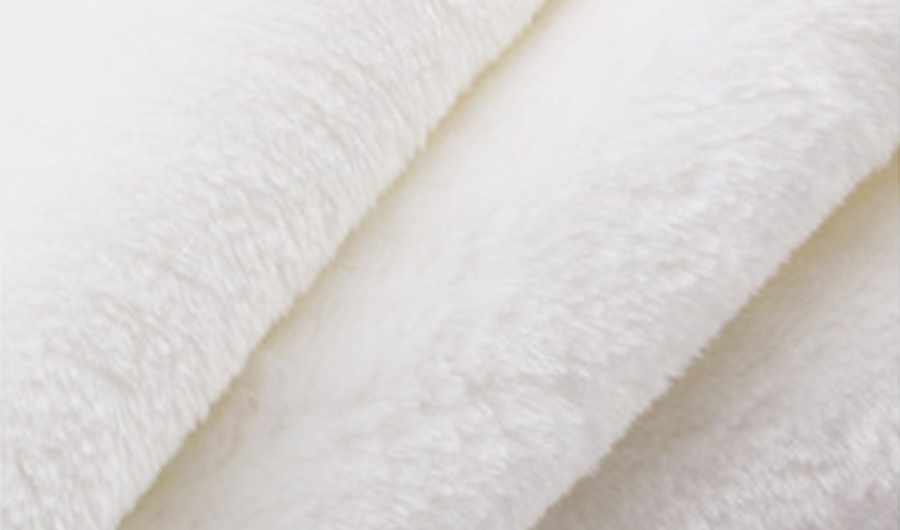
Pullover Sweatshirts
As a sweatshirt manufacturer, EDVORIN develops pullover silhouettes around fabric weight, hand feel, shrinkage, rib recovery and intended market. Buyers can coordinate sustainable material sourcing, custom decoration, men’s and women’s fits, approved samples and production controls for repeat wholesale or private-label programs.
Get a Quote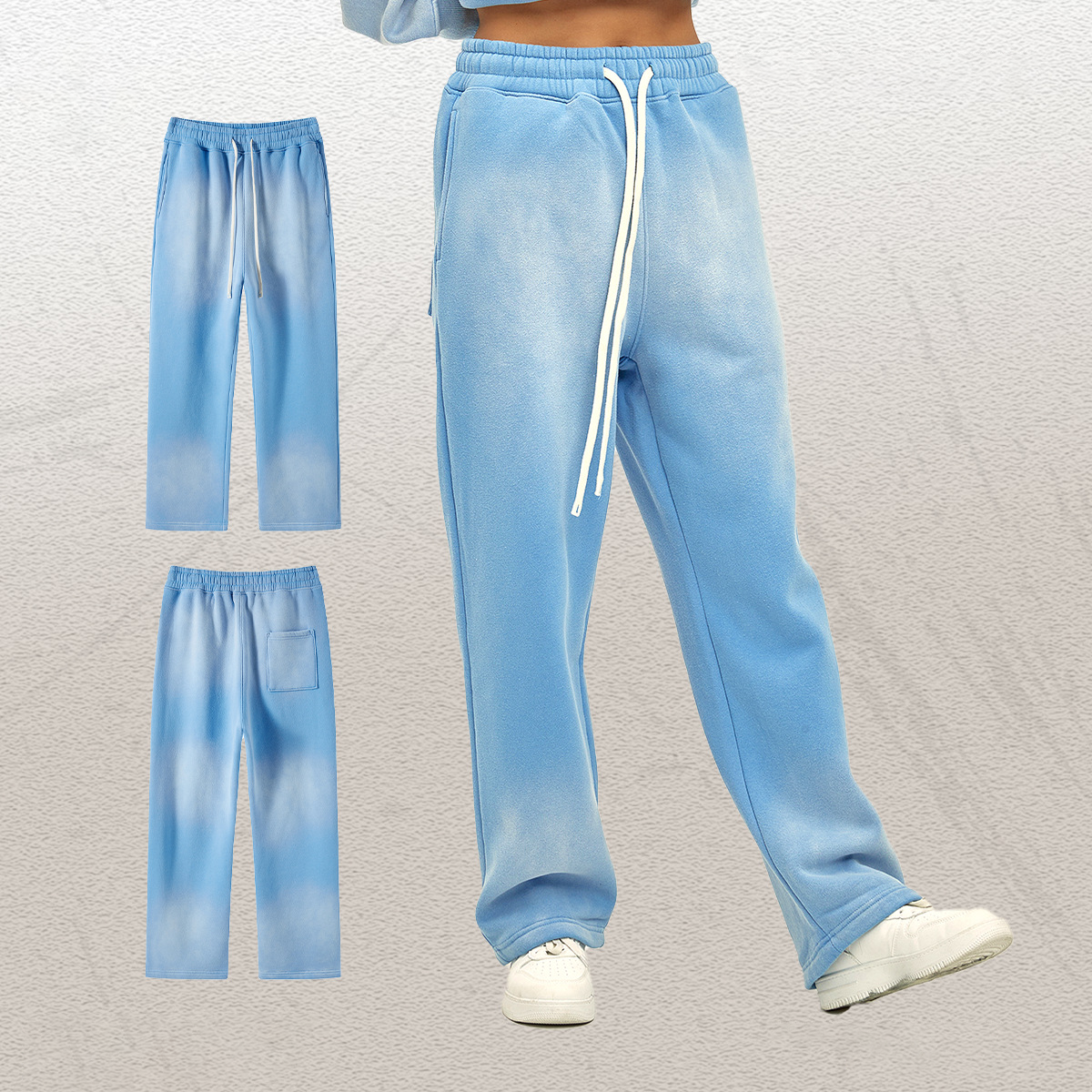
Sweatpants & Joggers
EDVORIN develops sweatpants and joggers with attention to fleece or jersey construction, waistband recovery, drawcord details, pocket engineering, grading and wash behavior. Sustainable fabric sourcing can be coordinated with decoration, fit development and sample-to-bulk quality standards for fashion, streetwear and team programs.
Get a Quote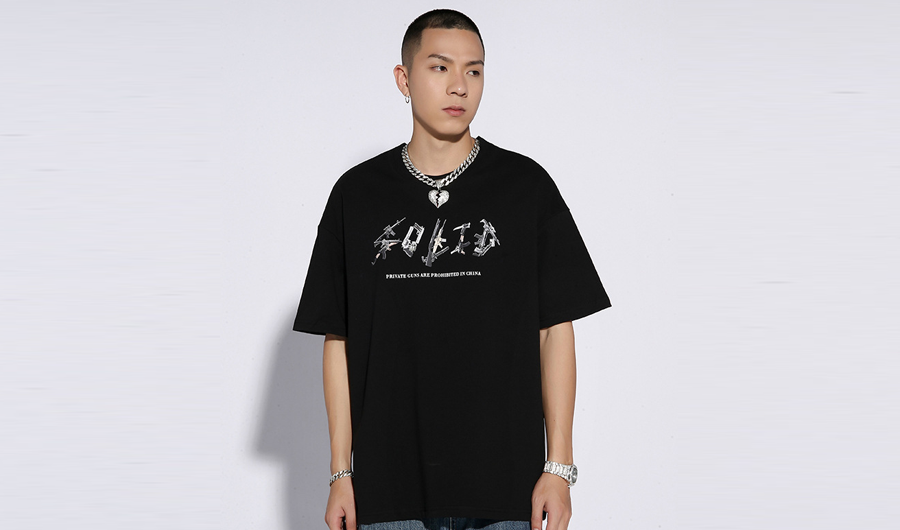
Custom Shorts
As a custom shorts manufacturer, EDVORIN develops casual, athletic and coordinated collection shorts with appropriate fabric weight, lining, waistband construction, pockets and decoration. Material sourcing, sustainable options, men’s and women’s proportions, approved measurements and repeat-order controls are managed within one production workflow.
Get a Quote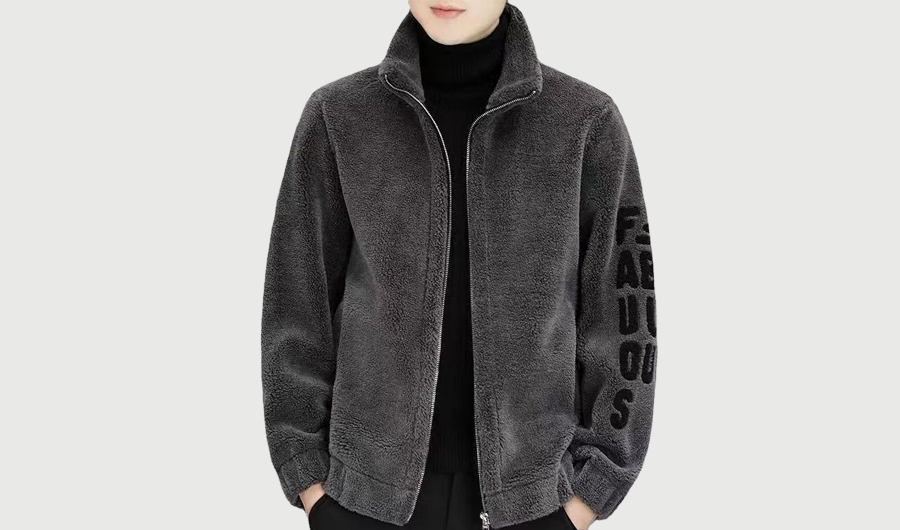
Varsity & Baseball Jackets
EDVORIN develops varsity and baseball jackets by coordinating shell fabrics, lining, insulation, rib, snaps, patches, embroidery and fit. As a varsity jacket manufacturer, EDVORIN supports school, streetwear, teamwear and private-label programs with documented construction and bulk inspection standards.
Get a Quote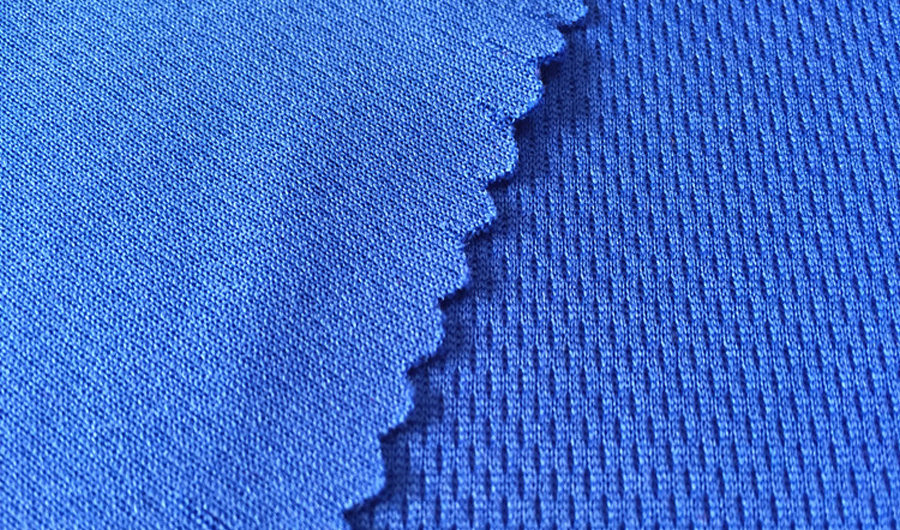
Custom T-Shirts
As a custom T-shirt manufacturer, EDVORIN develops jersey and performance-weight tees around fiber content, GSM, fit, neckline, wash behavior and artwork placement. Sustainable sourcing programs, including OEKO-TEX, GRS or GOTS requirements where suitable, can be aligned with sampling and repeat production.
Get a Quote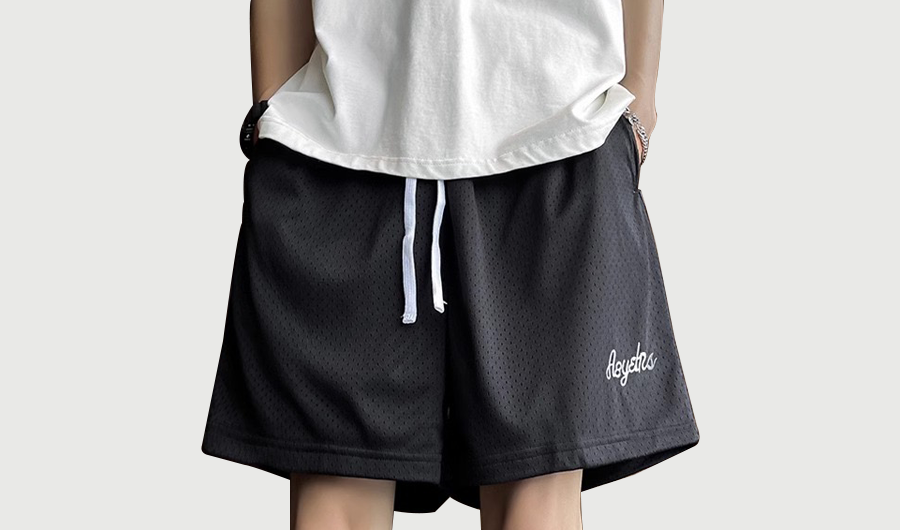
Custom Polo Shirts
EDVORIN develops custom polo shirts with attention to pique or jersey fabric, collar and cuff construction, plackets, buttons, embroidery and size grading. As a polo shirt manufacturer, EDVORIN supports corporate apparel, school programs, wholesale collections and private-label production with approved samples and repeatable standards.
Get a Quote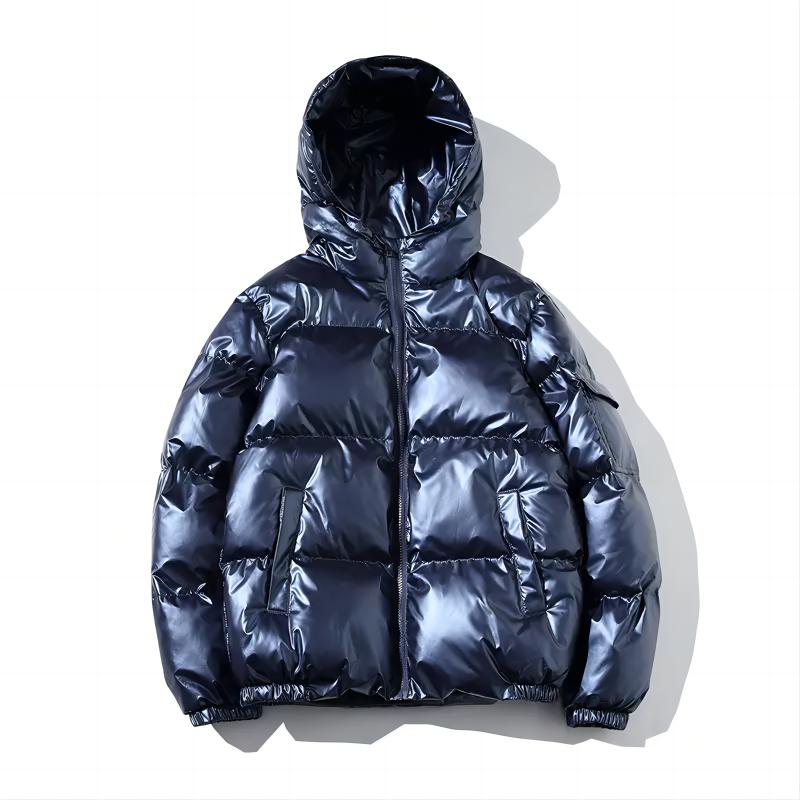
Windbreaker Jackets
As a windbreaker manufacturer, EDVORIN coordinates shell fabric, water-resistant finishes, lining, hood construction, zippers, elastic details and packability. Sustainable material options are assessed against performance needs, decoration methods, fit blocks and inspection standards for streetwear, teamwear and branded outerwear programs.
Get a Quote
Quilted Jackets
EDVORIN develops quilted jackets by coordinating shell fabric, lining, insulation weight, quilting patterns, hardware, pockets and finishing. Buyers can explore sustainable material and fill options while controlling warmth, fit, decoration compatibility and approved construction standards across men’s and women’s programs.
Get a Quote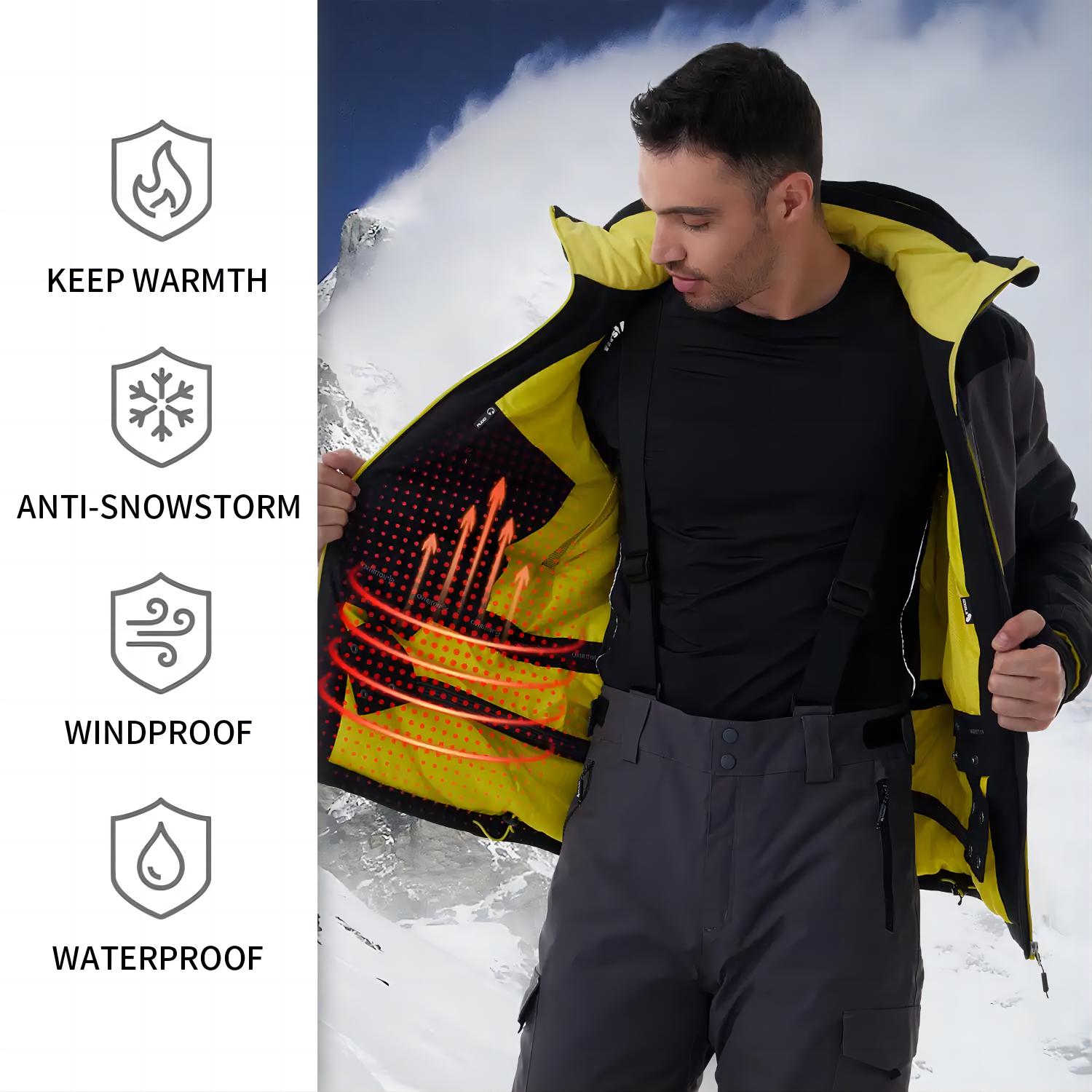
Bomber Jackets
As a bomber jacket manufacturer, EDVORIN develops contemporary and classic bomber styles with coordinated shell, lining, insulation, rib, zipper, pocket and trim specifications. Sustainable sourcing can be reviewed alongside fit, decoration, sampling and quality controls for streetwear, fashion and private-label collections.
Get a Quote
Custom Shirts
As a custom woven shirt manufacturer, EDVORIN develops shirts around fabric structure, collar shape, plackets, cuffs, buttons, pocket details and finishing. Sustainable sourcing requirements can be incorporated into material selection, while approved patterns, measurements and samples support consistent production for fashion labels, uniforms, wholesalers and private-label buyers.
Get a Quote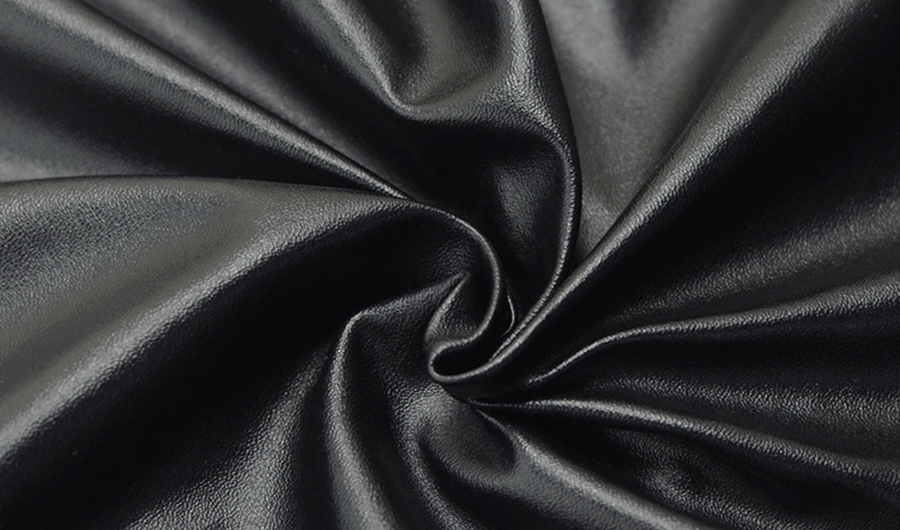
Custom Jerseys
As a custom jersey manufacturer, EDVORIN develops team and lifestyle jerseys with breathable fabrics, color standards, panels, trims, names, numbers and decoration placement. Sustainable polyester options and certification requirements can be evaluated alongside size grading, sample approval and repeat-order control.
Get a Quote
Tank Tops
EDVORIN develops tank tops for casualwear, training and coordinated streetwear programs, balancing fabric weight, stretch, armhole construction, neckline, fit and decoration. Sustainable material sourcing can be coordinated with men’s and women’s blocks, approved samples and production standards for emerging brands, teams and wholesalers.
Get a Quote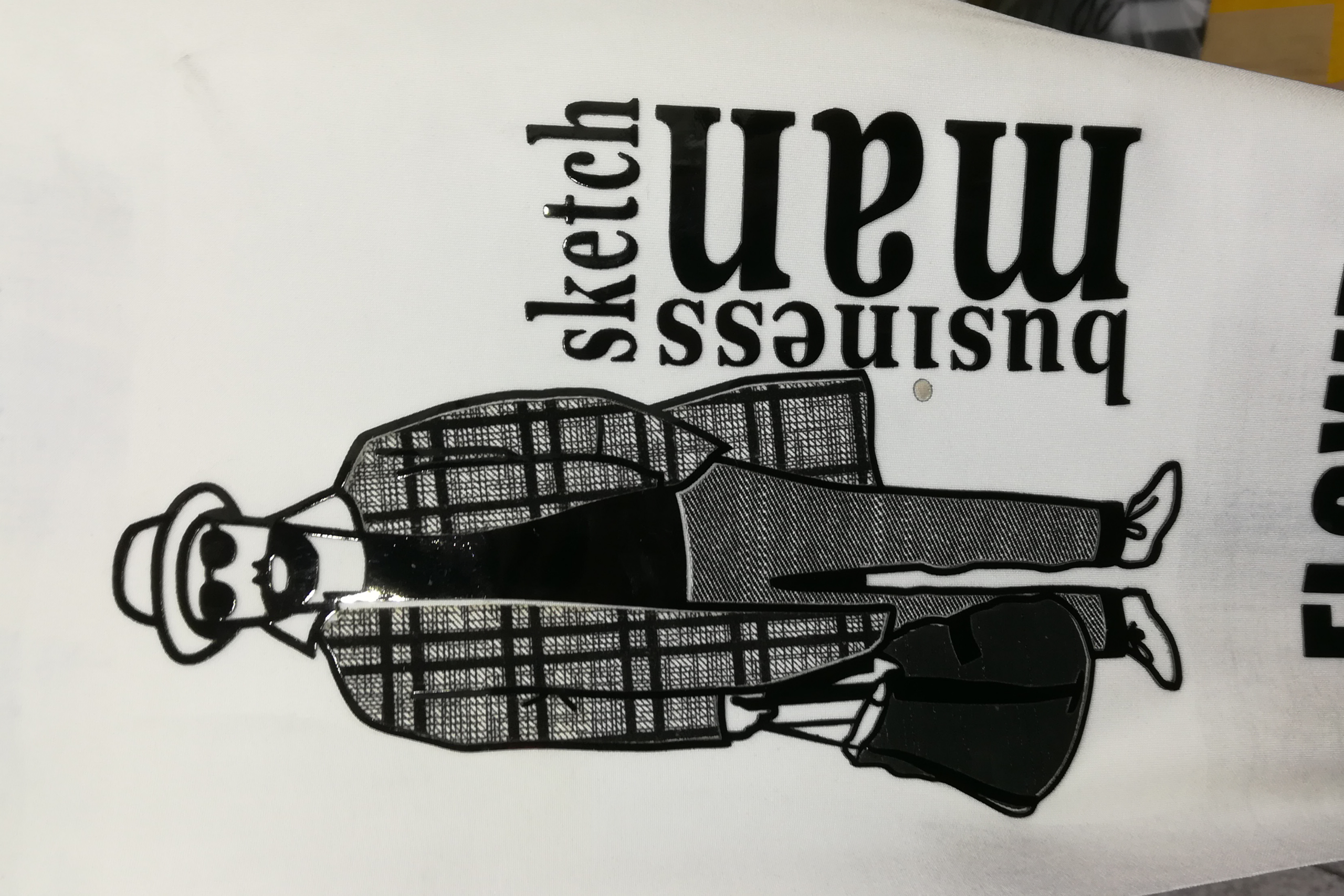
Soccer Uniforms
As a soccer uniform manufacturer, EDVORIN coordinates breathable performance fabrics, jerseys, shorts, socks, color matching, badges, names, numbers and size sets. Sustainable material options can be reviewed with artwork files, grading, sample approval and bulk checks to support clubs, academies, distributors and repeat programs.
Get a Quote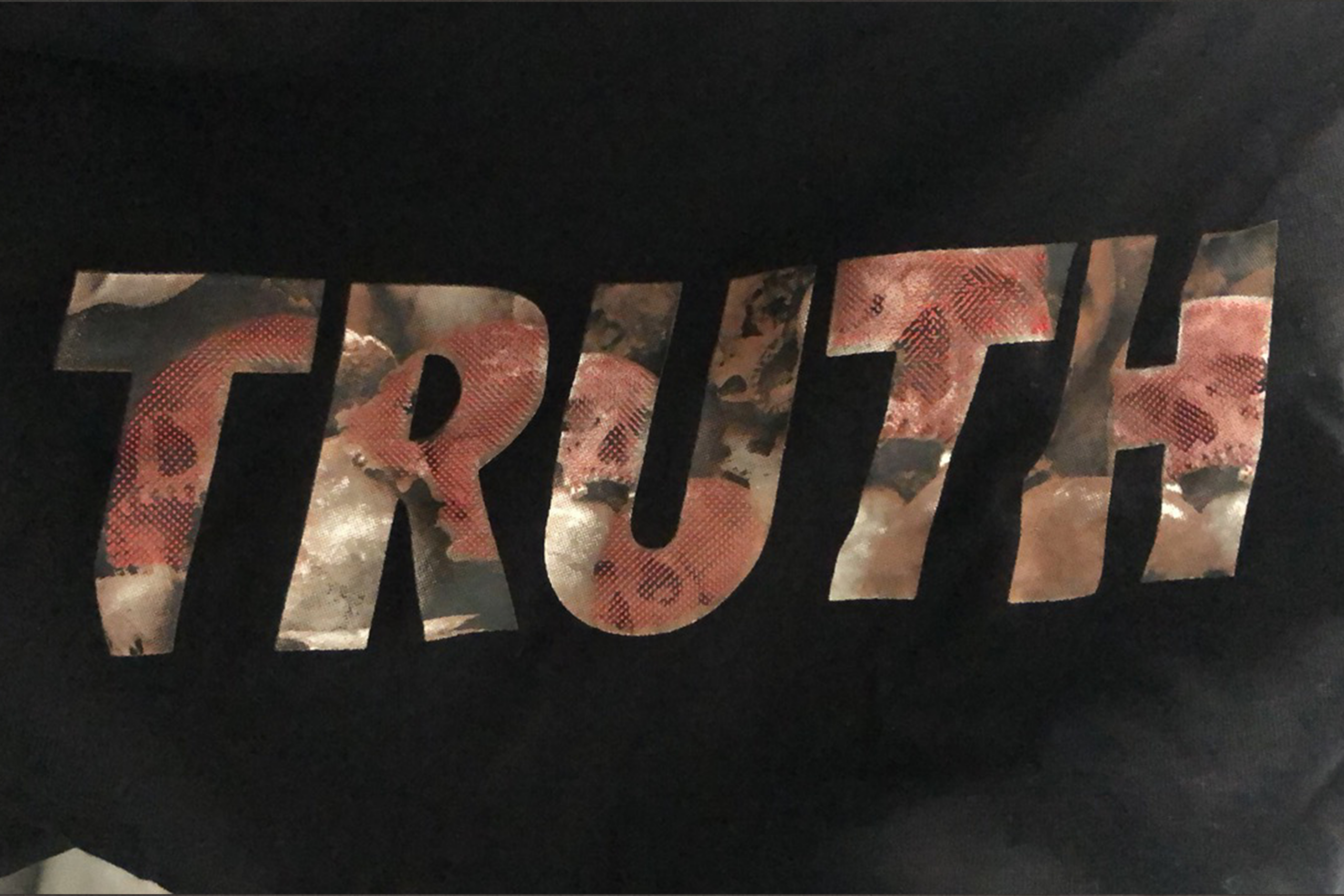
Basketball Uniforms
EDVORIN develops basketball uniforms around lightweight performance fabrics, breathable construction, panel design, trims, team colors, names, numbers and grading. Sustainable sourcing requirements can be coordinated with decoration specifications, approved size sets and repeatable quality controls for clubs, schools, academies, wholesalers and private-label buyers.
Get a Quote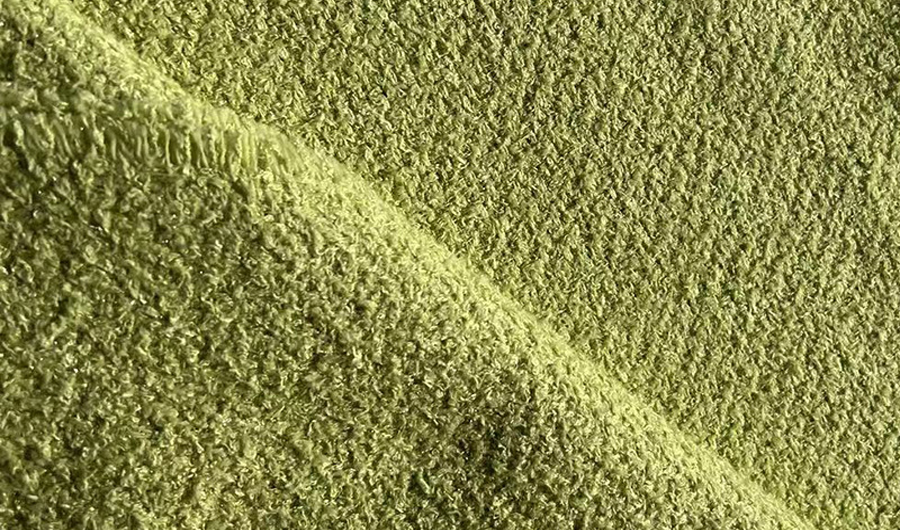
Streetwear Collections
EDVORIN coordinates custom apparel printing, custom apparel embroidery, labels, washes and packaging across hoodies, T-shirts, bottoms, jackets, woven shirts and jerseys. Sustainable fabrics and approved standards are managed through development and sampling so emerging labels and established buyers can build coherent, repeatable collections.
Get a QuoteMove from Material Selection to Approved Bulk Production
EDVORIN connects material decisions, sampling and quality control into one clear path from concept or tech pack to repeatable production.
Define Material Requirements
Share a tech pack, sketch or reference garment so EDVORIN can align fabric weight, composition, performance, finish and target use.
Compare Suitable Fabric Options
Review material options against hand feel, construction, decoration, wash requirements, certification needs and expected repeat-order performance for the finished collection.
Test and Document Samples
Evaluate fabric behavior through development samples, checking fit, shrinkage, color, print or embroidery compatibility and key construction details before approval.
Approve the Production Standard
Confirm the approved material, measurements, trims, artwork placement, wash treatment, labels and packaging details in a clear standard for bulk production.
Control Bulk Against Approval
Monitor incoming materials, in-line workmanship and final inspection so the bulk order remains aligned with the approved sample and repeatable specification.
Sustainable Fabric Sourcing: A Practical Guide for Apparel Buyers
Use this decision framework to compare sustainable materials, verify certifications, evaluate suppliers, control repeat orders, and avoid costly sourcing mistakes across apparel, teamwear, uniforms, and private-label programs.
1. What Is Sustainable Fabric Sourcing?
1 question should anchor sustainable fabric sourcing: what evidence shows this material is a responsible choice for the intended garment? The answer starts with fiber origin and processing, but a recycled, organic, or low-impact fabric is not automatically proof of ethical manufacturing, traceability, long service life, or responsible end-of-life handling. 4 evidence categories make the claim testable: recognized documentation such as GOTS, GRS, OEKO-TEX, or transaction records; traceability from fiber and yarn through dyeing and finishing; factory controls covering labor and chemical management; and performance data for shrinkage, colorfastness, pilling, abrasion, stretch recovery, and wash durability. Certification scope matters: verify that the certificate covers the relevant facility, material, and production stage. 5 buying criteria guide EDVORIN’s development discussions: performance requirements, documentation quality, supplier capability, commercial fit, and repeat-order control.
2. The Evolution of Sustainable Fabric Sourcing
The 2000s shifted sustainable fabric sourcing beyond single-fiber claims such as organic cotton or hemp. Buyers increasingly assess the full lifecycle: raw-material origin, spinning, dyeing, finishing, garment use, durability and end-of-life options, rather than treating a fiber label as proof of overall performance.
Three verification layers now shape serious programs: certified inputs, controlled chemistry and traceable suppliers. GOTS, GRS, OEKO-TEX and similar standards can support specific claims, while chemical-management records, transaction documents and supply-chain visibility help distinguish verified content from vague sustainability language.
Current buyer expectations apply this discipline across fashion labels, sports teams, schools, wholesalers and private-label collections.
3. Types of Sustainable Fabric Sourcing
Common sourcing decisions cover fiber origin, processing, inventory availability, and geography. The right route depends on the product’s performance, documentation, repeatability, and commercial requirements.
| Approach | Typical Evidence | Suitable Uses | Main Trade-Off |
|---|---|---|---|
| Certified organic | GOTS scope or transaction records | Tees, fleece, casualwear | Lower chemical input; higher cost or MOQ |
| Recycled fibers | GRS/RCS records and content tests | Polyester jerseys, fleece, outerwear | Good performance; traceability and pilling control |
| Regenerated cellulosic | Fiber and mill documentation | Soft tees, woven shirts | Comfort; variable strength and availability |
| Lower-impact processing | Dyeing, finishing, wash data | Most fabric categories | Potential savings; process evidence varies |
| Deadstock or upcycled | Inventory records and material inspection | Capsules, panels, accessories | Waste reduction; limited repeatability |
| Regional or nearshore | Origin, mill, and transport records | Fast replenishment programs | Shorter lead times; narrower selection |
Fiber-Based Routes
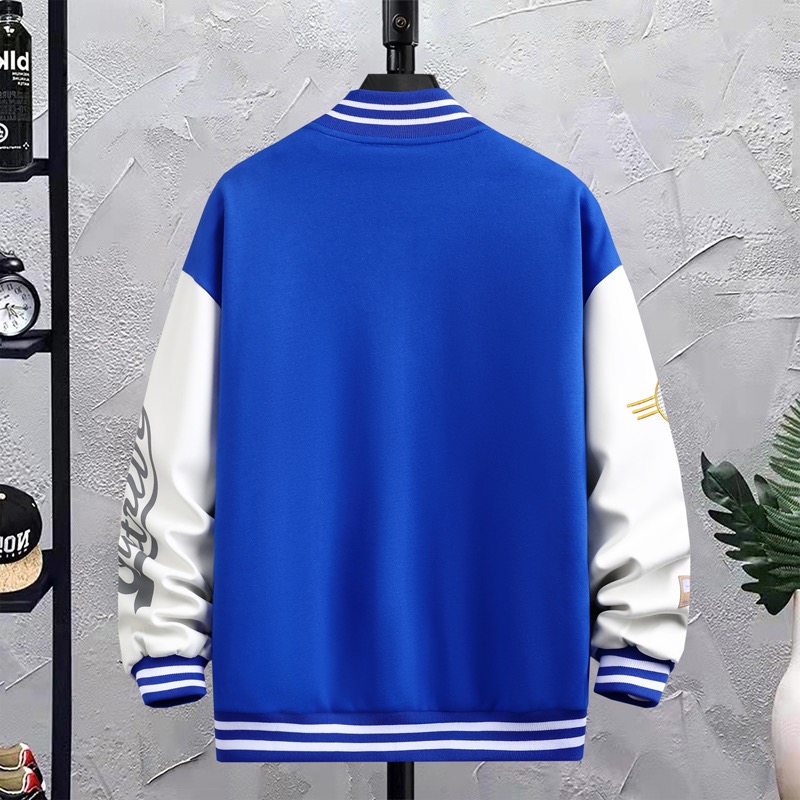
GOTS documentation supports certified organic fibers; GRS or RCS records support recycled content. These routes suit T-shirts, fleece, jerseys, and everyday uniforms. Cellulosic options such as lyocell require fiber-specific documentation and performance testing.
Process And Inventory Routes
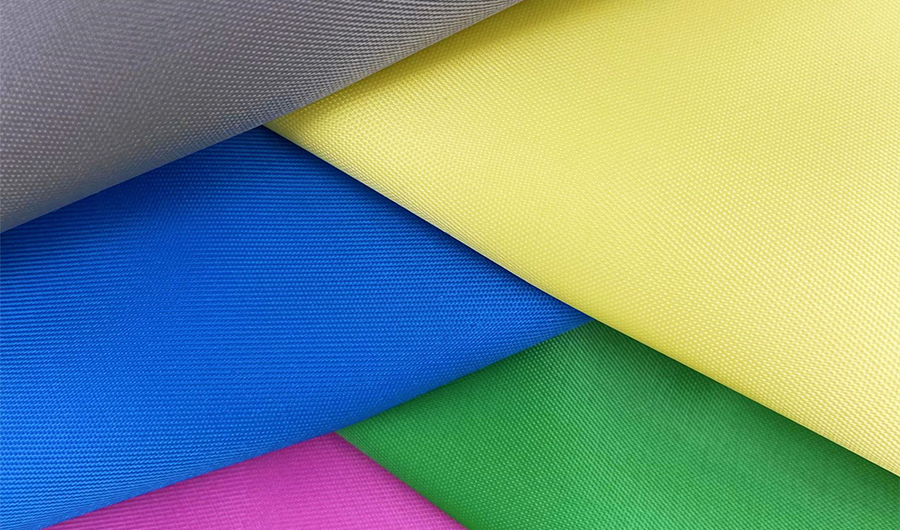
Lower-impact dyeing, finishing, and washing can reduce process burdens while preserving familiar fabrics. Request mill process data, shade standards, test reports, and repeatability evidence.
Regional Sourcing Decisions
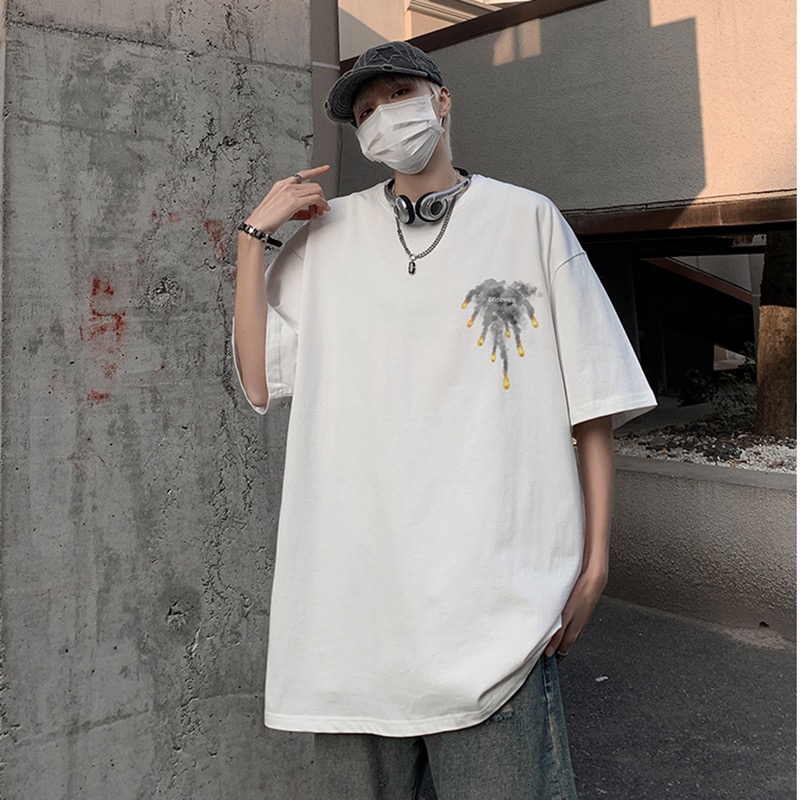
Nearshore production can shorten transport and communication cycles, but regional mills may offer fewer fibers, colors, or technical finishes. Local availability does not automatically prove sustainability.
4. Sustainable Materials and Fabrics Compared
Fiber choice changes comfort, repeatability, decoration behavior and proof requirements.
| Fabric | Key properties | Best applications | Verification questions | Principal trade-offs |
|---|---|---|---|---|
| Organic cotton | Soft, breathable; easy screen print | T-shirts, fleece, uniforms | GOTS scope and fiber percentage? | Higher water use; shrinkage |
| Recycled polyester | Durable, quick-dry; sublimation-ready | Jerseys, windbreakers, fleece | GRS or RCS transaction record? | Synthetic shedding; heat sensitivity |
| Hemp | Breathable, durable, textured | Overshirts, tees, blends | Hemp percentage and origin? | Firm hand; limited color range |
| Linen | Cool, breathable, moisture-wicking | Summer shirts, resortwear | Flax origin and finishing details? | Wrinkles; lower abrasion resistance |
| Lyocell or modal | Smooth, breathable, moisture-managing | Tops, dresses, underwear | Fiber trademark and mill evidence? | Sensitive to harsh washing |
| Recycled cotton | Soft, lower-impact feedstock | Tees, sweatshirts, patches | Pre- or post-consumer content? | Shorter fibers; weaker seams |
| Wool | Warm, odor-resistant, durable | Knitwear, outerwear, varsity | Animal-welfare and mulesing policy? | Felting; specialized care |
| Blends | Balances hand, recovery, cost | Performance basics, uniforms | Exact ratio and blend testing? | Harder recycling; mixed claims |
Natural And Regenerated Fibers
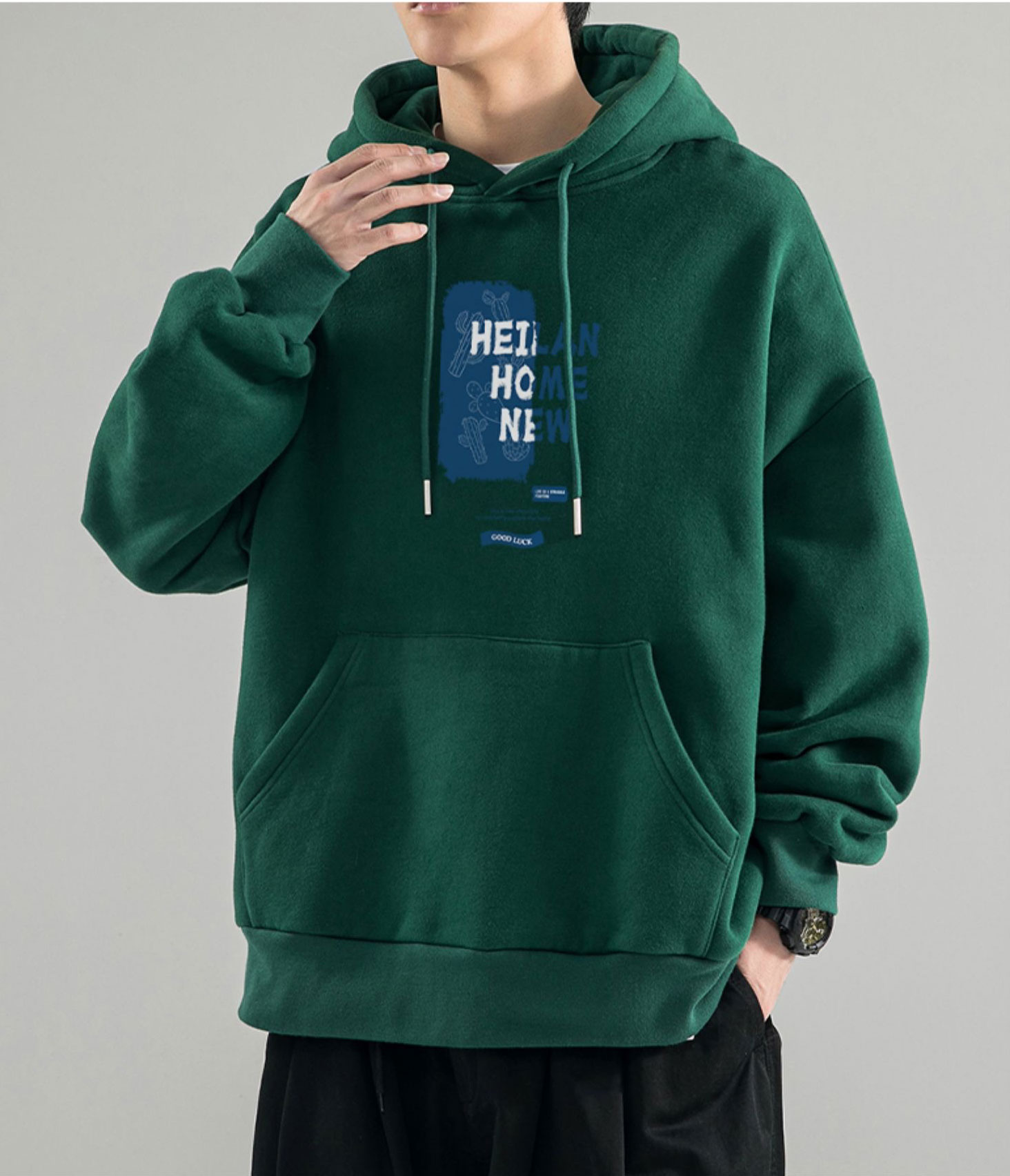
GOTS organic cotton and hemp suit breathable casualwear; linen is cooler but wrinkles. Lyocell or modal adds a smooth, moisture-managing hand for lighter garments.
Recycled And Animal Fibers
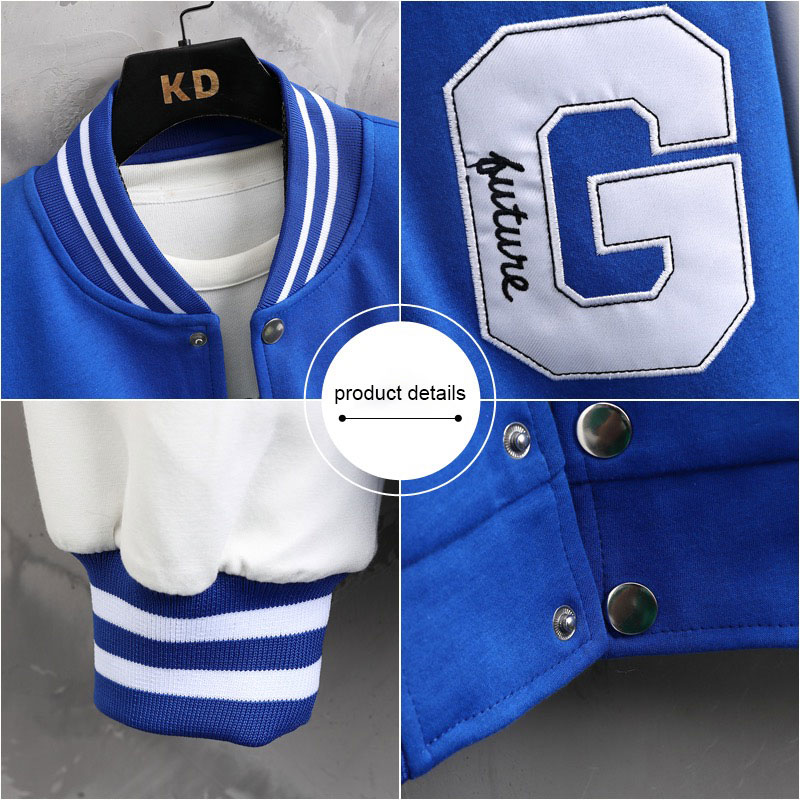
Recycled polyester offers strength, quick drying and reliable decoration surfaces; recycled cotton reduces waste but may weaken yarn performance. Wool insulates and resists odor, requiring careful care.
Buyer Comparison Matrix
Blends balance weaknesses: cotton-polyester improves durability and recovery, while cotton-hemp can soften a firm hand.
5. Customization and Decoration for Sustainable Fabrics
Fabric selection determines whether decoration remains sharp, stable and repairable after washing.
| Method | Best Fit | Primary Check |
|---|---|---|
| Screen print | Medium/high-volume cotton | Ink adhesion and shrinkage |
| Digital print | Short runs, detailed artwork | Wash fastness and surface texture |
| Embroidery | Structured fabrics and logos | Backing, stitch density and puckering |
Match Method To Fabric
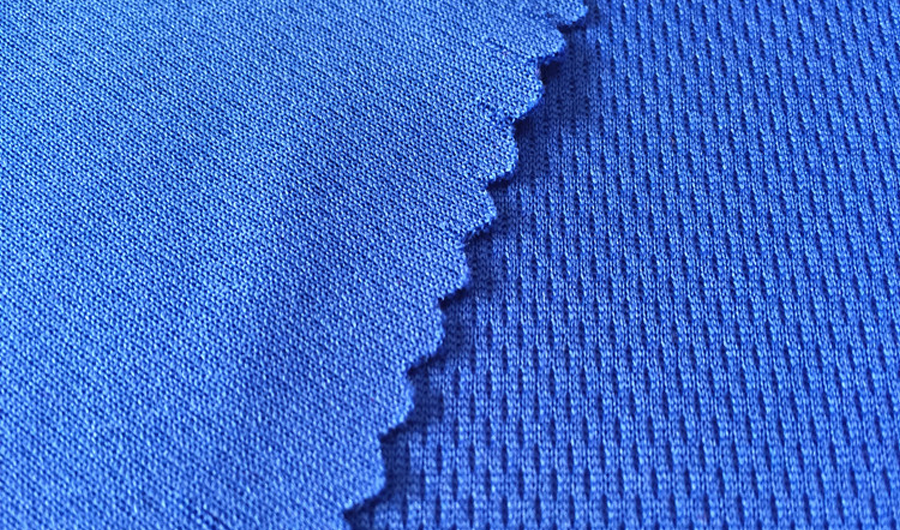
180–240 GSM cotton supports screen printing and digital printing, while textured fleece can soften fine detail. Heat transfer suits short runs; sublimation is mainly effective on polyester and can intensify bleed risk. Stretch fabrics need flexible inks, transfer films and embroidery backing.
Control Decoration Variables
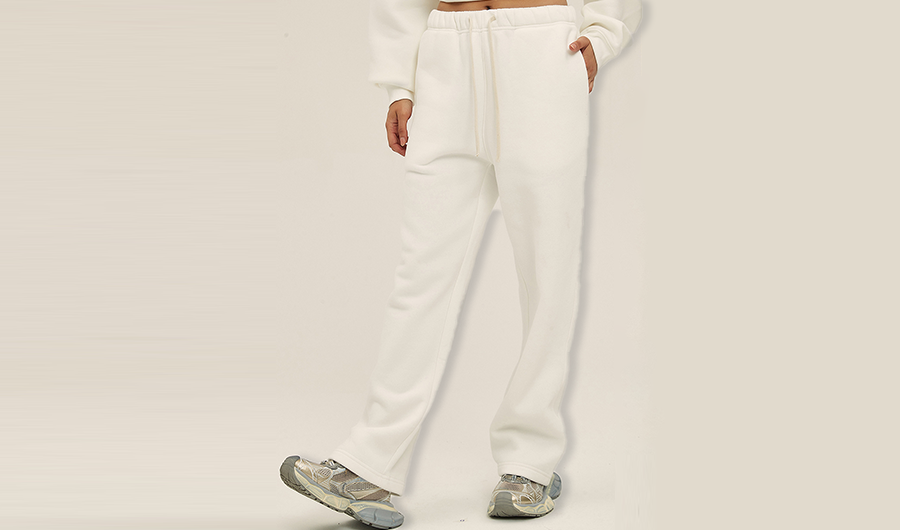
3–5% shrinkage can distort artwork, labels and embroidery placement, so record prewash and postwash measurements. GSM, surface texture and stretch also affect ink coverage, stitch density and thread tension. Colorfastness testing should check crocking, laundering and bleed transfer.
Choose By Order Volume
Orders of 200 pieces or more often favor heat transfer, digital print or stock labels when setup is limited. Larger repeat orders can justify screen-printing screens, custom woven labels, appliqué tooling or embroidery programs. A signed preproduction sample should undergo wash, stretch and abrasion checks before bulk cutting.
6. Key Construction and Quality Elements
Quality in sustainable fabric sourcing is proven by performance data, not fiber claims alone.
Fabric Construction And Stability
A 5% GSM tolerance should be agreed for each fabric, alongside knit or weave construction, yarn type, and ring-spun or open-end specification. Record pilling results, shrinkage, dimensional stability, and stretch recovery after the required wash cycle. A signed fabric report should identify test method, batch, color, composition, and lot date.
Garment Performance Checks
A seam-strength and seam-slippage test should cover stress points, while colorfastness testing should include washing, rubbing, perspiration, and light where relevant. Inspect needle damage, skipped stitches, puckering, shade variation, print adhesion, and trim security. Wash testing should compare measurements before and after laundering, including body length, chest, sleeve, and waistband.
Defects, Packing, And Batches
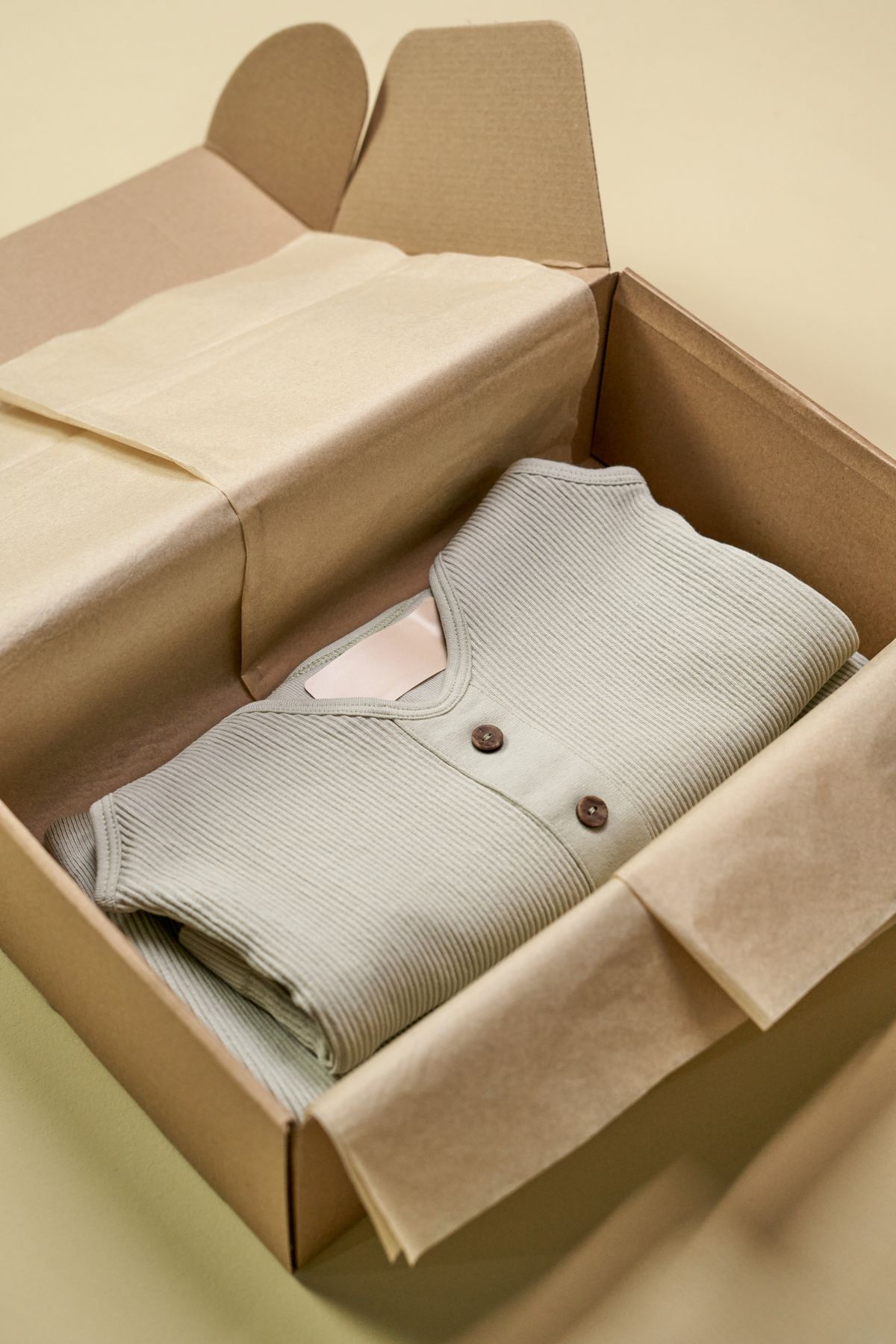
A written defect standard should classify critical, major, and minor faults, with agreed AQL limits and inspection points. Check folding, labeling, polybags, carton marks, moisture protection, and barcode accuracy against the packing specification. Each repeat order should match the approved sample and retain batch-level records for GSM, shade, test reports, and inspection results.
7. How to Choose a Sustainable Fabric Supplier
Use a documented scorecard before approving any sustainable fabric sourcing partner.
Verify Claims And Records
GOTS, OEKO-TEX, GRS and RCS address different claims; check the certificate holder, scope, expiry date, covered facility and exact fiber or process. Ask for transaction certificates, chain-of-custody records, fiber declarations, chemical test reports and REACH or CPSIA documents where applicable.
- Who issued the certificate, and is it valid for this style?
- Can you provide batch-level origin and transaction records?
- Which factory performs dyeing, finishing and testing?
Test Production Fit
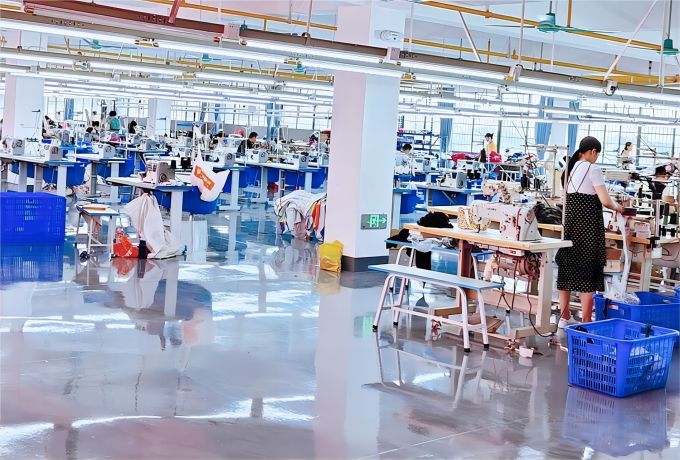
EDVORIN’s MOQ starts at 200 pieces per style. Three checks matter before a first order: physical samples, factory capability and written capacity. Confirm fabric construction, GSM tolerance, color approval, shrinkage, pilling, decoration compatibility, MOQ tiers, available monthly capacity and realistic sampling and bulk lead times.
- What is the MOQ per color and size range?
- What lead time applies after lab-dip and sample approval?
- Which tests are repeated before bulk shipment?
Score First And Repeat Orders
Score each supplier from 1 to 5 across certification evidence, traceability, quality, capacity, communication, compliance documents and after-sales support. Weight documentation and repeatability more heavily than the lowest quote; EDVORIN can consolidate material, sampling, production and final inspection into one accountable workflow. For the first order, require a signed specification, sealed sample and corrective-action process.
- First order: evidence, sample accuracy and responsiveness.
- Repeat orders: consistency, capacity and corrective action.
- Approve only suppliers reaching your documented minimum score.
8. Common Sustainable Fabric Sourcing Mistakes
Eight recurring errors can undermine sustainable fabric sourcing even when the garment looks responsible on paper.
Verify Claims And Certificates
GOTS, GRS, OEKO-TEX and BSCI address different criteria; a supplier’s sustainability language is not equivalent to certification. Request the certificate number, scope, validity dates and transaction documents. A finished-product certificate may not cover every fabric, dye, trim or factory involved. Prevention: map each component to evidence.
Check Composition And Trims
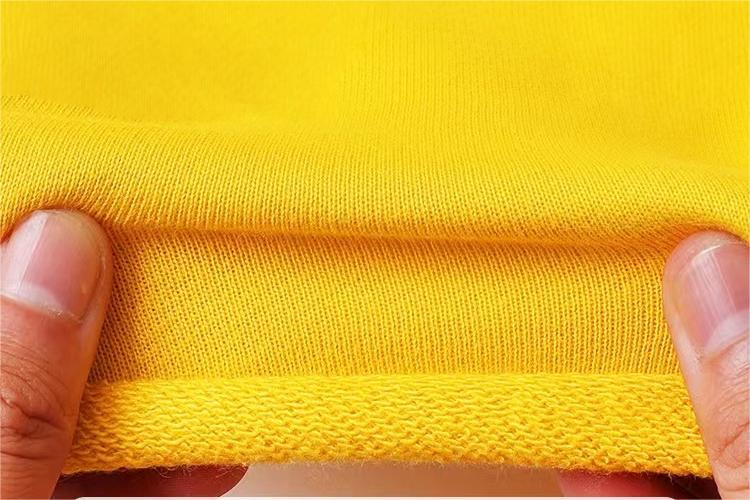
A 60/40 cotton-polyester blend cannot be presented as wholly organic cotton, and labels, thread, zippers, snaps and patches may change the product profile. Record fiber percentages and component specifications in the tech pack. Prevention: review the full bill of materials, not only the shell fabric.
Test Performance And Supply
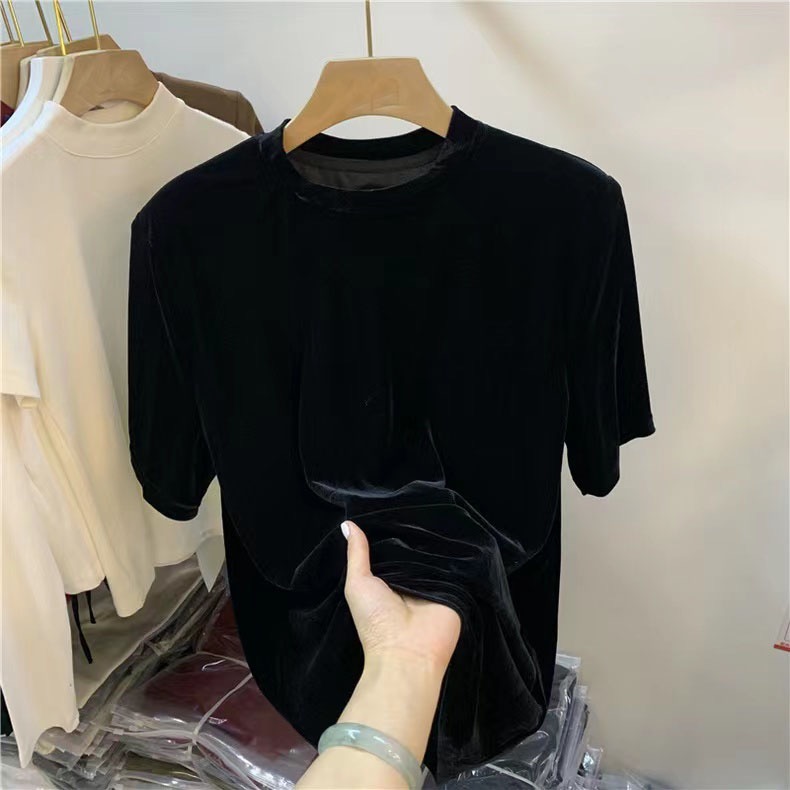
EDVORIN’s MOQ starts at 200 pieces per style. A 280 GSM French terry can still fail shrinkage, pilling, colorfastness or recovery tests. Approve lab or wear-test results against the intended use before selecting the material for hoodies, uniforms or teamwear. MOQ, dye-lot capacity and replenishment timing also affect repeat orders.
Compare And Approve Properly
A lower price is meaningless when GSM, width, composition, testing, decoration or packaging differs. Compare like-for-like quotations using one specification sheet and a complete landed-cost breakdown. Pre-production approval prevents approved-sample drift and unsupported claims. Prevention: sign off the sample, artwork, measurements and evidence before bulk.
9. Seven Steps to Launch Your Sourcing Program
A seven-step workflow turns sustainable fabric sourcing from a material search into a controlled apparel program.
Define Requirements And Shortlist Materials
Step 1 starts with the buyer’s product brief: category, wearer, target GSM, fiber content, color range, decoration, quantity and sustainability priorities. The sourcing owner records mandatory criteria and approves the brief before supplier outreach. Step 2 narrows materials against those criteria, such as organic cotton, recycled polyester, French terry or fleece.
Verify Evidence And Test Samples
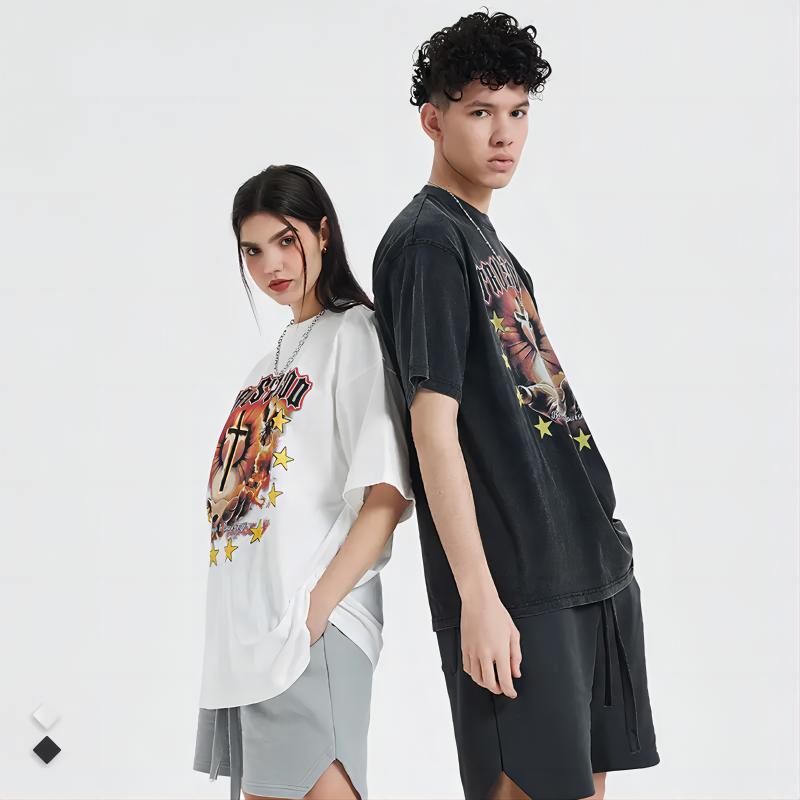
Step 3 requires suppliers to provide current certificates, scope details, fiber composition, test reports, lead time and sample yardage or garments. Retain certificate files, lot references, correspondence and the sample register; unsupported claims remain unapproved. Step 4 tests shrinkage, colorfastness, pilling, recovery, hand feel, wash performance and decoration compatibility.
Approve Production And Control Replenishment
Step 5 compares quotations using the same specification, quantity, Incoterms, sampling charges, tooling, packaging, payment terms and lead time. Step 6 then freezes the approved production specification, including measurements, tolerances, shade standards, trims, decoration placement and inspection points. Step 7 monitors delivery through pre-production, in-line and final checks, recording deviations, corrective actions, lot data and approval status.
10. Sustainable Fabric Sourcing Pricing and Cost
EDVORIN’s MOQ starts at 200 pieces per style. Pricing varies by fiber and yarn choice, ring-spun versus open-end yarn, fabric construction, GSM, dyeing, finishing and certification. Compare like-for-like specifications, including GOTS, OEKO-TEX, GRS, WRAP or BSCI documentation where required. Quotation sets should separate development samples, testing, decoration, labels, packaging, freight, duties, MOQ effects and payment terms.
| Quantity Tier | Indicative Unit-Price Structure | Lead Time Range | Major Assumptions |
|---|---|---|---|
| 200–299 units | $8–$18 garment cost; sampling, certification and freight often separate | 6–10 weeks after approval | EDVORIN’s MOQ starts at 200 pieces per style. Higher MOQ risk; custom fabric may require surcharge; decoration and packaging itemized |
| 300–999 units | $6–$14 garment cost; negotiated fabric and decoration rates | 8–12 weeks after approval | Approved material, size set and artwork; testing and duties quoted separately |
| 1,000+ units | $4–$10 garment cost; lower conversion and trim cost potential | 10–16 weeks after approval | Stable bulk fabric, consolidated freight, confirmed payment terms and production capacity |
Sustainable Apparel Sourcing Questions Buyers Ask
Clear answers for brands planning certified materials, custom apparel development and repeatable production.
What does sustainable fabric sourcing include for an apparel brand?
Can EDVORIN support sustainable fabric sourcing with certification requirements?
EDVORIN’s MOQ starts at 200 pieces per style. What is the MOQ for sustainable fabric sourcing and custom apparel?
Can sustainable fabric sourcing be used for hoodies, teamwear and outerwear?
How does sampling work after sustainable fabric sourcing decisions are made?
How does EDVORIN verify sustainable fabric sourcing claims?
How does sustainable fabric sourcing continue from an approved sample to repeat production?
Plan Your Next Sustainable Fabric Sourcing Program
Share your collection concept, material requirements, or tech pack with EDVORIN and build a clear path to repeatable production.