
Embroidered Shirt Manufacturer for Repeatable Private-Label Programs
EDVORIN’s MOQ starts at 200 pieces per style. EDVORIN develops custom embroidered shirts from samples to bulk production, with a 200-piece-per-style starting MOQ for brands and wholesale buyers.
Featured Embroidered Shirt Programs
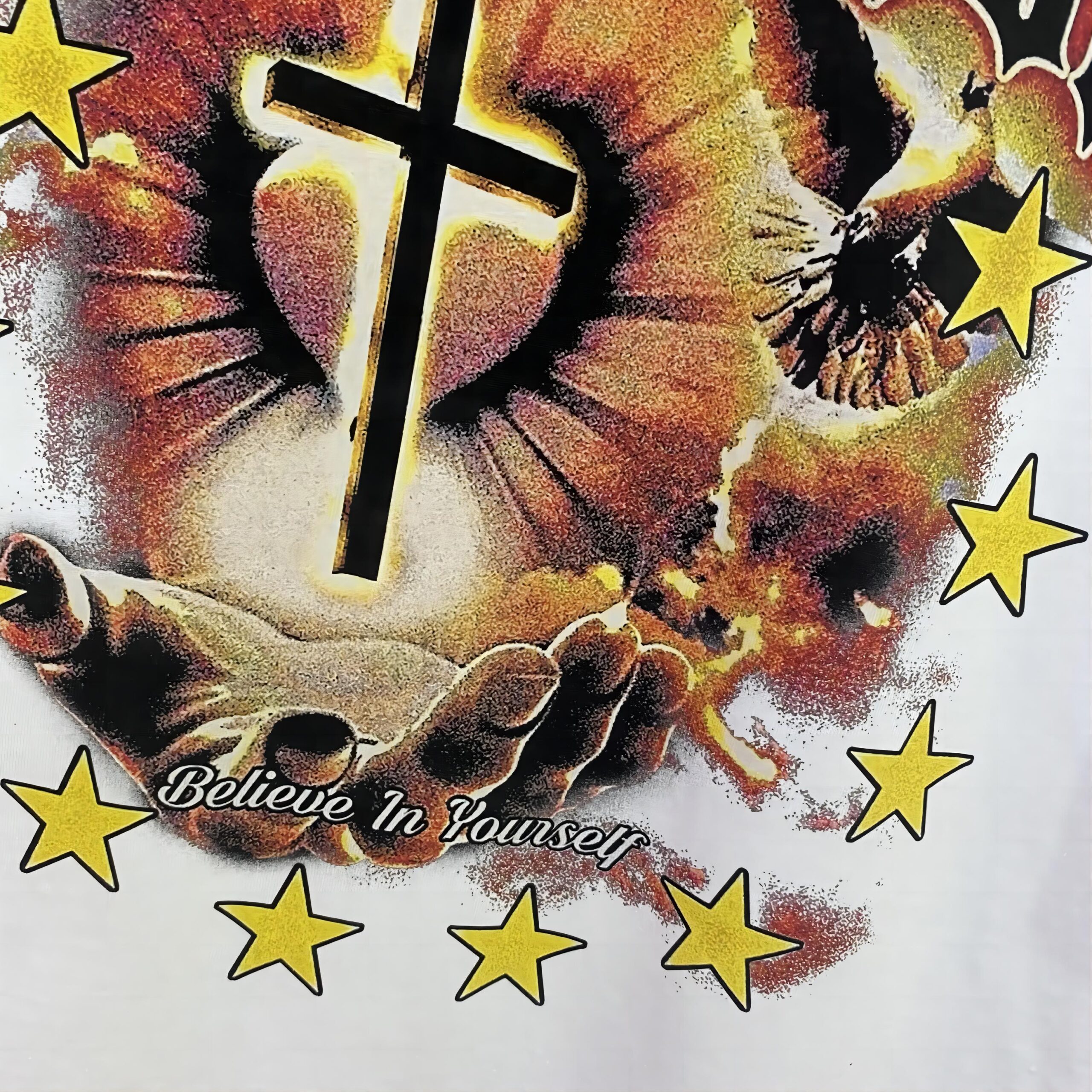
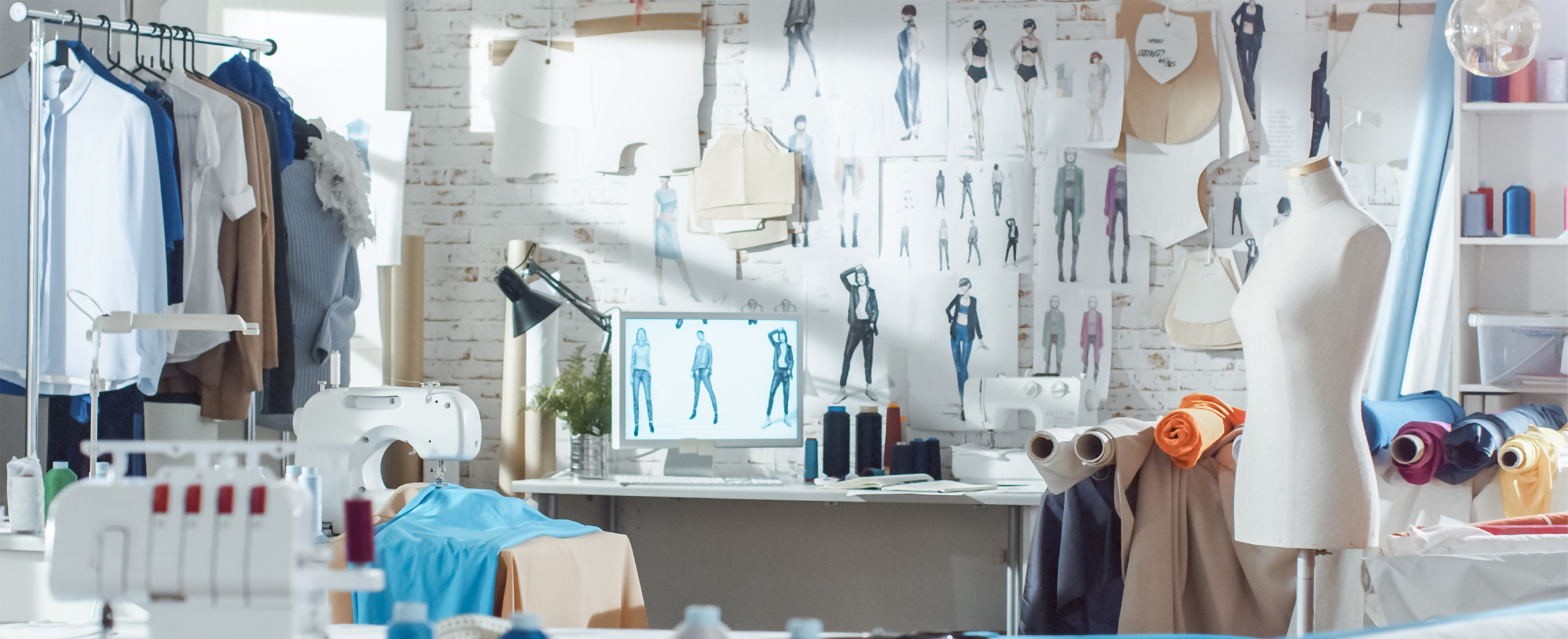

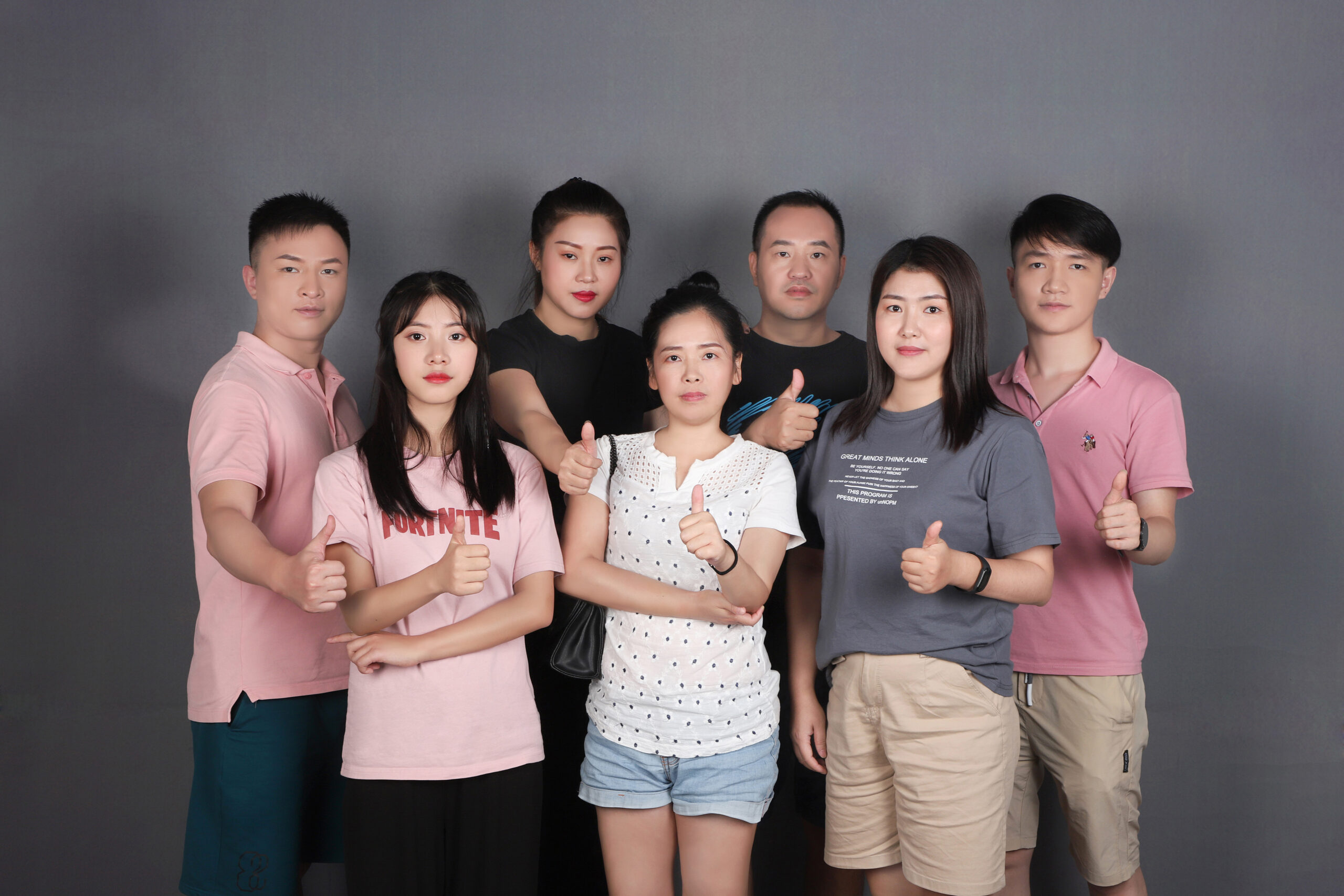
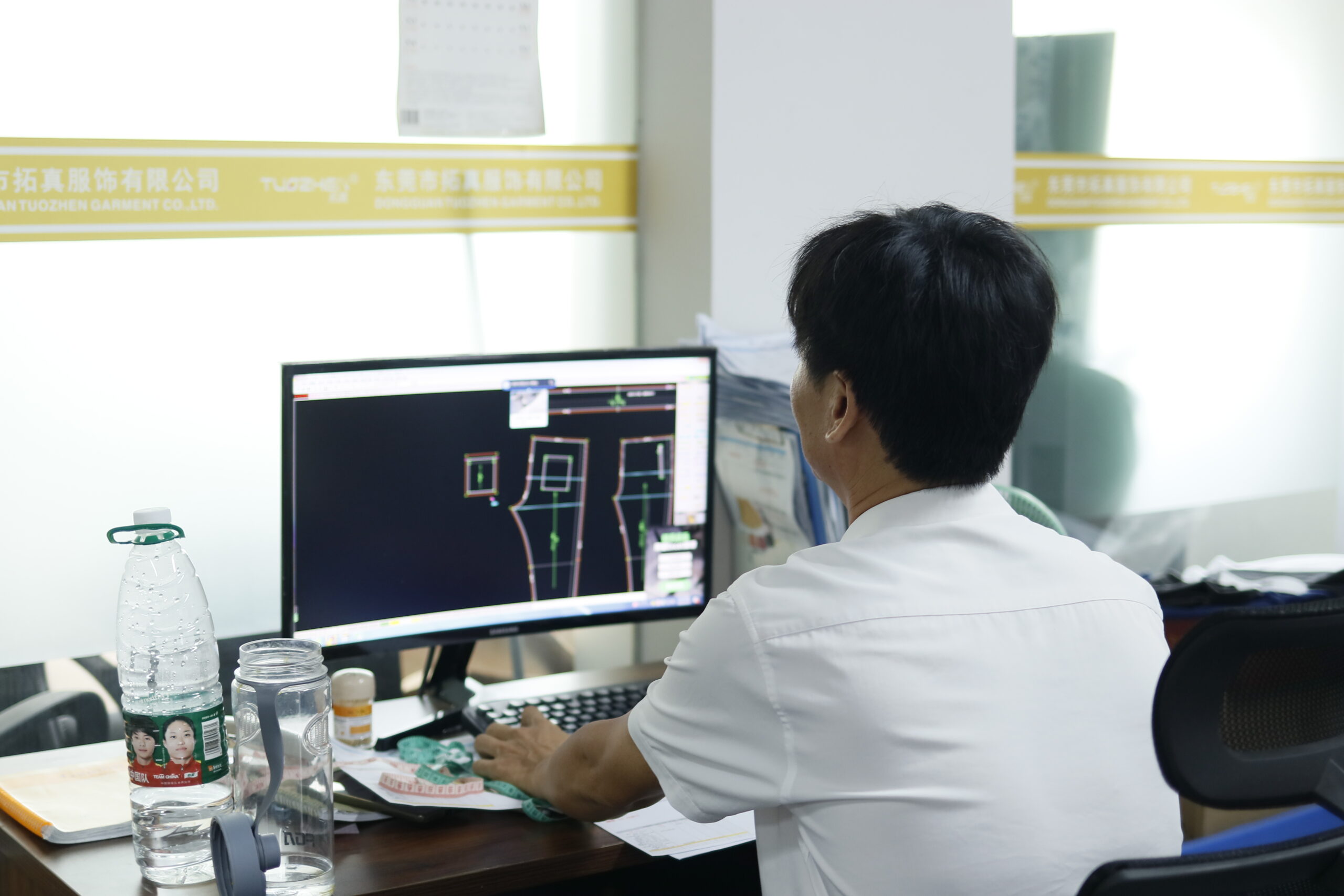

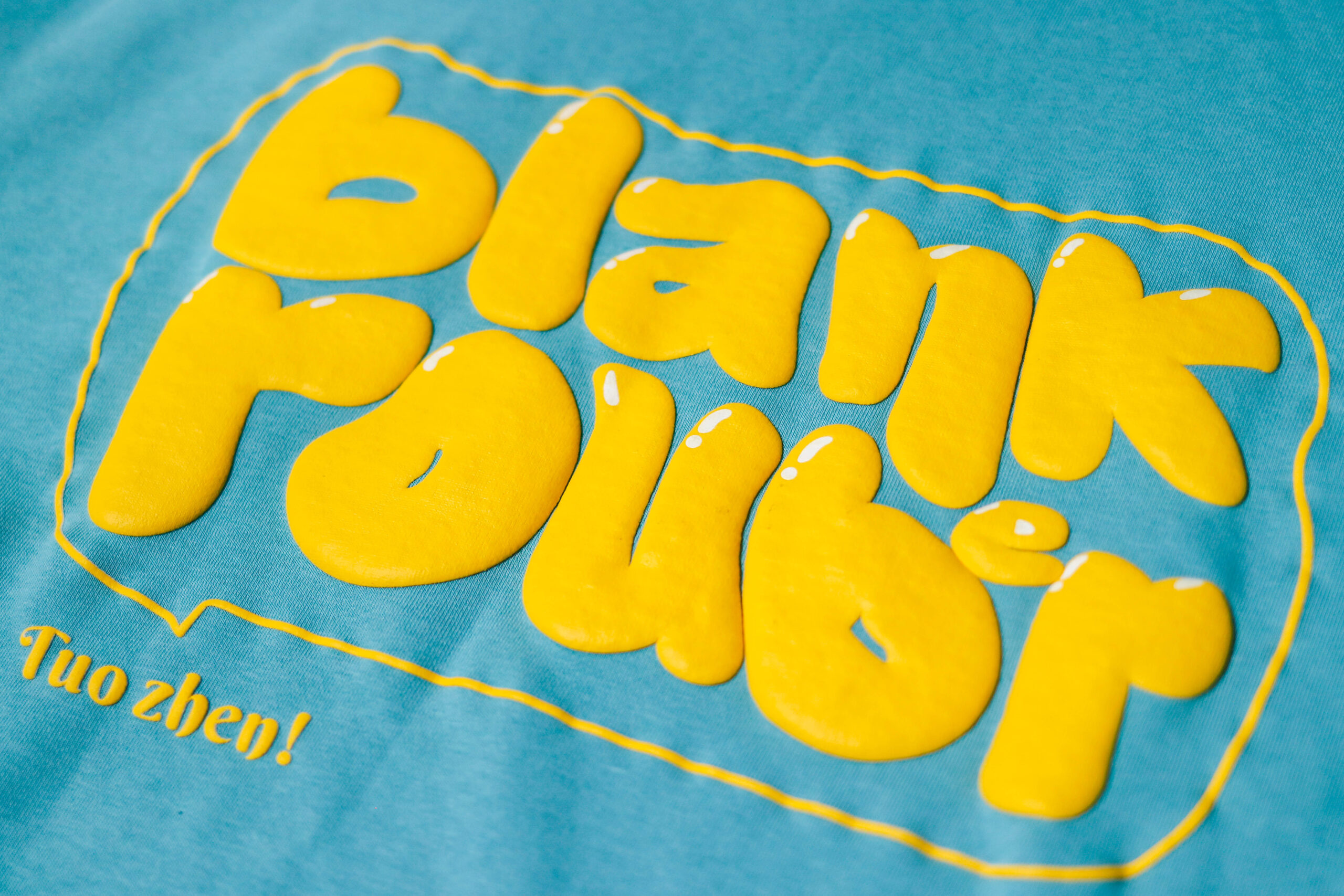
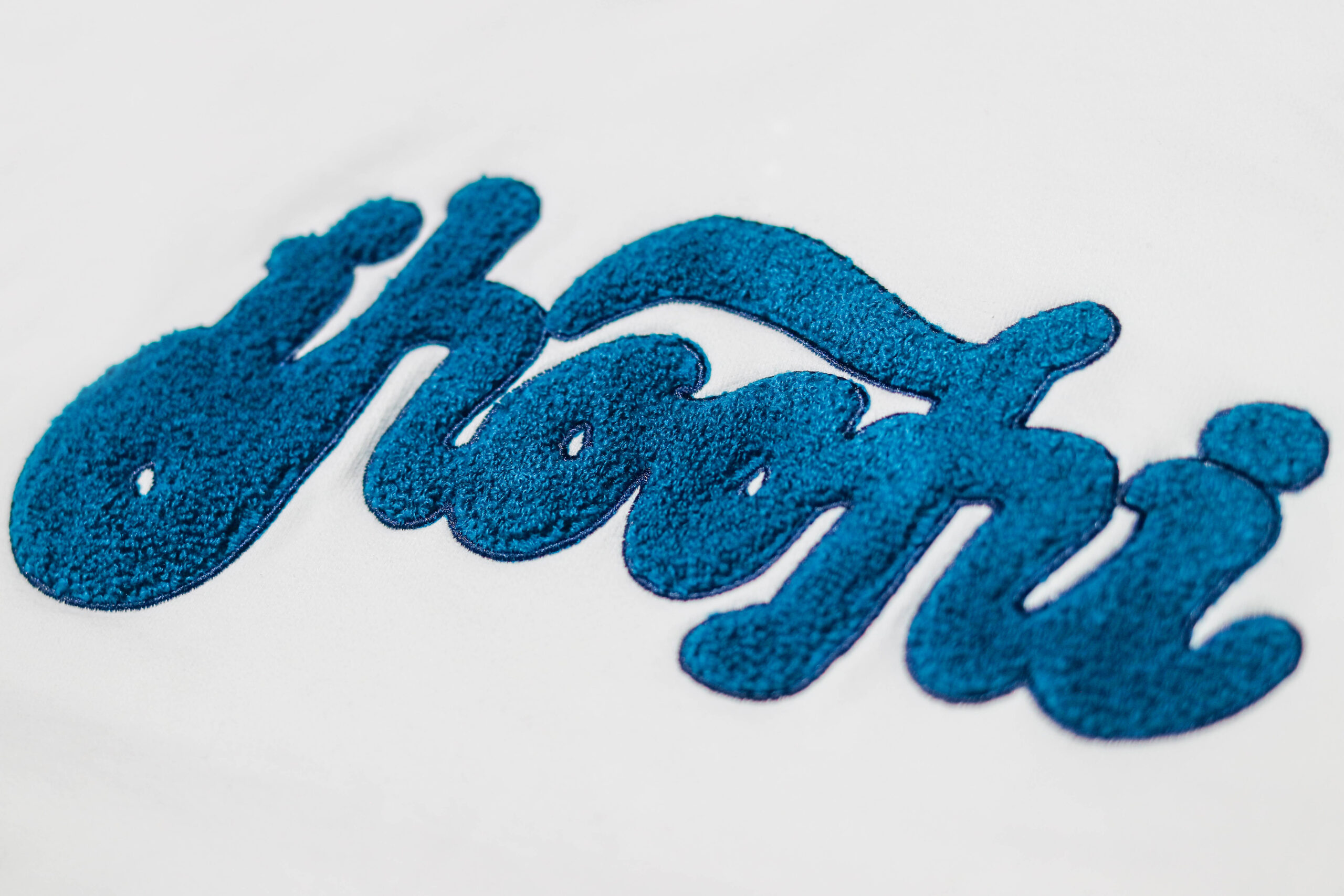
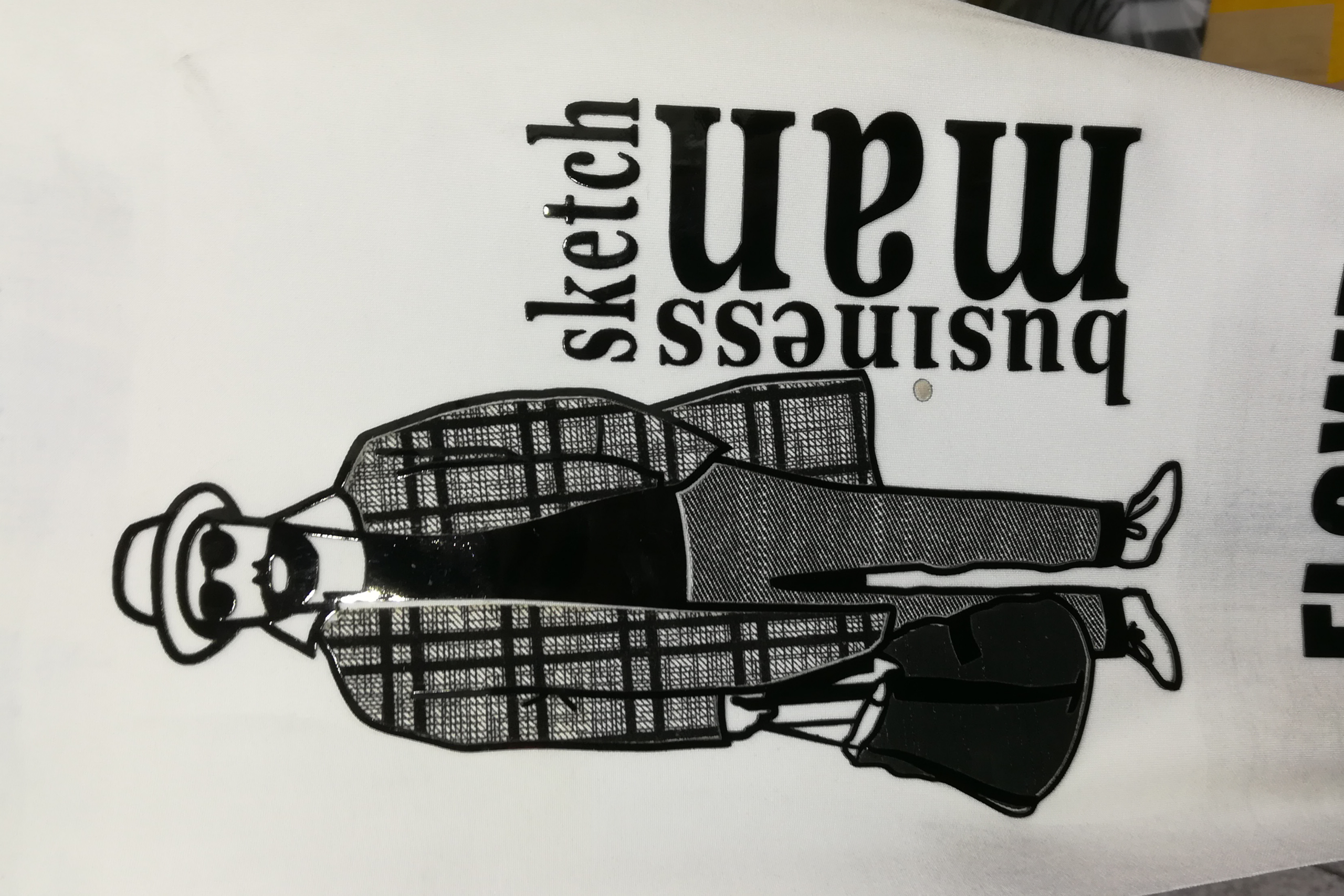
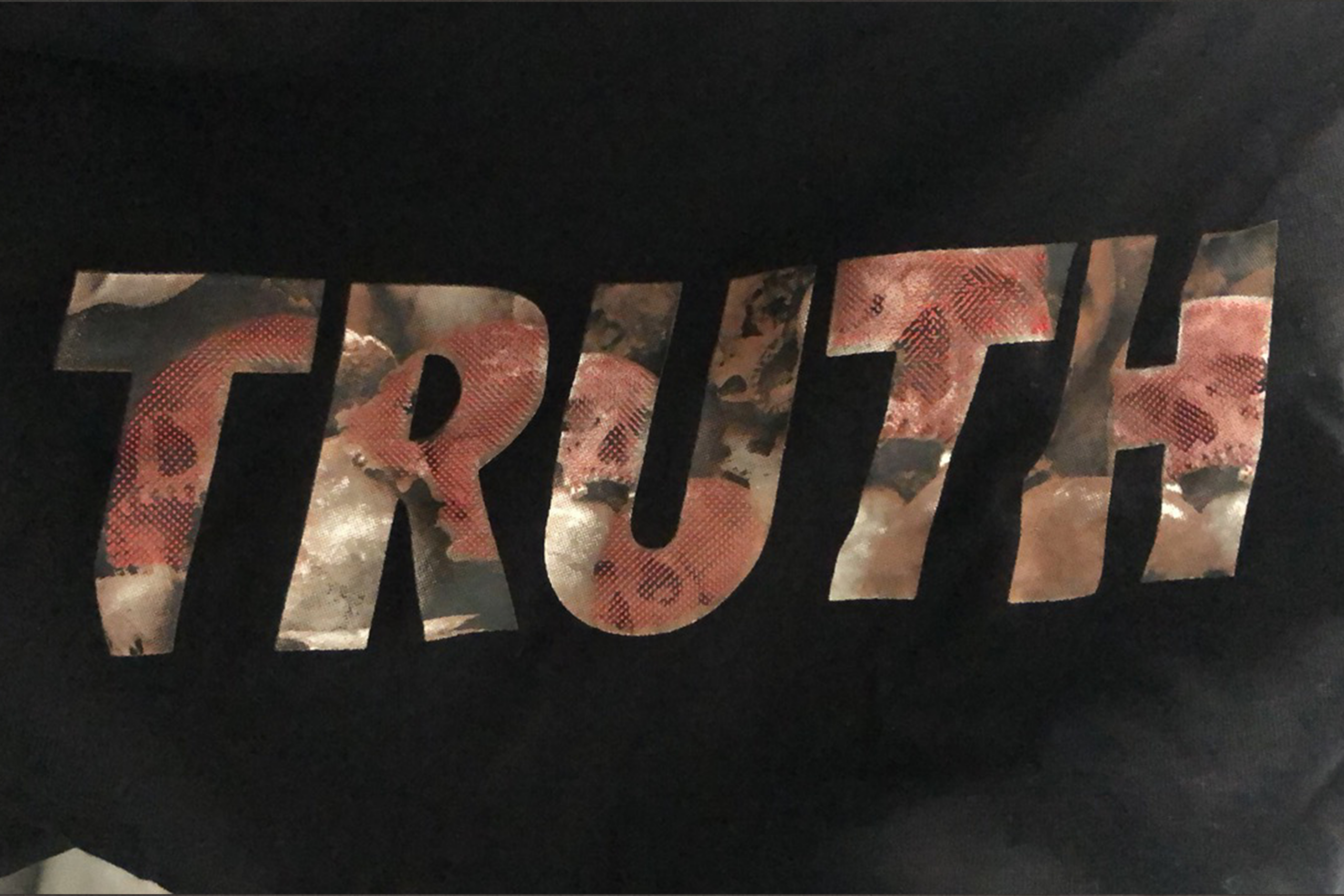
Embroidered Shirt Manufacturer Built for Repeatable Production
EDVORIN connects development, decoration and quality control so approved embroidered apparel can move confidently from sample to bulk.
Founder-Led Since 2000
Work with a production partner shaped by garment-floor experience, clear accountability and long-term attention to repeatable construction standards.
Flexible OEM and ODM
Bring a complete tech pack or an early concept; EDVORIN helps define materials, patterns, embroidery details and private-label specifications.
Decoration by Category
Embroidery is coordinated with each shirt’s fabric, construction and intended use, supporting fashion, streetwear, corporate and teamwear programs.
Approved Standards, Controlled
Samples become documented bulk references for measurements, artwork placement, trims and finishing, helping teams identify variation during production.
Development to Packed Order
Coordinate fabric sourcing, samples, embroidery, labeling, packaging and inspection through one connected manufacturing path for more consistent execution.
Apparel Programs Built to Repeat
From first sample to bulk delivery, EDVORIN develops category-specific apparel for brands, teams, schools, wholesalers and private-label buyers.
Custom Hoodies
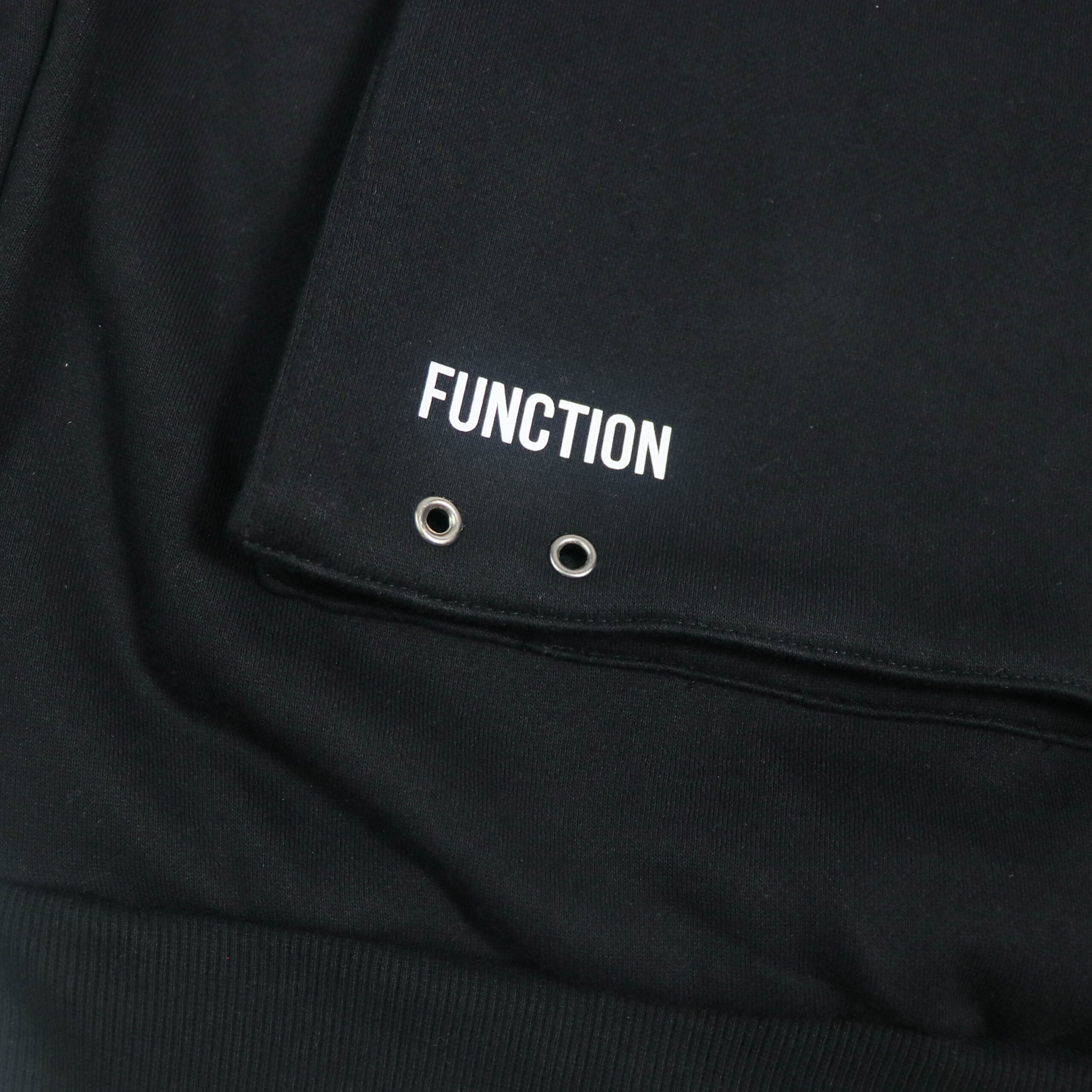
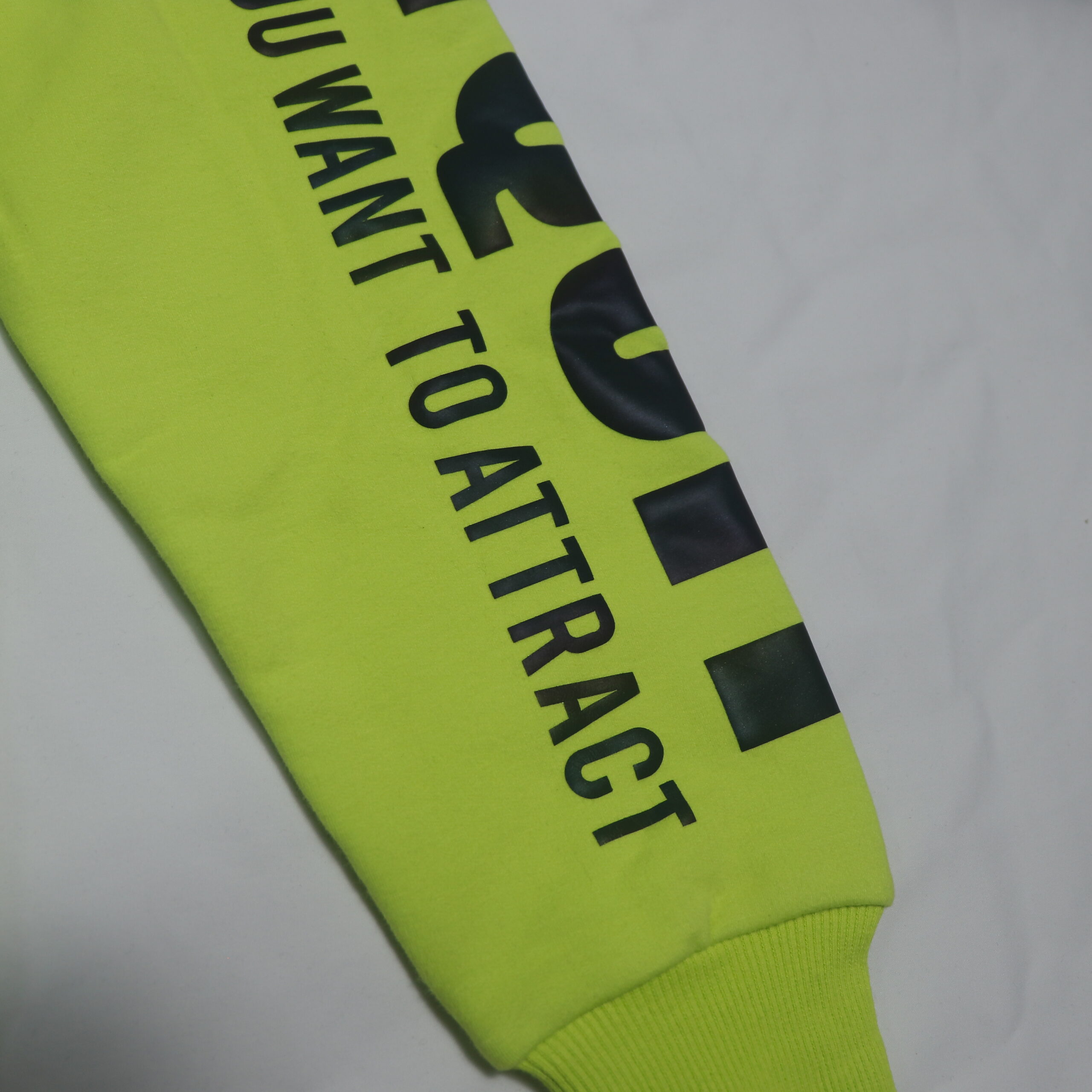
EDVORIN develops custom hoodies with defined fleece weight, fit blocks, rib construction, hoods, drawcords, labels and decoration placement. As a custom hoodie manufacturer, we support men’s and women’s programs from sampling through controlled bulk production.
Get a Quote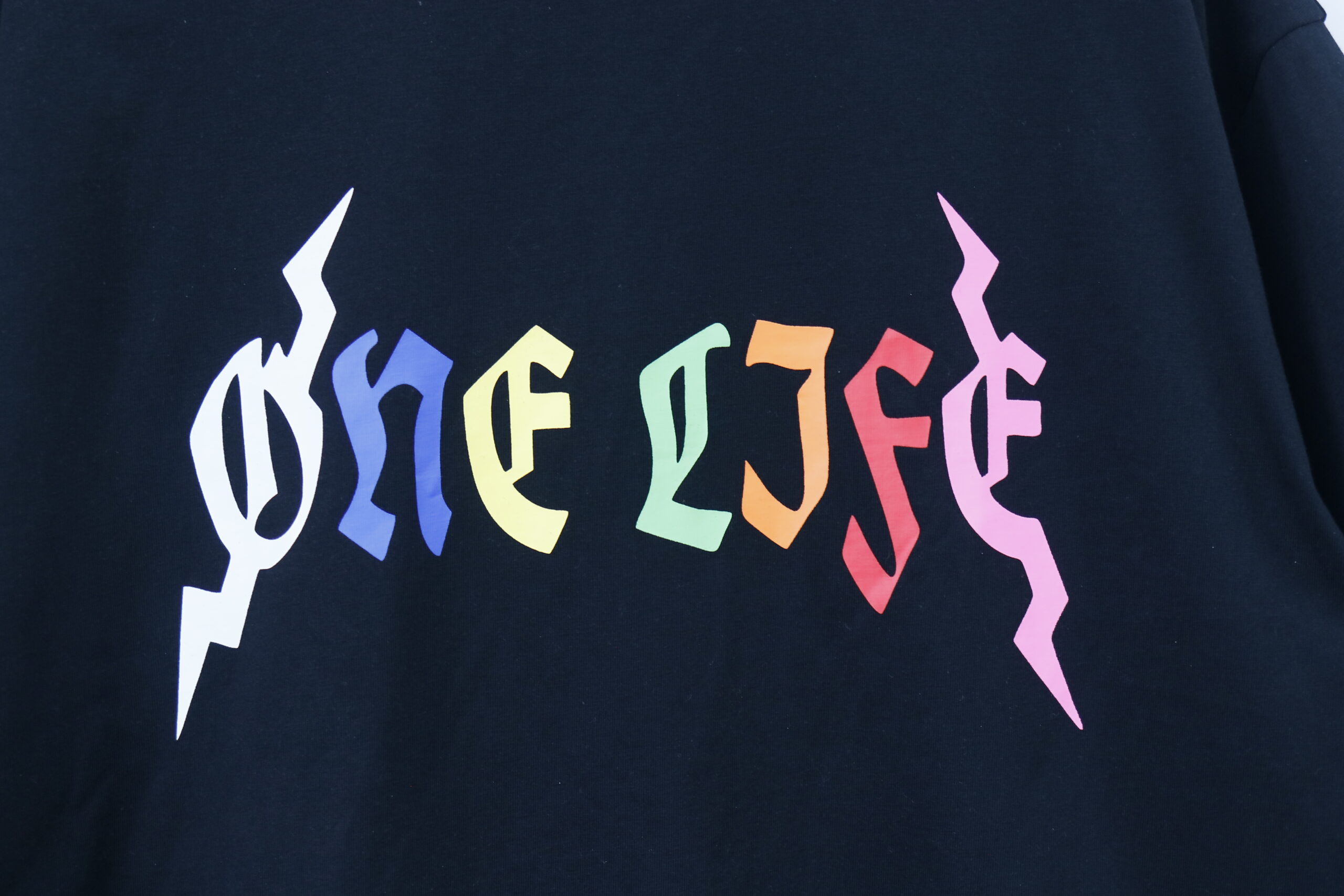
Pullover Sweatshirts
Pullover sweatshirts are developed around fabric hand feel, neckline, rib recovery, silhouette and print or embroidery requirements. EDVORIN documents approved specifications so each sweatshirt program can move from sample approval to repeatable production.
Get a Quote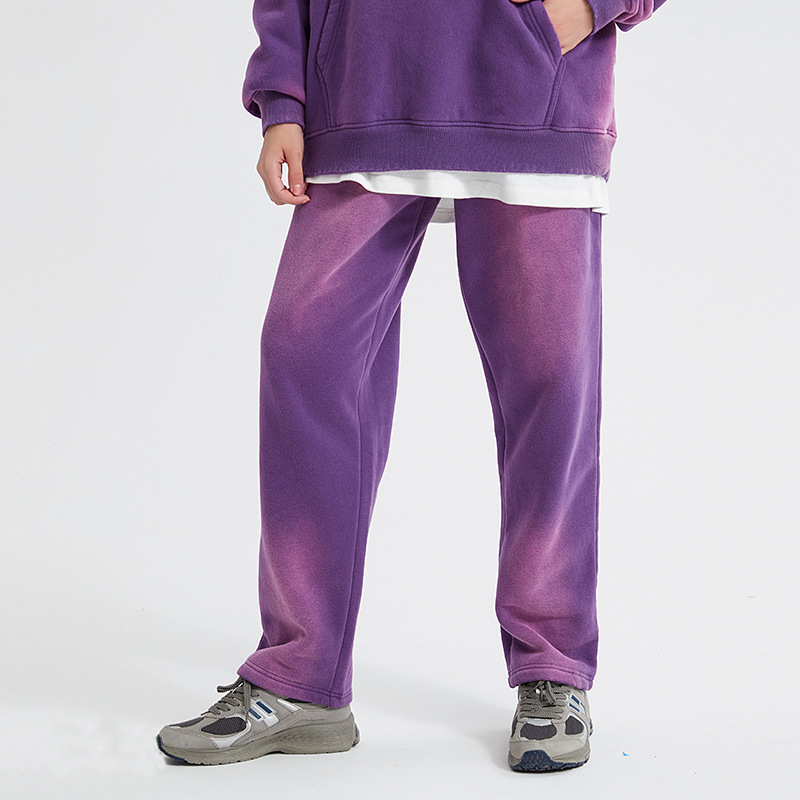
Sweatpants & Joggers
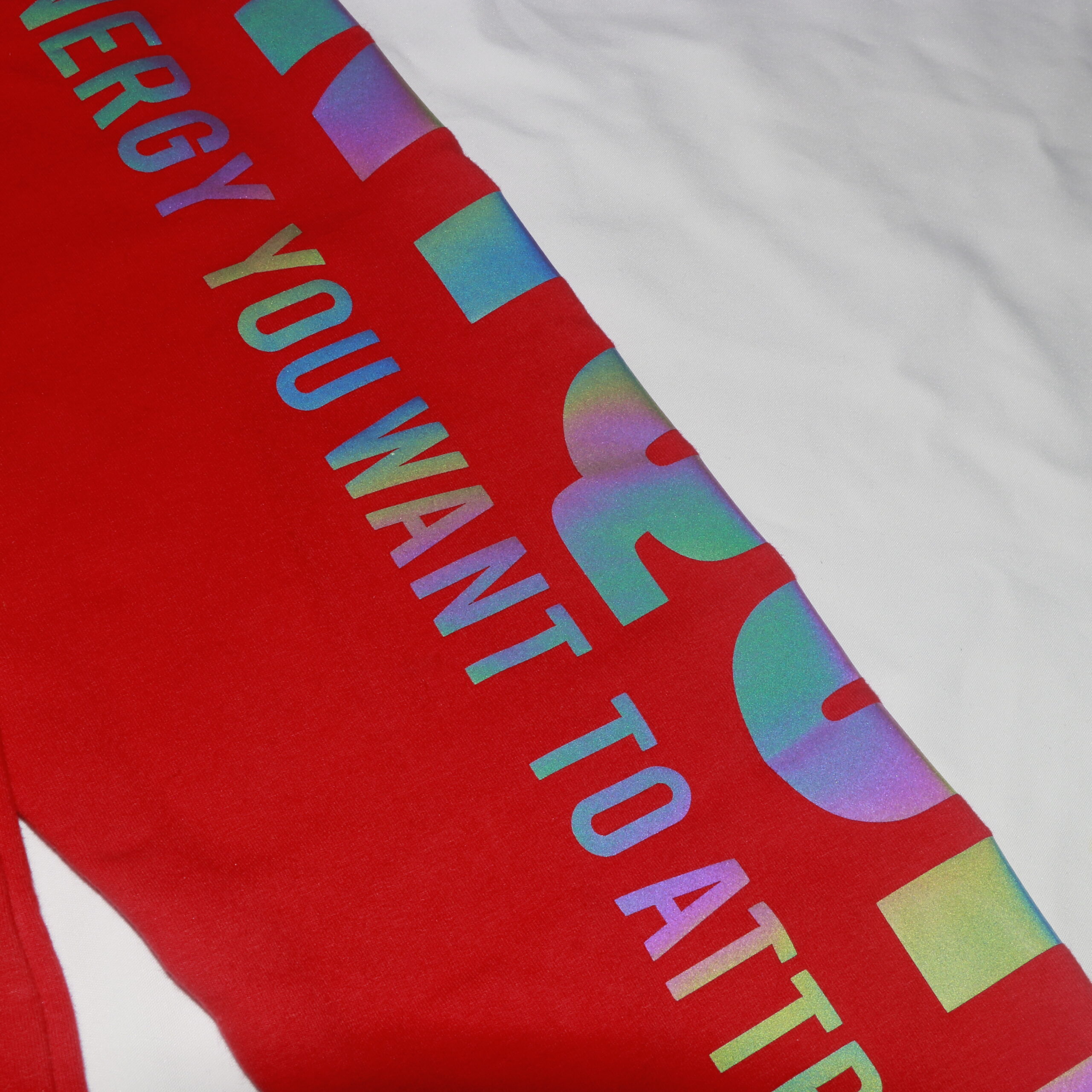
Custom sweatpants and joggers are built with coordinated fit, waistband construction, pockets, cuffs, drawcords and matching-fabric requirements. We support sets, standalone bottoms and men’s or women’s grading with approved measurements carried into bulk production.
Get a Quote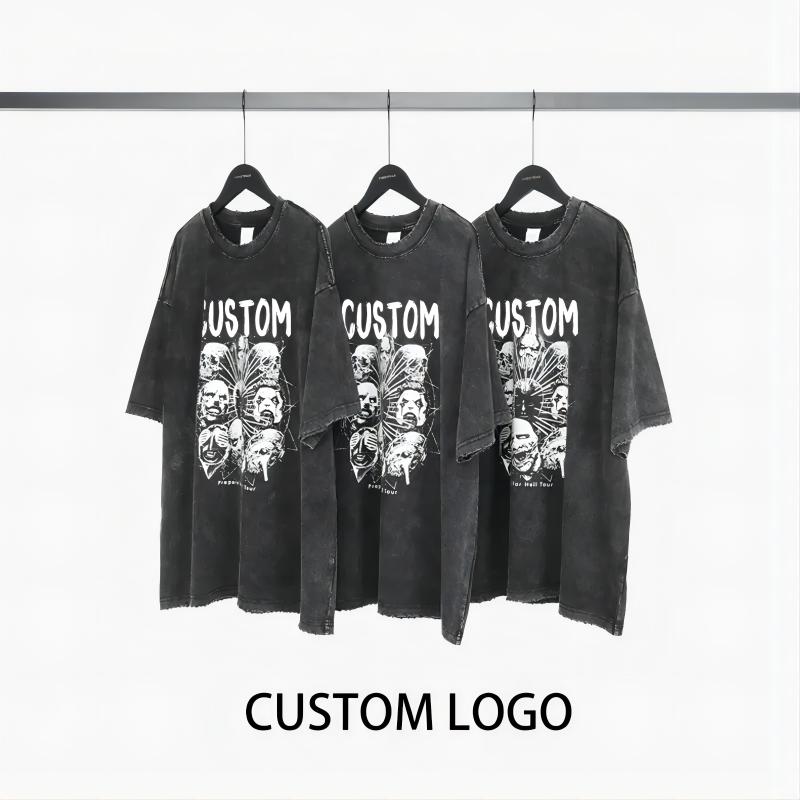
Custom Shorts
EDVORIN manufactures custom shorts for casualwear, sportswear and promotional programs, coordinating inseam, pocket layout, waistband, lining and decoration methods. Material and construction are selected for the intended use, fit and season rather than a universal specification.
Get a Quote
Varsity & Baseball Jackets
Varsity and baseball jackets require coordinated body and sleeve materials, rib, snaps, lining, patches and embroidery. EDVORIN develops these components as one production standard, helping brands protect the jacket’s structure and visual balance in bulk orders.
Get a Quote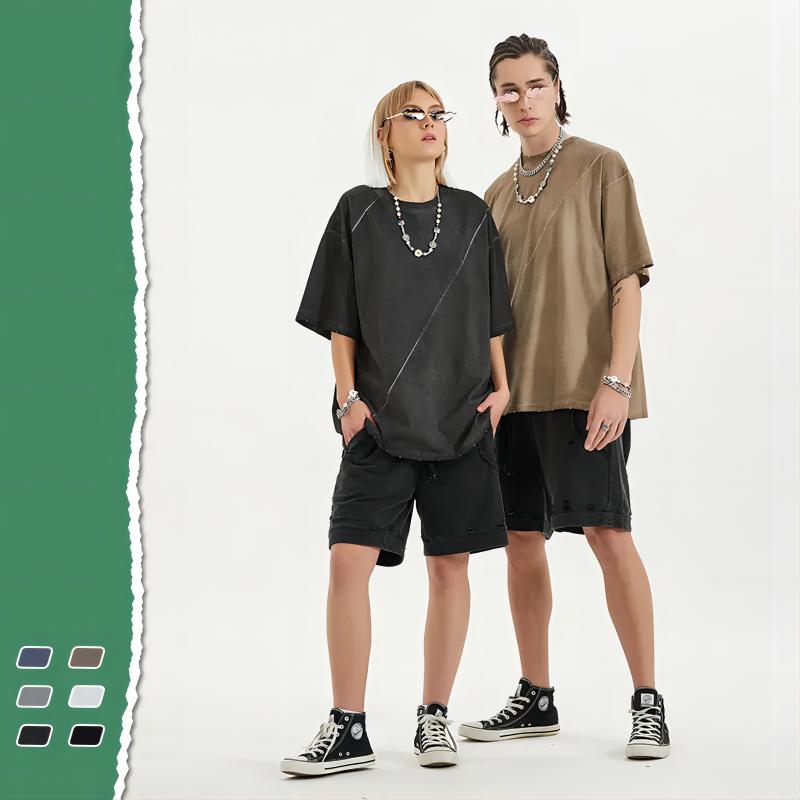
Custom T-Shirts
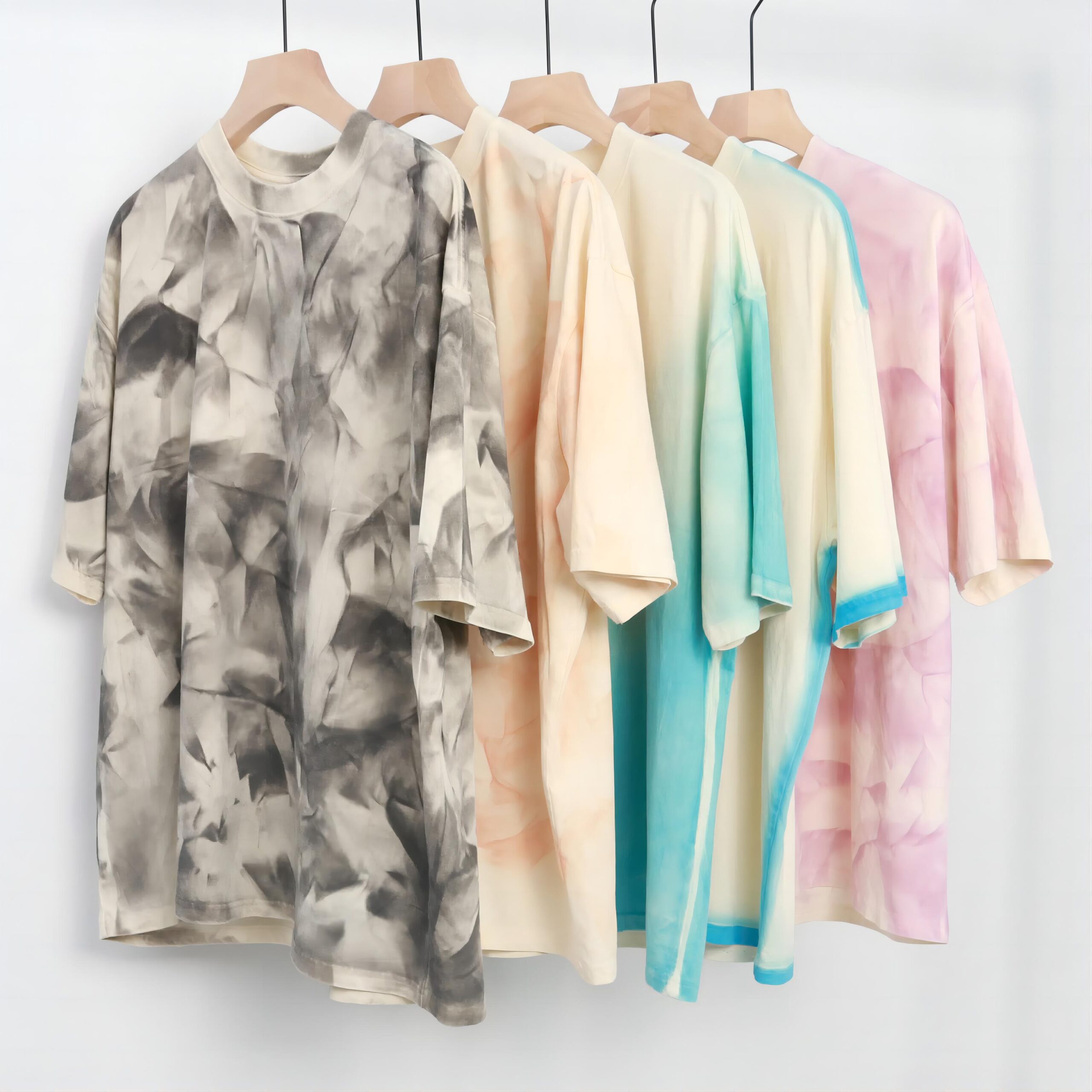
Custom T-shirts are developed with the required fabric weight, knit, fit, collar construction, wash treatment and artwork placement. EDVORIN supports fashion, promotional and private-label T-shirt programs with sample-based quality control and scalable production.
Get a Quote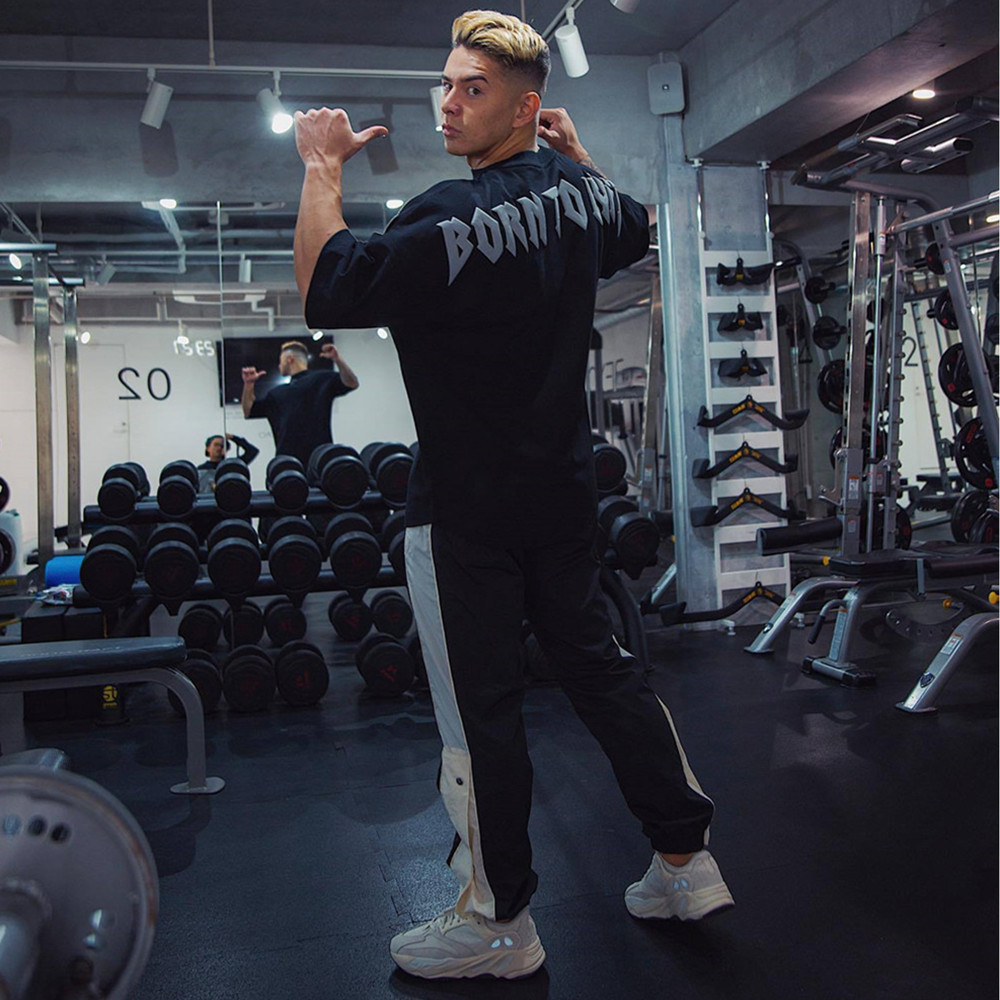
Custom Polo Shirts
EDVORIN produces custom polo shirts with appropriate pique or jersey fabric, collar and placket construction, cuff details, embroidery and branding. Programs can be developed for corporate uniforms, schools, clubs and retail collections in men’s and women’s fits.
Get a Quote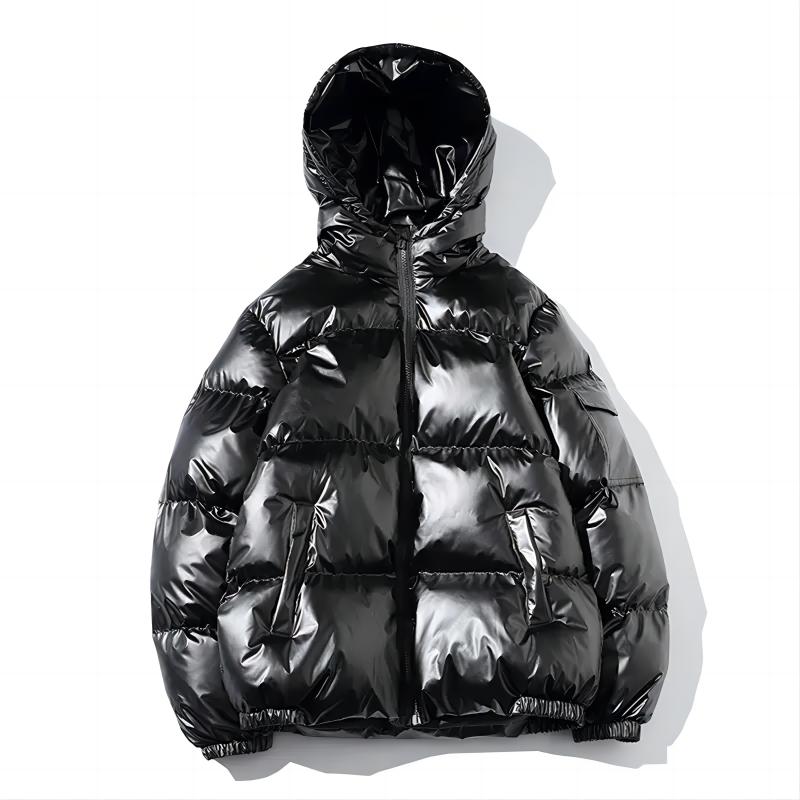
Windbreaker Jackets
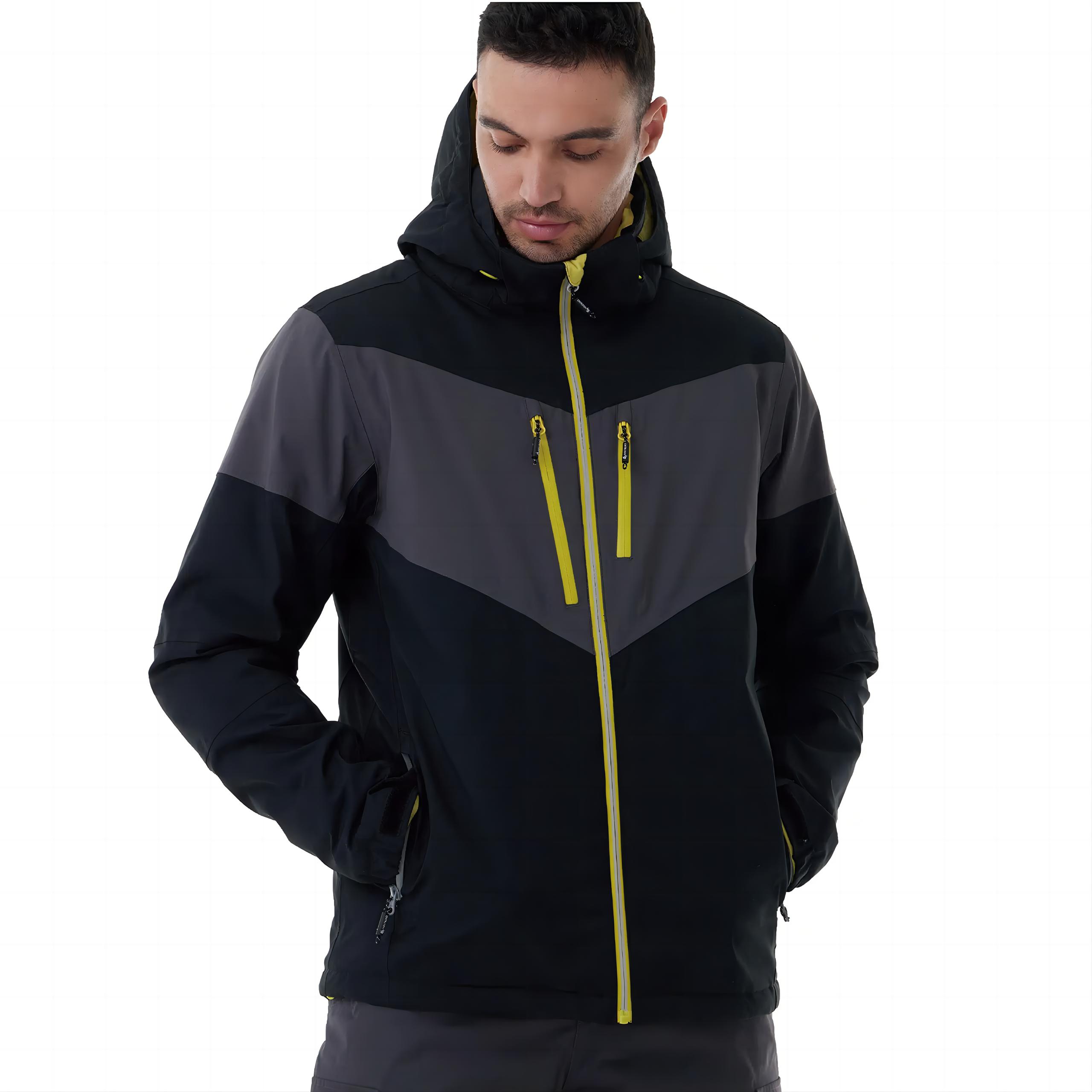
Windbreaker jackets are developed around shell fabric, lining or mesh, zipper and pocket construction, hood options, ventilation and print placement. EDVORIN coordinates functional details for branded outerwear, teamwear and lightweight seasonal collections.
Get a Quote
Quilted Jackets
Quilted jackets combine shell fabric, lining, insulation, quilting patterns, hardware and finishing requirements. EDVORIN develops these elements together to maintain warmth, appearance and construction consistency from the approved sample through bulk production.
Get a Quote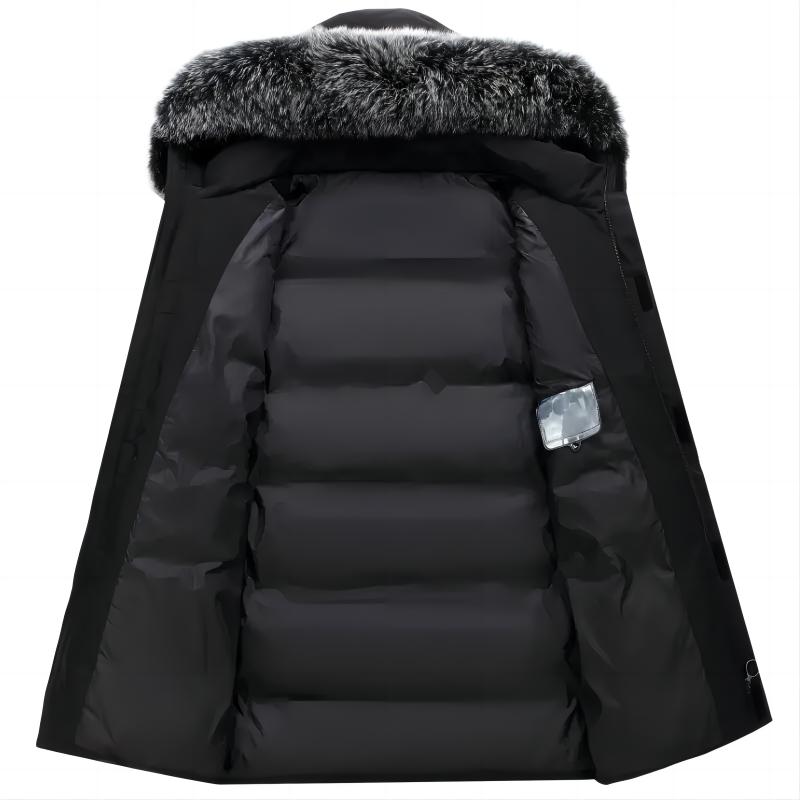
Bomber Jackets
Custom bomber jackets are specified around shell fabric, lining, rib, zipper or snap closures, pockets and embroidery or patch applications. We help buyers convert reference designs into clear production standards for retail, team and private-label programs.
Get a Quote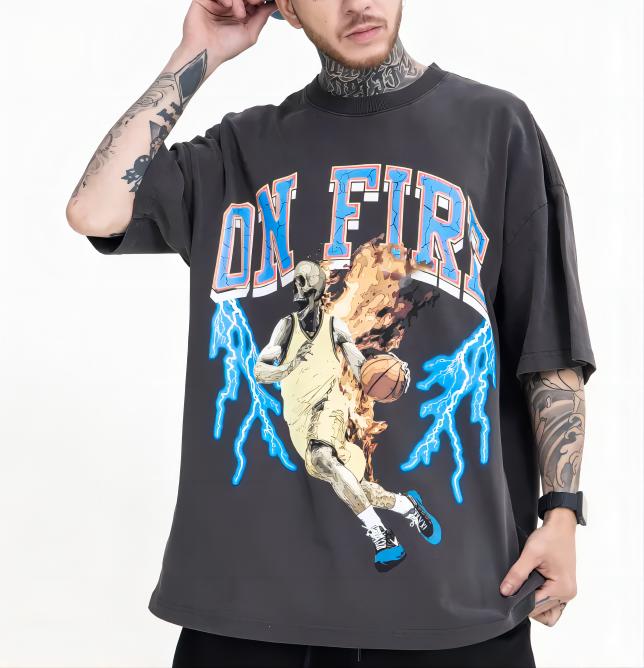
Custom Shirts
EDVORIN manufactures custom woven shirts with defined fabric, collar, placket, cuffs, pocket details, fit and labeling. Suitable for corporate apparel, uniforms and branded collections, each program is developed to match its intended wearer and use.
Get a Quote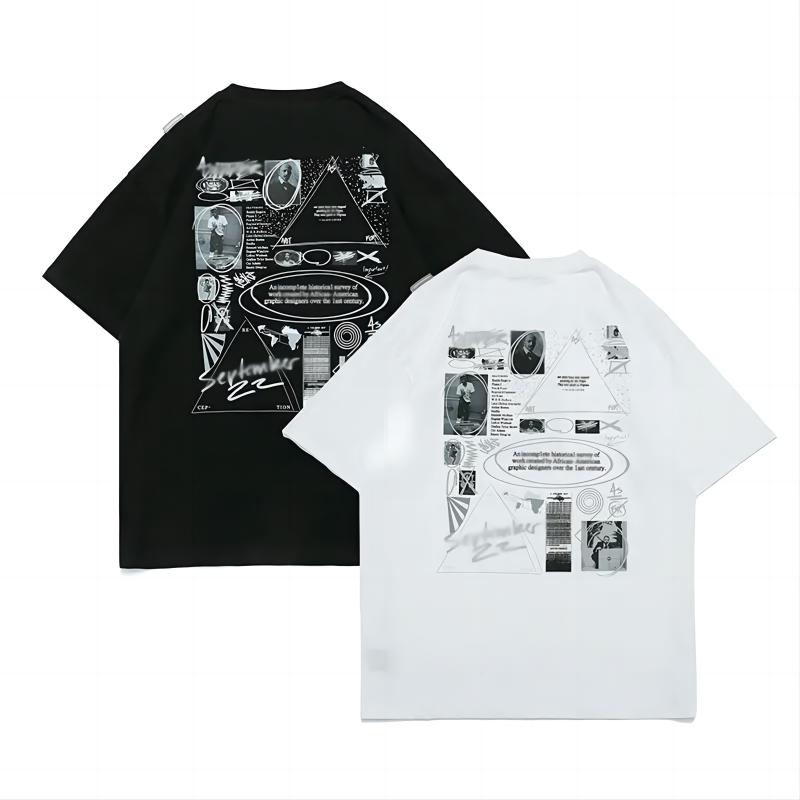
Custom Jerseys
Custom jerseys are produced with breathable materials, controlled color application, name and number placement, size grading and team branding requirements. EDVORIN records approved artwork and construction details to support organized team orders and repeat purchases.
Get a Quote
Tank Tops
Tank tops can be developed for fashion, training, promotional and team applications with selected knit fabric, armhole shape, binding, length and decoration method. Men’s and women’s fit blocks are adjusted to the program rather than treated as interchangeable.
Get a Quote
Soccer Uniforms
Soccer uniforms are developed as coordinated kits with performance fabric, color control, player names, numbers, badges and sizing. EDVORIN supports clubs, academies and schools with sample approval and production checks based on documented standards.
Get a Quote
Basketball Uniforms
Basketball uniforms are built around breathable fabric, jersey and short proportions, trim, player numbering and logo placement. EDVORIN coordinates matching sets, roster customization and size runs for teams, schools, academies and organized sports programs.
Get a Quote
Streetwear Collections
EDVORIN develops streetwear collections across hoodies, tees, bottoms, jackets and layered pieces under one production system. Materials, fit, washes, trims, prints, embroidery and packaging are coordinated to turn a collection concept into repeatable private-label product.
Get a QuoteMaterials for Your Embroidered Shirt Manufacturer Program
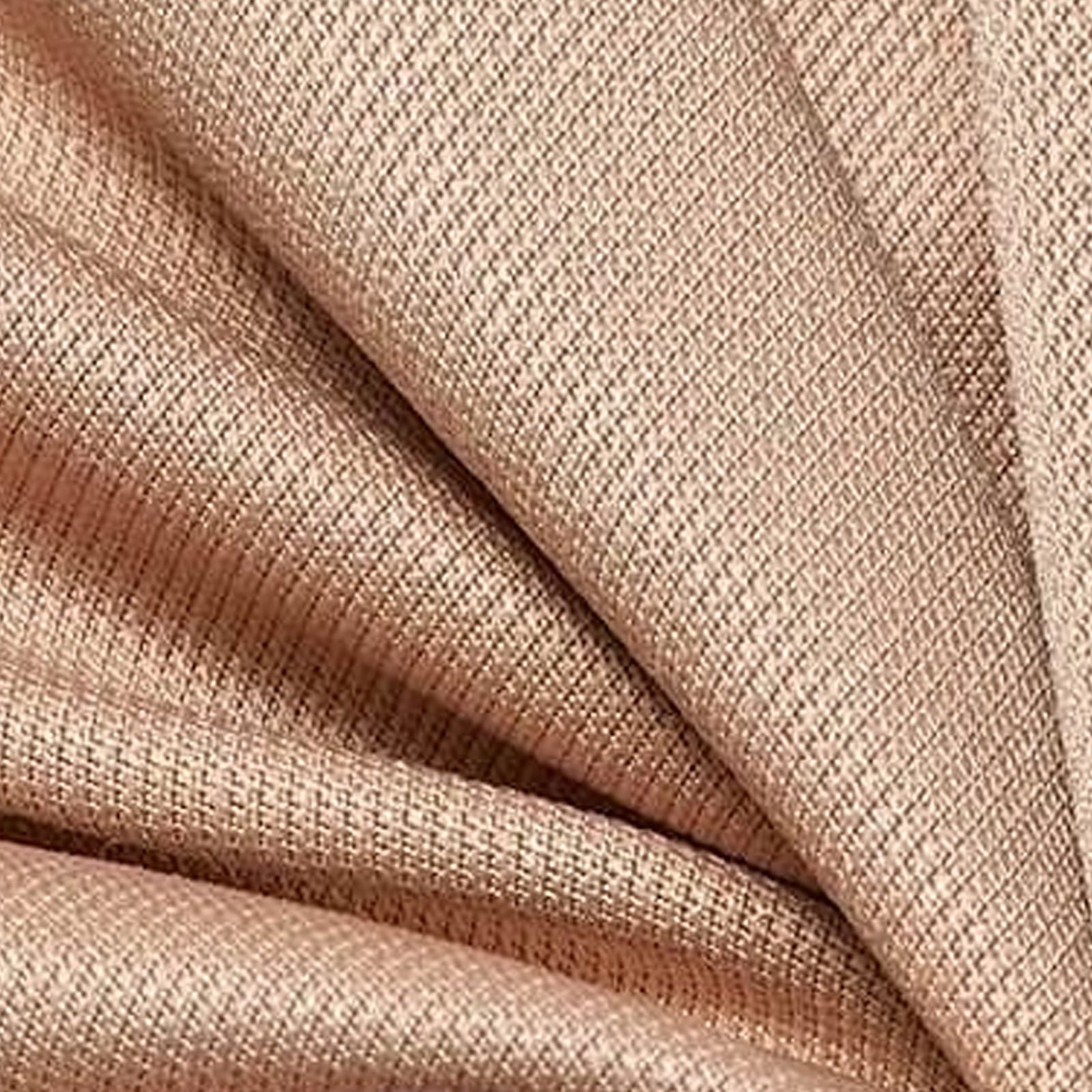
Cotton Jersey
Soft, breathable and familiar against the skin, cotton jersey suits embroidered T-shirts and lightweight casual programs. Its smooth knit face supports clean small-logo stitching, while fabric weight can be specified for drape or structure.
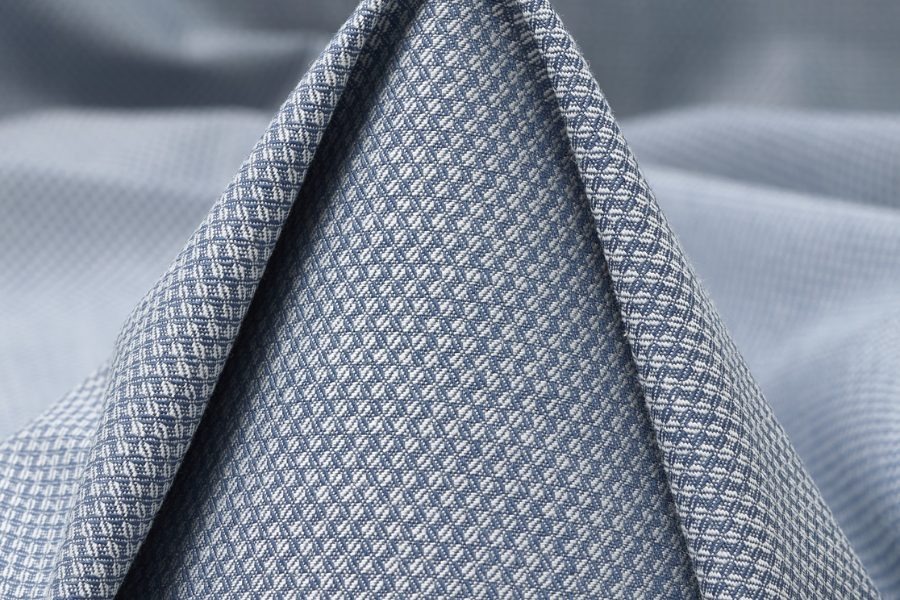
Cotton Pique
Textured cotton pique gives polos and uniform shirts a polished, breathable feel. Its dimensional knit structure adds visual depth, while stable medium-weight constructions provide a dependable base for chest embroidery and repeated wear.
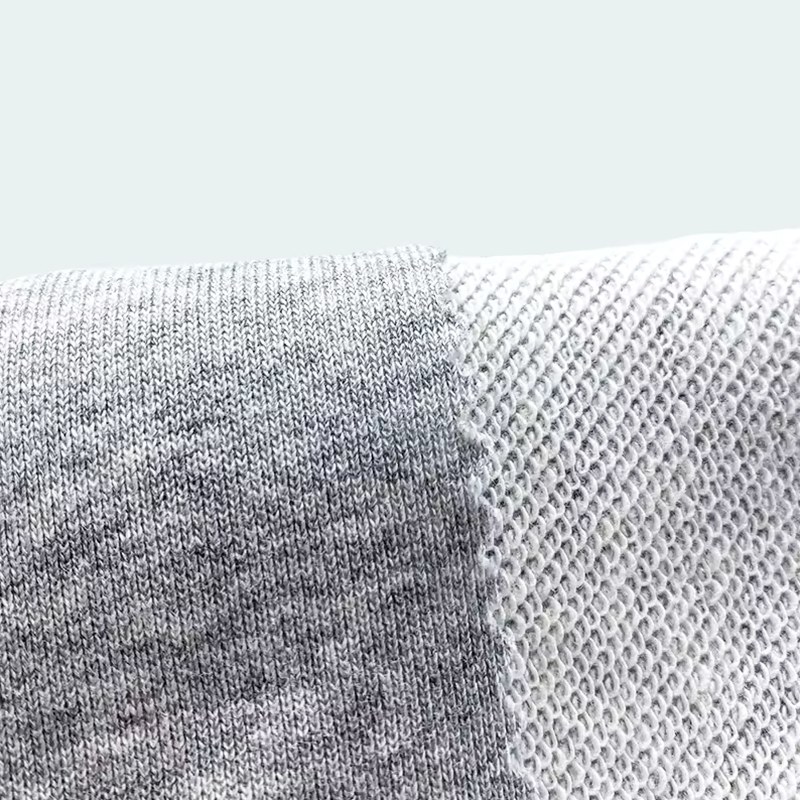
French Terry
French terry offers a substantial yet breathable feel for embroidered sweatshirts, rugby styles and elevated streetwear. The loopback interior adds comfort, while its moderate weight helps logos hold their shape without making the garment rigid.
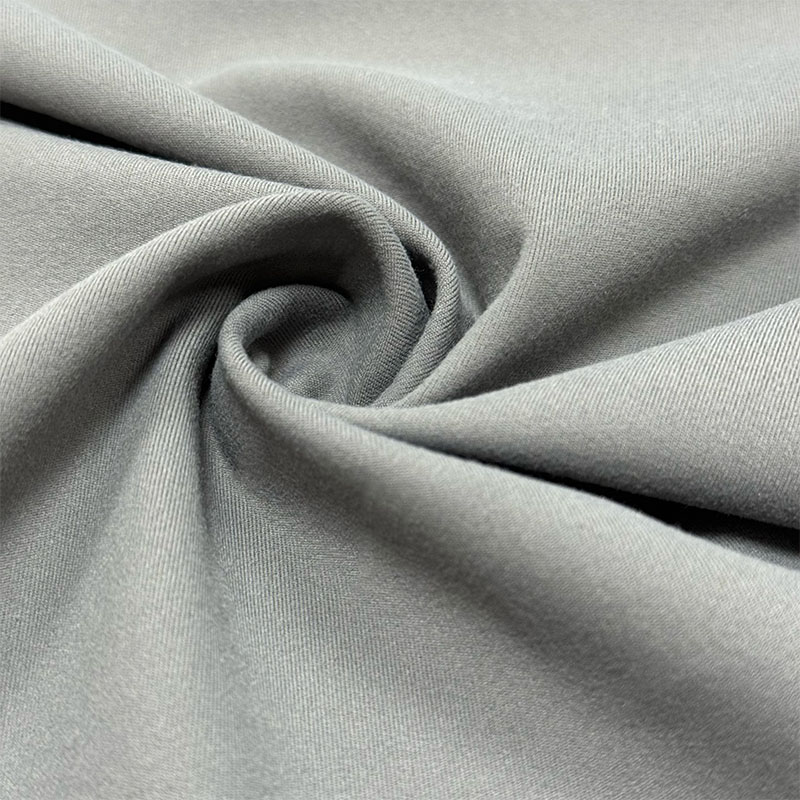
Cotton Polyester Blend
Cotton-polyester blends balance a soft hand-feel with improved shape retention for workwear, teamwear and everyday branded shirts. Blend ratios can be tailored for durability, and the stable surface helps maintain consistent embroidery placement.
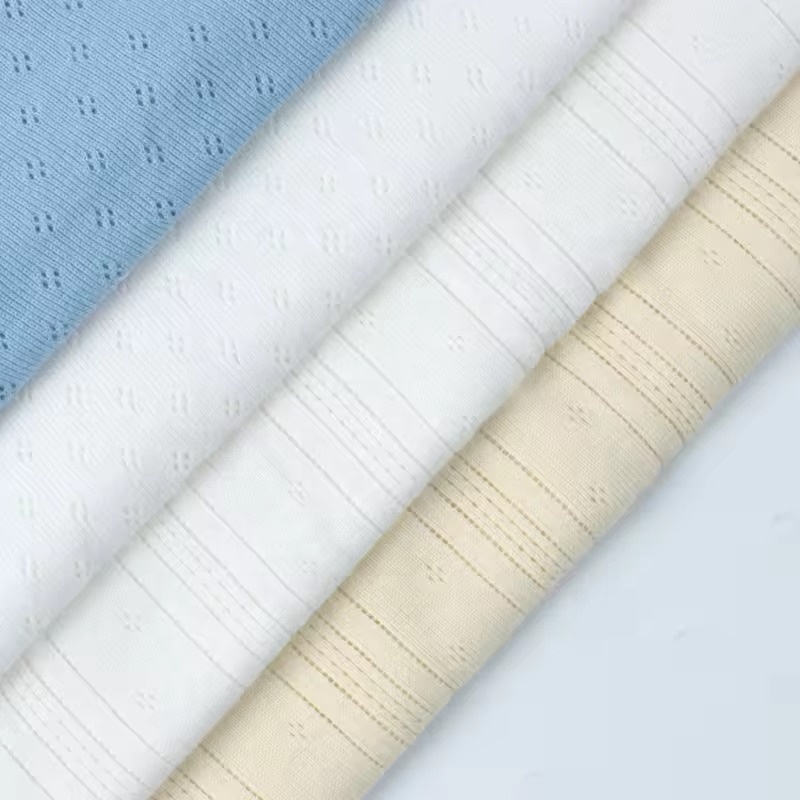
Recycled Fiber Blend
Recycled cotton or polyester blends support private-label collections seeking responsible material options without sacrificing practical performance. Available across jersey, fleece and pique constructions, these fabrics can be selected for weight, recovery and embroidery compatibility.
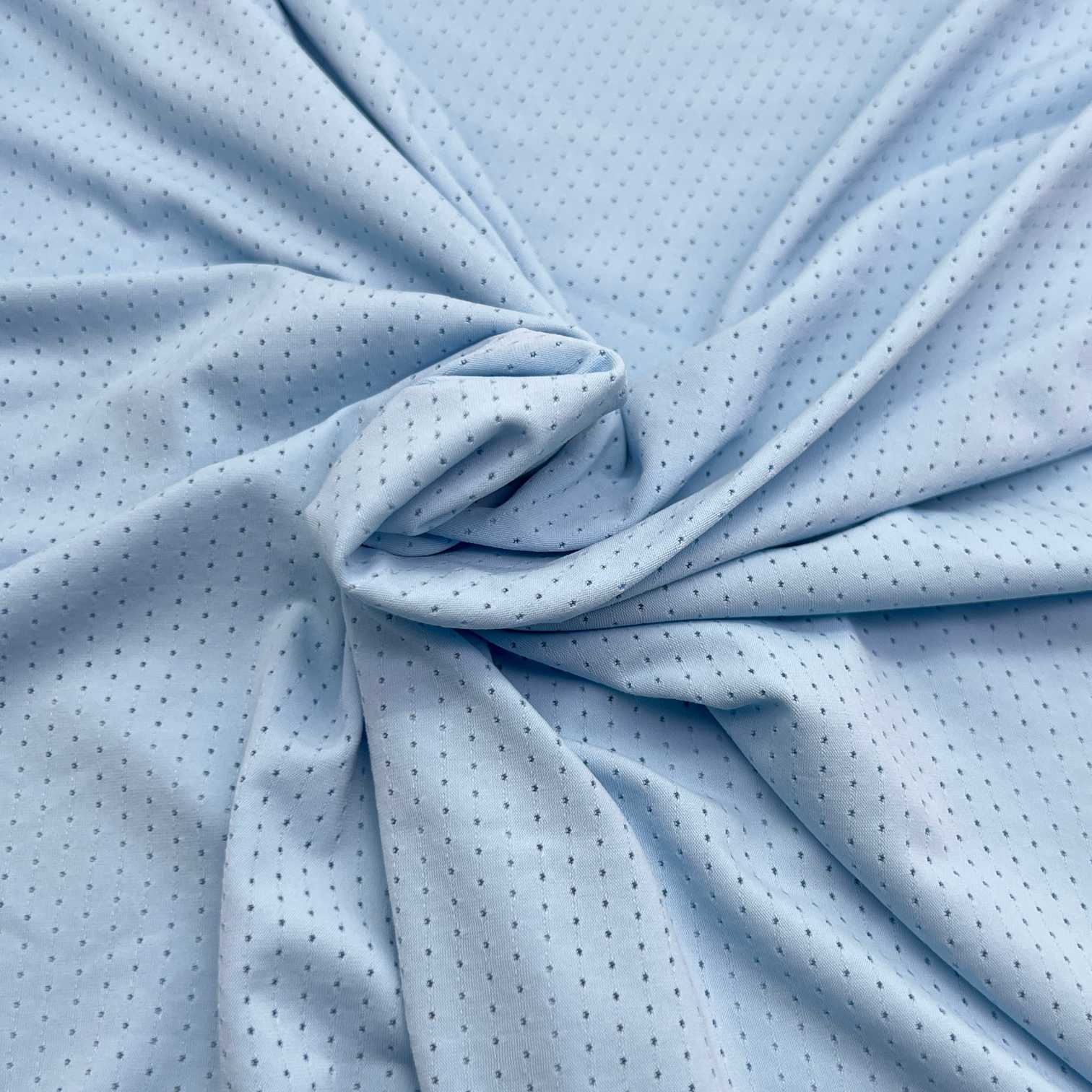
Performance Knit
Performance knits are designed for active teams, academies and sports-focused programs needing moisture management and movement. Lightweight stretch constructions improve mobility, while embroidery backing and placement are planned to protect comfort and fabric stability.
Embroidered Shirt Manufacturer Processes for Brand-Ready Collections
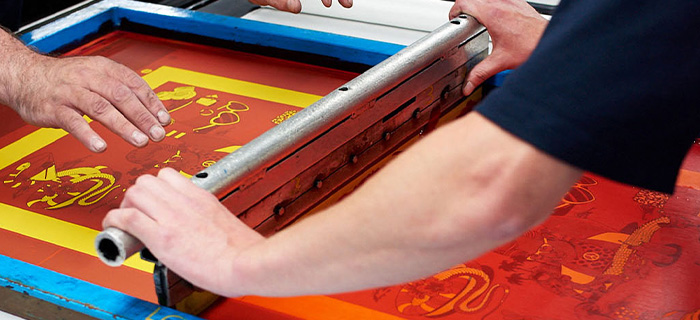
Screen Printing
Screen printing suits bold graphics, solid color areas, and high-volume shirt programs. Ink selection is matched to the fabric and intended hand feel, helping artwork remain clear while preserving the garment’s character.
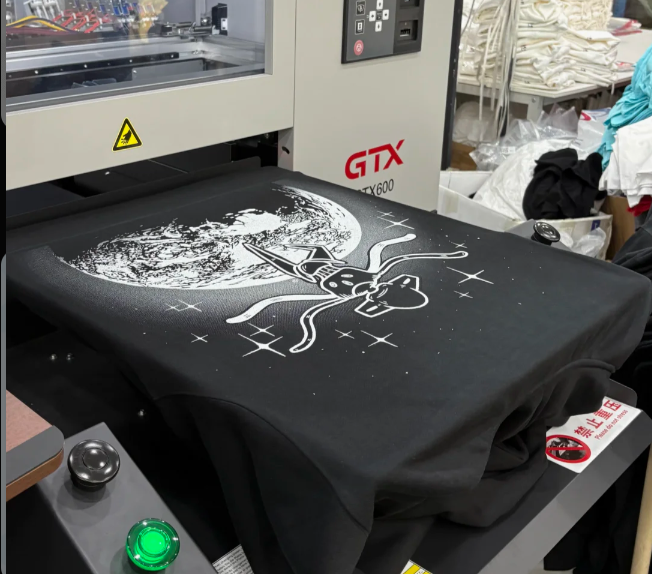
DTG Printing
Direct-to-garment printing supports detailed artwork, tonal transitions, and smaller graphic runs on compatible fabrics. It is a practical option when the visual calls for more color variation than conventional screen printing.
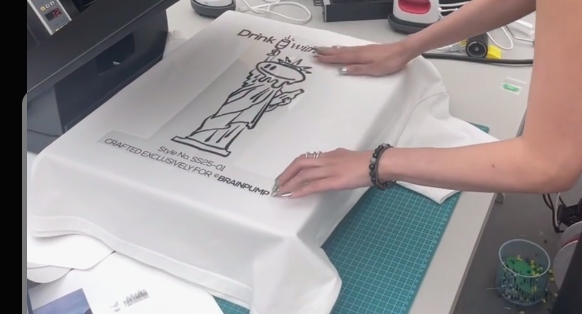
DTF Transfers
DTF transfers create sharp, flexible graphics for detailed logos and multi-color artwork. This process works well for controlled placements and designs that need consistent visual definition across coordinated apparel programs.
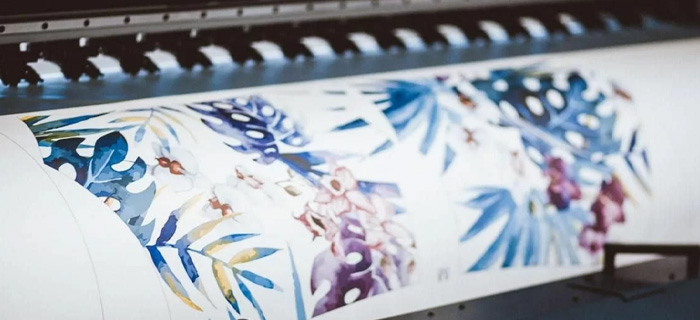
Sublimation Printing
Sublimation integrates color into compatible polyester-based fabrics for lightweight teamwear and performance shirts. It is suited to all-over graphics, player details, and vivid designs where breathability and movement remain priorities.
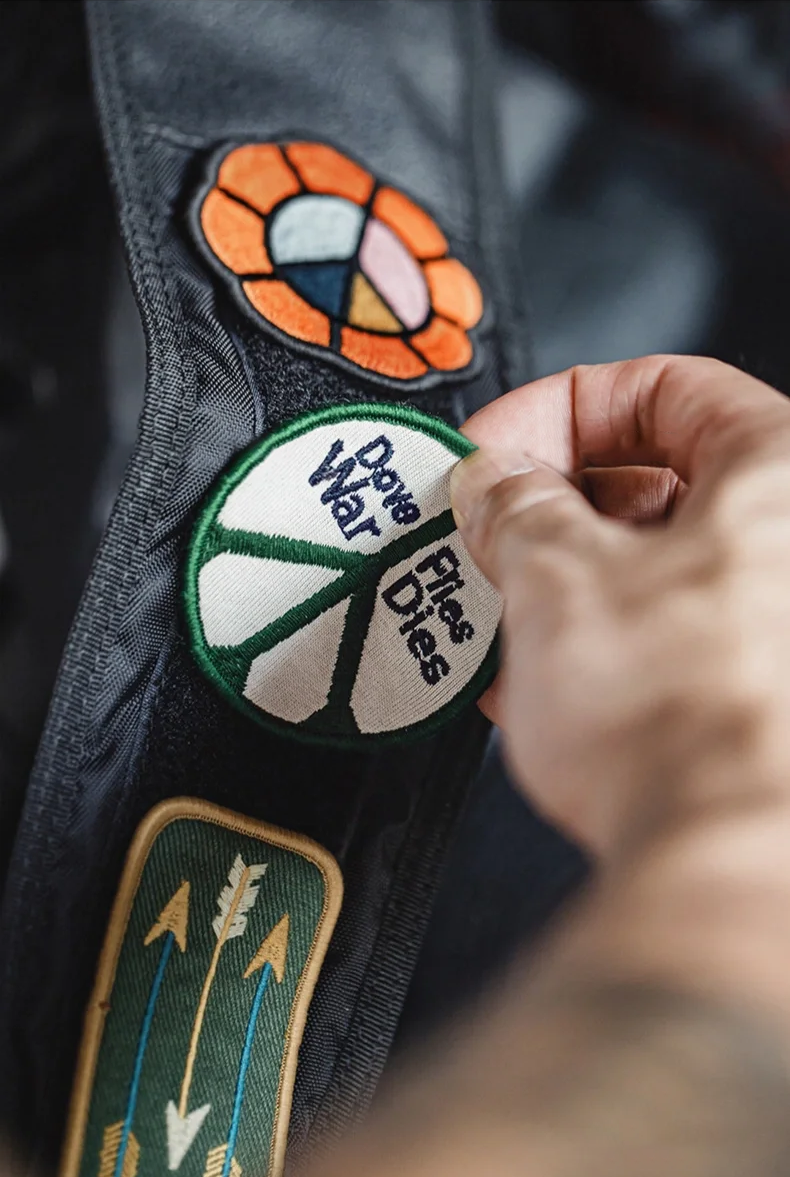
Appliqué and Washes
Appliqué adds layered texture through fabric patches, while garment washes create a worn-in or softened finish. Both are developed against the base garment so the final look, feel, and construction remain production-ready.
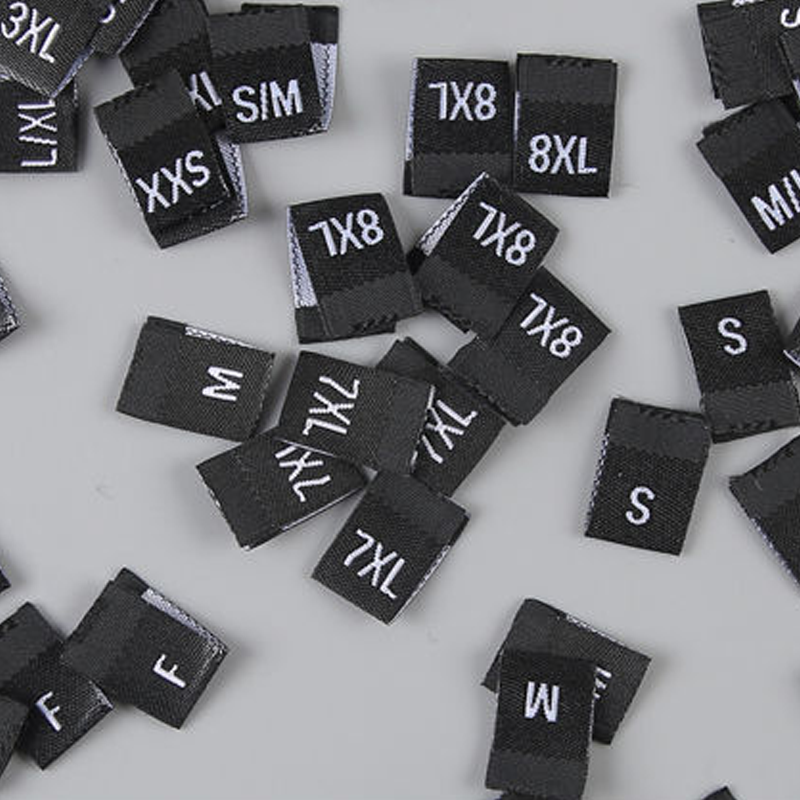
Trims That Complete Your Private-Label Shirt
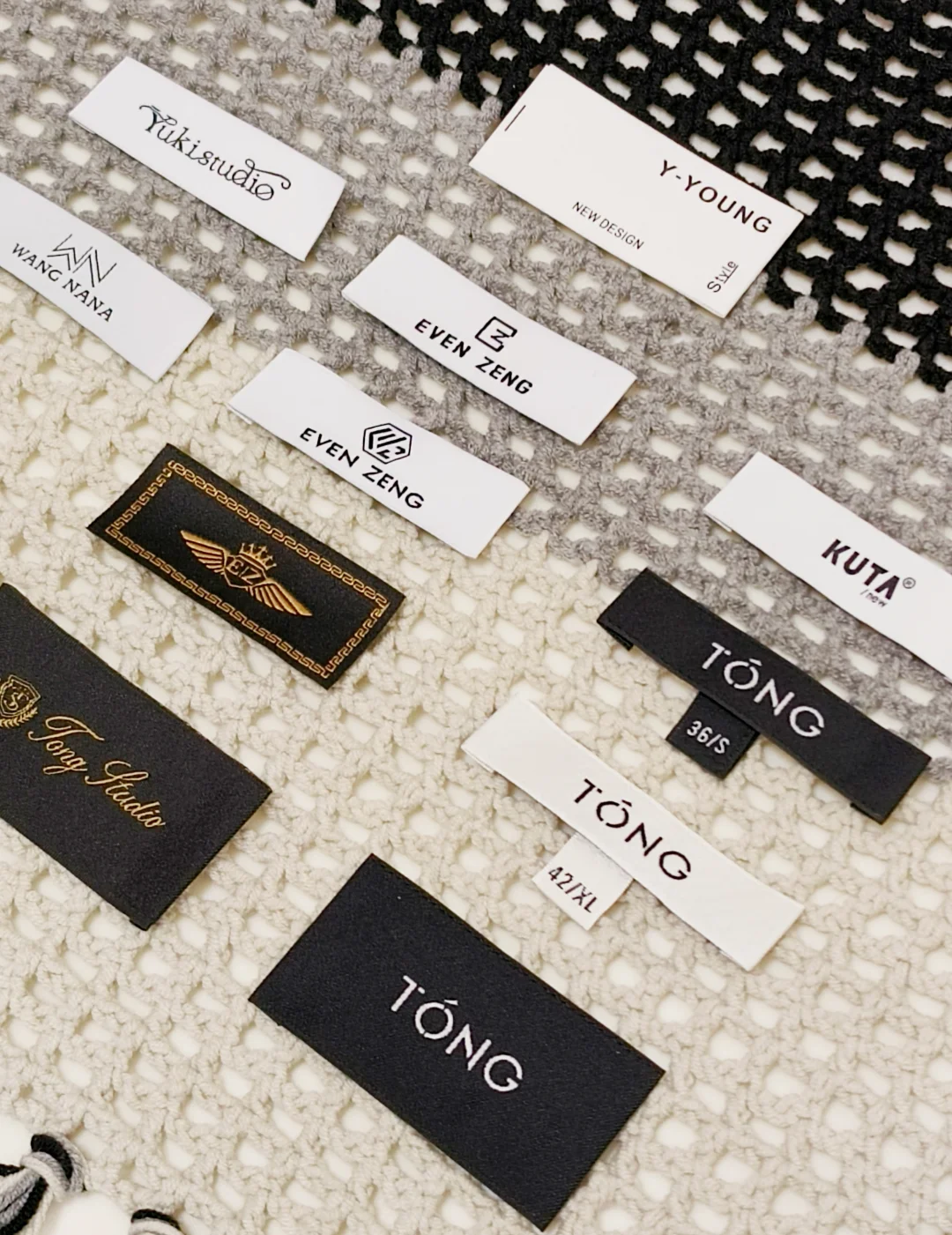
Woven Labels
Custom main labels, size tabs, and side labels establish your brand identity while giving production a clear placement standard. We coordinate label material, fold style, artwork, and sewing position for consistent bulk finishing.
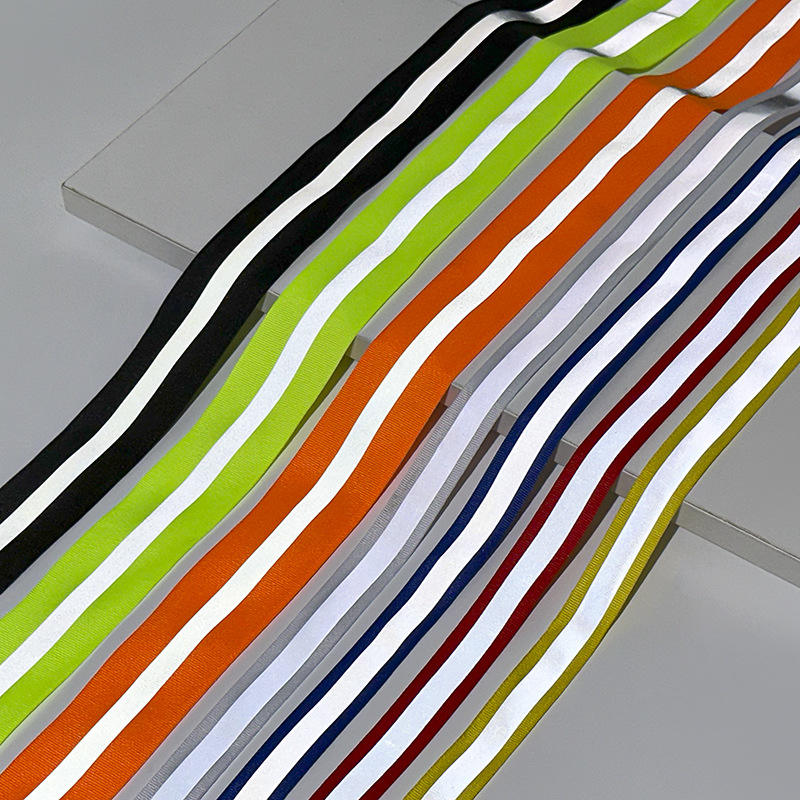
Neck Tapes
Branded neck tape creates a cleaner inside finish and supports comfort at the collar seam. Select woven, printed, or contrast tape options that complement the shirt fabric, label system, and intended market position.
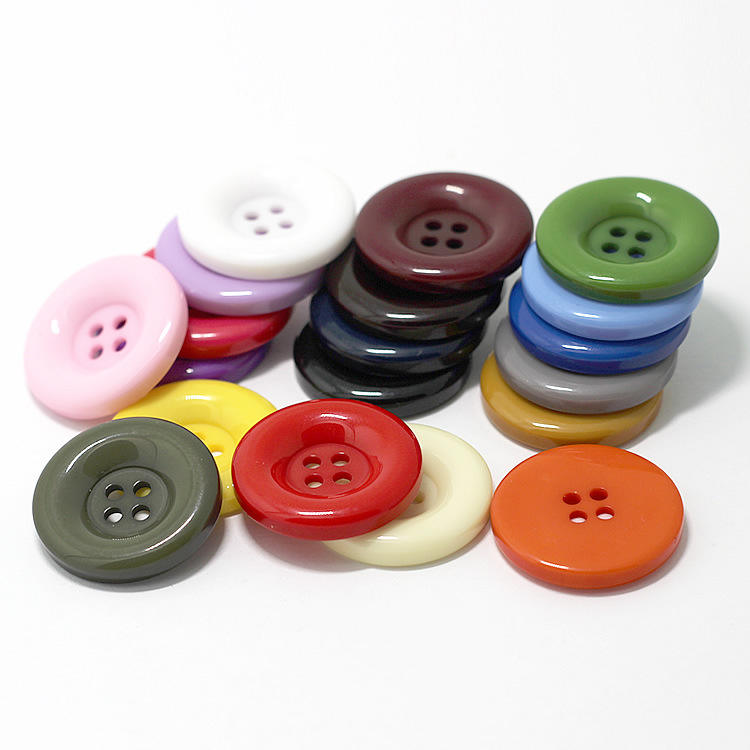
Custom Buttons
Match button size, color, finish, and attachment method to woven shirts, polos, or overshirts. Custom buttons and snaps help carry a collection’s visual language across plackets, cuffs, pockets, and jacket-inspired shirt styles.
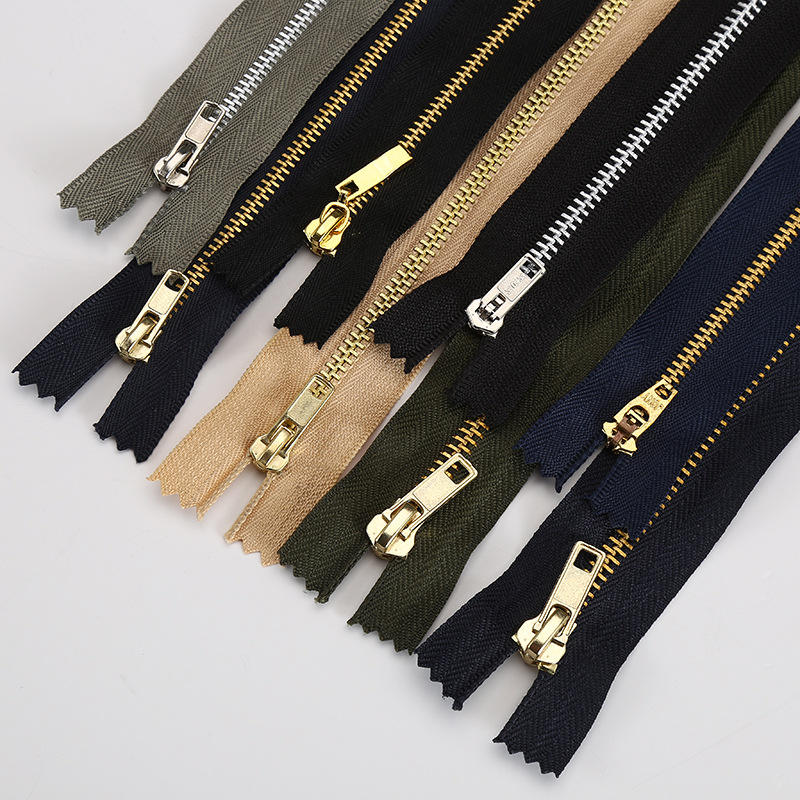
YKK Zippers
For zip-front overshirts, polos, and performance layers, zipper selection affects both function and appearance. We coordinate zipper type, tape color, puller style, and placement with your fabric, embroidery, and garment construction.
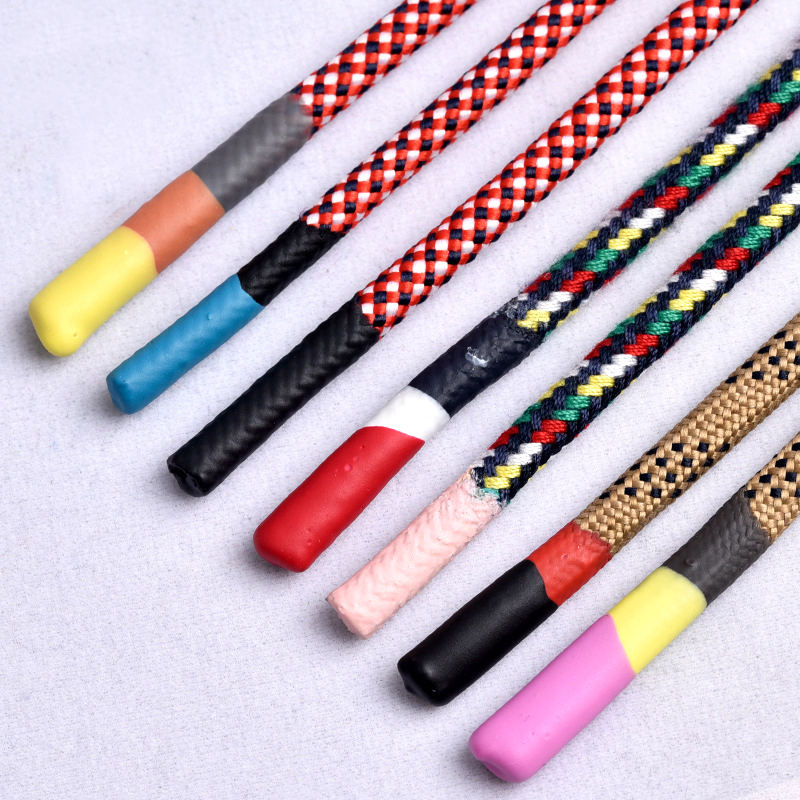
Drawcord Details
Drawcords with custom tipping, aglets, or contrast color add a controlled branded detail to hooded shirts and casualwear layers. Specifications cover cord material, length, color, finish, and how the accessory performs in bulk production.
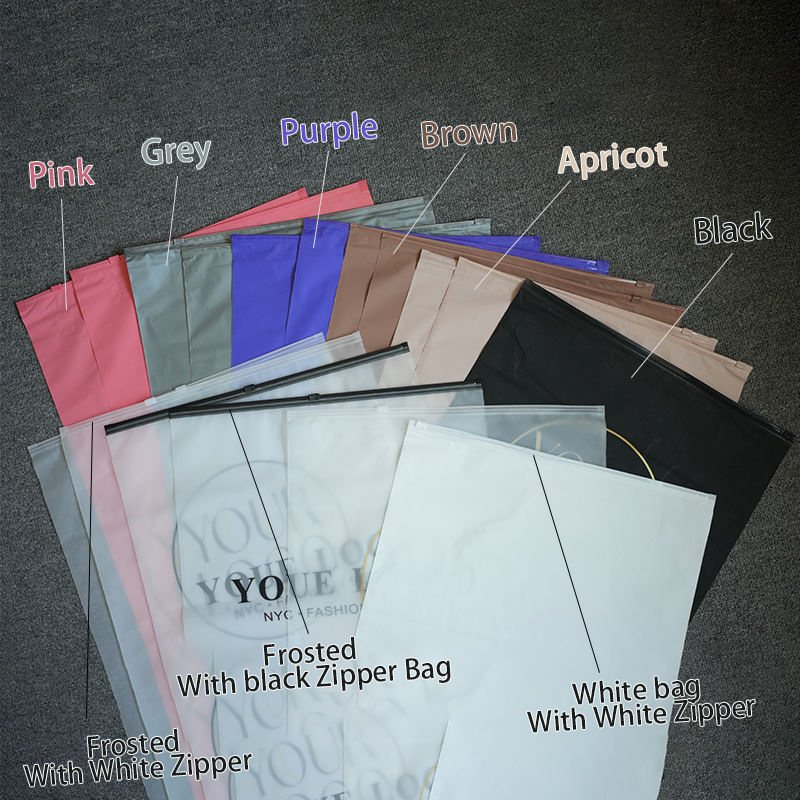
Custom Packaging
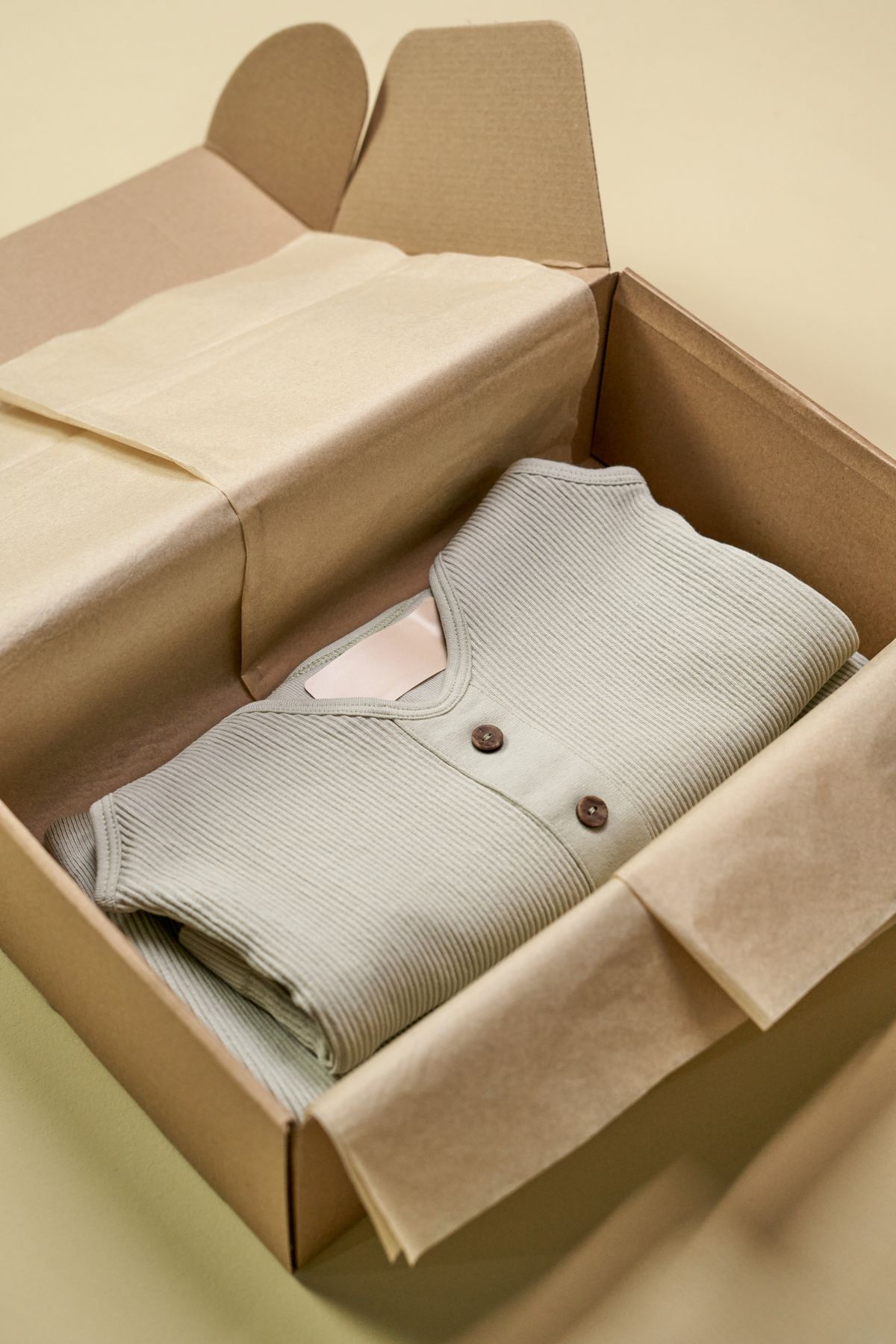
Finish each order with coordinated hangtags, polybags, barcode labels, size stickers, and carton markings. Clear packaging specifications help wholesalers, teams, and private-label buyers receive embroidered shirts ready for inventory, retail, or distribution.
Why Brands Choose EDVORIN
Founded in 2000 by Edvorin Zeng, EDVORIN helps fashion, streetwear, teamwear, and private-label buyers turn ideas into production-ready apparel. As an embroidered shirt manufacturer, we bring product development and decoration decisions into one accountable workflow from the earliest concept.
Our connected capability covers fabric and trim sourcing, patterns, sampling, embroidery, printing, washing, bulk production, quality control, labeling, and packing. Men’s and women’s programs are developed around the intended fit, construction, material, and end use rather than a one-size-fits-all specification.
What makes EDVORIN different is the discipline behind repeatability. We document approved materials, measurements, artwork placement, and trims so bulk production has a clear standard to follow. With OEM, ODM, and private-label support starting at 200 pieces per style, buyers can build confidently for the next order.
Embroidered Shirt Manufacturer Standards, From Artwork to Bulk
Technical Development First
As an embroidered shirt manufacturer, EDVORIN translates sketches, reference garments, and tech packs into production-ready specifications. Construction, fit, grading, fabric weight, and decoration requirements are aligned before sampling so the approved direction can be reproduced across men’s and women’s programs.
- OEM, ODM, and private-label development support
- Fit blocks and grading tailored to the intended wearer
- Construction details clarified before bulk production
- MOQ starts at 200 pieces per style

Embroidery Meets Material
Embroidery is planned alongside the base shirt rather than added at the end. EDVORIN coordinates fabric structure, stabilizing needs, thread direction, artwork placement, and surrounding trims to help the decoration support the garment’s intended hand feel, shape, and visual balance.
- Fabric and embroidery compatibility reviewed together
- Placement measurements recorded for repeatability
- Artwork details assessed during sampling
- Labels, trims, and packaging coordinated in one workflow
Approved Samples Become Standards
A sample is treated as the physical reference for the next production stage. EDVORIN documents approved measurements, construction revisions, color references, placement details, and decoration specifications, giving the production team a clear standard instead of relying on verbal interpretation.
- Sample feedback converted into clear revisions
- Measurement and placement details documented
- Approved materials and trims referenced for bulk
- Production requirements kept visible across teams

Control Through Final Packing
EDVORIN manages quality from in-line checks through final inspection, with attention to construction, measurements, embroidery execution, and packed presentation. This sample-to-bulk discipline helps brands protect the approved result when orders move from development into repeatable production.
- In-line checks identify variation early
- Embroidery and garment details reviewed against approvals
- Final inspection completed before packing
- One accountable path from development to shipment
Why EDVORIN Is the Embroidered Shirt Manufacturer Built to Repeat
See how EDVORIN turns embroidered shirt concepts into documented, repeatable private-label production.
← Swipe left or right to view →
Our Embroidered Shirt Manufacturer Production Process
From technical review through final dispatch, EDVORIN records the standards that keep your approved shirt program consistent from sample to bulk.
Review Specs and Artwork
We review tech packs, reference garments, measurements, logo artwork, placement, color requirements, labels, and packaging needs to identify production decisions before development begins.
Source Materials and Trims
Our team coordinates base fabrics, thread colors, stabilizers, buttons, labels, and supporting trims around the intended feel, construction, embroidery performance, and target market.
Develop Patterns and Samples
Patterns, fit blocks, and sample shirts are developed for review. Approved measurements, materials, embroidery placement, and construction details become the production reference for bulk orders.
Cut Panels and Decorate
After approvals are confirmed, fabric is checked and cut to approved patterns. Embroidery is prepared and applied with documented artwork, thread colors, and placement measurements.
Sew, Inspect, and Finish
Cut components move through sewing, finishing, and in-line inspection. Teams check construction, measurements, embroidery appearance, thread trimming, and garment presentation against approved standards.
Pack and Prepare Dispatch
Final quality control verifies finished shirts before labeling and packing. Cartons are organized to your packing requirements, helping procurement teams receive a clear, ready-to-distribute order.
How to Work With an Embroidered Shirt Manufacturer
Move from an initial concept to a repeatable, production-ready embroidered shirt program with clear approvals at every stage.
Share Your Concept
Send a tech pack, sketch, reference garment, artwork, measurement chart, or target quantity. EDVORIN reviews the product direction, fit requirements, and decoration needs.
Align Specifications and Quote
EDVORIN’s MOQ starts at 200 pieces per style. Confirm fabric, construction, embroidery placement, trims, labeling, packaging, MOQ, timeline, and pricing. We turn the agreed details into a development plan before sampling begins.
Approve Development Samples
Review the sample for fit, material feel, stitch quality, artwork placement, and overall finish. Revisions are documented so the approved result becomes the production standard.
Confirm Bulk Production
Approve final specifications and begin bulk manufacturing. Materials, measurements, decoration, and finishing are checked against the approved sample throughout the production process.
Arrange Final Delivery
Complete final inspection, confirm labels and packing, then coordinate shipment for your embroidered shirt order. Your documented standard supports confident repeat production on future collections.
Certified Standards for Responsible Apparel Production



Case Study Topics for Brands, Teams & Private Labels
Fashion-brand case study in development: a 200-piece embroidered shirt program from approved sample through repeat-order production.
Teamwear case study in development: embroidery placement, player details, and size-set approval across a custom shirt order.
Private-label case study in development: turning an approved embroidered shirt sample into a documented bulk-production standard.
Embroidered Shirt Manufacturer FAQ
Clear answers for buyers planning private-label, teamwear, and wholesale embroidered shirt programs.
What is the MOQ for an embroidered shirt manufacturer?
Can an embroidered shirt manufacturer make a sample before bulk production?
How long does custom embroidered shirt development and bulk production take?
What artwork files does an embroidered shirt manufacturer need?
Can you help if I do not have a finished tech pack?
Which fabrics and shirt styles can be embroidered?
How do you protect my artwork and product specifications?
What payment and shipping options are available for bulk embroidered shirts?
How to Choose an Embroidered Shirt Manufacturer
Use this decision framework to compare supplier capabilities, fabrics, embroidery options, quality controls, pricing, and lead times—while avoiding the sourcing mistakes that can damage margins, consistency, and brand reputation.
1. What Is an Embroidered Shirt Manufacturer?
EDVORIN’s MOQ starts at 200 pieces per style. Since 2000, EDVORIN has operated as an apparel manufacturing partner that can develop an embroidered shirt from concept through patterns, sampling, decoration, bulk production, labeling, and packing. That scope suits private-label collections, wholesale programs, uniforms, teamwear, and promotional orders requiring a documented standard.
Two procurement models are often confused. A blank-apparel vendor sells existing garments; a decorator adds embroidery to buyer-supplied or stock blanks, while a trading company coordinates suppliers and a print-on-demand provider fulfills individual orders from a catalog.
A 200-piece MOQ is a practical threshold for buyers deciding whether custom production is warranted. Choose stock garments plus decoration when speed and an existing fit are priorities; choose a cut-and-sew embroidered shirt manufacturer when fabric, fit block, grading, construction, labels, and repeat-order control must belong to the brand.
2. How Embroidered Shirts Became a Branding Staple
1828 marked a turning point when Josué Heilmann patented an early hand-embroidery machine, moving decorative stitching toward repeatable production. Traditional embroidery had signaled craft and identity; mechanization made that visual language practical for uniforms and larger apparel runs.
20th-century multihead embroidery systems made it possible to reproduce the same digitized logo across many garments with controlled placement. That consistency suited workwear, school apparel, sports teams, and corporate merchandise, where a readable emblem must survive regular wear and laundering.
Today, streetwear labels use raised thread, patches, and small chest marks to add dimension that ink alone cannot provide. For an embroidered shirt manufacturer, the enduring value is tactile texture, a durable sewn-in mark, and the higher perceived quality buyers associate with a well-executed logo.
3. Types of Embroidered Shirt Manufacturer Services
EDVORIN’s MOQ starts at 200 pieces per style. Six service models create different commitments in inventory, development, and delivery. A 200-piece MOQ suits a buyer moving beyond single-unit testing while retaining meaningful product control.
Stock Garment Embroidery
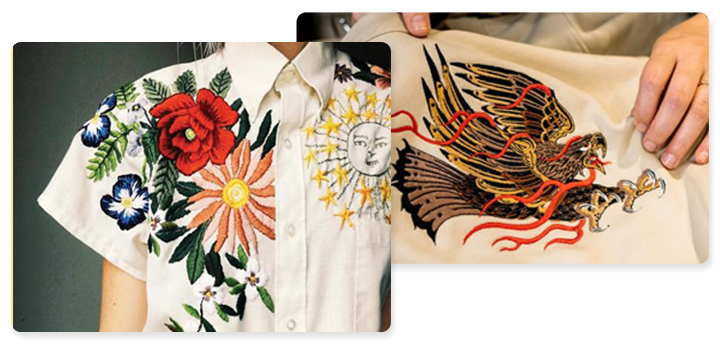
10–100 pieces suits events, pilots, and fast staff orders. Decoration is flexible, but stock colors, fits, and garment construction limit differentiation.
Private Label And Wholesale
200–1,000 pieces suits brands needing labels, packaging, and repeatable core styles. Private label adds identity; wholesale is faster, but both rely on established garment blocks.
Custom Production And Fulfillment
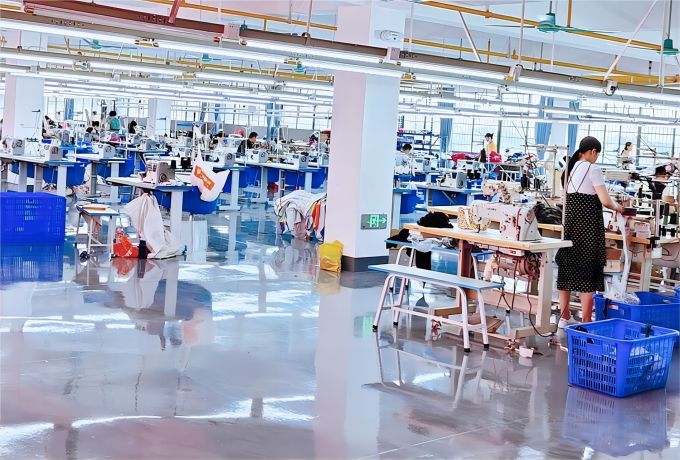
300+ pieces suits cut-and-sew programs, while uniform programs prioritize size runs and named assignments. On-demand fulfillment reduces inventory risk, but offers less control over unit cost, turnaround, and stock continuity.
4. Fabrics Your Embroidered Shirt Manufacturer Should Offer
Fabric choice determines how well an embroidery field stays smooth after sewing, laundering, and wear. An embroidered shirt manufacturer should match fiber, structure, weight, stretch, and shrinkage allowance to the garment’s job.
| Fabric | Typical Weight | Best Use | Embroidery Consideration | Buyer Watch-Out |
|---|---|---|---|---|
| Cotton jersey | 160–220 GSM | Retail tees | Stable, soft face | Shrinkage |
| Cotton-poly blend | 180–300 GSM | Uniforms | More stable | Fiber content |
| Polyester performance | 140–180 GSM | Teams | Use cutaway backing | Heat marks |
| Piqué polo | 180–240 GSM | Corporate polos | Texture affects detail | Logo density |
| Fleece | 280–420 GSM | Hoodies | Test hoop marks | Bulk at seams |
| Heavy jersey | 240–320 GSM | Streetwear | Supports dense stitches | Stiff chest area |
Stability Before Stitching
180–220 GSM ring-spun cotton supports clean small logos.
Stretch knits need cutaway backing to limit puckering.
Match Fabric To Use
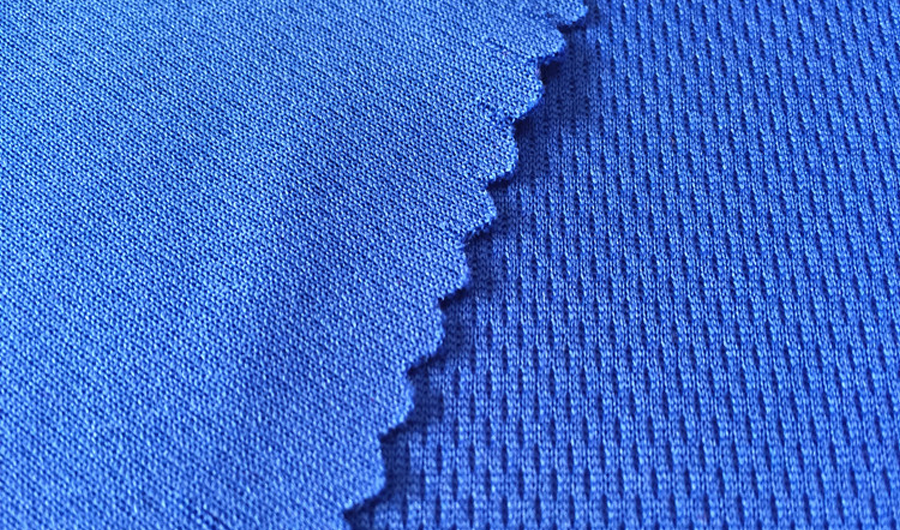
Piqué polos suit uniforms because their textured knit holds structured chest embroidery.
Performance polyester needs compatible backing and controlled needle heat.
Plan For Laundering
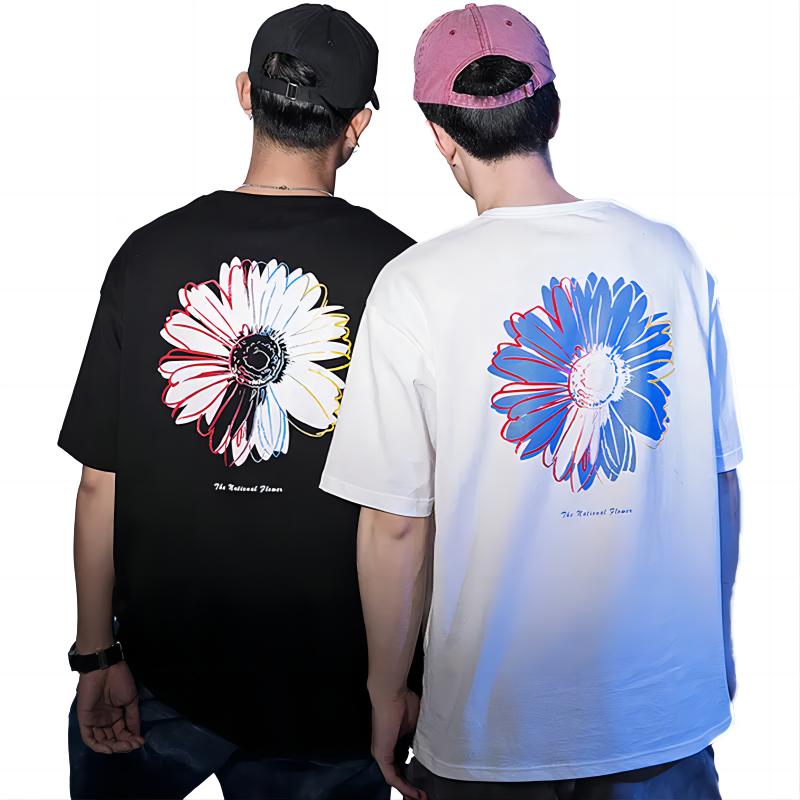
100% cotton can shrink unless pre-shrunk or wash-tested.
Cotton-poly blends improve dimensional stability, while heavy fleece needs placement testing.
5. Embroidery Customization and Decoration Options
A 200-piece program can customize more than a chest logo: placement, scale, thread palette, garment colorways, labels, neck prints, hangtags, and packing all require approved references.
| Decoration | Best Use | Buyer Instruction |
|---|---|---|
| Direct embroidery | Small durable marks | Set stitch size and backing |
| Screen print | Fine or gradient art | Approve color and placement |
| Patch or appliqué | Large dimensional branding | Confirm edge finish and attachment |
Placement And Stitching
Left chest, center chest, sleeve, and back-neck placements need measured coordinates from seams. Specify satin for borders, fill stitches for solids, and backing by fabric weight.
Patches And Mixed Decoration
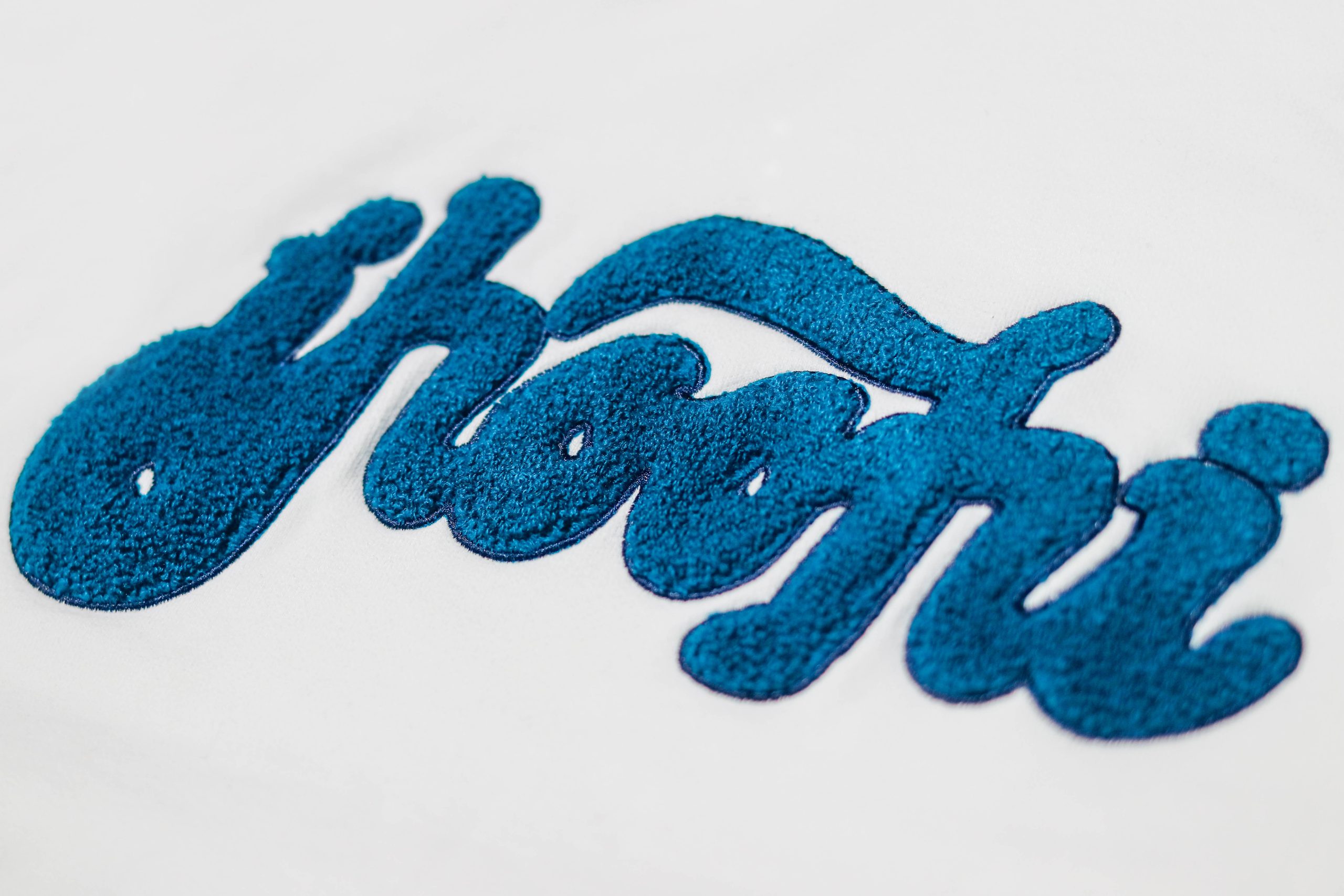
Large, color-rich, or highly detailed artwork often reads better as screen print, woven patch, or appliqué paired with embroidery. Simplify tiny type, gradients, and dense fills before digitizing.
Artwork Brief Essentials
One artwork brief should state final dimensions, Pantone thread colors, placement measurements, stitch coverage, backing, garment colorway, label, neck print, hangtag, and packaging. Approve a physical sample before bulk repetition.
6. Construction and Embroidery Quality Checks
Approve bulk only against a signed pre-production sample and a measurement chart with written tolerances. An embroidered shirt manufacturer should record the exact construction, placement, thread and trim standard rather than rely on verbal approval.
Garment Construction
Measure chest, body length, sleeve length and collar opening after relaxation; compare every size to its stated tolerance. Pull seams and inspect shoulder joins, side seams, hems, buttons and labels for skipped stitches, twisting or uneven tension.
- Check collar recovery after repeated stretch
- Match fabric shade and weight across panels
- Confirm trims match the approved sample
Embroidery And Wash Tests
Inspect thread coverage, color registration, edge definition and reverse-side backing under normal viewing distance. Reject puckering, exposed jump threads, loose ends or embroidery that distorts the knit.
Wash-test the approved sample before production: assess shrinkage, color change, collar shape, seam torque and embroidery stability. Keep the retained sample, artwork placement measurements and tolerances as the dispute-resolution reference.
7. Choosing an Embroidered Shirt Manufacturer
EDVORIN’s MOQ starts at 200 pieces per style. A 200-piece MOQ is useful only when the supplier can document the same construction and embroidery standard through bulk production. Evaluate an embroidered shirt manufacturer on evidence, not a polished sample alone.
Match Relevant Experience
Three recent, comparable programs reveal more than a broad catalog. Ask for photos of similar shirts, fabric specifications, placement records, and size-range examples; fashion labels may prioritize fit and finish, while teams and schools prioritize repeatable colors and names.
Test The Approval Path
One pre-production sample should lock fabric, thread colors, stitch placement, measurements, labels, and packaging before a deposit. Ask who digitizes artwork, what revisions cost, and whether the approved sample becomes the line’s inspection reference.
Confirm Commercial Controls
EDVORIN’s MOQ starts at 200 pieces per style. Written documents should state MOQ by color and size, capacity, production lead time, inspection method, payment stages, Incoterms, and shipping responsibility. Distributors should prioritize scalable capacity and carton data; request a production schedule, QC report format, and packing list template.
8. Common Embroidered Shirt Manufacturer Buying Mistakes
Seven preventable specification gaps can turn a competitive quote into rework, delay, or unsellable inventory. Before issuing a PO, procurement teams should convert each approval into a written production control.
Price-Only Selection
1 quoted unit price excludes the cost of correction. Compare fabric, stitch count, trims, packing, freight terms, and defect handling before selecting an embroidered shirt manufacturer.
Artwork And Fabric Approval
1 digital proof cannot show puckering, thread coverage, or distortion on pique, jersey, or fleece. Require a sew-out on the approved fabric and record Pantone, placement, backing, and stitch-density decisions.
Production Terms And Sizing
EDVORIN’s MOQ starts at 200 pieces per style. 200-piece MOQ can mean per color, style, or total order; ambiguity disrupts margin planning. Confirm MOQ basis, graded measurements, tolerance, size ratio, sample date, bulk lead time, and revision deadlines in writing.
Inspection Before Packing
100% final checks are not interchangeable with defined standards. Set AQL level, measurement points, embroidery defects, label verification, carton counts, and an inspection report requirement before bulk cutting.
9. Launching With an Embroidered Shirt Manufacturer
EDVORIN’s MOQ starts at 200 pieces per style. A 200-piece MOQ gives a new label enough volume to validate fit, decoration, and reorder demand. An embroidered shirt manufacturer should convert the concept into one controlled production file before costing begins.
Build the Production File
1 tech pack should specify graded measurements, stitch construction, Pantone references, labels, packaging, and placement dimensions. Vector artwork and thread-color callouts prevent digitizing assumptions.
2 fit options—such as regular or oversized—should be decided from a reference sample. Fabric composition, GSM, shrinkage tolerance, and embroidery backing must be recorded.
Compare Samples and Quotes
3 comparable quotations should use the same quantity, fabric, stitch count, trims, and Incoterm. Separate development, sampling, freight, and bulk unit costs before selecting a supplier.
1 pre-production sample should reflect approved artwork, fit, and materials. Revision notes need measurements, photographs, and a version date rather than verbal approval.
Release Bulk With Controls
1 purchase order should lock quantities by size and color, approved sample, delivery window, payment terms, labels, and packing ratio. Artwork, fabric, fit, thread colors, and placement cannot stay open after bulk release.
2 flexible items can include future colorways, reorder quantities, and seasonal packaging. In-line checks and final inspection should compare bulk units with the approved standard before booking delivery.
10. Embroidered Shirt Manufacturer Pricing and Cost Factors
200 pieces is a practical starting tier for a custom program; the garment base, fabric weight, construction, stitch count, placements, thread colors, labels, and packing all change the quote.
1 line-item quote should separate digitizing, embroidery, garment, trims, packaging, freight, and duties. Compare identical specifications, Incoterms, inspection scope, and delivery destination before judging an embroidered shirt manufacturer on unit price.
| Quantity tier | Indicative cost components | Typical production lead time |
|---|---|---|
| 200–499 | Higher setup share; digitizing; base garment; one placement | 25–35 days |
| 500–999 | Lower setup share; fabric and stitch count drive cost | 30–40 days |
| 1,000+ | Scale efficiency; labels, packaging, freight, and duties remain separate | 35–50 days |
Ready to Develop Your Embroidered Shirt Collection?
Send your tech pack, sketch, or reference garment to EDVORIN for OEM/ODM development, embroidery coordination, and a bulk-production quote.