
Wholesale Shirt Supplier for Production-Ready Private Labels
EDVORIN’s MOQ starts at 200 pieces per style. EDVORIN is a wholesale shirt supplier turning concepts into repeatable shirt programs, with development, decoration and quality control from a 200-piece MOQ.
Featured Shirt Programs
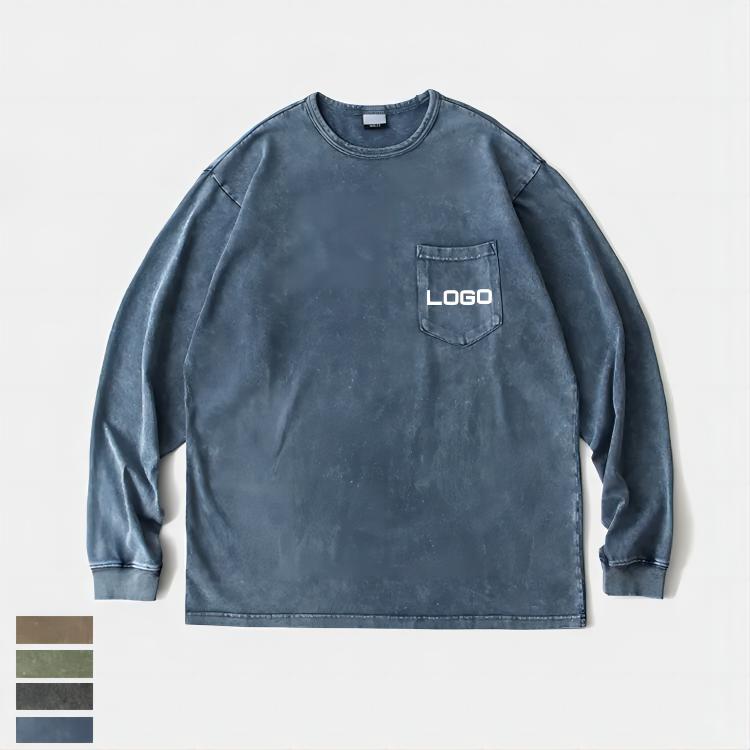
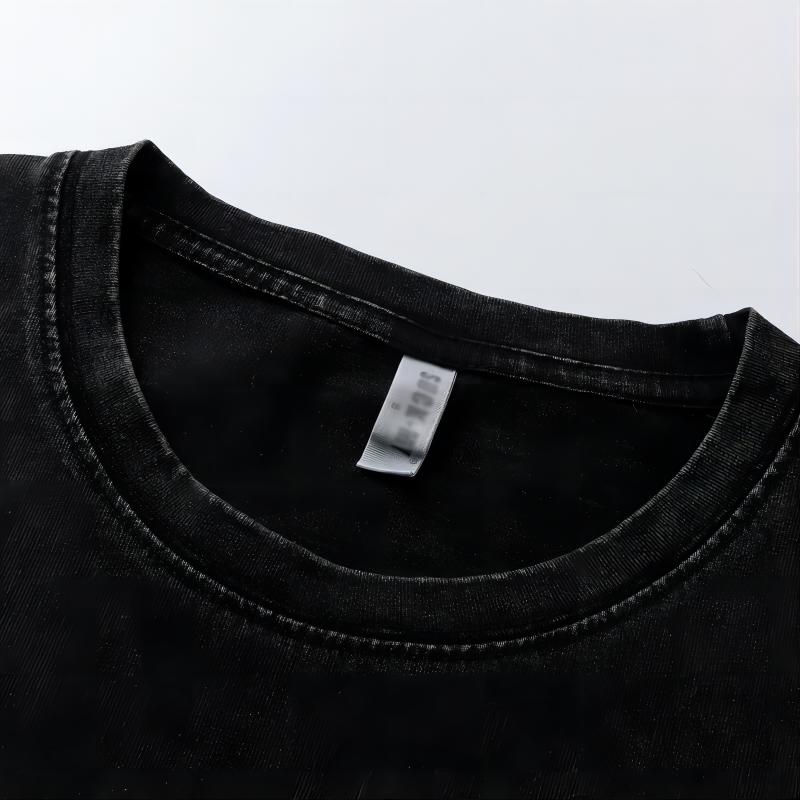
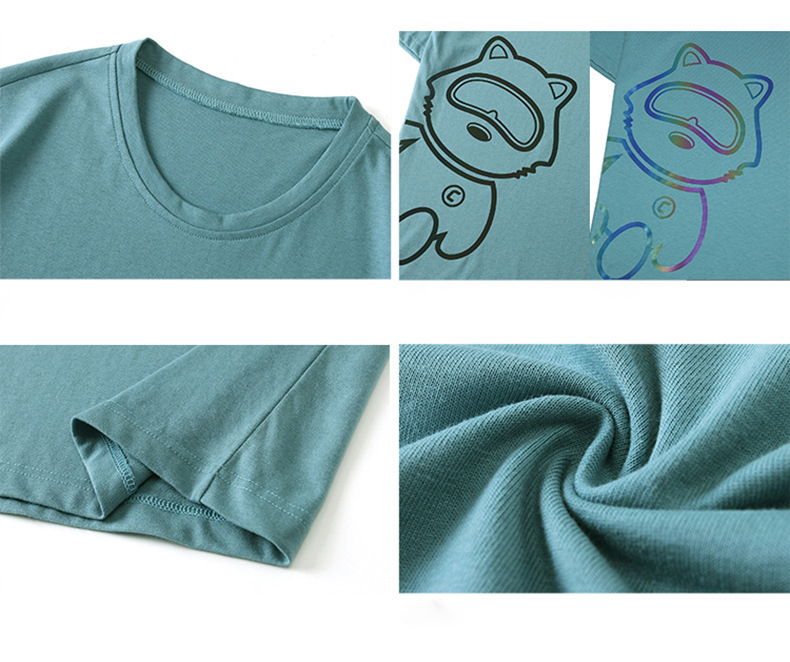
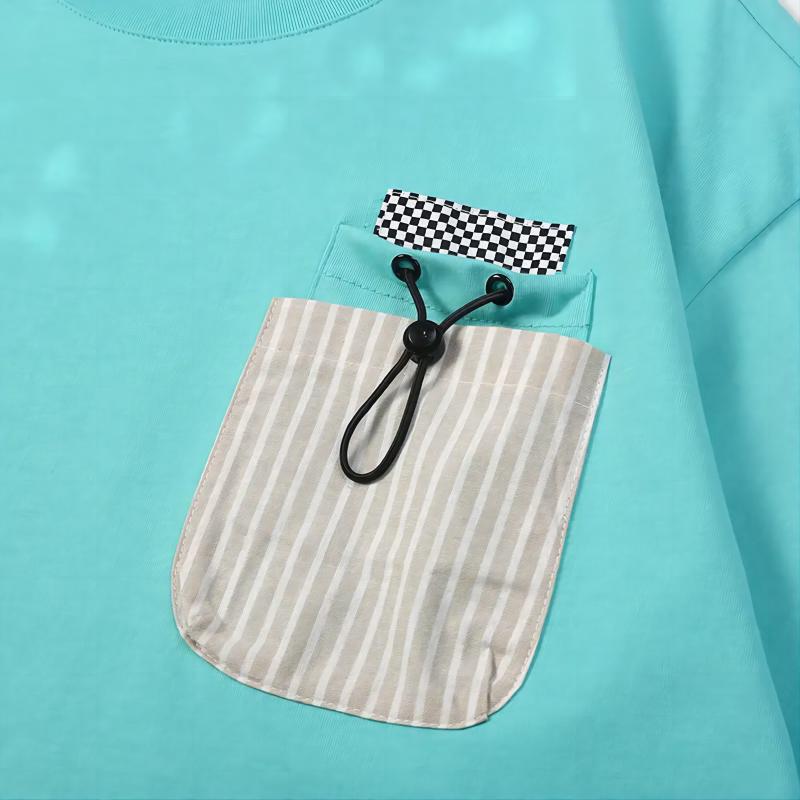
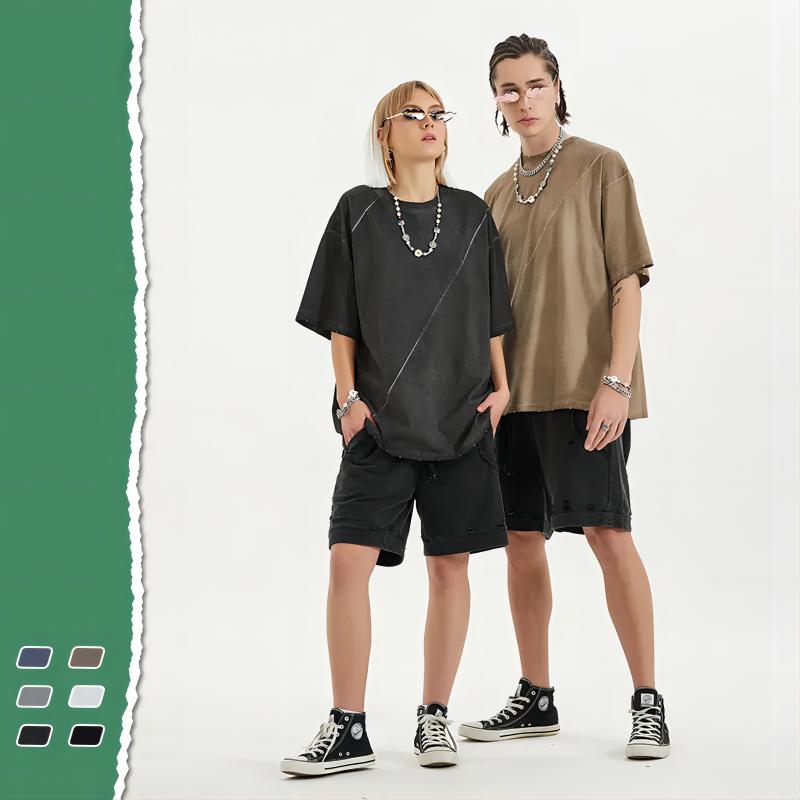
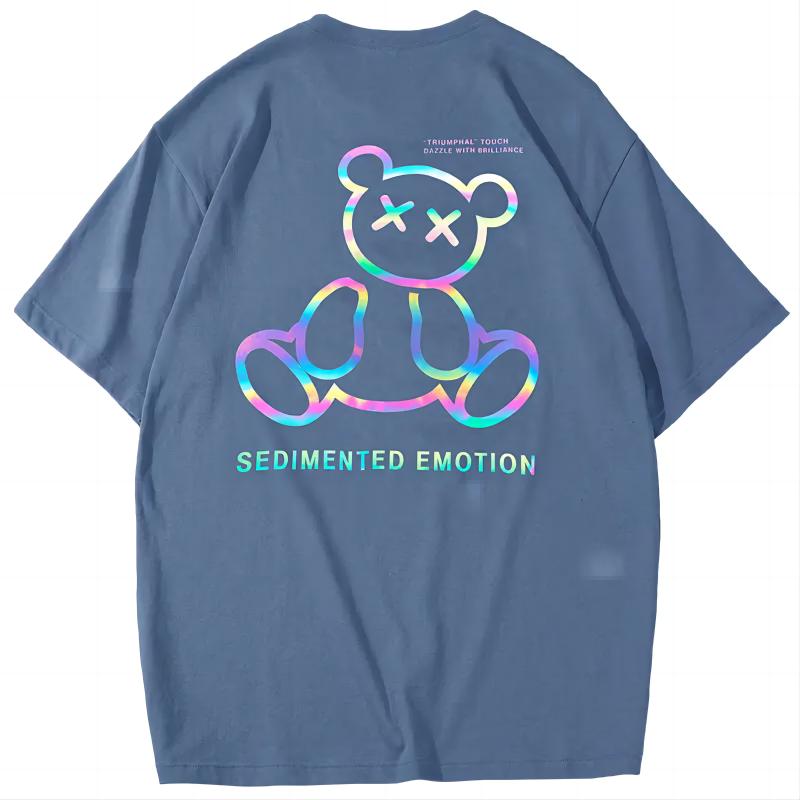
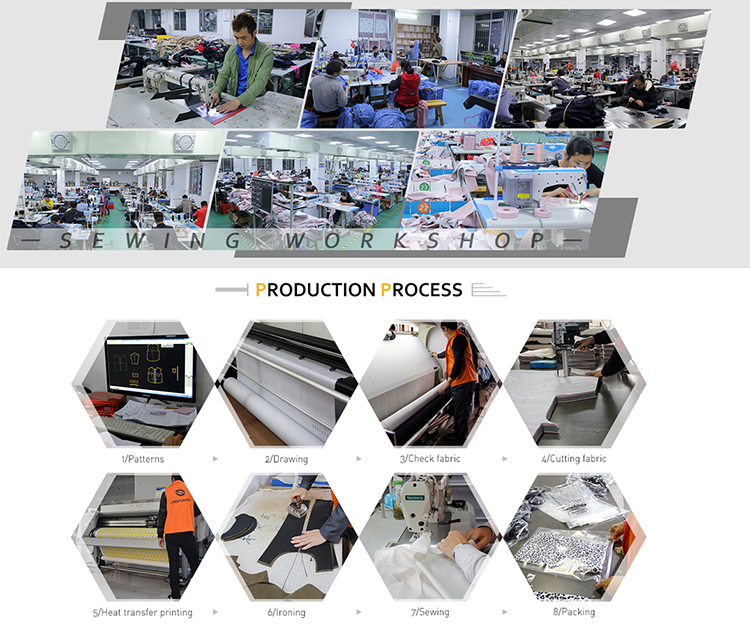
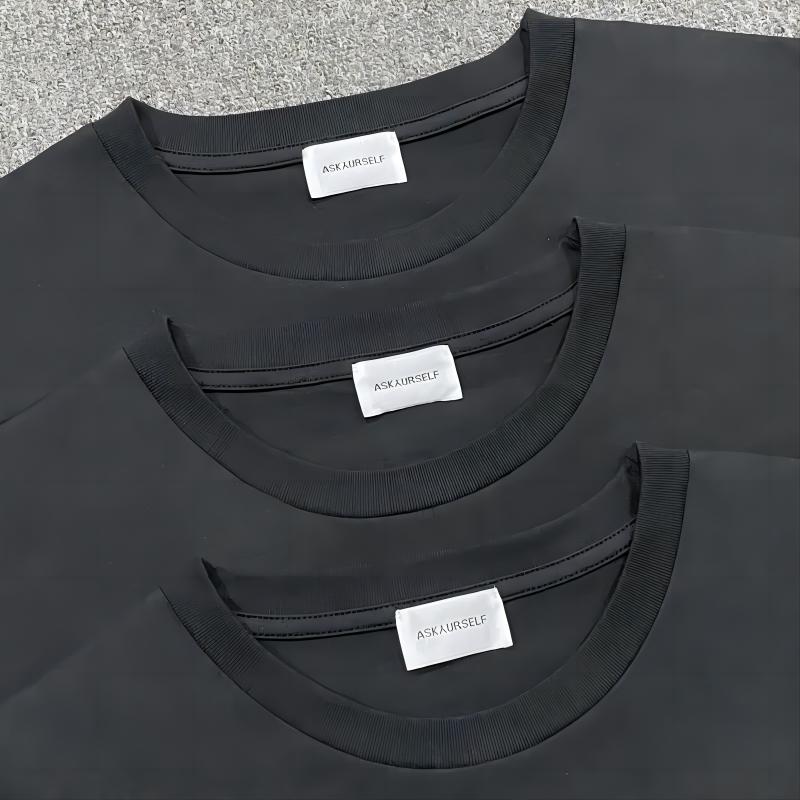
Wholesale Shirt Supplier Built to Repeat
Founder-led product development and controlled production for apparel programs designed to grow with confidence.
Founder-Led Since 2000
Work with a manufacturing partner shaped by garment-floor experience, direct accountability, and long-term production thinking.
Flexible OEM & ODM
Bring a finished tech pack or an early concept; EDVORIN helps turn either into a clear production standard.
Category-Specific Development
Shirts, teamwear, streetwear, and outerwear receive construction, fit, material, and performance decisions suited to their intended use.
Integrated Decoration Control
Coordinate printing, embroidery, washes, trims, labels, and packaging alongside the garment, reducing handoff gaps across production.
Approved-Standard Quality
Samples, measurements, artwork placement, and trims are documented to guide in-line checks and final inspection before packing.
Private-Label Coordination
Build a branded program with fit blocks, labels, packaging, and repeat-order standards aligned to your collection requirements.
Shirt and Apparel Programs Built to Repeat
Development and manufacturing support for branded apparel, teamwear and wholesale programs—from approved samples through controlled bulk production.
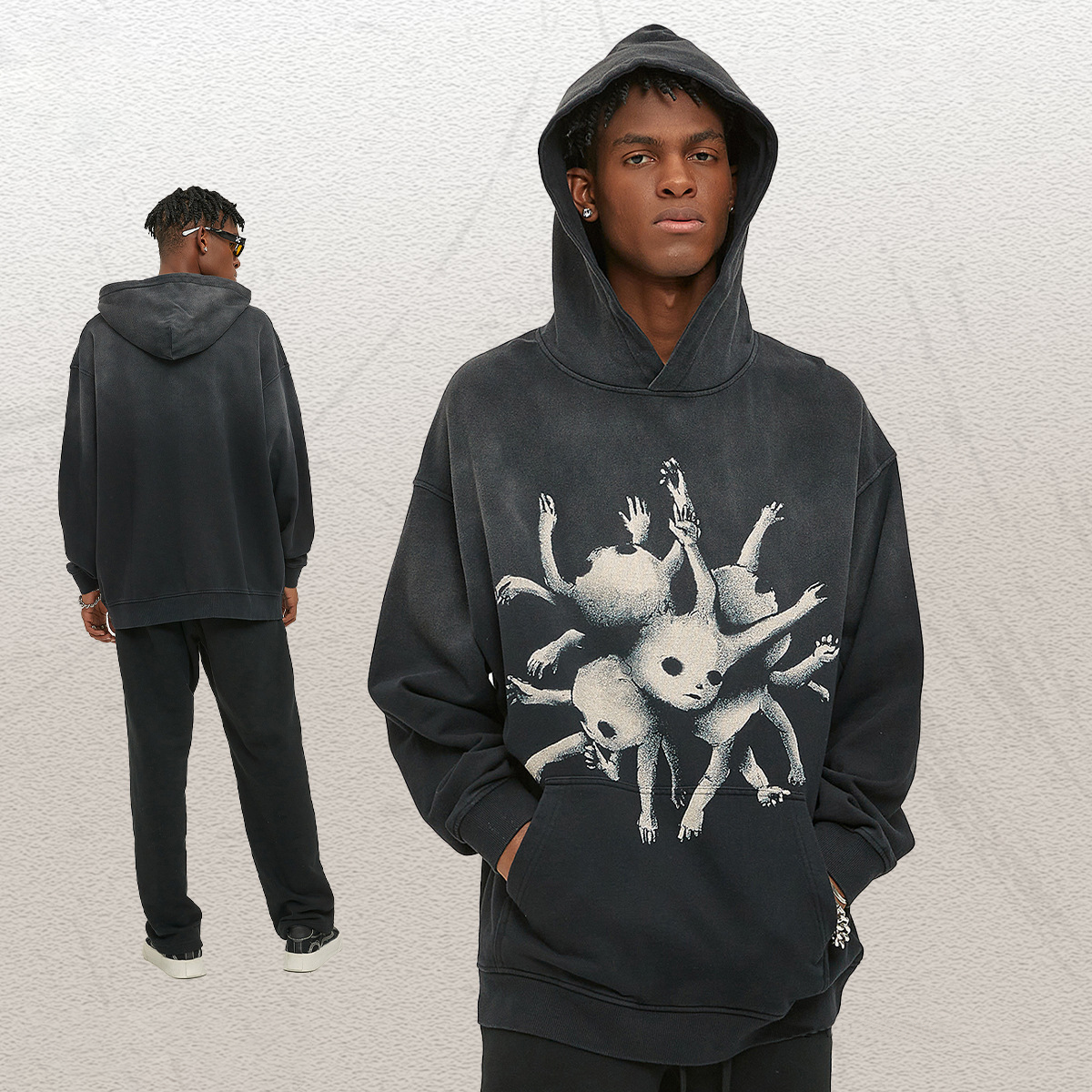
Custom Hoodies
Custom hoodies developed around fleece weight, fit blocks, rib recovery, hood construction, drawcords and decoration placement. EDVORIN supports men’s and women’s programs with documented specifications that carry approved hoodie standards into repeat bulk orders.
Get a Quote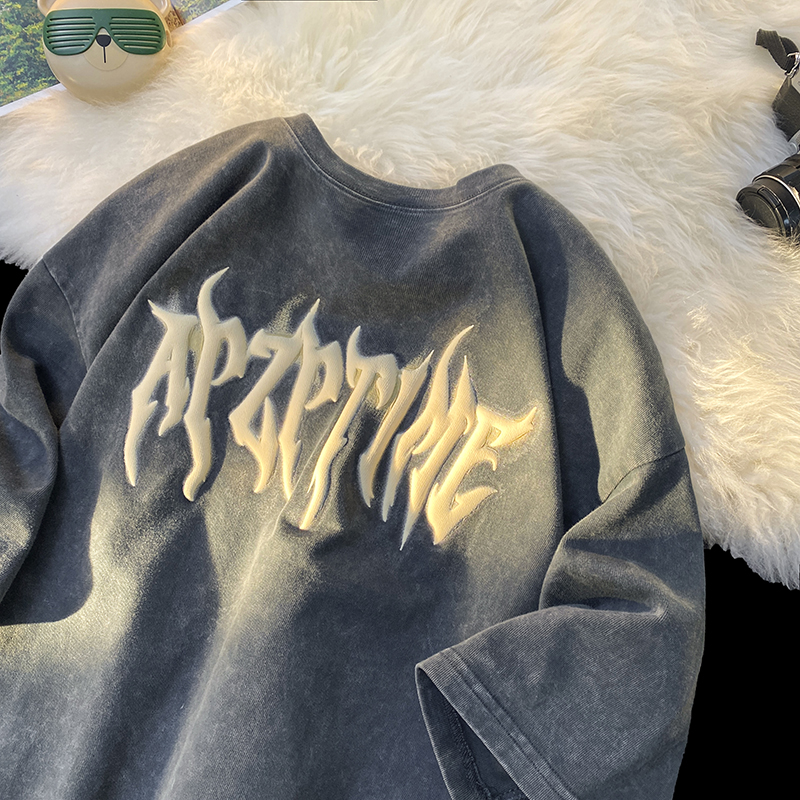
Pullover Sweatshirts
Pullover sweatshirts produced with attention to fabric weight, neck rib, shoulder construction, cuff and hem recovery, and print or embroidery compatibility. Buyers can develop core fleece programs, seasonal colors and coordinated fits with controlled sample-to-bulk measurements.
Get a Quote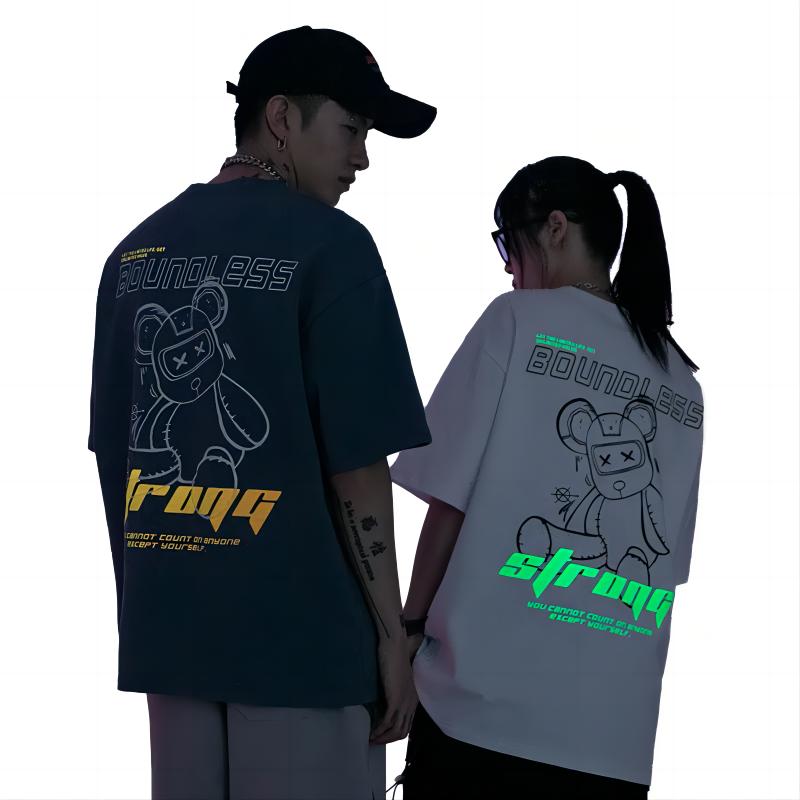
Sweatpants & Joggers
Sweatpants and joggers built for matching sets, retail collections and team programs. Options include brushed fleece or French terry, elastic or rib cuffs, waistband construction, pockets, drawcords, washes and decoration details, with grading adjusted for the intended market.
Get a Quote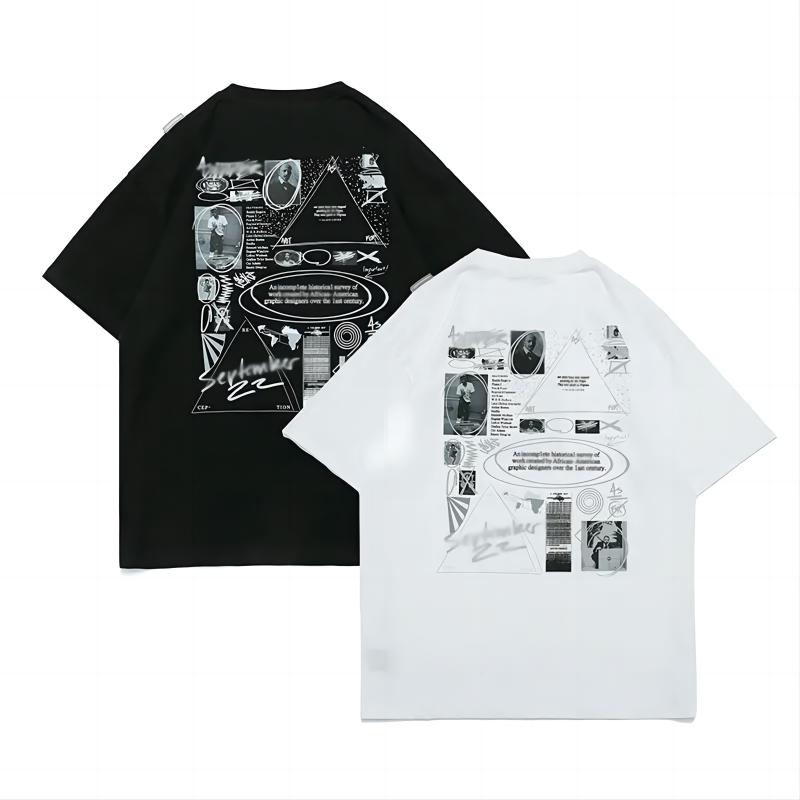
Custom Shorts
Custom shorts developed for casualwear, streetwear, training and promotional programs. EDVORIN coordinates fabric, inseam, waistband, pockets, liner options, prints, embroidery and labels so buyers can approve a clear production standard before bulk manufacturing.
Get a Quote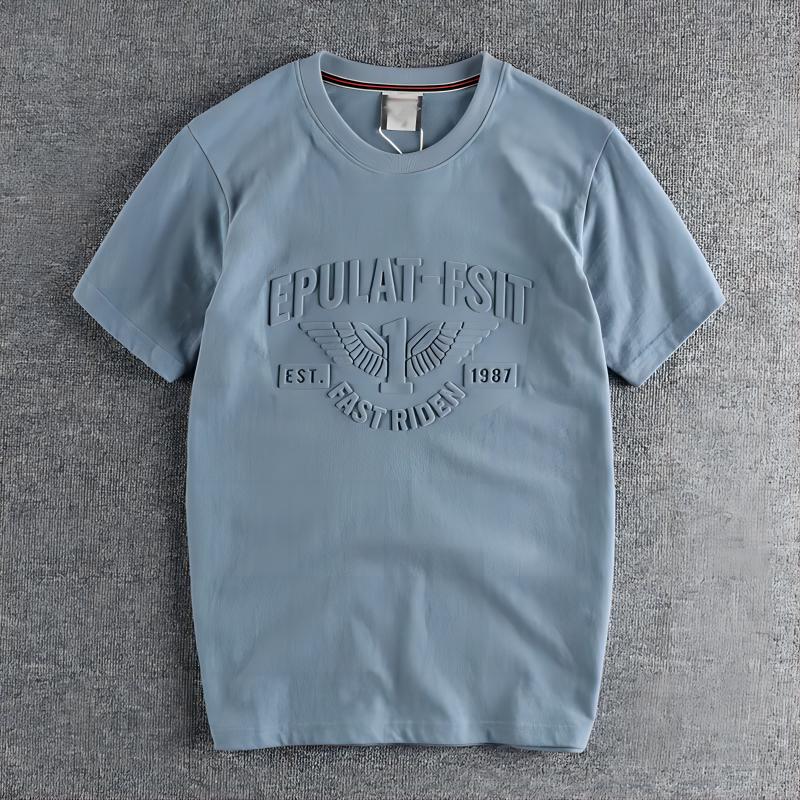
Varsity & Baseball Jackets
Varsity and baseball jackets developed with balanced body and sleeve materials, rib knit, snaps, patches, embroidery and lining. Construction details are documented during sampling to help fashion labels, schools and team buyers reproduce the approved jacket across future orders.
Get a Quote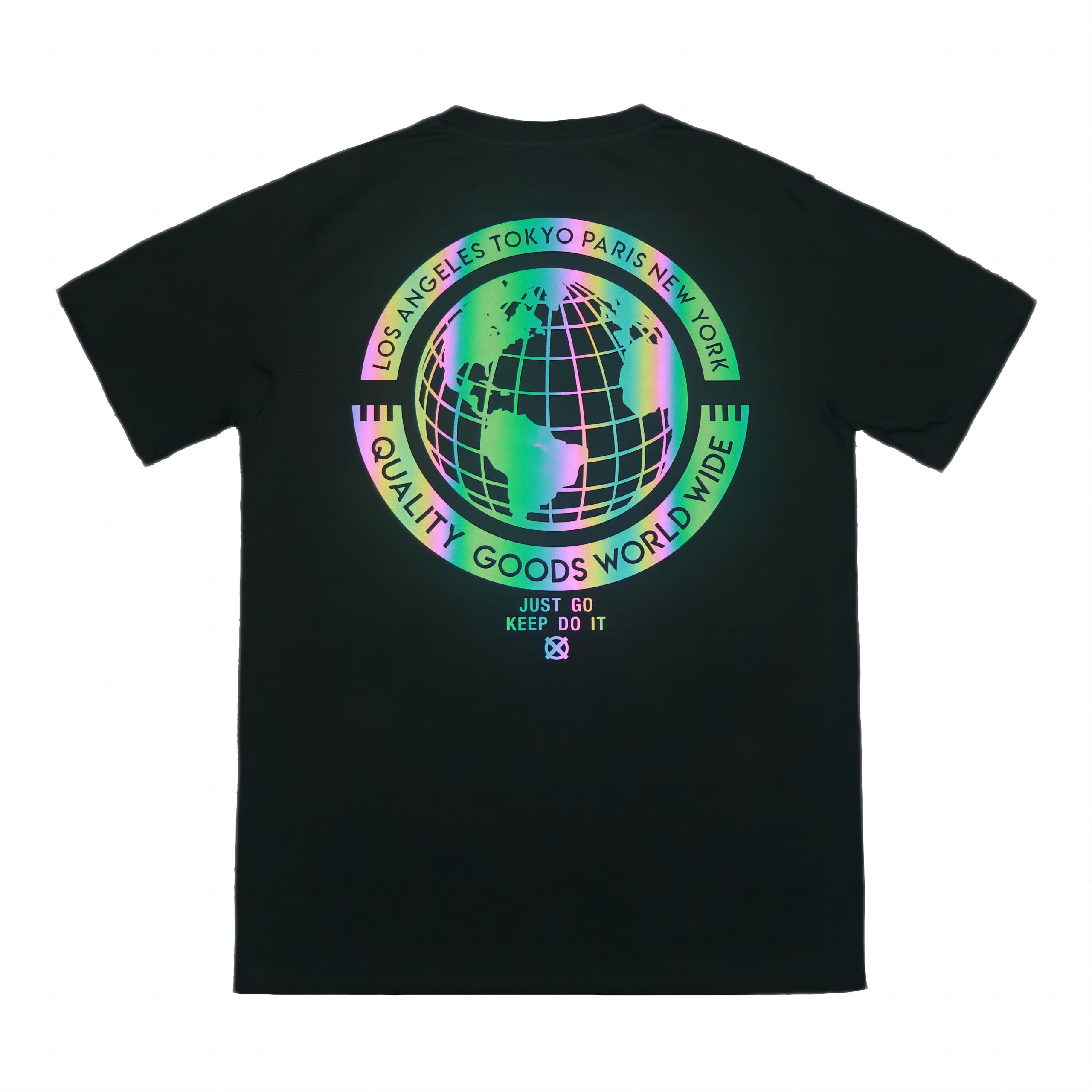
Custom T-Shirts
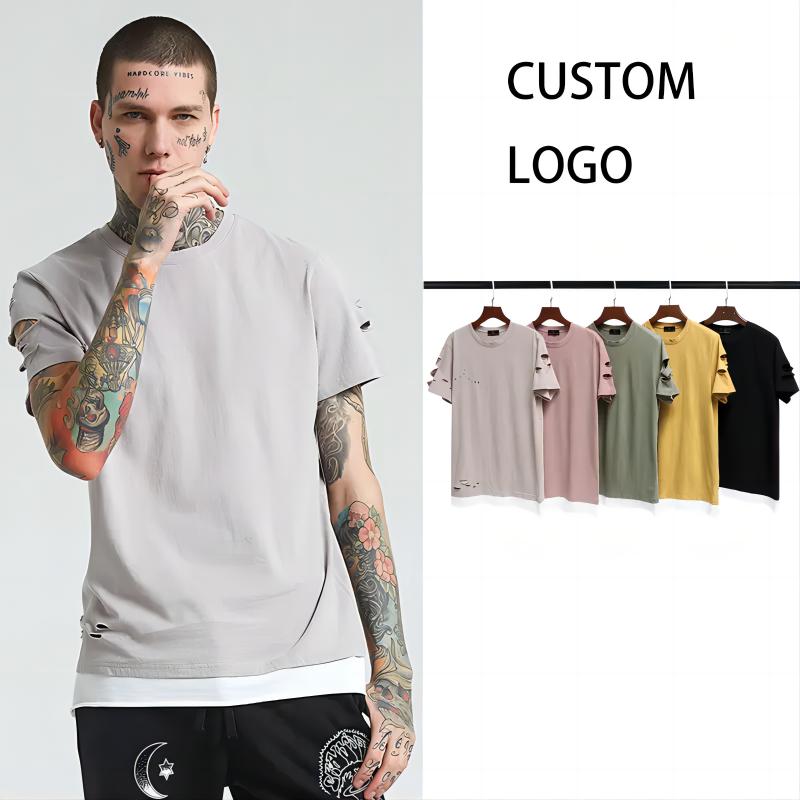
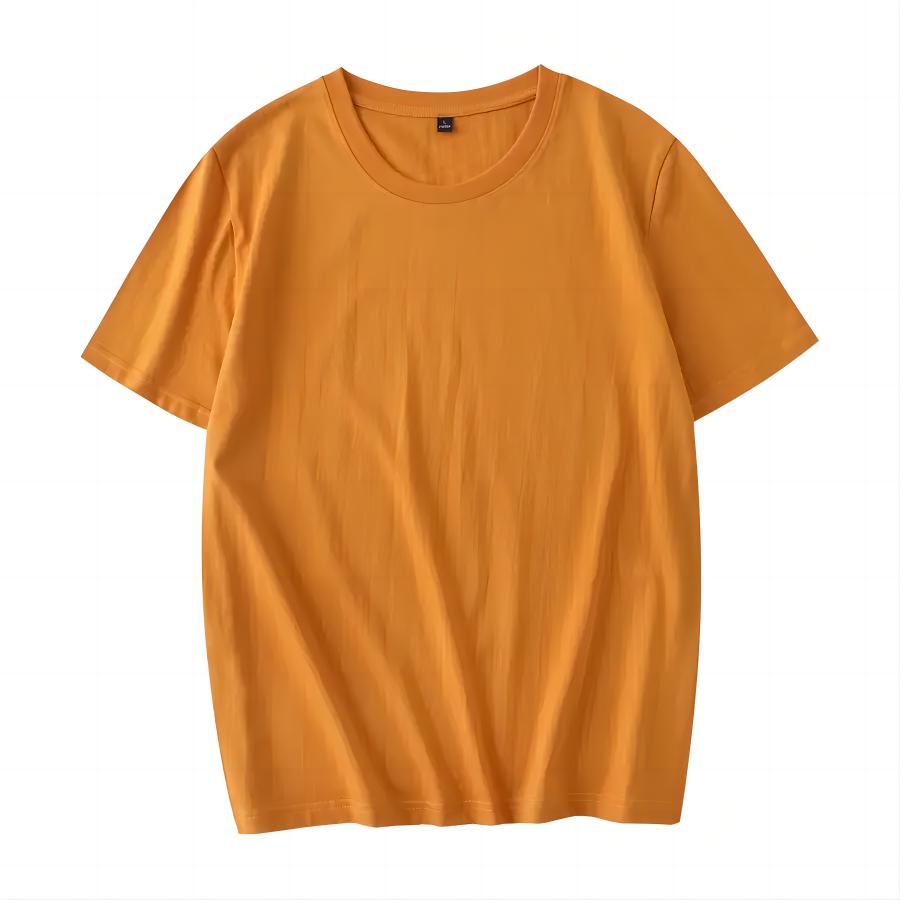
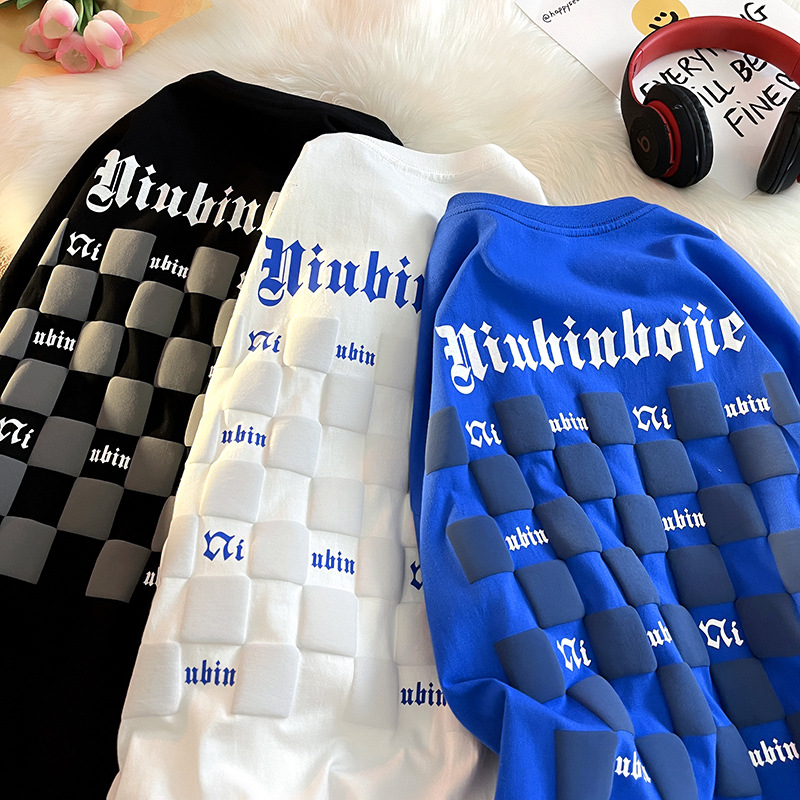
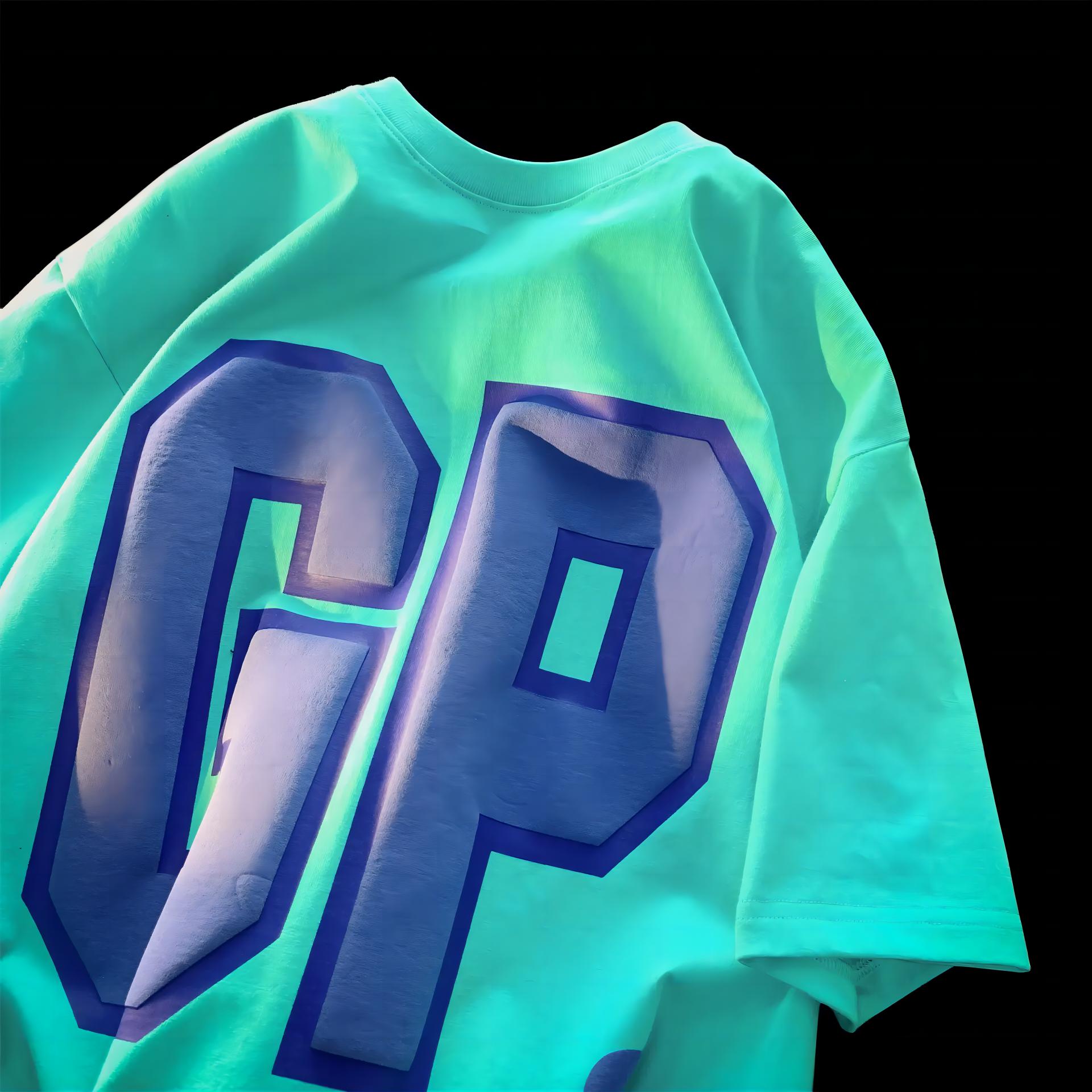
Custom T-shirts developed around fabric composition, GSM, fit, neck rib, sleeve proportions, print method and wash finish. EDVORIN supports men’s and women’s sizing, from dependable wholesale basics to branded graphic T-shirt collections.
Get a Quote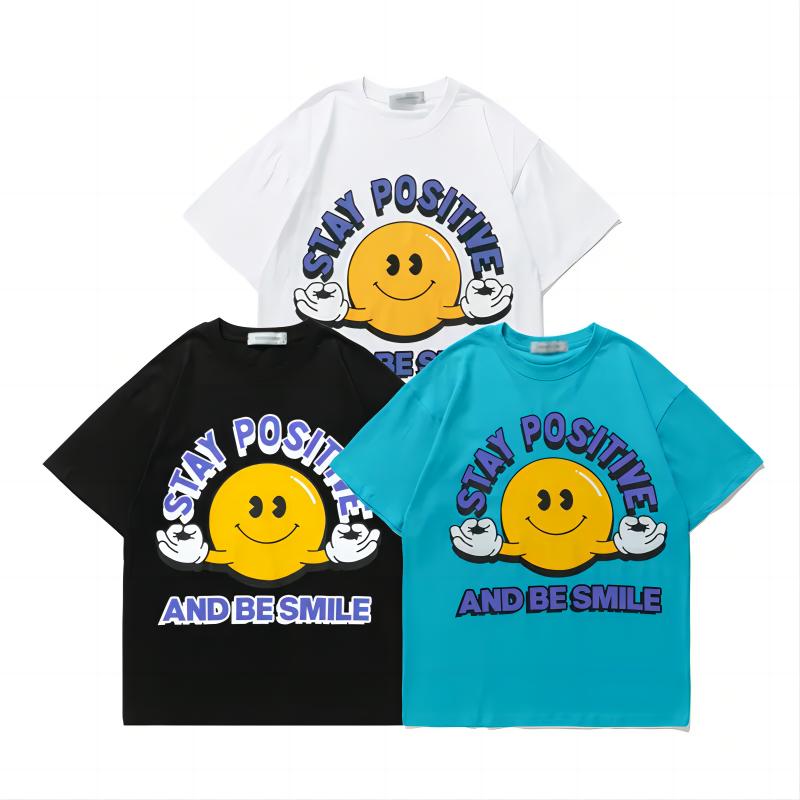
Custom Polo Shirts
Custom polo shirts for corporate uniforms, schools, clubs and private-label programs. Material, collar construction, placket, buttons, cuff details, embroidery placement and color standards are coordinated to maintain a professional appearance through repeated production.
Get a Quote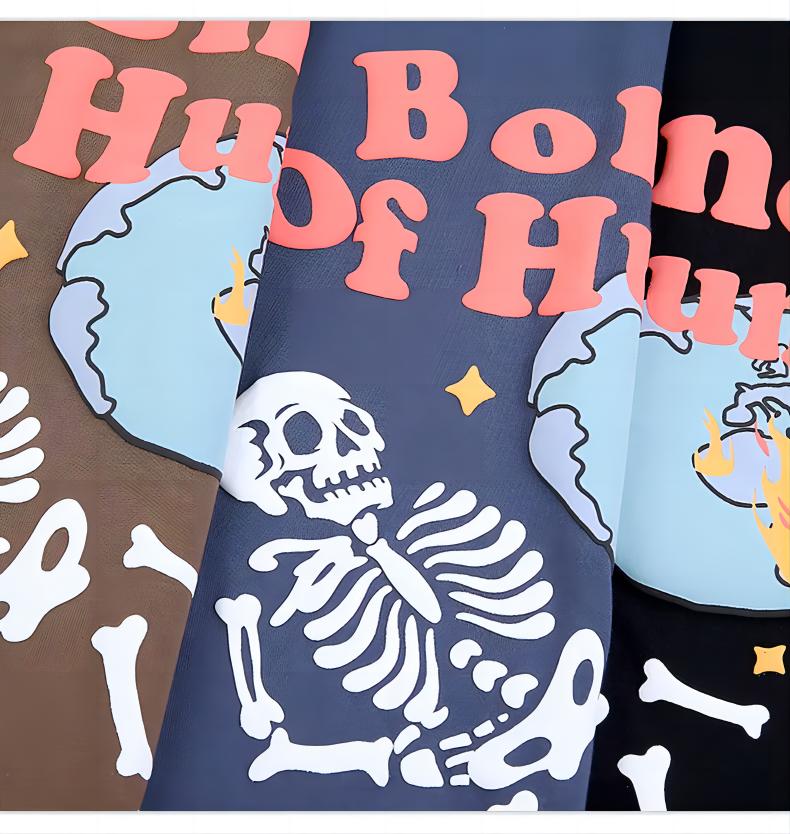
Windbreaker Jackets
Windbreaker jackets developed with shell performance, lining, zipper selection, pocket construction, hood details and decoration requirements in mind. Suitable for branded outerwear, event apparel and team programs requiring lightweight protection and organized color execution.
Get a Quote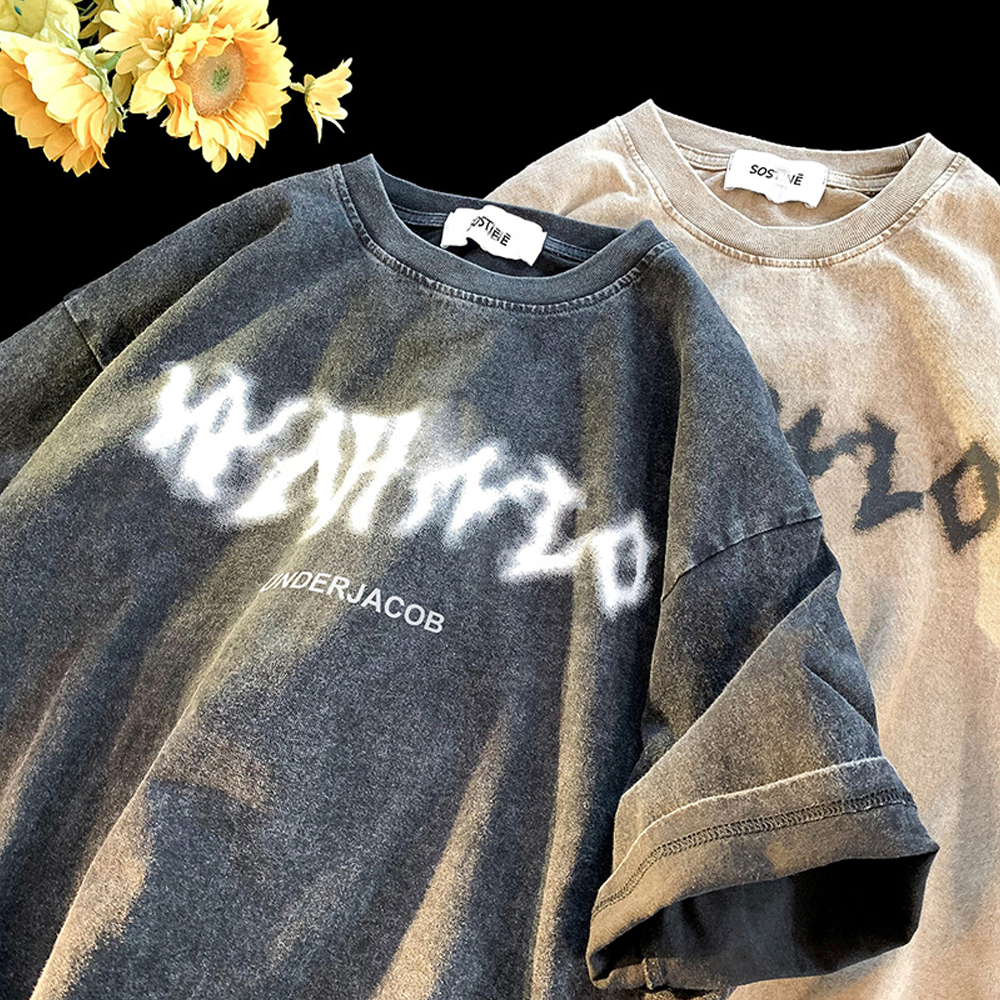
Quilted Jackets
Quilted jackets developed by coordinating shell fabric, lining, insulation, quilting pattern, binding and hardware. EDVORIN helps buyers test warmth, bulk, fit and decoration feasibility during sampling before committing to production quantities.
Get a Quote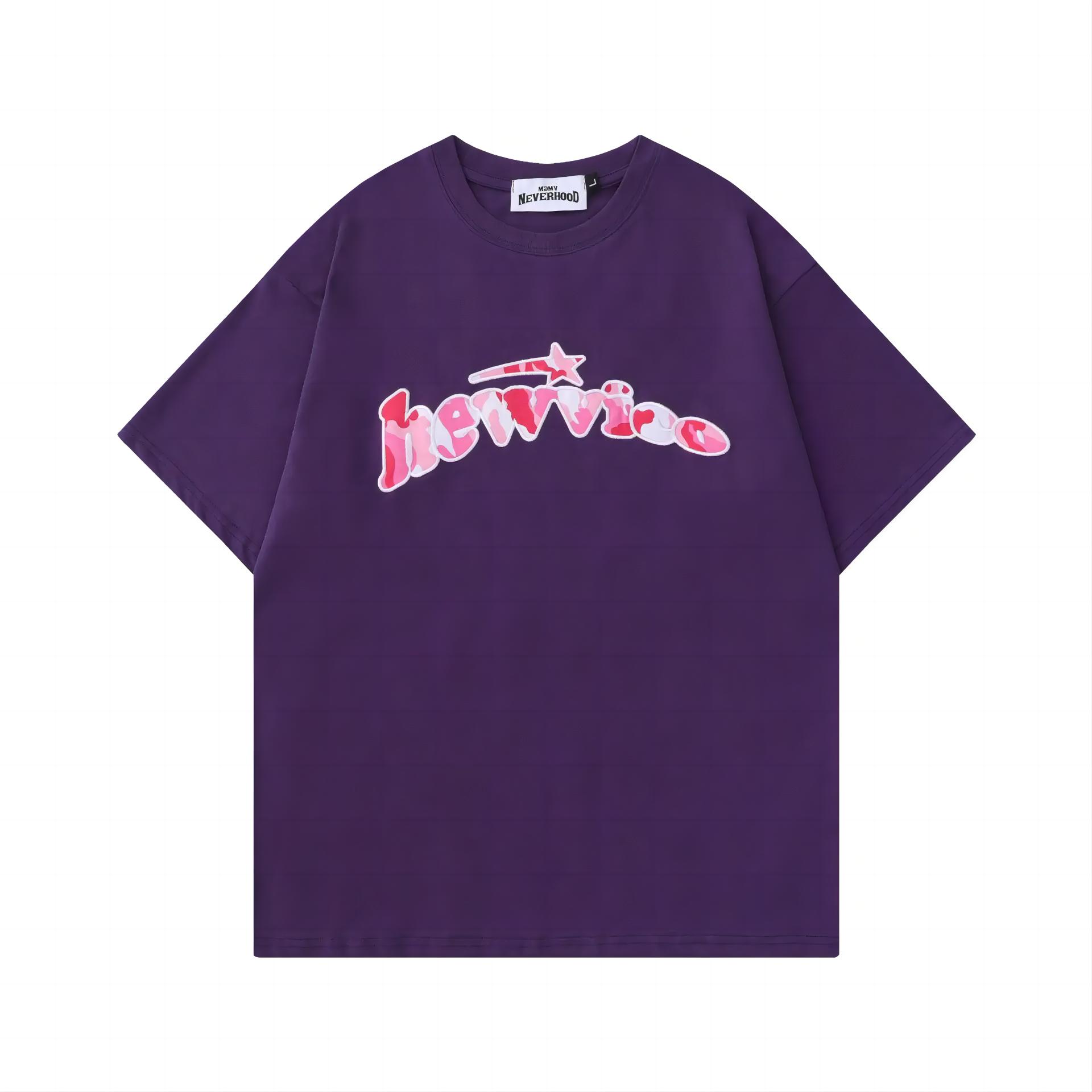
Bomber Jackets
Bomber jackets built around shell selection, lining, rib trim, zipper or snap hardware, pockets and embroidery or patch placement. Product development records the approved construction so fashion and private-label buyers have a stable reference for reorders.
Get a Quote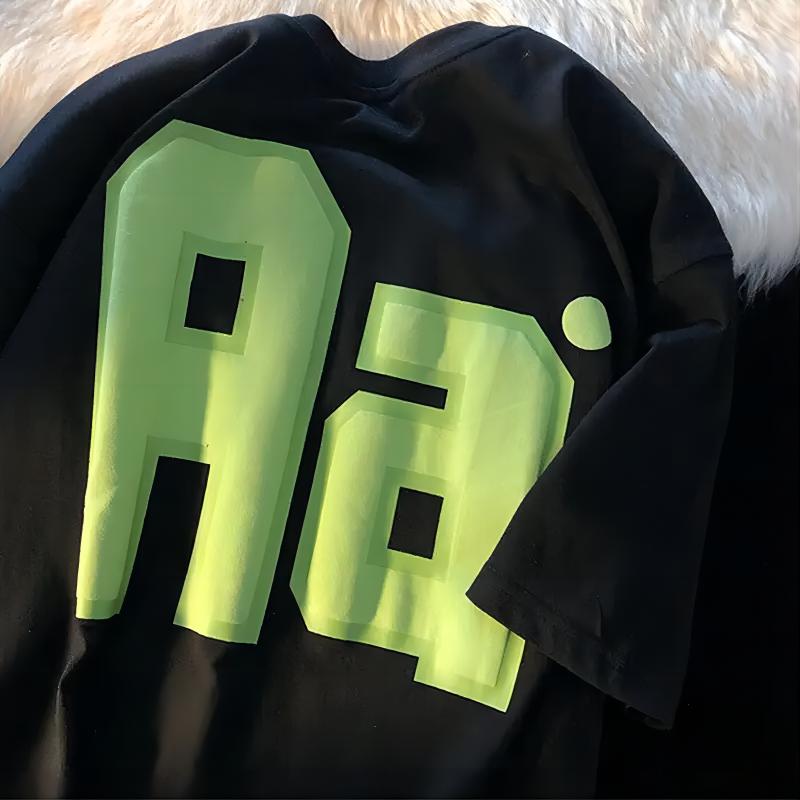
Custom Shirts
Custom woven shirts developed for uniform, retail and private-label use with specified fabric, collar, placket, cuffs, pocket details, buttons and fit. Men’s and women’s blocks can be adjusted to the buyer’s target market and intended use.
Get a Quote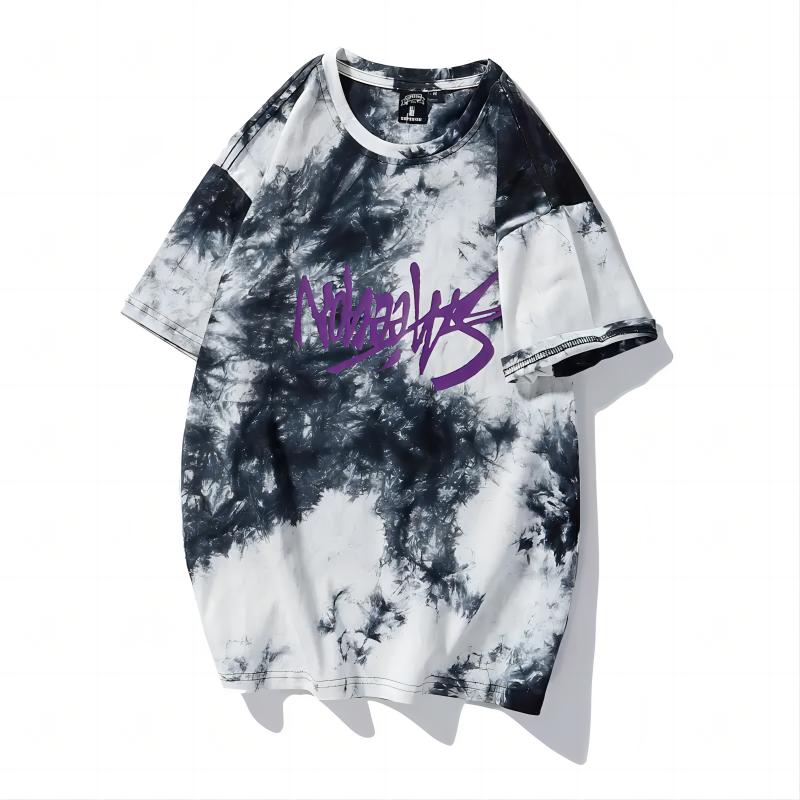
Custom Jerseys
Custom jerseys developed for clubs, schools, promotional programs and retail capsules. EDVORIN coordinates breathable materials, color panels, sublimation or print methods, name and number placement, sizing and finishing for reliable order-level consistency.
Get a Quote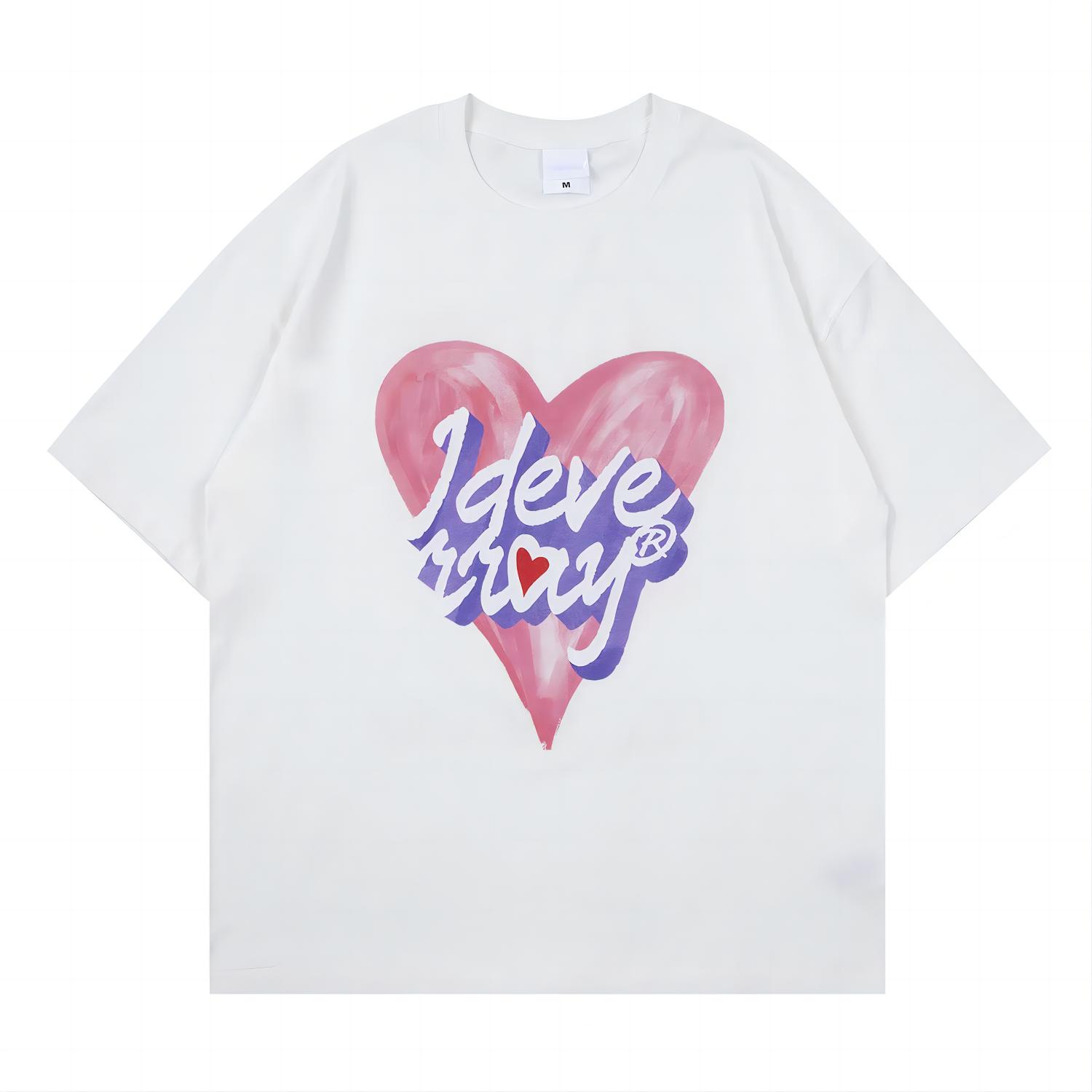
Tank Tops
Tank tops developed for activewear, casual collections, training apparel and promotional programs. Fabric weight, armhole shape, neckline, fit, binding and decoration method are specified during development to support the intended wear and brand presentation.
Get a Quote
Soccer Uniforms
Soccer uniforms developed as coordinated jersey, short and sock programs with breathable fabrics, team colors, crests, player names, numbers and size sets. Production controls help teams and schools maintain consistent identity across full rosters and repeat orders.
Get a Quote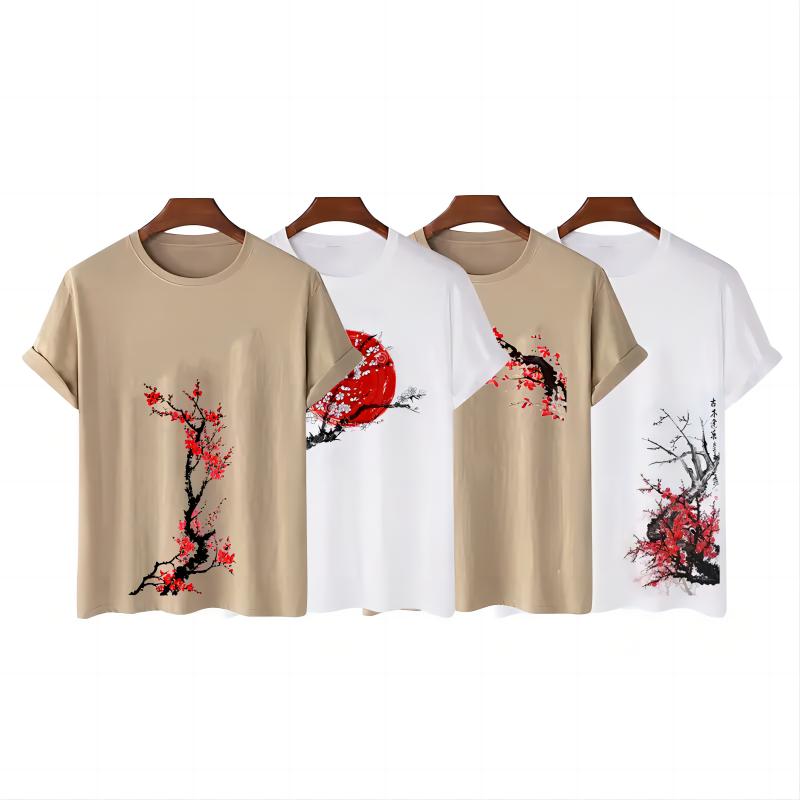
Basketball Uniforms
Basketball uniforms developed with performance fabrics, jersey and short proportions, contrast panels, trims, team graphics, names and numbers. EDVORIN organizes artwork and placement standards so clubs, schools and distributors can manage complete size runs confidently.
Get a Quote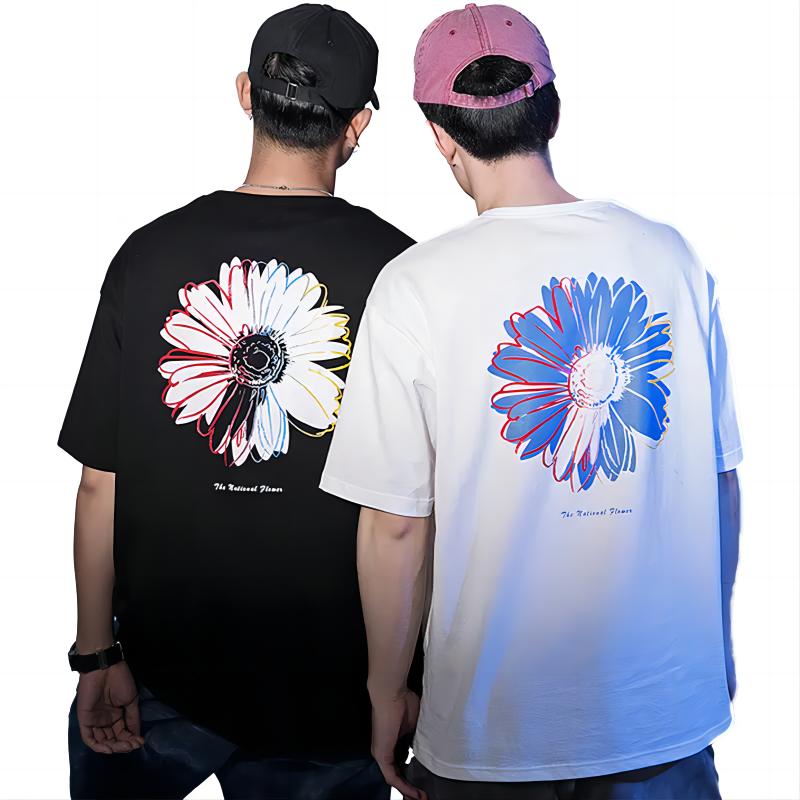
Streetwear Collections
Streetwear collections developed as connected apparel programs across hoodies, T-shirts, sweatpants, shorts, outerwear and woven pieces. EDVORIN coordinates fabrics, washes, trims, graphics, labels and packaging to convert a collection concept into repeatable production standards.
Get a QuoteMaterials for Your Shirt Program
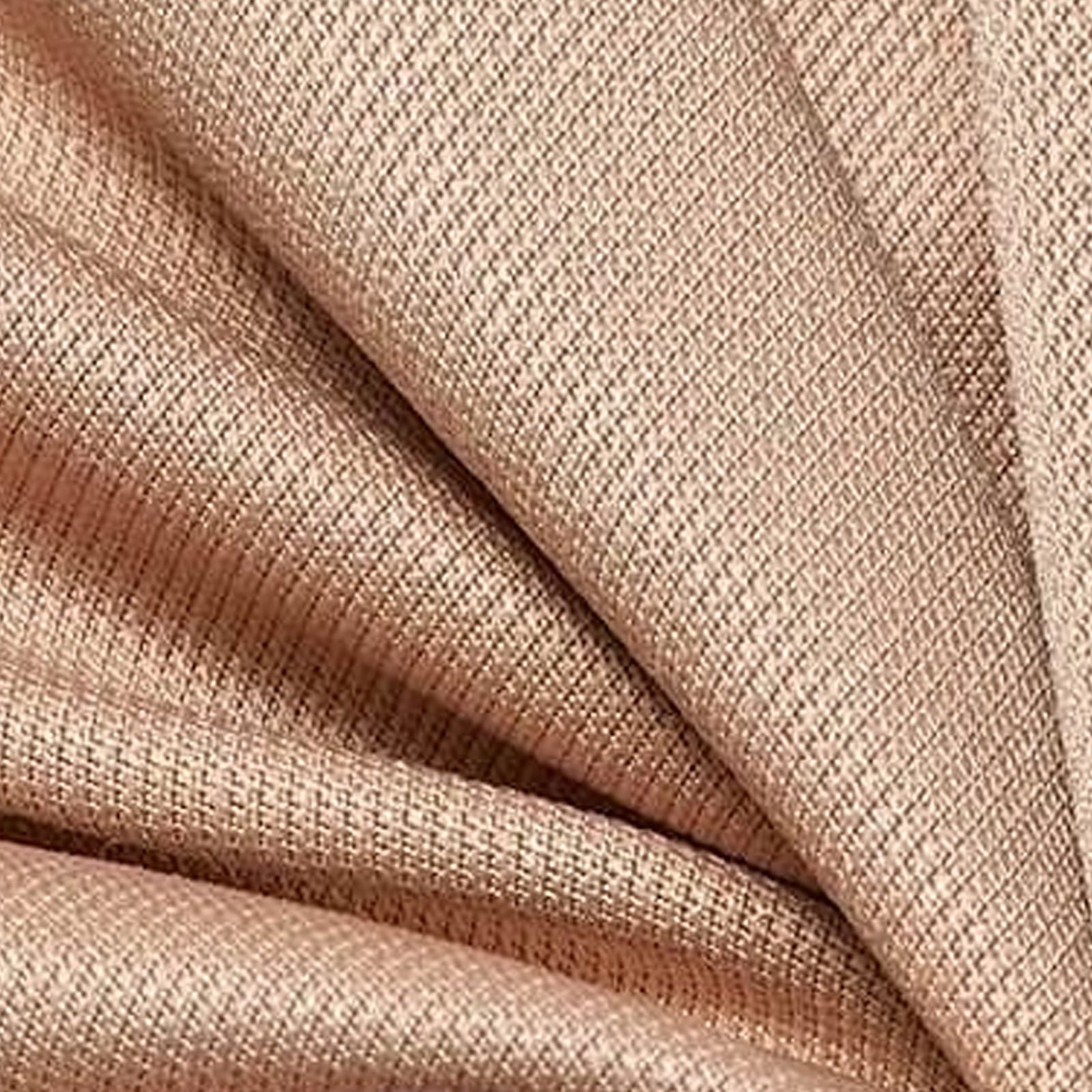
Cotton Jersey
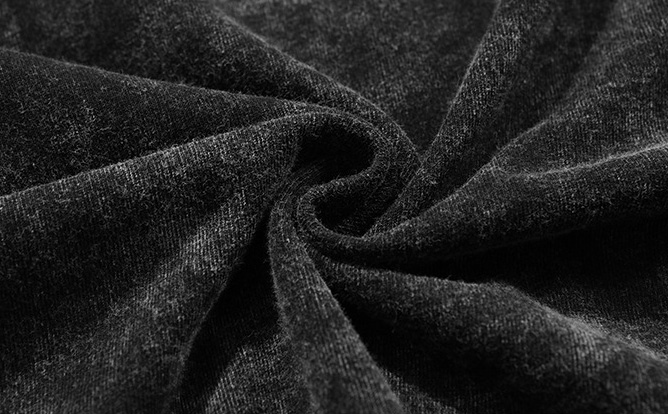
A soft, breathable knit for everyday T-shirts, fashion basics and printed programs. Weight and yarn selection can be adjusted for a lighter drape or a more substantial hand-feel while maintaining a clean decoration surface.
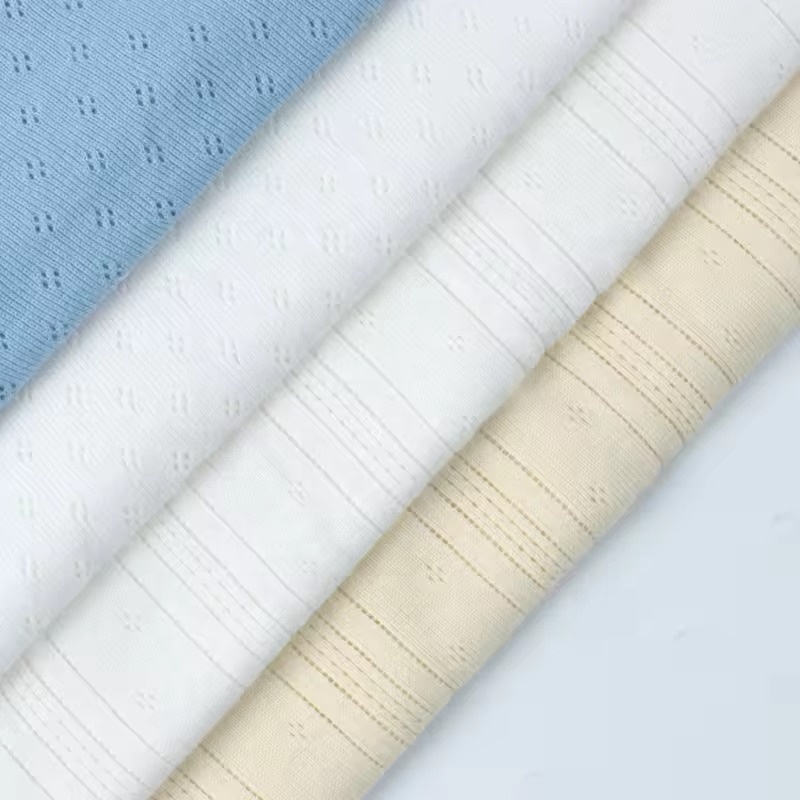
Cotton Poly Blends
A practical option for uniforms, promotional shirts and repeat wholesale programs that need balanced comfort and durability. The blend can improve shape retention and drying performance while offering a familiar, easy-wearing hand.
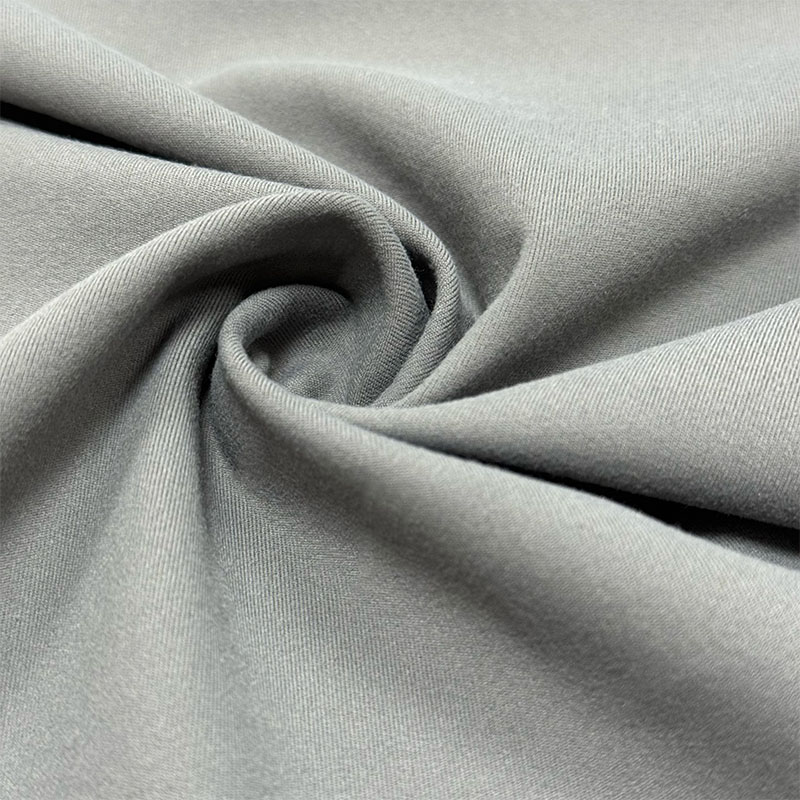
Performance Polyester
A lightweight, quick-drying fabric for team jerseys, training shirts and activewear. Moisture-management construction supports demanding end use, while stretch options and fabric weight can be specified around movement, coverage and fit.
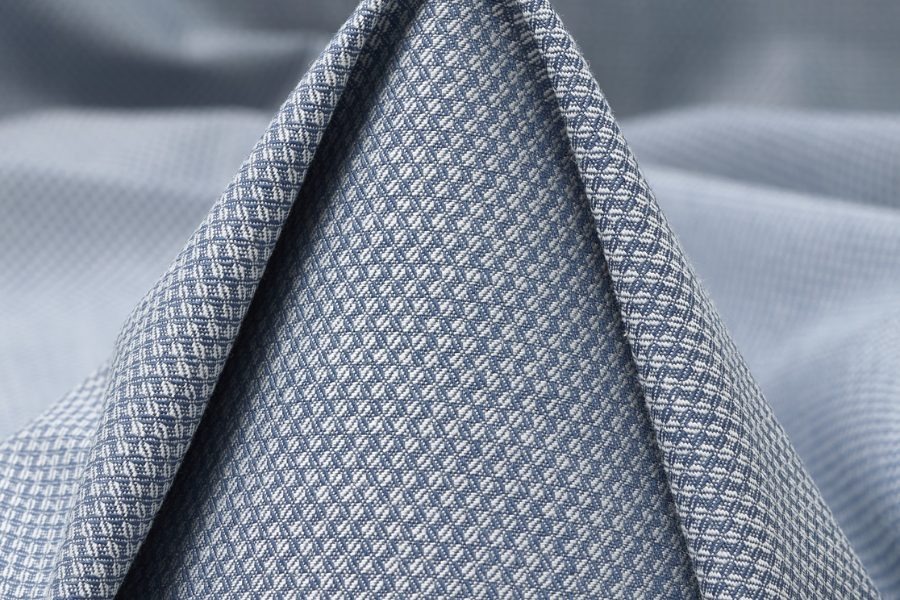
Pique Knit
A textured knit suited to polo shirts, corporate uniforms and club apparel. Its breathable surface creates a structured appearance, and yarn composition can be selected to balance crisp hand-feel, recovery and everyday wear.
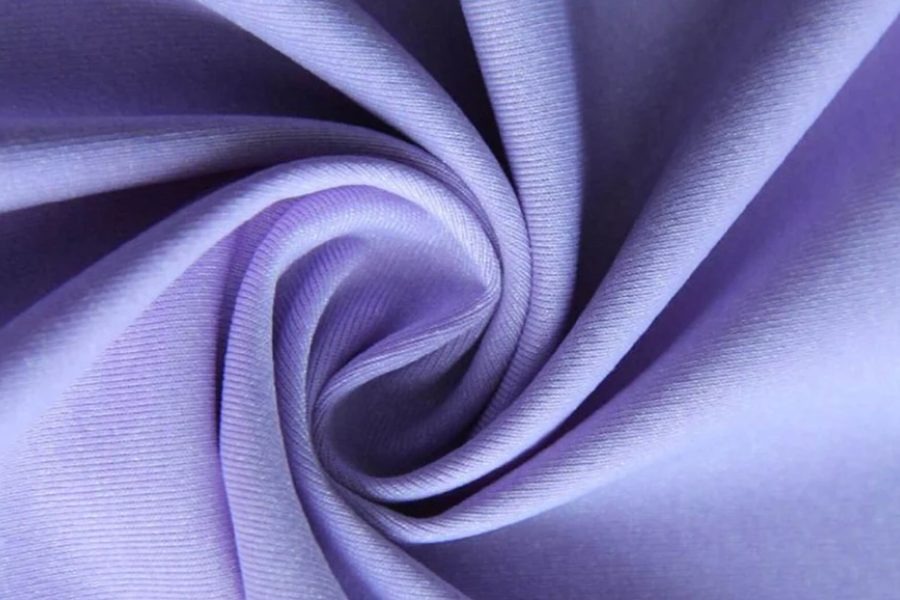
Woven Cotton
A dependable choice for button-up shirts, overshirts and elevated uniform programs. Poplin, twill or oxford-style constructions create different levels of crispness, weight and texture to support the intended silhouette and finish.
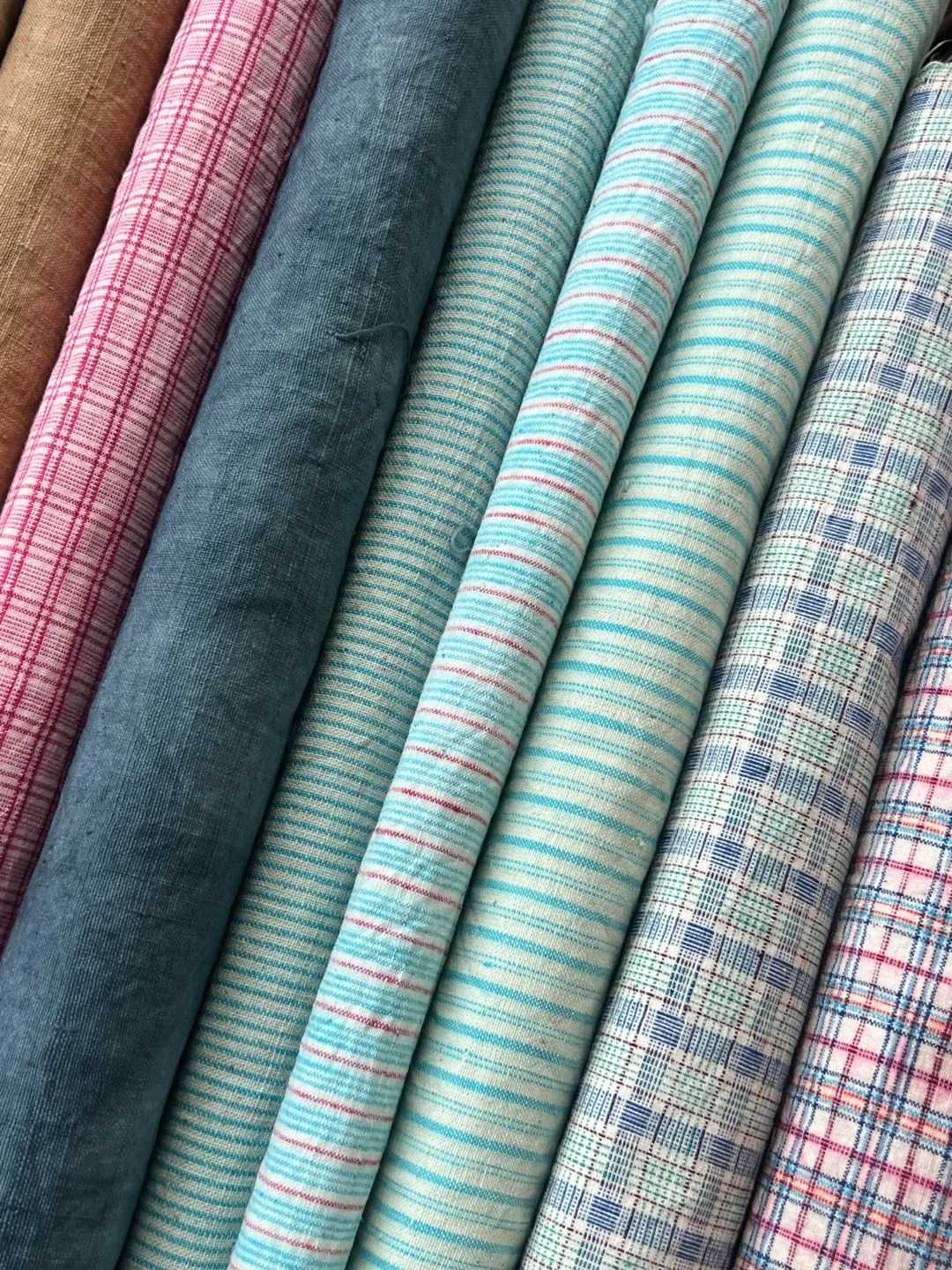
Organic Recycled Options
Organic cotton and recycled-fiber options support programs with specific material goals. EDVORIN can coordinate suitable fabric construction, certifications where applicable, and the required feel, weight and decoration compatibility for the finished shirt.
Decoration Processes Matched to Your Shirt Program
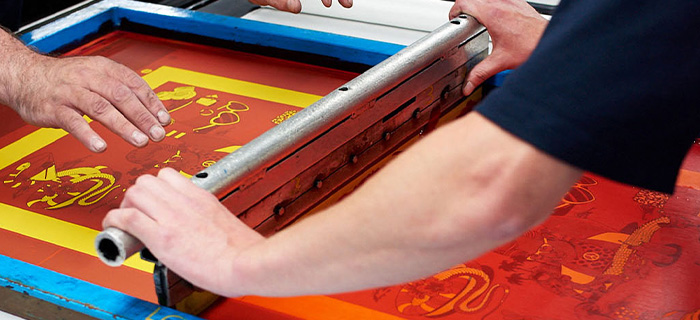
Screen Printing
Screen printing delivers bold, consistent color and strong coverage for logo tees, promotional shirts, and streetwear graphics. EDVORIN aligns ink, fabric weight, artwork detail, and curing requirements to support dependable bulk production.
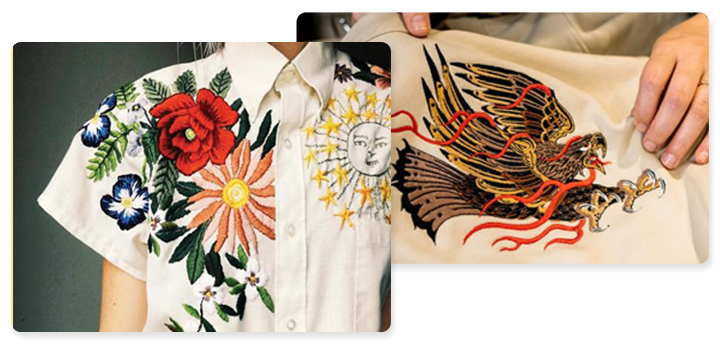
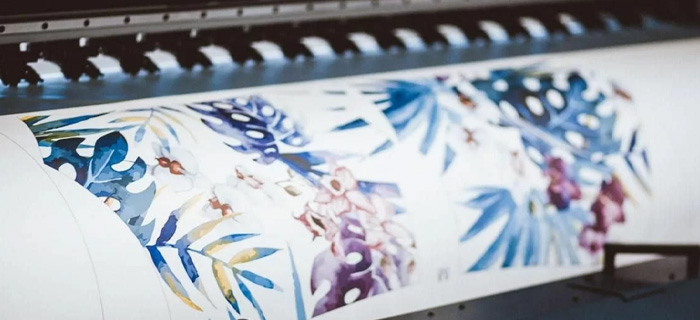
Dye Sublimation
Dye sublimation integrates full-color artwork directly into compatible polyester fabrics, creating lightweight graphics that will not crack or peel. It is suited to jerseys and performance shirt programs requiring repeatable color and placement control.
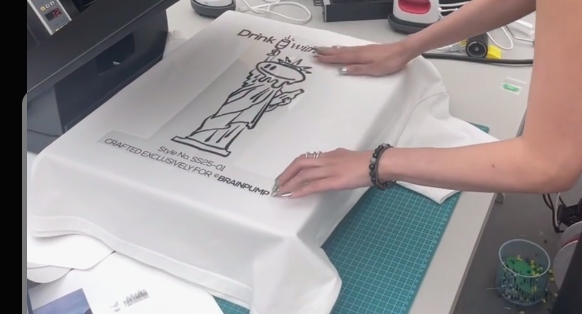
Heat Transfer
Heat transfer supports detailed logos, player names, numbers, and smaller production runs with precise placement. EDVORIN selects transfer materials based on fabric stretch, surface texture, wash expectations, and the intended visual finish.
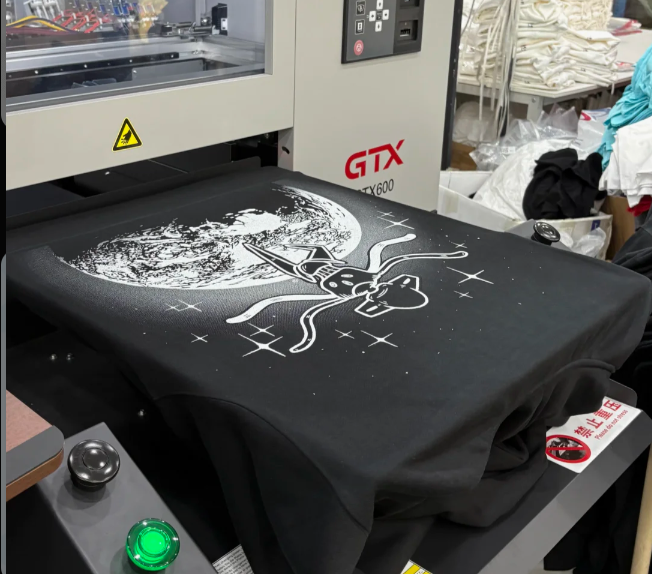
DTG Printing
Direct-to-garment printing reproduces detailed artwork, tonal color, and short-run graphics directly on suitable fabric bases. Pre-treatment, artwork preparation, and curing are coordinated to help preserve clarity and wash durability.
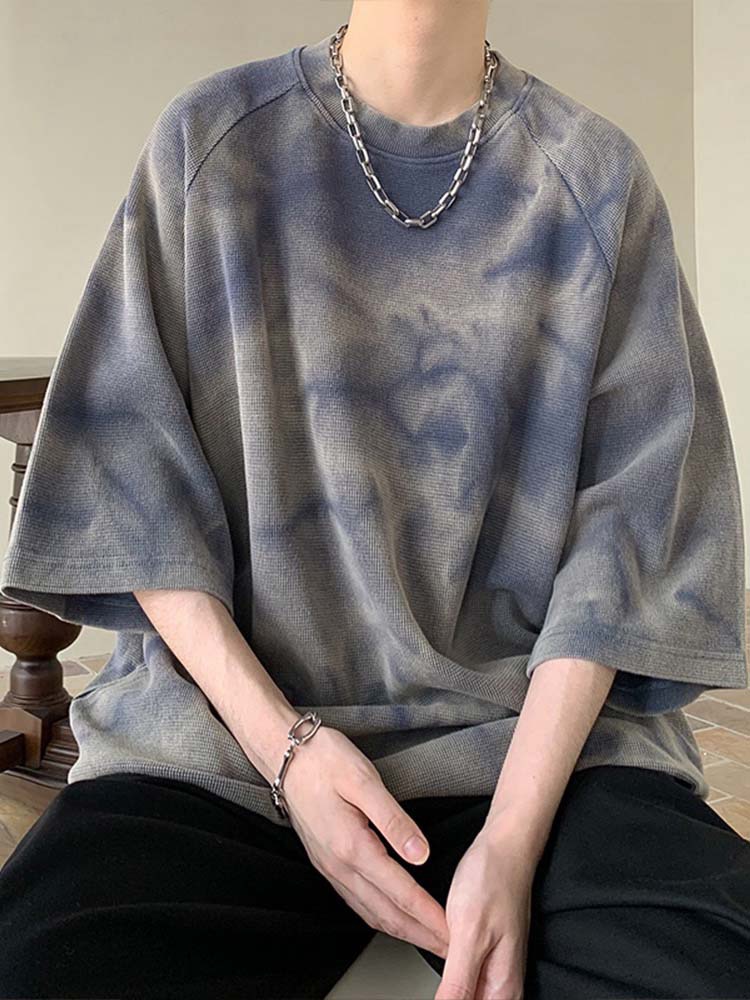
Wash Finishing
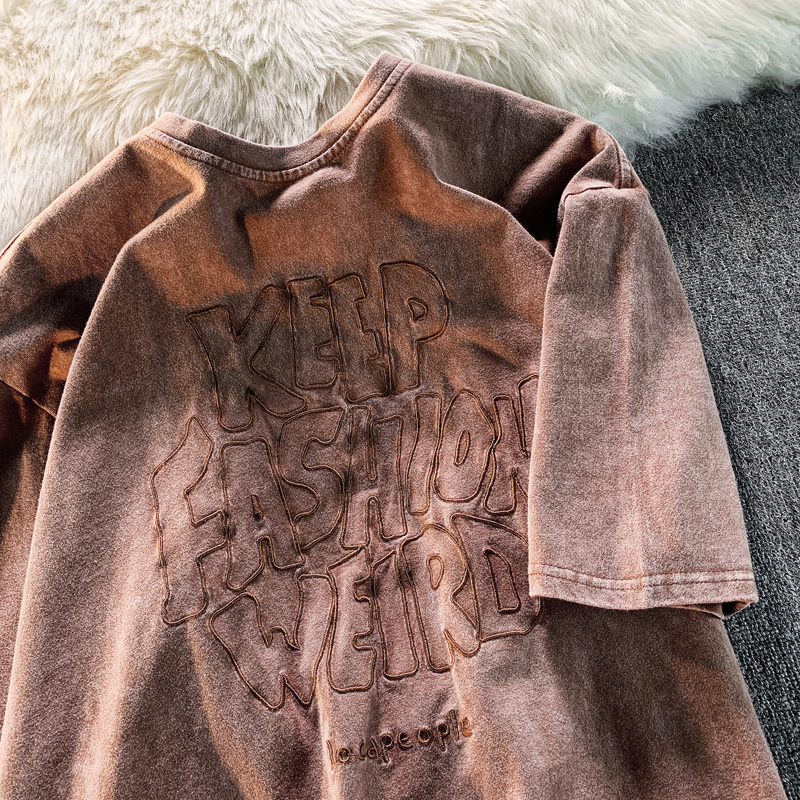
Wash and finishing options create controlled softness, fading, texture, or lived-in character for fashion and streetwear shirts. Each treatment is sampled against the chosen fabric so appearance, hand feel, shrinkage, and bulk consistency are understood.
Private-Label Trims That Complete the Product
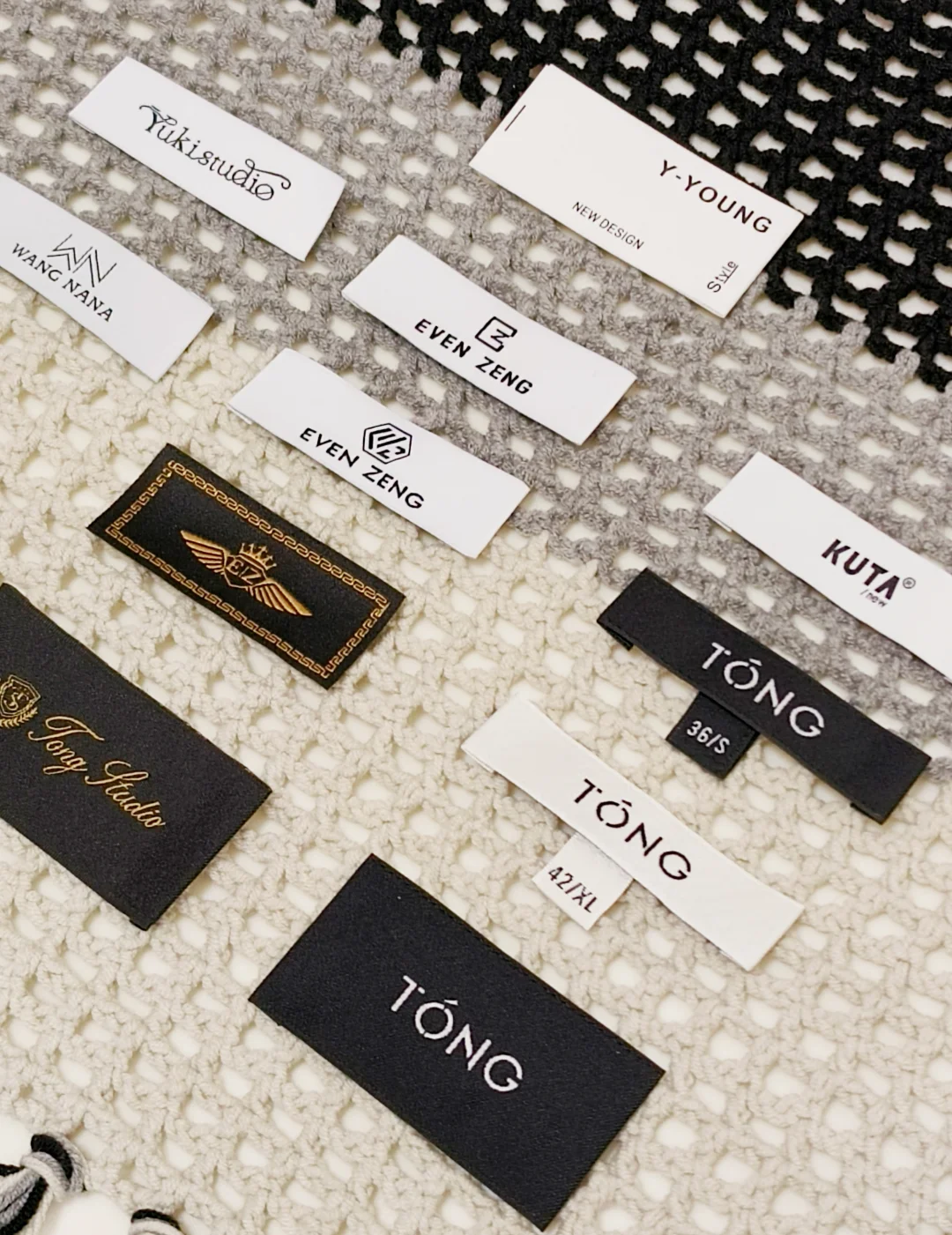
Woven Labels
Custom woven main labels add a durable brand signature at the neck, side seam, or hem. We coordinate size, fold, yarn color, placement, and attachment details with your approved shirt construction.
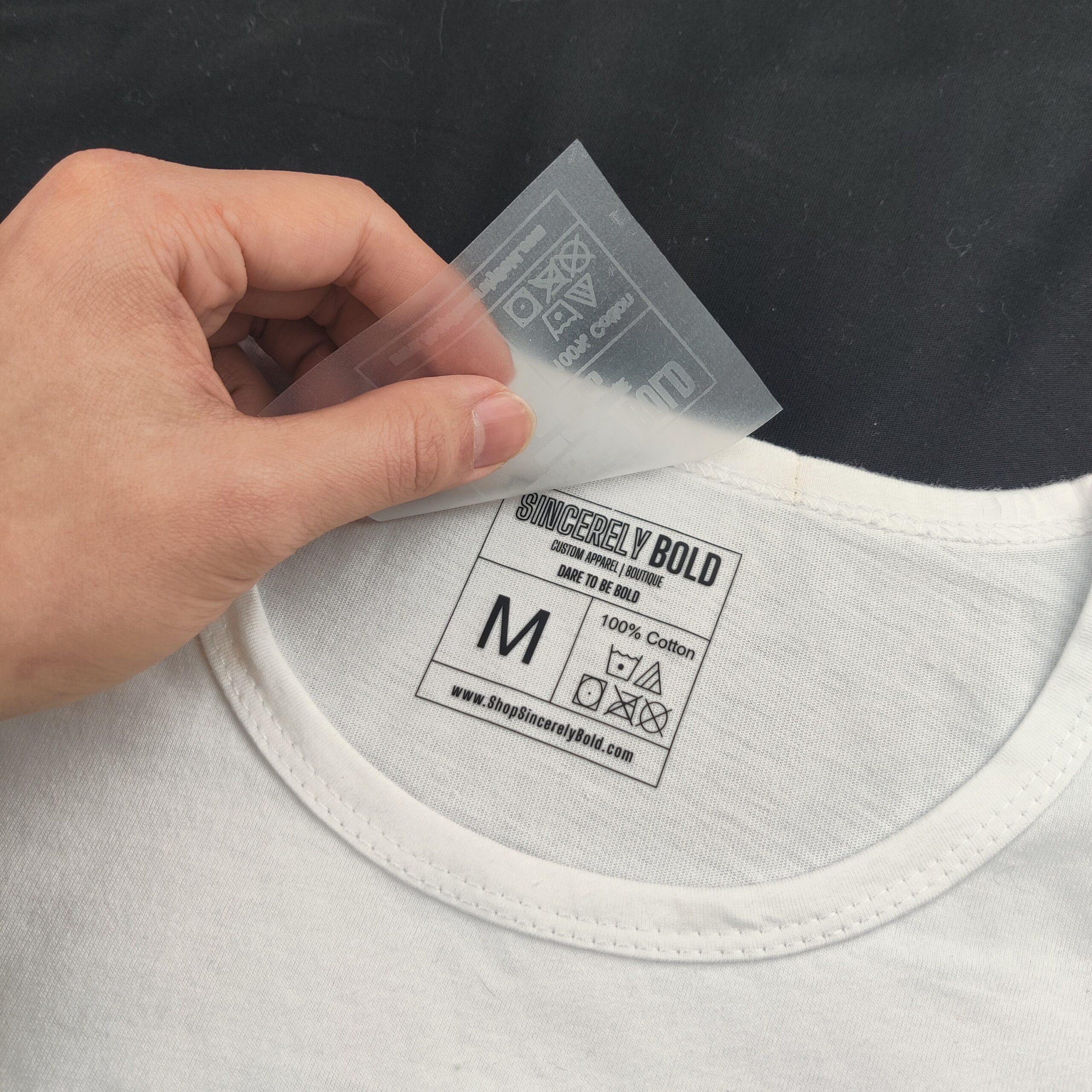
Printed Neck Labels
Printed neck labels offer a clean, low-bulk alternative for T-shirts, jerseys, and active styles. Artwork, care information, sizing, and placement are recorded to support consistent production across repeat orders.
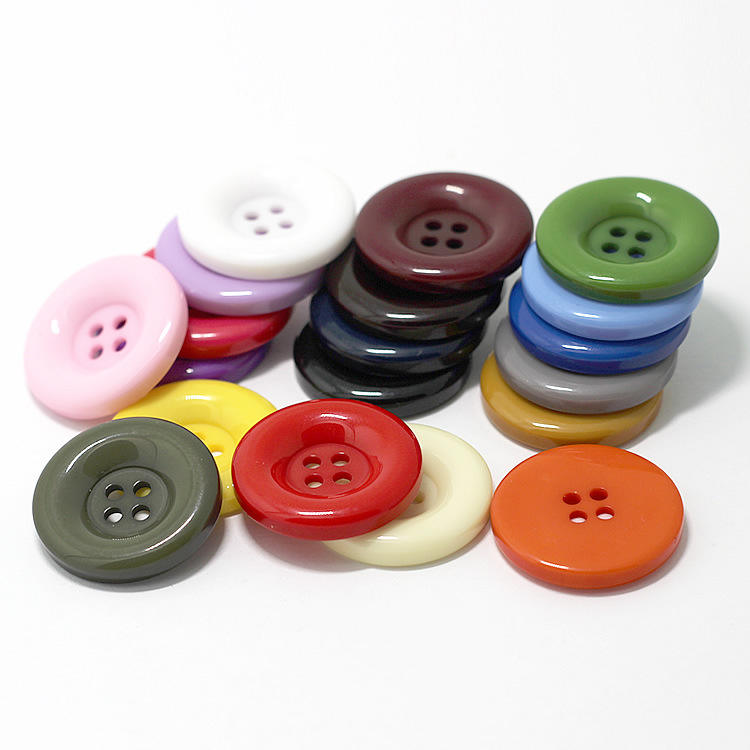
Custom Buttons
Buttons can reinforce the intended character of polos, woven shirts, and outer layers. Select material, finish, color, logo treatment, and attachment method to align each closure with the garment’s fabric and use.
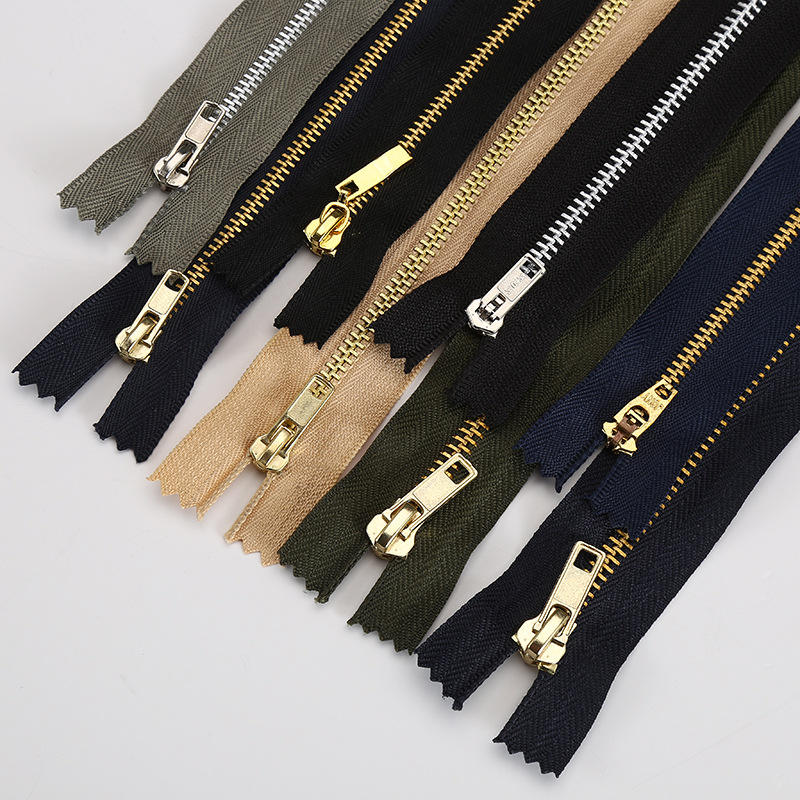
Branded Zippers
Zipper selection is coordinated for zip shirts, windbreakers, and jacket-adjacent styles where reliable movement and visual balance matter. Options can include branded pullers, tape colors, slider finishes, and protective plackets.
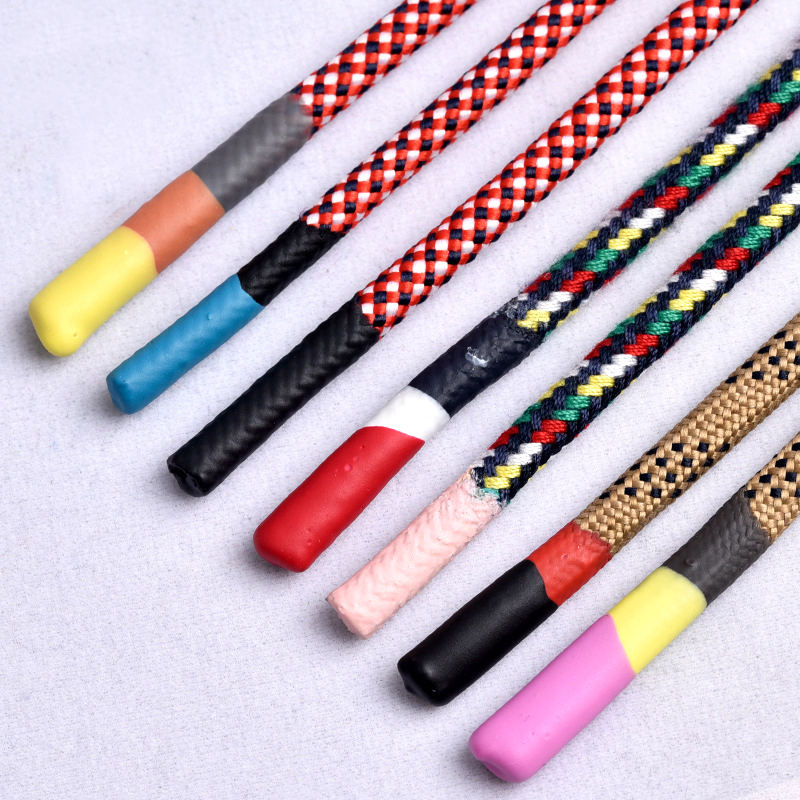
Custom Drawcords
Drawcords and tipping details bring functional identity to hooded shirts, fleece, and warm-up pieces. We align cord thickness, color, aglets, eyelets, and length with the approved fit and garment construction.
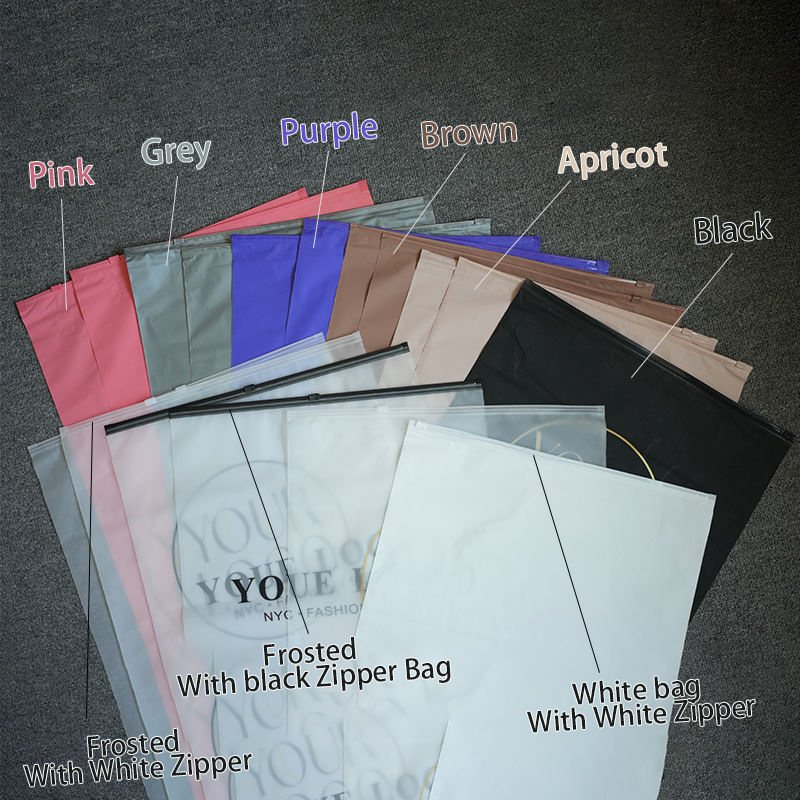
Custom Packaging
Custom packaging completes the delivery standard with hangtags, polybags, size stickers, barcode labels, and folding instructions. Each component is organized around your wholesale, retail, or private-label fulfillment requirements.
About EDVORIN, Your Wholesale Shirt Supplier
Founded in 2000 by Edvorin Zeng, EDVORIN helps brands turn apparel ideas into repeatable, production-ready collections. As a wholesale shirt supplier, we bring practical garment knowledge to early decisions, from fit, fabric and construction to the details that protect a design through bulk production.
Our connected OEM, ODM and private-label workflow coordinates product development, material sourcing, patterns, samples, printing, embroidery, washing, labeling and packaging. We develop men’s and women’s programs across casualwear, streetwear, outerwear and teamwear, with flexible support for emerging labels, wholesale buyers and established organizations.
What distinguishes EDVORIN is accountability after sample approval. We document materials, measurements, artwork placement and trims, then use in-line and final inspections to keep bulk orders aligned with the approved standard. With MOQs starting at 200 pieces per style, buyers gain a clear path from concept to dependable repeat orders.

Wholesale Shirt Supplier Built for Production-Ready Standards
Technical Development That Clarifies
EDVORIN turns sketches, reference garments, and complete tech packs into defined shirt specifications. Patterns, fit blocks, grading, measurements, and construction details are aligned for men’s and women’s programs before sampling begins, reducing assumptions when the order moves into bulk production.
- Tech-pack and reference-garment development
- Men’s and women’s fit adjustments
- Measurement, grading, and construction standards
- OEM, ODM, and private-label support
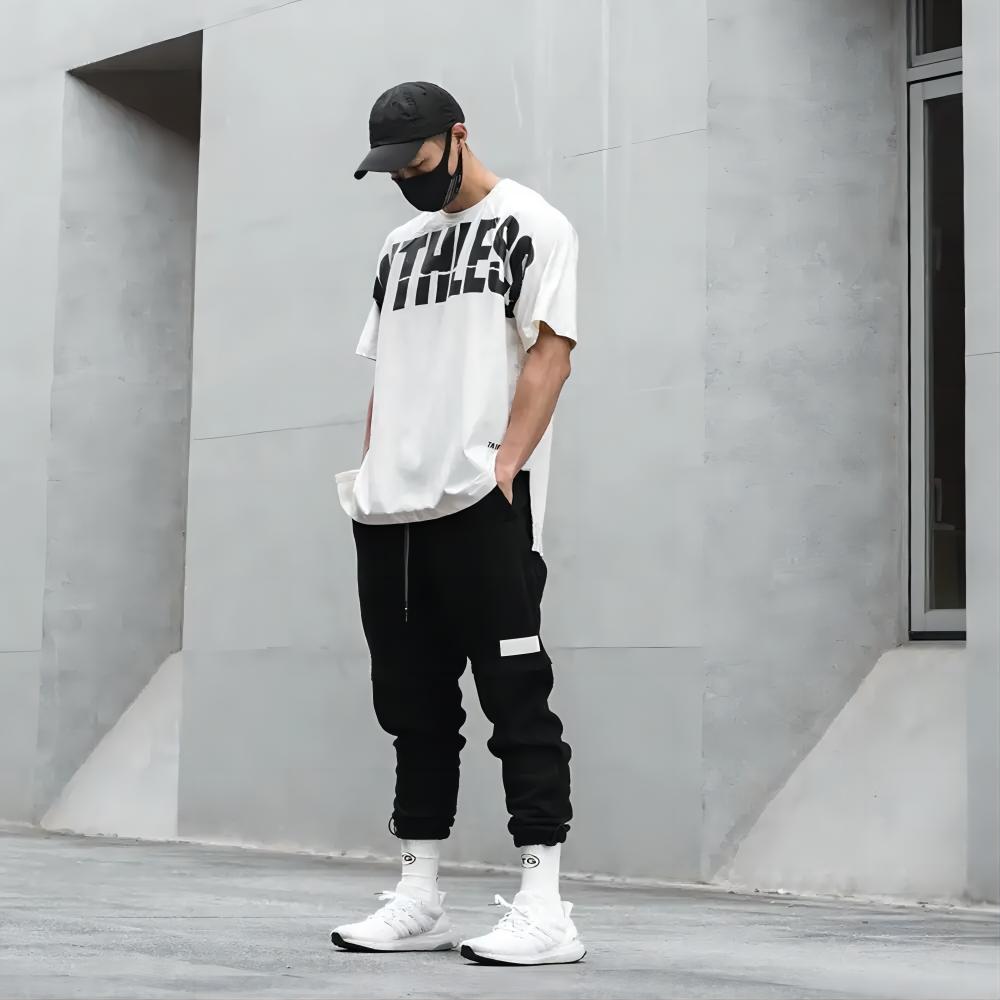
Materials and Trims Aligned
A shirt program performs best when fabric, trims, and construction are considered together. EDVORIN coordinates material selection, collars, plackets, buttons, labels, and packaging around the intended fit, hand feel, wear condition, and market position of each collection.
- Fabric selection for intended end use
- Collar, placket, and button coordination
- Custom labels and branded packaging
- Construction choices documented early
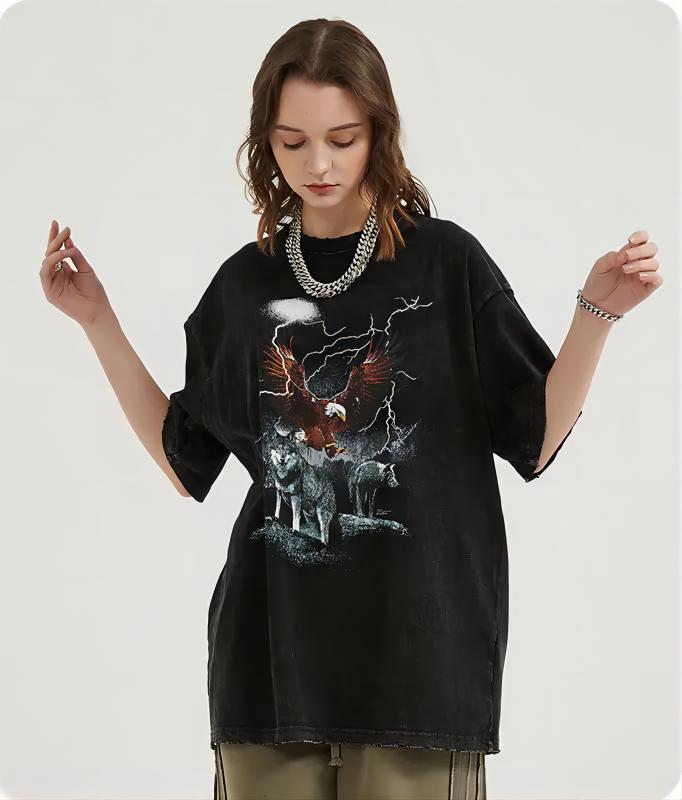
Decoration Planned With Purpose
Printing, embroidery, washes, and artwork placement are planned around the base fabric and garment construction, not added as an afterthought. EDVORIN records placement references and decoration requirements so the approved visual direction carries consistently through bulk production.
- Print and embroidery matched to fabric
- Artwork placement references recorded
- Wash effects reviewed during development
- Decoration details carried into production
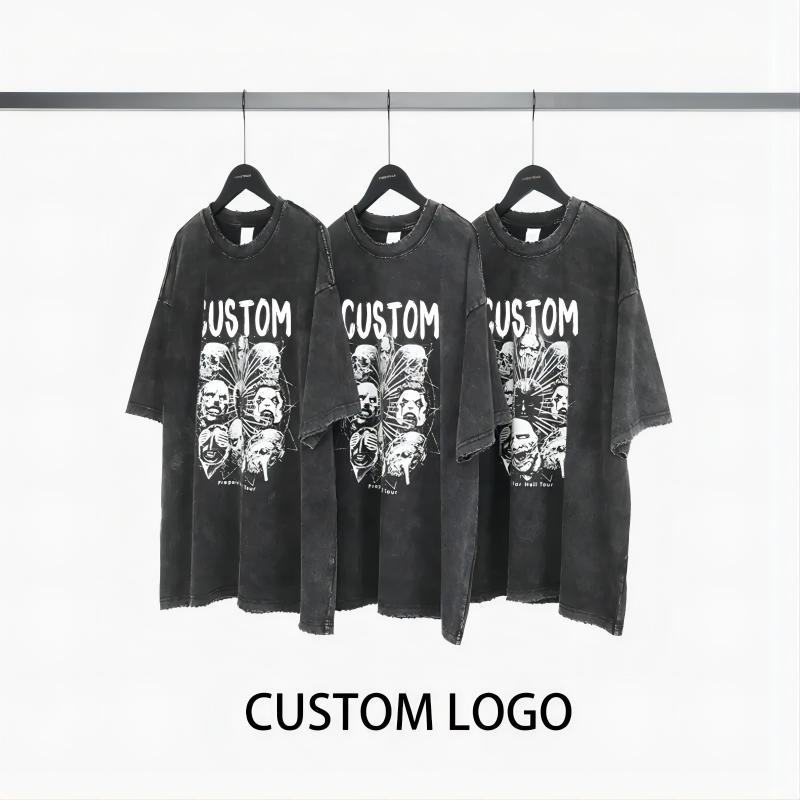
Approved Samples Guide Bulk
An approved sample becomes the working standard for bulk production. EDVORIN connects material control, measurement communication, in-line checks, and final inspection to that standard, helping buyers protect fit, details, and consistency from first production pieces through packed delivery.
- Approved sample used as production reference
- In-line checks identify variation early
- Final inspection before packing
- MOQ starts at 200 pieces per style
Why Choose EDVORIN as Your Wholesale Shirt Supplier
A production partner for controlled development, coordinated execution, and repeatable bulk apparel programs.
← Swipe left or right to view →
Wholesale Shirt Supplier Production Workflow
EDVORIN connects each production decision to the approved standard, helping brands move from specification review to repeatable bulk delivery.
Review Specifications and Source
We review tech packs, measurements, artwork and target use, then coordinate suitable fabrics, trims and color references for the shirt program.
Develop Patterns and Samples
Patterns, fit blocks and construction details are developed for the intended wearer, followed by samples that make revisions and approval requirements visible.
Lock Production Standards
Approved samples become the production reference, with documented measurements, placement details, materials, trims, labels, wash requirements and packaging instructions.
Cut, Decorate and Assemble
Materials are prepared for cutting, sewing, printing or embroidery, with each process coordinated to protect garment construction, artwork quality and consistent presentation.
Inspect, Pack and Ship
In-line checks and final inspection compare bulk goods with approved standards before labeling, packing and shipment preparation for your wholesale or private-label order.
How to Start With a Wholesale Shirt Supplier
Move from concept or tech pack to a controlled, repeatable shirt program with clear approvals at every production stage.
Share Your Product Brief
Send a tech pack, reference garment, artwork, or early concept. We review fit, fabric, construction, decoration, labeling, quantities, and intended market requirements.
Confirm Quote and Sample
EDVORIN’s MOQ starts at 200 pieces per style. Align on specifications, MOQ, pricing, and development scope, then create a sample to test the material, fit, construction, and visual details before bulk production.
Approve Production Standards
Review the sample and document approved measurements, color references, artwork placement, trims, wash effects, labels, and packaging as the standard for your order.
Move Into Bulk Production
EDVORIN coordinates materials, cutting, sewing, decoration, in-line checks, final inspection, and packing so your approved shirt program is produced consistently and ready to ship.
Certified Standards for Responsible Apparel Production



What Buyers Say About Their Wholesale Shirt Supplier
EDVORIN turned our reference tee into a production-ready program with approved measurements, fabric notes, and print placements. Our second 1,200-piece reorder matched the first run closely, which made planning our seasonal drop much easier.
We launched three women’s and men’s shirt fits from one development brief. The sample revisions clarified grading and collar construction before bulk production, helping our team deliver uniforms for 18 academy locations on schedule.
For our private-label wholesale range, EDVORIN coordinated fabric, woven labels, embroidery, and packaging in one workflow. Starting at 200 pieces per style let us test four colorways without committing to an oversized first order.
Wholesale Shirt Supplier FAQ
Clear answers for brands, teams and private-label buyers planning a repeatable shirt program with EDVORIN.
EDVORIN’s MOQ starts at 200 pieces per style. What is the minimum order quantity for a wholesale shirt supplier?
Can a wholesale shirt supplier make a sample before bulk production?
How long does custom shirt production take?
What affects wholesale shirt pricing?
Does EDVORIN support private-label shirts?
Can you help if I do not have a complete tech pack?
How does a wholesale shirt supplier protect my artwork and product specifications?
Do you arrange payment and shipping for international shirt orders?
The Complete Wholesale Shirt Supplier Buyer’s Guide
EDVORIN’s MOQ starts at 200 pieces per style. Use this decision framework to compare wholesale shirt supplier options, assess fabrics, construction, customization, MOQ, pricing, and fulfillment, and avoid sourcing mistakes that can delay launches or weaken your brand.
1. What Is a Wholesale Shirt Supplier?
EDVORIN’s MOQ starts at 200 pieces per style. 4 supplier models use the same word ‘wholesale’ but solve different jobs. A blank-apparel distributor holds finished inventory, often permits low or no MOQ, and suits schools, clubs, and corporate buyers needing known garments quickly; selection is limited to stocked colors, sizes, and fits. https://www.shirtspace.com
200-piece production runs are a practical starting point for many private-label or OEM shirt programs, where the factory makes to an approved specification rather than selling shelf inventory. Fashion brands gain control over fit, fabric, labels, packaging, and decoration, but sampling, material booking, and bulk production extend lead time beyond stock purchasing.
1 ODM partner adds development input—such as adapting an existing block or recommending fabric and construction—while OEM follows the buyer’s defined design. Print-on-demand normally needs no inventory commitment and fits small launches or personalized team orders, but offers the least control over garment construction and per-unit economics at scale.
2. Evolution of Wholesale Shirt Sourcing
1900s ready-made apparel turned shirt sourcing into catalog buying: standardized sizes, stocked colors, and distributor inventory favored speed over a buyer’s own pattern or label system. That model remains useful for event blanks and replenishment, with some distributors still allowing single-piece orders alongside volume price breaks (https://www.jonestshirts.com/collections/t-shirt-supplier).
1970s–1990s global OEM production expanded private-label sourcing beyond domestic catalogs. Buyers could specify fabrics, fit blocks, Pantone colors, neck labels, hangtags, and packaging, but had to manage sampling, approvals, and longer production coordination.
2000s digital decoration—DTG, sublimation, and improved transfer systems—made short runs and artwork variation more practical than screen printing alone. Current expectations therefore include broader women’s, men’s, youth, oversized and extended-size fits; faster sample cycles; branded trims; traceability documentation; and fulfillment that can serve both small launches and repeat wholesale orders.
3. Types of Wholesale Shirt Supplier Models
Supplier models differ most in inventory ownership, development responsibility, and repeatability. Match the wholesale shirt supplier model to whether you need immediate resale stock, branded merchandise, uniforms, or performance teamwear.
Blank Wholesale Distributors
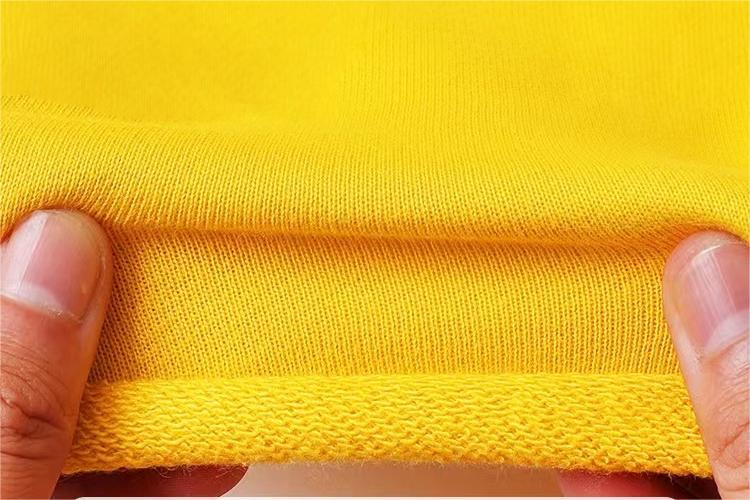
1-piece purchasing is common for stocked blanks, with colors, sizes, and established fits ready to ship.
Customization is limited to later decoration; choose this model for short-run merchandise or resale testing, accepting little control over fabric or pattern.
OEM And Private Label
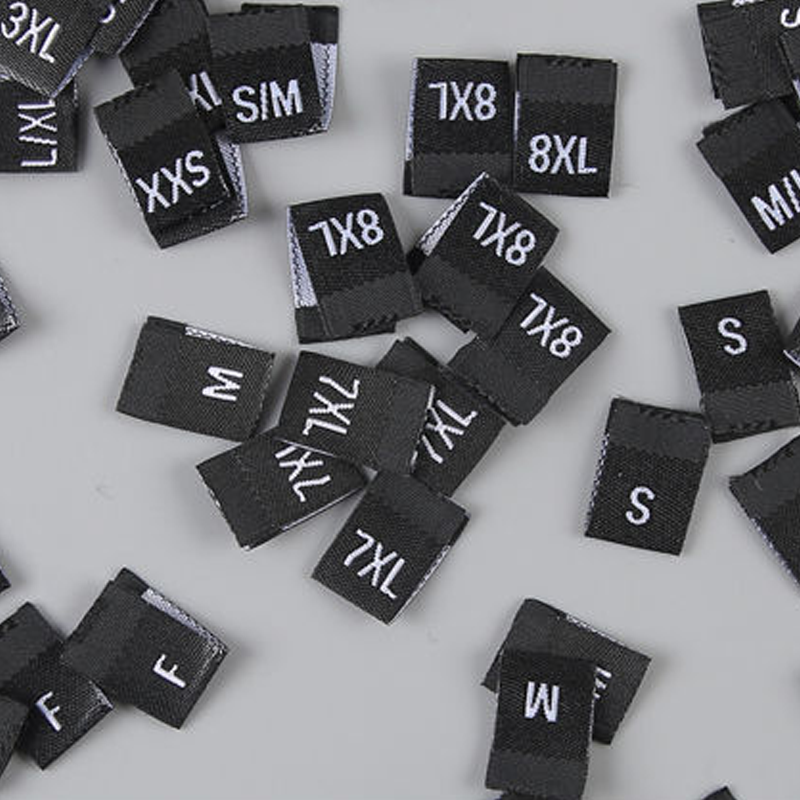
200-piece OEM programs can develop a new pattern, fabric specification, labels, and packaging from an approved sample.
Private-label partners suit branded resale collections; deeper control requires longer development and disciplined tech-pack approval.
Teamwear And Decoration Specialists
2 distinct routes serve organizations: sportswear specialists build moisture-management jerseys, while uniform suppliers prioritize coordinated sizing and repeat orders.
Decoration-first vendors fit logo-led events; screen print, embroidery, or transfers are fast, but the base garment usually remains standardized.
4. Wholesale Shirt Supplier Fabric Choices
160–220 GSM jersey suits everyday tees; 220 GSM and above creates a heavier streetwear hand. A wholesale shirt supplier should sample fabric after wash testing, not judge weight alone.
| Fabric | Typical GSM | Benefits | Limitations | Recommended Application |
|---|---|---|---|---|
| Cotton | 160–220 | Breathable, natural hand | Shrinkage risk | Promotional and retail tees |
| Combed ringspun cotton | 160–220 | Smooth, premium print surface | Higher material cost | Fashion basics |
| Polyester | 140–180 | Color retention, quick drying | Less natural hand | Performance jerseys |
| Cotton-poly blend | 180–260 | Balanced durability and comfort | Less suitable for sublimation | Uniforms and merchandise |
| Tri-blend | 130–160 | Soft, draped hand | Lower opacity | Vintage retail tees |
| Organic or recycled | 160–220 | Traceable material option | Documentation varies | Value-led private label |
Fiber And Hand Feel
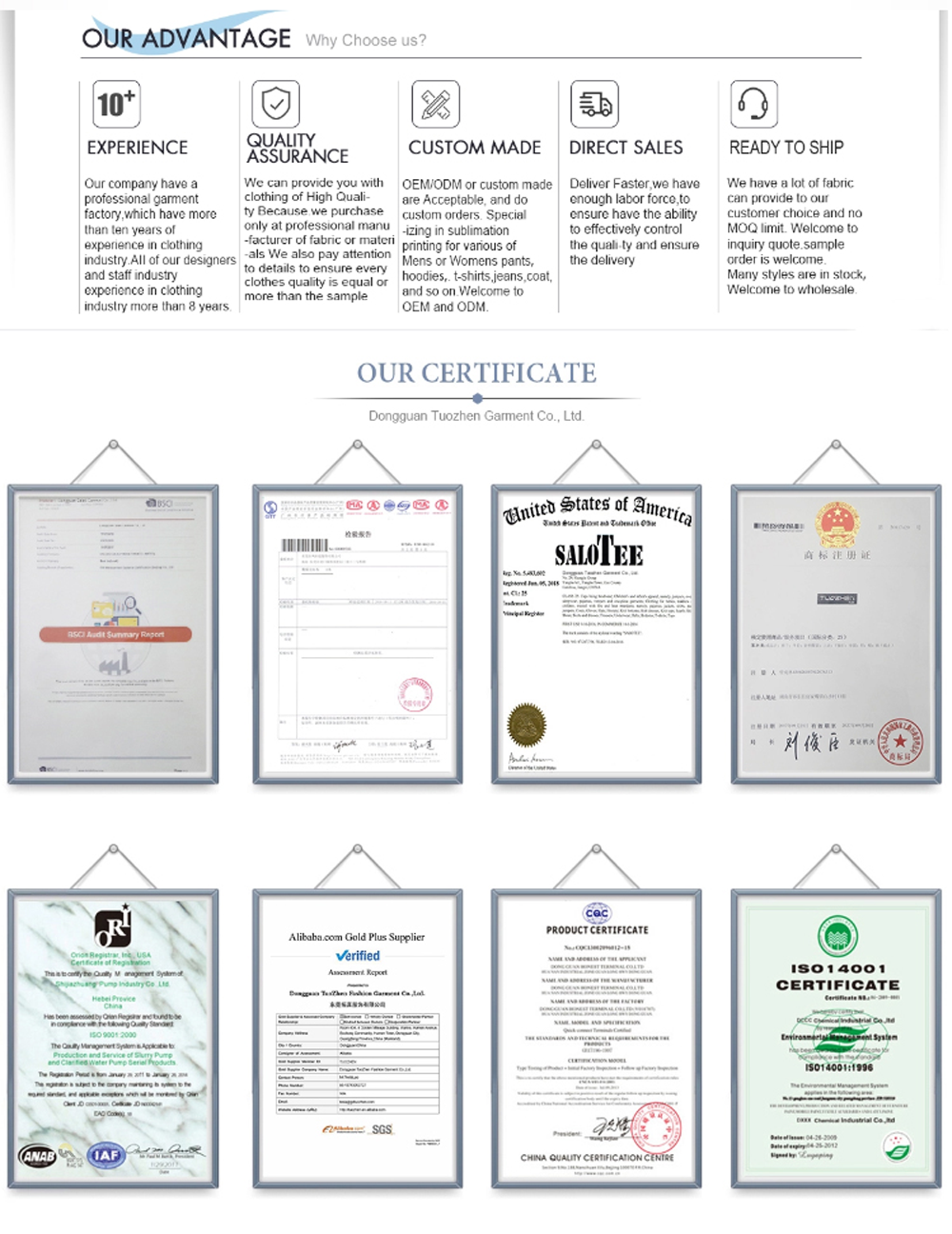
Combed ringspun cotton feels smoother than open-end cotton; polyester retains color and dries faster.
Knit Structure And Print
Single jersey breathes well for tees; rib adds recovery at collars. Cotton favors water-based and DTG prints, while polyester suits sublimation.
Shrinkage And Approval
Cotton can shrink after washing; request wash-tested measurements. Confirm shade, pilling, print adhesion, and fabric composition on the approved sample.
5. Customization and Decoration Options
Two decoration decisions—method and artwork control—determine whether a shirt repeats accurately in bulk. A wholesale shirt supplier should match process to fabric, artwork detail, and run size before sampling.
| Method | Effect | Best Garments | Durability | Practical Run |
|---|---|---|---|---|
| Screen print | Opaque, vivid | Cotton blends | High | 200+ |
| DTG | Fine tonal detail | Cotton | Moderate-high | Short runs |
| Embroidery | Raised texture | Pique, twill | High | Small logos |
| Sublimation | No-hand full color | Polyester | High | Teamwear |
Print Method Fit
Screen printing suits cotton and larger repeat runs; DTG handles detailed, short-run cotton artwork. DTF and heat transfer suit multicolor placements, while sublimation requires light polyester.
Method Comparison
200-piece programs commonly favor methods with reusable screens, digitizing, or transfer setup when their unit economics stabilize.
Branding And Approval
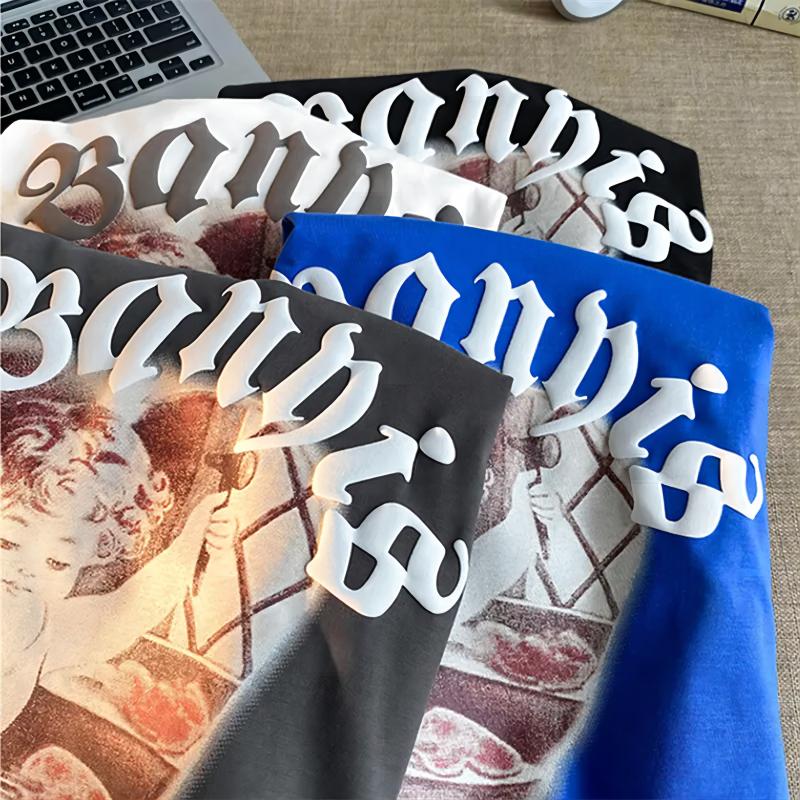
Pantone references, vector artwork, and millimeter placement dimensions reduce avoidable interpretation during sampling. Woven labels, neck prints, hangtags, and packaging need approved copy, position, material, and color references.
- Supply AI, PDF, or SVG artwork
- Specify print width and distance from seams
- Approve physical color and trim samples
6. Shirt Construction Quality Essentials
A 160–220 GSM tee can still fail if its construction drifts in bulk. A wholesale shirt supplier should convert the approved sample into measurable workmanship standards.
Seams And Reinforcement
8–12 stitches per inch is a practical range for stable knit seams; inspect even spacing, no skipped stitches, and matched seam allowances.
1 shoulder tape or clear reinforcement detail should be specified where the fit requires it. Compare side-seamed panels with tubular bodies for twist, side-shape control, and print placement.
Neck And Hem Recovery
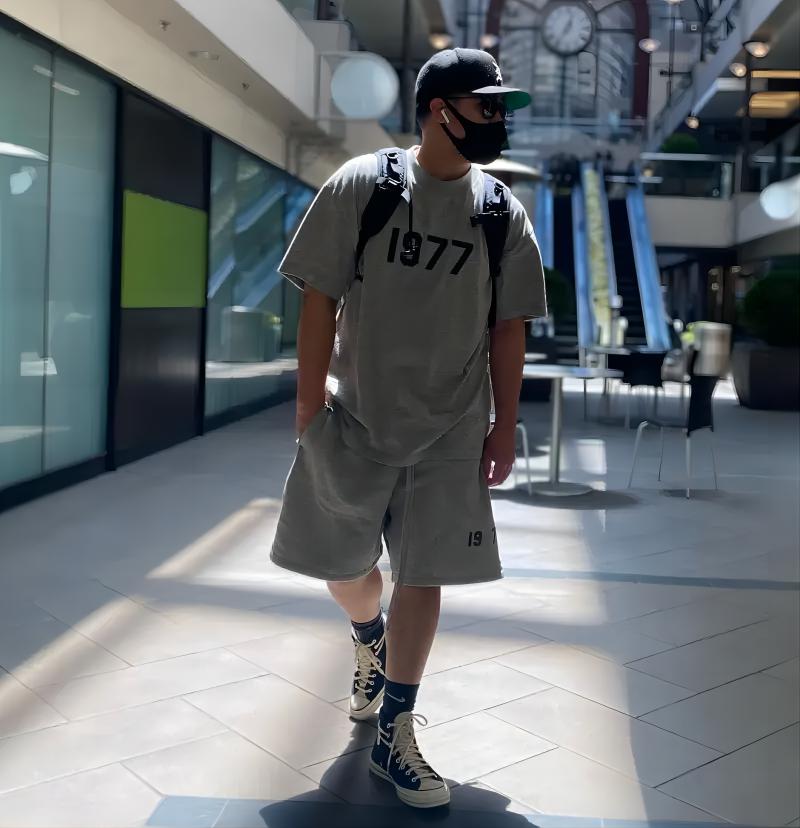
1×1 rib collars should recover after repeated stretch without waviness. Check neck binding width, coverstitch neatness, sleeve hems, and bottom-hem roping.
3 wash cycles on the pre-production sample reveal shrinkage, torque, pilling, and color change before bulk cutting.
Document Sample Acceptance
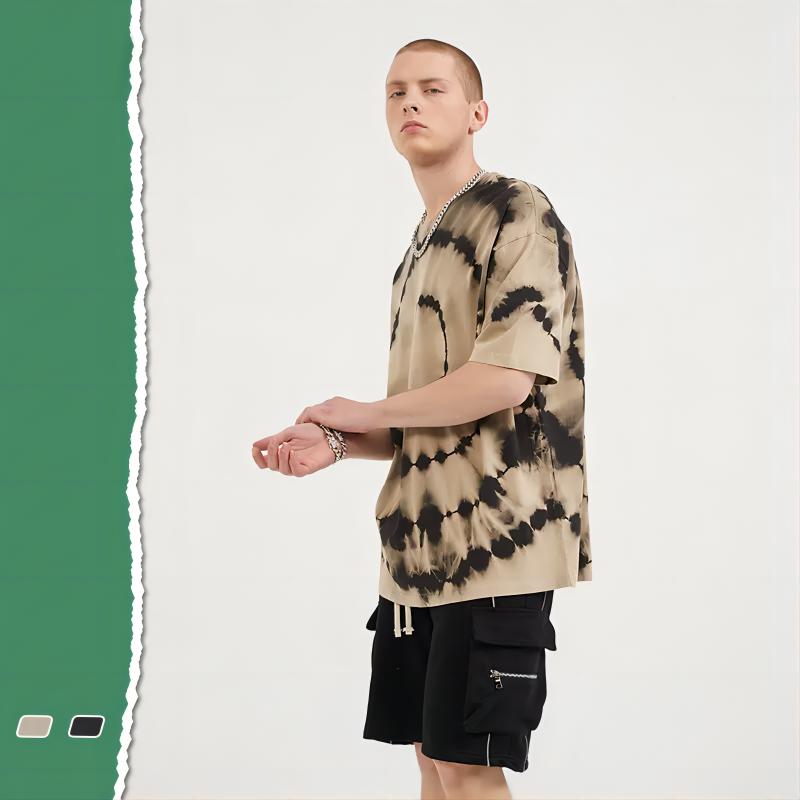
±1 cm is a common starting tolerance for key body measurements, but buyers should set tolerances by size and construction. Record points of measure, wash method, shrinkage limit, and approved color reference.
100% of labels should match the approved artwork, size, care content, placement, and attachment method. Photograph defects and approve a sealed reference sample for production.
7. Choosing a Wholesale Shirt Supplier
EDVORIN’s MOQ starts at 200 pieces per style. EDVORIN’s 200-piece OEM MOQ gives buyers a practical starting point, but MOQ alone does not prove fit. Vet a wholesale shirt supplier against the production standard it can document, communicate, and repeat.
Capability And Samples
Two pre-production checkpoints matter: confirm construction, fabric, decoration, grading, labels, and packaging in writing.
One approved sample should match a revision log, in-line inspection plan, and final-check standard before deposit.
Commercial Terms
EDVORIN’s MOQ starts at 200 pieces per style. Three figures must be stated: MOQ by color, sample and bulk lead time, and available capacity.
Four questions cover risk: Who sources materials? What are payment milestones and Incoterms? How quickly are updates answered? How are shortages or defects resolved?
Compare Like For Like
One quotation sheet should hold identical composition, GSM, measurements, color standard, decoration, trims, packing, quantity, Incoterm, and inspection level.
A 200-piece order cannot be compared by unit price alone when exclusions, tolerances, freight responsibility, or rework obligations differ.
8. Common Wholesale Shirt Supplier Mistakes
EDVORIN’s MOQ starts at 200 pieces per style. At a 200-piece OEM MOQ, small specification gaps become repeated defects rather than minor exceptions. A capable wholesale shirt supplier should turn each commercial decision into an approved, production-ready record.
Price And Specification Gaps

One low unit quote can omit testing, labels, or inspection, turning apparent savings into rework. Before commitment, compare like-for-like cost sheets and approve a tech pack with fabric, measurements, Pantone references, trims, and placement dimensions.
Samples, Grading, And Tolerances
One approved sample does not validate every size; unreviewed grading can distort fit across the run. Before bulk cutting, approve a size set and written measurement tolerances for each critical point.
Decoration And Packaging Controls
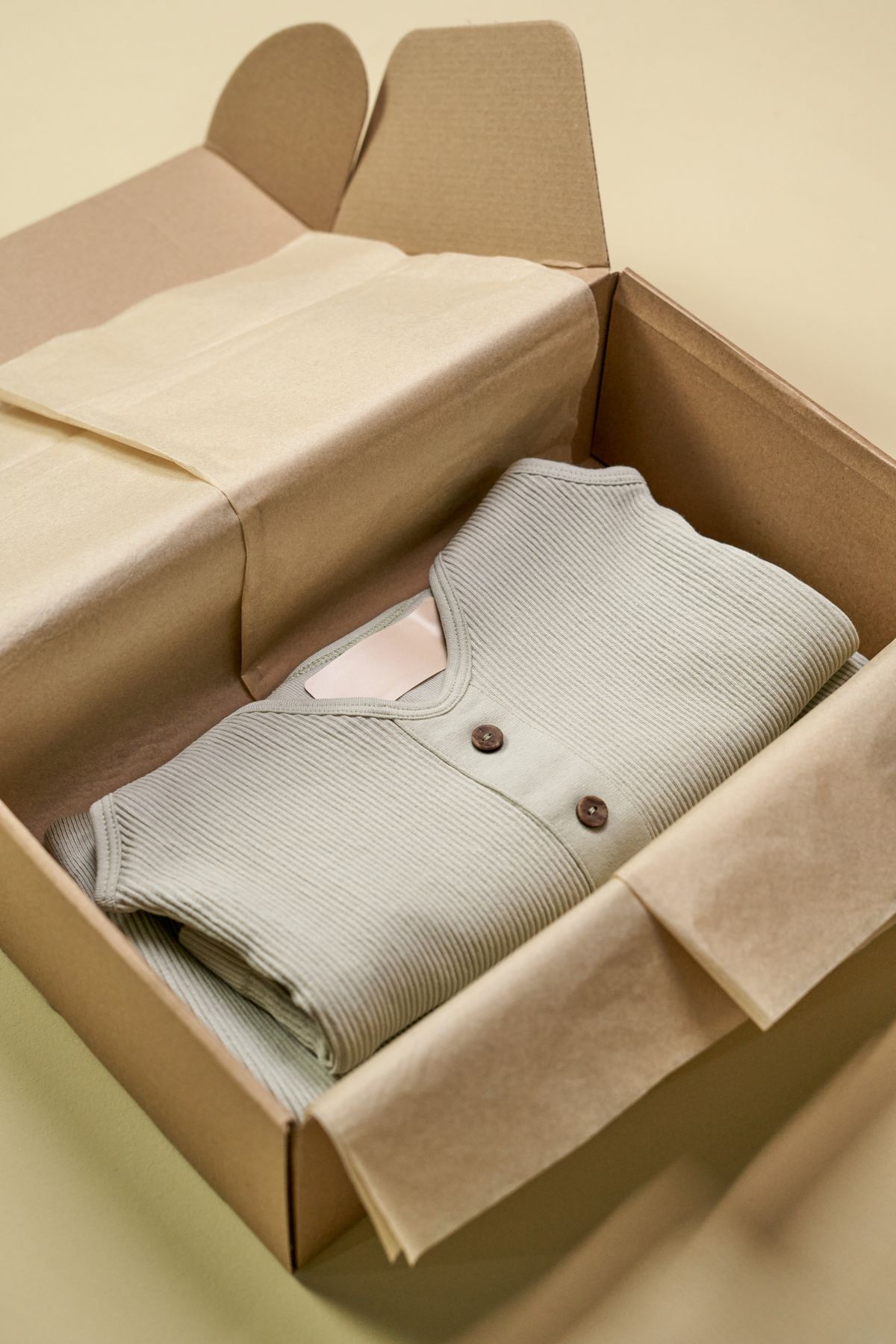
Six-color artwork or dense embroidery may exceed the shirt fabric’s practical limits, causing poor hand feel, puckering, or inconsistent registration. Test decoration on the approved fabric, then confirm folding, polybags, size stickers, carton marks, and pack ratios.
Logistics And Delivery Buffers
Thirty days of ocean transit can sit outside factory lead time, while duty and local handling alter landed cost. Confirm Incoterms, freight, duties, and customs ownership, then build a delivery buffer before setting launch dates.
9. Launching Your Shirt Brand Step by Step
A 200-piece opening order is easier to control when the customer, price point, channel, and shirt use case are defined before design work begins. Treat the first drop as a repeatable production test, not a complete collection.
Define The Opening Range
Three core SKUs—one fit, two colorways, and a disciplined size curve—usually create clearer demand signals than a broad debut. Reserve adjacent colorways and seasonal fabric updates for later repeats.
Build The Production File
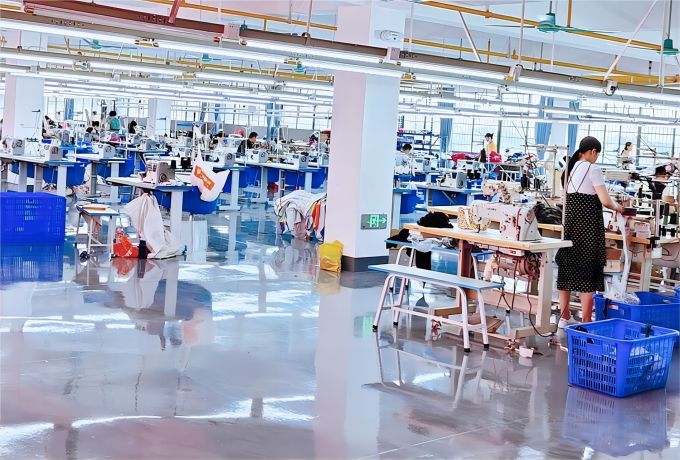
EDVORIN’s MOQ starts at 200 pieces per style. One tech pack should record Pantone references, graded measurements, fabric composition and weight, construction, artwork placement, labels, and packing instructions. Shortlist each wholesale shirt supplier against its sample communication, relevant construction capability, MOQ, and freight support.
Approve And Allocate
Two sample rounds can resolve fit, shrinkage, color, and decoration issues before bulk approval. Approve a sealed reference sample, require in-line and final checks, confirm carton marks and freight dates, then allocate inventory by size and channel with a small reserve for exchanges.
10. Wholesale Shirt Supplier Pricing and Costs
200-piece OEM programs usually carry the highest unit cost because pattern setup, material allocation, and line changeover are spread across fewer shirts. A wholesale shirt supplier should quote from an approved tech pack, size ratio, decoration file, packing instruction, and delivery destination.
160–280 GSM fabric, ring-spun versus open-end yarn, custom trims, screen-print color count, embroidery stitch count, neck labels, hangtags, and polybag requirements all change cost. Samples, freight, insurance, import duties, and destination taxes should be shown separately from ex-factory pricing.
30–45 days is a typical planning range after approvals, but material availability and decoration complexity can extend it. EDVORIN can convert approved specifications into a production quote built for repeat ordering.
| Quantity tier | Unit-cost direction | Likely lead time | Buyer consideration |
|---|---|---|---|
| 200–499 | Highest | 30–45 days | Validate fit and decoration before scaling |
| 500–999 | Lower | 30–45 days | Spread setup across more units |
| 1,000–2,999 | Lower again | 35–50 days | Confirm color and size breakdown early |
| 3,000+ | Best efficiency | 40–60 days | Plan material commitments and delivery splits |
Ready to Build Your Next Shirt Collection?
Send your tech pack, sketch, reference garment, or collection brief to EDVORIN’s wholesale shirt supplier team for a production-focused quote.