
Club Jersey Manufacturer for Repeatable Teamwear
EDVORIN develops club jerseys from concept to controlled bulk production, with OEM and private-label support from 200 pieces per style.
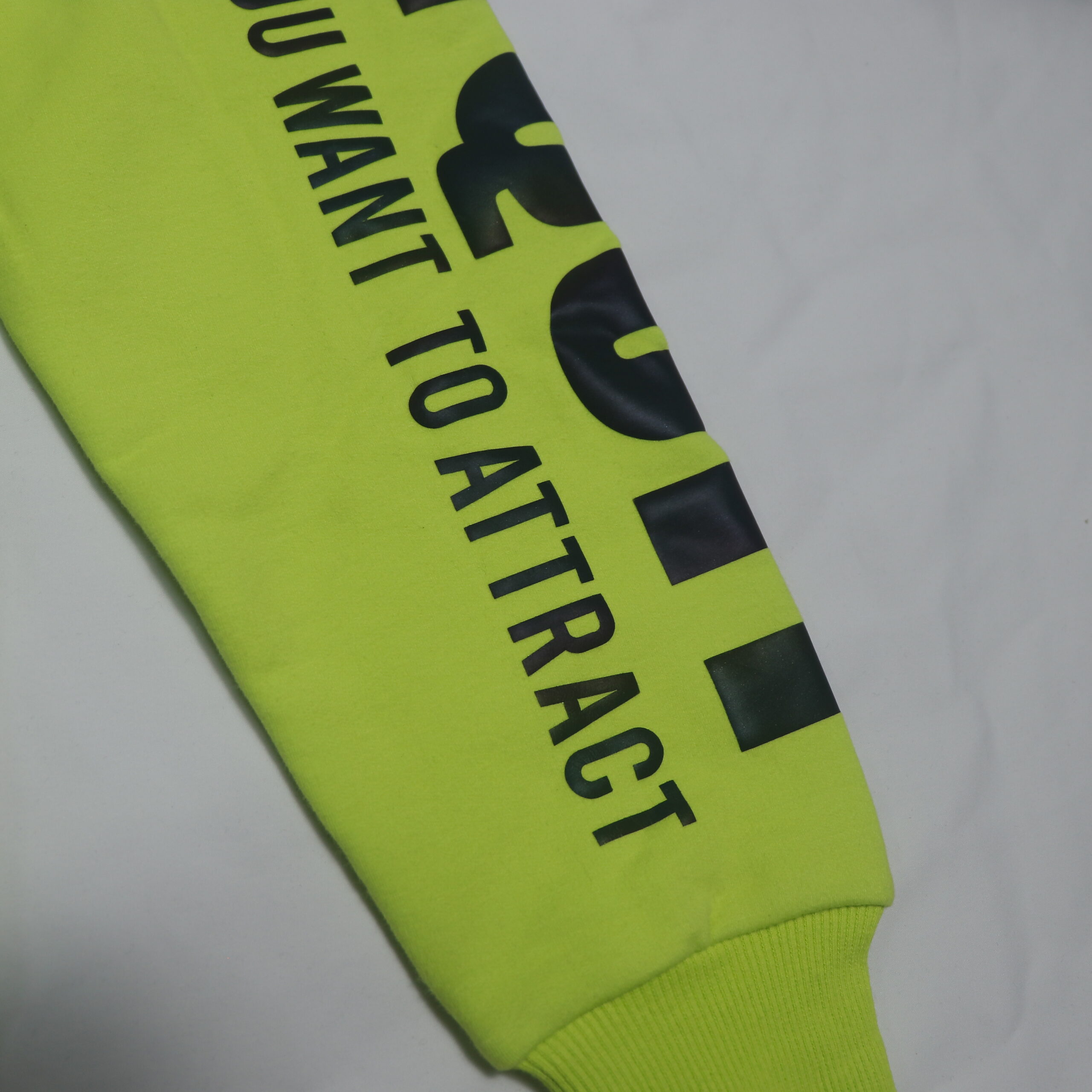
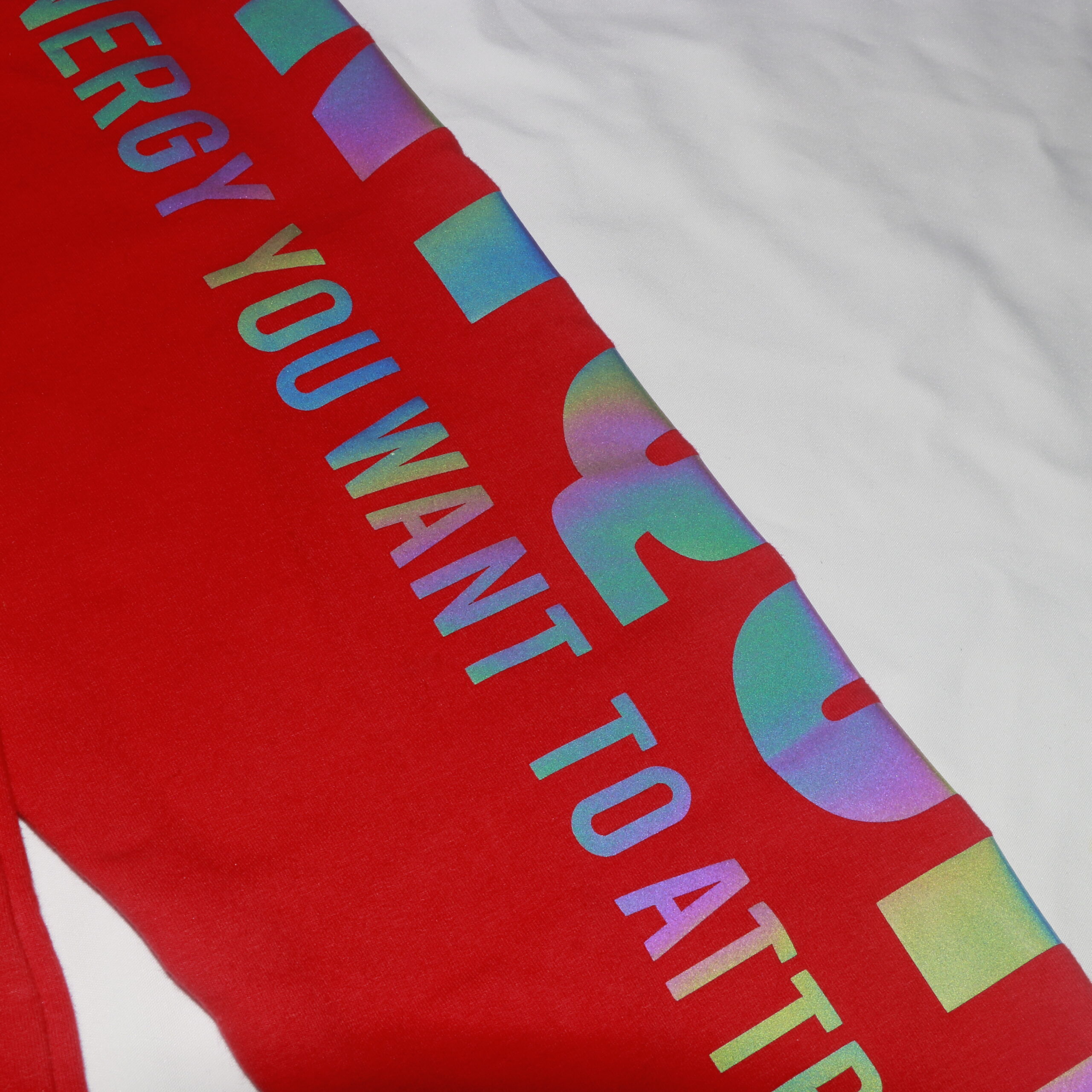
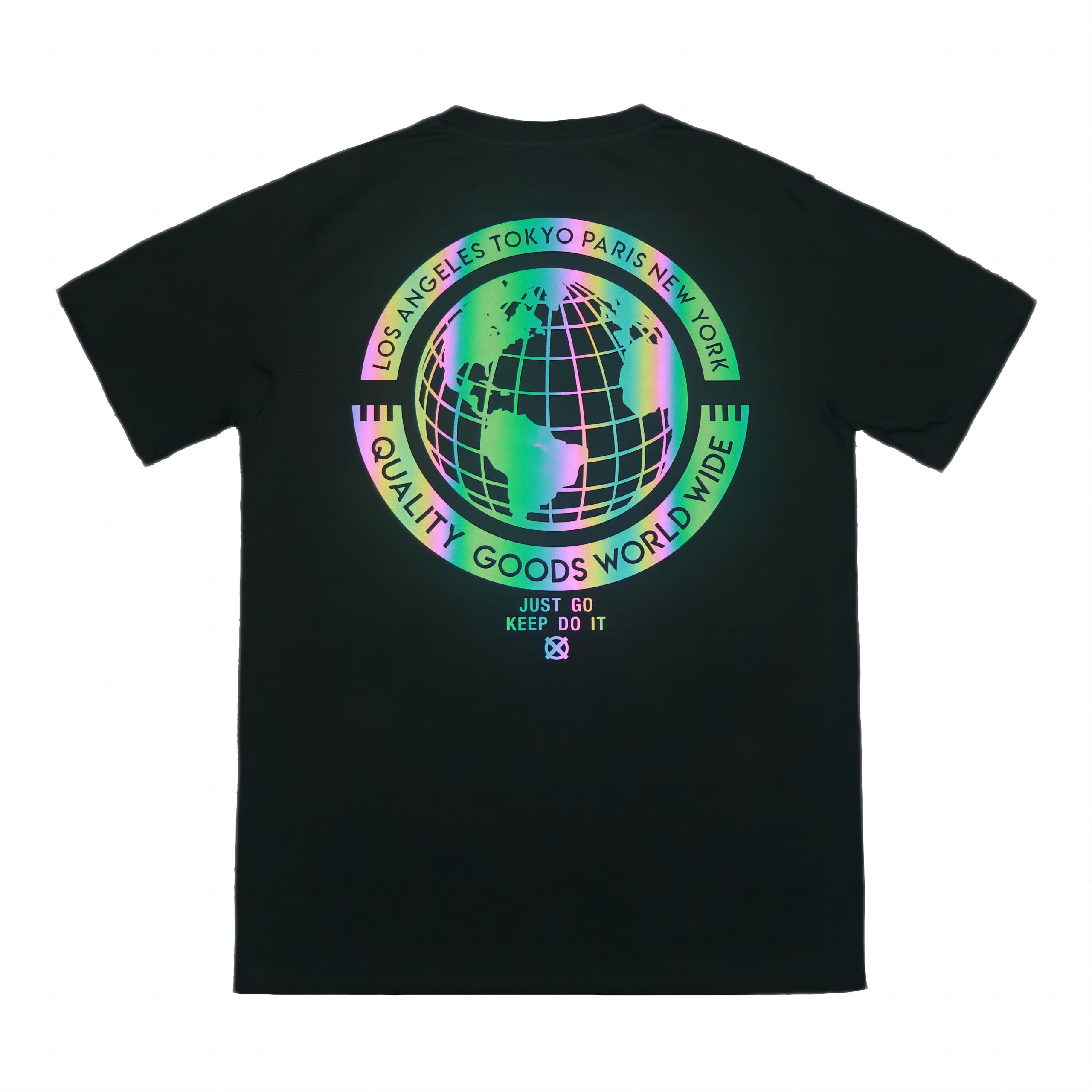
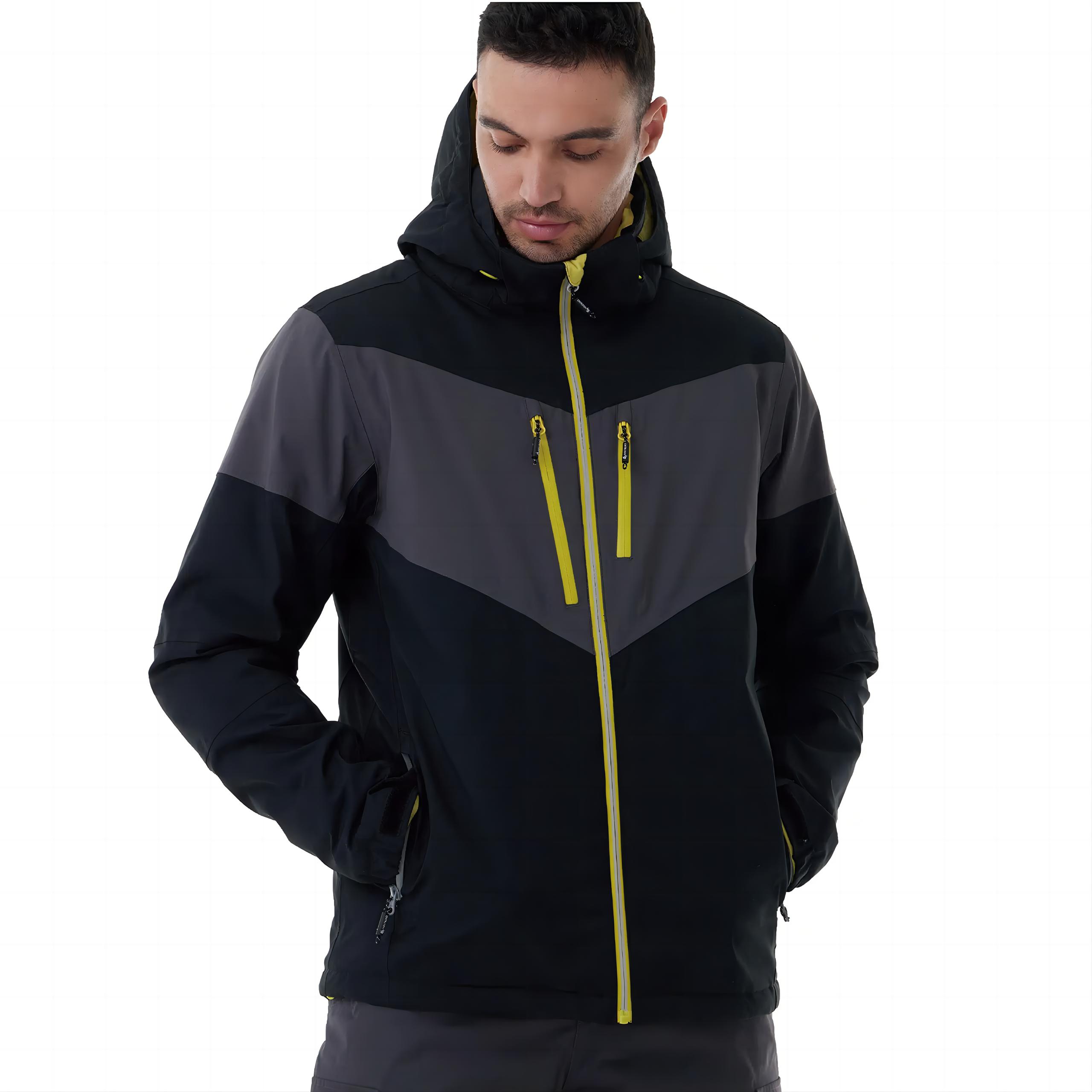
Featured Products for Clubwear Development
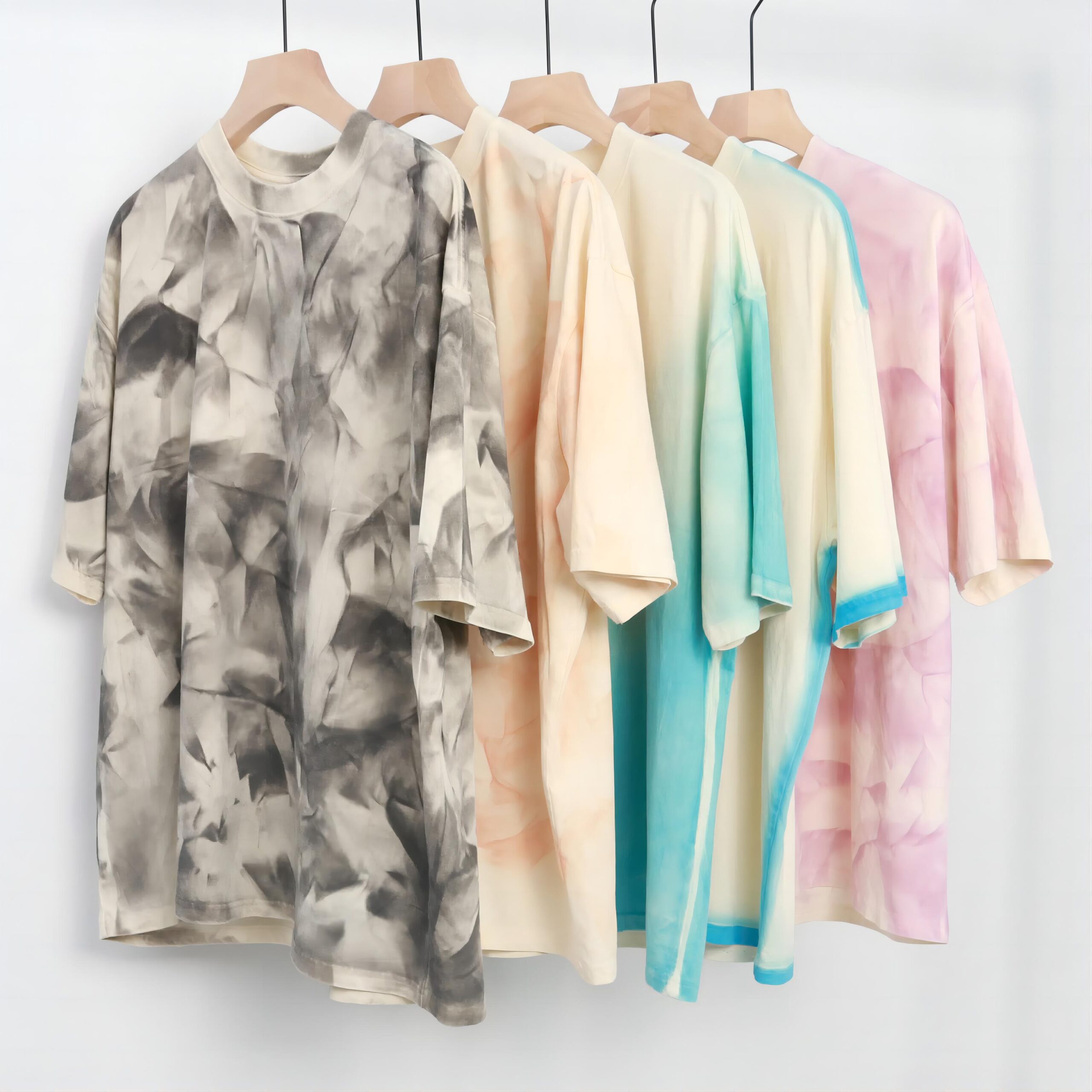
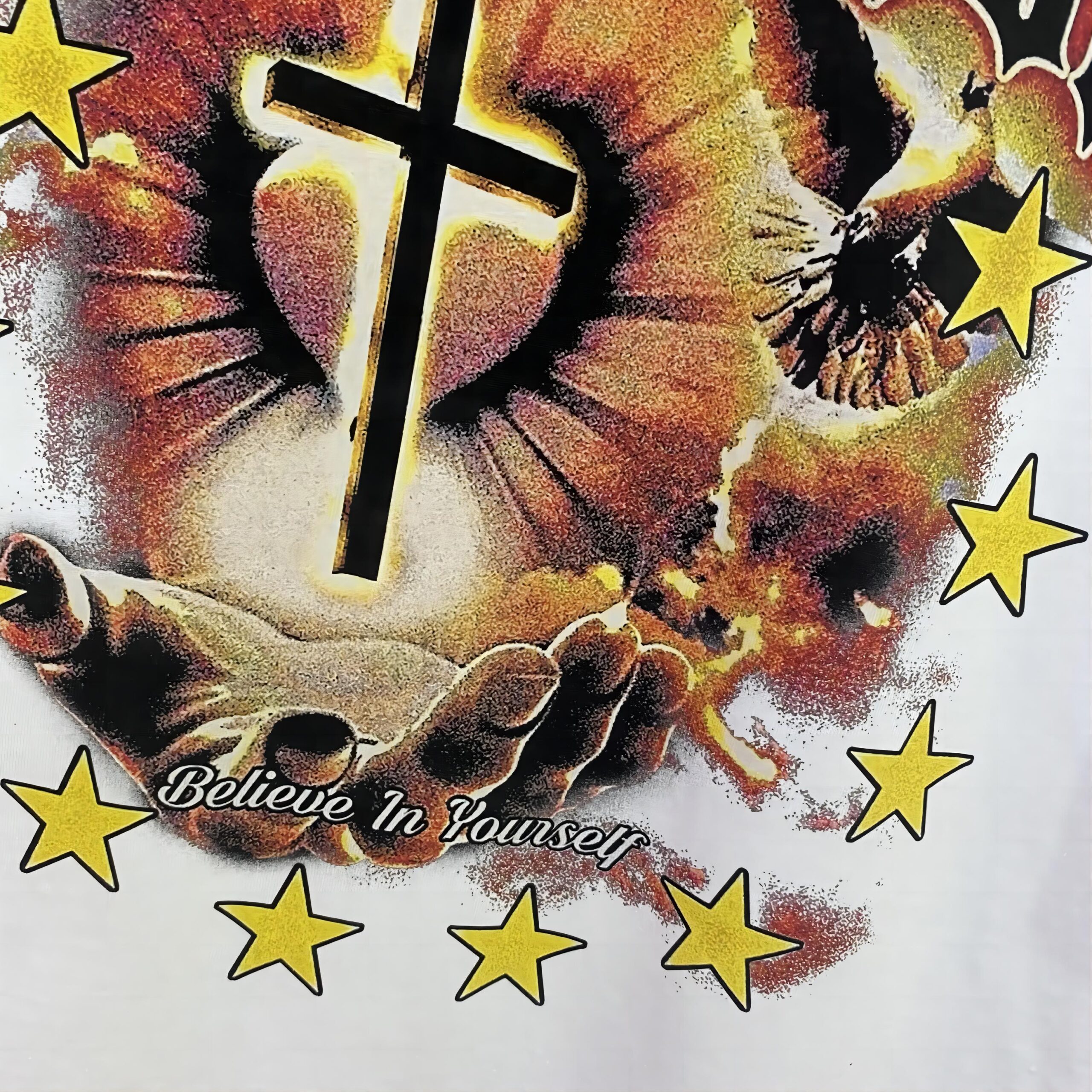



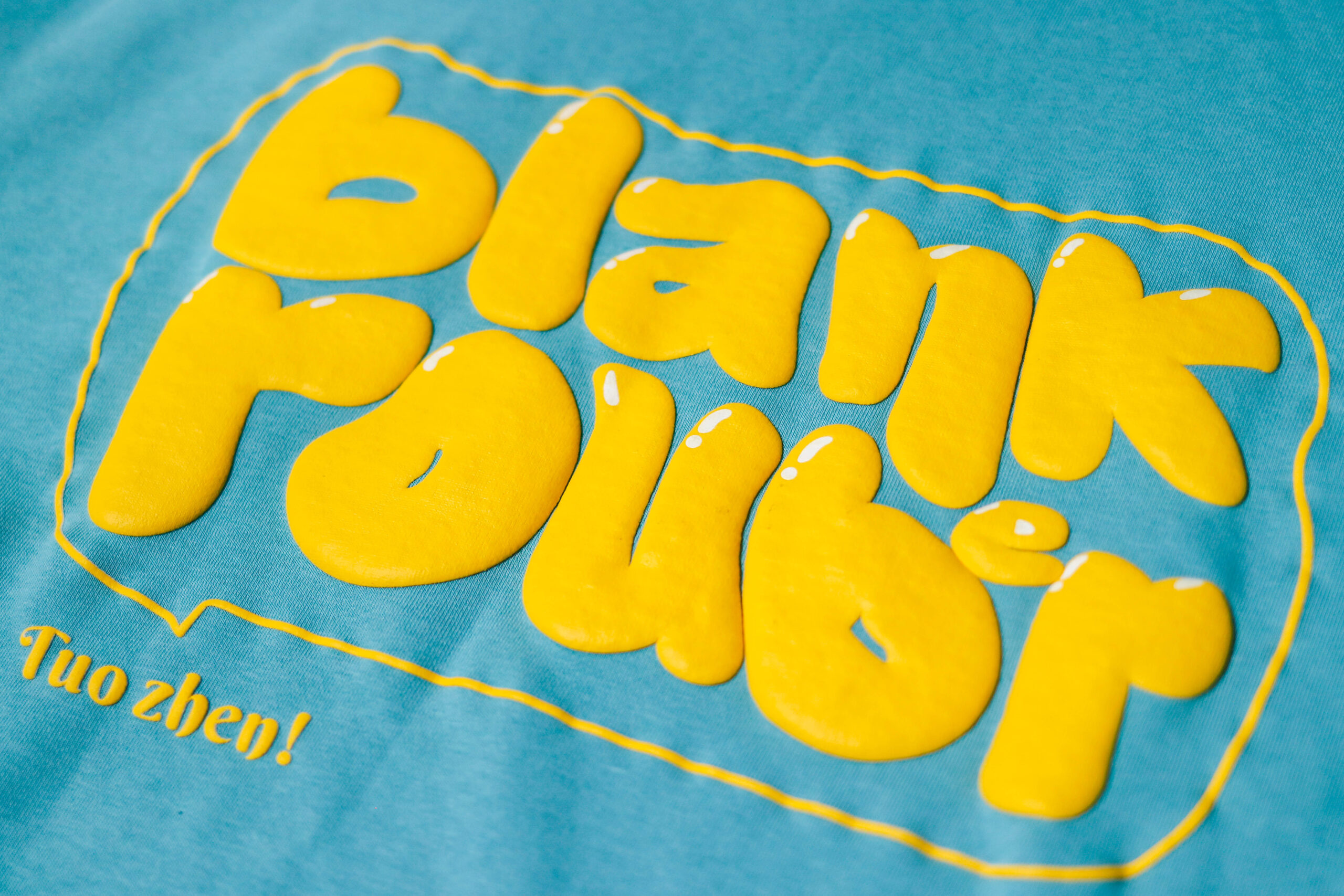
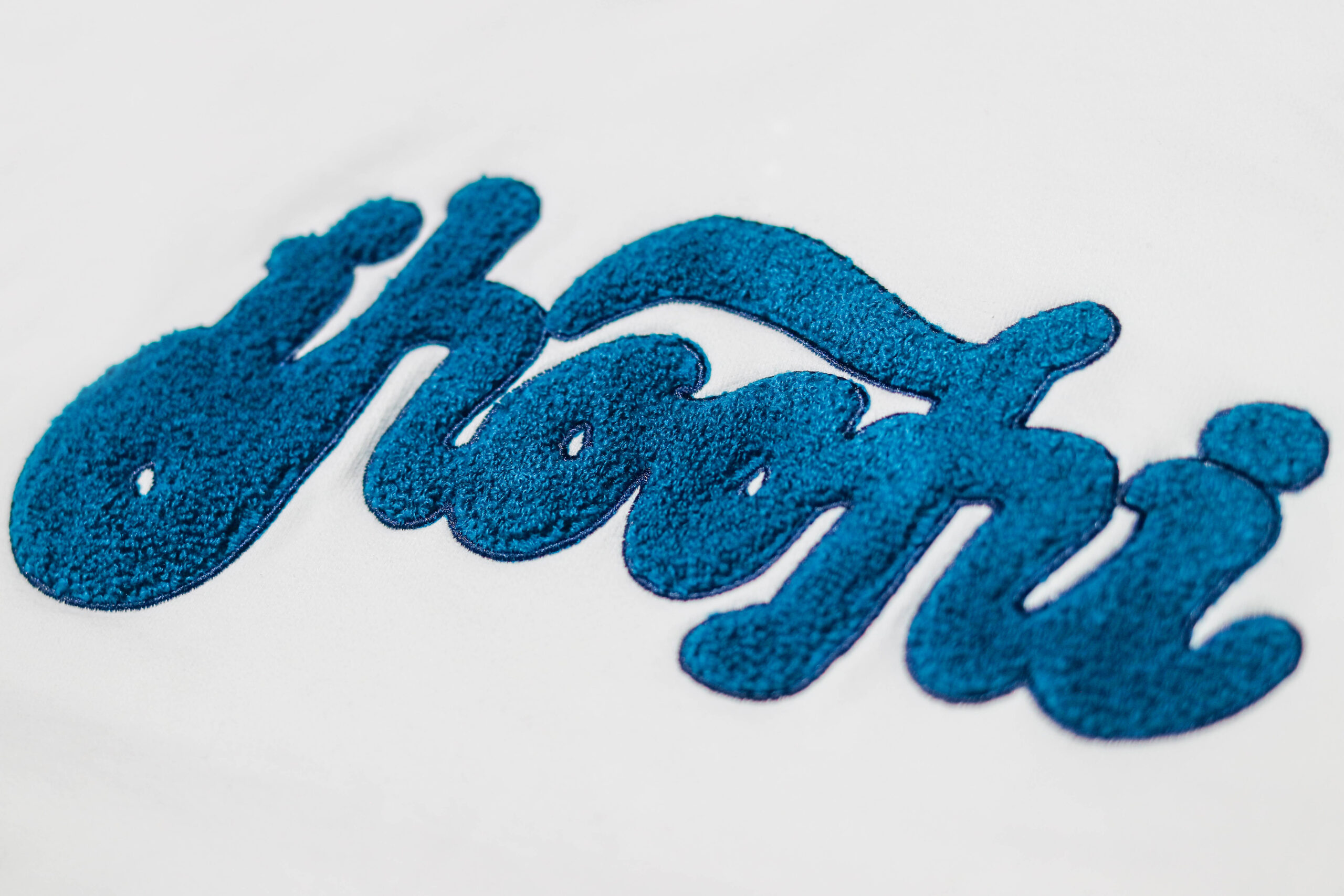
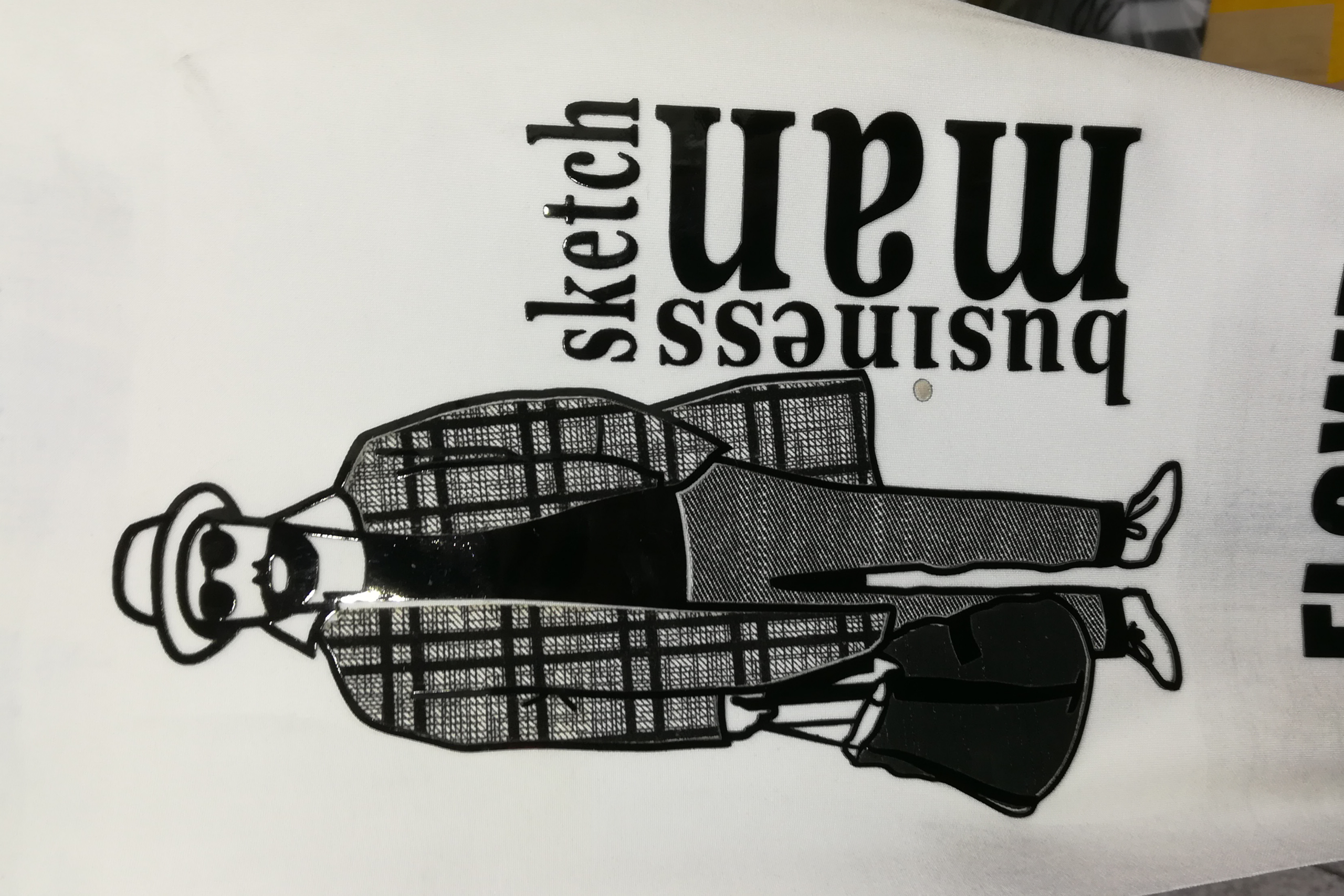
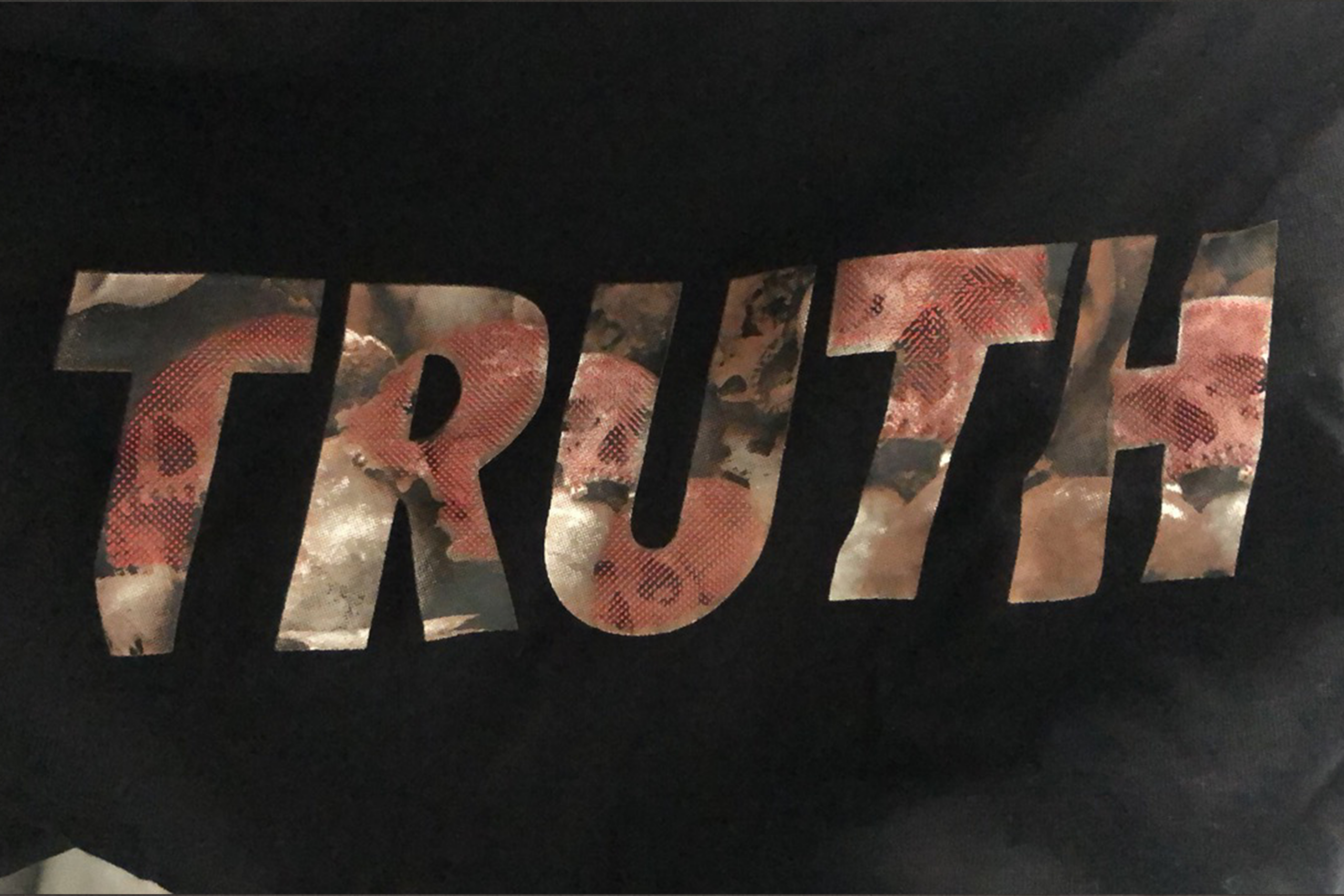

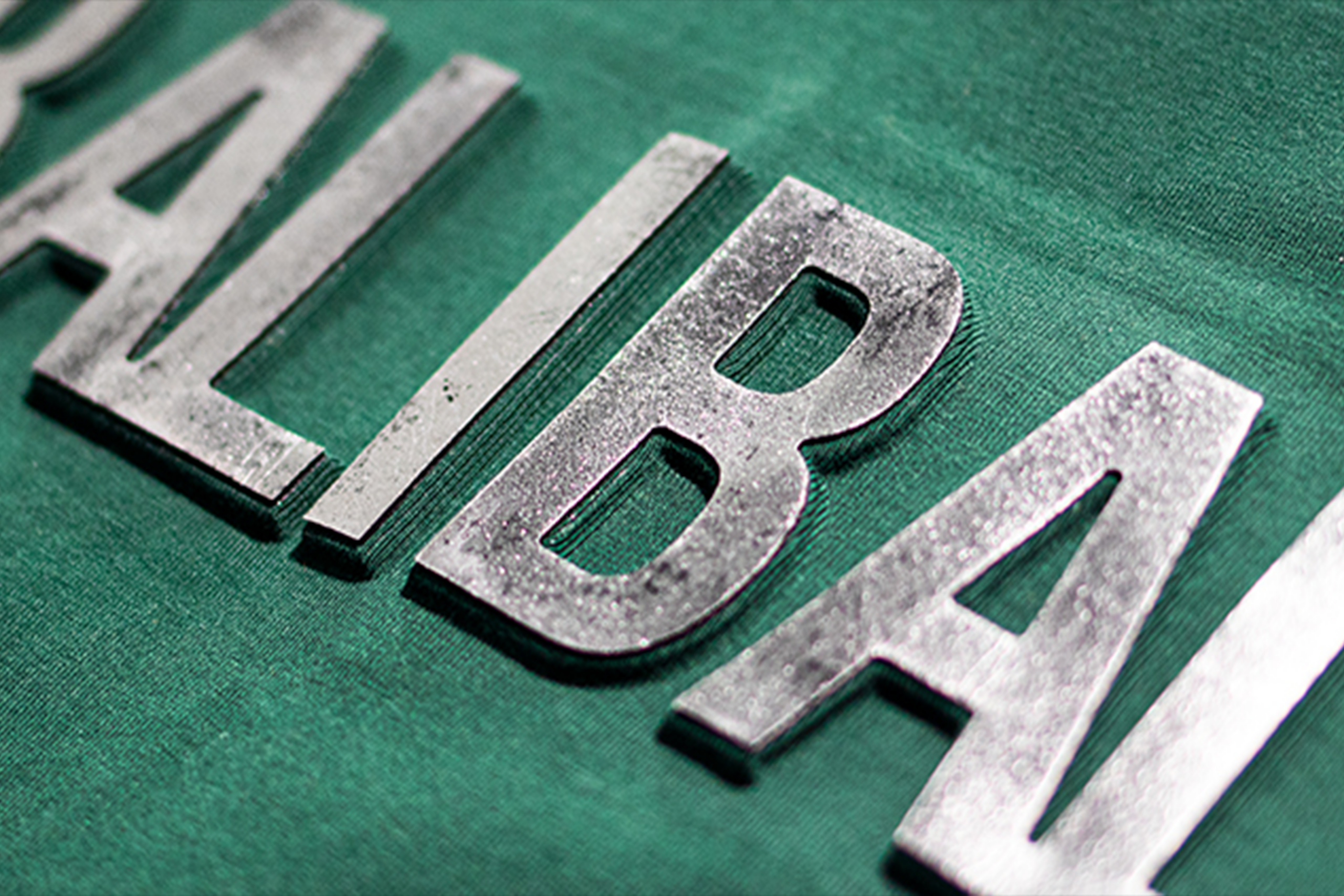
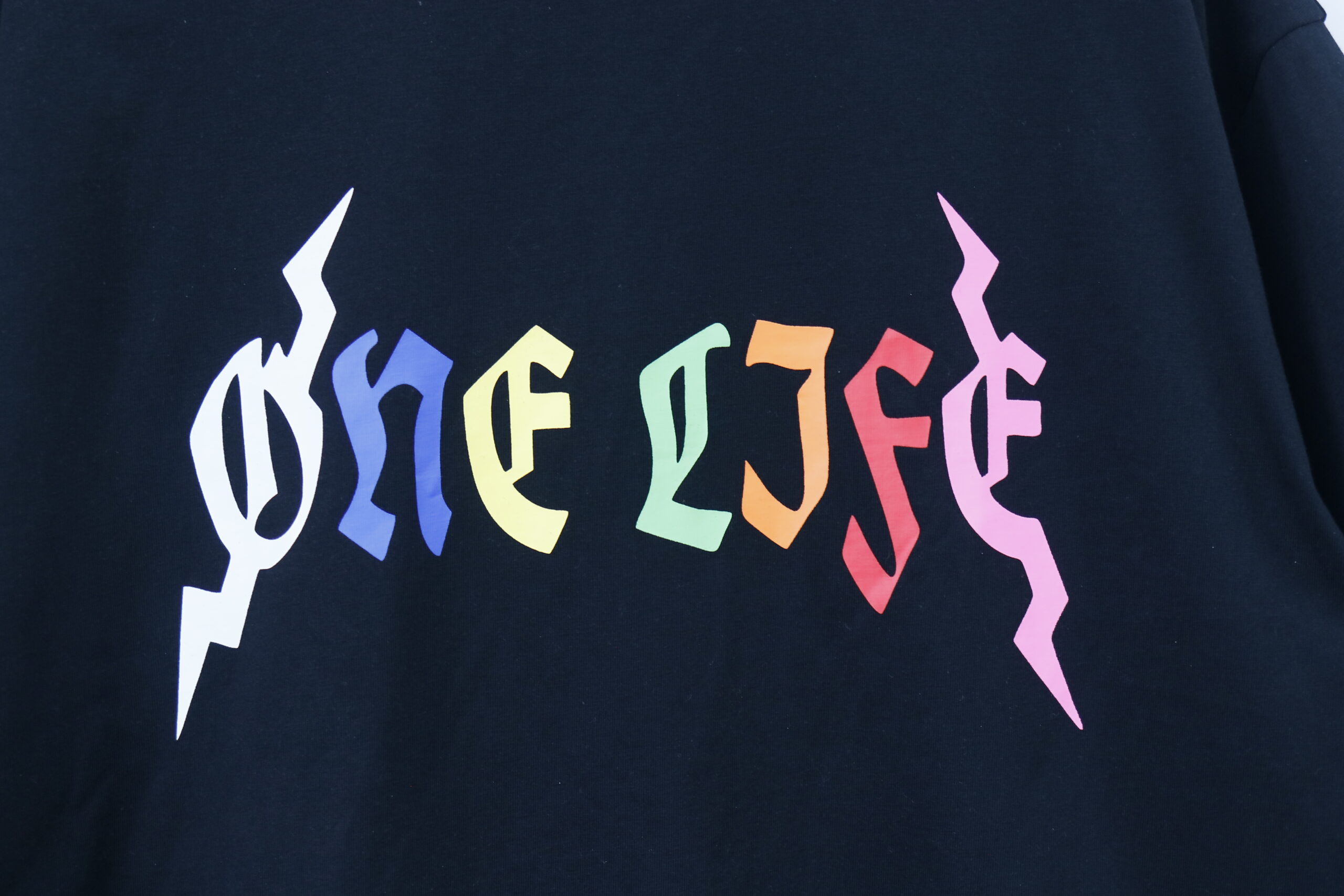
Why Choose EDVORIN as Your Club Jersey Manufacturer
Founder-led production support that turns teamwear concepts into documented, repeatable club programs.
Founder-Led Since 2000
Work with a manufacturing partner shaped by hands-on garment production knowledge, direct trade-off discussions, and long-term program responsibility.
Flexible OEM and ODM
As an OEM clothing manufacturer and ODM apparel manufacturer, EDVORIN supports buyers with complete tech packs or early concepts, developing clear specifications for private-label club jersey production.
Teamwear-Specific Decoration
Coordinate prints, embroidery, names, numbers, logos, and placements around the garment construction, fabric choice, and intended team identity.
200-Piece Style MOQ
For buyers seeking a low-MOQ clothing manufacturer, EDVORIN starts club jersey programs at 200 pieces per style and supports emerging teams, wholesale buyers and established labels.
Approved Standards, Controlled Bulk
Samples, measurements, artwork placements, trims, and finishing details are documented to guide in-line checks and final inspection.
Club Jerseys and Coordinated Teamwear
Production-ready apparel categories for clubs, academies, wholesale programs and private labels, developed from approved specifications through repeatable bulk manufacturing.
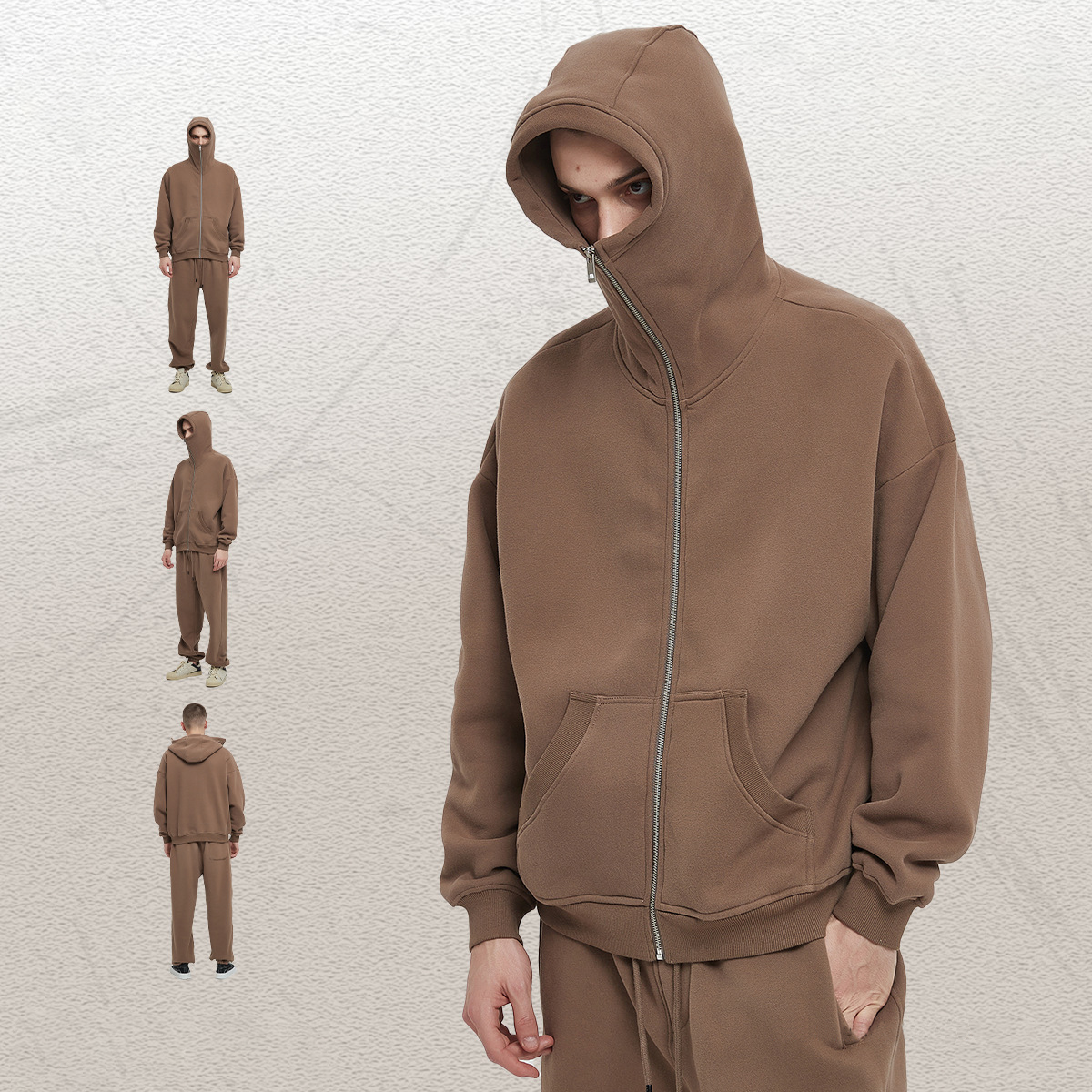
Custom Hoodies
As a custom hoodie manufacturer, EDVORIN develops team, academy and private-label hoodies with defined fleece weight, fit blocks, rib construction, drawcords, prints, embroidery, labels and packaging for consistent repeat orders.
Get a Quote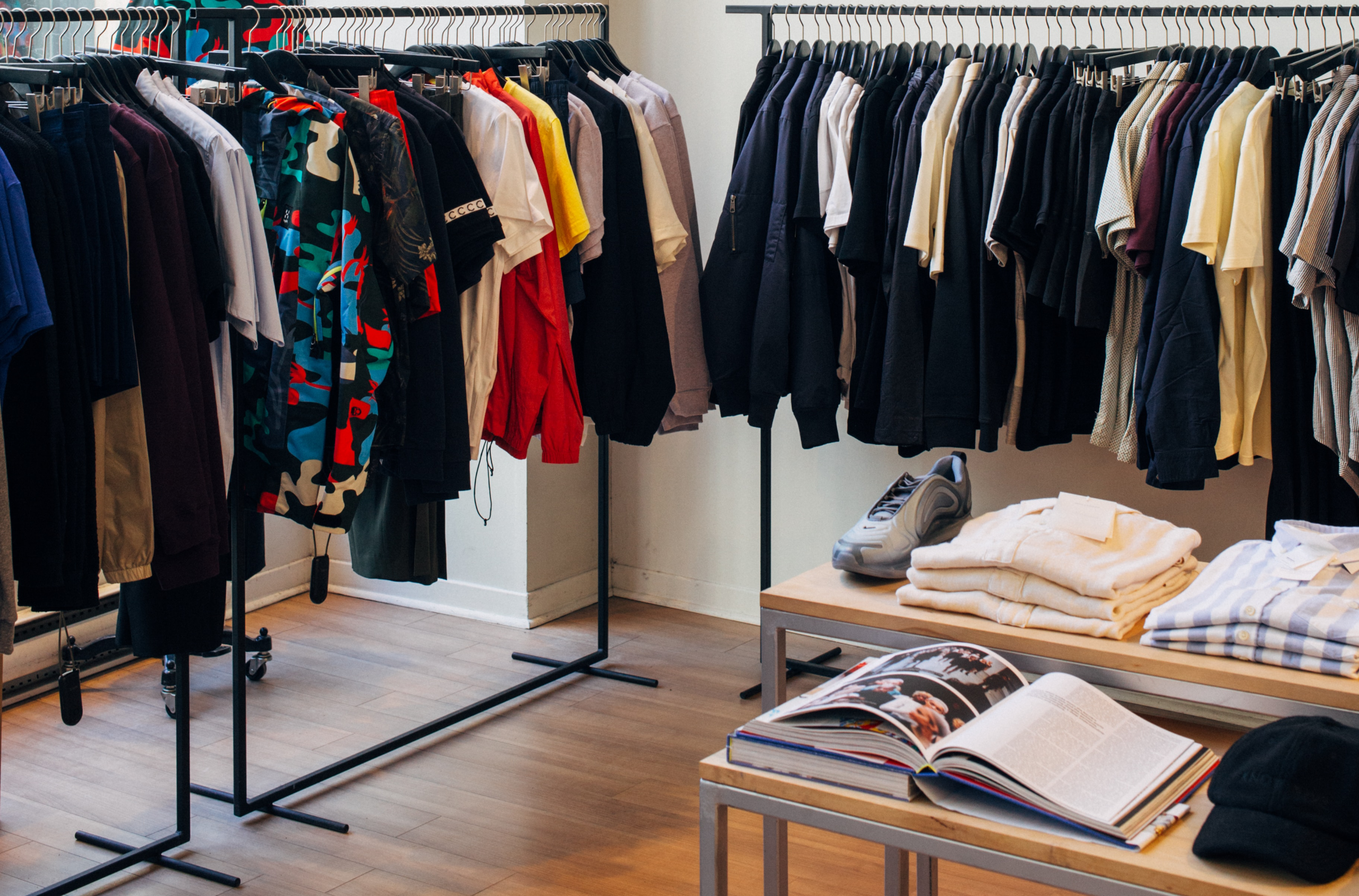
Pullover Sweatshirts
Our sweatshirt manufacturer workflow covers pullover silhouettes for training ranges, supporter merchandise and retail programs. Fabric weight, neckline, cuffs, hems, decoration placement and men’s or women’s grading are documented before bulk production.
Get a Quote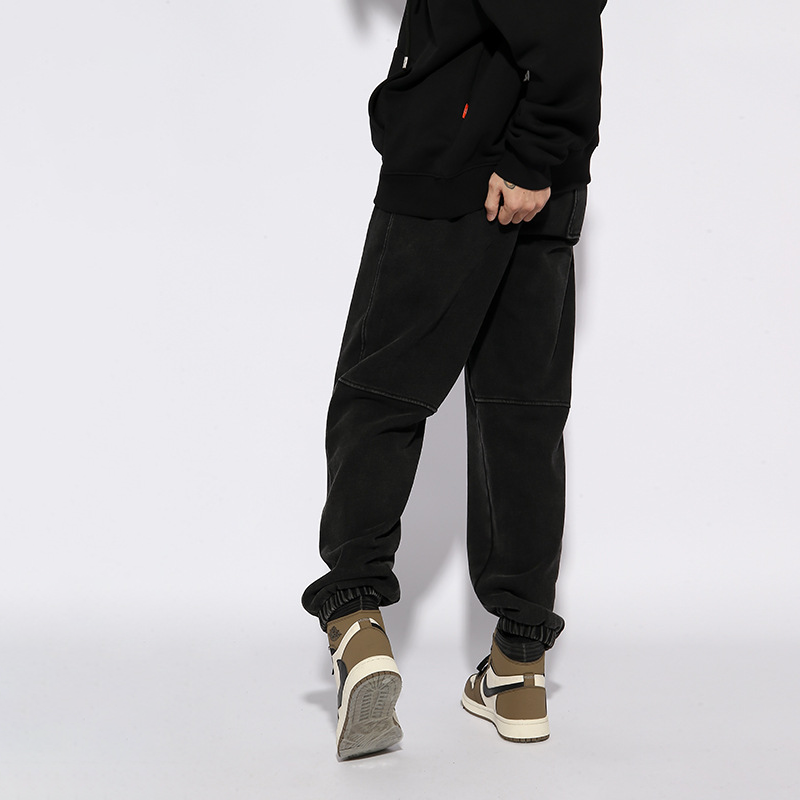
Sweatpants & Joggers
As a sweatpants manufacturer, EDVORIN develops sweatpants and joggers with coordinated hoodie programs in mind. Buyers can specify fabric, tapered or relaxed fit, waistband and cuff construction, pockets, drawcords, printing, embroidery and size grading for men’s and women’s ranges.
Get a Quote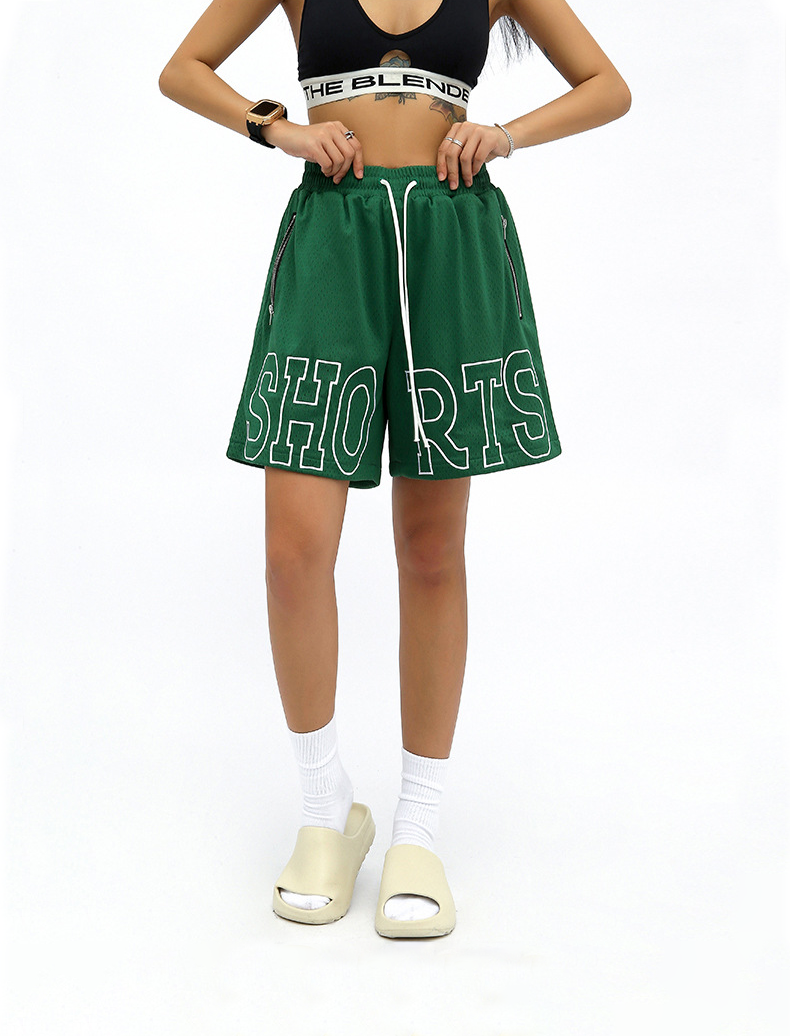
Custom Shorts
As a custom shorts manufacturer, EDVORIN produces fleece, jersey and woven shorts for training, retail and promotional programs. Inseam, waistband, pocket design, fabric weight, decoration method and coordinated color standards are set during development.
Get a Quote
Varsity & Baseball Jackets
Our varsity jacket manufacturer service coordinates body fabric, sleeves, lining, rib, snaps, chenille patches, embroidery and woven labels into a documented construction standard. This supports club merchandise, school programs and private-label outerwear.
Get a Quote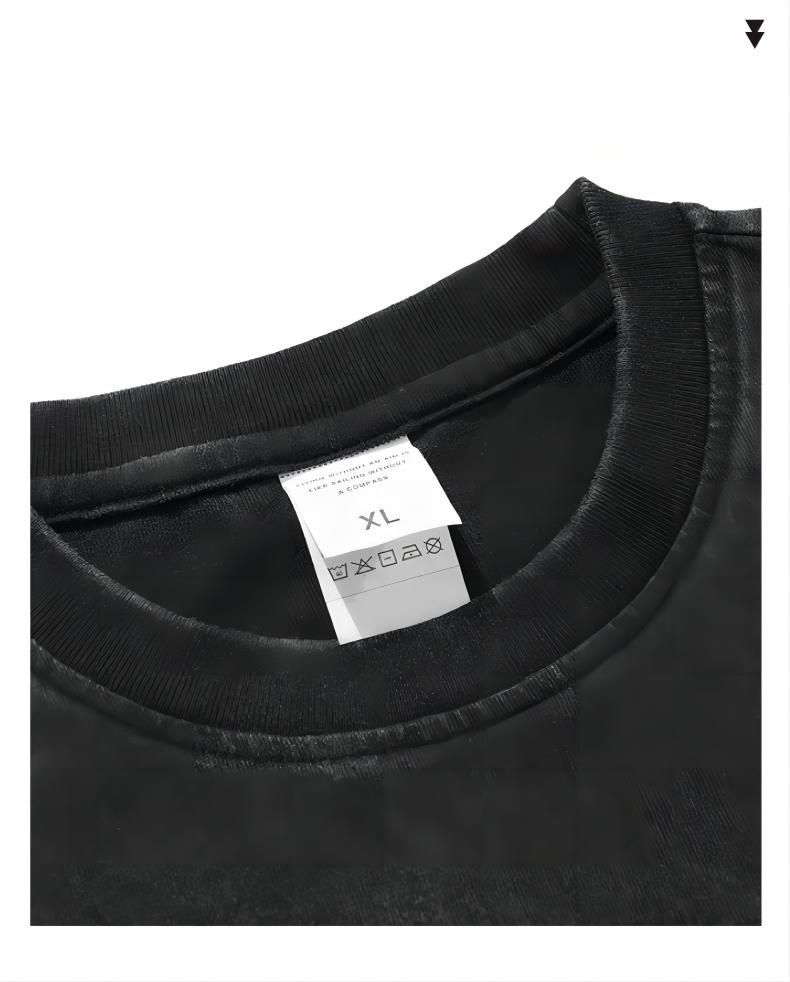
Custom T-Shirts
As a custom T-shirt manufacturer, EDVORIN develops team merchandise, academy apparel, wholesale assortments and branded collections. Buyers can define fabric composition and weight, neck construction, fit, print or embroidery placement, wash treatment, labels and packing requirements.
Get a Quote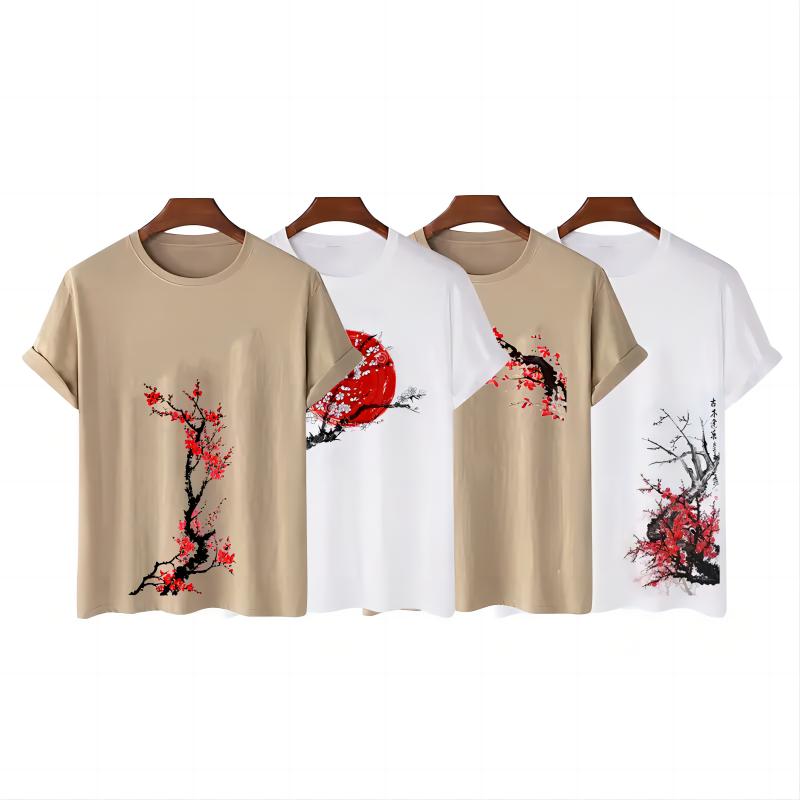
Custom Polo Shirts
As a polo shirt manufacturer, EDVORIN develops piqué and performance polo programs with controlled collars, plackets, buttons, cuffs, embroidery placement and color matching. Men’s and women’s fits can be developed for uniforms, clubs and corporate buyers.
Get a Quote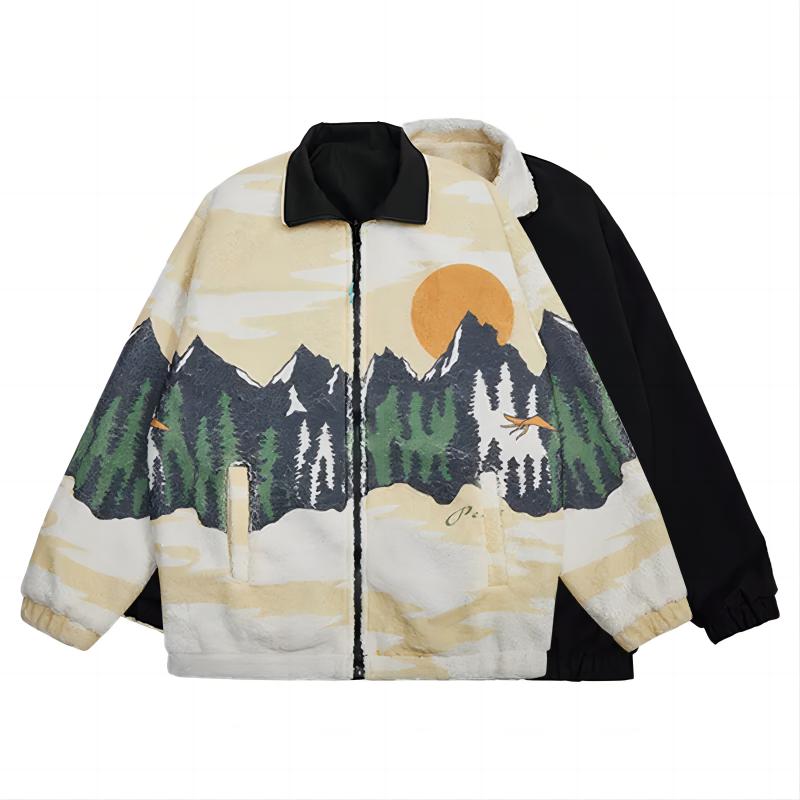
Windbreaker Jackets
Our windbreaker manufacturer capabilities cover lightweight outerwear with shell fabric, lining or mesh, zippers, pockets, elastic details, hoods, prints and embroidery coordinated into an approved sample-to-bulk specification.
Get a Quote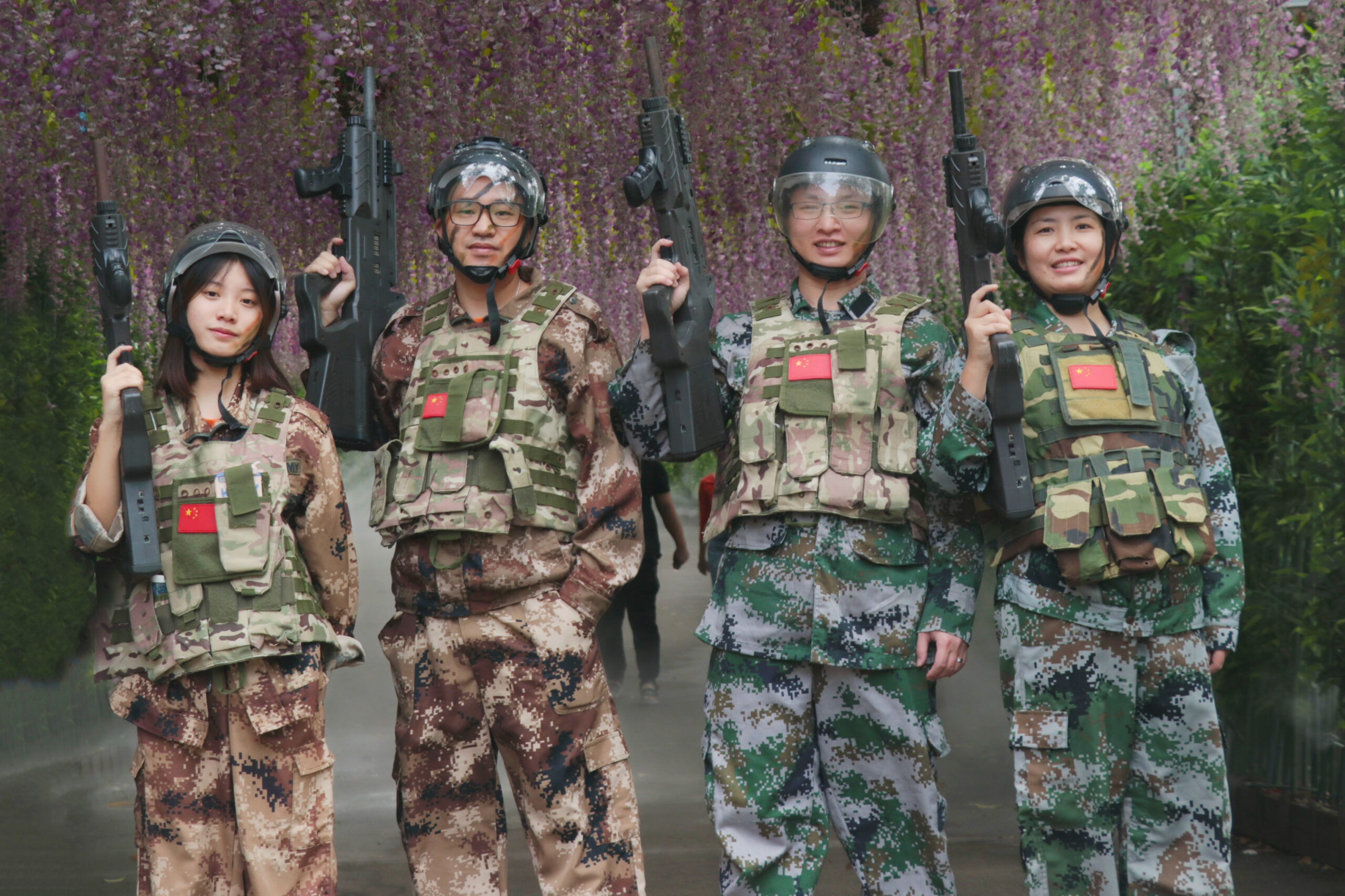
Quilted Jackets
As a quilted jacket manufacturer, EDVORIN develops jackets for club, school and private-label programs, coordinating shell, lining, insulation, quilting pattern, zipper hardware, pockets and branding details. Construction and insulation choices are tested during sampling before production.
Get a Quote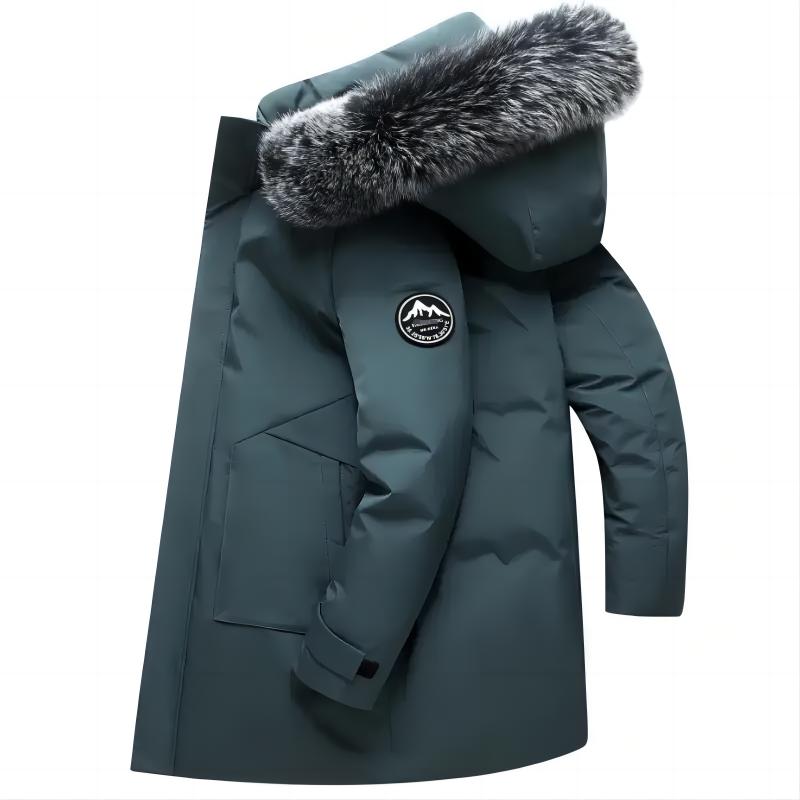
Bomber Jackets
As a bomber jacket manufacturer, EDVORIN manages shell and lining selection, rib trims, zippers, pocket construction, padding, patches and embroidery. The result is a repeatable outerwear specification for retail, teamwear or promotional programs.
Get a Quote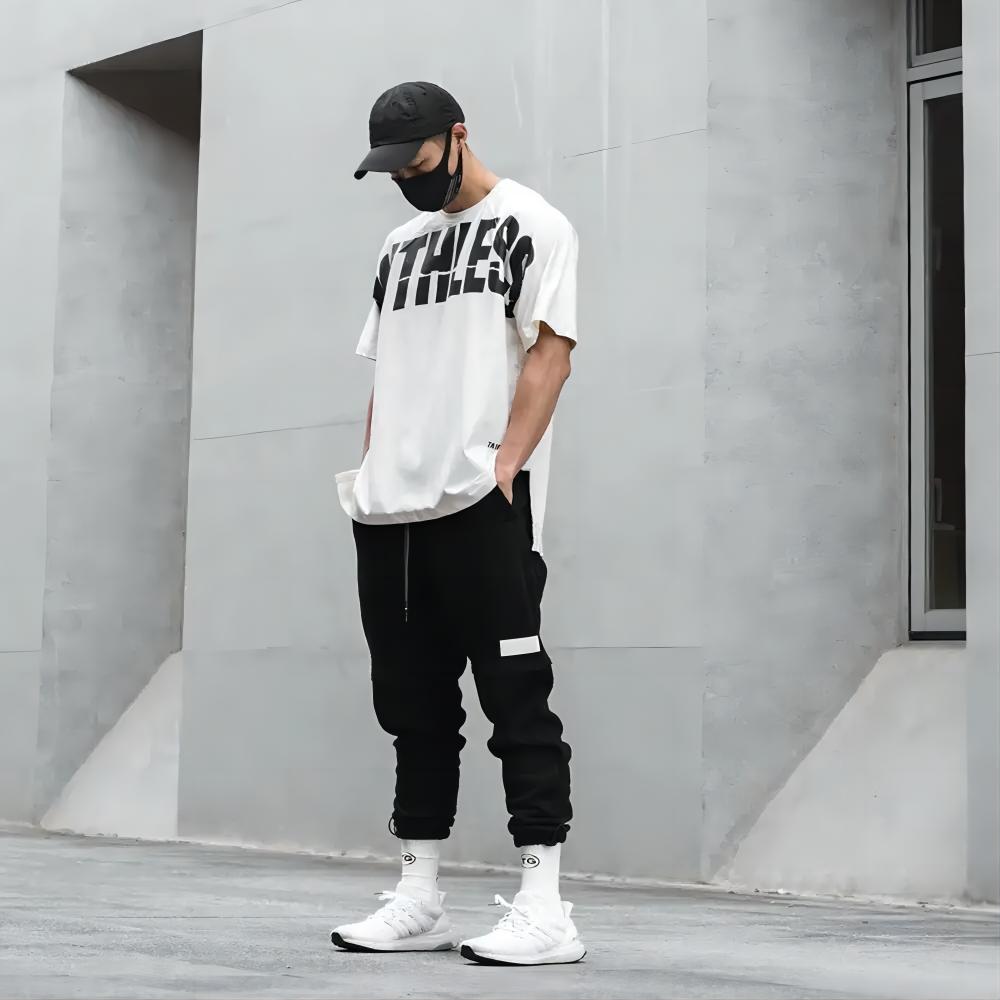
Custom Shirts
Our custom woven shirt manufacturer service supports uniform, hospitality and private-label requirements. Buyers can specify fabric, collar, placket, cuffs, pocket details, fit, embroidery, labels and grading for men’s and women’s programs.
Get a Quote
Custom Jerseys
As a custom jersey manufacturer, EDVORIN develops jerseys with fabric performance, color matching, name and number placement, logos, trims and size sets controlled across the order. Suitable for clubs, academies, supporters and wholesale teamwear programs.
Get a Quote
Tank Tops
As a custom tank top manufacturer, EDVORIN develops training, basketball and casual silhouettes with selected knit fabric, armhole and neckline construction, fit, print or embroidery placement, and coordinated men’s and women’s grading.
Get a Quote
Soccer Uniforms
Our soccer uniform manufacturer process coordinates jerseys, shorts and optional socks around club colors, breathable fabrics, badge placement, player names, numbers and organized size sets. Approved standards guide repeat seasonal orders.
Get a Quote
Basketball Uniforms
As a basketball uniform manufacturer, EDVORIN develops performance uniforms with jersey and short proportions, trim details, team colors, numbers, names and logo placement specified before bulk production. Size grading and decoration controls support complete team sets.
Get a Quote
Streetwear Collections
As a private label clothing manufacturer, EDVORIN connects hoodies, T-shirts, sweatpants, jackets and accessories into coordinated collections. Product development coordinates materials, patterns, custom apparel printing, custom apparel embroidery, garment wash services, trims, custom clothing labels and packaging from sample through bulk production.
Get a QuoteMaterials for Custom Club Jerseys
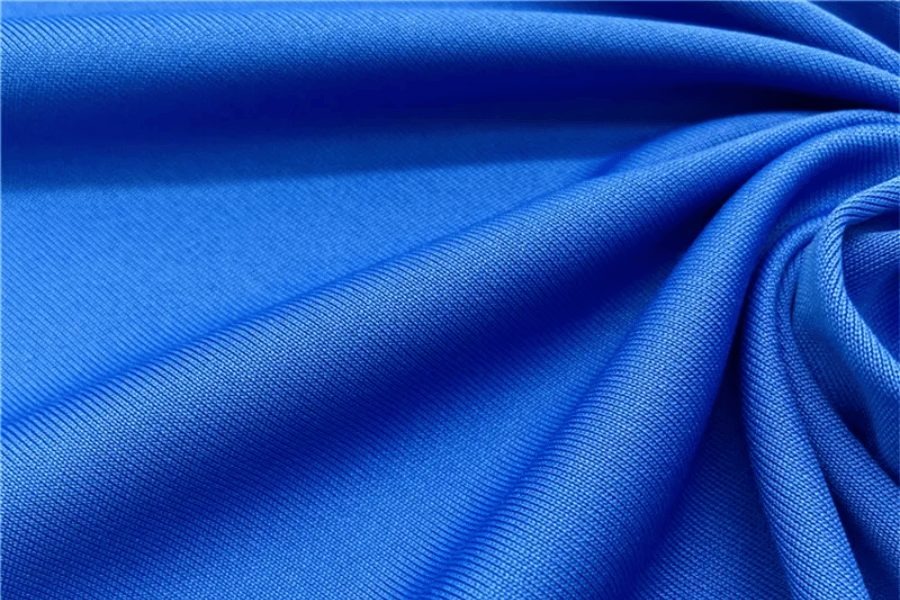
Polyester Interlock
A smooth, lightweight knit for soccer, basketball, and all-purpose club jerseys. Its clean face supports sharp graphics, while the stable construction offers breathable comfort and dependable shape retention through regular training and match wear.

Birdseye Mesh
An open-textured performance knit suited to high-output soccer and training jerseys. The raised birdseye surface creates a dry, breathable hand feel and improves airflow, making it a practical option for warm-weather teamwear programs.
Micro Mesh
A soft, airy mesh commonly used for basketball jerseys, training tops, and ventilation panels. Fine perforations promote airflow without an overly coarse feel, helping teams balance lightweight comfort with a polished uniform appearance.
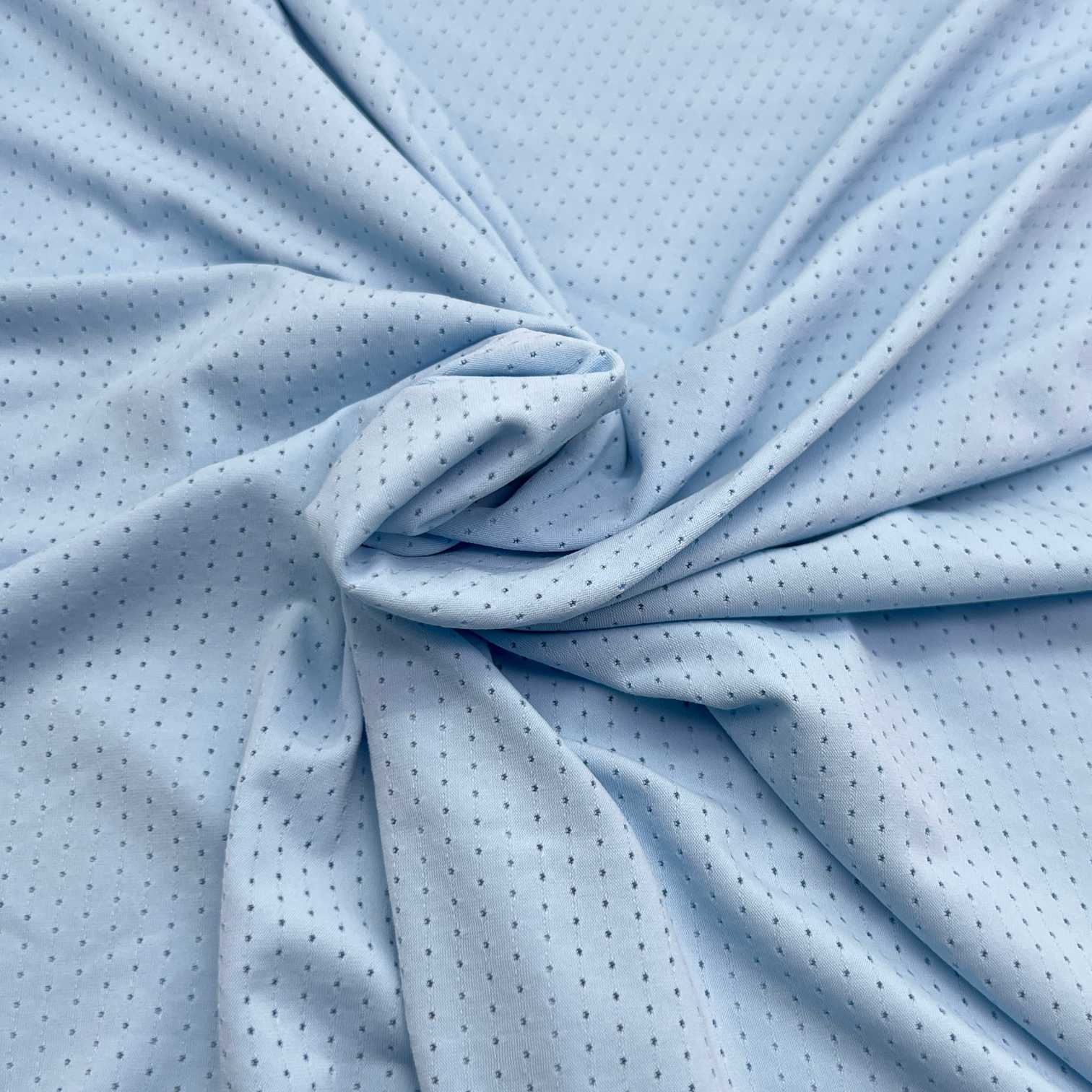
Polyester Spandex
A flexible performance blend for fitted jerseys, cycling-inspired teamwear, and active training pieces. Added stretch follows movement and supports recovery after wear, while the smooth hand feel works well for close-to-body athletic silhouettes.
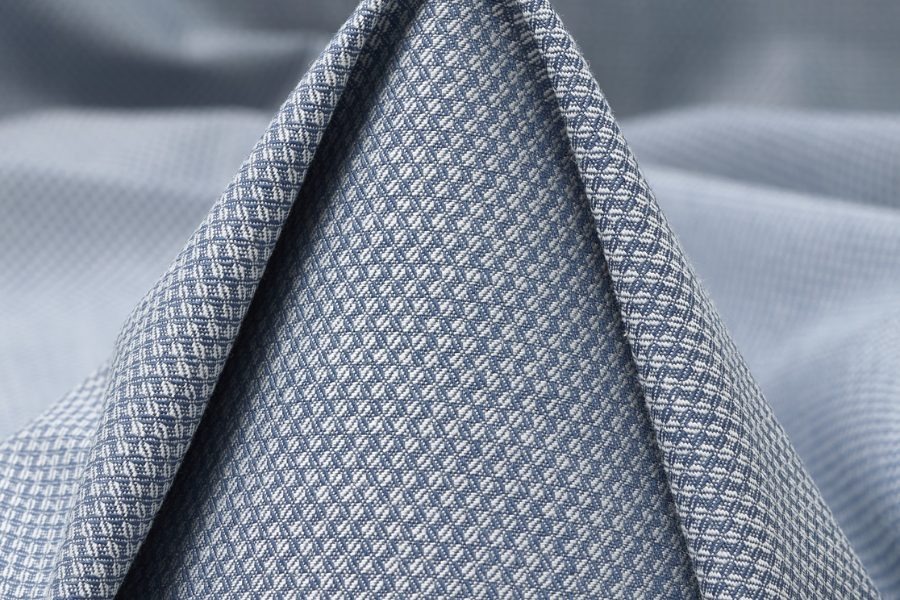
Pique Knit
A textured knit with a structured, breathable hand feel for club polos, sideline shirts, and smart teamwear. Its subtle raised surface adds visual depth and maintains a more substantial appearance than lightweight jersey knits.
Decoration Methods for Custom Club Jerseys
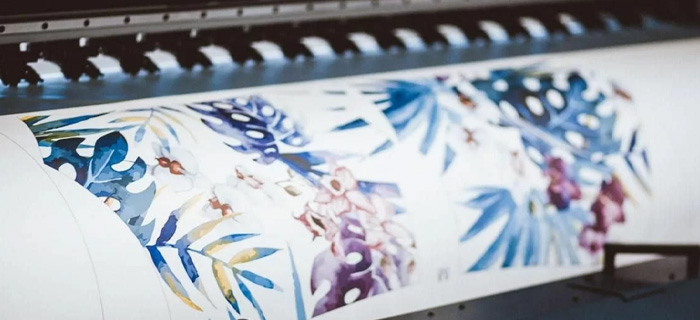
Dye Sublimation
Artwork is transferred into compatible performance fabric for integrated colors, full-coverage graphics, player numbers and sponsor layouts. It creates a smooth, lightweight finish without an added surface layer, suited to coordinated club jersey programs.
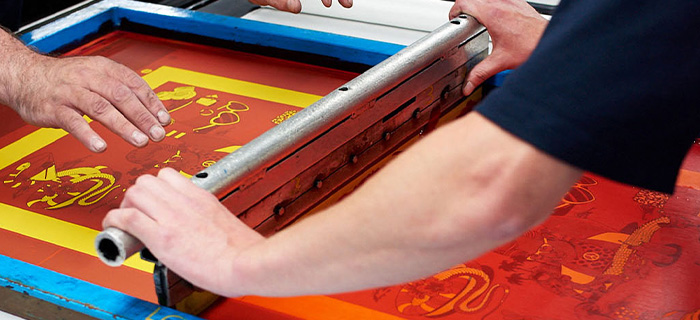
Screen Printing
Screen printing applies defined logo and sponsor artwork to selected jersey fabrics. Ink, placement and size are confirmed during development to produce clear graphic coverage and a consistent decorated standard for subsequent bulk orders.
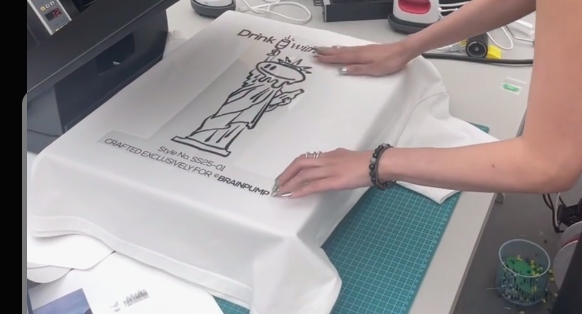
Heat Transfer
Heat transfer is coordinated for precise names, numbers, crests and smaller graphic elements. It supports controlled positioning and clean edge definition, with approved artwork files and placement measurements recorded for each club jersey manufacturer order.
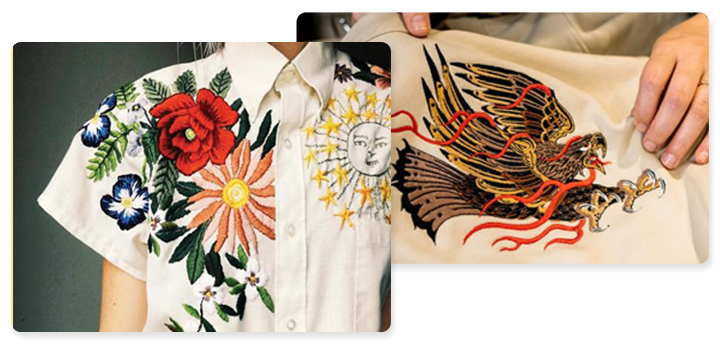
Embroidery Details
Embroidery adds dimensional stitched detail to club crests, emblems and selected branding. EDVORIN reviews the base fabric, stitch approach and placement during sampling so the finished decoration aligns with the garment construction and approved standard.
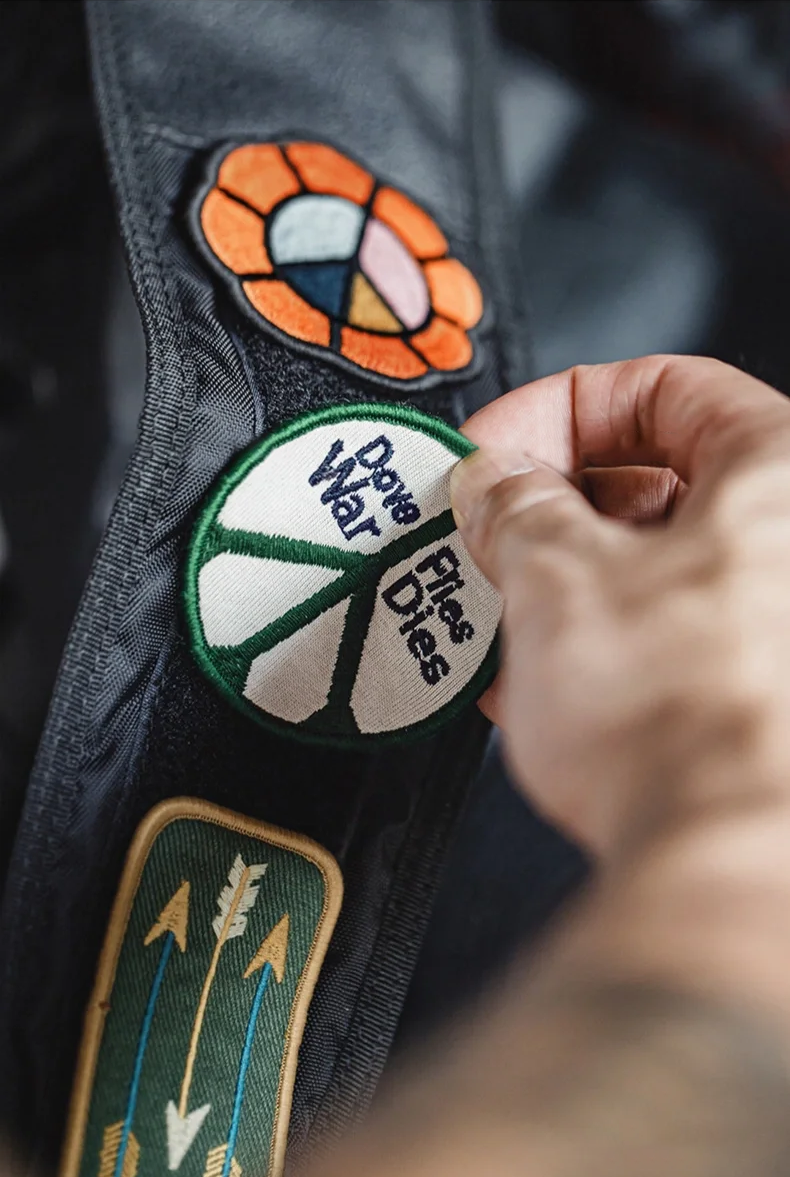
Patch Application
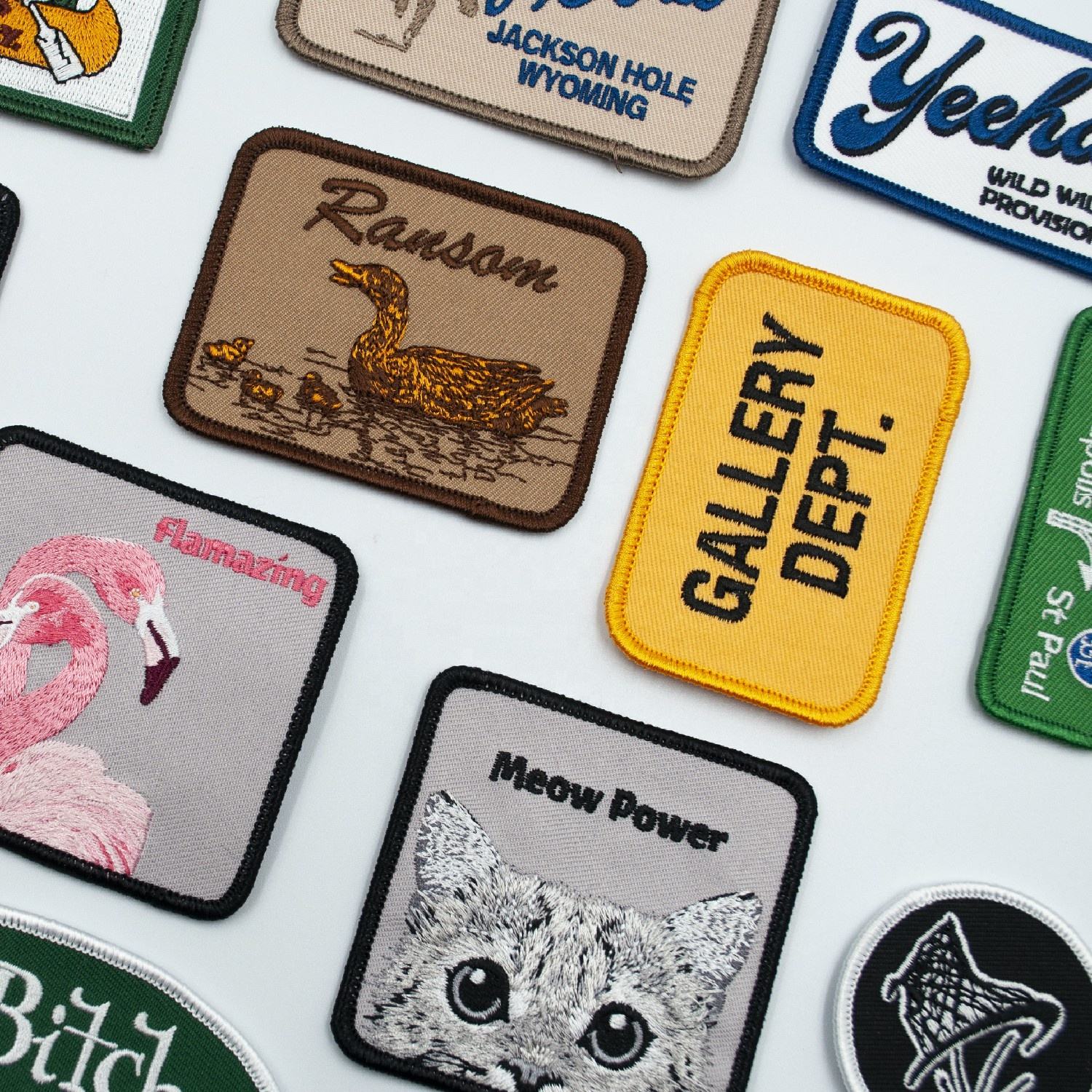
Patch application combines prepared badges with controlled attachment methods for club identity details. It can create a layered, tactile look for crests or commemorative elements while keeping placement, size and attachment requirements clear for production.
Trims and Finishing for Custom Club Jerseys
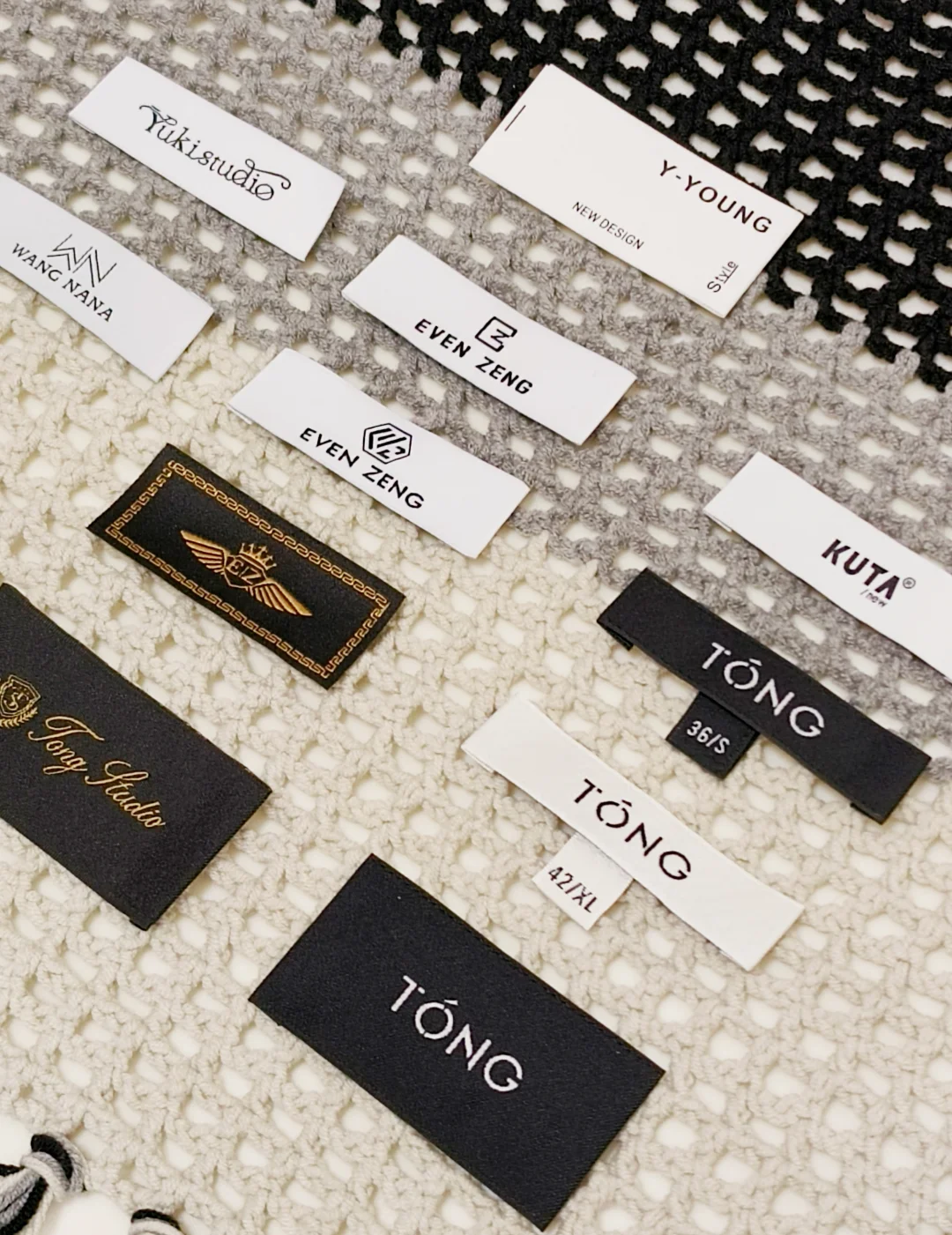
Woven Neck Labels
Custom woven labels identify your club or private-label program at the neckline, with options for brand marks, sizing, care details, and fold styles coordinated to the jersey construction.
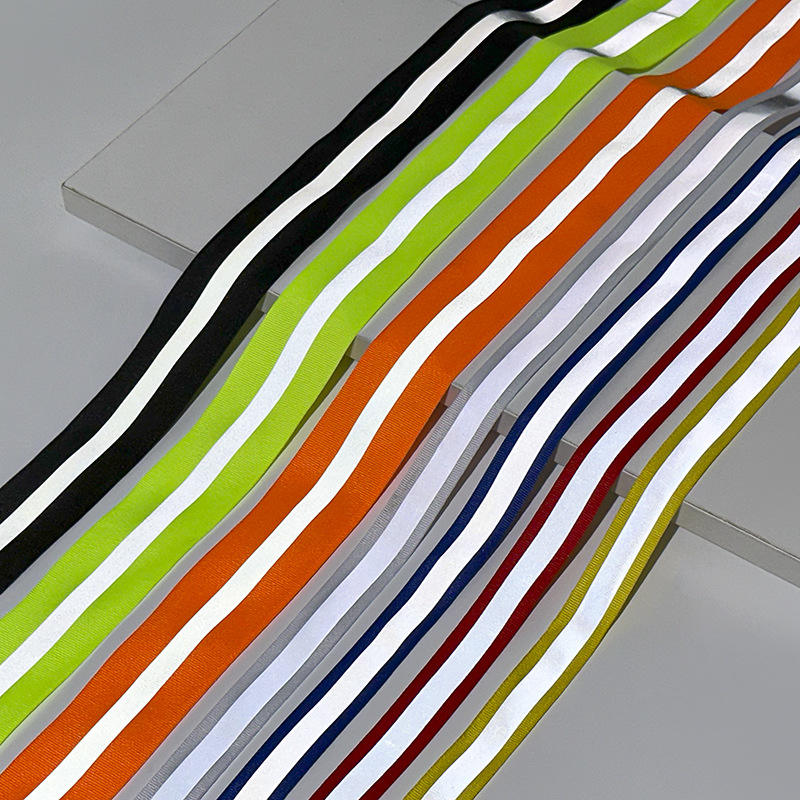
Printed Neck Tapes
Branded neck tape creates a cleaner interior finish while reinforcing the neckline. It can carry club colors, repeating graphics, or a concise message suited to training jerseys and fanwear.
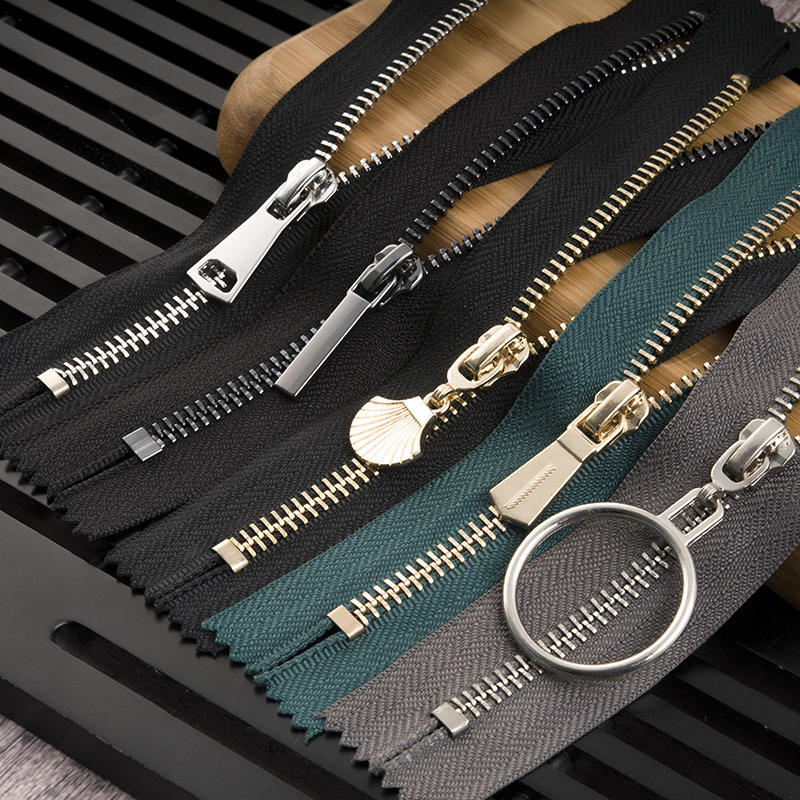
Zippers and Pullers
Quarter-zips, full zips, and custom pullers support coordinated warm-up tops, jackets, and travel layers. Select the finish, color, placement, and puller branding to match the wider clubwear collection.
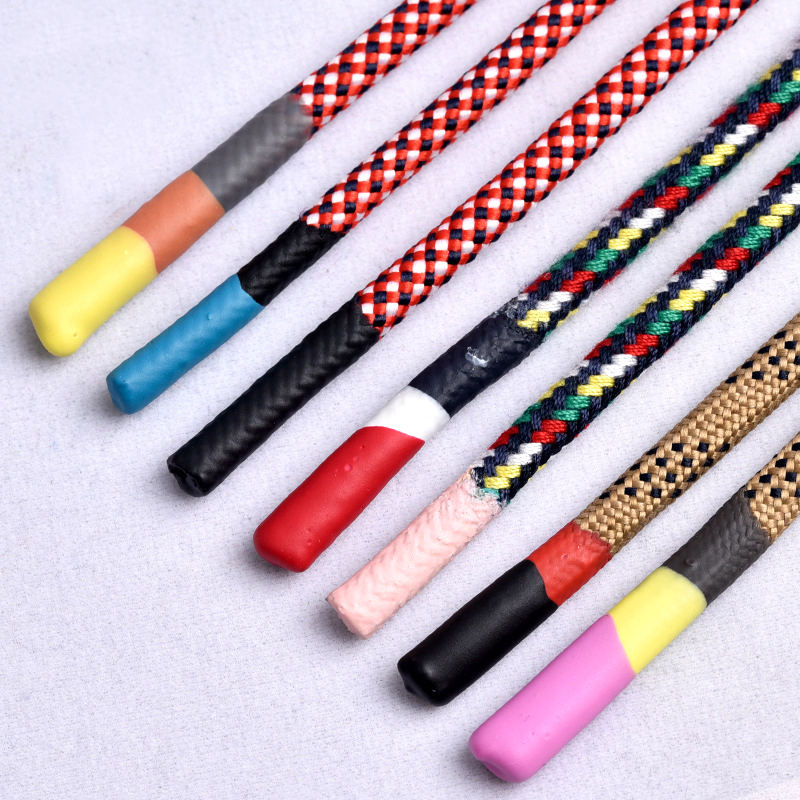
Drawcord and Tipping
Drawcords with custom tips give hoodies, joggers, and off-field clubwear a considered finish. Match cord color, thickness, tipping treatment, and eyelet details to your team’s visual system.
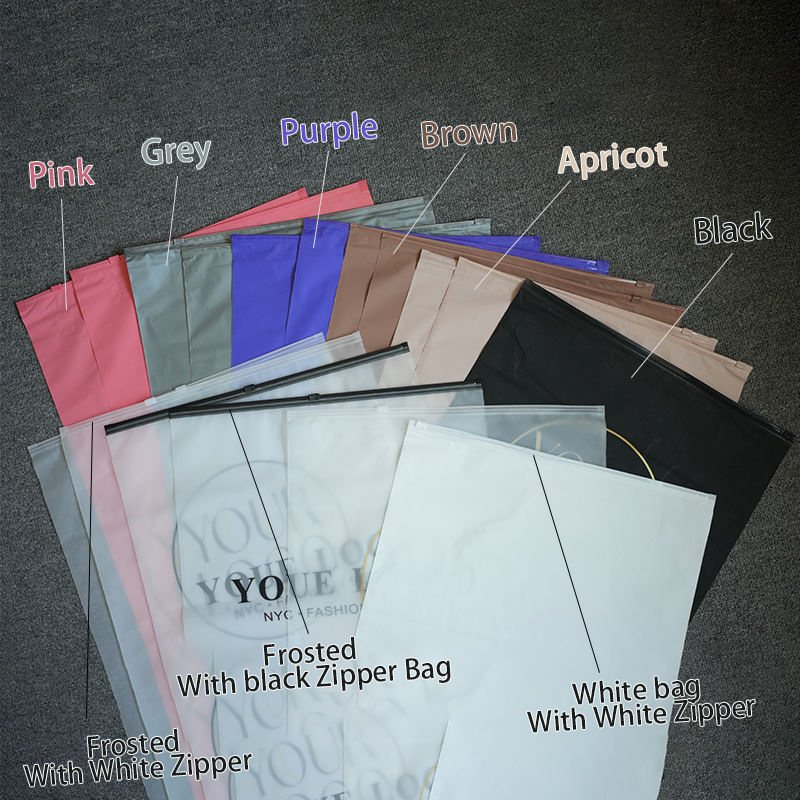
Custom Retail Packaging
Hangtags, size stickers, polybags, carton markings, and folded packing can be specified for wholesale, team distribution, or retail programs. Packaging details are organized alongside labels and final inspection requirements.
About EDVORIN
Founded by Edvorin Zeng, EDVORIN is a founder-led club jersey manufacturer that helps teams, clubs, schools and private-label buyers turn apparel concepts into dependable production standards. Our mission is to carry each approved idea from development through bulk manufacturing without losing the details that define its identity.
We connect fabric sourcing, pattern development, sampling, printing, embroidery, names and numbers, labeling and packaging in one accountable workflow. From soccer and basketball uniforms to coordinated teamwear, men’s and women’s programs are developed around the required fit, material, decoration and performance needs.
What makes EDVORIN different is the discipline after sample approval. We document measurements, color references, artwork placement and trims, then use in-line and final checks to protect those standards across repeat club jersey orders. With OEM, ODM and private-label support, MOQ starts at 200 pieces per style.

Club Jersey Manufacturing Built for Repeat Orders
Technical Development That Holds
EDVORIN translates sketches, reference garments, or complete tech packs into production-ready club jersey specifications. Construction details, measurements, artwork positions, trims, and finishing requirements are clarified before sampling, so the approved design can guide the next order with less ambiguity.
- OEM, ODM, and private-label development support
- Patterns and specifications built around the intended jersey
- Sample revisions recorded before bulk approval
- MOQ starts at 200 pieces per style
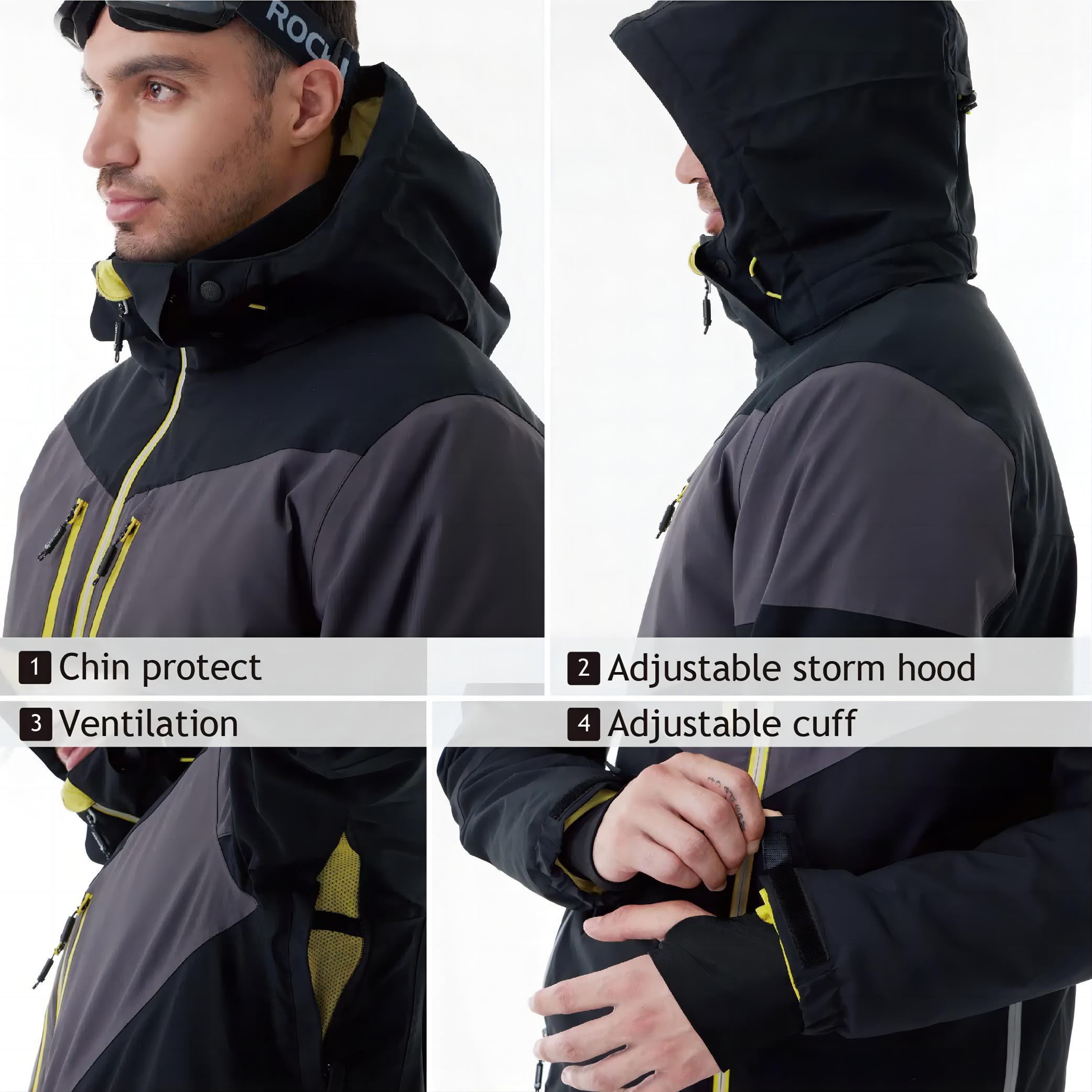
Materials and Decoration Aligned
A jersey’s performance and visual identity depend on how fabric, color, print, embroidery, and finishing work together. EDVORIN coordinates these choices within one production path, helping buyers develop clubwear that supports the required feel, appearance, and use conditions.
- Fabric selection matched to the product brief
- Printing and embroidery considered with base materials
- Color, trim, and label details coordinated early
- Packaging planned alongside product requirements
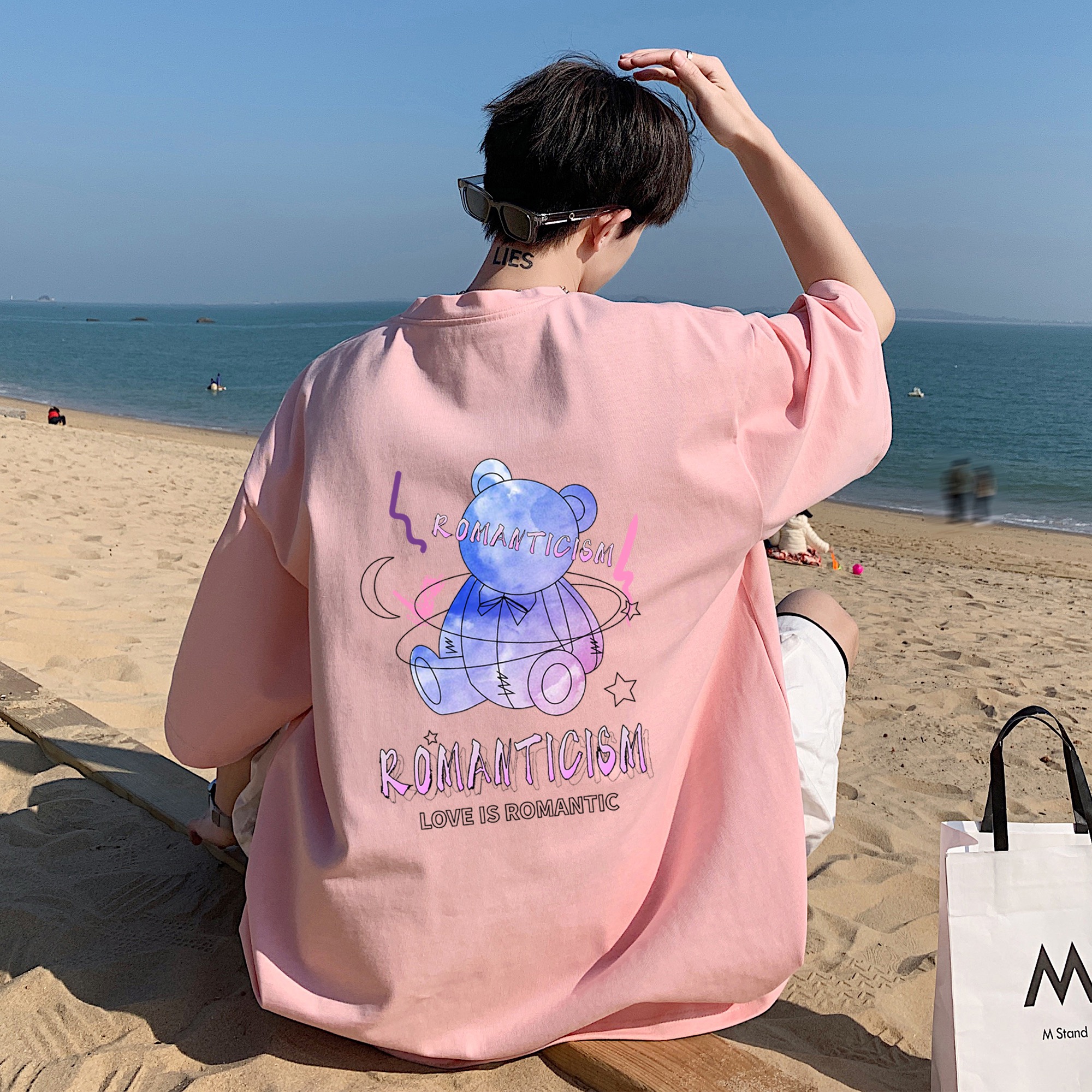
Fit Blocks Made for Teams
Club programs need sizing that works across the intended wearer range, not a one-size-fits-all template. EDVORIN develops men’s and women’s jersey programs with fit blocks, proportions, grading, and construction details adjusted to the target team, school, academy, or retail market.
- Men’s and women’s development available
- Fit and proportions tailored to the wearer
- Size grading documented for production
- Coordinated teamwear categories developed together
Approved Standards, Controlled Bulk
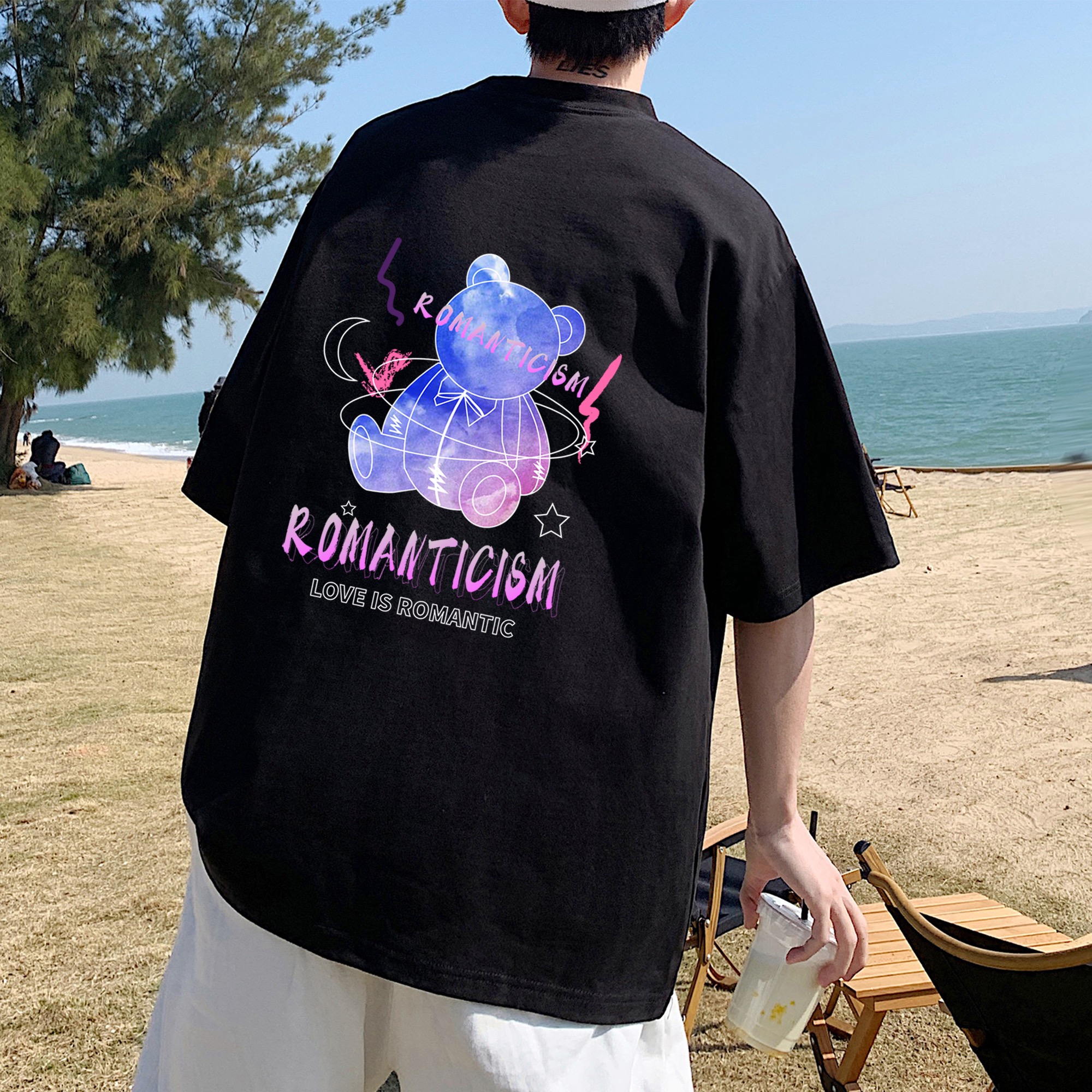
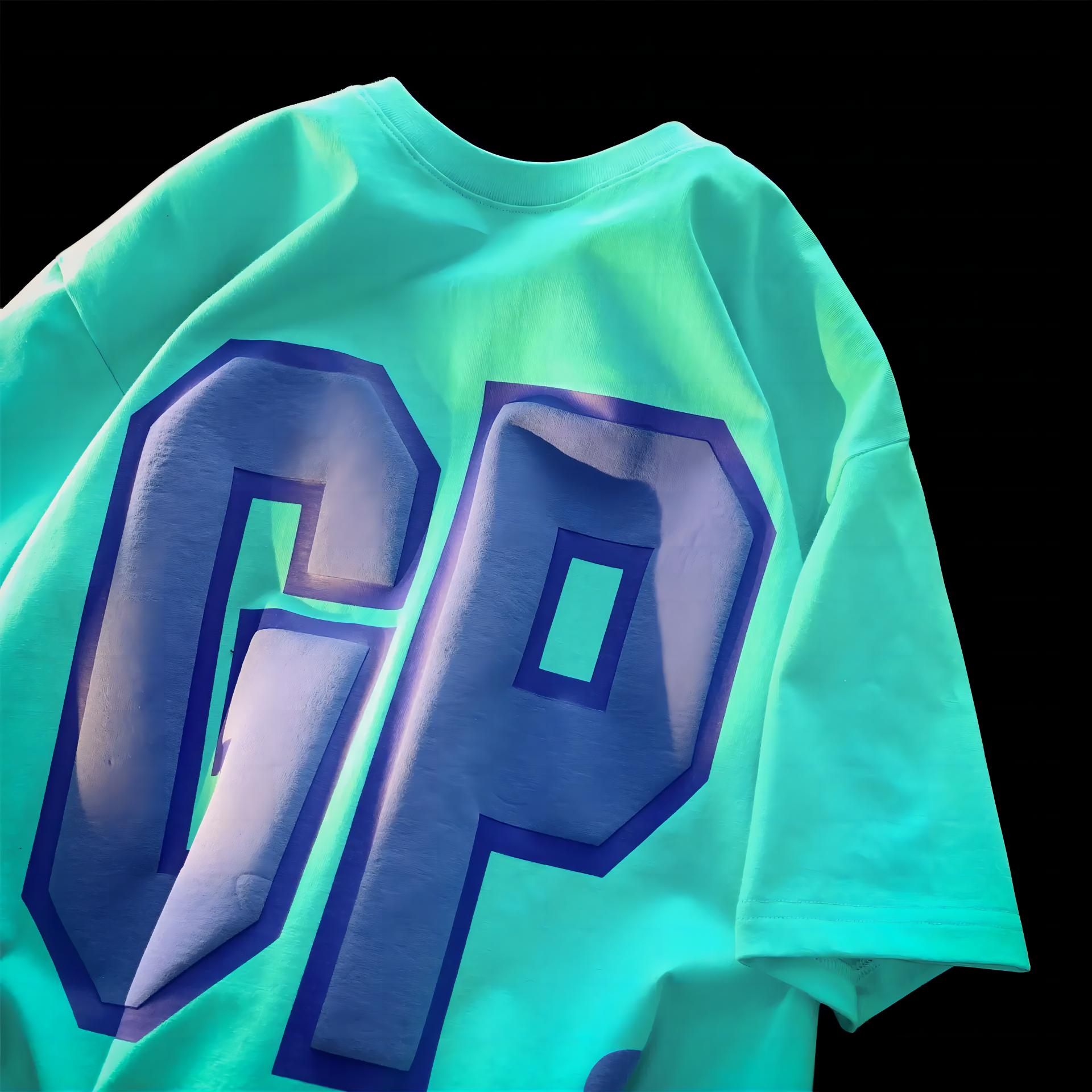
For a club jersey manufacturer, a strong sample must become a usable production standard. EDVORIN carries approved measurements, artwork placement, material references, and trim specifications into bulk production, with in-line checks and final inspection supporting consistency through packing.
- Approved samples guide bulk production
- Measurement and placement references documented
- In-line checks address variation early
- Final inspection completed before packing
Our Club Jersey Production Process
One accountable path from development through packed bulk production.
← Swipe left or right to view →
Our Club Jersey Manufacturer Production Process
A documented path that carries approved materials, fit, artwork and player details through bulk production with control at every handoff.
Review Specs and Source
We review tech packs, references, size requirements and artwork, then align performance fabrics, trims and construction details with your club jersey program.
Develop and Approve Samples
Patterns, fit blocks and decoration are tested in samples. Revisions are recorded so the approved jersey becomes the working standard for bulk production.
Cut, Sew and Decorate
Approved materials move into cutting and sewing, with printing, embroidery, names, numbers and sponsor details coordinated to documented placement specifications.
Inspect During Production
In-line checks verify measurements, workmanship, color consistency and decoration quality while corrections can still be made before the full order is completed.
Pack and Release Orders
Final inspection confirms the order against approved standards before labels, size sorting, packaging and shipment preparation are completed for your destination.
How to Work With a Club Jersey Manufacturer
Move from concept to repeatable clubwear production with clear approvals at every stage.
Share Your Requirements
Send a tech pack, sketch, reference garment, artwork, size range, quantity and delivery needs. EDVORIN reviews construction, materials and decoration requirements for your club jersey program.
Confirm Quote and Sample
EDVORIN’s MOQ starts at 200 pieces per style. Review the proposed specifications, MOQ, pricing and development plan. Once confirmed, we create a sample that translates your design into a physical production reference.
Approve Production Standards
Confirm the sample, measurements, fabric, colors, artwork placement, trims, labels and packaging. Approved details become the documented standard for consistent bulk manufacturing.
Launch Bulk Manufacturing
EDVORIN coordinates materials, cutting, sewing, decoration and in-line quality checks, then completes final inspection before packing your repeatable teamwear order.
Certified Standards for Responsible Apparel Production



Club Jersey Manufacturing FAQ
EDVORIN helped us turn one approved jersey sample into a 240-piece club order with names, numbers, and packaging specifications recorded clearly. Our size breakdown stayed organized, and the repeat-order process was far easier to manage.
EDVORIN’s MOQ starts at 200 pieces per style. We developed men’s and women’s basketball jerseys under one program and launched 3 coordinated styles at the 200-piece-per-style starting MOQ. The team gave us practical feedback on fit, artwork placement, and production details before bulk approval.
For our wholesale teamwear collection, EDVORIN converted our reference garments into a repeatable specification for 6 colorways. The sample revisions clarified fabric, trim, and decoration decisions, so our buyers could reorder with confidence.
The Complete Club Jersey Manufacturer Buyer’s Guide
Clear answers for B2B buyers planning custom club jersey programs with EDVORIN.
What is the MOQ for a club jersey manufacturer?
Can a club jersey manufacturer make a sample before bulk production?
How long does custom club jersey production take?
What customization can a club jersey manufacturer provide?
Do you support OEM, ODM and private-label club jersey orders?
How do payment terms work for a custom jersey order?
Can EDVORIN arrange shipping for club jersey orders?
How does EDVORIN protect my club jersey design and artwork?
The Complete club jersey manufacturer Buyer’s Guide
Use this practical framework to compare club jersey manufacturer options, evaluate fabrics and customization, validate quality and production fit, understand pricing drivers, and avoid sourcing mistakes that cause delays, inconsistent sizing, or weak brand presentation.
1. What Is a Club Jersey Manufacturer?
One club jersey manufacturer converts an approved specification into repeatable bulk jerseys: pattern, fabric, decoration, sewing, labels, packing, and quality control. That differs from a trading company, which coordinates suppliers, and a decorator, which adds prints or embroidery to ready-made blanks.
Two buyer paths are common. Clubs, academies, and corporate programs usually need custom teamwear—coordinated player names, numbers, logos, and size sets—while fashion labels, wholesalers, and private-label collections need a factory able to protect brand-specific construction and labeling.
OEM means the buyer supplies the design and manufacturing standard; ODM means the supplier contributes an existing base design or development direction. Made-to-order means production begins against a confirmed order, whereas a retail teamwear supplier typically sells stocked styles with limited personalization.
2. Evolution of Club Jersey Manufacturing
1930s team uniforms were largely cut-and-sewn garments built from limited stock colorways, so identity depended on sewn badges, trim, and separately applied numbers. That model made late roster changes and small repeat orders labor-intensive.
1970s polyester performance knits shifted jersey development toward lighter, faster-drying constructions, while CAD patterning and digital artwork files made colors, placements, and grading easier to document. A club jersey manufacturer now needs production-ready files that lock sponsor zones, crest scale, player names, numbers, and size-specific placement.
2000s dye-sublimation made all-over graphics and variable data practical without stacking multiple screen-print passes on the garment face. Buyers consequently expect controlled Pantone references, repeatable reorders for new players, and private-label details that distinguish a club program beyond a stock template.
2020s shorter buying cycles have raised the value of approved digital proofs, retained artwork, and clearly recorded material and decoration specifications. For a 200-piece OEM program, those records protect consistency when replenishment quantities, rosters, or sponsor artwork change.
3. Types of Club Jersey Manufacturer
Five operating models solve different buying problems. Match the club jersey manufacturer to whether speed, original construction, all-over graphics, or repeatable private-label scale matters most.
Full-Package OEM
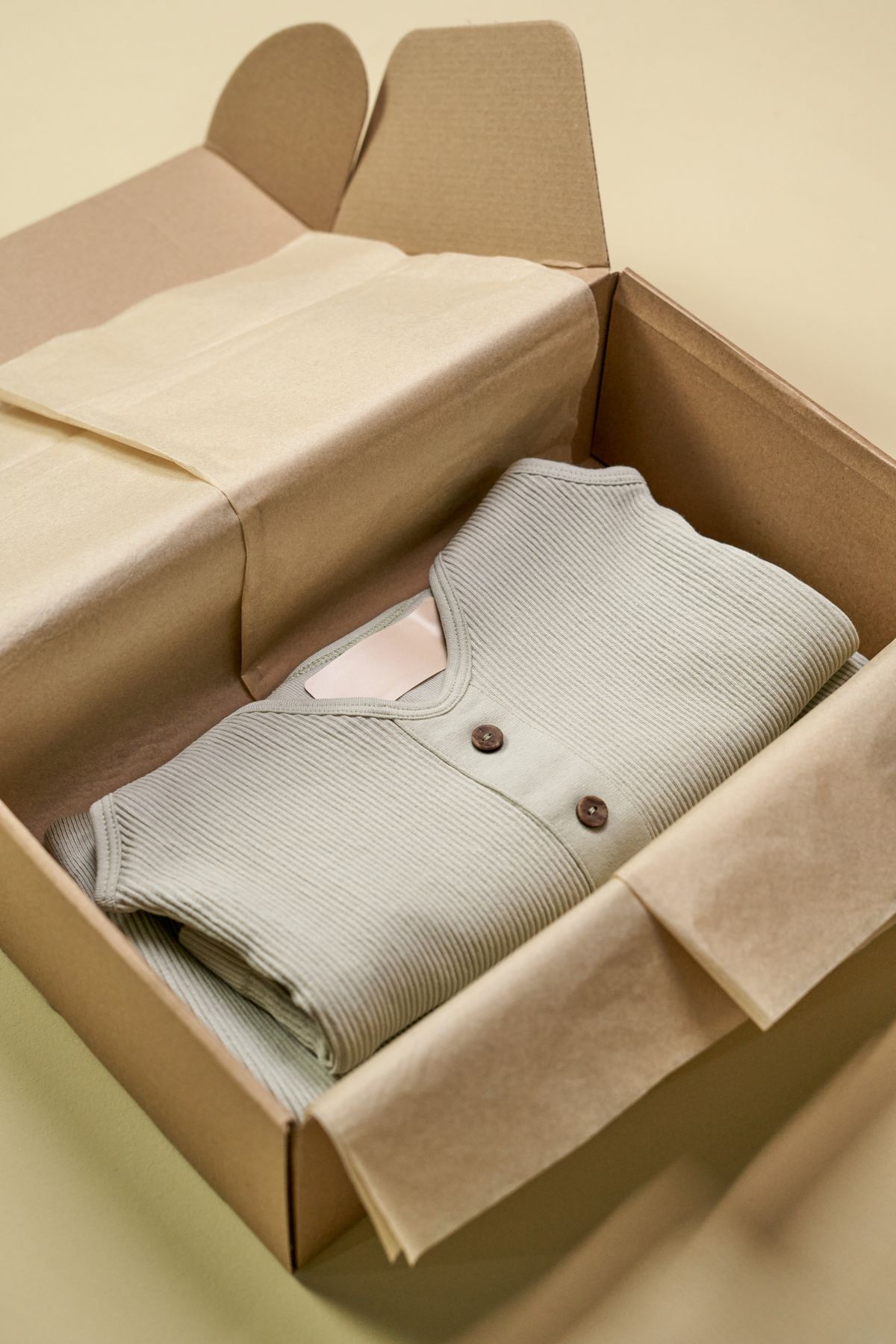
200-piece programs suit OEM partners managing development, sourcing, production, labels, and packing. They offer deep customization but require a clear tech pack and approval cycle.
Cut-And-Sew Specialists
3-panel-to-10-panel jersey builds suit brands needing custom seams, panels, collars, and fit blocks. Development costs and sampling time rise, but construction freedom is highest.
Sublimation-Focused Suppliers
50-piece team runs often suit dye-sublimation suppliers for names, numbers, and all-over artwork. Graphics are flexible; fabric, silhouette, and trim choices may be more standardized.
Stock-Garment Decorators
24-piece orders can move quickly when logos decorate stocked blank jerseys. Screen print, heat transfer, or embroidery adds identity, while base fit and color availability limit originality.
Private-Label Partners
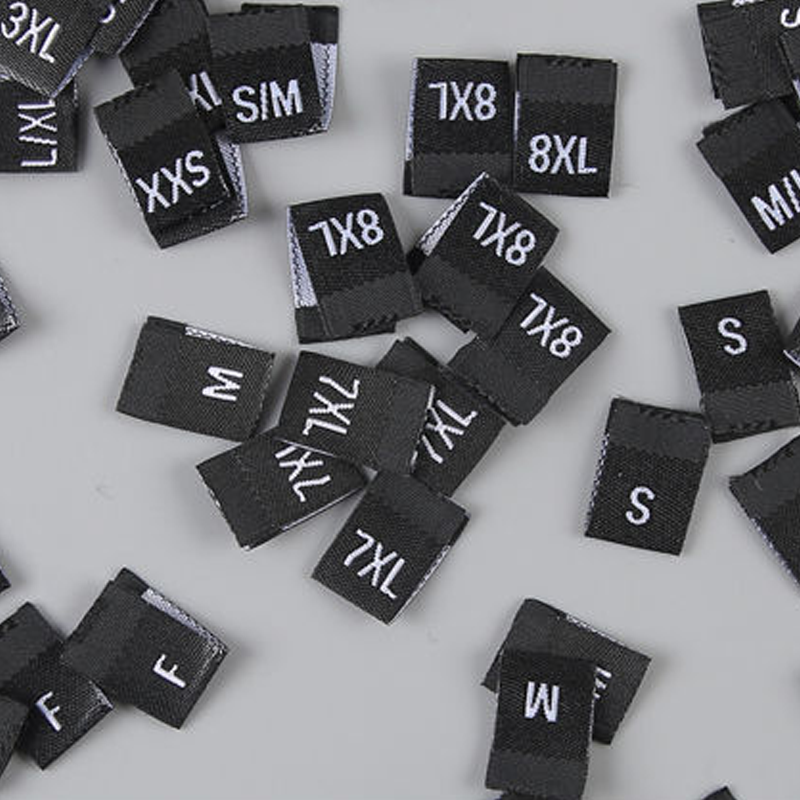
200-piece branded programs need woven labels, size systems, packaging, and documented repeats. This model fits distributors and growing labels, trading rapid one-off delivery for scalable consistency.
4. Club Jersey Manufacturer Fabric Options
140–160 GSM polyester interlock or mesh suits match jerseys; a club jersey manufacturer should specify performance before appearance. Fabric weight changes opacity, airflow, abrasion resistance, and decoration results.
| Fabric | Typical GSM | Best Use | Key Trade-Off |
|---|---|---|---|
| Polyester interlock | 140–160 | Match | Opaque; sublimation-ready |
| Polyester mesh | 130–150 | Training | Breathable; less opaque |
| Pique | 160–190 | Fanwear | Textured; moderate airflow |
| Recycled polyester | 140–180 | Match or fanwear | Verify shade consistency |
| Polyester-spandex | 160–200 | Fitted training | Stretch; control distortion |
| Heavy jersey/French terry | 220–280 | Streetwear | Durable; lower airflow |
Fabric Selection By Use
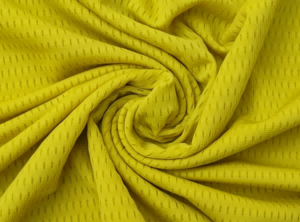
140–160 GSM micro interlock provides smooth sublimation and good opacity for matches; 130–150 GSM mesh improves airflow for training.
160–190 GSM pique gives structured fanwear, while 220–280 GSM jersey or French terry supports streetwear.
Weight And Best Use
6 common constructions require different approval standards.
Swatches And Wash Tests
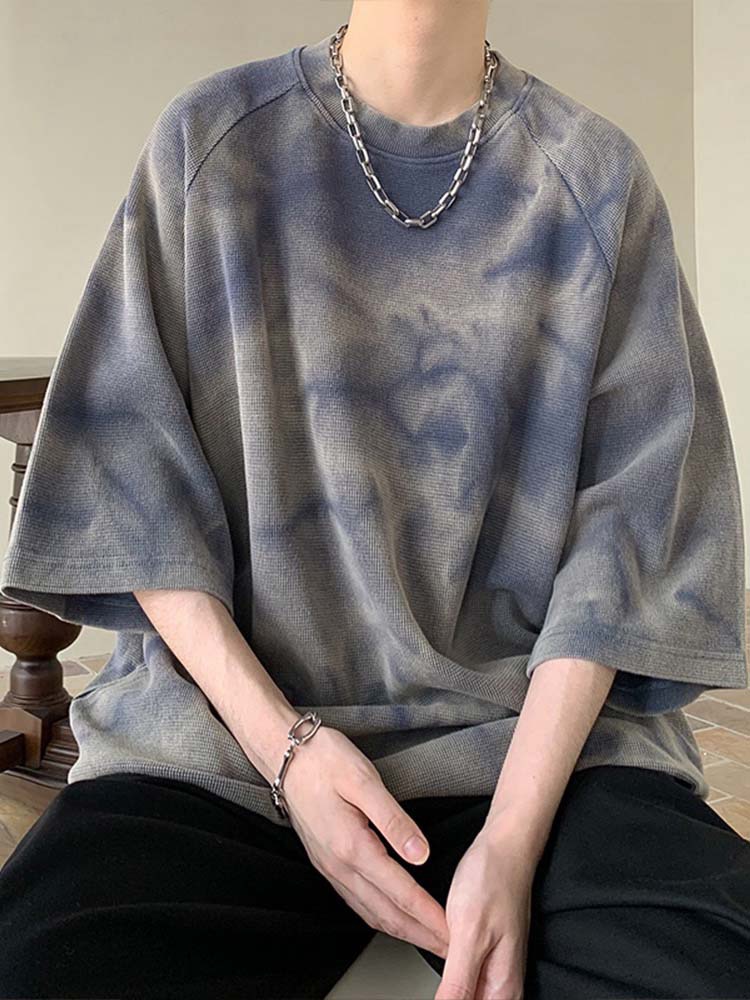
3 wash cycles should check shrinkage, color migration, print cracking, and mesh snagging before bulk approval.
1 approved swatch set should record handfeel, shade, stretch recovery, and print compatibility.
5. Club Jersey Manufacturer Customization Options
Two production decisions determine repeatability: lock approved colors and artwork before sampling, then specify whether decoration is applied to panels before assembly or finished garments afterward.
| Method | Effect And Durability | Setup And Artwork | Best Use |
|---|---|---|---|
| Sublimation | Integrated color; durable | Panel files; no metallic ink | All-over designs |
| Screen Print | Opaque graphic; durable | Screens per color | Simple sponsor marks |
| Heat Transfer | Sharp detail; variable wear | Digital artwork; heat placement | Names and small runs |
| Embroidery Or Appliqué | Raised premium texture | Stitch files; limited fine detail | Crests and heritage styles |
Decoration Selection
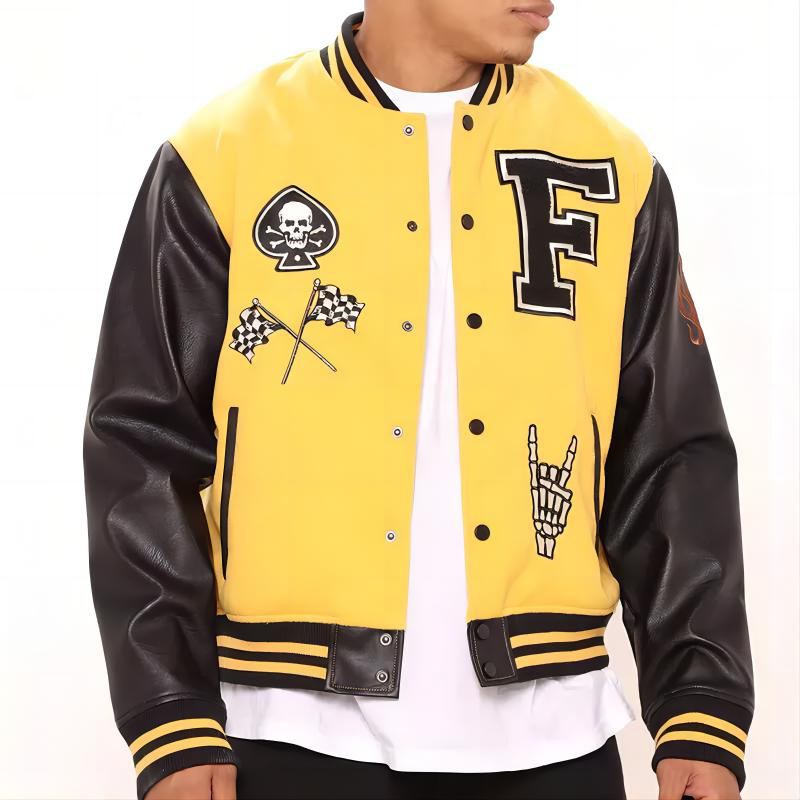
Four common methods serve different purposes. All-over sublimation suits full-panel color and player numbers; screen printing, heat transfer, embroidery, and appliqué should be selected by artwork detail, hand feel, and garment use.
Identity Components
Three identity layers need placement measurements: player names and numbers, sponsor marks, and club logos. Supply vector AI, EPS, or PDF files, Pantone references, and approved logo clear space rather than screenshots.
Labels And Packing
Two label specifications—woven hem labels and printed neck labels—should state material, fold, position, and care content. Packaging should define folding, size stickers, individual bags, and carton assortment for receiving accuracy.
6. Construction Quality That Matters
A club jersey manufacturer should turn an approved sample into measurable construction standards. Fit, comfort, and service life depend on the pattern, seams, finishing, and decoration being checked before bulk approval.
Fit And Pattern Grading

Three sizes should be reviewed at minimum: smallest, core, and largest. Check chest, body length, sleeve opening, and armhole against the measurement chart.
2–3 cm grading jumps may be appropriate only when the intended fit and size range support them. Compare side-panel shape and seam placement on-body, not only flat.
Seams And Stress Points
8–12 stitches per inch is a common starting range for lightweight jersey seams, subject to fabric and seam type. Inspect whether seams lie flat without puckering, skipped stitches, or exposed thread ends.
2 high-stress areas deserve extra scrutiny: armhole joins and side-seam openings. Confirm reinforcement, hem stitching, collar recovery after stretching, and label attachment resist a gentle pull.
Print Placement Verification
5 mm is a practical placement tolerance to define for centered chest graphics, numbers, and sponsor marks. Measure artwork from fixed landmarks such as center front, neckline, and underarm seam.
1 approved sample should record print size, alignment, and color reference. Inspect each panel for distortion across seams and ensure decoration does not restrict stretch or create rough contact points.
7. How to Choose a Club Jersey Manufacturer
EDVORIN’s MOQ starts at 200 pieces per style. A club jersey manufacturer should be evaluated against the exact program, not a generic catalog. Convert one brief into identical quote requests so MOQ, specifications, lead time, and delivery terms are comparable.
Match Experience And MOQ
EDVORIN’s MOQ starts at 200 pieces per style. 200-piece programs should confirm the supplier’s MOQ by jersey style, decoration, and colorway.
3 recent, comparable teamwear samples reveal sport-specific fit, panel construction, and number-placement control.
Request Approval Evidence
1 approved tech pack should specify fabric composition, GSM, Pantone references, size chart, artwork files, labels, and packing.
2 sample-photo sets—front, back, seams, and decoration—should accompany revision notes and any available test records.
Verify Production Control
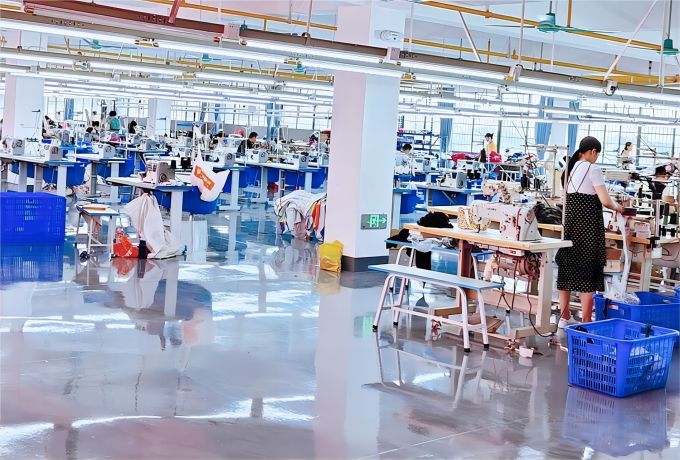
4 checkpoints—pre-production, cutting, in-line, and final inspection—make quality accountability visible.
30-day calendar plans should separate sampling, bulk production, freight, and customs time; request compliance documents, shipping options, and reorder records.
8. Common Club Jersey Manufacturer Mistakes
A 200-piece order can magnify a small specification gap into expensive replacements. Treat price, approval, fit, decoration, replenishment, and delivery as connected production decisions.
Price Before Specification
A low unit quote can omit tested fabric, individual numbering controls, or defined tolerances, causing change orders or reject risk. Prevent it with a like-for-like quote sheet and a ranked list of essentials: fit, fabric, artwork, deadline.
Two extras—contrast piping or a premium neck label—should be deferred before compromising approved measurements or color references.
Digital Approval Only
A screen mockup cannot confirm Pantone appearance, logo scale, seam interaction, or decoration hand feel. Approve a physical pre-production sample with placement measurements and signed artwork.
One size chart is insufficient when youth, women’s, and men’s fits share an order. Review graded measurements and set tolerances before cutting.
Reorders And Delivery
A 2-week shipping delay can miss an event even when production finishes on schedule. Reserve a delivery buffer and confirm the ship date, transit method, and destination requirements.
One unplanned reorder can fail when fabric, artwork files, or number records are unavailable. Retain approved samples, Pantone references, graded specs, and decoration files for repeat production.
9. Launching a Custom Club Jersey Program
A 200-piece launch is easiest to control when the club, brand, or private-label buyer locks decisions in approval order. EDVORIN can turn each approved input into one repeatable production standard.
Build The Product Brief
Week 1 should define wearer, sport or fashion use, target retail date, quantity, price target, and delivery destination. Supply reference images, logo files, Pantone colors, required labels, and any league rules.
Approve Development Inputs
A complete tech pack should record measurements, grading, artwork placement, construction, fabric, and trim specifications. Confirm the size run and name-number data before sampling; a revised sample should replace, not supplement, prior approvals.
Protect The Launch Date
Two approval gates—sample sign-off and pre-production approval—should sit before the planned ship date. Allow contingency for artwork corrections, fabric confirmation, freight, and customs, then retain approved files, size sales, and color codes for reorders.
10. Club Jersey Manufacturer Pricing and Costs
200 pieces is EDVORIN’s stated OEM MOQ, but a club jersey manufacturer should quote against the approved specification, not a generic online price. Quantity, fabric, pattern complexity, sewing operations, decoration, and individual names and numbers all change unit cost.
1 quote should separate one-time development—pattern work, artwork setup, samples, and specialized decoration setup—from recurring bulk costs. Labels, polybags or cartons, freight, insurance, destination duties, and taxes should remain distinct line items.
2 approval points matter before production: confirm the sample, then approve the pre-production specification. This prevents a low opening quote from omitting packing standards, personalization data handling, or a required delivery date.
| Quantity tier | Primary unit-price drivers | Lead-time consideration |
|---|---|---|
| 200–499 | Setup spread across fewer units; fabric and personalization | Allow sampling and material confirmation |
| 500–999 | Better setup absorption; decoration complexity remains material | Lock size and name-number data early |
| 1,000+ | Volume improves efficiency; packaging and freight become significant | Reserve capacity before the delivery window |
Ready to Work With a Club Jersey Manufacturer?
Send your tech pack or concept to EDVORIN for a production-ready OEM, ODM, or private-label teamwear quote.