
Cycling Jersey Manufacturer for Repeatable Teamwear Programs
EDVORIN develops custom cycling jerseys for brands, teams, and wholesale buyers, with OEM support and MOQs from 200 pieces per style.
Featured Products for Cycling Jersey Development
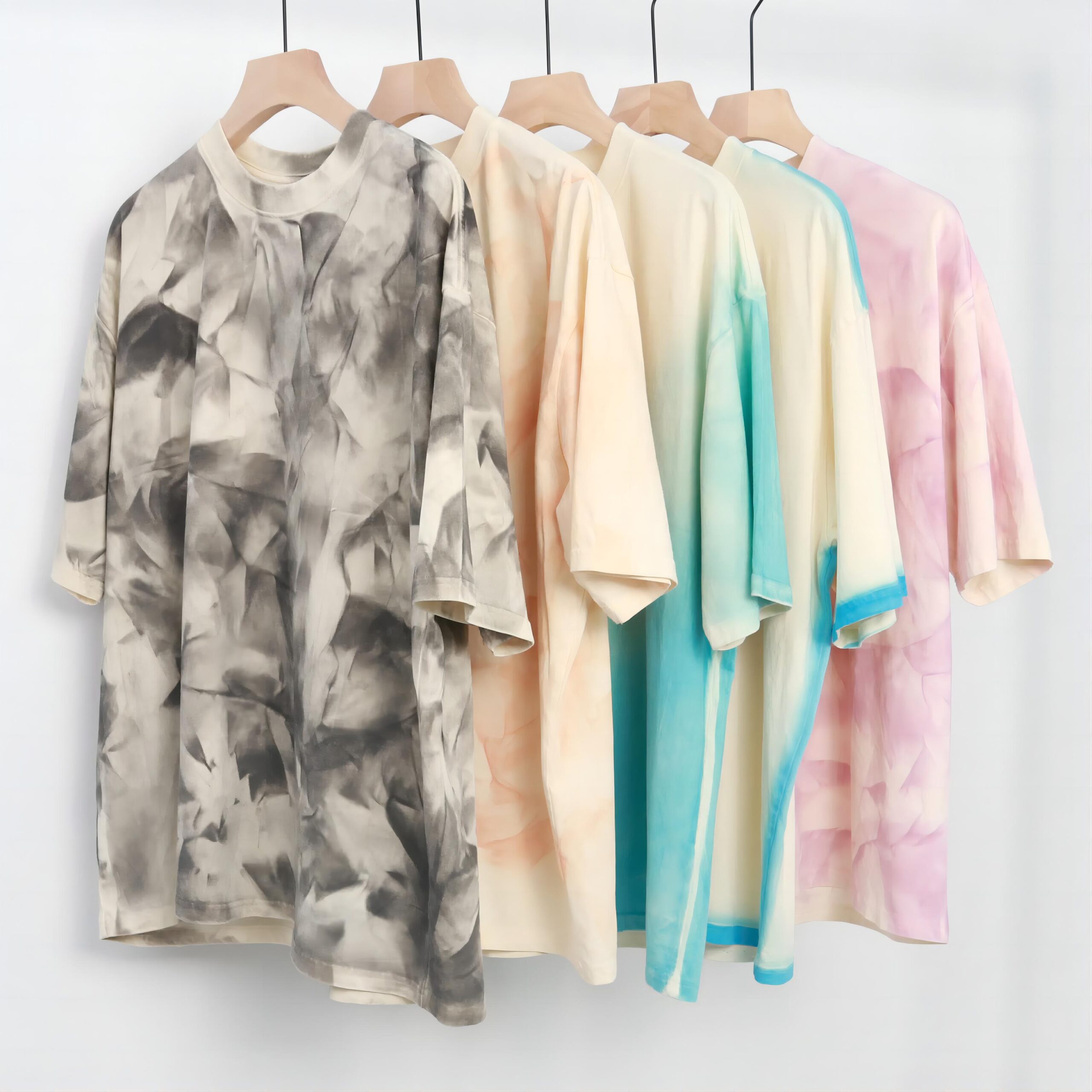


Built for Repeatable Cycling Apparel Production
EDVORIN turns cycling jersey concepts into documented, production-ready programs for brands, teams and private-label buyers.
Development-Led Standards
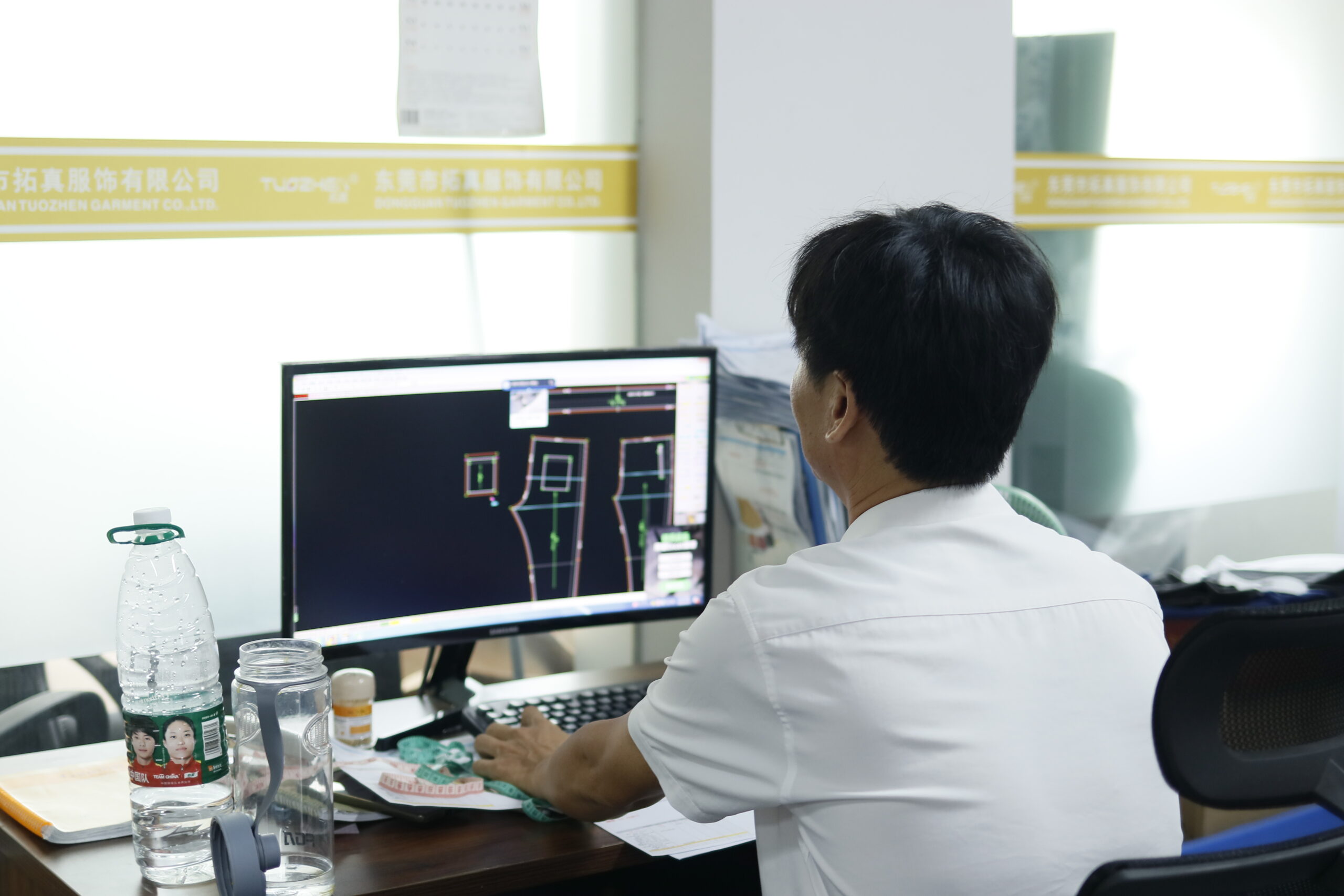
Translate sketches, references or tech packs into clear specifications for fit, materials, construction and finish before bulk production begins.
Flexible OEM and ODM
Support established buyers and emerging labels with OEM and ODM apparel development shaped around their design direction and production requirements.
Category-Specific Decoration
Coordinate artwork placement, printing and embroidery choices with garment materials so branded details remain aligned with the approved sample.
Sample-to-Bulk Control
Use approved samples, recorded measurements and placement references to guide in-line checks and final inspection across the order.
Coordinated Production Path
Bring fabric, trims, labeling, packaging and quality control into one accountable workflow for more consistent repeat orders.
200-Piece Starting MOQ
Start cycling jersey programs from 200 pieces per style, with flexible manufacturing support for teams, labels and wholesale collections.
Apparel Manufacturing for Brands, Teams and Private Labels
From first samples to repeat bulk orders, EDVORIN develops category-specific apparel with coordinated materials, construction, decoration and quality standards.
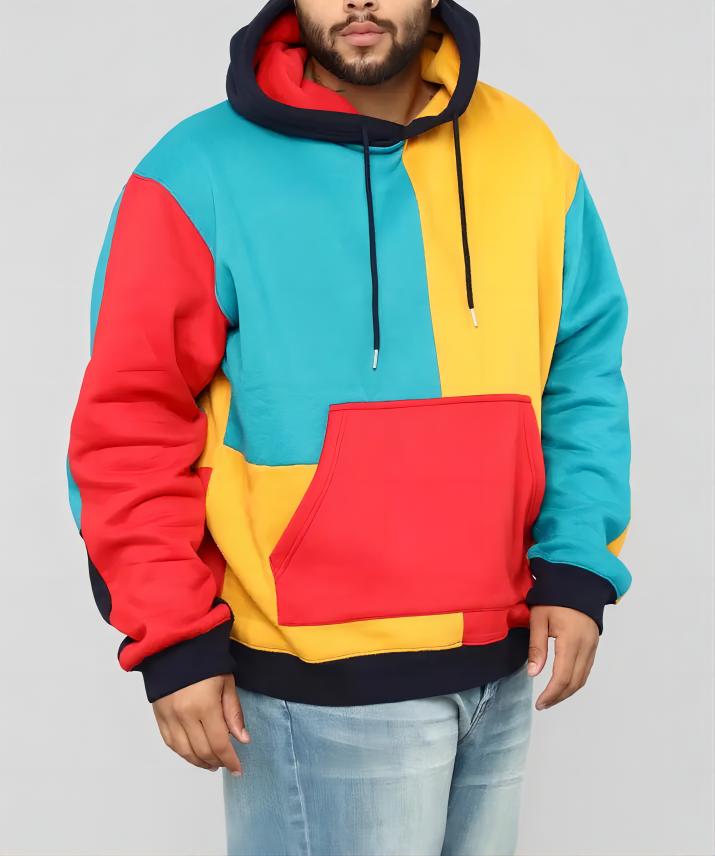
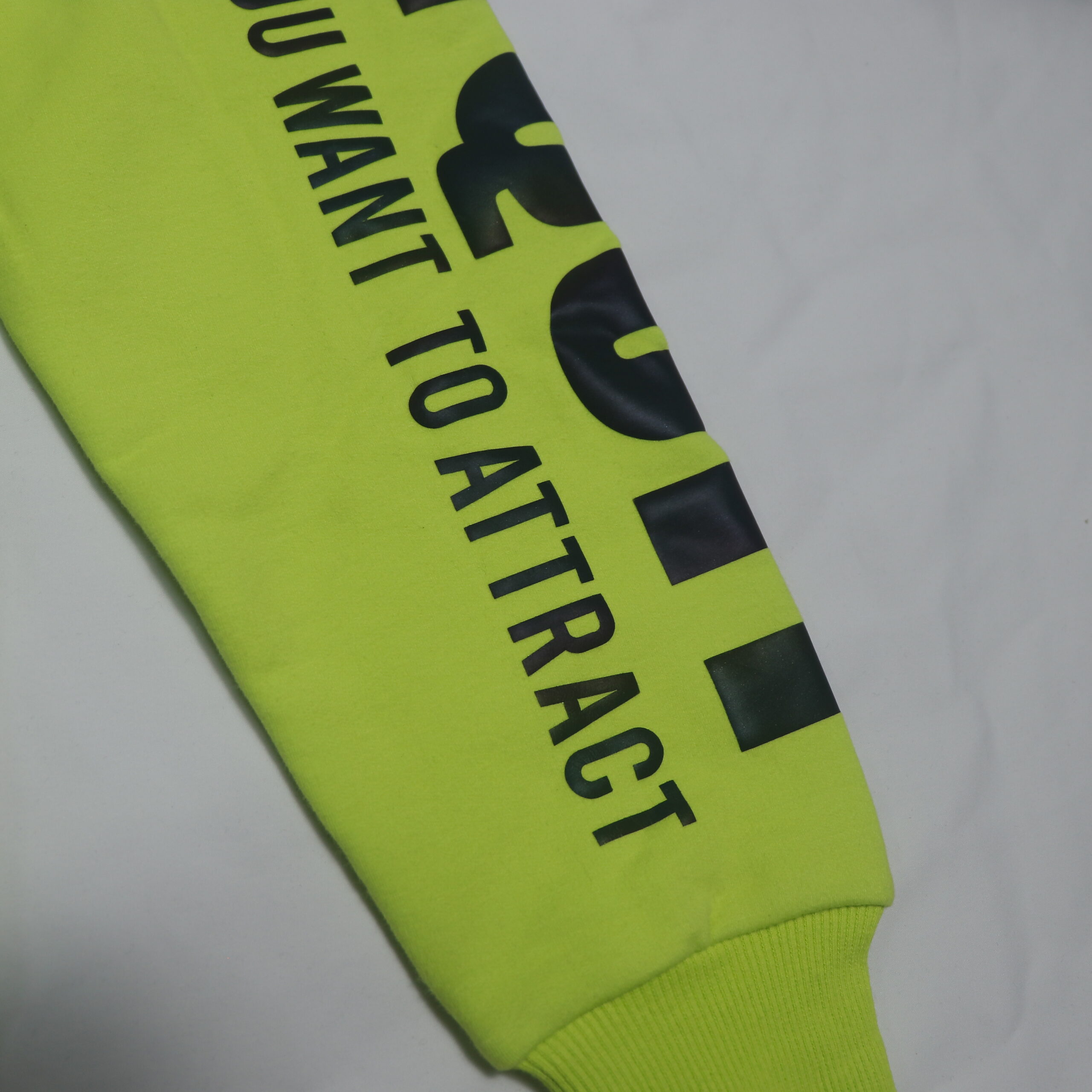
Custom Hoodies
EDVORIN develops custom hoodies from fit block and fleece selection through rib, hood construction, drawcords, labels and decoration. As a custom hoodie manufacturer, we document approved details so men’s and women’s styles can move consistently from sample to bulk.
Get a Quote
Pullover Sweatshirts
Pullover sweatshirts are developed around fabric weight, neckline, rib recovery, silhouette and finishing requirements. Our sweatshirt manufacturer process supports crewnecks and fashion-led variations, with printing, embroidery, wash treatments, labeling and packaging coordinated under one production standard.
Get a Quote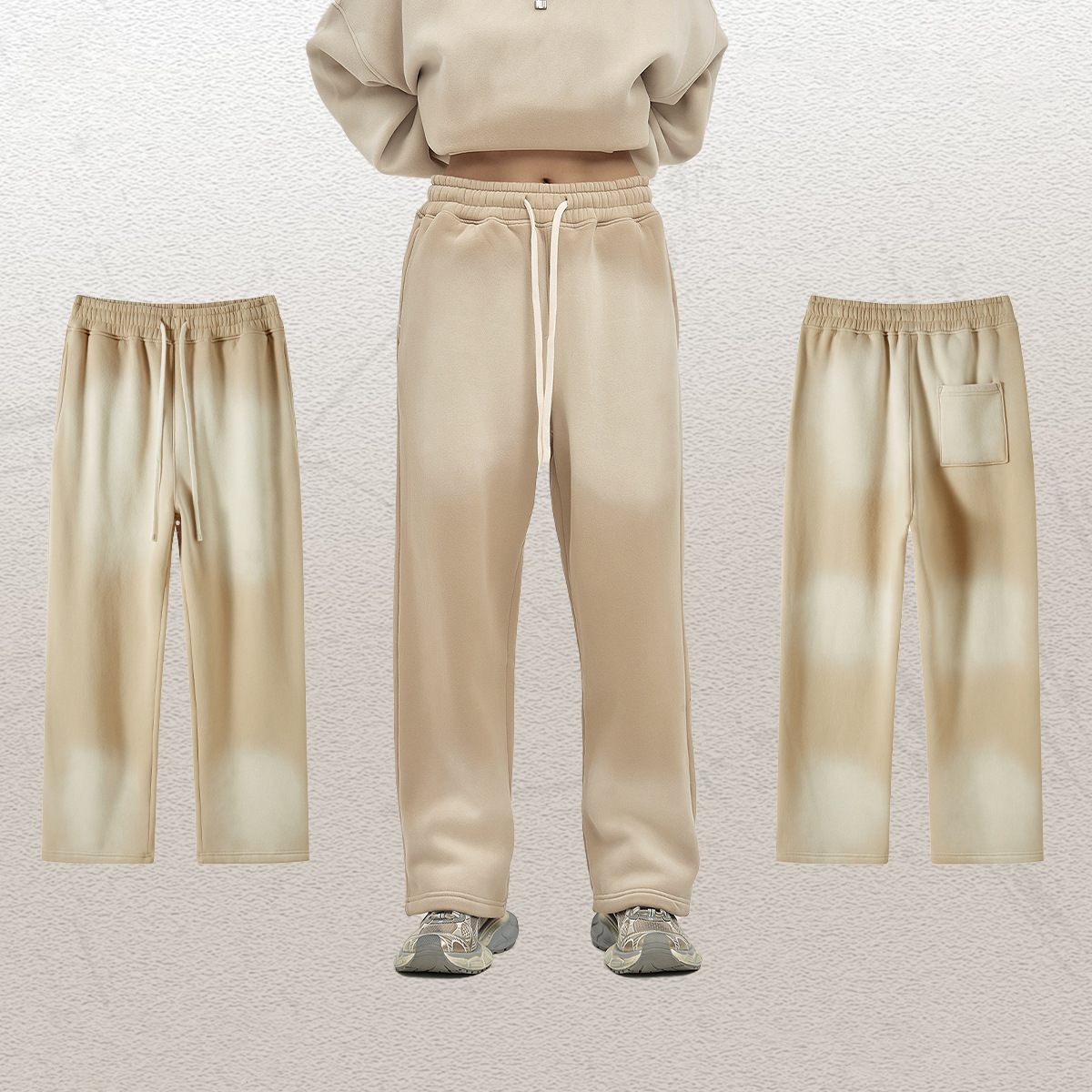
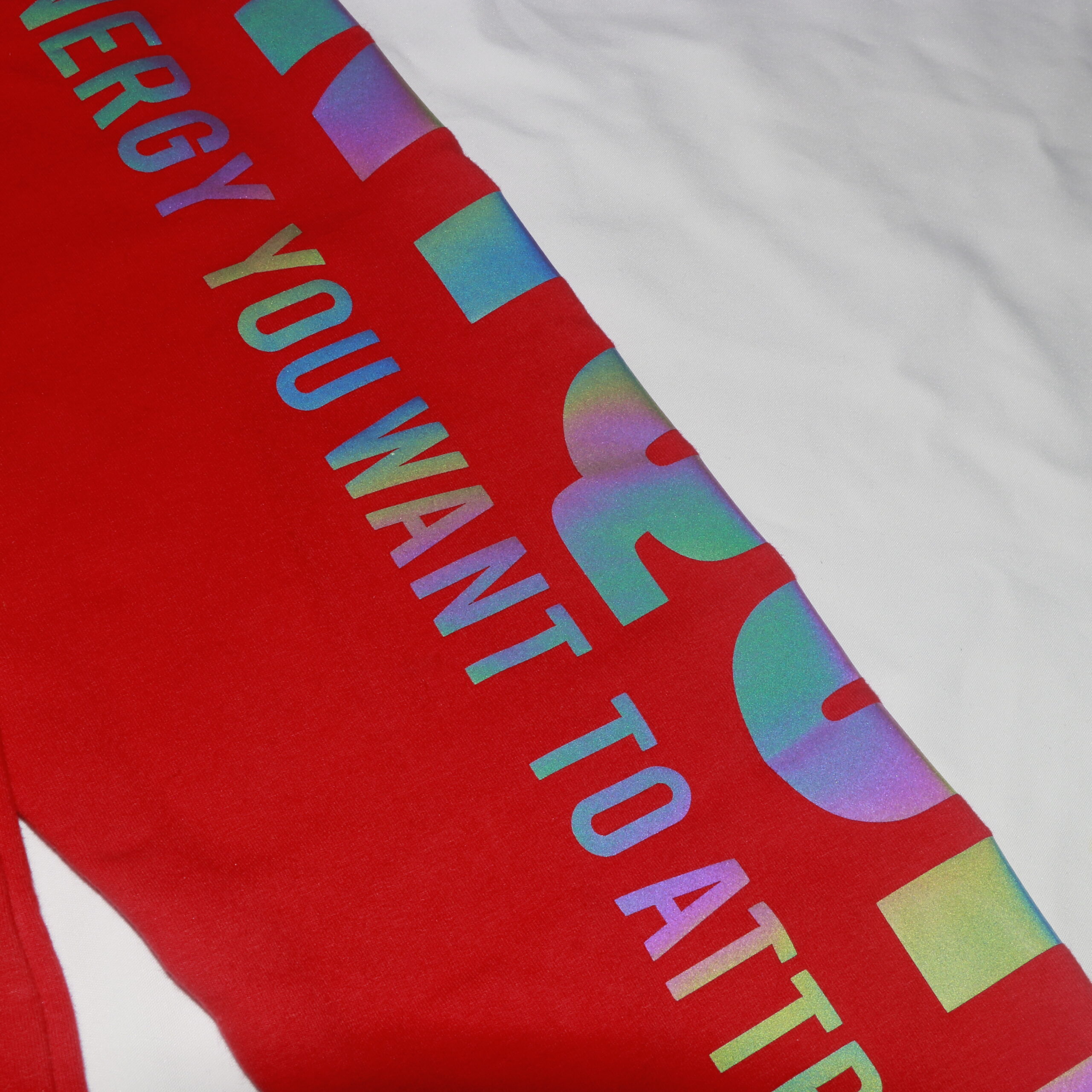
Sweatpants & Joggers
As a sweatpants manufacturer, EDVORIN develops sweatpants and joggers with fit, grading, waistband construction, pockets, cuffs and fabric behavior considered together. Buyers can align matching bottoms with hoodies or sweatshirts while maintaining consistent colors, trims and decoration across the program.
Get a Quote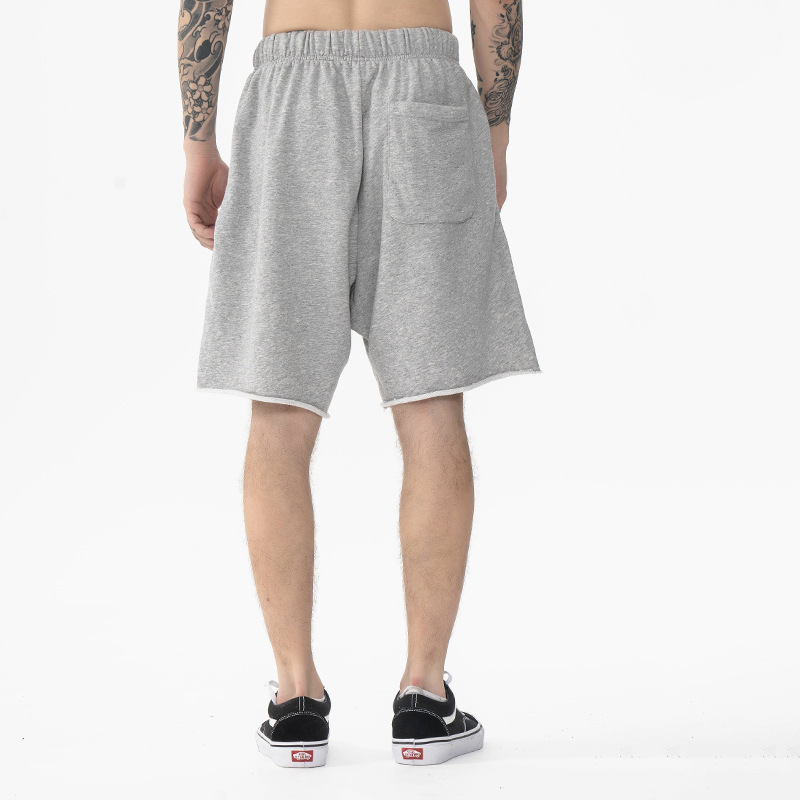
Custom Shorts
Custom shorts require clear decisions on inseam, rise, pocket construction, waistband, lining and intended use. EDVORIN supports casual, athletic and streetwear short programs as a custom shorts manufacturer, translating approved samples into repeatable specifications for bulk production.
Get a Quote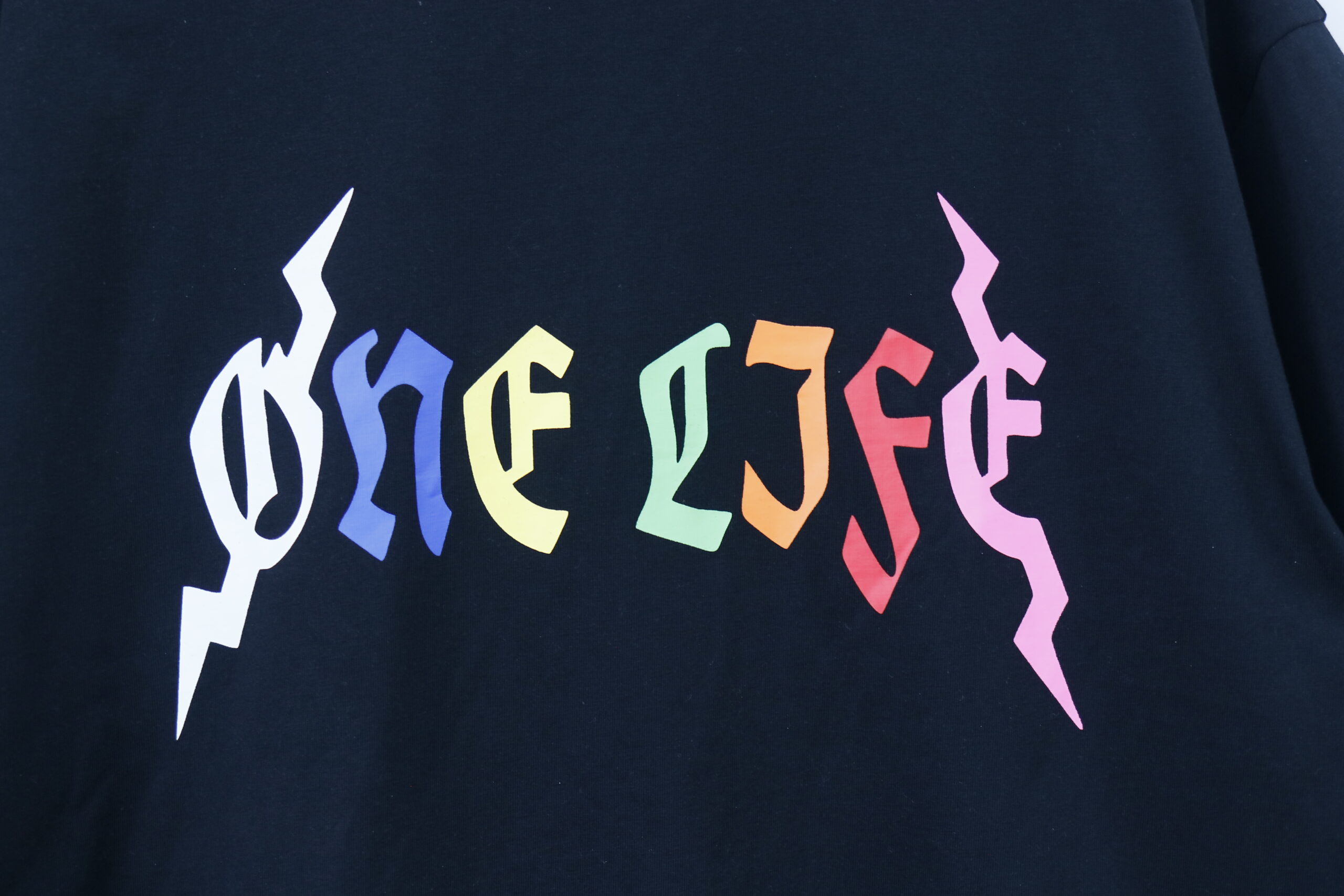
Varsity & Baseball Jackets
Varsity and baseball jackets depend on balanced body materials, sleeves, rib, snaps, lining and patch placement. As a varsity jacket manufacturer, EDVORIN coordinates embroidery, chenille, appliqué and woven details while controlling construction standards from sample approval through production.
Get a Quote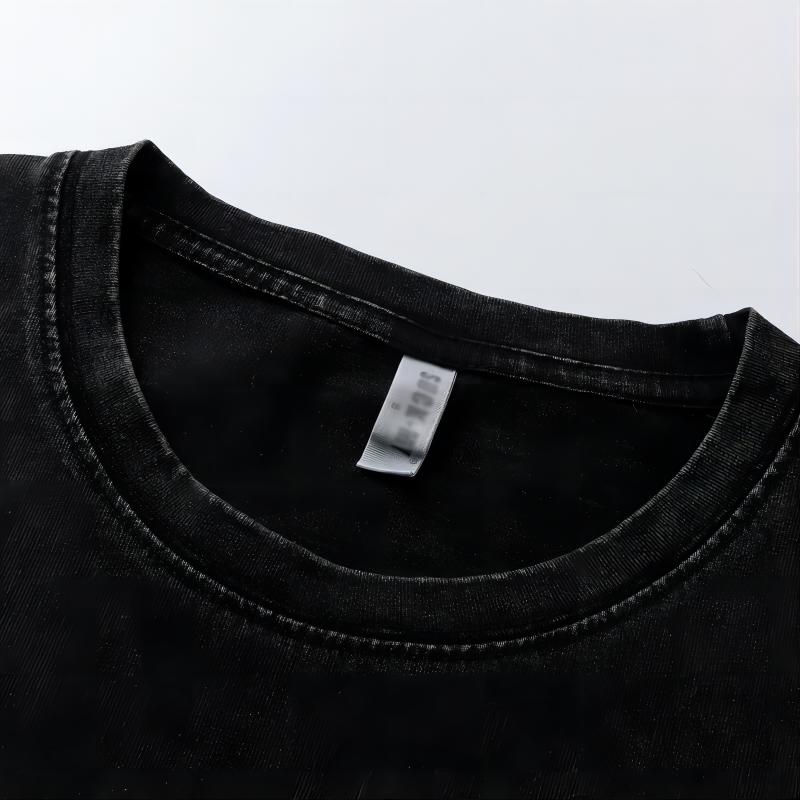
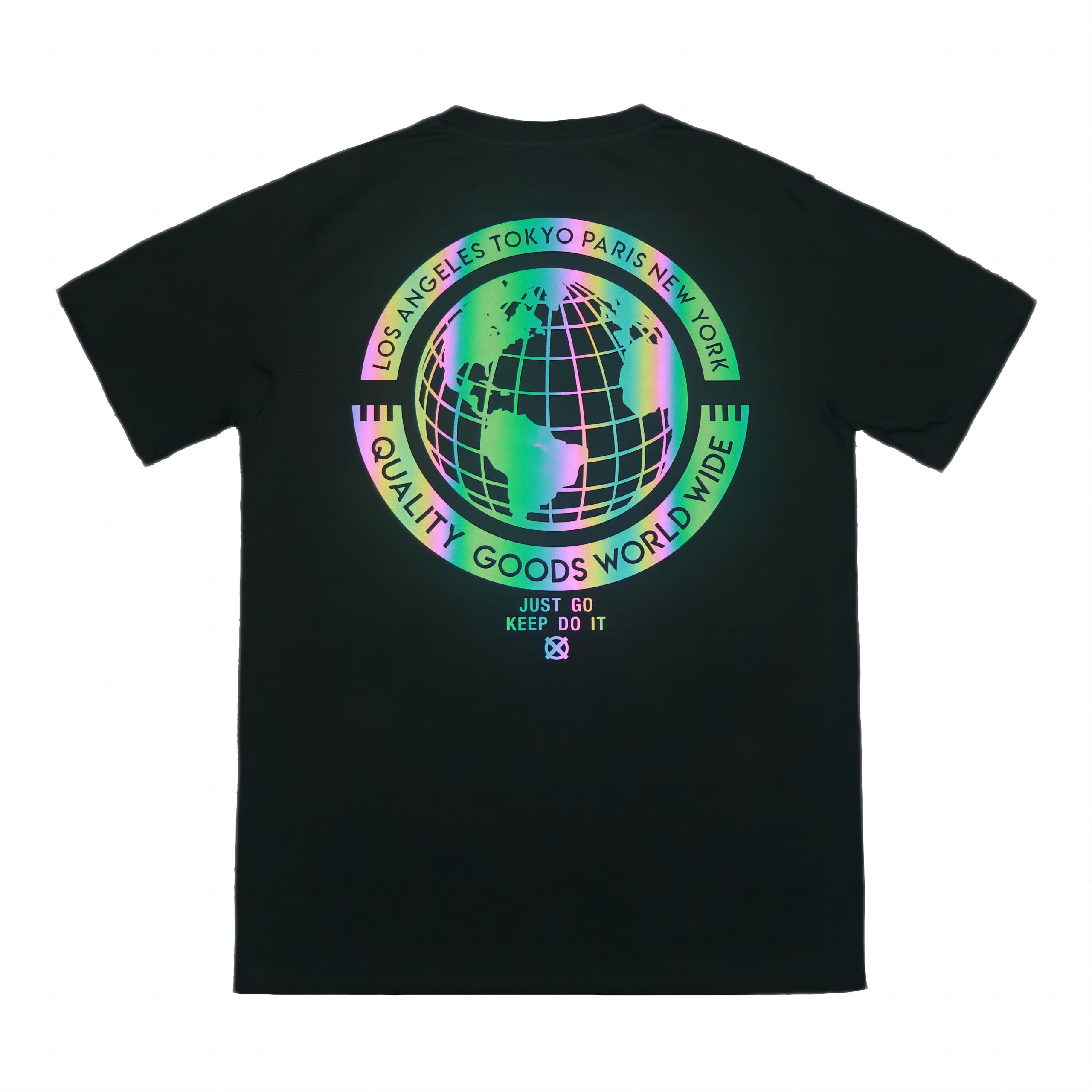
Custom T-Shirts
EDVORIN develops custom T-shirts across men’s and women’s programs, including fabric weight, collar construction, fit, print placement and wash effects. As a custom T-shirt manufacturer, we help brands record the approved standard for reliable repeat orders.
Get a Quote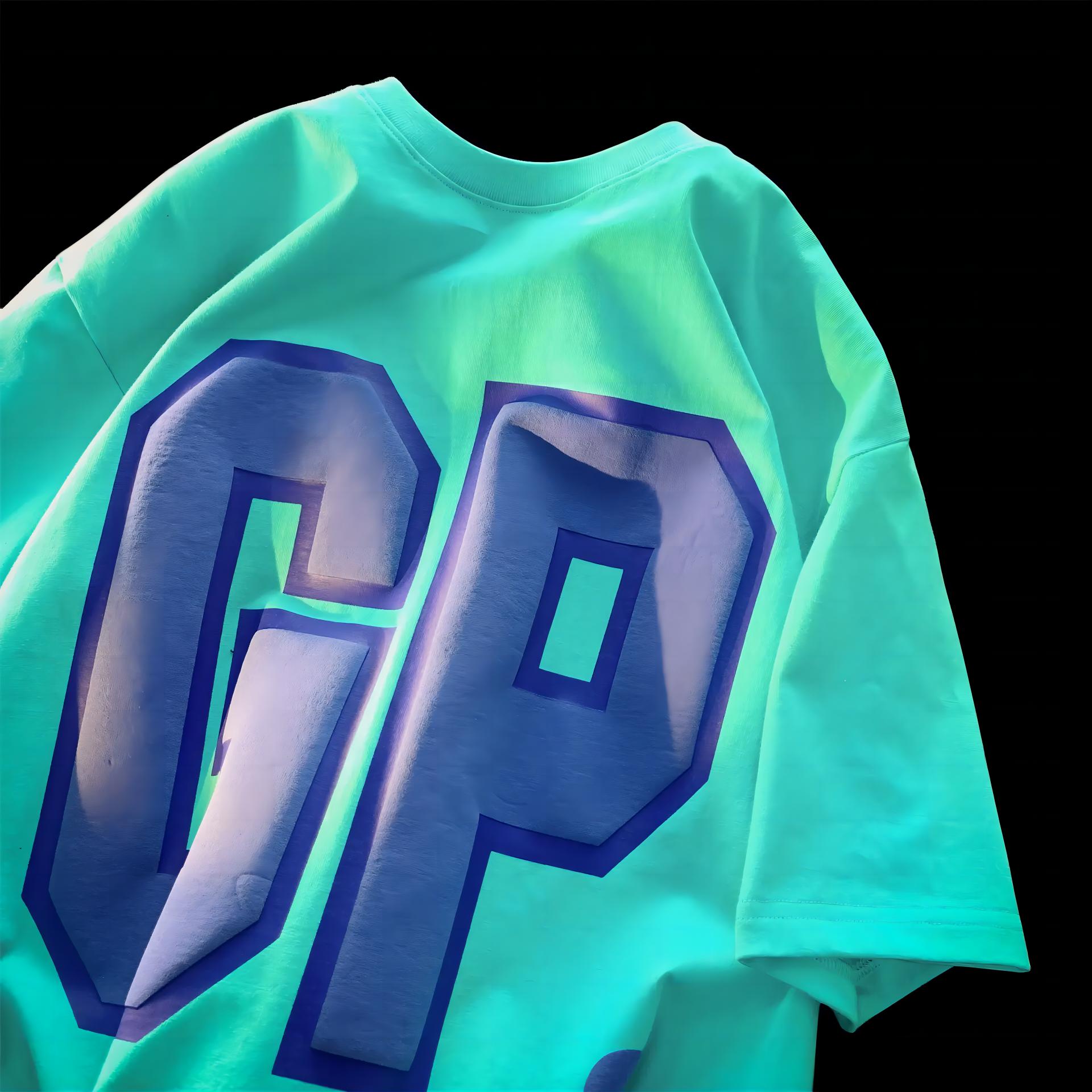
Custom Polo Shirts
Custom polo shirts are developed with collar shape, placket construction, fabric performance, cuff details and logo placement matched to the buyer’s market. Our polo shirt manufacturer workflow supports corporate, school, club and private-label programs with controlled grading and finishing.
Get a Quote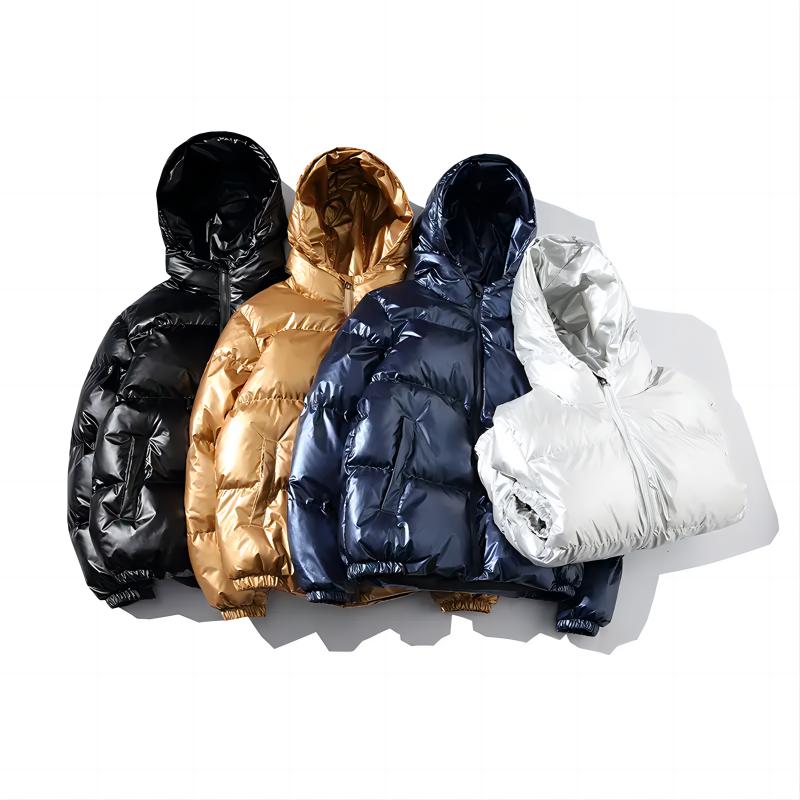
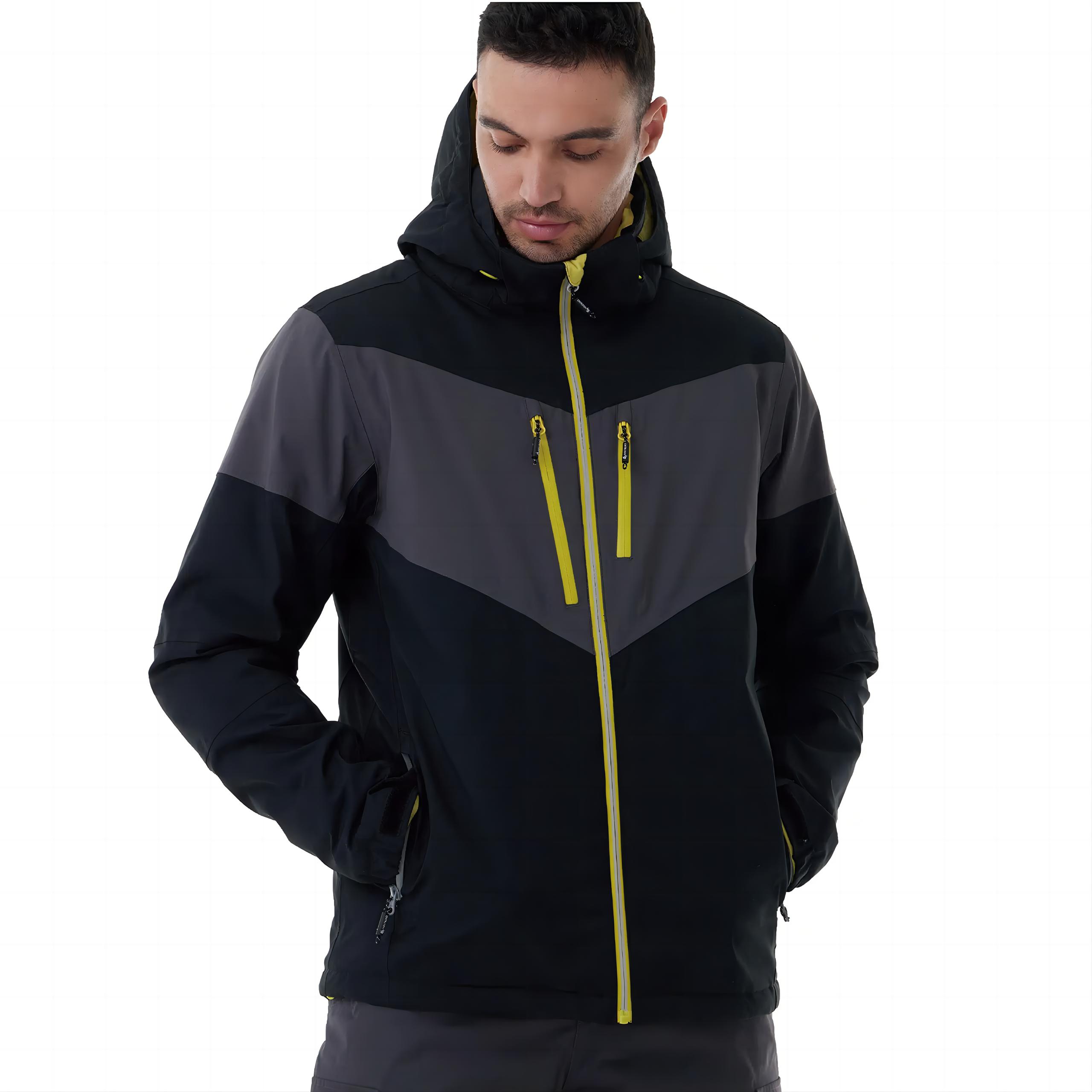
Windbreaker Jackets
Windbreaker jackets require coordinated shell fabric, lining or mesh, zipper selection, seam construction and weather-performance expectations. As a windbreaker manufacturer, EDVORIN develops branded outerwear with print or embroidery placements documented for consistent bulk production.
Get a Quote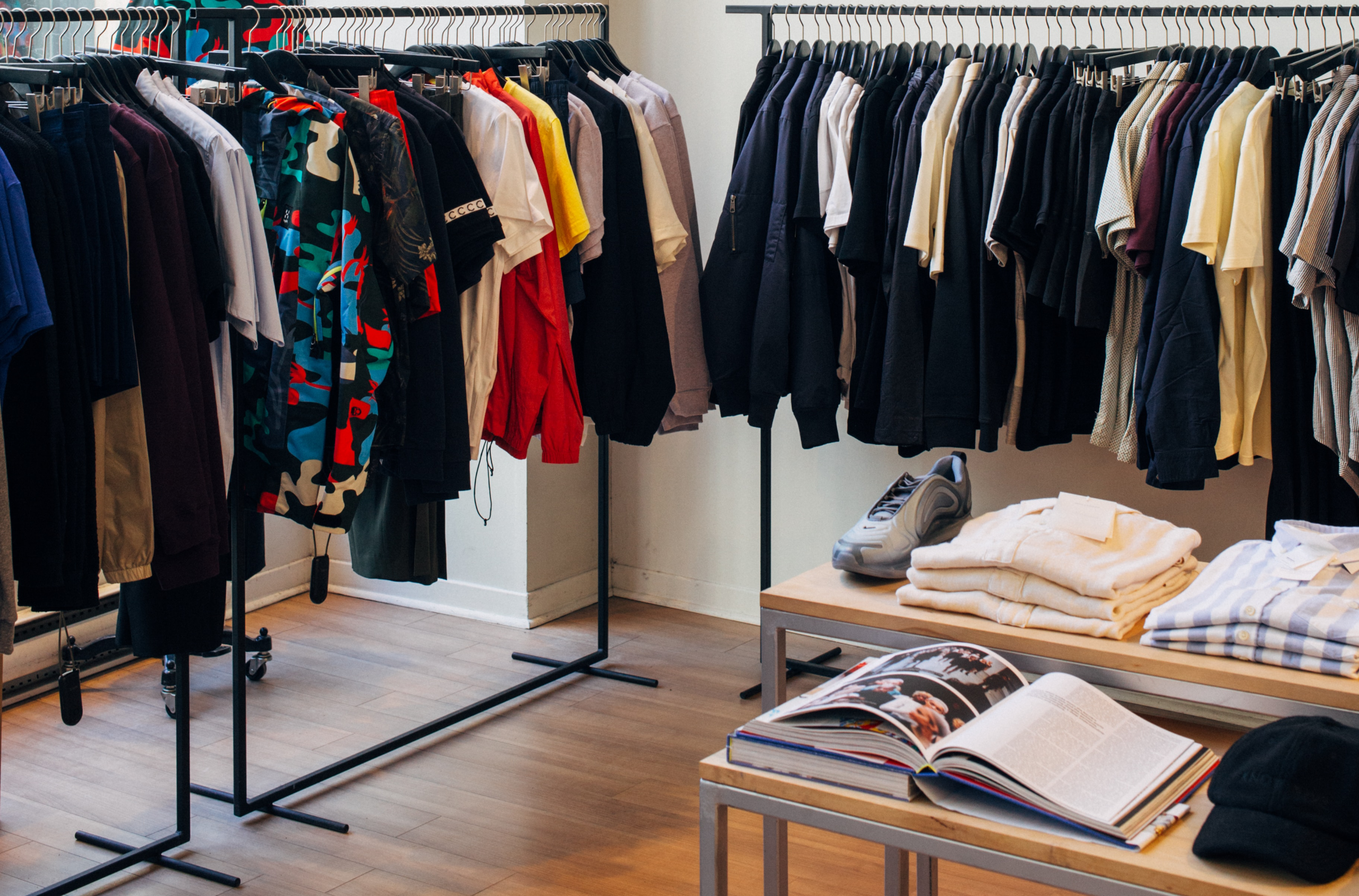
Quilted Jackets
Quilted jackets are developed around shell, lining, insulation, quilting pattern, hardware and fit. EDVORIN works as a quilted jacket manufacturer to coordinate these components early, reducing uncertainty between the approved sample and the finished outerwear order.
Get a Quote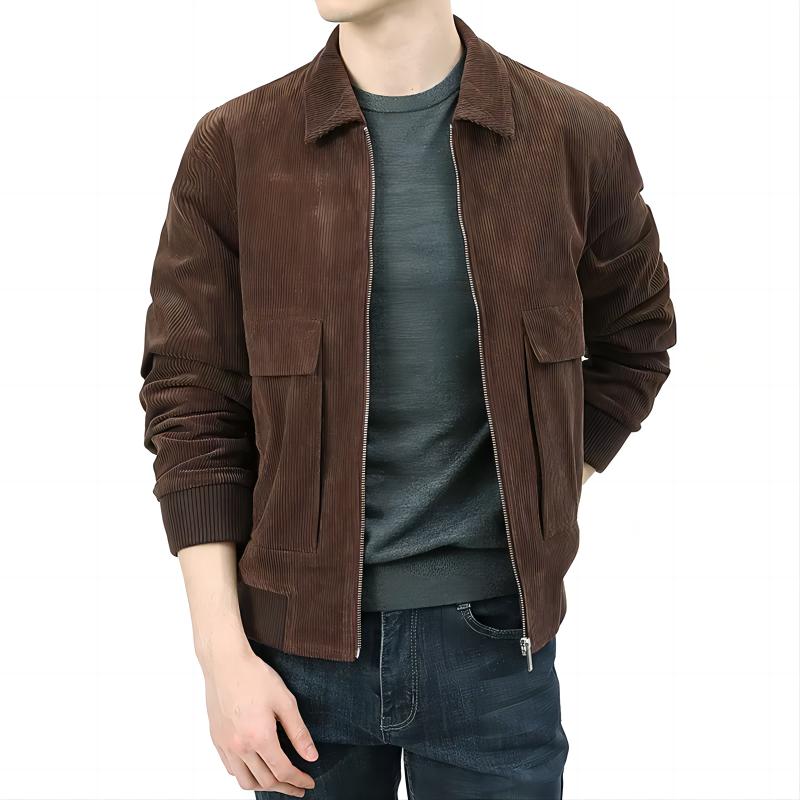
Bomber Jackets
Bomber jackets require control of silhouette, shell material, lining, rib, zipper and pocket construction. As a bomber jacket manufacturer, EDVORIN supports fashion, streetwear and private-label programs with coordinated decoration, trims and production-ready specifications.
Get a Quote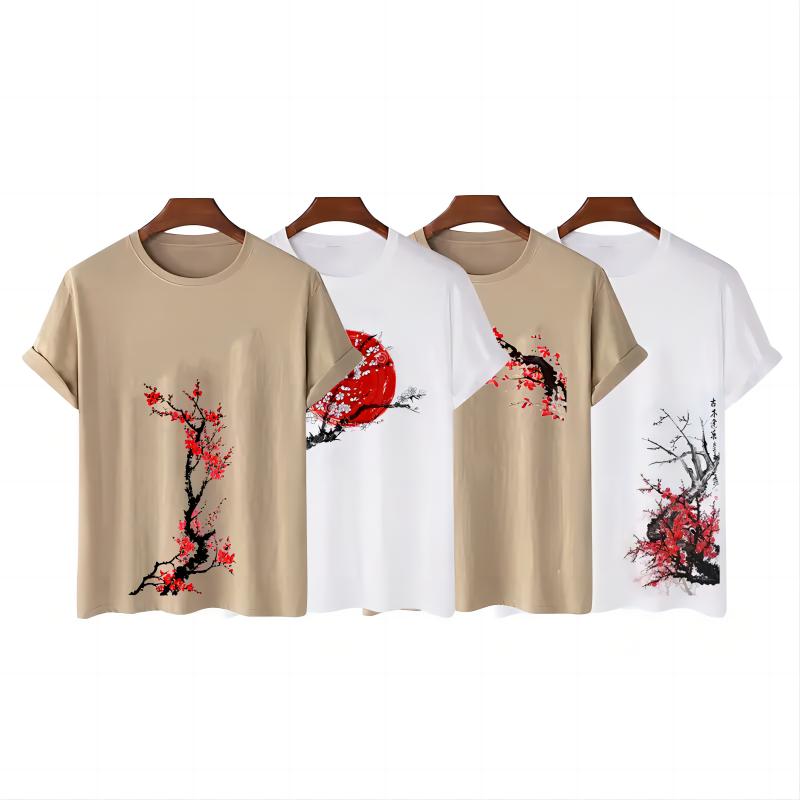
Custom Shirts
EDVORIN develops custom woven shirts with fabric selection, collar and cuff construction, placket details, fit and grading tailored to the target wearer. As a custom woven shirt manufacturer, we coordinate labels, embroidery, prints and finishing for men’s and women’s programs.
Get a Quote
Custom Jerseys
Custom jerseys are developed around breathable fabrics, color control, fit, team graphics, names and numbers. As a custom jersey manufacturer, EDVORIN creates clear artwork, placement and size-set standards that support clubs, schools, events and repeat teamwear orders.
Get a Quote
Tank Tops
Tank tops are developed with appropriate fabric weight, armhole shape, neckline, fit and decoration method for the intended category. As a custom tank top manufacturer, EDVORIN supports casual, training and streetwear programs across men’s and women’s sizing.
Get a Quote
Soccer Uniforms
Soccer uniforms require coordinated jerseys, shorts, socks, club colors, names and numbers across multiple sizes. As a soccer uniform manufacturer, EDVORIN manages breathable material options, graphic placement and repeatable specifications for teams, academies and wholesale buyers.
Get a Quote
Basketball Uniforms
Basketball uniforms are developed with movement, breathable fabric, neckline, armhole, shorts proportion and player identification in mind. As a basketball uniform manufacturer, EDVORIN coordinates color, numbering, decoration and size grading for organized team and school programs.
Get a Quote
Streetwear Collections
EDVORIN works as a streetwear clothing manufacturer across coordinated collections, from hoodies and T-shirts to jackets, bottoms and woven pieces. Product development connects fabrics, fits, washes, trims and decoration so each style can be reviewed as part of a repeatable range.
Get a QuotePerformance Fabrics for Custom Cycling Jerseys
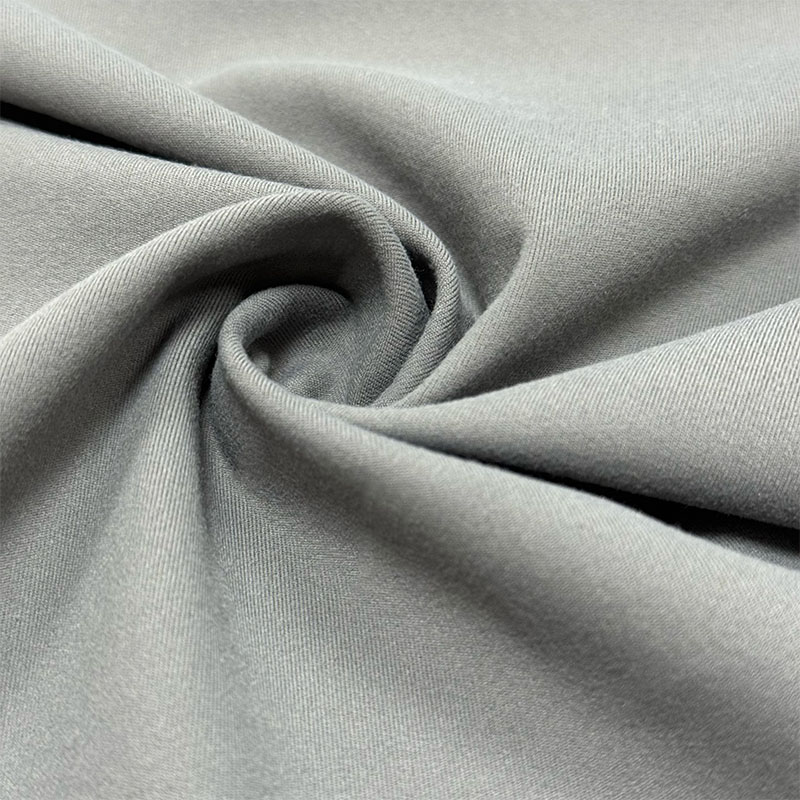
Moisture-Wicking Polyester
A lightweight, quick-drying performance base for road jerseys, team kits and promotional rides. Its smooth hand-feel supports vivid all-over decoration, while moisture-wicking construction helps move perspiration away from the skin.
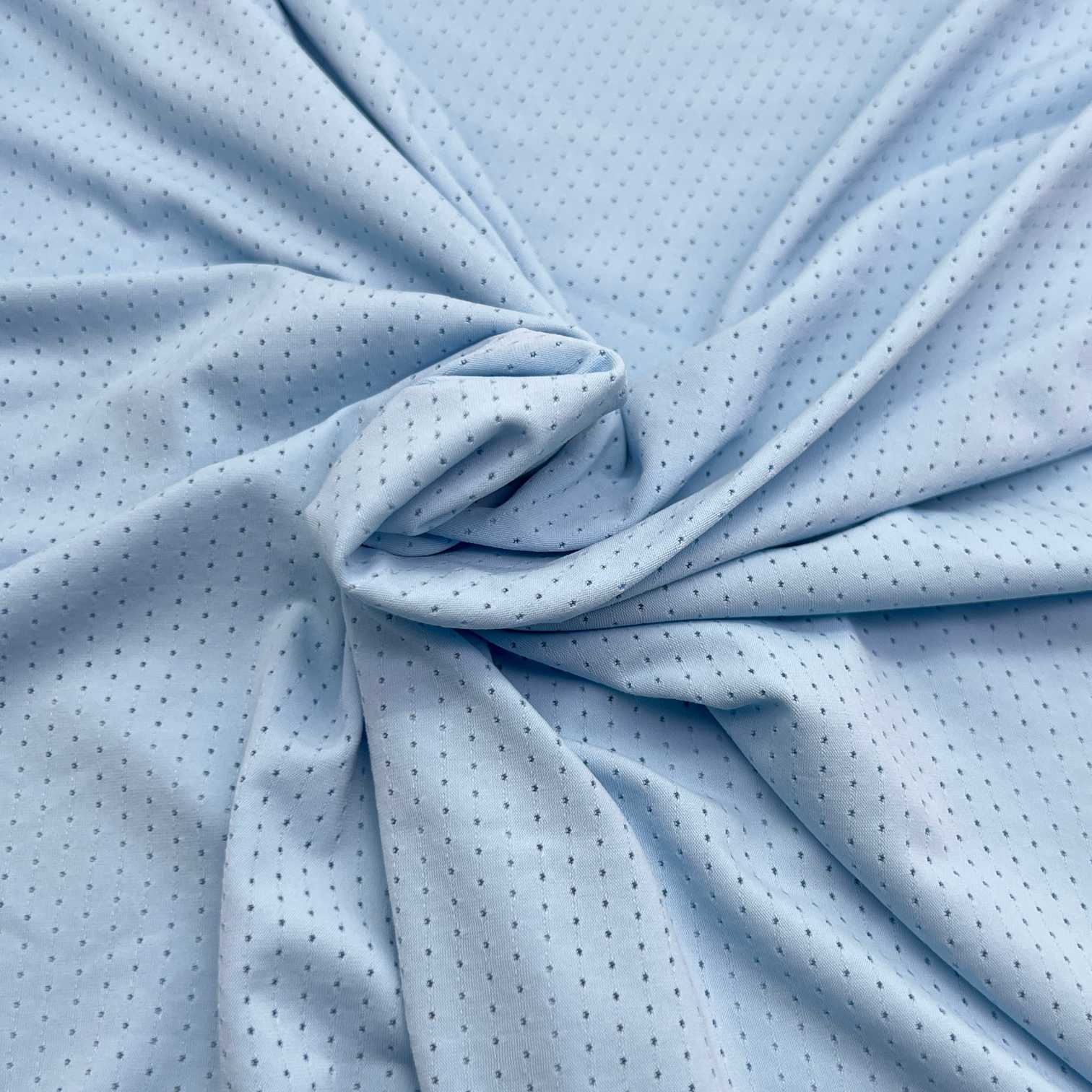
Stretch Performance Knit
A close-fitting knit developed for fitted cycling jerseys and race-oriented silhouettes. Four-way stretch supports movement through the shoulders and riding position, while recovery helps the garment retain its intended shape across repeat orders.
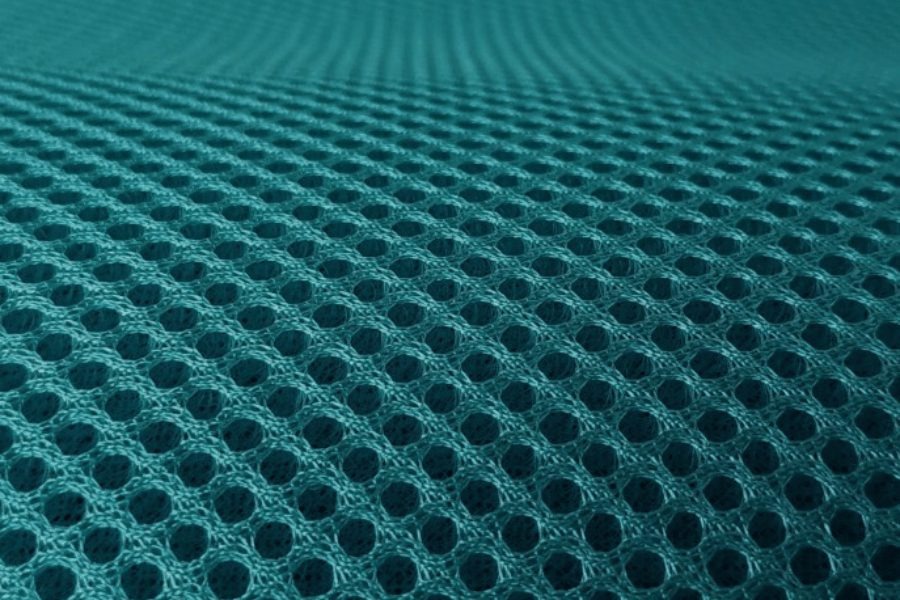
Breathable Mesh Panels
An open-knit fabric suited to underarm, side-body and back ventilation zones. Its airy structure increases airflow during high-output riding, while the lighter weight helps reduce bulk when integrated with a main jersey fabric.
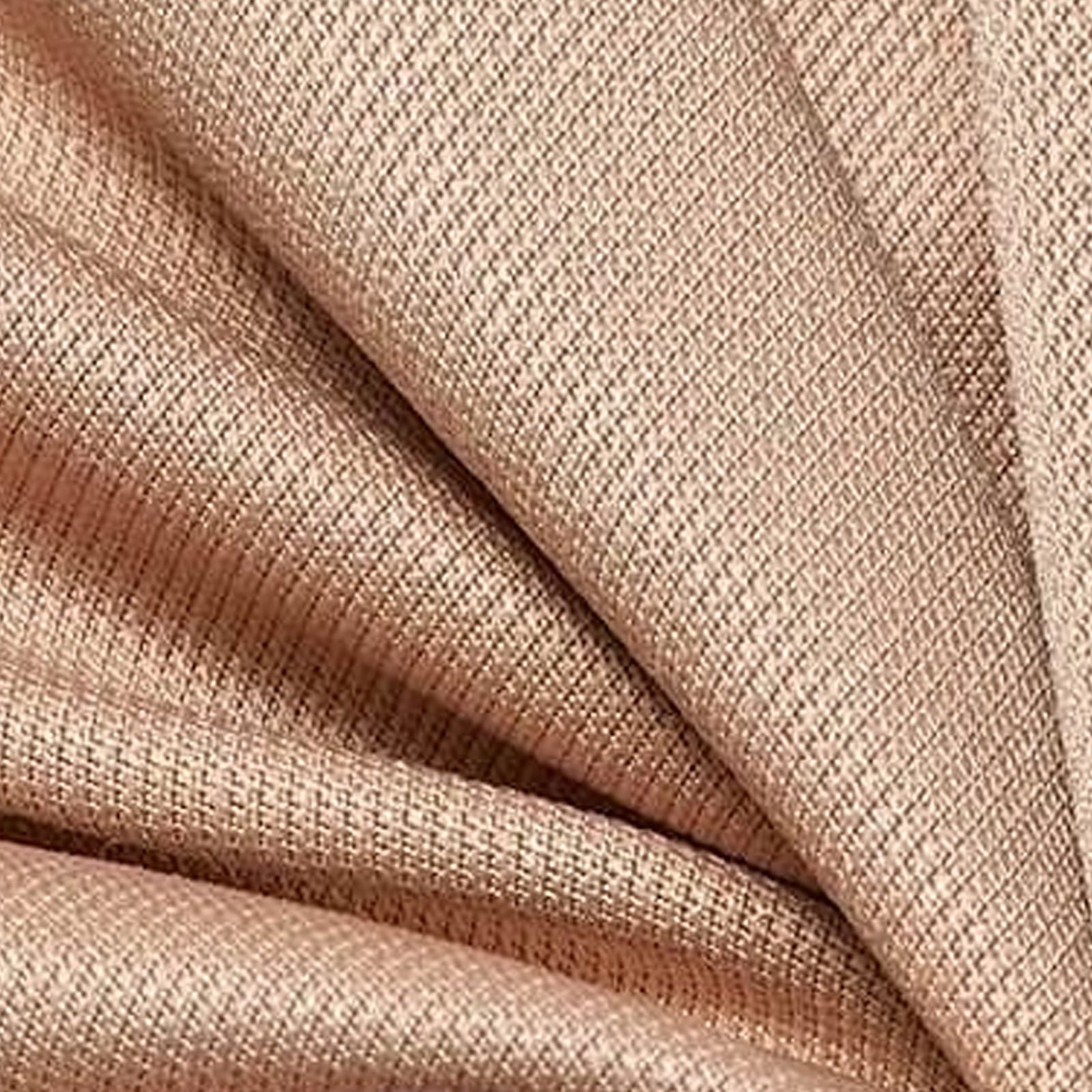
Brushed Thermal Knit
A warmer knit for cool-weather cycling jerseys, long-sleeve layers and transitional teamwear. The brushed inner face adds soft insulation against the body, while controlled stretch supports a secure, ride-focused fit.
Cycling Jersey Decoration Methods
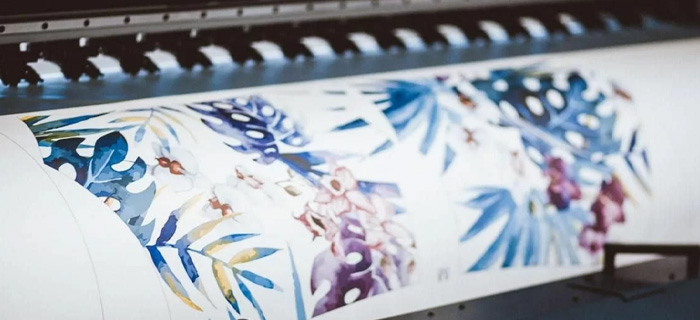
Full Sublimation Print
Dye-sublimation integrates all-over color, graphics and sponsor artwork into compatible polyester panels before assembly, producing a smooth, lightweight finish that will not add surface weight or crack during regular riding wear.
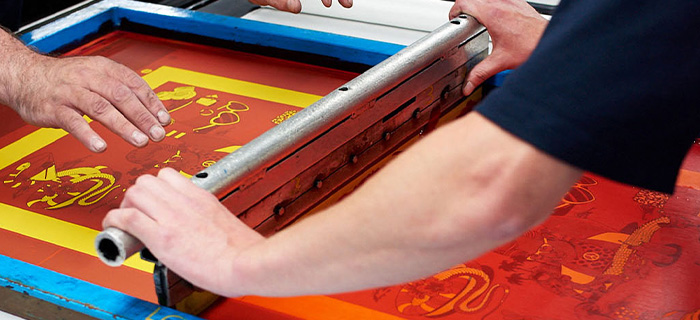
Screen Print Graphics
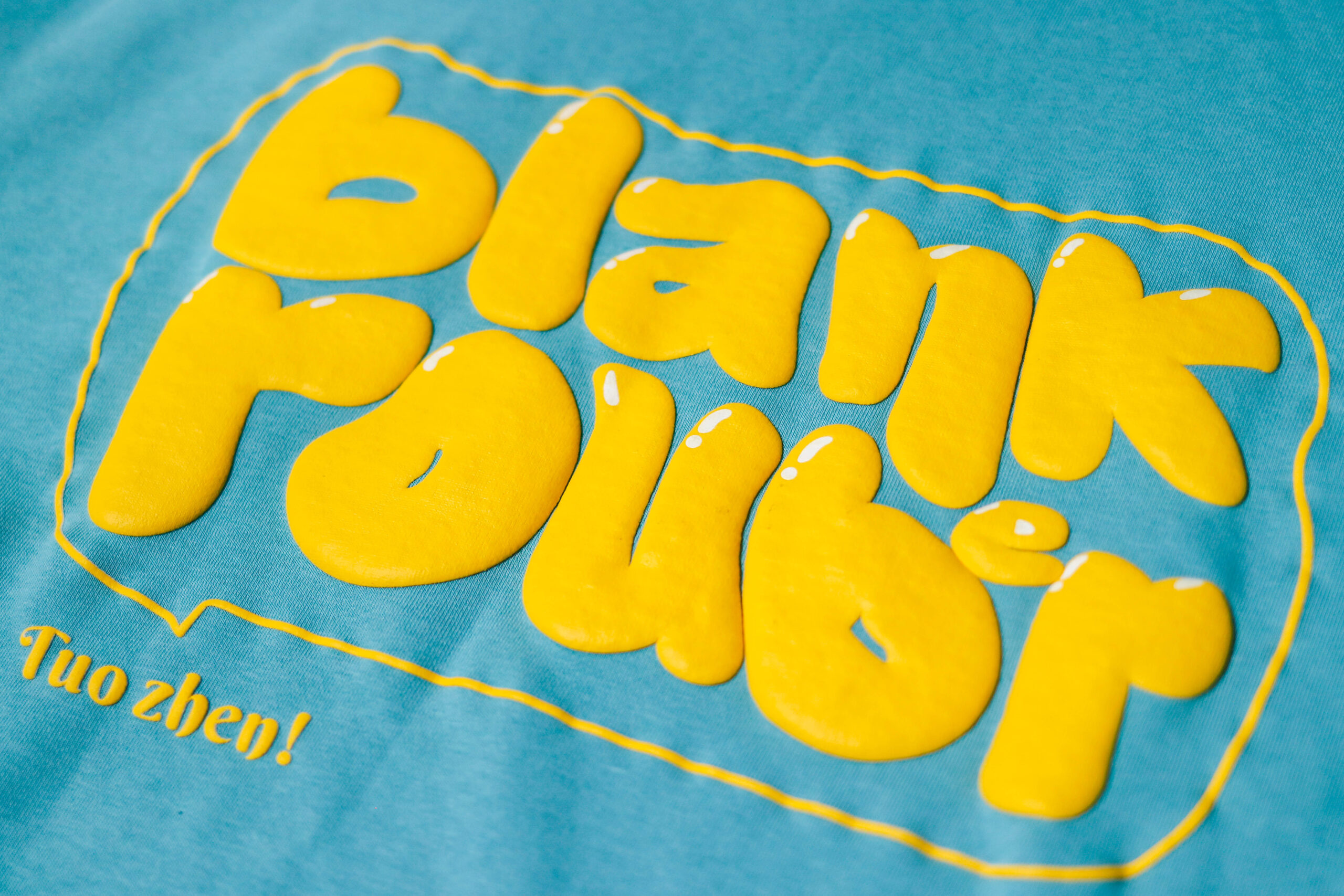
Screen printing applies selected logos and bold graphic areas with controlled ink coverage. It suits placement-focused designs where color, hand feel and adhesion are reviewed against the jersey fabric and approved sample.
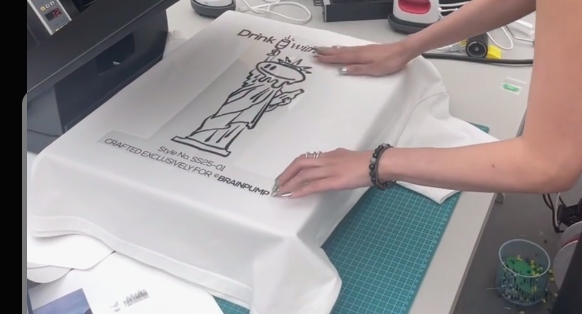
Heat Transfer Logos
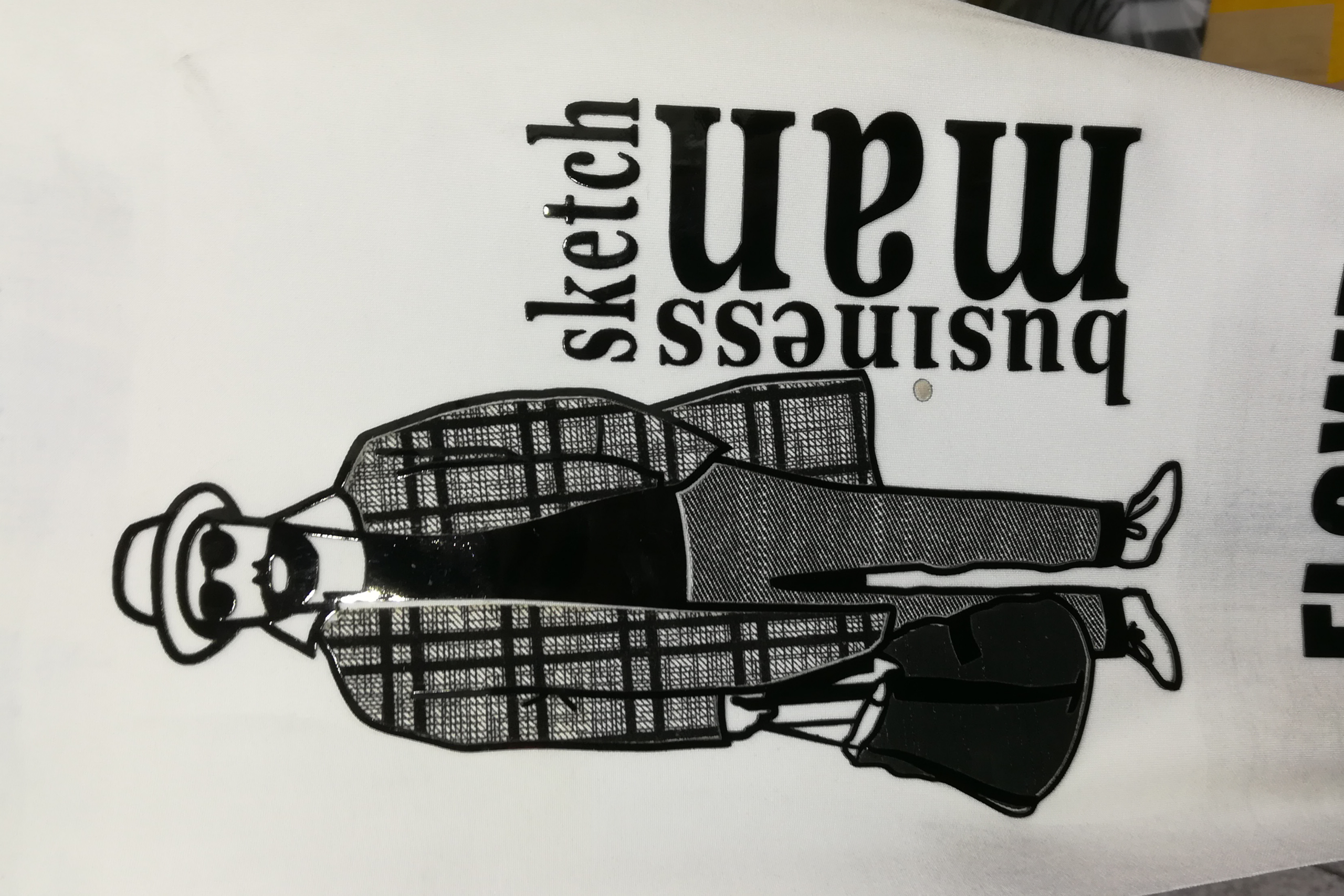
Heat transfers create precise logos, names and small artwork placements for cycling jerseys. EDVORIN tests placement and material compatibility during sampling so the finished application aligns with the approved production standard.
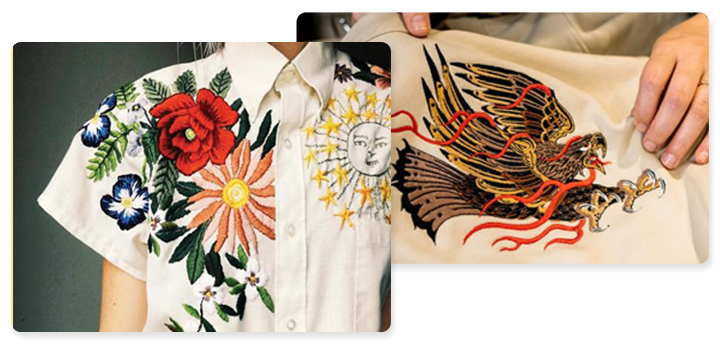
Embroidery Applications
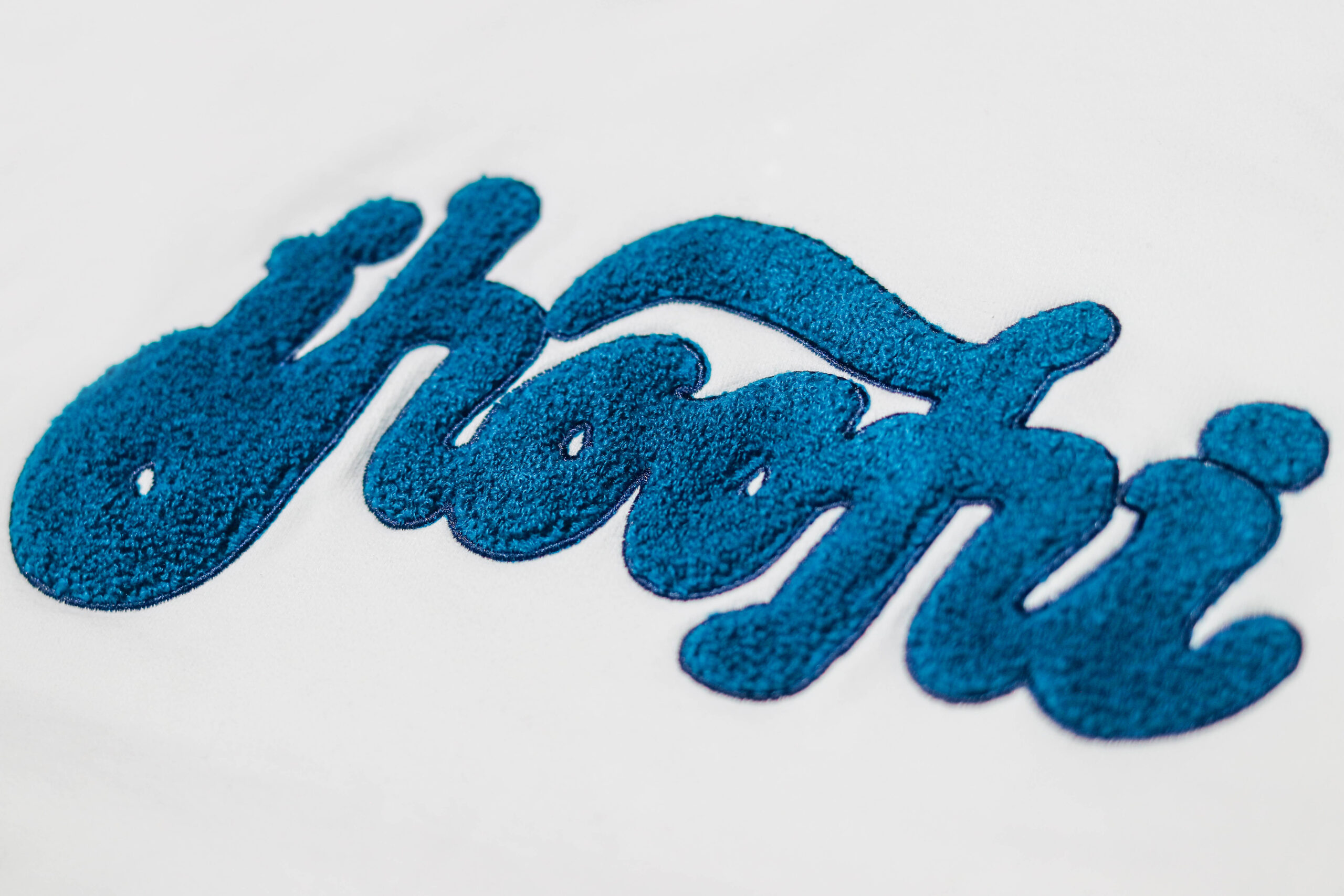
Embroidery adds dimensional stitched detail for select badges, crests and identity marks. It is evaluated for fabric weight, placement and wearer comfort, helping preserve a clean result without compromising the jersey’s intended function.
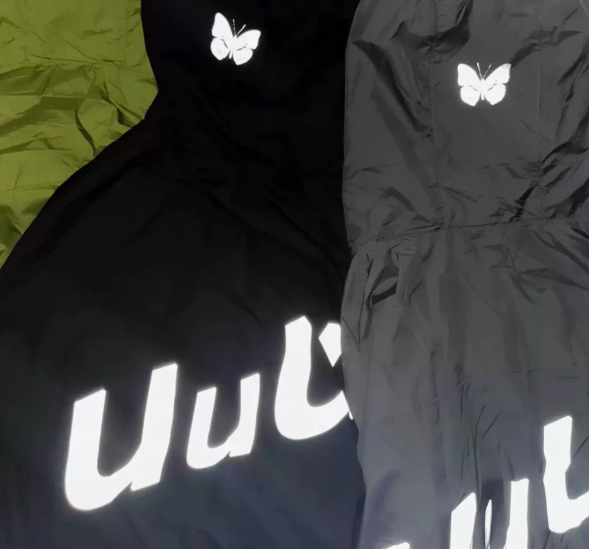
Reflective Detail Application
Reflective transfers and trims can be positioned on cycling apparel to support visibility-focused design requirements. Placement, artwork scale and attachment method are confirmed in the sample before bulk production is released.
Cycling Jersey Trims and Finishing Options
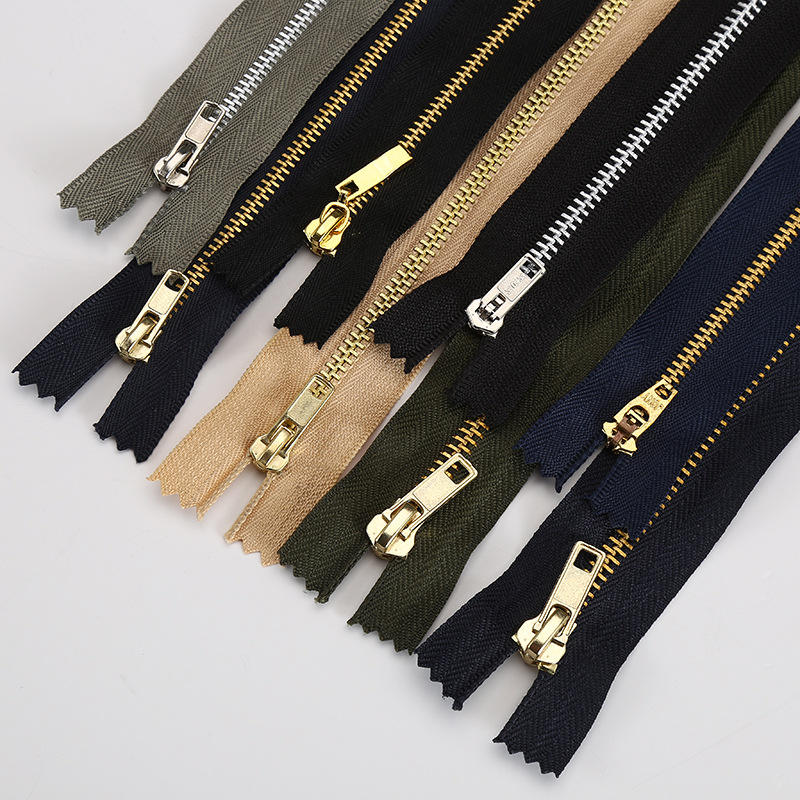
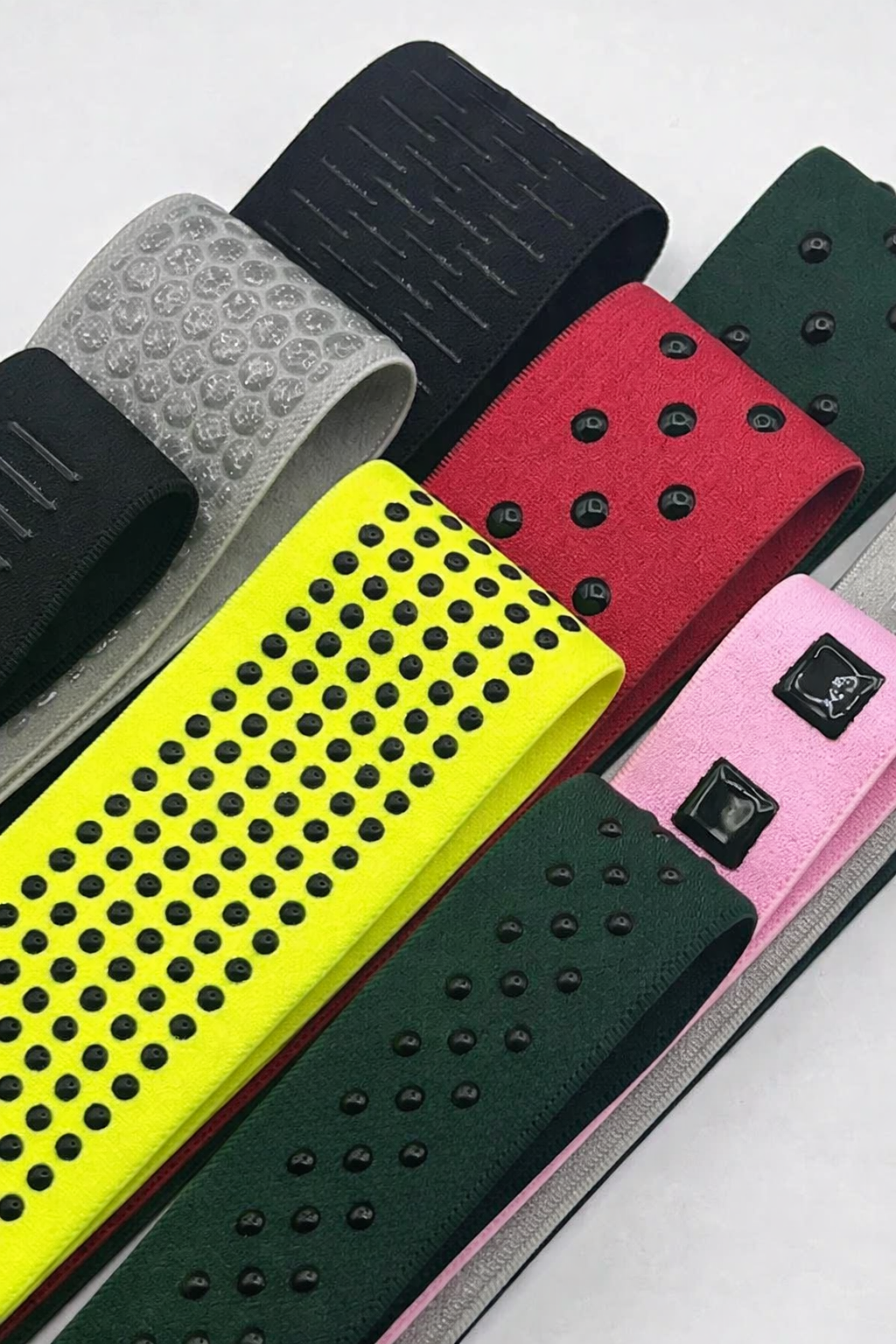
Silicone Hem Grippers
Silicone gripper finishes help keep the jersey hem positioned during movement. They can be specified by width, grip pattern, and placement to match the intended fit, riding use, and garment construction.
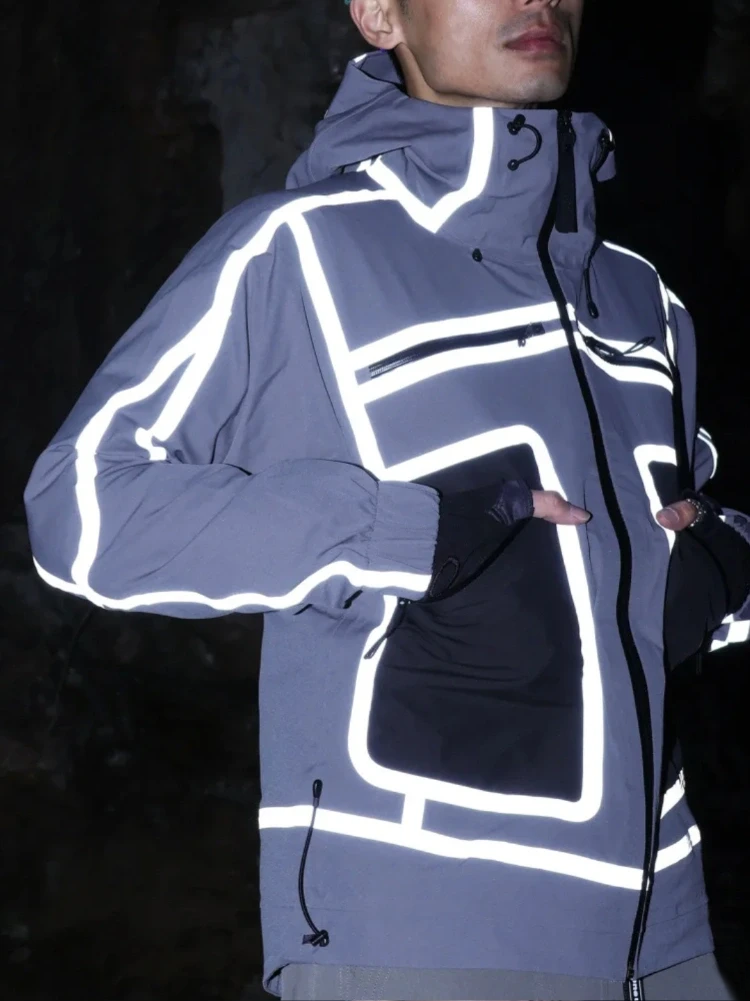
Reflective Details
Add reflective transfers, piping, or small placement details where visibility is part of the brief. Artwork, positioning, and application requirements are documented during sampling to support consistent production results.
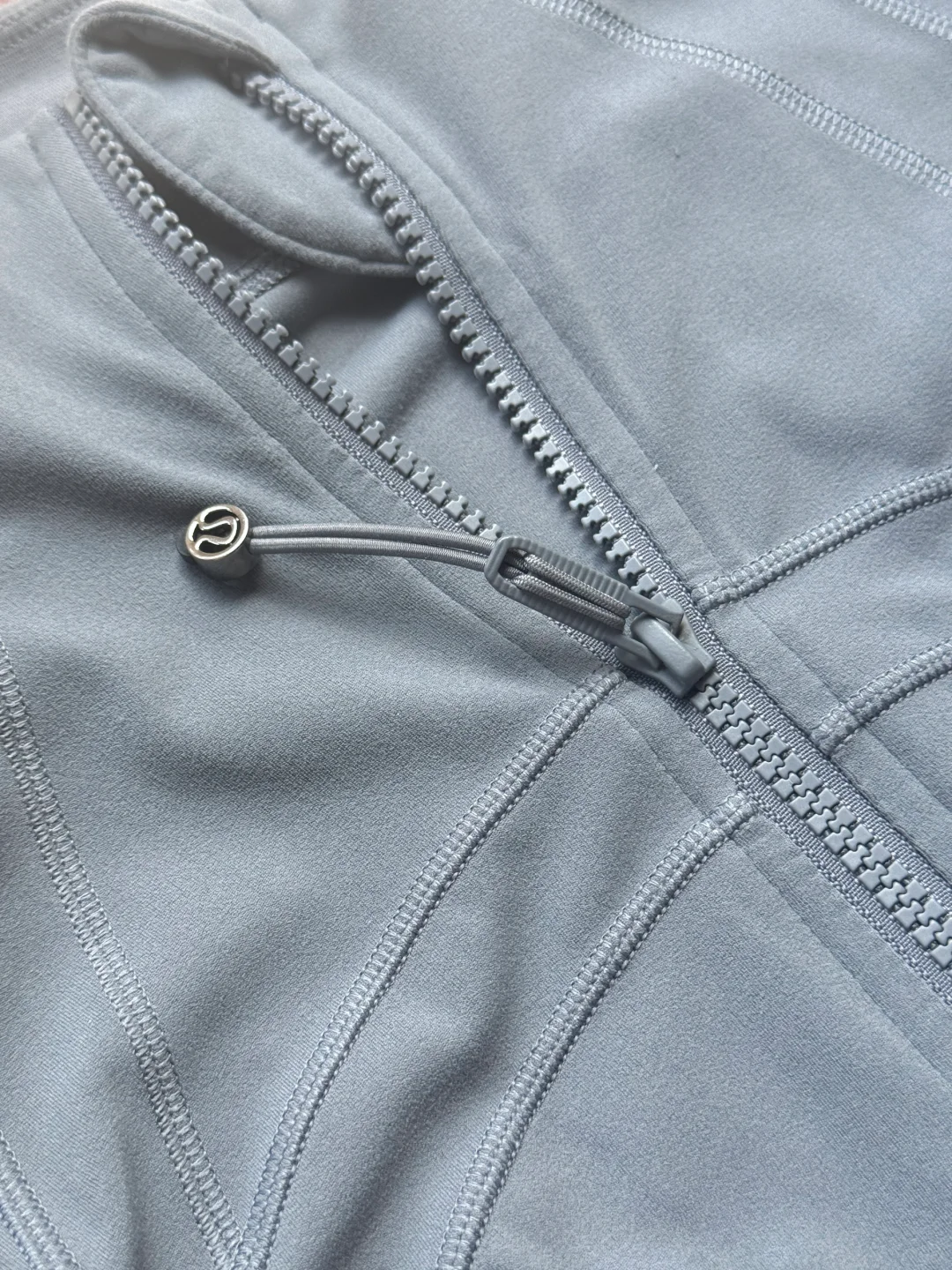
Rear Pocket Details
Configure rear-pocket layouts for riding essentials, with options for pocket count, opening shape, reinforcement, and finishing. EDVORIN develops these details around the jersey’s fit, fabric behavior, and intended rider use.
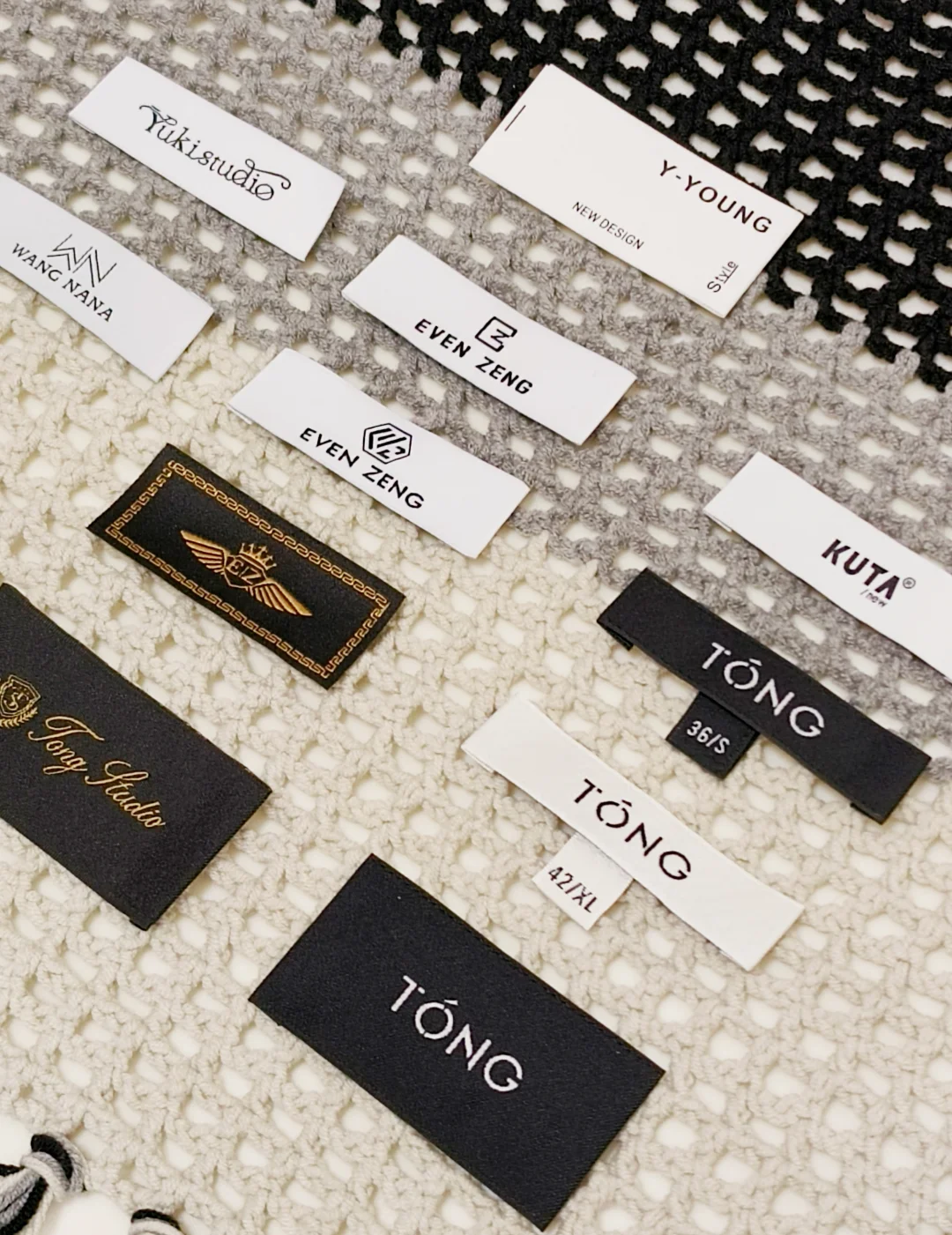
Woven Brand Labels
Woven neck labels, hem labels, and size labels give private-label cycling jerseys a more complete branded identity. Label artwork, fold style, placement, and care information can be coordinated within the production specification.
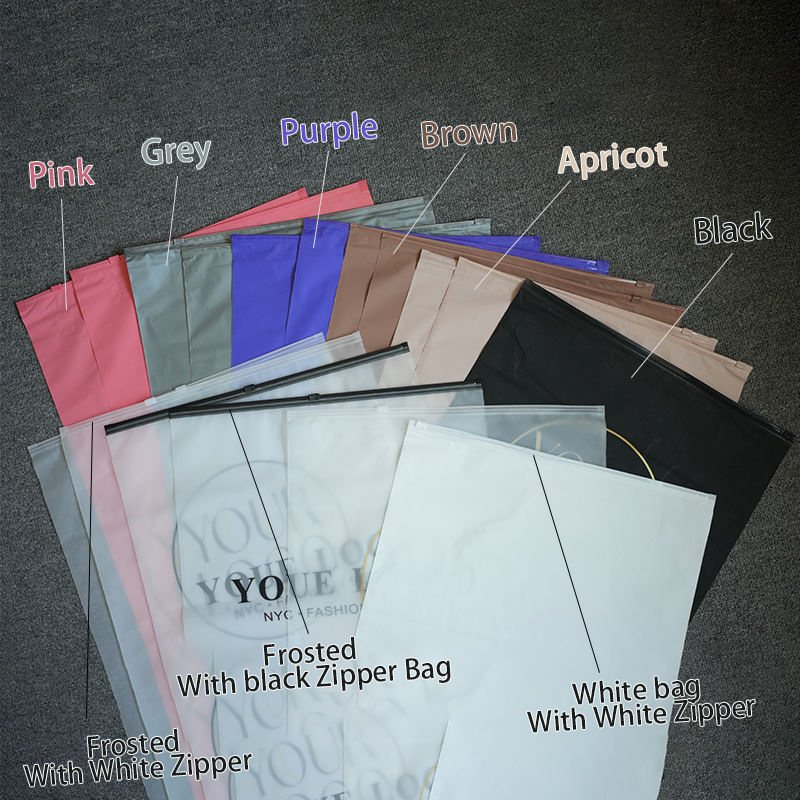
Custom Packaging
Complete the program with branded hangtags, polybags, size stickers, folding instructions, and carton packing details. Packaging requirements are organized alongside the approved garment standard to support orderly delivery and wholesale handling.
About EDVORIN, Your Cycling Jersey Manufacturer
Founded in 2000 by Edvorin Zeng, EDVORIN was built on a practical belief: apparel ideas need clear production standards to perform beyond the first sample. As a founder-led cycling jersey manufacturer, we help brands, clubs and private-label buyers turn concepts into repeatable teamwear programs.
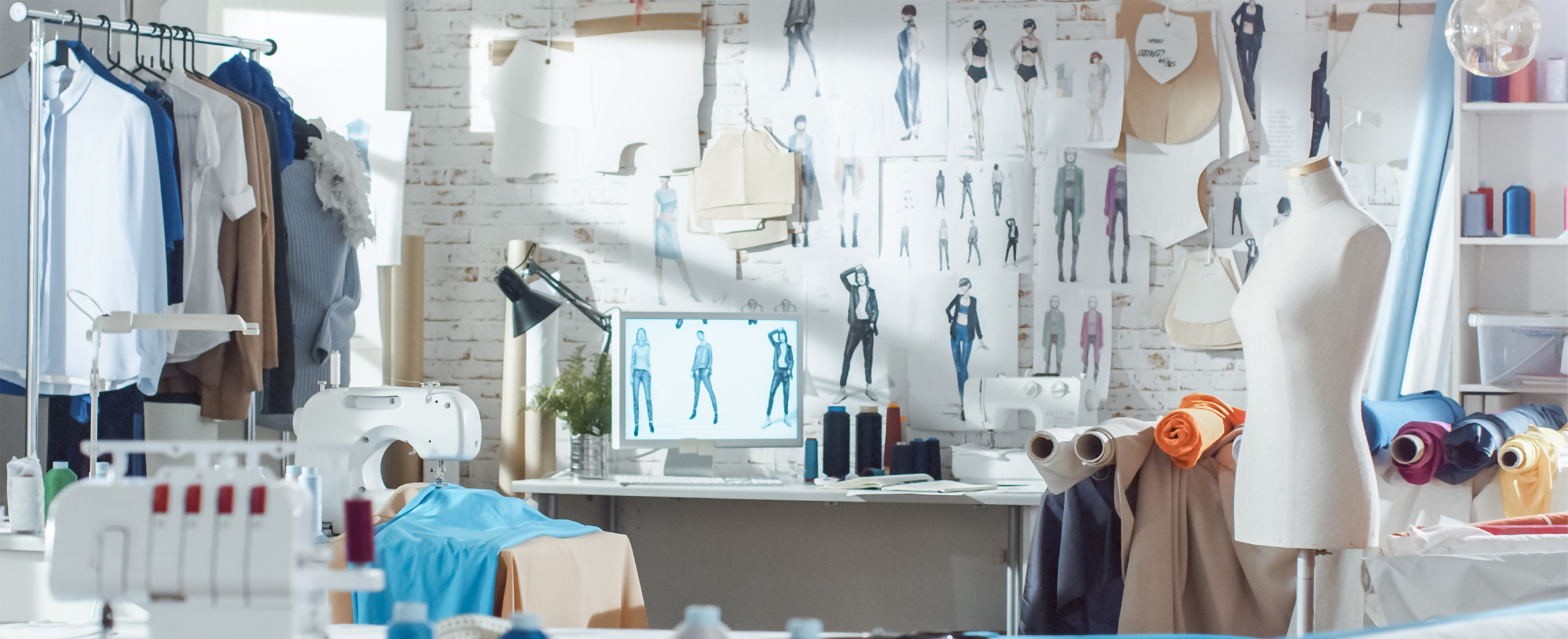
Our OEM and ODM workflow connects material sourcing, pattern development, sampling, decoration, labeling, packaging and bulk production. For cycling jerseys, that means coordinating fit, fabric behavior, artwork placement, color references and size grading before production begins, with men’s and women’s development available for every program.
What distinguishes EDVORIN is accountability from approved sample through final inspection. We document the decisions that protect the design, use in-line checks to catch variation early, and keep every production stage aligned to the approved standard. MOQ starts at 200 pieces per style for emerging and established buyers.
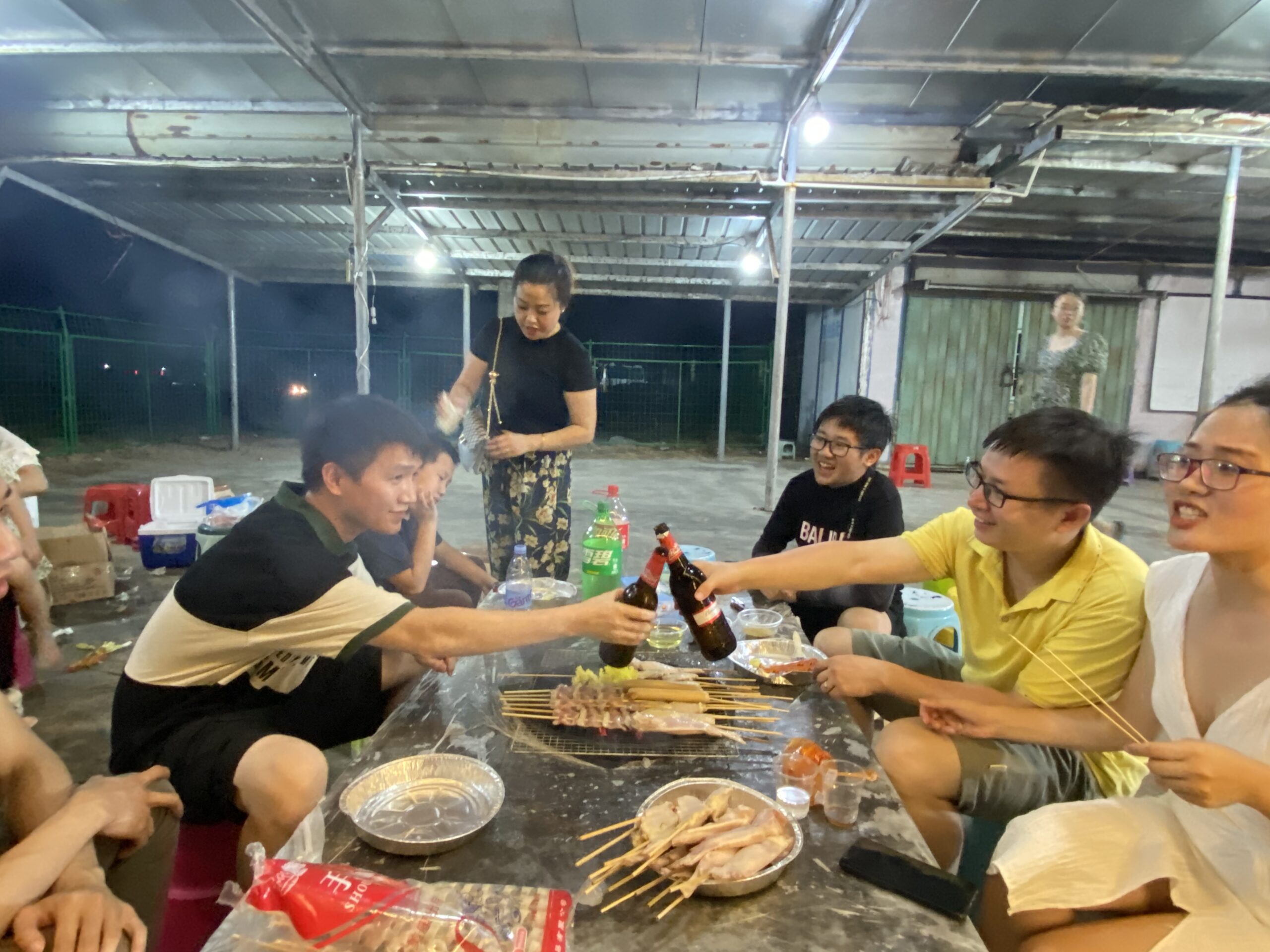
Built to Repeat: Cycling Jersey Manufacturing
Technical Development That Holds
As a cycling jersey manufacturer, EDVORIN translates sketches, reference garments, or complete tech packs into defined construction details, fit blocks, measurement standards, and production-ready specifications. Men’s and women’s programs can be developed around the intended wearer rather than a one-size-fits-all template.
- Pattern and measurement development
- Men’s and women’s fit adjustments
- Construction details recorded for production
- Tech-pack support from early concepts
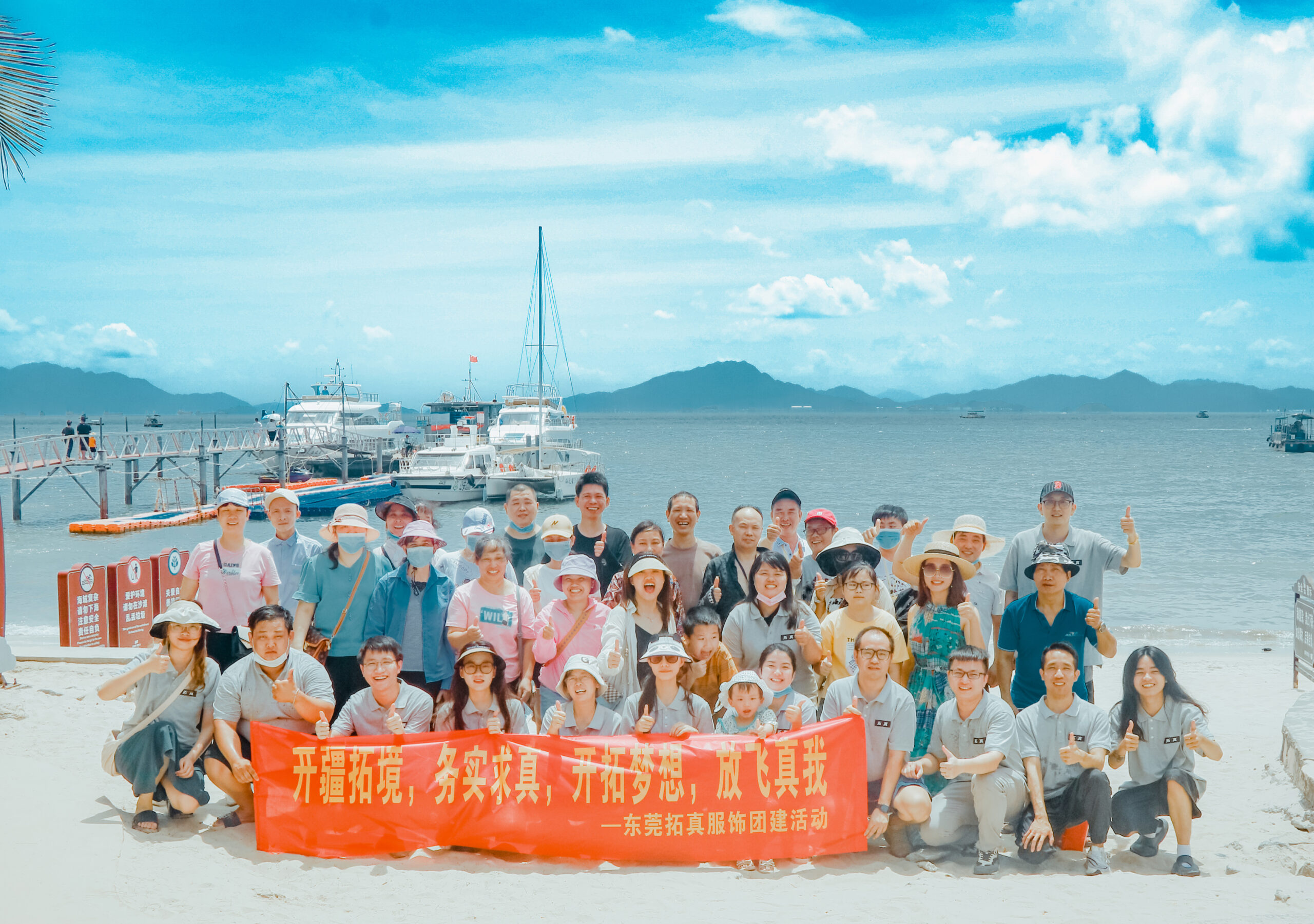
Materials and Trims Aligned
Fabric, trims, labels, and packaging must work as one garment system. EDVORIN coordinates these decisions during development, so the approved jersey is supported by clear component specifications before bulk production begins and repeat orders have a documented standard to follow.
- Fabric selection matched to the program
- Trim specifications organized early
- Labels and packaging coordinated
- Component decisions documented for bulk
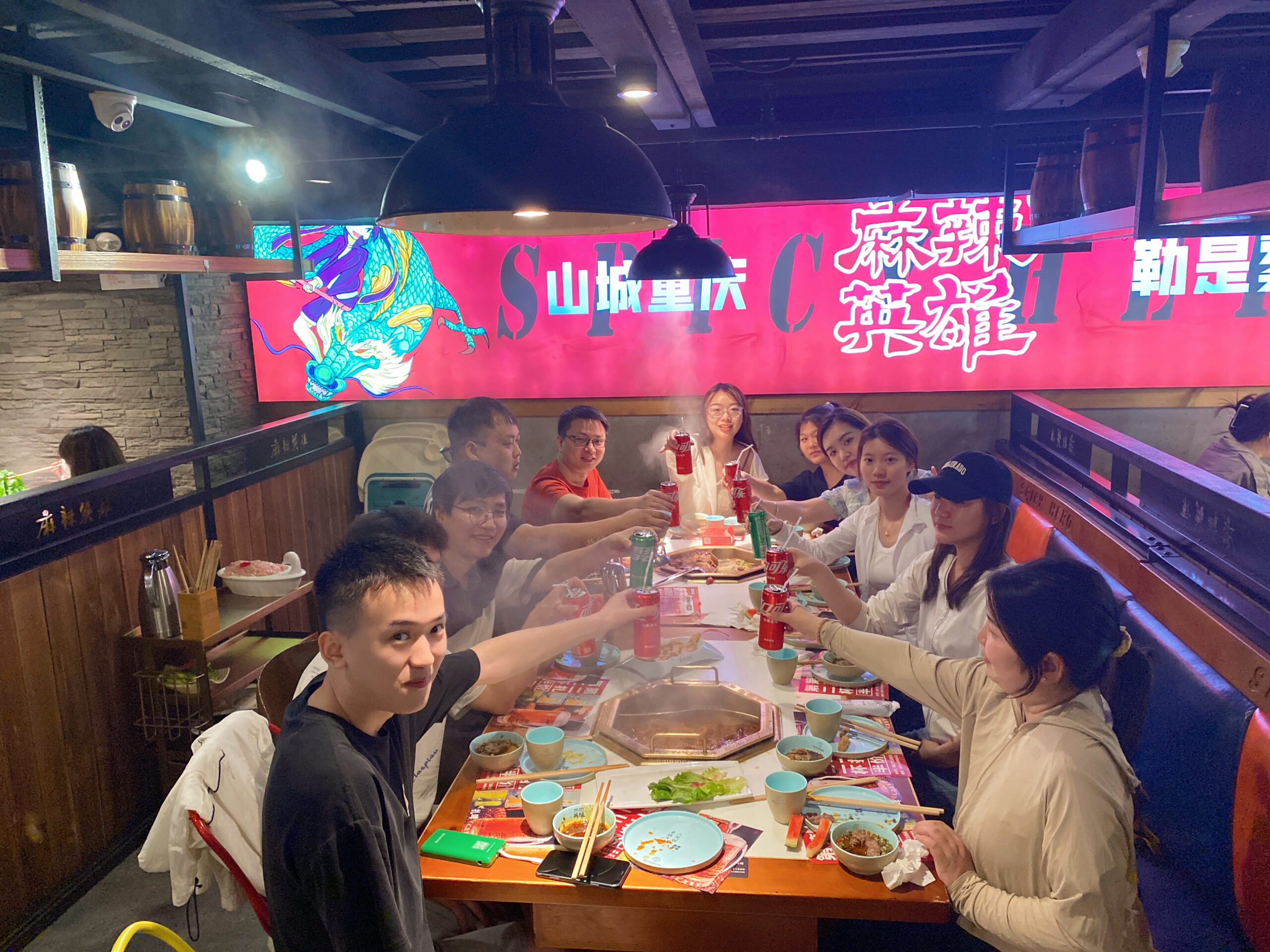
Decoration Matched to Construction
Artwork is not treated as a final add-on. EDVORIN reviews decoration alongside the selected base material and garment construction, recording placement measurements and production details that help protect visual consistency across teamwear, private-label, and branded cycling jersey orders.
- Print and embroidery coordination
- Artwork placement measurements recorded
- Base material considered with decoration
- Branding details carried into production
Approved Samples Guide Bulk
A good sample becomes more valuable when it leads the production process. EDVORIN uses approved standards to guide material control, measurement communication, in-line checks, and final inspection, helping cycling jersey programs move from approval to repeatable bulk production with greater clarity.
- Approved sample used as the reference
- In-line checks address variation early
- Final inspection before packing
- MOQ starts at 200 pieces per style
Why Choose EDVORIN as Your Cycling Jersey Manufacturer
A production path designed to turn approved cycling jersey specifications into controlled, repeatable bulk orders.
← Swipe left or right to view →
Cycling Jersey Production Process
A documented path that carries approved cycling jersey specifications through bulk production, inspection, packing and shipment.
Review Specs and Source
We review tech packs, fit requirements, artwork and size grading, then coordinate performance fabrics, zippers, labels and other approved trims.
Develop and Approve Samples
Patterns and samples test construction, fit, color, decoration placement and material compatibility before the approved garment becomes the production reference.
Cut, Sew and Decorate
Approved materials move through controlled cutting, sewing and decoration, with placement details and construction standards recorded for consistent execution.
Check Production In Line
In-line quality checks monitor measurements, stitching, color, artwork and assembly while corrections can still protect the approved bulk standard.
Inspect, Pack and Ship
Final inspection verifies finished jerseys against approved requirements before labeling, size sorting, packaging and shipment preparation for your order.
How to Start Your Custom Cycling Jersey Program
Move from concept to an approved, repeatable bulk standard with coordinated development and production support from EDVORIN.
Send Your Brief
Share a tech pack, artwork, measurement chart, reference garment, or early concept. We review the requirements for your cycling jersey program.
Define Production Details
Confirm fabrics, fit blocks, sizing, decoration, trims, labels, packaging, target quantity, and development needs. MOQ starts at 200 pieces per style.
Approve the Sample
Review the developed sample against your specifications, then document approved measurements, artwork placement, materials, and construction details before bulk production begins.
Manage Bulk Production
EDVORIN coordinates materials, cutting, sewing, decoration, quality checks, labeling, and packing around the approved standard for repeatable delivery.
Certified Standards for Responsible Apparel Production



What Buyers Say About Our Cycling Jersey Manufacturer Programs
EDVORIN turned our initial jersey sketch into an approved production standard in two sample rounds. The placement notes, size grading, and trim details were clear enough that our 480-piece team order matched the approved sample closely.
We needed a private-label cycling capsule that could be repeated without reopening every specification. EDVORIN documented the fabric, zipper, labels, and artwork placement, then delivered our second 600-piece run with the same fit and color direction.
The sampling process gave our academy confidence before placing a 300-piece order across multiple sizes. EDVORIN helped resolve measurement questions early, and the finished jerseys arrived organized by size set, which made team distribution much smoother.
Cycling Jersey Manufacturer FAQ
Clear answers for brands, teams and private-label buyers planning an OEM cycling jersey program with EDVORIN.
EDVORIN’s MOQ starts at 200 pieces per style. What is the minimum order quantity for custom cycling jerseys?
Can EDVORIN make samples before bulk production?
How long does a custom cycling jersey order take?
Can you help if I only have a cycling jersey design idea?
How do you keep bulk orders consistent with the approved sample?
What payment terms are available for OEM cycling jerseys?
What certification and compliance programs can you support?
How do you protect my cycling jersey artwork and product details?
Complete Buyer’s Guide to Choosing a Cycling Jersey Manufacturer
Use this practical framework to compare supplier capabilities, product specifications, customization routes, costs, and quality controls—while avoiding sourcing mistakes that can delay launches or weaken your brand’s cycling collection.
1. What Is a Cycling Jersey Manufacturer?
Two product paths define the role of a cycling jersey manufacturer: customize an established jersey platform or develop a new specification from the ground up. For OEM and private-label buyers, the manufacturer converts that choice into documented requirements for materials, patterns, samples, decoration, production, and packing.
Four supplier types can appear similar online but carry different responsibility. A factory makes or directly manages the garment-production process; a trading company coordinates suppliers, a decorator adds graphics to a supplied garment, and a stock-garment seller modifies pre-made inventory.
One buyer question should be settled before requesting quotes: is the goal a proven jersey adapted with team colors, logos, and labels, or a newly developed product with its own fit and construction? Teams and wholesalers may prioritize repeatable customization, while brands seeking distinct positioning usually need development work documented before bulk production.
2. Evolution of Cycling Jersey Manufacturing
1935 marked nylon’s introduction at DuPont, and polyester followed in 1941; these synthetics helped move performance apparel beyond traditional wool toward lighter, faster-drying knit systems. The Science History Institute documents both milestones: https://www.sciencehistory.org/education/scientific-biographies/wallace-h-carothers/ and https://www.sciencehistory.org/education/scientific-biographies/john-rex-whinfield/
1956 brought commercial dye-sublimation research, while modern polyester jerseys made all-over, durable graphics practical because disperse dyes bond with polyester under heat. Epson explains that dye-sublimation is designed for polyester textiles: https://www.epson.com/For-Work/Printers/Large-Format/Dye-Sublimation-Printers/c/w160
2026 buyers expect a cycling jersey manufacturer to translate digital artwork into controlled repeat production, not merely decorate a stock garment. For private-label programs, that means approved color files, fabric and fit specifications, placement records, size grading, samples, labels, and packaging can be managed as one production standard—even at smaller launch quantities.
3. Types of Cycling Jersey Manufacturer Products
A focused opening range should match how customers ride and where they buy: racing specialists, club organizers, trail retailers, or urban commuters. Start with fit blocks and features that solve each channel’s most frequent use case.
Road And Race-Fit Jerseys
Three rear pockets suit road riders carrying food and tools; a close race-fit silhouette reduces fabric flutter. Full-front zippers, silicone hems, and large side-panel artwork create a premium branded SKU for direct-to-consumer racing lines.
Club And Team Jerseys
Two audience needs—recognition and repeat ordering—make club jerseys a practical first SKU for teams and schools. A regular-fit block, name-and-number zones, and consistent logo placement support sponsor visibility across size runs.
Trail, Commuter, And Cold Weather
Three rider segments need more room: trail riders favor relaxed cuts, commuters value visibility and utility pockets, and winter riders need long sleeves or insulated layers. Contrast panels, reflective transfers, and removable seasonal collections give retailers clear upsell paths.
4. Cycling Jersey Manufacturer Fabric Choices
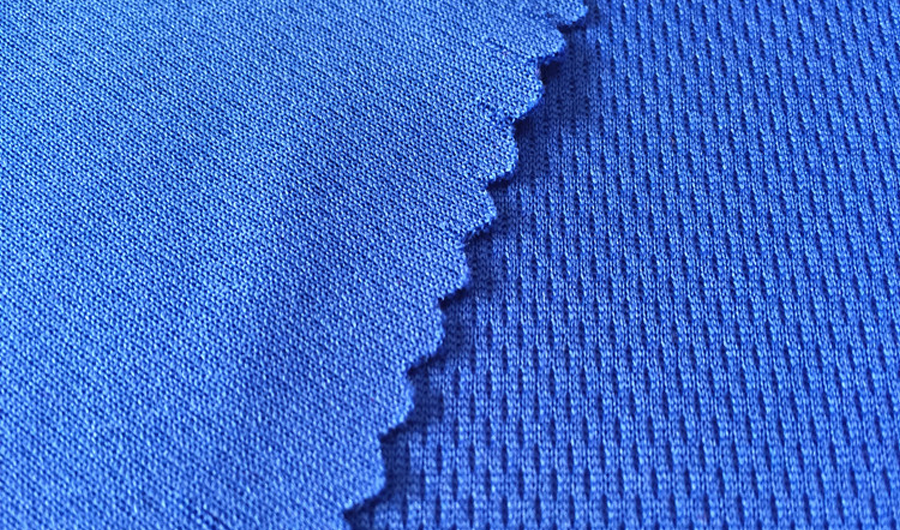
100–160 GSM polyester knits typically suit warm-weather jerseys, balancing moisture movement, airflow, and print-ready opacity. A cycling jersey manufacturer should match construction—not fiber name alone—to ride temperature and intended fit.
| Material Or Construction | Approximate Weight | Performance Benefit | Best Application |
|---|---|---|---|
| Polyester interlock | 140–180 GSM | Durable, opaque, smooth | Road or club jersey |
| Polyester mesh | 90–130 GSM | High airflow, quick drying | Ventilation panels |
| Polyester-elastane knit | 150–190 GSM | Stretch and recovery | Race-fit jersey |
| Brushed thermal knit | 180–250 GSM | Warmth with moisture management | Cool-weather jersey |
Knit And Stretch
140–180 GSM interlock gives a smoother, more durable face than open mesh, while 8–15% elastane improves close-fit recovery. Higher stretch can reduce opacity, so pale designs need wear testing.
Ventilation And Warmth
90–130 GSM mesh panels improve airflow at the back and underarms but need stable stitching and appropriate coverage. Brushed polyester thermal knits around 180–250 GSM add insulation for cool-weather jerseys.
Approve Physical Evidence
3 checks matter before bulk approval: request swatches, wash-and-wear test samples, and inspect stretch, opacity, seam recovery, and color after laundering. Record the approved fabric code and weight in the tech pack.
5. Cycling Jersey Manufacturer Customization Options
Three fit decisions—race, club, or relaxed—set the pattern, sleeve length, and collar height before sampling. A cycling jersey manufacturer should lock zipper length, pocket layout, hem gripper, reflective placement, labels, packaging, Pantone colors, and artwork coordinates in the approval file.
| Method | Stretch-Fabric Fit | Detail And MOQ Effect |
|---|---|---|
| Sublimation | Excellent | Fine artwork; supports mixed designs |
| Screen printing | Conditional | Best for simple placements; setup increases small-run cost |
| Heat transfer | Conditional | Sharp small logos; test stretch and edge adhesion |
| Embroidery or patches | Limited | Textured branding; reinforce base and limit stretch zones |
Decoration Selection
Sublimation suits all-over color and fine gradients on stretch polyester; it avoids a raised print layer. Screen print, heat transfer, embroidery, and patches are better reserved for limited placements after stretch, abrasion, and wash testing.
Production-Ready Details
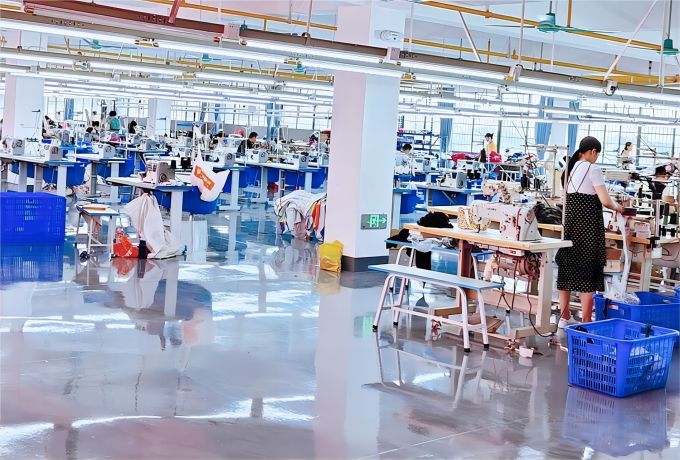
Three rear pockets need defined widths, depths, and reinforcement; a fourth zip pocket is a separate construction choice. EDVORIN can document logo size, seam offsets, neck labels, size labels, hangtags, folding, and polybag requirements alongside the approved sample.
6. Construction Details That Signal Quality
Two approvals—prototype and pre-production—should be inspected side by side. A capable cycling jersey manufacturer records each correction as a measurable bulk standard, reducing fit complaints and avoidable returns.
Fit And Seam Mapping
Six or more shaped panels should follow riding posture without twisting at the shoulder or chest. Check flatlock or low-profile seams for even tension, no skipped stitches, and smooth skin contact.
Three worn positions—upright, leaned forward, and reaching—reveal whether sleeve finish stays put and the rear hem retains coverage. Uneven panel balance compromises aerodynamic fit and comfort.
Hardware And Pocket Strength
One full-length zipper should lie flat from collar to hem, operate without snagging, and have a protected top edge. Inspect zipper tape for waviness after closure.
Three rear-pocket stress points deserve reinforcement: both pocket corners and the center divider. Load pockets with typical ride items; distorted seams signal early failure risk.
Print, Grade, And Wash Checks
Five graded sizes should preserve logo placement, pocket height, and sleeve proportion rather than simply enlarging width. Compare artwork alignment across panels before approving production.
One wash-and-dry test on the approved sample should check puckering, hem-gripper retention, zipper ripple, and print cracking. Document the method and result so bulk inspection has a clear reference.
7. How to Choose a Cycling Jersey Manufacturer
A 200-piece quotation is only comparable when every supplier is pricing the same fit, fabric, decoration, packaging, and delivery terms. Evaluate the production system behind the sample, not the sales presentation.
Verify Relevant Experience
Request 3 recent cycling-jersey case studies with front, back, and inside photos. Confirm experience with full-zip construction, rear pockets, gripper hems, and sublimation artwork registration.
Approve A Production-Ready Sample
Measure a size M sample at 5 to 8 defined points, including chest, body length, sleeve opening, and pocket width. Request the measurement chart, graded spec, pattern revision record, fabric composition, GSM, color standard, and wash-test evidence.
Test Operational Readiness
EDVORIN’s MOQ starts at 200 pieces per style. Ask for a written critical-path schedule covering development, material booking, bulk sewing, inspection, balance payment, and shipping. Verify MOQ by color and size, monthly capacity, QC checkpoints, payment milestones, carton dimensions, labels, export documents, and traceable fabric lot records.
- Name one responsible development contact.
- Request in-line and final-inspection photo reports.
- Confirm freight terms and destination-ready documents.
8. Common Cycling Jersey Manufacturer Buying Mistakes
Eight recurring sourcing errors turn an approved cycling jersey into delayed, inconsistent bulk inventory. A cycling jersey manufacturer should be selected against documented production controls, not a single unit quote.
Quote And Specification Gaps

One lowest quote can omit zipper grade, pocket construction, fabric weight, packaging, or rework allowance; the result is unexpected cost or downgraded components.
One written specification sheet should lock fabric, color reference, trims, construction, labeling, packing, quantities, and approved sample revision before purchase-order release.
Artwork And Fit Shortcuts
Two missing placement measurements for a chest logo or rear sponsor mark can shift artwork across sizes and require costly remake decisions.
One size-set fit sample, approved placement map, and graded measurement chart should be signed off before bulk cutting; check opacity under stretch and daylight.
Timeline And Quality Assumptions
Three vague milestones—sample approval, bulk completion, and shipment—leave no basis for managing delays or launch dates.
One production calendar should assign dates and inspection checkpoints, while a defect standard defines acceptable measurement, print, sewing, and color variation before final packing.
9. Steps to Launch a Custom Cycling Jersey Brand
A launch brief should define the rider, channel, price point, and delivery date before a cycling jersey manufacturer develops anything. EDVORIN can convert a sketch or complete specification into reviewable production standards.
Set The Commercial Brief
1. First-time private-label buyers should choose one core fit and controlled color plan before artwork begins. Teams and schools should confirm roster timing, sponsor approvals, and reorder needs.
Freeze Technical Decisions
2. Record measurements, panel map, zipper length, pocket layout, Pantone references, logos, and fabric choice in a tech pack. Approve a sample, revise documented deviations, then validate a full size run.
Approve And Learn
3. Release bulk production only after artwork placement, labels, packaging, and inspection points match the approved sample. Distributors should plan carton marks and logistics; collect wearer feedback after launch for the next reorder.
10. Cycling Jersey Manufacturer Pricing and MOQ
200 pieces is a practical OEM planning MOQ, not an automatic per-design rule. Confirm whether sizes, designs, and colorways may share that total before approving artwork or a purchase order.
1 approved sample should lock fabric, zipper, pocket layout, fit, print placement, labels, and packaging. Freight, sampling, and any special trim setup should be quoted separately from the garment unit price.
| Quantity tier | Unit-price drivers | Typical production planning |
|---|---|---|
| 200–299 pieces | Highest setup allocation; fabric and print complexity matter most | 4–6 weeks after approvals |
| 300–499 pieces | Setup is spread across more units; consolidated colorways help | 4–6 weeks after approvals |
| 500–999 pieces | Better material utilization; custom labels and packing remain cost drivers | 5–7 weeks after approvals |
| 1,000+ pieces | Volume can improve efficiency; freight mode and destination remain separate variables | 6–8 weeks after approvals |
Choose a Cycling Jersey Manufacturer Built for Repeatable Production
Send your tech pack, reference garment, or collection concept to start flexible OEM or private-label development from 200 pieces per style.