
Heat Transfer Jersey Manufacturer for Repeatable Teamwear
EDVORIN is a heat transfer jersey manufacturer supporting brands, teams, schools, and private labels from product development to controlled bulk production, starting at 200 pieces per style.
Featured Apparel and Production References
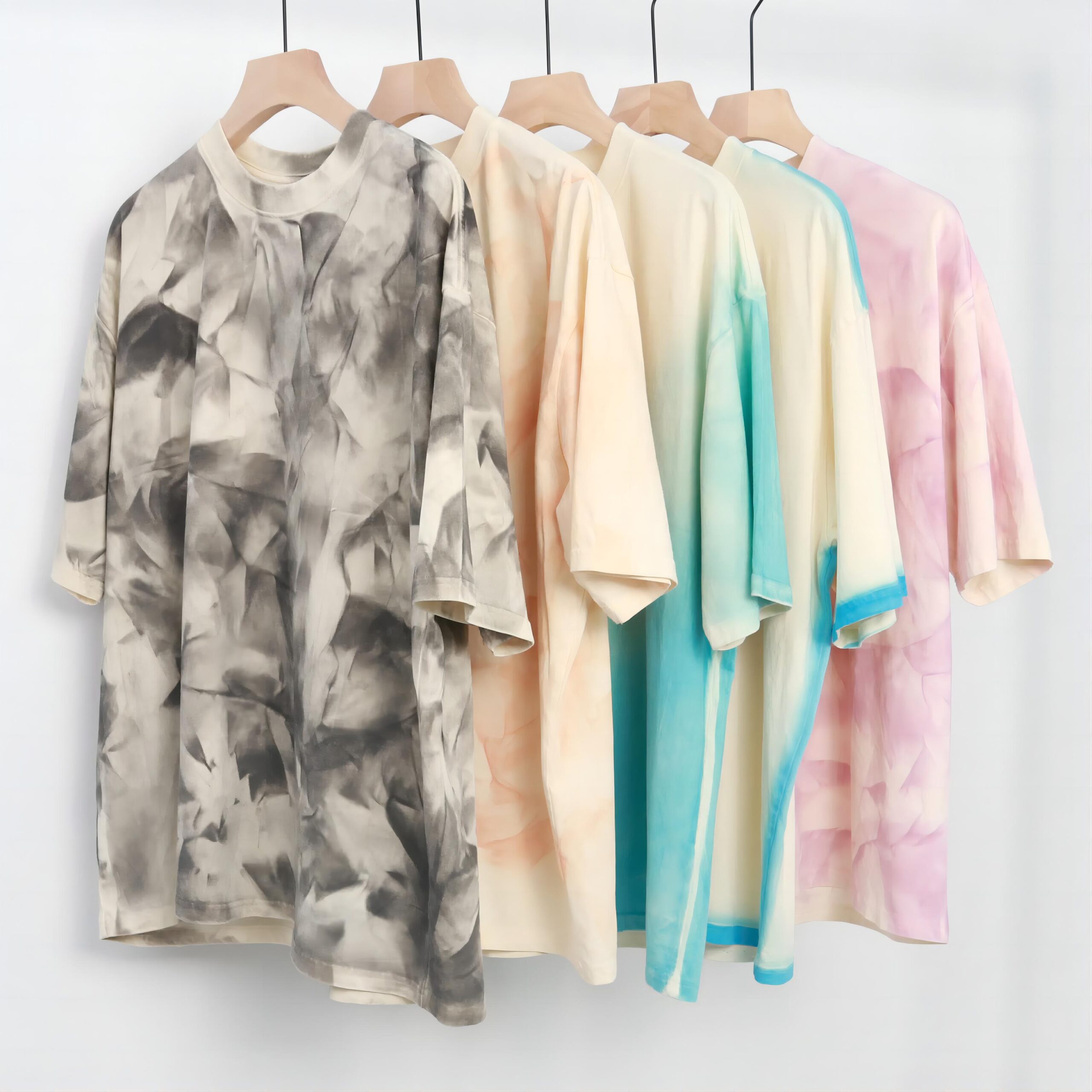
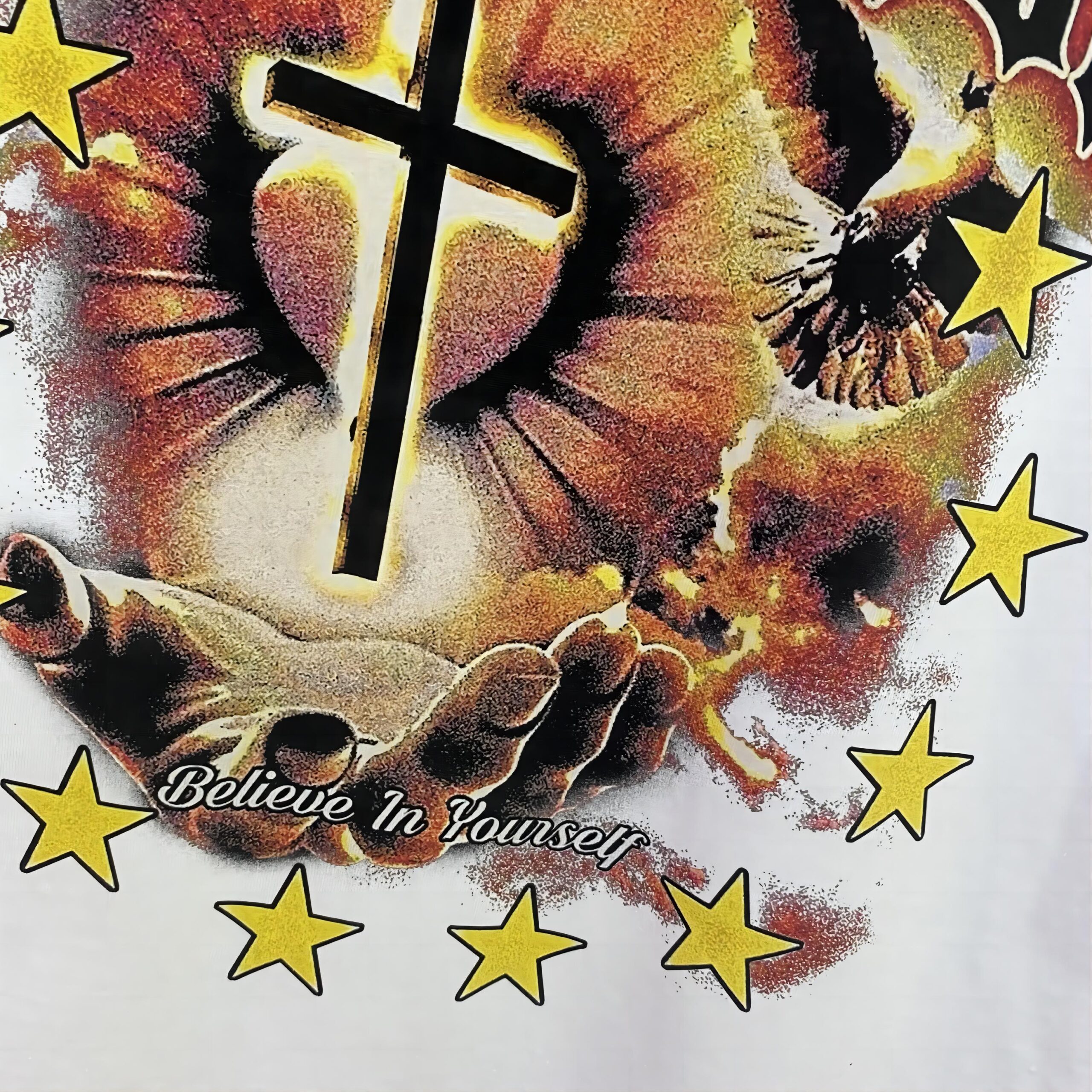




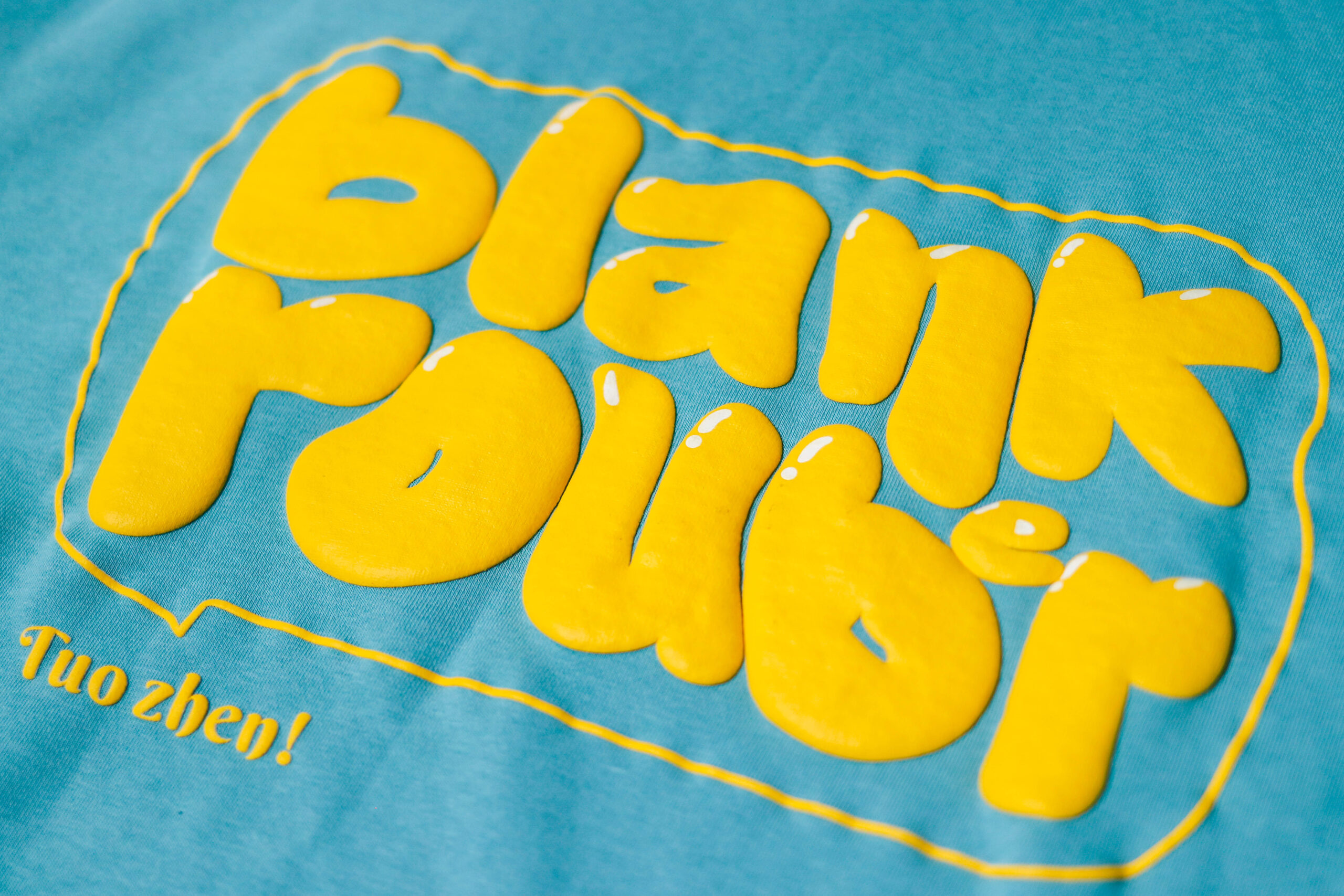
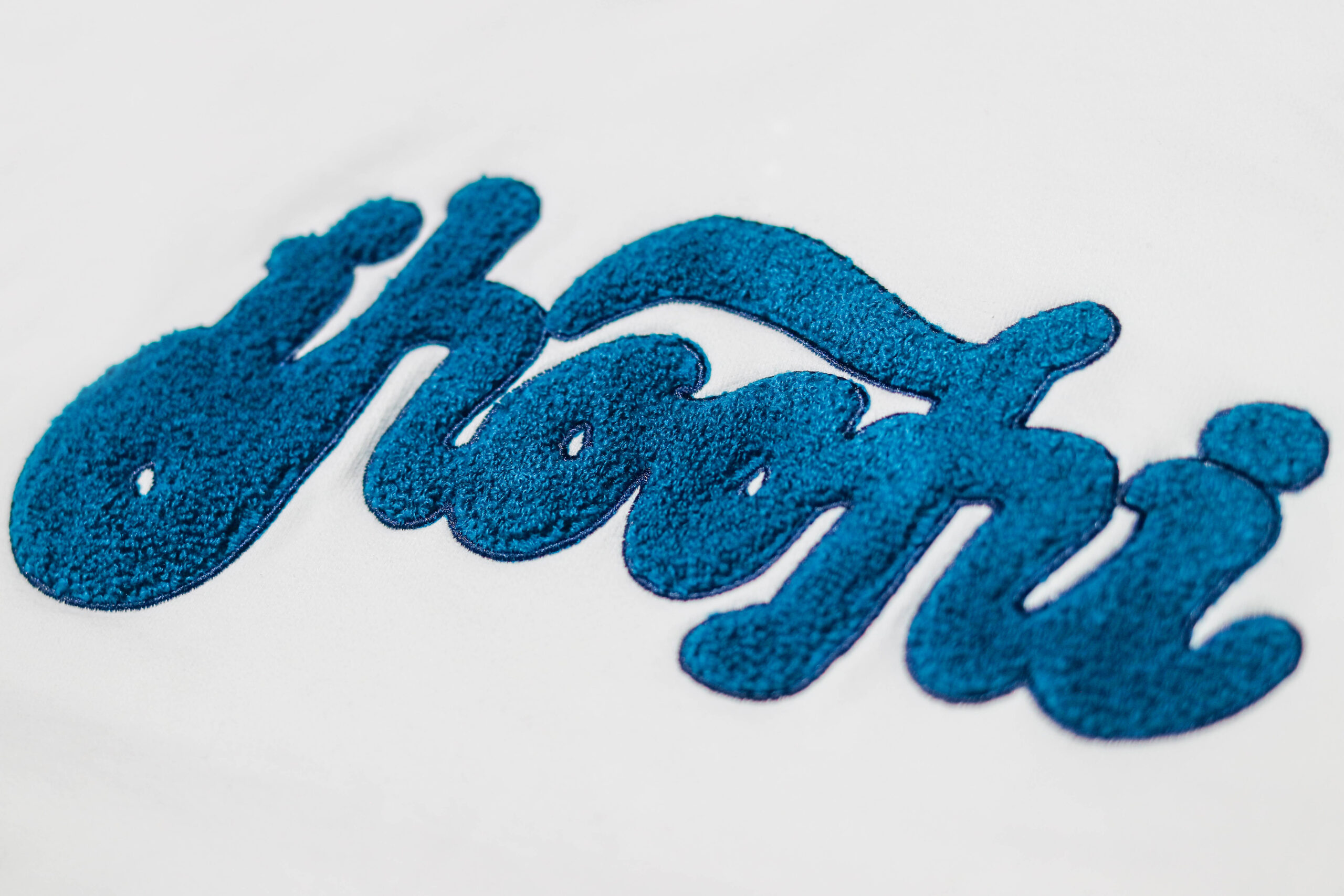
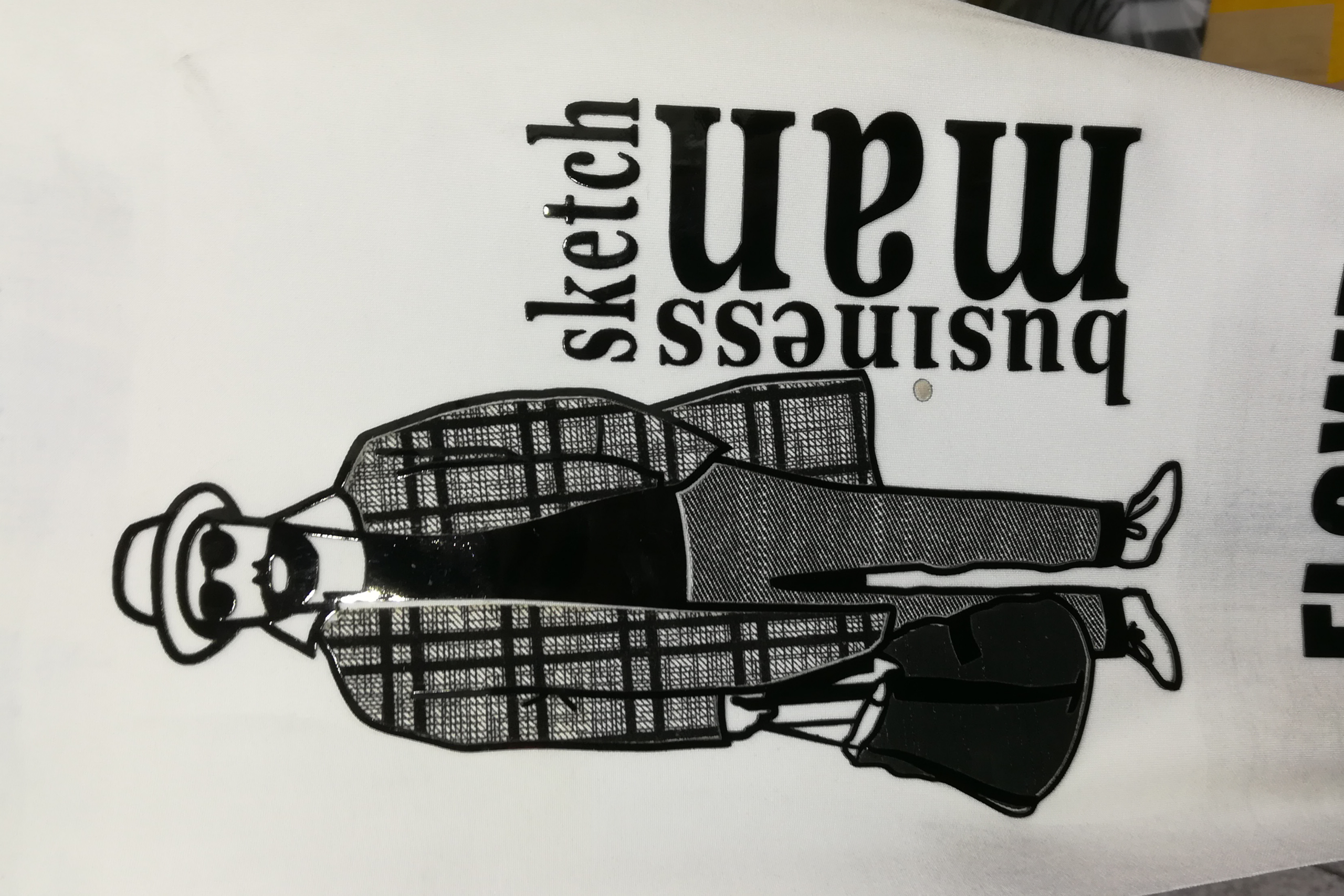
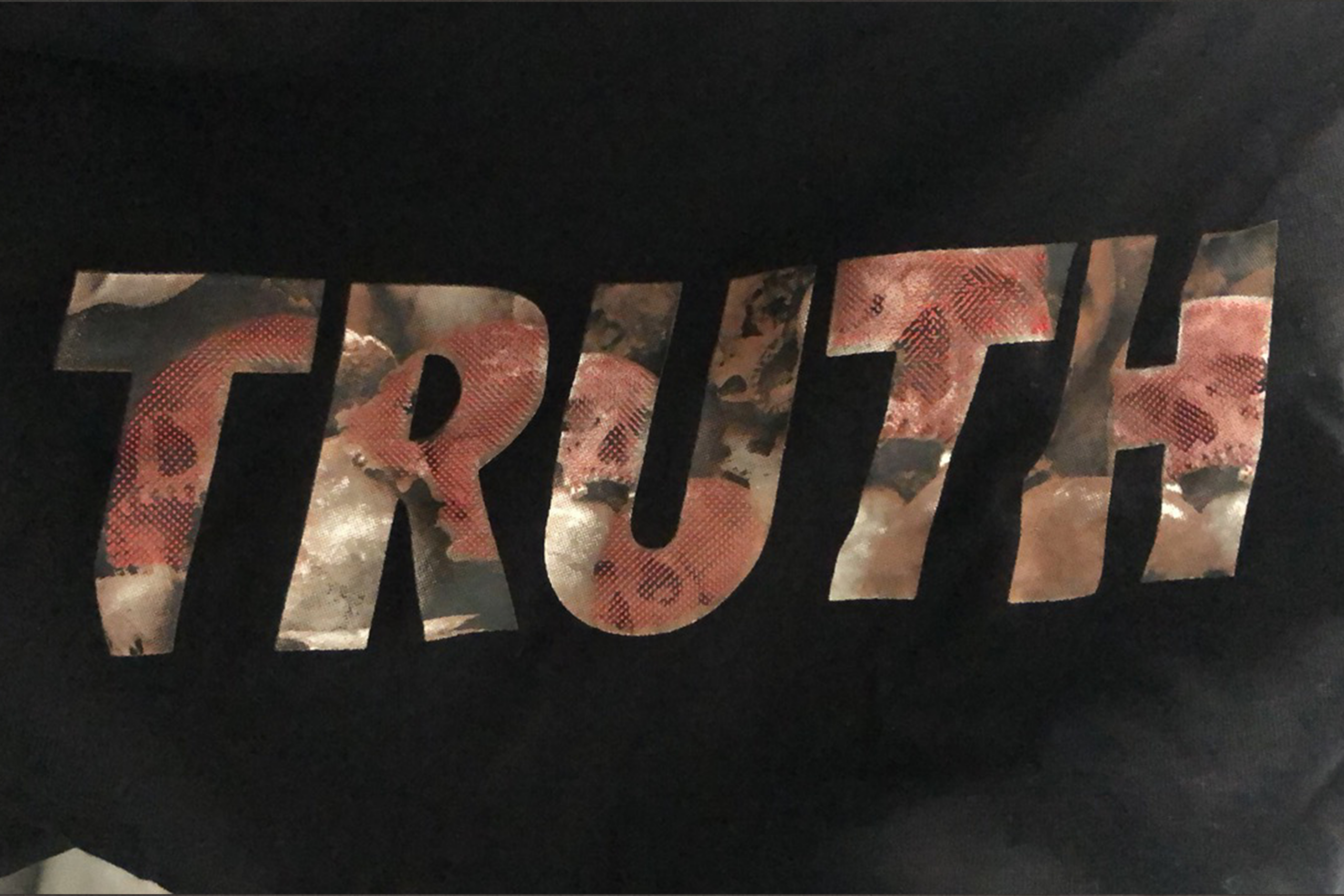

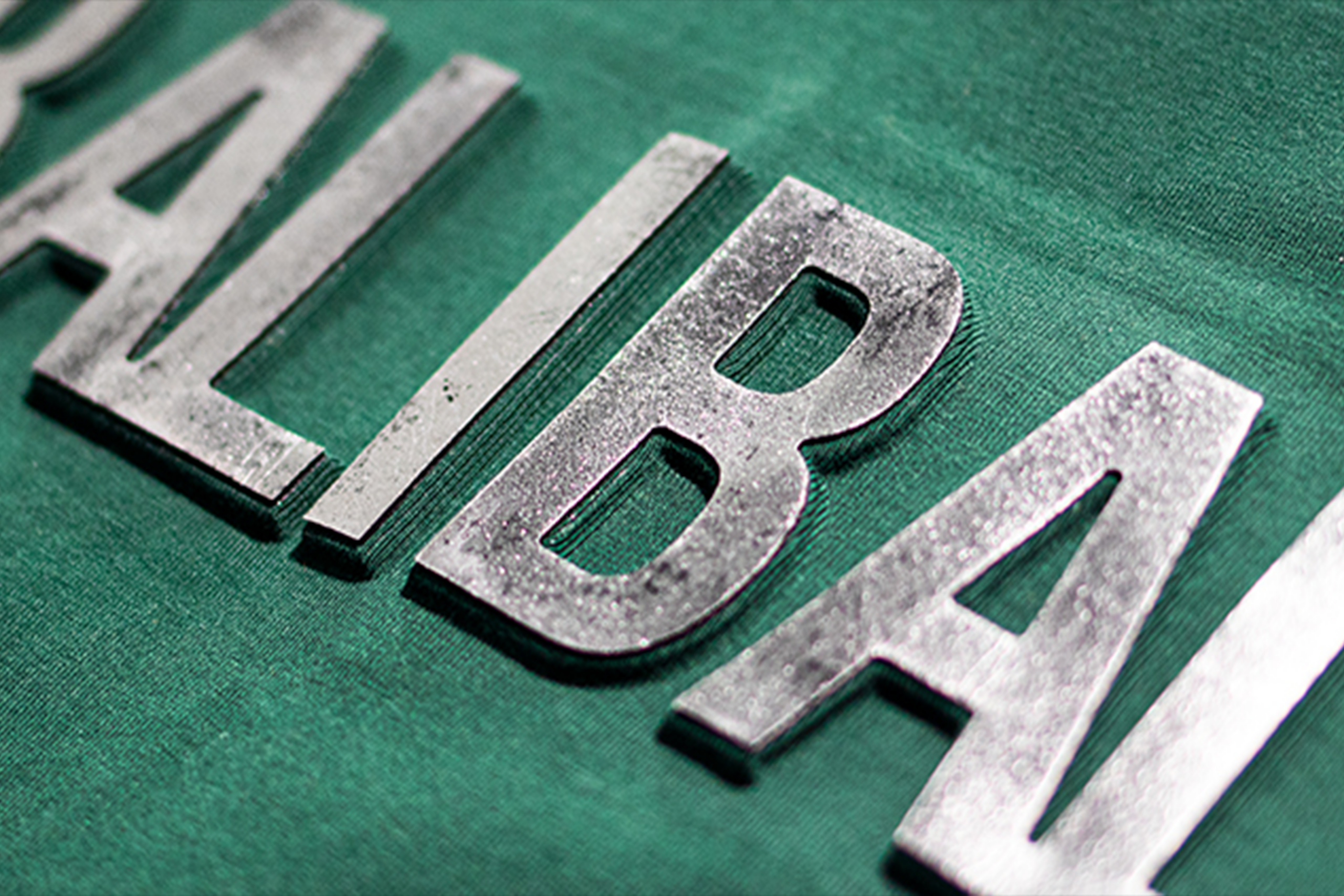
Why Choose EDVORIN as Your Heat Transfer Jersey Manufacturer
Founder-led development and disciplined production support help turn teamwear concepts into repeatable, production-ready jersey programs.
Founder-Led Production
Since 2000, EDVORIN has connected garment construction, decoration decisions and bulk accountability through a founder-led manufacturing approach.
Flexible OEM and ODM
Bring a complete tech pack or an early concept; our team helps develop clear specifications for private-label jersey programs.
Category-Specific Decoration
Heat transfer artwork, placement and material compatibility are considered alongside jersey construction, intended use and performance requirements.
Coordinated Material Sourcing
Fabric, trims, labels, packaging and decoration are coordinated within one production path to reduce handoff gaps and specification confusion.
Approved Sample Standards
Approved samples guide measurements, artwork placement, materials and finishing, supporting more consistent quality from pre-production through packed bulk orders.
Teamwear and Apparel Categories, Built to Repeat
From performance uniforms to branded casualwear, EDVORIN develops production-ready categories with controlled materials, decoration, fit, and repeat-order standards.
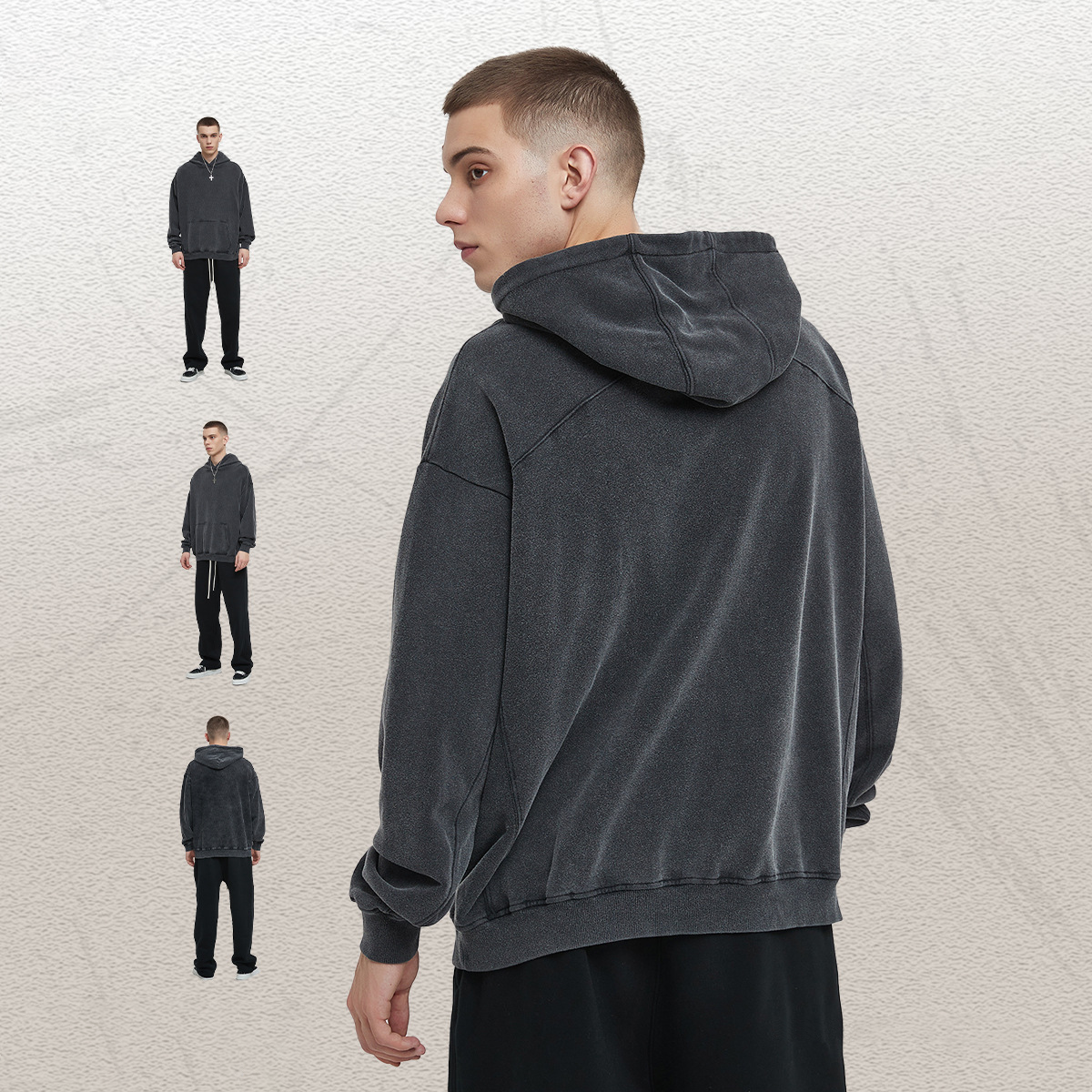
Custom Hoodies
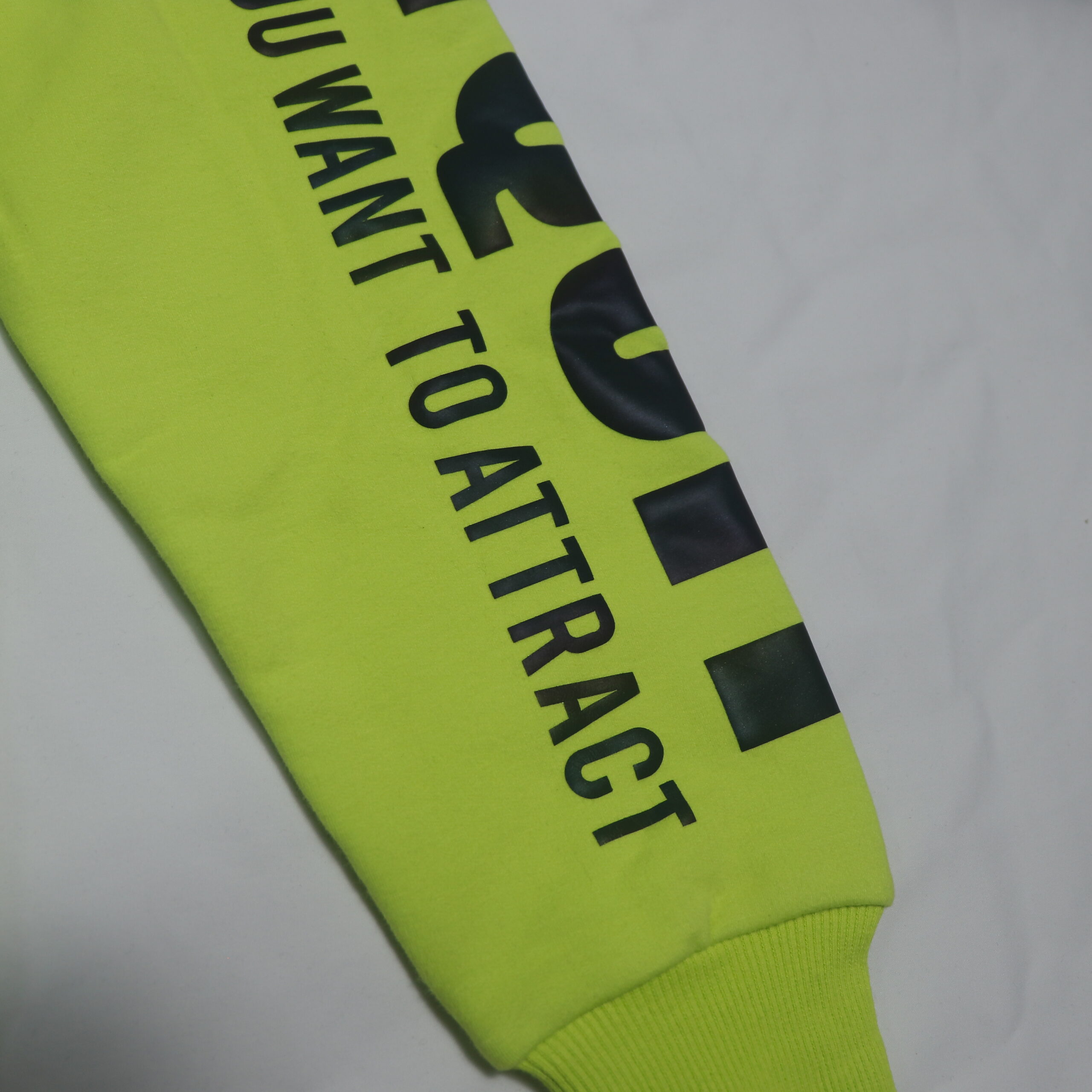
EDVORIN develops custom hoodies for team programs, merch lines, and private labels, coordinating fleece weight, fit blocks, rib construction, drawcords, pockets, prints, embroidery, labels, and packaging from sample approval through bulk production.
Get a Quote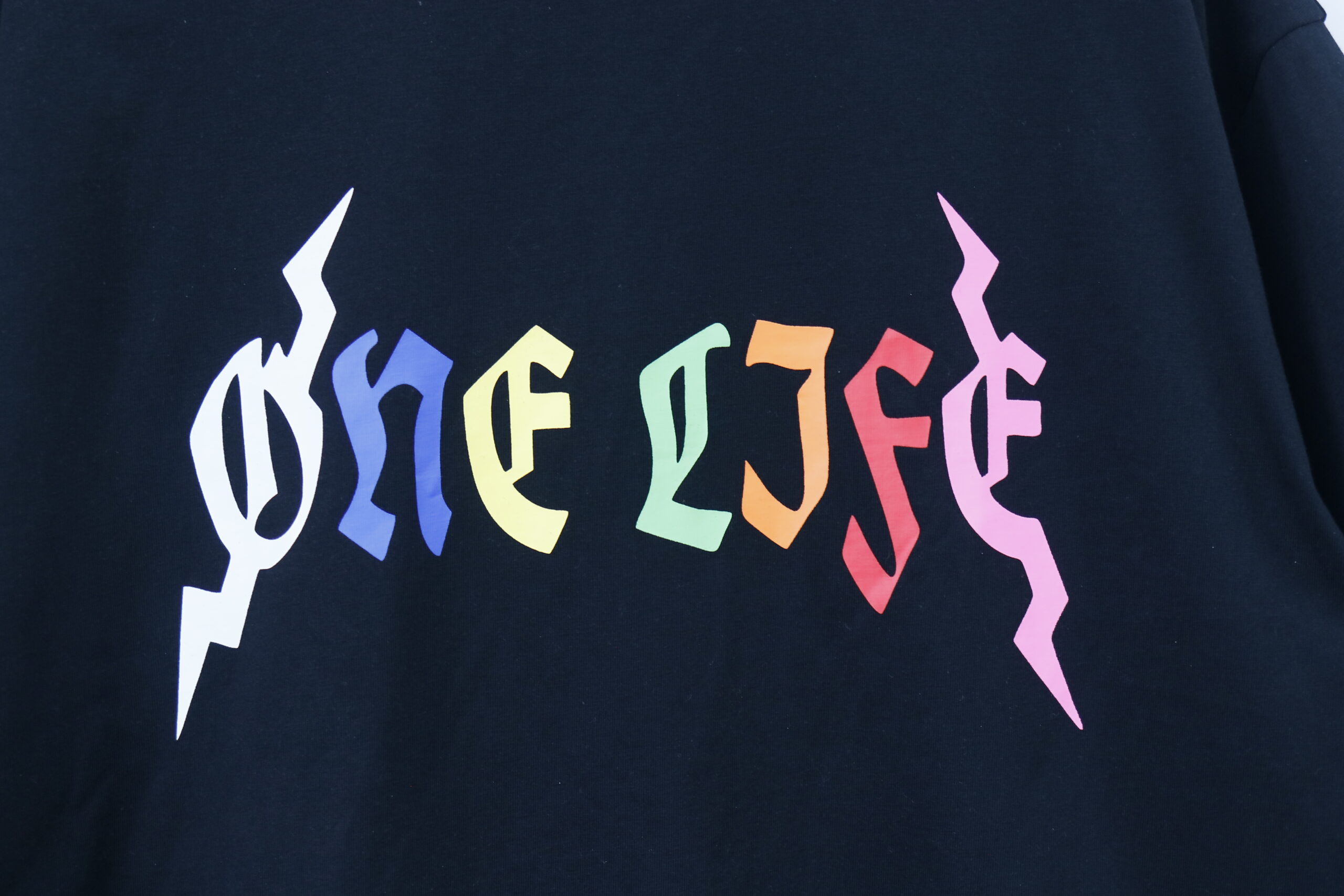
Pullover Sweatshirts
As a sweatshirt manufacturer, EDVORIN develops pullover styles with defined fabric weight, neck rib recovery, seam construction, grading, artwork placement, and finishing requirements. Men’s and women’s specifications can be developed separately for consistent repeat ordering.
Get a Quote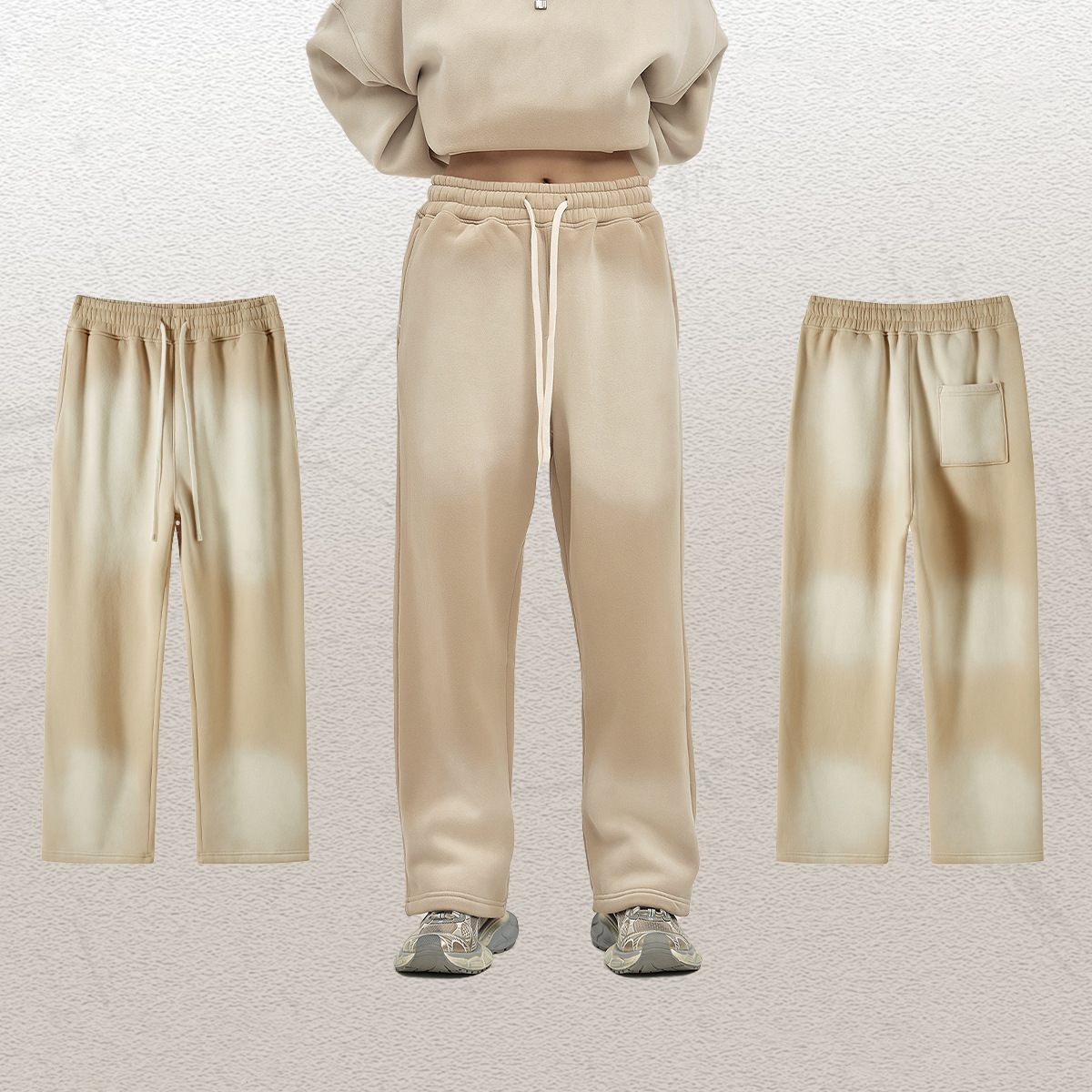
Sweatpants & Joggers
EDVORIN produces sweatpants and joggers with coordinated fabric, waistband, drawcord, pocket, cuff, and fit specifications. Styles can align with matching hoodies or sweatshirts while maintaining clear measurement standards across size runs.
Get a Quote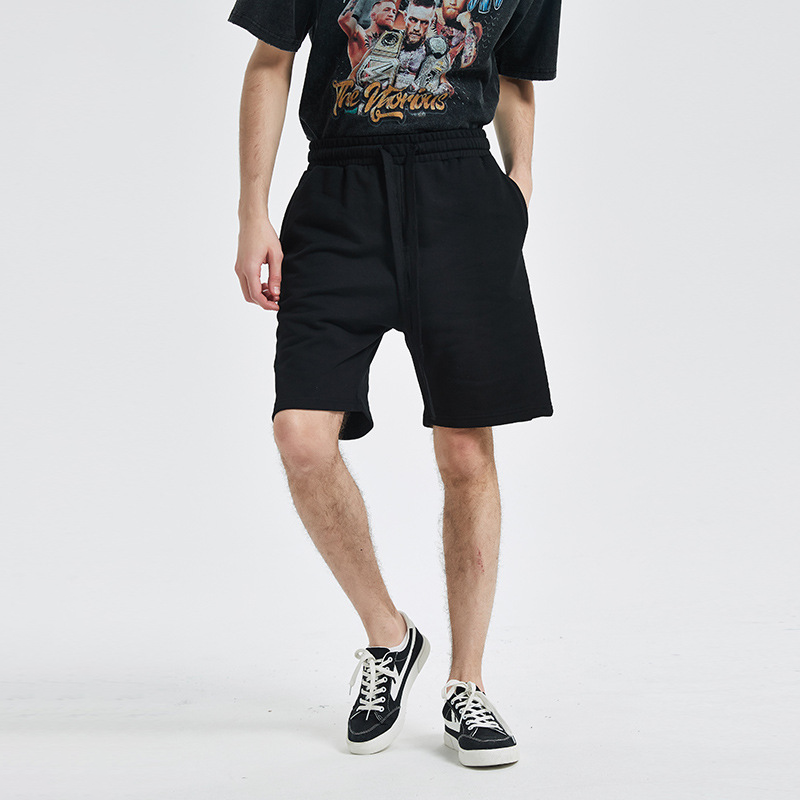
Custom Shorts
Custom shorts are developed for casualwear, training, team merchandise, and private-label programs. EDVORIN coordinates inseam, waistband, pockets, liner options, fabric performance, decoration placement, and grading to create a practical bulk-production specification.
Get a Quote
Varsity & Baseball Jackets
EDVORIN develops varsity and baseball jackets with balanced body fabric, sleeves, rib, lining, snaps, patches, embroidery, and appliqué details. Each component is documented so the approved sample can serve as a reliable standard for future orders.
Get a Quote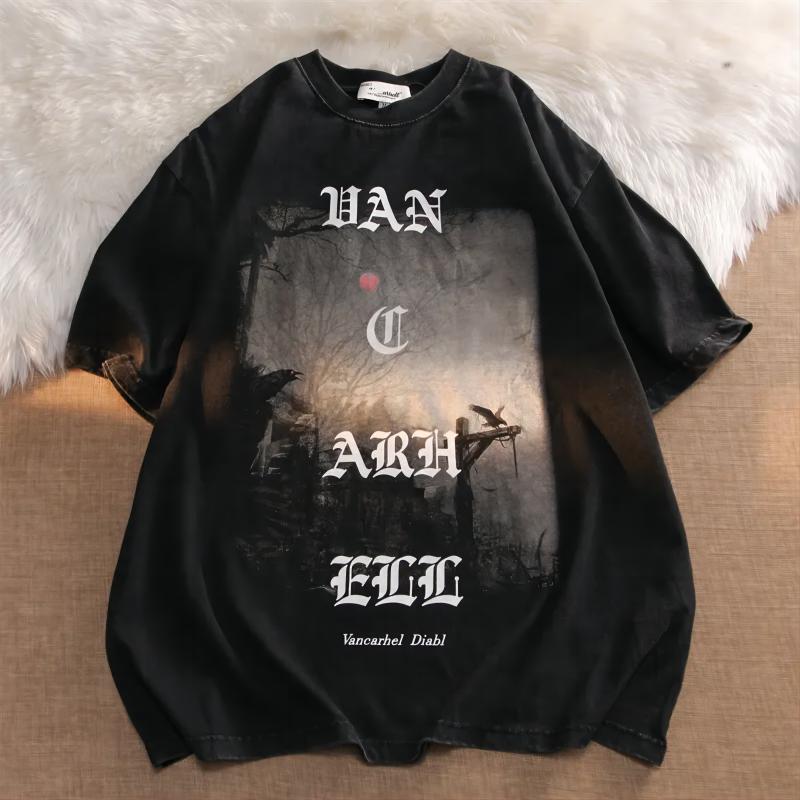
Custom T-Shirts
As a custom T-shirt manufacturer, EDVORIN supports core basics, event merchandise, streetwear graphics, and team apparel. Fabric weight, silhouette, collar construction, print method, wash effect, labels, and size grading are specified before bulk production.
Get a Quote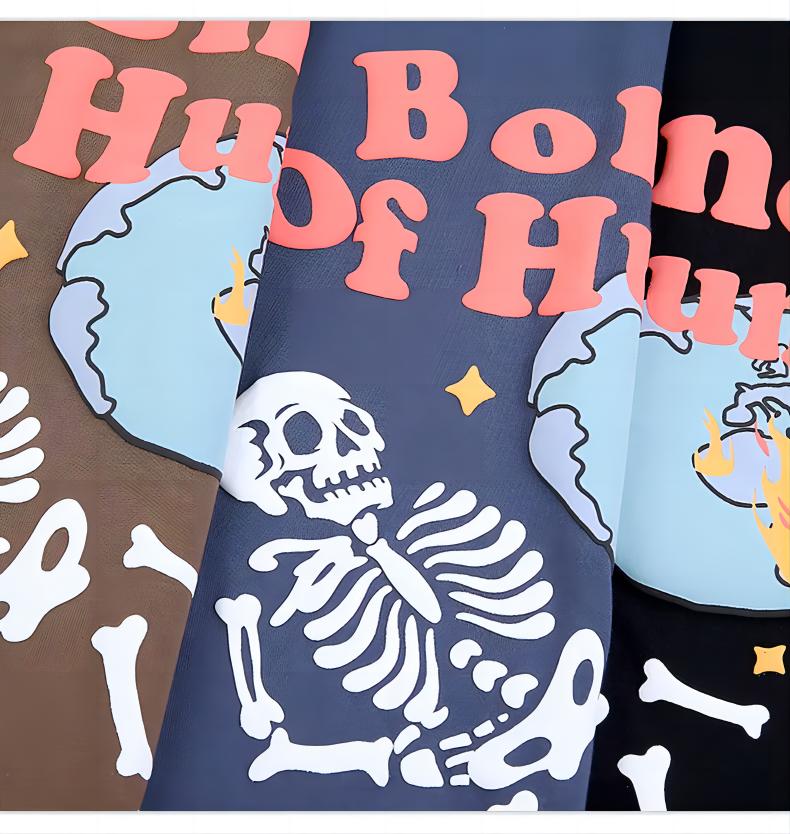
Custom Polo Shirts
Custom polo shirts can be developed for clubs, schools, corporate uniforms, and retail programs. EDVORIN coordinates piqué or performance fabric, collar construction, plackets, buttons, embroidery, color matching, and fit requirements for repeatable supply.
Get a Quote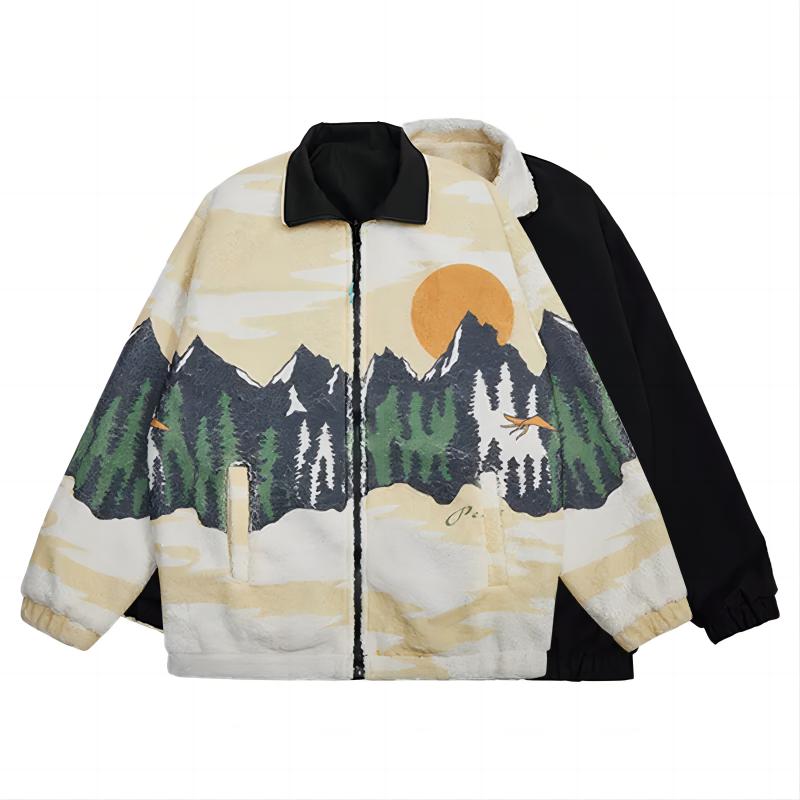
Windbreaker Jackets
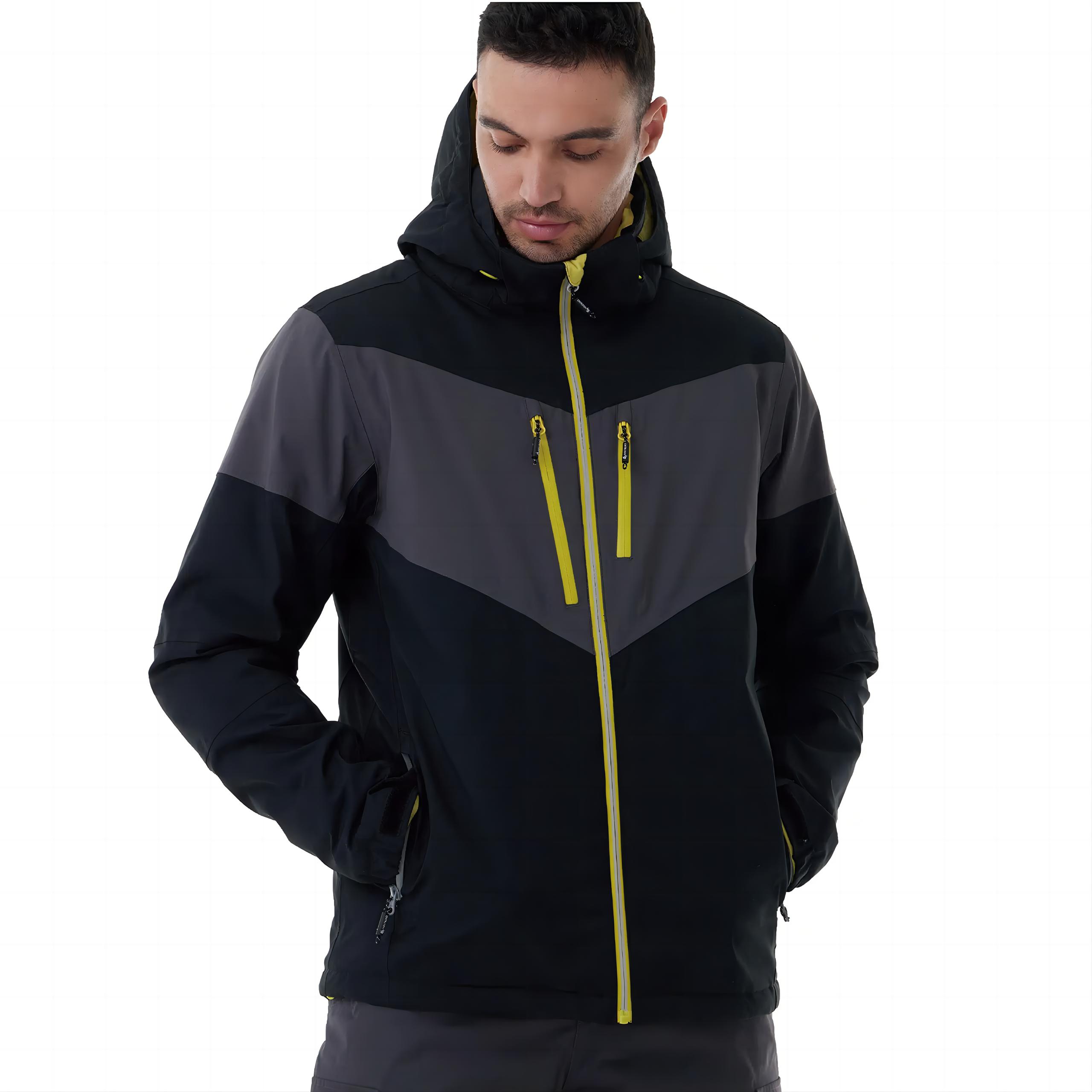
EDVORIN develops windbreakers around intended weather protection, breathability, packability, and decoration needs. Shell fabric, mesh or lining, zippers, hoods, cuffs, reflective details, and logo placement are aligned with the approved production standard.
Get a Quote
Quilted Jackets
Quilted jackets are developed with coordinated shell fabric, lining, insulation, quilting pattern, hardware, pockets, and trim details. EDVORIN tests construction during sampling to help preserve warmth, appearance, and consistency throughout bulk production.
Get a Quote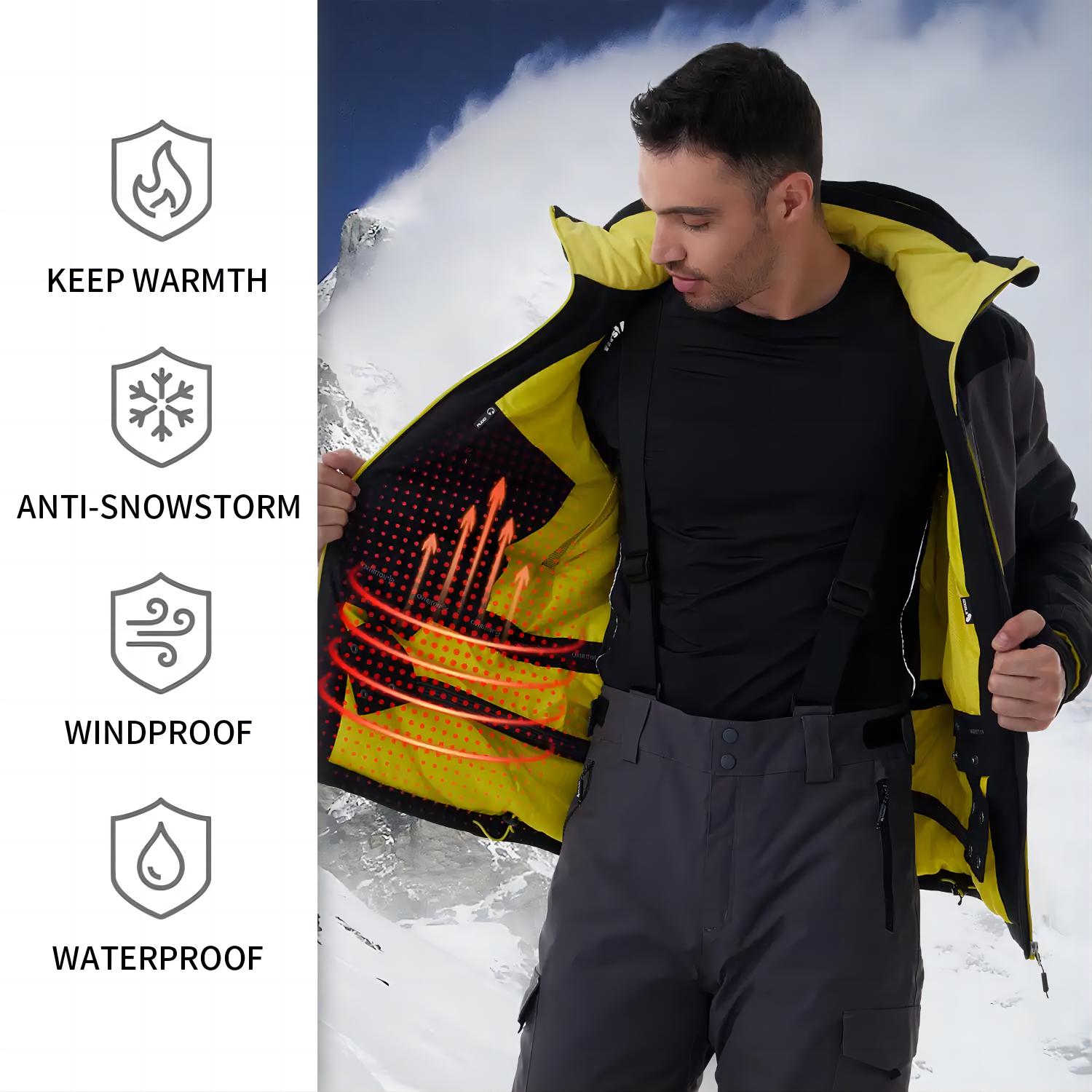
Bomber Jackets
As a bomber jacket manufacturer, EDVORIN manages shell materials, lining, rib components, zippers, pockets, embroidery, patches, and finishing. Development focuses on maintaining the intended silhouette and detail balance across every size and production run.
Get a Quote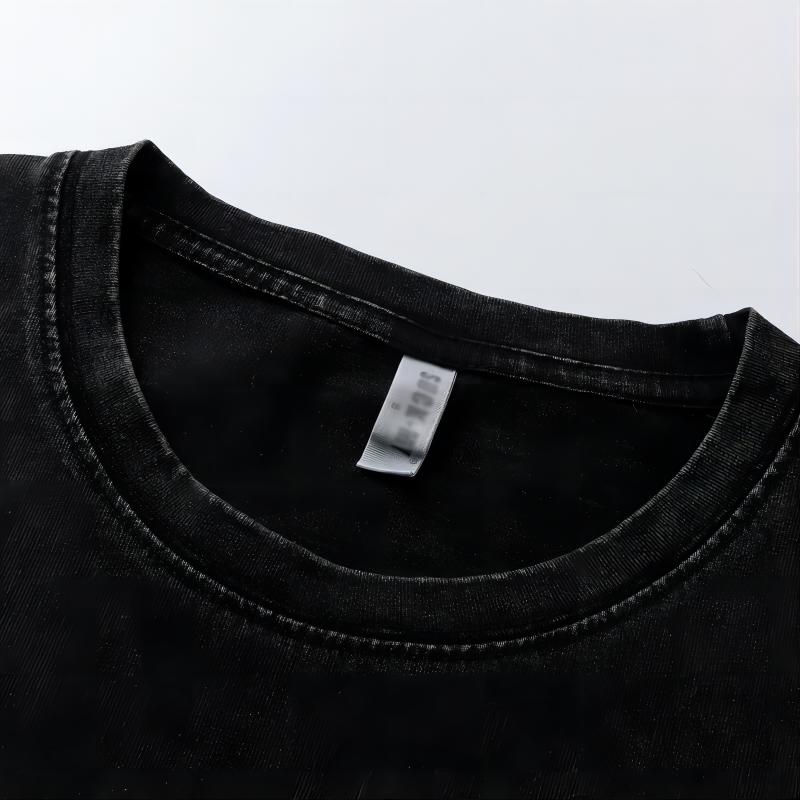
Custom Shirts
EDVORIN manufactures custom woven shirts for uniforms, private labels, and fashion collections. Fabric selection, collar shape, placket, cuffs, pocket details, fit blocks, labels, and branded trims are developed into a clear construction package.
Get a Quote
Custom Jerseys
Custom jerseys are developed for clubs, sports brands, school programs, and promotional apparel. EDVORIN coordinates breathable fabrics, color blocking, sublimation or printing, embroidery, player identification, size sets, and repeat-order color control.
Get a Quote
Tank Tops
Tank tops can be developed for training, basketball, casualwear, and branded merchandise. EDVORIN defines fabric weight or performance properties, armhole and neckline construction, fit, decoration method, labels, and grading for men’s or women’s programs.
Get a Quote
Soccer Uniforms
EDVORIN develops soccer uniforms with moisture-management fabrics, coordinated jerseys and shorts, club colors, crests, sponsor graphics, names, and numbers. Approved artwork placement and size-set standards support organized team issue and replenishment orders.
Get a Quote
Basketball Uniforms
Basketball uniforms are developed with breathable performance fabrics, jersey and short coordination, team colors, numbers, names, logos, and trim details. EDVORIN documents placement, sizing, and decoration specifications to support consistent roster and repeat orders.
Get a Quote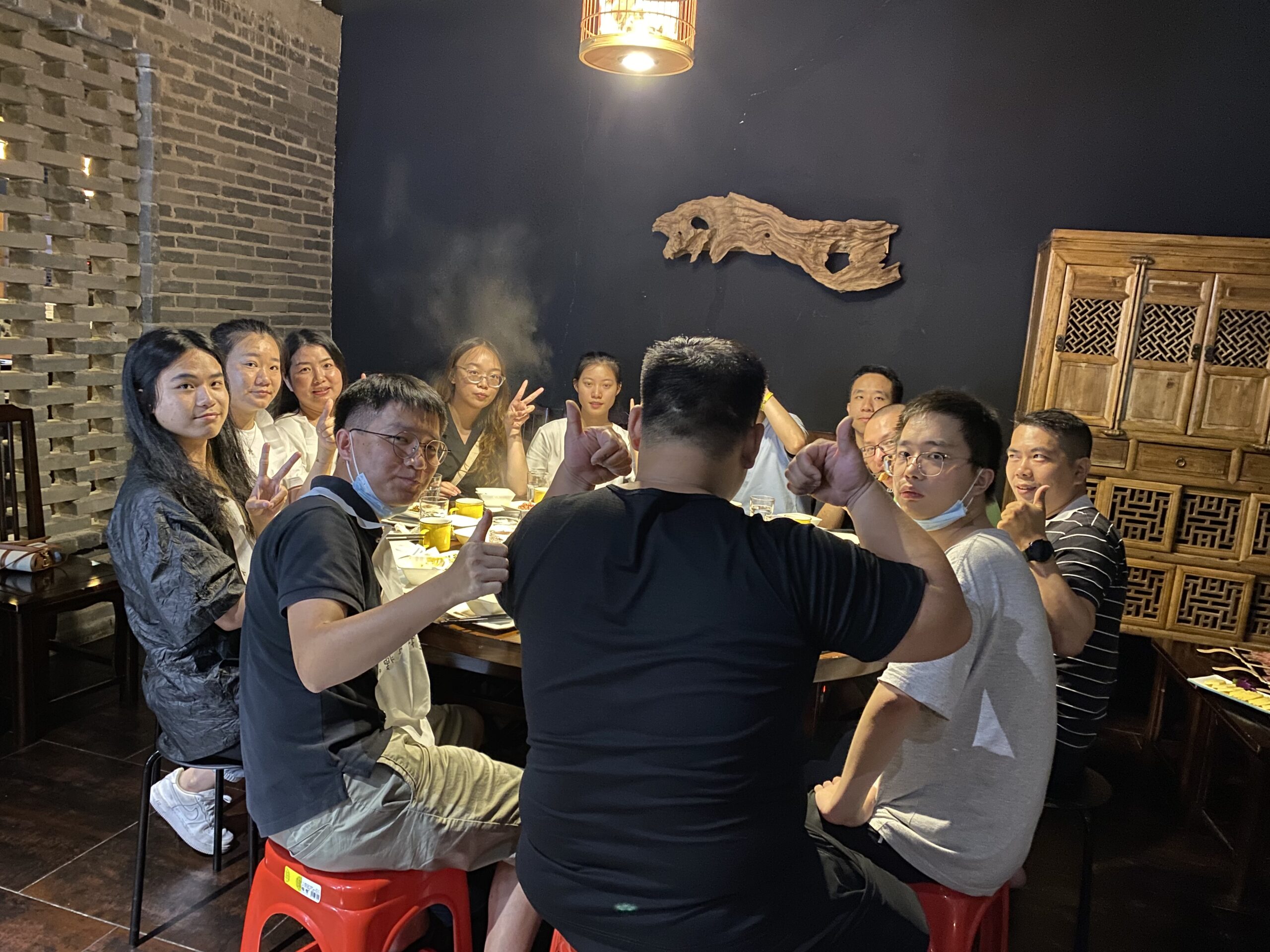
Streetwear Collections
EDVORIN develops streetwear collections across hoodies, T-shirts, sweatpants, shorts, jackets, jerseys, and woven styles. Product development connects fabric, fit, washes, prints, embroidery, trims, labeling, and packaging into one accountable production workflow.
Get a QuotePerformance Materials from a Heat Transfer Jersey Manufacturer
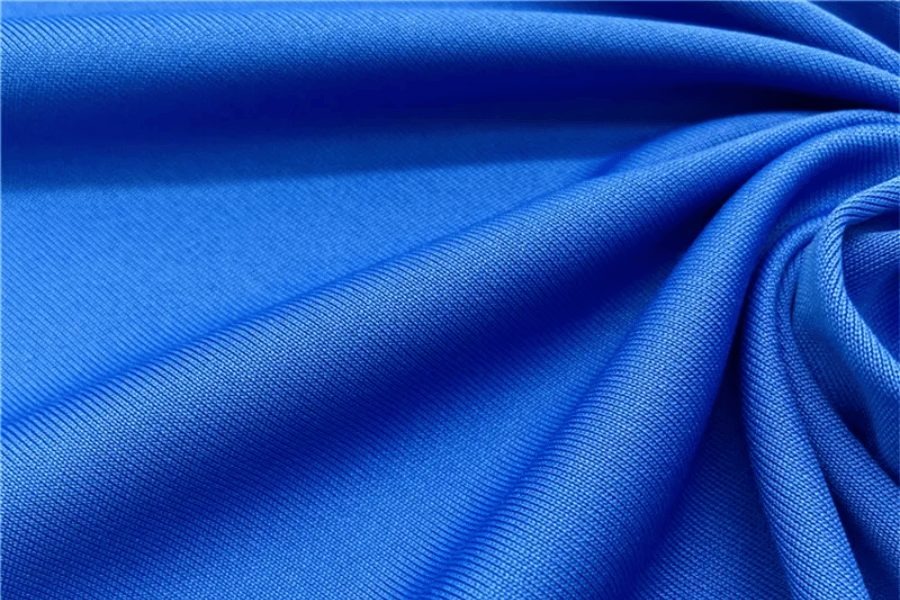
Polyester Interlock
Smooth, lightweight polyester with a clean face and dependable drape for soccer, basketball and training jerseys. Its stable surface supports precise heat-applied graphics, while the knit construction delivers breathable everyday performance.

Birdseye Mesh
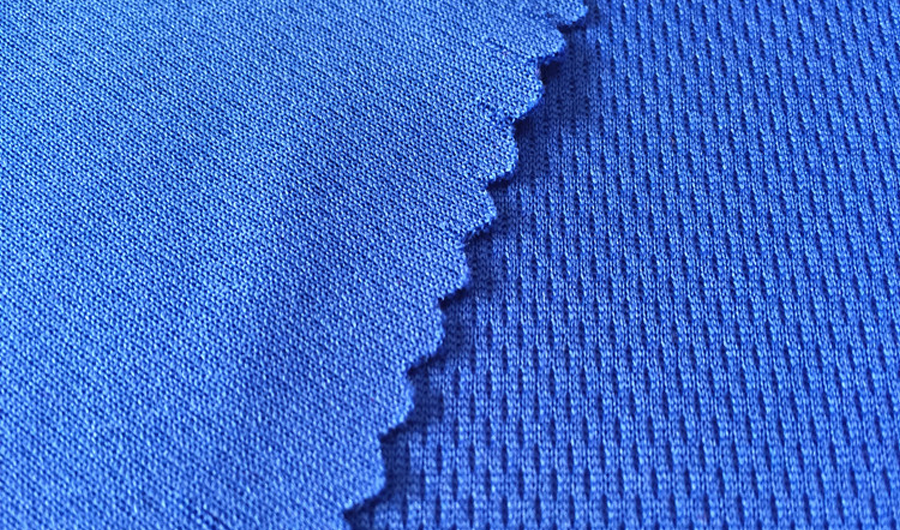
A perforated polyester knit with a dry, airy hand feel for high-activity teamwear and practice jerseys. The open texture improves airflow, and compatible heat-transfer selections can be specified to suit the mesh surface.
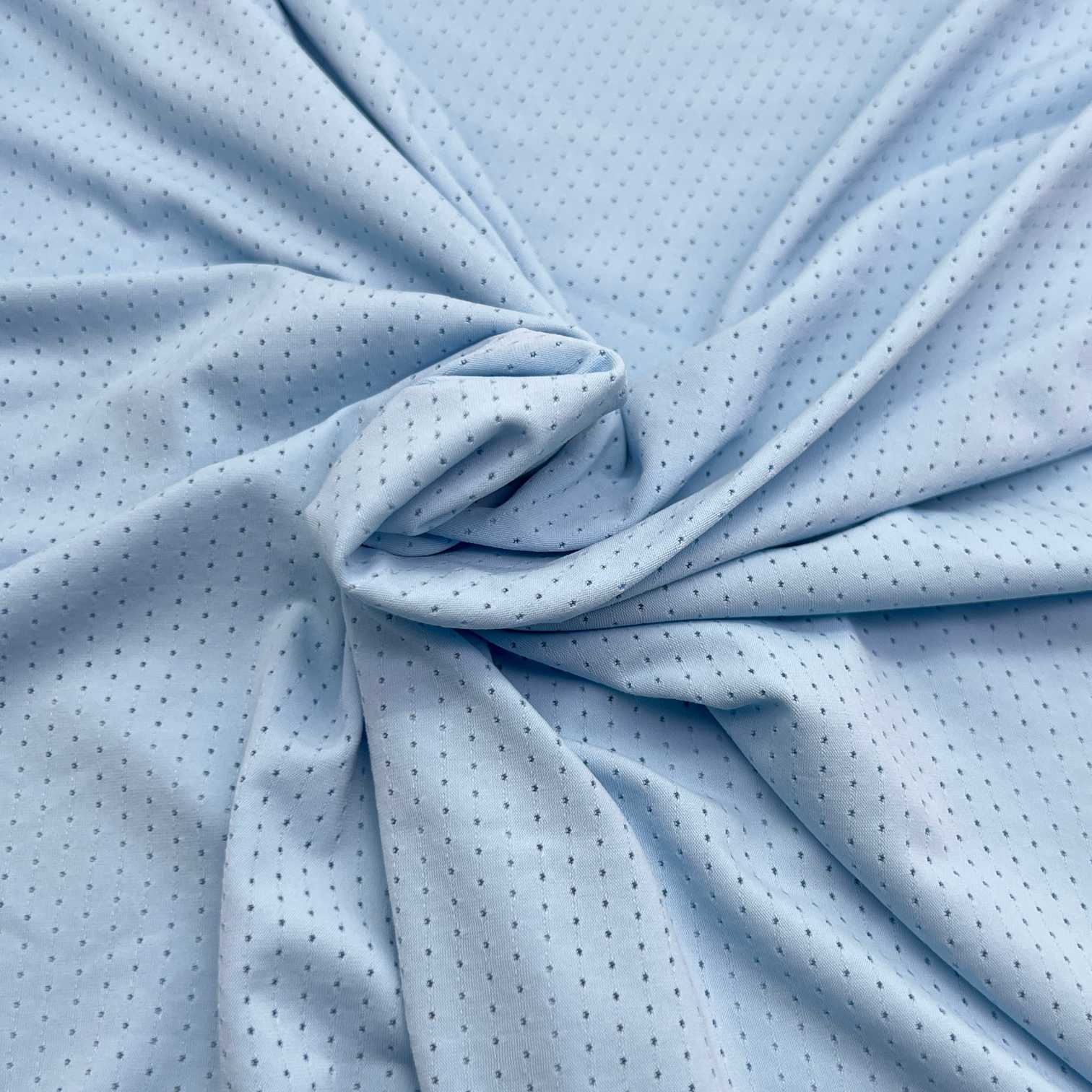
Polyester Spandex Knit
Soft performance knit with four-way stretch for fitted jerseys, active tops and women’s teamwear programs. The flexible recovery supports unrestricted movement, while decoration placement and transfer type are developed around the fabric’s stretch.
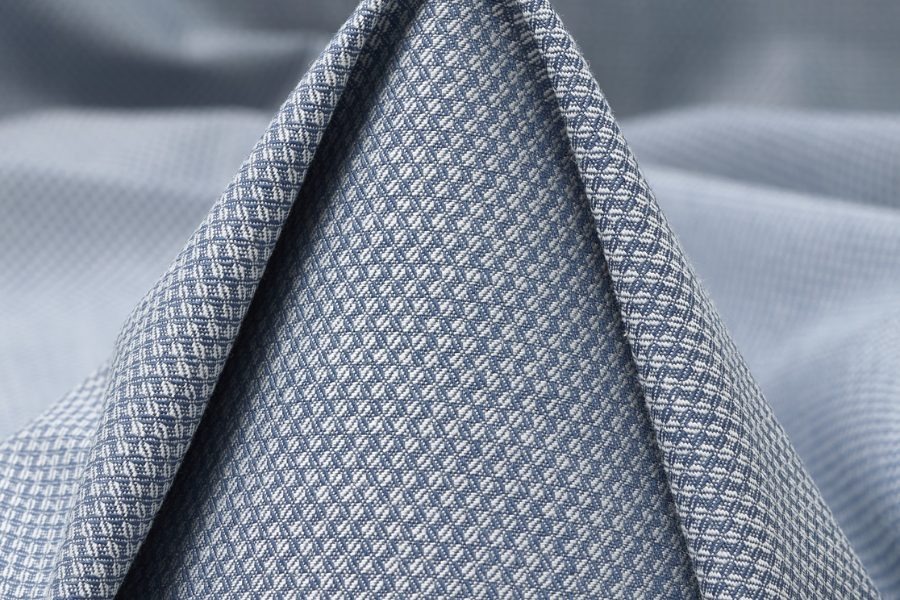
Piqué Performance Knit
Textured polyester knit with a structured hand feel, often used for polo-style jerseys, academy apparel and corporate teamwear. It offers breathable comfort and a defined surface for considered logo placement and heat-transfer decoration.
Heat Transfer Jersey Manufacturer Decoration Methods
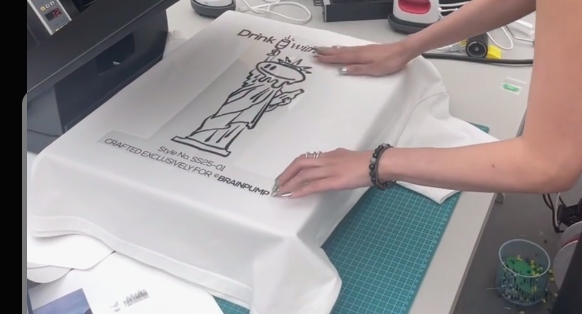
Heat Transfer
Heat-applied graphics deliver clear logos, sponsor marks and individual details on selected jersey panels. EDVORIN aligns transfer materials with the base fabric, placement requirements and approved sample standard for consistent bulk application.
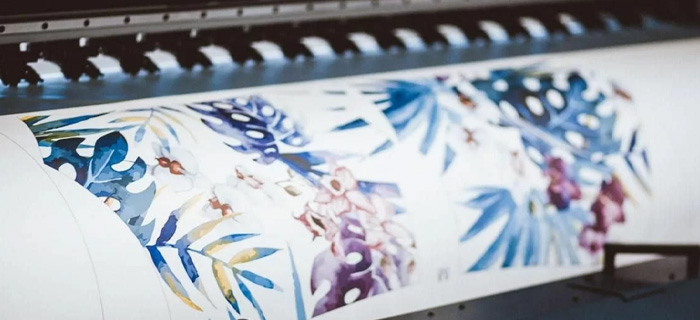
Dye Sublimation
Dye sublimation integrates all-over color, patterns, logos, names and numbers into polyester-based jersey fabric before assembly. It supports coordinated visual programs without adding a separate decoration layer to the finished garment.
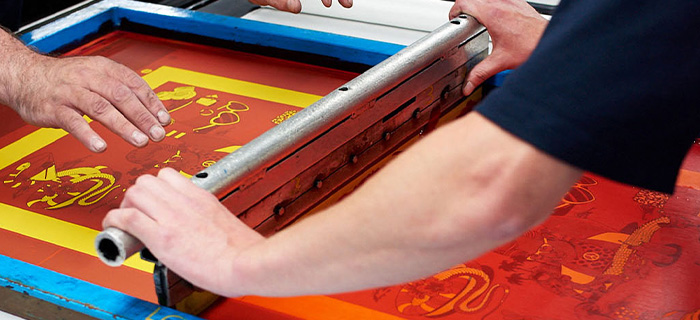
Screen Printing
Screen printing is suited to bold, repeat artwork where ink coverage, color selection and placement are carefully defined. EDVORIN documents the approved print result so the visual standard can be carried from sample through bulk production.
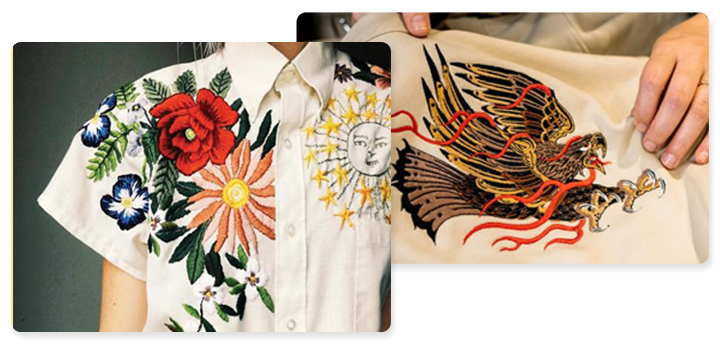
Embroidery Details
Embroidery adds dimensional texture for crests, club marks and premium identity details. Stitch density, backing, location and fabric compatibility are reviewed during development to help the finished decoration support the jersey’s intended wear.
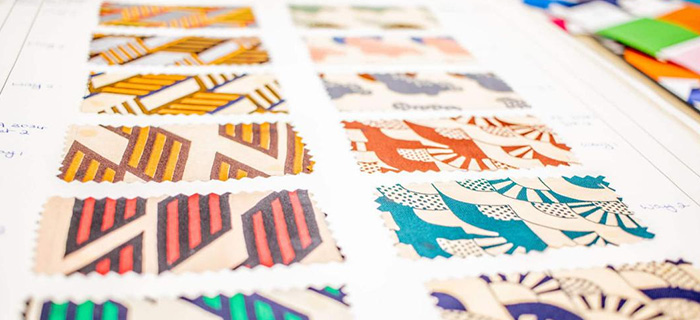
Names And Numbers
Individual names and numbers can be organized across size sets and player lists for teamwear programs. EDVORIN records fonts, colors, sizing and placement references to help maintain accurate personalization across the complete order.
Jersey Trims, Labels & Functional Accessories
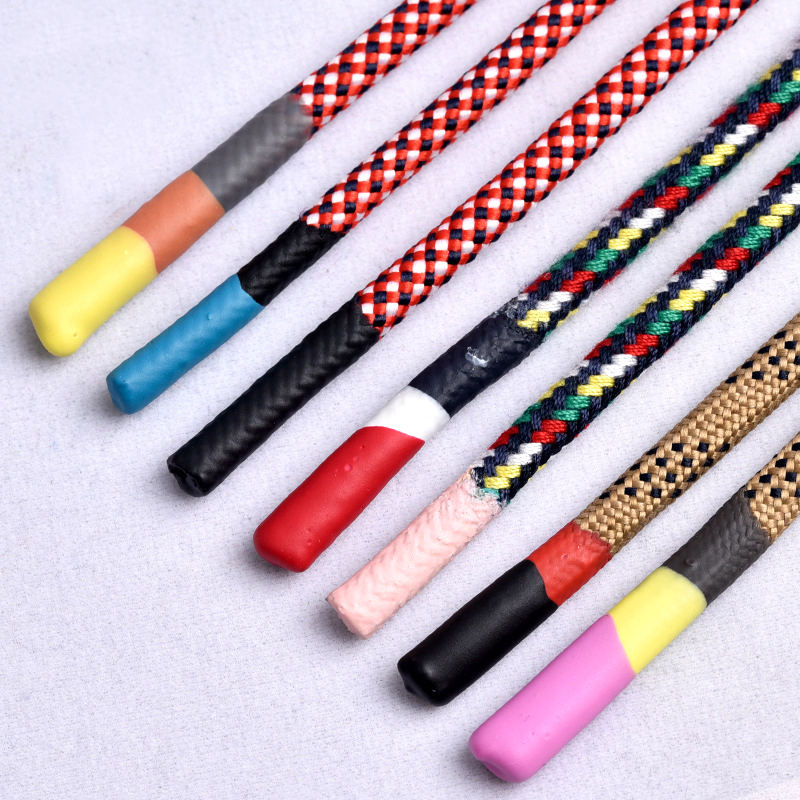
Drawcords & Tipping
Specify drawcord material, length, end finish, and contrast tipping for warm-up jerseys, hooded team layers, and streetwear-inspired programs. These details help align the garment with your team colors or private-label design language.
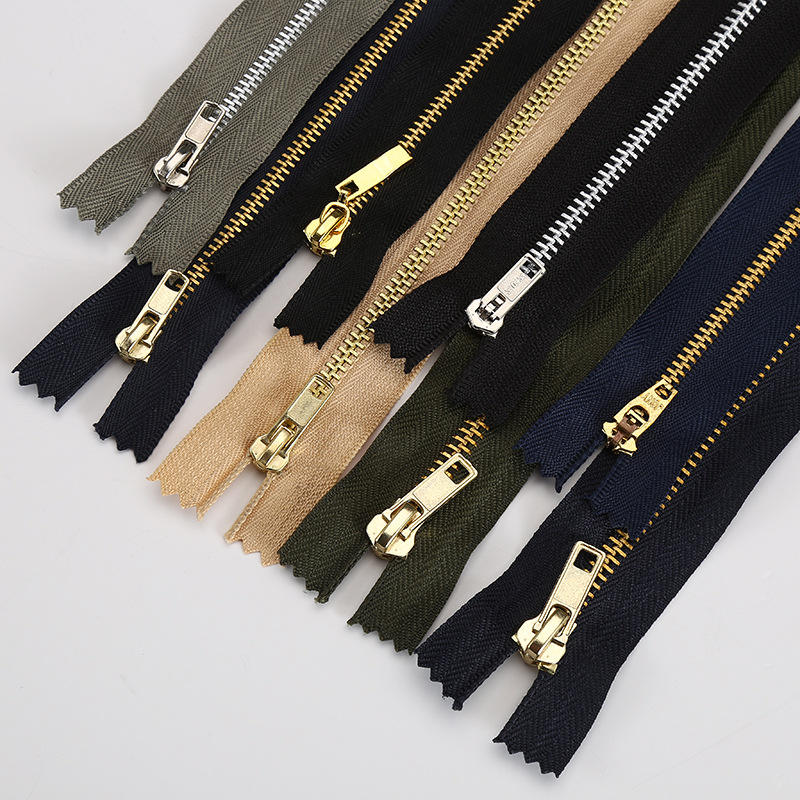
YKK Zippers
Add YKK zipper options to quarter-zips, full-zip training tops, warm-up jackets, and performance outer layers. Zip type, puller style, tape color, and placement can be documented alongside the approved sample for consistent bulk production.
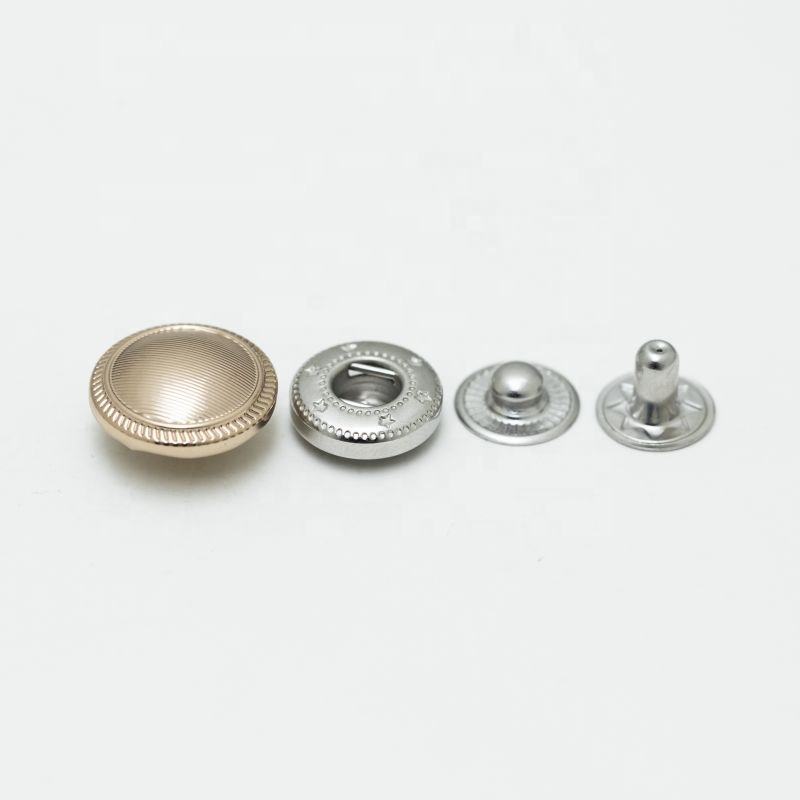
Snap Buttons
Custom snap buttons suit varsity-inspired jerseys, team jackets, and detachable-layer designs. Select finish, color, and placement to support the garment’s function while maintaining a coordinated look across your collection or club program.
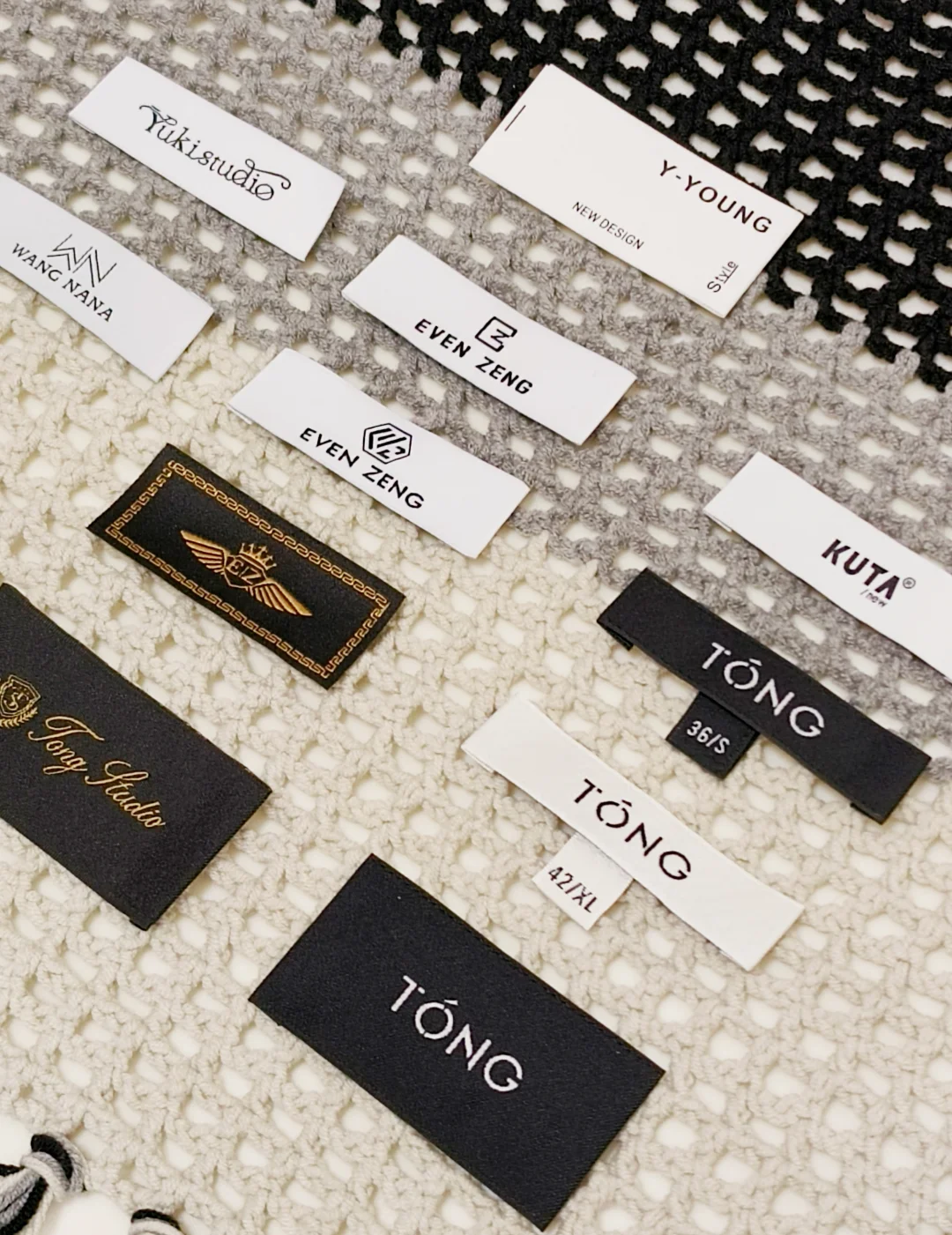
Woven Labels
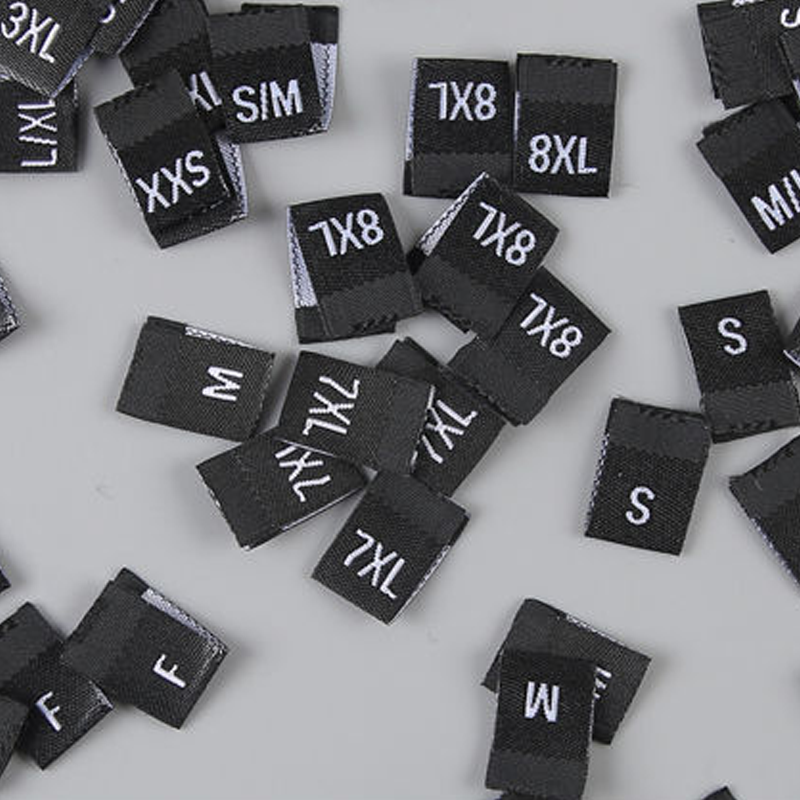
Woven main labels, size labels, and care labels give private-label jerseys a clear brand identity. EDVORIN coordinates label content, dimensions, fold style, and sewing placement as part of the production specification.
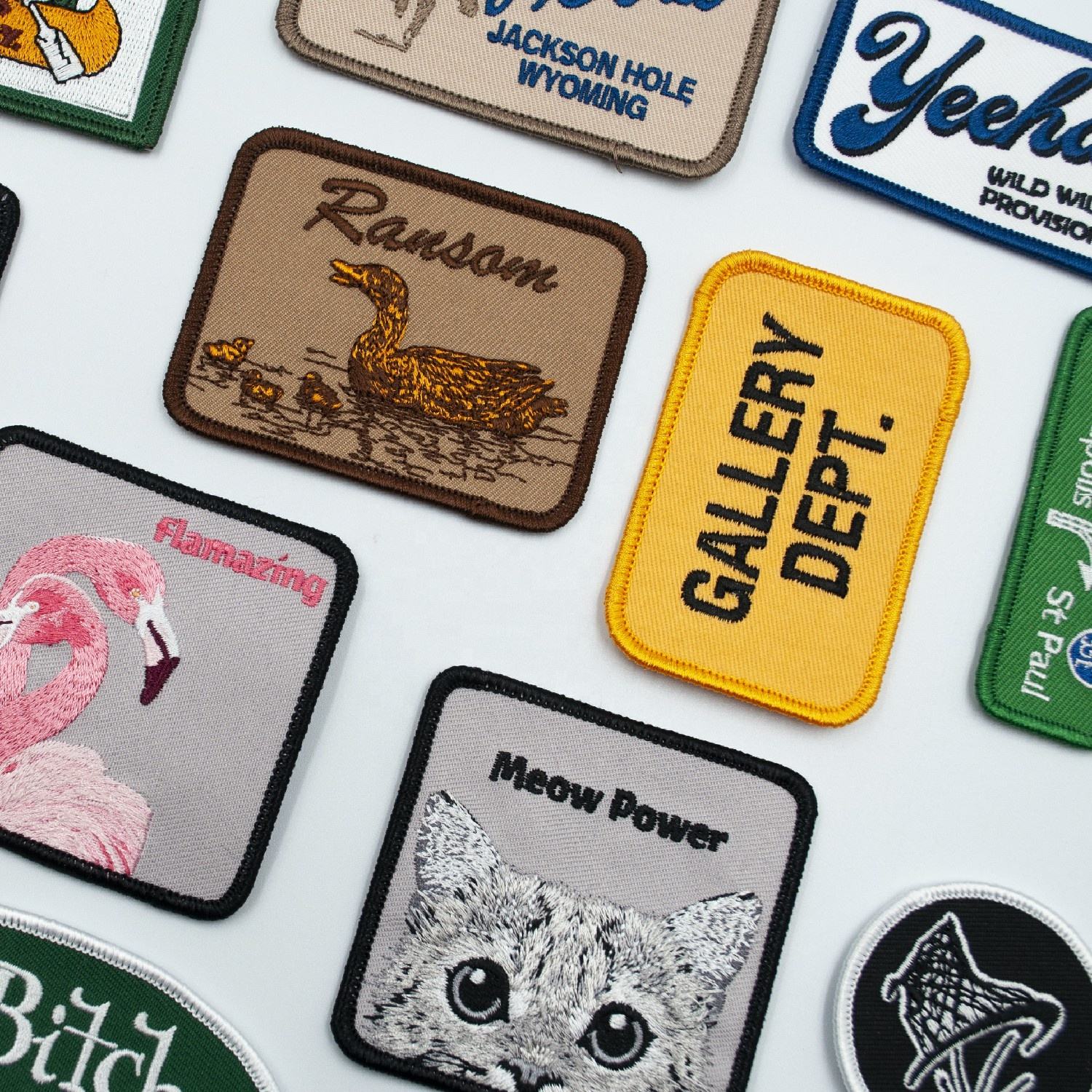
Heat Transfer Jersey Manufacturer Since 2000
Founded by Edvorin Zeng in 2000, EDVORIN was built around a practical mission: help buyers turn an apparel idea into a manufacturing standard that can be made well again and again. As a heat transfer jersey manufacturer, we connect product development, patterns, sourcing and decoration from the first sample onward.
Our OEM, ODM and private-label capabilities support men’s and women’s jersey programs for sports clubs, schools, fashion labels, wholesalers and corporate buyers. Fabric, trims, heat-applied artwork, names and numbers, labeling and packaging are coordinated within one production path, with MOQ starting at 200 pieces per style.
What distinguishes EDVORIN is responsibility after sample approval. We record measurements, material choices, placement references and finishing details so bulk production follows a visible standard. In-line checks and final inspection help protect the approved result, giving growing and established buyers a repeatable foundation for their next order.

Heat Transfer Jersey Manufacturer: From Artwork Approval to Repeatable Bulk Production
Technical Development That Holds
EDVORIN converts artwork, references and fit requirements into a production-ready jersey standard before bulk begins. Our team aligns panel construction, measurement points, decoration locations and finish details so the approved sample can guide repeat orders with less ambiguity.
- Men’s and women’s fit development
- Placement dimensions recorded by size
- Patterns refined before bulk release
- Labels, trims and packaging coordinated
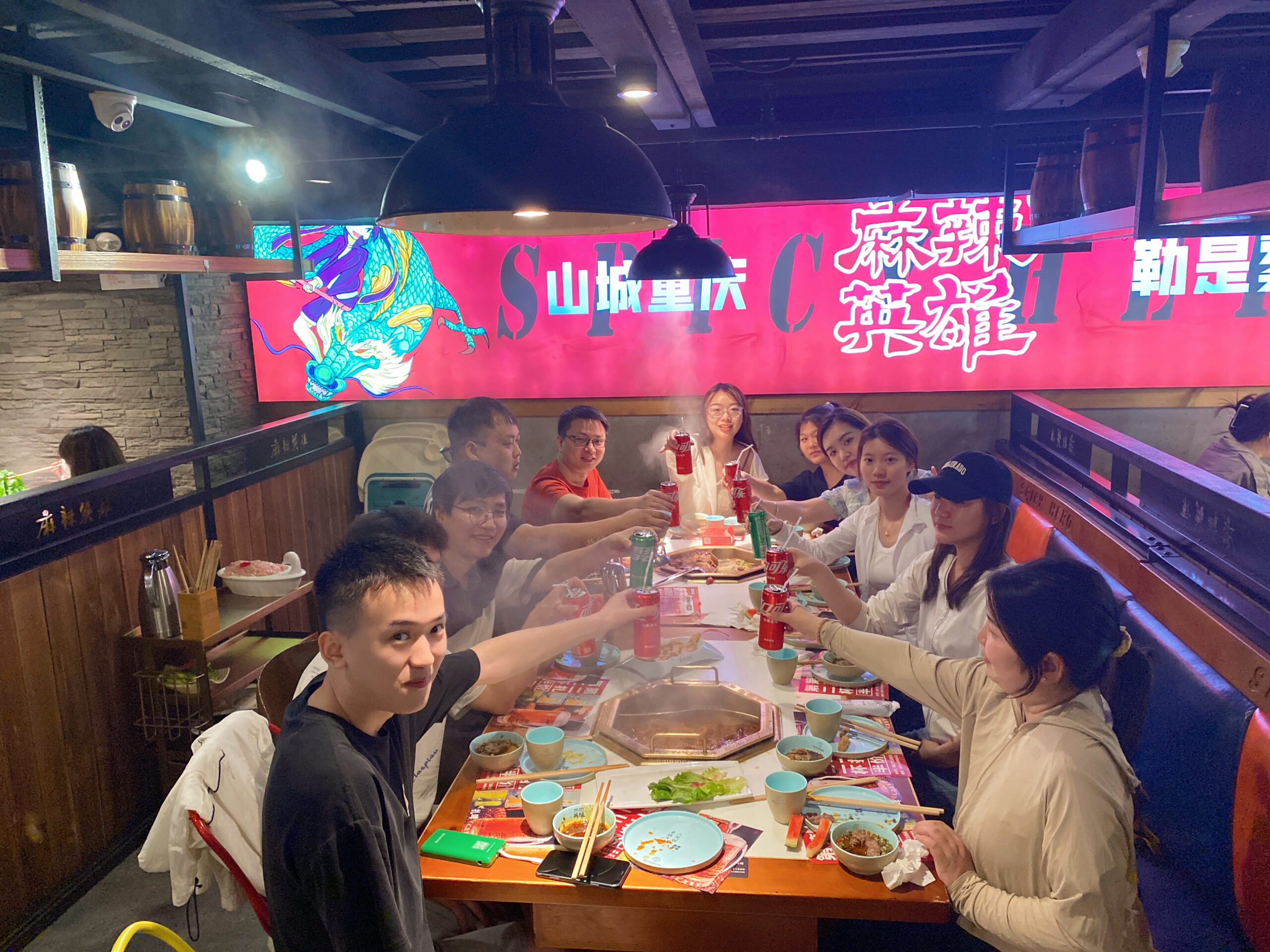
Material and Decoration Alignment
As a heat transfer jersey manufacturer, EDVORIN reviews the base fabric and decoration plan together. We help define a jersey construction that supports the intended look, hand feel and use case while keeping artwork placement and application requirements clear for production.
- Fabric selection matched to jersey use
- Decoration locations mapped before sampling
- Artwork reviewed with garment panels
- Teamwear and private-label requirements aligned

Approved Samples Create Standards
An approved sample becomes a working production reference, not just a presentation piece. EDVORIN documents the decisions behind it, including measurements, construction details, artwork placement, materials and trims, giving production and quality teams one shared benchmark to follow.
- Approved measurements retained for production
- Artwork positions recorded clearly
- Materials and trims confirmed together
- Revisions controlled before bulk approval
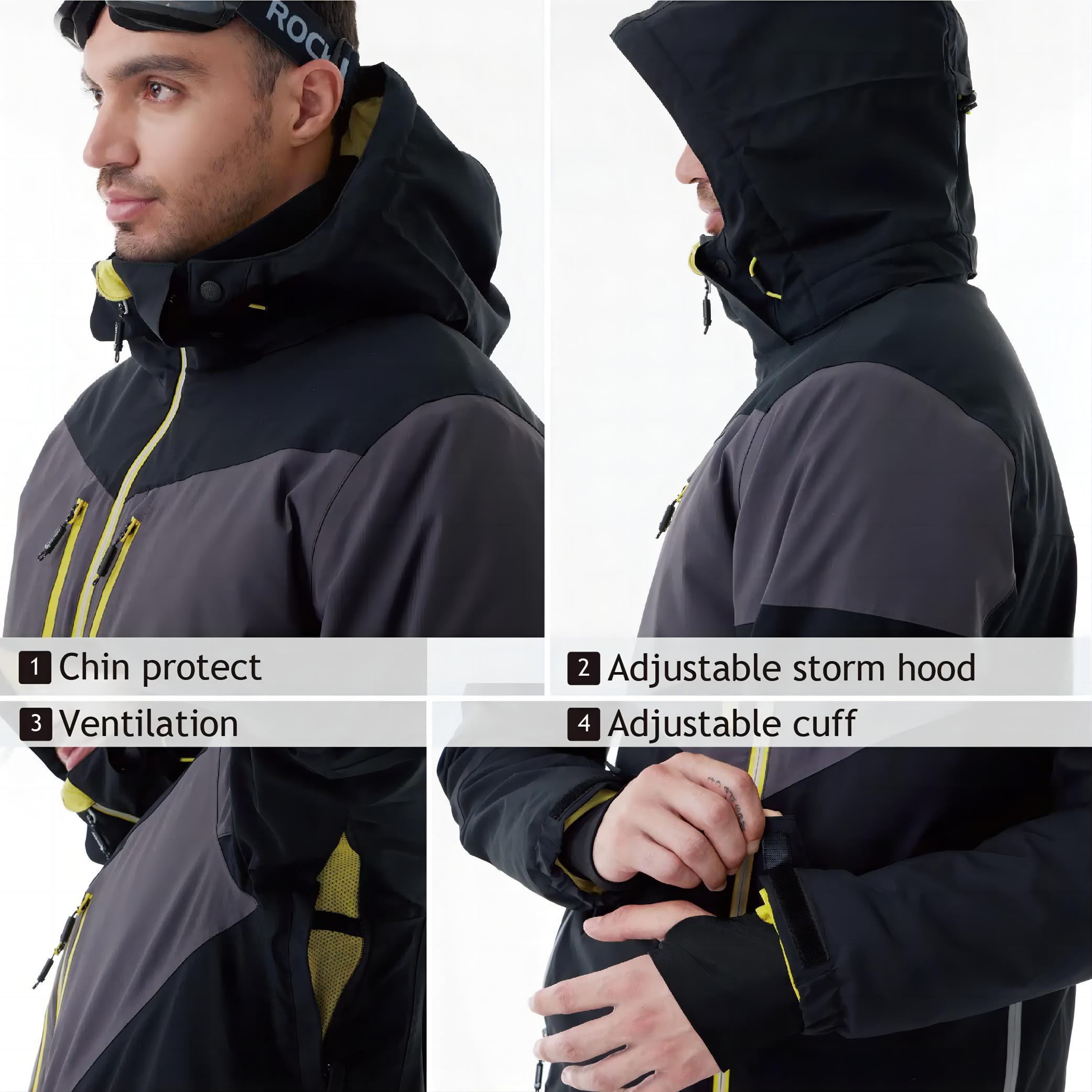
In-Line Checks Protect Consistency
EDVORIN manages jersey production through coordinated checks during cutting, sewing, decoration and finishing. By comparing work against approved standards while orders are in progress, we can identify variation earlier and keep the final packed order aligned with the buyer’s expectations.
- Construction reviewed during production
- Decoration placement checked in process
- Measurements verified against approval
- Final inspection before packing
Why Buyers Choose EDVORIN as Their Heat Transfer Jersey Manufacturer
A connected production path turns approved jersey concepts into documented, repeatable bulk programs.
← Swipe left or right to view →
Heat Transfer Jersey Manufacturer Production Process
A documented workflow that carries approved jersey specifications through sourcing, decoration, assembly, inspection and delivery.
Define the Production Standard
We review your artwork, fit requirements, size range, placement details, labels, packaging and target quantity, then convert decisions into a clear production brief.
Source Materials and Trims
Fabric, mesh, rib, threads, heat-transfer materials, neck labels and accessories are coordinated against the approved specification before sampling and bulk material preparation.
Cut and Apply Decoration
Approved patterns guide cutting, while heat-transfer artwork is checked for color, size and placement before application to the correct jersey panels.
Sew and Control Assembly
Decorated panels move through sewing and finishing with construction details, measurements and component handling monitored against the approved sample and technical requirements.
Inspect, Pack and Ship
Final checks confirm appearance, measurements, decoration placement, labeling and packing accuracy before cartons are prepared for shipment according to your order requirements.
Start Your Heat Transfer Jersey Project
Move from concept to repeatable bulk production with one documented path for materials, decoration, fit and quality control.
Share Your Concept
Send a tech pack, reference garment or initial artwork. EDVORIN reviews jersey construction, fit, fabric, heat-transfer locations, quantities and private-label requirements.
Align Specifications and Quote
Confirm materials, trims, decoration details, size range, packaging and target order volume. We prepare a clear quotation for programs starting at 200 pieces per style.
Develop and Approve Samples
Review the sample against your intended look and performance needs. Revisions are documented so approved measurements, colors and artwork placements become production standards.
Launch Controlled Bulk Production
After approval, EDVORIN coordinates sourcing, cutting, sewing, heat transfers, labeling, packing and quality checks to keep the finished order aligned with the approved sample.
Certified Standards for Responsible Apparel Production



Why Buyers Choose EDVORIN as Their Heat Transfer Jersey Manufacturer
EDVORIN turned our artwork, size chart, and player roster into a controlled 480-piece jersey order. Every name and number was checked against the approved files, and the team received consistent kits across 14 sizes.
We moved from a sample concept to a 300-piece private-label drop without losing the details that made the jersey feel premium. EDVORIN documented placement, labels, and packing requirements, so our second production run was straightforward.
For our academy program, repeat ordering was the biggest concern. EDVORIN reproduced our 650-piece order with the same color references and heat-transfer placement standards, helping us add 3 new age groups without rebuilding the specification.
Heat Transfer Jersey Manufacturer FAQs
Clear answers for buyers planning custom teamwear, private-label, and repeat jersey programs with EDVORIN.
EDVORIN’s MOQ starts at 200 pieces per style. What is EDVORIN’s minimum order quantity for heat transfer jerseys?
Can EDVORIN develop a sample before bulk production?
How do I choose the right heat transfer jersey manufacturer for my brand or team?
What artwork files do I need for custom heat transfer jerseys?
How are lead times handled for jersey sampling and bulk orders?
What payment terms are available for an OEM jersey order?
Can EDVORIN arrange shipping for heat transfer jersey orders?
How does EDVORIN protect my artwork and private-label jersey design?
The Complete Heat Transfer Jersey Manufacturer Buyer’s Guide
Use this practical framework to compare transfer methods, jersey fabrics, production quality, pricing, and supplier qualifications—so you can source confidently, avoid costly artwork and fit mistakes, and launch apparel that meets your brand or team requirements.
1. What Is a Heat Transfer Jersey Manufacturer?
200-piece programs often use a heat transfer jersey manufacturer to coordinate the jersey base, artwork, pressing, and production records for repeatable team or private-label orders. The role serves brands, clubs, schools, and distributors needing controlled placement of logos, sponsor marks, player names, and numbers.
2 production models must be separated: manufacturing starts with a specified jersey—fabric, pattern, panels, collar, grading, labels, and sewing—while decoration applies a transfer to an already-made blank. A blank can be personalized quickly, but its fit, color, and construction were decided before the transfer is pressed.
1 replacement jersey or short run can justify individually applied names and numbers when a full new production run is impractical. Transfer selection must match the fabric and garment color; polyester jerseys may require bleed-resistant media. Source: https://www.youtube.com/watch?v=VuNCygvsHTs
2. Evolution of Heat Transfer Jersey Manufacturing
1980s-era cut heat-transfer vinyl and screen-printed transfers made jersey names, numbers, and simple spot-color logos practical, but each new color, size, or player record created added setup or placement work. Their legacy remains useful for bold, limited-color graphics.
Digital transfers and direct-to-film (DTF) now reproduce fine lines, gradients, and multicolor artwork without the color-separation limits of traditional screen printing. Pre-spaced names and numbers also simplify variable-data personalization, lowering the operational barrier for small team sets and replacement units. https://www.howardct.com
100% polyester jerseys still require the transfer, adhesive, press temperature, dwell time, and pressure to be matched to the fabric. Large film-covered areas can add hand feel and reduce airflow; wash testing on the approved fabric is the practical check against edge lift, cracking, dye migration, or poor recovery. https://www.youtube.com/watch?v=VuNCygvsHTs
3. Types of Heat Transfer Jersey Manufacturer Services
Five service models differ mainly in how much of the jersey exists before decoration begins. Match the model to order size, required fit control, and the number of variable names or numbers.
Blank Jersey Decoration
For 1–199 pieces, suppliers can decorate stocked blank jerseys with crests, numbers, or sponsor marks. This answers ‘How quickly can we personalize an existing base?’ but leaves fabric, panel layout, and fit largely fixed.
Transfer-Only And On-Demand
For 1–50 variable units, transfer-only supply lets a buyer press approved artwork locally, while on-demand services apply each name or number individually. This answers ‘Who needs personalization flexibility?’ rather than ‘Who will develop our garment?’
Private Label And Team Programs
EDVORIN’s MOQ starts at 200 pieces per style. At 200+ pieces, cut-and-sew private-label production gives buyers control of fabric, fit blocks, grading, labels, and transfer placement; EDVORIN’s 200-piece MOQ suits planned programs. Bulk team-uniform programs add organized size sets and roster control, answering ‘How do we repeat one approved standard across a squad or collection?’
4. Jersey Materials and Fabric Performance
140–160 GSM jersey fabrics prioritize airflow, while 180–220 GSM constructions add opacity and a steadier transfer surface. A heat transfer jersey manufacturer should match fabric, artwork coverage, and end use before sampling.
| Fabric | Typical GSM | Transfer Consideration | Best Use |
|---|---|---|---|
| Polyester interlock | 140–180 | Smooth; check dye migration | Soccer, basketball |
| Polyester mesh | 120–160 | Breathable; test opacity | Training jerseys |
| Pique or cotton blend | 180–220 | Stable but slower drying | Polo, lifestyle |
| Spandex or recycled polyester | 150–200 | Stretch/bleed test required | Performance, eco programs |
Fabric-Use Match
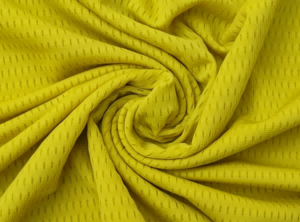
100% polyester interlock offers a smooth face, moisture management, and dependable teamwear performance.
150–180 GSM mesh improves breathability but its open structure can show through light transfers; request an opacity check.
Approval Tests
4-way stretch spandex blends need a transfer tested while stretched; rigid films can crack or distort.
3 wash cycles, a heat-press strike-off, and a sublimation-bleed test on dark polyester should precede bulk approval.
- Request unprinted fabric swatches in every color.
- Test logo adhesion, opacity, and edge lift.
- Compare recycled-polyester and virgin-polyester results.
5. Customization and Decoration Options
Two decoration choices can look alike at approval yet differ in hand feel, stretch, and repeatability. A heat transfer jersey manufacturer should test artwork on the final fabric and colorway before bulk release.
| Method | Artwork And Color | Hand And Stretch | Best Brief |
|---|---|---|---|
| HTV | Simple vector; limited colors | Defined edge; flexible grades | Names, numbers, small runs |
| Digital or DTF | Fine detail, gradients, full color | Noticeable edge; test stretch | Promotions, multicolor logos |
| Plastisol Transfer | Bold spot-color artwork | Smooth edge; durable when specified | Schools, teams, repeat graphics |
Team Identification
One-by-one names and numbers suit rostered teamwear, replacements, and school programs. Record font, height, spacing, and player placement in the approved specification.
- Use pre-spaced sets for consistent application
- Confirm number opacity on dark polyester
Badges And Labels
Woven or silicone badges add dimensional branding on chest, sleeve, or hem placements. Heat-applied neck labels reduce a sewn label’s bulk but require a compatible adhesive and wash test.
Special Effects
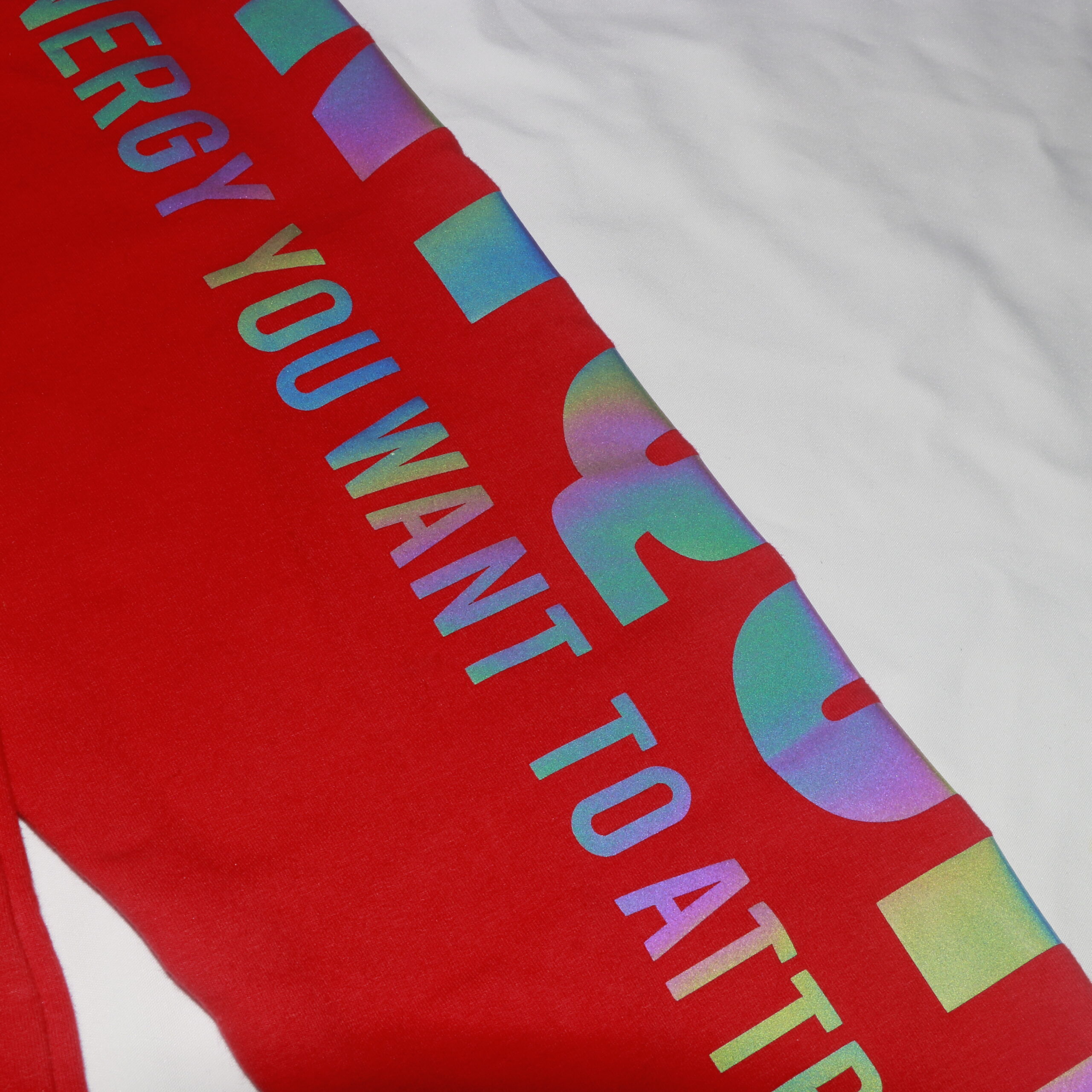
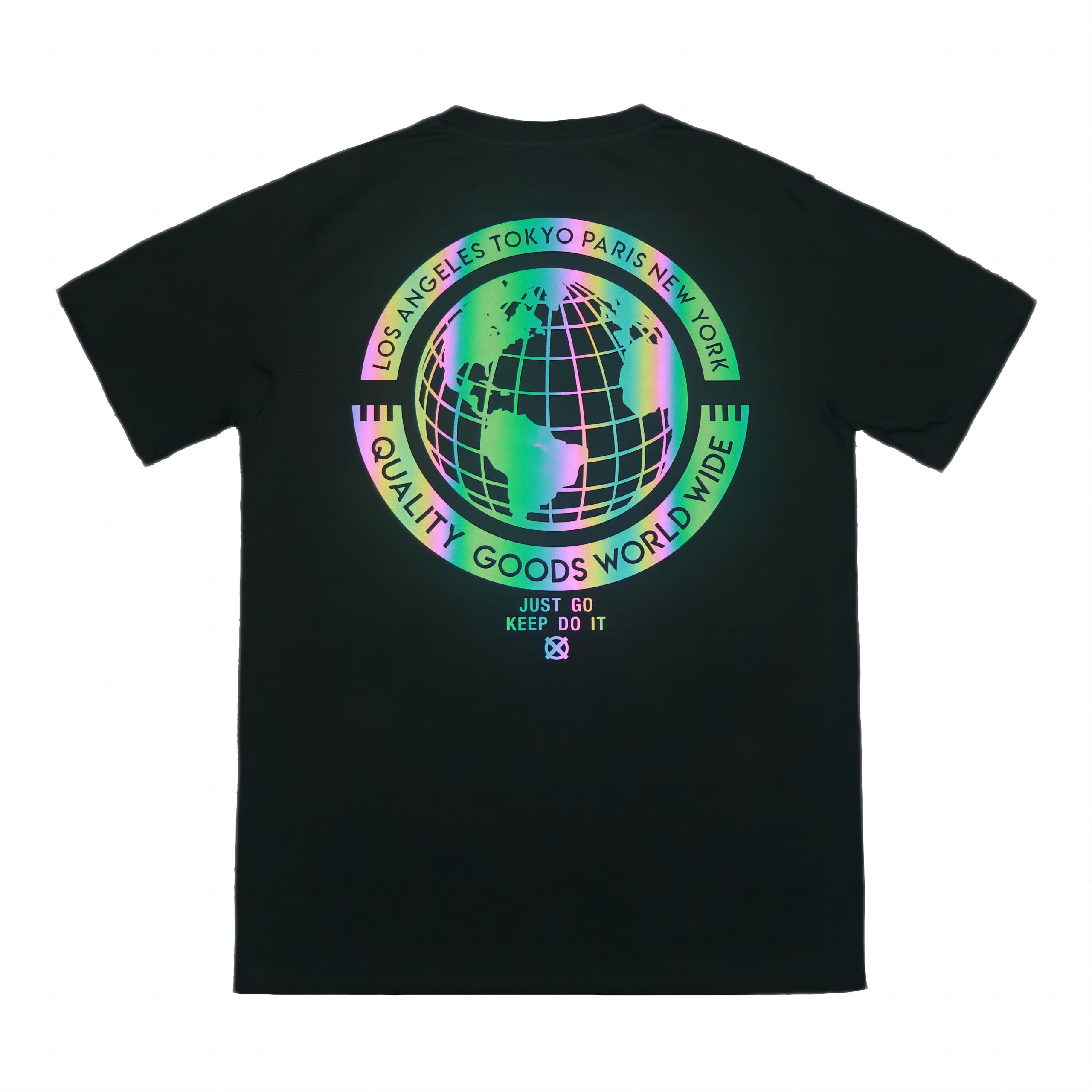
Glitter, puff, reflective, and metallic films suit limited fashion or promotional accents. Large solid films can reduce breathability; verify stretch recovery and edge lifting on mesh.
6. Construction Quality That Protects Transfers
A transfer performs best when the jersey is engineered as a pressing surface, not merely a finished garment. EDVORIN records construction details during sampling so the approved result remains reproducible in bulk.
Panel And Seam Planning
Flat front and back zones keep names, numbers, and crests clear of seam ridges. Side-panel joins, mesh alignment, and collar seams should sit outside approved artwork boundaries.
Stretch recovery must return panels to shape after pressing and wear. Reinforced stress points prevent distortion that can pull transfer edges.
Sample And Bulk Checks
A 3 mm placement tolerance gives production a measurable reference for repeat graphics. Inspect adhesion, edge lifting, scorching, dye migration, collar shape, and size-to-size measurement consistency.
A wash test should use the approved fabric, transfer, and curing settings before bulk release. Compare the washed piece against the sealed sample for cracking, color bleed, and bond loss.
- Check transfer edges after cooling
- Verify artwork clears seams and panels
- Measure placement from fixed garment points
7. Choosing a Heat Transfer Jersey Manufacturer
Before a deposit, compare a heat transfer jersey manufacturer against the exact jersey category and order scale you need. A 200-piece program needs documented controls, not only attractive samples.
Request Physical Proofs
One approved size-set sample should show fabric, transfer adhesion, placement, and wash performance. Ask for a pre-production sample, Pantone references, and a transfer test on the final fabric.
Two artwork files prevent avoidable errors: an approved placement sheet and print-ready vector artwork. Confirm name-and-number data, bleed-blocking needs, and press parameters before bulk cutting.
Verify Production Control
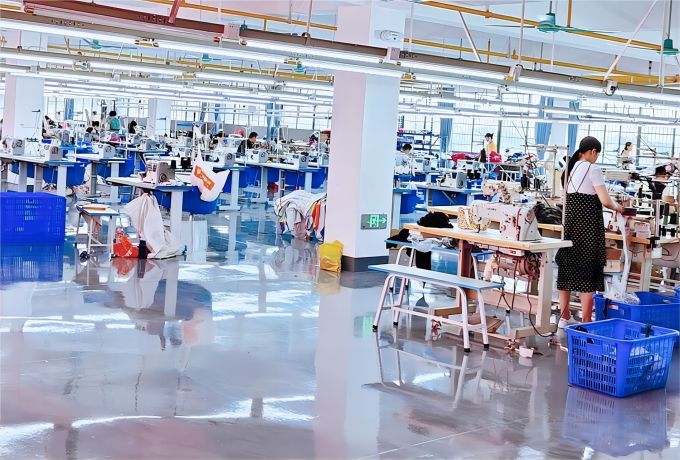
Three checkpoints should be visible: incoming material review, in-line measurement inspection, and final packing inspection. Request the measurement chart, grading rules, QC report format, and defect-handling procedure.
A stated capacity means little without a dated production plan. Ask who owns revisions, how often updates arrive, and what happens if materials or approvals delay shipment.
Confirm Commercial Fit
200 pieces may suit one supplier but not another, so confirm MOQ by style, color, and size breakdown. Request a written quotation separating sampling, transfers, labels, packaging, and freight assumptions.
Two private-label proofs matter before payment: a label artwork approval and a packed-carton specification. Confirm lead time from sample approval, payment milestones, and replacement policy in writing.
8. Common Heat Transfer Jersey Buying Mistakes
Bulk approval should convert every risk into a recorded test or specification. A heat transfer jersey manufacturer can reproduce only the standards the buyer has approved in writing.
Test Fabric And Transfer
100% polyester can react differently by dye lot, knit, and finish; an untested transfer may peel, stretch poorly, or discolor. Press production fabric swatches, then wash-test approved settings before bulk release.
24-hour heat exposure can reveal dye migration from dark sublimated polyester into light graphics. Specify a bleed-blocking transfer where testing shows migration, and retain the approved swatch.
Control Artwork And Placement
300 dpi artwork at final print size protects edges, small type, and number detail; low-resolution files produce visibly soft graphics. Submit vector files when available and approve a scaled digital proof.
2 placement measurements from center front or neckline prevent inconsistent logos across sizes. Record transfer width by size, reference points, and allowable tolerance on the tech pack.
Approve Bulk And Reorders
1 approved sample proves the development piece, not line-wide consistency; uncontrolled bulk can vary in placement, color, or adhesion. Approve a pre-production sample and require in-line and final inspection against it.
200-piece pricing alone can conceal setup, reject, and replacement costs. Confirm repeat fabric availability, artwork files, color references, and reorder lead time before selecting a supplier.
9. Launching a Heat Transfer Jersey Line
A 200-piece launch starts with one defined buyer and use case: match-day kit, retail drop, or school program. A heat transfer jersey manufacturer needs that decision before silhouette, fabric, decoration, and replenishment can be specified.
Lock Product Specifications

Two fit samples—men’s and women’s where applicable—clarify silhouette, grading, and fabric before artwork is finalized. Record jersey weight, color reference, and every logo, name, and number placement in millimeters.
Sample Before Selling
One pre-production sample should be washed, stretched, and inspected after transfer application. Approve a golden sample with dated artwork, placement sheet, measurements, trims, and packaging as the bulk-production reference.
Plan Personalization Operations
A 200-piece order requires a size curve and reserve-stock plan before production. Collect spelling, numbers, sizes, and payment cutoffs in one locked roster; personalized units need separate picking and fulfillment controls.
10. Heat Transfer Jersey Manufacturer Pricing
200 pieces is EDVORIN’s published MOQ, but unit economics still depend on construction, fabric weight, panel count, and transfer coverage. A lightweight single-color crest costs differently from a mesh jersey with contrast panels and oversized front, back, and sleeve transfers.
2 transfer locations are simpler to quote than four or six, while individual names and numbers add per-garment handling. Artwork color count, dimensions, labels, folded packaging, samples, and freight urgency should be specified before comparing quotes.
7–14 days should be reserved for sample review and corrections before bulk scheduling; expedited delivery can change material and freight choices. Request a quote with quantities by size, fabric and GSM, transfer placements and sizes, personalization list, labeling, packaging, destination, and required delivery date.
| Quantity tier | Production scenario | Illustrative cost driver |
|---|---|---|
| 200 pieces | Standard jersey, 2 locations | Setup spread across MOQ |
| 500+ pieces | Repeat construction, fixed artwork | Better material and handling efficiency |
| Any quantity | Names, numbers, rush delivery | Added application or logistics work |
Choose EDVORIN, Your Heat Transfer Jersey Manufacturer
EDVORIN’s MOQ starts at 200 pieces per style. Send your tech pack, sketch, or reference garment to align development, decoration, and bulk production from a 200-piece MOQ.