
Hockey Jersey Manufacturer for Repeatable Private-Label Programs
EDVORIN develops custom hockey jerseys for brands, teams, schools and distributors, with OEM and private-label programs starting at 200 pieces per style.
Production Capabilities for Custom Hockey Jersey Development


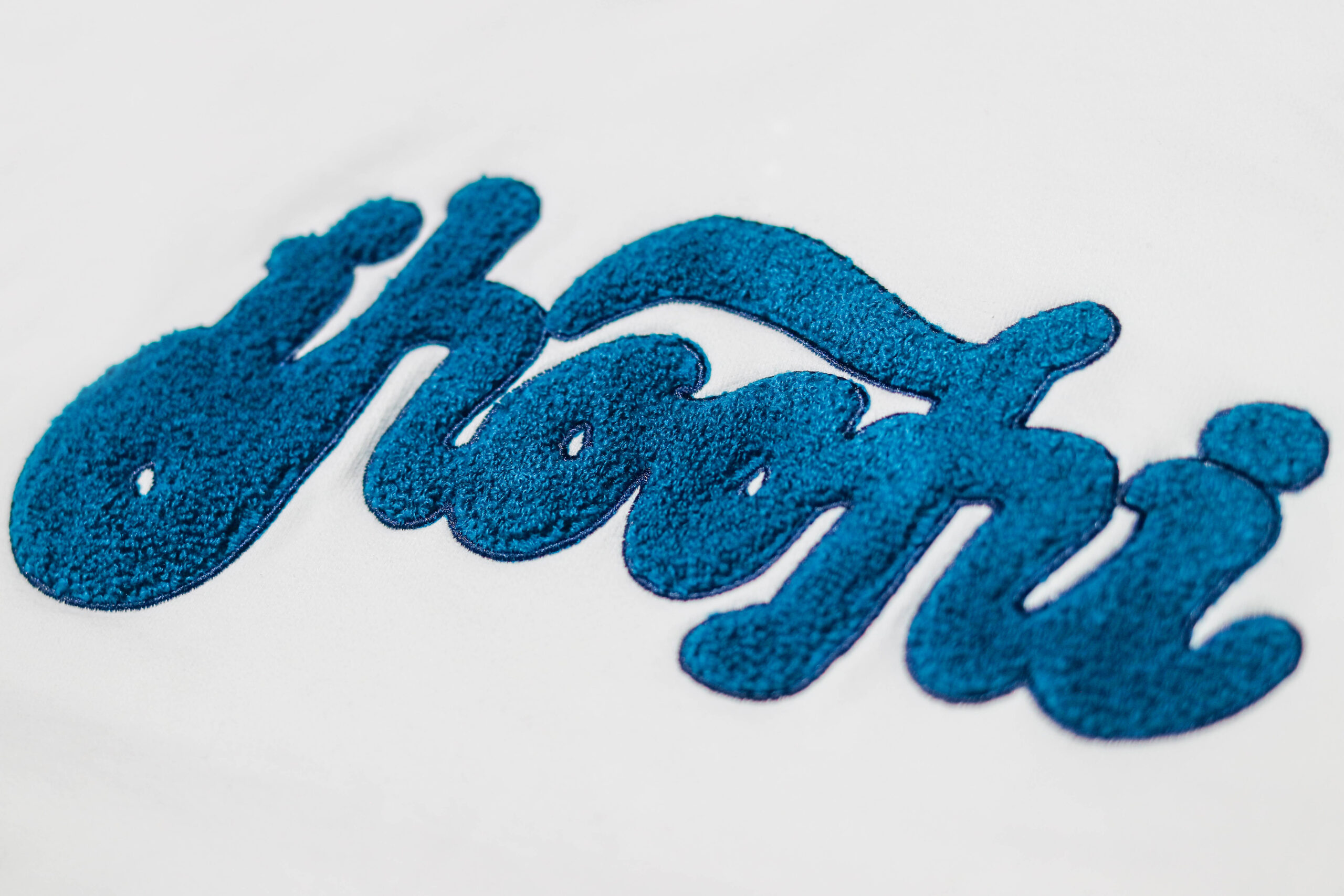
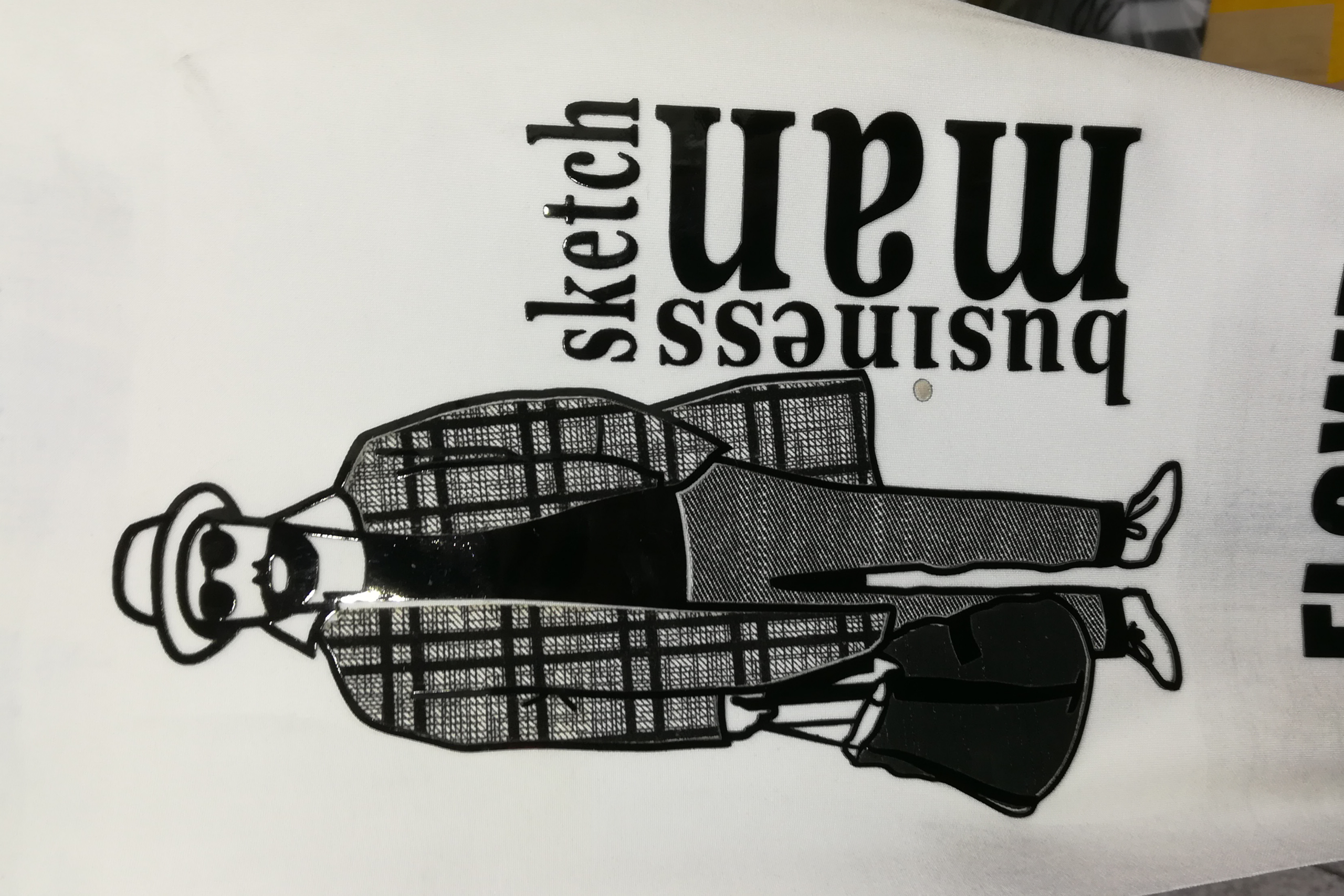
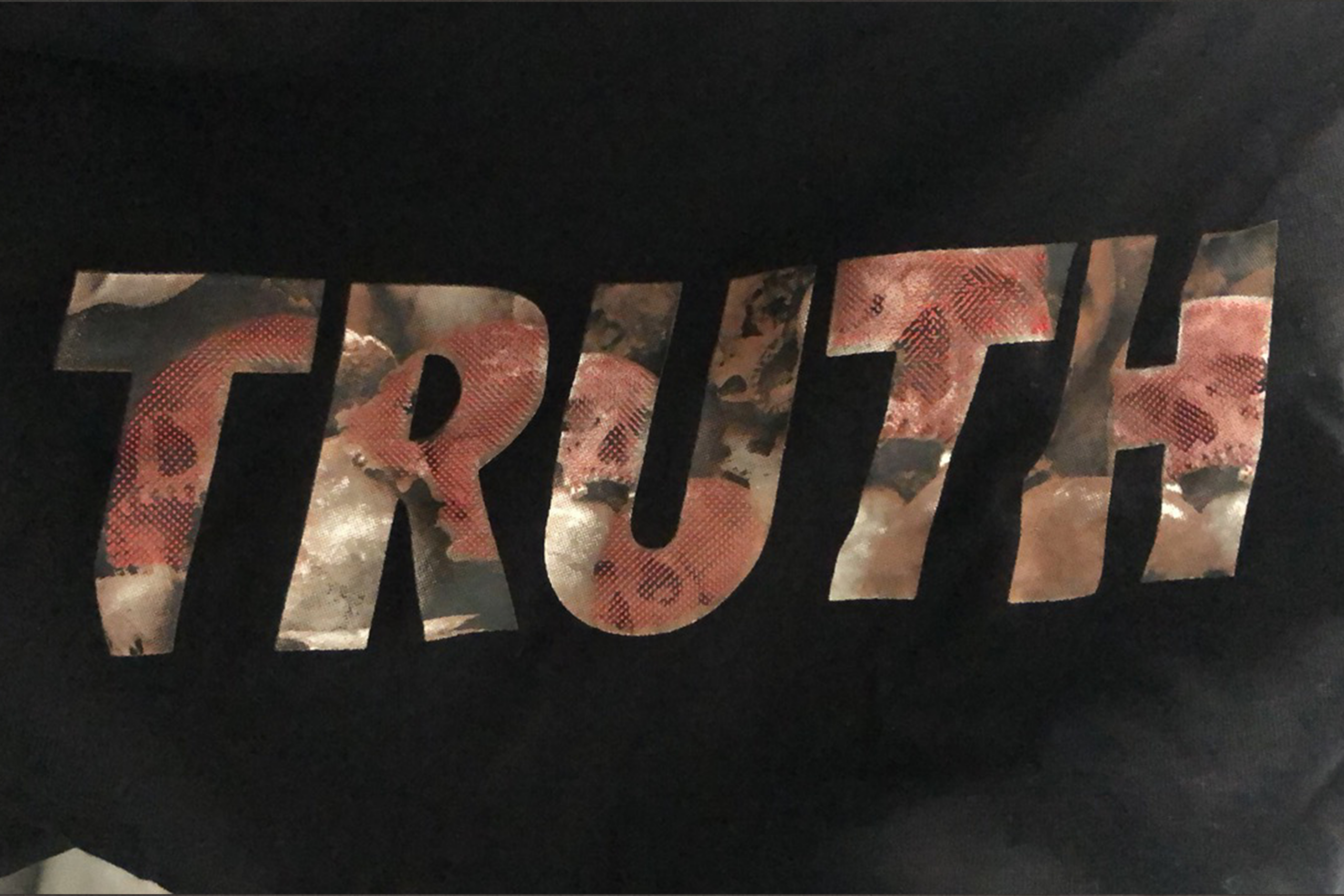
Hockey Jersey Manufacturer Built for Repeatable Teamwear
EDVORIN connects development, decoration, quality control, and private-label finishing in one accountable production path.
Technical Product Development
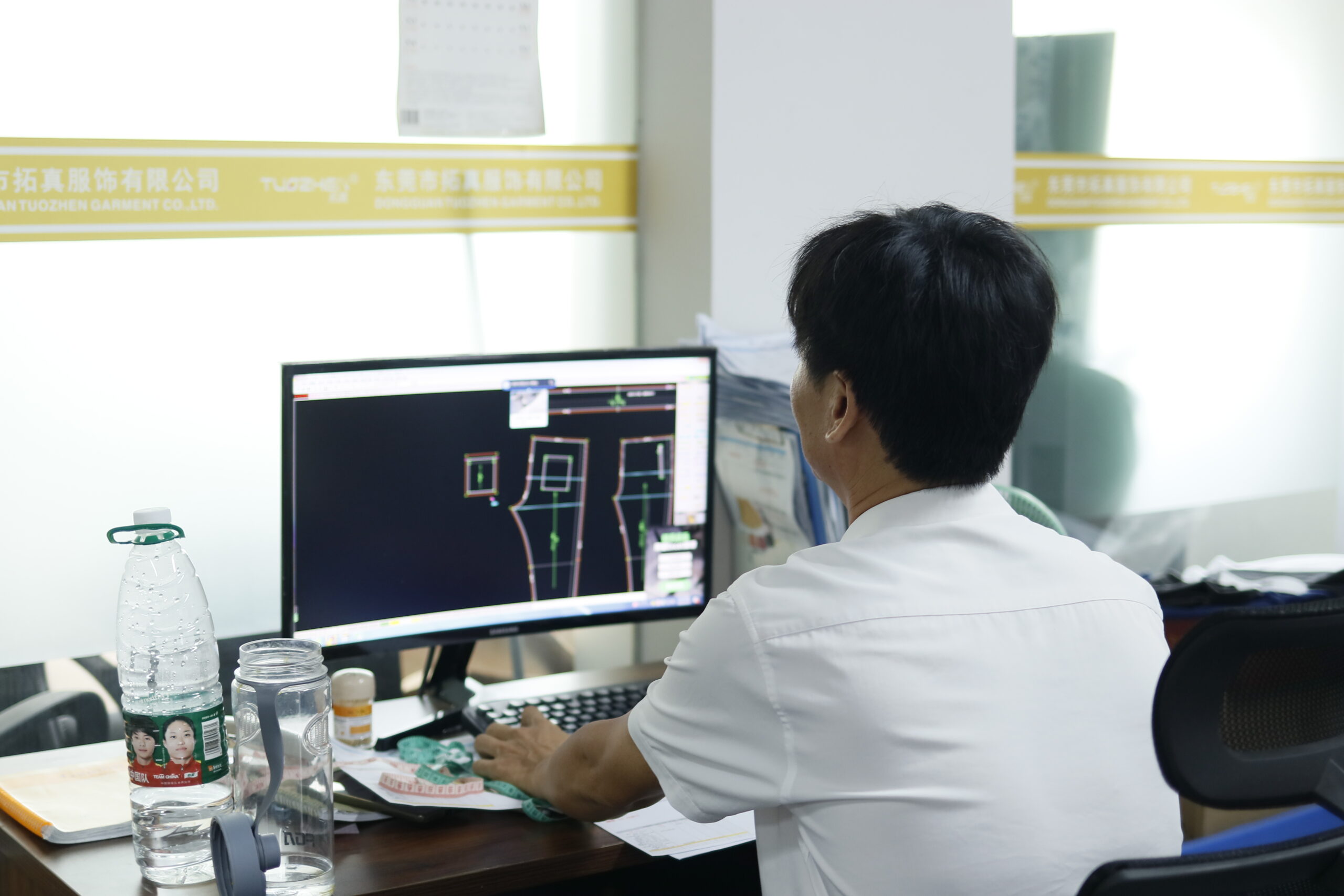
Turn sketches, reference jerseys, or complete tech packs into clear patterns, measurements, construction details, and production-ready specifications.
Material and Decoration Alignment
Coordinate fabric selection with printing, embroidery, appliqué, numbers, names, and color requirements before bulk production begins.
Flexible OEM and ODM
Support emerging labels, established clubs, wholesalers, and private-label buyers from early concept development through repeatable jersey programs.
Approved-Standard Quality Control
Use approved samples, measurement records, artwork placement references, and in-line inspections to protect consistency across every production run.
Private-Label Finishing
Complete hockey jersey orders with custom labels, hangtags, packaging, and coordinated details that present your brand professionally.
200-Piece Starting MOQ
Start each style from 200 pieces while building a controlled teamwear program designed for future reorders and growth.
Teamwear and Apparel Programs for Every Buyer
From hockey jersey programs to coordinated apparel, EDVORIN develops production-ready products for clubs, schools, private labels, wholesalers, and corporate teams.
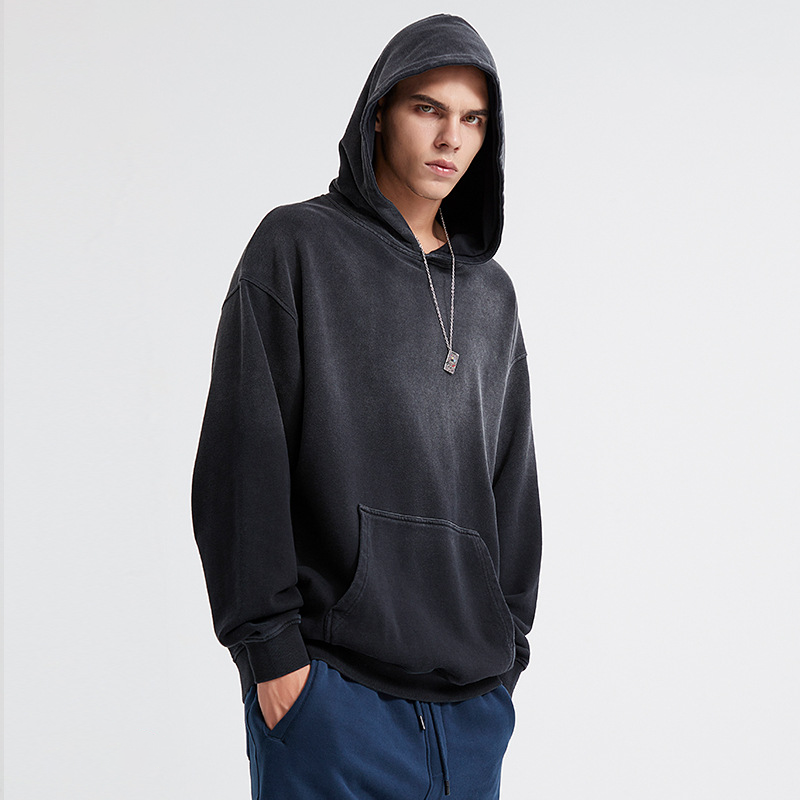
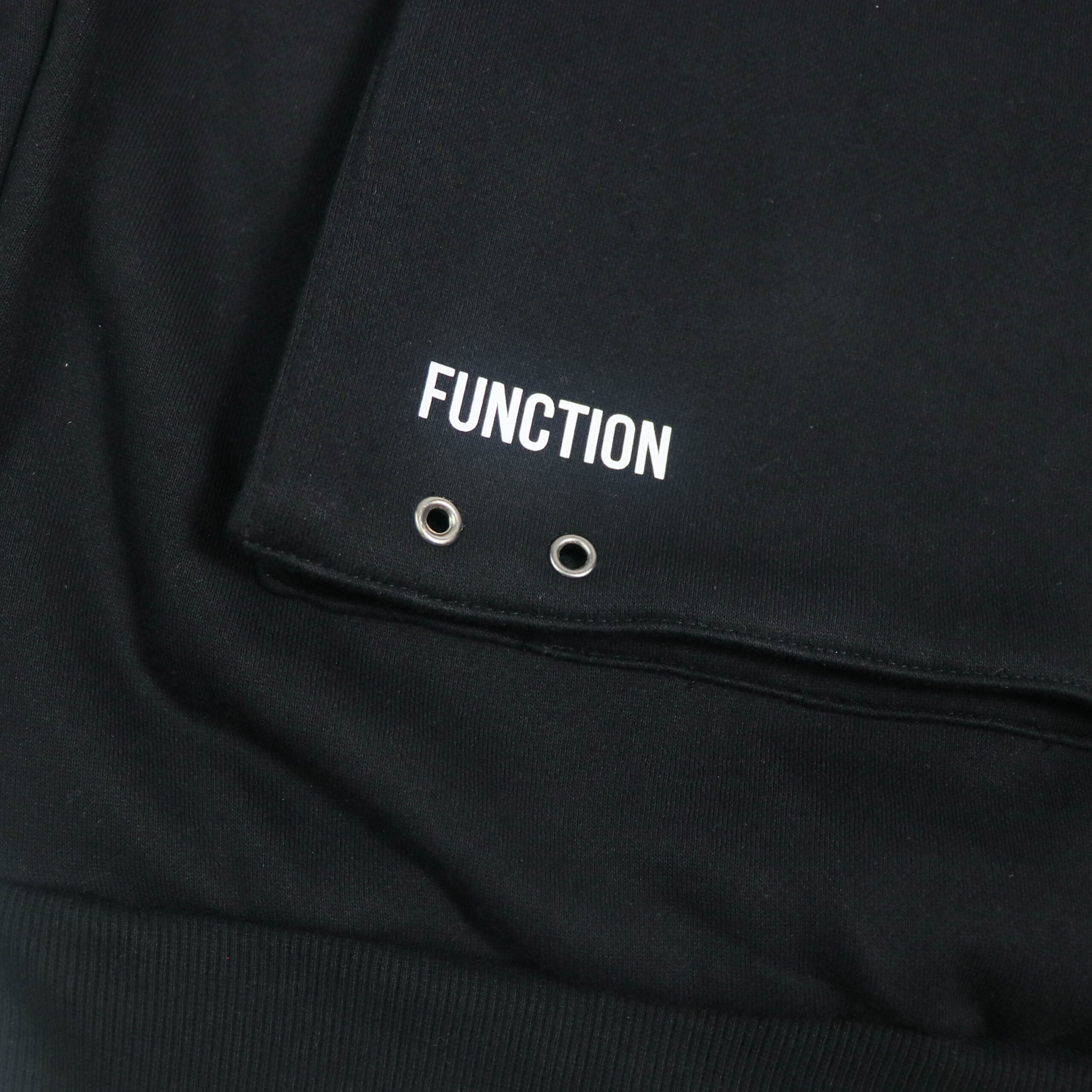
Custom Hoodies
Custom hoodies developed for team shops, school programs, corporate merchandise, and private-label collections. EDVORIN coordinates fleece weight, fit blocks, rib construction, drawcords, printing, embroidery, labels, and packaging from sample approval through bulk production.
Get a Quote
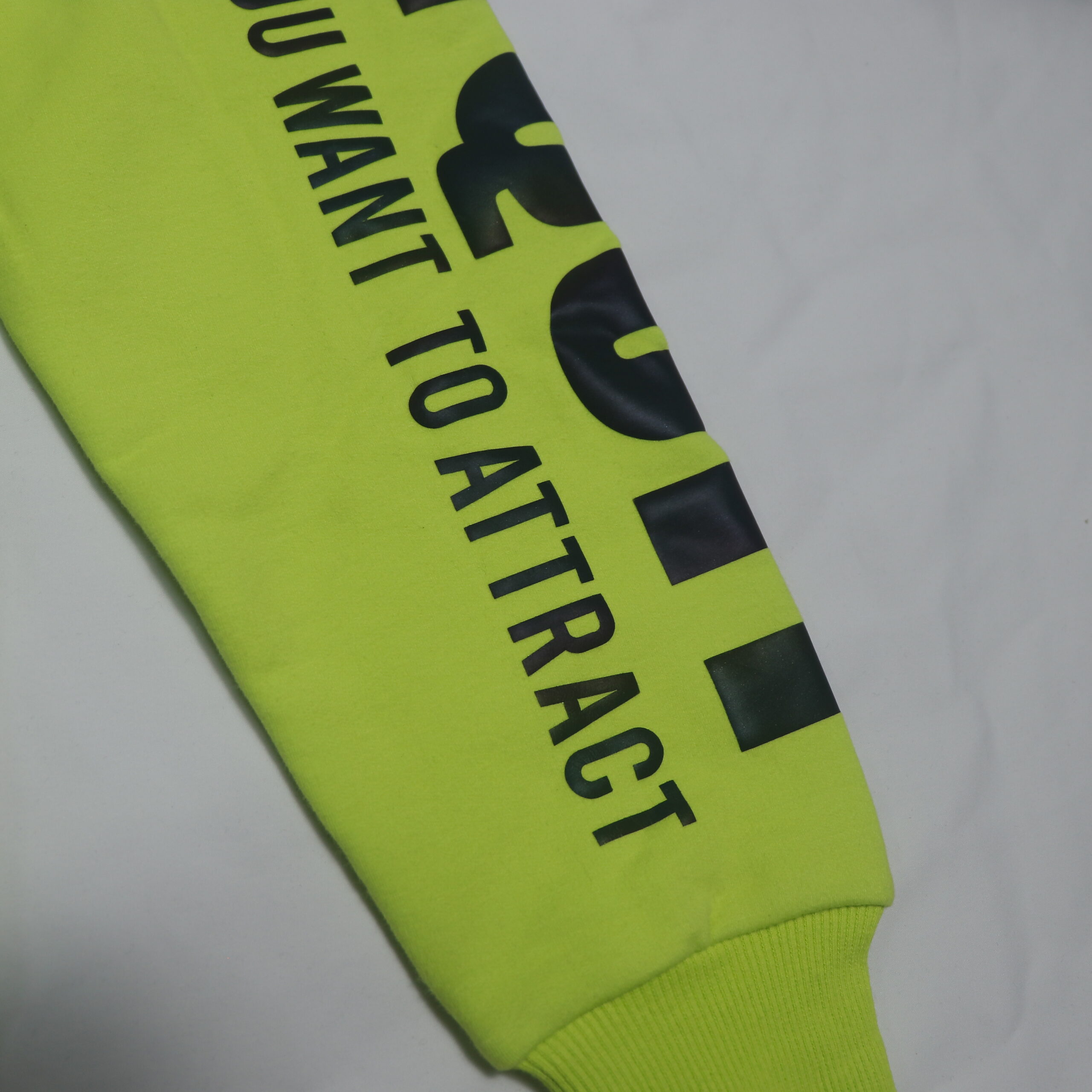
Pullover Sweatshirts
Pullover sweatshirts manufactured for coordinated teamwear, fan merchandise, wholesale assortments, and branded uniforms. Construction details can include crewneck ribs, brushed fleece or French terry, embroidery placements, screen prints, grading, private labels, and approved measurement standards.
Get a Quote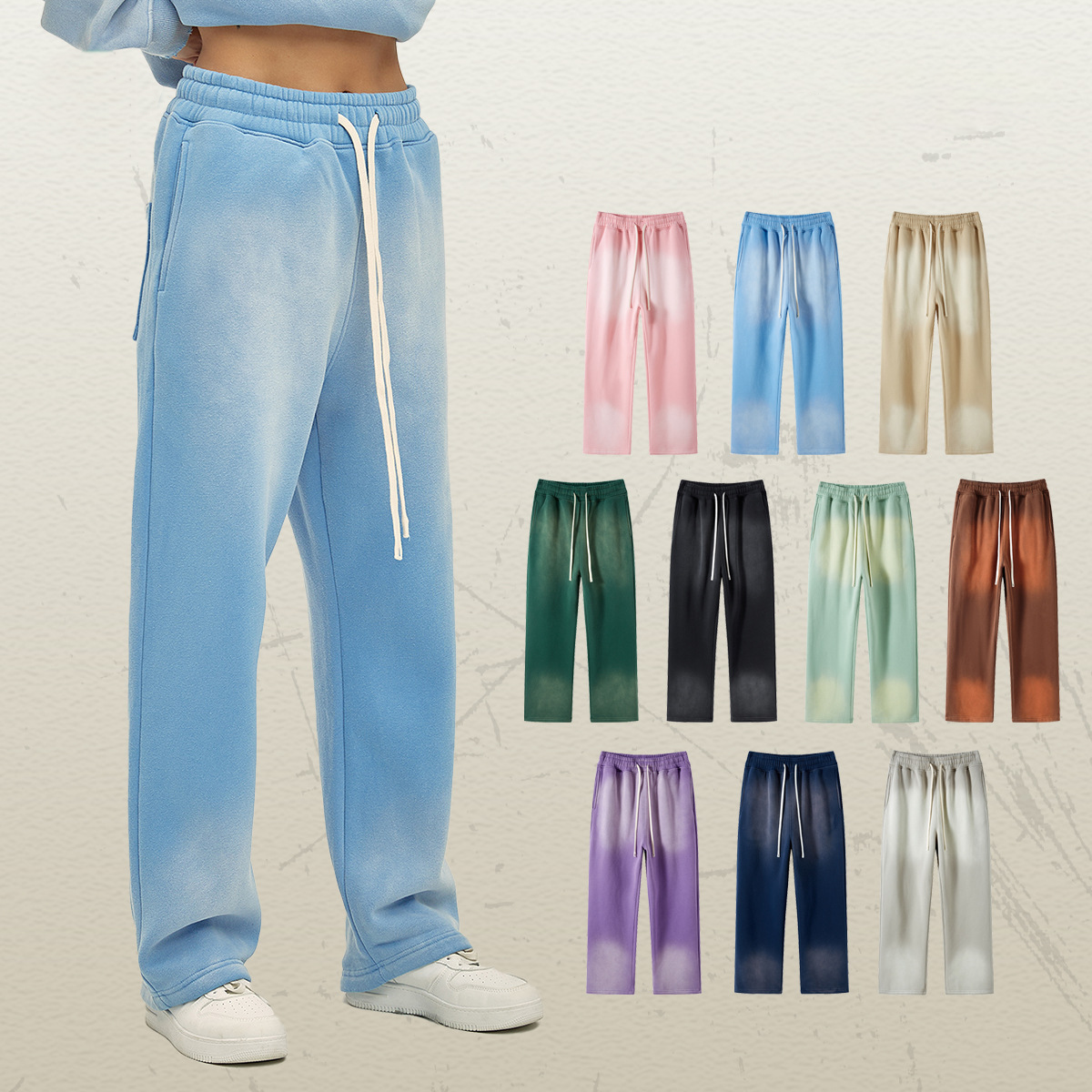
Sweatpants & Joggers
Sweatpants and joggers built to coordinate with hoodies, warm-up programs, school apparel, and retail collections. EDVORIN manages fabric selection, waistband and cuff construction, pockets, drawcords, decoration, size grading, and bulk quality control against approved samples.
Get a Quote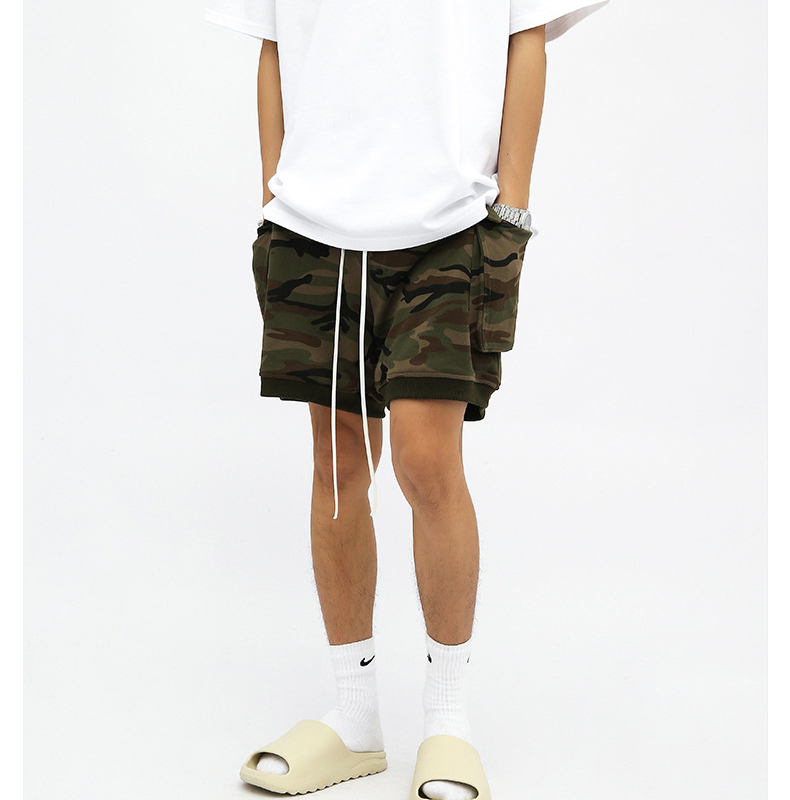
Custom Shorts
Custom shorts developed for training, casualwear, school programs, corporate merchandise, and private-label buyers. Options include fleece, jersey, woven, or performance fabrics, with controlled inseams, pockets, elastic waistbands, drawcords, printing, embroidery, labels, and packaging.
Get a Quote
Varsity & Baseball Jackets
Varsity and baseball jackets produced with coordinated body, sleeve, rib, lining, snap, patch, and embroidery specifications. Suitable for schools, clubs, retail labels, and alumni programs requiring consistent color, placement, fit, and repeat-order standards.
Get a Quote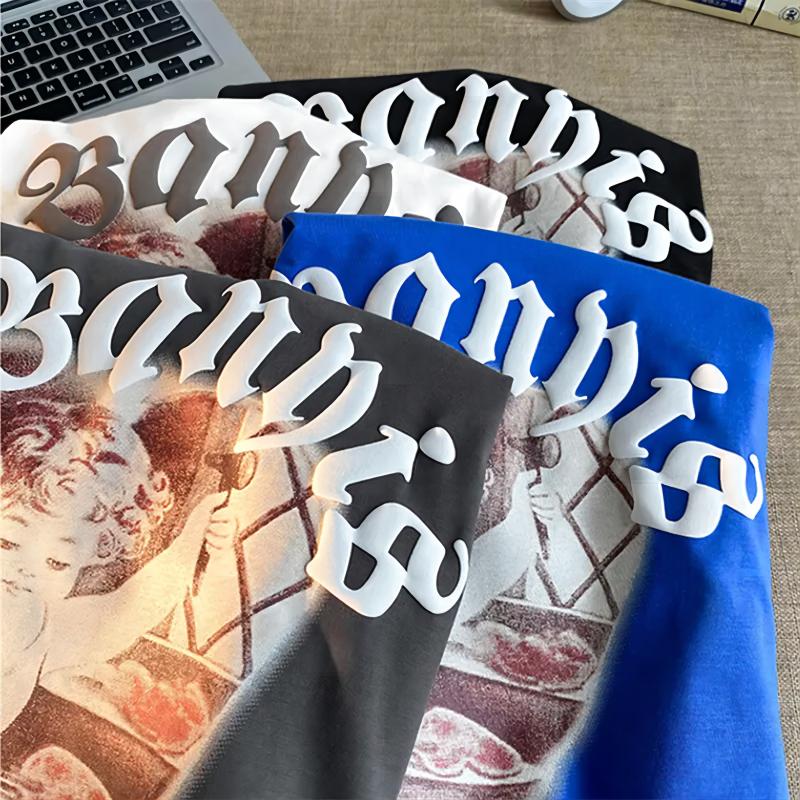
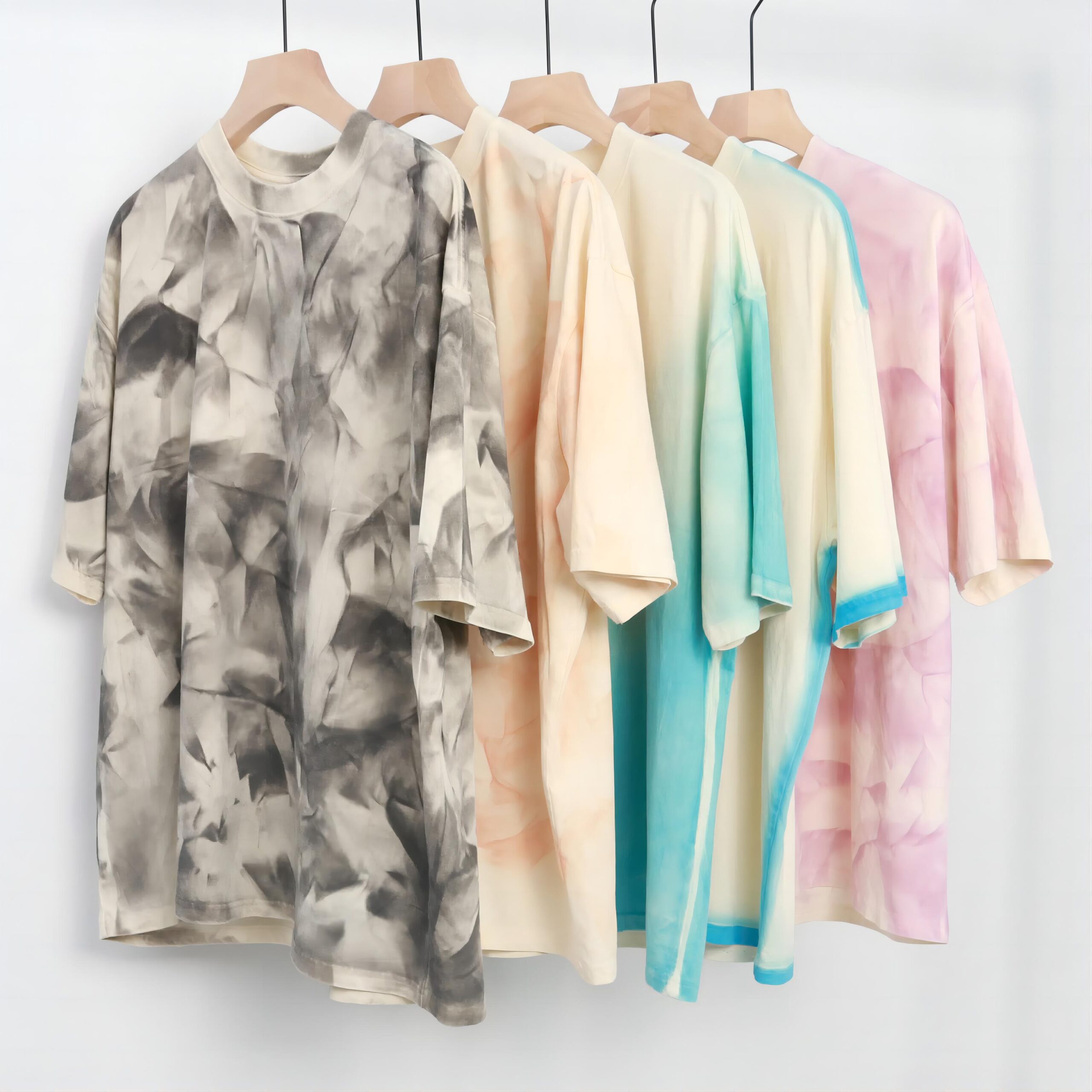
Custom T-Shirts
Custom T-shirts manufactured for team merchandise, events, school apparel, wholesale programs, and private labels. EDVORIN develops fabric weight, neckline construction, fit, print method, embroidery where appropriate, wash treatment, labels, and packing requirements for repeatable production.
Get a Quote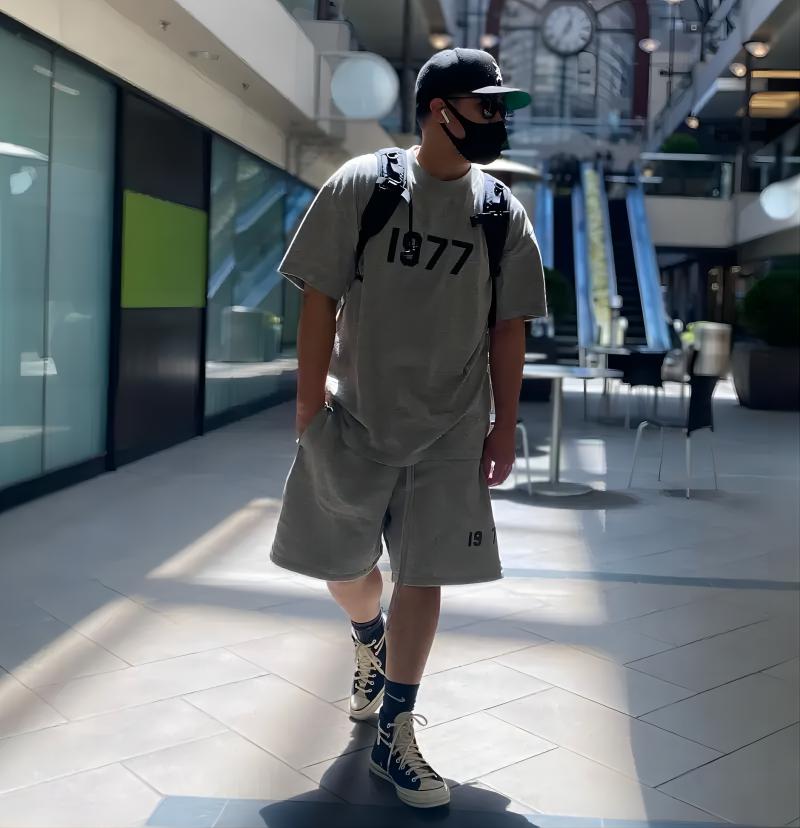
Custom Polo Shirts
Custom polo shirts for corporate uniforms, school programs, clubs, hospitality teams, and private-label ranges. Development covers piqué or performance fabric, collar and placket construction, color matching, embroidery, size grading, labels, and coordinated packing.
Get a Quote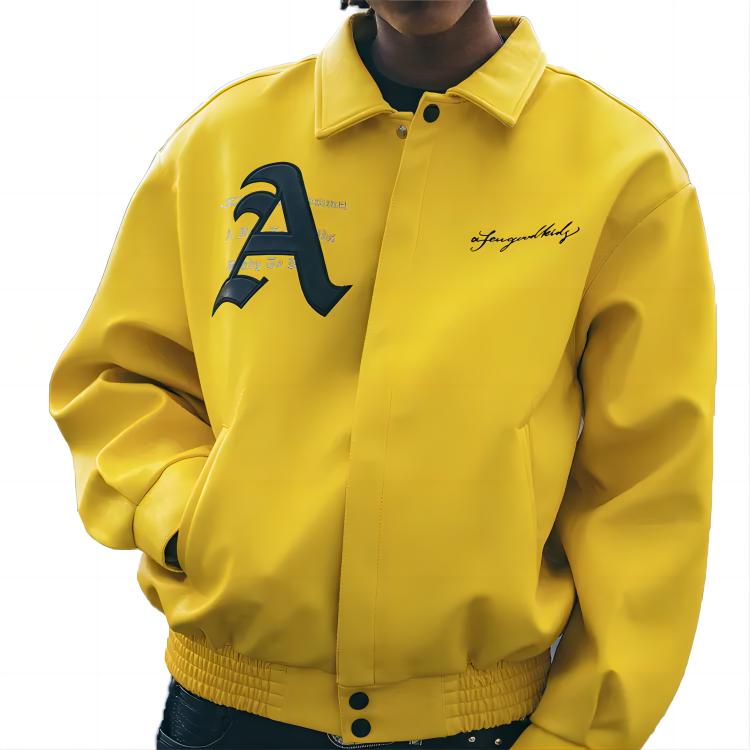
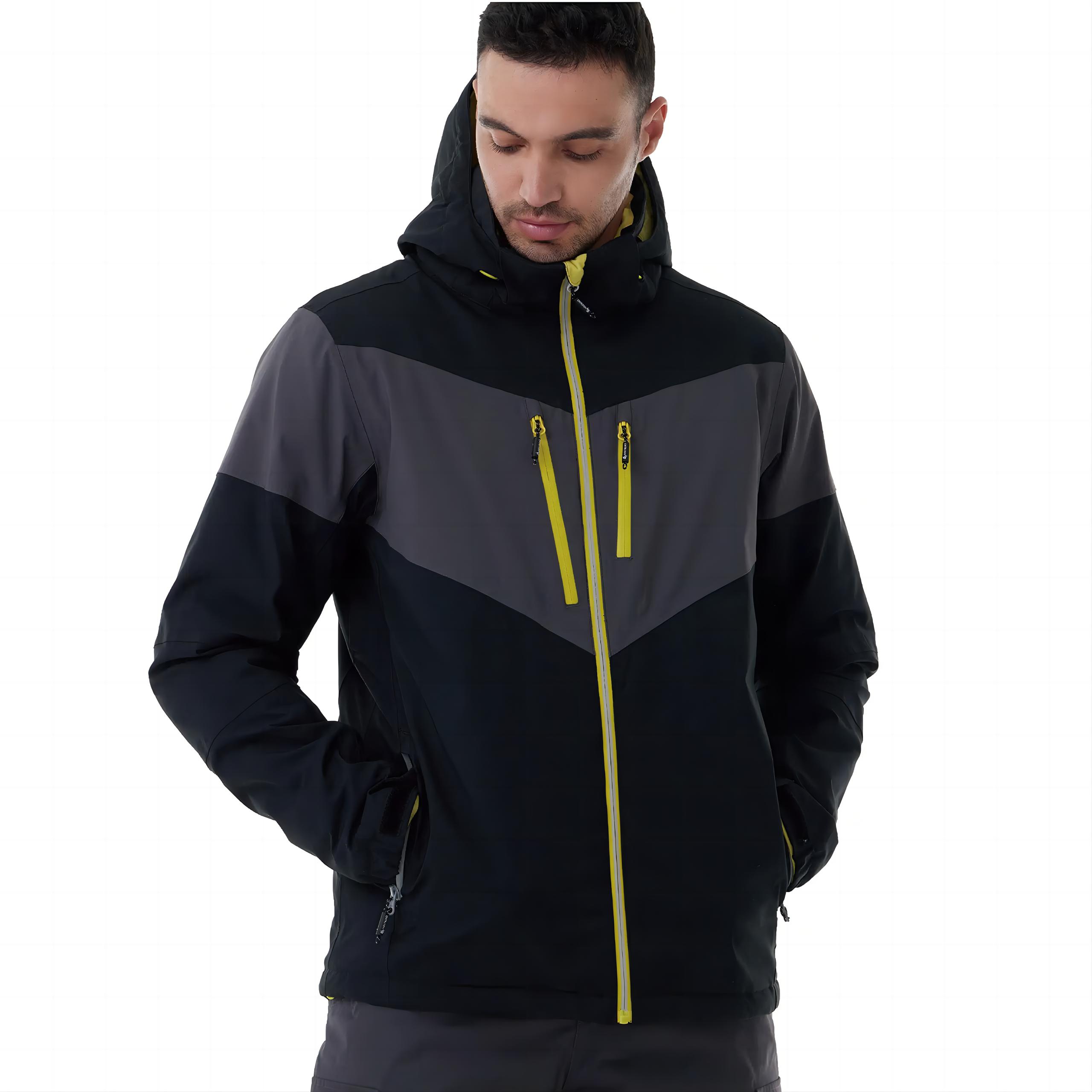
Windbreaker Jackets
Windbreaker jackets developed for outdoor teamwear, school programs, corporate uniforms, and branded outerwear. EDVORIN coordinates shell fabric, lining or mesh, zipper and pocket details, ventilation, print or embroidery methods, color blocking, and production specifications.
Get a Quote
Quilted Jackets
Quilted jackets manufactured for cooler-weather team, retail, corporate, and private-label programs. Shell fabric, insulation, lining, quilting pattern, hardware, pockets, branding, and fit are developed as one controlled specification before bulk production begins.
Get a Quote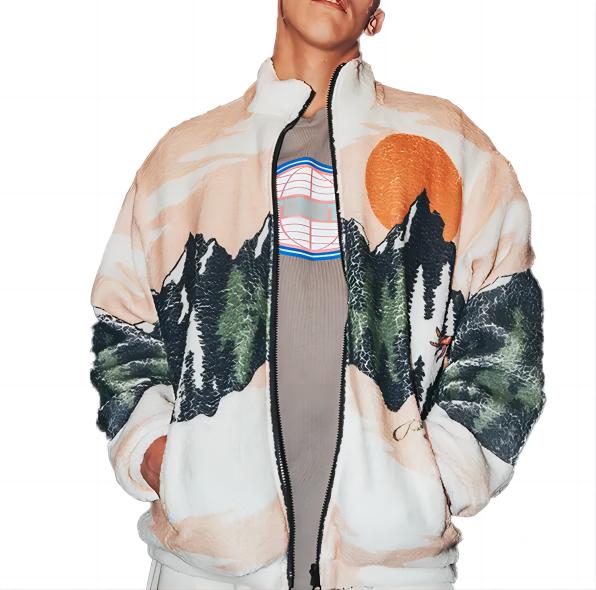
Bomber Jackets
Bomber jackets produced for clubs, schools, fashion labels, and promotional programs needing structured outerwear. EDVORIN develops shell and lining materials, rib trims, zippers, pockets, patches, embroidery, print details, and grading for men’s or women’s programs.
Get a Quote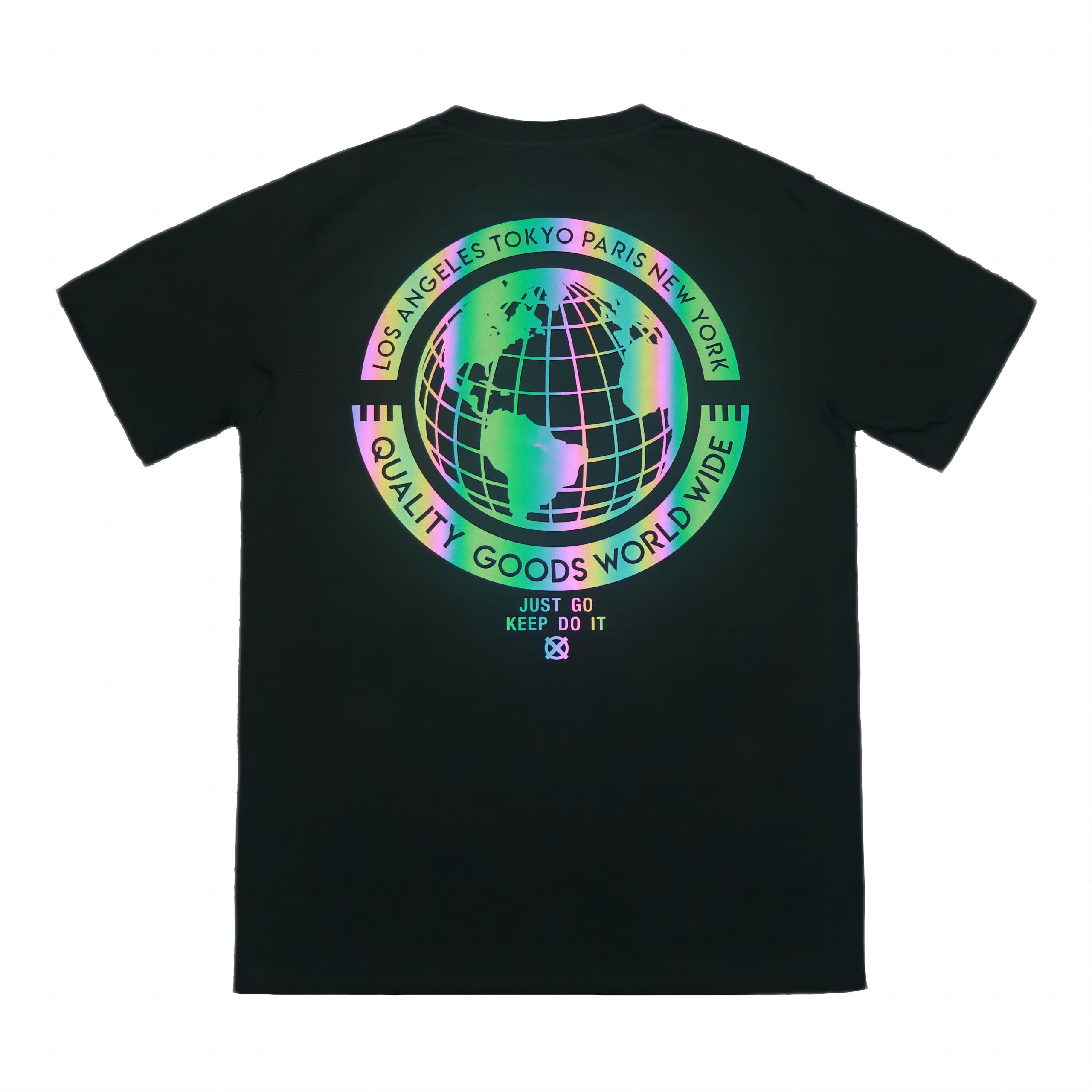
Custom Shirts
Custom woven shirts developed for uniforms, corporate apparel, wholesale ranges, and private-label collections. Fabric, collar, placket, cuffs, buttons, pocket details, embroidery, fit blocks, labels, and packaging are specified to support consistent bulk production.
Get a Quote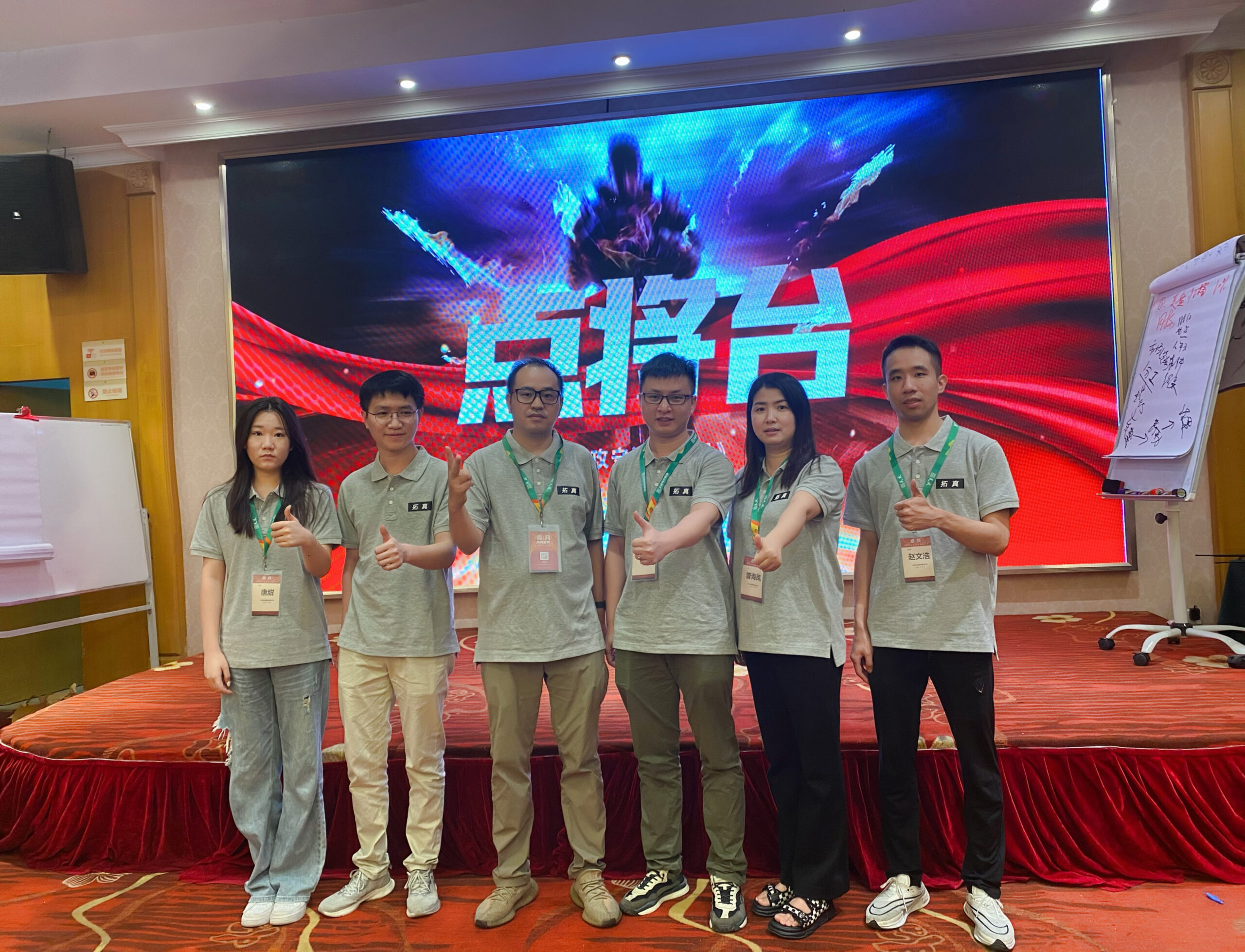
Custom Jerseys
Custom jerseys developed for hockey, club, school, league, wholesale, and private-label programs. EDVORIN coordinates performance fabric, color panels, sublimation or decoration, crest placement, player names, numbers, size sets, and repeat-order control.
Get a Quote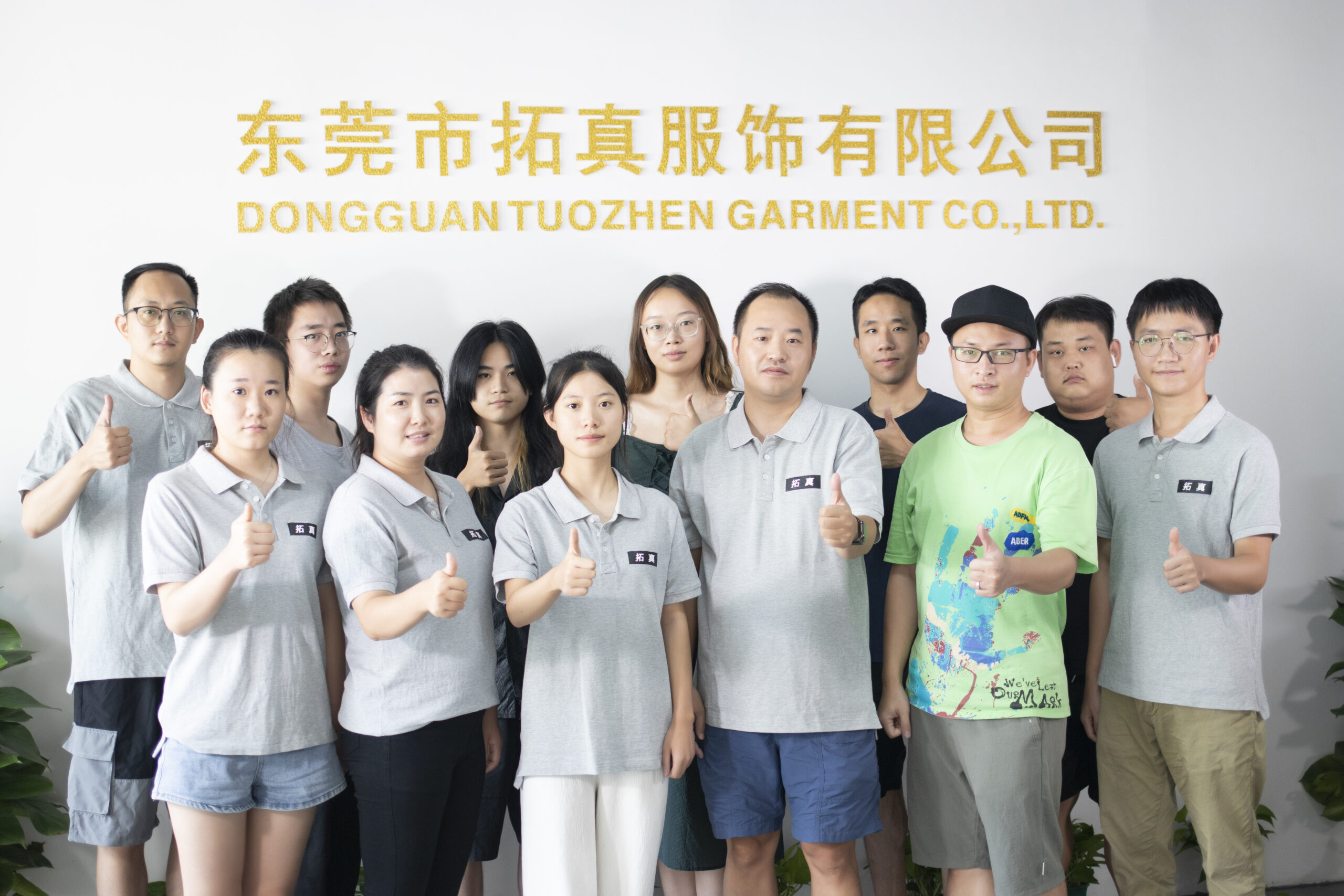
Tank Tops
Tank tops manufactured for training, basketball-related apparel, summer retail, gym programs, and private labels. Development includes jersey or performance fabric, armhole and neckline binding, graphics, embroidery where suitable, fit grading, labels, and bulk inspection.
Get a Quote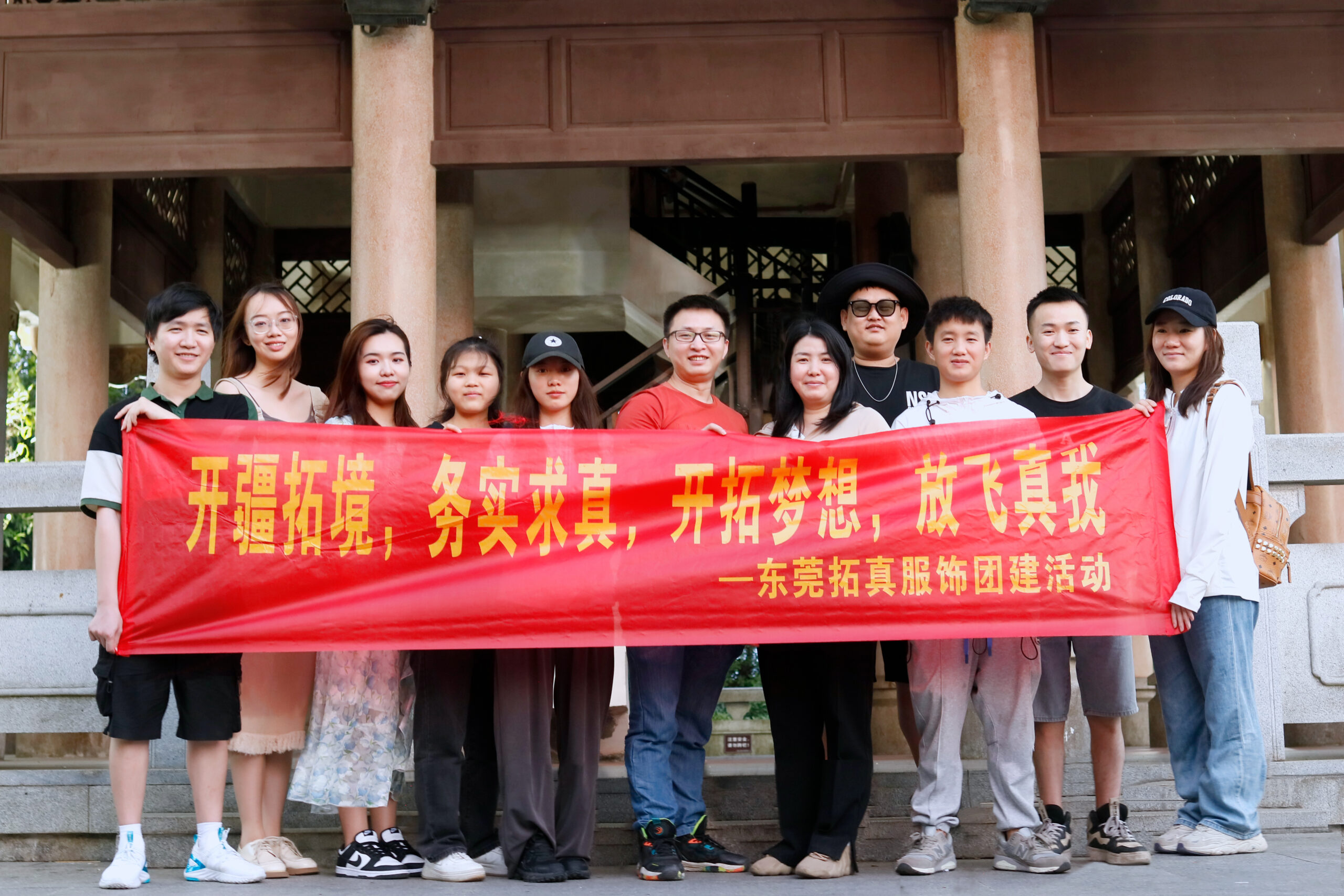
Soccer Uniforms
Soccer uniforms developed as coordinated player kits with jerseys, shorts, and optional warm-up apparel. EDVORIN manages breathable materials, color matching, sublimation, crests, names, numbers, sponsor artwork, size runs, and documented placement standards.
Get a Quote
Basketball Uniforms
Basketball uniforms produced for schools, clubs, leagues, and branded teamwear programs. Jersey and short specifications can include performance mesh, reversible construction, sublimation, player numbering, trims, side panels, coordinated size sets, and repeatable color control.
Get a Quote
Streetwear Collections
Streetwear collections developed across hoodies, tees, pants, shorts, jackets, and layered pieces under one production system. EDVORIN supports concept development, fabrics, trims, patterns, samples, decoration, washing, private labels, packaging, and flexible MOQ from 200 pieces per style.
Get a QuoteHockey Jersey Manufacturer Materials for Performance

Polyester Mesh
A lightweight, airy fabric for player jerseys and practice programs. Its open knit supports ventilation, while the polyester construction offers dependable color retention and a smooth base for team graphics.
Birdseye Polyester
A soft, textured performance fabric suited to custom game jerseys. The fine birdseye surface feels comfortable against the body, manages moisture efficiently, and provides a reliable foundation for sublimated artwork.
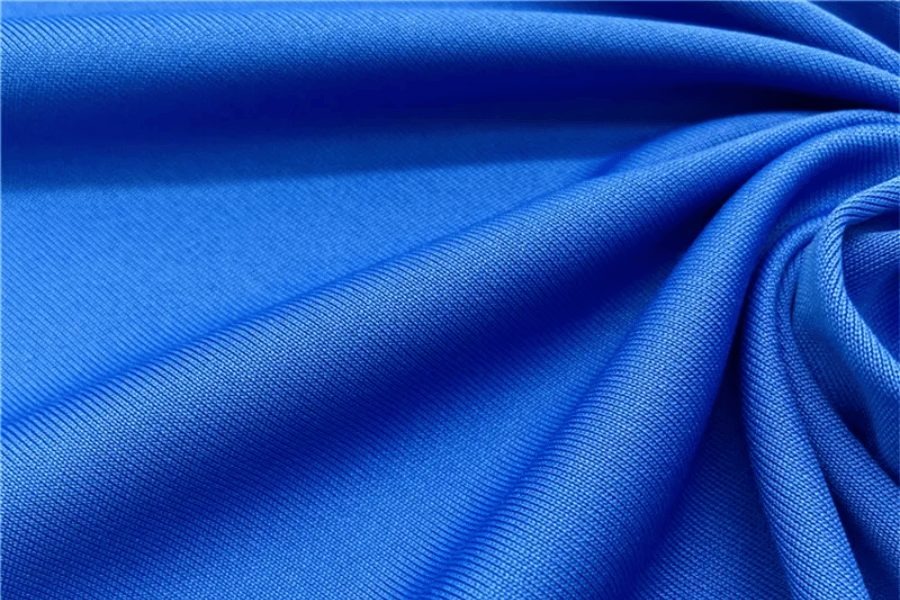
Interlock Polyester
A smooth, stable knit for cleaner-looking teamwear and fan jerseys. Its double-knit construction creates a polished hand-feel with moderate stretch, helping panels retain shape through regular wear and washing.
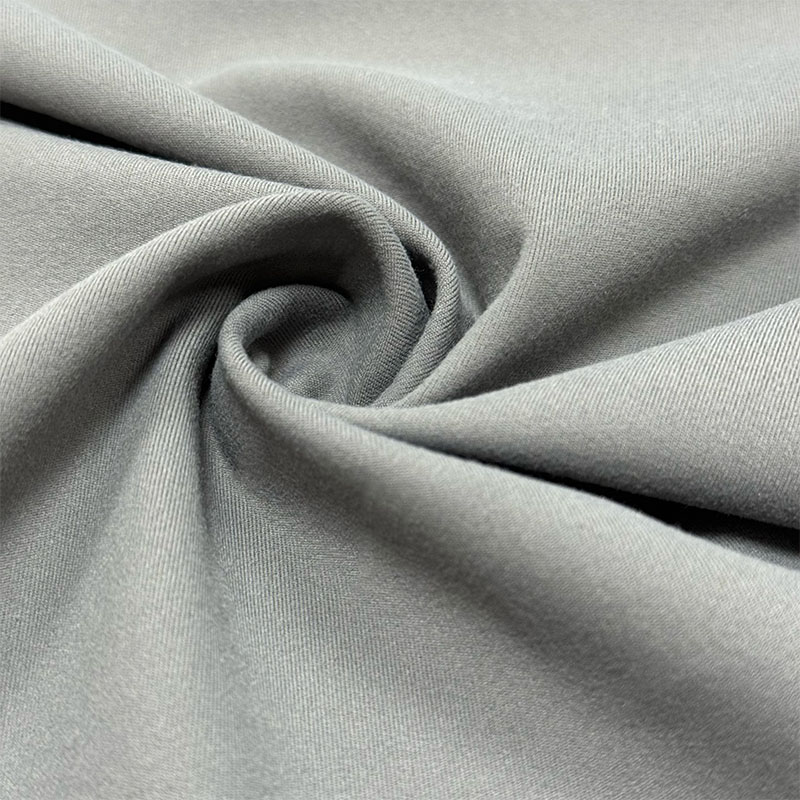
Heavyweight Polyester Knit
A more substantial fabric for traditional hockey jersey programs and durable outer layers. The heavier hand adds structure and coverage, while the knit construction supports repeated use in demanding team environments.
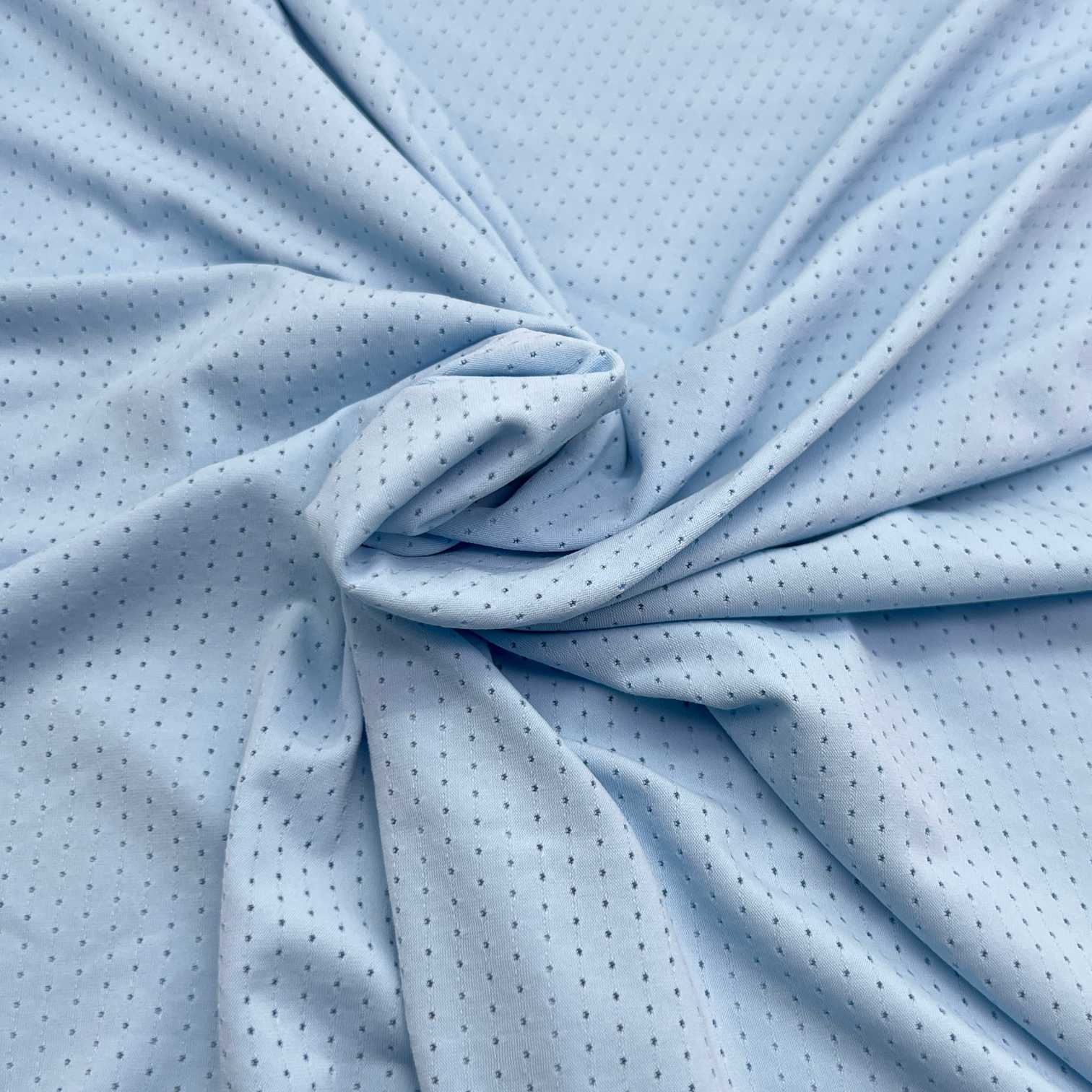
Stretch Performance Knit
A flexible option for modern fitted hockey jerseys and training layers. Added mechanical or elastane stretch improves movement through the shoulders and torso while maintaining a lightweight, athletic hand-feel.
Hockey Jersey Manufacturer Decoration Methods
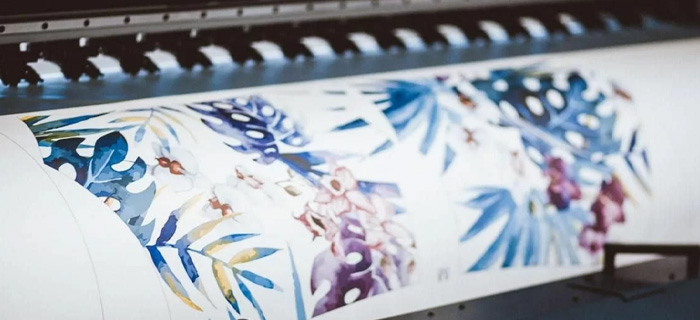
Dye Sublimation
Full-panel graphics are dyed into compatible performance fabric for lightweight, breathable color coverage. Ideal for complex team artwork, gradients, sponsor graphics, names and numbers that remain integrated with the jersey surface.
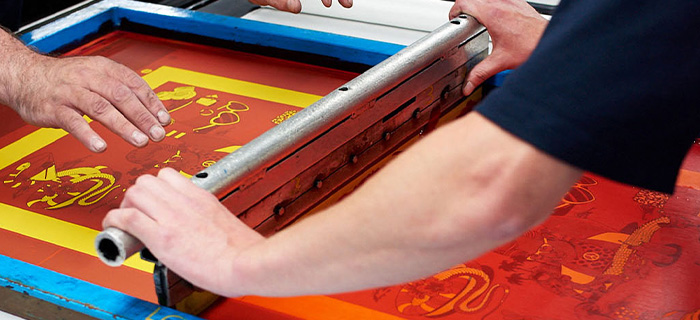
Screen Printing
Screen printing applies defined ink layers for bold logos, chest graphics and repeatable color areas. We coordinate artwork, fabric and print specifications to achieve clear visual impact and a durable finish for teamwear programs.
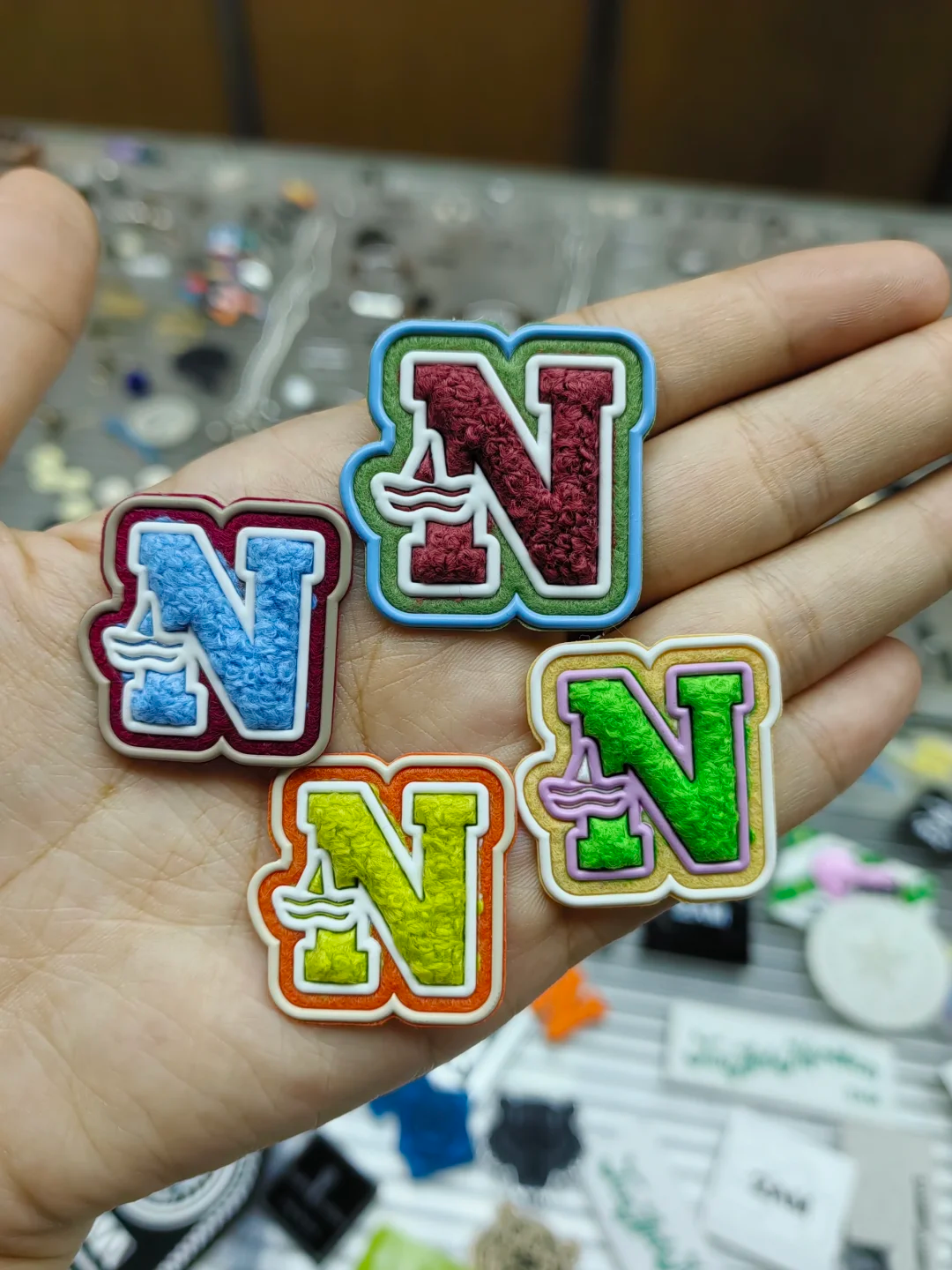
Tackle Twill
Layered twill letters and numbers create a traditional, dimensional hockey look. Cut shapes, stitch outlines and placement standards are documented during sampling so player identification stays consistent across the full size run.
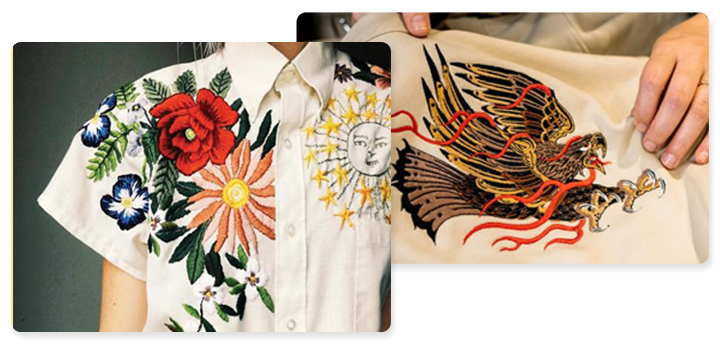
Embroidery Details
Embroidery adds textured definition to crests, badges and selected brand marks. We review stitch density, backing and base material during development to support a polished appearance while protecting the jersey’s intended construction.
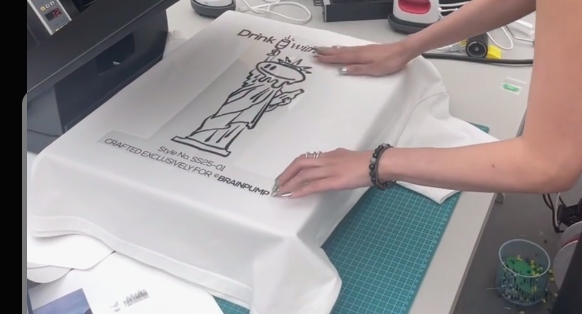
Heat Applied Details
Heat-applied names, numbers, logos and specialty accents offer clean, precise placement for selected jersey components. This option can suit roster personalization and branded details when the approved material and application standard are clearly defined.
Trims and Accessories That Complete the Uniform
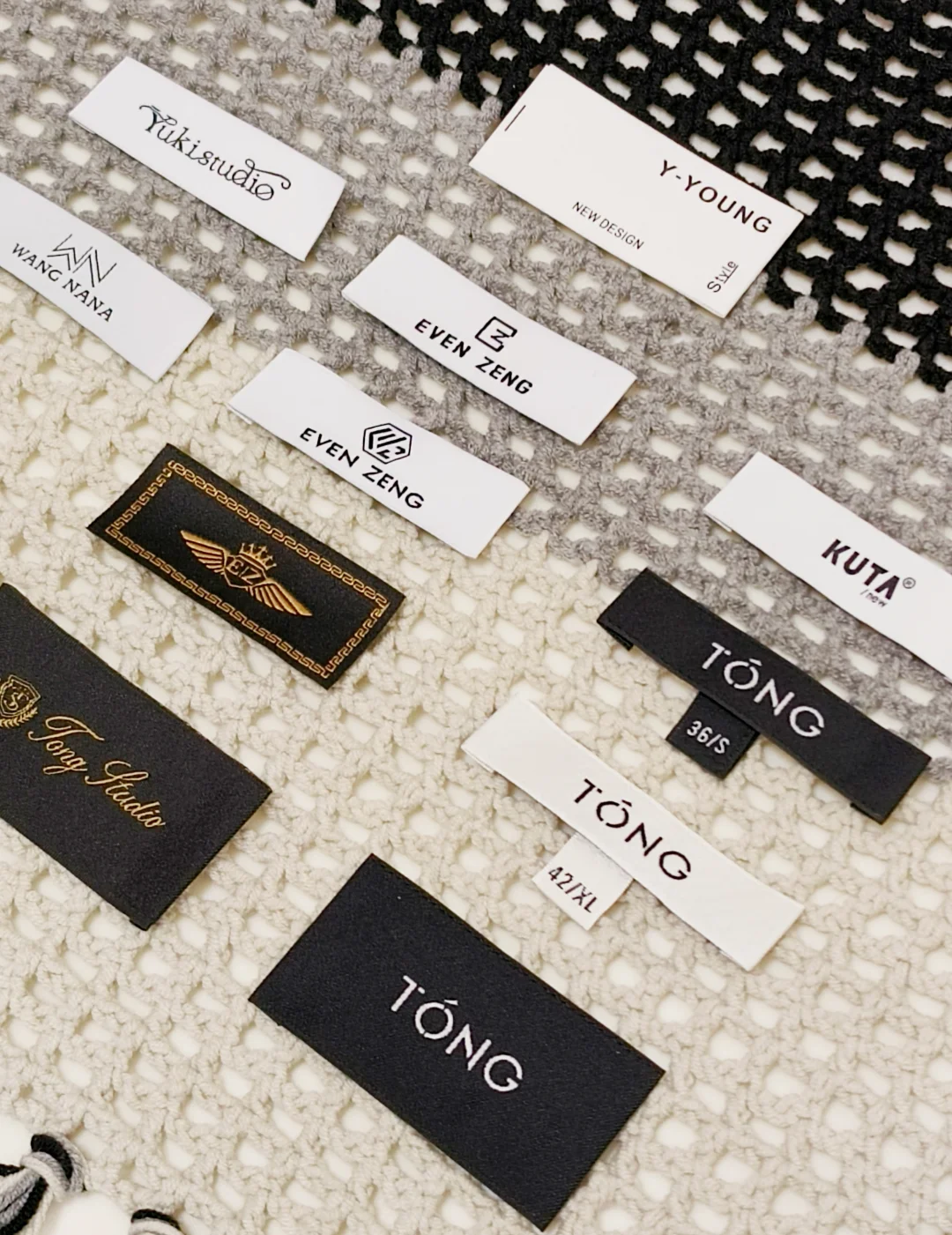
Woven Neck Labels
Custom woven main labels identify your brand at the neckline, with size, care or origin information coordinated for private-label hockey jerseys and repeatable teamwear programs.
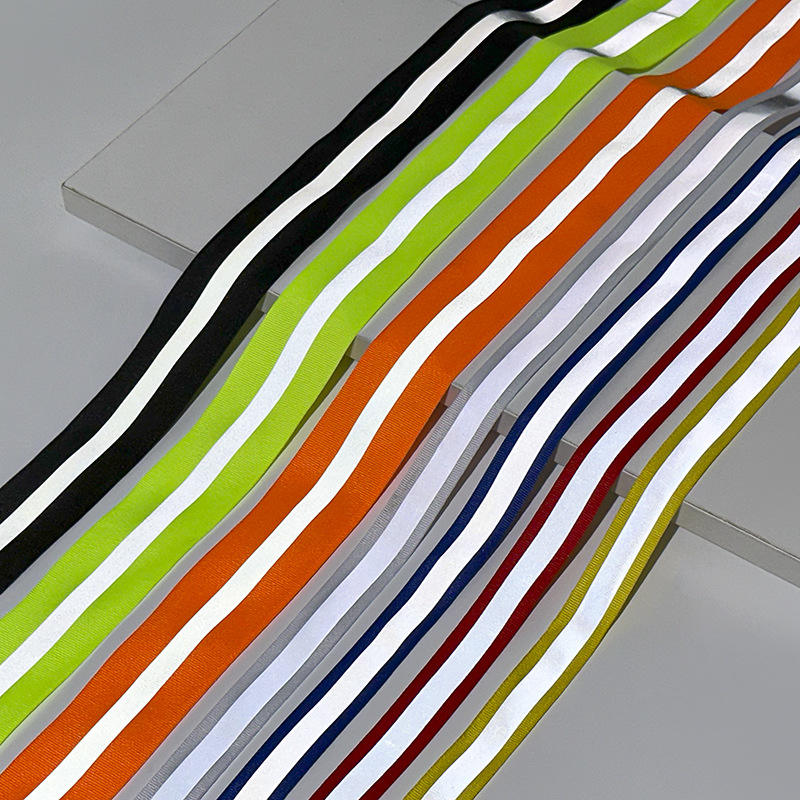
Printed Neck Tape
Branded neck tape provides a clean interior finish while reinforcing the collar seam. Add team colors, logos or messaging to create a more considered player and fan uniform experience.
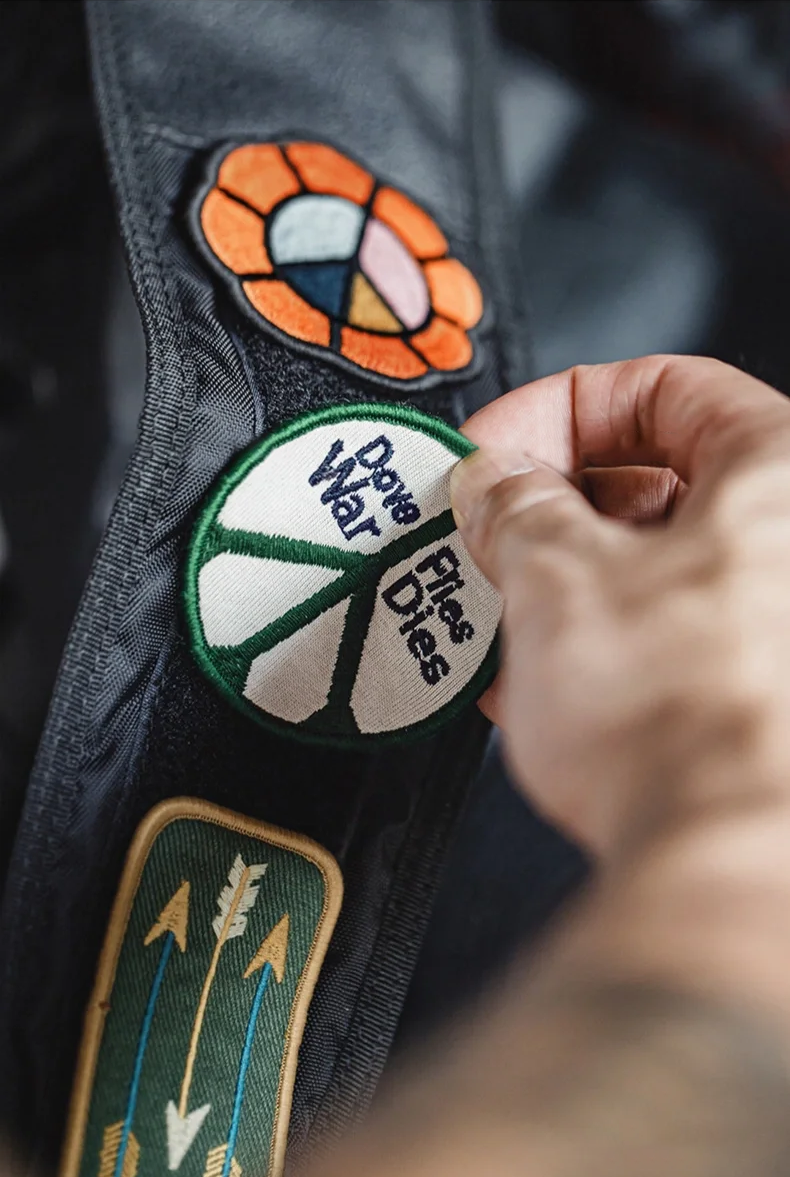
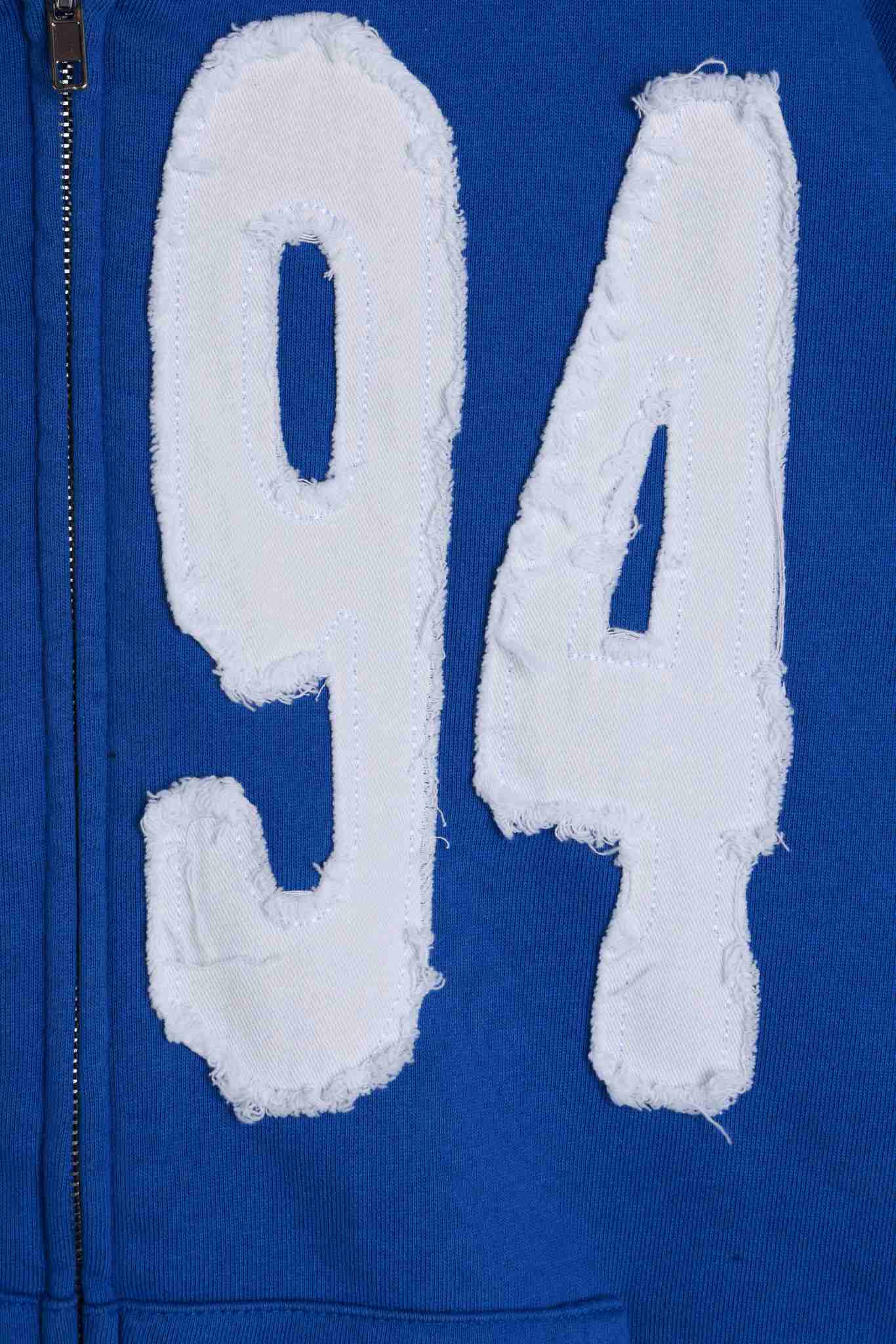
Name Number Twill
Tackle twill names and numbers add dimensional team identification for hockey jersey programs. Colors, edge finishing and placement specifications are recorded against the approved sample for bulk consistency.
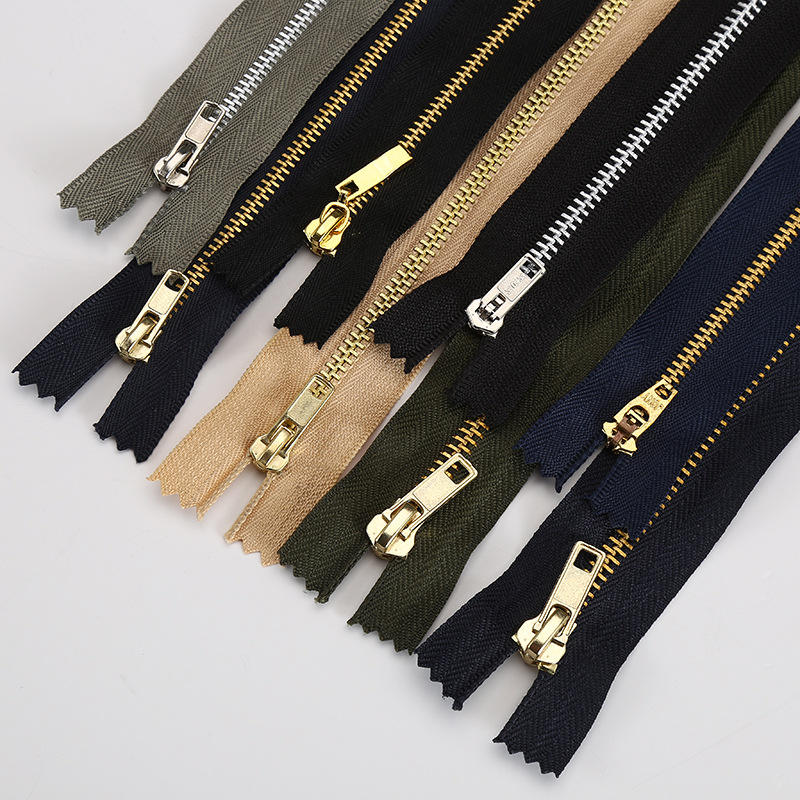
Zippered Warm-Up Details
For coordinated warm-up layers and team outerwear, custom zipper pulls and zipper specifications support functional access while carrying a consistent program look alongside the hockey jersey.
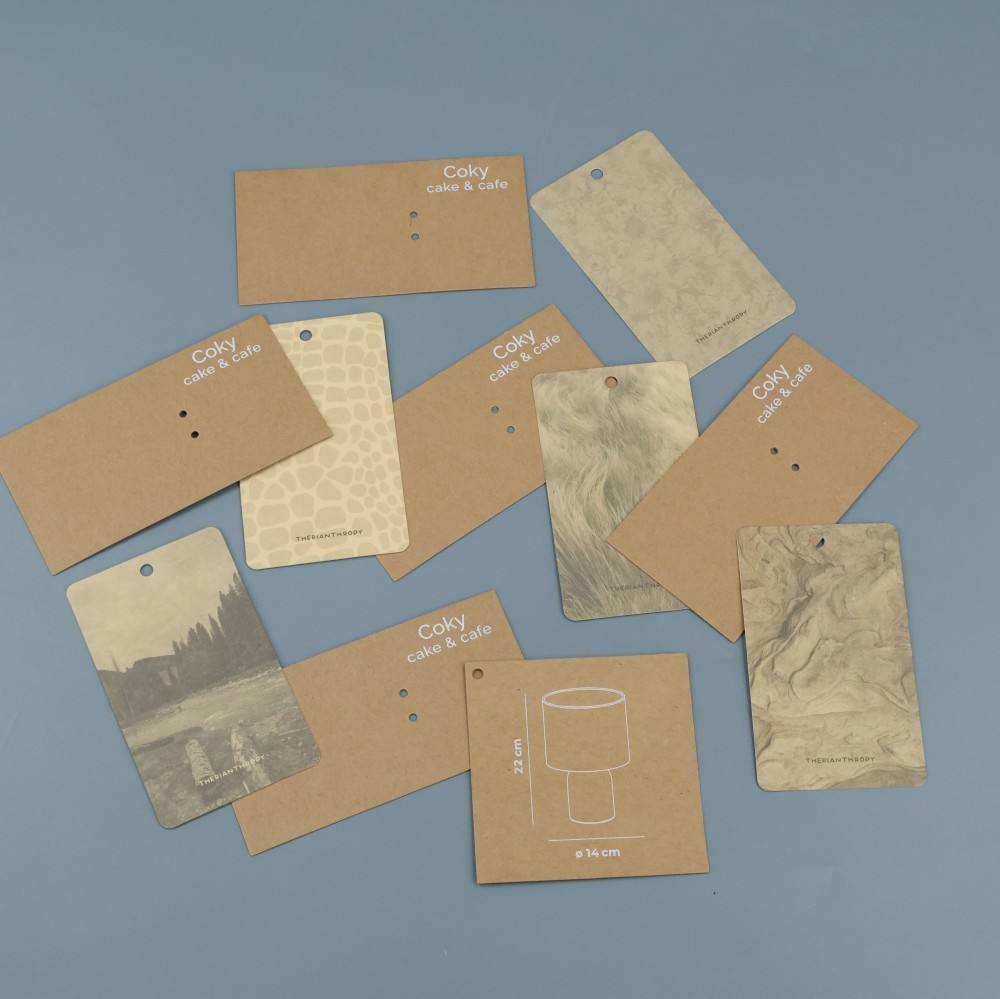
Hangtags and Packaging
Custom hangtags, polybags and carton marking help prepare hockey jerseys for retail, wholesale or team distribution. Packaging details can be coordinated with labels and size assortments before production.
About EDVORIN, Hockey Jersey Manufacturer
Founded in 2000 by Edvorin Zeng, EDVORIN was built around a practical mission: turn apparel ideas into standards that can be made accurately again and again. As a hockey jersey manufacturer, we help brands and teams move from a sketch, reference garment, or finished tech pack toward a production-ready program.
Our connected workflow brings product development, fabric and trim sourcing, pattern work, sampling, decoration, labeling, packaging, and bulk quality control into one accountable production path. We support teamwear, streetwear, and private-label collections for men’s and women’s programs, with MOQs starting at 200 pieces per style.
What makes EDVORIN different is the discipline after sample approval. We document measurements, artwork placement, materials, colors, and construction details so bulk production has a clear standard to follow. That founder-led approach helps buyers build repeatable hockey jersey and apparel programs with confidence.
Hockey Jersey Manufacturer Built for Repeatable Production
Technical Development That Holds Up
EDVORIN translates sketches, reference jerseys, or complete tech packs into clear production specifications. Pattern, fit, grading, seam construction, and functional details are reviewed early so men’s and women’s hockey jersey programs can move into sampling with fewer unresolved assumptions.
- Pattern and fit development for intended wear and equipment
- Size grading and measurement standards documented before bulk
- Construction details clarified for repeatable sewing
- OEM, ODM, and private-label support from concept onward
Materials and Decoration Matched
A hockey jersey manufacturer must consider how fabric, color, artwork, and decoration perform together. EDVORIN coordinates material sourcing with printing, embroidery, appliqué, and trim choices, helping buyers balance visual impact, garment feel, and practical production requirements before bulk commitment.
- Fabric selection aligned with the jersey’s intended use
- Decoration methods reviewed against base material and artwork
- Color references and placement measurements recorded
- Trims, labels, and packaging coordinated in one workflow
Approved Samples Become Standards
The approved sample is treated as a working production reference, not simply a presentation piece. EDVORIN records revisions, materials, measurements, artwork placement, and finishing details so the decisions made in development remain visible to the teams producing the bulk order.
- Sample revisions consolidated into production specifications
- Approved measurements guide size-set consistency
- Artwork placement and decoration details documented
- Material, trim, and finishing references retained for reorders
Quality Control Through Final Packing
EDVORIN builds sample-to-bulk control around the buyer-approved standard. In-line checks help identify variation during production, while final inspection verifies measurements, decoration, construction, labeling, and packing before shipment. MOQ starts at 200 pieces per style for scalable hockey jersey programs.
- In-line checks address variation before completion
- Final inspection compares goods with approved standards
- Labels and packaging checked before order release
- Flexible 200-piece starting MOQ per style
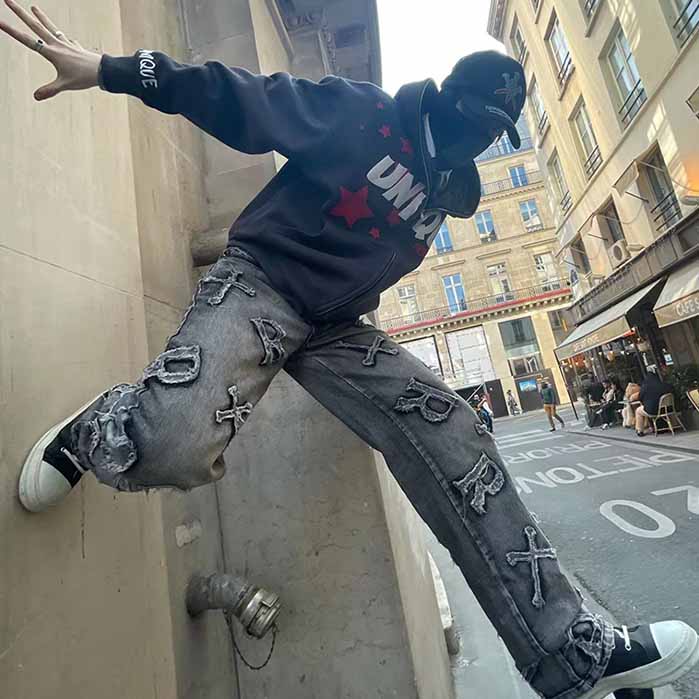
Why Buyers Choose EDVORIN as Their Hockey Jersey Manufacturer
A connected OEM workflow turns approved hockey jersey concepts into controlled, repeatable production standards.
← Swipe left or right to view →
A Controlled Hockey Jersey Manufacturer Workflow
From specifications to shipment, EDVORIN records each production decision against approved standards so procurement teams can manage quality, decoration, and repeat-order consistency.
Confirm Specifications and Sourcing
We review tech packs, fit requirements, size grading, color references, materials, trims, labels, and packaging needs before aligning sourcing decisions with your approved program.
Develop Patterns and Samples
Patterns, construction details, and sample jerseys translate the concept into a physical standard, allowing fit, fabric behavior, and workmanship to be reviewed before bulk production.
Approve Decoration and Placement
Artwork, player names, numbers, patches, embroidery, and print placements are documented against the approved sample to protect visual consistency across every size and jersey.
Coordinate Bulk Production
After approval, cutting, sewing, decoration, washing where required, and finishing follow the established specification, with production teams working from the same defined standards.
Check Quality During Production
In-line checks monitor measurements, construction, color, decoration, and trim execution early, helping identify variation before it affects the wider hockey jersey order.
Inspect Pack and Ship
Final inspection verifies finished jerseys against approved requirements before labeling, individual packing, carton preparation, and shipment coordination for an organized delivery handoff.
Certification and Compliance Program Support
Move from concept to a controlled, repeatable teamwear order with one accountable production path.
Share Your Design Direction
Send a tech pack, sketch, reference garment, size range, artwork, or target quantity. EDVORIN reviews construction, materials, decoration, and production requirements.
Confirm Specifications and Quote
EDVORIN’s MOQ starts at 200 pieces per style. Align on fabric, fit blocks, colors, name and number details, trims, packaging, MOQ, and pricing before development begins.
Approve Your Production Sample
Review the developed sample for fit, measurements, artwork placement, color, and finish. Approved details become the working standard for bulk production.
Control Bulk Production
EDVORIN coordinates materials, cutting, sewing, decoration, and in-line checks against the approved standard to maintain consistency across the order.
Inspect and Receive Your Order
Final inspection checks measurements, decoration, labeling, and packing before shipment, helping your hockey jersey program arrive ready for distribution or team issue.
Certified Standards for Responsible Apparel Production




Hockey Jersey Buyer Results and Case Stories
Verified customer quote pending. This space is reserved for a documented account of repeat-order consistency, including approved specifications, roster accuracy, and results measured across multiple deliveries.
Verified customer quote pending. This space is reserved for a documented sampling outcome, such as fit revisions completed before bulk production and the final approved construction standard.
Verified customer quote pending. This space is reserved for a documented decoration result, including number placement, color consistency, or a measured scale-up of a hockey jersey program.
Hockey Jersey Manufacturer FAQ
Clear answers for buyers planning a custom, private-label, or repeat teamwear program with EDVORIN.
EDVORIN’s MOQ starts at 200 pieces per style. What is the minimum order quantity for a hockey jersey manufacturer?
Can a hockey jersey manufacturer develop a sample from my sketch or reference garment?
How long does custom hockey jersey sampling and bulk production take?
How much customization can I request for a private-label hockey jersey?
How does a hockey jersey manufacturer keep colors, numbers, and logos consistent?
Can I reorder the same hockey jerseys later?
What payment and shipping details should I expect before placing an order?
How are my designs and product specifications protected during manufacturing?
The Complete Hockey Jersey Manufacturer Buyer’s Guide
Use this decision framework to compare hockey jersey manufacturer options, evaluate fabrics and construction, plan customization, understand cost drivers, and avoid sourcing mistakes before placing an OEM or private-label order.
1. What Is a Hockey Jersey Manufacturer?
200-piece OEM programs typically need a hockey jersey manufacturer that converts a tech pack, sketch, or reference garment into a repeatable production standard. That work can include pattern development, material sourcing, fit samples, and documented measurements before bulk cutting begins.
Eight connected stages distinguish manufacturing from simple selling: development, sourcing, sampling, decoration, sewing, quality control, labeling and packaging. A reseller mainly buys finished goods, a decorator adds graphics to supplied blanks, and a retail brand markets the finished product; none necessarily controls the full build specification.
Four buyer models point to different partners. Teams needing names and numbers may use a teamwear producer, while private-label brands, wholesalers, and buyers ordering 200-piece runs benefit from an OEM partner able to control approvals, packing requirements, and delivery as one accountable workflow.
2. Hockey Jersey Manufacturing: Evolution and History
1995 marked a visible transition point for custom hockey programs: manufacturers began moving beyond the heavier Ultrafil-style knit shells that had defined many earlier uniforms (https://history.vintagemnhockey.com/page/show/5996157-minnesota-jersey-manufacturers-history). Traditional roomy cuts, substantial hand feel, tackle-twill crests, and sewn name-and-number systems still matter when a club or brand wants an authentic heritage silhouette.
2000s-era performance development pushed sourcing toward lighter polyester constructions, more deliberate ventilation, and fits that reduce excess bulk under protective equipment. Moisture handling and weight should now be specified alongside fabric durability, because a fashion-weight replica and an on-ice shell serve different uses.
2020s digital artwork workflows made all-over sublimation, complex gradients, and variable names or numbers practical without restricting designs to sewn layers. A hockey jersey manufacturer should therefore preserve legacy options for premium retail or throwback programs while matching modern fabric, fit, and decoration choices to the intended wearer.
3. Types of Hockey Jersey Manufacturer Orders
Six order types require different build briefs, even when sharing one club identity. EDVORIN converts approved fit, decoration, and packaging choices into repeatable production standards.
On-Ice And Practice
1. On-ice jerseys serve players; prioritize abrasion resistance, mobility over pads, reinforced seams, and sewn or tackle-twill identifiers.
2. Practice jerseys serve training squads; use simpler color blocking, roomier layers, and repeatable heat-transfer or screen-printed numbers.
Fan And Streetwear
3. Fan replicas target retail supporters; balance recognizable graphics, everyday fit, wash durability, and cost-controlled sublimation or appliqué.
4. Streetwear hockey jerseys target fashion channels; prioritize silhouette, fabric hand, oversized grading, and controlled embroidery or patch placement.
Youth And Private Label
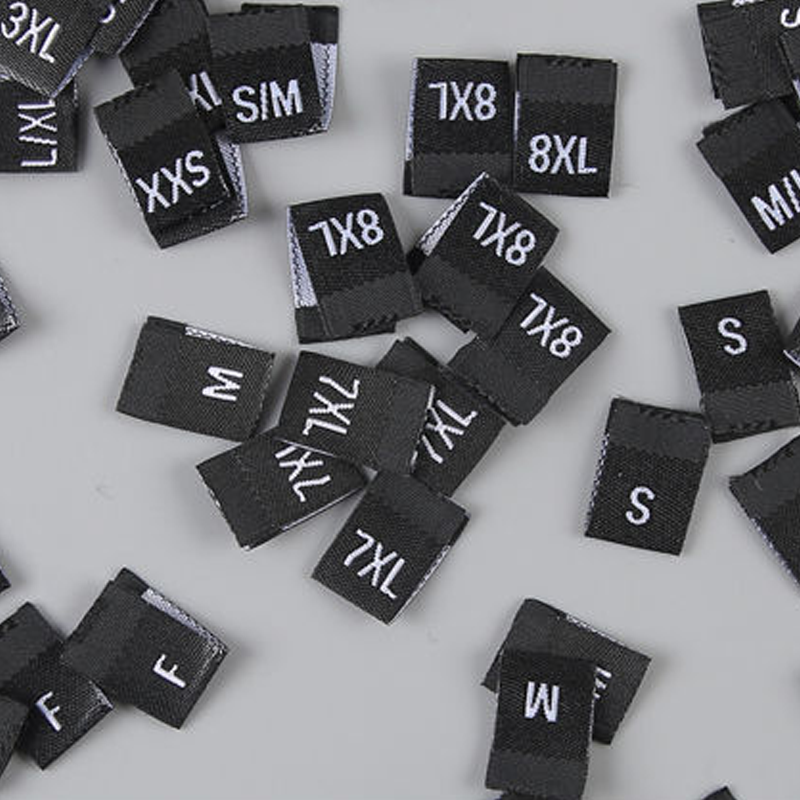
5. Youth or academy uniforms need size grading, durable decoration, and replacement-ready records for growing players and seasonal reorders.
6. Private-label merchandise needs branded neck labels, care labels, packaging, and an approved master sample for wholesale consistency.
4. Hockey Jersey Manufacturer Fabric Options
130–220 GSM polyester constructions cover most hockey programs, from light practice shells to durable game jerseys. A hockey jersey manufacturer should evaluate yarn, knit, finish, and panel placement alongside weight.
| Fabric | GSM | Performance | Best Use |
|---|---|---|---|
| Polyester mesh | 130–170 | Breathable; light | Practice |
| Interlock/tricot | 150–190 | Smooth; stable | Sublimated teams |
| Knit-inspired polyester | 190–220 | Heavier; durable | Game jerseys |
| Reinforced panel | 180–220 | Abrasion resistance | Elbows, shoulders |
Match Knit To Use
150–170 GSM mesh improves airflow and moisture movement for practice wear. Interlock or tricot gives a smoother face for sublimation, cleaner color, and more controlled stretch.
Build For Contact
220 GSM knit-inspired shells create a heavier, traditional appearance but need abrasion testing at shoulders and elbows. 180–220 GSM reinforcement panels and optional light lining add durability without making every panel bulky.
5. Customization and Decoration Options
Two decoration decisions—on-ice durability and retail hand-feel—should be locked before sampling. A hockey jersey manufacturer needs approved artwork, Pantone references, placement measurements, and a named-number data file.
| Method | Visual Effect | Best Fit |
|---|---|---|
| Sublimation | Full-color, flat | Team uniforms |
| Tackle twill | Raised, classic | Premium uniforms |
| Screen print | Bold, flat | Retail merchandise |
| Heat application | Personalized | Names and numbers |
Team Decoration Methods
Sublimation embeds all-over color without adding weight, making it suited to complex team graphics; it cannot create raised texture.
Tackle twill delivers dimensional, stitched-looking numbers for traditional uniforms, while embroidery suits small crests but can feel heavy on large areas.
Retail And Sponsor Details
Heat-applied names and numbers allow player-by-player personalization; confirm press temperature against the fabric. Screen printing suits bold retail graphics, while woven labels, neck labels, patches, and sponsor marks require exact placement approval.
Pre-Sample Approval
Three files prevent avoidable revisions: vector logo artwork, a Pantone color callout, and a placement map. Approve strike-offs for print color, thread color, twill edge, sponsor size, and label copy before bulk.
6. Hockey Jersey Construction Quality Checklist
A 200-piece order can magnify a minor sample defect into a costly teamwide problem. Inspect construction against a written standard before bulk release and again before packing.
Collar And Mobility
One approved size sample should confirm collar shape, recovery after stretch, shoulder reach, and sleeve movement. Check that the neck seam lies flat and does not twist when worn.
Seams And Panels
Two inspection stages—sample approval and pre-shipment review—should check seam type, reinforcement at stress points, hem finish, panel alignment, and consistent thread tension. Pull gently at shoulder joins, underarm seams, and side seams for skipped stitches or puckering.
Artwork And Measurements

Every number should match the approved placement measurement, remain level across panels, and avoid seam distortion. A tech pack with grading, tolerance limits, artwork coordinates, and wash instructions reduces interpretation between development and production.
Wash Verification
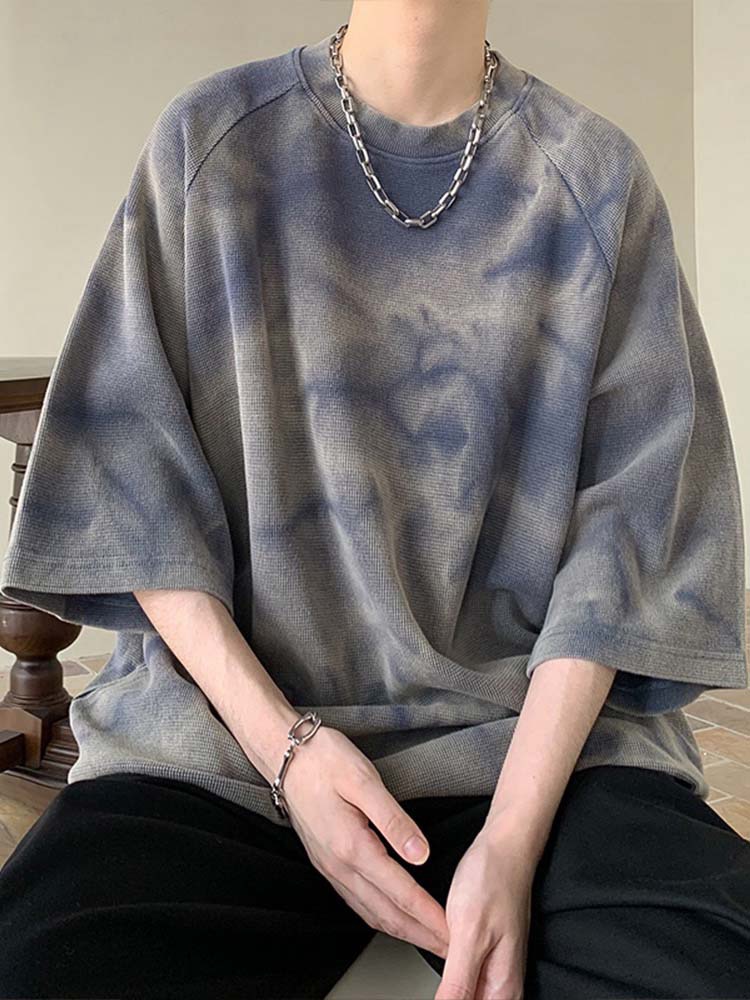
One wash test on the approved construction should assess shrinkage, collar recovery, seam appearance, and decoration stability. Compare post-wash measurements and appearance with the approved sample before authorizing shipment.
7. How to Choose a Hockey Jersey Manufacturer
A capable hockey jersey manufacturer proves repeatability with records, not attractive mockups. Compare the supplier’s evidence against your product brief before approving a sample or deposit.
Verify Relevant Evidence
Three comparable projects should show jersey construction, decoration, size grading, and packed-order consistency. Request dated photos, a material specification, measurement chart, and references relevant to clubs, retail, or private label.
Test Development Control
A 200-piece program still needs an approval trail from artwork to pre-production sample. Ask for the tech-pack template, Pantone callouts, placement measurements, sample revision log, and written sign-off process.
Confirm Commercial Readiness
Four operating topics expose execution risk: capacity, lead time, payment, and logistics. Confirm production-calendar milestones, in-line and final inspection records, deposit and balance terms, IP confidentiality, carton specifications, and shipping handoff responsibility.
- What is the reorder MOQ?
- Which defects trigger rework?
- Who owns approved artwork files?
8. Common Hockey Jersey Sourcing Mistakes
8 recurring sourcing errors begin when a hockey jersey manufacturer receives assumptions instead of production standards. They affect first launches and repeat team programs alike, but each is preventable before bulk cutting.
Price And Mockup Approval
1 lowest-price quote can exclude matching trims or inspection, risking costly substitutions. Compare like-for-like specifications and approve an artwork file with measured logo, name, and number placement.
Material And Fit Gaps
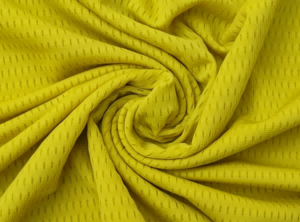
2 missing fabric, GSM, knit, and decoration details can produce the wrong hand feel or poor print performance. Specify composition, weight, decoration method, and a graded measurement chart; fit-check a size set.
Sampling And Color Control
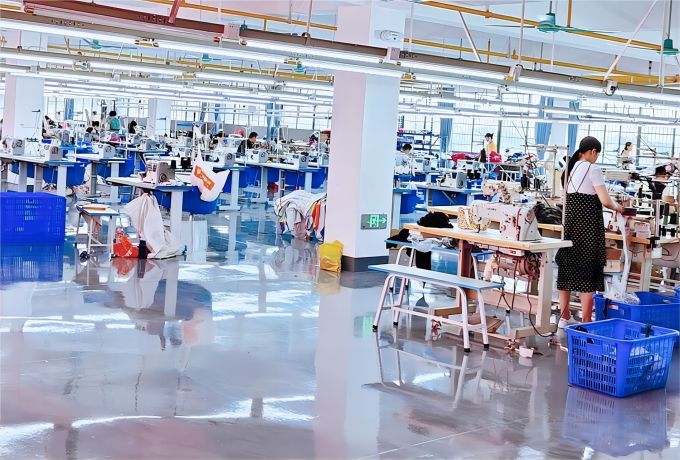
3 unplanned sample revisions can compress the production window and force rushed approval. Build review time into the calendar, approve Pantone references or physical color swatches, and retain the signed sample.
Reorders And Delivery Terms
4 repeat orders drift when prior materials, placements, and size ratios are not recorded. Archive the approved spec, define individual packing and carton marks, then confirm Incoterms, shipment method, and delivery responsibility.
9. Steps to Launch a Hockey Jersey Brand
A controlled first run starts with a buyer definition, one hero jersey, and a delivery date. EDVORIN turns those decisions into approval points a private-label team can repeat.
Define The First Collection
1 target customer should set fit, price position, league use, and color direction before design begins.
2 coordinated colorways plus matching socks or warm-up pieces create a focused first collection without multiplying development risk.
Document Product And Artwork
1 inspiration board should identify silhouette, stripe layout, collar, and decoration references; separate licensed marks from original artwork.
1 tech pack should lock Pantone colors, graded measurements, fabric, stitch details, name-and-number rules, labels, and packaging.
Approve Production In Stages
1 prototype confirms construction and artwork placement before fit and wash testing expose shrinkage, puckering, or print issues.
2 approvals—revised sample and pre-production sample—should precede bulk cutting. EDVORIN can retain approved files, size charts, artwork, and packing instructions for reorder-ready production and delivery planning.
10. Hockey Jersey Manufacturer Pricing and Costs
200-piece orders usually carry higher unit cost than larger runs because pattern setup, cutting preparation, and sample approval are spread across fewer jerseys. Fabric weight, mesh or knit selection, panel count, decoration method, color count, individual names and numbers, and packing configuration all change the build cost.
2 quote comparisons are meaningful only when every supplier receives the same tech pack, size ratio, fabric specification, Pantone references, artwork files, decoration map, personalization list, labels, packaging, Incoterm, destination, and requested delivery date. Ask suppliers to separate sample, bulk production, freight, duties, and any expedited-production charges.
1 approved pre-production sample reduces costly interpretation changes before bulk cutting. EDVORIN can use that approved standard to document construction and decoration requirements for repeatable production.
| Quantity tier | Indicative cost-driver impact | Typical lead-time consideration |
|---|---|---|
| 200–499 | Highest setup allocation; personalization matters more | Allow sampling and approval before bulk |
| 500–999 | Setup spreads across more units | Confirm material and artwork capacity early |
| 1,000+ | Better setup absorption; freight may still vary | Plan earlier for delivery deadlines |
Ready to Partner With a Hockey Jersey Manufacturer?
Send your tech pack or concept to EDVORIN for OEM/ODM development, sampling, decoration coordination, and controlled bulk production from 200 pieces per style.