
Mesh Jersey Manufacturer for Teamwear and Streetwear
EDVORIN develops custom mesh jerseys for brands, teams and private labels, with flexible OEM/ODM support and 200-piece starting MOQs per style.
Production Capabilities Supporting Custom Mesh Jerseys
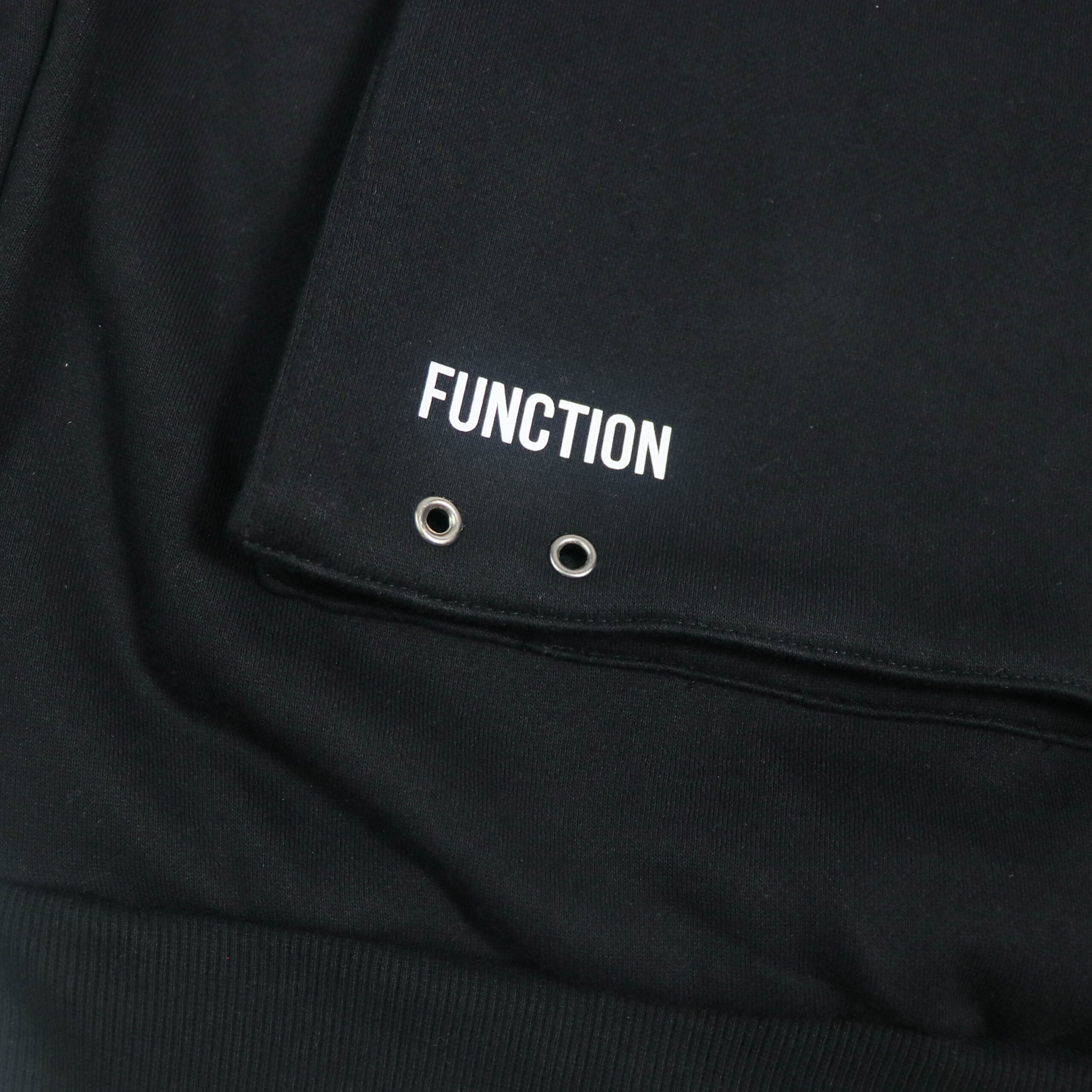
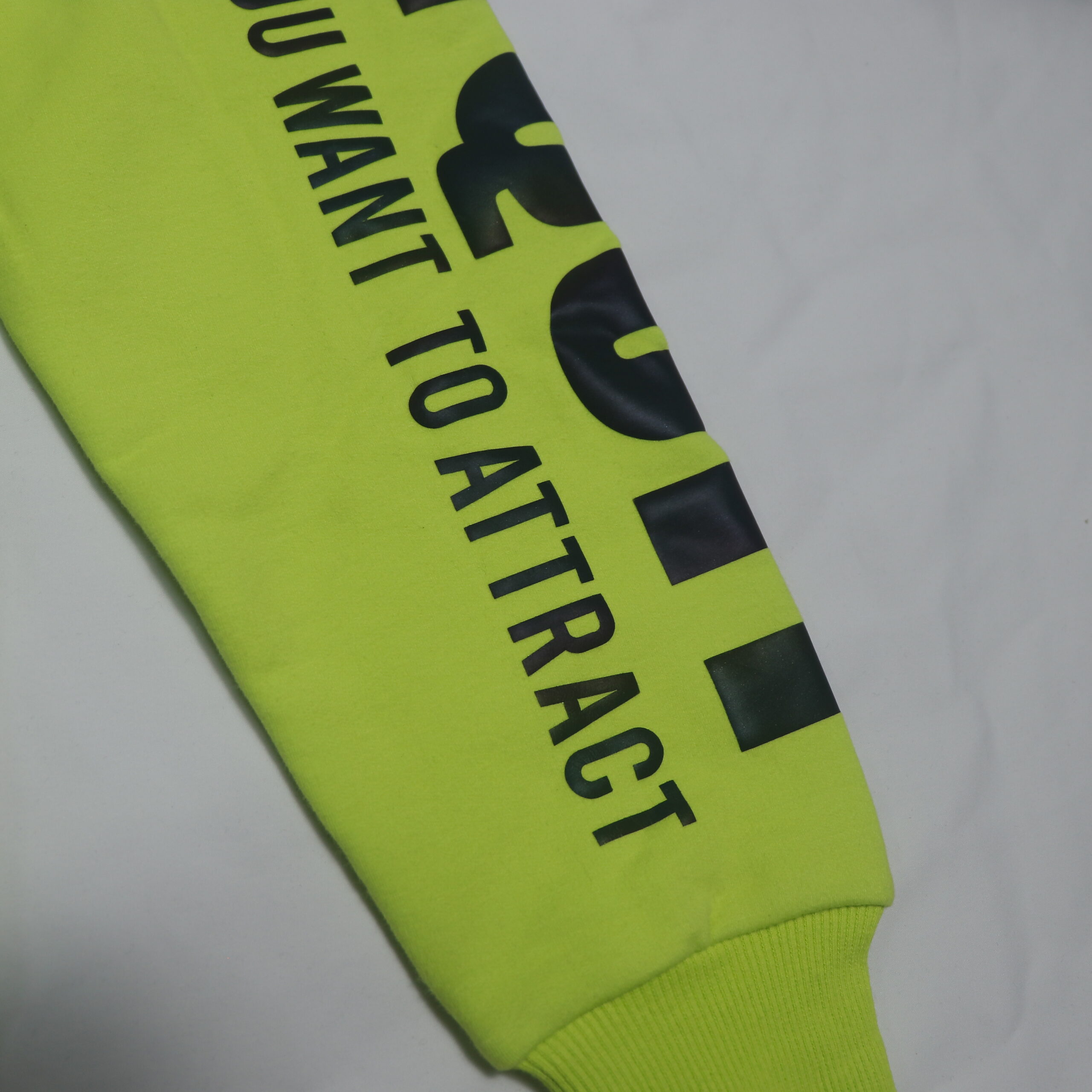
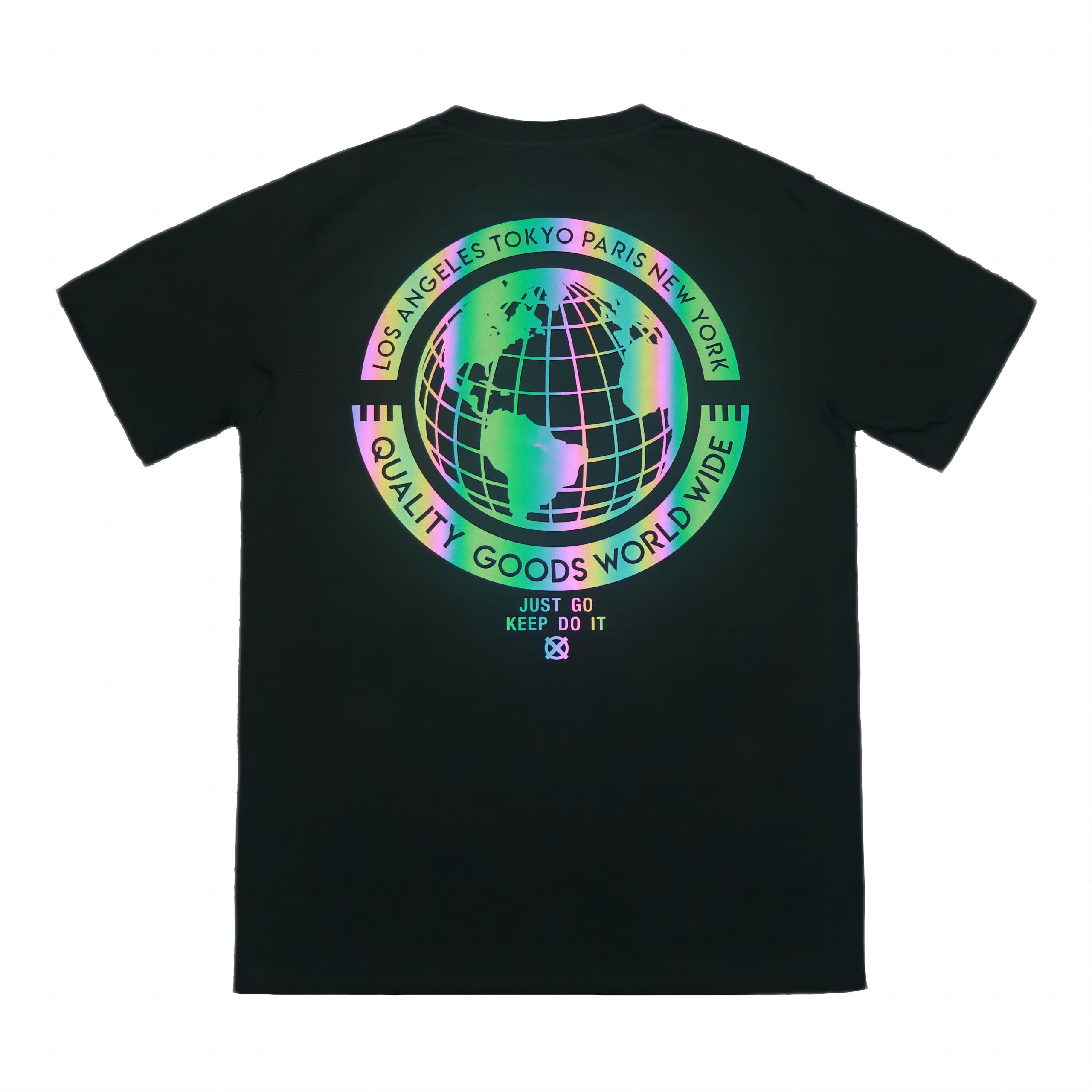
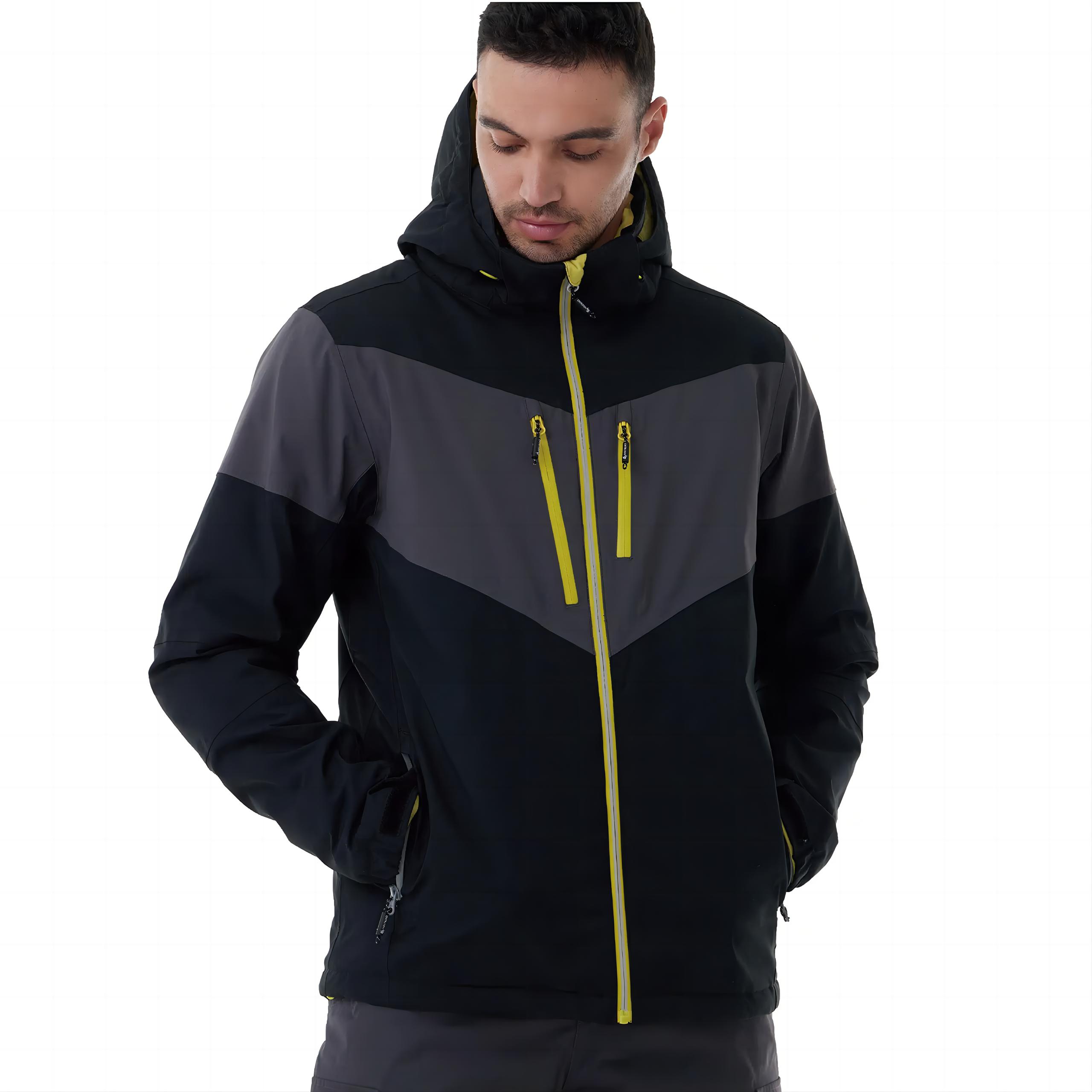
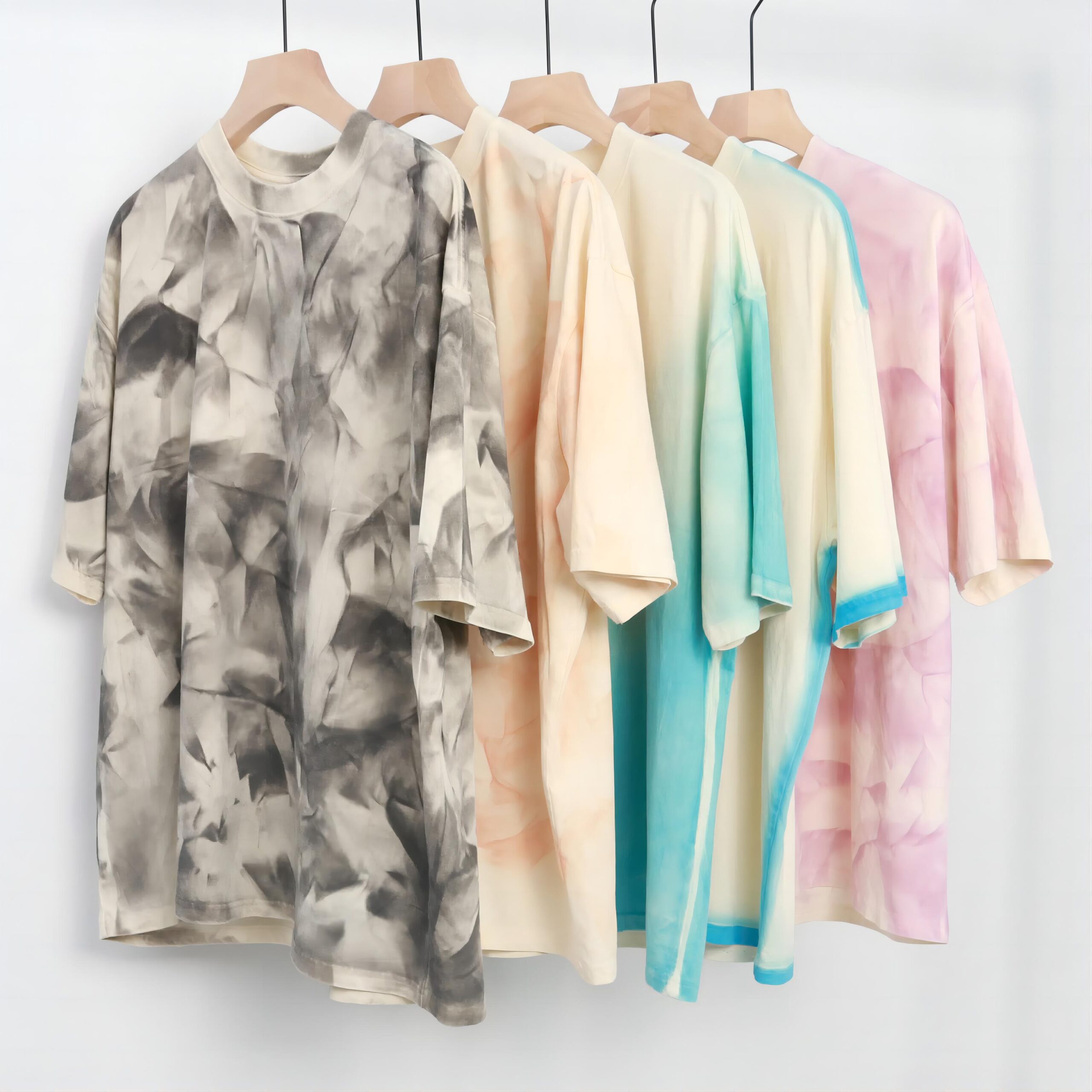
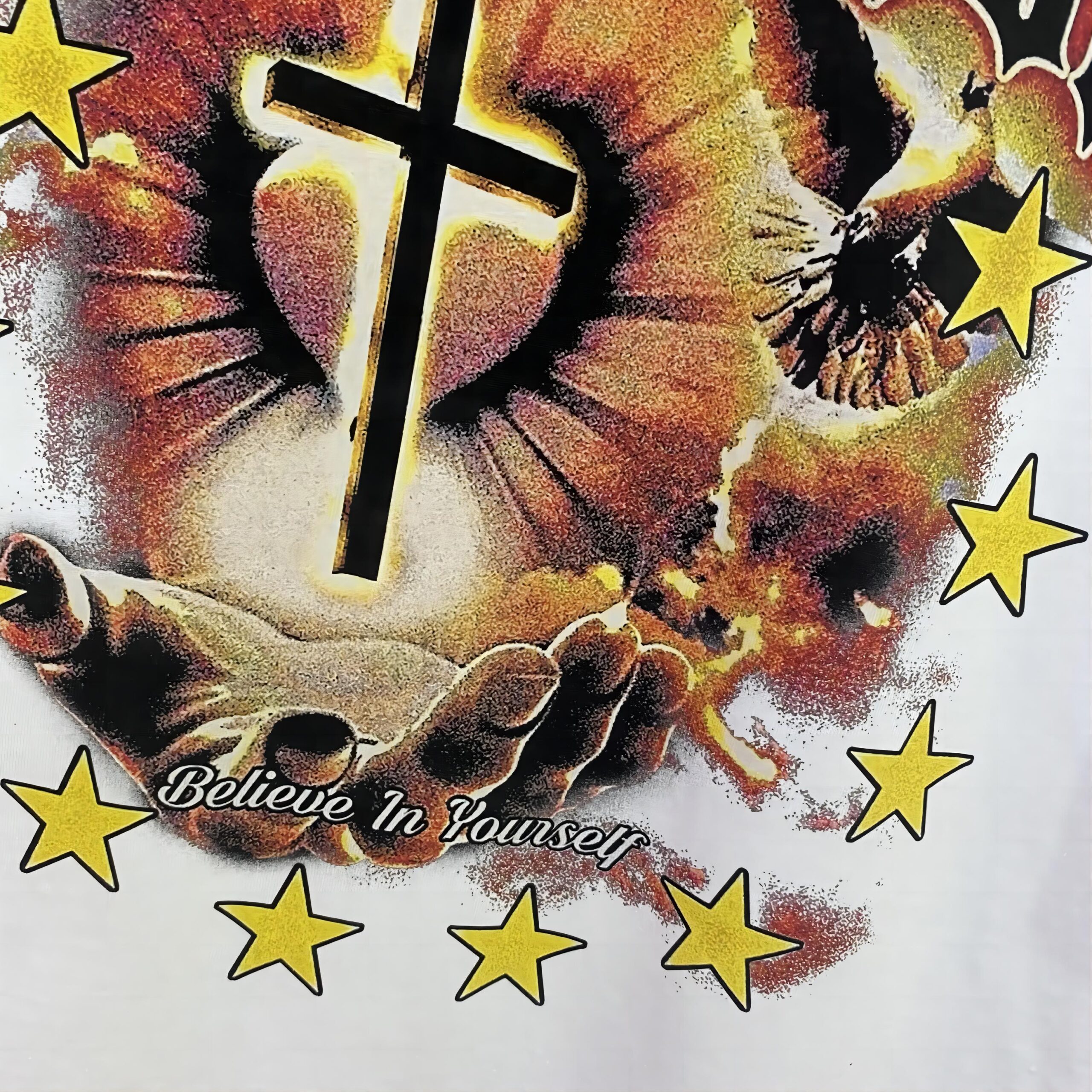
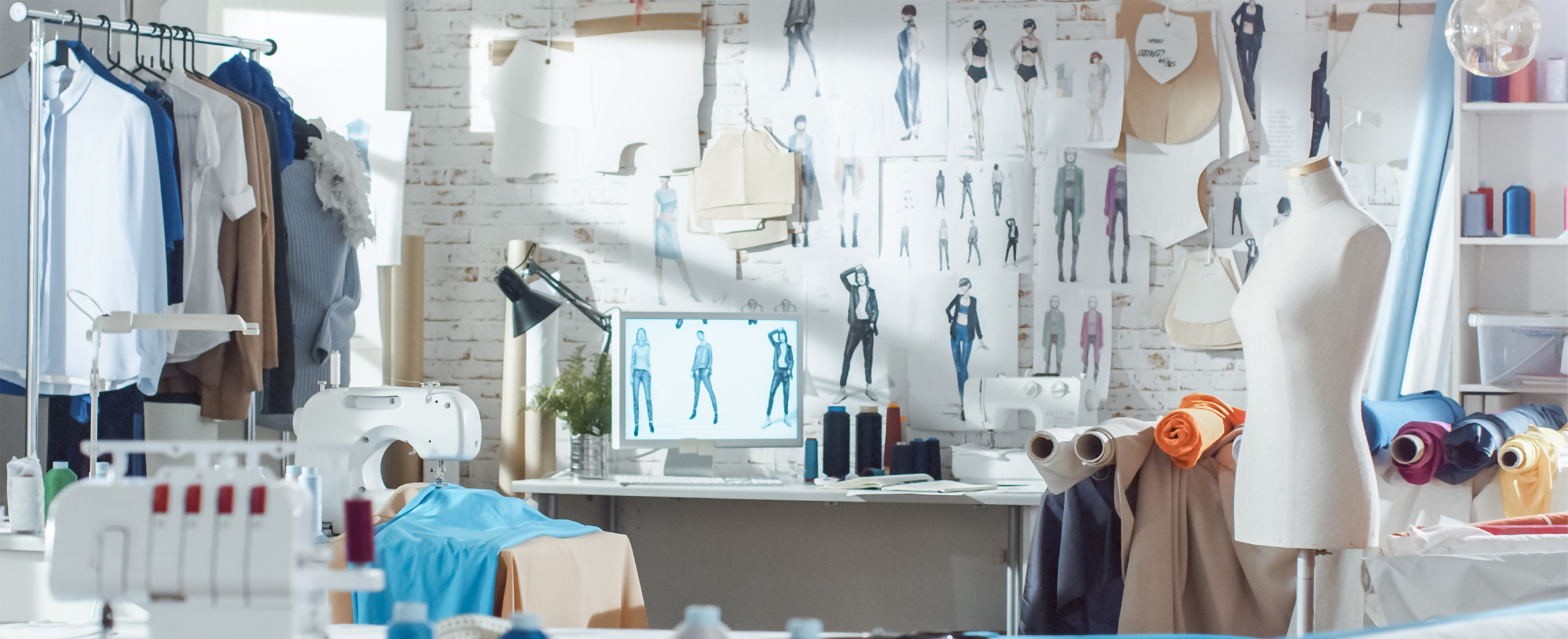

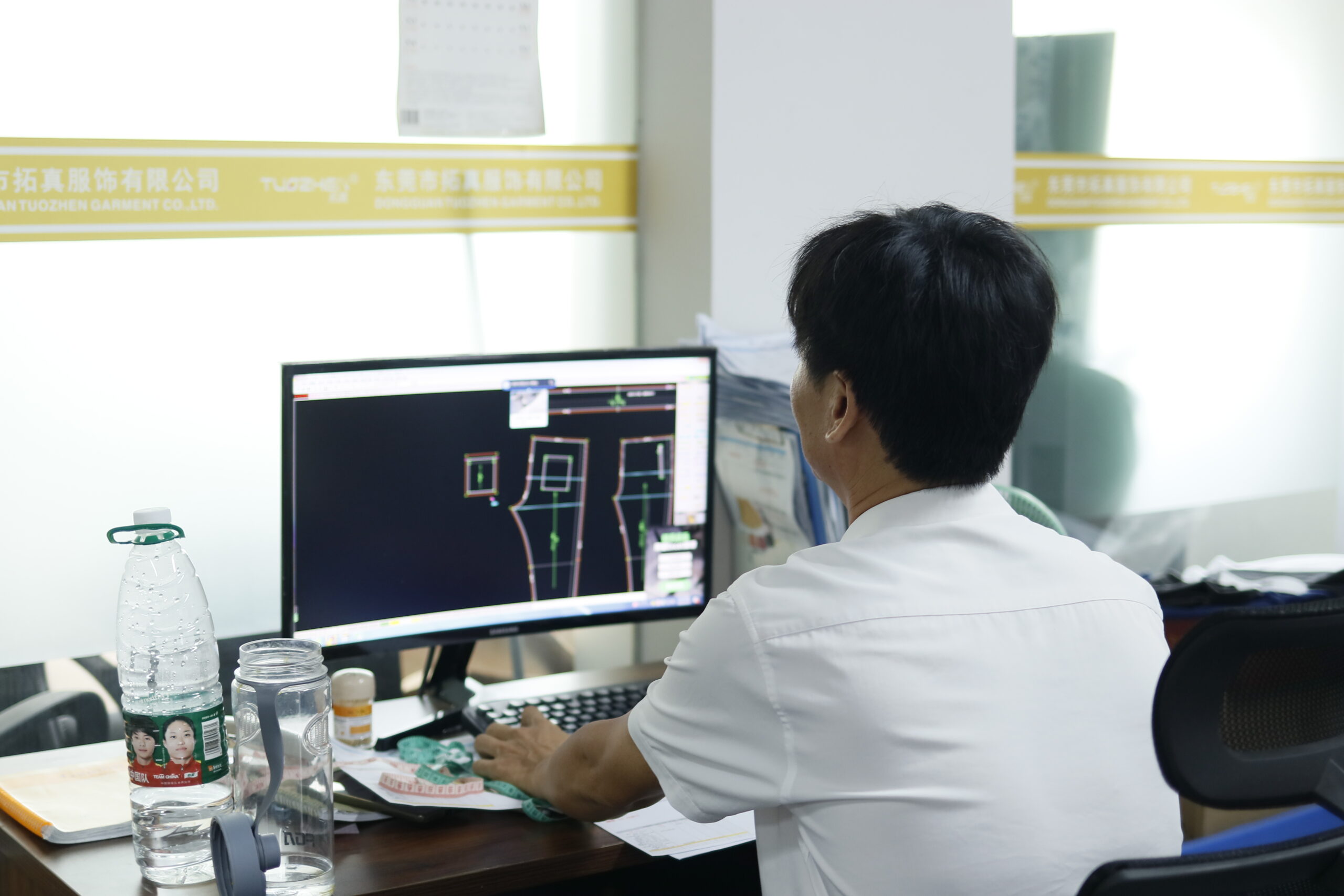

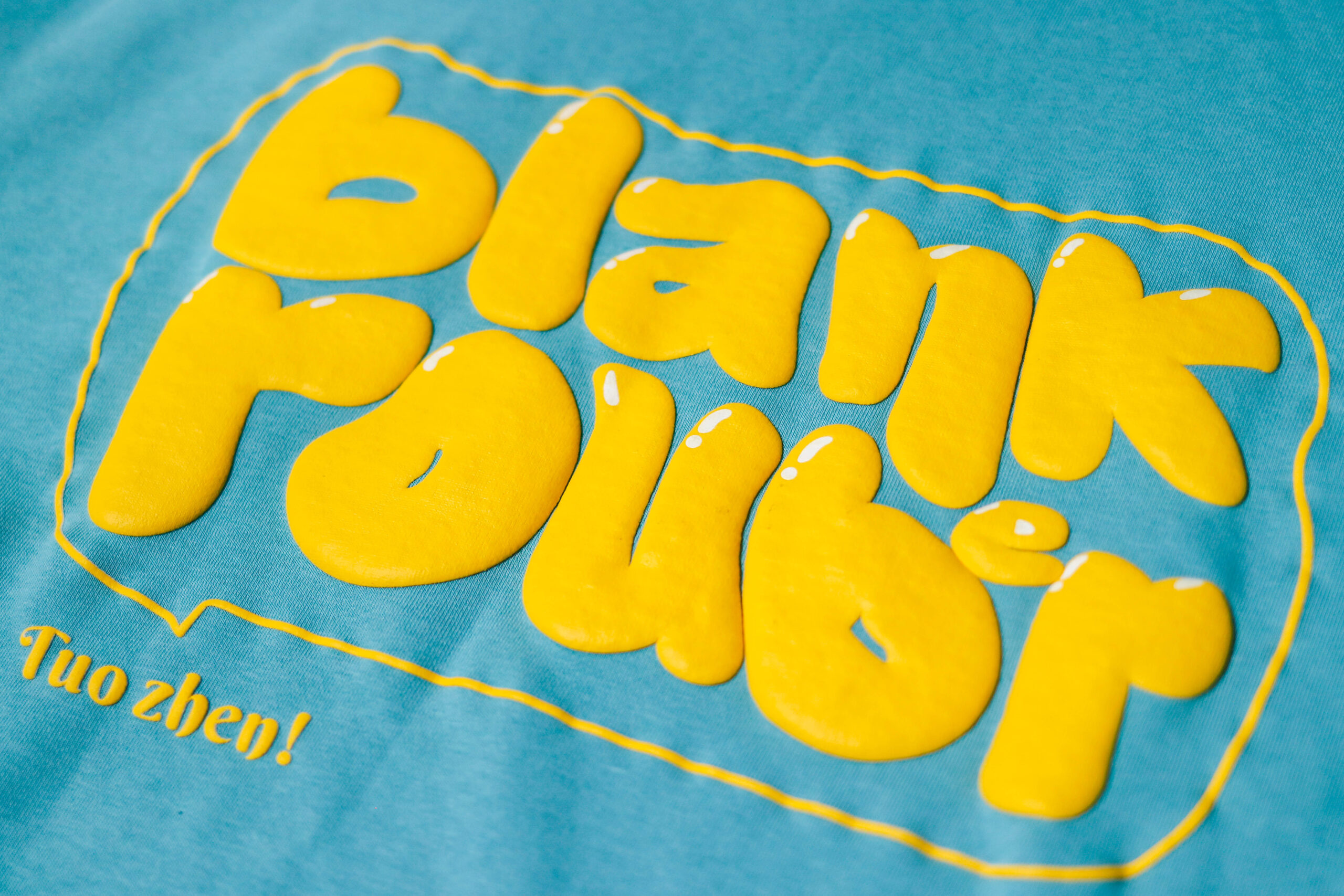
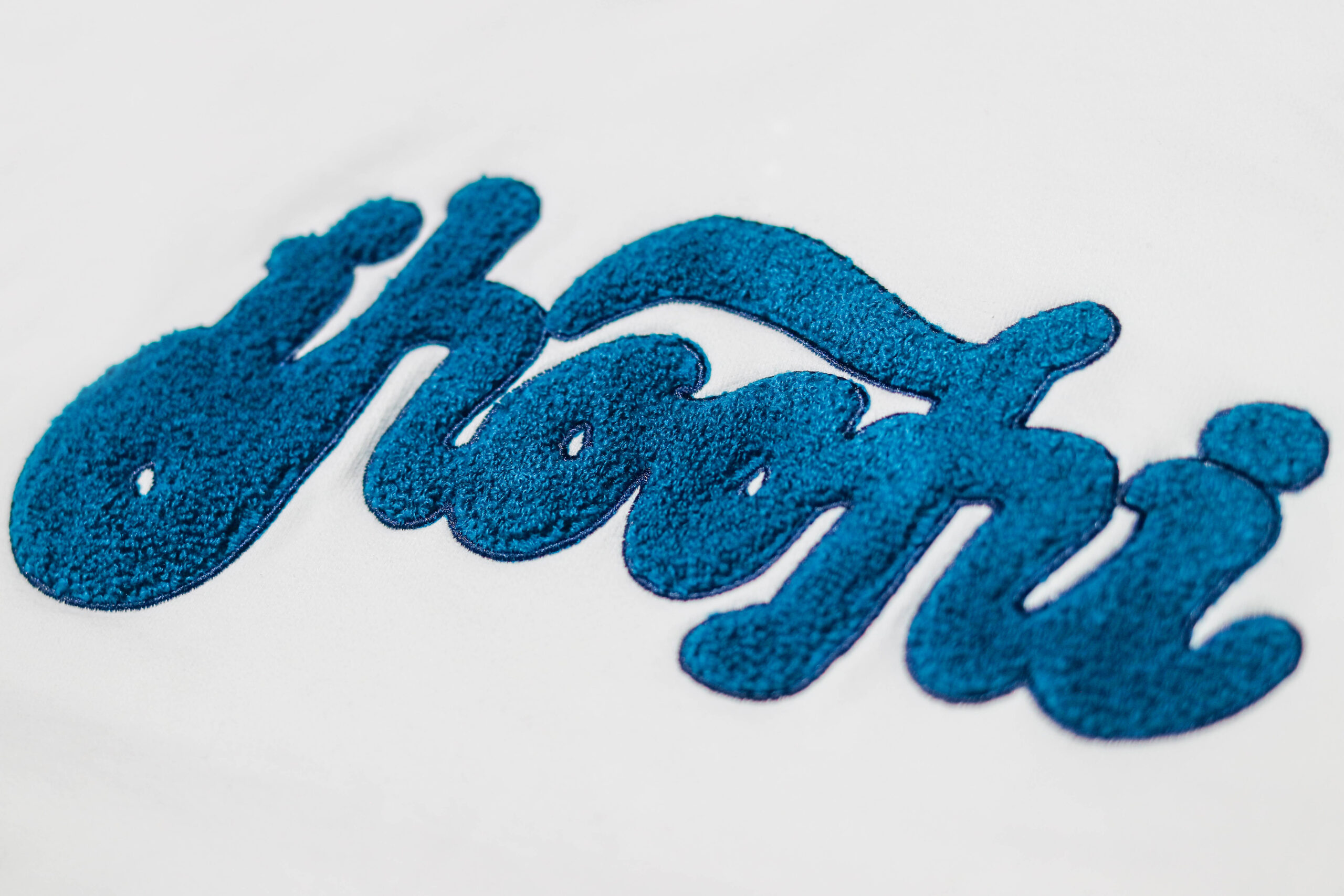
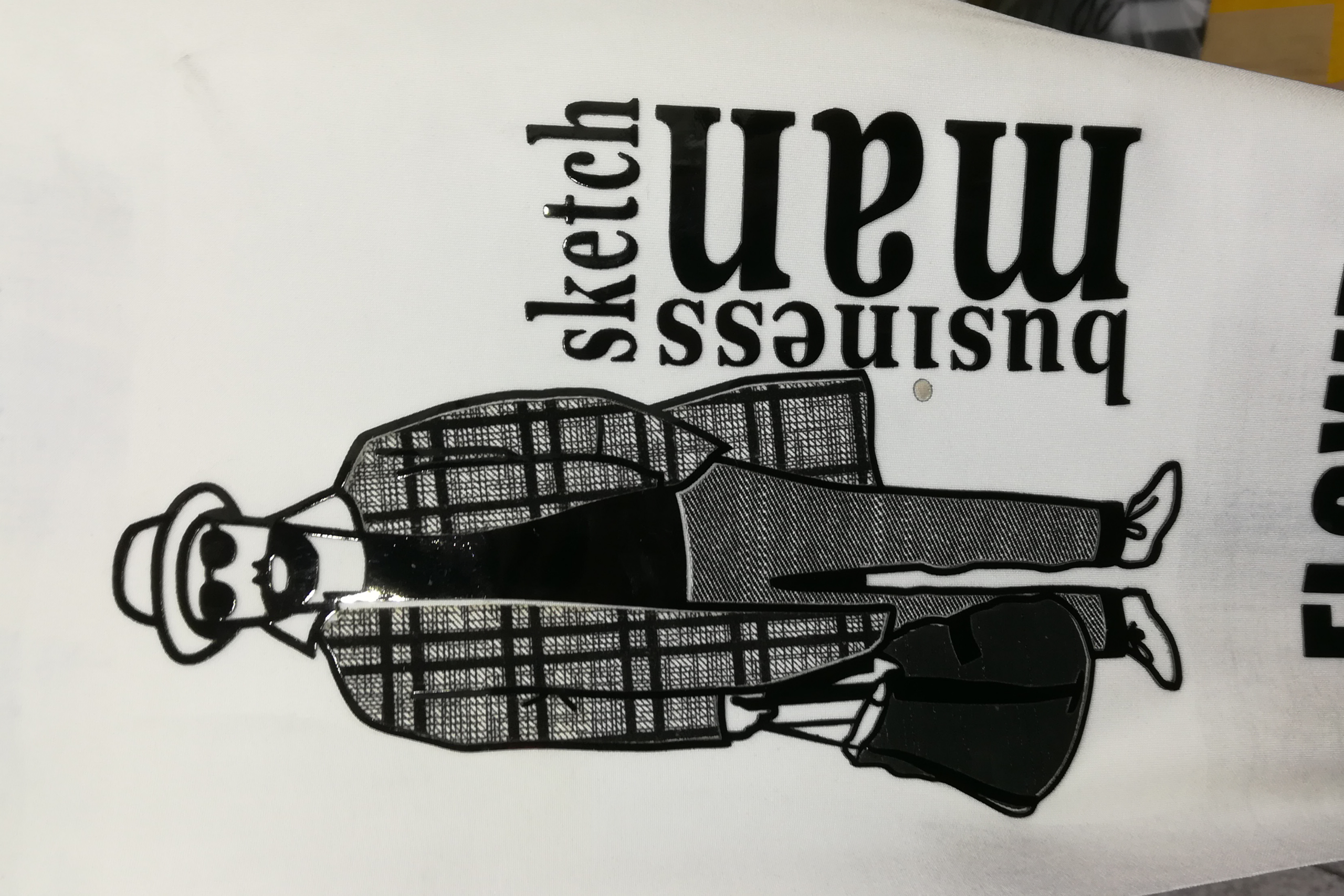
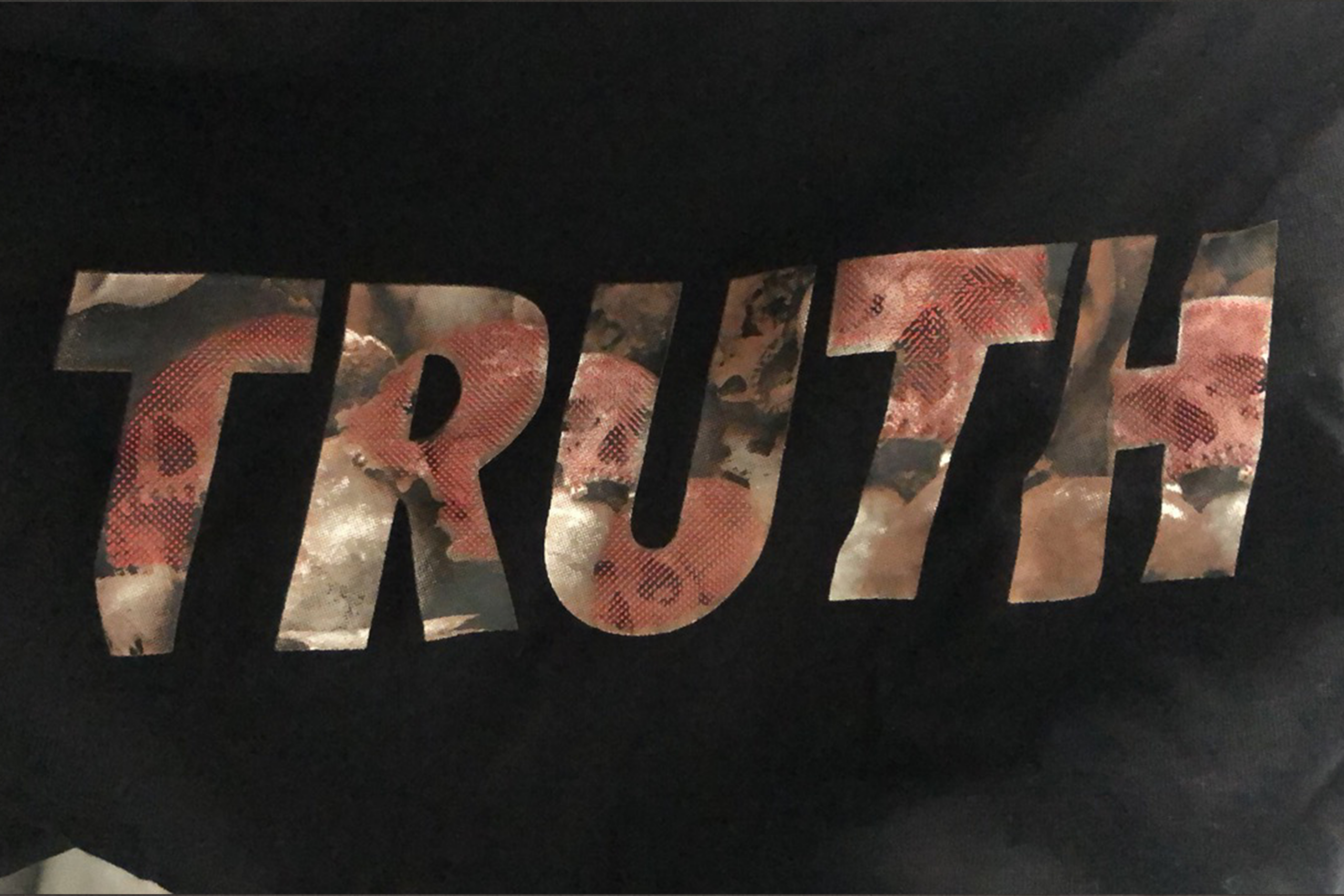
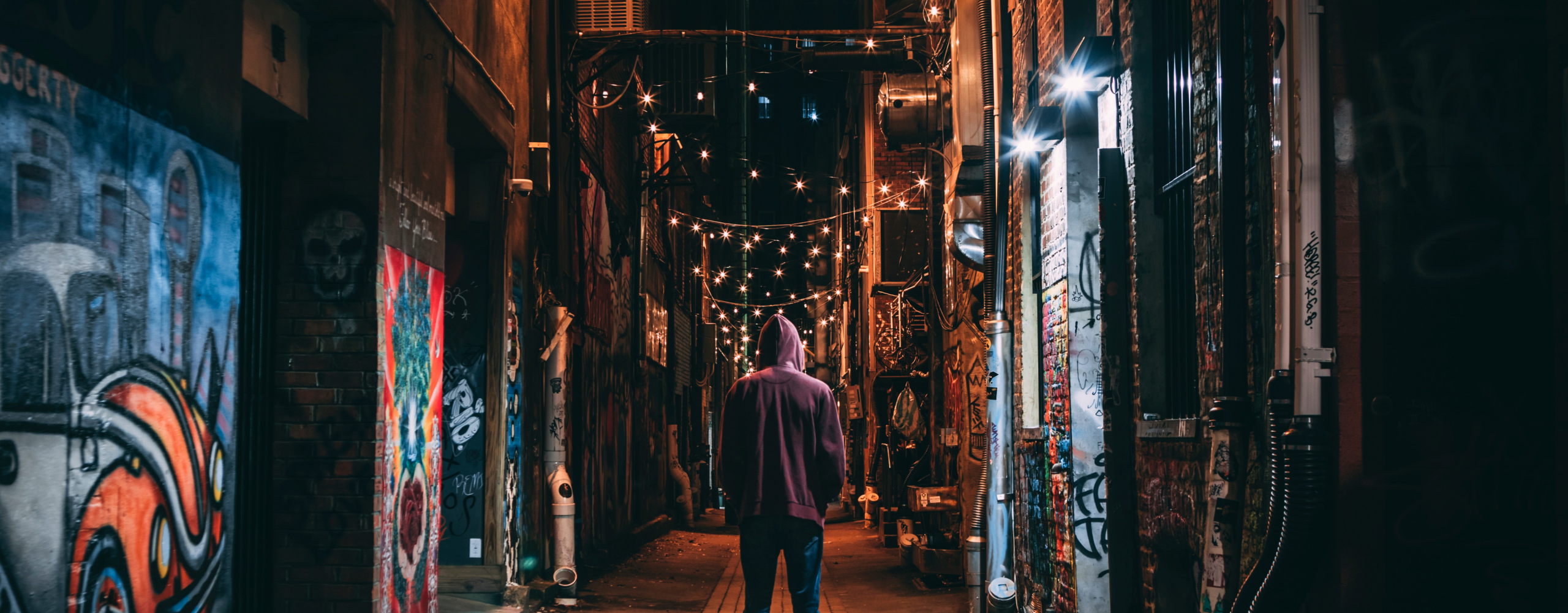
Built for Consistent Mesh Jersey Production
EDVORIN connects development, decoration and quality control into one accountable production path for teamwear, streetwear and private-label programs.
Founder-Led Since 2000
Work with a manufacturing partner shaped by production-floor experience, with direct attention to construction decisions and scalable apparel standards.
Development Into Standards
Bring a tech pack, sketch or reference garment; we help translate the concept into patterns, measurements and approved production specifications.
Coordinated Decoration
Fabric, artwork placement, printing, embroidery, trims and labels are coordinated together so visual details work with the chosen mesh construction.
Approved Sample Control
Approved samples become the reference for bulk production, helping teams check measurements, workmanship and decoration consistency before final packing.
Flexible Production Start
MOQ starts at 200 pieces per style, supporting emerging labels, team programs, wholesale orders and repeat private-label collections.
Men’s and Women’s Fits
Develop mesh jerseys for men’s and women’s programs with fit blocks, grading, proportions and performance requirements adjusted to intended wearers.
Apparel Programs Built for Repeat Production
From fleece and outerwear to mesh jerseys and coordinated streetwear, EDVORIN develops category-specific products for brands, teams and private-label buyers.
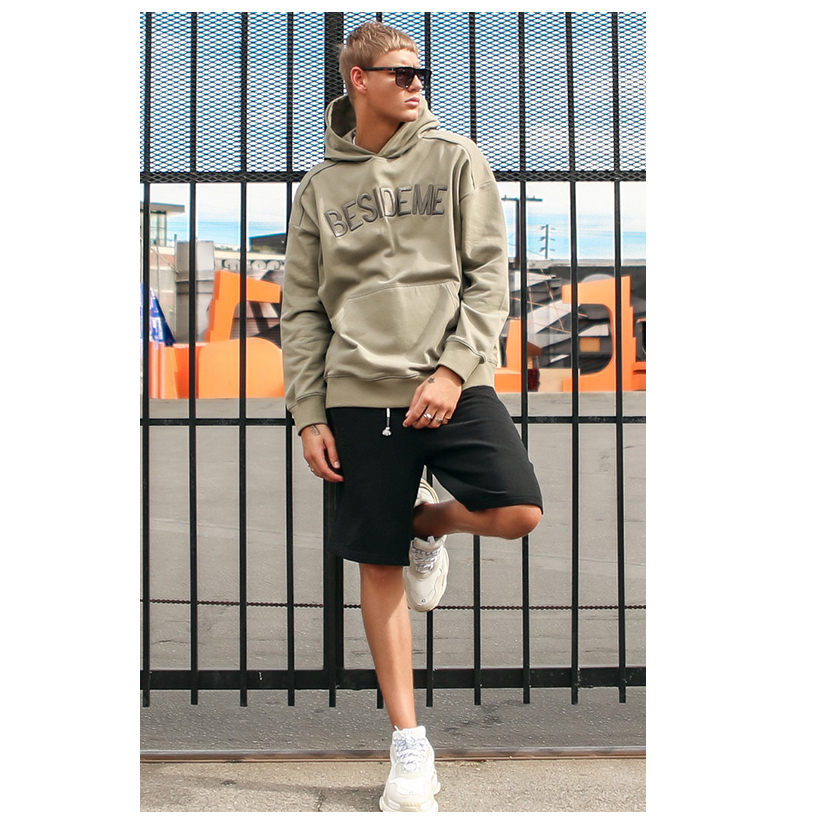
Custom Hoodies
Custom hoodies developed around your fit block, fleece weight, rib construction, hood shape, drawcords and decoration method. As a custom hoodie manufacturer, EDVORIN turns approved samples into documented bulk standards for men’s and women’s programs.
Get a Quote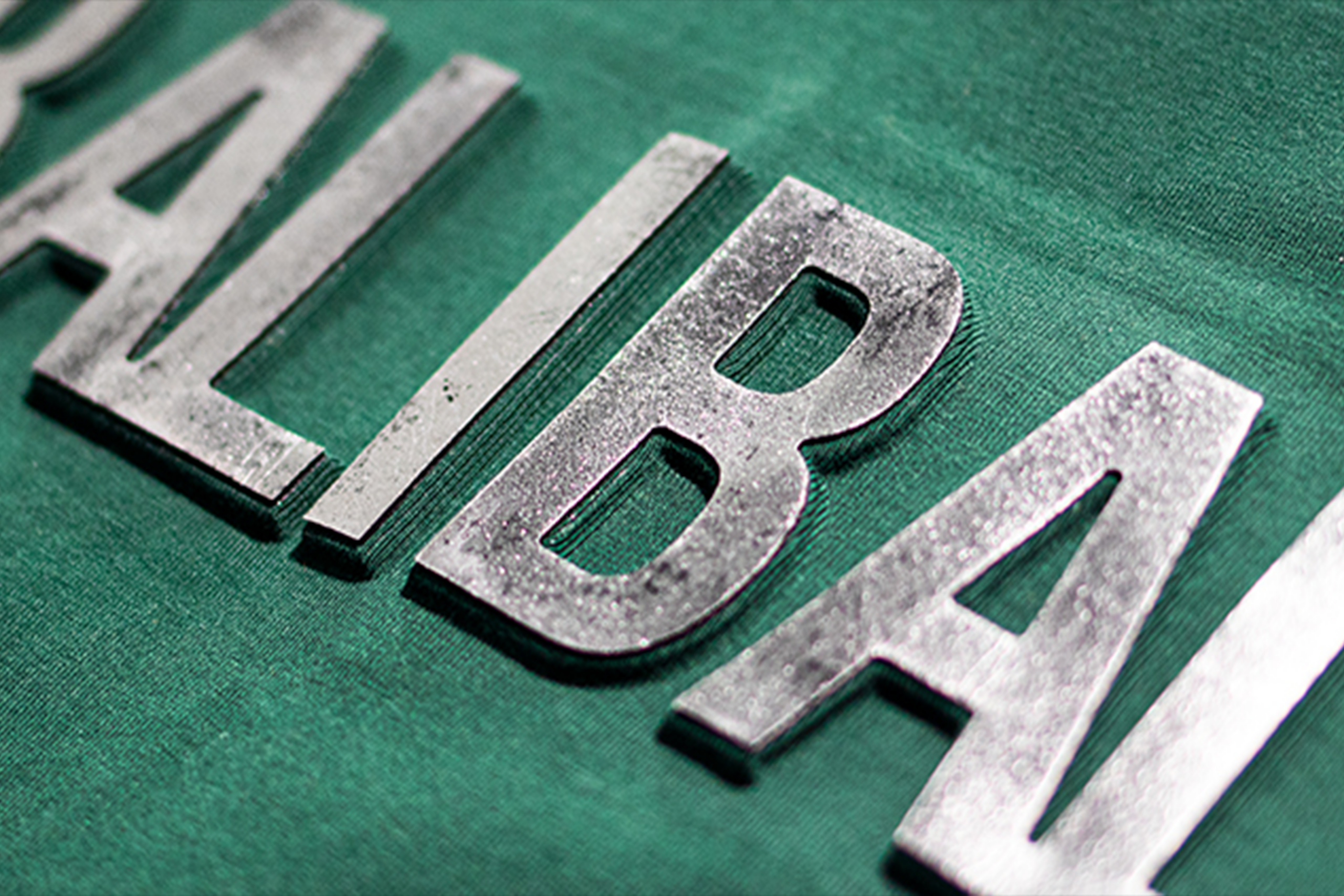
Pullover Sweatshirts
Pullover sweatshirts produced with defined fabric weight, neckline, rib recovery, seam construction and graphic placement. As a sweatshirt manufacturer, EDVORIN supports blank, printed, embroidered and washed programs from sampling through final inspection.
Get a Quote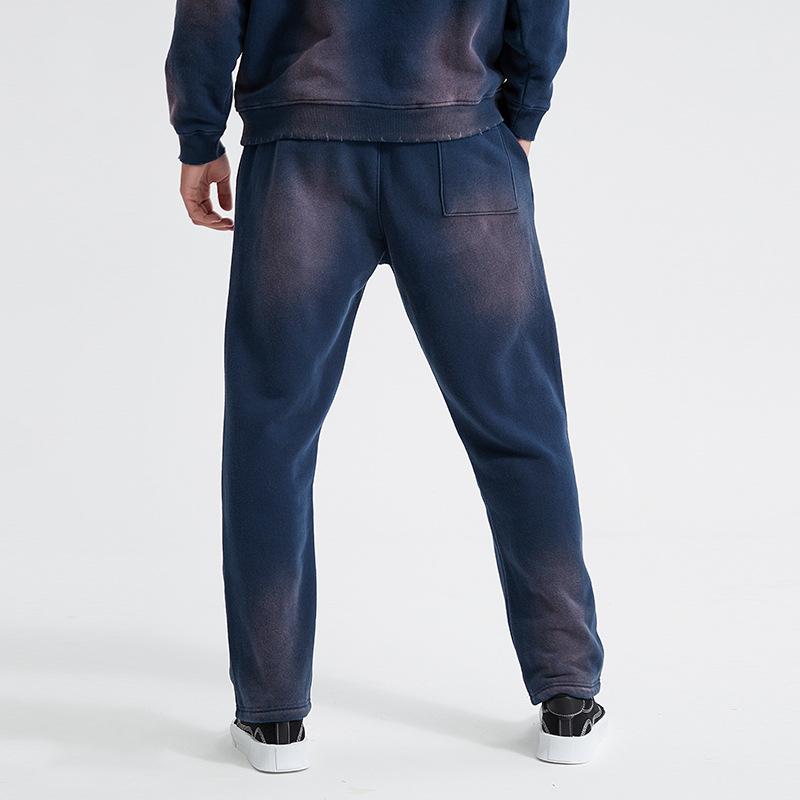
Sweatpants & Joggers
As a sweatpants manufacturer, EDVORIN develops sweatpants and joggers for coordinated fleece programs, with attention to rise, leg shape, waistband, cuffs, pockets, drawcords and fabric weight. Men’s and women’s fits can be graded separately for reliable repeat production.
Get a Quote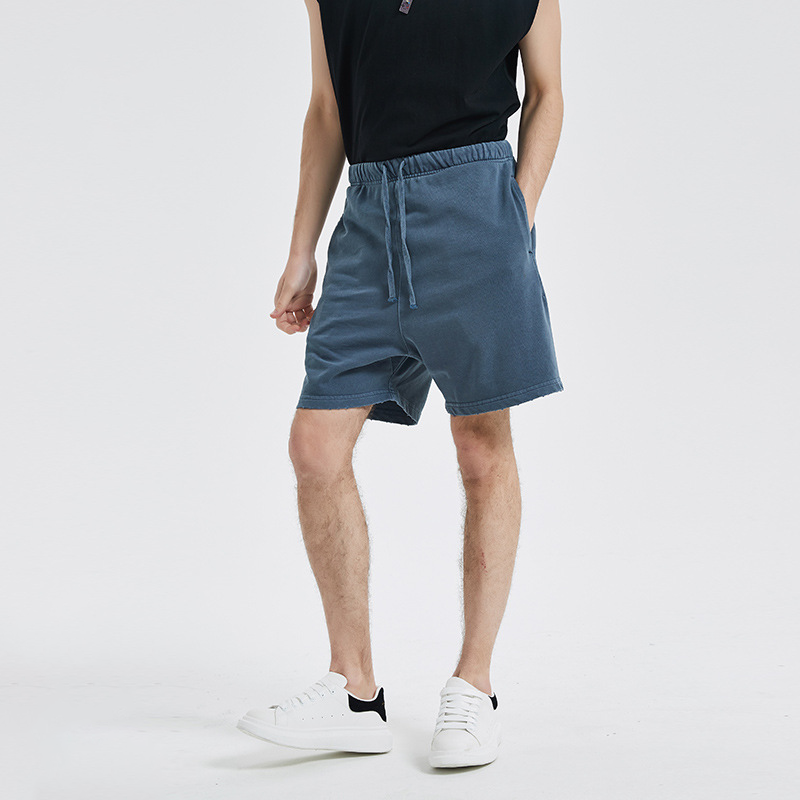
Custom Shorts
As a custom shorts manufacturer, EDVORIN develops shorts for casualwear, training, teamwear and promotional programs. Options include fleece, mesh, woven and performance fabrics, with controlled inseams, waist construction, pockets, lining, printing, embroidery and labels.
Get a Quote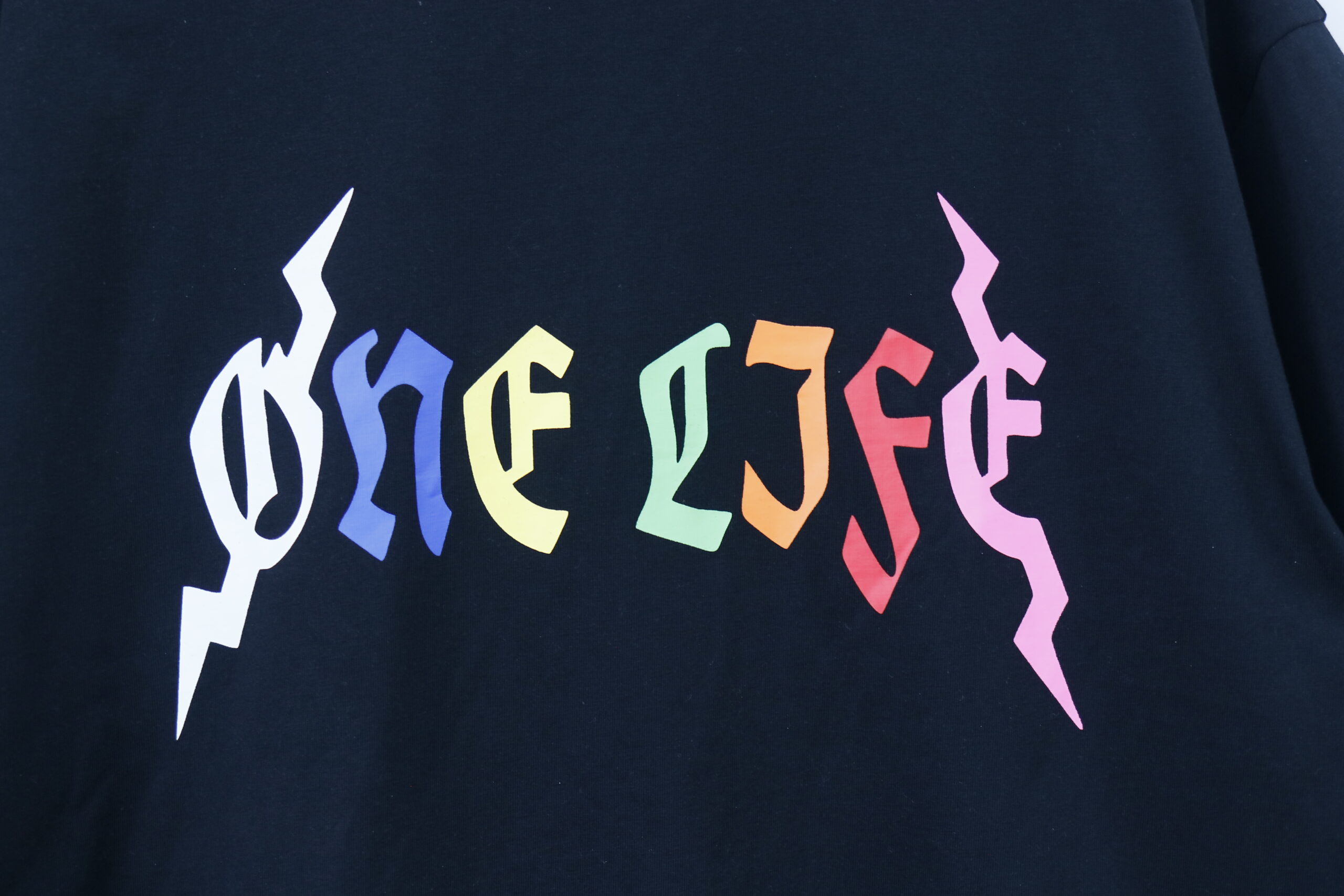
Varsity & Baseball Jackets
As a varsity jacket manufacturer, EDVORIN develops varsity and baseball jackets with balanced body and sleeve materials, rib, lining, snaps, patches and embroidery. Construction and decoration choices are coordinated so approved jacket character is maintained through bulk production.
Get a Quote
Custom T-Shirts
Custom T-shirts manufactured around fabric composition, GSM, fit, collar construction, print method and wash effect. EDVORIN supports men’s and women’s programs, from core promotional tees to detailed fashion and streetwear styles.
Get a Quote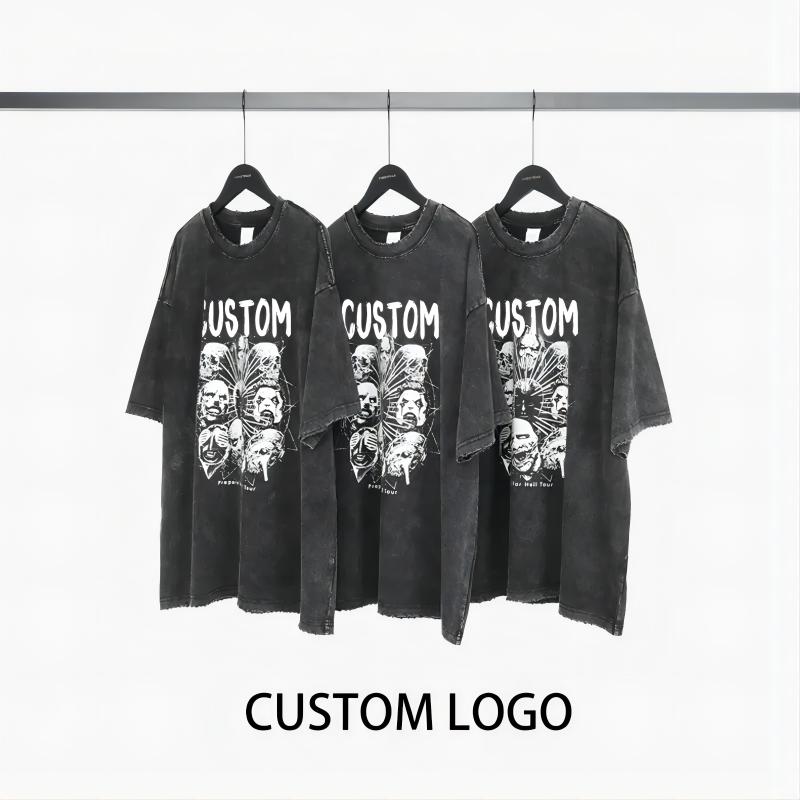
Custom Polo Shirts
Custom polo shirts for corporate, school, hospitality, club and private-label programs. Fabric, collar, placket, cuff, embroidery, color blocking and sizing are specified around the intended use and repeat-order requirements.
Get a Quote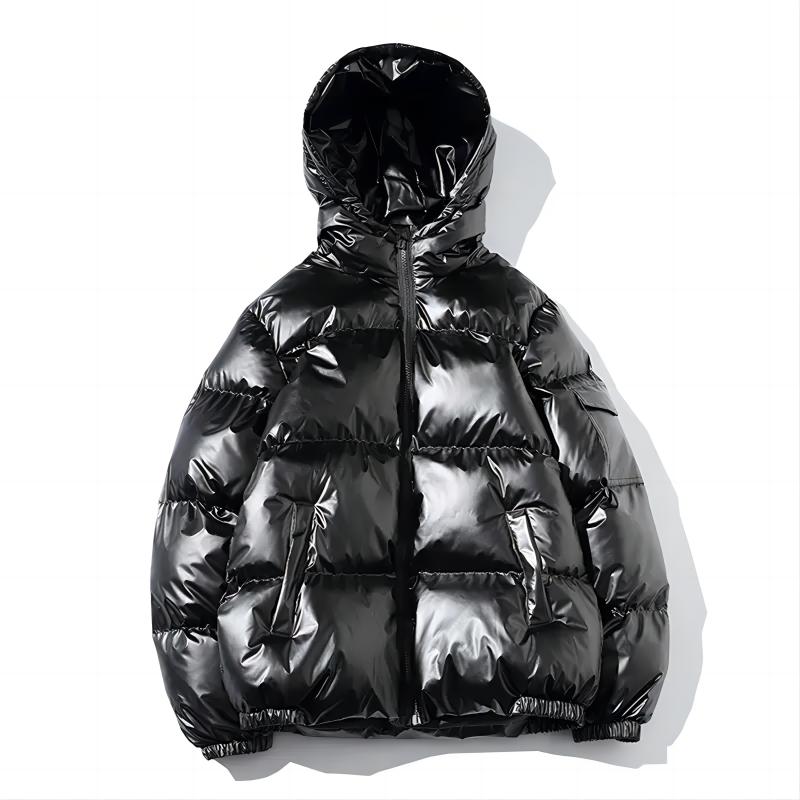
Windbreaker Jackets
As a windbreaker manufacturer, EDVORIN develops lightweight jackets with shell fabrics, lining options, zip systems, hood construction and functional details. Print, embroidery and packaging requirements are coordinated for branded outerwear programs.
Get a Quote
Quilted Jackets
As a quilted jacket manufacturer, EDVORIN develops jackets around shell fabric, fill weight, lining, quilting pattern, hardware and fit. Development verifies material balance and construction details before bulk production to help maintain warmth, appearance and consistency.
Get a Quote
Bomber Jackets
As a bomber jacket manufacturer, EDVORIN develops jackets with defined shell, lining, rib, zipper, pocket and decoration specifications. We support fashion, streetwear and private-label programs where silhouette, trim selection and finishing must remain consistent at scale.
Get a Quote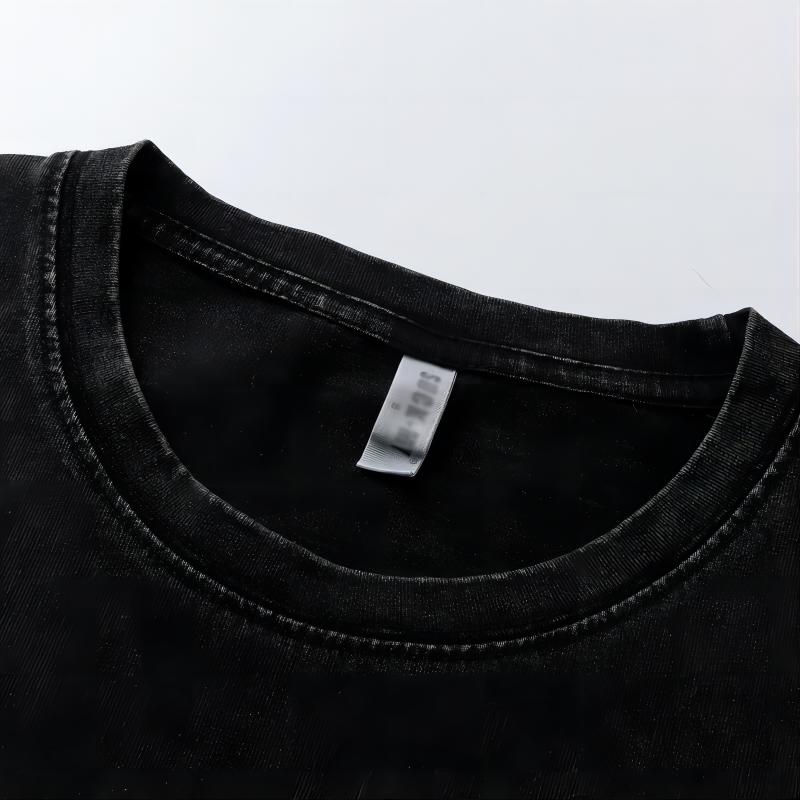
Custom Shirts
Custom woven shirts produced with buyer-specific fabric, collar, placket, cuff, pocket and fit requirements. EDVORIN develops men’s and women’s styles for uniform, casualwear and private-label collections with clear construction standards.
Get a Quote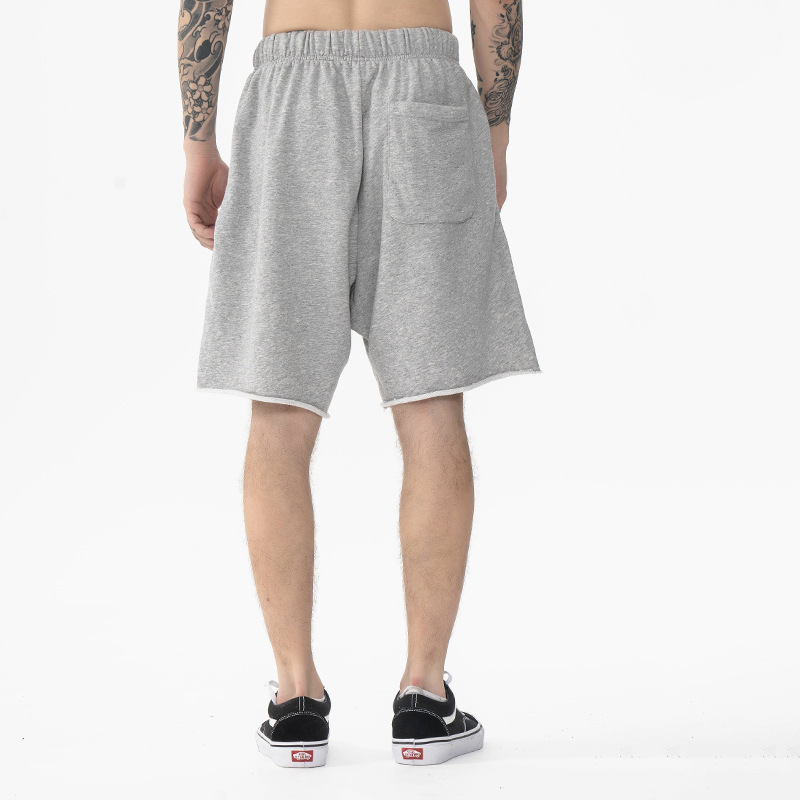
Custom Jerseys
As a custom jersey manufacturer, EDVORIN develops jerseys for streetwear, training, fanwear and branded promotional programs. Mesh and performance fabric options, color blocking, numbers, names, badges and decoration placement are controlled for accurate repeat orders.
Get a Quote
Tank Tops
Tank tops developed for sports, gym, casualwear and streetwear applications. EDVORIN selects fabric, binding, armhole shape, length, fit and decoration methods according to performance needs and the intended wearer.
Get a Quote
Soccer Uniforms
As a soccer uniform manufacturer, EDVORIN produces coordinated jerseys and shorts with breathable performance fabrics, color control, player names, numbers and badge placement. Size sets and repeat-order specifications are organized for clubs, schools and team programs.
Get a Quote
Basketball Uniforms
As a basketball uniform manufacturer, EDVORIN develops coordinated tops and shorts with lightweight mesh or performance fabrics, game-ready proportions and controlled numbering. We manage color, print, embroidery and sizing requirements for teams, academies and private labels.
Get a Quote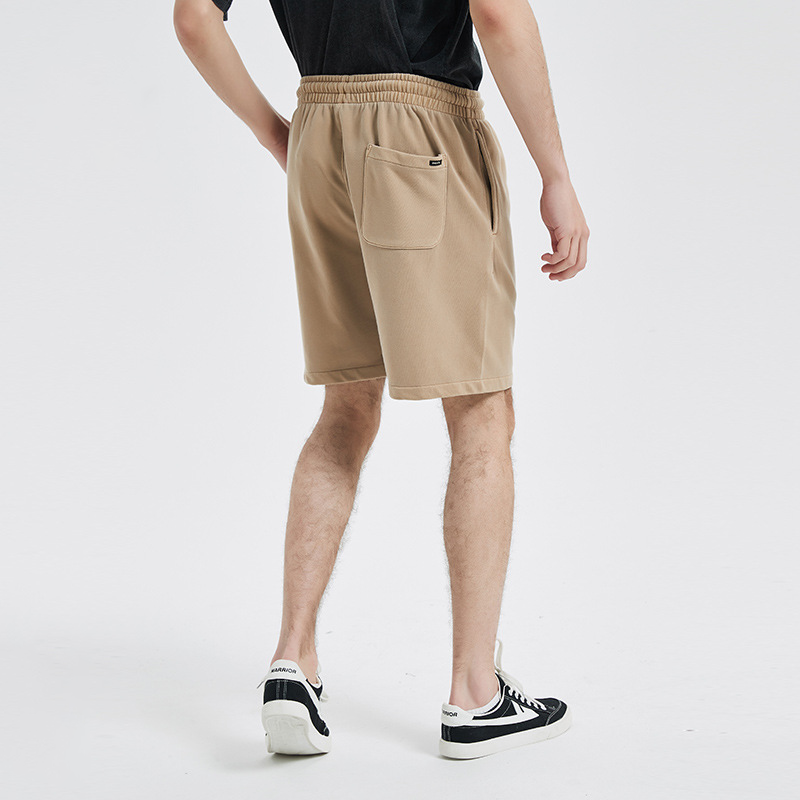
Streetwear Collections
Streetwear collections developed as connected product programs across tees, hoodies, sweatpants, shorts, jackets and jerseys. EDVORIN coordinates fabrics, trims, washes, graphics, labels and packaging so each style supports a consistent collection standard.
Get a QuoteMesh Fabrics for Performance and Style
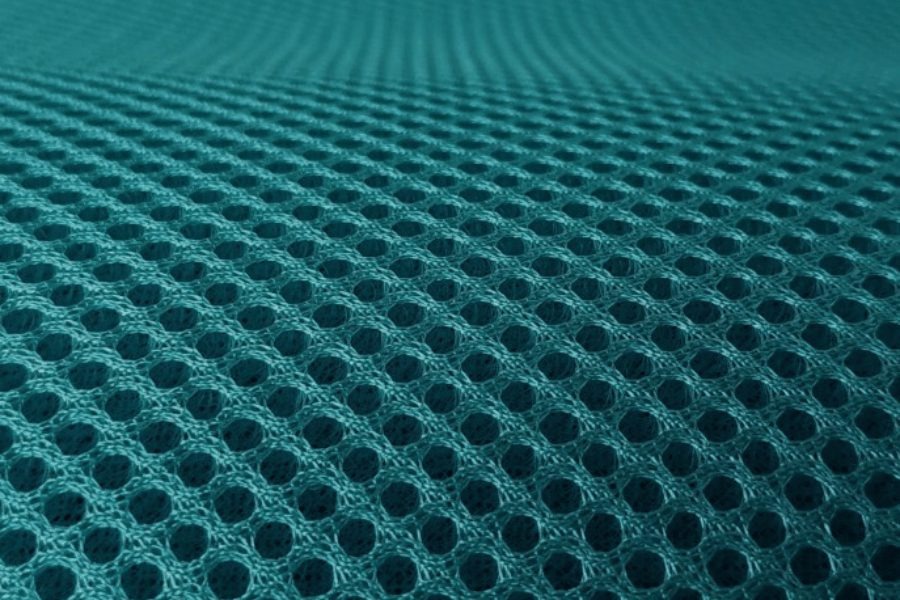
Birdseye Polyester Mesh
A lightweight, open-knit polyester mesh with a dry hand and reliable airflow. Common for basketball, practice and promotional jerseys, it supports breathable wear while maintaining a stable surface for custom decoration.
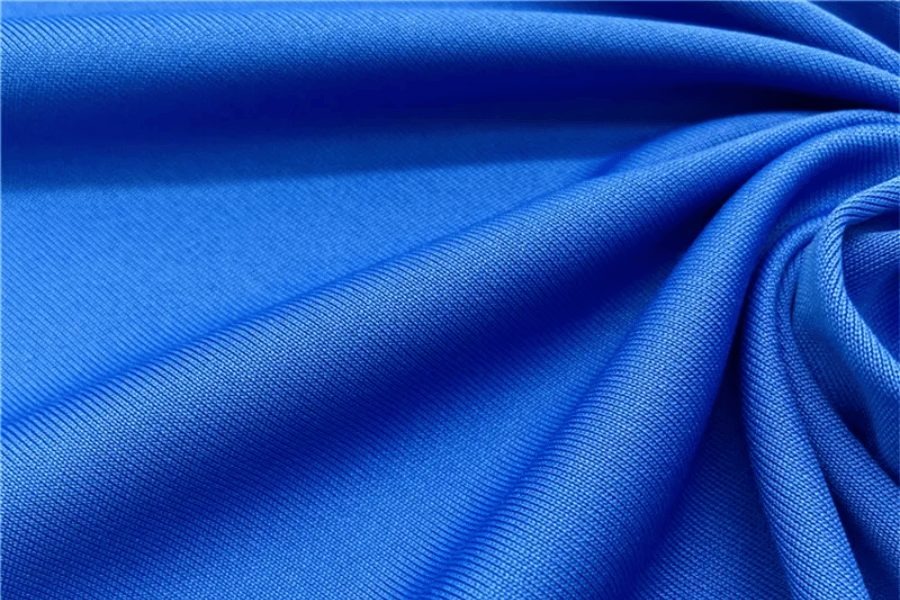
Interlock Performance Knit
A smooth, dense polyester knit with a clean hand-feel and controlled stretch. Suited to soccer and esports jerseys, its double-knit construction provides coverage, comfortable movement and a refined base for all-over graphics.
Stretch Mesh Knit
A flexible mesh fabric with a soft feel and added mechanical or elastane stretch. Ideal for fitted teamwear and fashion-led silhouettes, it moves with the wearer while retaining ventilated texture and shape recovery.
Heavyweight Athletic Mesh
A more substantial open mesh with a structured hand and visible texture. Used for oversized streetwear jerseys and durable training pieces, its higher fabric weight creates drape, dimension and breathable everyday comfort.
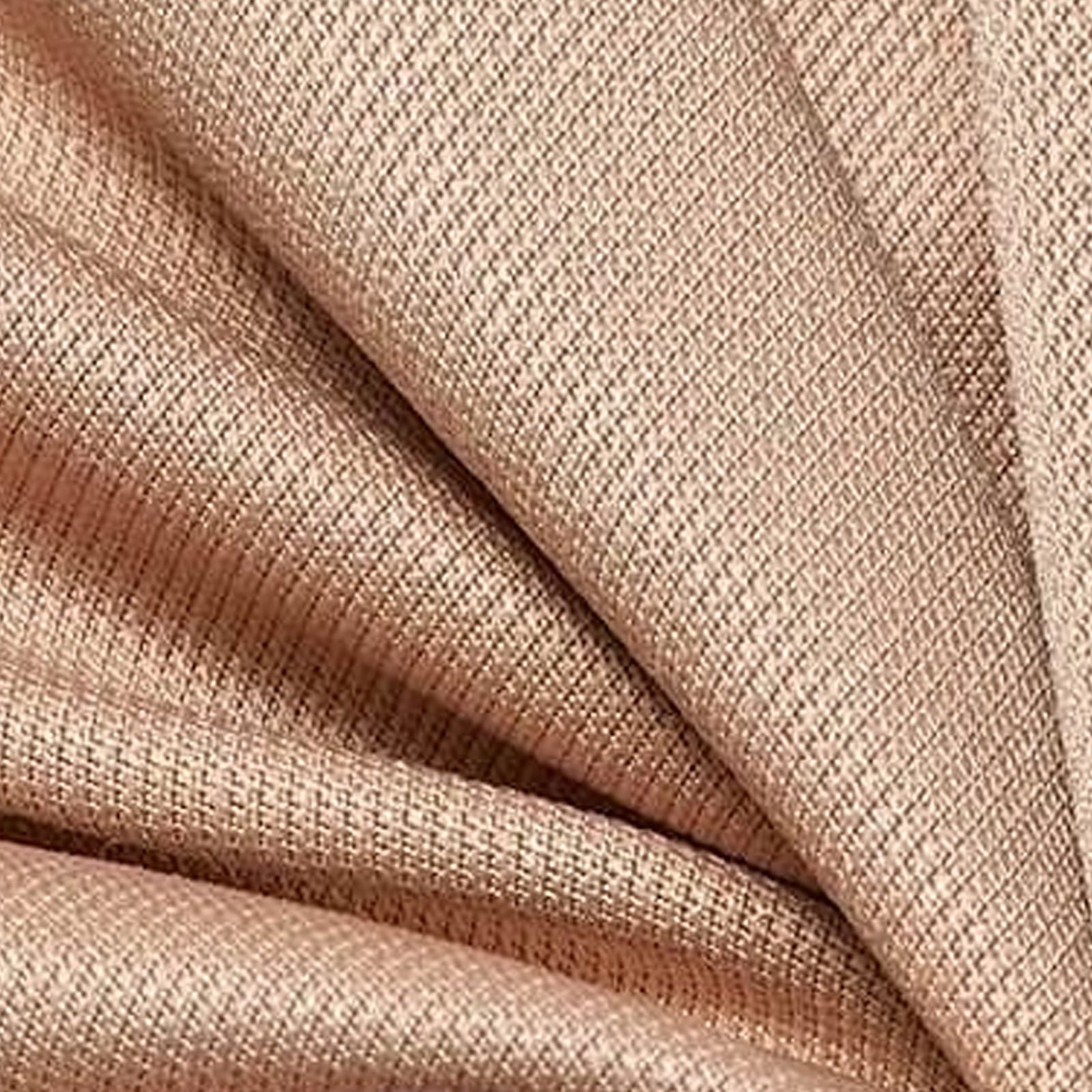
Moisture Management Knit
A lightweight performance knit developed for active jersey programs needing a smooth, quick-drying feel. Appropriate for soccer, running and training applications, it balances breathable construction with moisture-management potential.
Decoration Methods for Custom Mesh Jerseys
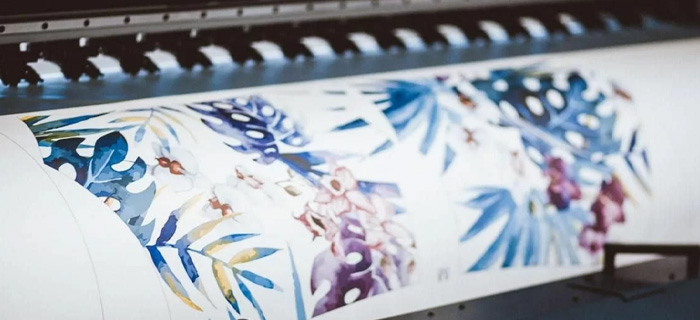
Dye Sublimation
Artwork is transferred into compatible polyester jersey panels before sewing, allowing all-over color, gradients, names, numbers, and detailed graphics with a smooth finish that does not add a separate surface layer.
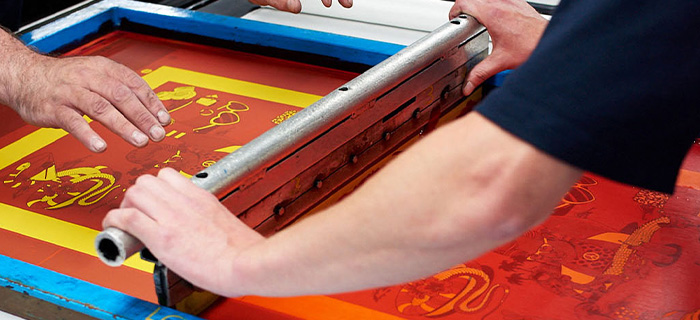
Screen Printing
Screen printing applies selected artwork to jersey fabric for clear logos, chest graphics, and bold color areas. EDVORIN helps match ink, placement, and print scale to the mesh base and intended wear.
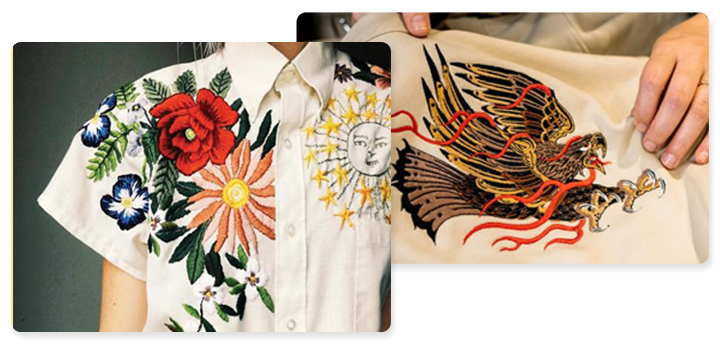
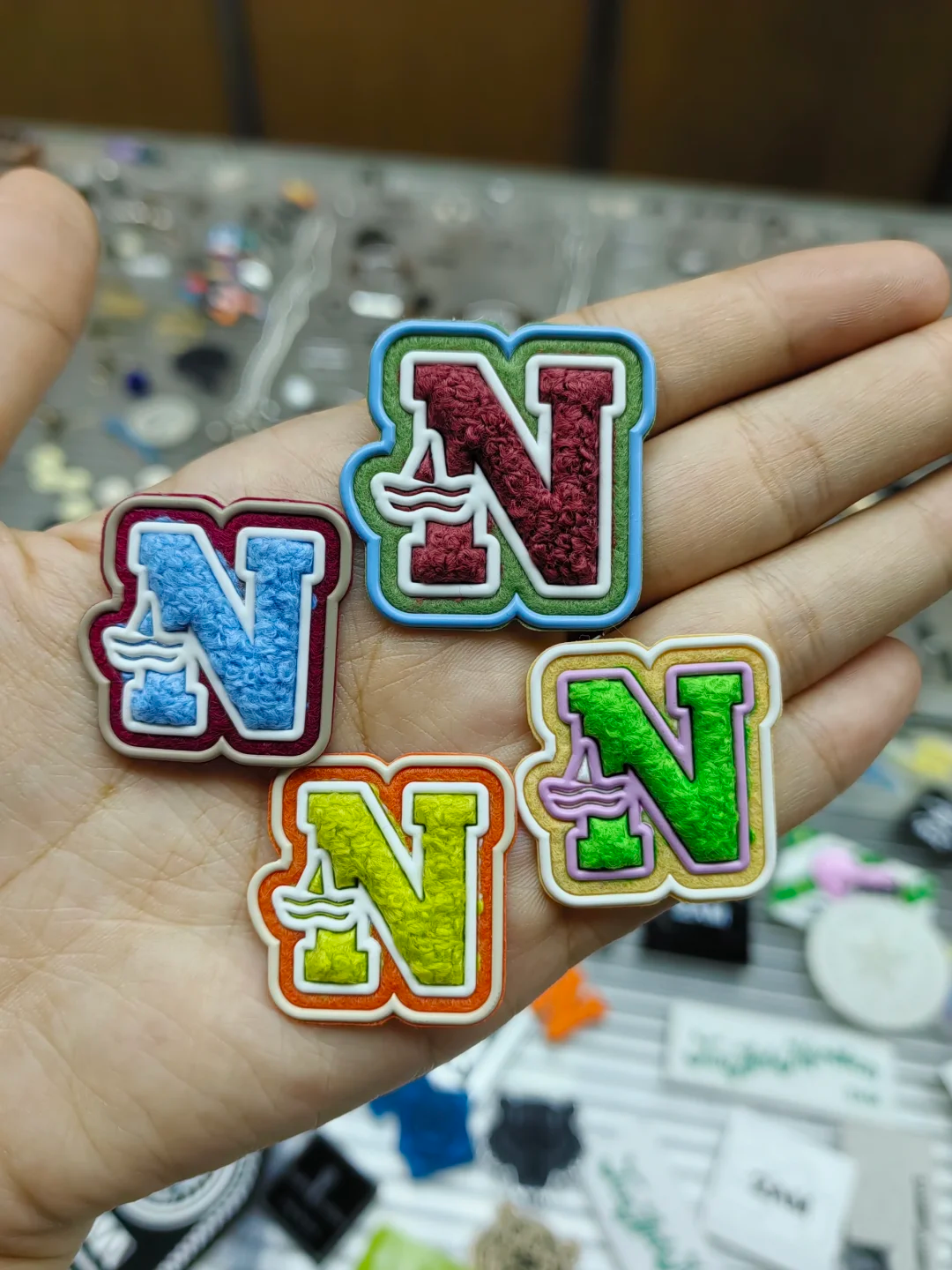
Tackle Twill Appliqué
Layered twill letters, numbers, or emblems create a traditional teamwear look with visible depth and edge definition. EDVORIN coordinates cut shapes, attachment method, colors, and placement against the approved jersey specification.
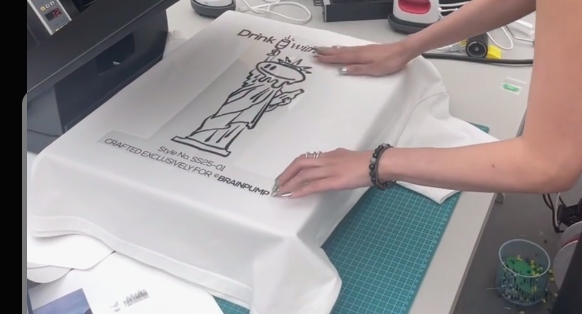
Heat Transfer
Heat transfers suit detailed logos, player identification, sponsor marks, and smaller production runs where precise artwork reproduction matters. The selected transfer is matched to fabric behavior and documented with placement measurements for bulk consistency.
Jersey Trims, Labels & Finishing Details
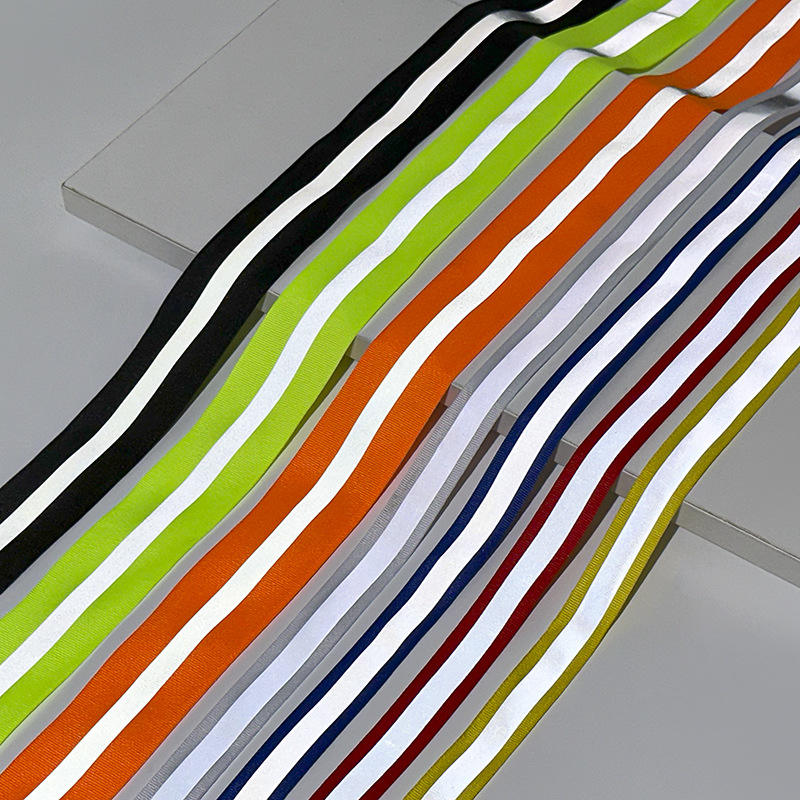
Custom Neck Tape
Add printed, woven, or contrast neck tape to reinforce the neckline, cover seam joins, and carry subtle brand messaging across mesh jersey programs for teams, streetwear labels, and private-label collections.
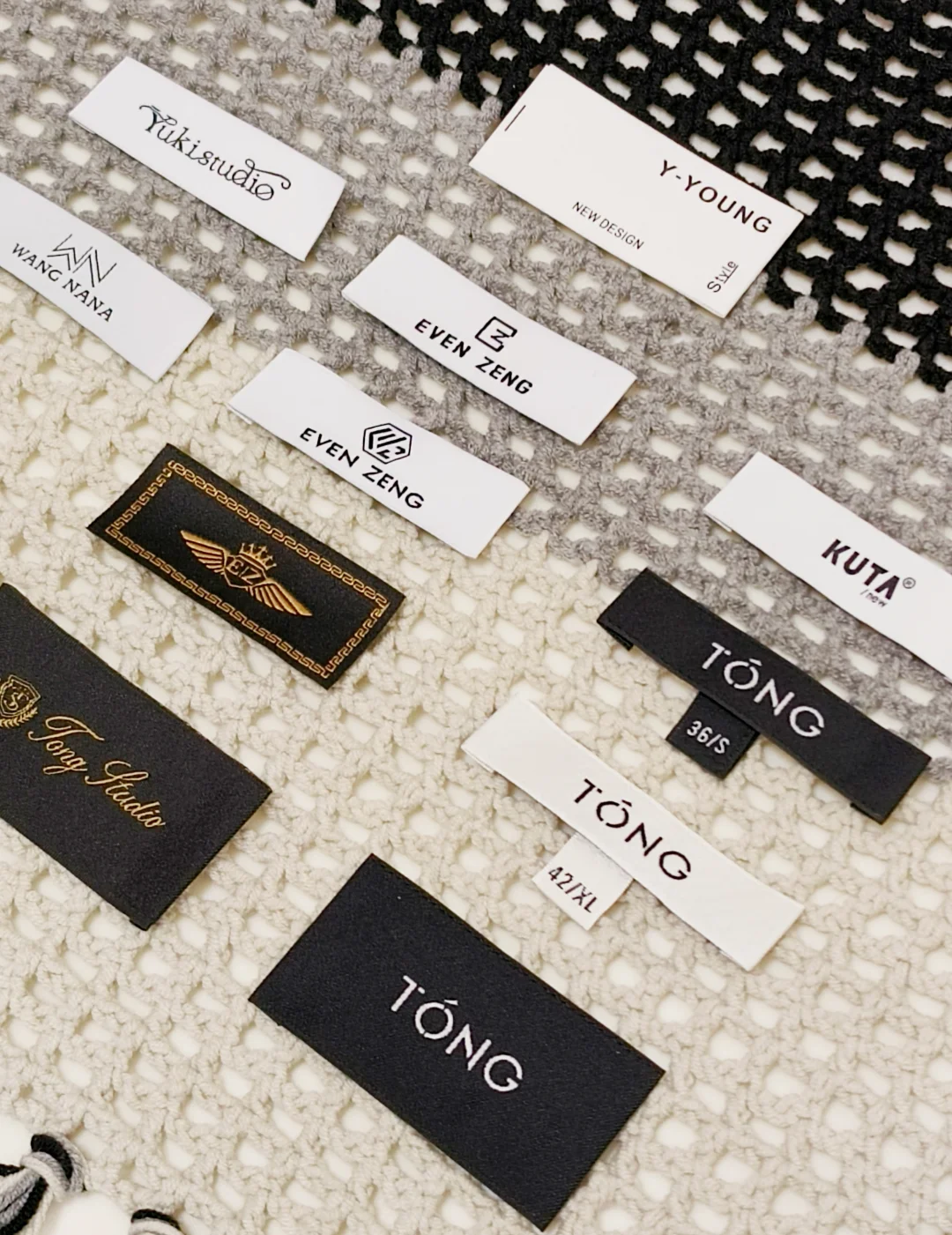
Woven Labels
Specify main labels, size labels, side flags, and care labels with approved artwork and placement details. Woven labels give every jersey a consistent brand identity while supporting organized production and packing.
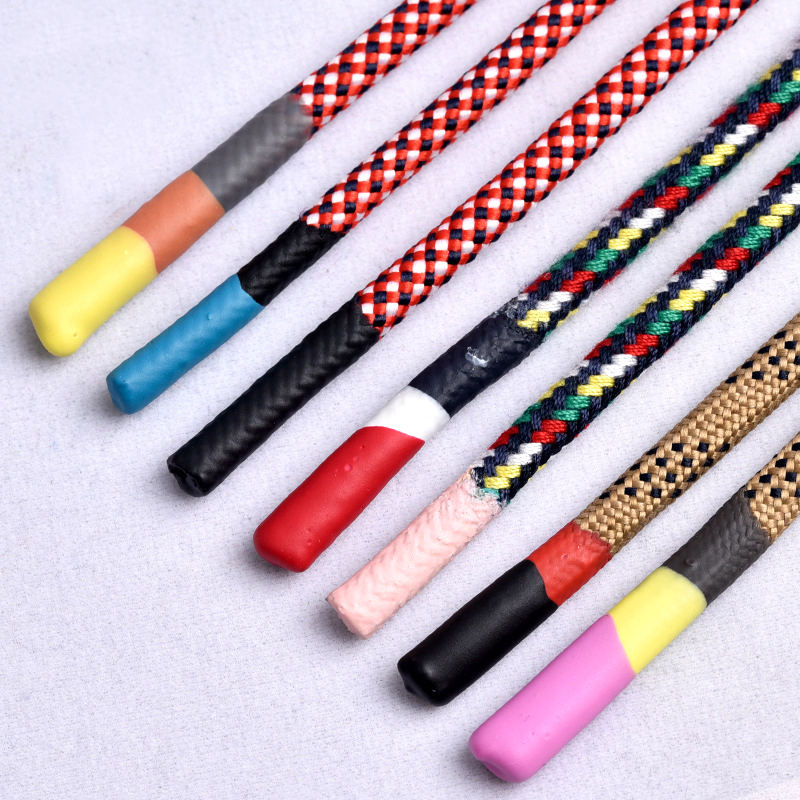
Custom Drawcords
For hooded mesh layers or jersey-inspired warmups, select drawcord material, color, tipping, and length to match the garment. These details help align function, fit adjustment, and the collection’s visual direction.
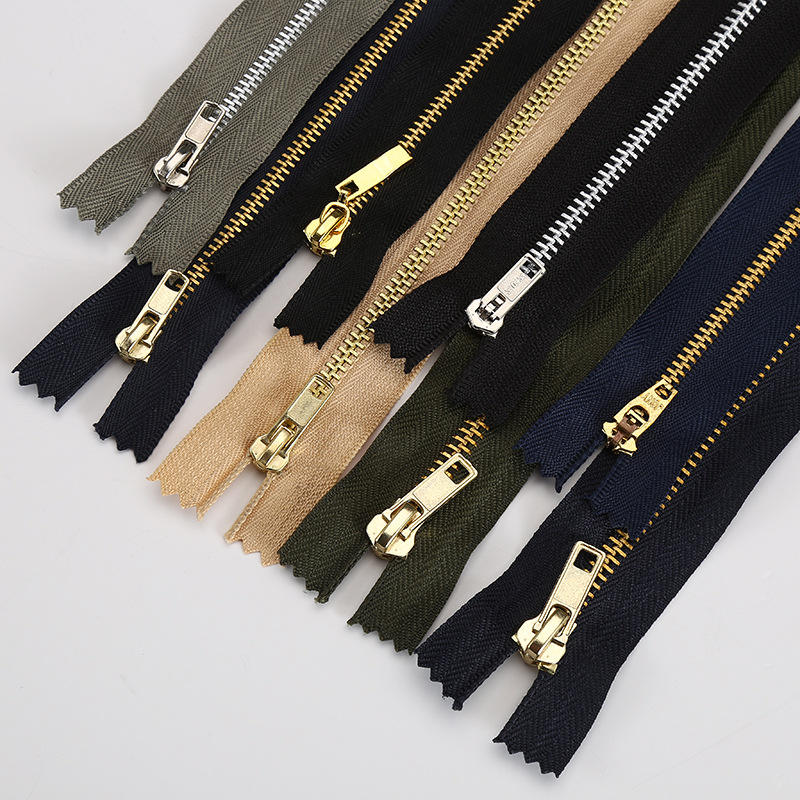
Zipper Hardware
Choose zipper type, finish, puller shape, tape color, and placement for mesh warmup jackets, quarter-zips, or layered teamwear. Hardware specifications are documented during development to support repeatable bulk production.
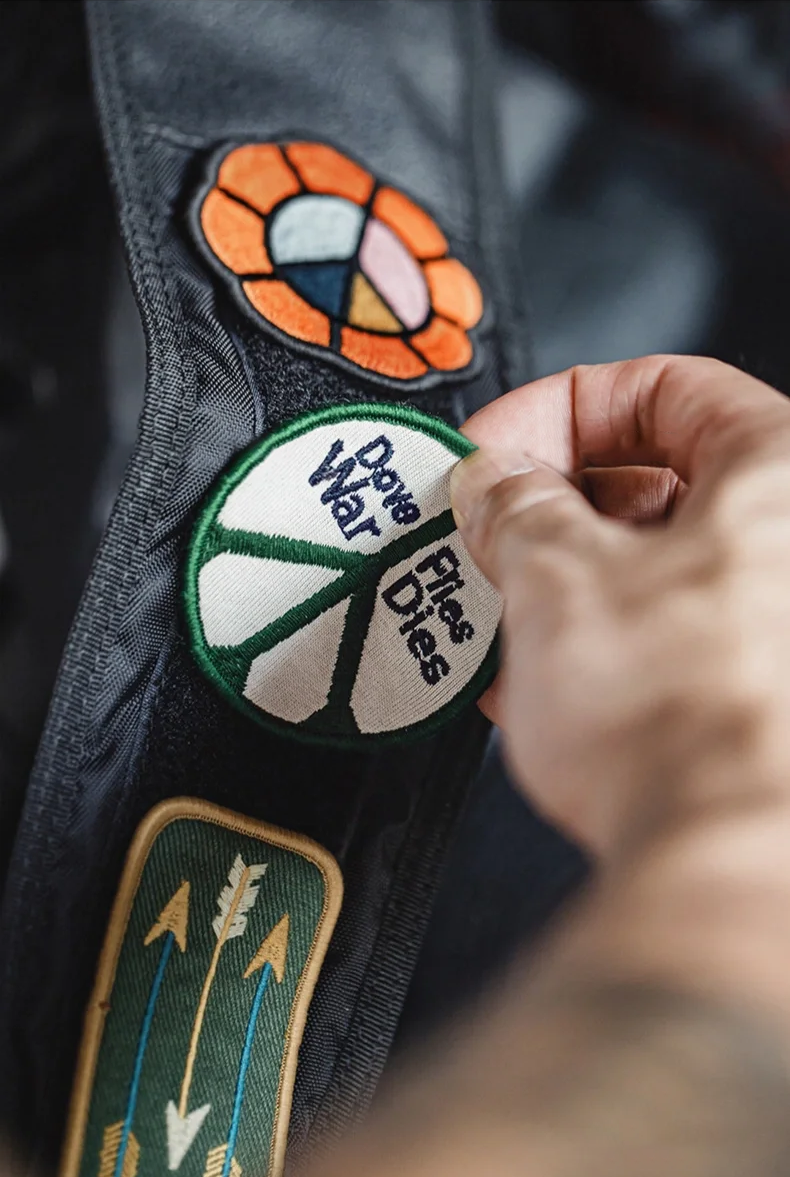
Embroidered Patches
Use embroidered, woven, or appliqué patches for club crests, brand marks, sponsor identifiers, and varsity-inspired graphics. EDVORIN coordinates patch construction and placement with the base fabric and decoration plan.
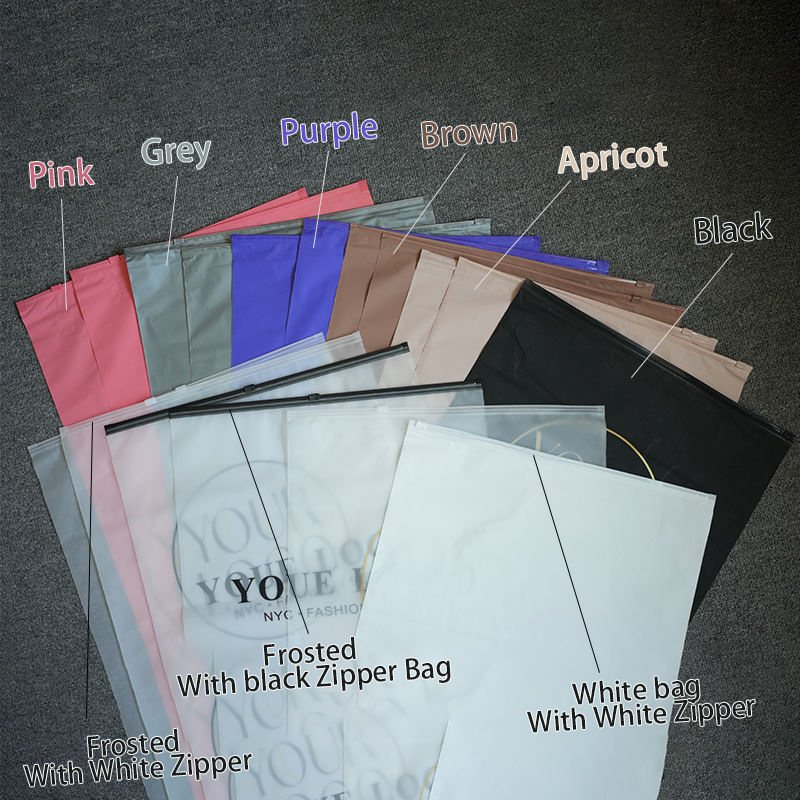
Custom Packaging
Complete the order with branded hangtags, polybags, barcode labels, size stickers, and folding instructions. Packaging components are coordinated with labeling requirements so finished mesh jerseys arrive ready for your sales channel.
From Jersey Concept to Controlled Bulk Production
Founded by Edvorin Zeng in 2000, EDVORIN was built around a practical belief: apparel ideas need clear standards to succeed in production. As a mesh jersey manufacturer, we help brands, teams and private-label buyers translate concepts, reference garments and tech packs into approved, repeatable products.
Our connected OEM and ODM workflow brings product development, mesh fabric sourcing, patterns, sampling, decoration, labels and packaging into one accountable path. We develop men’s and women’s jersey programs for teamwear, streetwear and fashion collections, with MOQ starting at 200 pieces per style.
What makes EDVORIN different is the discipline after sample approval. We document materials, measurements, artwork placement and trims, then use in-line and final checks to protect the approved standard through bulk production. The result is a manufacturing process designed for confident repeat orders and scalable collection growth.

Mesh Jersey Manufacturer Support From Concept to Bulk
Technical Development That Holds
EDVORIN translates sketches, reference garments, or complete tech packs into clear jersey specifications that can be reviewed and reproduced. Fit blocks, grading, panel construction, measurements, and placement details are aligned before bulk production begins.
- Men’s and women’s fit development
- Patterns and measurement specifications
- Construction details documented for approval
- MOQ starts at 200 pieces per style
Fabric and Trim Coordination
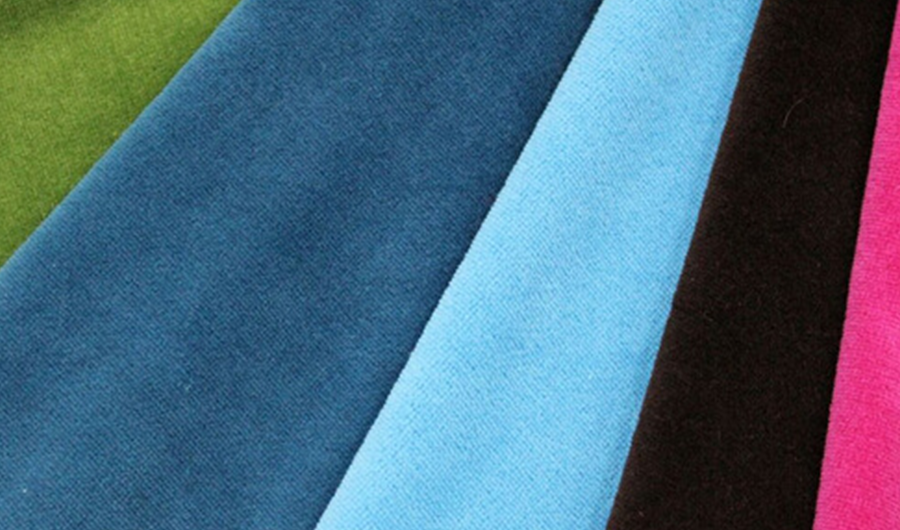
Mesh selection is considered alongside the jersey’s intended use, silhouette, decoration, and finishing. EDVORIN coordinates base fabric, neck rib, binding, labels, and packaging so individual components support one production-ready product standard.
- Fabric options matched to performance and style
- Rib, binding, collar, and hem coordination
- Custom labels and private-label packaging
- Material and trim specifications recorded
Decoration Built for Jerseys
As a mesh jersey manufacturer, EDVORIN plans decoration around the garment rather than adding it as an afterthought. Artwork placement, print compatibility, embroidery requirements, numbers, names, and wash considerations are reviewed against the chosen fabric and construction.
- Print and embroidery method coordination
- Team names, numbers, and logo placement
- Streetwear graphics and private-label details
- Decoration standards reviewed before bulk

Approved Samples Guide Bulk
A signed-off sample becomes the practical reference for production. EDVORIN uses approved materials, measurements, construction, artwork placement, and finishing expectations to guide in-line checks and final inspection before jerseys are packed for delivery.
- Sample revisions tracked before approval
- In-line checks against approved standards
- Measurement and appearance verification
- Final inspection before packing
Why Choose EDVORIN as Your Mesh Jersey Manufacturer
A connected development-to-bulk workflow helps protect approved details across repeatable mesh jersey programs.
← Swipe left or right to view →
Mesh Jersey Manufacturer Production Process
From concept review to packed shipment, EDVORIN documents each approval and control point to help procurement teams protect consistency across repeat orders.
Review Designs and Specifications
We review tech packs, reference garments, size requirements, artwork, target market, and quantity to define a production-ready mesh jersey brief.
Source Materials and Trims
Our team coordinates mesh fabric, rib, labels, hangtags, packaging, and applicable performance requirements against approved color and quality references.
Develop Patterns and Samples
Patterns, grading, construction details, and decoration placements are tested in samples, giving buyers a physical standard before bulk production begins.
Confirm Decoration and Production
Approved artwork, print or embroidery methods, placement measurements, and sewing specifications are recorded before cutting and assembly move forward.
Inspect Bulk and Pack
In-line checks monitor materials, measurements, construction, and decoration; final inspection verifies the approved standard before labeling, packing, and shipment preparation.
How to Start Your Custom Mesh Jersey Program
Move from a tech pack or early concept to an approved, repeatable production standard with one accountable EDVORIN workflow.
Send Your Concept
Share your tech pack, sketch, reference garment, artwork, size range, and target quantity so EDVORIN can assess construction, materials, decoration, and program requirements.
Align Specifications and Quotation
Review recommended mesh fabric, fit, trims, print or embroidery details, packaging, MOQ, timing, and quotation before development begins, with orders starting at 200 pieces per style.
Approve Your Production Sample
Evaluate the sample against agreed measurements, color references, artwork placement, and finishing details. Record revisions clearly, then approve the standard that will guide bulk production.
Launch Controlled Bulk Production
EDVORIN coordinates materials, cutting, sewing, decoration, labeling, packing, and in-line checks around the approved standard, helping your mesh jersey manufacturer program remain consistent from order to order.
Certified Standards for Responsible Apparel Production



Mesh Jersey Manufacturer Programs Built to Perform in Market
EDVORIN translated our oversized jersey references into a production-ready spec and kept the artwork placement consistent across 1,200 units. The approved sample gave our launch team a clear standard for the full streetwear drop.
Our academy needed player names, numbers and a reliable size run for 18 squads. EDVORIN organized the details before bulk production, and our 540-piece order arrived with the team identity presented consistently across every set.
We started with a 200-piece private-label mesh jersey program and needed a supplier that could document fabric, labels and packaging for repeat buying. EDVORIN gave us an approved standard our wholesale team could confidently reorder against.
Buyer Questions About Custom Mesh Jersey Production
Clear answers for brands, teams and private-label buyers planning a production-ready mesh jersey program with EDVORIN.
EDVORIN’s MOQ starts at 200 pieces per style. What is EDVORIN’s minimum order quantity for custom mesh jerseys?
Can a mesh jersey manufacturer make a sample before bulk production?
How long does custom mesh jersey production take?
What information should I send to a mesh jersey manufacturer for a quote?
Can EDVORIN develop mesh jerseys for both streetwear and teamwear?
What payment and shipping options are available for mesh jersey orders?
Can EDVORIN repeat an approved mesh jersey order?
How does EDVORIN protect my designs and brand details?
The Complete Mesh Jersey Manufacturer Buyer’s Guide
Use this decision framework to compare mesh jersey suppliers, evaluate fabrics and production quality, plan customization, control costs, and avoid sourcing mistakes before placing your first or next bulk order.
1. What Is a Mesh Jersey Manufacturer?
200-piece programs need more than a logo printer: a mesh jersey manufacturer converts a buyer’s specification into a repeatable garment. The factory-led model can coordinate pattern development, mesh sourcing, size grading, sampling, cutting, sewing, decoration, inspection, labeling, packing, and shipment.
1 factory owns or directly manages production control; a trading company primarily coordinates suppliers, a decorator applies graphics to supplied garments, and a blank supplier sells ready-made jerseys. Those models can suit simple reorders, but they add handoffs when fit, fabric, or construction must change.
EDVORIN supports teams needing organized names, numbers, and size sets, while fashion labels and private-label buyers benefit most from a development-to-delivery partner. An approved sample, Pantone references, placement measurements, and final quality checks give bulk production a usable standard.
2. How Mesh Jerseys Evolved
1935 marked nylon’s commercial emergence, followed by polyester-based athletic fabrics that made jerseys lighter, quicker-drying, and more durable than many natural-fiber alternatives. Source: https://www.britannica.com/technology/nylon
By the 1980s, engineered open-hole knit structures had moved mesh beyond simple practice pinnies into sport-specific teamwear, while sublimation enabled all-over graphics without adding a heavy print layer. That shift made names, numbers, gradients, and sponsor artwork integral to the garment rather than separate applications.
Today, oversized silhouettes have carried the jersey into fan apparel, streetwear, and private-label collections. A mesh jersey manufacturer should therefore start with intended use: select stretch, openness, weight, fit block, and decoration method differently for match play, retail layering, or a fashion-led statement piece.
3. Types of Mesh Jersey Manufacturer Products
Six product families cover most mesh jersey briefs, but their specifications should not be interchangeable. A mesh jersey manufacturer should begin with the sport, wearer movement, decoration method, and intended sales channel.
Practice And Court Jerseys
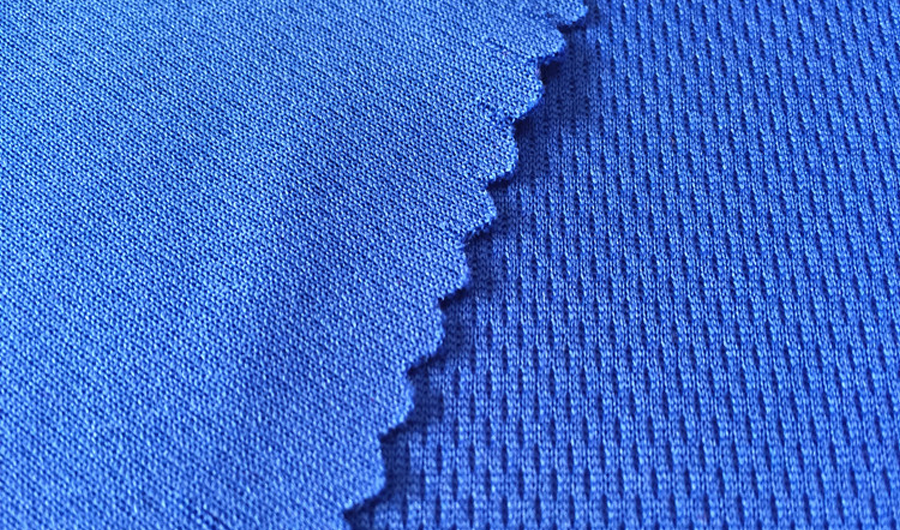
Practice pinnies use a loose, pull-on silhouette with open sides or wide armholes for layering; schools, academies, and clubs prioritize rapid team identification. Basketball jerseys need a sleeveless athletic block, reinforced armholes, and a stable neckline for repeated movement and laundering.
Field Sport Styles
Football and baseball styles use distinct visual cues: football favors a roomy shoulder area, while baseball commonly uses a button-front or two-button placket. Soccer training tops favor lighter short-sleeve blocks, unrestricted arm swing, and quick-drying performance for teams and training programs.
Esports And Streetwear
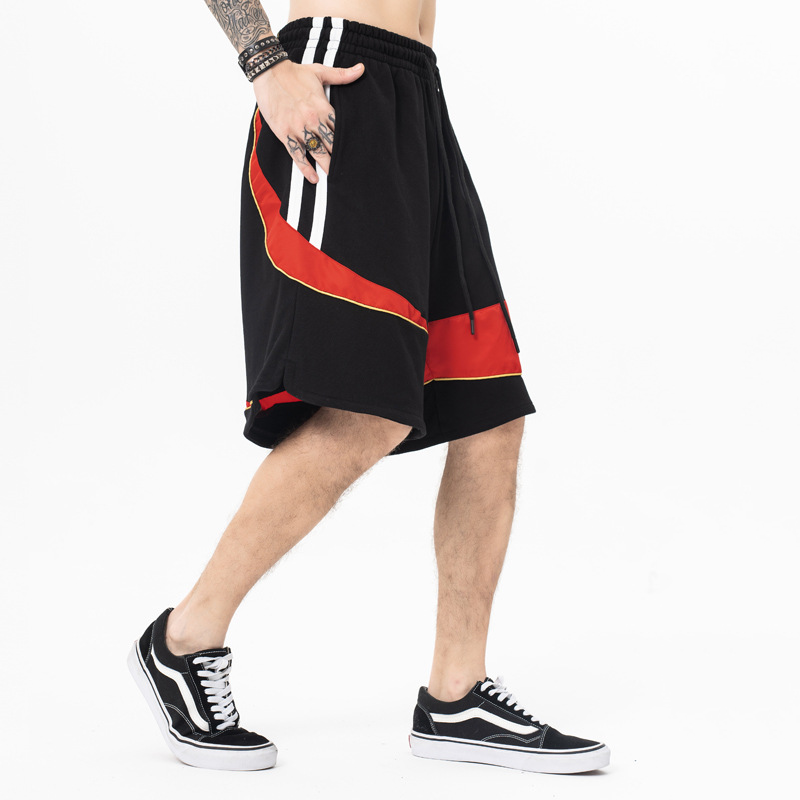
Esports jerseys typically use a regular-to-relaxed fit with crew or V-neck collars and clear logo zones for teams, event organizers, and sponsors. Oversized streetwear pieces use dropped shoulders, longer lengths, and heavier visual trims; fashion labels should specify whether the garment is for play, layering, or retail styling.
4. Mesh Jersey Manufacturer Fabric Options
A mesh jersey manufacturer should match construction to movement, coverage, decoration, and wash exposure. EDVORIN records the approved fabric specification before sampling and bulk cutting.
| Fabric | Weight | Strengths | Limitations | Best Use |
|---|---|---|---|---|
| Birdseye polyester | 120–160 gsm | Airflow, wicking, sublimation | Lower opacity | Soccer, training |
| Interlock mesh | 160–220 gsm | Opacity, smooth printing | Less airflow | Basketball, retail |
| Tricot mesh | 140–190 gsm | Abrasion durability | Limited stretch | Practice jerseys |
| Spacer mesh | 180–300 gsm | Cushioning, structure | Bulky, costly | Panels, streetwear |
| Recycled polyester | 120–220 gsm | Lower recycled-content impact | Verify consistency | Teamwear |
| Polyester-elastane | 150–220 gsm | Stretch, recovery | Heat-sensitive printing | Fitted performance |
Construction And Performance
120–160 gsm birdseye maximizes airflow and supports sublimation; its open face can show through.
160–220 gsm interlock mesh gives cleaner opacity and smoother print results. Tricot is durable but less airy.
Fiber And Stretch Choices
Recycled polyester can meet the same performance target when yarn and finish are approved against the standard.
5–12% elastane improves recovery for fitted jerseys; spacer mesh adds cushioning but raises bulk and cost.
5. Customization From a Mesh Jersey Manufacturer
Two decoration decisions determine whether mesh remains breathable and whether a graphic survives repeated wear. EDVORIN records the approved method, artwork placement, trims, and packing standard before sampling.
| Method | Visual Effect | Best Volume | Setup | Durability | Mesh Limitation |
|---|---|---|---|---|---|
| Sublimation | All-over color | Medium to large | Panel artwork | High | Polyester only |
| Screen print | Opaque graphic | Large | Screens per color | High | May block pores |
| Heat transfer | Sharp names/numbers | Small to medium | Digital or cut file | Medium-high | May reduce stretch |
| Embroidery/appliqué | Textured premium detail | Small to medium | Digitizing or patterns | High | Needs stable backing |
Choose The Decoration Route
Full sublimation suits polyester panels because color is dyed into the fabric; it supports all-over graphics without adding a surface layer.
Screen print, heat transfer, embroidery, and appliqué create progressively more raised visual effects, but dense artwork can restrict open mesh.
Match Method To Program
Three production variables—art complexity, quantity, and mesh openness—should set the decoration choice.
Supply A Sampling Package
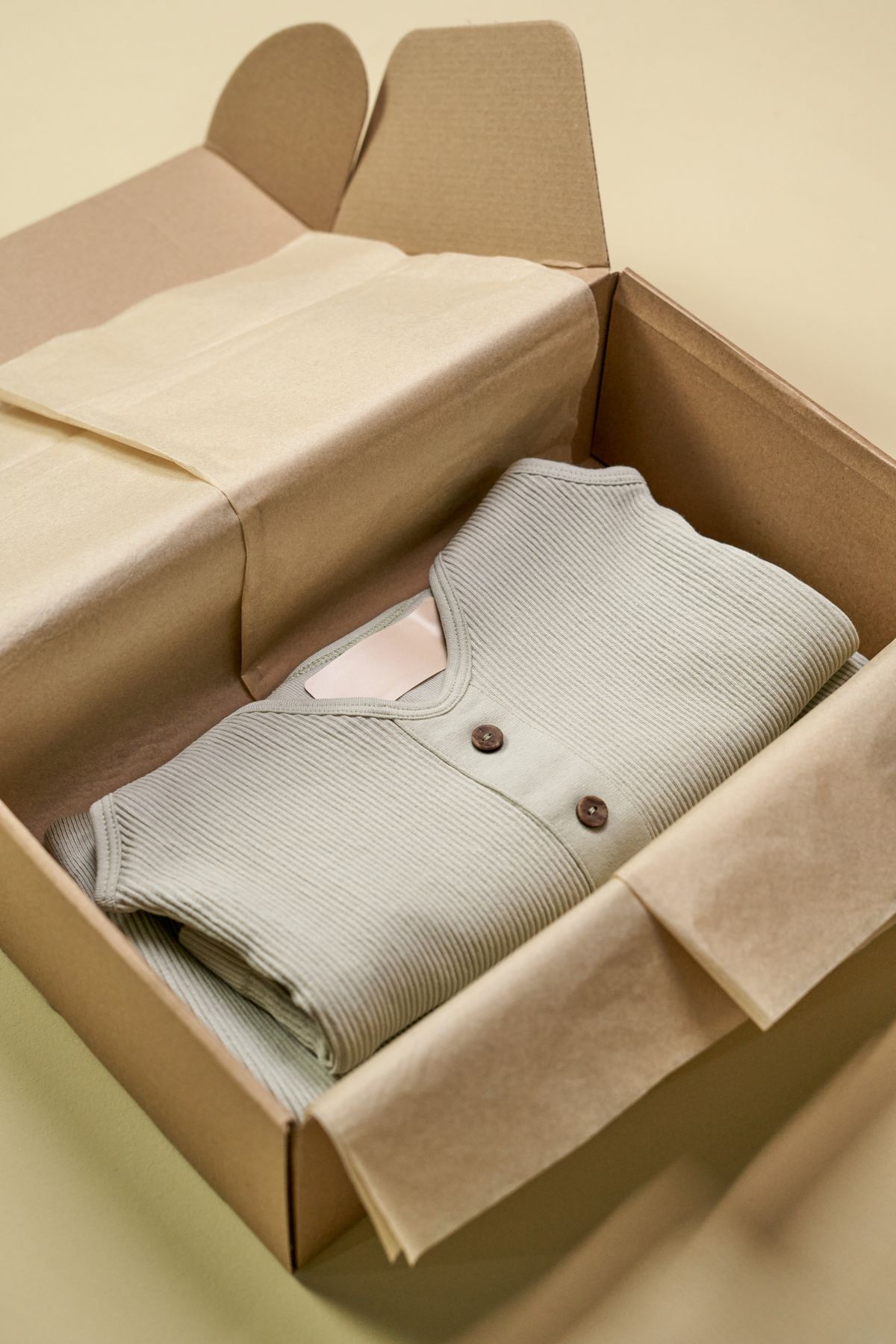
Four approval inputs prevent avoidable revisions: vector artwork, Pantone references, measured placement specs, and a signed digital mockup or physical sample.
Player names and numbers require a locked roster and size breakdown; custom neck tape, sewn labels, and packaging need artwork, material, and position callouts.
6. Construction Details That Signal Quality
A product photo cannot reveal whether a jersey will hold shape through contact, laundering, and repeat orders. Ask a mesh jersey manufacturer to make those construction decisions visible on the approved sample.
Panels And Seams
Panel seams should follow movement zones, not simply reduce cutting waste. Inspect armholes, side seams, and shoulder joins for matched edges.
High-contact play benefits from reinforced stress points; fashion fits may prioritize cleaner panel lines. Check that seam allowance does not twist after stretching.
Stitching And Trims
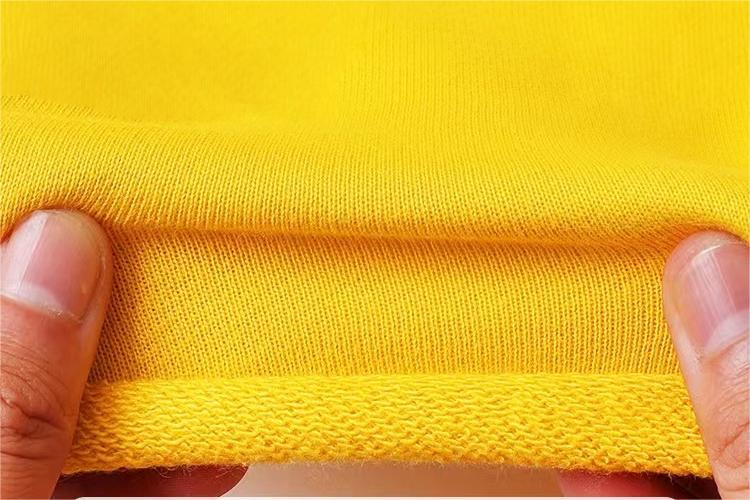
Coverstitching at hems should lie flat without skipped stitches or puckering. Compare stitch density and stretch recovery on both sleeves.
Collars and rib trims should recover after repeated hand stretching. Verify hem turnback is even and label stitching is secure without irritating the wearer.
Sample Inspection Checkpoints
Before approval, wash one sample and remeasure length, chest, collar opening, and hem. Record shrinkage and compare print placement to the approved artwork.
Check names, numbers, and logos against centerlines and panel seams. Confirm care, size, and brand labels are consistently attached and readable.
7. Choosing a Mesh Jersey Manufacturer
EDVORIN’s MOQ starts at 200 pieces per style. A 200-piece MOQ can suit an emerging release, but selection should rest on repeatable execution. Evaluate the mesh jersey manufacturer against your product, calendar, and documentation needs.
Verify Relevant Experience
Two comparable jersey samples reveal more than a portfolio: inspect mesh handling, collar construction, decoration registration, and wash performance. Ask for photos of comparable bulk work and a measurement report.
Men’s and women’s programs need separate fit blocks or clearly adjusted grading. Request the base size, grade rules, tolerance chart, and size-set approval process.
Test Process Transparency
EDVORIN’s MOQ starts at 200 pieces per style. A 200-piece inquiry should receive a written MOQ, sample path, capacity window, lead-time stages, and Incoterms quote. Confirm fabric composition, GSM, color reference, mill source, and substitute-material approval rules.
Three documents reduce assumptions before bulk production.
- Tech pack and approved artwork placements
- Sample comments and revision log
- In-line and final inspection checklist
Price For Repeatability
One low quote can conceal unclear freight terms, weak revision control, or inconsistent replenishment. Compare landed cost, payment milestones, shipping responsibility, and response time to change requests.
EDVORIN’s development-to-QC workflow is most useful when buyers need an accountable standard for repeat orders, not only a first sample.
8. Mesh Jersey Manufacturer Sourcing Mistakes
A 200-piece order magnifies small specification gaps into missed launches, mismatched team kits, or wholesale returns. A capable mesh jersey manufacturer should convert approvals into production-ready controls.
Quote Beyond Unit Price
Two quotes can hide different fabric weights, decoration methods, packing, or freight terms.
Prevent this by comparing a line-item specification sheet; the lowest quote can erase margin through rework or late replenishment.
Lock Artwork And Color
One screen mockup cannot confirm Pantone color, logo scale, or name-and-number placement.
Prevent this with vector artwork, placement measurements, and physical color approval; unclear files risk inconsistent club sets and retail rejects.
Approve Physical Standards
One pre-production sample exposes fabric opacity, decoration compatibility, and fit before bulk cutting.
Prevent this with an approved sample, complete graded size chart, and wear test; skipping them risks see-through jerseys, poor fit, and unusable inventory.
Protect The Delivery Window
Four weeks of freight can consume a launch buffer after production is complete.
Prevent this by reserving contingency for approvals, freight, and corrections; a late delivery can miss a season, tournament, or wholesale intake date.
9. Launching Your Custom Jersey Program
A 200-piece starting point makes early decisions consequential. Treat each stage as an approval gate so a mesh jersey manufacturer receives one production-ready standard, not evolving references.
Define The Program
Week 1: identify the wearer, channel, size run, launch date, and target landed cost. Retail drops need sell-through and brand storytelling; team or school orders need roster names, numbers, and delivery before competition.
Lock Development Inputs
Gate 1: approve the tech pack, measurement chart, fabric, Pantone colors, artwork scale, and decoration method before sampling. EDVORIN can turn a sketch or reference garment into documented construction details for review.
Control Bulk And Reorders
Gate 2: approve the corrected sample and fit before issuing the purchase order. During bulk, confirm in-line checkpoints, final inspection, packing marks, freight booking, and a reorder file containing approved revisions and color references.
10. Mesh Jersey Manufacturer Pricing and Costs
EDVORIN’s MOQ starts at 200 pieces per style. 200-piece MOQ programs spread pattern, setup and sampling costs across more units, while 140–180 GSM mesh, panel count, collar construction, trims, labels and packaging change the unit quote. Full-coverage sublimation, embroidery, screen-print colors and individualized names or numbers should be priced separately.
2 quotations are comparable only when they share the same tech pack, fabric specification, decoration map, size ratio, Incoterm and inspection standard. Compare total landed cost—goods, samples, freight, duty, packaging and deadline-related expediting—not a headline unit price; EDVORIN should confirm these variables in a written quotation.
| Order quantity | Indicative cost drivers | Typical lead-time consideration |
|---|---|---|
| 200–499 | Setup, sample approval, complex decoration | Sampling and production scheduling matter most |
| 500–999 | Fabric yield, panel efficiency, print coverage | Allow approval time before bulk cutting |
| 1,000+ | Material commitment, packaging, freight consolidation | Earlier booking can reduce rush-cost exposure |
Ready to Develop Your Mesh Jersey Collection?
Send a tech pack, share your concept, or request a quote from a mesh jersey manufacturer built for repeatable bulk production.