
Rugby Jersey Manufacturer for Repeatable Teamwear
EDVORIN supports brands, clubs, schools and wholesale buyers with custom rugby jersey development and bulk production, starting at 200 pieces per style.
Featured Products for Rugby Teamwear Development
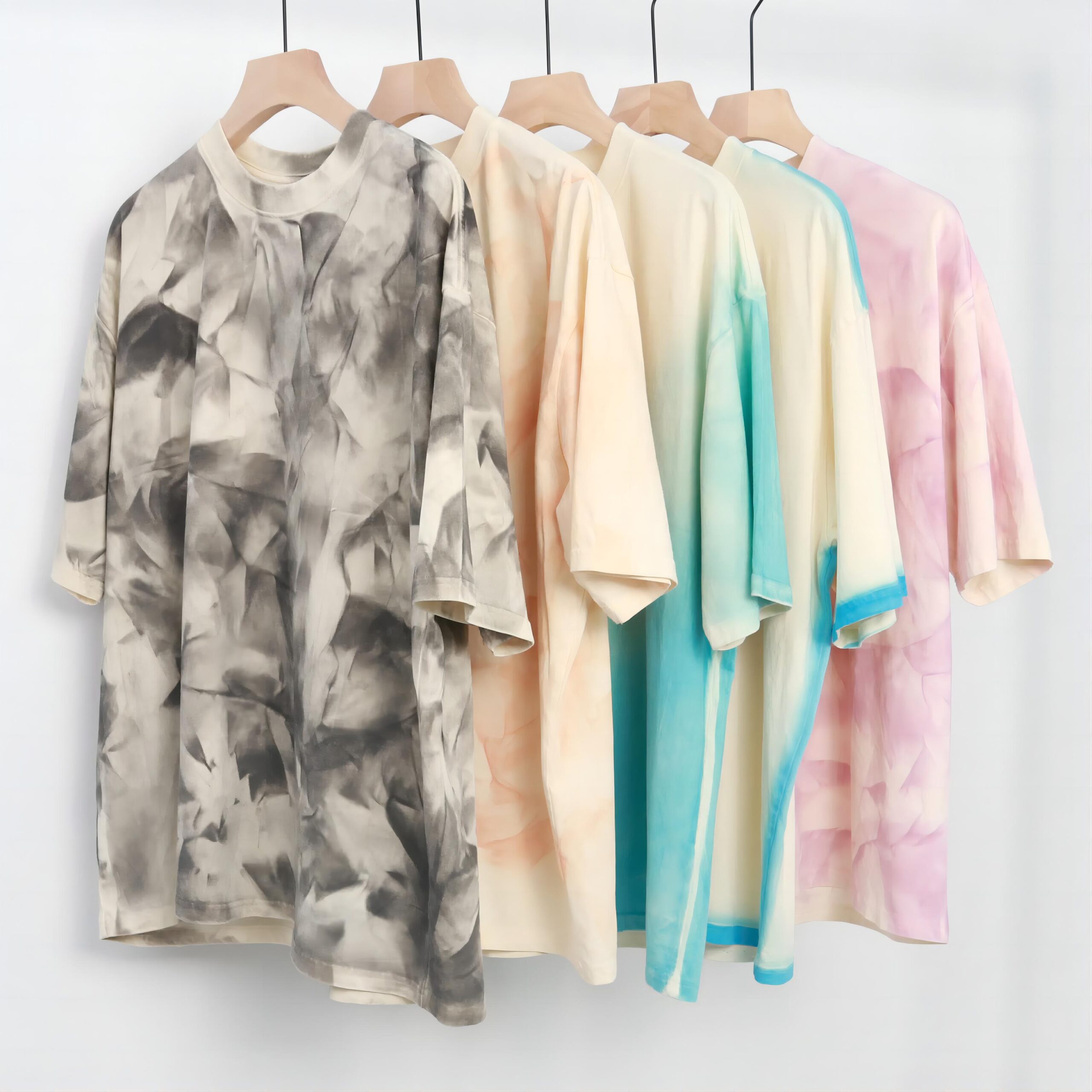
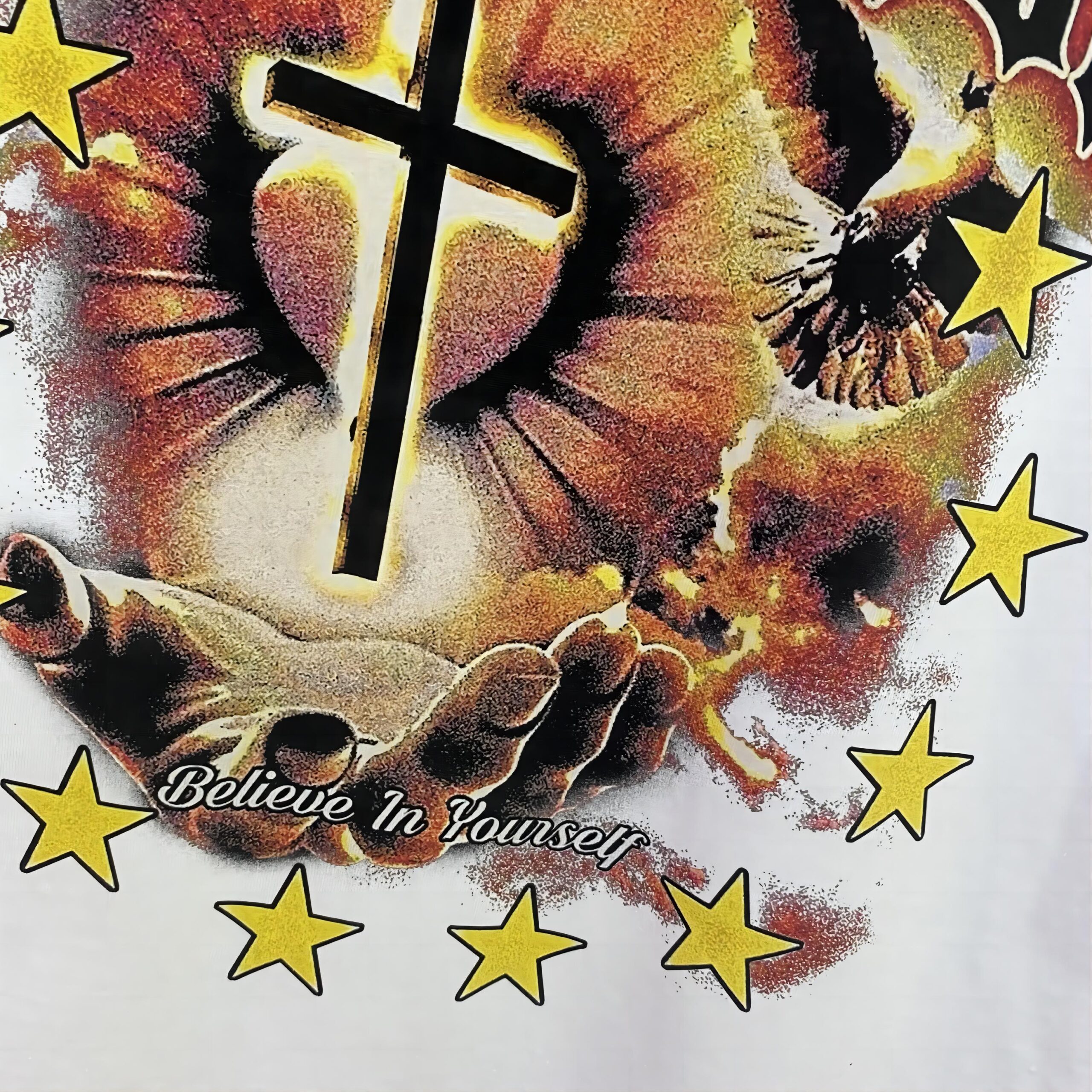




Rugby Jersey Manufacturer for Repeatable Production
EDVORIN brings development, decoration, fit control and bulk-production discipline into one accountable path for private-label rugby programs.
Product Development Support
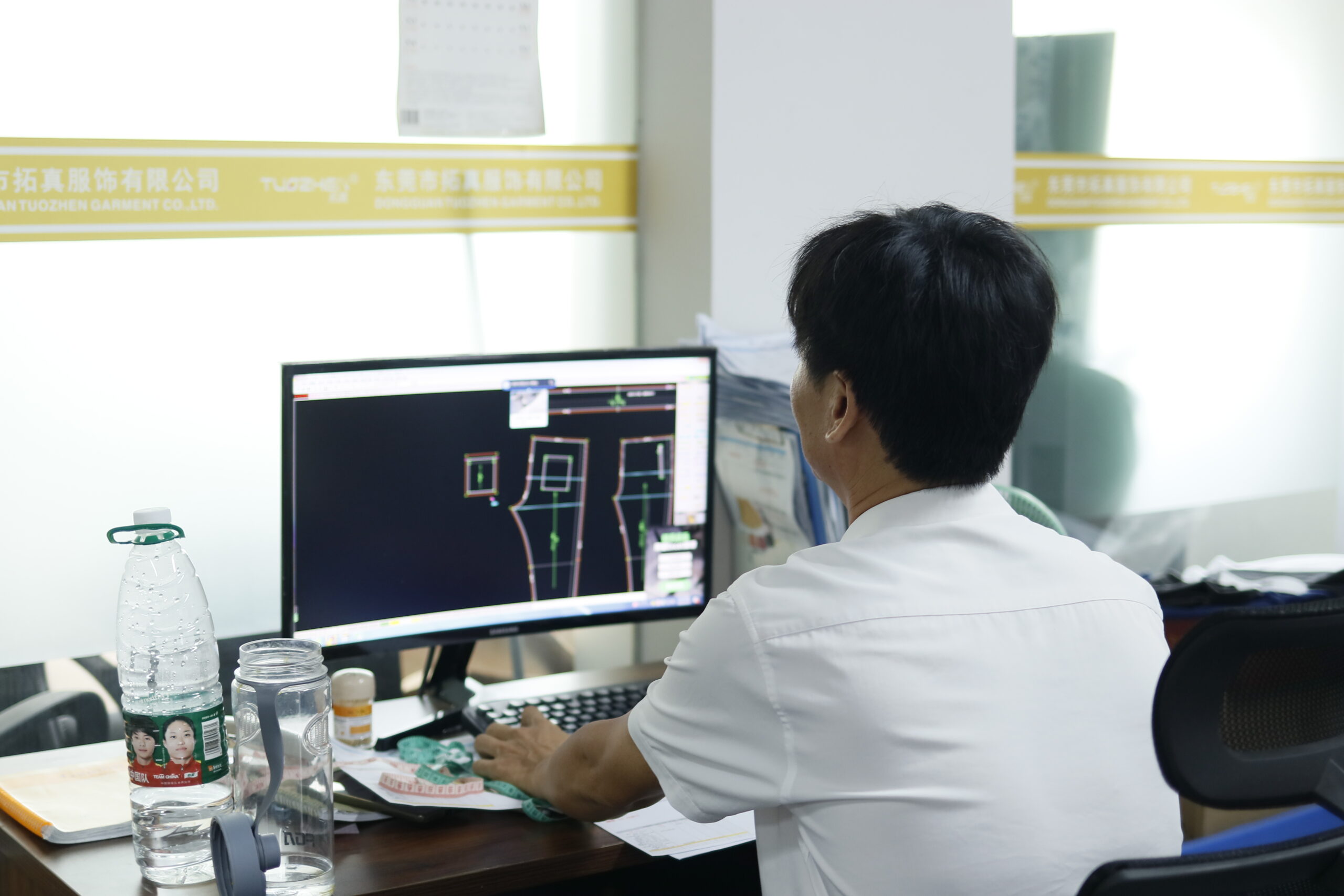
Move from sketches, reference garments or complete tech packs to clear specifications, patterns and samples ready for production.
Flexible OEM and ODM
Build private-label rugby programs with OEM execution or ODM development support, starting from 200 pieces per style.
Category-Specific Decoration
Coordinate prints, embroidery, artwork placement and finishing around the jersey fabric, construction and intended team identity.
Men’s and Women’s Fits
Develop fit blocks, grading, proportions and performance details around the intended wearer instead of using one universal specification.
Approved-Standard Quality Control
As your rugby jersey manufacturer, EDVORIN records approved materials, measurements and artwork details to guide in-line and final checks.
Rugby Kits, Apparel & Private-Label Production
From match-ready jerseys to coordinated club merchandise, EDVORIN develops repeatable rugby apparel programs with controlled materials, decoration and sample-to-bulk standards.
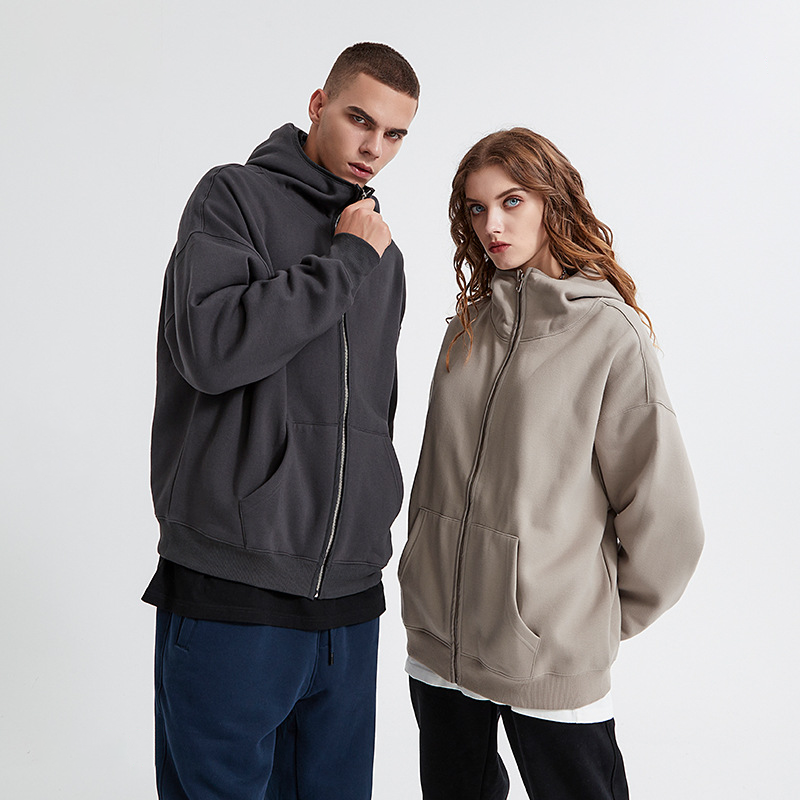
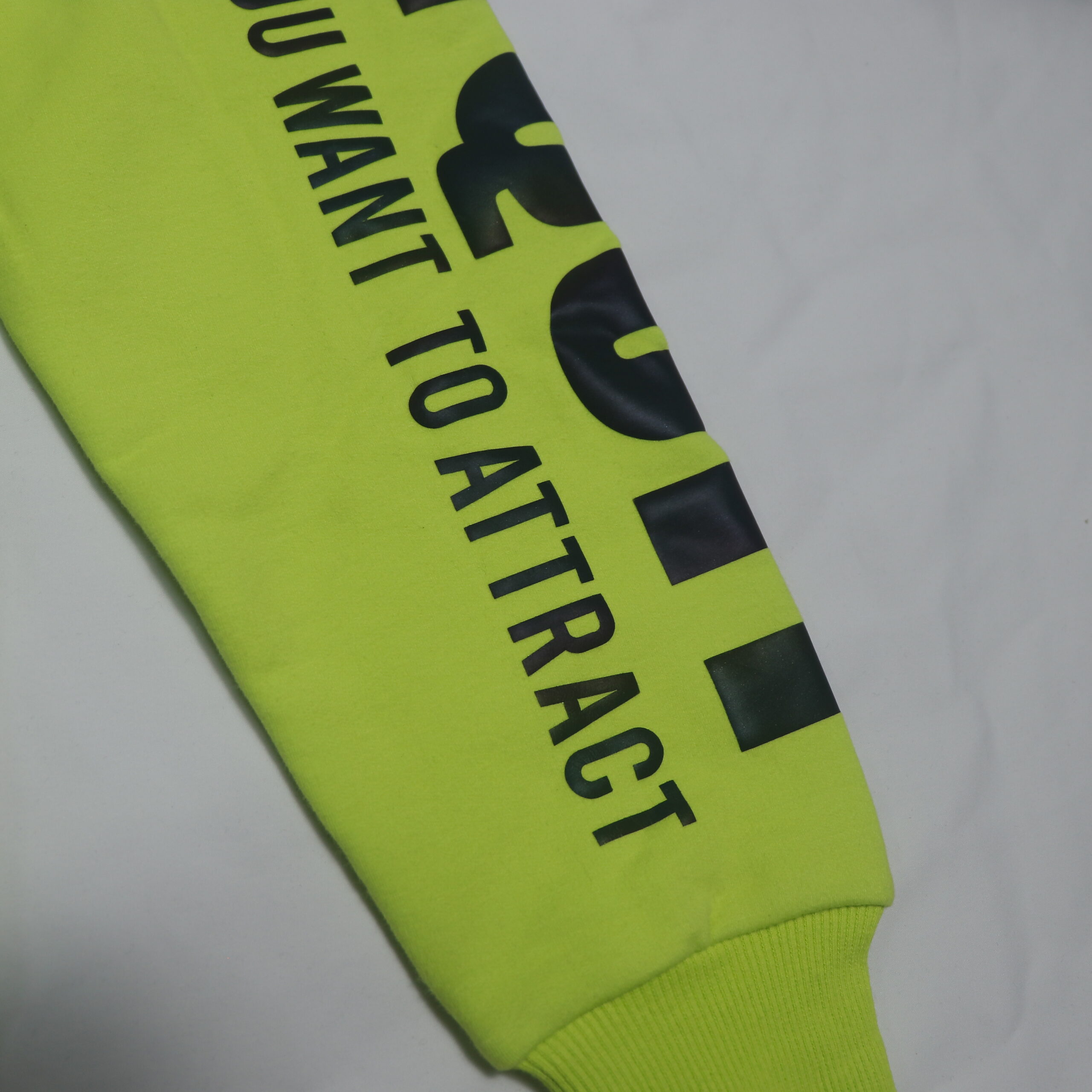
Custom Hoodies
Develop custom hoodies for rugby clubs, academies and supporter ranges, with fleece weight, rib construction, drawcords, embroidery and print placements specified for repeat production. Men’s and women’s fit development is available from MOQ 200 pieces per style.
Get a Quote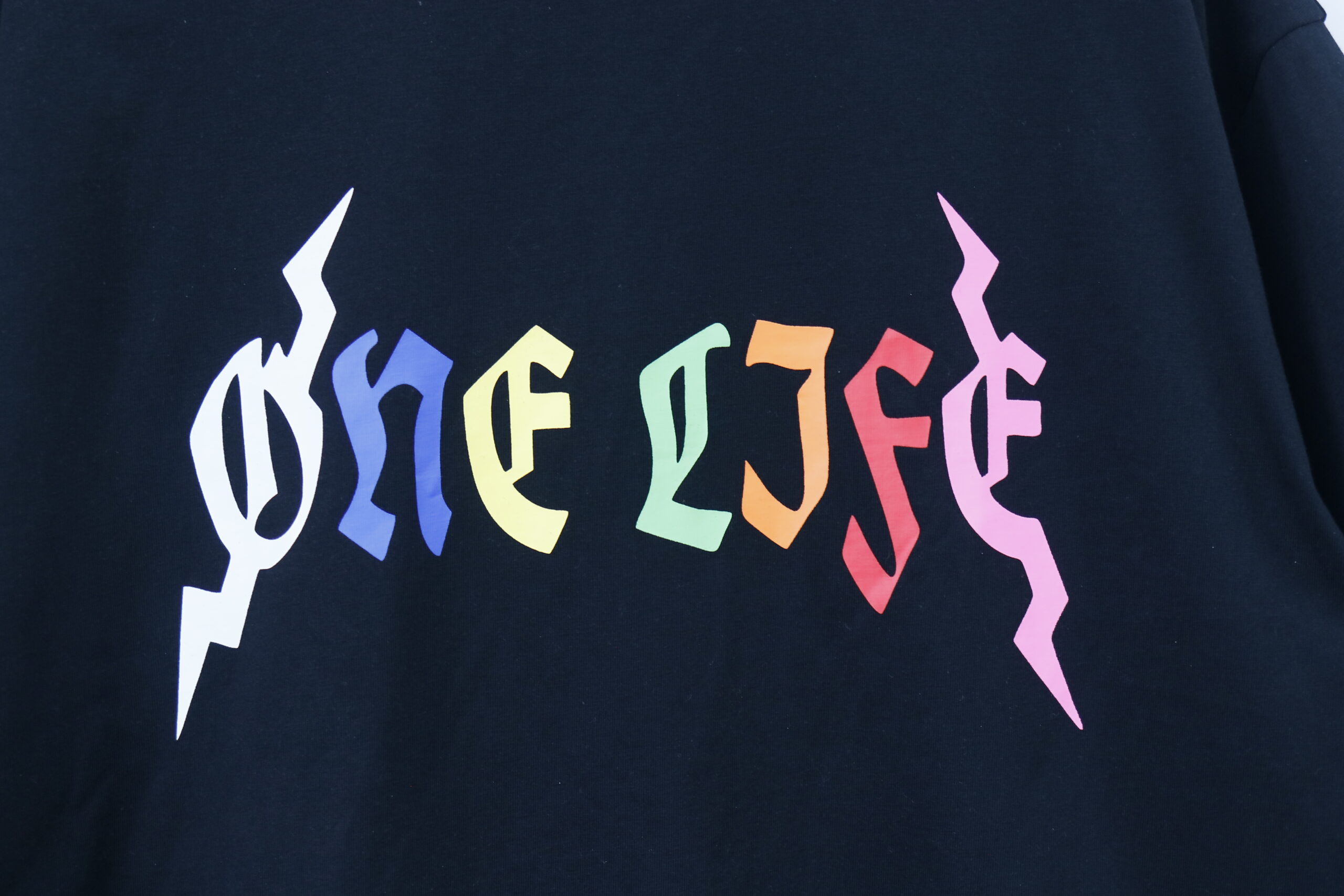
Pullover Sweatshirts
Produce pullover sweatshirts for training travel, staff apparel and club merchandise programs. EDVORIN coordinates fabric weight, collar and cuff construction, decoration methods, labels and packing so approved samples can be reproduced across future club orders.
Get a Quote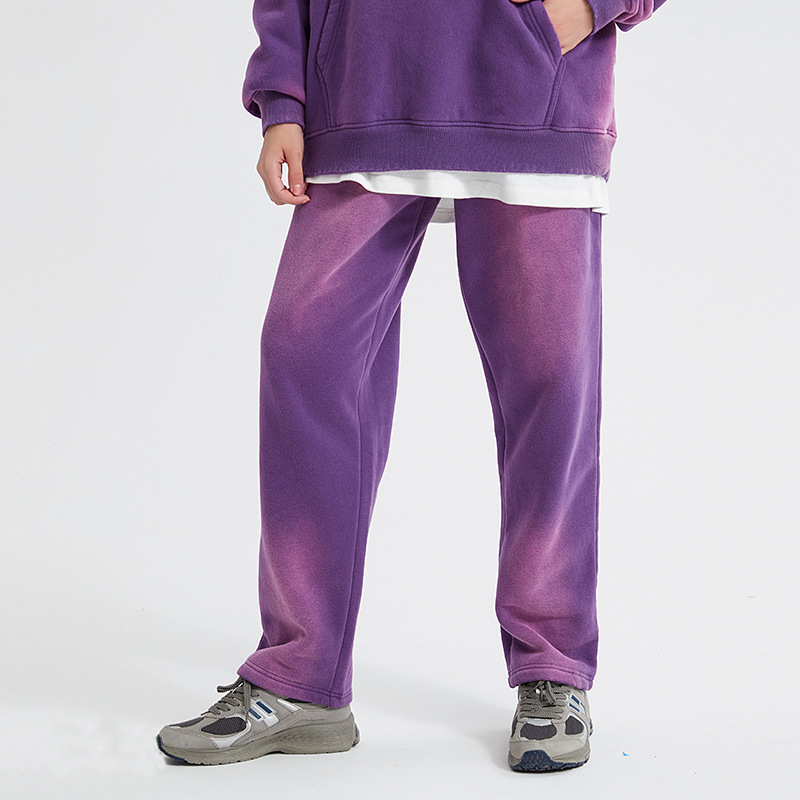
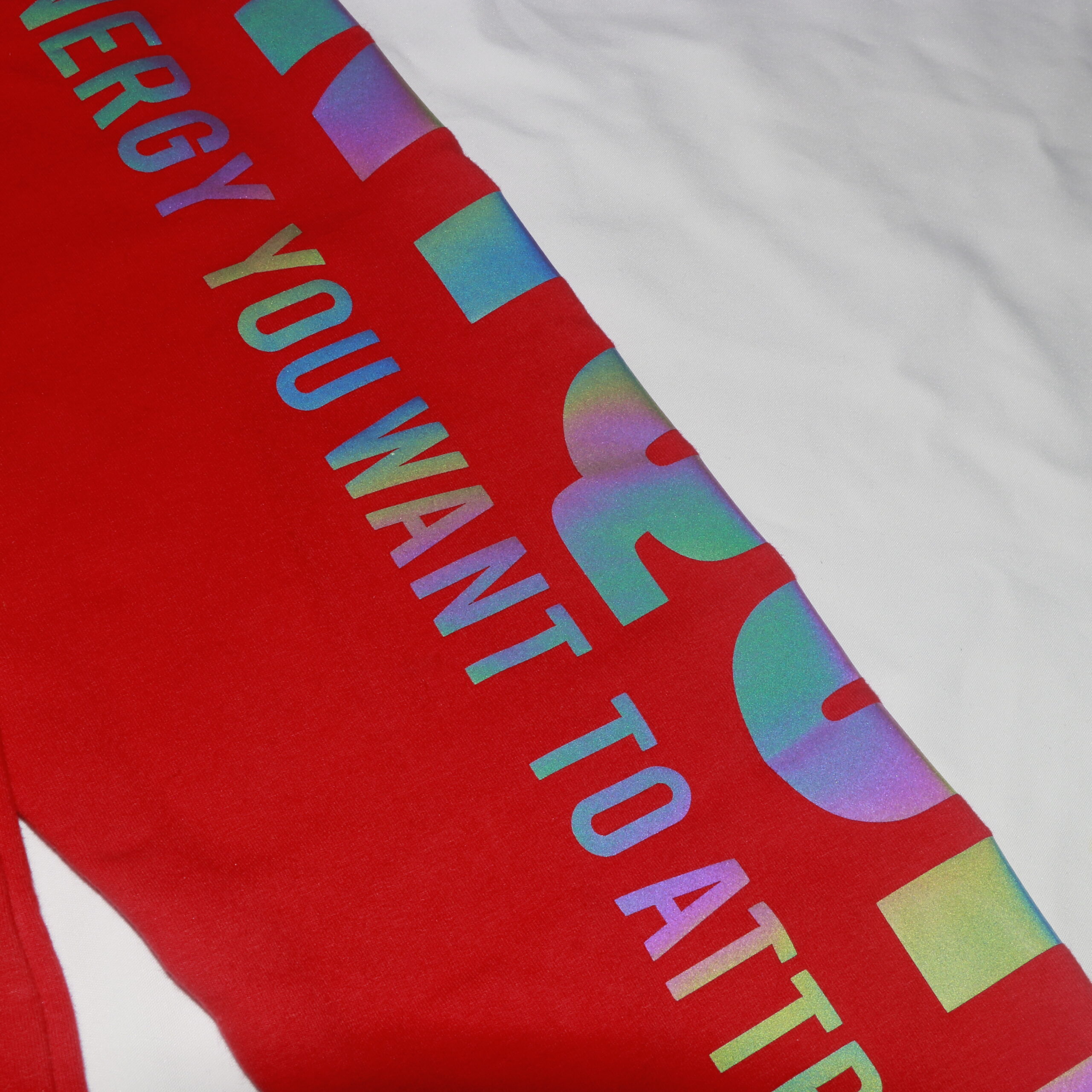
Sweatpants & Joggers
Build sweatpants and joggers for rugby warm-up sets, recovery wear and branded supporter collections. Pattern development, elastic waistbands, drawcords, zip pockets, cuff options and logo placement are documented to support consistent sizing and repeat bulk production.
Get a Quote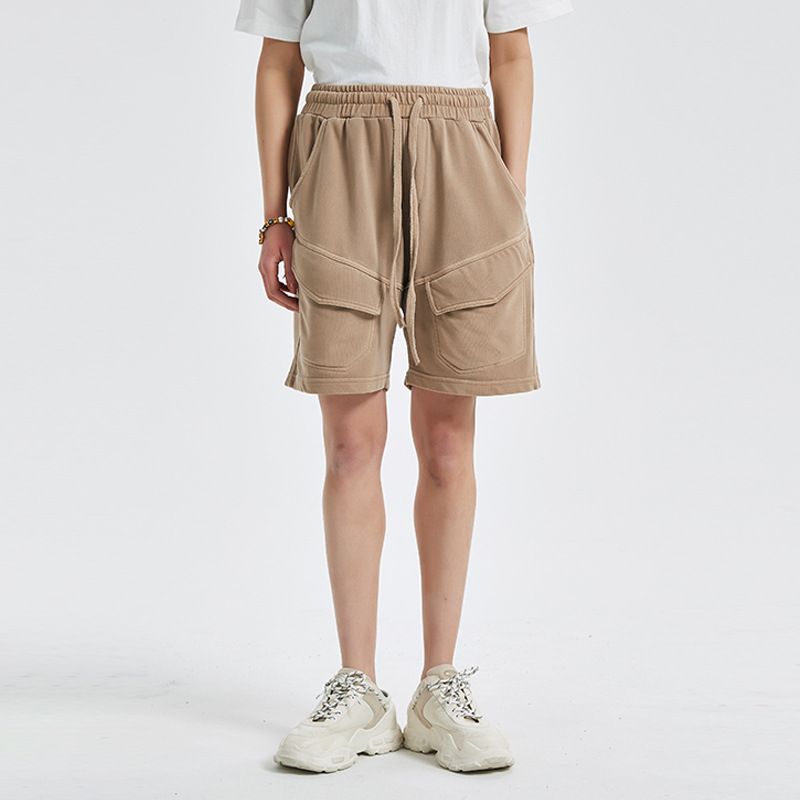
Custom Shorts
Develop custom shorts for rugby training, gym wear, travel kits and club merchandise. Fabric, inseam, waistband, pocket configuration, reinforcement and decoration are selected around the intended use, then controlled against the approved production sample.
Get a Quote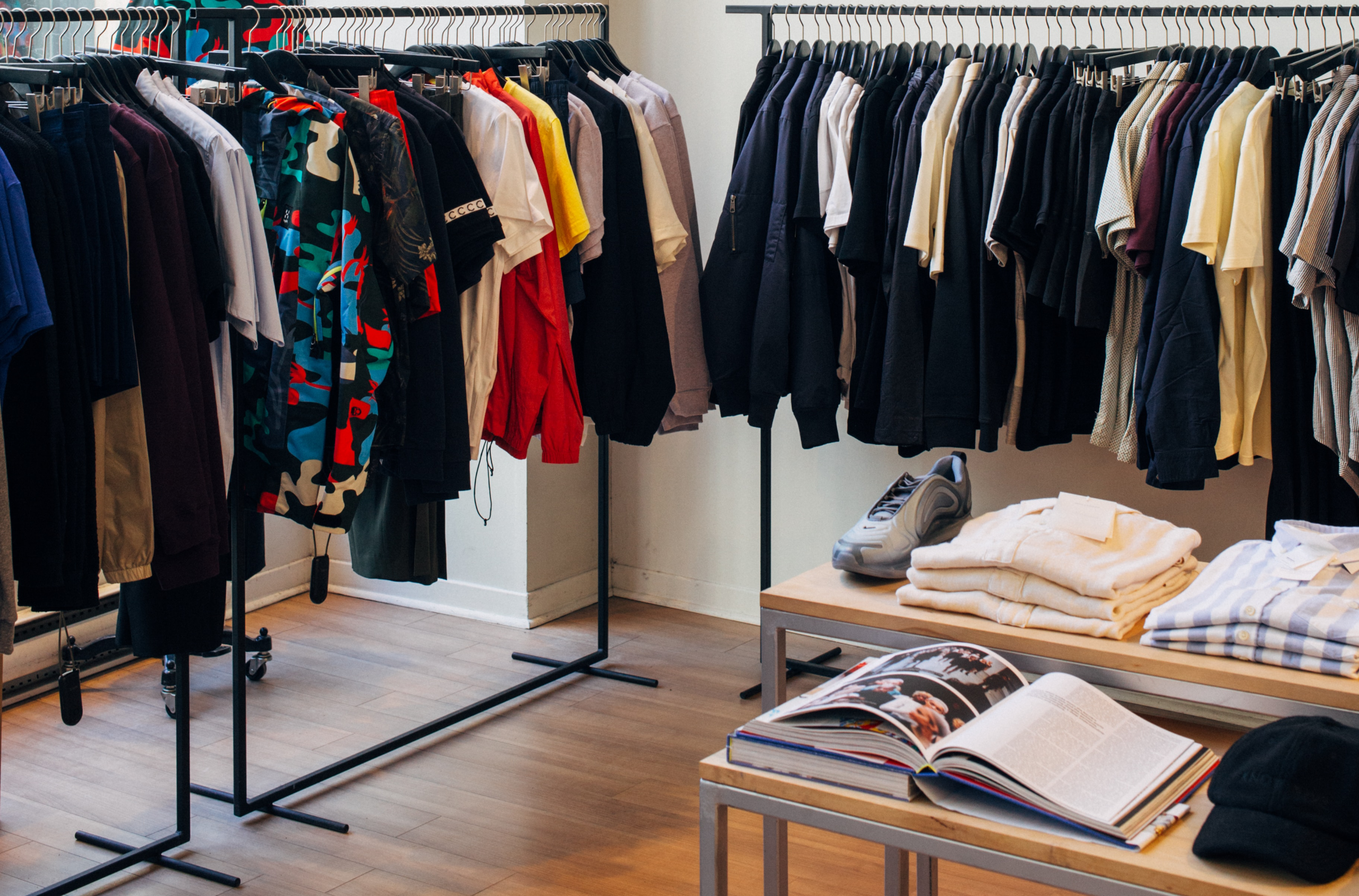
Varsity & Baseball Jackets
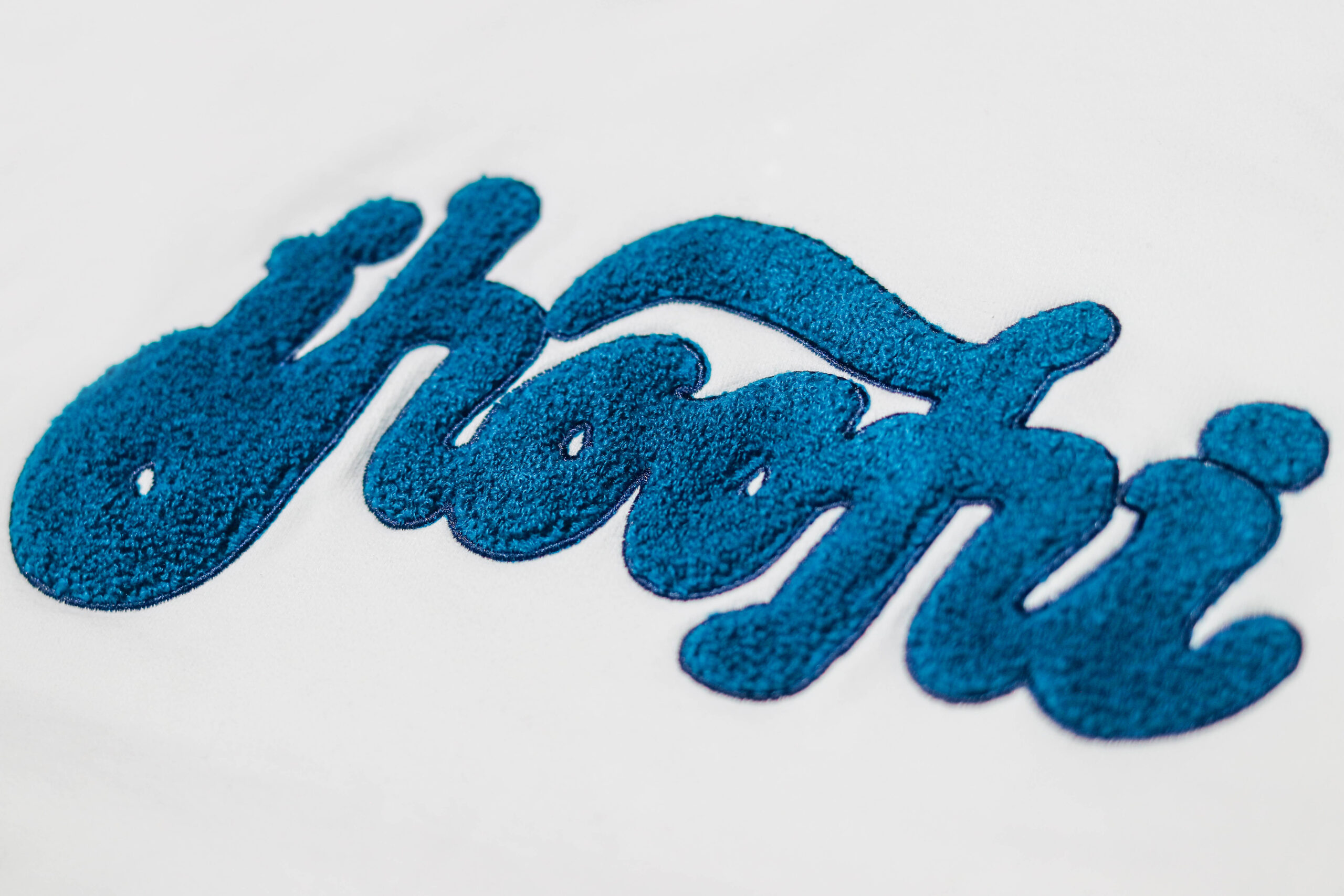
Manufacture varsity and baseball jackets for rugby club heritage ranges, player recognition and premium supporter merchandise. Body fabric, sleeves, rib, snaps, chenille patches, embroidery and lining are coordinated as one documented private-label specification.
Get a Quote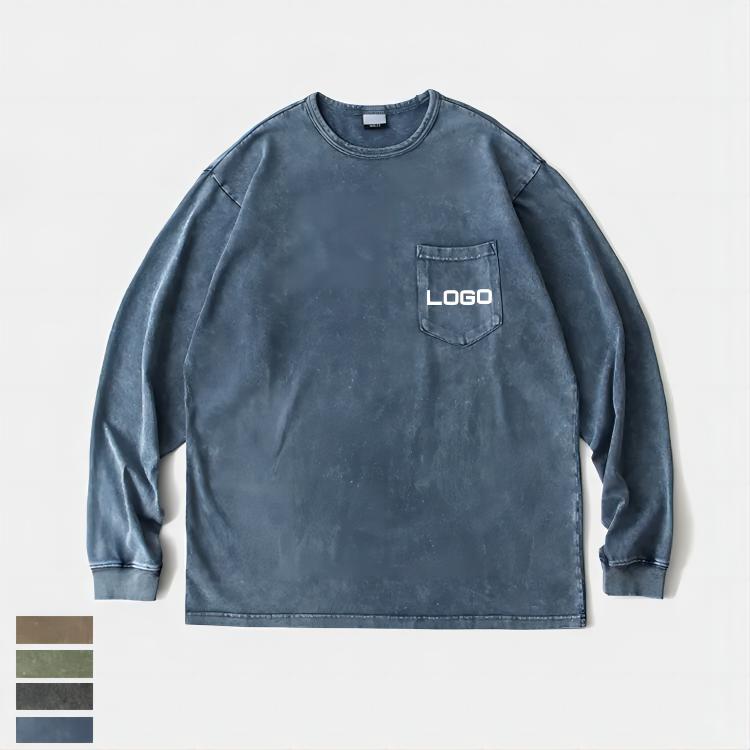
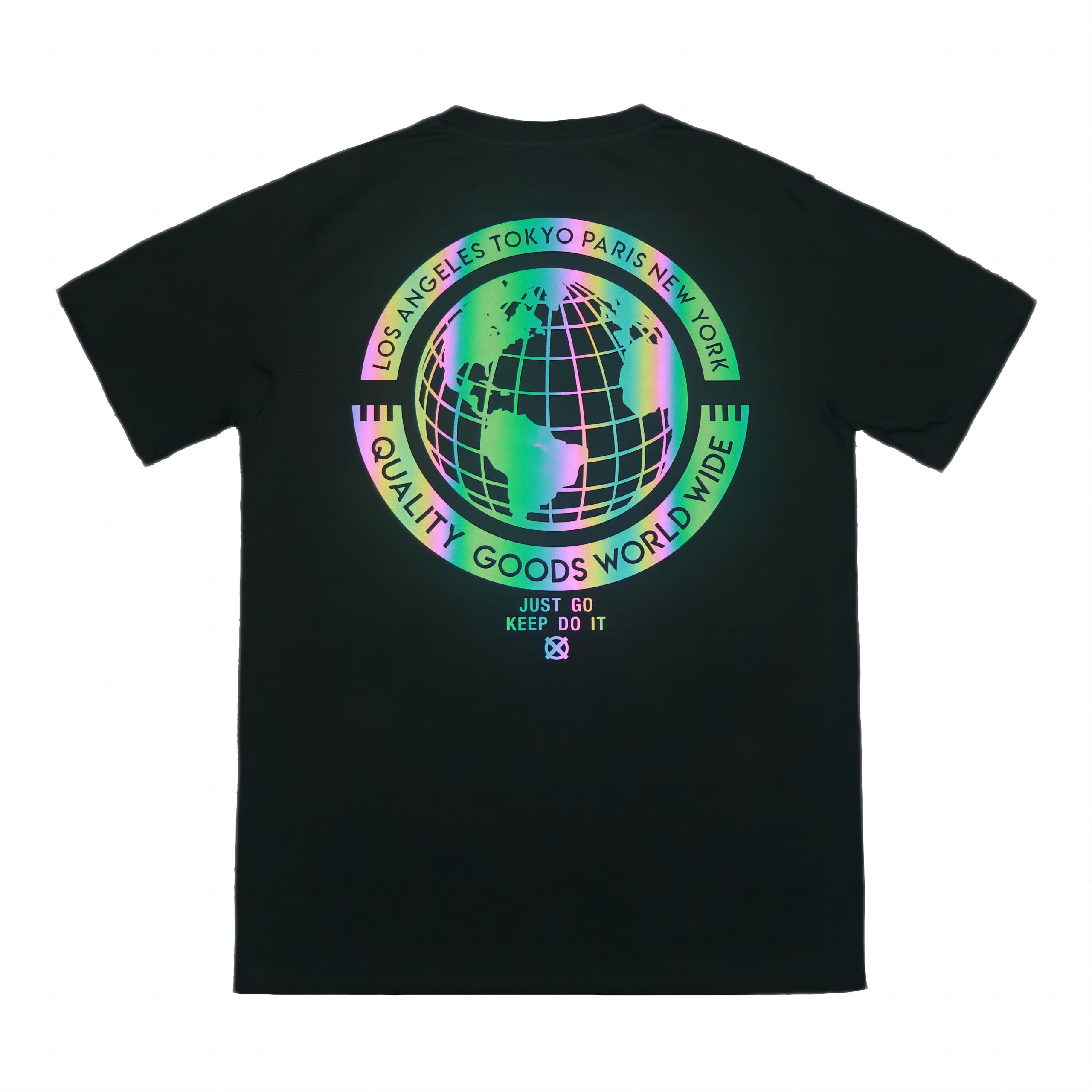
Custom T-Shirts
Create custom T-shirts for rugby training, event merchandise, team travel and wholesale club programs. Choose suitable jersey fabric, fit blocks, neck construction, prints, embroidery, labels and packaging, with men’s and women’s development available.
Get a Quote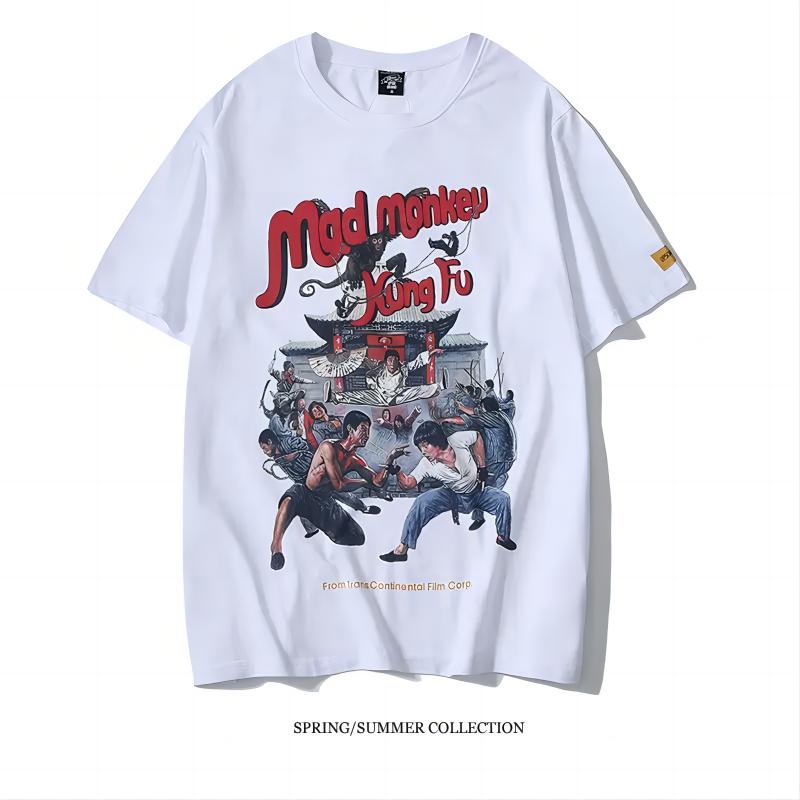
Custom Polo Shirts
Produce polo shirts for rugby coaching staff, club officials, hospitality teams and smart-casual merchandise. EDVORIN manages pique selection, collar and placket construction, embroidery, color matching and size grading for organized repeat orders.
Get a Quote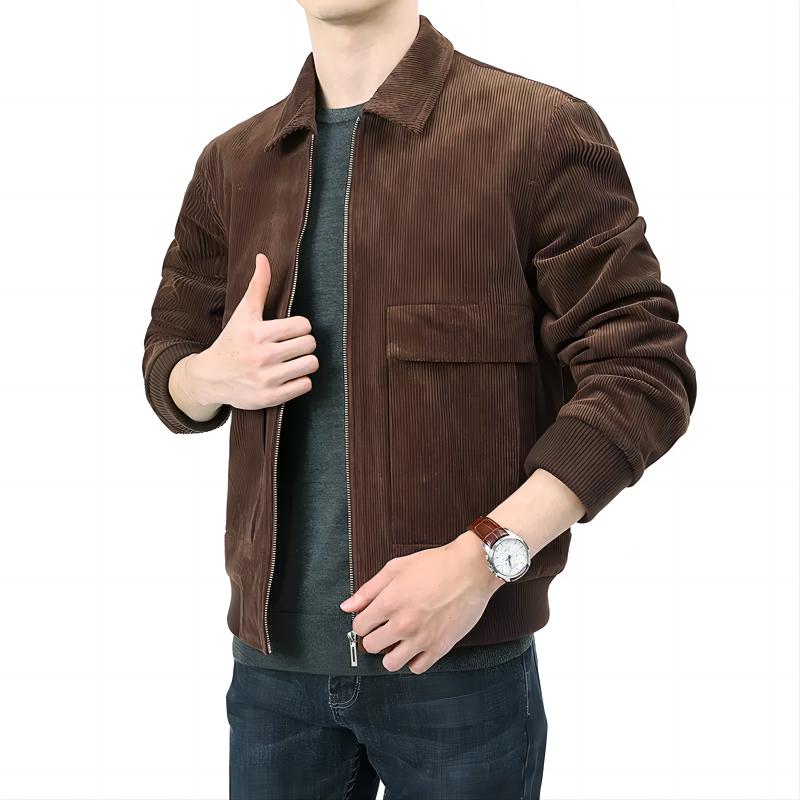
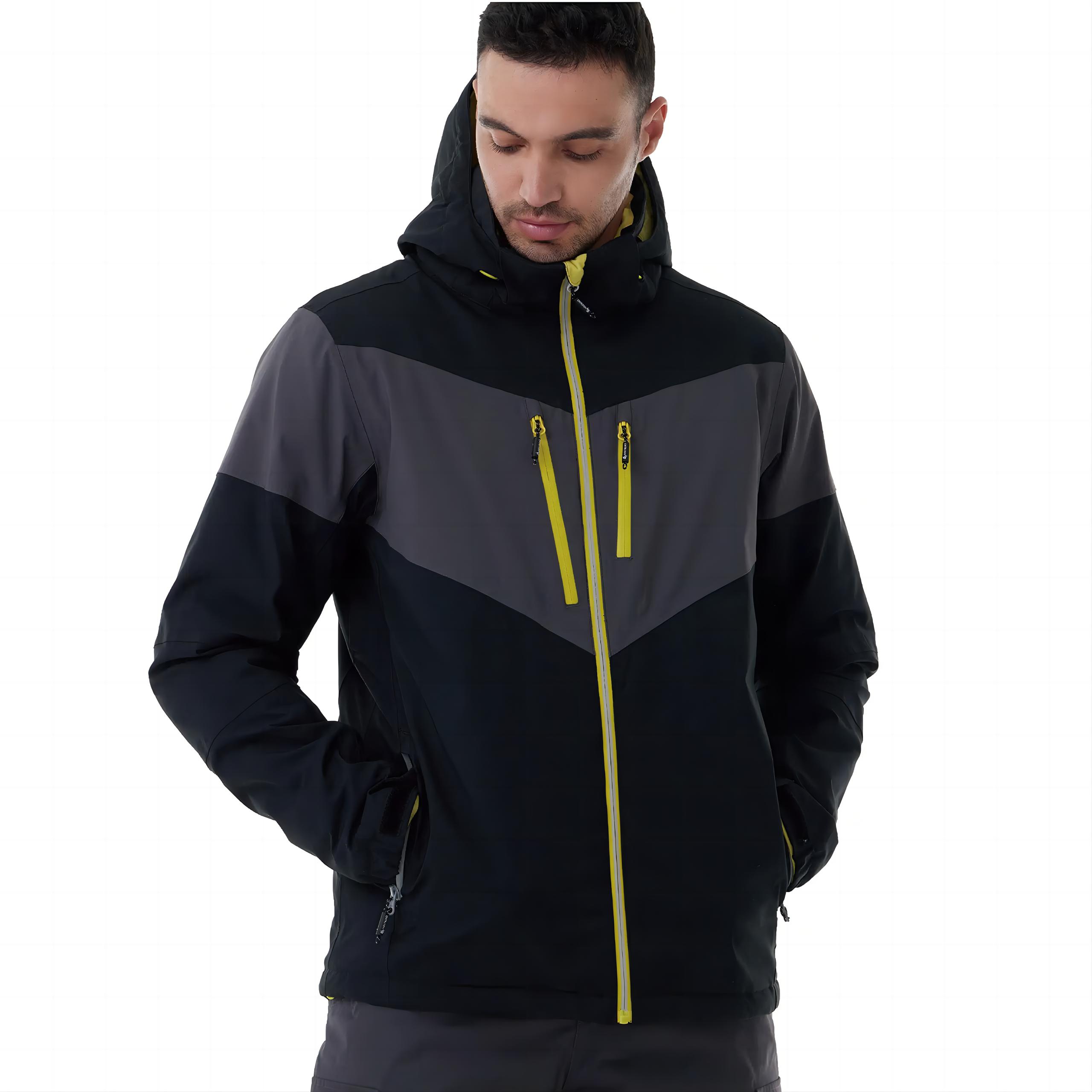
Windbreaker Jackets
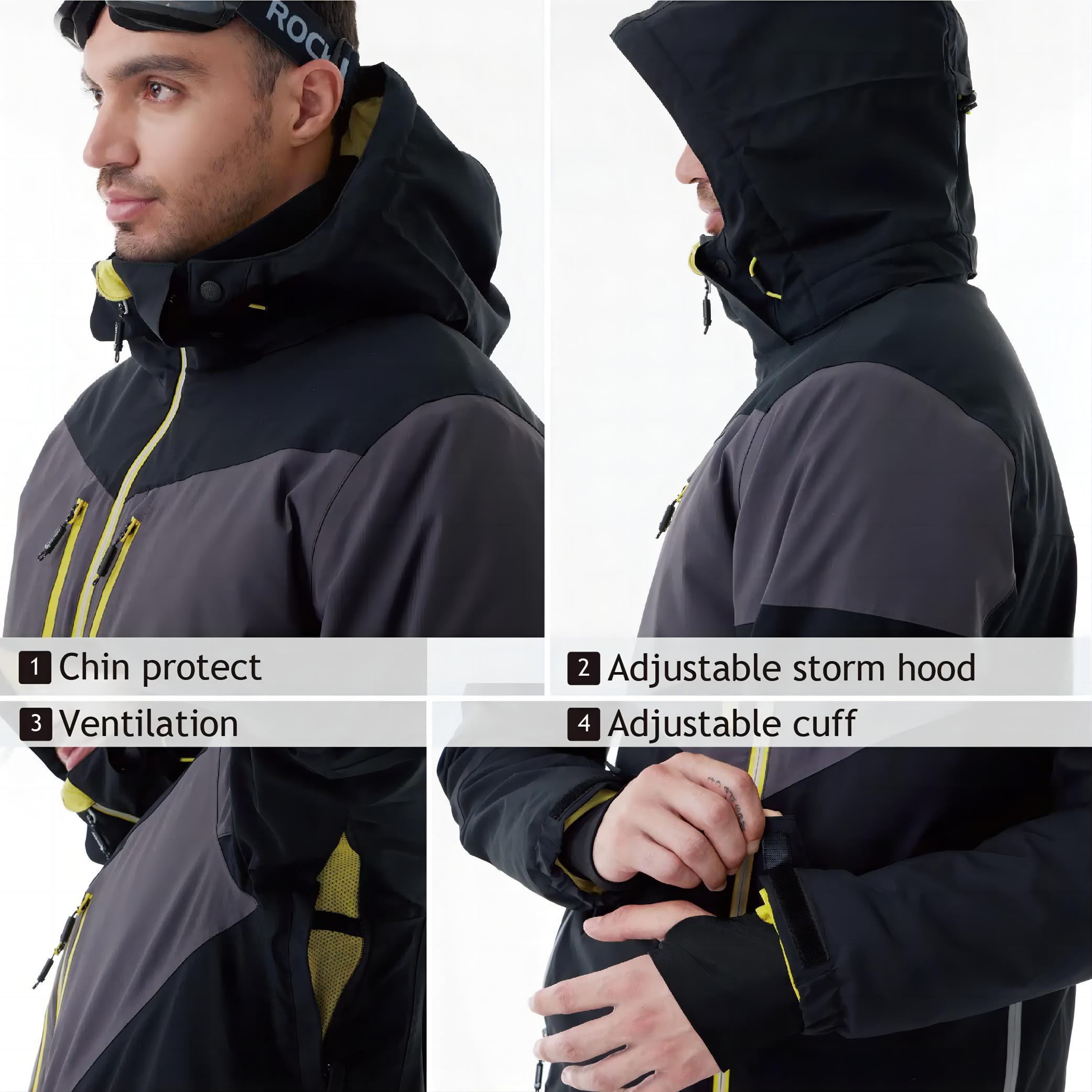
Develop windbreaker jackets for rugby training grounds, travel and changing conditions. Shell fabric, lining, ventilation, zipper selection, hood details, water-resistant finishes and branding placements are specified before bulk production begins.
Get a Quote
Quilted Jackets
Manufacture quilted jackets for rugby club outerwear, staff uniforms and supporter retail programs. Coordinate shell fabric, insulation, lining, quilting pattern, zippers, pockets and embroidery to create an approved standard for repeat seasonal orders.
Get a Quote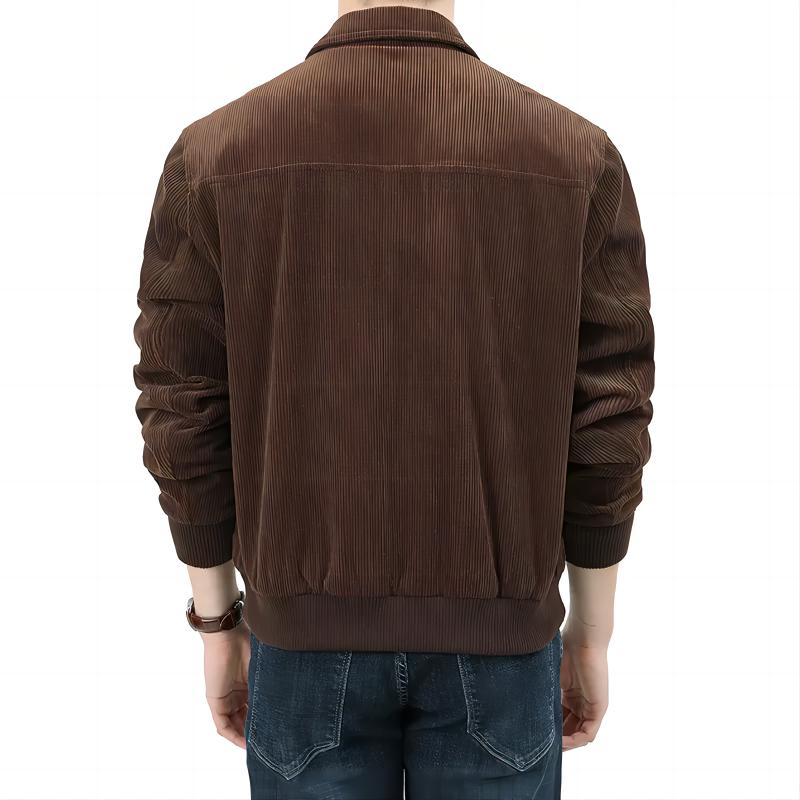
Bomber Jackets
Produce bomber jackets for rugby lifestyle collections, club merchandise and private-label outerwear. EDVORIN develops the shell, lining, rib, hardware, patches and embroidery together, helping buyers maintain construction and branding consistency at bulk scale.
Get a Quote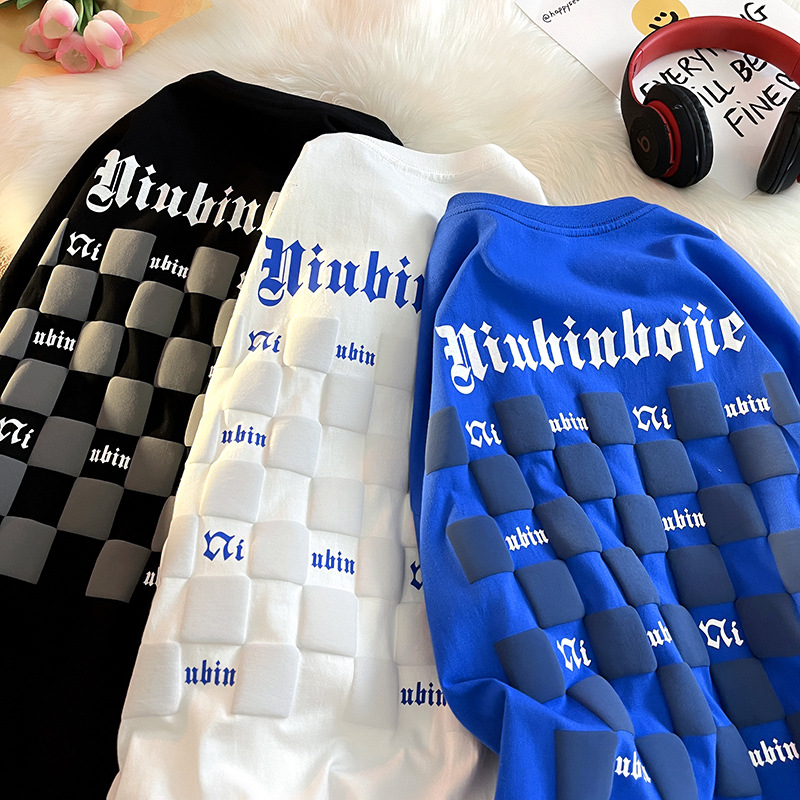
Custom Shirts
Develop custom woven shirts for rugby club hospitality, staff uniforms and premium merchandise. Fabric selection, collar shape, placket, cuffs, fit, embroidery and labeling are aligned with the buyer’s approved sample and sizing requirements.
Get a Quote
Custom Jerseys
Manufacture custom rugby jerseys for match kits, training tops and supporter replicas. Performance fabric, panel construction, sublimation or print, embroidery, player names and numbers are controlled for coordinated club, academy and wholesale programs.
Get a Quote
Tank Tops
Produce tank tops for rugby conditioning, gym sessions, summer training and branded merchandise. EDVORIN develops fabric weight, armhole shape, neck binding, fit blocks and decoration placement to suit the intended wearer and program requirements.
Get a Quote
Soccer Uniforms
Manufacture soccer uniforms for clubs and distributors needing coordinated jerseys, shorts and socks. Performance materials, team colors, crests, names, numbers and size sets are organized against approved references for dependable repeat supply.
Get a Quote
Basketball Uniforms
Produce basketball uniforms for schools, clubs and wholesale buyers, including jerseys, shorts and coordinated warm-up apparel. Fabric performance, reversible options, trim, numbering, logo placement and grading are documented before bulk production.
Get a Quote
Streetwear Collections
Develop complete streetwear collections for rugby-inspired labels and private-label buyers, from hoodies and tees to outerwear and bottoms. EDVORIN connects fabric, patterns, washes, decoration, trims, labels and packaging through one production workflow.
Get a QuotePerformance Materials for Rugby Jerseys
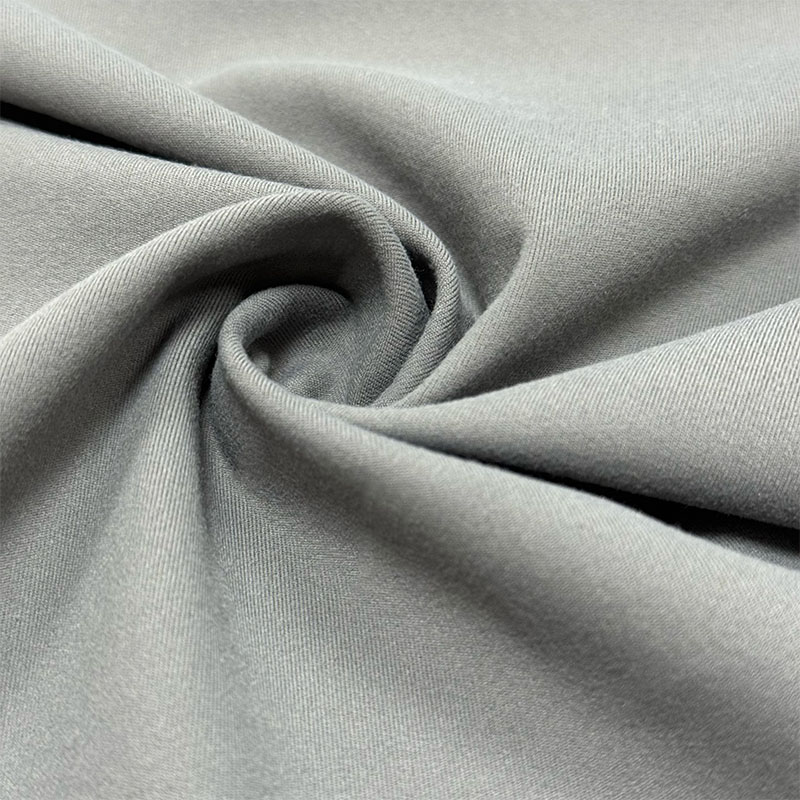
Moisture-Wicking Polyester
A smooth, lightweight performance knit for match jerseys and training tops. Its quick-drying hand helps manage moisture during active wear, while sublimation-ready surfaces support sharp all-over color and graphic coverage.
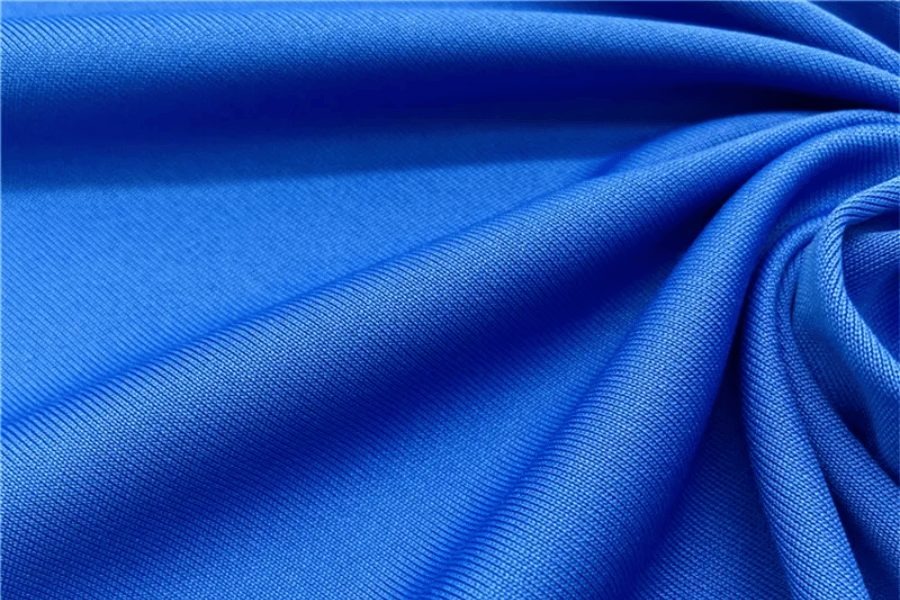
Durable Polyester Interlock
A stable double-knit fabric with a clean face and substantial feel for club jerseys. Interlock construction offers dependable opacity and shape retention, making it well suited to repeatable team color, crest and number programs.
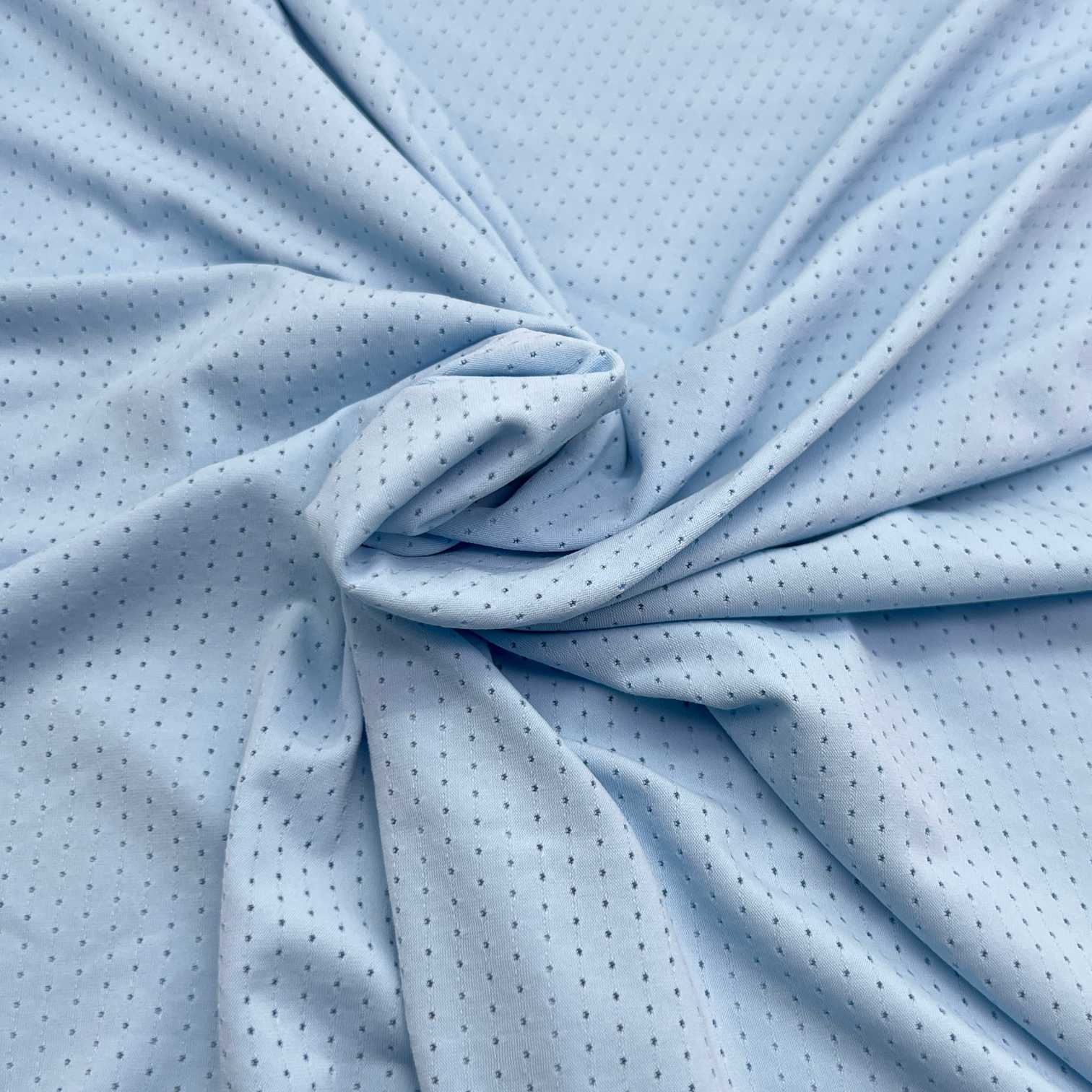
Stretch Performance Blend
A flexible polyester-elastane blend designed for close-fitting rugby jerseys and women’s or men’s performance blocks. Controlled mechanical stretch supports movement through tackles and training, while maintaining a smooth, athletic hand-feel.

Breathable Mesh Panels
An open-knit, airy fabric typically placed at underarms, side panels or upper-back zones. Its ventilated structure improves airflow without adding bulk, providing a practical contrast material for high-output match and training jerseys.
Recycled Performance Polyester
A performance polyester option for buyers building recycled-content teamwear programs. It can deliver a light, quick-drying feel appropriate for jerseys and warm-up pieces, while supporting coordinated private-label material documentation where available.
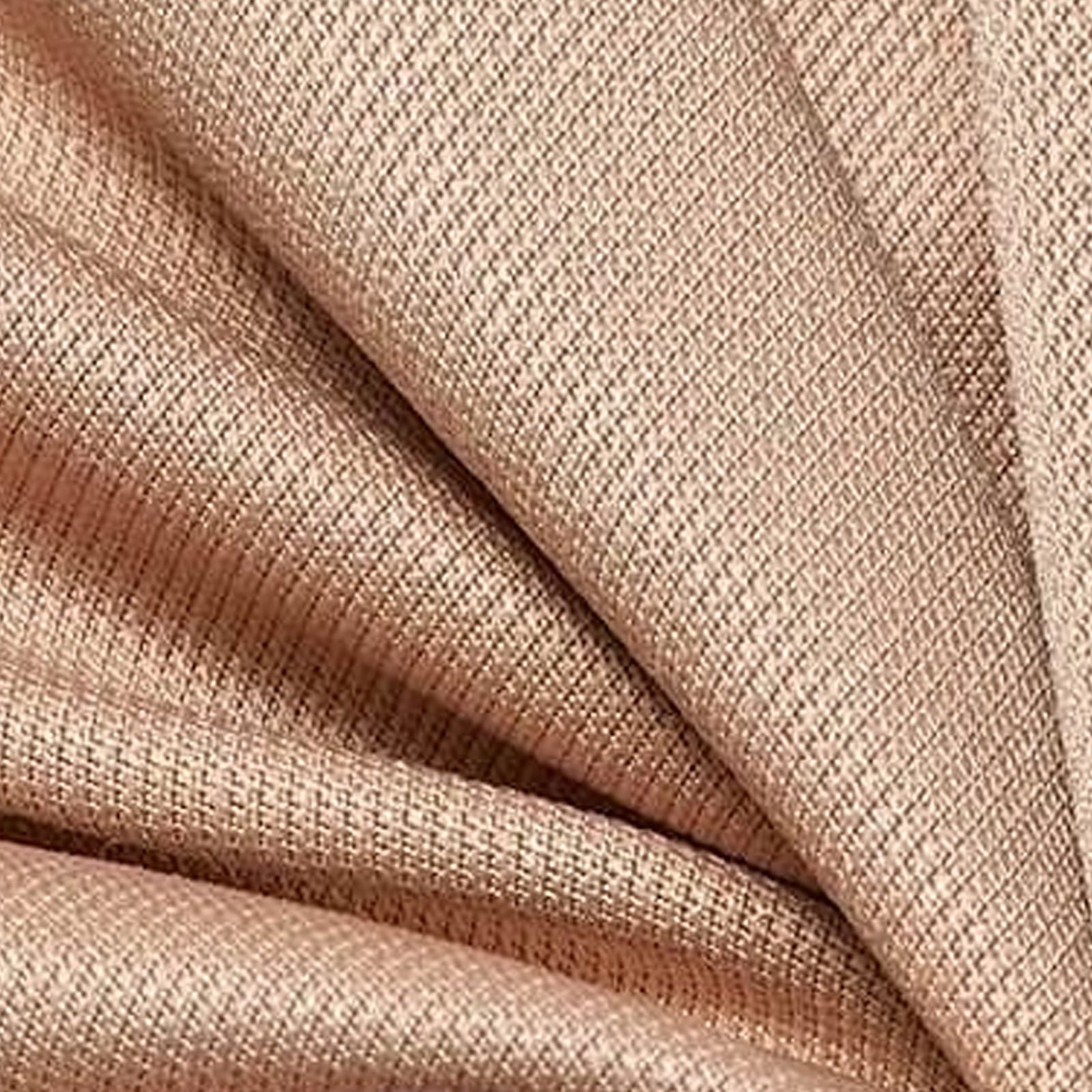
Heavyweight Training Knit
A denser knit with a more substantial hand for contact-focused training tops, supporter styles and cooler-weather rugby layers. Higher fabric weight adds durability and structure, giving embroidery and applique details a dependable base.
Rugby Jersey Manufacturer Decoration Methods
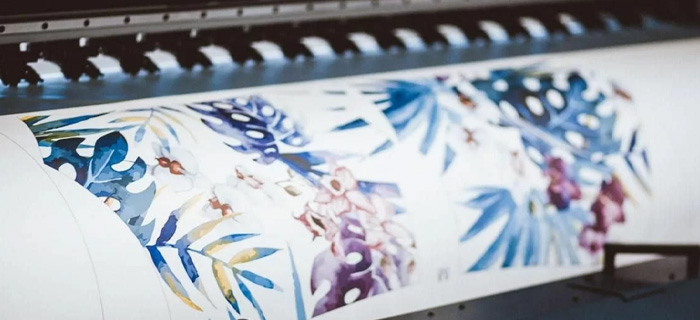
Dye Sublimation
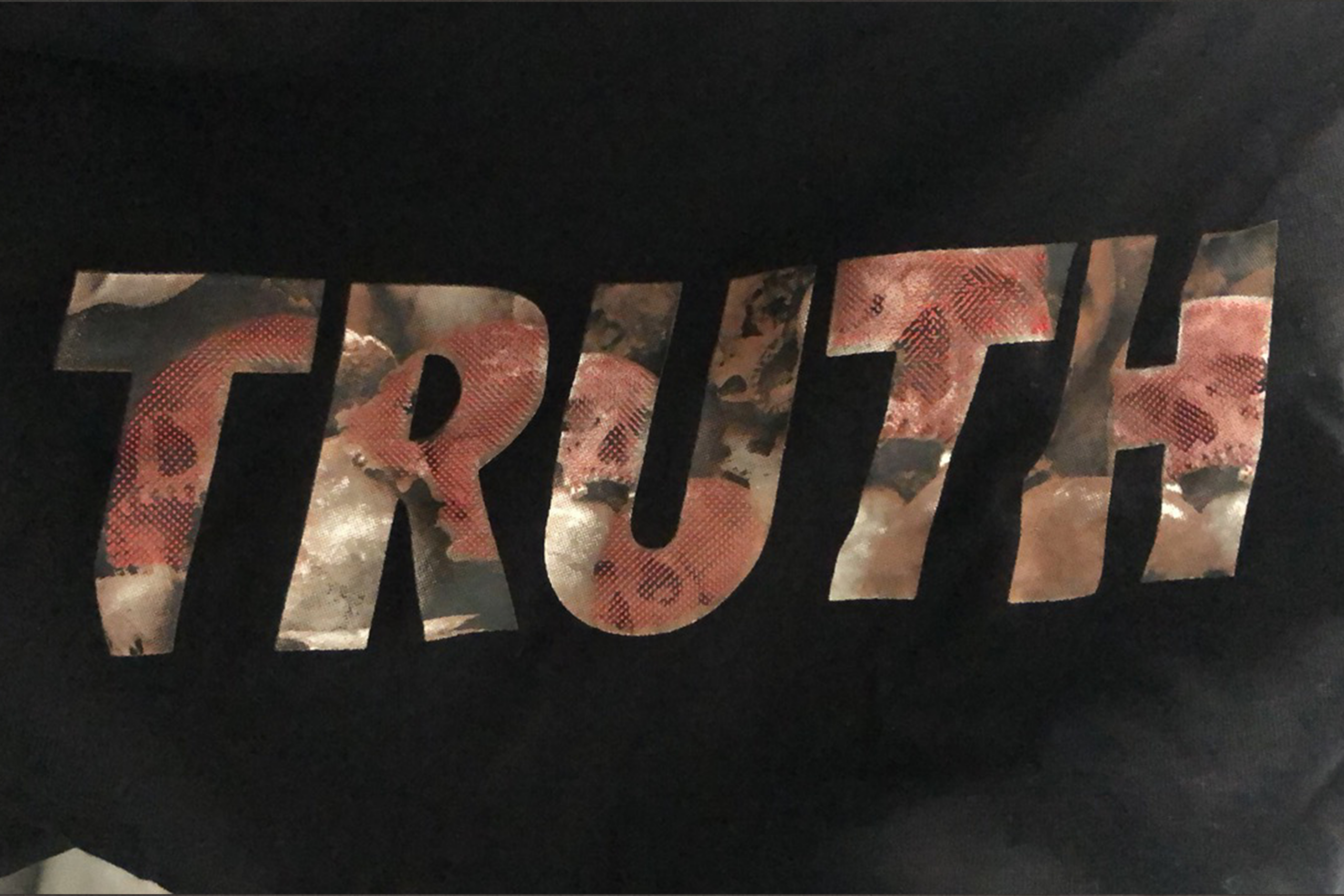
Artwork is infused into compatible performance fabric for full-coverage color, gradients, and detailed team graphics. It creates a smooth, low-profile finish that keeps logos, numbers, and color layouts integrated with the jersey.
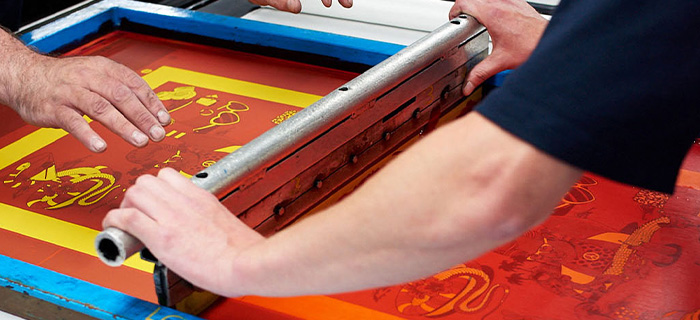
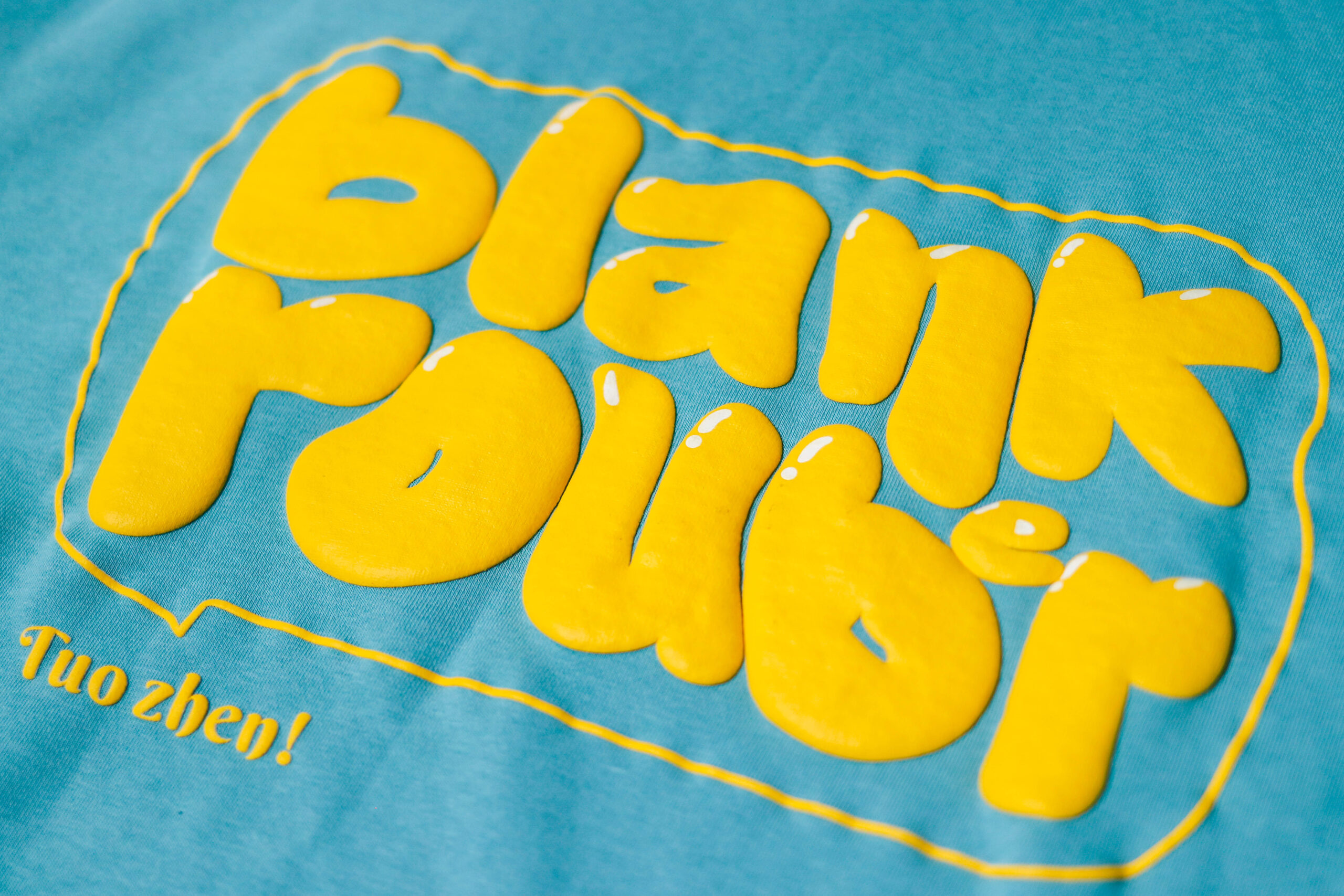
Screen Printing
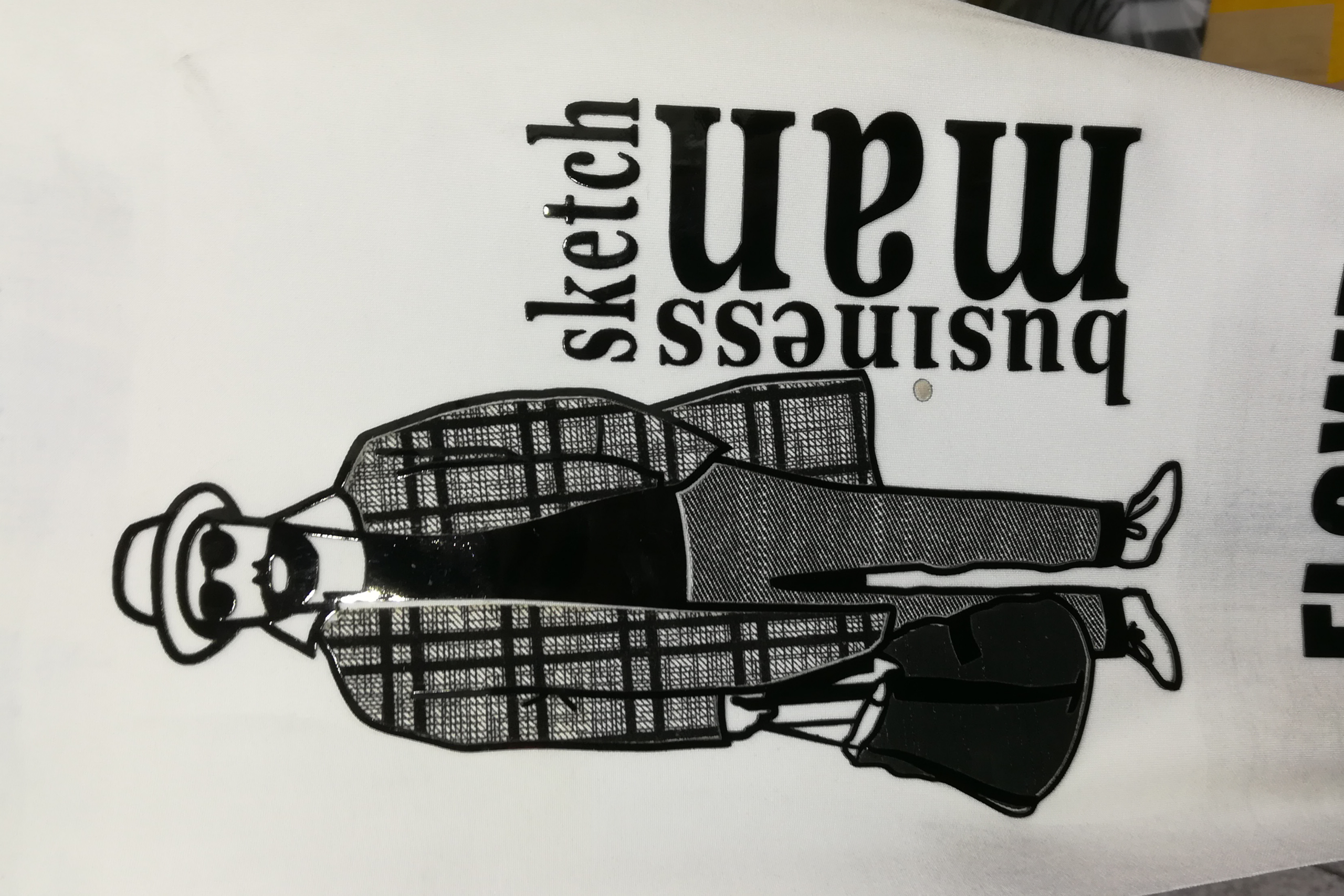
Screen printing applies defined ink layers for bold logos, sponsor marks, and graphic placements. EDVORIN matches ink, fabric, and artwork requirements during development so the approved visual standard can guide repeat bulk production.
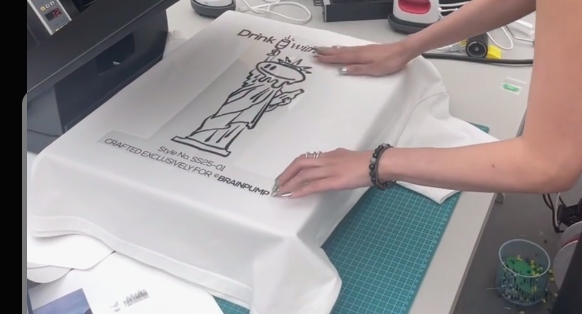
Heat Transfer
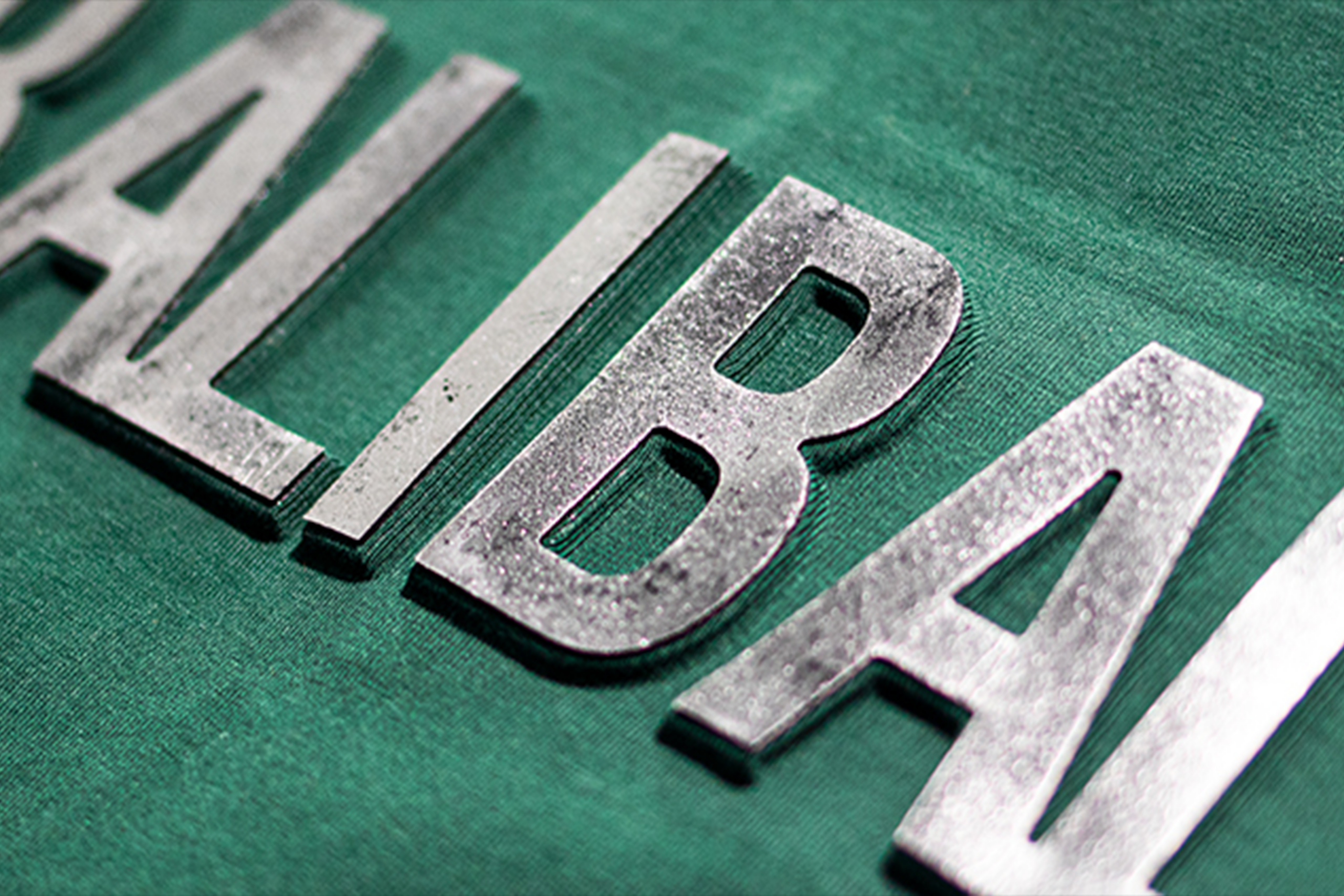
Heat transfer is suited to precise names, numbers, small branding, and variable data across a team set. It delivers clean-edged placement while allowing each garment’s personalization details to be checked against the approved specification.
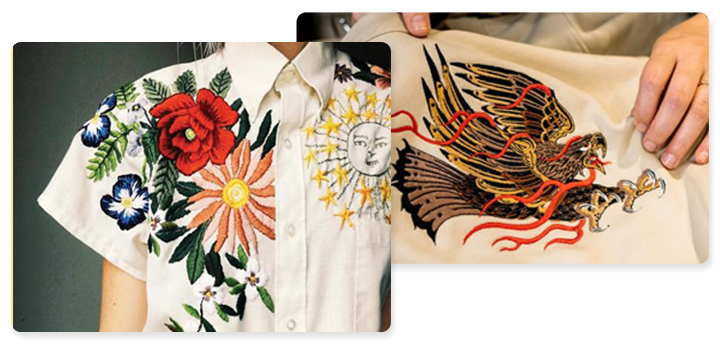
Embroidery Details
Embroidery adds dimensional texture to crests, badges, and selected brand marks. Stitch density, backing, placement, and base fabric are coordinated during sampling to achieve a considered finish that remains consistent across the order.
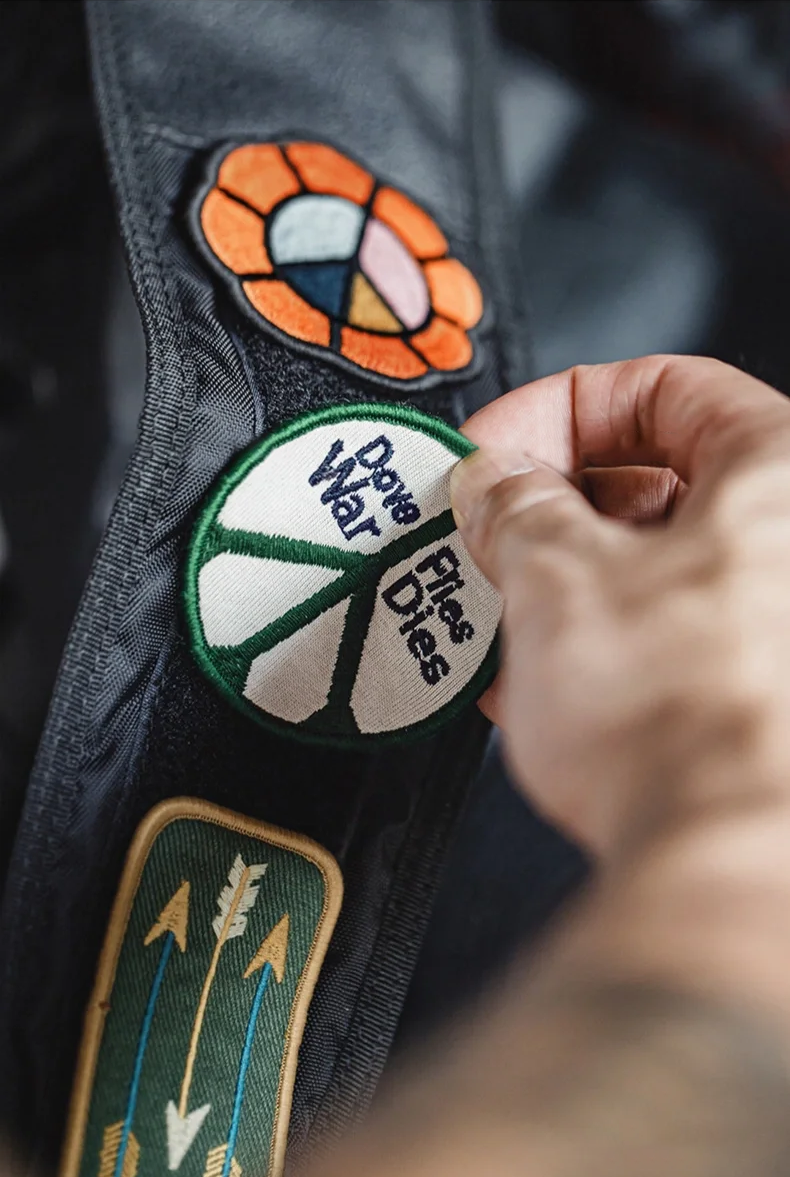
Appliqué Patches
Appliqué combines layered fabric shapes, stitched edges, and optional embroidery for a more tactile team or heritage look. It works well for statement crests and oversized marks where construction detail is part of the design.
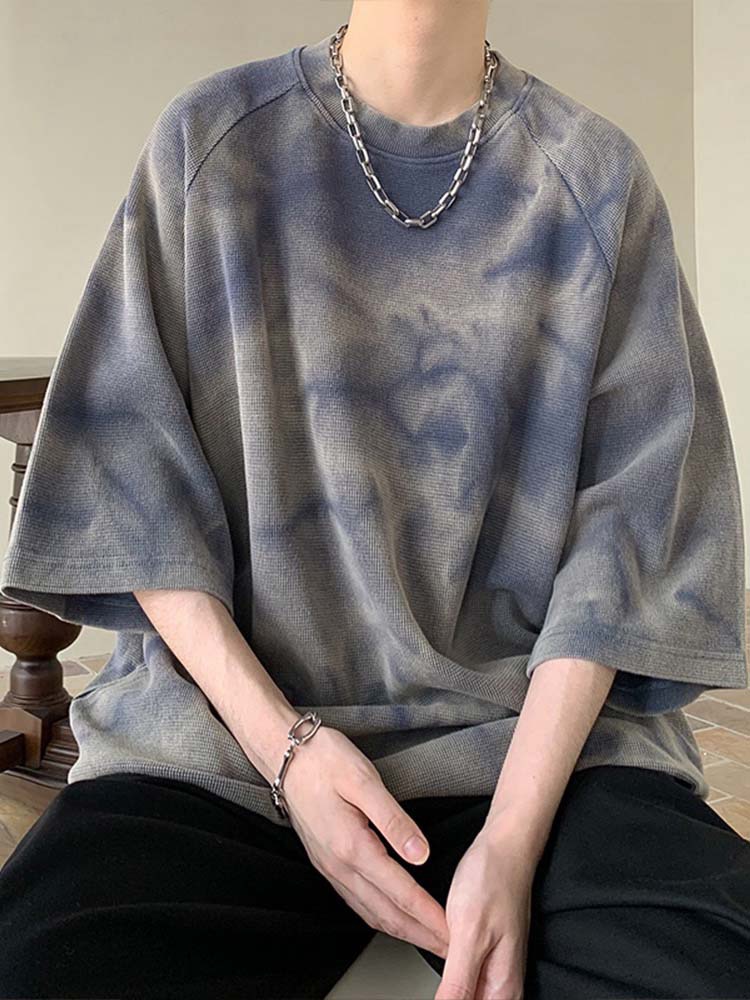
Wash Finishing
Wash and finishing options can adjust hand feel, surface character, and the final presentation of suitable rugby apparel. EDVORIN reviews the intended fabric and decoration together so the approved sample remains the production reference.
Rugby Jersey Manufacturer Trims & Private-Label Finishing
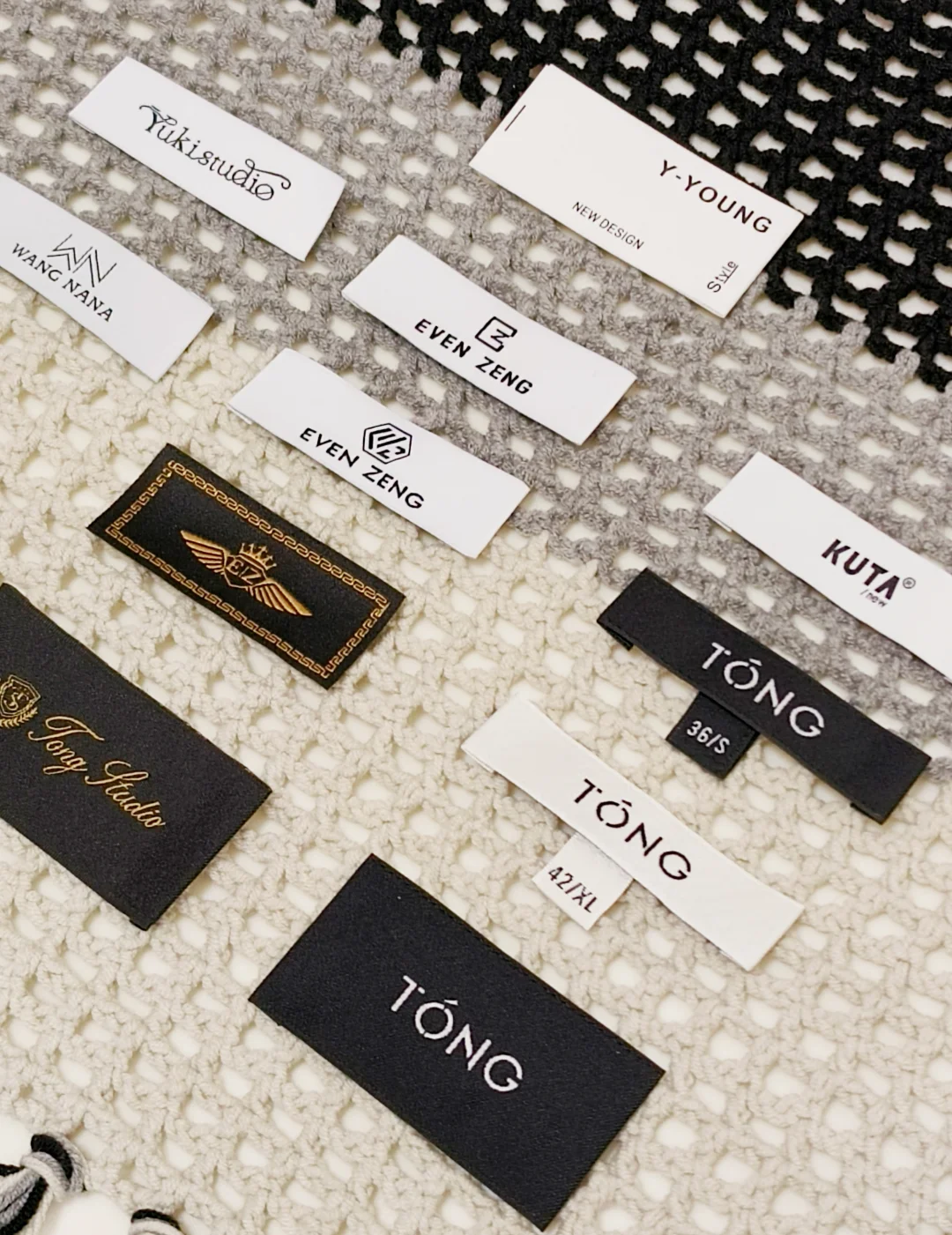
Woven Brand Labels
Custom woven main labels place your brand at the neckline with specified artwork, yarn colors and fold style. They give private-label rugby jerseys a consistent retail identity across team, academy and wholesale programs.
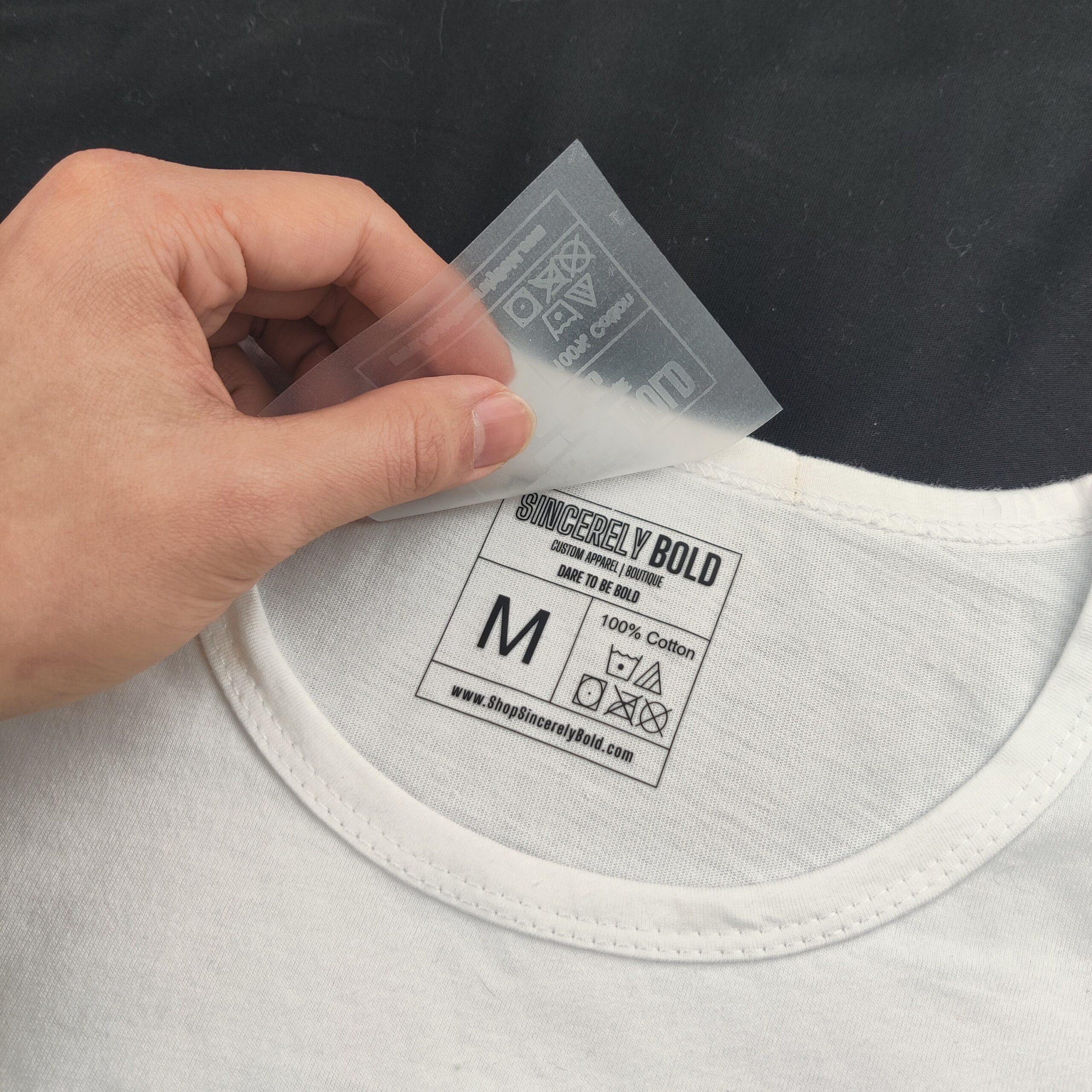
Heat-Transfer Labels
Heat-transfer labels provide a smooth, low-bulk option for neck branding, care information or player details. They are useful when comfort, clean interior construction and accurate repeat placement matter in performance-oriented rugby jerseys.
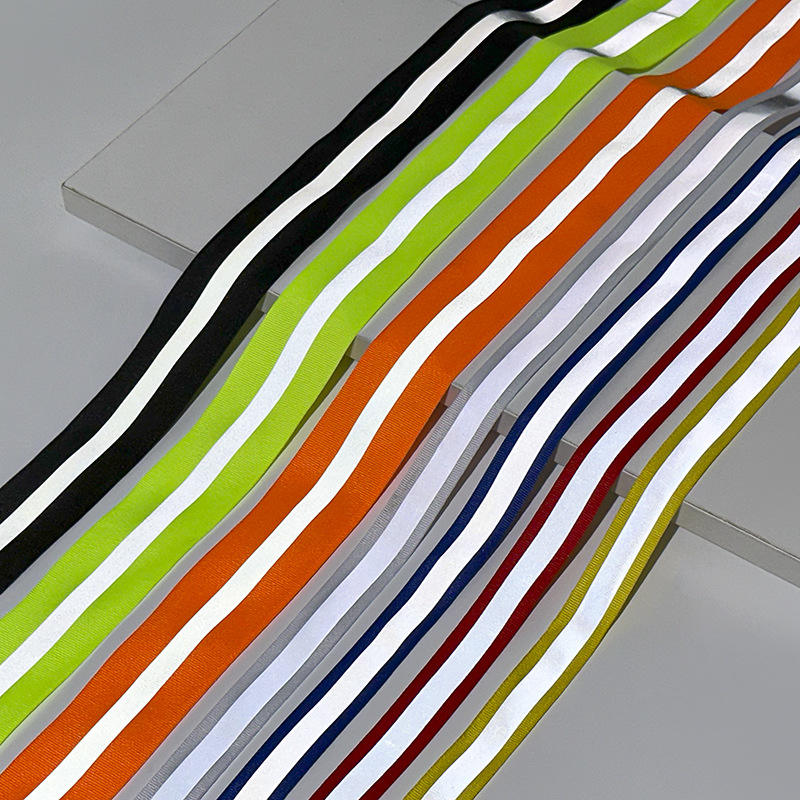
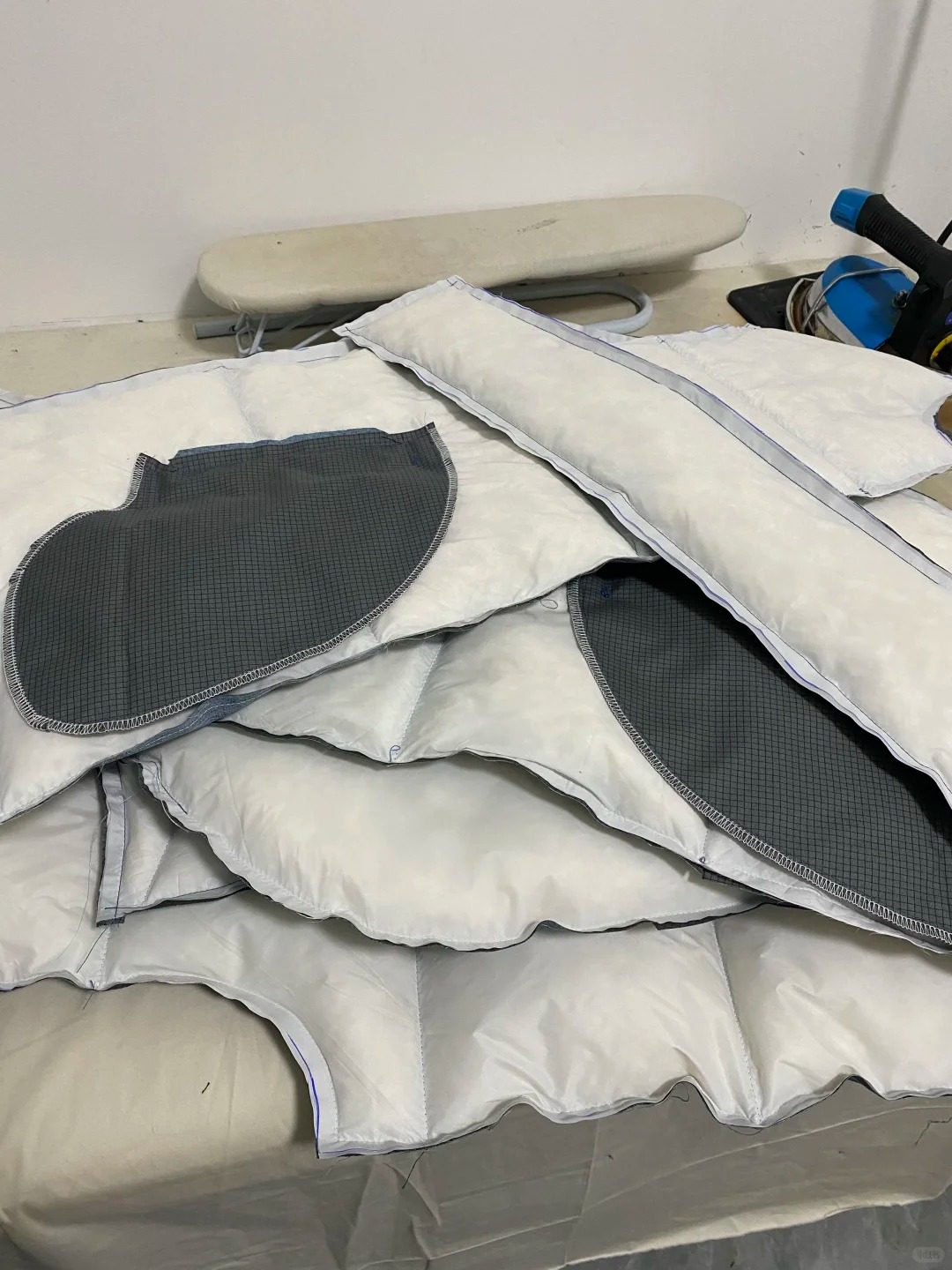
Reinforced Seam Tapes
Reinforced seam tapes support high-stress construction points and create a cleaner internal finish. EDVORIN can align tape selection and placement with the garment specification established during rugby jersey sample development.
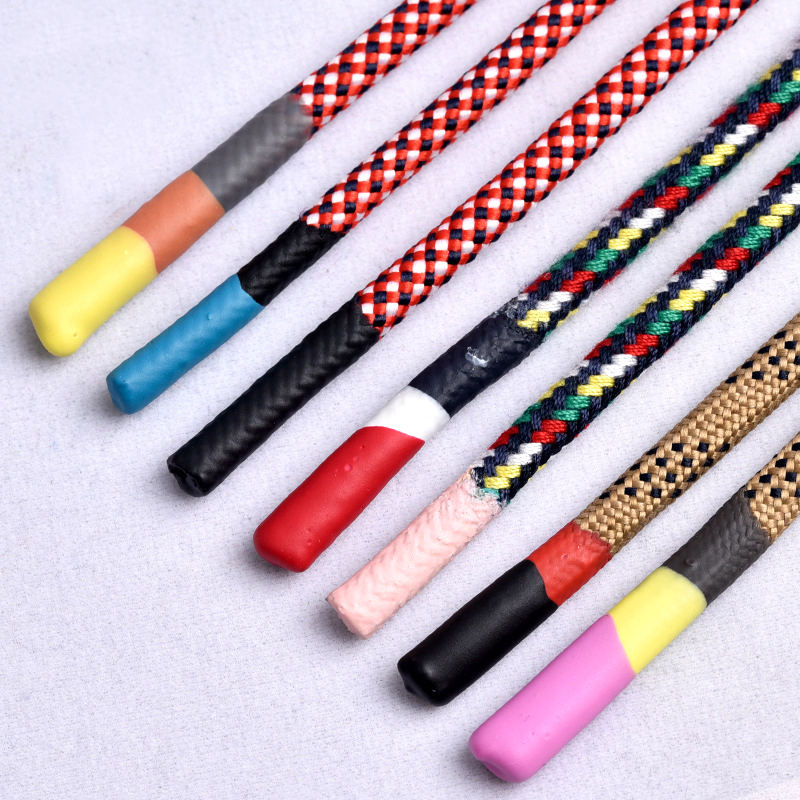
Zippers And Drawcords
Specify zipper pulls, zipper tape, drawcord colors and tipping for rugby warm-up layers, training tops or outerwear programs. These trims help extend a jersey collection into coordinated teamwear with recognizable brand details.
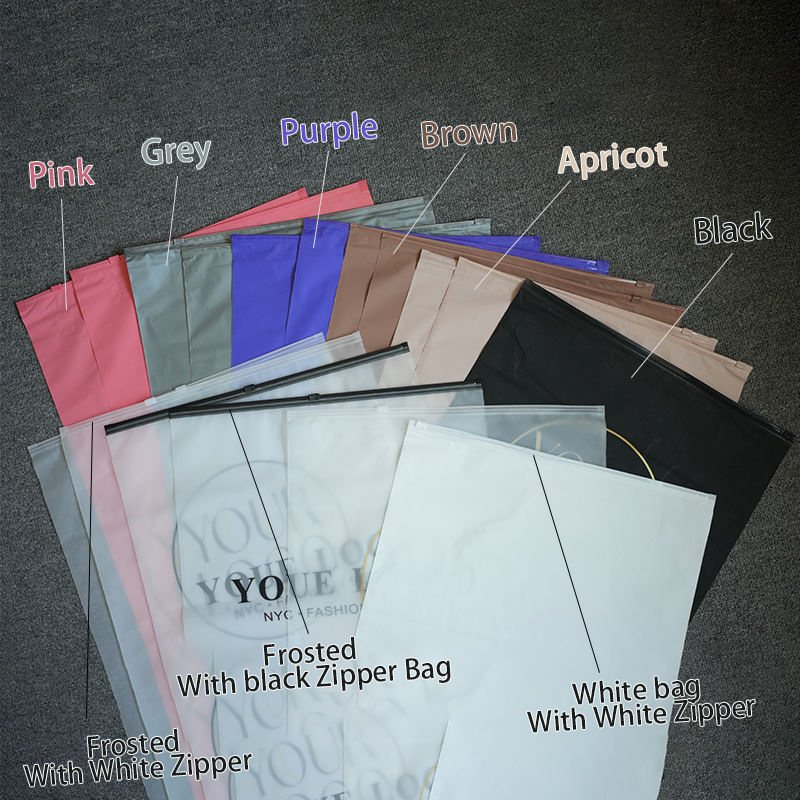
Custom Packaging Sets
Complete each order with size labels, hangtags, polybags, barcode stickers and branded packaging requirements. Documented packing details help wholesalers, clubs and private-label buyers receive retail-ready rugby programs organized for distribution.
About EDVORIN, Your Rugby Jersey Manufacturer
EDVORIN is a founder-led rugby jersey manufacturer built by Edvorin Zeng from a workshop-level understanding of how apparel performs beyond the first sample. Since 2000, we have helped brands, clubs, schools and private-label buyers turn concepts, reference garments and finished tech packs into clear, repeatable production standards.
Our connected workflow brings product development, fabric and trim sourcing, patterns, sampling, decoration, washing, bulk production, labeling and packaging under one accountable system. The same production discipline supports men’s and women’s casualwear, streetwear, outerwear and teamwear programs, with MOQ starting at 200 pieces per style.
What distinguishes EDVORIN is the control built after approval: measurements, color references, artwork placement and construction details are documented for bulk production, supported by in-line and final quality checks. Buyers receive flexible OEM, ODM and private-label support designed to protect the approved garment and make future orders easier to repeat.

Rugby Jersey Manufacturer Controls That Protect Every Kit
Technical Development First
EDVORIN converts sketches, reference garments, and complete tech packs into production-ready rugby jersey specifications. Construction details, fit blocks, grading, panel shapes, and performance requirements are clarified before sampling so the approved design can guide repeatable bulk manufacturing.
- Men’s and women’s fit development
- Pattern, measurement, and grading review
- Construction details recorded for production
- OEM, ODM, and private-label support
Fabric and Trim Coordination
A rugby jersey must work as a complete system, not as disconnected components. EDVORIN coordinates fabric selection with collar construction, stitching, labels, trims, and finishing requirements to help buyers balance comfort, durability, appearance, and intended use.
- Material options matched to program needs
- Collar, cuff, and seam considerations
- Labels and trims specified together
- Finishing requirements reviewed early
Artwork Placement Control
Team colors, sponsor graphics, names, numbers and private-label details need clear production references. EDVORIN documents artwork placement, color references and decoration specifications during development, helping each order retain the approved visual standard across sizes and repeat runs.
- Placement measurements for key graphics
- Artwork and color references organized
- Printing and embroidery coordination
- Names and numbers managed by specification
Approved Sample to Bulk
An approved sample becomes the working benchmark for production, not the finish line. EDVORIN uses documented standards and in-line quality checks to monitor materials, measurements, decoration and finishing before final inspection and packing.
- Approved sample used as production reference
- In-line checks catch variation earlier
- Final inspection before packing
- MOQ starts at 200 pieces per style
Why EDVORIN Is the Rugby Jersey Manufacturer Buyers Choose
One accountable path from development through repeat bulk production.
← Swipe left or right to view →
Rugby Jersey Manufacturer: From Tech Pack to Packed Orders
A controlled production path that turns approved specifications into consistent teamwear, ready for delivery.
Specification and Material Review
We review tech packs, fit requirements, artwork, size ranges, fabric performance, trims, labeling and packaging needs to establish a clear production standard.
Pattern and Sample Development
Our team develops patterns and samples, adjusting construction, proportions and decoration placement until the approved rugby jersey becomes the reference for bulk production.
Bulk Material Preparation
After approval, fabrics, trims and decoration files are confirmed against the standard before bulk cutting begins, helping protect color, fit and component consistency.
Cutting and Decoration
Panels are cut to approved patterns, then prints, embroidery or other selected decoration methods are applied with recorded placement and artwork references.
Sewing and In-Line Checks
Production teams assemble each garment while in-line checks monitor measurements, construction, decoration alignment and workmanship before variations move further through the order.
Final Inspection and Packing
Finished rugby jerseys undergo final quality checks, then receive agreed labels, folding, packaging and shipment preparation according to the approved order requirements.
How to Work With a Rugby Jersey Manufacturer
Move from an initial concept to a repeatable, production-ready rugby jersey program with clear approvals at every stage.
Share Your Concept
Send a tech pack, measurement chart, artwork, reference jersey, or early concept. EDVORIN reviews construction, fit, materials, decoration, and private-label requirements.
Confirm Development Details
EDVORIN’s MOQ starts at 200 pieces per style. Review the quotation, MOQ, material options, size range, trims, decoration method, and development plan. We clarify specifications before patterns and sample work begin.
Approve the Sample
Assess the sample for fit, color, artwork placement, construction, and performance. Record approved revisions so the rugby jersey manufacturer production standard is clear.
Confirm Bulk Production
Approve the final sample and production details to release bulk manufacturing. Materials, measurements, decoration references, labels, and packing requirements are coordinated under one workflow.
Coordinate Final Delivery
EDVORIN completes quality checks against approved standards, prepares packing, and coordinates shipment details so your rugby jersey program is ready for its next stage.
Certified Standards for Responsible Apparel Production





What Apparel Buyers Say About Working With EDVORIN
Client references can be shared on request, subject to client approval.
Rugby Jersey Manufacturer FAQ
Clear answers for brands, clubs, academies and private-label buyers planning a repeatable rugby jersey program.
What is the MOQ for a custom rugby jersey manufacturer?
Can a rugby jersey manufacturer make a sample before bulk production?
How long does custom rugby jersey production take?
What affects rugby jersey pricing?
What payment terms does EDVORIN offer for rugby jersey orders?
Can you handle names, numbers and team decoration?
Can a rugby jersey manufacturer develop men’s and women’s fits?
How are artwork, designs and confidential tech packs handled?
Complete Buyer’s Guide to a Rugby Jersey Manufacturer
Use this decision framework to compare supplier capabilities, fabrics, construction, customization, sampling, and pricing—while avoiding sourcing mistakes that can compromise durability, margins, delivery, or brand consistency.
1. What Is a Rugby Jersey Manufacturer?
2000 marks EDVORIN’s start as a manufacturing partner built around turning product ideas into documented production standards. A rugby jersey manufacturer is an OEM or private-label supplier that develops the garment, sources materials, makes samples, controls bulk output, and prepares branded goods for shipment.
1 technical brief should define the intended use, fit block, size grading, fabric, collar, seams, artwork, labels, and packing. Unlike a reseller or blank-garment supplier, the manufacturer must convert those inputs into approved patterns, samples, placement records, and repeatable line instructions.
2 buyer questions matter most: can the supplier manage development and sample revisions, then keep measurements, color, branding, and workmanship consistent across bulk production? A general apparel factory may sew a jersey, but a capable rugby jersey manufacturer connects quality checks and logistics to the approved standard rather than treating production as a one-off order.
2. Evolution of Rugby Jersey Manufacturing
Rugby shirts were traditionally heavyweight cotton, long-sleeved and built around a woven collar and placket; their durability also created the recognizable heritage silhouette now used in fashion retail.
Performance teamwear accelerated the move toward polyester knits, lighter collars, moisture management and closer athletic fits. Digital sublimation then made multi-color graphics practical without adding a raised print layer, supporting coordinated club and private-label ranges.
Current buying decisions should start with channel and wearer. A heritage retail jersey may favor cotton-rich weight, a structured collar, embroidery and relaxed grading; match-ready product needs stretch recovery, reinforced seams, abrasion-aware panels and decoration compatible with the knit. A rugby jersey manufacturer should document those choices in the approved sample and production specification so the intended look and function survive bulk production.
3. Types of Rugby Jersey Manufacturer Orders
A rugby jersey manufacturer should start with the order’s use case, not a generic silhouette. Match, training, retail and supporter programs require different fit, construction and decoration standards.
Authentic Match Jerseys
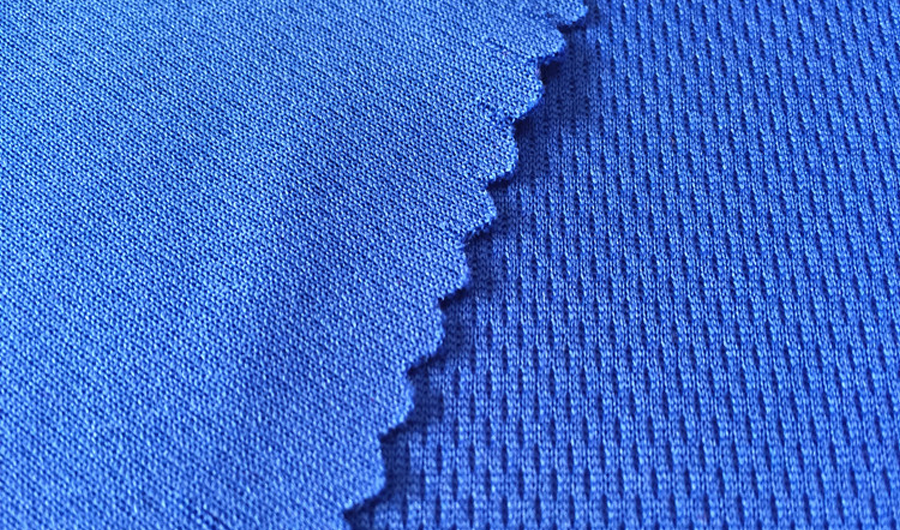
15-player squads need close athletic fits, reinforced seams and durable collars. Clubs prioritize numbers, crests and sponsor placement.
Training Jerseys
2–3 weekly sessions favor lighter, looser moisture-managing tops. Academies need repeatable colorways and simple heat-transfer identification.
Rugby League Styles
13-player league kits commonly use streamlined stretch fits and sublimated panels. Teams need abrasion-aware construction and clear sponsor artwork.
Heritage Rugby Shirts
280–350 GSM cotton styles emphasize broad stripes, twill collars and relaxed proportions. Fashion brands value embroidery and woven labels.
Supporter Merchandise
3 core sizes can simplify fan assortments. Clubs prioritize recognizable colors, crests and retail-ready labels over match-grade reinforcement.
Private-Label Collections
200-piece OEM programs suit brands and wholesalers needing proprietary blocks, trims and packaging. EDVORIN can develop samples into documented bulk standards.
4. Rugby Jersey Manufacturer Fabric Options
140–180 GSM polyester suits training jerseys needing quick drying and clear sublimation. A rugby jersey manufacturer should match fabric to contact level, silhouette, climate, and wash-cycle expectations before sampling.
| Fabric | GSM | Moisture/Hand | Abrasion/Recovery | Climate/Use | |
|---|---|---|---|---|---|
| Polyester interlock | 150–200 | High/technical | High/high | Sublimation | Warm training |
| Cotton-rich knit | 220–300 | Low/soft | Medium/low | Screen print | Cool retail |
| Poly-cotton | 180–260 | Medium/familiar | Medium/medium | Screen print | Versatile retail |
| Recycled polyester | 150–200 | High/technical | High/high | Sublimation | Training |
| Stretch panels | 140–180 | High/flexible | Medium/high | Test first | High-mobility contact |
Performance Polyester
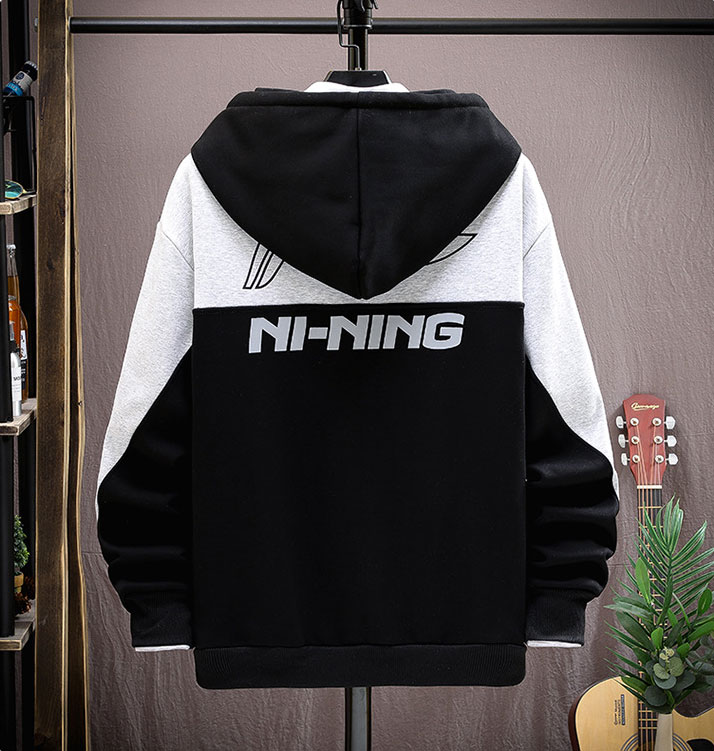
150–200 GSM interlock or pique manages moisture, resists abrasion, and keeps a structured athletic fit. Sublimation is strongest on white polyester; confirm colorfastness after repeated laundering.
Heritage And Blended Jerseys
220–300 GSM cotton-rich knits create the heavier, softer heritage hand but dry slowly. 60/40 poly-cotton balances retail comfort, moderate recovery, screen-print compatibility, and more practical wash life.
Recycled And Stretch Choices
Recycled polyester should specify fiber content and performance testing, not sustainability language alone. 8–12% elastane side panels improve recovery and mobility, but require compatible print tests.
5. Customization From a Rugby Jersey Manufacturer
A rugby jersey manufacturer should match decoration to fabric, abrasion exposure, and order purpose. EDVORIN records approved artwork, placement, color references, labels, and packing requirements before bulk release.
| Method | Best Use | Trade-Off |
|---|---|---|
| Sublimation | All-over polyester graphics | Minimal hand feel |
| Screen print | Bold sponsor marks | Can crack with wear |
| Heat transfer | Names and numbers | Film can abrade |
| Embroidery | Club crests | Raised, less flexible |
Decoration Routes
All-over sublimation suits polyester panels and leaves graphics flush with the fabric.
Screen print delivers opaque color; heat transfer suits variable names and numbers.
Artwork Approval
Pantone references define target colors before sampling and sponsor marks require vector logo files.
Millimeter placement callouts, player-number lists, and a sealed sample prevent repeat-order drift.
6. Rugby Jersey Manufacturer Construction Checks
Three sample checkpoints—prototype, size set, and pre-production sample—should confirm that a rugby jersey manufacturer has translated the approved construction into repeatable bulk standards. Inspect under tension and after washing, not only on a flat table.
Seams And Stress Points
8–10 stitches per inch is a practical starting specification for lockstitch seams; confirm the actual stitch density is consistent through shoulders, armholes, and side seams.
4 high-load areas—placket base, side-slit top, sleeve join, and hem opening—should receive bartacks or equivalent reinforcement. Pull seams firmly and look for skipped stitches, puckering, or seam grin.
Collar And Panel Control
2 collar checks matter most: the collar must sit evenly around the neckline, and the placket must remain centered when buttoned. Verify tape is smooth, securely caught, and does not restrict neck stretch.
1 side-panel alignment check should continue stripes, color blocks, and piping cleanly across adjoining seams. Confirm sleeve cuffs and hem finishes lie flat without twisting.
Fit And Wash Approval
3 wear checks—chest recovery, sleeve reach, and hem retention—should be performed on the intended size block. Stretch the body and rib areas, release them, and compare recovery against the approved sample.
1 wash test should record shrinkage, color change, print condition, seam distortion, and placket shape. EDVORIN can document measurement tolerances, grading, artwork placement, and approved revisions before bulk production.
7. How to Choose a Rugby Jersey Manufacturer
Three comparable supplier quotes reveal whether a rugby jersey manufacturer can translate requirements into repeatable production. Judge documented answers, not galleries or broad capability claims.
Verify Relevant Experience
Two completed rugby programs should be shown with tech packs, graded measurement charts, and bulk photos. Ask which collar, seam, and decoration failures changed their process.
- Request a size-set photo.
- Request bulk close-up images.
- Request a comparable tech pack.
Control The Sample Process
One pre-production sample must match named fabric, Pantone references, artwork placement, labels, and packaging. Ask who approves revisions and how the approved sample controls bulk.
- Confirm fabric composition and weight.
- Record placement measurements.
- Approve labels and packaging.
Audit Production Evidence
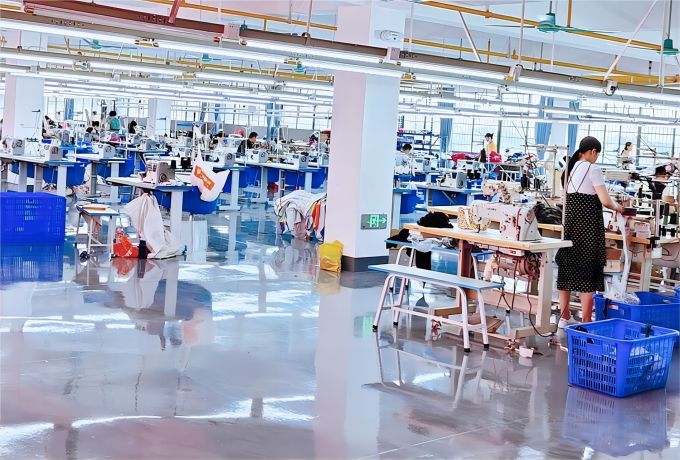
Four checkpoints—material receipt, in-line sewing, finished measurement, and final packing—should have records. Ask for capacity by month, realistic lead time, compliance certificates, and shipping handoff.
- Request inspection-report examples.
- Confirm MOQ by colorway.
- Define freight responsibility.
8. Common Rugby Jersey Sourcing Mistakes
Two approval gates prevent most costly rugby-jersey rework: a documented pre-production sample and a signed specification sheet. A capable rugby jersey manufacturer should resolve assumptions before cutting bulk fabric.
Quote Beyond Unit Price
EDVORIN’s MOQ starts at 200 pieces per style. Three quotes can differ in fabric weight, seam reinforcement, decoration, packing, and defect allowance; the lowest price may create returns or reorders. Compare like-for-like specifications, sample cost, MOQ, and stated quality checkpoints.
Lock Artwork And Fit
Millimeter placement measurements, print size, color references, and a graded size chart must accompany artwork approval; visual mockups alone leave production open to interpretation. Approve a size set and placement map before bulk release.
Test Materials And Decoration
Contact-play jerseys need fabric, seams, collar, and decoration tested together; unsuitable lightweight knits or oversized dense prints can restrict movement, crack, or fail under abrasion. Run wash and wear tests, confirm decoration limits, and compare approved colors across sublimation, print, embroidery, and trims.
Protect The Production Calendar
One late artwork, fabric, or sample approval can compress cutting, inspection, and freight, increasing expedite costs or missed fixture dates. Build buffers for revisions, color approvals, bulk production, final inspection, and shipping.
9. Steps to Launch a Rugby Jersey Brand
A 200-piece launch begins by separating a heritage-inspired retail jersey from a match-ready teamwear program. Define buyer, channel, target price, and first delivery date before requesting a rugby jersey manufacturer quote.
Build The Technical Brief
One brief should specify fit block, measurement chart, fabric weight, collar construction, seams, Pantone colors, artwork placement, labels, and packaging.
Two approval rounds are practical: review the first sample for fit and construction, then freeze corrected specifications for bulk.
Set The Commercial Mix
Three sales channels need different assortments: retail favors color stories, clubs need player names and numbers, and wholesale needs clear SKU and carton data.
A 60/30/10 size curve can be a starting point only; replace it with customer sales history before committing quantities.
Lock Delivery And Reorders
One production calendar should reserve time for fabric approval, sample revisions, bulk production, final inspection, packing, and freight.
Two reorder controls reduce risk: retain approved fabric and trim references, and record repeatable artwork files, placement measurements, and size-level demand.
10. Rugby Jersey Manufacturer Pricing and MOQ
200 pieces is the stated OEM MOQ, but confirm it after fabric, size curve, colorways, decoration, labels, and packaging are fixed. Lower-volume runs usually carry higher per-unit development and setup allocation.
1 landed-cost comparison should separate ex-factory goods, samples, setup, export packing, and freight. Fabric weight, collar and reinforcement complexity, print method, color count, and destination can shift the final figure materially.
| Quantity Tier | Indicative Unit-Cost Position | Sampling and Setup | Typical Production Lead Time |
|---|---|---|---|
| 200–299 | Highest allocation | Sample and artwork setup | 30–45 days |
| 300–499 | Lower allocation | Setup spread over run | 30–45 days |
| 500–999 | Mid-range | Standard sample revision | 35–50 days |
| 1,000+ | Lowest allocation | Bulk material planning | 40–60 days |
Partner With a Rugby Jersey Manufacturer Built to Repeat
Send your tech pack, reference garment, or concept for an OEM/ODM review and a clear quote for your next production run.