
Sustainable Sports Jersey Manufacturer for Repeatable Teamwear
EDVORIN is a sustainable sports jersey manufacturer offering development-to-bulk support, responsible material options, and MOQs from 200 pieces per style.
Featured Apparel, Decoration, and Production Capabilities
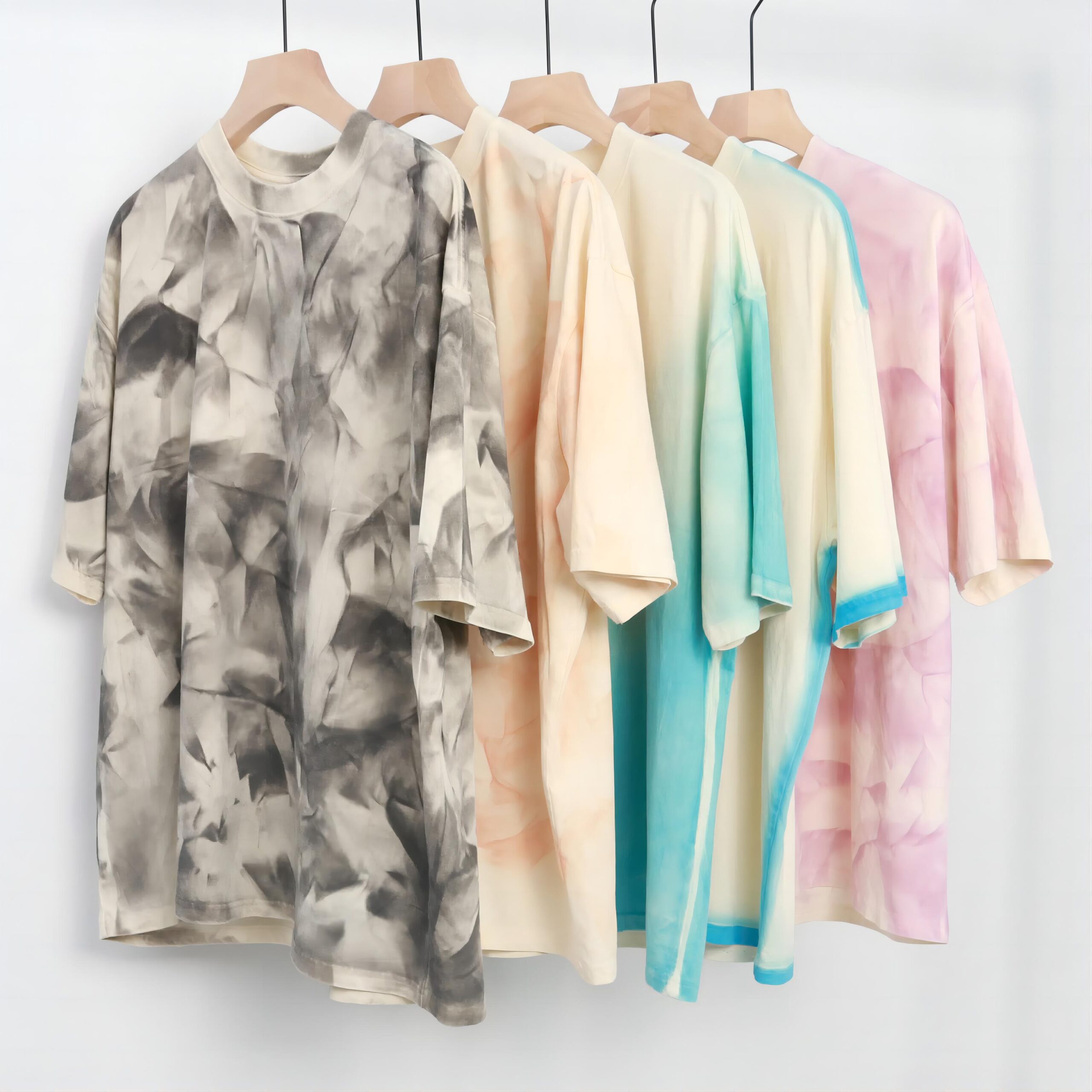
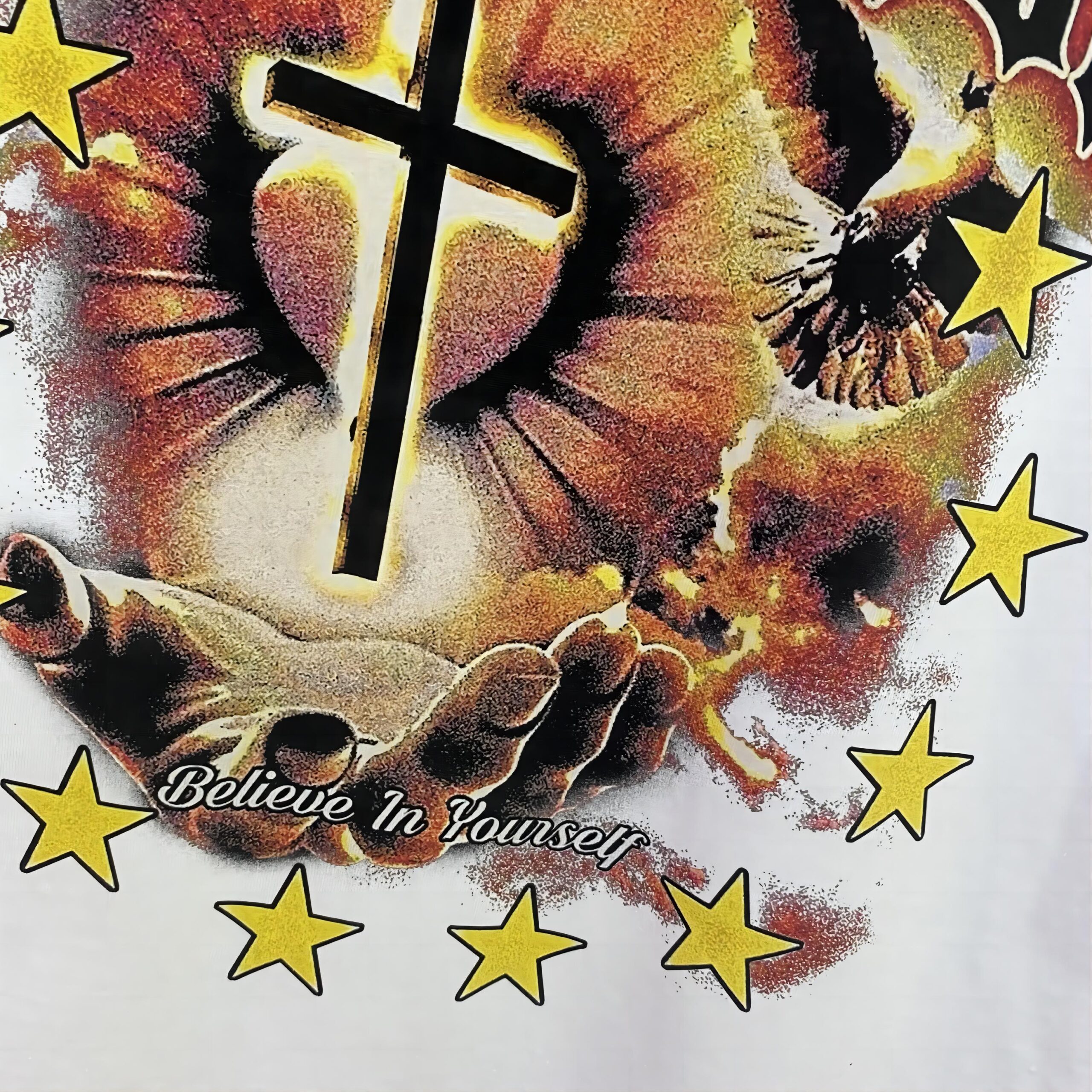




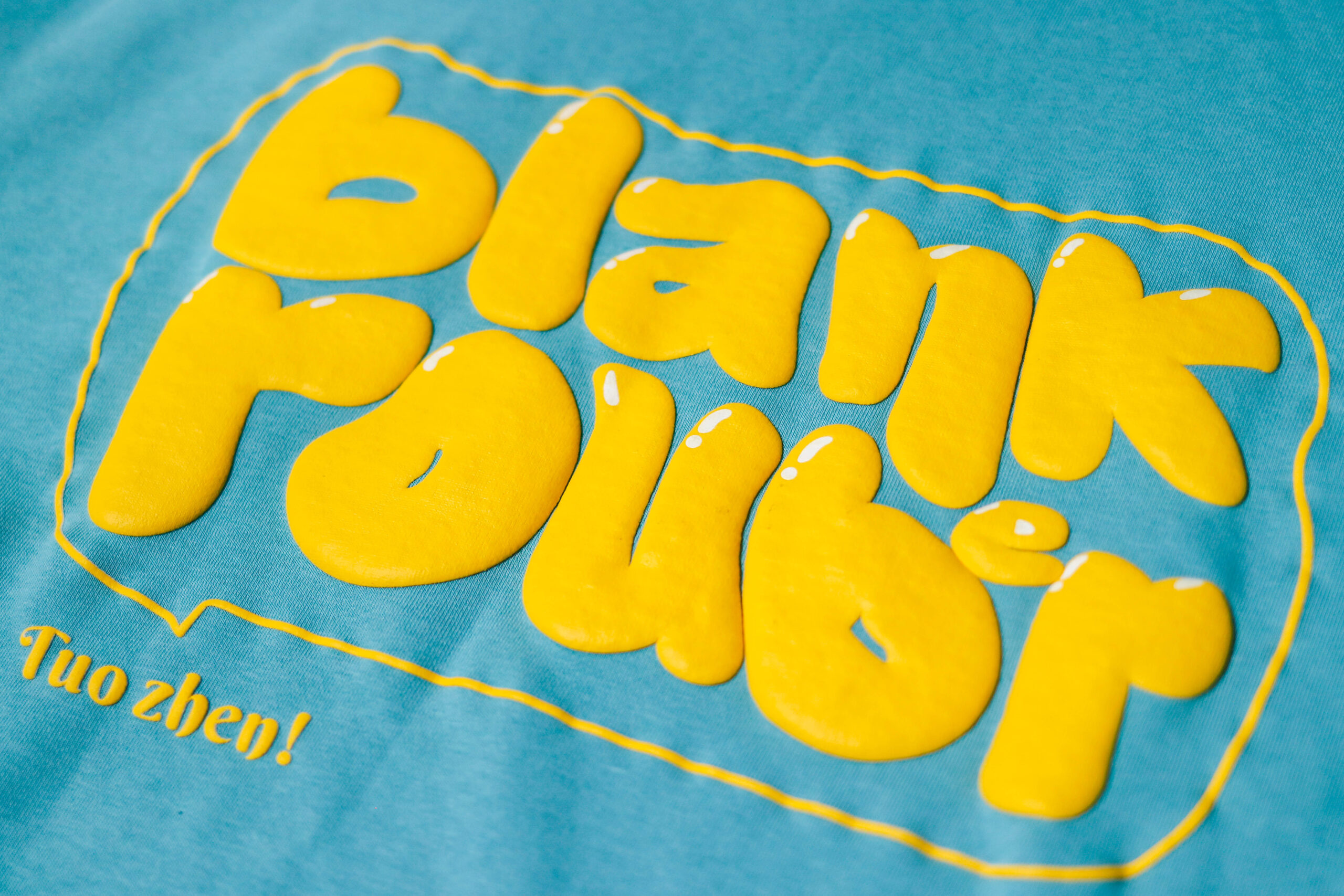
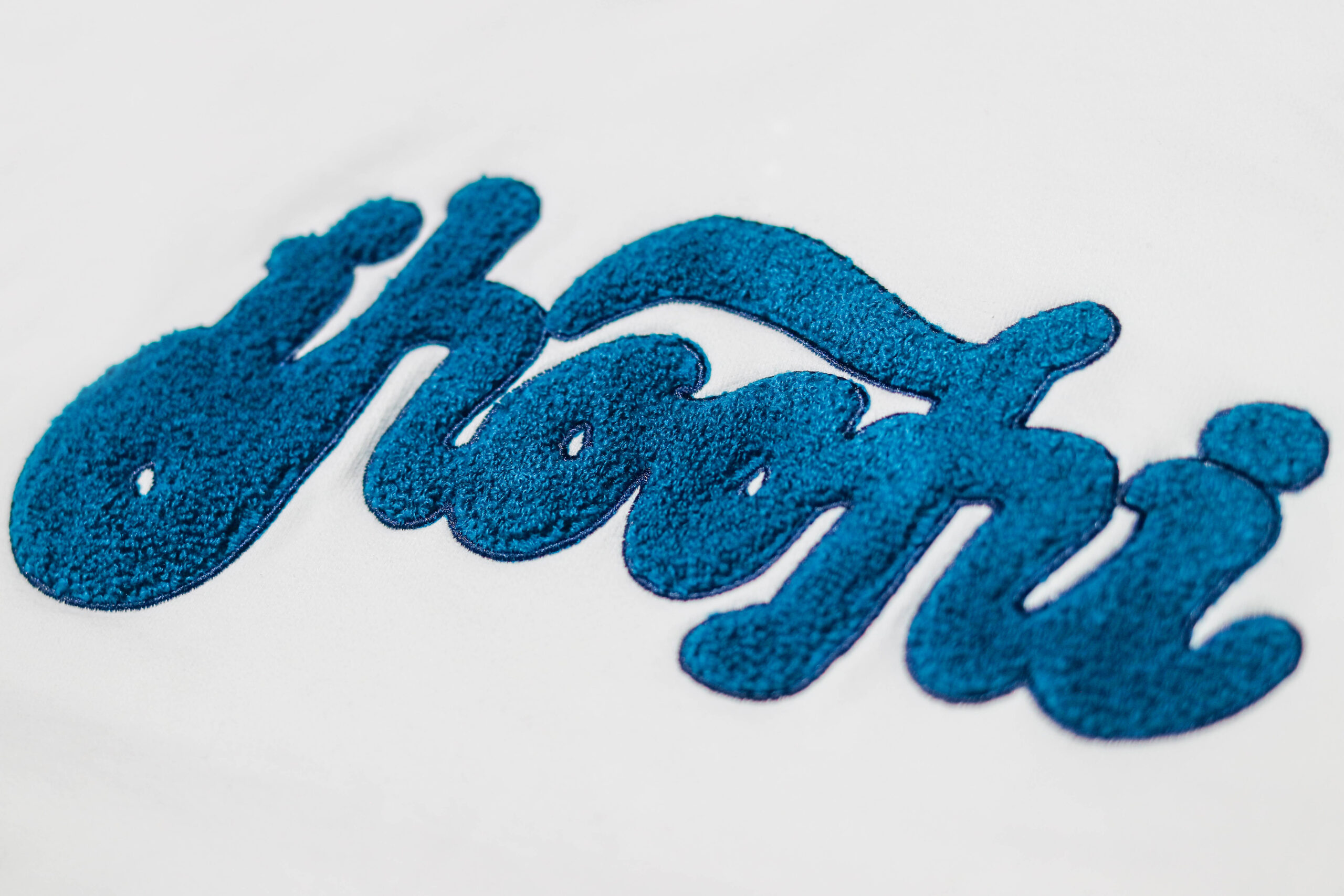
Production-Ready Teamwear, Built to Repeat
Founder-led development and controlled production for teamwear programs that need reliable repetition from sample approval through packed delivery.
Founder-Led Since 2000
Work directly with a manufacturing partner shaped by garment construction, production accountability, and repeatable standards since 2000.
Flexible OEM and ODM
Bring a complete tech pack or an early concept; EDVORIN develops specifications, materials, samples, and private-label details around your program.
Teamwear-Specific Decoration
Coordinate prints, embroidery, names, numbers, placement records, and compatible base fabrics for jerseys designed to perform as a cohesive team set.
Men’s and Women’s Development
Adjust fit blocks, grading, proportions, materials, and performance details for intended wearers rather than relying on one universal jersey specification.
Approved-Standard Quality Control
Turn sample approvals into documented production references, with material, measurement, artwork, trim, in-line, and final checks aligned throughout bulk manufacturing.
Custom Apparel and Teamwear Programs
Production-ready development for sportswear, team uniforms and adjacent apparel categories, coordinated from materials and fit through decoration, quality control and packing.
Custom Hoodies
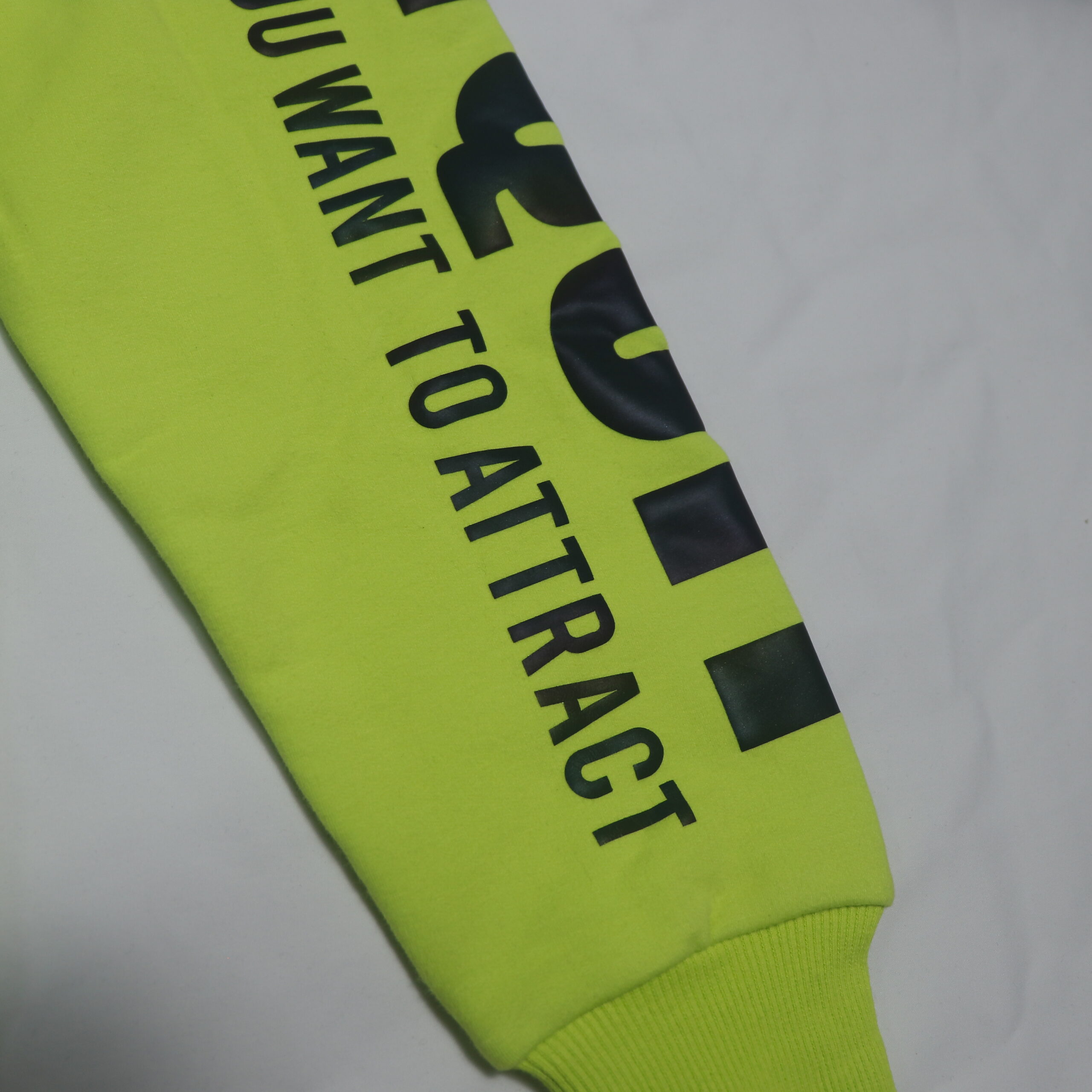
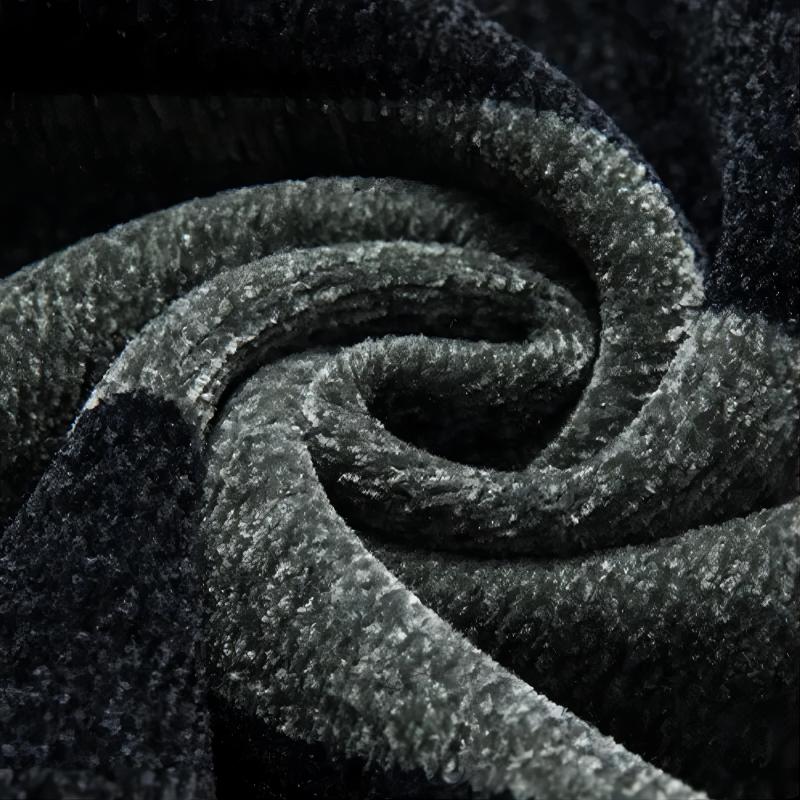
EDVORIN develops custom hoodies with specified fleece weight, fit blocks, rib recovery, hoods, drawcords, pockets and decoration placement. Approved samples document construction and artwork so each bulk run follows a controlled standard for men’s or women’s programs.
Get a Quote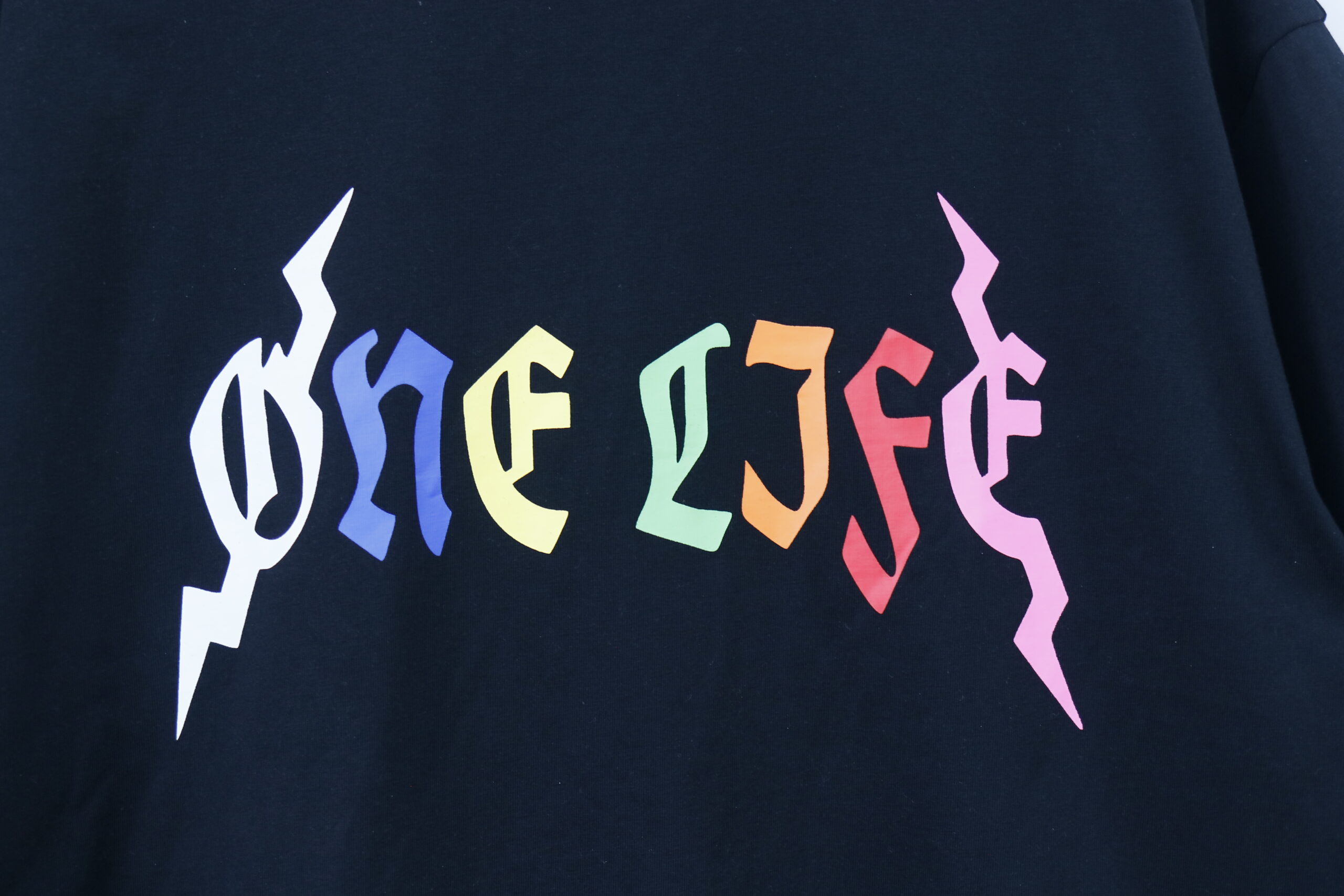
Pullover Sweatshirts
As a sweatshirt manufacturer, EDVORIN develops pullover styles around fabric weight, neckline, rib construction, seams, wash effects and print or embroidery requirements. Measurement specifications and approved samples help keep fit and finishing consistent through bulk production.
Get a Quote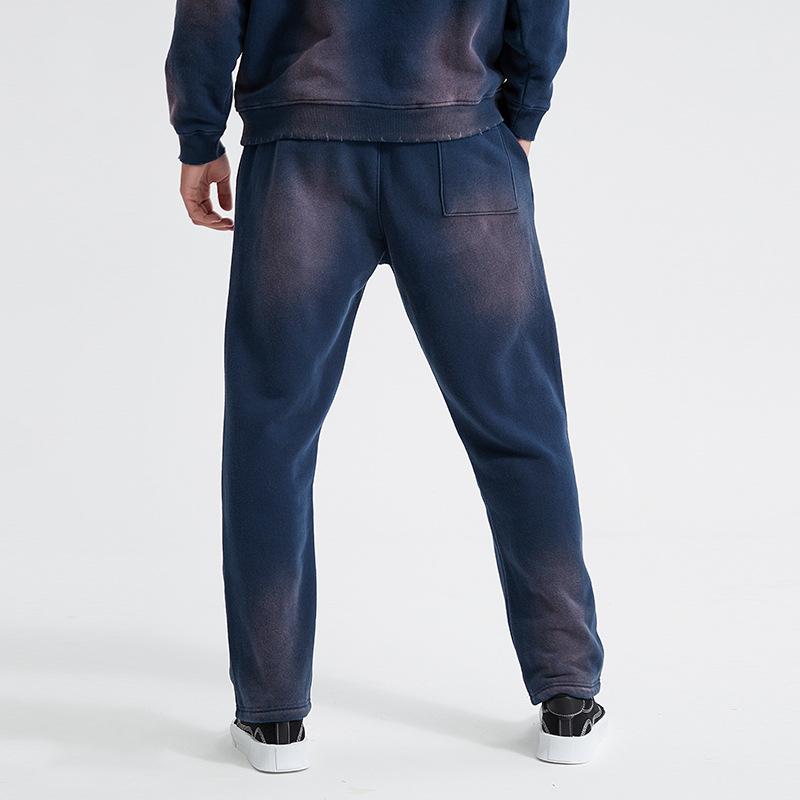
Sweatpants & Joggers
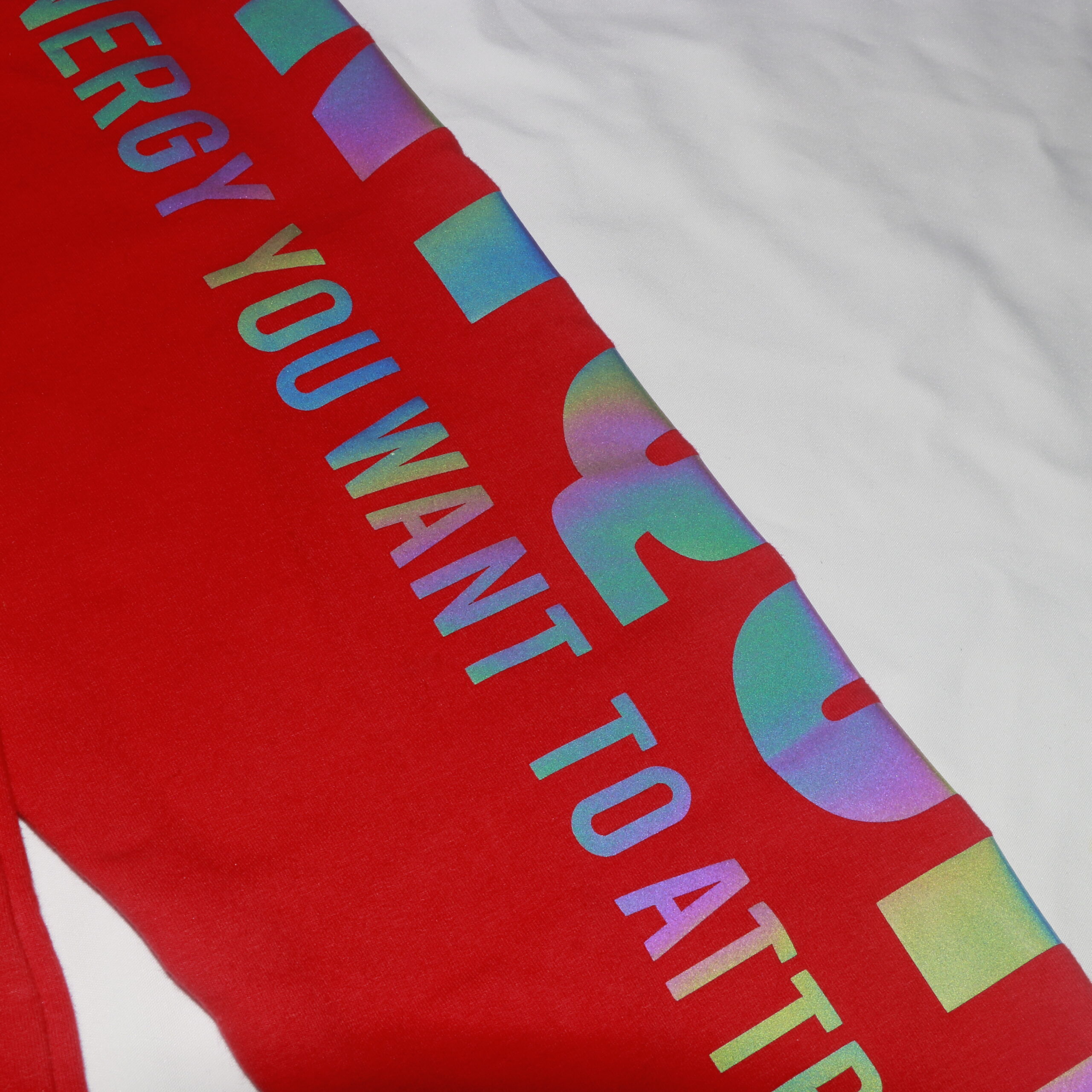
EDVORIN produces sweatpants and joggers with coordinated fabric, waistband, drawcord, pocket, cuff and grading specifications. Buyers can align these pieces with hoodies or sweatshirts while maintaining repeatable fit, color and decoration standards across size ranges.
Get a Quote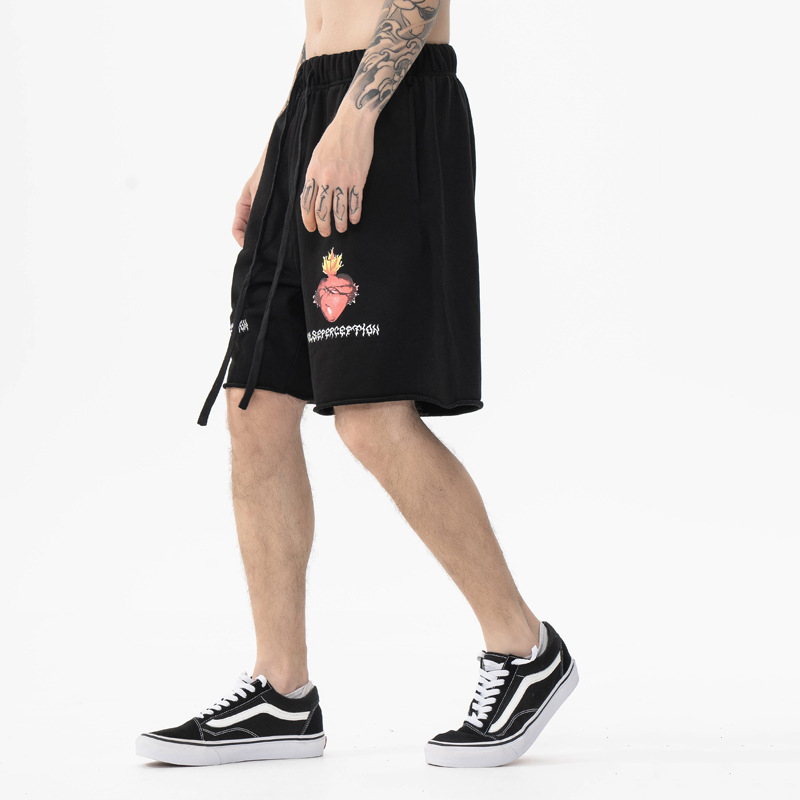
Custom Shorts
Custom shorts are developed for casualwear, training, basketball and coordinated uniform programs. EDVORIN specifies fabric performance, inseam, waistband, pockets, lining and logo application, then controls approved details through cutting, sewing, decoration and final inspection.
Get a Quote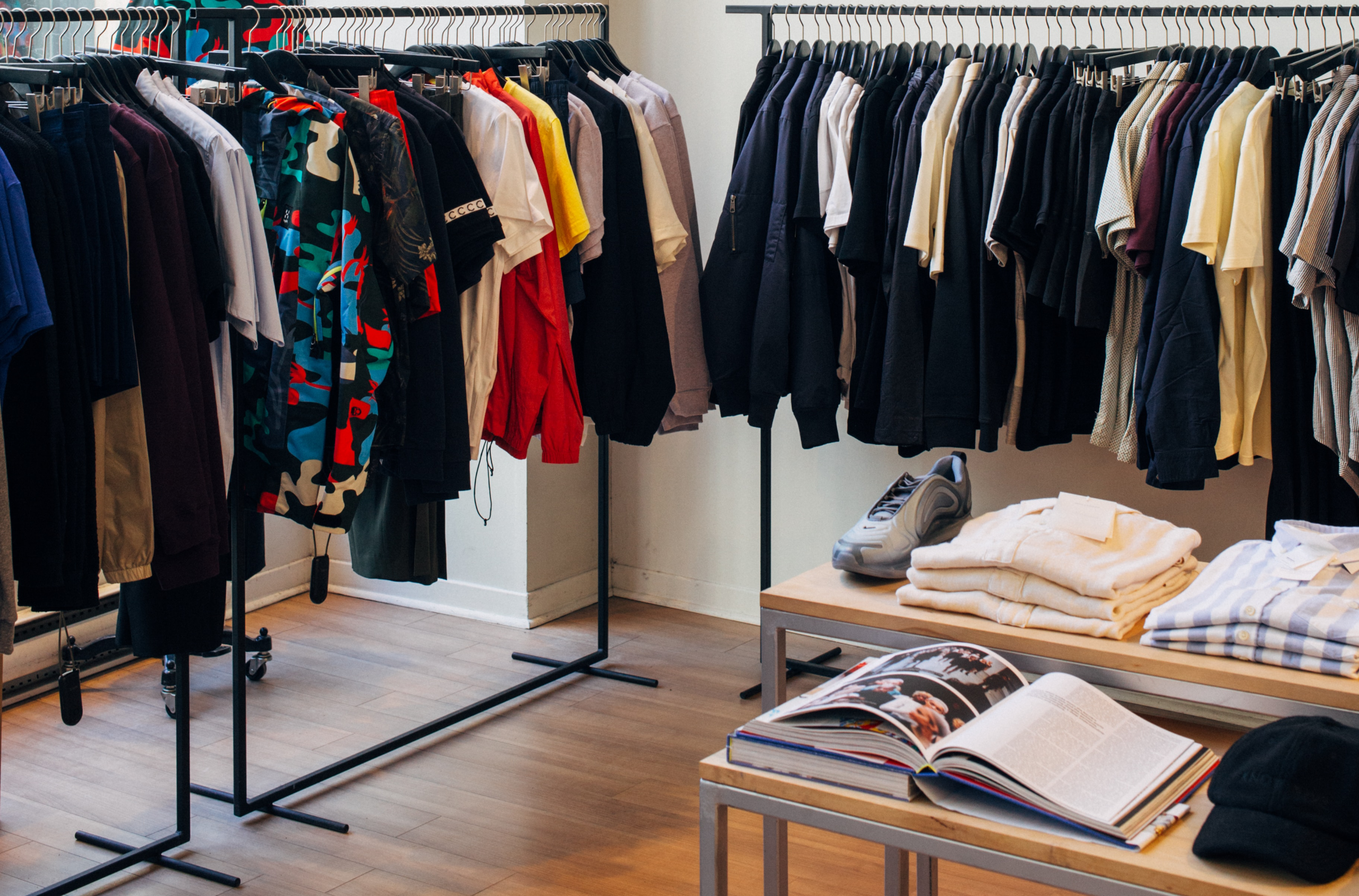
Varsity & Baseball Jackets
EDVORIN develops varsity and baseball jackets by coordinating body fabric, sleeves, ribbing, snaps, lining, patches and embroidery. The program turns a style-dependent jacket into a documented production standard that protects balance, fit and decoration placement in bulk.
Get a Quote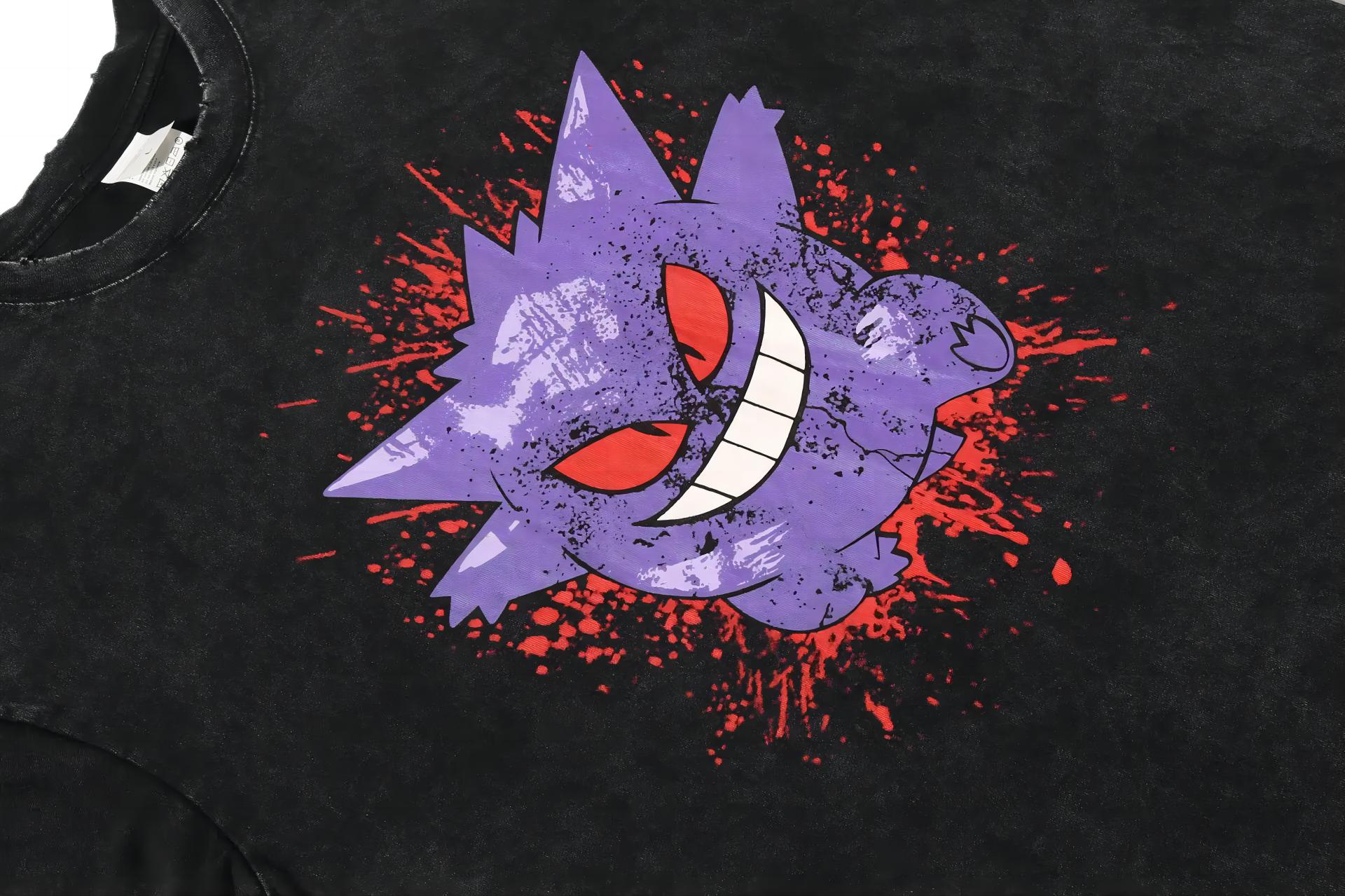
Custom T-Shirts
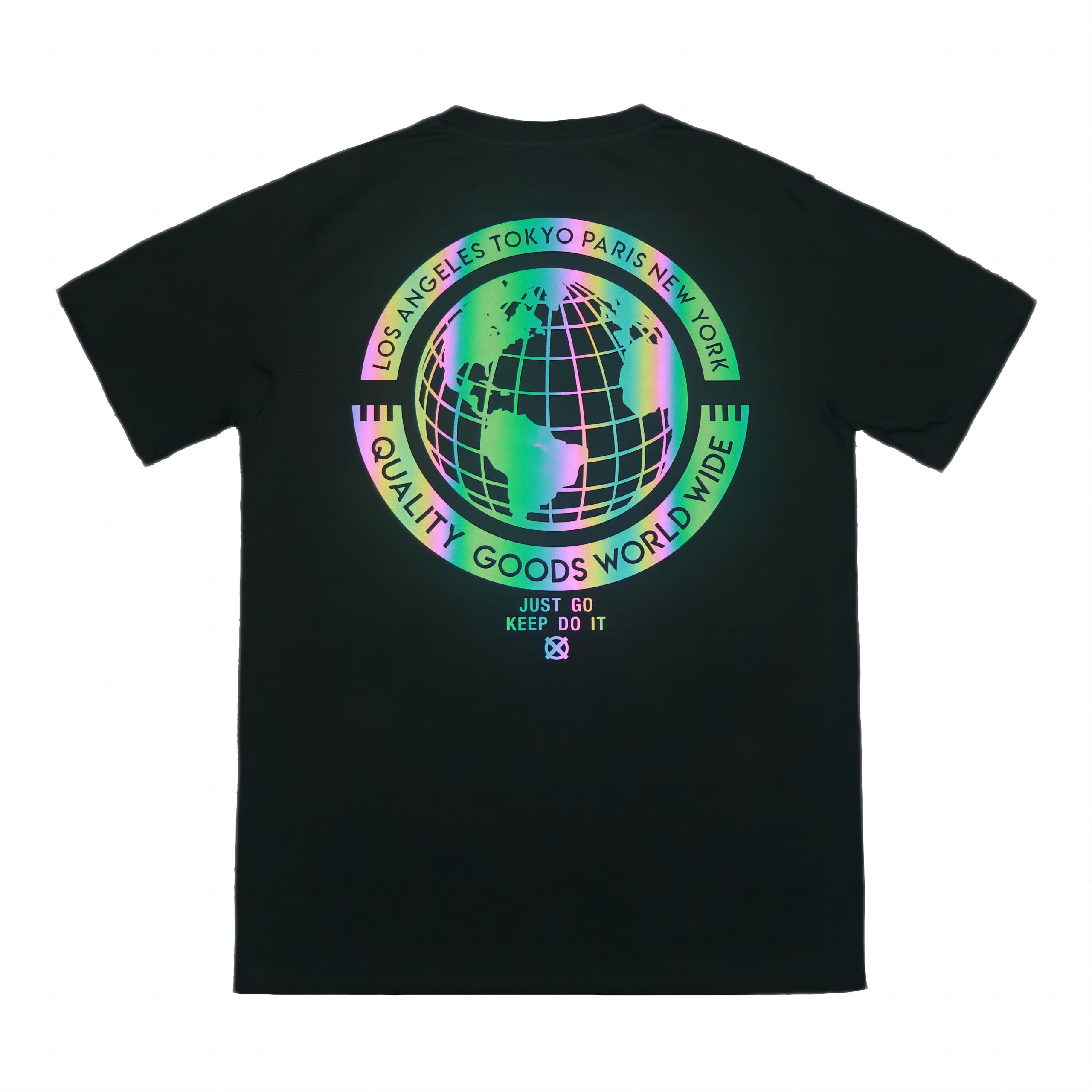
As a custom T-shirt manufacturer, EDVORIN supports jersey, cotton and blended constructions with defined weight, fit, neck rib, stitching, print method and wash requirements. Each approved sample provides a reference for repeatable quality across men’s and women’s sizes.
Get a Quote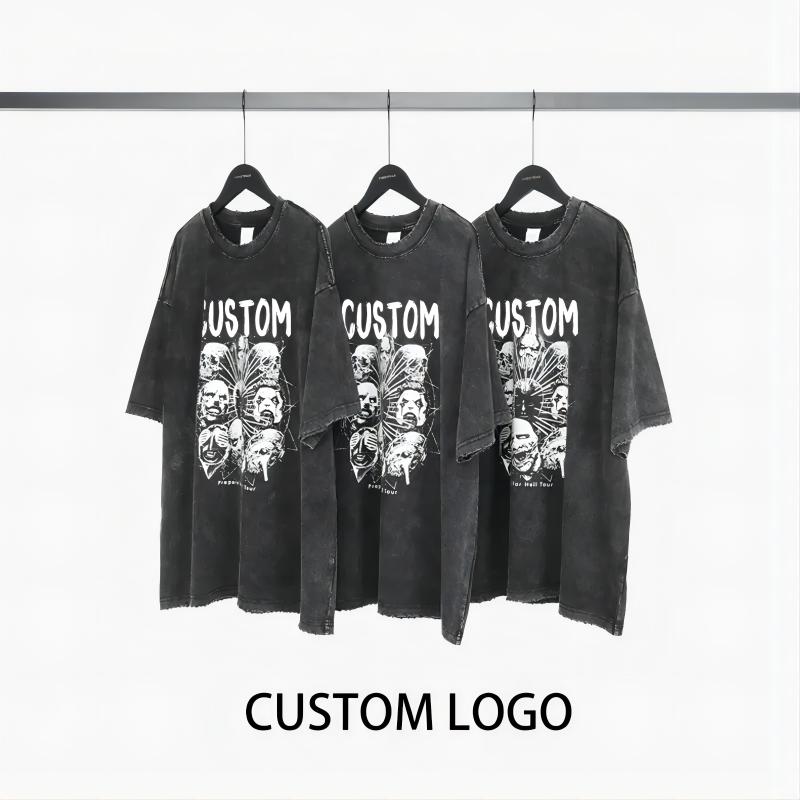
Custom Polo Shirts
Custom polo shirts can be developed for corporate, school, club and private-label programs with selected piqué or performance fabrics, collar construction, plackets, cuffs, embroidery and color blocking. EDVORIN records specifications to support consistent repeat orders.
Get a Quote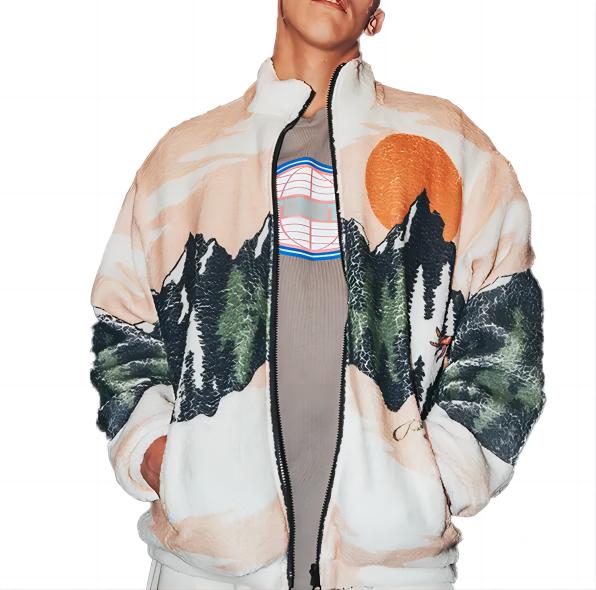
Windbreaker Jackets
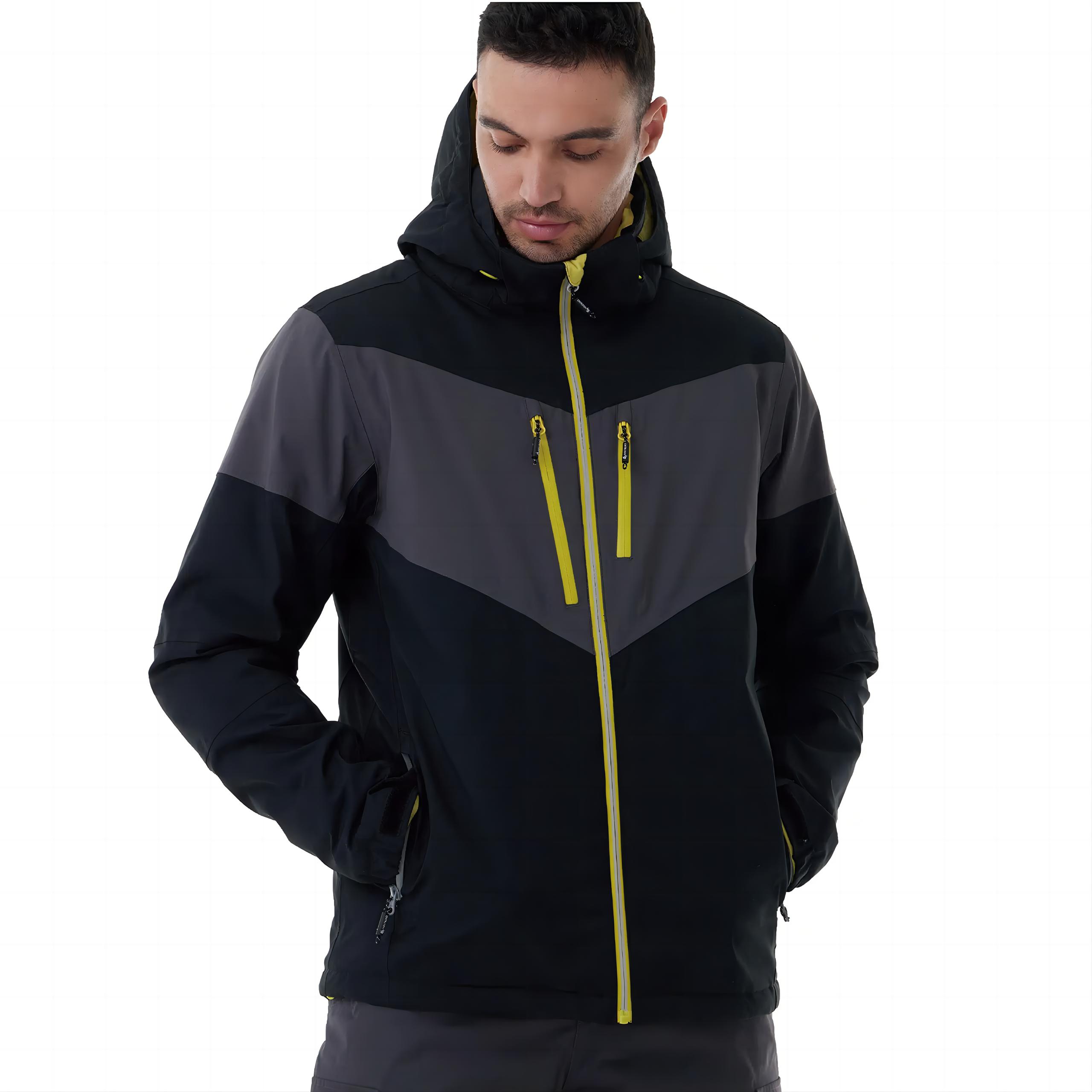
EDVORIN develops windbreaker jackets with coordinated shell fabric, lining or mesh, zippers, hoods, pockets, elastic details and print or embroidery methods. Construction and weather-performance choices are reviewed in sampling before they move into bulk production.
Get a Quote
Quilted Jackets
Quilted jacket programs require control of shell fabric, fill, lining, quilting pattern, hardware and fit. EDVORIN develops and samples these elements together, providing buyers with an approved reference for warmth, appearance and construction consistency.
Get a Quote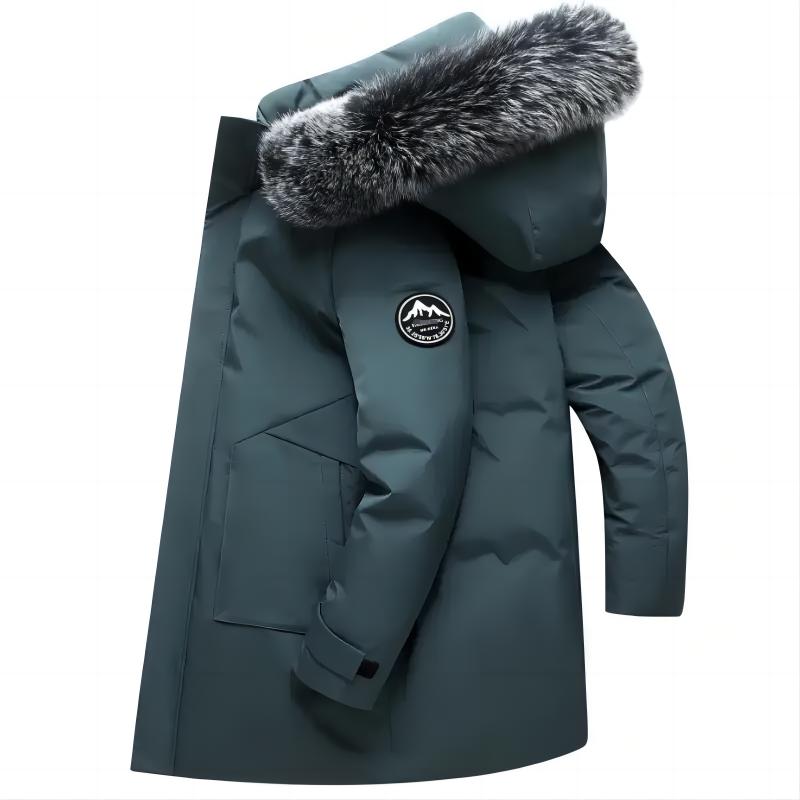
Bomber Jackets
EDVORIN produces bomber jackets with defined shell, lining, rib, zipper, pocket and decoration specifications. Whether for fashion, streetwear or team programs, the approved sample establishes the proportions and finishing details used to guide bulk production.
Get a Quote
Custom Shirts
Custom woven shirts are developed around fabric selection, collar shape, placket, cuffs, seams, pocket options and grading. EDVORIN supports private-label and uniform requirements with documented measurements, trim specifications and packaging details for repeatable orders.
Get a Quote
Custom Jerseys
EDVORIN develops custom jerseys for clubs, schools, events and private-label sportswear programs. Fabric breathability, color matching, panel construction, logo placement, names and numbers are coordinated in sampling to maintain clear standards across the full order.
Get a Quote
Tank Tops
Tank tops can be developed for training, basketball, casualwear and streetwear collections with selected knit fabrics, armhole and neckline binding, fit, grading and decoration. EDVORIN aligns these details with matching shorts or jersey programs when required.
Get a Quote
Soccer Uniforms
Soccer uniform programs combine breathable fabrics, jersey and short construction, club colors, crests, sponsor graphics, player names and numbers. EDVORIN manages size sets and placement specifications so the approved uniform standard carries through each team order.
Get a Quote
Basketball Uniforms
Basketball uniforms are developed as coordinated jerseys and shorts with performance fabric, color blocking, mesh options, trim, numbers and names specified for the program. Approved samples help control proportions, decoration placement and sizing across player sets.
Get a Quote
Streetwear Collections
EDVORIN develops streetwear collections across hoodies, tees, bottoms, jackets and layered pieces under one production system. Fabric, fit, washes, trims, printing, embroidery, labels and packaging are coordinated to turn collection concepts into repeatable manufacturing standards.
Get a QuotePerformance and Responsible Material Options
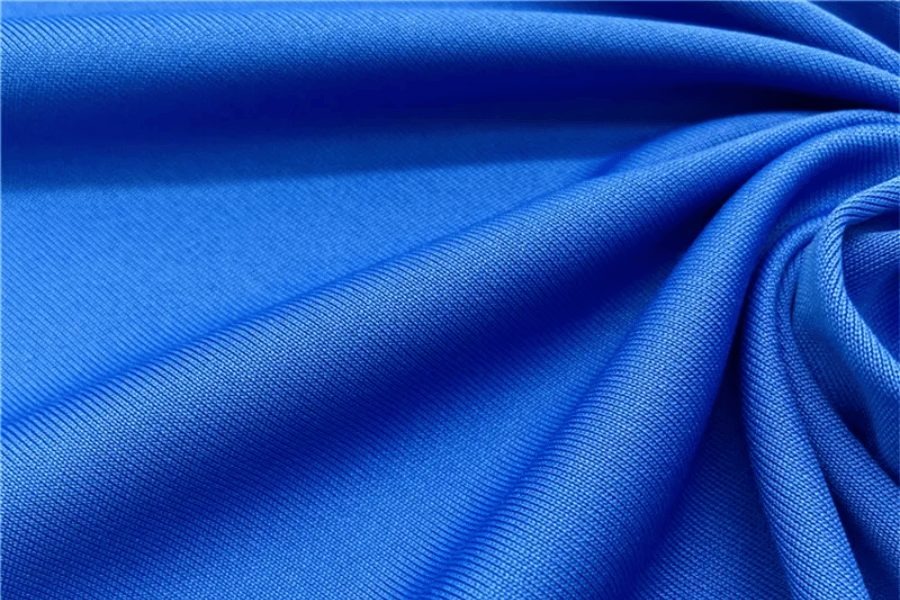
Recycled Polyester Interlock
A smooth, lightweight knit for soccer, basketball, and training jerseys. Its stable surface supports sharp sublimation and repeatable color placement, while recycled-content options can be sourced through available GRS material programs.

Recycled Polyester Mesh
An open, airy knit suited to high-output teamwear, side panels, and warm-weather jerseys. The breathable construction improves airflow and keeps the garment light, with recycled-content options available through documented material programs.
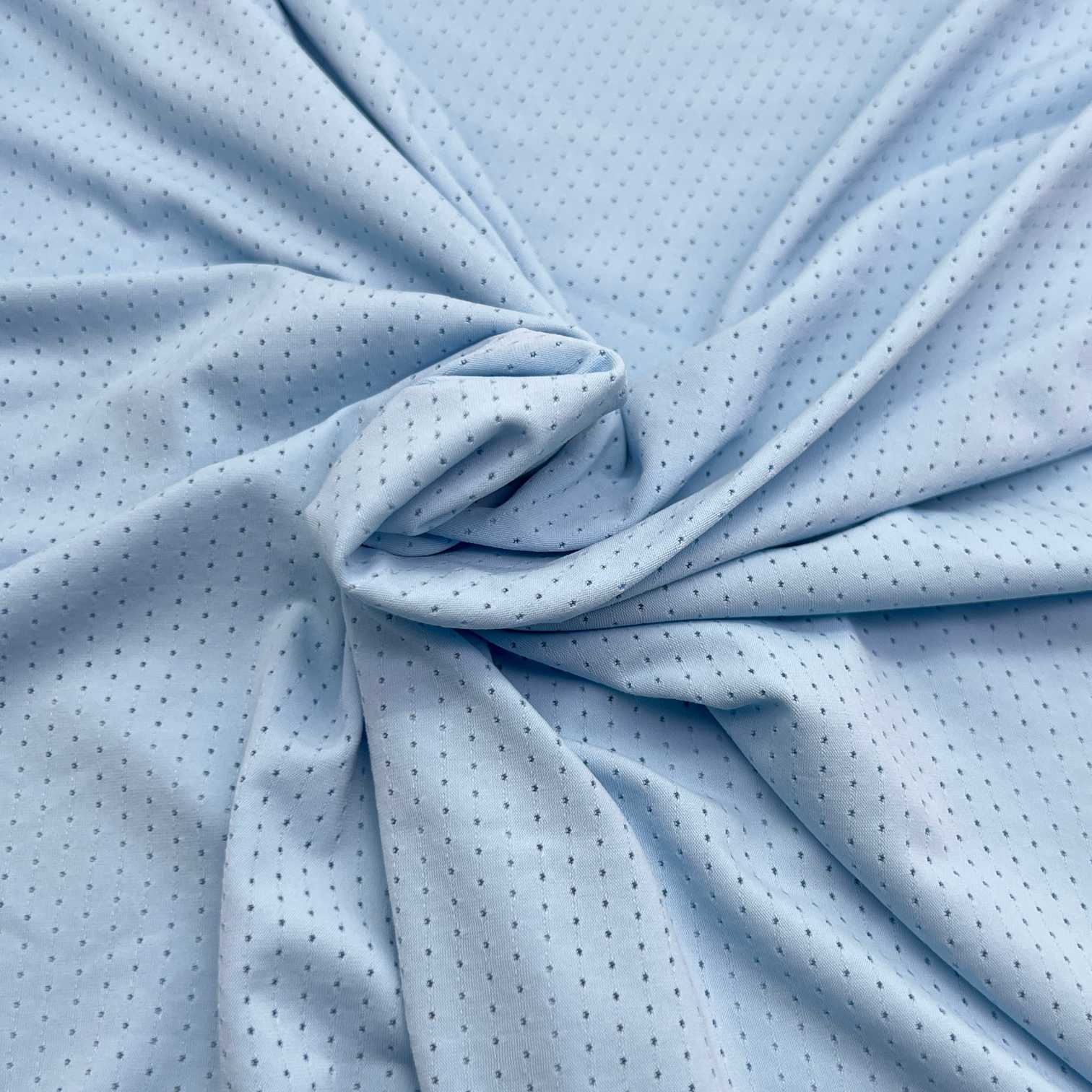
Polyester Spandex Knit
A soft, flexible performance knit for fitted training tops, cycling-inspired jerseys, and women’s teamwear. Added stretch supports movement and shape retention, while fabric weight and recovery can be specified during sample development.
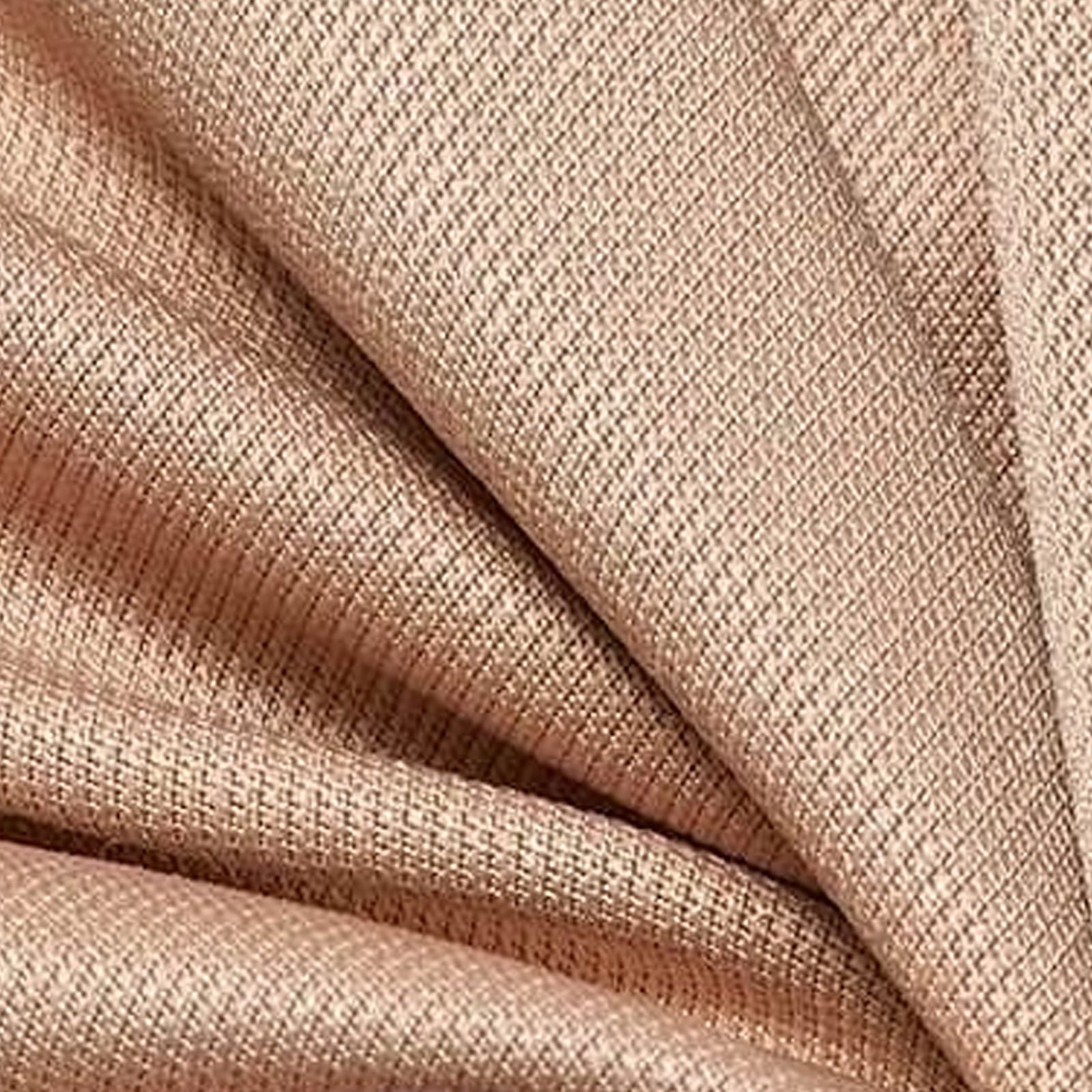
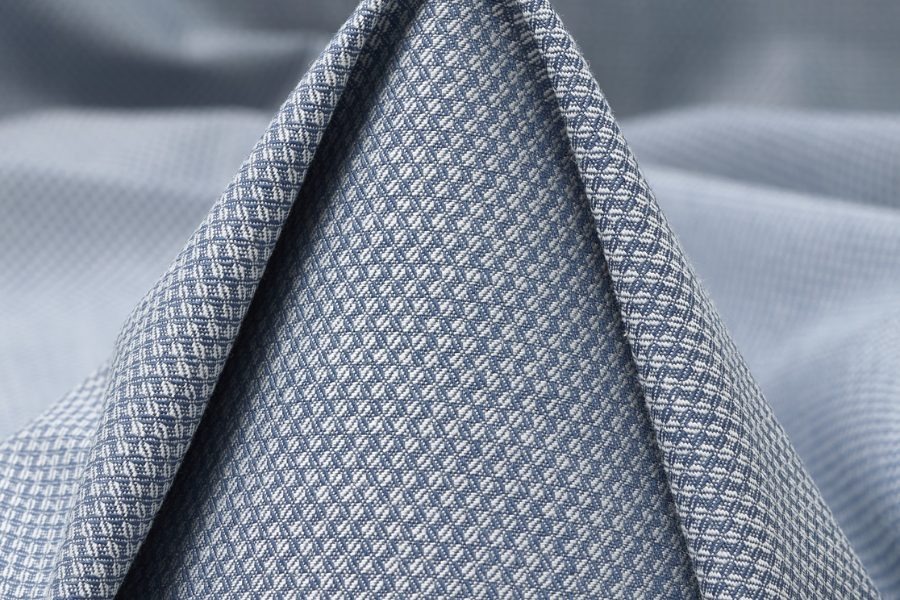
Polyester Pique Knit
A textured, durable knit for polo-style uniforms, coaching apparel, and club presentation pieces. The raised surface adds structure and breathability, while its dependable weight supports repeatable fit and decoration across size ranges.
Sports Jersey Decoration & Production Techniques
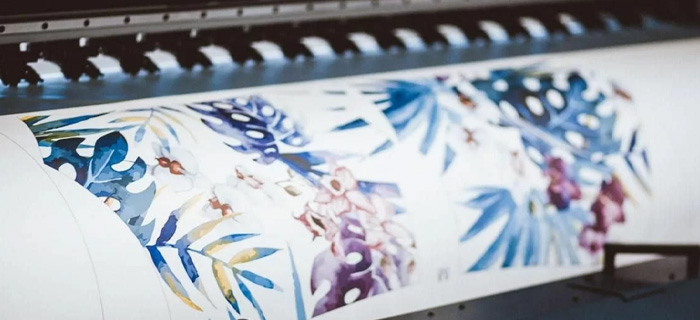
Dye Sublimation
Artwork is transferred into compatible polyester fabric for all-over color, gradients and detailed graphics. The result stays lightweight and breathable, with team colors and placements documented for consistent repeat production.
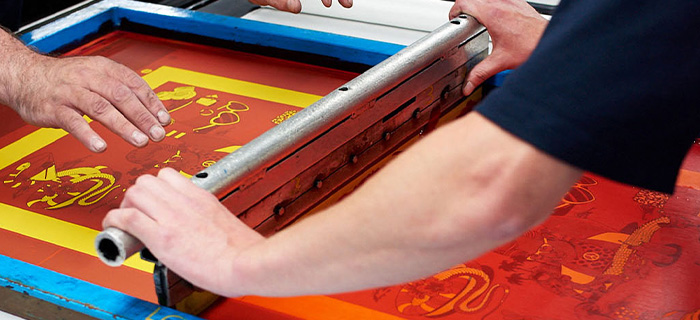
Screen Printing
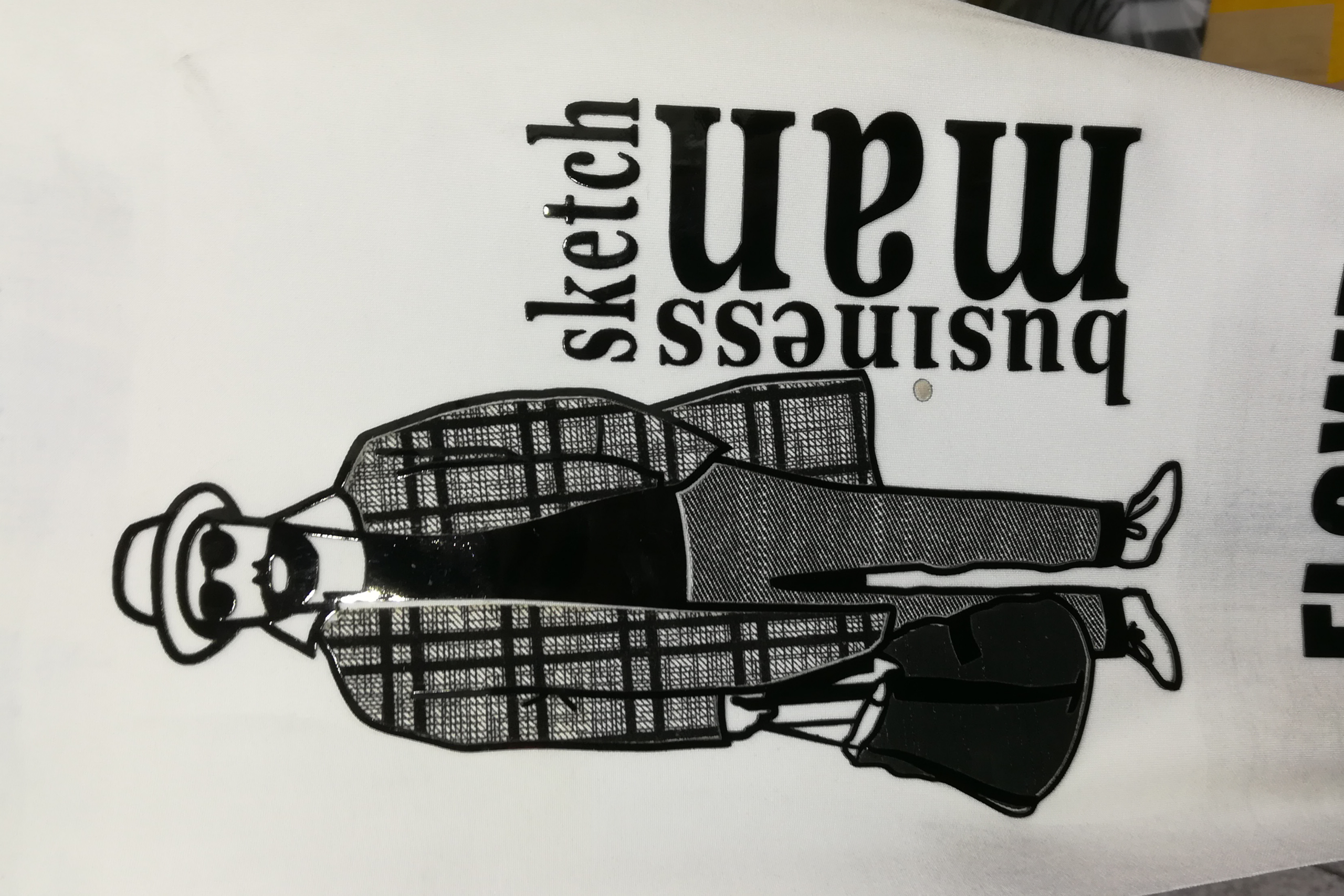
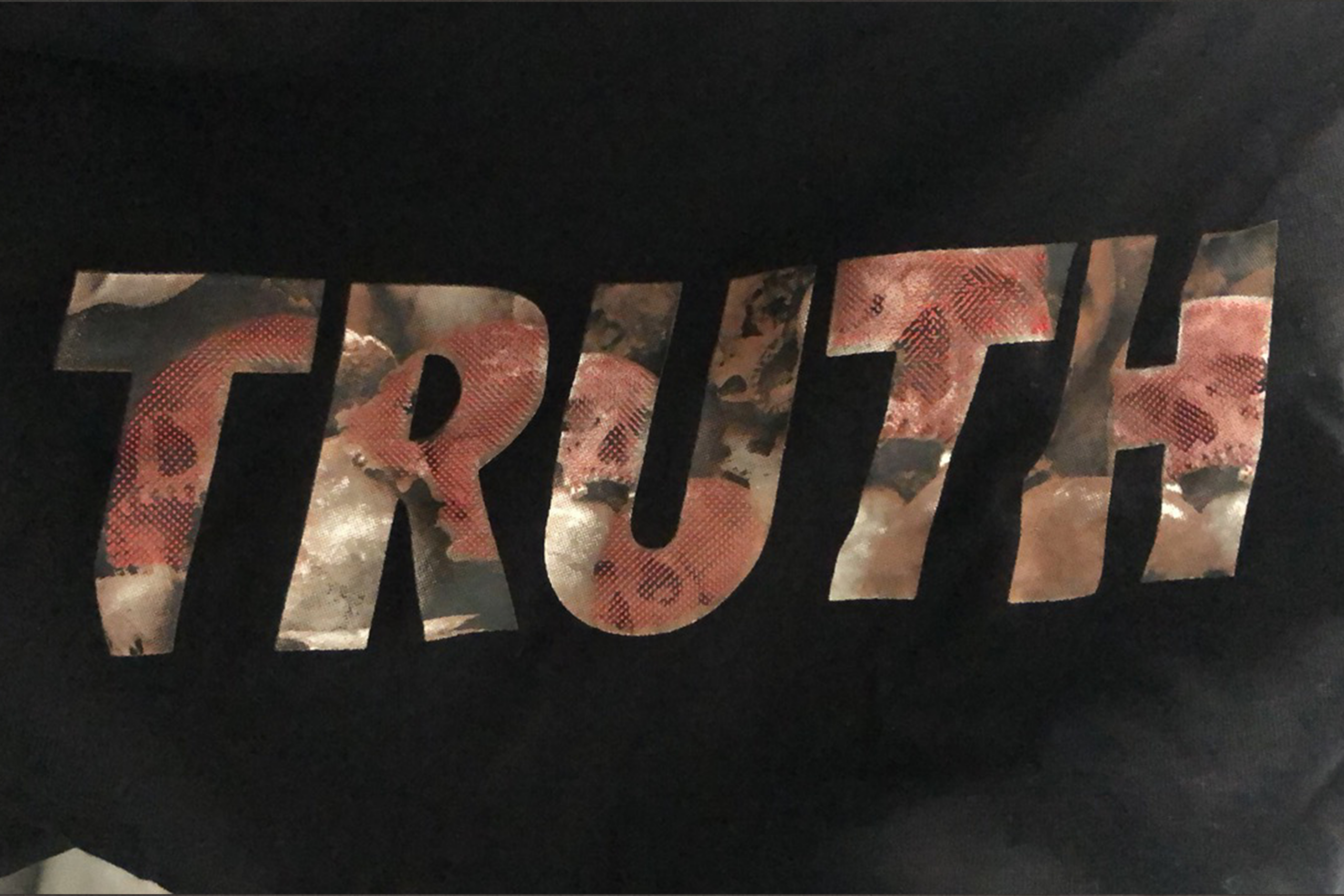
Screen printing applies durable ink layers to selected jersey fabrics for bold logos, sponsor marks and simplified graphics. EDVORIN reviews ink, fabric and placement requirements to help preserve clarity through wear and laundering.
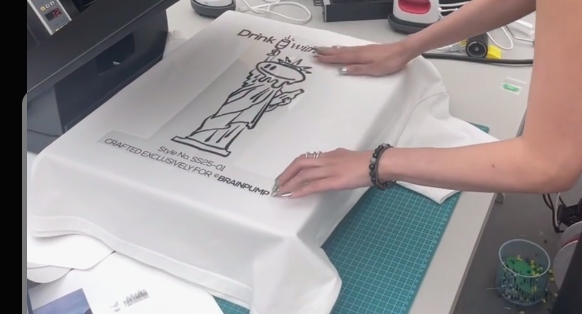
Heat Transfer
Heat transfers create precise names, numbers, crests and multicolor artwork where clean edges matter. The method is selected around fabric stretch, garment use and artwork size to support a reliable, professional team identity.
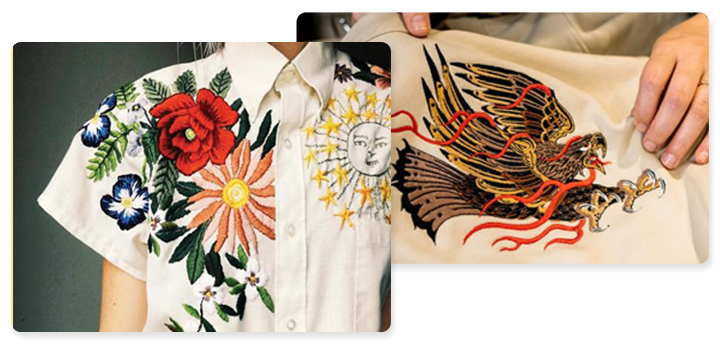
Embroidery Details
Embroidery adds raised texture and a premium finish to compatible crests, club marks and small branding details. Stitch density, backing and placement are specified during development so decoration remains balanced with the jersey construction.
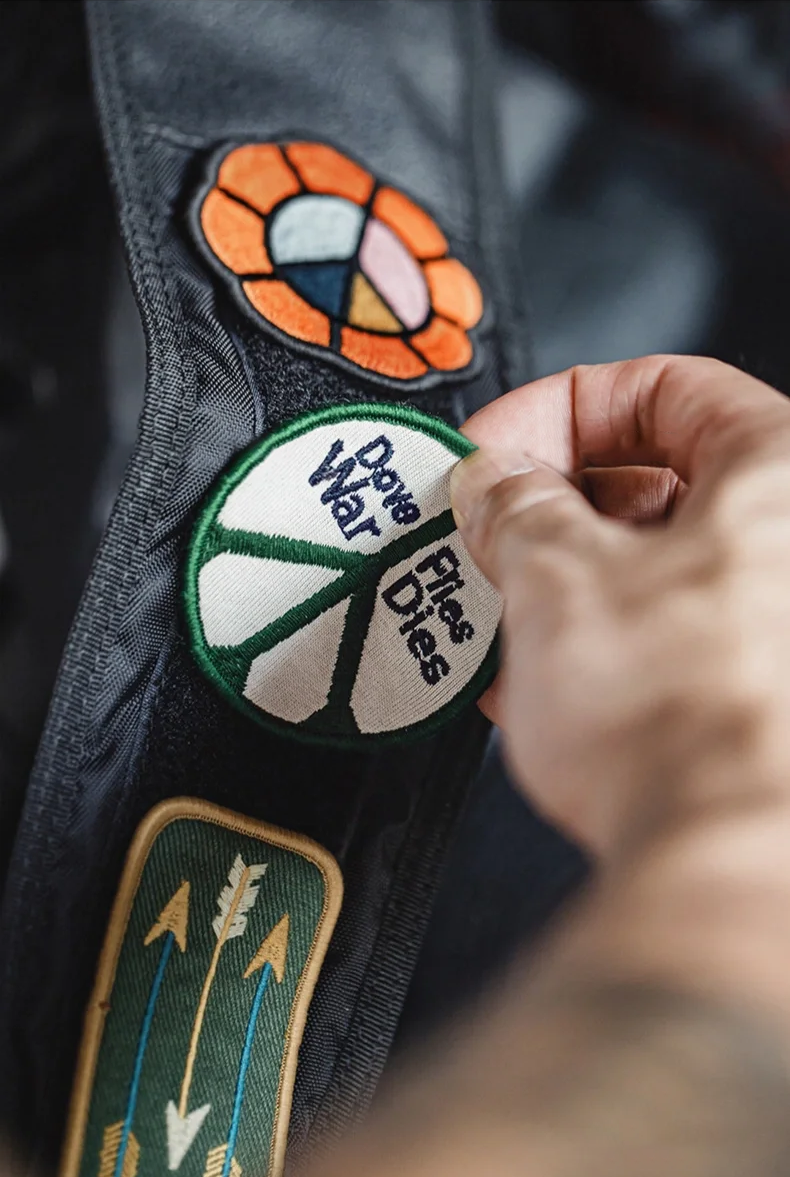
Appliqué Application
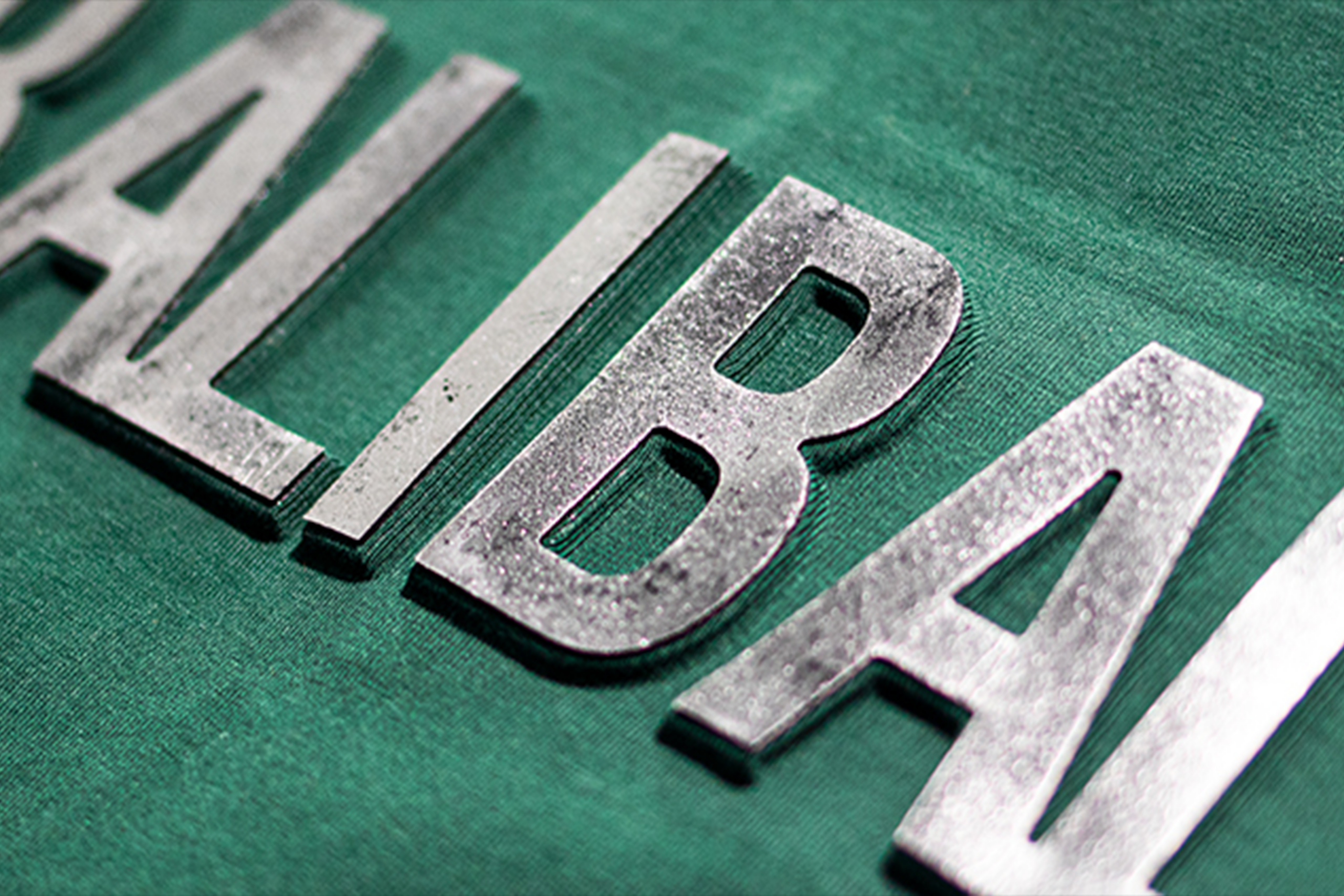
Appliqué combines layered fabric elements with stitching for distinctive letters, numbers and heritage-inspired team details. EDVORIN develops the material, edge finish and attachment method around the garment fabric for a durable visual result.
Teamwear Trims, Labels, and Finishing
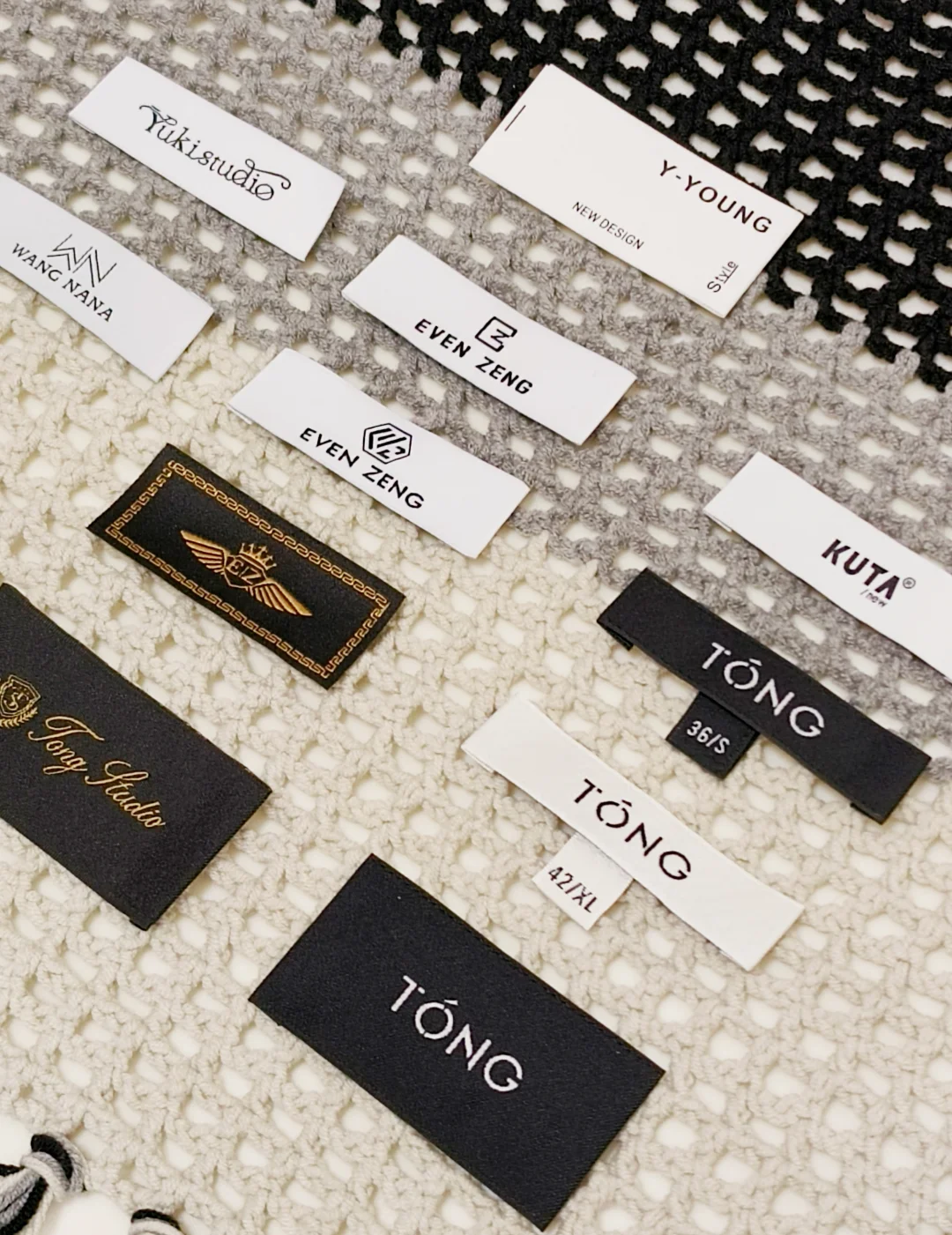
Woven Brand Labels
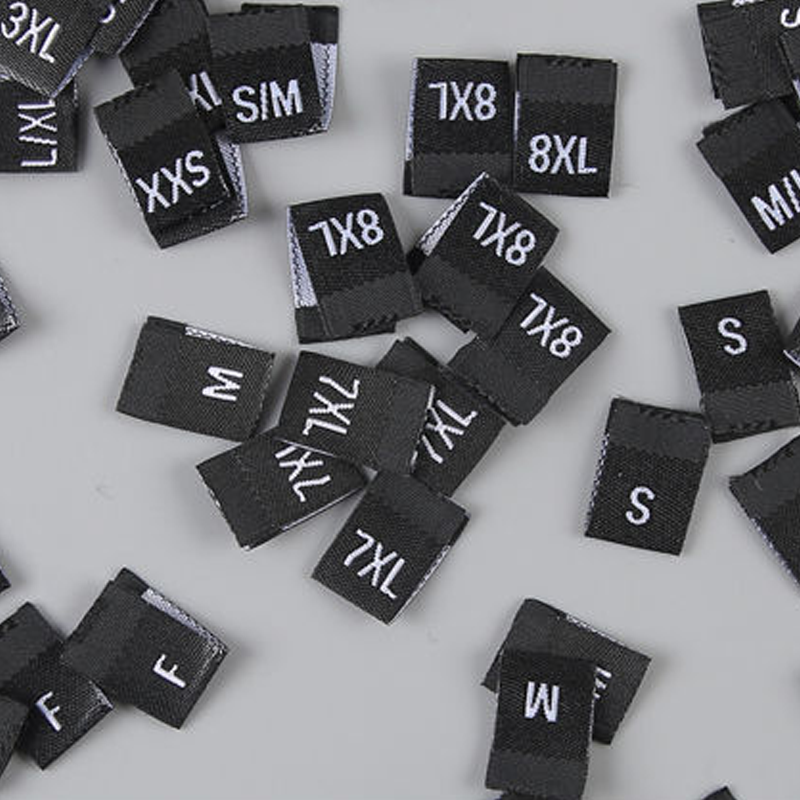
Custom woven main labels, size labels, and care labels can be specified for neckline and side-seam placement, helping sports jersey programs carry clear brand identity and garment information through repeat production.
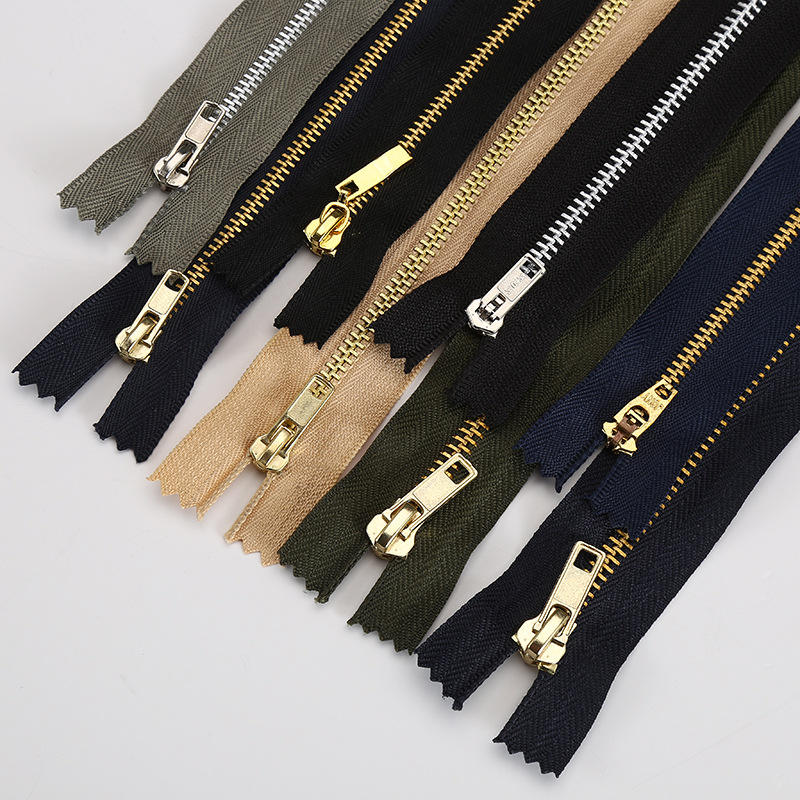
YKK Zippers
YKK zipper options suit quarter-zips, training tops, warm-up jackets, and pockets where reliable closure matters. EDVORIN coordinates zipper length, tape color, puller style, and placement with the garment construction.
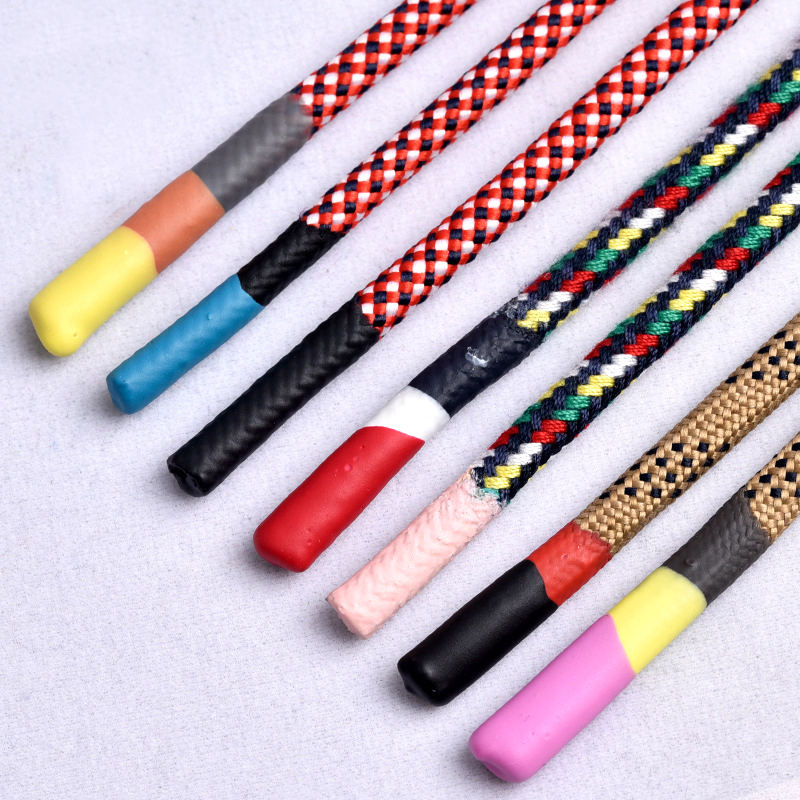
Drawcords And Tipping
Drawcords with custom colors, tipped ends, or branded aglets can finish hooded warm-up pieces and teamwear bottoms. Material, thickness, length, and eyelet compatibility are selected to support the intended fit and use.
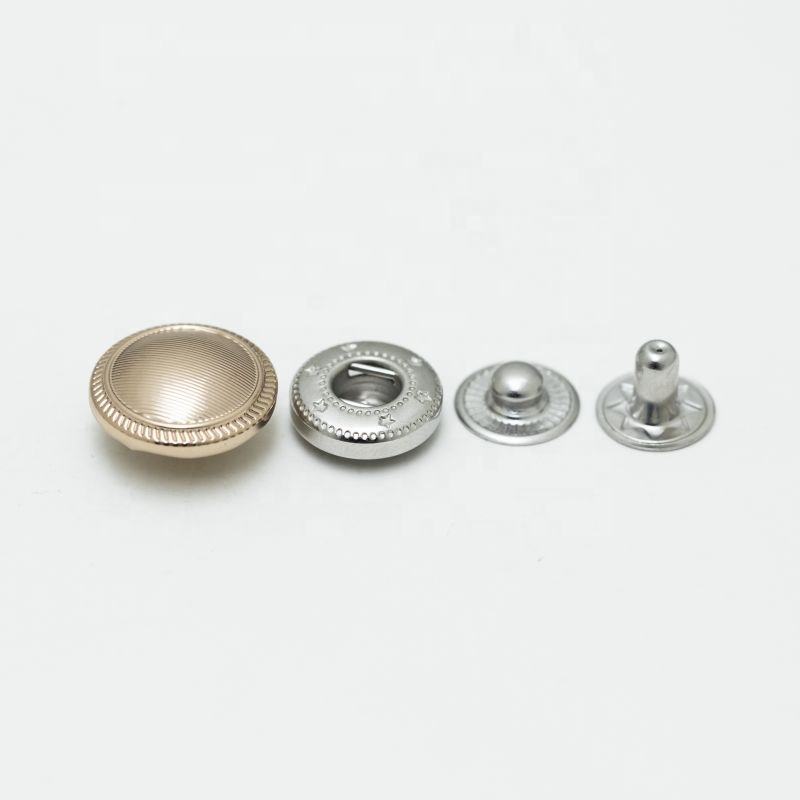
Snap Button Hardware
Custom snap buttons provide a practical finish for varsity layers, warm-up jackets, and detachable details. Buyers can align cap color, logo treatment, size, and placement with their approved teamwear specification.
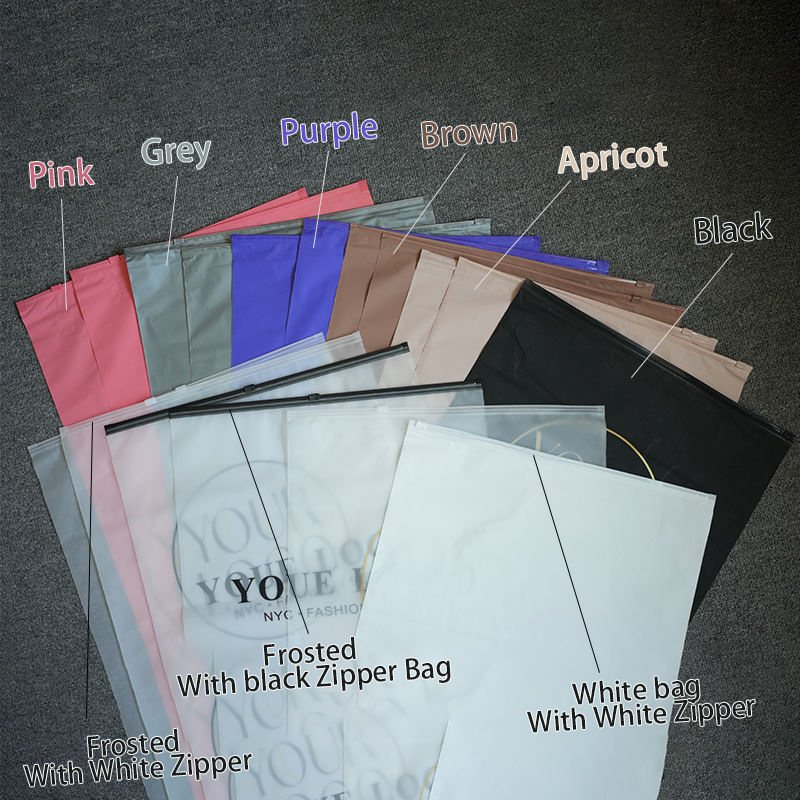
Custom Retail Packaging
Hangtags, polybags, size stickers, barcode labels, and carton marks can be coordinated for wholesale, club, and private-label fulfillment. Packing details are recorded to help each teamwear order arrive organized.
About EDVORIN
Founded in 2000 by Edvorin Zeng, EDVORIN was built around a practical idea: a strong jersey concept needs a production standard that holds up beyond the first sample. As a sustainable sports jersey manufacturer, we help buyers turn designs, references, and tech packs into repeatable teamwear programs.
Our connected workflow brings product development, material sourcing, pattern work, sampling, printing, embroidery, bulk production, labeling, and packing under one accountable path. Sports clubs, schools, labels, wholesalers, and private-label buyers can develop men’s and women’s jersey programs with fit, performance, color, and decoration requirements clearly documented.
What sets EDVORIN apart is the discipline after approval. We record material, measurement, trim, and artwork-placement decisions so in-line checks and final inspection can protect the approved standard through bulk production. With MOQ starting at 200 pieces per style and certification programs for responsible material options, we support collections built to repeat and made to grow.

Jersey Manufacturing That Holds Standards
Technical Development, Made Clear
EDVORIN develops jersey concepts into workable specifications, aligning fit, grading, panel construction, performance needs, and artwork requirements before sampling. Men’s and women’s programs can be developed around the intended wearer instead of relying on one universal block.
- Tech-pack support from sketches, references, or complete specifications
- Category-specific patterns for soccer, basketball, and coordinated teamwear
- Fit, proportions, and grading reviewed before bulk approval
- MOQ starts at 200 pieces per style
Materials and Decoration Aligned
As a sustainable sports jersey manufacturer, EDVORIN coordinates material selection with the decoration method, so the garment, color application, numbers, names, trims, and finishing details are considered as one production system rather than separate decisions.
- Performance and responsible material options matched to program needs
- Print, embroidery, and decoration methods considered with the base fabric
- Artwork placement and color references documented for production
- Labels, packaging, and trims coordinated with the jersey build
Approved Samples Become Standards
A sample is converted into a usable manufacturing reference, not treated as a one-time result. EDVORIN records approved measurements, construction details, material choices, color references, and decoration placement to support consistent repeat orders.
- Approved samples establish the bulk production benchmark
- Measurement charts and revisions are documented clearly
- Placement details protect names, numbers, and sponsor artwork
- Production references support repeatable seasonal programs
Quality Checked Through Packing
EDVORIN builds quality control around the approved standard, with in-line checks to identify variation during production and final inspection before packing. This helps buyers protect consistency across coordinated sizes, colors, and teamwear components.
- In-line inspection helps catch variation before it spreads
- Bulk measurements checked against approved specifications
- Final review covers construction, decoration, and finishing
- Packed goods are checked against the approved production standard
Why Buyers Choose EDVORIN for Sustainable Sports Jersey Manufacturing
A connected development-to-bulk process gives teamwear buyers clearer standards, coordinated decoration, and dependable repeat orders.
← Swipe left or right to view →
From Concept to Packed Order
A documented production path that carries approved materials, fit, artwork and finishing details through every stage of your teamwear program.
Develop and Source
We review your tech pack, reference or concept; confirm jersey construction, fit blocks, performance materials, trims, labels and responsible sourcing requirements.
Approve Patterns and Samples
Patterns, grading and samples turn the design into a physical standard, allowing you to review fit, color, fabric behavior, artwork placement and construction.
Cut and Decorate
After approval, materials are checked, cut to documented specifications and prepared for compatible printing, embroidery, numbers, names or other teamwear decoration.
Sew and Inspect
Sewing follows the approved construction standard while in-line quality checks monitor measurements, seam quality, color consistency and decoration accuracy before variations spread.
Finish and Pack
Finished jerseys receive final inspection against approved requirements, then labels, size sets, folding, polybags and buyer-specific packaging are coordinated for organized delivery.
Prepare for Shipping
We confirm packed quantities, carton details, and required documentation so your order is prepared for a clear handoff to shipping.
Start With a Sustainable Sports Jersey Manufacturer
Move from an initial brief to a repeatable teamwear order through one accountable development and production path.
Share Your Brief
Send a tech pack, sketch, reference garment, artwork, size range, and target quantity. We review construction, decoration, material, and responsible sourcing requirements together.
Confirm Specifications
EDVORIN’s MOQ starts at 200 pieces per style. Align on fabric and trim options, fit blocks, color standards, decoration methods, labeling, packaging, MOQ, pricing, and production timing before sampling begins.
Approve Your Sample
Review the developed jersey for fit, material performance, artwork placement, colors, and finishing. Approved comments become the documented standard for bulk production.
Produce and Inspect
EDVORIN coordinates materials, cutting, sewing, decoration, and in-line checks against the approved standard, helping protect consistency across your complete jersey order.
Coordinate Final Delivery
After final inspection, we organize labeling and packing details and coordinate delivery requirements so your teamwear program arrives ready for distribution or sale.
Certified Standards for Responsible Apparel Production



What Buyers Expect From a Sustainable Sports Jersey Manufacturer
Buyer testimonial to be published after written customer approval.
Buyer testimonial to be published after written customer approval.
Buyer testimonial to be published after written customer approval.
Sustainable Sports Jersey Manufacturer FAQs
EDVORIN’s MOQ starts at 200 pieces per style. Clear answers on MOQ, development, responsible material options, order controls and repeat production with EDVORIN.
EDVORIN’s MOQ starts at 200 pieces per style. What is the MOQ for a sustainable sports jersey manufacturer?
Can a sustainable sports jersey manufacturer develop a jersey from a sketch or reference garment?
Which responsible material options can a sustainable sports jersey manufacturer source?
How long do custom sports jersey samples and bulk orders take?
What affects the price of custom sustainable sports jerseys?
How do you protect our artwork, designs and private-label details?
What payment and shipping options are available for jersey orders?
How do you keep repeat sports jersey orders consistent?
Complete Guide to a sustainable sports jersey manufacturer
Use this decision framework to compare sustainable jersey suppliers, evaluate materials and production proof, plan customization, control costs, and avoid sourcing mistakes before placing a private-label or teamwear order.
1. What Is a Sustainable Sports Jersey Manufacturer?
200-piece programs illustrate why a sustainable sports jersey manufacturer is more than a supplier that can quote recycled polyester. Buyers should be able to review the material’s origin, composition, certification scope and transaction documentation, rather than rely on an unsupported recycled-content claim.
GRS, GOTS and OEKO-TEX refer to different parts of material assurance; none alone proves every environmental or labor claim across a finished jersey. Responsible sourcing also requires documented production controls, while durable specifications—appropriate fabric weight, colorfastness, seam strength and repeatable sizing—help keep jerseys in use longer.
OEM means producing to a buyer’s approved tech pack and specifications; ODM begins with a manufacturer-developed design that the buyer adapts. Custom teamwear adds controlled Pantone colors, logos, names, numbers and size-set management; buyers should ask EDVORIN which records and certifications apply to their specific program.
2. How Sustainable Jersey Manufacturing Evolved
EDVORIN’s MOQ starts at 200 pieces per style. 1990s performance jerseys were largely specified around virgin polyester because it was lightweight, durable, and compatible with team-color decoration. As recycled polyester gained acceptance, fabric selection expanded from basic performance to fiber origin, moisture transfer, abrasion resistance, and expected service life.
2026 sourcing decisions require more than a recycled-content statement: buyers should request material certificates, transaction records where applicable, and test evidence tied to the actual fabric and order. GRS, GOTS, OEKO-TEX, and BSCI address different parts of material, chemical, or social-compliance evidence; they are not interchangeable. https://sansansports.com/product-category/sustainable-apparel
2000 marks EDVORIN’s foundation, and its production approach fits this shift: approved materials, measurements, artwork placement, and trims must become a repeatable bulk standard. A sustainable sports jersey manufacturer should therefore be evaluated on lifecycle thinking, durability, compliance documentation, color control, and reorder consistency alongside style, unit price, and MOQ.
3. Types of Sustainable Sports Jersey Manufacturer
Supplier models allocate risk differently. A sustainable sports jersey manufacturer should be chosen for the buyer’s design maturity, replenishment forecast, and required material documentation.
Full-Package OEM
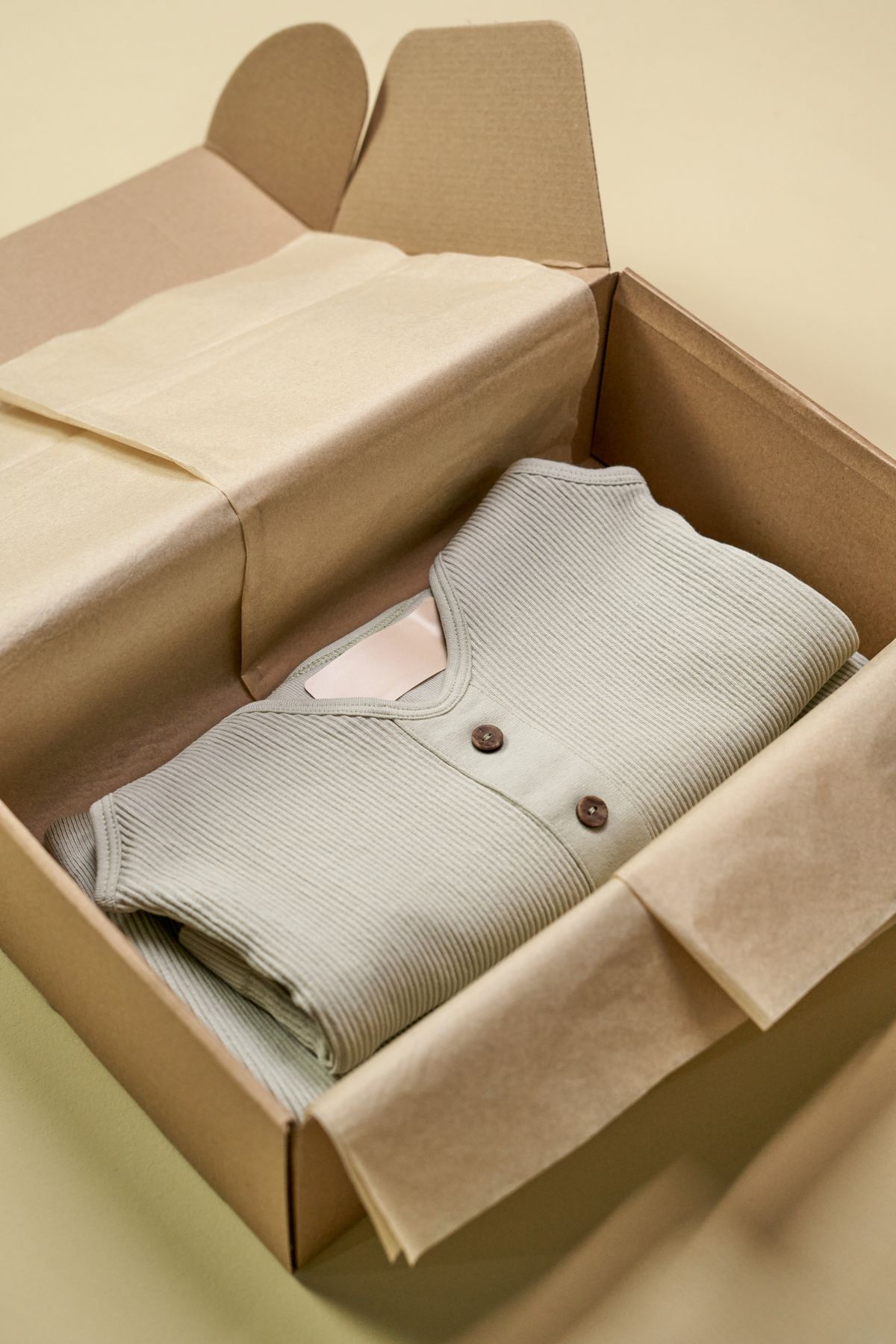
200-piece programs suit brands with approved tech packs. Control is highest, but development requires decisions on fabric, trims, and testing.
Adaptable ODM
1 existing block can shorten sampling for new labels. Buyers customize colors and branding, but silhouette and construction freedom are limited.
Cut-And-Sew Specialists
2D patterns enable distinctive fits and panel layouts. Development work is heavier, and small runs may carry higher unit costs.
Sublimation Teamwear Factories
1 print-ready artwork file drives names, numbers, and repeat graphics. They suit clubs, but fabric and construction choices may be narrower.
Scalable Private-Label Partners
EDVORIN’s MOQ starts at 200 pieces per style. 200-piece MOQ planning supports launch-to-replenishment continuity. Private-label buyers gain coordinated packaging, yet must lock approved specifications before repeats.
4. Sustainable Sports Jersey Manufacturer Fabric Options
Fabric choice sets the jersey’s sweat handling, decoration route, and service life. A sustainable sports jersey manufacturer should match the fiber system to the sport instead of treating recycled content as a performance specification.
| Fabric Route | Performance Strength | Print Fit | Best Use / Trade-Off |
|---|---|---|---|
| Recycled polyester | Wicking, breathable, abrasion-resistant | Excellent for sublimation | Match jerseys; microfiber shedding remains a consideration |
| Recycled nylon | Abrasion-resistant, soft, elastic | Best with transfers or screen print | Contact-heavy kits; typically higher cost |
| Organic cotton blend | Breathable, comfortable; retains moisture | Screen print friendly | Warm-ups or fanwear; slower drying |
| Regenerated-cellulose blend | Soft, breathable, moisture absorbing | Test ink and shrinkage | Lifestyle jerseys; lower abrasion tolerance |
| Mono-material polyester | Recyclability-oriented, durable | Excellent for sublimation | Teamwear; avoid incompatible elastane or trims |
Verify The Material Claim
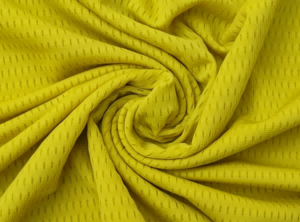
GRS transaction certificates and lot-specific fabric certificates are stronger evidence than a supplier’s recycled-material statement. Request the certificate scope, fabric composition, recycled-content percentage, mill name, lot number, and transaction documentation; GOTS applies to qualifying organic-textile inputs.
OEKO-TEX documentation addresses tested substances, not recycled content. Confirm that every document names the actual jersey fabric rather than a generic supplier certification.
5. Customization and Decoration for Sustainable Jerseys
Two decoration decisions determine whether a jersey stays breathable and repeatable: the print process and the number of added components. EDVORIN records approved artwork, Pantone references, placements, and name-number data before bulk production.
| Method | Best Use | Trade-Off |
|---|---|---|
| Sublimation | Polyester all-over graphics | Fiber-specific process |
| Screen print | Simple solid-color artwork | Can add hand feel |
| Heat transfer | Names and numbers | Extra film layer |
| Embroidery | Small crest | Added weight and stiffness |
Match Process To Fabric
100% polyester jerseys suit sublimation, which places all-over color without a raised print layer. Screen print and heat transfer need testing for adhesion, stretch, hand feel, and moisture movement.
Control Team Identity
1 approved color standard should govern logos, player names, numbers, and replacement orders. Keep placements measured from stable seams; oversized chest transfers can reduce air permeability.
Reduce Added Components
1 decoration plan can combine a neck print with essential identification and avoid redundant woven labels, patches, or plastic-heavy packaging. Embroidery adds dimension but can stiffen lightweight performance knits.
6. Construction Standards That Protect Jersey Quality
Two approved fit samples—one base size and one graded size—expose pattern, balance, and movement problems before bulk cutting. A sustainable sports jersey manufacturer should convert those approvals into controlled measurement tolerances and construction records.
Seams And Reinforcement
6–10 stitches per inch is a practical review point for jersey seams; the correct setting depends on fabric weight and seam type. Inspect flatlock or coverstitch seams for smooth stretch and secure bartacks at pocket, placket, or stress points.
Fabric And Color Control
±5% GSM consistency is a useful receiving-check target across rolls, alongside shade-band approval. Test colorfastness, neckline recovery, and print registration after washing; misaligned numbers or distorted collars make team reorders visibly inconsistent.
Wash Tests And Final Inspection
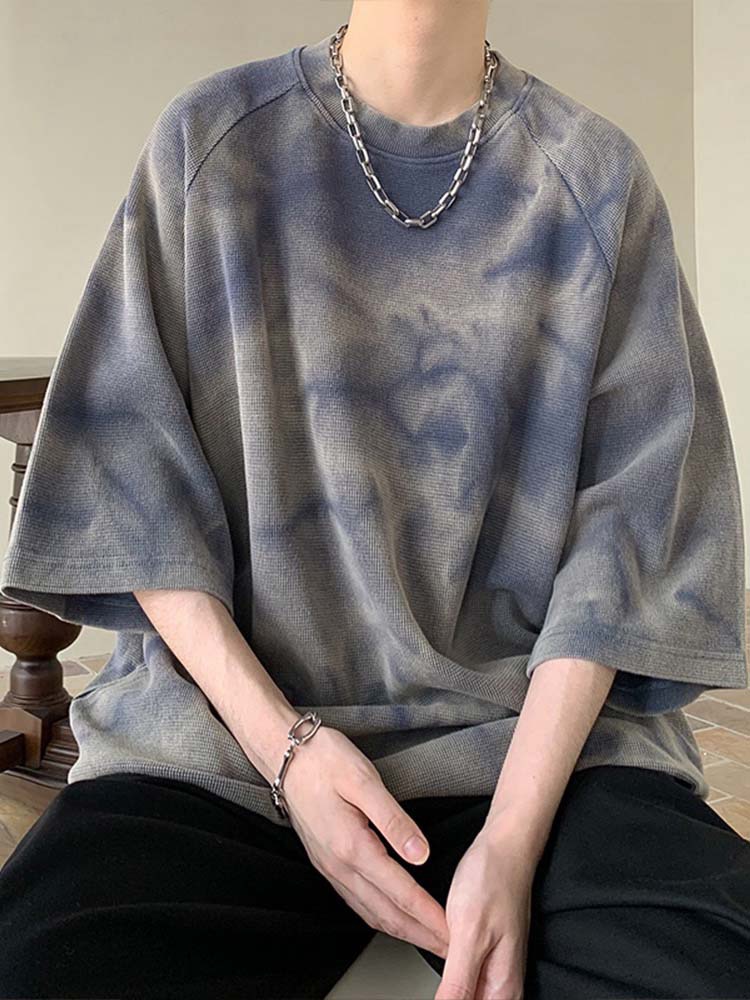
3–5 wash cycles before bulk approval can reveal shrinkage, cracking, bleeding, seam puckering, and decoration failure. Final inspection should compare measurements, artwork placement, labels, and packed quantities against the approved sample.
Durability As Sustainability
1 durable, repeatable jersey program reduces replacement demand, returns, and mismatched replenishment orders. EDVORIN records approved materials, patterns, placements, and trims so each reorder has a defined production standard.
7. Choosing a Sustainable Sports Jersey Manufacturer
A sustainable sports jersey manufacturer should be approved on evidence, not a recycled-fiber claim. EDVORIN buyers can compare development control, documentation, and repeatability before releasing bulk production.
Confirm Commercial Fit
EDVORIN’s MOQ starts at 200 pieces per style. 200-piece MOQ is a practical starting point for a custom jersey program; confirm whether it applies per style, color, and size breakdown. Ask for sample cost, revision limits, bulk lead time, capacity calendar, export markets, and named production contact.
Audit Material Evidence
100% recycled-content claims require traceable support. Request material source records, certification scope covering the relevant mill or product, and GRS transaction documentation when applicable.
2 test questions matter: which performance tests are specified, and who receives the reports? Confirm requirements for colorfastness, dimensional stability, pilling, and print or sublimation durability.
Protect The Reorder
1 approved sample is not enough unless its measurements, Pantone references, artwork placement, trims, and construction notes enter the production file. Ask how revisions are version-controlled, who authorizes substitutions, and how in-line and final inspections are recorded.
3 reorder checks reduce surprises: retained material references, approved size-set records, and a written change-control process.
8. Common Sustainable Jersey Sourcing Mistakes
Three approval gaps can turn an apparently responsible jersey program into costly rework. Brands, clubs, schools, and distributors should document proof, performance, quantity splits, and replenishment requirements before bulk approval.
Verify Material Claims
GRS transaction documentation, fiber content, and supplier scope matter more than a recycled-content label alone. Request documents for the exact fabric and order, then align claims with the finished jersey.
100% recycled fiber does not automatically confirm responsible dyeing, trims, or packaging. Record which components are included in every customer-facing claim.
Test Color And Decoration
Pantone references and physical lab dips prevent screen-only color approvals from becoming bulk disputes. Approve under relevant lighting before cutting.
150 GSM polyester may accept sublimation differently than a heavier knit accepts screen print. Run print, wear, and wash tests on the final fabric, color, and artwork combination.
Plan Quantity And Reorders
EDVORIN’s MOQ starts at 200 pieces per style. 200-piece MOQ planning can fail when colors and sizes are divided too late. Confirm MOQ by style, color, size, and decoration before quoting teams or distributors.
12-month reorder planning should confirm fabric availability, Pantone standard, pattern version, and artwork files. Keep an approved master sample and specification record for repeat production.
9. Launching a Sustainable Jersey Collection
One launch brief should define the sport, customer, season, target price, and 2–3 core jersey SKUs before development begins. EDVORIN can turn that brief into a controlled production path.
Build The Specification

Three core styles are usually a realistic first assortment: match jersey, training top, and coordinated short. Supply a tech pack with measurements, Pantone references, recycled-fabric requirements, artwork locations, labels, and packaging.
Approve Before Bulk
One pre-production sample should confirm fabric handfeel, fit, color, decoration, and construction before bulk confirmation. Approve a full size set and collect player names, numbers, sizes, and spelling in one locked personalization sheet.
Plan Delivery And Reorders
Two checkpoints—inline inspection and final packing review—help verify measurements, artwork placement, personalization, and carton counts. Retain approved patterns, measurement charts, fabric details, color references, artwork files, and QC records for reliable repeat orders.
10. Sustainable Sports Jersey Manufacturer Pricing
200 pieces is a practical starting point for comparing a sustainable sports jersey manufacturer, but a quotation must separate development, unit production, and freight. Recycled polyester or certified fabric, GSM, knit structure, and color matching change material yield and cost.
2 decoration routes usually price differently: full sublimation spreads artwork across the panel, while screen print or embroidery adds setup, color, and placement variables. Individual names and numbers, retail folding, polybags, hangtags, approved samples, Incoterms, and destination freight should appear as separate lines.
3 comparable quotes require one tech pack, Pantone references, size ratio, decoration map, certification-document request, packaging specification, target delivery date, and named shipping term. Confirm whether the MOQ applies per style, colorway, fabric, or total order before selecting a supplier.
| Illustrative order tier | Typical unit-cost pressure | Lead-time variables |
|---|---|---|
| 200–499 units | Sampling and setup remain concentrated | Material booking; artwork approval |
| 500–999 units | Better cutting and print efficiency | Fabric availability; personalization count |
| 1,000+ units | Fixed costs spread across more units | Production slot; inspection; freight booking |
Build Your Sustainable Sports Jersey Collection
Send your tech pack or concept to EDVORIN for production-ready development, responsible material options, and a quote for your next teamwear program.