
How to Develop a Streetwear Collection That Scales
Learn how to develop a streetwear collection from concept to approved sample, coordinated production, and repeatable bulk orders.
Build a Production-Ready Streetwear Collection
Make the core decisions visible—from collection architecture and fit through decoration, packaging and production standards—so approved samples can guide repeatable bulk orders.
Define Collection Architecture
Build a coordinated range of hoodies, tees, bottoms, jackets or teamwear with clear roles, proportions and seasonal priorities.
Develop Materials And Fit
Match fabrics, trims, fit blocks and grading to each style, with men’s and women’s specifications developed for the intended wearer.
Choose Decoration Methods
Coordinate custom apparel printing and custom apparel embroidery, patches, washing and artwork placement with the garment material, construction and performance requirements.
Specify Labels And Packaging
Document custom clothing labels and packaging, hangtags, care information and finishing details so every finished unit reflects the approved brand standard.
Control Sample To Bulk
Use approved samples, measurement records, material checks and in-line inspections to protect consistency from development through final packing.
How to Develop a Streetwear Collection: From Concept to Production
Follow EDVORIN’s practical workflow for turning a sketch or tech pack into a production-ready collection built for consistent repeat orders.
Define the Product Standard
Start with a sketch, reference garment, or tech pack, then clarify fit, fabric, trims, measurements, and construction for the intended men’s or women’s program.
Source Materials and Build Patterns
Coordinate fabric, rib, hardware, labels, and packaging while developing patterns and grading that match the garment category, target fit, and approved design direction.
Review and Approve Samples
Evaluate construction, proportions, comfort, decoration placement, and wash performance through samples; record revisions clearly until the product meets your production and brand standards.
Finalize Decoration and Specifications
Lock artwork, printing, embroidery, colors, labels, measurements, and finishing details into a controlled specification that production teams can follow consistently across every style.
Produce and Control Bulk
Move approved styles into bulk production with in-line inspections, final checks, organized packing, and documented standards that protect consistency for repeat orders and growth.
Apparel Development for Every Buyer
One production system adapts fit, materials, decoration and quality controls for emerging brands, established labels, teams, schools, wholesalers and private-label programs.
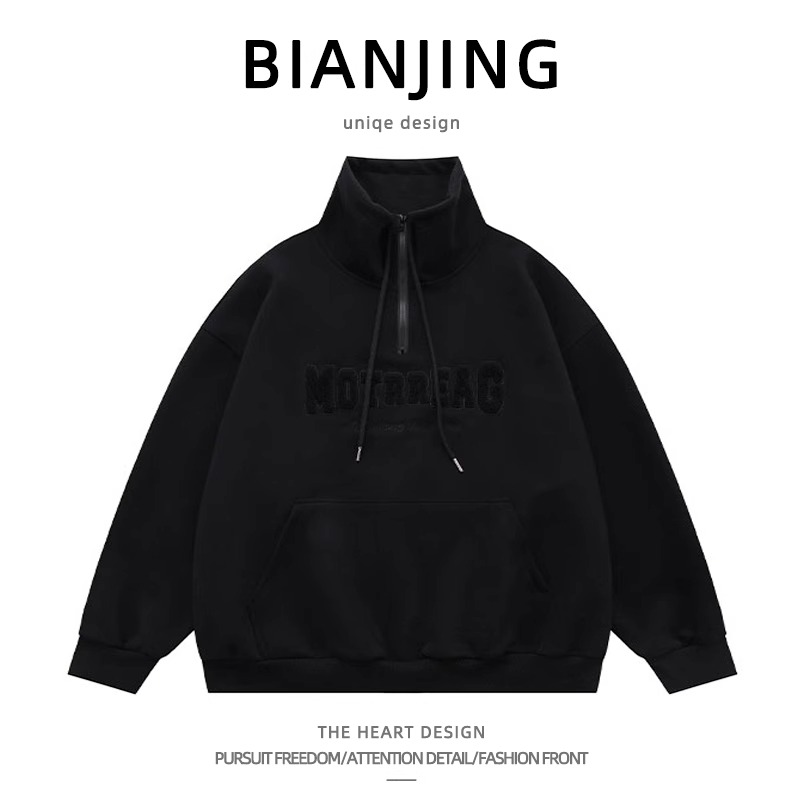
Custom Hoodies
As a custom hoodie manufacturer, EDVORIN develops fleece weight, fit blocks, rib construction, drawcords, artwork placement and labeling around your approved standard. Programs can support emerging streetwear brands, wholesale basics or repeat private-label orders, with sample-to-bulk controls and MOQ starting at 200 pieces per style.
Get a Quote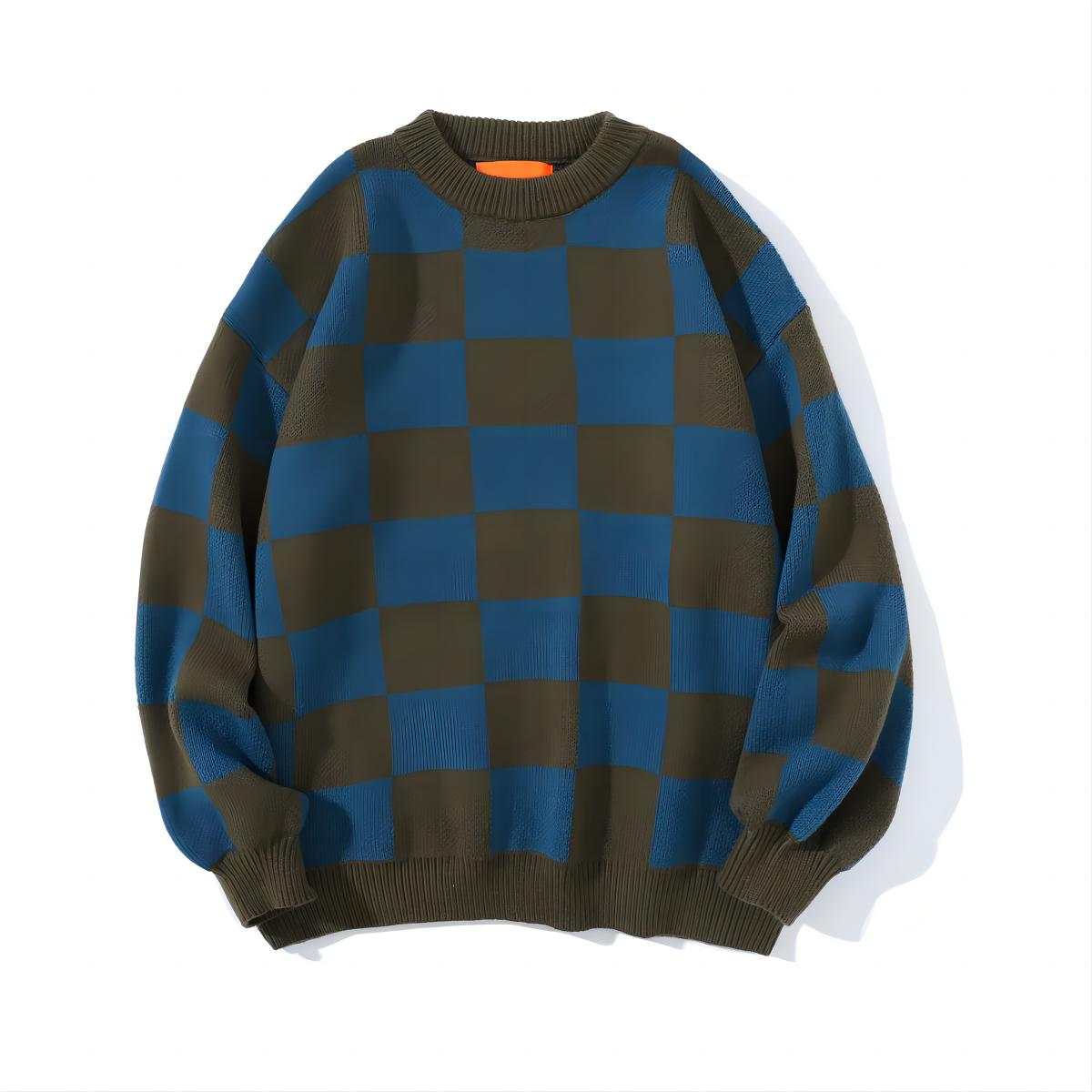
Pullover Sweatshirts
EDVORIN works as a sweatshirt manufacturer for pullover programs requiring controlled proportions, fabric selection, rib recovery, sewing details and decoration. Men’s and women’s fits can be developed from a sketch, reference garment or tech pack, then documented for consistent production across seasonal collections and repeat orders.
Get a Quote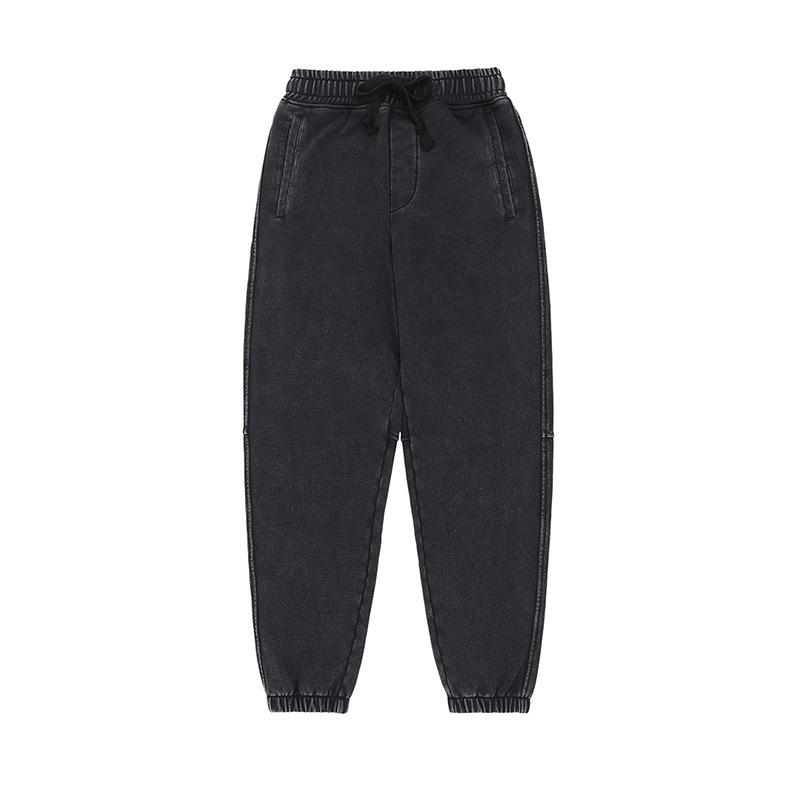
Sweatpants & Joggers
As a sweatpants manufacturer, EDVORIN coordinates fleece or jersey selection, waistband construction, drawcords, pocket details, leg proportions, grading and finishing. Jogger programs can be developed for streetwear labels, school apparel, wholesale ranges and private-label collections, with specifications carried from approved sample through bulk inspection.
Get a Quote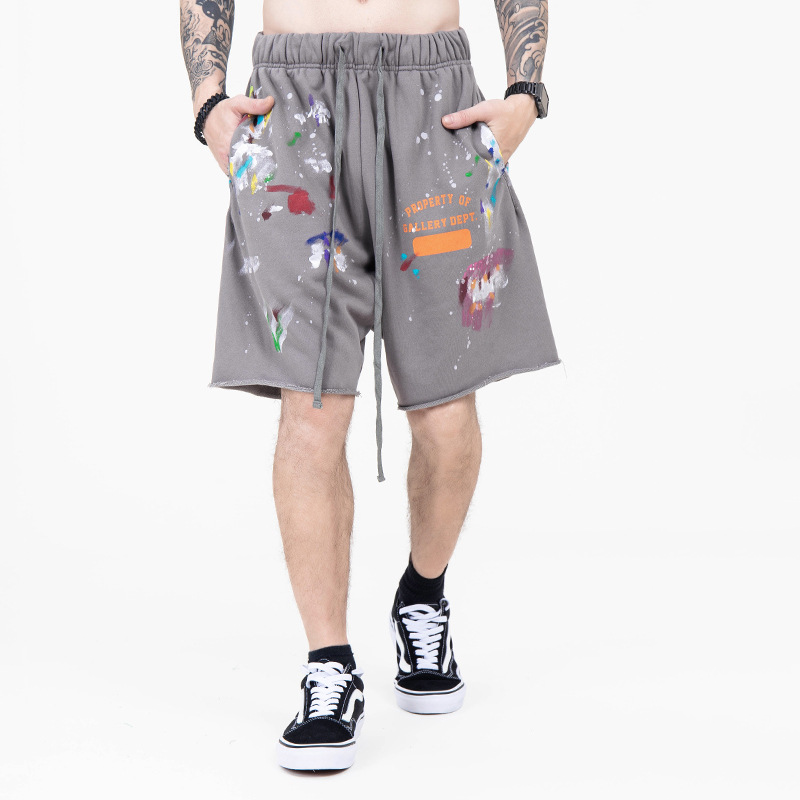
Custom Shorts
EDVORIN develops custom shorts with attention to fabric weight, inseam, waistband stability, pocket construction, lining, trims and decoration. As a custom shorts manufacturer, the company supports casualwear, sports and streetwear programs with men’s and women’s fit options, clear measurements and repeatable production standards.
Get a Quote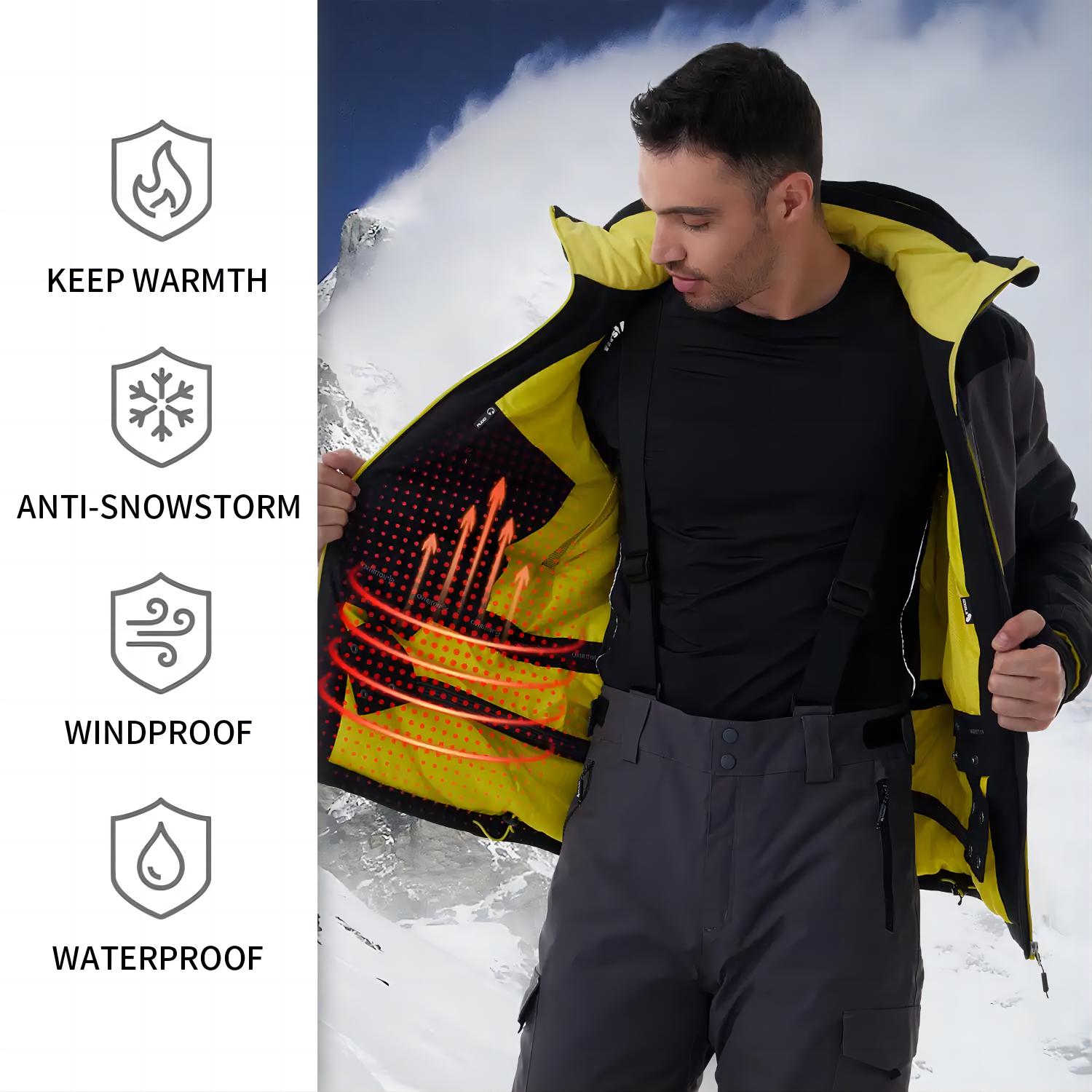
Varsity & Baseball Jackets
As a varsity jacket manufacturer, EDVORIN coordinates body fabric, sleeves, lining, insulation, rib, snaps, patches, embroidery and finishing. Baseball and varsity styles can be developed for fashion labels, schools, clubs and private-label buyers, with construction details recorded so approved proportions and decoration remain consistent in bulk.
Get a Quote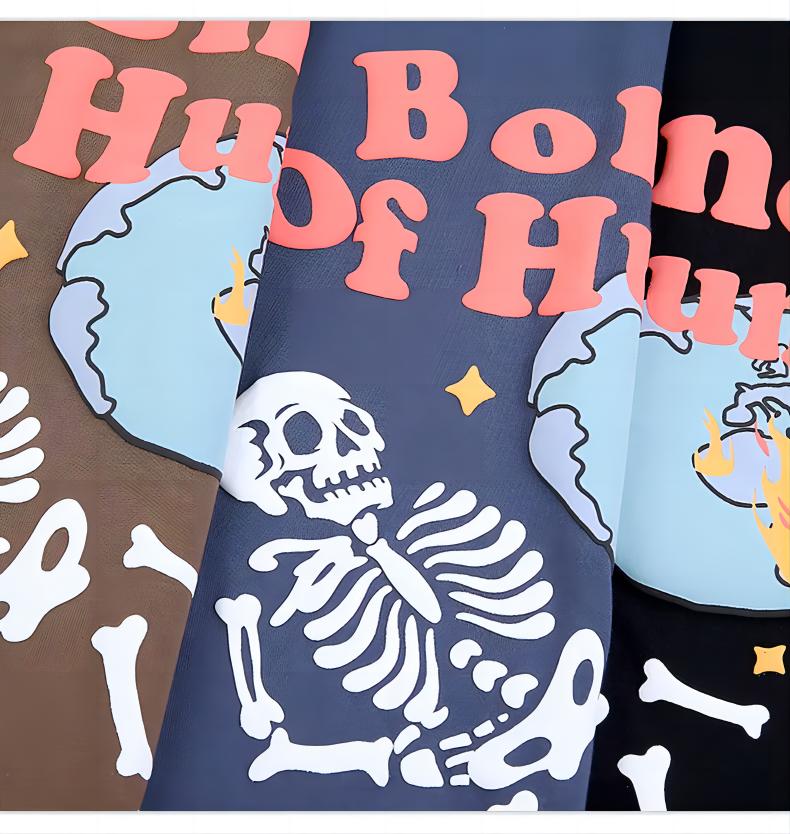
Custom T-Shirts
EDVORIN develops custom T-shirts through fabric selection, neckline construction, body shape, sleeve proportions, grading, print placement and labeling. As a custom t shirt manufacturer, the company supports blanks, graphic streetwear, wholesale basics and private-label programs, adapting men’s and women’s fits to the intended market.
Get a Quote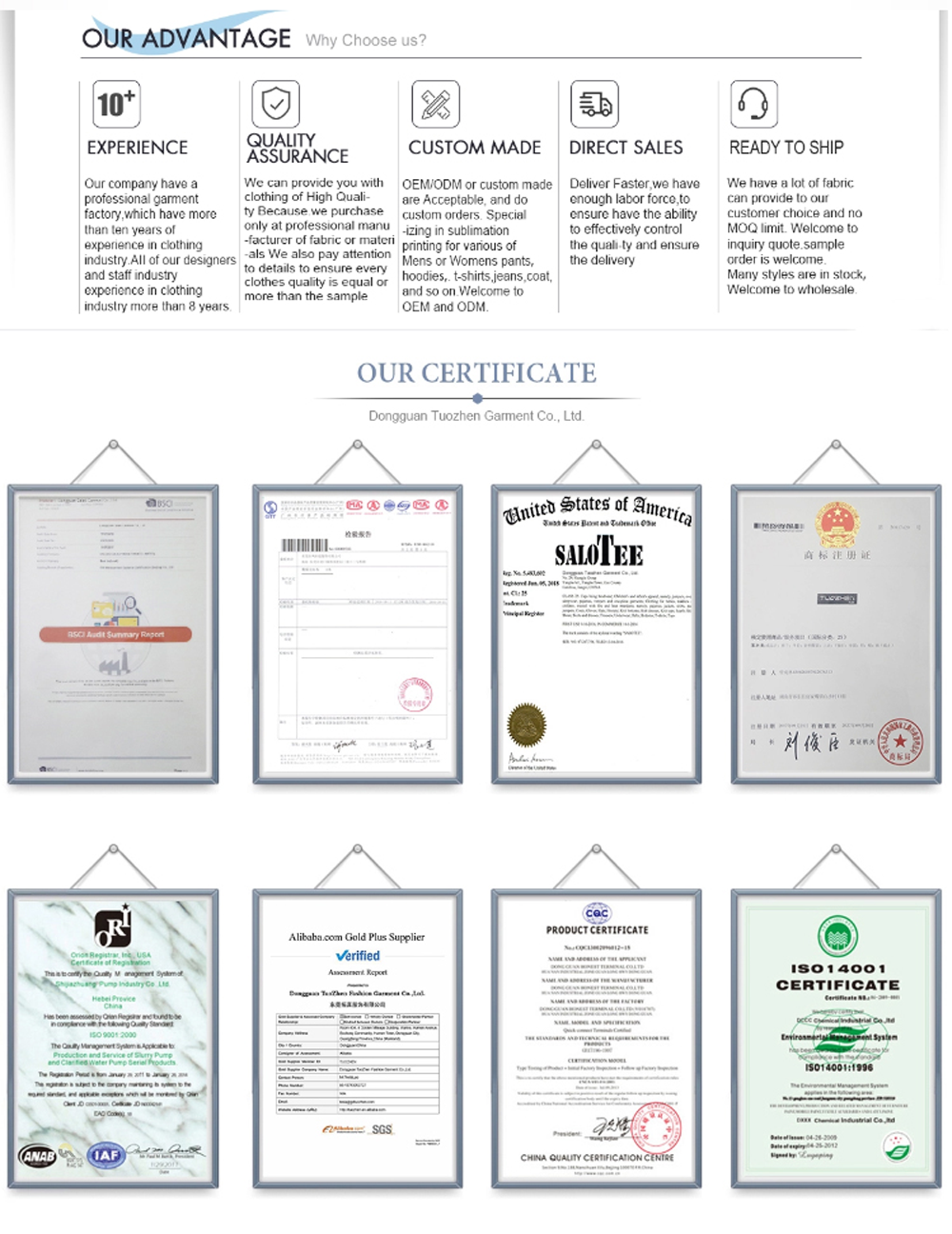
Custom Polo Shirts
As a polo shirt manufacturer, EDVORIN develops fabric, collar and cuff construction, placket details, button specifications, fit blocks, embroidery or print placement and packaging requirements. Programs can serve corporate buyers, schools, sports organizations, wholesalers and fashion brands that need a documented, repeatable polo standard.
Get a Quote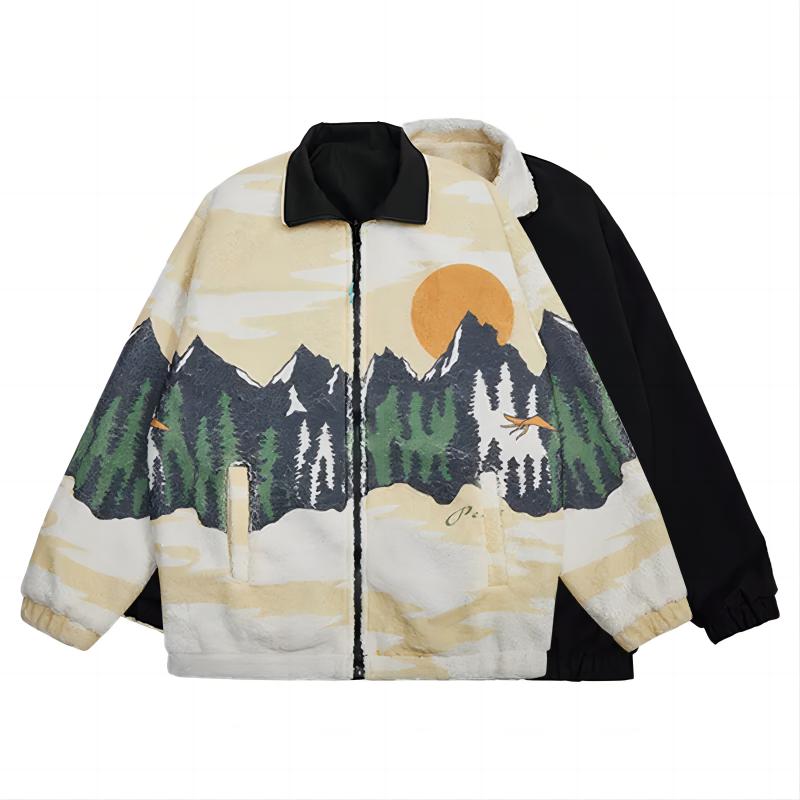
Windbreaker Jackets
EDVORIN develops windbreaker jackets by coordinating shell fabric, lining or mesh, hood construction, zippers, elastic details, pockets, seam finishing and decoration. As a windbreaker manufacturer, the company can adapt lightweight outerwear for streetwear, teamwear, promotional programs and private-label collections with controlled sizing and repeat orders.
Get a Quote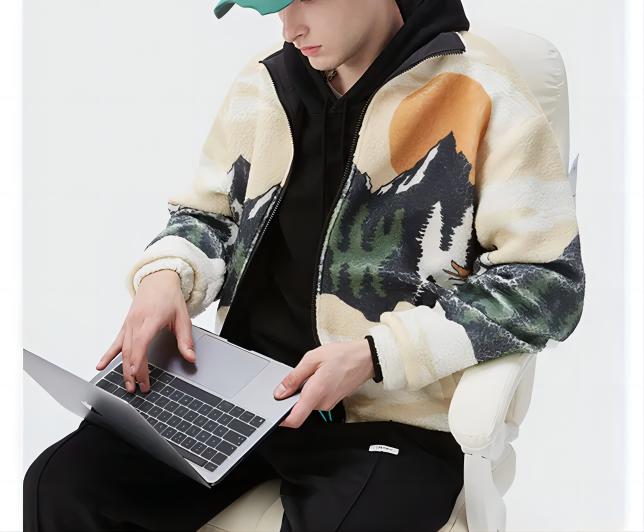
Quilted Jackets
As a quilted jacket manufacturer, EDVORIN coordinates shell and lining fabrics, insulation, quilting patterns, panel construction, hardware, pockets and finishing. Development can begin from a tech pack or reference garment, with fit, warmth, proportions and decoration reviewed before production is released against an approved sample.
Get a Quote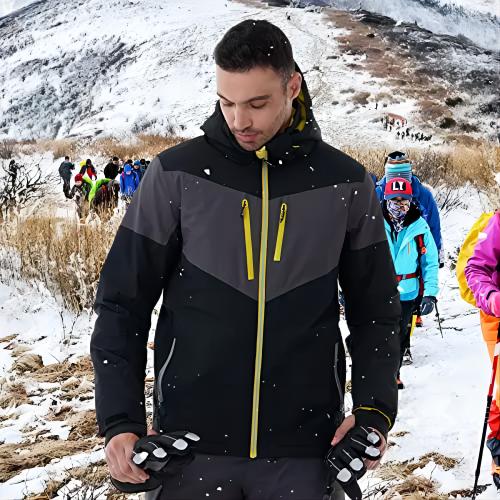
Bomber Jackets
EDVORIN develops bomber jackets with controlled body proportions, shell and lining selection, insulation where required, rib balance, zipper and pocket construction, patches or embroidery. As a bomber jacket manufacturer, the company supports fashion, streetwear, teamwear and private-label programs from early concept through documented bulk production.
Get a Quote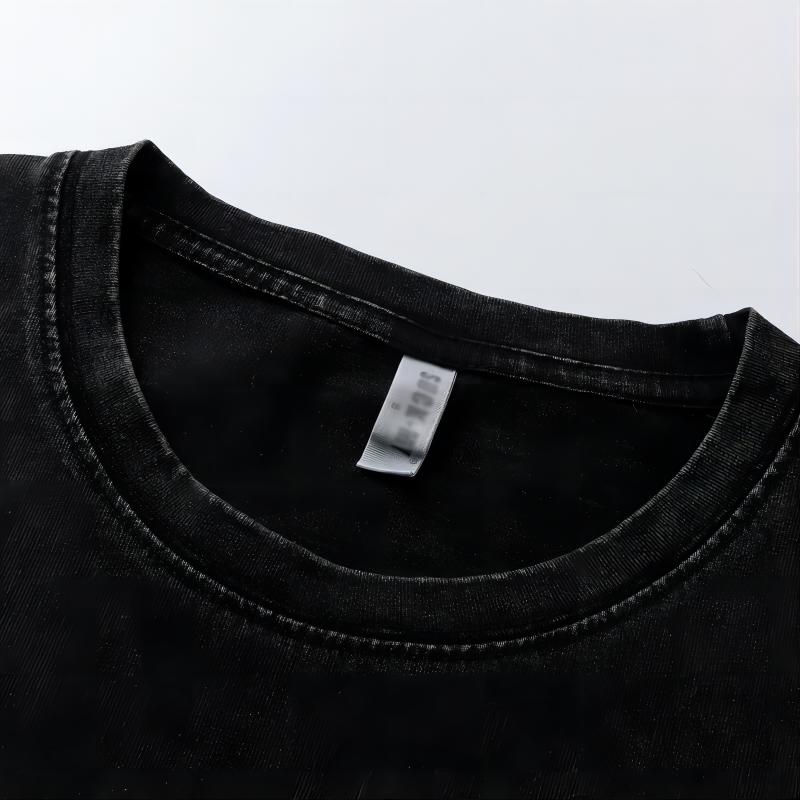
Custom Shirts
As a custom woven shirt manufacturer, EDVORIN develops woven fabric, collar shape, placket, cuffs, buttons, pocket details, fit, grading and finishing. Programs can cover overshirts, casual button-ups and coordinated streetwear styles, with artwork, labels and packaging specifications aligned to the buyer’s approved construction standard.
Get a Quote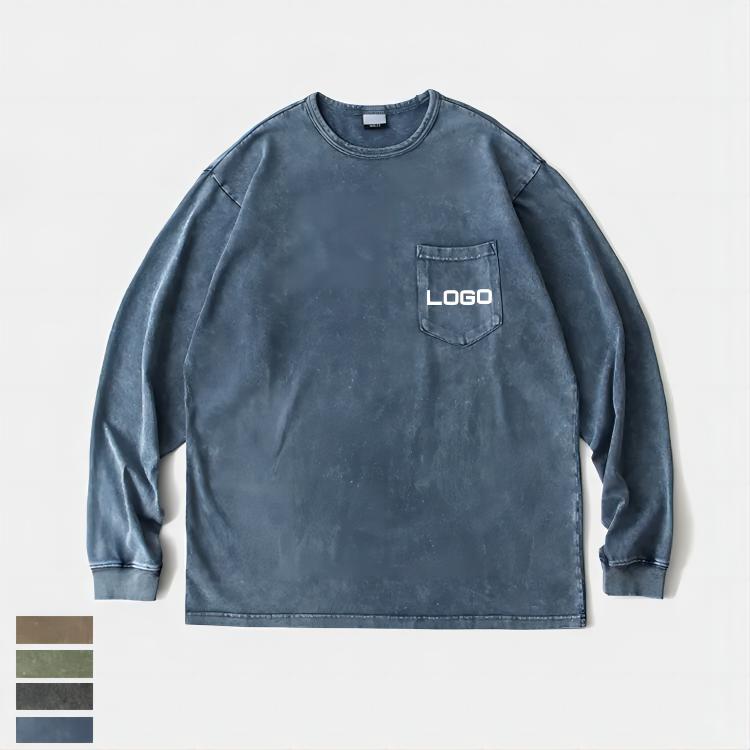
Custom Jerseys
EDVORIN develops custom jerseys for sports clubs, schools, academies, teams and streetwear labels. As a custom jersey manufacturer, the company coordinates breathable fabrics, panel construction, color references, name and number placement, size grading, decoration and packing so individual pieces and repeat team orders follow the same standard.
Get a Quote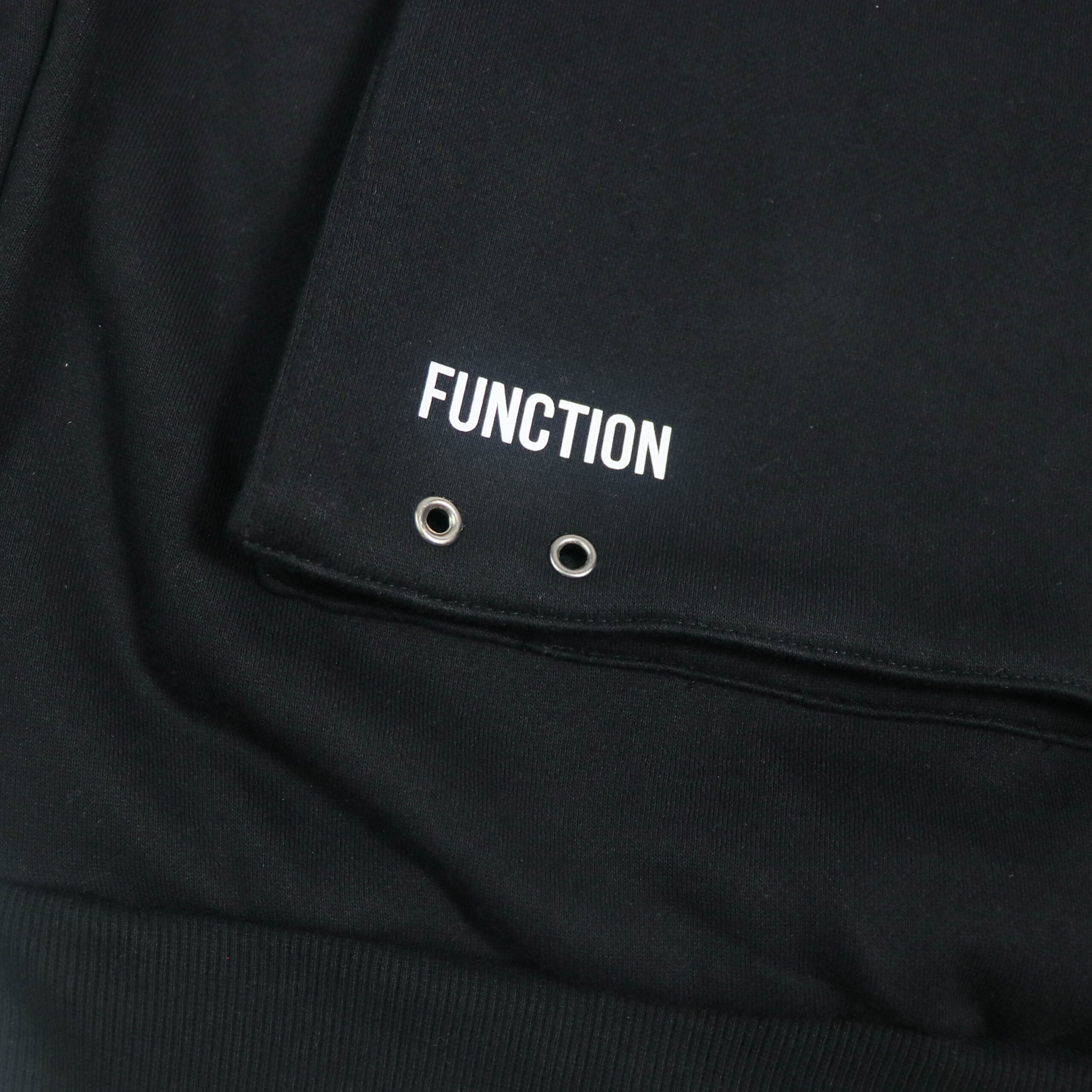
Tank Tops
As a custom tank top manufacturer, EDVORIN develops fabric weight, armhole and neckline proportions, binding, fit, grading and decoration for men’s and women’s programs. Tank tops can be produced for streetwear collections, training apparel, wholesale basics and private-label ranges, with specifications documented for consistent replenishment.
Get a Quote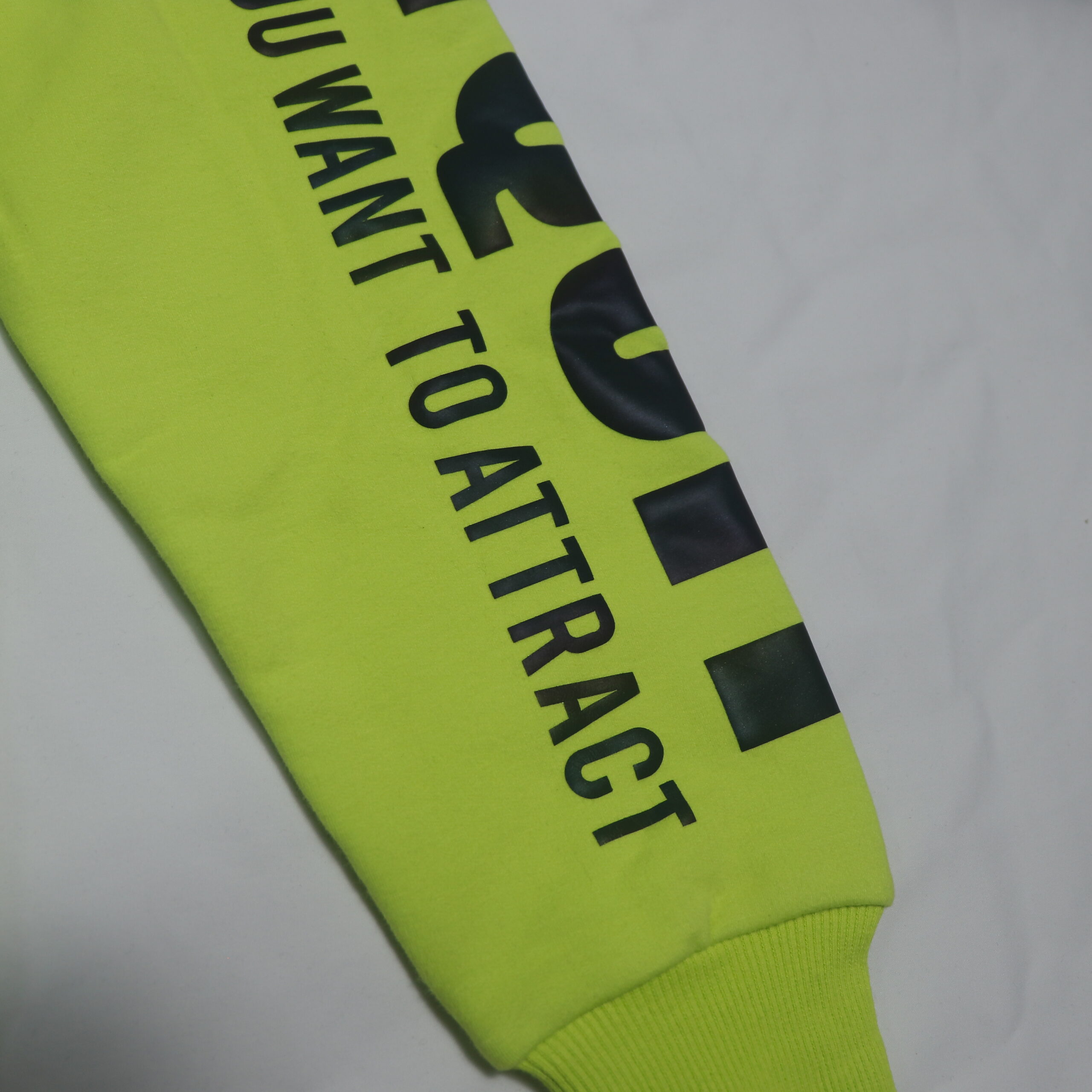
Soccer Uniforms
EDVORIN supports soccer uniform programs with coordinated jerseys, shorts and related teamwear requirements. As a soccer uniform manufacturer, the company manages breathable materials, color matching, player names and numbers, sponsor artwork, size sets, fit grading and organized packaging for clubs, schools, academies and repeat team orders.
Get a Quote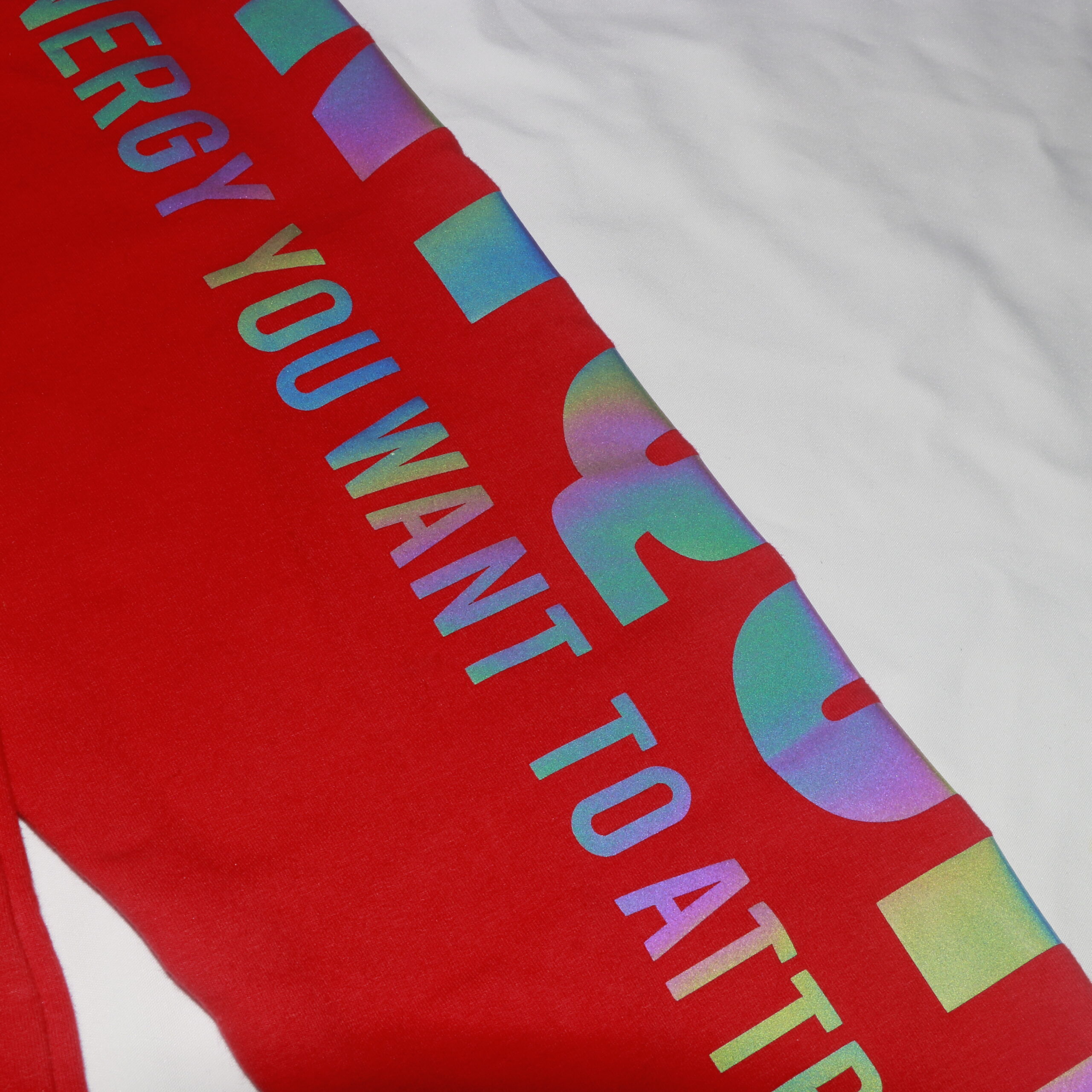
Basketball Uniforms
As a basketball uniform manufacturer, EDVORIN develops jerseys and shorts around breathable fabric, mobility, panel construction, armhole proportions, color references, numbers, names and sponsor decoration. Programs can be built for clubs, schools, academies and private labels, with size grading and packing controls suited to organized team distribution.
Get a Quote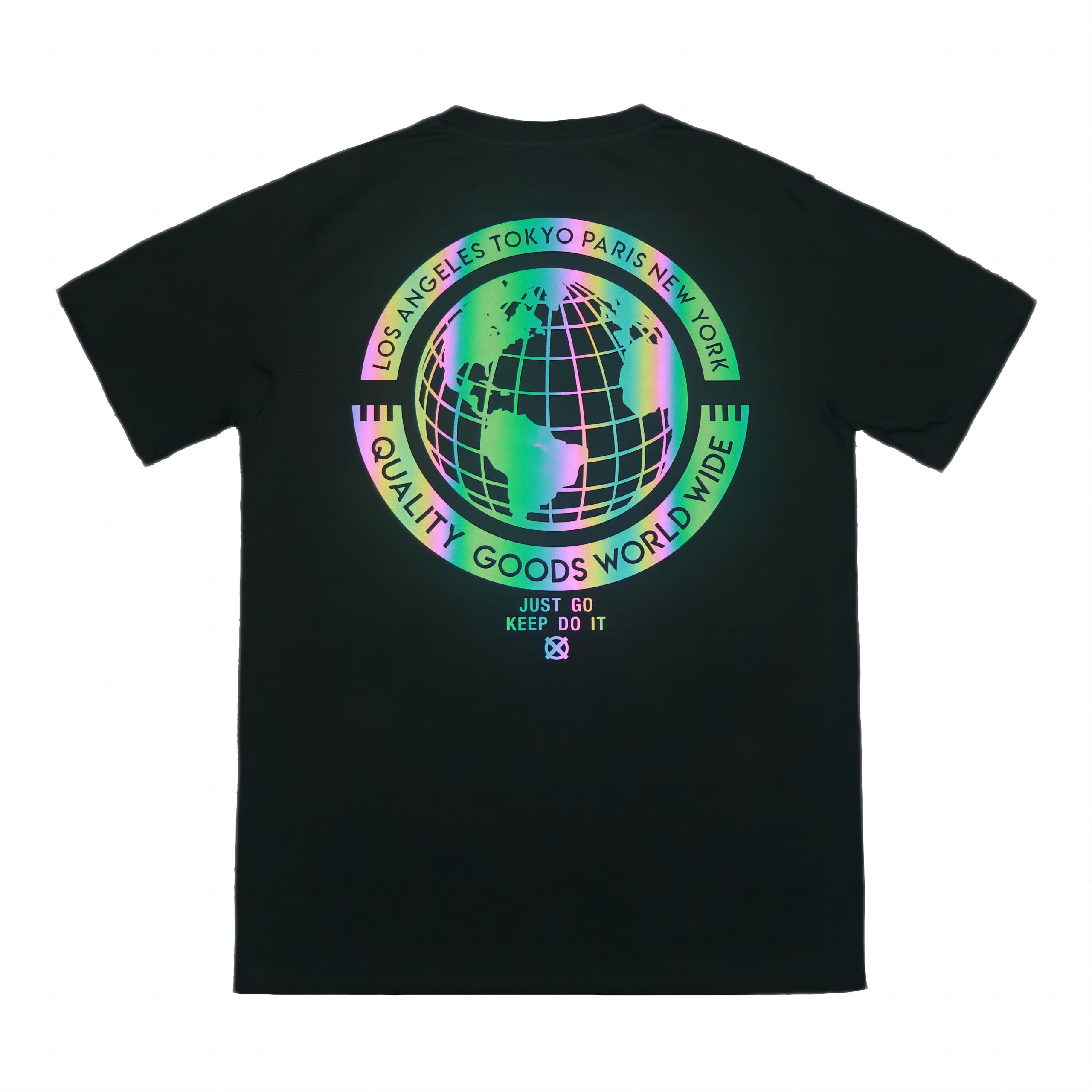
Streetwear Collections
EDVORIN is a custom clothing manufacturer, OEM clothing manufacturer, ODM apparel manufacturer and private label clothing manufacturer for complete streetwear collections. The company connects hoodies, sweatshirts, bottoms, T-shirts, jackets, woven shirts and accessories under one development system, coordinating fabrics, trims, custom apparel printing, custom apparel embroidery, garment wash services, labels, packaging and quality standards across seasonal drops, wholesale programs and repeat production.
Get a QuoteStreetwear Collection Development FAQs
Answers to common questions about developing, sampling and scaling a production-ready streetwear collection with EDVORIN.
How to develop a streetwear collection if I only have a sketch or reference garment?
EDVORIN’s MOQ starts at 200 pieces per style. How to develop a streetwear collection with a manageable MOQ?
How to develop a streetwear collection for both men’s and women’s fits?
What does sampling involve when learning how to develop a streetwear collection?
How to develop a streetwear collection with custom printing and embroidery?
Does EDVORIN support certification and responsible apparel programs?
How does quality control protect repeat streetwear orders?
Can EDVORIN help with repeat orders after the first streetwear collection?
How to develop a streetwear collection: 7 key steps
Use this practical ten-section guide, including a focused seven-step workflow, to plan products, select materials, evaluate suppliers, control costs and avoid common development mistakes when building a commercially viable streetwear collection.
1. What Does Streetwear Collection Development Involve?
Seven linked decisions define how to develop a streetwear collection: research the intended audience, establish a design direction, select complementary products, choose materials, document specifications, sample the range, and prepare production and launch. The objective is a coordinated product system, not a pile of unrelated graphics. One garment answers a single product question; a collection must also answer how pieces work together across silhouettes, color, decoration, sizing, season and price position. A hoodie, T-shirt, jogger and jacket should share an identifiable visual language while meeting their own construction and performance requirements. Before contacting a manufacturer, buyers should fix the target customer, collection purpose, product list, expected quantities, size range, color palette, decoration priorities, target retail or wholesale price and launch timing.
2. Streetwear evolution and collection-building history
1980s skate shops, hip-hop, surf culture and youth scenes pushed casual clothing beyond sportswear, while varsity references, workwear utility and sneaker collecting supplied recognizable codes. Streetwear grew by combining practical garments with local identity, so buyers should study the communities and functions behind a reference before borrowing its graphics or proportions. 1990s limited releases and designer collaborations turned scarcity, storytelling and shared recognition into collection mechanics. A credible range therefore needs a clear source narrative—such as a team, neighborhood, music influence or archive garment—translated consistently across silhouettes, labels, decoration and color rather than copied as surface trend language. 2000s online commerce accelerated global discovery, direct-to-consumer launches and drop calendars, allowing small communities to gather around tightly edited releases.
3. Types of streetwear collections to develop
Seven collection models serve different buying cycles, audiences and inventory commitments.
Core Commercial Programs
Evergreen essentials suit new and established labels needing repeatable hoodies, T-shirts, joggers and sweatshirts. Breadth stays focused, inventory risk is moderate, and development complexity is lower once fit blocks and color standards are approved. Seasonal capsules add a coordinated story across roughly 4–12 styles.
- Essentials: repeat demand and replenishment
- Capsules: broader seasonal storytelling
- Drops: limited quantities and higher novelty risk
Team And Academy Ranges
Team or club uniforms prioritize numbered jerseys, shorts, warm-ups and coordinated outerwear for sports organizations. Product breadth is functional, inventory risk is controlled through confirmed rosters, and development complexity rises with size grading, color matching, names, numbers and repeat-order accuracy. School and academy ranges serve students, staff and supporters through polos, hoodies, sweatpants and jackets.
- Teamwear: performance and personalization
- Schoolwear: recurring institutional demand
- Best fit: confirmed group orders
Private Label And Wholesale
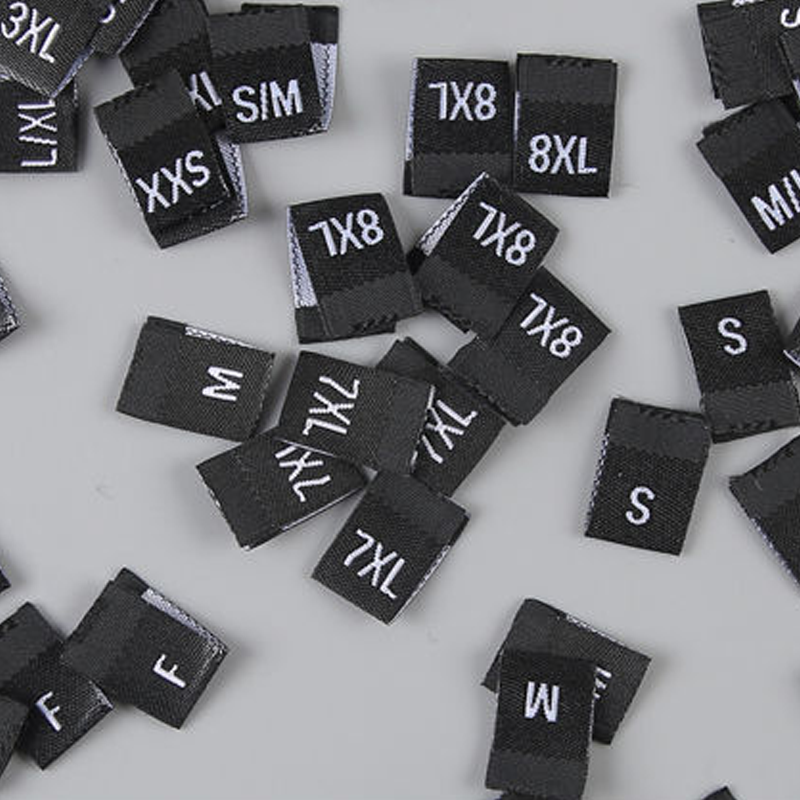
Corporate private-label collections suit companies, agencies and private-label buyers requiring controlled branding across practical apparel. Breadth can range from a few logo-ready staples to a full uniform wardrobe; inventory risk is usually order-led, while compliance, labeling and approval requirements add complexity. Wholesale-ready assortments suit distributors and retailers needing multiple sizes, colors and commercially balanced categories.
- Private label: brand-controlled programs
- Wholesale: breadth for resale channels
- New labels: start focused and validate demand
4. Materials for how to develop a streetwear collection
A 280–500 GSM fabric can change a collection’s silhouette, warmth, drape and perceived value before decoration is added.
Match Fabric To Silhouette
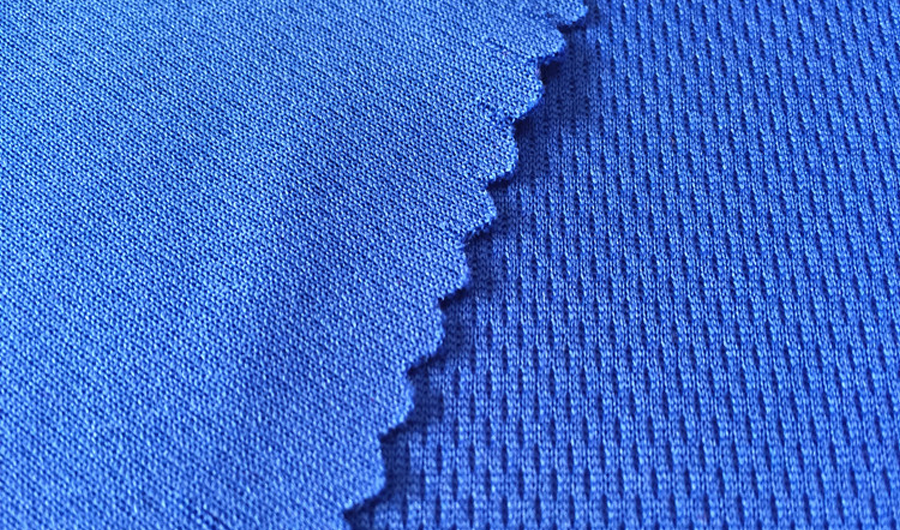
Cotton jersey suits breathable T-shirts, while fleece and heavyweight French terry support structured hoodies, joggers and sweatpants. Ring-spun cotton generally feels smoother than open-end yarns; blends can improve recovery, abrasion resistance and repeat-wear stability. Nylon works for windbreakers and lightweight outerwear, but requires different seam, finish and print decisions.
Compare Core Fabric Options
200–500 GSM is a practical development range for many streetwear fleece and terry programs; higher GSM usually adds body, warmth, shipping weight and fabric cost.
| Fabric | Best Use | Key Trade-Off |
|---|---|---|
| Cotton jersey | T-shirts and tanks | Soft, breathable; may shrink |
| Cotton blend | Fleece and joggers | Better recovery; fiber ratio matters |
| French terry | Transitional layers | Structured; less warm than fleece |
| Nylon | Windbreakers | Lightweight; print compatibility varies |
Request Testable Fabric Details
Before bulk approval, request composition, GSM tolerance, usable width, yarn type, knit or weave construction and a retained hand-feel standard. Record Pantone references where relevant, plus approved swatches for color and surface comparison. Three essential checks are dimensional change after washing, colorfastness to washing and rubbing, and decoration adhesion or bleed risk.
- Composition and GSM tolerance
- Shrinkage after wash testing
- Colorfastness to washing and rubbing
- Hand feel and surface standard
5. Customization in how to develop a streetwear collection
Three decisions govern customization: the base garment, decoration method and repeatability standard.
Print And Embroidery Routes
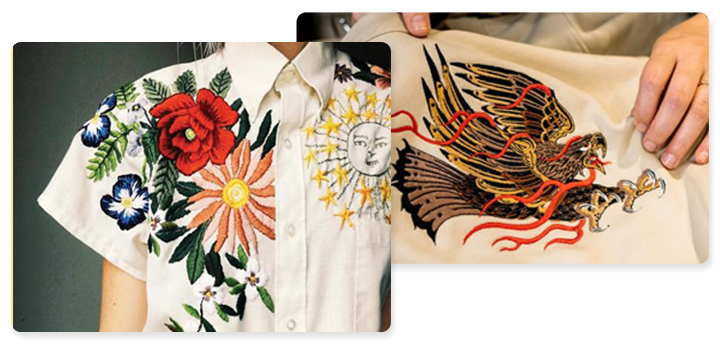
Screen printing suits bold graphics and repeat colors on T-shirts, hoodies and jerseys; setup screens add preparation time, while placement and ink hand feel require a physical strike-off. Digital printing handles gradients and short runs with less setup, but artwork scale, fabric composition and wash testing still matter. Embroidery adds dimensional branding to caps, jackets and heavier fleece.
| Method | Best Fit | Key Check |
|---|---|---|
| Screen print | Bold graphics | Screens and wash test |
| Digital print | Gradients, short runs | Fabric compatibility |
| Embroidery | Logos, outerwear | Sew-out and backing |
Patches, Labels And Appliqué
Patches and appliqué create a crafted, varsity-oriented effect on jackets, sweatshirts and overshirts. They need defined edge finishing, attachment method, dimensions and placement; woven, embroidered and PVC options differ in flexibility, thickness and durability. Labels establish brand identity inside the garment, while hem tags and woven badges add controlled detail.
Washes, Dyeing And Cut Details
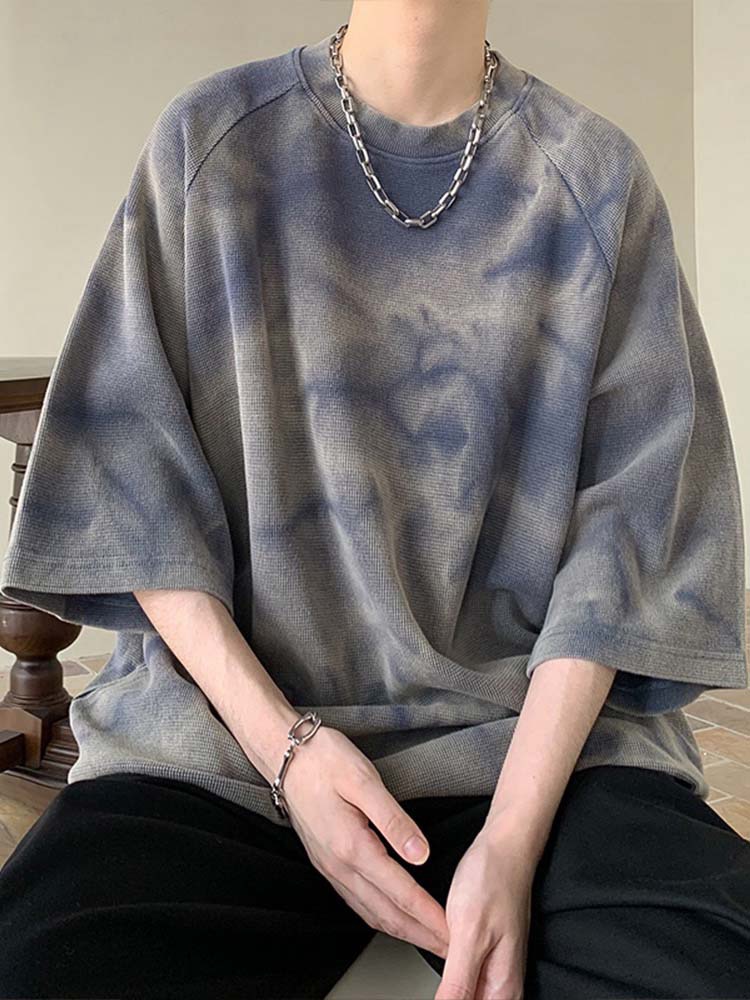
Garment dyeing and enzyme, pigment or stone washes change color depth, softness and surface character after construction. Buyers should approve a washed sample because shrinkage, shade variation and print response can alter the final appearance.
6. Construction quality elements buyers must define
A premium streetwear garment is defined by measurable construction choices, not appearance alone.
Fit Blocks And Measurement Control

A single fit block should define intended proportions for each men’s and women’s program, including body length, chest, sleeve, rise and leg opening. Grading rules must show how measurements change across sizes rather than relying on proportional guesswork. A tech pack should list points of measure, seam allowances, tolerances, wash allowances and revision dates.
Seams, Recovery And Reinforcement
A 2-needle or coverstitch finish, appropriate stitching density and clean seam allowance affect comfort and wash durability. Specify flatlock where reduced bulk matters, plus bartacks or reinforcement at pocket corners, crotches, stress points and zipper ends.
Labels, Finishing And Sample Approval
A complete tech pack should record woven labels, care labels, hangtags, packaging method, folding direction, carton marks and any finishing such as garment washing or pressing. Confirm decoration placement, trim attachment and loose-thread control on the physical sample.
7. How to choose a manufacturer for your collection
A manufacturer should be evaluated against your product brief, approval process and delivery risk—not a polished capability list.
Product Fit And Sampling
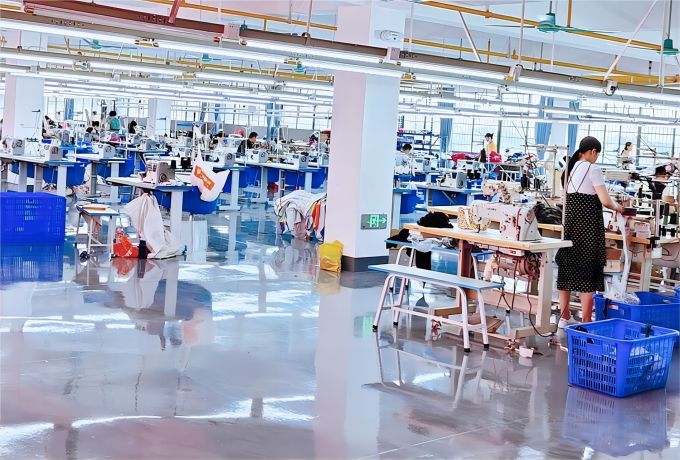
1 approved reference garment or complete tech pack should be enough for a serious development discussion. Ask whether the factory has made comparable hoodies, jackets, jerseys or coordinated programs, and request sample revisions showing how feedback is recorded.
Capacity, Quality And Compliance
3 questions establish production readiness: What is the realistic monthly capacity? Which in-line and final inspections are documented? Which current OEKO-TEX, GOTS, WRAP or BSCI documents can be verified for the relevant facility?
Decoration, Terms And Timing
EDVORIN’s MOQ starts at 200 pieces per style. 4 commercial points need comparison: available screen printing, embroidery, appliqué or sublimation; MOQ by style, color and size; sample and bulk lead times; and payment milestones. Confirm artwork placement tolerances, decoration testing, rework rules and what starts the production clock.
Logistics And Due Diligence
2 logistics checks prevent avoidable surprises: Who handles inspection release, export documents, carton marking and freight handoff? Ask for a written production calendar, escalation contact and defect-resolution process. Compare factories using the same tech pack, sample brief, quantity, delivery window and Incoterms.
8. Common mistakes when developing a streetwear collection
10 recurring errors can turn a promising streetwear concept into an expensive production problem.
Validate The Collection Scope
1 collection with 3–8 focused SKUs is easier to fit, cost and merchandise than an untested catalogue. Copying trends also weakens differentiation; define the target wearer, use case and design signature before approving styles. A target retail price and margin should be set before sourcing.
- Confirm the target wearer and collection role for every SKU.
- Record target retail, ex-factory and margin assumptions.
Build A Production-Ready Tech Pack
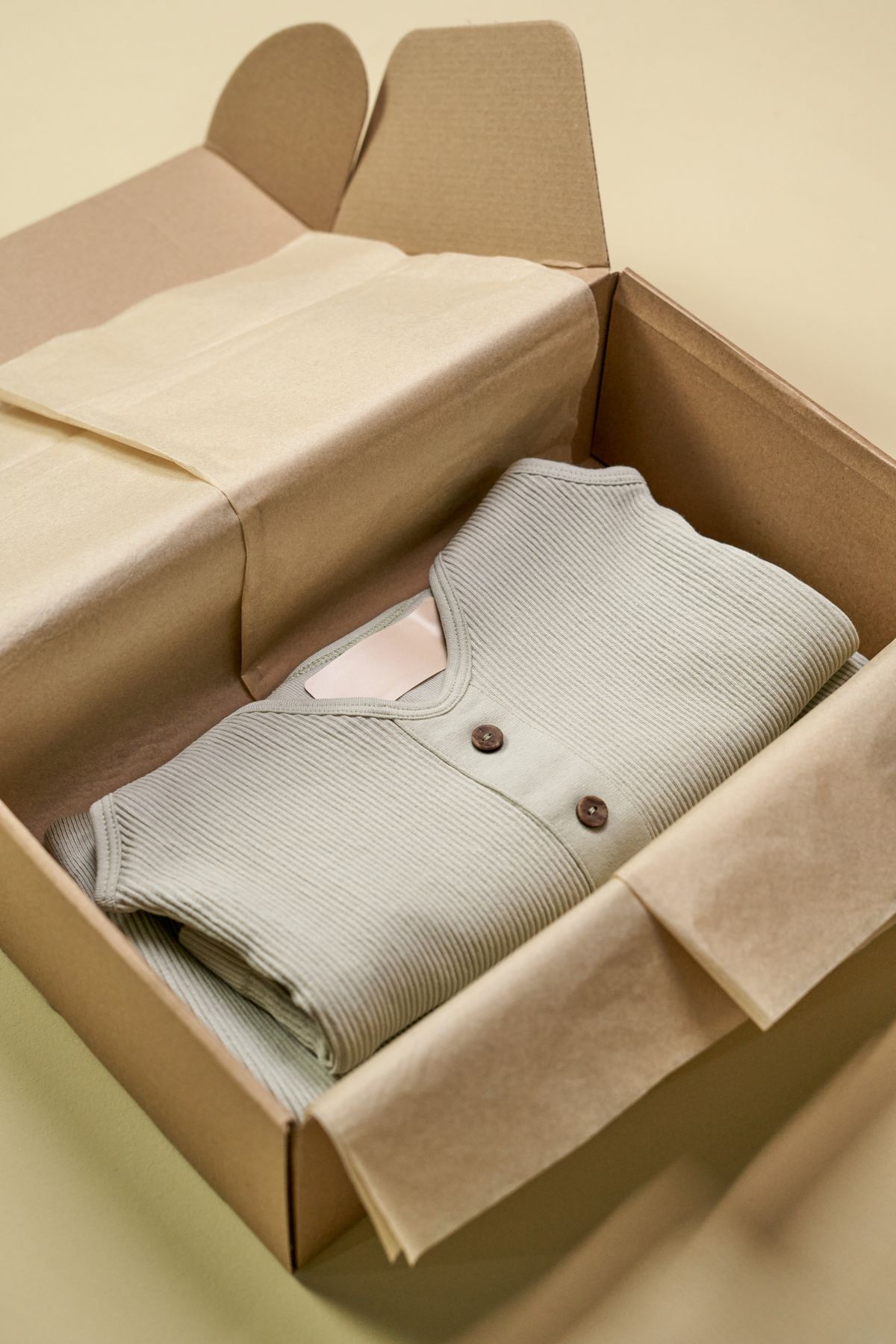
1 approved tech pack should state measurements, construction, materials, trims, artwork placement, labels, packaging and revision status. Vague sketches create avoidable assumptions across patterns, decoration and sewing. A prevention check is a line-by-line review against the reference garment or sketch.
- Add measurement charts, tolerances and grading rules.
- Mark every decoration, trim and packaging requirement.
Test Wear, Fabric And Decoration
2–3 wear tests can expose twisting, shrinkage, poor recovery, uncomfortable seams or failed mobility before production. Test the intended men’s or women’s fit after washing, not only on a mannequin.
- Wash-test the garment and decoration together.
- Approve decoration only after fabric and fit are validated.
Control Size, Cost And Timing
Each size range needs a grading review; one approved medium does not guarantee a reliable XS–XXL block. Check proportions, sleeve length, rise, body length and decoration placement across the full size set.
- Review a graded size set, not one sample size.
- Get dated milestones and written landed-cost assumptions.
- Require signed sample approval before bulk cutting.
9. How to develop a streetwear collection in seven steps
Seven decisions turn a streetwear idea into a repeatable product program.
Define And Validate The Concept
Step 1 fixes the audience, price position, use case, and brand point of view. Gate: confirm a specific customer and commercial brief. Deliverable: one-page positioning document with customer profile, price band, channels, and launch objective. Step 2 tests the concept through competitor review, customer interviews, polls, or wear trials.
Build The Range And Designs
Step 3 defines the range architecture: hero hoodie, supporting tops, bottoms, outerwear, colorways, and size coverage. Gate: every style has a role and target margin. Deliverable: range plan listing style codes, quantities, colors, sizes, and launch priority. Step 4 converts approved ideas into flats, artwork, measurements, construction notes, and tech packs.
Source And Approve Samples
Step 5 confirms fabric, trims, decoration, and wash requirements, then develops samples against the tech pack. Gate: materials and fit meet the intended handfeel, appearance, and cost. Deliverable: sample set, material references, measurement chart, and revision log. Step 6 tests fit, shrinkage, color, print or embroidery, construction, and size grading.
Plan Inventory And Launch
Step 7 converts approval into an executable launch plan. Gate: forecast, purchase quantities, production timing, content, and sales channels are aligned.
10. Pricing and cost for how to develop a streetwear collection
1–3 development rounds can determine much of a collection’s pre-production spend: design and technical development, pattern work, fabric and trim sourcing, sampling, fit revisions, artwork preparation and setup charges. Model each revision separately, because changing GSM, rib, zipper, embroidery placement or grading after approval can trigger new samples and materials. Allow roughly 4–12 weeks for development and bulk preparation, depending on product complexity, sourcing and order size. Unit cost should include fabric, trims, cutting and sewing labor, decoration, labels, packaging, quality-control inspections, freight, duties and any destination charges—not only the factory production line.
| Quantity Tier | Indicative Unit-Cost Structure | Lead-Time Assumption | Print-Method Cost Components |
|---|---|---|---|
| 50–100 units | Highest unit cost; development, sampling and setup spread across a small run | 8–12 weeks | Screen setup plus screens, test print, ink and per-piece labor |
| 250–500 units | Moderate unit cost; fabric, trims, labor and QC gain scale | 6–10 weeks | Screen setup amortized; ink, placement checks and per-piece print |
| 1,000+ units | Lowest unit cost potential; packaging, freight and duties still vary | 5–8 weeks | Setup amortized broadly; bulk ink, curing, QC and per-piece decoration |
Ready to Build Your Streetwear Collection?
Share your concept, reference garment or tech pack for an EDVORIN assessment and a clear path to production.