
Streetwear Apparel Manufacturing Built Around Consistent Fits
Develop men’s and women’s hoodies, T-shirts, bottoms, jackets and teamwear with documented fit blocks, grading and production standards.
Build Repeatable Fits for Streetwear and Teamwear
Turn sizing decisions into clear production standards for consistent streetwear and teamwear across samples, size ranges and repeat orders.
Measurement Standards
Translate body and garment measurements into clear specifications for tees, hoodies, joggers, jackets and teamwear.
Fit Blocks by Category
Develop men’s and women’s blocks around intended proportions, silhouette, fabric behavior and performance instead of forcing one universal fit.
Grading That Repeats
Control increments across sizes so relaxed streetwear silhouettes and teamwear uniforms retain the approved balance from sample through bulk production.
Garment-Specific Proportions
Align length, chest, shoulder, sleeve, rise and leg measurements with each product’s construction, styling intent and wearer requirements across approved men’s and women’s programs.
Sample-to-Bulk Control
Use approved measurement charts, samples and inspection checkpoints to protect fit consistency across repeat orders, decoration, washing and packaging.
Sizing Guide Applications by Buyer Type
See how EDVORIN applies fit, grading and production standards across fashion, streetwear, teamwear, wholesale and private-label programs.
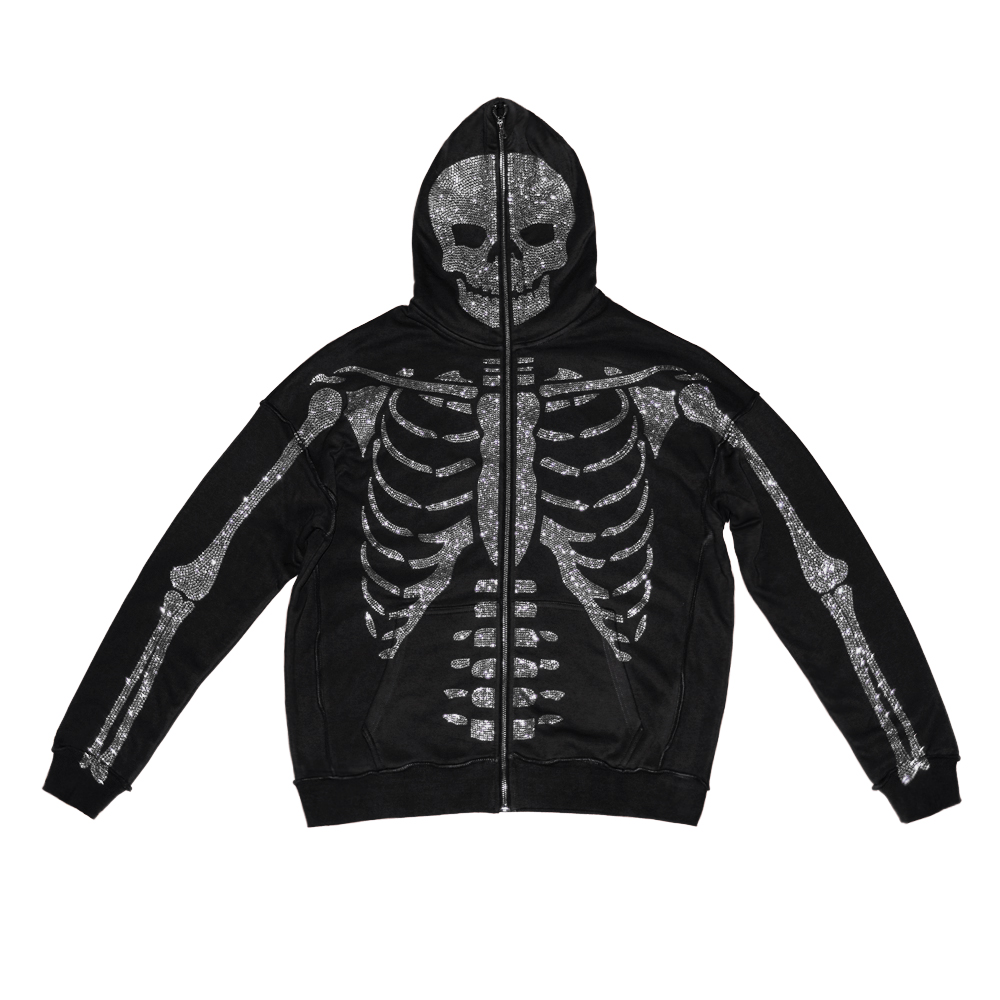
Custom Hoodies
As a custom hoodie manufacturer, EDVORIN develops men’s and women’s fits with fleece weights, rib specifications, drawcords, decoration placements and wash requirements documented for repeat production. Emerging labels and established brands can move from concept or tech pack to approved sample and bulk manufacturing.
Get a Quote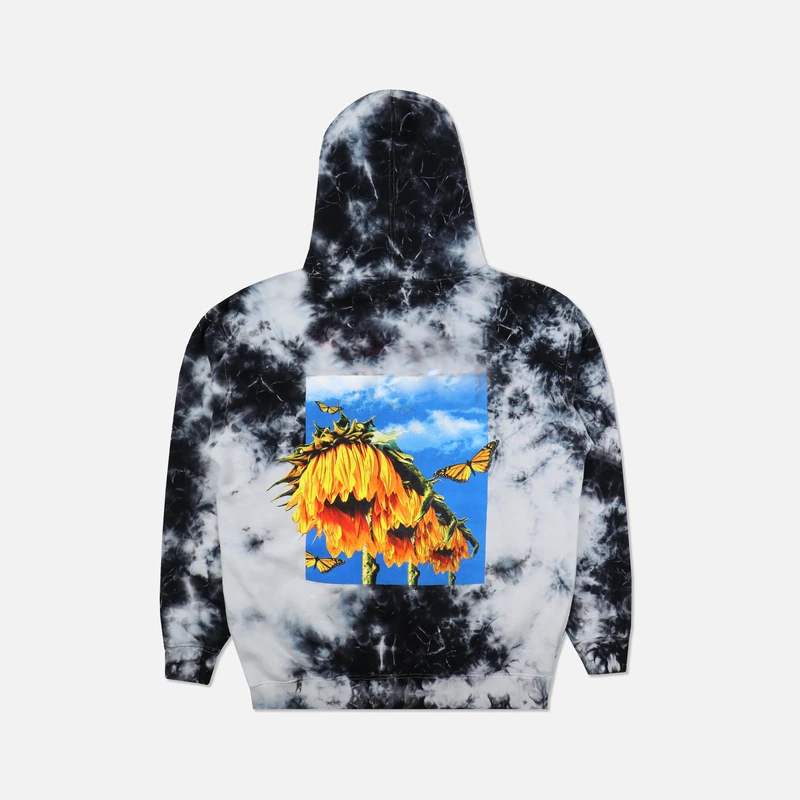
Pullover Sweatshirts
EDVORIN supports sweatshirt programs with fabric sourcing, pattern development, fit adjustments and construction control. Pullover styles can be developed for different markets, sizes and material weights, with artwork, labels, trims and packaging coordinated from sample approval through repeat wholesale or private-label orders.
Get a Quote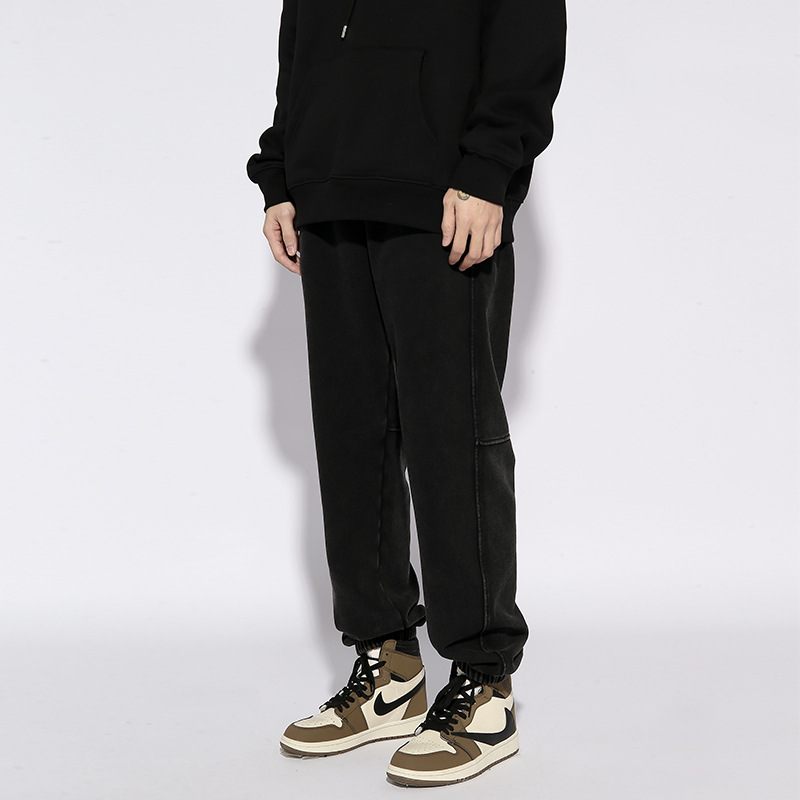
Sweatpants & Joggers
As a sweatpants manufacturer, EDVORIN develops joggers and sweatpants around intended fit, rise, leg shape, waistband recovery, pocket construction and fabric performance. Buyers can specify men’s or women’s blocks, decoration details and matching sets, with approved measurements used to control bulk consistency.
Get a Quote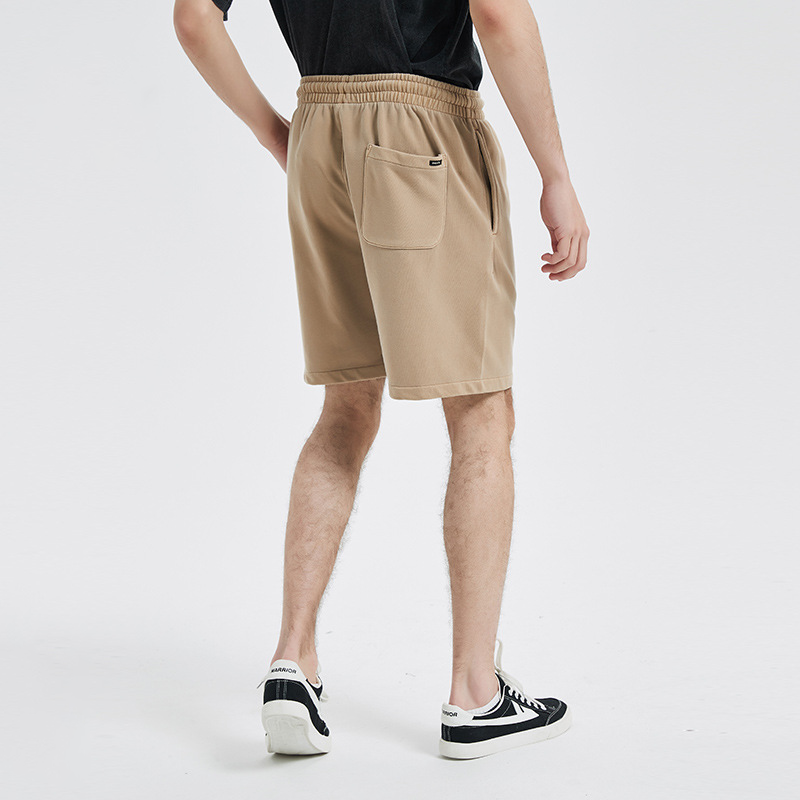
Custom Shorts
As a custom shorts manufacturer, EDVORIN develops streetwear, casualwear, training and team shorts with coordinated fabric, inseam, waistband, pockets, lining, artwork and finishing requirements documented for repeat production.
Get a Quote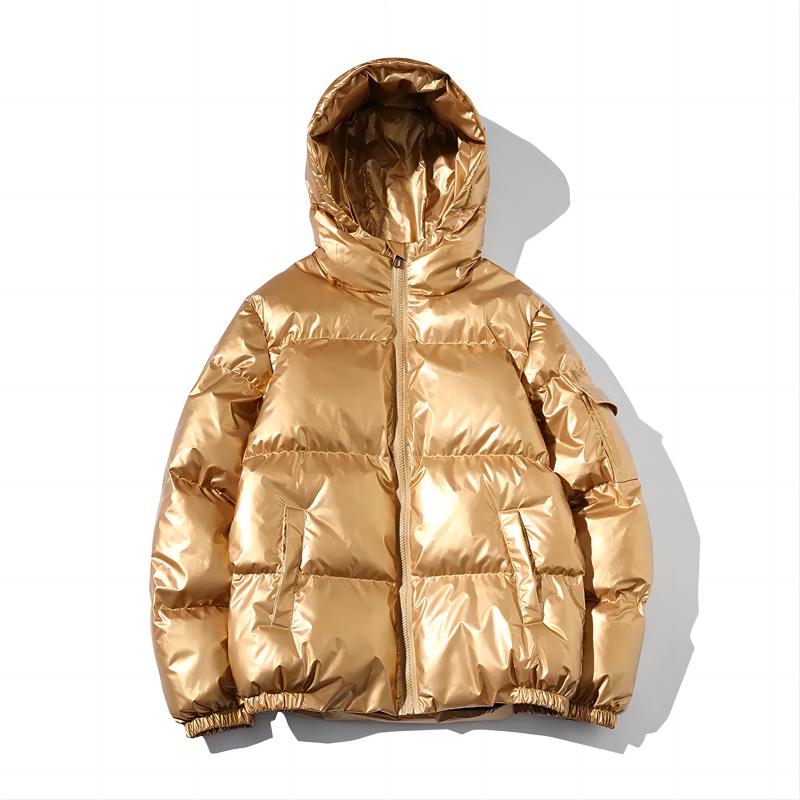
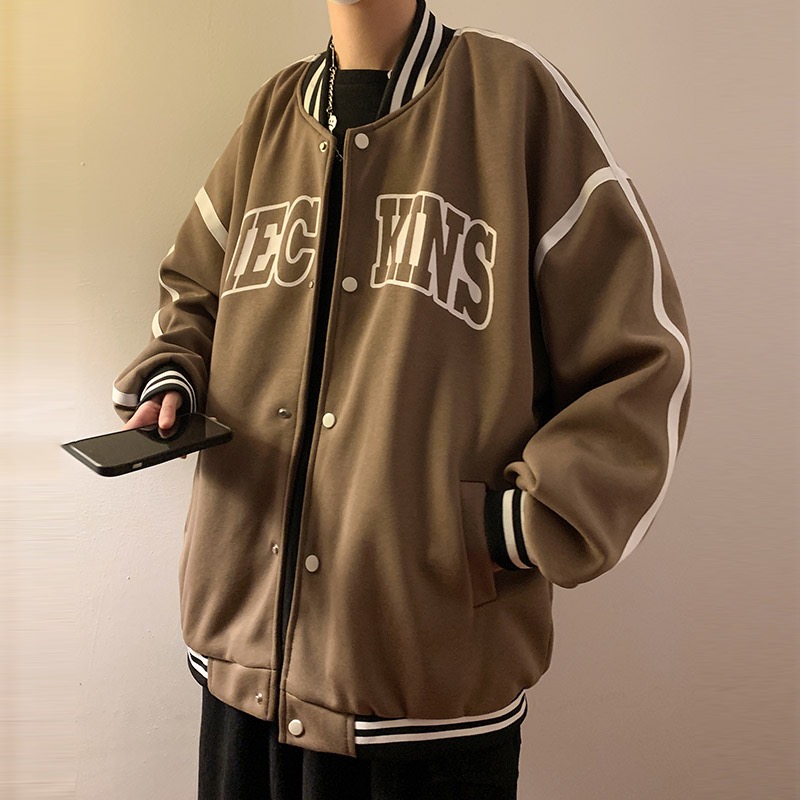
Varsity & Baseball Jackets
As a varsity jacket manufacturer, EDVORIN coordinates body fabric, sleeves, lining, insulation, rib, snaps, patches, embroidery and lettering. Baseball and varsity styles can be developed for fashion brands, schools, clubs and private-label buyers, with construction details and decoration placements controlled from sample to bulk.
Get a Quote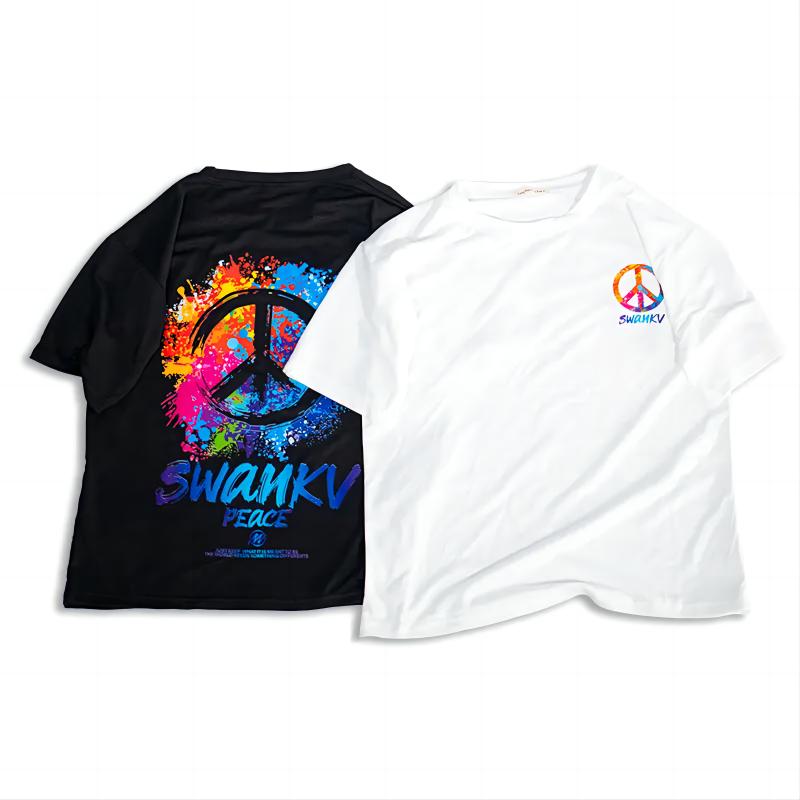
Custom T-Shirts
As a custom t shirt manufacturer, EDVORIN develops T-shirts through fabric selection, pattern adjustment, neckline construction, fit grading and decoration testing. Print, embroidery, labels, washes and packaging are documented against an approved sample for repeat orders.
Get a Quote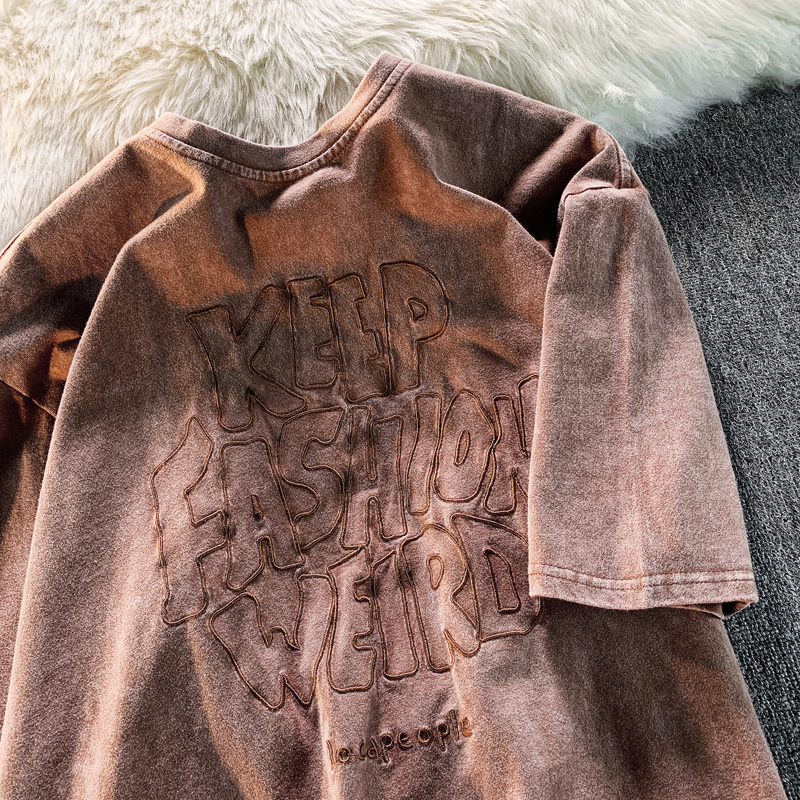
Custom Polo Shirts
As a polo shirt manufacturer, EDVORIN manages fabric, collar and cuff construction, plackets, buttons, fit blocks and decoration requirements. Polo programs can serve corporate apparel, schools, clubs, wholesalers and private-label collections, with men’s and women’s development available across planned size ranges.
Get a Quote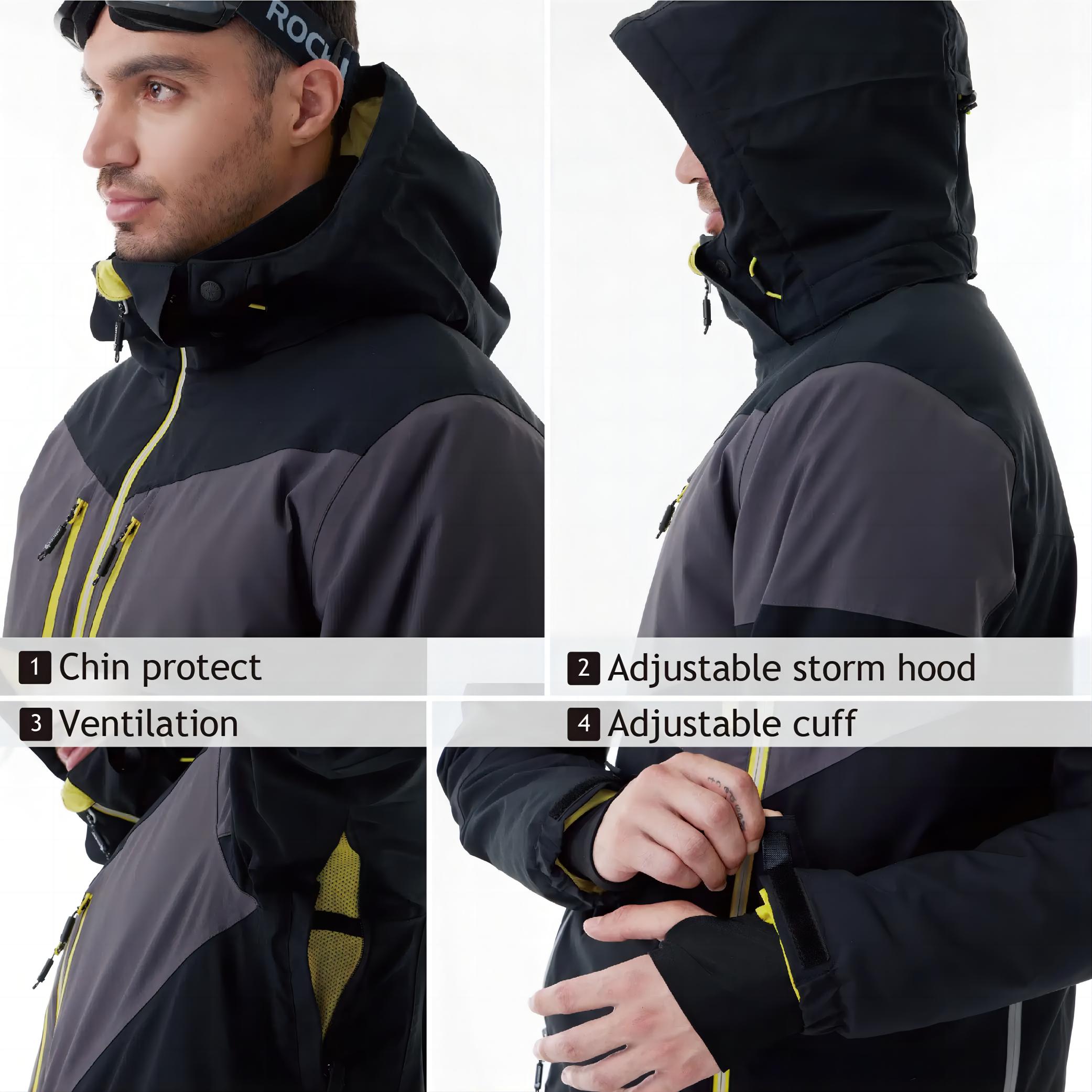
Windbreaker Jackets
EDVORIN develops windbreaker jackets with attention to shell fabric, water resistance requirements, lining, hoods, zippers, elastic details, pockets and packability. Fashion, streetwear, club and corporate buyers can define fit, color, artwork and trims, with specifications carried through sampling and bulk production.
Get a Quote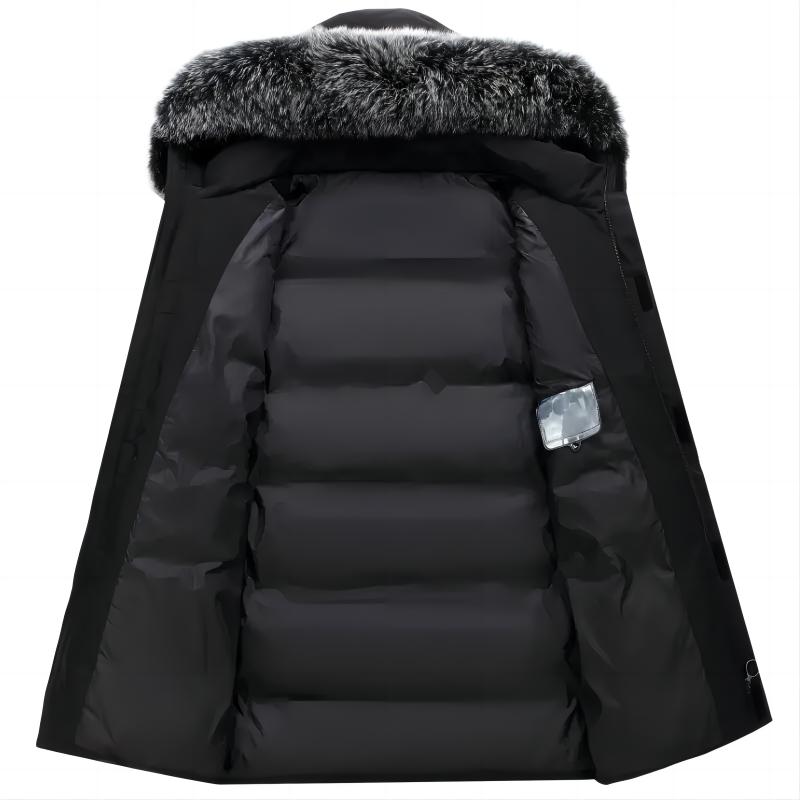
Quilted Jackets
Quilted jacket development requires coordination between shell fabric, lining, insulation, quilting pattern, construction, hardware and finishing. EDVORIN supports seasonal outerwear programs for fashion brands, wholesalers and private labels, adapting proportions and performance requirements for men’s and women’s collections before bulk approval.
Get a Quote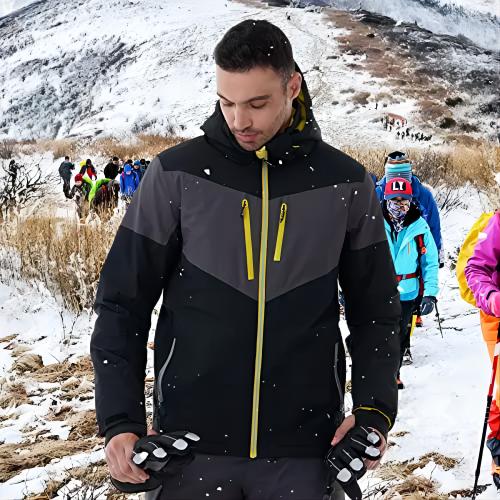
Bomber Jackets
As a bomber jacket manufacturer, EDVORIN develops the relationship between shell, lining, rib, zipper, pocket construction, insulation and decoration. Buyers can build fashion, streetwear, uniform or private-label versions with documented fit, materials, trims and artwork placement to support consistent repeat manufacturing.
Get a Quote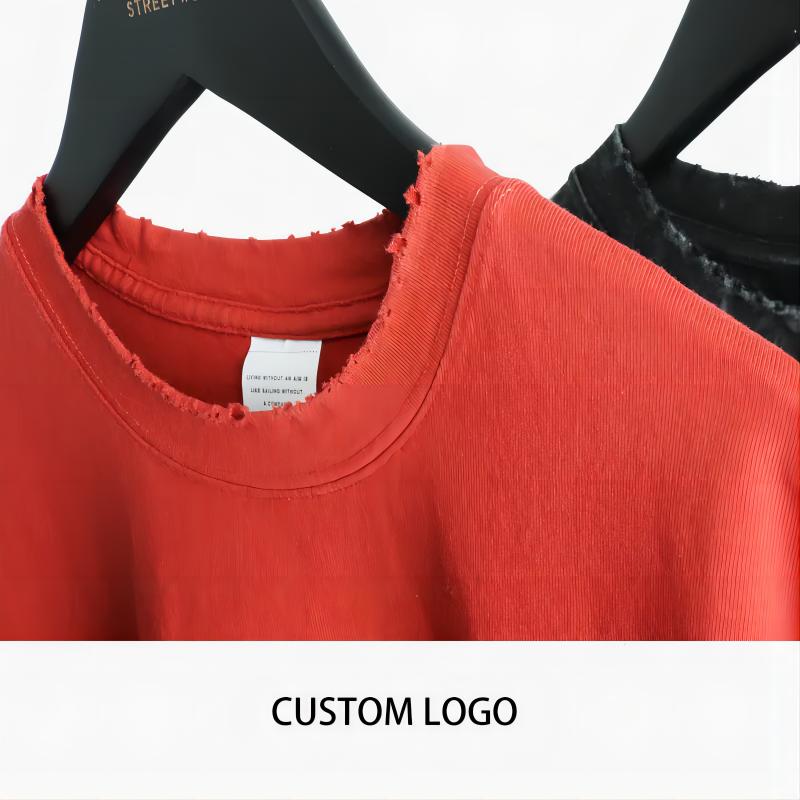
Custom Shirts
As a custom woven shirt manufacturer, EDVORIN coordinates fabric, collars, cuffs, plackets, buttons, yokes, pockets, silhouettes and finishing for men’s and women’s fashion, streetwear and private-label programs.
Get a Quote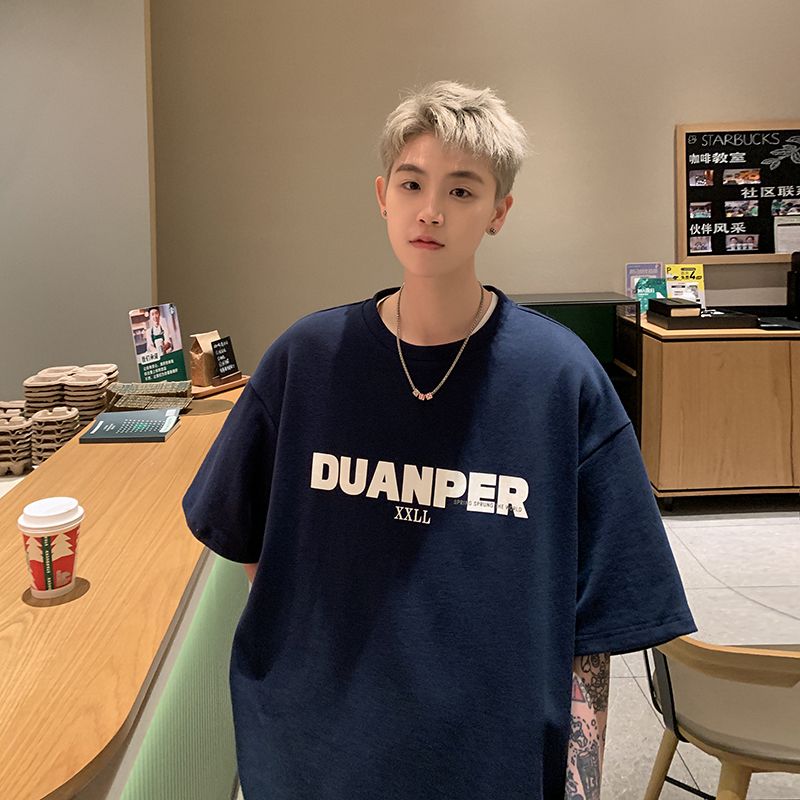
Custom Jerseys
As a custom jersey manufacturer, EDVORIN coordinates breathable performance fabrics, panel construction, fit, color standards, names, numbers, crests, sponsor artwork and finishing. Sports clubs, schools, teams and apparel brands can develop organized size sets and repeatable decoration specifications for future orders.
Get a Quote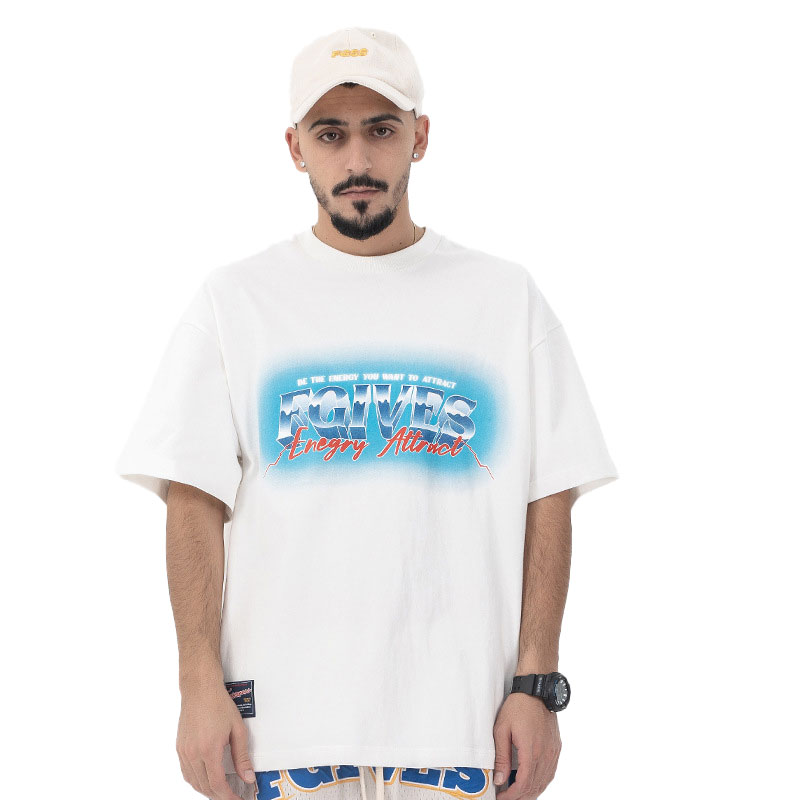
Tank Tops
Custom tank tops can be developed for streetwear, casualwear, training and promotional programs. EDVORIN adjusts fabric, neckline, armhole, body length, fit and decoration method for the intended wearer, then coordinates labels, washing, packaging and approved measurement standards for men’s and women’s ranges.
Get a Quote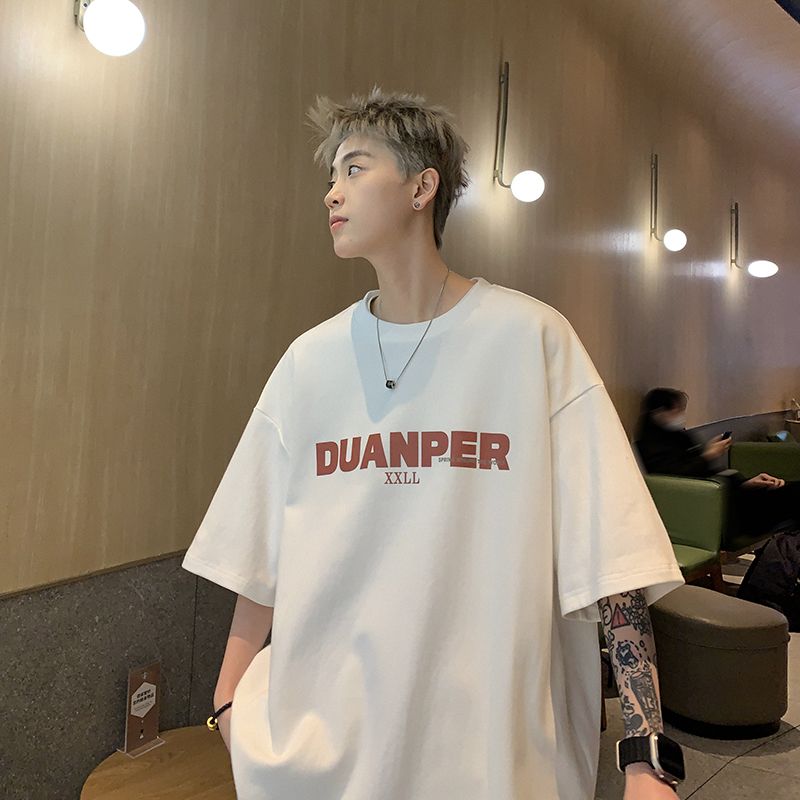
Soccer Uniforms
As a soccer uniform manufacturer, EDVORIN develops coordinated shirts, shorts and related teamwear with attention to breathable fabrics, color consistency, fit grading, names, numbers, badges and sponsor marks. Clubs, schools and distributors can manage size sets and repeat orders against documented approved standards.
Get a Quote
Basketball Uniforms
Basketball uniform programs require coordinated tops and shorts, breathable materials, mobility-focused proportions, stable color and accurate names, numbers and logos. EDVORIN supports clubs, schools, teams and wholesalers through development, decoration coordination, size grading, inspection and repeat bulk production.
Get a Quote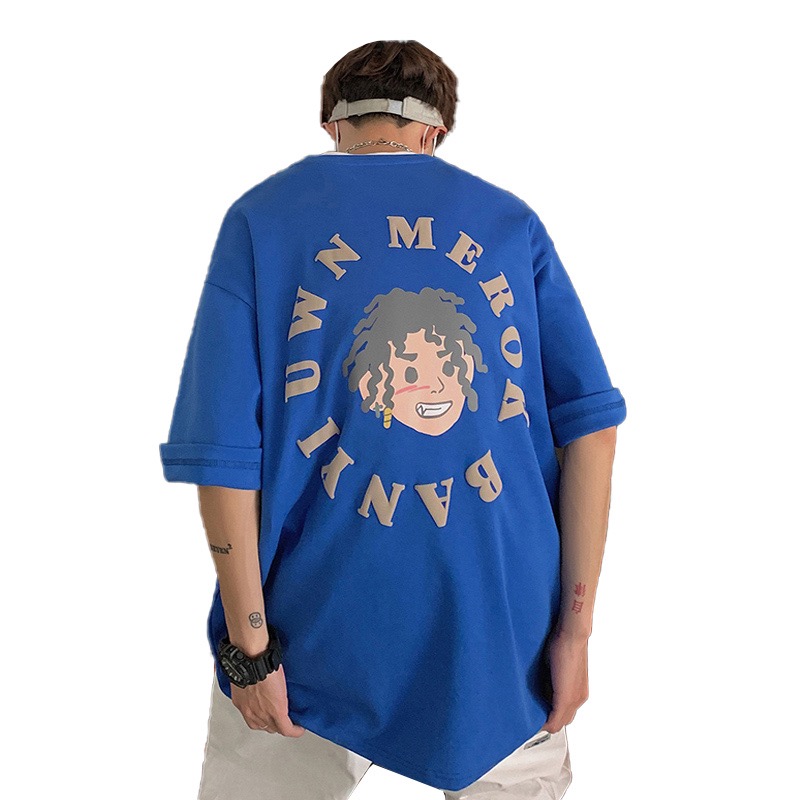
Streetwear Collections
As a streetwear clothing manufacturer, EDVORIN connects hoodies, sweatshirts, T-shirts, joggers, shorts, jackets and woven pieces within one production system. Brands can develop coordinated fits, fabrics, washes, graphics, trims, labels and packaging while maintaining approved standards across seasonal and repeat collections.
Get a QuoteThe Complete Streetwear Fit and Production Guide for Apparel Programs
Use a practical decision framework to define measurements, compare fits, approve graded samples, select capable suppliers, and avoid costly sizing, labeling, production, and returns mistakes across your apparel program.
1. What Is a streetwear sizing guide?
Four elements define a reliable streetwear sizing guide: body measurements, finished-garment measurements, intended ease and fit language. Body measurements describe the wearer; finished measurements describe the product after construction, while ease explains the space added for movement, layering or an oversized silhouette. Terms such as regular, relaxed, slim and oversized must be tied to measurable points rather than interpreted casually. One approved sample can establish the baseline for a repeatable product program when its points of measure, tolerances, grading rules and gender-specific proportions are documented. This gives EDVORIN a clear manufacturing standard for development, material decisions, pattern revisions, decoration placement and bulk inspection, while helping wholesale buyers order across sizes with fewer assumptions.
2. Evolution and history of streetwear sizing
Three fit traditions shaped modern streetwear: workwear favored room for movement and layering, while skatewear and team sports reinforced practical ease, durability and longer proportions. Those influences gradually produced recognizable regular, relaxed, boxy and oversized silhouettes rather than one universal streetwear block.
One trend cycle should guide the silhouette brief, not replace technical control. Buyers should define chest, body length, shoulder, sleeve, rise, inseam and tolerance measurements for each style, then approve samples against those points. Keep the size label as a navigation tool, while the measurement chart, fit block and grading rules remain the manufacturing standard across colors, genders and repeat orders.
3. Types of streetwear sizing guides
Six sizing-guide models cover most streetwear programs, but each answers a different fit question.
Body-Measurement Charts

Three core inputs—chest, waist, and hip—connect the wearer to a recommended size. Add height, inseam, or sleeve length for trousers, jerseys, and outerwear. Body charts work well for direct-to-consumer brands and private-label programs when buyers can measure consistently.
Finished-Garment Charts

Four common garment measurements—half chest, body length, shoulder width, and sleeve length—describe the actual product rather than the wearer. Trousers may add waist, rise, inseam, and leg opening.
Unisex And Gender-Specific Charts
Two fit-block choices shape the chart: unisex sizing uses one shared block, while gender-specific sizing adjusts proportions, grading, and balance for the intended wearer. Unisex charts simplify team, school, and club ordering.
Numeric And Fit-Based Systems
Numbers such as 28–36 or 2–14 work well for waist-led products, uniforms, and youth programs when the underlying measurements are stated. Letter sizes remain useful for broad assortments. Fit-based labels—regular, relaxed, boxy, or oversized—communicate silhouette, but they must be tied to finished measurements.
4. Materials, fabrics, and sizing behavior
A 300 GSM fleece hoodie and a 180 GSM T-shirt will not hold the same measurements after cutting, washing, and finishing.
Fiber And Construction
100% cotton knits can relax or shrink, while polyester blends usually improve dimensional stability. Ring-spun yarn, open-end yarn, French terry, and fleece also create different drape and bulk. Woven shells resist stretch but may restrict movement; elastane adds comfort only when recovery is tested.
Shrinkage And Recovery
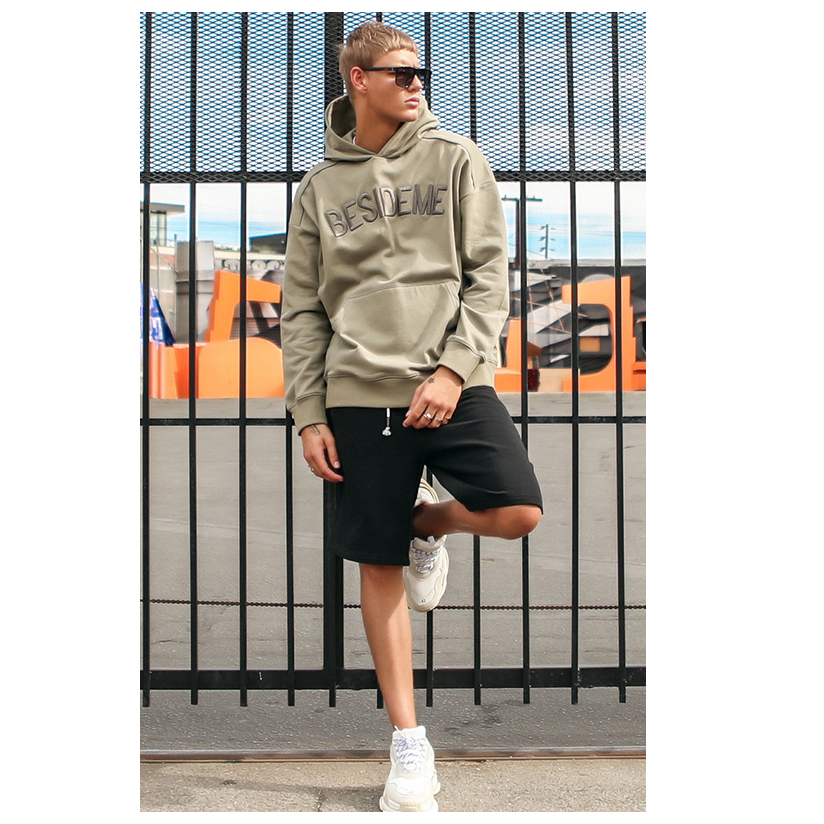
A 3% length loss changes body and sleeve measurements; width shrinkage can alter chest ease and rib proportions. Wash treatment, tumble drying, brushing, and garment dyeing should be tested before approving final measurements. Measure pre-wash and post-wash samples at defined points, then set tolerances by style.
Fabric Behavior By Program
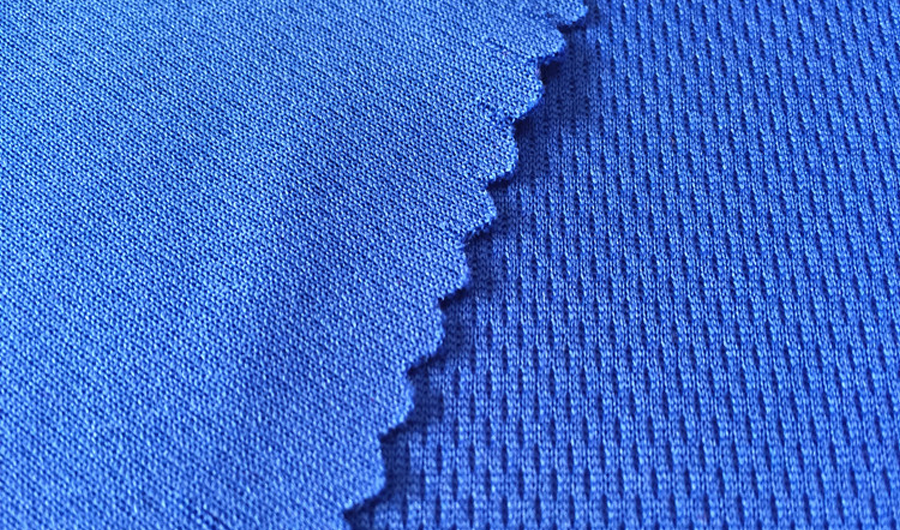
GSM, stretch, finishing, and construction should match the intended streetwear use.
| Fabric or construction | Likely fit change | Testing priority | Best-use context |
|---|---|---|---|
| Cotton fleece, 280–400 GSM | Shrinkage; added bulk | Wash and tumble test | Oversized hoodies and sweatshirts |
| French terry, 240–360 GSM | Moderate relaxation | Length and recovery test | Joggers, shorts, lightweight sets |
| Polyester-elastane knit | Stretch with recovery risk | Repeated extension test | Performance jerseys and activewear |
| Woven nylon or cotton | Limited stretch; shape retention | Seam and wash test | Windbreakers, overshirts, outerwear |
5. Customization and decoration for consistent fit
Decoration can change how a garment hangs, feels, and measures, even when the base pattern is unchanged.
Control Weight And Drape
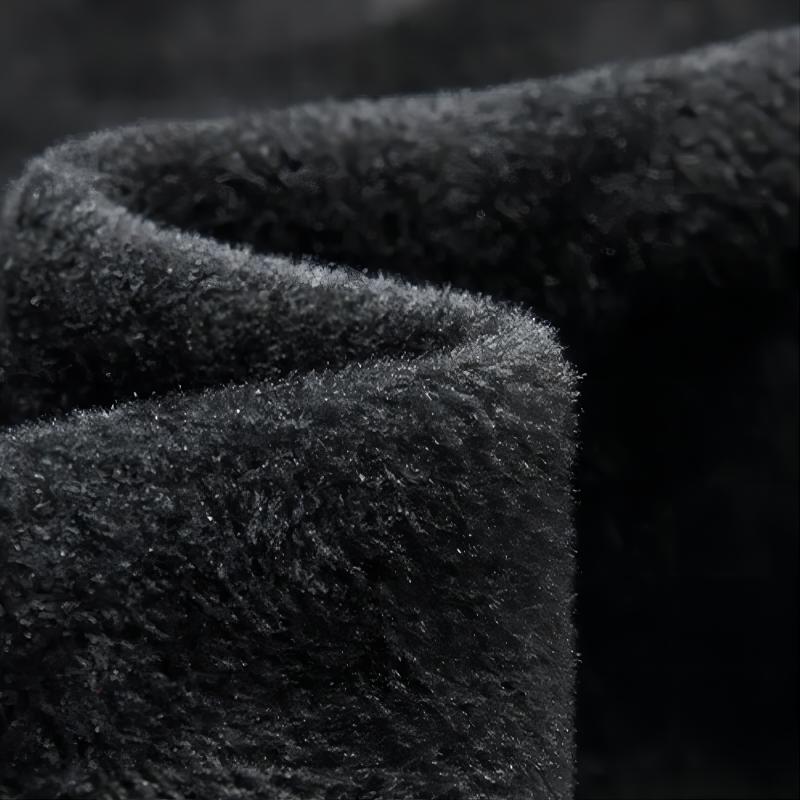
1-3 decoration layers can stiffen a chest or back panel. Screen printing usually affects surface hand, while embroidery, patches, and appliqué add localized weight that may pull fleece, French terry, or lightweight jersey away from the intended silhouette. 300–500 GSM hoodies tolerate heavier decoration better than thin T-shirts, but the garment still needs a post-decoration measurement check.
Protect Placement Across Sizes
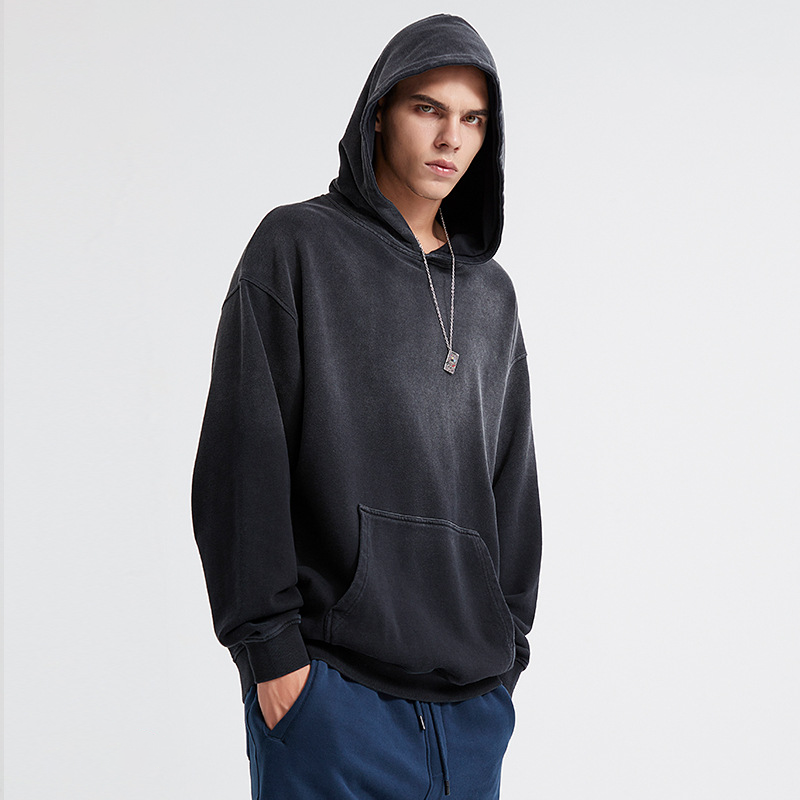
2 placement rules matter: keep artwork inside decoration-safe zones and grade its position with the garment, rather than copying one fixed distance from the neckline. Large graphics may need scale adjustments across XS–3XL to preserve balance. A 10 cm logo can look correct on a sample yet appear crowded on a smaller size or undersized on an extended size.
Approve The Finished Standard
One decorated sample per key fit block is the practical minimum for review. Check drape, stretch recovery, pocket access, label bulk, patch edges, wash appearance, and measurements after the chosen decoration and wash process. Brand, team, school, and wholesale programs preserve consistency by approving artwork scale, safe zones, decoration method, and final measurement tolerances together.
| Method | Primary Fit Risk | Control Check |
|---|---|---|
| Printing | Stiffness or surface drag | Check hand, stretch, and placement |
| Embroidery | Localized weight and puckering | Check backing, drape, and dimensions |
| Patches or appliqué | Added bulk at seams or panels | Check clearance, balance, and wash result |
6. Key construction quality elements
Two samples can share identical body measurements yet fit differently when balance, recovery, or seam control changes.
Pattern Balance And Armholes
Front-to-back balance controls whether a hoodie hangs level or pulls across the chest. Shoulder slope, armhole depth, and sleeve pitch should match the intended relaxed or oversized block. Proto samples should be checked on multiple body types for twisting, drag lines, restricted reach, and uneven hems.
Necklines, Ribs, And Waistbands
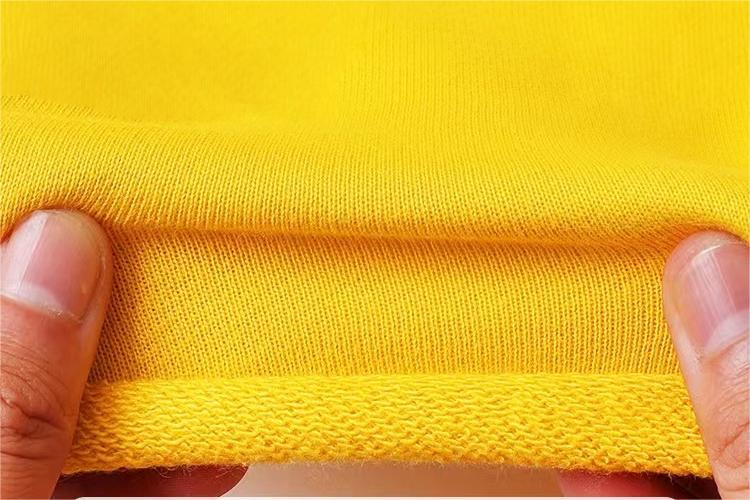
Rib width and recovery determine whether collars, cuffs, and waistbands retain their opening after wear. Record rib composition, relaxed dimensions, and stretch recovery rather than approving appearance alone. Pre-production samples should be pulled, washed when applicable, and measured again.
Seams And Sleeve Proportion
A 1 cm seam allowance change can alter finished width, sleeve circumference, and durability, especially around armholes and side seams. Confirm allowance, stitch density, bartacks, and reinforcement against the approved construction sheet. Sleeve length must be reviewed with shoulder width and cuff height together.
Grading And Tolerance Control
Each size grade should follow a documented increment for chest, length, shoulder, sleeve, and waistband—not a uniform expansion applied everywhere. Compare the full size set to confirm that proportions remain intentional. Set measurement tolerances before bulk production, then inspect proto and pre-production samples at key points.
7. How to choose a streetwear apparel manufacturer
A reliable streetwear sizing guide manufacturer should turn fit decisions into controlled production documents.
Technical Documentation
1 approved tech pack should define points of measure, construction, fabric behavior, grading rules, labels and packaging. Ask whether the factory maintains a measurement library for comparable hoodies, tees, bottoms and outerwear.
- Request a sample tech pack with tolerance fields.
- Confirm measurement units, fit block and grading method.
- Ask who owns final specification approval.
Fit Testing And Approval
3 checkpoints should cover first sample, revised sample and size-set approval. Require shrinkage testing after washing or finishing, plus tolerance documentation for key points such as chest, body length, sleeve and waistband. A complete size set shows whether grading remains balanced across the range.
- Check shrinkage by fabric and wash process.
- Review tolerance limits before bulk cutting.
- Approve every size in the production range.
Production Communication
1 named production contact should control comments, artwork placement, labeling and packing instructions from approval through final inspection. EDVORIN coordinates these decisions across development and bulk production so approved standards remain visible. Compare 3 factories using revision logs, inspection records and response clarity.
- Ask how labels and size tickets are verified.
- Request an example inspection checklist.
- Compare evidence, lead-time assumptions and revision controls.
8. Common streetwear sizing mistakes buyers make
Seven recurring errors can distort a streetwear sizing guide before bulk cutting begins.
Copying Another Brand’s Chart
A borrowed chart transfers another brand’s fit block, grading and measurement points, often producing garments that do not match your intended silhouette or customer base. The commercial consequence is mis-sized inventory and expensive rework.
Trusting Labels Over Measurements
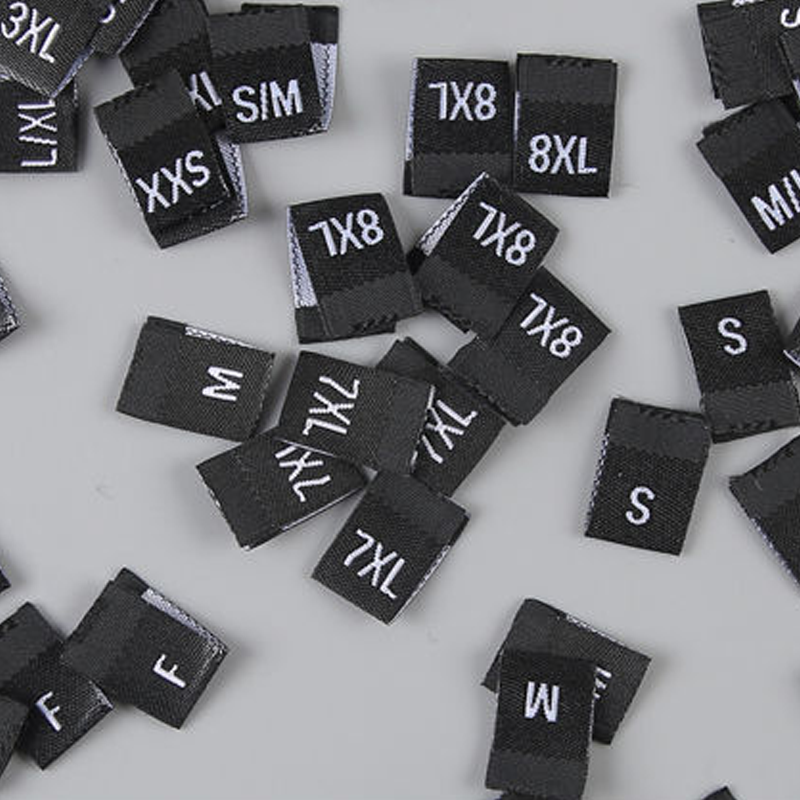
S, M and L are not manufacturing specifications; the same label can represent different chest, length, sleeve and rise measurements across suppliers. Treating labels as fixed creates inaccurate listings and avoidable exchanges.
Mixing Measurement Systems
Body measurements describe the wearer; garment measurements describe the finished product. Mixing them in one chart can make a hoodie, tee or jogger appear incorrectly graded and mislead buyers about ease.
Skipping Fit, Wash, And Decoration Checks
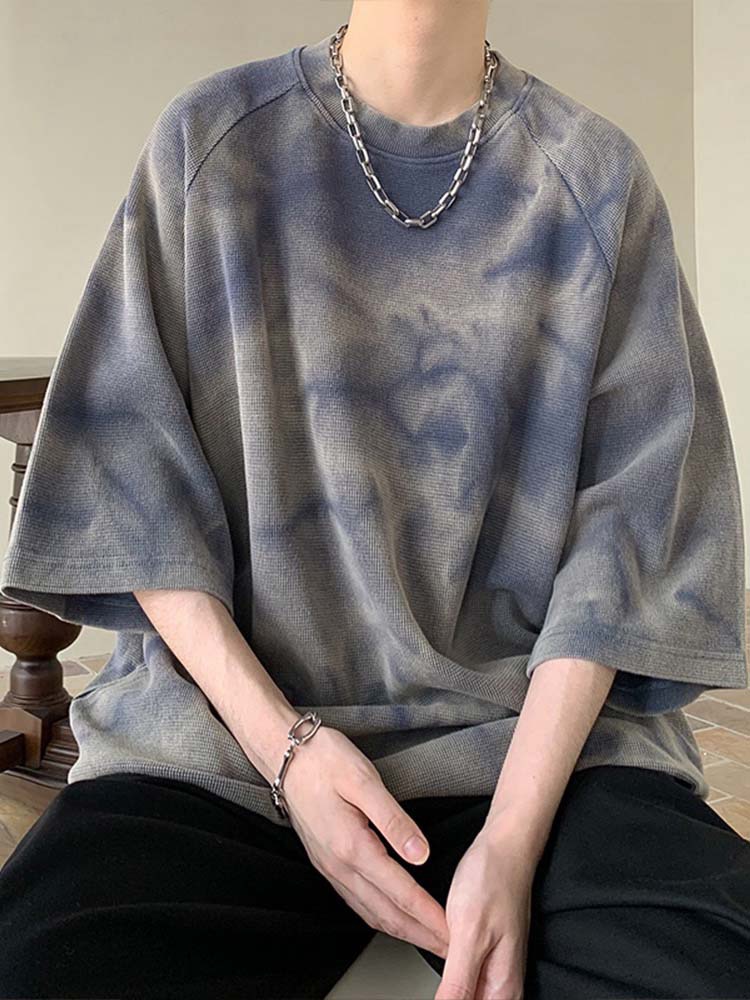
Oversized, relaxed and regular fits require different ease, while washing can change dimensions and decoration can affect hand feel, stretch or placement. Approving one size without testing these variables risks inconsistent grading and rejected bulk goods.
9. Steps to launch your streetwear sizing guide
A reliable streetwear sizing guide starts with a defined wearer, silhouette, and measurement standard.
Define The Fit Brief
Step 1 identifies the target wearer, market, gender program, body proportions, layering needs, and intended use. Record whether the product is regular, relaxed, or oversized before drafting measurements.
Build And Grade Specifications
Step 2 measures a reference garment and converts those findings into a tech pack: points of measure, tolerances, construction notes, fabric behavior, and label placement. Define the size range from customer demand and production feasibility.
Sample And Approve The Set
Step 3 develops a sample in the base size, then checks adjacent sizes through a graded size set. Test movement, layering, shrinkage after washing, decoration placement, and comfort on representative wearers. Approve the complete size set only after corrections are recorded.
Publish And Monitor Results
Step 4 turns approved measurements into customer-facing charts using flat garment dimensions, body guidance, units, fit notes, and measuring instructions. State clearly whether shoppers should choose their normal size or size up for an oversized silhouette. Track returns by SKU, size, fit complaint, and garment measurement.
10. Streetwear sizing guide pricing and cost
EDVORIN began in 2000 as a manufacturing partner built around turning design intent into repeatable production standards. Sizing cost begins with pattern development, measurement specifications, grading rules and fit decisions for men’s or women’s programs; a reference garment or tech pack can reduce interpretation, but neither removes approval work. Three checkpoints usually determine the final budget: the first pattern, a graded size set and the pre-production sample.
| Development stage | Estimated cost category | Lead-time impact | Buyer decision note |
|---|---|---|---|
| Pattern and measurement setup | Pattern work, spec chart, grading | Adds initial development time | Confirm fit block, tolerances, and measurement points before sampling. |
| Size-set sampling | Multiple sizes, trims, labels, decoration | Adds sample coordination time | Approve enough sizes to expose grading problems before bulk. |
| Testing and revision | Wash, shrinkage, fit review, rework | Adds review and correction cycles | Budget for changes caused by fabric behavior or decoration. |
| Pre-production approval | Final sample, artwork, labels, packaging checks | Required before bulk release | Use one signed standard for production and quality control. |
| Bulk quantity tier | MOQ allocation and unit economics | Higher quantities may require longer scheduling | Compare development cost against repeatability, not unit price alone. |
Streetwear Sizing Guide FAQs for Brand Buyers
Practical answers for developing consistent men’s and women’s streetwear fits from first sample through repeat bulk production.
What should a streetwear sizing guide include for a clothing brand?
How does a streetwear sizing guide improve fit consistency between samples and bulk production?
Can EDVORIN create a streetwear sizing guide for both men’s and women’s collections?
Do I need a complete size chart or tech pack to start development?
How are sizes graded for oversized hoodies, T-shirts and joggers?
Can I approve the fit before placing a bulk order?
How does EDVORIN prevent sizing variation across repeat orders?
Ready to Turn Your Streetwear Sizing Guide Into Production?
Share your fit standards with EDVORIN and develop a repeatable, production-ready streetwear collection for your next order.