
Streetwear Fabric GSM Guide for Production-Ready Apparel
Use this streetwear fabric gsm guide to choose the right weight for apparel that fits, performs and scales from sample to bulk production.
Streetwear Fabric GSM Guide: Match Weight to Product
Use this streetwear fabric gsm guide to align weight with silhouette, comfort, decoration, cost and repeatable bulk production.
Balance Material Performance
Compare GSM with fiber content, knit structure and finish so a heavier fabric supports the intended hand feel, durability and silhouette.
Plan Comfort and Climate
Lighter weights can improve breathability, while heavier constructions add warmth and presence; balance comfort against climate, layering and daily wear.
Shape the Intended Fit
Weight changes drape and shape, helping teams develop relaxed tees, structured hoodies, reliable joggers and coordinated men’s or women’s fits.
Coordinate Decoration Methods
Select decoration around the base material: printing, embroidery, patches and washing each require placement, compatibility and approval checks before bulk production.
Control Cost and Repeatability
EDVORIN’s MOQ starts at 200 pieces per style. Higher GSM can increase material consumption and landed cost, so EDVORIN helps buyers compare sampling, MOQ, target price and repeat-order priorities.
Choose GSM by Garment, Audience and Use Case
EDVORIN aligns fabric weight, construction and decoration with the demands of streetwear, teamwear, uniforms, wholesale ranges and private-label apparel.
Custom Hoodies
As a custom hoodie manufacturer, EDVORIN develops fleece weights and constructions for heavyweight streetwear, everyday casualwear and team programs. Fit, rib recovery, hood structure, drawcords, printing, embroidery and wash testing are documented from approved sample through repeat bulk production.
Get a Quote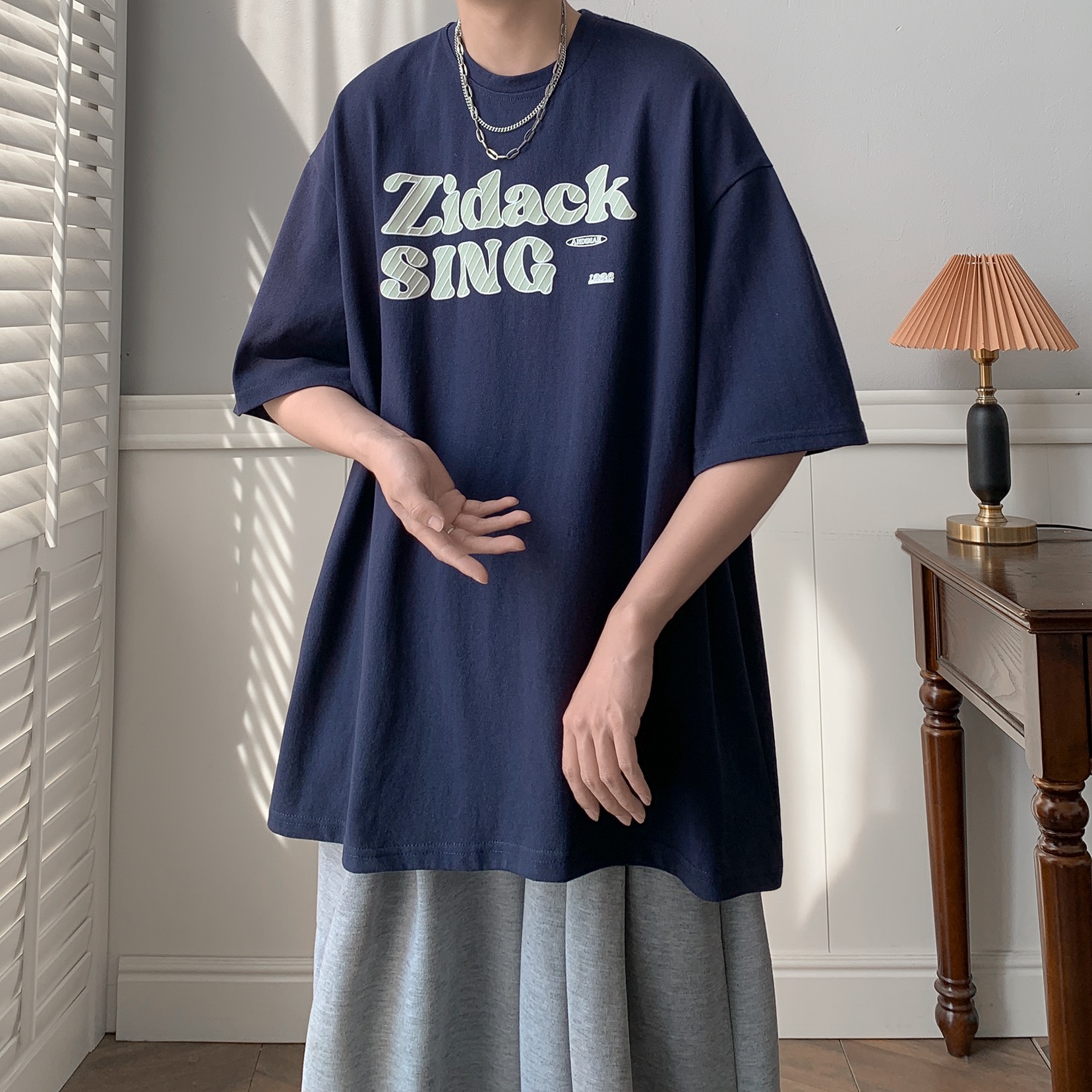
Pullover Sweatshirts
As a sweatshirt manufacturer, EDVORIN matches GSM to the intended hand feel, climate and layering needs. Pullover styles can be developed in brushed or unbrushed fleece with rib cuffs, screen printing, embroidery, labels and packaging coordinated for wholesale, private-label and branded collections.
Get a Quote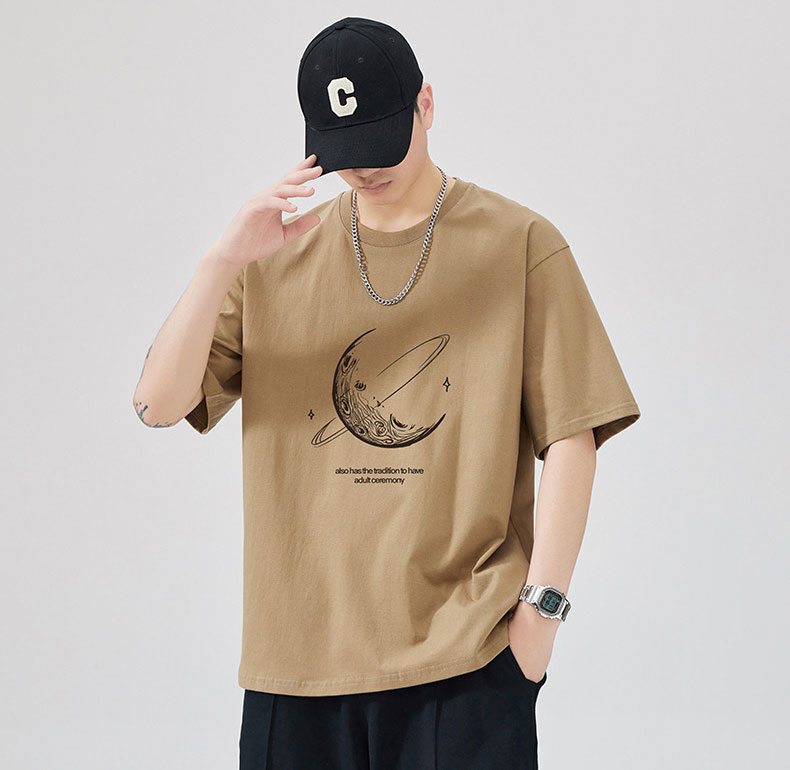
Sweatpants & Joggers
As a sweatpants manufacturer, EDVORIN selects GSM according to drape, warmth, durability and movement. Joggers and sweatpants can include brushed fleece, terry or performance fabrics, with graded fits, elastic waistbands, drawcords, pockets, embroidery and wash standards controlled for repeat orders.
Get a Quote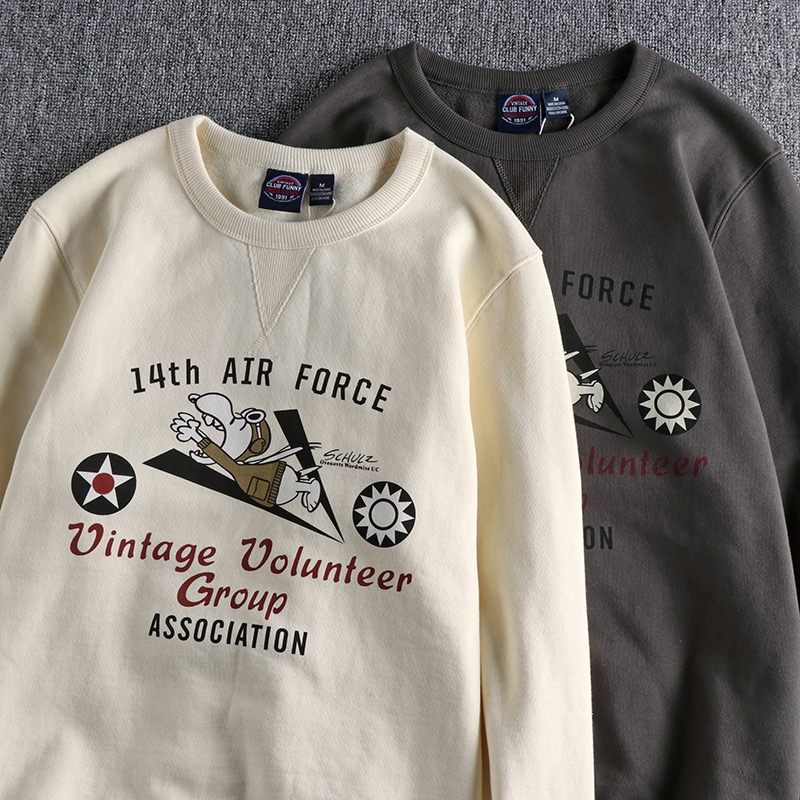
Custom Shorts
As a custom shorts manufacturer, EDVORIN develops GSM for lounge, streetwear, training and team use. Cotton fleece, terry, woven and performance options can be combined with elastic waists, drawcords, pockets, mesh panels, sublimation, printing or embroidery according to the program.
Get a Quote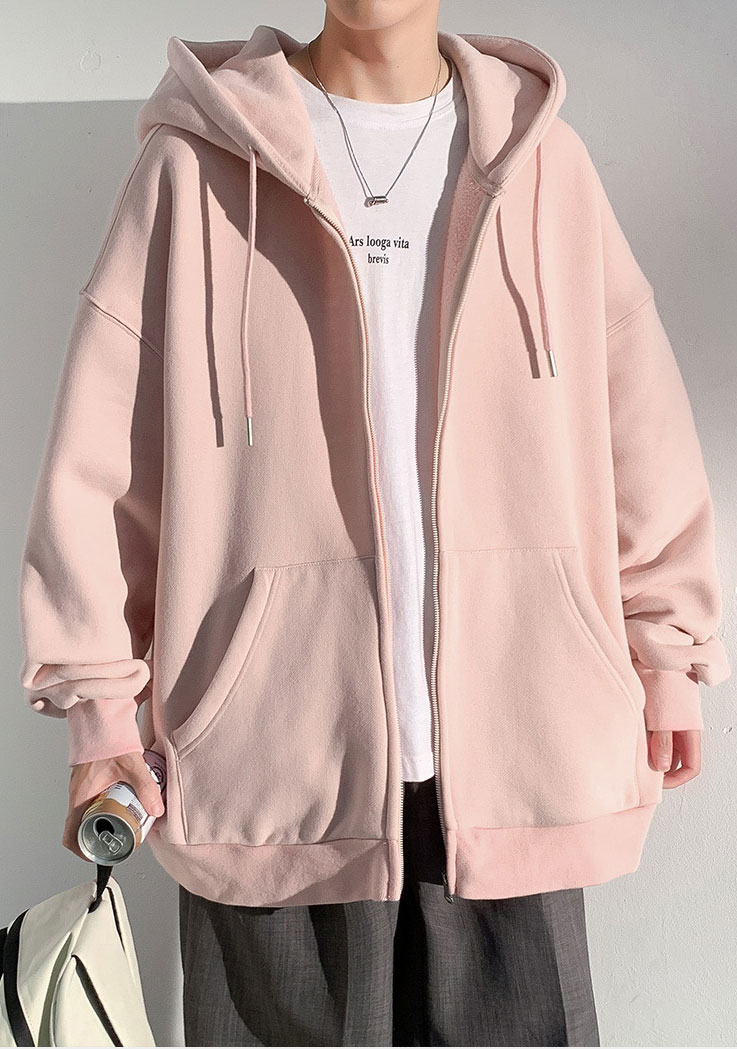
Varsity & Baseball Jackets
As a varsity jacket manufacturer, EDVORIN coordinates body GSM with sleeves, rib, lining, snaps, insulation and patches. Wool-look, cotton, nylon and blended constructions can be developed for school programs, streetwear labels and private-label ranges, with embroidery, chenille and applique placements approved before bulk.
Get a Quote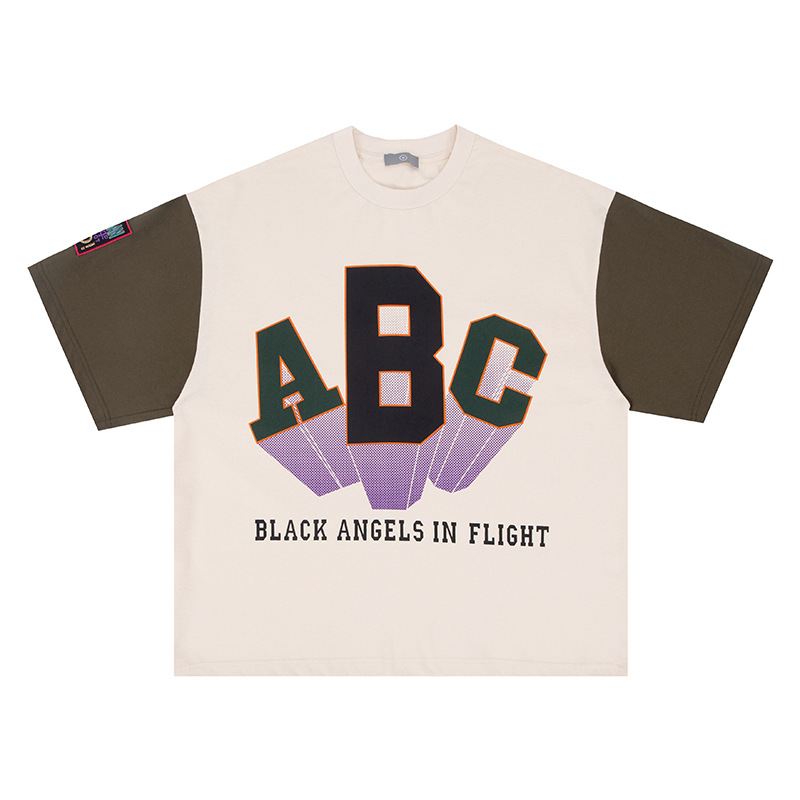
Custom T-Shirts
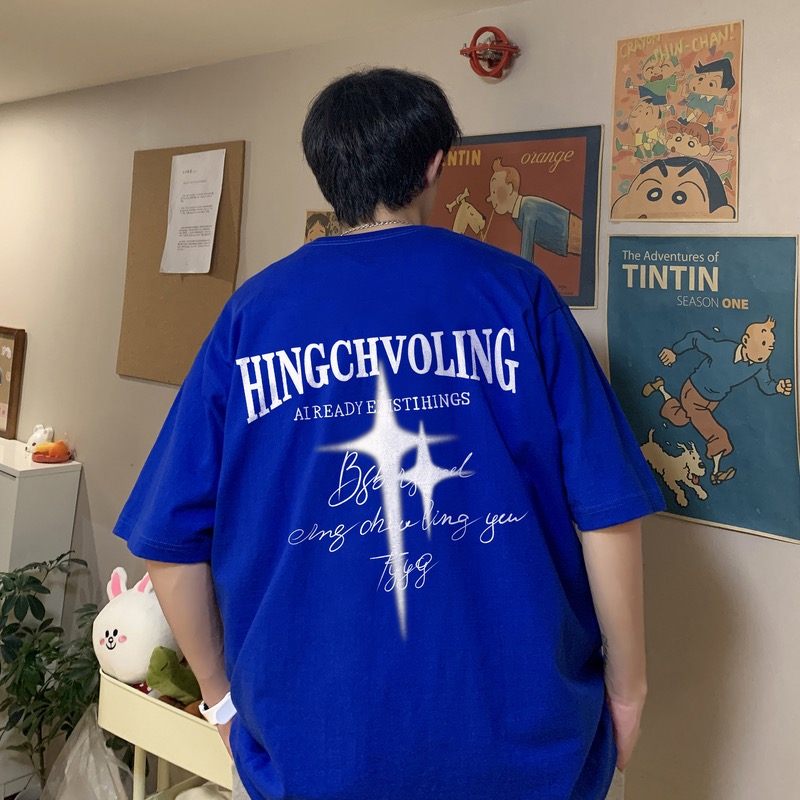
As a custom T-shirt manufacturer, EDVORIN helps buyers choose GSM for lightweight layering, everyday retail, oversized streetwear or durable team use. Cotton, organic cotton and blended jerseys can be developed with graded fits, neck rib, screen print, transfer, embroidery, labels and packaging specifications.
Get a Quote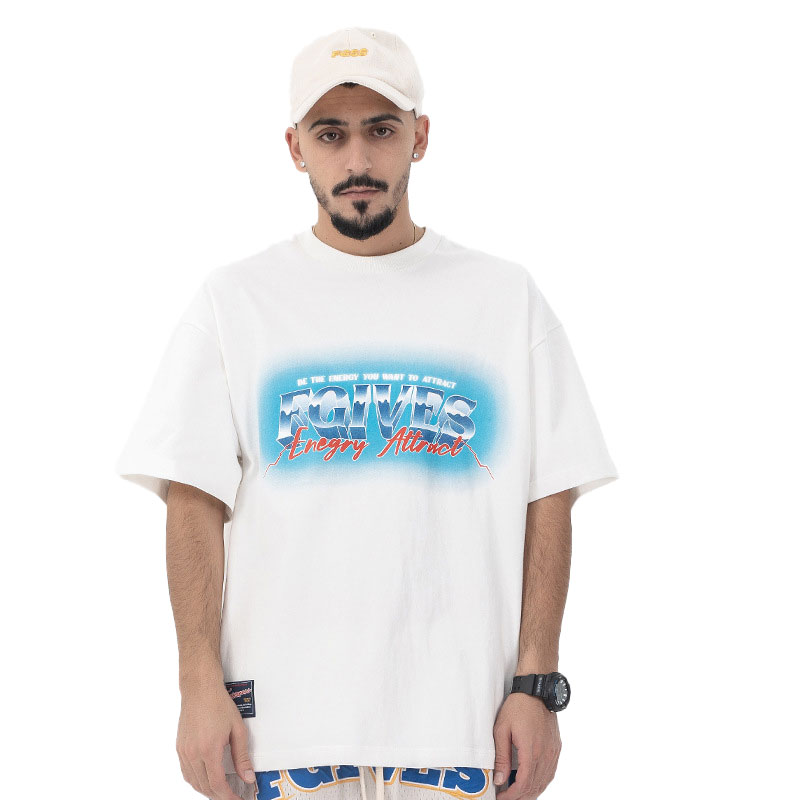
Custom Polo Shirts
As a polo shirt manufacturer, EDVORIN develops GSM around breathability, structure, color stability and repeated wear. Piqué, jersey and performance fabrics support corporate apparel, school uniforms, sports clubs and wholesale ranges, with collar construction, plackets, embroidery, badges and size grading documented.
Get a Quote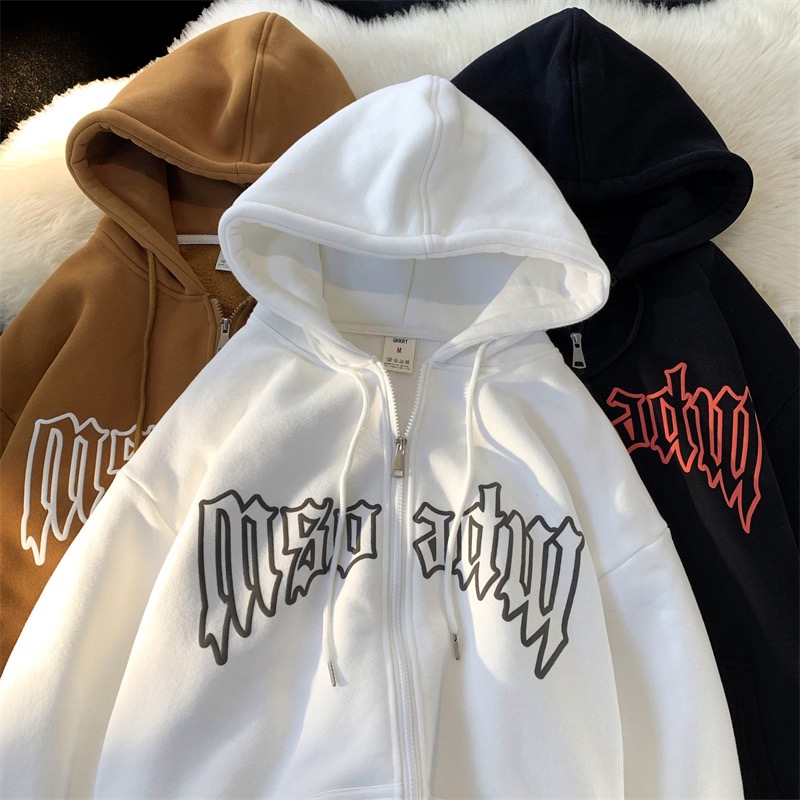
Windbreaker Jackets
As a windbreaker manufacturer, EDVORIN balances shell GSM with packability, weather resistance, lining and movement. Nylon, polyester and recycled options can be developed for streetwear, clubwear and promotional programs, with zippers, hoods, reflective details, printing, embroidery and finishing checked against approved standards.
Get a Quote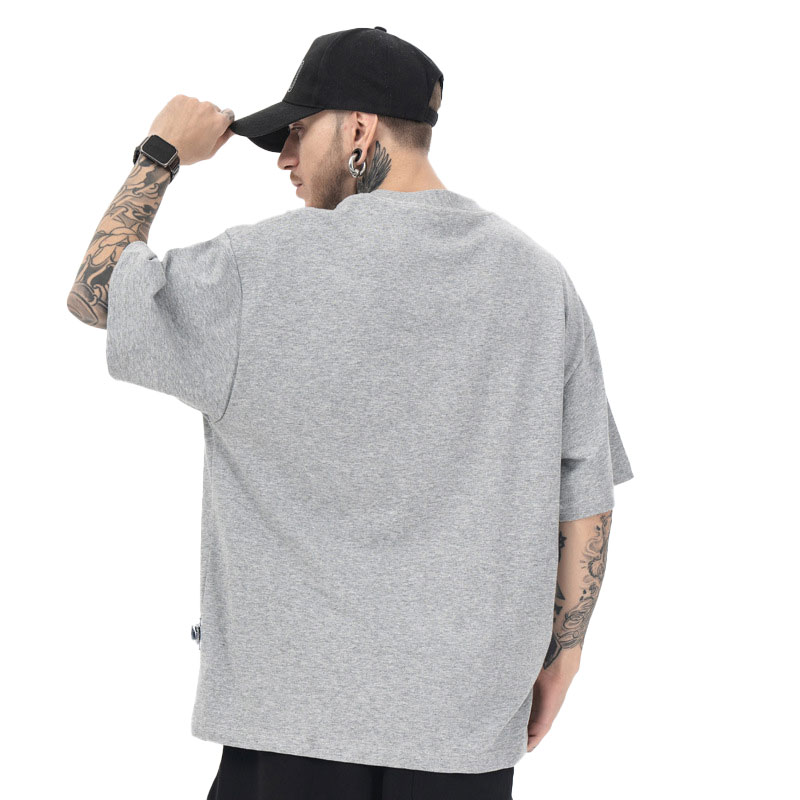
Quilted Jackets
As a quilted jacket manufacturer, EDVORIN coordinates outer-shell GSM, filling weight, quilting pattern and lining for seasonal warmth without losing the intended silhouette. Programs can specify recycled insulation, water-resistant fabrics, hardware, labels and packaging for fashion brands, wholesale buyers and private-label collections.
Get a Quote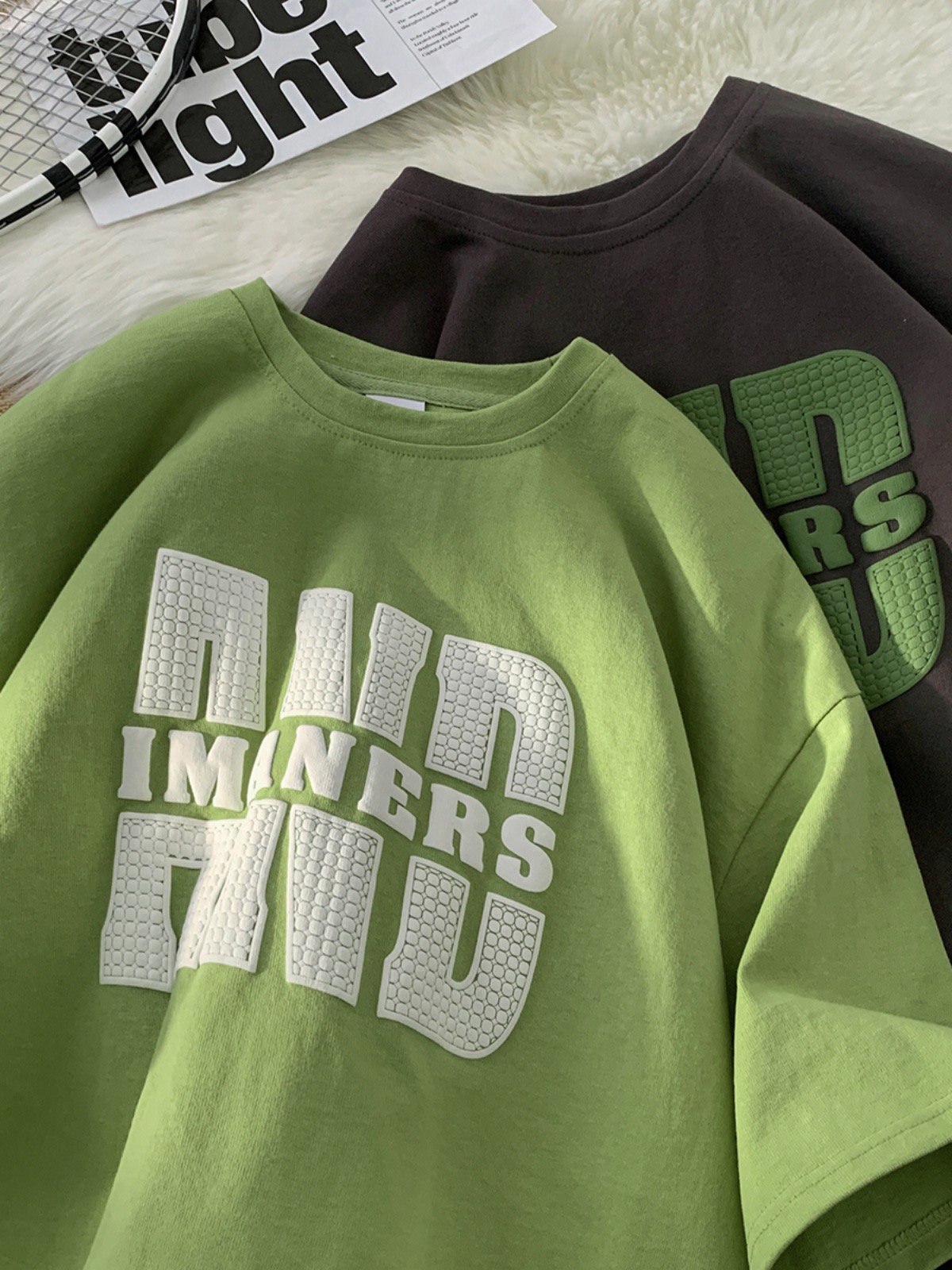
Bomber Jackets
As a bomber jacket manufacturer, EDVORIN develops GSM across shell, lining and insulation to achieve the required weight, drape and warmth. Nylon, polyester, cotton and blended styles can include rib trims, zippers, pockets, embroidery, patches and woven labels for streetwear and fashion programs.
Get a Quote
Custom Shirts
As a custom woven shirt manufacturer, EDVORIN selects GSM for structure, softness, opacity and seasonal use. Oxford, poplin, twill, flannel and other woven fabrics can support overshirts, uniforms and fashion ranges, with collar, cuff, button, embroidery, print, wash and packaging details controlled.
Get a Quote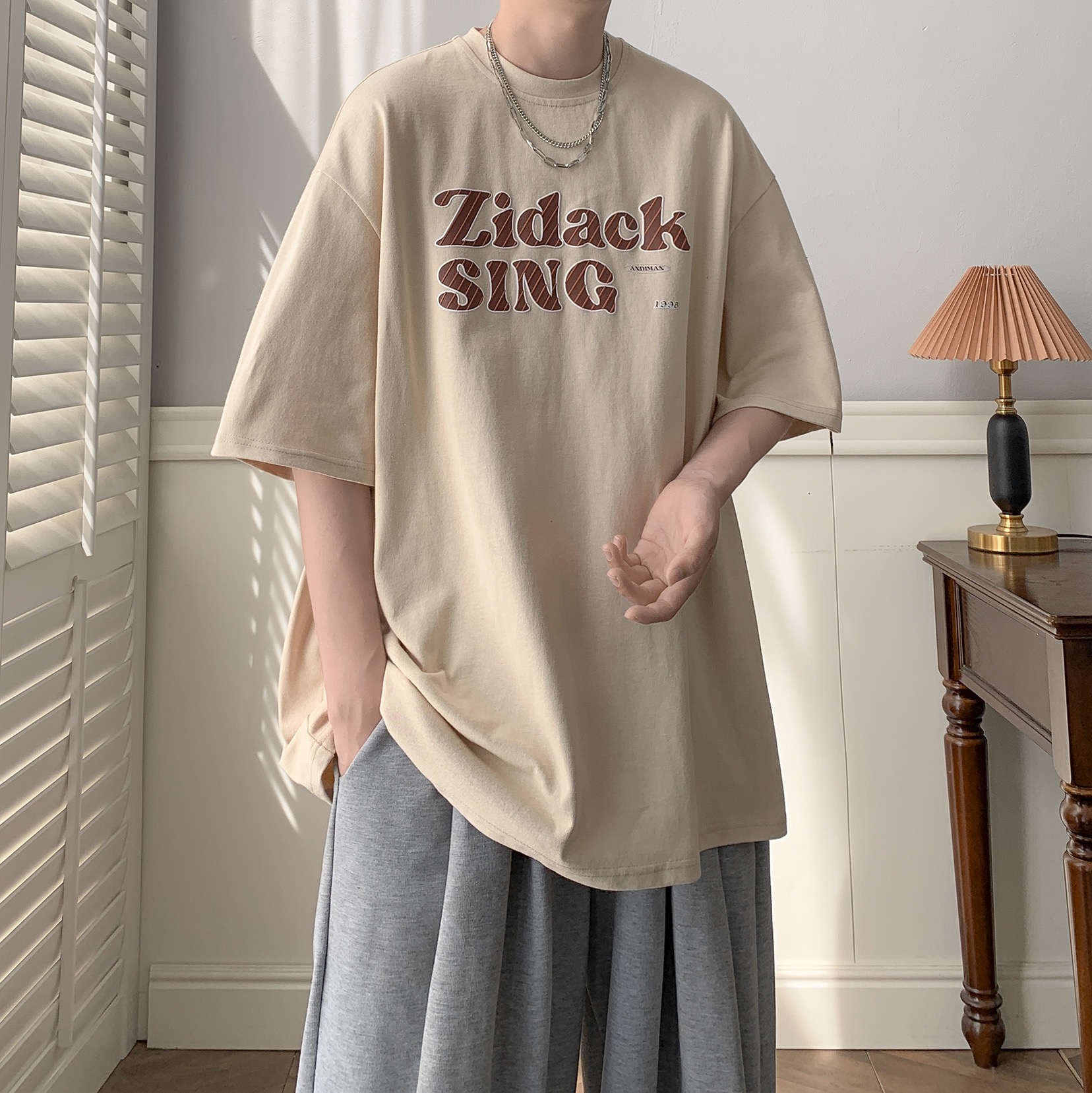
Custom Jerseys
As a custom jersey manufacturer, EDVORIN develops GSM according to sport, breathability, stretch, durability and decoration requirements. Polyester and performance knits support club, school and team programs with sublimation, heat transfer, embroidery, names, numbers, badges, coordinated shorts and repeatable size grading.
Get a Quote
Tank Tops
As a custom tank top manufacturer, EDVORIN matches GSM to training, summer casualwear and layered streetwear applications. Cotton, rib and performance fabrics can be developed with armhole finishing, neck binding, graded fits, screen printing, sublimation, embroidery and labeling for wholesale or private-label programs.
Get a Quote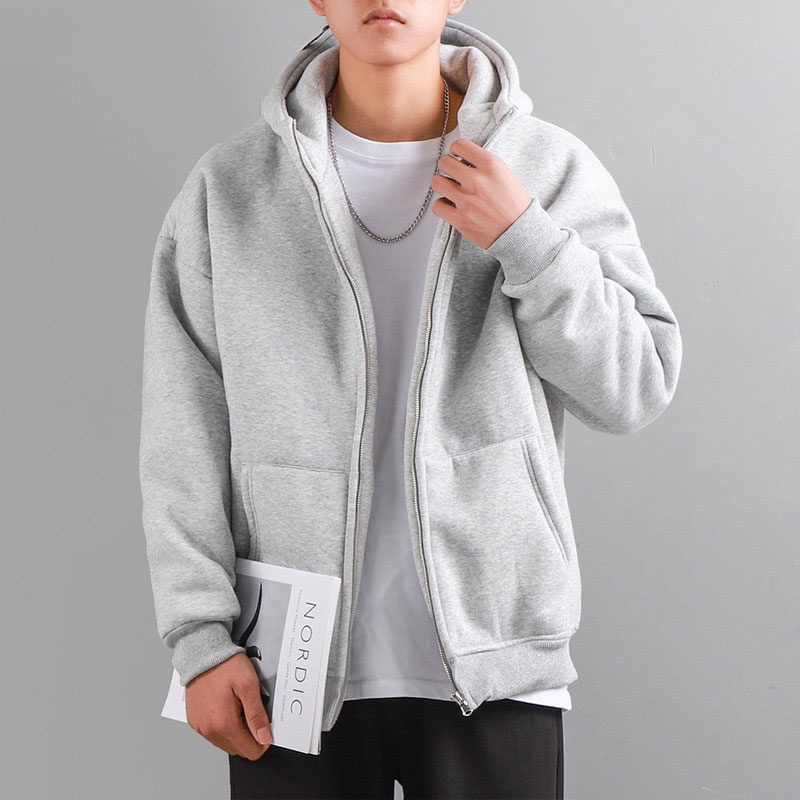
Soccer Uniforms
As a soccer uniform manufacturer, EDVORIN selects lightweight, breathable performance GSM for match movement, moisture management and repeated washing. Complete programs can coordinate jerseys, shorts and socks with sublimated artwork, names, numbers, badges, sponsor marks, size sets and color standards for clubs and academies.
Get a Quote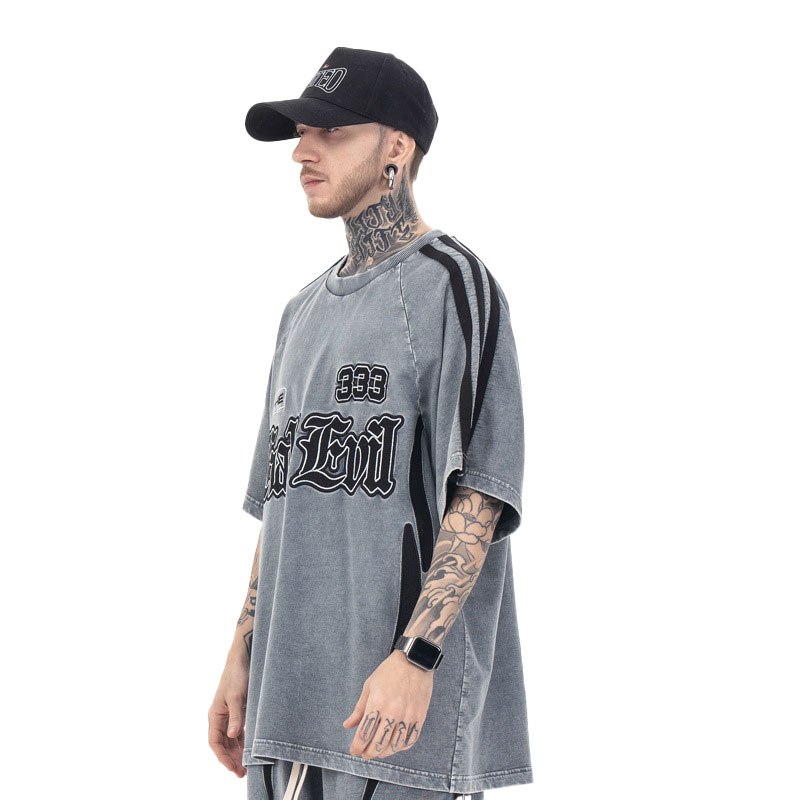
Basketball Uniforms
As a basketball uniform manufacturer, EDVORIN develops GSM for airflow, mobility, durability and layered team use. Mesh and performance knits support jerseys and shorts with sublimation, heat transfer, names, numbers, badges and graded sizing, while approved color and placement standards protect repeat team orders.
Get a Quote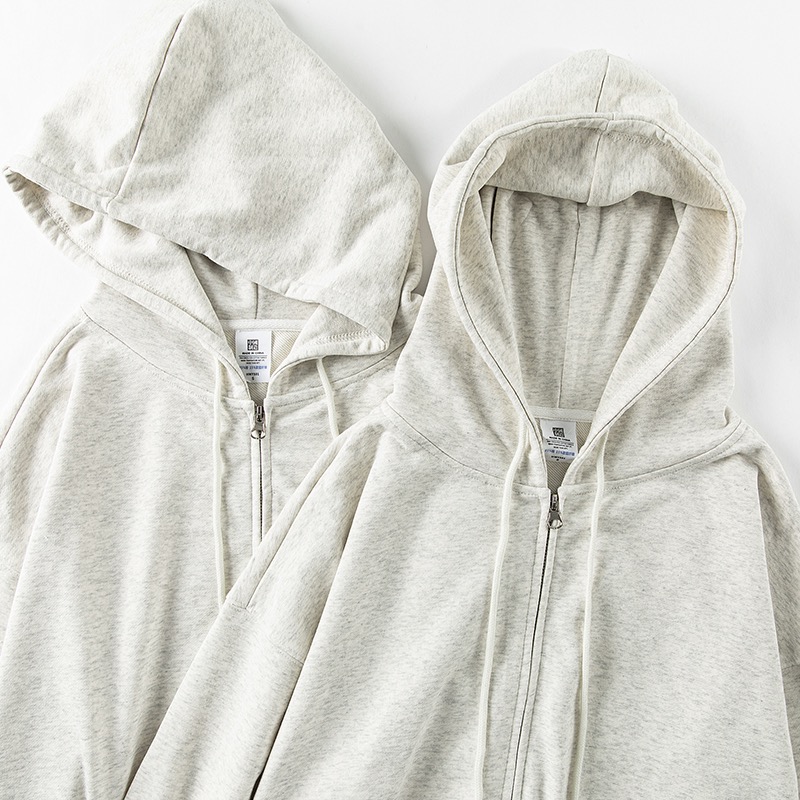
Streetwear Collections
As a custom clothing manufacturer and streetwear clothing manufacturer, EDVORIN applies GSM by silhouette, season, audience and styling intent across coordinated collections. Hoodies, tees, sweatpants, jackets, woven shirts and jerseys can share controlled materials, custom apparel printing, custom apparel embroidery, garment wash services, custom clothing labels and packaging while remaining suitable for wholesale, private-label and emerging brands.
Get a QuoteStreetwear Fabric GSM Guide: From Selection to Bulk
EDVORIN turns your streetwear fabric GSM guide decisions into approved, repeatable production standards for consistent collections and replenishment orders.
Define the Product Brief
Set the target GSM around garment category, silhouette, climate, fiber content, decoration and intended wearer, so the specification supports both design intent and performance.
Source and Test Fabrics
Compare suitable knits and woven materials, then develop samples to evaluate hand feel, drape, shrinkage, color, trims and decoration compatibility before approval.
Approve the Standard
Record the approved GSM, composition, measurements, construction, artwork placement, wash result and finishing details as the reference standard for repeat orders.
Coordinate Bulk Production
Move the approved specification into coordinated cutting, sewing, decoration, washing, labeling and packaging, with one production path connecting development decisions to bulk output.
Inspect and Prepare Shipment
Check materials, measurements, decoration and finished garments against approved standards through production and final inspection, protecting consistency across sizes, colors and future replenishment orders.
Streetwear fabric gsm guide: Choose the Right Weight
Use GSM, fabric composition, construction, decoration, and supplier checks to match each garment with its intended fit, climate, performance, and price point while avoiding shrinkage, inconsistent specifications, and costly production mistakes.
1. What Is a Streetwear Fabric GSM Guide?
GSM means grams per square metre and provides a standardized way to compare material weight across suppliers and product categories. For example, a 350 GSM fabric weighs 350 grams per square metre. Fabrics with identical GSM can still perform differently because fiber content, yarn size, knit density, construction and finishing affect hand feel and behavior. GSM does not independently establish quality, thickness, softness, durability or warmth; a 300 GSM French terry and 300 GSM brushed fleece may have different insulation and surface characteristics. Before approving a fabric, request fiber composition, yarn type, construction, width, measured GSM tolerance, shrinkage after washing, colorfastness, pilling results, stretch and recovery, plus applicable OEKO-TEX or GOTS documentation.
2. Evolution and History of Streetwear Fabrics
From the 1950s onward, workwear and sportswear shaped streetwear’s fabric preferences: durable cotton twill, jersey and fleece supported utility, movement and repeated washing. The 1980s and 1990s pushed looser proportions, graphic T-shirts and vintage washes, making fabric hand feel and surface character central to the product. From the 2000s to today, performance materials and sustainability have broadened the brief, increasing the importance of construction, sourcing, recycled fibers and measurable quality standards.
3. Types in the Streetwear Fabric GSM Guide
GSM ranges are practical starting points, not quality grades; fiber, knit density and finishing can change the result.
Lightweight
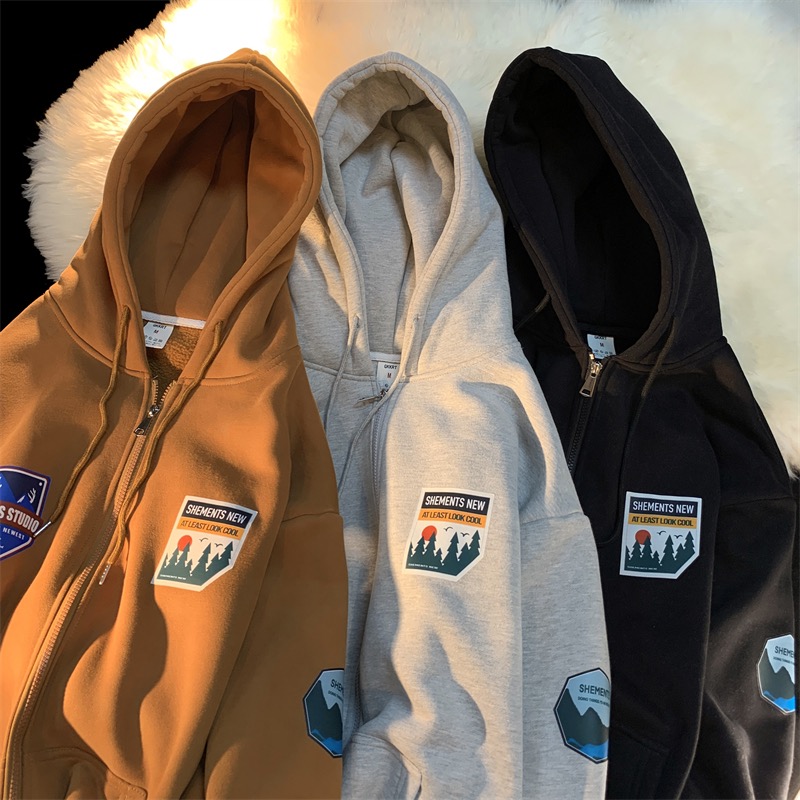
100–180 GSM fabrics suit summer T-shirts, tanks, base layers and hot-climate teamwear. They feel airy, drape softly and dry quickly, but offer less structure and may show print bleed-through or distortion.
Midweight

180–280 GSM covers versatile T-shirts, polos, French terry shorts and lighter sweatshirts. The hand feel balances softness with body, while the drape remains comfortable across transitional climates. This is usually the safest range for everyday collections and screen printing.
Heavyweight
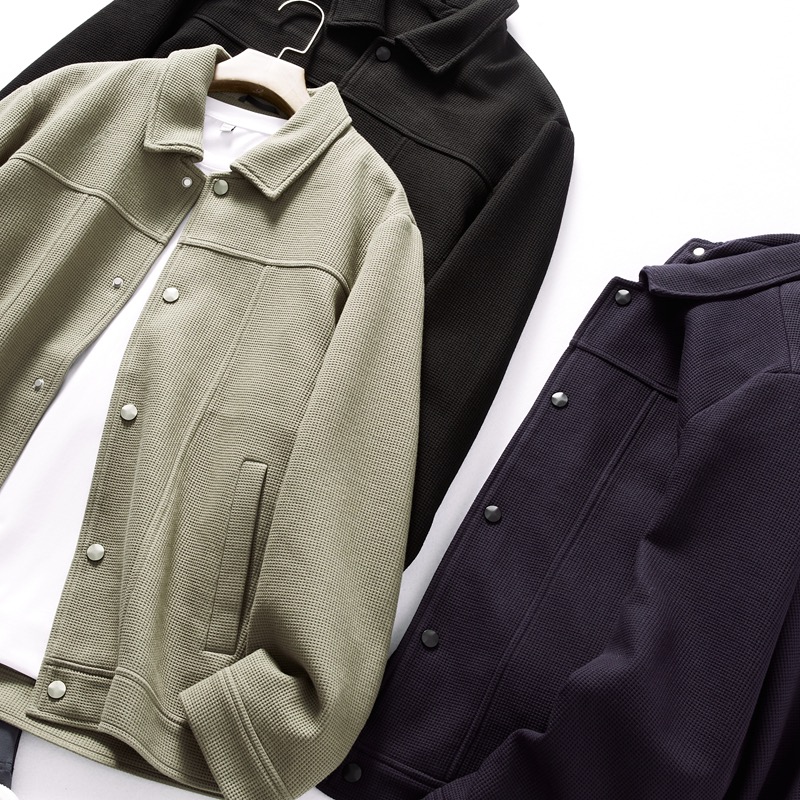
300–450 GSM is suited to structured hoodies, crewnecks, joggers and premium streetwear separates. It feels substantial, holds oversized silhouettes and provides a stable decoration surface, especially for screen print and embroidery. Use it for cooler climates or statement drops; warmer regions may find it excessive.
Ultra-Heavyweight And Layered
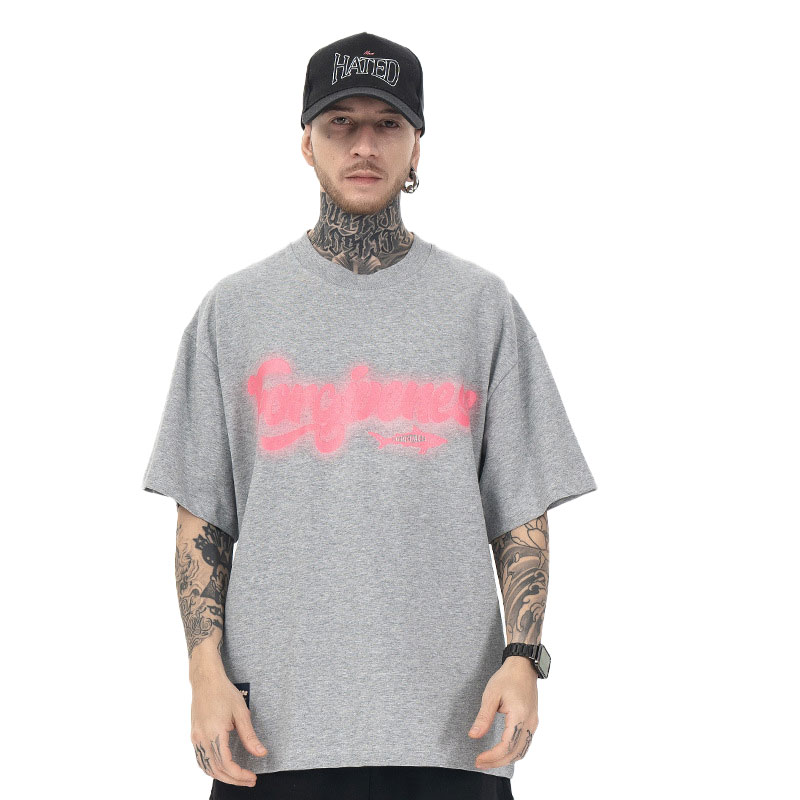
450–600 GSM supports winter hoodies, luxury sweat sets and structured outer layers; 680–1,100 GSM is typically specialty double-layer construction. These fabrics feel dense, drape with strong architectural weight and suit cold climates. Printing can be stable, but bulky seams, needle penetration, drying time and shipping weight increase.
4. Materials and Fabrics for Every GSM Range
180–500 GSM covers most streetwear jersey and sweatshirt decisions, but weight alone does not define quality.
Jersey And Cotton Choices
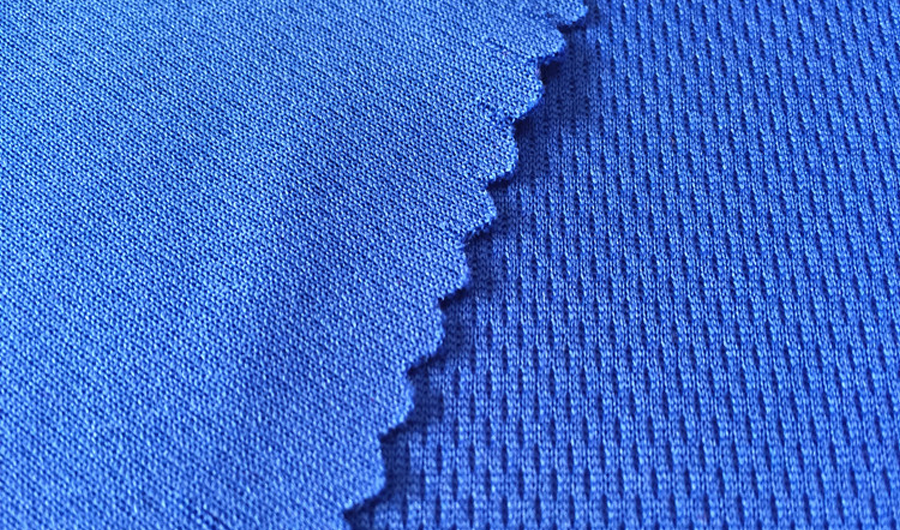
160–240 GSM cotton jersey suits T-shirts; ring-spun or combed yarns generally create a smoother hand than open-end yarns.
Sweatshirt Knits And Blends
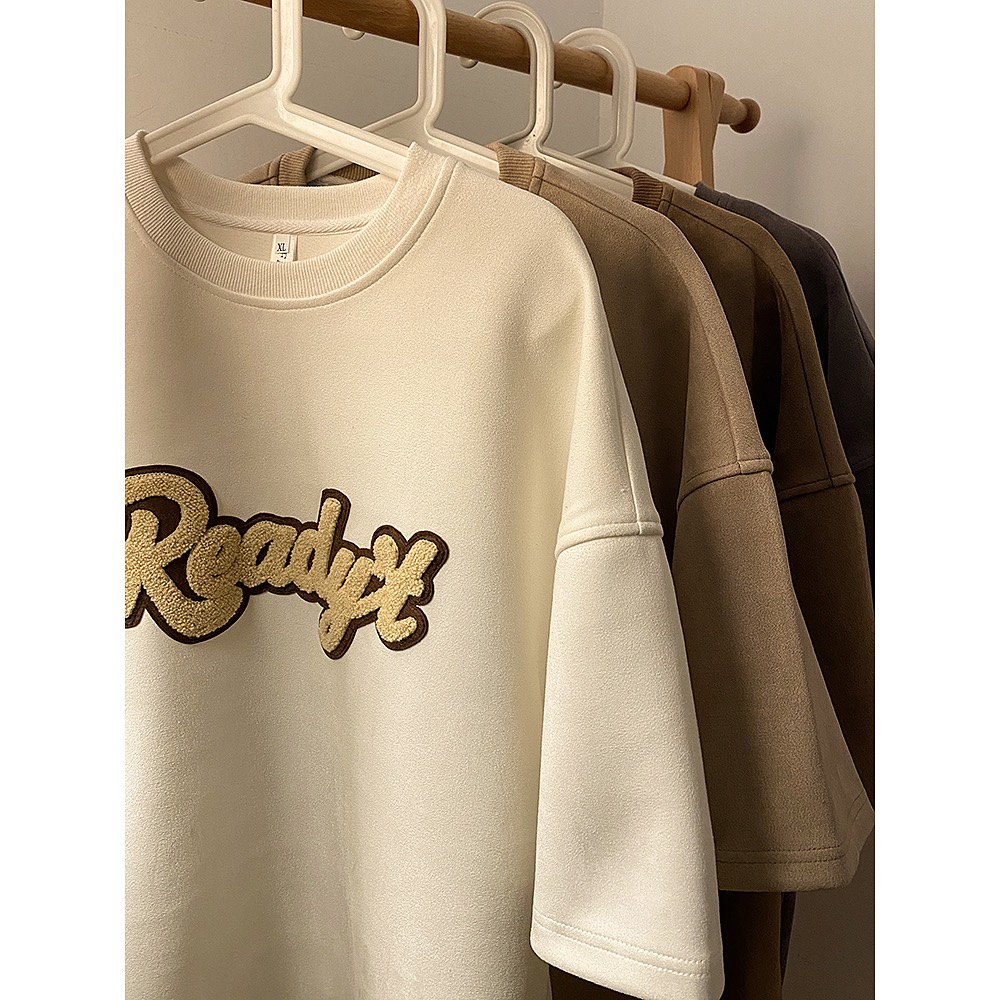
280–380 GSM French terry provides loopback breathability; 320–500 GSM brushed fleece adds warmth through its raised inner surface. Cotton-poly blends can improve dimensional stability, abrasion resistance and drying time, while polyester supports durable, quick-drying teamwear.
| Fabric | Typical GSM | Common Use |
|---|---|---|
| Cotton jersey | 160–240 | T-shirts, tanks |
| French terry | 280–380 | Sweatshirts, joggers |
| Brushed fleece | 320–500 | Heavy hoodies, sweats |
| Polyester knit | 140–220 | Jerseys, activewear |
Wovens For Structure And Durability

220–400 GSM denim and twill create structured jackets, overshirts and utility bottoms; weave density often matters as much as weight. Nylon suits windbreakers, polyester suits performance shells, and pique suits textured polos.
5. Customization and Decoration Options by Fabric Weight
GSM sets the working surface for decoration, but fiber, texture, stretch, and finishing decide whether artwork stays sharp, comfortable, and durable after washing.
| Fabric or Goal | Best Starting Method | Primary Risk |
|---|---|---|
| Smooth cotton jersey | Screen print or DTG | Ink bleed-through on light fabric |
| Polyester teamwear | Sublimation | Poor results on cotton-rich blends |
| Heavy fleece | Embroidery or screen print | Pile, thickness, and excess hand feel |
| Distressed vintage finish | Garment dye, stone wash, or acid wash | Post-wash shade and registration change |
Match Decoration to Fabric
180–240 GSM cotton jersey suits screen printing and DTG when a smooth surface is available. DTF adds opacity on blends and darker garments, while stretch requires flexible adhesive and controlled curing.
- Screen print: bold graphics on stable cotton surfaces.
- DTG: detailed artwork on smooth, absorbent cotton.
- DTF: small runs, blends, dark colors, and placement flexibility.
- Embroidery or appliqué: premium texture on structured sweats and jackets.
Account for Fiber and Stretch
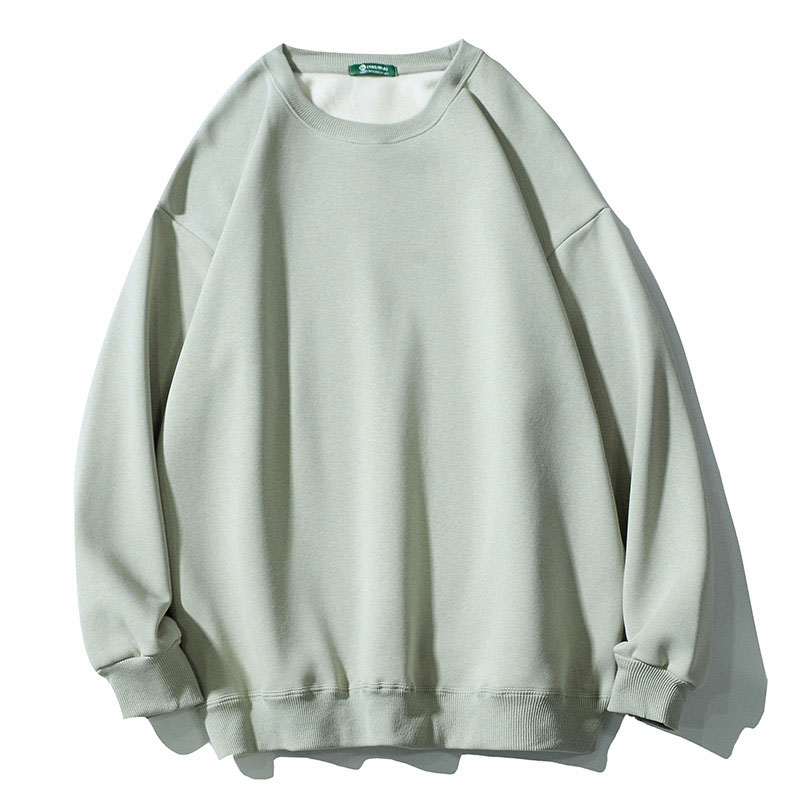
100% cotton generally accepts water-based ink and DTG predictably; polyester favors sublimation because dye bonds into the fiber, especially on light-colored jerseys. Polyester-cotton blends may need blocker layers to prevent dye migration.
- Sublimation: polyester sportswear and all-over graphics.
- Appliqué: bold contrast shapes where raised texture is intentional.
- Flexible ink: stretch jerseys, rib, and elastane blends.
Wash Effects Change the Result
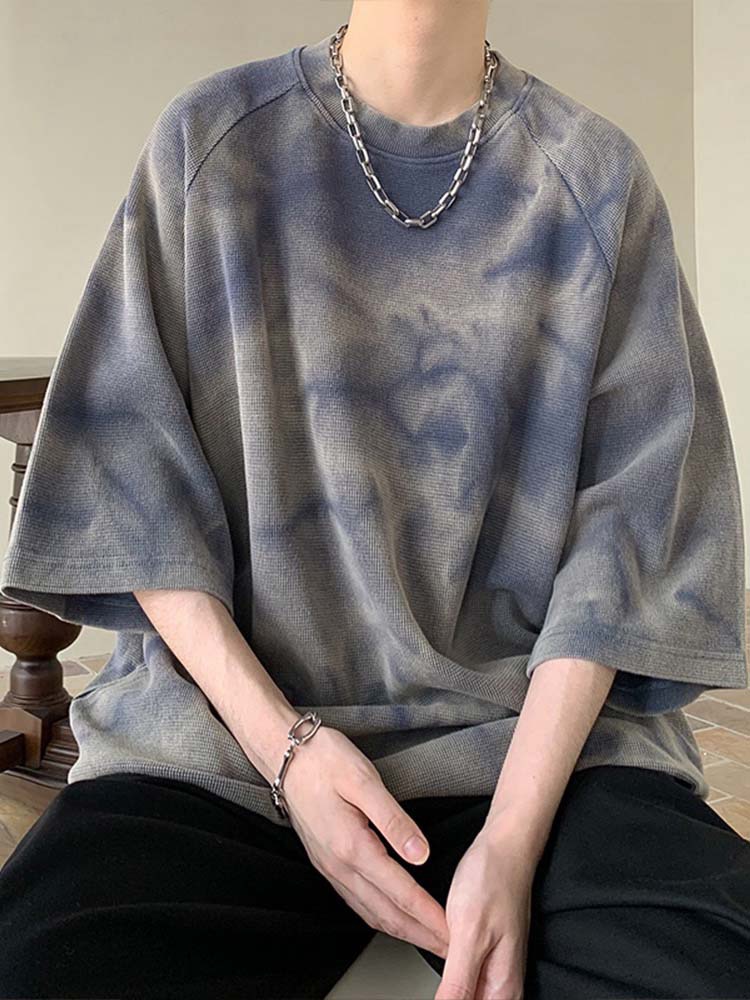
Garment dyeing should precede decoration when a tonal, integrated look is required; screen print or embroidery afterward must be tested for shade variation. Acid wash and stone wash add abrasion and contrast, which can alter registration, colorfastness, and print softness.
- Acid wash: distressed contrast; test print adhesion and shade migration.
- Stone wash: softened vintage character; expect abrasion variation.
- Bio-wash: smoother cotton surface and softer hand feel.
- Post-wash inspection: check cracking, bleed-through, shrinkage, and placement.
6. Key Construction Quality Elements Beyond GSM
A 400 GSM fabric can still produce a poor garment if it shrinks unevenly, skews, pills or loses shape.
Control Fabric Behavior
A wash test should measure shrinkage and skew before cutting, with fabric width checked across the roll. GSM tolerance, yarn quality and knit consistency also matter because irregular panels can distort during sewing.
Test Surface And Seams
Three core checks are pilling resistance, colorfastness and seam strength. Rub, wash and perspiration tests reveal whether color transfers or the surface degrades during use.
- Pilling resistance after laundering
- Colorfastness to washing and rubbing
- Seam strength at stress points
- Rib recovery after repeated stretch
Verify Fit After Washing
A complete size set should be graded from approved base measurements, not scaled casually from one size. Measure chest, body length, sleeve, rise, inseam and key openings before and after washing. Wash performance includes dimensional change, twisting, hand feel and appearance.
Approve The Production Standard

One approved, washed sample is more useful than a headline GSM number. EDVORIN can use the sample and tech pack together to align fabric, measurements, construction, decoration placement, trims and inspection points.
7. How to Choose a Streetwear Manufacturer
A manufacturer should prove that a streetwear fabric GSM guide becomes a repeatable production standard, not merely a sample specification.
Sample The Fabric Standard
An approved sample should identify fabric name, GSM tolerance, composition, color reference and measurement chart. Ask whether the supplier can source the same fabric again, how GSM is verified across rolls and whether the material documentation is available before bulk booking.
Test Washing And Decoration
Wash checks should cover shrinkage, colorfastness and surface change using the intended care method. Require before-and-after measurements, especially for hoodies, joggers and team uniforms. Decoration capability must match the product, including screen printing, DTG, embroidery, flatlock or heat transfer.
Audit Capacity And Timing
EDVORIN’s MOQ starts at 200 pieces per style. MOQ, lead time and inspection frequency should be written into the quotation. Ask who performs in-line and final quality control, what tolerance applies to GSM and measurements, and how defects are segregated. Teams, schools and wholesalers should confirm size-set handling, color continuity and reorder capacity.
Demand Traceable Evidence
Before bulk production, request the approved tech pack, material composition record, wash-test results, decoration approval, inspection checklist and packing specification. Certifications such as ISO 9001, BSCI, WRAP, SEDEX, OEKO-TEX Standard 100, GRS and GOTS should be verified for the actual facility and applicable scope.
8. Common Streetwear Fabric GSM Guide Mistakes
Three to five wash cycles can expose shrinkage, twisting, color change and surface damage that an unwashed sample hides. Screen printing, DTG, embroidery and heat transfer also require testing on the approved fabric and finish.
Chasing Prestige Weight
300–500 GSM is not automatically better than lighter fabric. Choose weight against climate, layering, intended fit and end use; a dense fleece can overwhelm a warm-weather program or restrict an oversized silhouette.
Confusing Weight With Quality
Two 350 GSM fabrics can differ substantially in fiber length, knit density, softness, pilling resistance and recovery. GSM describes mass per square metre, not overall quality; fiber content and finishing remain essential specifications.
Skipping Wash And Decoration Tests
3–5 wash cycles can expose shrinkage, twisting, color change and surface damage that an unwashed sample hides. Screen printing, DTG, embroidery and heat transfer also require testing on the approved fabric and finish.
Approving Vague Or Inconsistent Samples
One sample cannot prove roll-to-roll consistency, shipping impact or repeatability. Unrecorded tolerances create disputes when GSM, shade, measurements or artwork placement varies between sizes and production lots.
9. Steps to Launch a Streetwear Product Line
Three decision gates keep a streetwear launch controlled: define the wearer and use case, validate the material and decoration, then approve repeatable production standards before committing to bulk.
Define The Product Brief
1 customer profile, use case, silhouette and target retail position establish the design brief. Specify garment category, fit intent and performance needs before selecting fabric.
Build And Test The Prototype

A tech pack should record measurements, construction, trims, artwork placement, color references and care details. Shortlist suppliers that can document the required development and production steps. A prototype must be tested for fit, wash response and decoration.
Approve Costs And Production
3 checkpoints—fit approval, size-set review and pre-production sample—should precede bulk ordering. Costing must reflect composition, GSM, trims, decoration, washing, packaging and the confirmed quantity. 1 approved pre-production sample becomes the physical reference for bulk.
Inspect And Improve Reorders
100% of packed units need not be opened, but agreed sampling inspections should verify measurements, workmanship, color, decoration, labels and packaging before shipment. Record deviations by size and color. 1 reorder review should compare returns, fit feedback, wash performance and sell-through with the original specification.
10. Streetwear Fabric GSM Pricing and Cost Guide
A customer profile, use case, silhouette and target retail position establish the design brief. Specify garment category, fit intent and performance needs before selecting fabric.
| Quantity Tier | Estimated Unit-Cost Factors | Lead-Time Considerations |
|---|---|---|
| 200–299 units | Highest unit cost; setup, sampling, small-lot fabric, and decoration minimums have greater impact | Confirm stock fabric and trims; allow 4–8 weeks |
| 300–999 units | Moderate unit cost; marker efficiency and shared setup costs improve economics | Allow 6–10 weeks after approvals |
| 1,000+ units | Lower unit cost potential; bulk fabric purchasing and production efficiency help, but total cash exposure rises | Allow 8–14 weeks; reserve fabric and confirm color standards early |
Streetwear Fabric GSM Guide: Buyer FAQs
EDVORIN’s MOQ starts at 200 pieces per style. Clear answers on weight selection, testing, MOQ and repeat-order control for production-ready streetwear.
What does a streetwear fabric gsm guide help me decide?
How accurate is a streetwear fabric gsm guide before sampling?
Can a streetwear fabric gsm guide prevent shrinkage problems?
Which GSM is best for a streetwear hoodie or sweatshirt?
Does higher GSM always mean better streetwear quality?
EDVORIN’s MOQ starts at 200 pieces per style. What MOQ do I need for custom streetwear fabric development?
How does EDVORIN keep GSM consistent across repeat orders?
Can EDVORIN recommend fabric choices beyond cotton fleece?
Turn Your Streetwear Fabric GSM Guide Into a Production-Ready Collection
Share your concept, target fabric weight and product goals with EDVORIN for development, sampling and dependable OEM/ODM production.