
Cotton Sweatpants Manufacturer for Production-Ready Private Label
EDVORIN’s MOQ starts at 200 pieces per style. EDVORIN develops cotton sweatpants from concept to repeatable bulk production, with flexible OEM/ODM support and a 200-piece MOQ per style.
Capabilities Supporting Cotton Sweatpants Development
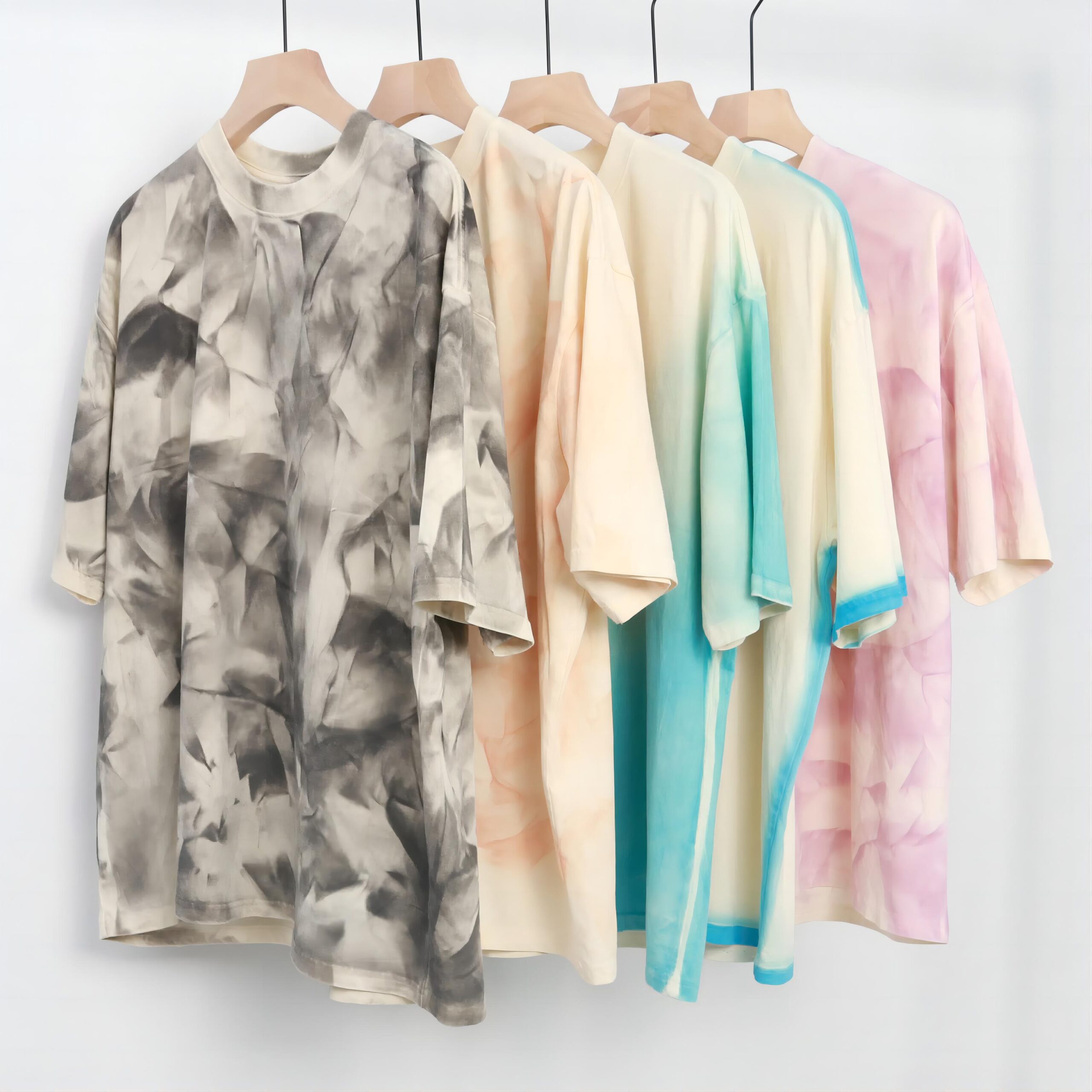
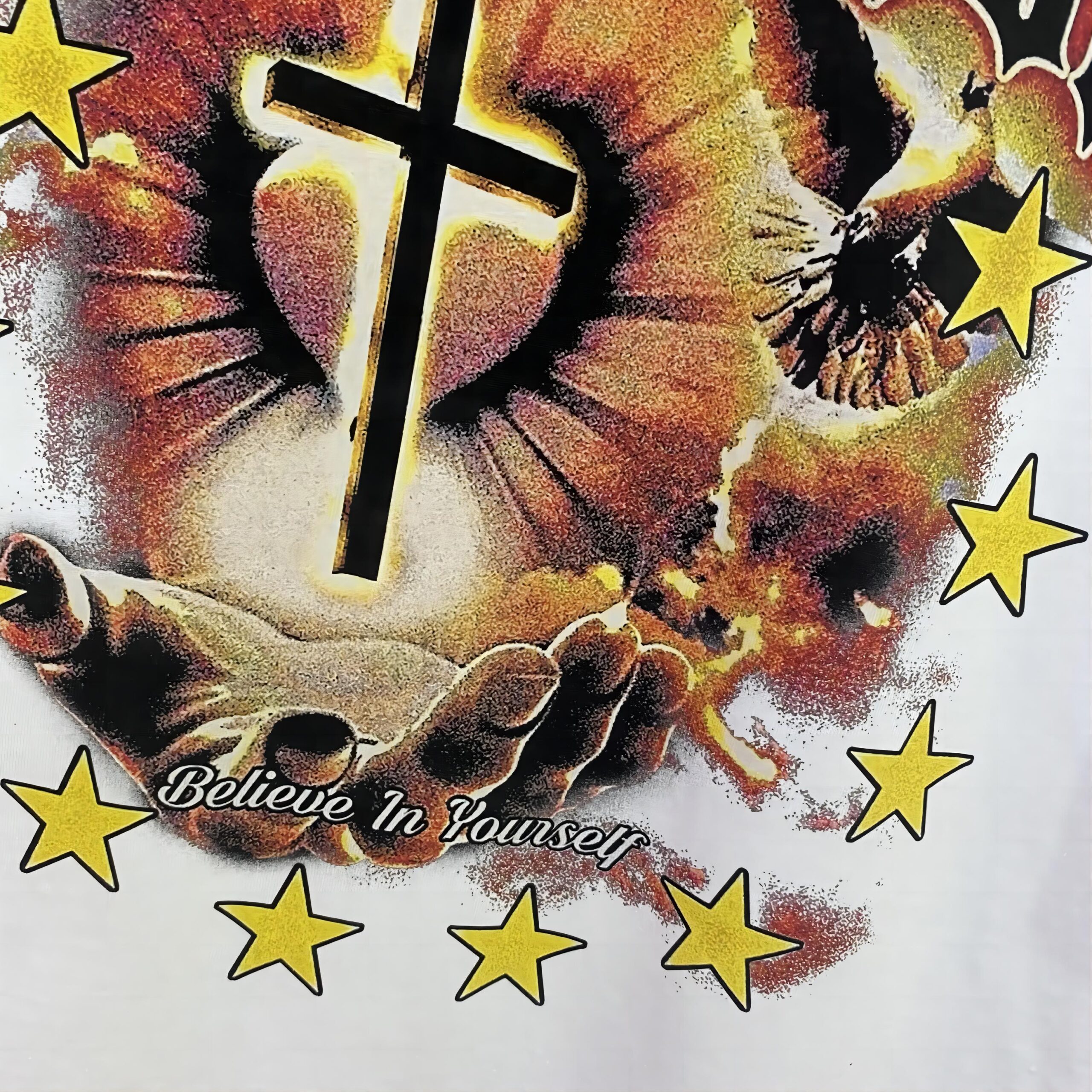

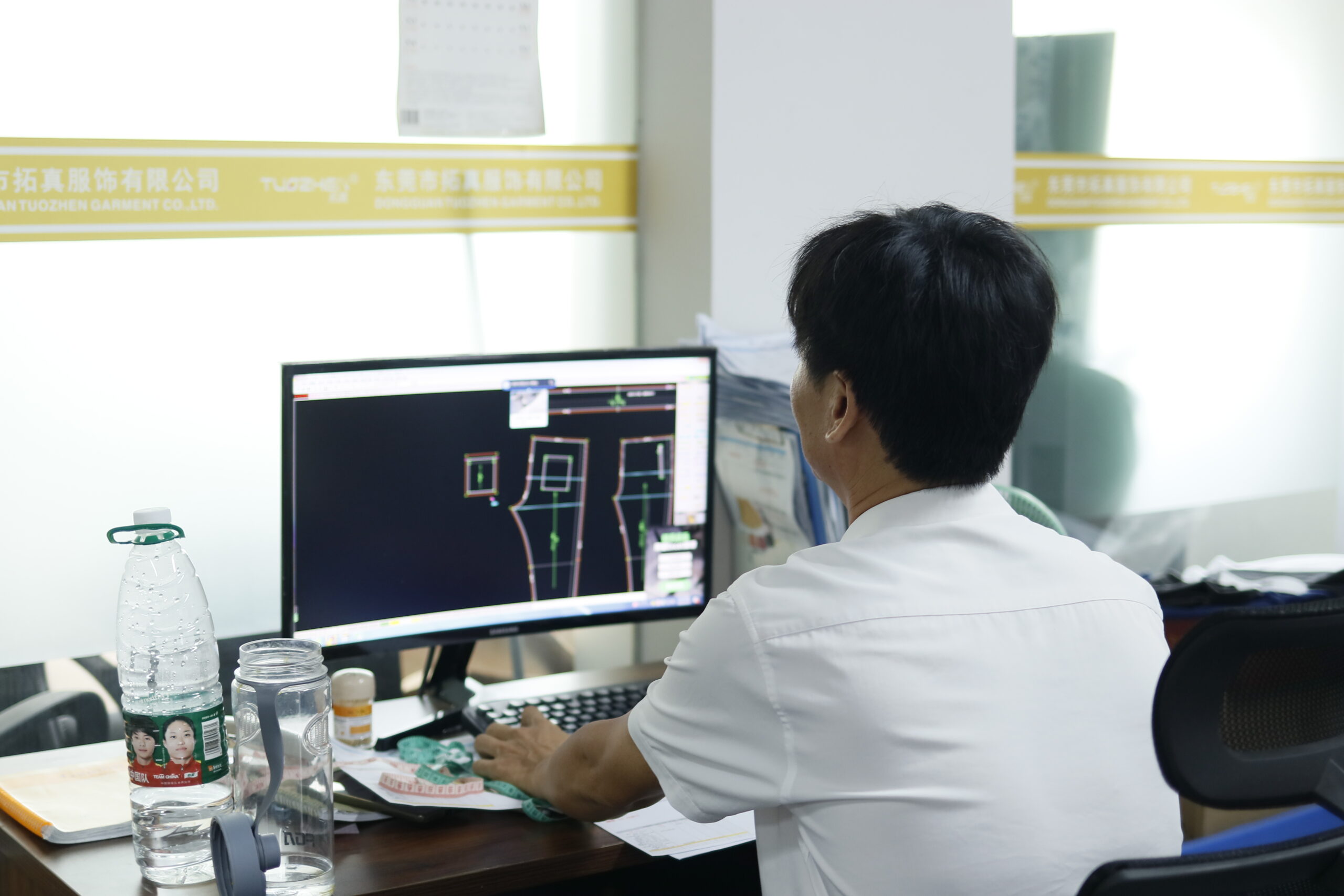

Why Choose EDVORIN as Your Cotton Sweatpants Manufacturer
A connected development and production path for private-label sweatpants that are clear to approve and reliable to reproduce.
Development-Led Planning
We translate sketches, references, or tech packs into production-ready specifications for fit, fabric, construction, trims, and finishing.
Flexible OEM and ODM
Support for emerging labels, established programs, and private-label buyers starts at 200 pieces per style.
Fabric and Trim Coordination
Coordinate cotton fabric, rib, drawcords, pockets, labels, and packaging as one accountable sweatpants manufacturing program.
Decoration Matched to Fabric
Plan printing, embroidery, washes, and artwork placement around the selected fabric and your intended brand direction.
Approved Sample Standards
Document approved measurements, materials, construction, and placement details so bulk production follows a clear physical benchmark.
Men’s and Women’s Development
Adjust fit blocks, grading, proportions, and styling details for men’s and women’s cotton sweatpants programs.
Apparel Manufacturing Options
From cotton fleece essentials to decorated teamwear, EDVORIN develops category-specific products with clear specifications for repeatable bulk production.
Custom Hoodies
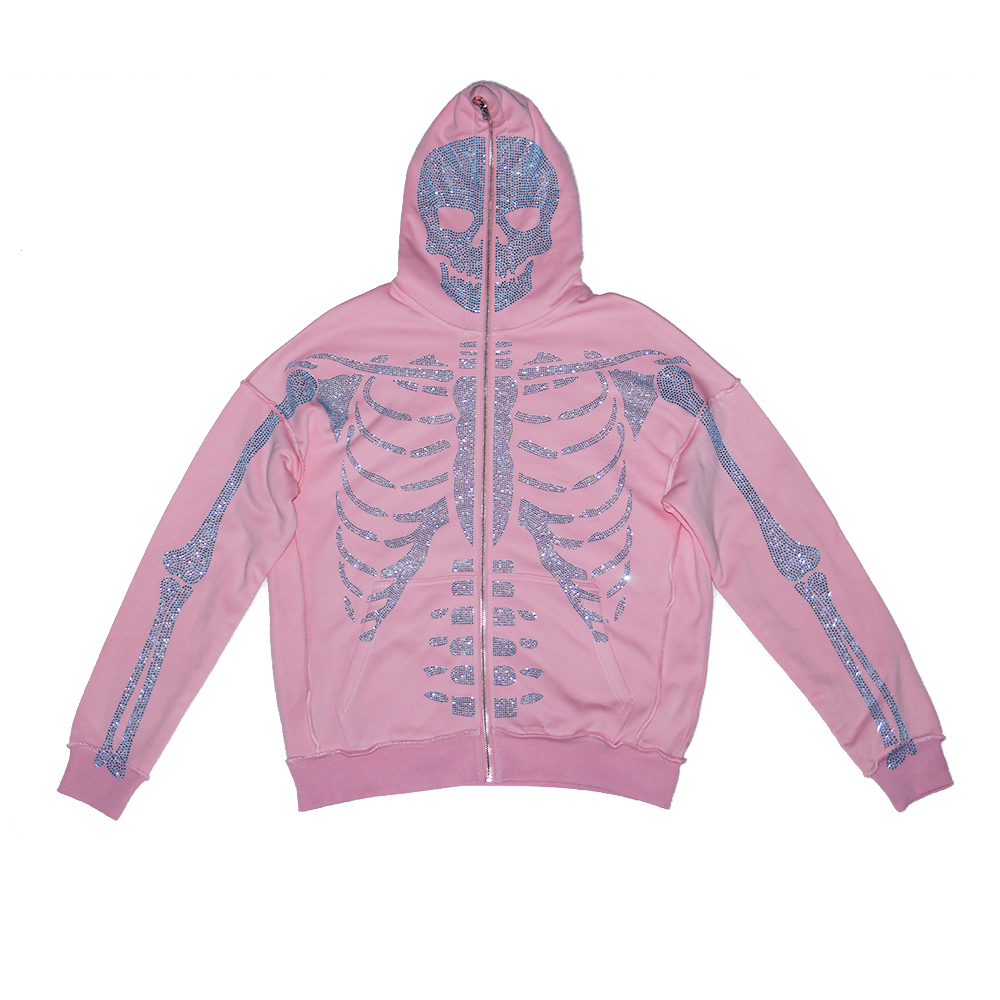
EDVORIN develops custom hoodies from fit block and fleece selection through rib specifications, hoods, pockets, drawcords, labels and decoration. Samples establish approved construction, measurements and artwork placement before bulk production for men’s or women’s programs.
Get a Quote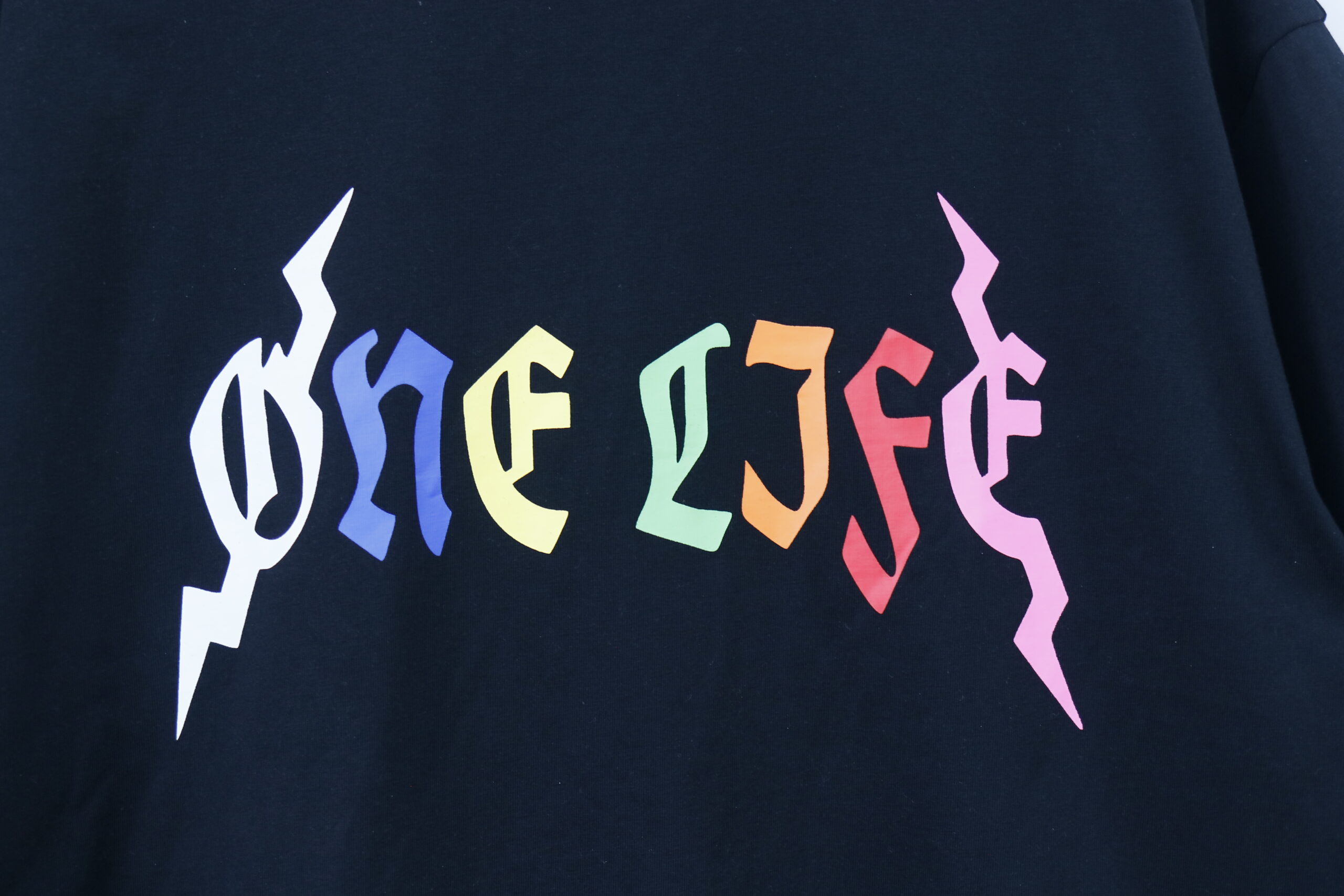
Pullover Sweatshirts
Pullover sweatshirts are developed around fabric weight, neckline construction, rib recovery, fit and finishing requirements. As a sweatshirt manufacturer, EDVORIN coordinates sampling, printing, embroidery, washing and packaging to create a documented standard for repeat orders.
Get a Quote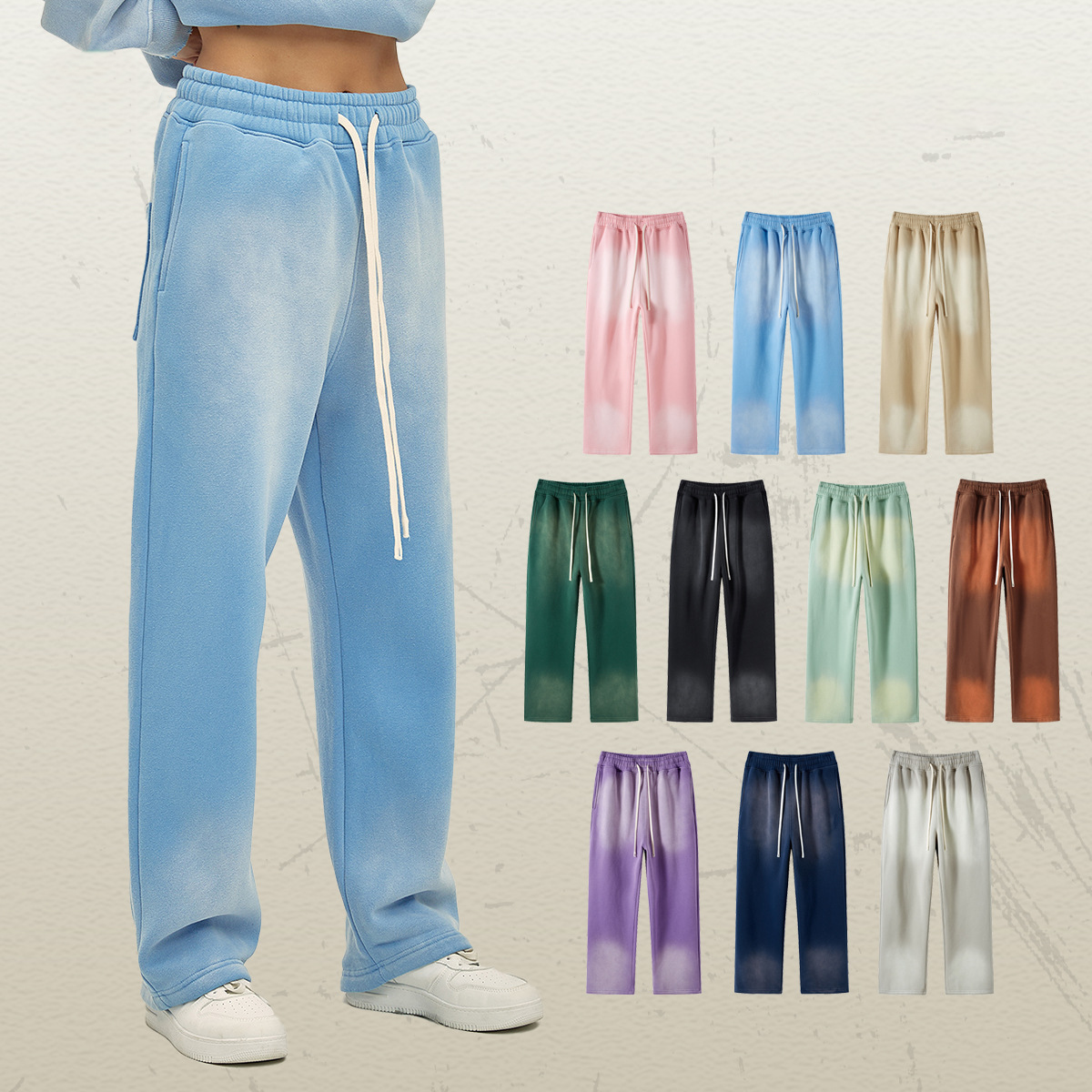
Sweatpants & Joggers
Develop cotton sweatpants and joggers with tapered, straight-leg or relaxed fits, fleece weights, elastic or cuffed hems, pockets and waistband details. EDVORIN records grading, drawcords, decoration and wash specifications to support consistent production from sample to bulk.
Get a Quote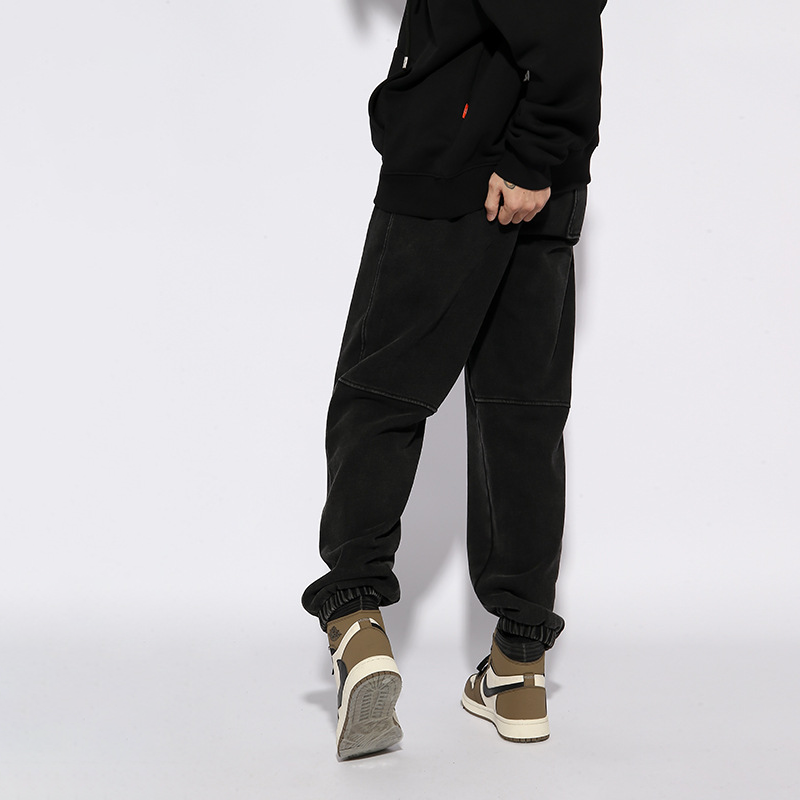
Custom Shorts
Custom shorts can be built for casualwear, streetwear, training or team programs with selected inseams, fabrics, waist constructions, pockets and finishes. EDVORIN aligns fit, decoration placement and labeling requirements with the approved sample before production.
Get a Quote
Varsity & Baseball Jackets
Varsity and baseball jackets require coordinated body fabrics, sleeves, rib, snaps, lining, patches and embroidery. EDVORIN develops these components as one construction package, helping buyers retain the intended balance of weight, color and decoration in bulk orders.
Get a Quote
Custom T-Shirts
EDVORIN produces custom T-shirts across jersey weights, silhouettes, collars, sleeves and finishing treatments. Buyers can define print methods, embroidery, labels and packaging while approved measurements and artwork placement guide repeatable production.
Get a Quote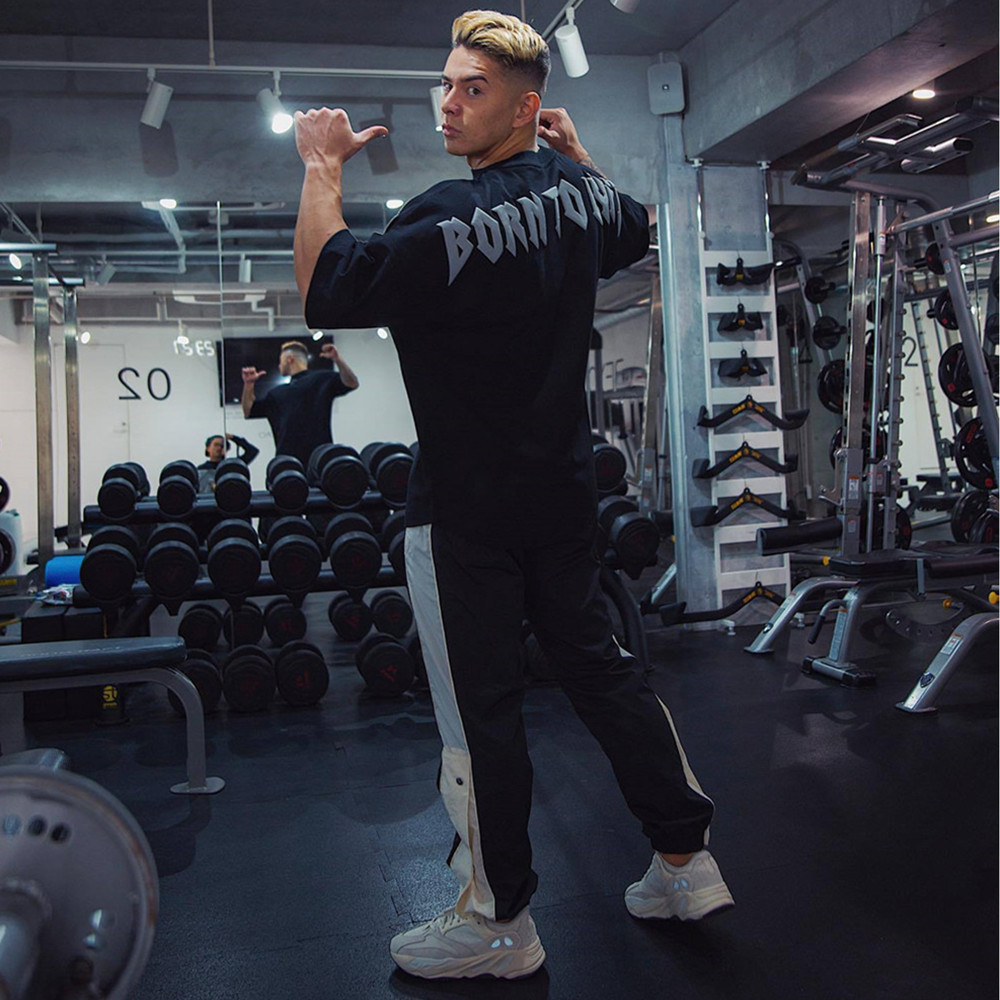
Custom Polo Shirts
Custom polo shirts are developed with piqué or jersey fabric, collar construction, plackets, buttons, cuff details and branding requirements. EDVORIN manages samples and bulk specifications for corporate, retail, uniform and private-label programs.
Get a Quote
Windbreaker Jackets
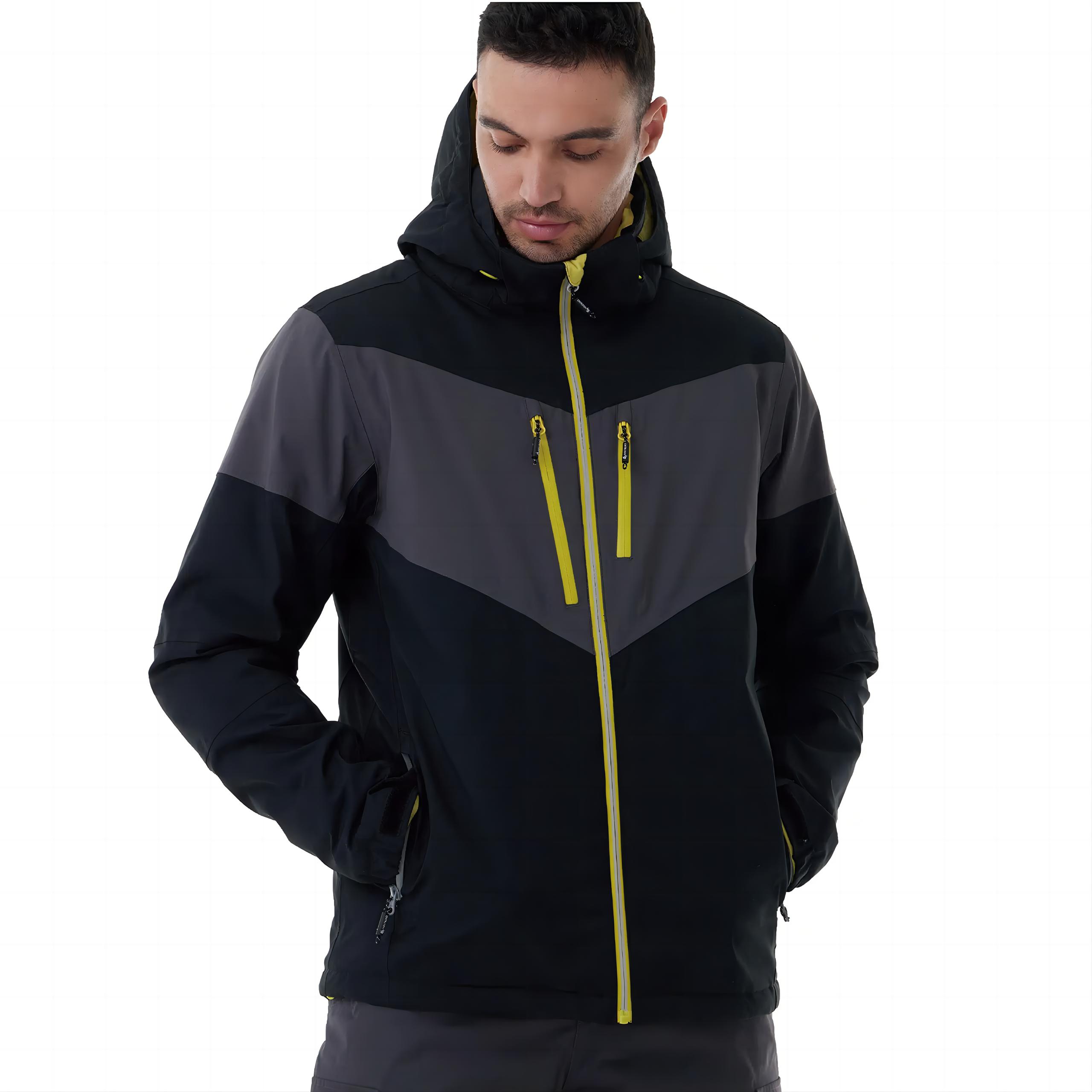
Windbreaker jackets are developed around shell fabric, lining, water resistance, ventilation, zippers, pockets and packability. EDVORIN coordinates construction and decoration choices so logo applications and functional details suit the intended use.
Get a Quote
Quilted Jackets
Quilted jackets combine shell fabric, lining, insulation, quilting layout, closures and trim selection. EDVORIN develops these elements together, using approved samples to control warmth, silhouette, stitch consistency and decoration placement through bulk production.
Get a Quote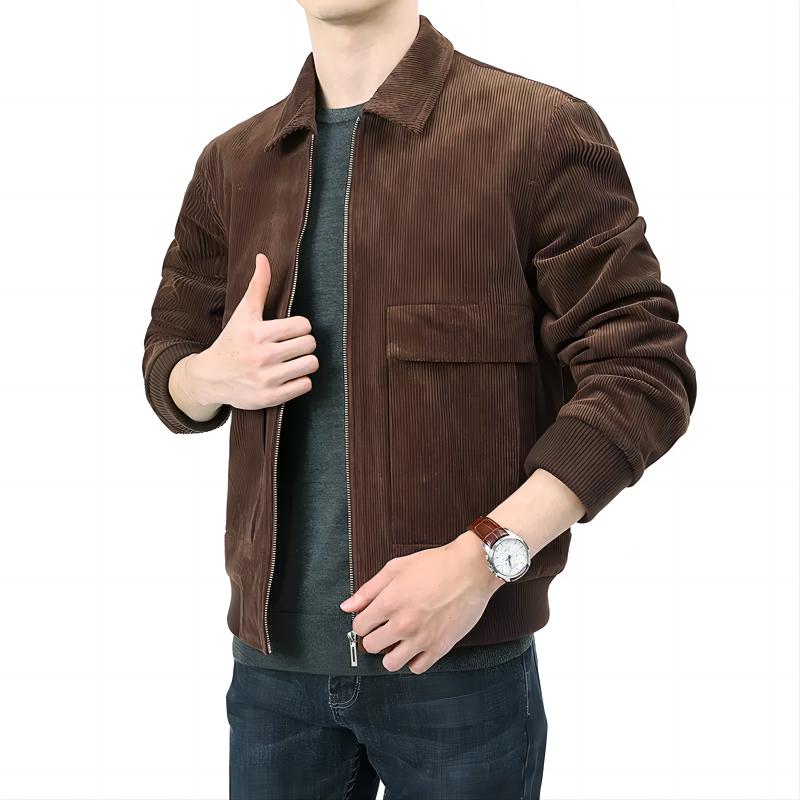
Bomber Jackets
Custom bomber jackets can be specified with nylon, twill or other shell materials, linings, rib trims, zippers, pockets and patches. EDVORIN documents construction and finishing details to support consistent streetwear, uniform or private-label runs.
Get a Quote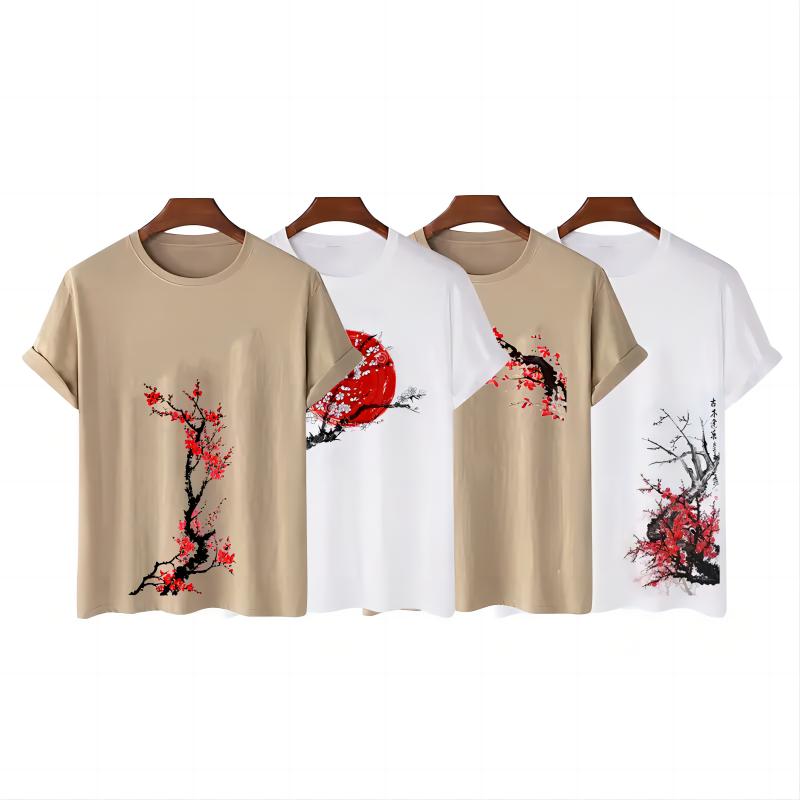
Custom Shirts
EDVORIN develops custom woven shirts with selected fabrics, collar shapes, plackets, cuffs, pockets, fit blocks and branded trims. Technical specifications and approved samples provide a clear standard for men’s and women’s production programs.
Get a Quote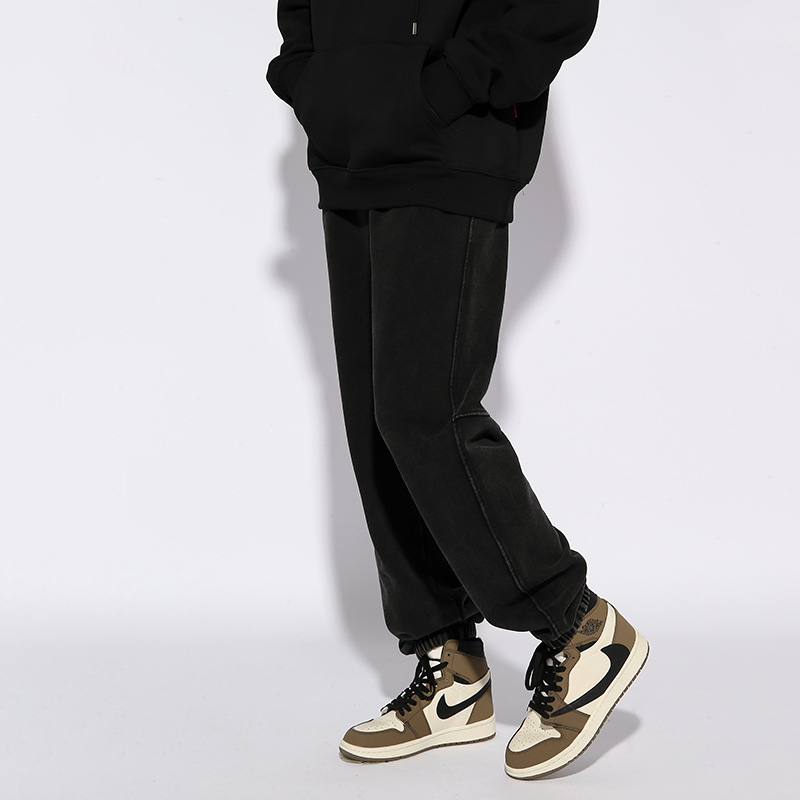
Custom Jerseys
Custom jerseys are developed for club, school, promotional and retail use with appropriate fabrics, color control, sizing, names, numbers and sponsor decoration. EDVORIN manages placement records and size sets to support organized team orders and reorders.
Get a Quote
Tank Tops
Tank tops can be developed in cotton jersey, performance knits or blends for casualwear, training and team applications. EDVORIN coordinates armhole and neckline finishes, fit, decoration and labeling for men’s and women’s collections.
Get a Quote
Soccer Uniforms
Soccer uniforms are developed as coordinated jerseys, shorts and optional training pieces with breathable materials, color matching, player names, numbers and crest placement. EDVORIN uses approved specifications to maintain consistency across team size runs and repeat orders.
Get a Quote
Basketball Uniforms
Basketball uniforms require movement-focused fits, lightweight performance fabrics, coordinated tops and shorts, and controlled number or name decoration. EDVORIN develops the garment system around size grading, color, trim and durable team identification requirements.
Get a Quote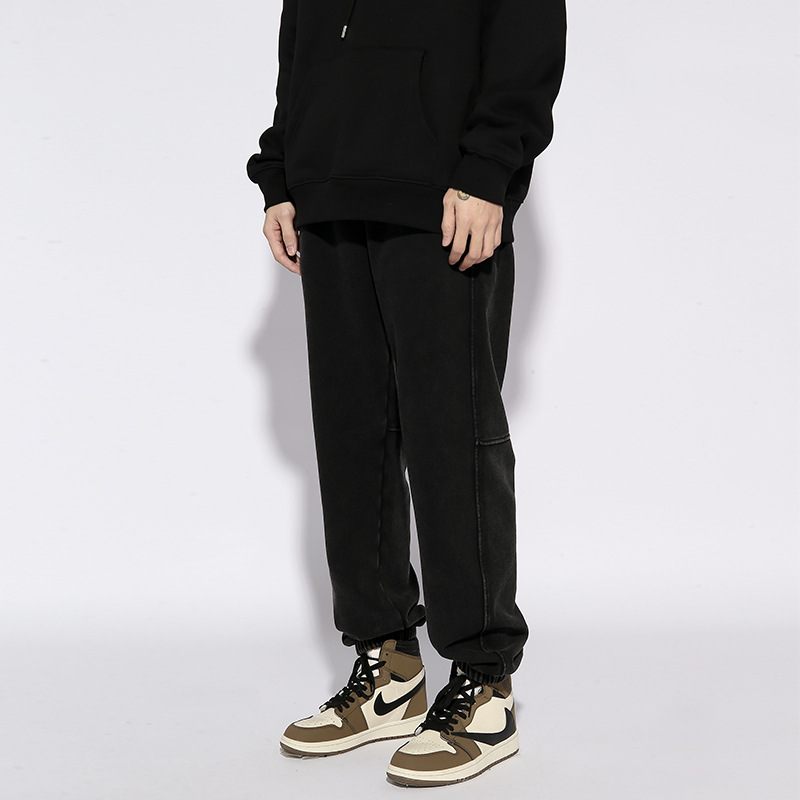
Streetwear Collections
Streetwear collections can combine hoodies, sweatpants, tees, outerwear and woven pieces under one production workflow. EDVORIN supports material sourcing, patterns, washes, decoration, trims and packaging so each style follows a consistent, production-ready collection standard.
Get a QuoteCotton Sweatpants Manufacturer Material Options
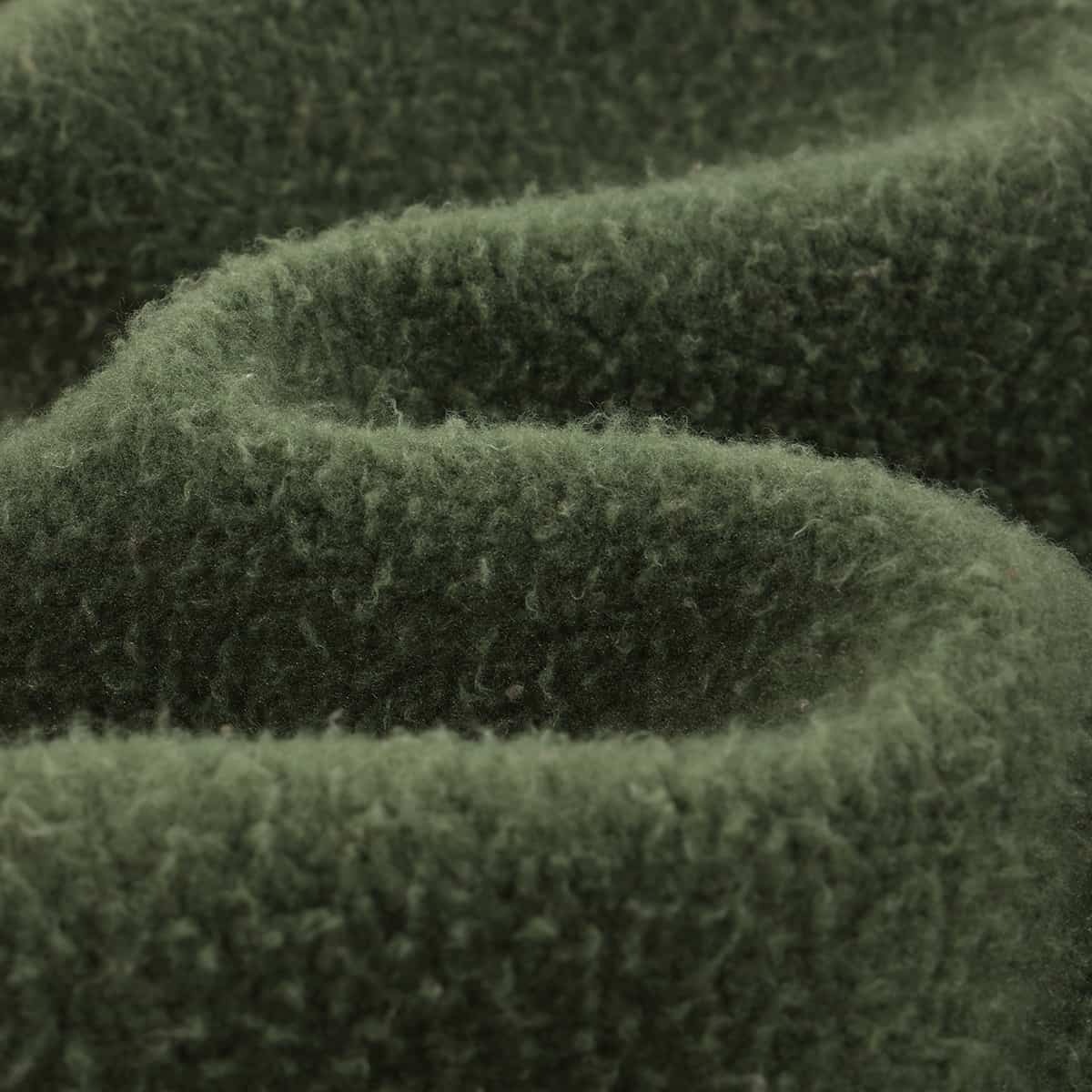
Cotton Brushed Fleece
A warm, soft-backed knit for premium joggers, cold-weather sets, and heavyweight streetwear. The brushed interior adds insulation and a plush hand-feel, while fabric weight can be specified to support structured silhouettes.
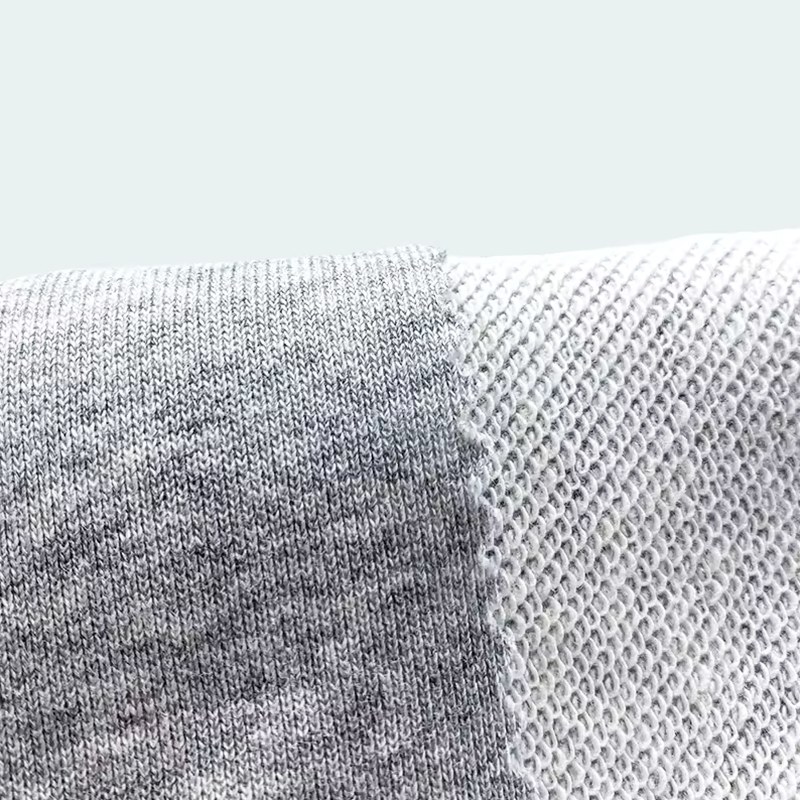
French Terry
A breathable loopback knit suited to transitional sweatpants, training layers, and year-round casual collections. Its unbrushed reverse improves airflow and gives a cleaner, lighter hand-feel than fleece while retaining cotton comfort.
Cotton Poly Fleece
A practical blend for teamwear, wholesale programs, and repeat core styles requiring dependable shape retention. Cotton preserves a familiar soft touch, while polyester supports durability, color consistency, and reduced shrinkage through regular wear.
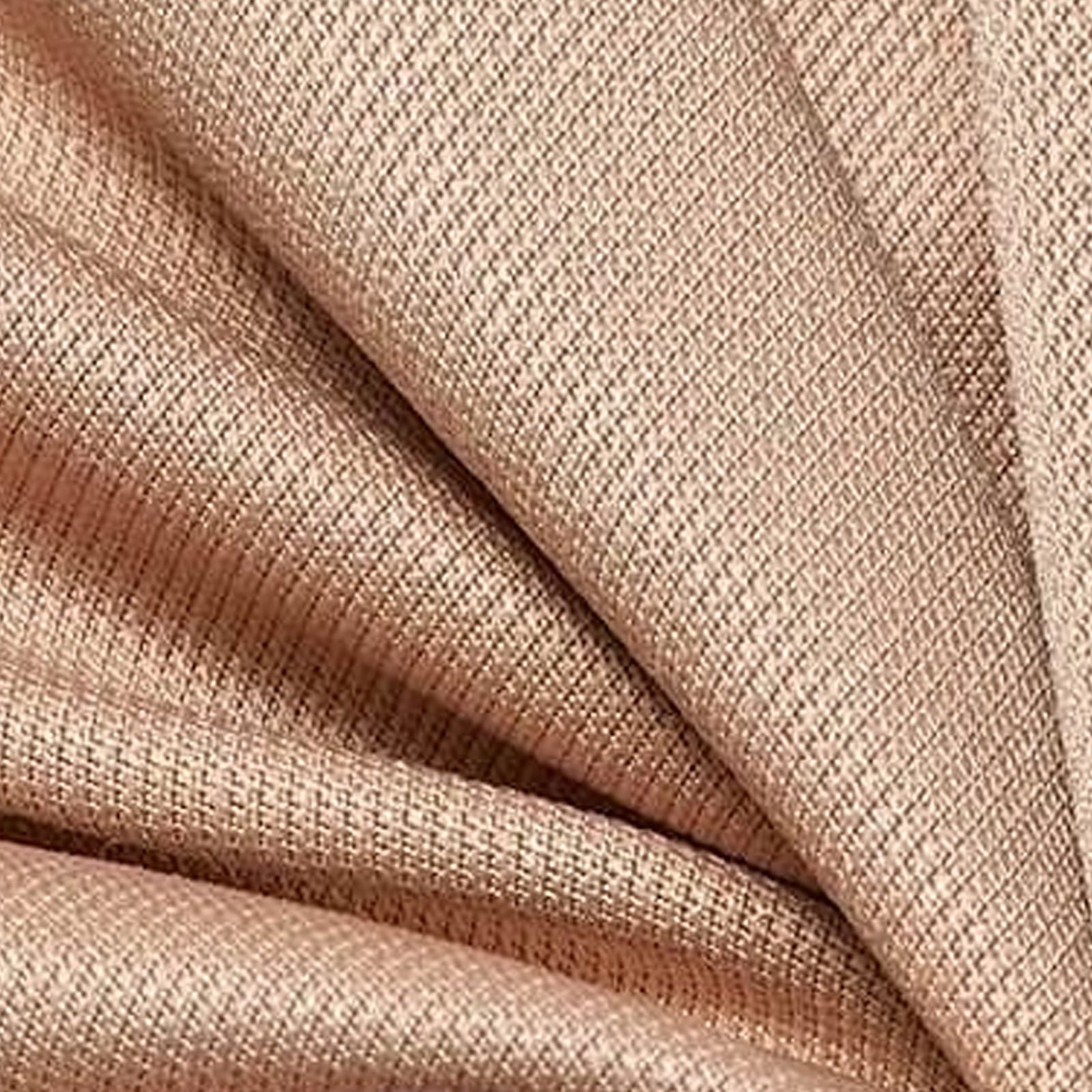
Organic Cotton Jersey
A natural-feeling option for lighter lounge pants, relaxed sets, and brands building fiber-conscious collections. The smooth knit surface works well for prints, with weight and rib pairing selected to match the desired drape.
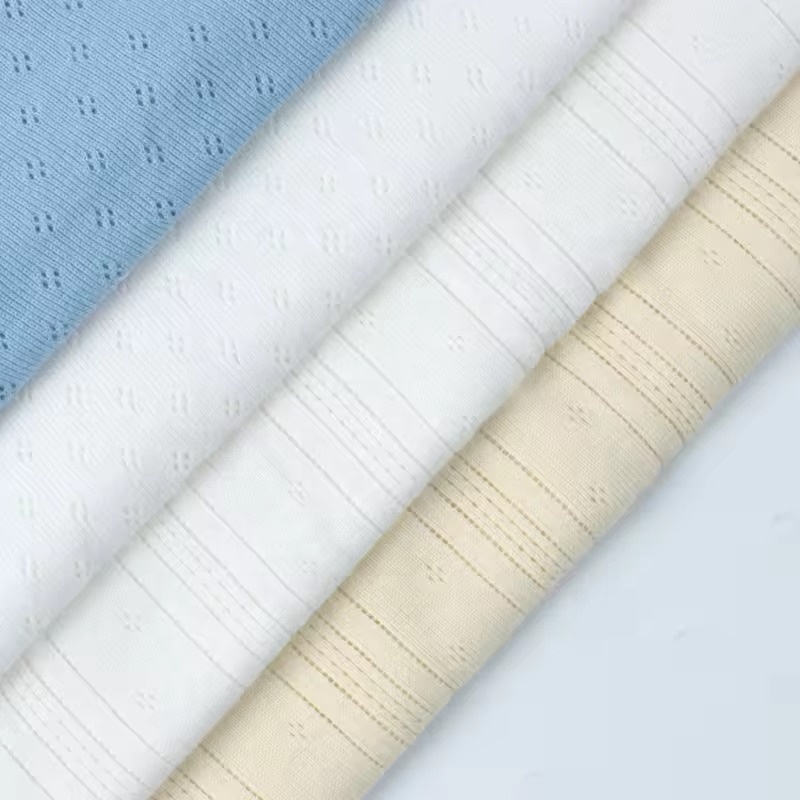
Recycled Fiber Blends
Developed for programs that specify recycled-content materials without abandoning everyday comfort. Recycled polyester can be blended with cotton for fleece or terry constructions, balancing a soft hand-feel with resilience for branded sweatpants.
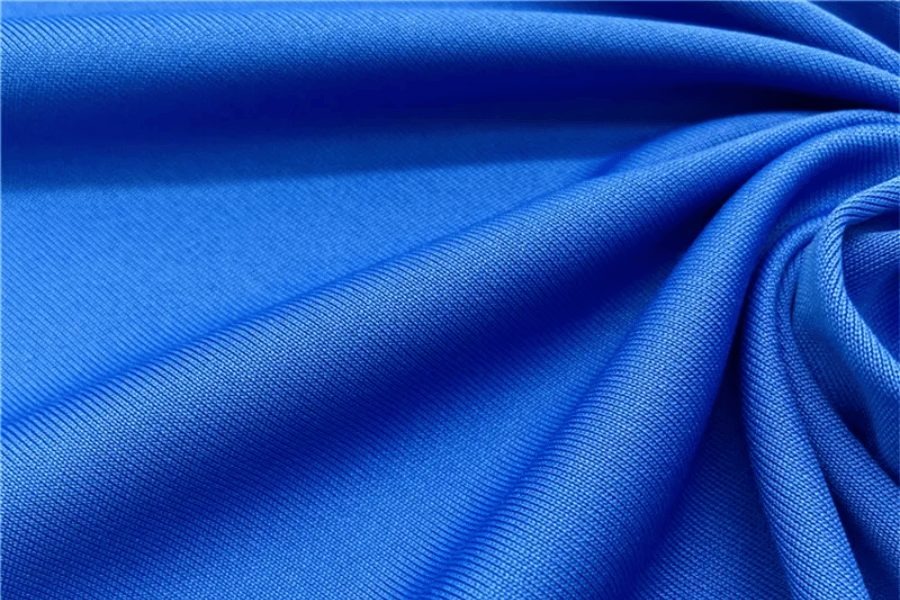
Stretch Cotton Interlock
A dense, smooth knit for tapered joggers, travel styles, and active casualwear. Added elastane provides controlled stretch and recovery, helping knees and cuffs return to shape while maintaining a refined, substantial appearance.
Cotton Sweatpants Manufacturer Processes
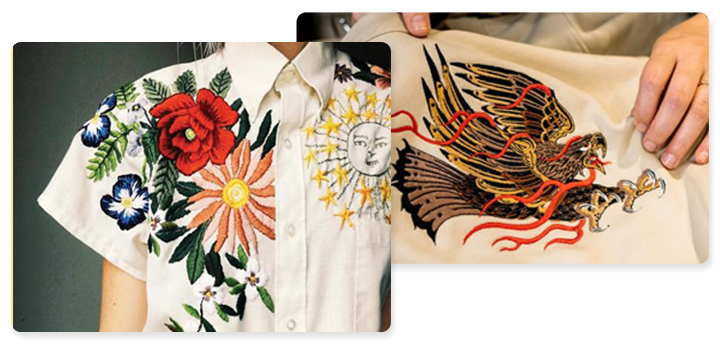
Embroidery Detailing
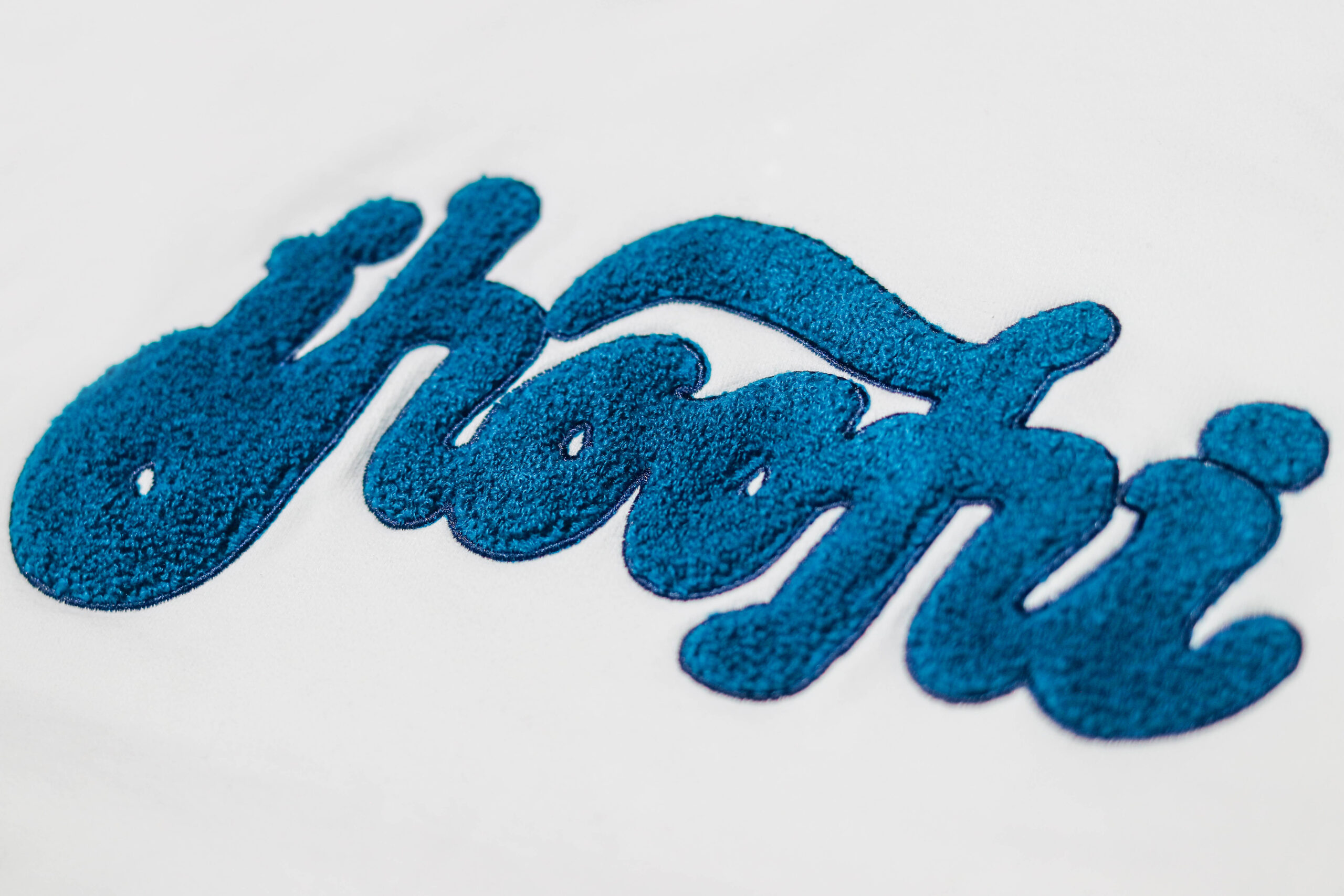
Add stitched logos, crests and small artwork with thread selection and placement specifications matched to the sweatpant fabric. Embroidery delivers dimensional brand presence and durable decoration suited to fashion, teamwear and private-label programs.
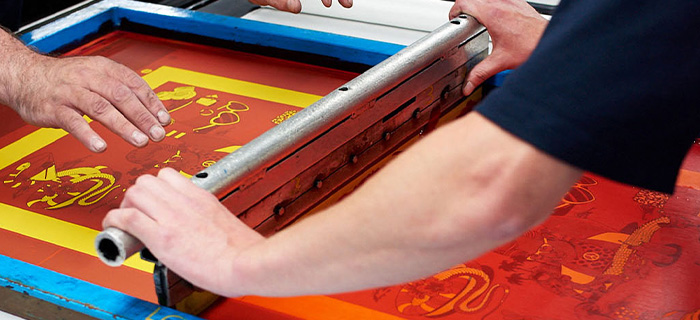
Screen Print
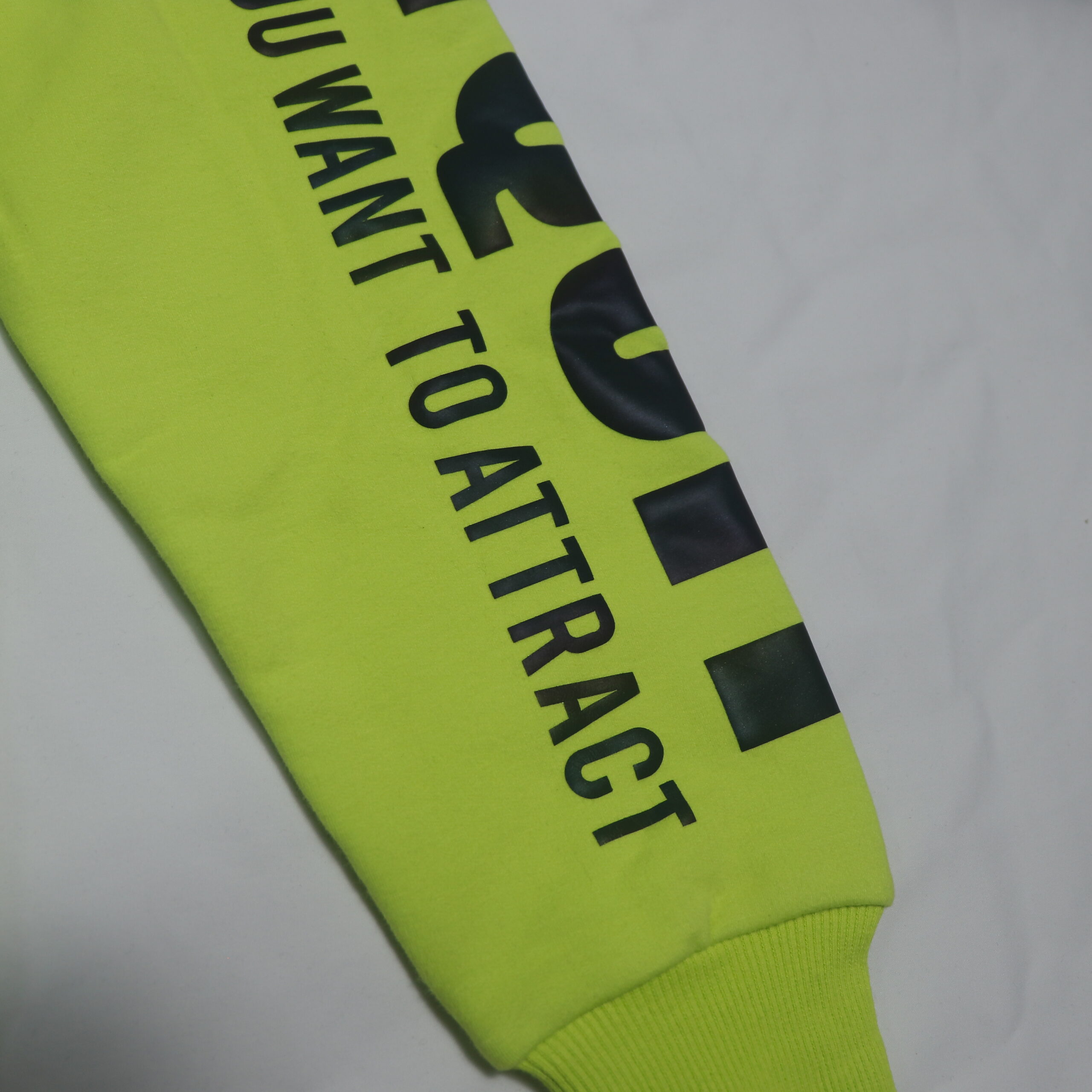
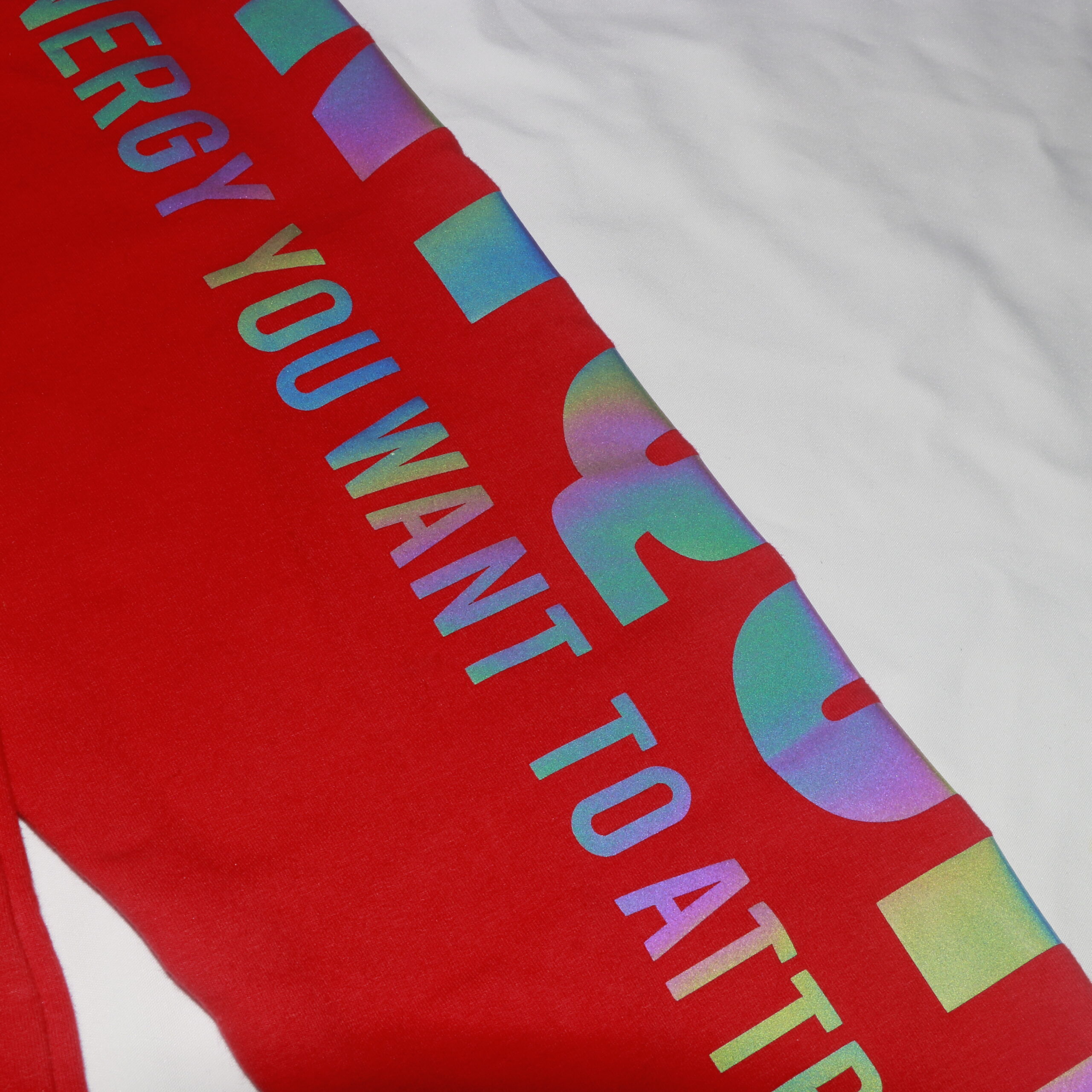
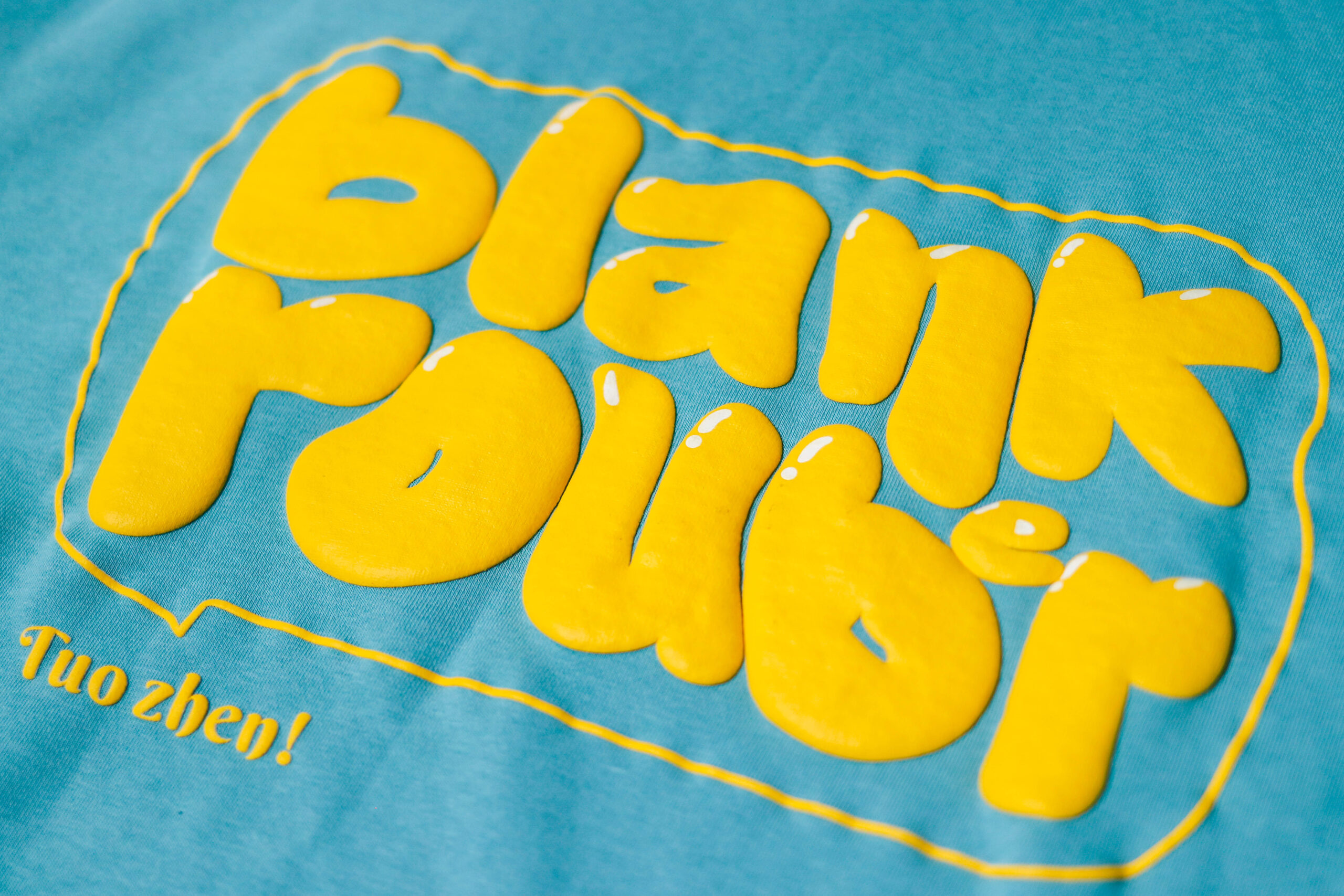
Apply bold graphics, logos and placement prints with ink systems selected for the cotton base fabric. Screen printing creates strong color coverage and a consistent visual result when artwork, scale and placement are approved before bulk production.
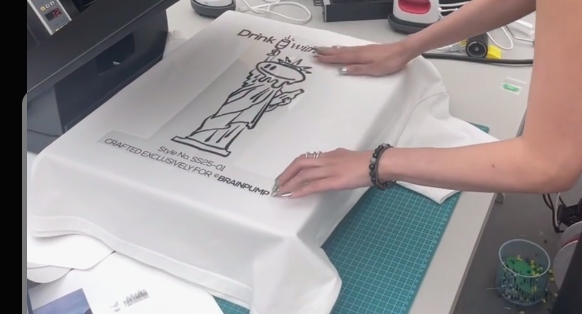
Heat Transfer
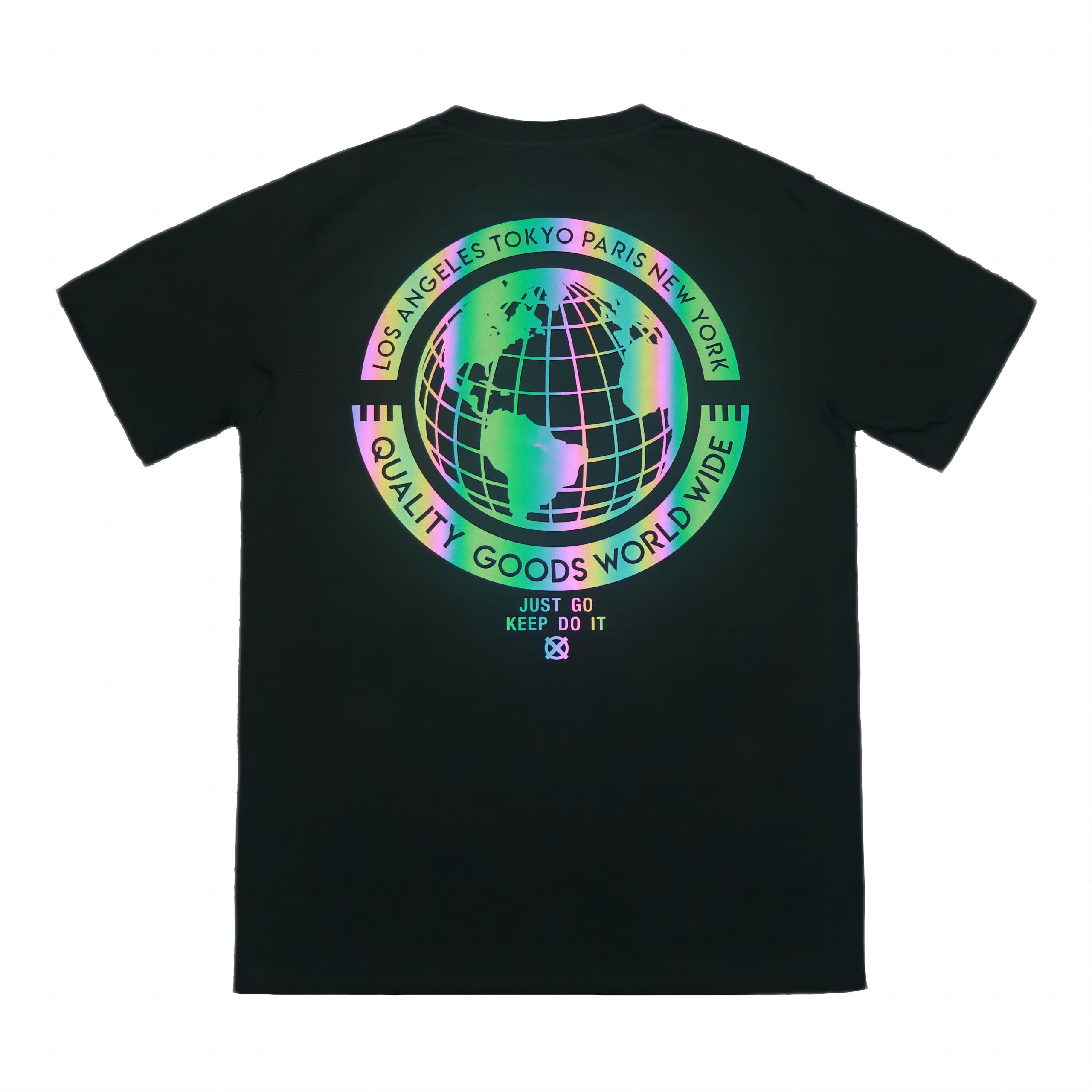
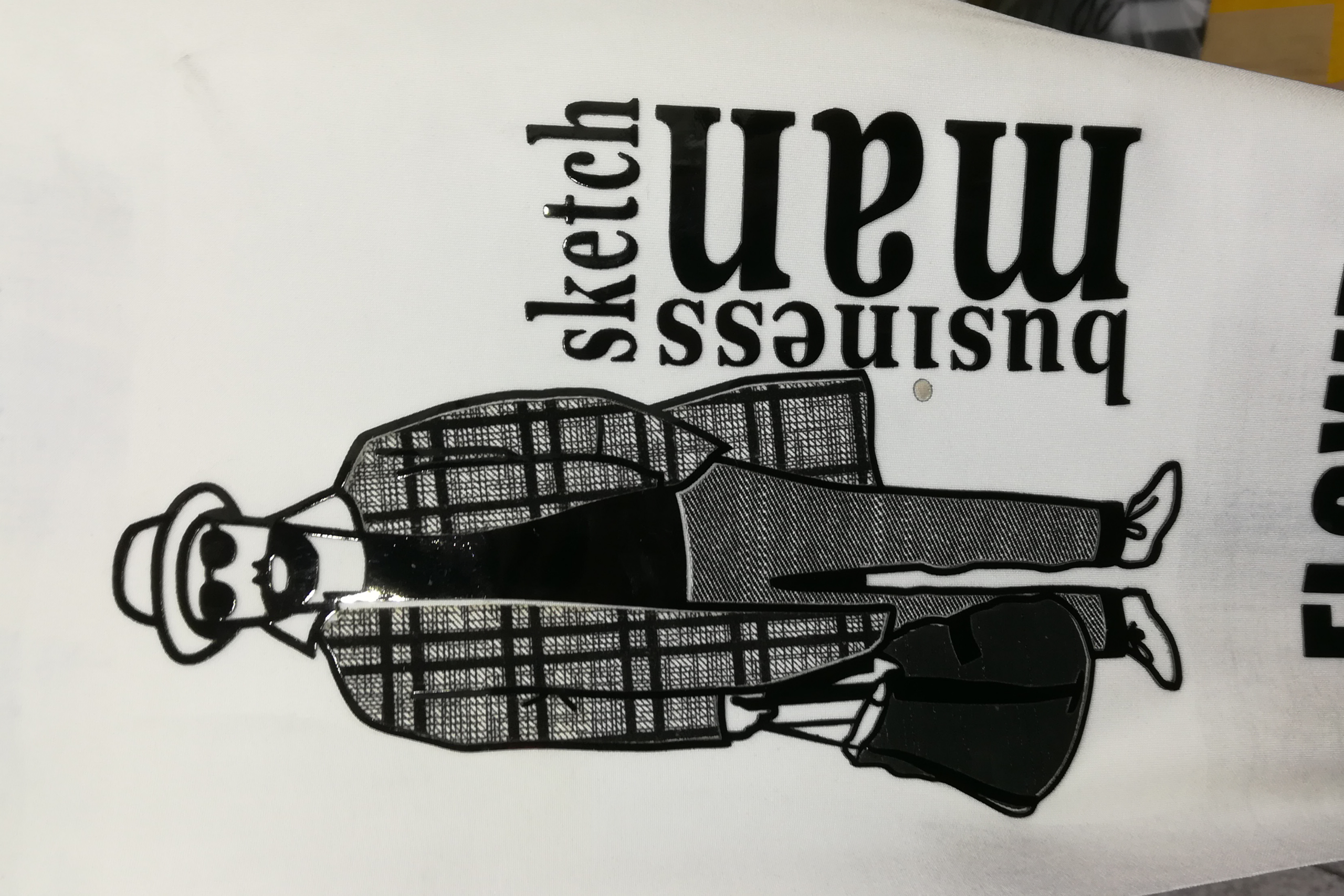
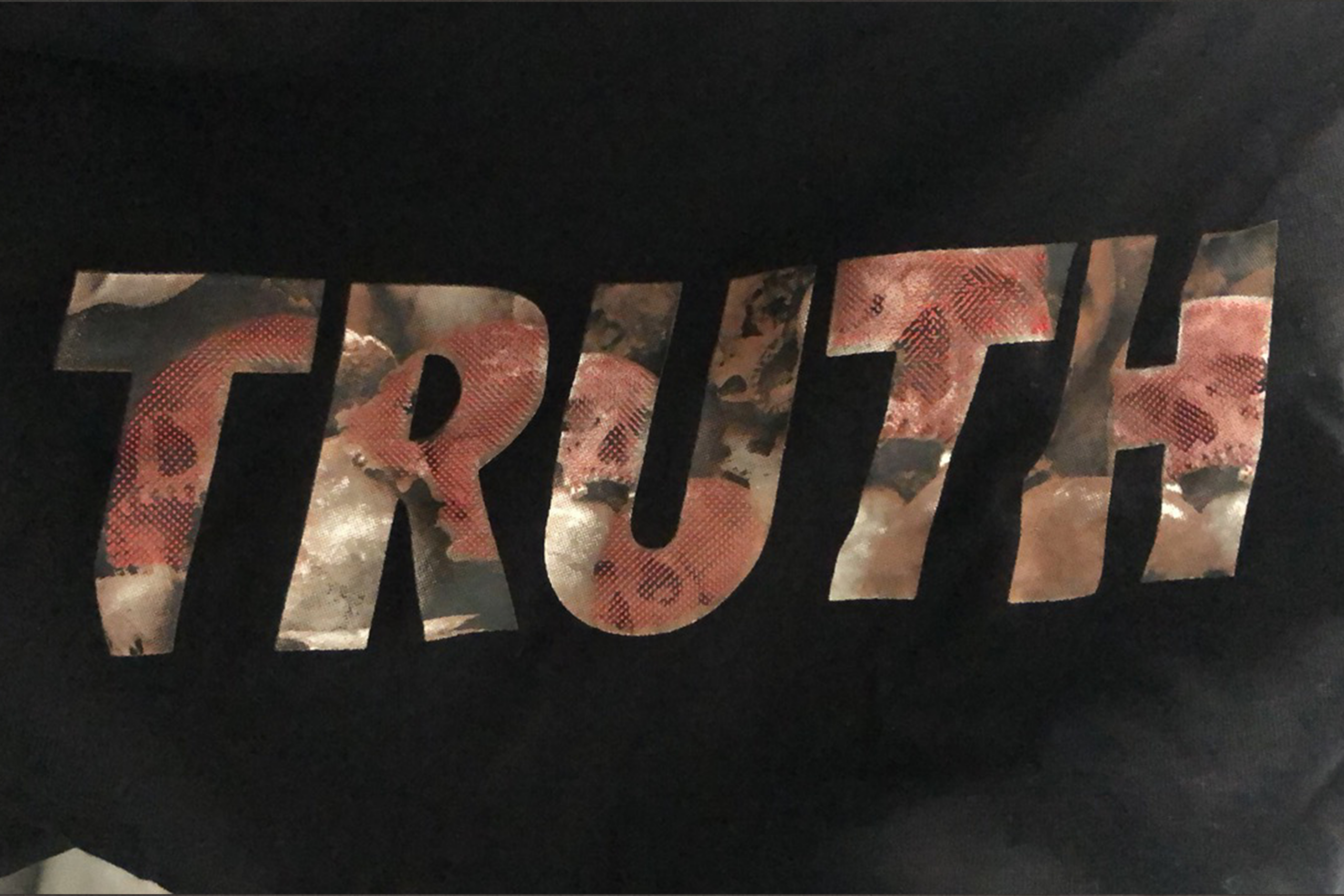
Use heat-applied graphics for detailed logos, names, numbers or multicolor artwork where clean edges matter. This process supports controlled placement on sweatpants and can be coordinated with the garment’s fabric, fit and intended use.
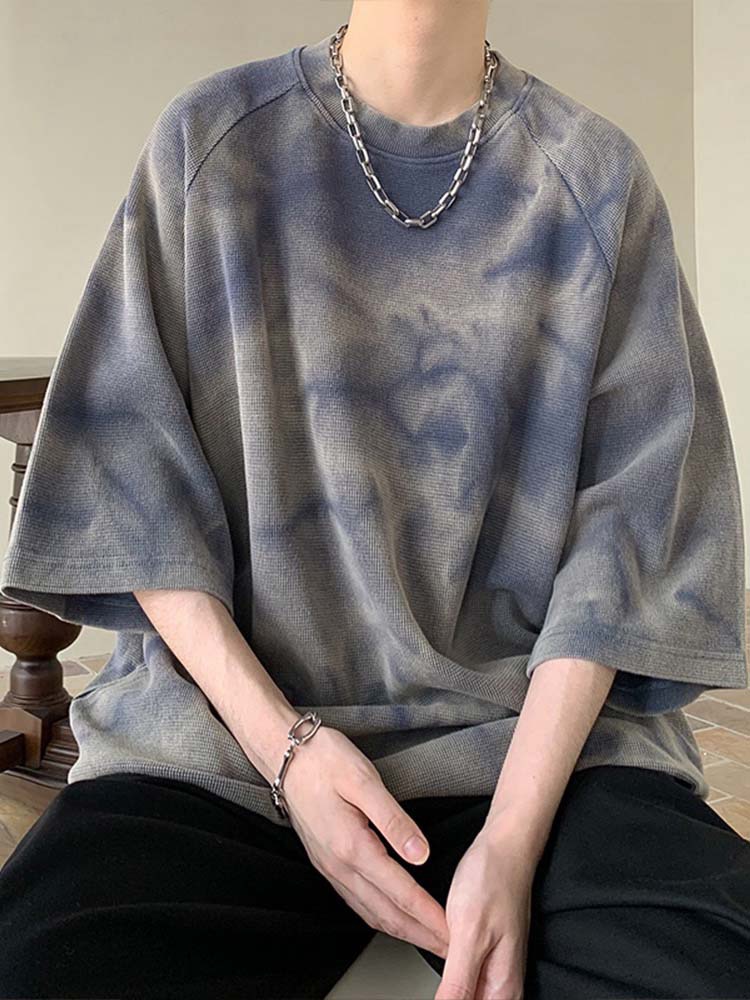
Garment Washing
Develop wash treatments to create a softer hand feel, worn-in character or specific visual finish. EDVORIN records approved wash results so shade, feel and garment appearance have a clearer standard for repeatable production.
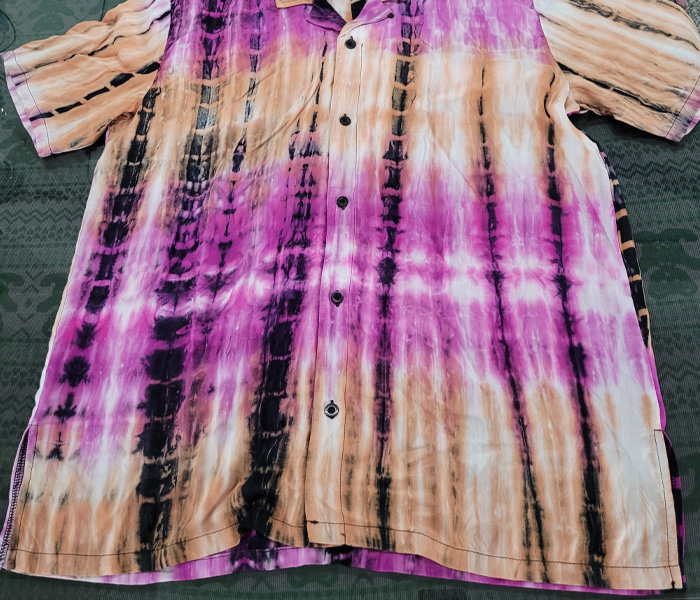
Garment Dyeing
Dye finished sweatpants to achieve rich, lived-in color and a distinctive collection identity. Color development is reviewed alongside fabric behavior, trims and wash effects to help align the approved sample with bulk expectations.
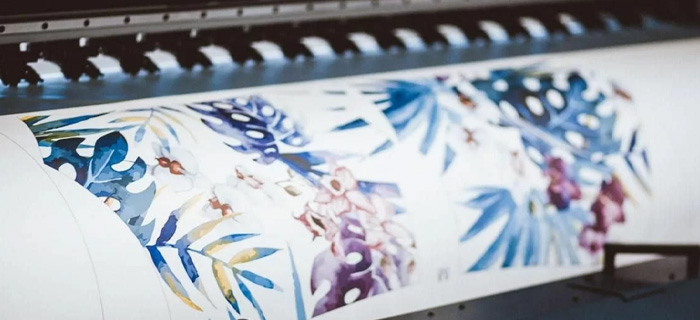
Sublimation Printing
For suitable polyester-blend or performance panels, sublimation can produce all-over color and detailed graphics without adding surface weight. EDVORIN evaluates material compatibility and construction before specifying this process for a sweatpants program.
Trims That Complete Your Cotton Sweatpants Design
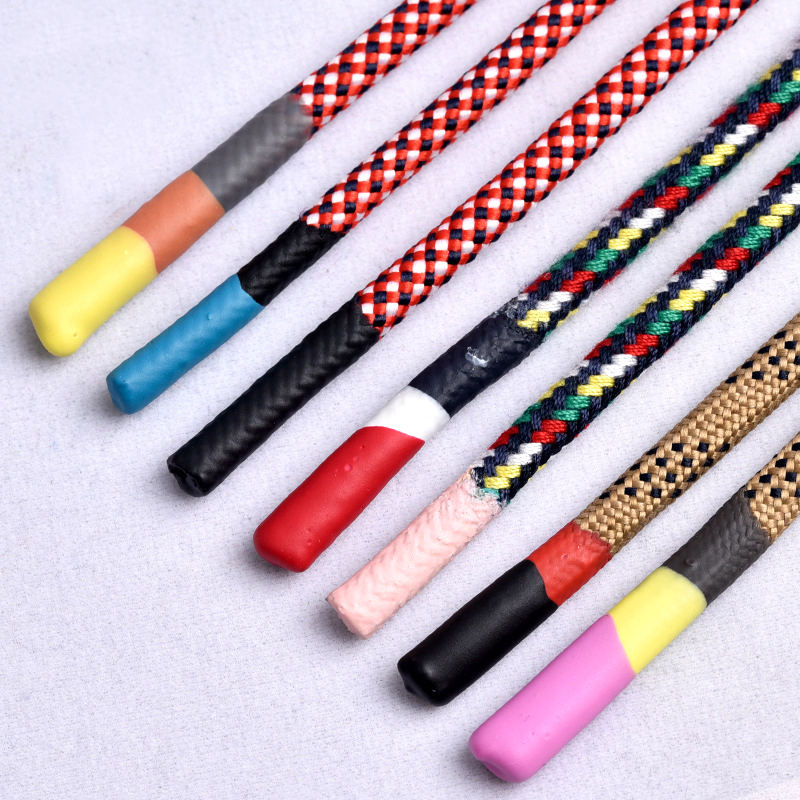
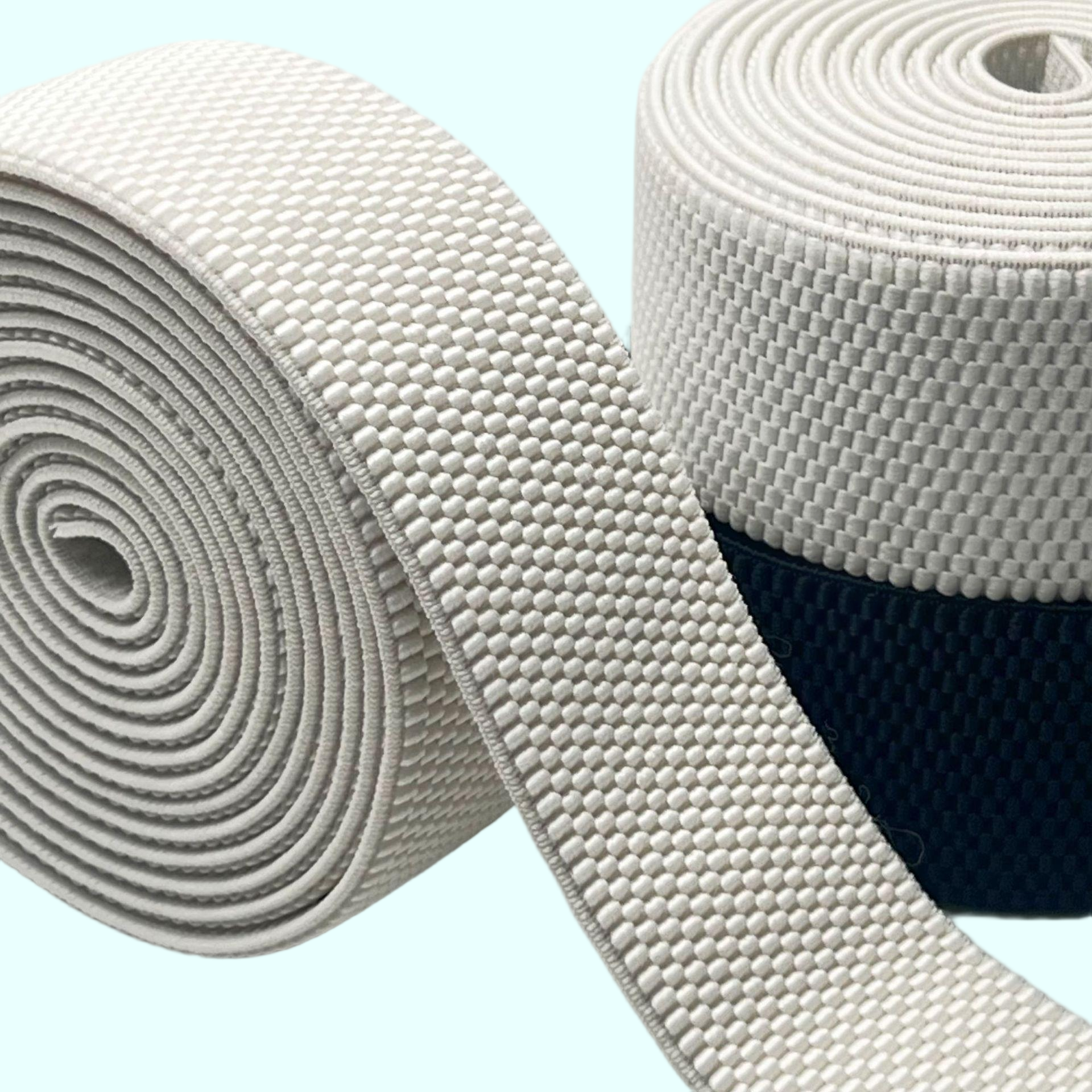
Elastic Waistbands
Develop elastic waistbands around the intended fit, recovery and comfort level. EDVORIN coordinates waistband construction with drawcord channels, rib options and size grading for men’s or women’s sweatpants programs.
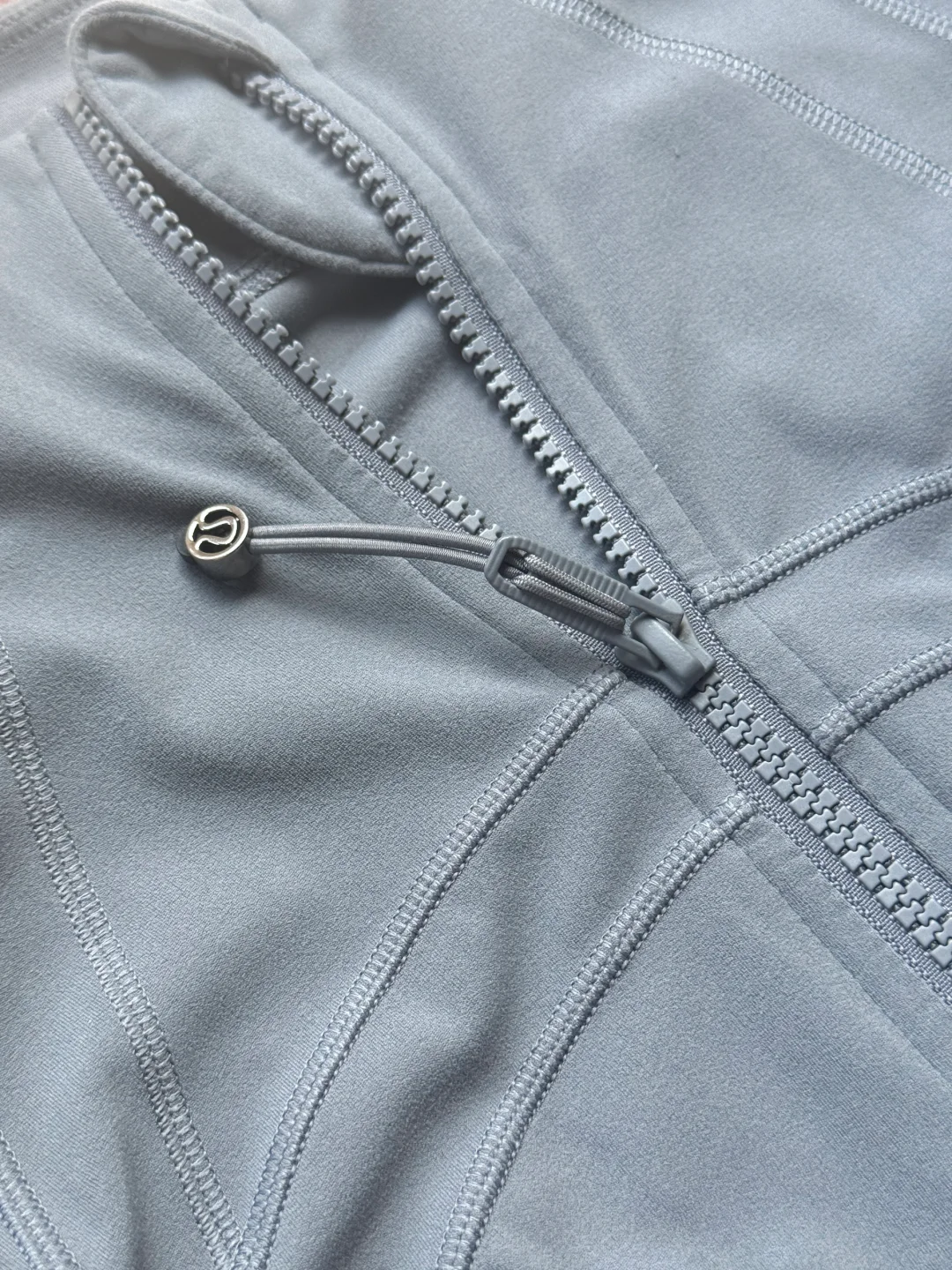
Zipper Pockets
Add secure side, back or concealed pocket closures for athletic, travel or elevated casualwear applications. Zipper type, puller finish, tape color and pocket placement can be aligned with the garment specification.
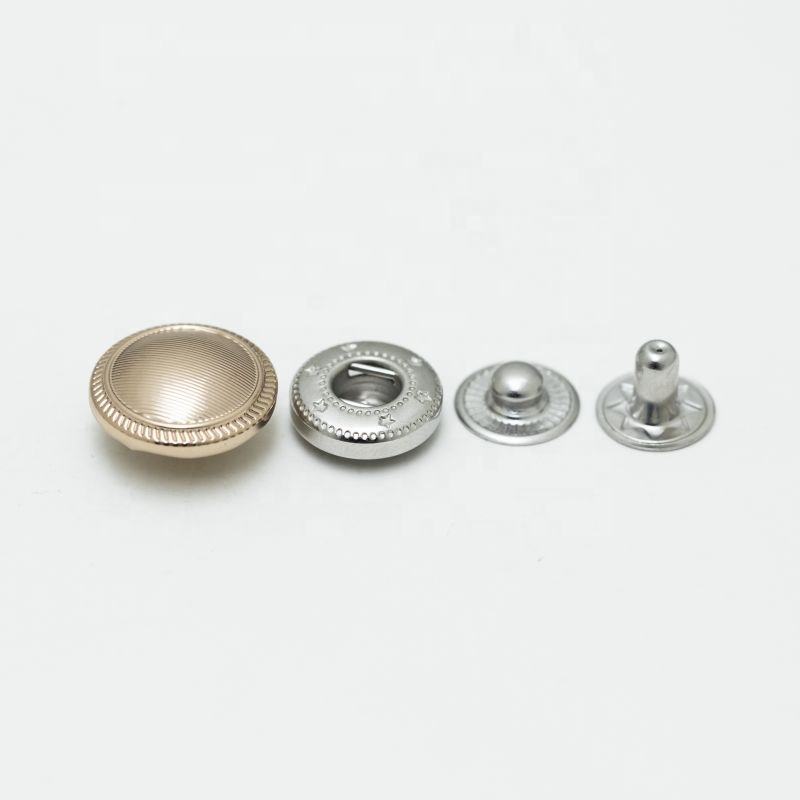
Snap Details
Use snap buttons on pocket flaps, convertible hems or utility-inspired sweatpants to add function and character. Finish, color, placement and reinforcement are reviewed to support the selected fabric and construction.
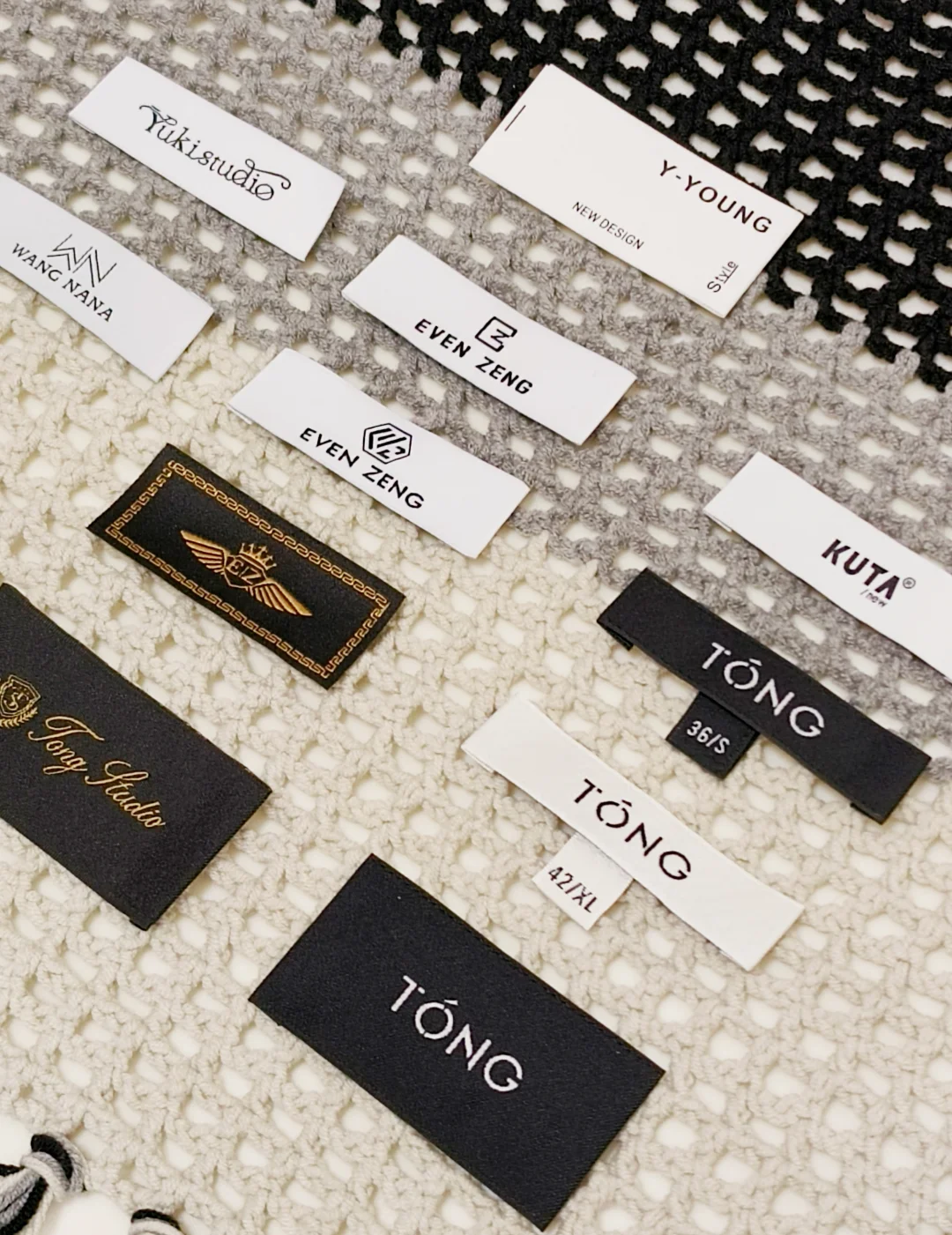
Woven Labels
Create woven main labels, size tabs and side flags that make each pair recognizably yours. Label dimensions, fold style, placement and care information are coordinated with your private-label garment requirements.
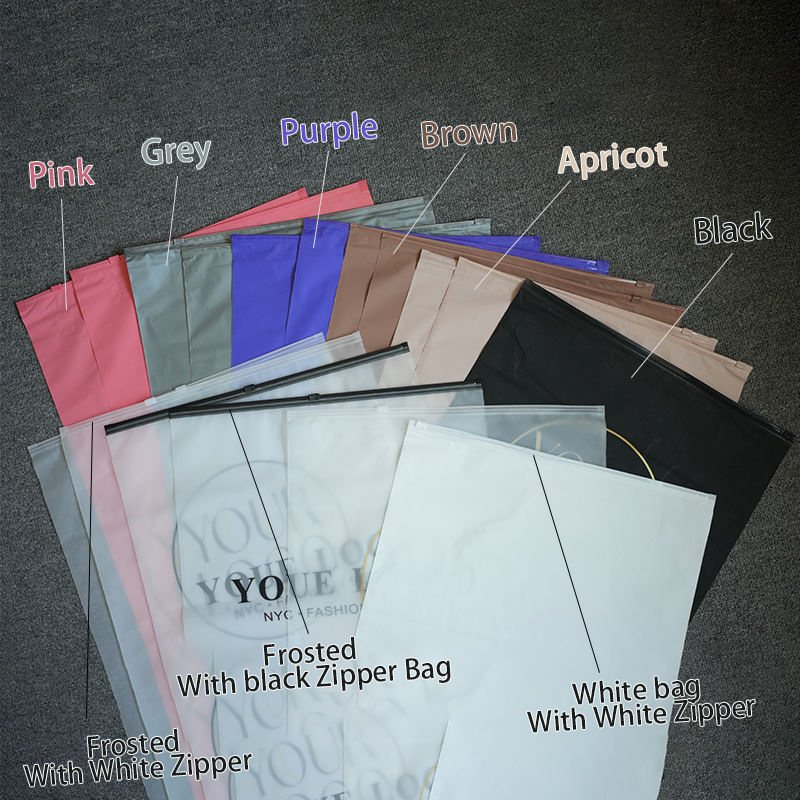
Custom Packaging
Complete the order with branded hangtags, polybags, size stickers and packing instructions tailored to retail, wholesale or direct-to-consumer programs. Packaging details are controlled alongside final inspection and order preparation.
About EDVORIN, Cotton Sweatpants Manufacturer
Founded by Edvorin Zeng in 2000, EDVORIN helps brands translate an apparel idea into a production standard that can be made accurately again and again. As a cotton sweatpants manufacturer, we bring product development, material sourcing, patterns and sampling into one accountable starting point.
Our connected workflow supports casualwear, streetwear, outerwear and teamwear programs for fashion labels, clubs, schools, wholesalers and private-label buyers. From fabric and trims to printing, embroidery, washing, labels and packaging, each decision is coordinated around the intended product, wearer and market.
What sets EDVORIN apart is the discipline after sample approval. We document measurements, artwork placement, materials and finishing details, then use in-line and final quality checks to protect the approved standard through bulk production. That gives emerging and established buyers a clearer path to repeatable growth.
Cotton Sweatpants Manufacturer: From Approved Sample to Consistent Bulk
Technical Development That Holds
EDVORIN converts your sketch, reference garment, or tech pack into a production-ready sweatpants specification. Patterns, measurements, fit blocks, grading, pocket construction, waist details, and cuff proportions are clarified before sampling so the approved design can guide repeatable bulk production.
- Men’s and women’s fit development
- Patterns and measurement charts
- Construction details documented
- MOQ starts at 200 pieces per style
Materials Meet Decoration
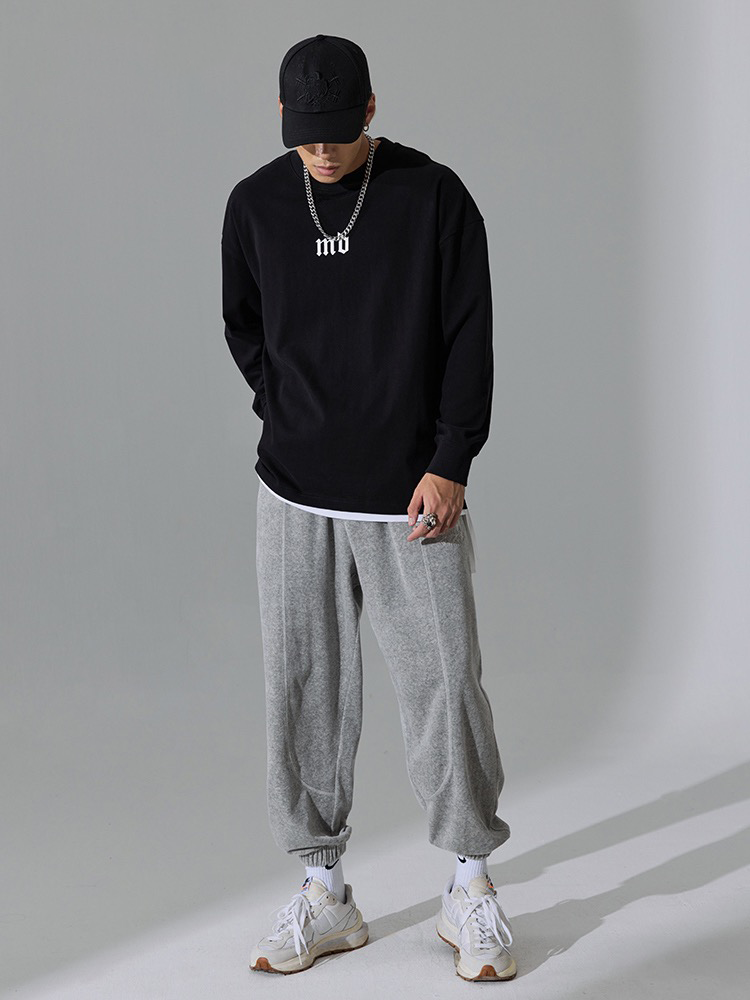
A cotton sweatpants manufacturer must coordinate the base fabric with every visible finish. EDVORIN aligns material weight, hand feel, rib, drawcords, printing, embroidery, washing, labels, and packaging so each choice supports the intended streetwear, casualwear, or teamwear result.
- Cotton fabric and trim sourcing
- Print and embroidery coordination
- Wash-effect development
- Private-label labels and packaging
Approved Standards, Clearly Recorded
An approved sample becomes more useful when its decisions are visible to production. EDVORIN records material references, measurement points, artwork placement, color direction, trims, and finishing requirements to reduce assumptions between development, sewing, decoration, and packing.
- Approved sample as bulk reference
- Artwork placement measurements
- Trim and color specifications
- Revision control before production

Quality Checks Through Packing
EDVORIN builds quality control around the approved standard, not a last-minute inspection alone. In-line checks help identify variation during production, while final inspection confirms measurements, construction, decoration, labeling, and packing details before your cotton sweatpants order ships.
- In-line production inspections
- Measurement and construction checks
- Decoration and finishing review
- Final packing verification
Why Choose EDVORIN as Your Cotton Sweatpants Manufacturer
Compare a connected development-to-bulk workflow with fragmented supplier coordination.
← Swipe left or right to view →
Cotton Sweatpants Manufacturer Production Process
A controlled workflow that turns approved designs into repeatable cotton sweatpants programs, with every production decision documented for consistent bulk execution.
Define Product Specifications
We review your tech pack, reference garment, or concept; align fit, fabric weight, colors, trims, branding, sizing, and target order requirements.
Source Materials and Develop
Our team coordinates cotton fabric, rib, drawcords, labels, and packaging, then develops patterns and samples to test construction, proportion, and finish.
Approve Sample Standards
You review the sample and revisions. Approved measurements, materials, artwork placement, wash effects, and trim details become the documented bulk-production reference.
Cut Sew and Decorate
After material checks, production moves through cutting, sewing, printing, embroidery, washing, and finishing, with each operation aligned to the approved standard.
Inspect Pack and Ship
In-line and final quality checks verify measurements, workmanship, decoration, labeling, and packing before your sweatpants are prepared for shipment and repeat orders.
Start Your Cotton Sweatpants Production Program
Move from concept to packed order with a documented development and production path built around your approved standard.
Share Your Direction
Send a tech pack, measurement chart, sketch, or reference garment. Our team reviews fit, cotton fabric, construction, decoration, trims, labels, and packaging requirements.
Review Your Proposal
EDVORIN’s MOQ starts at 200 pieces per style. Receive a clear quotation and development plan covering MOQ, materials, sampling, production details, and timelines, so your team can confirm the intended order scope.
Approve the Sample
Evaluate the developed sample for fit, feel, workmanship, artwork placement, wash effects, and branding details. Approved revisions become the reference for bulk production.
Launch Bulk Production
We coordinate material sourcing, cutting, sewing, decoration, in-line checks, and final inspection against the approved standard before labeling, packing, and order release.
Certified Standards for Responsible Apparel Production



What Buyers Achieve With EDVORIN
EDVORIN turned our reference pants into a production-ready spec with clear measurements, fabric notes, and placement details. After approving the second sample, we launched a 320-piece drop with far fewer questions during bulk production.
Our team needed matching men’s and women’s sweatpants with embroidery that stayed consistent across sizes. EDVORIN documented the artwork placement and trim details, helping us deliver 480 team units without last-minute decoration changes.
We started with a sketch and a target fit, not a finished tech pack. EDVORIN helped us refine the sample, wash, labels, and packaging, then repeated the approved standard for our 600-piece wholesale reorder.
Cotton Sweatpants Manufacturer FAQs
Clear answers for brands preparing an OEM, ODM, or private-label sweatpants program with EDVORIN.
What is the MOQ for a cotton sweatpants manufacturer?
Can a cotton sweatpants manufacturer make a sample before bulk production?
How long does cotton sweatpants manufacturing take?
What cotton fabric options are available for custom sweatpants?
Can a cotton sweatpants manufacturer add embroidery, printing, and private labels?
What should I provide to start a custom sweatpants order?
How do you protect designs and control quality in bulk production?
What payment and shipping details should buyers expect?
The Complete Buyer’s Guide to a Cotton Sweatpants Manufacturer
Use this practical framework to compare cotton sweatpants manufacturers, evaluate fabric and construction, plan customization, understand cost drivers, and avoid sourcing mistakes before placing a private-label bulk order.
1. What Is a Cotton Sweatpants Manufacturer?
Since 2000, EDVORIN has operated as a manufacturing partner that turns a buyer’s sweatpants concept, tech pack, or reference garment into a documented production standard. For private-label brands, teams, schools, wholesalers, and corporate programs, a cotton sweatpants manufacturer is responsible for making the specified product repeatedly—not merely selling a garment.
One factory relationship should connect product development, fabric sourcing, pattern work, sampling, bulk cutting and sewing, decoration, and quality control. Unlike a blank-garment supplier, the factory can develop fit, materials, trims, labels, and packaging around the program; unlike a trading company, it should provide clear accountability for the production path.
Eight practical stages commonly require buyer approval or visibility: material, pattern, sample, artwork placement, trims, bulk production, inspection, and packing. Buyers should expect revision records, measurement and color references, final checks against the approved sample, and shipment coordination with the agreed packing requirements.
2. Cotton Sweatpants Manufacturing: A Brief Evolution
1920s athletic sweatpants prioritized unrestricted movement, elastic waistbands, drawcords, cuffed hems, and durable knit construction. Those legacy details still matter for team uniforms and training programs, where pocket depth, cuff recovery, and size grading affect repeat wear.
1970s and 1980s casual adoption shifted demand toward softer fleece, while French terry remained a lighter, loop-backed option for transitional weights. A cotton sweatpants manufacturer now needs the intended silhouette—open hem, straight leg, or tapered jogger—specified alongside fabric weight, shrinkage allowance, and finish.
200-piece private-label programs increasingly use heavyweight fleece for streetwear, garment dye or wash effects for character, and screen print, embroidery, or appliqué for branded merchandise. EDVORIN can document those choices from sample approval through labels, placement measurements, and packed bulk production so the approved look remains reproducible.
3. Types From a Cotton Sweatpants Manufacturer
Six core silhouettes cover most cotton sweatpants manufacturer briefs. Select the block before approving fabric, because leg volume and size grading determine comfort, pocket placement, and decoration real estate.
| Style | Best Wearer | Hem Or Pocket | Branding |
|---|---|---|---|
| Open hem | Casual, school | Straight hem, side seam | Thigh print |
| Cuffed jogger | Active, streetwear | Rib cuff, zip pocket | Calf or thigh logo |
| Wide leg | Fashion streetwear | Open hem, side seam | Large front print |
| Oversized | Relaxed streetwear | Open or cuffed hem | Large graphics |
| Slim tapered | Athletic lifestyle | Rib cuff, welt pocket | Small side logo |
| Youth or team | Schools, clubs | Elastic hem, side pockets | Names and crests |
Open-Hem And Jogger
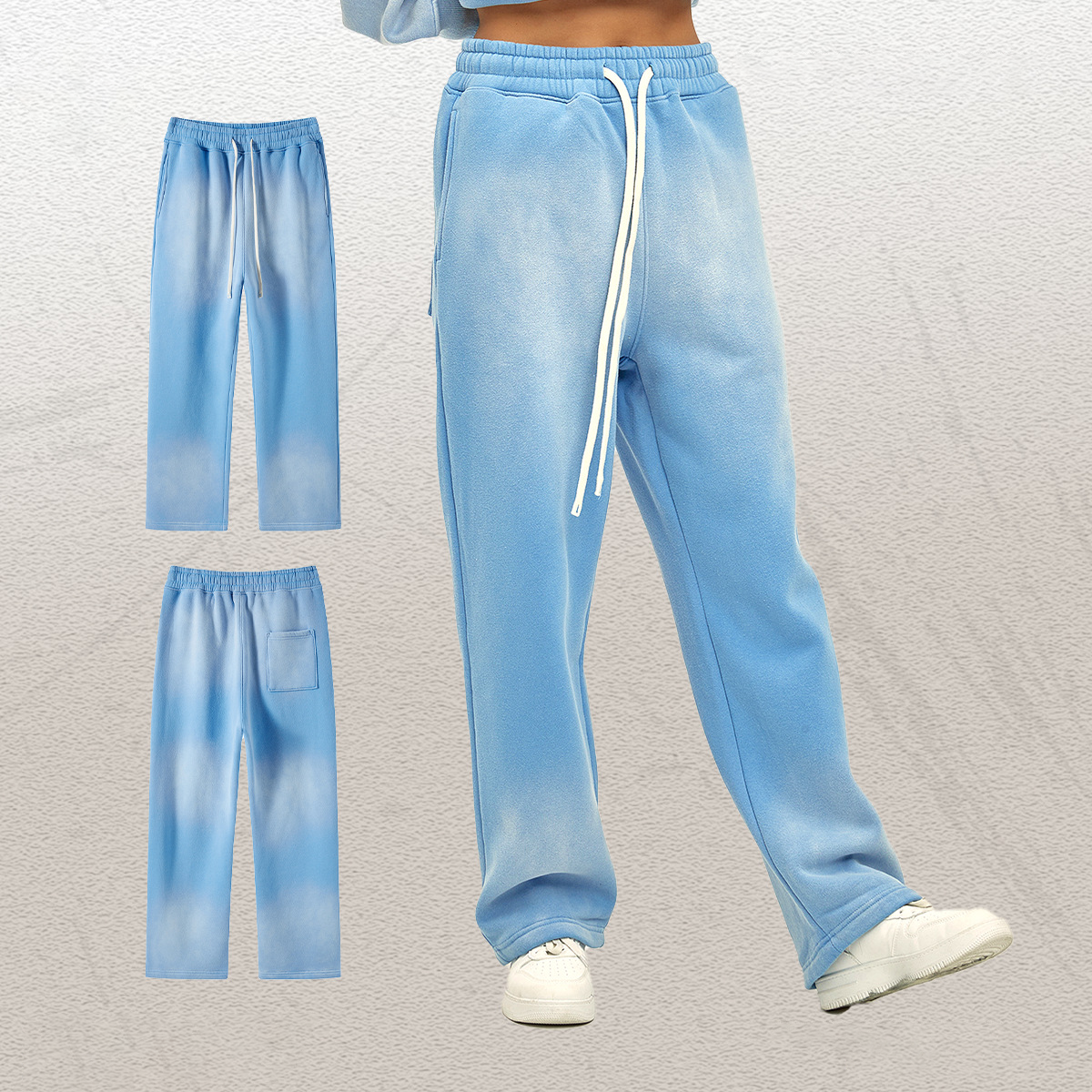
280–340 GSM fleece suits classic open-hem pants for casual and school programs; straight legs accommodate broad size ranges. Cuffed joggers fit active and streetwear buyers, using rib cuffs and zip or welt pockets.
Fashion-Led Volume
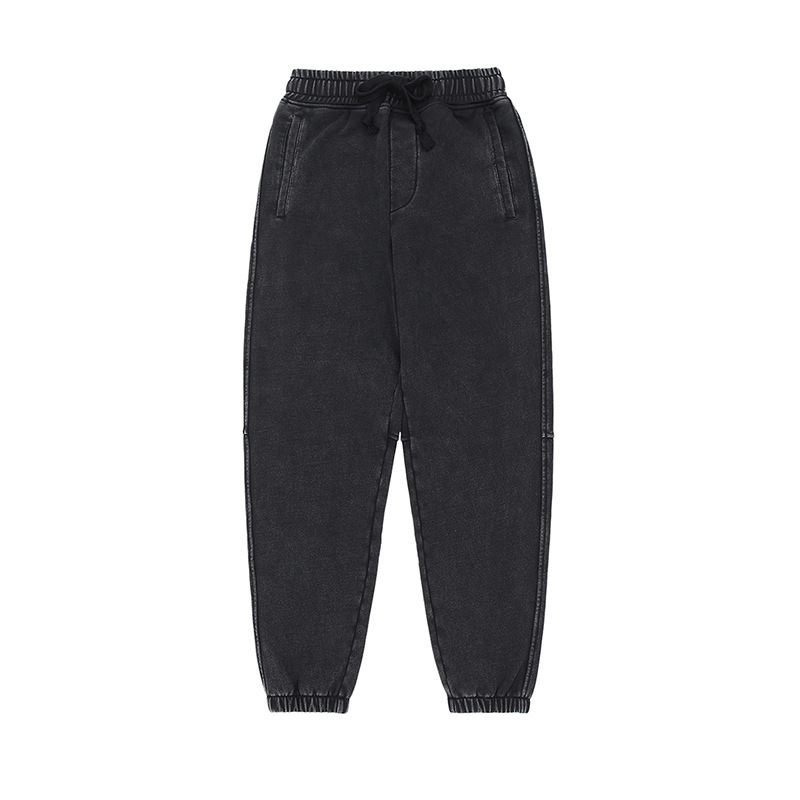
320–450 GSM fleece supports wide-leg and oversized styles for streetwear drops. A wider hem balances the silhouette, while large thigh panels suit screen prints; confirm inseam and rise across the full grade.
Tapered And Team Fits
260–320 GSM French terry or fleece works for slim tapered pants, youth sizes, and teamwear. Tapered legs favor minimal side branding; team styles need consistent color, name placement, and practical pockets.
4. Cotton Fabrics, Blends, and GSM
180–240 GSM fabric suits lighter sweatpants, while 300–420 GSM builds a warmer, more structured program. A cotton sweatpants manufacturer should approve composition, finish, and wash behavior before bulk.
| Fabric | Construction / GSM | Hand / Performance | Shrinkage / Durability | Best Use |
|---|---|---|---|---|
| Cotton jersey | Single knit, 180–240 | Smooth, breathable, light warmth | Higher risk; moderate | Training, promotional |
| French terry | Loop-back, 240–320 | Dry hand, breathable warmth | Moderate; good | Streetwear, school |
| Brushed fleece | Brushed back, 280–420 | Soft, warm, less airy | Moderate; good | Lounge, streetwear |
| Loopback fleece | Dense loops, 300–380 | Textured, structured warmth | Moderate; strong | School, premium streetwear |
| Cotton-poly blend | Jersey or fleece, 220–380 | Stable, durable, lower breathability | Lower risk; high | Teams, promotional |
Fiber And Finish
100% cotton jersey feels smooth and breathable but has higher shrinkage risk than stabilized blends. French terry uses visible unbrushed loops; brushed fleece raises warmth with a softer interior.
60/40 or 80/20 cotton-polyester blends improve abrasion resistance and shape retention. Loopback fleece can describe heavier looped-back constructions, so buyers should specify the actual face and back.
Sample Before Bulk
3 wash-and-wear trials should check shrinkage, pilling, color change, torque, and recovery. Final performance depends on yarn, knit density, dyeing, finishing, and garment wash—not GSM alone.
5. Customization From a Cotton Sweatpants Manufacturer
EDVORIN’s MOQ starts at 200 pieces per style. At a 200-piece MOQ, customization must be specified as one production system: color, fit, trims, decoration, labeling, and packing should all support the intended price point and wearer.
| Option | Visual Impact | Production Tradeoff |
|---|---|---|
| Screen print | High, flat color | Setup per artwork/color |
| Embroidery | Textured, premium | Dense areas stiffen fabric |
| Woven patch | Dimensional, durable | Extra sewing operation |
Lock the Garment Base
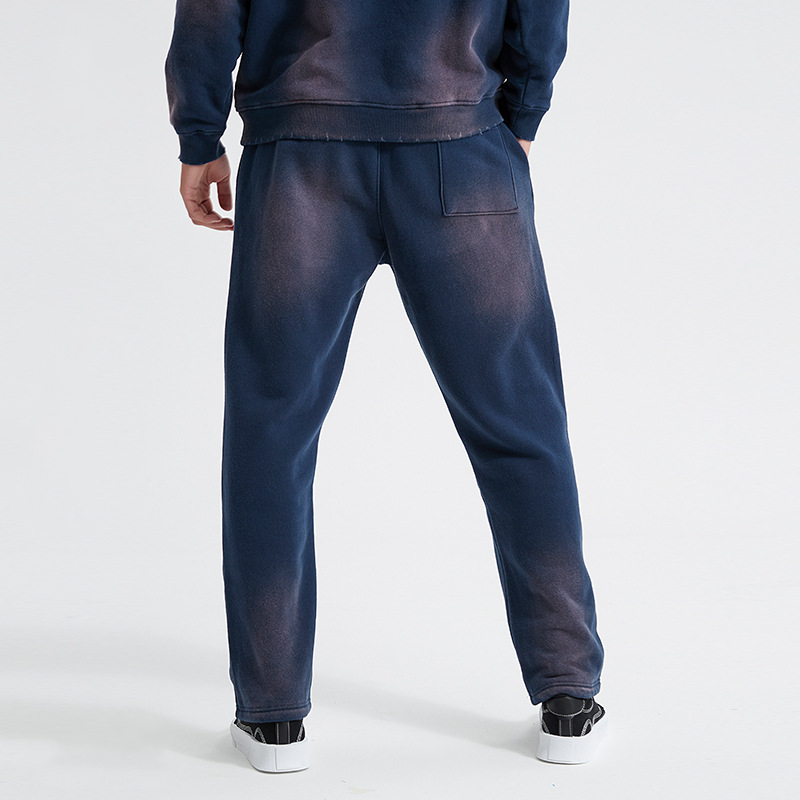
Two fit blocks—men’s and women’s—should use separate measurements, rise, taper, and grading. Choose elastic waist, flat or round drawcords, rib cuffs, and side, seam, or cargo pockets before sampling.
One Pantone reference per colorway reduces approval ambiguity. Garment dye and wash effects add character, but can shift shade and require tolerance review.
Match Decoration to Use
Three common options create different production demands. Screen print delivers broad graphics; embroidery adds texture; patches create a modular heritage or teamwear look.
One placement sheet should state artwork size, distance from seams, and left/right orientation. Dense embroidery or oversized prints can affect drape, comfort, and durability on stretch areas.
Finish the Private Label
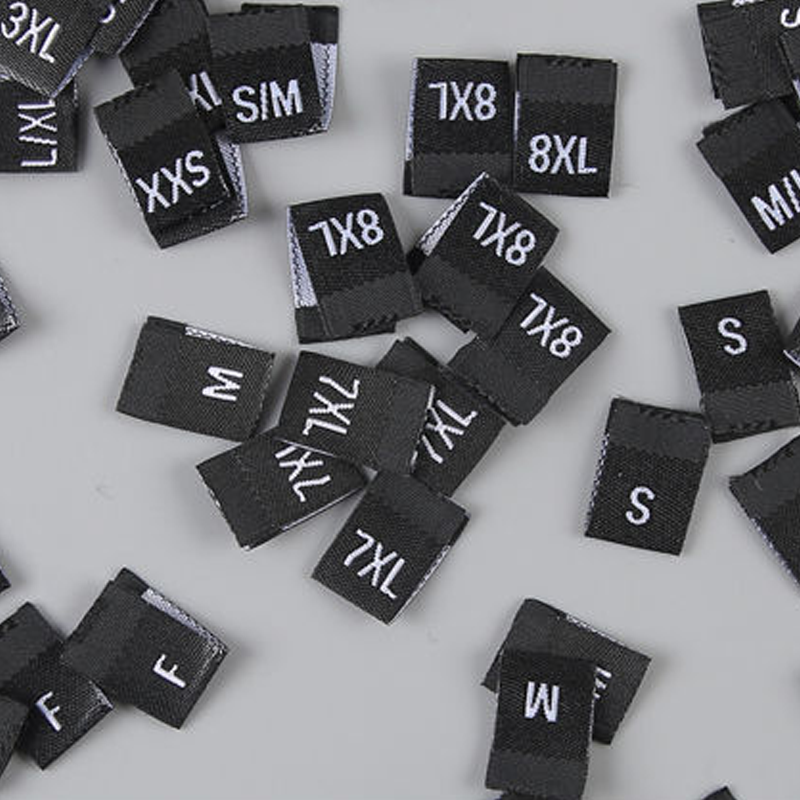
Four identity points—woven label, care label, hangtag, and packaging—should share the same logo, color, and product information. Confirm barcode, size sticker, folding method, and polybag requirements before bulk production.
200-piece orders benefit from limiting unique colorways and decoration locations. Fewer setups make sampling, repeatability, and order control easier.
6. Construction Details That Signal Quality
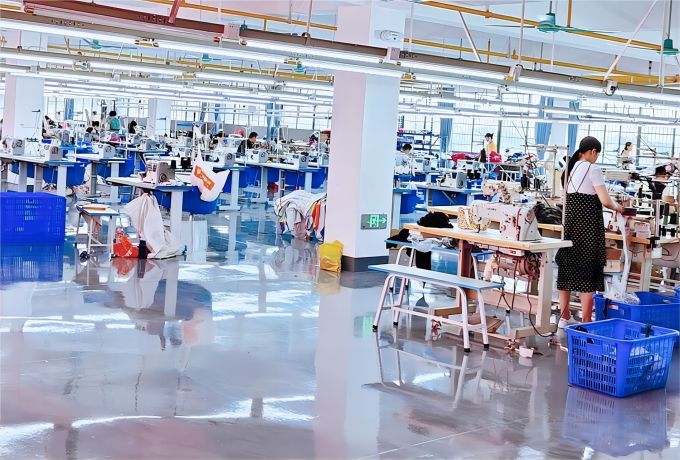
Two samples should carry the construction review: the development sample tests design decisions, while the pre-production sample locks the bulk reference. A cotton sweatpants manufacturer should document each approved checkpoint rather than rely on visual approval alone.
Seams And Stress Points
Three checkpoints are side seams, crotch seams, and pocket corners. Verify stitch density is even, seam allowance is enclosed where specified, and bartacks or reinforcement are present at high-stress joins.
Waistband And Pockets
One waistband test is repeated stretch-and-recovery handling on the approved sample. Check elastic return, drawcord ends and eyelets, channel twisting, pocket opening alignment, and pocket-bag attachment before bulk release.
Measurements And Finishing
Every size requires a measurement chart with tolerances and post-wash shrinkage confirmation. Inspect inseam, rise, leg opening, rib recovery, loose threads, skipped stitches, stains, and uneven pressing against the pre-production sample.
7. How to Choose a Cotton Sweatpants Manufacturer
A 200-piece program demands a supplier whose development controls match the order’s risk, not merely its lowest quote. Evaluate the cotton sweatpants manufacturer against your fit, decoration, delivery, and repeat-order requirements.
Match Capability To Complexity
Three references should cover comparable cotton jogger or fleece programs, including fabric weight, wash, and decoration. Ask whether the factory develops patterns, grades men’s and women’s blocks, and records approved revisions.
Two production questions matter: which operations are in-house, and who owns each quality checkpoint? Request a documented sample path, capacity window, and realistic ex-factory date.
Compare Like-For-Like Quotes
One quote sheet should specify composition, GSM, color count, pocket construction, rib, drawcord, labels, packaging, and Incoterm. A lower unit price is not comparable when it excludes sampling, washing, artwork setup, or inspection.
Three material records reduce ambiguity: supplier name, composition, and test or certification evidence where required. Confirm shade approval, shrinkage allowance, and substitute-material rules before payment.
Approve The Production System
EDVORIN’s MOQ starts at 200 pieces per style. Four documents should exist before bulk approval: tech pack, graded measurement chart, approved sample, and final packing specification. Confirm tolerance standards, in-line inspection points, AQL method if used, and corrective-action reporting.
Two communication tests reveal fit: response quality during sampling and clarity when a problem appears. Select the partner that can explain trade-offs, meet the MOQ, and protect the approved standard through export documentation.
8. Common Cotton Sweatpants Sourcing Mistakes
A low quote can conceal missing controls, while a polished sample can conceal an unrepeatable process. Before PO approval, convert every assumption into a documented, costed production standard.
Price And Specifications

1 quote is not comparable without fabric, trims, decoration, QC, and Incoterms. Request a line-item cost sheet before selecting a cotton sweatpants manufacturer.
100% complete tech packs should state measurements, stitch details, artwork placement, labels, and packaging. Freeze a revision-controlled pack before deposit.
Fabric And Bulk Validation
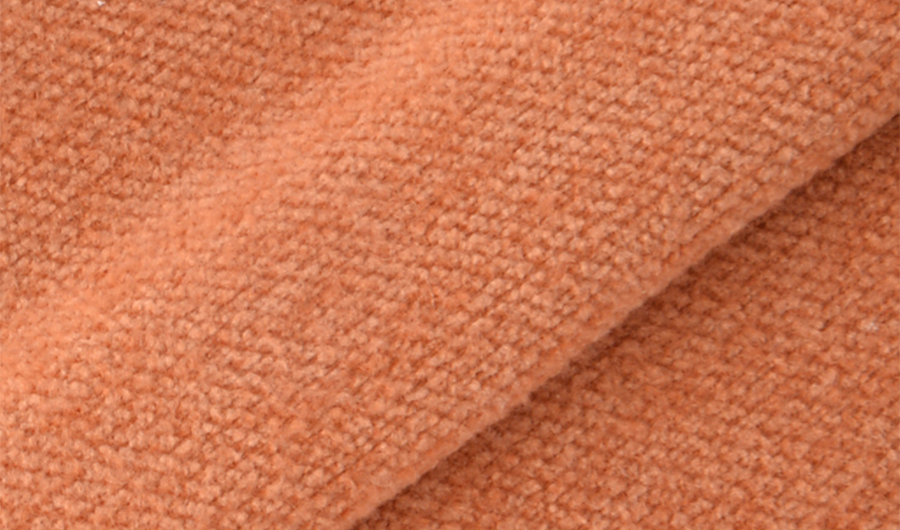
280 GSM and 400 GSM sweatpants perform differently, even at similar cotton percentages. Approve composition, GSM tolerance, handfeel, and color standard in writing.
3 wash-test pieces can expose shrinkage, twisting, and print failure before bulk. Require wash results and a pre-production sample tied to bulk materials.
Fit Changes And Landed Cost
2 cm grading errors can distort fit across a size run. Approve grade rules and measurement tolerances for every size.
30 days before shipment is too late for new pockets, washes, or hardware. Lock custom details, revision allowance, freight, duties, and contingency before the PO.
9. Steps to Launch Your Sweatpants Line
Two decisions come first: define the target customer and retail price, then work backward to the garment cost. Retain the customer brief, target margin, and approved reference images.
Lock Product Specifications
One silhouette must be selected before sampling: relaxed, straight-leg, or cuffed jogger. Specify cotton content, French terry or fleece, GSM, color, pockets, waistband, and drawcord in a tech pack.
Three fit checkpoints reduce rework: base size, grade rules, and tolerance. Keep the measurement chart, fabric swatch approval, Pantone reference, and revision log.
Approve The Sample
One development sample should be evaluated against the tech pack, not memory. Check shrinkage after washing, inseam, rise, pocket depth, seam quality, and decoration placement.
Two approvals create a usable production standard: a signed sample and annotated comments. Retain photos, wash-test results, artwork files, and final label and packaging proofs.
Release And Control Bulk
One pre-production approval should confirm bulk fabric, color, trims, measurements, and packing before cutting begins. Issue a purchase order stating quantities, size ratio, delivery terms, and approved specifications.
Three operational records protect fulfillment: inspection criteria, carton marks, and inventory plan. Arrange in-line and final inspection, then reconcile packed quantities before warehouse receipt or direct shipment.
10. Cotton Sweatpants Pricing and Cost Drivers
200 pieces is the stated minimum order for this program; unit cost typically declines as fixed development, setup, and handling costs spread across more garments.
4 inputs determine a usable quotation: confirmed specifications, destination, order quantity, and the approved sample. Request a line-item quote before comparing suppliers.
- 280–350 GSM fabric, higher cotton content, and custom Pantone dyeing increase material cost.
- Screen-print color count, embroidery stitches, labels, packaging, and complex pockets or panels add labor or setup cost.
| Quantity tier | Illustrative unit-cost direction | Likely bulk lead time |
|---|---|---|
| 200–499 pieces | Highest | 30–45 days after approvals |
| 500–999 pieces | Lower | 30–45 days after approvals |
| 1,000+ pieces | Lowest relative | 35–55 days after approvals |
Start With a Cotton Sweatpants Manufacturer Built to Repeat
Send your tech pack, sketch, or reference garment for a quote on OEM, ODM, or private-label development.