
Embroidered T Shirt Manufacturer for OEM and Private Label
EDVORIN is an embroidered t shirt manufacturer delivering development, sampling, and controlled bulk production from 200 pieces per style.
Featured Embroidered T-Shirt Programs
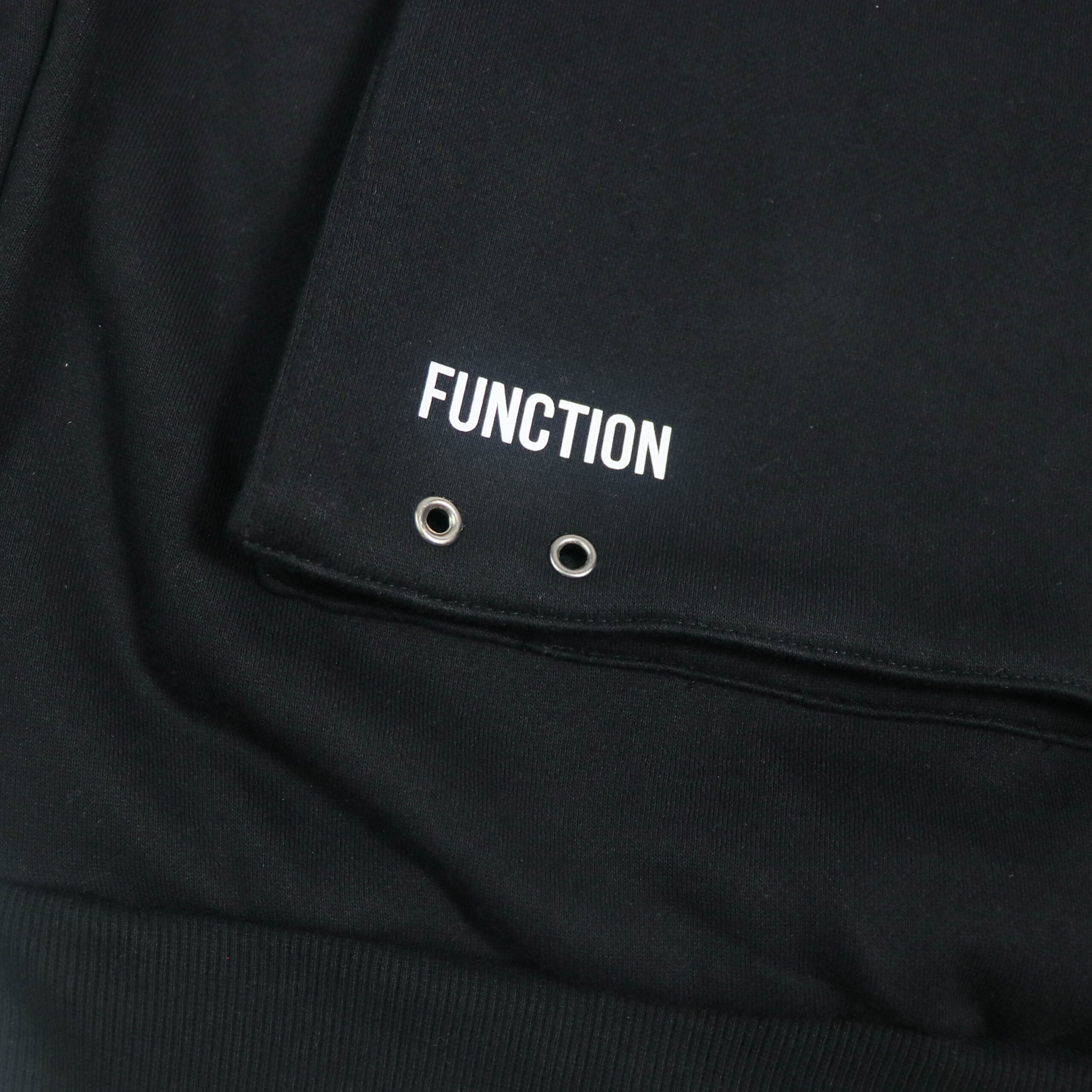
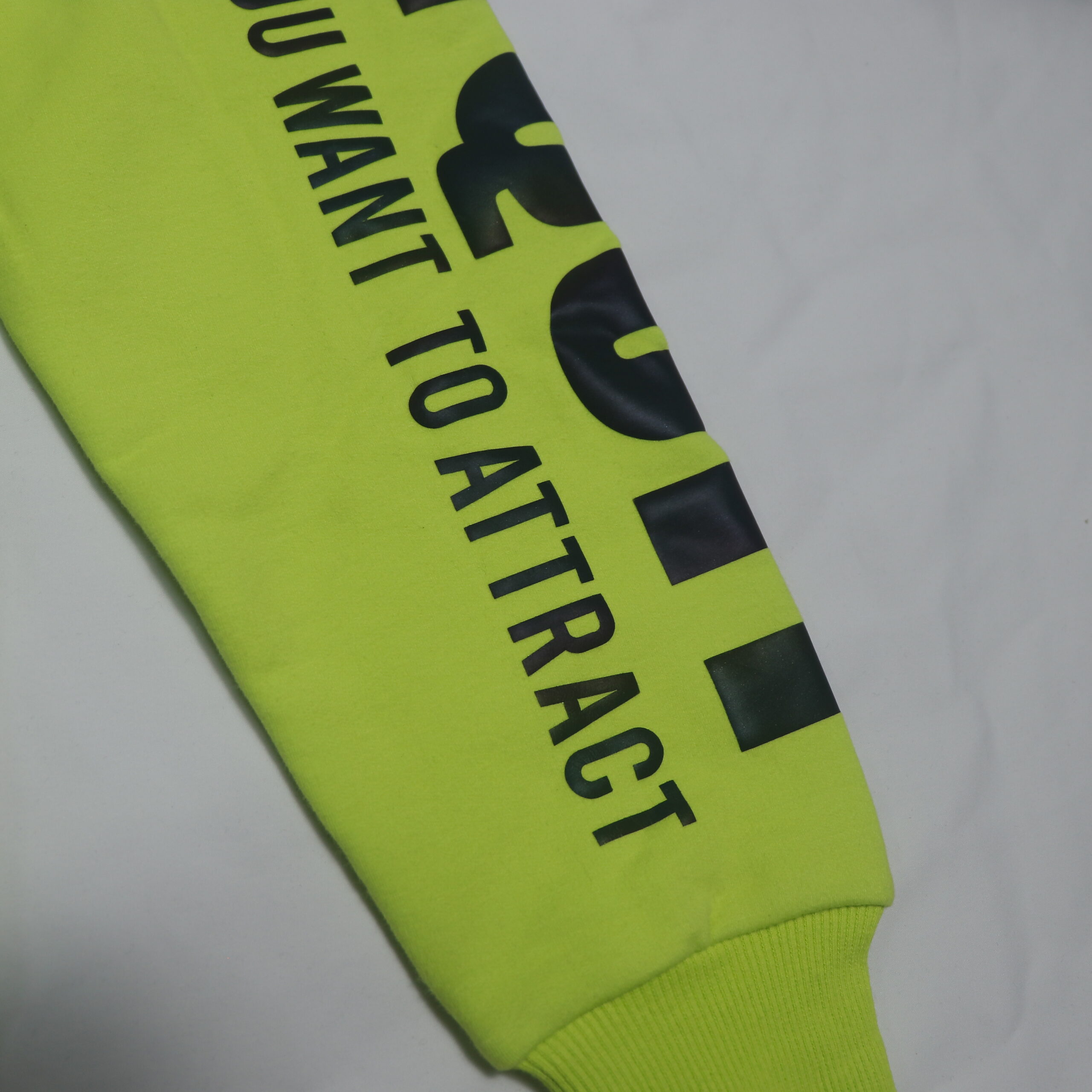
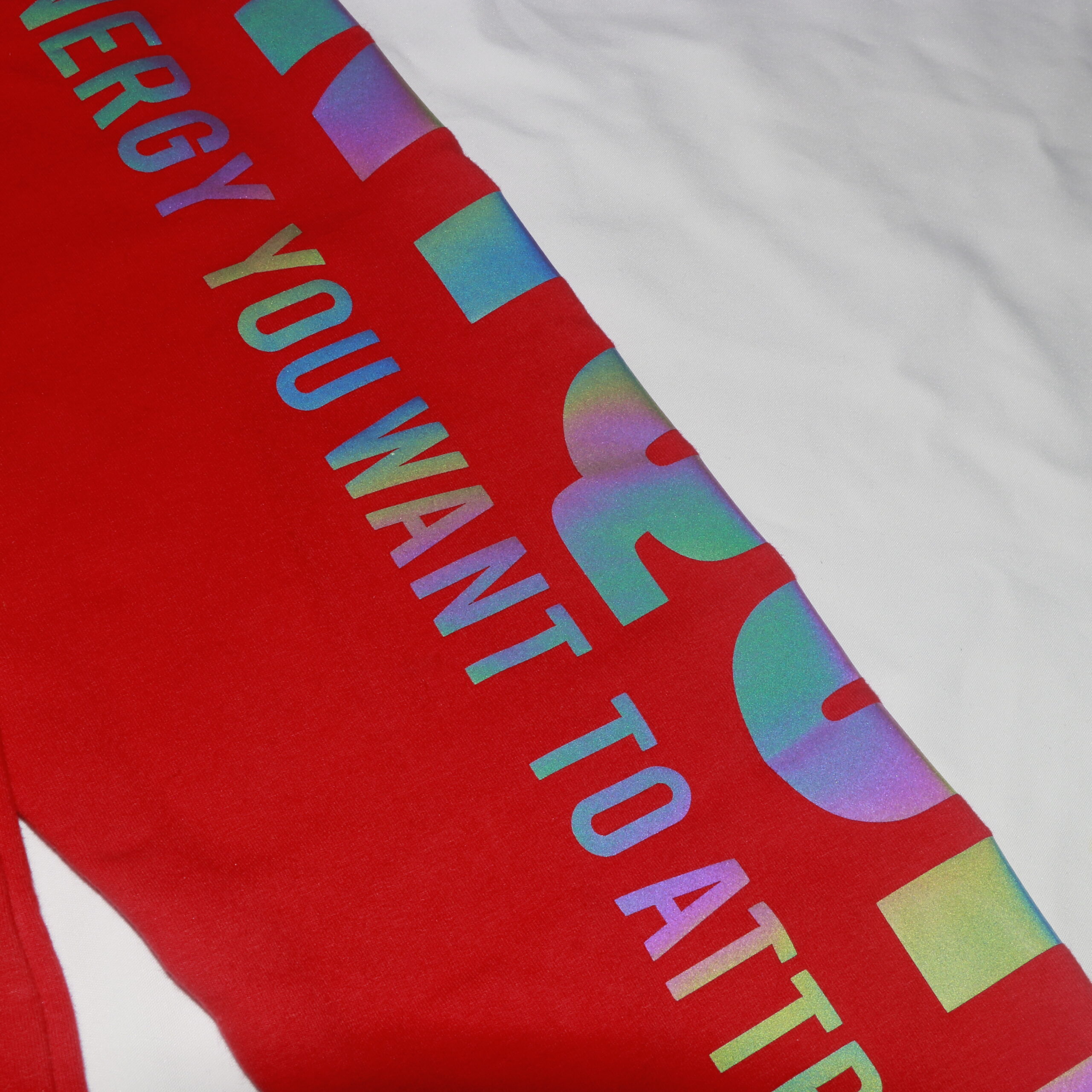
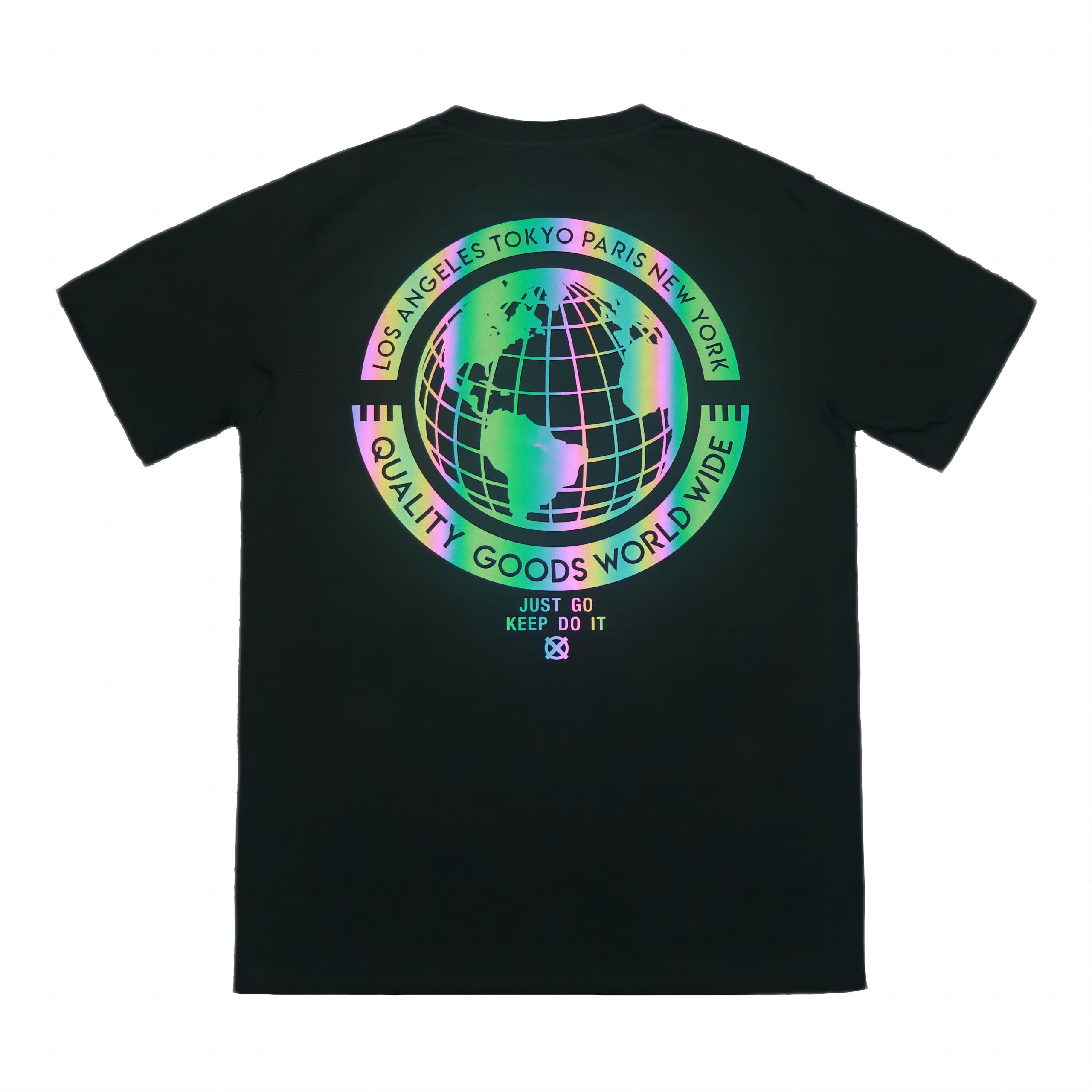
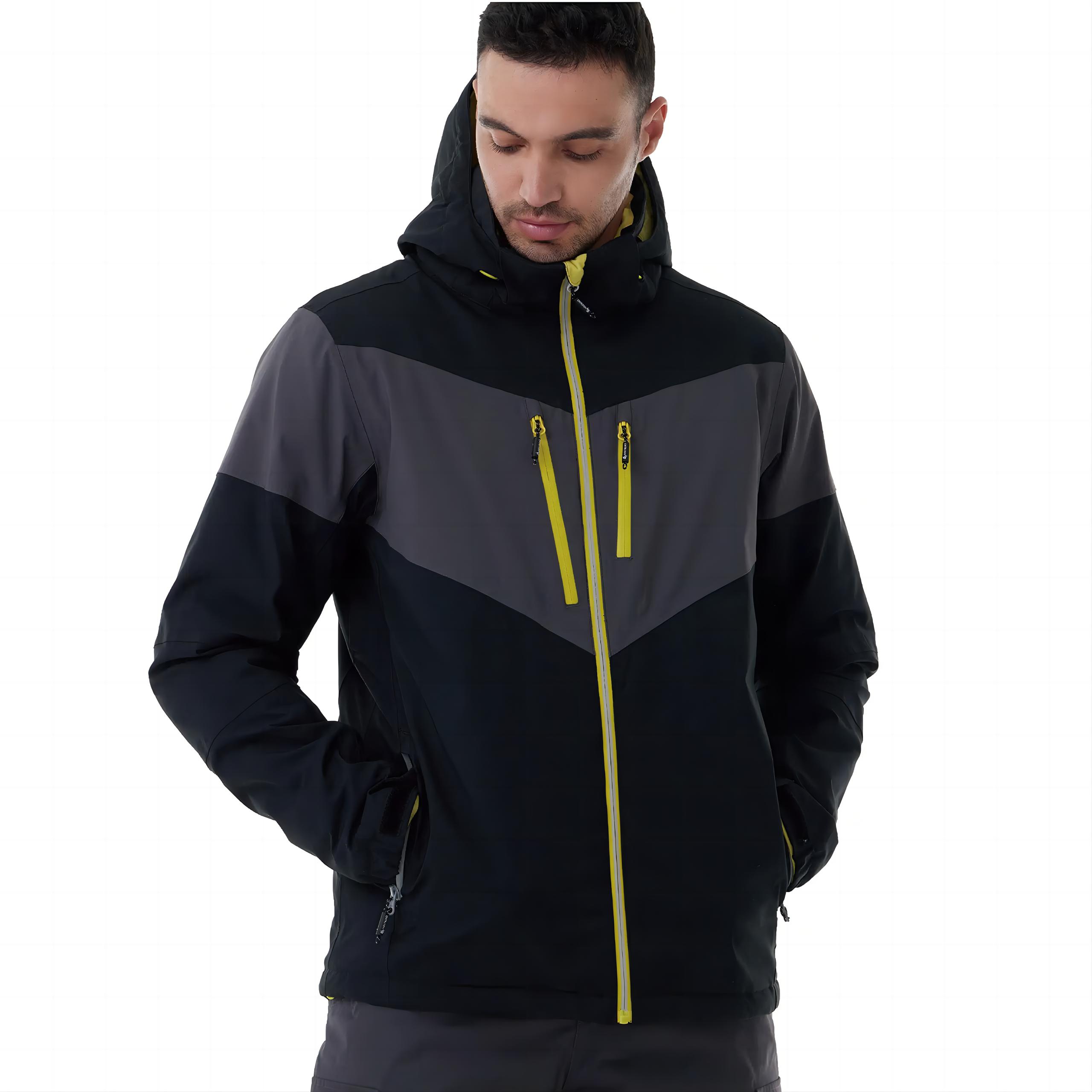
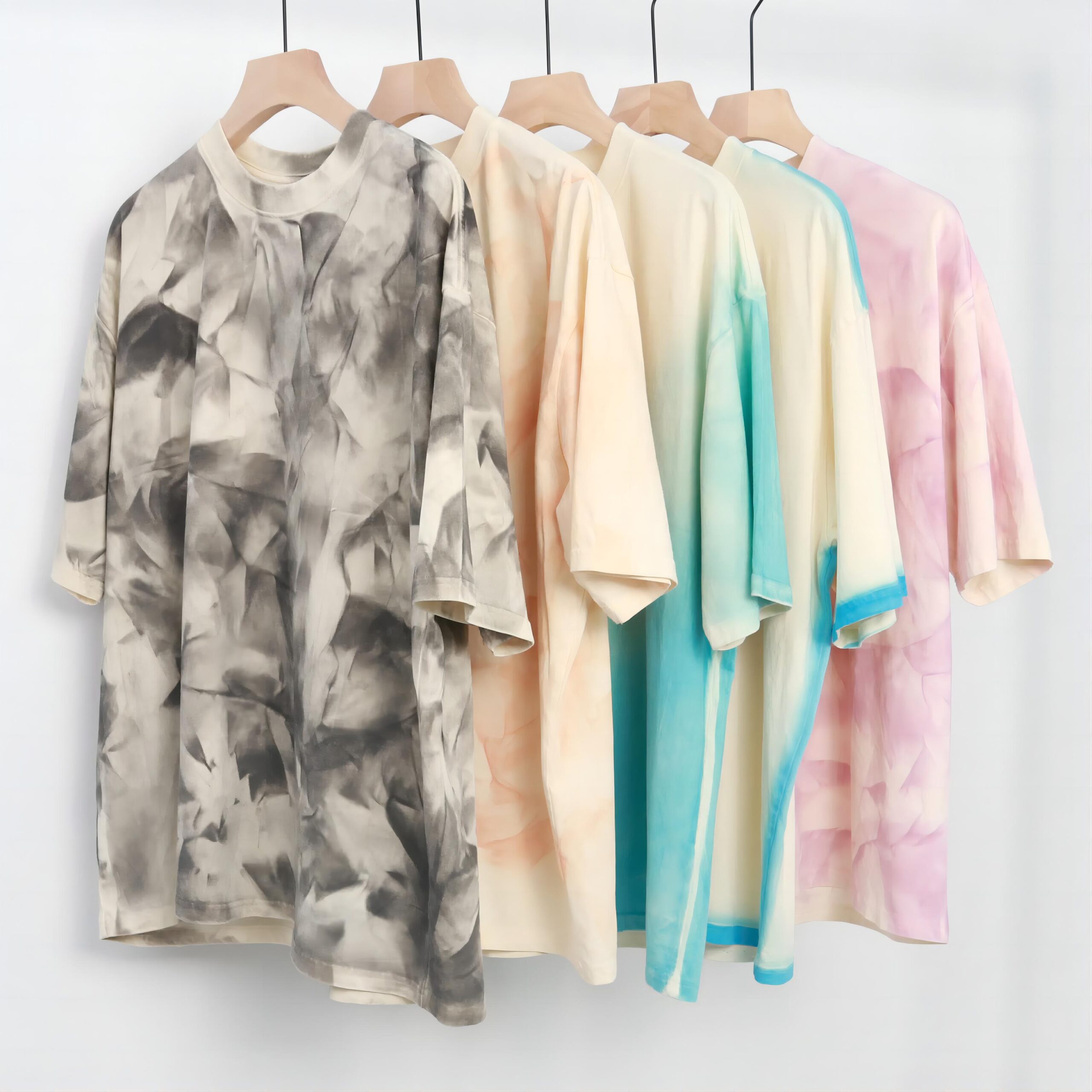
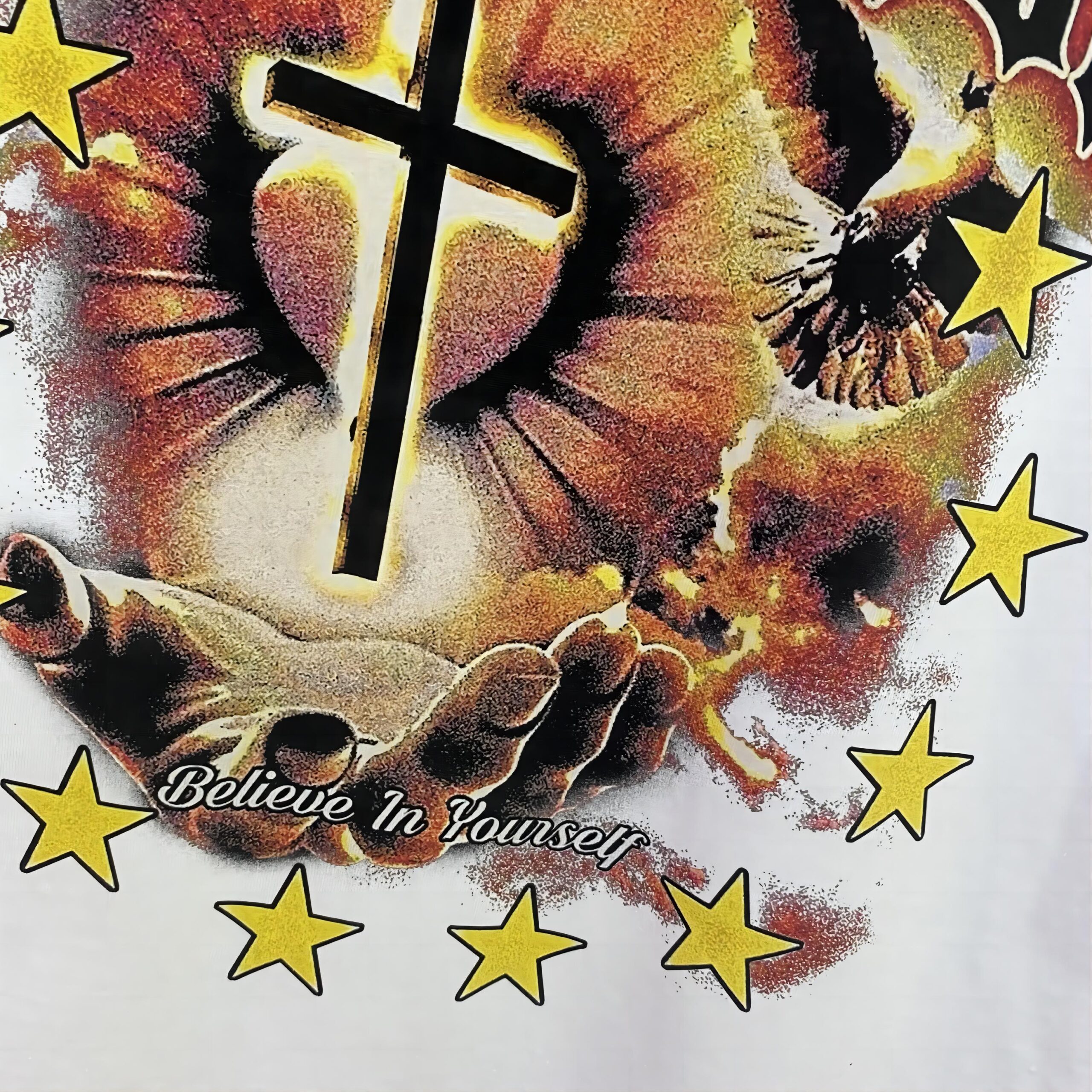


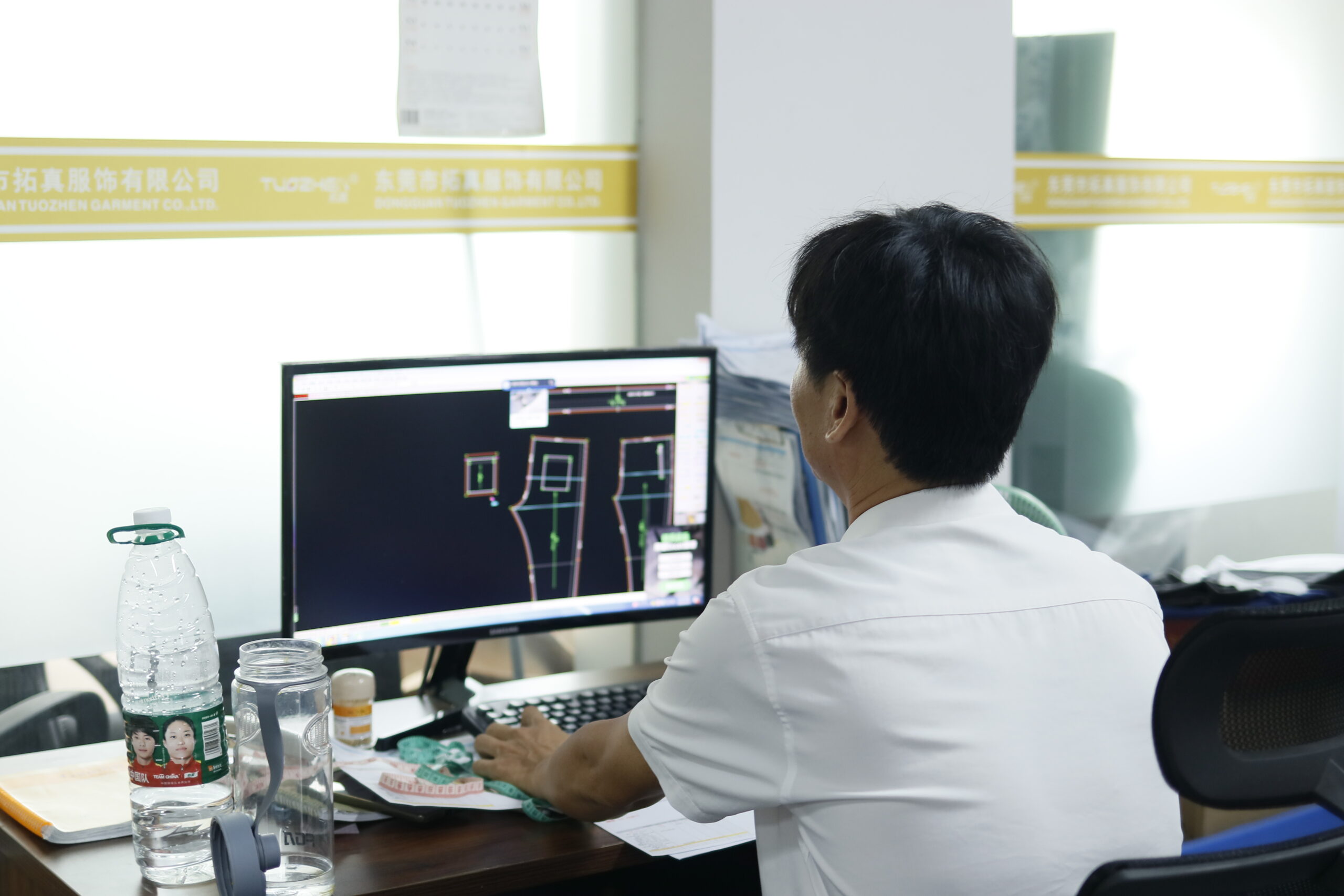

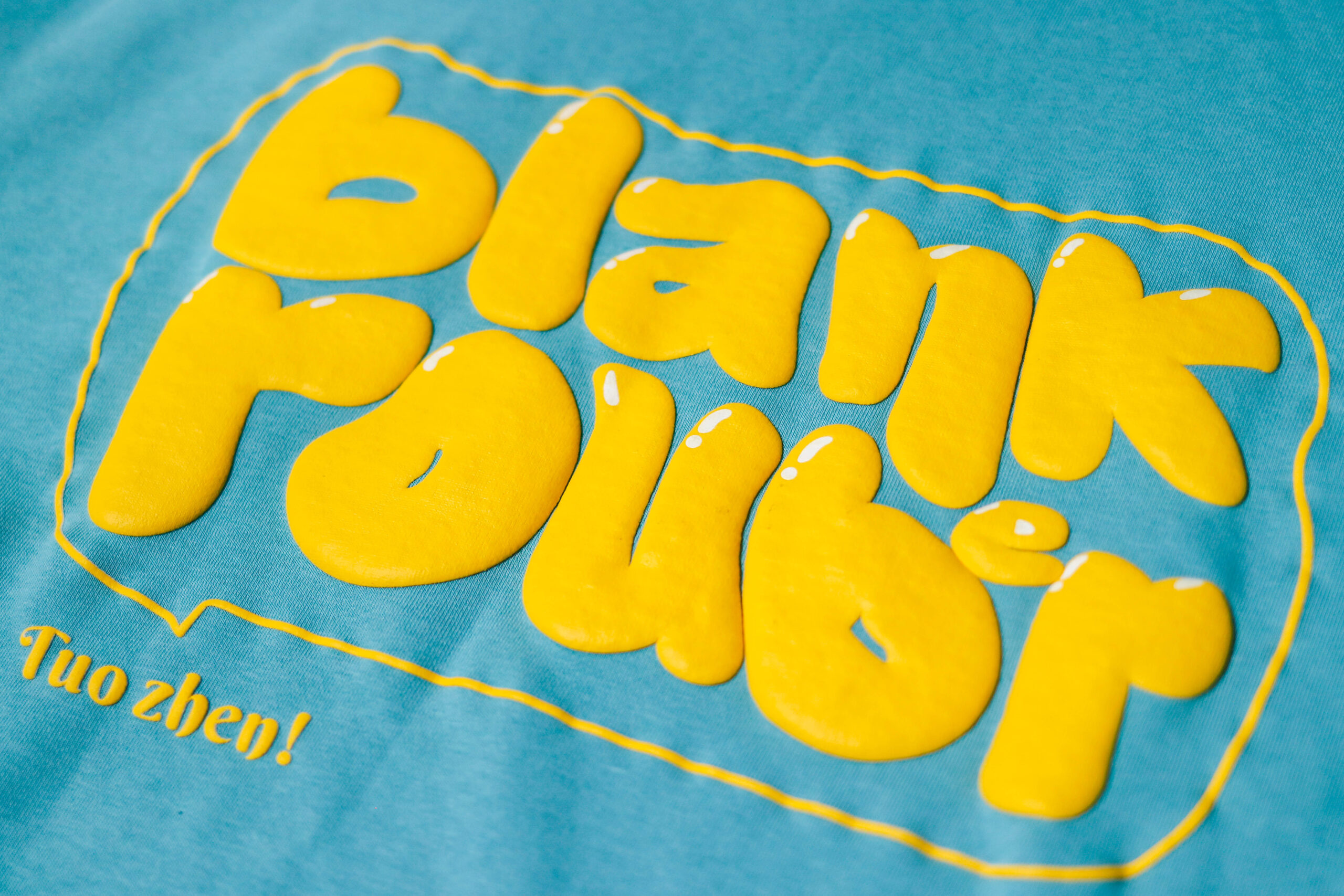
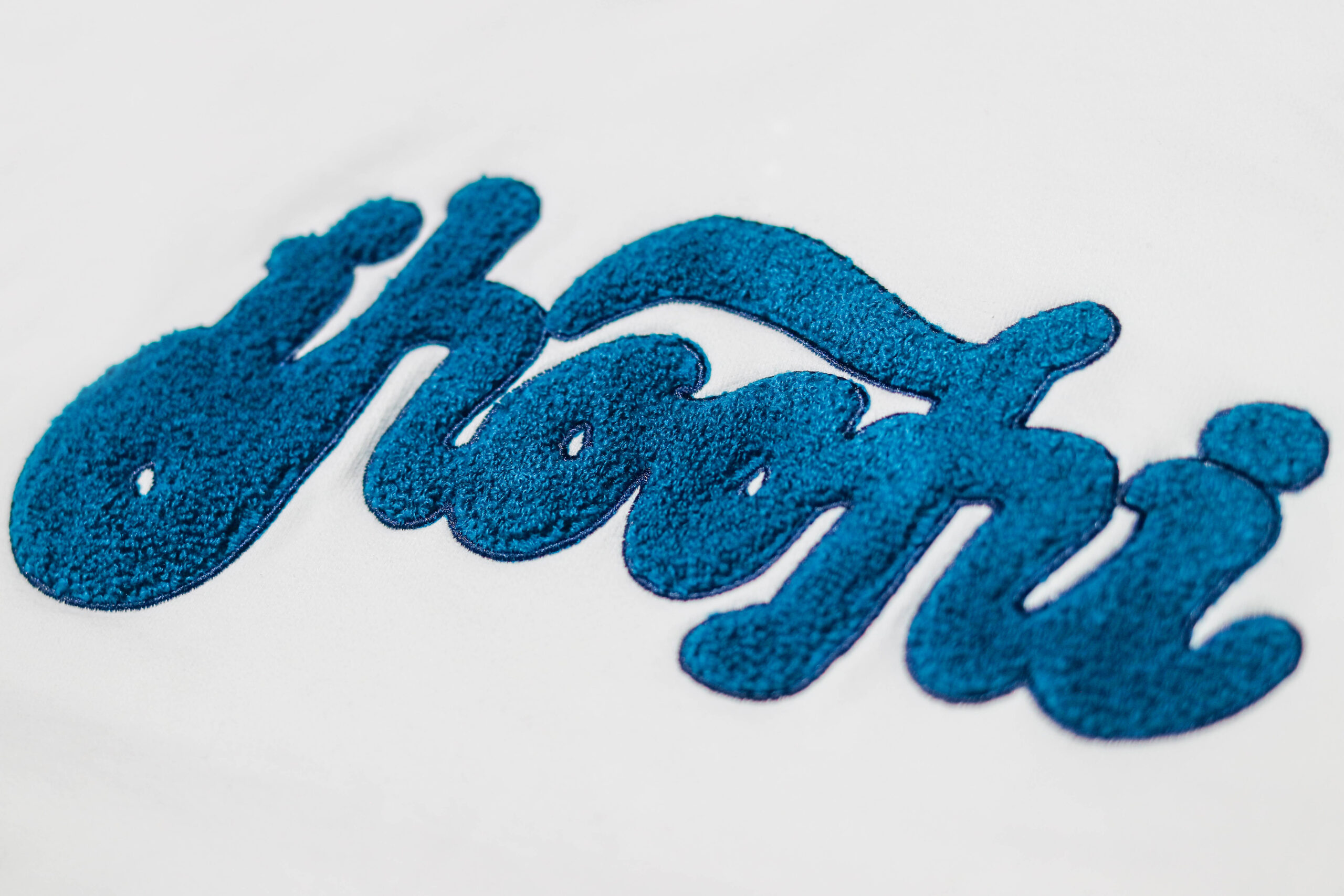
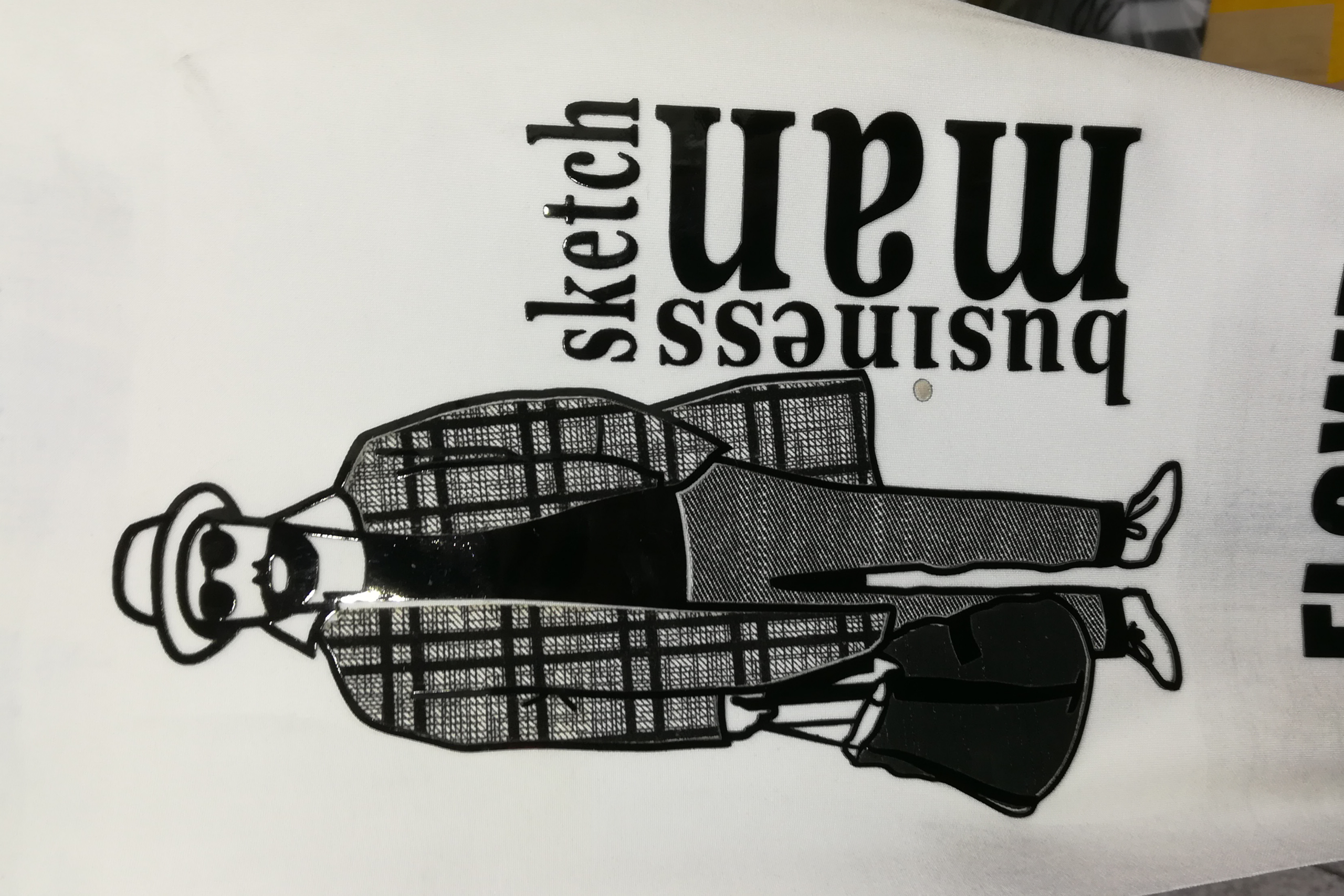
Embroidered T Shirt Manufacturer for Repeatable Programs
EDVORIN coordinates development, sourcing, decoration and quality control so approved embroidered T-shirt designs can move confidently from sample to bulk.
Development-Led Specifications
We translate sketches, references or tech packs into clear fit, material, artwork-placement and construction standards for production.
Flexible OEM and ODM
Choose OEM execution from established specifications or ODM support to develop an embroidered T-shirt program from the early concept.
Coordinated Material Sourcing
Fabric, thread, labels, trims and packaging are aligned around your intended handfeel, visual direction and decoration requirements.
Embroidery-Ready Sampling
Samples test the relationship between base fabric, stitch detail, placement and garment construction before bulk standards are confirmed.
Sample-to-Bulk Control
Approved samples guide measurements, artwork placement, materials and inspections, helping protect consistency across repeatable production runs.
MOQ From 200 Pieces
Start embroidered T-shirt styles from 200 pieces, with flexible support for emerging labels, wholesale programs and established buyers.
Custom Apparel Programs, Built to Repeat
From first samples to controlled bulk production, EDVORIN develops category-specific apparel for brands, teams, schools, wholesalers, and private-label buyers.
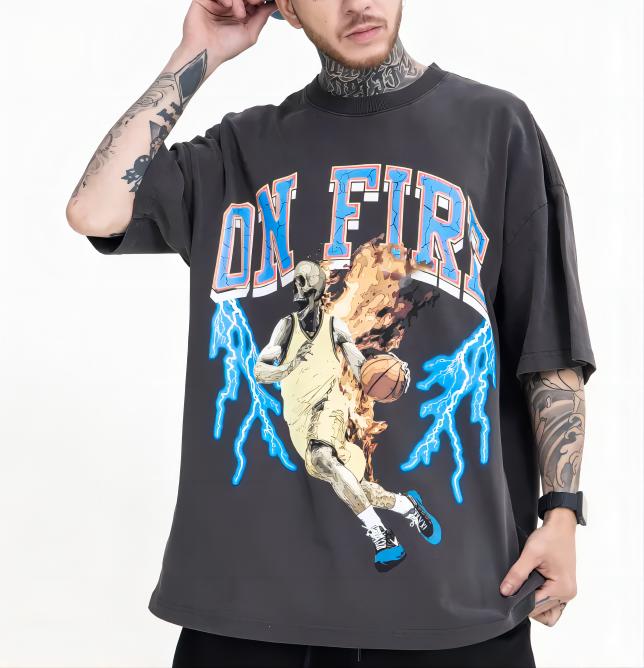
Custom Hoodies
EDVORIN develops custom hoodies with specified fleece weight, fit blocks, rib construction, hoods, drawcords, pockets, labels, prints, embroidery, and wash treatments. Approved samples become documented standards for repeatable bulk production across men’s and women’s programs.
Get a Quote
Pullover Sweatshirts
As a sweatshirt manufacturer, EDVORIN develops pullover styles around fabric weight, neckline, rib recovery, seam construction, graphics, embroidery, and finishing. Buyers can move from a reference garment or tech pack to samples and production with controlled measurements and material specifications.
Get a Quote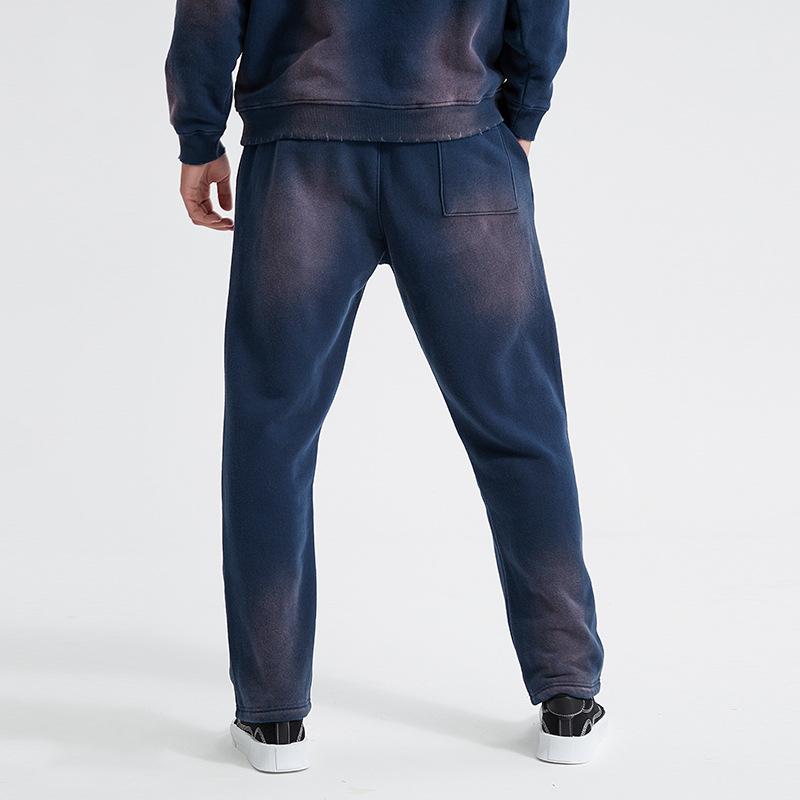
Sweatpants & Joggers
EDVORIN manufactures sweatpants and joggers with category-specific fit, waistband, drawcord, pocket, cuff, and fabric requirements. Programs can include matching tops, custom labels, embroidery, printing, and wash effects, with grading adjusted for men’s and women’s assortments.
Get a Quote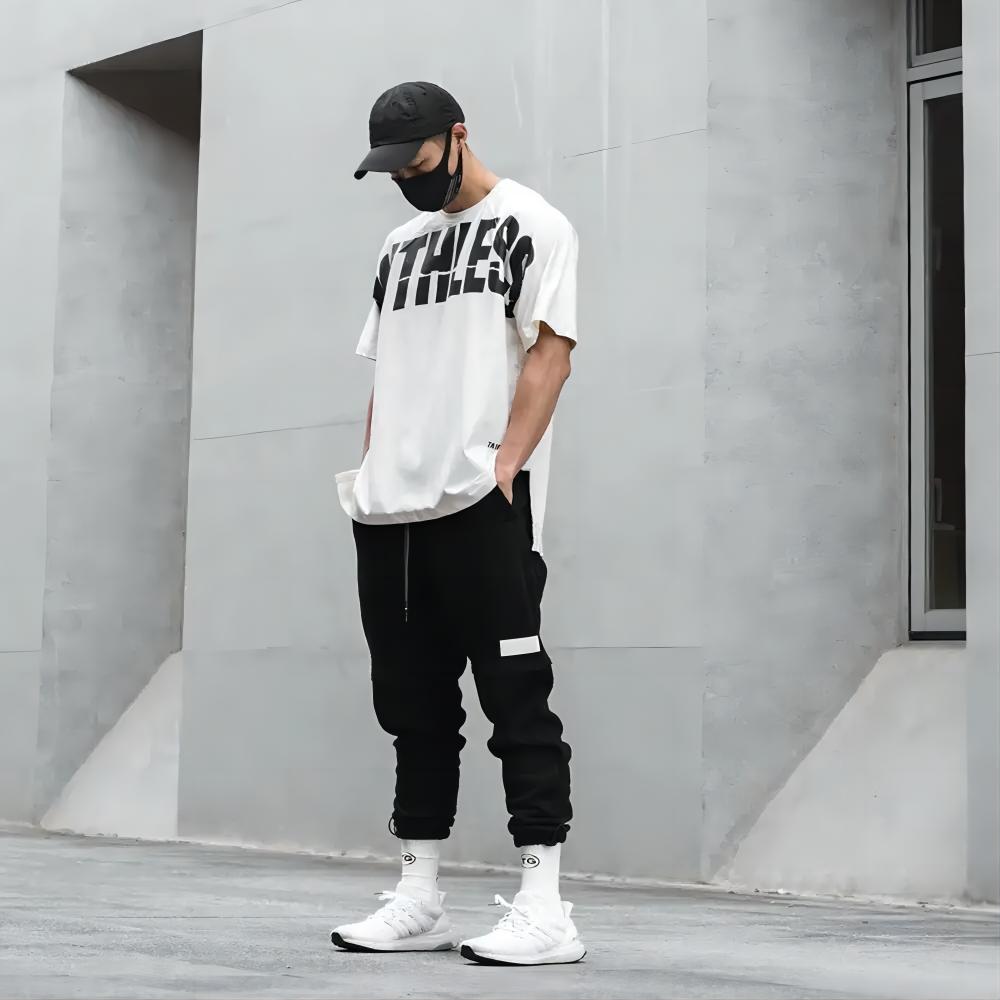
Custom Shorts
Custom shorts programs are developed around inseam, rise, leg opening, waistband construction, pocket layout, and intended end use. EDVORIN coordinates woven, fleece, mesh, and performance materials with decoration, trims, labels, and packaging for wholesale or private-label orders.
Get a Quote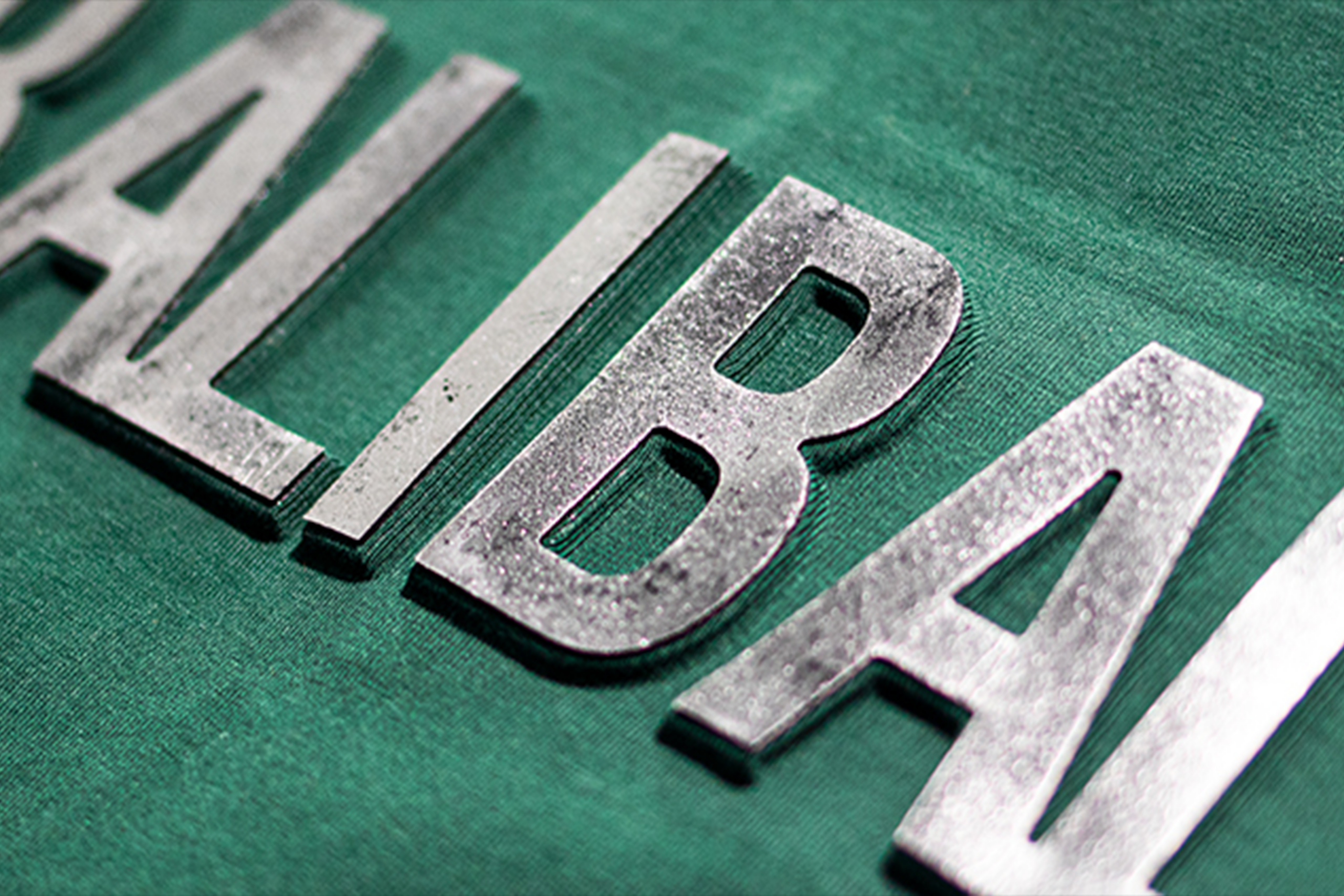
Varsity & Baseball Jackets
EDVORIN develops varsity and baseball jackets by coordinating body fabric, sleeves, lining, rib, snaps, patches, embroidery, and appliqué. Construction details are sampled and recorded so the jacket’s proportions, decoration placement, and finish carry consistently into bulk production.
Get a Quote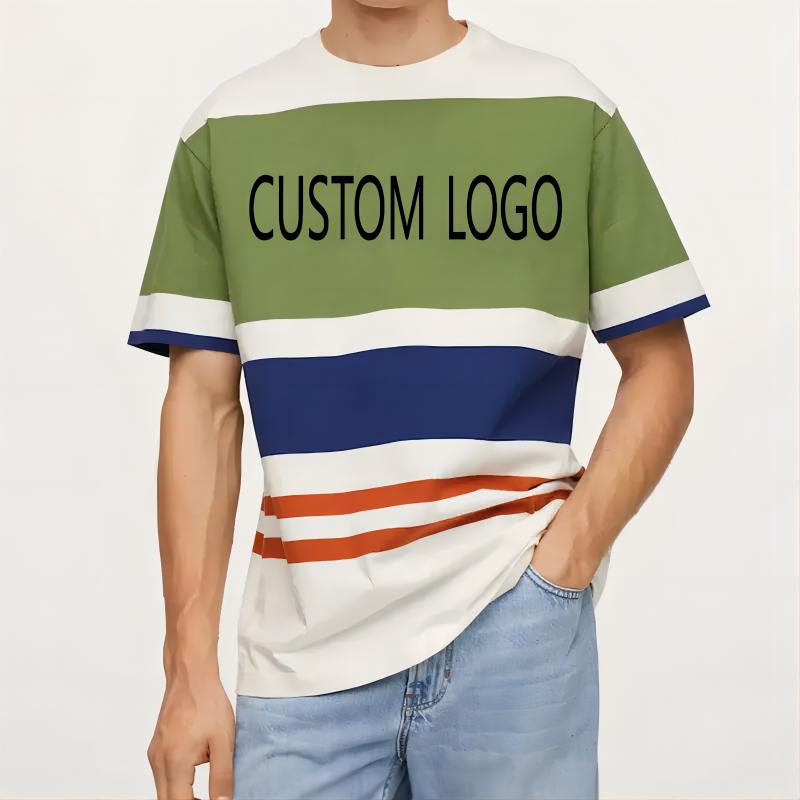
Custom T-Shirts
As a custom T-shirt manufacturer, EDVORIN supports fashion, promotional, team, and private-label programs with defined fabric weight, fit, collar construction, print method, embroidery, wash, and labeling. Men’s and women’s specifications can be developed separately from the same collection direction.
Get a Quote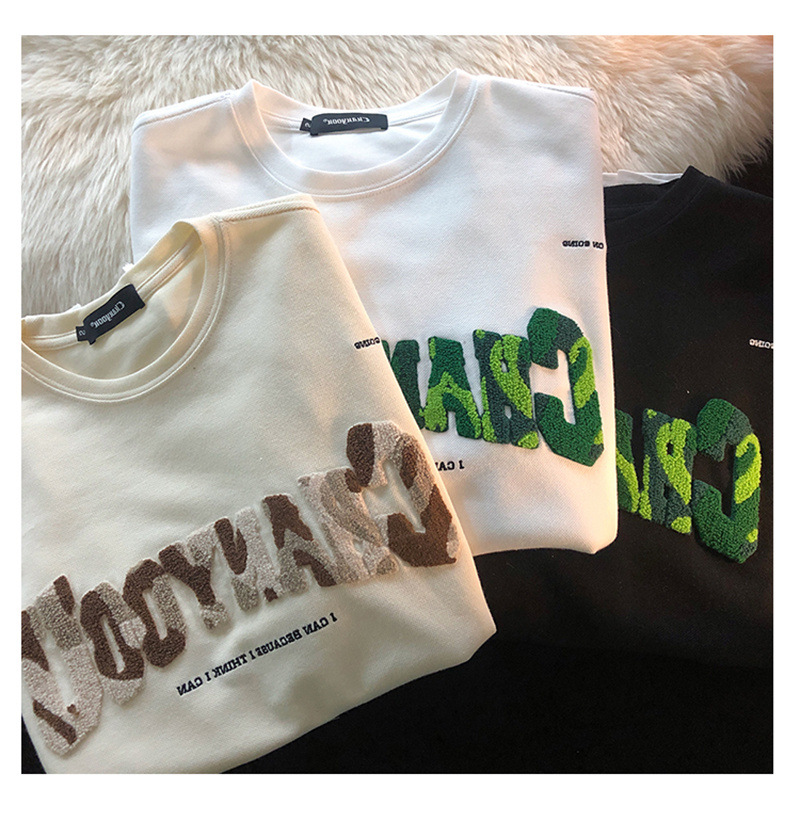
Custom Polo Shirts
EDVORIN manufactures custom polo shirts with piqué, jersey, or performance fabrics; collar and placket construction; buttons; cuffs; embroidery; and color control. The process supports corporate uniforms, schoolwear, sports organizations, and branded wholesale programs.
Get a Quote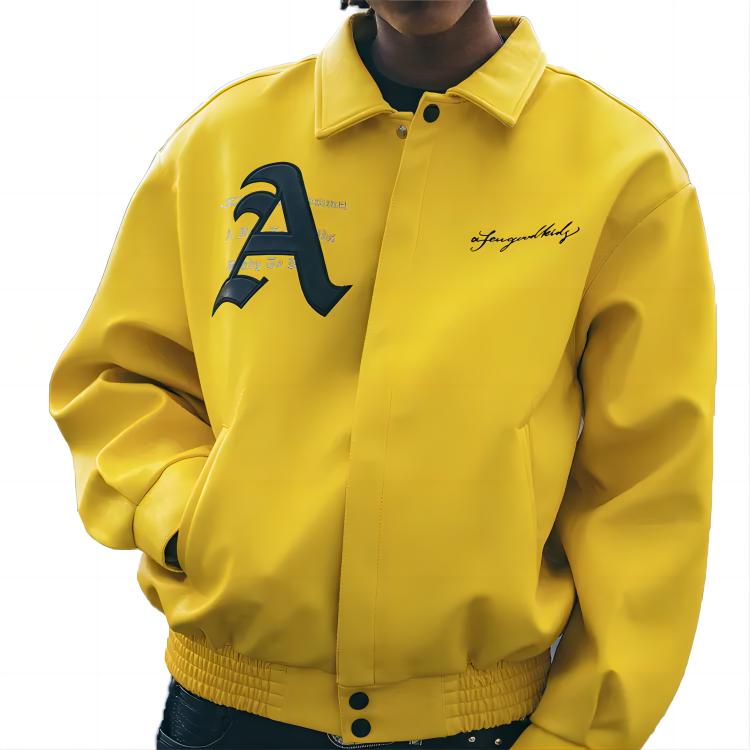
Windbreaker Jackets
Windbreaker jacket development covers shell fabric, lining or mesh, water-resistance requirements, zipper systems, hoods, cuffs, pockets, and print or embroidery placement. EDVORIN samples construction and performance details before bulk production for consistent outerwear programs.
Get a Quote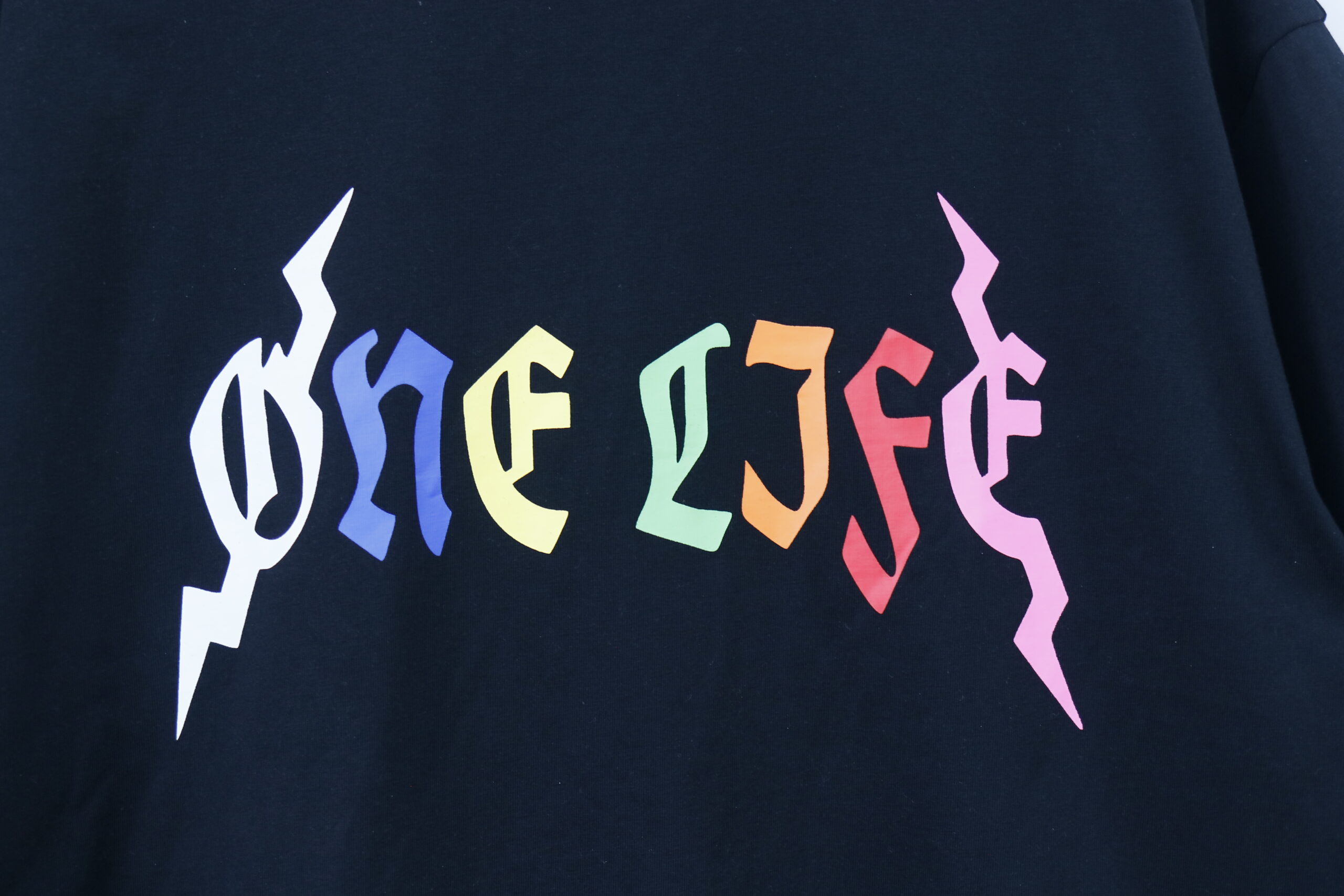
Quilted Jackets
EDVORIN develops quilted jackets with coordinated shell, lining, insulation, quilting pattern, hardware, pockets, and finishing. Material behavior and construction are reviewed during sampling to help buyers establish an approved standard for seasonal or repeat outerwear orders.
Get a Quote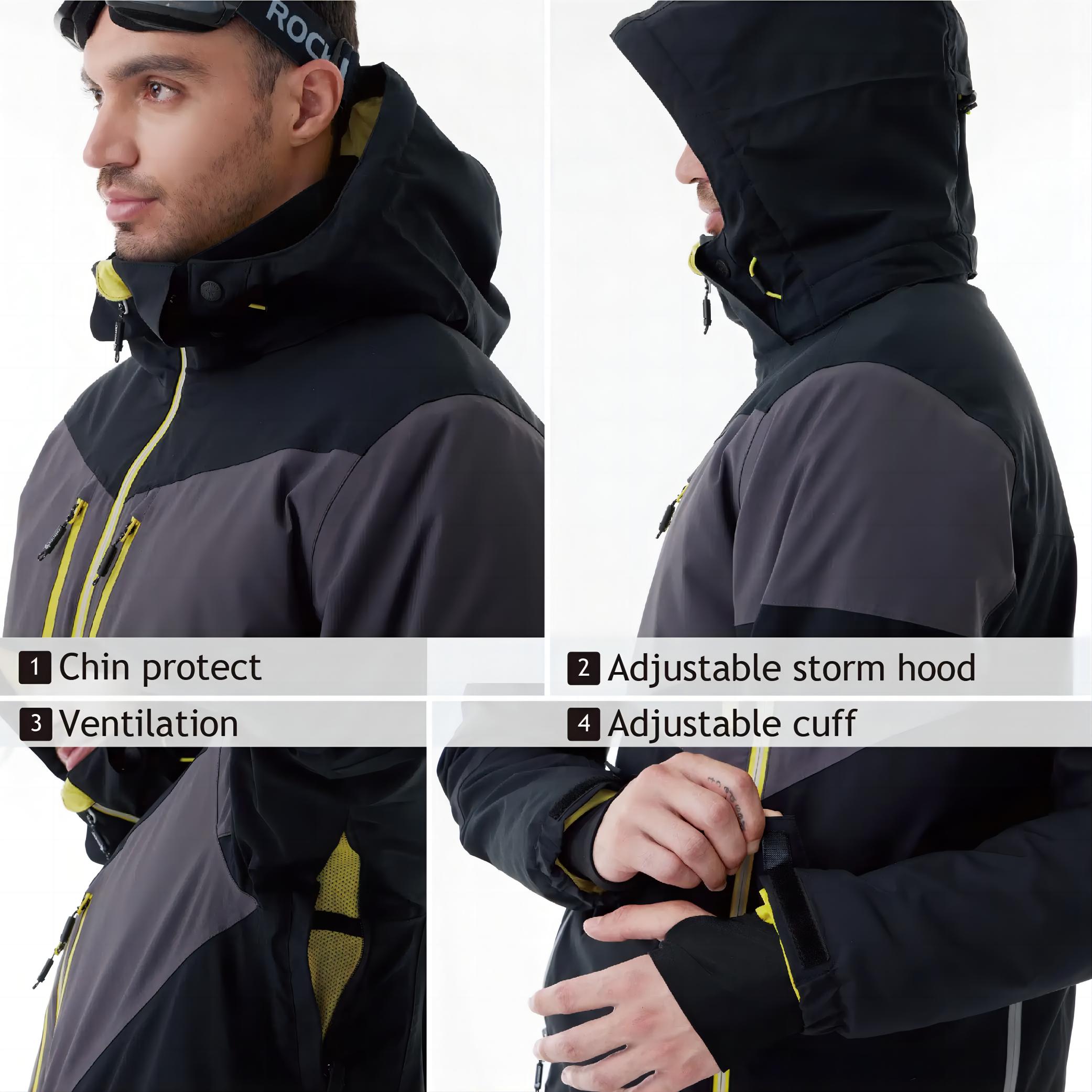
Bomber Jackets
Bomber jacket programs are developed around shell selection, lining, rib, zipper or snap closures, pocket construction, insulation, patches, embroidery, and prints. EDVORIN documents the approved sample to protect fit, balance, and decoration through production.
Get a Quote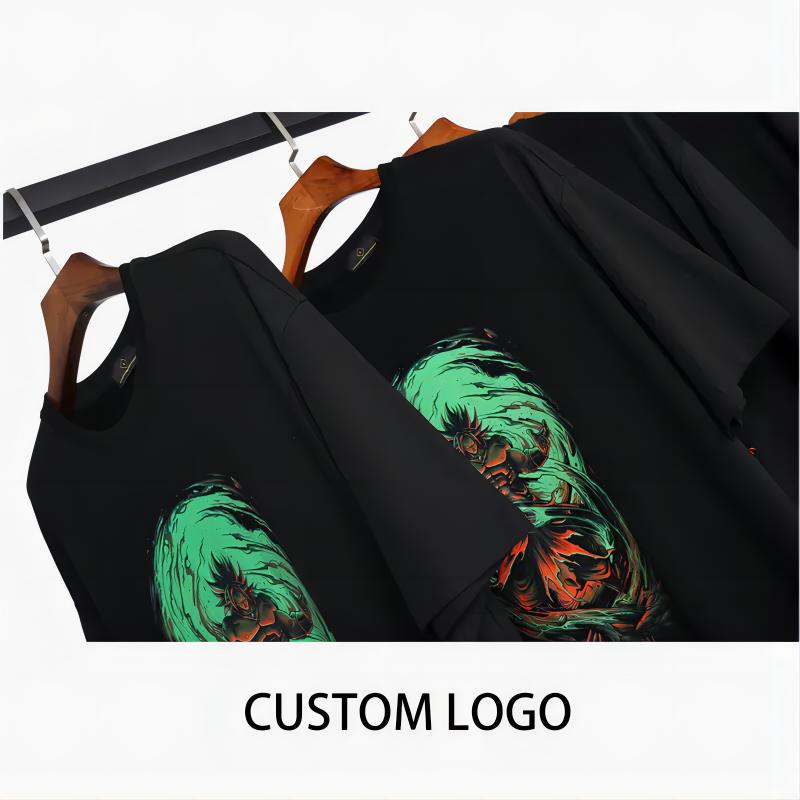
Custom Shirts
As a custom woven shirt manufacturer, EDVORIN develops shirts with specified fabric, collar, placket, cuffs, buttons, pocket details, fit blocks, and labeling. Programs can serve fashion collections, uniforms, wholesale assortments, and private-label buyers across men’s and women’s sizes.
Get a Quote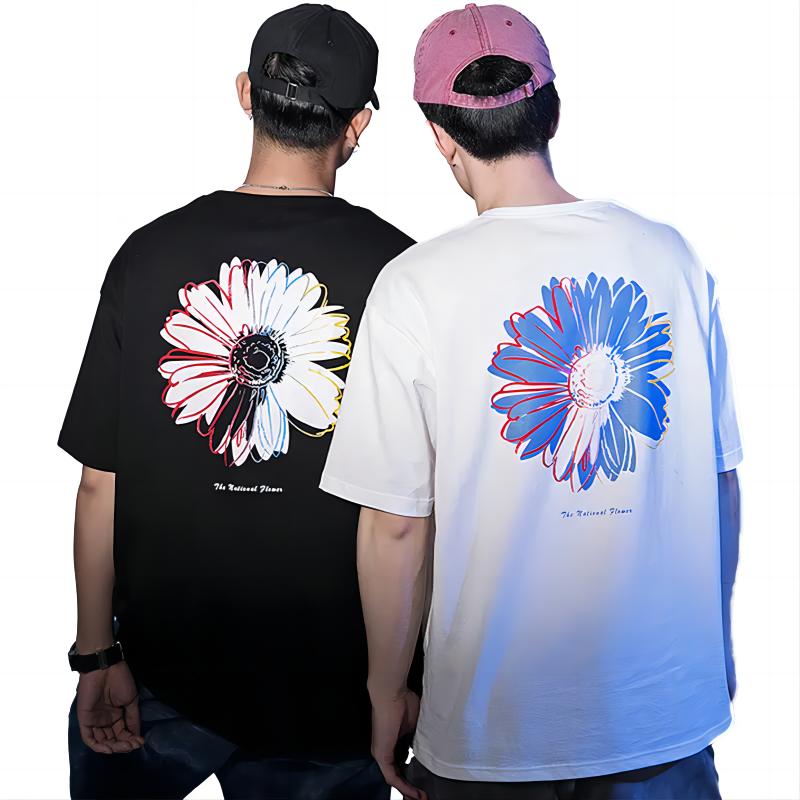
Custom Jerseys
EDVORIN manufactures custom jerseys with fabric selection, color blocking, panel construction, names, numbers, logos, and size-set control. Samples verify artwork placement and material performance before production, supporting club, school, event, and retail apparel programs.
Get a Quote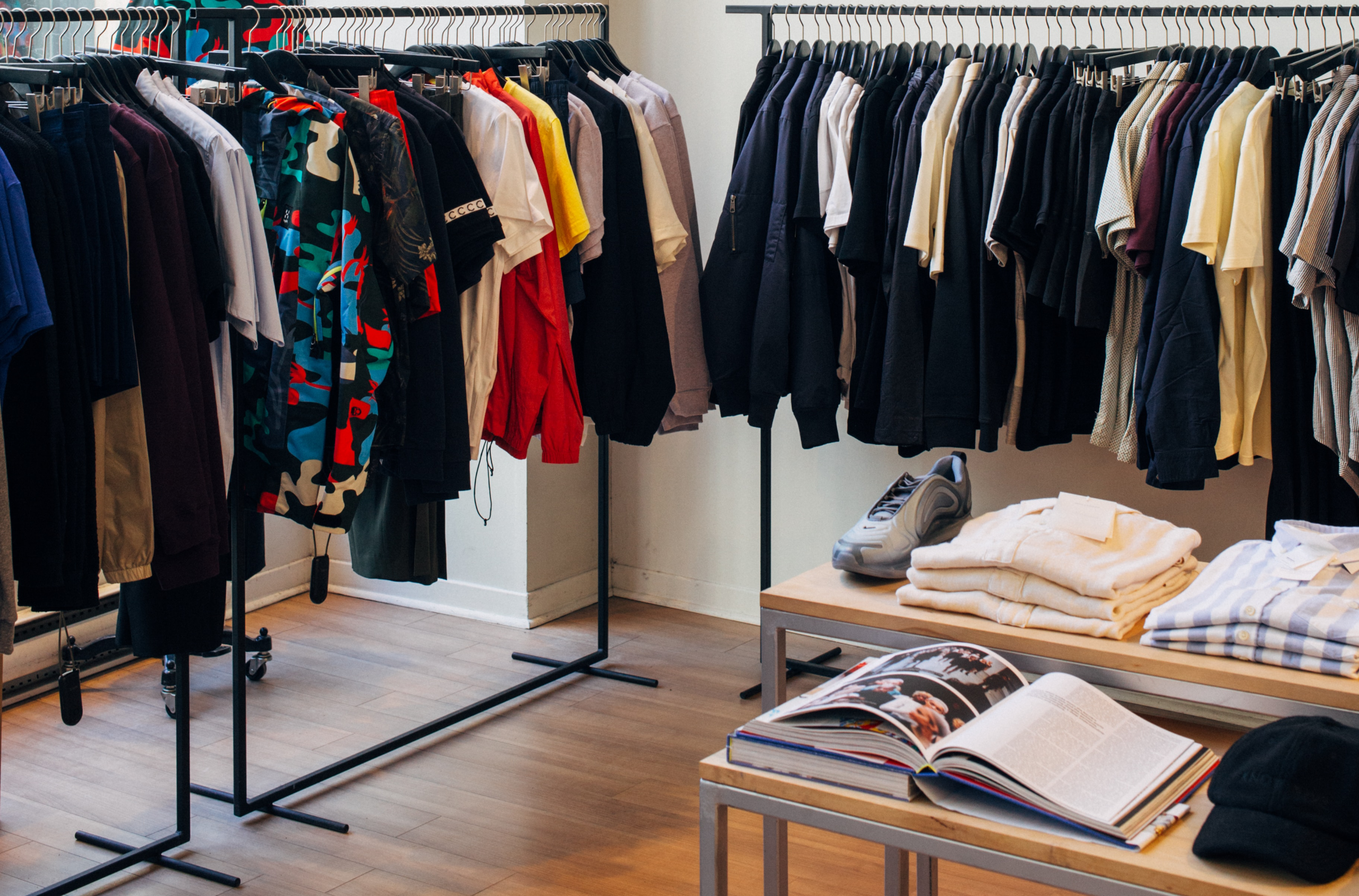
Tank Tops
Custom tank tops can be developed in cotton jersey, rib, mesh, or performance fabrics with defined armholes, necklines, fit, binding, prints, embroidery, and labels. EDVORIN adjusts proportions and grading for men’s and women’s programs rather than using one standard block.
Get a Quote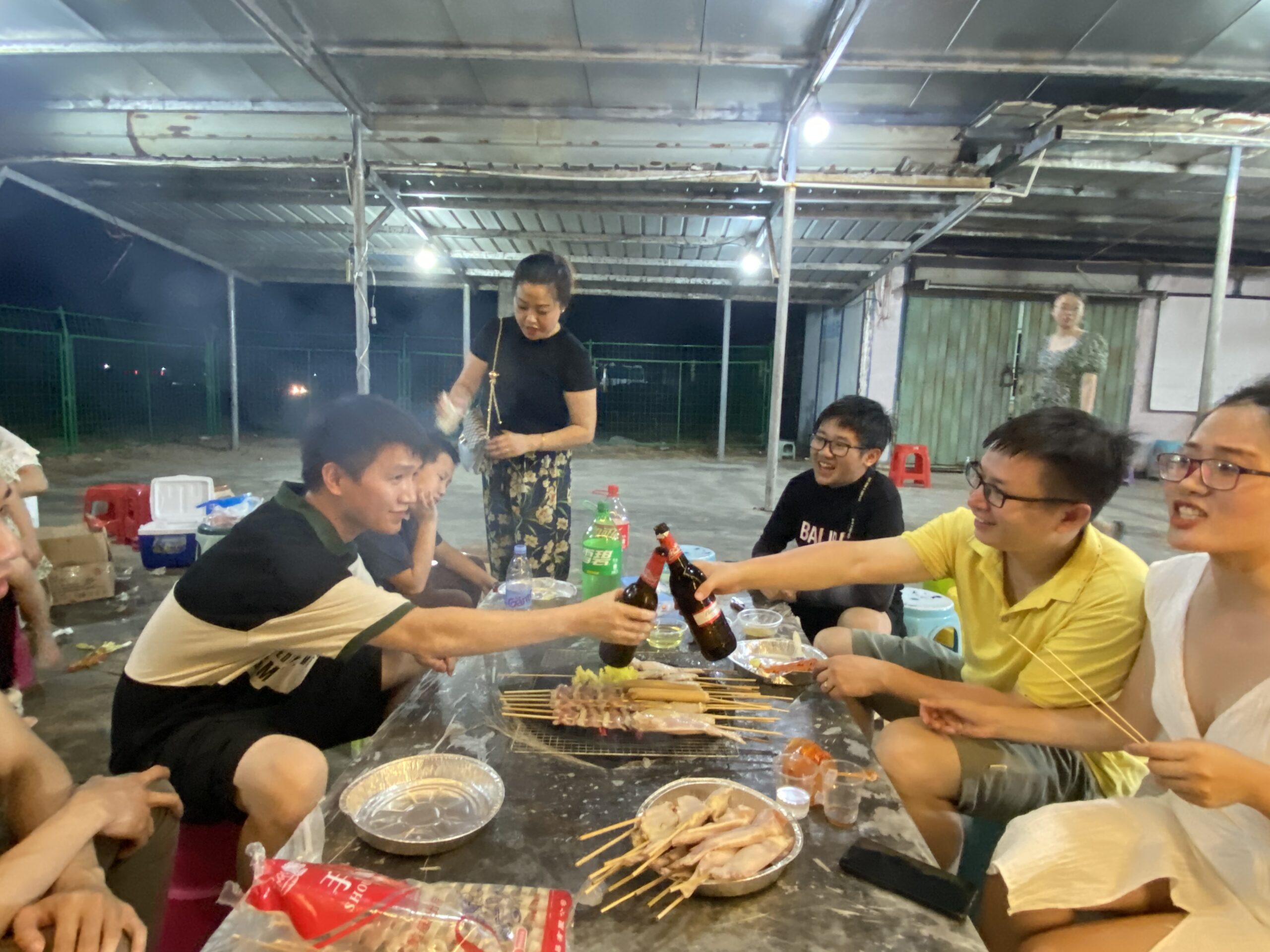
Soccer Uniforms
EDVORIN develops soccer uniforms with breathable fabrics, color-matched panels, team crests, sponsor graphics, player names, numbers, shorts, and coordinated size sets. Production standards are built around approved samples to support consistent team issue and repeat orders.
Get a Quote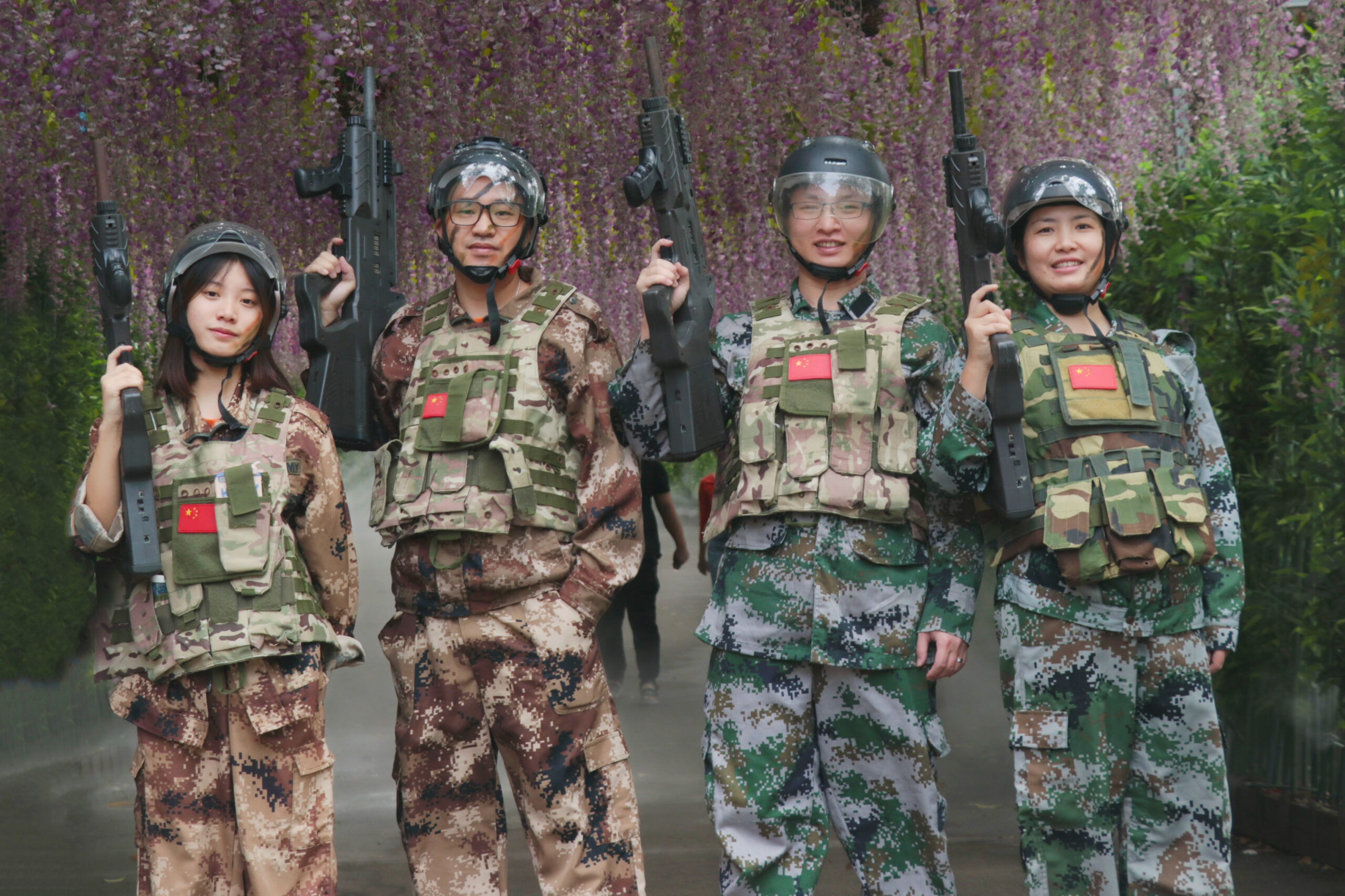
Basketball Uniforms
Basketball uniform programs include jerseys and shorts developed for movement, ventilation, color blocking, team branding, names, numbers, and size grading. EDVORIN coordinates sublimation, printing, embroidery, labels, and packaging for schools, clubs, and private-label sportswear buyers.
Get a Quote
Streetwear Collections
As a streetwear clothing manufacturer, EDVORIN connects hoodies, T-shirts, sweatpants, jackets, shirts, and shorts into coordinated collections. Development aligns fabric, fit, trims, graphics, embroidery, washes, labels, and packaging so each style can move from concept to repeatable production.
Get a QuoteFabric Options for Embroidered T-Shirts
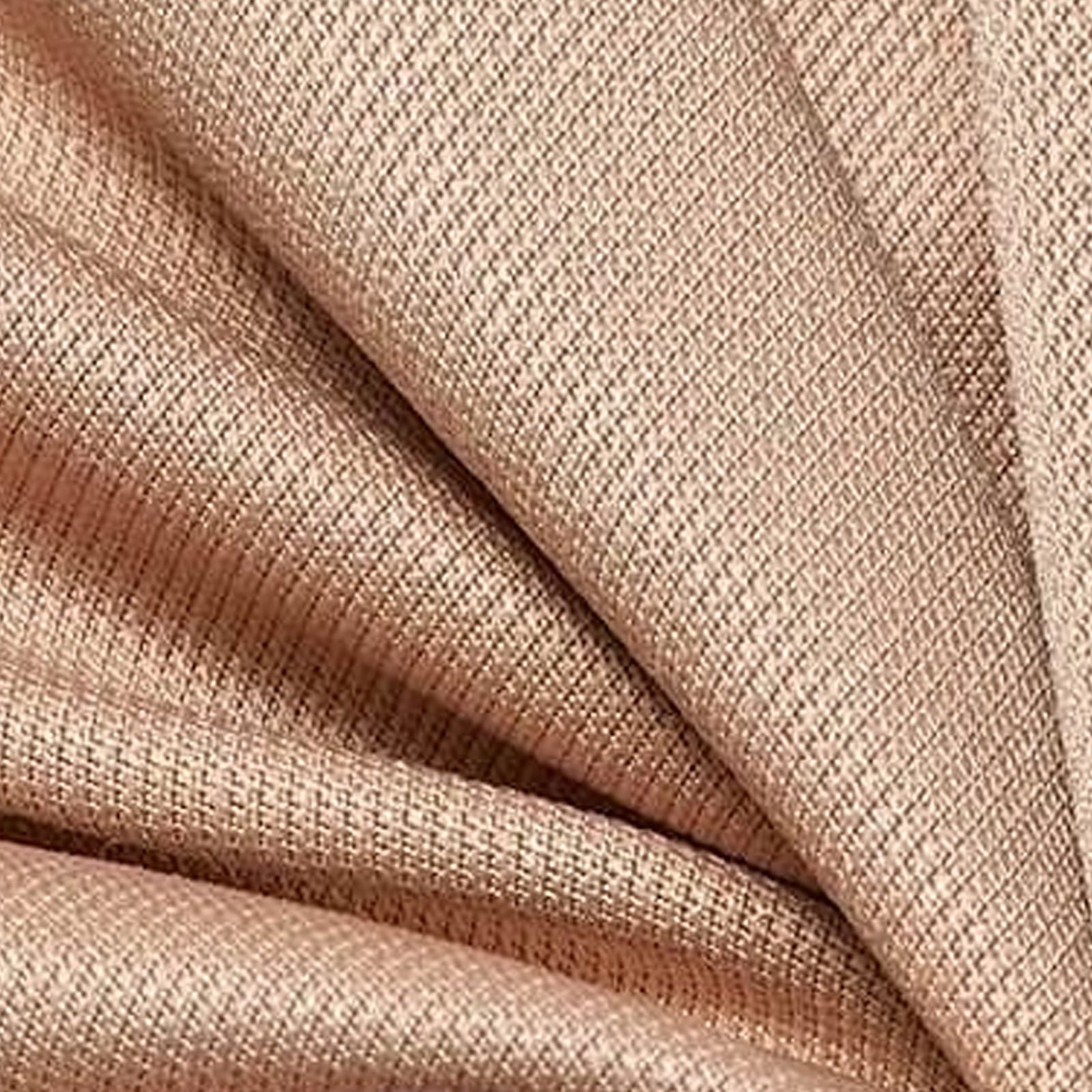
Combed Cotton Jersey
Soft, breathable and familiar against the skin, combed cotton jersey suits premium everyday tees and branded retail programs. A stable medium-weight knit provides a cleaner embroidery base while maintaining an easy, natural hand-feel.
Heavyweight Cotton Jersey
Dense and substantial with a structured hand, heavyweight cotton jersey is suited to streetwear drops and elevated merchandise. Its higher fabric weight helps support embroidered artwork and creates a more durable, premium-looking T-shirt silhouette.
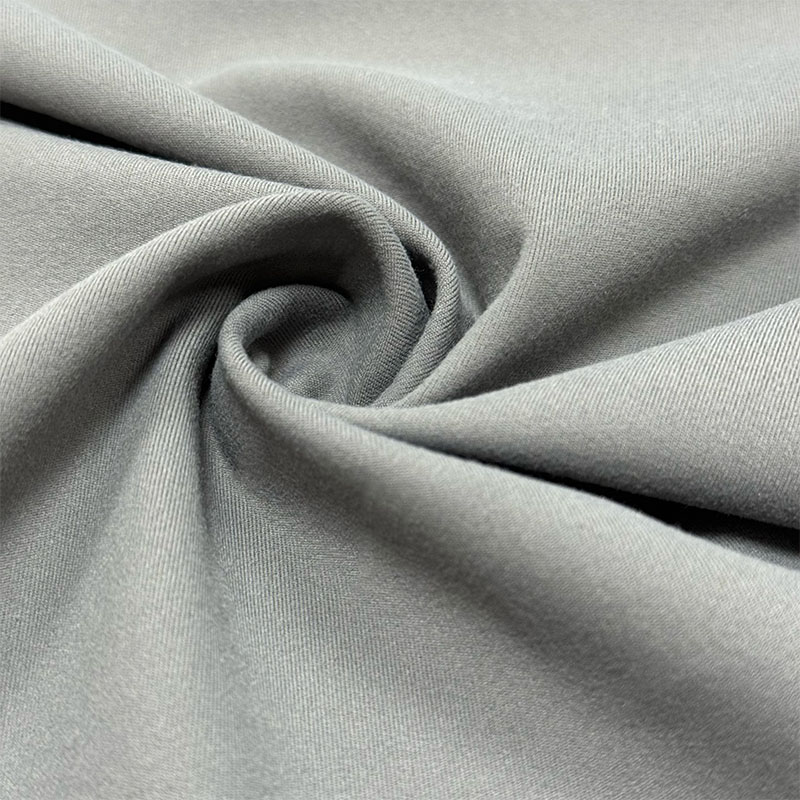
Cotton Polyester Blend
Comfortable cotton feel meets added resilience in this versatile blend for uniforms, teamwear and repeat programs. Polyester content can improve shape retention, while a balanced knit surface supports consistent placement of embroidered logos.
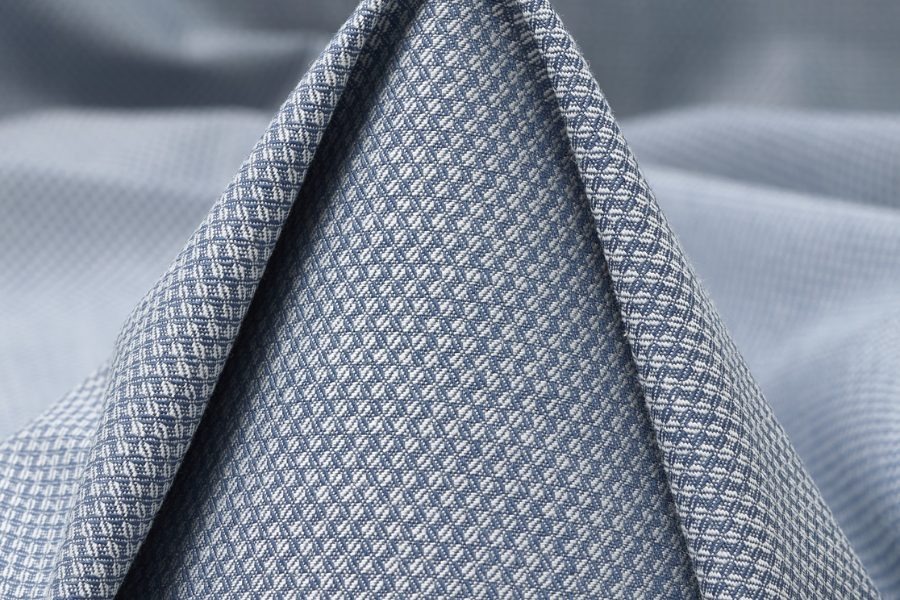
Pique Knit Cotton
Textured and breathable, cotton piqué gives polos and sport-influenced shirts a refined character for corporate, academy and club programs. Its dimensional knit creates visual interest, with enough body to carry considered logo embroidery.
Performance Polyester Knit
Lightweight, smooth and quick-drying, performance polyester knit is developed for active teamwear and event apparel. Fabric weight, stretch and embroidery backing are coordinated during sampling to protect garment comfort and artwork stability.
Decoration Methods for Embroidered T-Shirts
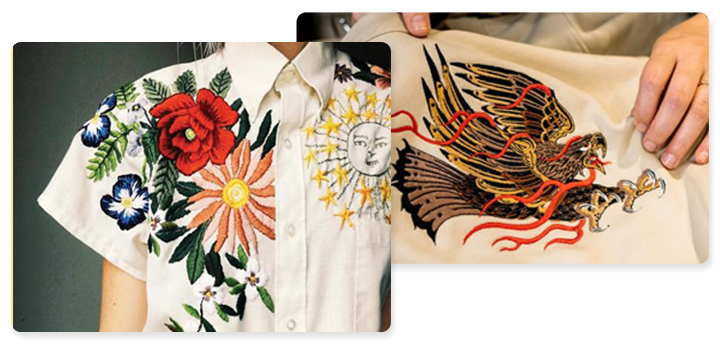
Direct Embroidery
Thread-based decoration adds dimensional texture and a premium, durable finish for logos, chest marks and small-format artwork. EDVORIN reviews stitch density, backing and placement against the selected T-shirt fabric before bulk production.
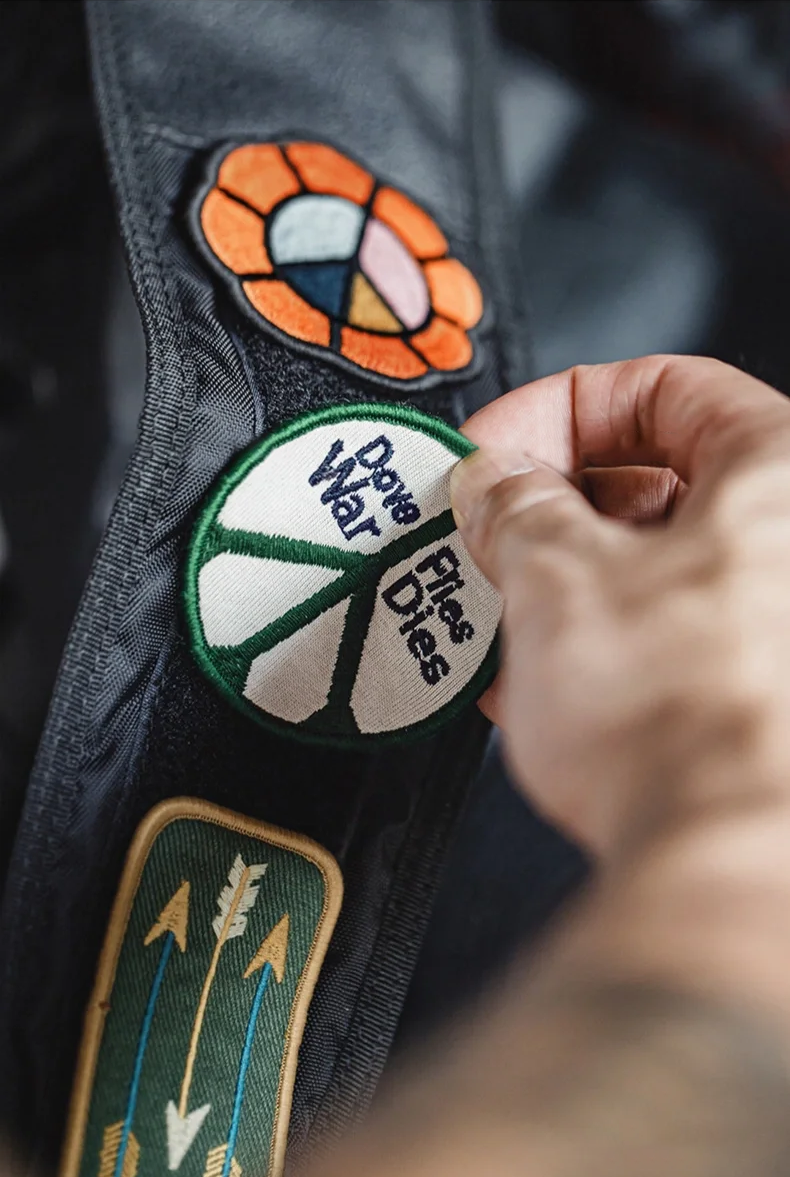
Appliqué Embroidery
Layered fabric shapes combined with embroidery create bold contrast, texture and varsity-inspired character. This method suits lettering, numbers and graphic motifs where a raised visual effect and reinforced edge definition support the design.
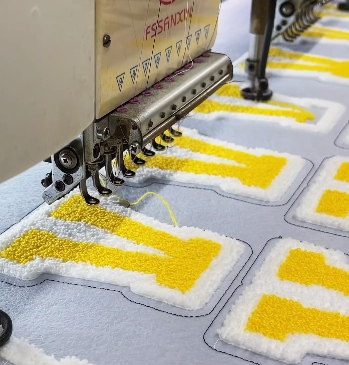
Chenille Patches
Soft pile chenille delivers a tactile, heritage finish for large letters, emblems and statement graphics. Patch construction, edge treatment and attachment are coordinated with the garment weight to achieve a secure, balanced result.
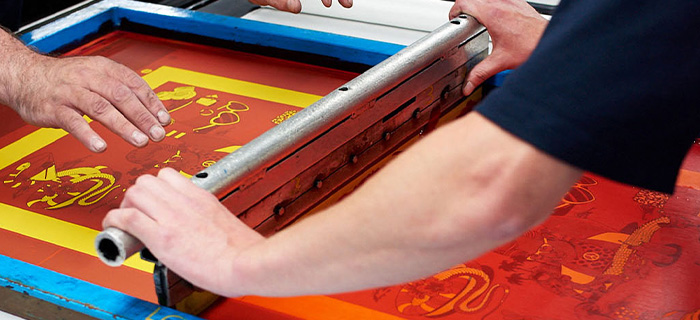
Screen Printing
Screen printing provides strong color coverage and clear graphic definition for larger artwork, detailed branding and repeat programs. Ink system and print placement are matched to fabric composition, hand feel and expected wear requirements.
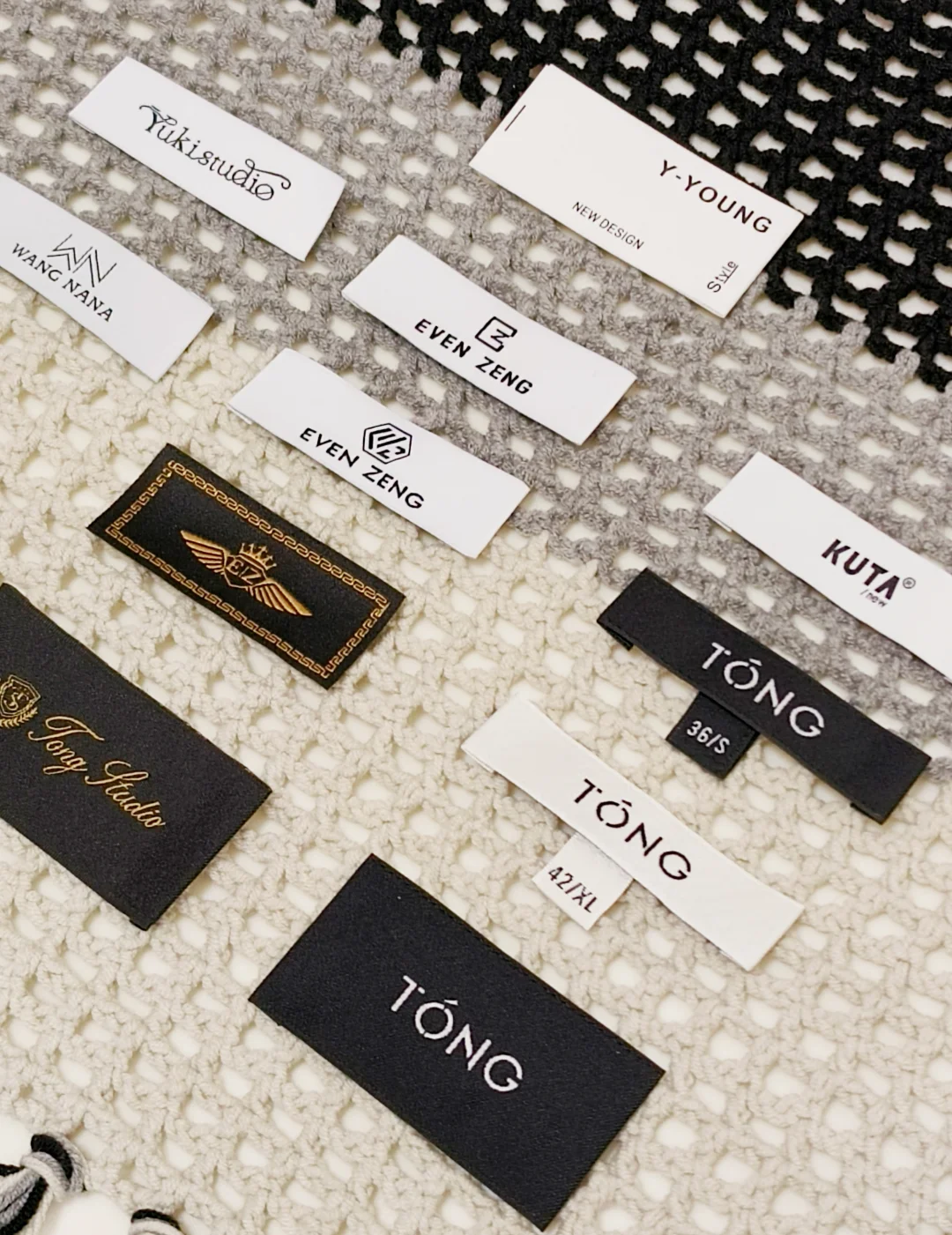
Woven Label Application
Woven labels add precise brand identification through neck labels, hem flags and custom patches. EDVORIN coordinates label size, fold, placement and sewing method so the finishing detail remains consistent across production runs.
Private-Label Details That Complete Your Program
Woven Neck Labels
Custom woven neck labels establish your private-label identity while carrying size, care, and origin information. EDVORIN coordinates label dimensions, fold style, placement, and attachment with the approved T-shirt construction.
Hem Woven Tabs
Small woven tabs at the hem or side seam give an embroidered T-shirt a finished brand detail without competing with the main artwork. They can be specified by size, color, fold, and placement.
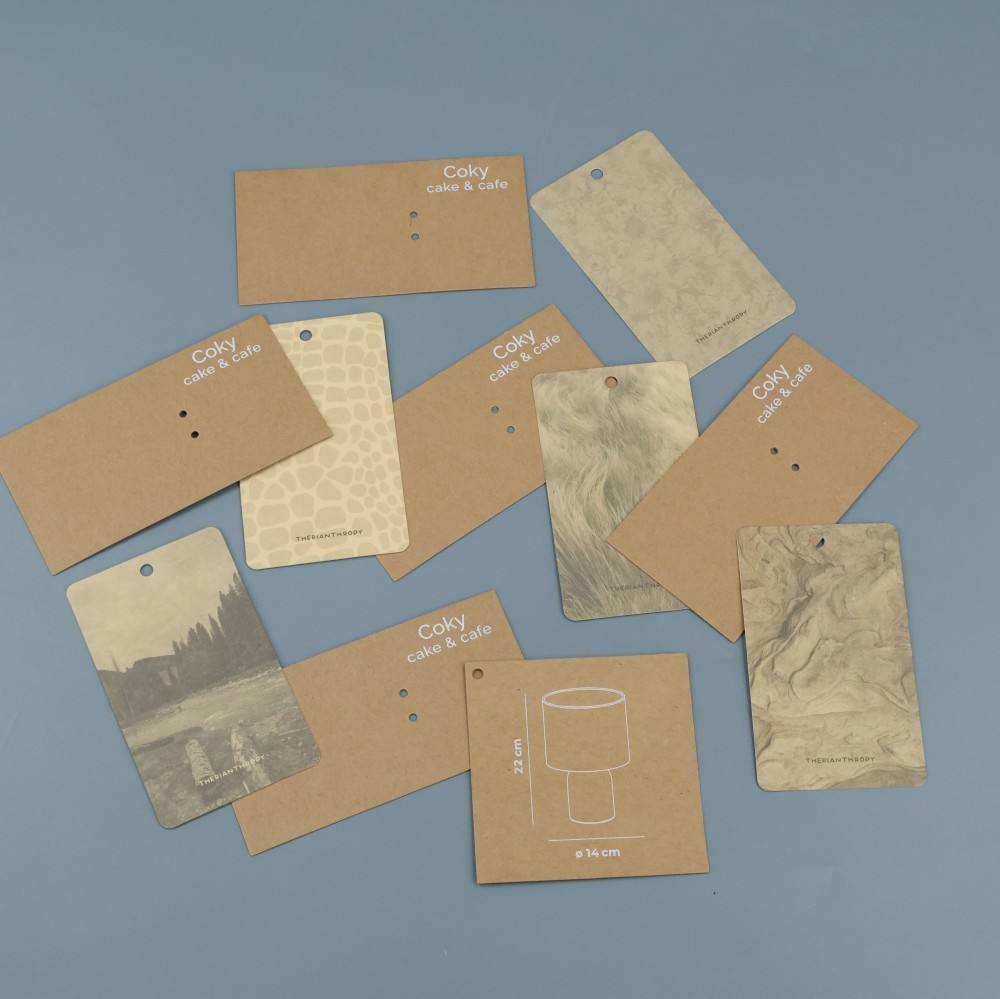
Hangtags And Cords
Custom hangtags and attachment cords support retail-ready presentation and product identification. Artwork, stock, finish, shape, and fastening method can be coordinated with your labels and packaging for a unified private-label program.
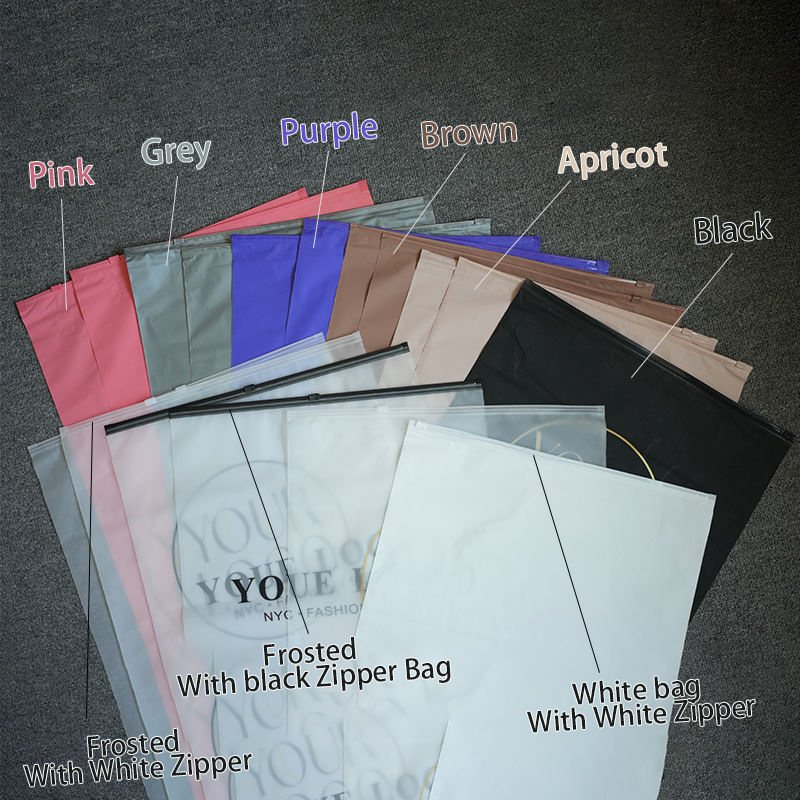
Custom Packaging
Polybags, size stickers, folding instructions, and carton marks help protect approved products and organize fulfillment. EDVORIN coordinates packaging requirements so the packed order reflects your labeling, assortment, and delivery needs.
Why EDVORIN, an Embroidered T Shirt Manufacturer
Founded by Edvorin Zeng in 2000, EDVORIN was built from the production floor outward. We help fashion brands, streetwear labels, teamwear buyers and private-label programs translate apparel ideas into clear, workable specifications that can move confidently from development to approved sample.
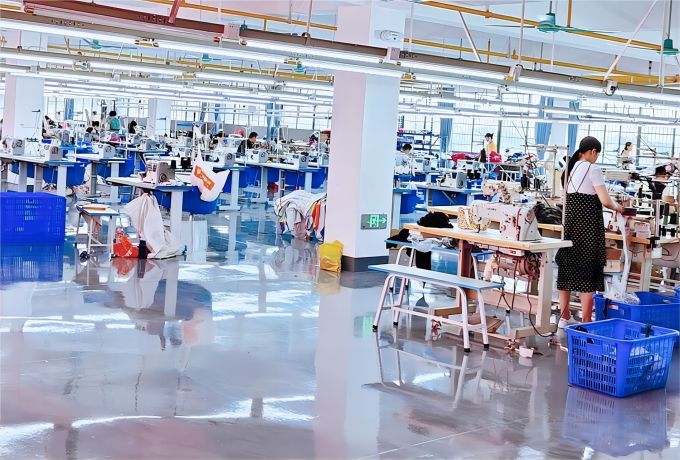
As an embroidered t shirt manufacturer, we connect fabric and trim sourcing, pattern development, sampling, embroidery, washing, labeling, packaging and bulk production in one accountable workflow. Whether you bring a finished tech pack or a reference garment, our team develops the details needed to create a production-ready standard.
What makes EDVORIN different is our focus on what follows approval. We document measurements, materials, artwork placement, decoration requirements and finishing details, then use in-line and final checks to protect the approved result through bulk production. The goal is not simply one good garment, but a collection built to repeat and grow.
Embroidered T Shirt Manufacturer: From Artwork Approval to Bulk-Ready Embroidery
Technical Development That Holds
EDVORIN translates artwork, fit direction, and construction details into production-ready specifications for embroidered T-shirts. Whether you bring a complete tech pack or an early concept, the development path clarifies measurements, fabric direction, placement, and finishing before sampling begins.
- Men’s and women’s fit development
- Placement and size specifications
- Construction details aligned to the design
Fabric and Stitchwork Matched
Embroidery performs differently across jersey weights, knit structures, and garment washes. EDVORIN coordinates fabric selection with stitch density, backing, placement, and intended wear so the decoration supports the garment’s hand feel, shape, and visual character rather than working against it.
- Fabric weight and knit structure review
- Embroidery backing and stitch-density planning
- Wash and decoration compatibility checks
Approved Samples Become Standards
A sample is documented as the reference for the bulk order, not treated as a one-time visual approval. EDVORIN records approved artwork, placement measurements, materials, trims, and finishing decisions to give production and quality teams a clear standard to follow.
- Approved artwork and placement records
- Material, trim, and finish references
- Clear revision control before bulk production
In-Line Checks Protect Consistency
During bulk production, EDVORIN uses the approved standard to review embroidery appearance, placement, garment measurements, and finishing as work progresses. This creates an accountable path from sample to packed order and helps identify variation before it affects the full program.
- Embroidery quality and placement inspections
- Measurement checks against approved specifications
- Final review before labeling and packing

Choose an Embroidered T Shirt Manufacturer Built for Repeatability
EDVORIN connects development, embroidery, and bulk control in one accountable production path.
← Swipe left or right to view →
Our Controlled Embroidered T Shirt Manufacturing Path
From approved materials and patterns to packed orders, EDVORIN records the standards that help your collection remain consistent from sample to bulk.
Confirm Materials and Patterns
We confirm fabric, trims, fit block, grading, and construction details against approved specifications before production materials are released.
Prepare Artwork and Embroidery
Artwork placement, thread colors, stitch details, and backing requirements are reviewed and documented to create a clear decoration standard.
Cut and Build Garments
Approved materials move through cutting and sewing with construction checkpoints that keep panels, measurements, and garment details aligned.
Apply Embroidery Precisely
Embroidery is applied to the approved garment standard, with placement and appearance checked against recorded artwork and sample references.
Inspect Pack and Ship
Final checks review measurements, decoration, finishing, labels, and packing before orders are prepared for shipment to your destination.
How to Start Your Embroidered T-Shirt Program
Bring a tech pack, sketch, or reference garment. EDVORIN turns it into a documented, bulk-ready embroidered T-shirt standard.
Share Your Product Direction
Send your tech pack, sketch, reference garment, artwork, target quantity, and fit requirements so we can assess construction, materials, embroidery, and development needs.
Confirm Specifications and Quotation
EDVORIN’s MOQ starts at 200 pieces per style. Review recommended fabric, fit block, embroidery placement, trims, labeling, packaging, MOQ, timing, and pricing before development begins, with clear production requirements recorded.
Approve the Production Sample
Evaluate the sample for fit, fabric handfeel, stitch quality, artwork placement, color, and finishing. Approved revisions become the reference standard for your bulk order.
Move Into Controlled Bulk Production
We coordinate materials, cutting, sewing, embroidery, quality checks, labeling, and packing against the approved sample, keeping key details visible throughout production.
Receive a Repeatable Program
Final inspection confirms packed goods align with the approved standard before delivery, giving your team a documented foundation for reorders and future collection development.
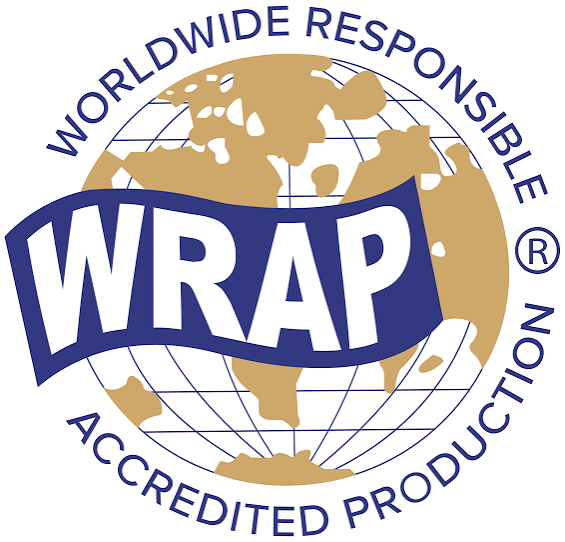
Certified Standards for Responsible Apparel Production



What B2B Buyers Say About Our Embroidered T Shirt Manufacturer Partnership
EDVORIN helped us turn one approved embroidered tee into a 6-SKU launch. Placement notes, thread colors, and size grading stayed consistent through bulk, which made our reorder process much easier to manage.
Our club needed 480 embroidered shirts across youth and adult sizes. The sample clarified the fabric and logo scale early, and the finished order arrived with the size sets and packaging organized for distribution.
We moved from a 200-piece test run to three repeat orders without rebuilding the specification each time. EDVORIN kept the approved embroidery placement and garment measurements documented, so our wholesale program could grow with confidence.
Embroidered T Shirt Manufacturer FAQ
Clear answers for brands planning a repeatable embroidered T-shirt program with EDVORIN.
What is EDVORIN’s MOQ for embroidered T-shirts?
Can an embroidered t shirt manufacturer make a sample before bulk production?
How much does it cost to develop an embroidered T-shirt sample?
What lead time should I expect from an embroidered t shirt manufacturer?
How do you move from sample approval to bulk production?
What payment and shipping options are available for private-label orders?
How does EDVORIN protect my artwork and product ideas?
Complete Guide to Choosing an embroidered t shirt manufacturer
Use this practical framework to compare supplier models, fabrics, embroidery capabilities, quality controls, pricing drivers, and launch steps—so you can select the right production partner and avoid costly sourcing mistakes.
1. What Is an embroidered t shirt manufacturer?
200 pieces is a common starting scale for an embroidered T-shirt program because it can support fabric, fit, label, and decoration decisions as one controlled specification. An embroidered t shirt manufacturer coordinates development or blank sourcing, digitizing, embroidery, sewing, quality checks, labels, and packing so the approved sample can be repeated in bulk.
4 operating models serve different needs. A factory builds or controls the garment and production standard; a decorator embroiders buyer-supplied blanks; print-on-demand fulfills individual orders with little inventory; and a trading company coordinates suppliers without necessarily owning production.
1 fashion brand or private-label buyer usually needs factory-level development and repeatable specifications. Teams and schools may use a decorator for established uniforms, while a print-on-demand provider suits low-volume merchandise tests; wholesalers generally need a factory or managed production partner for consistent replenishment.
2. How Embroidered T-Shirt Production Evolved
1760: Industrial embroidery began with hand-guided mechanisms, while early machine systems still depended heavily on operator control. The result was slow output and limited repeatability, particularly for small lettering and detailed brand marks.
1980s: Computerized digitizing converted artwork into stitch files, giving an embroidered t shirt manufacturer a consistent instruction set for needle paths, stitch density, sequence and thread changes. That made logo sampling faster and supported repeat orders with the same approved file.
12–15 needles per modern commercial head commonly allow multiple thread colors without constant rethreading, while multi-head setups scale one approved design across bulk quantities. Left-chest, sleeve, center-chest and back-neck placements are now practical, but fabric stabilization, hooping, thread tension and final inspection still depend on skilled operators.
2000: EDVORIN was founded on the production-floor principle that an approved sample must become a documented bulk standard. Digitized files help repeat a logo; measurement records, placement guides and in-line checks help ensure the finished T-shirt matches it.
3. Types of embroidered t shirt manufacturer
Five supplier models solve different purchasing problems. An embroidered t shirt manufacturer should be selected for the control, volume, and repeatability your program requires.
| Model | Best Volume | Buyer Question | Trade-Off |
|---|---|---|---|
| Full-package factory | 200+ | Can this become our repeatable private-label program? | Longer development |
| Cut-and-sew specialist | 100–500 | Do we need a unique fit or fabric? | More approvals |
| Blank embroidery shop | 12–200 | Can we decorate proven blanks quickly? | Limited garment control |
| Print-on-demand | 1–50 | Can we validate demand without inventory? | Higher unit cost |
| Sourcing agent | Varies | Do we need supplier coordination? | Less direct control |
Full-Package Factories
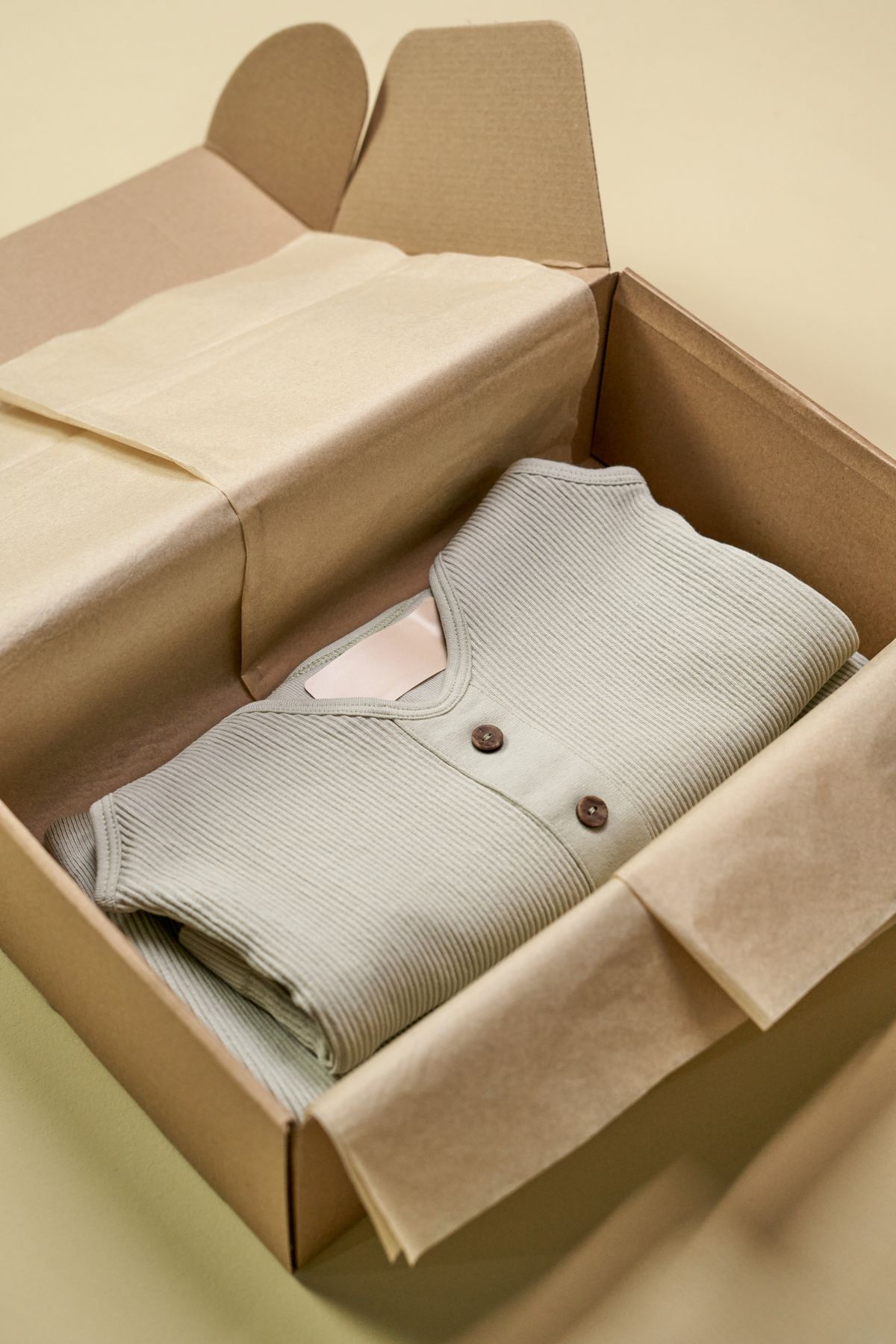
200+ units often suits full-package production. EDVORIN-style workflows connect fabric, patterns, sampling, embroidery, labels, and packing under one accountable specification.
Cut-And-Sew Specialists
100–500 units can justify a new block or proprietary construction. Buyers gain fit and material control but must approve development decisions before bulk production.
Low-Inventory Providers
1–50 units suits blank embroidery or print-on-demand testing. Buyers trade custom fabric and construction control for speed, existing blanks, and simpler ordering.
4. Fabrics for Embroidered T-Shirts
160–220 GSM jersey suits most logo programs; fabric choice determines stitch stability, drape, and comfort. An embroidered t shirt manufacturer should test the actual knit before bulk approval.
| Fabric | Typical GSM | Embroidery Consideration | Best Use |
|---|---|---|---|
| Cotton | 160–200 | Soft; pre-shrink and stabilize | Retail, promotion |
| Organic cotton | 160–220 | Same behavior; verify certification scope | Premium retail |
| Cotton-poly | 160–200 | Stable, lower shrinkage | Promotional uniforms |
| Heavyweight jersey | 220–280 | Firm base for dense logos | Streetwear |
| Pique | 180–240 | Texture favors simple logos | Corporate uniforms |
| Performance knit | 140–180 | Needle-hole risk; light backing | Sports teams |
Stability And Backing
180 GSM ring-spun cotton is soft but can tunnel under dense fills; medium cutaway backing stabilizes it. Pre-shrunk fabric reduces post-wash placement distortion.
Weight Matches Market
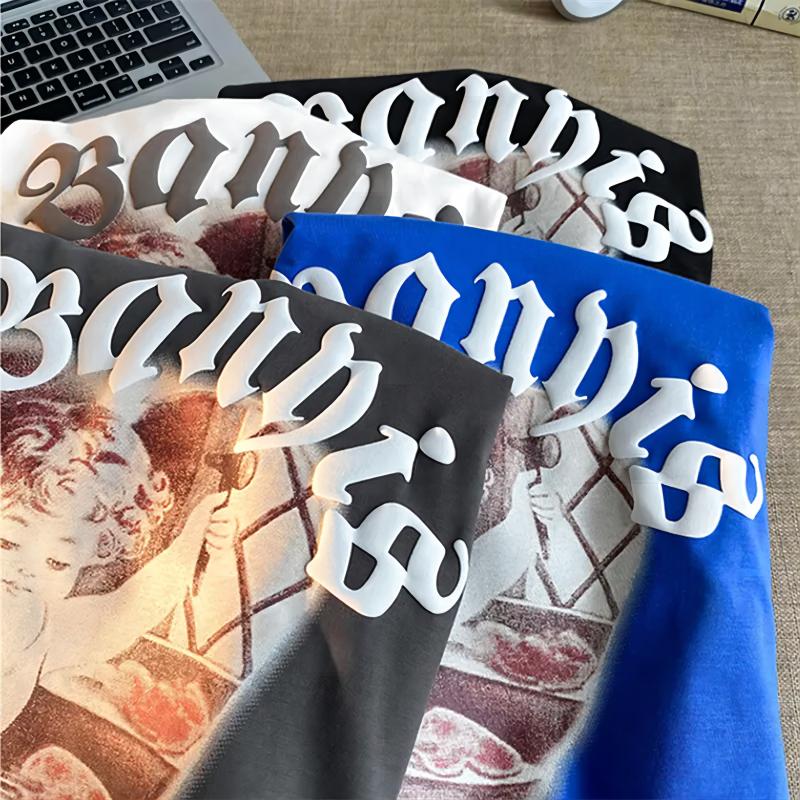
240 GSM heavyweight jersey supports streetwear structure, while 160 GSM cotton-poly favors promotional orders. Pique’s textured knit works well for uniforms when the logo is simplified.
Performance Requires Testing
140–180 GSM performance knits breathe well for teams, but fine filament yarns can show needle holes. Use light backing, correct needles, and a sample wash test.
5. Embroidery Customization and Branding Options
Digitizing converts approved artwork into stitch paths, sequence, density, and trims. EDVORIN should approve a sew-out before bulk production, particularly when a logo uses small lettering or fine outlines.
| Decoration | Best Use | Key Constraint |
|---|---|---|
| Embroidery | Compact logos | Density and backing |
| Screen print | Large artwork | Ink-to-fabric compatibility |
| Patch | Badge-style identity | Attachment method |
Stitch And Placement Decisions
2–4 mm lettering is often the practical lower range for readable embroidery; smaller details may need simplification. Satin stitches suit borders and lettering, while fill stitches cover broader shapes.
Left chest, center chest, sleeve, hem, and back-neck placements need recorded dimensions from stable garment points. Backing selection should match fabric weight to limit puckering and distortion.
- Left chest: compact brand mark
- Center chest: larger focal logo
- Sleeve or hem: secondary detail
- Back neck: discreet identity
Private-Label Finish
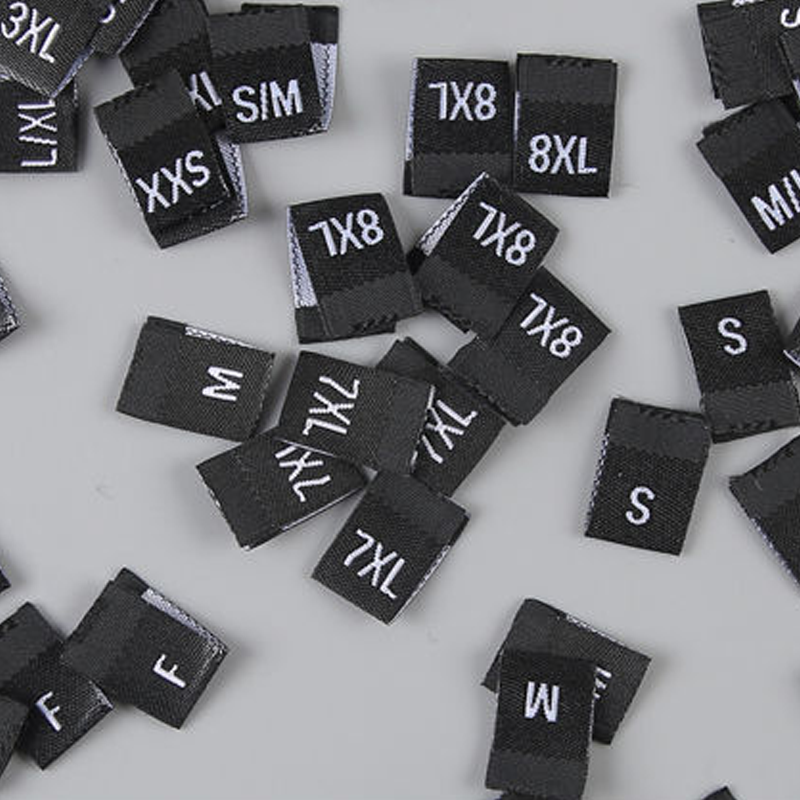
Pantone references help align thread, print, label, and packaging colors, though thread sheen can change perceived color. Woven labels, neck prints, hangtags, size labels, and custom bags should be approved as one branding set.
Embroidery adds texture and durability for compact marks. Screen print generally suits large, detailed artwork; patches provide a distinct edged or dimensional badge.
6. Embroidered T-Shirt Construction Quality Checks
One approved pre-production sample should become the physical control standard for fabric hand, construction, and embroidery. Record every tolerance in the tech pack before bulk cutting begins.
Garment Construction
2.5 cm collar rib should recover flat after a 10-stretch pull; reject waviness, twisting, or exposed seam allowance.
3 mm topstitch spacing and balanced overlock seams should remain consistent. Check fabric shade, GSM, and shrinkage against the approved sample.
Embroidery Execution
No loose thread ends, visible backing edges, or puckering should be accepted. Stabilizer must be trimmed cleanly without cutting the knit.
Wash And Size Checks
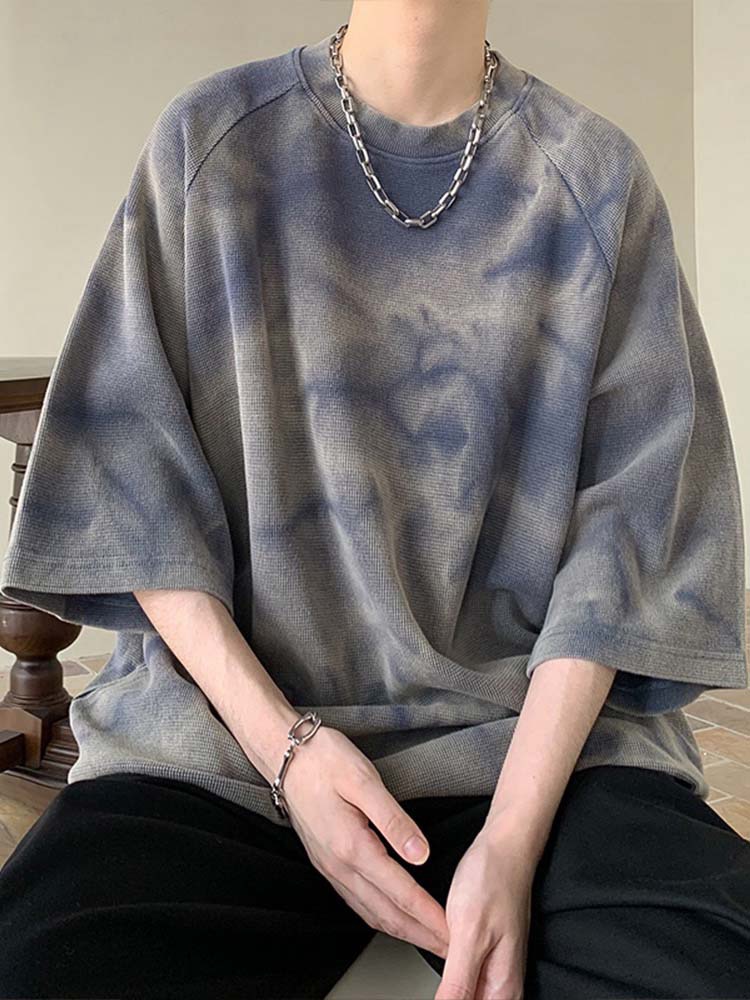
3 wash cycles should not cause logo distortion, thread breakage, color bleed, or collar loss of recovery. Measure garments after the specified wash method.
2 cm chest and body-length tolerance, plus 1 cm sleeve tolerance, is a practical grading checkpoint when the buyer approves it in writing.
7. Choosing an embroidered t shirt manufacturer
EDVORIN’s MOQ starts at 200 pieces per style. A 200-piece MOQ is only one fit test. Evaluate whether an embroidered t shirt manufacturer can translate your artwork, fit, labeling, and delivery requirements into controlled bulk production.
Verify Relevant Experience
Request 2–3 comparable samples: similar knit weight, placement, stitch density, and garment wash. Ask which risks they identified before sampling; specific answers reveal technical ownership.
Test The Development Process
Ask for a pre-production sample, measurement sheet, Pantone reference, embroidery file approval, and revision log. Confirm who approves artwork placement and how changes are locked before cutting.
Confirm Delivery Accountability
Request capacity, QC checkpoints, compliance documents, lead-time milestones, Incoterms, and an after-sales claim procedure. A suitable supplier states inspection standards, shipment responsibility, and corrective-action timing in writing.
8. Common Embroidered T-Shirt Sourcing Mistakes
Most avoidable embroidery failures begin before bulk cutting, when price, artwork, fabric, and logistics are treated as separate decisions. Lock them into one approved production record.
Price Before Specification

A low unit quote can exclude stabilizer, labels, individual folding, or inspection. Compare like-for-like quotations and calculate freight, duties, and destination delivery before awarding the order.
Artwork And Fabric Risks
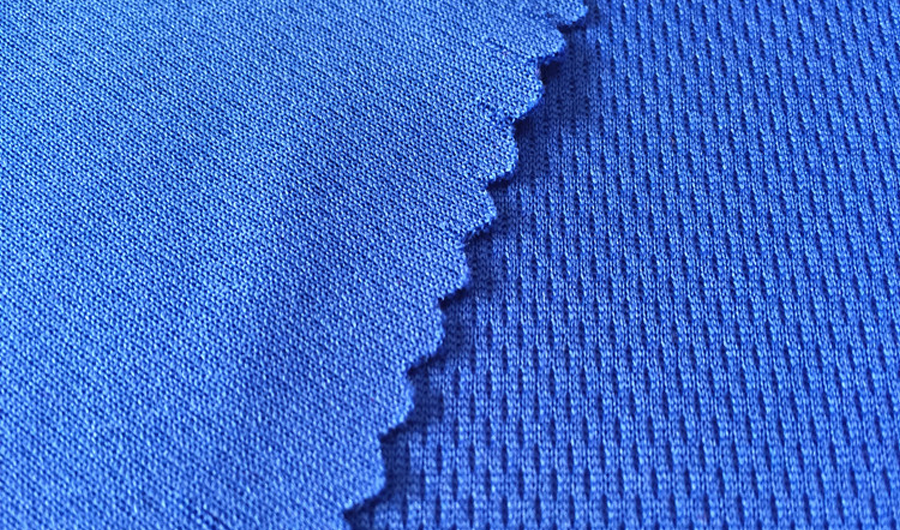
Small lettering and dense stitch fills can pucker lightweight jersey or distort around seams. Approve digitizing, simplify fine artwork, and test the exact fabric, backing, thread colors, and placement on a sample.
Approval And Packing Gaps
One missing pre-production sample can leave grading, Pantone tolerance, placement, and stitch density open to interpretation. Issue a signed specification sheet, approve a sealed sample, and define polybag, carton, barcode, and assortment requirements.
9. Launching With an embroidered t shirt manufacturer
A controlled first run begins with one dated brief, not scattered messages. Give the embroidered t shirt manufacturer artwork, size range, target quantity, market, required delivery date, and approval owner before sampling starts.
Lock The Development Pack
1 tech pack should define fabric, color reference, measurements, stitch placement, thread colors, labels, and packing method. Supply vector artwork and identify the maximum embroidery field before digitizing.
Approve Cost And Sample
200 pieces is the stated launch MOQ, so request a quotation by style, color, size ratio, decoration, packaging, and freight terms. Approve the digitized file, pre-production sample, measurements, and placement with dated written sign-off.
Release Production Carefully
1 purchase order should match the approved sample and record delivery window, inspection standard, labeling, carton marks, and payment milestones. Review in-line findings before finishing, then approve final inspection, packing list, and shipping documents.
Plan The Reorder
30 days before stock risk, compare sell-through by color and size against remaining inventory. Retain the approved sample, digitizing file, production measurements, and shipment records so replenishment starts from a controlled standard.
10. Embroidered T-Shirt Pricing and Cost Drivers
200 pieces is EDVORIN’s stated MOQ; unit cost usually falls as fixed development, digitizing, and setup are spread across more garments. A heavier ring-spun blank, higher stitch count, extra placements, more thread changes, custom labels, and individual packaging each raise the ex-factory figure.
7–14 days is a practical allowance for embroidery sampling and approval before bulk timing is confirmed. Landed cost also includes sample charges, size/color complexity, inspection, freight mode, duties, and destination handling; request these as separate quote lines.
| Quantity tier | Indicative cost driver | Likely timing effect |
|---|---|---|
| 200–499 | Highest setup share; keep one small placement | Sampling and approvals carry more weight |
| 500–999 | Setup spread across more units | Bulk scheduling becomes more efficient |
| 1,000+ | Material and packing consolidation may improve cost | Freight planning can reduce per-unit impact |
| Any tier | Stitch count, placements, thread colors, labels, packaging | Complexity can extend sampling and production |
Ready to Partner With an Embroidered T Shirt Manufacturer?
Send your tech pack or concept to align materials, embroidery, sampling and bulk production for a repeatable collection.