
Private Label T Shirt Manufacturer for Repeatable Collections
EDVORIN turns your concept into production-ready tees with OEM/ODM development, coordinated branding, and 200-piece-per-style MOQs.
Featured Private-Label T-Shirt Programs
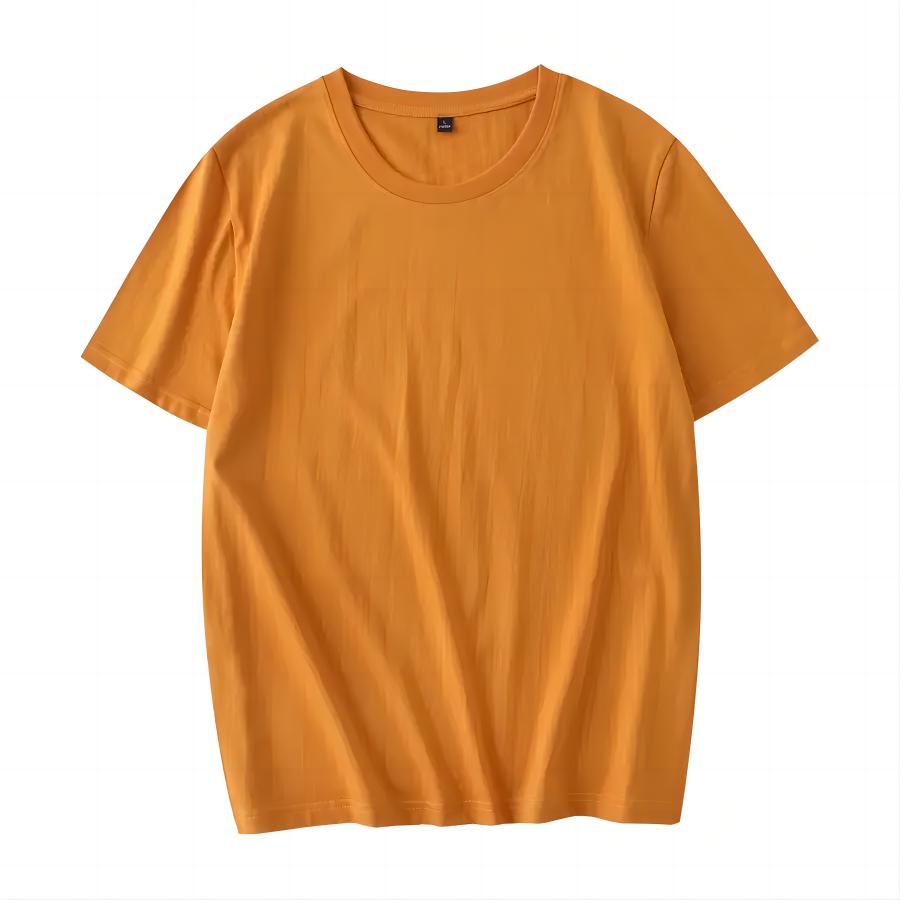
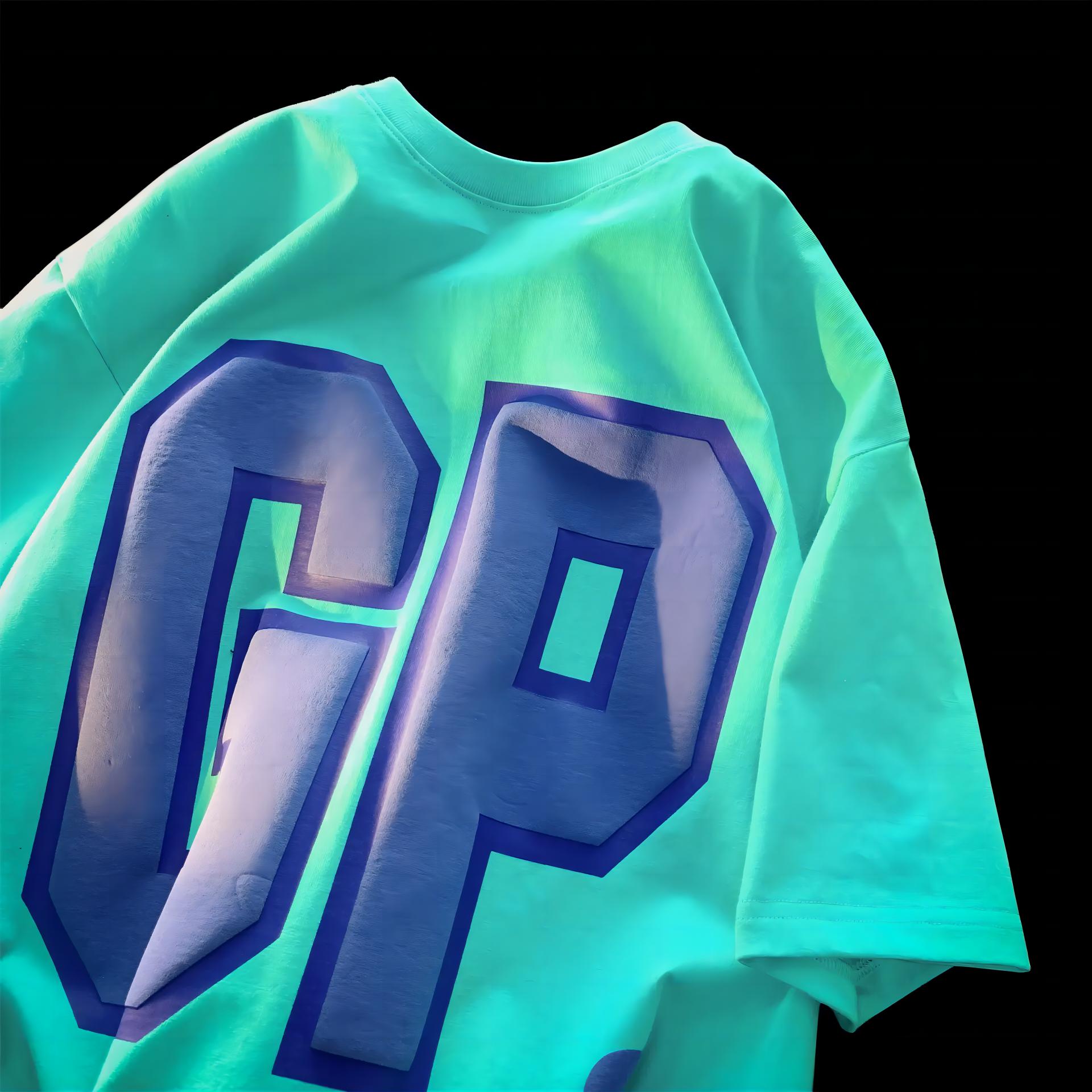
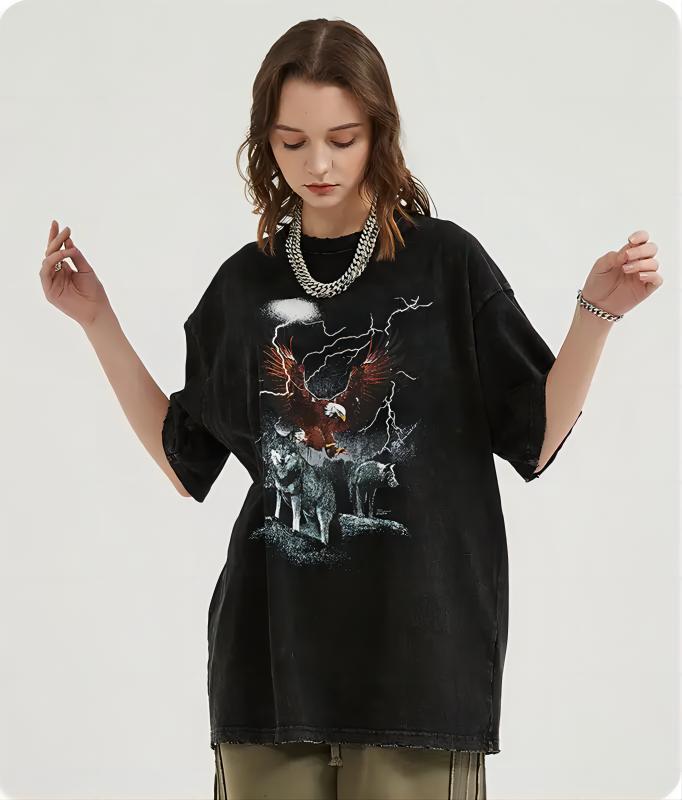
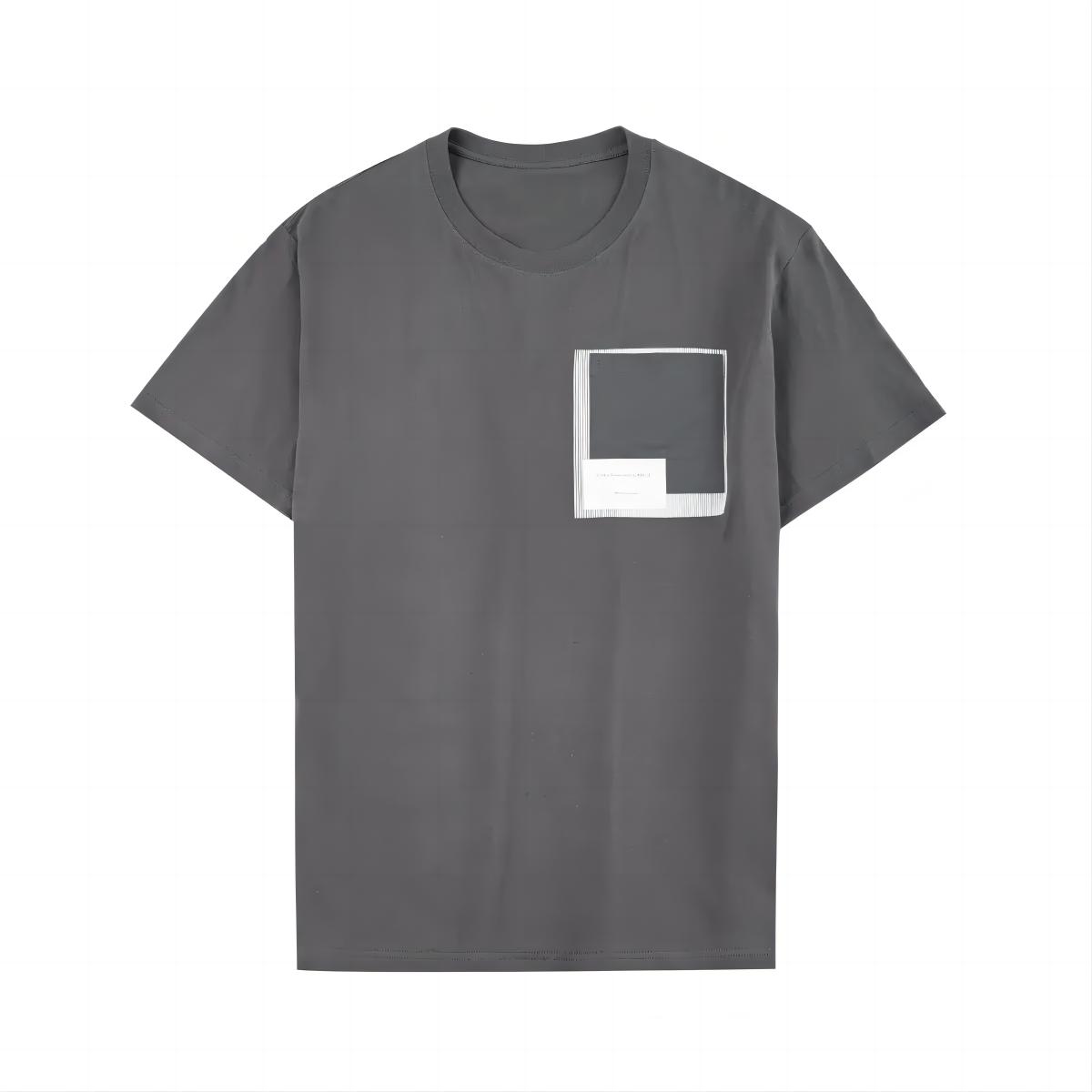
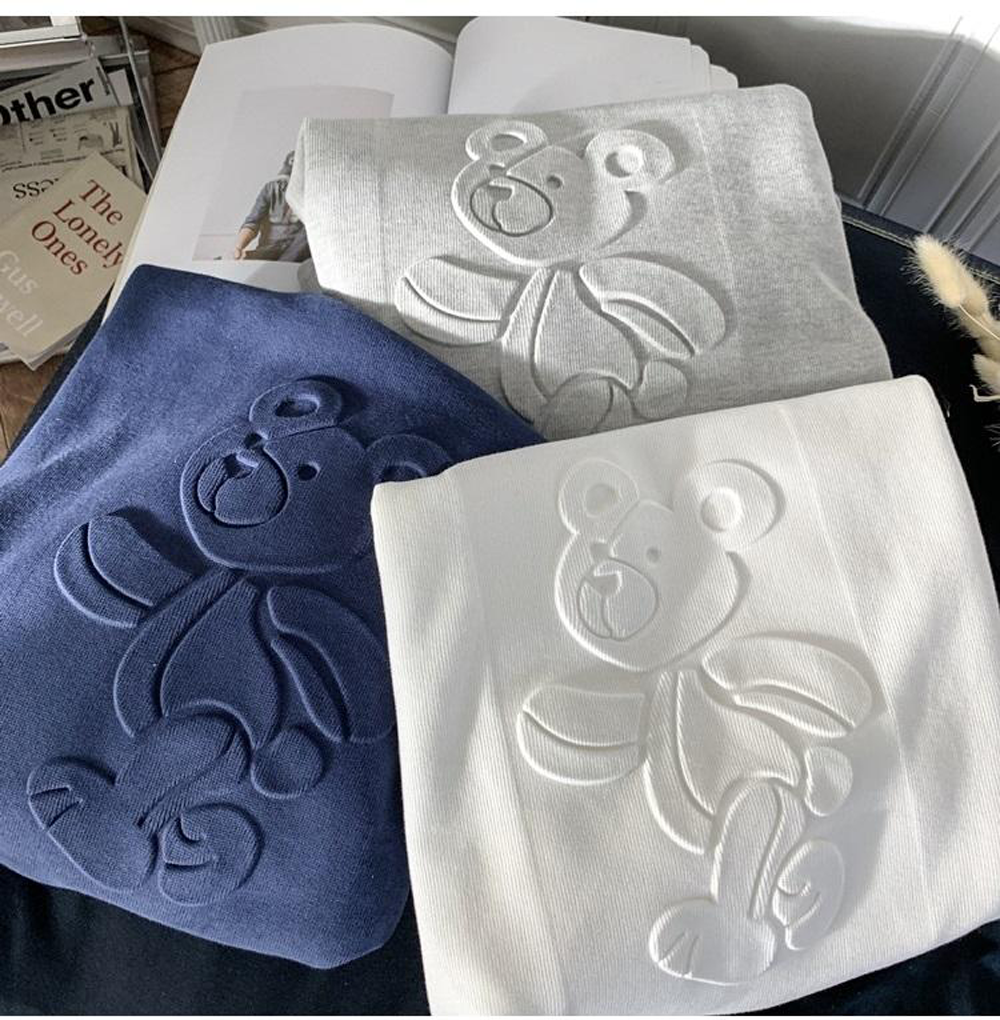
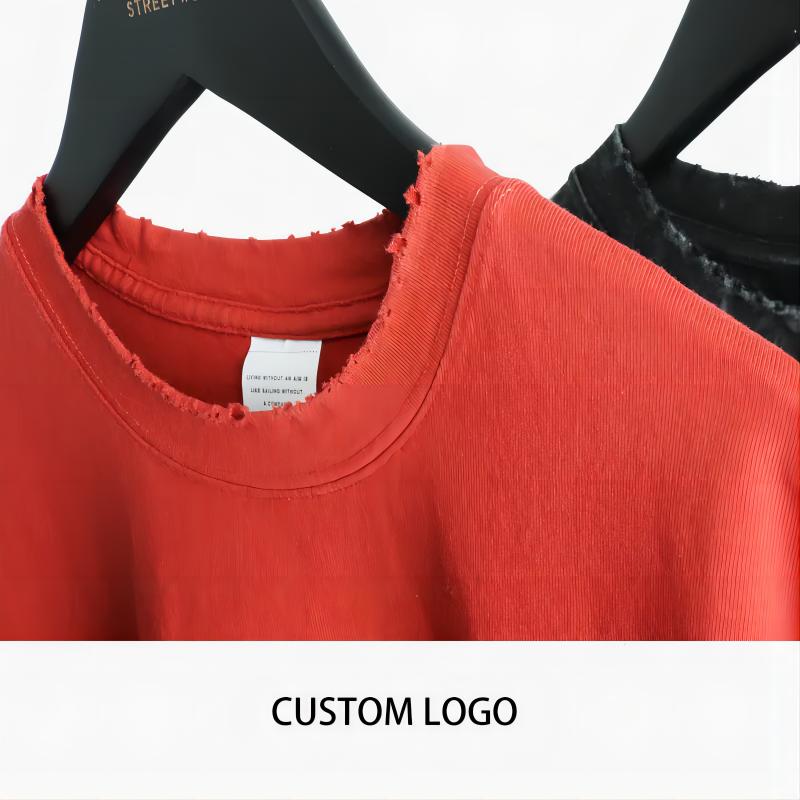
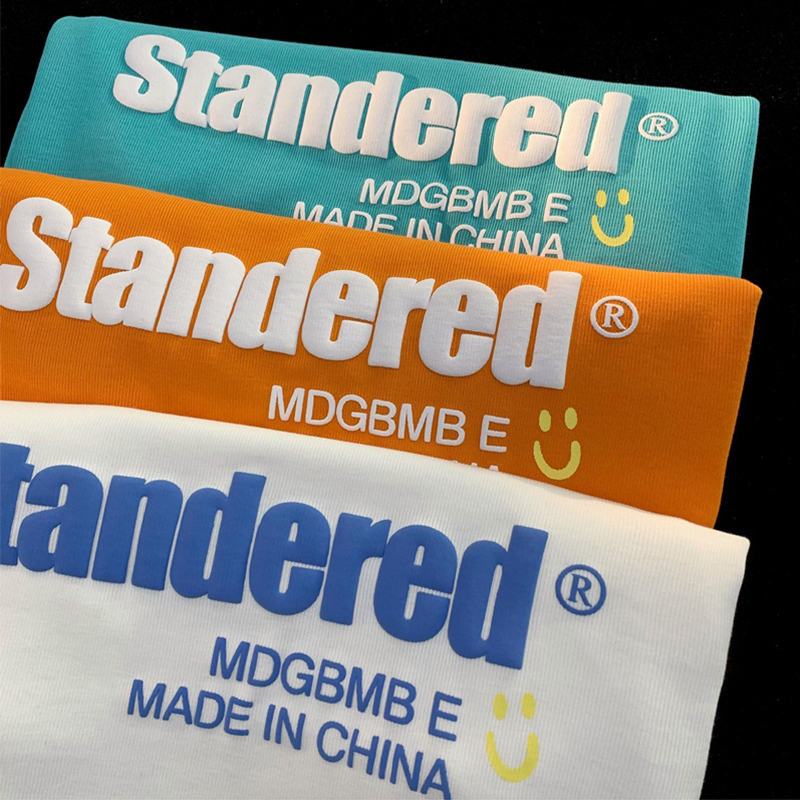
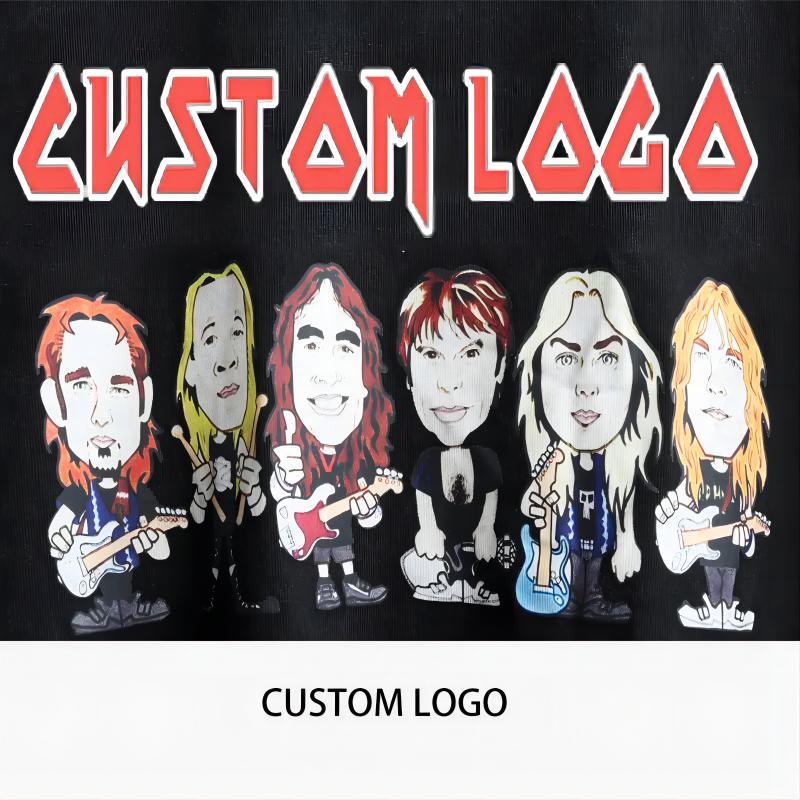
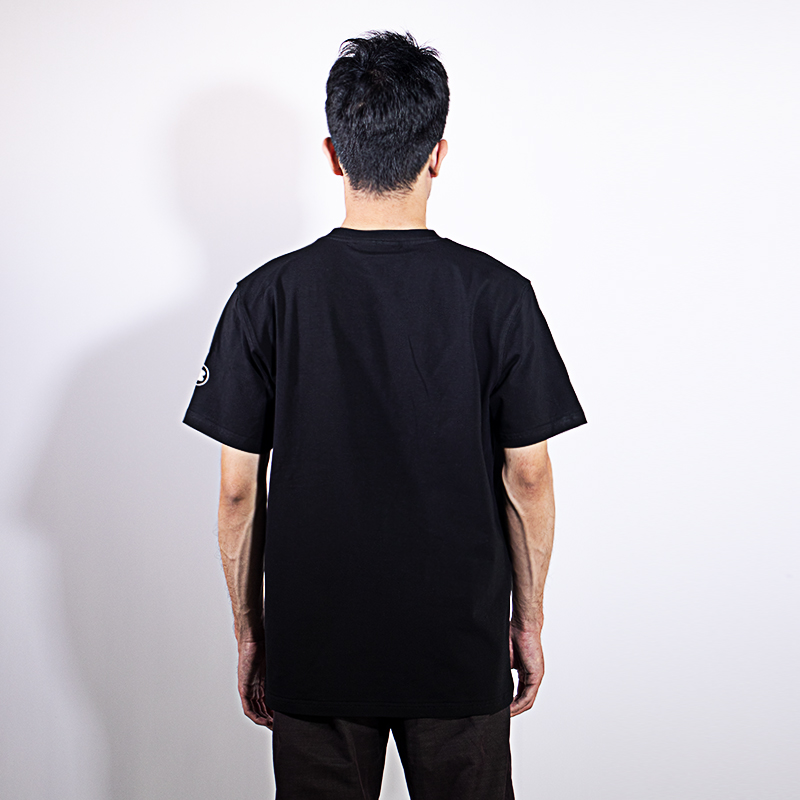
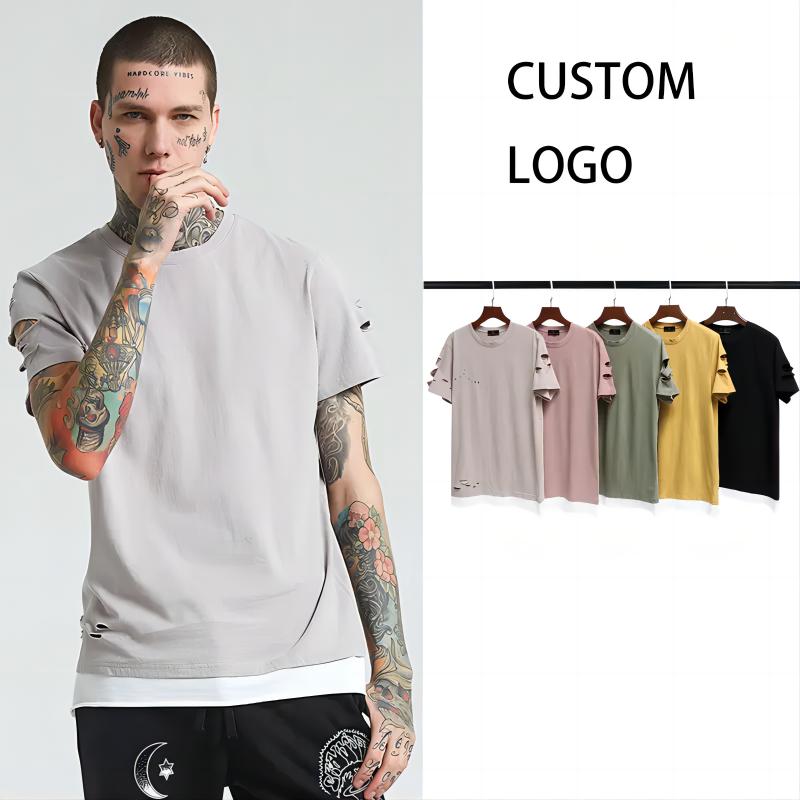
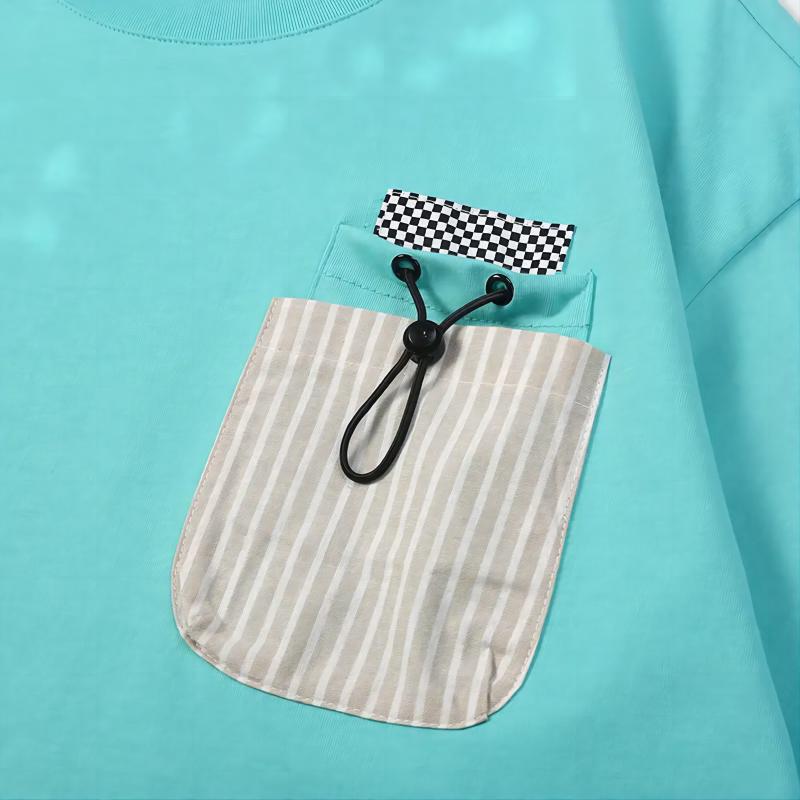
Private Label T Shirt Manufacturer Built to Repeat
Founder-led development and controlled production for T-shirt programs that are ready to grow.
Founder-Led Since 2000
Work with a manufacturing partner shaped by production-floor experience, direct trade-off discussions, and long-term responsibility for your program.
OEM Clothing and ODM Apparel Development
Move from tech pack, sketch, or reference garment through fabric sourcing, patterns, samples, labeling, and packaging in one accountable workflow.
200-Piece Starting MOQ
Launch focused T-shirt styles with MOQ starting at 200 pieces per style, supported by flexible development for emerging and established buyers.
Decoration Matched to Fabric
Coordinate printing, embroidery, washes, and artwork placement around your selected fabric, fit, and intended market instead of treating decoration separately.
Approved Standards, Controlled Bulk
Turn sample approvals into documented measurements, trim details, placement references, and in-line checks that protect consistency through final packing.
Custom Apparel Programs, Built to Repeat
From single styles to coordinated collections, EDVORIN develops production-ready apparel for brands, teams, schools, wholesalers and private-label buyers.
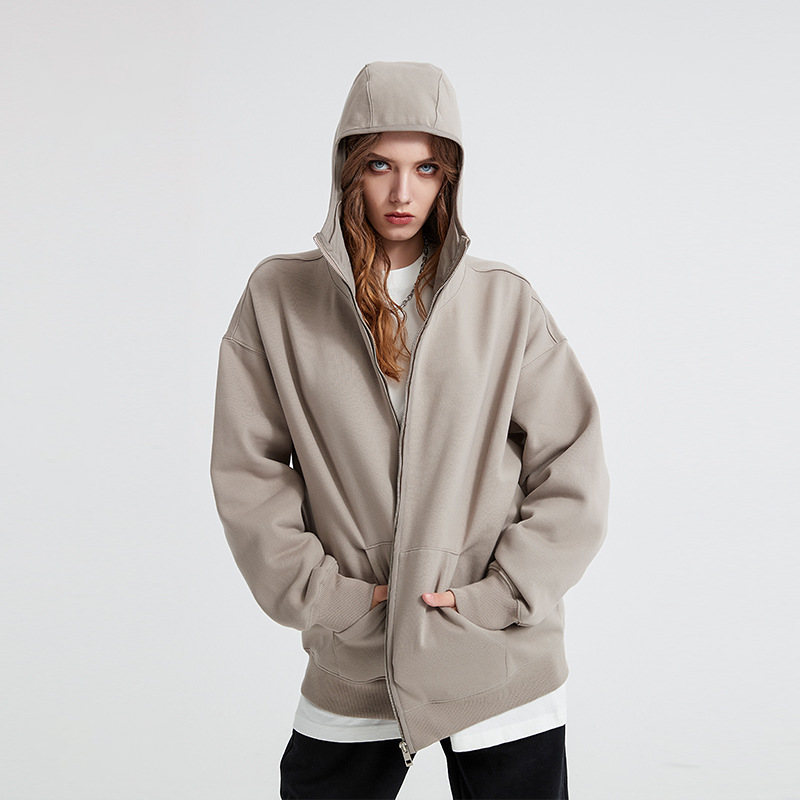
Custom Hoodies
Custom hoodies developed with specified fleece weight, fit blocks, rib construction, hoods, drawcords and decoration methods. We convert approved samples into controlled bulk standards for fashion labels, school programs, corporate merchandise and wholesale hoodie lines.
Get a Quote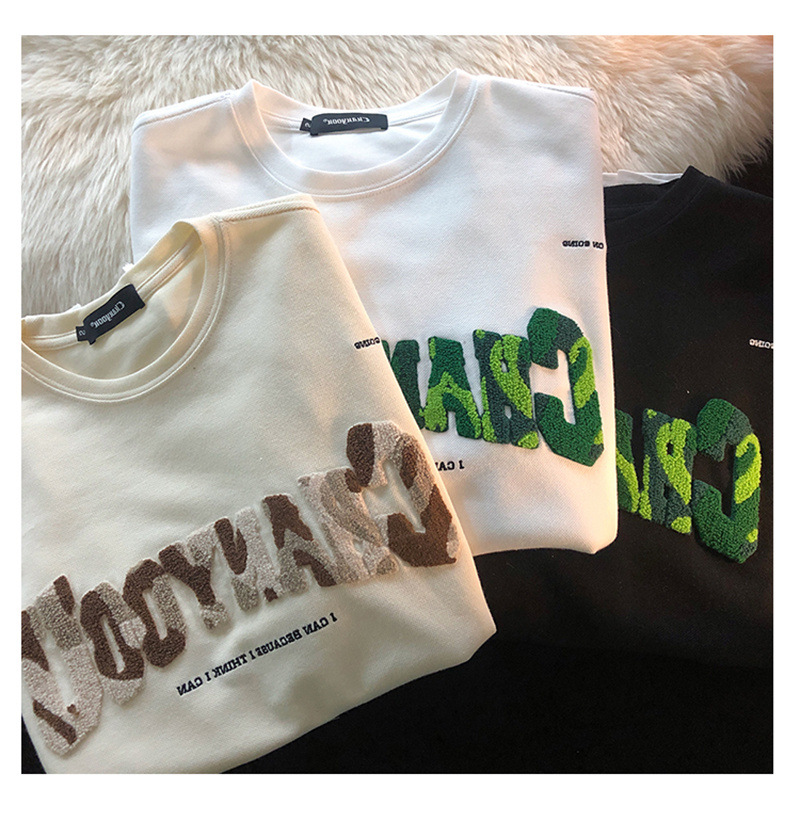
Pullover Sweatshirts
Pullover sweatshirts built around fabric weight, neckline, rib recovery, silhouette and finishing requirements. EDVORIN supports men’s and women’s programs with embroidery, printing, washing, labeling and packaging specifications recorded for repeatable production.
Get a Quote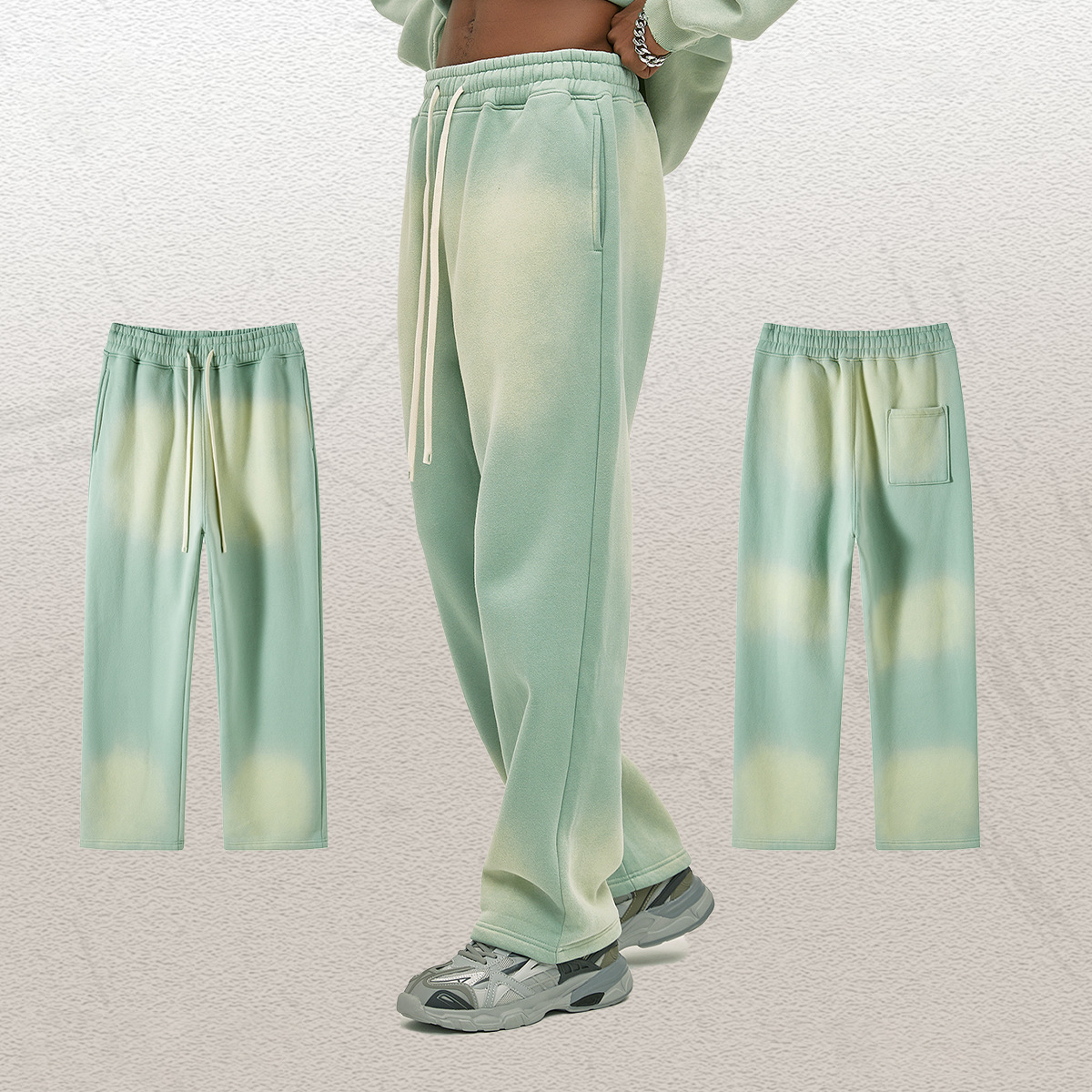
Sweatpants & Joggers
Sweatpants and joggers developed with coordinated fit, waistband, pocket, cuff and fabric requirements. Buyers can align these styles with hoodies or sweatshirts for complete sets, with grading, trims and decoration controlled from sample approval through bulk production.
Get a Quote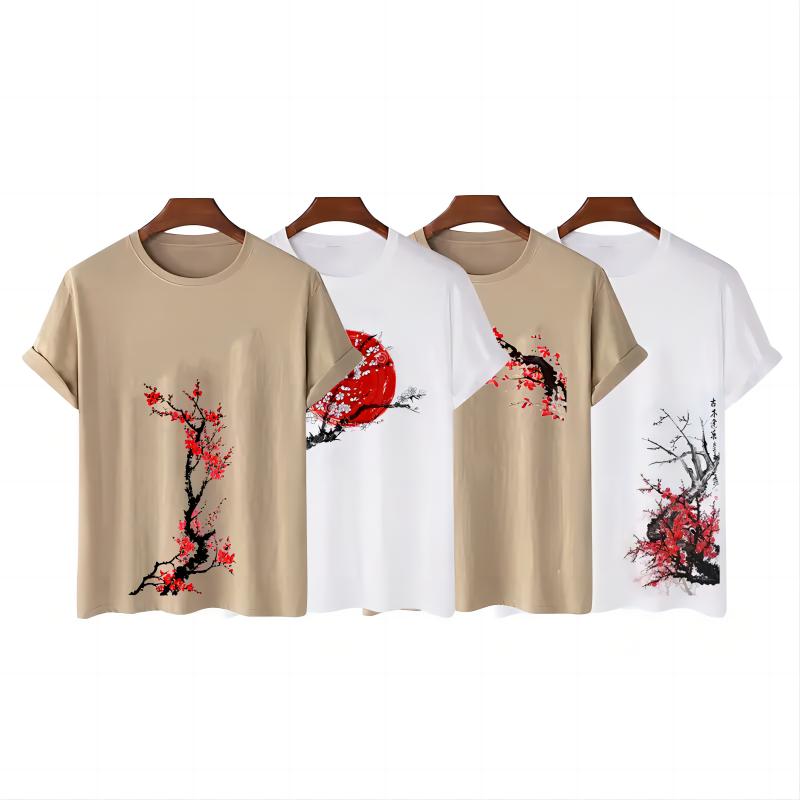
Custom Shorts
Custom shorts for casualwear, sports programs, school merchandise and private-label assortments. We coordinate inseam, rise, waistband, pockets, fabric performance, mesh details and branding applications to produce consistent size runs and repeat orders.
Get a Quote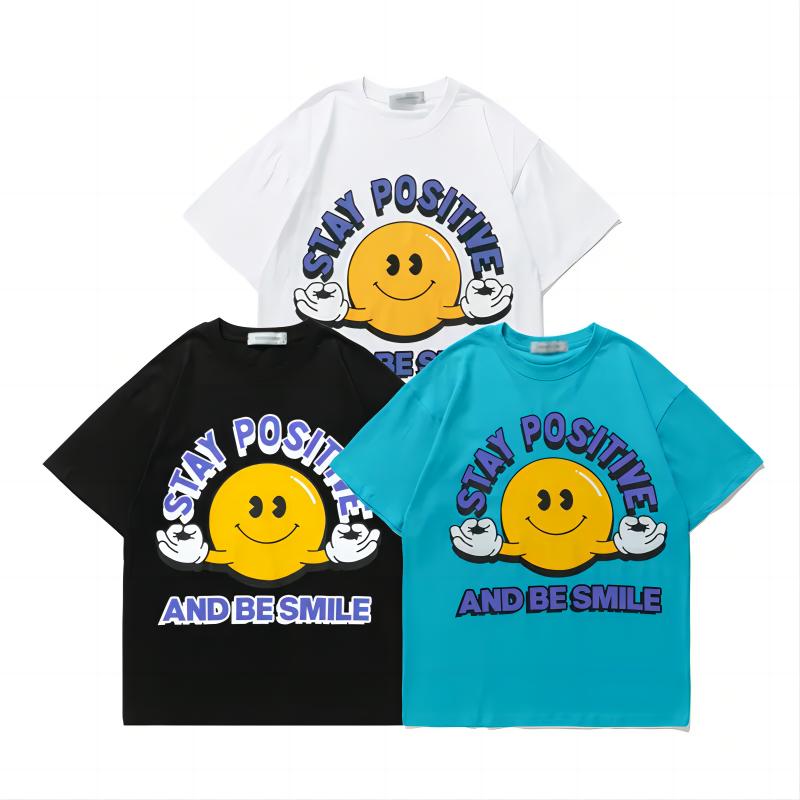
Varsity & Baseball Jackets
Varsity and baseball jackets require balanced body fabrics, sleeves, ribs, snaps, lining and patch placement. EDVORIN develops these components as one specification, supporting embroidered, chenille, applique and printed details for team, collegiate and fashion programs.
Get a Quote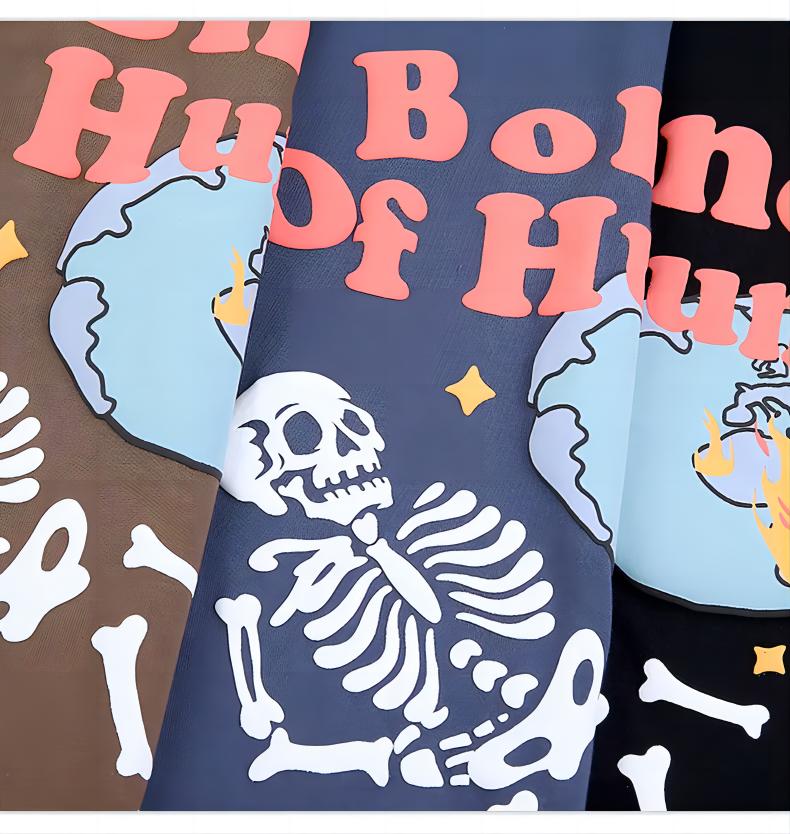
Custom T-Shirts
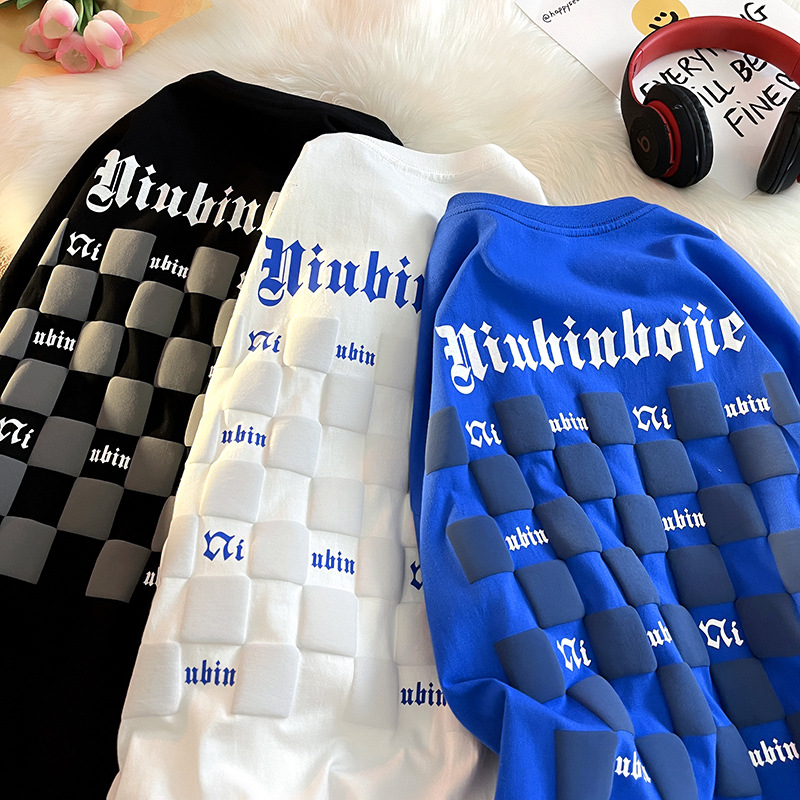
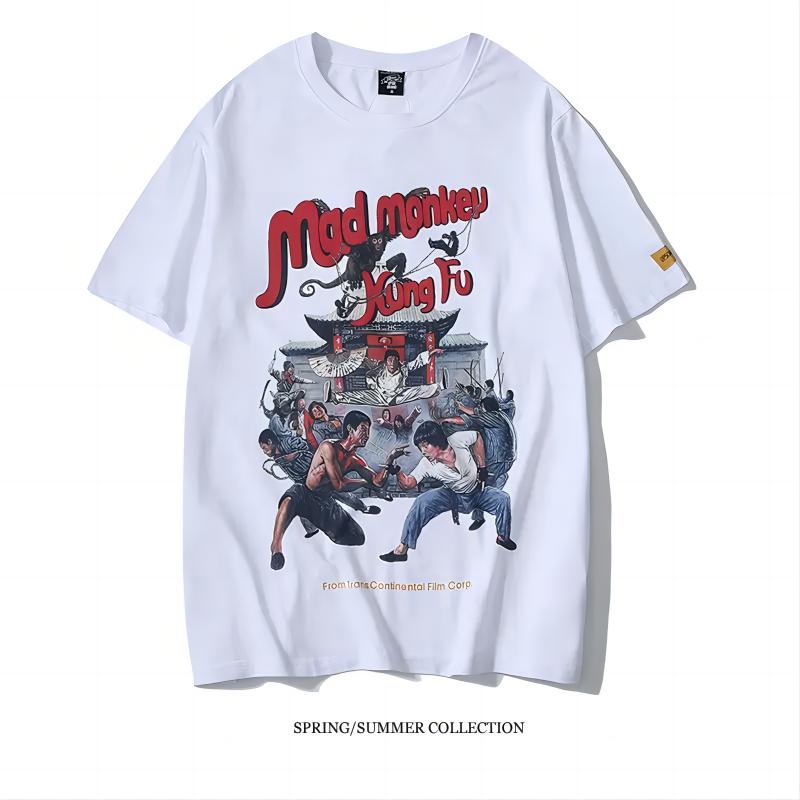
Custom T-shirts developed for retail collections, promotional programs, uniforms and wholesale supply. We coordinate jersey fabric, weight, collar construction, fit, print compatibility, labels and packaging so approved artwork and measurements carry into bulk production.
Get a Quote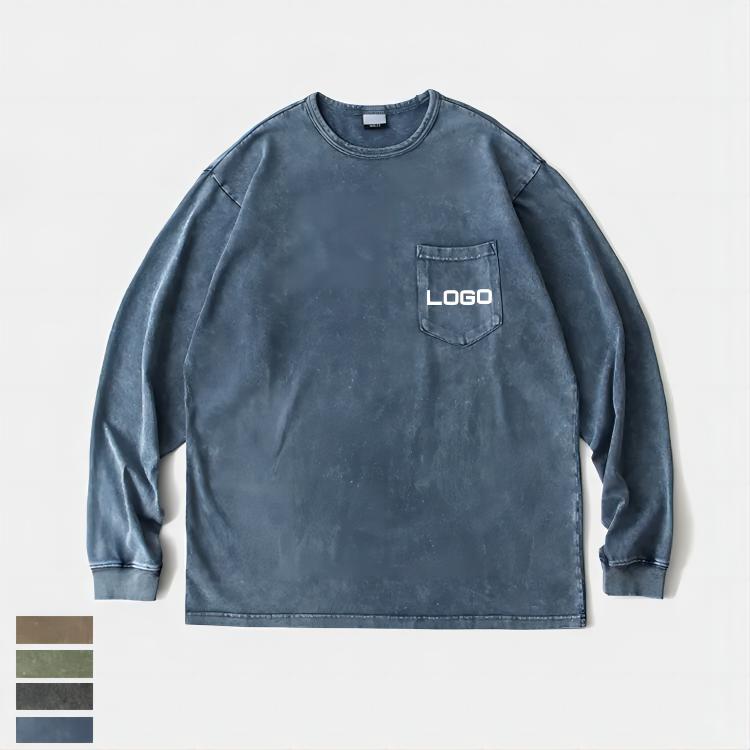
Custom Polo Shirts
Custom polo shirts for corporate uniforms, schools, clubs and branded retail programs. Development covers pique or jersey fabric, collar and placket construction, buttons, embroidery placement, color matching and size grading for dependable replenishment.
Get a Quote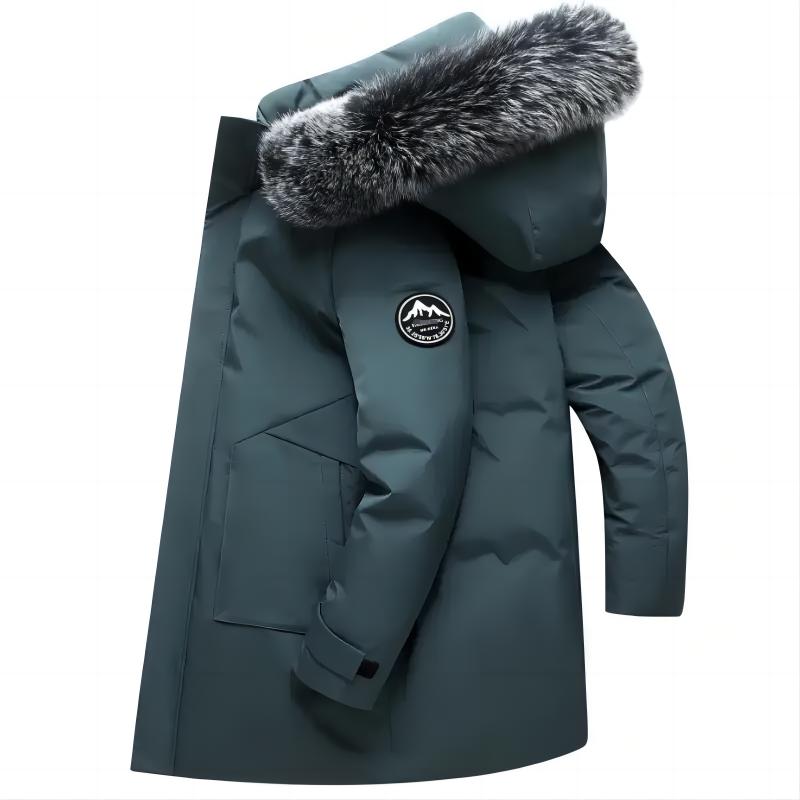
Windbreaker Jackets
Windbreaker jackets developed around shell fabric, lining or mesh, ventilation, zippers, hoods and weather-performance needs. We document construction and branding details for teamwear, event merchandise, outdoor programs and private-label outerwear.
Get a Quote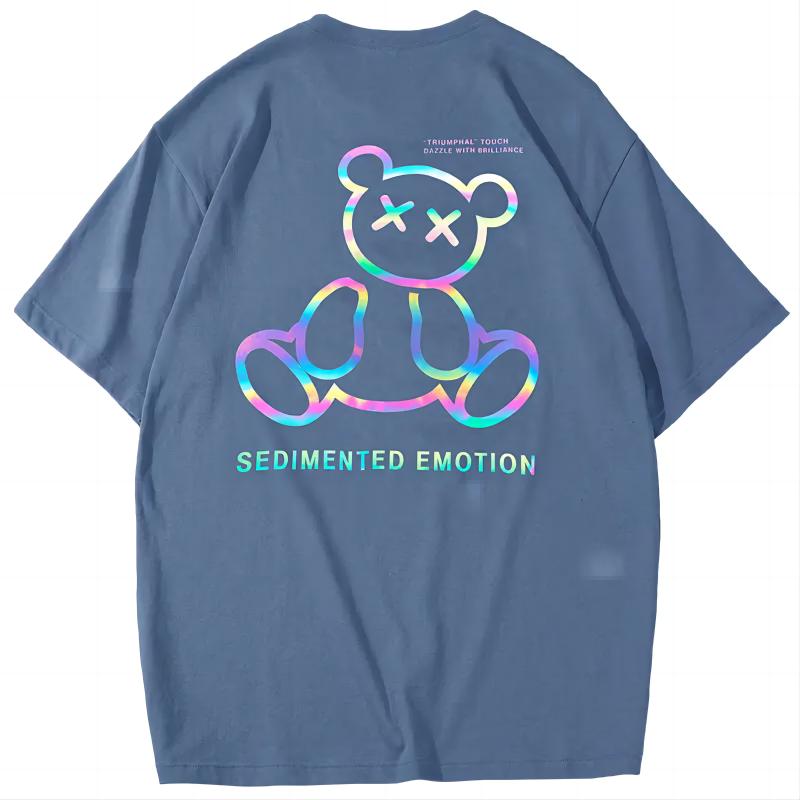
Quilted Jackets
Quilted jackets require coordinated shell, lining, insulation, quilting pattern, binding and hardware decisions. EDVORIN develops these layers into a clear production standard for fashion outerwear, corporate programs and seasonal wholesale collections.
Get a Quote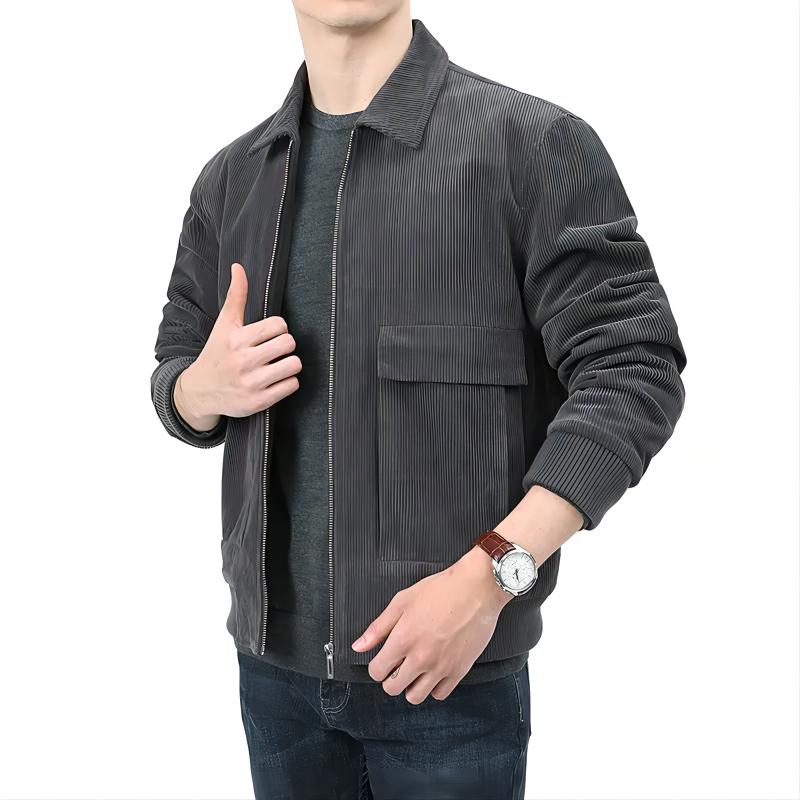
Bomber Jackets
Bomber jackets developed with shell and lining selection, rib specifications, zipper or snap systems, pocket construction and decoration placement. We support fashion, streetwear and private-label buyers with sample development and controlled bulk execution.
Get a Quote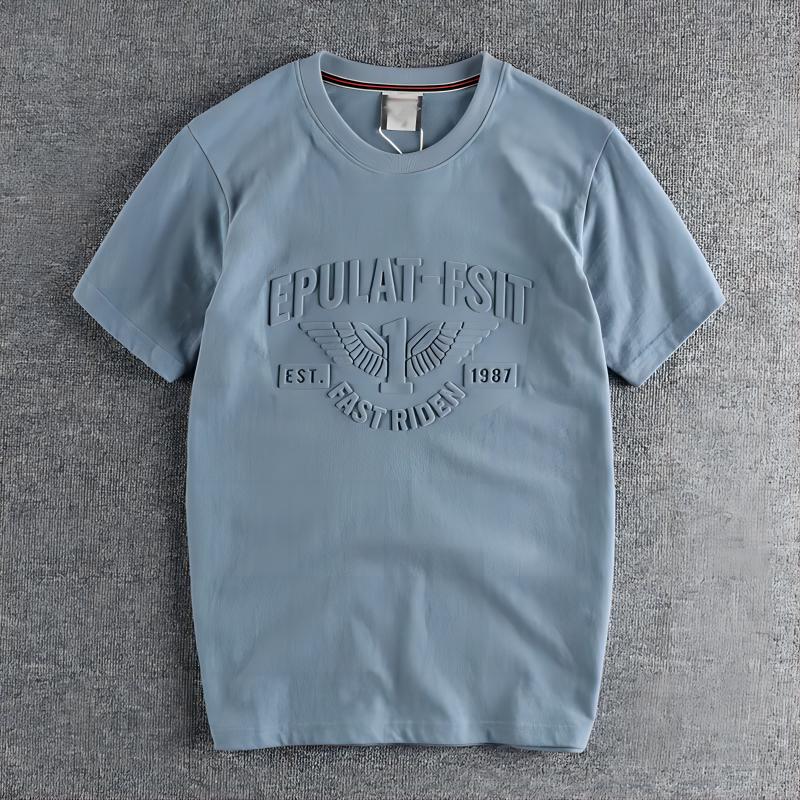
Custom Shirts
Custom woven shirts for uniform, hospitality, corporate and fashion programs. Fabric, collar, cuff, placket, pocket, button and fit requirements are developed for the intended wearer, with men’s and women’s specifications available.
Get a Quote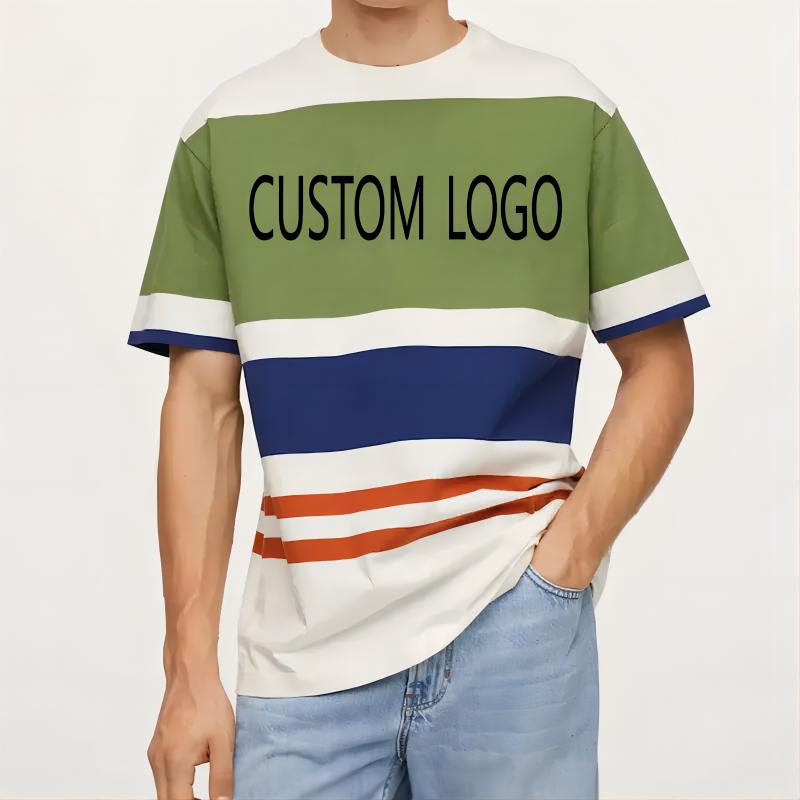
Custom Jerseys
Custom jerseys built for club, school, promotional and retail programs using performance fabrics, color panels, names, numbers and logos. We control artwork placement, size sets and decoration methods to help buyers manage organized team orders.
Get a Quote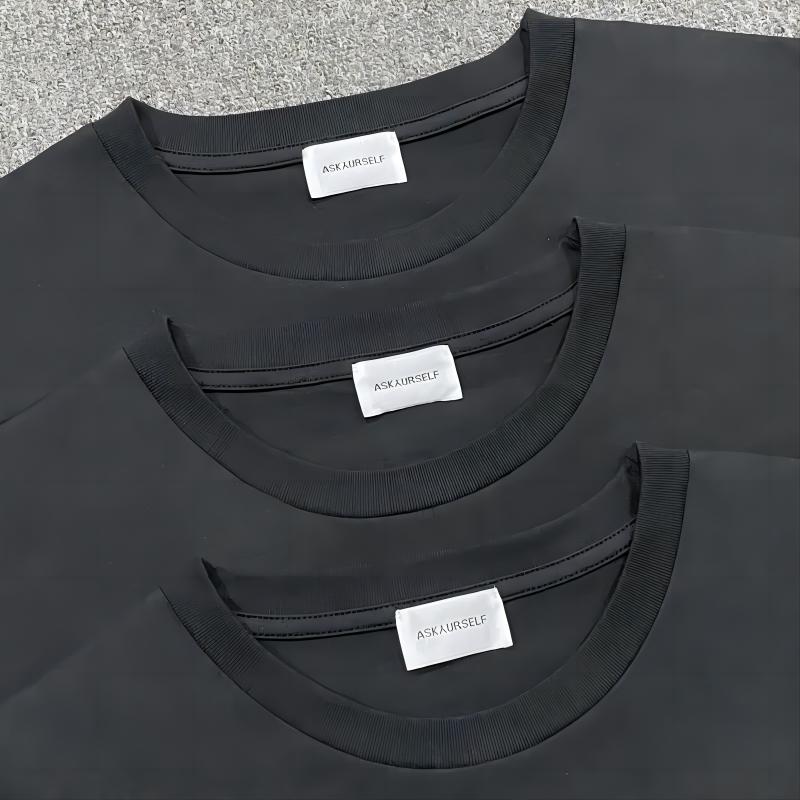
Tank Tops
Tank tops developed for fitness, teamwear, casualwear and promotional assortments. We coordinate fabric weight or performance, armhole and neckline construction, fit, print or embroidery requirements and grading for men’s and women’s programs.
Get a Quote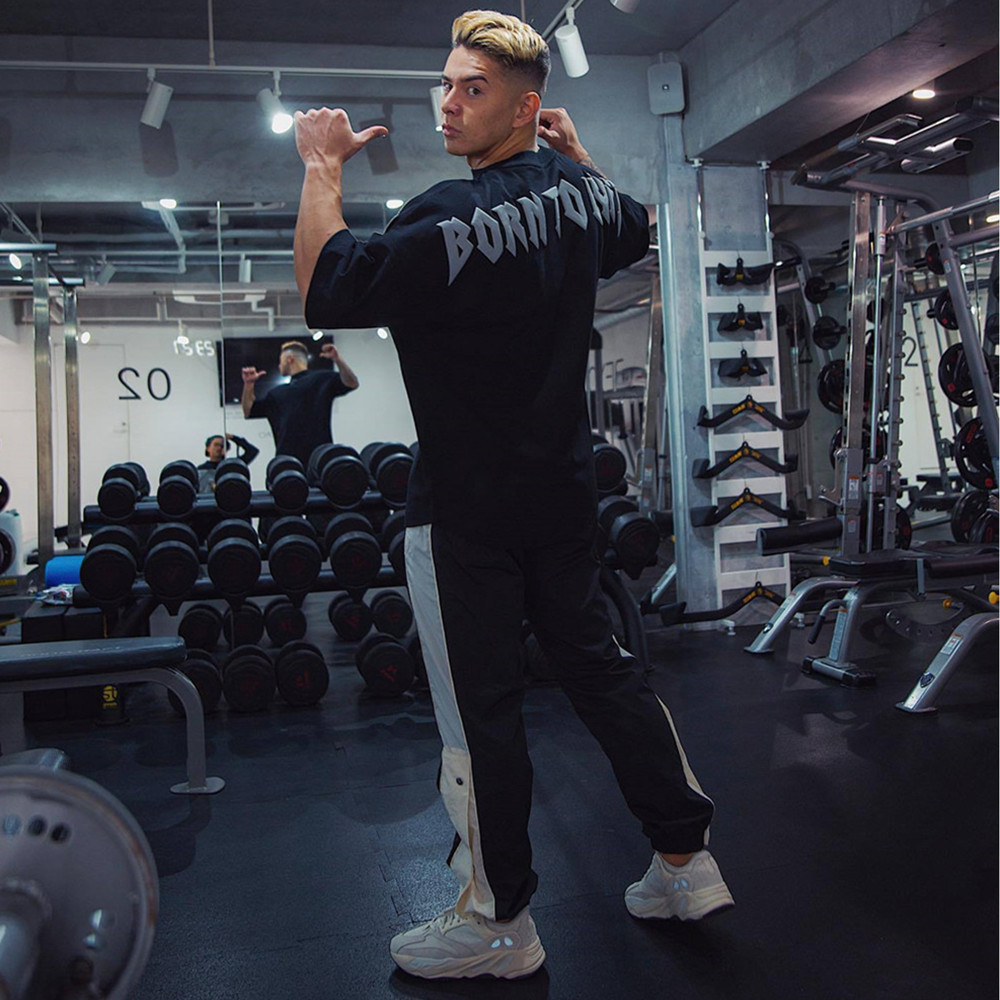
Soccer Uniforms
Soccer uniforms developed as coordinated jersey and short systems with breathable fabrics, color blocking, crests, sponsor graphics, player names and numbers. Production standards support consistent team sizing and repeat orders across seasons.
Get a Quote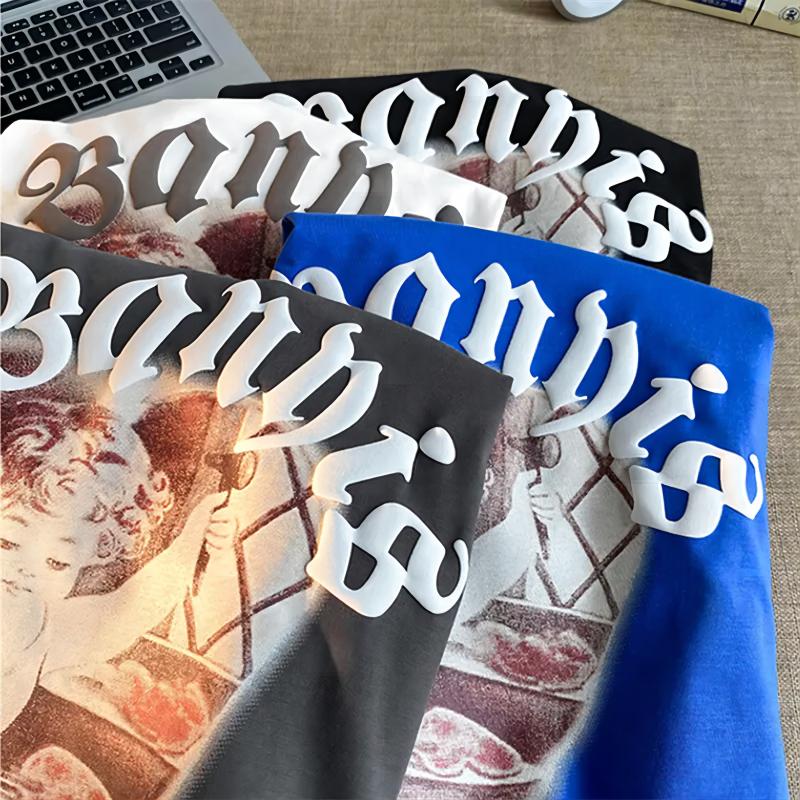
Basketball Uniforms
Basketball uniforms developed with performance fabric, jersey and short proportions, contrast panels, neck and armhole finishing, numbering and logo placement. EDVORIN supports school, club, academy and private-label programs from sample sets to bulk delivery.
Get a Quote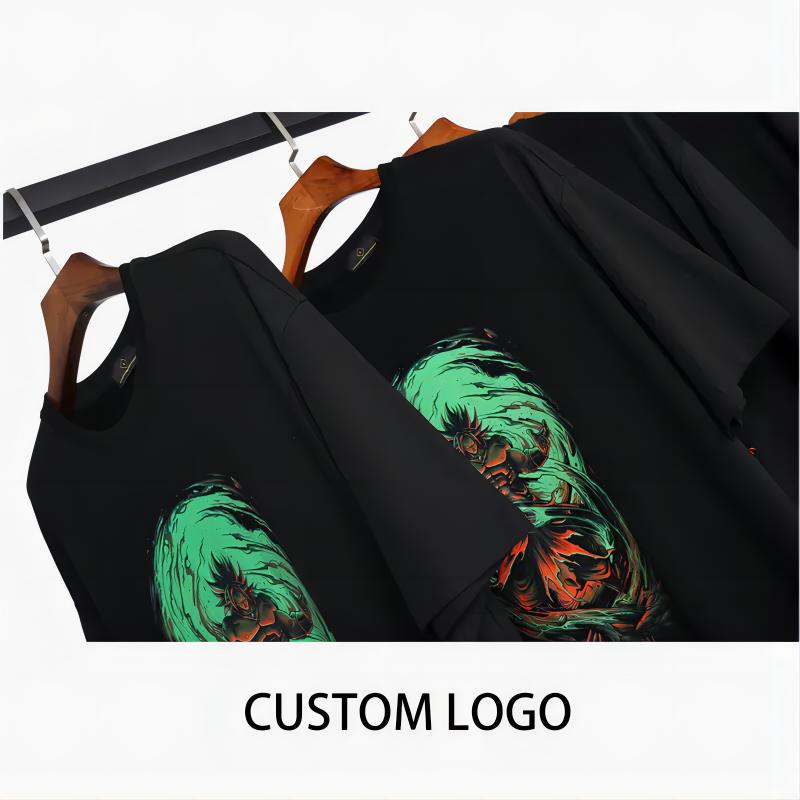
Streetwear Collections
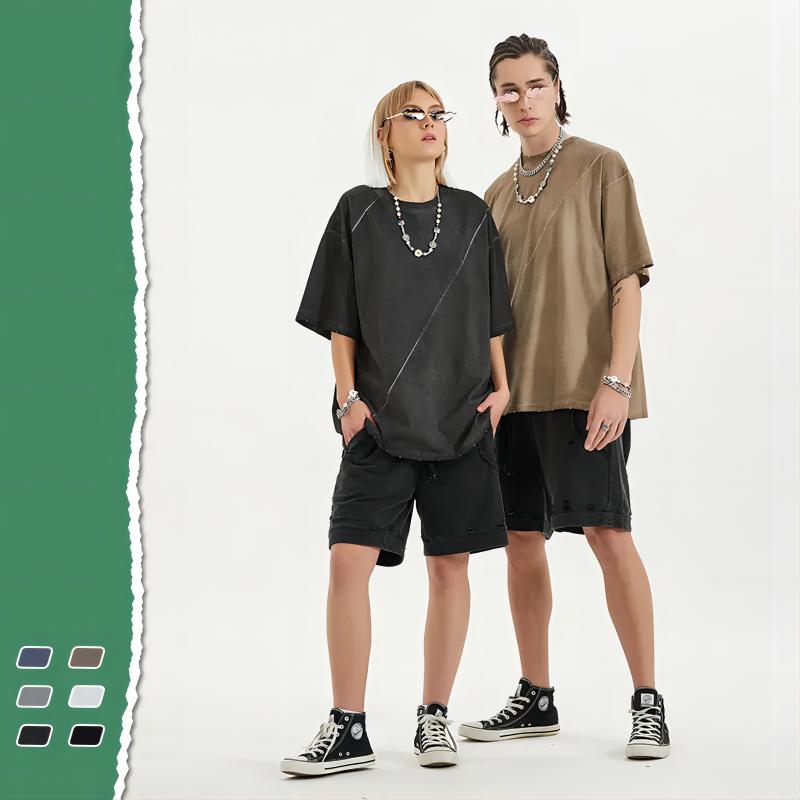
Streetwear collections developed across tees, hoodies, sweatsets, jackets, shorts and woven styles under one production workflow. We coordinate fabrics, washes, trims, graphics, embroidery, labels and packaging so collection details remain consistent across styles.
Get a QuoteT-Shirt Materials for Fit, Feel and Performance
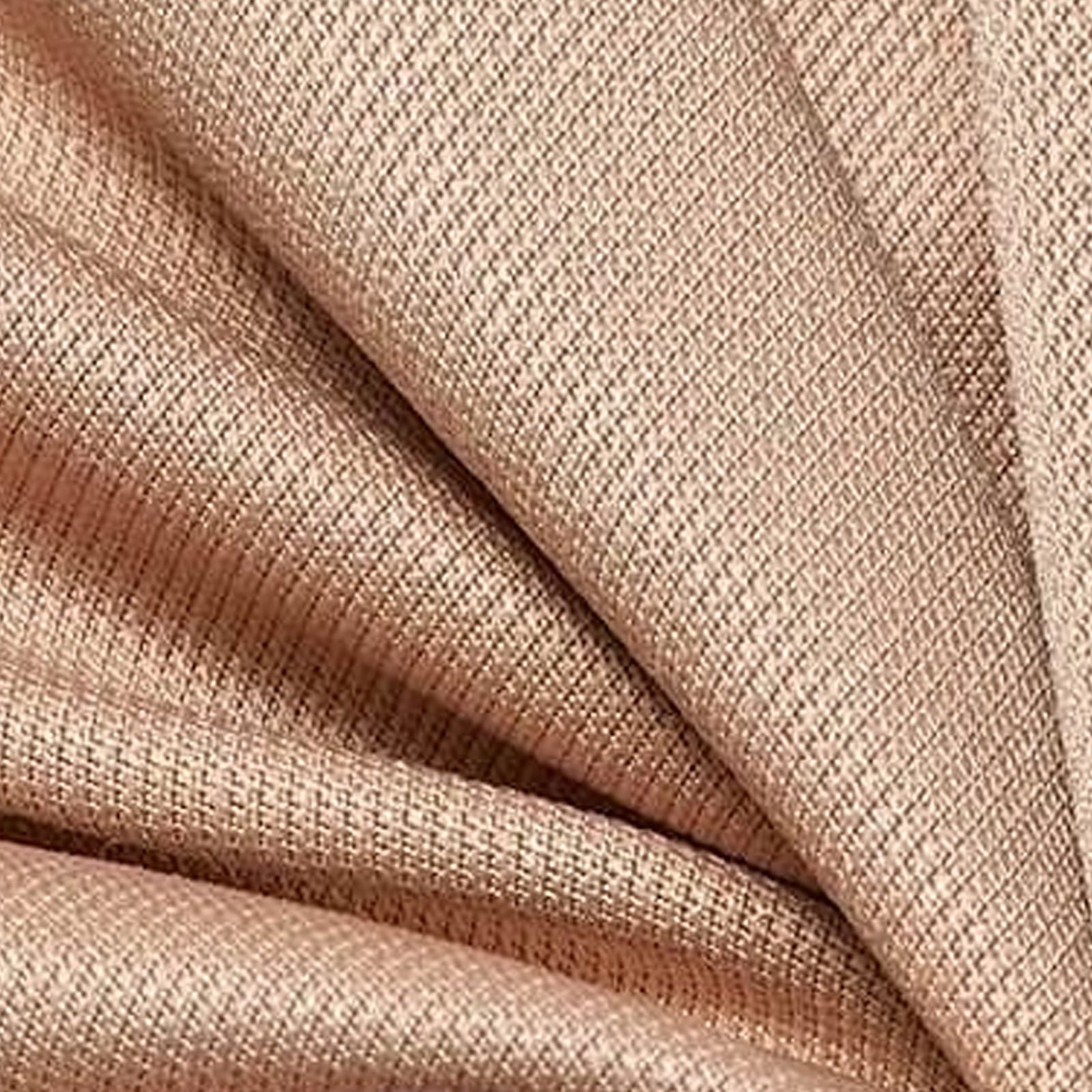
Combed Cotton Jersey
A smooth, breathable everyday jersey with a soft hand-feel for fashion basics, retail tees and layered casualwear. Combed yarns create a cleaner surface for prints, while weight can be specified to suit the intended drape.
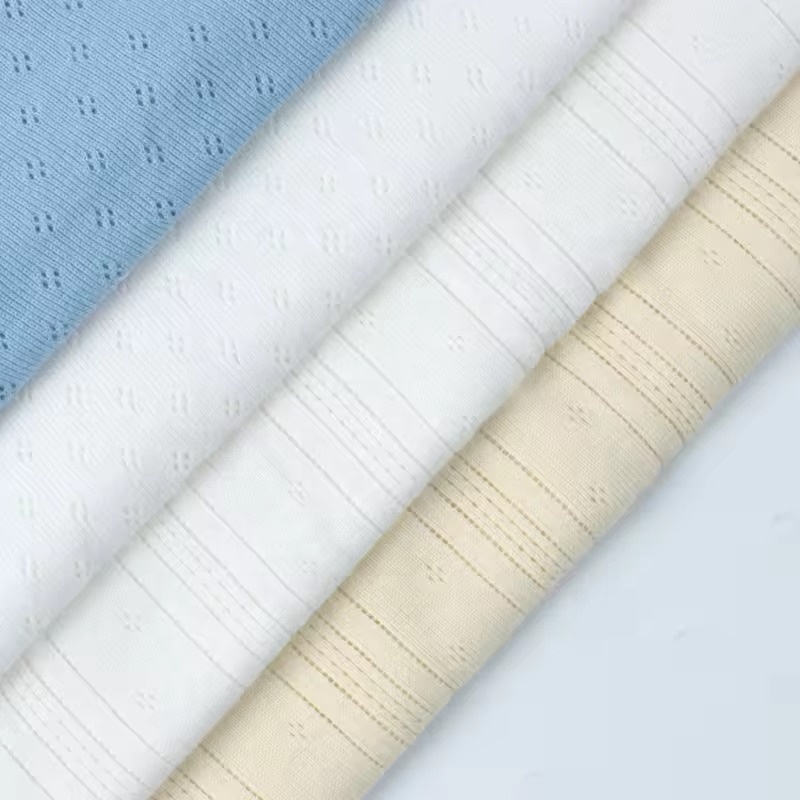
Heavyweight Cotton
A denser cotton option for premium streetwear, oversized silhouettes and structured graphic tees. Its substantial hand-feel supports a more defined shape, with higher fabric weight available to create the desired body and durability.
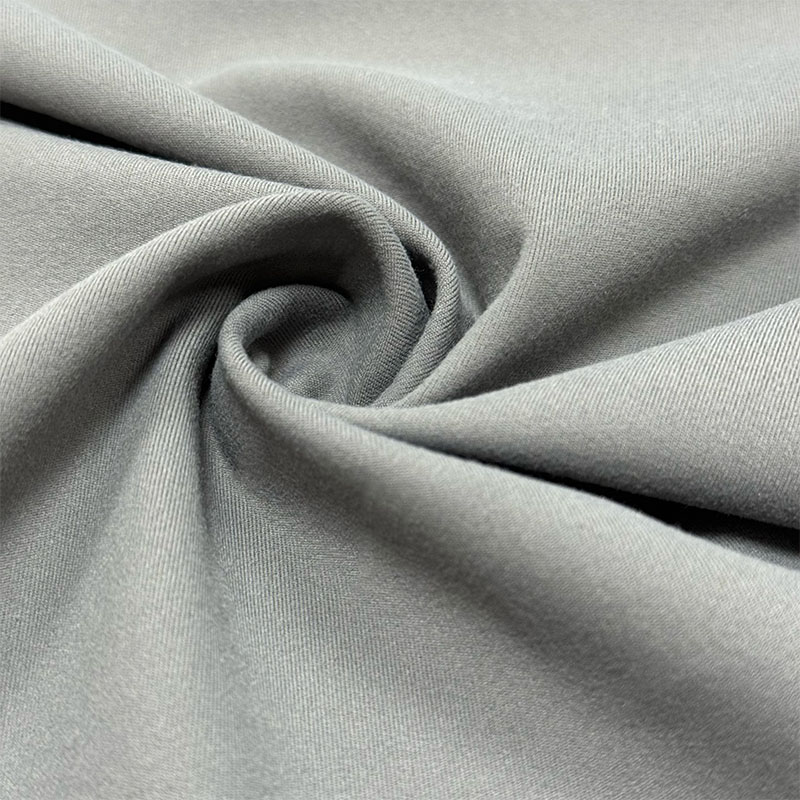
Cotton Polyester Blend
A balanced fabric for branded uniforms, wholesale programs and easy-care casual tees. Cotton provides familiar comfort while polyester supports shape retention and durability, with blend ratios adjusted around feel, weight and decoration requirements.
Performance Polyester
A lightweight technical option for teamwear, training shirts and active programs. Polyester can be developed with breathable knit structures and moisture-management performance, while its smooth surface is well suited to color-driven sportswear designs.
Cotton Stretch Jersey
A flexible jersey for fitted women’s styles, athletic-inspired tees and silhouettes requiring easier movement. A controlled elastane content adds stretch and recovery, helping the garment return to shape while maintaining a soft cotton-led feel.
T-Shirt Decoration and Finishing Techniques
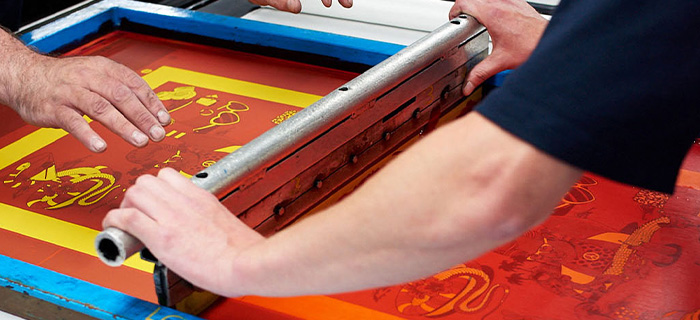
Screen Printing
Screen printing suits bold graphics, solid colors and repeatable logo placements. EDVORIN aligns ink, fabric and artwork requirements to achieve clear coverage, stable color and durable visual impact across bulk T-shirt orders.
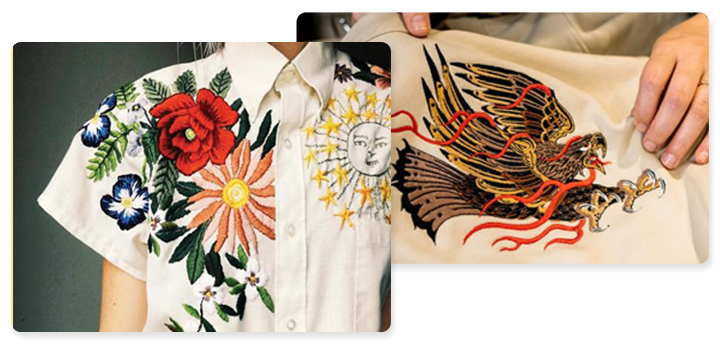
Embroidery Application
Embroidery adds dimensional logos and premium detail to selected T-shirt placements. Stitch density, backing and thread colors are reviewed against the base fabric to help maintain clean edges, balanced hand feel and dependable repeatability.
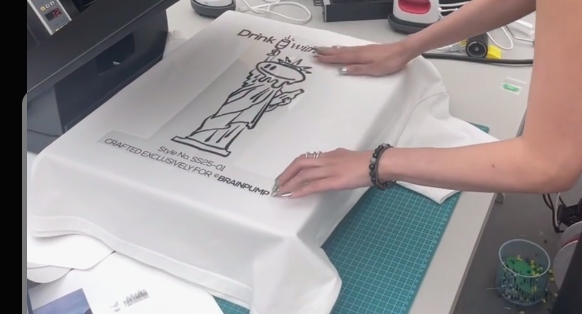
Digital Printing
Digital printing supports detailed artwork, tonal graphics and smaller visual elements where precision matters. Artwork placement and fabric compatibility are confirmed during development so the approved appearance can guide production consistently.
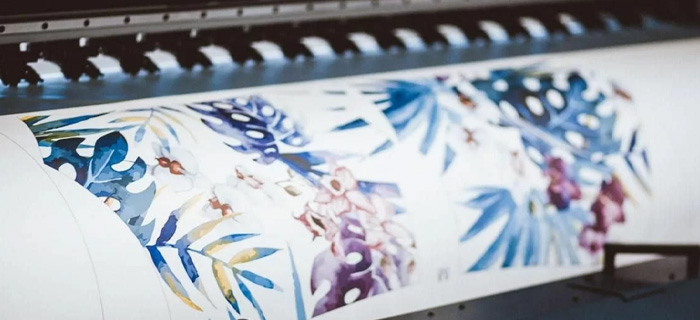
Sublimation Printing
Sublimation is suited to all-over color, team graphics and performance-oriented polyester programs. The process integrates artwork into the fabric surface for a lightweight finish while supporting coordinated names, numbers and brand visuals.
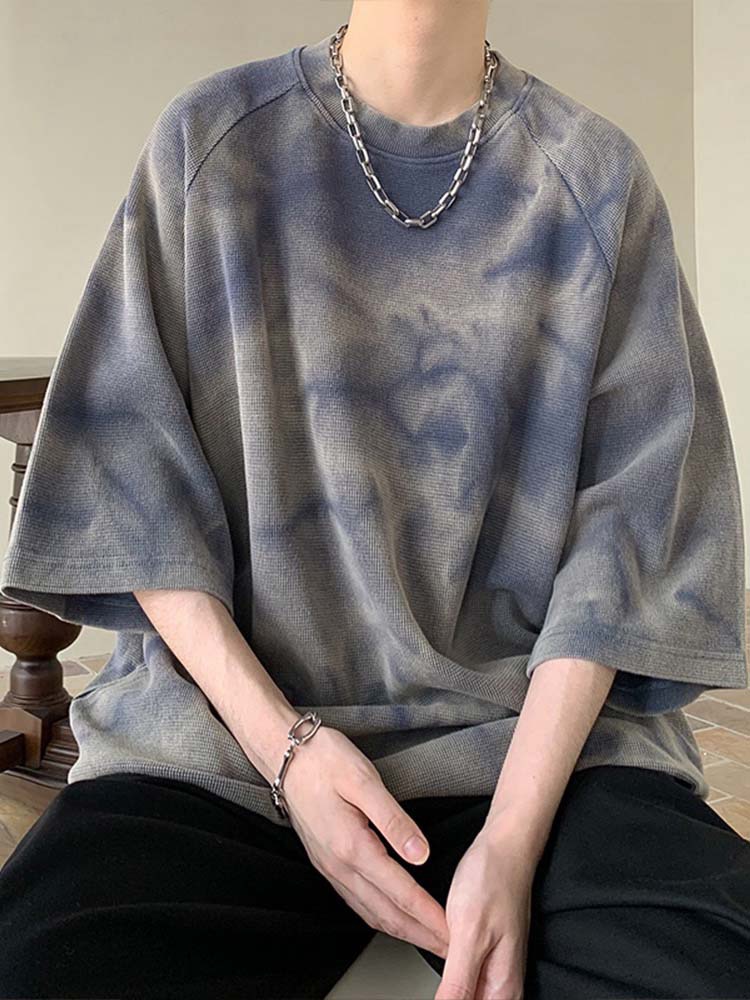
Wash Effects
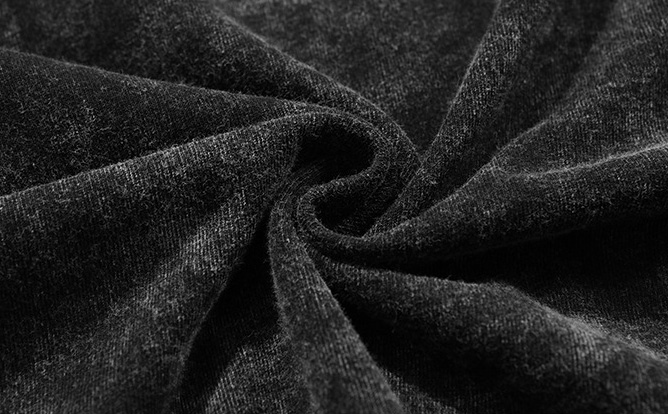
Wash effects create a worn-in, softened or distinctive streetwear character after garment construction. EDVORIN develops the intended result through sampling, balancing fabric behavior, color change and finishing expectations before bulk production.
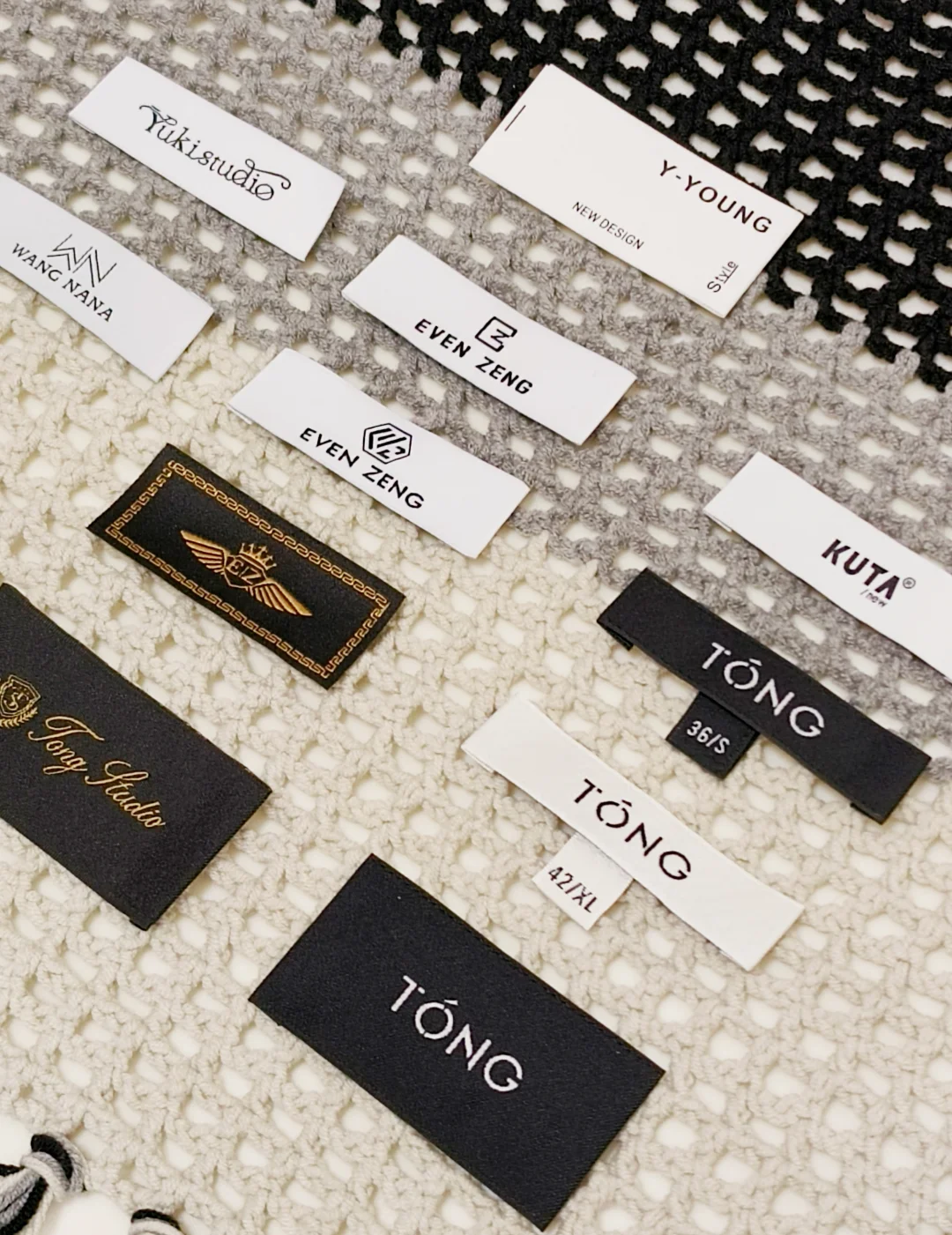
Label Application
Custom neck labels, size labels, care information and branded packaging complete the private-label presentation. Label placement, material and artwork are specified alongside the garment so each packed T-shirt reflects the approved brand standard.
Custom Trims, Labels and Packaging
Woven Neck Labels
Custom woven neck labels carry your brand identity, size information, and care details in a durable finish. EDVORIN coordinates label construction and placement to suit crew-neck, oversized, and fashion T-shirt programs.
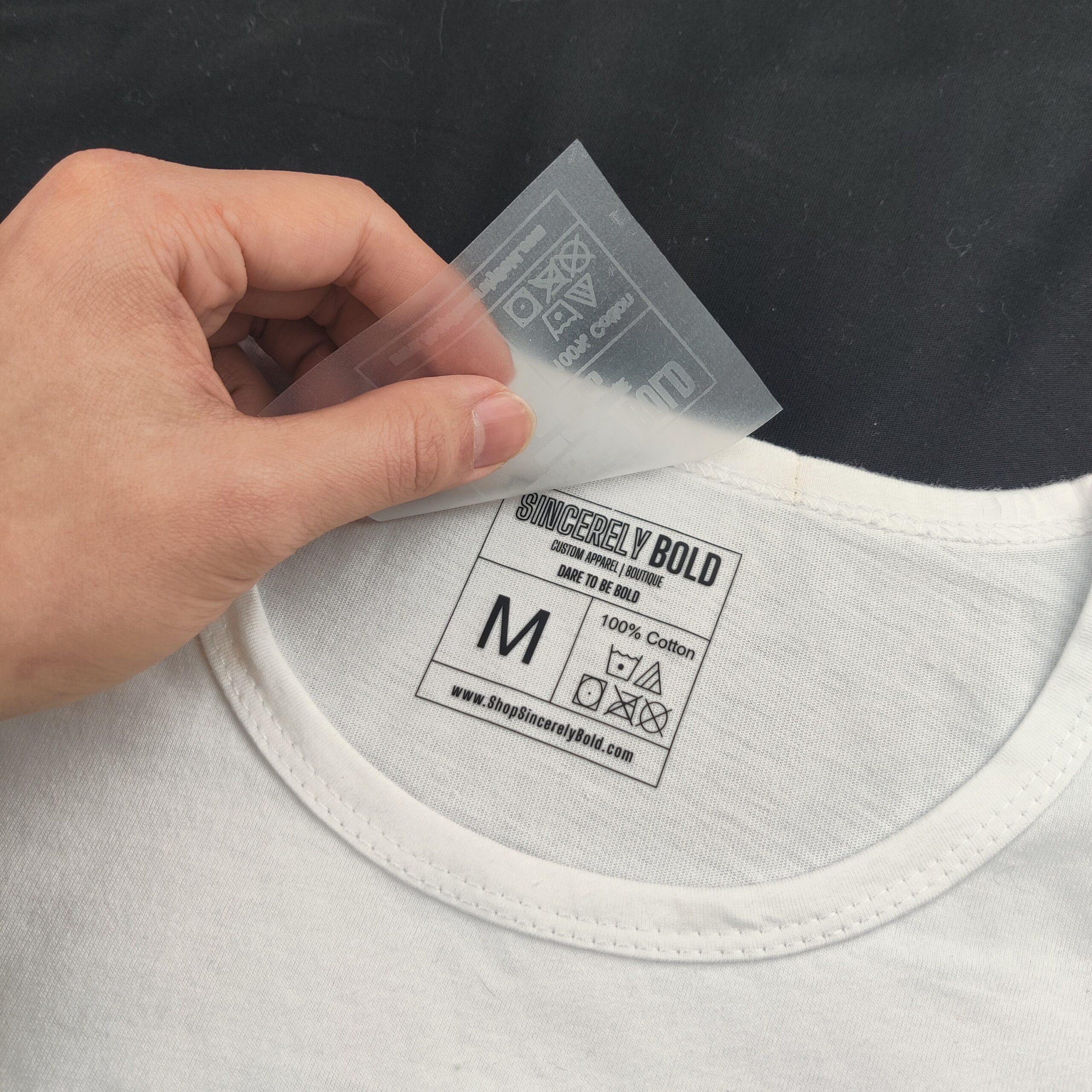
Printed Neck Labels
Printed neck labels offer a lightweight, low-bulk alternative for comfort-focused T-shirts. We align artwork, color references, print placement, and wash-performance requirements with the selected fabric and approved production standard.
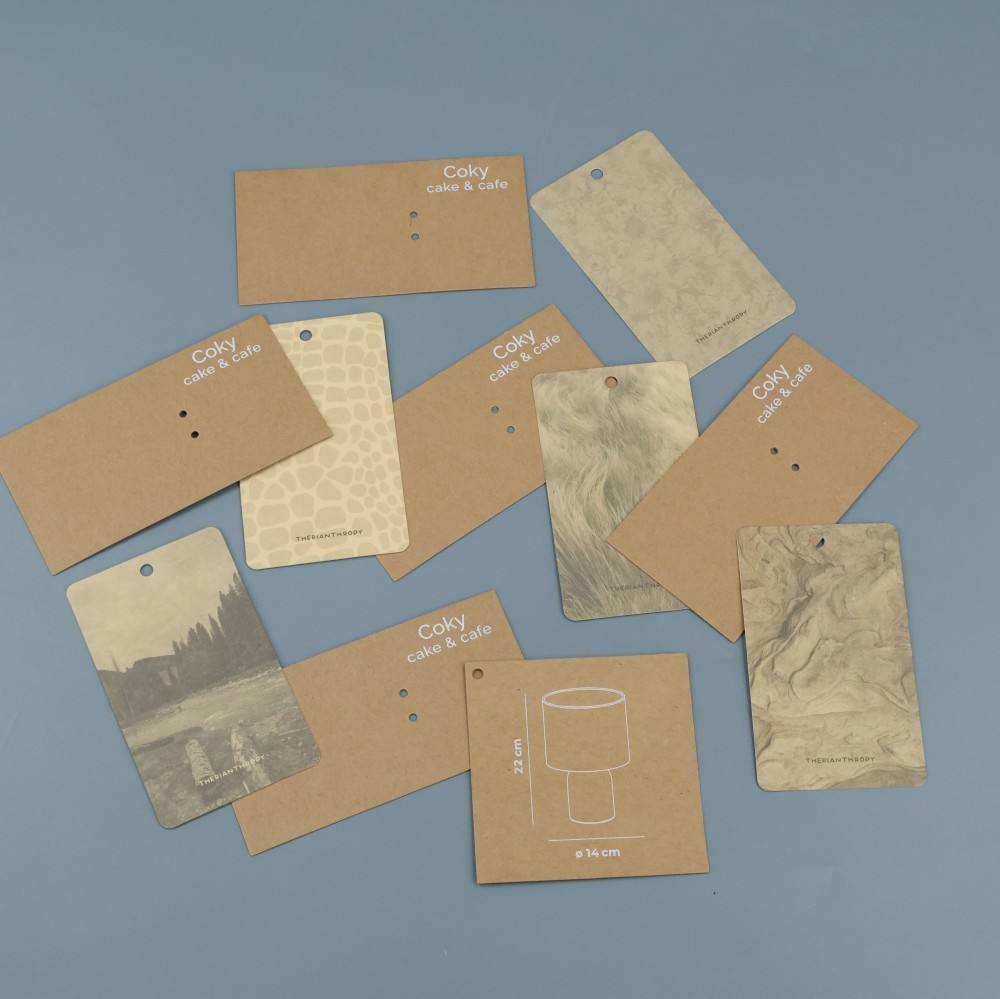
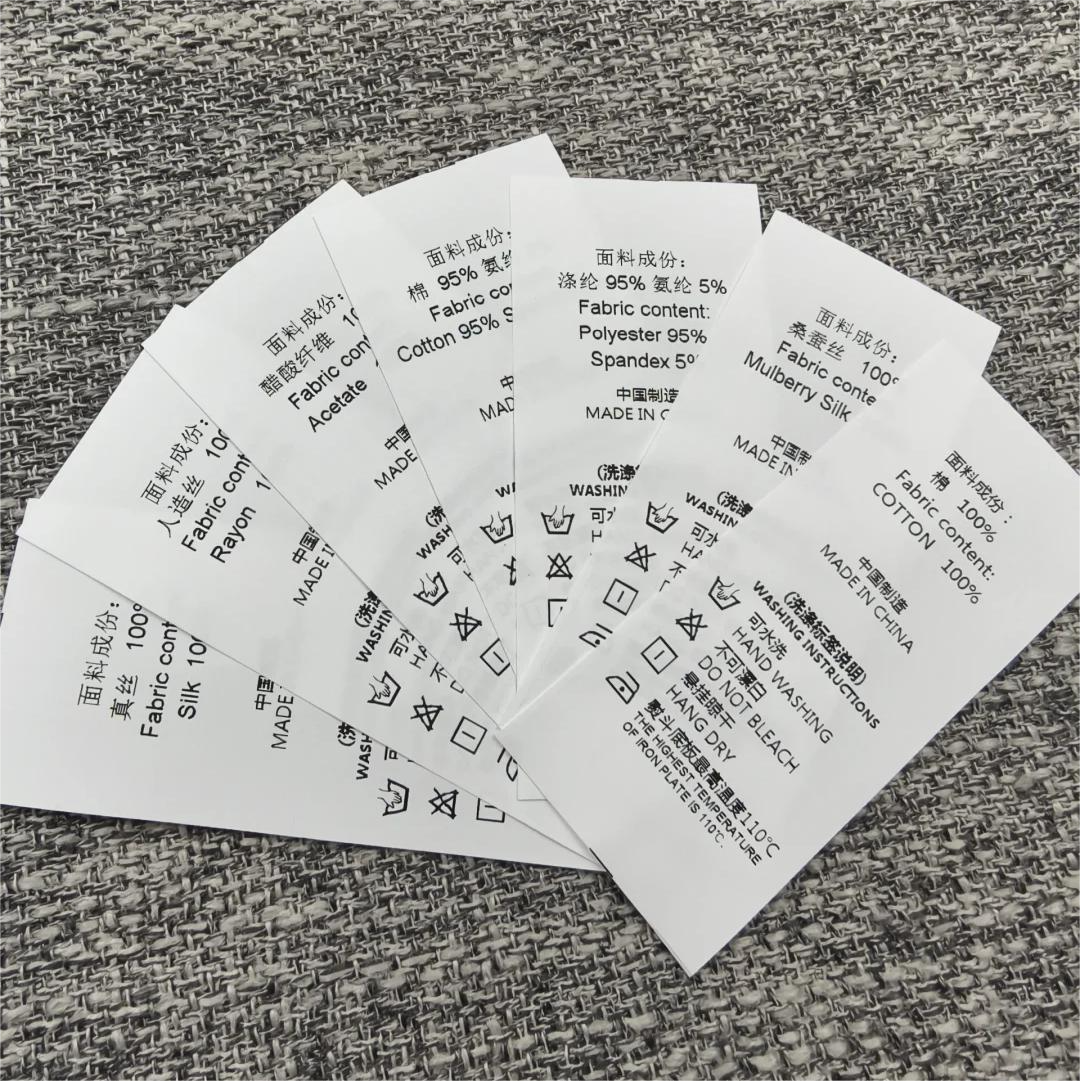
Size and Care Labels
Size and care labels make essential product information clear and consistent across a collection. We coordinate label content, material, positioning, and attachment details so they match your specifications through bulk production.
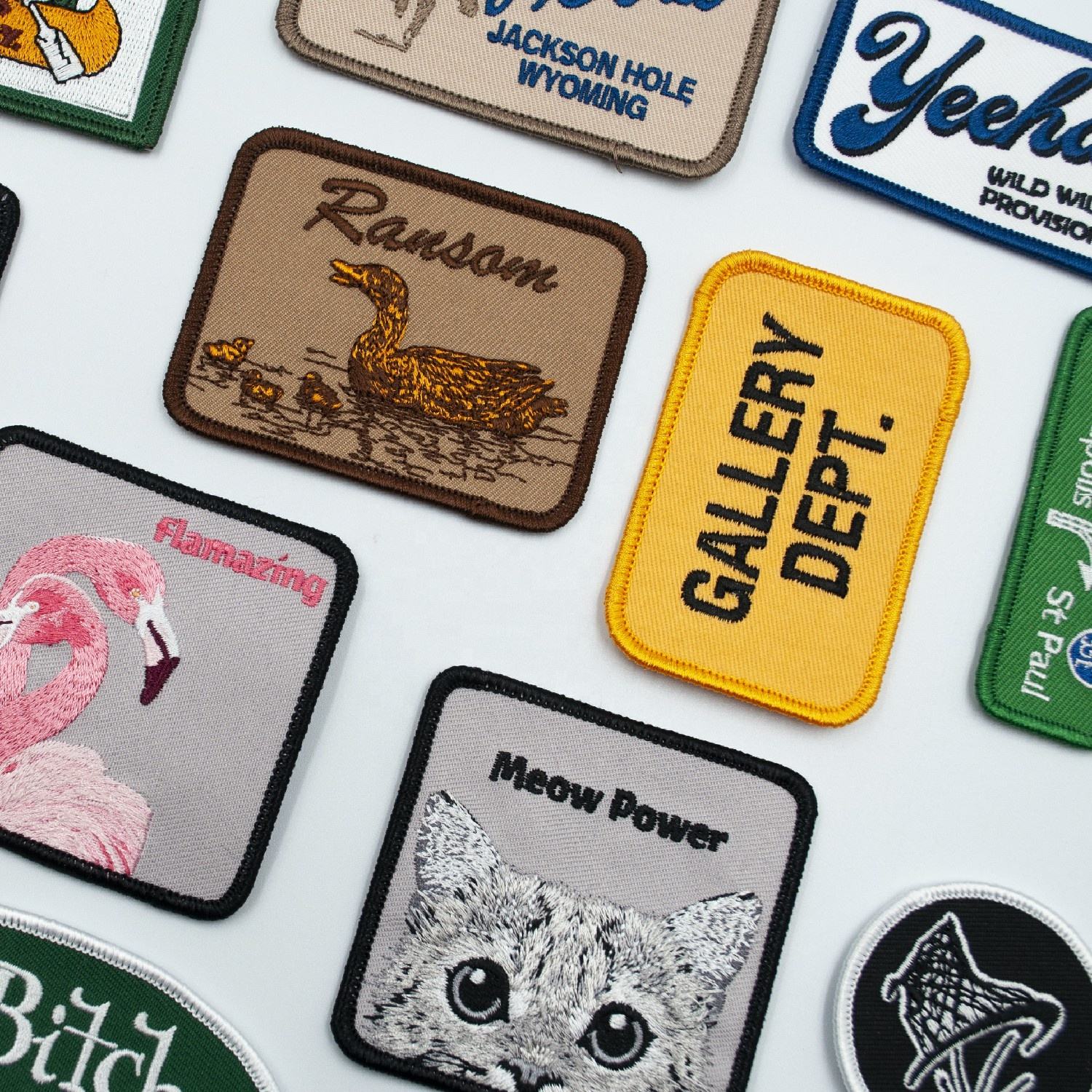
Custom Patches
Woven, embroidered, or printed patches add a distinctive brand marker to tees, overshirts, and coordinated streetwear pieces. Their size, backing, placement, and application method are reviewed during sampling for dependable repeatability.
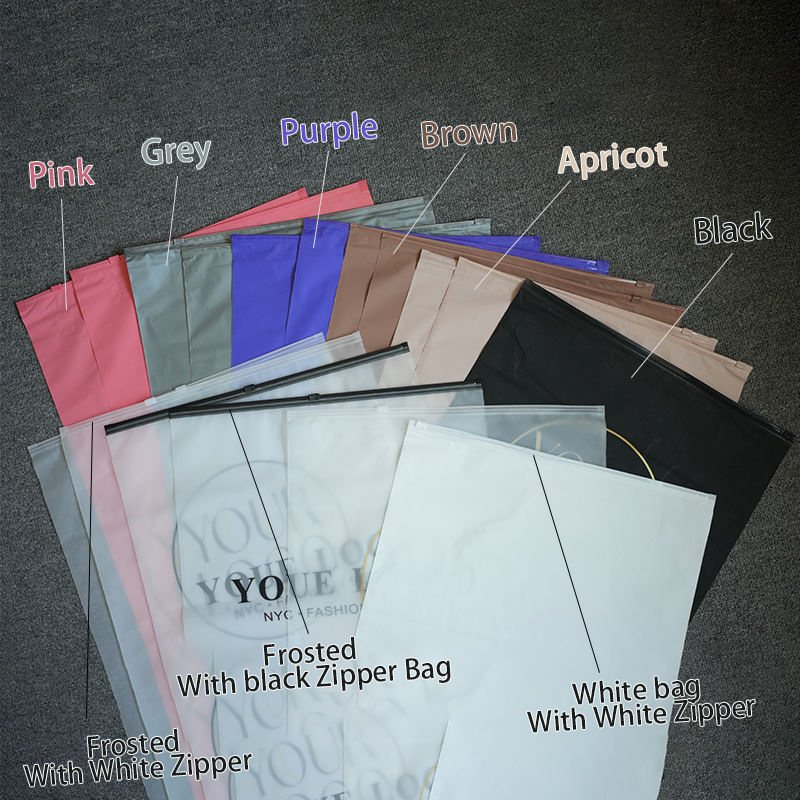
Branded Packaging
Finish each order with branded polybags, stickers, folding instructions, or insert cards that support your presentation requirements. Packaging details are coordinated with labeling and final inspection before garments are packed for delivery.
About EDVORIN
EDVORIN was founded in 2000 by Edvorin Zeng with a workshop-level belief: an apparel idea only succeeds when it can be made consistently. As a private label t shirt manufacturer, we help brands turn sketches, reference garments and finished tech packs into clear, production-ready standards.
Our connected OEM, ODM and private-label workflow brings fabric sourcing, patterns, sampling, printing, embroidery, washing, labeling, packaging and quality control together. From men’s and women’s T-shirts to coordinated streetwear and teamwear, each decision is documented so the approved sample can guide bulk production.
What sets EDVORIN apart is accountable continuity from development through packed order. We test details before production, record approvals and control the points where fit, color, decoration and finishing can vary. With MOQs from 200 pieces per style, buyers gain flexible support built for repeatable growth.
From Approved Sample to Controlled Bulk Production
Technical Development That Holds
EDVORIN develops each T-shirt around a documented construction standard, whether you arrive with a complete tech pack or an early concept. Patterns, measurements, fit revisions and grading are clarified before the approved sample becomes the reference for repeat production.
- Men’s and women’s fit blocks developed by program
- Pattern, measurement and construction details recorded
- Sample revisions consolidated into an approved standard
- MOQ starts at 200 pieces per style
Fabric and Trims in Sync
Fabric weight, hand feel, shrinkage expectations and trim choices are coordinated as one product decision. EDVORIN aligns neck rib, labels, threads, neck tape and packaging with the intended fit, wear experience and visual direction of your private-label T-shirt program.
- Fabric options matched to intended silhouette and use
- Neck rib and seam components considered with fabric behavior
- Custom labels, care information and branded packaging coordinated
- Materials and trims reviewed before bulk execution
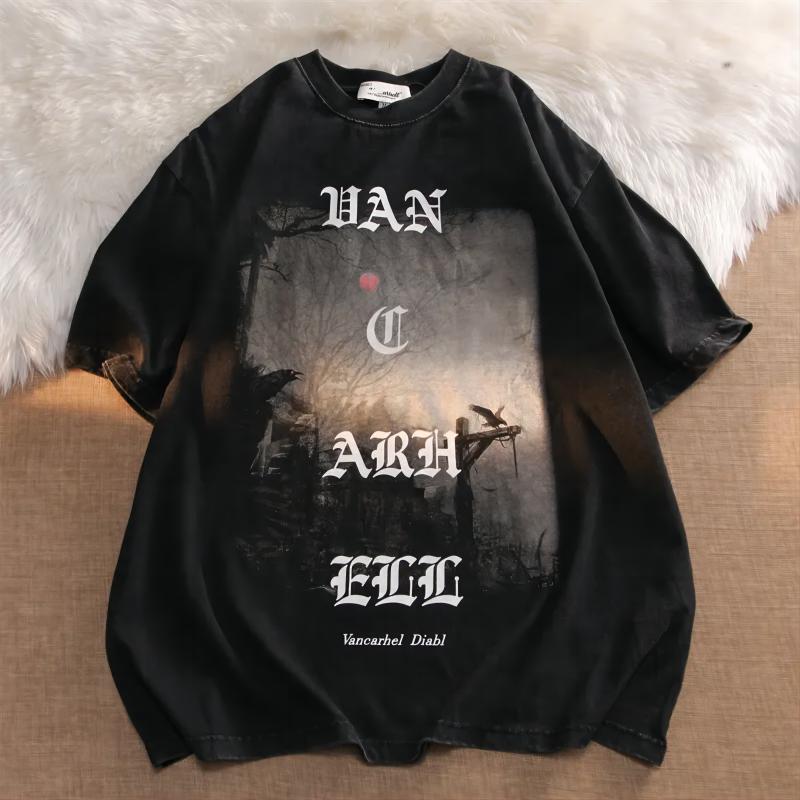
Decoration Built Into Development
As a private label t shirt manufacturer, EDVORIN considers decoration alongside the base garment rather than after it is finished. Print placement, embroidery, wash effects and artwork details are reviewed against fabric and construction so the approved look can be reproduced accurately in bulk.
- Screen printing and embroidery coordinated with garment materials
- Artwork placement recorded against garment measurements
- Wash and finish decisions evaluated during sampling
- Category-specific decoration support for fashion and teamwear
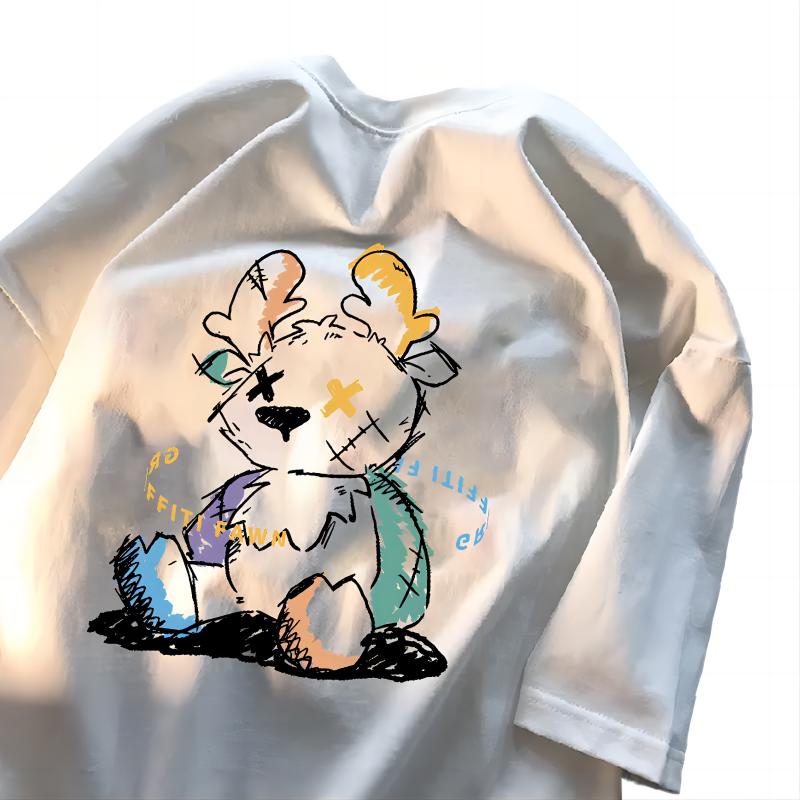
Approved Standards Guide Bulk
EDVORIN uses the approved sample as a working production reference through cutting, sewing, decoration, finishing and packing. In-line checks help identify variation before it spreads, while final inspection verifies that the finished order reflects the agreed measurements, details and presentation.
- Approved samples guide production teams and inspections
- In-line checks address variation during manufacturing
- Final inspection reviews finished garments before packing
- One accountable path from sample approval to bulk delivery
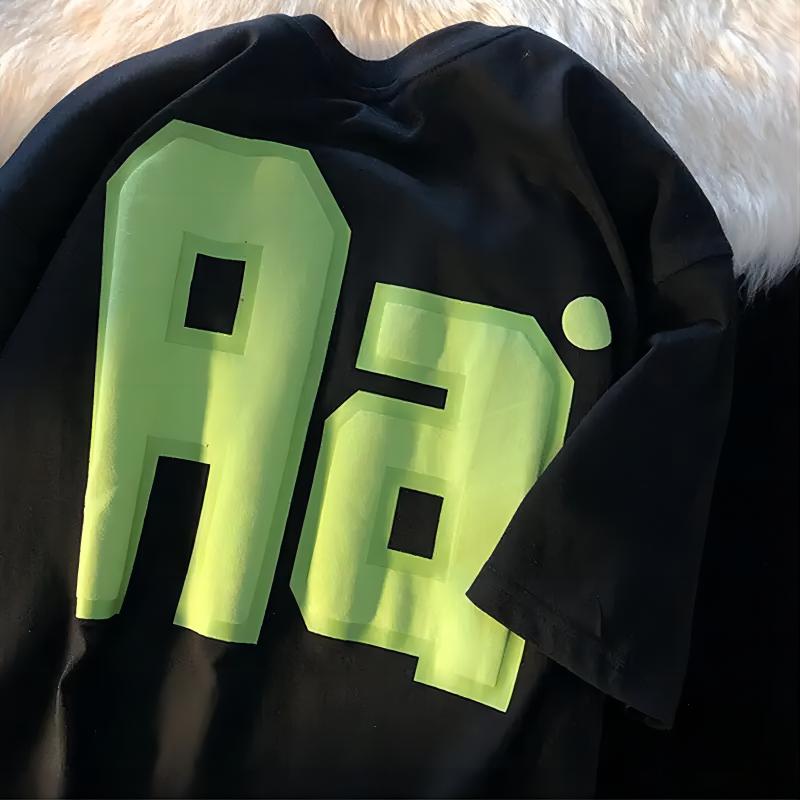
An Integrated Approach to T-Shirt Production
From development through packed bulk orders, EDVORIN records the standards that protect your T-shirt program.
← Swipe left or right to view →
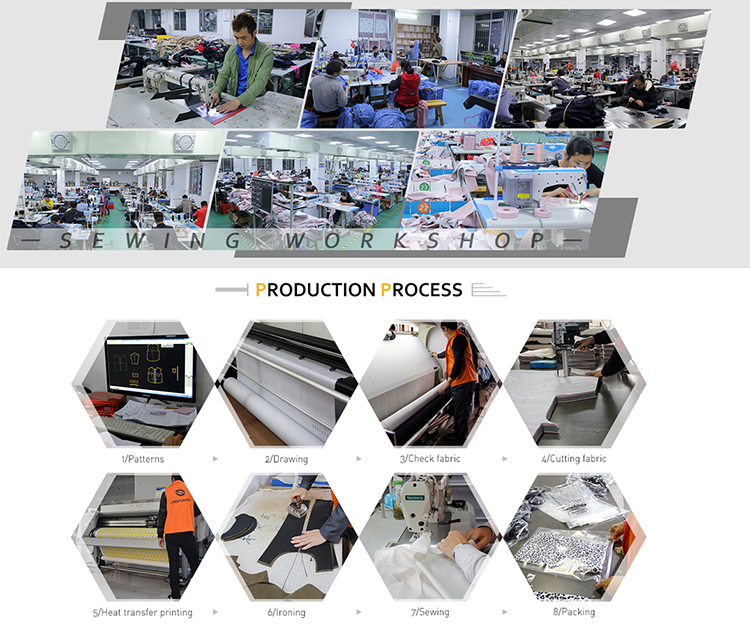
Your T-Shirt Production Process
A controlled path that turns approved specifications into repeatable, packed T-shirt orders.
Review Specs and Source
We review your tech pack, reference garment or concept, then align fabric, color, fit, trims, labels and target quantity before development begins.
Develop Patterns and Samples
Our team builds or adjusts the pattern, prepares a sample and records revisions so the approved fit, construction and details establish the production standard.
Confirm Artwork and Decoration
We verify artwork placement, print or embroidery method, color references and wash requirements against the base fabric before bulk cutting and decoration.
Cut, Sew and Finish
Approved materials move through cutting, sewing, decoration and finishing with coordinated control of measurements, trims and construction details across the order.
Inspect, Pack and Ship
In-line and final checks compare bulk goods with approved standards before labeling, folding, packaging and shipment preparation for your private-label program.
How to Start Your T-Shirt Program
Move from concept to a documented, repeatable T-shirt program with clear approvals at every stage.
Send Your Concept
Share a tech pack, sketch, reference garment, or collection brief. EDVORIN reviews fit, fabric, construction, decoration, labeling, and packaging requirements.
Review Your Quote
Confirm recommended specifications, MOQ starting at 200 pieces per style, development scope, and production details before sampling begins.
Approve the Sample
Evaluate the developed sample for fit, materials, artwork placement, trims, and finishing. Record approved revisions as the bulk-production standard.
Start Bulk Production
EDVORIN coordinates materials, cutting, sewing, decoration, in-line checks, and final inspection against the approved sample and documented specifications.
Arrange Final Delivery
Review packing requirements and delivery arrangements for your order. Your finished private-label T-shirts are prepared for the next stage of distribution.
Certified Standards for Responsible Apparel Production



What EDVORIN Buyers Say
EDVORIN turned our reference tees into an approved production spec in two sample rounds. The fit, neck rib, and print placement stayed consistent across our 1,200-piece launch order, which made our first wholesale delivery much smoother.
For our club merchandise program, EDVORIN organized names, numbers, and logo placement across 18 size and color combinations. We received a repeatable approval record that helped us reorder 900 shirts without reopening every decoration detail.
We needed a private-label T-shirt partner that could scale with our seasonal drops. EDVORIN coordinated fabric, woven labels, wash testing, and packaging for 3 styles at once. Our defect-related returns fell by 22% compared with the previous run.
Private Label T Shirt Manufacturer FAQs
EDVORIN’s MOQ starts at 200 pieces per style. Clear answers on MOQ, development, production controls and order planning with EDVORIN.
What is the MOQ with a private label t shirt manufacturer?
Can a private label t shirt manufacturer work from a sketch instead of a tech pack?
How do samples work before bulk T-shirt production?
What factors affect private-label T-shirt pricing?
What lead time should I expect from a private label t shirt manufacturer?
Can I add custom labels, tags and packaging to my T-shirts?
How does EDVORIN control quality from sample to bulk order?
How are design files and brand information protected during development?
The Complete Guide to Private-Label T-Shirt Manufacturing
EDVORIN’s MOQ starts at 200 pieces per style. Use a practical decision framework to compare supplier models, fabrics, customization, quality controls, pricing, and lead times—while avoiding costly sampling, specification, MOQ, and launch-planning mistakes.
1. What Is a private label t shirt manufacturer?
1. A private label t shirt manufacturer turns a buyer’s approved concept into a branded, repeatable product: development, fabric and trim sourcing, pattern work, samples, decoration, bulk sewing, labels, packaging, quality control, and delivery. EDVORIN organizes those decisions into one accountable production path.
2. White-label goods are pre-existing styles that multiple buyers can rebrand, while blank wholesale sourcing provides stock garments for later decoration. Both can speed a launch, but their fit, fabric, construction, and availability are shared with other buyers.
3. Fully custom cut-and-sew begins with a new specification—such as a unique fit block, 180 GSM ring-spun jersey, neck rib, sleeve proportion, or wash—then converts the approved sample into a bulk standard. Private label offers meaningful brand ownership when the buyer controls the visible identity and product specification; cut-and-sew delivers the greatest differentiation when the garment itself must be distinct.
2. How Private Label T-Shirts Evolved
2000 marked an era when many private-label tees began as generic promotional garments or stocked blanks carrying a logo. The buyer’s main decisions were usually shirt color, print placement, and order quantity rather than a distinct product specification.
2 developments changed that model: ecommerce gave direct-to-consumer labels a sales channel, while screen printing, DTG, embroidery, and heat-transfer options expanded graphic execution. Smaller trial runs also let fashion brands, schools, teams, and corporate buyers test a colorway or event design before committing to repeat orders.
1 modern brief now often combines fit, fabric weight, neck rib, Pantone color reference, artwork dimensions, neck label, hangtag, and packaging. A private label t shirt manufacturer therefore needs to convert those approved details into a controlled bulk standard, not simply decorate a blank shirt.
3. Types of private label t shirt manufacturer
Five supplier models differ more in product control than in branding options. A private label t shirt manufacturer should match the model to the buyer’s launch speed, exclusivity target, and reorder plan.
| Model | Fit/material control | Best use | Trade-off |
|---|---|---|---|
| Stock blanks + relabel | Low | Fast tests | Low exclusivity |
| Private-label customization | Medium | Growing labels | Existing block |
| OEM development | High | Defined designs | Sampling required |
| Custom cut-and-sew | Highest | Signature collections | Higher MOQ/time |
| Print-on-demand | Low | Demand testing | Limited scale control |
Fastest Market Entry
Stock blanks and print-on-demand reduce development work because the base garment already exists. They suit event programs, creator tests, and short sales windows, but offer limited fit ownership.
Branding Without New Patterns

Private-label customization adds labels, packaging, colors, or decoration to an existing block. It gives growing labels a more branded product while avoiding the time and risk of a new pattern.
Highest Product Ownership
OEM and custom cut-and-sew translate approved specifications into repeatable production standards. They suit established brands and wholesale programs that need distinct fit, fabric, and scalable consistency.
4. Materials and Fabrics for Private Label Tees
Fiber, knit, GSM, finish, and expected wash behavior should be specified before sampling. A private label t shirt manufacturer can then match handfeel, drape, print method, durability, and target cost to the intended market.
| Fabric | GSM | Best Use | Trade-Off |
|---|---|---|---|
| Combed cotton | 160–180 | Retail basics | Soft, moderate cost |
| Cotton blend | 180–220 | Daily uniforms | Better recovery |
| Polyester performance | 140–180 | Training tees | Fast dry, different print behavior |
| Heavy cotton | 220–260 | Streetwear | Structured, higher fabric cost |
Fiber Choices
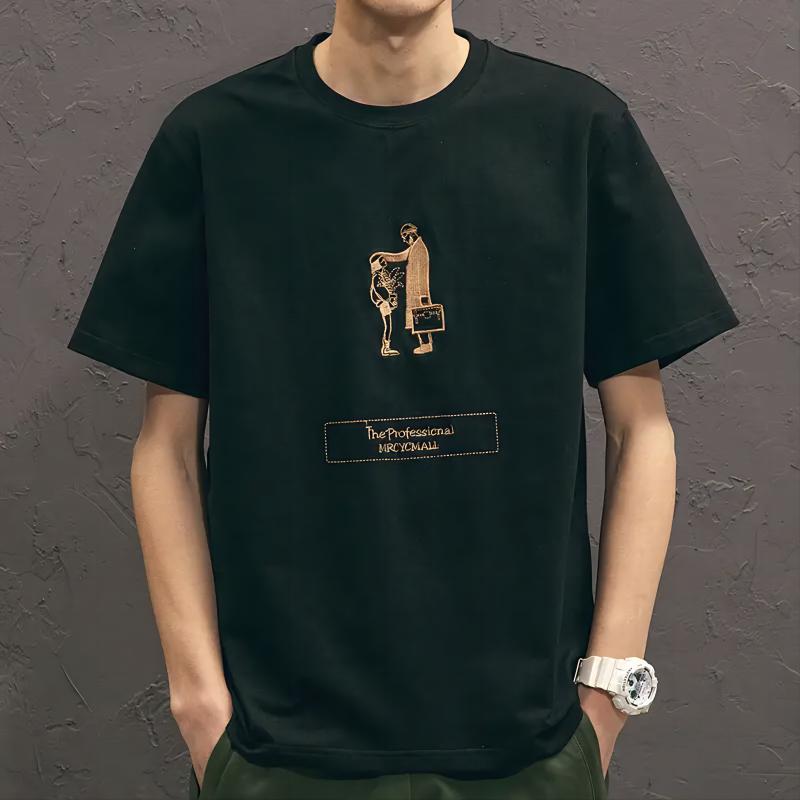
100% cotton gives a familiar hand and breathable feel; combed cotton removes shorter fibers for a smoother print surface.
Organic cotton describes fiber sourcing, not a guaranteed finished-garment claim. Cotton-poly blends can improve shape retention, while polyester and performance blends suit quick-drying active use.
Knit, Finish, And Shrinkage
Single jersey is the common tee knit, while interlock is denser and more stable. Ring-spun yarn generally feels softer than open-end yarn.
3–5% shrinkage allowance is often planned into patterns, but wash testing should confirm it. Enzyme, silicone, or garment washes alter softness, drape, and cost.
5. Customization Options From a private label t shirt manufacturer
One approved specification should lock silhouette, fit, sleeve length, collar, color, and grading before bulk production. A private label t shirt manufacturer can then apply the same standard to branding and packing.
| Method | Artwork | Order Scale | Feel And Durability | Limitation |
|---|---|---|---|---|
| Screen printing | Spot-color graphics | 50+ | Soft; durable | Color setup |
| DTG | Detailed artwork | Small | Soft; durable | Best on cotton |
| DTF | Full-color logos | Small to medium | Film feel; durable | Less breathable |
| Embroidery | Simple logos | Medium+ | Textured; durable | Poor for detail |
| Heat transfer | Names, numbers | Small | Film feel | Can crack |
| Sublimation | All-over polyester | Medium+ | No added feel | Polyester only |
| Appliqué | Varsity graphics | Medium+ | Layered; durable | Bulkier finish |
Silhouette And Branding
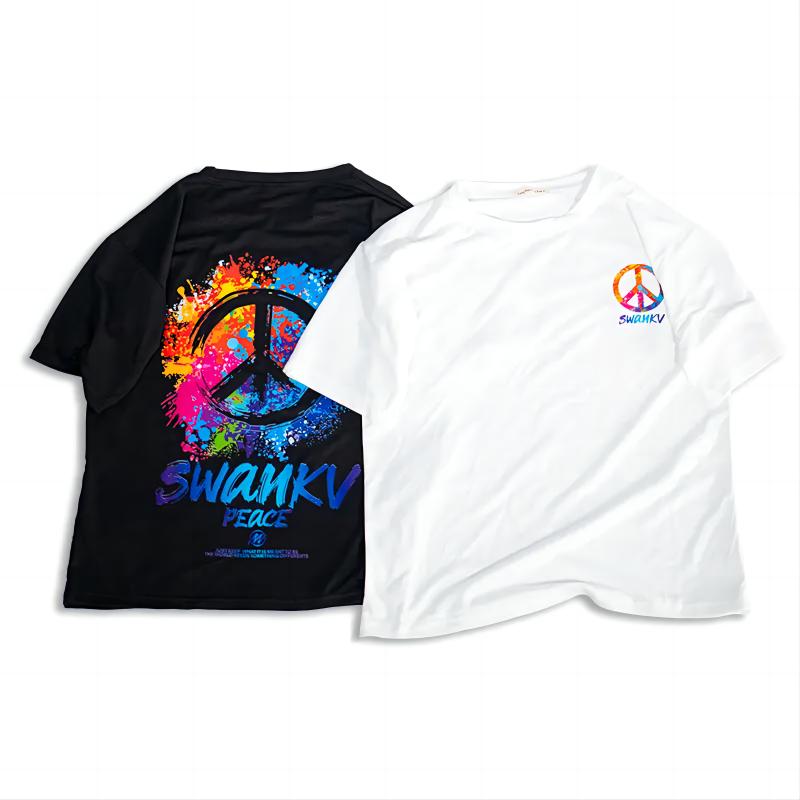
Three core fit choices—regular, oversized, and athletic—need measurements by size, not only a reference photo. Specify crew, V-neck, or rib collar; short, long, or raglan sleeves; Pantone colors; woven labels, neck prints, hangtags, and individual packaging.
Decoration Selection
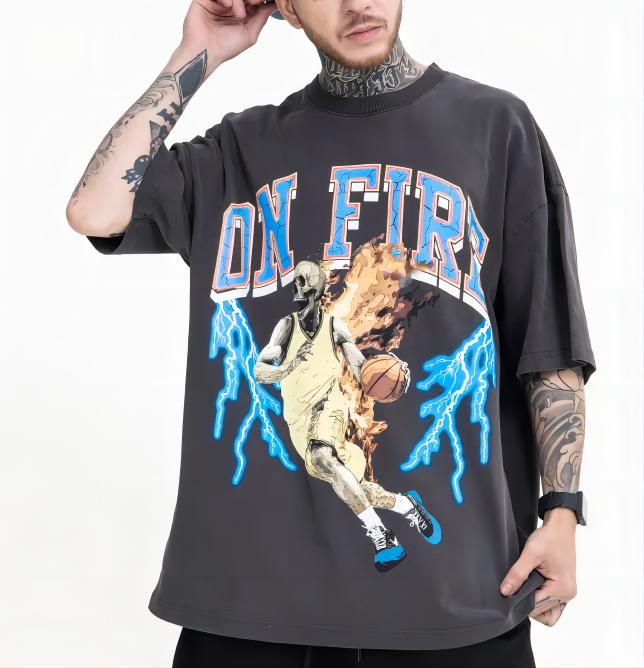
Seven decoration routes suit different artwork, quantities, and garment bases. Confirm the finished sample after wash testing, especially where stretch or dark fabrics are involved.
Artwork And Approvals
One production-ready artwork package includes vector AI, PDF, or SVG files; linked fonts converted to outlines; Pantone references; and placement dimensions. Approve a tech pack, size chart, color standard, artwork proof, label copy, packaging layout, and pre-production sample.
6. Construction Details That Signal Quality
A production-ready tee is judged at the seam, not by a flat photo. EDVORIN converts visible quality expectations into approved sample standards that can be checked during bulk production.
Inspect The Build
Each sample should be checked for consistent fabric hand and weight, a collar rib that recovers after stretch, reinforced shoulder seams, even stitch density, aligned side seams, and a clean double-needle hem.
A 10-piece bulk pull should be compared against the approved sample, including seam alignment, loose-thread limits, measurement points, Pantone-approved color, and print placement.
- Record stitch type and stitches per inch.
- State measurement tolerances by POM.
- Mark print location from neck and side seams.
Approve Wash Performance
Three wash-and-dry test cycles should assess shrinkage, twisting, color change, collar recovery, cracking, and print registration. Approval should require the tested garment to remain within the tech-pack tolerances.
Every revision needs a dated sample reference, fabric lot, color standard, and signed approval comments. This gives production one repeatable target instead of verbal expectations.
- Specify wash method and drying temperature.
- Photograph front, back, seams, and decoration.
- Retain the approved sample as the control.
7. Choosing a private label t shirt manufacturer
Three checks—product evidence, production control, and commercial clarity—separate a capable private label t shirt manufacturer from a low-price quote. EDVORIN should be assessed against the buyer’s exact tee, decoration, and launch requirements.
| Check | Ask | Compare |
|---|---|---|
| Sampling | Who approves revisions? | Timeline and charges |
| Quality | Which checks are documented? | Tolerance and remedy |
| Export | Which Incoterm applies? | Freight and paperwork |
Verify Product And Process Fit
EDVORIN’s MOQ starts at 200 pieces per style. 200-piece MOQ discussions should cover relevant tee experience, available capacity, fabric sourcing visibility, and export documentation. Ask for comparable samples, a sampling timeline, inspection points, and how measurement, artwork, or fit revisions are recorded before bulk approval.
Compare Matched Quotations
EDVORIN’s MOQ starts at 200 pieces per style. 3 quotations are useful only when every supplier prices the same fabric composition, GSM, color count, size run, print method, labels, packaging, Incoterm, and delivery window. Confirm MOQ by color, sample charges, revision responsiveness, production lead time, and the party responsible for quality claims.
8. Common Private Label Buying Mistakes
Most costly t-shirt errors are decided before cutting begins. A private label t shirt manufacturer can control production, but the buyer must approve the standards that production follows.
Approve Production Before Ordering
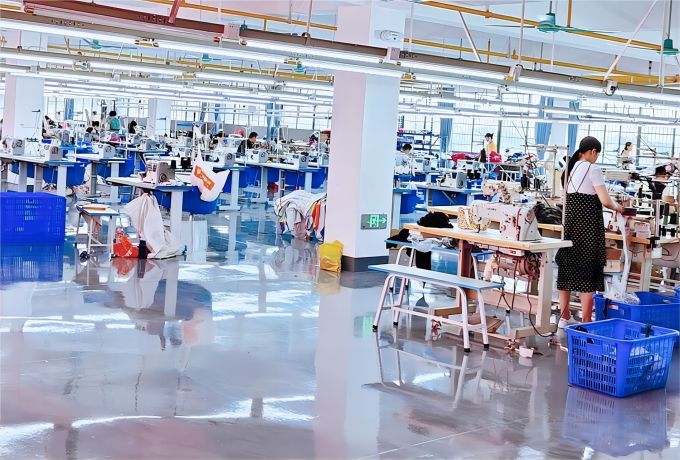
One approved pre-production sample should confirm fit, measurements, fabric hand, labels, and construction before bulk cutting.
Two signed references—sample and measurement chart—give new buyers a baseline and established teams a repeatable revision record.
Specify Fabric And Artwork
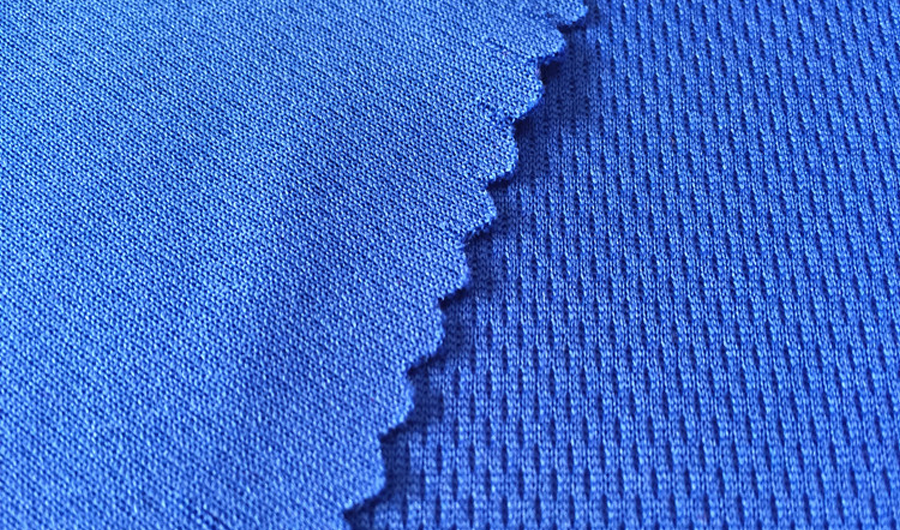
180 GSM cotton can shrink and print differently from a 240 GSM blend; lowest price alone is not a usable specification.
One wash test and Pantone-approved color reference should accompany artwork, placement dimensions, ink method, and shrinkage tolerance.
Protect Schedule And Inventory
Three approvals—production sample, decoration test, and packaging sample—prevent avoidable rework after materials are committed.
One confirmed critical path should cover sourcing, sampling, bulk production, inspection, and freight; begin with demand-tested quantities before expanding colorways.
9. Steps to Launch Your T-Shirt Line
A 200-piece minimum makes launch planning a sequence of approvals, not a single purchase. Define the customer, price position, channel, and first colorway before requesting development.
Build The Product Brief
One brief should specify fit, size range, fabric target, color references, artwork, and target landed cost. Select fabric and fit blocks before a private label t shirt manufacturer creates patterns or quotes bulk.
Approve Samples And Branding
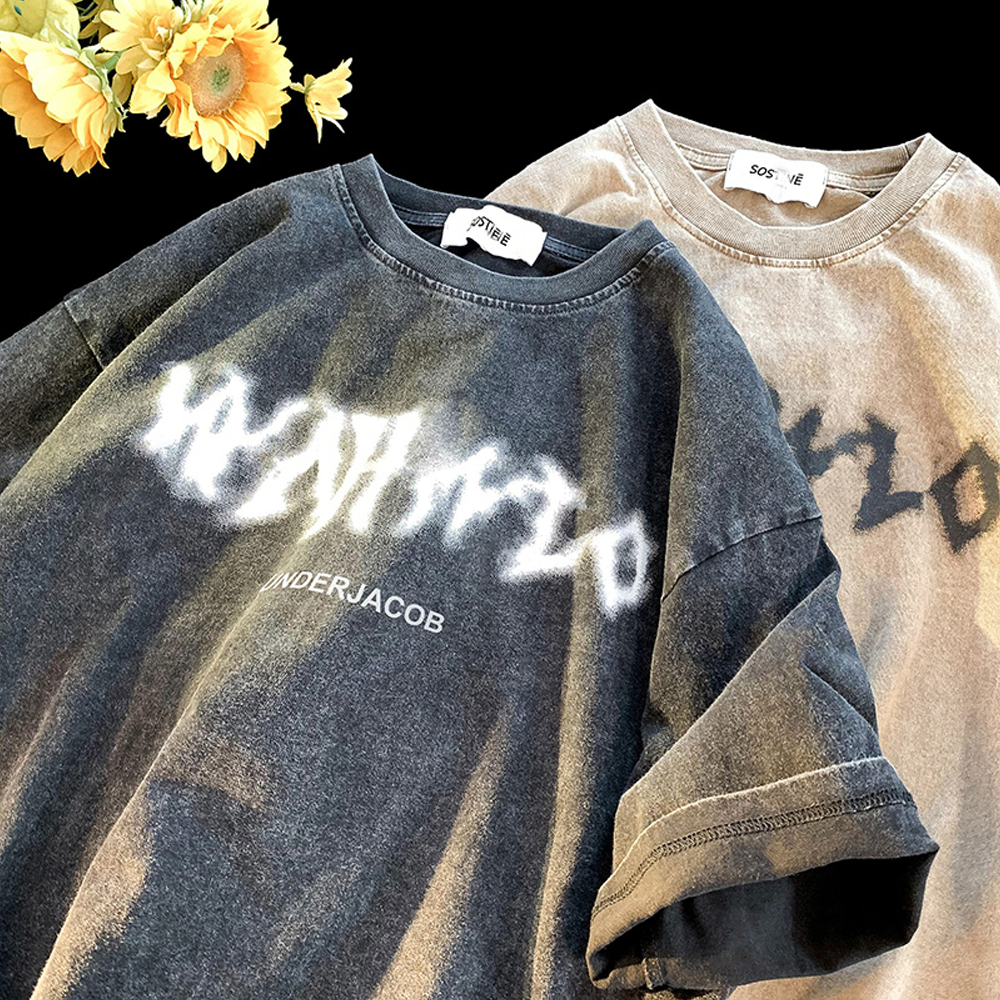
Two sample gates are practical: confirm fit and construction first, then approve print, wash result, neck label, hangtag, and packaging. Test measurements, shrinkage, color, and decoration after laundering; record every approved change in the tech pack.
Release Production Carefully
One purchase order should lock quantities, color-size breakdown, approved sample, inspection standard, packing method, payment terms, and delivery date. Approve pre-production materials before cutting, then review sell-through, returns, and size feedback before reordering.
10. Private Label T-Shirt Pricing and Cost Drivers
150–180 GSM jersey generally uses less material than a 220–260 GSM heavyweight tee, while ring-spun cotton, blends, custom dyeing, and complex cut-and-sew panels add cost. Screen-print color count and coverage, DTG artwork, embroidery, neck labels, hangtags, folding, and custom packaging should be quoted as separate specifications.
200 units is a practical point to compare a private label t shirt manufacturer, but sampling, freight, import duties, and expedited production can materially change the landed cost. Request pricing by colorway and size ratio, then confirm whether setup, sample revisions, testing, shipping terms, and duty exposure are included.
| Quantity tier | Unit-cost direction | Production-time consideration |
|---|---|---|
| 200–499 | Highest | Sampling and setup spread across fewer units |
| 500–999 | Moderate | Allows standard material and decoration planning |
| 1,000–2,999 | Lower | Improves cutting and print-run efficiency |
| 3,000+ | Lowest direction | Requires earlier forecasts and material commitments |
Ready to Start With a Private Label T Shirt Manufacturer?
Send your tech pack, reference garment, or collection brief for a tailored OEM/ODM quote from EDVORIN.