
Running Windbreaker Manufacturer for Brands and Teams
EDVORIN’s MOQ starts at 200 pieces per style. EDVORIN supports running-windbreaker programs from a 200-piece MOQ through product development, sampling and controlled bulk production.
Development, Decoration and Production Capabilities for Running Windbreakers
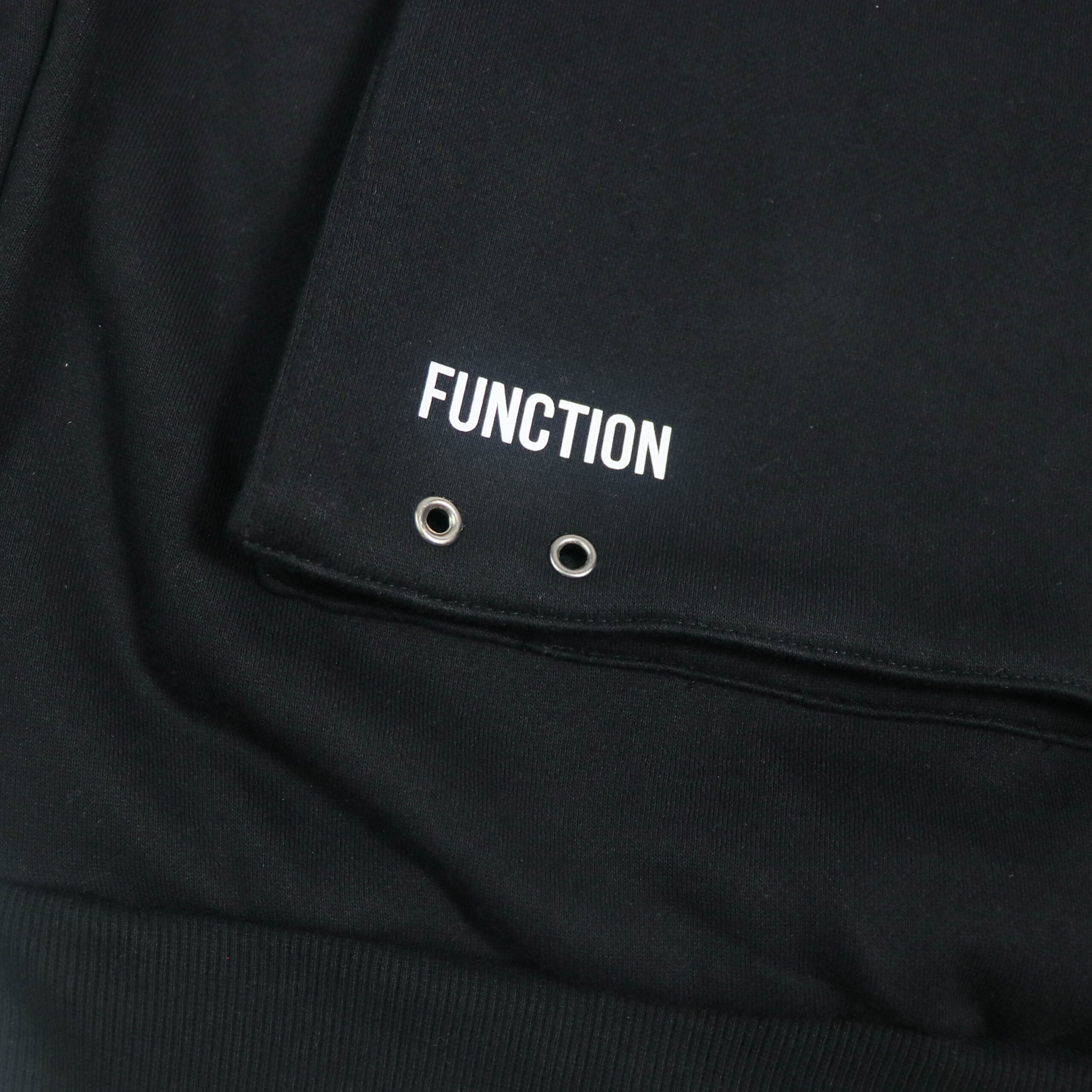
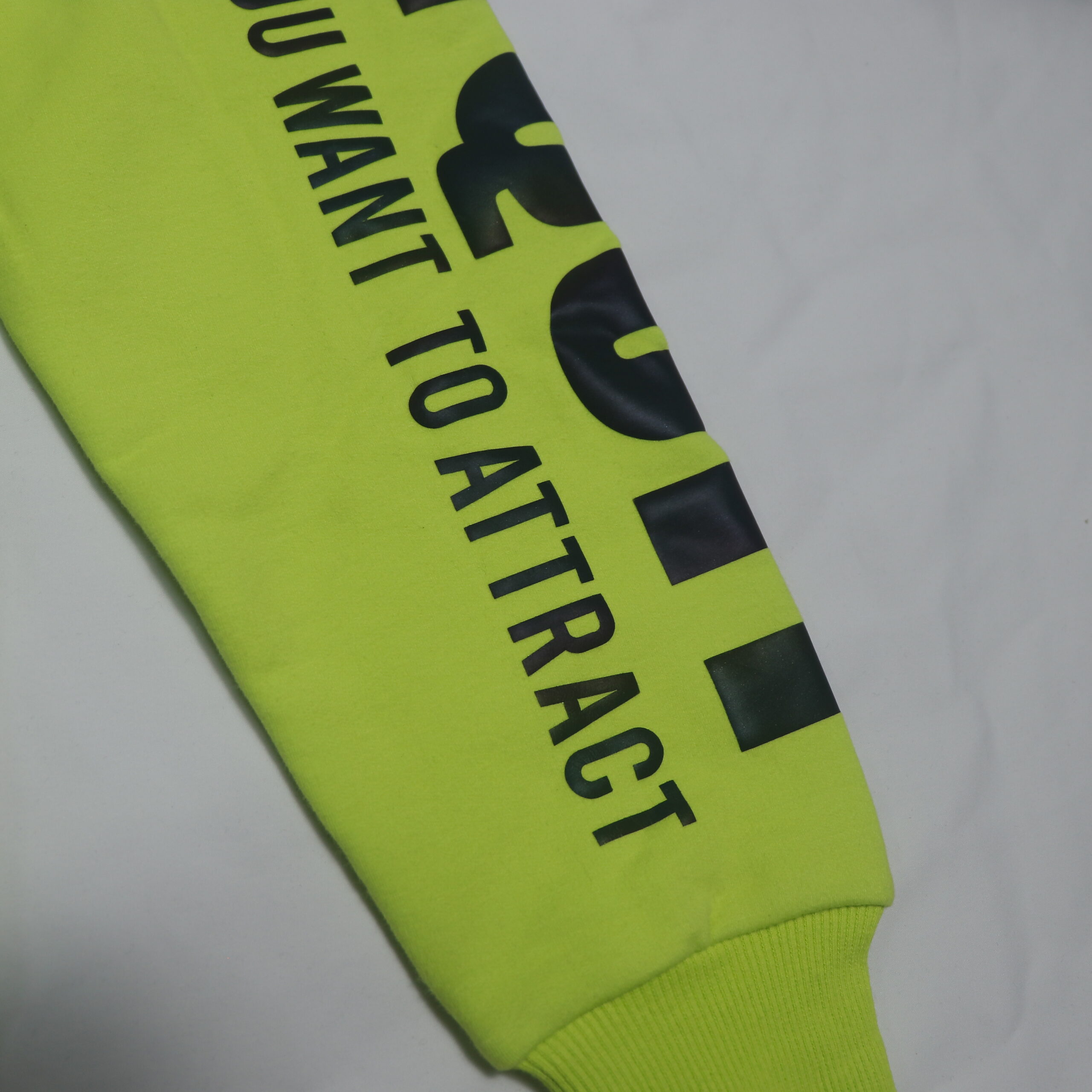
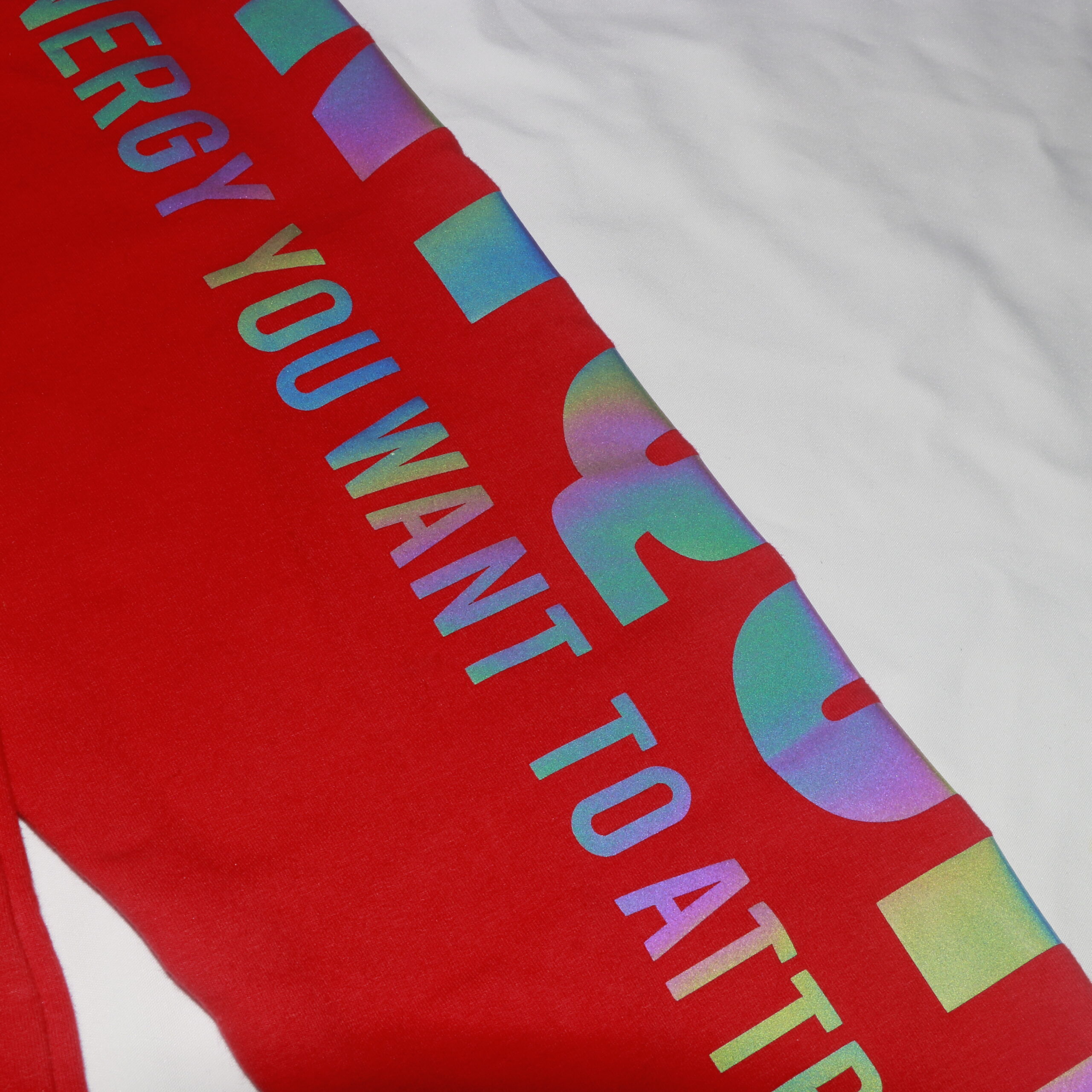
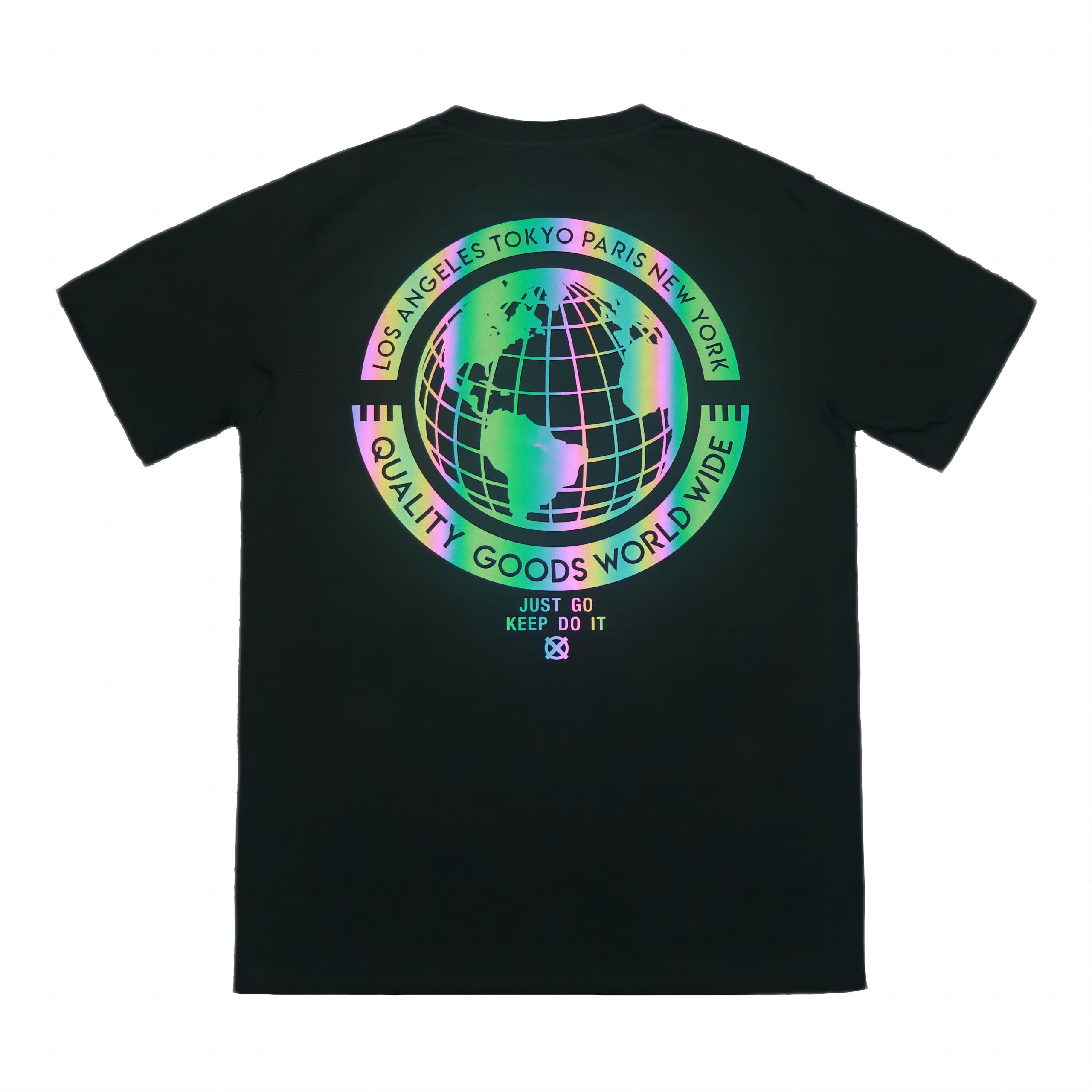
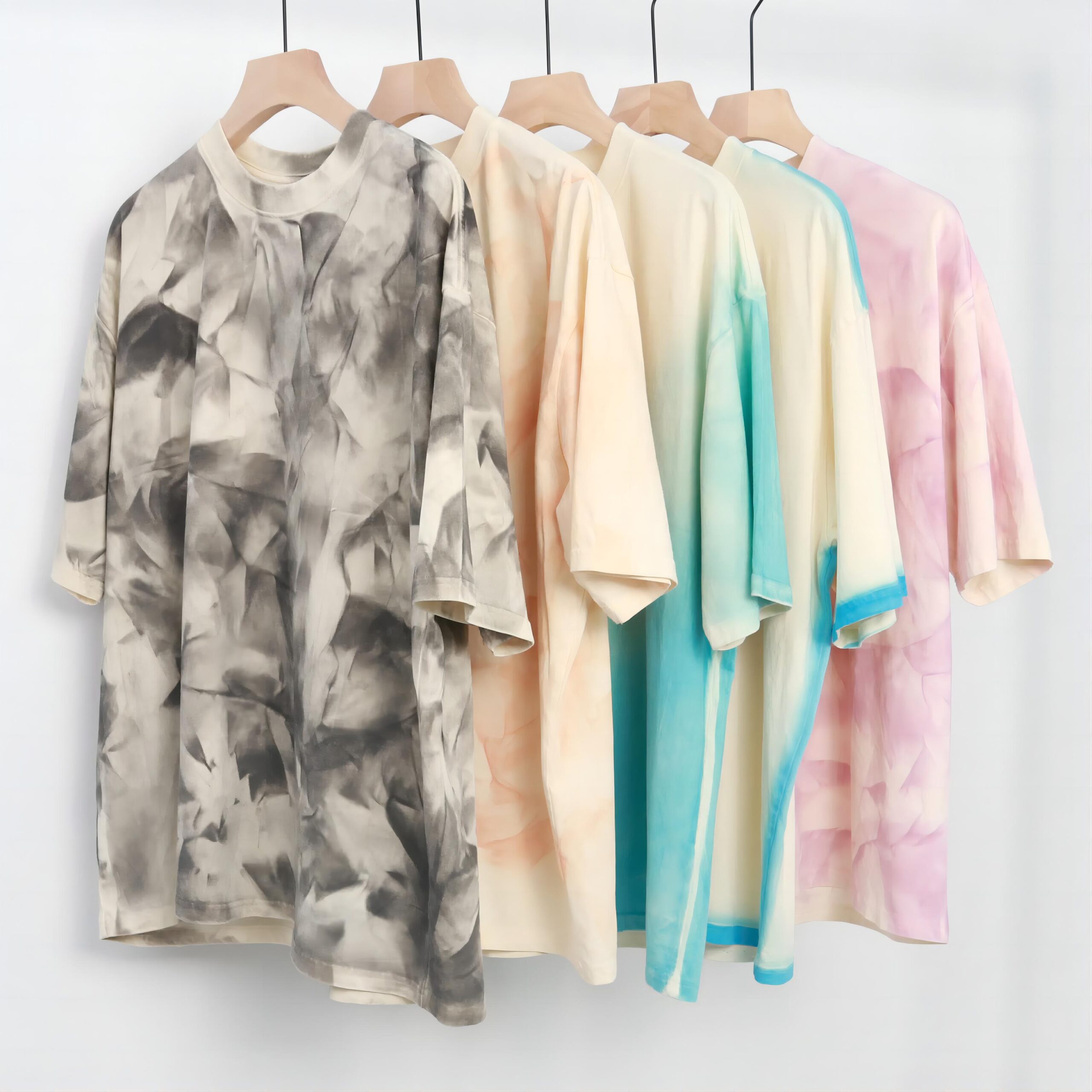
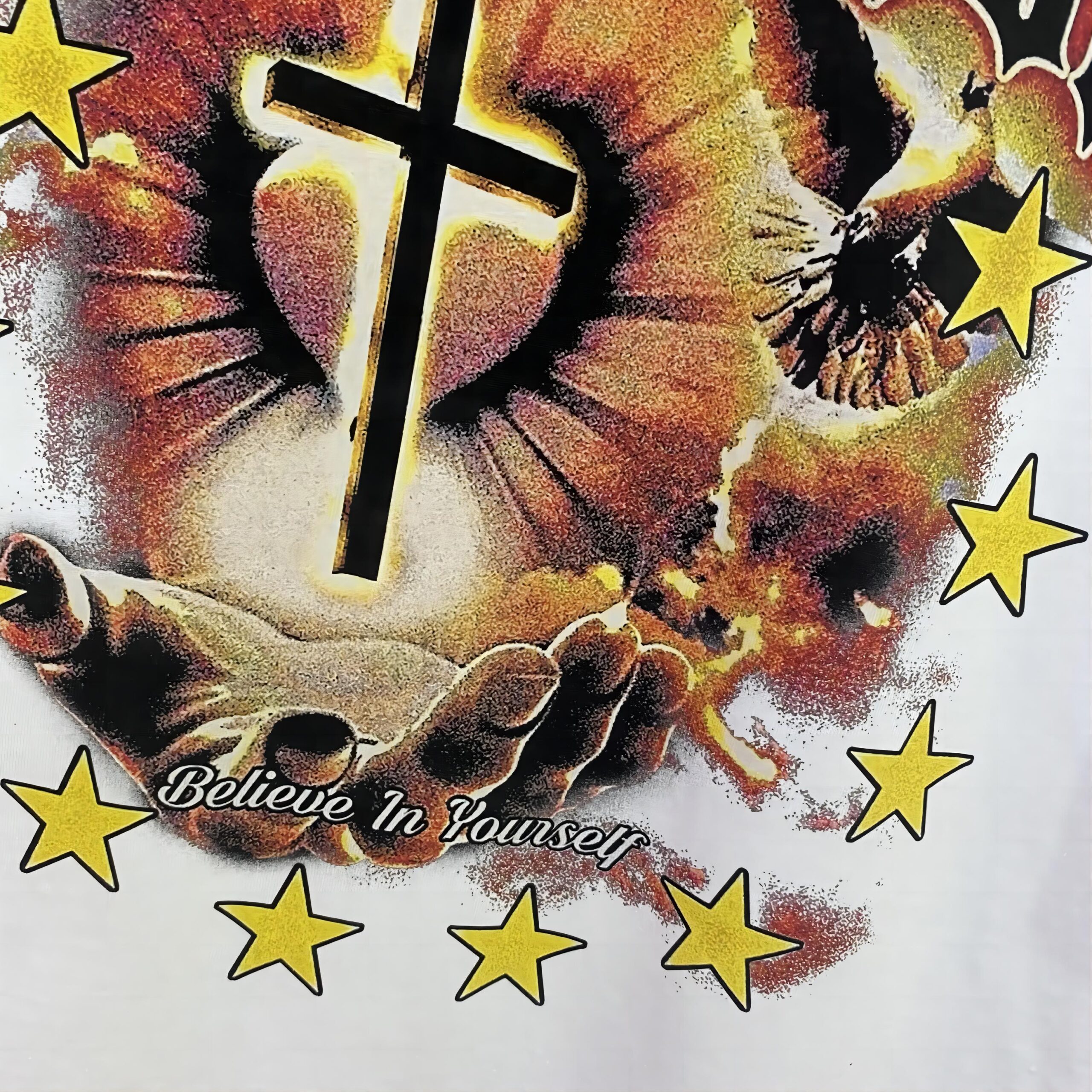
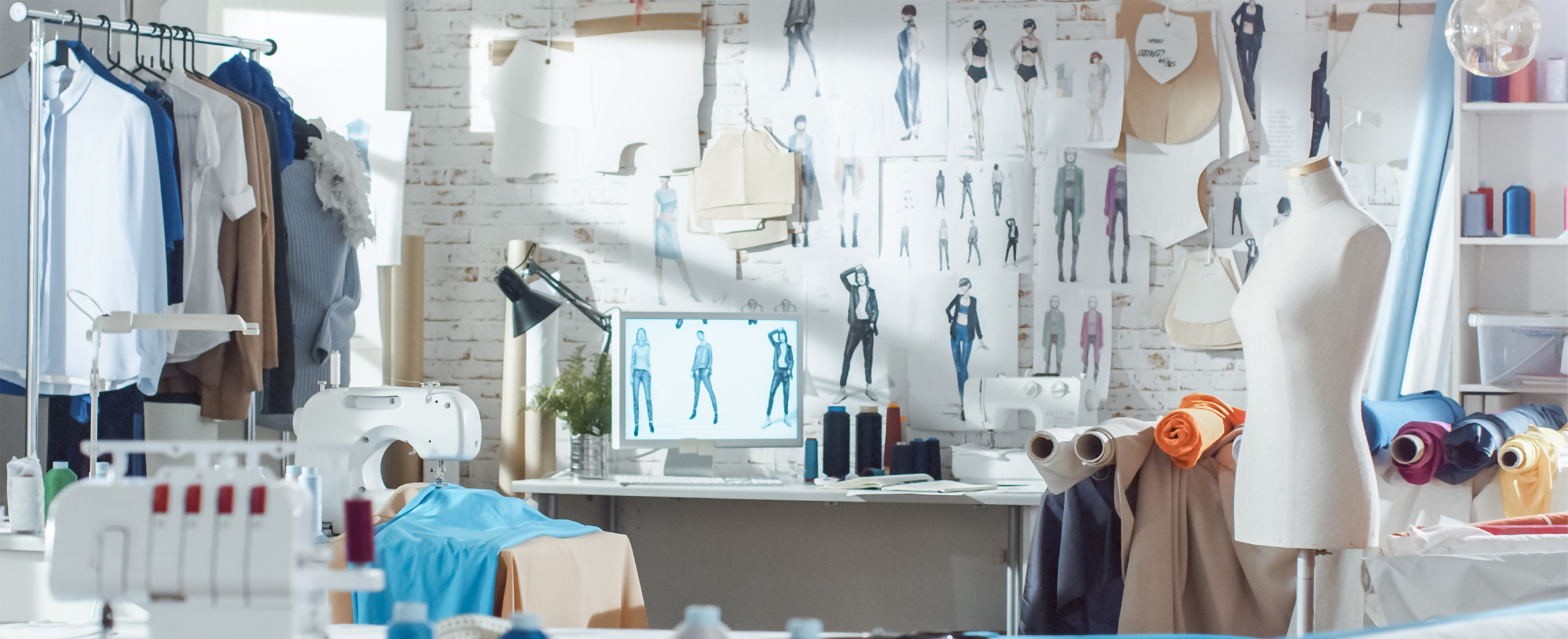

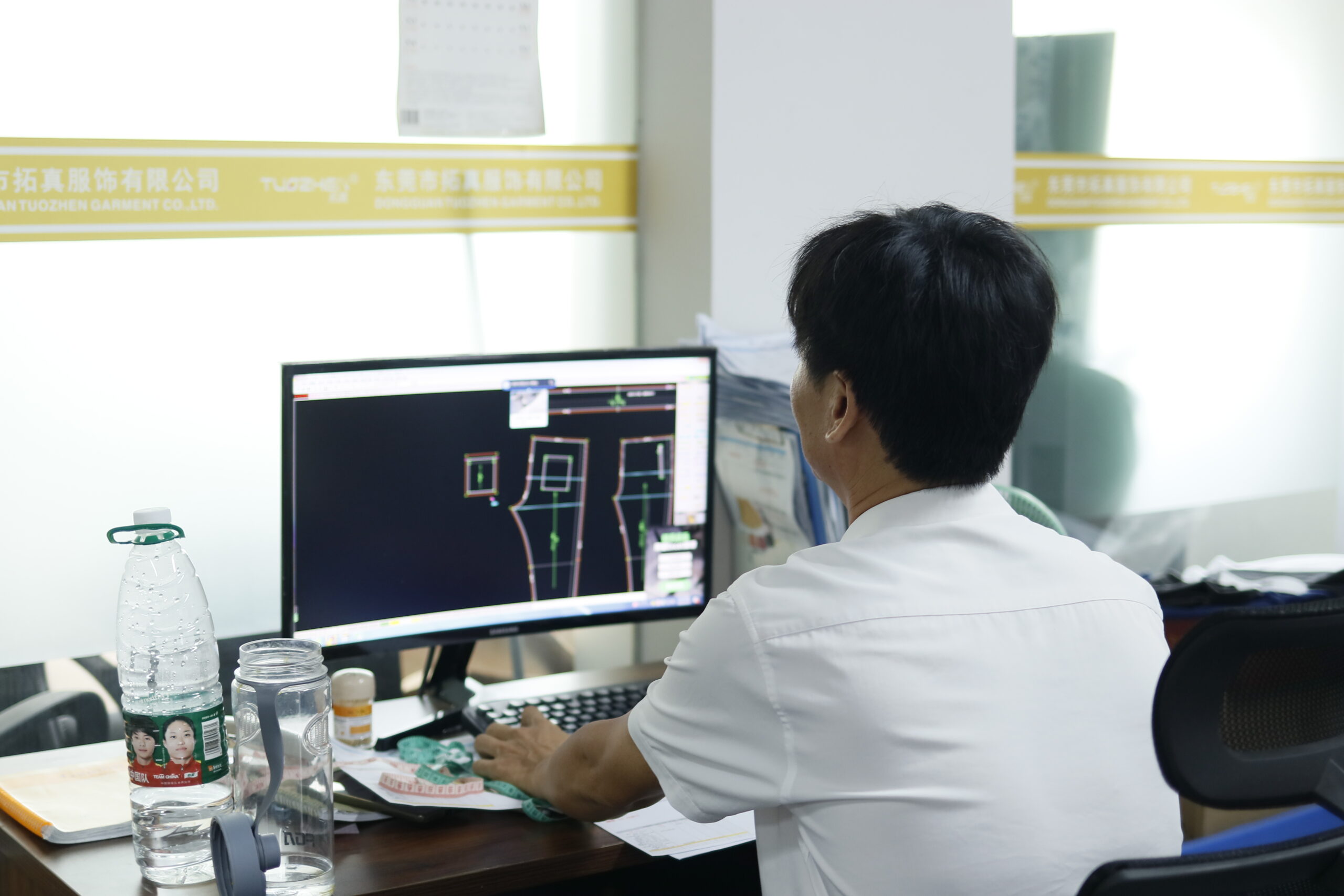

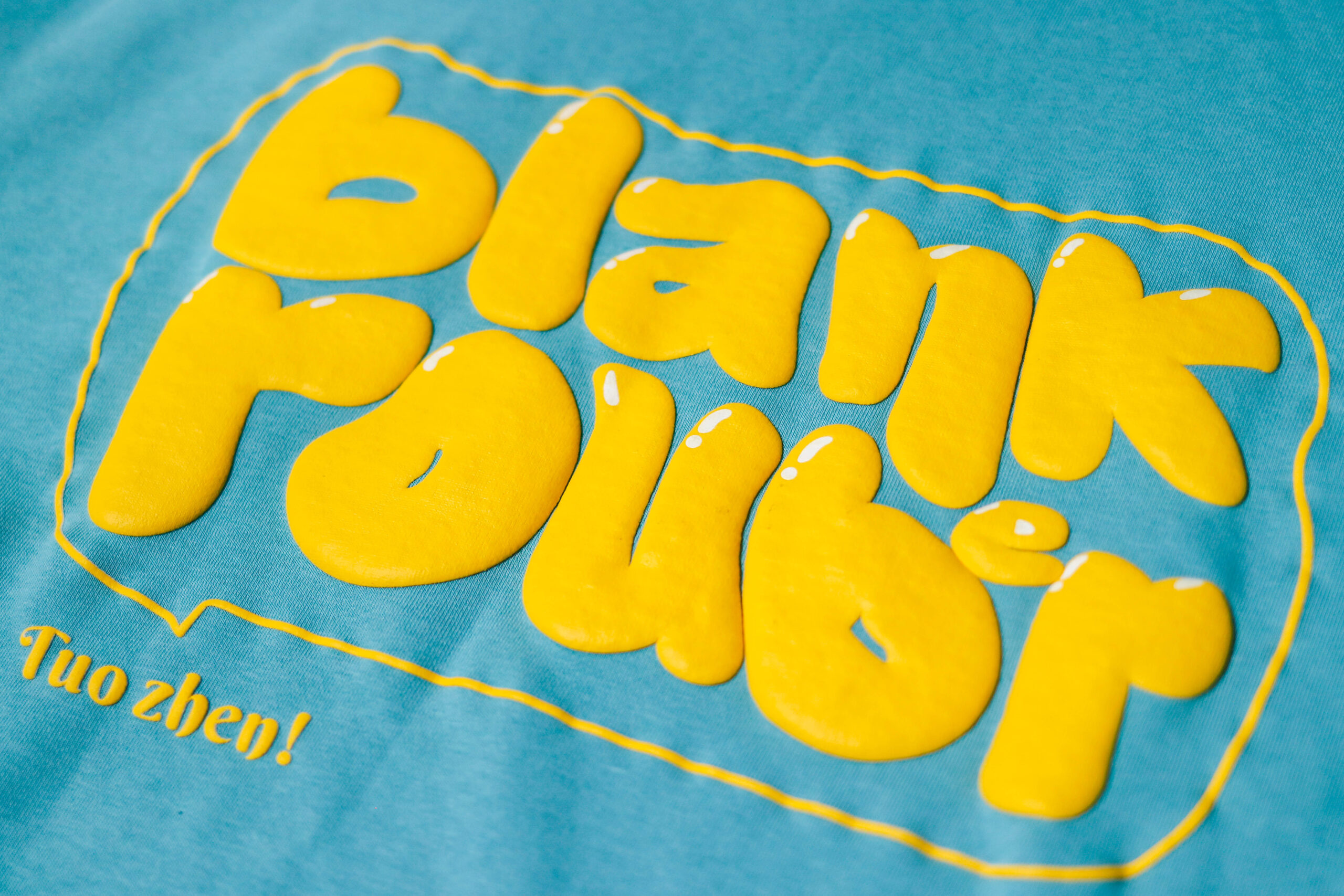
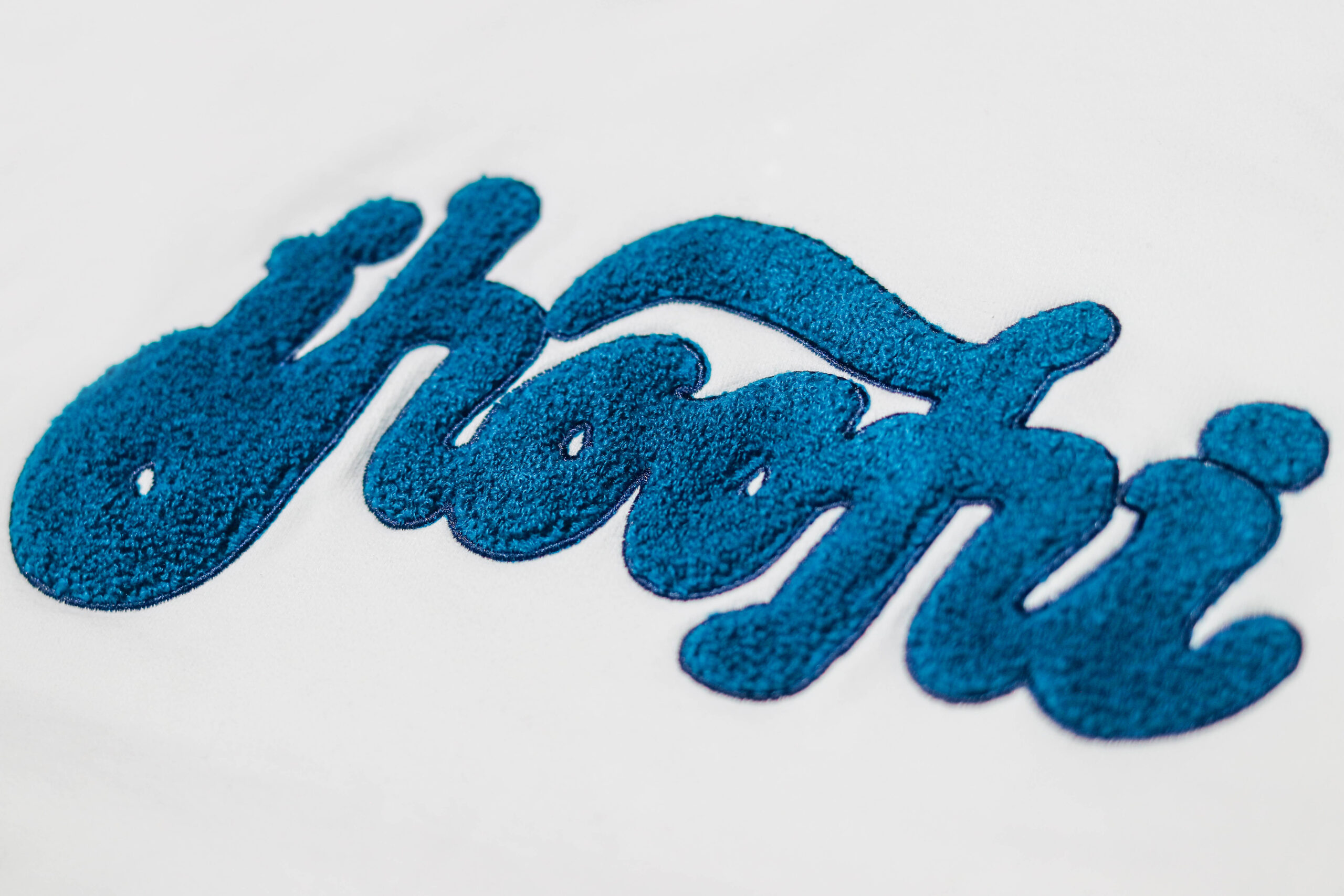
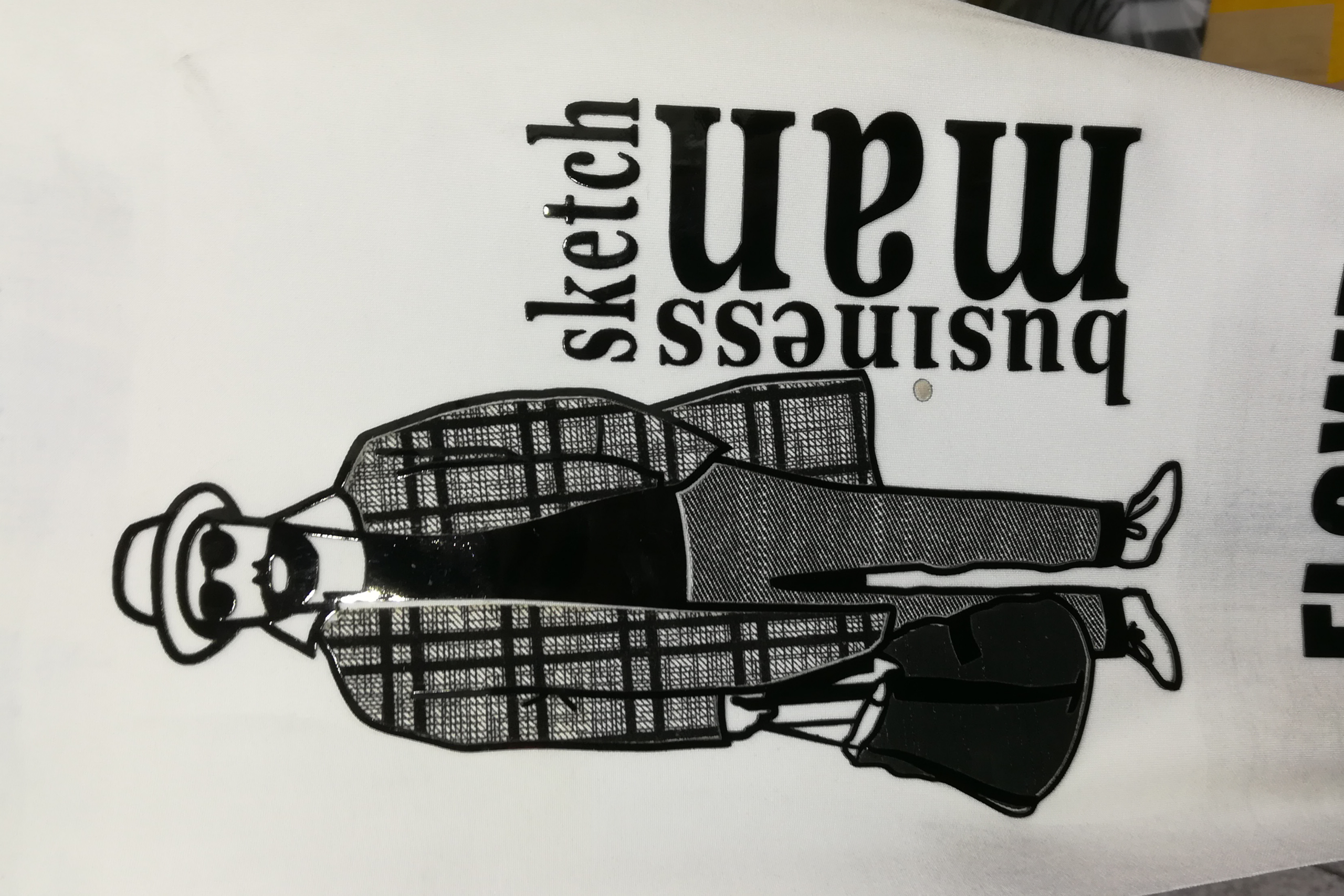
Built for Repeatable Running Windbreaker Production
EDVORIN turns approved running windbreaker concepts into documented, production-ready standards for flexible private-label programs starting at 200 pieces per style.
Flexible OEM/ODM Support
Bring a tech pack, reference garment, or early concept; EDVORIN develops a clear path from specifications to private-label production.
Performance Material Coordination
Coordinate shell fabric, lining, mesh panels, coatings, and trims around the intended running use, fit, weather protection, and hand feel.
Decoration by Construction
Plan prints, embroidery, reflective details, and logo placement with the garment construction so decoration supports movement, visibility, and consistent execution.
Documented Approved Standards
Record measurements, material choices, artwork placement, trims, and revisions after sampling to give bulk production one accountable reference.
Sample-to-Bulk Control
Use approved samples as the working standard for in-line checks and final inspection, helping protect consistency across each production run.
Built for Growing Programs
Start at 200 pieces per style and build repeatable men’s or women’s windbreaker programs for brands, teams, schools, and wholesale buyers.
Custom Apparel Programs, Built to Repeat
OEM, ODM and private-label development for brands, teams, schools and wholesale buyers—from approved samples through controlled bulk production.
Custom Hoodies
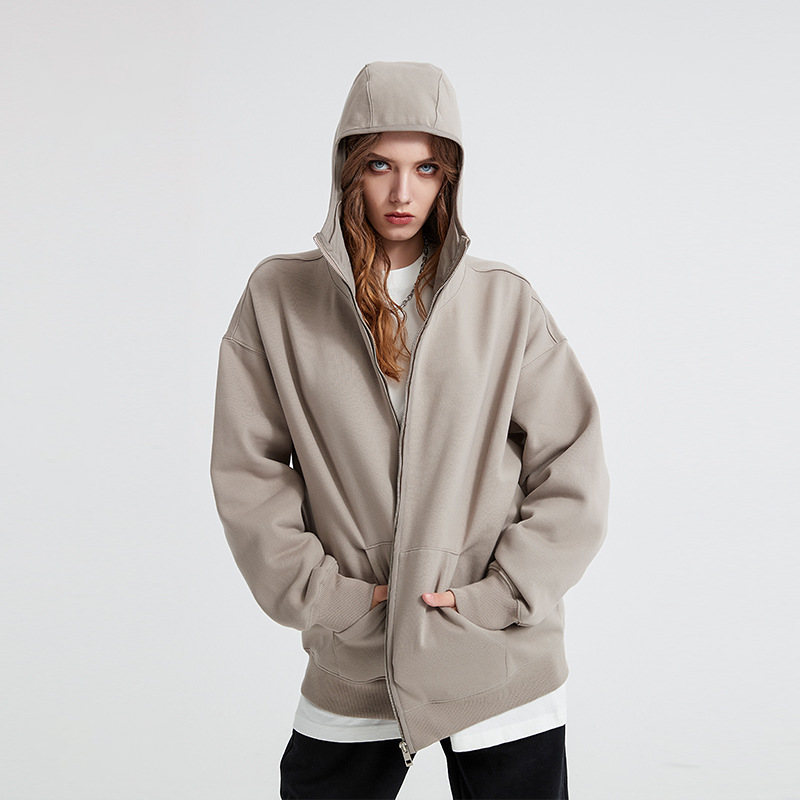
EDVORIN develops custom hoodies with defined fleece weight, fit blocks, rib specifications, drawcords, pockets, labels and print or embroidery placement. Each approved sample becomes the reference for repeatable bulk production for men’s and women’s programs.
Get a Quote
Pullover Sweatshirts
Pullover sweatshirts are developed around fabric weight, collar or crewneck construction, rib recovery, seam details, wash effects and decoration requirements. We convert buyer specifications or reference garments into documented production standards for private-label and wholesale programs.
Get a Quote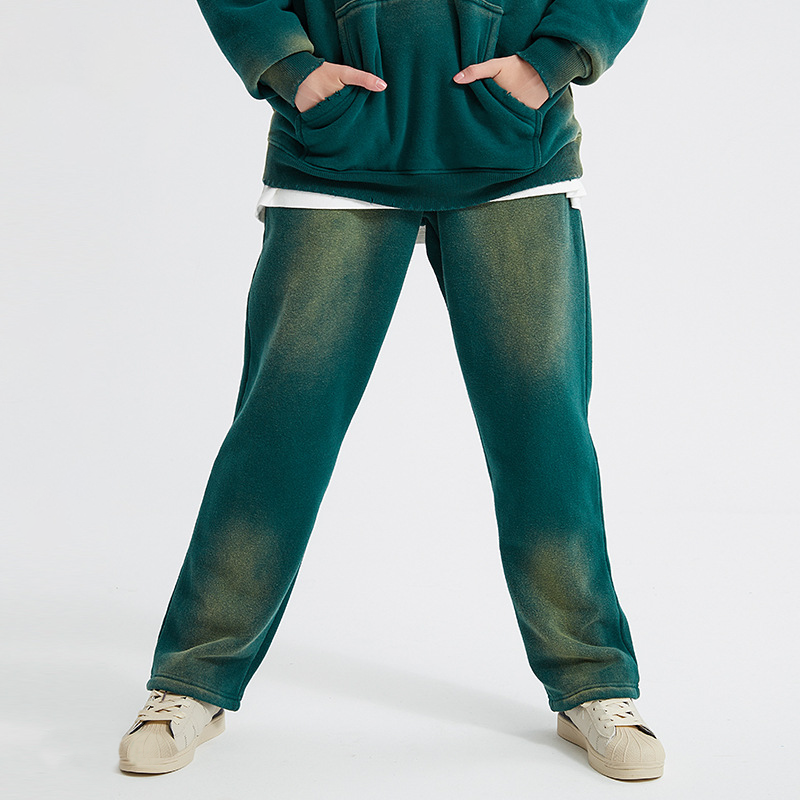
Sweatpants & Joggers
Custom sweatpants and joggers can be developed with tapered, straight or relaxed fits, elastic or rib cuffs, drawcords, zipper pockets, paneling and coordinated fabric programs. Measurement, grading and trim details are controlled from sample approval through packing.
Get a Quote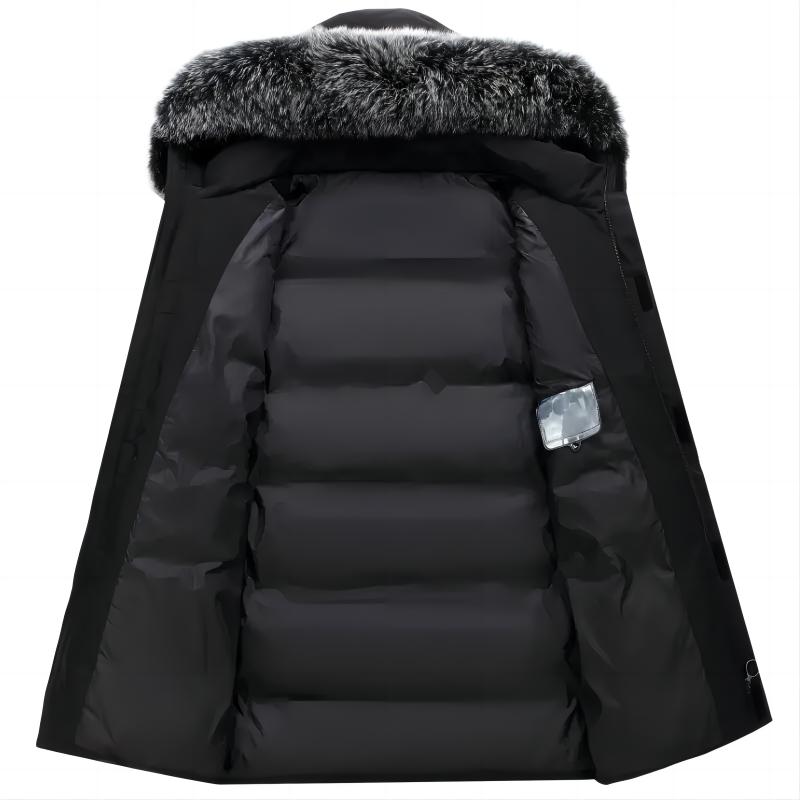
Custom Shorts
Custom shorts programs cover fleece, jersey, woven and performance constructions, with inseam, waistband, pocket, lining and decoration options matched to the intended use. EDVORIN supports fashion, school, club and corporate orders starting at 200 pieces per style.
Get a Quote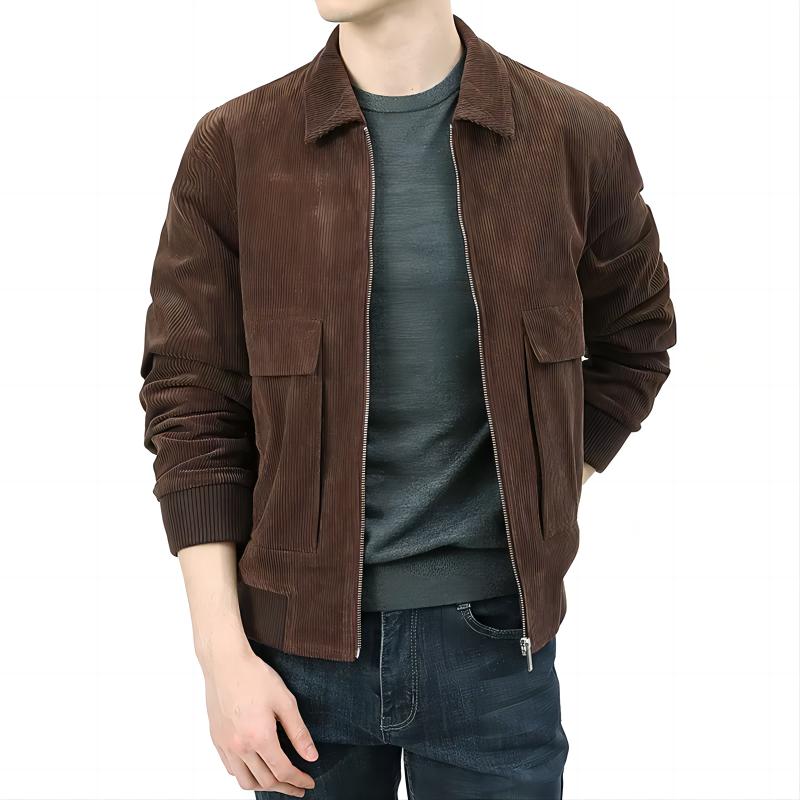
Varsity & Baseball Jackets
Varsity and baseball jackets require coordinated body fabric, sleeves, rib, snaps, lining, patches and embroidery. EDVORIN documents these components during development so fashion labels, schools and teams can maintain the intended look across bulk and repeat orders.
Get a Quote
Custom T-Shirts
Custom T-shirts are developed by fabric composition, GSM, fit, neckline, sleeve shape, wash, labels and print method. We support men’s and women’s sizing with placement records and approved artwork standards that protect consistency across production runs.
Get a Quote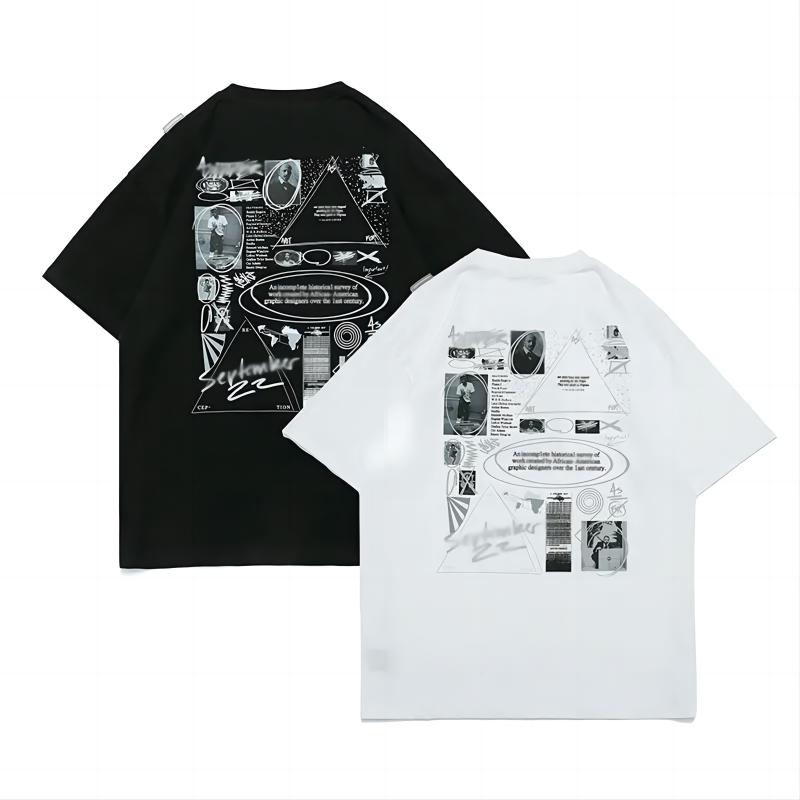
Custom Polo Shirts
Custom polo shirts can be built in pique, jersey or performance fabrics with specified collars, plackets, cuffs, buttons, embroidery and color blocking. Programs are suited to corporate uniforms, schools, clubs and branded wholesale assortments.
Get a Quote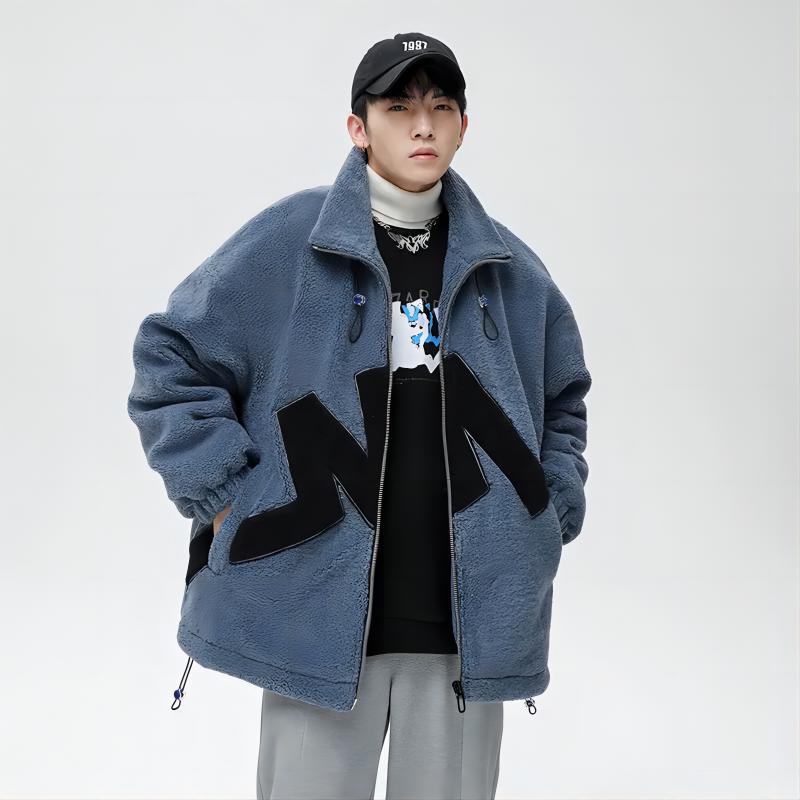
Windbreaker Jackets
Windbreaker jackets are developed around shell weight, lining, ventilation, hood construction, zippers, elastic details, reflectives and weather-use requirements. EDVORIN coordinates material and decoration choices for running clubs, teamwear, fashion and private-label programs.
Get a Quote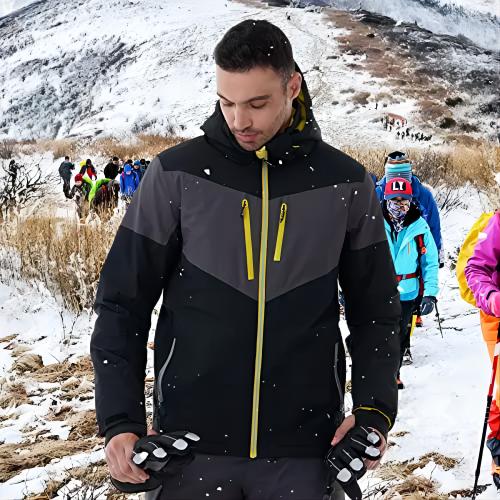
Quilted Jackets
Quilted jackets combine shell fabric, lining, insulation, quilt pattern, binding and hardware into one controlled specification. We develop samples to confirm warmth, bulk, fit and construction before scaling into coordinated outerwear collections.
Get a Quote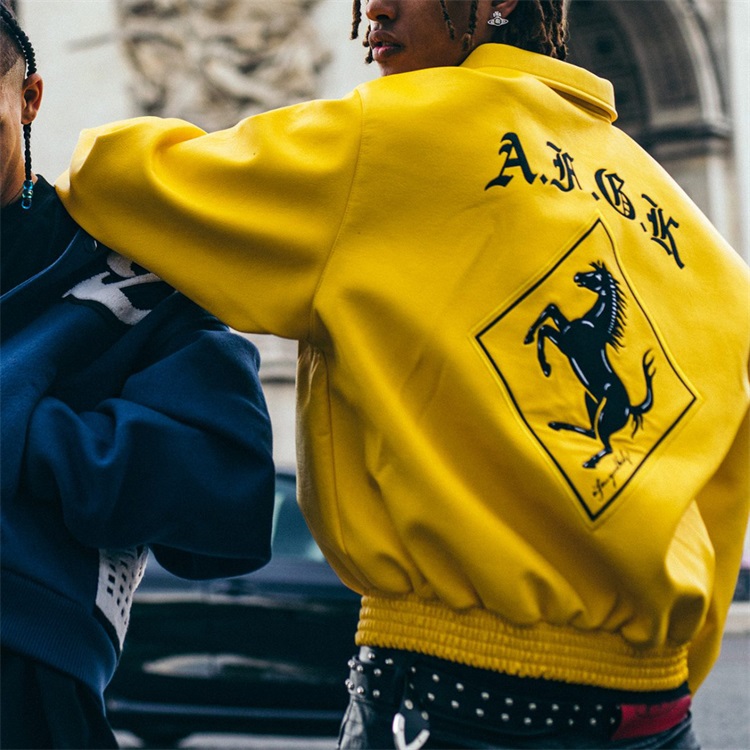
Bomber Jackets
Bomber jackets are produced with balanced shell fabric, lining, rib, zipper, pocket and decoration specifications. Whether the program uses nylon, woven fabric or padded construction, approved details are recorded to support consistent repeat manufacturing.
Get a Quote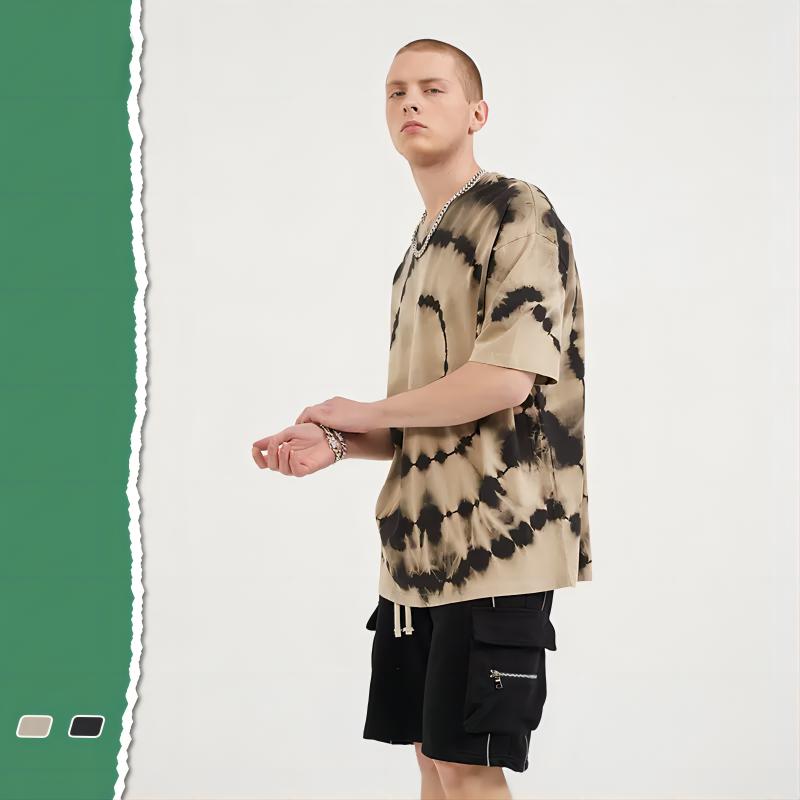
Custom Shirts
Custom woven shirts are developed with fabric selection, collar shape, placket, cuff, pocket, fit and labeling requirements aligned to the buyer’s market. EDVORIN supports men’s and women’s programs for uniform, fashion and private-label applications.
Get a Quote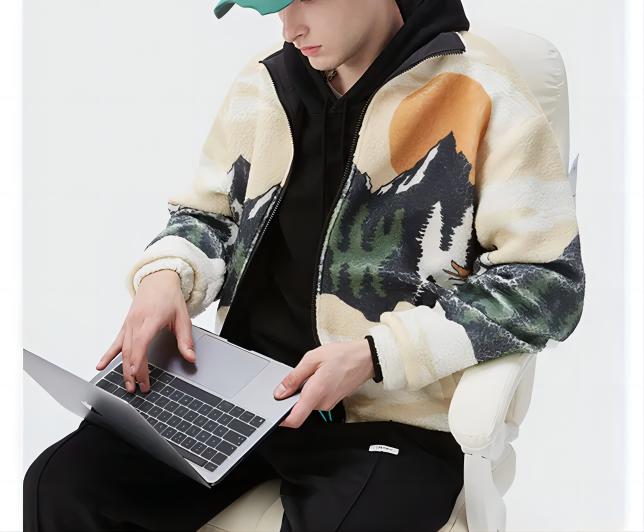
Custom Jerseys
Custom jerseys are developed for team identity and wearability, with fabric performance, color matching, panel construction, names, numbers, badges and sizing organized before bulk production. Artwork placement and decoration methods are approved against the final garment standard.
Get a Quote
Tank Tops
Tank tops can be developed in cotton jersey, performance knits or blended fabrics with defined armhole shape, neckline, fit, binding and decoration. EDVORIN supports fitness, streetwear, event and team programs with men’s and women’s grading.
Get a Quote
Soccer Uniforms
Soccer uniforms are built around breathable fabric, color control, team crest application, player names and numbers, shorts coordination and size-set accuracy. EDVORIN helps clubs, schools and distributors establish a repeatable uniform standard for seasonal reorders.
Get a Quote
Basketball Uniforms
Basketball uniforms combine lightweight performance fabrics, jersey and short construction, color blocking, piping, names, numbers and team logos. Sample approval verifies fit, decoration and material performance before production for schools, clubs and wholesale teamwear programs.
Get a Quote
Streetwear Collections
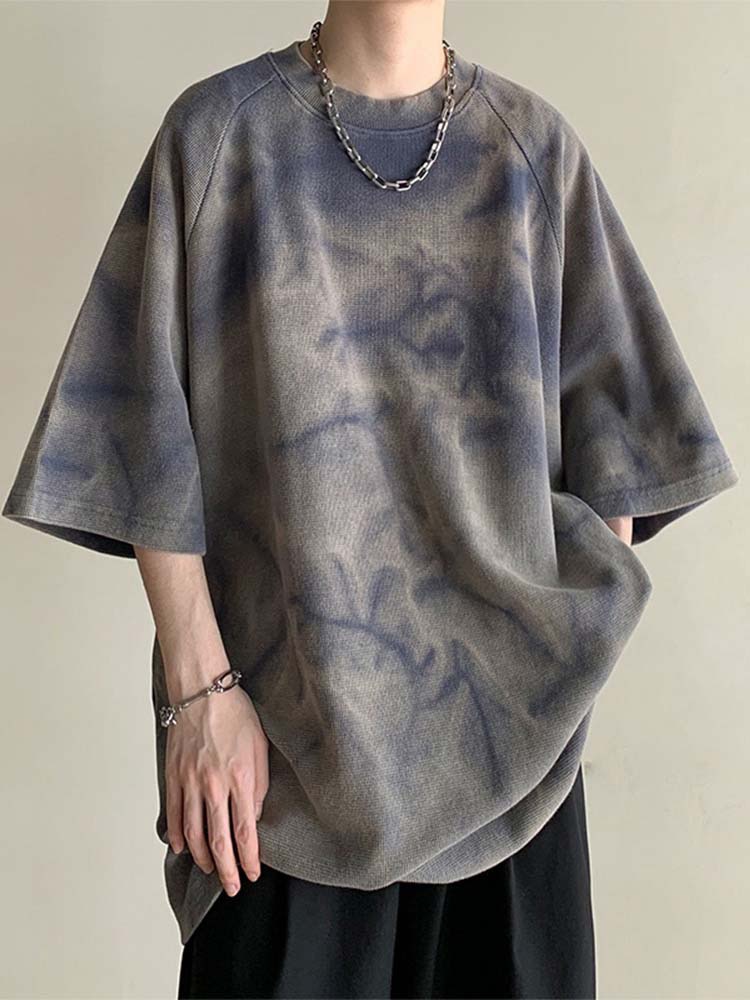
Streetwear collections are developed as coordinated programs across hoodies, tees, joggers, shorts, jackets and accessories. EDVORIN aligns fabric, washes, trims, labels and decoration so each style reflects the collection direction while remaining practical to reproduce.
Get a QuoteRunning Windbreaker Manufacturer Materials
Lightweight Woven Polyester
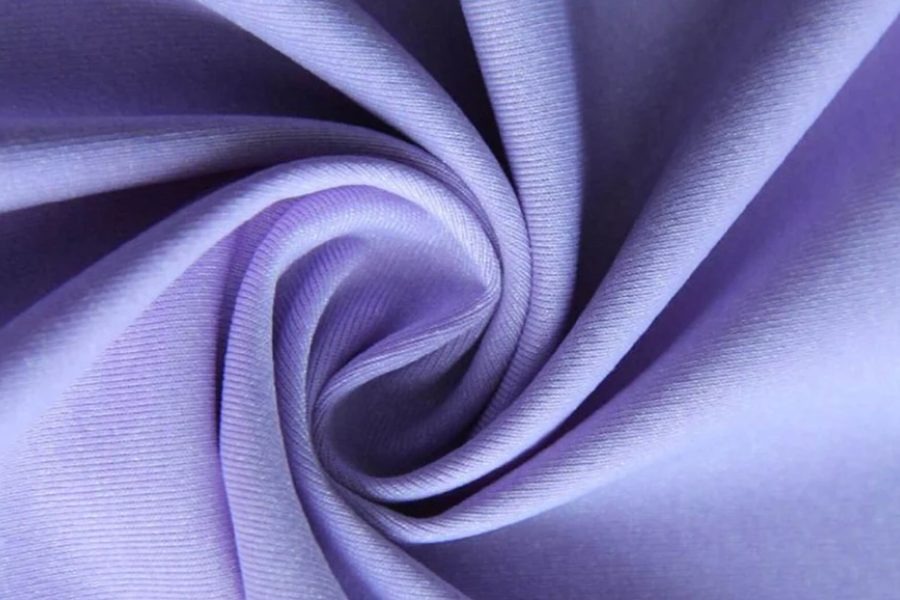
A crisp, lightweight shell for everyday running windbreakers and packable layers. Its smooth face supports clean printing, while the tightly woven construction helps reduce wind penetration without adding unnecessary bulk.
Mechanical Stretch Woven
A flexible woven shell with natural give for active running jackets and warm-up layers. Mechanical stretch improves freedom of movement through the shoulders and arms while maintaining a clean, structured outerwear appearance.
Recycled Polyester Shell
A lightweight performance shell suited to brands building recycled-material running collections. It offers a smooth hand-feel and durable woven structure, with material options coordinated to the program’s performance and sourcing requirements.
Stretch Woven Nylon
A durable, soft-hand shell for premium running windbreakers requiring mobility and abrasion resistance. Nylon adds a refined outerwear feel, while stretch construction supports movement during training, travel and layered wear.
Breathable Mesh Lining
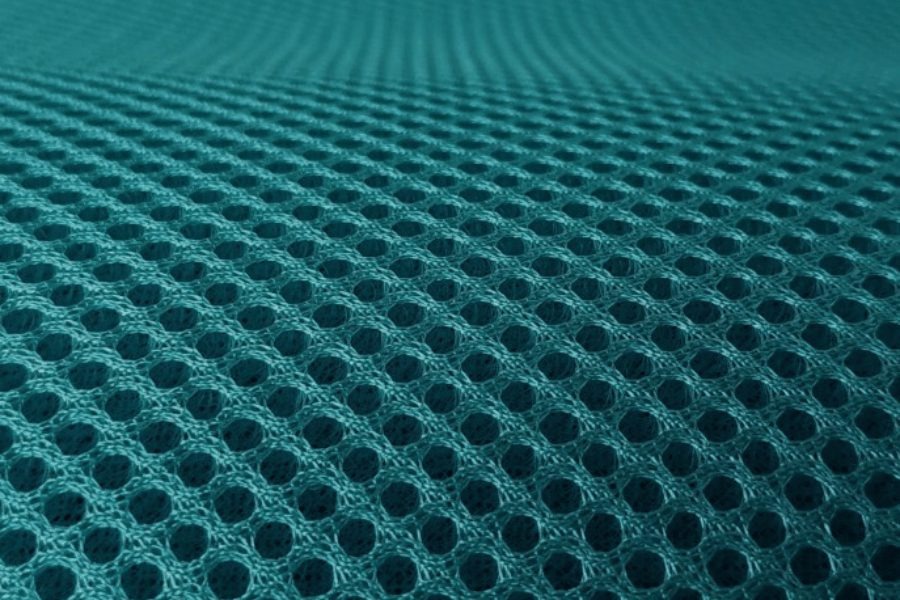
A lightweight interior lining used to improve airflow and reduce cling against the body. Open mesh construction suits active running styles, especially when the shell needs ventilation support without a heavy second layer.
Windbreaker Decoration & Finishing Options
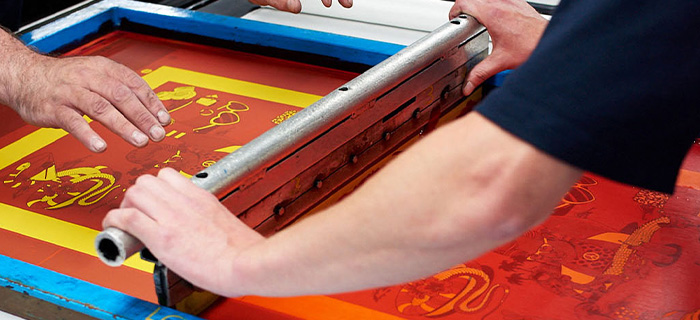
Screen Print
Screen printing applies bold logos, sponsor marks and graphic panels with controlled color coverage. EDVORIN matches inks to the windbreaker shell to support a clean appearance and dependable adhesion through regular wear and care.
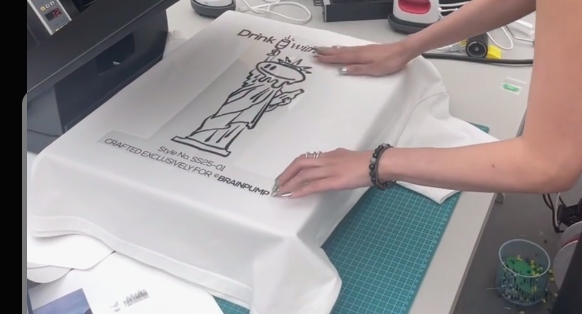
Heat Transfer
Heat transfer decoration is suited to detailed logos, multicolor artwork and small placement marks on technical shells. It creates a crisp, low-profile finish while allowing placement specifications to be recorded for repeatable bulk production.
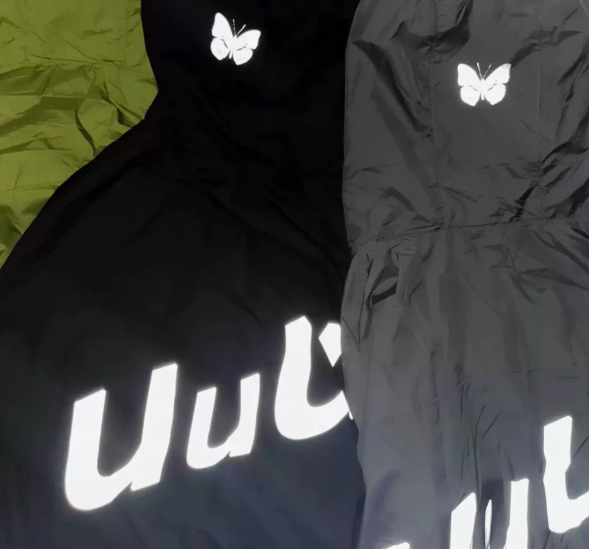
Reflective Transfers
Reflective transfers add visibility-focused logos, stripes or graphic details for running programs. Applied to compatible panels, they give team and brand designs a technical appearance while keeping artwork placement consistent across size runs.
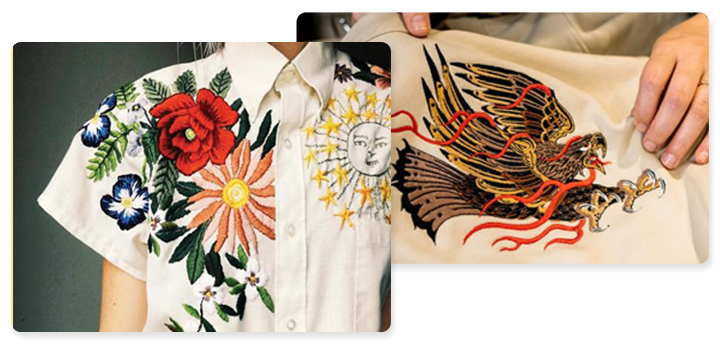
Embroidery Details
Embroidery brings dimension to chest logos, club crests and premium identity details. EDVORIN reviews stitch density, backing and placement against the garment construction so the finished decoration remains balanced on the lightweight outerwear shell.
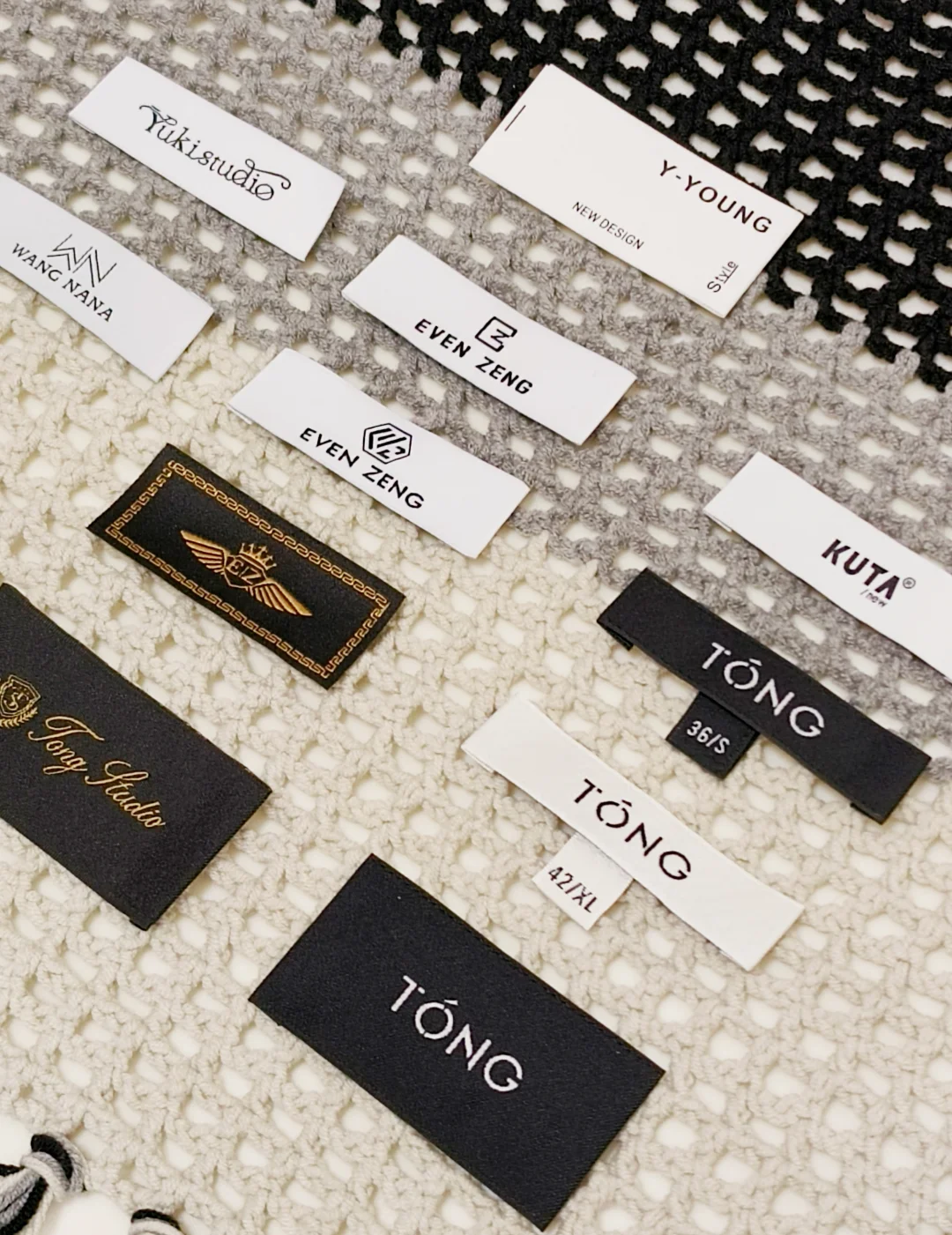
Private Label Finishing
Private-label finishing coordinates woven labels, care labels, size marks, hangtags and packaging with your approved windbreaker specification. These details help turn an OEM sample into a retail-ready program with clear brand presentation.
Functional Trims for Custom Running Windbreakers
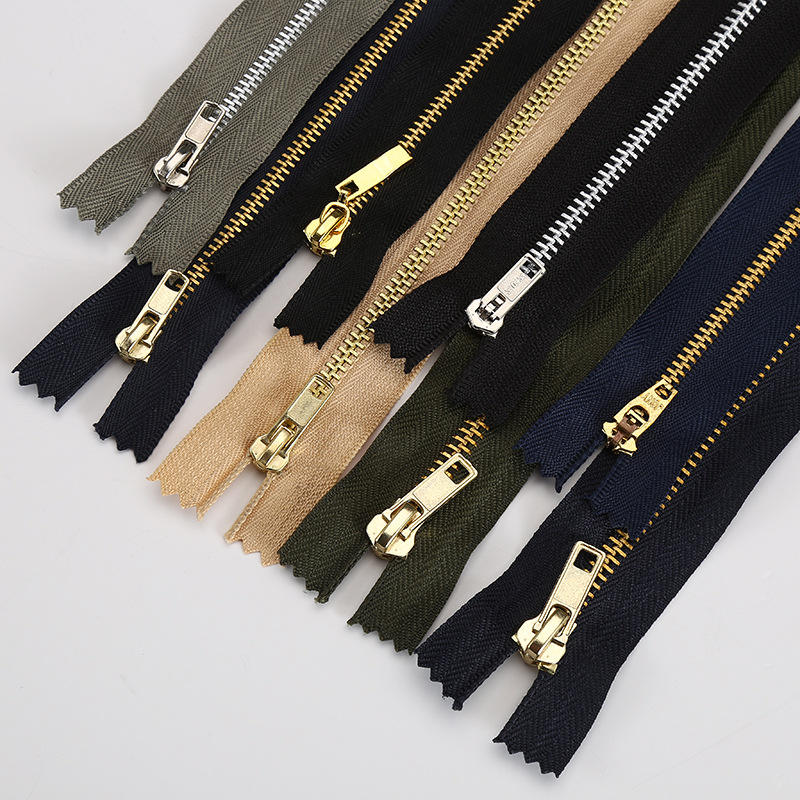
YKK Zippers
Specify front, pocket, or ventilation zippers by gauge, finish, puller shape, and placement. EDVORIN coordinates zipper choices with shell weight and garment use for dependable operation across repeat bulk orders.
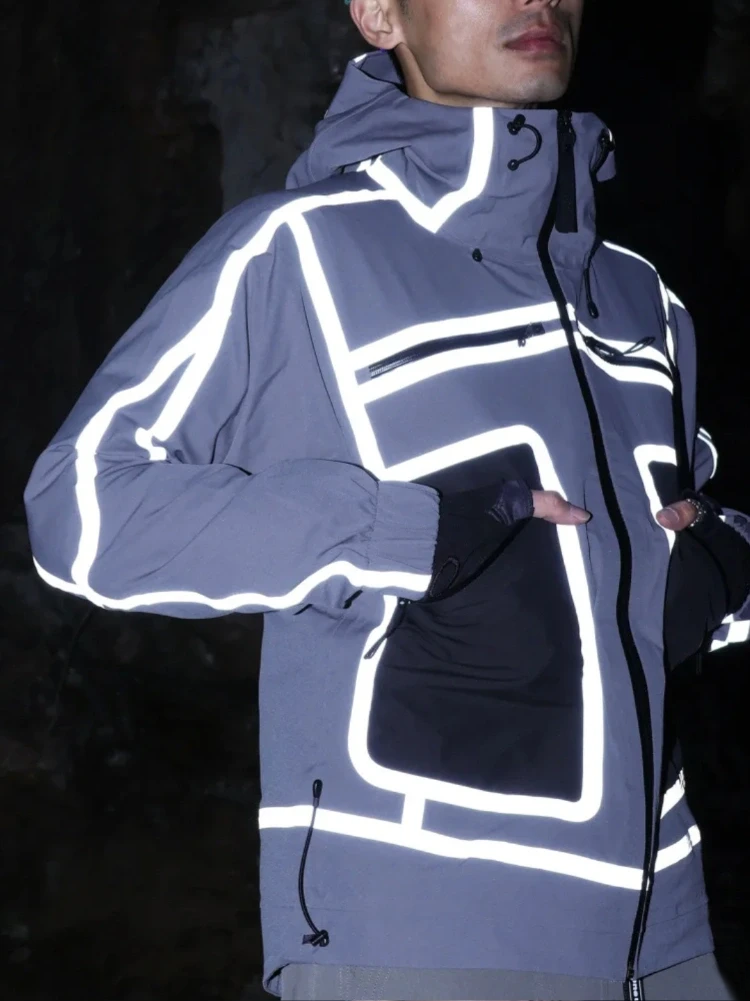
Reflective Details
Add reflective piping, heat-transfer logos, taped strips, or contrast panels where low-light visibility matters. Placement dimensions and artwork references are recorded during development to keep each running windbreaker manufacturer order consistent.
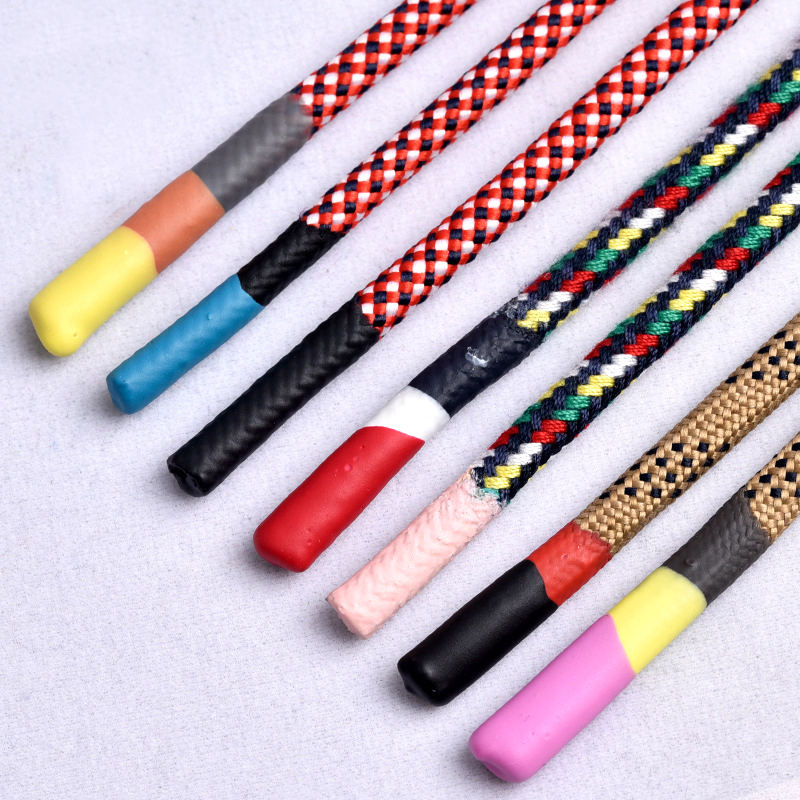
Drawcord Systems
Choose adjustable hood and hem drawcords with matching cord ends, stoppers, and exit points. These details help manage wind exposure while supporting the technical or streetwear character of your custom outerwear.
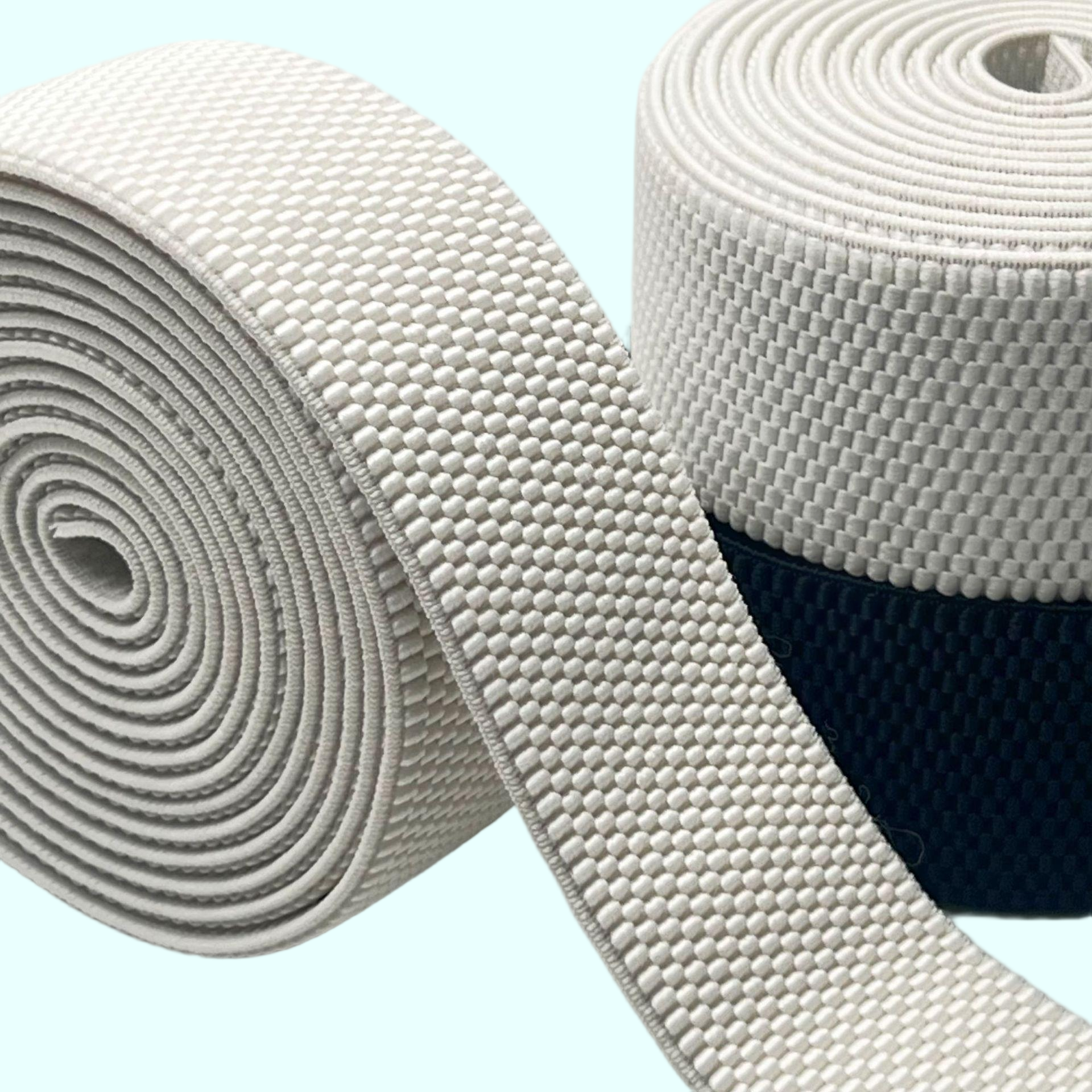
Elastic Finishes
Elastic cuffs, binding, and hem finishes help create a secure yet comfortable fit during movement. EDVORIN can develop the recovery, width, color, and construction details around your intended running and teamwear use.
Woven Labels
Custom neck labels, size labels, care labels, and side flags carry your private-label identity into the finished garment. Label content, folding method, placement, and attachment are approved before bulk production begins.
About EDVORIN, Running Windbreaker Manufacturer
Founded in 2000 by Edvorin Zeng, EDVORIN helps fashion, streetwear and teamwear buyers turn outerwear concepts into clear, repeatable production standards. As a running windbreaker manufacturer, we bring practical construction knowledge to the details that influence comfort, performance, fit and brand identity.
Our connected OEM, ODM and private-label workflow coordinates product development, material sourcing, patterns, samples, printing, embroidery, bulk production, labeling and packing. Men’s and women’s running windbreaker programs are developed around the intended wearer, with shell, lining, trims and decoration selected to work together.
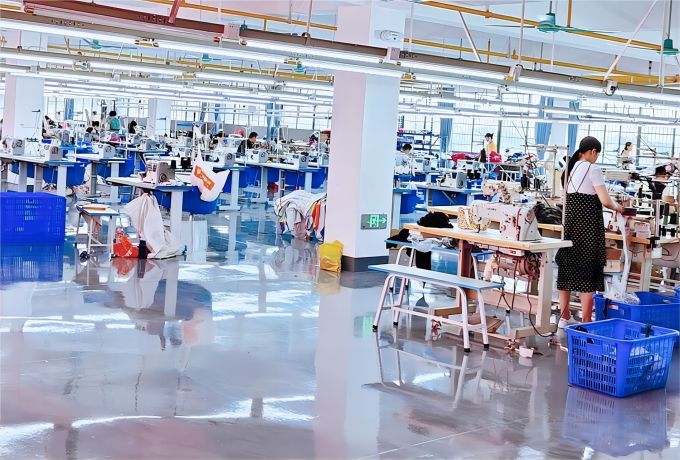
What sets EDVORIN apart is responsibility beyond sample approval. We document approved materials, measurements, artwork placement and trims, then use in-line and final quality control to protect that standard through bulk production. The result is a production path built for emerging labels, established buyers and repeat orders.
Running Windbreaker Manufacturer: From Concept to Production-Ready Outerwear
Technical Development That Holds Up
EDVORIN translates sketches, reference garments, and complete tech packs into clear running windbreaker specifications. Patterns, fit blocks, grading, construction details, and performance priorities are aligned before sampling, so each revision moves toward a production-ready standard.
- Men’s and women’s fit development
- Pattern, grading, and measurement coordination
- Construction details documented for repeat orders
- MOQ starts at 200 pieces per style
Materials and Trims Work Together
A running windbreaker depends on coordinated choices, not isolated components. EDVORIN helps align shell fabric, lining, mesh, zippers, elastic, drawcords, labels, and packaging with the intended use, visual direction, and approved sample.
- Shell and lining material coordination
- Zipper, hood, cuff, and hem specifications
- Functional trim choices matched to construction
- Private-label labels and packaging support
Decoration Tested for the Garment
As a running windbreaker manufacturer, EDVORIN plans decoration around the actual fabric and garment construction. Artwork placement, print or embroidery method, panel seams, and finishing details are considered together to protect both brand presentation and wearable performance.
- Print and embroidery compatibility review
- Placement measurements recorded clearly
- Artwork planned around seams and panels
- Wash and finishing coordination available
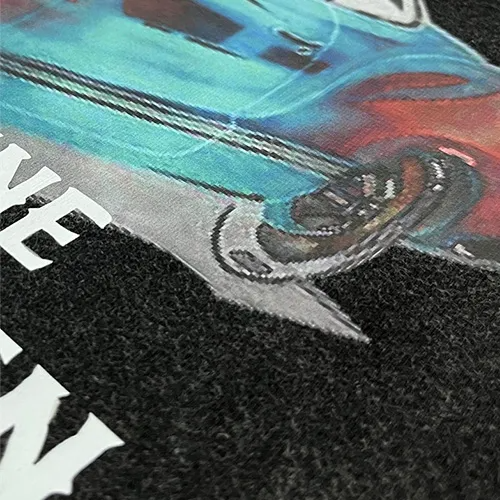
Approved Standards Guide Bulk Production
An approved sample becomes the reference point for bulk production, not the end of development. EDVORIN coordinates material control, measurement communication, in-line checks, final inspection, and packing review to help keep the finished order aligned with the agreed standard.
- Approved sample used as production reference
- In-line checks address variation early
- Final inspection before packing
- Repeatable specifications for future orders
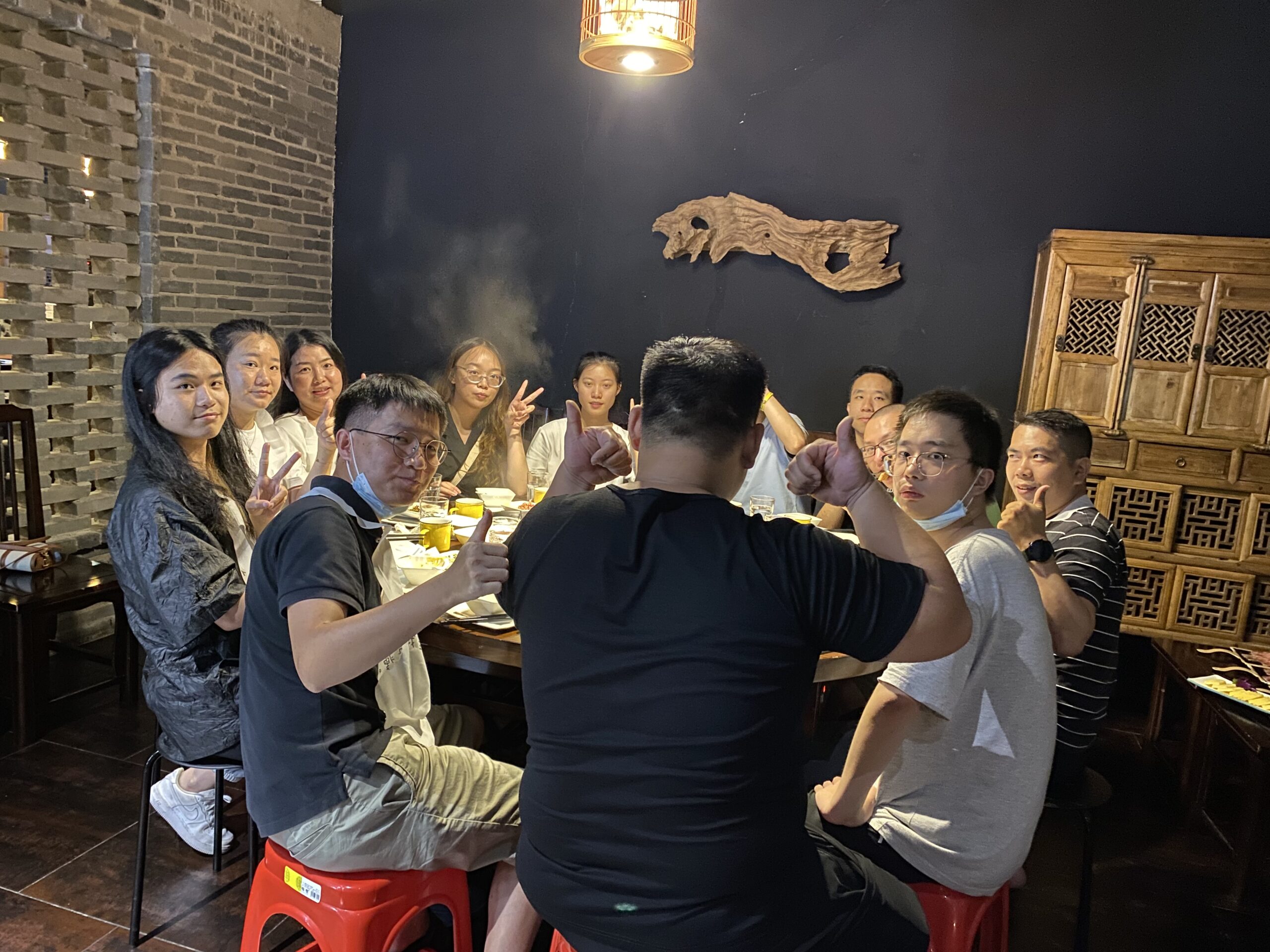
Why Buyers Choose EDVORIN as a Running Windbreaker Manufacturer
One accountable path from development approval to repeat-ready bulk production.
← Swipe left or right to view →
Running Windbreaker Manufacturer Production Process
A documented path that carries approved running outerwear specifications through sourcing, sampling, production control, packing, and shipment.
Review Specifications
We review tech packs, reference garments, fit requirements, artwork, performance details, labeling, and target quantities to establish a clear production standard.
Source Materials and Trims
Shell fabrics, linings, mesh, zippers, elastic, reflective details, labels, and packaging components are selected and confirmed against the approved direction.
Develop and Approve Samples
Patterns and samples are developed for fit, construction, decoration placement, and functional details, then revised until buyers approve the production reference.
Cut, Decorate, and Sew
Approved materials move through cutting, printing or embroidery, sewing, and finishing with documented measurements, artwork placements, trims, and construction requirements.
Inspect, Pack, and Ship
In-line checks and final inspection verify consistency against the approved sample before labeling, packing, carton preparation, and shipment coordination.
How to Start Your Running Windbreaker Order
Move from concept to a repeatable, production-ready program with clear approvals at every stage.
Share Your Brief
Send a tech pack, reference garment, sketch, or collection concept. EDVORIN reviews fit, materials, functional details, decoration, quantities, and men’s or women’s requirements.
Align Specifications and Quote
Confirm construction, shell and lining options, trims, branding, packaging, target quantity, and pricing. MOQ starts at 200 pieces per style for flexible program planning.
Develop and Approve Samples
Review the sample against agreed measurements, material performance, artwork placement, and workmanship. Record revisions so the approved garment becomes the bulk-production standard.
Launch Managed Bulk Production
EDVORIN coordinates sourcing, cutting, sewing, decoration, finishing, inspection, labeling, and packing, using approved standards to keep your running windbreaker program consistent.
Certified Standards for Responsible Apparel Production



What Apparel Buyers Say About EDVORIN
Verified testimonial pending client approval: replace with a buyer-approved quote describing a measurable improvement in development clarity for a running windbreaker program.
Verified testimonial pending client approval: replace with a buyer-approved quote citing a measurable result in bulk production consistency, such as fewer specification revisions or approved units delivered.
Verified testimonial pending client approval: replace with a buyer-approved quote documenting repeat-order support, including a confirmed reorder quantity, turnaround improvement, or size-set outcome.
Running Windbreaker Manufacturer FAQ
Clear answers for buyers planning a custom OEM, private-label or teamwear windbreaker program with EDVORIN.
EDVORIN’s MOQ starts at 200 pieces per style. What is EDVORIN’s minimum order quantity for running windbreakers?
Can EDVORIN develop a running windbreaker from my sketch?
How does EDVORIN protect my design and artwork?
How long do samples and bulk running-windbreaker orders take?
Can EDVORIN develop men’s and women’s running windbreakers?
What customization options are available for running windbreakers?
How are payment and shipping handled for a custom windbreaker order?
Can EDVORIN repeat an approved running-windbreaker order?
Running Windbreaker Manufacturer: Complete OEM Buyer’s Guide
Use a practical decision framework to compare supplier capabilities, fabrics, construction, customization, pricing, and lead times—while avoiding costly sampling, specification, quality-control, and minimum-order mistakes before placing production.
1. What Is a Running Windbreaker Manufacturer?
200-piece programs illustrate the role of a running windbreaker manufacturer: converting a buyer’s specification into repeatable shells, linings, trims, decoration, labels, and packed garments. OEM suits buyers with a finished tech pack; ODM helps buyers adapt an existing development base; private label adds the buyer’s identity to a production-ready style.
3 sourcing models serve different needs. A factory controls cutting, sewing, and production quality; a trading company coordinates factories and is useful when a buyer needs broad category sourcing; a finished-garment supplier is best for retailers needing ready styles with limited development control.
2 performance decisions must be fixed before sampling: wind and moisture protection versus breathability, and packability versus durability. Buyers should also approve Pantone color, logo method, reflective placement, zipper specification, size grading, labeling, packaging, and the sample-to-bulk production standard.
2. Evolution of Running Windbreaker Manufacturing
1970s wind shells were typically simple woven nylon layers built mainly to block airflow. Modern running windbreakers use lighter polyester or nylon constructions, often around 40–90 GSM, with durable water-repellent finishes and controlled air permeability; buyers should specify performance targets rather than request a generic ‘windproof’ fabric.
10–20D yarn systems and self-pack pockets changed the category from occasional outerwear into carry-ready running gear. A running windbreaker manufacturer now needs to validate pack size, zipper durability, rebound after compression, and whether coated fabrics become noisy or restrictive in motion.
360-degree visibility, laser-cut or mesh ventilation, and mapped reflective transfers have raised the specification burden. Buyers should lock Pantone references, reflective placement measurements, decoration compatibility, and approved sample standards before bulk production, especially when a single shell supports club, retail, or private-label colorways.
3. Types From a Running Windbreaker Manufacturer
Six product types let a running windbreaker manufacturer serve race-day runners, clubs, and fashion labels without forcing one shell into every use case.
Packable And Water-Resistant Shells
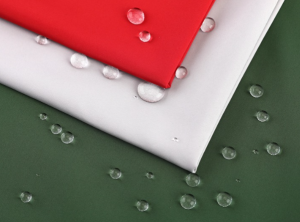
20D–40D packable shells suit dry, windy runs and travel; lighter fabric improves carryability but reduces abrasion margin.
DWR-treated water-resistant styles target drizzle and daily commuting; taped seams and membranes add protection, cost, and bulk.
Hooded And Hybrid Layers
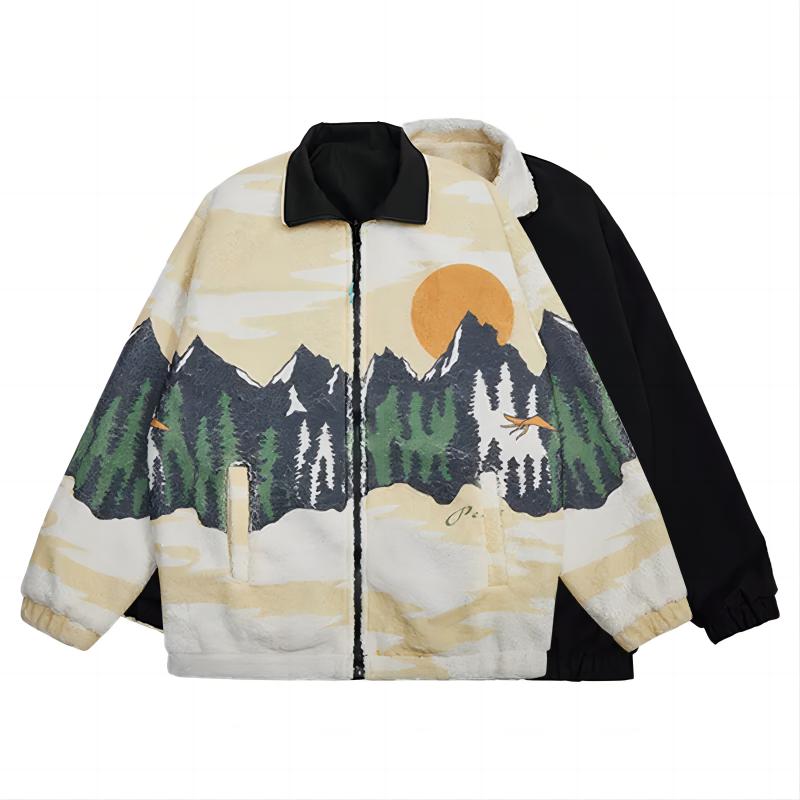
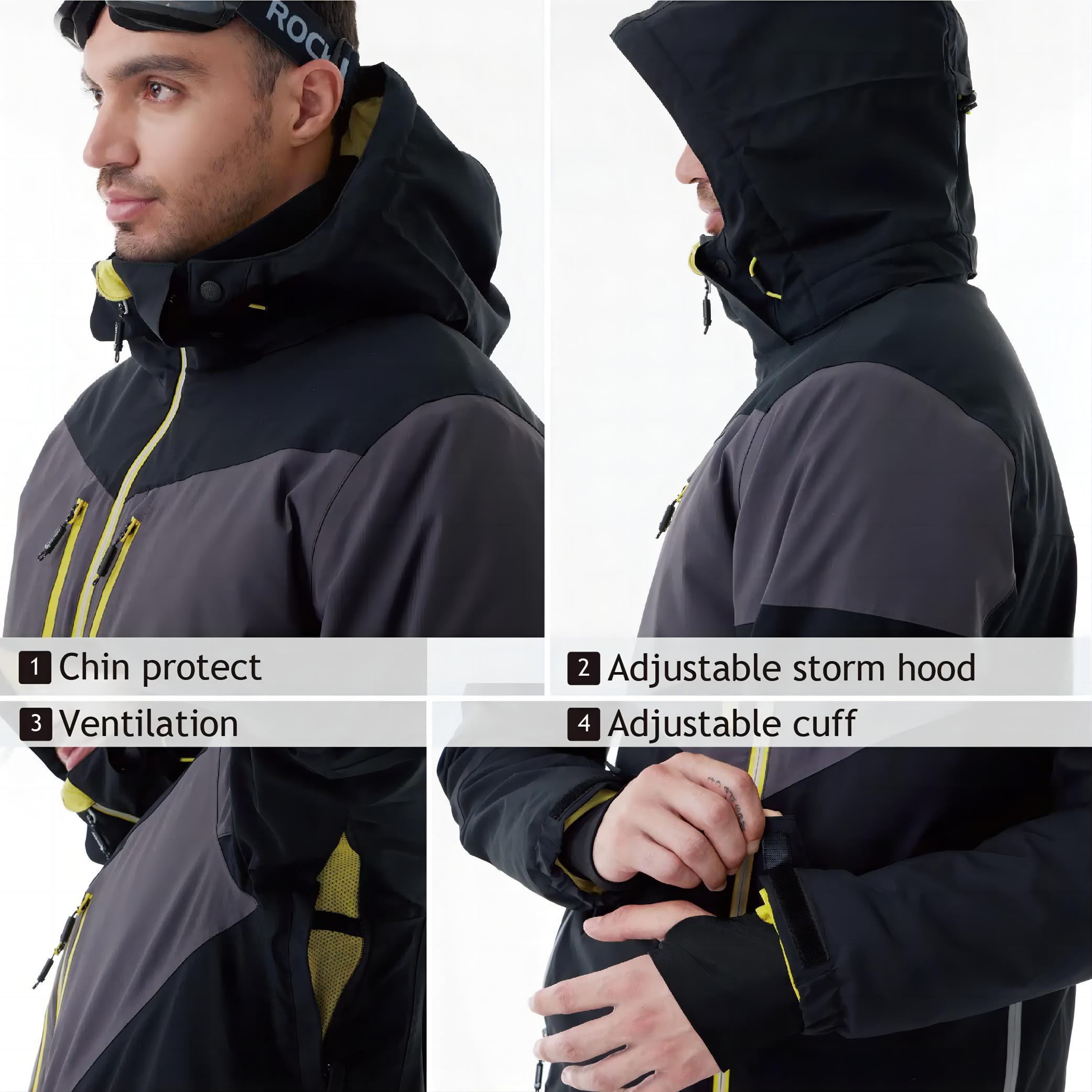
3-panel hoods add coverage for exposed routes, while elastic binding and adjustable cords determine stability at pace.
60–100 gsm insulated hybrids suit colder warm-ups; knit side panels improve mobility but complicate material matching.
Team And Fashion Technical Styles
2-piece team warm-up jackets prioritize repeatable sizing, club colors, and decoration zones for squads and academies.
3-layer fashion-led technical styles favor silhouette, pockets, and contrast panels; they position a collection higher but demand tighter pattern and trim control.
4. Running Windbreaker Manufacturer Fabric Options
Fabric selection should start with climate and target retail tier, not a generic ‘waterproof’ claim. A running windbreaker manufacturer should lock fiber, weave, GSM, lining, and finish in the approved material specification.
| Fabric | Typical GSM | Best End Use | Cost Position |
|---|---|---|---|
| Polyester plain weave | 40–70 | Warm road running | Entry |
| Recycled ripstop | 55–85 | Trail and packable | Mid |
| Nylon stretch woven | 90–120 | Cool-weather running | Premium |
Shell Fiber And Weave
40–70 GSM polyester controls cost and accepts color well; nylon usually gives a crisper, more premium hand. Recycled polyester or recycled nylon needs traceable composition documentation.
Ripstop limits tear spread for trail use, while stretch woven suits unrestricted road-running movement.
Lining And Weather Finish
20–40 GSM mesh lining improves air circulation and reduces clammy contact during cool-weather runs. Unlined shells remain the lightest packable option.
DWR-style water resistance sheds brief drizzle but is not a waterproof-breathable construction; specify wind protection and breathability targets separately.
Weight By Market Position
60 GSM shells fit warm-climate value programs, while 90–120 GSM stretch or ripstop fabrics support cooler conditions and elevated retail positioning. Confirm finished-garment weight after coating, lining, and trims.
5. Customization and Decoration Options
Two specification layers define a custom running windbreaker: visual identity and repeatable performance details. EDVORIN records approved choices in the tech pack and sample standard before bulk production.
| Method | Placement | Durability | Performance Use |
|---|---|---|---|
| Screen print | Large panels | Good | Best on stable areas |
| Heat transfer | Small logos | Good | Reflective detail option |
| Embroidery | Chest or sleeve | High | Avoid lightweight shells |
| Woven badge | Chest or hem | High | Low-profile branding |
| Sublimation | All-over panels | High | Polyester panels only |
Garment Specification
Three silhouette routes—hooded, stand-collar, or packable—can use contrast panel blocking and Pantone color callouts. Specify zipper type, drawcord, elastic binding, reflective piping or transfers, size grading, woven labels, hangtags, and polybag packing.
Decoration Selection
Five decoration methods require placement dimensions, artwork files, and a strike-off or sample review. Performance shells need decoration selected for stretch, weight, breathability, and intended wash care.
6. Construction Quality Buyers Should Inspect
At sample approval, construction—not shell fabric alone—determines whether a running windbreaker stays quiet, mobile, and intact through repeated wear. Review production-ready details before bulk cutting begins.
Seams And Reinforcement
At every shoulder, underarm, pocket opening, and hood join, inspect stitch density, skipped stitches, seam allowance, and clean bartacks. Compare left and right panels for matching seam paths and tension.
Closures And Adjustments
For the front closure, run the zipper repeatedly and inspect zipper tape alignment, top stops, chin-guard coverage, and storm-flap overlap. Test cuff tabs, elastic, hem cord, and cord locks while wearing the sample over a running layer.
Comfort Details And Visibility
At pre-production approval, check that mesh vents, lining, and pocket bags lie flat without restricting arm swing or catching the zipper. Confirm hood depth, peripheral vision, pocket security, and reflective-transfer placement under flexing and light exposure.
7. How to Choose a Running Windbreaker Manufacturer
Choose a running windbreaker manufacturer by testing whether its development and control systems match your program—not merely its quoted price. Before requesting a quote, provide target quantity, delivery market, artwork, sizing, and performance brief.
Verify Product Development
Ask for comparable running-shell samples and confirm support for patterns, grading, seam details, packability, and decoration compatibility.
Request a revision log and pre-production sample process; approved details should become the bulk standard.
Qualify Production Control
EDVORIN’s MOQ starts at 200 pieces per style. Confirm MOQ by color and size, monthly capacity, in-line inspection points, final AQL standard, and written measurement tolerances.
Ask which mill supplies shell, lining, coating, zippers, labels, and packaging—and how lot, color, and trim approvals are documented.
Check Shipping Readiness
Request a critical-path schedule covering material booking, sample approval, bulk lead time, inspection, carton marks, and export documents.
For EDVORIN programs, clarify the tech pack, Pantone references, label files, packing ratio, destination, and required compliance documents before quotation.
8. Common Running Windbreaker Sourcing Mistakes
A running windbreaker manufacturer can only price and reproduce what is specified. Most avoidable delays begin before sampling, when performance, decoration, and acceptance standards remain assumed rather than documented.
Lock The Technical Brief
One tech pack should define fabric composition, GSM, finish, zipper, seam construction, Pantone references, logo locations, and graded measurements. Attach a marked reference garment and written revision log.
Two measurement points can look acceptable individually yet create a poor fit when chest, sleeve, and hem relationships are uncontrolled. Set point-of-measure tolerances before sampling and bulk cutting.
Test Fabric And Decoration
Three swatches may look identical under showroom lighting but differ in air permeability, noise, shrinkage, and DWR durability. Select shell fabric after wash, abrasion, and wearer testing—not appearance alone.
One artwork file does not guarantee a workable print or transfer on lightweight coated nylon. Confirm ink adhesion, heat exposure, seam clearance, and reflective-placement limits on the actual shell.
Approve Comparable Samples
Seven rushed sample days can conceal fit, zipper, and decoration failures that reappear in bulk. Run at least one wear test and approve corrections against a retained sealed sample.
Two quotations are not comparable unless fabric, lining, trims, decoration, packaging, order quantity, and inspection standard match. Normalize every line item before choosing a supplier.
9. Steps to Launch a Windbreaker Line
Stage 1 begins with a buyer brief covering target runner, retail position, price band, competitor references, and planned colorways. Treat each approval as a gate; do not release bulk until the written standard matches the sample.
Build The Technical Standard
Gate 1 converts the brief into a tech pack: graded measurements, seam construction, zipper specification, Pantone references, label positions, and packaging instructions.
Gate 2 locks shell, lining, and trim swatches after reviewing weight, hand feel, breathability, and water-repellent finish.
Sample And Test
Sample 1 should confirm silhouette, pocket access, hood adjustment, and artwork placement before buyers judge production readiness.
Fit testing across the intended size range should precede performance checks for movement, seam durability, colorfastness, and wash appearance.
Release Controlled Production
Purchase-order release follows a documented revision list, approved size set, bill of materials, and signed pre-production sample.
In-line inspections should compare measurements, decoration placement, and workmanship against that standard; final checks occur before cartons are sealed and delivery is booked.
10. Running Windbreaker Manufacturer Pricing and Cost
200 units is a practical starting point for comparing OEM options, but it does not create a fixed factory price. Shell fabric, mesh or tricot lining, zipper grade, reflective details, decoration, labels, packaging, and sample revisions all change the landed ex-factory quote.
30–45 production days is a common planning window after sample and material approvals; custom dyeing, specialty membranes, or multiple colorways can extend it. EDVORIN final pricing requires an approved tech pack, measurement chart, material specification, artwork, packaging standard, size run, and delivery terms.
| Quantity tier | Illustrative FOB unit range | Main cost drivers | Typical timing variable |
|---|---|---|---|
| 200–499 | US$14–24 | Lightweight shell, basic lining, one-color print | Stock fabric versus custom color |
| 500–999 | US$11–20 | Zipper, reflective trim, labels, embroidery | Sample approval and trim booking |
| 1,000–2,999 | US$9–17 | Fabric weight, coating, print colors, packaging | Material lead time and color count |
| 3,000+ | US$8–15 | Custom fabric, bonded seams, complex decoration | Capacity slot and component sourcing |
Ready to Develop Your Custom Running Windbreakers?
Send your tech pack, reference garment, or collection concept to EDVORIN, your running windbreaker manufacturer, and request a production quote.