
Sustainable Windbreaker Jacket Manufacturer for OEM Programs
EDVORIN develops custom windbreakers for fashion, streetwear, teamwear, and private labels, with sustainable material options and MOQs from 200 pieces per style.
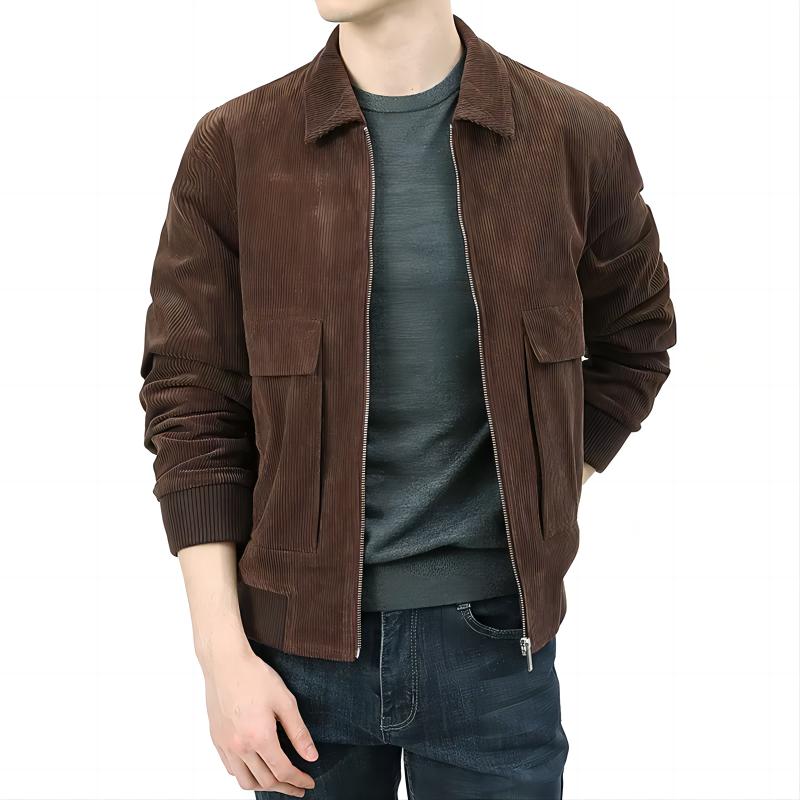
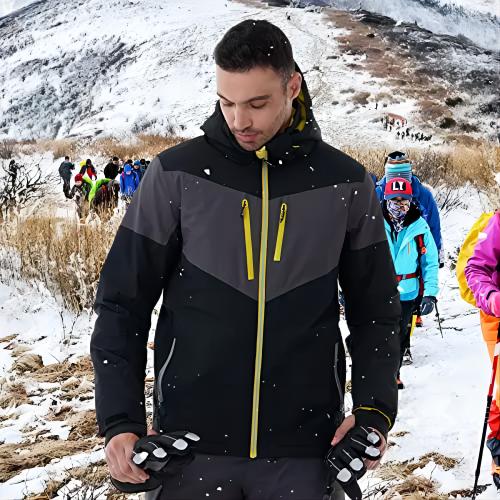
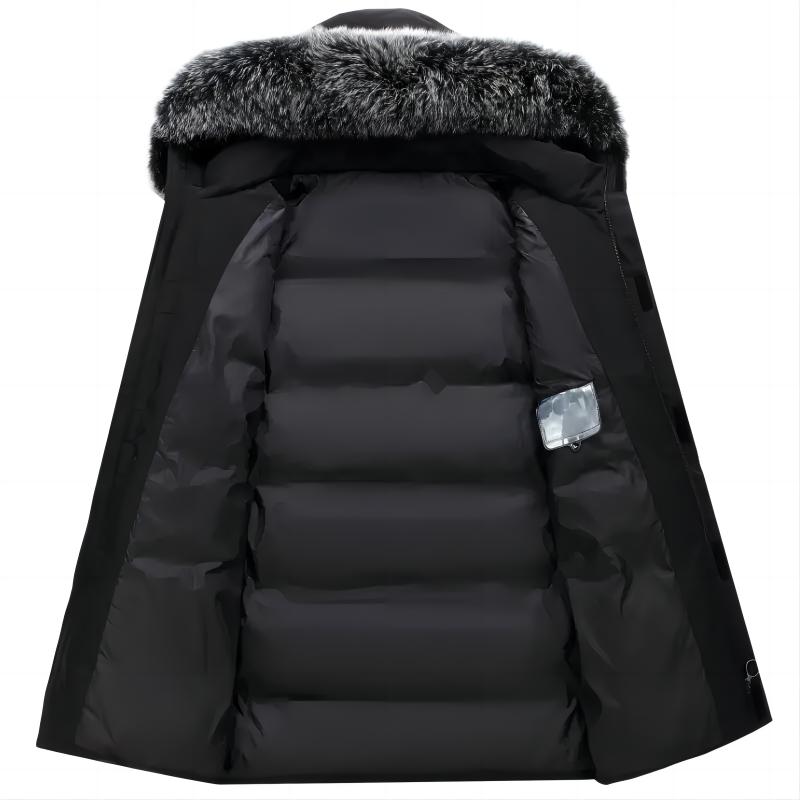
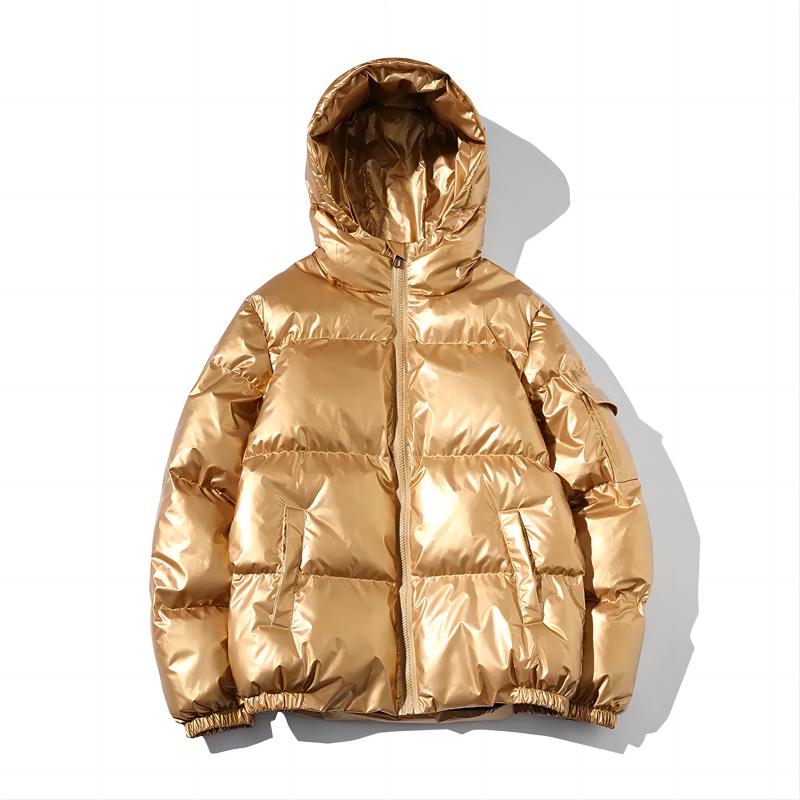
Featured Windbreaker Programs
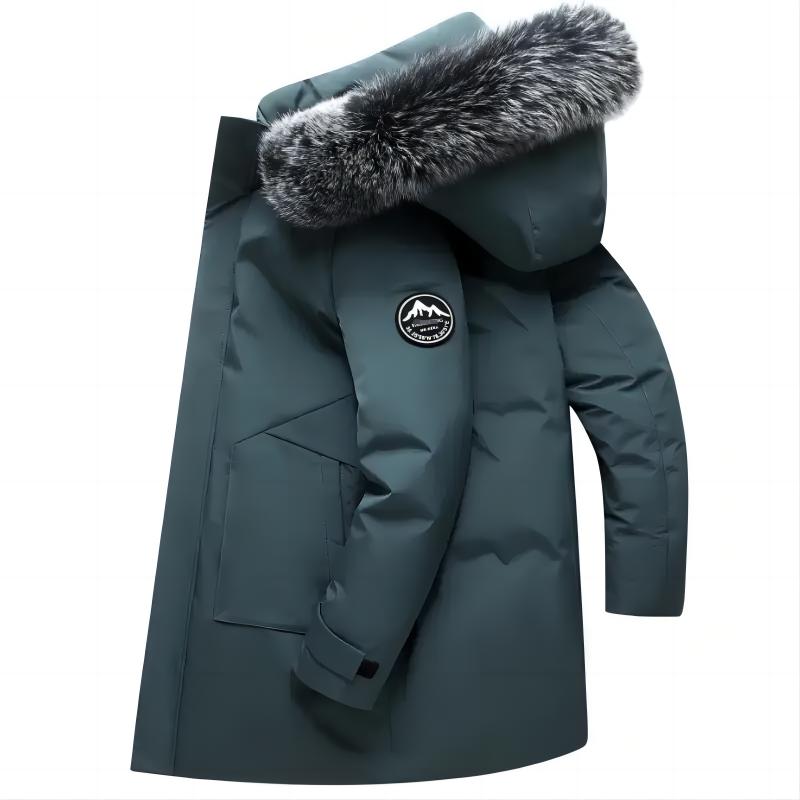
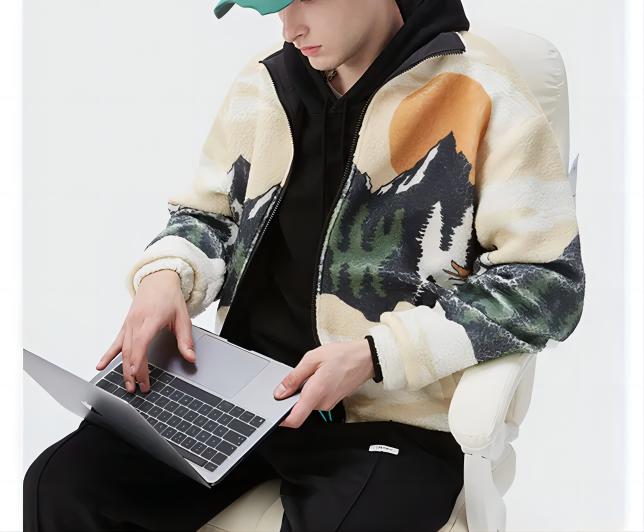
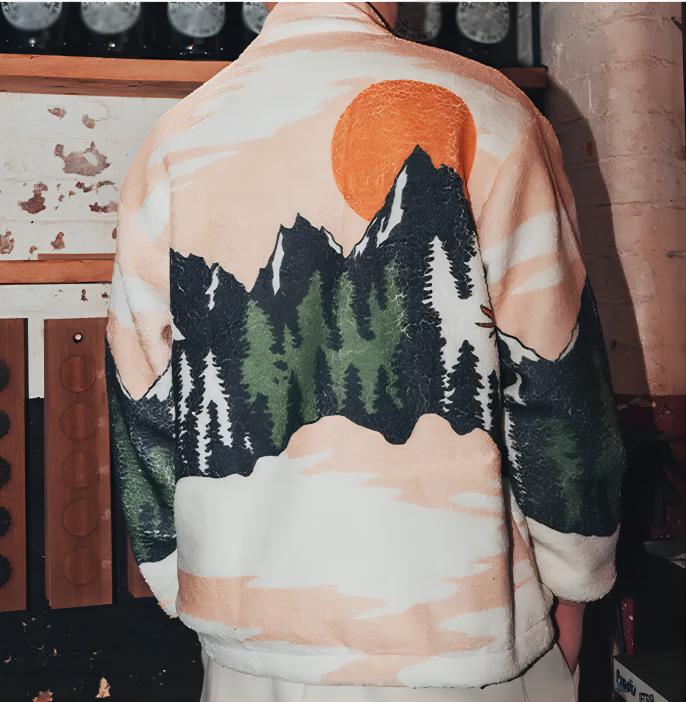
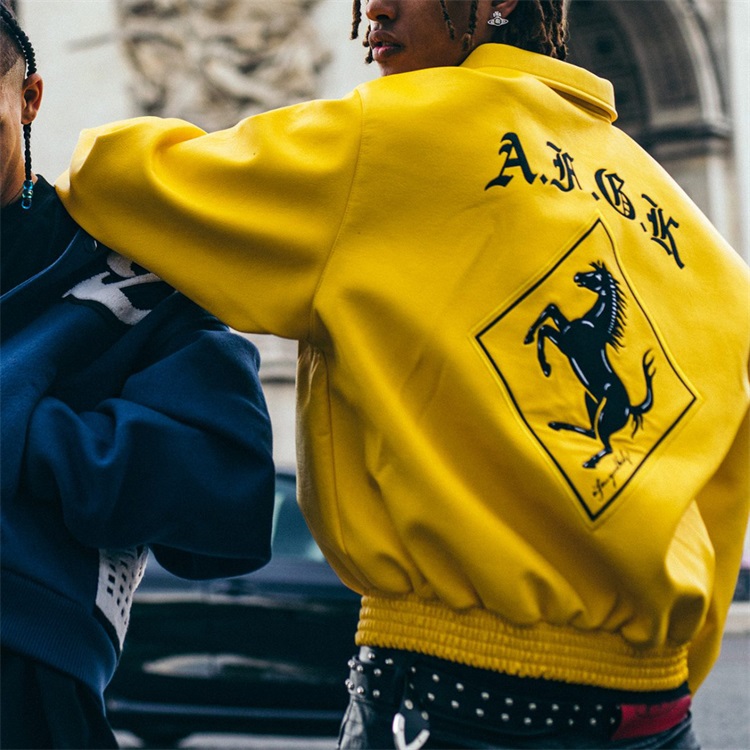
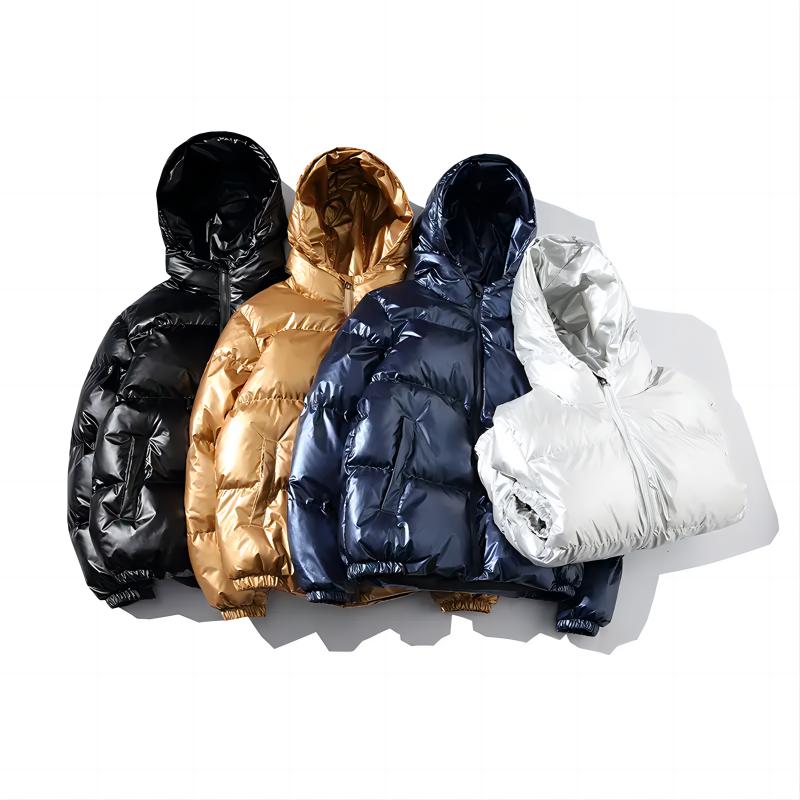
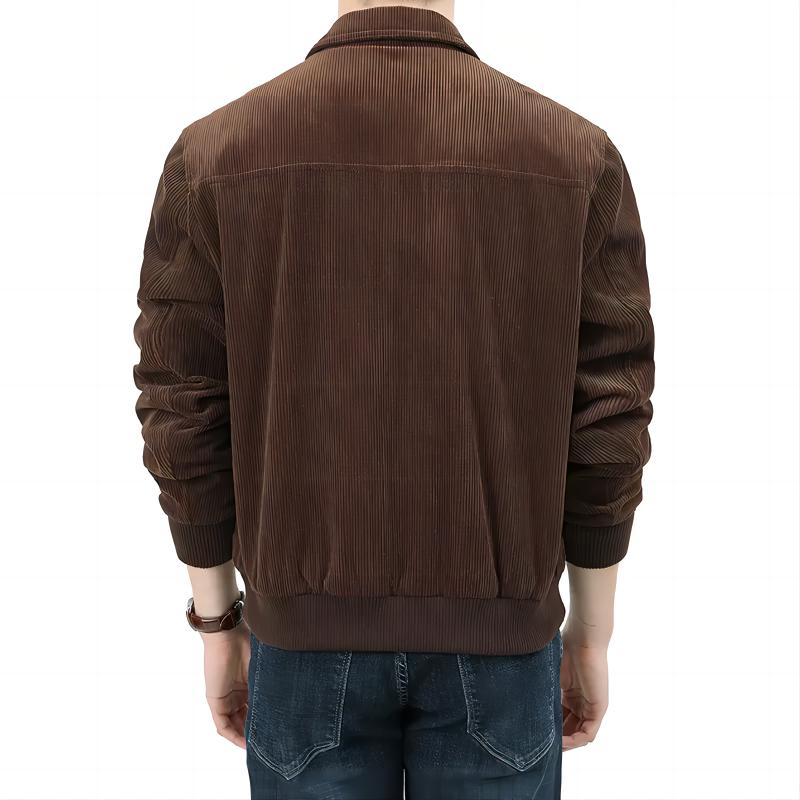
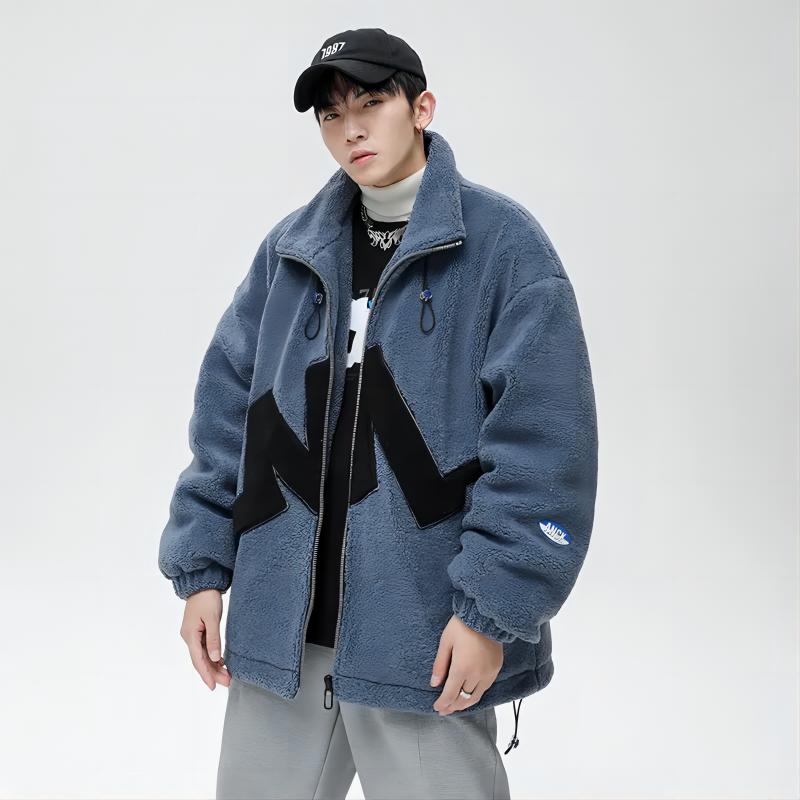
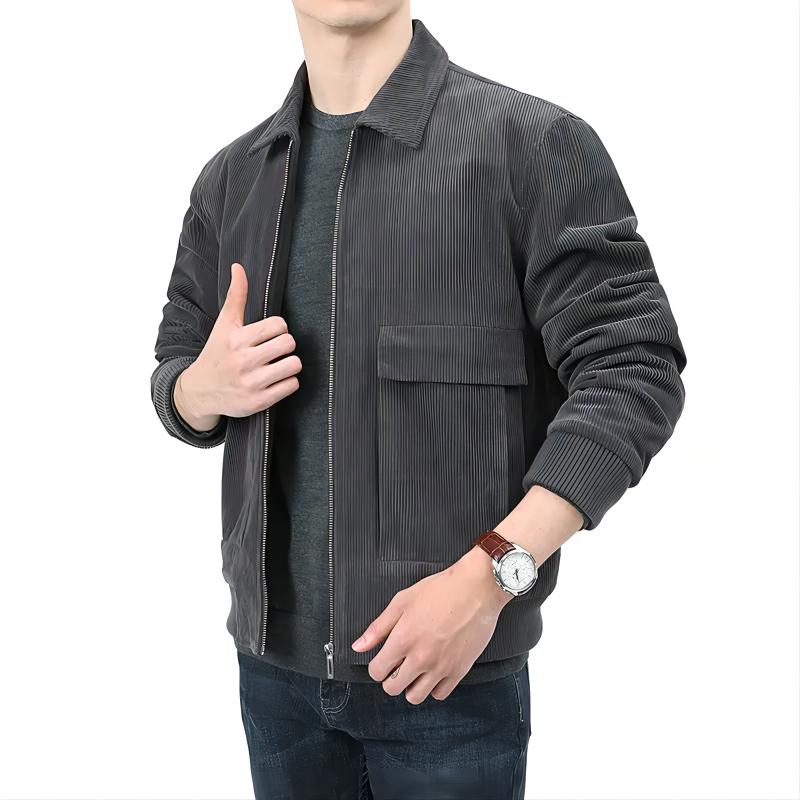
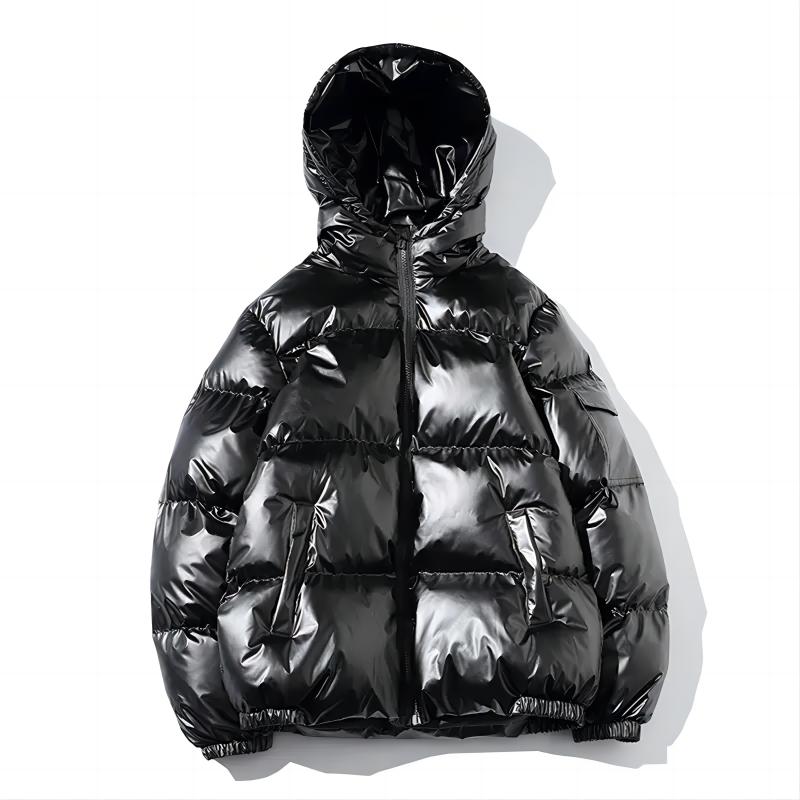
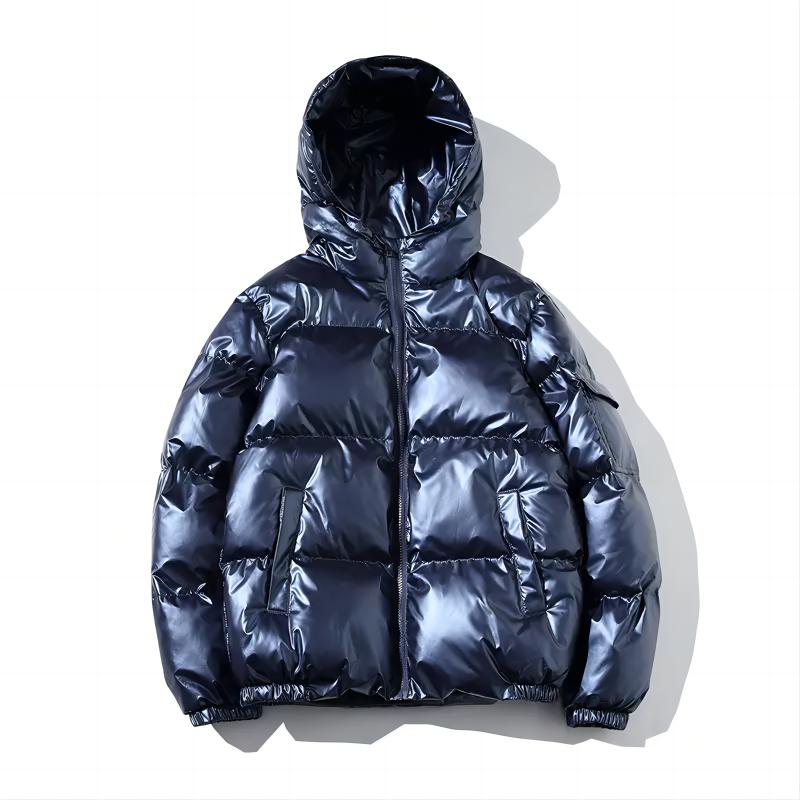
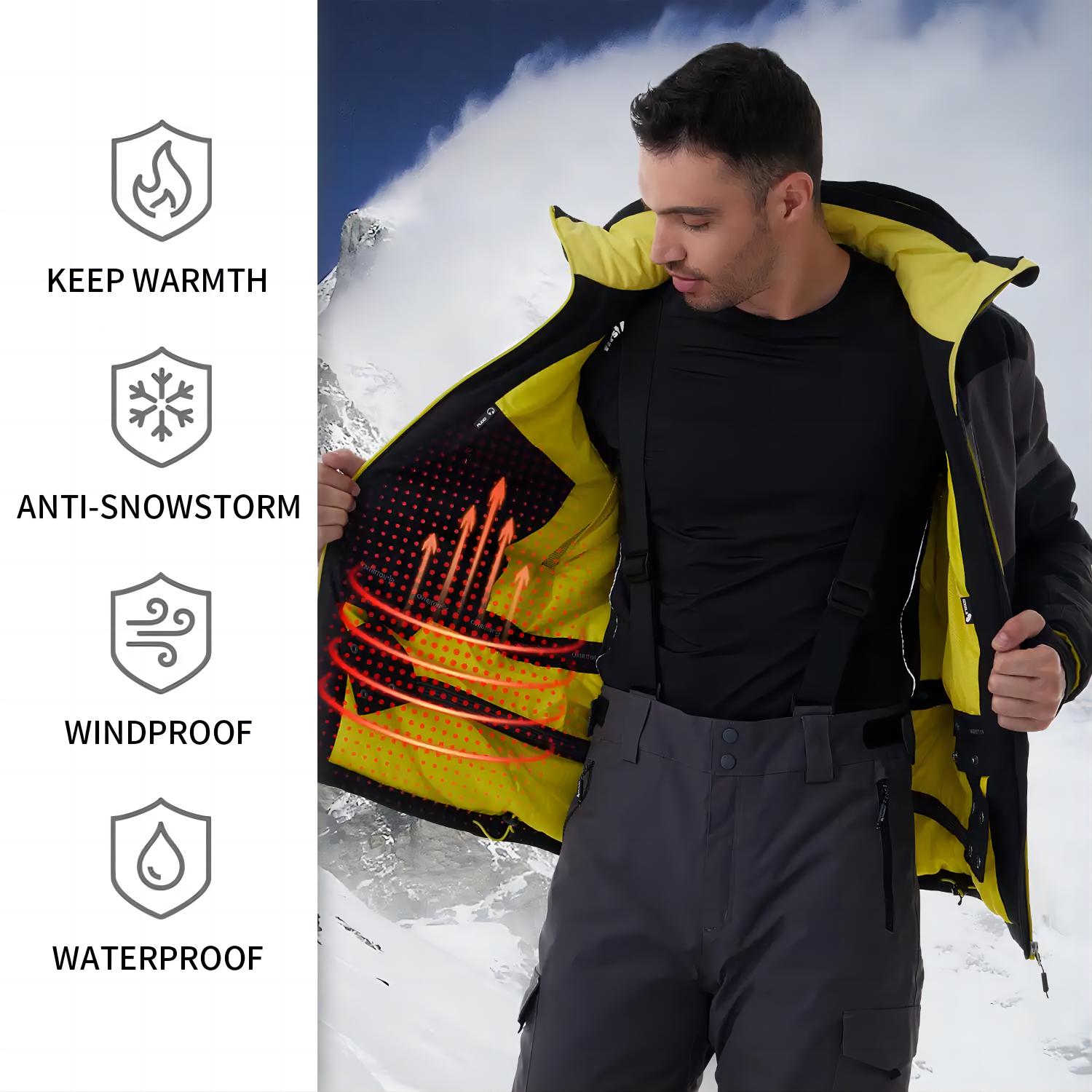
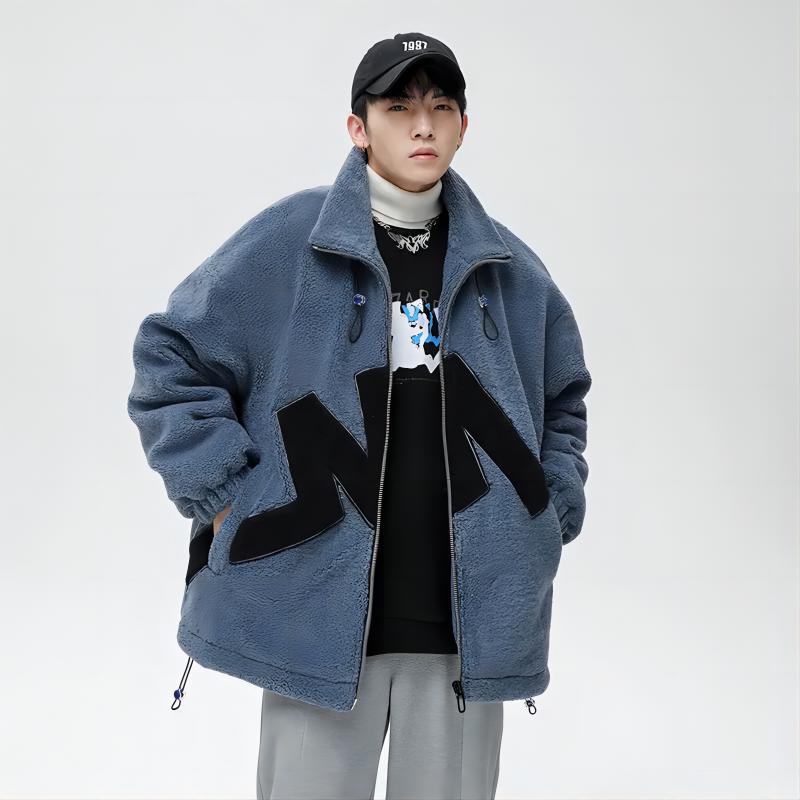
Why Choose EDVORIN as Your Sustainable Windbreaker Jacket Manufacturer
EDVORIN connects development, decoration, and quality control into one accountable path for production-ready windbreaker programs.
Concept-to-Bulk Coordination
EDVORIN aligns material sourcing, patterns, sampling, decoration, labeling, and packing so approved windbreaker details carry into bulk production.
Flexible OEM/ODM Development
From a complete tech pack or early reference, our team develops men’s and women’s windbreakers around your intended fit and market.
Category-Specific Decoration
Printing, embroidery, patches, and placement specifications are planned against shell and lining construction, helping artwork remain consistent across production.
Controlled Production Standards
Approved samples, measurement charts, trim specifications, and in-line checks create a clear standard for quality before final packing.
Repeat-Order Readiness
Documented construction, material, color, and decoration decisions give your team a dependable reference when replenishing or expanding a jacket program.
Windbreaker and Outerwear Product Programs
Develop weather-ready jackets and coordinated apparel with clear specifications for branding, team identity, fit, and repeatable bulk production.
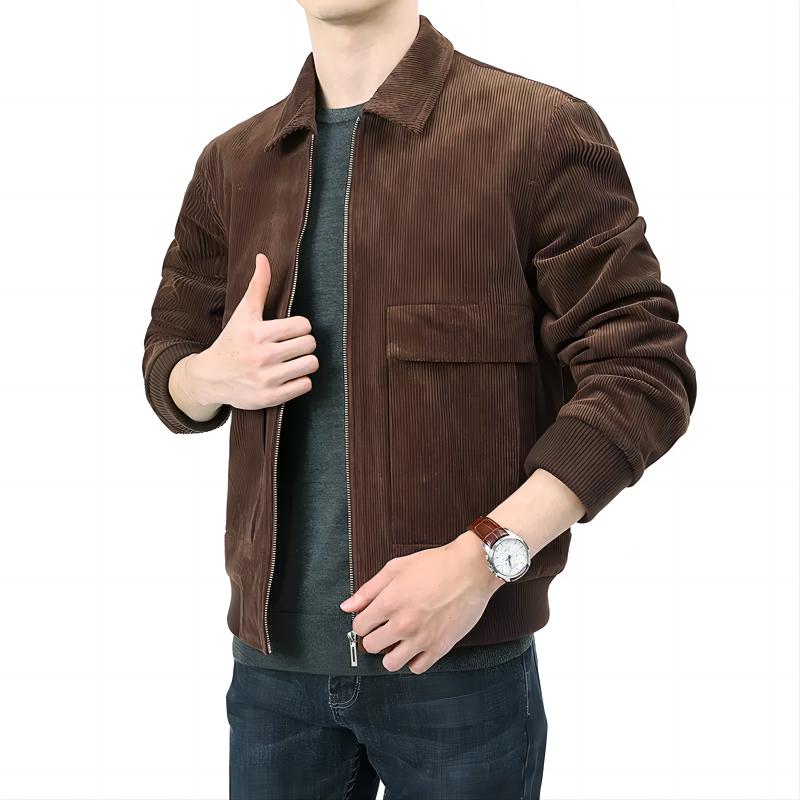
Custom Hoodies
Custom hoodies developed with fleece weight, rib recovery, hood construction, drawcords, pockets, labels, and print or embroidery placement defined for reliable sample-to-bulk production.
Get a Quote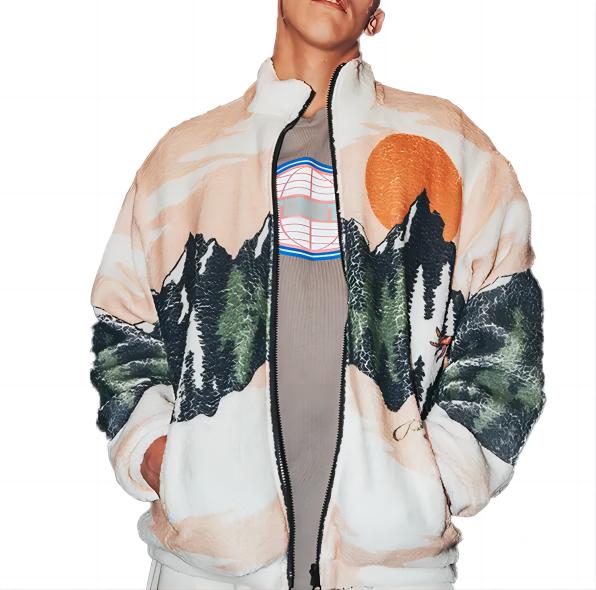
Pullover Sweatshirts
Pullover sweatshirts produced around fabric weight, neck rib, cuff construction, fit blocks, grading, and decoration requirements. Available for men’s and women’s programs, from retail basics to branded collection pieces.
Get a Quote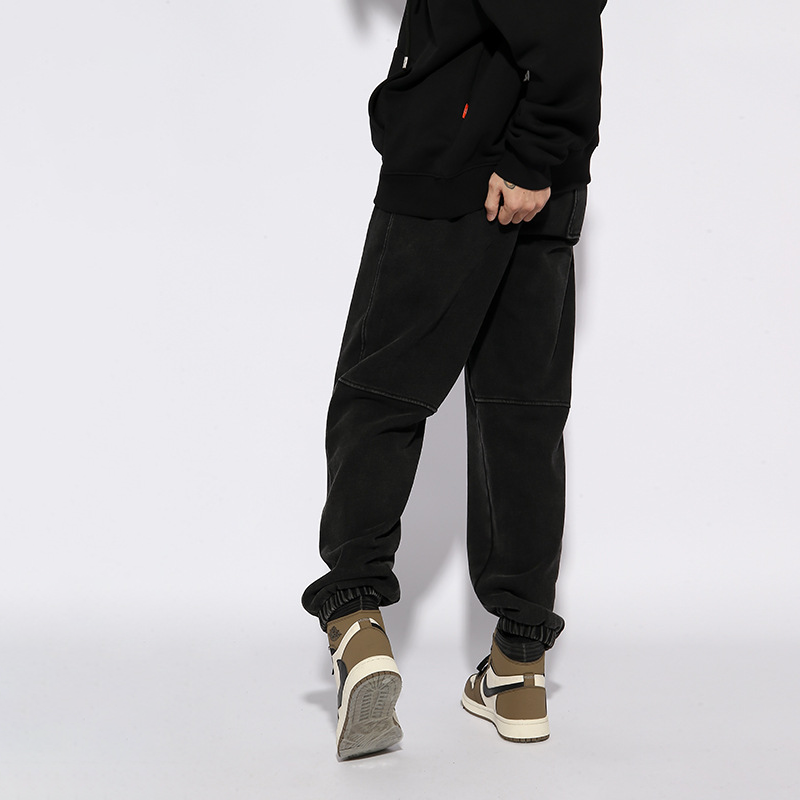
Sweatpants & Joggers
Sweatpants and joggers developed with waistband construction, elastic, drawcords, pocket layouts, cuff options, fabric weight, and graded measurements for coordinated casualwear or team programs.
Get a Quote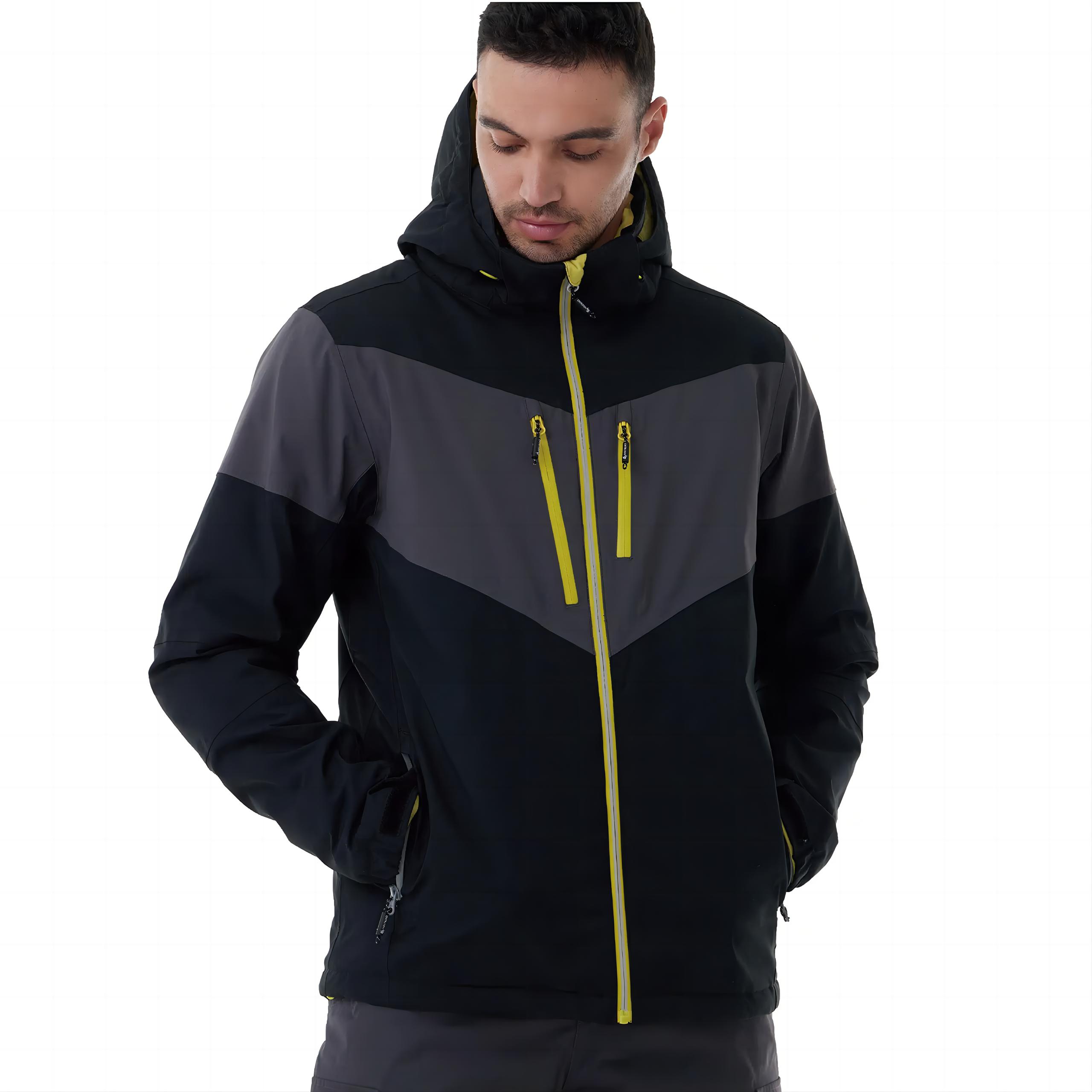
Custom Shorts
Custom shorts specified for inseam, rise, waistband, pocket construction, fabric performance, and decoration placement. EDVORIN supports fleece, woven, mesh, and athletic short programs for men’s and women’s fits.
Get a Quote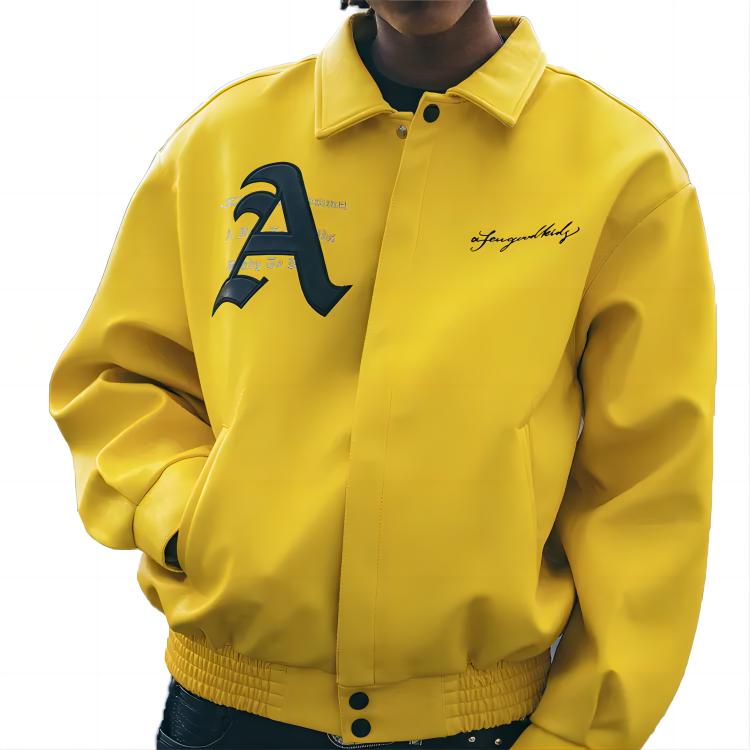
Varsity & Baseball Jackets
Varsity and baseball jackets coordinated across body fabric, sleeves, lining, rib, snaps, chenille patches, embroidery, and appliqué. Construction details are documented to preserve the intended school, team, or brand identity.
Get a Quote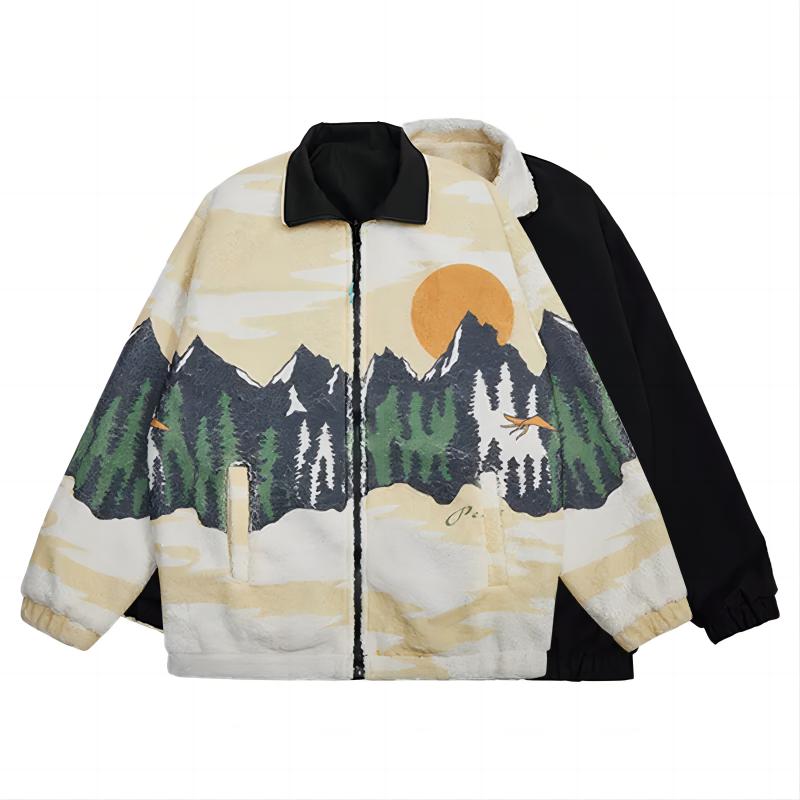
Custom T-Shirts
Custom T-shirts developed with selected jersey weight, collar construction, fit, sleeve proportions, print method, wash treatment, labels, and packaging requirements for private-label and wholesale programs.
Get a Quote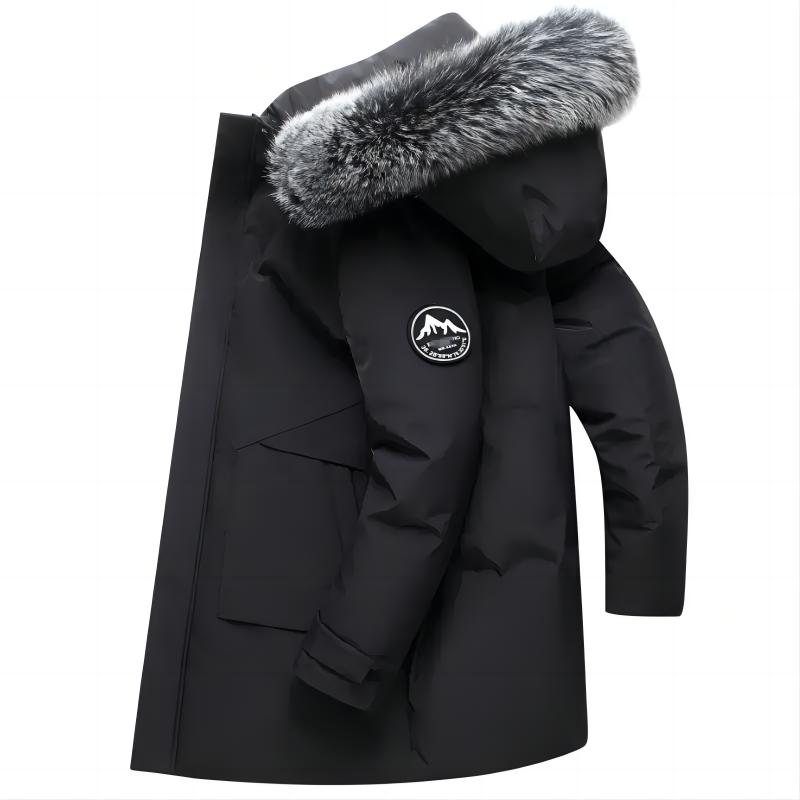
Custom Polo Shirts
Custom polo shirts produced with piqué or jersey fabrics, collar and placket construction, buttons, cuff details, embroidery placement, and size grading for uniforms, corporate apparel, and retail collections.
Get a Quote
Windbreaker Jackets
Windbreaker jackets developed with shell fabric, lining or mesh, water-resistance requirements, ventilation, zipper selection, pocket construction, hood options, and logo placement. Specifications support lightweight branded outerwear and team-ready weather protection.
Get a Quote
Quilted Jackets
Quilted jackets coordinated across shell, lining, insulation, quilting pattern, stitch density, closures, pockets, and labeling. Sampling verifies warmth, silhouette, and construction before bulk production begins.
Get a Quote
Bomber Jackets
Bomber jackets developed with shell fabric, lining, rib trims, zipper or snap closures, pocket details, patches, embroidery, and wash effects. Suitable for fashion, streetwear, and private-label outerwear programs.
Get a Quote
Custom Shirts
Custom woven shirts developed with fabric selection, collar shape, placket, cuffs, pocket options, fit blocks, grading, and branded trims. Available for men’s and women’s retail or uniform requirements.
Get a Quote
Custom Jerseys
Custom jerseys built around breathable fabric, panel construction, color matching, team logos, player names, numbers, and size-set control. Artwork and placement standards are recorded for repeat orders.
Get a Quote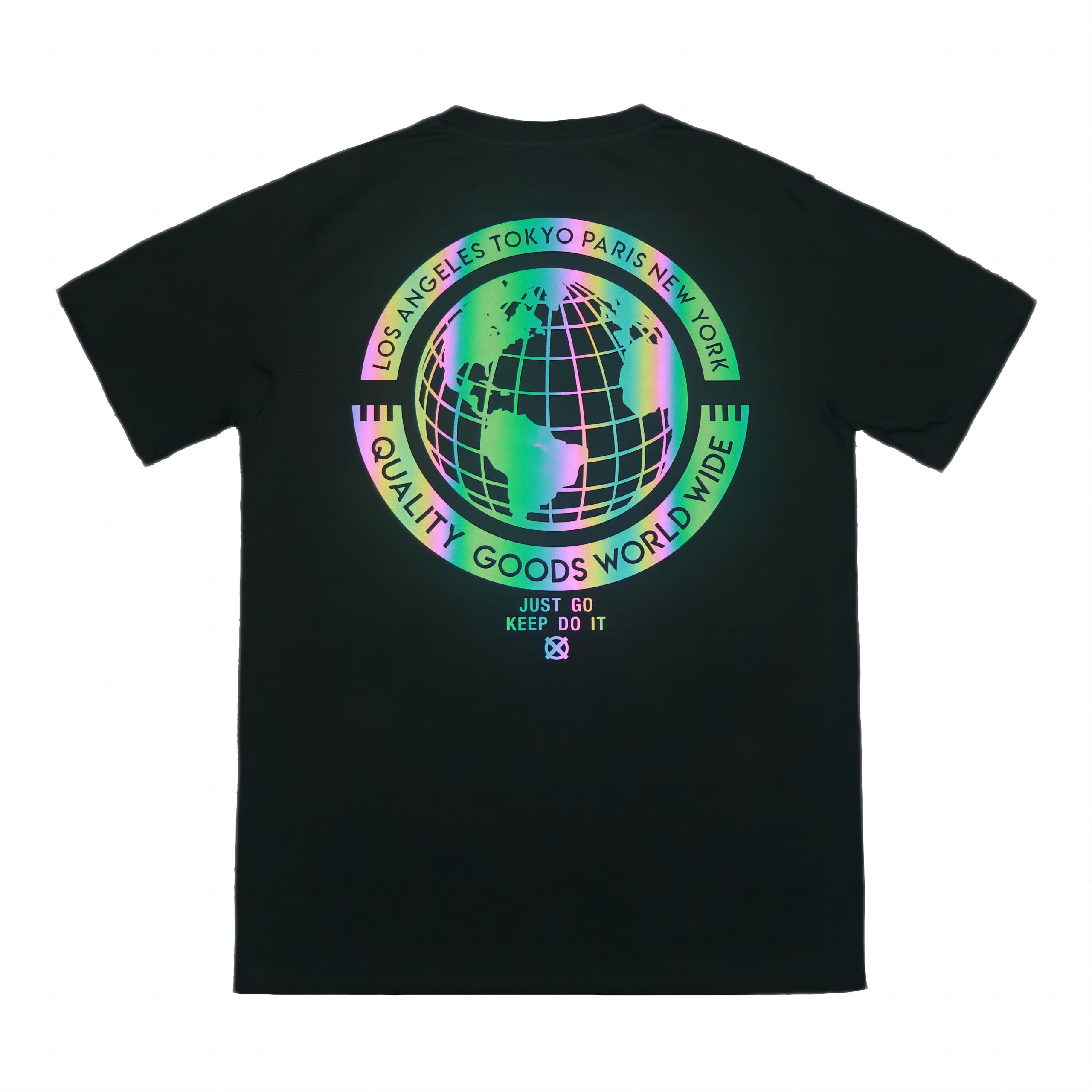
Tank Tops
Tank tops developed in jersey, mesh, rib, or performance fabrics with neckline, armhole, fit, binding, print, and label specifications matched to retail, training, or teamwear use.
Get a Quote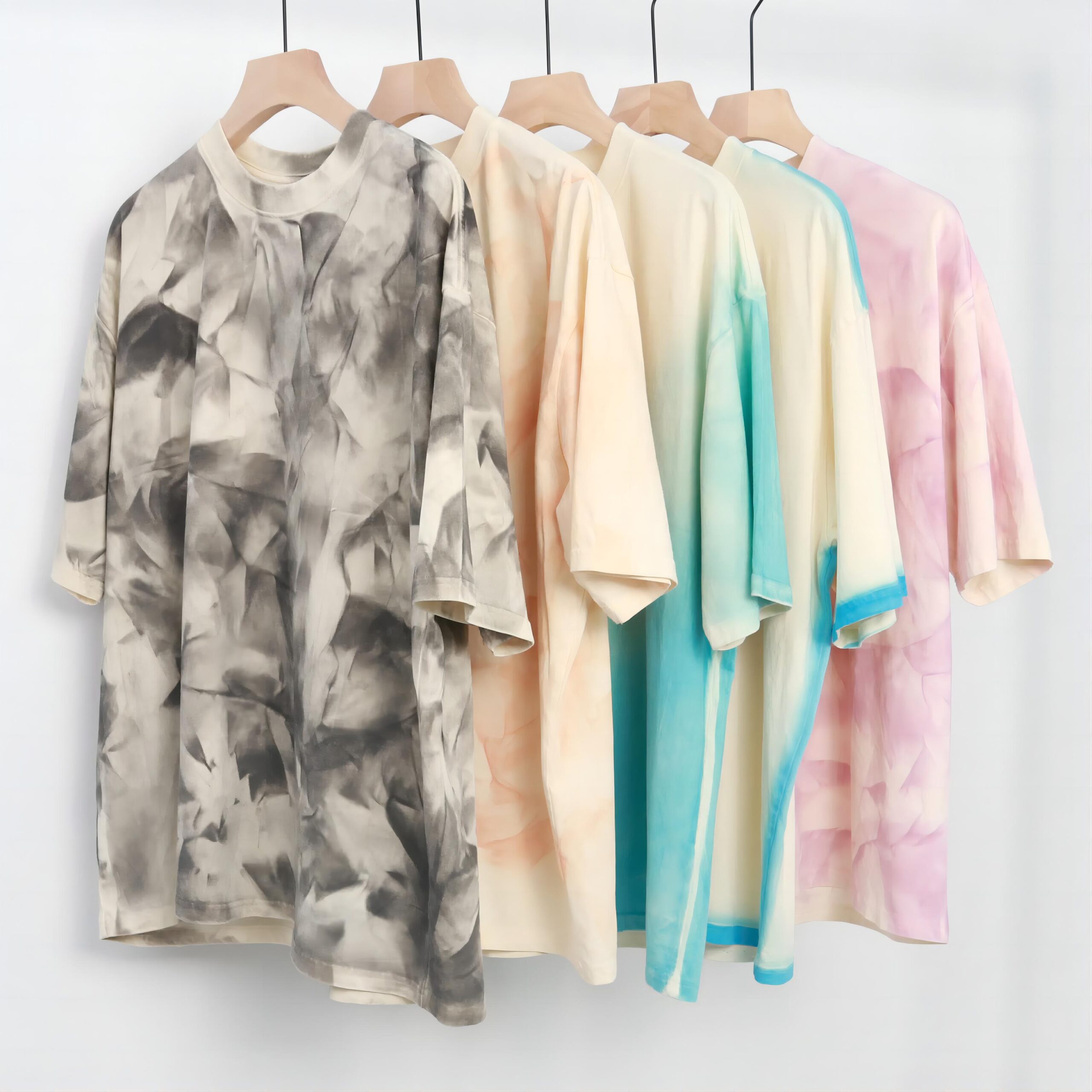
Soccer Uniforms
Soccer uniforms developed as coordinated jerseys, shorts, and optional socks, with moisture-management fabrics, color blocking, club crests, sponsor artwork, player numbering, and organized size grading.
Get a Quote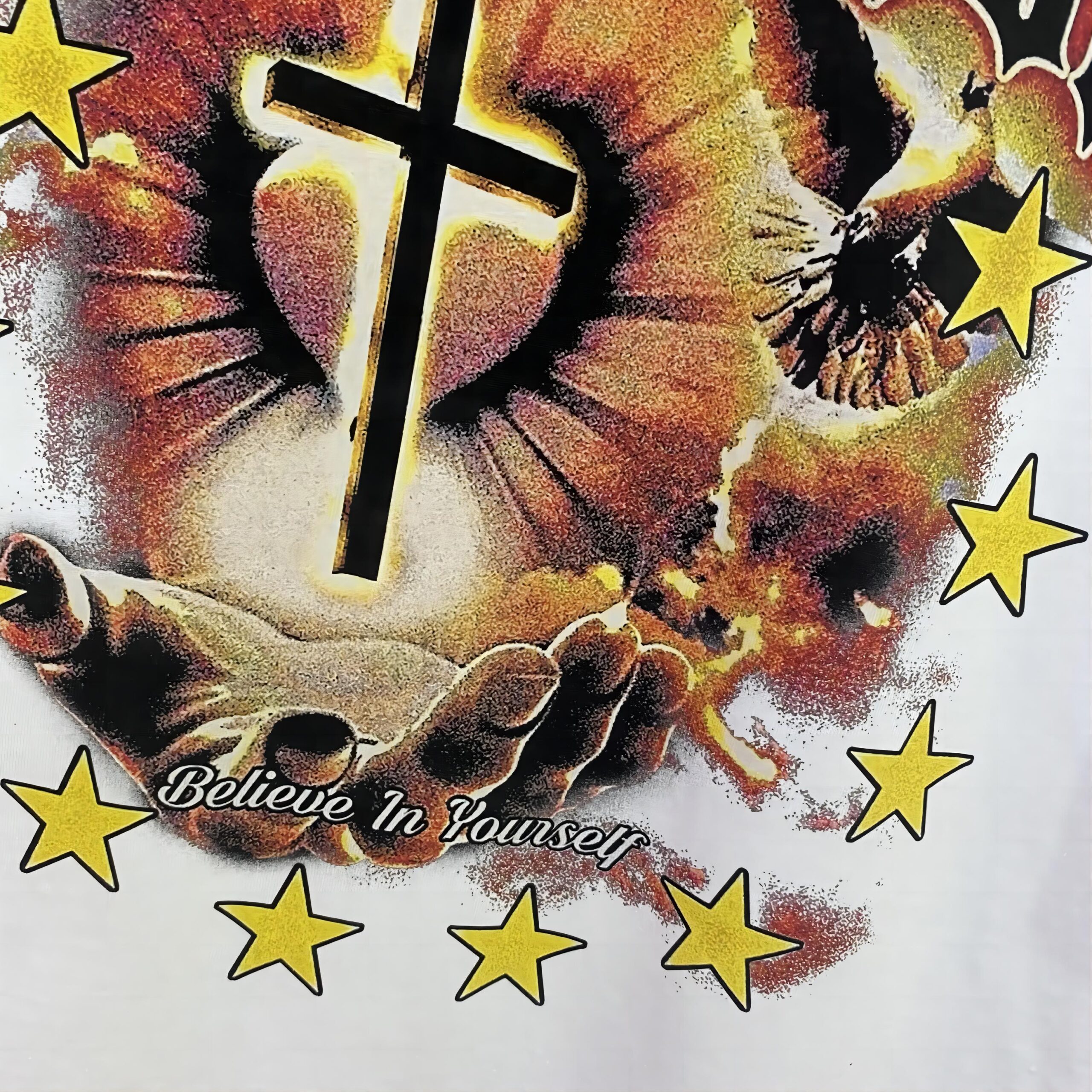
Basketball Uniforms
Basketball uniforms produced with breathable mesh or performance knits, reversible or single-layer options, contrast panels, team colors, names, numbers, and durable decoration methods for clubs, schools, and leagues.
Get a Quote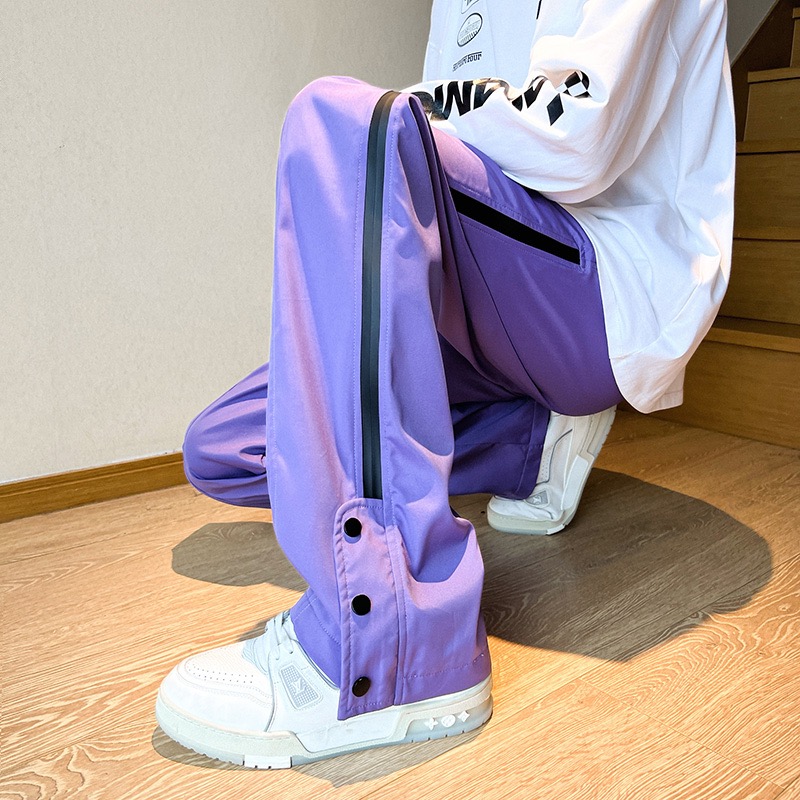
Streetwear Collections
Streetwear collections developed as connected product programs across hoodies, tees, bottoms, outerwear, and woven pieces. EDVORIN coordinates materials, fit blocks, washes, trims, decoration, labels, and packaging into repeatable production standards.
Get a QuoteWindbreaker Material Options
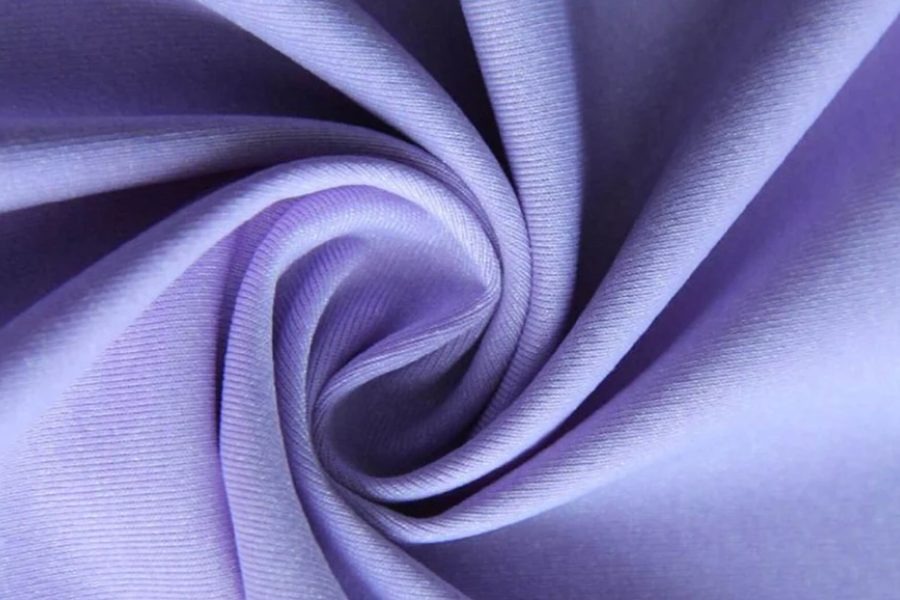
Recycled Polyester Shell
A lightweight, smooth shell option for everyday windbreakers, team jackets and promotional outerwear. Its stable woven surface supports clean printing and embroidery, while available coatings can add wind resistance or water repellency.
Recycled Nylon Shell
Crisp, durable and lightweight, recycled nylon suits technical streetwear and packable windbreaker programs. Its high-strength woven construction delivers a refined hand-feel and can be specified with coatings for enhanced weather protection.
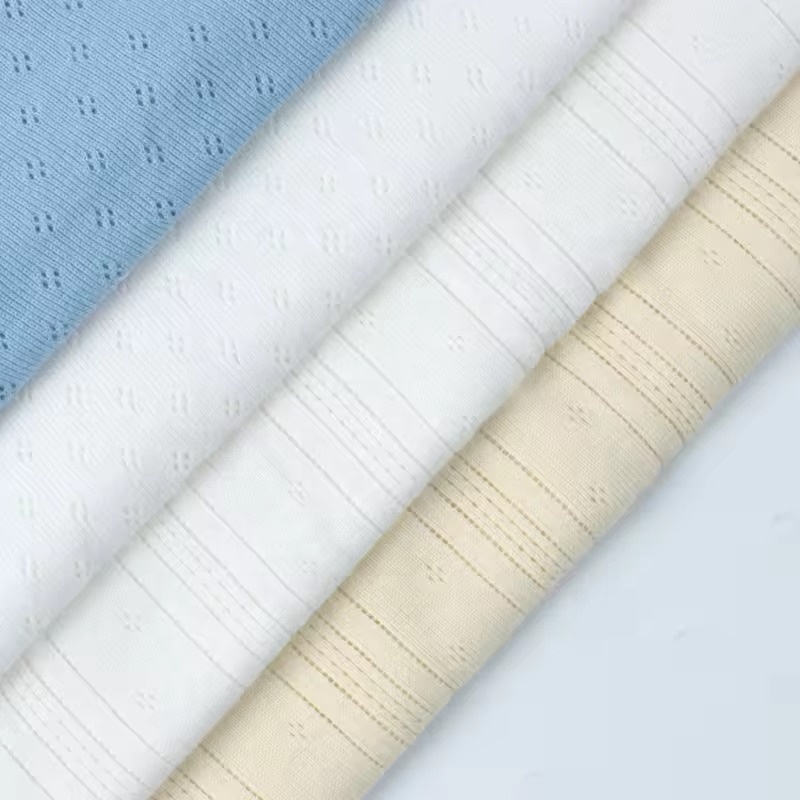
Organic Cotton Blend
A softer, more natural-feeling option for lifestyle outerwear, campus programs and fashion-led windbreakers. Blending cotton with performance fibers improves shape retention and durability while maintaining breathable, approachable comfort.
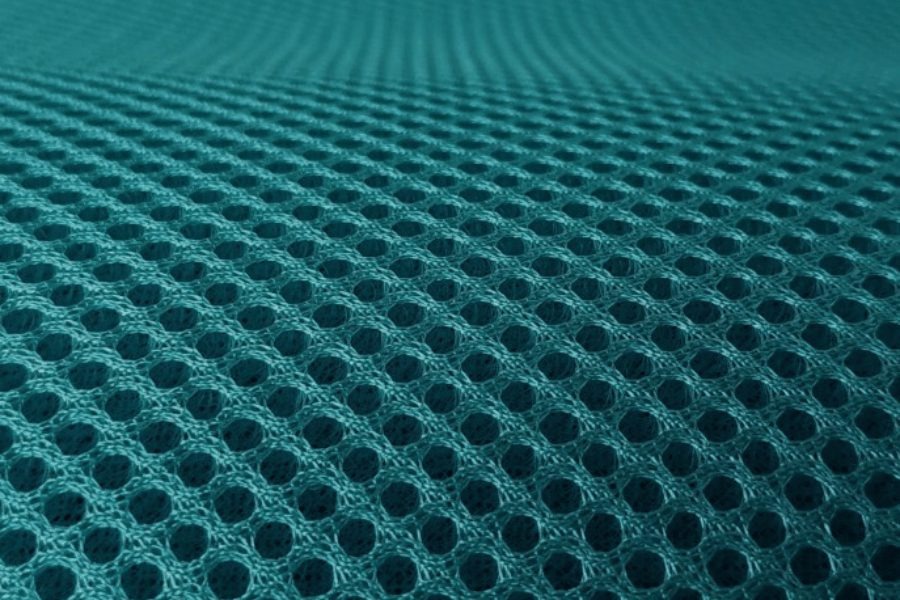
Breathable Mesh Lining
Lightweight mesh lining improves air circulation inside active, team and transitional windbreakers. Its open-knit structure keeps the jacket less clingy during movement and creates a clean internal finish around seams and pockets.
Stretch Performance Woven
A flexible woven fabric for training jackets, travel outerwear and sport-focused collections. Mechanical or elastane stretch supports ease of movement, while a compact face can accommodate wind-resistant finishes and precise panel construction.
Windbreaker Decoration & Construction Processes
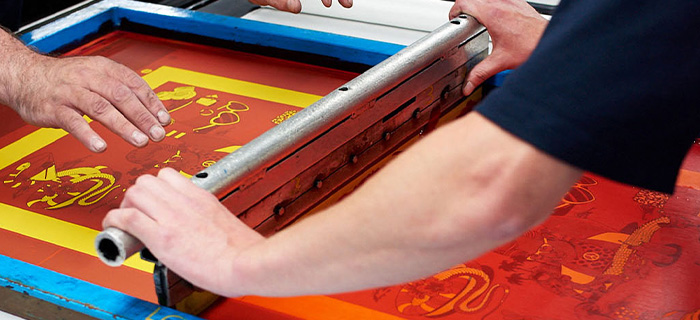
Screen Printing
Screen printing is matched to shell fabric, artwork scale and placement requirements, creating clear graphic coverage with a durable visual result for streetwear, promotional and team windbreaker programs.
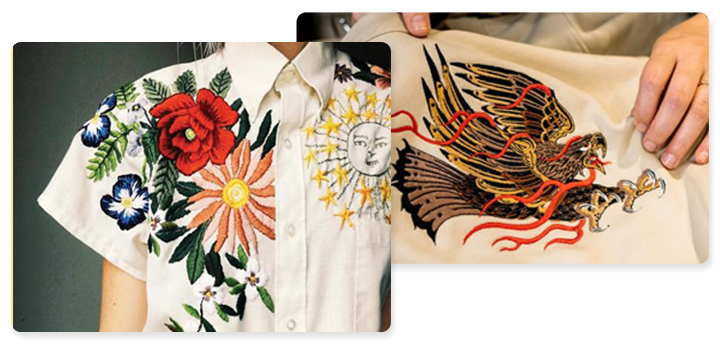
Embroidery Application
Embroidery adds dimensional logos, crests and small-format artwork to compatible windbreaker panels. We review backing, stitch density and placement so the finished detail remains clean without compromising the garment’s intended appearance.
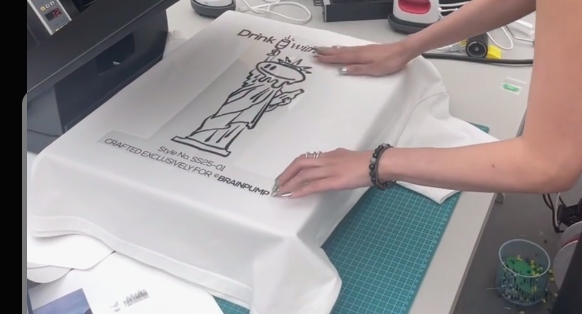
Heat Transfer
Heat transfer supports precise logos, names, numbers and detailed artwork where sharp edges and controlled placement matter. Material compatibility is reviewed during sampling to establish an approved, repeatable decoration standard.
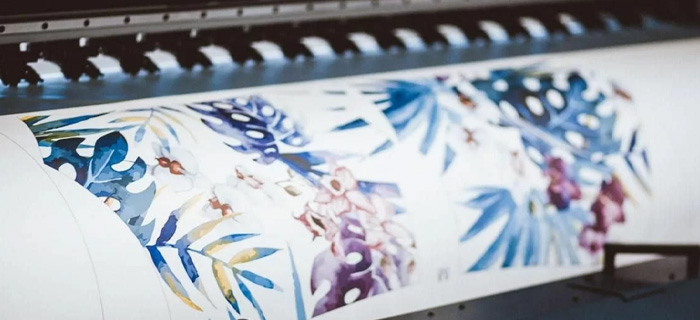
Sublimation Printing
Sublimation enables all-over color and graphic effects on compatible polyester-based components. It is suited to designs requiring integrated artwork, vibrant coverage and a lightweight hand rather than a raised printed surface.
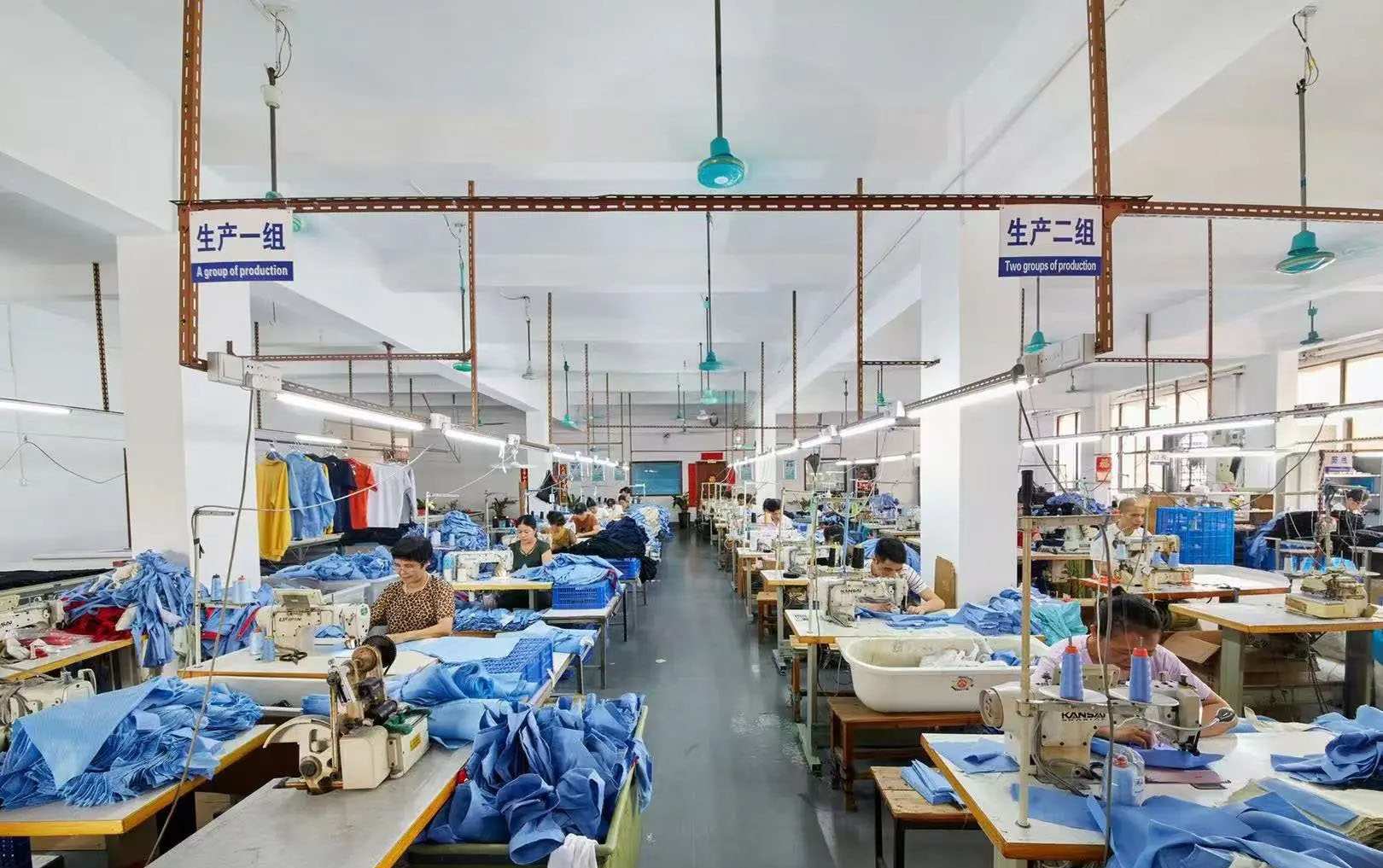
Seam Construction
Seam construction brings panels, linings, zippers, pockets and elastic details into a defined assembly method. Construction choices are documented through development so fit, function and appearance can be reproduced in bulk.
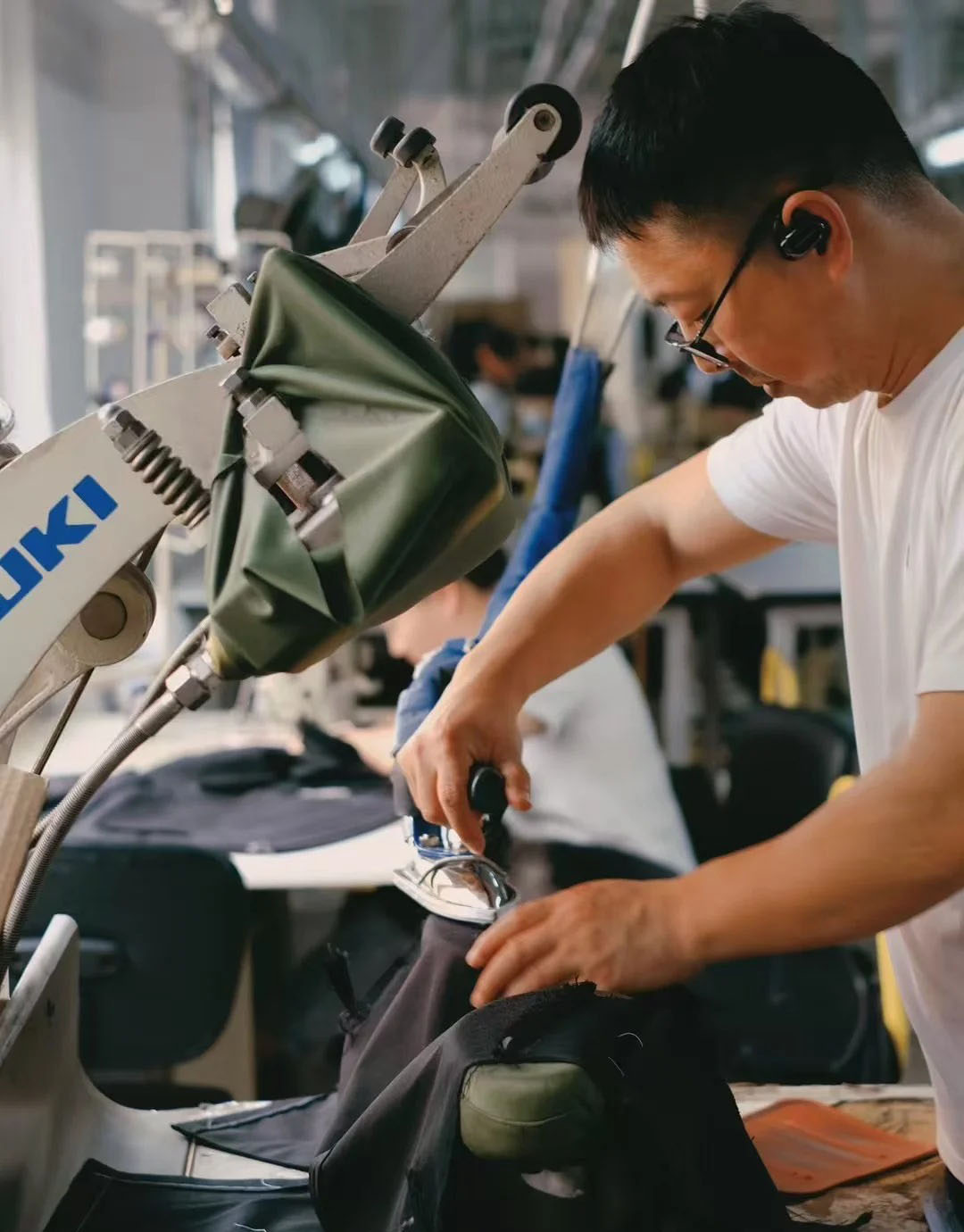
Final Finishing
Final finishing coordinates washing where applicable, thread trimming, pressing, labeling and packing checks against the approved sample. This last production stage helps ensure each jacket reaches packing with a consistent presentation.
Custom Windbreaker Trims
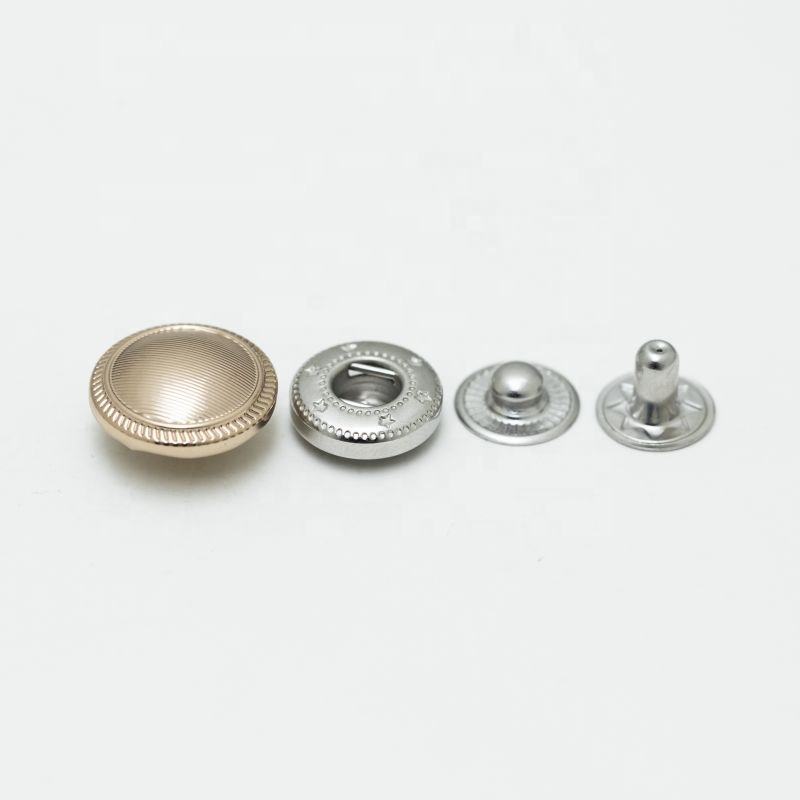
Snap Buttons
Add custom snaps for storm flaps, detachable details, cuffs, or pockets. Finish, size, color, and logo options can be matched to the jacket design while ensuring the selected hardware suits the garment construction.
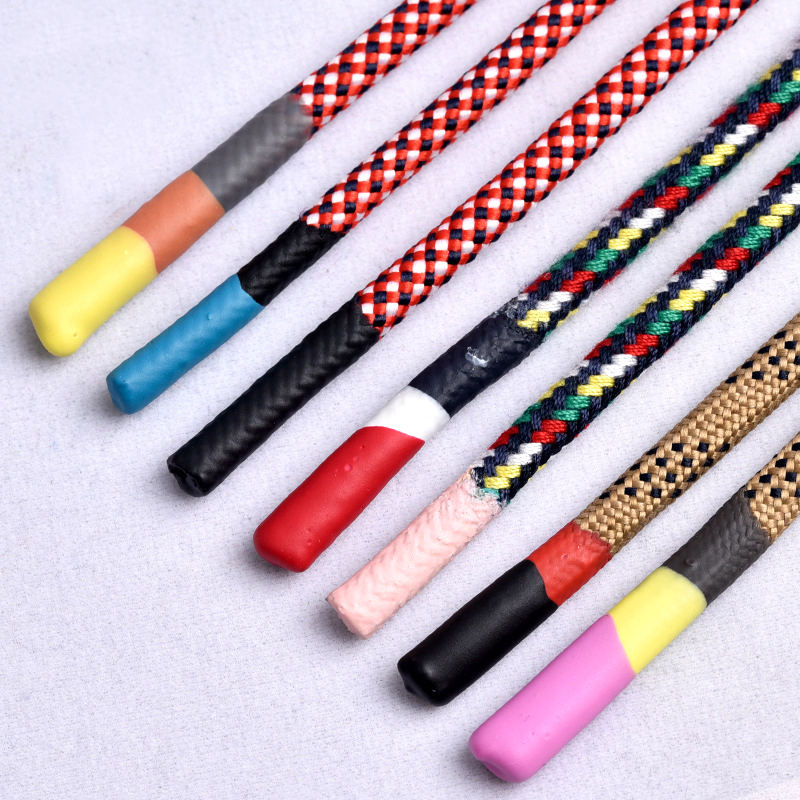
Drawcord Tipping
Create adjustable hoods and hems with selected drawcord materials, colors, aglets, and cord locks. These small details help define a private-label windbreaker’s finish while supporting practical fit adjustment in use.
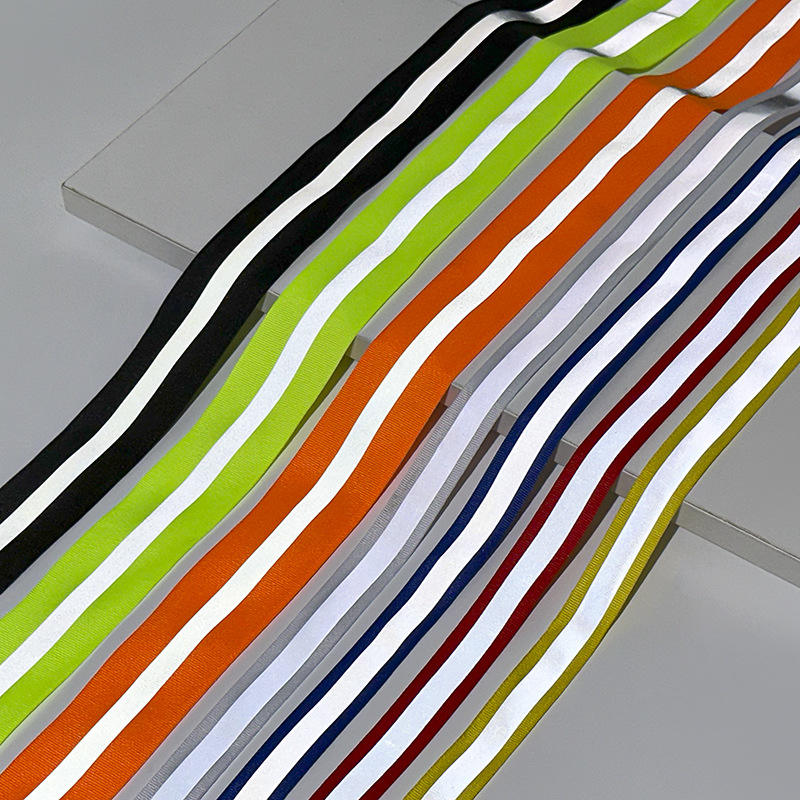
Elastic Binding
Use elastic at cuffs, hems, and hood edges to improve fit and maintain a clean windbreaker silhouette. Width, recovery, color, and application method are aligned with the approved construction standard.
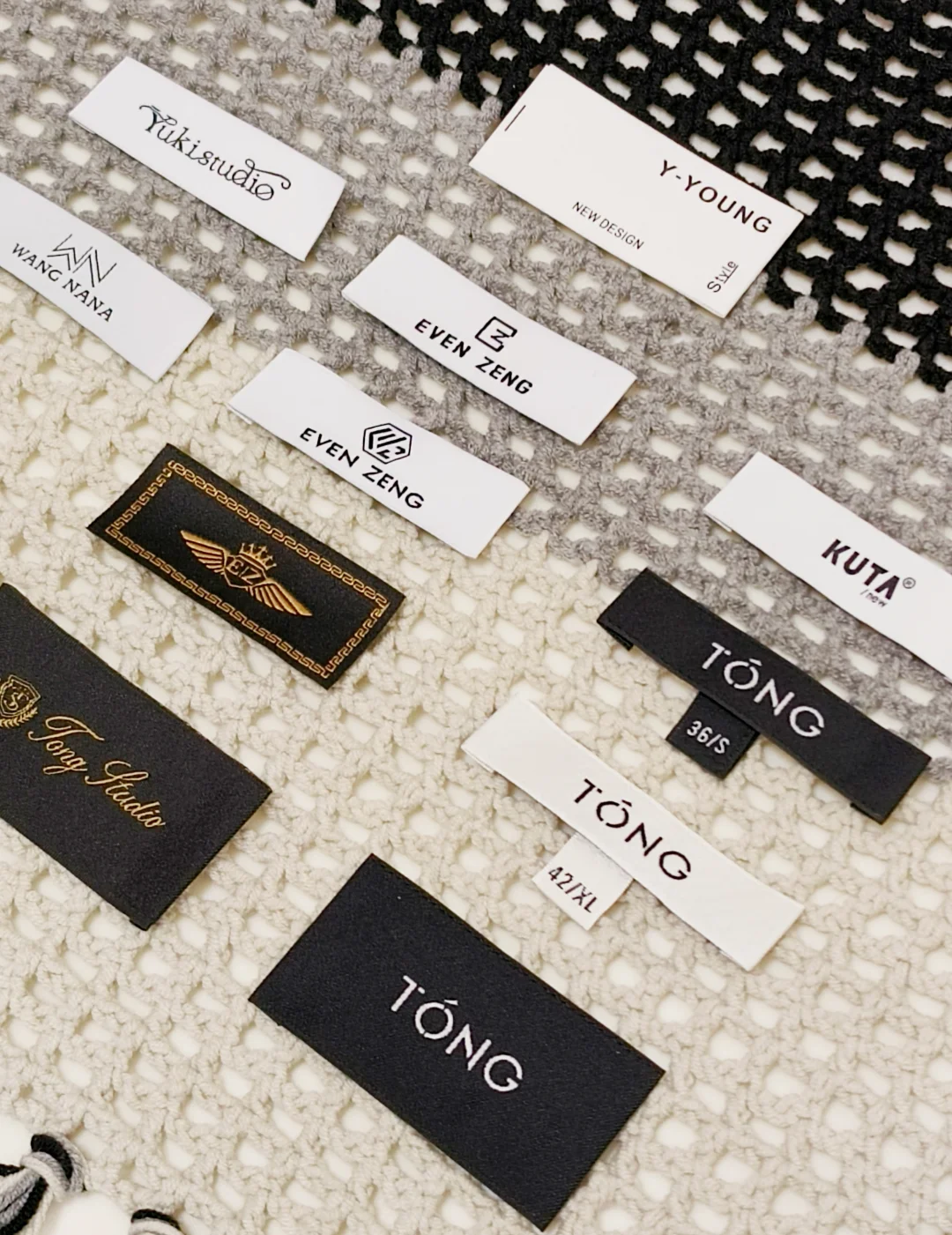
Woven Labels
Add woven main labels, size labels, care labels, and hem flags to establish a complete private-label presentation. Label placement, fold style, artwork, and sewing method are documented for reliable repeat orders.
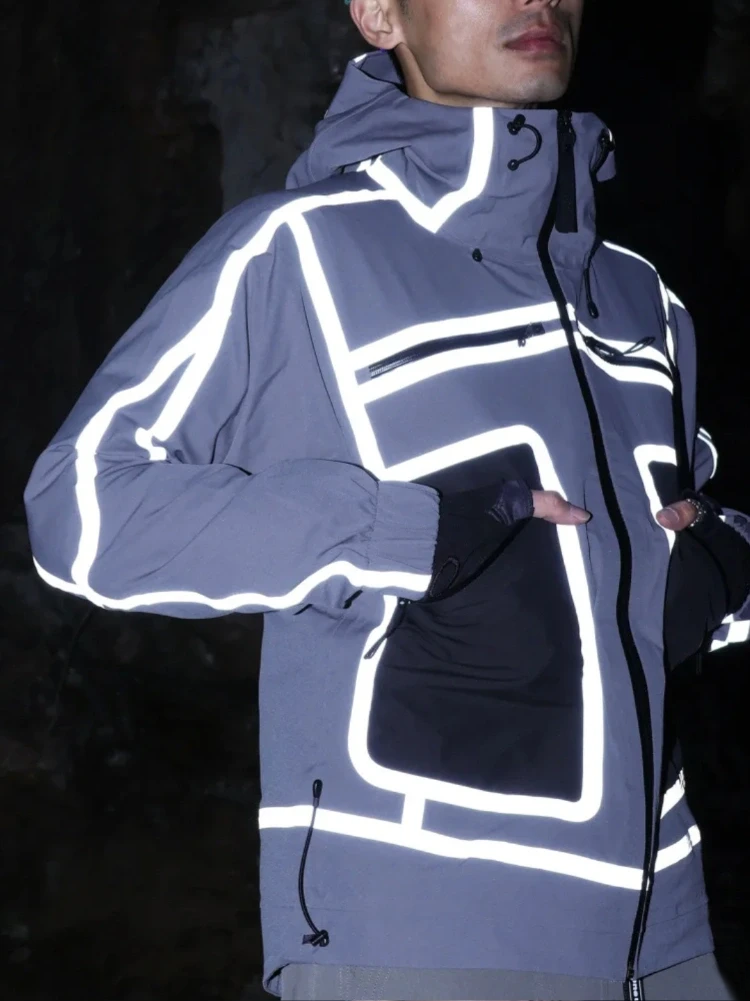
Reflective Details
Incorporate reflective piping, heat-transfer marks, or printed accents for visibility-focused teamwear and active outerwear programs. Placement and decoration method are reviewed during sampling to balance performance, durability, and the intended visual identity.
About EDVORIN
Founded in 2000 by Edvorin Zeng, EDVORIN helps fashion brands, streetwear labels and teamwear buyers turn outerwear concepts into reliable production programs. As a sustainable windbreaker jacket manufacturer, we begin by clarifying the fit, fabric, construction and decoration details that shape an approved standard.
Our connected workflow brings product development, material and trim sourcing, patterns, sampling, printing, embroidery, bulk production, quality control, labeling and packing under one accountable path. Men’s and women’s windbreaker programs can be developed around the intended wearer, performance needs and brand direction, with MOQ starting at 200 pieces per style.
What makes EDVORIN different is the discipline after sample approval. We document measurements, artwork placement, material references and finishing requirements so bulk production has a clear standard to follow. That founder-led approach helps buyers build repeatable outerwear collections with the flexibility to grow.
Windbreaker Development Standards
Technical Development, Clearly Defined
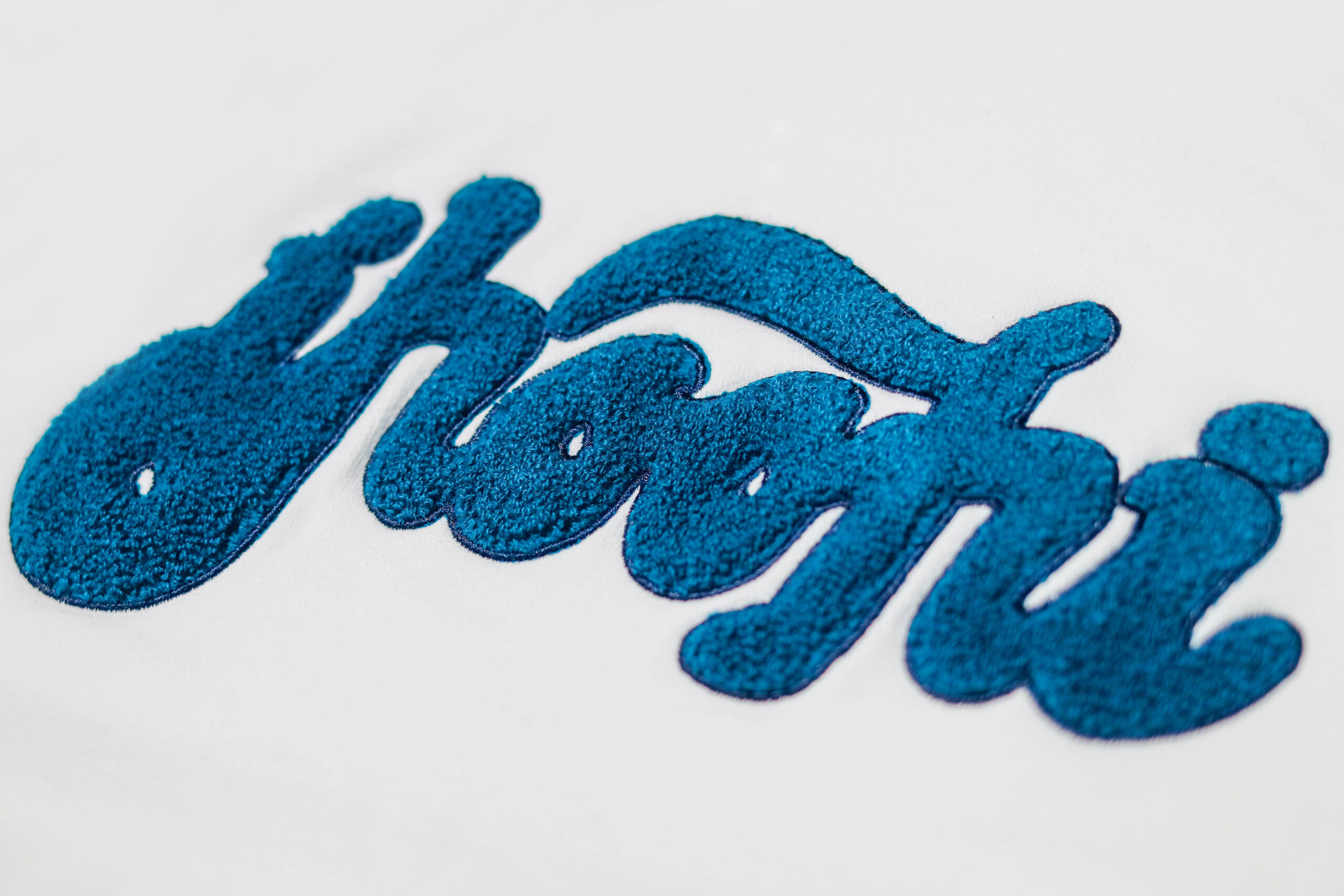
EDVORIN converts sketches, reference garments, or complete tech packs into production-ready windbreaker specifications. Pattern, fit, grading, construction details, and functional requirements are aligned before sampling, with men’s and women’s programs developed around their intended wearer and market.
- Pattern and measurement development
- Fit blocks for men’s and women’s programs
- Construction details recorded for production
Shell, Lining, and Trim Coordination
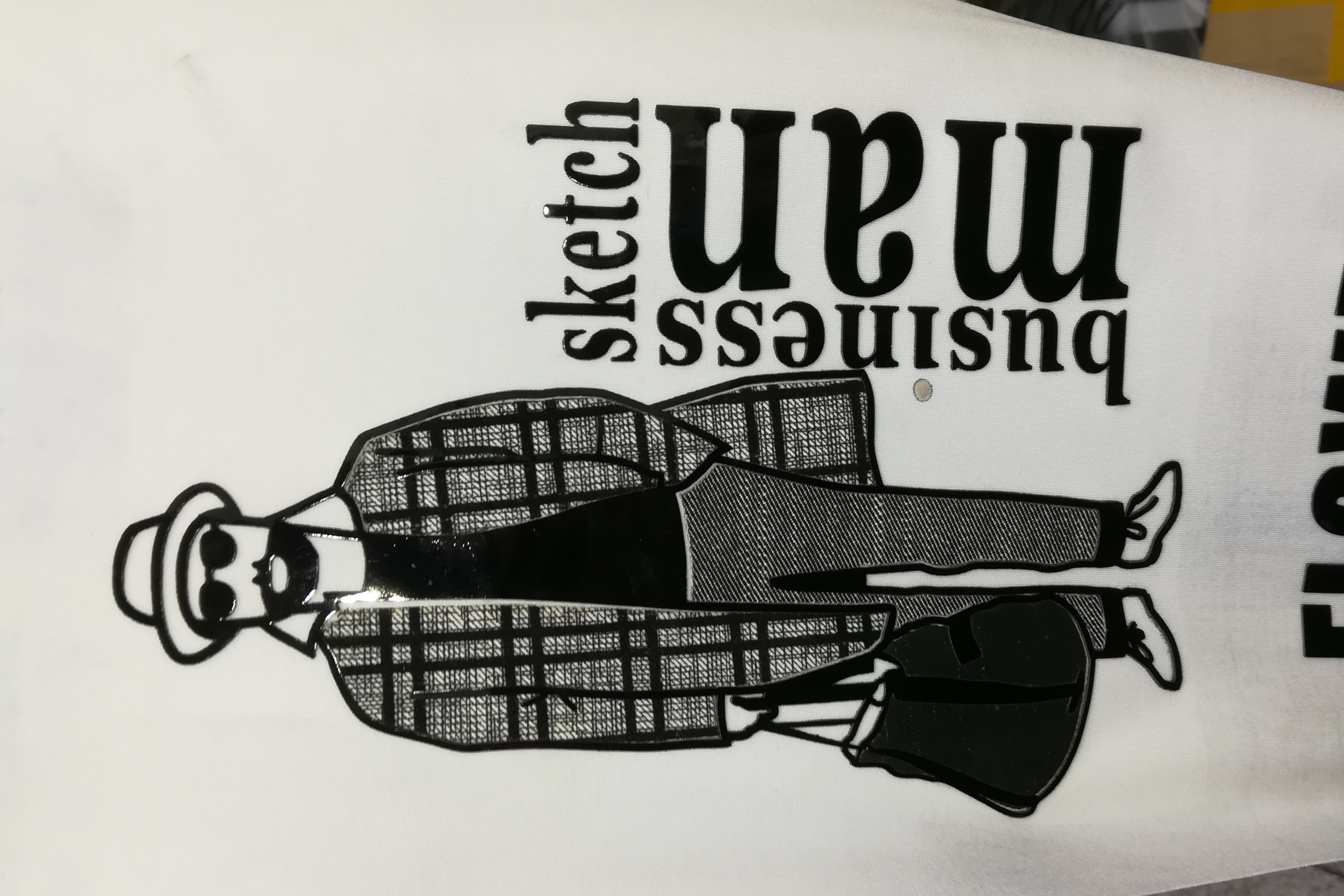
A windbreaker performs as a system, not as a shell fabric alone. EDVORIN coordinates shell, lining, mesh, zippers, elastic, drawcords, labels, and packaging so selected components support the garment’s intended weight, hand feel, function, and brand presentation.
- Material and component sourcing support
- Hardware and trim specification
- Private-label labels and packaging coordination
Decoration Planned for Performance
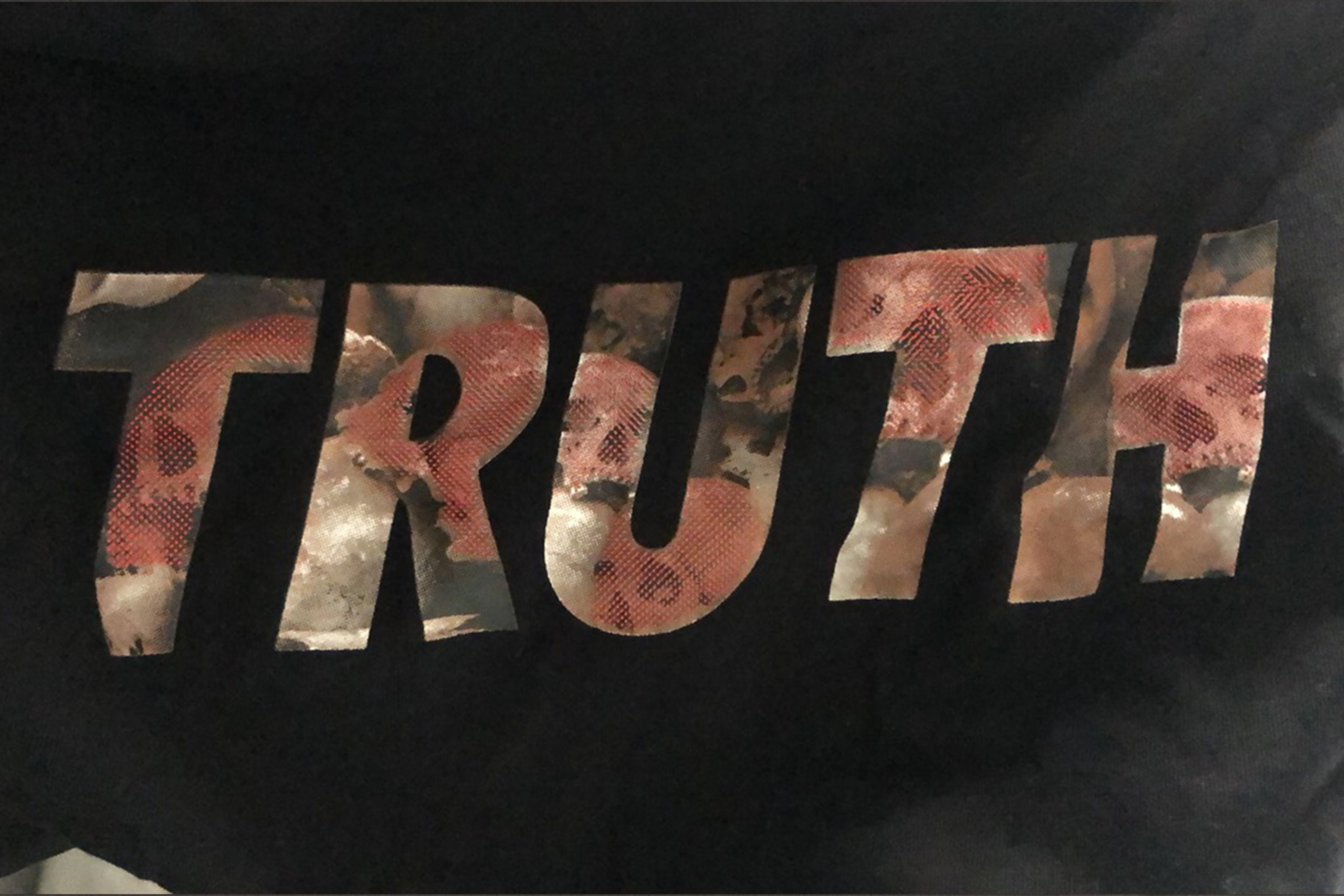
Print, embroidery, patches, and other branded details are planned around the selected fabric and garment construction. Placement, scale, artwork handling, and decoration compatibility are reviewed early, helping fashion labels, teams, and corporate buyers protect a consistent visual result in bulk.
- Logo placement and artwork references
- Print and embroidery coordination
- Decoration choices matched to fabric
Approved Samples Guide Bulk
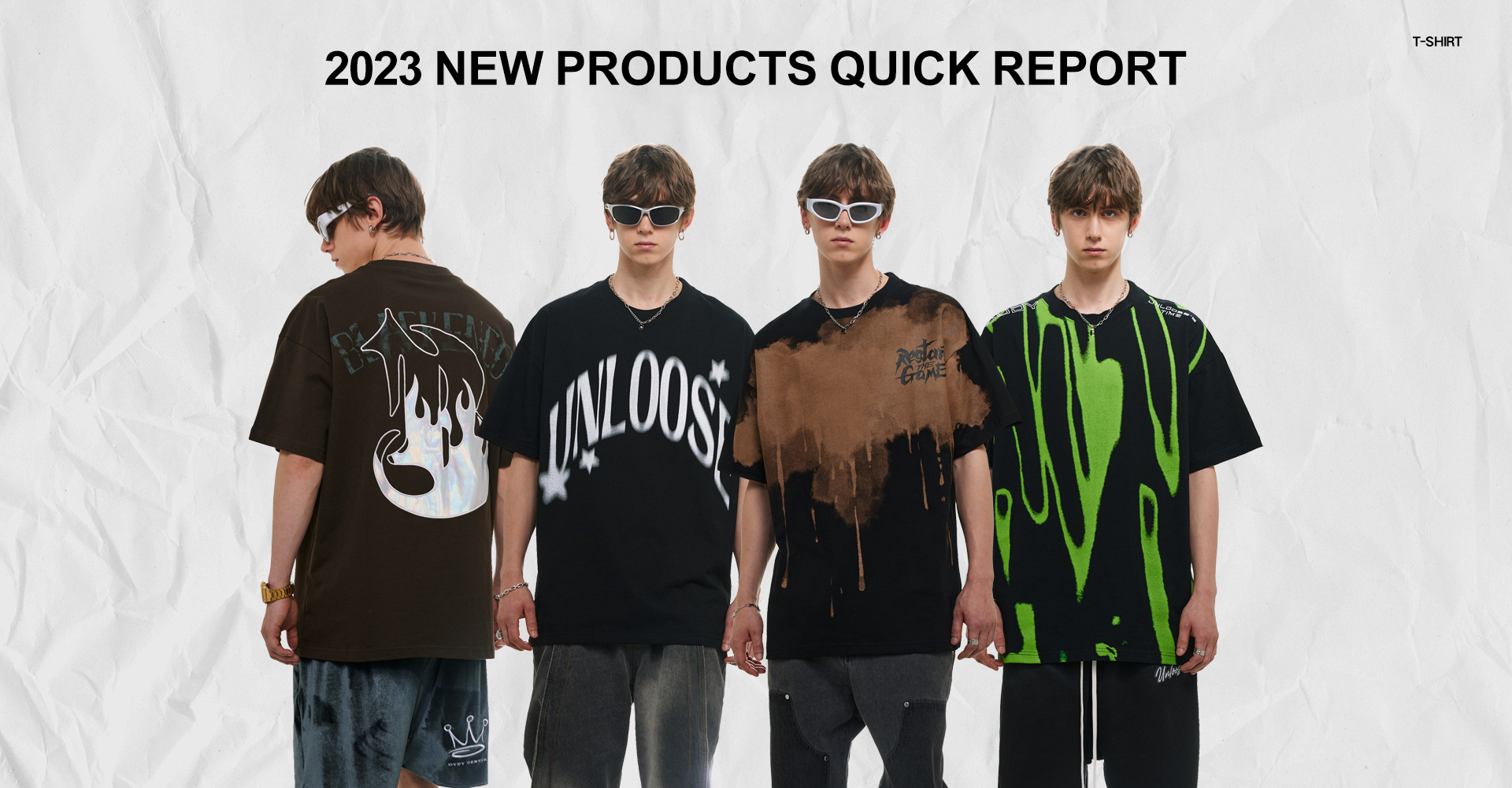
As a sustainable windbreaker jacket manufacturer, EDVORIN treats the approved sample as the production benchmark. Material approvals, measurements, artwork placement, trims, and finishing details are carried into bulk controls, with in-line and final checks focused on repeatable order quality.
- Approved sample retained as the standard
- In-line checks for production variation
- Final inspection before packing
Choose a Windbreaker Manufacturer Built to Repeat
EDVORIN connects development, approvals and bulk production in one accountable outerwear workflow.
← Swipe left or right to view →
Our Windbreaker Manufacturing Process
A controlled path from specification review to shipment-ready private-label windbreakers.
Review Specifications
We review your tech pack, reference garment, fit requirements, artwork, quantities and delivery priorities, then identify construction details that need clarification before development begins.
Source Materials and Trims
Shell, lining, mesh, zippers, elastic, labels and packaging are coordinated against the approved brief, with sustainable material options discussed for your program.
Develop Patterns and Samples
Patterns, grading and samples translate the concept into a reviewable standard. You confirm fit, construction, color, decoration placement and finishing before bulk release.
Cut and Decorate
Approved materials are cut to the confirmed pattern while printing, embroidery or other decoration follows recorded artwork, placement measurements and compatibility requirements.
Control Bulk Quality
In-line checks monitor measurements, stitching, assembly, decoration and finishing against the approved sample, helping address variation while production is still in progress.
Inspect, Pack and Prepare
Final inspection verifies the finished order before labels, folding, packaging and carton packing are completed, leaving your windbreakers prepared for shipment coordination.
How EDVORIN Starts Your Windbreaker Program
Bring a tech pack, sketch, or reference garment; EDVORIN turns approved decisions into a repeatable, shipment-ready windbreaker program.
Share Your Concept
Send a tech pack, sketch, reference garment, or collection brief. We review fit, construction, decoration, target quantity, and men’s or women’s program requirements.
Align Materials and Quote
Confirm shell, lining, trims, color, branding, and responsible material preferences. We align specifications, MOQ starting at 200 pieces per style, pricing, and development scope.
Approve the Sample
Review the developed sample for fit, fabric behavior, construction, artwork placement, and finishing. Approved details become the documented standard for your windbreaker bulk order.
Confirm Bulk Production
Authorize production after sample approval. EDVORIN coordinates sourced materials, patterns, decoration, sewing, labels, packaging, and in-line quality checks against the approved standard.
Receive Ready-to-Ship Goods
Final inspection verifies measurements, workmanship, decoration, labeling, and packing before your order is prepared as shipment-ready goods for your brand, team, or wholesale program.
Certified Standards for Responsible Apparel Production



Customer References Available on Request
Customer references may be shared during qualified sourcing discussions, subject to customer approval and confidentiality requirements.
Reserved for a verified customer story on repeat-order consistency, with confirmed details on measurements, materials, decoration placement, and order volume.
Reserved for a verified customer story on launch readiness, including confirmed sample-to-bulk results for a sustainable windbreaker jacket manufacturer program.
Windbreaker Manufacturing FAQ
Clear answers for private-label buyers planning sustainable windbreaker development and bulk production with EDVORIN.
What is the MOQ for custom windbreakers?
Can a sustainable windbreaker jacket manufacturer develop my design from a sketch?
How do I get a quote from a sustainable windbreaker jacket manufacturer?
Can EDVORIN make windbreakers with recycled or certified materials?
How long do windbreaker samples and bulk orders take?
What payment terms apply to a custom windbreaker order?
Can EDVORIN arrange shipping and custom packaging?
How does EDVORIN protect my artwork and product specifications?
Sustainable Windbreaker Manufacturer: Complete Buyer’s Guide
Use this decision framework to compare sustainable windbreaker suppliers, validate materials and construction, plan customization, control costs, and avoid sourcing mistakes before committing to samples or production.
1. What Is a Sustainable Windbreaker Jacket Manufacturer?
EDVORIN’s MOQ starts at 200 pieces per style. Since 2000, EDVORIN has operated as a B2B development-to-production partner for lightweight, wind-resistant outerwear: translating a buyer’s concept into patterns, samples, approved specifications, bulk production, inspection, labels, and packing. A sustainable windbreaker jacket manufacturer should also make material origin, process choices, durability targets, and traceability records reviewable—not merely describe a fabric as eco-friendly.
A 200-piece MOQ can suit a focused custom program, but the supplier role matters. A factory controls production; a trading company coordinates third parties; OEM builds to the buyer’s technical specification; ODM supplies a development base the buyer adapts; and a private-label partner adds brand identifiers such as woven labels, hangtags, and packaging.
Five evidence types should be requested before sourcing: fiber-content and transaction documentation where applicable, fabric test data, an approved sample with measurement chart, trim and artwork specifications, and an inspection plan. EDVORIN’s value is connecting those records across sourcing, pattern work, decoration, washing, production, and final quality control so an approved windbreaker can be reproduced consistently.
2. How Sustainable Windbreakers Evolved
1940s synthetic-fiber outerwear made lightweight wind protection practical, and the windbreaker became a packable layer for changing conditions. Its basic brief was simple: low bulk, a closeable front, elastic or adjustable openings, and a shell that cuts airflow.
1990s-to-2000s performance and streetwear demand expanded the category into color-blocked, logo-ready, hooded, lined, and seam-detailed outerwear. A current sustainable windbreaker jacket manufacturer therefore needs specifications beyond appearance: shell and lining composition, fabric weight, water-repellent finish, zipper type, ventilation, and wear testing.
2026 sourcing briefs increasingly ask for recycled or otherwise preferred fibers, component traceability, and controls on cutting waste. Buyers should also specify repairable details—replaceable zippers, accessible seam construction, spare hardware—and request supplier documents that identify material origin, fiber claims, certification scope where applicable, and approved production revisions.
3. Types of Sustainable Windbreaker Jacket Manufacturer Projects
Six project paths call for different pattern blocks, trim control, and testing priorities. Match the collection brief to the complexity a sustainable windbreaker jacket manufacturer can document from sample through bulk production.
Packable And Training Shells
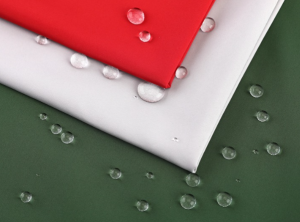
20D–40D packable shells suit travel, events, and light layering; relaxed room must still allow folding into a pouch.
2-piece hooded training windbreakers need an athletic range of motion, zip pockets, adjustable hood components, and repeatable seam placement.
- Required capability: lightweight-fabric cutting
- Required capability: pouch and hood development
Coach And Streetwear Styles
1 coach jacket uses a boxier block, snap front, collar stand, and often a simple lining for clubs or retail uniforms.
2-color-block streetwear styles add panel matching, contrast binding, artwork placement, and grading across men’s or women’s fit blocks.
- Required capability: snap and collar specification
- Required capability: panel and color control
Team And Technical Shells
1 team uniform program requires stable color references, names or numbers, size-set organization, and consistent repeats for squads.
3-layer technical lightweight shells demand more complex pattern engineering, zipper selection, ventilation details, and documented construction standards before bulk cutting.
- Required capability: team personalization control
- Required capability: technical sample validation
4. Sustainable Windbreaker Jacket Manufacturer Materials and Fabrics
EDVORIN’s MOQ starts at 200 pieces per style. At a 200-piece MOQ, material selection should be locked against the approved sample. A sustainable windbreaker jacket manufacturer must balance protection, packability, color, and traceable inputs.
| Material Family | Strengths | Risks | Best Use |
|---|---|---|---|
| Recycled nylon ripstop | Windproof, packable, abrasion-resistant | Higher cost; variable dye lots | Technical streetwear |
| Recycled polyester | Colorfast, durable, accessible | Less soft; can feel crisp | Teams and promotions |
| Cotton/lyocell blend | Soft, breathable hand | Heavier; slower drying | Lifestyle windbreakers |
| Deadstock woven | Uses existing stock | Limited repeatability | Capsule drops |
| Virgin synthetics | Stable supply, broad finishes | Weaker sustainability case | Performance-led basics |
Shell Fabric Priorities
40–70D recycled nylon offers strong wind resistance, low bulk, and good abrasion performance; recycled polyester usually gives easier color matching.
120–160 gsm organic-cotton or lyocell blends improve hand feel and breathability, but add weight and reduce packability.
Lining And Weather Layers
20–40D recycled polyester lining reduces friction and packs small. Mesh improves airflow but can snag and adds seam complexity.
2-layer coatings provide economical repellency; membranes improve weather protection but require breathability testing and compatible seam construction.
Trims And Documentation
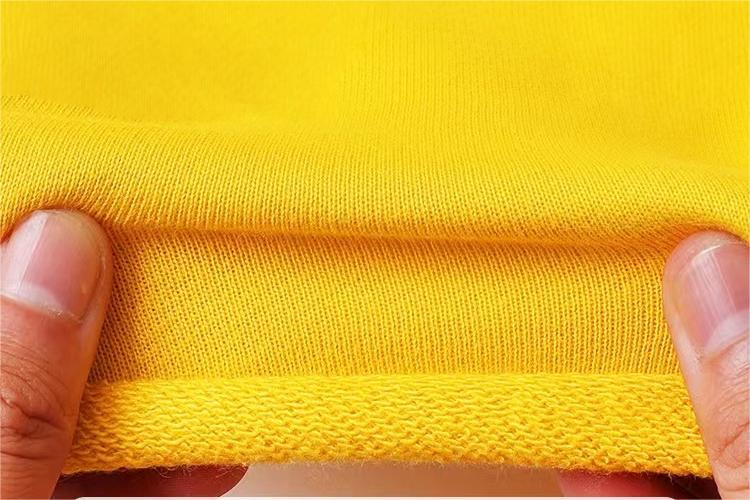
100% recycled-content claims need supplier declarations, transaction records, and component-level traceability. Deadstock can reduce unused inventory, but shade continuity and replenishment are limited.
YKK-equivalent zippers, recycled drawcords, and documented DWR chemistry should be specified separately from shell claims.
5. Customization and Decoration Options
EDVORIN’s MOQ starts at 200 pieces per style. At a 200-piece MOQ, a sustainable windbreaker jacket manufacturer should lock silhouette, color blocking, panels, and branding into one approved specification before bulk cutting.
| Method | Best Use | Production Check |
|---|---|---|
| Embroidery | Small chest logo | Test puckering |
| Screen printing | Large artwork | Confirm ink hand feel |
| Heat transfer | Names and numbers | Test adhesion |
| Patches | Club or school crest | Confirm edge durability |
Build The Shell
Specify hood shape, pocket type, cuff finish, drawcord, and zipper pull alongside each color-block and panel seam. Fashion programs may prioritize proportion; team, school, and corporate programs need repeatable Pantone references and size grading.
Match Decoration To Fabric
Embroidery adds texture but can pucker lightweight shells; screen print offers broad coverage, while heat transfer suits variable names and numbers. Confirm patch edge, backing, placement measurement, and a test sample on the actual fabric.
Finish The Brand Package
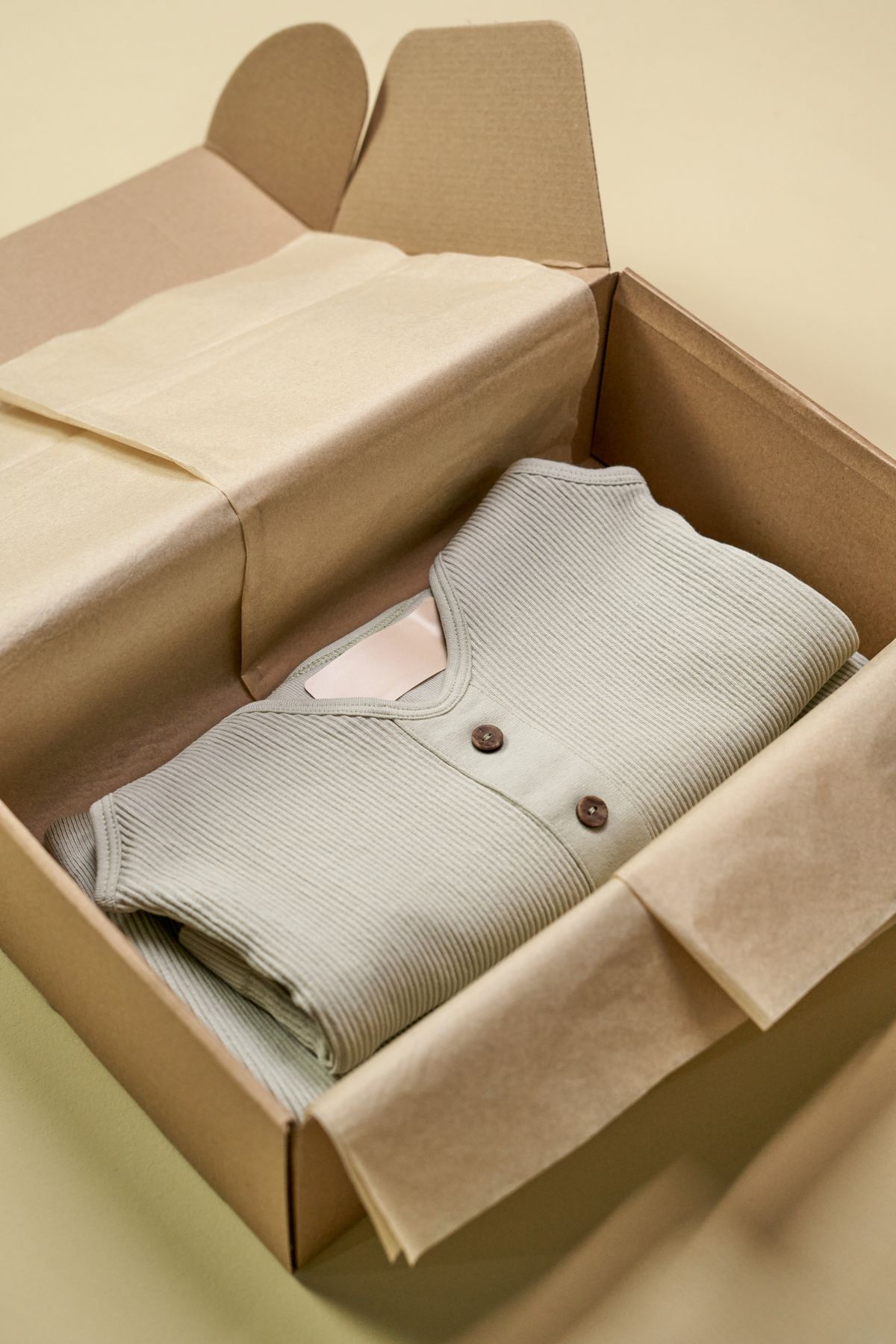
Record woven-label location, care-label content, hangtag, and packaging in the tech pack. One approved sample should show artwork scale, hand feel, wash performance, and hardware before production.
6. Construction Quality That Protects Product Life
Two samples—the prototype and pre-production sample—should be reviewed against the same measurement chart and construction sheet. EDVORIN converts approved decisions into documented bulk standards.
Seams And Reinforcement
8–10 stitches per inch is a useful specification range to confirm with the factory, alongside seam allowance and thread choice.
Stress points at pocket corners, hood openings, and zipper ends need reinforcement such as bar tacks or secure backstitching.
- Check seam allowances remain consistent
- Inspect puckering, skipped stitches, and raw edges
- Confirm reinforcement locations on the tech pack
Hardware And Weather Details
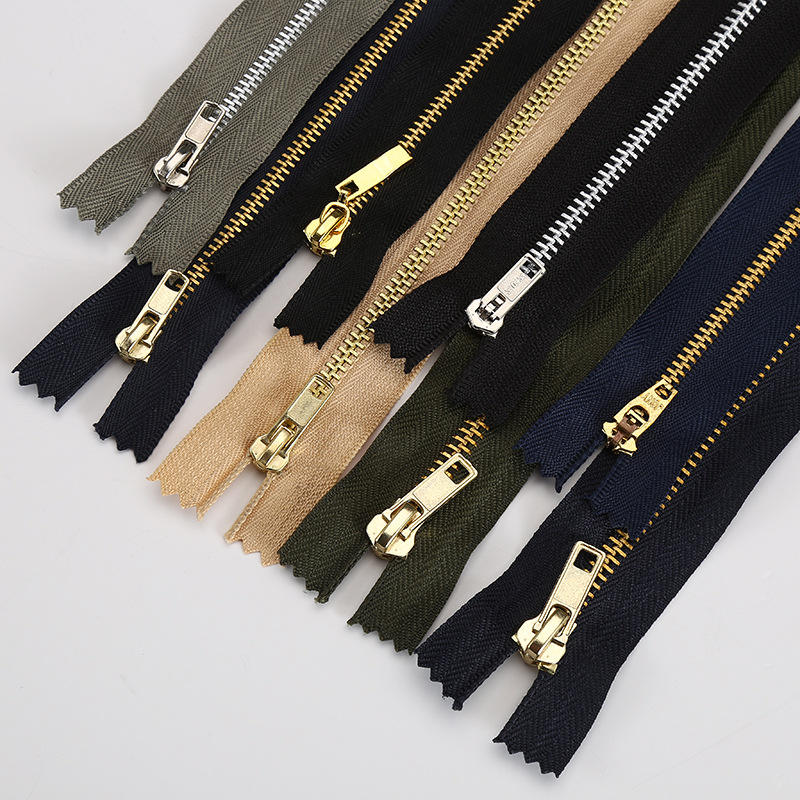
One zipper specification should identify tape, puller, length, and stop type; operate it repeatedly through curved and lined areas.
Storm flaps, pocket bags, hood adjusters, elastic, and binding should lie flat without restricting access or movement.
- Zip must run smoothly
- Pocket openings must hold their shape
- Hood cord exits need clean finishing
Sample Wear Review
Three movements—reach forward, raise both arms, and bend—quickly expose tight armholes, lifting hems, and pocket distortion.
100% of visible labels, lining joins, and decoration placements should match the approved reference before bulk release.
- Compare key measurements across sizes
- Turn pockets and sleeves inside out
- Record corrections with photos and placement dimensions
7. How to Choose a Sustainable Windbreaker Jacket Manufacturer
EDVORIN evaluates windbreaker programs from the approved product standard onward, not from a sustainability slogan. A sustainable windbreaker jacket manufacturer should document the shell, trims, fit, testing, production plan, and commercial assumptions before bulk approval.
Verify Product And Material Evidence
EDVORIN’s MOQ starts at 200 pieces per style. 1 reference sample, fabric swatches, supplier declarations, fiber-content records, and applicable test reports reveal more than general recycled-material claims. Ask which lot will be used, who supplies it, and whether certificates apply to the exact material.
200-piece MOQ discussions should also cover colorways, sizes, shell weight, lining, zipper, and packaging; each changes sourcing feasibility.
Test Development Communication
1 graded pattern, measurement chart, construction sheet, and artwork-placement file should accompany each sample revision. Request written comments, revision dates, and a sealed approval sample that production can follow.
2 questions separate capability from marketing: Can you show traceability documents? Which performance tests and pass criteria apply?
Confirm Bulk And Export Control
3 milestones—pre-production approval, in-line inspection, and final inspection—should be scheduled with measurable checkpoints. Confirm line capacity, realistic lead time, defect handling, carton marks, export documents, and destination labeling.
1 quotation should state fabric yield, trims, decoration, packaging, testing, freight terms, tooling, and assumptions behind any price change.
8. Common Sustainable Windbreaker Jacket Manufacturer Buying Mistakes
Eight recurring specification gaps can turn a 200-piece launch into costly rework. A sustainable windbreaker jacket manufacturer needs written decisions before sampling, not assumptions carried from a reference image.
Define Sustainability Precisely
Three fields—fiber content, recycled-content evidence, and chemical requirements—should be specified. This protects the material claim buyers can support.
One fabric photo cannot confirm handfeel, weight, coating, or color. Request swatches and approve the actual lot standard.
Test The Complete Garment
Two tests—wash and wear—should include shell, print, zipper, and coating performance. This protects durability before bulk cutting.
Every trim and packaging component needs a line-item specification. This protects the sustainability scope beyond the shell fabric.
Control Production Assumptions
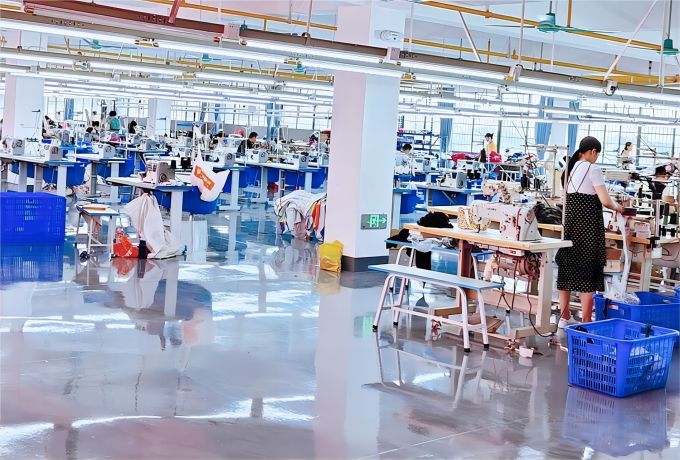
EDVORIN’s MOQ starts at 200 pieces per style. One complete tech pack needs measurements, Pantone references, artwork placement, and construction notes. This protects sample approval from becoming interpretation.
MOQ 200 may apply to the garment, while fabric and color minimums differ. Confirm size grading and quote assumptions; this protects inventory balance and landed-cost comparisons.
9. Steps to Launch Your Windbreaker Collection
A 200-piece starting point makes specification discipline more important, not less. Build the launch calendar backward from the required delivery date, allowing time for approvals and freight.
Set The Commercial Brief
1 market brief should define customer, use case, target retail price, channel, color count, and launch date. The brand owns demand assumptions and a complete decision-maker list.
2 cost targets should separate garment, decoration, packaging, testing, duty, and freight. A sustainable windbreaker jacket manufacturer can then flag conflicts between target cost and requested construction.
Develop And Approve Samples
1 tech pack should record measurements, Pantone references, bill of materials, artwork placement, labels, and packing instructions. The manufacturer converts it into patterns, sourcing options, and a reviewable sample.
2 revision rounds should be logged against the sample, not handled through memory. Approve a graded size set before bulk cutting, especially when men’s and women’s fits differ.
Control Bulk And Delivery
3 inspection points—pre-production, in-line, and final—give the brand, factory, and independent inspector distinct roles. The factory controls execution; the brand approves standards; a third party verifies the agreed sampling plan.
1 packing approval should confirm carton marks, polybag requirements, assortments, and destination labels. Reserve freight time after final inspection rather than treating ex-factory completion as delivery.
10. Sustainable Windbreaker Pricing and Cost Drivers
200 pieces is the stated MOQ; at this volume, development and setup are spread across fewer jackets. Use these illustrative planning ranges only for an approved specification, Incoterm, and destination.
3 matched RFQs expose the real cost differences. Specify shell fabric, coating, lining, trims, decoration, pattern complexity, Pantone colors, packaging, sampling, inspections, freight, and quantity identically.
| Quantity tier | Indicative unit-price range | Typical production lead time | Main cost effect |
|---|---|---|---|
| 200–499 | US$18–32 | 35–55 days after approvals | Sampling and custom trims carry more per unit |
| 500–999 | US$15–27 | 30–50 days after approvals | Fabric and decoration setup spread further |
| 1,000–2,999 | US$12–23 | 30–45 days after approvals | Higher yardage and production efficiency |
| 3,000+ | Quote by specification | 35–55 days after approvals | Colorways, inspection level, and freight can dominate |
Develop With a Sustainable Windbreaker Jacket Manufacturer
Send your tech pack, sketch, or reference garment to EDVORIN and receive a clear development and production quote for your 200-piece program.