
Apparel Fabric Sourcing Built for Repeatable Collections
Connect material selection with development, sampling, and bulk production for fashion, streetwear, teamwear, and private-label programs.
Featured Products for Apparel Fabric Sourcing
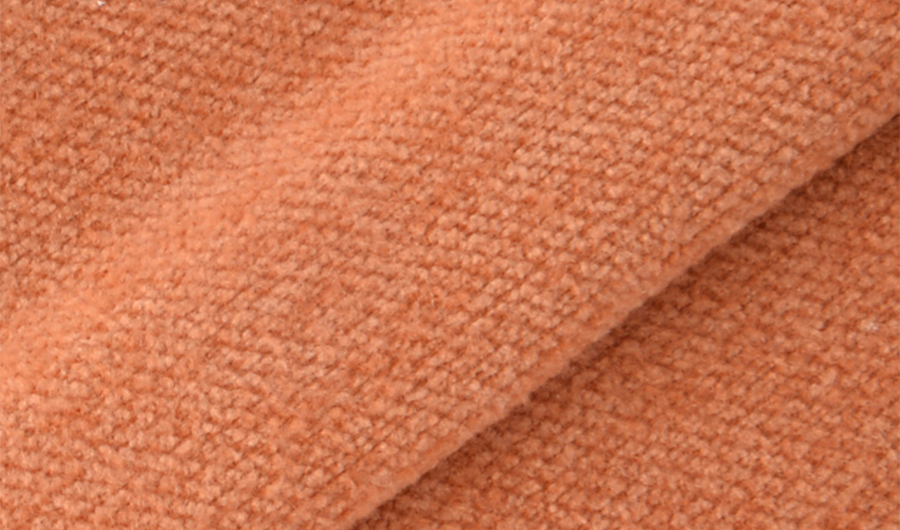
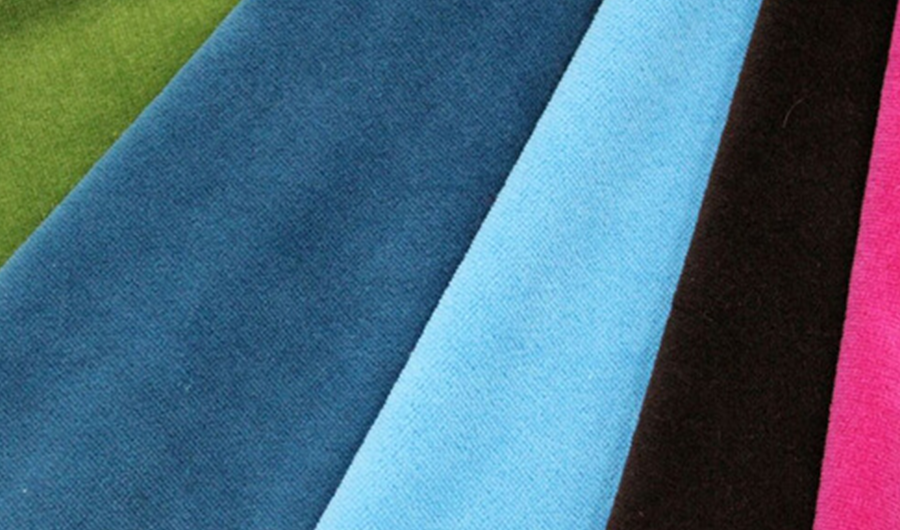

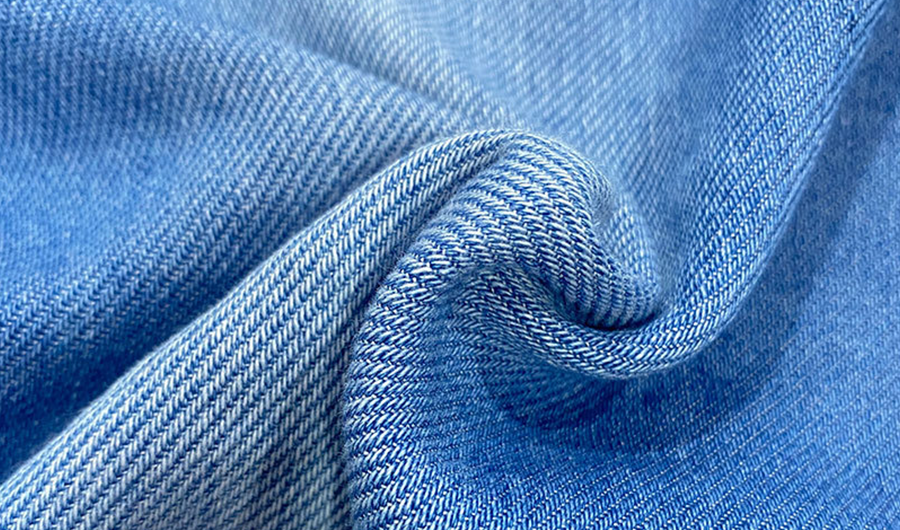
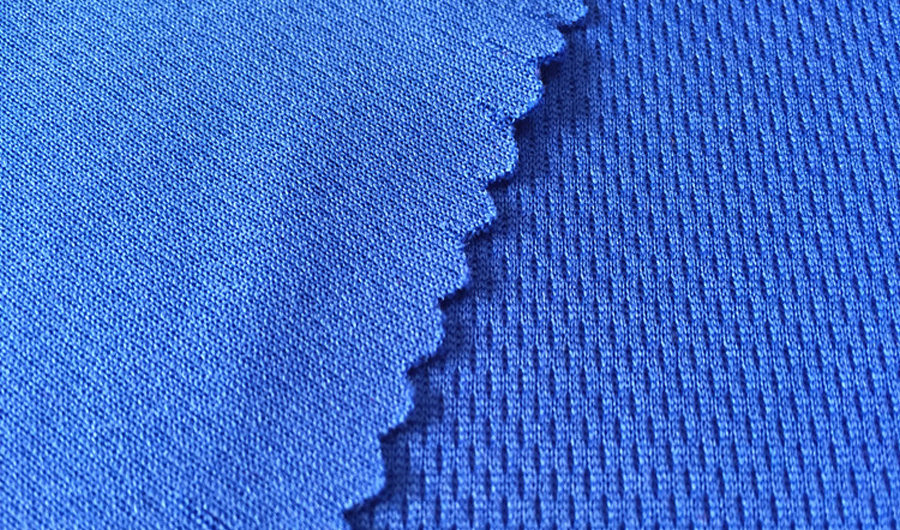
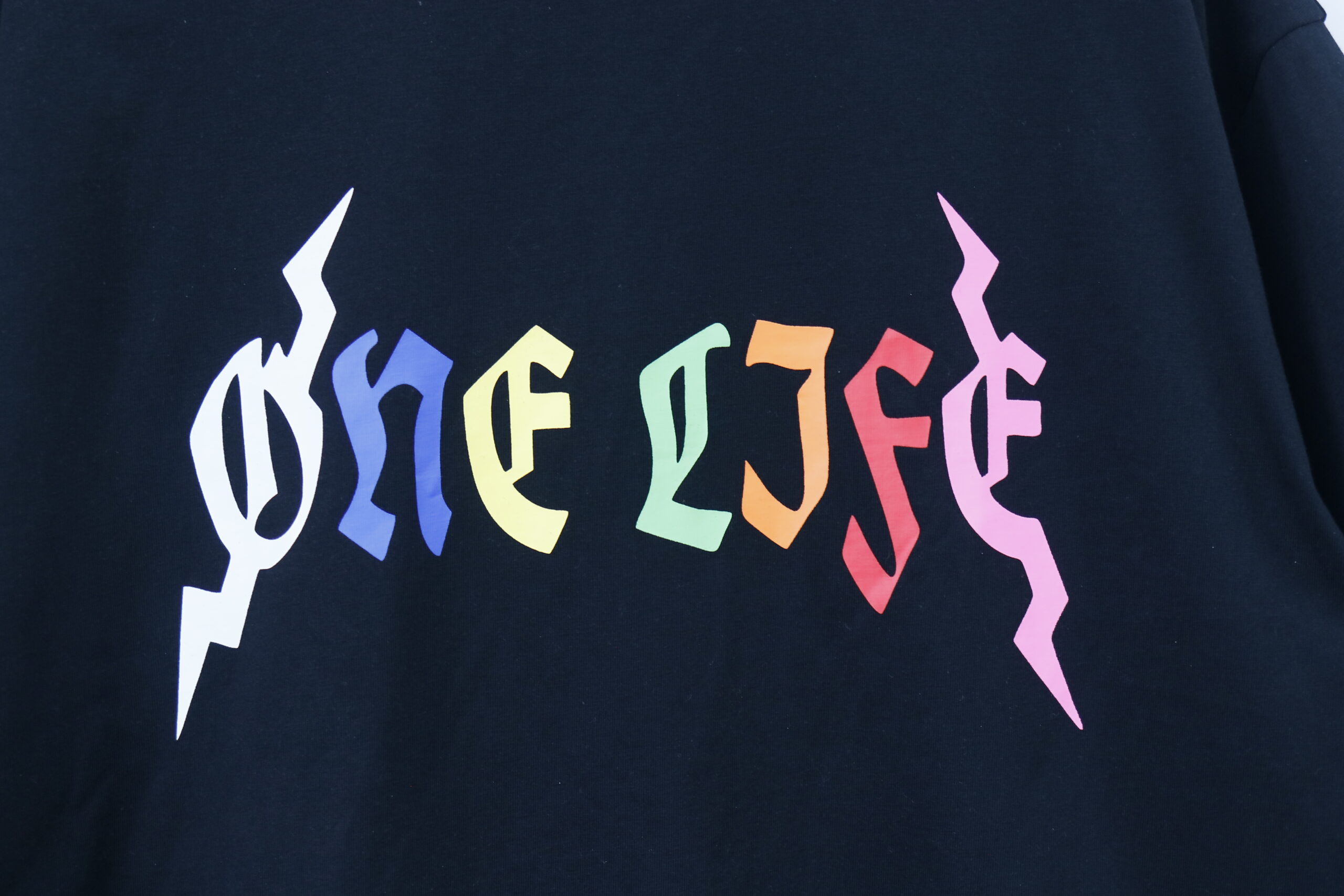
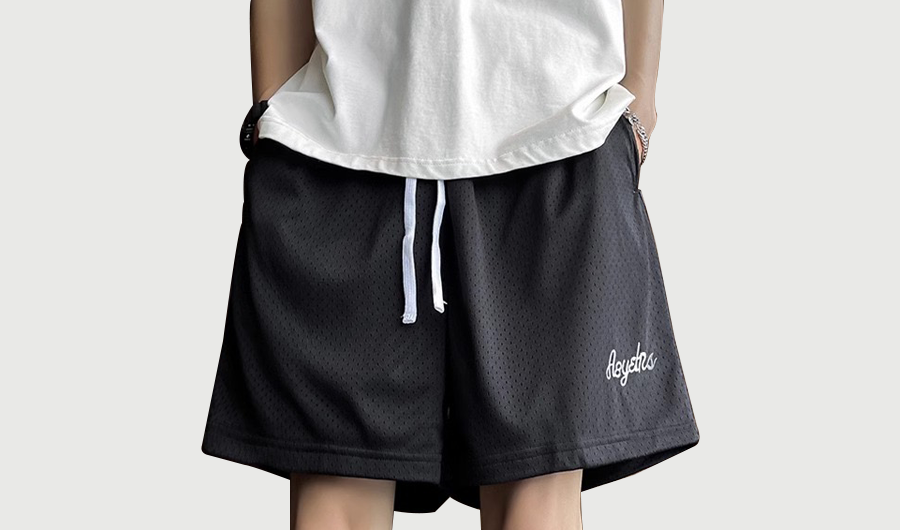
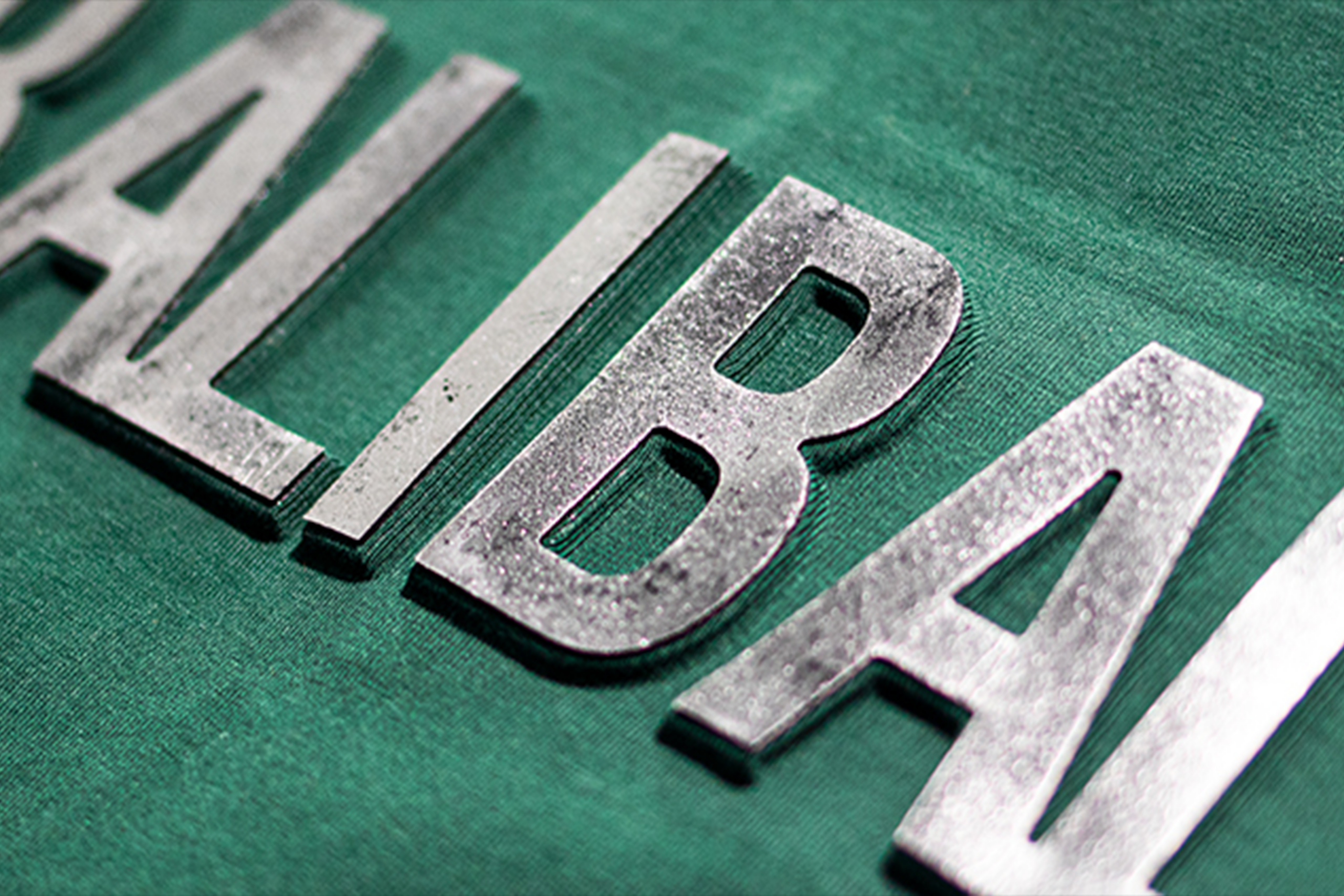
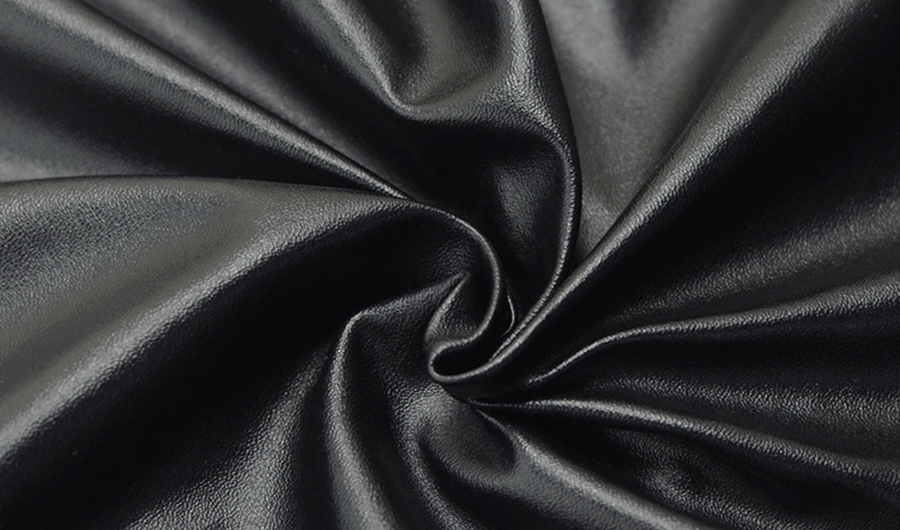
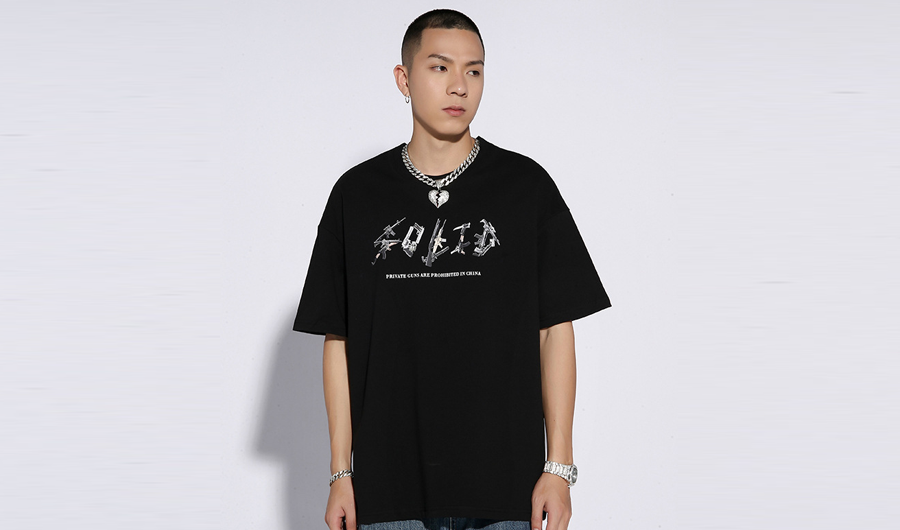
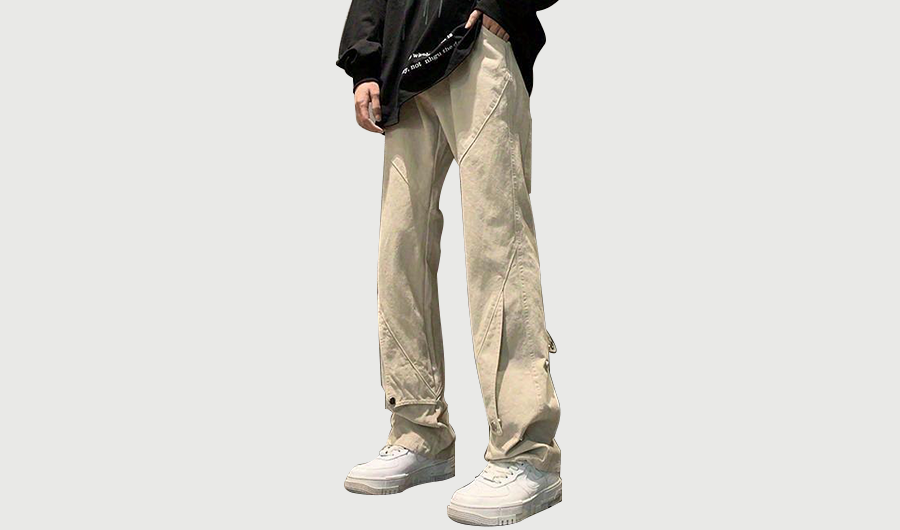

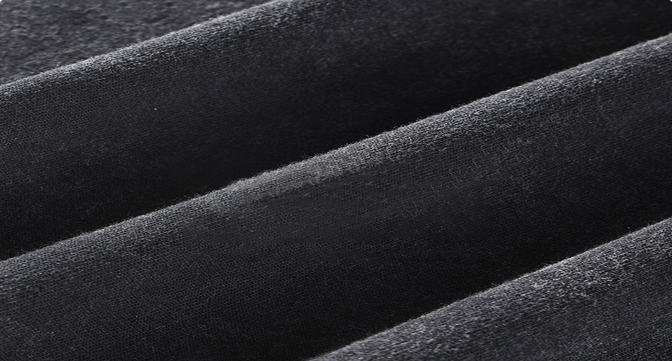
Apparel Fabric Sourcing with Production Context
EDVORIN aligns material decisions with garment construction, decoration requirements and the standards needed for reliable repeat orders.
Construction-Led Selection
Match fiber, weight, knit or woven construction, and stretch to the intended silhouette, movement, durability, and end use.
Decoration Compatibility
Evaluate base fabrics alongside printing, embroidery, patches, washing, and placement requirements before the material reaches bulk production.
Handfeel That Fits
Balance softness, structure, drape, recovery, and surface character so the fabric supports your brand’s intended garment experience.
Performance Requirements
Develop materials around breathable, durable, stretch, warmth, or moisture-management needs for casualwear, streetwear, outerwear, and teamwear programs.
Repeat-Order Control
Record approved material details and production specifications to help protect consistency from sample approval through future bulk reorders.
Built by Fabric, Finished for Use
Develop men’s and women’s casualwear, outerwear and teamwear with category-specific materials, construction, decoration and quality controls from sample through bulk production.
Custom Hoodies
Custom hoodies developed in fleece, French terry or recycled blends, with fit blocks, rib specifications, drawcords, pockets, labels and print or embroidery placements documented for repeatable bulk production.
Get a Quote
Pullover Sweatshirts
Pullover sweatshirts built around fleece or loopback constructions, with options for crewneck, quarter-zip and oversized silhouettes. We coordinate fabric weight, neckline rib recovery, seam details, washing and decoration requirements.
Get a Quote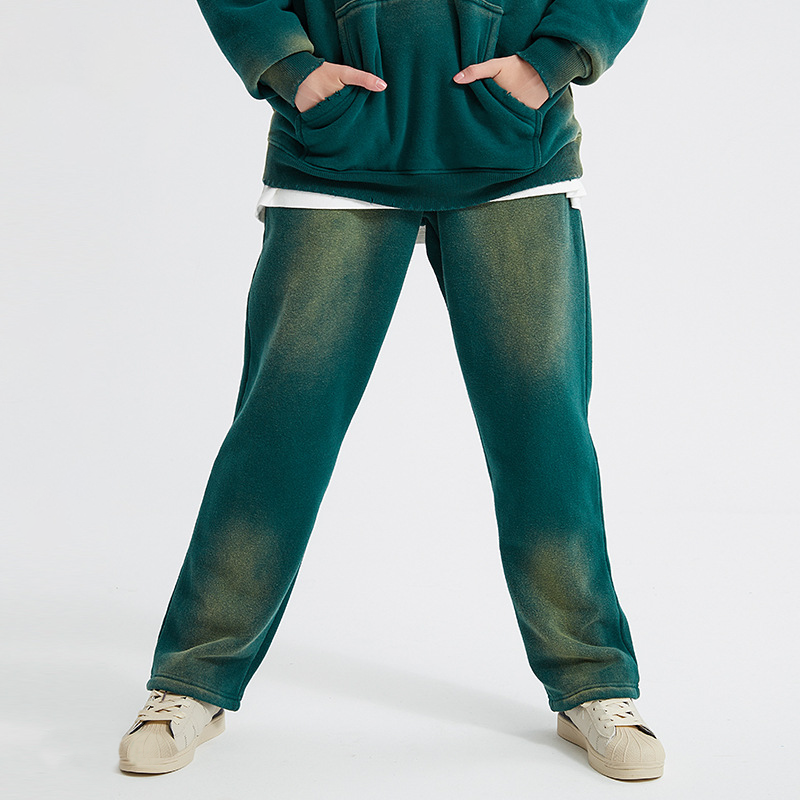
Sweatpants & Joggers
Sweatpants and joggers developed with brushed fleece, French terry or performance knits. Specify waistband construction, drawcords, pocket layouts, cuff finishes, fit grading and coordinated fabric color across matching programs.
Get a Quote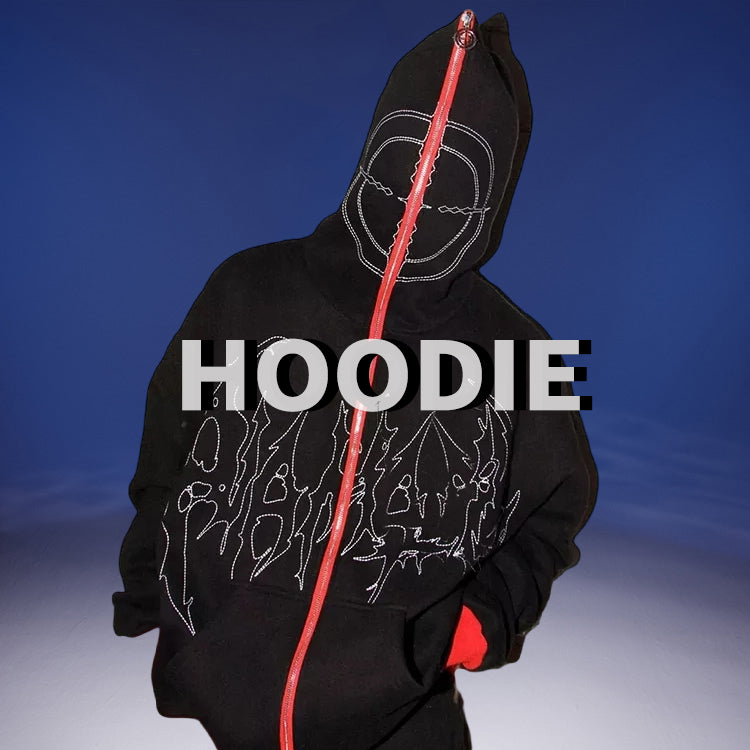
Custom Shorts
Custom shorts for casualwear, training and lifestyle programs, using fleece, jersey, woven or technical fabrics. Development covers inseam, waistband, pockets, mesh lining, trims, wash effects and artwork placement.
Get a Quote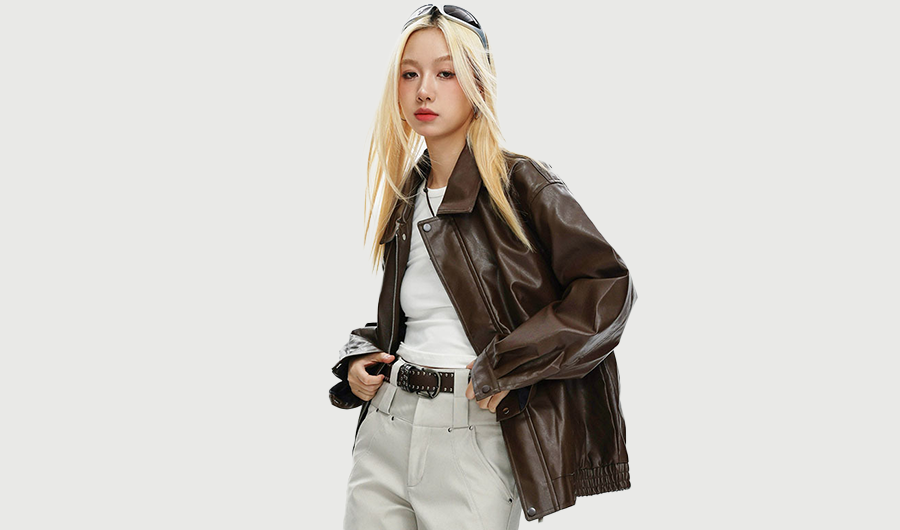
Varsity & Baseball Jackets
Varsity and baseball jackets developed with balanced body, sleeve, rib and hardware specifications. Choose wool blends, melton, fleece, leather-look or woven materials, then coordinate patches, embroidery, snaps, lining and size grading.
Get a Quote
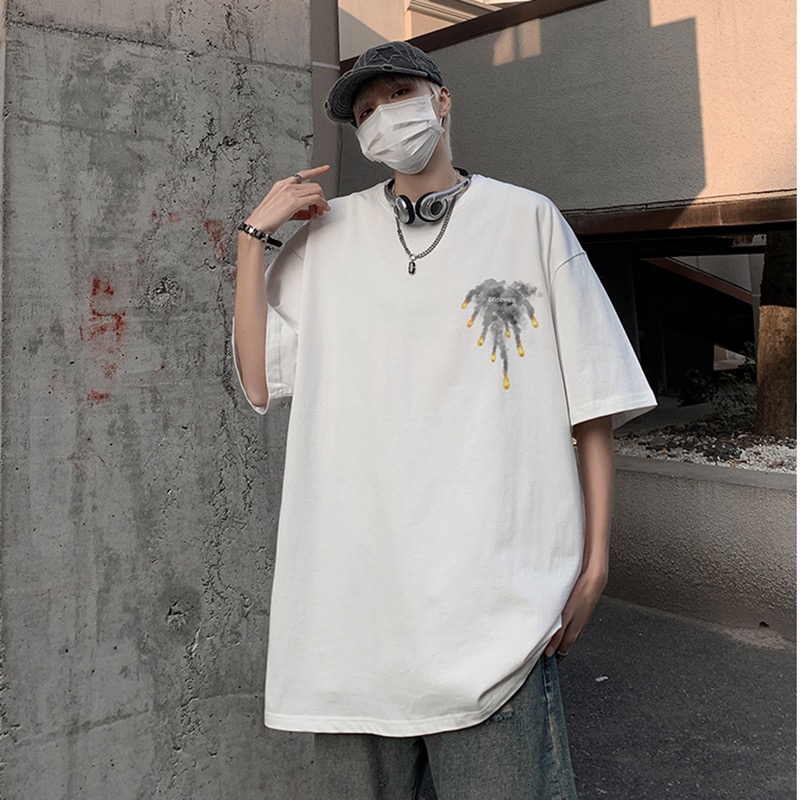
Custom T-Shirts
Custom T-shirts produced in jersey, heavyweight cotton, organic cotton, recycled blends or performance fabrics. We develop neckline, shoulder construction, fit, fabric weight, wash, print method, labels and packaging requirements.
Get a Quote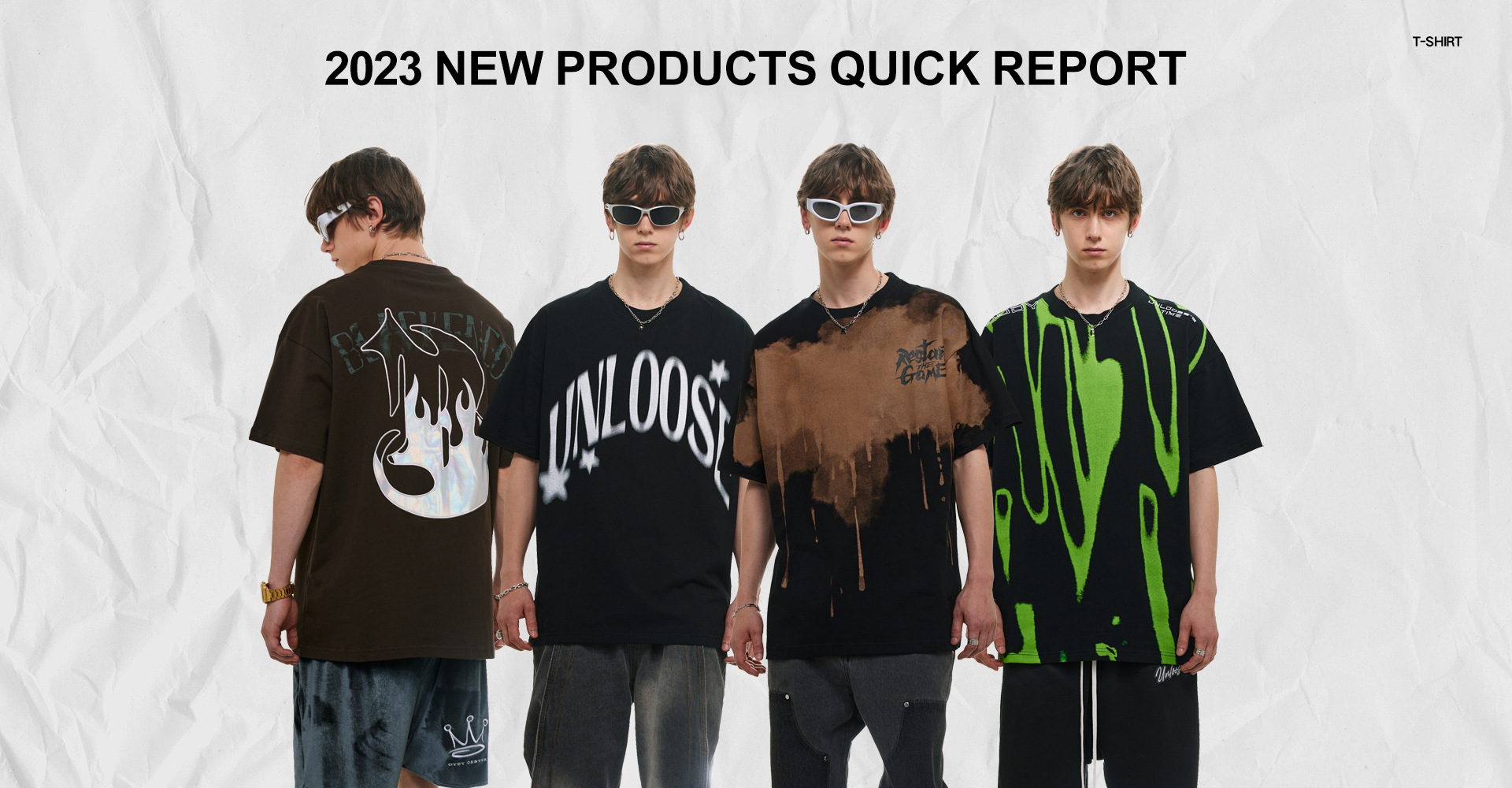
Custom Polo Shirts
Custom polo shirts for corporate, school, club and private-label programs. Select piqué, jersey or performance fabrics, then define collar construction, placket, buttons, contrast details, embroidery placement and color consistency.
Get a Quote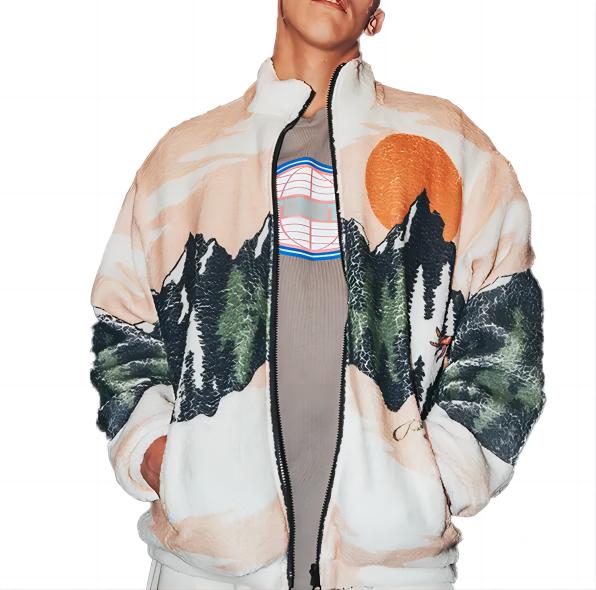
Windbreaker Jackets
Windbreaker jackets developed with lightweight woven shells for transitional weather and active use. Options include mesh or lining systems, water-resistant finishes, ventilation, zip pockets, elastic details, reflective trims and printed branding.
Get a Quote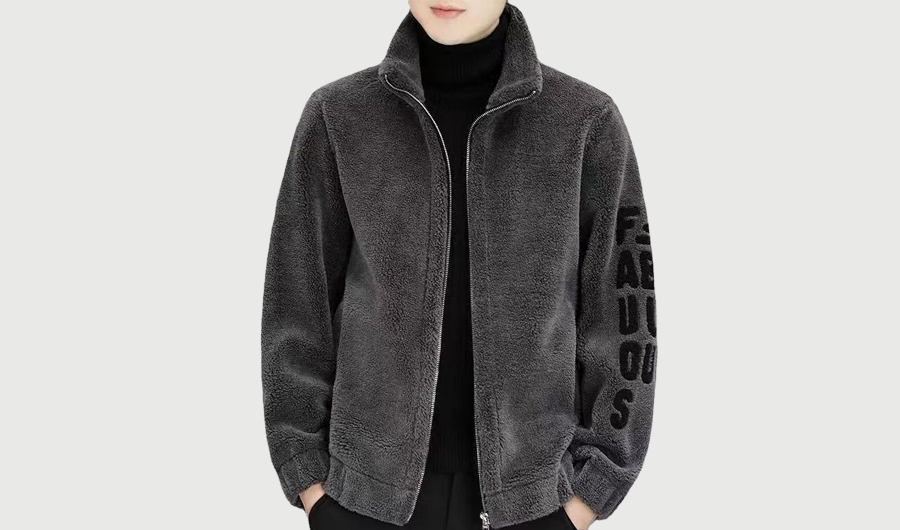
Quilted Jackets
Quilted jackets developed by coordinating shell fabric, insulation, lining, quilting pattern and hardware as one specification. We support lightweight and insulated outerwear programs with controlled stitch lines, fit, labeling and packaging.
Get a Quote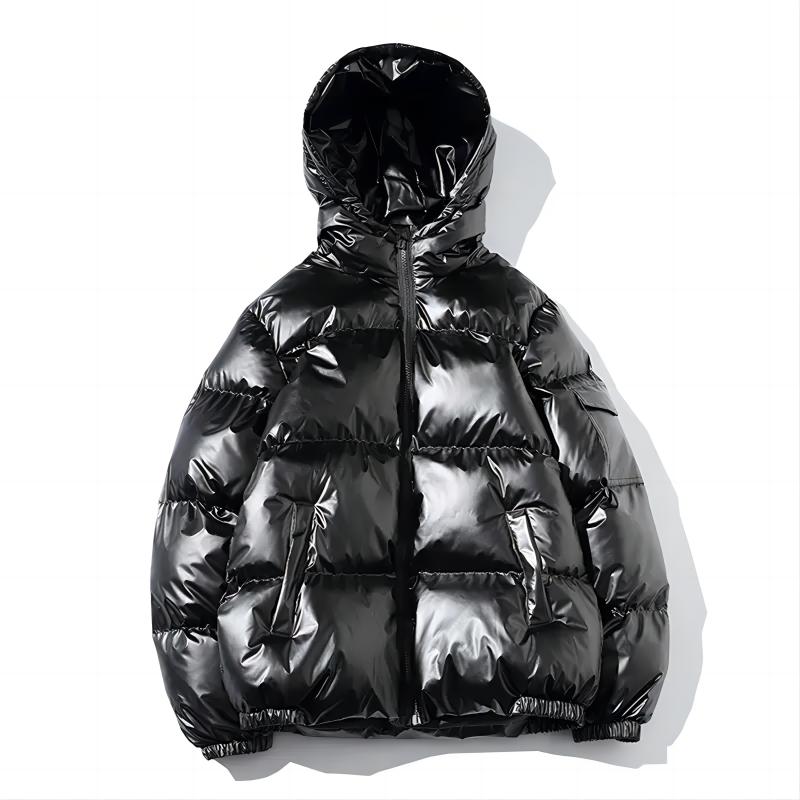
Bomber Jackets
Bomber jackets built with woven, nylon-look or recycled shell options, plus lining, rib, zipper and pocket configurations. Development records proportions, collar shape, insulation, embroidery, patches and finishing details for bulk consistency.
Get a Quote
Custom Shirts
Custom woven shirts for uniforms, retail collections and private-label programs. Choose cotton, organic cotton, blends or lightweight technical woven fabrics, then define collar, placket, cuffs, pocket details, fit blocks, embroidery and trims.
Get a Quote
Custom Jerseys
Custom jerseys developed for teamwear, fan merchandise and branded active collections. Performance knits, breathable mesh panels, sublimation, tackle twill, printing, names and numbers are coordinated with grading and repeat-order color control.
Get a Quote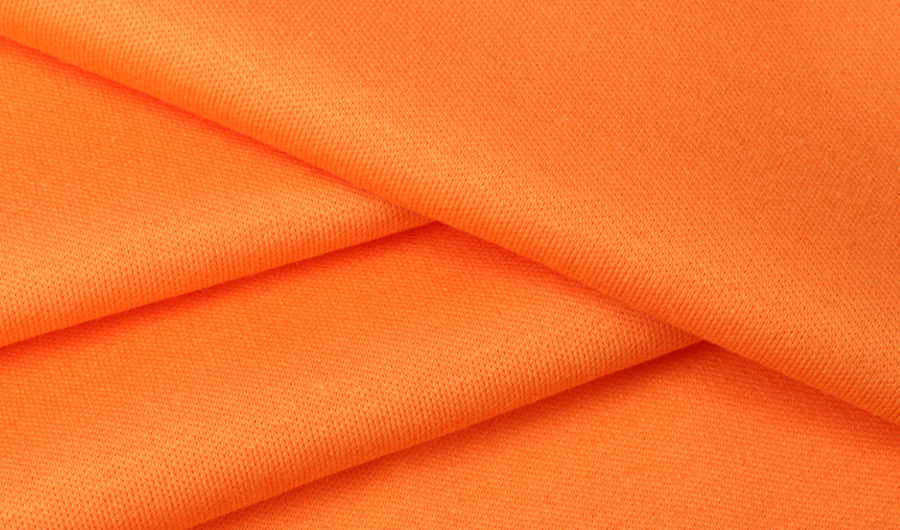
Tank Tops
Tank tops developed in cotton jersey, rib, performance knits or mesh constructions for fitness, teamwear and streetwear. Specify armhole shape, neckline, binding, fabric weight, ventilation panels, prints and fit for the intended wearer.
Get a Quote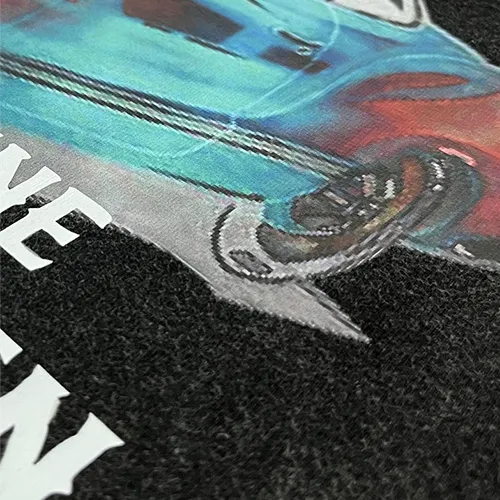
Soccer Uniforms
Soccer uniforms developed with breathable, moisture-managing fabrics, coordinated jerseys, shorts and socks, and controlled color matching. We manage sublimation, crests, sponsor graphics, player names, numbers, size sets and repeat-order specifications.
Get a Quote
Basketball Uniforms
Basketball uniforms developed with lightweight performance fabrics, mesh options and coordinated jersey-short proportions. Programs can include sublimation, team colors, names, numbers, contrast panels, reversible construction and organized size grading.
Get a Quote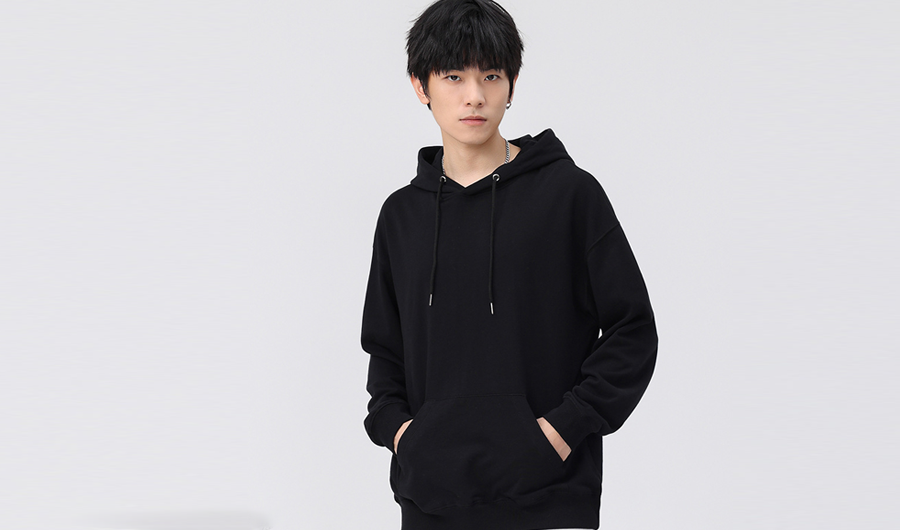
Streetwear Collections
Streetwear collections developed across hoodies, tees, sweatpants, jackets, shorts and woven layers under one production path. We coordinate fabric sourcing, custom trims, print, embroidery, wash treatments, sampling and approved standards for repeatable drops.
Get a QuoteApparel Fabric Sourcing, Accountably Managed
EDVORIN was founded in 2000 by Edvorin Zeng on a simple principle: an apparel idea only becomes valuable when it can be made accurately again and again. Our apparel fabric sourcing begins with the intended garment, translating fabric weight, handfeel, performance, color and construction into a production-ready standard.
As an OEM, ODM and private-label manufacturing partner, we coordinate fabrics, trims, patterns, samples, printing, embroidery, washing, labels and packaging through one production path. That connected approach supports casualwear, streetwear, outerwear and teamwear programs for men’s and women’s collections, with MOQ starting at 200 pieces per style.
What makes EDVORIN different is the discipline after sample approval. We record the material and construction decisions that protect fit, decoration and finish in bulk, then use in-line and final quality checks against the approved standard. Where relevant, we can align material programs with applicable ISO 9001, BSCI, WRAP, SEDEX, OEKO-TEX Standard 100, GRS and GOTS certification programs.
Apparel Fabric Sourcing That Protects the Final Garment
Fleece Weight and Rib Recovery
For hoodies, sweatshirts and joggers, EDVORIN aligns fleece weight, surface character and rib recovery with the intended fit and wear cycle. Sample review confirms that cuffs, waistbands and body fabric work together before bulk production begins.
- Fleece weight matched to silhouette and season
- Rib stretch and recovery reviewed with the base fabric
- Men’s and women’s proportions developed by program
- Approved sample becomes the bulk reference
Jersey and Performance Selection
Jersey, pique, mesh and performance fabrics are selected around the garment’s movement, breathability, drape and decoration needs. EDVORIN helps turn a reference, sketch or technical brief into a material direction that supports tees, polos, jerseys and training wear.
- Fiber, construction and weight specified clearly
- Stretch and hand assessed for intended wear
- Color and performance needs coordinated early
- Suitable options for teamwear and casual programs
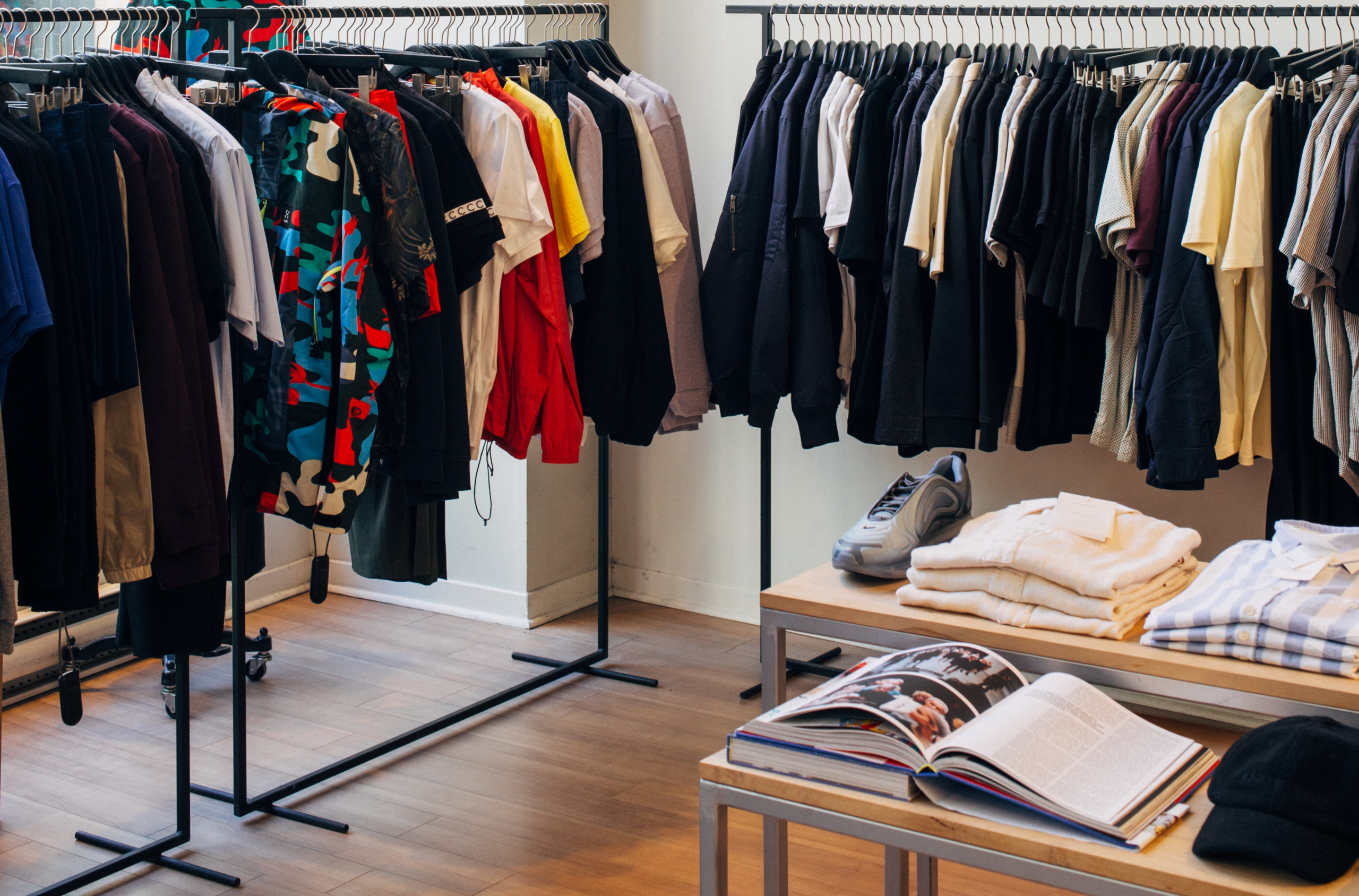
Shell, Lining and Insulation Alignment
Outerwear depends on the relationship between shell fabric, lining, insulation and hardware—not isolated material choices. EDVORIN coordinates these layers for windbreakers, bombers, quilted jackets and varsity styles so construction, comfort and visual character remain aligned.
- Shell fabric matched to protection and appearance
- Lining selected for comfort and construction needs
- Insulation and quilting considered during development
- Trims coordinated with the complete jacket build
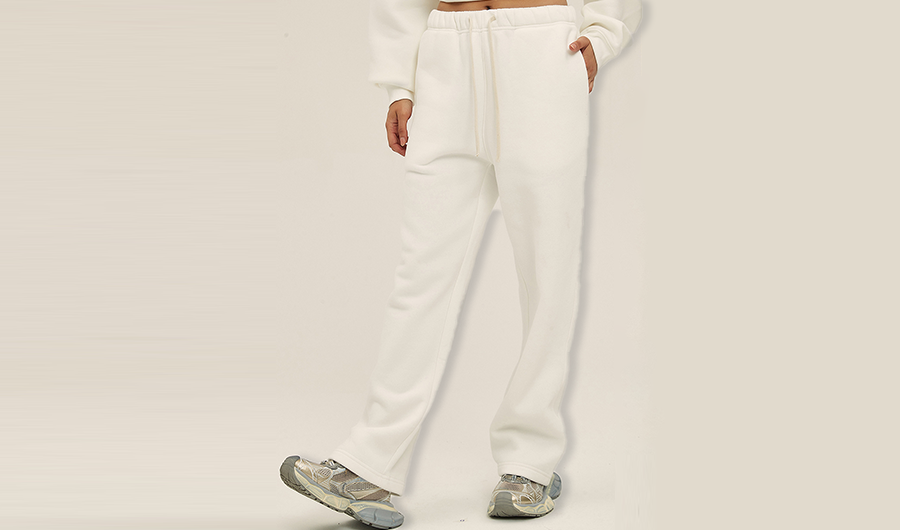
Decoration and Wash Compatibility
A fabric can look right before decoration or washing and perform differently afterward. EDVORIN reviews print, embroidery, patch and wash requirements alongside the selected material, helping buyers confirm the finished garment standard during sampling rather than after production starts.
- Print methods considered against fabric surface
- Embroidery placement planned with garment structure
- Wash effects reviewed on the chosen material
- Artwork and finishing details documented for bulk
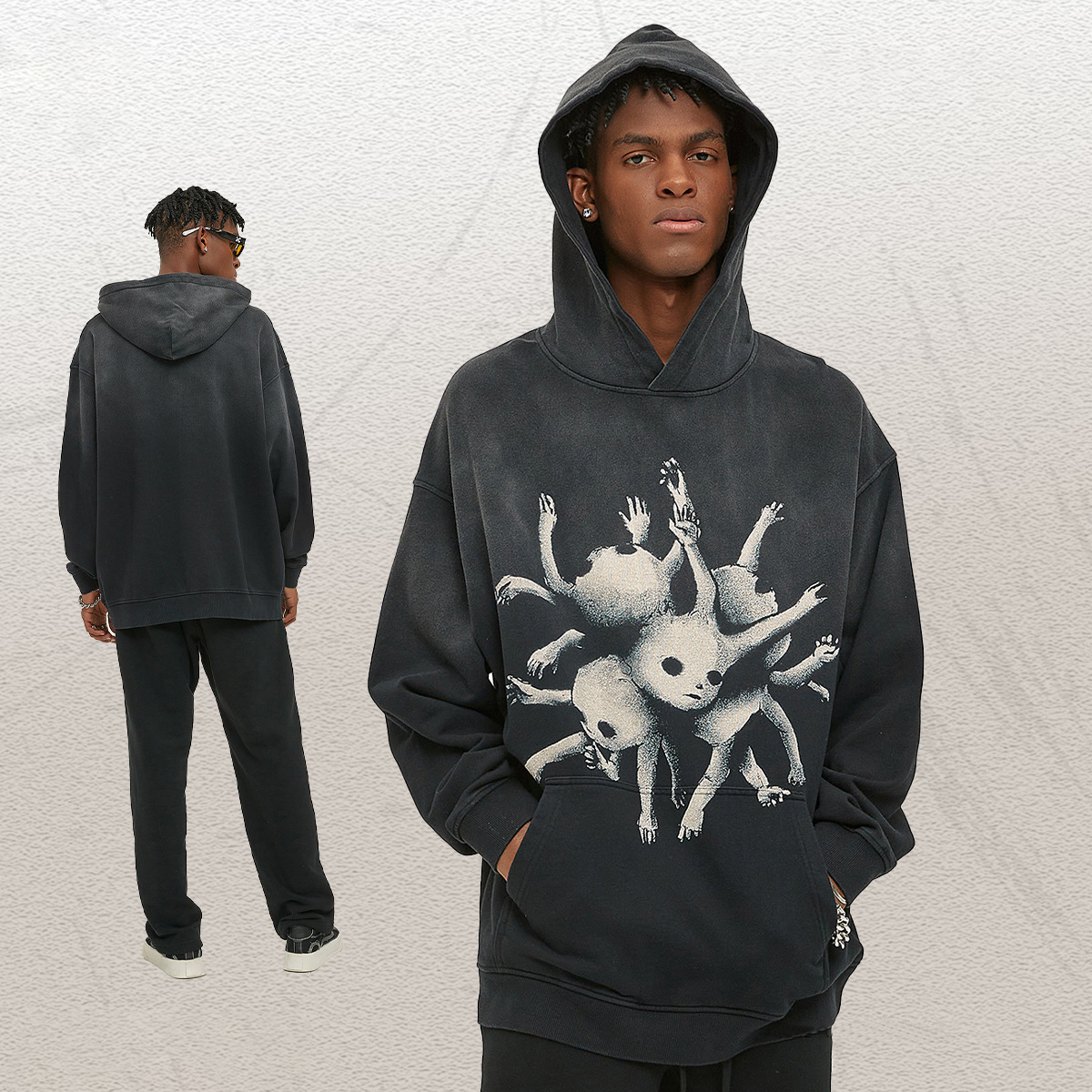
Why Choose EDVORIN for Apparel Fabric Sourcing
Source materials with the construction, decoration, approvals and production controls needed to repeat the finished garment.
← Swipe left or right to view →
Our Apparel Fabric Sourcing Process
A controlled workflow that connects fabric decisions to fit, decoration, performance, and repeatable bulk production.
Review Brief and End Use
We review your garment concept, target wearer, construction, performance needs, decoration plan, quantity, and price direction to define sourcing priorities before materials are proposed.
Build the Fabric Specification
Our team documents fiber content, knit or woven construction, weight, width, hand feel, color, finish, and required performance details for a production-focused fabric brief.
Evaluate Suppliers and Samples
We compare available fabric options against the brief, then assess sample yardage for appearance, consistency, availability, and compatibility with the intended garment category.
Test Construction and Performance
Selected materials are reviewed through pattern, sample, wash, and decoration development so shrinkage, recovery, drape, print behavior, and sewing performance are addressed early.
Approve Standards for Bulk
Approved fabric, color references, trims, and construction details become clear production standards, giving the bulk team a documented target to follow throughout manufacturing.
Control Materials Through Handoff
Before cutting begins, EDVORIN coordinates bulk material checks with the approved standard and carries confirmed specifications into production, quality control, labeling, and packing.
How to Start Your Apparel Fabric Sourcing Program
Move from an initial garment idea to approved materials and coordinated bulk production with one accountable manufacturing path.
Send Your Product Direction
Share a tech pack, sketch, reference garment, or collection concept so EDVORIN can understand the intended category, construction, fit, and decoration needs.
Define Material Requirements
Set fiber content, fabric weight, color, hand feel, performance expectations, quantity, delivery timing, and target price to focus apparel fabric sourcing on viable options.
Review Samples and Approvals
Assess selected fabric and garment samples against your requirements, then confirm materials, color references, measurements, trims, artwork placement, and finishing details before bulk production.
Launch Coordinated Bulk Production
After approval, EDVORIN coordinates fabric, trims, decoration, sewing, quality control, labeling, and packaging around the approved standard for repeatable production.
Apparel Fabric Sourcing Results for Growing Brands
EDVORIN matched the brushed fleece handfeel we wanted and documented the approved standard for bulk. Across our 3-color hoodie drop, the sample-to-production transition stayed on track without reopening the fabric decision.
For our 240-piece soccer kit program, they aligned fabric weight, color references, and sublimation requirements before sampling. The final jerseys kept the intended color clarity and breathable feel across every size in the set.
We needed polo fabric that could support embroidery without losing its shape after wear testing. EDVORIN narrowed the options quickly, and our approved sample moved into bulk with the same handfeel and logo placement.
Apparel Fabric Sourcing FAQs
Clear answers on material selection, testing, decoration compatibility and production planning for your next collection.
How does apparel fabric sourcing work with EDVORIN?
What information should I provide for apparel fabric sourcing?
Can you help with apparel fabric sourcing if I only have an idea or reference garment?
Should I choose cotton, polyester, or a blend for my apparel program?
How do I choose between knit and woven fabric?
What fabric weight and stretch should I specify?
Can my print, embroidery, wash or heat-transfer design affect fabric selection?
Do you offer sustainable or certified fabric options?
What are the MOQ, sampling and lead-time expectations?
The Complete Buyer’s Guide to Apparel Fabric Sourcing
EDVORIN’s MOQ starts at 200 pieces per style. Use this decision framework to define fabric requirements, compare supplier routes, assess quality and costs, and avoid costly sampling, compliance, MOQ, and production-timeline mistakes before placing a bulk order.
1. What Is Apparel Fabric Sourcing?
EDVORIN’s MOQ starts at 200 pieces per style. 1 fabric article is more than a swatch: apparel fabric sourcing specifies, finds, samples, qualifies, and purchases the textile that production will cut. The brief records fiber content, knit or weave, GSM, usable width, color standard, finish, stretch, recovery, hand feel, and intended end use.
2 approvals should precede a bulk purchase. Buyers compare sample yardage and lab dips, verify shrinkage and color behavior after the intended wash, then confirm lot availability, MOQ, price, and delivery timing; a 280–350 GSM fleece may suit a hoodie while a lighter construction changes drape and cost.
3 production controls turn a selected textile into a repeatable input. The fabric decision also includes supplier article number, Pantone reference, tolerance, test requirements, defect policy, and replacement plan, so patterns, decoration, yield, lead time, and finished-garment consistency are aligned before cutting begins.
2. How apparel fabric sourcing evolved
EDVORIN’s MOQ starts at 200 pieces per style. 2000 marked a period when many apparel buyers still sourced through local textile merchants, trade-show meetings, and seasonal mill books. Selection depended heavily on physical swatches, personal relationships, and advance commitments that favored larger orders.
2026 sourcing combines global mill networks with digital catalogs, supplier databases, and faster sample communication. A buyer can compare 280–350 GSM hoodie fleece options, Pantone color capability, MOQ, and lead-time assumptions before requesting yardage.
3 controls now matter as much as hand feel: traceable fiber and transaction records where required, verified test or compliance documentation, and a data-led sample record. EDVORIN helps turn approved fabric, measurements, decoration and wash results into a reproducible bulk standard.
2-region planning is increasingly practical for branded programs. Buyers balance lower-MOQ development routes against mill-direct customization, while qualifying alternate materials or suppliers to protect delivery when capacity, logistics, or raw-material availability shifts.
3. Types of apparel fabric sourcing routes
Five routes differ in inventory ownership, development responsibility, and mill access. Match apparel fabric sourcing to repeat volume, required customization, speed, and the technical work your team can manage.
Route Comparison
Five common routes create different trade-offs between control and convenience.
200-piece programs often benefit from stocked fabrics or coordinated development.
| Route | Strength | Constraint | Customization | MOQ And Speed | Best Fit |
|---|---|---|---|---|---|
| Mill-direct | Lowest control gap | Higher commitments | Yarn, knit, dye | Higher; 6–10 weeks | Growing labels, distributors |
| Converter | Color and print flexibility | Dependent on greige availability | Finish, color, print | Mid; moderate | Fashion labels |
| Wholesaler Or Jobber | Stock availability | Limited exclusivity | Low | Low; fastest | Startups, schools, teams |
| Sourcing Agent | Mill access and coordination | Fees; less direct control | Depends on mill | Variable | Overseas buyers |
| Full-Package Manufacturer | One production path | Supplier fit matters | Fabric through garment | Program MOQ; coordinated | Brands needing development support |
Choose By Capability
1 approved standard should record fabric article, GSM, color reference, width, and shrinkage before bulk.
EDVORIN can coordinate fabric selection with patterns, samples, decoration, and production controls when buyers need one accountable path.
4. Materials for apparel fabric sourcing
Material selection starts with end use: a training jersey needs moisture management, while a streetwear hoodie needs body and recovery. In apparel fabric sourcing, approve hand feel and wash performance alongside fiber content.
| Fabric Family | Useful GSM | Recommended Applications | Key Trade-Off |
|---|---|---|---|
| Cotton | 140–350 | T-shirts, fleece, polos | Breathable; slower drying |
| Polyester | 140–250 | Jerseys, activewear | Durable; less natural hand |
| Nylon | 70–180 | Windbreakers, shells | Strong; can feel less breathable |
| Rayon or viscose | 120–220 | Draped tops, woven shirts | Fluid; needs careful laundering |
| Wool blends | 180–350 | Knitwear, outerwear | Warm; higher care needs |
| Cotton-poly blends | 180–320 | Hoodies, joggers | Balanced recovery; altered hand feel |
Fiber And End Use
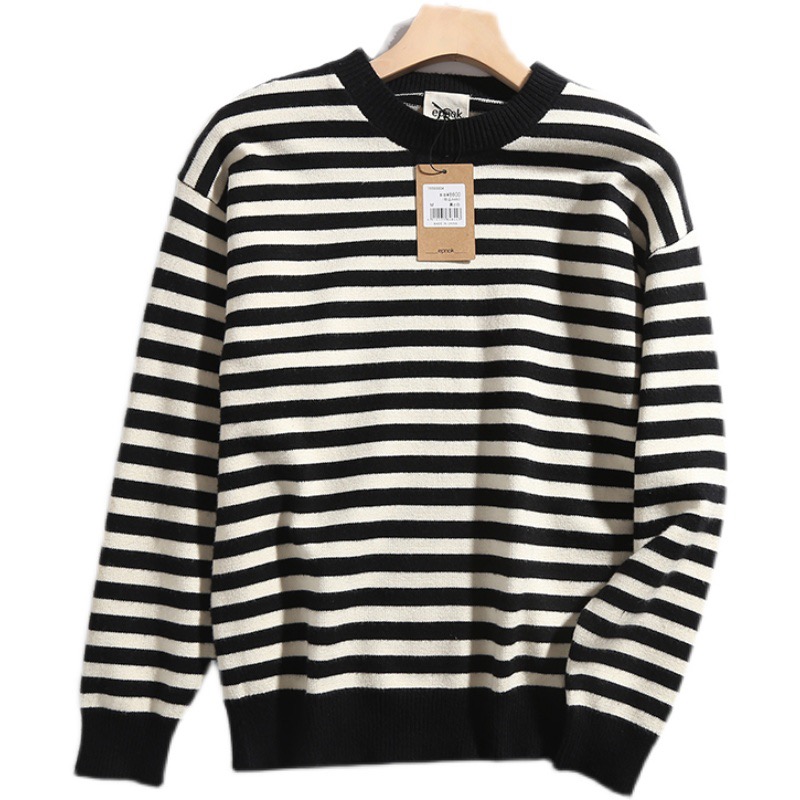
Cotton suits breathable tees and fleece; polyester supports durable performance jerseys. Nylon fits lightweight shells, while rayon or viscose adds fluid drape for fashion tops.
Wool provides warmth and odor resistance, but requires more careful care. Blends can balance softness, stretch, recovery, drying time, and cost.
Construction Sets Behavior
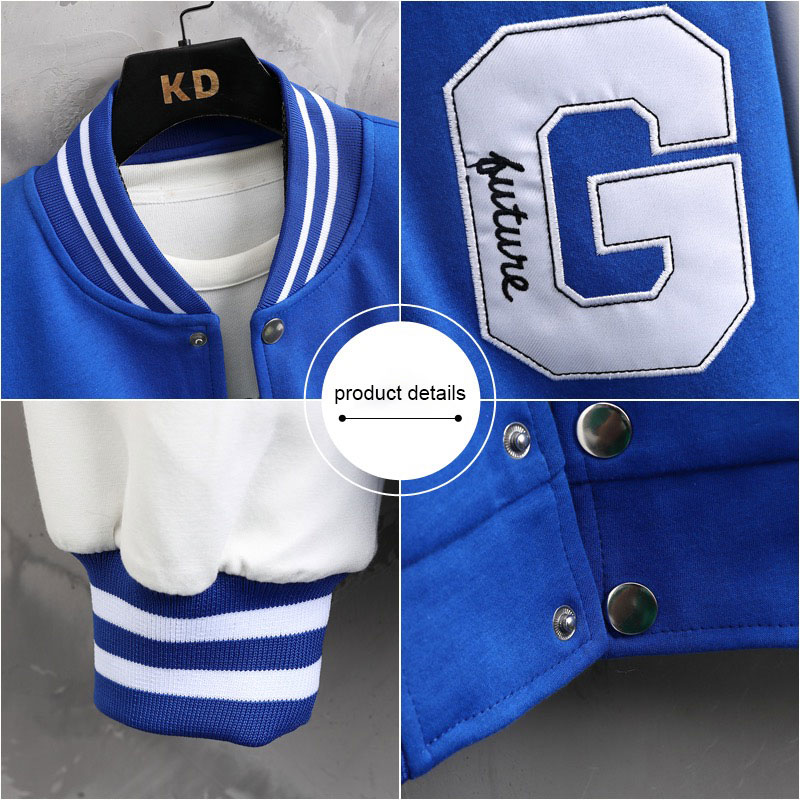
Knits stretch and conform, making jersey, rib, French terry, and fleece practical for tees, hoodies, and joggers. Wovens hold shape better for shirts, windbreakers, and jackets.
GSM is a useful starting point, not a performance guarantee. Yarn count, knit density, finish, and fiber blend also affect opacity, breathability, and durability.
5. Customization and decoration compatibility
EDVORIN’s MOQ starts at 200 pieces per style. At a 200-piece MOQ, decoration should be specified with the fabric, not added after sampling. In apparel fabric sourcing, surface texture, stretch, opacity, and heat tolerance determine whether branding stays consistent through washing.
| Decoration | Best Fabric Construction | Key Control |
|---|---|---|
| Screen print | Smooth cotton jersey or fleece | Ink adhesion and surface evenness |
| Heat transfer | Stable polyester blend | Heat sensitivity and stretch recovery |
| Embroidery or patch | Medium-weight knit or woven | Backing, puckering, and stitch density |
Match Fabric To Decoration
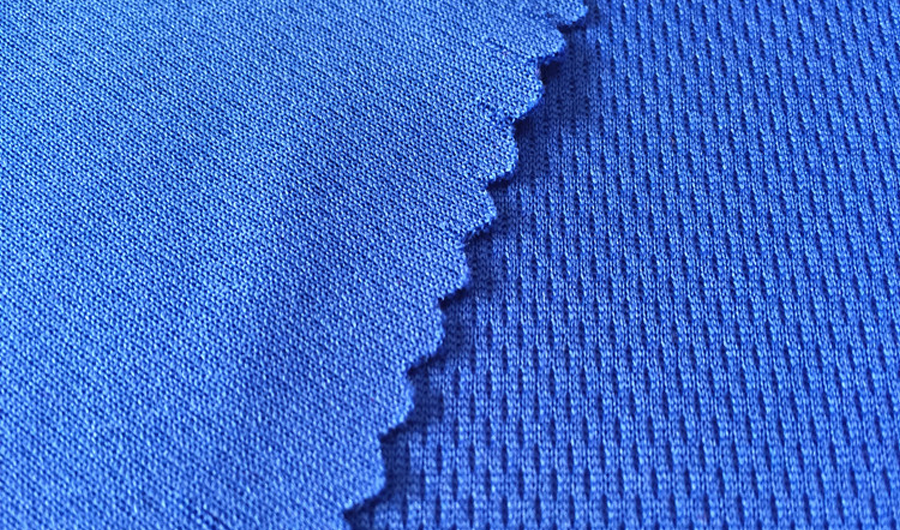
For screen prints, smooth ring-spun jersey and compact fleece give cleaner edges than heavily brushed or ribbed surfaces. For all-over sublimation, use light-colored polyester with reliable opacity; dye lots should be approved against a Pantone reference.
Protect Performance And Finish
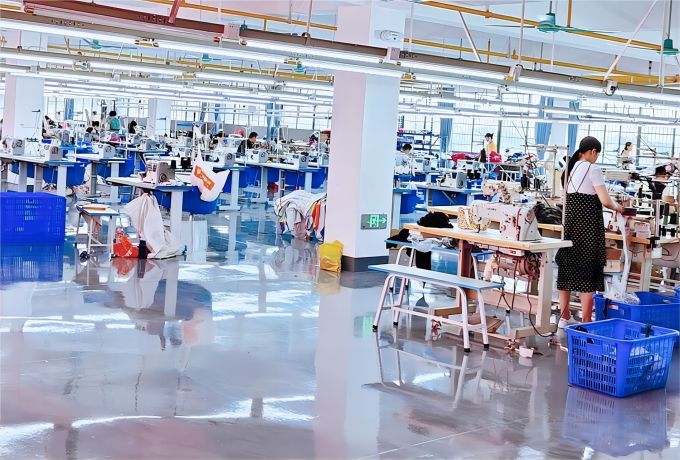
For teamwear, stretch knits need recovery testing after heat transfer, while embroidery and patches need stabilizer support to prevent puckering. For private-label garments, confirm label attachment, wash temperature, and finishing chemistry on the approved sample.
6. Construction and quality checks
100% approval-ready fabric specifications prevent a good prototype from becoming an inconsistent bulk order. EDVORIN records the measurable standard alongside the buyer’s intended hand feel and garment use.
Lock The Fabric Standard
280–350 GSM is a common hoodie range, but the approved specification must state fiber content, usable width, knit or weave structure, color standard, stretch and recovery, skew, hand feel, and defect tolerance.
5% shrinkage can change fit materially, so require pilling and colorfastness test reports plus a wash-tested garment before bulk cutting.
Control Color And Bulk
1 sealed approval sample should contain the signed swatch, approved lab dip, test results, construction details, and wash result. EDVORIN can use that physical reference to align material review and final quality checks.
Pantone references guide color communication, while lab dips and bulk fabric inspection confirm the actual production lot before cutting.
7. Choosing an apparel fabric supplier
A capable supplier fits the product program, not just the swatch. For apparel fabric sourcing, qualify the material record and operating response before approving a bulk commitment.
Verify Product And Supply Fit
EDVORIN’s MOQ starts at 200 pieces per style. 1 fabric brief should request the article number, fiber content, finished GSM, usable cuttable width, color route, stock status, replenishment history, and repeatability between lots.
2 comparable programs are a stronger proof point than a broad catalog. Ask which products the supplier regularly supports, whether its MOQ can match your color and volume plan, and what capacity is reserved during peak periods.
Test Commercial Control
1 sample request should establish response time, lab-dip or strike-off steps, test requirements, approval records, and the date bulk fabric can actually be released.
3 written answers reduce hidden risk: request unit pricing by quantity, surcharge triggers, payment terms, traceability documents, retest handling, late-delivery notification, and a contingency plan for shortages or failed fabric.
8. Common apparel fabric sourcing mistakes
A purchase order locks in more than a handfeel: it fixes risk across yield, color, cost, and continuity. In apparel fabric sourcing, preventable gaps should be closed with written approvals before bulk commitment.
Specify Beyond Inspiration
One inspiration image cannot define fiber content, GSM, usable width, stretch, or finish. The result is a fabric that photographs correctly but cuts poorly; issue an article-level specification and confirm usable width before the PO.
Test The Production Standard
One unwashed sample can hide shrinkage, twisting, pilling, or print failure after laundering. Approve a washed sample, lab dip, and bulk-lot swatch against the signed color reference before cutting begins.
Buy For Repeatability
EDVORIN’s MOQ starts at 200 pieces per style. One lowest-price quote may exclude consistent dye lots, replenishment capacity, or the required MOQ. Compare landed terms, reserve a repeat-order plan, and request product-specific transaction evidence rather than relying on a supplier-level OEKO-TEX or GOTS claim.
9. Launching with apparel fabric sourcing
A 200-piece launch needs locked decisions before fabric is bought: intended wearer, target cost, color count, delivery date, and approved measurement standard. EDVORIN can connect product development and material decisions into one accountable production path.
Brief And Shortlist
EDVORIN’s MOQ starts at 200 pieces per style. Three supplier options are enough for a focused comparison when each receives the same fiber content, GSM, cuttable width, Pantone, MOQ, and target-cost brief.
One decision gate comes before sampling: reject any option that cannot confirm availability, bulk lead time, and repeat-order terms in writing.
Test Before Commitment
Two swatches per finalist let the team compare hand feel, stretch recovery, shade, and decoration response under the intended construction.
One revised sample should incorporate wash results, shrinkage allowance, artwork placement, and fit corrections before bulk approval; unresolved changes become a launch-date risk.
Control Bulk And Reorders
One purchase order should identify the approved fabric article, color reference, quantity, inspection standard, packing requirements, and delivery window.
Thirty days after delivery, review returns, shade variation, fit feedback, consumption, and sell-through. Record approved changes for the next order to avoid deadstock and inconsistent reorders.
10. Apparel fabric sourcing pricing and costs
EDVORIN’s MOQ starts at 200 pieces per style. 200-piece programs usually carry higher fabric cost per garment because mill minimums, color setup, and cutting waste are spread across fewer units. For apparel fabric sourcing, compare landed cost—not only a fabric price per meter—including freight, testing, duties, and expected waste.
280–350 GSM fleece, ring-spun cotton, recycled blends, special Pantone colors, prints, and enzyme or garment washes each change the quote. Custom knitting, dyeing, or finishing also adds development time; stock fabric can move sooner than a new bulk color.
1 written quote should state fiber content, construction, GSM tolerance, usable width, color count, MOQ, yield, tests, Incoterm, and delivery scenario. EDVORIN can translate the approved specification into a production-cost review before bulk commitment.
| Order scenario | Indicative cost pressure | Lead-time consideration |
|---|---|---|
| 200–499 pieces | Highest unit cost; MOQ and waste matter most | Favor available fabric and colors |
| 500–1,999 pieces | Better yield and setup absorption | Allow lab dips and bulk booking |
| 2,000+ pieces | Lower unit pressure; custom options improve | Plan extra time for development and approvals |
Start Apparel Fabric Sourcing With a Production-Ready Quote
Share your tech pack, reference garment, target fabric specification and order quantity; EDVORIN will scope sourcing and manufacturing support.