
Tie Dye Clothing Manufacturer for Repeatable Brand Collections
EDVORIN develops production-ready tie-dye apparel with coordinated materials, sampling, decoration, and quality control for B2B programs starting at 200 pieces per style.
Featured Tie-Dye Apparel Development Options
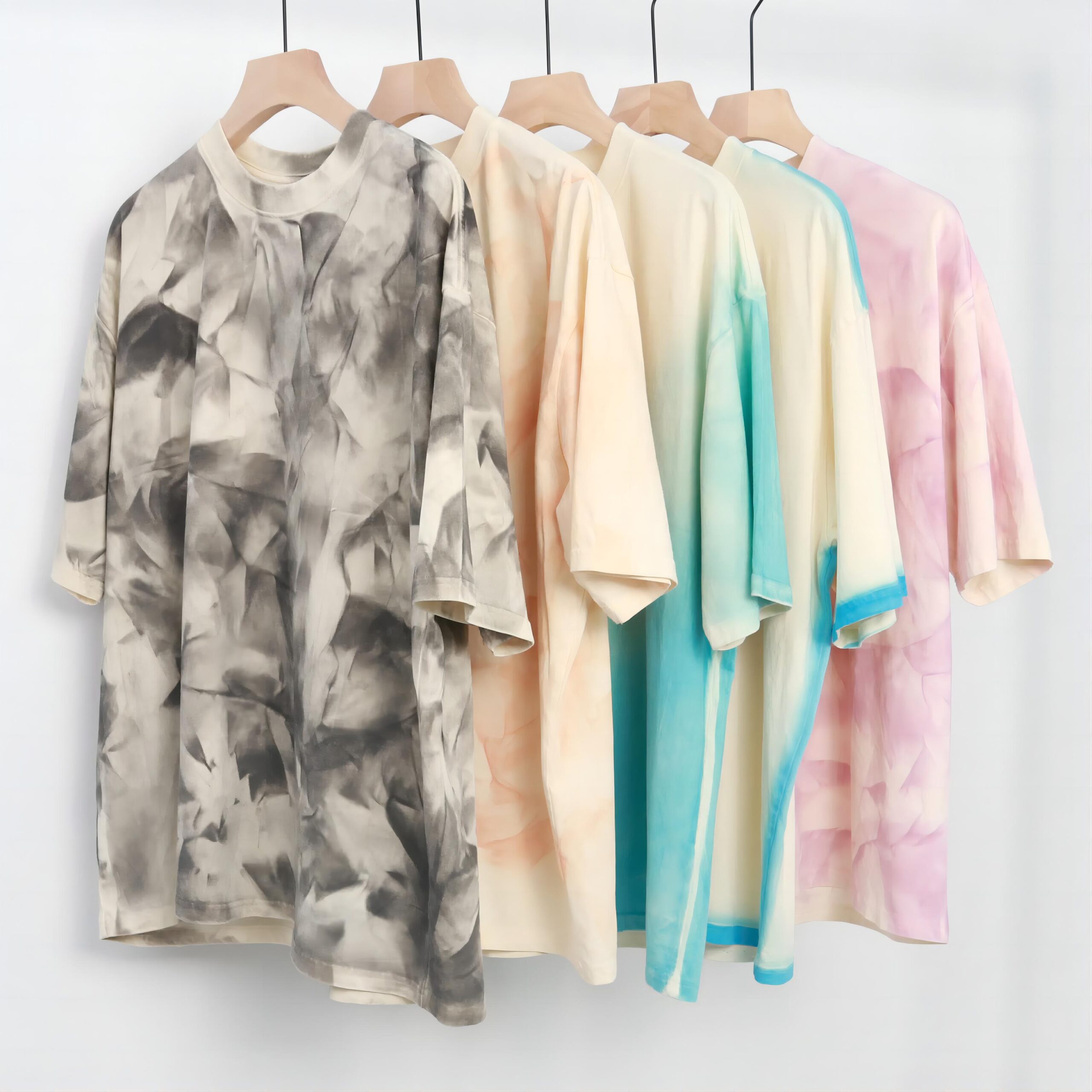


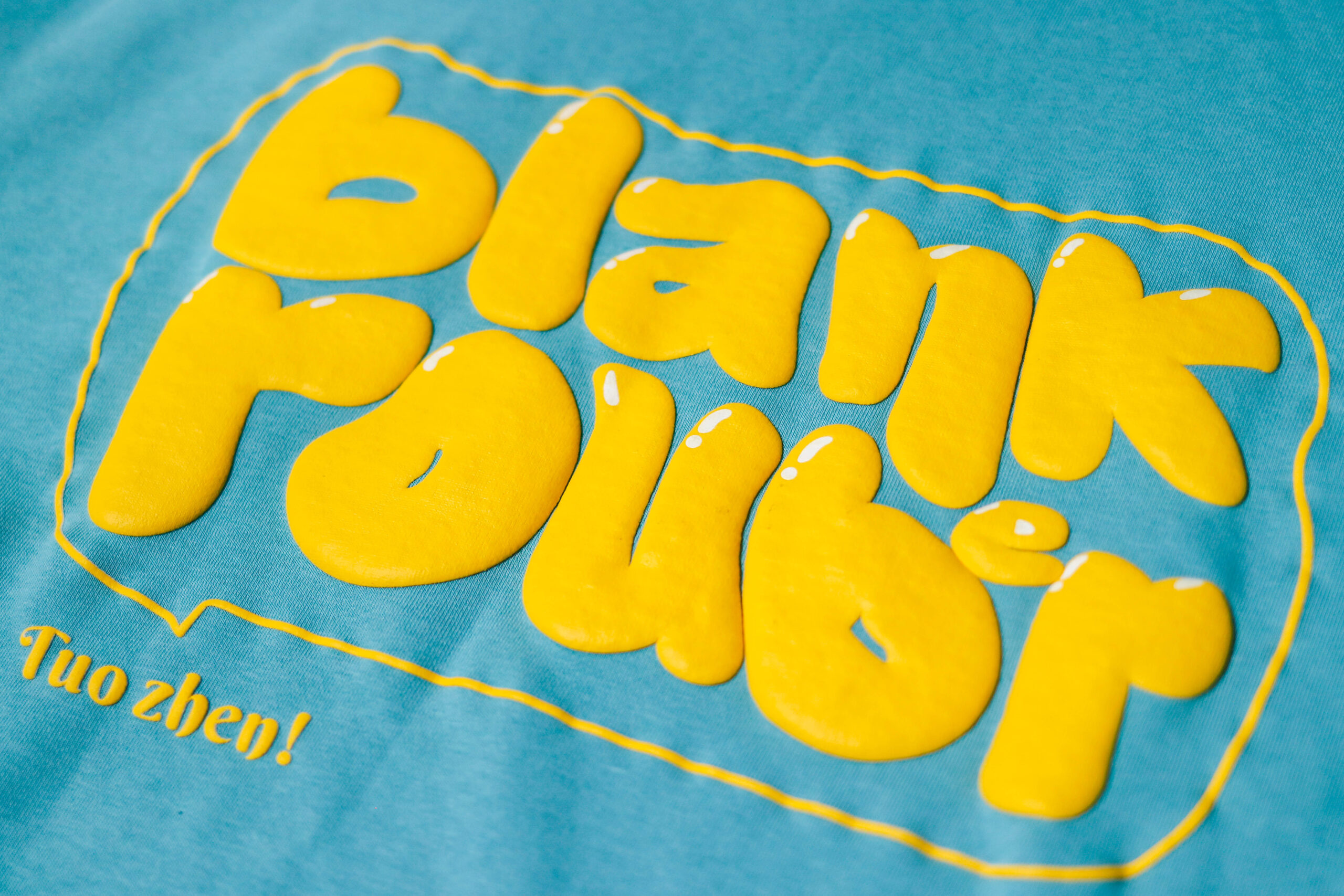
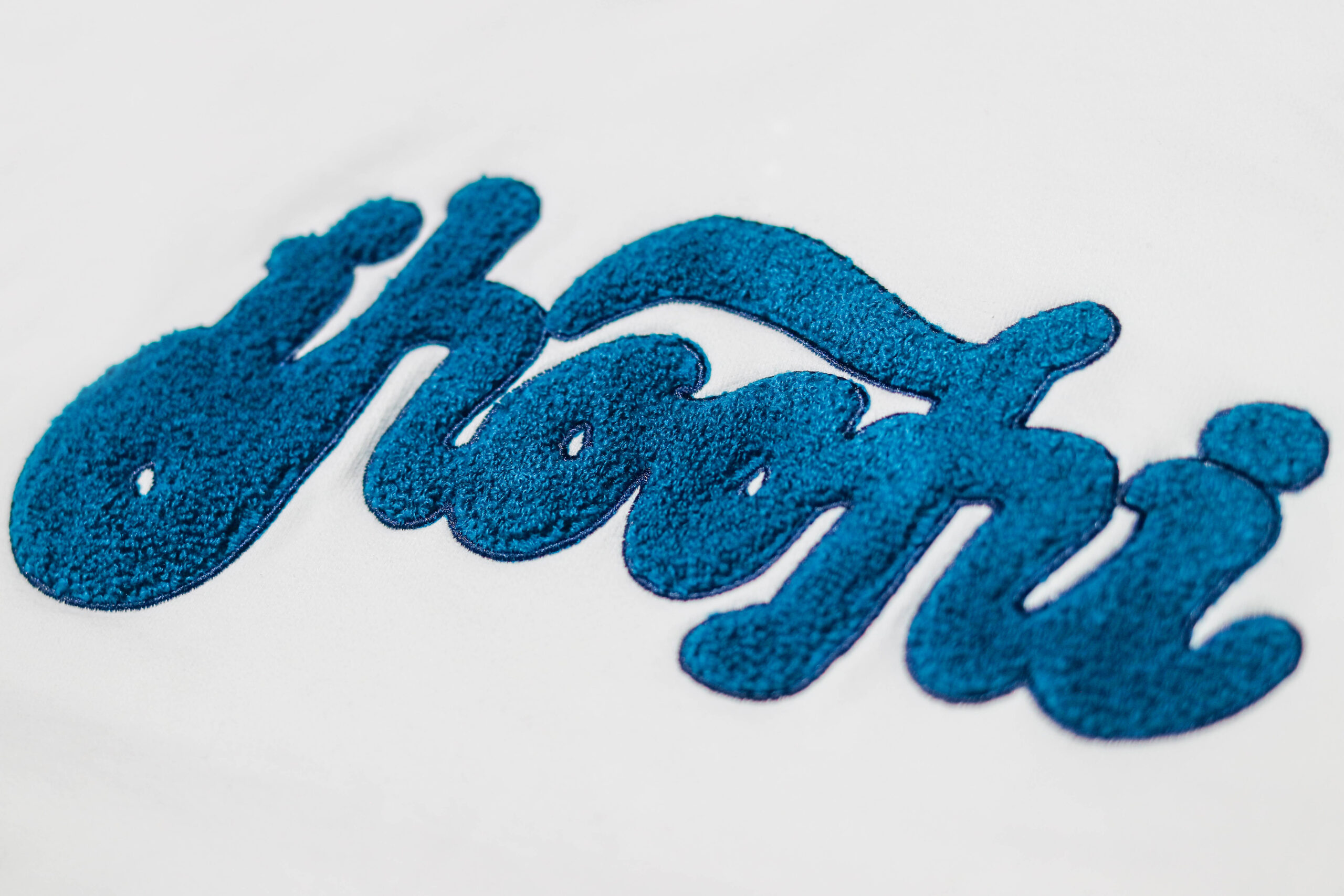
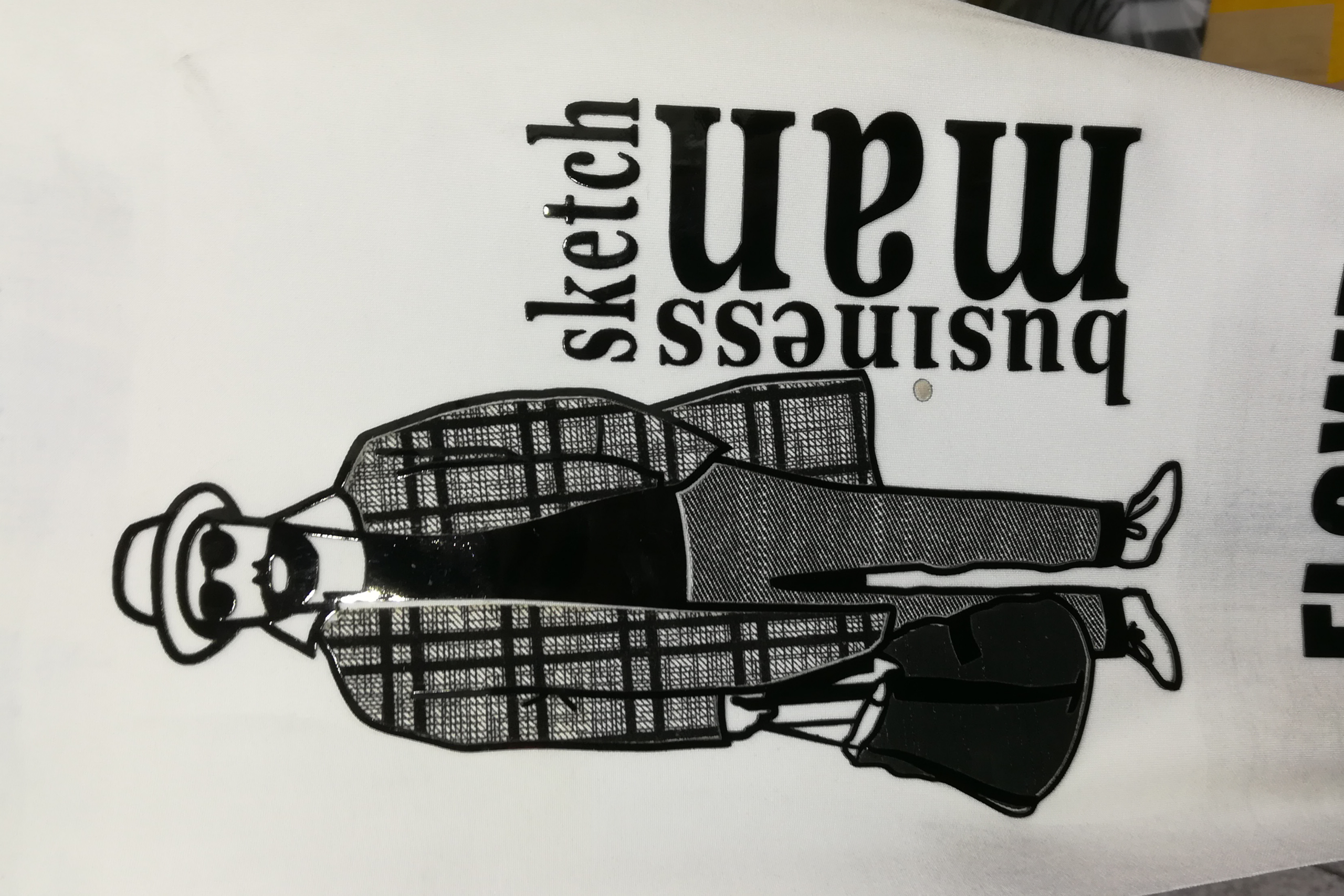
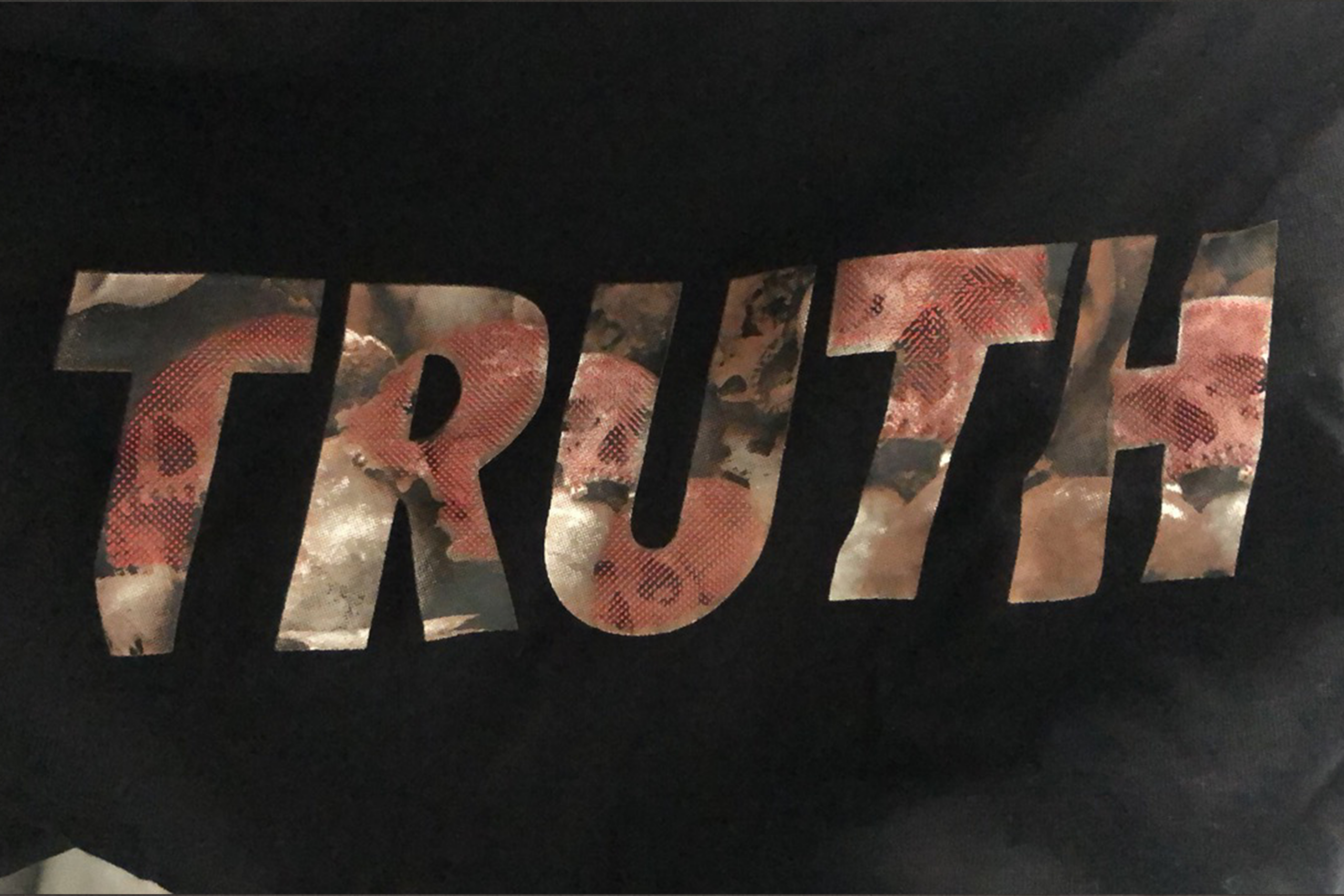
Why Choose EDVORIN as Your Tie Dye Clothing Manufacturer
Develop distinctive tie-dye apparel with planned color, compatible garment construction, and approval standards designed for dependable bulk production.
Distinct Pattern Direction
Translate your collection concept into intentional tie-dye pattern direction, balancing individual visual character with a clear branded look across the program.
Planned Color Combinations
Coordinate color palettes during development so dye choices support your artwork, trims, labels, and the wider visual language of your collection.
Garment-Specific Development
Develop tie-dye across tees, hoodies, sweatshirts, joggers, shorts, and more, with material and construction choices matched to each garment type.
Sample-Based Approval
Use approved samples to document the intended result, giving bulk production a practical reference for color, placement, construction, and finishing decisions.
Flexible OEM Programs
Start private-label tie-dye programs from 200 pieces per style, with support from product development and sourcing through packaging and final quality control.
Explore Apparel Manufacturing Options
Compare garment categories and decoration-ready construction to identify the right production path for your collection, teamwear program, or private-label range.
Custom Hoodies
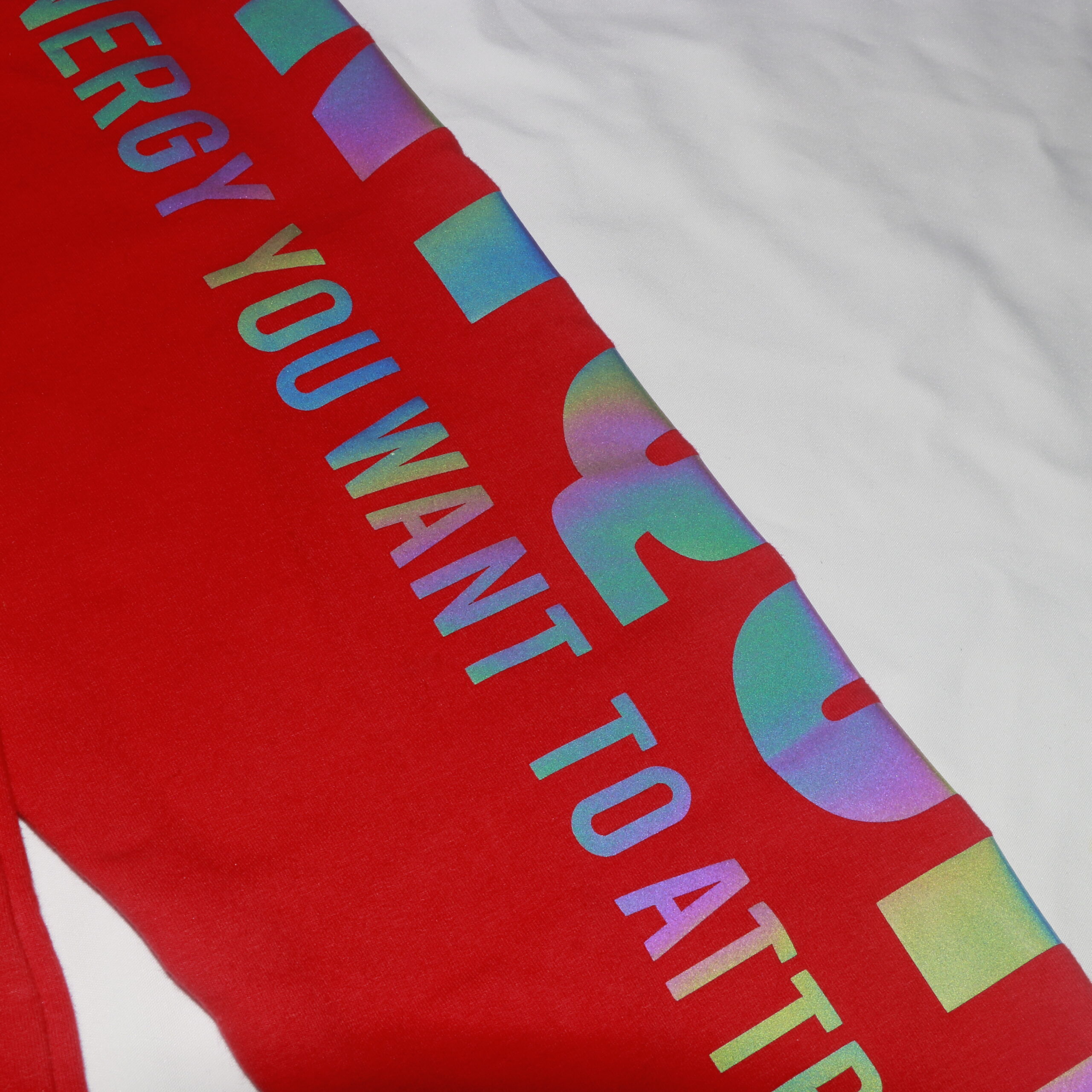
Develop custom hoodies with fit blocks, fleece weights, rib specifications, drawcords, labels, and decoration placement documented for repeatable production. EDVORIN supports men’s and women’s hoodie programs from technical development and sampling through bulk manufacturing.
Get a Quote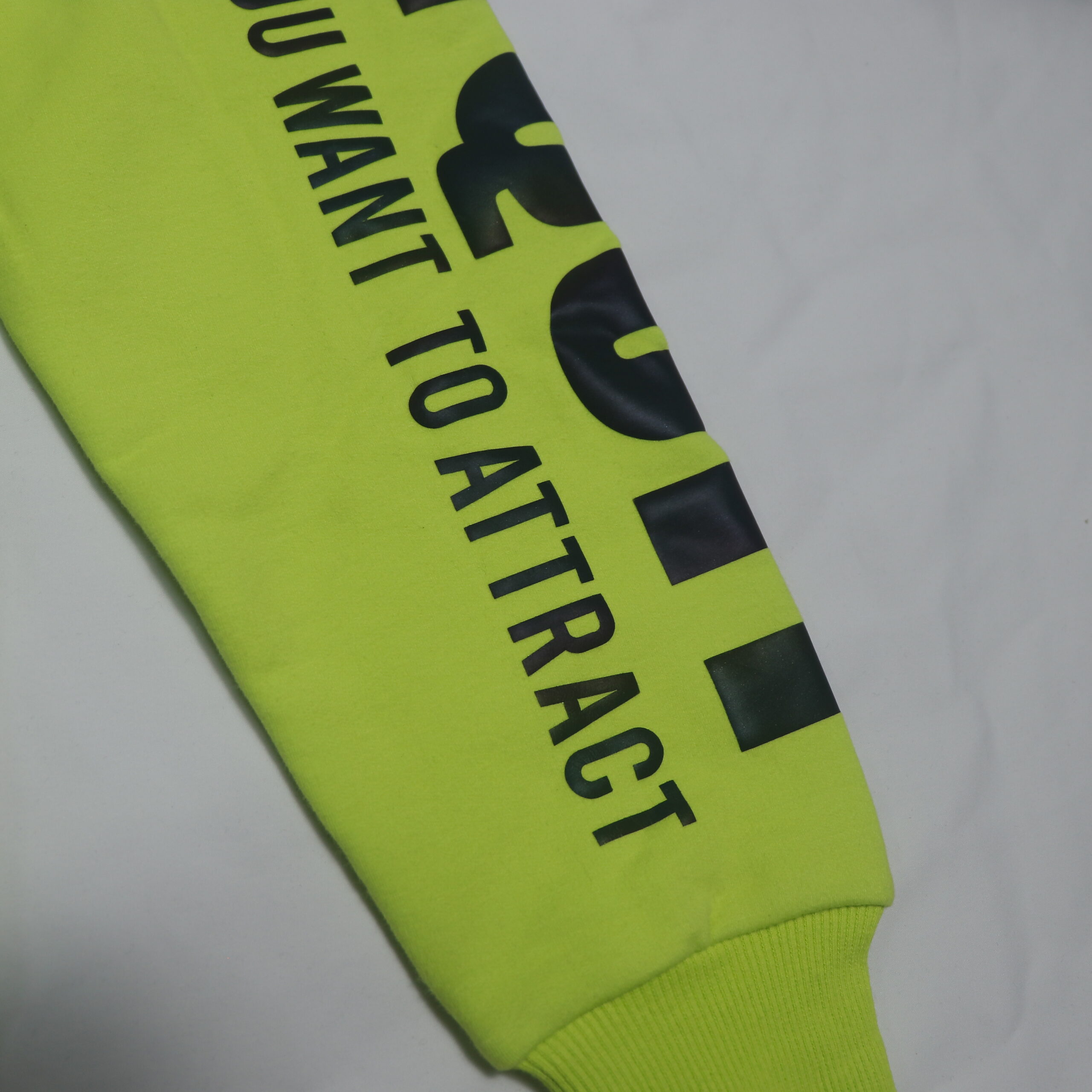
Pullover Sweatshirts
Build pullover sweatshirts around fabric weight, neckline construction, rib recovery, silhouette, and finishing requirements. As a sweatshirt manufacturer, EDVORIN coordinates sampling, prints, embroidery, washes, labeling, and quality checks against the approved standard.
Get a Quote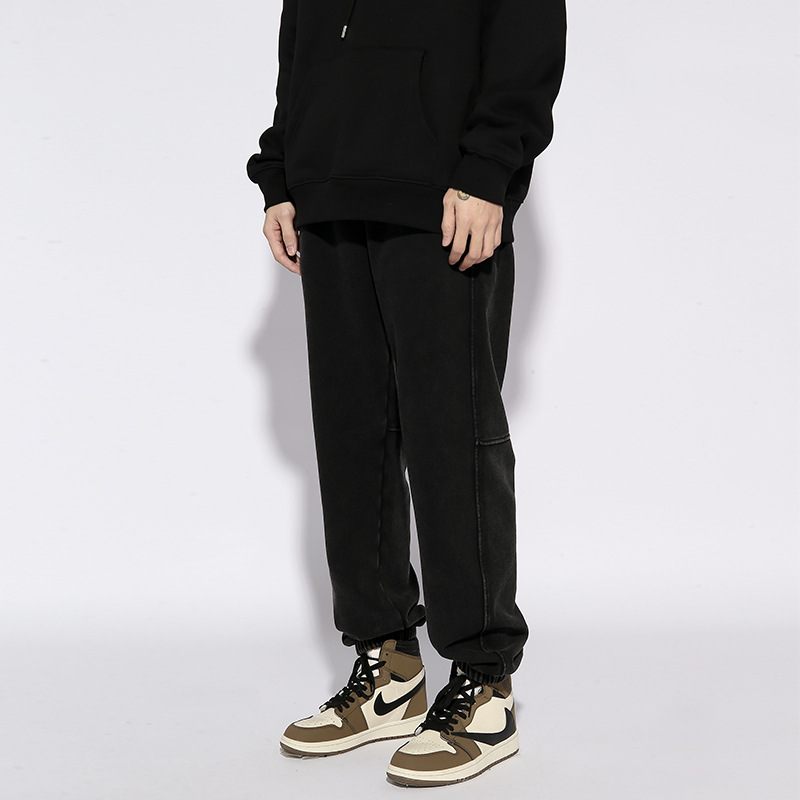
Sweatpants & Joggers
Produce sweatpants and joggers with defined fit, inseam, waistband, pocket, cuff, and fabric requirements. EDVORIN helps brands match coordinated tops and bottoms while controlling grading, trims, decoration placement, and bulk consistency.
Get a Quote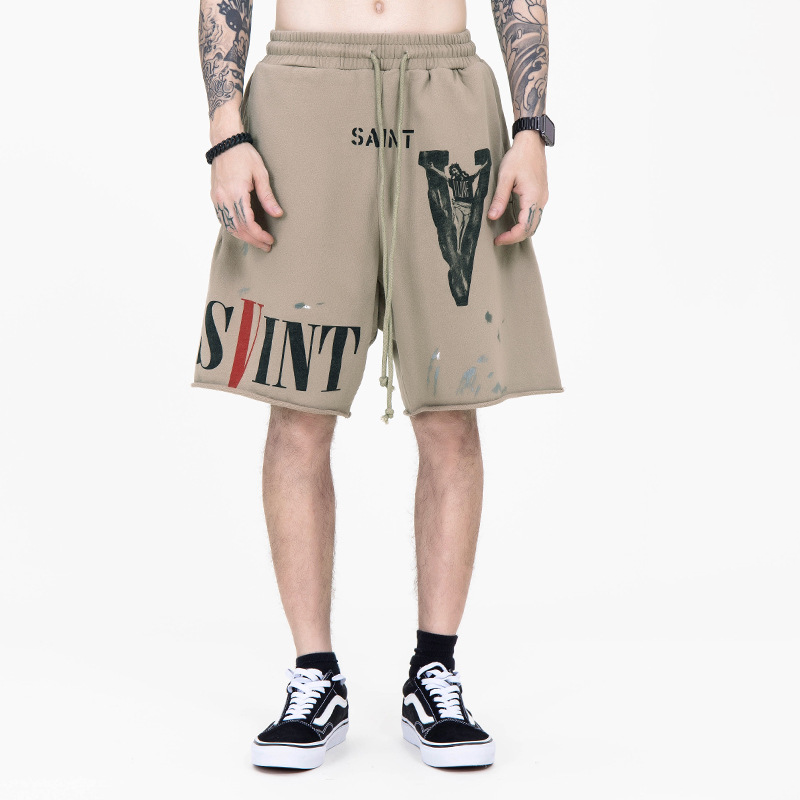
Custom Shorts
Develop custom shorts for casualwear, sportswear, or streetwear programs with appropriate fabric, rise, inseam, pocket, waistband, and lining specifications. Production can include prints, embroidery, woven labels, packaging, and men’s or women’s fit development.
Get a Quote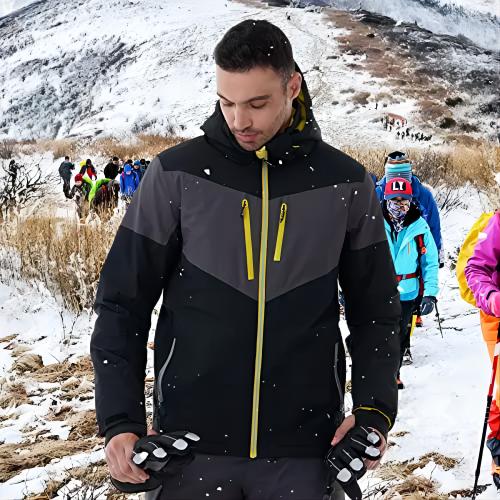
Varsity & Baseball Jackets
Create varsity and baseball jackets with coordinated body fabric, sleeves, ribbing, snaps, lining, patches, embroidery, and appliqué. EDVORIN documents each construction and decoration detail so approved samples can guide repeat bulk orders.
Get a Quote
Custom T-Shirts
Manufacture custom T-shirts with defined fabric composition, weight, collar construction, fit, print method, and wash finish. EDVORIN supports men’s and women’s programs, from reference garments and artwork through production-ready specifications.
Get a Quote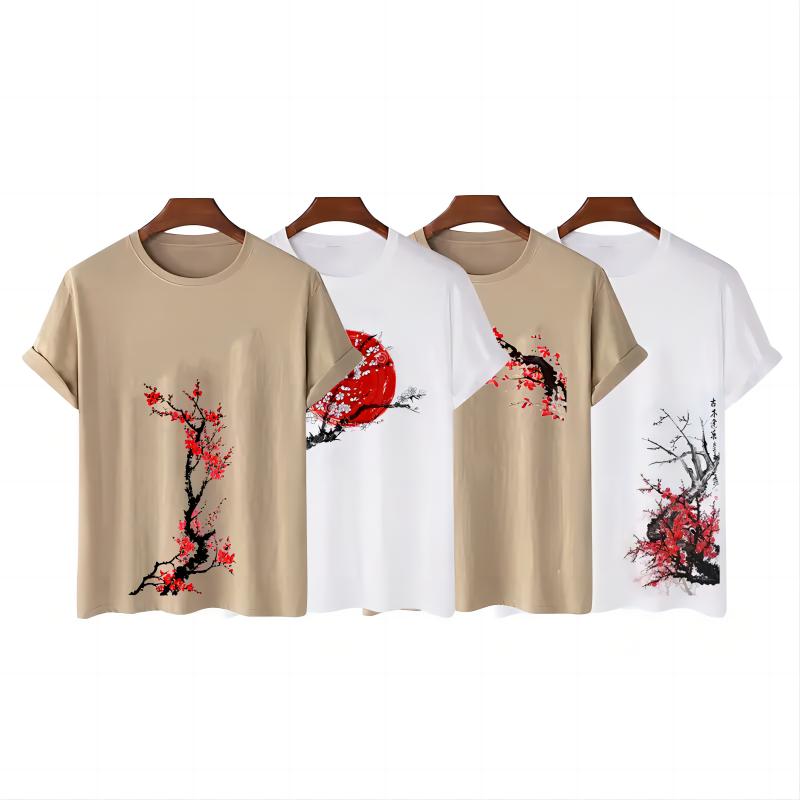
Custom Polo Shirts
Develop custom polo shirts with selected knit fabric, collar and cuff construction, placket details, buttons, embroidery, and size grading. Suitable for branded uniforms, corporate programs, retail collections, and private-label assortments.
Get a Quote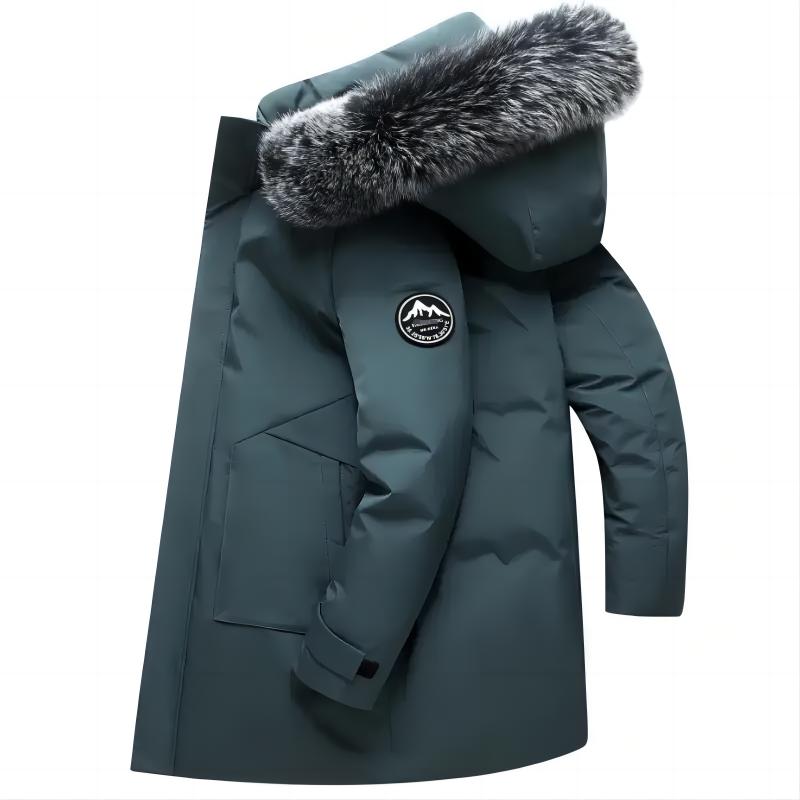
Windbreaker Jackets
Produce windbreaker jackets with shell fabric, lining or mesh, zipper, hood, pocket, ventilation, and print or embroidery requirements aligned before bulk production. EDVORIN supports functional outerwear development for branded, team, and promotional programs.
Get a Quote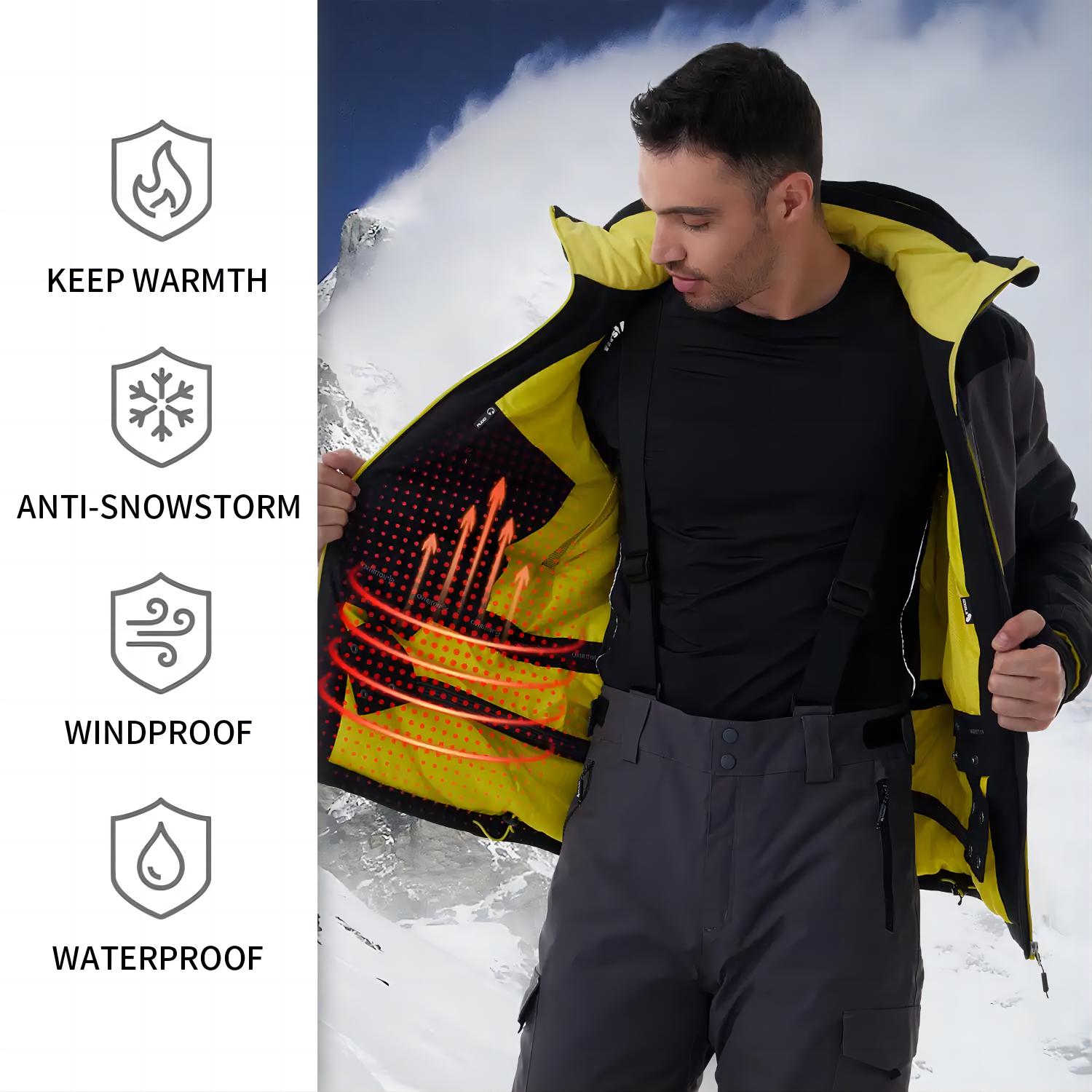
Quilted Jackets
Develop quilted jackets with shell, lining, insulation, quilting pattern, hardware, and fit specifications managed as one production package. Sampling confirms construction, warmth, decoration feasibility, and finish before materials are committed to bulk.
Get a Quote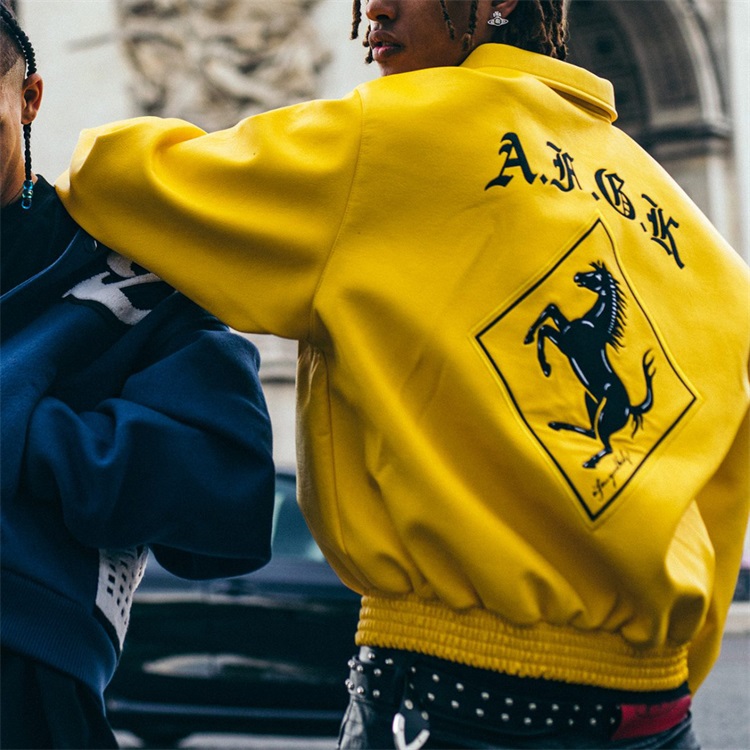
Bomber Jackets
Manufacture bomber jackets with defined shell fabric, lining, rib, zipper or snap closure, pocket construction, and decoration details. EDVORIN coordinates sampling and production controls for fashion, streetwear, and private-label outerwear programs.
Get a Quote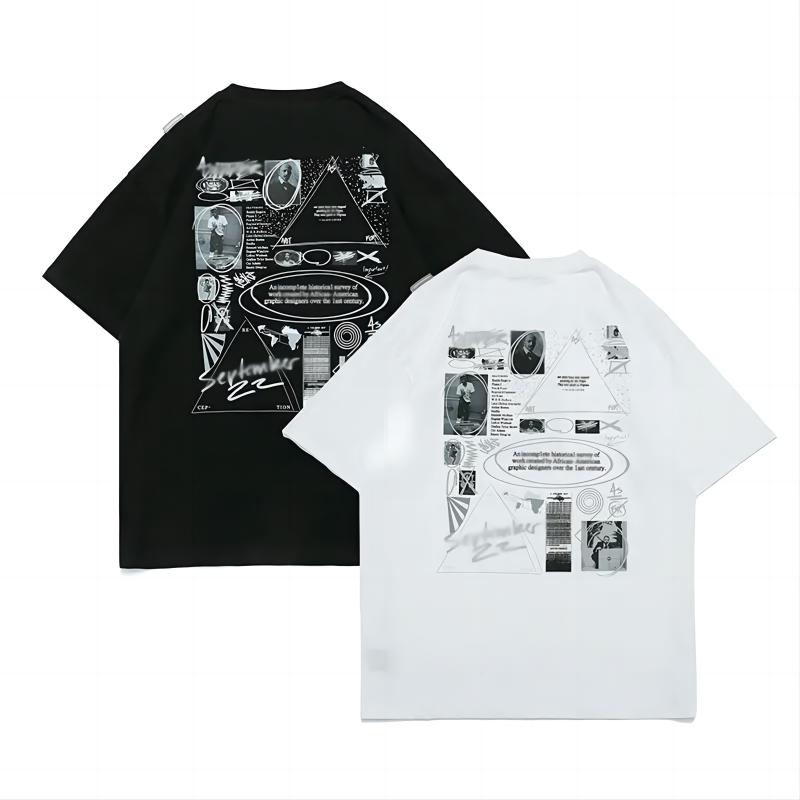
Custom Shirts
Build custom woven shirts with fabric selection, collar shape, placket, cuff, pocket, seam, and fit requirements tailored to the intended market. EDVORIN supports men’s and women’s development, labeling, packaging, and repeatable bulk production.
Get a Quote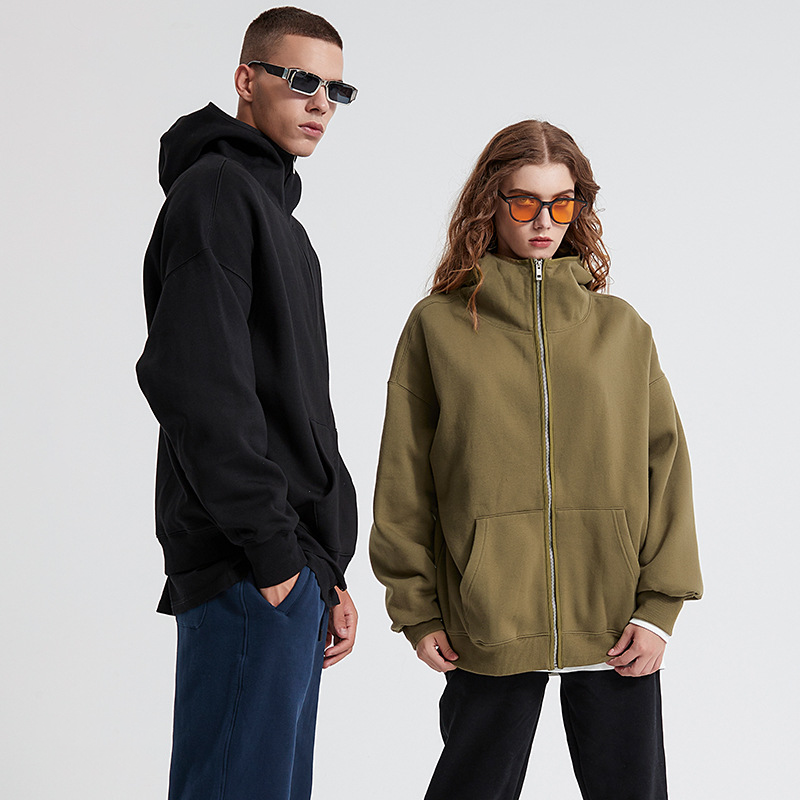
Custom Jerseys
Produce custom jerseys with sport-appropriate fabric, color control, panel construction, names, numbers, logos, and size sets clearly specified. EDVORIN manages decoration compatibility and quality checks for teams, clubs, schools, and branded athletic ranges.
Get a Quote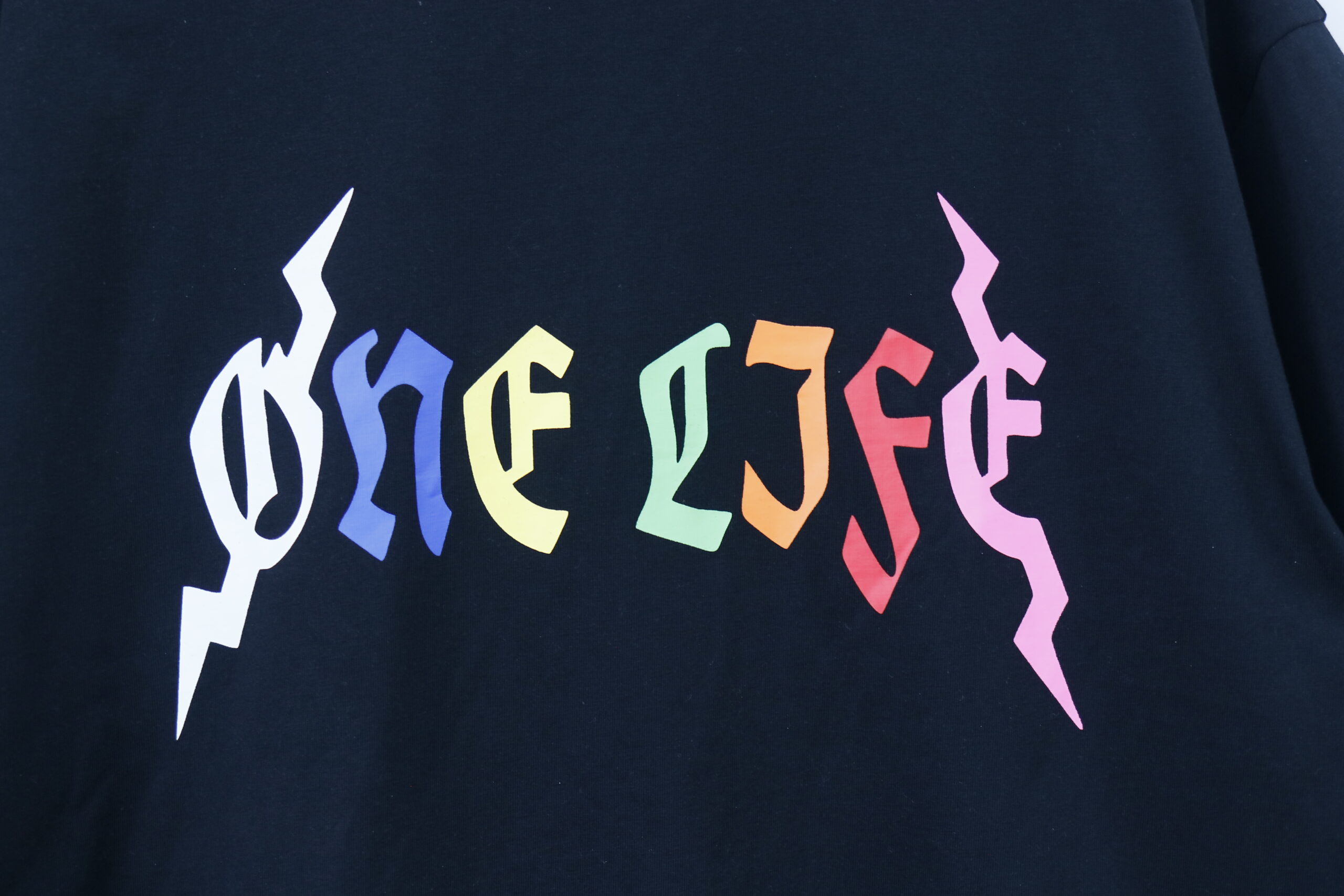
Tank Tops
Develop custom tank tops with fabric weight, armhole and neckline shape, fit, binding, print placement, and finishing defined during sampling. Suitable for activewear, teamwear, casualwear, and streetwear collections across men’s and women’s programs.
Get a Quote
Soccer Uniforms
Manufacture soccer uniforms with breathable fabrics, coordinated jersey and short specifications, color matching, club logos, player names, numbers, and organized size sets. EDVORIN builds approved samples into clear standards for repeat team orders.
Get a Quote
Basketball Uniforms
Produce basketball uniforms with performance fabric, jersey and short construction, trim, color placement, logos, names, numbers, and grading controlled before bulk production. EDVORIN supports school, club, academy, and branded basketball programs.
Get a Quote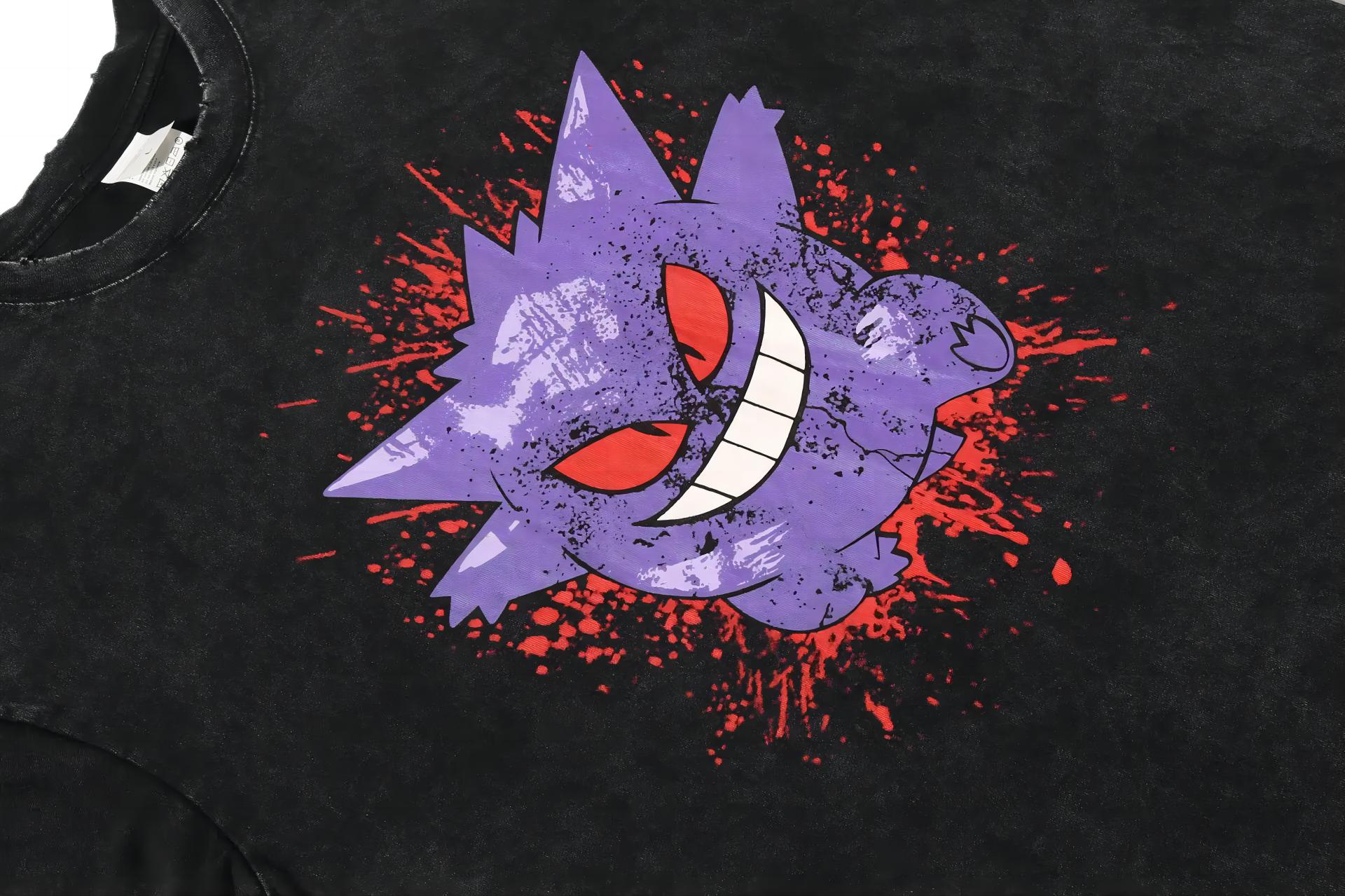
Streetwear Collections
Develop coordinated streetwear collections across hoodies, tees, sweatpants, shorts, jackets, and woven styles under one production system. EDVORIN aligns fabrics, trims, washes, prints, embroidery, labels, packaging, and approved standards across the range.
Get a QuoteTie Dye Clothing Manufacturer Since 2000
EDVORIN has been founder-led since 2000, helping fashion, streetwear, teamwear and private-label buyers turn apparel ideas into production-ready programs. As a tie dye clothing manufacturer, we connect product development with the practical decisions behind a dependable collection: fabric, fit, pattern, decoration, trims, labels and packaging.
Our OEM and ODM workflow supports men’s and women’s tie-dye apparel across tees, hoodies, sweatshirts, joggers, shorts and coordinated collections. Buyers can begin with a complete tech pack or an early concept; our team develops the specification, sample and approved reference needed to move forward with clarity. MOQ starts at 200 pieces per style.
What distinguishes EDVORIN is control after sample approval. Tie-dye appearance, placement, color direction, garment measurements and finishing details are documented for bulk production, supported by in-line checks and final inspection. Certification programs include ISO 9001, BSCI, WRAP, SEDEX, OEKO-TEX Standard 100, GRS and GOTS, helping buyers build with a structured manufacturing partner.
Tie-Dye Dyeing vs. Pigment Dyeing
Color Placement Is Planned
EDVORIN translates each tie-dye direction into a production reference covering color zones, fold or binding direction, artwork relationships and acceptable variation. This gives your collection a recognizable visual language while defining what production teams should repeat across bulk garments.
- Color references aligned before sampling
- Placement guidance for seams, pockets and panels
- Acceptable pattern variation agreed in advance
- Brand artwork reviewed against dye layout
Fabric Response Comes First
Fabric weight, fiber content, construction and garment components all affect how color develops and how the finished piece feels. We coordinate material selection with the intended tie-dye treatment, then assess the sample for hand feel, color response, fit and construction compatibility.
- Fabric options matched to the intended effect
- Ribs, trims and labels considered early
- Men’s and women’s fit requirements addressed
- Sample review captures material trade-offs
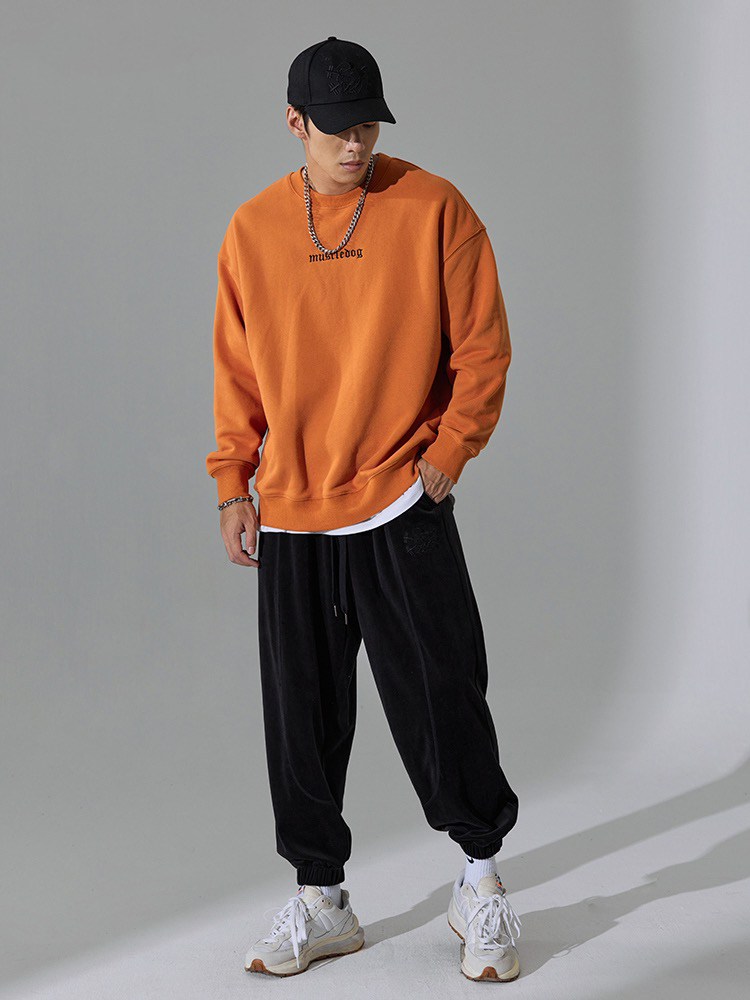
Wash Is Part of Development
Tie-dye garments require finishing decisions that account for color appearance, garment feel and collection consistency. EDVORIN coordinates dyeing and wash processing within product development so the approved result reflects the intended final garment rather than an unfinished production stage.
- Dye and wash sequence defined during sampling
- Finished hand feel reviewed with the sample
- Color appearance checked after processing
- Care requirements considered for the program
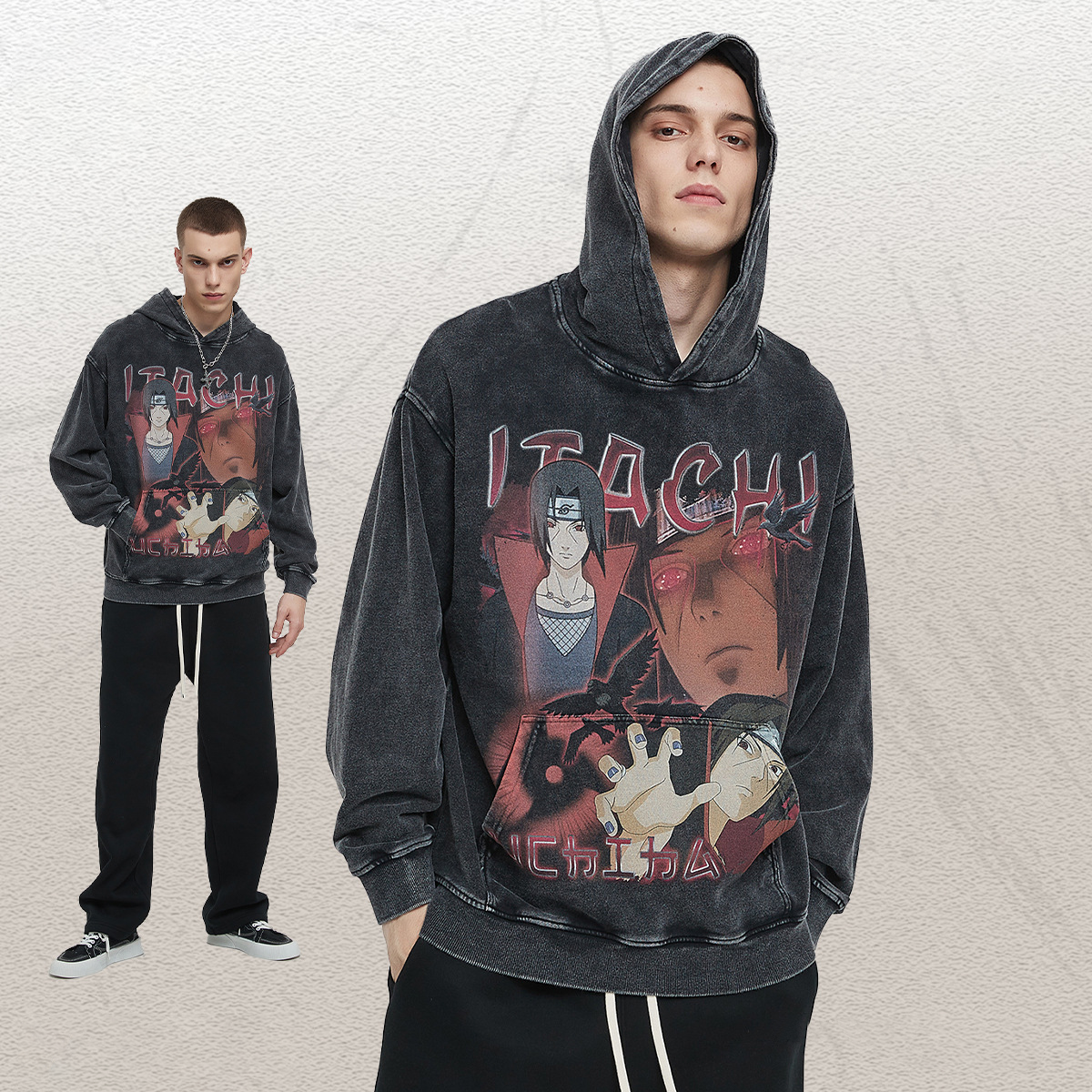
Approved Samples Guide Bulk
A tie dye clothing manufacturer needs more than a compelling sample; bulk production needs a clear standard. EDVORIN records approved material, measurements, placement, trims and finishing details, then uses in-line and final checks to keep the packed order aligned with that reference.
- Approved sample becomes the production benchmark
- Specifications documented for repeat orders
- In-line checks address variation early
- Final inspection confirms packing readiness
Tie Dye Clothing Manufacturer vs. Pigment Dyeing
Choose the finish that best matches your fabric, artwork, wash character, and repeat-order requirements.
← Swipe left or right to view →
Tie Dye Clothing Manufacturer Production Process
EDVORIN turns approved tie-dye artwork into documented, repeatable production standards for private-label collections starting at 200 pieces per style.
Review Artwork and Color Plan
We review garment style, dye layout, color references, placement expectations, sizing, labels, and packaging requirements before development begins.
Develop Sample and Recipe
Our team prepares the fit sample and dye development sample, testing fabric behavior, pattern definition, color direction, and wash response for approval.
Approve Production Standard
Approved samples, color references, measurements, decoration placement, trims, and construction details become the documented standard used to guide bulk production.
Dye, Wash, and Finish
Garments move through controlled dyeing, rinsing, washing, and finishing steps, with attention to color outcome, hand feel, shape, and intended character.
Inspect, Label, and Pack
In-line and final checks compare bulk garments against approved standards before labeling, size sorting, packing, and shipment preparation for your program.
What Buyers Say About Working With EDVORIN
Share the decisions that let EDVORIN translate your concept into a documented, repeatable production standard.
Define Your Garment
Specify the garment type, intended fit, fabric direction, color palette, and men’s or women’s requirements for your tie-dye collection.
Send Artwork or References
Provide artwork, mood boards, reference garments, or pattern ideas so our team can align dye placement, visual direction, and decoration details.
Confirm Sizes and Branding
Set your size range, grading needs, label requirements, hangtags, and packaging specifications before development moves into sampling and production planning.
Approve the Production Sample
Review the sample for fabric, fit, tie-dye effect, measurements, and finishing; approved details become the standard for your 200-piece minimum bulk order.
Launch Controlled Bulk Production
EDVORIN coordinates materials, decoration, sewing, inspection, labeling, and packing against approved specifications, keeping your private-label program ready to repeat.
Tie Dye Clothing Manufacturer Buyer Results
EDVORIN helped us turn a three-color wash concept into a 600-piece hoodie drop with a more controlled color range. The bulk run matched the approved sample closely, and we received the order in time for our seasonal launch.
Our academy needed 420 tie-dye training tees across six size ranges. EDVORIN kept the artwork placement and color character consistent from the first sample through packing, which made issuing kits to players far more straightforward.
We were concerned about wash performance on our private-label jogger set. After development revisions, the final 800-piece program held its intended look after our wash testing and arrived with labels and packaging ready for distribution.
Complete Guide to Choosing a Tie-Dye Clothing Manufacturer
Practical answers for building a controlled, private-label tie-dye program with EDVORIN.
What fabrics can a tie dye clothing manufacturer work with?
How does a tie dye clothing manufacturer keep patterns consistent in bulk production?
Can a tie dye clothing manufacturer combine tie dye with screen printing, embroidery, or patches?
EDVORIN’s MOQ starts at 200 pieces per style. What is the minimum order quantity for custom tie-dye clothing?
What artwork files should I send for a custom tie-dye apparel program?
How long does sampling and bulk production take for tie-dye garments?
How much does a custom tie-dye sample cost?
Can EDVORIN develop men’s and women’s tie-dye collections?
Complete Guide to tie dye clothing manufacturer Selection
Use this decision framework to evaluate production methods, fabrics, customization, quality controls, and commercial fit—while avoiding sourcing mistakes that can compromise color consistency, margins, and delivery timelines.
1. What Is a tie dye clothing manufacturer?
A 200-piece OEM program is a manufacturing order built to a buyer’s specification, rather than a shelf-ready garment bought from a wholesaler. A tie dye clothing manufacturer turns approved requirements into repeatable bulk goods, covering base-garment sourcing, pattern development, resist-dye application, finishing, inspection, labeling, packaging, and export coordination.
EDVORIN, founded in 2000, supports this production path from concept or tech pack through samples and bulk delivery. That differs from ready-stock wholesalers, which supply pre-designed inventory, and retail sellers, which serve individual purchases rather than private-label control.
One accountable supplier model suits fashion brands, streetwear labels, corporate programs, teams, schools, and distributors that need their own fit, color direction, branding, size range, and replenishment standard. OEM fits buyers with defined specifications; ODM fits buyers who need development support before approval.
2. Evolution of Commercial Tie Dye
Resist dyeing begins when bound, folded, stitched, or clamped areas block dye penetration, producing the irregular fields associated with tie dye. The same physical principle remains central to commercial development today (https://thaisonsp.com/technical-innovations/tie-dye-garment-factory-in-vietnam).
1960s youth fashion made bright spirals and high-contrast color a widely recognized apparel language; later, promotional programs adopted bold, readable motifs for events and groups. Streetwear and teamwear now often translate that visual energy into controlled palettes, placement zones, and repeatable color stories.
200-piece OEM programs require buyers to define what variation is acceptable rather than promise identical garments. Approved strike-offs should document base fabric, fold or bind method, dye colors, pattern scale, color-placement tolerance, and wash appearance, because handcrafted-looking results naturally vary across panels and sizes.
3. Types of tie dye clothing manufacturer Services
Service choice determines how much of the garment, dye layout, and branding a buyer controls. A tie dye clothing manufacturer should match the model to order scale and approval resources.
| Model | Customization | MOQ/Development | Best Use |
|---|---|---|---|
| Stock blanks + dye | Color and pattern | Lower MOQ; limited sampling | Events and quick drops |
| Cut-and-sew OEM | Fabric, fit, details | 200-piece programs; tech pack | Brands needing signature silhouettes |
| Private label | Labels and packaging | Moderate MOQ; artwork approval | Wholesale-ready collections |
| ODM development | Adapt existing styles | Sampling required | Buyers without full tech packs |
| Uniform/promotional bulk | Colorway and logo | Scale-led MOQ; size list | Teams, schools, campaigns |
Service Model Fit
Five sourcing models trade flexibility against development work. Stock blanks move fastest; cut-and-sew and ODM require clearer approvals.
Dye Appearance Control
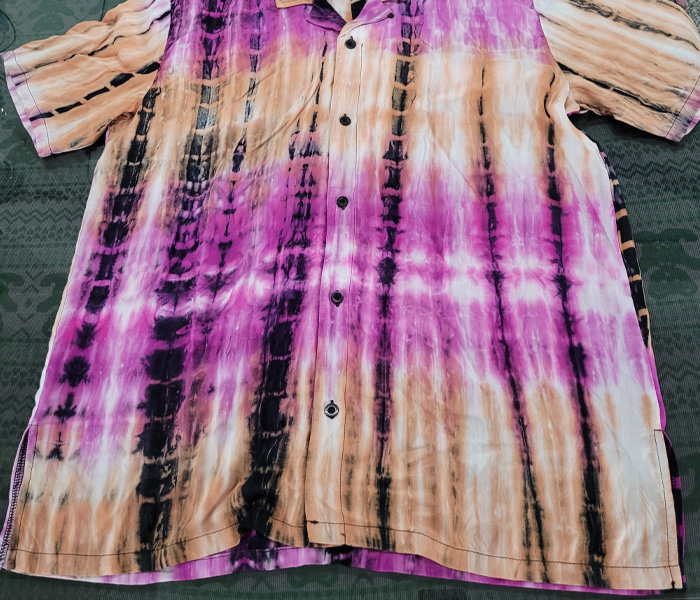
Hand-applied dye creates deliberate variation between garments. Semi-controlled folding repeats a recipe with natural variance, while printed tie-dye delivers the closest artwork repeatability.
Private Label Readiness
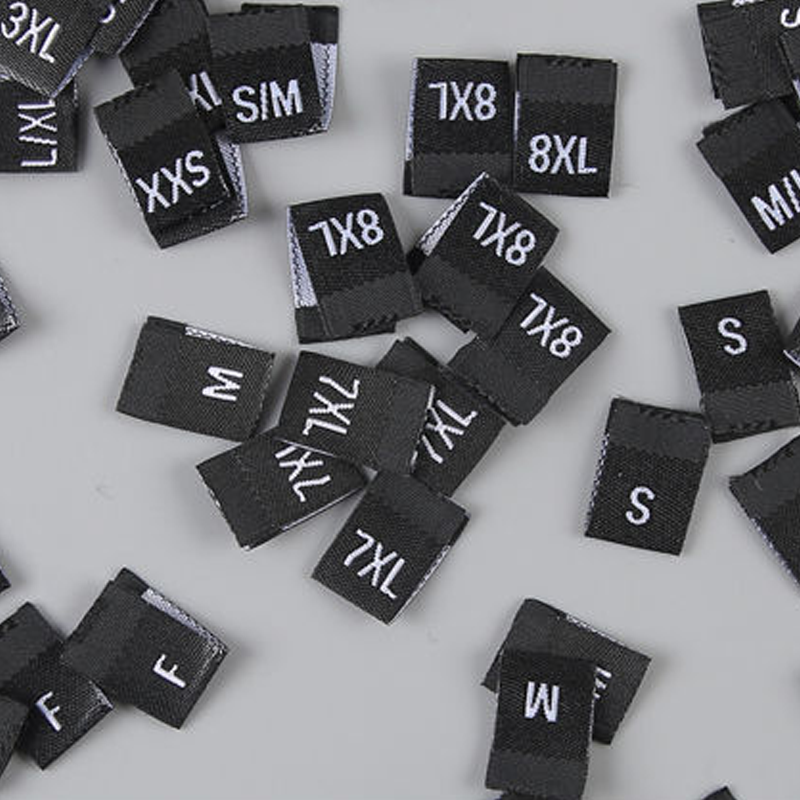
Three brand assets—main label, care label, and packaging—turn a dyed blank into private-label product. Approved placement files prevent branding changes during bulk packing.
4. Fabrics for Tie Dye Clothing Production
100% cotton and regenerated-cellulose fabrics give the clearest results with fiber-reactive dye. A tie dye clothing manufacturer should approve fiber content and GSM before sampling, because both determine color, drape, fit, and end use.
| Fabric | Typical GSM | Best Product | Color And Care |
|---|---|---|---|
| Cotton | 160–220 | T-shirts | Vivid; cold wash |
| Cotton blend | 180–320 | Sweatshirts | Mottled; low heat |
| Rayon/viscose | 120–180 | Draped tops | Vivid; gentle wash |
| Polyester | 140–200 | Jerseys | Disperse dye; cool wash |
| Fleece | 280–360 | Hoodies | Rich; air dry |
| Stretch knit | 180–260 | Activewear | Test recovery; gentle wash |
Match Dye To Fiber
Fiber-reactive dye bonds with cotton, rayon, and viscose under alkaline conditions; disperse dye is the appropriate route for polyester. Blends can produce deliberately heathered or two-tone effects because each fiber responds differently.
Weight Shapes The Garment
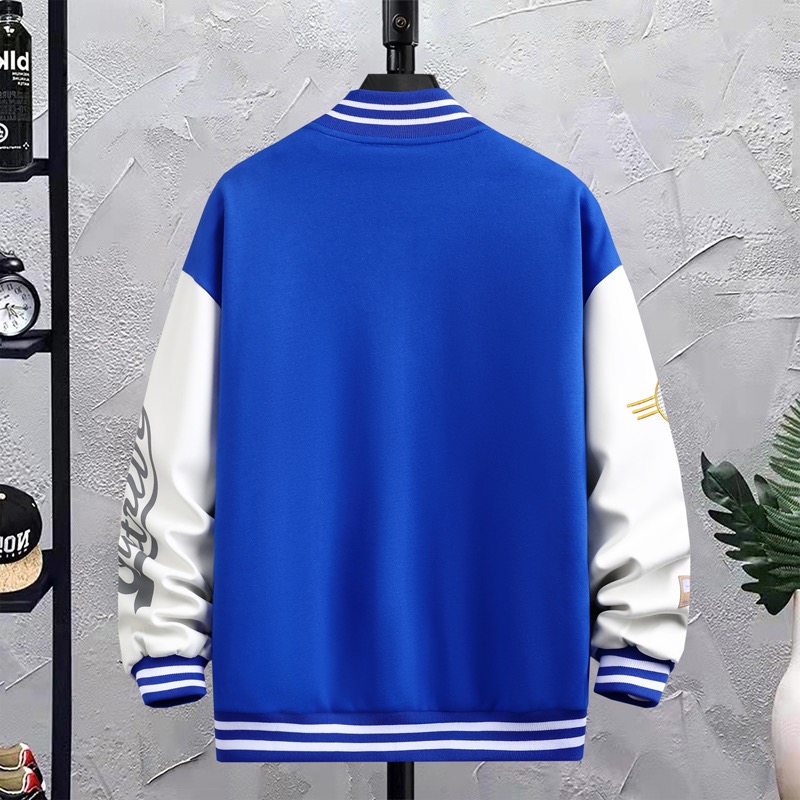
160–200 GSM jersey suits T-shirts, while 280–360 GSM fleece supports hoodies and joggers. Higher weight improves structure and warmth but changes drape, shrinkage risk, and drying time.
Care And Approval
Cold washing and mild detergent help retain color and reduce abrasion. A lab dip and washed sample should confirm shade, migration, hand feel, and dimensional stability before bulk cutting.
5. tie dye clothing manufacturer Customization Options
Since 2000, EDVORIN has turned buyer references into specifications that can be sampled and repeated. A tie dye clothing manufacturer should define creative intent and production tolerances together.
| Method | Appearance | Repeatability |
|---|---|---|
| Resist dye | Fiber-level variation | Controlled tolerance |
| Digital print | Graphic imitation | High placement consistency |
| Overlay print | Added artwork layer | Sample-test adhesion |
Pattern And Palette
Three inputs—pattern direction, Pantone targets, and garment placement—should accompany each reference image.
One dye map should identify spiral, ice-dye, dip-dye, or crumple areas and acceptable variation.
- Record front, back, sleeve, and hood placement
- Approve light, standard, and dark color limits
Decoration And Silhouette
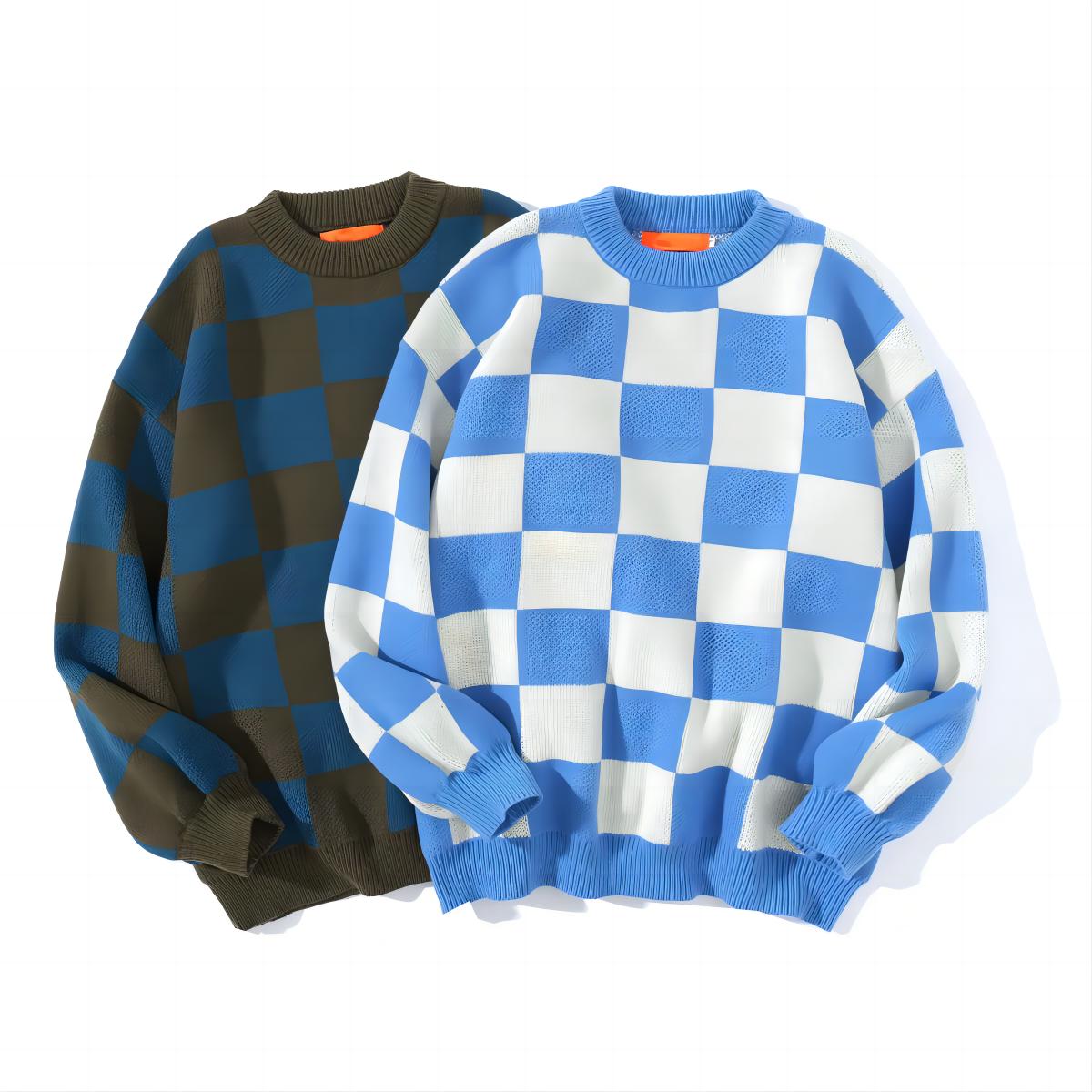
Six decisions—silhouette, size range, labels, neck print, overlay, and patch—belong on the tech pack.
Two decoration layers require testing: embroidery or screen print overlays can change hand feel across dyed ground.
- Specify tee, hoodie, jogger, short, or jacket block
- Attach label, hangtag, and packaging artwork
Approve The Production Standard
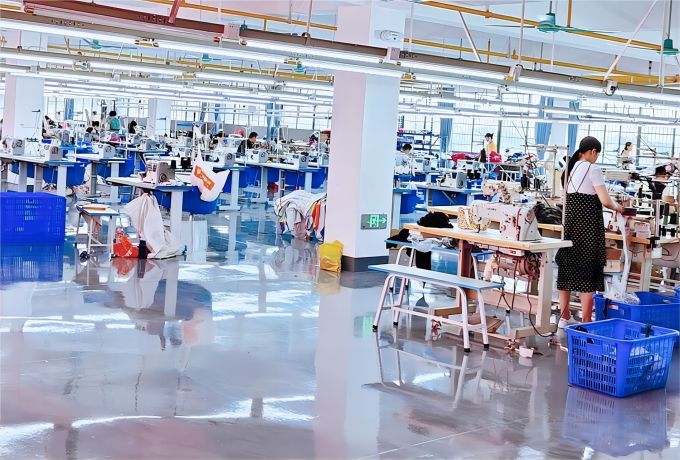
One approved sample must pair a measurement chart, color reference, construction notes, and packaging standard.
Authentic resist dye produces controlled piece-to-piece variation; digitally printed tie-dye reproduces a graphic effect and should be specified separately.
6. Construction and Color Quality Checks
100% of bulk decisions should trace to an approved pre-production sample, measurement chart, and color standard. A tie dye clothing manufacturer must control both garment construction and dye variability before cutting the full order.
Wash And Color Tests
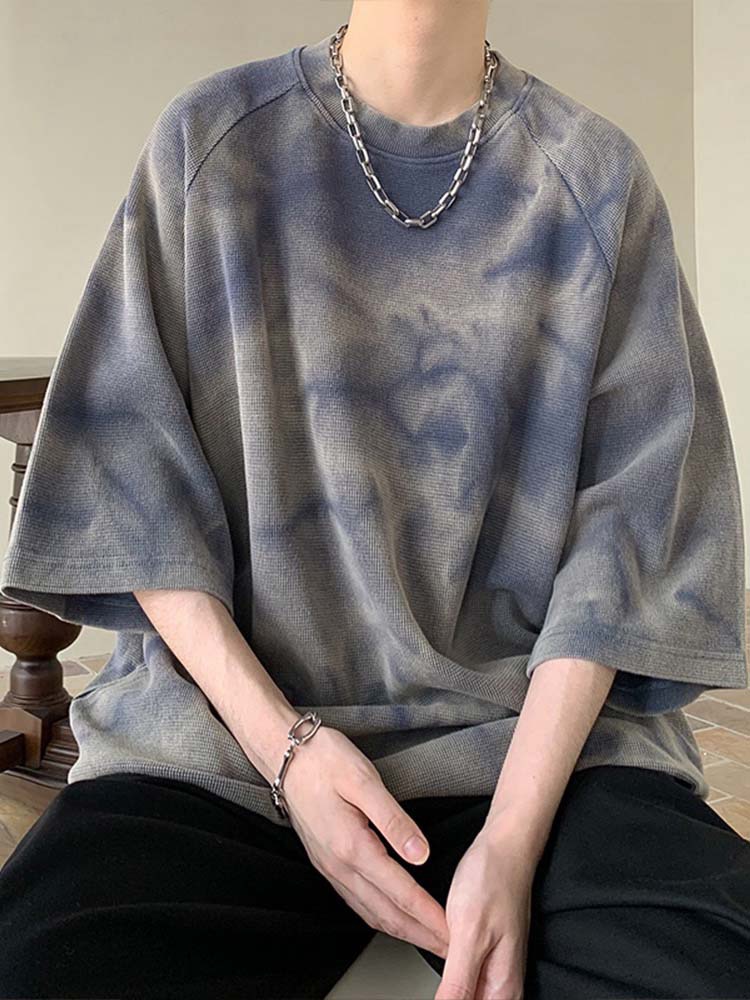
3 wash cycles should check shrinkage, wash fastness, color migration, dye penetration, odor, and hand feel. Ask for the test method, wash conditions, and acceptable tolerance before approval.
Construction Control Points
1 approved size set should confirm fit grading, seam strength, rib recovery, pattern placement, finishing, and trim attachment. Ask which seams receive inline inspection and how defects are isolated and corrected.
Final Release Questions
100% packed-carton checks should verify size assortments, labels, polybags, folding, and carton marks against the purchase order. Ask for final-inspection records, defect thresholds, and whether production compares every lot with the approved standard.
7. Choosing a tie dye clothing manufacturer
A 200-piece OEM order is large enough to expose weak process control but small enough to test a new supplier. Choose a tie dye clothing manufacturer on documented repeatability, not an attractive unit quote alone.
Match Product Experience
200-piece programs should be matched to suppliers with relevant hoodie, tee, fleece, or jersey dyeing experience.
Pantone references, fabric composition, pattern scale, and placement tolerances should appear in the sample record.
Test The Sampling Path
One approved preproduction sample should define measurements, handfeel, wash appearance, artwork placement, and acceptable color variation.
Two revision rounds can reveal whether feedback is translated into patterns, dye recipes, and production instructions.
Compare Total Readiness
EDVORIN’s MOQ starts at 200 pieces per style. Three quotation checks matter beyond price: MOQ by colorway, production capacity, and stated lead time from approval.
OEKO-TEX, GOTS, WRAP, or BSCI documents should be requested only where required, alongside fabric traceability, inspection reports, export packing, and shipping support.
8. Common Tie Dye Sourcing Mistakes
Most costly tie-dye failures begin before bulk cutting. A tie dye clothing manufacturer needs a documented visual standard, tested material route, and complete packing brief—not a reference image alone.
Artwork And Variation
One vague artwork approval creates disputes over spiral size, color order, and placement. Approve a strike-off with Pantone references, photos, and allowable variation.
Hand-dyed programs require uniqueness expectations; bulk programs require repeatable batch boundaries. Define acceptable light-dark variation and reject limits before production.
Fabric And Wash Testing
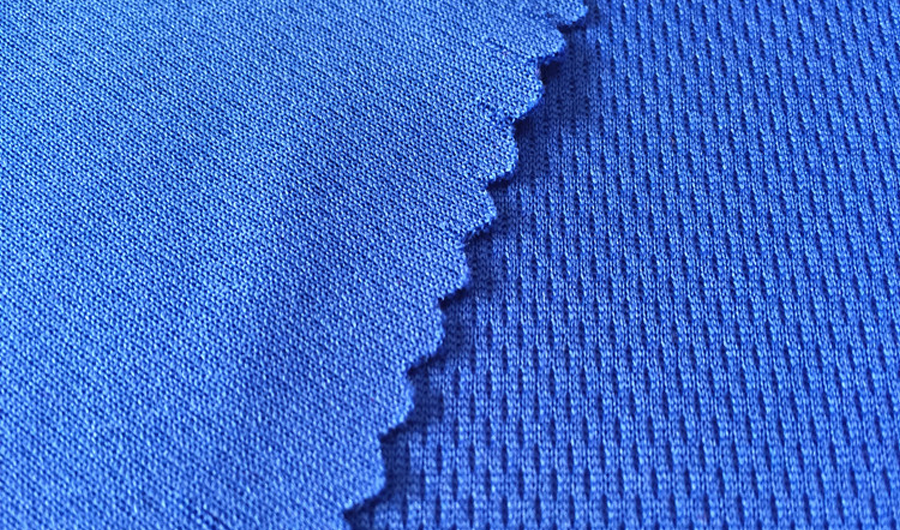
Two fabrics with similar weight can dye differently because fiber content and finishes affect uptake. Confirm dye compatibility before fabric commitment.
Three wash cycles can expose bleeding, crocking, or shrinkage. Test the finished garment and revise pattern allowances before size approval.
Quotes, Samples, And Packing
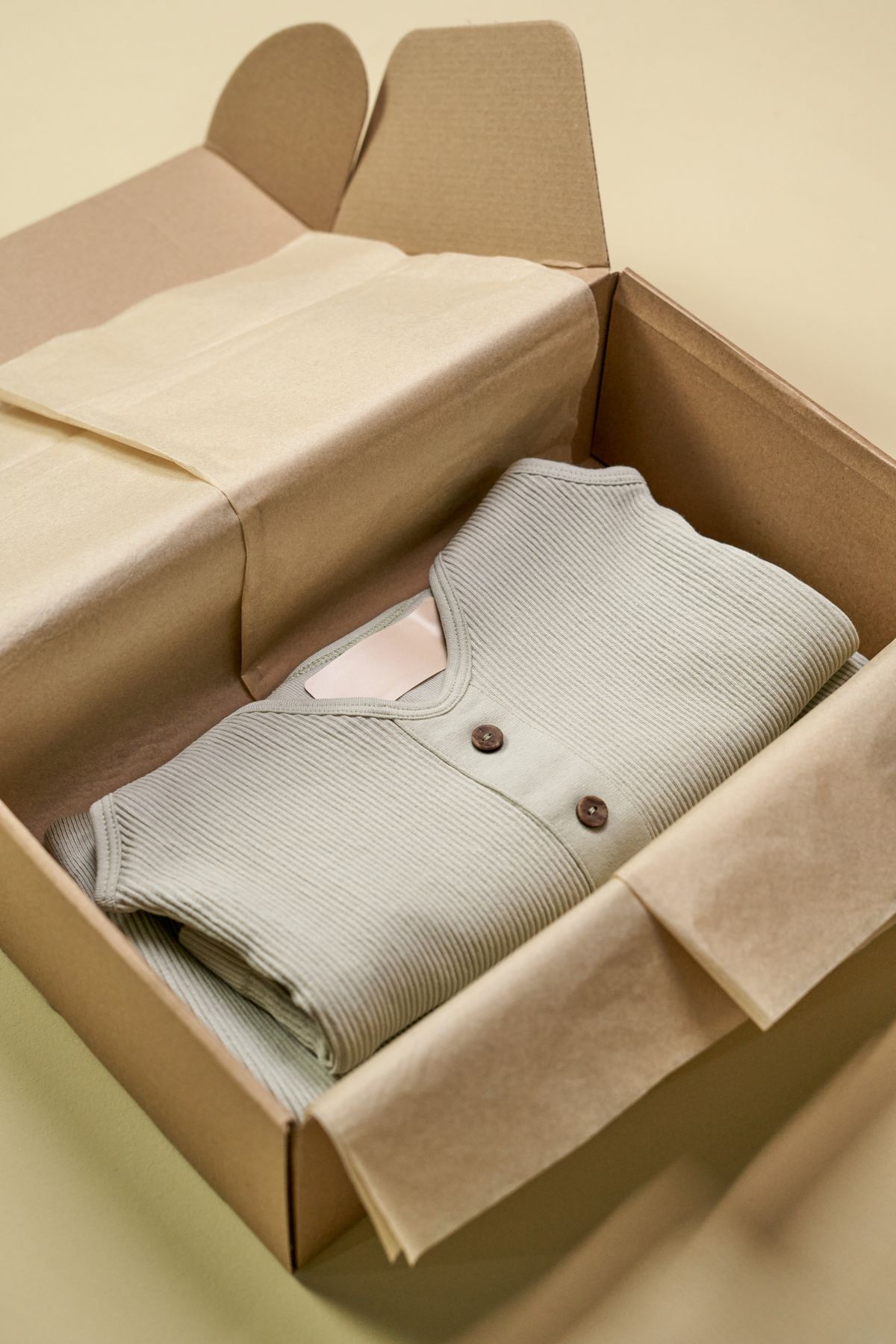
One low quote may exclude washing, labels, polybags, or inspection, making comparisons misleading. Match fabric, decoration, quantities, Incoterms, and packaging line by line.
Two compressed sample rounds can leave no time to correct color or fit. Set approval gates for samples, care labels, size stickers, cartons, and packing ratios.
9. Launching a Tie Dye Apparel Program
A launch brief should set the customer, retail price, target margin, 200-piece minimum, delivery date, and decision owner before development starts. A tie dye clothing manufacturer can then convert the concept into controlled production milestones.
Brief And Technical Package
Week 1 should lock the style, size range, fit reference, decoration locations, target FOB, and target ship date. Submit a tech pack with measurement chart, construction notes, artwork files, labels, packaging, and Pantone references.
Sample And Bulk Approval
Weeks 2–4 should cover fabric swatches, strike-offs, and a fit sample; record every revision in one dated approval sheet. Before bulk cutting, approve the sealed sample, graded specifications, color standard, wash test expectations, and production purchase order.
Production Through Reorder
Weeks 5–9 should include in-line measurement and color checks, final inspection, carton markings, freight documents, and shipment booking. Within 30 days of delivery, review sell-through, returns, shade variation, and inventory to reserve fabric or update the reorder specification.
10. tie dye clothing manufacturer Pricing and Costs
At 200 pieces, the quote should be built from the approved garment specification, not a generic tie dye clothing manufacturer price. Typical sampling adds 7–14 days; bulk timing changes with dye trials, trim approvals, capacity, and destination.
Three cost areas outside the garment often move the landed total: packaging format, carton utilization, and freight mode. Confirm color recipe, garment weight, placement, tolerances, and a sealed sample before treating a 200-piece estimate as an order price.
| Quantity tier | Blank garment | Dye complexity | Custom trims | Print or embroidery | Packaging |
|---|---|---|---|---|---|
| 100–199 | Highest unit base | Simple 1–2 colors | Stock options lower cost | Small runs raise setup share | Polybag and size sticker |
| 200–499 | Better cutting efficiency | Multi-color needs trials | Custom labels add steps | Placement and stitch count matter | Hangtags or custom bags |
| 500+ | Lower unit base possible | Repeatable recipe improves control | Bulk trim buying improves cost | Setup spread across more units | Carton specification affects freight |
Start Your Tie Dye Clothing Manufacturer Program
Send EDVORIN your concept for sampling, private-label development, and a production quote built around repeatable collection standards.