
Stone Wash Clothing Manufacturer for Vintage Character
EDVORIN develops denim, fleece, and casualwear with controlled fading, soft hand feel, and repeatable bulk standards as your stone wash clothing manufacturer.
Featured Stone-Washed Apparel Programs
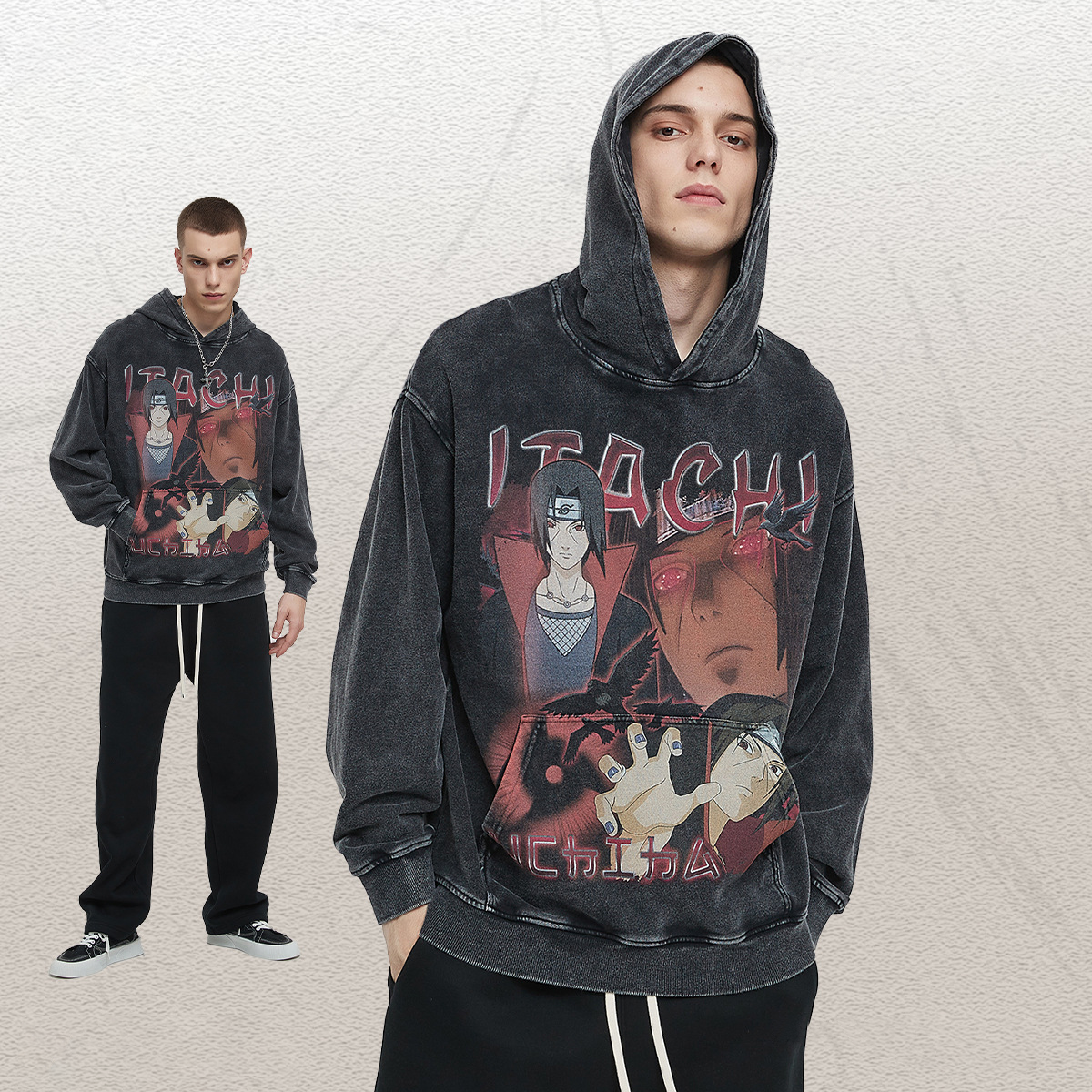
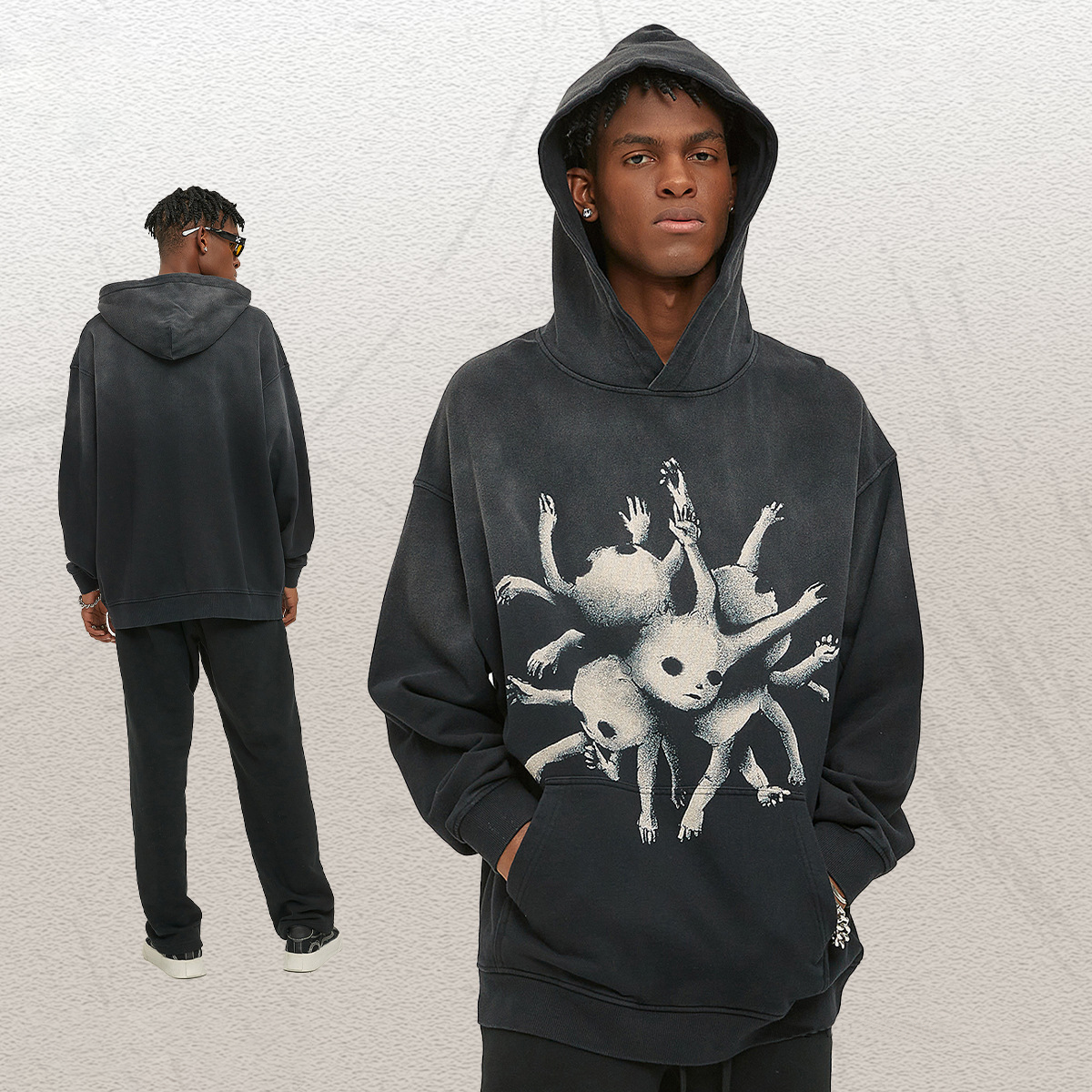
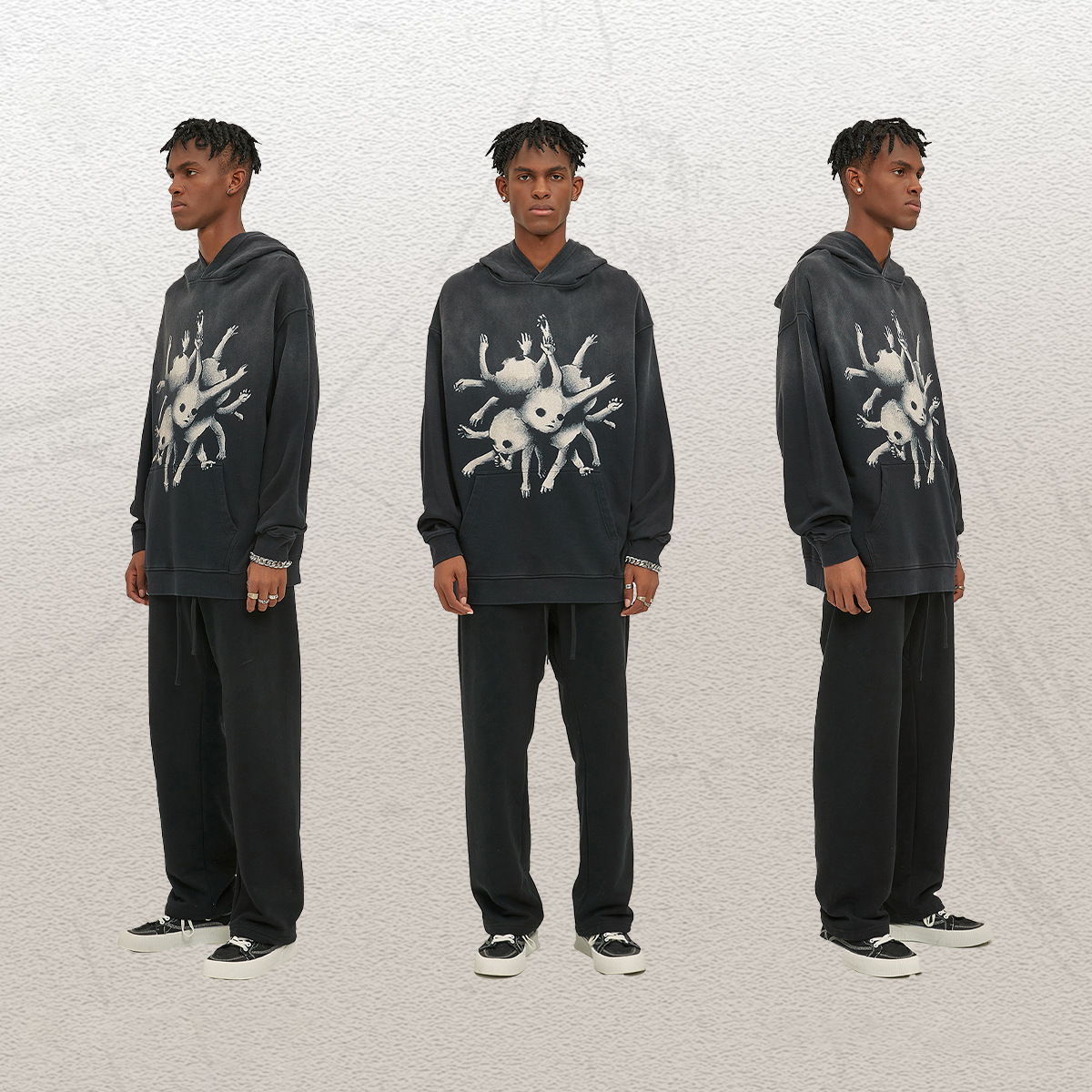
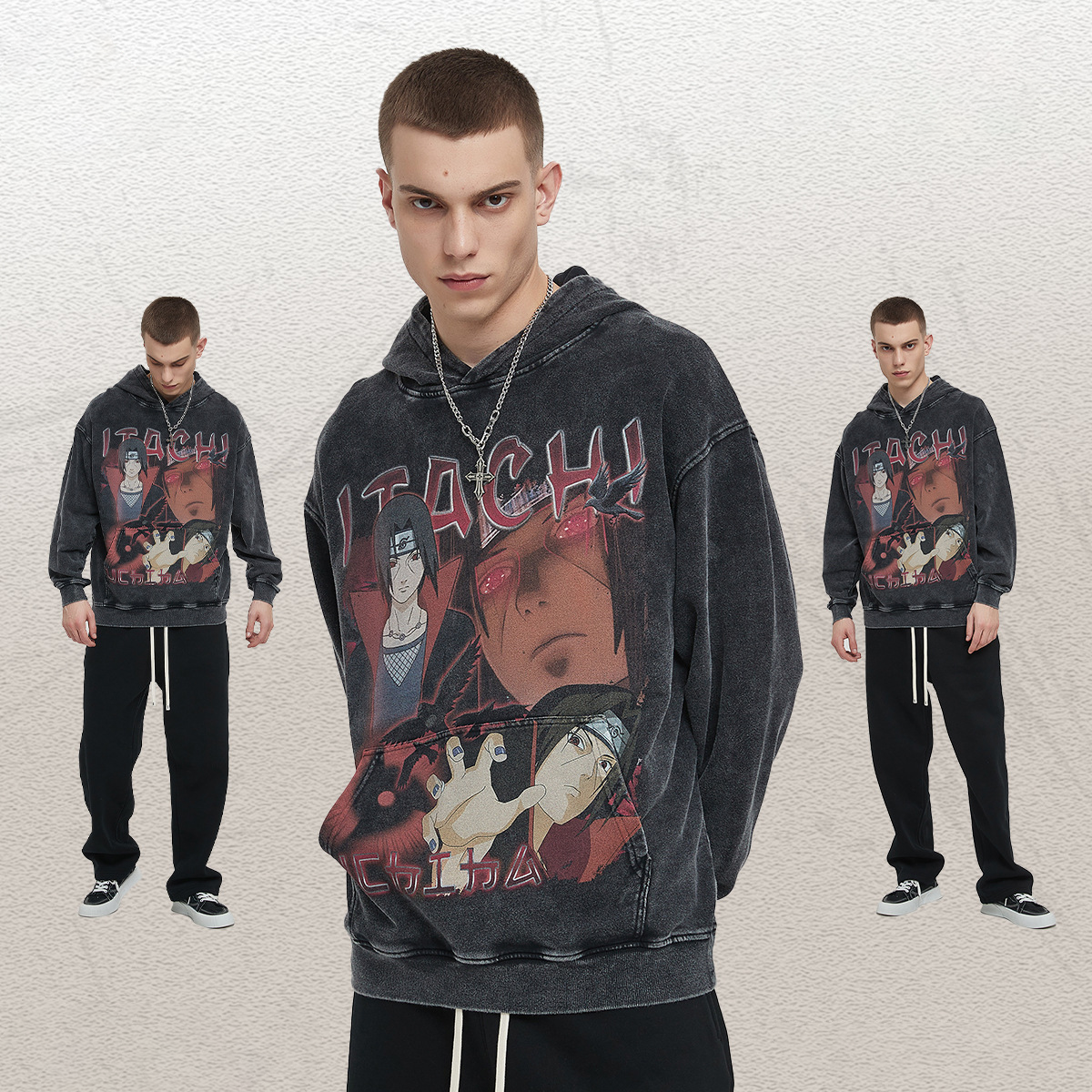
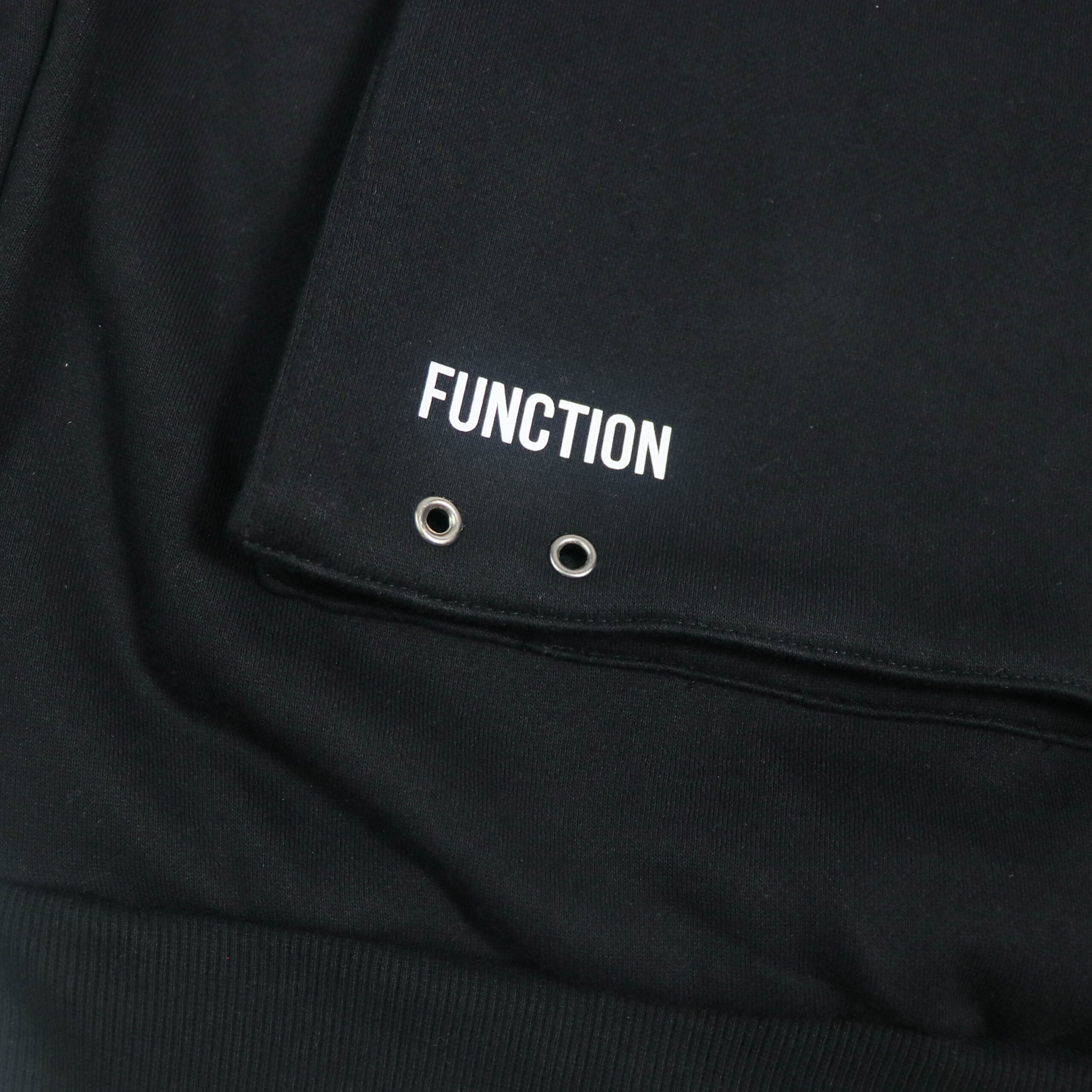
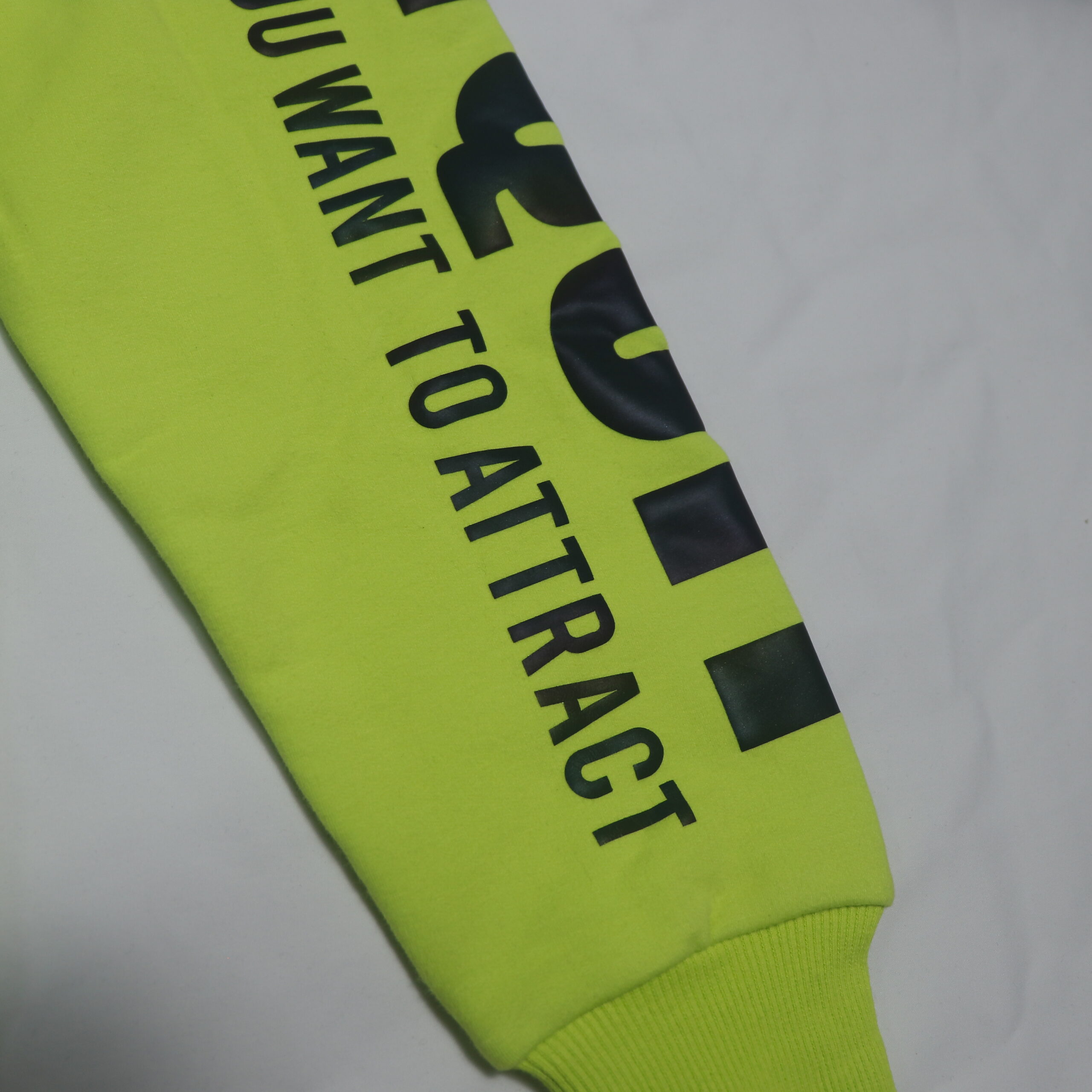
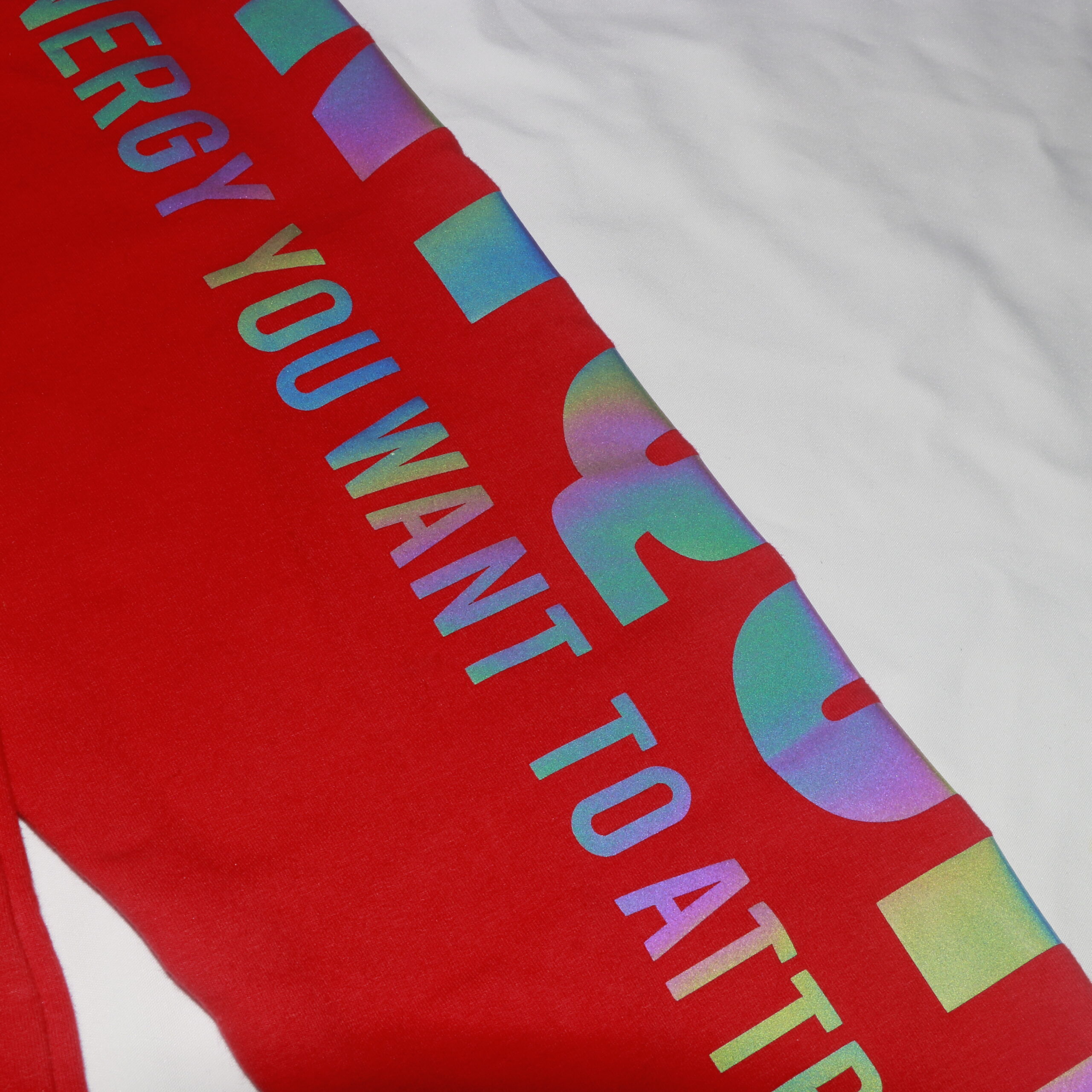
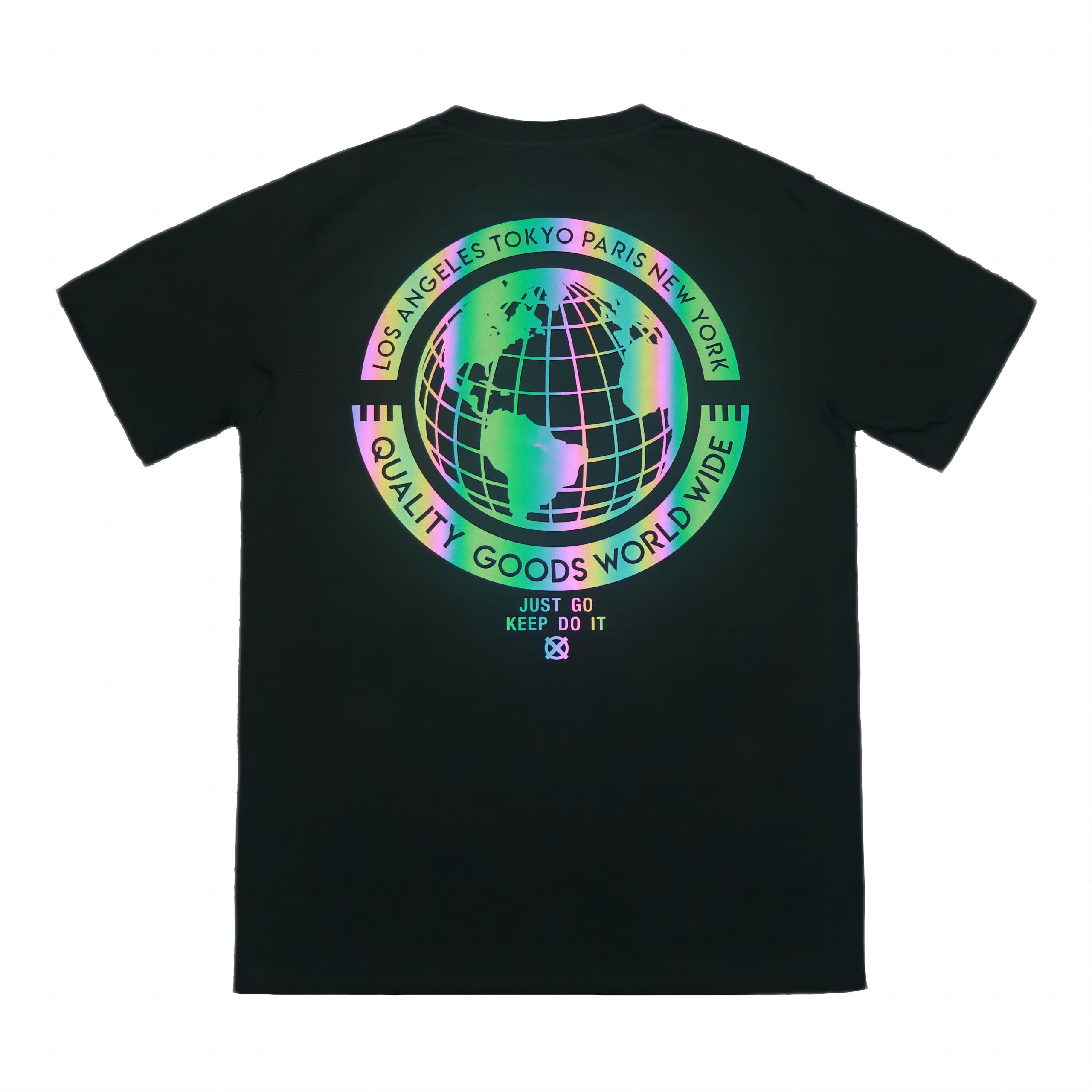
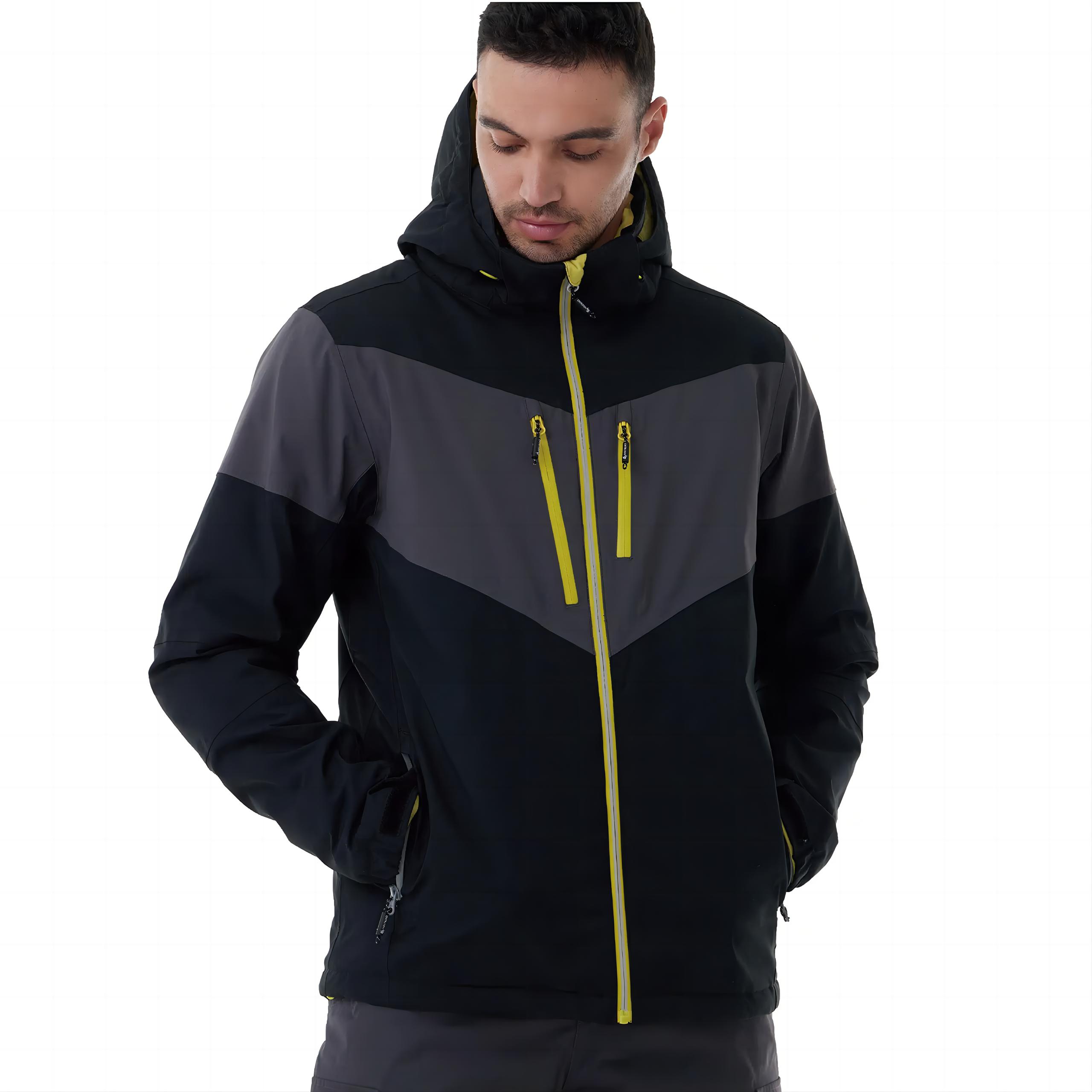
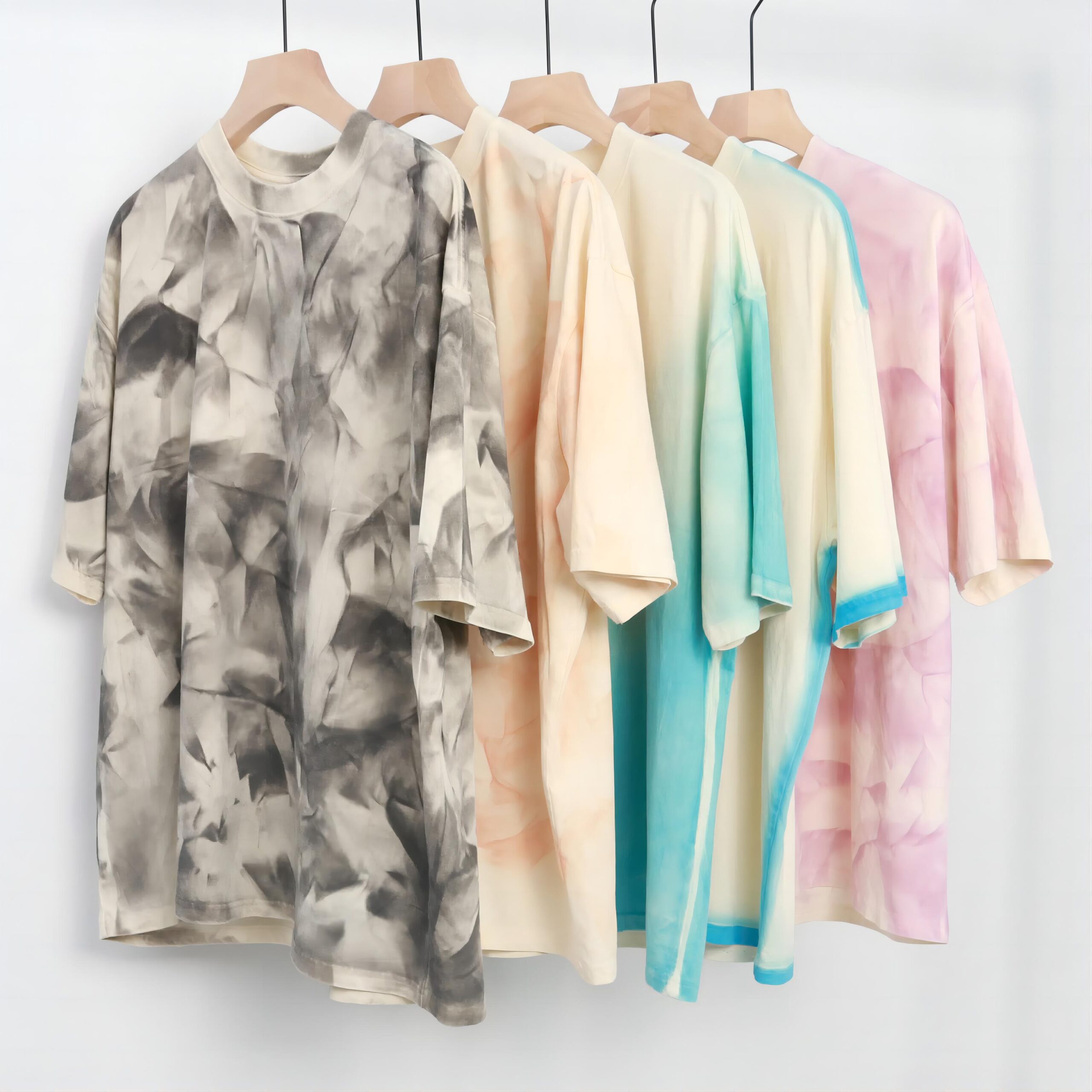






Stone Wash Clothing Manufacturer Attributes Buyers Can Specify
Define the visual character, hand feel and performance boundaries before sample approval, then carry those standards into repeatable bulk production.
Worn Visual Depth
Specify the degree of fading, abrasion and contrast needed to create a vintage surface that aligns with your collection direction.
Softened Hand Feel
Balance wash treatment with the intended fabric weight so the garment feels broken-in while retaining the structure your design requires.
Controlled Variation
Set an acceptable variation range across garments, giving each piece authentic character while protecting the consistency expected in your order.
Fabric Suitability
Review fiber content, knit or weave construction, weight and color before development to confirm the fabric can support the intended finish.
Strength Versus Distress
Evaluate distress intensity against fabric strength during sampling, then document the approved result as the standard for bulk production.
Explore Garment-Washing and Apparel Manufacturing
Connect garment-washing options with the categories, construction details, decoration methods and repeatable production standards behind your next apparel program.
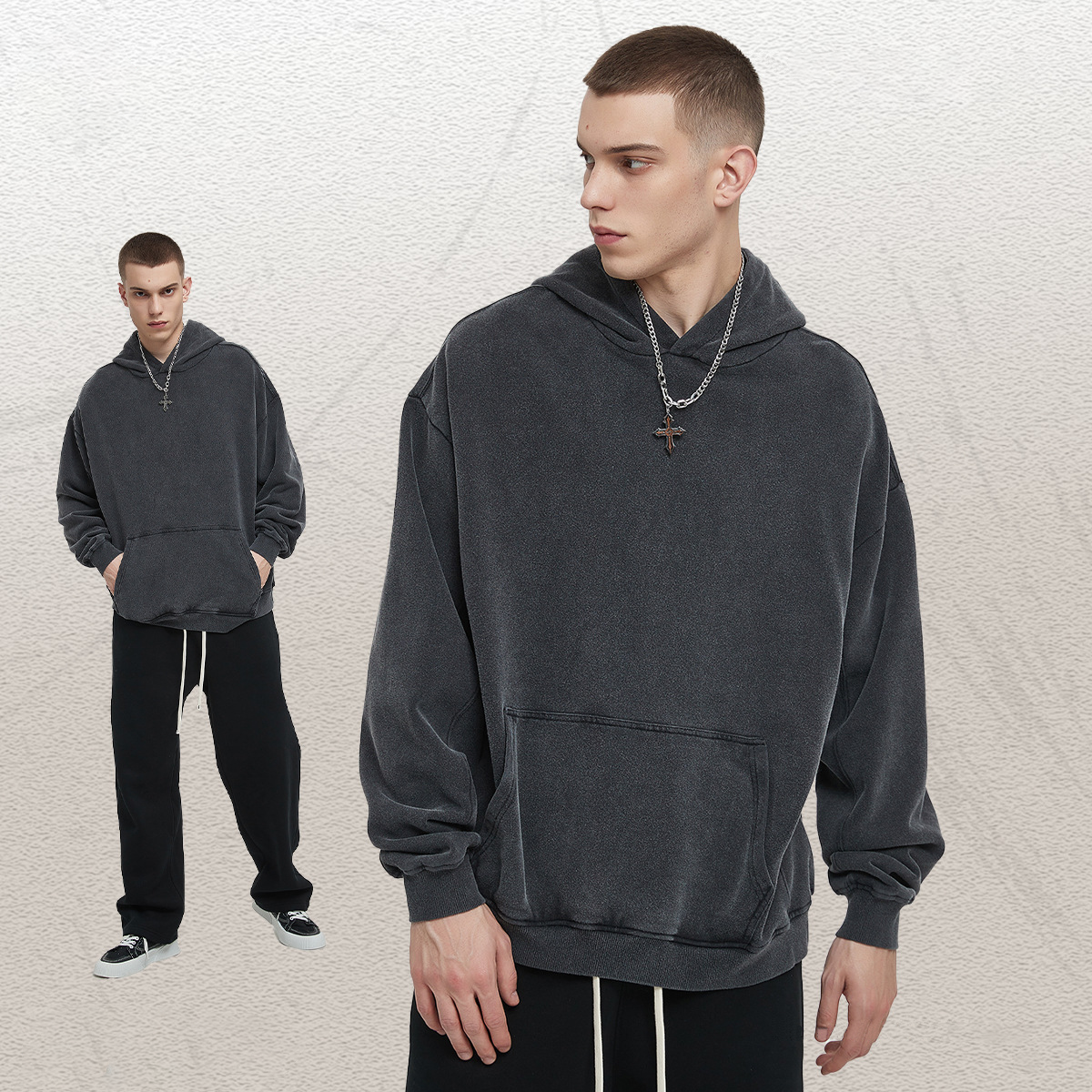
Custom Hoodies
Develop custom hoodies with fleece weight, fit blocks, rib recovery, drawcords, labels and decoration specified for your market. Garment washing can add a softer hand feel, faded character or lived-in finish while maintaining an approved standard for bulk production.
Get a Quote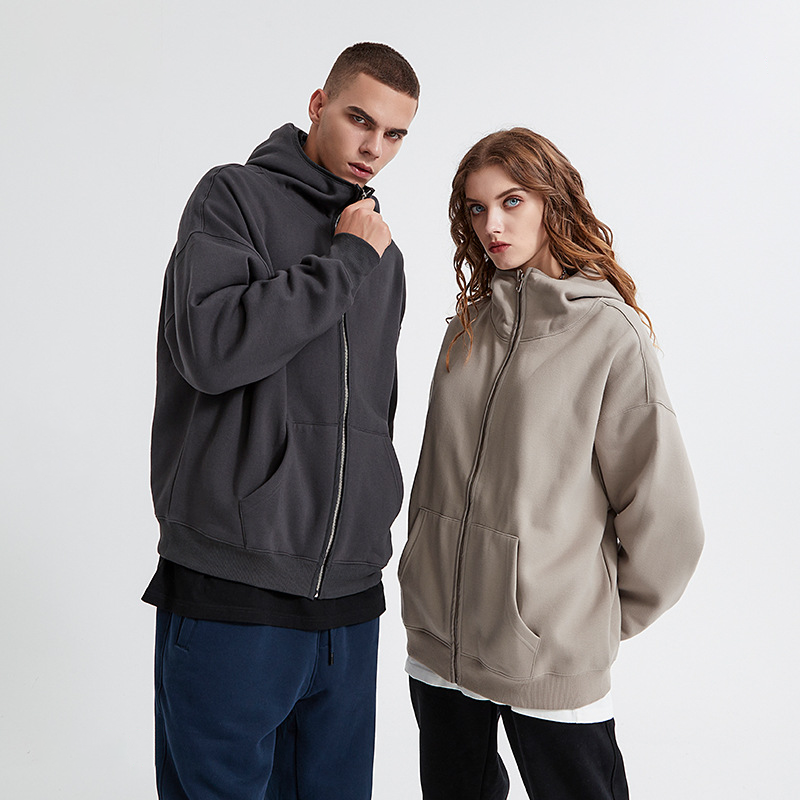
Pullover Sweatshirts
Produce pullover sweatshirts with controlled fabric weight, neck construction, cuffs, hem ribs and print or embroidery placement. Enzyme, acid and garment-wash finishes can be tested during sampling to confirm appearance, shrinkage and hand feel before bulk approval.
Get a Quote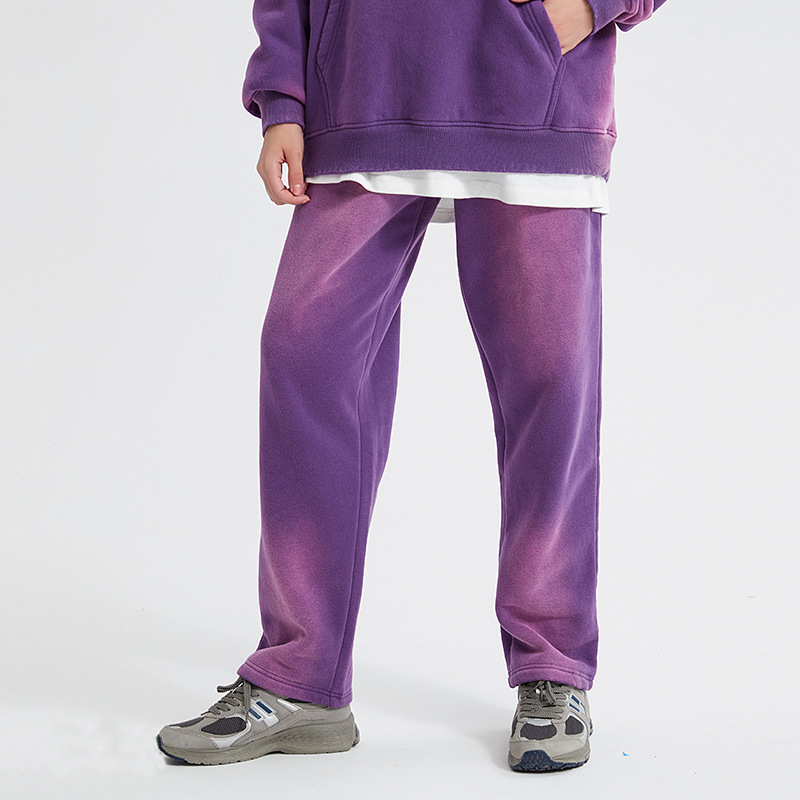
Sweatpants & Joggers
Build sweatpants and joggers around fit, rise, leg shape, pocket construction, waistband elastic, drawcords and cuff details. Garment washing can be coordinated with fleece selection and decoration to create consistent casualwear or streetwear programs.
Get a Quote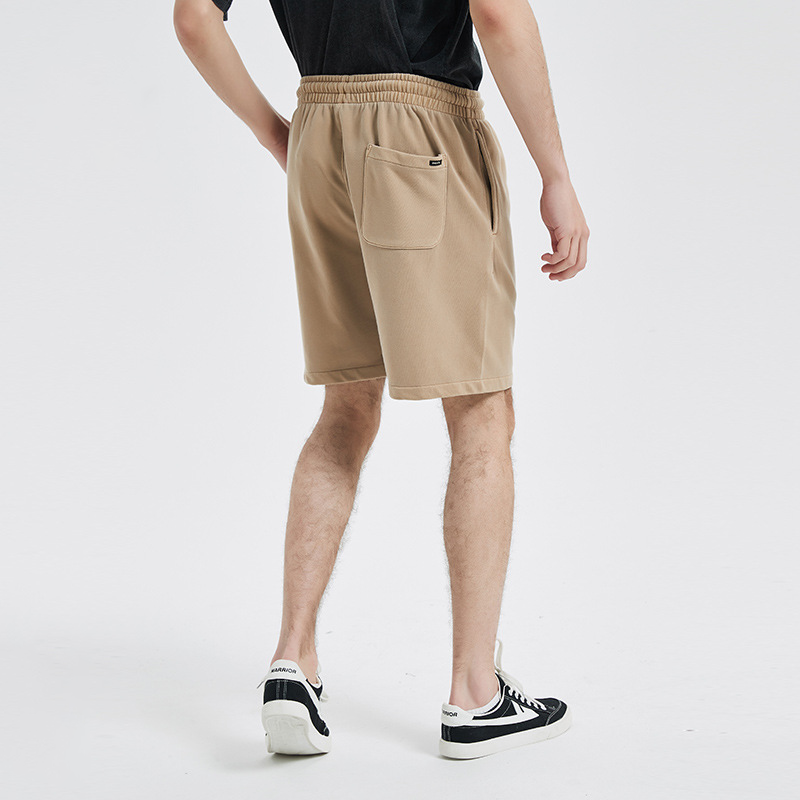
Custom Shorts
Develop custom shorts for fleece, jersey, woven or performance applications, with inseam, pocket, waistband and trim specifications aligned to the intended wearer. Wash treatments, prints and embroidery are reviewed during sampling before production is released.
Get a Quote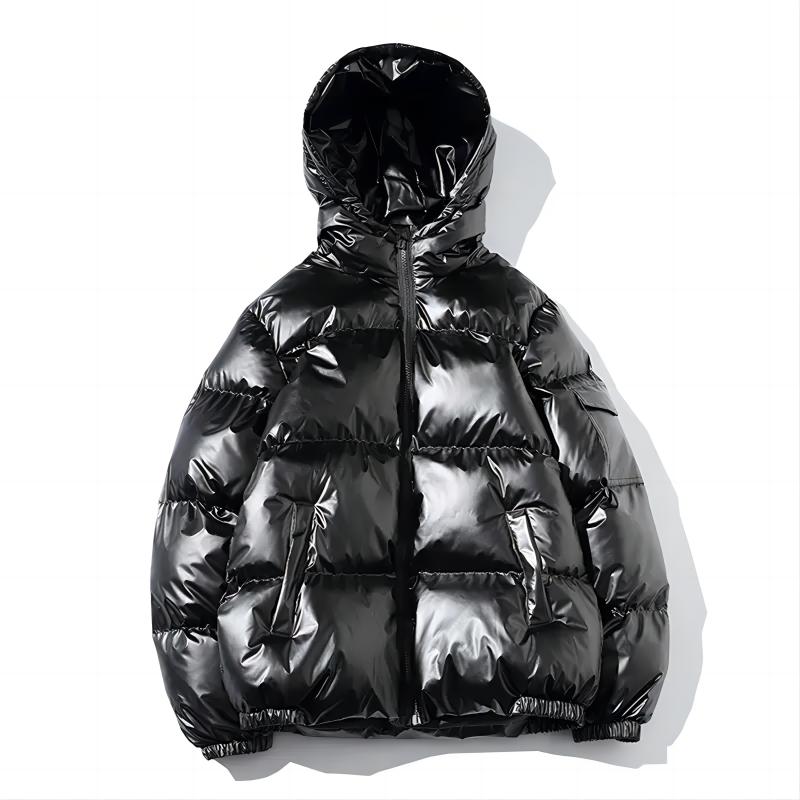
Varsity & Baseball Jackets
Manufacture varsity and baseball jackets with coordinated body fabric, sleeves, lining, rib, snaps, patches and embroidery. EDVORIN manages construction and finishing details so the approved jacket can be reproduced consistently across private-label or team programs.
Get a Quote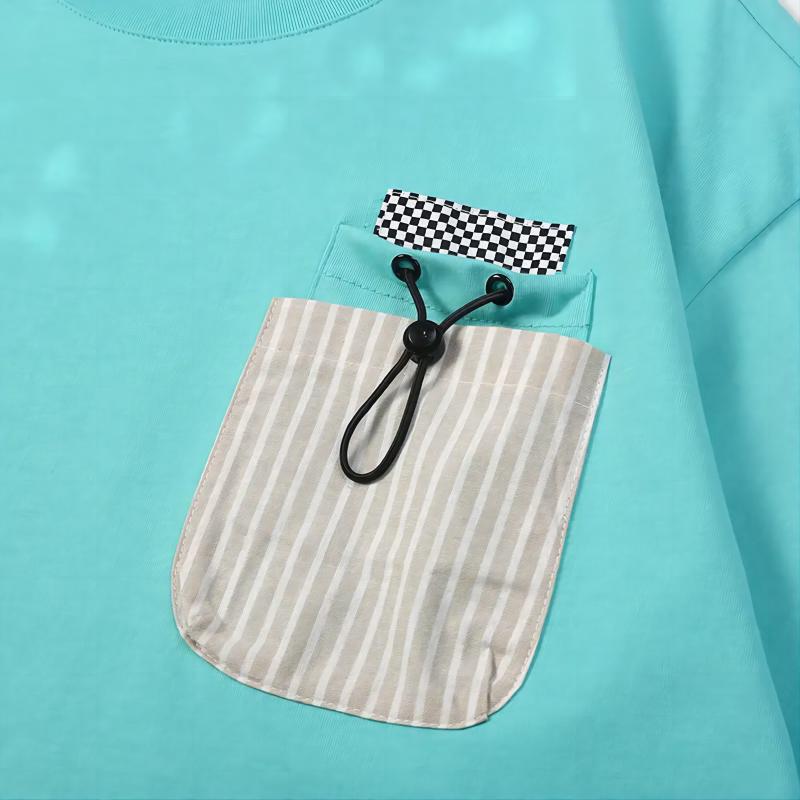
Custom T-Shirts
Produce custom T-shirts with selected jersey weight, fit, collar rib, stitching and decoration method. Garment washing, enzyme treatments and pigment-style effects can be sampled with the chosen fabric to control color, shrinkage and surface appearance.
Get a Quote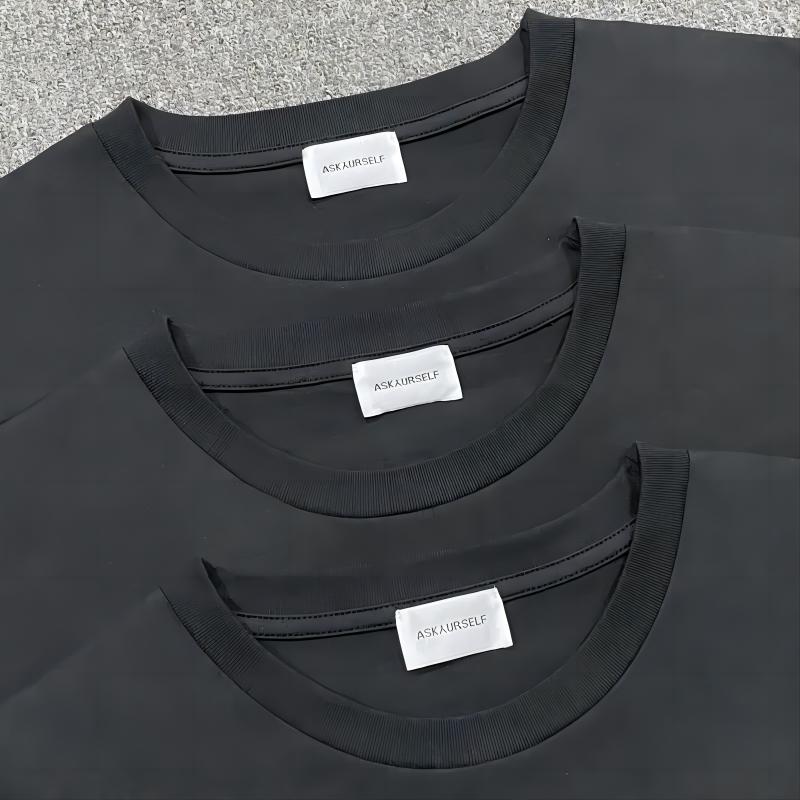
Custom Polo Shirts
Develop custom polo shirts with pique or jersey fabric, collar structure, placket construction, cuff details and logo decoration. Options can be tailored for corporate uniforms, retail programs or private-label collections, with approved specifications carried into bulk production.
Get a Quote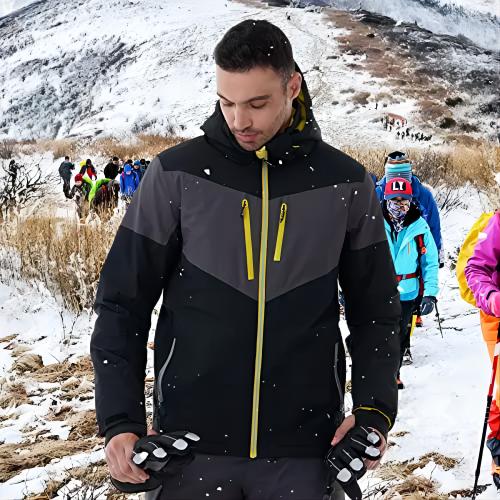
Windbreaker Jackets
Manufacture windbreaker jackets with shell fabric, lining or mesh, zipper, hood, pocket and weather-resistance requirements defined during development. Printing, embroidery and packaging are coordinated around the garment construction and intended use.
Get a Quote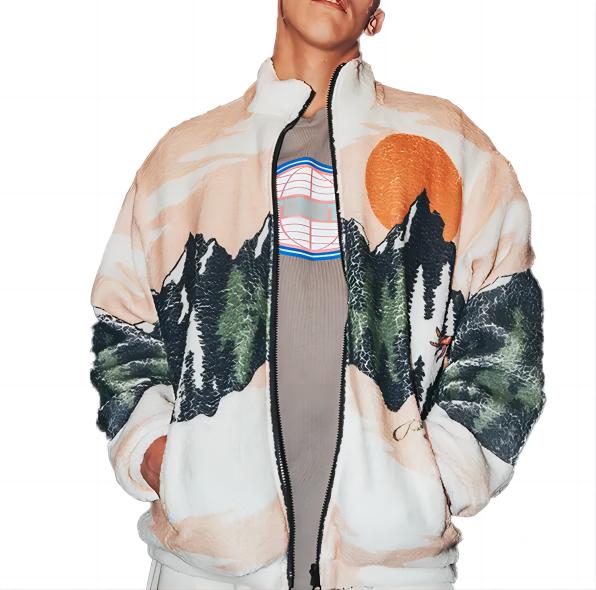
Quilted Jackets
Develop quilted jackets with shell, lining, insulation, quilting pattern, binding and hardware specified as one system. Sampling helps verify warmth, bulk, stitch stability and fit before production for fashion, workwear or private-label outerwear programs.
Get a Quote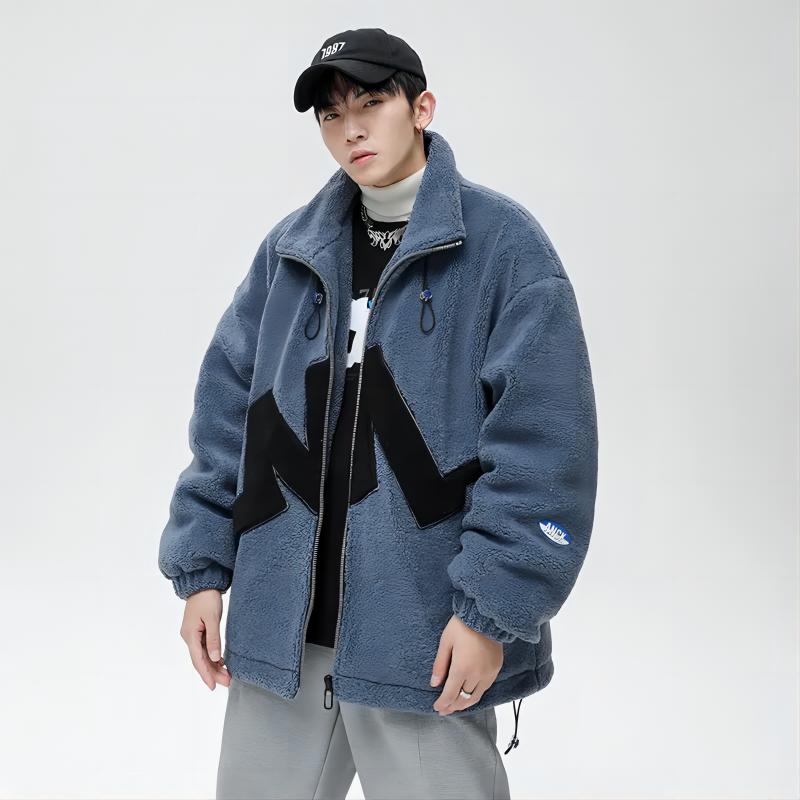
Bomber Jackets
Produce bomber jackets with balanced shell fabric, lining, rib, zipper, pocket and decoration details. EDVORIN supports fabric sourcing, pattern development, embroidery and finishing so approved samples translate accurately into repeatable bulk orders.
Get a Quote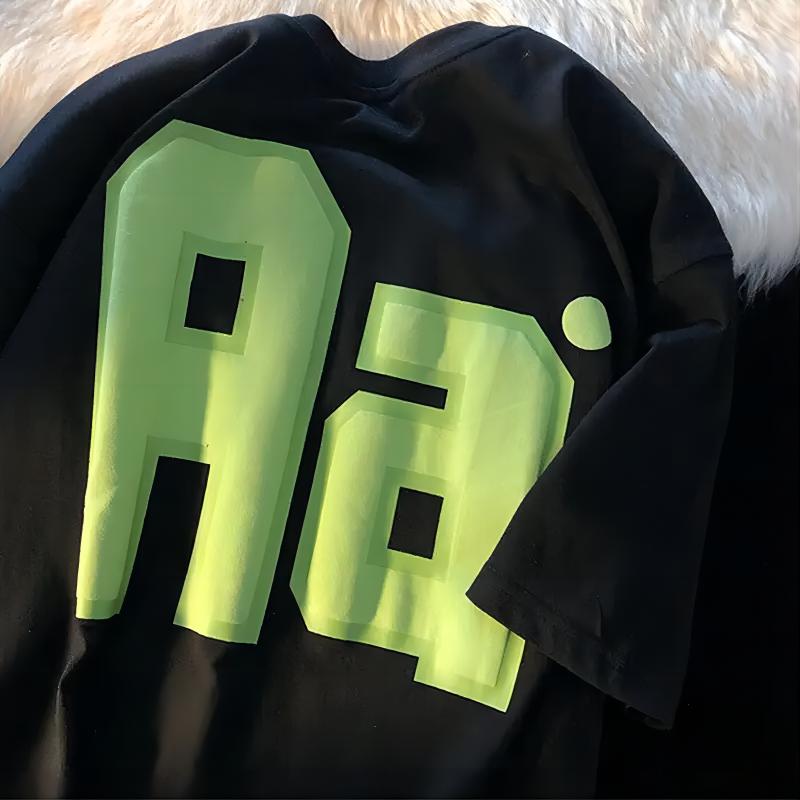
Custom Shirts
Manufacture custom woven shirts with fabric selection, collar shape, placket, cuffs, seams, pockets and fit grading suited to men’s or women’s programs. Washing and finishing can be evaluated alongside construction to achieve the intended texture and presentation.
Get a Quote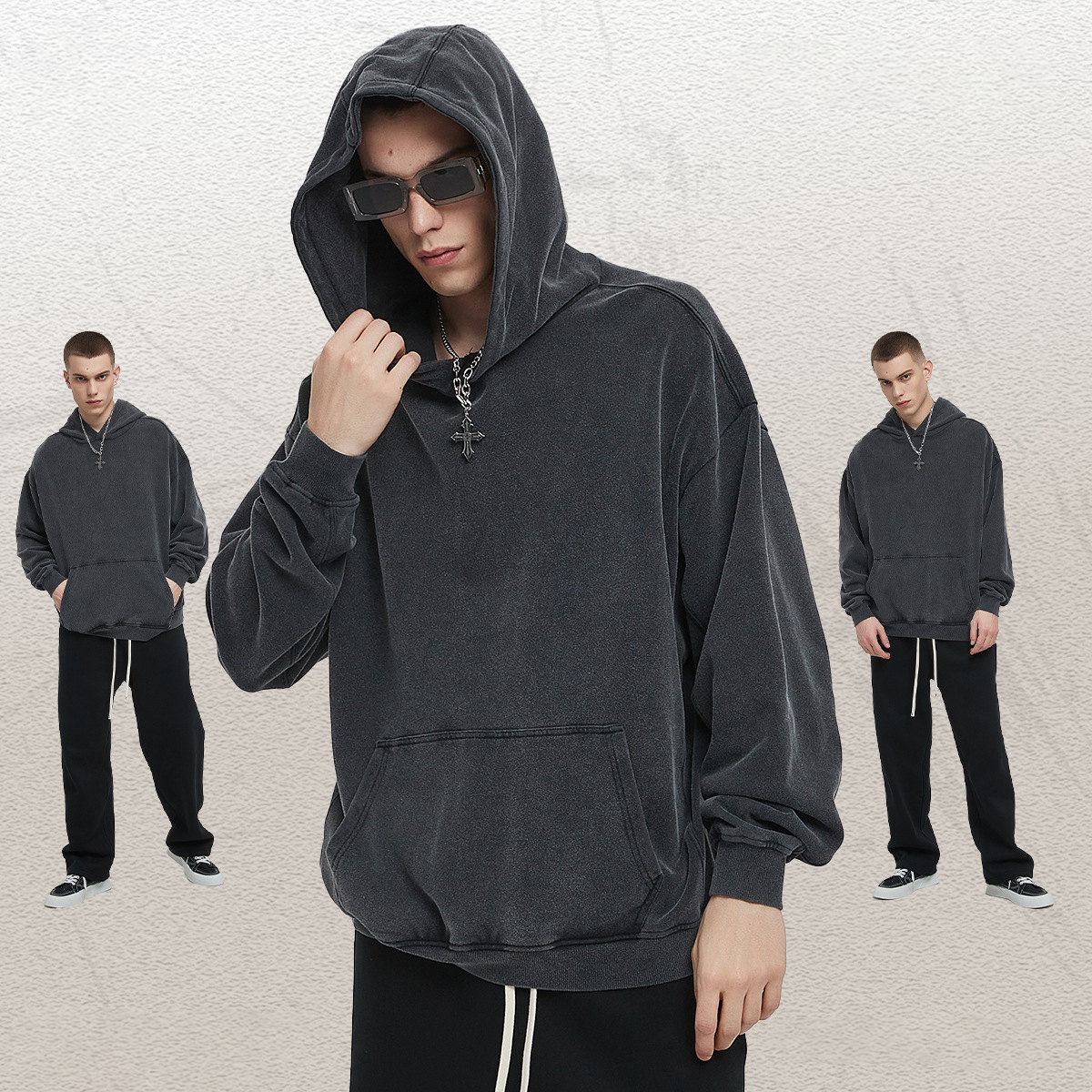
Custom Jerseys
Develop custom jerseys with performance fabric, panel construction, ventilation, color control, names, numbers and crest placement managed for consistent repeat orders. Samples establish the approved standard for teamwear, clubs, schools and promotional programs.
Get a Quote
Tank Tops
Produce tank tops in jersey, mesh or performance fabrics with armhole shape, neckline, fit and decoration specified for the wearer and activity. Printing, embroidery and labeling are coordinated from sample development through packed production.
Get a Quote
Soccer Uniforms
Manufacture soccer uniforms with breathable fabrics, color matching, panel layouts, crests, sponsor graphics, player names and numbers. EDVORIN manages size sets and repeat-order specifications for clubs, schools, academies and private-label teamwear buyers.
Get a Quote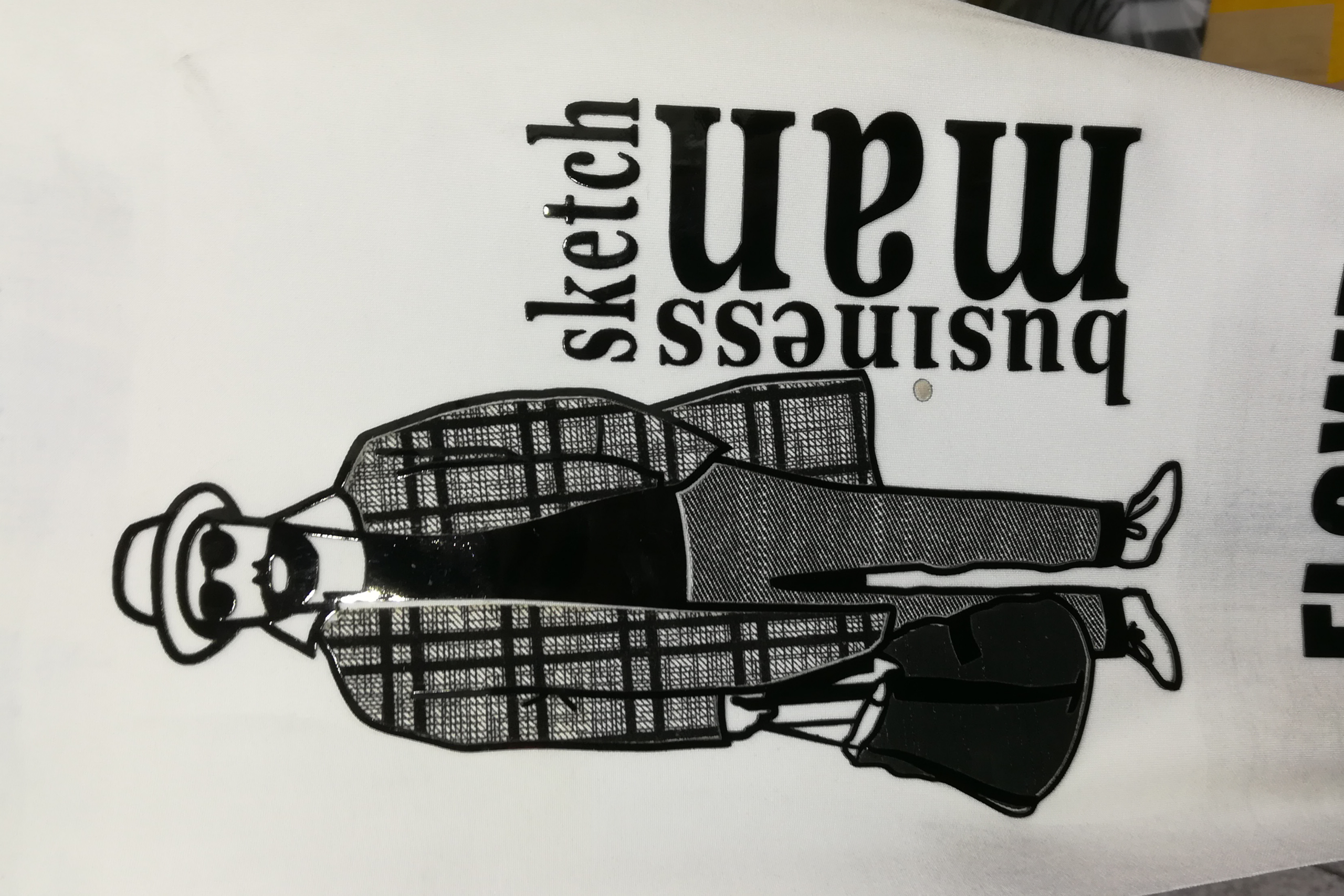
Basketball Uniforms
Develop basketball uniforms with lightweight performance fabrics, jersey and short coordination, contrast panels, number placement and durable decoration. Fit, grading and color standards are documented during sampling to support organized team orders and future reorders.
Get a Quote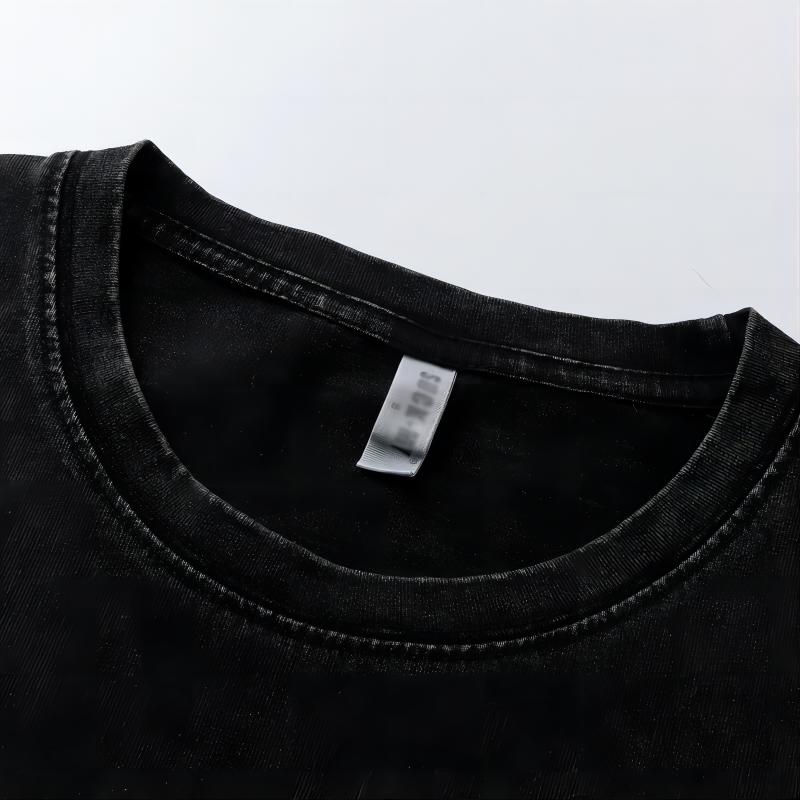
Streetwear Collections
Build coordinated streetwear collections across hoodies, sweatshirts, joggers, T-shirts, shorts and outerwear under one production system. Garment washing, enzyme finishes, prints, embroidery, trims and packaging are aligned to a clear private-label production standard.
Get a QuoteWhy Choose EDVORIN for Stone Wash
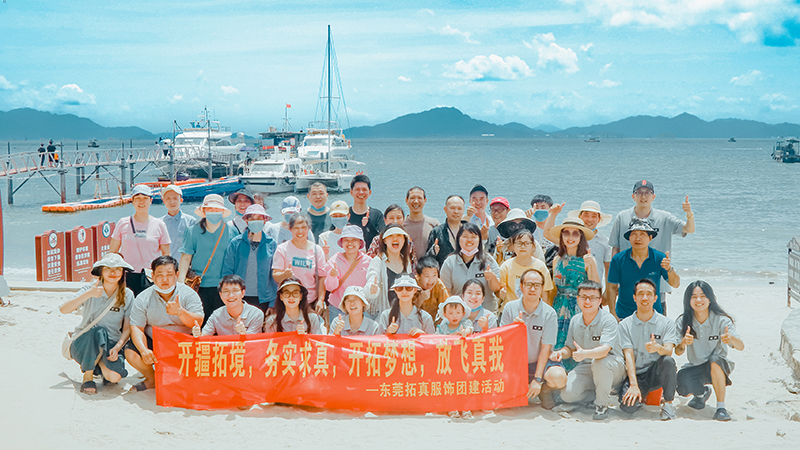
Founded by Edvorin Zeng in 2000, EDVORIN helps fashion, streetwear and private-label buyers move from an apparel idea to a production-ready collection. As a stone wash clothing manufacturer, we coordinate development, fabric selection, patterns, samples and finishing so the intended character is defined before bulk production begins.
Our connected OEM, ODM and private-label workflow covers casualwear, streetwear, outerwear and teamwear for men’s and women’s programs. Fabric, trims, printing, embroidery, washing, labels and packaging are coordinated through one accountable production path, with MOQ starting at 200 pieces per style.
What differentiates EDVORIN is the discipline after sample approval. We document materials, measurements, artwork placement, trims, and wash expectations, then use in-line and final inspections to help keep the approved standard visible from sample to packed order. Our certification programs—including ISO 9001, BSCI, WRAP, SEDEX, OEKO-TEX Standard 100, GRS, and GOTS—can support applicable buyer requirements.
Stone Wash Controls That Shape the Final Garment
Build From the Right Base
As a stone wash clothing manufacturer, EDVORIN begins with the fabric weight, fiber blend, dye behavior, and construction needed for the intended fade. This gives the wash process a stable starting point while protecting fit, hand feel, and garment character.
- Review fabric weight and construction before sampling
- Match dye selection to the planned fade direction
- Consider shrinkage and seam response in development
- Set men’s or women’s fit requirements early
Control Abrasion and Timing
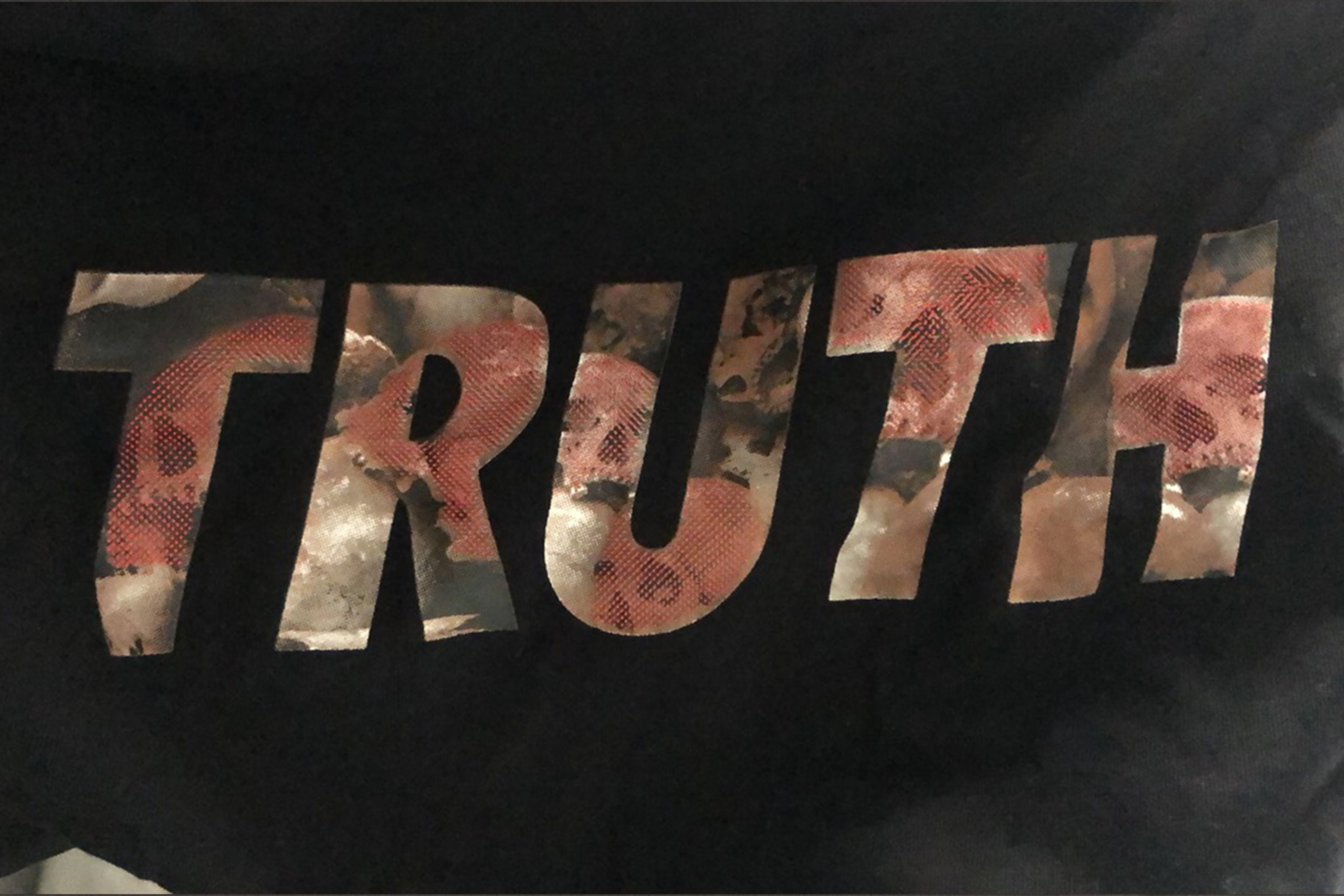
Stone or abrasive action, load balance, and wash duration all influence how quickly color breaks down and where wear becomes visible. EDVORIN develops these variables around the garment rather than treating every hoodie, tee, jogger, or denim style the same.
- Define the desired vintage, faded, or rugged effect
- Test wash intensity against fabric durability
- Assess seams, ribs, prints, and trims after washing
- Record approved wash settings for bulk production
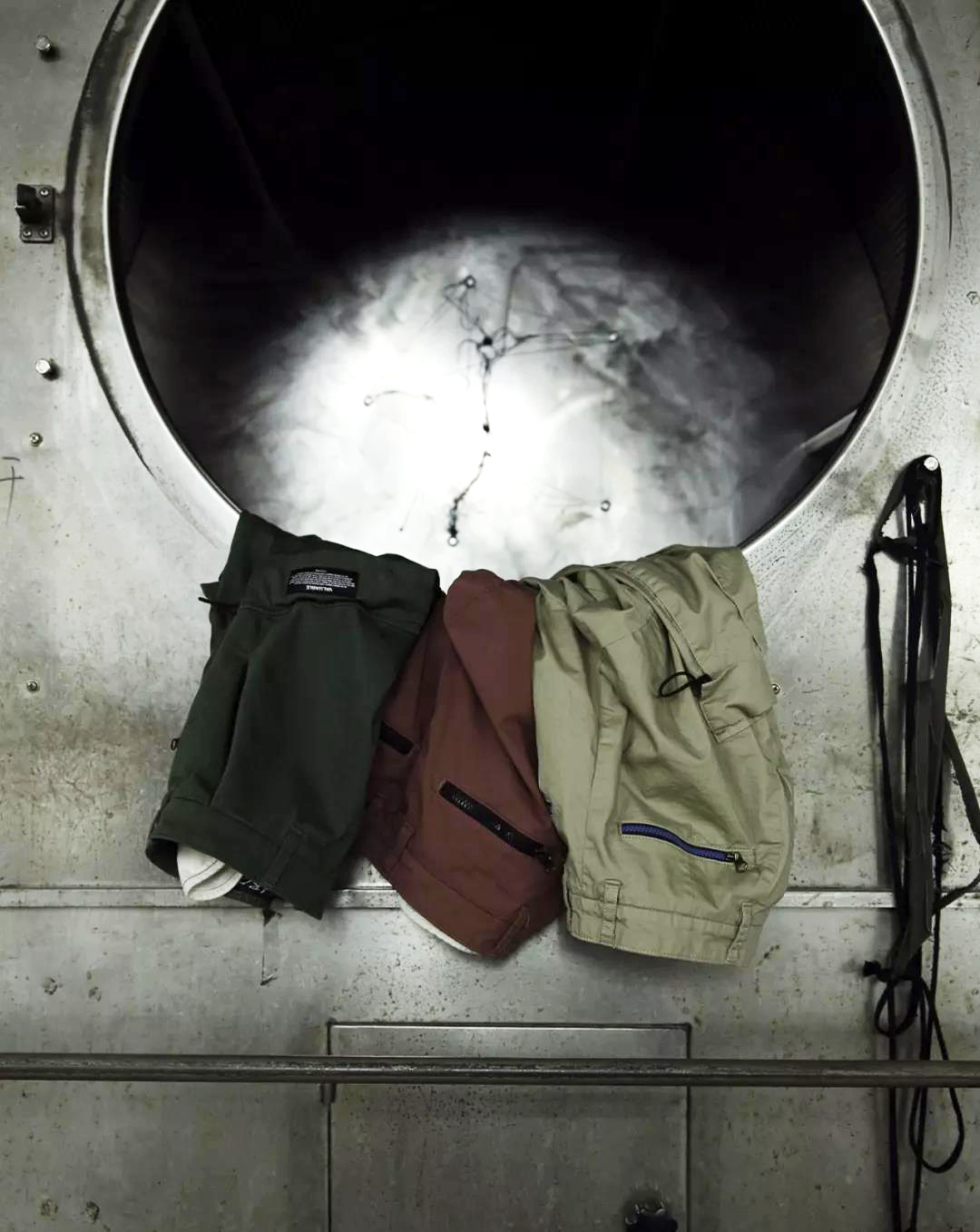
Lock In Rinse Standards
A consistent stone wash result depends on more than the abrasion cycle. Rinse control, softness, residual surface feel, and post-wash measurements are reviewed against the approved sample so production-ready garments retain their intended color, comfort, and proportions.
- Check rinse results for a clean finished appearance
- Review hand feel after drying and finishing
- Measure garments after wash and relaxation
- Confirm color and wash character against approval

Approve What Can Repeat
EDVORIN’s MOQ starts at 200 pieces per style. EDVORIN turns the approved stone-wash sample into a clear bulk standard, documenting material, wash outcome, measurements, decoration placement, trims, and packing requirements. This disciplined handoff helps private-label and OEM buyers scale from a 200-piece style MOQ with confidence.
- Use the approved sample as the production reference
- Document wash, measurement, and construction requirements
- Conduct in-line checks before variation expands
- Complete final inspection before packing
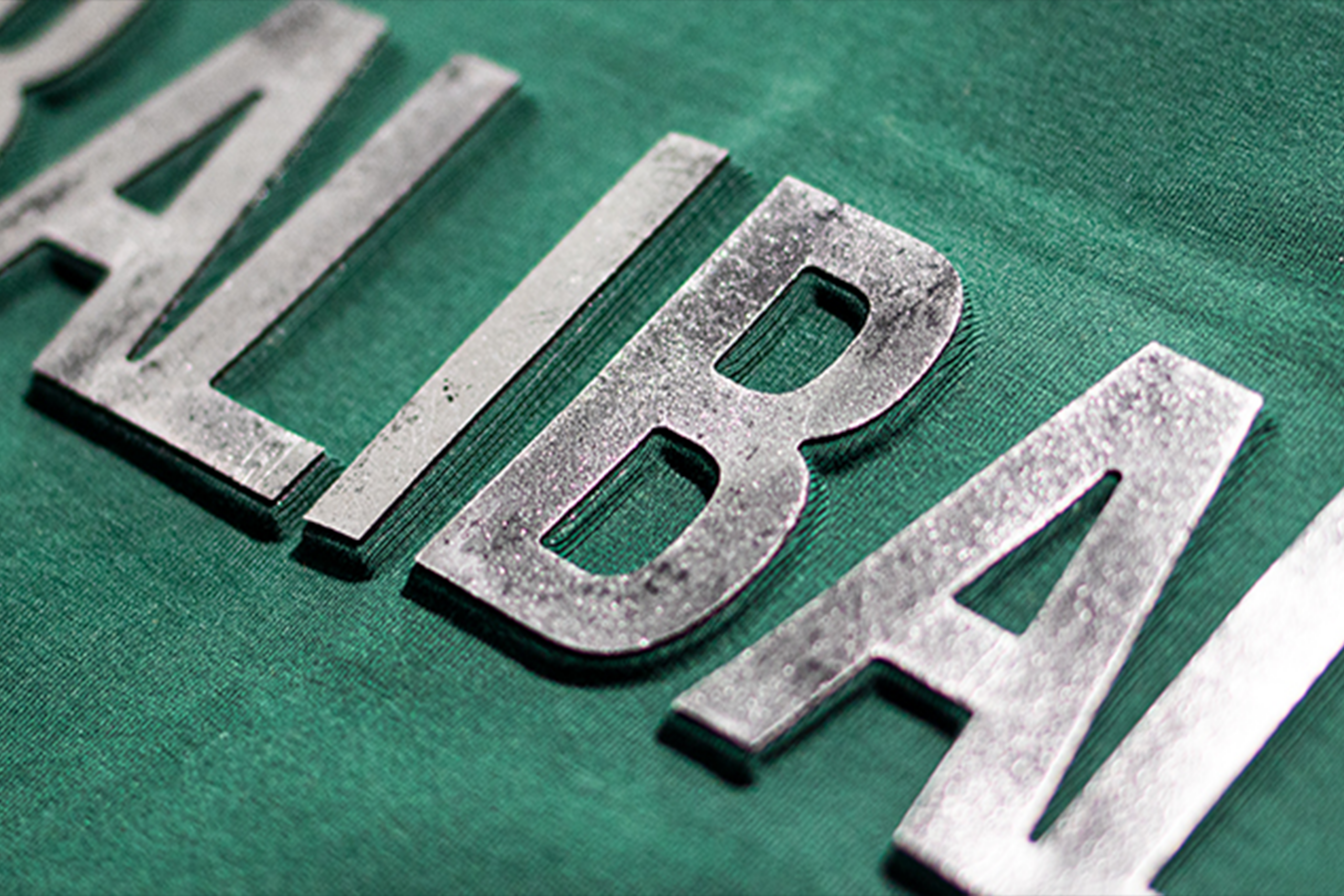
Stone Wash vs. Enzyme Wash: Which Finish Fits Your Program?
Choose the finish that best matches your fabric, fade direction, and repeatable production standard.
← Swipe left or right to view →
Stone Wash Clothing Manufacturer Production Process
From specifications to packed goods, EDVORIN documents each wash-stage decision to protect the approved vintage character in bulk production.
Review Product Specifications
We review tech packs, reference garments, fit requirements, fabric weight, trims, color targets, and intended distress level before development begins.
Test Fabric and Construction
Our team evaluates fabric behavior, seam construction, hardware, labels, and decoration compatibility to identify details that may respond differently during washing.
Create Pilot Wash Samples
We produce trial garments and refine wash intensity, abrasion placement, color loss, softness, and shrinkage until the approved vintage effect is defined.
Document Approved Wash Standard
The approved sample becomes the production reference, with material specifications, wash instructions, measurements, artwork placement, and finishing details recorded for repeatability.
Wash Finish and Inspect
Bulk garments move through controlled washing, drying, finishing, measurement checks, and final inspection before labeling and packing against the approved production standard.
Start Your Stone-Wash Apparel Program
Move from wash concept to an approved, repeatable production standard with EDVORIN.
Share Your Product Brief
Send your tech pack, artwork, measurement chart, reference garment, or collection concept. Specify the silhouette, fabric direction, labeling, packaging, and target market.
Define the Wash Reference
Provide clear wash references showing the desired fade, abrasion, color, and overall vintage character. EDVORIN reviews material and construction choices before sampling.
Review and Approve Samples
Assess the developed sample for fit, hand feel, wash effect, artwork placement, trims, and construction. Record revisions so the approved result becomes the bulk standard.
Confirm Bulk Production
Approve final specifications and begin production from 200 pieces per style. EDVORIN coordinates materials, decoration, washing, quality control, labeling, and packing.
Why Buyers Choose EDVORIN for Stone-Washed Apparel
EDVORIN helped us lock the fade, hand feel, and distressing placement before bulk. Across our 1,200-piece hoodie run, the approved wash character held consistently from the first size set through final packing.
Our first sample needed two adjustments to reach the softer, broken-in feel we wanted. The final 600-piece T-shirt program matched the approved reference closely, which made our launch planning much easier.
We needed washed teamwear that still looked organized across multiple sizes and colorways. EDVORIN documented the wash standard clearly and delivered our 850-piece club order with dependable artwork placement and controlled vintage character.
Stone Wash Clothing Manufacturer FAQ
Clear answers for planning stone-washed apparel from development and sampling through bulk production.
What fabrics can a stone wash clothing manufacturer work with?
What stone-wash effects can EDVORIN develop?
How does EDVORIN control stone-wash durability?
Can stone-washed garments include embroidery, patches, or prints?
EDVORIN’s MOQ starts at 200 pieces per style. What is the MOQ for a stone wash clothing manufacturer order?
What should I provide for a stone-wash apparel sample?
What artwork files are needed for prints or embroidery on stone-washed clothing?
How do I plan a repeat order with a stone wash clothing manufacturer?
Complete Buyer’s Guide to Stone-Washed Apparel Manufacturing
Use this decision framework to compare stone-wash suppliers, evaluate fabric and finishing quality, plan customization, understand costs, and avoid production mistakes before placing an OEM or private-label order.
1. What Is a Stone Wash Clothing Manufacturer?
200 pieces is the stated OEM MOQ for EDVORIN’s stone-wash apparel programs. A stone wash clothing manufacturer develops the garment first—fabric, pattern, trims, decoration and construction—then applies a controlled garment-wash finish to deliver an approved look, hand feel and measurement standard.
2 production stages matter: sample approval establishes the wash target, while bulk production repeats it through documented recipes, test washes, measurement checks, shade review and final inspection. Buyers should also expect size and care labels, branded packaging, carton marking and private-label specifications to be controlled alongside the garment.
4 supplier models are often confused. A garment factory sews the product; a wash house finishes supplied garments; a trading company coordinates third parties; an integrated supplier connects development, sewing, washing, quality control and packing under one accountable workflow.
2. Evolution of Stone-Wash Garments
Pumice-driven denim washing created its signature by tumbling garments with abrasive volcanic stone, breaking surface dye and fibers. The result—soft hand feel, irregular highs and lows, and a worn-in appearance—still gives brands a commercially recognizable vintage cue.
1991 marked wider adoption of cellulase-based biostoning, which can release indigo more selectively than physical abrasion. Enzymes improve repeatability and reduce stone residue, but wash time, temperature, dosage, and fabric strength must be controlled to avoid excessive fading or loss of surface integrity.
Ozone and laser finishing now let buyers target fading with less mechanical contact and potentially lower water use. They offer efficient, programmable effects, while traditional stone washing retains more naturally random character; a stone wash clothing manufacturer should validate appearance, tensile risk, wastewater handling, and approved wash standards before bulk production.
3. Stone Wash Clothing Manufacturer: Wash Types
Six finish directions can turn the same blank from a clean heritage fade to high-contrast streetwear. A stone wash clothing manufacturer should match the reference to fabric, base shade, and acceptable variation before sampling.
| Finish | Visual And Hand | Best Use | Control And Risk |
|---|---|---|---|
| Classic stone | Broken-in fade, soft | Denim, heavy fleece | Abrasion varies; seam wear |
| Enzyme | Smooth fade, softer | Denim, jersey | Control time; avoid over-fade |
| Acid or snow | Mottled contrast, dry | Denim, fleece | Panel variation; weak spots |
| Bleach | Pale, crisp fade | Tees, denim | Color drift; strength loss |
| Pigment | Dusty tone, dry | Tees, sweatshirts | Crocking; uneven fade |
| Subtle vintage | Gentle fade, soft | Jersey, fleece | Approve shade tolerance |
Finish Direction Matrix

Six wash routes differ most in contrast, hand feel, and repeatability.
One wash standard should specify the approved sample rather than a wash name alone.
Build The Wash Brief
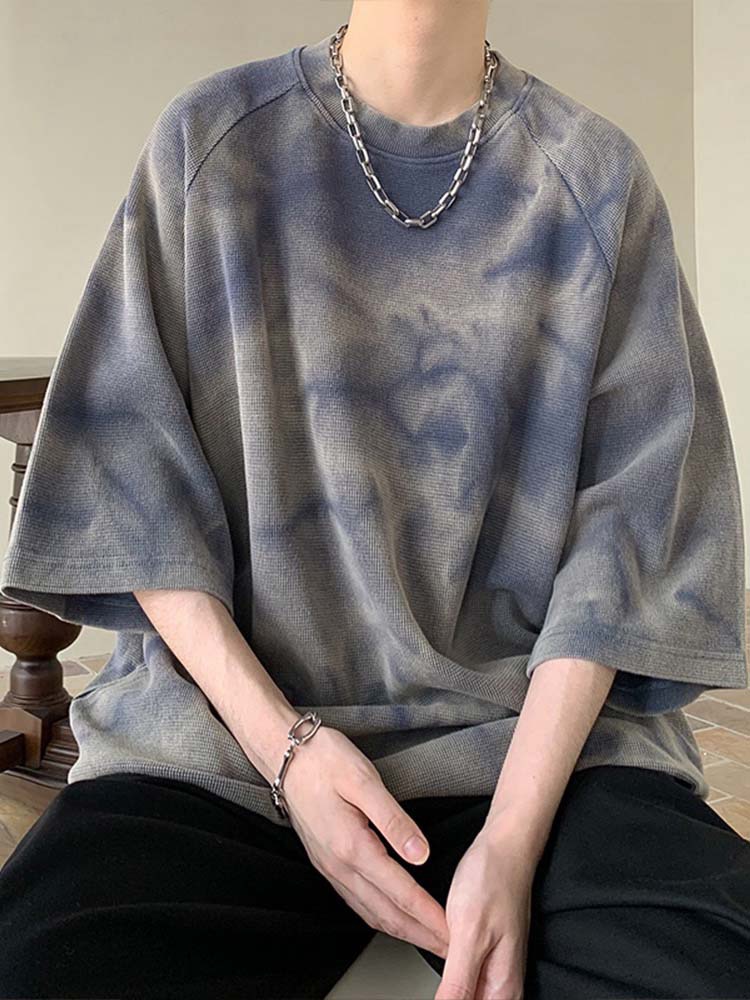
Three inputs—reference images, base-color standard, and target fade zones—make a request executable.
Two sample checks matter: measure post-wash shrinkage and compare panels under consistent light.
Approve Repeatable Results
One sealed sample should define shade, hand, damage limits, and decoration placement.
Two tolerances should be agreed: garment-to-garment shade variation and acceptable seam abrasion.
4. Materials for Stone-Washed Clothing
100% cotton and fabric weight determine how aggressively a garment can be stone-washed. A stone wash clothing manufacturer should approve the base fabric and dye route before sampling, because abrasion exposes weak yarns and unstable color.
| Fabric | Typical GSM | Best Use | Wash Watchpoint |
|---|---|---|---|
| Cotton jersey | 180–240 | Tees, school programs | Shrinkage, torque |
| French terry/fleece | 320–420 | Hoodies, teams | Pilling, rib recovery |
| Denim | 10–14 oz | Jeans, jackets | Color loss, seam abrasion |
| Cotton-poly blend | 280–360 | Wholesale fleece | Uneven fading |
| Heavyweight cotton | 400–500 | Streetwear sets | Stiff seams, shrinkage |
Yarn, Knit, And Dye
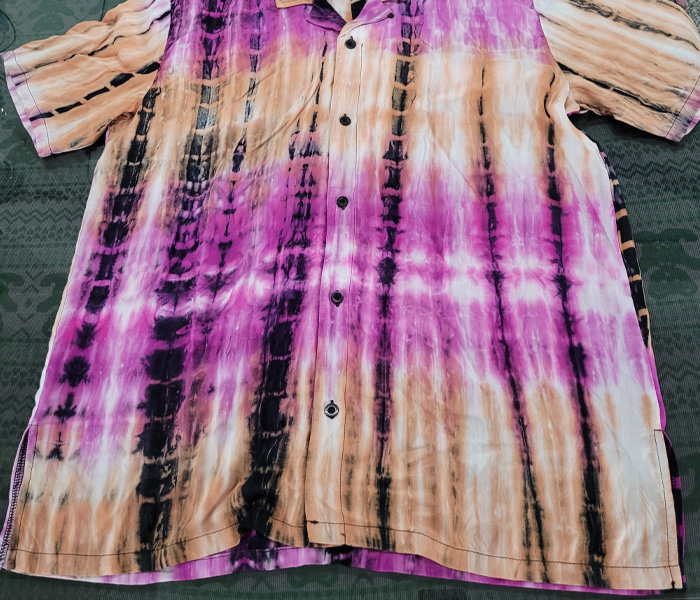
Ring-spun cotton jersey gives a cleaner washed face than open-end yarn, while loose knits can torque at side seams. Reactive dye generally holds color better than pigment-dyed surfaces, which are designed to fade.
5–8% elastane needs restrained abrasion; excessive washing can reduce recovery. Pre-shrunk, compact constructions help control post-wash size change.
Trims Need Testing
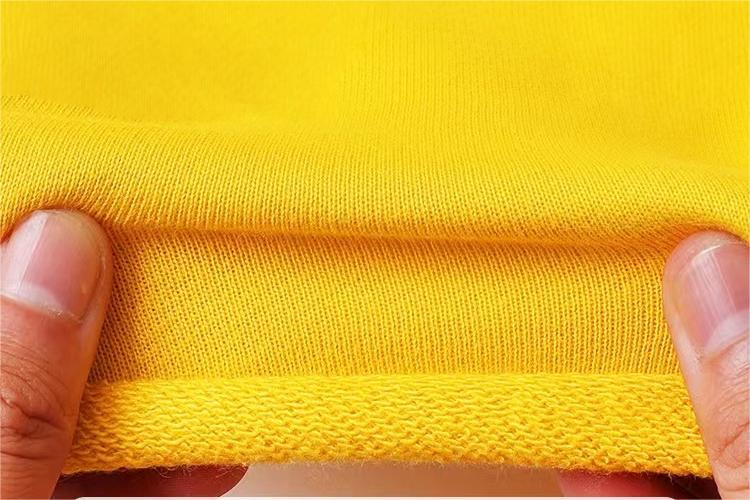
100% cotton rib, drawcords, labels, zippers, and prints can age at different rates from the body fabric. Run wash trials on a fully trimmed sample to check pilling, color transfer, seam puckering, and hardware damage.
5. Customization and Decoration Options
Two sequencing choices determine whether a washed garment looks intentionally aged or accidentally compromised. EDVORIN records the approved wash, decoration, placement, and labeling standard before bulk production.
| Method | Durability | Visual Character | Complexity |
|---|---|---|---|
| Embroidery | High | Textured, aged | Medium |
| Screen print | Medium | Faded vintage | Medium |
| DTG | Medium | Soft detail | High |
| Patch or appliqué | High | Layered heritage | High |
| Neck print | Medium | Clean branding | Low |
Choose Decoration Timing
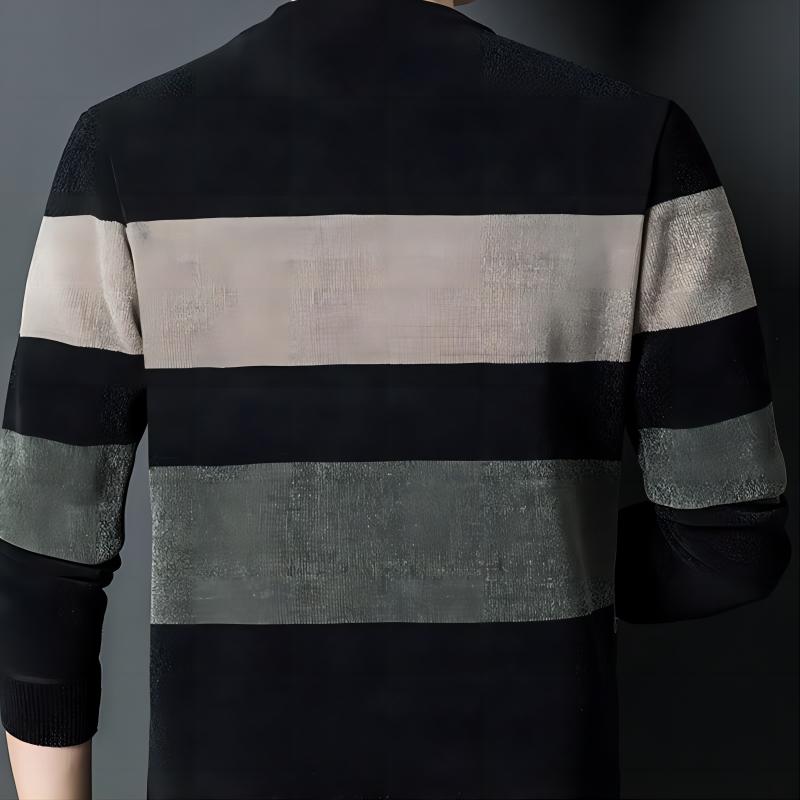
Pre-wash screen printing, embroidery, appliqué, and patches can gain a broken-in character, but abrasion may fade ink, fuzz thread, or scuff patch edges.
Post-wash neck prints, woven labels, private labels, and hangtags preserve cleaner branding; test each method on the approved wash standard.
Prepare Production Artwork
Three production files reduce interpretation: vector artwork, Pantone colors, and a placement sheet measured from seams.
One wash-tested sample should confirm distress placement, print coverage, thread color, patch material, label fold, and neck-print position before bulk release.
6. Construction Quality for Washed Apparel
Washed garments reveal weak construction after finishing, not before. A stone wash clothing manufacturer should validate the approved sample against bulk-ready specifications.
Fabric And Shrinkage Testing
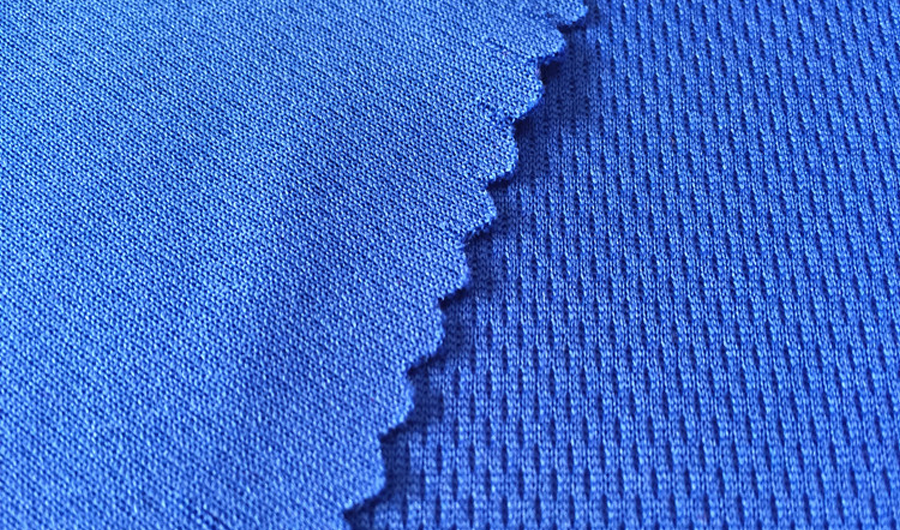
Before bulk cutting, test fabric through the intended wash cycle for shrinkage, spirality, pilling, and shade shift. Allowance must be built into patterns so finished measurements retain the approved fit.
Seams And Reinforcement
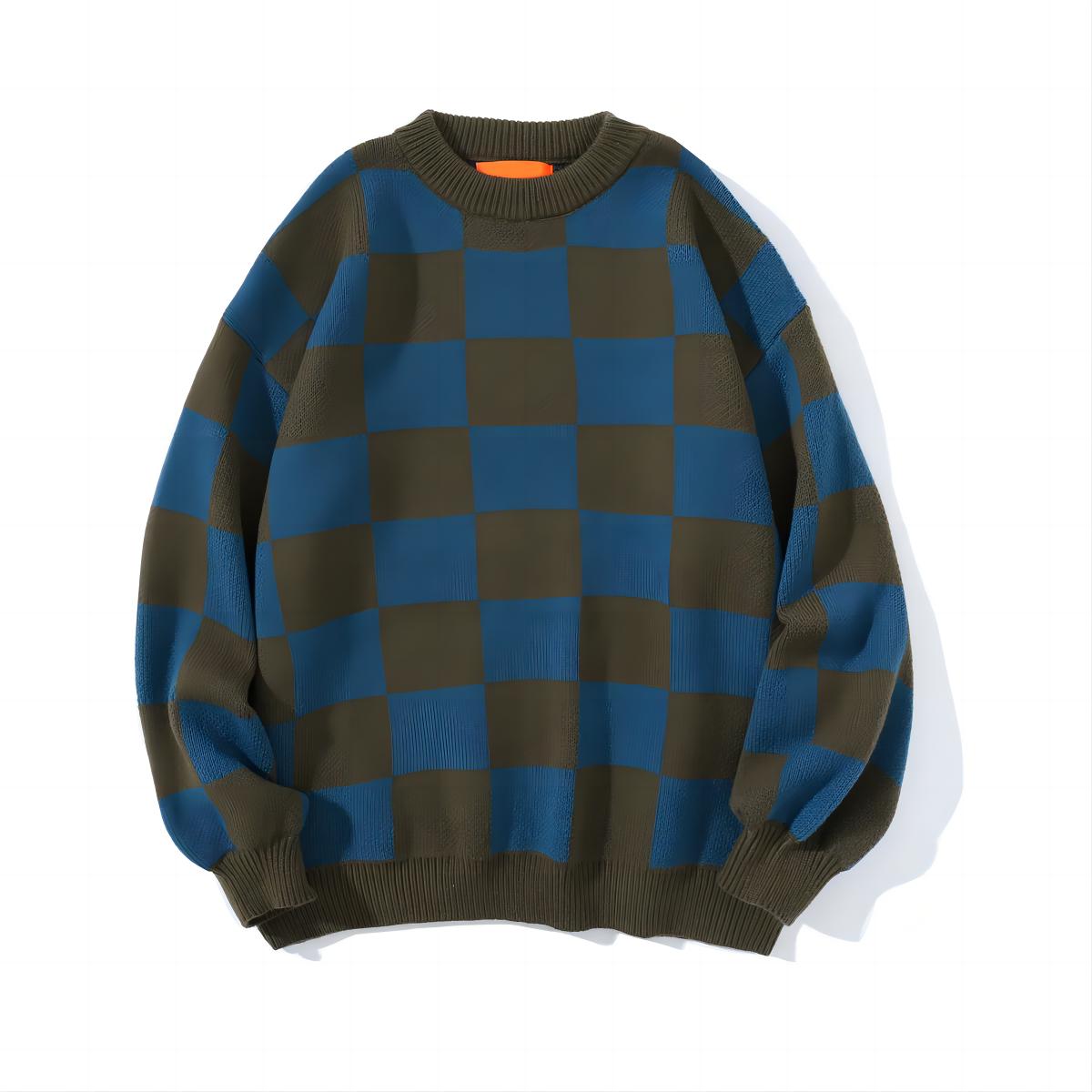
Three-thread overlock seams need compatible stitch density and balanced thread tension to survive abrasion. Reinforce pocket corners, crotches, side-seam splits, and stress points; check that bartacks do not tear softened fabric.
Ribs Trims And Final Inspection
Rib cuffs and waistbands require recovery testing after washing; weak elastane loses shape quickly. Inspect post-wash measurements, colorfastness, zippers, snaps, drawcords, seams, and placement against tolerances before packing.
7. Choosing a Stone Wash Clothing Manufacturer
Two approved samples from separate wash lots reveal more than a polished showroom piece. Select a stone wash clothing manufacturer by testing repeatability, documentation, and delivery readiness against your product brief.
| Evaluation Area | Ask For | Compare By |
|---|---|---|
| Wash capability | Trial records | Repeat sample consistency |
| MOQ flexibility | Color-size breakdown | Commitment by style |
| Material sourcing | Fiber and dye records | Traceability level |
| Export support | Document checklist | Named responsibility |
Verify Product And Wash Experience
3 questions expose relevant capability: Which comparable knit or denim styles were washed, what failures occurred, and which wash recipe controls were recorded?
2 matched samples should show consistent shade, hand feel, measurements, seam abrasion, and trim performance after washing.
- Request pre-wash and post-wash measurements
- Inspect high-stress seams and rib recovery
- Ask for wash-lab trial records
Compare Evidence, Not Claims
EDVORIN’s MOQ starts at 200 pieces per style. 4 quotation lines should separately identify fabric, trims, decoration, wash, packaging, and freight terms. Compare like-for-like specifications, sample revisions, MOQ by color, and stated lead-time milestones.
1 documented quality plan should define measurement tolerance, in-line checks, final inspection, and corrective-action ownership.
Confirm Responsible Export Readiness
2 evidence sets matter: current ethical or environmental audit documents where applicable, plus material and chemical records traceable to the order. Ask who manages export documents, carton marks, labeling, and destination-specific compliance.
- Request supplier and material traceability
- Confirm communication escalation contacts
- Review production and shipping calendar
8. Common Stone-Wash Sourcing Mistakes
One approved stone-wash reference is not a production standard. A stone wash clothing manufacturer needs a physical target, measured fit, and documented wash appearance before bulk decisions are released.
Vague Reference Approval
One mood-board image can hide color, abrasion, and hand-feel differences. The consequence is subjective sampling; prevent it with an approved garment, Pantone reference, and placement photos.
Unverified Fit And Wash
Two sample checks matter: fit before wash and measurements after wash. Skipping either can create shrinkage, twist, or proportion changes; require wash-test measurements against a signed size chart.
Price-Only Fabric Selection
One lower fabric quote may sacrifice yarn quality, weight, or surface stability. Prevent surprises by approving the actual fleece or jersey, specifying GSM, composition, and acceptable wash variation.
Bulk Without Controls
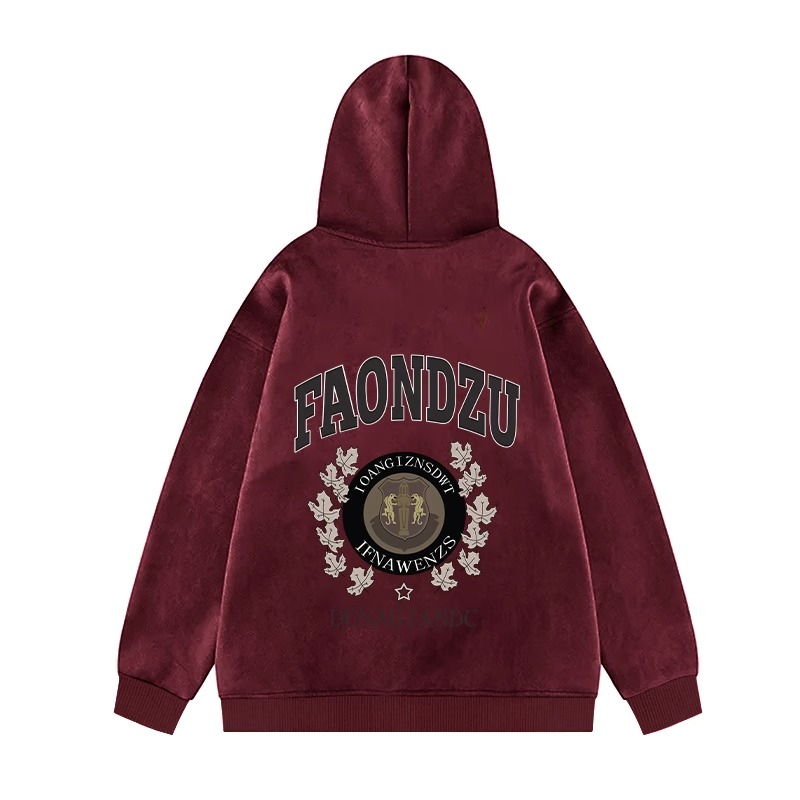
Three controls prevent costly rework: decoration timing, measurement tolerances, and a sealed pre-production sample. Printing before wash can alter the intended effect; define the sequence, tolerances, and final bulk standard before cutting.
9. Launching a Stone-Wash Apparel Program
EDVORIN’s MOQ starts at 200 pieces per style. A 200-piece OEM MOQ can support a focused first launch when the specification is complete. Build one approval path before committing quantities across retail, team, school, or private-label channels.
Define The Production Brief
One tech pack should state style, target measurements, size grading, seams, labels, and packaging.
Pantone references, vector logo files, quantity by size, and sales-channel requirements prevent late revisions.
Develop Fabric And Wash
280–400 GSM fleece or French terry gives hoodies different weight, drape, and wash response.
One lab-dip and wash sample should confirm shade, abrasion, shrinkage, and hand feel before fit approval.
Approve And Control Bulk
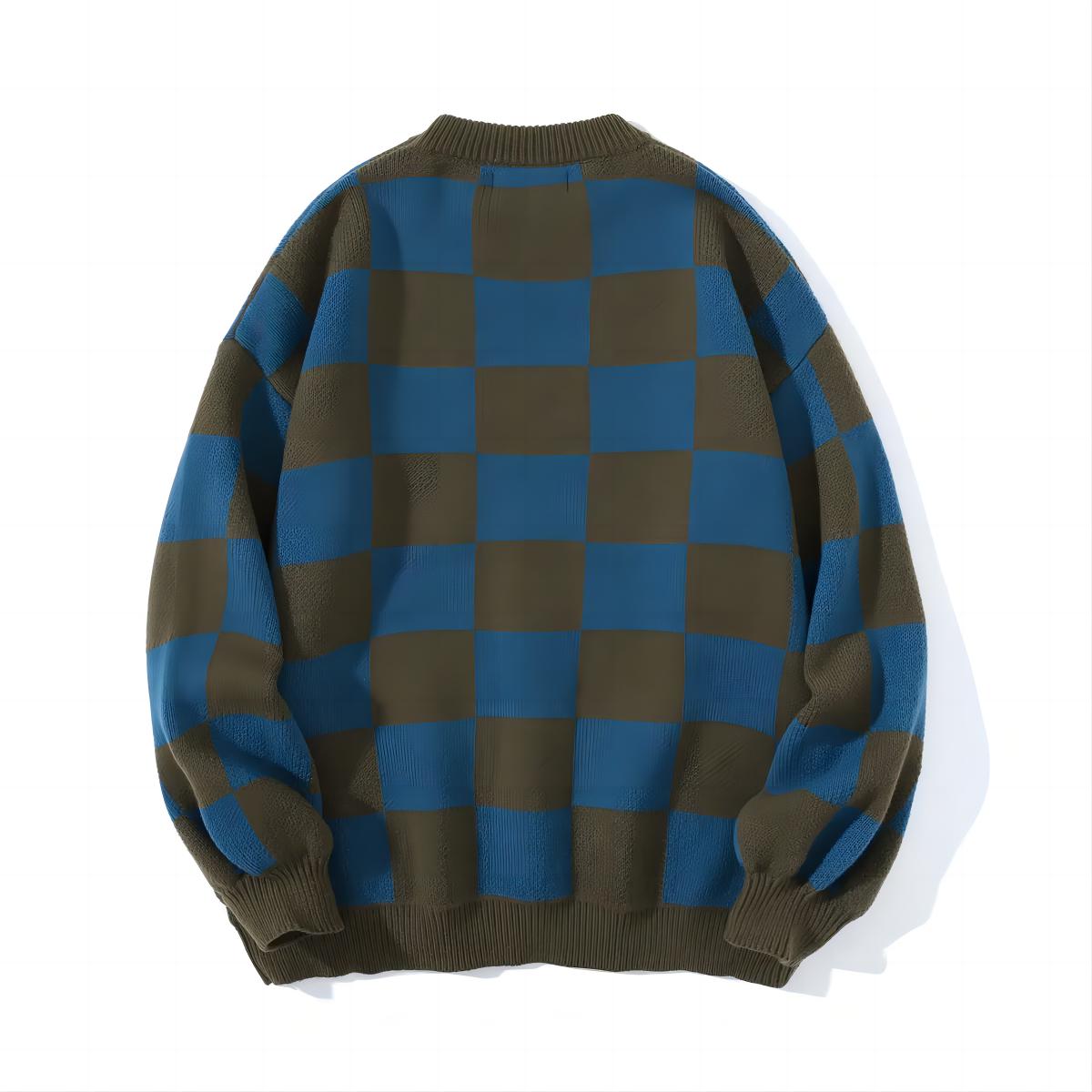
One fit sample and decoration strike-off verify artwork placement, ink behavior, and final measurements.
A pre-production sample becomes the bulk standard for in-line inspection, final checks, packing, and delivery.
10. Stone-Wash Clothing Pricing and Lead Times
EDVORIN’s MOQ starts at 200 pieces per style. At a 200-piece MOQ, unit costs are typically higher because development, pattern work, wash trials, and setup are spread across fewer garments. A stone wash clothing manufacturer should quote fabric GSM, wash recipe, decoration, labels, packing, and freight preparation as separate line items.
Sampling timelines depend on material availability, artwork readiness, sample revisions, and wash complexity; bulk timing begins only after sample approval. Request an itemized quotation showing fabric, trims, decoration, washing, QC, packaging, and any revision or testing charges before comparing suppliers.
| Order tier | Main unit-cost drivers | Typical production path |
|---|---|---|
| 200–499 pieces | Setup and wash trials weigh heavily | Sample: 14–21 days; book materials after approval |
| 500–999 pieces | Fabric yield and decoration count | Materials: 7–14 days; bulk sewing: 15–25 days |
| 1,000+ pieces | Volume improves fixed-cost absorption | Wash, inspection, packing: 7–14 days after sewing |
Develop Your Stone-Washed Apparel Program
Send garment references, wash targets, and specifications to begin a sample or private-label production discussion with EDVORIN.