
Custom Embroidery Clothing Manufacturer for Repeatable Apparel
From stitch development and samples to controlled bulk production, EDVORIN supports custom embroidered apparel programs from 200 pieces per style.
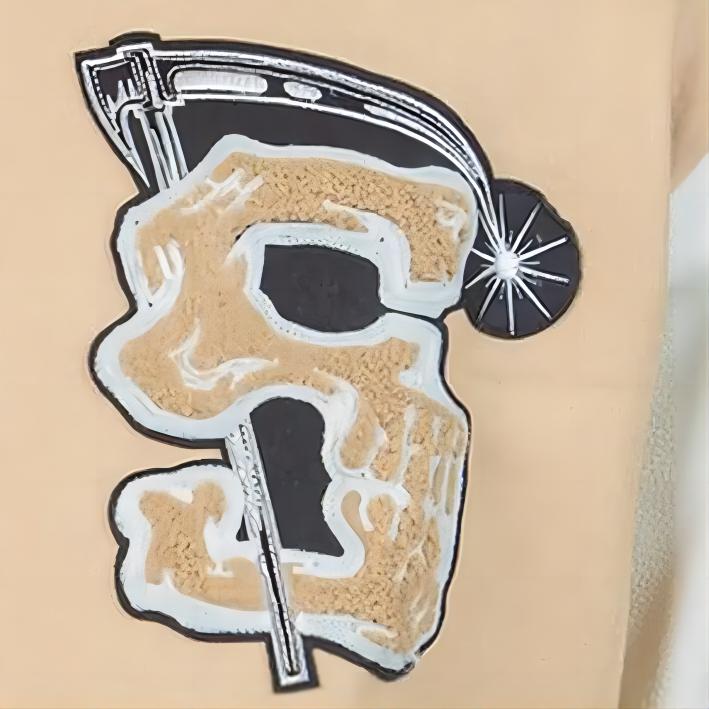
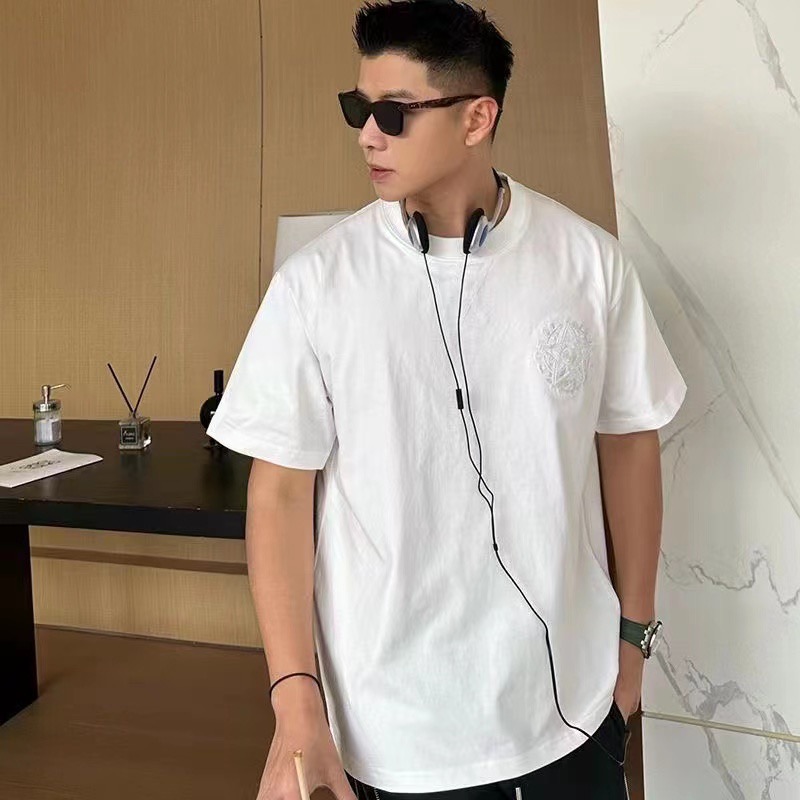
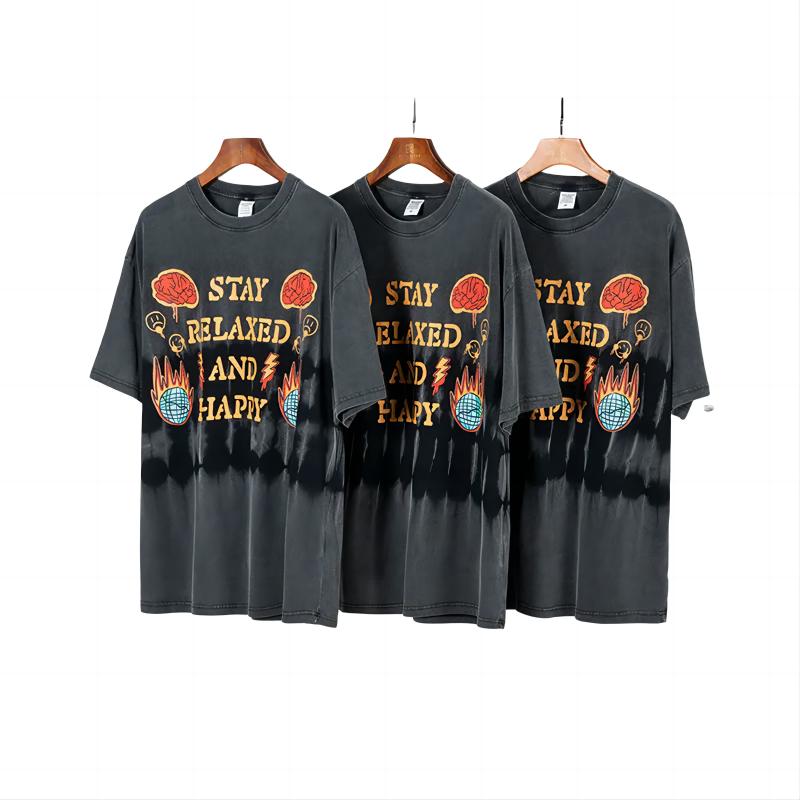
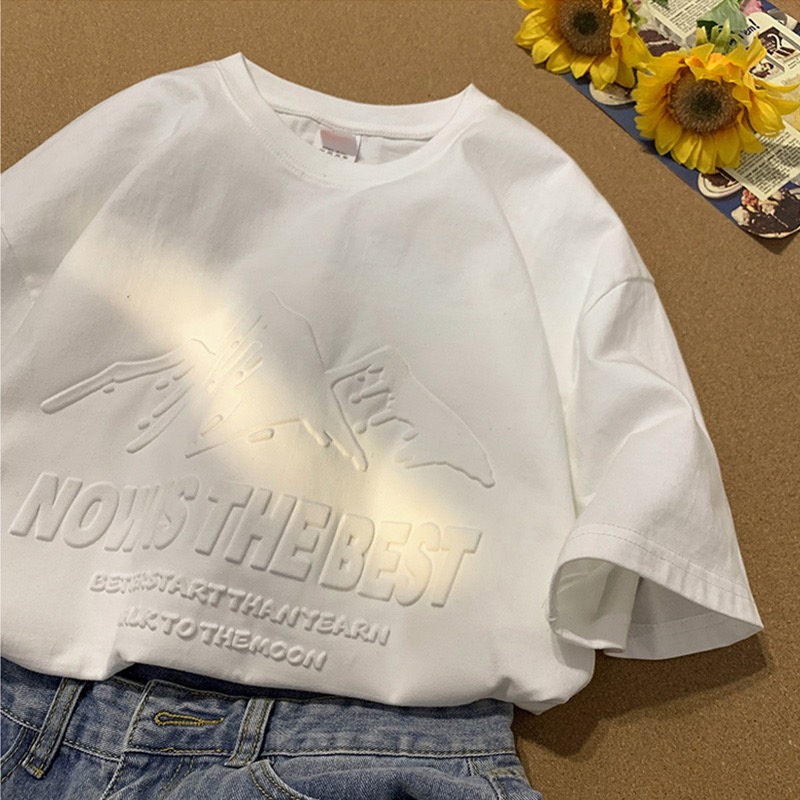
Featured Products for Embroidered Apparel Development
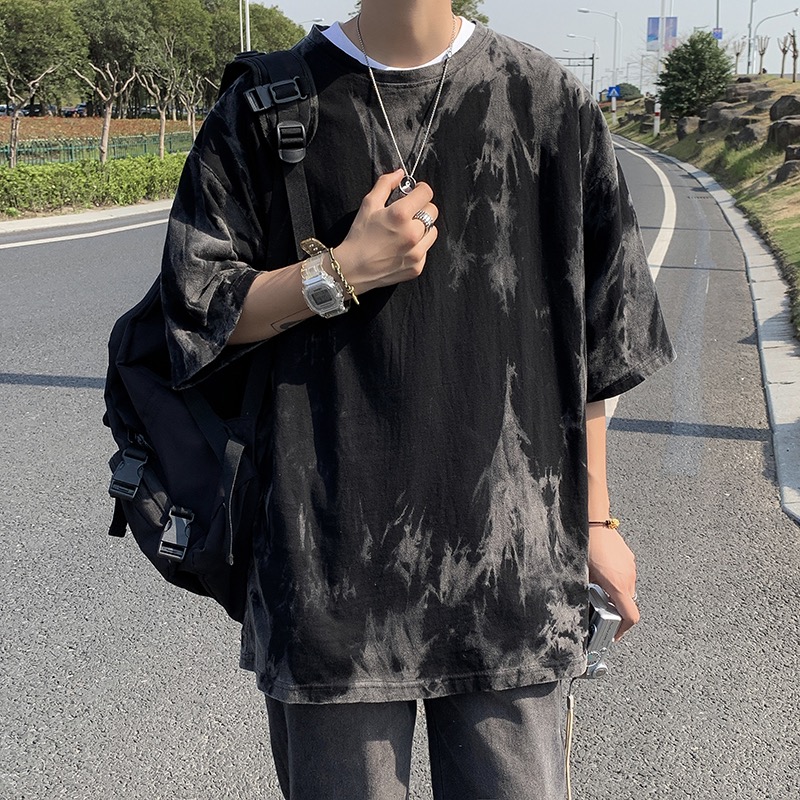
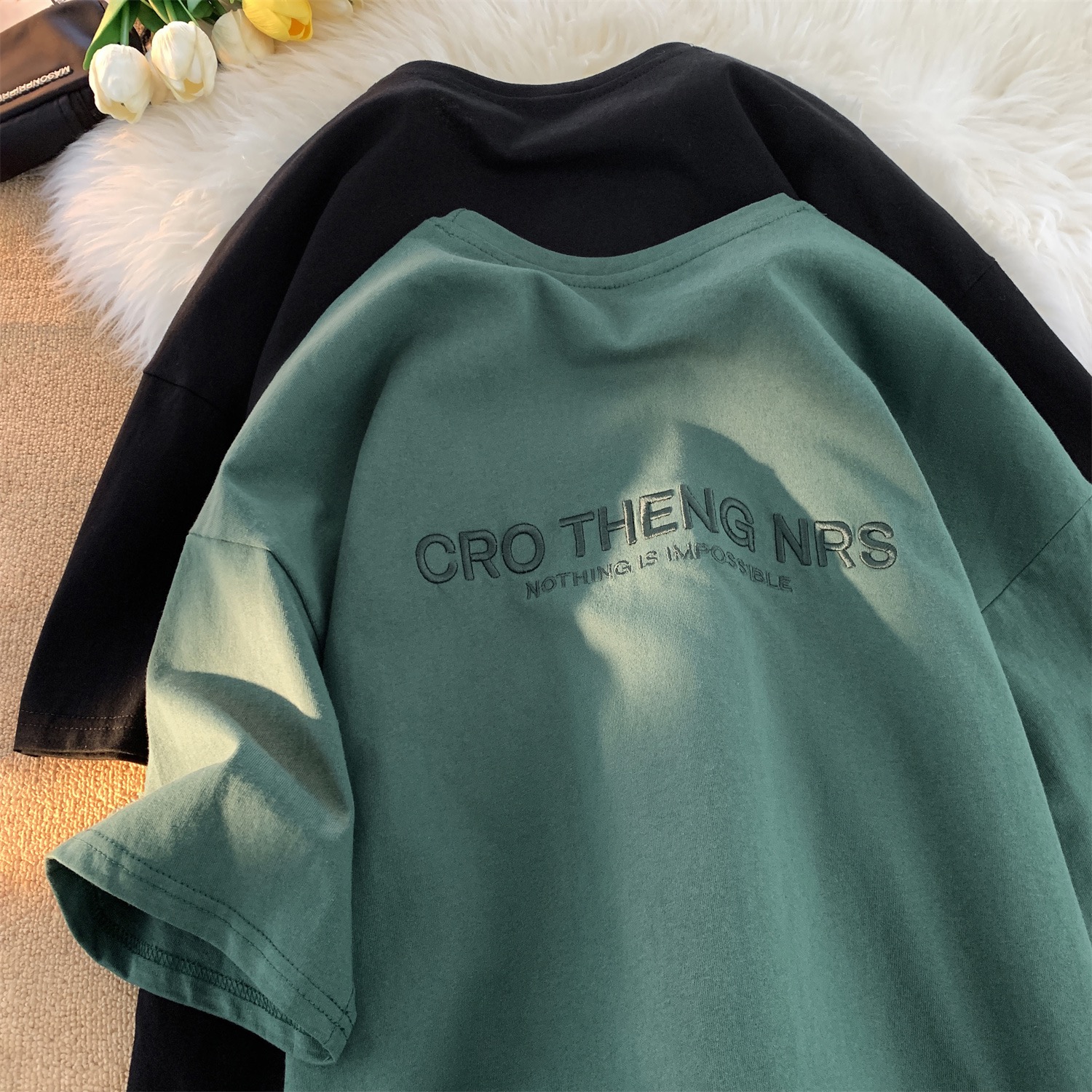
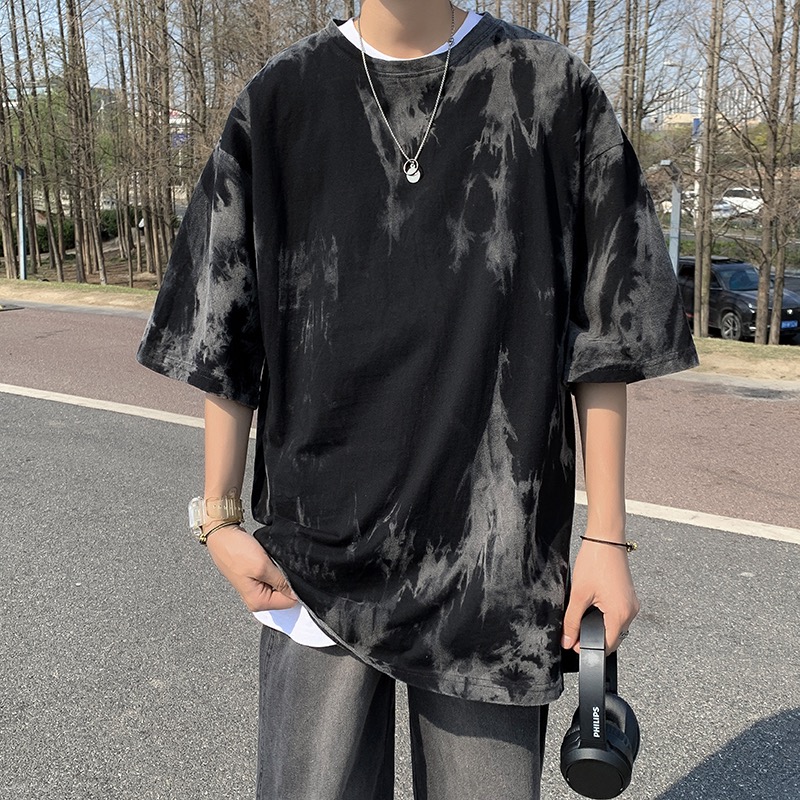
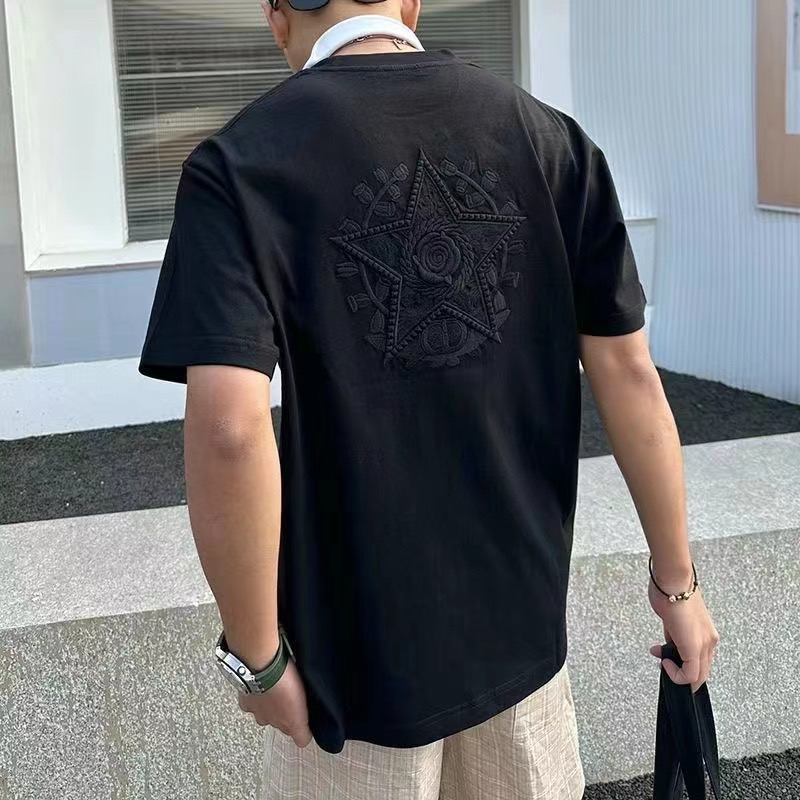
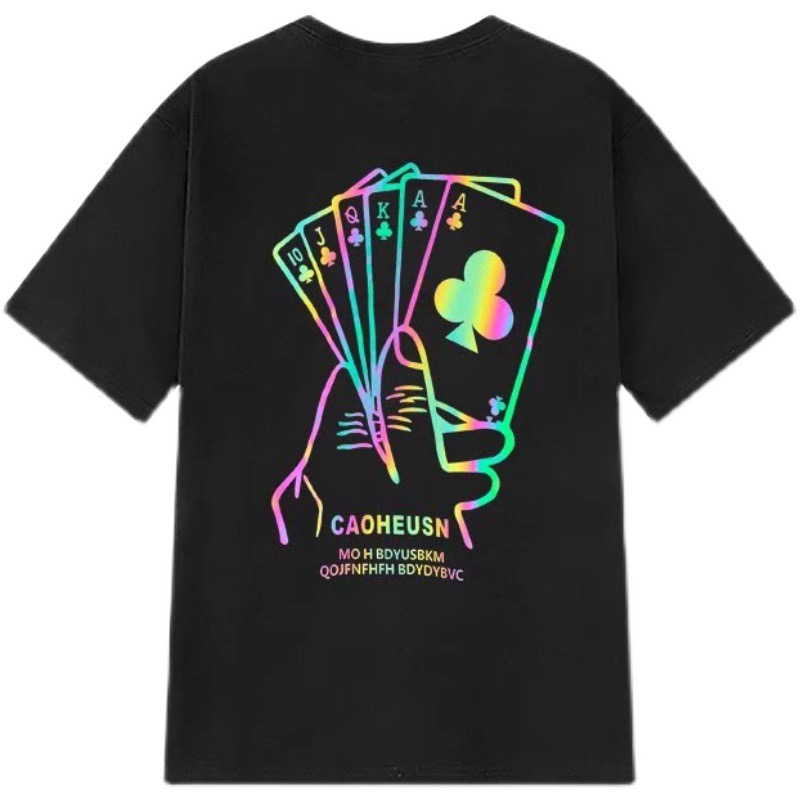
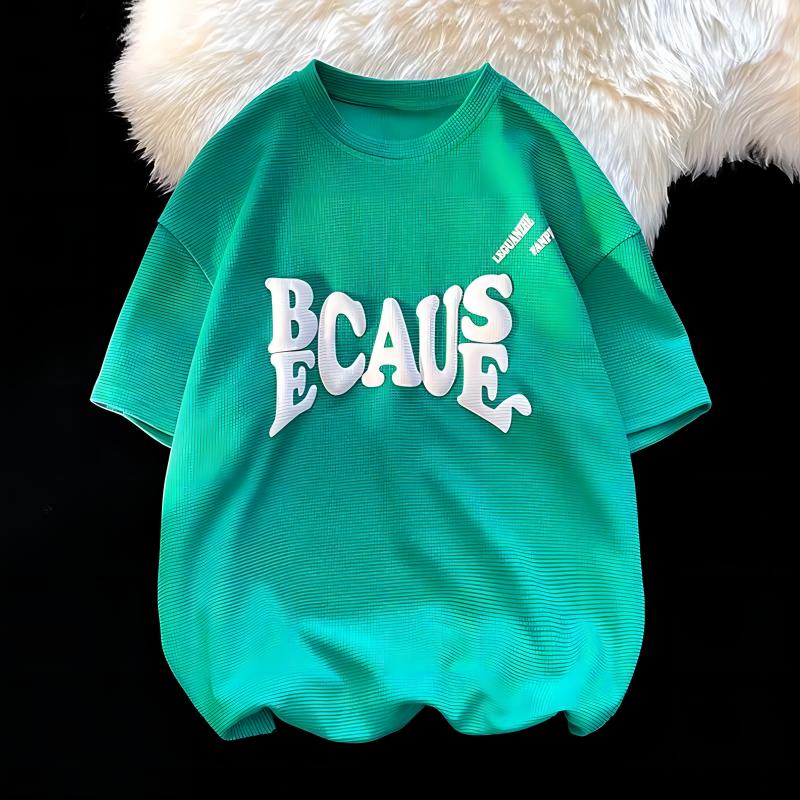
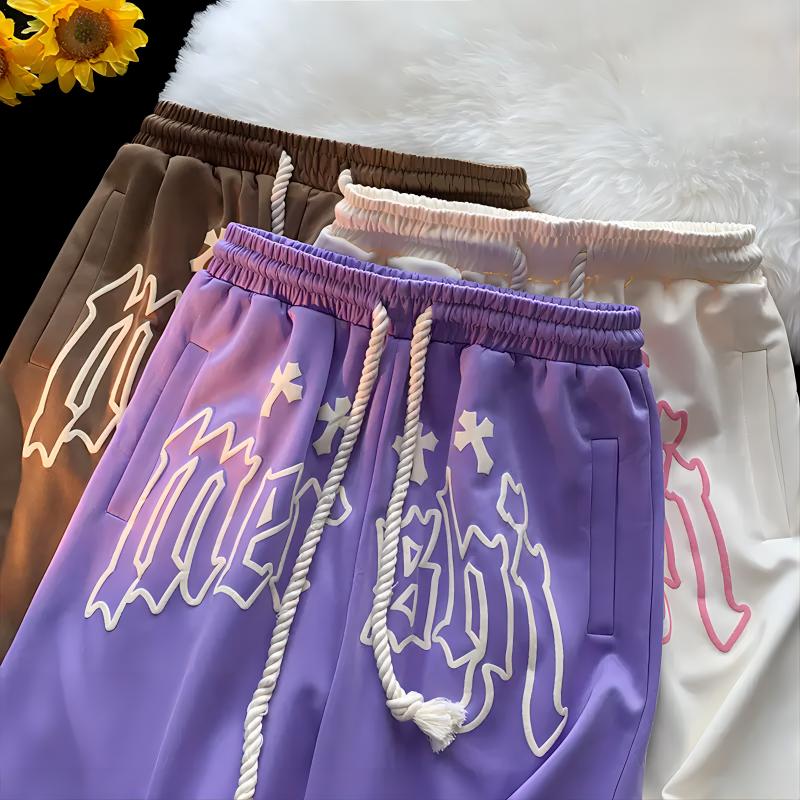
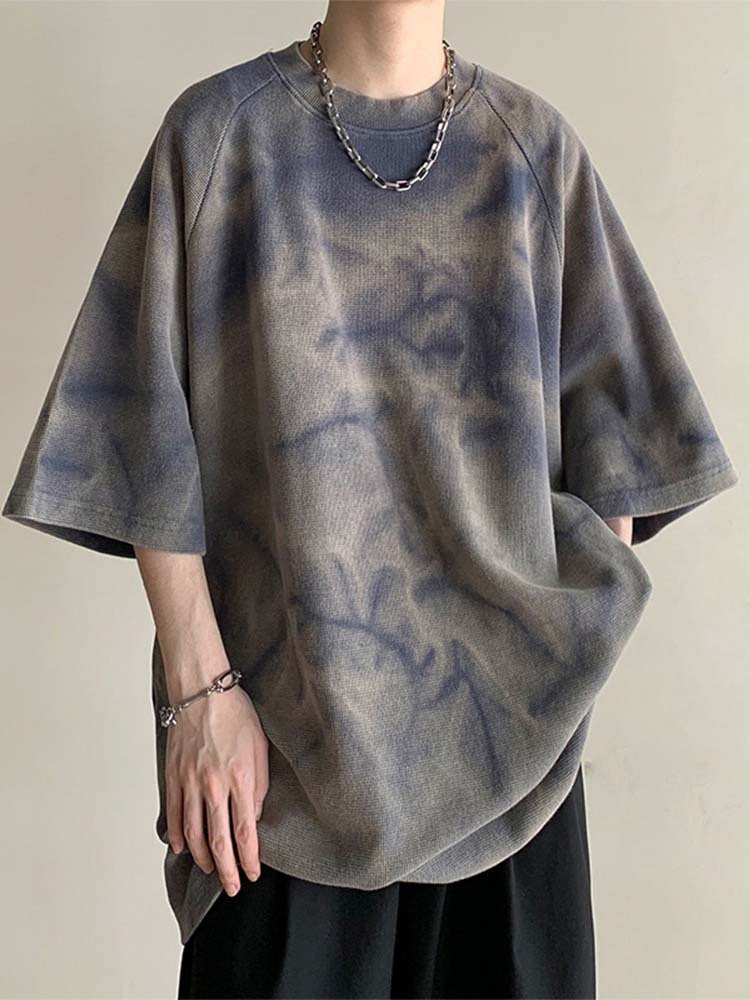
Embroidery Manufacturing Advantages
EDVORIN coordinates decoration with garment construction, approved standards, and private-label details for apparel programs built to repeat.
Dimensional Stitch Detail
Select stitch density, backing, and thread direction to create durable dimensional decoration suited to your fabric weight and garment construction.
Measured Logo Placement
Artwork placement is recorded against garment reference points, helping logos, crests, and chest embroidery remain consistent across graded sizes and repeat orders.
Garment Compatibility Planning
Embroidery is planned alongside seams, pockets, linings, and fabric behavior, reducing avoidable distortion before sampling moves into bulk production.
Approved Sample Standards
Approved samples guide stitch appearance, color, placement, and finishing, giving production teams a clear standard for in-line and final quality checks.
Private-Label Coordination
Coordinate embroidered garments with custom labels, patches, trims, hangtags, and packaging through one accountable OEM and private-label production workflow.
Built for Repeat Orders
Founder-led manufacturing since 2000 turns approved embroidery specifications into repeatable production references for growing brands, teams, and wholesale programs.
Embroidery Techniques and Patch Options
Choose embroidery and patch finishes that match each garment’s fabric, construction, wear conditions, and visual role across fashion, streetwear, outerwear, and teamwear.
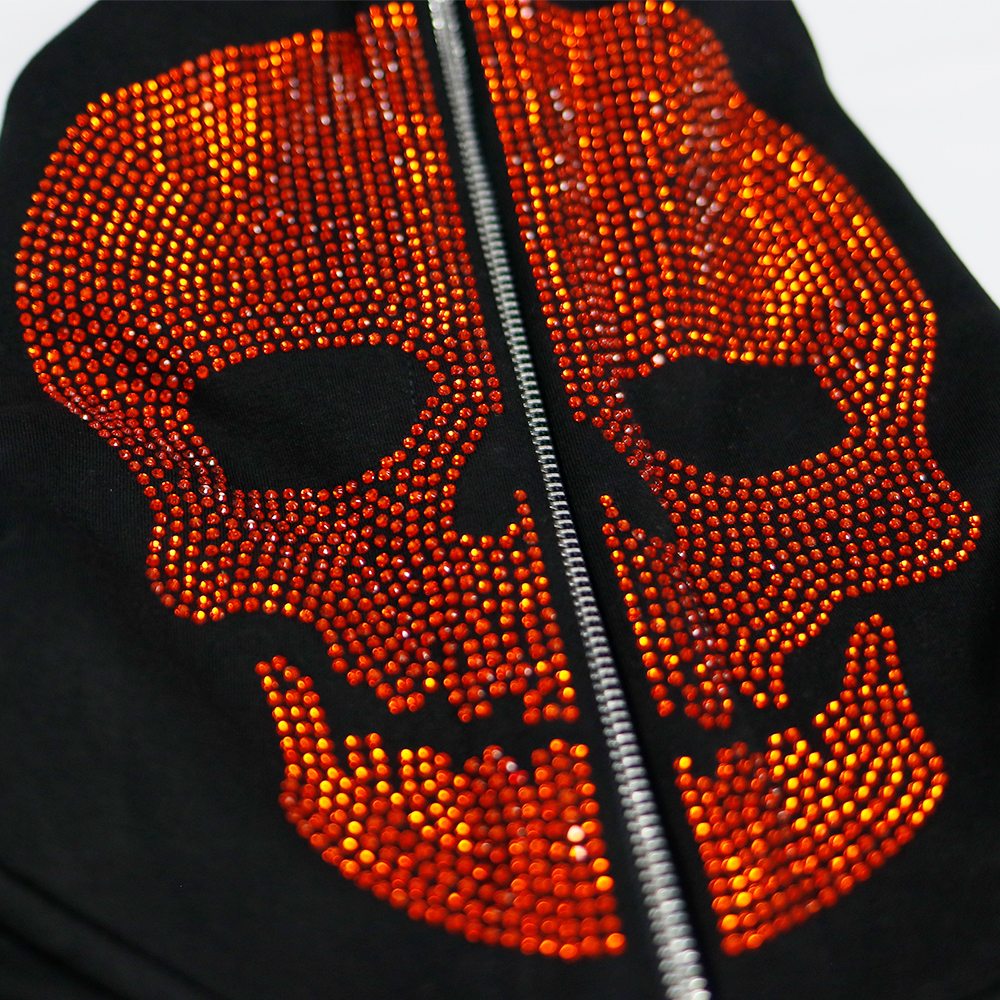
Custom Hoodies
Custom hoodies can use flat embroidery for clean chest logos, 3D puff embroidery for bold caps-style marks, or appliqué and patches for collegiate and streetwear programs. Fleece weight, rib structure, placement, and backing are reviewed during sampling.
Get a Quote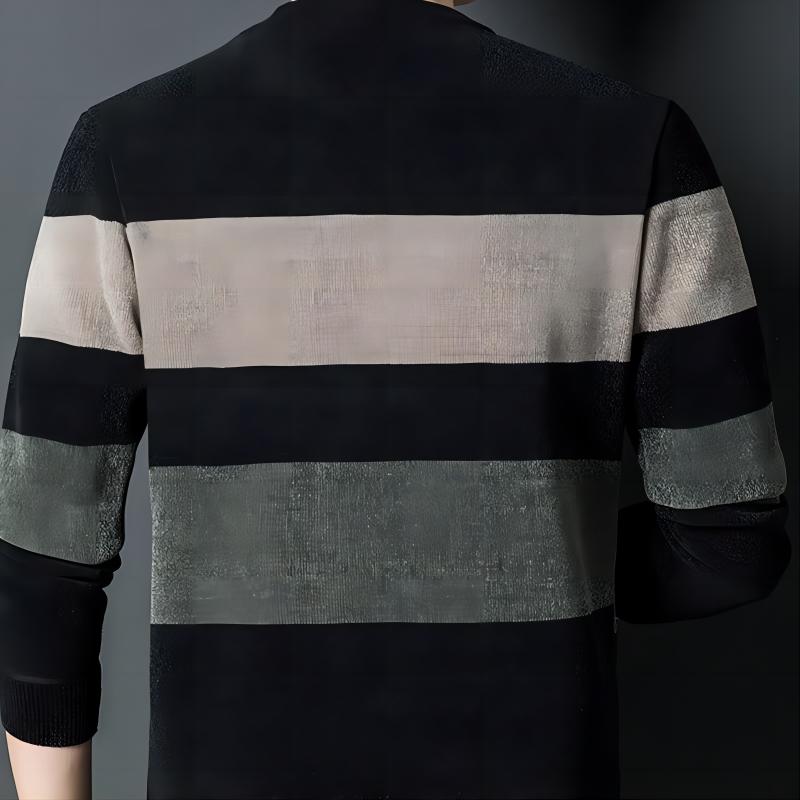
Pullover Sweatshirts
Pullover sweatshirts support tonal flat embroidery, raised 3D puff logos, felt or twill appliqué, and embroidered patches. EDVORIN confirms stitch density and backing against the chosen fleece to maintain shape and comfort through repeat production.
Get a Quote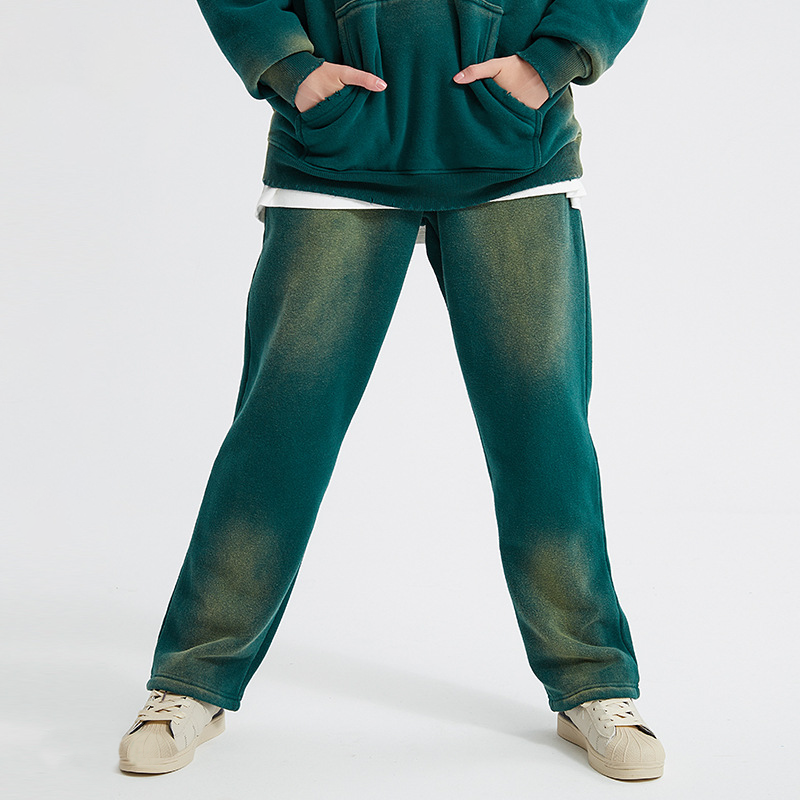
Sweatpants & Joggers
Sweatpants and joggers suit small flat embroidered logos at the thigh or pocket, plus appliqué details for coordinated sets. Placement is measured against pocket construction, seams, and size grading so the finish remains consistent across men’s and women’s runs.
Get a Quote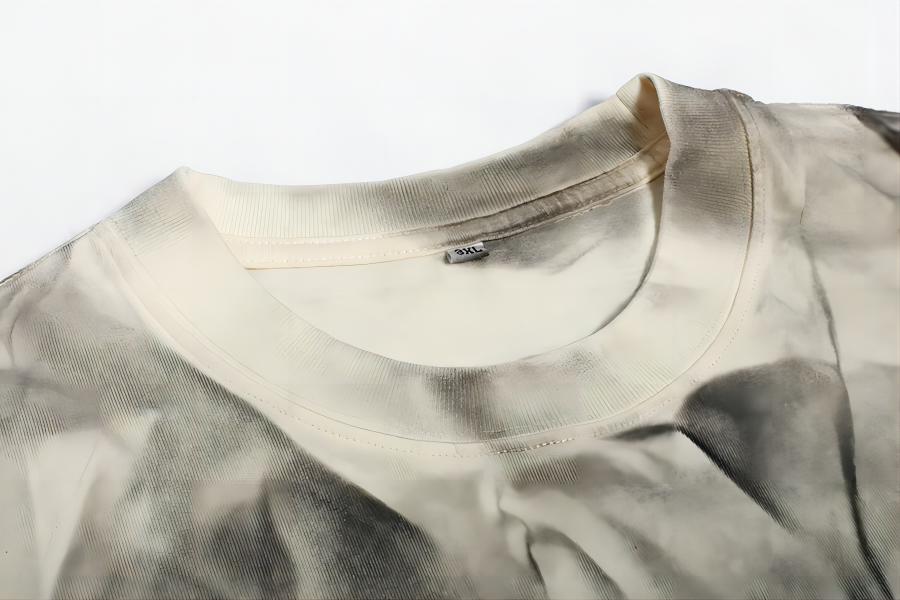
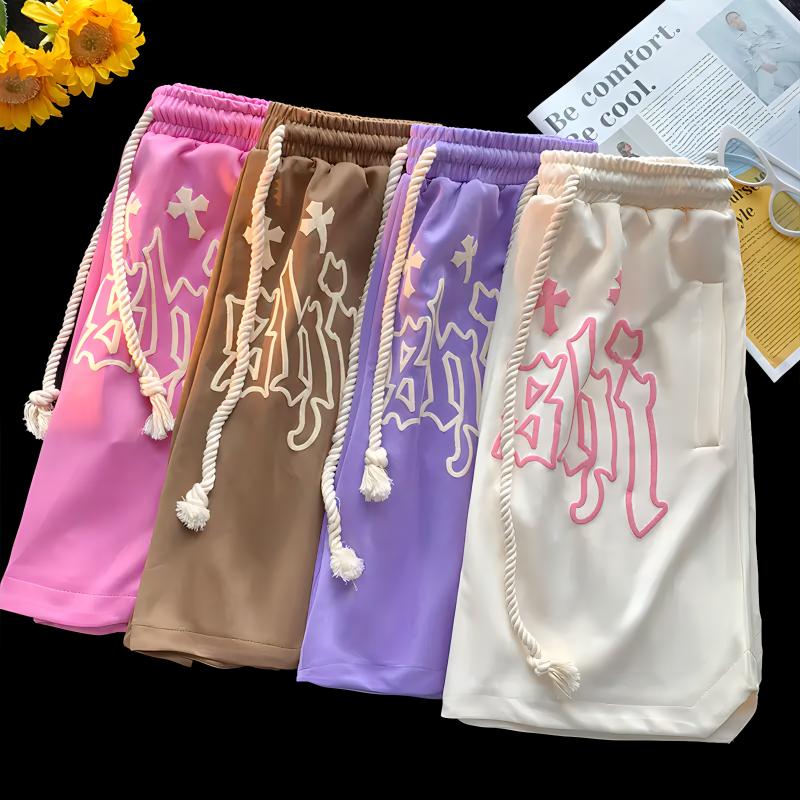
Custom Shorts
Custom shorts can carry flat embroidery, compact patches, or appliqué branding without disrupting pocket access or movement. Decoration placement is developed around inseam length, side seams, mesh or woven fabric selection, and intended casualwear or teamwear use.
Get a Quote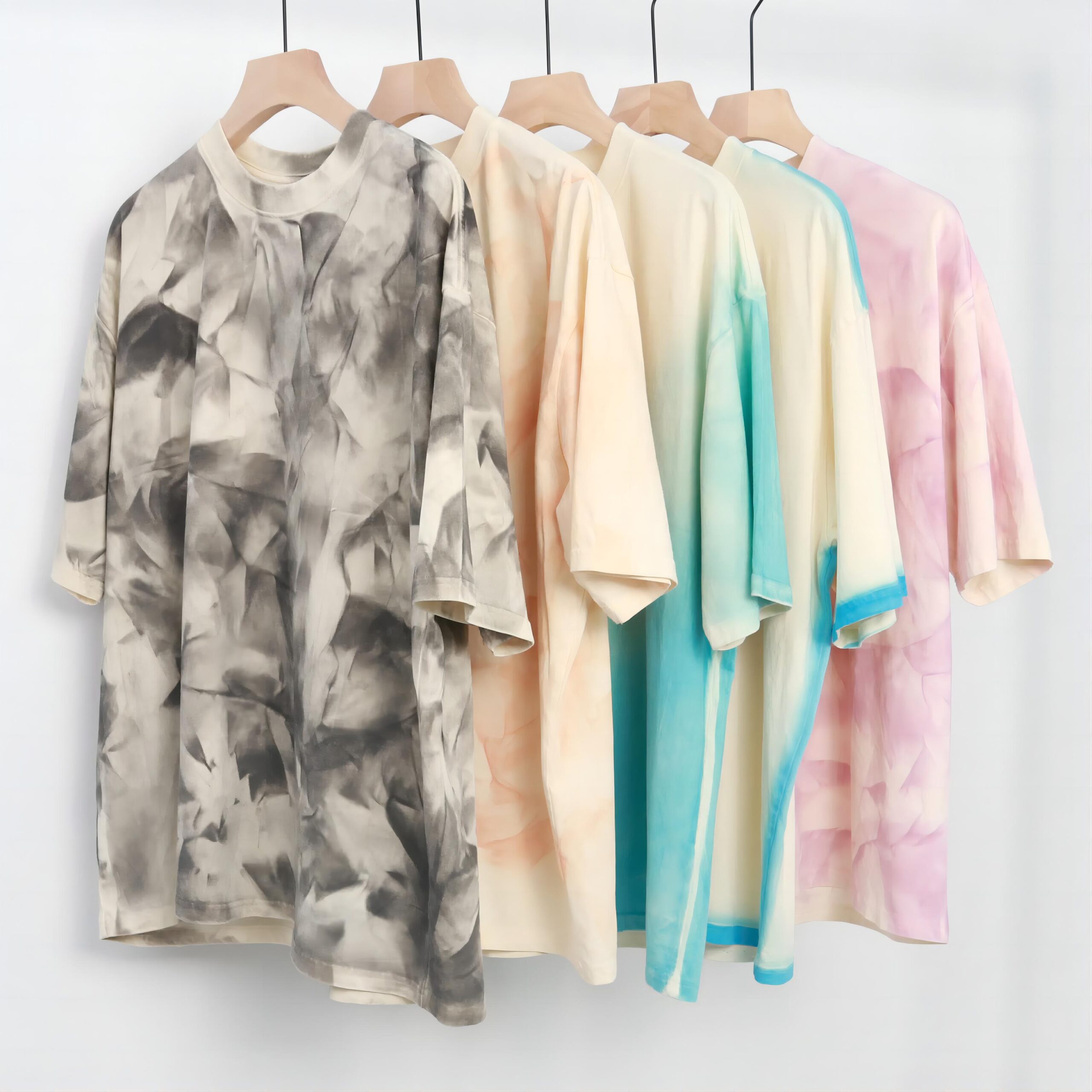
Varsity & Baseball Jackets
Varsity and baseball jackets are developed for chenille letters, felt or twill appliqué, embroidered sleeve patches, and chest embroidery. Body fabric, sleeves, ribbing, snaps, lining, and patch attachment are coordinated as one construction standard.
Get a Quote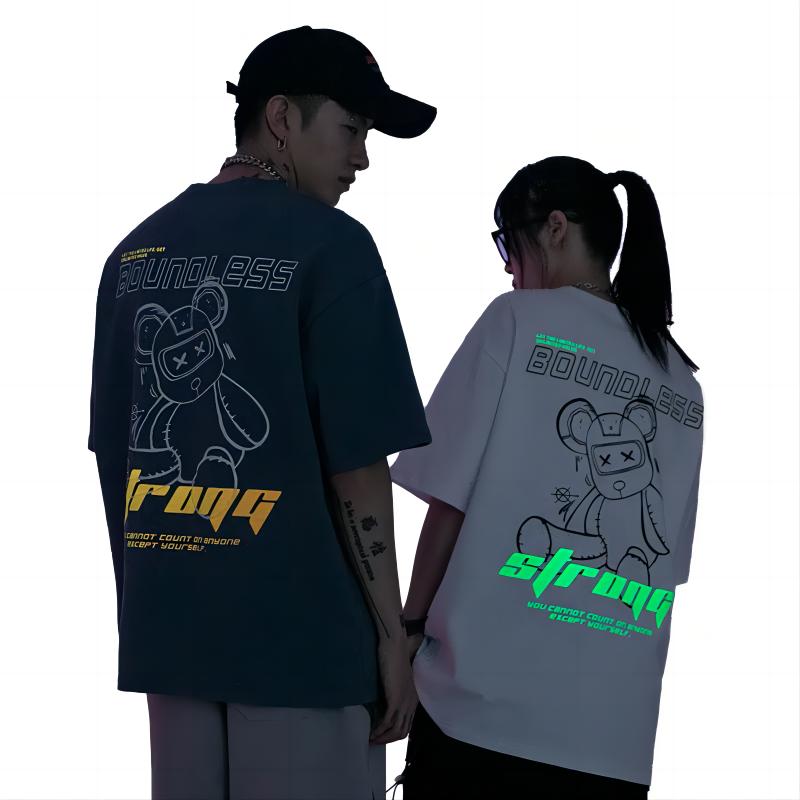
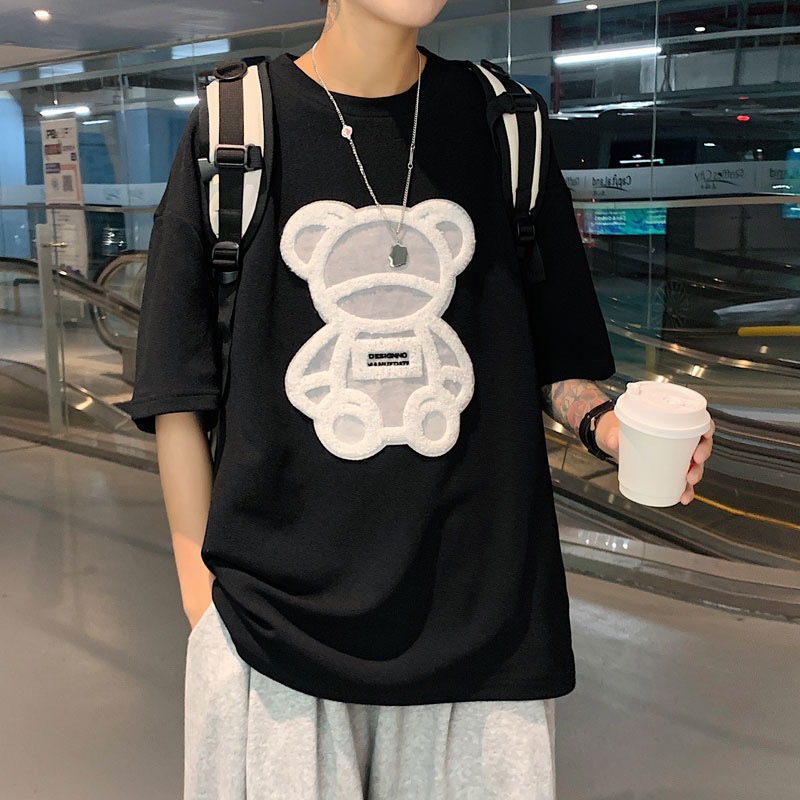
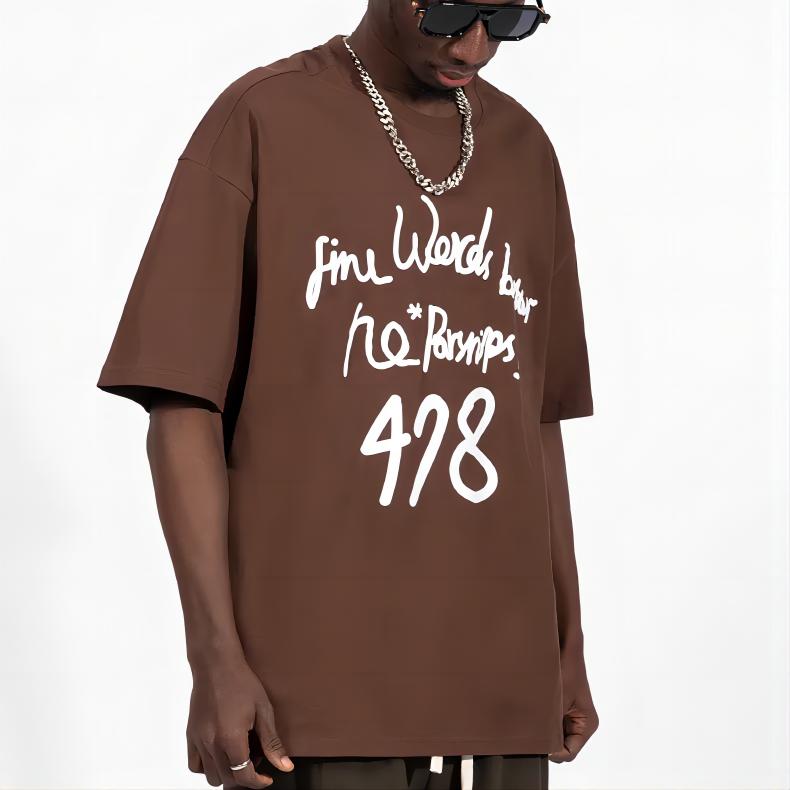
Custom T-Shirts
Custom T-shirts work well with compact flat embroidery, embroidered patches, or mixed decoration programs. EDVORIN reviews knit weight, stretch, placement, and backing requirements to avoid distortion on lightweight jersey fabrics while maintaining repeatable logo positioning.
Get a Quote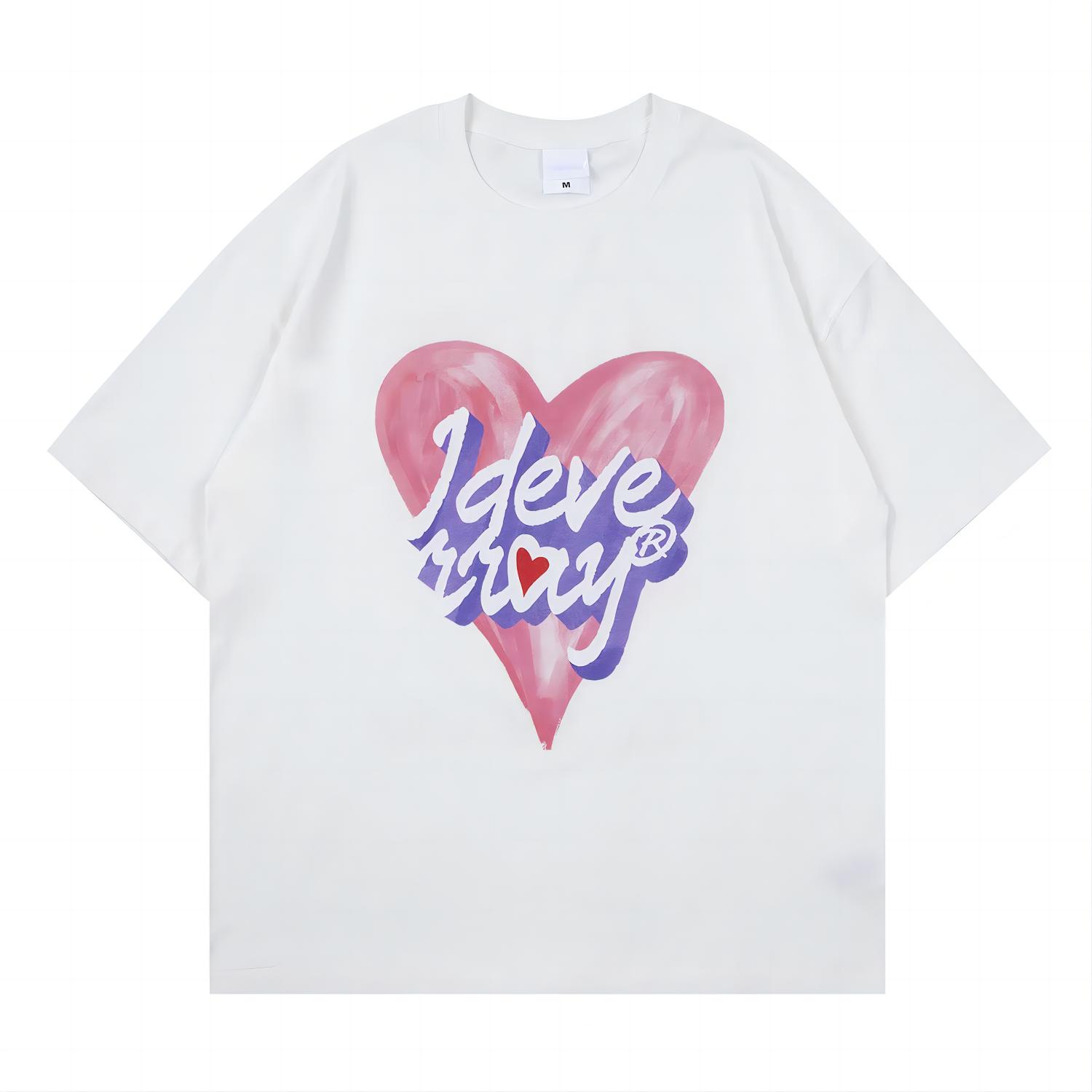
Custom Polo Shirts
Custom polo shirts support flat chest embroidery, sleeve logos, and embroidered patches for corporate, school, club, and private-label programs. Stitch count and backing are matched to pique, interlock, or performance fabric so decoration remains neat around plackets.
Get a Quote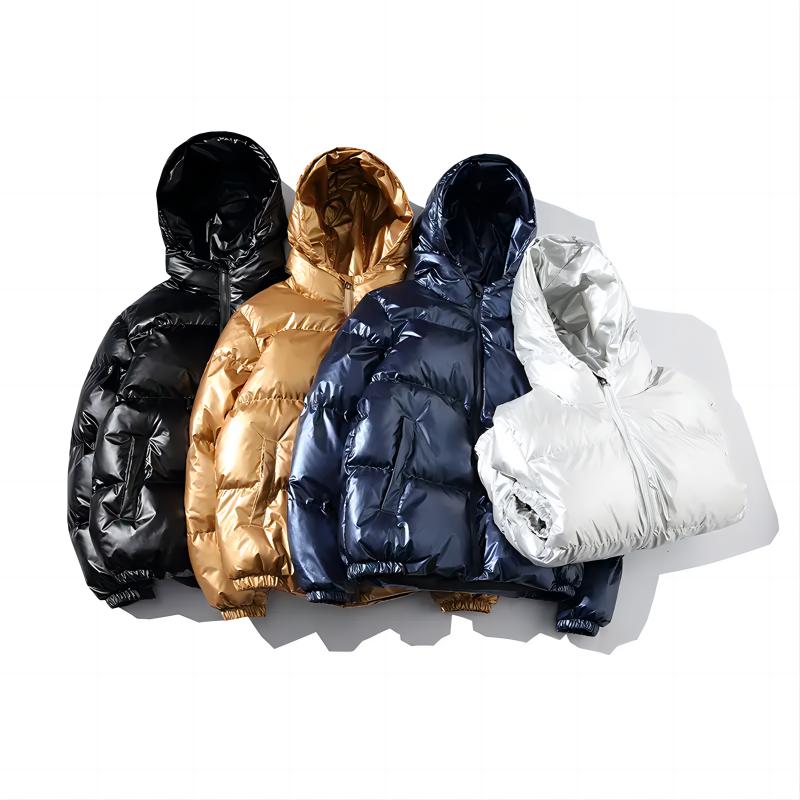
Windbreaker Jackets
Windbreakers require embroidery methods suited to lightweight shells, linings, and water-resistant coatings. Flat embroidery, patches, and appliqué can be placed on the chest, sleeve, or back, with construction planned to protect the garment’s function and finish.
Get a Quote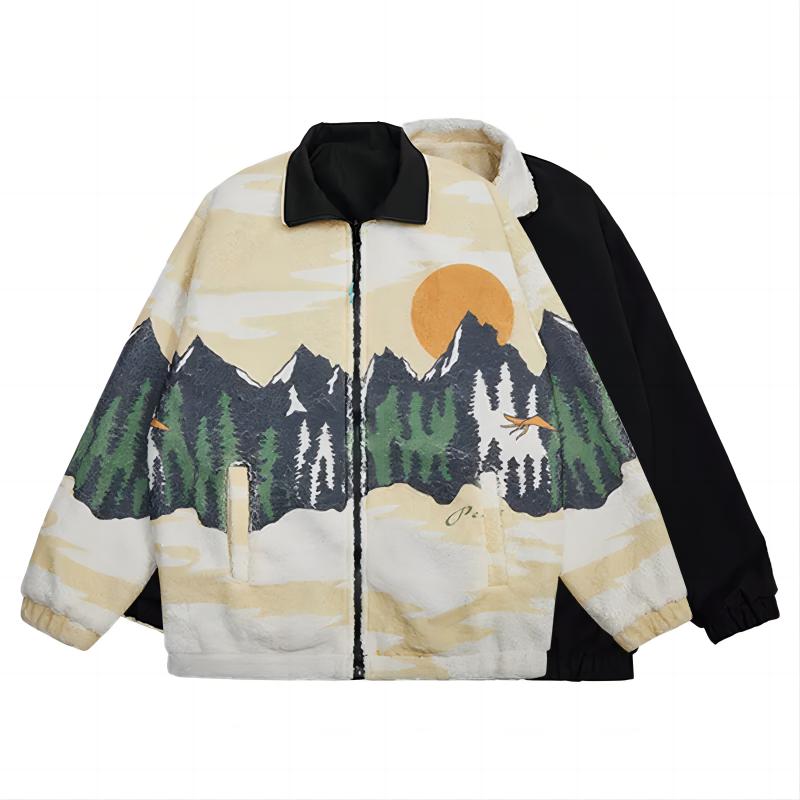
Quilted Jackets
Quilted jackets can use embroidered chest marks, sleeve patches, and appliqué details while respecting quilting lines, insulation, and lining. Decoration placement is set before production to prevent uneven attachment, compressed fill, or interference with pockets and closures.
Get a Quote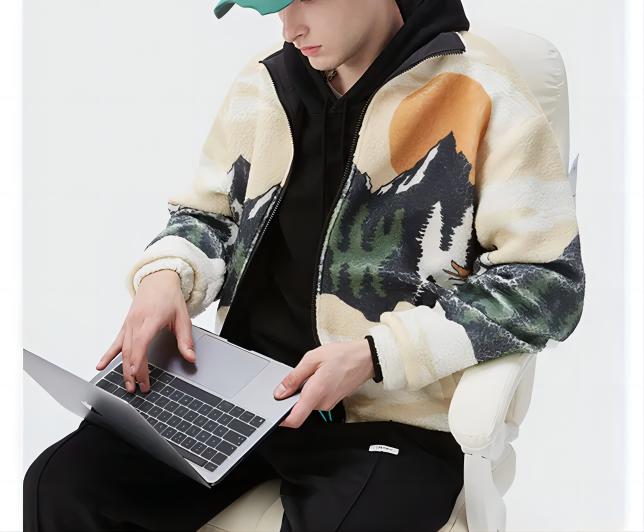
Bomber Jackets
Bomber jackets support flat embroidery, 3D puff details, appliqué, chenille, and embroidered patches for fashion, streetwear, and club programs. Shell material, lining, ribbing, zip construction, and placement are sampled together before bulk approval.
Get a Quote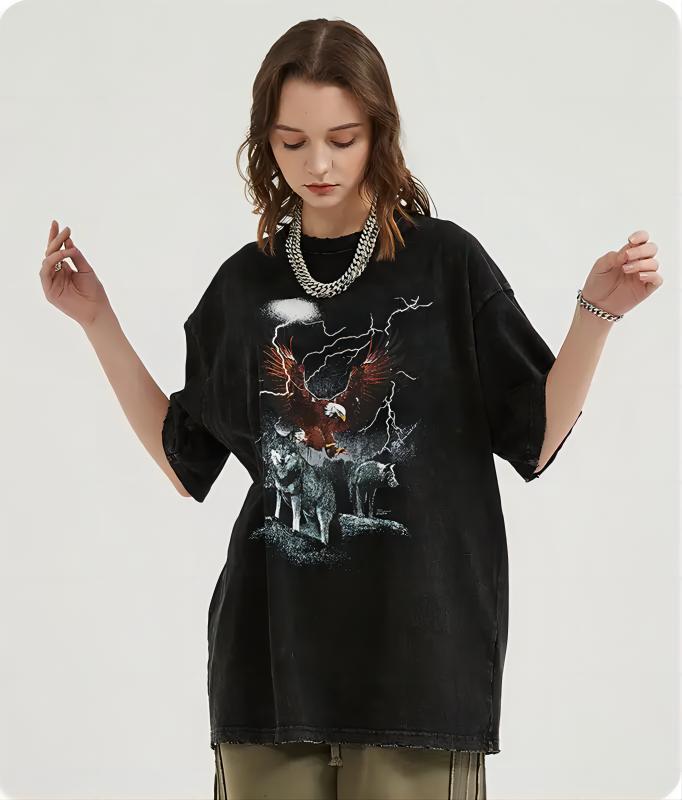
Custom Shirts
Custom woven shirts suit refined flat embroidery on the chest, cuff, or yoke, along with discreet embroidered patches for uniforms and private-label collections. EDVORIN aligns decoration with collar, placket, pocket, and seam construction for accurate repeat placement.
Get a Quote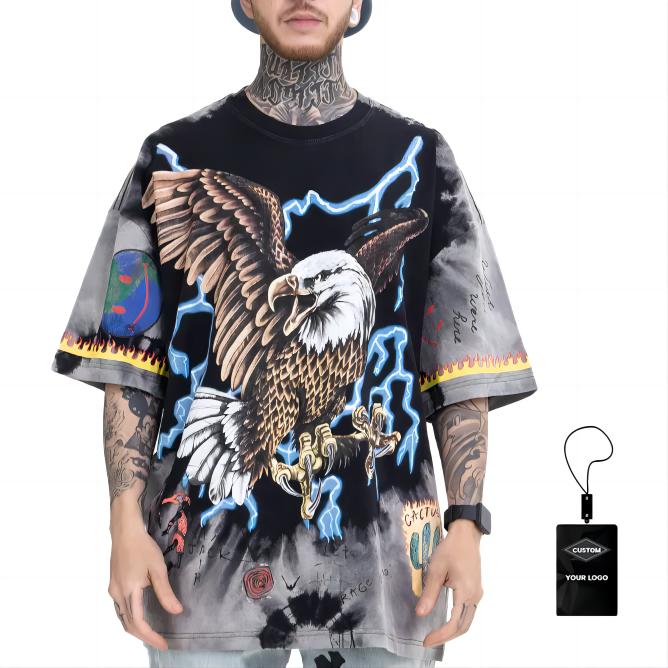
Custom Jerseys
Custom jerseys can combine flat embroidery, appliqué crests, embroidered patches, and name or number systems where appropriate. Fabric breathability, stretch, panel seams, and player-size grading are reviewed so decoration supports performance and team identification.
Get a Quote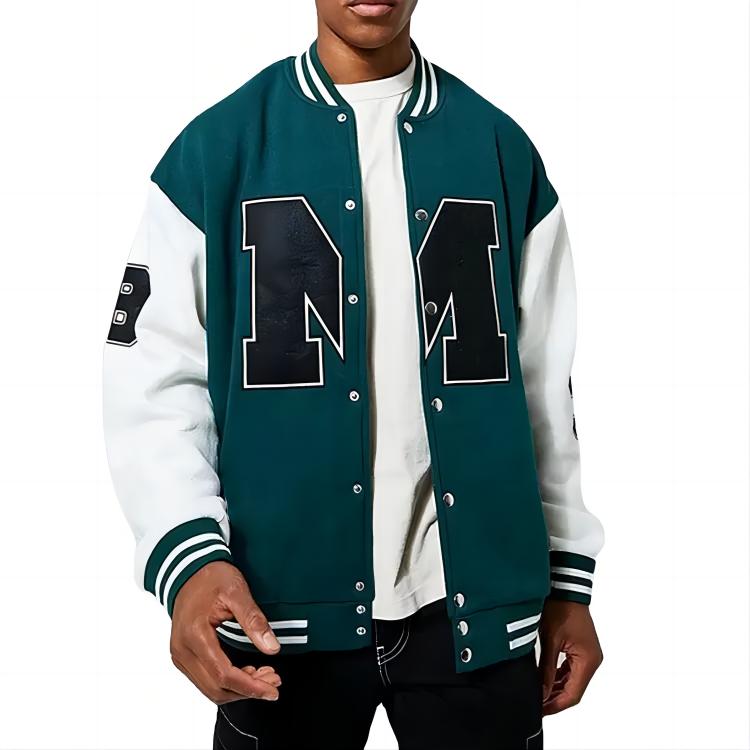
Tank Tops
Tank tops are developed for compact flat embroidery, small patches, or appliqué accents that suit lightweight knit construction. Placement and backing are adjusted for armhole shape, stretch, and fabric weight to keep the finish stable and comfortable in wear.
Get a Quote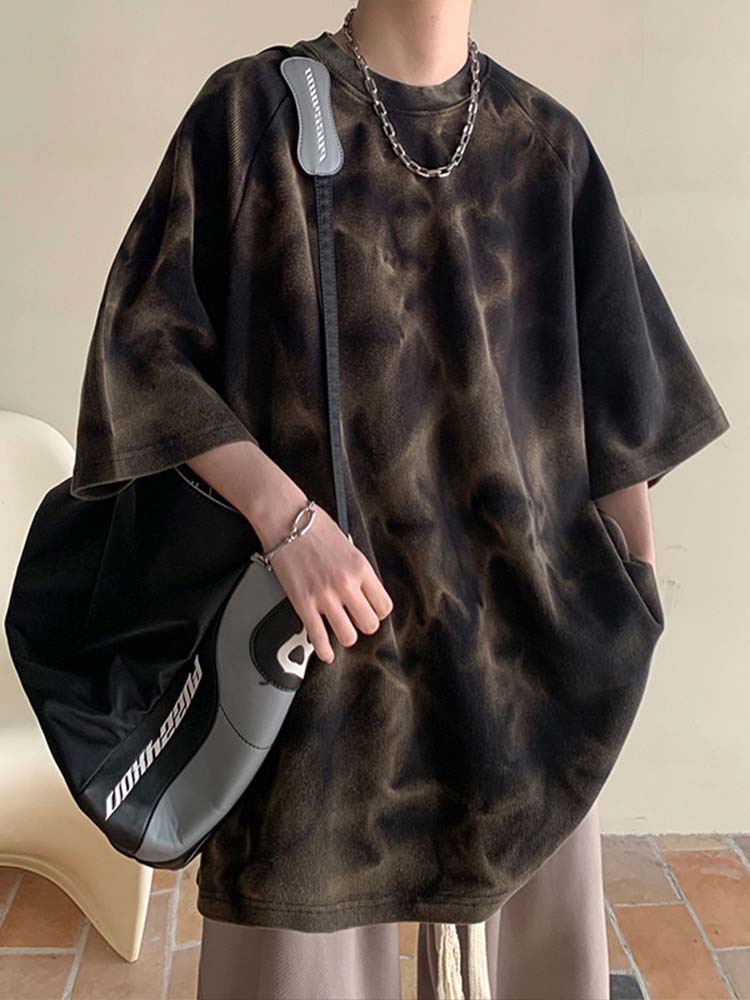
Soccer Uniforms
Soccer uniforms use embroidered club crests, sleeve patches, and controlled name-and-number applications across coordinated player sets. EDVORIN manages placement references, color standards, breathable fabric selection, and size-based grading for reliable repeat team orders.
Get a Quote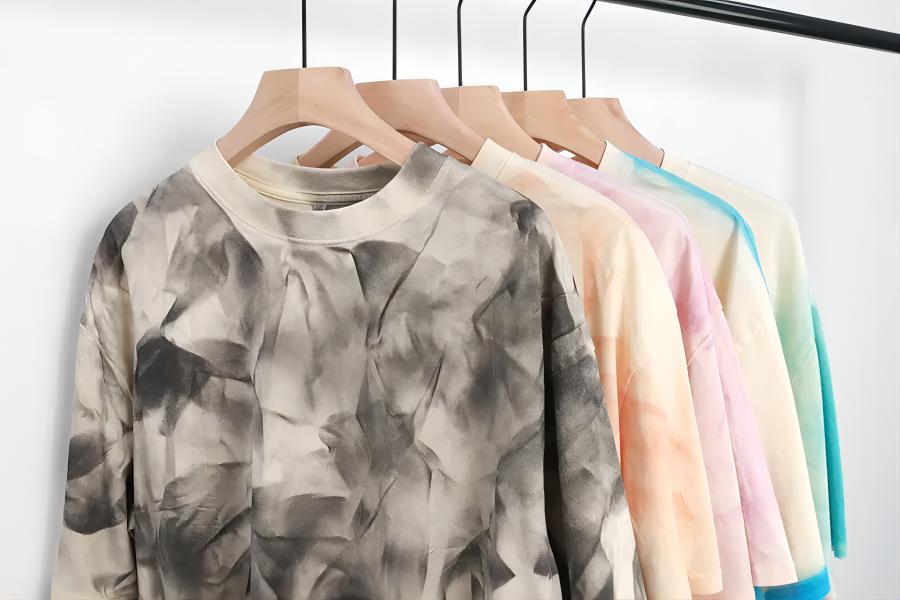
Basketball Uniforms
Basketball uniforms can include embroidered patches, appliqué crests, and selected flat embroidery alongside names and numbers. Decoration is planned around reversible or single-layer construction, mesh performance fabrics, side panels, and motion requirements across complete team size sets.
Get a Quote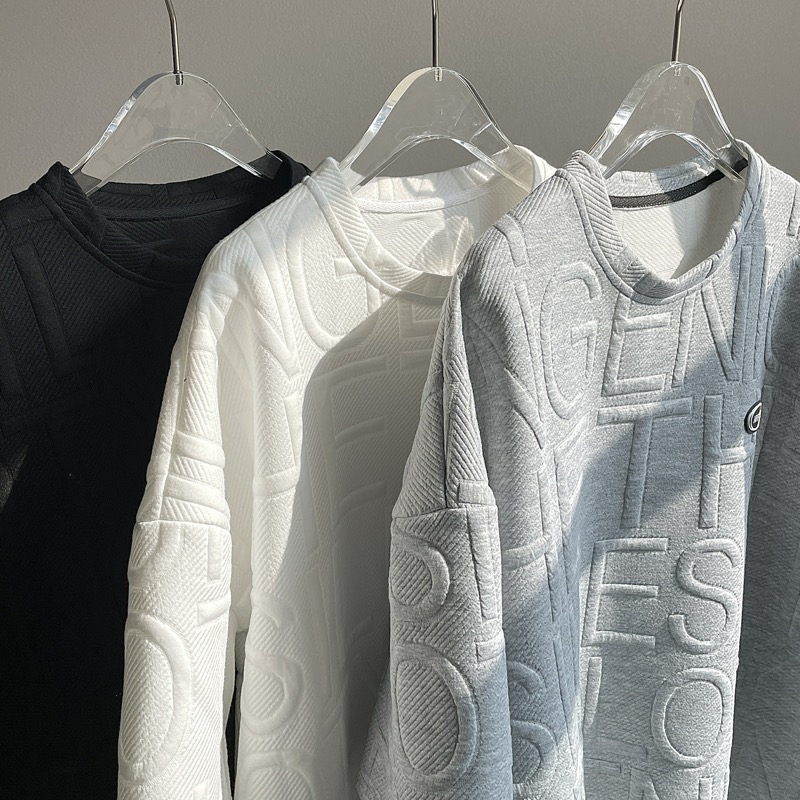
Streetwear Collections
Streetwear collections can combine flat embroidery, 3D puff embroidery, chenille, appliqué, and embroidered patches across hoodies, jackets, bottoms, and tees. Each finish is specified by material, stitch density, placement, and approved sample standards for consistent collection-level production.
Get a QuoteWhy EDVORIN Is a Custom Embroidery Clothing Manufacturer
Founded by Edvorin Zeng in 2000, EDVORIN was built around a practical goal: help buyers turn apparel ideas into standards that hold up beyond the first sample. As a custom embroidery clothing manufacturer, we coordinate garment construction and decoration from the earliest development decisions.
Our OEM, ODM, and private-label teams develop casualwear, streetwear, outerwear, and teamwear for men’s and women’s programs. Fabric weight, stabilizers, backing, placement, patches, trims, patterns, and sampling are reviewed together, so embroidery is engineered for the garment rather than added as an afterthought.
What makes EDVORIN different is the path from approved sample to repeatable bulk production. We document construction, materials, artwork placement, and finishing details; then use in-line and final checks to protect the approved standard. Flexible programs begin at 200 pieces per style for emerging and established buyers. Certification programs include ISO 9001, BSCI, WRAP, SEDEX, OEKO-TEX Standard 100, GRS, and GOTS.
From Stitch Development to Garment-Ready Decoration
Digitizing Built for Fabric
EDVORIN translates artwork into stitch-ready files with the garment, logo scale, coverage and intended finish in view. Sampling tests whether density, underlay and stitch direction support a clean result before the design becomes a bulk-production standard.
- Artwork reviewed for fine details and readable lettering
- Stitch density matched to the selected garment fabric
- Sample revisions documented before bulk approval
- Production files aligned to approved artwork
Thread Meets the Base
Embroidery performs differently on fleece, jersey, twill and outerwear shells. EDVORIN coordinates thread, backing and stabilizing choices with the base fabric so the decoration supports the garment’s hand feel, structure and intended wear—not just its appearance.
- Fabric weight and stretch considered before sampling
- Thread color references checked against the base
- Backing approach evaluated for stability and comfort
- Decoration planned alongside washes and finishing
Placement Across Every Size
A logo placement that works on one sample can shift across a graded size range. EDVORIN records placement points and dimensions against approved patterns, helping men’s and women’s programs maintain consistent visual balance from the first size to the last.
- Placement measured from stable garment reference points
- Graded sizes reviewed for logo proportion
- Men’s and women’s fit blocks developed separately
- Approved samples guide production-line checks
Patches Integrated by Construction
For appliqué, woven patches and embroidered badges, EDVORIN plans the decoration with seams, panels, linings and garment assembly in mind. This helps protect edges, preserve movement and keep the patch positioned where the finished garment needs it.
- Patch type selected for the intended garment category
- Seam and panel locations considered early
- Attachment method tested during sample development
- Construction details recorded for repeat orders
Choose a Custom Embroidery Clothing Manufacturer Built for Repeatability
EDVORIN connects garment development, embroidery and production control in one accountable workflow.
← Swipe left or right to view →
Our Embroidery Production Process
EDVORIN converts approved artwork and garment specifications into documented embroidery standards for consistent sampling, bulk production, inspection and packing.
Review Artwork and Tech Pack
We review artwork, garment construction, size range, fabric, placement, thread colors, backing requirements and brand specifications before development begins.
Digitize and Test Stitches
Our team converts approved artwork into an embroidery file, then tests stitch density, coverage, registration and fabric compatibility on the selected base material.
Approve Sample and Placement
You review the embroidered sample alongside placement measurements, thread references and garment details, creating a clear physical and technical standard for bulk production.
Confirm Materials and Production
After approval, we coordinate fabrics, trims, thread, backing and production instructions so decoration requirements remain aligned with the garment manufacturing plan.
Embroider, Finish and Inspect
Bulk embroidery is checked against approved standards before garment assembly or finishing, followed by final inspection, labeling, packing and order preparation.
How to Start an Embroidered Apparel Program
Share the essentials, approve a production-ready standard, and move into controlled bulk manufacturing with EDVORIN.
Share Your Program Details
Send artwork, reference garments or a tech pack, plus garment category, size range, embroidery placement, color requirements and planned order quantity.
Review Your Development Plan
Confirm the quotation, material and trim options, embroidery approach, sample scope and production specifications needed to translate your concept accurately.
Approve the Production Standard
Review the development sample for fit, fabric, stitch quality, artwork placement and finishing, then record approved details for repeatable bulk production.
Monitor Bulk Production
EDVORIN coordinates materials, embroidery, sewing, labels and packaging while in-line checks compare the order against your approved sample standard.
Receive Your Finished Order
Final inspection verifies garments before packing and delivery, helping your embroidered apparel program arrive ready for retail, teams or wholesale distribution.
Embroidery Programs Built to Repeat
EDVORIN matched our approved chest placement across 1,200 hoodies and varsity jackets. The stitch files, thread colors, and placement measurements were documented clearly, so our second drop moved forward without reopening the artwork process.
For our 18-team academy order, EDVORIN kept crest placement and player-name embroidery consistent across jerseys, warm-ups, and staff polos. The coordinated size sets and delivery plan helped us distribute every kit before the first tournament.
We launched three private-label polo programs with one approved embroidery standard across 2,400 pieces. EDVORIN coordinated fabric, labels, packaging, and decoration, giving our wholesale customers a cleaner repeat-order process.
Custom Embroidery Clothing Manufacturer FAQ
Clear answers for brands planning embroidered apparel from first artwork review through repeat bulk production.
What garments work best with a custom embroidery clothing manufacturer?
Which fabrics are suitable for custom embroidery clothing?
Can a custom embroidery clothing manufacturer combine embroidery with patches or printing?
What artwork does a custom embroidery clothing manufacturer need?
How do you decide embroidery size and placement?
Can I approve an embroidery sample before bulk production?
EDVORIN’s MOQ starts at 200 pieces per style. What is the minimum order quantity for embroidered private-label apparel?
Can you add private labels, hangtags and custom packaging to embroidered clothing?
How long does custom embroidered apparel production take?
The Complete Buyer’s Guide to Custom Embroidered Apparel
Use this practical framework to compare supplier capabilities, fabrics, embroidery specifications, quality controls, and costs—while avoiding the sourcing mistakes that delay launches, weaken brand presentation, or create expensive rework.
1. What Is a Custom Embroidered Apparel Manufacturer?
Since 2000, EDVORIN has operated as a custom embroidery clothing manufacturer that develops the garment and applies the logo within one accountable workflow. For OEM, private-label, and branded buyers, that can connect fabric selection, patterns, samples, embroidery placement, trims, labels, and packaging to an approved production standard.
A key distinction is whether the supplier makes the garment or merely decorates purchased stock blanks. A manufacturer can coordinate construction and embroidery before bulk cutting, then control measurements, artwork placement, finishing, inspection, and packed-order delivery; a stock-blank decorator primarily adds a logo to an existing garment specification.
2. Evolution of Custom Embroidered Apparel
By the late 19th century, machine embroidery had begun shifting decorative stitching from handwork toward repeatable industrial output. That change made badges and monograms practical for uniforms, collegiate apparel and sportswear, where identity had to remain consistent across many garments. Source: https://www.britannica.com/art/embroidery
Since the 1990s, computerized digitizing has converted artwork into stitch files that specify stitch paths, density, sequence and color changes. Multi-head machines can then repeat one approved program across an order, provided the buyer locks the garment, backing, thread colors and placement reference.
In 2026, embroidery is used across corporate polos, workwear, team layers and streetwear because the thread decoration remains tactile and resistant to cracking or peeling. A custom embroidery clothing manufacturer should treat the approved digitized file, sample and placement measurements as controlled production records, then coordinate labels and packaging for private-label delivery. Source: https://www.customink.com/products/embroidery/126
3. Types of custom embroidery clothing manufacturer
Manufacturer models determine whether the buyer controls only artwork or the entire garment. A custom embroidery clothing manufacturer should match the program’s product-development needs, order scale, and replenishment plan.
Full-Package OEM Factories
Full-package OEMs can develop fabric, patterns, labels, packaging, and embroidery. They suit private-label collections; ask who owns patterns and approves pre-production samples.
Cut-And-Sew Specialists
Cut-and-sew specialists build garments from custom blocks and construction specifications. They offer maximum fit control; ask about grading, embroidery sequencing, and minimums by colorway.
Blank-Garment Decorators
Blank decorators embroider stocked polos, hoodies, and jackets after logo approval. They fit fast corporate orders; ask which blanks, thread colors, and placement limits apply.
Uniform And Workwear Suppliers
Uniform suppliers prioritize repeatable stock, durable fabrics, and role-based sizing. They suit employers; ask about replacements, logo files, and wash-performance requirements.
Sports-Team Suppliers
Sports suppliers coordinate jerseys, names, numbers, and team color systems. They fit clubs and schools; ask how roster changes and size-set accuracy are controlled.
Sourcing Agents
Sourcing agents coordinate factories, quotations, and inspections without necessarily owning production. They add market access; ask which factory is accountable for defects and timelines.
4. Fabrics for Custom Embroidered Clothing
180–260 GSM fabric usually stabilizes small logos better than lightweight knits. A custom embroidery clothing manufacturer should match backing, needle settings, and placement to stretch, surface texture, and seam construction.
| Fabric | Suitable Garments | Embroidery Consideration | Best End Use |
|---|---|---|---|
| Cotton jersey | T-shirts | Stretch; stabilize | Fashion brands |
| Fleece | Hoodies | Watch pile direction | Streetwear |
| Piqué | Polos | Simplify fine detail | Corporate teams |
| Performance polyester | Jerseys | Test stretch backing | Sports clubs |
| Woven shirting | Dress shirts | Use light backing | Corporate buyers |
| Twill | Jackets | Supports patches | Schools |
| Outerwear shell | Windbreakers | Test coatings and lining | Team programs |
Stability Before Stitching
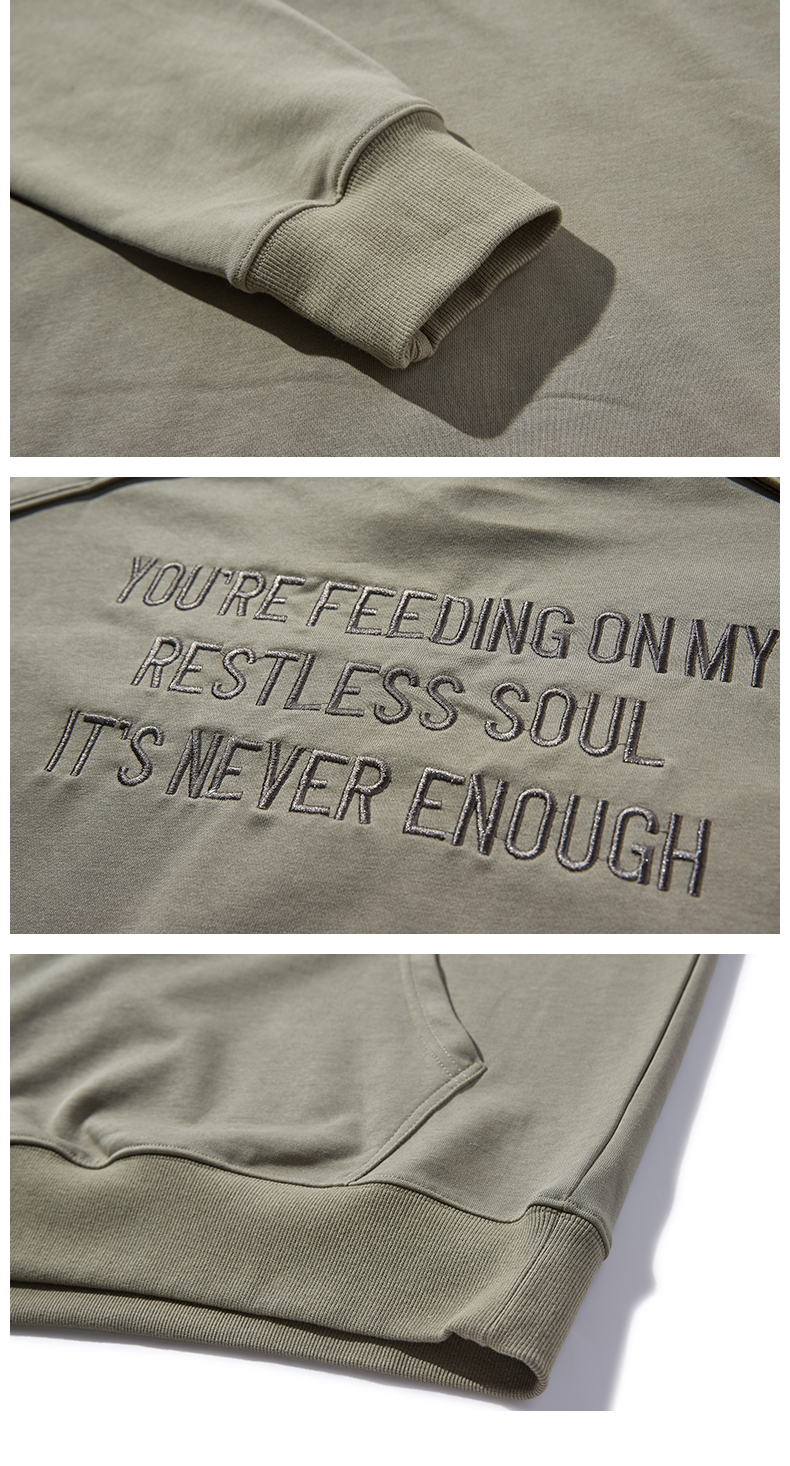
95% cotton jersey needs cutaway or suitable stabilizer to limit puckering; heavy fills can distort stretch.
320 GSM fleece gives dense designs a stable face, but pile direction and rib seams must be recorded.
Surface And Construction
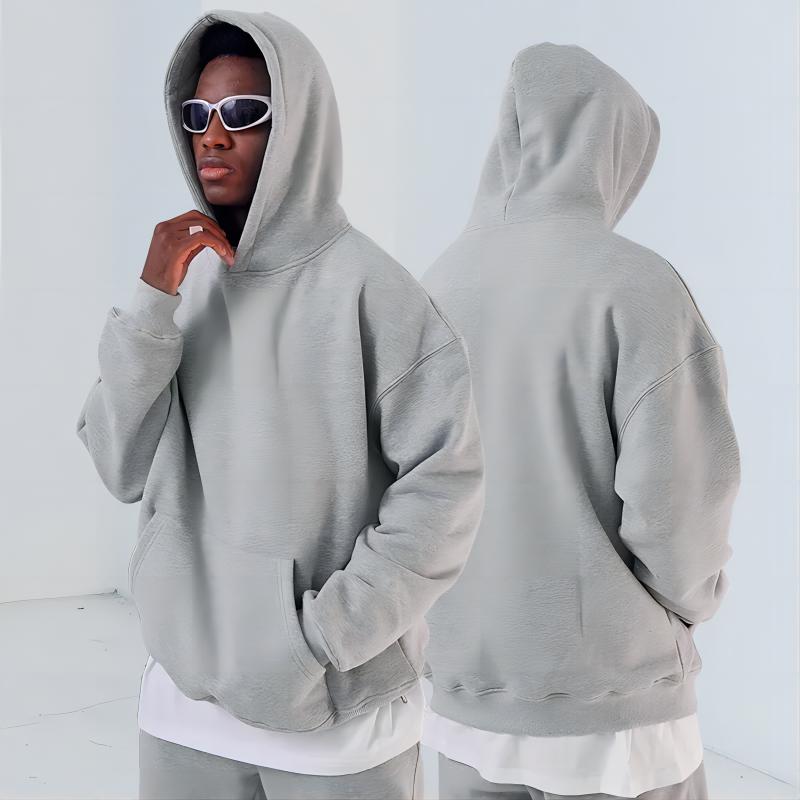
Piqué texture can break fine lettering, while smooth woven shirting supports crisp detail.
2-way stretch polyester needs tested backing; chest seams, pockets, and zippers restrict hooping areas.
Wear Requirements
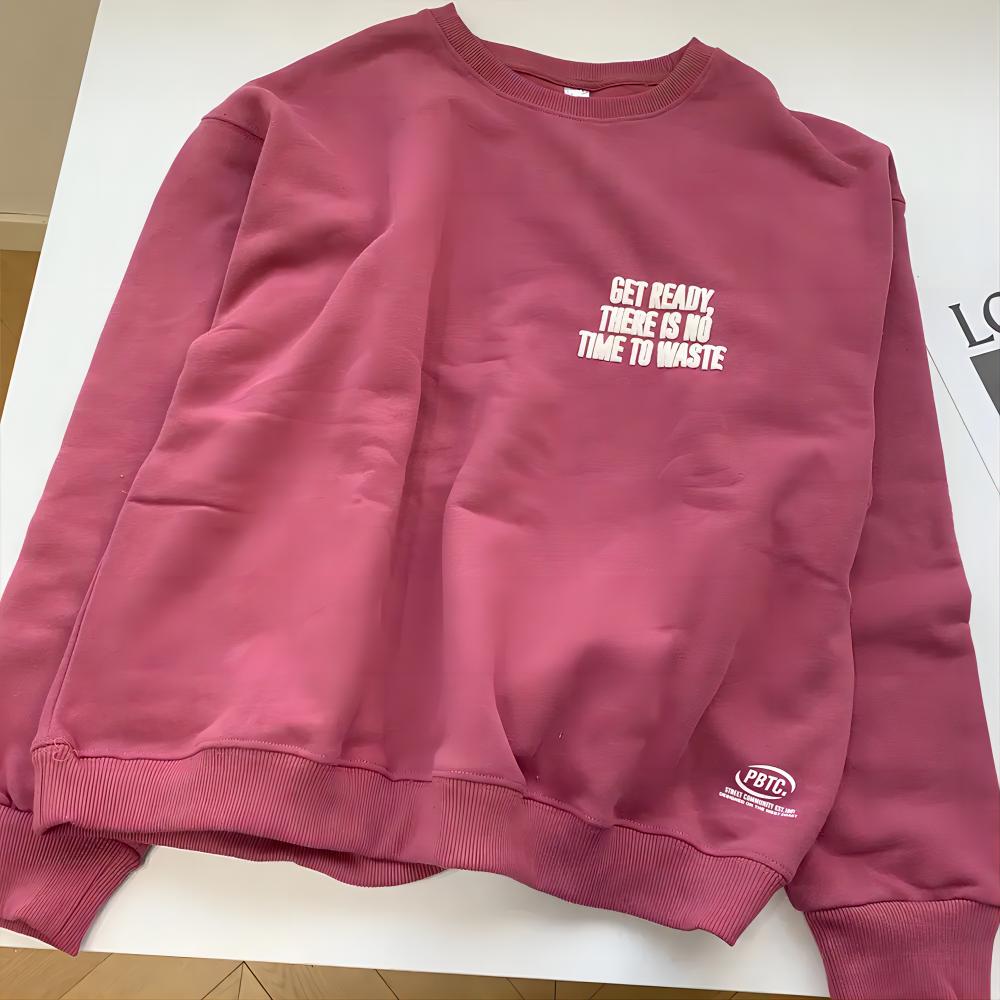
Twill tolerates patches and high stitch density for uniforms. Outerwear requires testing through shell, lining, insulation, and any waterproof coating.
5. Custom embroidery clothing manufacturer Decoration Options
A custom embroidery clothing manufacturer should translate every logo into a decoration specification before sampling. Record technique, finished size, placement, thread colors, backing, and the approved digitized file.
| Option | Best Use | Watchpoint |
|---|---|---|
| Flat embroidery | Polos and chest logos | Detail limits at small scale |
| 3D puff | Caps and structured panels | Avoid thin knits |
| Appliqué or chenille | Varsity and heavyweight styles | Specify edge finish |
| Patch plus print | Large streetwear graphics | Approve placement together |
Technique And Garment Match
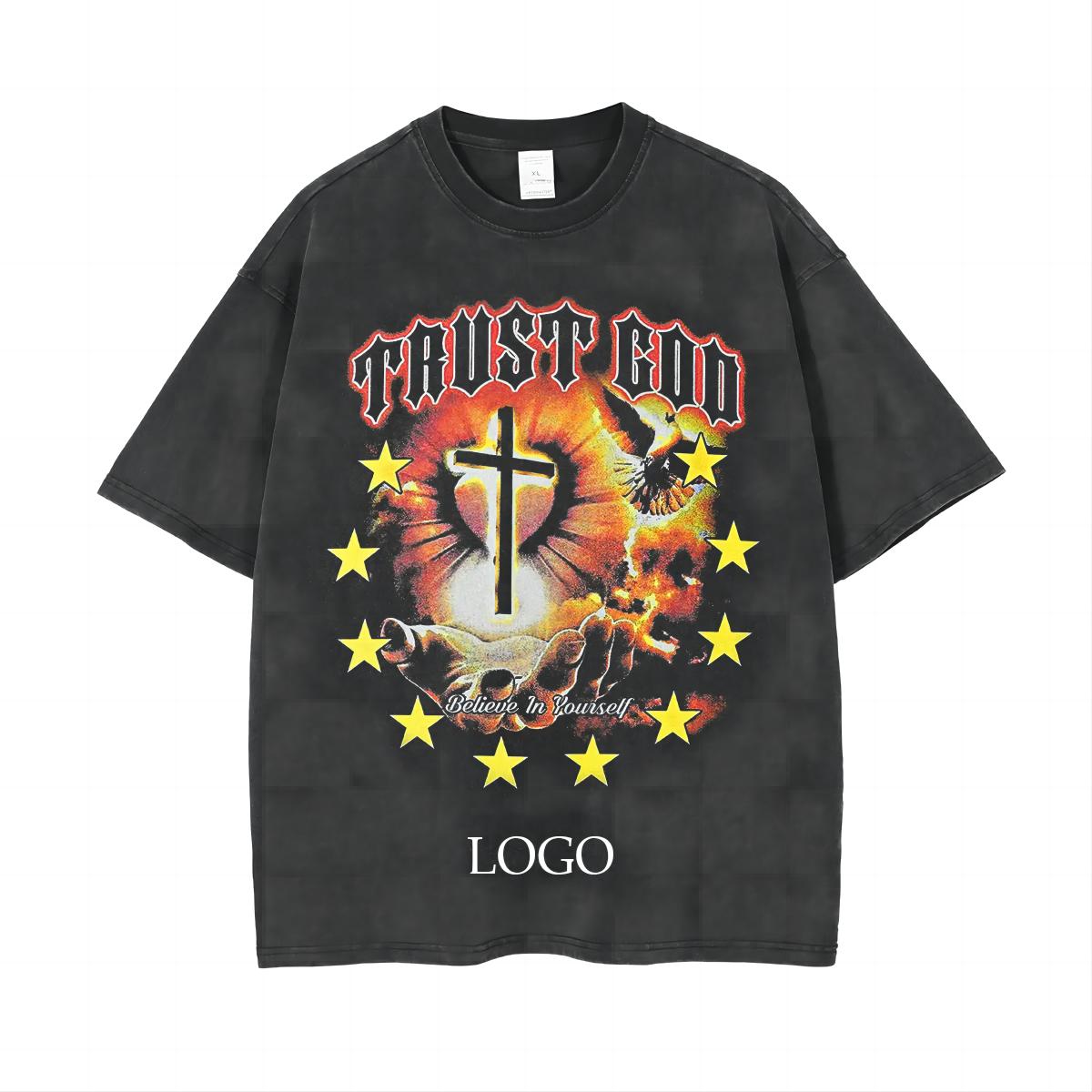
Flat embroidery suits chest logos on polos, fleece, and woven shirts. 3D puff needs firm caps or structured panels; appliqué, patches, and chenille add dimension on varsity jackets and heavyweight sweatshirts.
Digitizing And Stitch Control
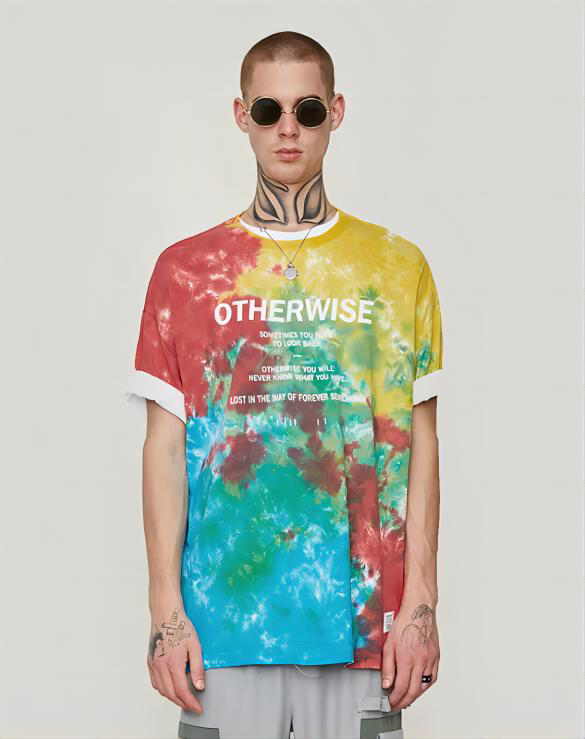
One digitized file is not universal: stitch density, underlay, pull compensation, and backing must match the garment weight. Small lettering and dense fills need testing to avoid puckering, stiffness, or lost detail.
Placement And Layered Branding
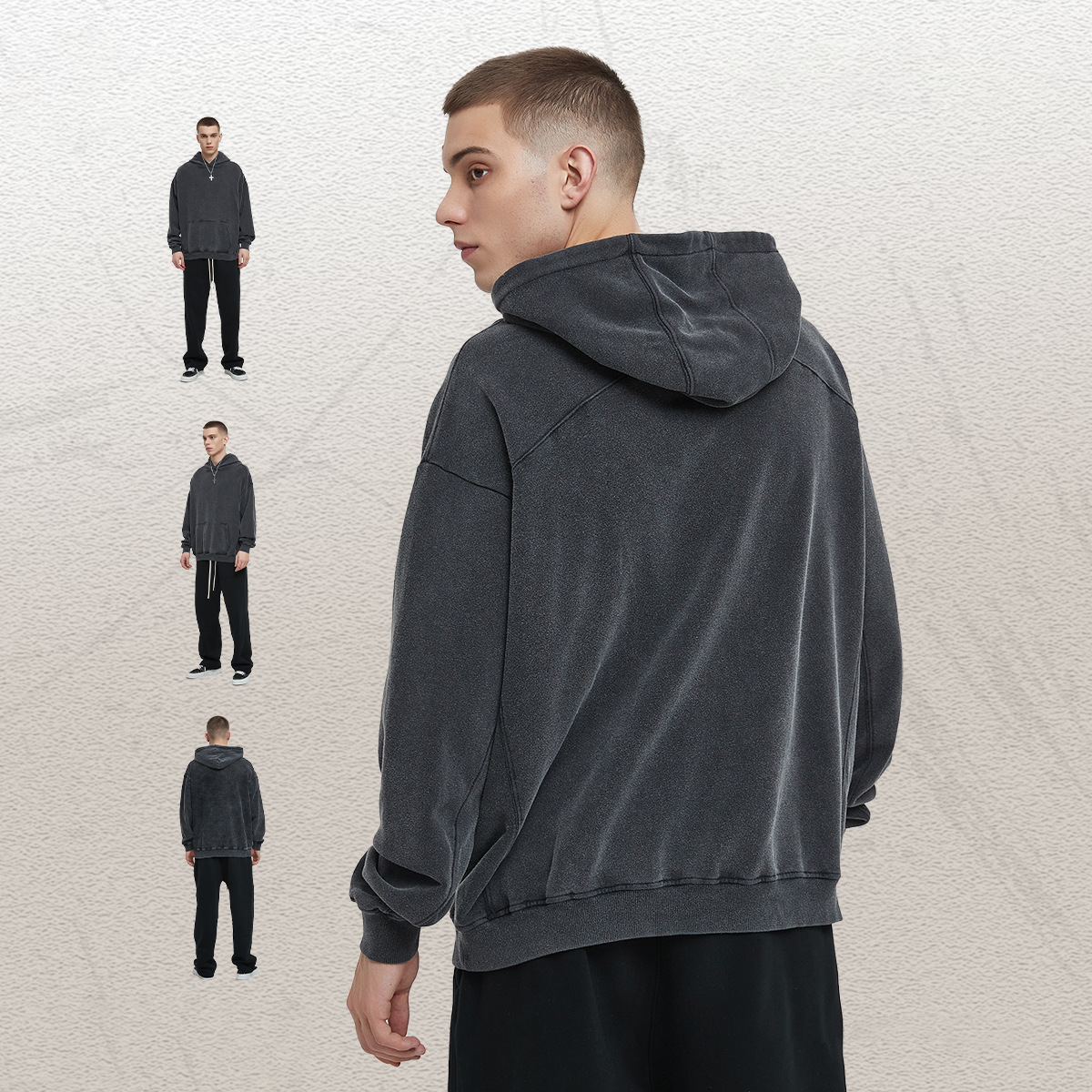
Left chest, center chest, sleeve, back neck, and hem placements require measured references from seams. Tonal or metallic thread can refine a logo, while large artwork often works better as print paired with a woven label or embroidered patch.
6. Construction and Embroidery Quality Checks
A pre-production sample should become the physical standard for every custom embroidery clothing manufacturer order. EDVORIN records approval points before cutting so bulk teams inspect against one agreed result.
Garment Construction
Key seams should be checked for even stitch density, secure seam ends, loose trims, and balanced strength at stress points. Measurement tolerances and fit grading must be reviewed across the size set before bulk cutting.
Embroidery Appearance
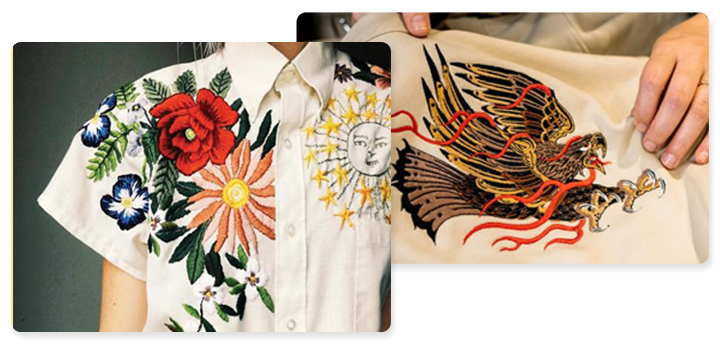
Pantone-referenced color approvals help control thread shade before production. Check thread tension, artwork registration, clean outlines, backing visibility, and puckering on the actual garment fabric rather than a separate swatch.
Wash And Shipment Controls
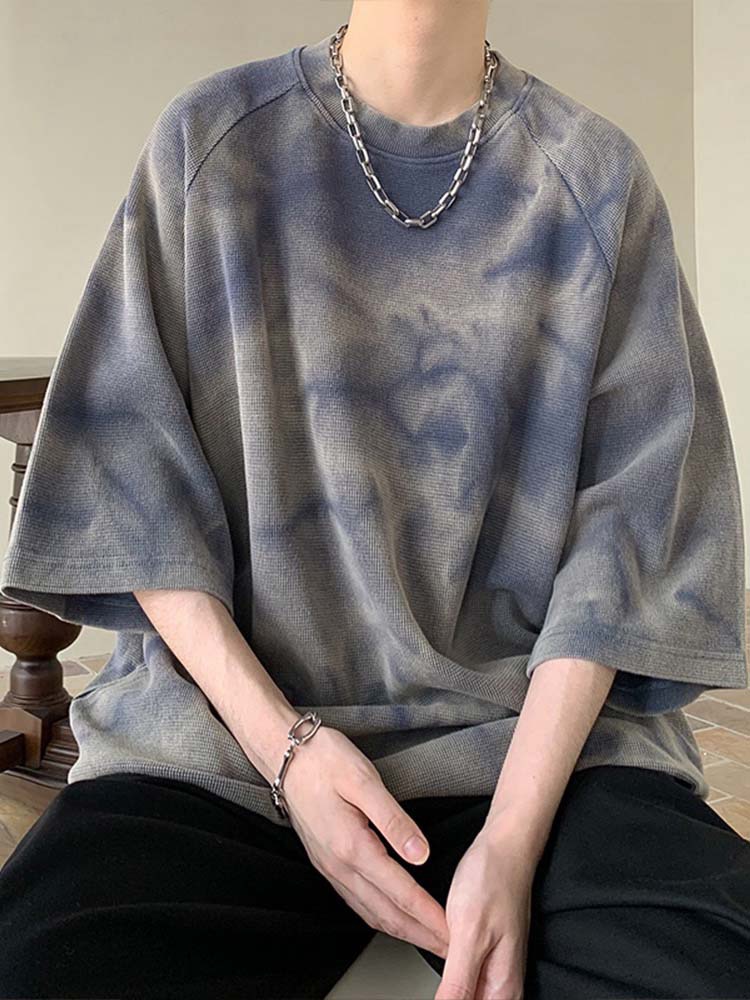
One wash test should confirm shrinkage, color change, seam stability, and embroidery distortion under the intended care method. Documented in-line and final QC checkpoints should compare cartons, labels, measurements, and decoration placement with the approved sample before shipment.
7. Choosing a custom embroidery clothing manufacturer
A capable custom embroidery clothing manufacturer proves repeatability before promising speed. Evaluate suppliers against your garment category, order model, and revision tolerance—not a single quoted unit cost.
Match Category Experience
200-piece programs need evidence from comparable hoodies, jerseys, polos, or outerwear—not generic embroidery photos. Ask for construction references, embroidery placement records, and fit-block experience for men’s and women’s sizing.
Test The Development Path
EDVORIN’s MOQ starts at 200 pieces per style. 1 approved pre-production sample should document fabric, Pantone color, thread, backing, placement, labels, and packaging. Ask how pattern or artwork revisions affect sample timing, MOQ, capacity allocation, and bulk lead time.
- What is the MOQ per style and color?
- Which materials and trims are sourced transparently?
- What in-line and final checks are recorded?
- Which Incoterm and shipping documents apply?
Compare Quote Scope
3 quotes can share a unit price yet differ materially in sampling, digitizing, freight, duty treatment, defect handling, and payment terms. Score response clarity and revision ownership alongside capacity and stated delivery dates.
| Check | Quote A | Quote B | Quote C |
|---|---|---|---|
| Included scope | Sample, labels, packing | Confirm | Confirm |
| Lead-time basis | Approval to ship date | Confirm | Confirm |
| Quality remedy | Written process | Confirm | Confirm |
8. Common Custom Embroidery Sourcing Mistakes
Eight avoidable decisions can turn a clean design into rework, missed launches, or unsellable inventory. A custom embroidery clothing manufacturer needs complete approvals and production inputs before bulk booking.
Artwork And Digitizing
Vector artwork prevents blurred edges; unsuitable files can distort small lettering. Request a digitized proof and approve size, colors, and stitch direction before sampling.
Fabric And Sample Approval
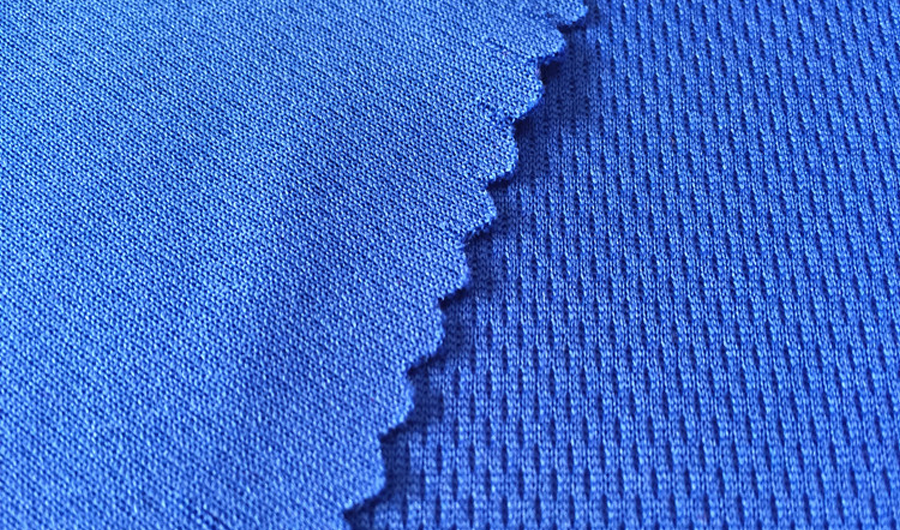
300 GSM fleece may pucker under dense stitching; selecting fabric first can compromise the logo. Test embroidery on the intended garment, then inspect a full sample for fit, backing, and wash performance.
Capacity And Quote Scope
EDVORIN’s MOQ starts at 200 pieces per style. 200-piece MOQ and production lead time must be confirmed per style, color, and decoration; assumptions can delay launch. Compare like-for-like quotes covering fabric, stitch count, sampling, labels, packaging, freight terms, and revisions.
Sizes And Final Presentation
A 2XL-heavy team order can create shortages when size ratios are guessed. Submit a size breakdown and define neck labels, hangtags, folding, polybags, carton marks, and pack ratios before production.
9. Launching an Embroidered Apparel Collection
A 12-week launch calendar gives a custom embroidery clothing manufacturer time to translate the brand brief into an approved, deliverable collection. Define target customer, retail window, price position, and launch quantity before choosing garments.
Build The Product Brief
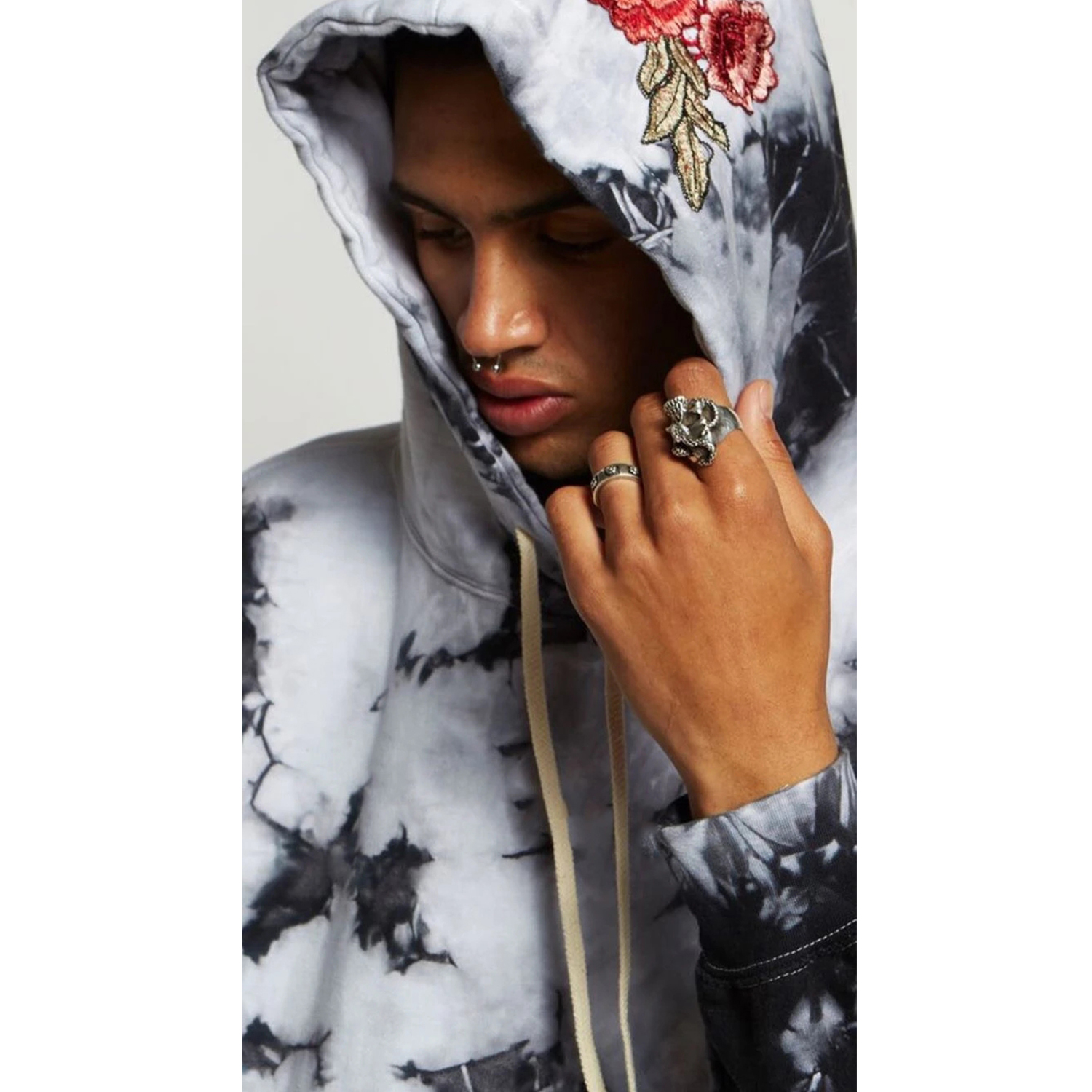
Three decisions anchor the range: garment silhouette, 2–4 colorways, and planned size run. Specify neck labels, hangtags, polybags, carton marks, and garment measurements in the tech pack.
Approve Artwork And Samples
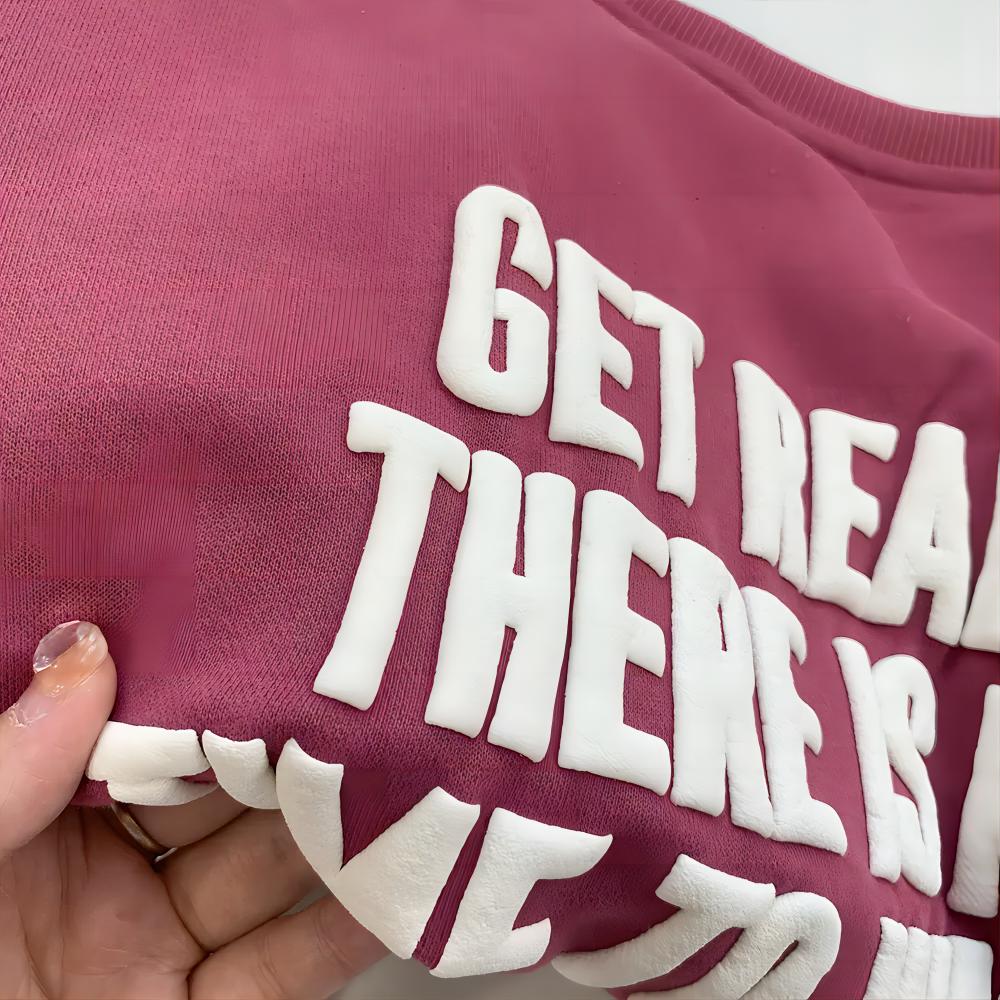
One production-ready artwork file should state placement, finished dimensions, thread colors, and backing requirements. Review the digitized sew-out and sample against the approved garment before locking revisions.
Control Production Timing
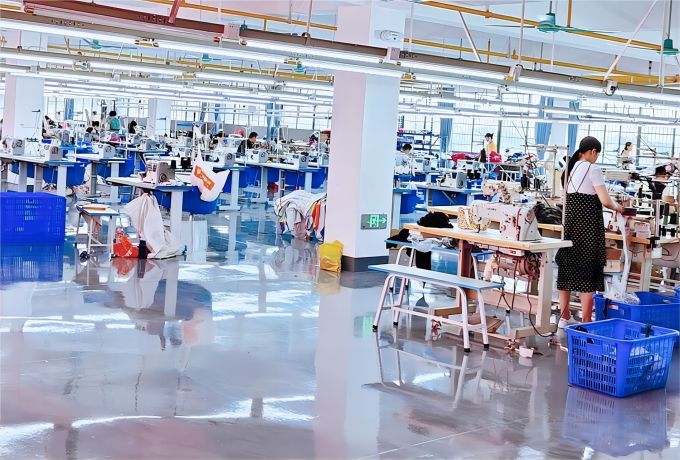
Two signed approvals—pre-production sample and purchase order—should precede bulk cutting. Reserve freight time, inspect measurements and embroidery placement, then allocate launch inventory by color and size demand.
10. Custom Embroidery Clothing Manufacturer Pricing
200-piece programs usually carry a higher unit cost because development, digitizing, setup, and sampling are spread across fewer garments. Fabric weight, cut-and-sew construction, stitch count, logo detail, and each additional placement all affect the quote.
1 approved pre-production sample should be budgeted separately from bulk, especially when artwork, wash effects, or fit are still being refined. Confirm whether woven labels, hangtags, polybags, cartons, freight, insurance, and destination duties are included or quoted separately.
2 cost comparisons are meaningful only when the garment specification and Incoterm match. Ask the custom embroidery clothing manufacturer to show decoration assumptions, shipment method, production window, and excluded charges in writing.
| Quantity tier | Indicative cost components | Unit-price direction | Lead-time consideration |
|---|---|---|---|
| 200–499 | Sample, digitizing, fabric, embroidery | Highest | Allow approvals before bulk |
| 500–999 | Fabric, sewing, stitches, trims | Decreases | Coordinate material booking |
| 1,000+ | Bulk fabric, repeat decoration, packing | Usually lowest | Reserve production and freight capacity |
Start Your Custom Embroidery Clothing Manufacturer Quote
Send your logo, garment concept, placement details and quantity to discuss an OEM/private-label sample or production program from 200 pieces per style.