
Flat Embroidery Clothing Manufacturer for Durable Brand Detail
EDVORIN is a flat embroidery clothing manufacturer for clean, repeatable stitched branding across private-label apparel, teamwear and fashion collections.
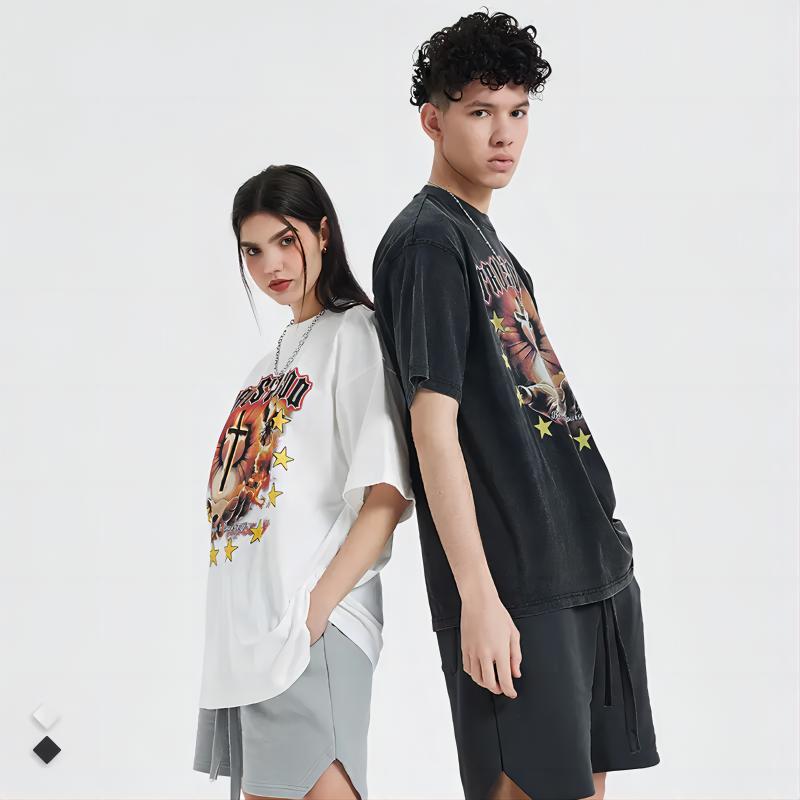
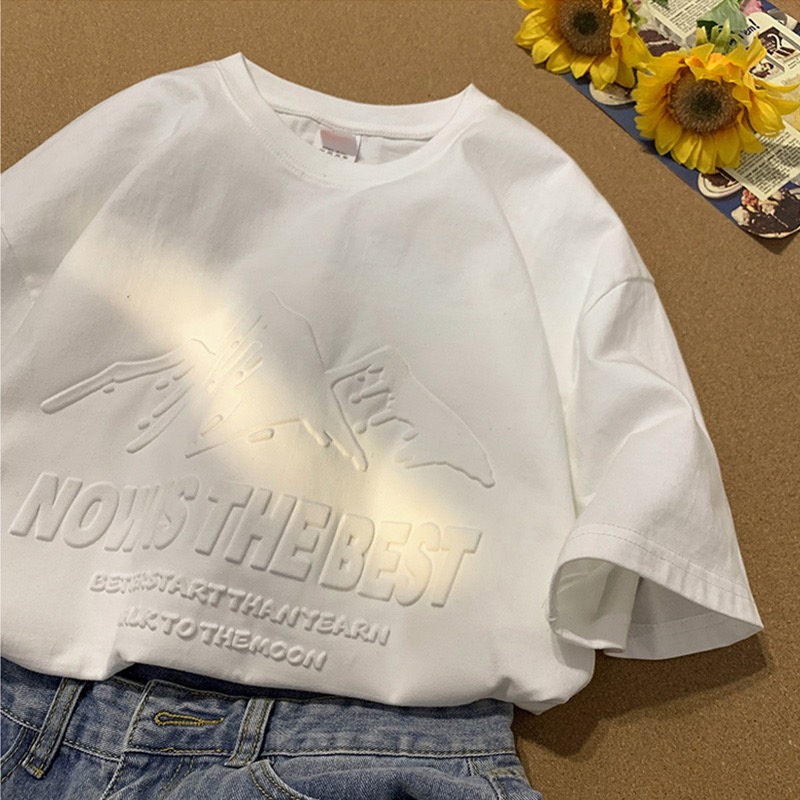
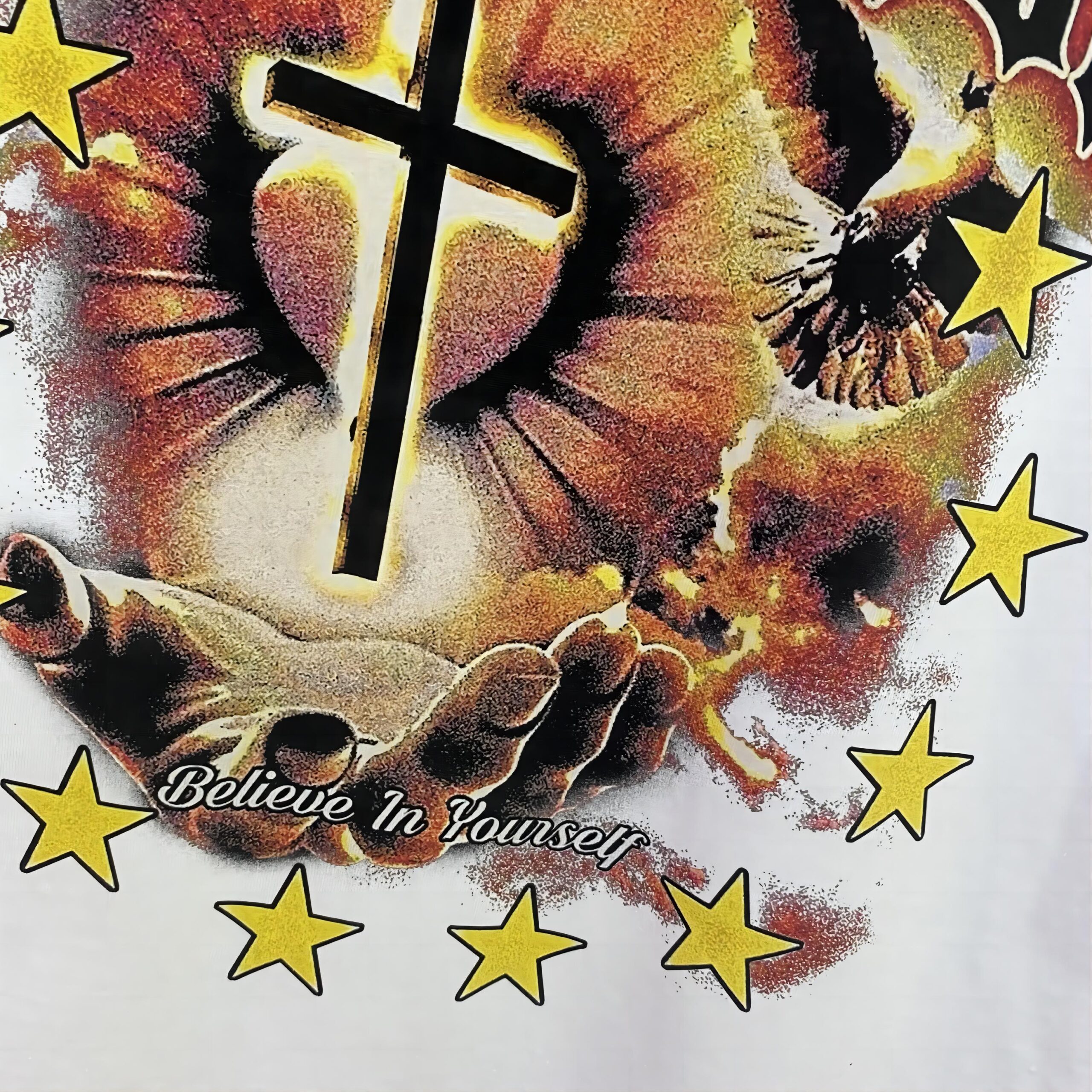
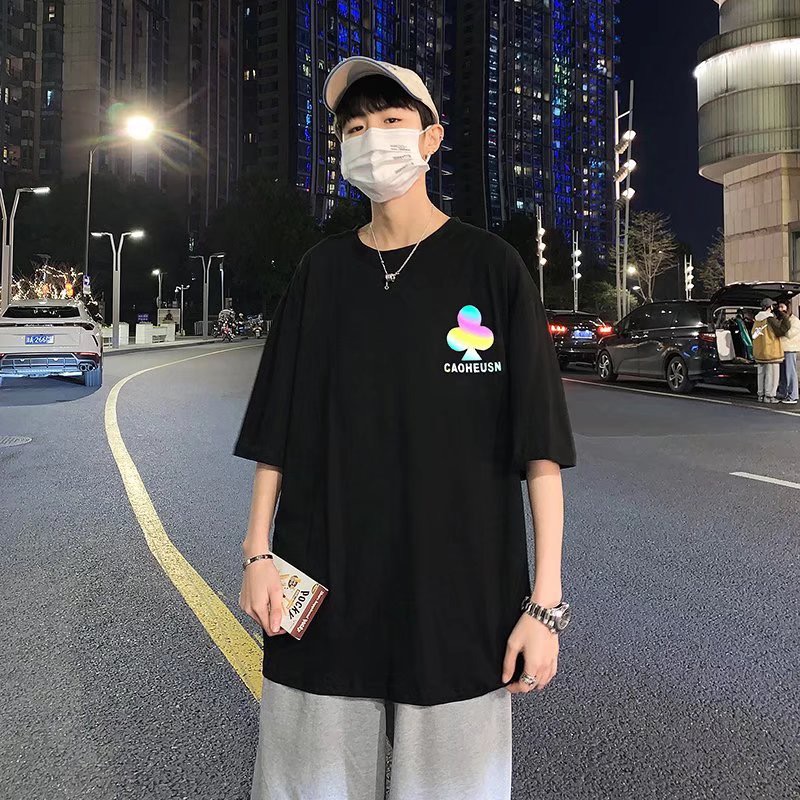
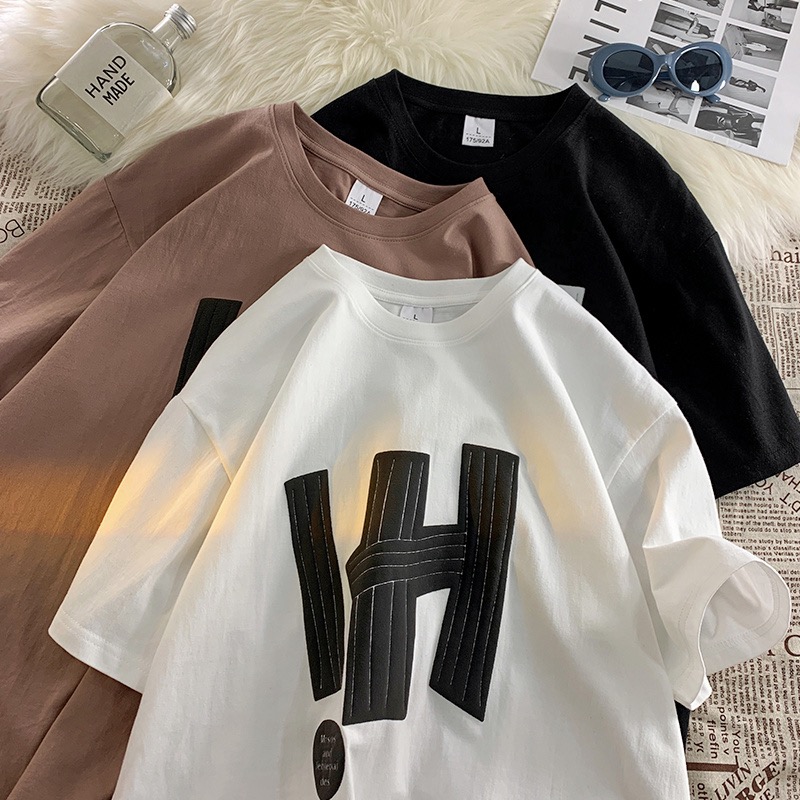
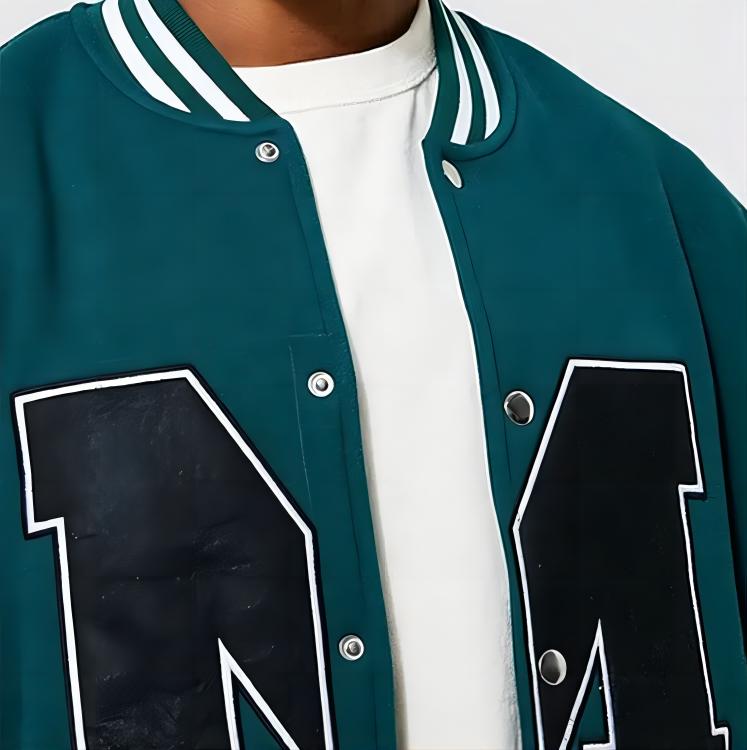
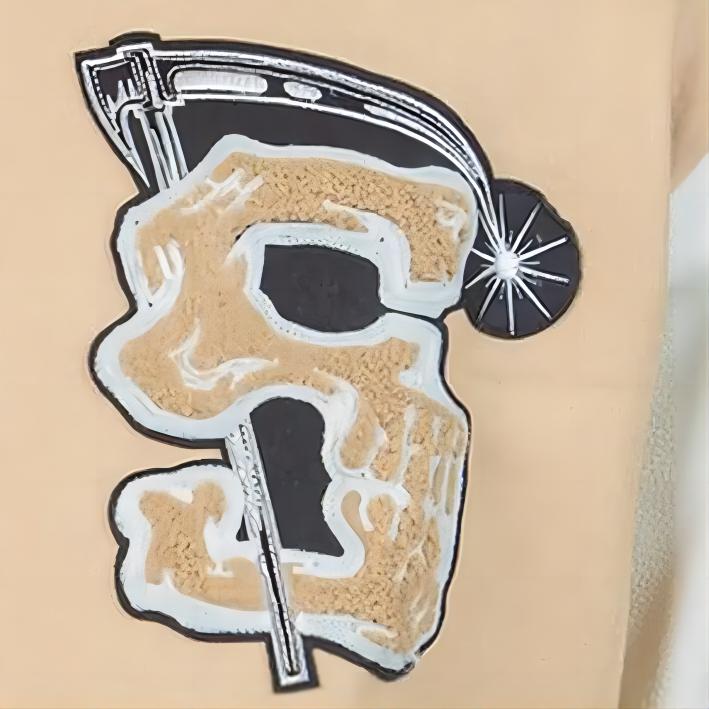
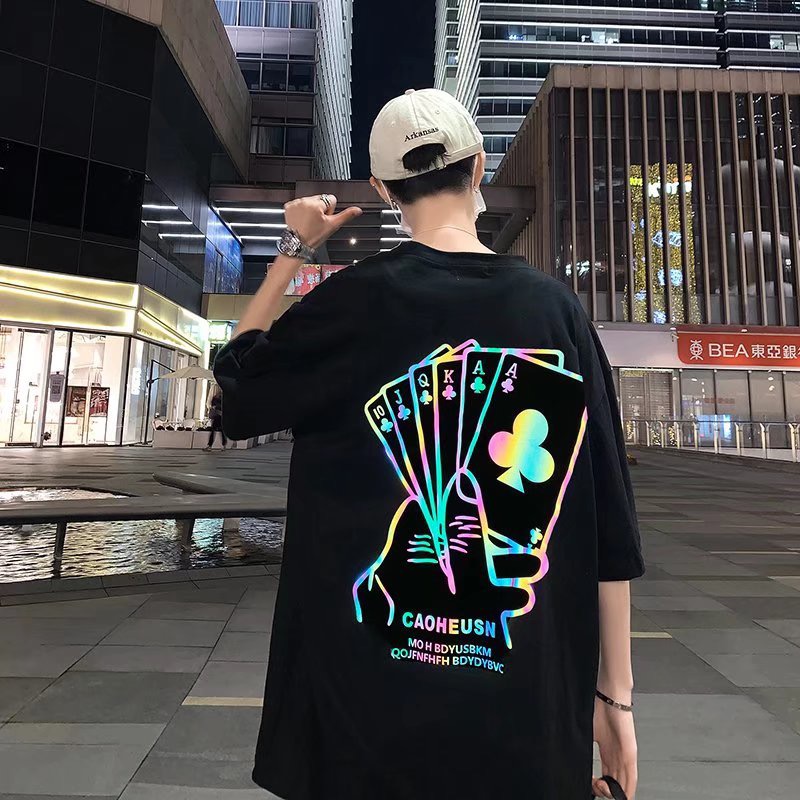
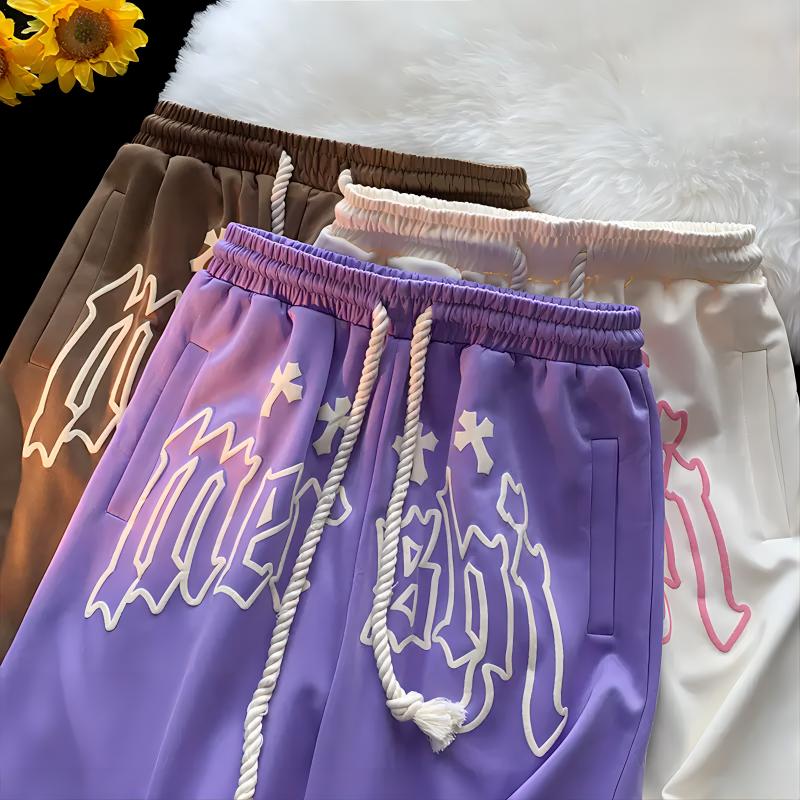
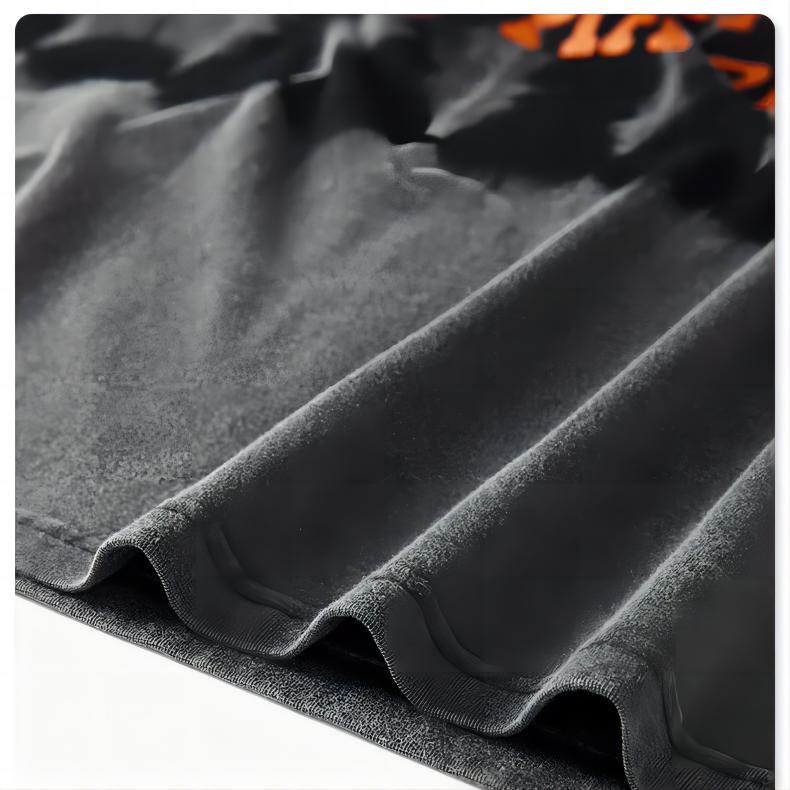
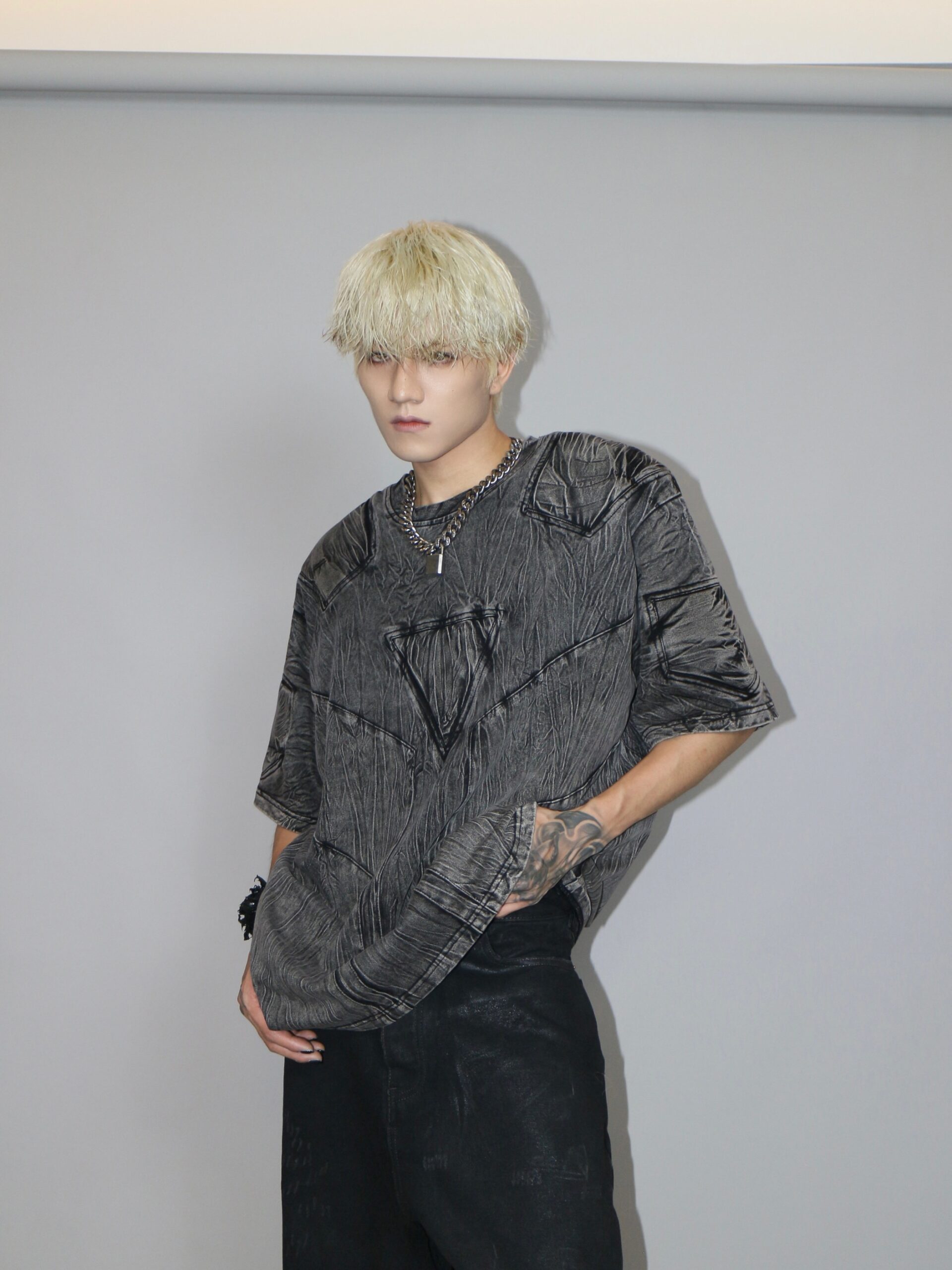
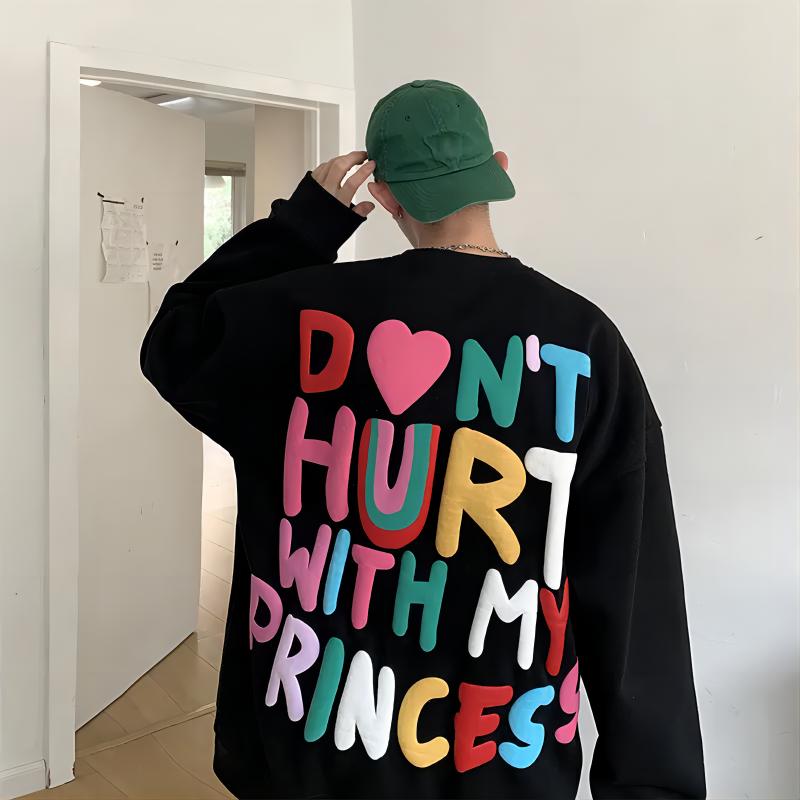
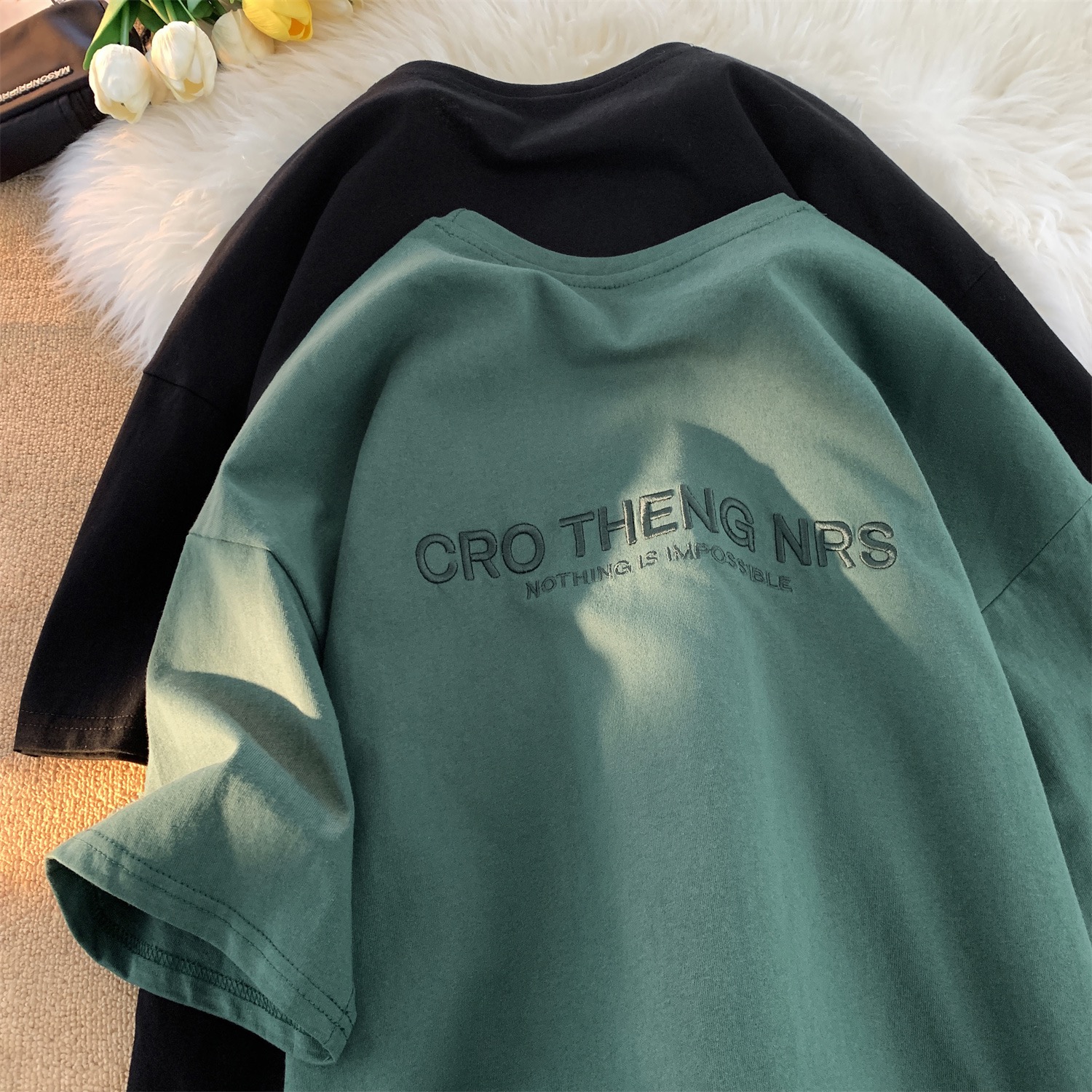
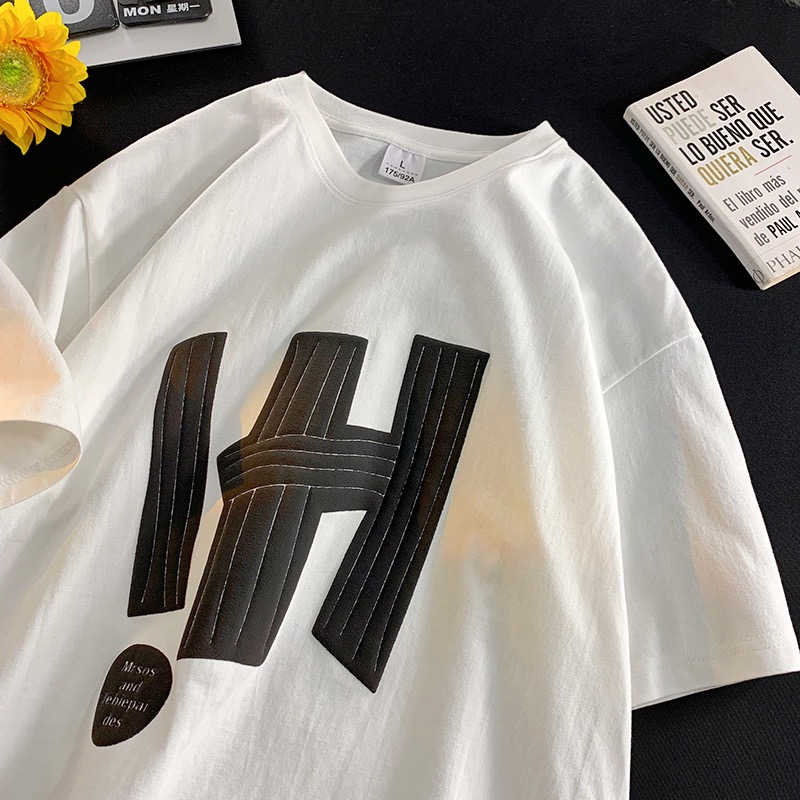
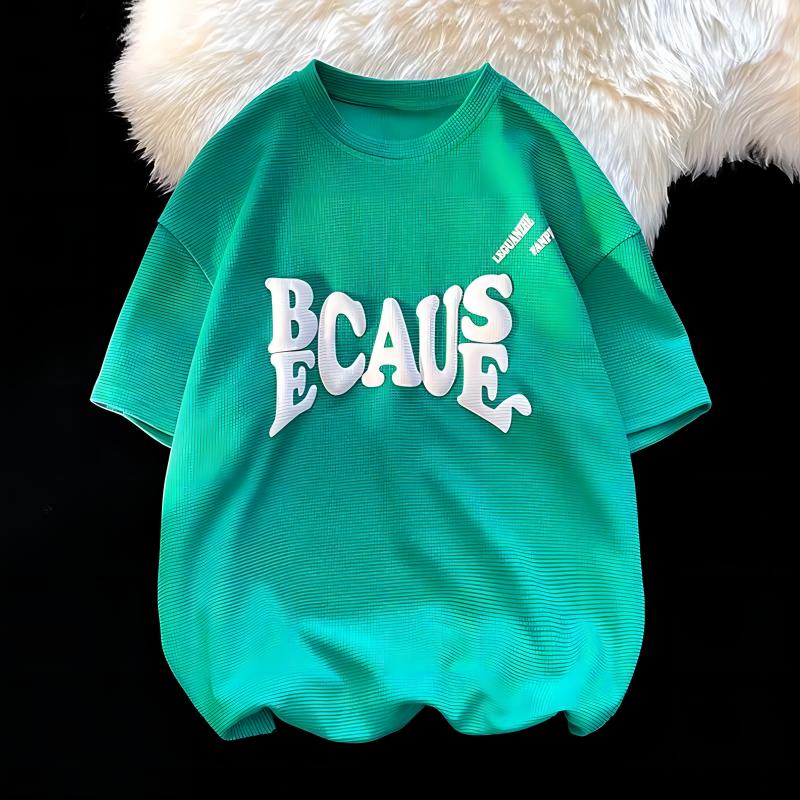
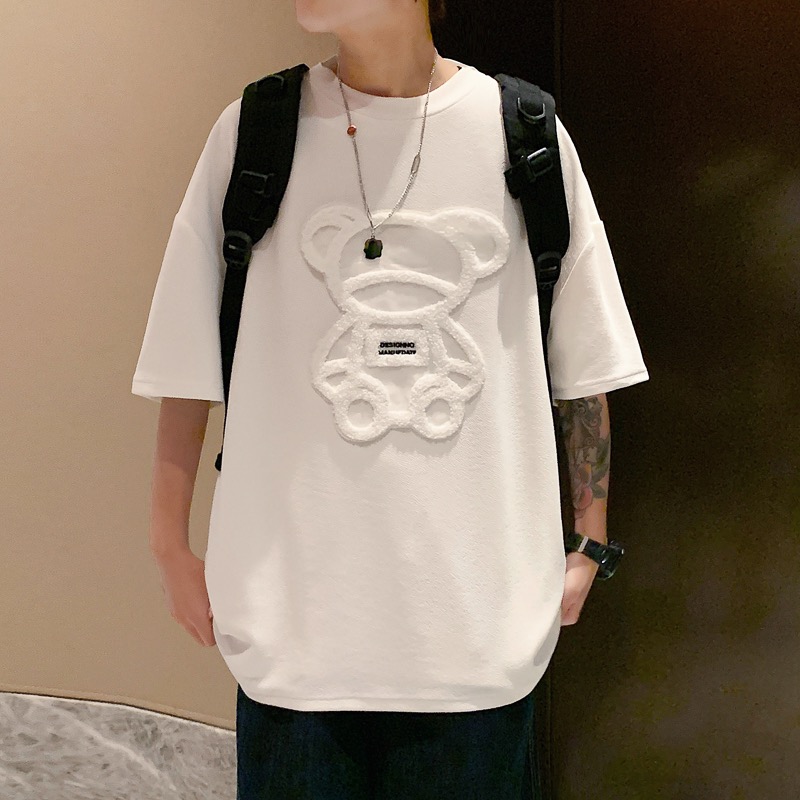
Featured Apparel for Flat Embroidery Development
Why Choose a Flat Embroidery Clothing Manufacturer?
EDVORIN helps turn logo artwork into smooth, defined embroidery standards for apparel programs that need consistent bulk execution.
Smooth Stitched Profile
Flat embroidery sits close to the garment, creating a clean, refined finish for chest logos, sleeve marks and subtle branded details.
Defined Logo Detail
Artwork is reviewed for stitch-friendly shapes, spacing and small details, helping your approved logo remain clear on finished apparel.
Flexible Thread Colors
Coordinate thread colors with your brand palette, garment fabric and collection direction before the embroidery standard moves into bulk production.
Tactile Brand Finish
Add a dimensional, touchable detail that gives hoodies, polos, jackets and teamwear a considered premium character without excessive height.
Bulk-Ready Consistency
Approved samples, placement references and production checks help EDVORIN repeat flat embroidery accurately across your order, starting at 200 pieces per style.
Explore Embroidery and Apparel Manufacturing
Compare product categories, decoration options and development requirements to find the right next step for your collection or teamwear program.
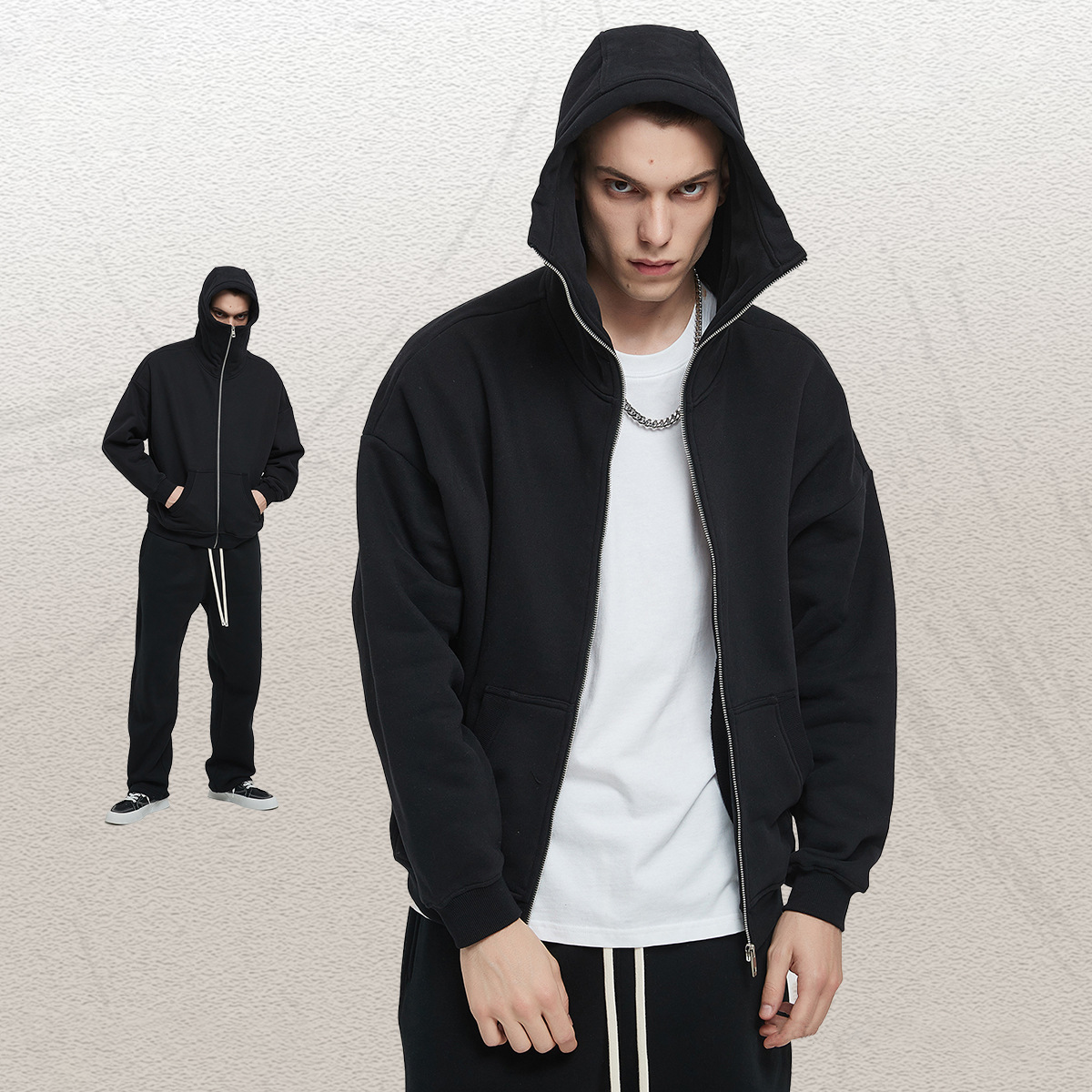
Custom Hoodies
For fleece-based programs needing embroidered chest logos, sleeve details or patches, our custom hoodie manufacturer service coordinates fabric weight, rib, drawcords, labels and approved decoration specifications from sample through bulk production.
Get a Quote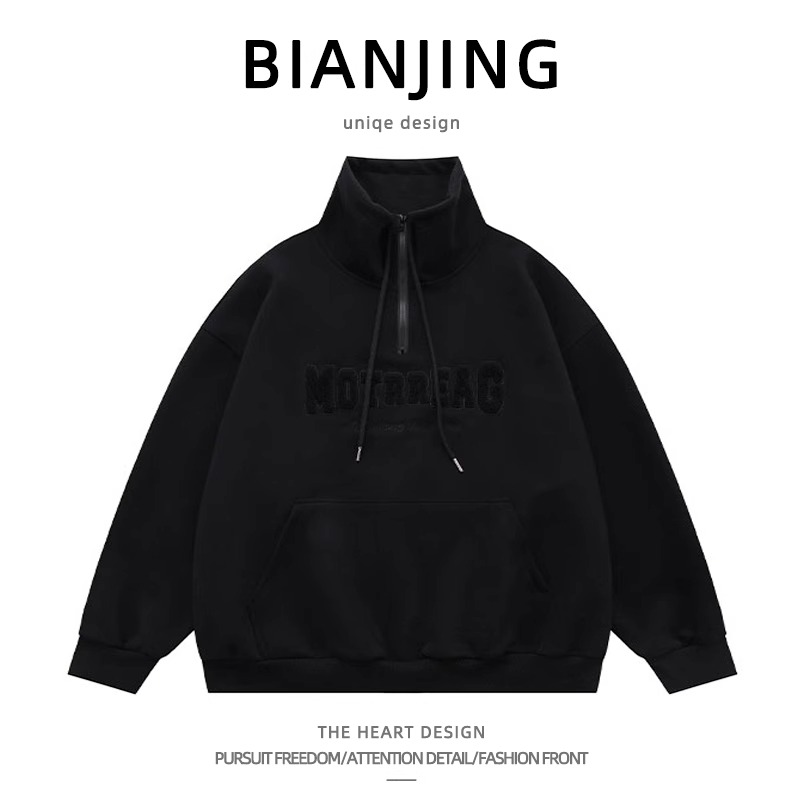
Pullover Sweatshirts
Choose pullover sweatshirts when a hoodless silhouette better fits your range. As a sweatshirt manufacturer, EDVORIN develops fleece, French terry, crewneck construction, embroidery placement, prints, washes and grading for men’s and women’s programs.
Get a Quote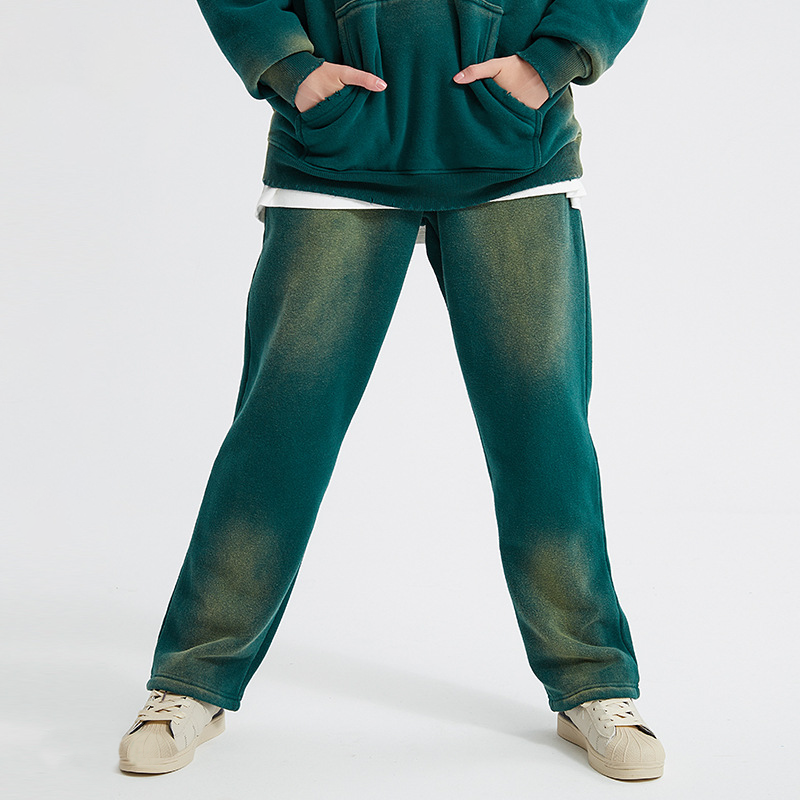
Sweatpants & Joggers
For coordinated bottoms, our sweatpants manufacturer service develops joggers, open-hem sweatpants and relaxed fits with elastic, drawcord, pocket and embroidery requirements documented for repeat bulk orders.
Get a Quote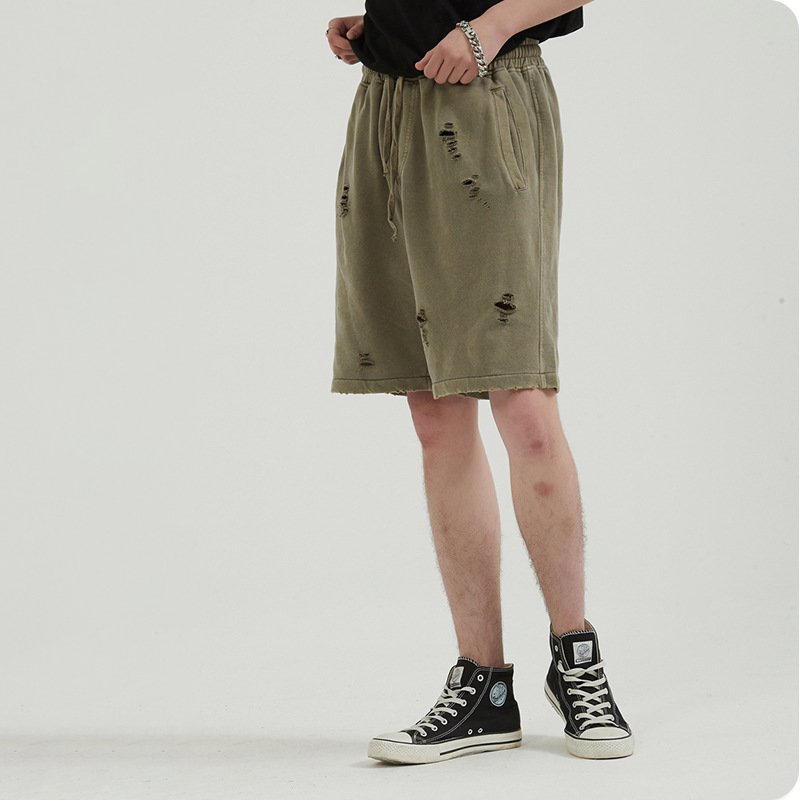
Custom Shorts
Use custom shorts for fleece, jersey, woven or performance programs that require controlled inseams, waistband construction, pockets, print or embroidered branding. As a custom shorts manufacturer, EDVORIN supports MOQs starting at 200 pieces per style.
Get a Quote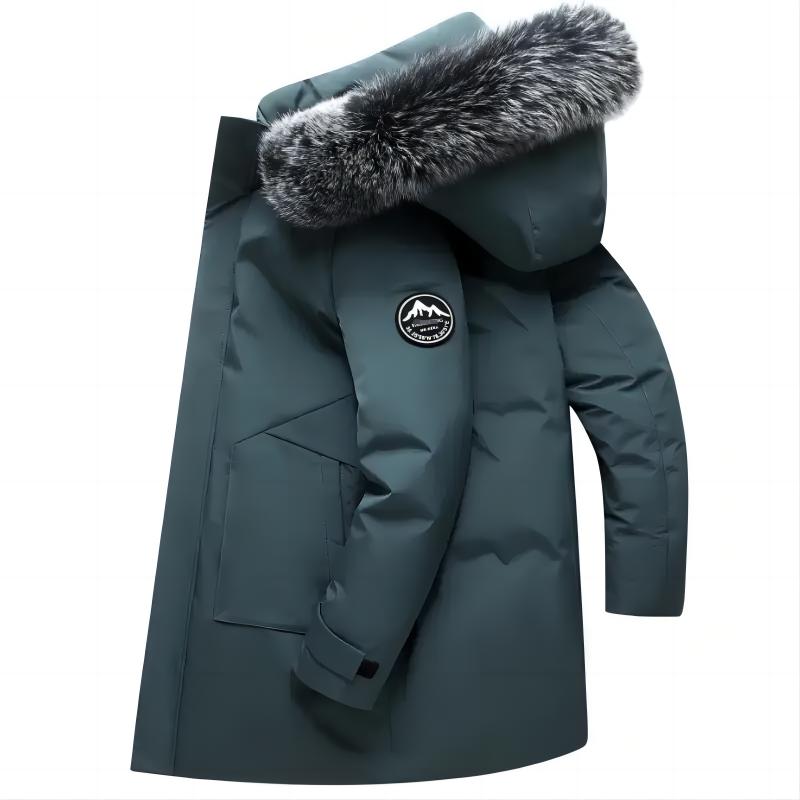
Varsity & Baseball Jackets
A varsity jacket manufacturer is the right destination for programs balancing wool, melton or fabric bodies with sleeves, rib, snaps, chenille patches and embroidery. Construction and decoration are reviewed together before bulk production.
Get a Quote
Custom T-Shirts
For lightweight branded essentials, our custom T-shirt manufacturer service supports jersey selection, fit development, screen printing, embroidery and labeling. Choose this category when embroidery is secondary to fabric hand feel or graphic placement.
Get a Quote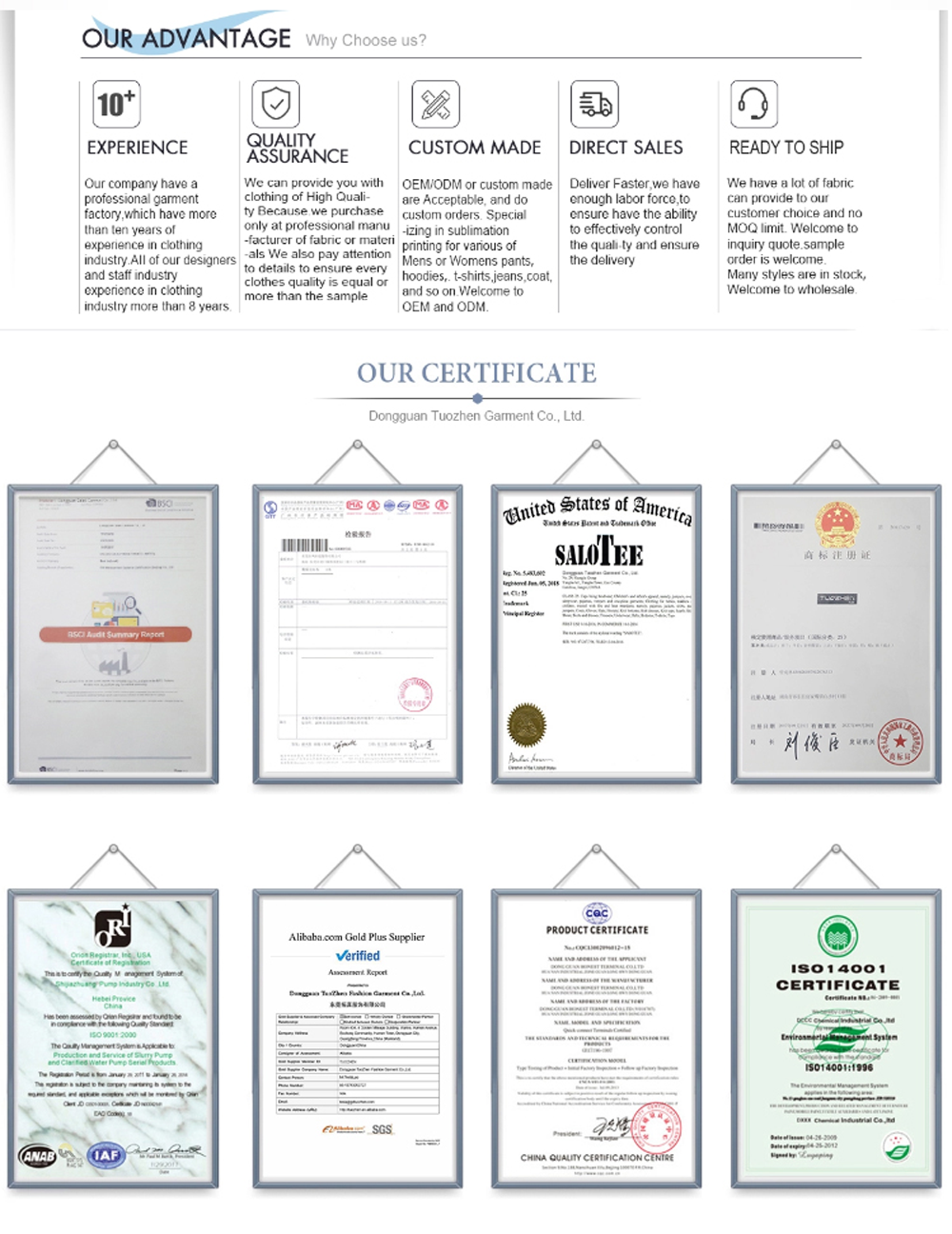
Custom Polo Shirts
Choose polo shirts for corporate uniforms, hospitality programs, schools or club apparel. As a polo shirt manufacturer, EDVORIN coordinates pique fabrics, collars, plackets, embroidery placement, color matching and size grading.
Get a Quote
Windbreaker Jackets
For weather-ready branded layers, our windbreaker manufacturer service develops shell fabric, lining, zippers, cuffs, hoods and decoration suited to lightweight woven construction. Embroidery backing and placement are assessed before approval.
Get a Quote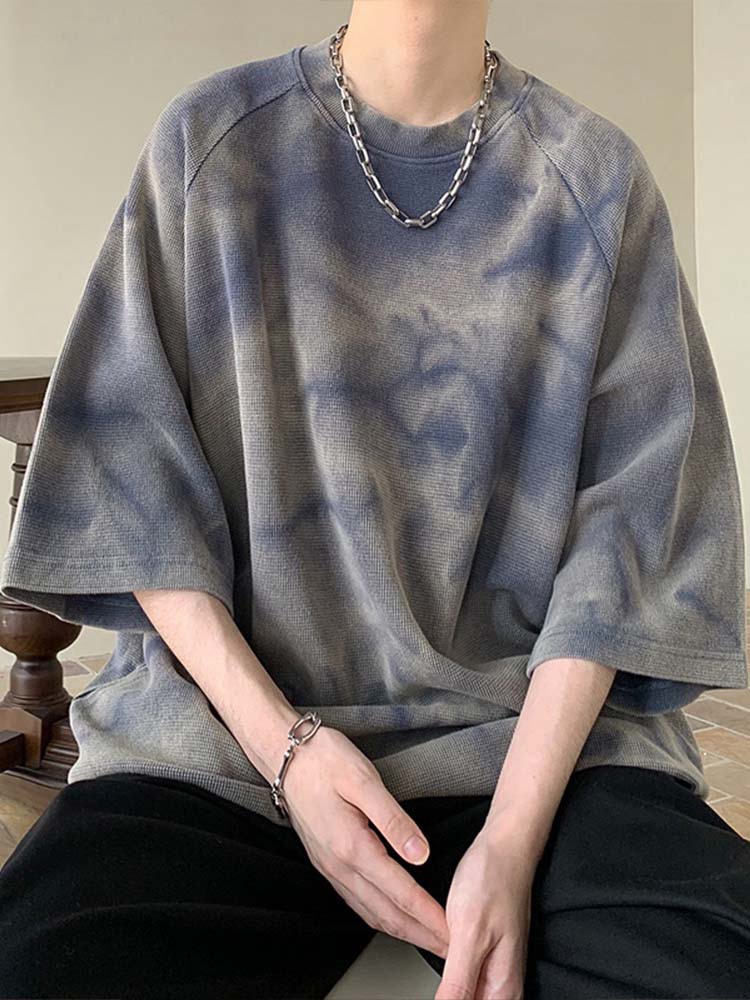
Quilted Jackets
As a quilted jacket manufacturer, EDVORIN coordinates shell, lining, insulation, quilting pattern and hardware. This category suits buyers needing embroidered branding while protecting loft, stitch lines and intended outerwear performance.
Get a Quote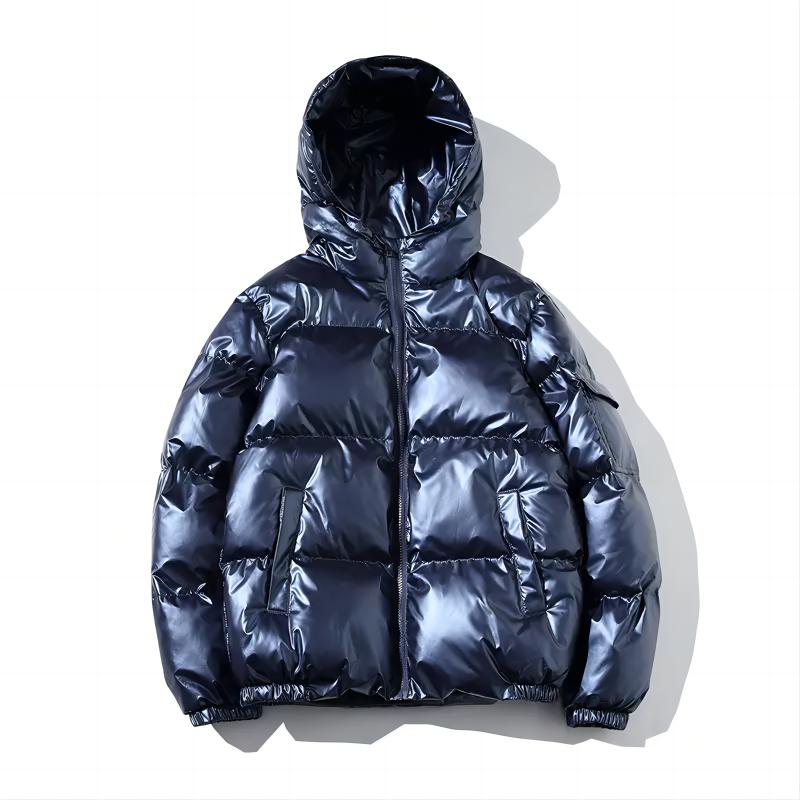
Bomber Jackets
A bomber jacket manufacturer helps translate a defined silhouette into repeatable outerwear, including shell fabric, lining, rib, zippers, pockets, patches and embroidery. Use this route for structured fashion or streetwear jacket programs.
Get a Quote
Custom Shirts
For button-front and tailored casual styles, our custom woven shirt manufacturer service covers fabric, collar, placket, cuff, pocket and embroidery requirements. It is suited to branded uniforms, resortwear and private-label collections.
Get a Quote
Custom Jerseys
As a custom jersey manufacturer, EDVORIN supports team, club and fanwear programs requiring breathable fabrics, controlled color, names, numbers, crests and sponsor decoration. We document personalization and size-set requirements for organized repeat orders.
Get a Quote
Tank Tops
Tank tops are suited to athletic, casual and layered streetwear programs. Our custom tank top manufacturer service develops fabric weight, armhole shape, binding, fit and suitable print or embroidery applications for the intended wearer.
Get a Quote
Soccer Uniforms
For soccer kits, this category covers jerseys, shorts and coordinated uniform specifications. A soccer uniform manufacturer coordinates performance fabrics, color consistency, player names, numbers, badges and repeatable sizing across team orders.
Get a Quote
Basketball Uniforms
As a basketball uniform manufacturer, EDVORIN develops jerseys and shorts around movement, breathable materials, color blocking, number placement and team identification. Choose this category when matching sets and roster-level customization are required.
Get a Quote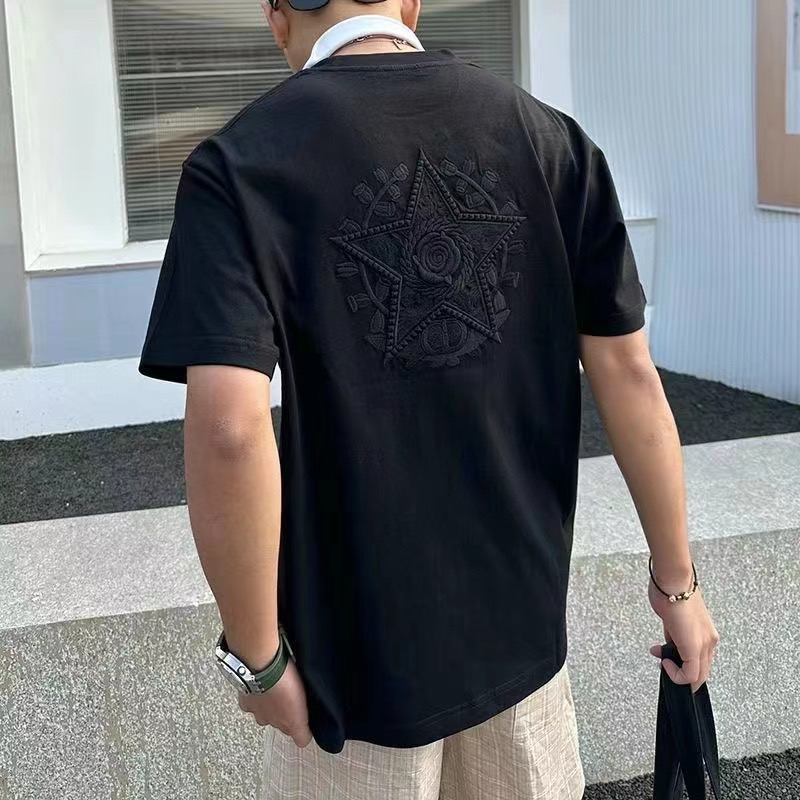
Streetwear Collections
For multi-style drops, our streetwear clothing manufacturer service connects hoodies, tees, bottoms, jackets, washes, prints, embroidery, trims and packaging within one production workflow. It suits brands building coordinated collections rather than single products.
Get a QuoteFlat Embroidery Manufacturing Since 2000
Founded by Edvorin Zeng in 2000, EDVORIN is a founder-led custom clothing manufacturer. As an OEM clothing manufacturer, ODM apparel manufacturer and private label clothing manufacturer, we turn concepts into repeatable apparel programs through practical decisions on fabric, fit, artwork, thread, trims and packaging. For buyers seeking a low MOQ clothing manufacturer, our MOQ starts at 200 pieces per style.
From hoodies and T-shirts to varsity jackets, polos, outerwear and teamwear, our production system supports men’s and women’s collections across diverse categories. We develop samples around the intended garment and embroidery placement, then document approved specifications so bulk production has a clear standard to follow. Certification programs include ISO 9001, BSCI, WRAP, SEDEX, OEKO-TEX Standard 100, GRS and GOTS.
What distinguishes EDVORIN is accountability from concept through final inspection. We coordinate product development, material sourcing, custom apparel printing, custom apparel embroidery, garment wash services, and custom clothing labels and packaging in one workflow, helping emerging labels, established buyers and wholesale programs build collections made to be ordered again.
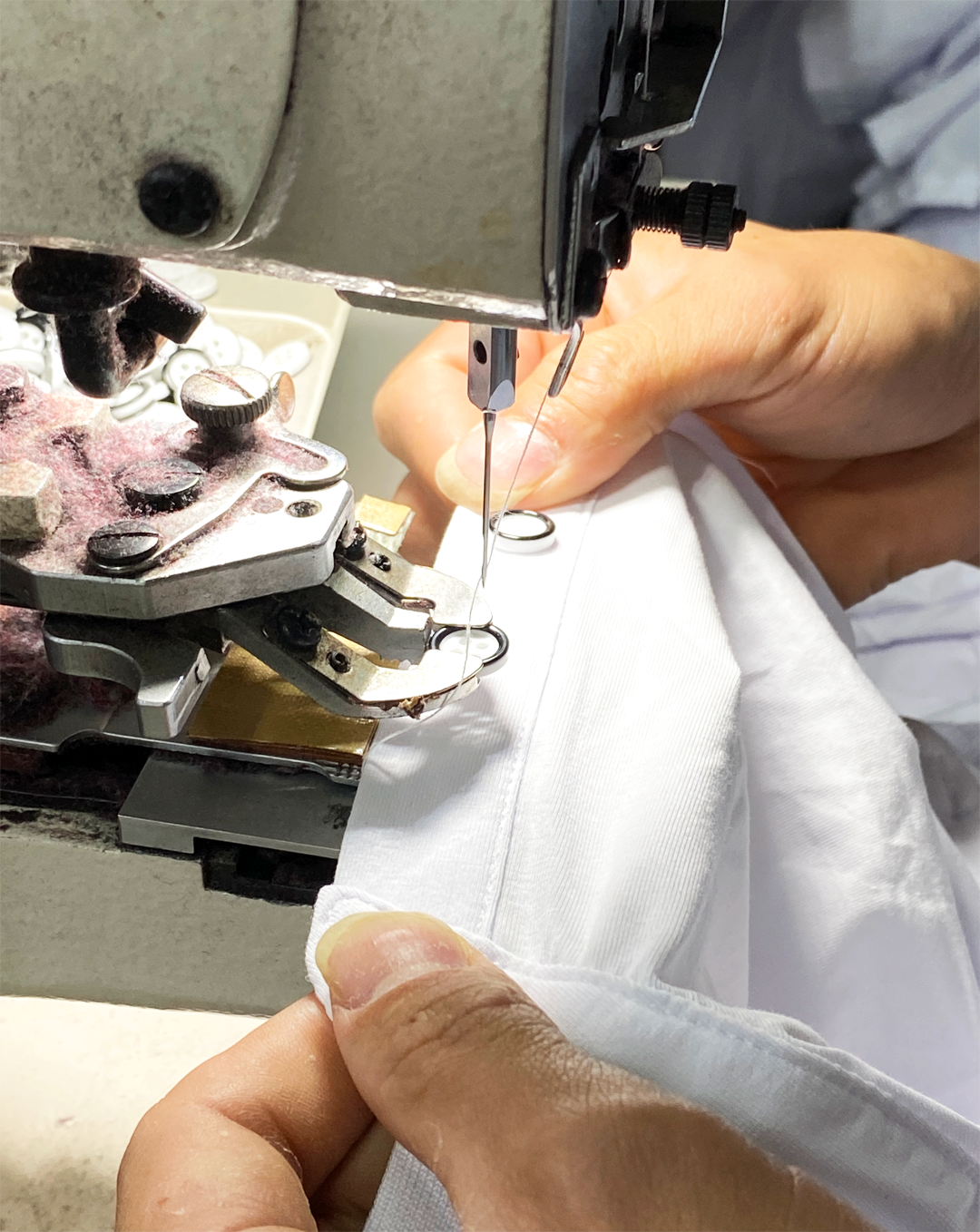
Flat Embroidery Clothing Manufacturer Quality Standards
Artwork Built for Stitching
EDVORIN reviews artwork before digitization so small lettering, fine lines, fill areas and stitch direction suit the garment and the intended scale. The approved stitch file becomes a documented production reference, helping preserve the design from sample review through bulk embroidery.
- Artwork reviewed for readable detail and clean edges
- Stitch direction planned around logo shape and coverage
- Sample approval confirms the production-ready embroidery file
- Revision records keep approved artwork aligned with bulk production
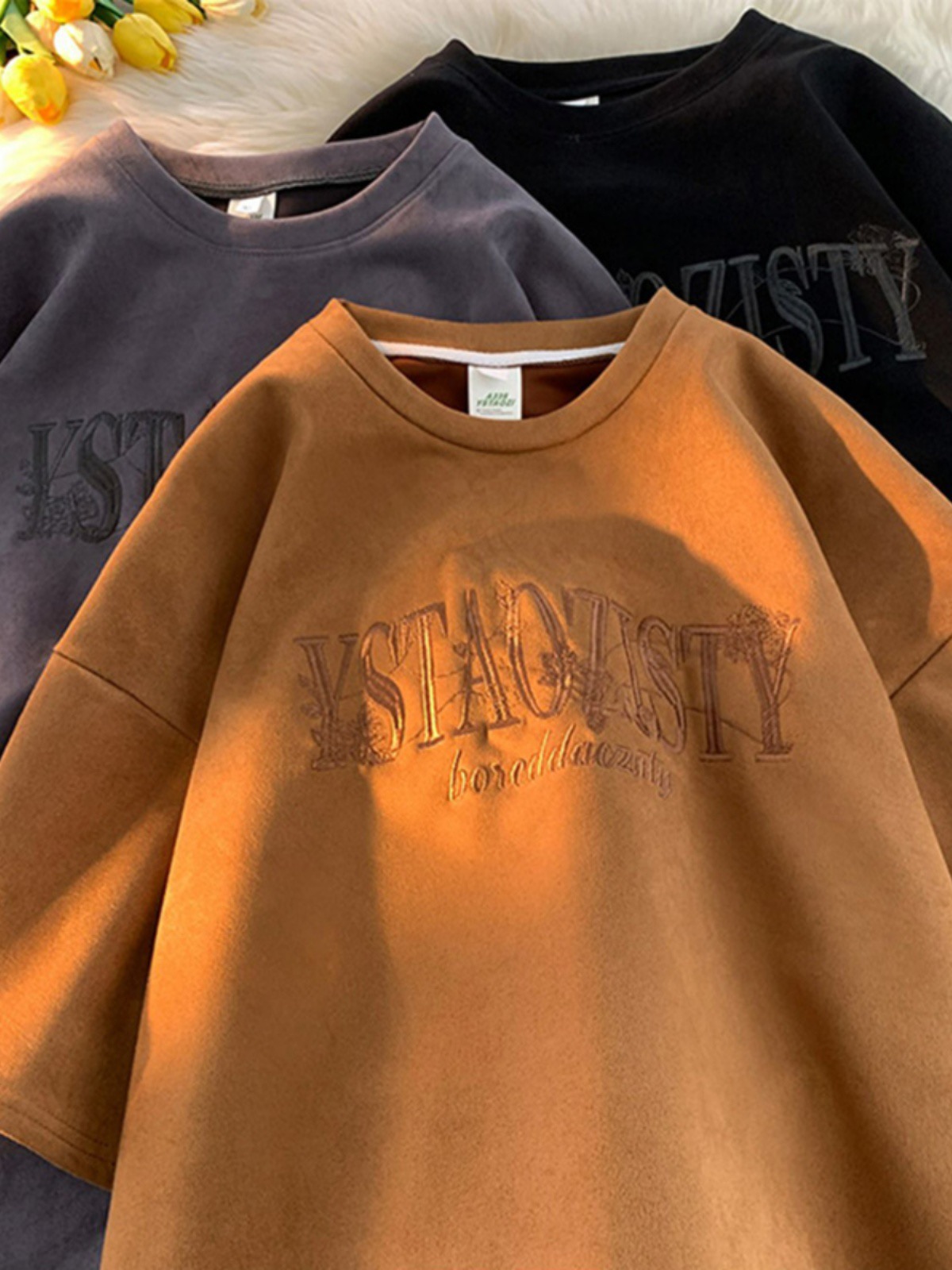
Thread and Color Discipline
Thread selection is coordinated with the garment, artwork and required visual finish. EDVORIN uses approved color references to align embroidery with the collection, while sample review helps buyers assess contrast, density and the relationship between thread sheen and the base fabric.
- Color references recorded before bulk production
- Thread contrast checked against the selected garment color
- Density reviewed to support a clean, balanced finish
- Sample evaluation confirms the intended visual effect
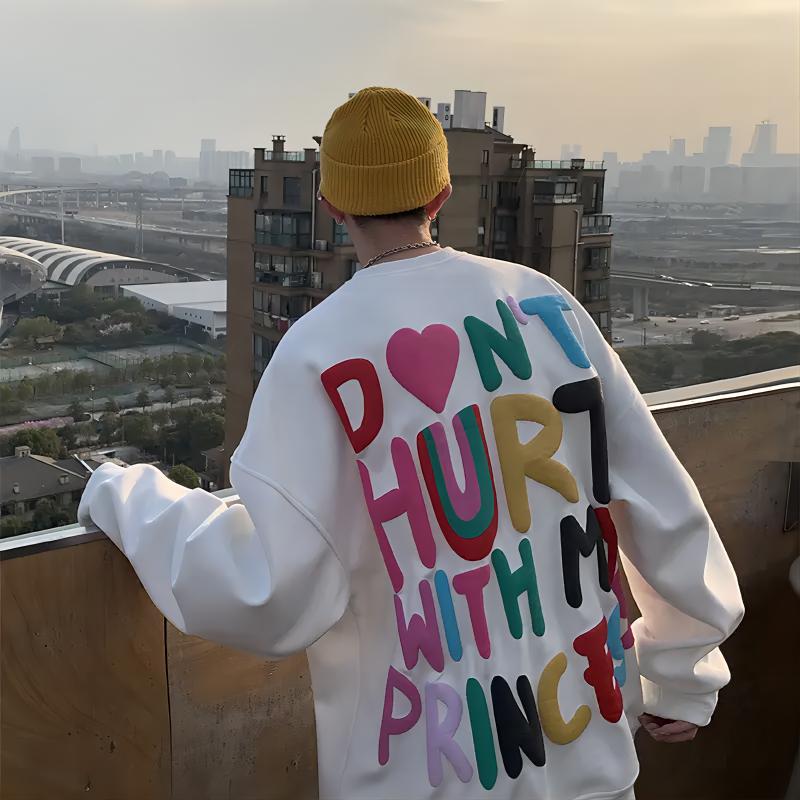
Measured Placement Control
A flat embroidery clothing manufacturer must control more than the design itself. EDVORIN documents placement from stable garment reference points, alongside embroidery dimensions and orientation, so chest logos, sleeve details and back-neck marks can be repeated across graded sizes with greater consistency.
- Placement measured from defined garment reference points
- Embroidery size and orientation specified for each location
- Men's and women's fit programs can use adjusted placement standards
- In-line checks compare work against approved requirements
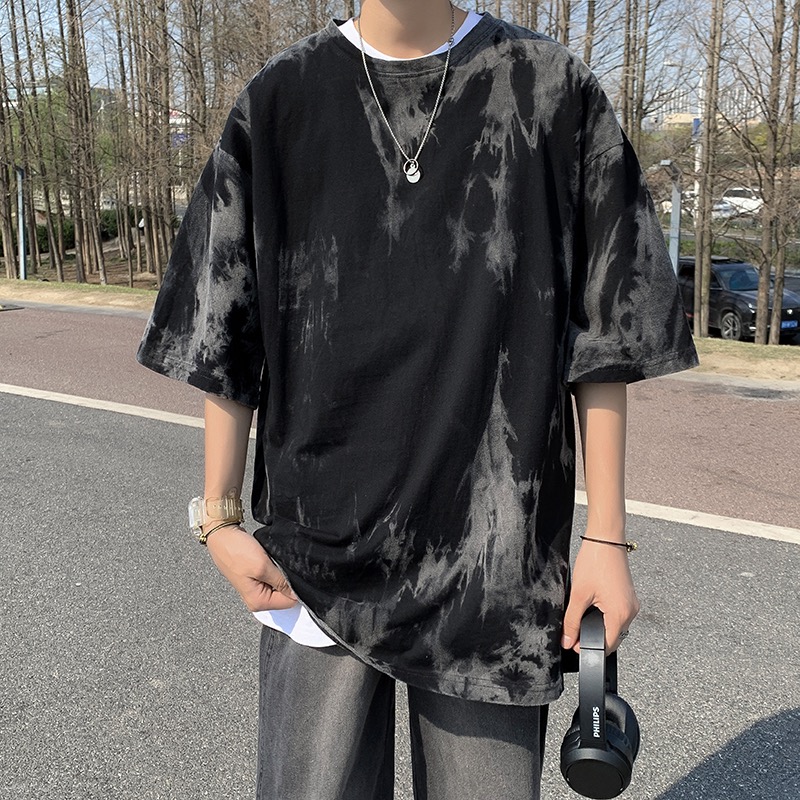
Fabric-Specific Embroidery Planning
Flat embroidery interacts differently with jersey, fleece, woven fabric and performance materials. EDVORIN considers fabric weight, stretch, surface texture and garment construction during development, then reviews the embroidered sample for puckering, distortion, backing compatibility and overall hand feel before bulk production.
- Base fabric assessed for stretch, weight and surface texture
- Sampling checks fabric stability around the stitched area
- Backing and stitch coverage considered with garment performance
- Construction details are reviewed before bulk production begins
Flat Embroidery vs. 3D Puff Embroidery
Compare the stitch profile, fabric fit and artwork requirements before specifying decoration for your collection.
← Swipe left or right to view →
Flat Embroidery Clothing Manufacturer Production Process
EDVORIN turns approved artwork into repeatable flat embroidery standards, with review points that protect stitch quality, placement and consistency from sample through packing.
Review Artwork and Garment
We review your logo, intended garment, placement, size, thread colors and fabric construction to identify technical requirements before digitization begins.
Digitize Stitch Specifications
Artwork is translated into a production-ready embroidery file, with stitch direction, density, underlay and color sequence considered for the selected fabric.
Develop and Approve Sample
We produce a decorated sample for review, refining embroidery appearance, placement and garment details until the approved standard is ready for bulk production.
Stitch Bulk Production Orders
After approval, embroidery and garment production follow documented specifications, coordinating materials, trims, labels and packaging for your private-label program.
Check and Release Shipment
In-line and final inspections compare finished pieces with approved standards, checking stitching, placement, measurements and presentation before packing and shipment release.
Buyer Feedback on EDVORIN Flat Embroidery Production
Move from artwork and garment references to an approved, repeatable embroidery standard for bulk production.
Share Your Product Direction
Send a tech pack, sketch, reference garment, or collection brief with garment category, fit requirements, fabric preferences, and target quantities for men’s or women’s development.
Define Artwork and Placement
Provide vector artwork where available, thread color references, embroidery size, and exact placement measurements. EDVORIN reviews the design against the selected garment and construction.
Review the Development Sample
Evaluate the sample for stitch clarity, placement, fabric behavior, fit, trims, and overall finish. Record approved revisions so the result becomes the bulk production standard.
Confirm Your Bulk Plan
Confirm sizes, colorways, labels, packaging, and quantities from 200 pieces per style. EDVORIN coordinates production checks against the approved sample before final packing.
What Buyers Achieved with Our Flat Embroidery Clothing Manufacturer
Our chest logo stayed clean and consistent across 1,200 heavyweight hoodies. EDVORIN matched the approved sample on our repeat order, including placement and thread coverage, which made replenishing our core style much easier.
We needed embroidered crests that could handle regular washing for a 640-piece academy uniform order. After 20 wash tests, the stitching still looked sharp, and every size set arrived ready for our scheduled team distribution.
EDVORIN helped us turn a detailed polo logo into a production-ready flat embroidery file before sampling. Our 300-piece private-label launch shipped on schedule, and the logo definition was consistent from the first carton to the last.
Flat Embroidery Clothing Manufacturer FAQ
Practical answers on fabric suitability, artwork preparation, sampling and production for custom embroidered apparel.
What fabrics work best with a flat embroidery clothing manufacturer?
How many thread colors can a flat embroidery clothing manufacturer use?
Can a flat embroidery clothing manufacturer reproduce detailed logos?
Can I combine flat embroidery with patches, printing or other decoration methods?
What is the MOQ for flat embroidered clothing?
Do you provide samples before bulk flat embroidery production?
What lead time should I expect for custom flat embroidered apparel?
What artwork files do I need to send for flat embroidery?
Get a Quote for Flat Embroidery Apparel Manufacturing
Use this practical framework to compare flat embroidery clothing manufacturers, evaluate supplier capabilities and quality controls, plan customization, and avoid sourcing mistakes that can undermine margins, consistency, or delivery timelines.
1. What Is a Flat Embroidery Clothing Manufacturer?
A 200-piece program can use flat embroidery for thread-based artwork that lies close to the garment surface rather than building raised foam dimension. It suits logos, lettering, crests, and controlled decorative details on apparel.
Three supplier models are distinct: a garment factory with in-house embroidery coordinates construction, decoration, labels, and packing under one production standard; a decoration-only supplier embellishes buyer-supplied blanks; a trading company coordinates third parties. For private-label buyers, the factory model reduces handoffs between approved samples and bulk garments.
Since 2000, EDVORIN has supported apparel development through sourcing, patterns, samples, decoration, production, and quality control. This model can serve uniform and teamwear programs needing repeatable logo placement, retail collections needing branded finishes, and wholesale orders requiring consistent specifications across sizes and deliveries.
2. The Evolution of Flat Embroidery Clothing Manufacturing
Before the 19th century, garment embroidery was largely hand worked, so placement, tension, and stitch density depended heavily on individual operators. Early mechanization increased output, but buyers still had limited control over how a motif would repeat across sizes and replenishment orders.
Since the late 20th century, computerized embroidery has converted approved artwork into stitch programs that can run across multi-head machines. Digitization made repeatability more practical: one program can define sequence, density, underlay, trims, and color changes for a flat embroidery clothing manufacturer.
Today, buyers typically supply vector artwork or high-resolution files, then review a digitized stitch program and physical sample before bulk release. Pantone thread references, recorded placement measurements, approved sample photos, and production records help preserve color matching, traceability, and consistent repeat orders.
3. Types of Flat Embroidery Clothing Manufacturer Services
Five service models divide responsibility differently. A 200-piece program benefits from fewer handoffs when garment construction and embroidery must align.
| Service Model | Buyer Control | Best Fit | Trade-Off |
|---|---|---|---|
| Full package | High | New private labels | Longest development |
| Cut-and-sew plus embroidery | High | Custom collections | More approvals |
| Blank decoration | Low | Fast logo orders | Stock limitations |
| Teamwear | Medium | Clubs and schools | Data control |
| Contract embroidery | High | Established sourcing | More handoffs |
Integrated Development
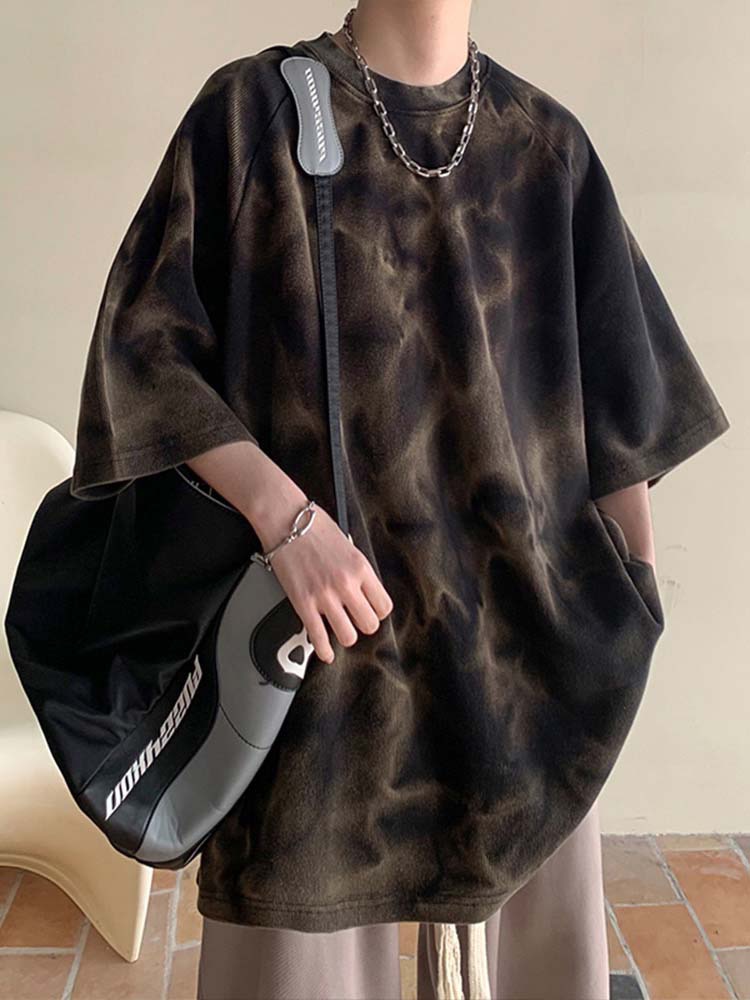
Full-package private-label production combines development, sourcing, cut-and-sew, embroidery, labels, and packing.
Cut-and-sew plus embroidery gives buyers custom patterns and fabric control while keeping decoration coordinated.
Decoration-First Programs
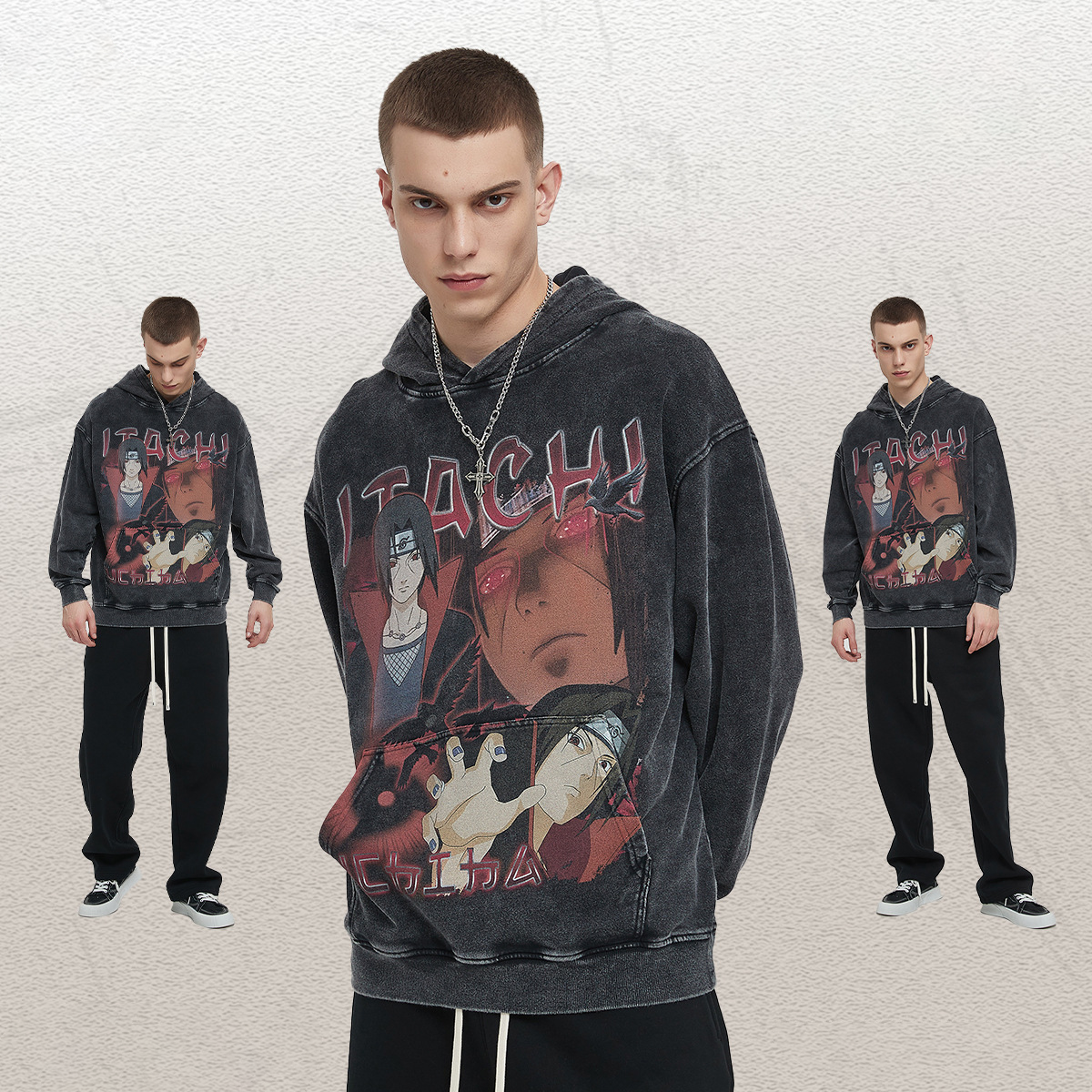
Blank-garment decoration applies approved embroidery to stocked garments, shortening setup but limiting fit and fabric control.
Contract embroidery decorates buyer-supplied goods; it suits established garment supply chains but requires clear receiving, placement, and defect responsibility.
Teamwear Programs
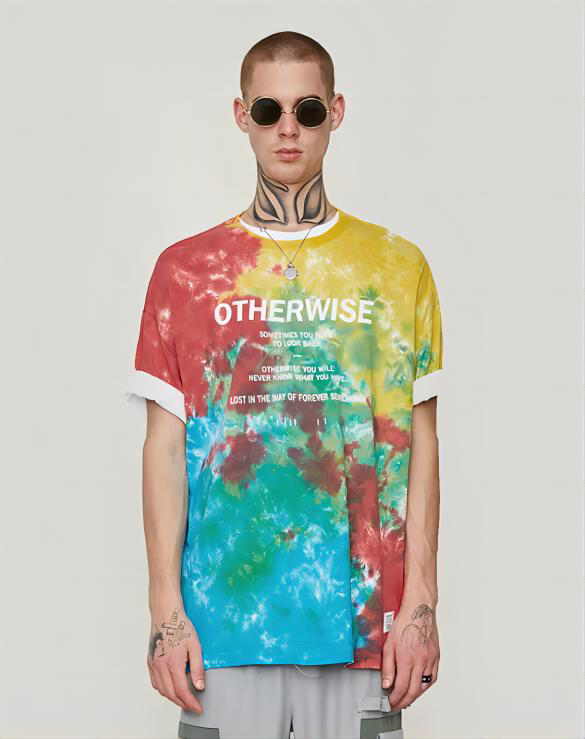
Uniform and teamwear programs coordinate logos, names, numbers, colorways, and size runs. They need repeat-order records more than fashion-led pattern development.
4. Fabrics for Flat Embroidery Clothing Manufacturer Projects
180–320 GSM fabrics usually give flat embroidery a steadier base than lightweight knits. A flat embroidery clothing manufacturer should match backing and stitch density to stretch, pile, and intended comfort.
| Fabric | Typical Weight | Embroidery Consideration |
|---|---|---|
| Cotton jersey | 180–220 GSM | Use cutaway backing |
| Fleece | 300–400 GSM | Pile softens detail |
| Piqué | 180–240 GSM | Test over rib texture |
| Twill or denim | 240–400 GSM | Stable for dense logos |
| Polyester blend | 140–220 GSM | Test stretch recovery |
Weight And Stability
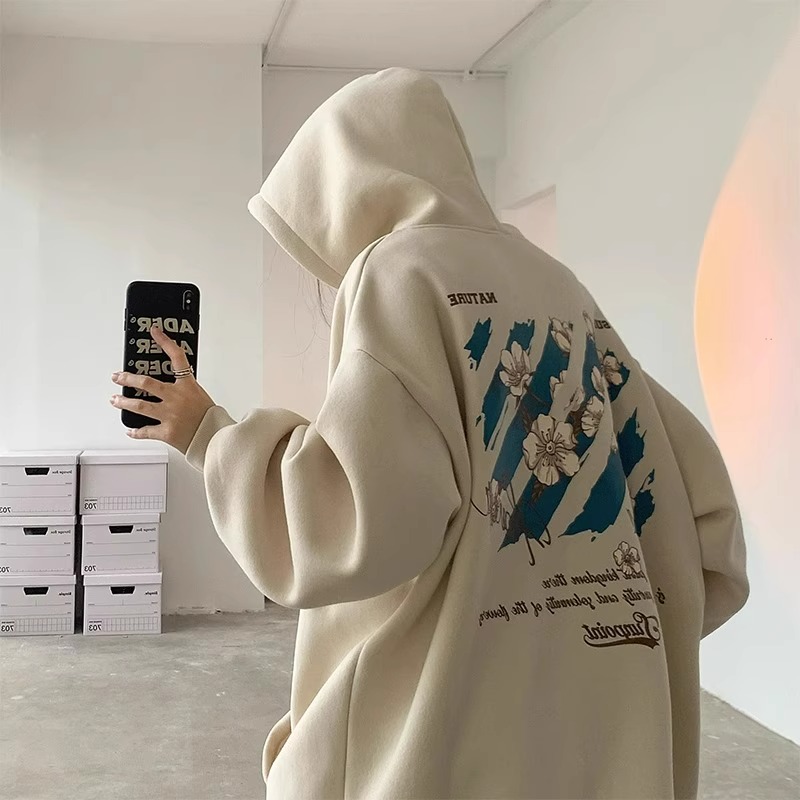
180–220 GSM cotton jersey can pucker under dense fills. Cutaway backing limits distortion.
300–400 GSM fleece supports logos well, but brushed pile can hide fine details.
Product-Specific Questions
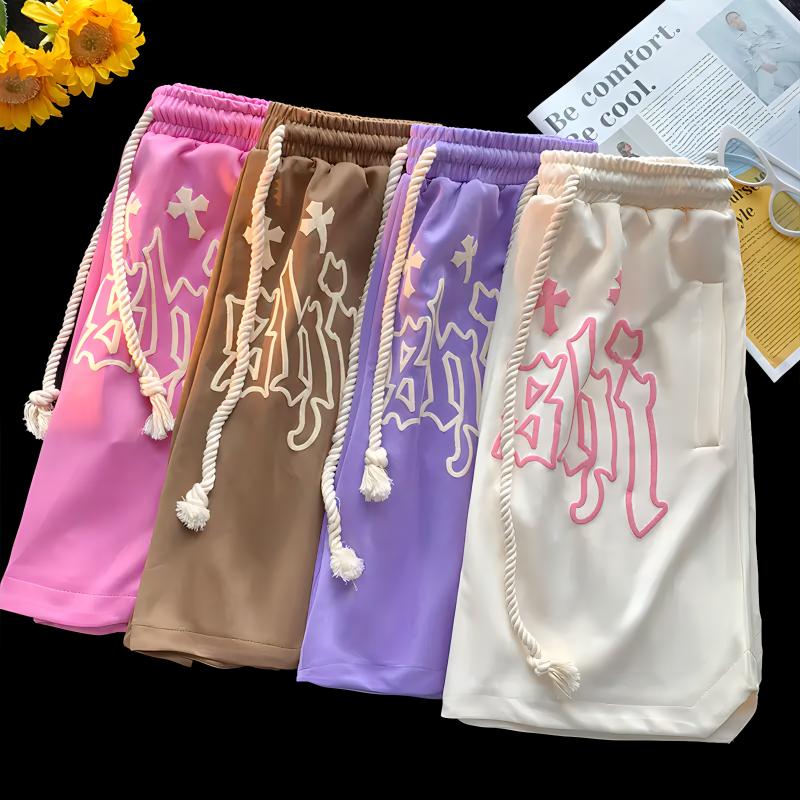
Piqué polos need testing across ribs and plackets. Ask whether stitches bridge texture cleanly.
Twill and denim jackets tolerate dense logos. Confirm needle marks and seam clearance first.
Bulk Approval Samples
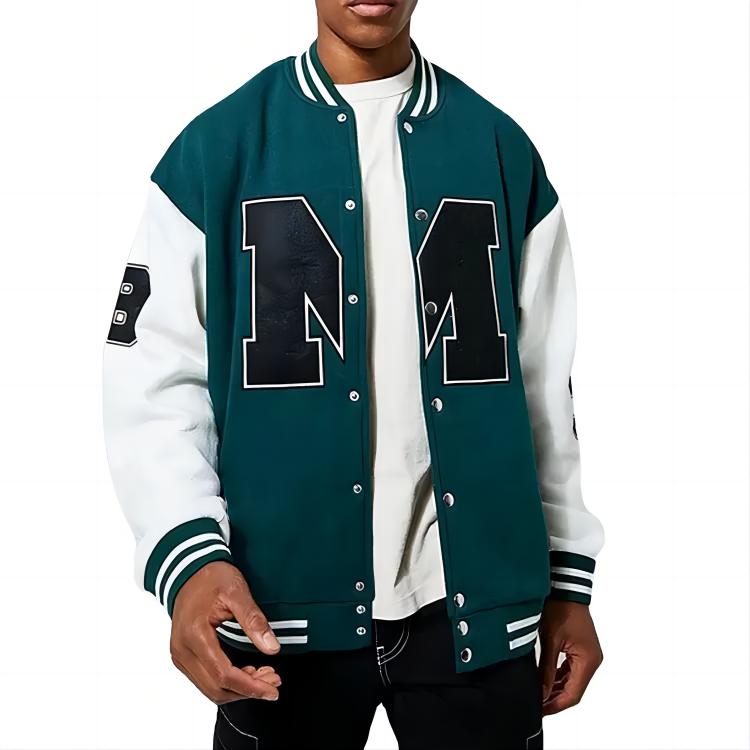
2 test samples should use final fabric, backing, and thread. Review puckering after washing.
100% polyester performance fabric needs stretch testing. Check recovery, breathability, and logo readability on uniforms.
5. Flat Embroidery Customization and Decoration Options
A flat embroidery clothing manufacturer should lock logo scale, placement, thread colors, and construction before sampling. Artwork density and garment location determine both stitch clarity and hand feel.
| Method | Best Visual Effect | Key Limitation |
|---|---|---|
| Flat embroidery | Clean low-profile detail | Fine details need spacing |
| 3D puff | Raised bold outlines | Small text is unsuitable |
| Appliqué | Layered fabric contrast | Adds seams and bulk |
| Chenille | Textured varsity look | Less precise for small detail |
| Gradients and broad coverage | Surface feel varies by ink |
Placement And Stitch Detail
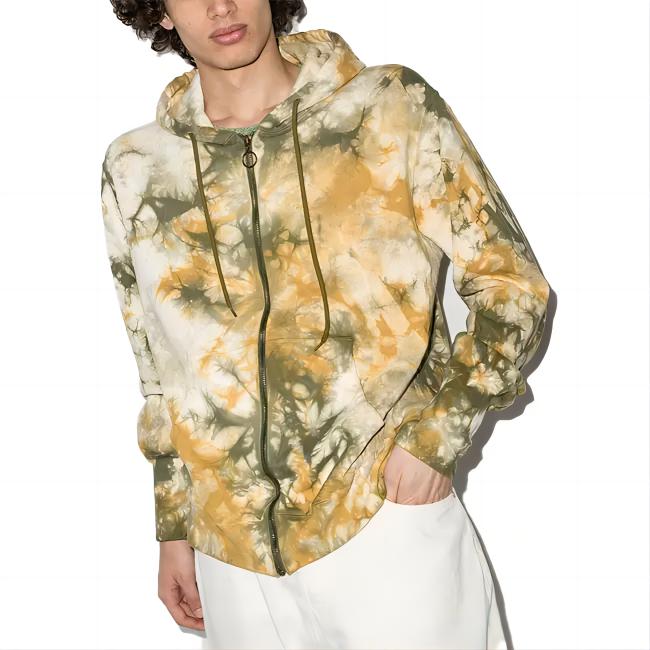
One chest logo, sleeve mark, or back graphic needs measured placement from seams and a finished-size limit. Satin, fill, and running stitches create different edges; dense small lettering can close up on fleece or rib.
Decoration Method Comparison
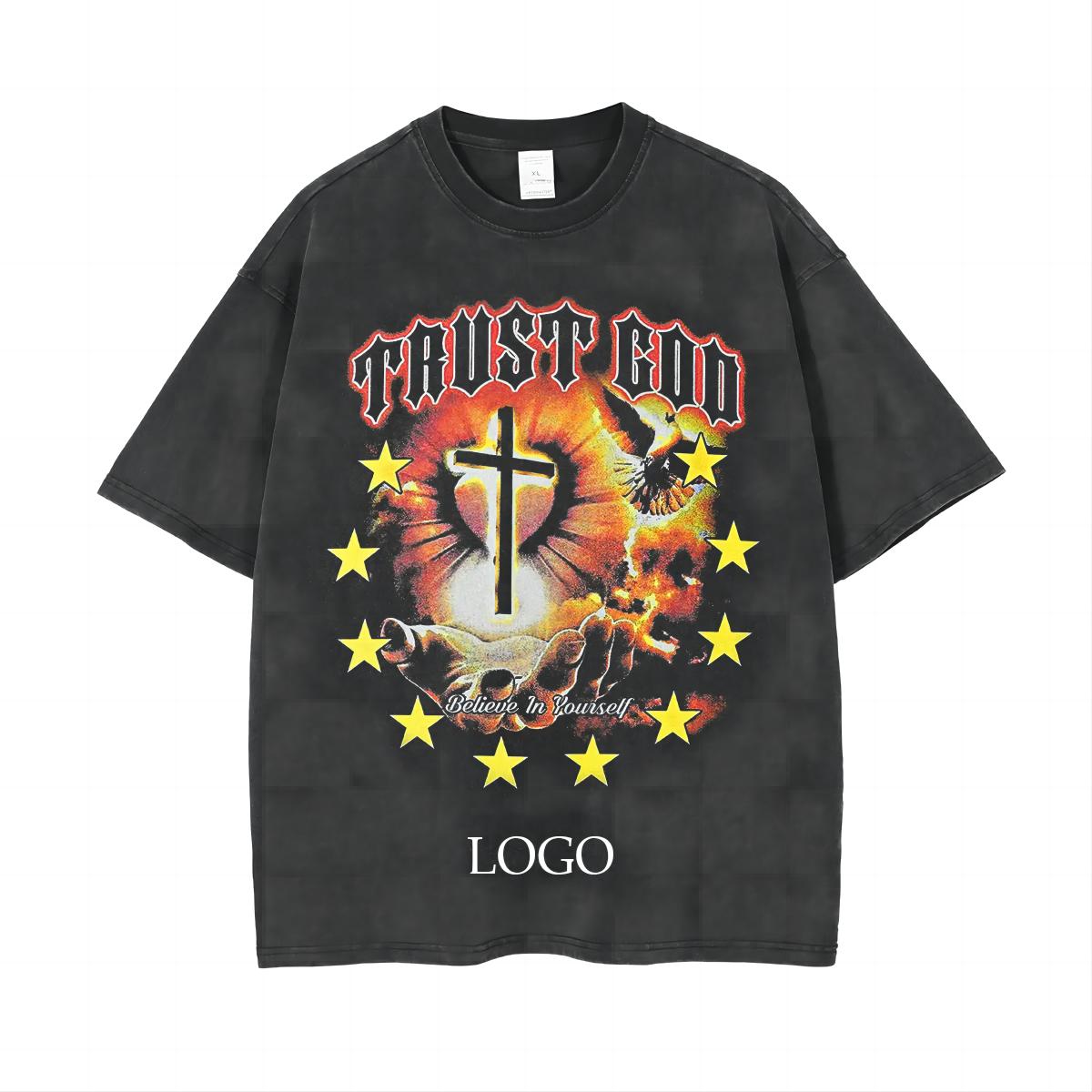
Four common methods serve different artwork: flat embroidery suits crisp, low-profile logos; 3D puff adds raised dimension; appliqué layers fabric; chenille creates a yarn-like texture. Printed decoration can carry fine gradients or large color fields without stitch buildup.
Finishing Specifications
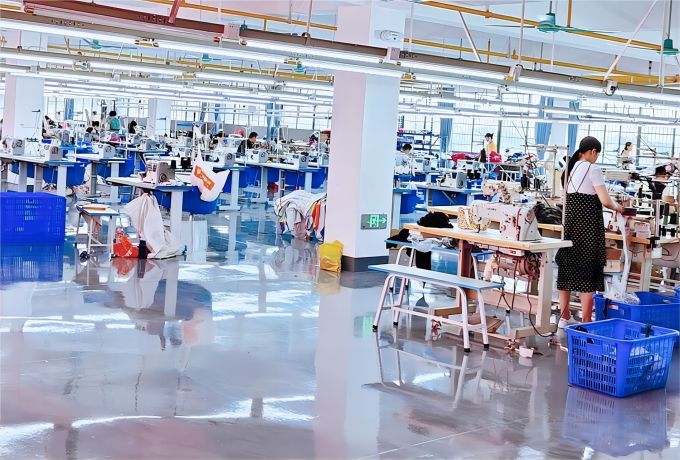
Two backing choices—cut-away or tear-away—should match fabric weight, stretch, and wear comfort. Woven labels, hangtags, polybags, and carton marks should be approved alongside embroidery and any coordinated patch or print application.
6. Construction and Embroidery Quality Checkpoints
One approved pre-production sample should be the reference for every bulk inspection. A flat embroidery clothing manufacturer should assess embroidery and garment construction together, because fabric movement, seams, and backing affect the finished result.
Stitch Definition
Small lettering must remain readable at the approved finished size, with clean outlines and matched color registration. Check thread tension for loose loops, puckering, thread breaks, and uneven satin-stitch coverage.
- Compare fine details against approved artwork
- Inspect outlines under normal viewing distance
- Check density does not distort fabric
Garment And Backing
Full backing coverage should support the design without extending into seam allowances or creating uncomfortable edges inside the garment. Inspect placement against measured reference points and confirm embroidery avoids unstable panels, pockets, ribs, and seams.
- Measure placement from fixed garment landmarks
- Check inside surface for scratchy edges
- Review fabric for hoop marks or distortion
Approval And Wash Standards
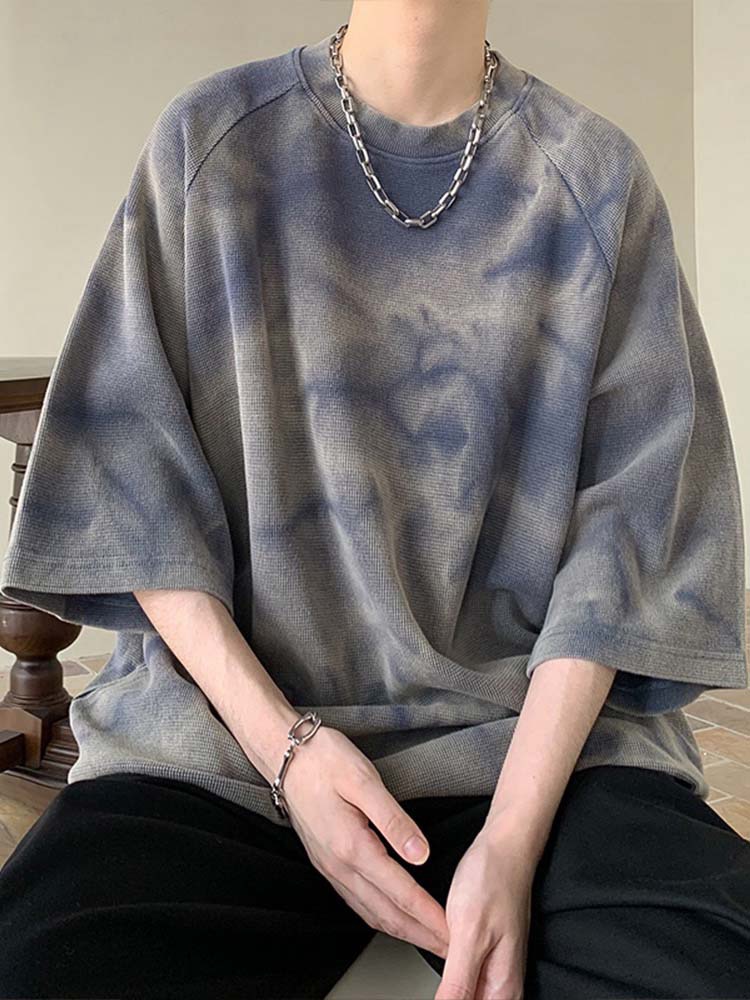
Three records—dated photos, placement measurements, and written tolerances—make approval standards usable on the production floor. Wash-test the pre-production sample for color change, thread breakage, puckering, shrinkage, and outline stability before bulk release.
- Photograph front, reverse, and close details
- State acceptable placement and measurement tolerances
- Retain the signed pre-production sample
7. How to Choose a Flat Embroidery Clothing Manufacturer
A 200-piece program needs a supplier whose garment and embroidery controls are equally visible. EDVORIN can develop hoodies, jerseys, jackets, tees, and coordinated collections from technical development through packed production.
| Question | Evidence To Request | Why It Matters |
|---|---|---|
| Can it make my category? | Comparable samples and specification sheets | Protects construction and fit |
| Can it reproduce embroidery? | Digitizing, stitch-out, placement record | Protects logo consistency |
| Can it ship predictably? | Production timeline and packing plan | Protects launch dates |
Verify Product Fit
EDVORIN’s MOQ starts at 200 pieces per style. 200-piece MOQ is only useful when the factory understands your category. Ask for comparable physical samples, measurement specifications, fabric options, and evidence that men’s and women’s fit blocks can be graded separately.
Test The Approval Path
1 approved sample should anchor bulk production, not merely approve artwork. Request digitizing files, stitch-out photos, placement measurements, Pantone references, revision records, and a dated sampling-to-production timeline.
Confirm Repeat Controls
3 checkpoints—material receipt, in-line inspection, and final inspection—help expose variation before packing. Confirm labeling, carton specifications, shipping terms, communication ownership, capacity planning, and how approved standards are retained for reorders.
8. Common Flat Embroidery Sourcing Mistakes
Most embroidery failures are decided before bulk cutting. A flat embroidery clothing manufacturer can control execution, but buyers must convert visual intent, garment behavior, and logistics into approved production standards.
Approve Physical Sew-Outs
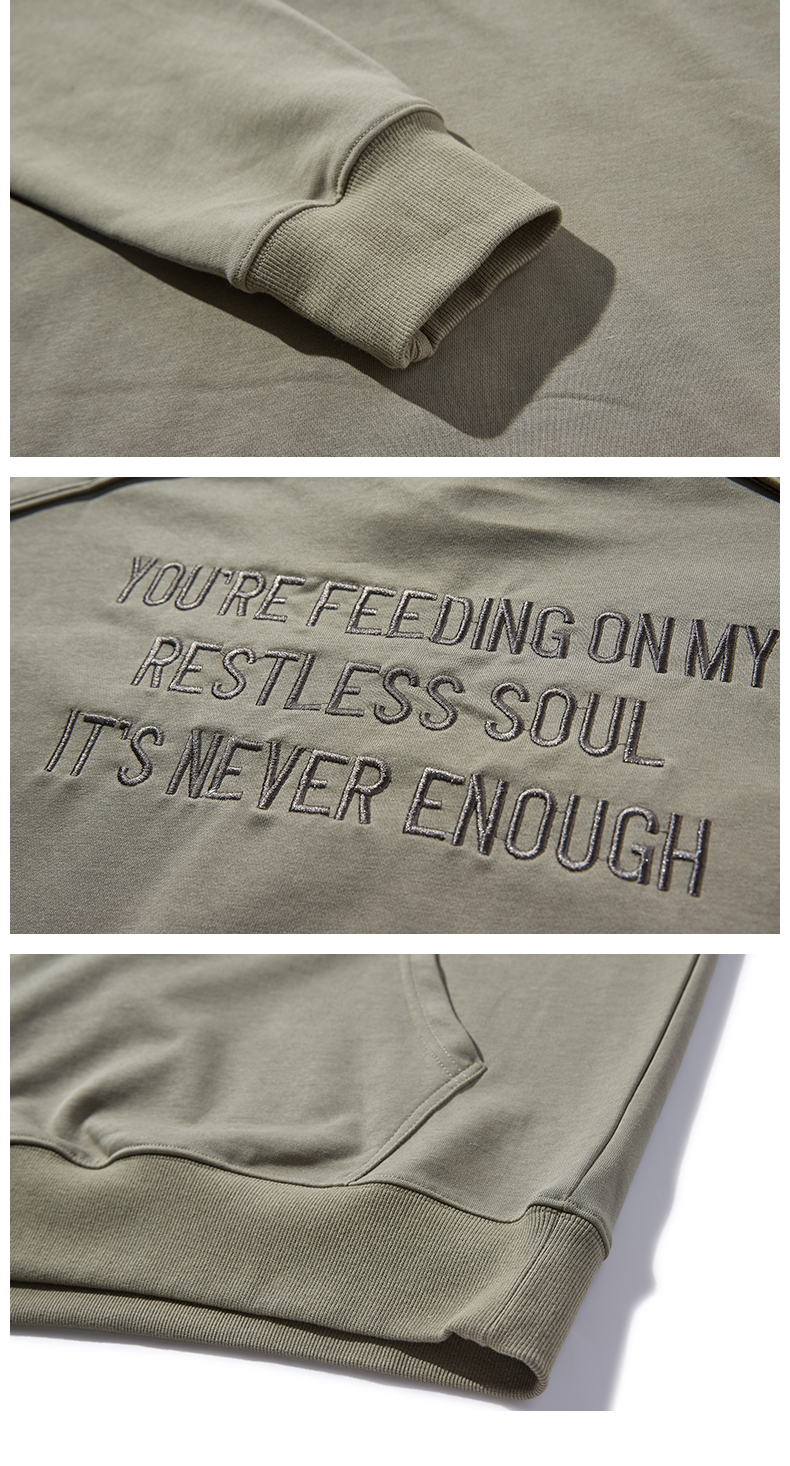
Digital mockups cannot show puckering, thread coverage, or registration. Approve a sew-out on the actual fabric before releasing bulk.
Seven-day approval gaps can compress production and air-freight budgets. Reserve review time for revised artwork and pre-production samples.
Simplify Artwork For Thread
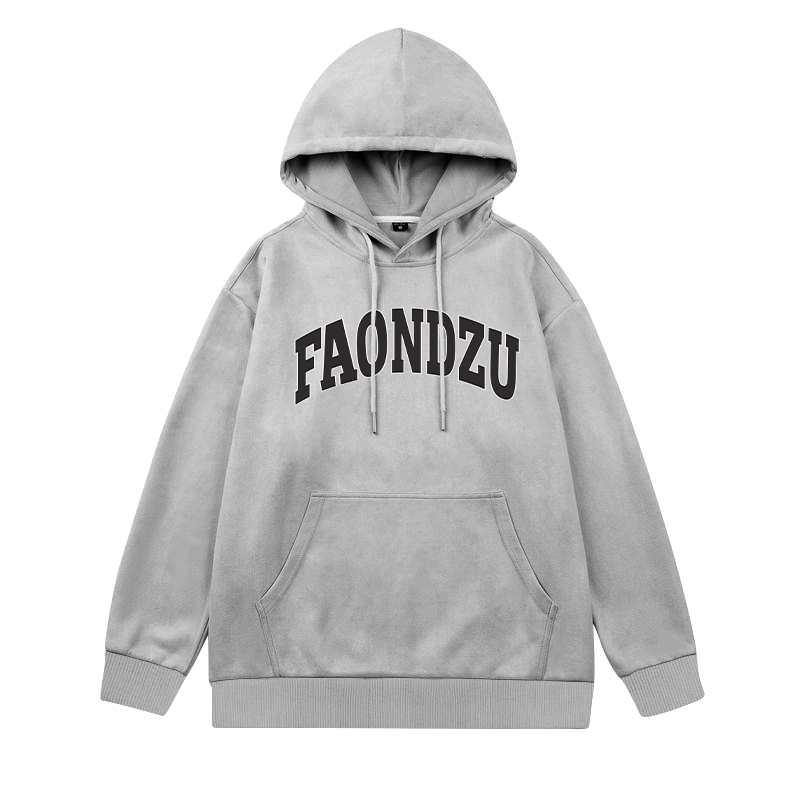
Tiny lettering and dense gradients can fill poorly in thread. Set minimum text sizes and simplify fine details during digitizing.
French terry, fleece, and lightweight jersey react differently under stitching. Test stabilizer, needle choice, and backing on the selected garment.
Specify The Full Standard
Lowest quoted price may omit backing, trims, inspection, or packing. Compare like-for-like quotes against a written specification.
Vague placement and color notes create avoidable variation. Record Pantone references, placement measurements, stitch file version, labels, and carton requirements.
Protect Delivery And Wear
Wash shrinkage and embroidery distortion may appear after laundering. Run wash tests before bulk approval, especially on fleece and garment-dyed goods.
Freight mode and packaging affect landed cost and launch dates. Confirm carton dimensions, polybag requirements, destination labeling, and shipping cutoffs before production.
9. Launching With a Flat Embroidery Clothing Manufacturer
A 200-piece launch works best when EDVORIN converts the concept into one approved production standard. Emerging labels need decisions locked early; established buyers need each handoff recorded for repeatability.
Define The Product Brief
1 target customer, garment category, size range, colorways, and retail position should define the brief before costing. A tech pack must fix measurements, Pantone references, label copy, packaging, and delivery destination.
Prepare Artwork And Sample
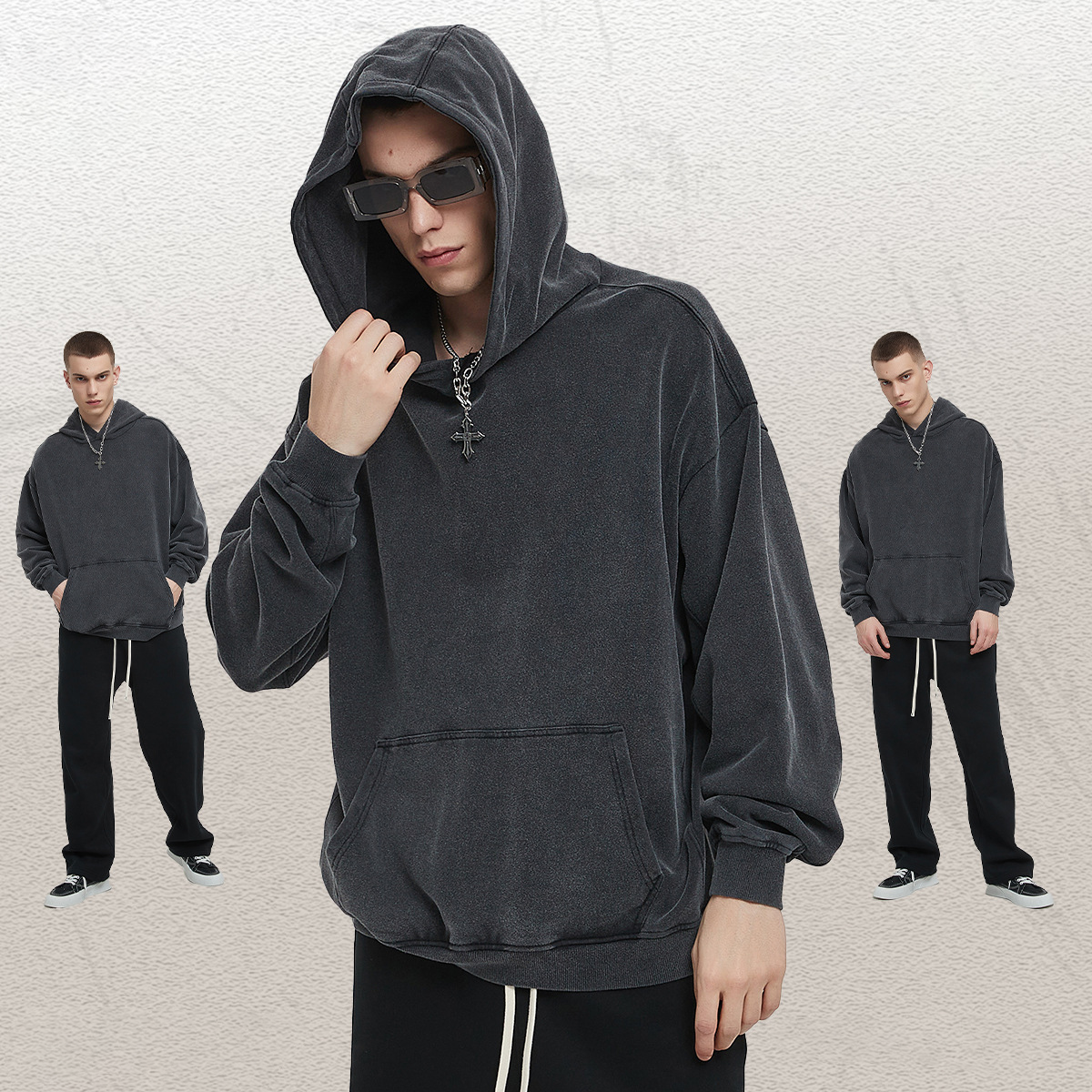
100% vector artwork with placement dimensions and thread-color callouts reduces digitizing ambiguity. EDVORIN can align fabric selection, quotation, digitizing, and a sample; revisions should close fit, stitch density, backing, and logo placement before pre-production approval.
Control Bulk And Reorders
1 approved pre-production sample should anchor bulk cutting, embroidery, sewing, in-line checks, and final QC. Freight booking, carton marks, inspection timing, approved artwork files, measurement tolerances, and material records should be retained for the next order.
10. Flat Embroidery Clothing Manufacturer Pricing and Cost
200-piece programs spread digitizing, sampling, and setup across more units. A 10,000-stitch logo generally costs more than a 3,000-stitch design, especially with extra colors or placements.
1 written, itemized quote from a flat embroidery clothing manufacturer should separate garment, embroidery, sample, trims, labels, packaging, freight, and duties. Fabric stabilization and custom hardware can change landed cost as much as order volume.
| Quantity Tier | Illustrative Cost Tendency | Lead-Time Consideration | Cost Controls |
|---|---|---|---|
| 200–499 units | Highest setup cost per unit | Allow sample approval plus bulk scheduling | Limit placements and thread colors |
| 500–999 units | Better setup absorption | Confirm fabric and thread availability | Use one approved digitized file |
| 1,000+ units | Lowest setup cost per unit | Plan freight before production release | Standardize trims and packaging |
Request Your Flat Embroidery Clothing Manufacturer Quote
Send your artwork, garment specifications and required quantity to review a flat embroidery sample or production quote from EDVORIN.