
Embroidery Digitizing for Apparel That Repeats Cleanly in Bulk
EDVORIN turns your artwork into repeatable embroidery standards for fashion, streetwear, teamwear, and private-label production.
Featured Apparel Programs for Embroidery Development
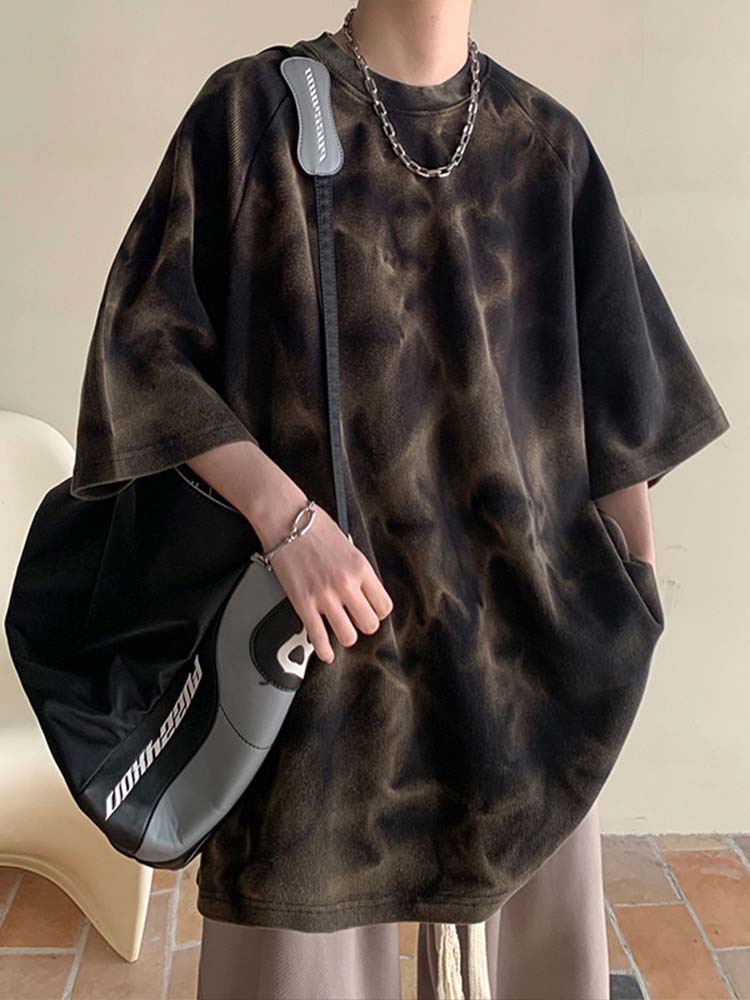
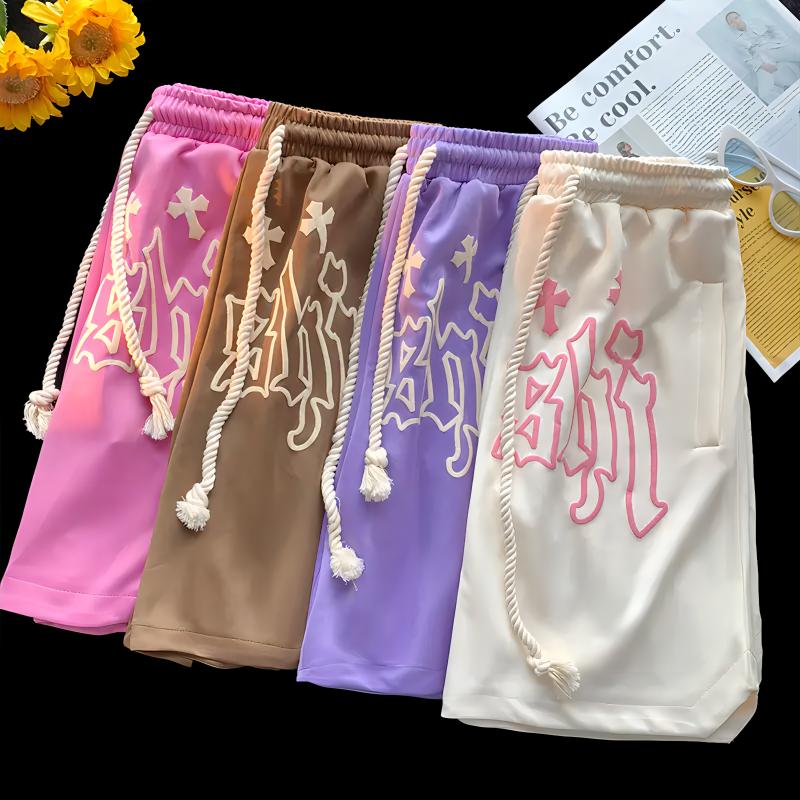
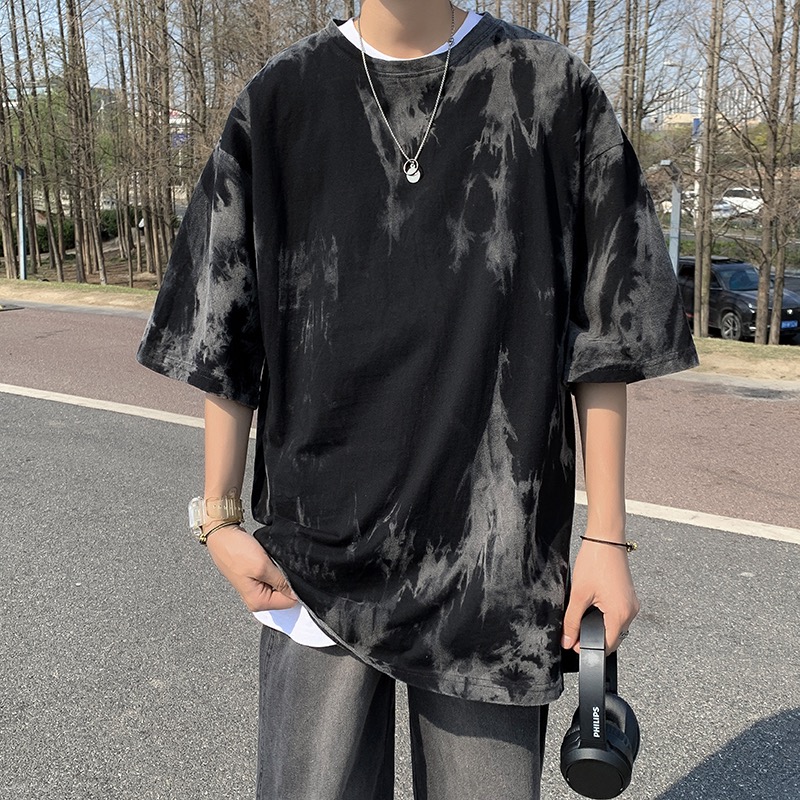
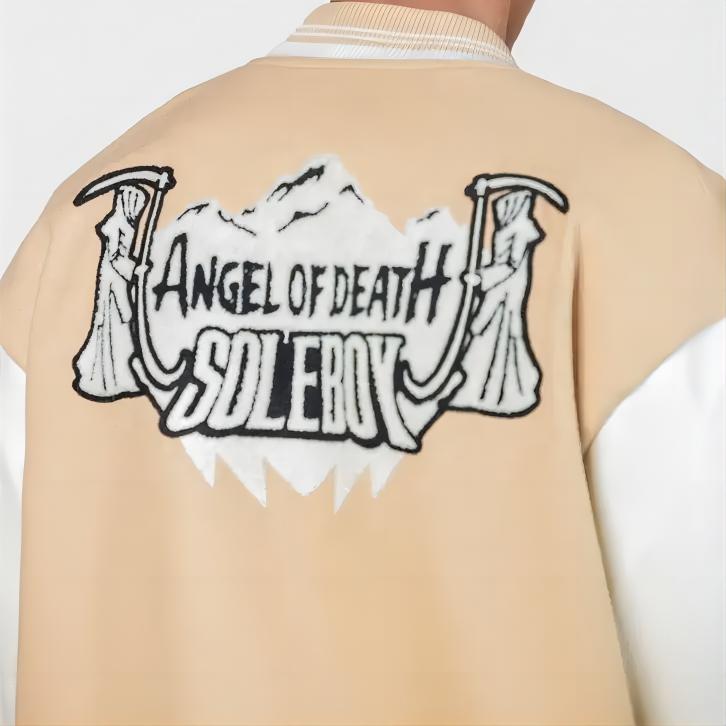
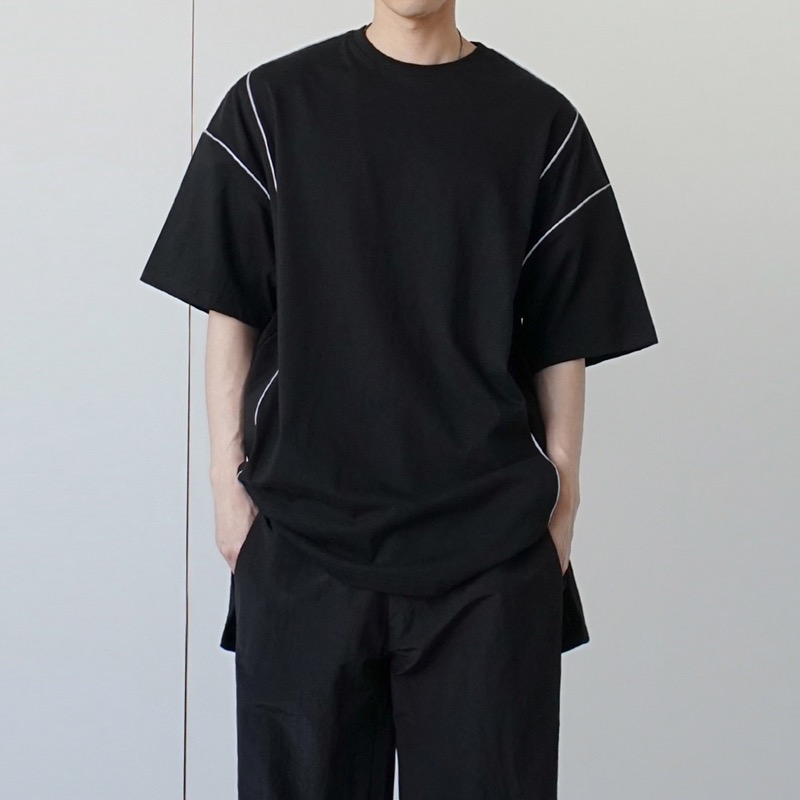
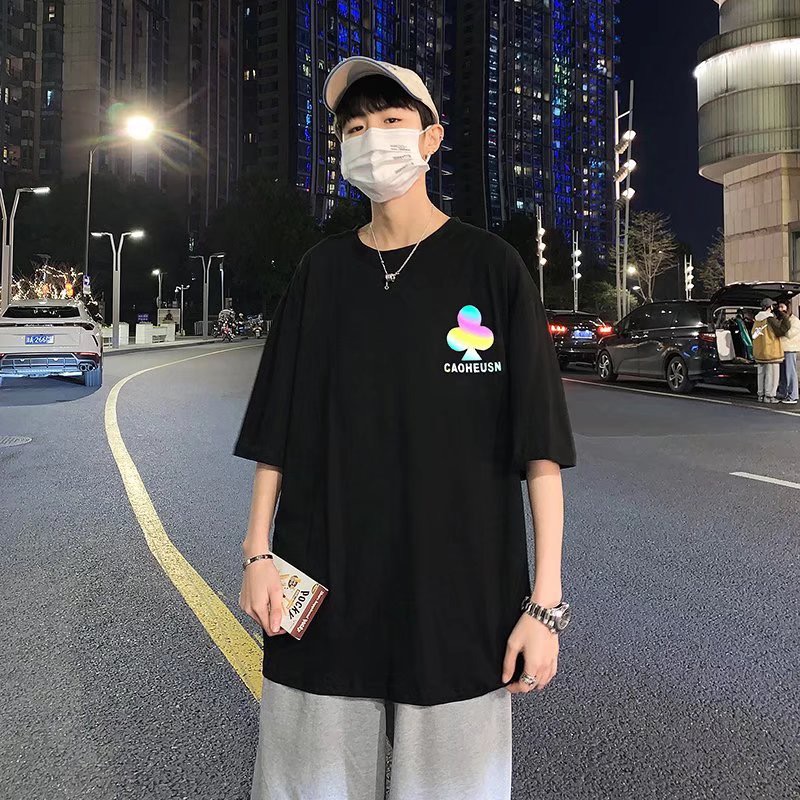
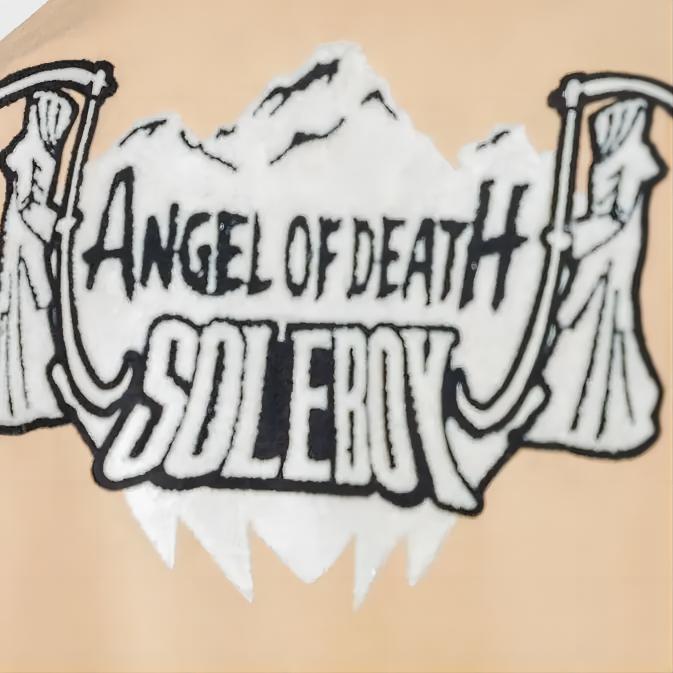
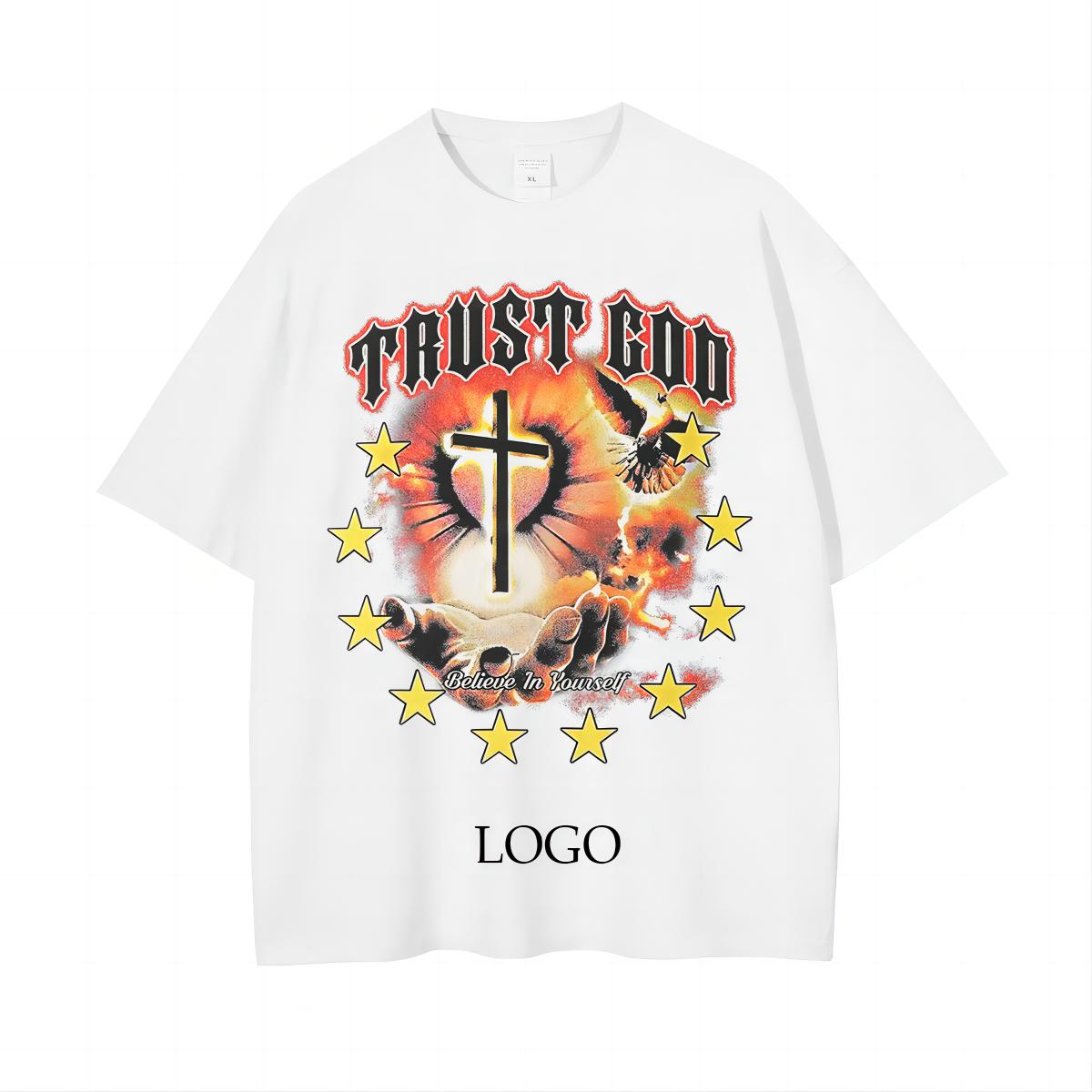
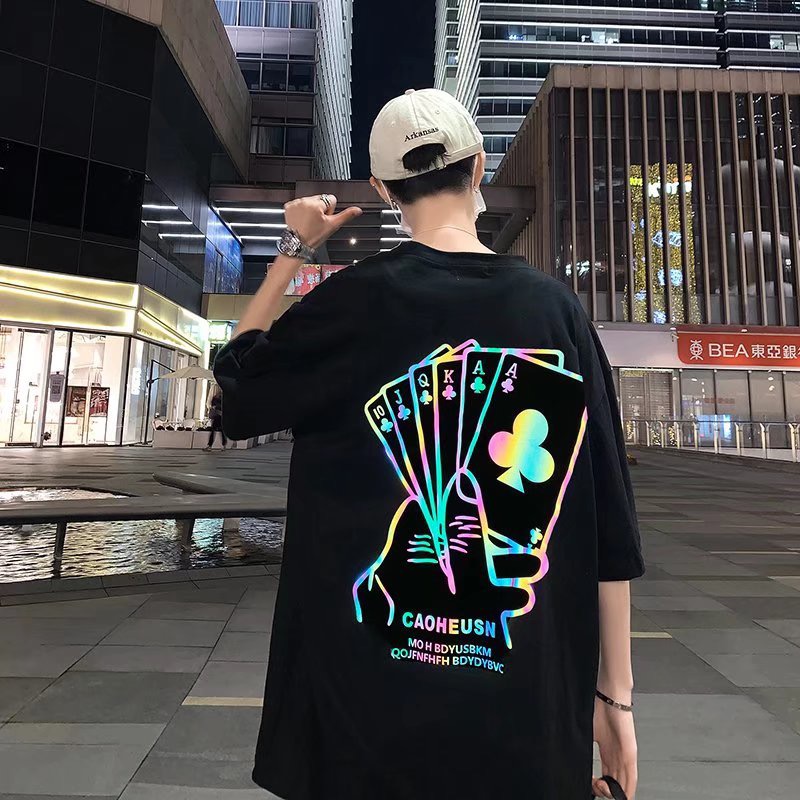
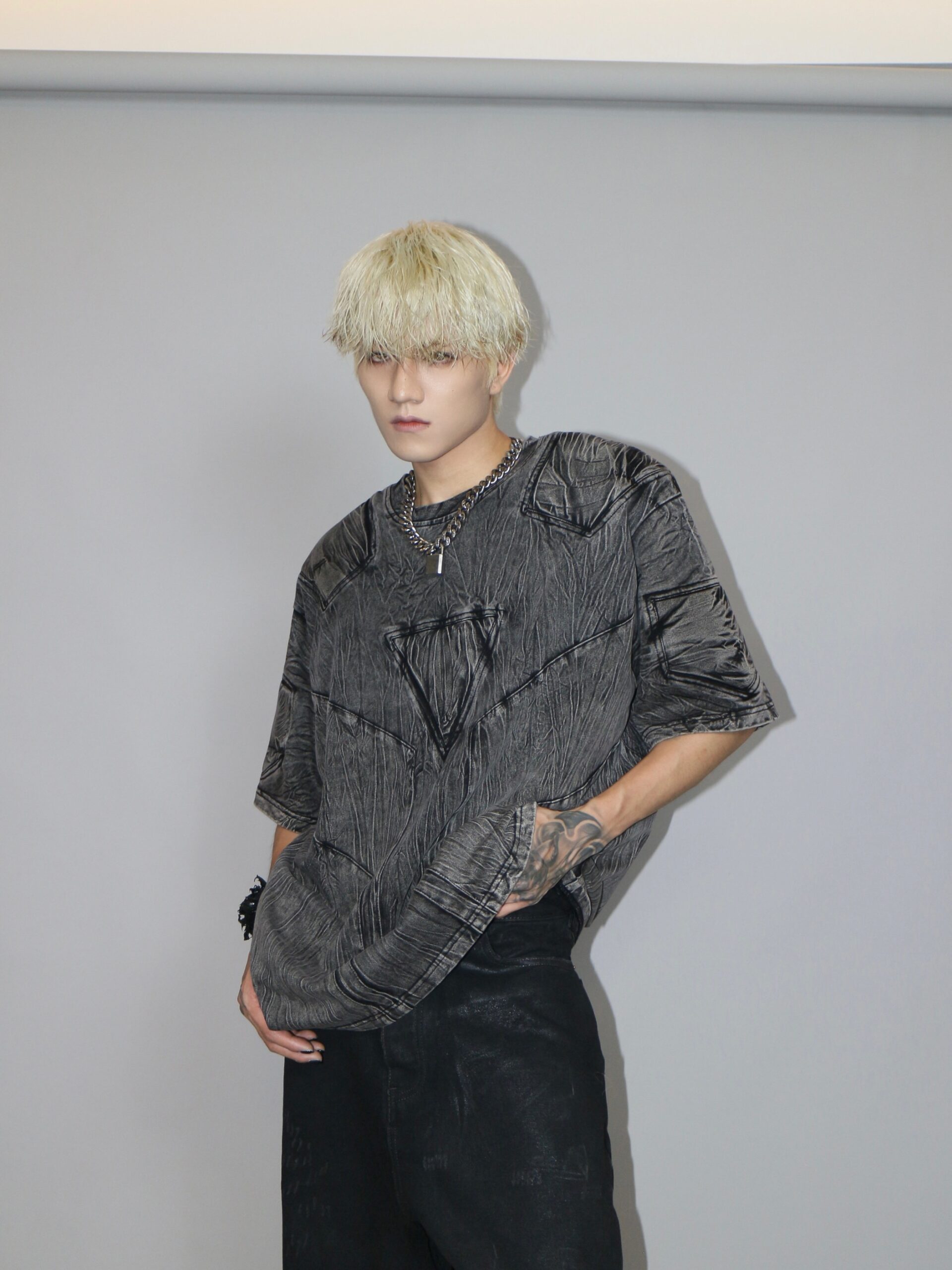
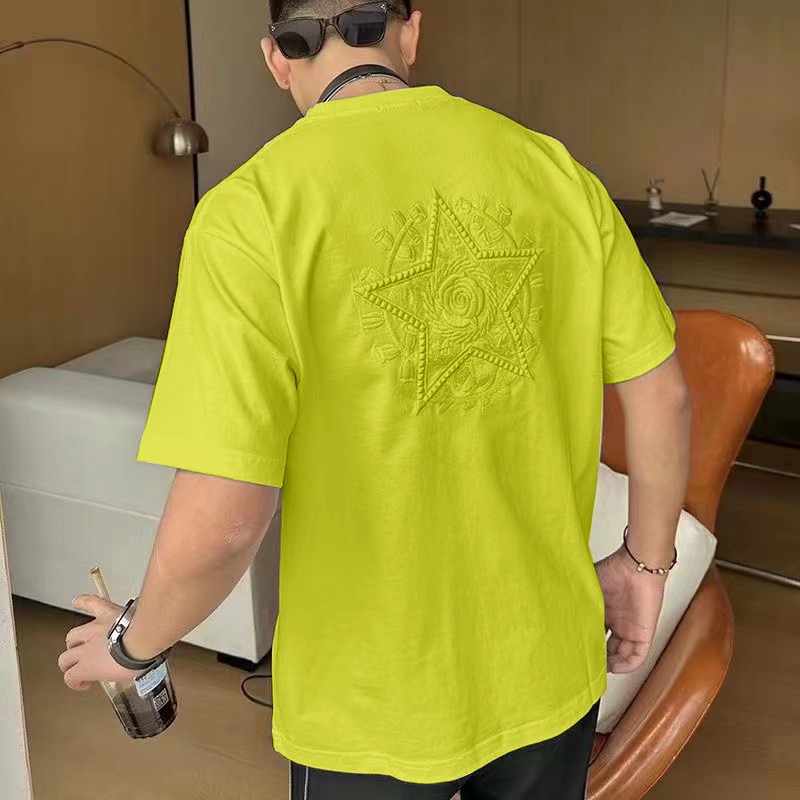
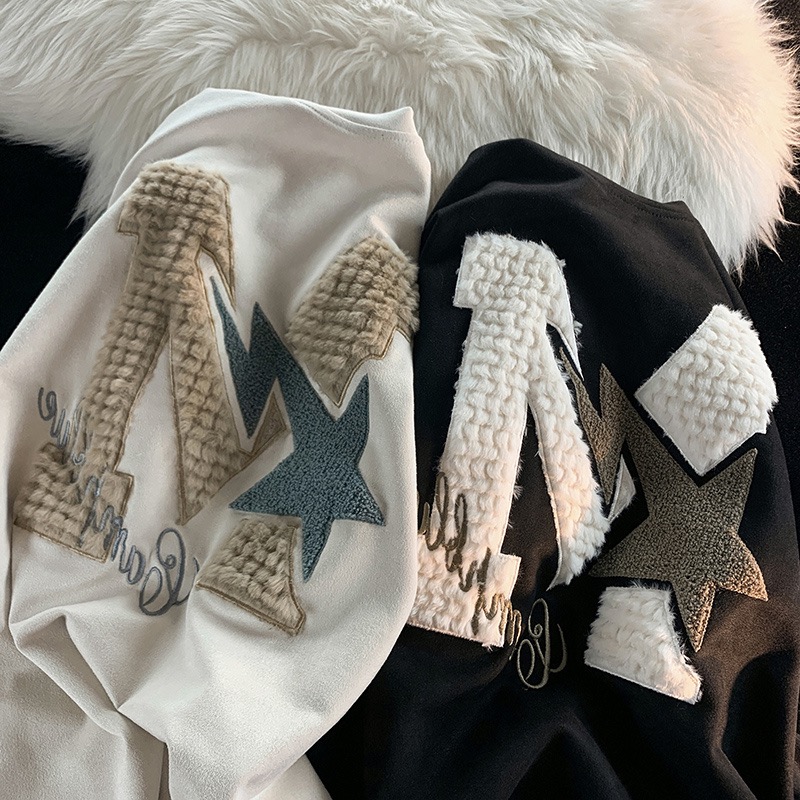
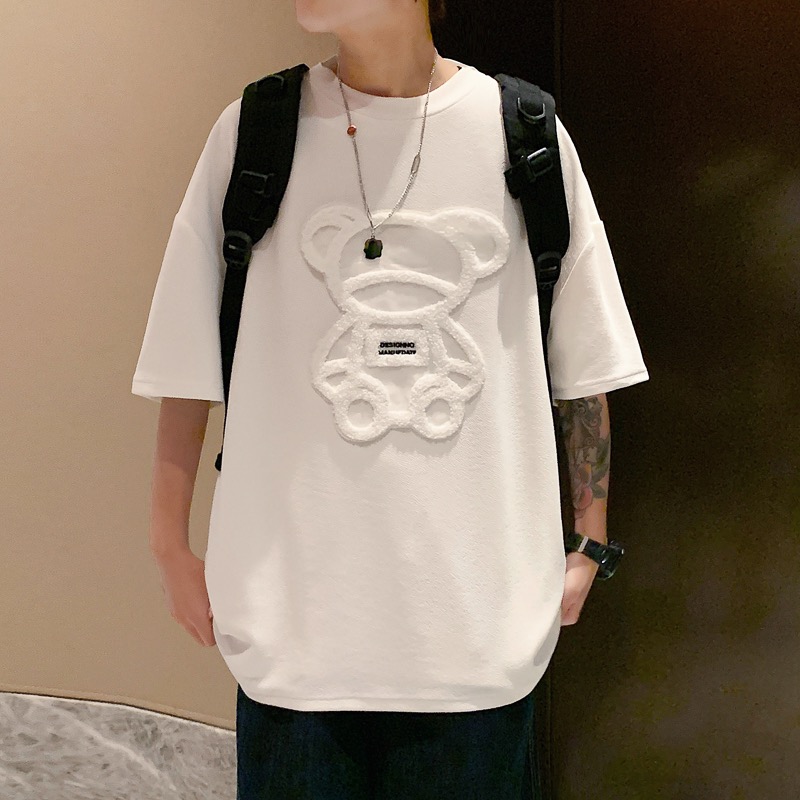
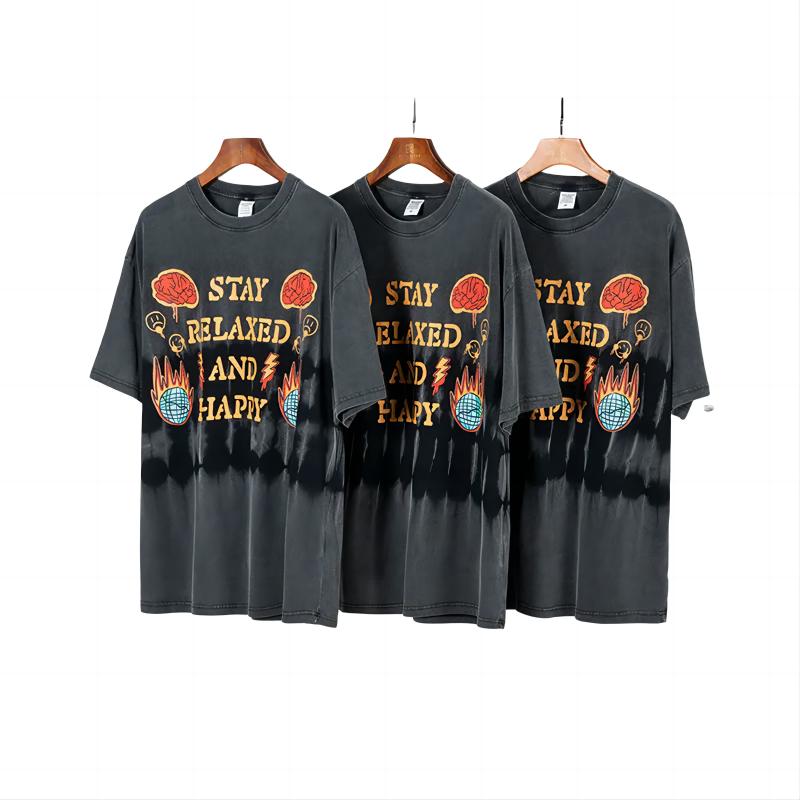
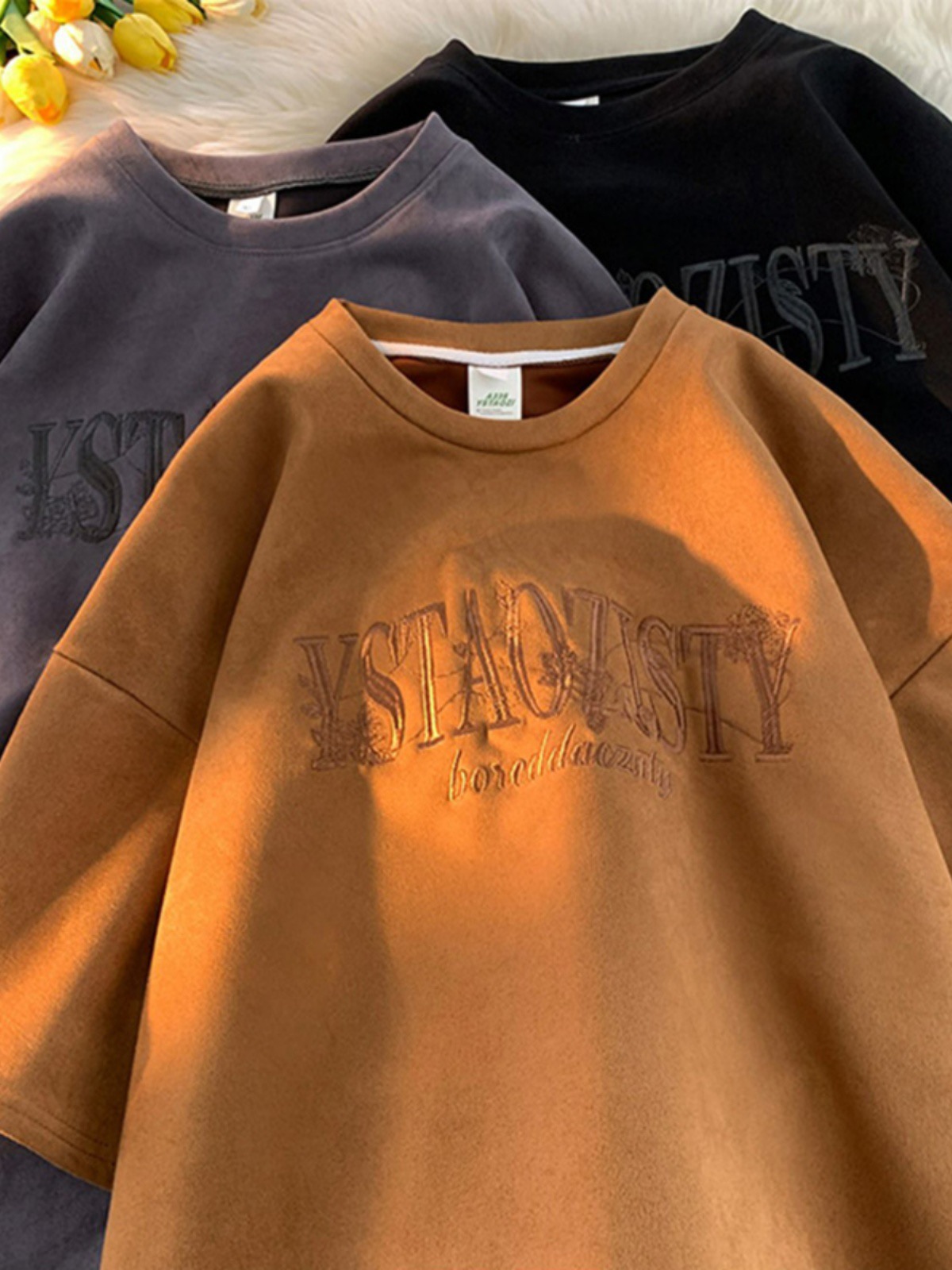
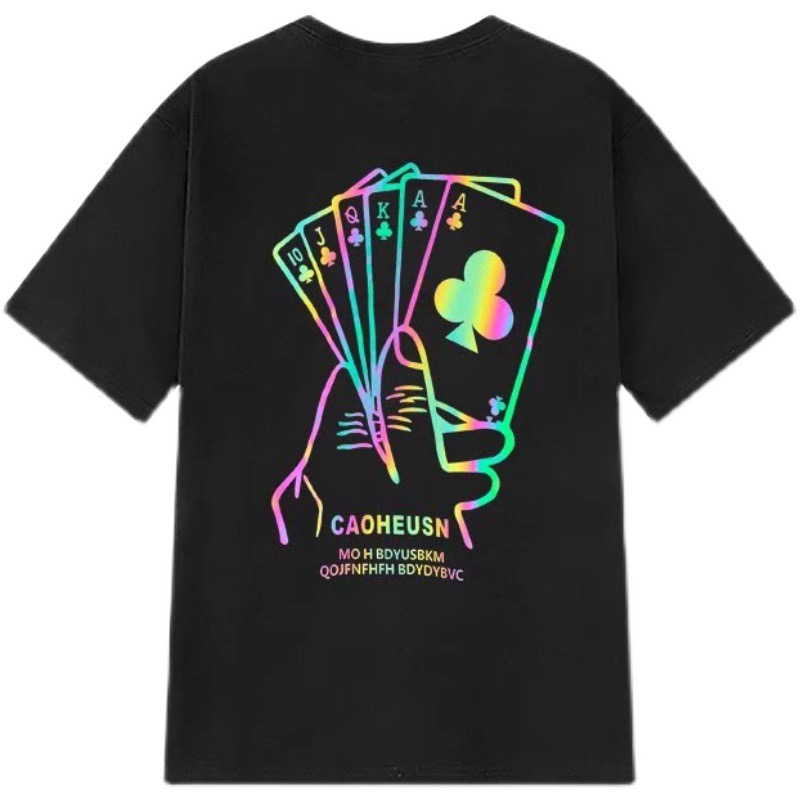
Embroidery Digitizing for Apparel, Built for Bulk
Every embroidery file is developed around the garment, then documented against approved standards for reliable repeat production.
Stitch Direction Control
Stitch paths are planned to support clean coverage, balanced texture, and a consistent visual result across the intended apparel placement.
Balanced Stitch Density
Density settings are reviewed with the artwork and fabric in mind to help embroidery retain clarity without creating unnecessary stiffness.
Supportive Underlay Setup
Underlay is selected to stabilize the design and support defined edges before the visible stitches build the final embroidered surface.
Pull Compensation Review
Compensation is considered during development to help preserve artwork proportions when stitches interact with the garment material.
Fabric-Specific Development
Fleece, jersey, woven shells, and performance fabrics require different embroidery considerations, coordinated with the garment’s construction and intended use.
Approved Standard Repeatability
Sample approvals, placement details, and production specifications create a clear reference for consistent embroidery from first sample through bulk packing.
Related Apparel Manufacturing Capabilities
Compare embroidery and decoration options while developing coordinated apparel programs from sample approval through repeat bulk production.
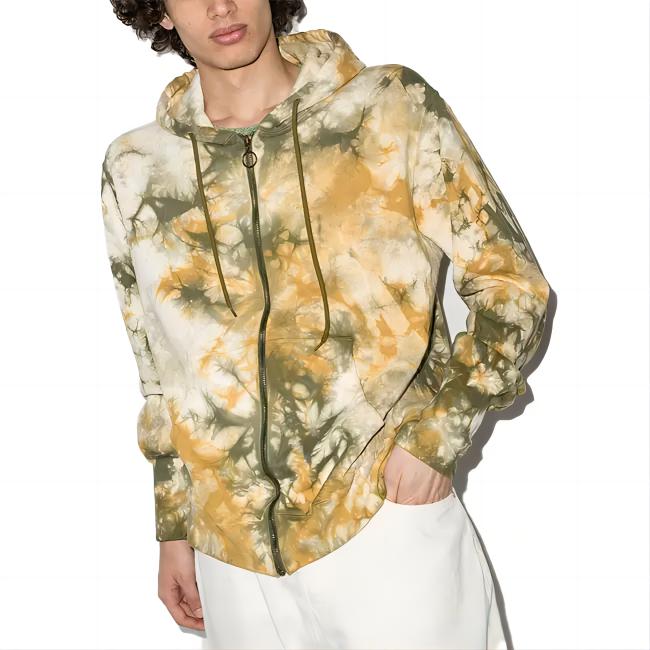
Custom Hoodies
EDVORIN develops custom hoodies with fleece selection, fit blocks, rib specifications, drawcords, labels and embroidery or print placement documented for repeat production. Men’s and women’s programs are available from 200 pieces per style.
Get a Quote
Pullover Sweatshirts
As a sweatshirt manufacturer, EDVORIN develops pullover styles around fabric weight, neck construction, rib recovery, grading and decoration compatibility. Approved samples establish the reference for embroidery, prints, washing and bulk quality control.
Get a Quote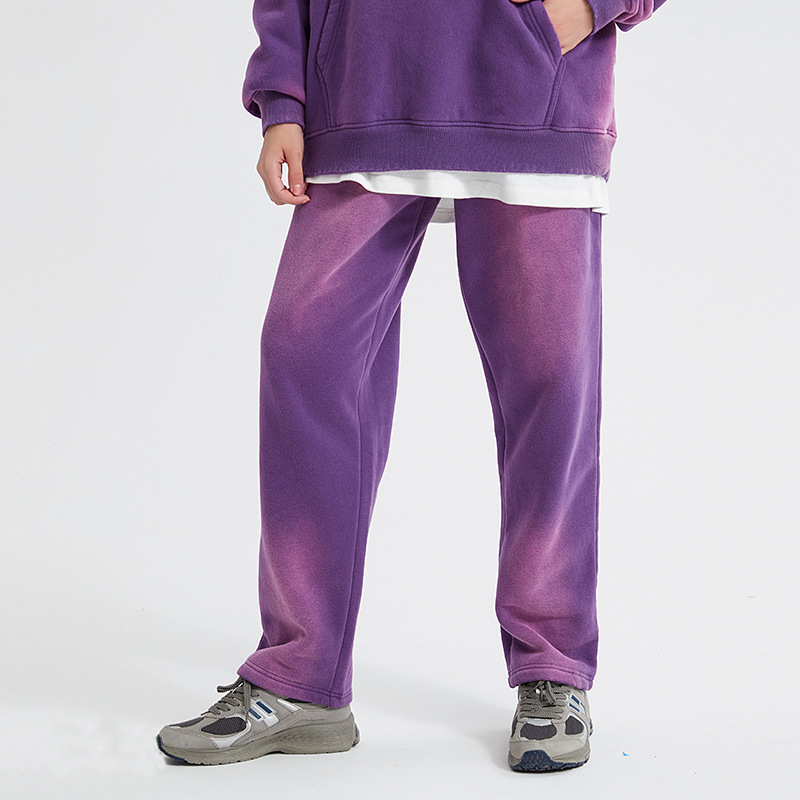
Sweatpants & Joggers
EDVORIN manufactures sweatpants and joggers with coordinated fabric, waistband, cuff, pocket and drawcord specifications. Embroidery, screen printing and wash treatments are evaluated against the base fabric before bulk production.
Get a Quote
Custom Shorts
Custom shorts programs can be developed for casualwear, streetwear, training and team applications. EDVORIN coordinates fabric weight, inseam, waistband, pockets, lining, decoration placement and size grading for men’s and women’s ranges.
Get a Quote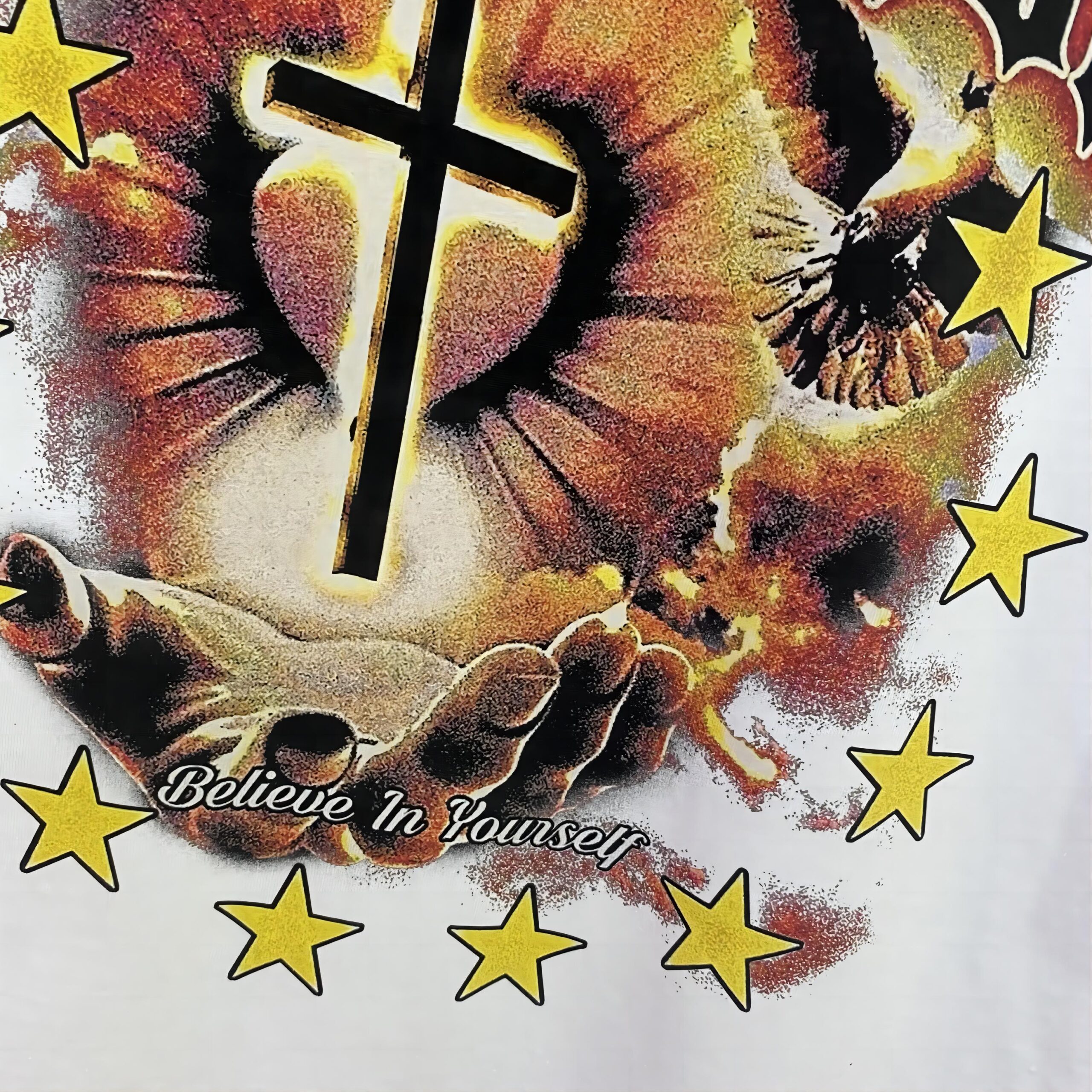
Varsity & Baseball Jackets
EDVORIN develops varsity and baseball jackets by coordinating body and sleeve materials, rib, snaps, lining, patches, embroidery and applique details. Each approved construction and placement standard is carried into production checks.
Get a Quote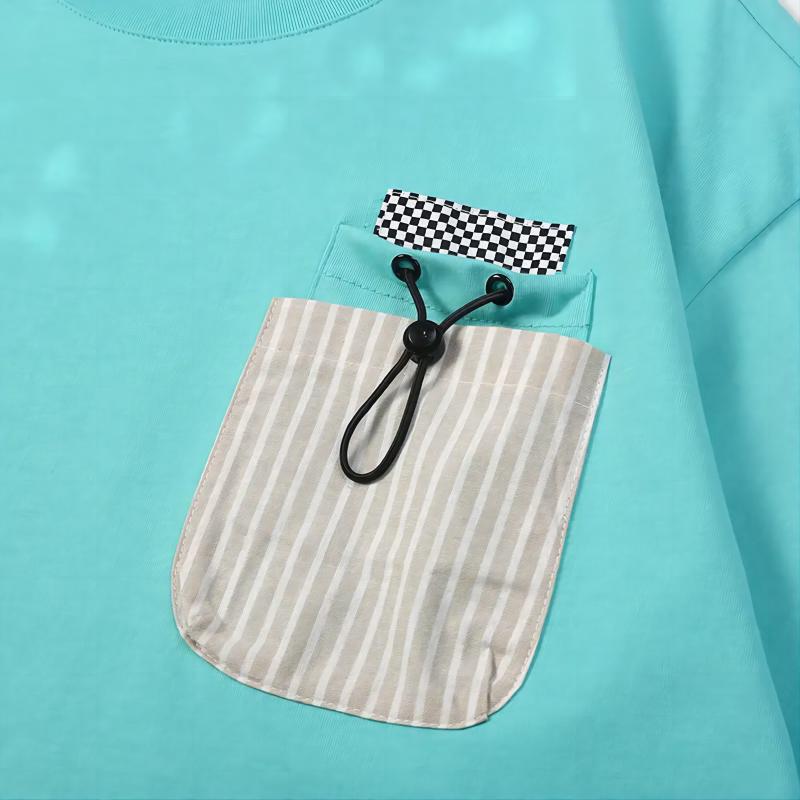
Custom T-Shirts
As a custom T-shirt manufacturer, EDVORIN supports jersey selection, neckline construction, fit, print methods, embroidery, wash effects, labels and packaging. Artwork placement and measurements are recorded to maintain consistency across bulk orders.
Get a Quote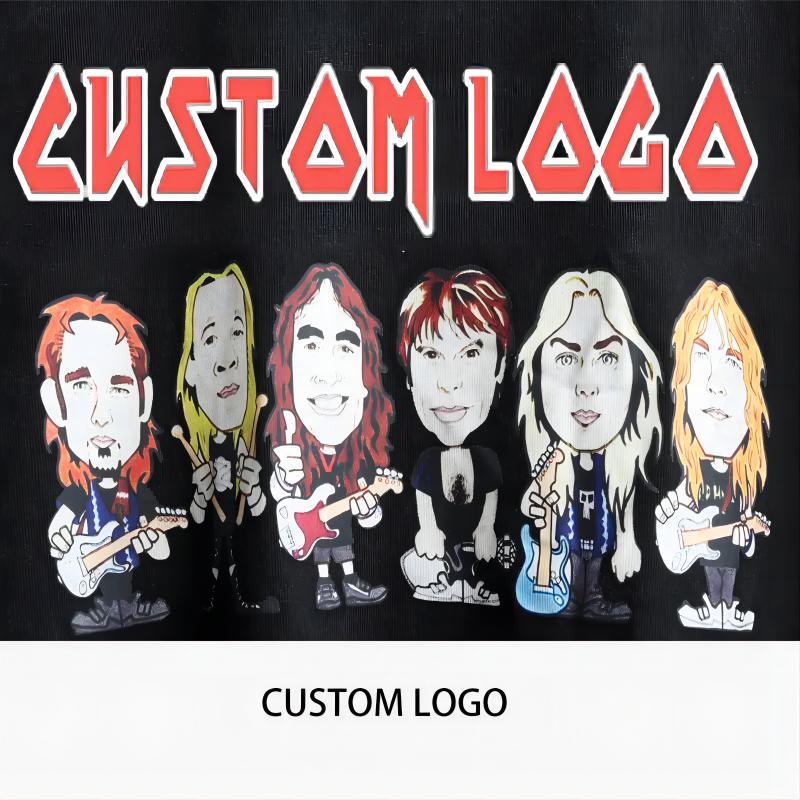
Custom Polo Shirts
EDVORIN manufactures custom polo shirts with piqué or jersey fabric options, collar construction, plackets, buttons, embroidery placement and branded trims. Development can be adapted for corporate uniforms, retail programs and private-label collections.
Get a Quote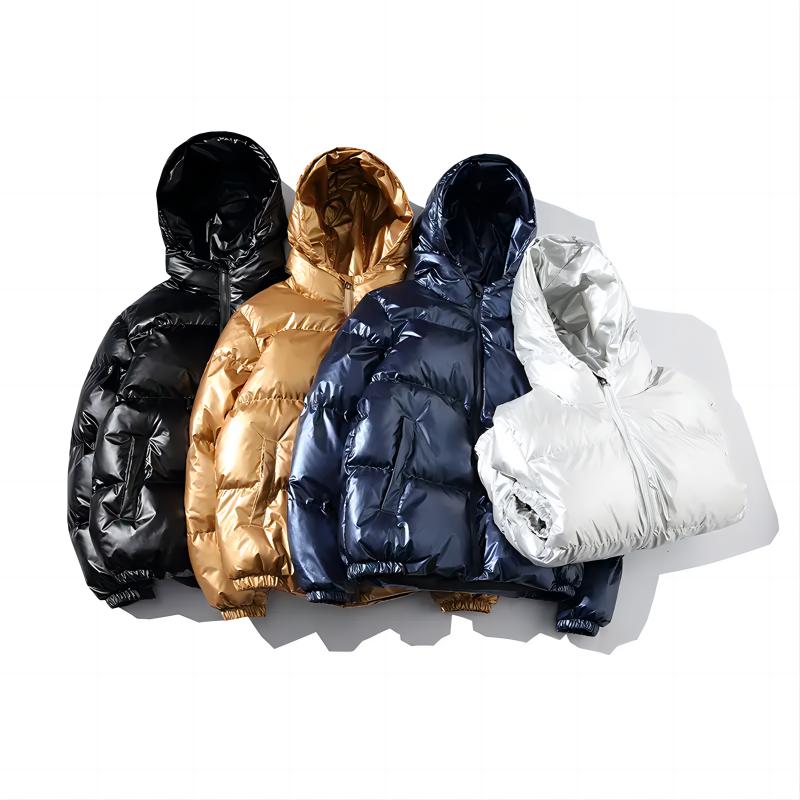
Windbreaker Jackets
Windbreaker programs combine shell fabric, lining or mesh, zippers, hood construction, elastic details, print or embroidery and packability requirements. EDVORIN documents these specifications through sampling before moving to bulk manufacturing.
Get a Quote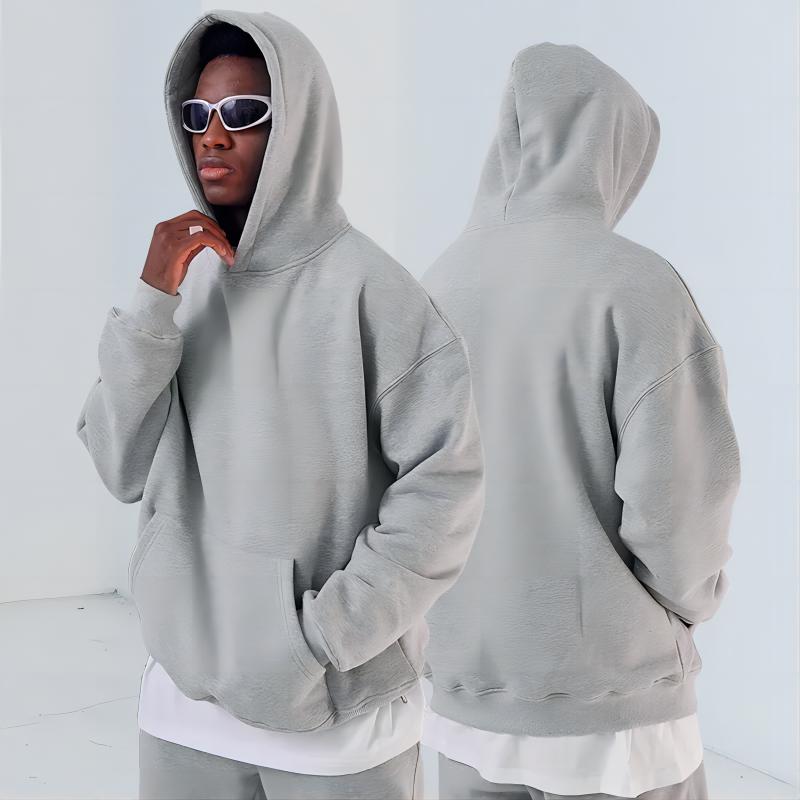
Quilted Jackets
EDVORIN develops quilted jackets with coordinated shell, lining, insulation, quilting pattern, pockets, closures and decoration methods. Sampling confirms bulk, warmth, stitch construction and fit before production standards are finalized.
Get a Quote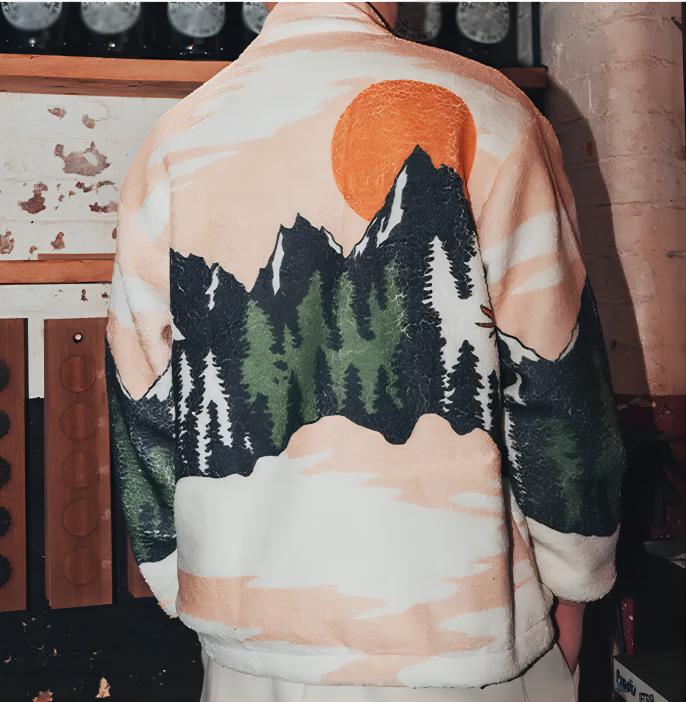
Bomber Jackets
Custom bomber jackets are developed around shell fabric, lining, rib, zipper or snap hardware, pocket construction, embroidery and patch applications. EDVORIN manages material and trim coordination from prototype through inspection.
Get a Quote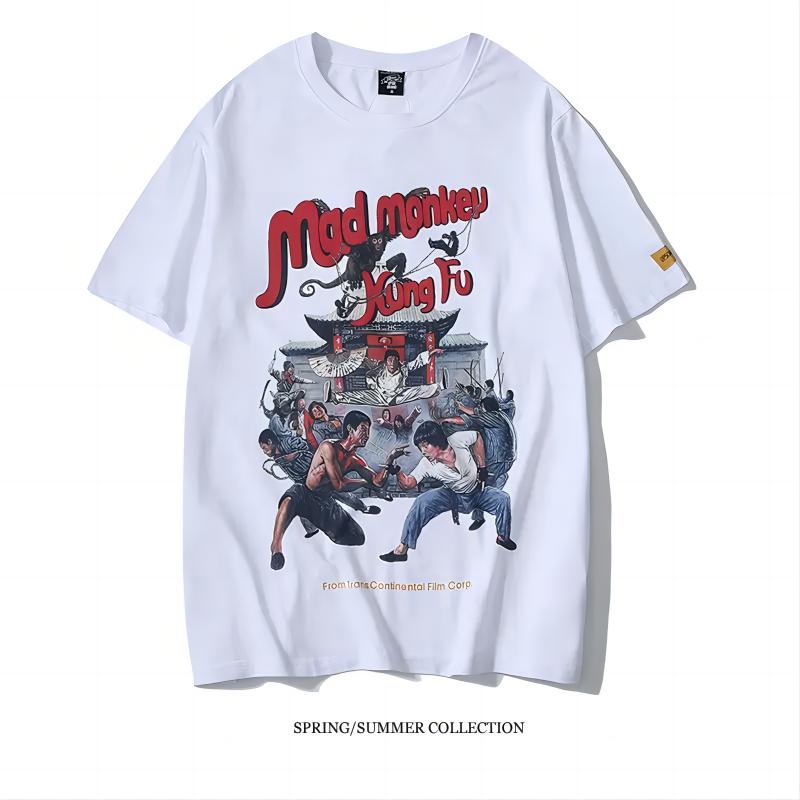
Custom Shirts
As a custom woven shirt manufacturer, EDVORIN develops fabric, collar, placket, cuff, pocket, button and embroidery specifications for branded apparel programs. Fit blocks and grading can be adjusted for men’s and women’s collections.
Get a Quote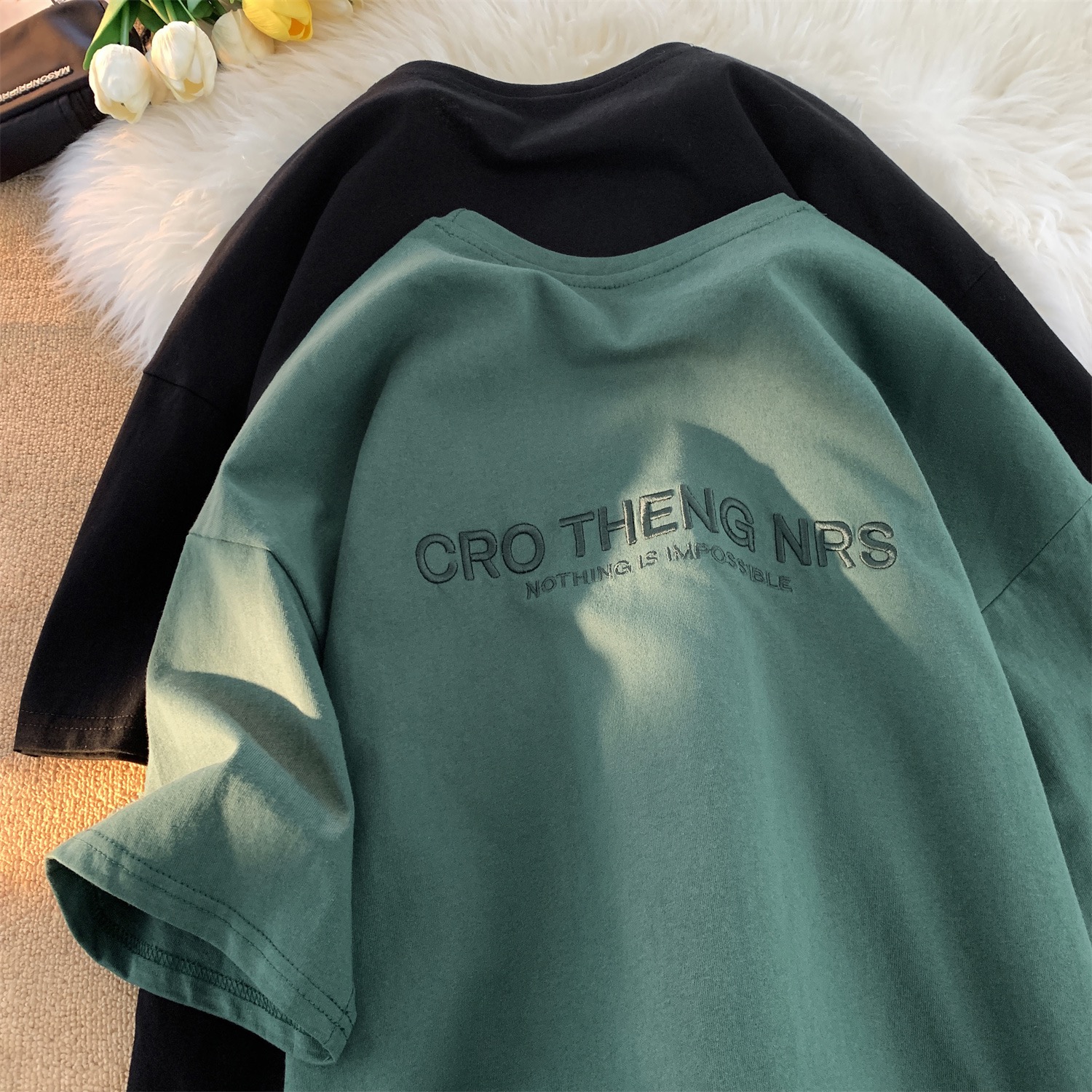
Custom Jerseys
EDVORIN manufactures custom jerseys with performance fabric selection, color control, panel construction, name and number applications, logos and organized size sets. Approved artwork and placement standards support reliable repeat team or retail orders.
Get a Quote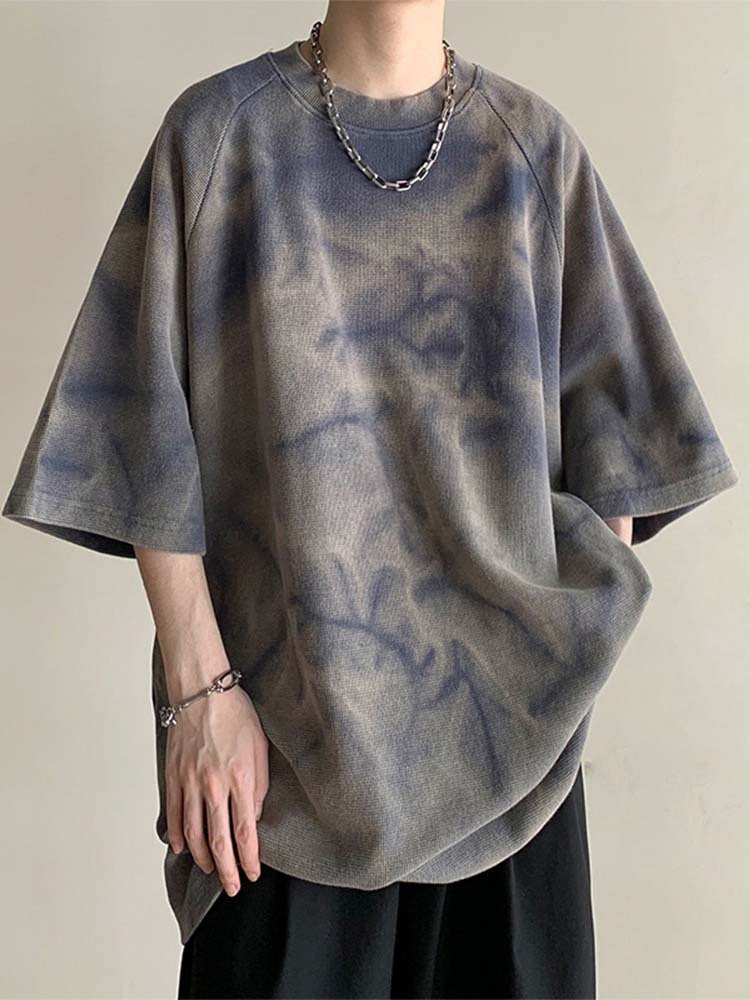
Tank Tops
Tank top development covers fabric weight, armhole and neckline binding, fit, color, print or embroidery placement and labeling. EDVORIN supports casual, training and streetwear programs for both men’s and women’s ranges.
Get a Quote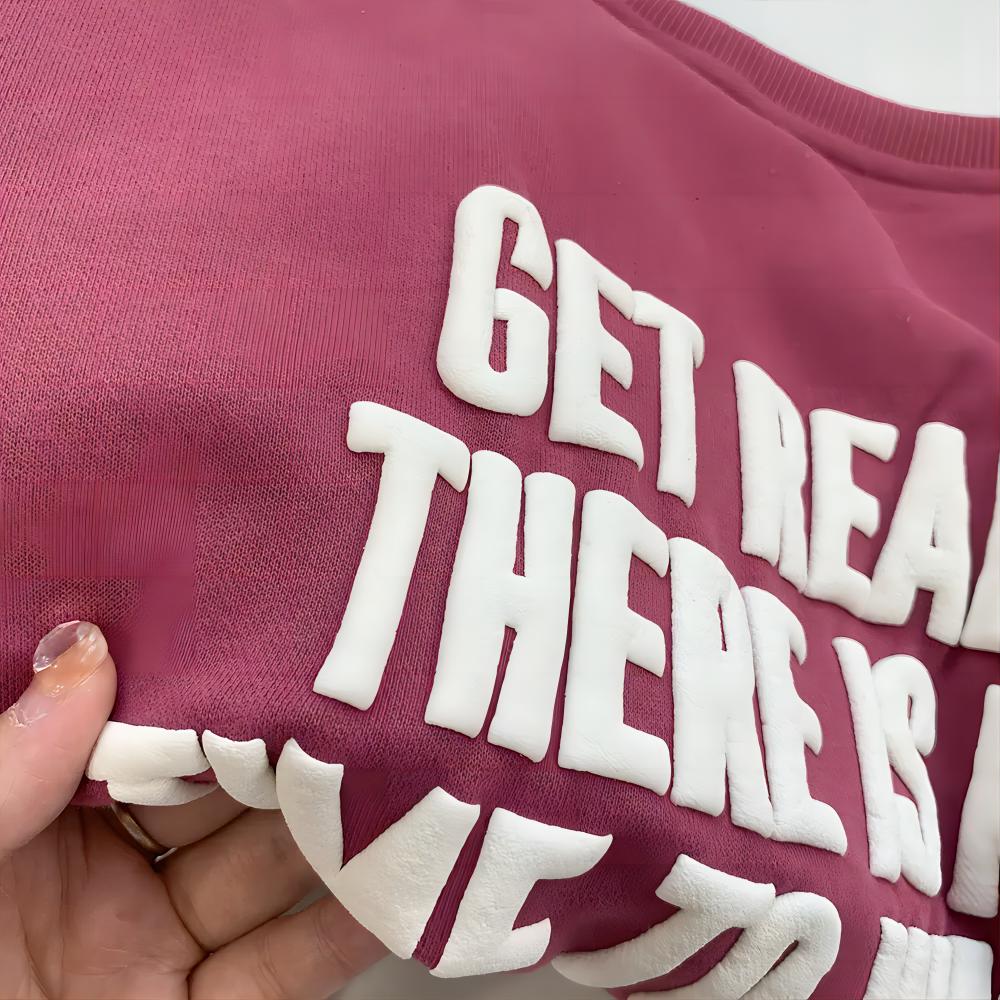
Soccer Uniforms
EDVORIN develops soccer uniforms with breathable fabrics, color-matched panels, team crests, sponsor applications, player names and numbers. Size grading and decoration specifications are organized for consistent squad-wide production and repeat orders.
Get a Quote
Basketball Uniforms
Basketball uniform programs include jersey and short coordination, lightweight performance fabrics, contrast panels, logos, player identification and number applications. EDVORIN samples fit, construction and decoration before establishing bulk production controls.
Get a Quote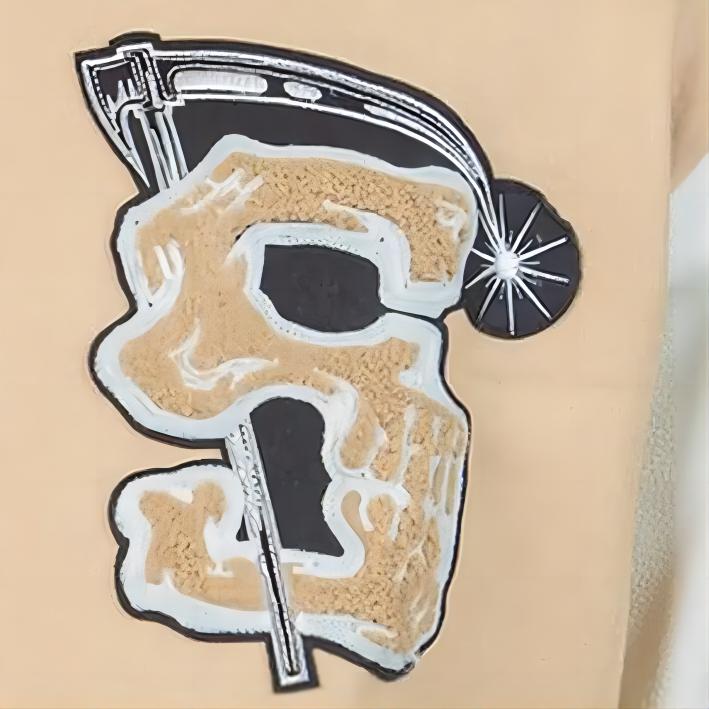
Streetwear Collections
EDVORIN develops streetwear collections across hoodies, tees, bottoms, jackets and coordinated layers. Product development connects fabrics, trims, washes, embroidery, printing, labels and packaging into a production-ready private-label program.
Get a QuoteEDVORIN Experience in Embroidery Digitizing for Apparel
Founded by Edvorin Zeng in 2000, EDVORIN helps fashion, streetwear and teamwear buyers turn apparel ideas into clear, repeatable manufacturing standards. Embroidery digitizing for apparel is coordinated within the wider development process, so artwork decisions support the garment rather than exist separately from it.
From fabric, trims and pattern development through sampling, embroidery, washing, labeling and packaging, our teams manage connected production decisions for men’s and women’s programs. EDVORIN also supports certification programs including ISO 9001, BSCI, WRAP, SEDEX, OEKO-TEX Standard 100, GRS and GOTS, giving brands, clubs, wholesalers and private-label buyers one accountable path from a reference or tech pack to production-ready apparel.
What makes EDVORIN different is the discipline after a sample is approved. We document placement, construction, materials and decoration requirements, then use those approved standards to guide in-line checks and final inspection. With OEM, ODM and private-label support starting at 200 pieces per style, collections are built to repeat cleanly as they grow.
Embroidery Digitizing for Apparel: Controls That Repeat Cleanly
Fabric-Aware Foundation
EDVORIN plans underlay around the garment fabric, backing needs and intended placement before bulk embroidery begins. This helps stabilize logos on fleece, jersey, polos and outerwear while preserving the hand feel, shape and visual definition approved in development.
- Underlay matched to fabric behavior
- Backing considerations recorded by placement
- Support for casualwear, outerwear and teamwear
- Approved sample guides bulk execution
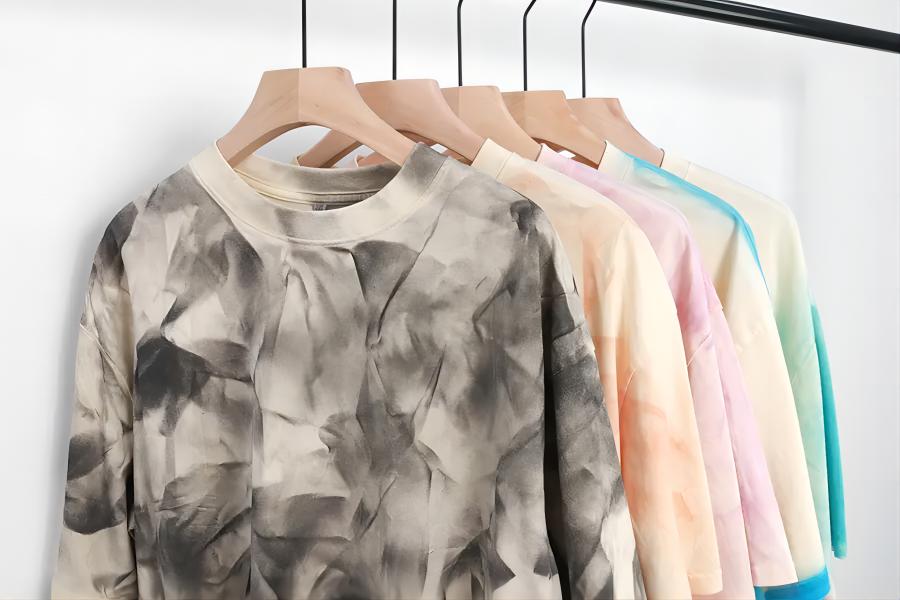
Density That Holds Shape
Stitch density is balanced for artwork detail, thread coverage and the garment’s construction. Rather than treating every logo alike, EDVORIN evaluates how fills, satin borders and small elements will sit on the chosen apparel so embroidery remains clear without unnecessary stiffness.
- Coverage reviewed against garment weight
- Small details assessed for legibility
- Fill and satin areas balanced
- Hand feel considered during development
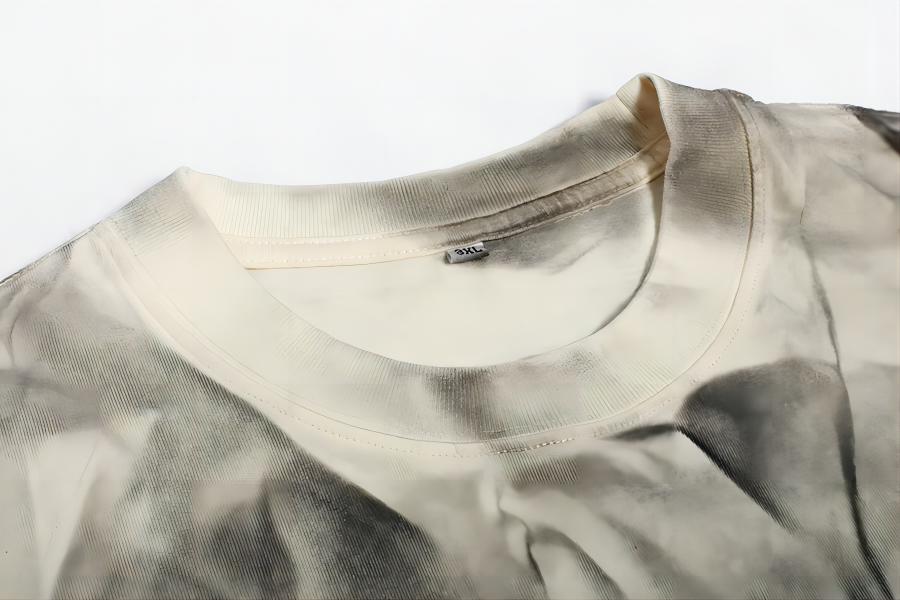
Direction and Sequence Control
Embroidery digitizing for apparel requires deliberate stitch direction and sequencing to manage how the design builds on the garment. EDVORIN documents placement, color order and design priorities so approved artwork can be communicated consistently from sample review through repeat production.
- Stitch paths planned around artwork
- Color order aligned with approval
- Placement measurements documented
- Production details kept visible
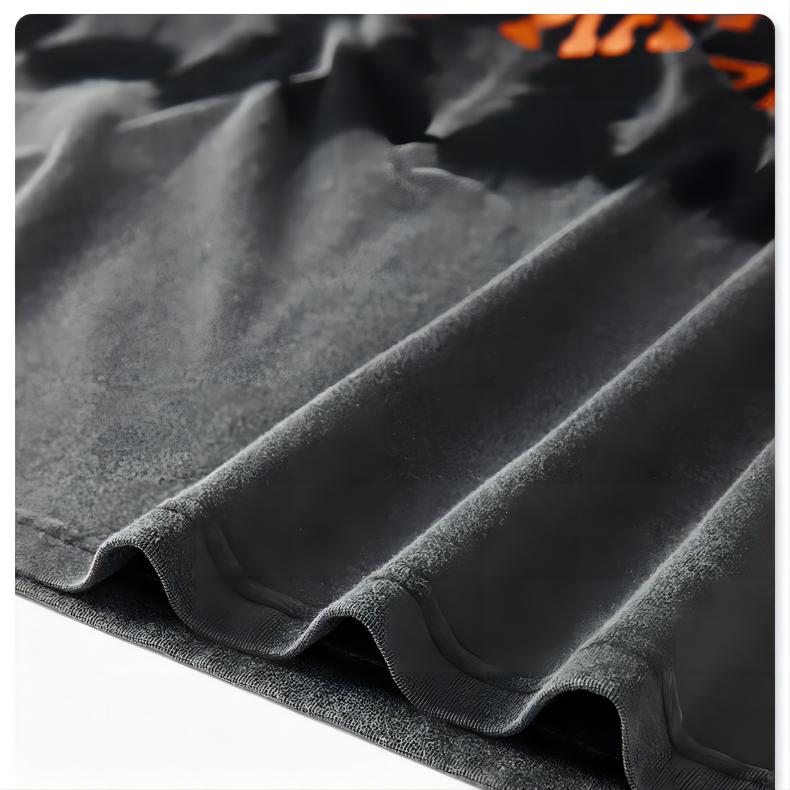
Sew-Out Review Before Bulk
A digital file is only one stage of production readiness. EDVORIN reviews sewn samples on the intended garment, checking definition, placement, registration and overall appearance before the approved result becomes the reference for bulk quality control and packing.
- Sewn sample reviewed on garment
- Artwork placement checked visually
- Approved standard informs inspections
- Sample-to-bulk control stays connected
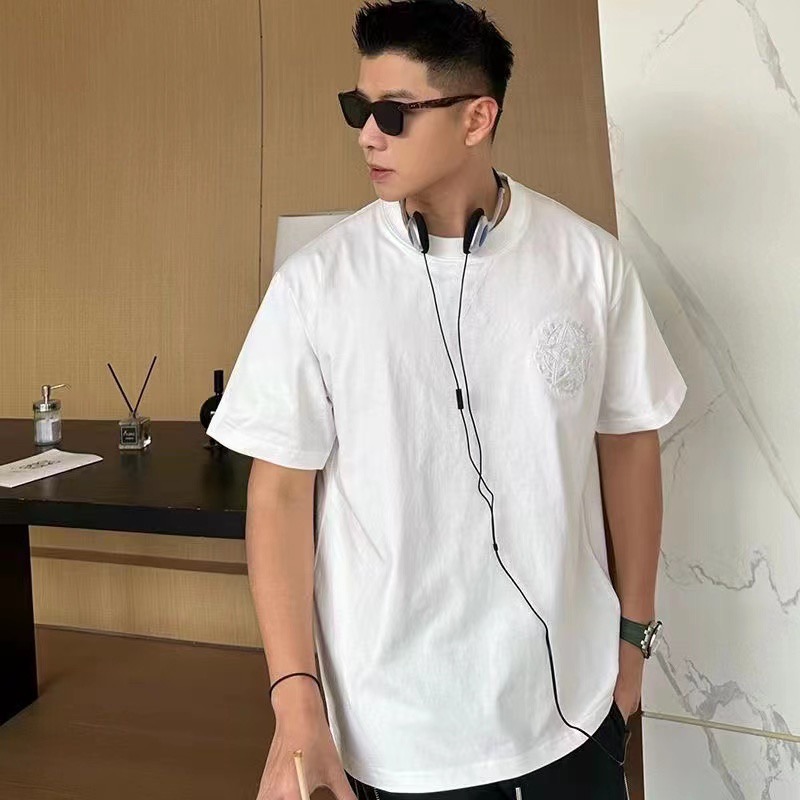
Embroidery Digitizing for Apparel vs. Auto-Digitizing
EDVORIN prepares stitch files around the garment, artwork, and approved sample standard before bulk production.
← Swipe left or right to view →
Embroidery Digitizing for Apparel: From Artwork to Final Inspection
EDVORIN records each embroidery control point so approved artwork, stitch behavior, placement, and finished garments can be repeated across bulk production.
Review Artwork and Garment
We assess artwork, final size, placement, fabric weight, stretch, seams, and backing needs before defining embroidery requirements for the intended apparel category.
Build the Stitch File
Our team translates approved artwork into a production file, setting stitch types, density, direction, underlay, color sequence, and compensation for the selected garment.
Test Sew and Evaluate
A test sew-out checks registration, coverage, edge clarity, fabric stability, and thread behavior on the relevant material before the design moves forward.
Approve Revisions and Placement
Required adjustments are documented, then the buyer reviews the sew-out, thread colors, final dimensions, and placement references against the approved sample standard.
Release, Embroider, and Inspect
The approved file guides bulk embroidery while in-line checks and final inspection verify consistent placement, clean stitching, garment condition, and packing readiness.
Start Your Embroidery Digitizing for Apparel Program
Align artwork, garment specifications and approval standards before moving into a repeatable production order from 200 pieces per style.
Submit Your Design Brief
Share artwork, tech packs, garment category, fabric details, placement references, thread colors, size range and any brand-specific requirements for review.
Define Production Specifications
Confirm embroidery size, placement measurements, backing needs, garment construction, labels and packaging so each decision supports your approved apparel program.
Review the Sample
Evaluate the developed sample against your artwork and garment standard, then document revisions and approvals before bulk production begins.
Approve Bulk Production
Move forward with production from 200 pieces per style, using the approved sample and recorded specifications to guide repeatable embroidery and final inspection.
Results from Embroidery Digitizing for Apparel Programs
Our 12-color varsity crest stayed sharp across 1,800 jackets, including the small lettering around the border. The approved sample gave our team a clear standard, and the repeat order matched it without reworking the artwork.
EDVORIN helped us translate a detailed streetwear graphic into embroidery that held its definition after 20 wash tests. We moved from sample approval to a 600-piece hoodie run on schedule, with placement consistency across every size.
For our academy uniform program, the digitized crest stitched cleanly on polos, warm-up jackets, and backpacks. We received 14 size sets for approval, then completed a 2,400-piece delivery in time for the new season.
Embroidery Digitizing for Apparel FAQ
Clear answers for brands planning embroidered apparel programs from sample development through repeat bulk production.
What is embroidery digitizing for apparel?
Which fabrics are suitable for embroidery digitizing for apparel?
How long do embroidery digitizing, sample approval, and bulk production take?
Can embroidery be combined with patches, printing, washing, or other decoration?
Will embroidered apparel remain consistent after washing and repeat orders?
What is the MOQ for an embroidered apparel order?
Do I need a finished tech pack before starting embroidery digitizing for apparel?
What artwork files should I send for an embroidery review?
The Complete Buyer’s Guide to Embroidery Digitizing for Apparel
Use this decision framework to evaluate stitch-ready artwork, fabric compatibility, supplier capabilities, quality controls, and pricing—while avoiding costly approval, scaling, and production mistakes before placing an apparel order.
1. What Is Embroidery Digitizing for Apparel?
3 core stitch families—run, satin, and fill—are selected as artwork is translated into machine commands, not when a PNG is merely renamed as a DST. Embroidery digitizing for apparel maps each stitch path, thread color, sewing sequence, and trim so the machine knows where and how to sew.
2 control layers, underlay and density, stabilize coverage before the visible stitches are laid down; push-pull compensation offsets distortion caused by thread tension and fabric movement. The result is a sew program designed to preserve outlines, lettering, registration, and surface appearance.
1 production-ready file is therefore a specification for a particular logo, garment fabric, placement, hooping method, and embroidery-machine setup—not a universal artwork conversion. Buyers are purchasing technical decisions and a repeatable stitch-out standard that can be sampled, approved, and used to guide bulk decoration.
2. Evolution of Embroidery Digitizing for Apparel
Commercial embroidery digitizing evolved from manually punched stitch instructions, often carried on paper tape or other physical media. Each change required a technician to revise the stitch plan and test it on the intended garment.
Software-led workflows later made editing, format conversion, on-screen sequencing, and digital file sharing far faster. Multihead machines then let an approved file be repeated across a coordinated production run, while design previews helped buyers catch obvious scale and color issues before sampling.
Buyers still need more than an automatic image-to-file conversion. For embroidery digitizing for apparel, skilled operators must set stitch types, pathing, density, underlay, and pull compensation around the actual fabric, backing, hooping method, and placement; a preview cannot prove how fleece, jersey, or a jacket shell will sew.
3. Types of Embroidery Digitizing for Apparel
Seven common applications require separate decisions before digitizing begins. For embroidery digitizing for apparel, submit garment, location, finished size, and artwork together; the same logo rarely transfers unchanged.
Chest Logos And Cap Fronts
Left-chest logos occupy a small, flat field, while cap fronts must bridge a curved crown and center seam. Use a dedicated cap file; its stitch direction and sequence should not be copied from a polo or hoodie version.
Small Lettering And Placements
Small lettering needs a dedicated file when final letter height changes, because readable satin columns can disappear at reduced scale. State the smallest approved size and placement—chest, sleeve, or pocket—rather than asking production to shrink a master logo.
Large And Specialty Designs
Jacket-back artwork needs its own file for the larger hoop and wide placement; confirm panel seams, lining access, and maximum embroidery field. Appliqué, bordered patches, and 3D puff each need dedicated paths: appliqué needs cut-piece placement, patches need a border, and puff needs foam-aware sequencing.
4. Fabrics for Embroidery Digitizing for Apparel
Fabric changes how embroidery digitizing for apparel behaves under the needle. EDVORIN should approve a stitch-out on the exact shell, weight, color, and backing before bulk production.
| Fabric | Weight Or Behavior | Recommended Approach |
|---|---|---|
| Knit polo | Stretch, medium opacity | Cutaway; lighter density |
| Performance jersey | High stretch, thin | Ballpoint; flexible underlay |
| Woven denim | Heavy, stable | Standard density; sharp needle |
| Canvas | Heavy, opaque | Firm backing; strong underlay |
Stable Wovens And Heavy Bases
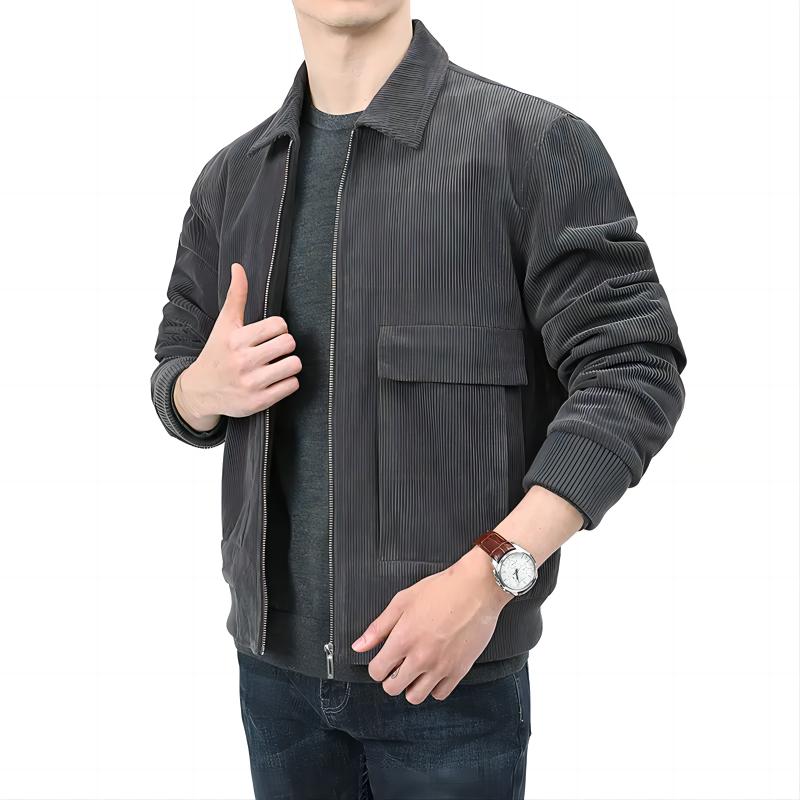
10–12 oz denim and canvas tolerate firmer cutaway backing, standard fill density, and substantial underlay. A sharp needle and test sew-out protect dense logos from needle marks or visible distortion.
Knits, Fleece, And Stretch
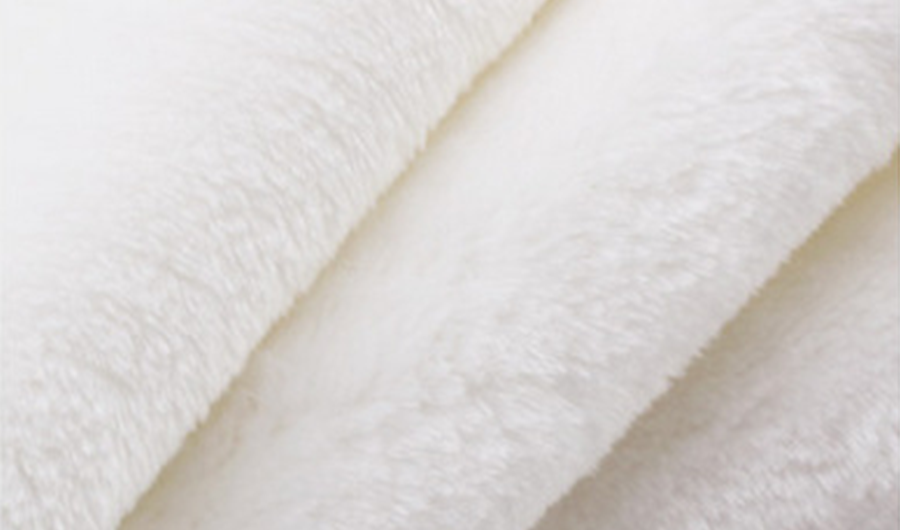
280–400 GSM fleece and French terry need topping over pile plus cutaway stabilization to prevent sinking. Stretch jerseys need lighter density, flexible underlay, and ballpoint needles so the logo does not tunnel or pucker.
Approval Specifications

1 approved logo may require separate files for a polo, hoodie, and windbreaker. Specify fiber content, GSM, stretch, pile, opacity, placement, backing, thread color, and needle type with the sample approval.
5. Customization Options for Apparel Embroidery
EDVORIN’s MOQ starts at 200 pieces per style. At a 200-piece MOQ, embroidery digitizing for apparel should use a controlled option set: finish, color, dimension, personalization, and placement. EDVORIN records each choice in the approved sample and production specification.
| Option | Visual Impact | Design Limitation | Best Fit |
|---|---|---|---|
| Tonal flat embroidery | Subtle texture | Low contrast required | Fashion, private label |
| 3D puff | Raised, bold | Avoid fine detail | Streetwear, caps |
| Patch or appliqué | Graphic, layered | Extra application step | Teams, varsity, uniforms |
| Names and numbers | Clear identification | Data control needed | Teams, schools |
Thread And Color Direction
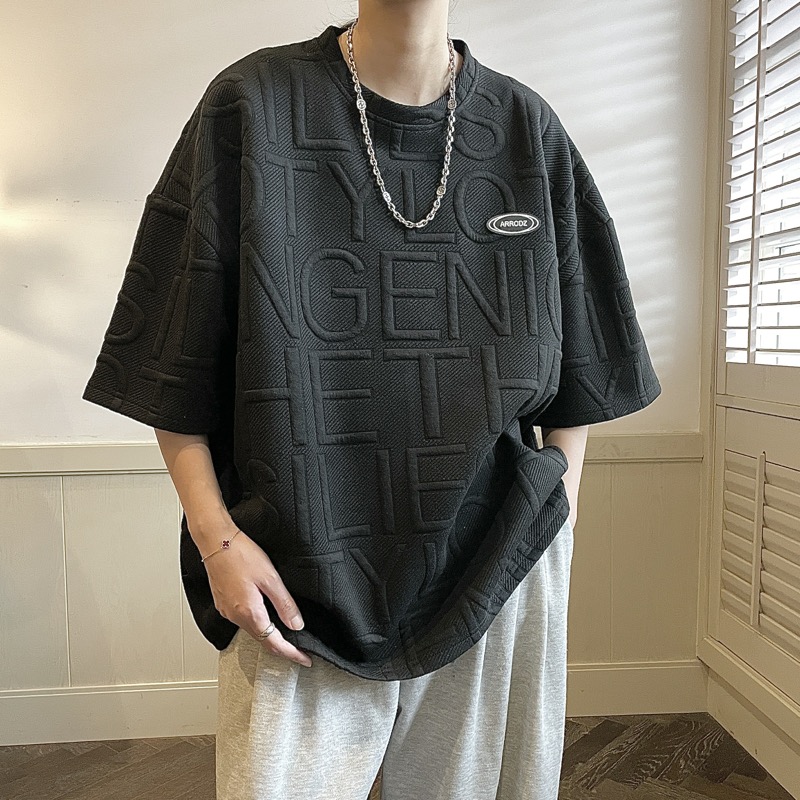
40-weight polyester thread is a practical baseline for abrasion resistance and repeat color control. Specify Pantone references, matte or sheen, and tonal contrast before sampling.
Dimension And Identity
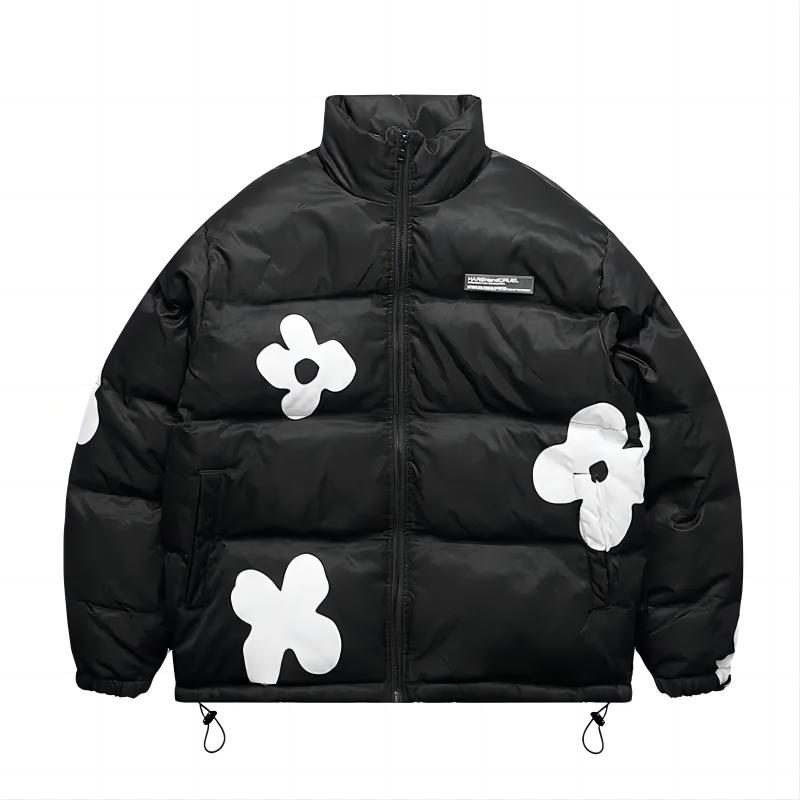
3D puff delivers high relief on bold, open artwork; fine lines and small lettering are poor candidates. Appliqué and embroidered patches add scale or a removable badge format, while monograms suit premium private-label capsules.
Placement And Personalization
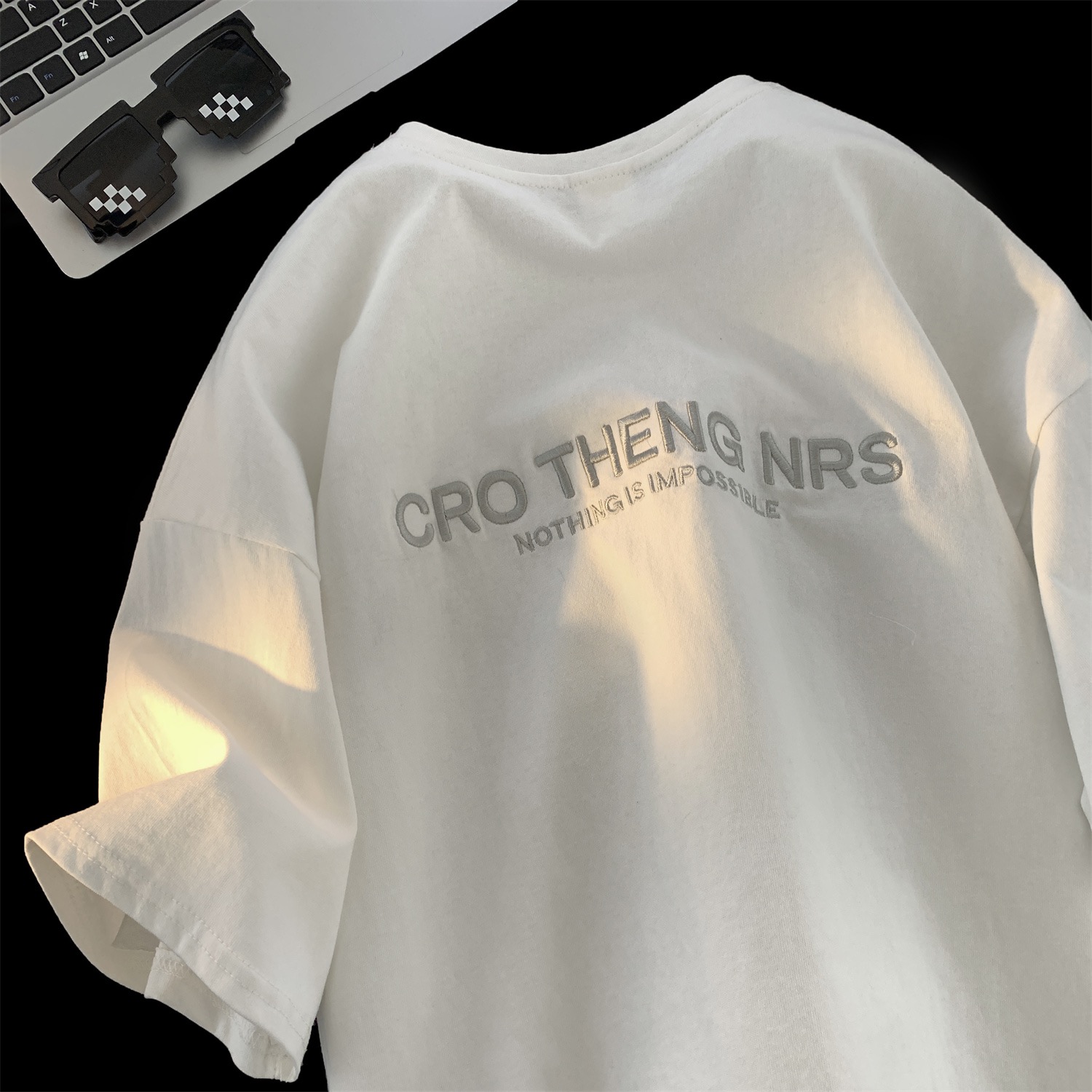
Left-chest logos, sleeve marks, jacket backs, names, and numbers need separate placement measurements by garment size. Teamwear benefits from controlled name-and-number data; fashion programs usually gain more from fewer, consistent placements.
6. Quality Elements in Embroidery Digitizing
A production sample—not a screen preview—shows whether embroidery digitizing for apparel suits the actual fabric, backing, hooping, and thread. Review it at normal viewing distance and after handling, rather than approving a universal stitch recipe.
Stitch Structure And Stability
Satin stitches suit narrow columns, fills cover broader areas, and running stitches define fine details. Excessive density or weak underlay can create stiffness, puckering, and unstable coverage.
Fabric-specific underlay supports the top stitches, while pull compensation offsets narrowing caused by stitch tension. Push compensation helps preserve boundaries where fill stitches spread outward.
Pathing And Registration
A logical stitch path reduces unnecessary travel, trims, and machine stops. Poor trim management can leave visible tails, increase thread breaks, and slow a bulk run.
Color changes should return outlines and adjacent elements to their intended positions. Misregistration appears as gaps, exposed backing, or doubled and distorted outlines.
Small Details And Edges
Small text must be judged on the sewn sample at its final size, not enlarged artwork. Closed counters, readable letters, and clean edge turns matter more than retaining every graphic detail.
Clean outlines should remain even after the garment is released from the hoop. Ask to test the approved file on each planned fabric and construction before bulk production.
7. Choosing an Embroidery Digitizing Supplier
For a 200-piece apparel order, select a supplier on documented stitch-out performance, not a screen preview. Embroidery digitizing for apparel must match the intended fabric, placement, machine, and repeat-production workflow.
| Supplier Type | Core Deliverable | Buyer Proof |
|---|---|---|
| Digitizer | Machine file | Comparable stitch-out |
| Embroidery shop | Sewn decoration | Run sample and QA plan |
| Apparel manufacturer | Integrated production | Approved sample and bulk controls |
Request Comparable Proof
Before deposit, request stitch-outs on the actual fleece, French terry, pique, or shell fabric and at finished size.
Ask for close photos, reverse-side images, stitch count, thread colors, and a recorded placement measurement.
Verify Technical Ownership
Before approval, confirm manual digitizer review, machine delivery format, and editable source-file availability. DST may run production, while EMB supports future editing.
Request artwork cleanup guidance, a written revision path, named contact, and pre-production QA sign-off.
Test Production Readiness
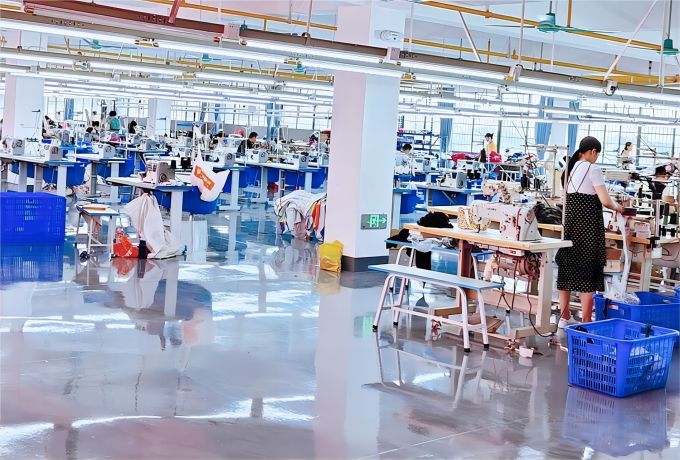
For 200 pieces, confirm lead time after sample approval, capacity during peak season, and quality checks across size and color variants.
A digitizing-only provider supplies files; a full apparel manufacturer can align files with patterns, decoration placement, bulk sewing, labels, and packing.
8. Common Buyer Mistakes to Avoid
One approved stitch-out is more reliable than a digital mockup for embroidery digitizing for apparel. Build artwork, garment, placement, color, and file-control checks into the approval record before bulk release.
Approve Production-Ready Artwork
300 dpi raster art can still hide rough edges; low-resolution logos may produce broken outlines or lost details. Require AI, EPS, or SVG artwork, or approve a traced version before digitizing.
2 approvals are safer than one: review the digital proof, then sign off on a sewn sample on the intended fabric.
Match Files To Garments
1 stitch file should not automatically run across fleece, jersey, and quilted outerwear. Different stretch, thickness, hooping, and backing needs can cause puckering, shifting, or poor coverage.
6 mm details and small lettering may close up after stitching. Confirm final logo dimensions, hoop limits, placement measurements, and a garment-specific sew test.
Lock Color And File Control
Pantone references prevent subjective thread-color substitutions between samples and bulk production. Record thread brand, color code, placement, size, and approved revision in the tech pack.
1 written file policy avoids disputes later. Confirm who owns revisions and request the editable source file, not only a DST production file.
9. Launching an Apparel Embroidery Program
One launch brief should define the garment range, wearer, logo purpose, target placements, and delivery date before artwork moves to production. For embroidery digitizing for apparel, separate decisions by fabric, garment construction, and decoration size.
Build The Master Brief
200-piece programs benefit from one SKU matrix covering style, size range, colorway, artwork version, placement, thread colors, and backing. EDVORIN can use the approved matrix to connect development, sampling, and bulk instructions.
- Assign one internal approver
- Name every artwork revision
- Record Pantone references
- Specify placement from garment landmarks
Approve A Physical Stitch-Out
1 production-representative sample should test the actual garment fabric, color, hoop area, and placement before bulk approval. Review registration, edge clarity, puckering, thread tension, and reverse-side backing, then document revisions against the file version.
- Confirm logo dimensions in millimeters
- Measure placement after garment construction
- Approve thread-color substitutions
- Keep signed sample photos
Lock Repeatable Production Standards
2 approval gates—sample stitch-out and pre-production sample—reduce late changes across multiple SKUs. Freeze the digitizing source file, machine file, thread chart, placement diagram, sample photos, and inspection criteria in a reusable order record.
- Schedule by approved colorway
- Use one revision log
- Inspect first-piece output
- Match packed units to SKU counts
10. Embroidery Digitizing for Apparel Pricing
200-piece programs should separate a one-time digitizing or setup charge from per-garment decoration cost. Comparable embroidery digitizing for apparel quotes require final vector art, finished dimensions, placement map, garment fabric and color, thread colors, quantity by size, and delivery date.
1 approved sew-out can change the final cost when density, backing, thread changes, or placement revisions alter run time. Ask the supplier to quote the approved sample standard separately from artwork preparation, then lock that standard into the production specification.
| Quote driver | One-time digitizing/setup effect | Per-garment decoration effect |
|---|---|---|
| Artwork complexity | Simple logo versus fine detail | Higher stitch count increases machine time |
| Stitch count | May require more programming | Primary time-and-cost driver |
| Quantity tier | Spread setup across 200+ units | Lower unit economics at higher volumes |
| Placement count | Separate files or revisions | Each location adds hooping and run time |
| Lead-time urgency | Rush programming may add cost | Expedited scheduling may add cost |
Start Your Embroidery Digitizing for Apparel Review
Send your artwork and garment specifications for a production-focused quote supporting fashion, teamwear and private-label programs from 200 pieces per style.