
Sequin Embroidery Clothing Manufacturer for Statement Apparel
EDVORIN is a sequin embroidery clothing manufacturer turning bold private-label details into repeatable, production-ready collections from 200 pieces per style.
Featured Sequin Embroidery Apparel
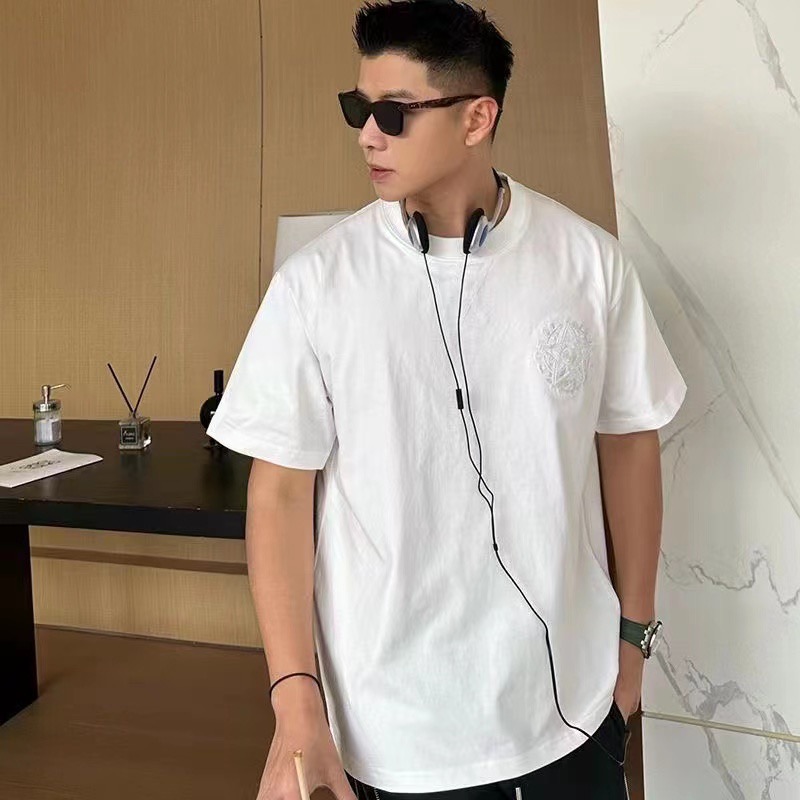
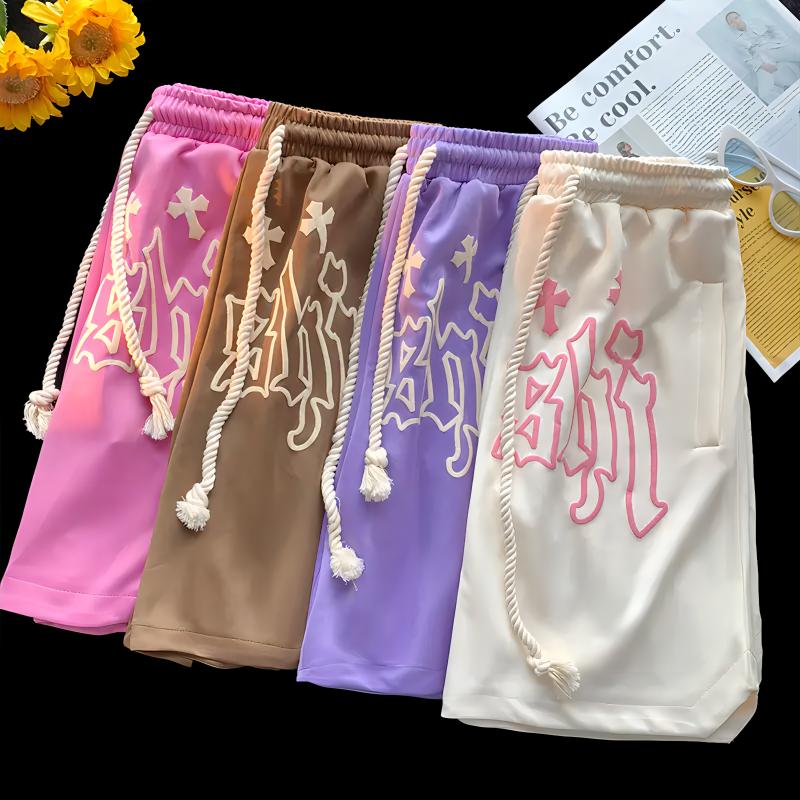
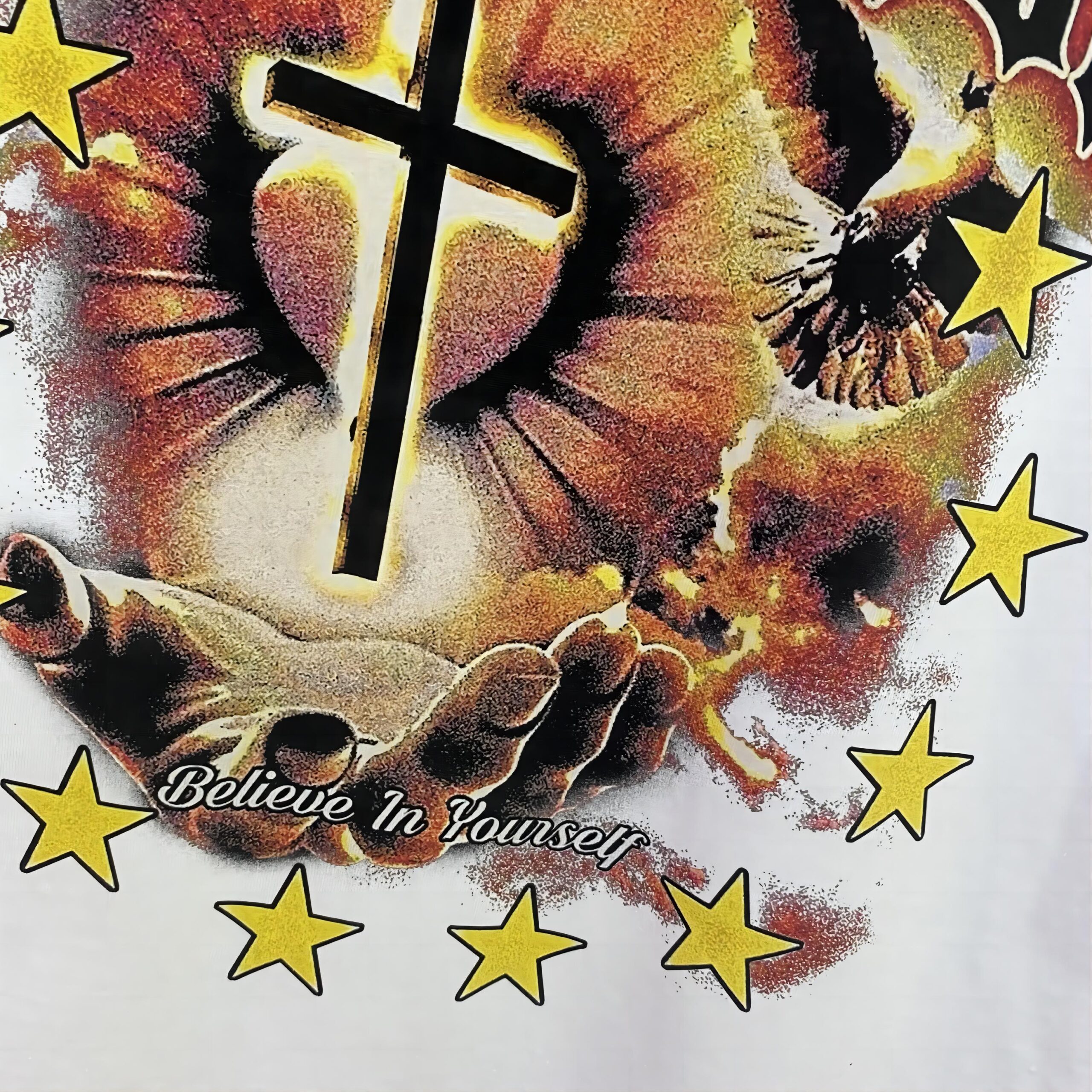
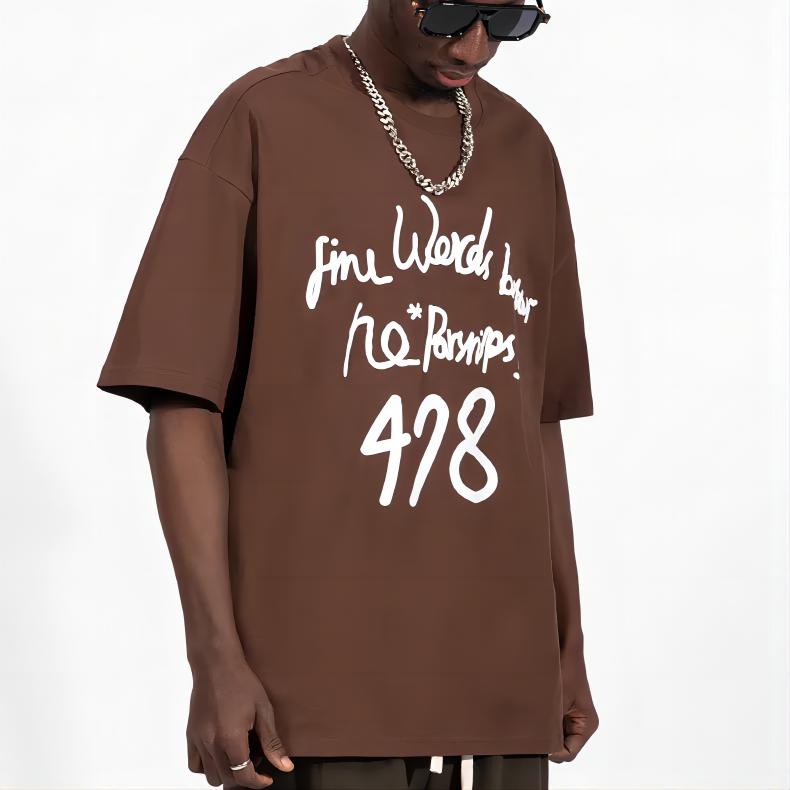
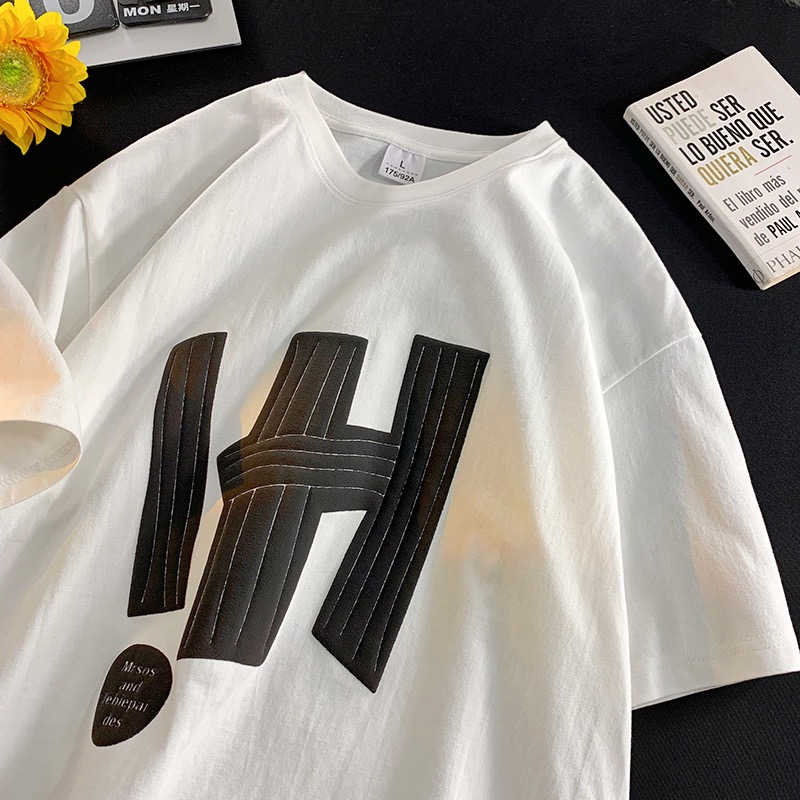
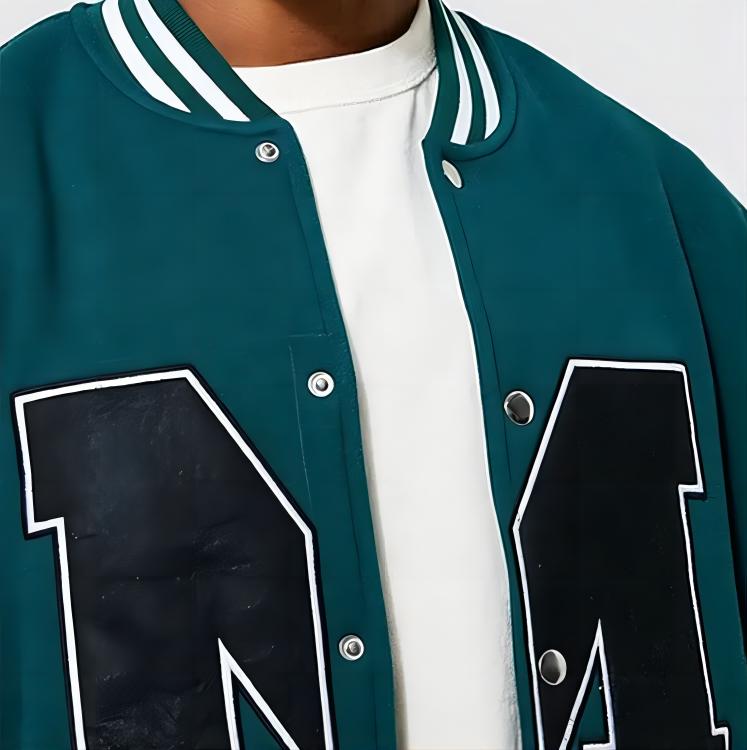
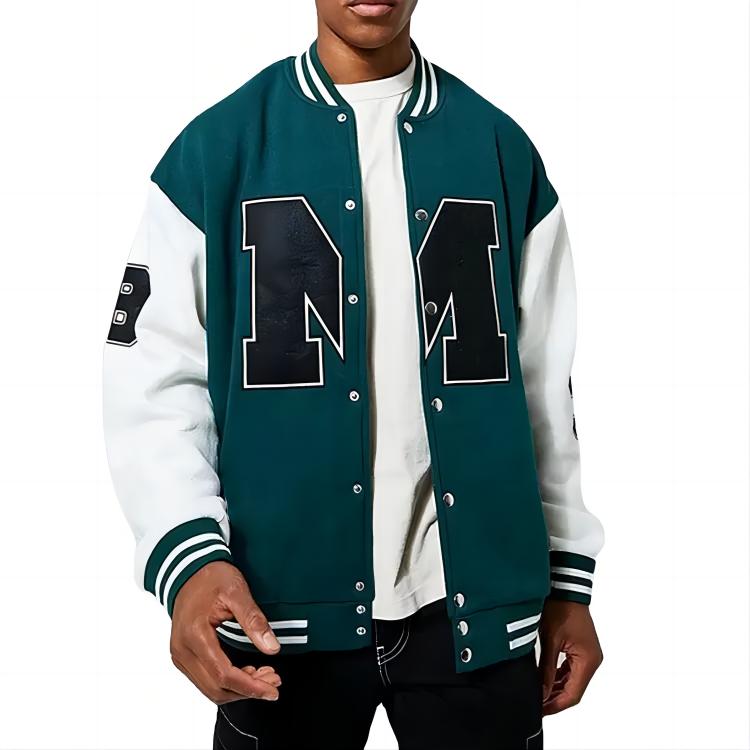
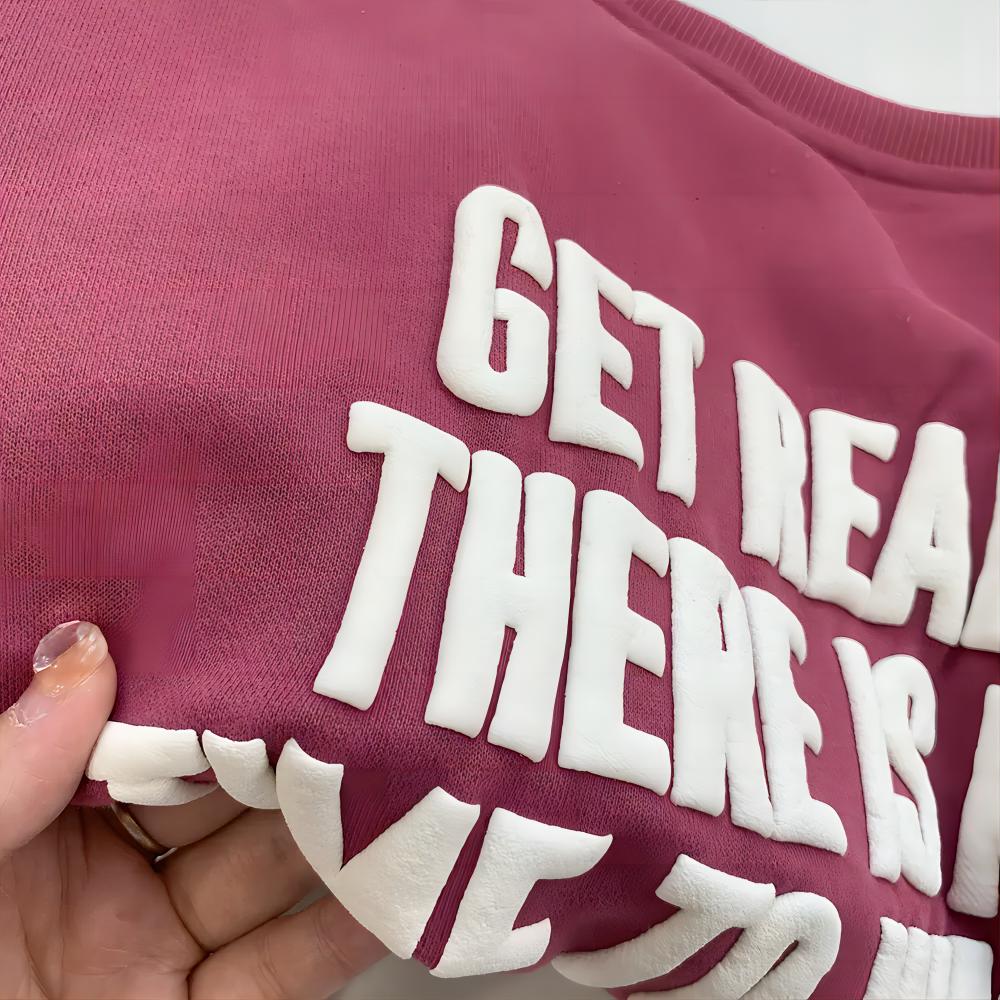
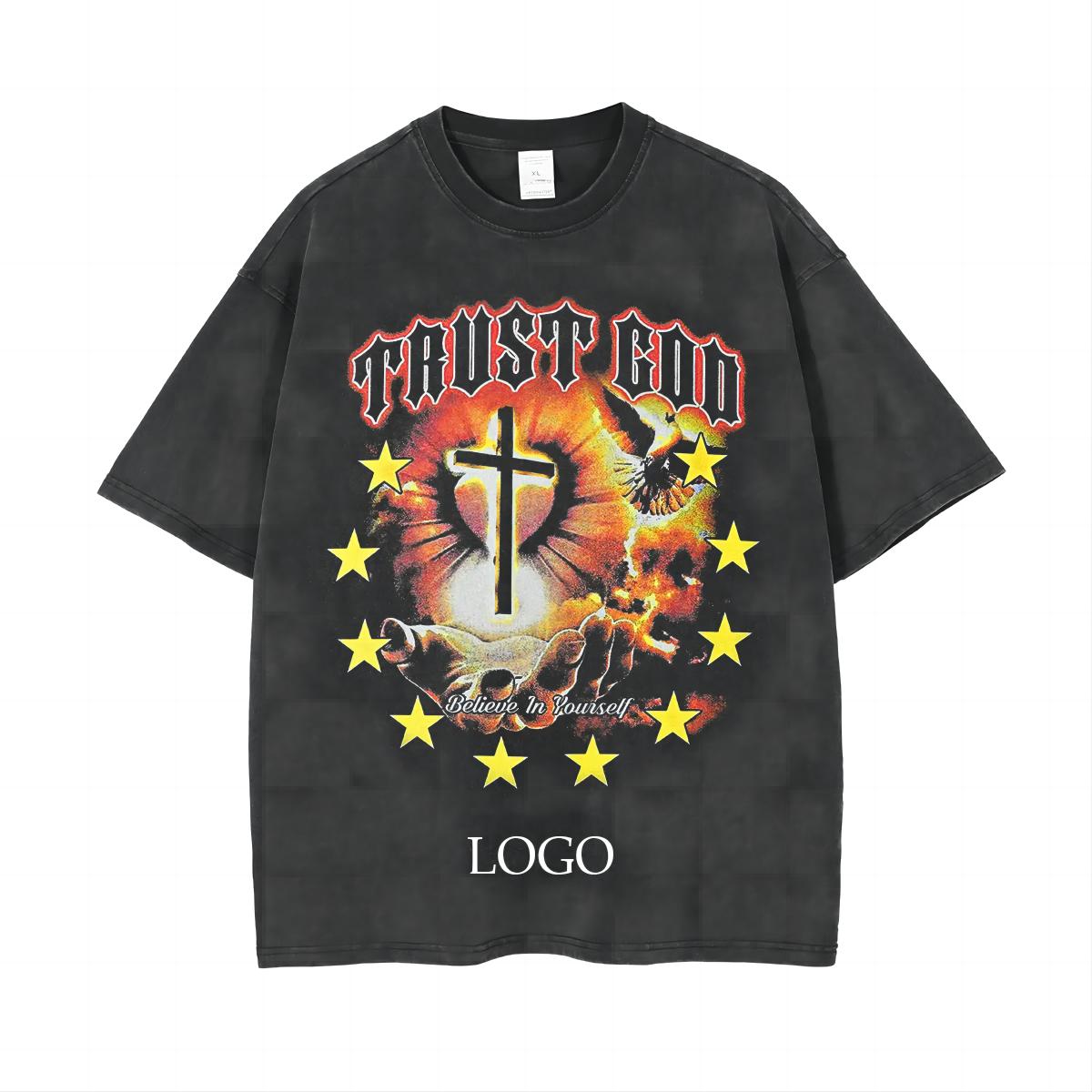
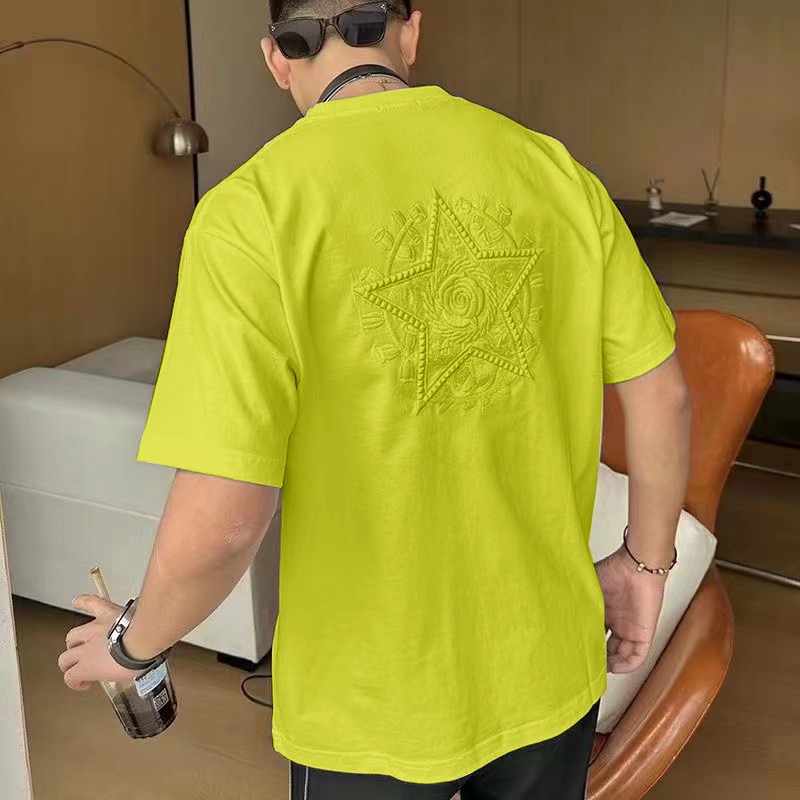
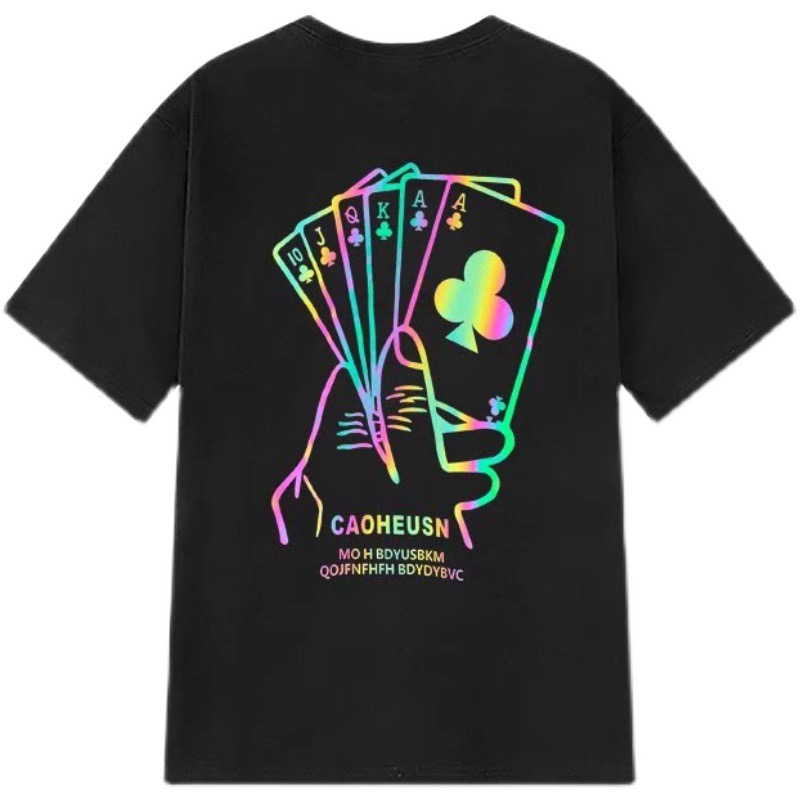
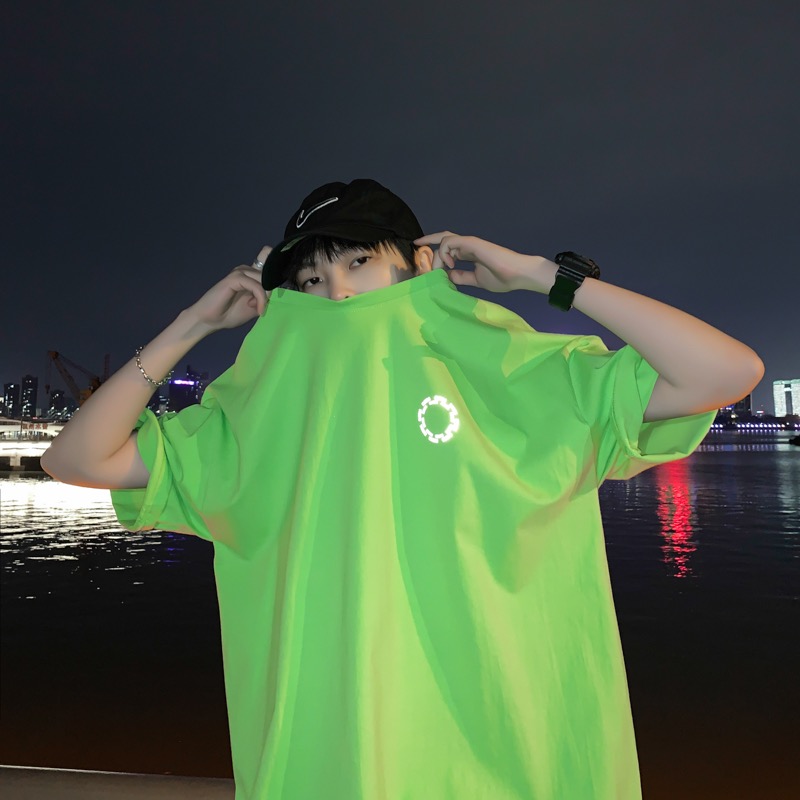
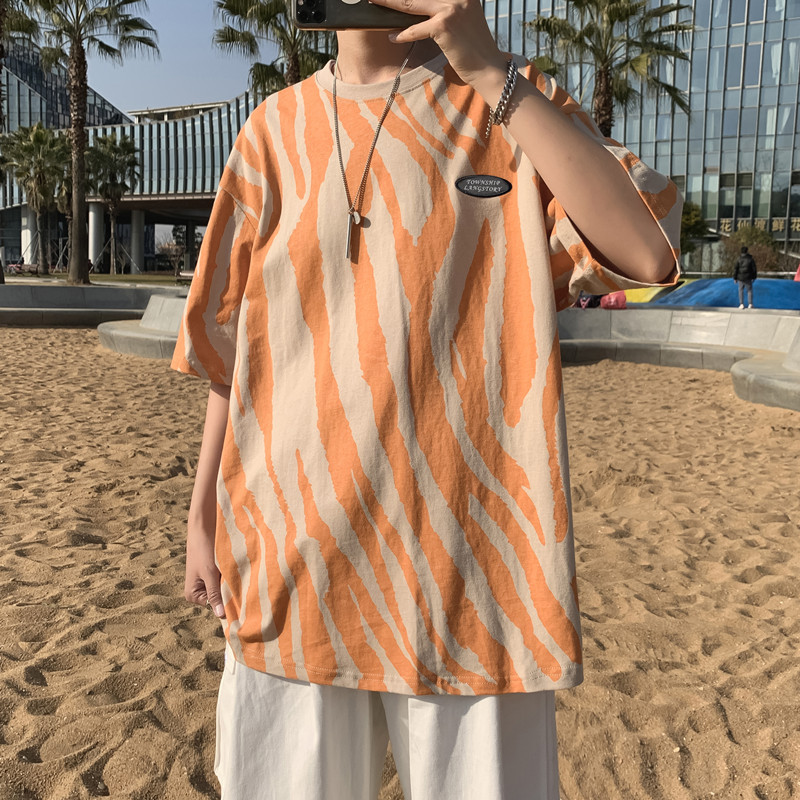
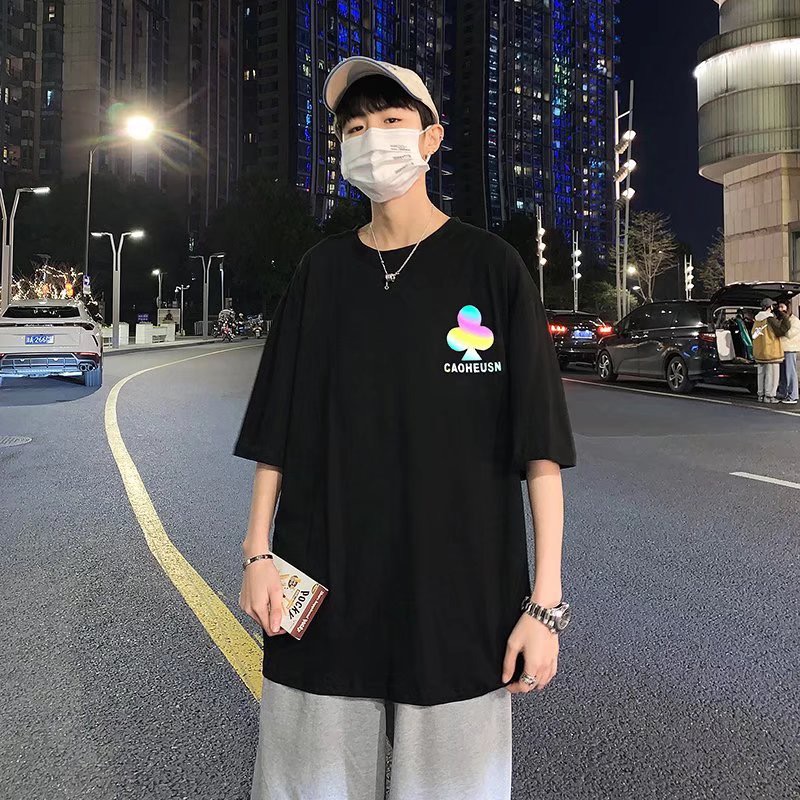
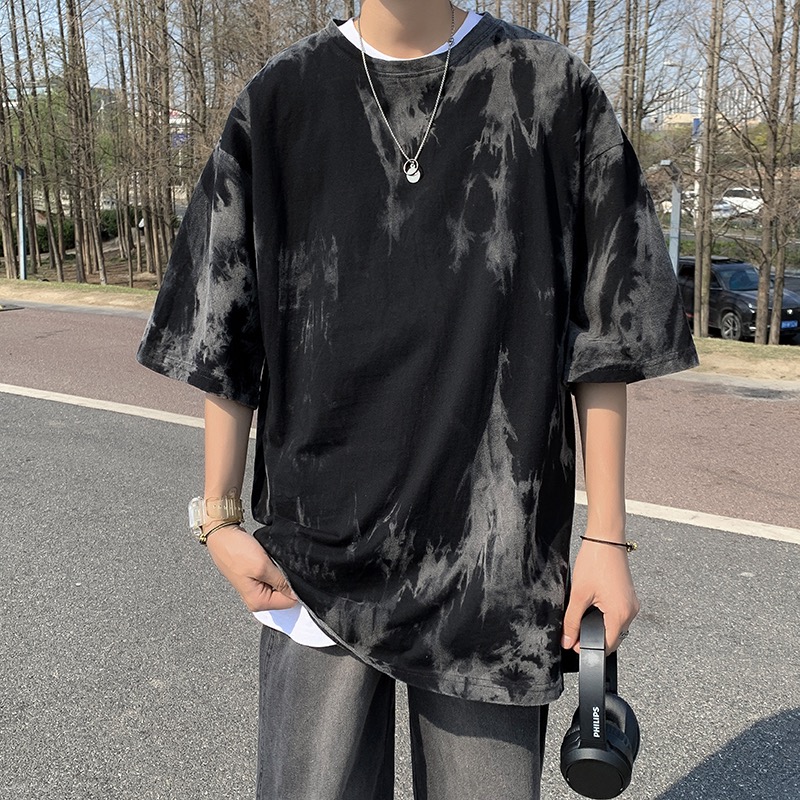
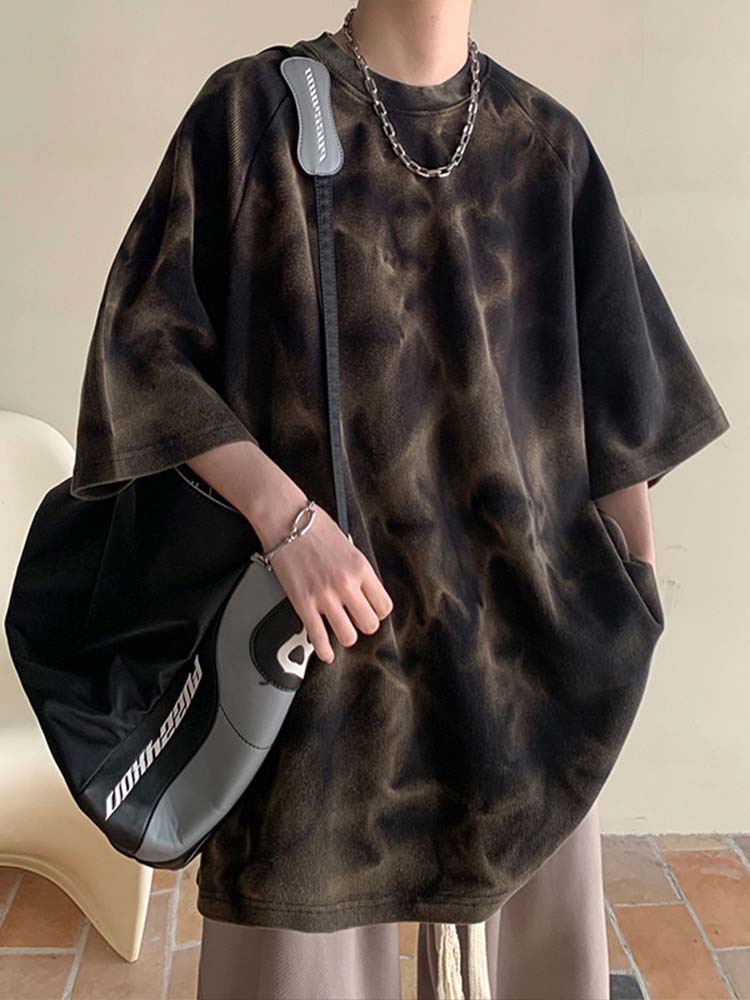
Sequin Embroidery Features Buyers Can Specify
Define the visual impact and construction details that make each sequin embroidery garment production-ready.
Light-Catching Shimmer
Specify sequin finish, color, density and placement to create controlled sparkle that supports your collection’s intended visual impact.
Dimensional Texture
Combine sequins with thread embroidery to build layered surfaces, tactile contrast and a more considered decorative finish.
Movement in Wear
Plan motif scale and sequin coverage around how the garment moves, so the decoration stays expressive from every angle.
Artwork-Led Placement
Translate artwork into clear placement measurements, stitch areas and decoration boundaries for consistent sampling and bulk production.
Garment-Specific Construction
Align sequin embroidery with the base fabric, fit and garment category, from T-shirts and hoodies to jackets and teamwear.
Repeatable Production Standard
EDVORIN documents sequin specifications from approved samples, helping protect appearance and placement across repeat orders.
Explore Embroidery and Apparel Capabilities
Compare garment categories, construction options and decoration methods to build production-ready programs around your brand’s requirements.
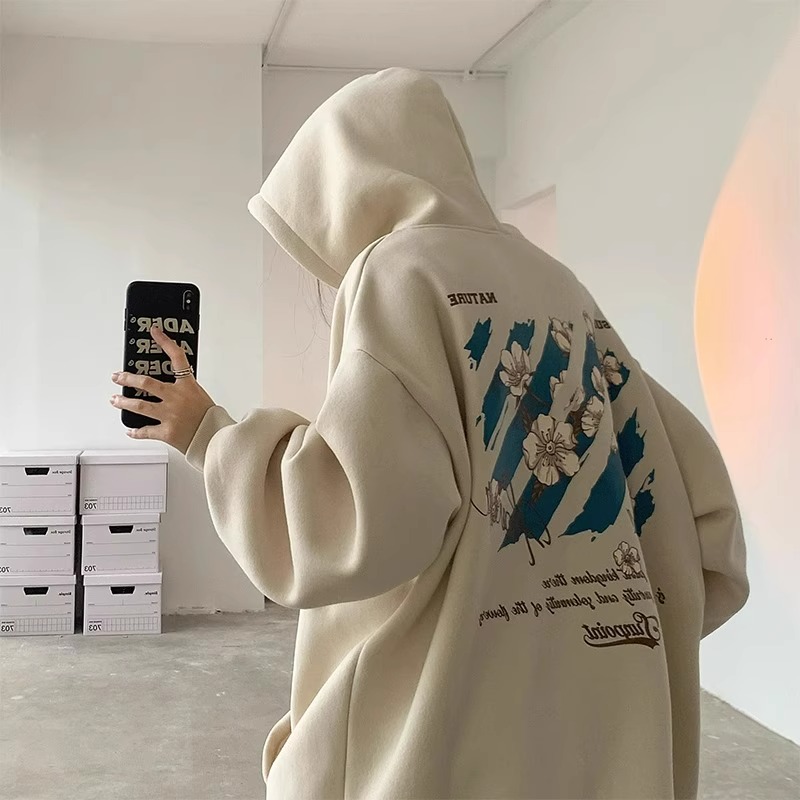
Custom Hoodies
Custom hoodie development includes fleece selection, fit blocks, rib specifications, drawcord construction and embroidery placement planning. As a custom hoodie manufacturer, EDVORIN supports men’s and women’s programs from sample approval through controlled bulk production.
Get a Quote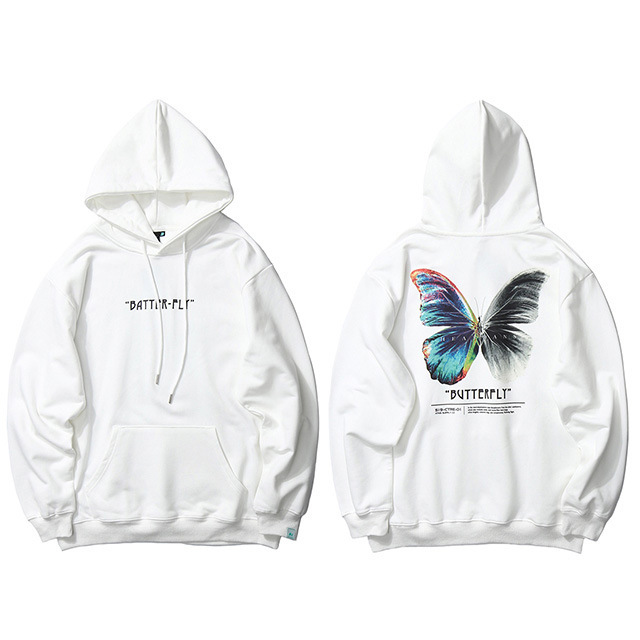
Pullover Sweatshirts
Pullover sweatshirts are developed around fabric weight, neckline construction, rib recovery, fit and decoration compatibility. EDVORIN coordinates embroidery, printing, labels and packaging so each approved sweatshirt specification can be repeated across bulk orders.
Get a Quote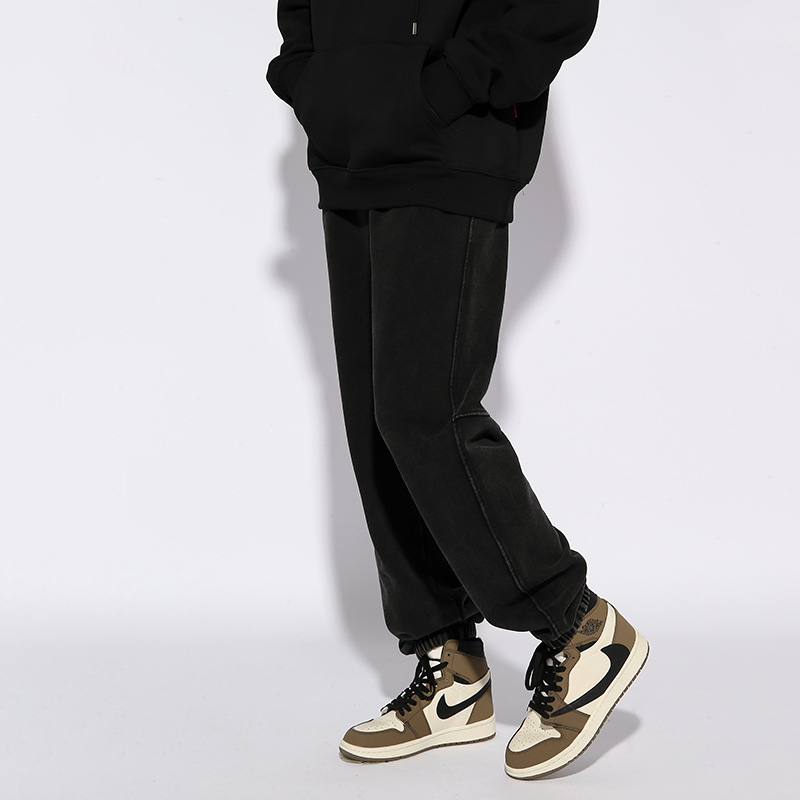
Sweatpants & Joggers
Sweatpants and joggers require clear control of fabric weight, waistband construction, cuff options, pocket details and grading. EDVORIN develops matching casualwear bottoms for men’s and women’s collections, with embroidery or print placement documented before production.
Get a Quote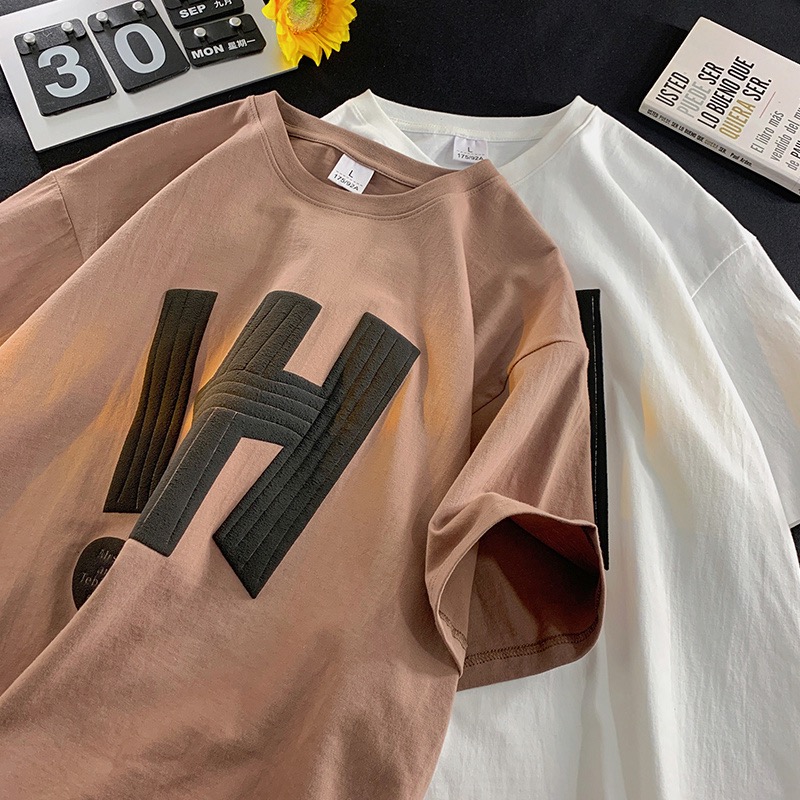
Custom Shorts
Custom shorts can be developed for fleece, jersey, woven or performance programs, with specifications for inseam, waistband, pockets, linings and decoration. EDVORIN supports coordinated shorts programs for fashion, streetwear, teamwear and private-label buyers.
Get a Quote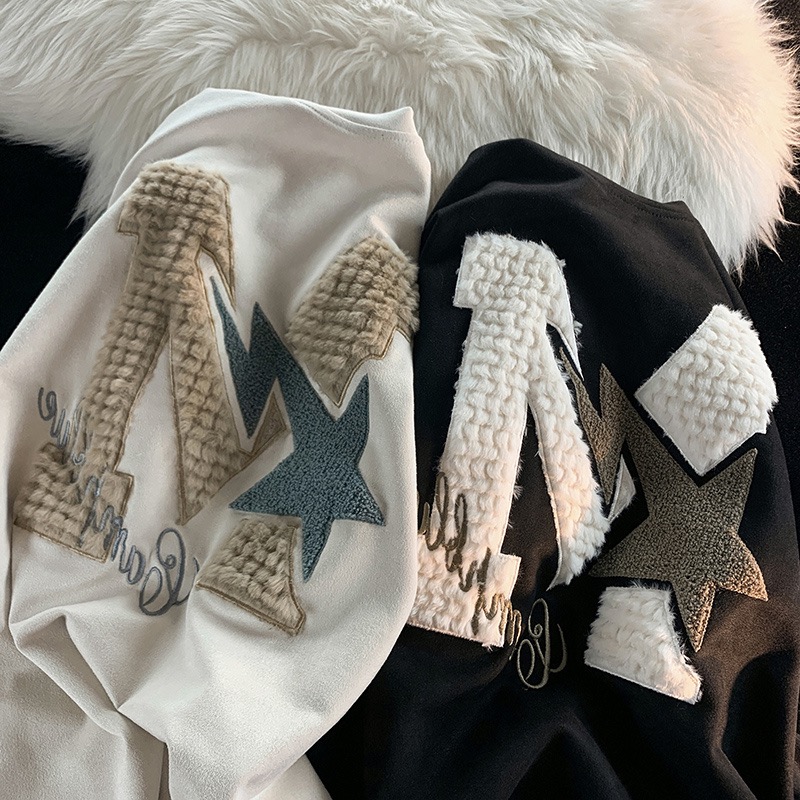
Varsity & Baseball Jackets
Varsity and baseball jackets combine body fabric, sleeves, lining, rib, snaps, patches and embroidery into one detailed construction. EDVORIN records each component during development to help protect the jacket’s balance and repeatability in bulk.
Get a Quote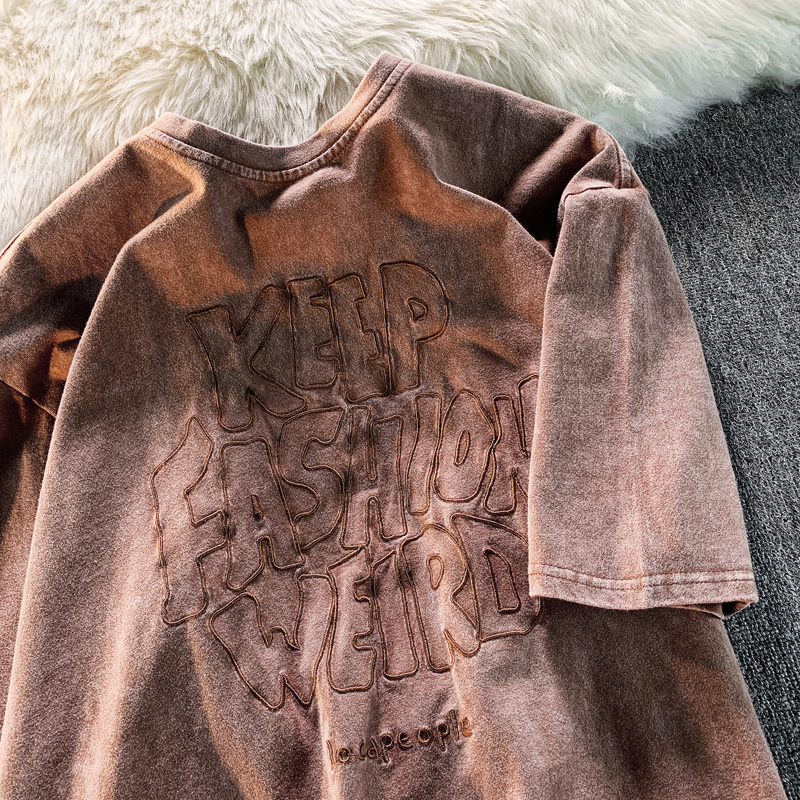
Custom T-Shirts
Custom T-shirts are developed around fabric composition, weight, neckline, fit, stitching and artwork requirements. EDVORIN helps buyers select embroidery, screen printing or other decoration methods appropriate to the base fabric and intended use.
Get a Quote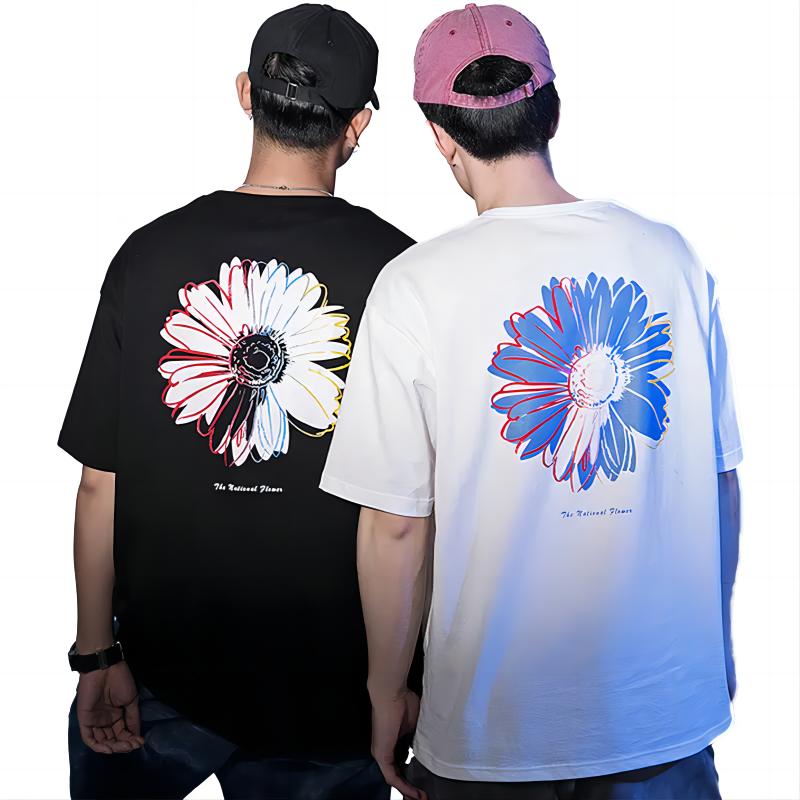
Custom Polo Shirts
Custom polo shirt programs can include piqué or jersey fabrics, collar construction, plackets, buttons, sleeve rib and embroidered logos. EDVORIN develops polos for corporate, school, wholesale and private-label programs with consistent sizing and finishing.
Get a Quote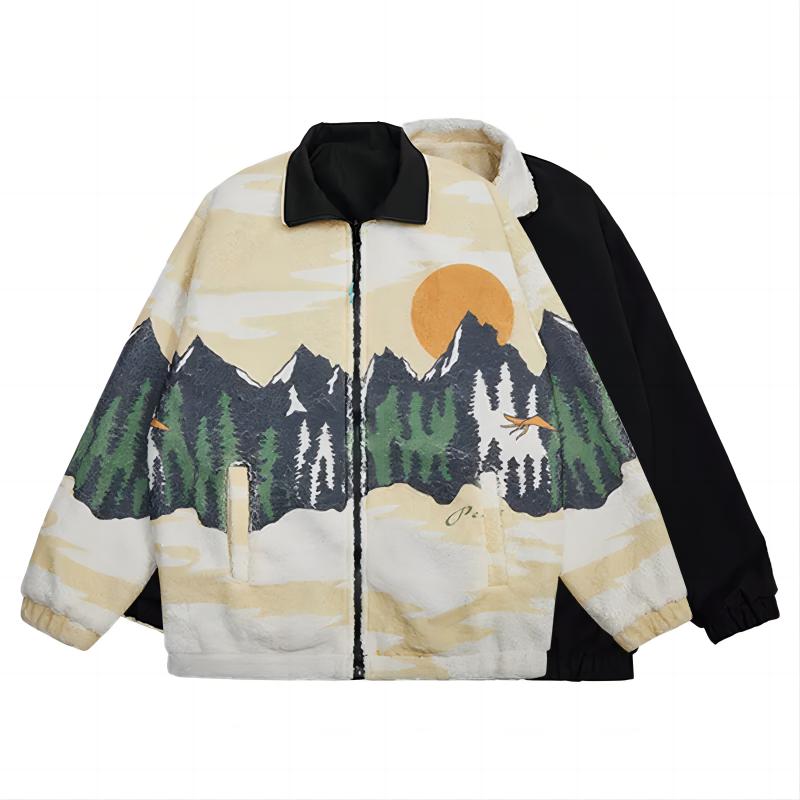
Windbreaker Jackets
Windbreaker jackets require coordination between shell fabric, lining or mesh, zippers, pockets, hoods and weather-focused details. EDVORIN develops embroidery and print applications suitable for lightweight outerwear and documents placement before bulk production.
Get a Quote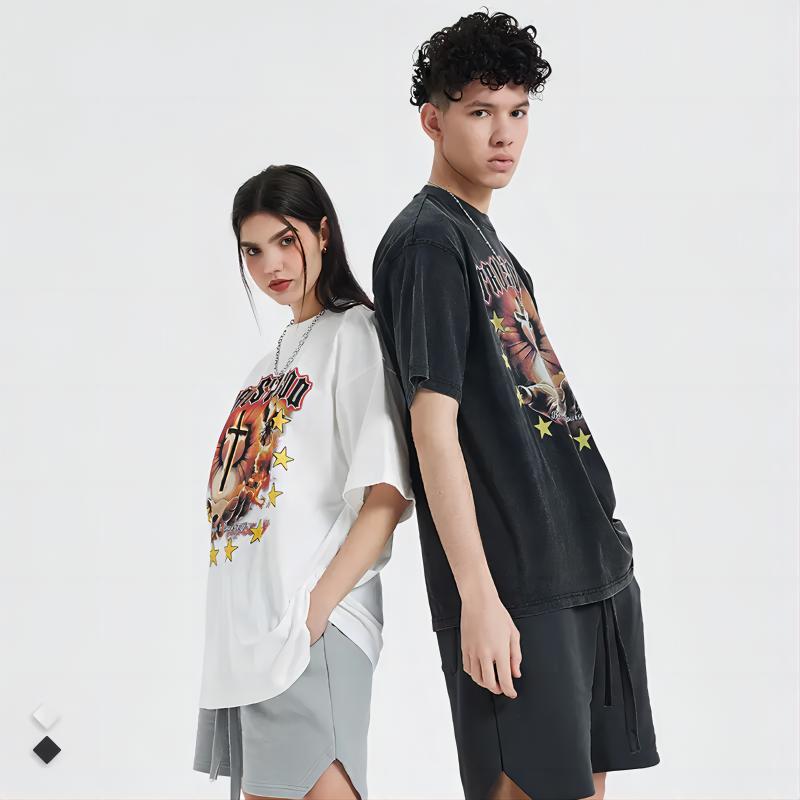
Quilted Jackets
Quilted jackets are developed around shell fabric, lining, insulation, quilting pattern, hardware and fit. EDVORIN coordinates embroidered branding, patches and labels while controlling the construction details that affect warmth, shape and production consistency.
Get a Quote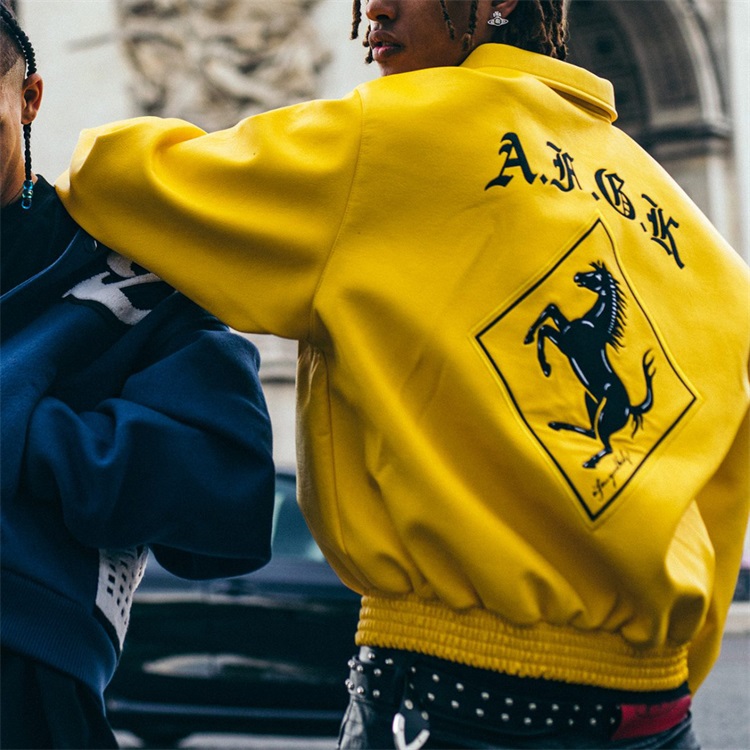
Bomber Jackets
Bomber jackets combine shell material, lining, rib trim, zipper or snap construction, pockets and decoration. EDVORIN supports embroidery, appliqué and patch applications, with samples used to confirm balance, placement and finishing before bulk production.
Get a Quote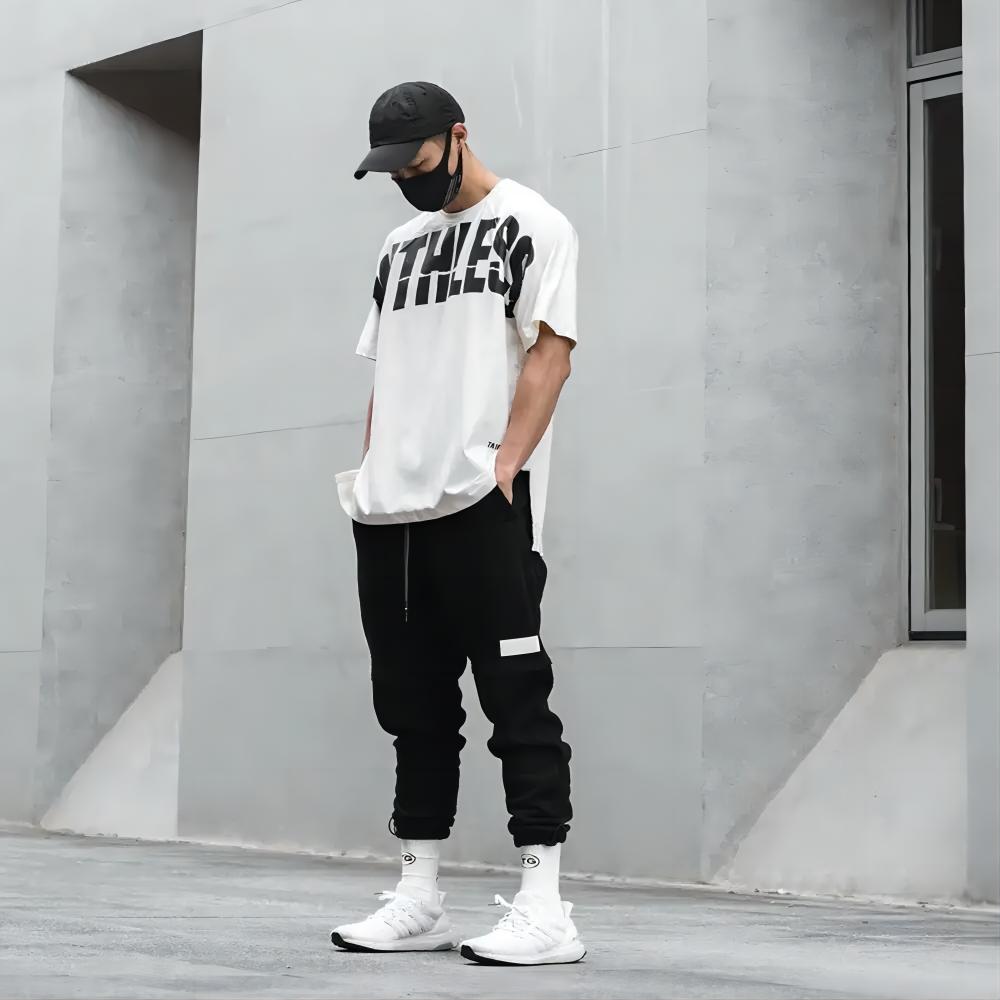
Custom Shirts
Custom woven shirts are developed with attention to fabric construction, collar shape, placket, cuffs, pocket details and fit. EDVORIN supports embroidered logos and private-label specifications for men’s and women’s fashion, corporate and uniform programs.
Get a Quote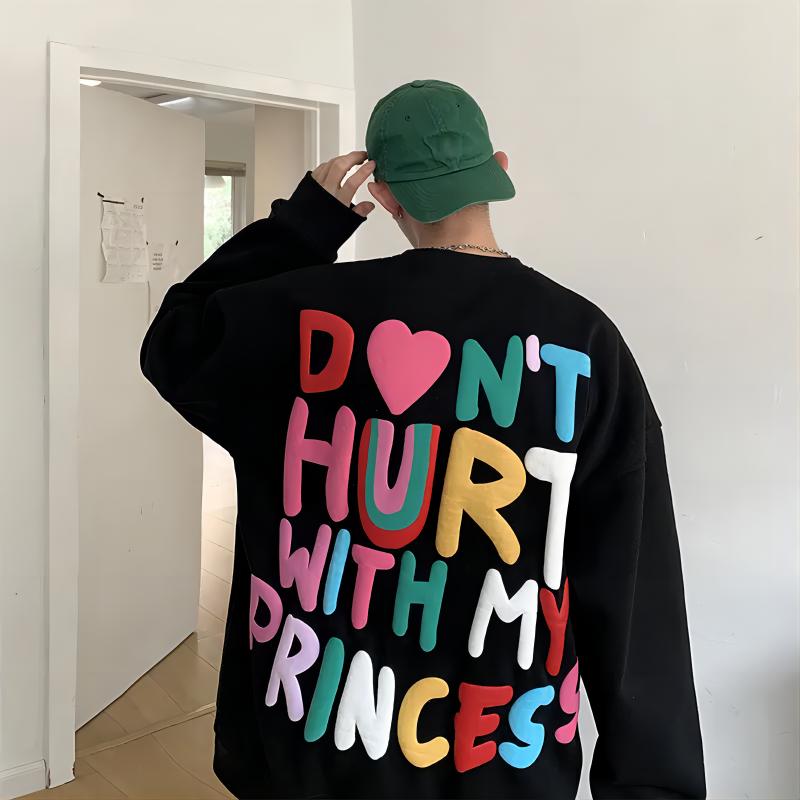
Custom Jerseys
Custom jerseys are built around breathable fabrics, color control, panel construction, names, numbers and logo applications. EDVORIN helps teams and brands coordinate embroidery, printing and size sets against an approved sample and production standard.
Get a Quote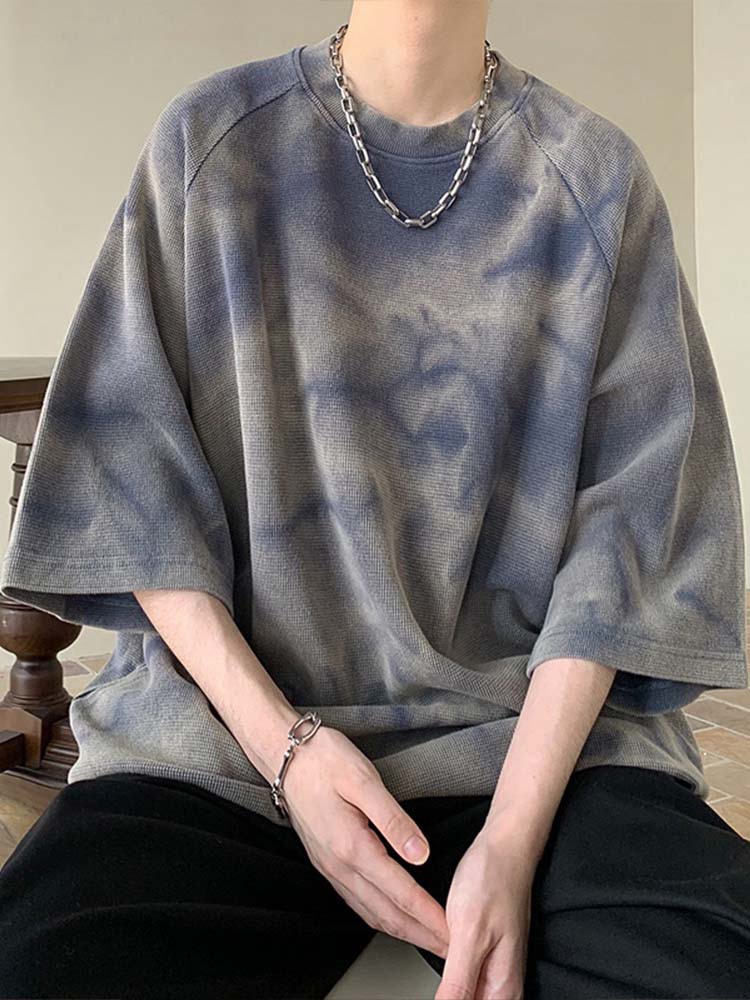
Tank Tops
Tank tops can be developed in jersey, mesh or performance fabrics with specifications for armholes, necklines, binding, fit and decoration. EDVORIN supports men’s and women’s tank programs for activewear, teamwear, streetwear and promotional collections.
Get a Quote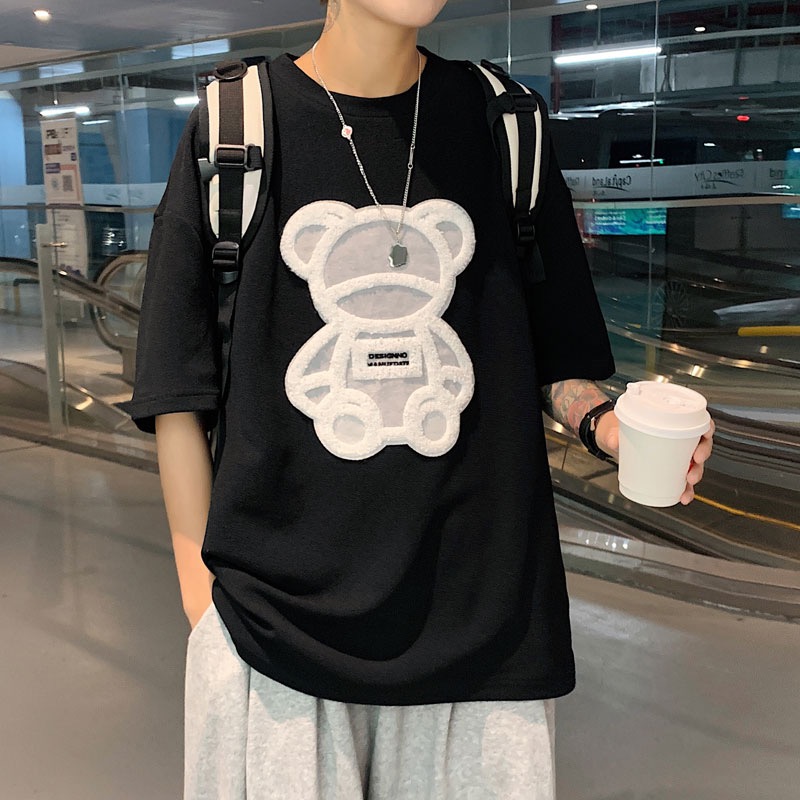
Soccer Uniforms
Soccer uniforms require coordinated jerseys, shorts and optional warm-up pieces with stable colors, breathable fabrics, player names, numbers and badges. EDVORIN manages size grading and decoration records to support organized team orders and repeat programs.
Get a Quote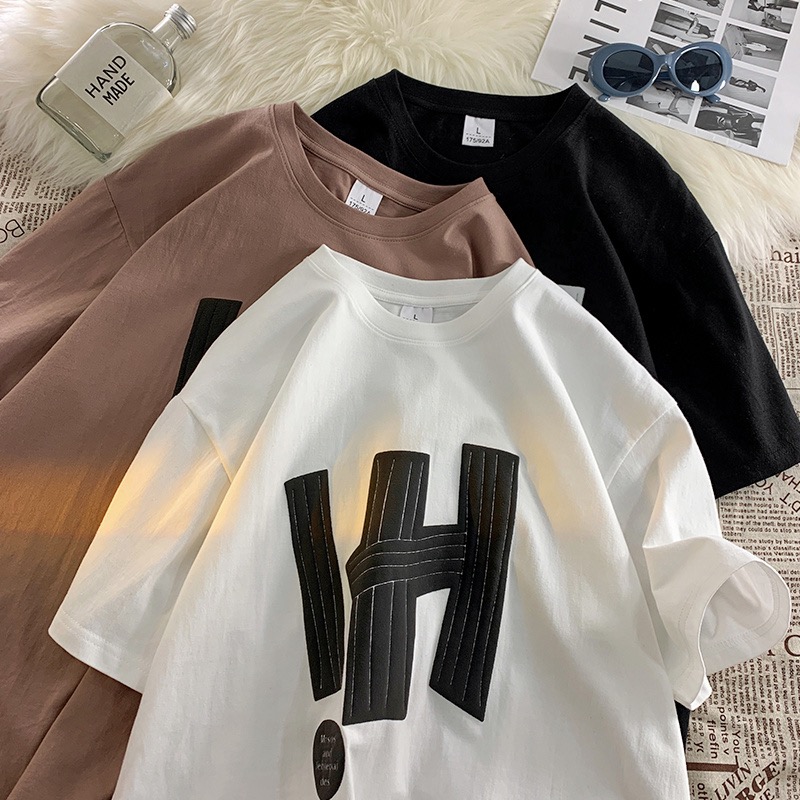
Basketball Uniforms
Basketball uniforms are developed around lightweight performance fabrics, jersey and short proportions, trim, color blocking, names, numbers and logo applications. EDVORIN coordinates decoration and size sets for schools, clubs, academies and branded teamwear programs.
Get a Quote
Streetwear Collections
Streetwear collections bring hoodies, T-shirts, sweatpants, jackets, shorts and accessories into one production system. EDVORIN supports OEM, ODM and private-label development, coordinating fabrics, trims, washes, embroidery, prints and approved standards across the collection.
Get a QuoteYour Sequin Embroidery Clothing Manufacturer
Founded in 2000 by Edvorin Zeng, EDVORIN helps fashion, streetwear, teamwear and private-label buyers turn apparel ideas into production-ready programs. As a founder-led sequin embroidery clothing manufacturer, we connect OEM and ODM development with the practical decisions that protect a design from first sample through repeat bulk orders.
From embellished T-shirts and hoodies to jackets, jerseys and coordinated collections, we coordinate fabrics, fit blocks, trims, custom apparel printing and embroidery, garment wash services, and custom clothing labels and packaging under one accountable production path. Men’s and women’s development is available across our apparel categories, with flexible support for emerging labels, wholesale programs and established buyers. Certification programs include ISO 9001, BSCI, WRAP, SEDEX, OEKO-TEX Standard 100, GRS and GOTS.
What makes EDVORIN different is the discipline behind the decoration. We test construction and sequin embroidery details during sampling, document approved standards, and use in-line and final quality checks to keep bulk production aligned with the buyer’s approval. MOQ starts at 200 pieces per style.
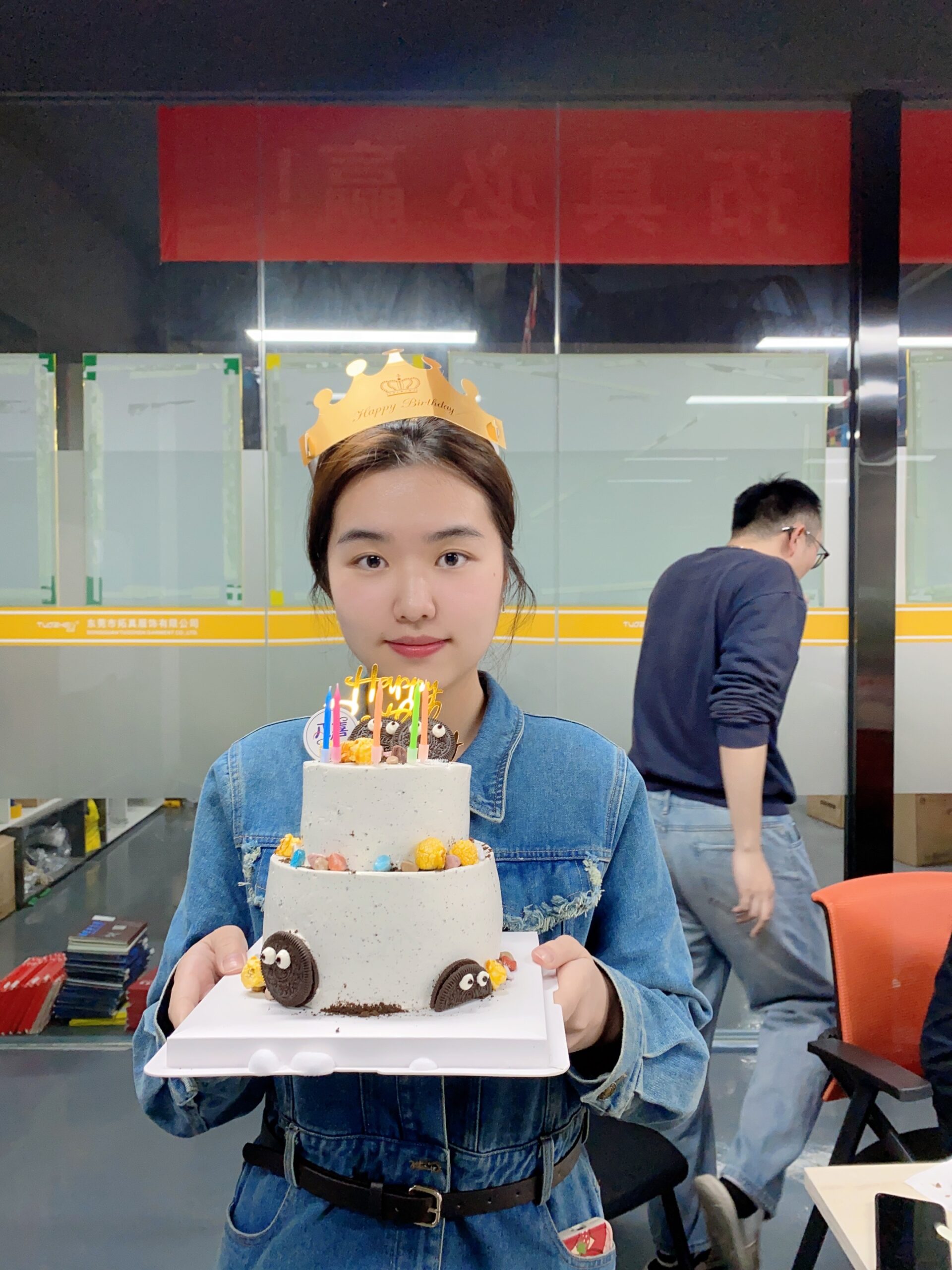
Sequin Embroidery vs. Flat Embroidery
Secure Sequin Attachment
EDVORIN reviews sequin type, stitch direction, density and attachment method against the garment’s intended wear. Development samples help confirm that decoration holds its shape and visual impact while working with the selected base fabric, seams and construction.
- Sequin size and finish matched to the artwork
- Attachment approach reviewed before sampling
- Seam areas and high-movement zones considered
- Approved sample becomes the bulk reference
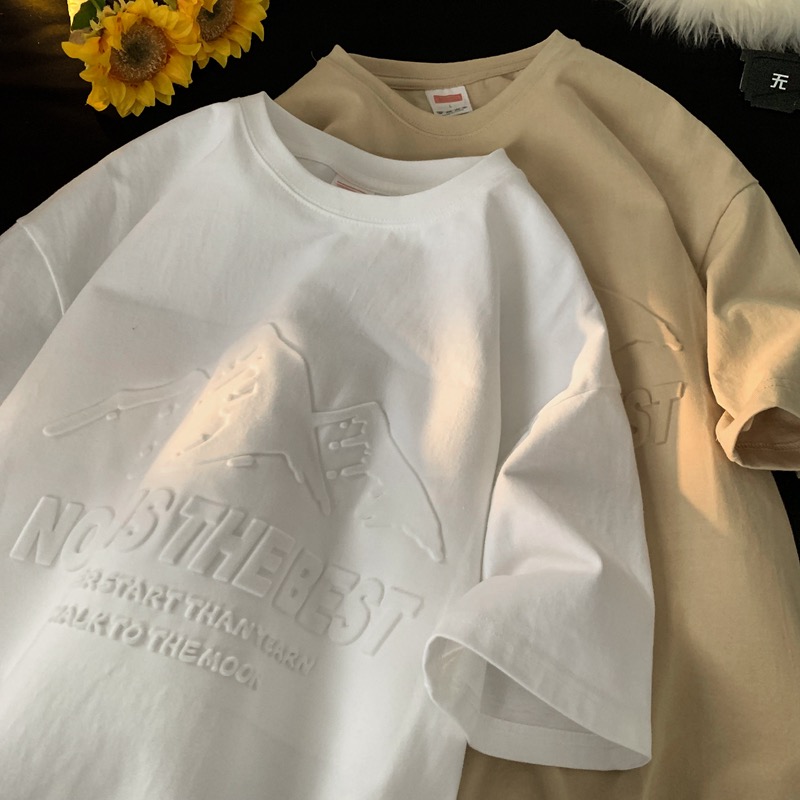
Artwork Made Production-Ready
A sequin embroidery design needs more than an image file. We translate artwork into practical placement, color, scale and stitch instructions, so the effect remains recognizable on the finished garment and can be repeated across production quantities.
- Artwork scale checked against garment dimensions
- Color references documented for review
- Placement measurements recorded clearly
- Complex details assessed for manufacturability
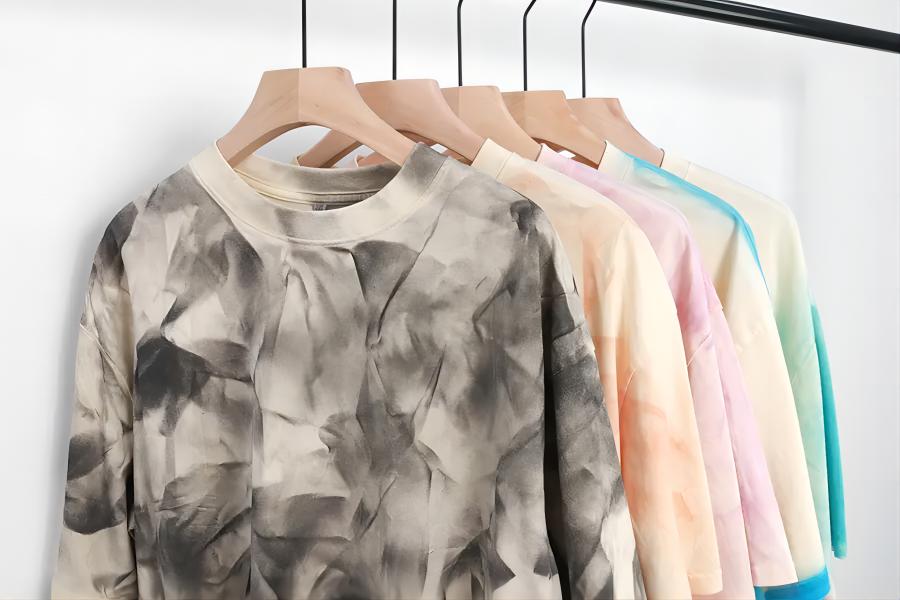
Placement That Stays Consistent
For statement decoration, small placement changes can alter the finished look. EDVORIN records approved locations in relation to garment panels, seams and size grading, giving production and quality teams a clear standard for checking each order.
- Placement measured from stable garment points
- Size-set considerations reviewed during development
- Panel and seam alignment checked in-line
- Final inspection follows approved specifications
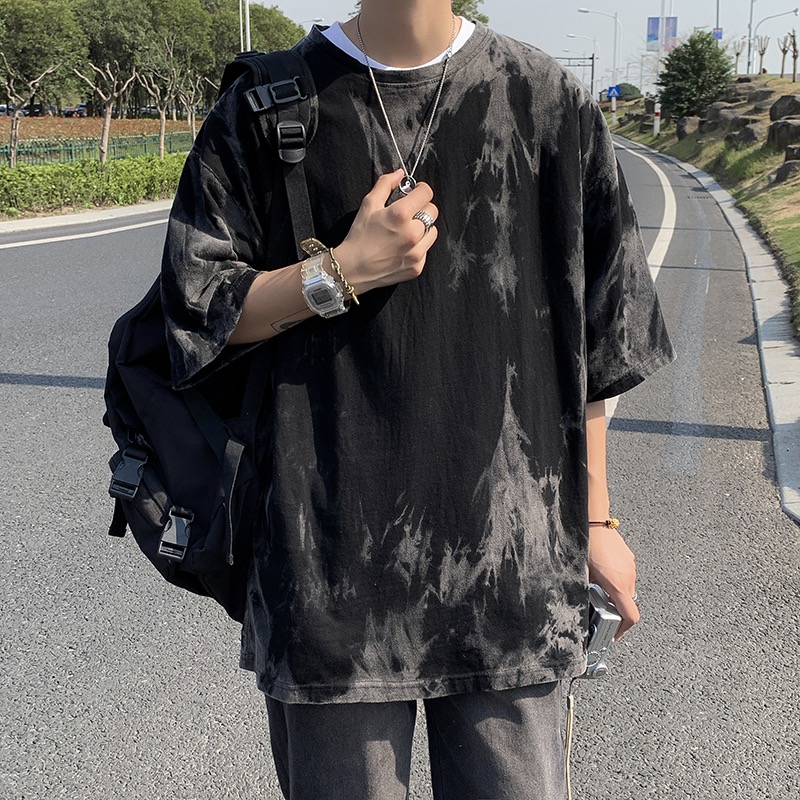
Fabric and Decoration Compatibility
Sequins, embroidery and garment materials must perform as one system. EDVORIN coordinates fabric selection, backing considerations, construction and decoration during sampling to help fashion, streetwear and teamwear buyers avoid avoidable issues before bulk production begins.
- Base fabric evaluated with the decoration method
- Garment weight and drape considered
- Backing and interior finish discussed
- Sample feedback carried into bulk standards
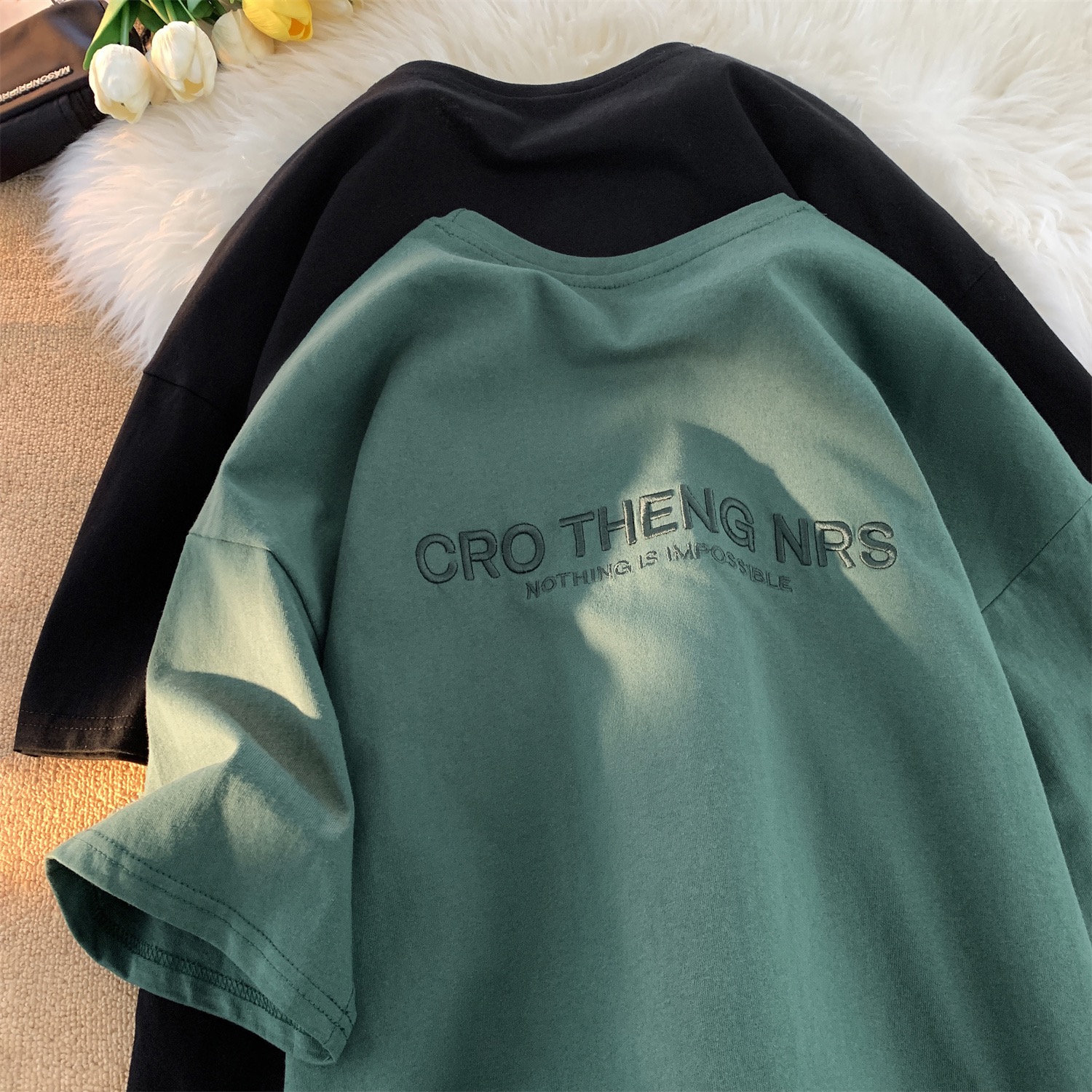
Sequin Embroidery Clothing Manufacturer vs. Flat Embroidery
Choose the decoration method around fabric stability, artwork scale, texture, and how the design must perform in bulk.
← Swipe left or right to view →
Sequin Embroidery Clothing Manufacturer Production Process
EDVORIN turns approved sequin artwork into documented, repeatable garment standards through coordinated development, sampling, production control and final inspection.
Review Artwork and Garment
We review artwork scale, placement, garment construction and intended wear, then identify technical details that should be resolved before materials are committed.
Select Materials and Sequins
Fabric, backing, thread, sequin type and trims are aligned with the design, hand feel, durability expectations and the garment’s construction requirements.
Develop and Approve Sample
Our team creates a sample to assess embroidery coverage, placement, drape and garment balance, recording approved revisions as the production reference.
Set Up Embroidery Production
Approved artwork is converted into a controlled embroidery setup, with placement measurements, color references and construction specifications communicated to the production team.
Check Bulk Production In-Line
In-line checks verify sequin attachment, embroidery placement, garment measurements and overall appearance while adjustments can still protect the approved standard.
Inspect and Pack Orders
Finished garments receive final inspection against approved requirements before labeling and packaging are completed for an organized, production-ready delivery.
How to Order Custom Sequin Embroidery Clothing
Move from artwork and specifications to an approved sample and repeatable bulk production standard with EDVORIN.
Share Your Design Brief
Send artwork, reference garments, target quantities, garment category, and intended market. Include whether the program is for men’s, women’s, or coordinated sizing.
Define Materials and Placement
Confirm base fabric, sequin colors, embroidery details, artwork dimensions, placement measurements, backing, trims, and labeling so every visual and construction decision is documented.
Review Your Development Sample
EDVORIN develops a sample for your review. Check fit, sequin coverage, color balance, hand feel, and placement before approving the production standard.
Approve Bulk Production Details
Finalize the approved sample, measurement chart, size breakdown, packaging, and order details. Production begins from recorded specifications, with quality control aligned to approval.
Sequin Embroidery Clothing Manufacturer Client Results
EDVORIN matched the approved sequin placement across our 1,200-piece varsity jacket order. The sample notes carried through to bulk, and every carton arrived organized by size and colorway, which made our launch preparation far smoother.
We needed a women’s performance top with sequin embroidery that stayed secure through team wear and washing. After two sample revisions, EDVORIN delivered 680 units with consistent artwork placement and no decoration issues reported by our clubs.
Our first 240-piece capsule sold through quickly, so we reordered with two additional colors. EDVORIN used the approved sample and production records to keep the embroidery scale, fabric handfeel, and sizing consistent across all three colorways.
The Complete Buyer’s Guide to Sequin Embroidery Apparel Manufacturing
Practical answers for planning a production-ready sequin embroidery program with EDVORIN.
What fabrics can a sequin embroidery clothing manufacturer work with?
How large can my sequin embroidery design be?
Can a sequin embroidery clothing manufacturer combine sequins with embroidery, patches or printing?
What artwork files do I need for custom sequin embroidery clothing?
What is the MOQ for sequin embroidery clothing?
How does a sequin embroidery clothing manufacturer handle sampling before bulk production?
How long does sequin embroidery clothing production take?
Can EDVORIN develop sequin embroidery for men’s and women’s collections?
The Complete Buyer’s Guide to sequin embroidery clothing manufacturer
Use this practical framework to compare supplier capabilities, materials, sampling, quality controls, and pricing while avoiding costly specification, sourcing, and production mistakes before placing a custom sequin apparel order.
1. What Is a sequin embroidery clothing manufacturer?
200-piece programs need a sequin embroidery clothing manufacturer that owns the garment outcome, not merely the embellishment. A full-service partner converts a sketch or tech pack into production standards, coordinating development, fabric and sequin sourcing, embroidery digitizing, samples, patterns, cutting, sewing, decoration, and finishing.
3 supplier types are often confused: a trim supplier sells sequins or patches, an embroidery workshop decorates buyer-supplied panels, and a trading company coordinates vendors. None necessarily controls garment fit, seam construction, material compatibility, or the handoff between decoration and assembly.
2000 marks EDVORIN’s founding, with a production path designed to carry approved specifications through bulk manufacture. Buyers should expect documented placement and materials, in-line and final quality checks, labeling, packing, and shipment coordination—not an approved sample left to interpretation.
2. Evolution of sequin embroidery clothing manufacturing
19th-century hand-applied sequins made embellishment slow and artisan-dependent; each motif relied on manual placement and securing stitches. That heritage still matters for couture-like irregularity, but it is difficult to reproduce across size runs or repeat orders.
1980s computerized embroidery converted artwork into stitch files, giving buyers repeatable coordinates for logos, names, and placement. A sequin embroidery clothing manufacturer can now program fills, outlines, and attachment paths, then apply the same approved file across T-shirts, hoodies, varsity jackets, jerseys, and outerwear.
2 modern routes dominate sourcing: direct machine attachment and separately made sew-on or heat-applied sequin patches. Direct attachment usually gives an integrated finish but requires stable hooping and longer machine time; patches simplify multi-location customization and replacement, while adding an application step and edge-finish decision.
200-piece programs benefit when the buyer approves the artwork file, sequin size, color reference, placement measurement, and attachment method before bulk production. Those choices still determine visual density, labor content, lead time, and unit cost.
3. Types of sequin embroidery clothing manufacturer services
A 200-piece program can use very different service models. Match the model to your design maturity, required control, and willingness to own development decisions.
| Model | Best Fit | Control | Main Risk |
|---|---|---|---|
| OEM | Mature brands | Buyer-led | Incomplete packs |
| ODM/private label | New launches | Shared/lower | Generic outcome |
| Integrated/partnered | Complex decoration | Factory-led | Unclear accountability |
OEM From Tech Packs
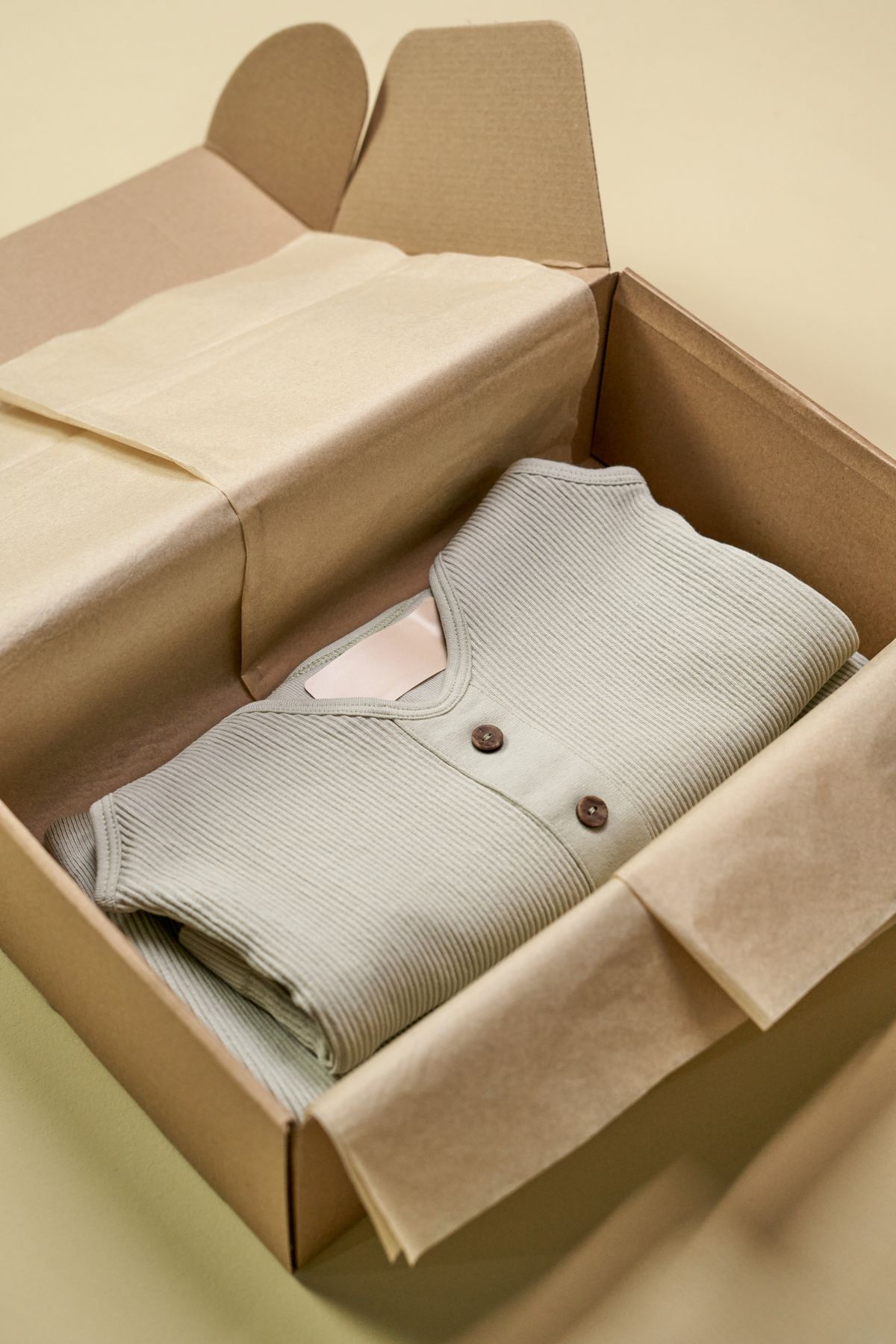
OEM suits buyers with approved tech packs, graded measurements, and artwork files. Buyer control is highest; the factory executes, while missing specifications can cause costly revisions.
ODM And Private Label
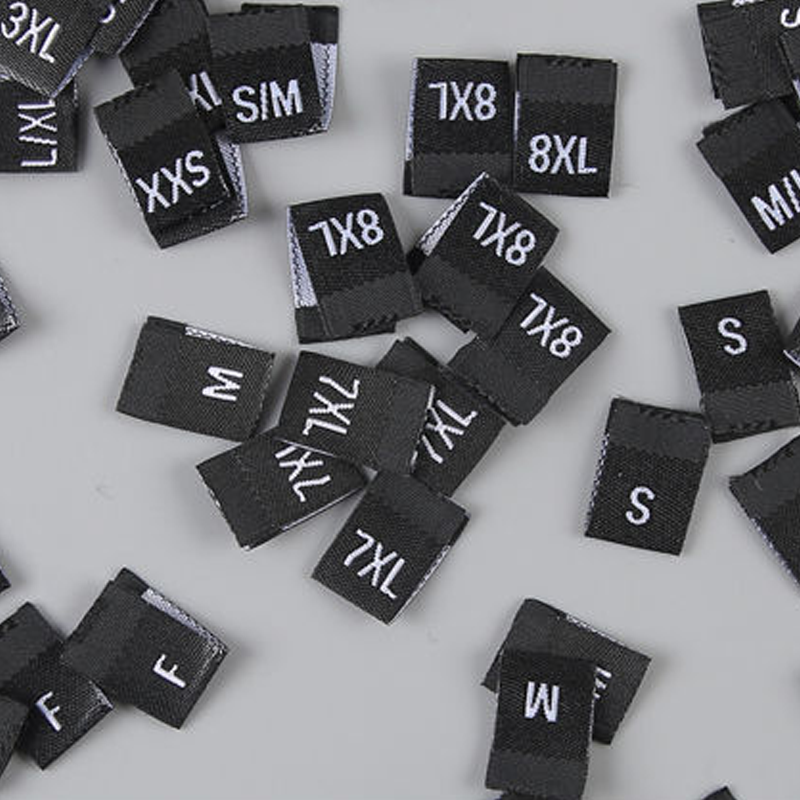
ODM suits emerging brands needing pattern, material, and sample support; private label suits faster launches from proven bases. Development responsibility shifts toward the supplier, but design differentiation and fit ownership are lower.
Integrated Or Coordinated Production
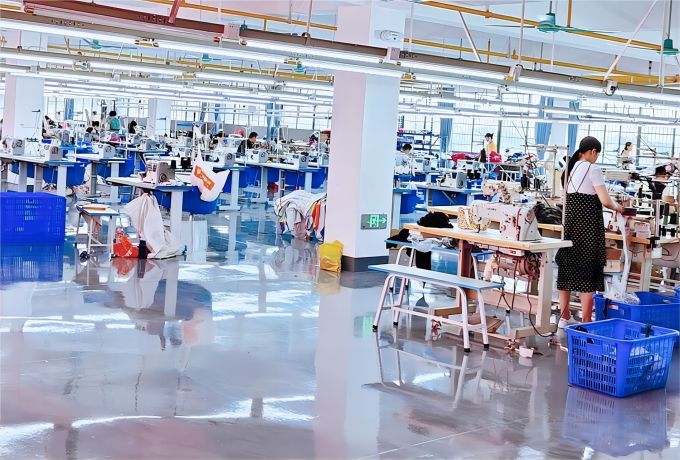
Cut-and-sew factories with in-house sequin decoration give one team control of garment and placement. Specialist-partner coordination can broaden capability, but buyers should require one accountable sample standard and approval path.
4. Fabrics and sequin bases for custom apparel
180–260 GSM jersey and 280–400 GSM fleece give a sequin embroidery clothing manufacturer stable, comfortable grounds. Base choice must balance drape, opacity, stretch recovery, and the backing load.
| Base | Best Use | Watchpoint |
|---|---|---|
| Cotton jersey | Fashion tees | Distortion |
| Fleece | Streetwear | Bulk |
| Polyester | Teamwear | Snagging |
| Woven blend | Uniforms | Drape |
| Mesh/stretch | Eventwear | Backing |
Stable Knits
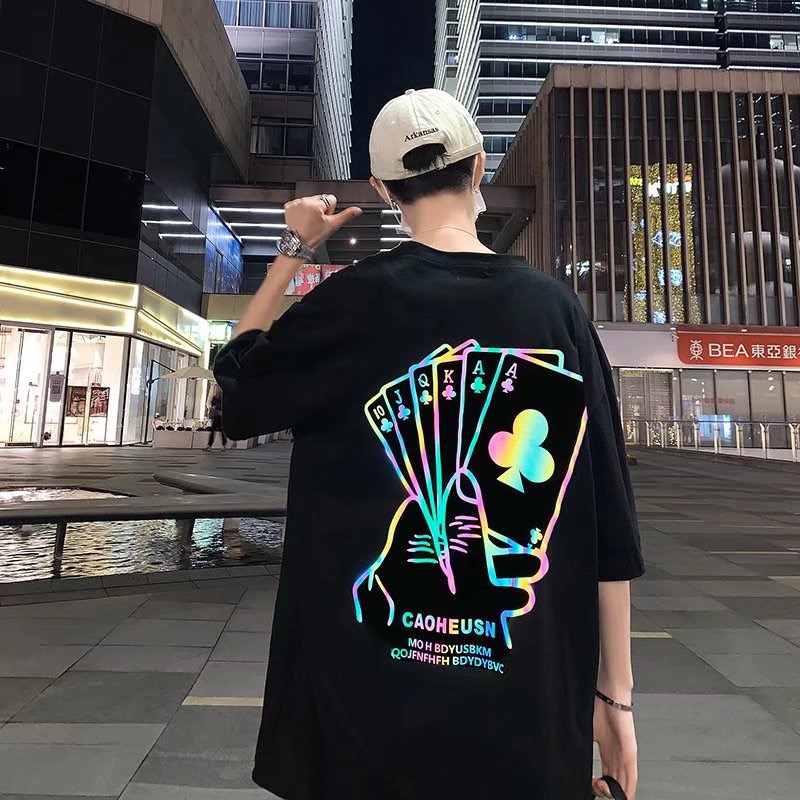
180–260 GSM ring-spun cotton jersey suits fashion T-shirts; use cutaway backing for dense motifs. 280–400 GSM fleece supports streetwear hoodies, but bulky seams need placement clearance.
Performance And Stretch
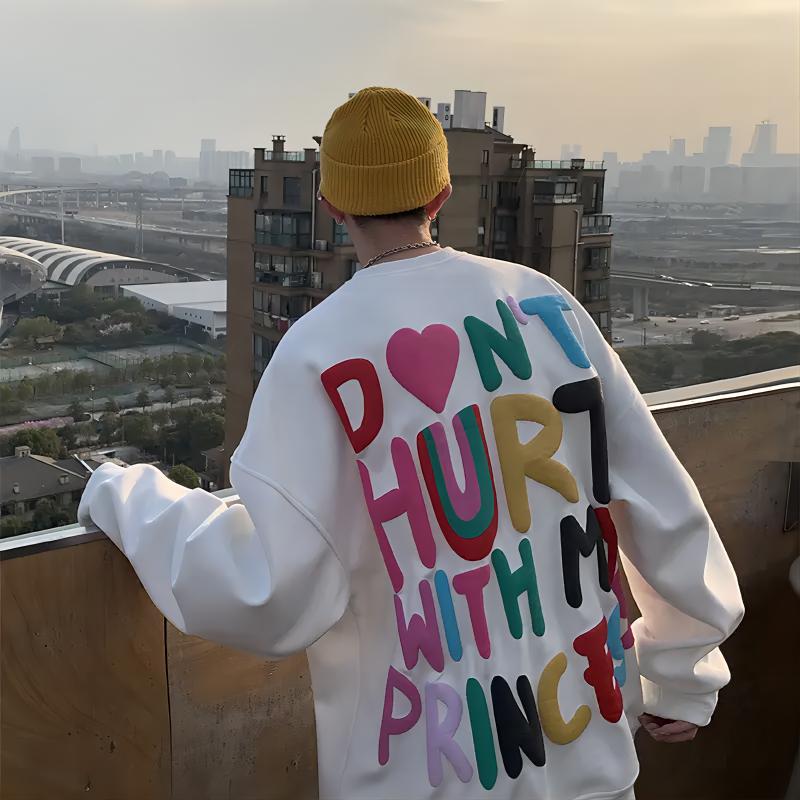
140–180 GSM polyester interlock suits teamwear when decoration avoids high-abrasion zones. Mesh needs a stabilizing underlayer; elastane fabrics require stretch testing because rigid motifs can pucker or crack.
Wovens And Eventwear
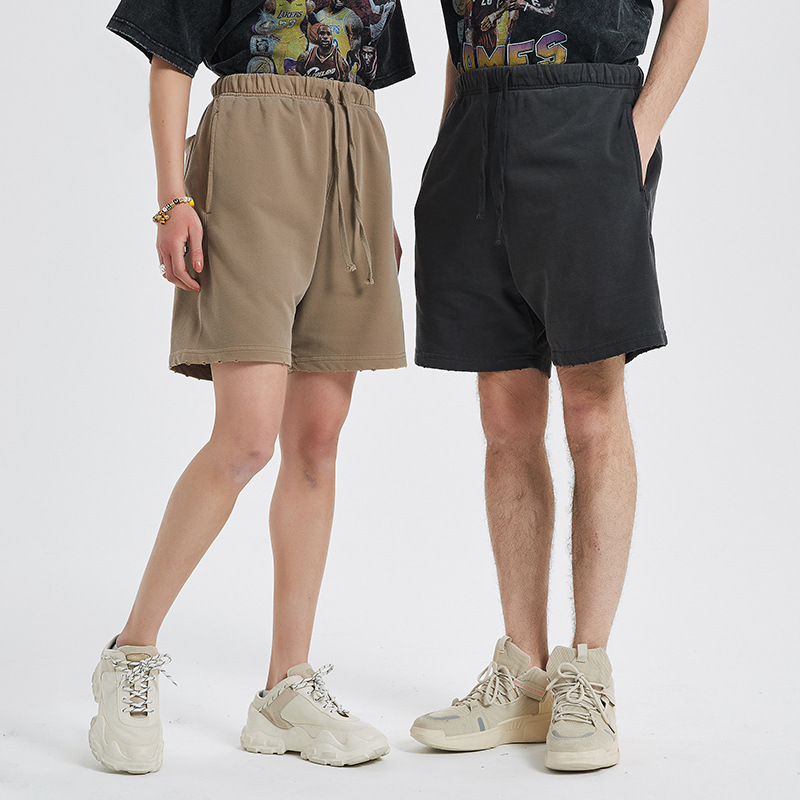
180–260 GSM woven blends provide clean drape for uniforms and event merchandise. Sheer mesh and lightweight satin need opacity planning and soft backing; exposed sequins can snag during wear or laundering.
5. Customization options from a sequin embroidery clothing manufacturer
EDVORIN converts visual direction into production specifications for each sequin embroidery clothing manufacturer program. Choices should balance artwork readability, garment movement, and repeatability before sample work begins.
| Option | Best Use | Key Constraint |
|---|---|---|
| Direct application | Integrated logo | Requires stable placement |
| Applique | Layered graphics | Edge finish must be approved |
| Patch | Flexible branding | Attachment method is fixed |
Sequin And Thread Choices
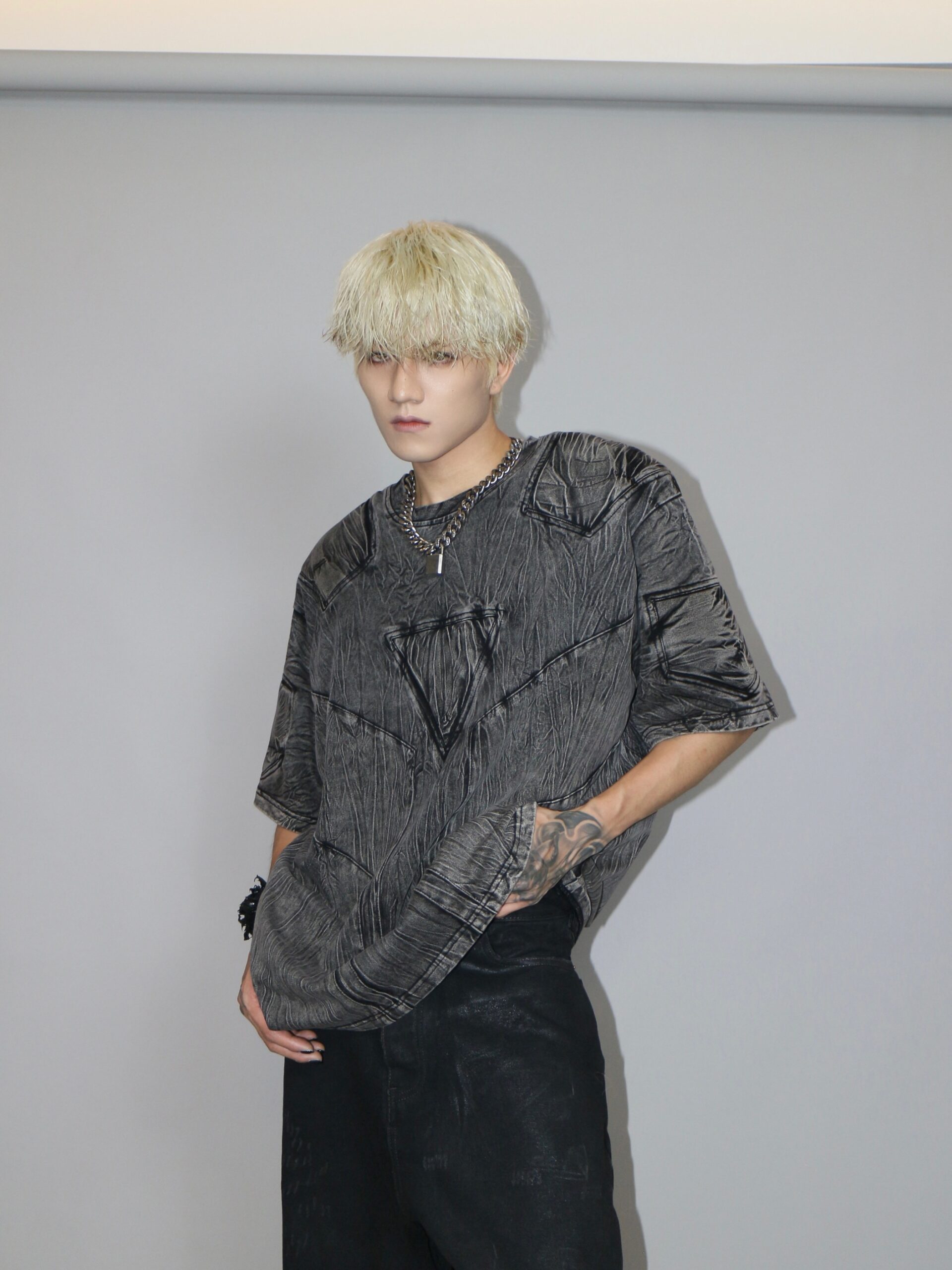
3–5 mm sequins, round or shaped profiles, matte or metallic finishes, Pantone targets, reversible color effects, and embroidery thread can be specified. Dense, intricate motifs and tiny lettering need simplification to remain legible.
Application And Branding
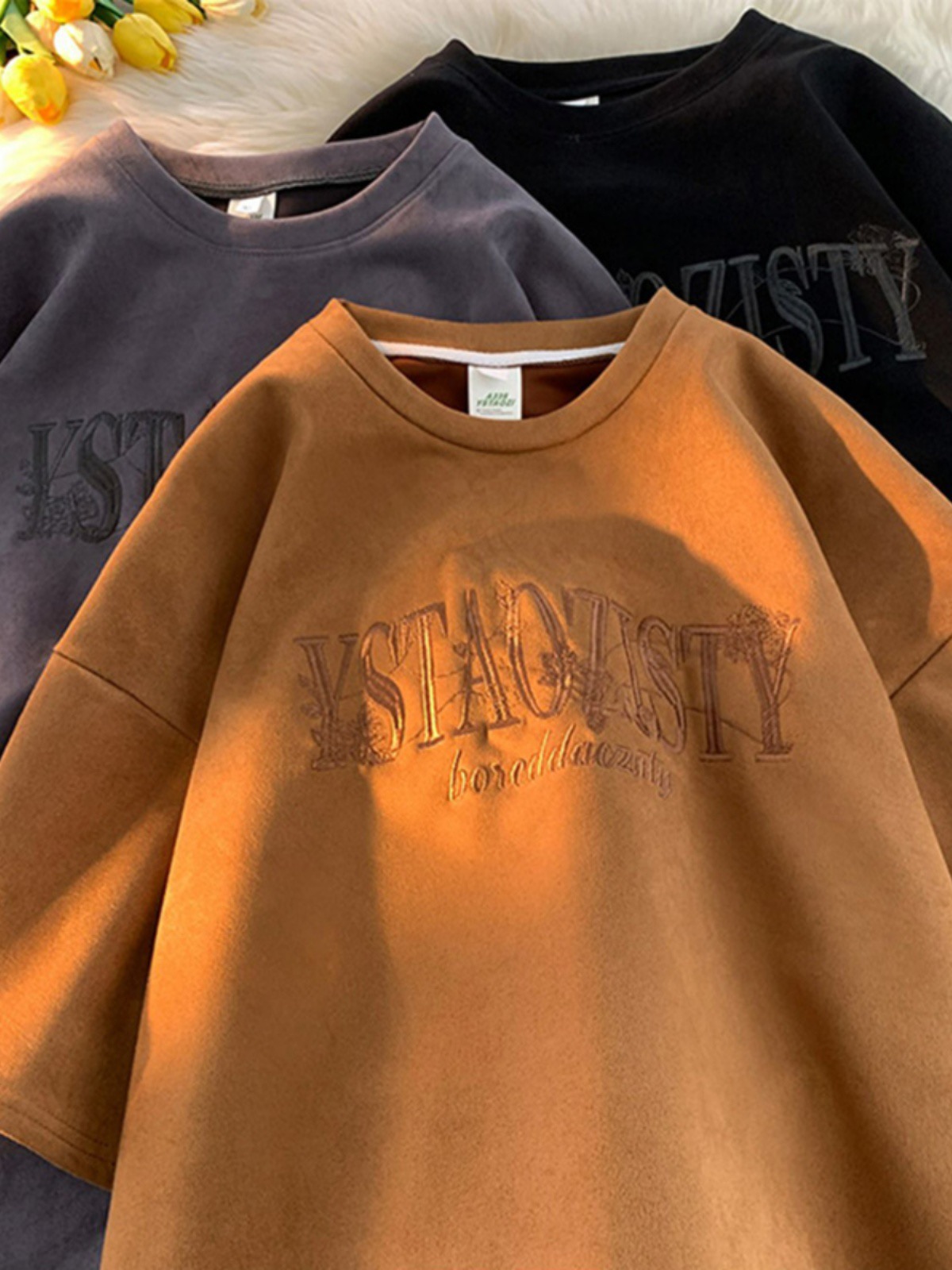
2 application routes are common: direct embroidery for an integrated finish, or applique and patches for defined edges or later attachment. Logo scale, placement, woven labels, neck prints, hangtags, and packaging should follow the approved brand system.
Sample Approval Inputs
1 production-ready artwork file should show dimensions, placement measurements, colors, stitch areas, and sequin direction. Before sampling, lock the garment base, decoration method, artwork revision, branding components, size range, and packaging specification.
6. Construction and quality checks that matter
A sequin embroidery clothing manufacturer should control attachment and wearer comfort before bulk cutting. EDVORIN records the approved sample’s placement, construction sequence, and inspection standard so decoration remains reproducible.
Attachment And Backing
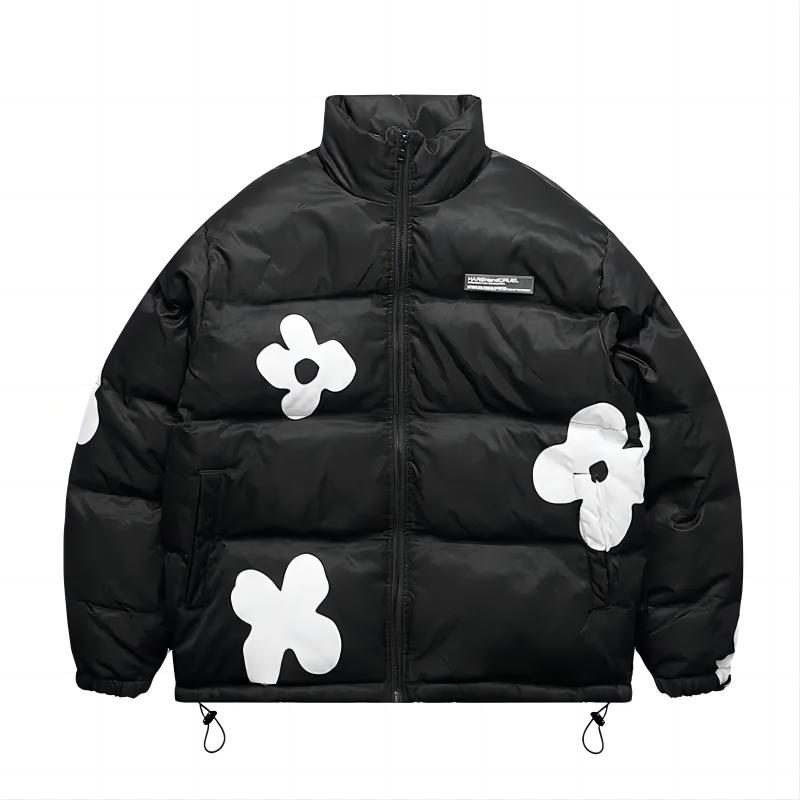
2 checks determine durability: secure stitch formation and backing matched to the garment’s stretch. Stabilizer should support the embroidery without making lightweight knits rigid.
1 cover layer or lining is needed where sequins contact skin, especially on jerseys, T-shirts, and youthwear.
- Check loose, missing, cracked, or flipped sequins.
- Check puckering, thread nests, and distorted ground fabric.
Seams And Alignment
3 placement references—center front, neckline, and side seam—help prevent a motif from drifting after sewing. Keep dense embellishment out of seam allowances unless the construction plan specifies removal or overlap.
1 approved sample should confirm that rib, pockets, zippers, and panels do not interrupt the intended artwork.
Wash And Final Inspection
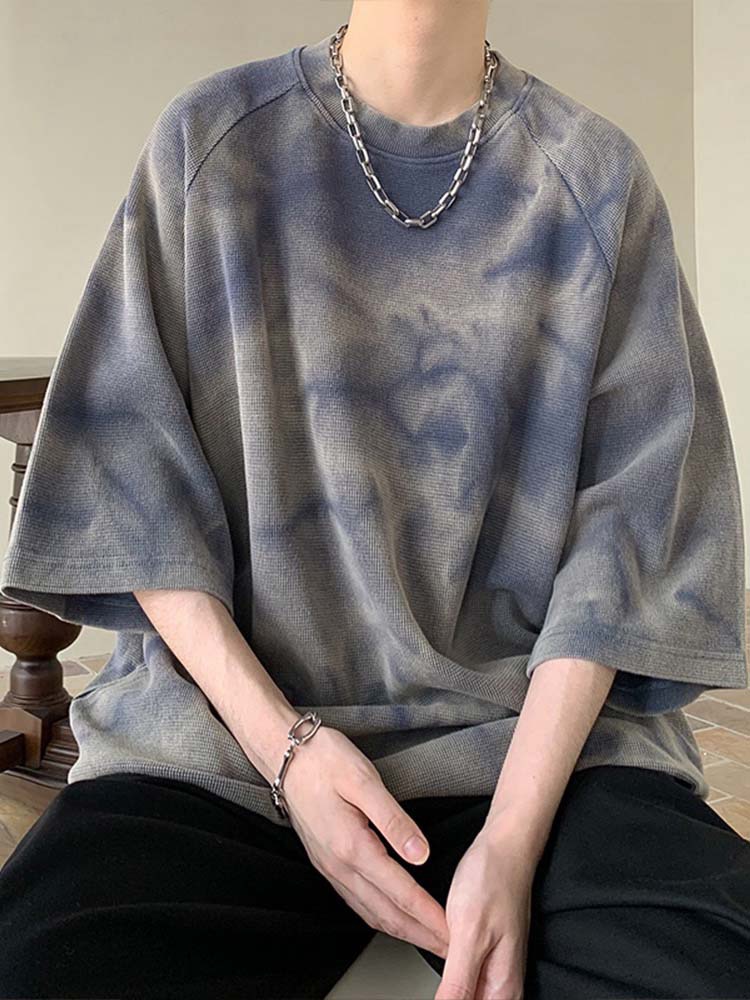
5 sample wash cycles provide a practical early check for loss, snagging, color transfer, and distortion. Inspect after washing and again after packing.
100% of pre-shipment units should be checked for artwork position, sharp edges, secure threads, measurement compliance, and clean presentation. Reject exposed backing, uneven spacing, broken sequins, loose threads, or mismatched left-right alignment.
7. How to choose a sequin embroidery clothing manufacturer
Three pre-bulk checks separate a capable sequin embroidery clothing manufacturer from a vendor with attractive photos: documented comparable work, a controlled sample, and a complete commercial specification.
Review Comparable Evidence
Three references should match your garment type, sequin density, base fabric, and placement scale. Ask for close-ups after stitching, washing, and wear testing—not only styled images.
- Which projects used the same knit or woven base?
- Can you show reverse-side backing and seam finishes?
- What defects were found during sample review?
Test Technical Control
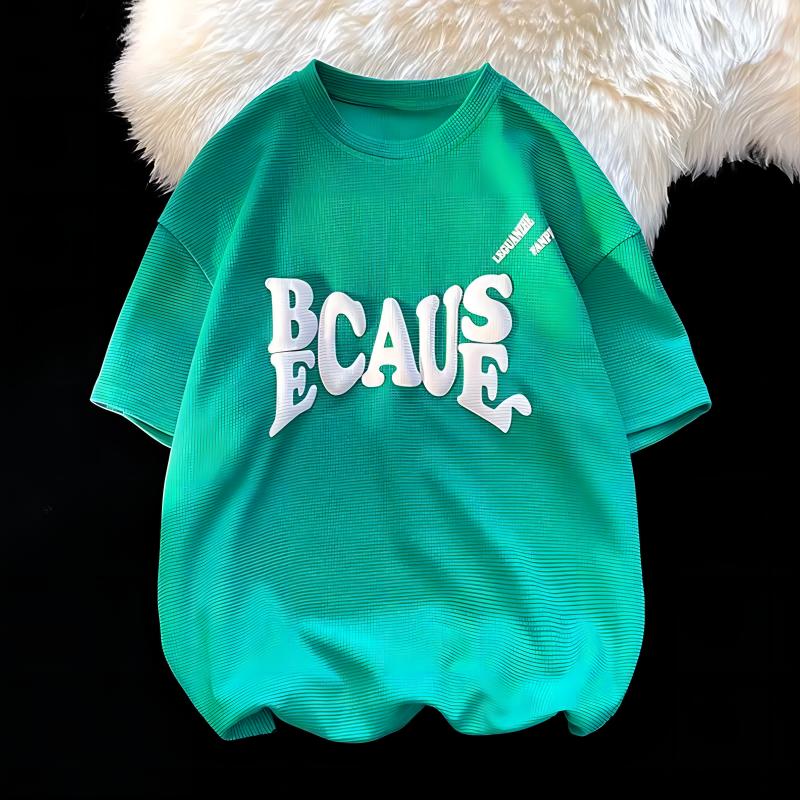
One development sample should confirm Pantone references, artwork size, placement points, stitch path, backing, and garment measurements. EDVORIN converts approved details into production records so revisions have a clear reference.
- What is the sample-to-bulk lead-time plan?
- Which fabric and trim lots are traceable?
- Which compliance documents are available when required?
Compare Quotes Like For Like
EDVORIN’s MOQ starts at 200 pieces per style. Four quote fields must align: quantity by size, fabric specification, decoration coverage, and packaging. Confirm MOQ, available capacity, inspection stages, payment milestones, and what changes trigger a surcharge before issuing a purchase order.
- Is final inspection performed against the approved sample?
- Are freight, duties, and testing excluded or included?
- What deposit and balance conditions apply?
8. Common sequin apparel sourcing mistakes
Two approvals should precede any bulk sequin order: artwork review and a physical pre-production sample. Brands, teams, and private-label buyers avoid expensive rework when both are signed against the same specification.
Approve The Physical Standard
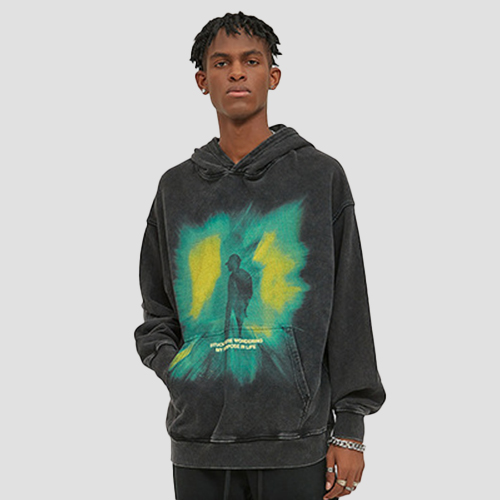
One digital artwork file cannot confirm drape, stitch density, or reflected color. Approve a sewn sample under normal lighting before release.
Two backing checks matter: skin contact and seam movement. Have athletes, students, or retail fit models wear-test it, then specify a soft backing or lining.
Match Fabric And Quote Scope
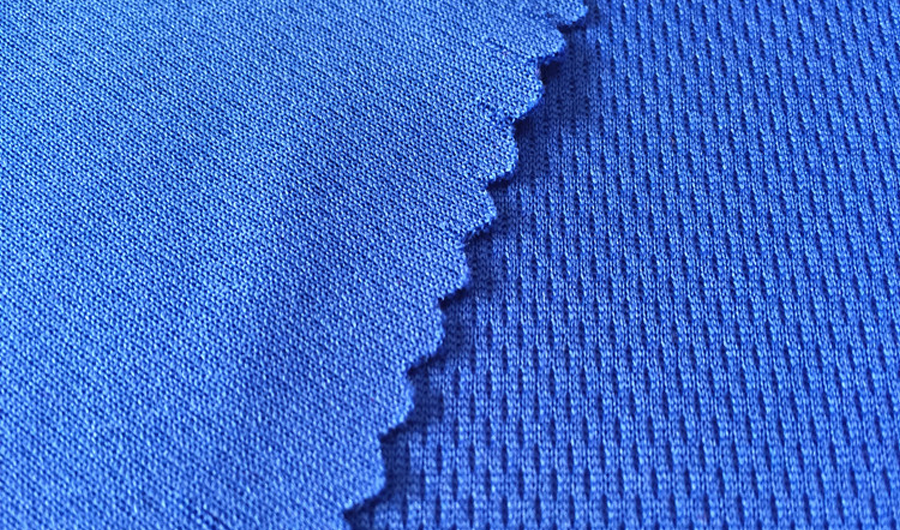
280 GSM fleece and lightweight jersey react differently to dense sequin fields. Test the selected base fabric for distortion, recovery, and decoration weight.
Five quote fields should match before wholesalers compare suppliers: fabric, sequin type, backing, artwork setup, and packing. Request exclusions and sample charges in writing.
Lock Tolerances And Timing
2 mm placement tolerances and approved Pantone references prevent inconsistent logos across school or team size runs. Record placement from fixed garment points.
One late artwork, fabric, or size-chart revision can disrupt cutting and production. Freeze specifications after pre-production approval and route later changes through a written revision.
9. Steps to launch custom sequin clothing
One launch calendar should begin with the target customer, retail date, and a backward plan for approvals. A sequin embroidery clothing manufacturer can convert those decisions into a controlled development path.
Define The Product
One concept brief should identify garment type, wearer, price position, colorways, size range, and target delivery date.
Two core files—a tech pack and vector artwork—should define measurements, construction, Pantone references, sequin placement, label copy, and packaging.
Develop And Approve
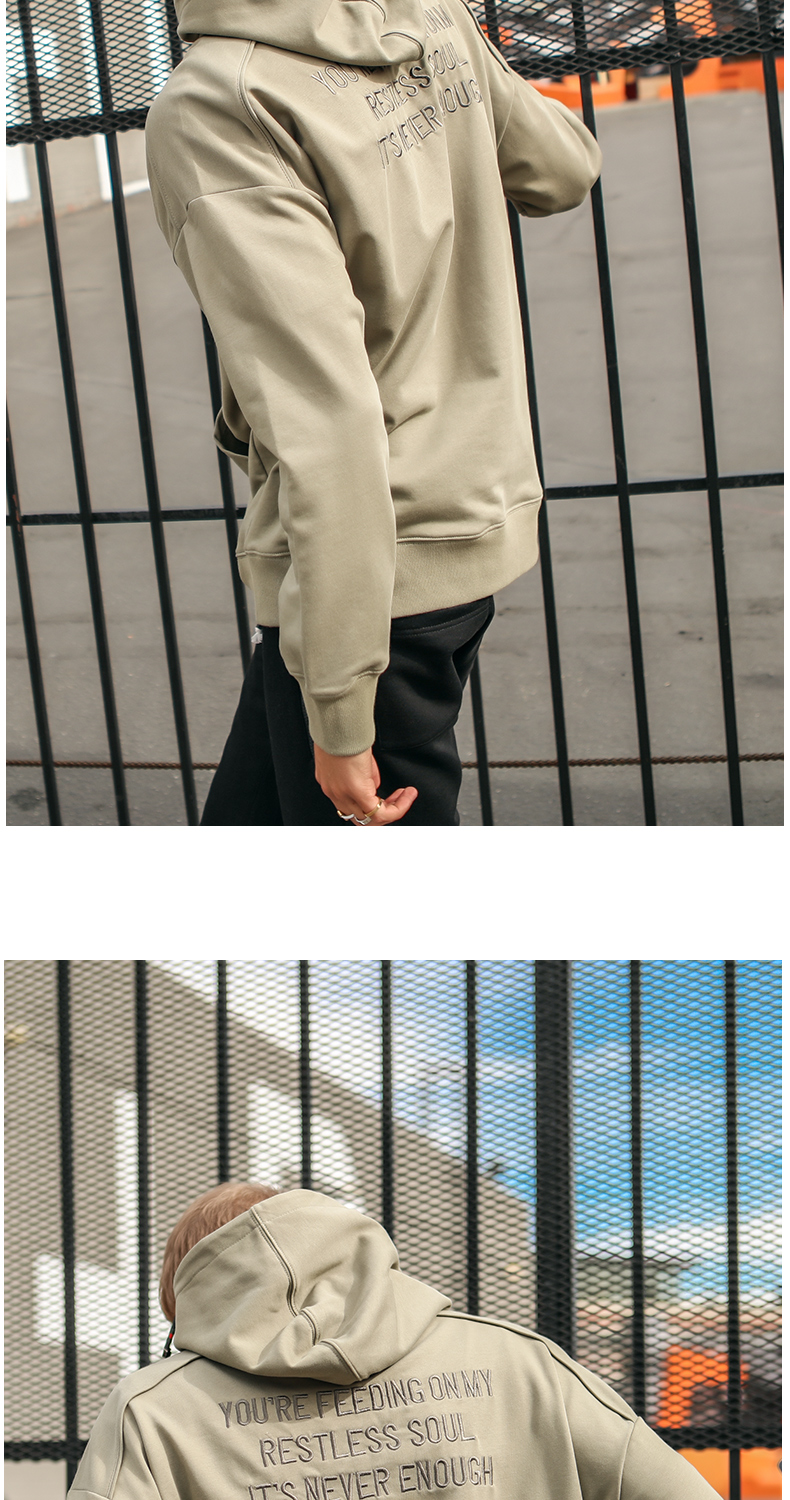
One quotation should confirm quantities, material options, decoration method, sample cost, and production assumptions before sourcing begins.
One prototype tests fit and artwork; revised samples should record every change. Approved digitized artwork, strike-off, graded size chart, and pre-production sample become the bulk standard.
Release Bulk Production
One signed purchase order should lock SKU quantities, size breakdown, care-label language, hangtags, carton marks, and delivery terms.
Three checkpoints—in-line inspection, final measurement review, and packing audit—help protect the approved standard before shipment. Allow calendar time for sample revisions, material booking, bulk sewing, inspection, and freight.
10. sequin embroidery clothing manufacturer pricing and MOQ
200 pieces is the page MOQ; a comparable quote needs one garment style, size breakdown, fabric composition and weight, colorways, artwork files, placement dimensions, sequin coverage, stitch count, labels, packaging, sample requirement, and delivery destination.
4 cost groups determine the final quotation: garment fabric and construction, decoration density and artwork complexity, custom labels and packaging, plus sampling and freight. A sequin embroidery clothing manufacturer should separate these assumptions so buyers can compare like-for-like offers.
| Quantity tier | Indicative cost drivers | Unit-price direction | Typical production lead time |
|---|---|---|---|
| 200–499 | Small run; sample and setup spread across fewer units | Highest | 30–45 days after approvals |
| 500–999 | Fabric booking; moderate sequin coverage | Lower | 30–45 days after approvals |
| 1,000–2,999 | Repeat artwork; consolidated trims | Lower again | 35–50 days after approvals |
| 3,000+ | Material volume; multiple colorways; freight planning | Most efficient | 40–60 days after approvals |
Start Your Sequin Embroidery Clothing Project
Send your artwork or concept to EDVORIN for feasibility review, sampling guidance, and a production quote from 200 pieces per style.