
Chenille Embroidery Clothing Manufacturer for Raised Brand Identity
EDVORIN is a chenille embroidery clothing manufacturer for varsity jackets, hoodies and sweatshirts, turning approved artwork into repeatable raised logos, letters and patches.
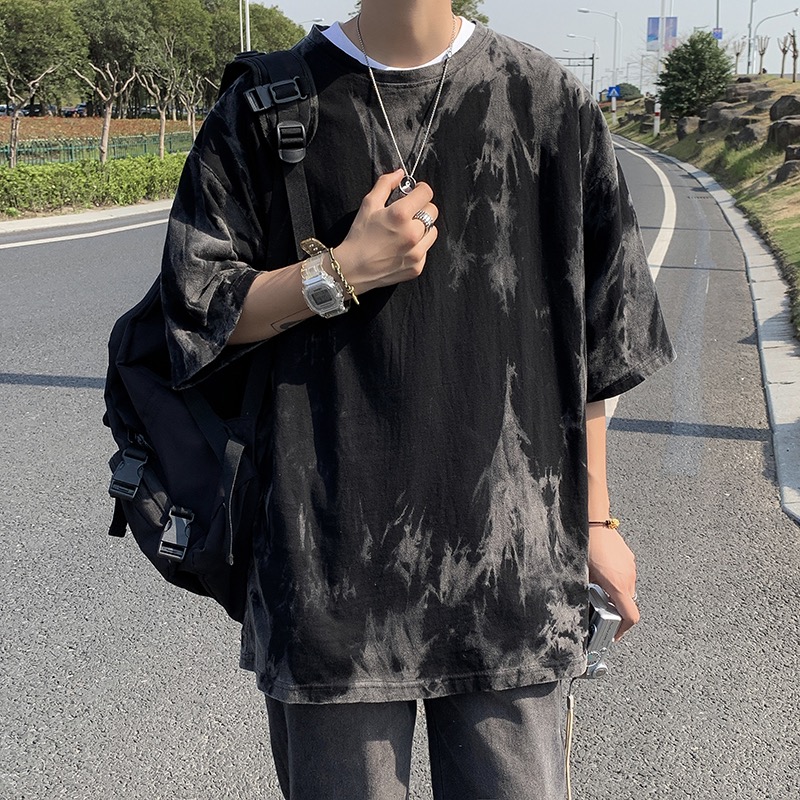
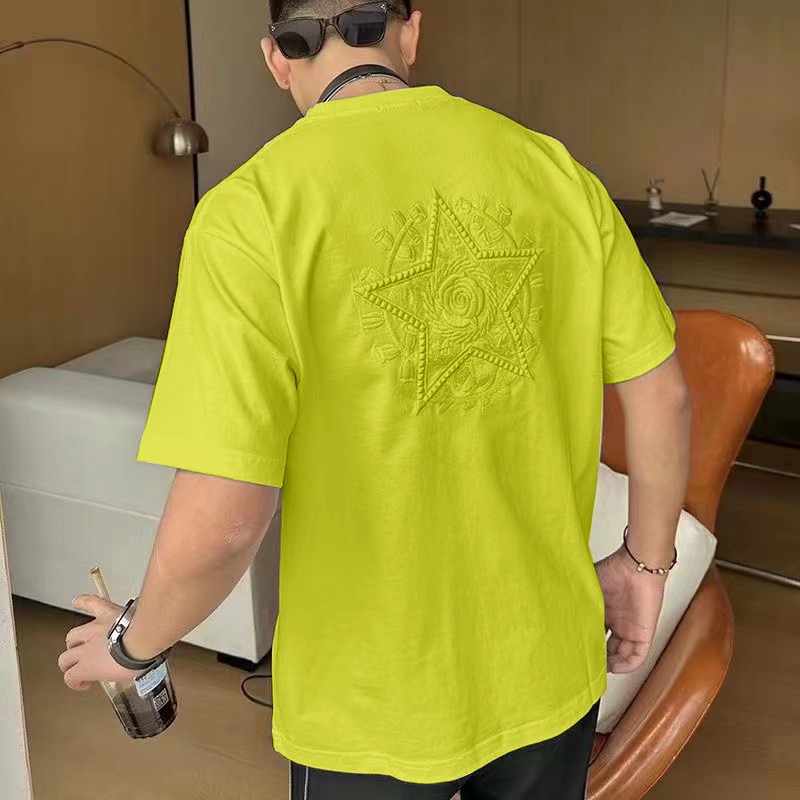
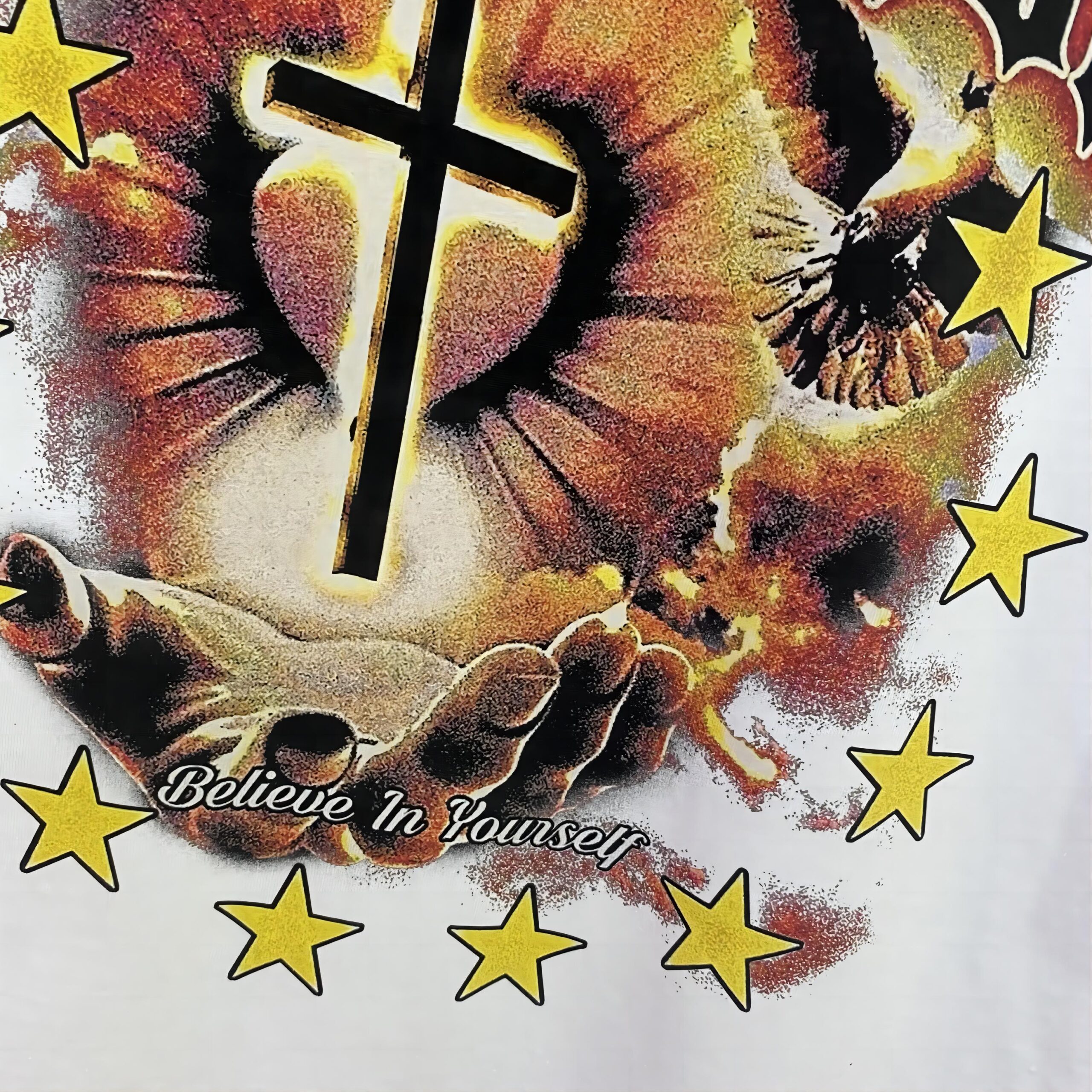
Featured Chenille-Ready Apparel Programs
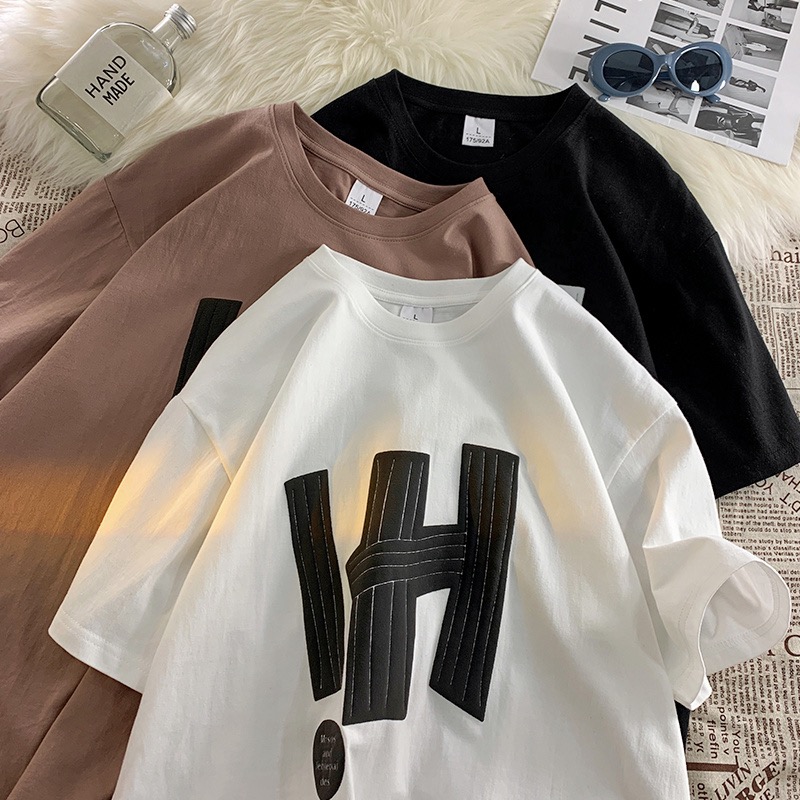
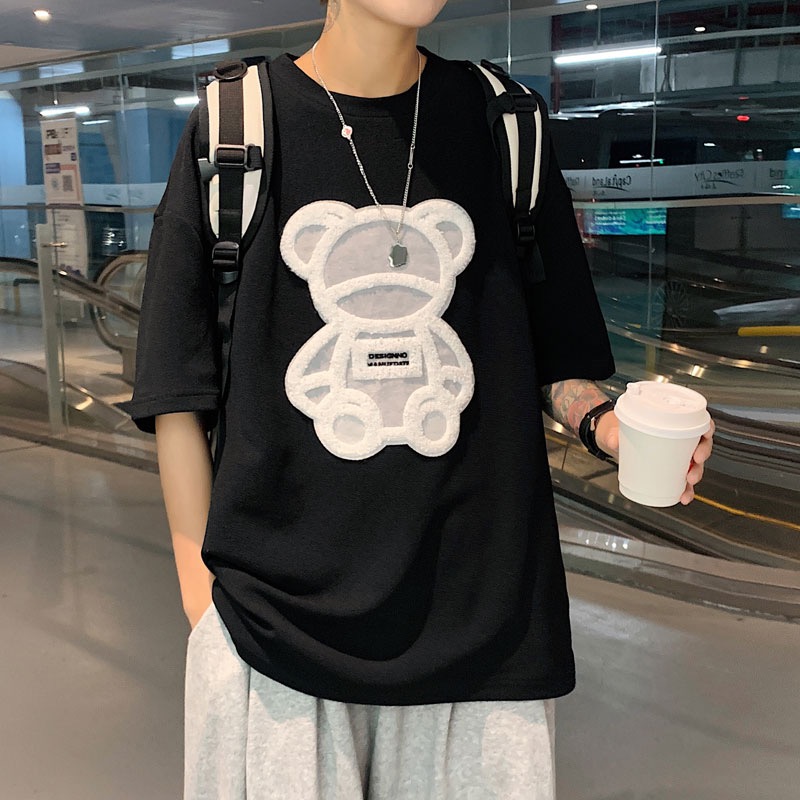
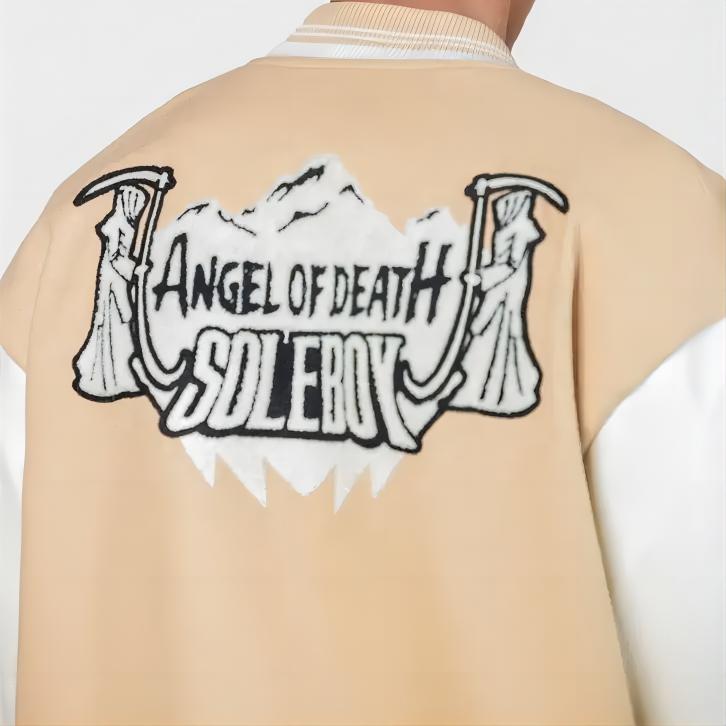
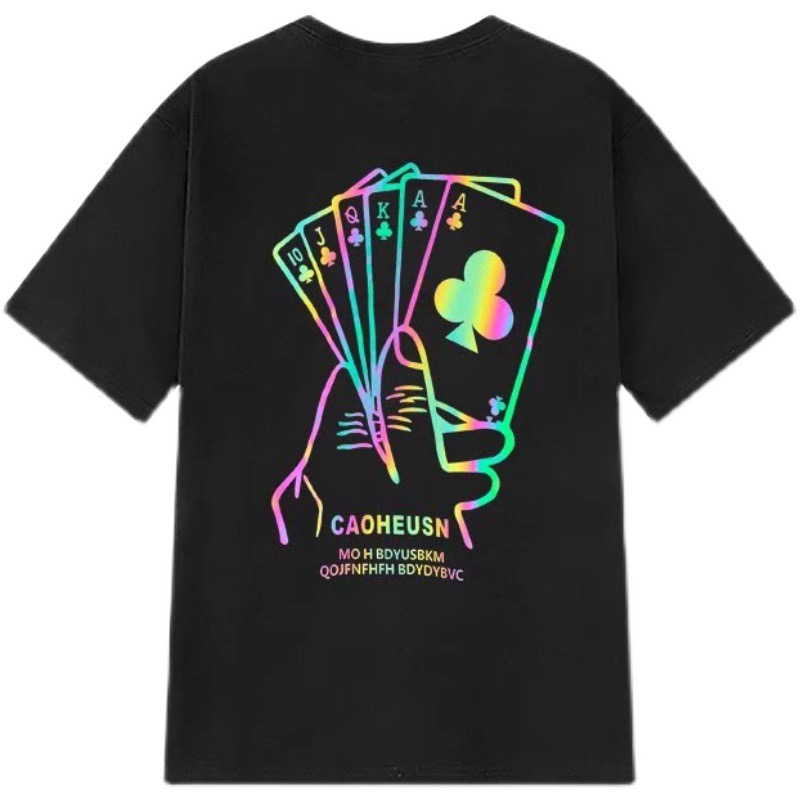
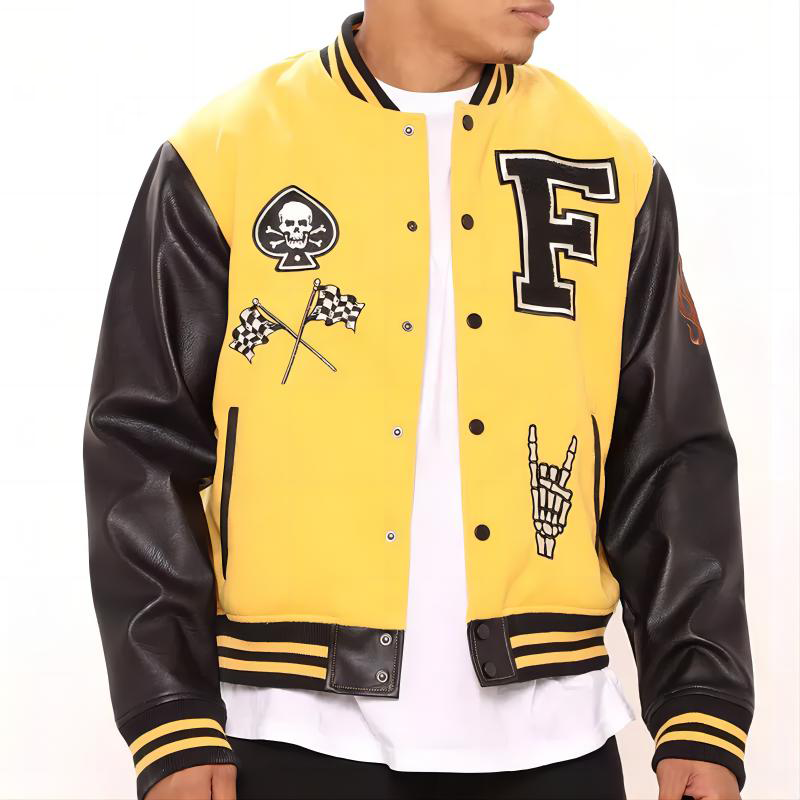
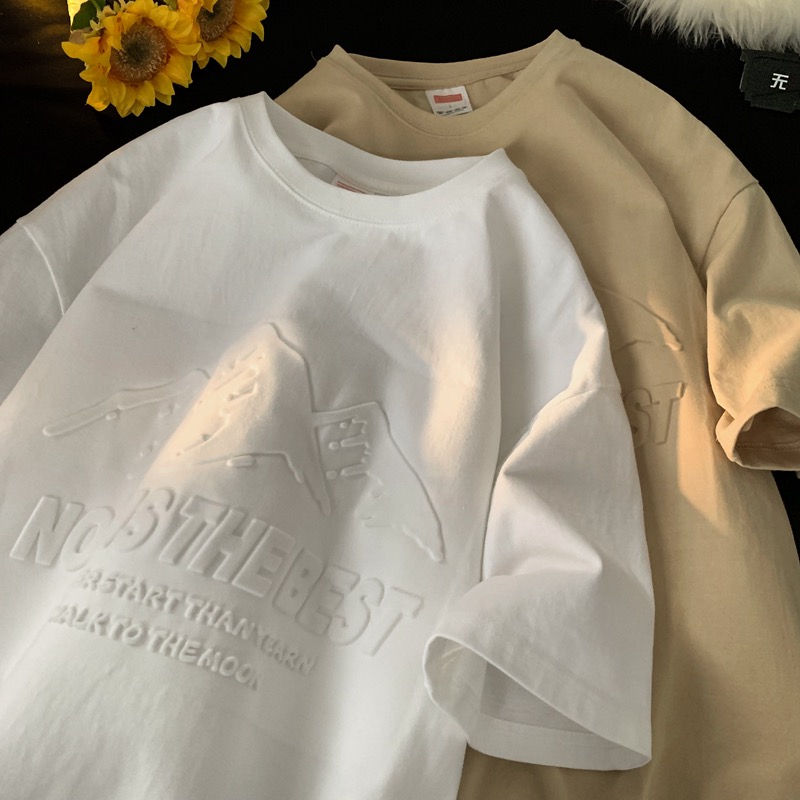
Chenille Embroidery Features Buyers Can Specify
Define texture, lettering, layering and performance details early so approved chenille decoration can carry consistently from sample to bulk.
Raised Looped Texture
Specify a dimensional looped yarn surface that gives logos, initials and graphics a tactile, elevated presence on the finished garment.
Bold Letterforms
Develop clear varsity lettering and graphic shapes with artwork, placement and stitch paths documented for repeatable production standards.
Felt Layer Compatibility
Combine chenille with felt bases to add contrast, edge definition and layered character across jackets, sweatshirts and coordinated teamwear.
Built for Heavier Garments
Match chenille applications to structured hoodies, sweatshirts and varsity jackets while considering fabric weight, construction and intended wear.
Controlled Yarn Color
Coordinate yarn colors with approved references so chenille details support your collection palette across samples, bulk production and repeat orders.
Repeat-Wash Performance
Review decoration construction during sampling, then use approved standards and quality checks to protect appearance through expected garment care.
Embroidery-Ready Apparel Programs
Compare garment categories, decoration options and production requirements to select the right path for your collection, teamwear program or private-label order.
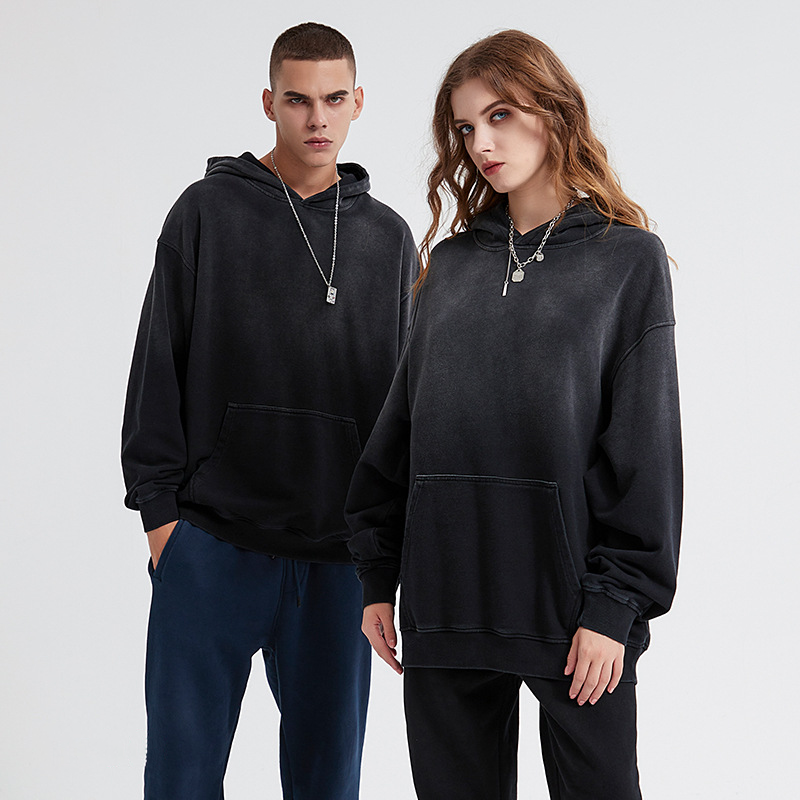
Custom Hoodies
Develop custom hoodies with embroidery placement planned around fleece weight, pocket construction, rib details and hood seams. Suitable for branded casualwear, merchandise and uniform programs requiring repeatable fit blocks, labels and bulk quality control.
Get a Quote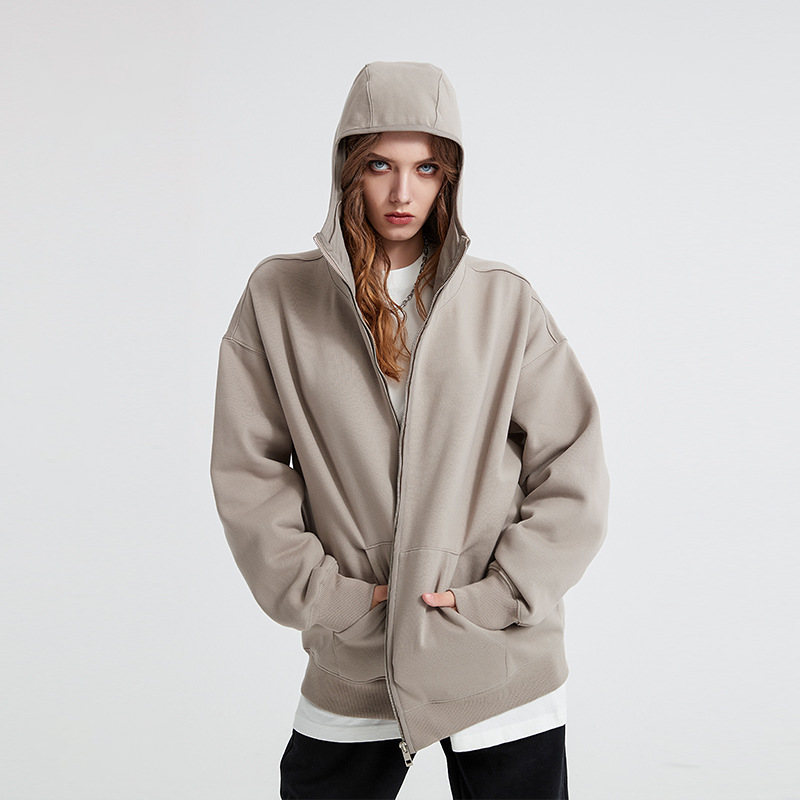
Pullover Sweatshirts
Build pullover sweatshirts with embroidery specifications matched to fabric weight, brushed-back fleece or French terry, neckline construction and chest or sleeve placement. A practical option for brands needing coordinated men’s and women’s programs.
Get a Quote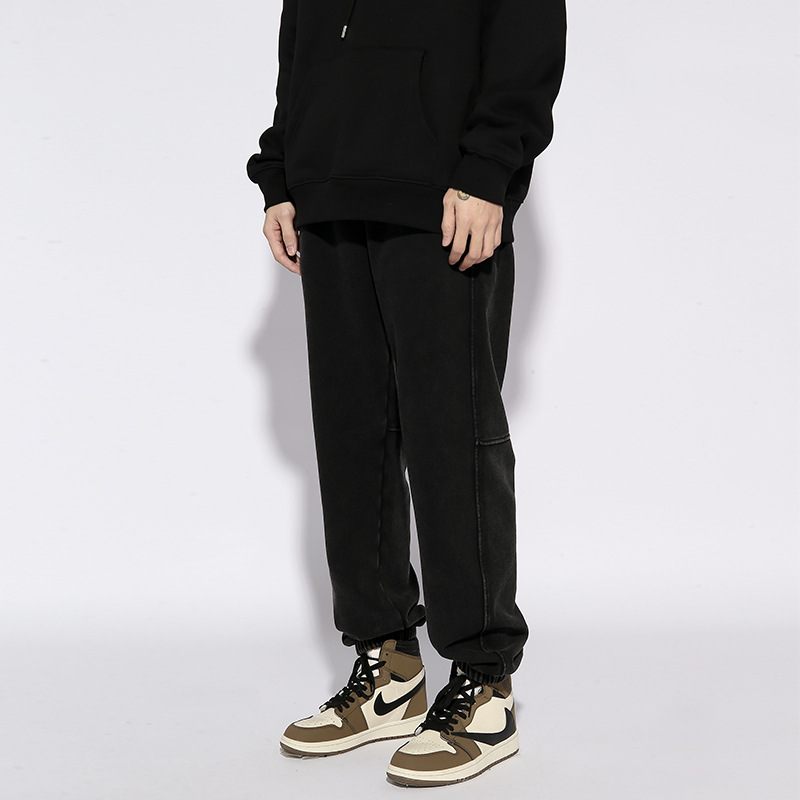
Sweatpants & Joggers
Develop sweatpants and joggers with embroidered logos, leg placements or patch details coordinated with waistband, pocket and cuff construction. EDVORIN supports fabric selection, grading, labels and matching tops for complete sets.
Get a Quote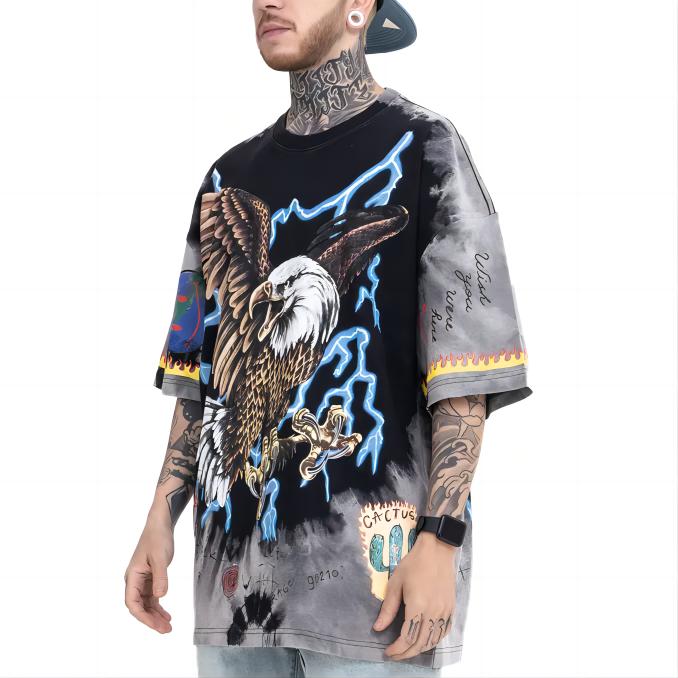
Custom Shorts
Produce custom shorts with embroidery positioned for the intended inseam, pocket layout, waistband and fabric type. Suitable for casualwear, active-inspired ranges and branded uniform pieces where decoration must remain consistent across sizes.
Get a Quote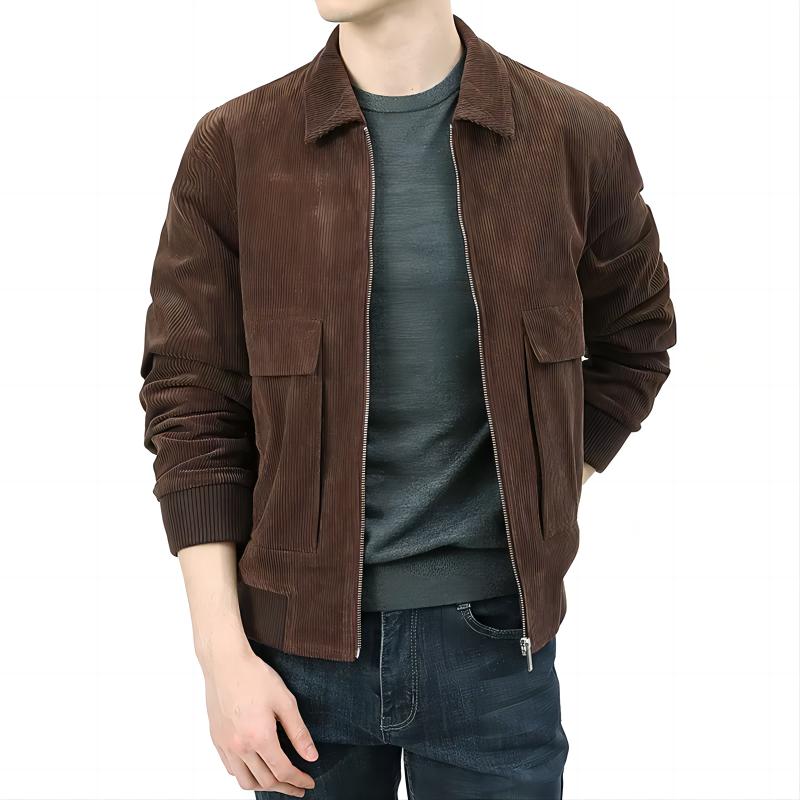
Varsity & Baseball Jackets
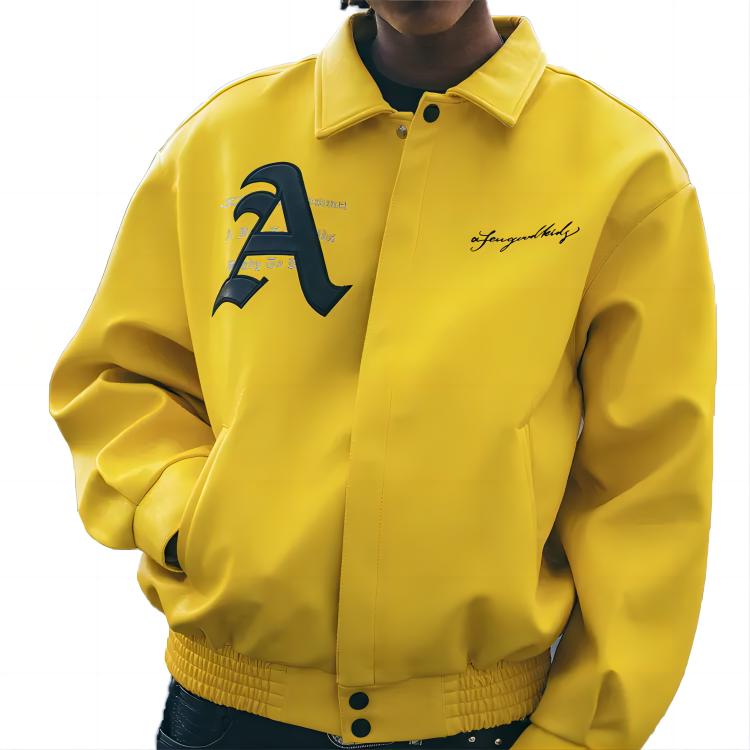
Develop varsity and baseball jackets with embroidery, chenille patches, appliqué and hardware coordinated across body fabric, sleeves, ribbing and lining. Best suited to heritage-inspired collections, club apparel and detailed outerwear programs.
Get a Quote
Custom T-Shirts
Produce custom T-shirts with embroidery for restrained logo applications, complemented by screen printing or other decoration methods when artwork requires broader coverage. Fabric, fit, neckline and placement standards can be developed for men’s and women’s ranges.
Get a Quote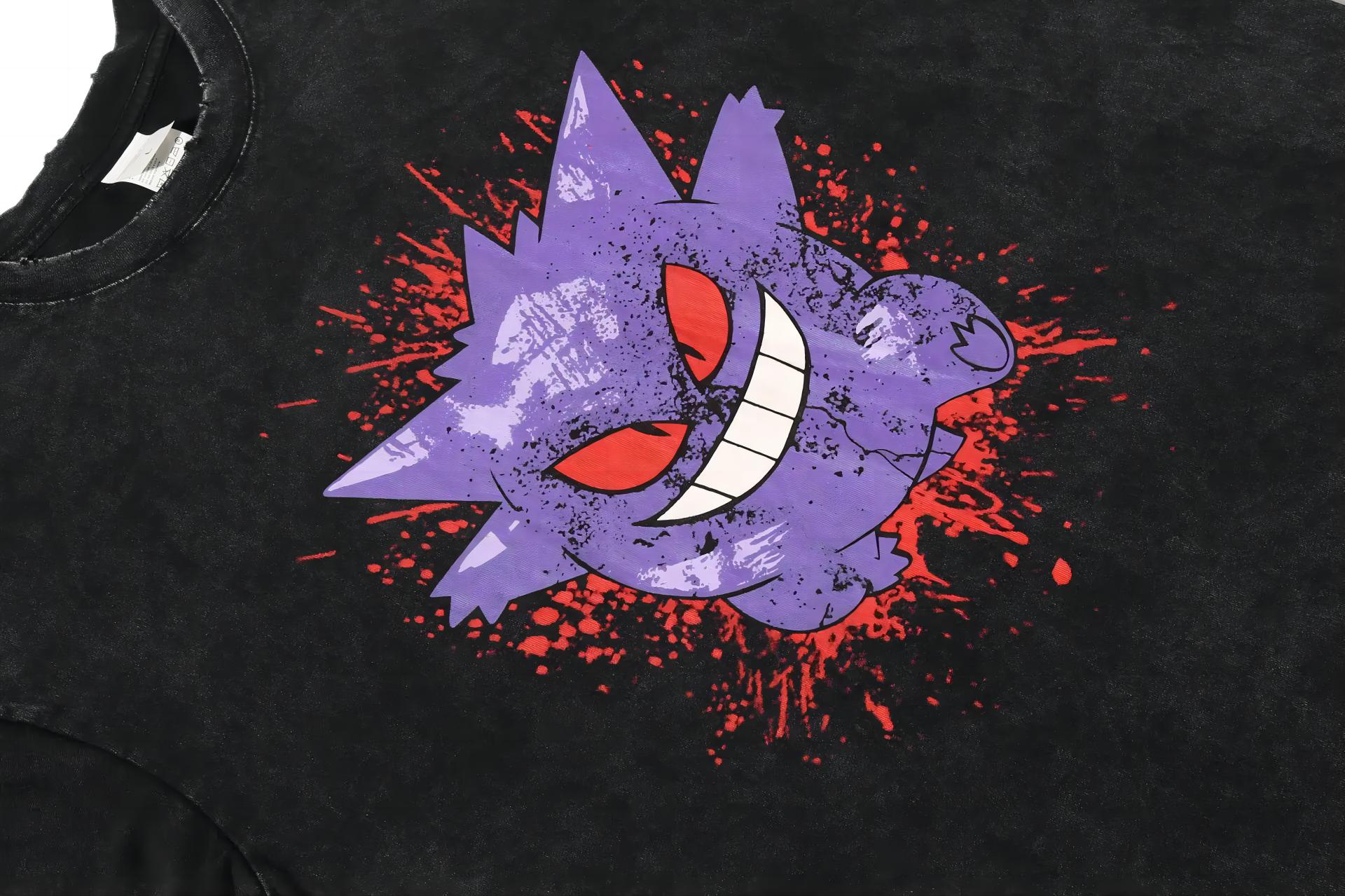
Custom Polo Shirts
Develop custom polo shirts with embroidery suited to left-chest branding, sleeve logos and corporate or team identification. Choose piqué, jersey or performance fabrics based on wear conditions, required recovery and finishing expectations.
Get a Quote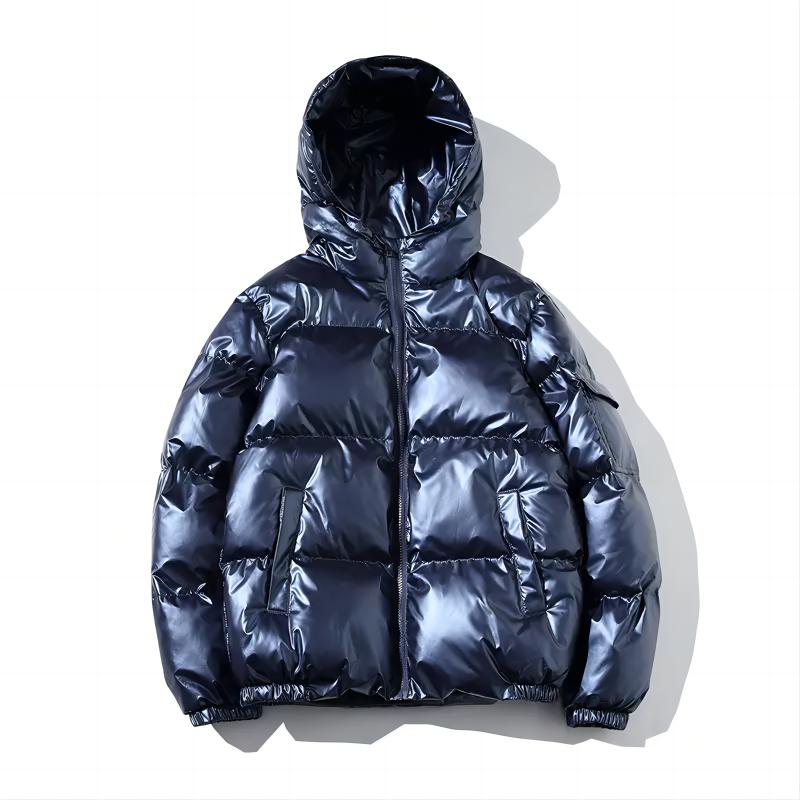
Windbreaker Jackets
Produce windbreaker jackets with embroidery considered alongside lightweight shells, lining, seam construction and weather-resistant finishes. For large artwork or technical fabrics, alternative print methods may provide a more appropriate decoration route.
Get a Quote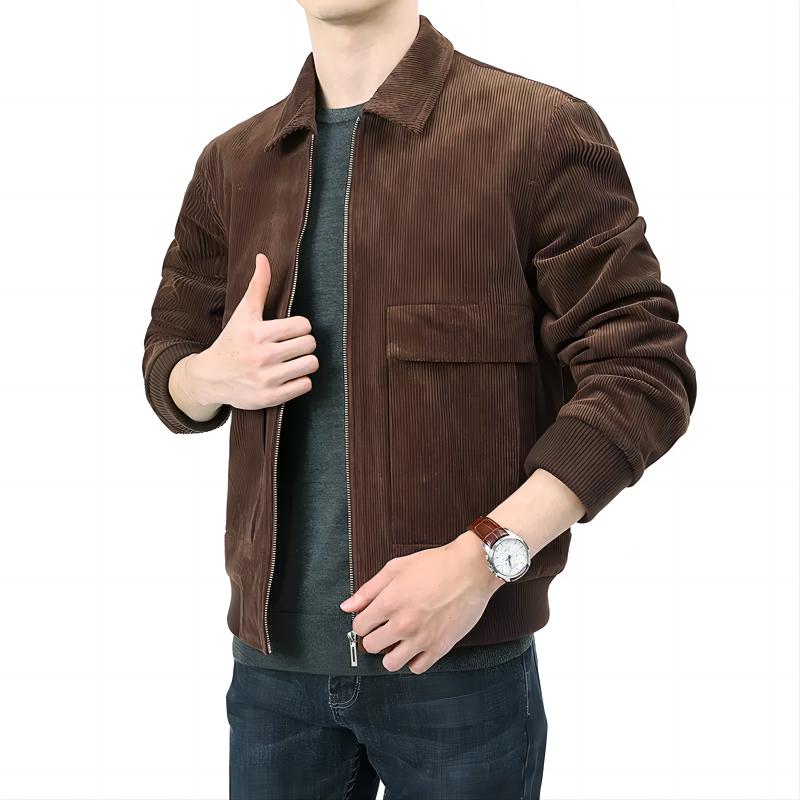
Quilted Jackets
Develop quilted jackets with embroidery placement planned around quilt lines, insulation, lining and shell fabric. This route fits branded outerwear programs where decoration must avoid bulky seams and preserve the garment’s construction.
Get a Quote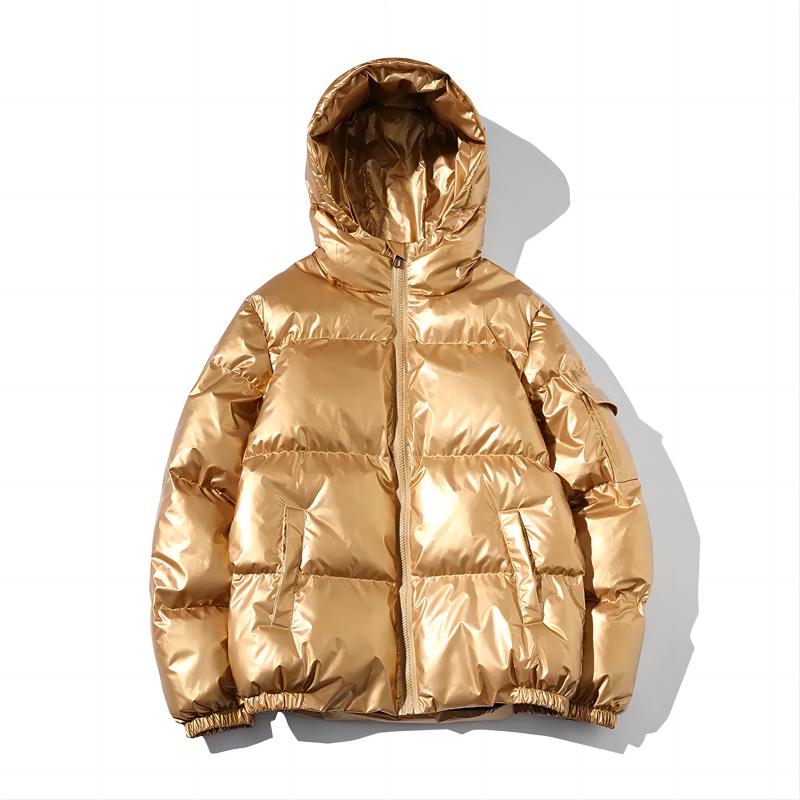
Bomber Jackets
Produce bomber jackets with embroidered crests, sleeve details, patches or appliqué coordinated with shell material, lining, ribbing and hardware. Suitable for streetwear, collegiate-inspired collections and premium promotional outerwear.
Get a Quote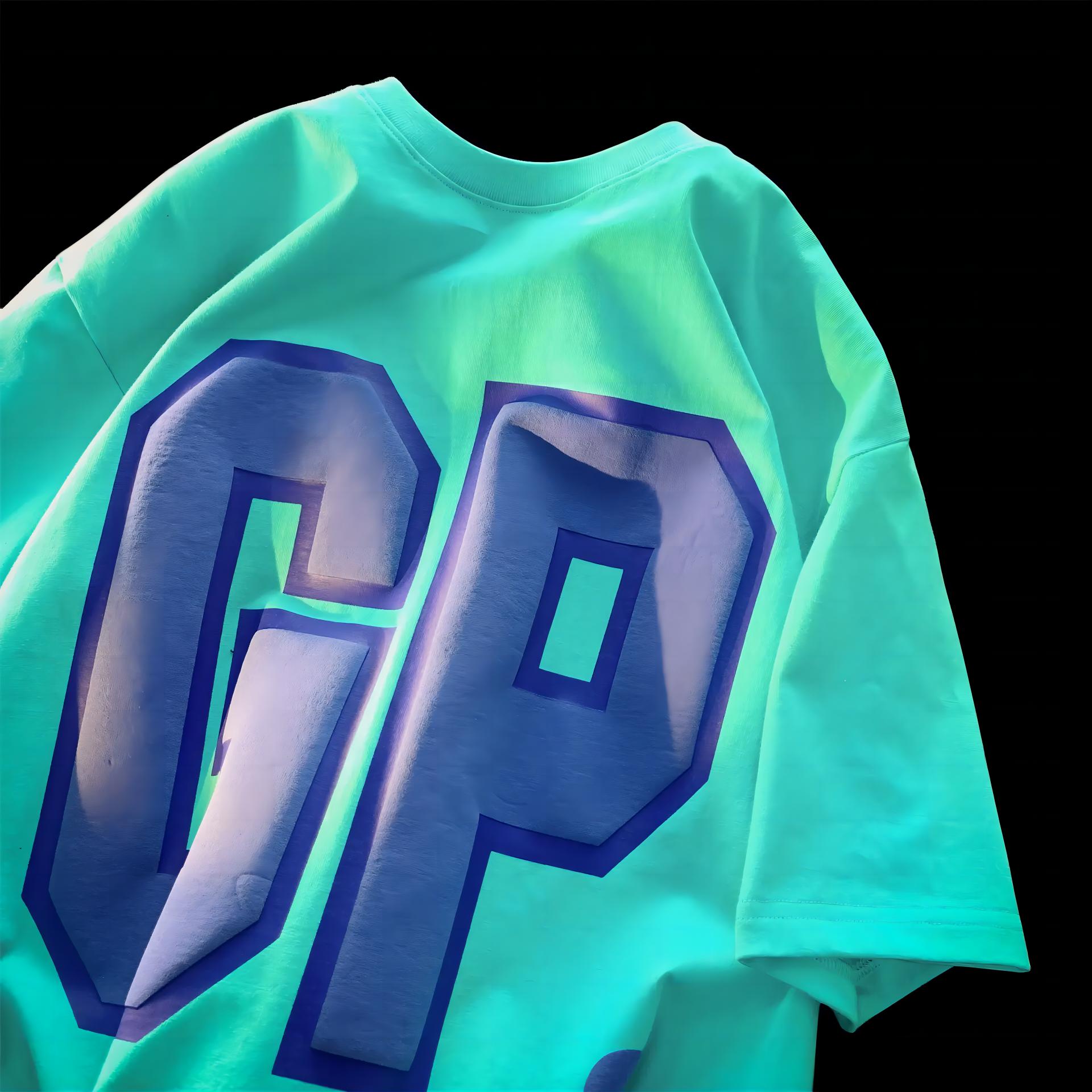
Custom Shirts
Develop custom woven shirts with embroidery matched to shirting weight, placket construction, pockets, cuffs and collar details. A suitable program for private-label, corporate and fashion buyers requiring controlled fit, labels and finishing.
Get a Quote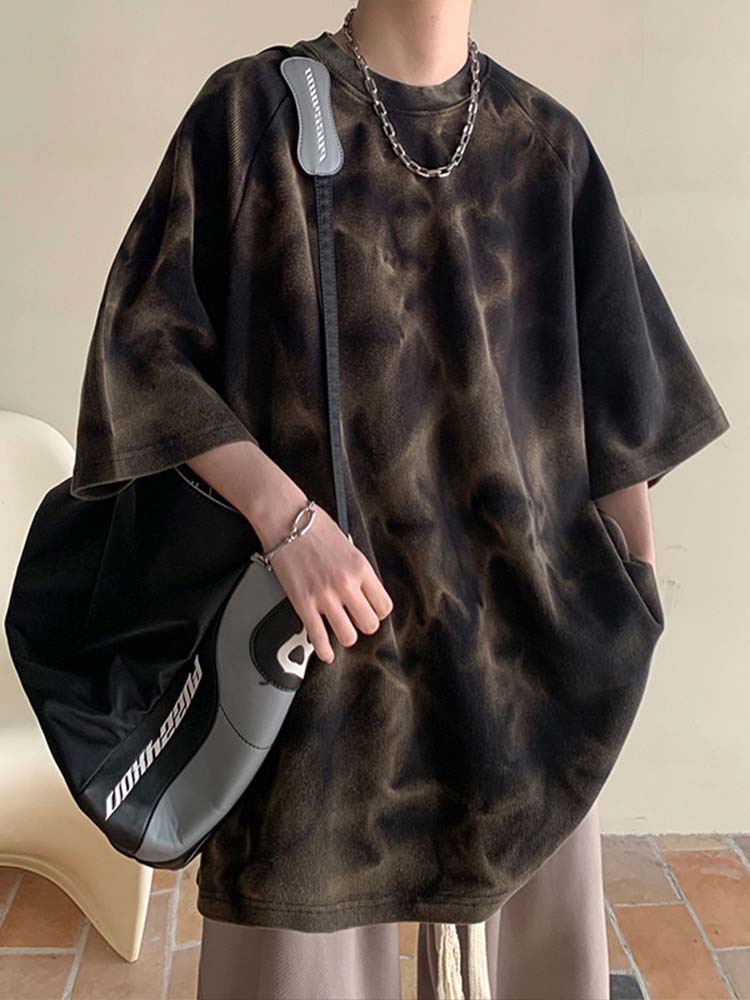
Custom Jerseys
Produce custom jerseys with embroidery for crests and badges, alongside printing or heat-applied methods for names, numbers and larger graphics. Fabric performance, color matching and size-set control are managed for repeatable teamwear orders.
Get a Quote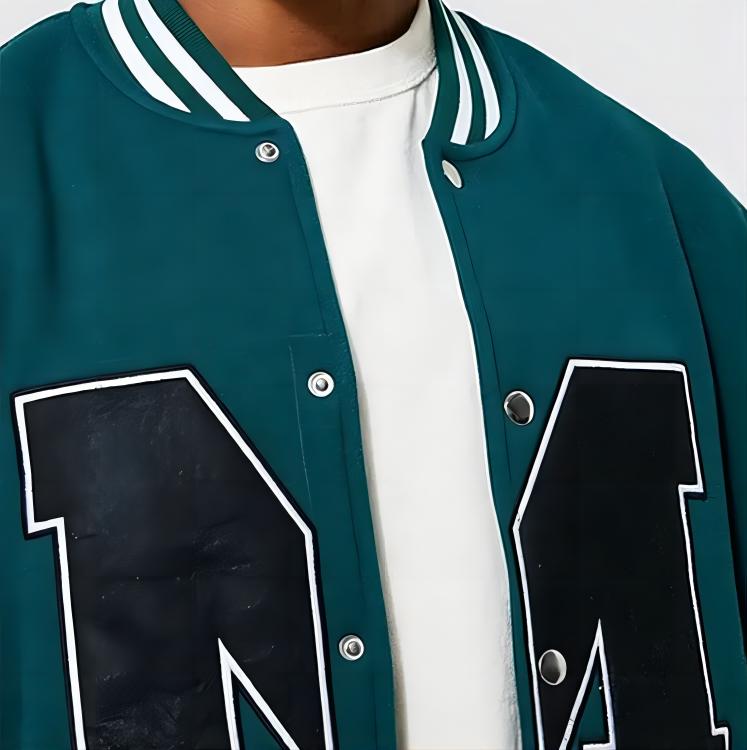
Tank Tops
Develop tank tops with embroidery positioned for lightweight jersey, rib or performance fabrics and the garment’s armhole construction. Alternative decoration methods can be selected when the design needs flexible coverage or high-detail graphics.
Get a Quote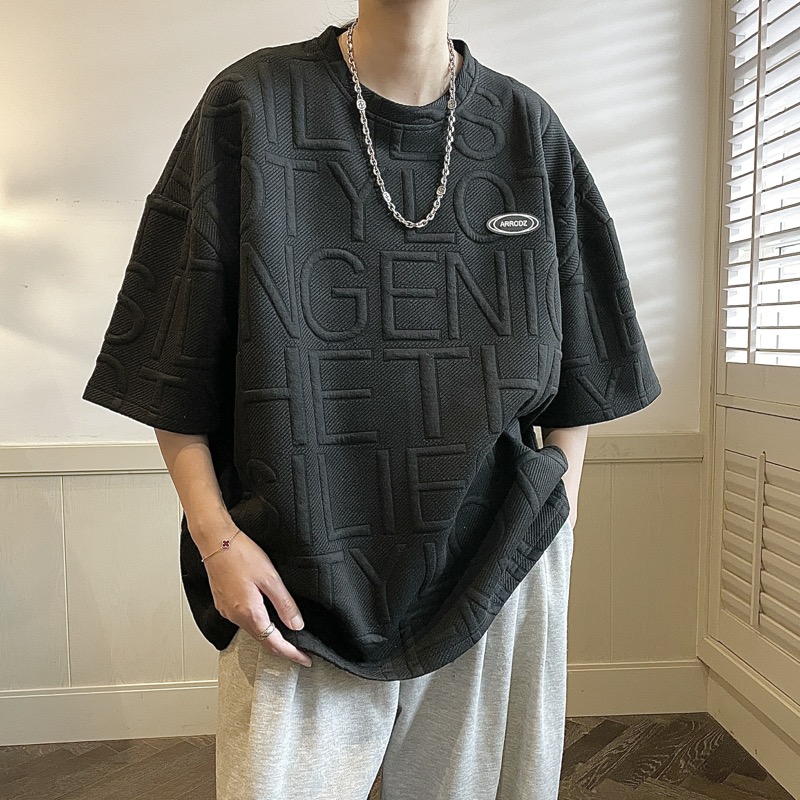
Soccer Uniforms
Produce soccer uniforms with embroidered club crests, coordinated sponsor graphics, player names and numbers. EDVORIN manages breathable fabric selection, color consistency, grading and decoration specifications across jerseys, shorts and related teamwear.
Get a Quote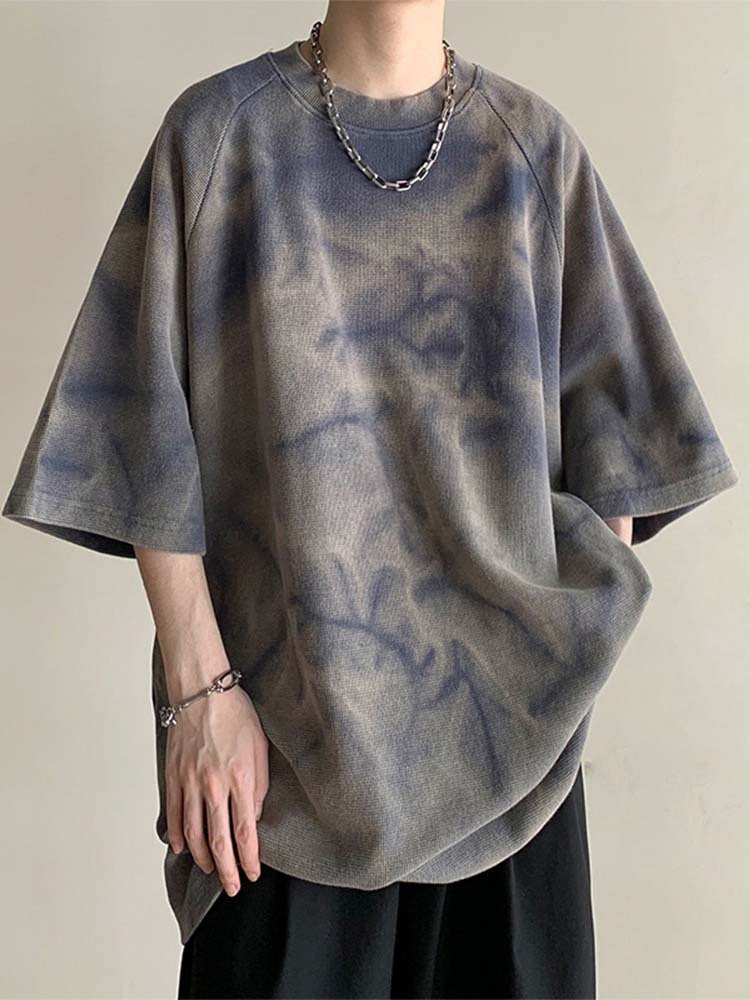
Basketball Uniforms
Develop basketball uniforms with embroidered logos or patches alongside printed names, numbers and team graphics. Programs can include jerseys, shorts and warm-up pieces, with attention to breathable fabrics, movement, color matching and repeat orders.
Get a Quote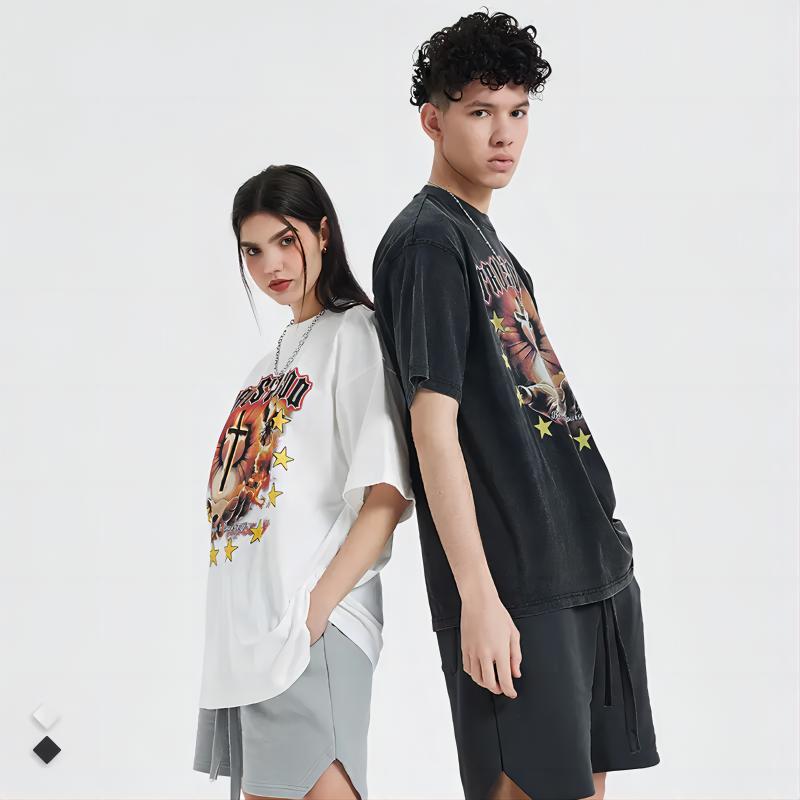
Streetwear Collections
Build coordinated streetwear collections across hoodies, tees, sweats, jackets and bottoms with embroidery, patches, printing and wash effects specified by style. Product development connects fabric, trims, artwork placement, labels and packaging into one production standard.
Get a QuoteChenille Embroidery Clothing Manufacturer Experience
EDVORIN has been founder-led since 2000, helping apparel buyers turn early concepts, reference garments and detailed tech packs into production-ready programs. As a chenille embroidery clothing manufacturer, we connect the decoration decision to the garment itself, so design intent is carried from development through approved sample.
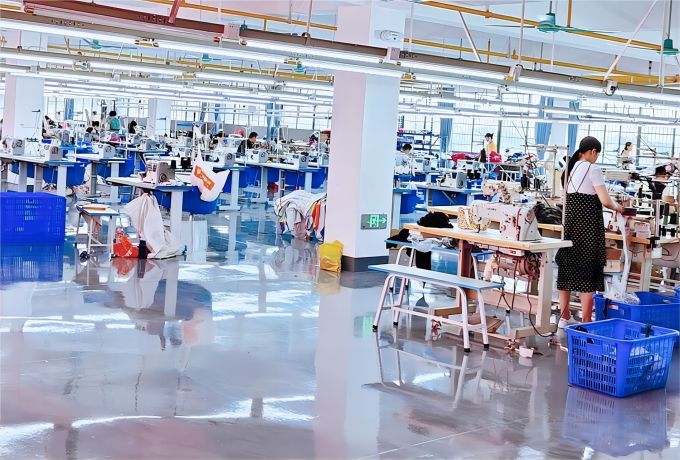
Our teams coordinate product development, fabric and trim sourcing, patterns, sampling, chenille embroidery, washing, labeling and packaging within one accountable workflow. From varsity jackets and heavyweight hoodies to streetwear and teamwear, men’s and women’s programs are developed around the fit, base material and visual requirements of each collection.
What makes EDVORIN different is the discipline after sample approval. We document materials, placement, artwork and construction details, then use those approved standards to guide bulk production, in-line checks and final inspection. With OEM, ODM and private-label support starting at 200 pieces per style, EDVORIN supports emerging brands, wholesale programs and established buyers. Certification programs include ISO 9001, BSCI, WRAP, SEDEX, OEKO-TEX Standard 100, GRS and GOTS.
Chenille Embroidery Quality Controls
Artwork Built for Chenille
EDVORIN translates approved logos, letters and mascots into chenille-ready artwork with defined paths, coverage areas and edge treatments. This gives the sample a clear production standard before decoration is repeated across hoodies, varsity jackets or teamwear.
- Digitized paths matched to the intended artwork
- Letterforms reviewed for readable raised texture
- Felt and flat-stitch details planned together
- Approved artwork retained for bulk reference
Loop Tension and Density
A chenille surface depends on controlled loop formation rather than appearance alone. EDVORIN reviews yarn tension, stitch density and coverage against the selected base garment, helping the decoration keep its intended texture, shape and visual weight through production.
- Loop tension adjusted to the garment base
- Stitch density set for the design scale
- Coverage checked for even raised texture
- Sample observations carried into bulk controls
Color, Felt and Placement
Yarn colors, felt layers and placement measurements are coordinated as one specification. For fashion, streetwear and teamwear programs, EDVORIN records the approved relationship between decoration and garment panels so the finished identity stays consistent across sizes and repeat orders.
- Yarn colors reviewed against approved references
- Felt layers specified by color and shape
- Placement measured from stable garment points
- Size-set checks protect proportion across grading
Chenille Embroidery vs. Flat Embroidery
Choose the decoration method that matches your garment weight, lettering scale, texture goals, and collection design.
← Swipe left or right to view →
Chenille Embroidery Production Process
EDVORIN turns approved chenille artwork into repeatable apparel standards, coordinating digitization, materials, embroidery, finishing and final inspection for production-ready collections.
Review Artwork and Garment
We review artwork, placement, garment construction and intended use, then confirm chenille scale, colors, backing requirements and the details needed for sampling.
Digitize Chenille Stitch Paths
Artwork is translated into chenille-specific stitch paths, with loop direction, borders, fill areas and placement references documented for consistent sample and bulk execution.
Prepare Yarn and Felt
We coordinate chenille yarn, optional felt layers, backing and base fabric, checking color relationships and material compatibility before decoration begins on the approved garment.
Execute and Check Embroidery
Chenille is applied to the prepared panels while in-process checks monitor placement, loop coverage, edge definition and alignment against the approved sample standard.
Finish Inspect and Pack
Finished garments receive trimming, pressing and final inspection for chenille appearance, attachment, measurements and overall presentation before labeling and packing are completed.
How to Order From a Chenille Embroidery Clothing Manufacturer
Move from a logo or concept to a documented chenille program built for repeatable production.
Share Artwork and References
Send vector artwork, intended garment style, size range, placement measurements and yarn color references. If starting from a concept, provide sketches or reference garments for development.
Confirm Construction and Decoration
Review fabric weight, base garment construction, chenille yarn colors, loop coverage, felt or embroidery combinations, labels and packaging before EDVORIN prepares the production specification.
Approve the Production Sample
Evaluate the sample for fit, material feel, artwork scale, placement and chenille texture. Record approved revisions so every detail has a usable bulk-production standard.
Launch Controlled Bulk Production
After approval, EDVORIN coordinates materials, cutting, decoration and in-line inspections against the approved sample, then completes final checks before labeling and packing.
Chenille Embroidery Programs for Brands & Teams
EDVORIN translated our varsity artwork into raised chenille letters that stayed consistent across 1,200 jackets. Placement notes from the approved sample carried through every size, which removed the usual back-and-forth during bulk review.
For our 600-piece hoodie drop, the chenille embroidery kept its shape and texture after our wash testing. The team also matched the logo placement on XS through 3XL, so the collection looked intentional at every size.
We needed letter and number details for 480 academy pullovers before the new term. EDVORIN approved the sample quickly, documented the color and placement standards, and delivered the finished program on our scheduled receiving date.
Chenille Embroidery Clothing Manufacturer FAQs
Clear answers for brands, teams and private-label buyers planning chenille-decorated apparel programs with EDVORIN.
What fabrics work best for chenille embroidery?
Can a chenille embroidery clothing manufacturer produce hoodies, jackets and teamwear?
How large and detailed can a chenille embroidery design be?
Can chenille embroidery be combined with felt, flat embroidery or patches?
EDVORIN’s MOQ starts at 200 pieces per style. What is the MOQ for a chenille embroidery clothing manufacturer?
What artwork files should I send for custom chenille embroidery?
How do you protect chenille embroidery quality from sample to bulk order?
Which certification programs can support my apparel order?
Complete Buyer’s Guide to Chenille Embroidery Apparel Manufacturing
Use a practical decision framework to compare supplier capabilities, fabrics, construction, customization, pricing, and production readiness while avoiding costly sourcing mistakes for chenille-decorated apparel.
1. What Is a Chenille Embroidery Clothing Manufacturer?
A chenille embroidery clothing manufacturer converts approved artwork and garment specifications into repeatable decorated apparel. Chenille uses looped yarn to create a raised, soft surface; flat embroidery relies on stitches sitting closer to the fabric, while a standalone patch is made separately and then attached.
An integrated production path should cover artwork cleanup, chenille-specific digitizing, yarn and felt selection, strike-off sampling, pattern and placement approval, bulk sewing, decoration, finishing, labeling and packing. EDVORIN develops these controls together so the approved sample becomes a documented standard for bulk.
Common applications include varsity jackets, heavyweight hoodies and crewnecks, team pullovers and structured-base streetwear T-shirts. Buyers should expect in-line checks for placement, loop coverage, edge security, color matching and measurement consistency before final inspection.
2. History of Chenille Embroidery in Apparel
19th-century chenille decoration is commonly associated with military dress and later collegiate lettering, where raised yarn made initials, achievements, and team identity legible at a distance (https://www.riddleapparel.com/2023/09/chenille-embroidery.html). That heritage explains why varsity jackets and school uniforms still use bold letterforms and crest-style patches.
1920s-era American letterman culture helped turn the patch into a recognizable athletic signifier: a garment could carry an initial, number, or award without relying on printed graphics. For sports clubs and academies, this visual language still suits durable team layers, ceremonial uniforms, and alumni merchandise.
2020s streetwear has broadened the reference beyond single letters, combining chenille with felt appliqué, satin stitch, twill, or flat embroidery for oversized logos and layered graphics. A private-label buyer should choose the look when a collection needs tactile, heritage-led branding; it is less suitable when the desired identity is minimal, lightweight, or highly detailed.
3. Types of Chenille Embroidery Clothing Manufacturer Services
EDVORIN’s MOQ starts at 200 pieces per style. A 200-piece MOQ suits coordinated programs more than one-off tests. A chenille embroidery clothing manufacturer may supply garments, decoration, or both, changing where buyer control sits.
| Service | Buyer Inputs | Control Trade-Off |
|---|---|---|
| Full package | Tech pack or sample | Highest garment control; one accountable path |
| Decoration only | Blank garments and artwork | Keeps blank supplier; split coordination |
| Chenille patches | Artwork and patch specification | Flexible application; separate attachment step |
| Private label | Brand labels and assortment | Custom identity; approvals needed early |
| Uniform or promotional | Roster, sizes, logo | Consistent bulk output; limited variation |
Full-Package Manufacturing
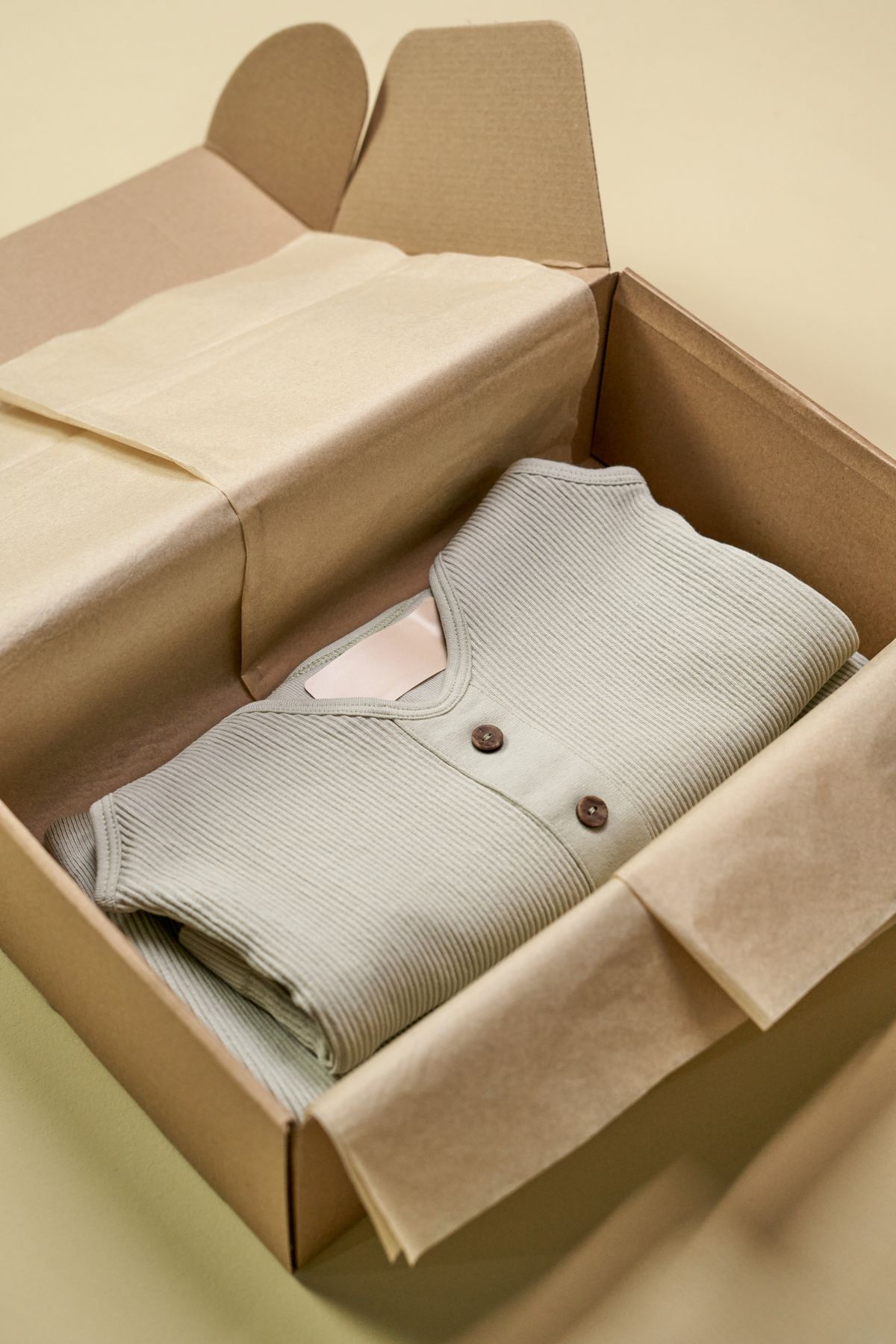
One production partner develops patterns, sources fabric and trims, applies chenille, and packs finished goods. Buyers provide a tech pack or reference; this model best protects repeatability but requires earlier approvals.
Decoration And Patch Supply
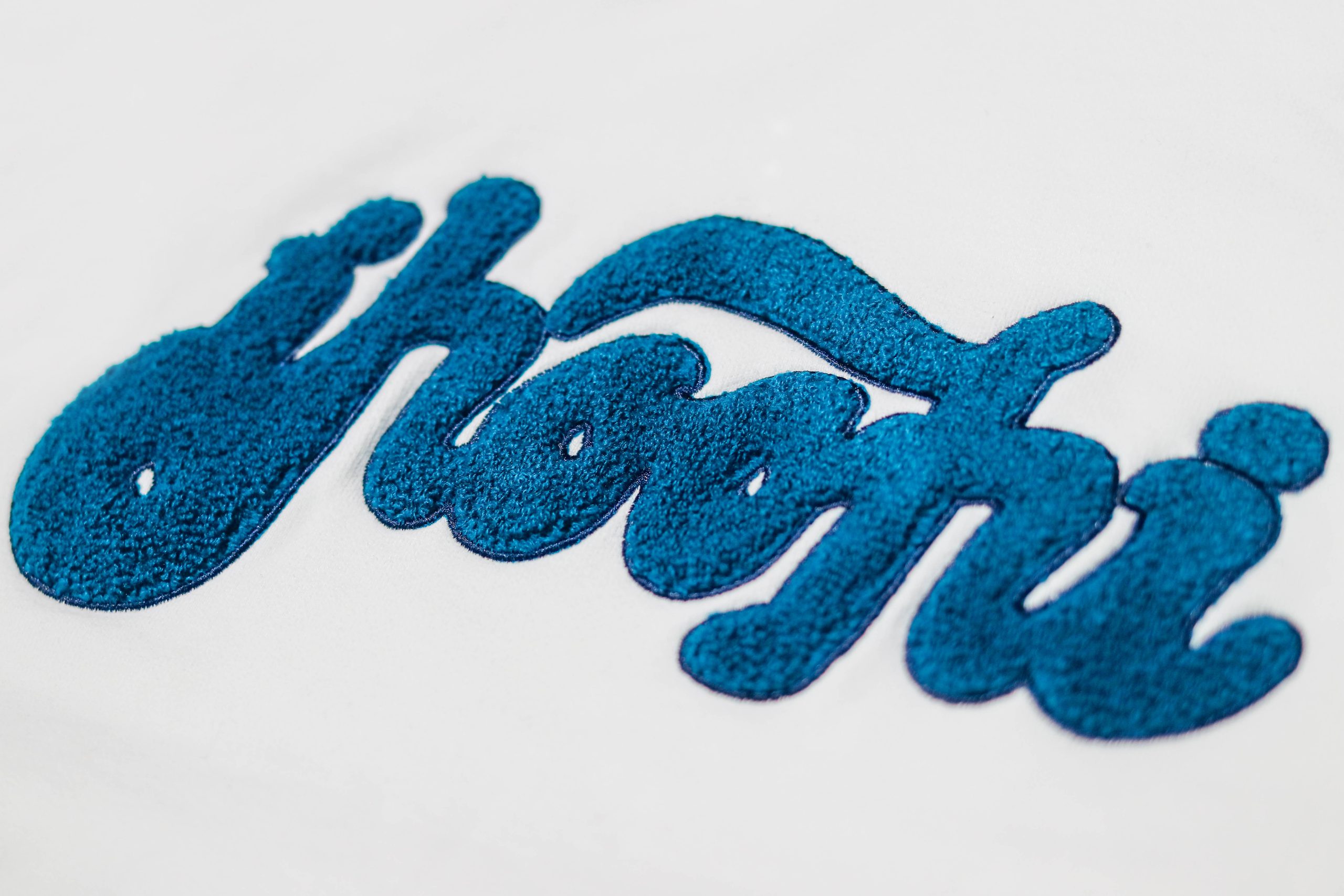
Two decoration-led options use buyer-supplied blanks or deliver chenille patches for later application. Decoration-only work preserves garment sourcing control; patch supply offers placement flexibility but adds coordination across vendors.
Private Label And Bulk Programs
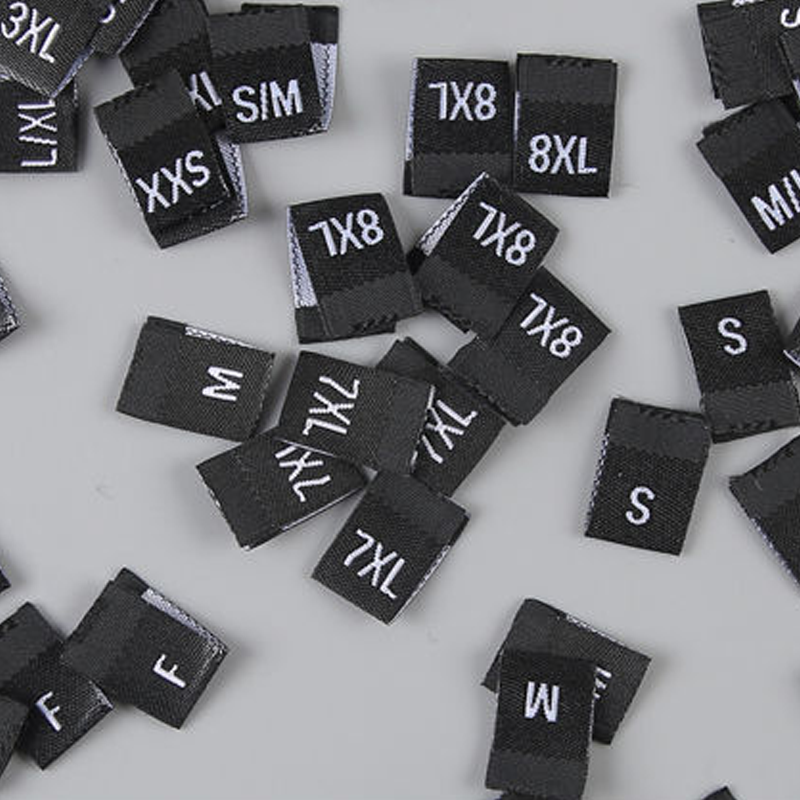
Private-label and uniform orders combine approved branding with size runs, labels, and packing instructions. Bulk programs suit schools, teams, and promotions, trading individual variation for consistent specifications.
4. Fabrics for Chenille Embroidery Clothing Manufacturer Projects
320–450 GSM fleece and firm cotton blends give chenille a stable ground; fabric weight alone is not enough. A chenille embroidery clothing manufacturer should assess stretch, pile direction, and seam-area placement before approving the blank.
| Fabric | Characteristics | Recommended Use | Decoration Consideration |
|---|---|---|---|
| 320–450 GSM fleece | Soft, stable body | Hoodies, crewnecks | Check pile compression |
| Cotton-poly blend | Balanced stability and recovery | Sweatshirts, joggers | Match backing to stretch |
| Cotton twill | Firm, low stretch | Varsity panels, caps | Supports crisp outlines |
| Wool-blend outerwear | Dense, premium structure | Varsity jackets | Test needle marks |
| Structured knit | Variable stretch | Pullovers | Reinforce placement area |
Match Structure To Placement
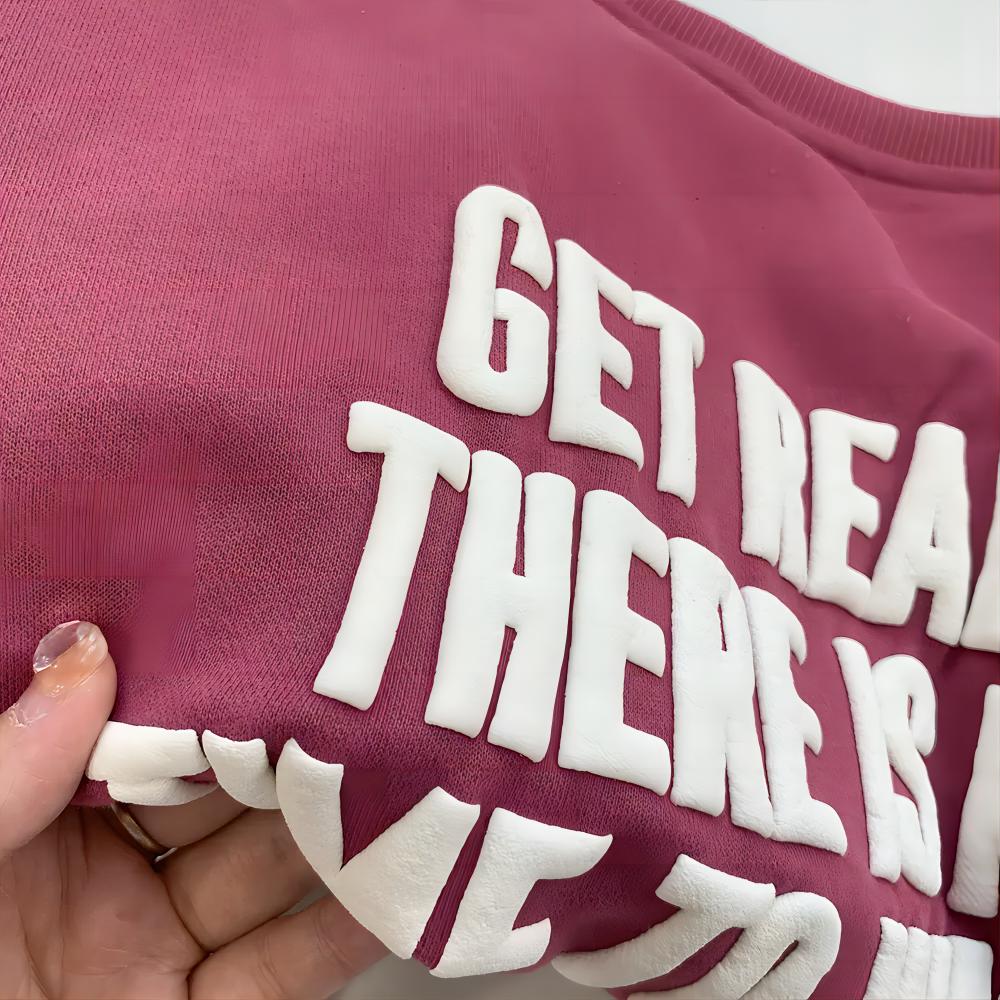
2×2 rib, French terry, and dense jersey need placement tests when the artwork crosses stretch zones. Stabilizer or a felt base can limit distortion on lighter or elastic panels.
- Avoid chest placements spanning zippers or raglan seams
- Confirm pile direction before cutting brushed fleece
Test Unstable Fabrics
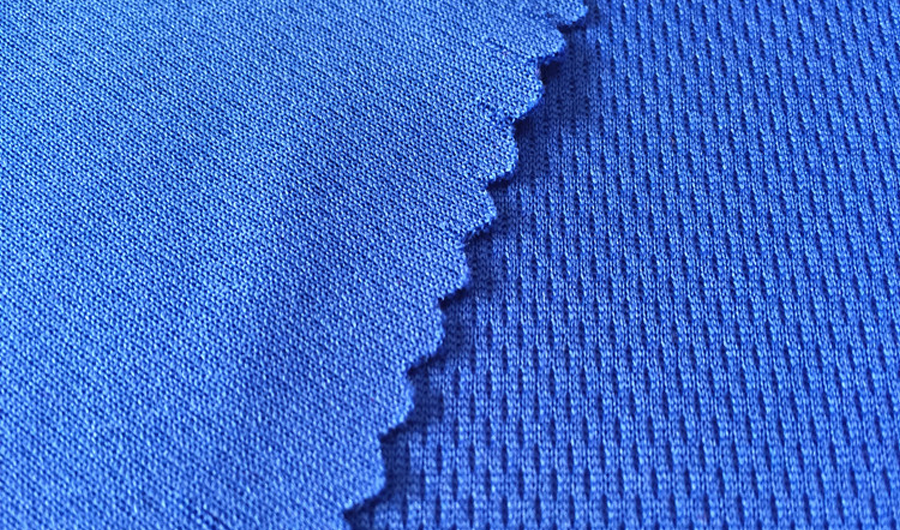
180–220 GSM tees, loose knits, sherpa, and highly brushed surfaces can shift, sink loops, or show hoop marks. Run a wash-tested sample and specify backing, topping, and reinforcement before bulk release.
- Test stretch recovery after decoration
- Inspect loop definition after washing
5. Chenille Embroidery Clothing Manufacturer Customization Options
EDVORIN’s MOQ starts at 200 pieces per style. At EDVORIN, a 200-piece MOQ program starts with a production-ready decoration brief, not just a logo. Chenille choices must be locked alongside garment, trim, and packaging specifications before sampling.
| Option | Visual Result | Production Specification |
|---|---|---|
| Loop chenille | Soft raised fill | Yarn color and pile coverage |
| Chain stitch | Outlined script | Line width and stitch path |
| Felt appliqué | Layered varsity look | Material, edge, and attachment |
| Mixed embroidery | Fine-detail contrast | Sequence and registration |
Build The Decoration System
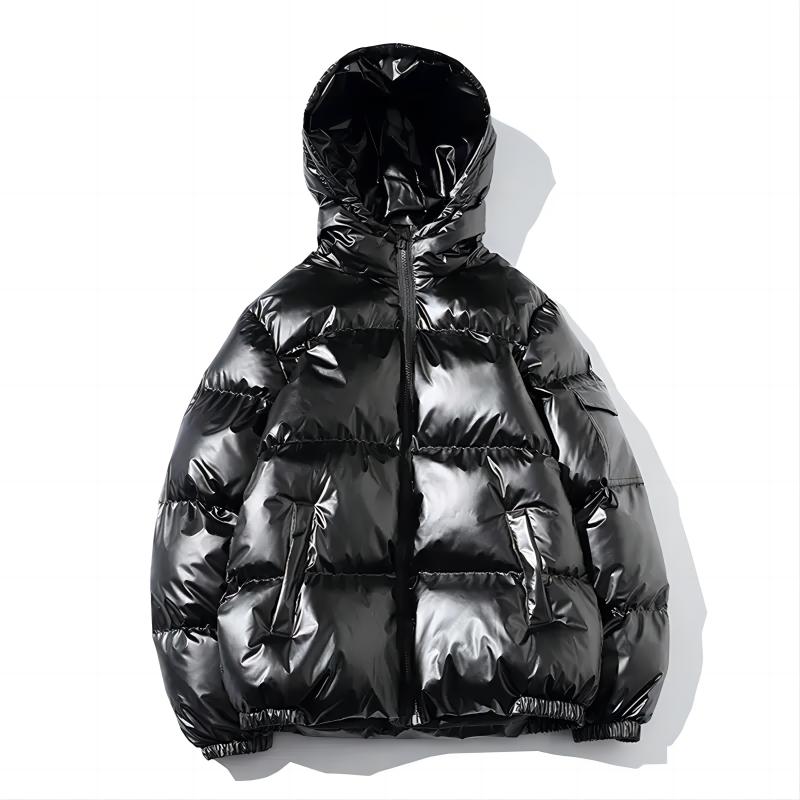
Two chenille effects create different reads: loop pile gives soft, raised fields, while chain stitch draws outlines and script. Satin embroidery can sharpen small details that chenille cannot hold.
- Specify yarn colors by Pantone reference
- Choose felt or twill appliqué layers
- Define border type and thread color
Control Artwork And Placement
Artwork with tiny counters, thin strokes, or closely spaced colors may need simplification during digitizing. Placement requires a measured position from a stable garment point, plus finished patch width and height.
- Provide vector artwork and color separations
- State chest, sleeve, or back placement
- Approve scale on each garment size
Separate Design From Specifications
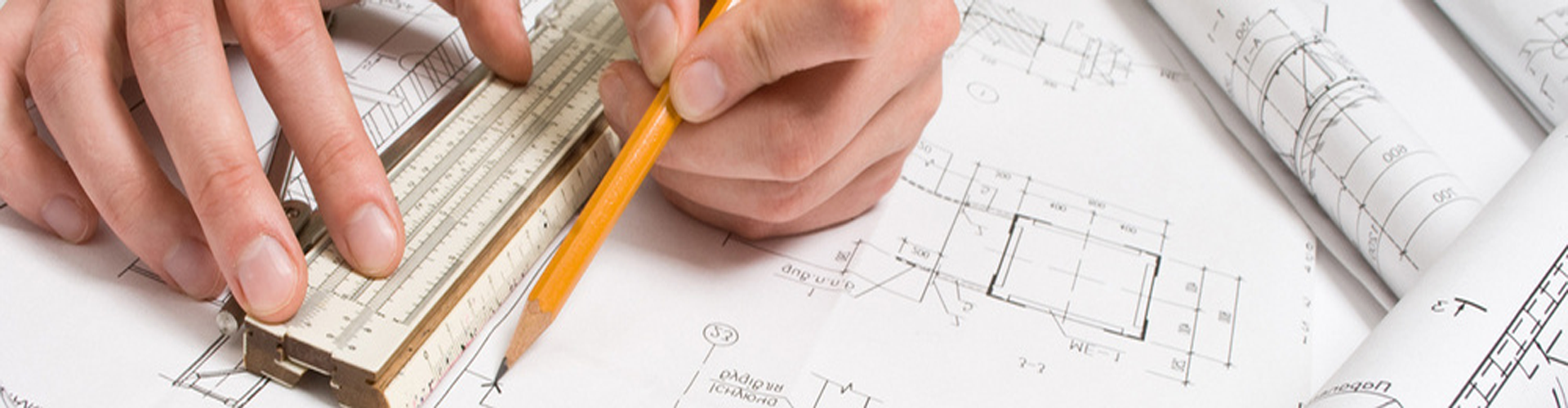
Visual choices include lettering style, texture, color blocking, and border appearance. Production-critical specifications include stitch paths, appliqué edge treatment, placement tolerances, care labels, woven labels, hangtags, polybags, and private-label trims.
- Include garment color and fabric
- List label content and fold type
- Confirm individual or bulk packaging
6. Chenille Construction Quality Elements
Two sample views—front and reverse—should be approved before bulk cutting. A chenille embroidery clothing manufacturer should translate that approval into measurable stitch, placement, and finishing checkpoints.
Pile And Yarn Control
100% coverage is not the goal; even loop density and consistent pile height are. Inspect close photos for open ground, crushed loops, loose ends, color contamination, and tension changes at curves.
Three production panels should show matching yarn tension before a run proceeds. Record yarn colors, stitch paths, and thread-change locations in the approved artwork file.
Backing And Edge Security
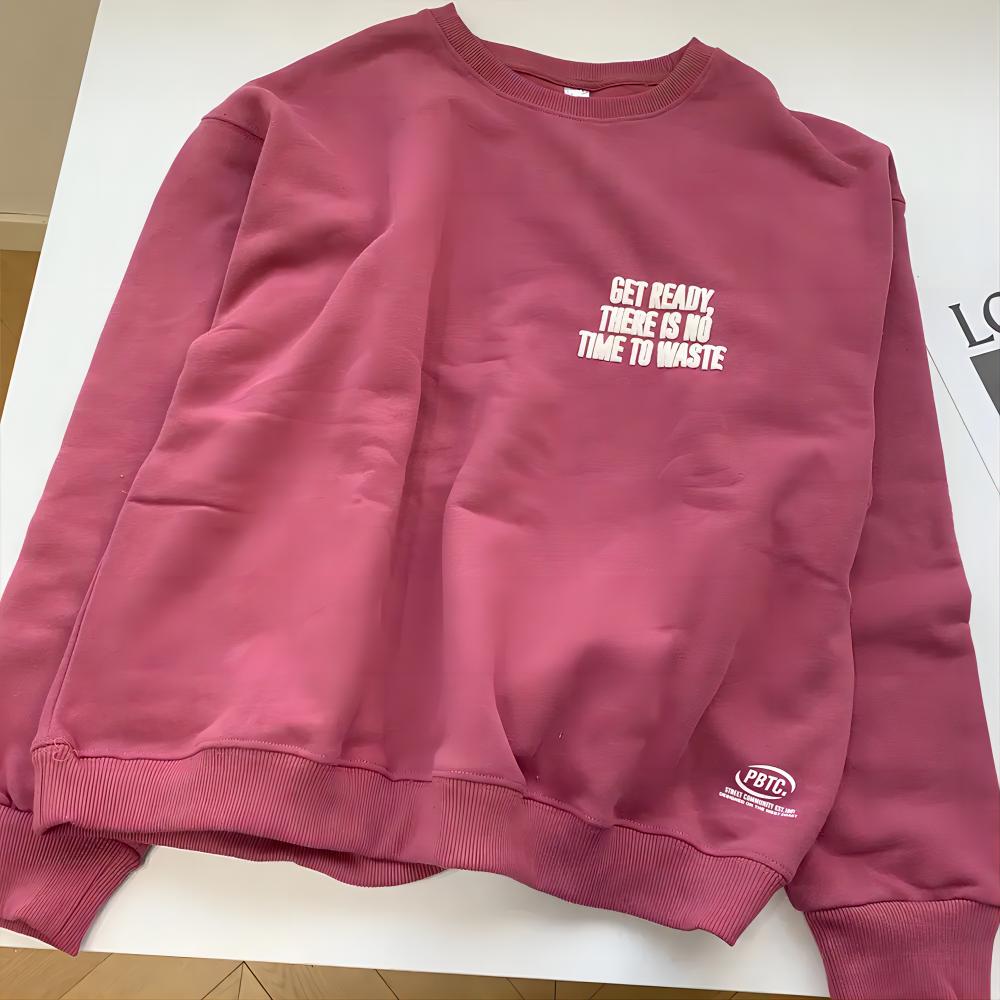
Two layers often need separate review: the stabilizer controls distortion, while felt or twill appliqué needs a clean cut edge. Check that satin or chain-stitch borders fully capture the appliqué without puckering.
Every attachment point should remain secure at corners and narrow letter strokes. Request reverse-side photos to confirm backing coverage and trimmed thread tails.
Placement And Wash Test
5 mm placement tolerance may be acceptable only when it is stated against seams, plackets, or pocket edges. Compare left and right chest locations, then inspect whether bulky chenille distorts garment seams.
One approved wash test should assess pile flattening, yarn loss, edge lifting, color bleeding, and fabric puckering. Bulk photos should match the sealed sample, not merely a visually attractive prototype.
7. Choosing a Chenille Embroidery Clothing Manufacturer
EDVORIN’s MOQ starts at 200 pieces per style. A 200-piece MOQ can suit a focused launch, but fit alone does not qualify a chenille embroidery clothing manufacturer. Evaluate proof of comparable garments, controlled development, and a documented route from approval to packed bulk.
Verify Relevant Experience
3 comparable samples—such as varsity jackets, heavyweight hoodies, or team pullovers—show whether pile, felt, and garment construction work together. Ask for close-up photos after laundering and inside views of backing, joins, and stitch edges.
Test The Development Process
1 approved sample should record the digitized artwork, yarn colors, placement measurements, base-fabric specification, and revision history. Request a pre-production checkpoint and confirm who approves changes before cutting begins.
- Request digitization proof before sampling
- Confirm fabric composition and GSM
- Approve placement with measured references
Match Scale And Controls
200 pieces may suit startups; teams need size-set and name-number controls, while larger buyers need capacity planning and repeat-order records. Ask for the production calendar, in-line inspection points, final AQL process, and packing specification in writing.
- State MOQ by style and color
- Confirm sample and bulk lead times
- Name one accountable production contact
8. Common Chenille Embroidery Buying Mistakes
A 200-piece order magnifies small specification errors across every unit. Before a chenille embroidery clothing manufacturer receives approval, buyers should convert appearance choices into testable production standards.
Artwork Built for Chenille
One common error is submitting detailed, narrow-line artwork designed for flat printing. Loop yarn can close counters and blur small text; approve a chenille-specific digitized proof first.
Two details need defined borders: minimum line width and open-space clearance. Request a full-size strike-off before authorizing the sample.
Fabric, Color, And Wash
One unstable knit can pucker or distort under dense decoration. Test the actual fabric, backing, and attachment method together rather than approving them separately.
Two physical references—Pantone target and yarn swatch—prevent screen-only color decisions. Wash-test the finished sample for shrinkage, edge lifting, and loop flattening.
Quantity And Quote Alignment
EDVORIN’s MOQ starts at 200 pieces per style. At a 200-piece MOQ, every layered detail may not be economical or repeatable. Confirm which patch shapes, colors, and finishing steps remain feasible at the ordered quantity.
Two quotes are comparable only when fabric weight, patch size, yarn colors, backing, placement, labels, packaging, and inspection level match. Put those specifications on the purchase order.
9. Launching a Chenille Apparel Collection
A 200-piece program moves fastest when design decisions are locked before sampling. Build one approval path for the drop, school, team, or wholesale release so artwork, fit, and delivery dates do not change independently.
Build The Production Brief
1 reference board should define garment silhouette, chenille scale, colorway, and intended wearer. Provide AI, EPS, or PDF artwork; Pantone references; size range; quantity split; logo placements; and delivery destination.
Approve Development Gates
1 tech pack should record measurements, fabric composition and weight, trim specifications, placement dimensions, and label artwork. Review the development sample, submit consolidated revisions, then approve a pre-production sample as the bulk standard.
Plan Bulk And Delivery
2 checkpoints—inline inspection and final inspection—help compare bulk pieces with the approved sample before packing. Reserve time for material booking, sample revisions, freight mode, customs paperwork, and buffer stock for size exchanges or wholesale replenishment.
10. Chenille Embroidery Pricing and Cost Factors
200 pieces is a practical comparison point, but EDVORIN should quote each chenille program from its approved specification rather than a fixed price list. Chenille embroidery clothing manufacturer costs move most with garment construction, stitch area, yarn colors, felt layers, placements, and one-time digitization.
1 quote request should hold artwork, Pantone references, garment GSM and color, placement dimensions, size breakdown, quantity, labeling, packaging, destination, and required delivery date constant. That lets buyers compare like-for-like proposals and identify whether savings come from volume, simpler decoration, or a different base garment.
| Quantity tier | Decoration and garment base | Setup / cost pressure | Illustrative production lead time |
|---|---|---|---|
| 200–499 pcs | One-color chenille letter on fleece hoodie | Digitization spread across fewer units; higher unit cost | Sample approval plus 4–6 weeks |
| 500–999 pcs | Two-color chest design on 320–400 GSM sweatshirt | Additional yarn color and placement raise labor | Sample approval plus 4–6 weeks |
| 1,000–2,999 pcs | Multi-layer chenille and felt on varsity jacket | Complex digitization, patch cutting, hardware and garment components | Sample approval plus 5–7 weeks |
| 3,000+ pcs | Repeat design across coordinated garments | Volume can reduce unit cost; each SKU and colorway still needs control | Sample approval plus 5–7 weeks |
Request a Quote for Your Chenille Apparel Program
EDVORIN’s MOQ starts at 200 pieces per style. Send your artwork, garment reference, or tech pack to discuss sampling, specifications, and production from EDVORIN’s 200-piece MOQ.