
Clothing Product Development Manufacturer for Repeatable Apparel Collections
EDVORIN turns sketches and tech packs into production-ready fashion, streetwear, outerwear and teamwear through one accountable development and manufacturing process.
Featured Apparel Programs
Why Choose a Clothing Product Development Manufacturer
EDVORIN connects technical development, sourcing and production controls so approved apparel can be repeated with confidence.
Fabric and Trim Coordination
Align fabric weight, rib recovery, drawcords, hardware, labels and packaging with the garment construction before bulk production begins.
Fit Blocks and Grading
Develop men’s and women’s fit blocks, measurement specifications and size grading around your intended wearer, category and market.
Decoration Compatibility
Match printing, embroidery, patches and wash effects to the base fabric, construction details and performance expectations of each style.
Approved-Sample Control
Turn the approved sample into a documented production standard for measurements, materials, artwork placement, trims and finishing checks.
Flexible OEM and ODM
Bring a complete tech pack or begin with a sketch, reference garment or collection concept needing technical development.
200-Piece Style MOQ
Start apparel programs from 200 pieces per style, with flexible support for emerging brands, wholesale orders and established buyers.
Development Paths for Every Apparel Program
Category-specific development routes align construction, materials, decoration and quality controls with the fit, use and production requirements of each apparel program.
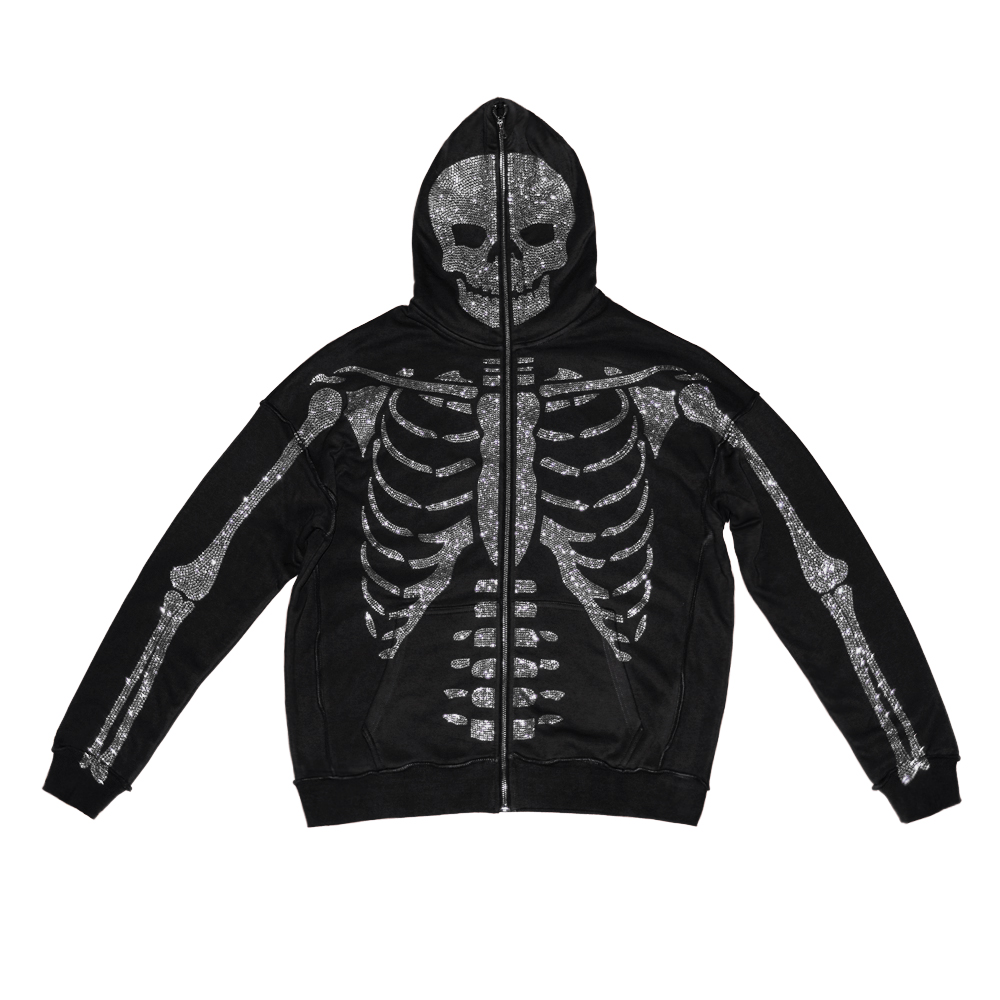
Custom Hoodies
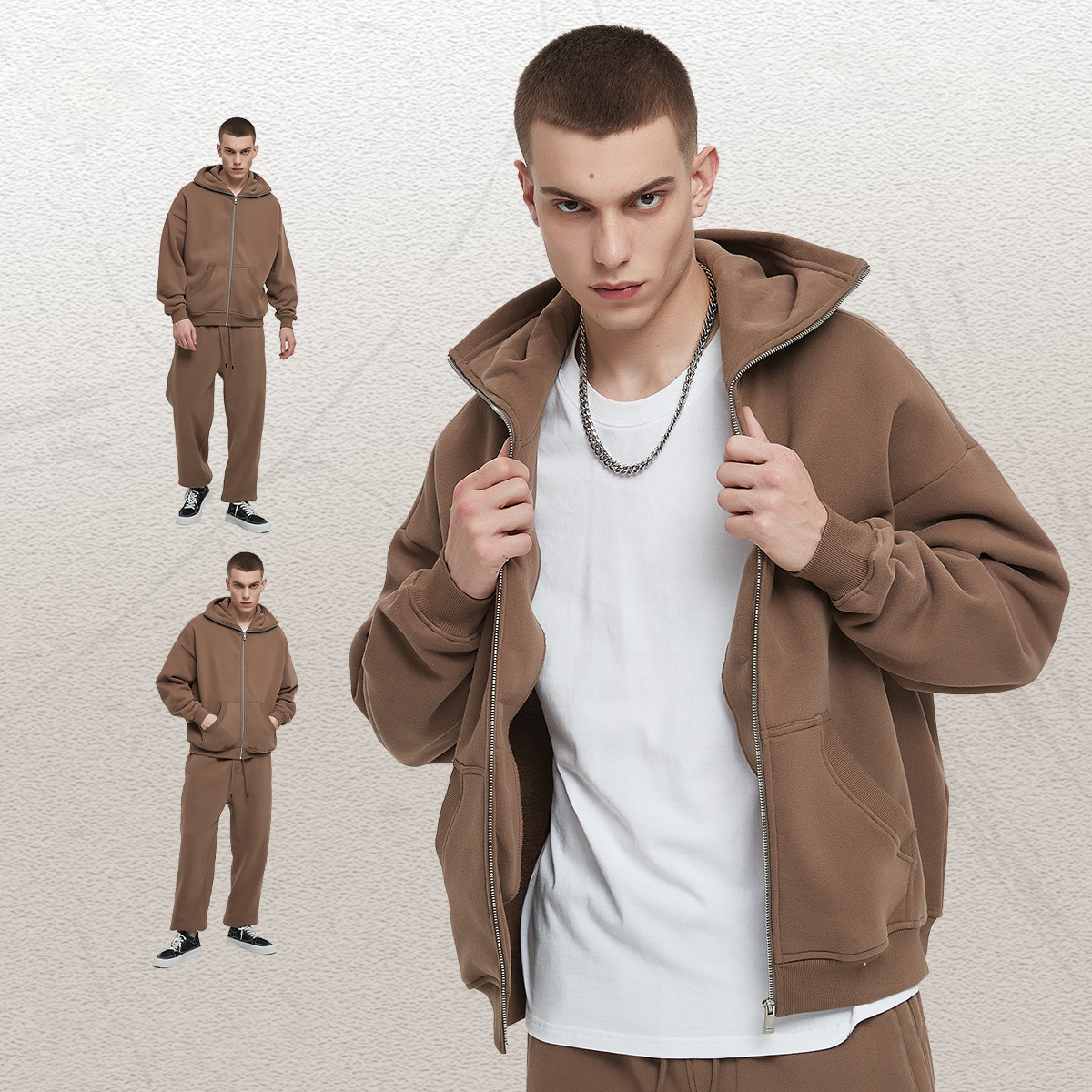
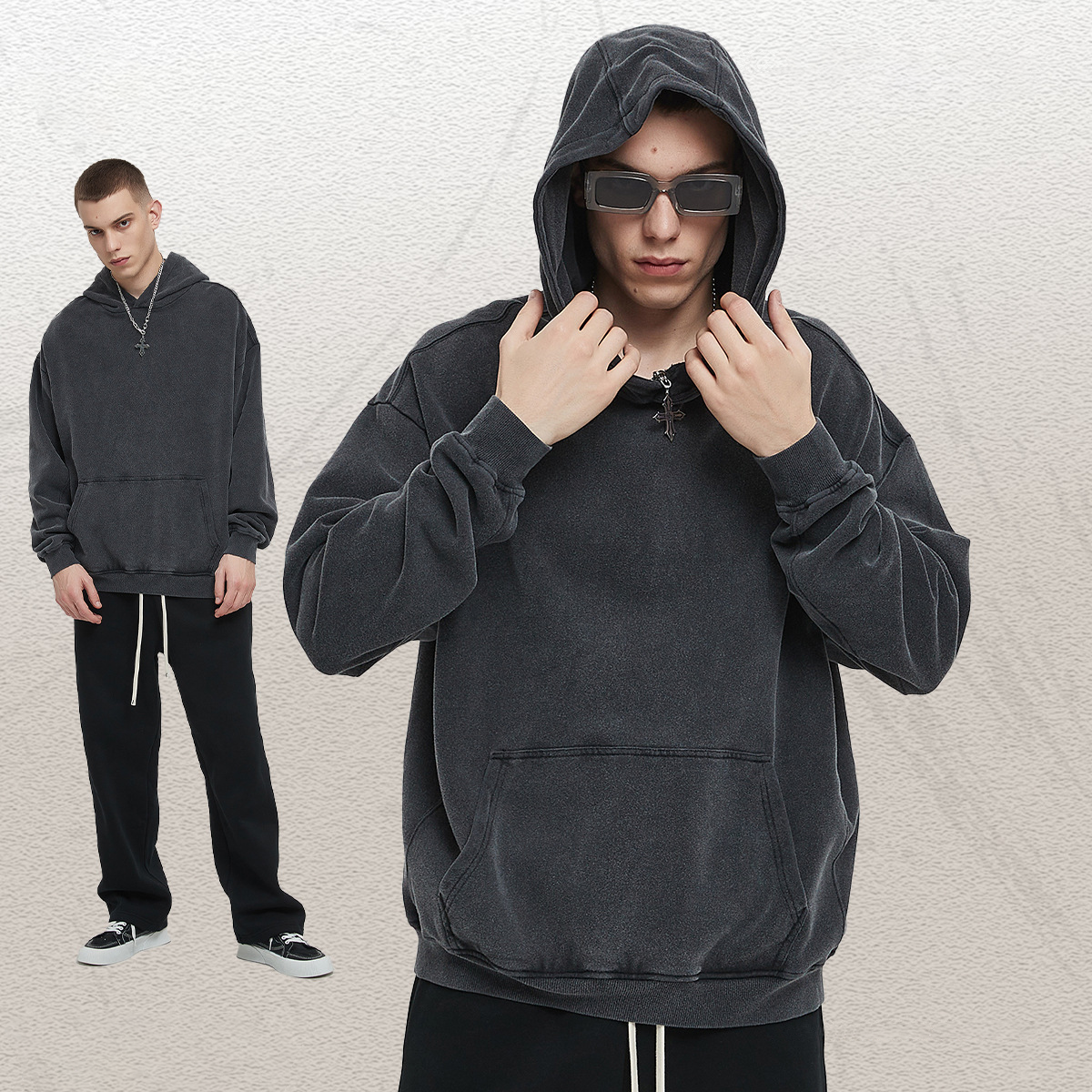
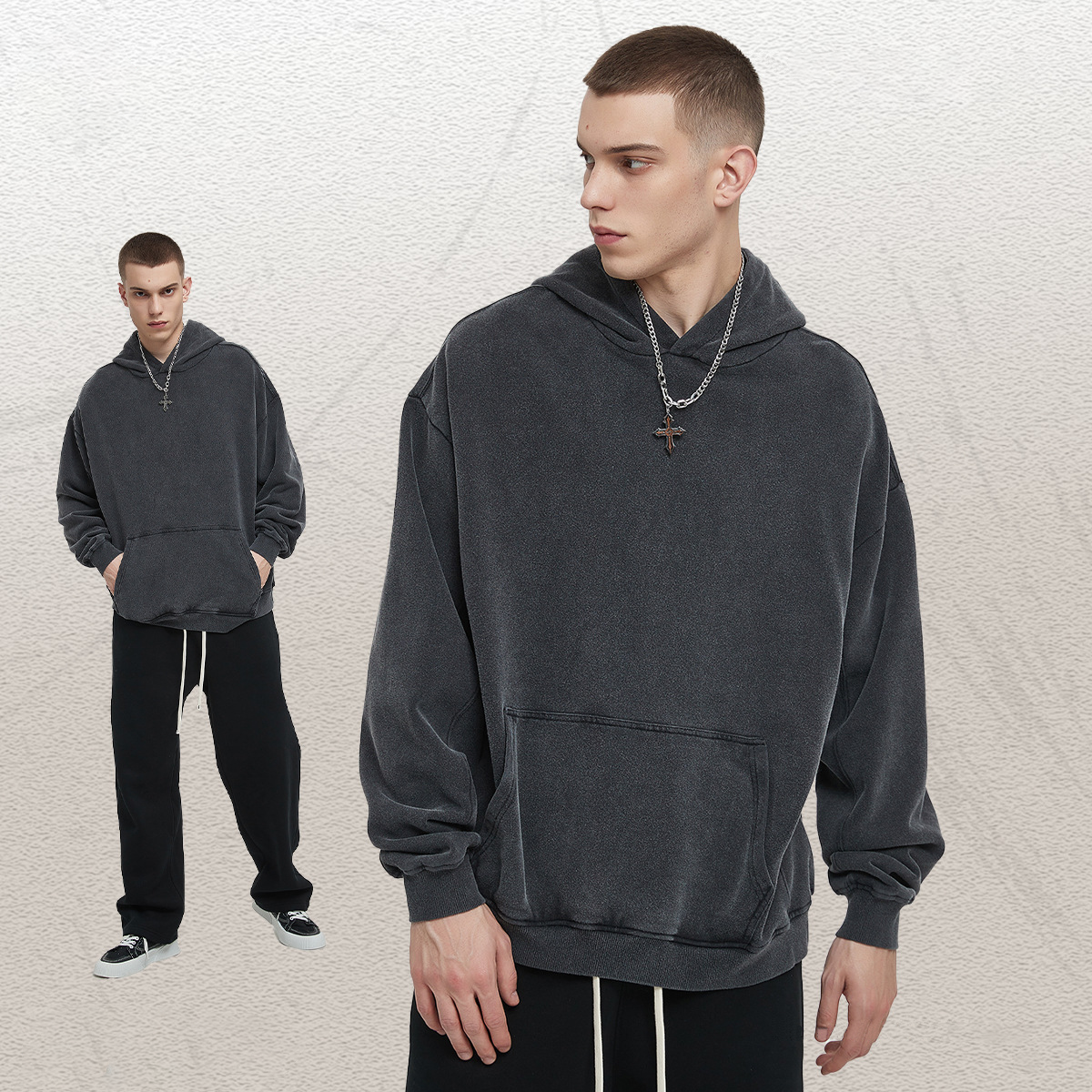
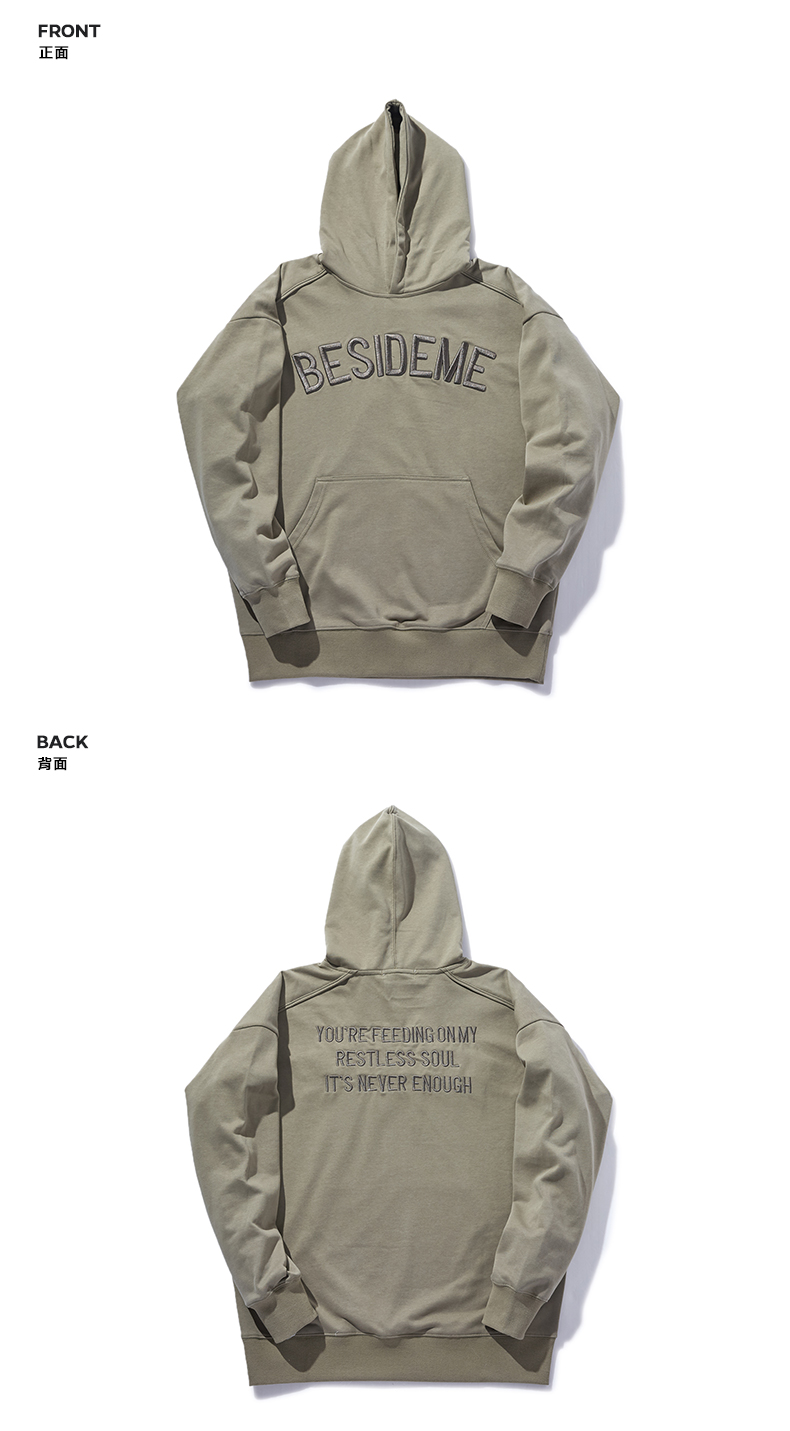
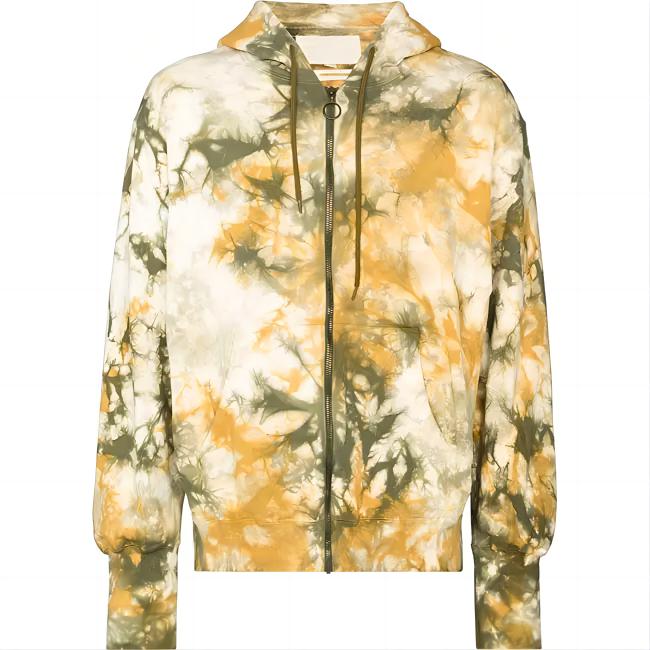
As a custom hoodie manufacturer, EDVORIN develops pullover and zip styles with specified fleece weight, hood shape, rib recovery, pocket construction, drawcords, labels and print or embroidery placement for repeatable bulk production.
Get a Quote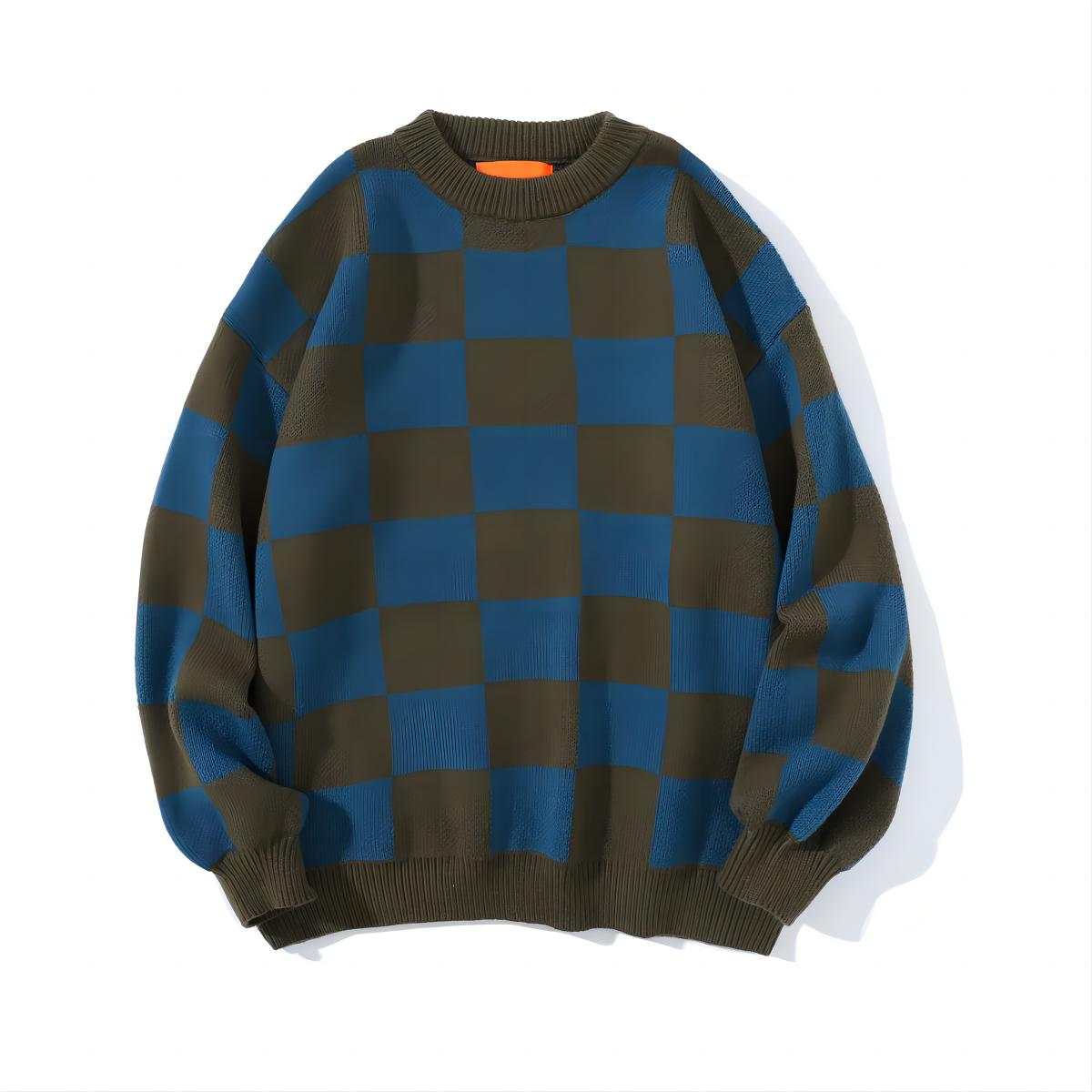
Pullover Sweatshirts
Our sweatshirt manufacturer process covers crewnecks and pullover styles, balancing fabric weight, neckline and rib construction, fit blocks, grading, wash effects and decoration methods for men’s and women’s collections.
Get a Quote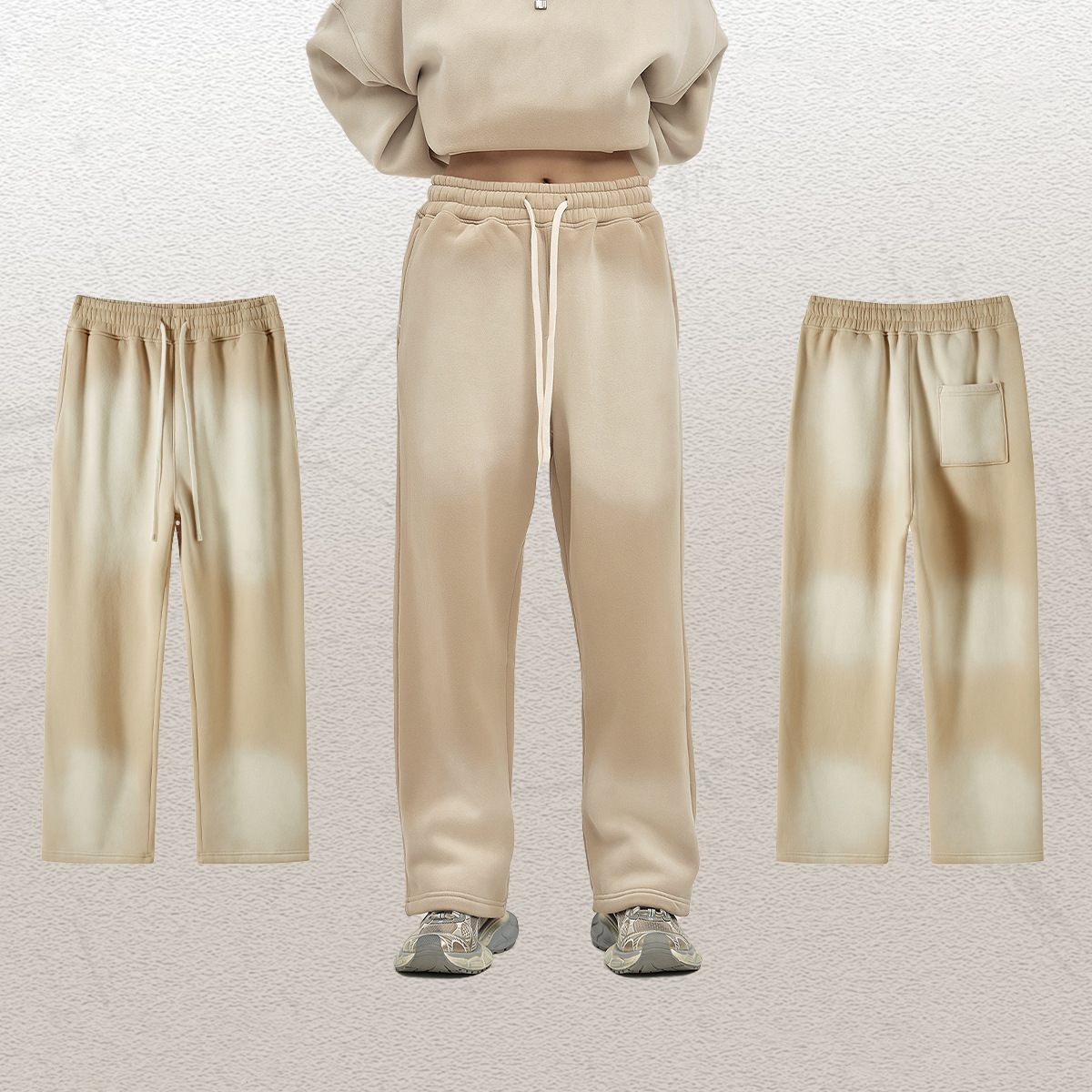
Sweatpants & Joggers
As a sweatpants manufacturer, EDVORIN develops sweatpants and joggers around waistband construction, elastic and drawcord specifications, pocket layout, cuff options, fabric weight and grading. Coordinated sets can match approved hoodies or sweatshirts across a collection.
Get a Quote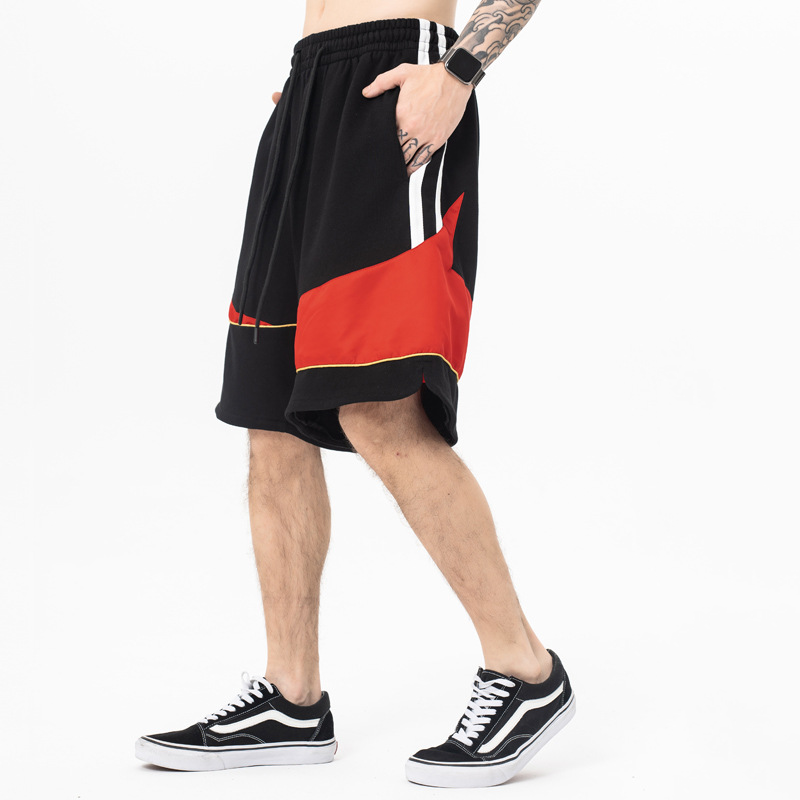
Custom Shorts
As a custom shorts manufacturer, EDVORIN develops shorts around inseam, rise, waistband, pocket construction, mesh or fleece fabric selection, lining requirements and decoration placement. Styles can be built for casualwear, active use, team programs or matching sets.
Get a Quote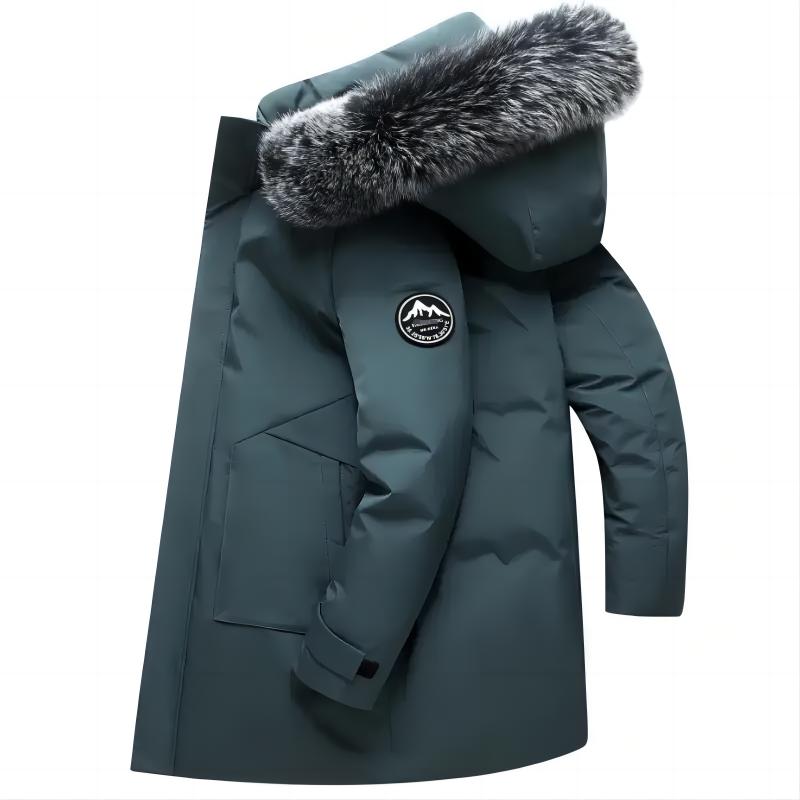
Varsity & Baseball Jackets
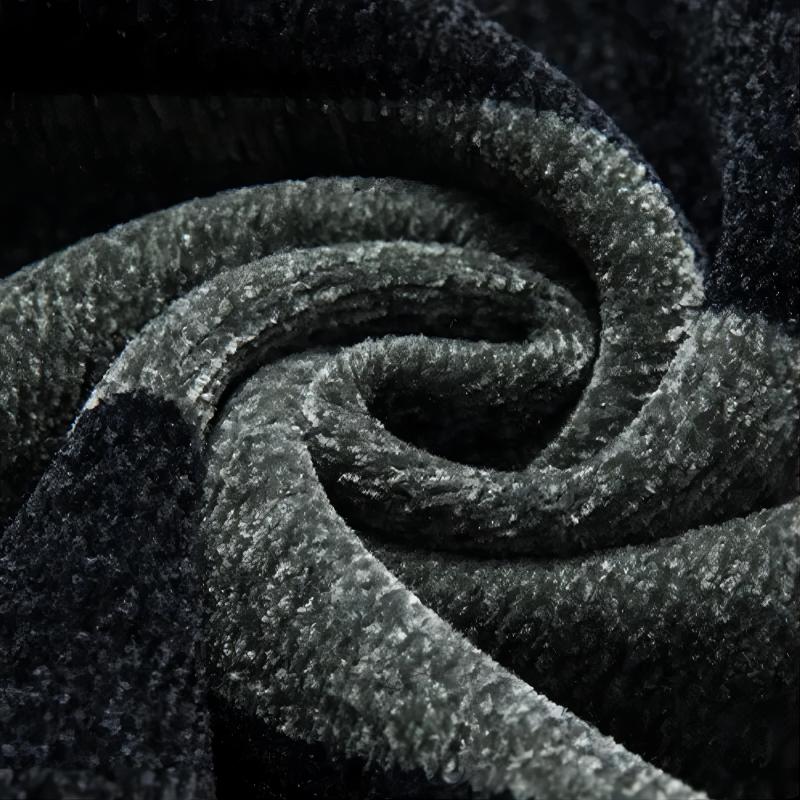
As a varsity jacket manufacturer, EDVORIN coordinates body and sleeve materials, lining, rib, snaps, patches, embroidery and chenille details. Development focuses on balanced construction, clear placement standards and consistent repeat orders.
Get a Quote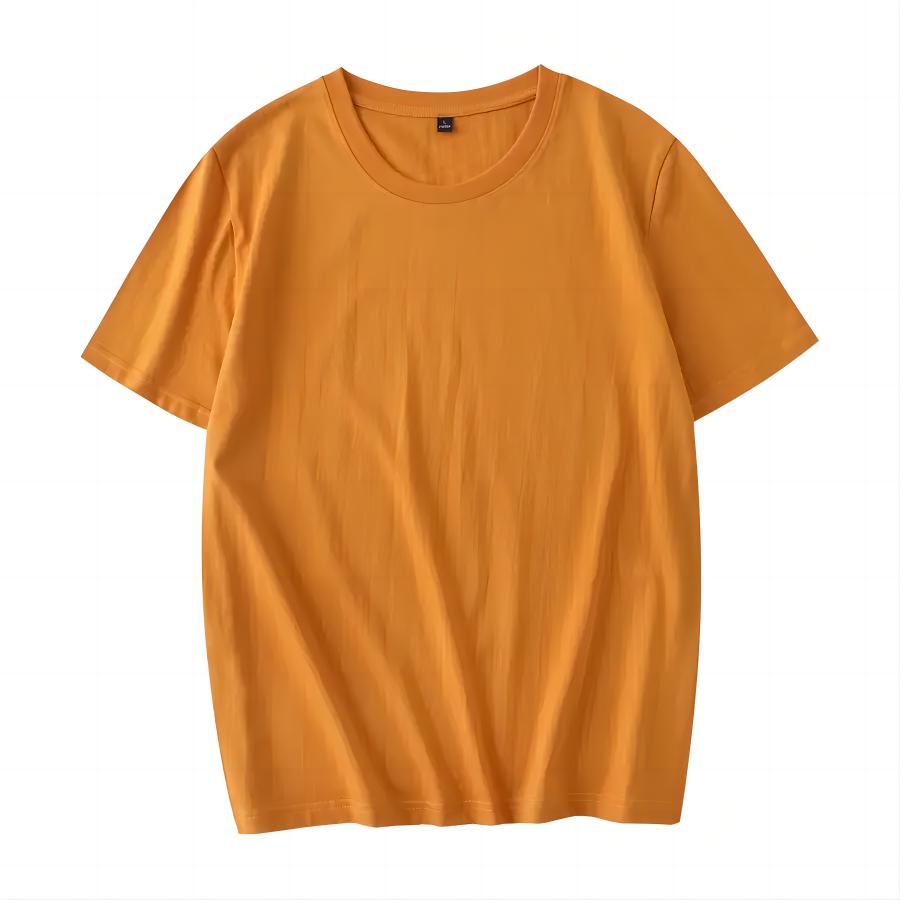
Custom T-Shirts
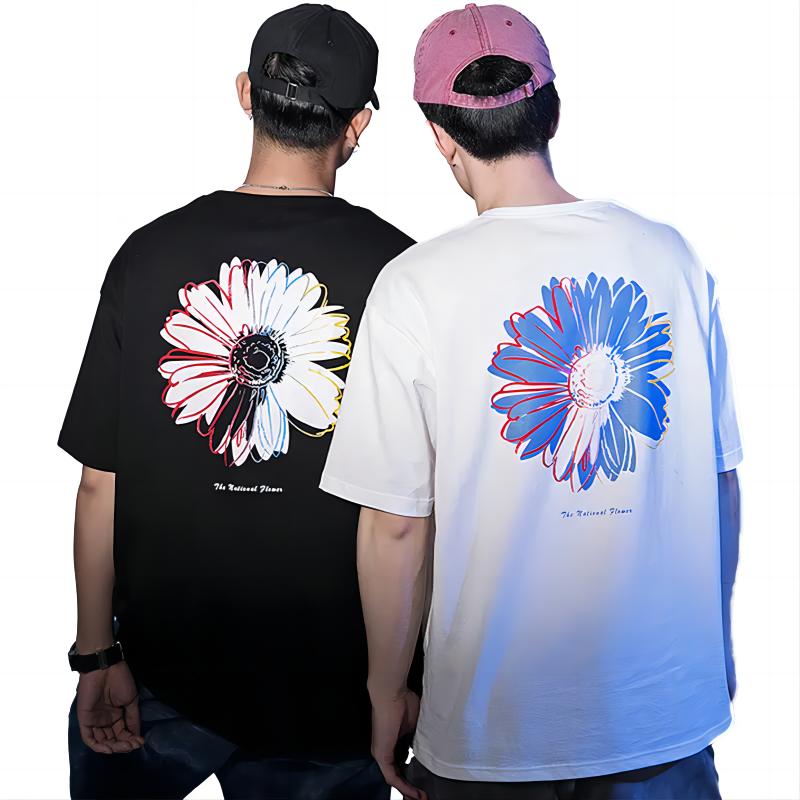
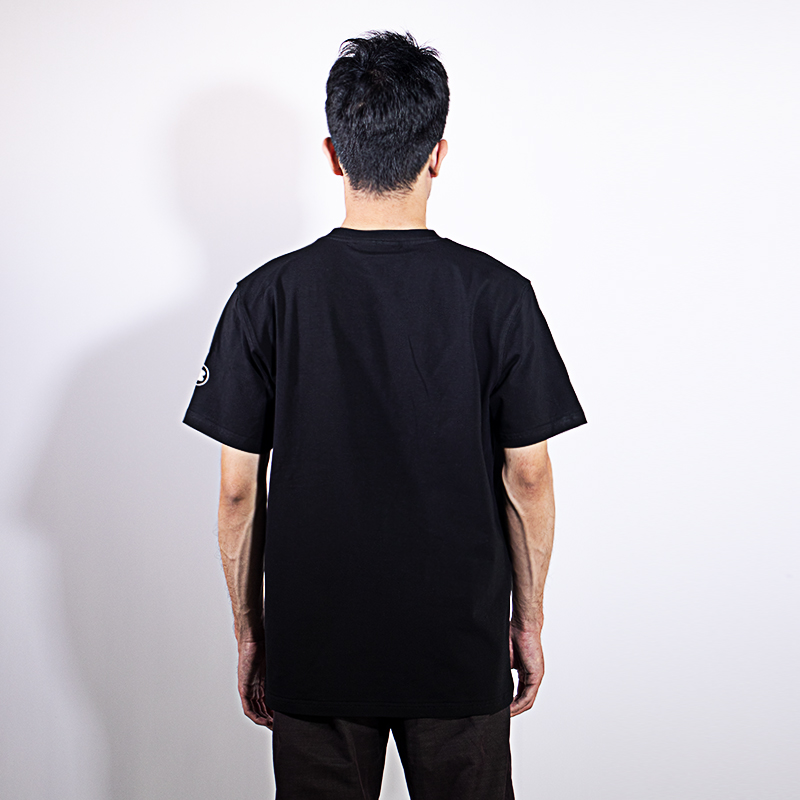
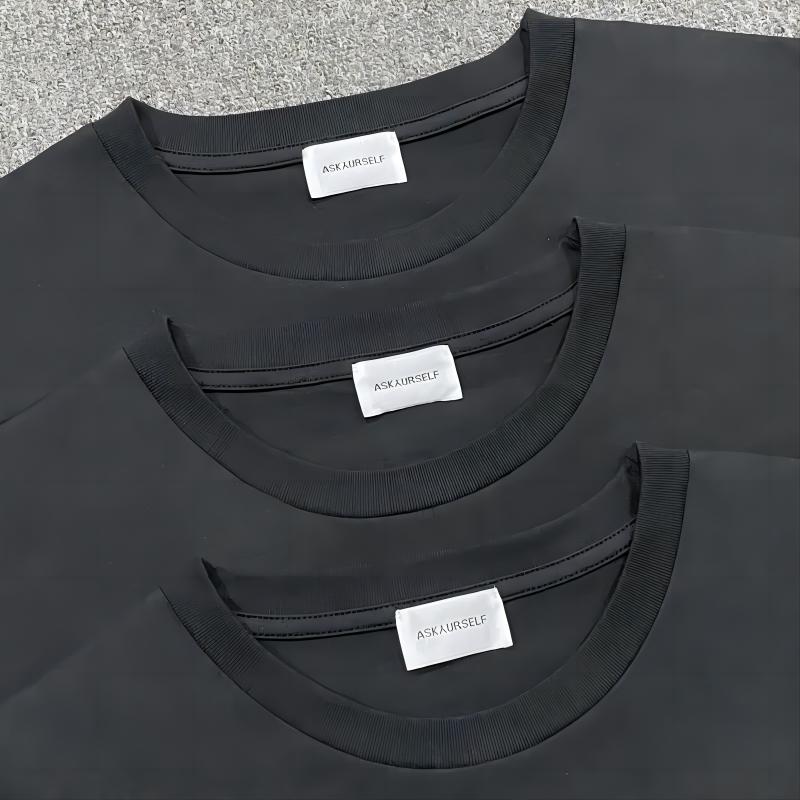
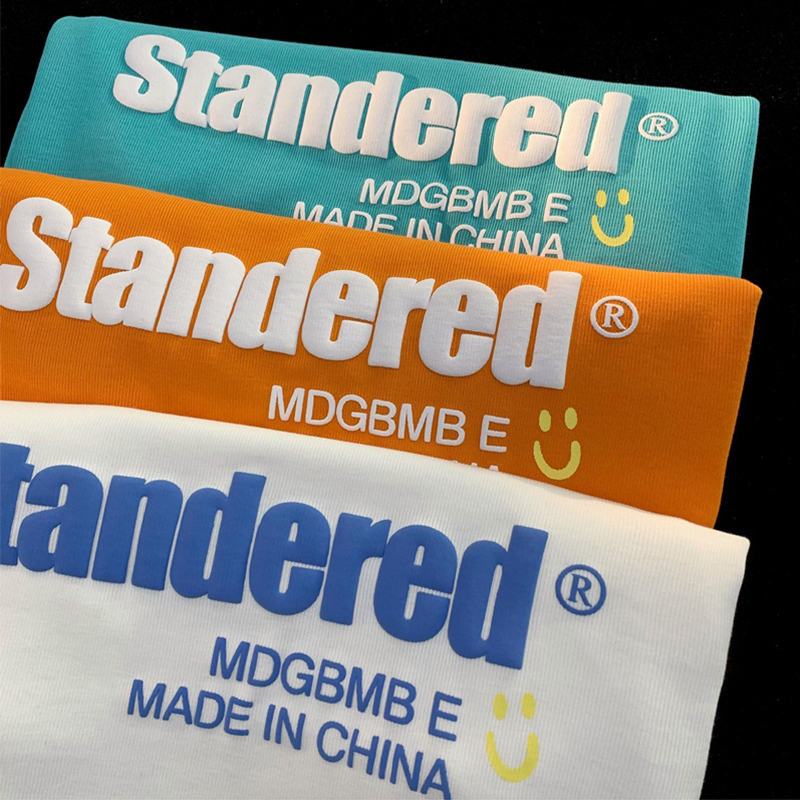
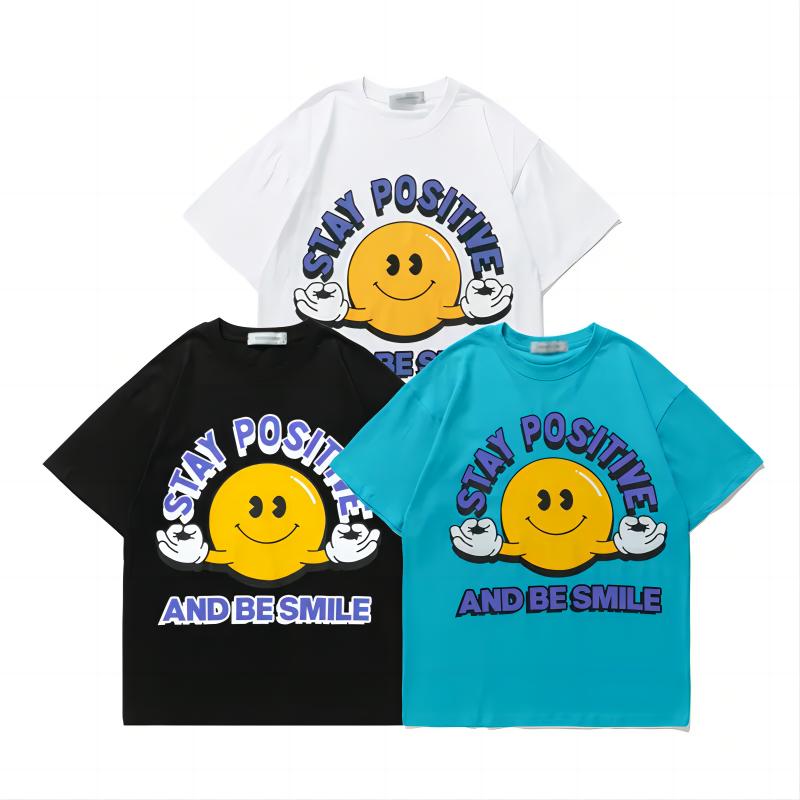
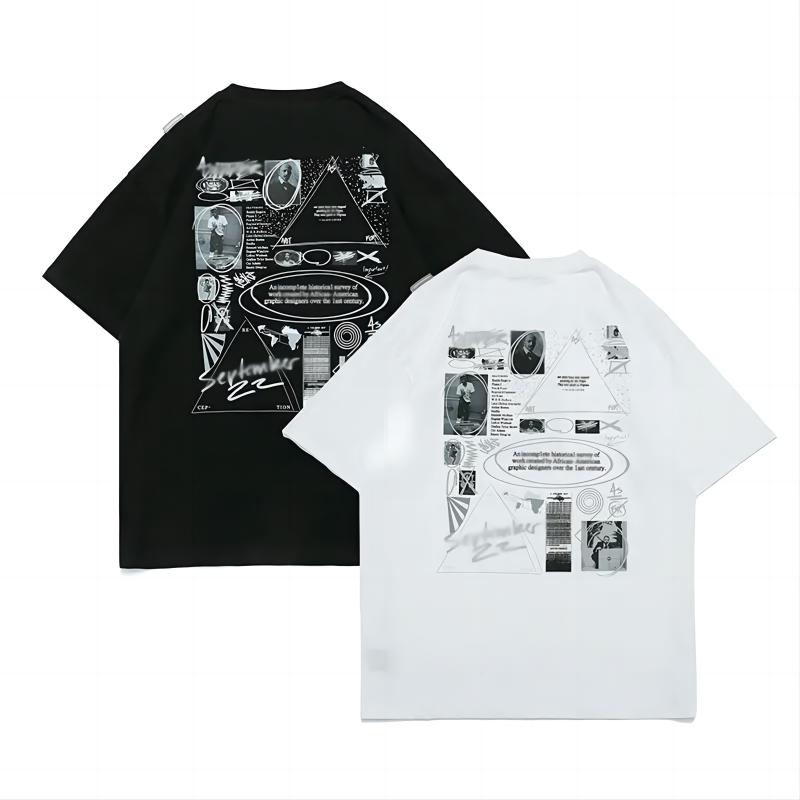
As a custom T-shirt manufacturer, EDVORIN develops graphic, essential and private-label T-shirt programs around fabric composition and weight, collar construction, fit, grading, print compatibility, wash treatment and labeling for men’s and women’s ranges.
Get a Quote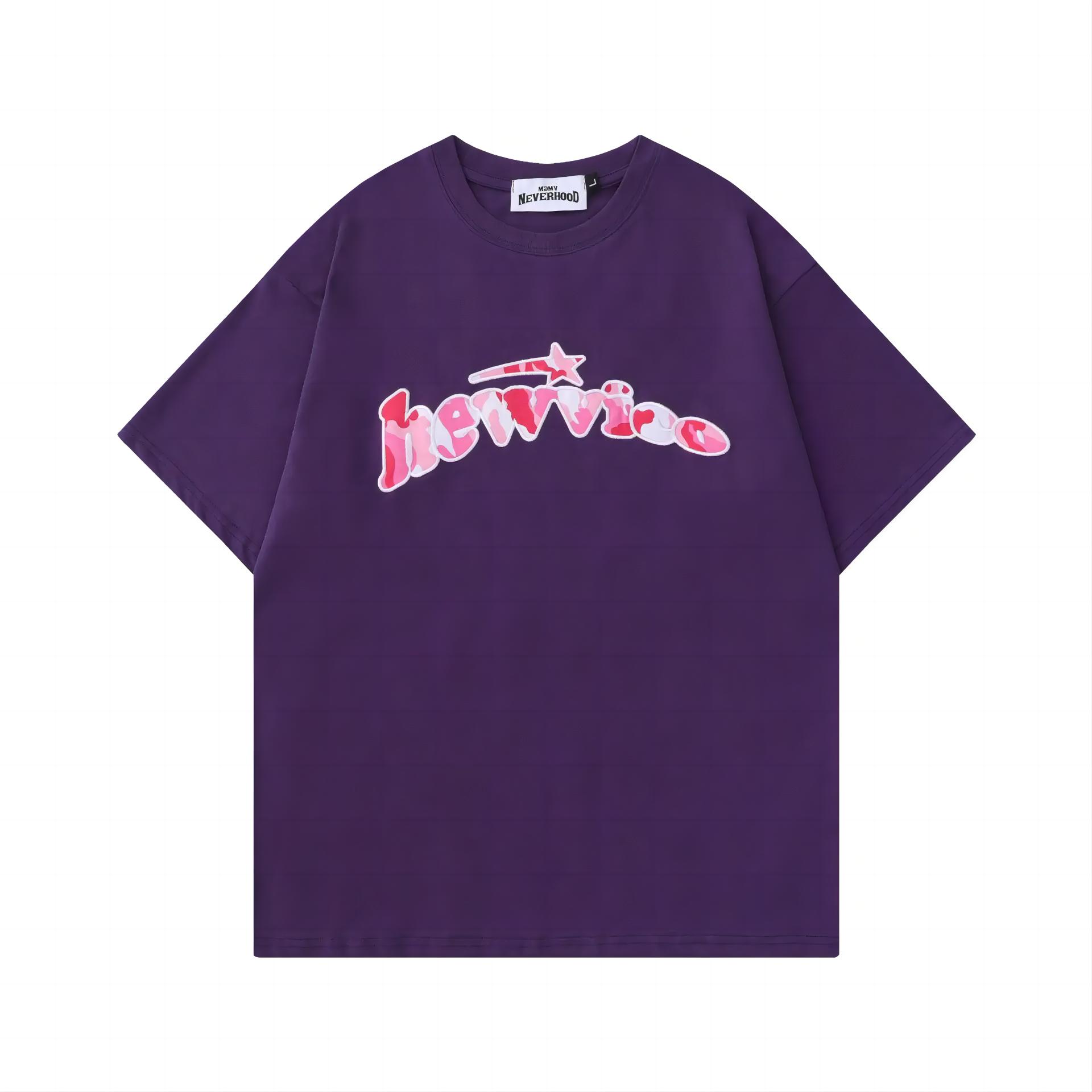
Custom Polo Shirts
As a polo shirt manufacturer, EDVORIN develops piqué or jersey polos with specified collar and placket construction, buttons, rib details, fit and embroidery placement for uniforms, retail collections or corporate wear.
Get a Quote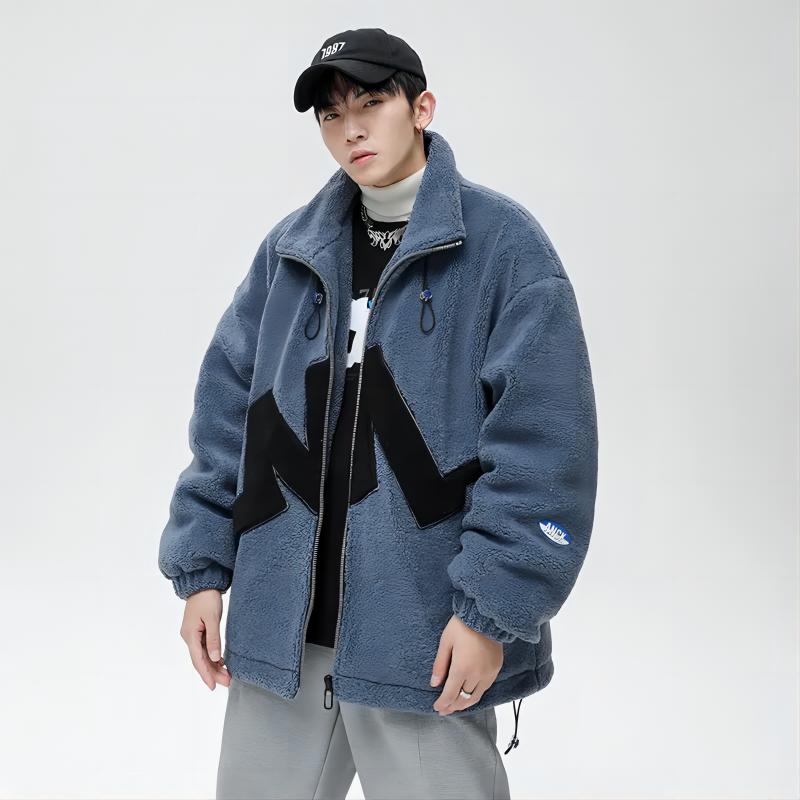
Windbreaker Jackets
As a windbreaker manufacturer, EDVORIN develops windbreakers around shell fabric, water resistance, breathability, lining, seam construction, zippers, hood design and reflective or printed details for the intended weather and use case.
Get a Quote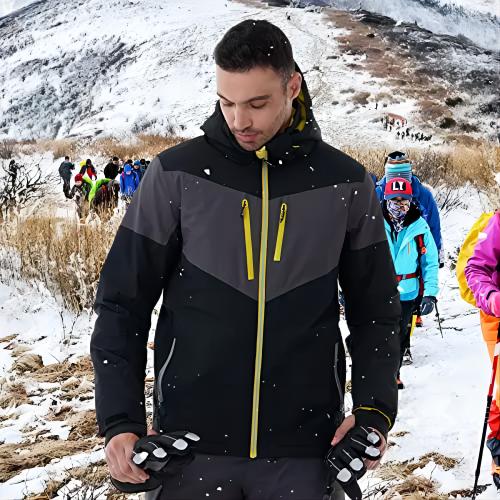
Quilted Jackets
As a quilted jacket manufacturer, EDVORIN develops quilted jackets with coordinated shell and lining, insulation weight, quilting pattern, stitch control, pockets and hardware. Samples confirm standards for warmth, shape retention and decoration compatibility.
Get a Quote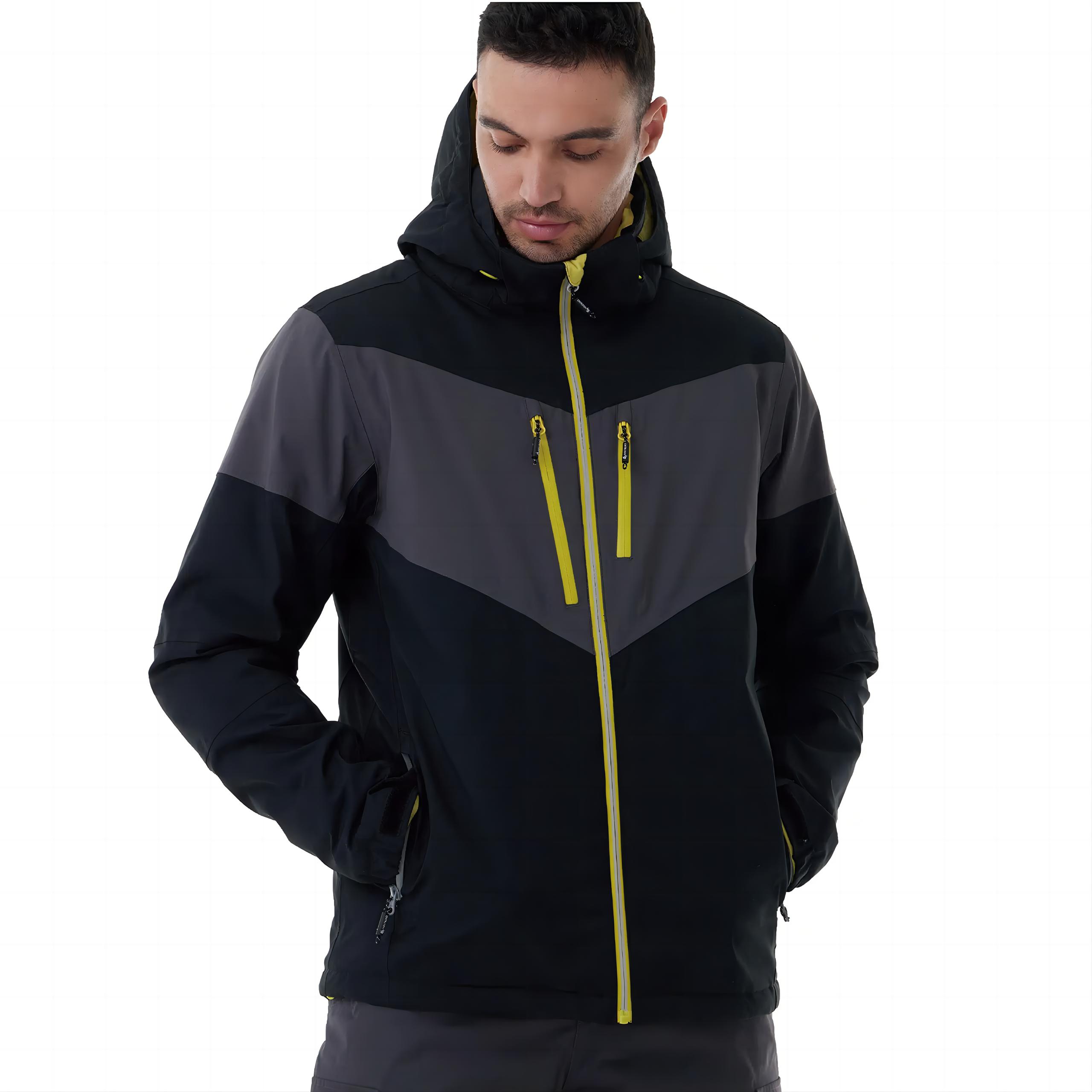
Bomber Jackets
As a bomber jacket manufacturer, EDVORIN develops bomber jackets with specified shell fabric, lining, rib, zipper or snap construction, pocket details, insulation and embroidery or patch placement. Fit and finishing are adjusted for the intended market and wearer.
Get a Quote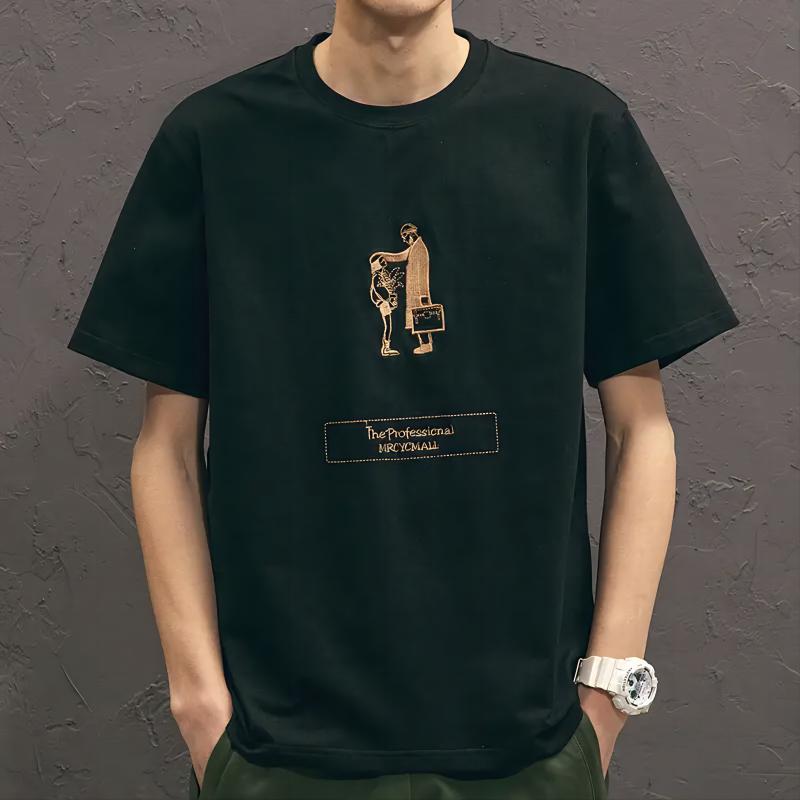
Custom Shirts
As a custom woven shirt manufacturer, EDVORIN develops woven shirts around fabric selection, collar and cuff construction, plackets, buttons, pockets, seams, fit blocks and grading for casual, uniform and private-label programs.
Get a Quote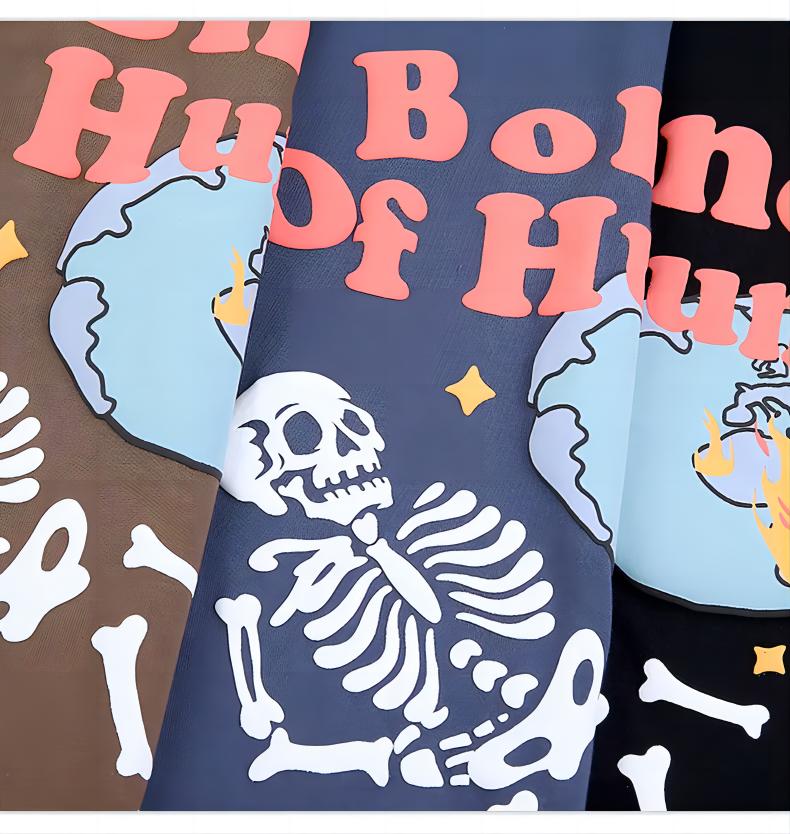
Custom Jerseys
As a custom jersey manufacturer, EDVORIN develops jerseys with breathable fabric, color control, panel construction, necklines, fit, name and number placement, and print durability. Size sets and approved artwork standards support organized team or retail production.
Get a Quote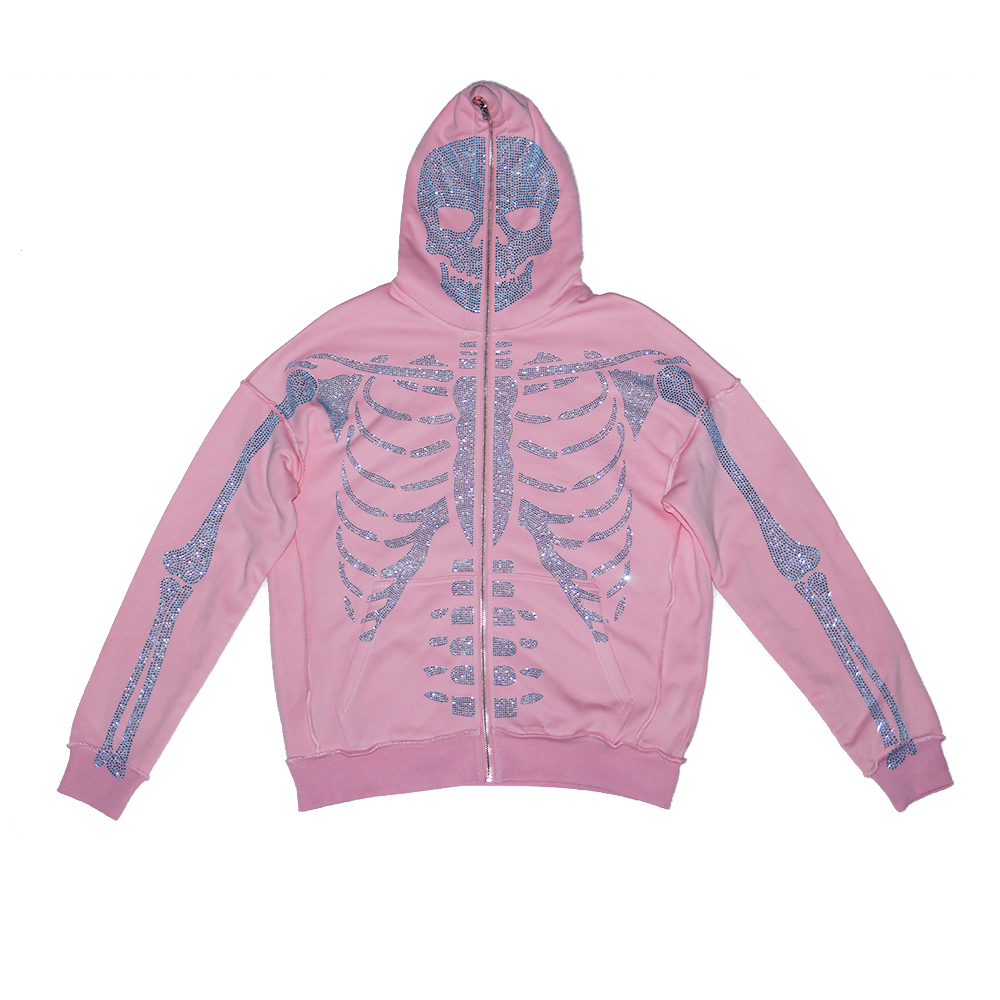
Tank Tops
Tank top development considers fabric weight, armhole and neckline finishing, strap proportions, fit, grading and decoration requirements. Styles can be developed for casualwear, training, team use or coordinated streetwear collections.
Get a Quote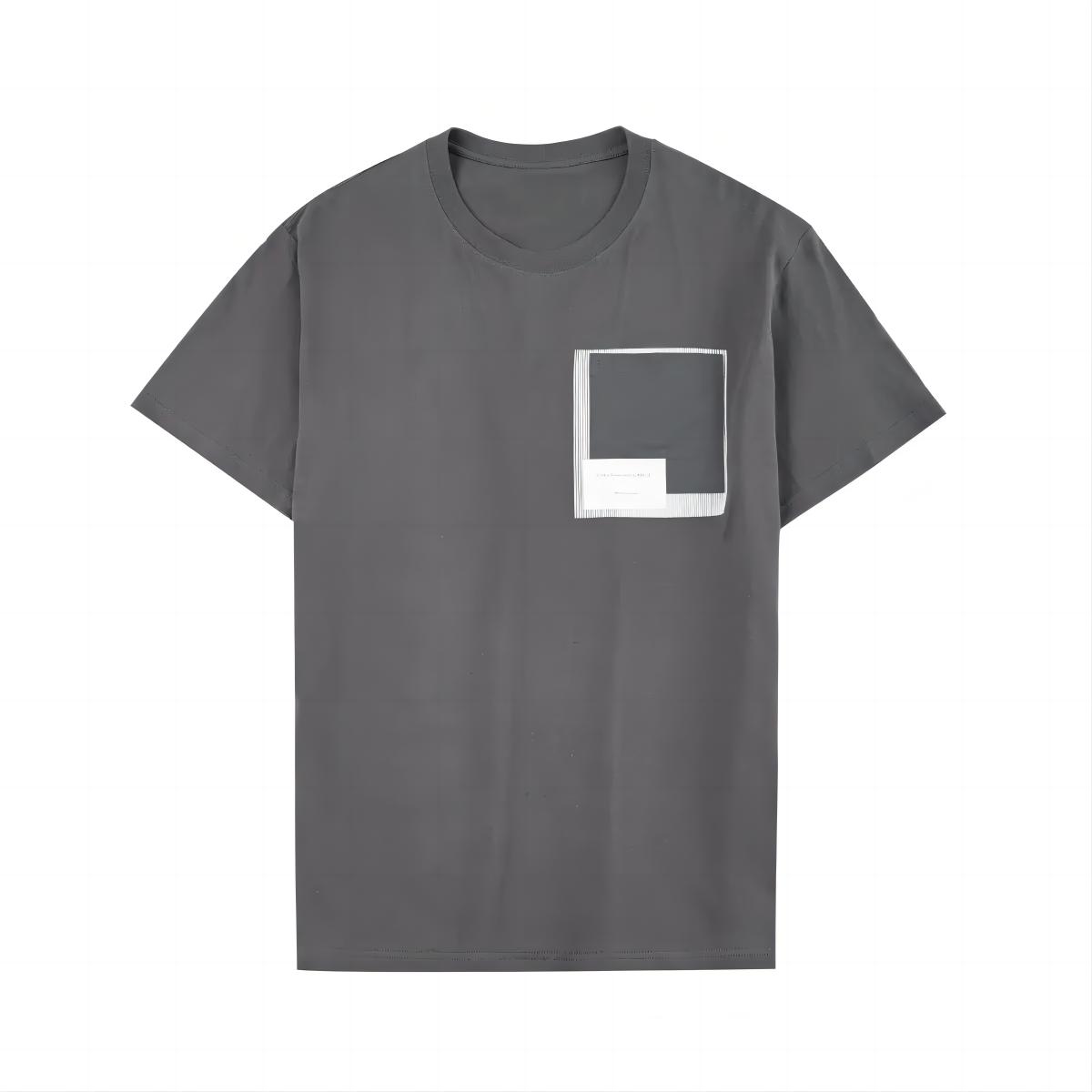
Soccer Uniforms
As a soccer uniform manufacturer, EDVORIN develops soccer uniforms around lightweight, breathable fabrics, team color matching, panel construction, crest placement, names, numbers and size grading. Shirts, shorts and related teamwear components are coordinated under one specification.
Get a Quote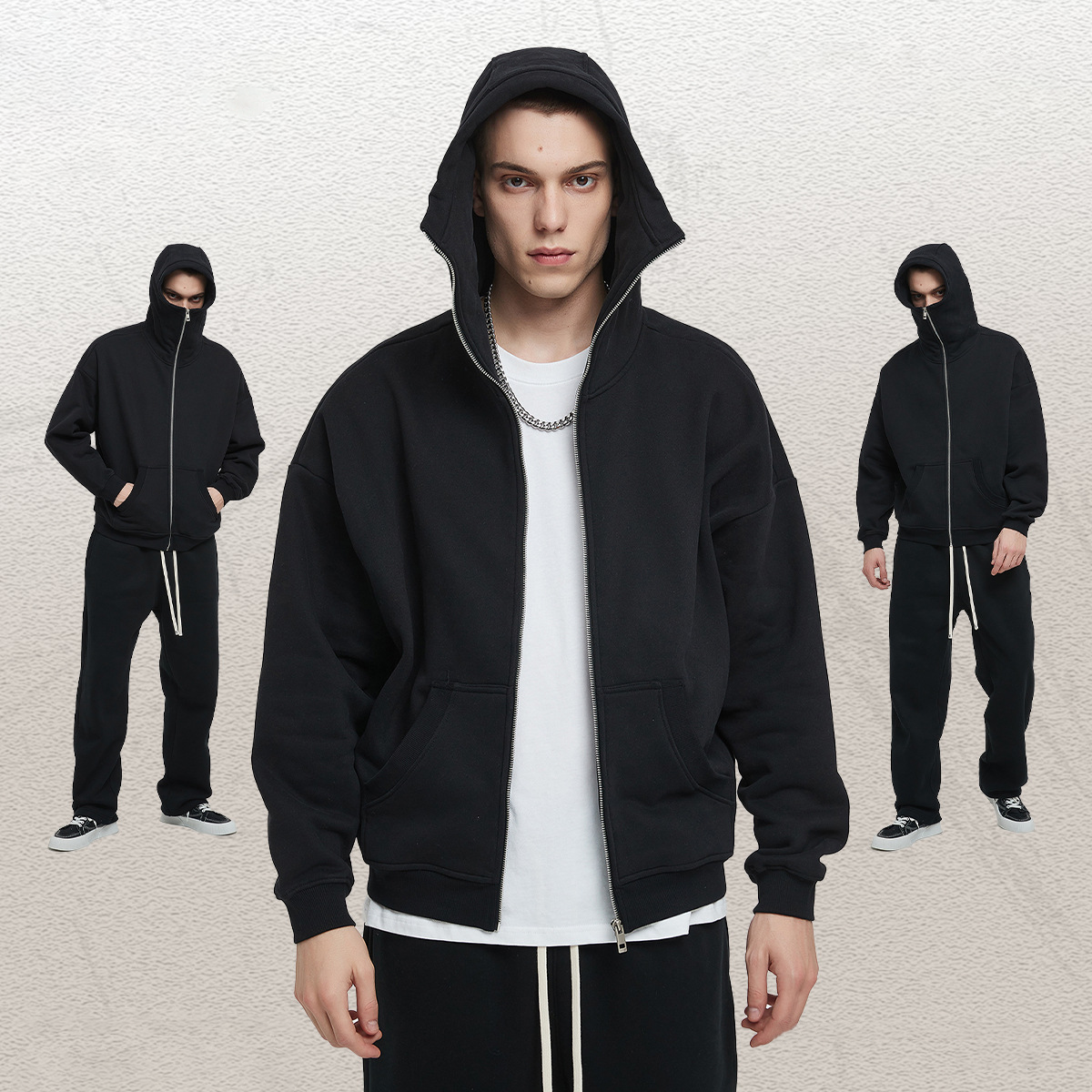
Basketball Uniforms
As a basketball uniform manufacturer, EDVORIN develops basketball uniforms with moisture-management fabric, reversible or single-layer construction, neckline and armhole binding, color blocking, number placement and size ranges. Each set is sampled and documented before bulk production.
Get a Quote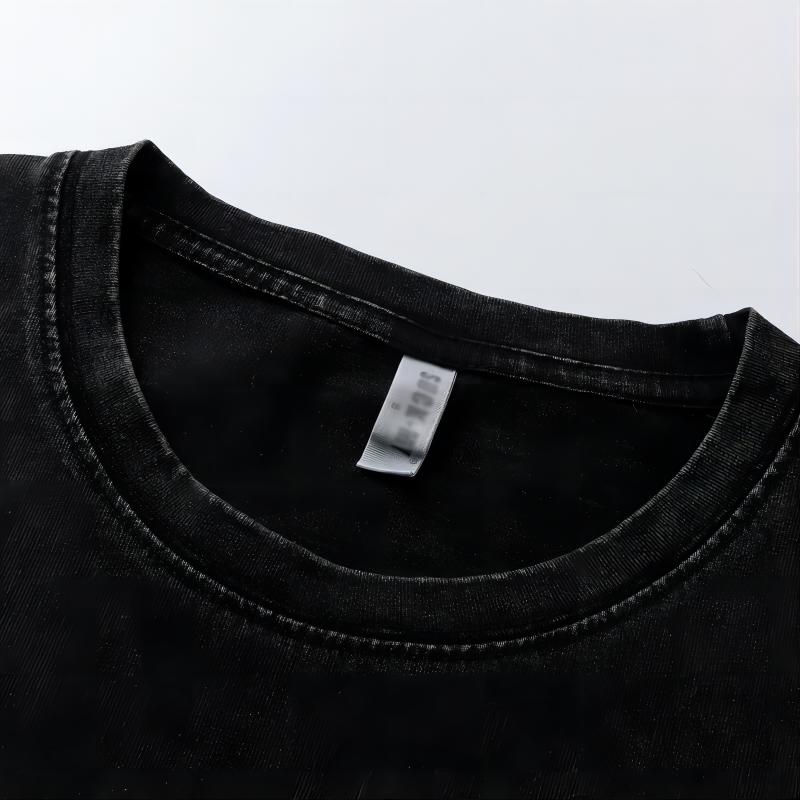
Streetwear Collections
Streetwear collections bring hoodies, T-shirts, sweatpants, jackets and accessories into one coordinated manufacturing path. EDVORIN aligns fabrics, washes, trims, graphics, labels, packaging and fit standards across each style for consistent collection delivery.
Get a QuoteA Clothing Product Development Manufacturer Built to Repeat
Founded in 2000 by Edvorin Zeng, EDVORIN was built from the production floor outward. We help fashion brands, streetwear labels, teamwear buyers and private-label programs turn early ideas, reference garments or complete tech packs into production-ready apparel standards.
As a clothing product development manufacturer, we coordinate fabric and trims, patterns, sampling, decoration, washing, labeling, packaging and bulk production across casualwear, streetwear, outerwear and teamwear. Men’s and women’s programs are developed around the fit, construction and performance needs of each category.
What makes EDVORIN different is control after sample approval. We document approved materials, measurements, artwork placement and trims, then use in-line and final quality checks to protect that standard through repeat orders. Flexible OEM, ODM and private-label support starts at 200 pieces per style, with certification programs including ISO 9001, BSCI, WRAP, SEDEX, OEKO-TEX Standard 100, GRS and GOTS.
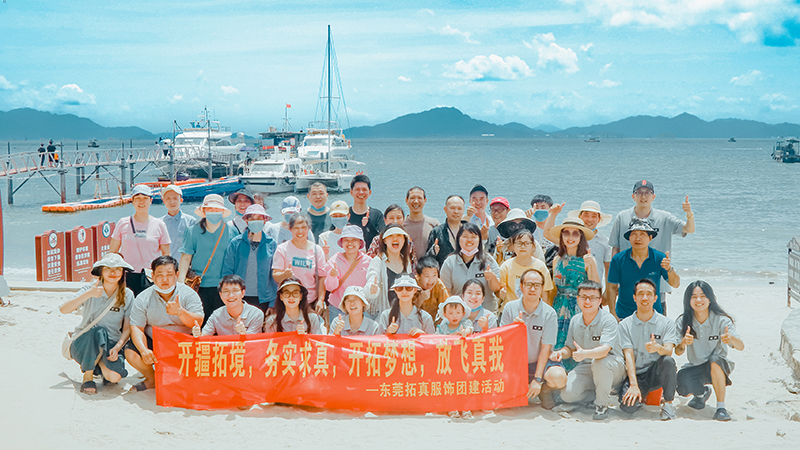
Clothing Product Development Manufacturer Controls That Protect Every Detail
Tech Packs Into Clear Standards
EDVORIN converts sketches, reference garments, or complete briefs into production-ready specifications. Construction details, points of measurement, fit intent, and revisions are clarified before sampling so the approved design can guide repeat orders with fewer assumptions.
- Refine measurements, grading, and fit blocks
- Record construction and stitching details
- Align pattern revisions to sample feedback
- Build a clear reference for bulk production
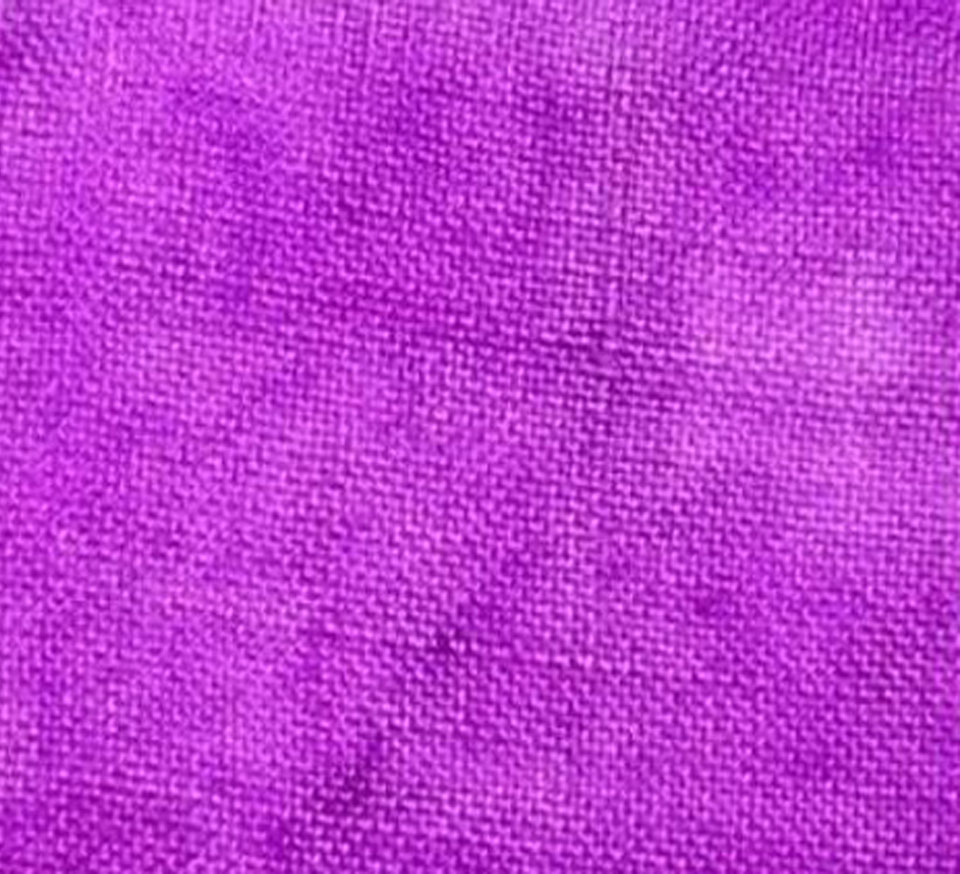
Fabric and Trim Alignment
Material decisions are developed alongside the garment rather than added at the end. EDVORIN coordinates fabric weight, hand feel, rib recovery, linings, labels, drawcords, hardware, and packaging so each component supports the intended product category and price position.
- Match materials to garment construction
- Review trims for function and appearance
- Coordinate colors across fabrics and components
- Prepare labels and packaging requirements
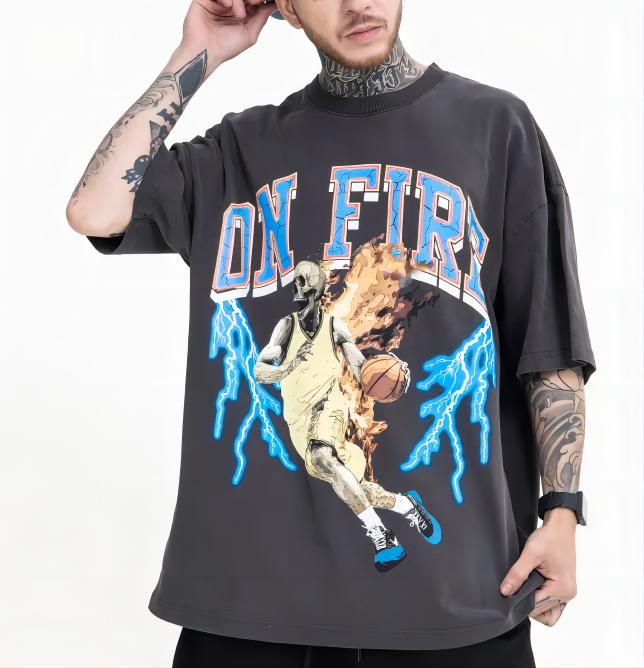
Custom Apparel Printing, Embroidery and Garment Wash Testing
Print, embroidery, patches, and wash effects need to work with the selected base fabric and construction. EDVORIN reviews placement, scale, technique, and finishing during development to help preserve the collection’s visual character from sample through production.
- Confirm artwork placement measurements
- Select decoration suited to the fabric
- Review wash effects with construction details
- Document approved visual standards
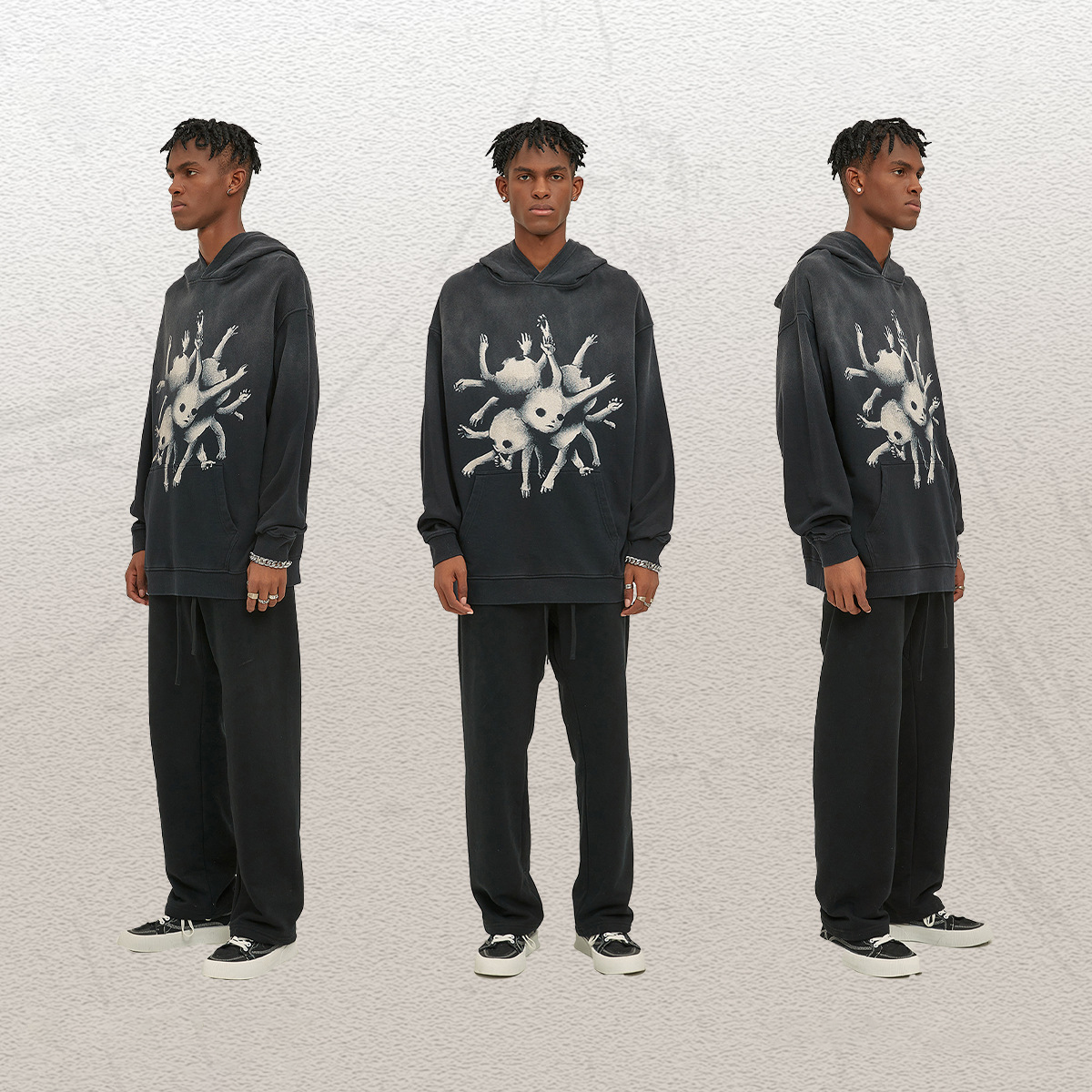
Approved Samples Guide Bulk
A sample becomes useful when its approved details are translated into production controls. EDVORIN uses the confirmed garment, specifications, materials, and artwork references to organize in-line checks and final inspection before labeling, packing, and delivery preparation.
- Set approved samples as production references
- Check measurements and construction in line
- Control materials, artwork, and trim consistency
- Verify finished goods before packing
Clothing Product Development Manufacturer vs. Fragmented Suppliers
See how EDVORIN connects development decisions to repeatable bulk production.
← Swipe left or right to view →
Our Apparel Product Development Process
A controlled workflow that turns your concept or tech pack into a documented, repeatable production standard.
Review Your Product Direction
We review your sketch, reference garment or tech pack, then align on category, fit, construction details, target quantities and development priorities.
Source Materials and Trims
Fabric weight, color, rib, hardware, labels and decoration options are coordinated around your garment’s intended look, performance requirements and production feasibility.
Develop Patterns and Samples
Patterns, measurement specifications and samples translate the approved direction into a physical garment, allowing fit, construction, material and artwork details to be evaluated.
Document Final Approval Standards
Approved measurements, materials, color references, artwork placement, trims, labels and packaging details are recorded to create a clear standard for bulk production.
Produce Inspect and Pack
Bulk production follows the approved standard, with in-line inspections, final quality checks, labeling and packing coordinated before your order is prepared for shipment.
Start With a Clothing Product Development Manufacturer
Move from an initial concept to packed, repeatable apparel through a clear approval path built around your product requirements.
Share Your Product Direction
Send a tech pack, sketch, reference garment, or collection brief so our team can understand the category, fit, target market, and production goals.
Confirm Every Production Detail
Align fabrics, measurements, grading, artwork placement, trims, labels, washes, and packaging before development moves forward, with men’s and women’s requirements considered.
Review and Refine Samples
Evaluate the sample against your intended fit, handfeel, construction, and decoration, then document revisions until the approved garment becomes the bulk-production standard.
Approve Bulk Production
Confirm the final sample and specifications, then EDVORIN coordinates materials, cutting, sewing, decoration, in-line checks, and final quality control for your order.
Receive Your Packed Collection
Receive finished garments with agreed labeling and packaging, ready for wholesale, retail, team distribution, or the next repeat order from the approved standard.
What Buyers Achieved with a Clothing Product Development Manufacturer
We arrived with sketches for six streetwear styles and left with approved specs, fit samples, and decoration placements. The first 1,200-piece run matched the samples closely enough that we reordered two styles without reopening development.
EDVORIN helped us stabilize our women’s and men’s hoodie blocks across three drops. Our team cut fit-related customer exchanges by 18% after using the same approved measurements, fleece construction, and print-placement standards on repeat orders.
For our academy kit program, samples, sublimation artwork, player names, numbers, labels, and packing all moved through one process. We delivered 850 coordinated jerseys and training pieces with fewer last-minute corrections than our previous season.
Clothing Product Development Manufacturer FAQs
Clear answers for brands moving from concept, sketch, or tech pack to a controlled bulk order.
Can a clothing product development manufacturer work from a sketch or reference garment?
EDVORIN’s MOQ starts at 200 pieces per style. What is the MOQ for clothing product development manufacturer orders?
What should I send a clothing product development manufacturer before requesting a quote?
Do I need a completed tech pack before starting?
How do samples protect quality before bulk production?
Can you develop men’s and women’s versions of the same style?
Can the fabric, printing, embroidery, and wash be developed together?
How are revisions controlled between sample approval and bulk production?
What affects bulk production lead time after sample approval?
Clothing Product Development Manufacturer: Complete Buyer’s Guide
Use this decision framework to compare development partners, evaluate supplier capabilities and quality controls, understand cost drivers, and avoid expensive sourcing mistakes before taking apparel from concept to production.
1. What Is a Clothing Product Development Manufacturer?
EDVORIN’s MOQ starts at 200 pieces per style. Since 2000, EDVORIN has treated product development as the work of converting a sketch, reference garment, or tech pack into a repeatable manufacturing standard. A clothing product development manufacturer interprets design intent, defines specifications, develops patterns and fit, sources materials, and manages samples before bulk production begins.
A 200-piece MOQ program still needs documented points of measurement, graded size ranges, approved color references, artwork placement, trims, and construction details. Unlike a basic garment factory focused mainly on cutting, sewing, and finishing an established specification, a development partner coordinates sourcing, production, in-line quality checks, labeling, packaging, and delivery around the approved sample.
Fashion startups, streetwear labels, teams, schools, and private-label buyers benefit most when fit, materials, decoration, or specifications are still unresolved. A production-only factory can be sufficient when the buyer already has production-ready patterns, approved samples, material standards, and clear quality requirements.
2. Evolution of Clothing Product Development Manufacturing
Before CAD, pattern rooms relied on paper blocks, hand grading and physical markers; a fit change often meant revising the pattern and sewing another sample. Local sourcing kept conversations close, but limited material choice and production capacity.
By the 1990s, global supply networks made it practical to coordinate mills, trim suppliers, factories and buyers across borders. Digital tech packs—with point-of-measure diagrams, construction notes, Pantone references and placement dimensions—gave a clothing product development manufacturer a shared record, reducing ambiguity between sample comments and bulk specifications.
Today, CAD pattern systems and 3D visualization can accelerate review of silhouette, proportion and colorway before every physical sample is made. Traceability requests also push buyers to ask where fibers, fabrics and trims originate, while expecting approved fit, material and decoration standards to be documented for repeat orders.
3. Types of Clothing Product Development Manufacturer
EDVORIN’s MOQ starts at 200 pieces per style. Supplier models differ mainly in who owns the specification and how much development the buyer must supply. A clothing product development manufacturer should match the program’s customization, control, and 200-piece MOQ needs.
| Model | Customization | Buyer Input | Best Use |
|---|---|---|---|
| Full-package | High | Brief to approvals | Growing labels |
| Cut-and-sew | Highest | Detailed direction | Distinct collections |
| Private-label | Limited | Branding choices | Corporate programs |
| Sampling studio | Prototype-focused | Active feedback | Pre-launch testing |
| Production-only | Specified | Production-ready pack | Repeat buyers |
Full-Package Partners
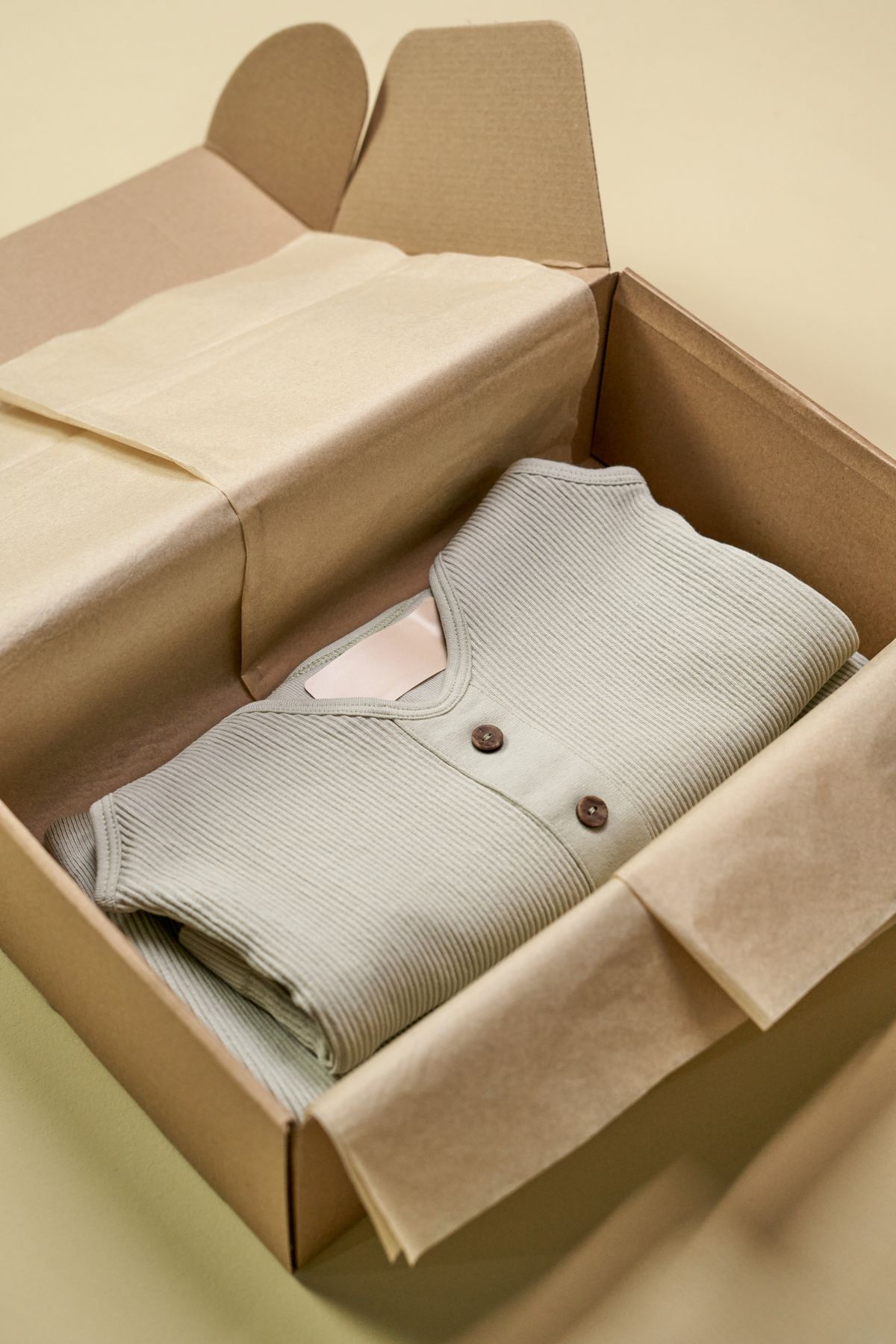
One partner coordinates development through packing.
Buyers retain design approval; fashion labels needing one accountable workflow fit best.
Cut-And-Sew Specialists
Custom patterns and construction drive this model.
Brands and teams provide detailed fit, artwork, and material direction.
Private-Label Suppliers
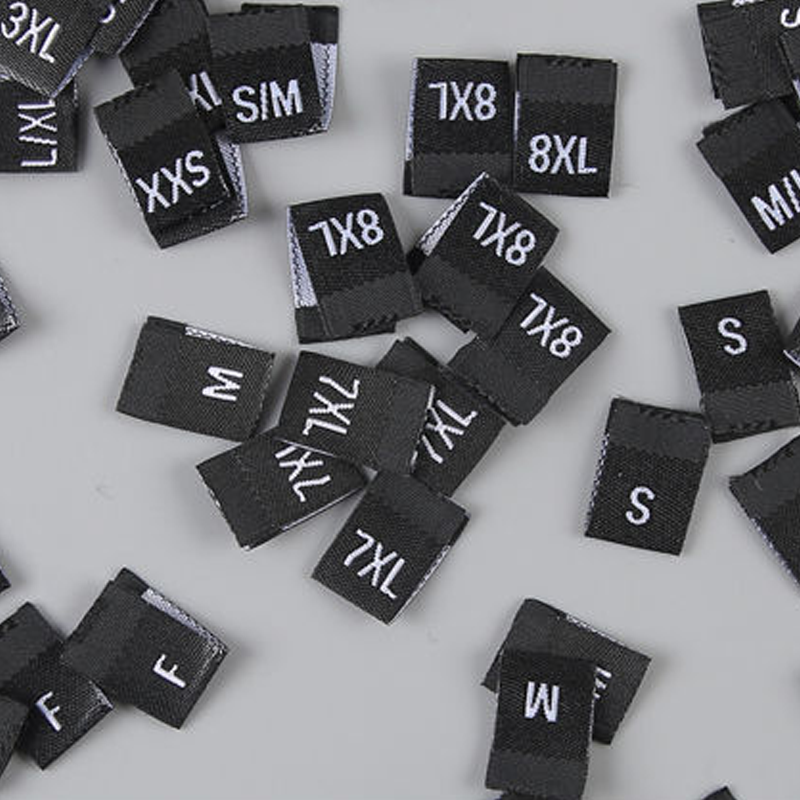
Existing blocks shorten development and reduce buyer input.
Schools, corporate buyers, and wholesalers add labels or limited changes.
Sampling Studios
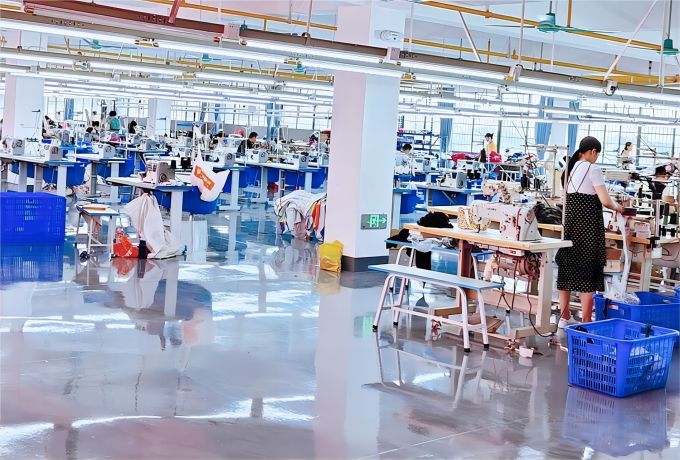
Samples validate fit before production commitment.
They suit new labels, but bulk capacity may require another factory.
Production-Only Factories
Approved patterns, materials, and specifications arrive from the buyer.
Experienced distributors benefit; incomplete inputs create production risk.
4. Fabrics a Clothing Product Development Manufacturer Can Source
Fabric determines a garment’s hand feel, durability, decoration result, care needs, and cost. A clothing product development manufacturer should approve swatches before committing bulk yardage.
| Fabric Family | Typical GSM | Strength | Suitable Uses |
|---|---|---|---|
| Cotton jersey | 140–220 | Soft, print-friendly | T-shirts, polos |
| French terry/fleece | 280–450 | Warm, structured | Hoodies, joggers |
| Polyester performance | 120–200 | Fast-drying | Jerseys, uniforms |
| Cotton twill | 220–320 | Abrasion resistance | Overshirts, shorts |
| Cotton-poly blend | 180–320 | Recovery, durability | Sweats, workwear |
GSM And Weight
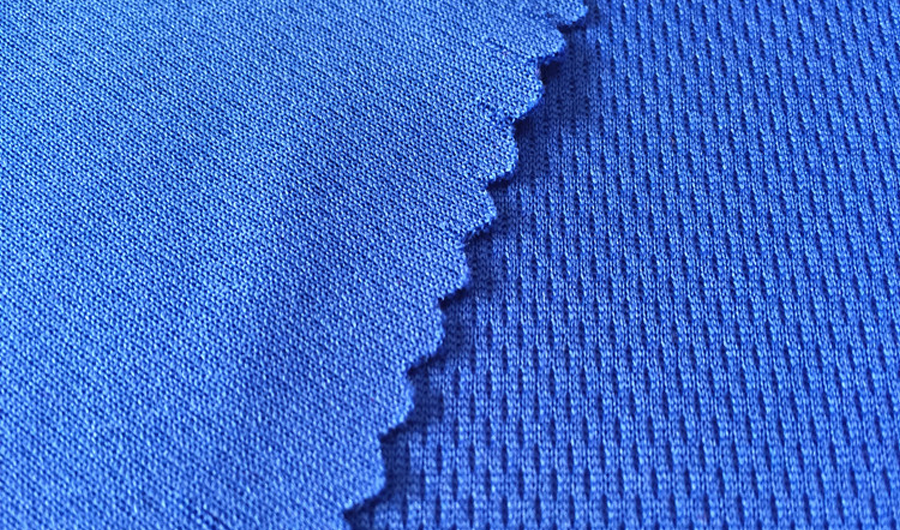
GSM means grams per square metre; it measures fabric mass, not quality. Higher GSM usually adds structure and warmth, while yarn, knit, and finish still control feel.
Selection Risks
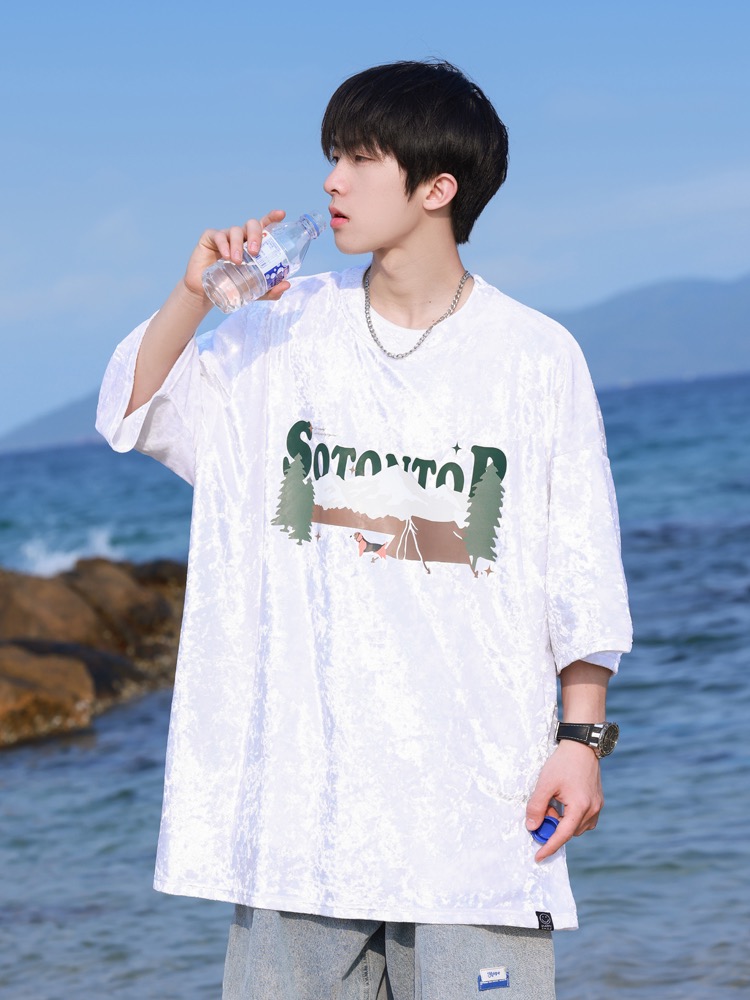
100% cotton prints well and feels natural, but shrinkage and shade variation need testing. Polyester dries quickly and performs well; blends balance recovery, cost, and comfort.
Approve The Right Standard
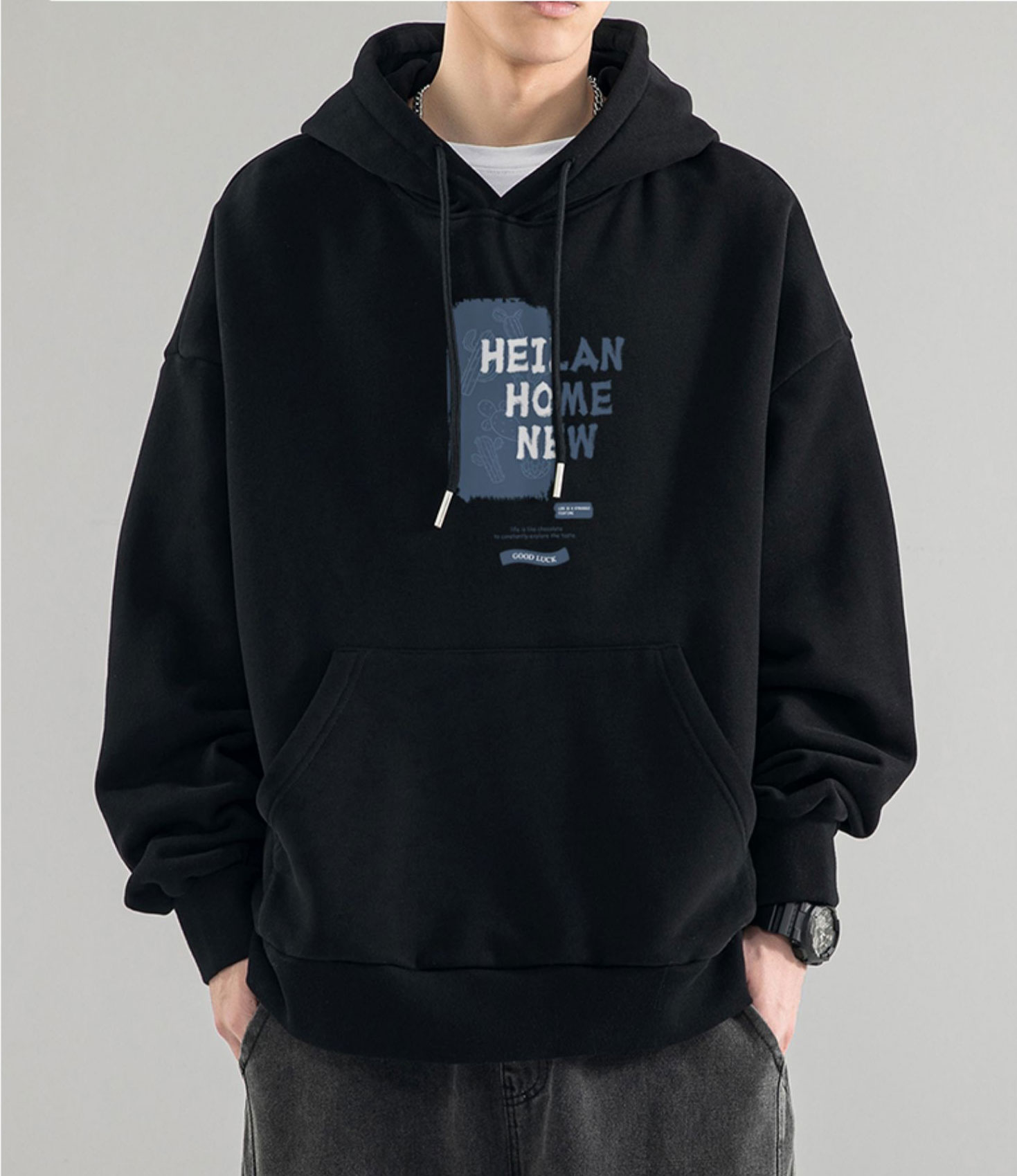
1 approved fabric standard should record composition, GSM tolerance, color reference, finish, shrinkage, and care method. Test decoration on the actual fabric, since fleece, jersey, and coated performance fabrics accept ink differently.
5. Customization and Decoration Options
EDVORIN’s MOQ starts at 200 pieces per style. Three variables—fabric, artwork, and order volume—should set decoration choice before sampling. A 200-piece MOQ can favor shared setups, while labels and packaging should reinforce the same brand standard.
| Method | Visual Effect | Placement And Colors | Durability | Setup | Volume Fit |
|---|---|---|---|---|---|
| Screen Print | Opaque graphic | Flat; 1–6 colors | High | Screens | Mid–high |
| Embroidery | Raised texture | Small zones; thread colors | High | Digitizing | Mid–high |
| DTG | Soft detail | Flat cotton; full color | Moderate | Pretreatment | Low–mid |
| Sublimation | No-hand color | Polyester panels; full color | High | Artwork setup | Mid–high |
Match Print To Garment
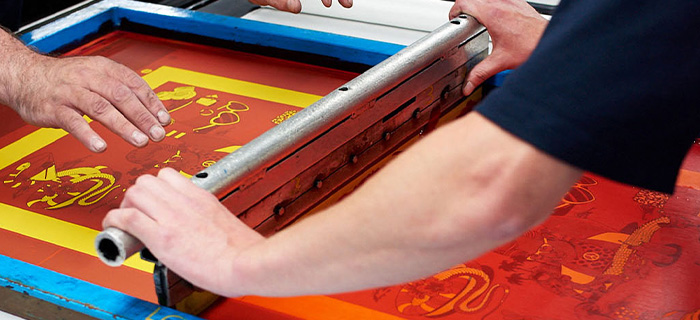
Six-color screen prints suit bold cotton graphics; DTG suits detailed short runs. Heat transfers handle names, numbers, and small placements; test stretch and wash performance on the actual fabric.
Use Texture Deliberately
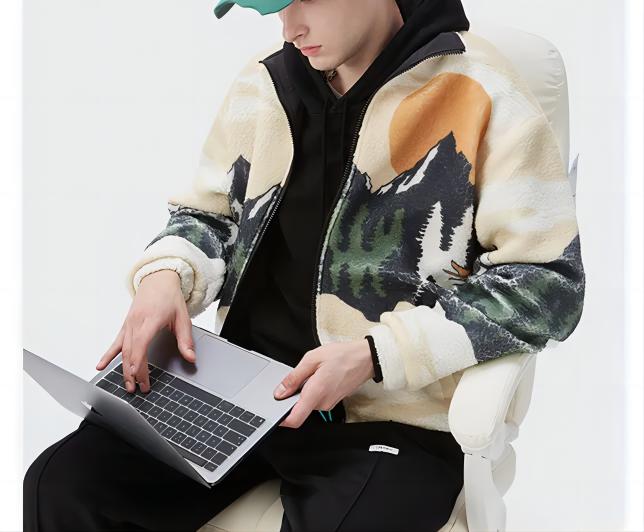
Embroidery adds raised texture to caps, polos, and jacket chests, but dense stitches can distort lightweight knits. Sublimation gives all-over polyester color; it is not a direct substitute for cotton printing.
Specify Brand Components
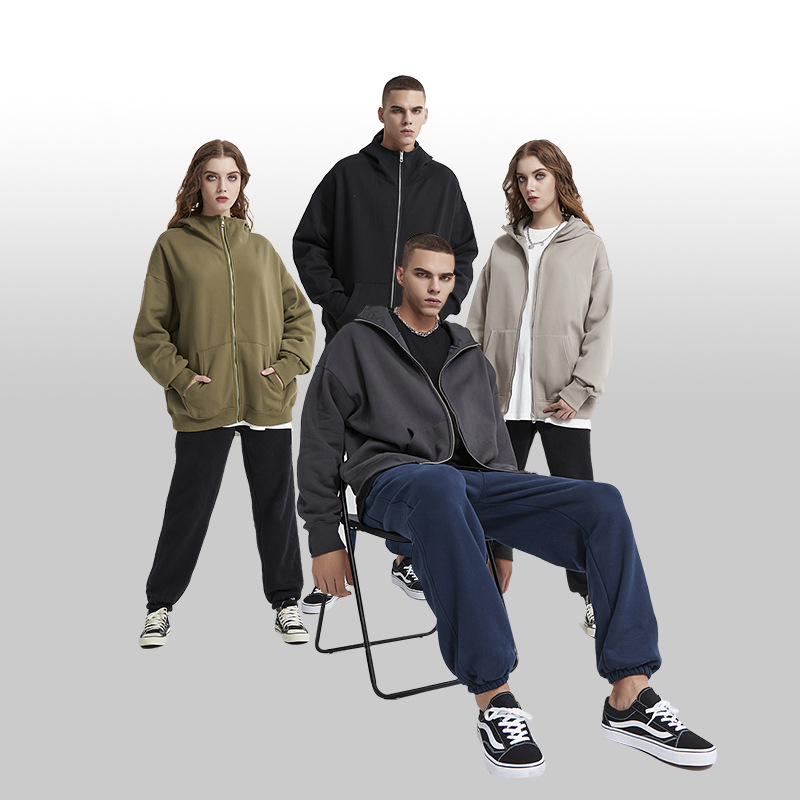
One label system should specify woven main labels, printed neck labels, size labels, hangtags, patches, and packaging. Record exact placement, fold, adhesive, and artwork version in the approved sample.
6. Construction Quality Elements to Specify
A clothing product development manufacturer should convert each quality decision into a measurable approval point before bulk cutting. EDVORIN uses tech packs and sealed samples to keep construction standards visible across production.
Seams And Reinforcement
8–10 stitches per inch is a common starting specification for many knit seams; specify stitch type by operation. Require bartacks at pocket openings, drawcord exits, and other stress points.
2 measurements matter at every seam: allowance width and finished appearance. Record topstitch spacing, seam direction, and acceptable puckering on the approved sample.
Fit, Recovery, And Wash
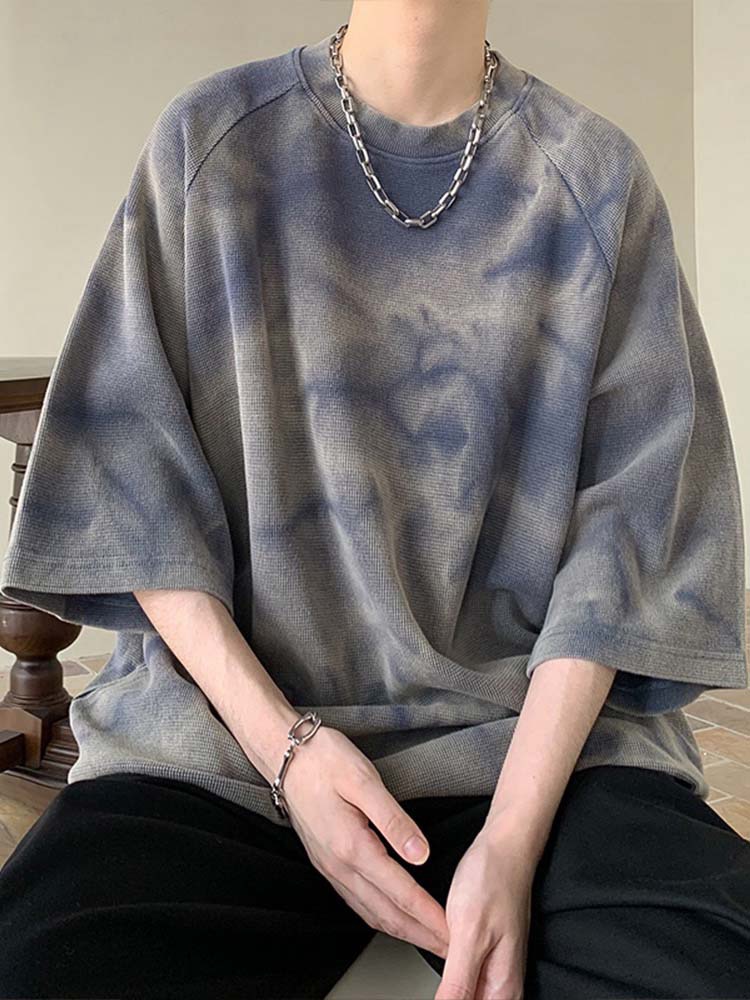
5–10 wash cycles can expose shrinkage, twisting, color change, and print cracking before approval. Test the actual fabric, decoration, and wash method—not only a laboratory swatch.
1 graded size set should confirm pattern balance across the range. Specify garment tolerances by point of measure and check collar and cuff recovery after repeated extension.
Trims And Placement
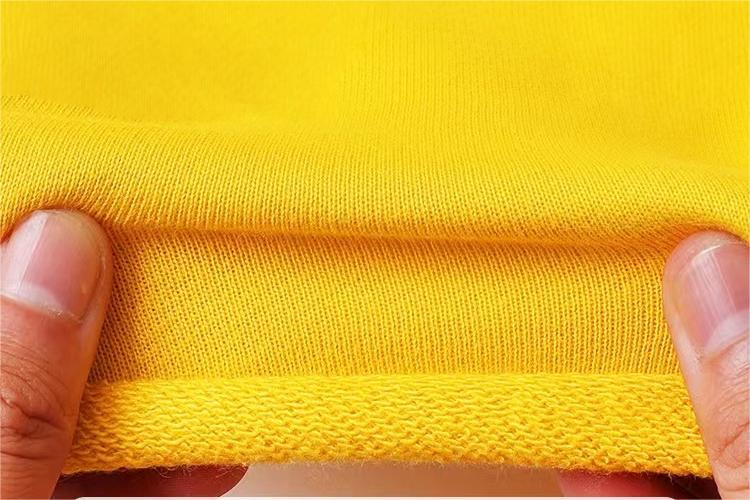
1 placement diagram should locate every print, embroidery, label, zipper, and snap from fixed garment reference points. Pantone references, artwork size, and placement tolerances prevent visual drift.
200-unit orders still need the same documented checkpoints as larger runs. Match trim approvals and wash-tested samples to the tech pack before production begins.
7. Choosing a Clothing Product Development Manufacturer
A clothing product development manufacturer should be assessed against the product program, not a generic factory checklist. Compare documentation, responsiveness, and repeat-order controls before approving a sample or deposit.
| Checkpoint | Ask | Evidence |
|---|---|---|
| Materials | Can you source approved alternatives? | Swatches and trim sheet |
| Quality | When are defects checked? | Inspection report |
| Delivery | What can delay shipment? | Written critical path |
| Terms | When is balance due? | Proforma invoice |
Match Category Experience
Two comparable styles are stronger evidence than a broad category list. Ask for construction photos, measurement tolerances, decoration samples, and references relevant to hoodies, outerwear, or teamwear.
Test Development Control
One complete tech-pack review reveals whether the supplier can identify missing POMs, trims, artwork placements, and grading details. Request a dated sample calendar, revision log, fabric swatches, and pre-production approval process.
Verify Commercial Readiness
EDVORIN’s MOQ starts at 200 pieces per style. A 200-piece MOQ may fit an initial launch, but confirm it by style, color, and size breakdown. Ask for capacity, material lead times, in-line and final QC records, compliance documents, payment milestones, Incoterms, and shipping support.
8. Common Buyer Mistakes to Avoid
Nine preventable decisions can turn an approved concept into delayed, inconsistent bulk goods. A clothing product development manufacturer works best when the buyer converts intent into reviewable standards before production.
Briefs And Measurements

1 vague brief leaves fabric, construction, artwork, and trim choices open to interpretation; the result is a sample that misses the intended product. Prevent this with annotated references, a bill of materials, and placement dimensions.
2 incomplete size specifications create fit variation across grading. Prevent it with point-of-measure diagrams, tolerances, and target measurements for every size.
Samples, Fabric, And Color
1 skipped revision can carry an untested fit or decoration issue into every unit. Prevent it by revising samples, checking wash performance, and approving a signed golden sample.
1 digital color view is not a production color standard. Prevent mismatch with physical swatches, Pantone references, and approved lab dips on the selected fabric.
Cost, Minimums, And Changes
EDVORIN’s MOQ starts at 200 pieces per style. 1 lowest quote may omit fabric quality, testing, packaging, freight, or realistic lead-time allowances. Prevent surprises by comparing like-for-like cost sheets and confirming MOQ, freight terms, and inclusions.
1 late design change can require new patterns, materials, samples, and schedule updates. Prevent disruption by freezing approved specifications before bulk cutting.
9. Steps to Launch Your Apparel Brand
EDVORIN’s MOQ starts at 200 pieces per style. A 200-piece MOQ makes launch discipline especially important: commit only after the customer, channel, price target, and first product category are defined. A clothing product development manufacturer should convert each approval into a record before the next spend decision.
Position The First Drop
One target wearer, one sales channel, and one hero style create a workable brief. Set target retail price, launch date, size range, and color count before requesting development.
Build The Production File
A complete tech pack needs flats, point-of-measure chart, construction notes, artwork placement, Pantone references, labels, and packaging. Approve the bill of materials and graded measurements before suppliers quote.
Cost And Approve Samples
Two sample rounds are common when fit, wash, or decoration needs refinement. Lock fabric, trims, print method, fit sample, and landed-cost estimate before issuing the production order.
Control Delivery And Repeat
Pre-production approval should match the signed sample and purchase order. Inspect in-line and finished goods, confirm carton marks and packing, then ship only after quantity and quality records are accepted.
Thirty days after launch, compare returns, sell-through, and customer feedback by size and color. Use those findings to revise the repeat order rather than reproducing preventable defects.
10. Clothing Product Development Manufacturer Pricing and Cost
200 pieces is EDVORIN’s stated MOQ for this page; at that level, pattern work, samples, and artwork setup are spread over fewer garments. A quote needs approved fabric, construction, size range, decoration, trims, labels, packaging, sampling, shipping terms, and revision count.
2 comparable quotes can differ because fleece weight, wash treatments, embroidery stitches, and hardware change materials and labor. Compare like-for-like scope: Incoterm, inspection standard, packaging, sample charges, tooling, and delivery schedule.
| Quantity Tier | Unit-Cost Direction | Development or Setup Cost | Lead-Time Consideration |
|---|---|---|---|
| 200–499 | Highest | Pattern, sample, and decoration setup are most visible | Allow development and approval before bulk |
| 500–999 | Lower | Setup spreads across more units | Material booking and sample sign-off set timing |
| 1,000–2,999 | Lower again | New colors, molds, or special trims add cost | Confirm capacity, testing, and packaging |
| 3,000+ | Lowest, subject to specification | Setup is diluted; revisions still cost | Fabric lead time and shipment booking can dominate |
Choose a Clothing Product Development Manufacturer Built to Repeat
Send your concept, tech pack, or reference garment for a development quote from EDVORIN, with MOQ starting at 200 pieces per style.