
Streetwear Apparel Manufacturer for OEM-Ready Collections
As your streetwear screen printing manufacturer, EDVORIN turns concepts into OEM/ODM-ready collections with 7-day samples and controlled bulk production.
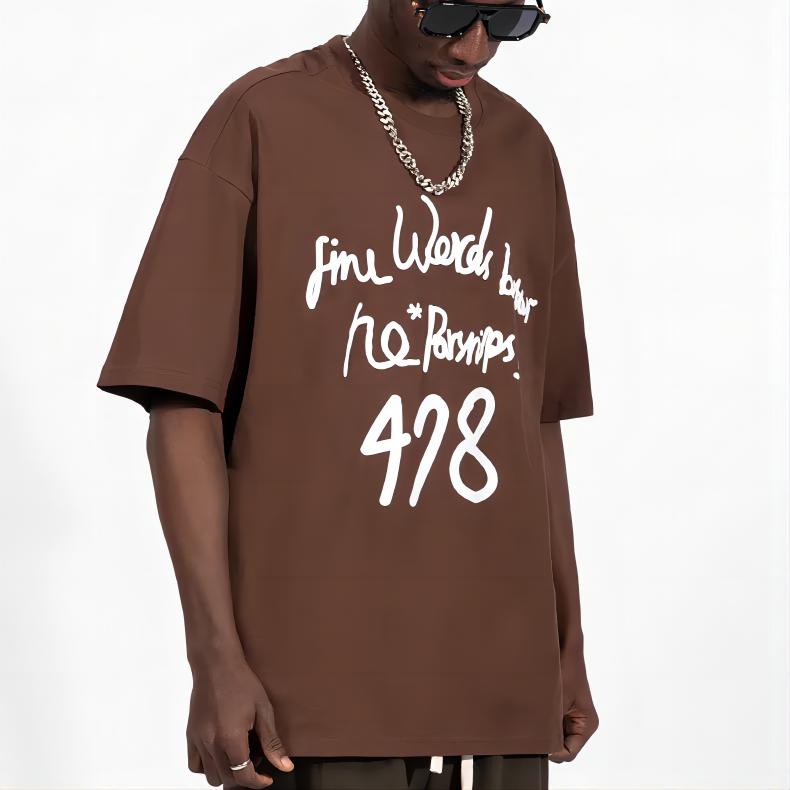
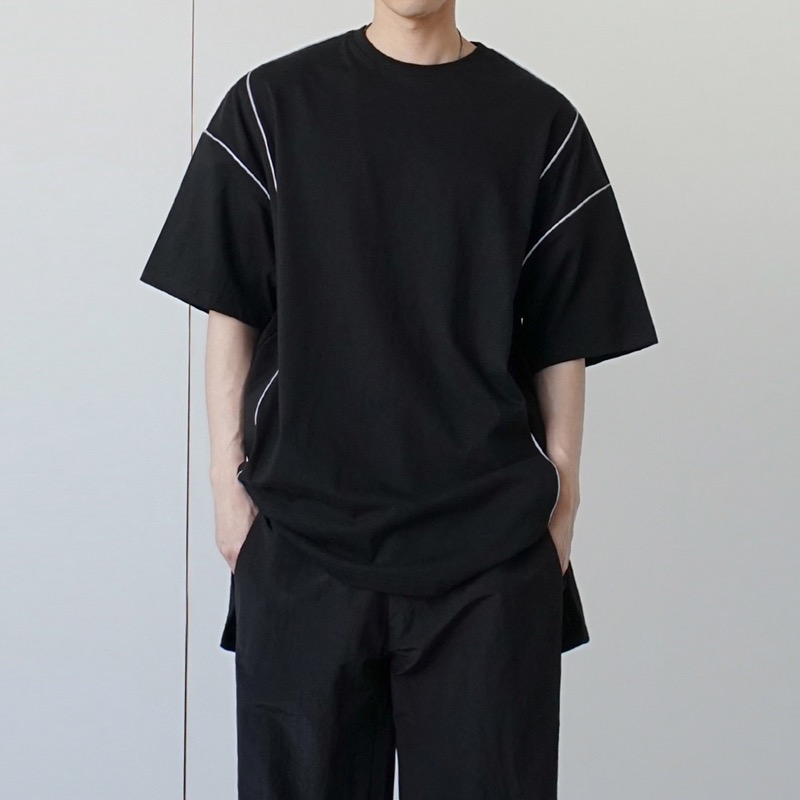
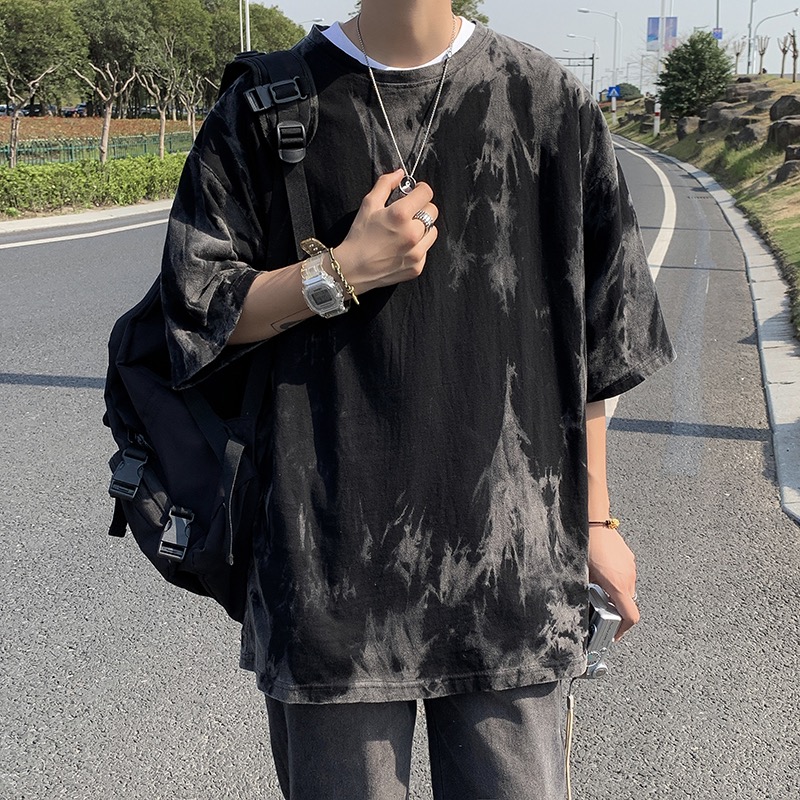
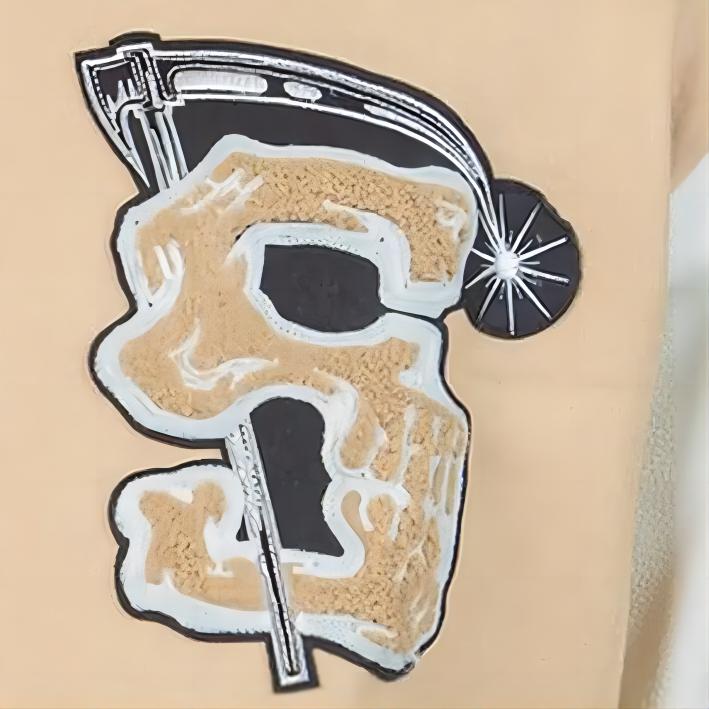
Featured Products for streetwear screen printing manufacturer Development
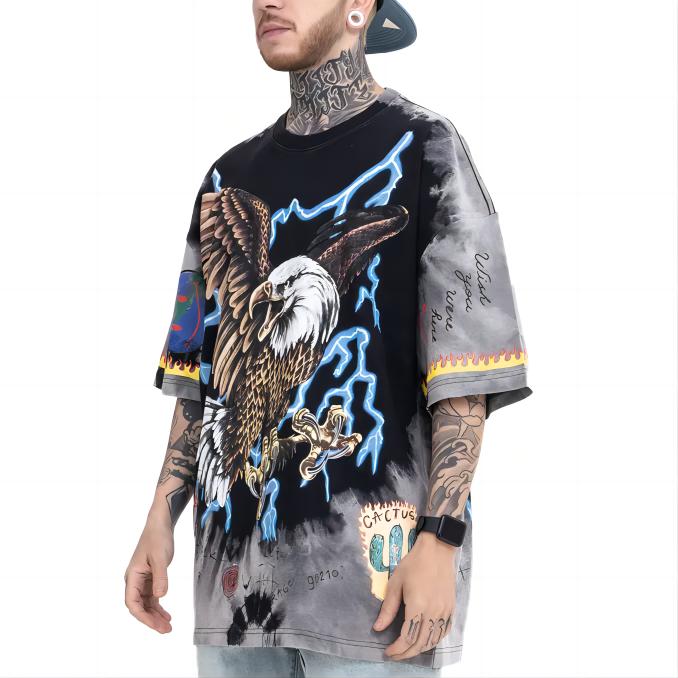
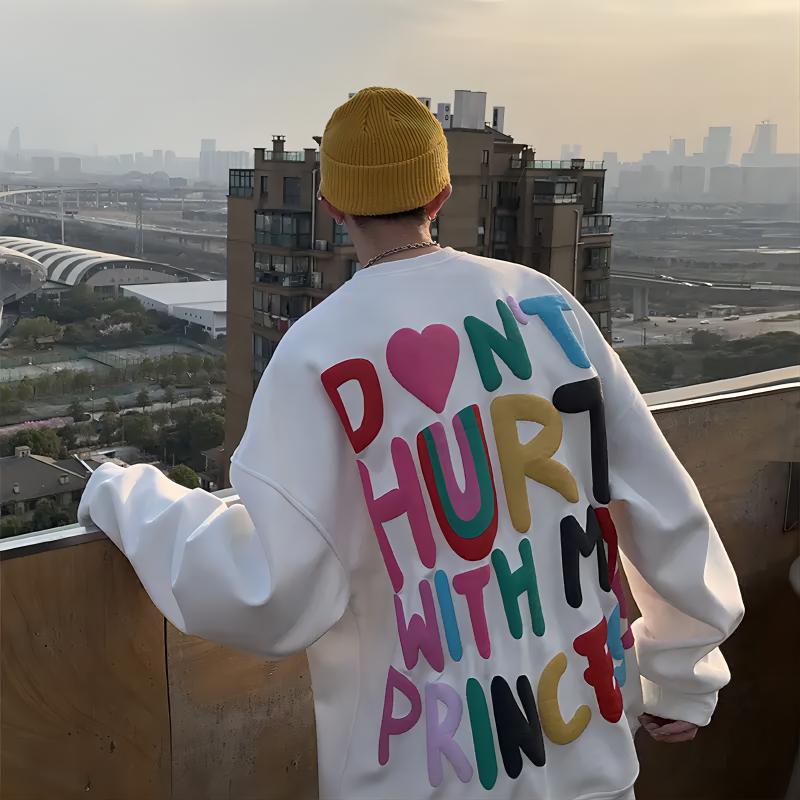
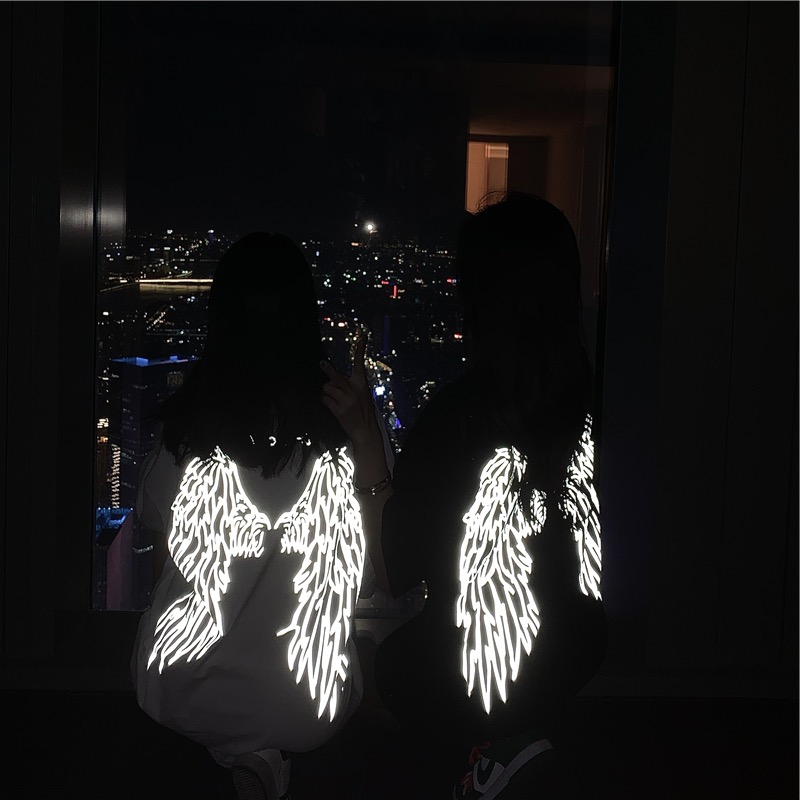
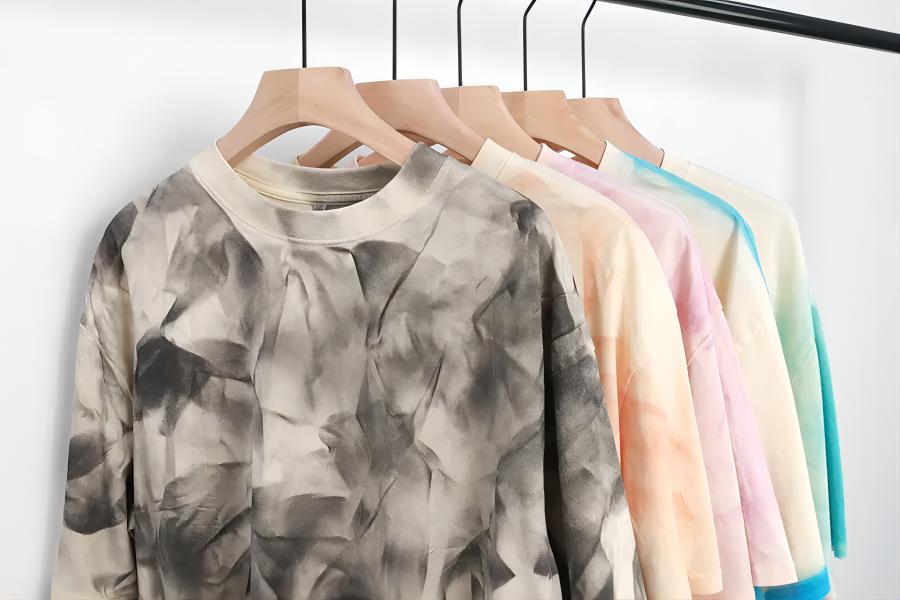
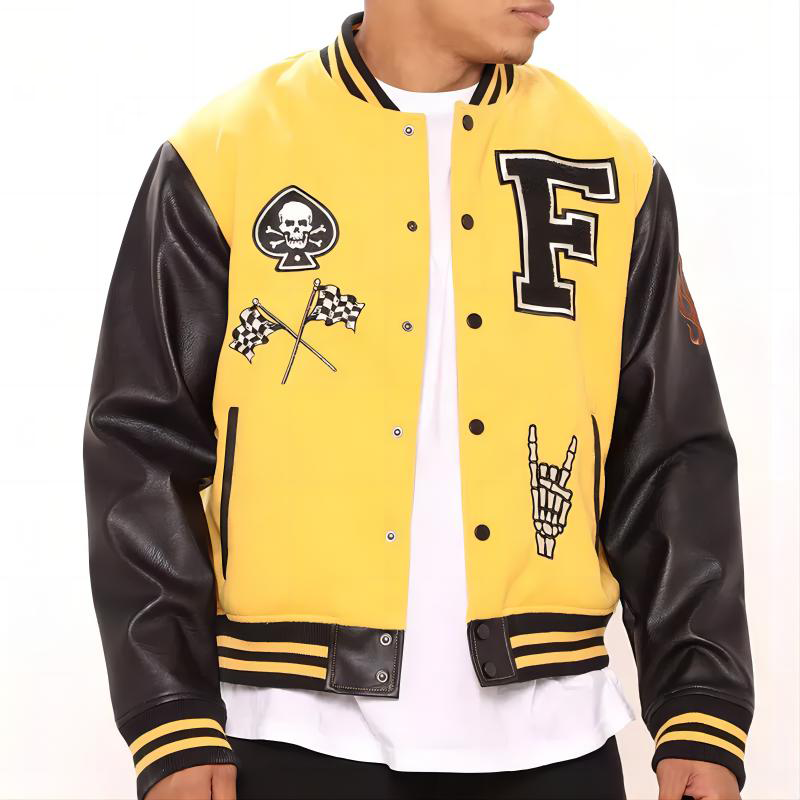
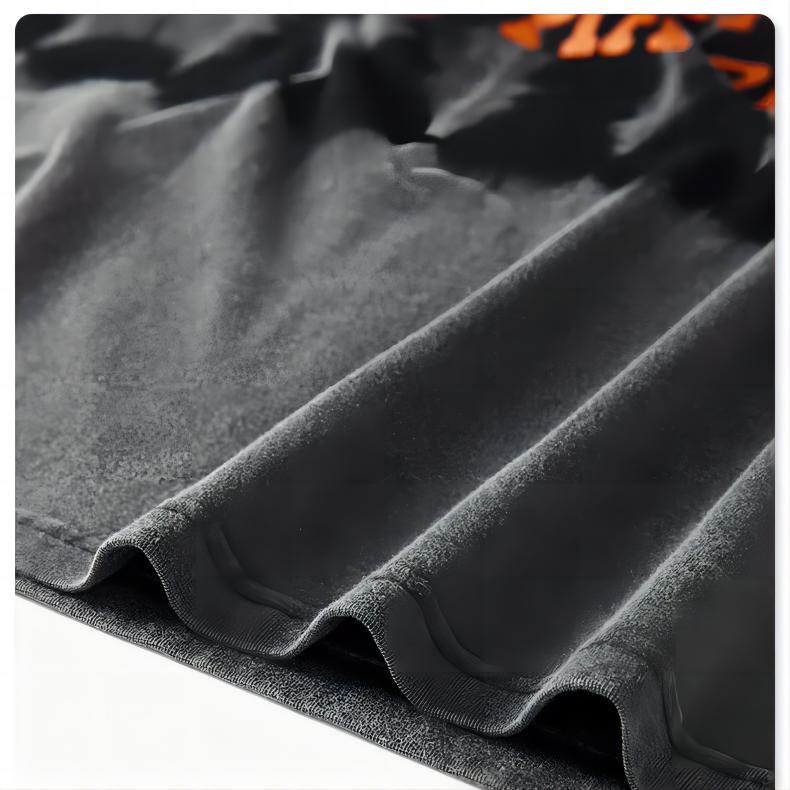
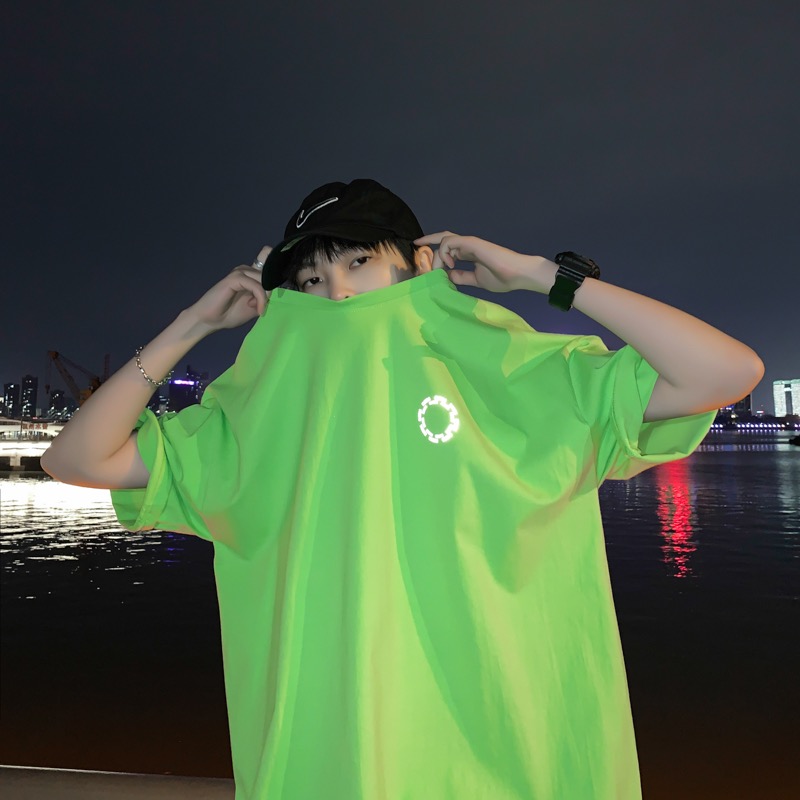
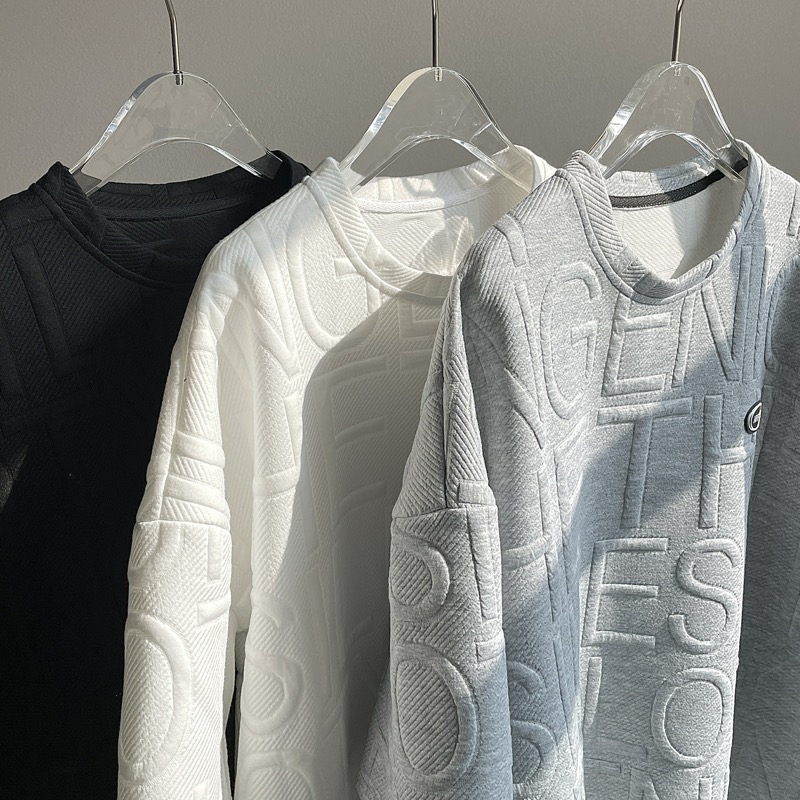
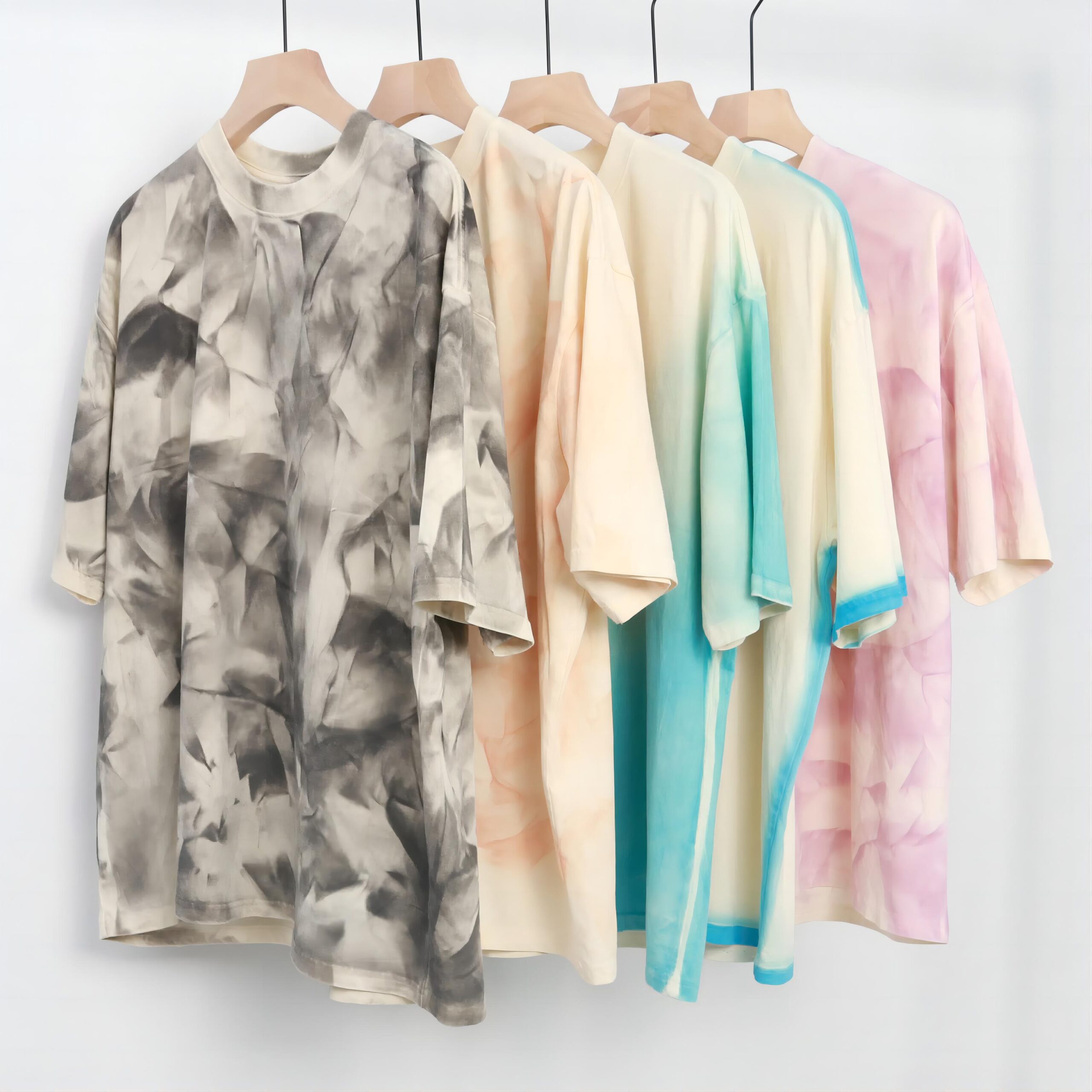
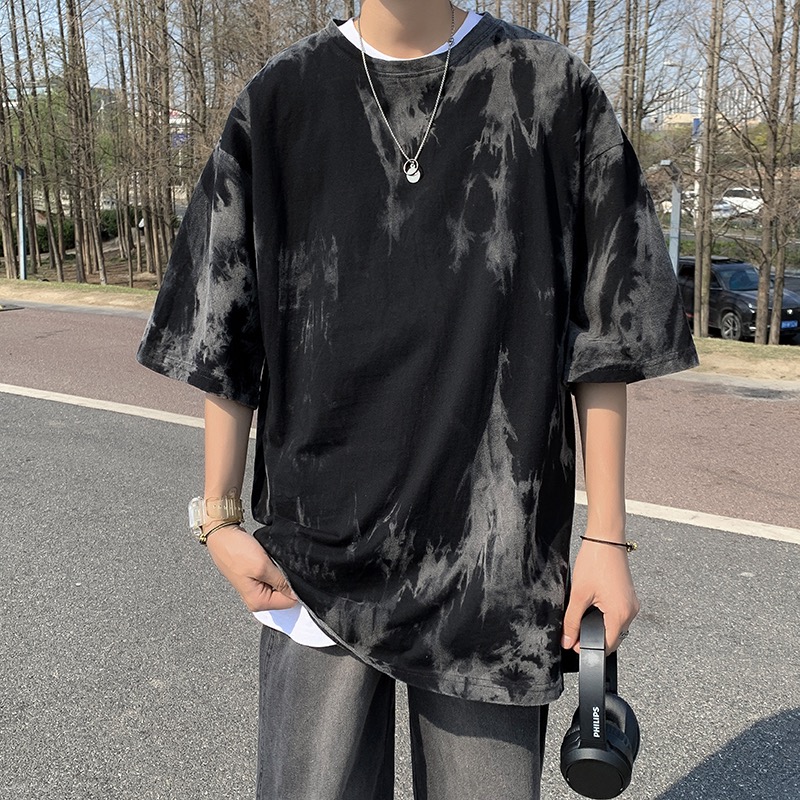
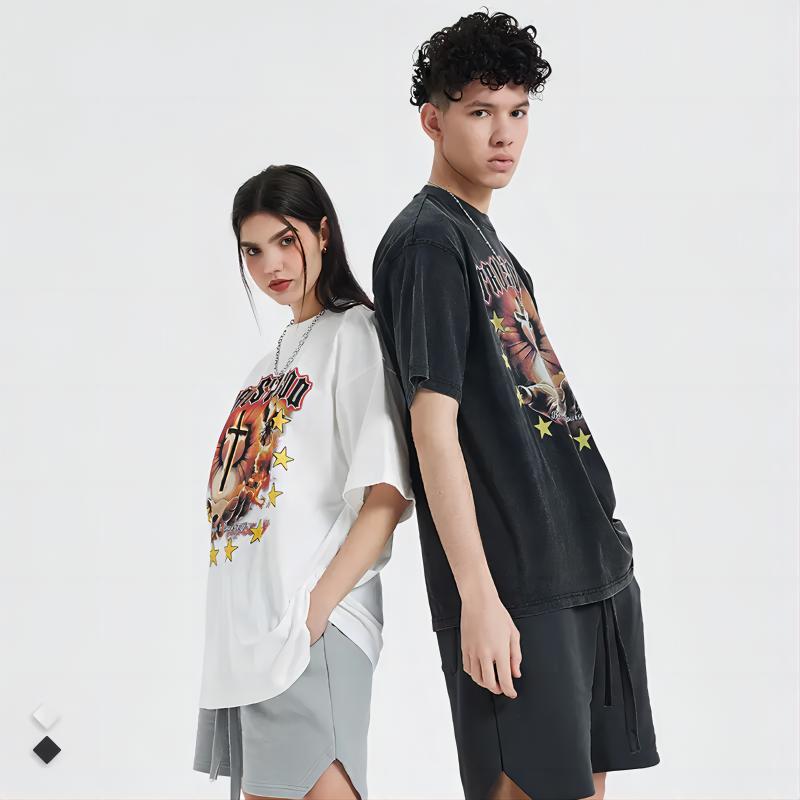
Why Brands Choose EDVORIN for Custom Apparel Manufacturing
From first concept to repeatable bulk production, EDVORIN connects product development, decoration and quality control in one accountable apparel manufacturing system.
Product Development Support
Develop hoodies, tees, jackets and teamwear from sketches or tech packs with materials, fit blocks, patterns and samples aligned to your market.
Decoration Coordination
Coordinate screen printing, embroidery, washing, labels and packaging around each garment’s construction, artwork placement and approved finishing requirements.
Flexible OEM and ODM
Choose OEM, ODM or private-label support that adapts to your development stage, collection goals and production requirements.
Built for Repeatability
Approved samples, documented measurements and in-line inspections create a clear standard for consistent bulk production and reliable repeat orders.
200-Piece MOQ
Start at 200 pieces per style while building coordinated programs for emerging labels, wholesale buyers, teams and established apparel brands.
Streetwear Apparel and OEM Product Categories
Develop category-specific garments with coordinated materials, decoration, fit standards and quality control from approved sample through repeatable bulk production.
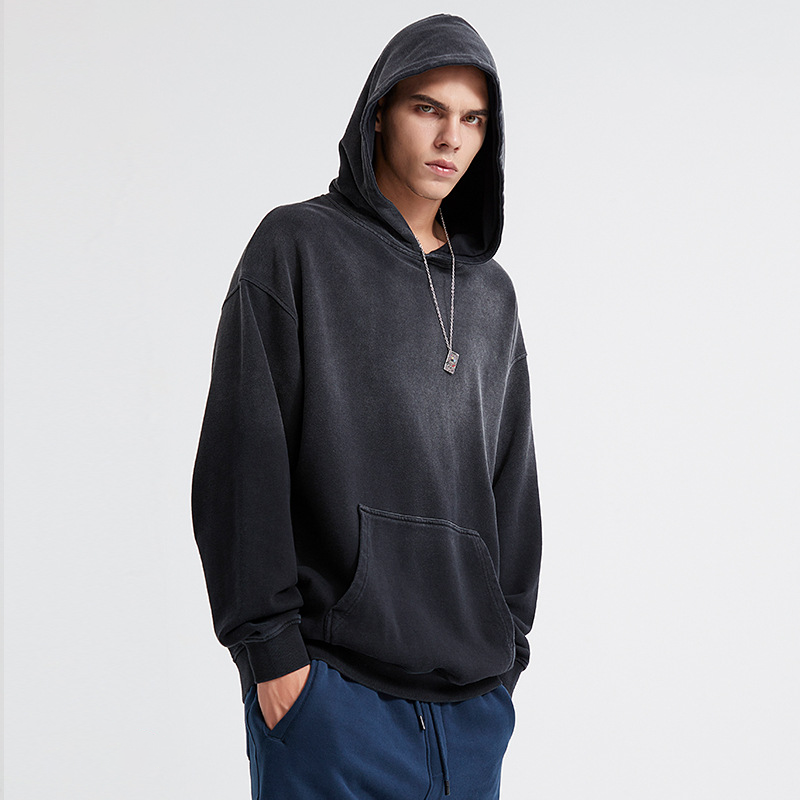
Custom Hoodies
EDVORIN develops custom hoodies for fashion brands, streetwear labels and private-label buyers, coordinating fleece or jersey weights, fit blocks, rib specifications, drawcords, labels and decoration. Approved samples establish measurable standards for repeatable bulk production, with men’s and women’s development available.
Get a Quote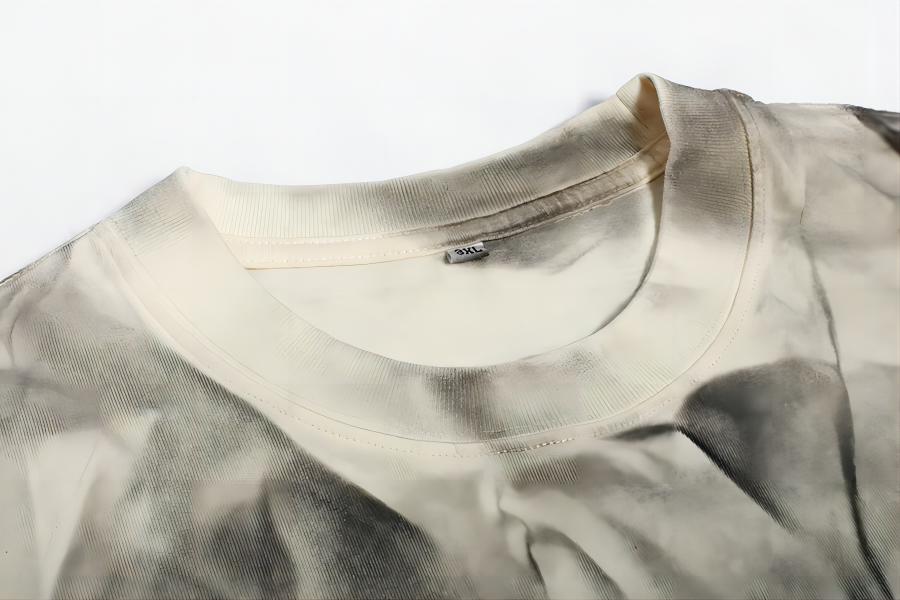
Pullover Sweatshirts
As a sweatshirt manufacturer, EDVORIN develops pullover styles around fabric weight, brushed or unbrushed interiors, rib recovery, neckline construction and artwork placement. Product development can begin from a tech pack, sketch or reference garment, then move through sampling and controlled bulk production.
Get a Quote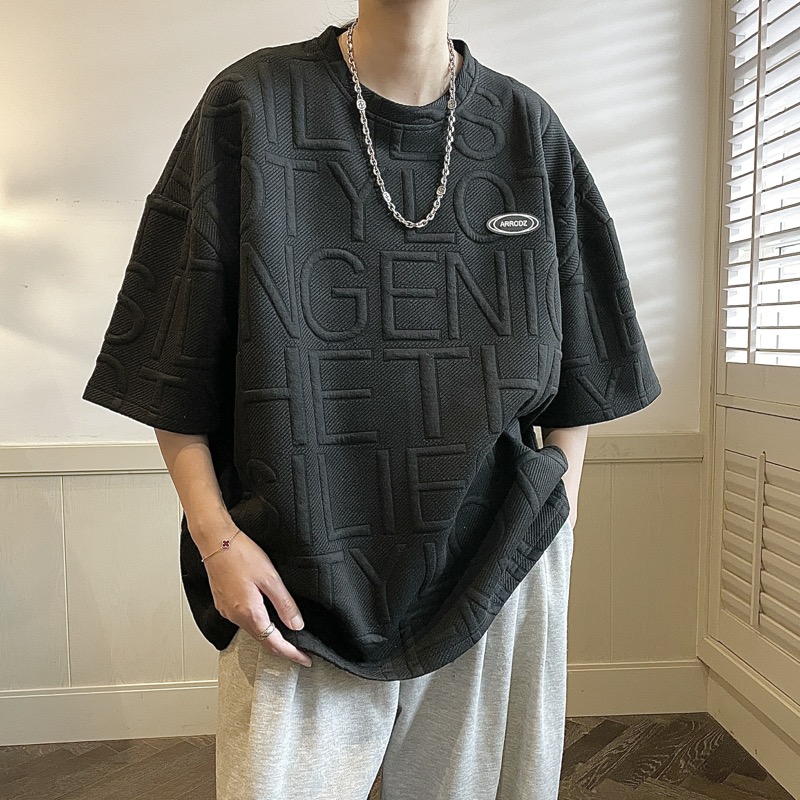
Sweatpants & Joggers
EDVORIN develops sweatpants and joggers with attention to fleece or terry selection, waistband recovery, drawcord construction, pocket placement, leg shape and grading. The production process supports coordinated bottoms for streetwear, casualwear and team programs, with specifications documented for consistent repeat orders.
Get a Quote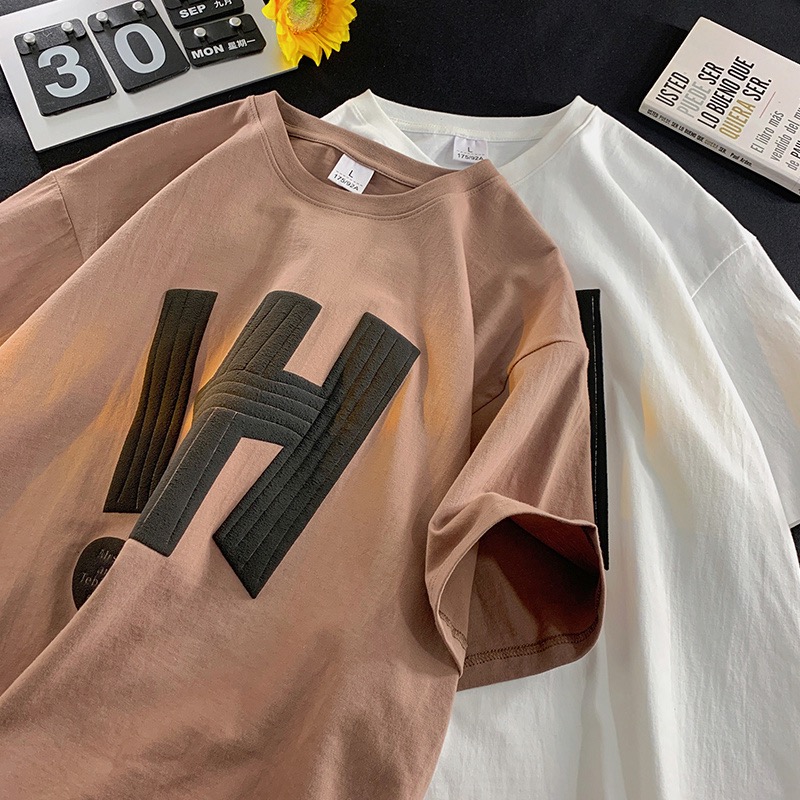
Custom Shorts
Custom shorts are developed around intended use, fabric behavior, inseam, waistband construction, pocket layout, lining and decoration requirements. EDVORIN coordinates patterns, trims, artwork placement, sampling and inspection for casualwear, streetwear, sports and private-label programs.
Get a Quote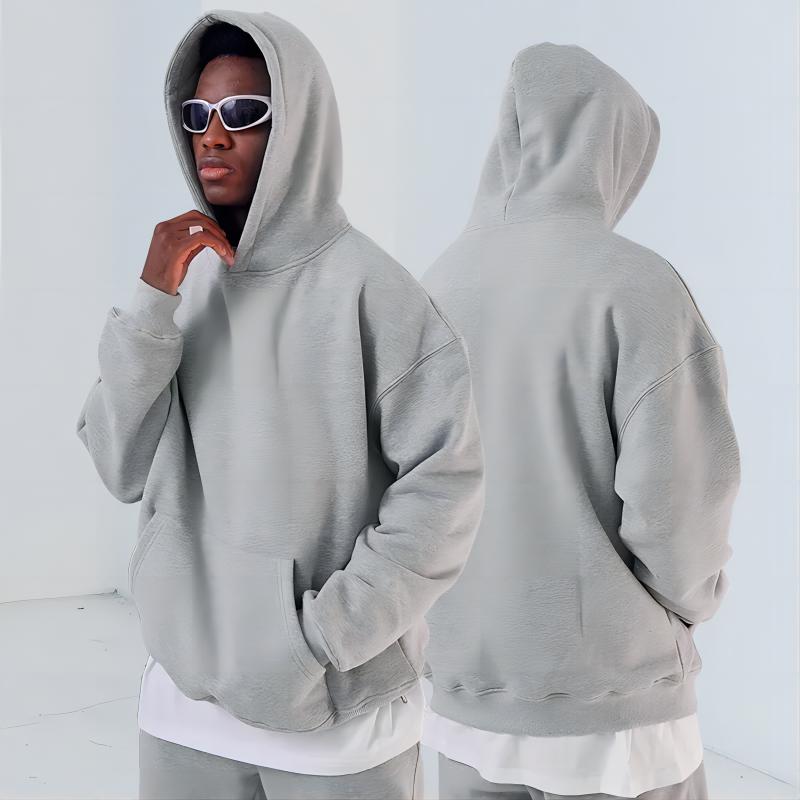
Varsity & Baseball Jackets
EDVORIN develops varsity and baseball jackets by coordinating body and sleeve materials, rib construction, snaps or zippers, lining, patches, embroidery and fit. Each approved detail is recorded as a production standard so branded outerwear can be repeated with controlled appearance and construction.
Get a Quote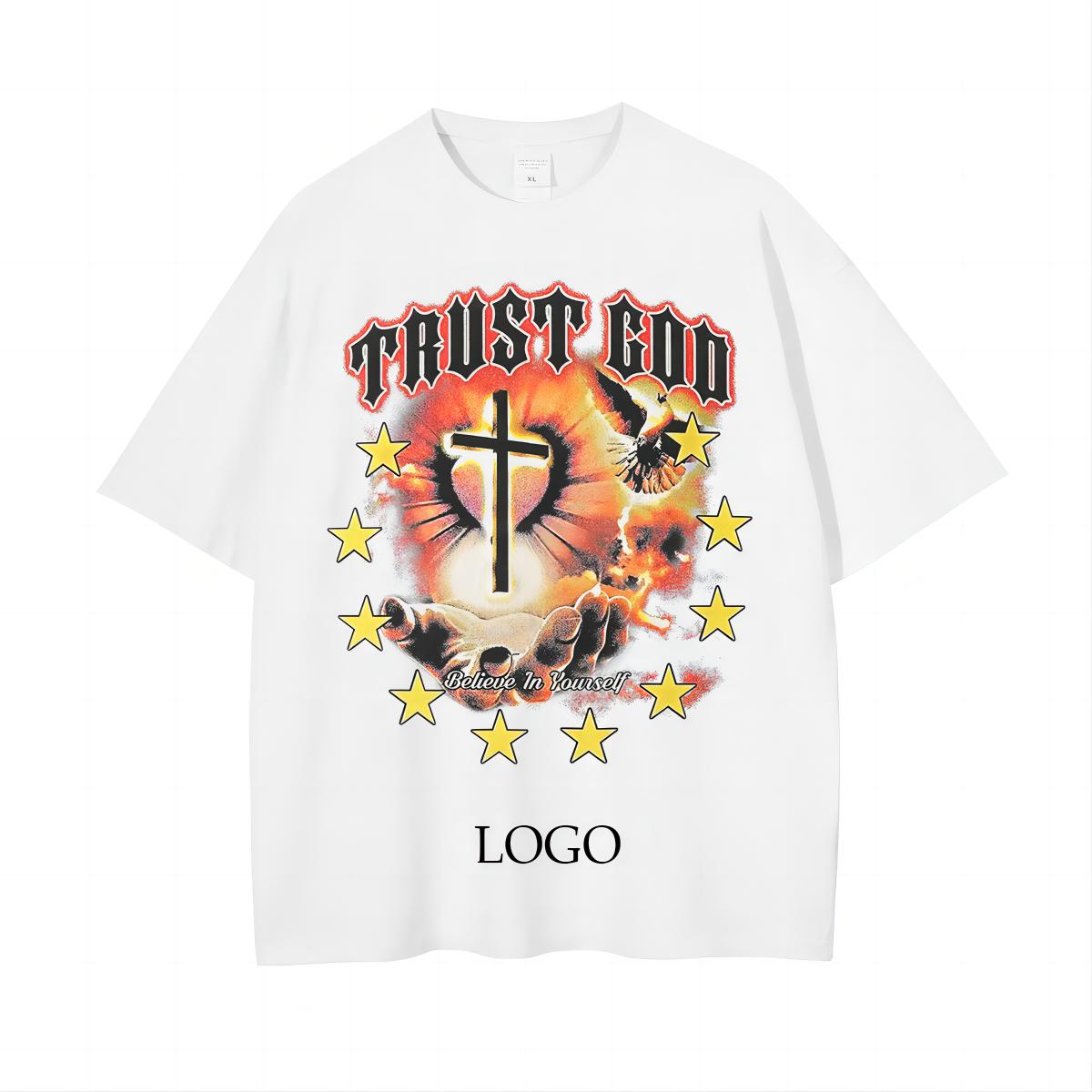
Custom T-Shirts
Custom T-shirts are developed from fabric selection through fit, neckline, sleeve proportions, grading, printing, embroidery and labeling. EDVORIN supports cotton, blended and performance options for fashion, promotional and private-label programs, using approved samples and placement specifications to guide bulk production.
Get a Quote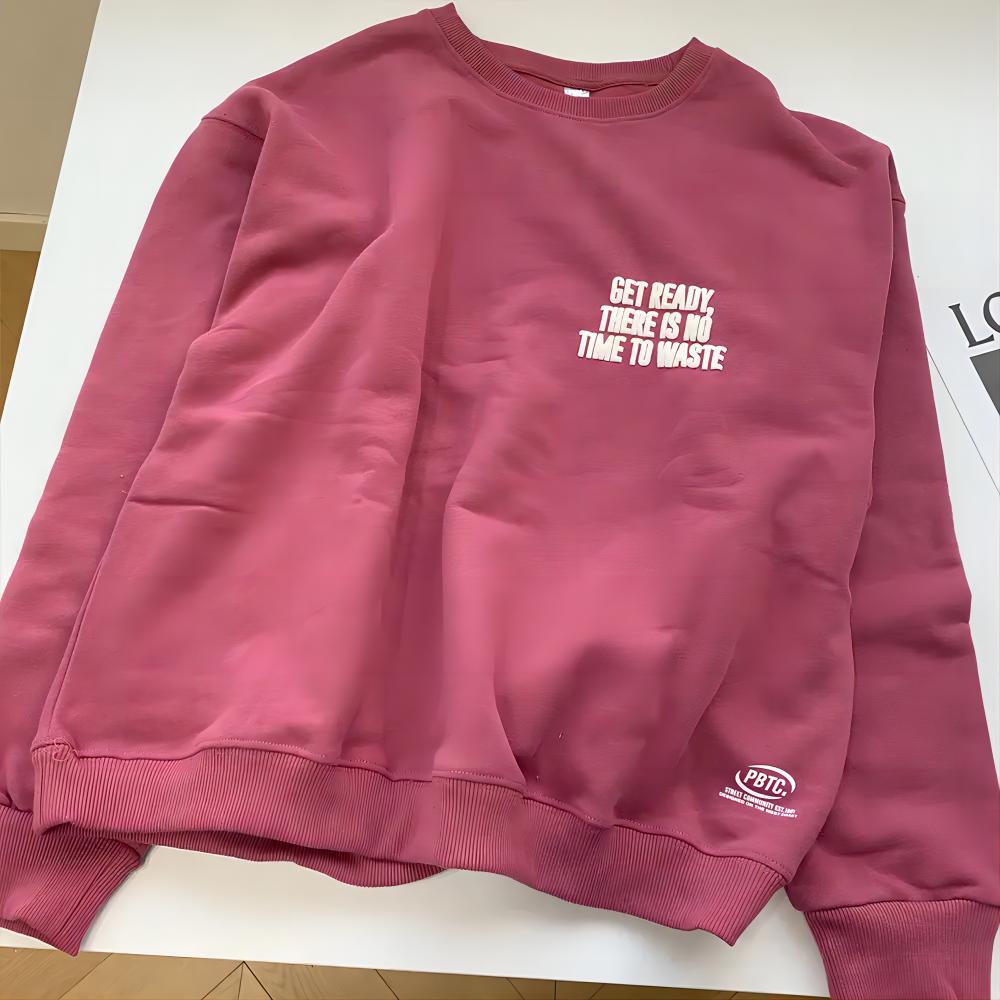
Custom Polo Shirts
EDVORIN develops custom polo shirts with attention to pique or performance fabrics, collar and cuff construction, plackets, buttons, fit blocks and embroidered or printed branding. Materials, measurements and decoration positions are coordinated for corporate, school, club, wholesale and private-label orders.
Get a Quote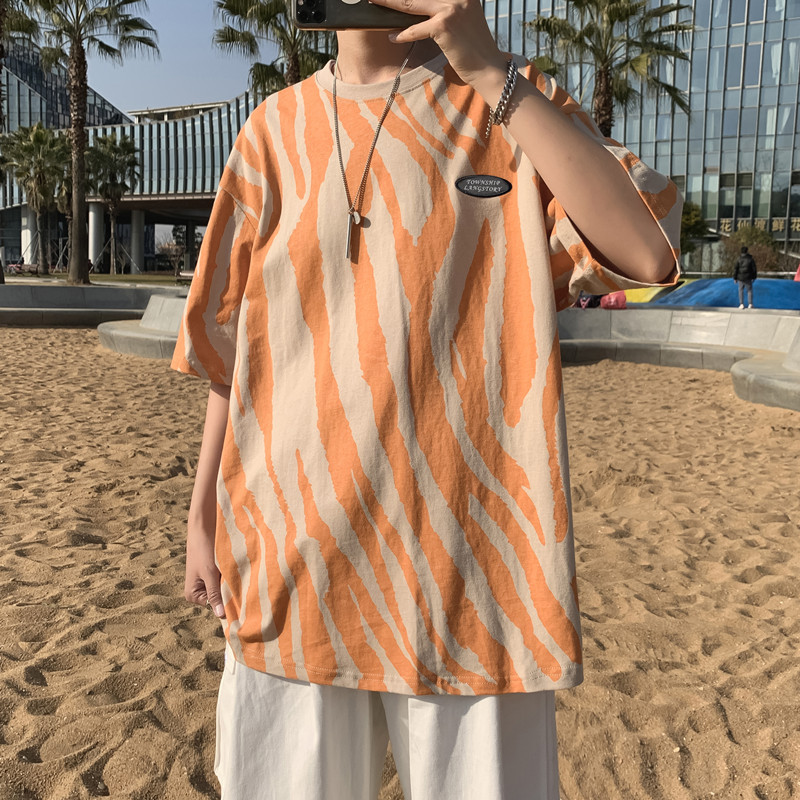
Windbreaker Jackets
Windbreaker jackets require coordinated shell fabrics, lining or mesh, zippers, hoods, elastic finishes, pockets and water-resistant performance expectations. EDVORIN develops and documents these details for streetwear, casualwear, team and promotional programs, supporting consistent construction from sample approval through bulk.
Get a Quote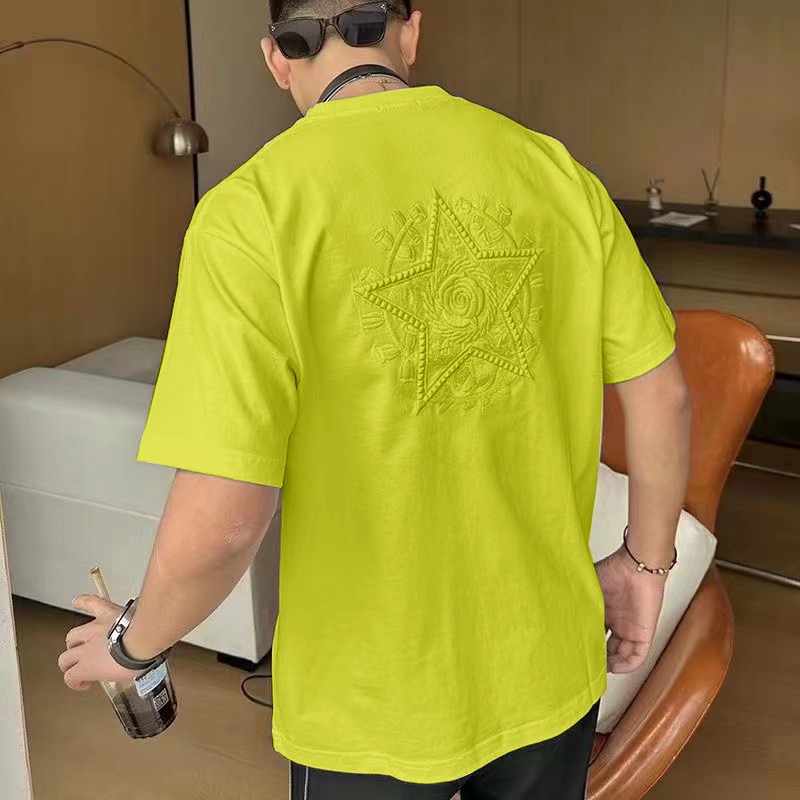
Quilted Jackets
EDVORIN develops quilted jackets by coordinating shell fabric, lining, insulation, quilting pattern, seam construction, closures and finishing details. Product specifications are tested during sampling and translated into production standards for outerwear programs requiring dependable warmth, proportion and repeatable appearance.
Get a Quote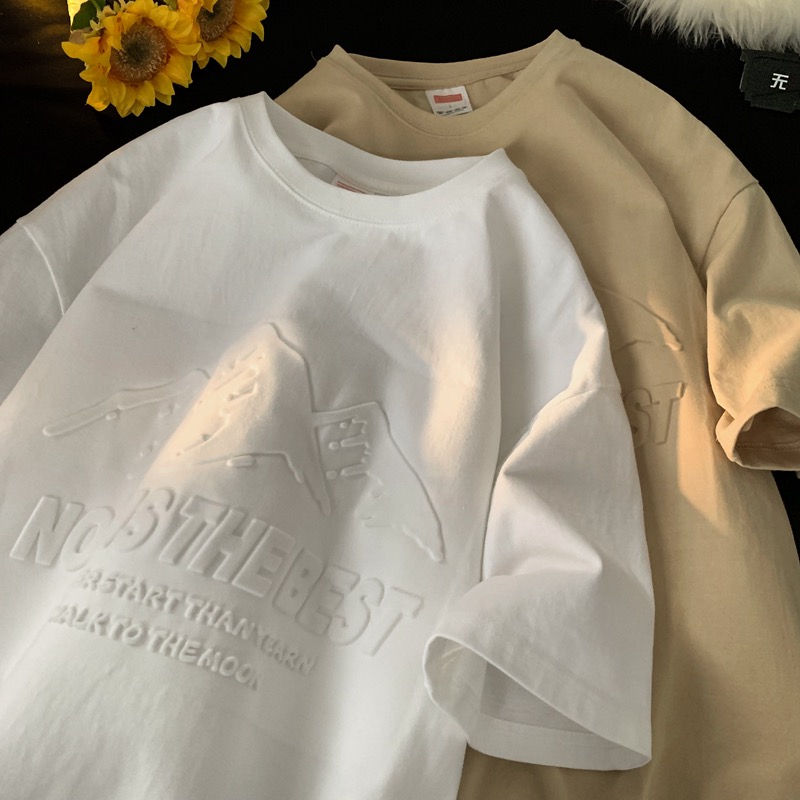
Bomber Jackets
Bomber jackets are developed around shell and lining choices, insulation, rib collar and cuffs, zipper or snap construction, pocket details and decoration. EDVORIN coordinates patterns, trims, embroidery, patches and quality checks for fashion, streetwear, uniform and private-label outerwear programs.
Get a Quote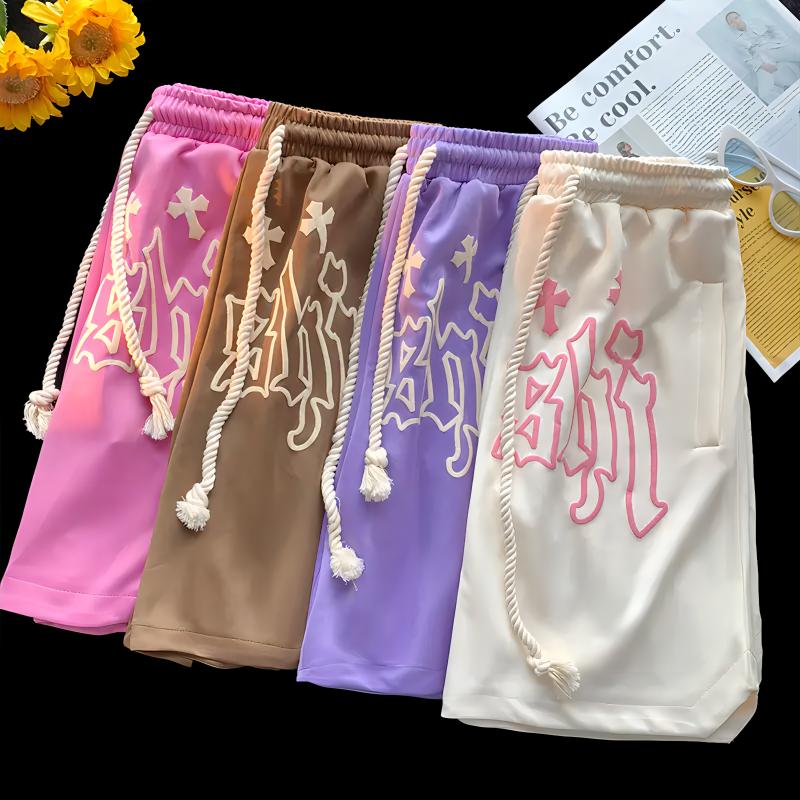
Custom Shirts
As a custom woven shirt manufacturer, EDVORIN develops shirts around woven fabric selection, collar shape, plackets, cuffs, buttons, pocket details, fit and finishing. Buyers can align patterns, grading, labels and decoration with broader collections while maintaining clear standards for repeat production.
Get a Quote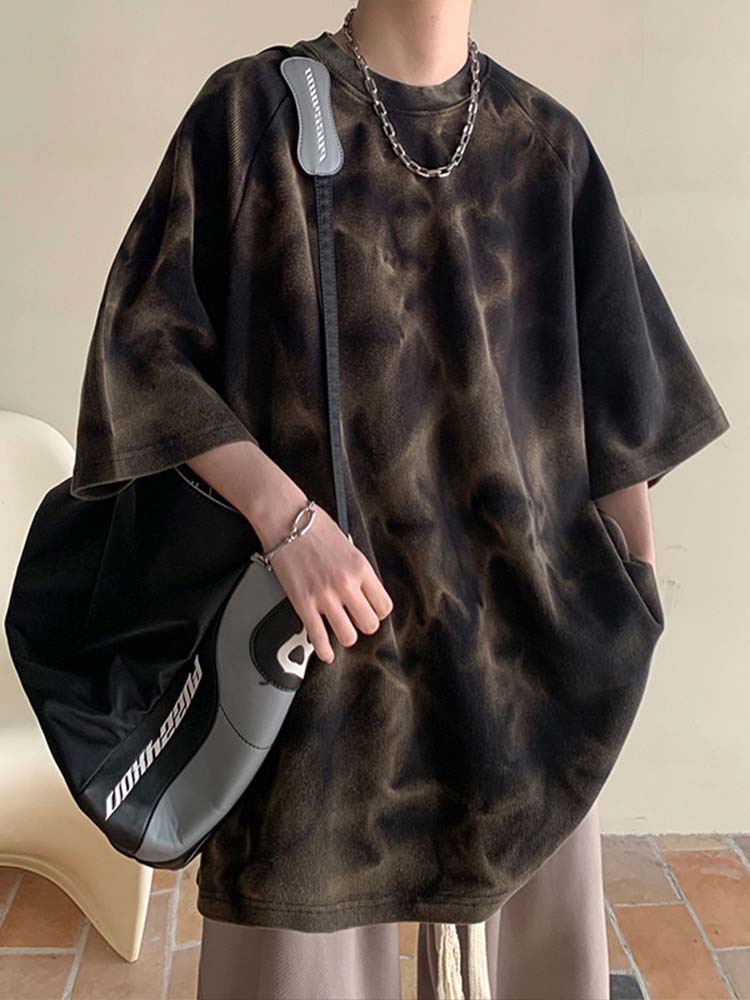
Custom Jerseys
Custom jerseys are developed with breathable performance fabrics, panel construction, color blocking, collars, sleeves, names, numbers, badges and sponsor artwork. EDVORIN coordinates decoration files, placement measurements, size grading and inspection so clubs, brands and organizations can reorder consistent team or lifestyle jerseys.
Get a Quote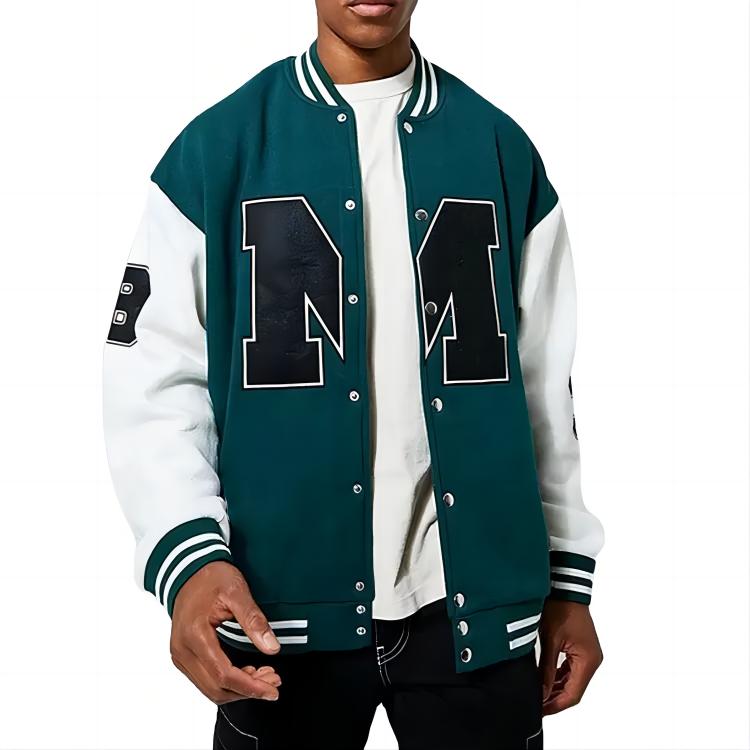
Tank Tops
Tank tops are developed for casualwear, streetwear, training and summer collections using appropriate jersey or performance fabrics, armhole and neckline finishes, body proportions and decoration methods. EDVORIN supports men’s and women’s fit development, sample approval and documented standards for repeatable production.
Get a Quote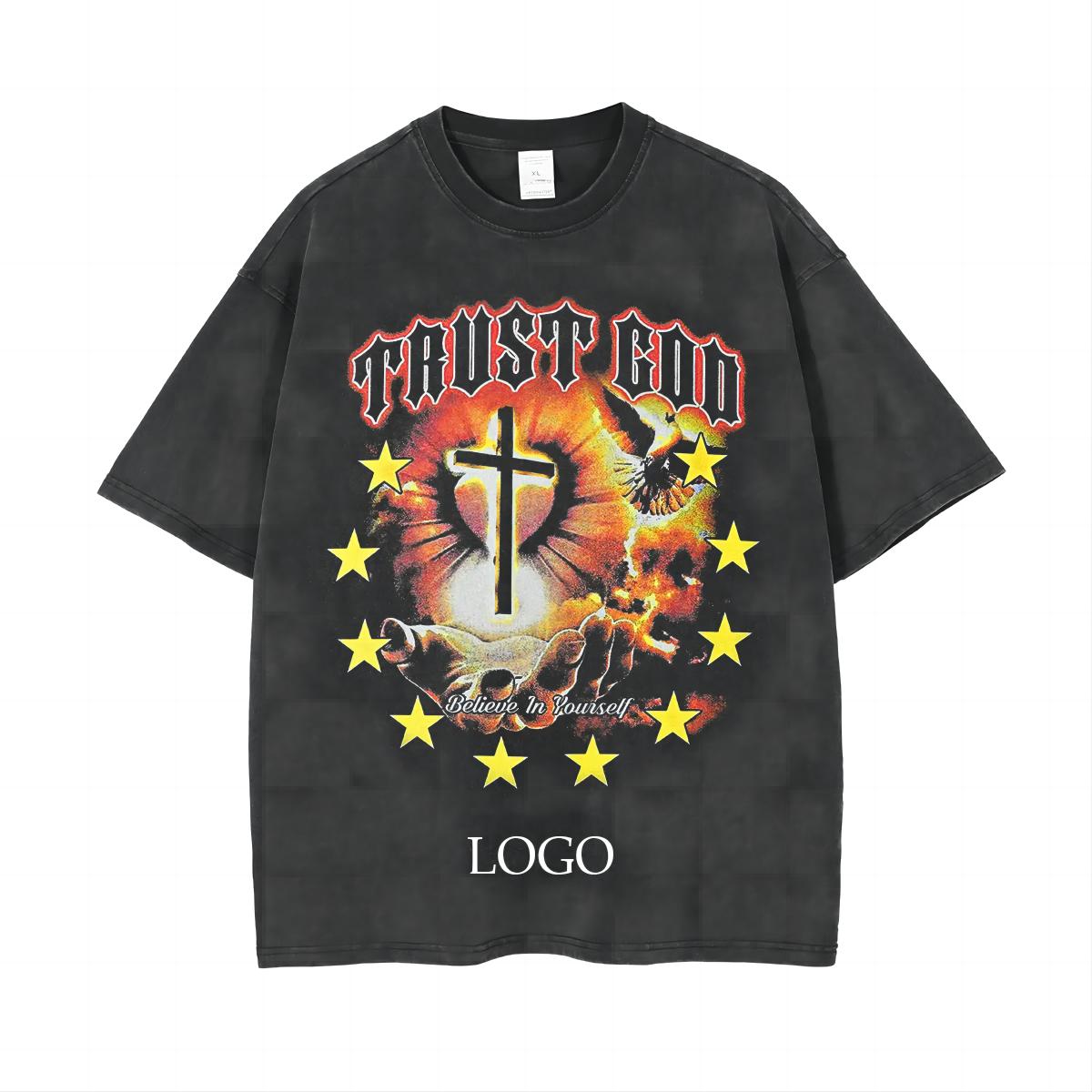
Soccer Uniforms
EDVORIN develops soccer uniforms with coordinated jersey, shorts and optional sock specifications, including breathable fabrics, color standards, player names, numbers, crests and sponsor decoration. Size grading, artwork placement and inspection procedures help teams and distributors manage organized sets and repeat orders.
Get a Quote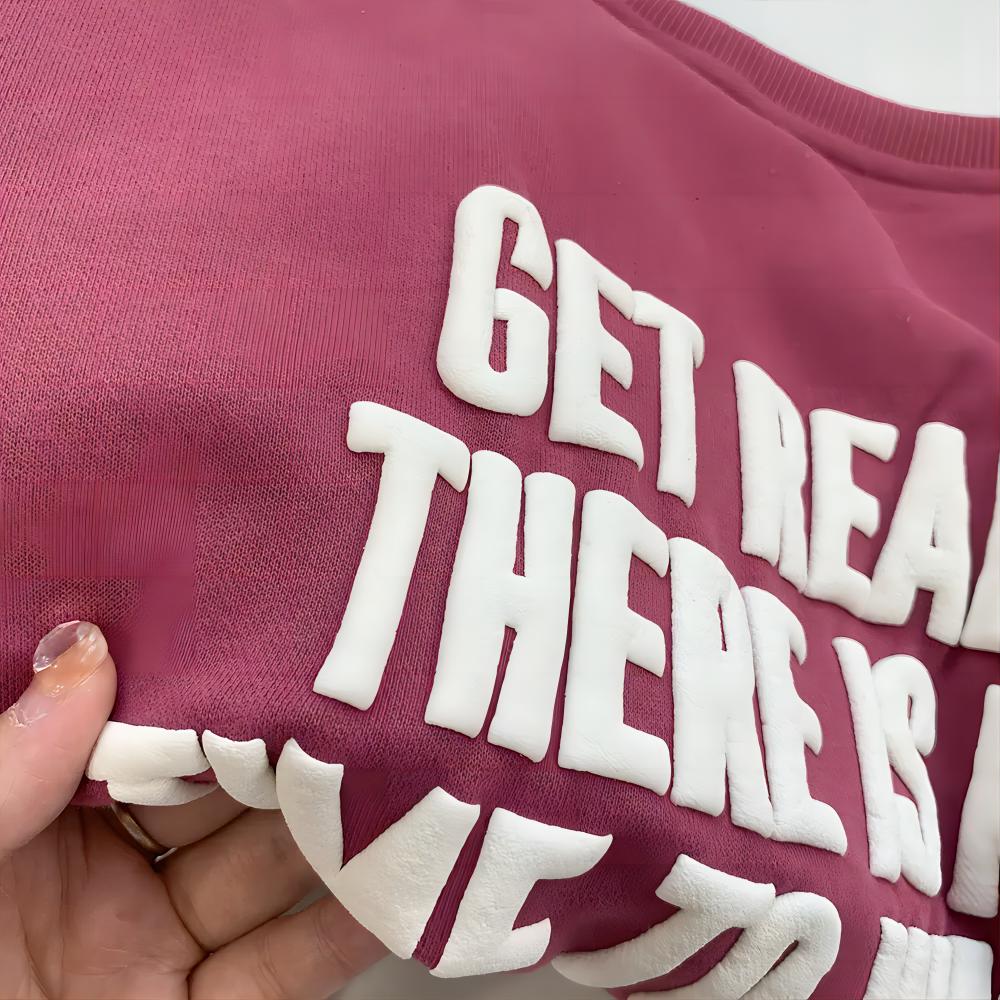
Basketball Uniforms
Basketball uniforms are developed around lightweight performance fabrics, jersey and short proportions, armhole construction, side panels, color blocking, names, numbers and team graphics. EDVORIN coordinates decoration, grading and quality checks to support school, club, academy, wholesale and professional team programs.
Get a Quote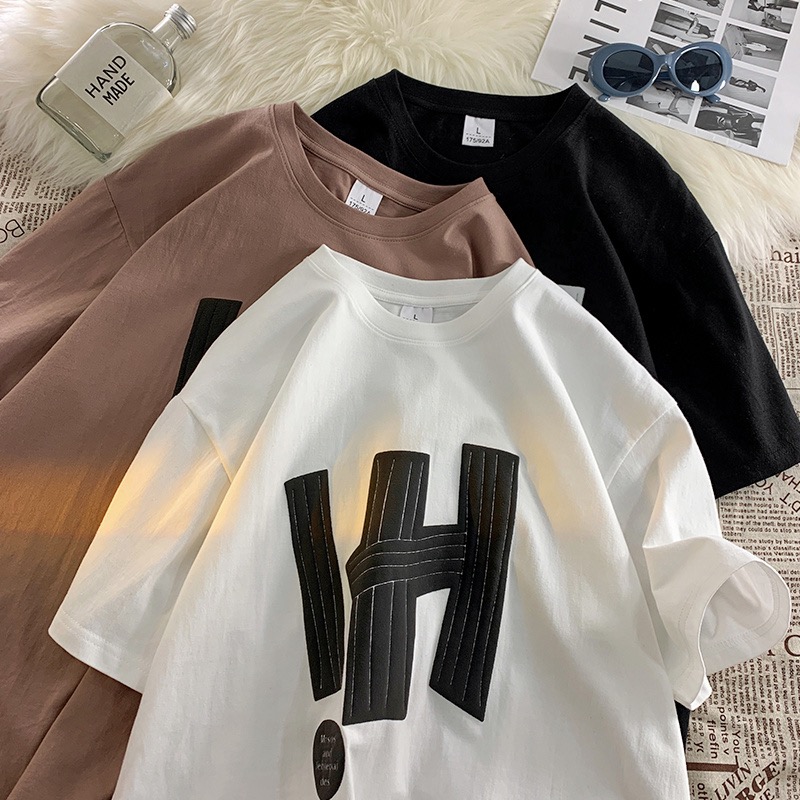
Streetwear Collections
EDVORIN develops coordinated streetwear collections across hoodies, sweatshirts, T-shirts, bottoms, jackets and accessories, aligning fabric families, color standards, trims, artwork and fit blocks. OEM, ODM and private-label buyers receive one production system for moving collection concepts from development through repeatable bulk manufacturing.
Get a QuoteMaterials for a Streetwear Screen Printing Manufacturer
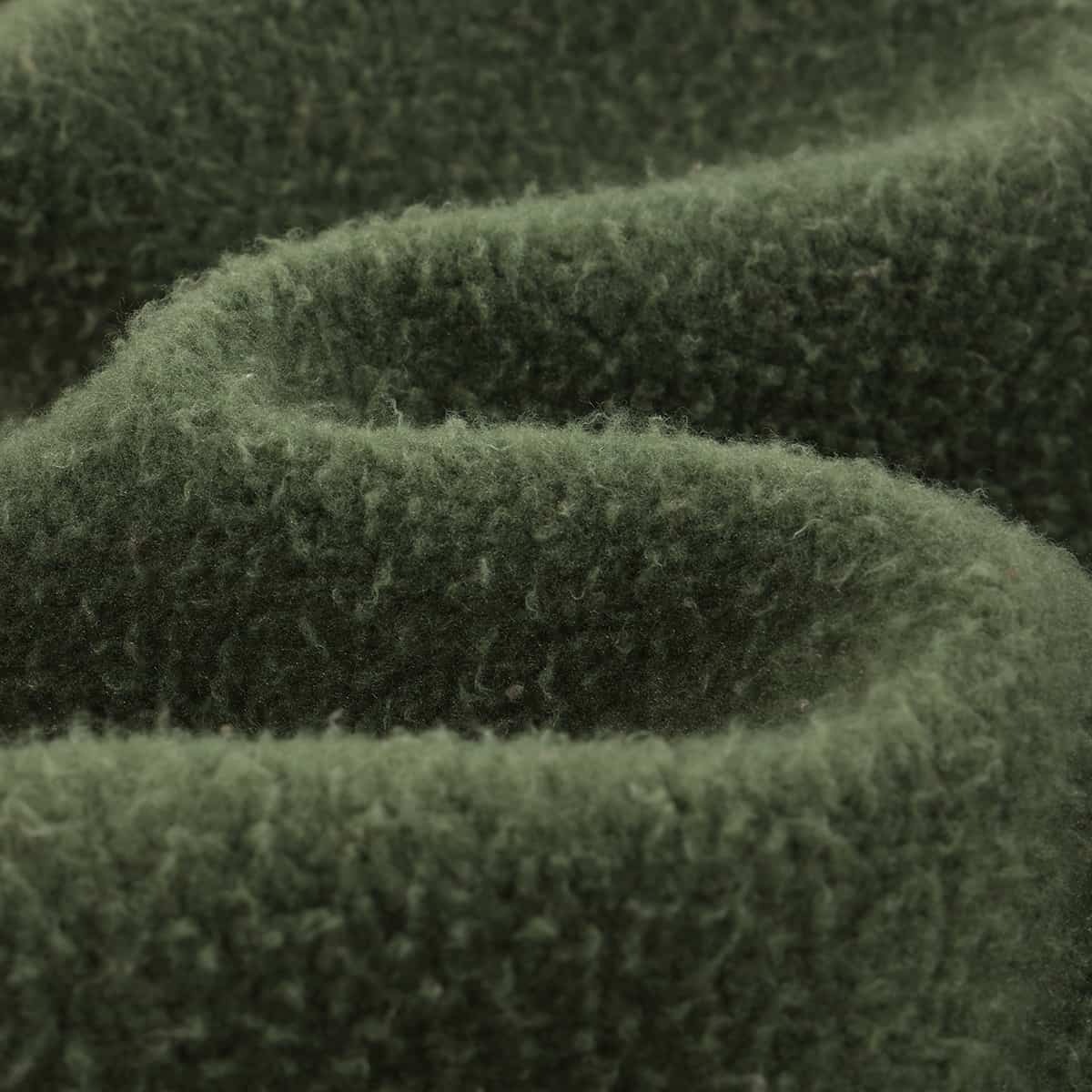
Heavyweight Fleece
Dense, warm and structured, heavyweight fleece is suited to premium hoodies, sweatshirts and joggers. Its substantial hand-feel supports elevated streetwear silhouettes and provides a stable base for bold screen printing.
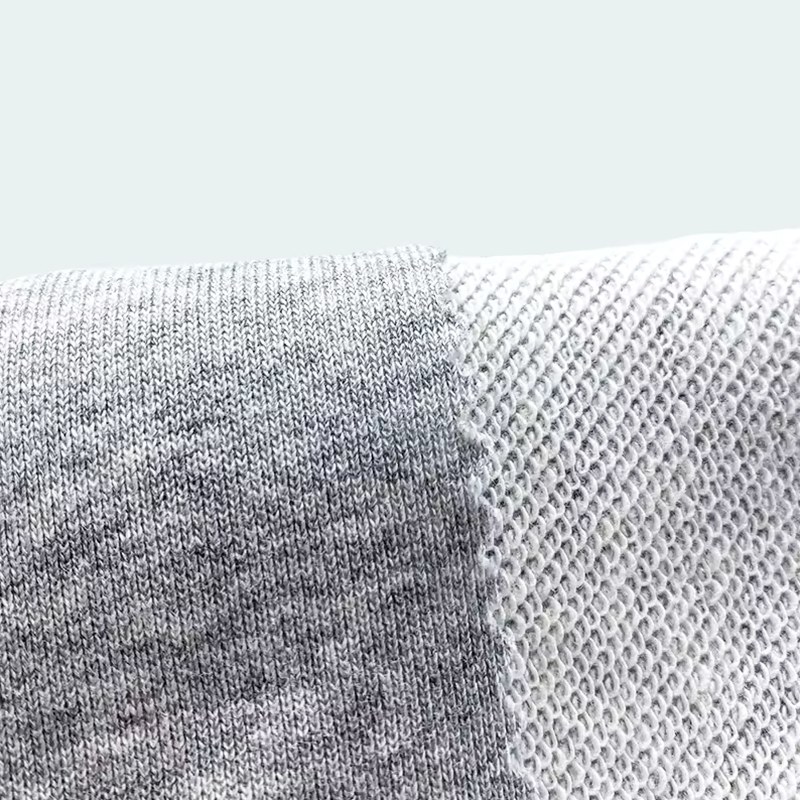
French Terry
French terry offers a smooth outer face with looped interior texture, balancing comfort and breathability. It works well for hoodies, sweatshirts, shorts and coordinated sets where midweight structure and everyday wearability matter.
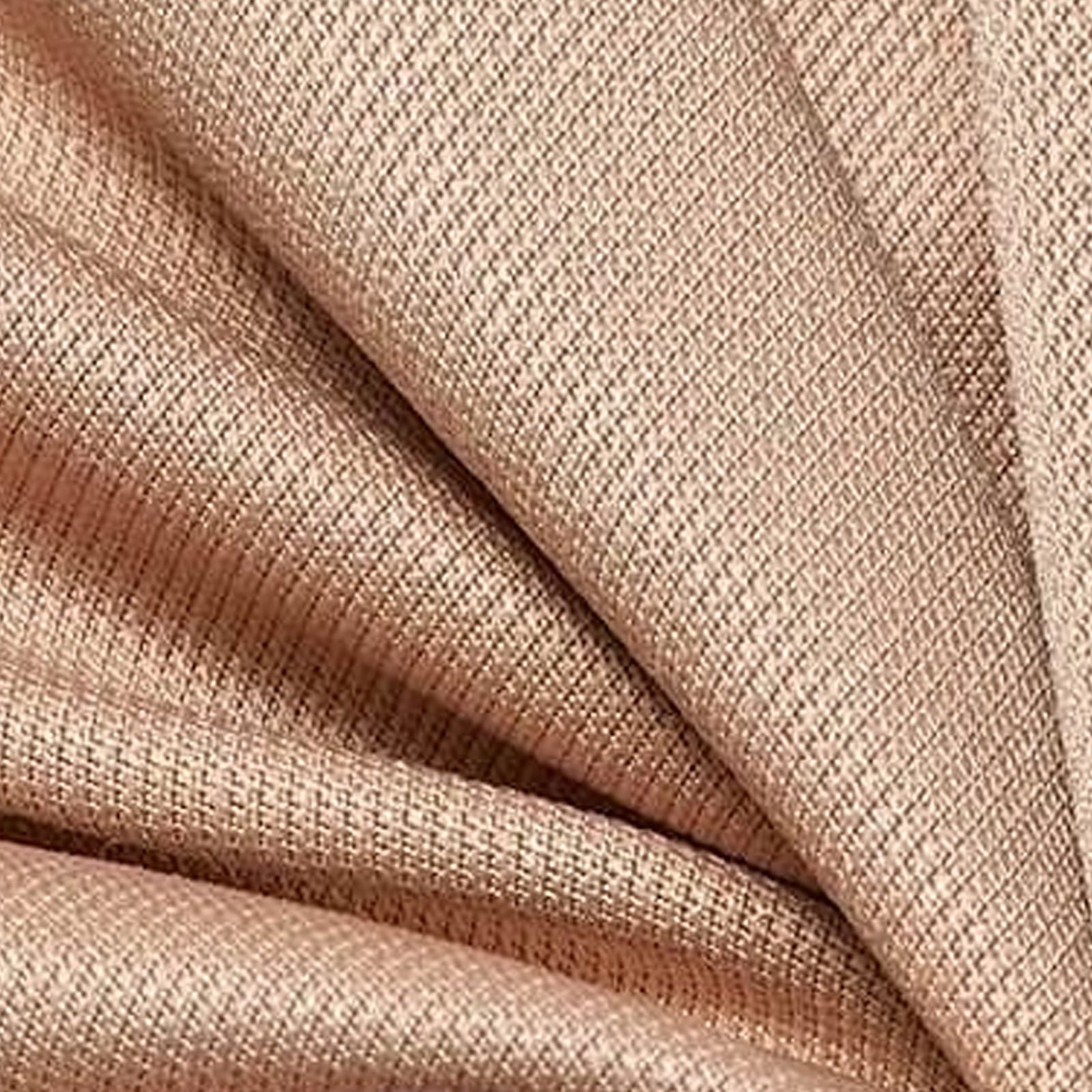
Cotton Jersey
Soft cotton jersey provides a familiar, breathable hand-feel for graphic T-shirts, tanks and lightweight streetwear layers. Its flexible surface supports versatile styling, while fabric weight can be selected for refined or substantial retail programs.
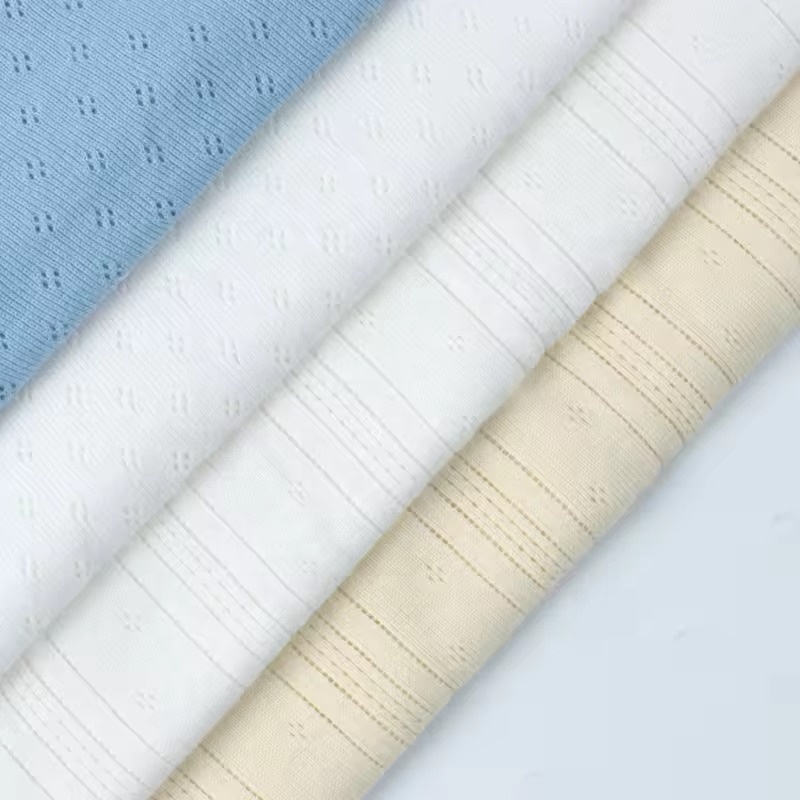
Cotton Blends
Cotton blends combine cotton comfort with added durability, recovery or shape stability. They are useful for T-shirts, sweatshirts and teamwear programs that need dependable repeat production, consistent sizing and practical performance across regular wear.
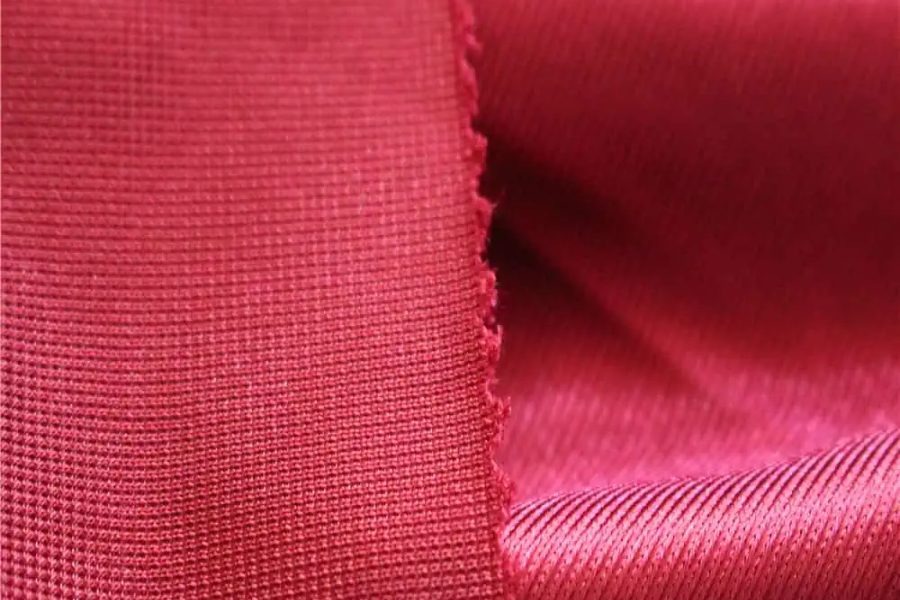
Performance Tricot
Smooth performance tricot is lightweight, resilient and quick-drying, making it suitable for jerseys, training tops, soccer uniforms and basketball programs. Its stable knit structure supports athletic movement, color consistency and repeatable decoration placement.
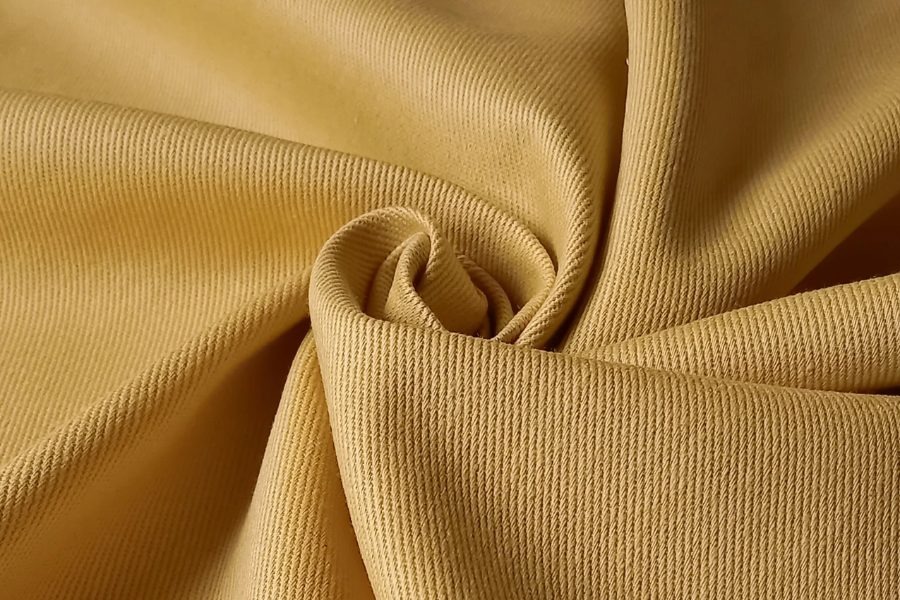
Outerwear Twill
Durable outerwear twill brings a firm hand-feel and structured appearance to varsity jackets, bombers, overshirts and utility-inspired streetwear. Its woven construction supports trims, patches and layered decoration while helping garments retain their shape.
Streetwear Screen Printing Manufacturer Decoration Processes
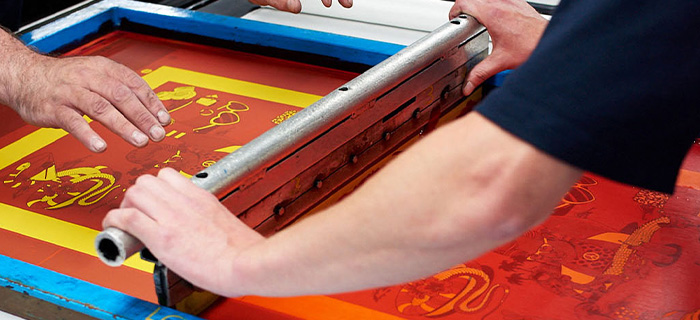
Screen Printing
As a streetwear screen printing manufacturer, EDVORIN develops crisp artwork, controlled color placement and durable ink applications for T-shirts, hoodies, sweatshirts and coordinated collections, with specifications documented for consistent sample-to-bulk reproduction.
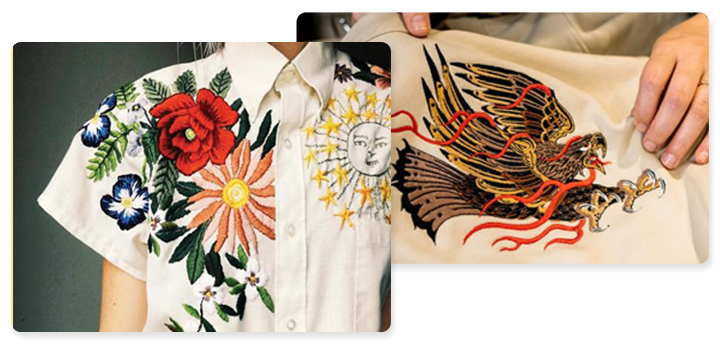
Garment Embroidery
Embroidery adds dimensional texture and a premium branded finish to caps, jackets, polos, hoodies and teamwear. EDVORIN coordinates thread selection, stitch density, placement and backing requirements to protect appearance across repeat orders.
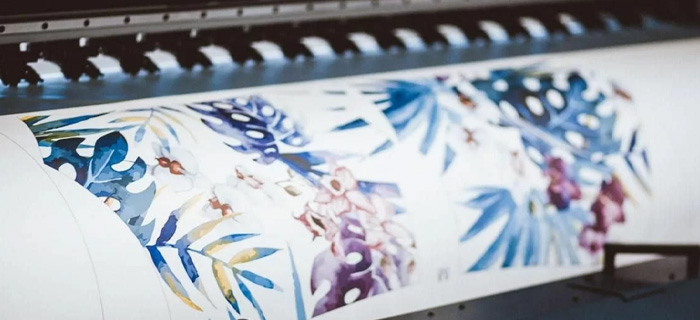
Sublimation Printing
Sublimation integrates vivid artwork into suitable polyester-based fabrics, making it useful for jerseys, soccer uniforms, basketball uniforms and performance teamwear. EDVORIN aligns artwork scale, color control and garment construction for dependable visual results.
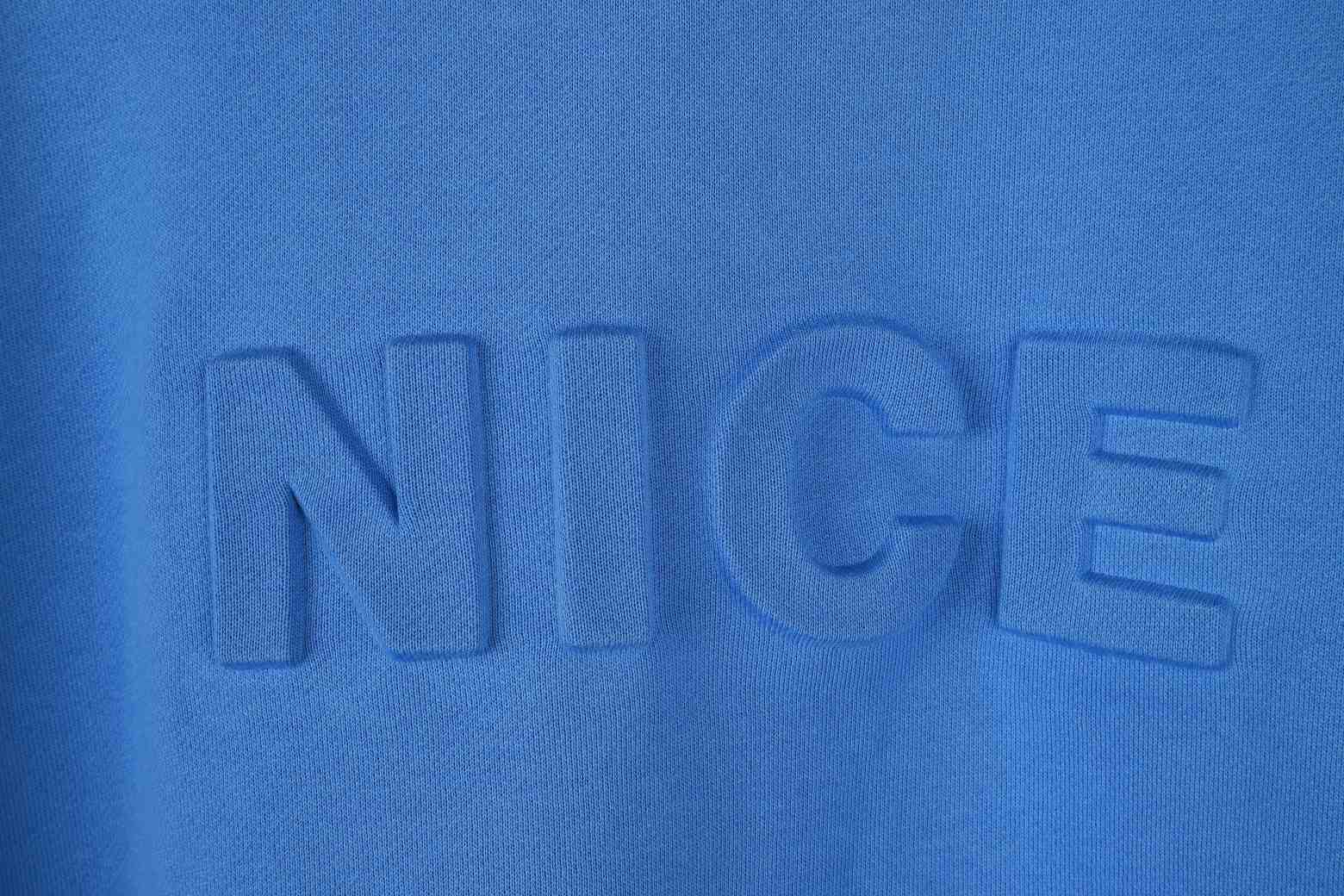
Specialty Finishes
Puff, high-density, metallic, discharge and other specialty finishes can create raised texture, vintage character or visual contrast. EDVORIN evaluates the fabric, artwork and intended hand feel before confirming the production method.
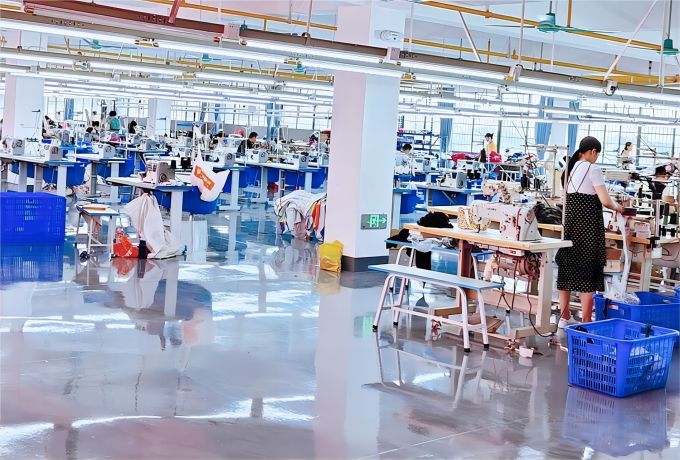
Application Requirements
Every category has different decoration needs. EDVORIN coordinates print locations, trims, labels, patches, wash effects and performance requirements so streetwear, outerwear and teamwear designs remain practical, consistent and production-ready.
Labels, Zippers, Snaps and Production Accessories
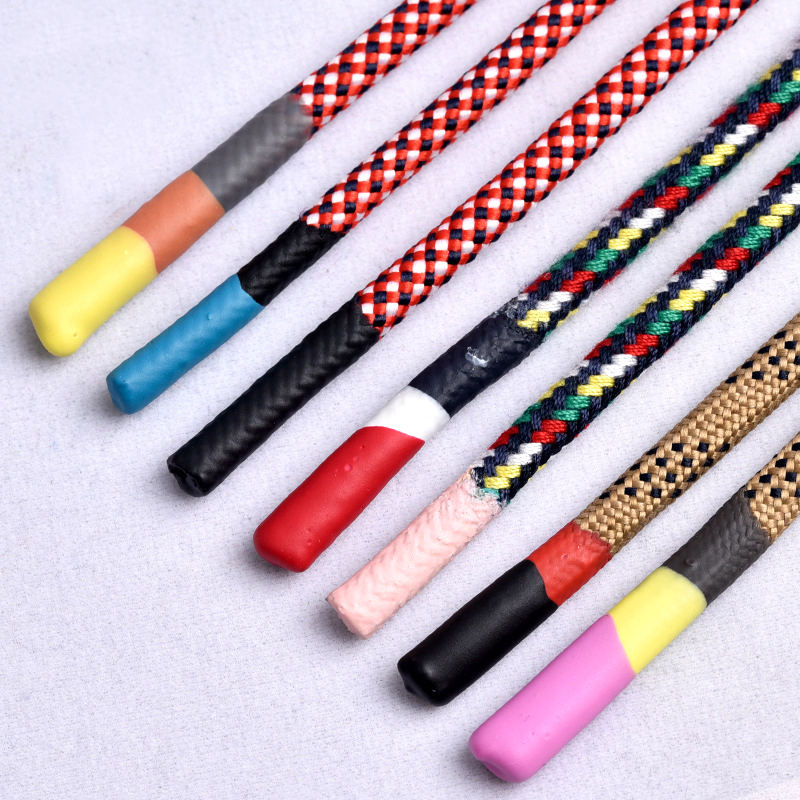
Drawcord & Tipping
Coordinate drawcords, aglets and tipping details with hoodie, jogger and sweatpant construction. EDVORIN aligns color, length and finishing so functional elements support the collection’s visual identity from sample approval through repeat bulk production.
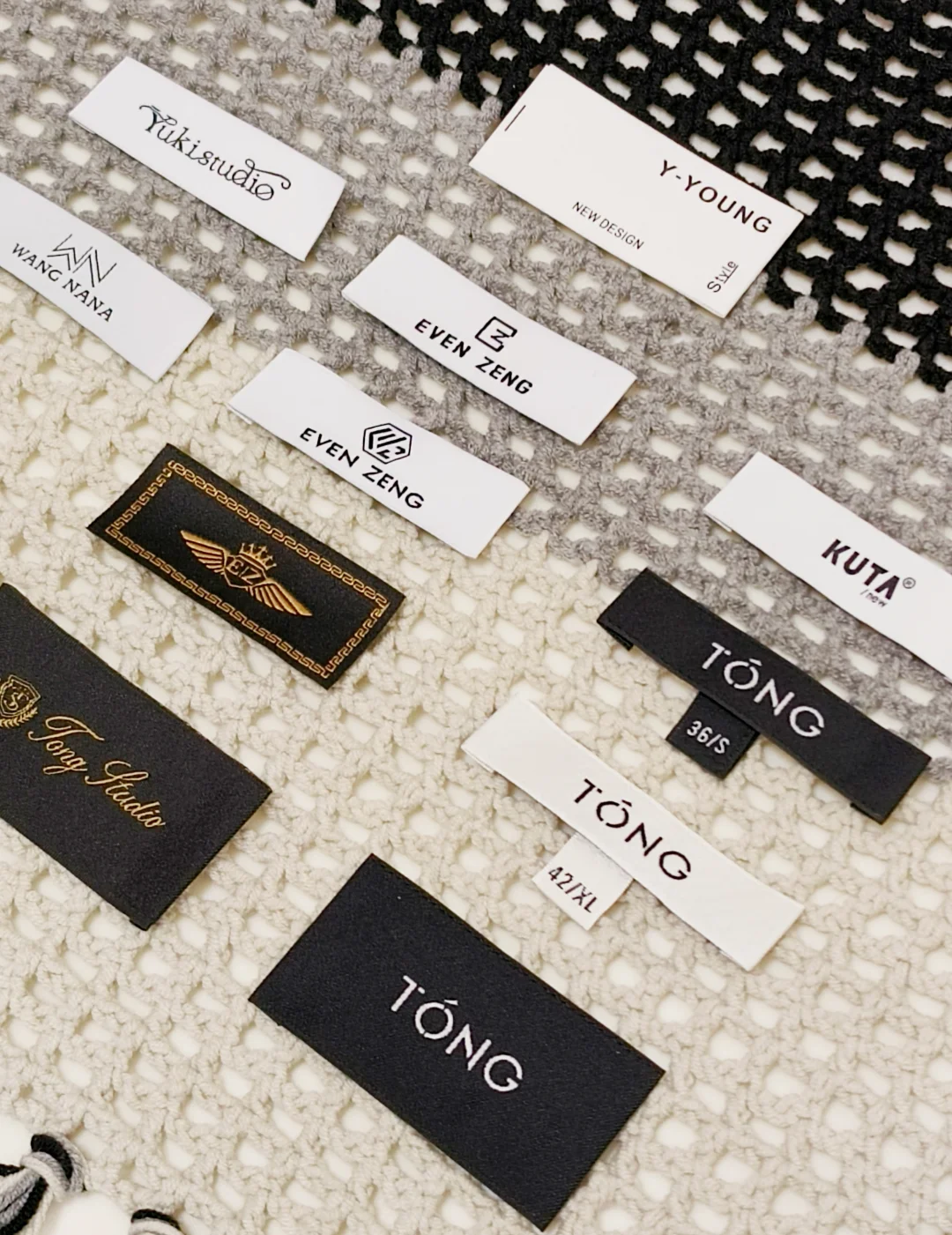
Woven Labels
Build recognizable branding into neck labels, size labels, care labels and side tags. EDVORIN coordinates artwork, dimensions, weave quality and placement for a polished finish across streetwear, casualwear and private-label apparel programs.
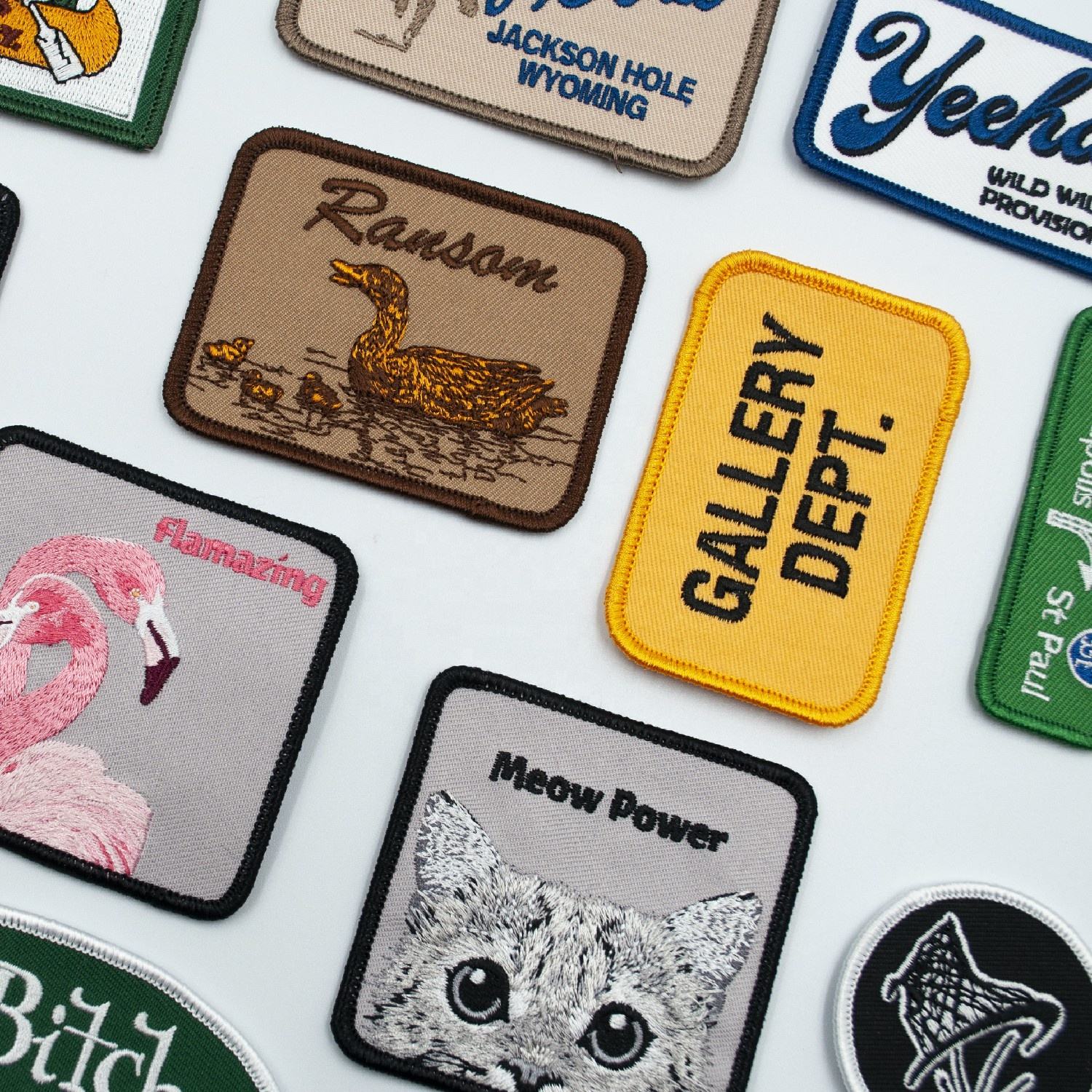
Custom Patches
Add character with woven, embroidered, PVC or printed patches for varsity jackets, outerwear, hoodies and teamwear. Patch dimensions, backing, placement and attachment method are developed around the garment’s construction and intended use.
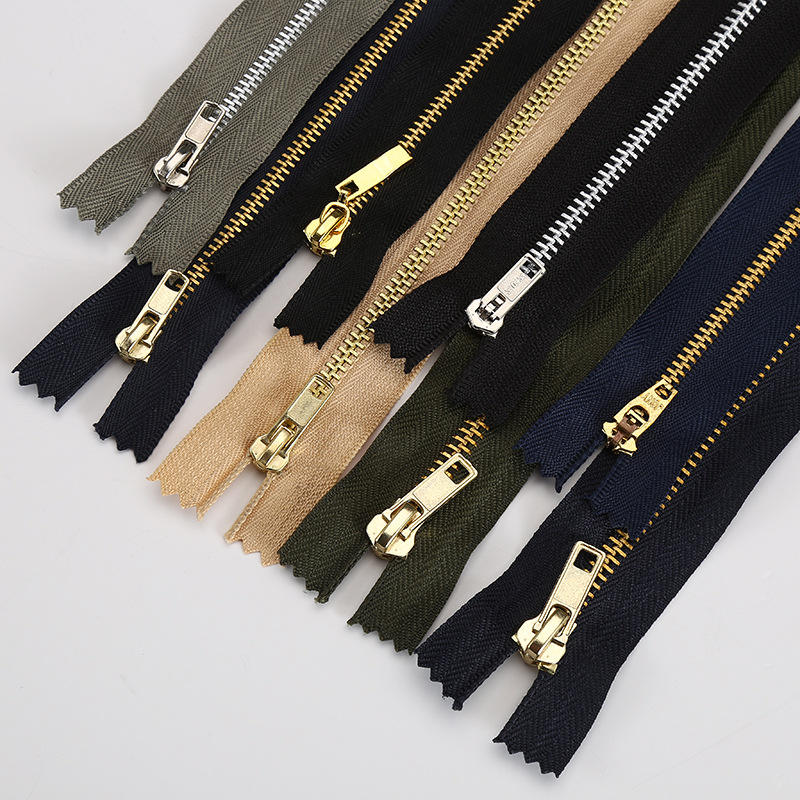
Zippers & Hardware
Select zippers, pulls and related hardware to match the garment’s weight, function and styling. EDVORIN coordinates finishes and specifications for bomber jackets, windbreakers, quilted outerwear, pockets and other performance-focused details.
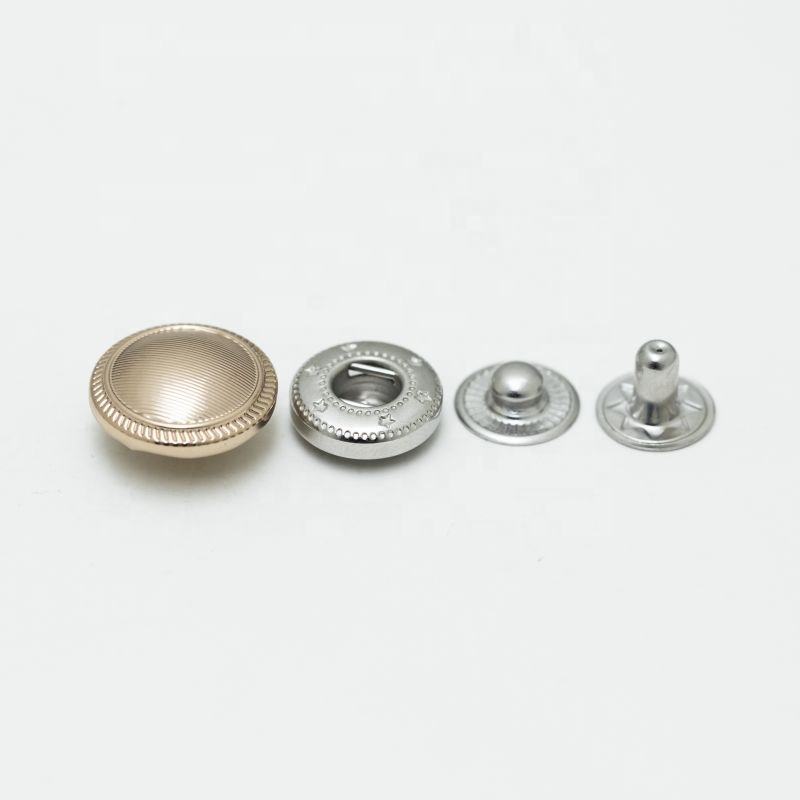
Snap Buttons
Use snap buttons for varsity jackets, overshirts, pockets and branded closures. EDVORIN helps coordinate button size, finish, placement and fastening performance so the hardware complements the design and withstands regular wear.
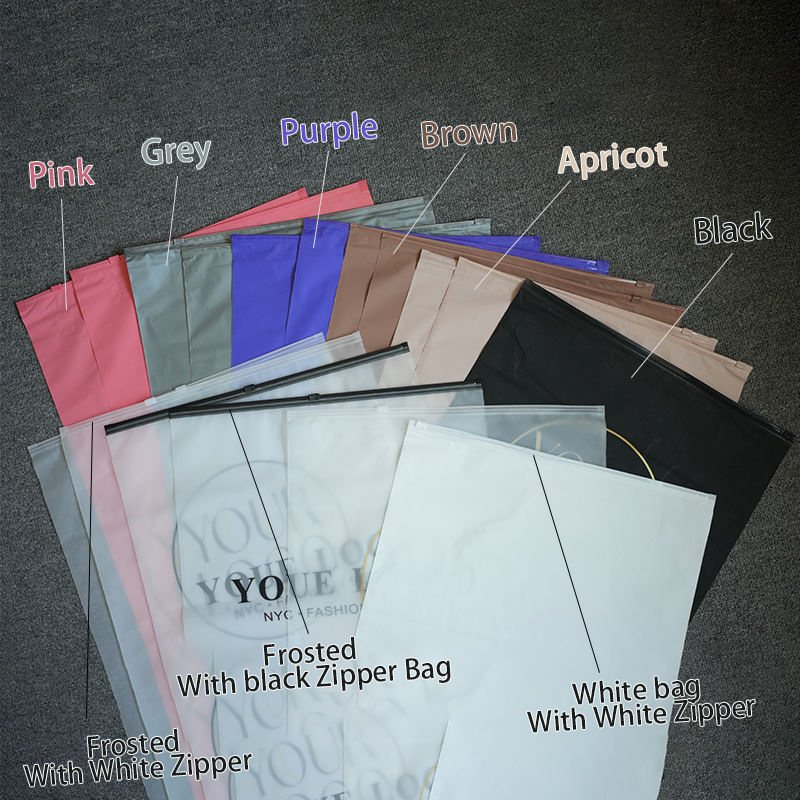
Retail Packaging
Prepare finished products for wholesale, retail or direct distribution with coordinated hangtags, polybags, stickers, folding and carton details. EDVORIN organizes packaging specifications so approved garments arrive labeled, protected and ready for shipment.
About EDVORIN: Founder-Led Apparel Manufacturing Since 2000
Founded by Edvorin Zeng in 2000, EDVORIN began with a practical understanding of garment construction and the challenges behind consistent production. Today, the company helps fashion brands, streetwear labels, sports organizations, schools, wholesalers and private-label buyers turn concepts, sketches or tech packs into production-ready apparel programs.
EDVORIN connects product development, fabric and trim sourcing, patterns, sampling, screen printing, embroidery, washing, bulk production, quality control, labeling and packaging within one accountable workflow. Hoodies, sweatshirts, joggers, jackets, T-shirts, jerseys and coordinated collections can be developed for both men’s and women’s programs, with specifications adjusted to the intended market.
As a streetwear screen printing manufacturer, EDVORIN treats an approved sample as the beginning of repeatable production. Artwork placement, materials, measurements, decoration details and finishing standards are documented before bulk manufacturing, while in-line and final checks protect consistency. With OEM, ODM and private-label support and MOQs starting at 200 pieces per style, EDVORIN helps emerging and established buyers build collections with confidence.
Core Capabilities for Custom Apparel Manufacturing
Technical Development From Concept
EDVORIN turns sketches, reference garments and tech packs into clear manufacturing standards. Product developers refine construction, fit and measurements for men’s and women’s programs, creating samples that give production teams a practical reference before bulk cutting and sewing begin.
- OEM, ODM and private-label development
- Patterns, fit blocks and grading support
- 7-day sample development for qualified projects
- Approved samples documented for repeat production
Materials And Trims Coordinated
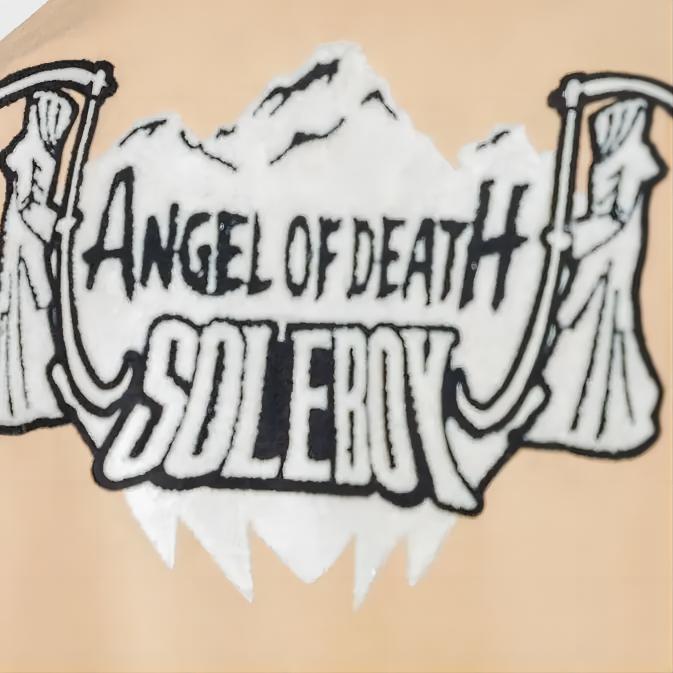
A reliable streetwear collection depends on more than the garment shell. EDVORIN coordinates fabric, rib, drawcords, labels, zippers, snaps, patches and packaging so material choices support the intended fit, finish, decoration method and market position.
- Fleece, jersey, woven and outerwear materials
- Trim selection matched to garment construction
- Labels, accessories and packaging coordination
- Material decisions reviewed before bulk production
Decoration Controlled By Category
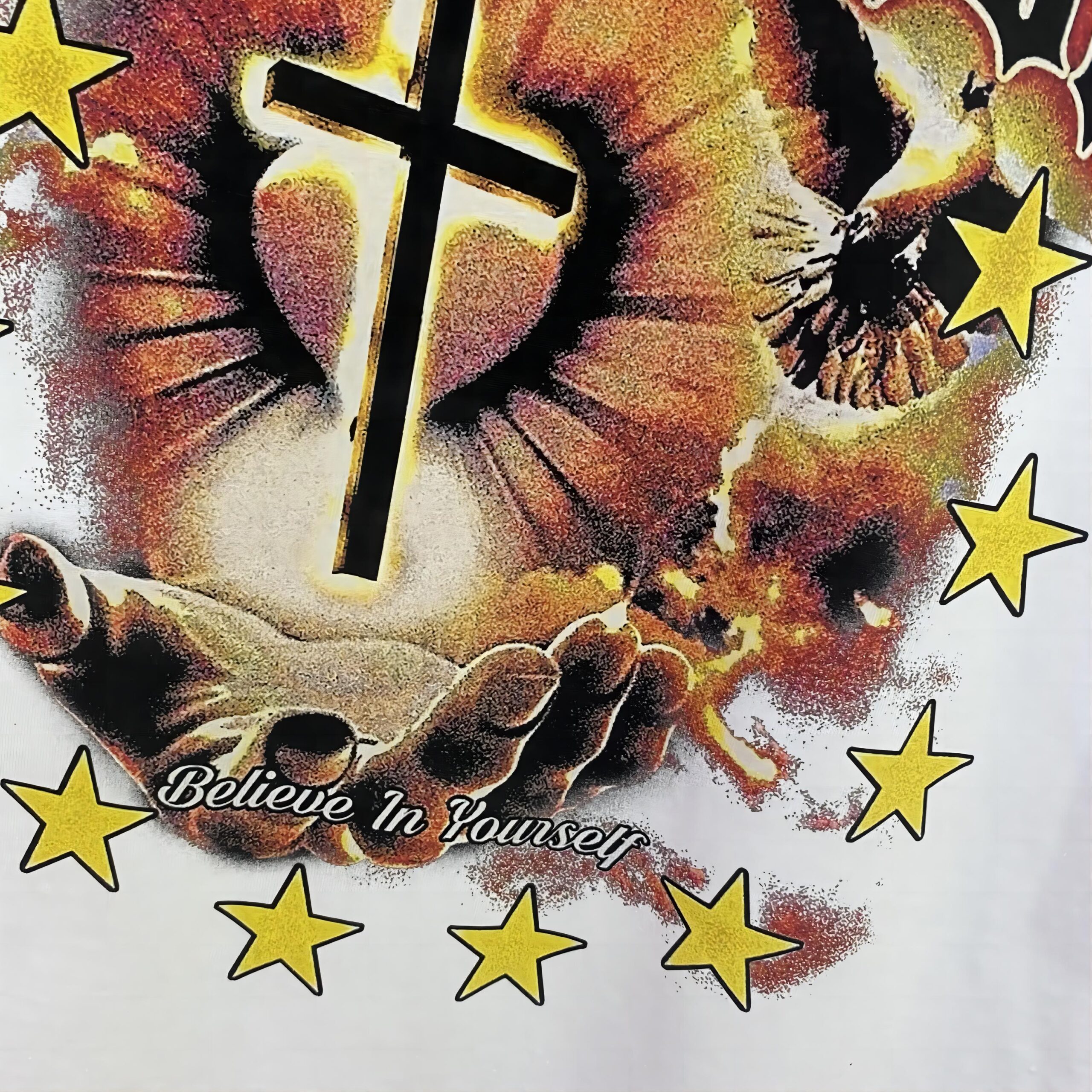
Screen printing, embroidery and specialty decoration are planned around each product’s fabric, placement and visual requirements. EDVORIN records artwork details and production instructions so streetwear graphics, team marks and private-label branding remain consistent across styles and repeat orders.
- Screen printing for tees, hoodies and sweats
- Embroidery and patches for structured products
- Placement, color and artwork specifications
- Decoration selected for fabric and end use
Sample-To-Bulk Quality Management
EDVORIN carries the approved standard through sourcing, production, inspection and packing. In-line checks address measurements, color, construction and decoration before variation spreads across an order, helping buyers build a repeatable program with clearer control from first sample to reorder.
- Sample approval establishes the production reference
- In-line inspections identify issues early
- Final checks confirm packed-order requirements
- MOQ starts at 200 pieces per style
Why Choose EDVORIN as Your Streetwear Screen Printing Manufacturer
Compare the integrated production controls behind repeatable streetwear collections, from product development and decoration through approved standards and bulk quality control.
← Swipe left or right to view →
Our process as a streetwear screen printing manufacturer
From concept review and sourcing to approved samples, decorated production, inspection and shipment, EDVORIN keeps every decision visible and repeatable.
Review and Source
We review your tech pack, artwork, quantities and timeline, then align fabrics, trims, decoration requirements and production details before development begins.
Pattern and Sample
Our team develops or refines patterns, fit blocks and artwork placement, then produces a sample for review against the intended men’s or women’s program.
Approve and Prepare Bulk
After approval, we document measurements, materials, colors, print specifications and construction standards so the sample becomes a clear, repeatable bulk-production reference.
Cut, Print and Sew
Fabric is cut to approved patterns, garments receive screen printing or other decoration, and sewing teams assemble each style according to the confirmed specifications.
Inspect, Pack and Ship
In-line and final inspections check construction, print placement, measurements, labeling and packing before finished orders are prepared for shipment and repeat production.
How to Work with a Streetwear Screen Printing Manufacturer
Move from concept to approved standards and repeatable bulk production through one accountable EDVORIN workflow.
Submit Your Concept or Tech Pack
Share sketches, reference garments or a complete tech pack so EDVORIN can align fabrics, fit, artwork placement, trims and production requirements.
Review Your Quote and Samples
Review pricing, construction details and samples with the team, then refine materials, decoration, measurements and finishing until the product matches your direction.
Approve the Production Standard
Confirm the approved sample, artwork placement, color references, measurements, trims, labels and packaging requirements that will guide consistent bulk manufacturing.
Start Your Bulk Production
EDVORIN coordinates sourcing, printing, sewing, quality checks and packing, creating a documented production path for dependable repeat orders across your collection.
Certified Standards for Responsible Apparel Production



Customer results from a streetwear screen printing manufacturer
EDVORIN turned our hoodie concept into an approved sample in 7 days, then carried the same artwork placement, fabric weight and trim details into bulk production. Our first 200-piece style arrived consistent enough to support a clean launch and a confident reorder.
We expanded from printed T-shirts into matching hoodies and joggers without managing separate suppliers. EDVORIN coordinated fabric, screen printing, labels and packaging, helping us release three coordinated streetwear styles with consistent color and sizing across the collection.
Our teamwear program needed repeatable names, numbers and color placement across multiple sizes. EDVORIN documented the approved standards and checked production against them, reducing variation across a 500-piece order and giving us a reliable streetwear screen printing manufacturer for future seasons.
FAQ for a Streetwear Screen Printing Manufacturer
EDVORIN’s MOQ starts at 200 pieces per style. Clear answers on MOQ, sampling, production planning, artwork, repeat orders and procurement requirements.
What is the minimum order for a streetwear screen printing manufacturer?
How much do samples cost from a streetwear screen printing manufacturer?
Can a streetwear screen printing manufacturer provide samples in seven days?
What lead time should I expect from a streetwear screen printing manufacturer?
What payment terms does EDVORIN offer for apparel manufacturing?
What artwork does a streetwear screen printing manufacturer need?
How does EDVORIN handle repeat orders for printed streetwear?
How does a streetwear screen printing manufacturer protect my designs and intellectual property?
The Complete Buyer’s Guide to streetwear screen printing manufacturer
Use this decision framework to compare manufacturer types, fabrics, decoration methods, quality controls, pricing, and launch readiness—while avoiding costly sourcing, artwork, sampling, and production mistakes.
1. What Is a Streetwear Screen Printing Manufacturer?
2000 marks EDVORIN’s starting point as an apparel manufacturing partner, while a streetwear screen printing manufacturer coordinates the garment, decoration, and repeatable production standard. A local print shop usually decorates customer-supplied blanks; a print-on-demand platform fulfills individual orders; a cut-and-sew factory builds garments but may not manage retail-ready printing; a full-service apparel supplier connects sourcing, development, decoration, and bulk production. 7 core stages typically move an order from garment selection and artwork preparation to screen setup, test printing, production, inspection, finishing, packing, and delivery. Artwork is converted into separations, placement and color references are recorded, then registration, ink coverage, curing, measurements, labels, folding, and packing are checked against the approved sample.
2. Evolution and History of Streetwear Screen Printing
Commercial screen printing established the basic logic still used in apparel: separate screens, controlled ink deposits, repeatable registration, and scalable graphic reproduction. The method later moved from posters and promotional goods into music merchandise, skate graphics, sports uniforms, and independent fashion, where bold artwork became part of identity. Modern presses and ink systems expanded what designers could request, from durable plastisol and water-based effects to simulated process color, discharge, puff, metallic, gel, and high-density finishes. Today, a streetwear screen printing manufacturer should understand that history as a production requirement, not a style reference.
3. Types of Streetwear Screen Printing Manufacturers
Six supplier models cover most streetwear programs, from decoration-only services to full garment development.
| Manufacturer type | Customization and MOQ | Best suited buyer |
|---|---|---|
| Contract printer | Low garment customization; flexible | Schools, clubs, events |
| Blank decorator | Ready-made blanks; low to medium | Promotional and startup programs |
| Cut-and-sew | High customization; development MOQ | Fashion and private-label brands |
| Vertically integrated | High control; scalable MOQ | Coordinated collections |
| Low-MOQ studio | High flexibility; small runs | Limited drops and testing |
| High-volume factory | Repeatable; larger MOQ | Wholesalers and distributors |
Decoration-First Suppliers
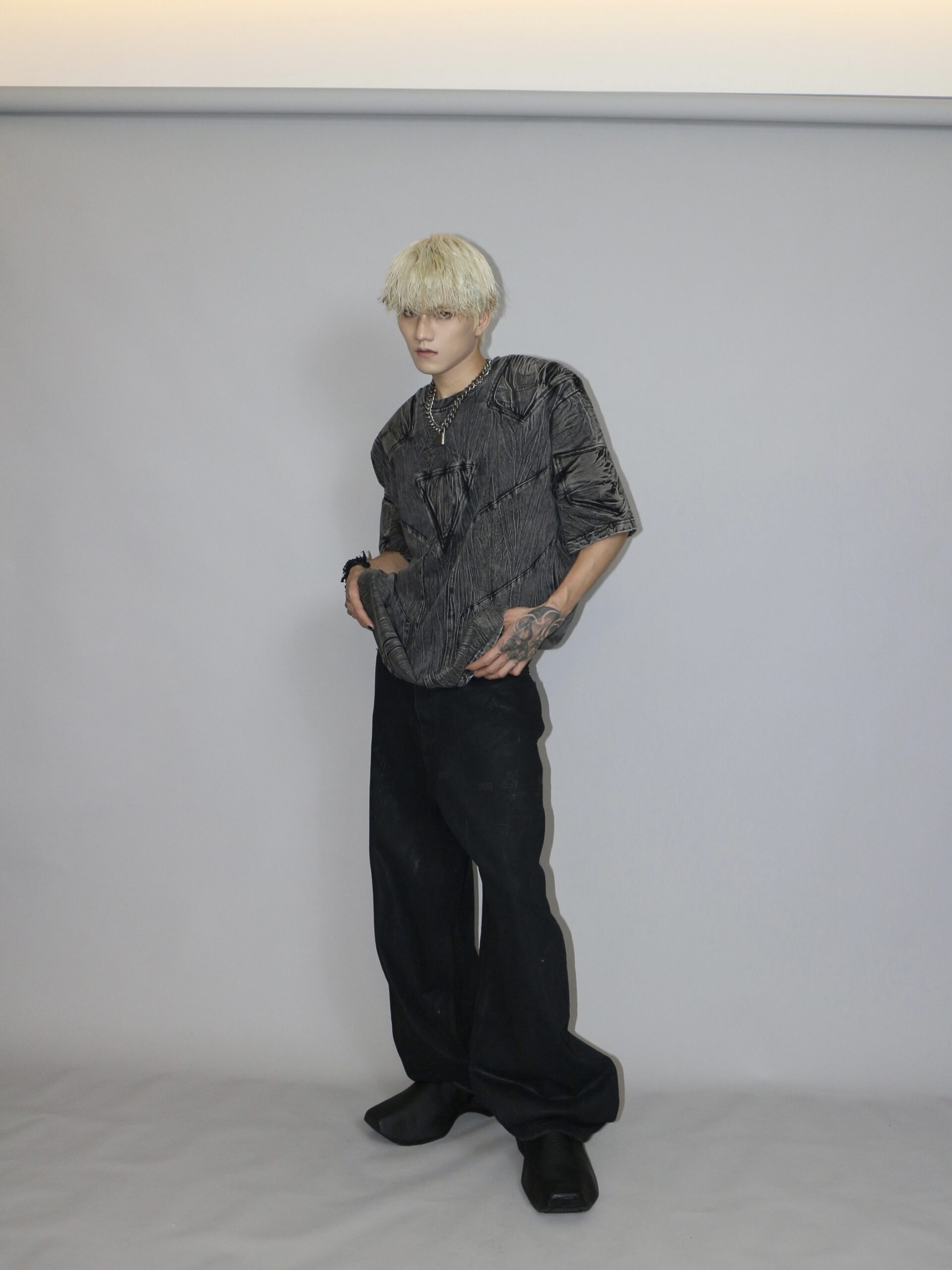
Contract printers handle artwork application for buyers with approved garments and specifications. They suit promotional programs, clubs, and schools needing fast decoration with limited garment customization.
Development-Integrated Manufacturers
Cut-and-sew manufacturers build patterns, select materials, develop samples, and print on custom garments. They suit fashion labels and private-label buyers requiring distinctive fit, fabric, trims, and branding.
Volume And MOQ Specialists
EDVORIN’s MOQ starts at 200 pieces per style. Low-MOQ studios support testing, limited drops, and early-stage brands with closer communication and faster decisions. Their unit costs and capacity may be less favorable at scale. High-volume factories suit wholesalers, distributors, and established teams needing repeatable output.
4. Materials and Fabrics for Streetwear Printing
100% cotton, blends, and synthetics absorb ink and retain shape differently.
Fiber And Knit Structure
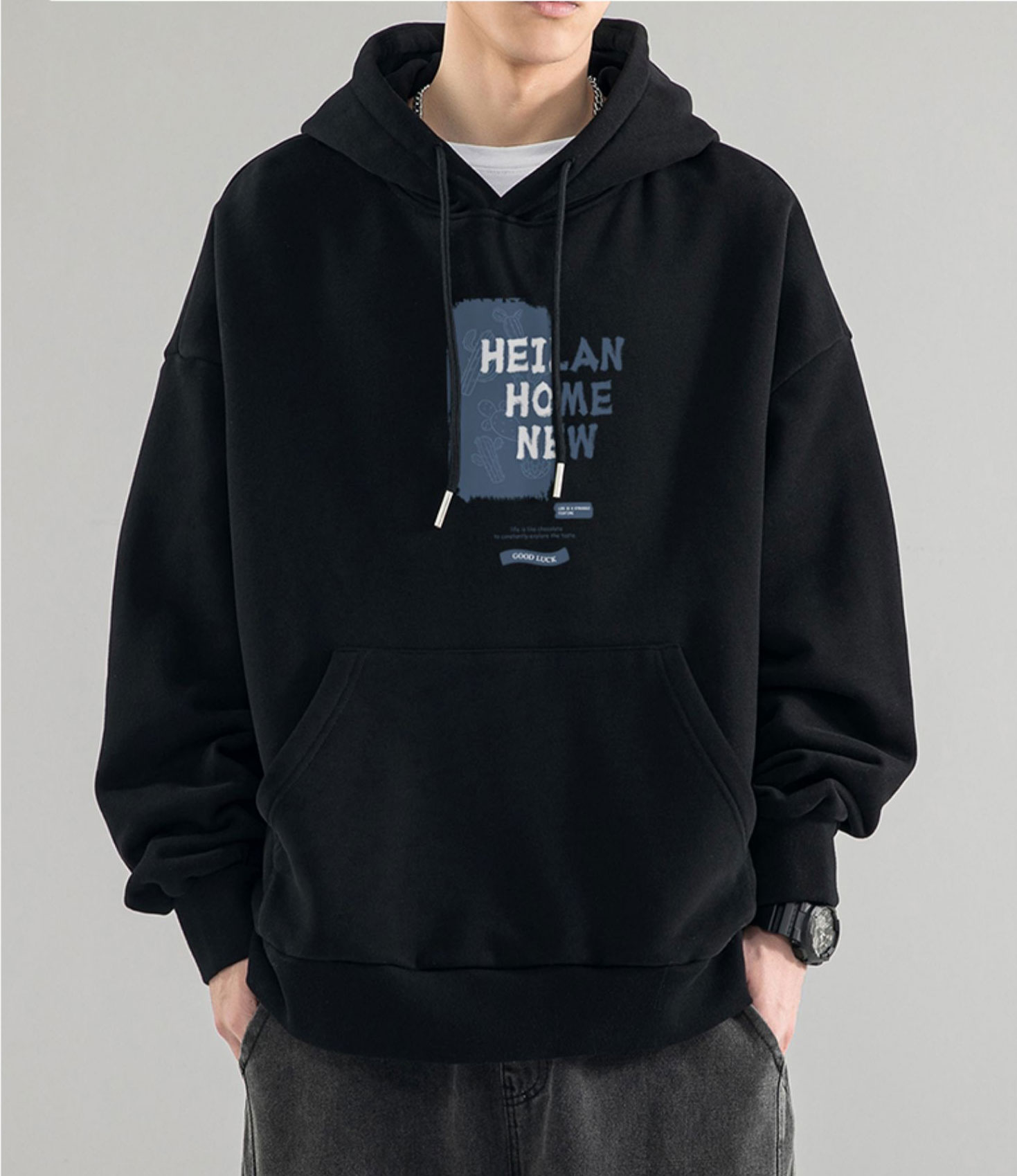
100% cotton jersey gives opaque, soft prints for tees but may shrink; cotton-polyester blends improve dimensional stability. Polyester suits uniforms and performance apparel, though dye migration requires compatible inks.
Weight And Surface Texture
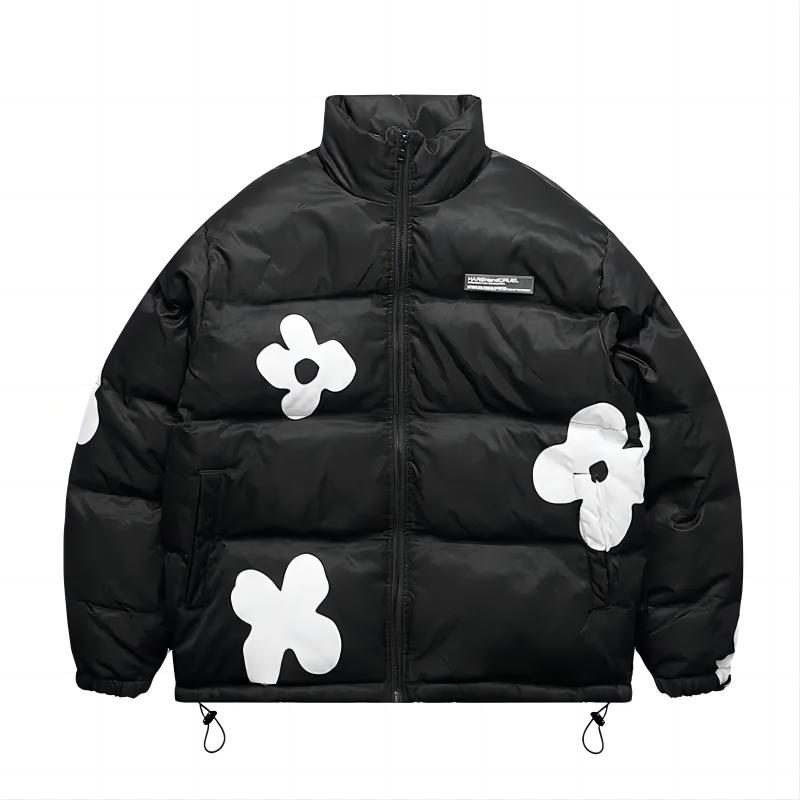
160–220 GSM jersey supports lightweight tees, while 300–500 GSM fleece or heavyweight jersey gives streetwear more structure and print presence. Higher GSM generally increases body, warmth, and drying time. Dark garments need underbase control for color opacity.
Fabric Comparison
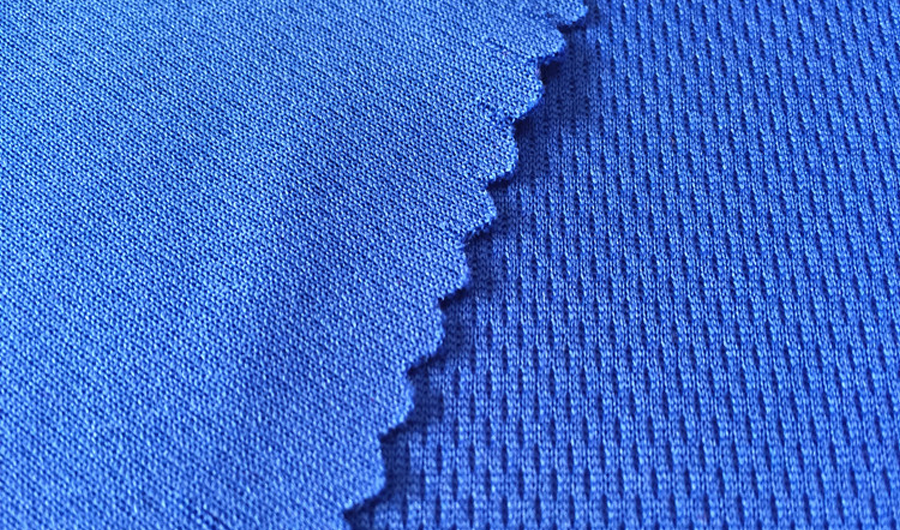
Shrinkage testing should precede bulk approval because washing can change dimensions and registration.
| Fabric | Typical Weight | Print Considerations | Hand Feel | Use Case |
|---|---|---|---|---|
| Cotton jersey | 160–220 GSM | Soft, may shrink | Natural | Tees |
| Cotton blend | 180–260 GSM | Stable, low migration | Smooth | Tees, uniforms |
| Polyester | 140–220 GSM | Use anti-migration ink | Technical | Performance apparel |
| French terry | 260–360 GSM | Smooth face, loopback | Structured | Sweatshirts |
| Fleece / heavyweight | 300–500 GSM | Check seams and loft | Warm, substantial | Hoodies, streetwear |
5. Customization and Decoration Options
2000 marked EDVORIN’s start as a manufacturing partner connecting artwork decisions with reproducible production.
Screen Printing Methods
1–6 spot colors suit bold graphics and predictable repeatability. Simulated process blends spot inks for tonal artwork, while CMYK handles photographic color but demands tighter registration and proofing. Water-based and discharge prints reduce surface build on suitable cottons; plastisol delivers strong opacity and broad fabric tolerance.
| Method | Visual Effect | Compatibility | Complexity / Cost |
|---|---|---|---|
| Spot color | Clean, saturated shapes | Most cotton blends | Low–medium |
| Simulated process | Blended tonal detail | Stable light or dark garments | Medium–high |
| CMYK | Photographic gradients | Light garments, controlled bases | High |
| Water-based / discharge | Soft, low-build hand | Best on absorbent cotton | Medium |
| Plastisol / specialty | Opaque, raised, metallic, or glossy | Broad; specialty effects need testing | Medium–high |
Decoration Beyond Ink
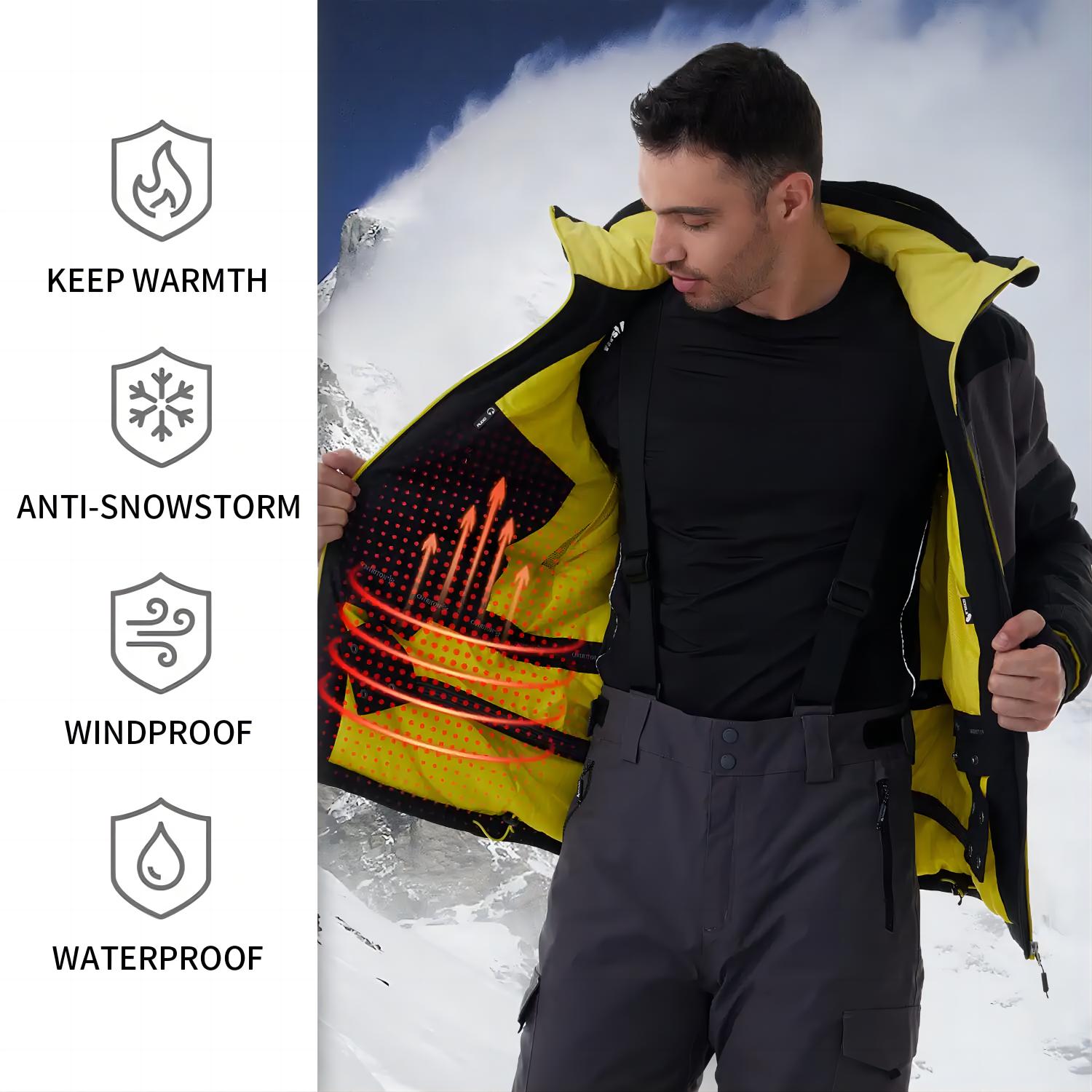
3D embroidery gives logos a tactile, premium appearance and works well on caps, jackets, and heavier garments. Heat transfer supports names, numbers, small runs, and variable artwork, but adhesion and stretch must be tested. Woven labels and neck tags strengthen private-label identity; specify dimensions, fold type, artwork, and placement before sampling.
Retail-Ready Finishing
Folding and bagging turn approved garments into organized, shipment-ready units. Confirm folding dimensions, barcode or size stickers, polybag warnings, carton packing, and whether each SKU requires individual presentation.
6. Key Construction and Print Quality Elements
A 100% physical review reveals defects a mockup cannot show: fit drift, seam variation, uneven print coverage, and weak finishing.
Garment And Fabric Checks
1 approved sample should be measured across key points, including chest, length, sleeve, rise, and hem opening. Inspect seam allowance, stitch density, rib recovery, panel matching, and pressing across multiple sizes. 2 fabric swatches from each color should match the approved hand feel, weight, shade, and shrinkage expectation.
Print Performance And Accuracy
3 checks matter before bulk approval: registration between colors, opacity over dark fabric, Pantone or approved color matching, edge definition, placement, and softness. Measure artwork from fixed seams and record placement tolerances for every size. A wash-test sample should be inspected for curing, adhesion, cracking, peeling, and hand feel.
Finishing And Inspection Records
4 finishing points complete the standard: label alignment, secure label application, thread trimming, stain removal, folding, bagging, carton marks, and size or color separation. Packaging must protect prints and preserve the approved presentation. A documented inspection plan should define sampling level, measurement tolerance, print defects, workmanship limits, and final release approval.
7. How to Choose a Streetwear Screen Printing Manufacturer
Three checks should anchor supplier selection: relevant portfolio evidence, a documented sample-approval process, and communication that preserves decisions.
Verify Portfolio And Samples
EDVORIN’s MOQ starts at 200 pieces per style. Ask for comparable hoodies, tees, or teamwear, then confirm fabric, print method, artwork file requirements, placement tolerances, color references, and whether approval samples are retained as production standards. Request wash-test results where durability matters. Before requesting a quote, ask: What are the MOQ tiers?
Compare Total Execution Risk
Three commercial variables deserve equal scrutiny: unit price, consistency, and responsiveness. Compare landed cost with remake risk, late delivery, print misregistration, shade variation, and the time your team spends chasing updates.
Confirm Production Readiness
Seven-day samples can be useful only when the supplier states what is included, what requires approval, and when bulk timing begins. Review the physical sample against measurements, hand feel, print opacity, placement, trims, and packaging.
8. Common Buyer Mistakes When Sourcing Streetwear Printing
Nine sourcing errors repeatedly create avoidable cost, quality variation, or delayed launches.
Control Price And Setup Costs
1 low unit quote can exclude screens, color separations, sampling, folding, or packaging. Compare the complete landed cost, then ask the streetwear screen printing manufacturer to itemize setup charges before approving a small, medium, or bulk run. 2–3 production quotes should be evaluated against ink coverage, garment weight, print locations, and revision terms—not price alone.
Approve Physical Samples First
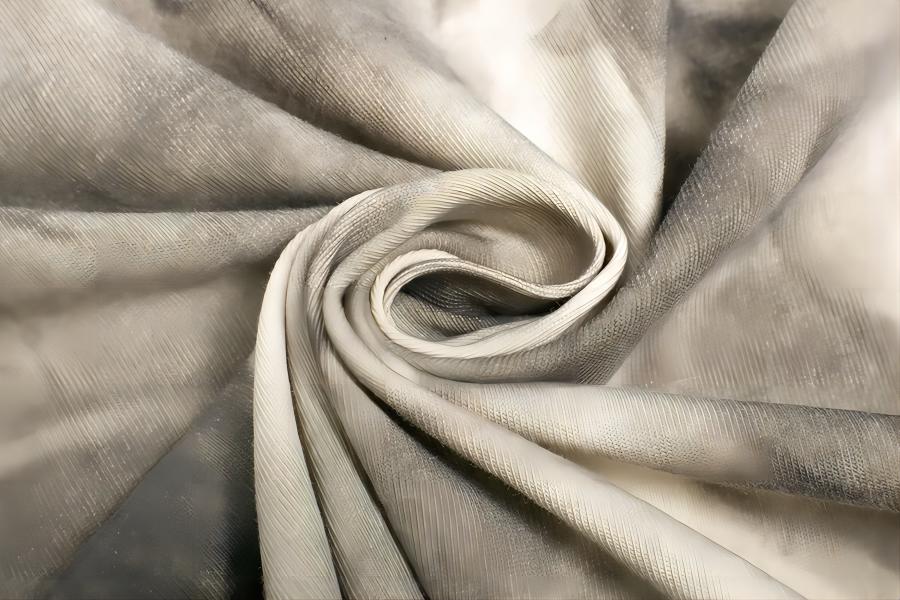
1 physical sample exposes artwork scale, hand feel, registration, and fabric interaction that a digital mockup cannot verify. Sports clubs and schools should approve a decorated size set; fashion brands should inspect the exact blank and print before bulk cutting. 300 DPI artwork, vector files, Pantone references, and measured placement reduce production assumptions.
Lock Measurements, Shrinkage, And Quantity

3 measurements—chest, body length, and sleeve—should be checked against the approved size chart, with grading confirmed for men’s and women’s blocks. Record fabric composition, wash method, expected shrinkage, and acceptable color variation before production. 4–8 weeks of launch planning leaves room for rework, inspection, and freight; do not spend the full budget on inventory.
9. Steps to Launch a Streetwear Brand With a Manufacturer
12 checkpoints turn a streetwear concept into a controlled production launch.
Define The Product Brief
Step 1 records the target customer, channel and launch format: limited drop, team or school order, wholesale program or private-label collection. Specify silhouettes, size range, target retail price, artwork intent and delivery date.
Approve The Production Standard
Step 2 tests screen printing, embroidery or specialty effects on the actual garment, including dark-fabric underbase, registration, hand feel and wash response. Record the approved result in a tech pack or measurable specification. Step 3 reviews the sample against measurements, artwork placement, labels and trims.
Control The Launch Run
Step 4 issues the purchase order only after sample approval, final artwork and production quantities are signed off. Limited drops need conservative size ratios; teams and schools need roster, name and number controls; wholesale buyers need carton assortments; private-label collections need labels and packaging.
10. Streetwear Screen Printing Manufacturer Pricing and Cost
2 cost layers should be modeled separately: the garment itself and the decoration program. Fabric weight, garment type, quantity, print locations, color count, screen setup, specialty inks, artwork preparation, labels, finishing, sampling, packaging, freight, and possible reprints all affect the landed cost. 3 approval checkpoints protect the budget: artwork, pre-production sample, and bulk inspection.
| Quantity Tier | Print Method or Scope | Setup Cost | Estimated Unit-Cost Structure | Lead-Time Considerations |
|---|---|---|---|---|
| 50–99 units | One location, 1–2 spot colors | Higher per-unit allocation | Garment + screens + print + sample + packing | Artwork approval and sampling can dominate schedule |
| 100–299 units | One or two locations, 2–4 colors | Moderate setup allocation | Garment + print amortized across the run | Allow production time after sample approval |
| 300–999 units | Multiple units, standard plastisol or water-based print | Setup spread efficiently | Lower decoration cost per unit; add labels and finishing separately | Plan color matching, inspection, and packing windows |
| 1,000+ units | Multi-location or specialty inks | Setup usually diluted most | Model ink, reprints, freight, and packaging as separate allowances | Confirm capacity, fabric availability, and staged delivery |
Ready to work with a streetwear screen printing manufacturer?
Send your tech pack or collection concept and start a production-ready sampling path with EDVORIN’s experienced team.