
Sustainable Streetwear Manufacturer for OEM, ODM & Private-Label Collections
EDVORIN is a sustainable streetwear clothing manufacturer turning concepts into repeatable, production-ready streetwear, teamwear, and private-label collections.
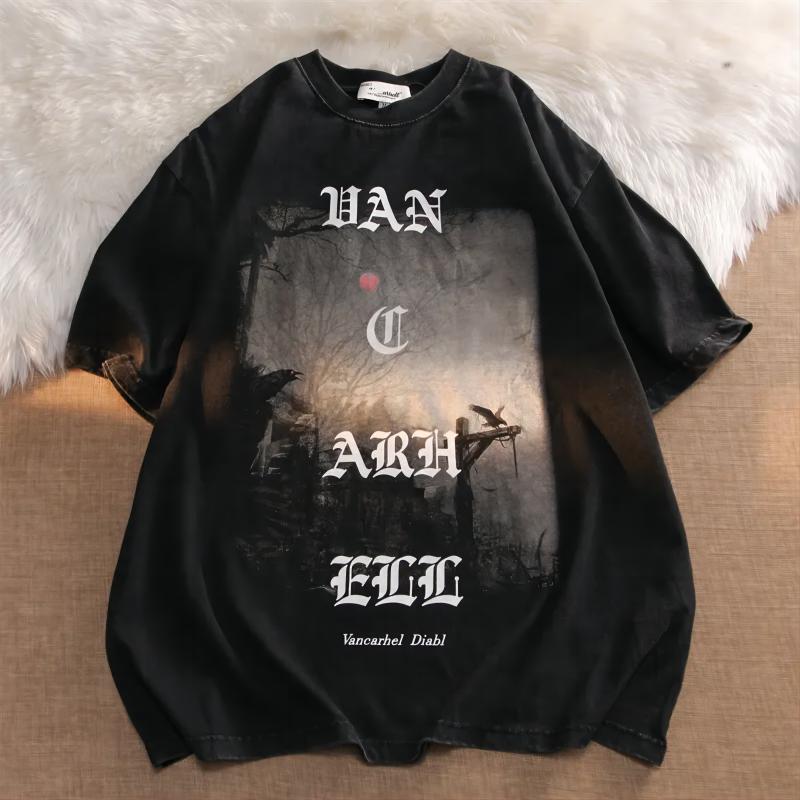
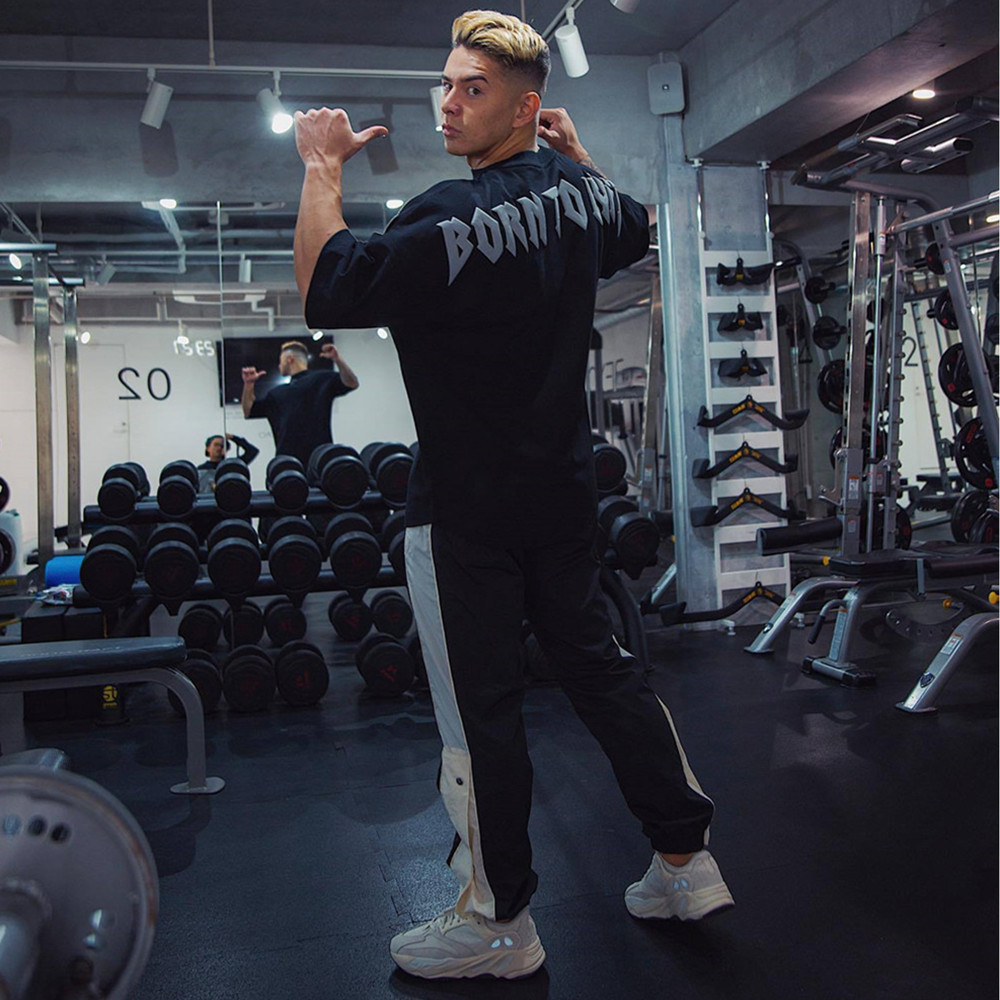
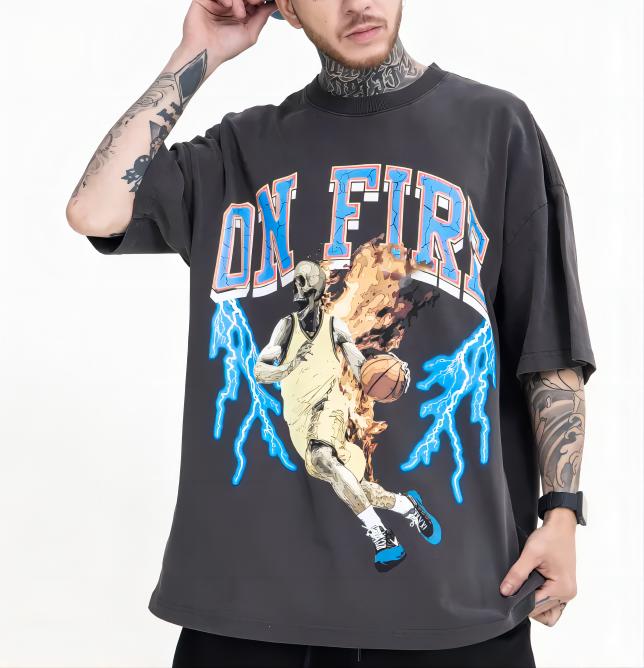
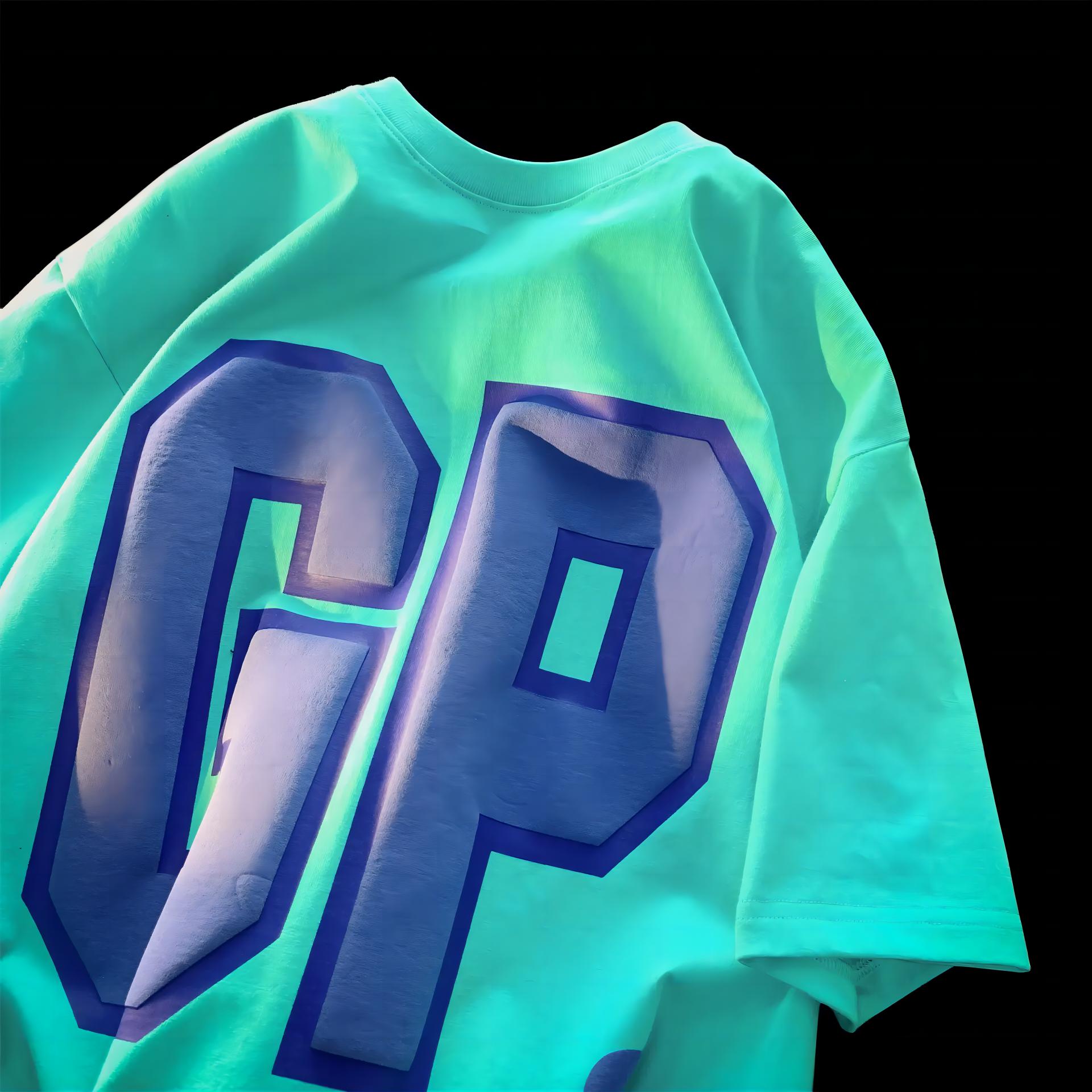
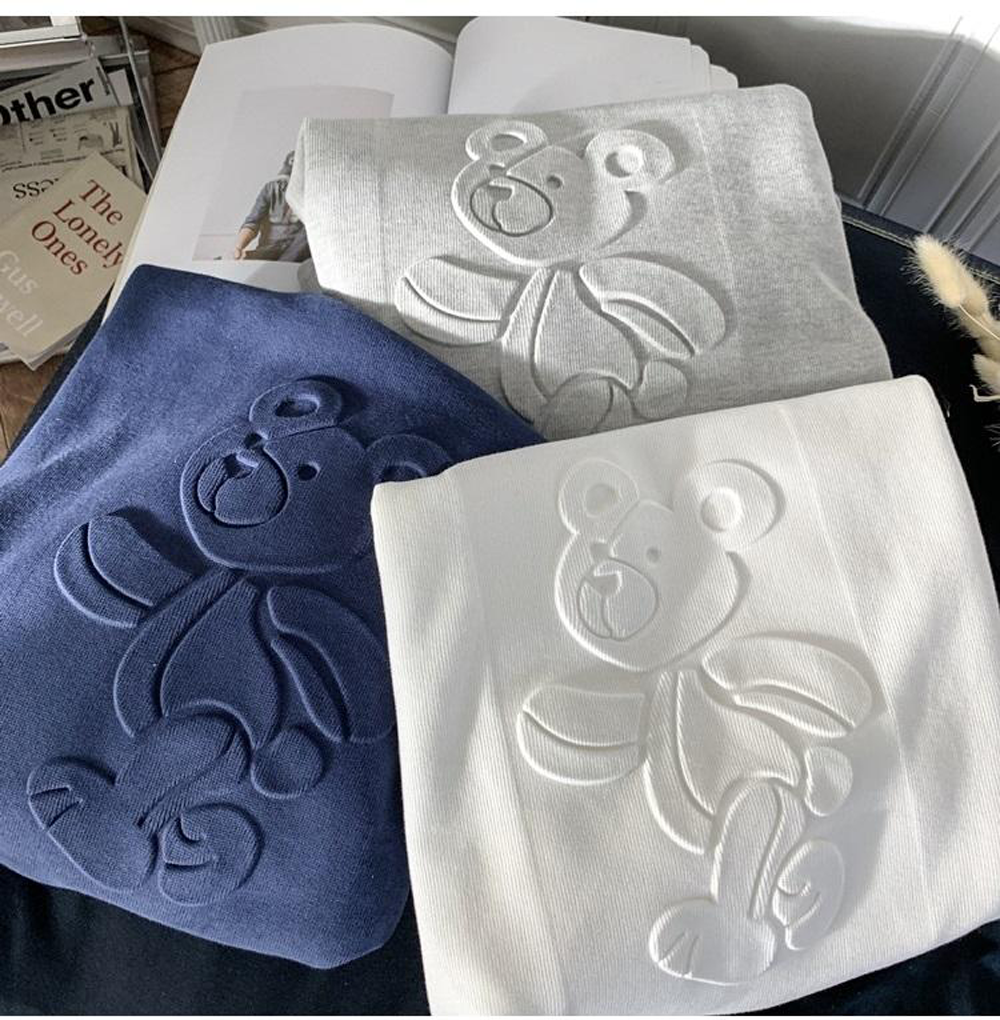
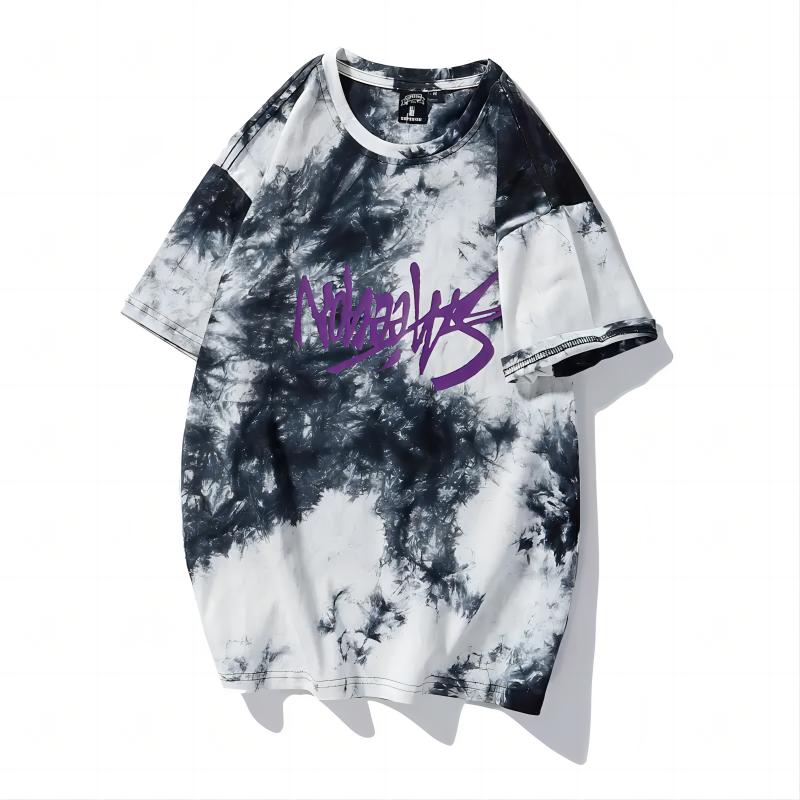
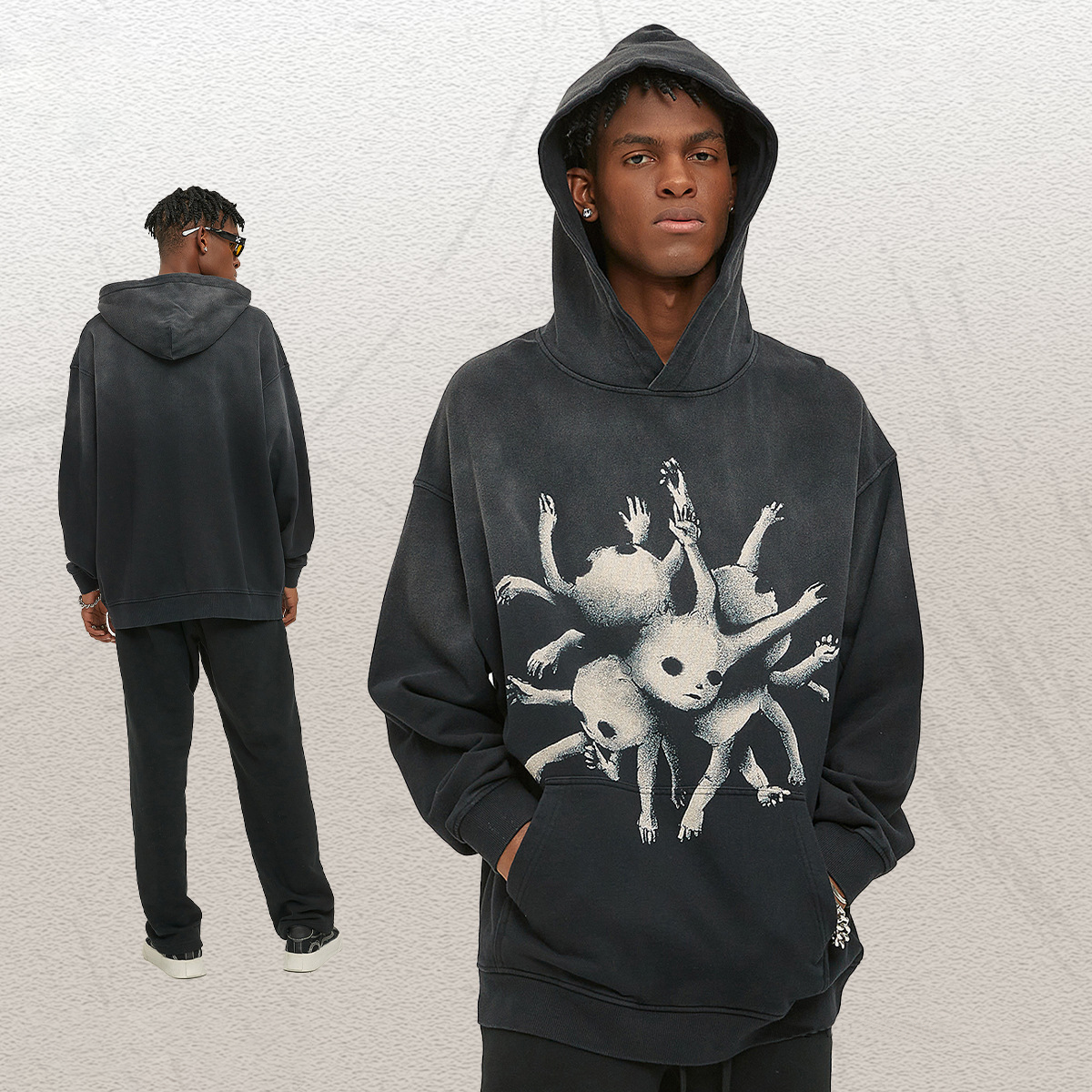
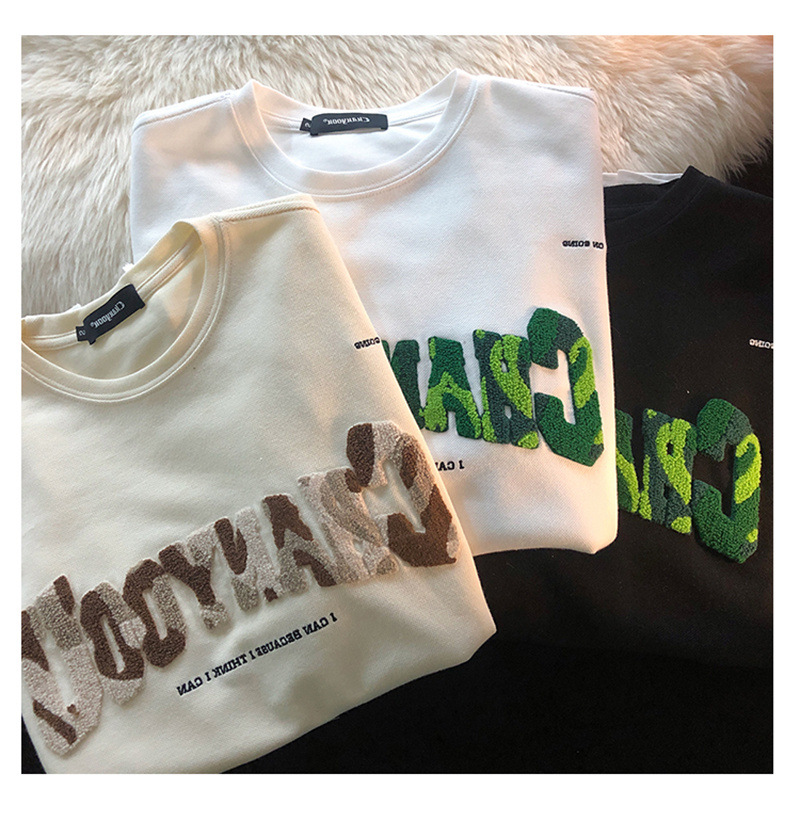
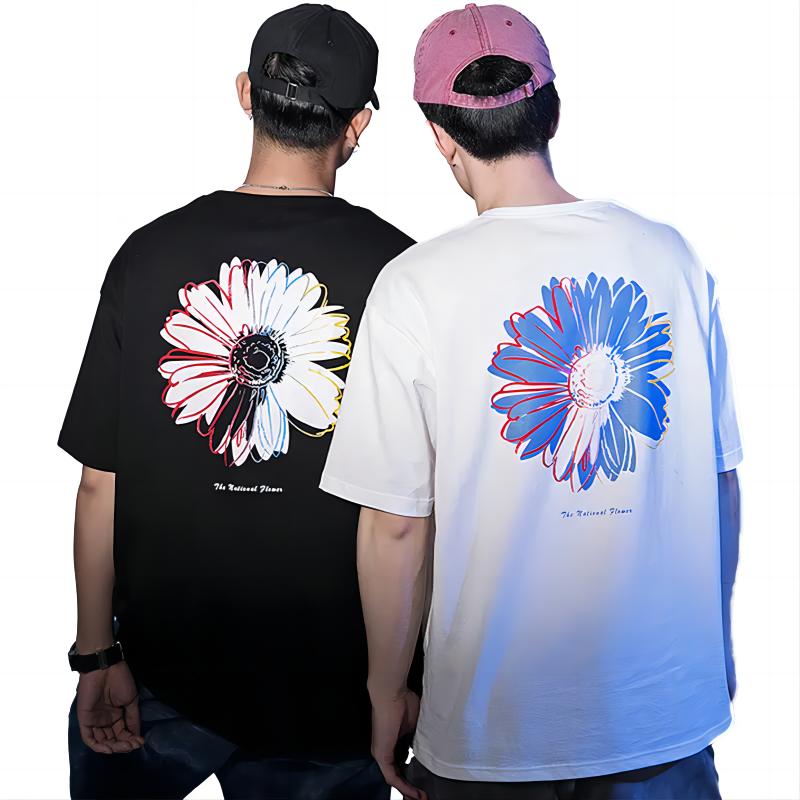
Featured Products for Streetwear and Private-Label Development
Why Fashion Brands Choose EDVORIN for Apparel Manufacturing
EDVORIN connects product development, decoration, and quality control in one accountable production system for growing and established apparel buyers.
Founder-Led Since 2000
Benefit from founder-led apparel manufacturing experience shaped by practical garment construction, clear specifications, and long-term production accountability.
Flexible OEM And ODM
Develop production-ready collections from a complete tech pack, sketch, reference garment, or evolving concept with adaptable OEM and ODM support.
Coordinated Decoration
Align printing, embroidery, washing, labels, trims, and packaging with each garment category for a consistent, brand-ready final product.
Built-To-Repeat Quality
Protect approved standards through material controls, documented measurements, in-line inspections, final checks, and reliable sample-to-bulk execution.
Programs For Every Stage
EDVORIN’s MOQ starts at 200 pieces per style. Work with a flexible low MOQ clothing manufacturer whether you are testing an emerging label, managing wholesale, supporting a team or school program, or scaling established collections.
Streetwear, Teamwear, and Private-Label Apparel
From first sample to repeatable bulk production, EDVORIN develops category-specific garments for fashion brands, teams, schools, wholesalers, and private-label buyers.
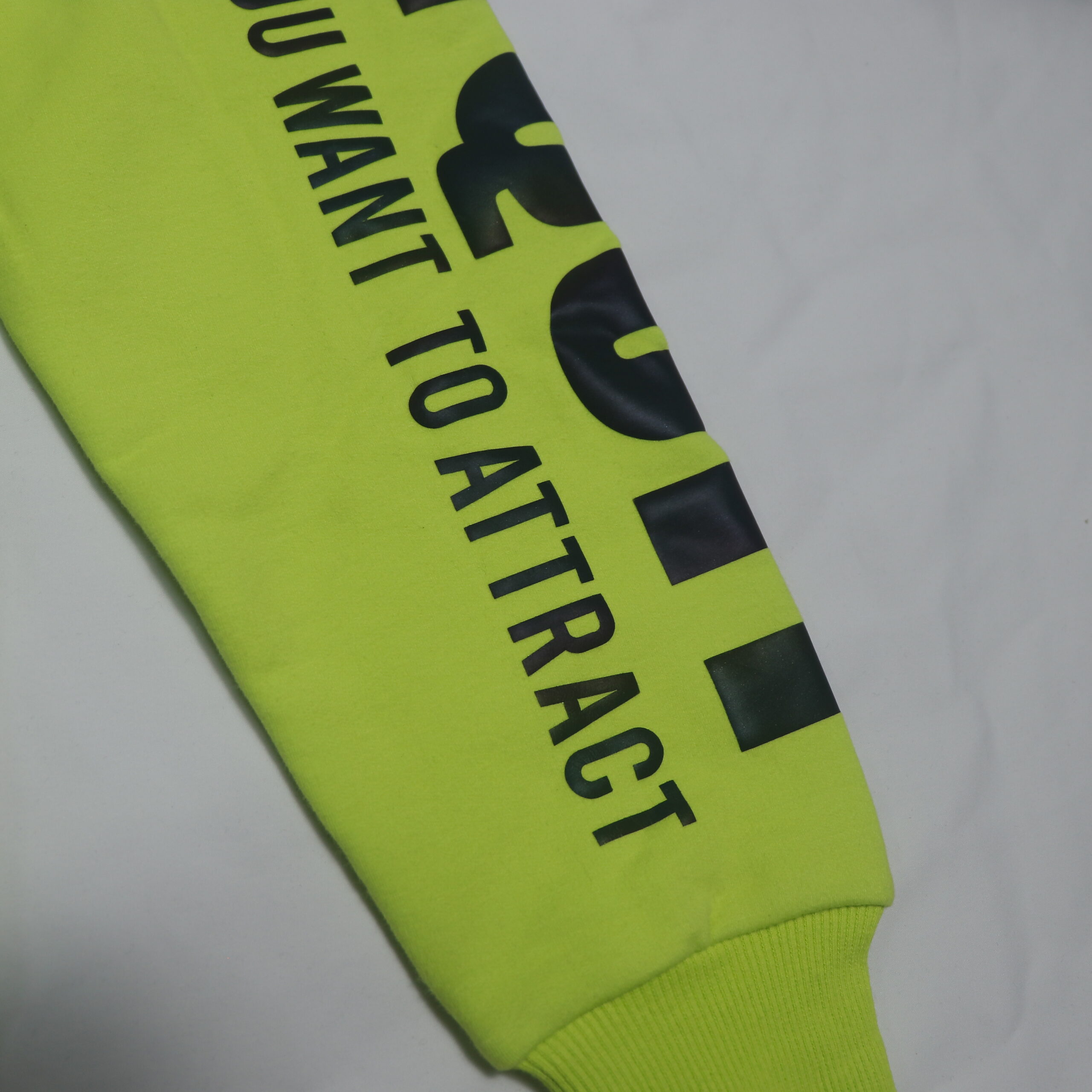
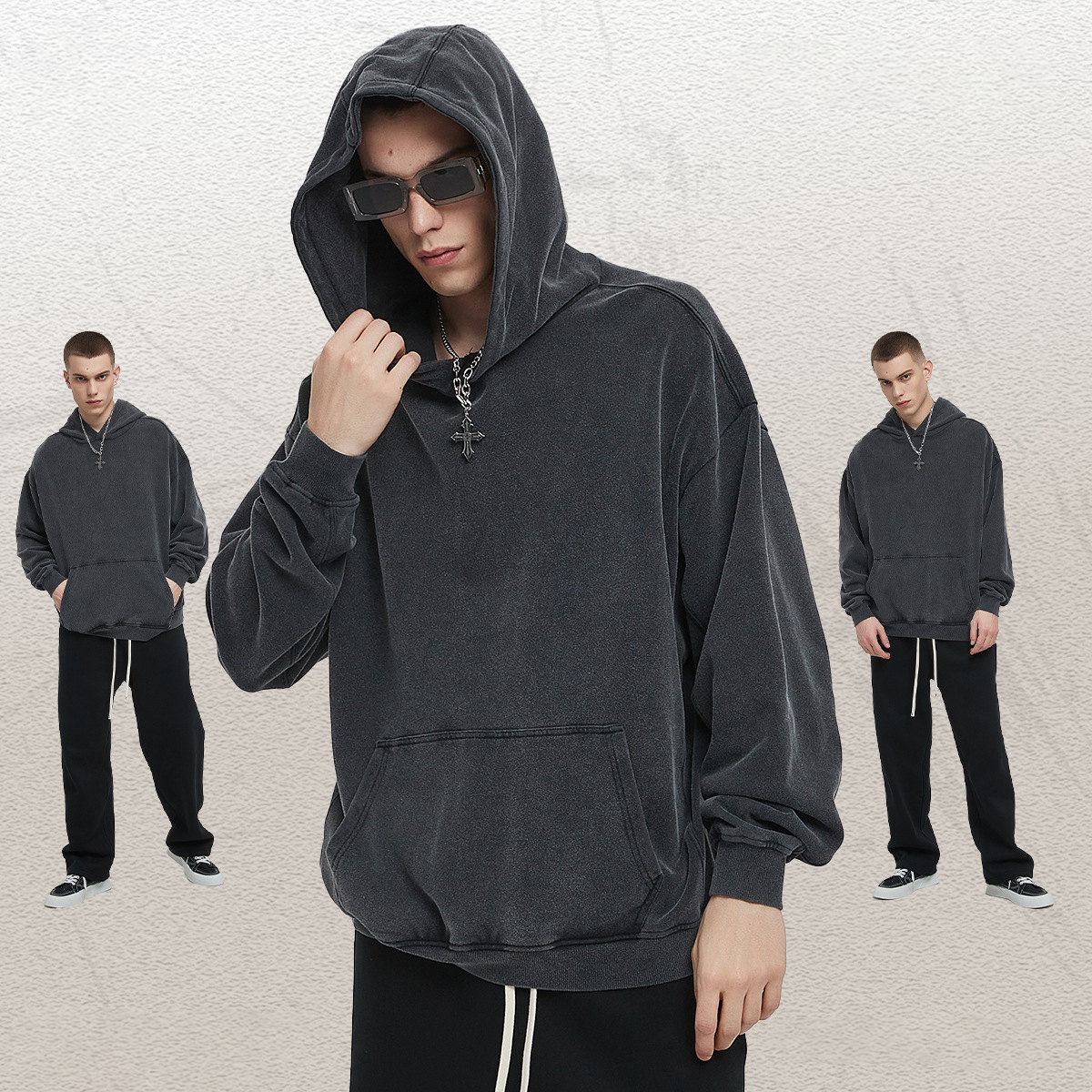
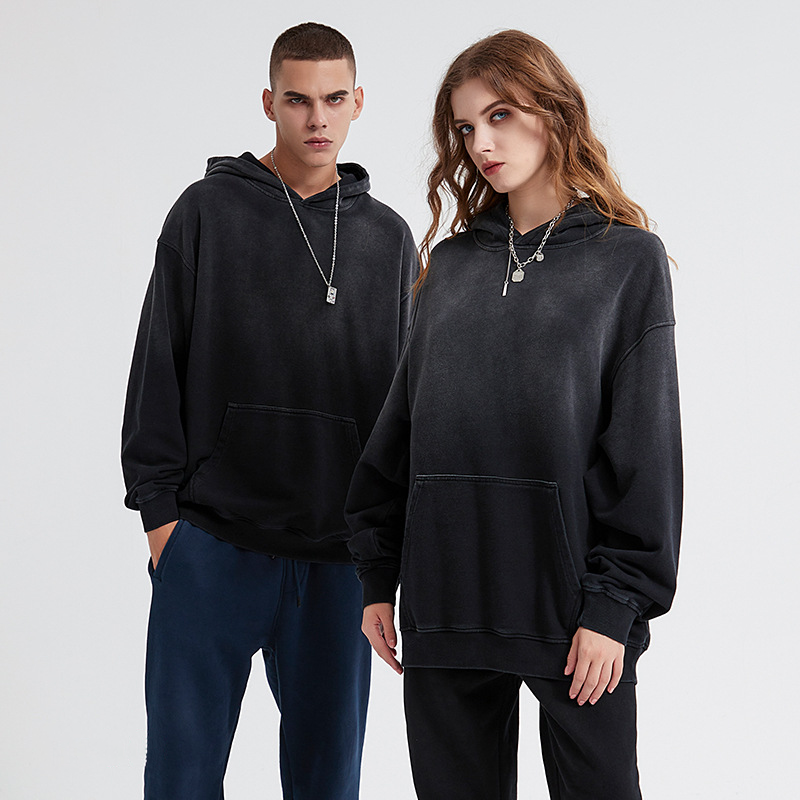
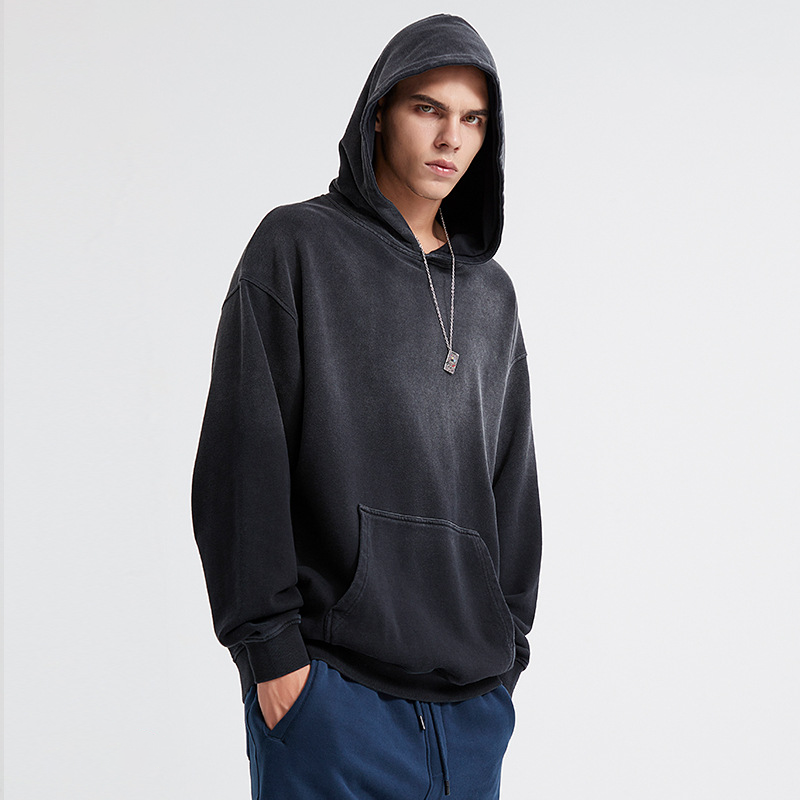
Custom Hoodies
EDVORIN develops custom hoodies with fabric-weight selection, fit blocks, rib specifications, drawcords, labels, and decoration planning. As a custom hoodie manufacturer, the company converts sketches, reference garments, or tech packs into approved samples and repeatable production standards for streetwear and private-label programs.
Get a Quote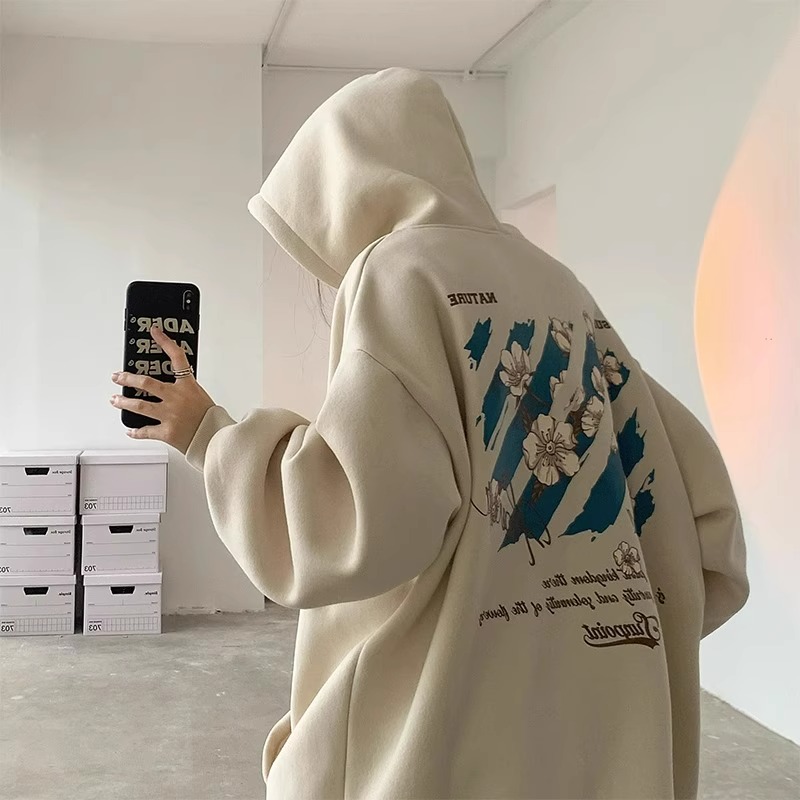
Pullover Sweatshirts
Pullover sweatshirts require controlled proportions, fabric hand feel, rib recovery, and consistent finishing. EDVORIN coordinates fleece or terry sourcing, pattern development, printing, embroidery, washing, and inspection as a sweatshirt manufacturer serving fashion labels, wholesalers, and coordinated casualwear collections.
Get a Quote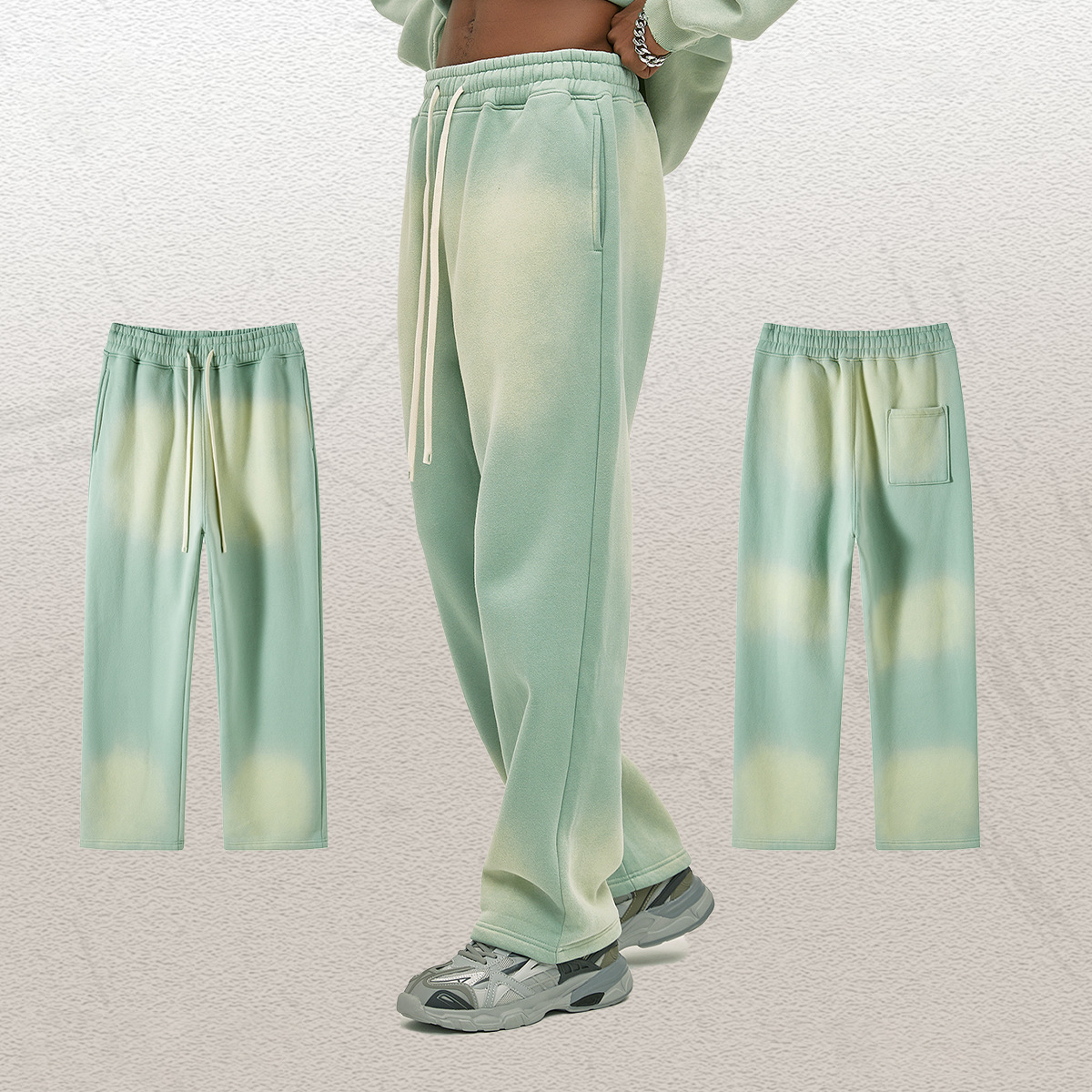
Sweatpants & Joggers
EDVORIN develops sweatpants and joggers around rise, leg shape, waistband recovery, pocket construction, cuffs, and fabric behavior after washing. As a sweatpants manufacturer, the company supports matching sets, streetwear capsules, private-label basics, and men’s or women’s fit programs from sample approval through bulk production.
Get a Quote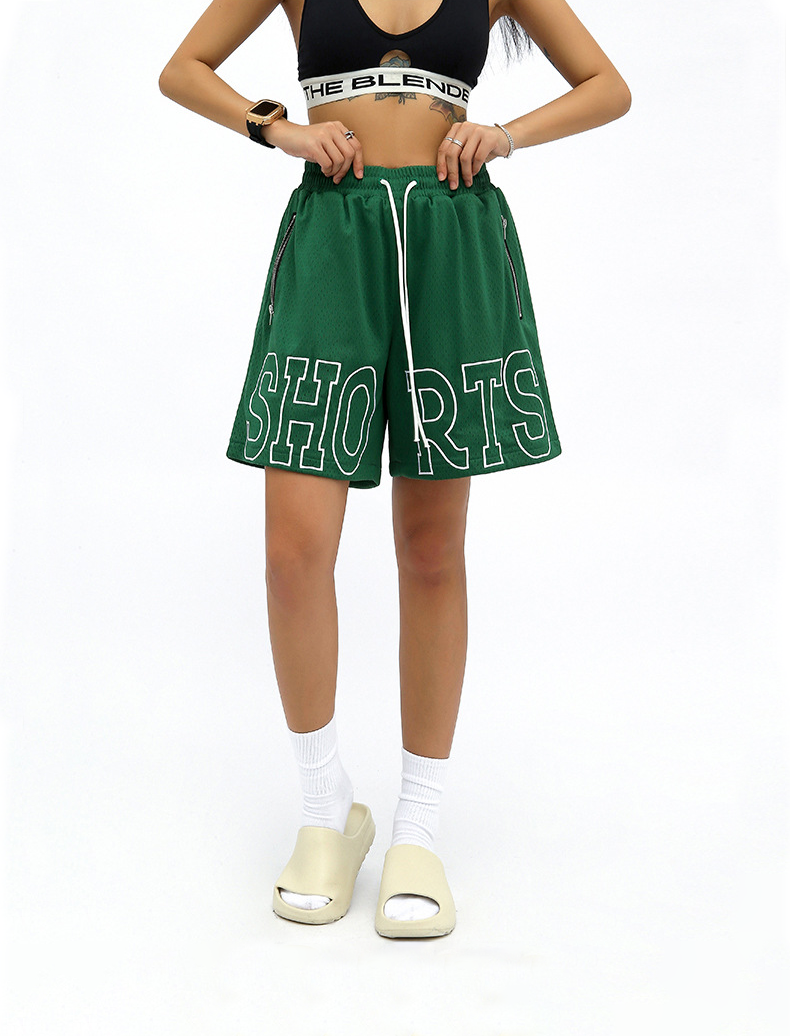
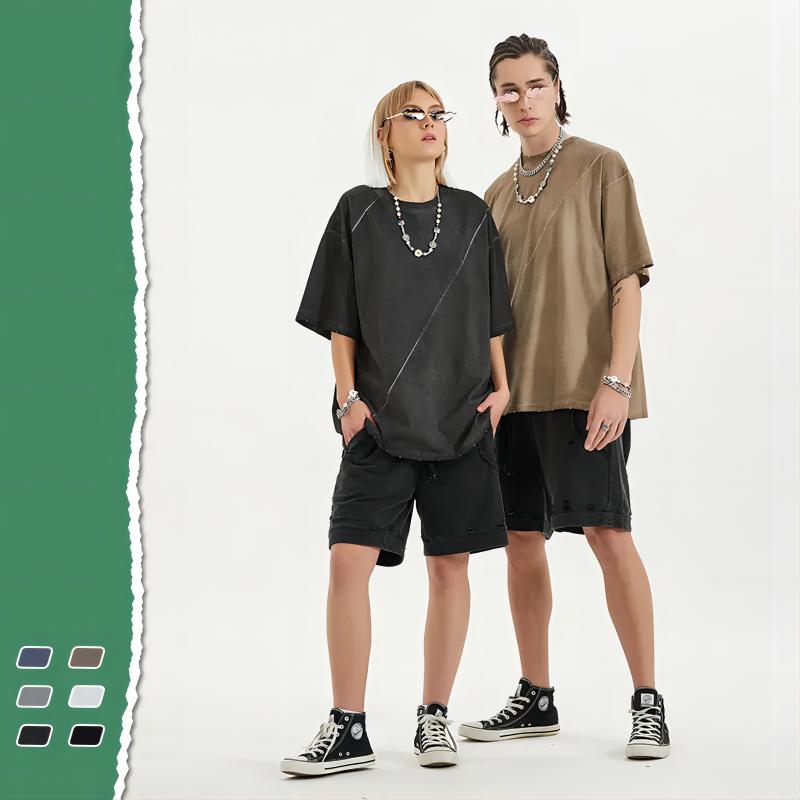
Custom Shorts
Custom shorts are developed with attention to inseam, waistband construction, pocket placement, lining, fabric weight, and intended activity. EDVORIN coordinates cutting, sewing, decoration, washing, labeling, and packaging as a custom shorts manufacturer for casualwear, streetwear, team programs, and private-label collections.
Get a Quote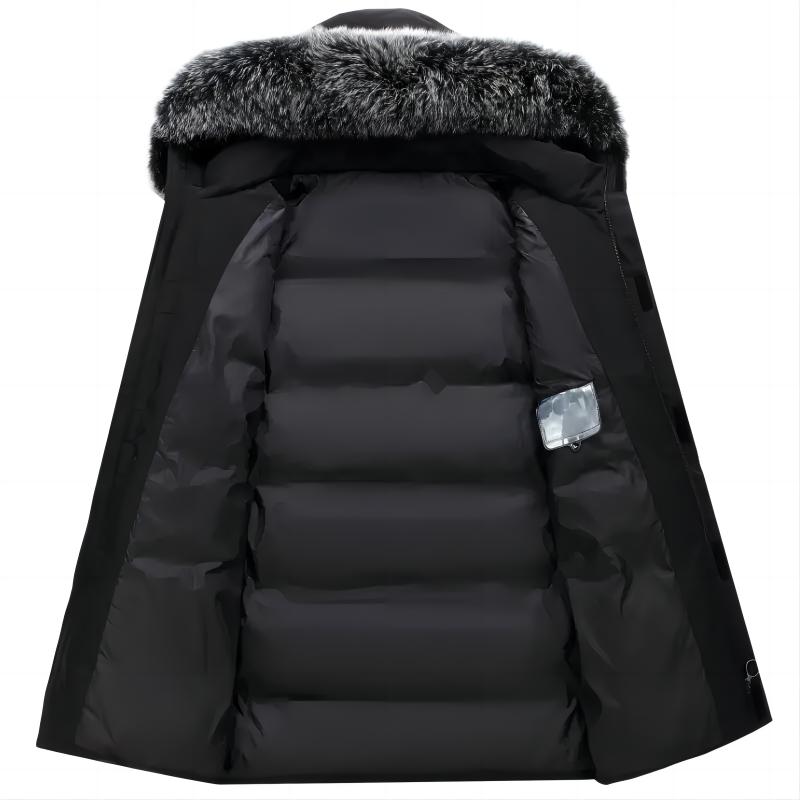
Varsity & Baseball Jackets
EDVORIN develops varsity and baseball jackets by coordinating body fabric, sleeves, rib, lining, insulation, snaps or zippers, patches, embroidery, and fit. As a varsity jacket manufacturer, the company builds approved construction standards for schools, sports clubs, streetwear labels, and fashion collections.
Get a Quote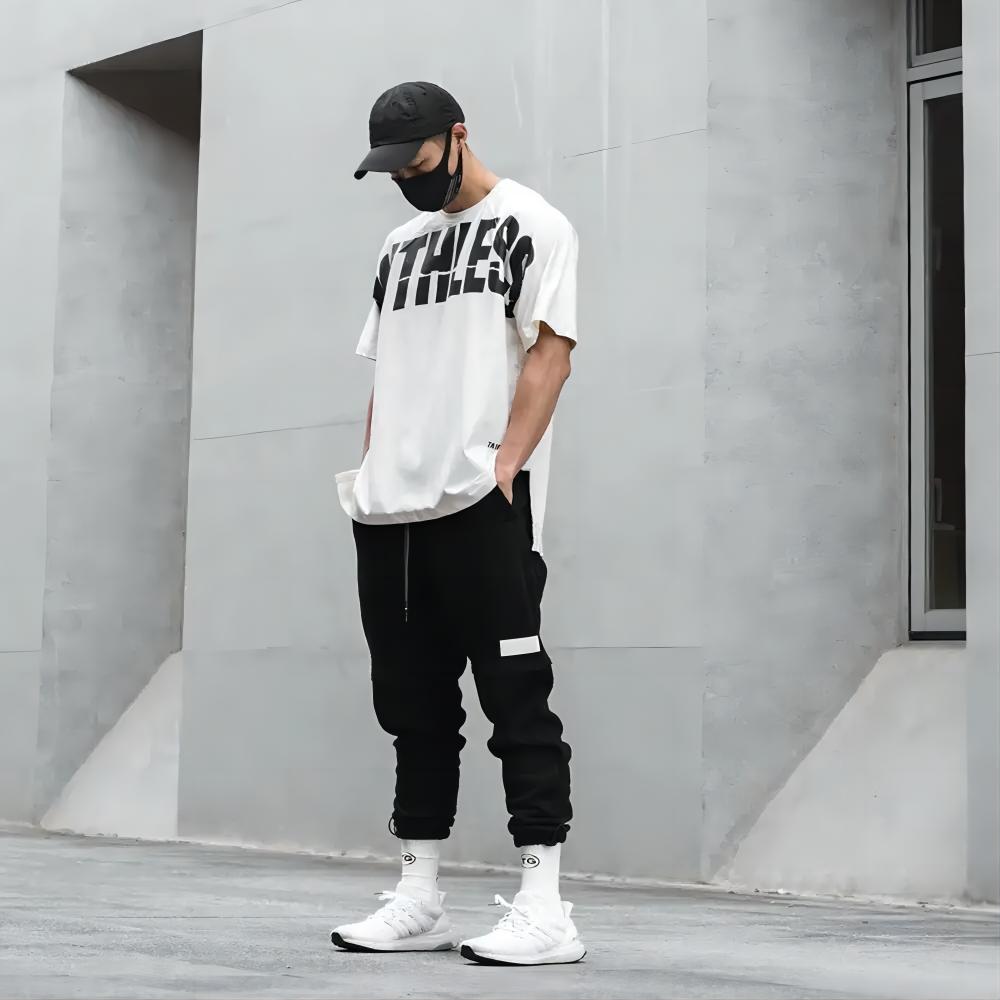
Custom T-Shirts
Custom T-shirts are developed through controlled fabric selection, neckline construction, measurements, artwork placement, and finishing requirements. EDVORIN supports screen printing, digital printing, embroidery, labels, washing, and packaging as a custom T shirt manufacturer for promotional, fashion, wholesale, and private-label programs.
Get a Quote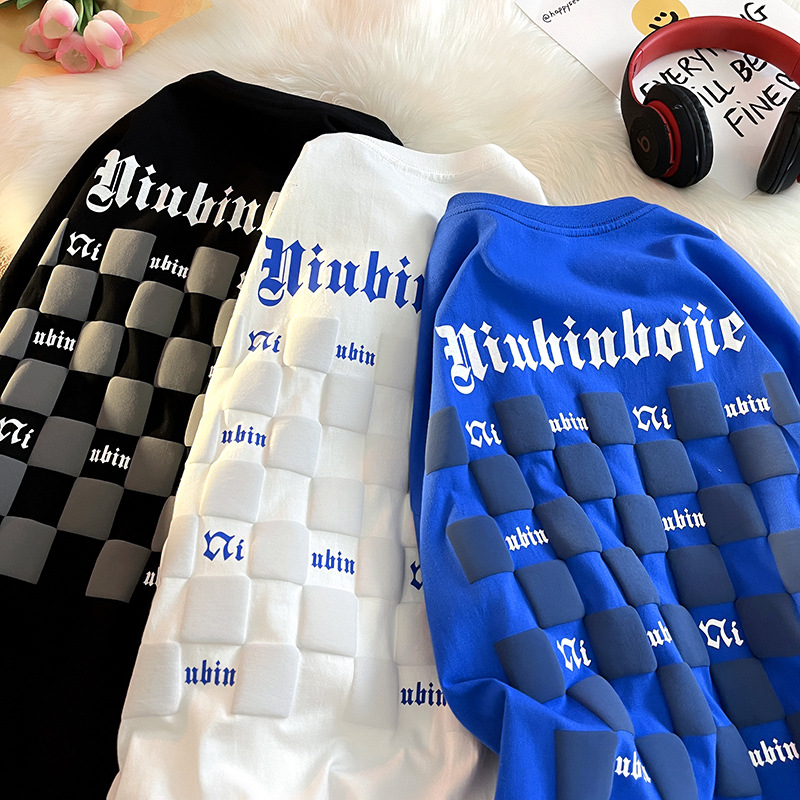
Custom Polo Shirts
EDVORIN develops custom polo shirts with fabric selection, collar and cuff construction, placket details, button specifications, fit blocks, and decoration planning. As a polo shirt manufacturer, the company supports fashion brands, corporate buyers, schools, clubs, wholesalers, and repeat programs requiring consistent sizing and finishing.
Get a Quote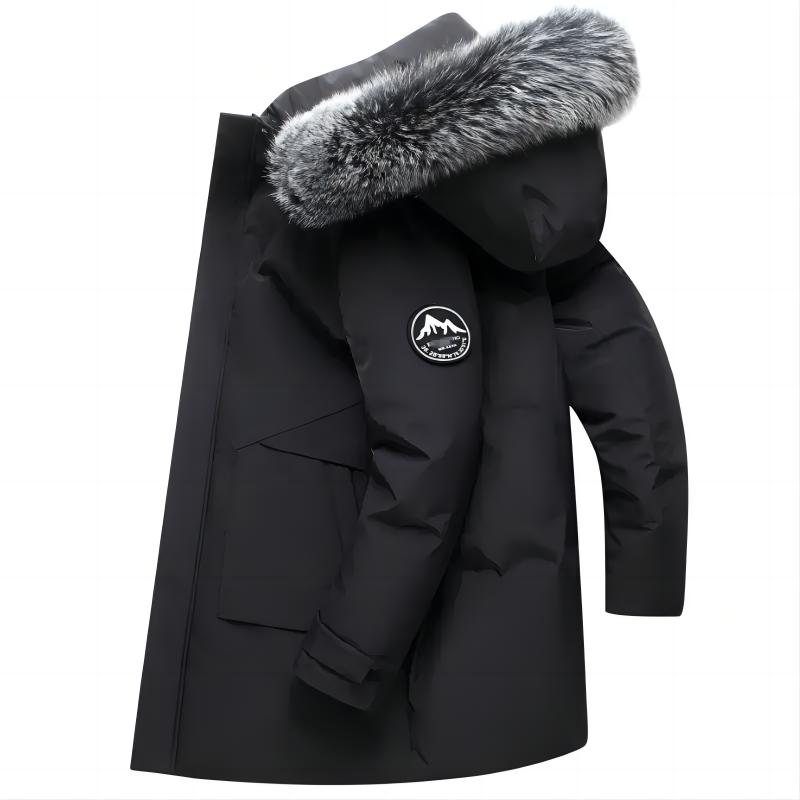
Windbreaker Jackets
Windbreaker jackets require coordinated shell fabric, water-resistant performance, lining or mesh, hood construction, zippers, elastic details, and seam finishing. EDVORIN manages these specifications as a windbreaker manufacturer for streetwear, active lifestyle, school, club, and private-label outerwear programs.
Get a Quote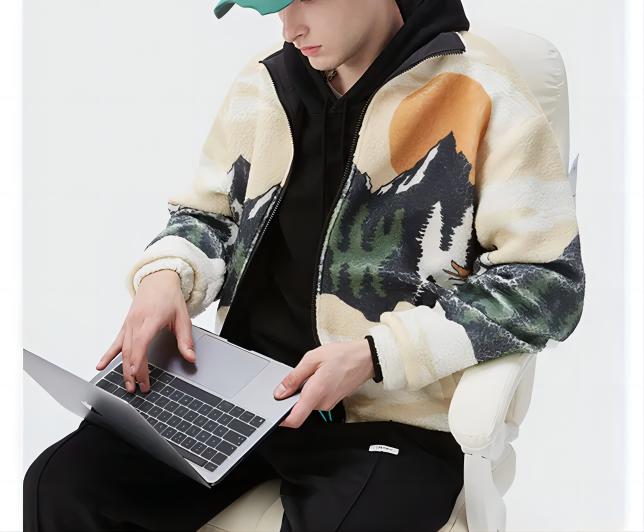
Quilted Jackets
EDVORIN develops quilted jackets around shell fabric, lining, insulation weight, quilting pattern, seam construction, hardware, and packability. As a quilted jacket manufacturer, the company coordinates sampling, trims, decoration, quality checks, labeling, and packaging for seasonal fashion and private-label outerwear collections.
Get a Quote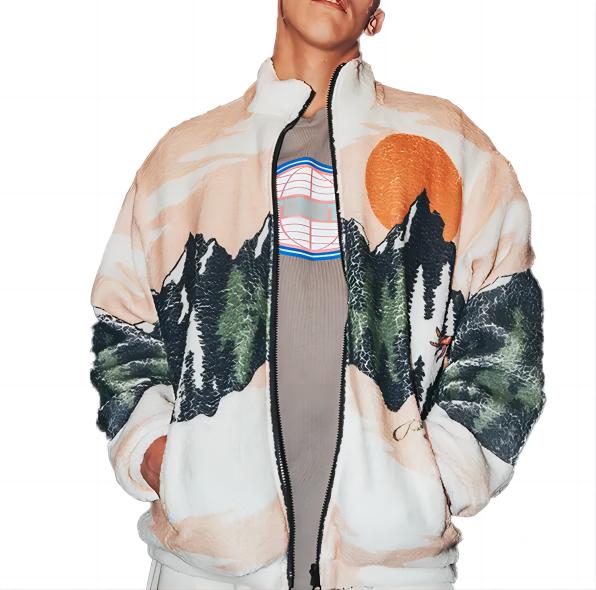
Bomber Jackets
Bomber jackets depend on balanced proportions, rib recovery, shell and lining compatibility, pockets, hardware, and optional insulation. EDVORIN develops these details as a bomber jacket manufacturer for streetwear labels, fashion brands, private-label buyers, and wholesale programs requiring consistent construction across repeat orders.
Get a Quote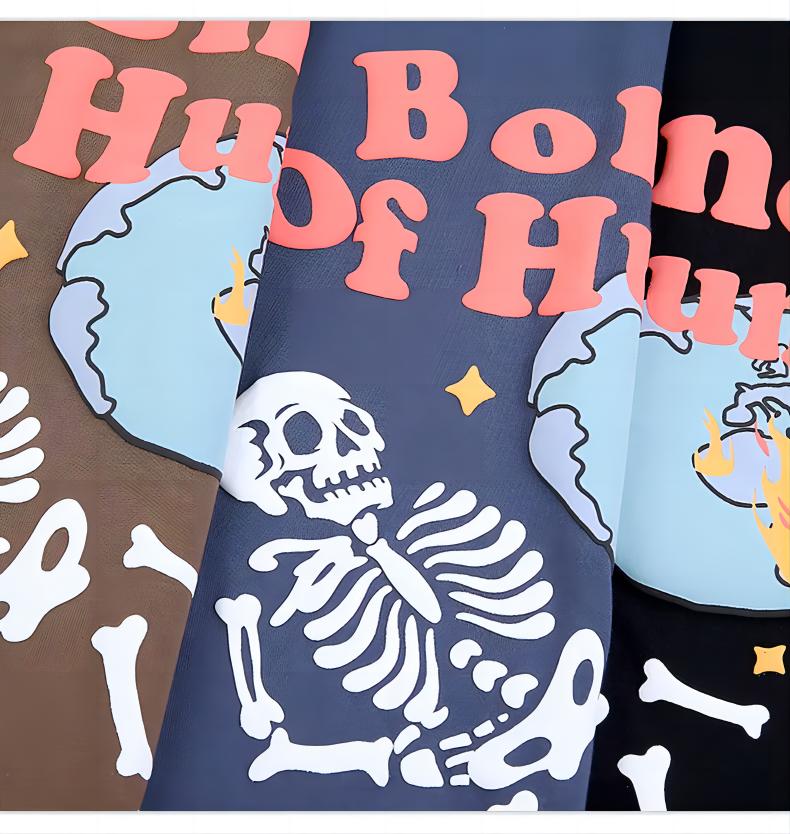
Custom Shirts
Custom woven shirts require precise control of fabric, collar, cuff, placket, buttons, seam allowances, and garment proportions. EDVORIN supports development as a custom woven shirt manufacturer, coordinating patterns, samples, washing, embroidery or print placement, labels, and bulk inspection for fashion and private-label collections.
Get a Quote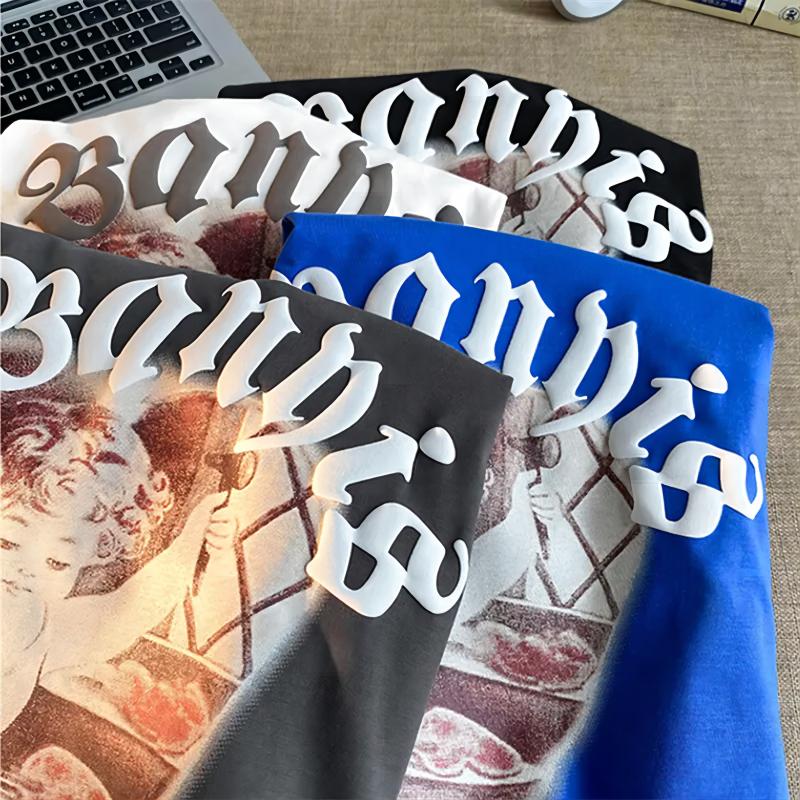
Custom Jerseys
EDVORIN develops custom jerseys with performance fabrics, breathable construction, panel layout, neck and sleeve finishing, color control, names, numbers, logos, and size grading. As a custom jersey manufacturer, the company supports clubs, schools, sports organizations, wholesalers, and repeat teamwear orders.
Get a Quote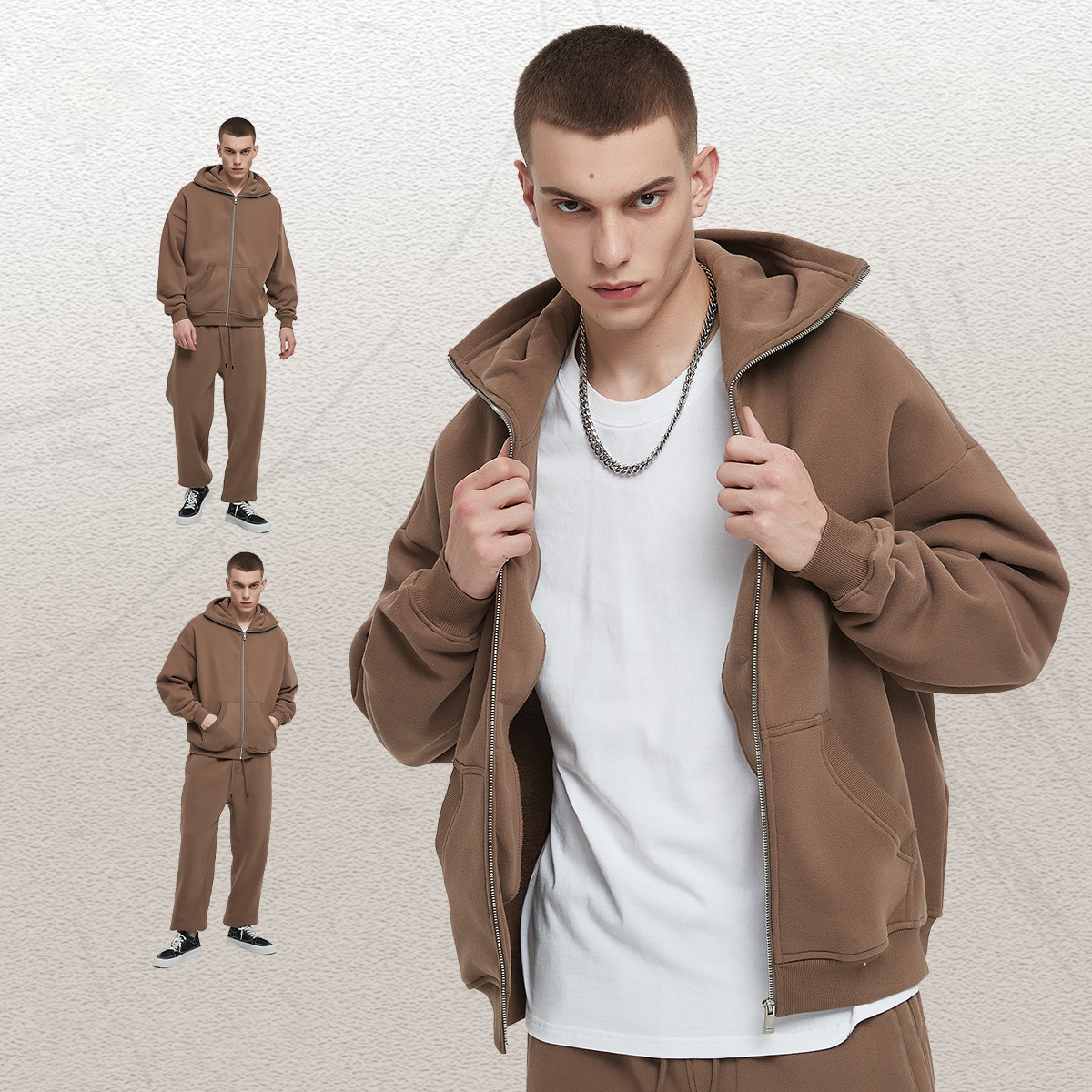
Tank Tops
Tank tops are developed around fabric weight, armhole and neckline finishing, body length, fit, stretch, and decoration compatibility. EDVORIN works as a custom tank top manufacturer for streetwear, fitness, casualwear, teamwear, and private-label programs, with men’s and women’s development available across approved size ranges.
Get a Quote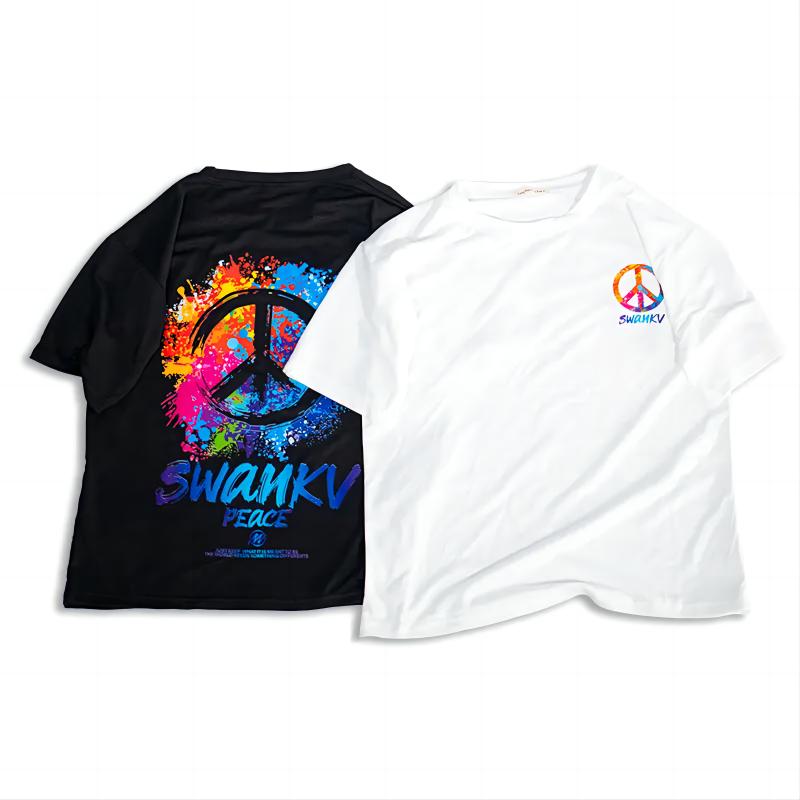
Soccer Uniforms
EDVORIN develops soccer uniforms with coordinated jerseys, shorts, and optional socks, using performance fabrics, breathable panels, stable colors, player names, numbers, sponsor artwork, and organized size sets. As a soccer uniform manufacturer, the company manages sample approval, grading, decoration, inspection, and repeat team orders.
Get a Quote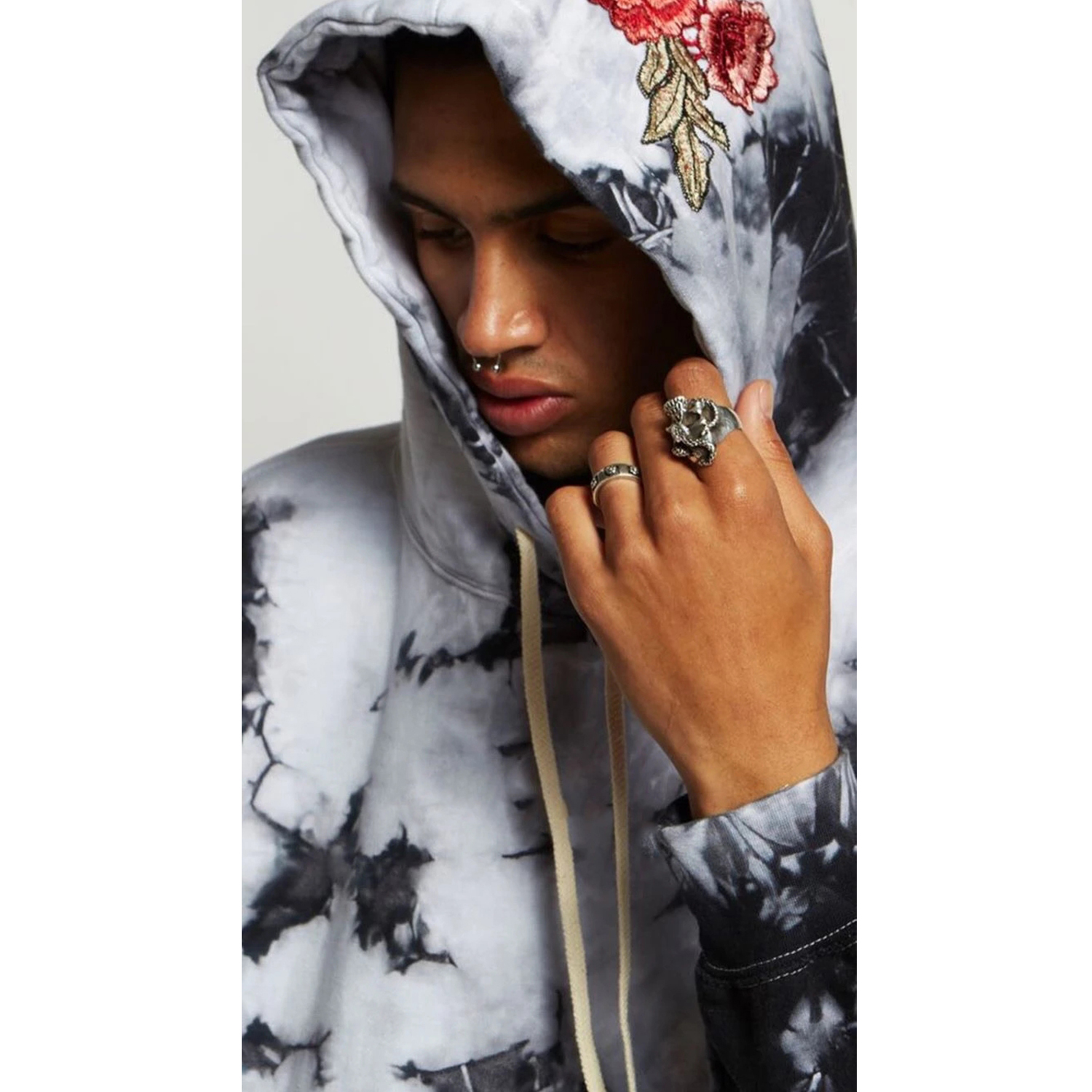
Basketball Uniforms
Basketball uniforms require lightweight performance fabrics, mobility-focused proportions, breathable construction, durable decoration, and controlled number and name placement. EDVORIN supports these requirements as a basketball uniform manufacturer for schools, clubs, academies, and sports organizations, coordinating samples, size grading, bulk quality control, and packaging.
Get a Quote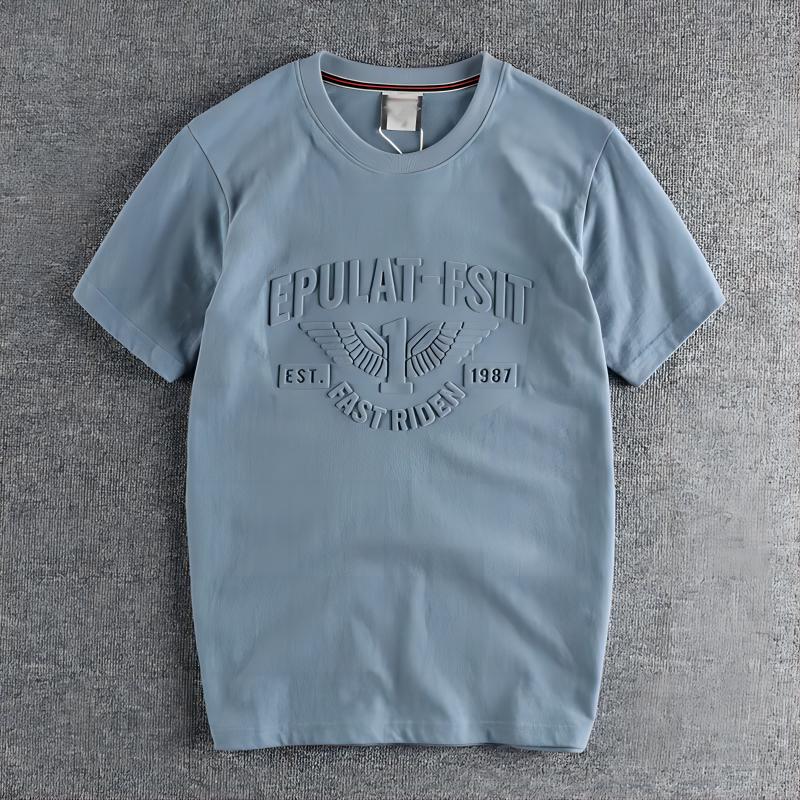
Streetwear Collections
EDVORIN develops streetwear collections as connected product programs rather than isolated garments. As a private label clothing manufacturer, the company coordinates hoodies, sweatshirts, pants, jackets, shirts, decoration, washes, labels, packaging and approved standards so emerging brands and established buyers can reproduce a consistent collection.
Get a QuoteResponsible Materials for Streetwear, Teamwear and Private-Label Apparel
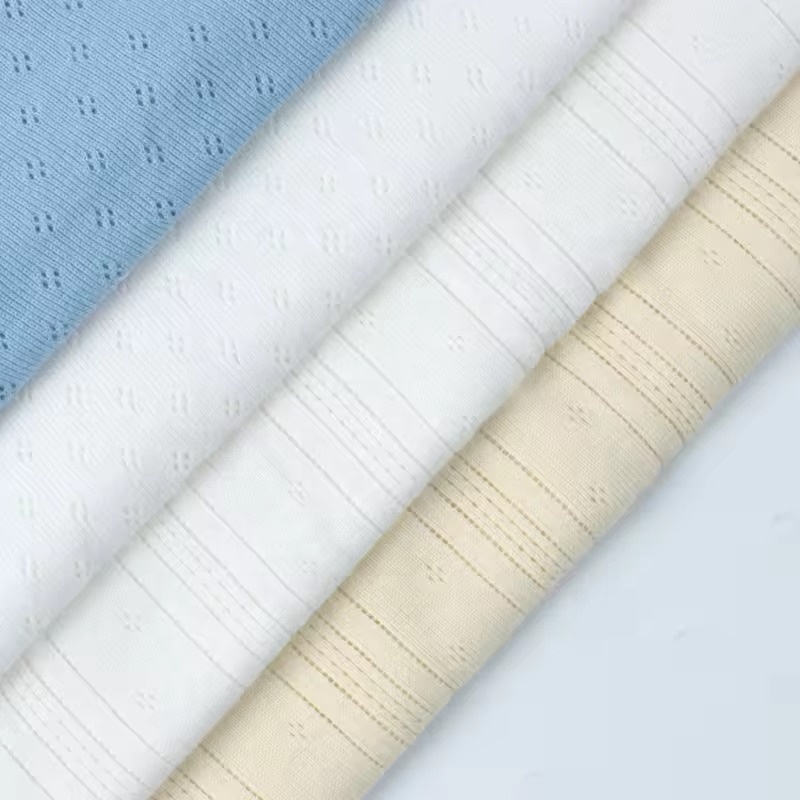
Organic Cotton
Soft, breathable and versatile, organic cotton suits T-shirts, hoodies, sweatshirts and everyday streetwear. Its natural hand-feel supports comfortable collections, while fabric weight and construction can be selected for the intended fit and end use.
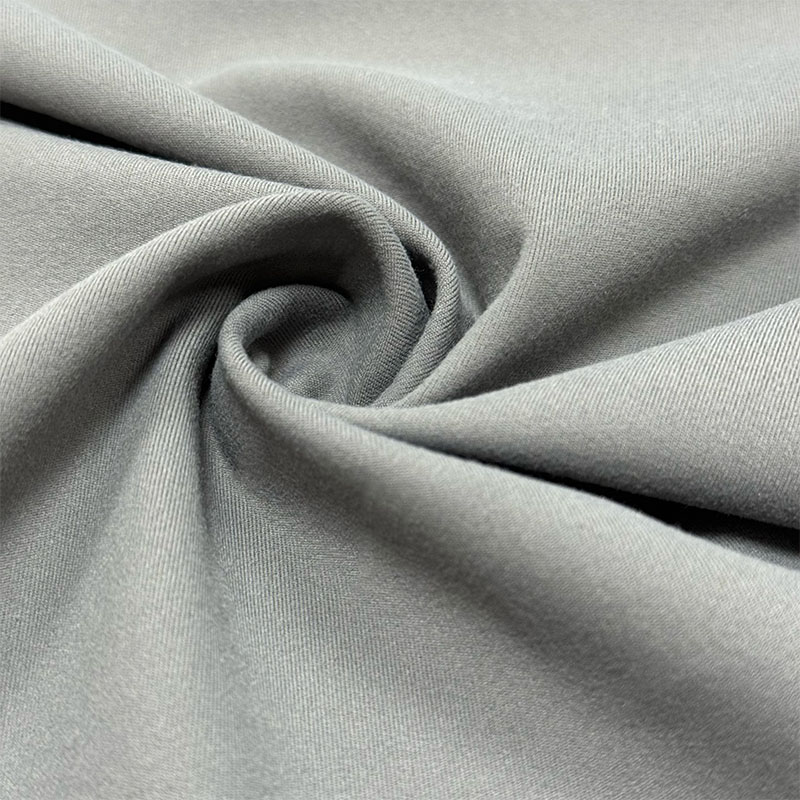
Recycled Polyester
Smooth, durable and easy-care, recycled polyester works well for jerseys, teamwear, tracksuits and performance-focused streetwear. Its resilient structure supports color, shape retention and moisture-management requirements across active or repeat-order programs.
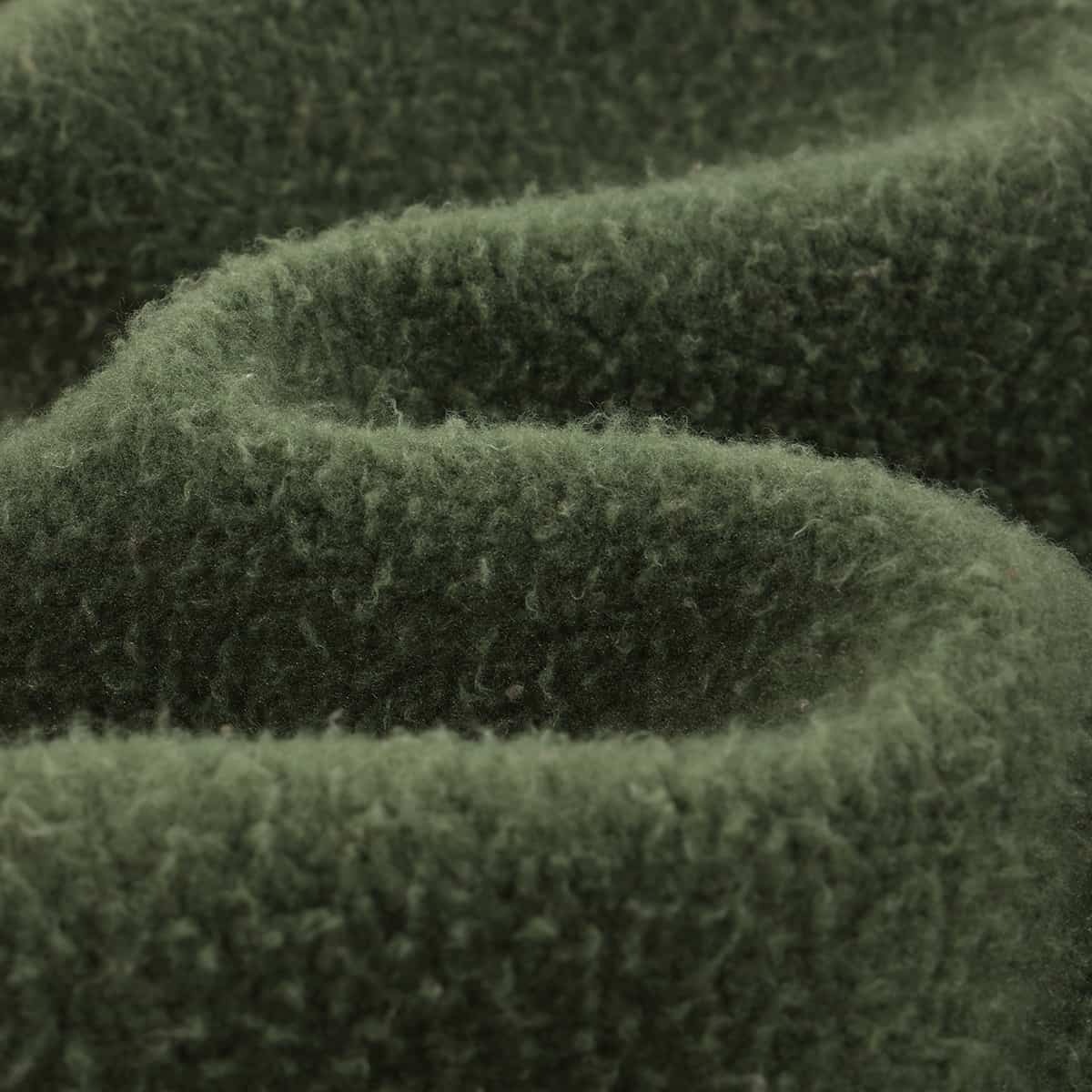
Cotton Fleece
Cotton fleece combines a comfortable outer face with a warmer brushed interior, making it suitable for hoodies, joggers and seasonal sweatshirts. Available weight and blend choices help balance softness, structure and everyday wearability.
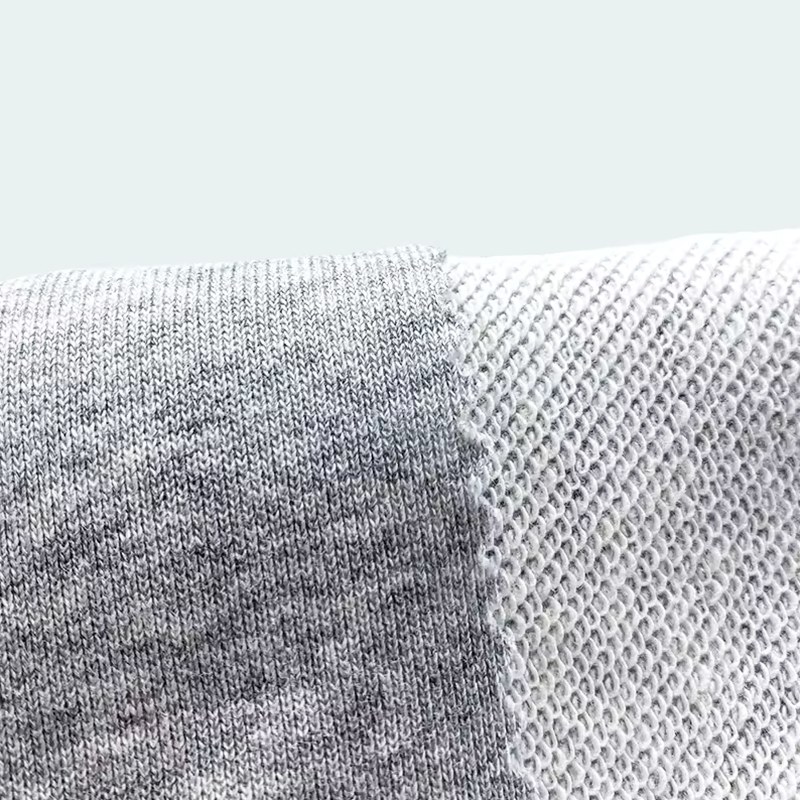
French Terry
French terry offers a soft face with absorbent loopback texture and a lighter, more breathable feel than brushed fleece. It is a practical choice for sweatshirts, shorts, joggers and transitional streetwear layers.
Technical Polyester
Lightweight and performance-oriented, technical polyester is suited to soccer uniforms, basketball uniforms, training tops and coordinated teamwear. Its smooth surface supports decoration, while construction can be selected for breathability, movement and dependable repeat production.
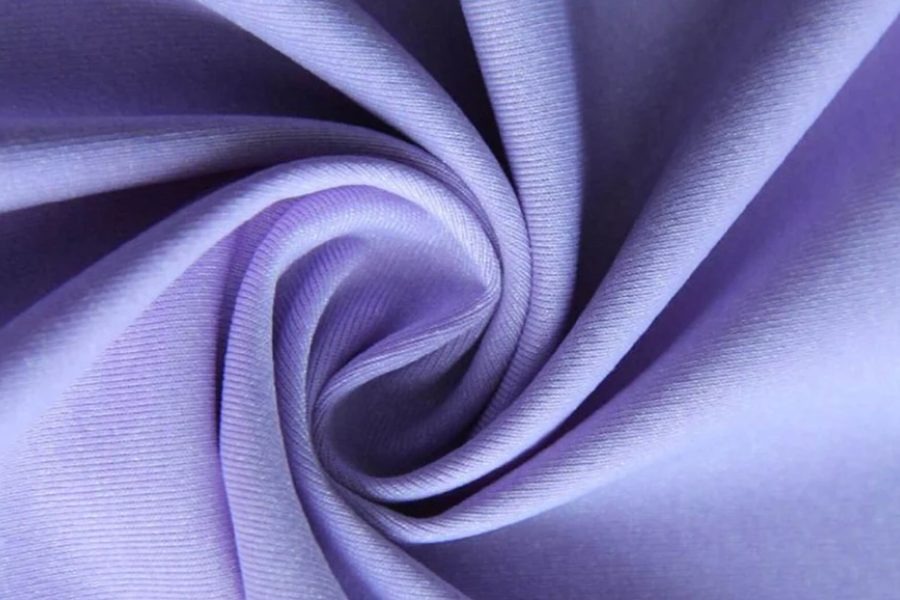
Outerwear Shell
Woven outerwear shells provide a crisp, structured hand-feel for windbreakers, bomber jackets and quilted styles. Material selection can be matched to protection, lining, insulation and decoration requirements so the finished garment performs as designed.
Apparel Production, Custom Decoration and Garment Wash Services
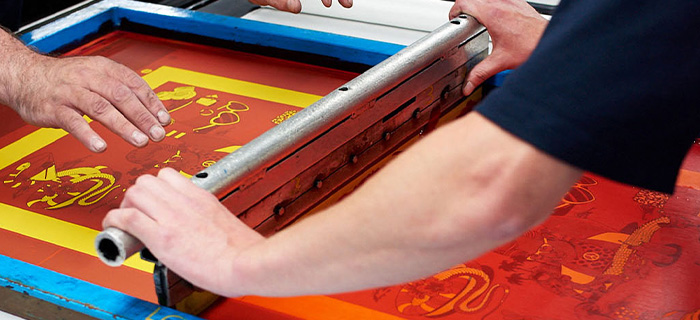
Custom Printing
Custom apparel printing—including screen printing, heat transfer and other approved methods—is selected according to artwork, fabric and wear requirements. Controlled placement, color references and testing help graphics remain sharp, consistent and brand-ready.
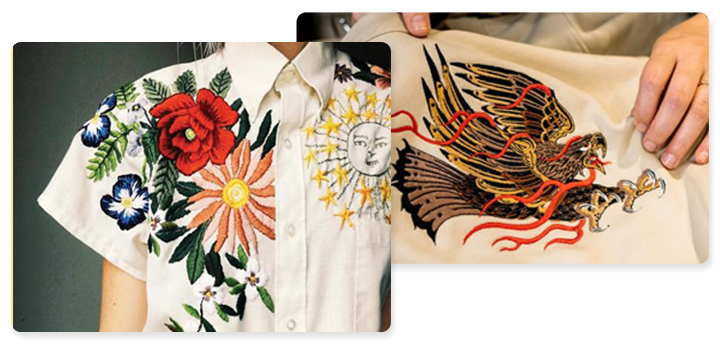
Embroidery Application
Custom apparel embroidery adds dimensional texture and a durable branded finish to hoodies, jackets, polos, caps and teamwear. Stitch density, thread color, backing and placement are coordinated against the approved garment standard.
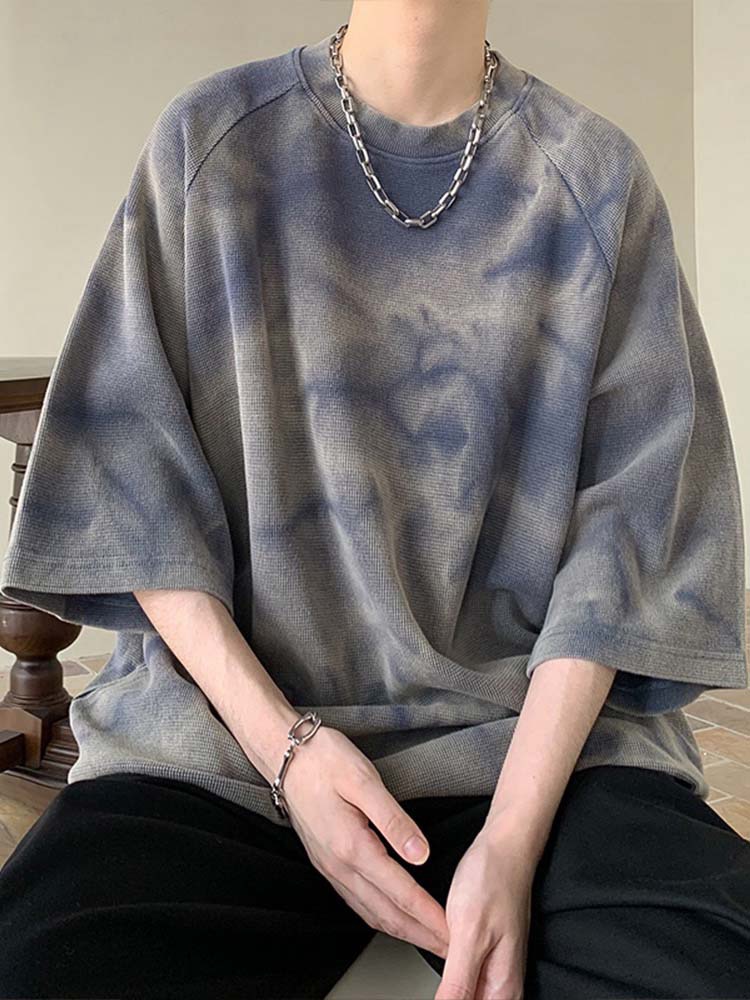
Garment Washing
Washing can shape the hand feel, surface character and final appearance of selected garments. EDVORIN coordinates wash development and approval so effects are documented before bulk production and repeated consistently.
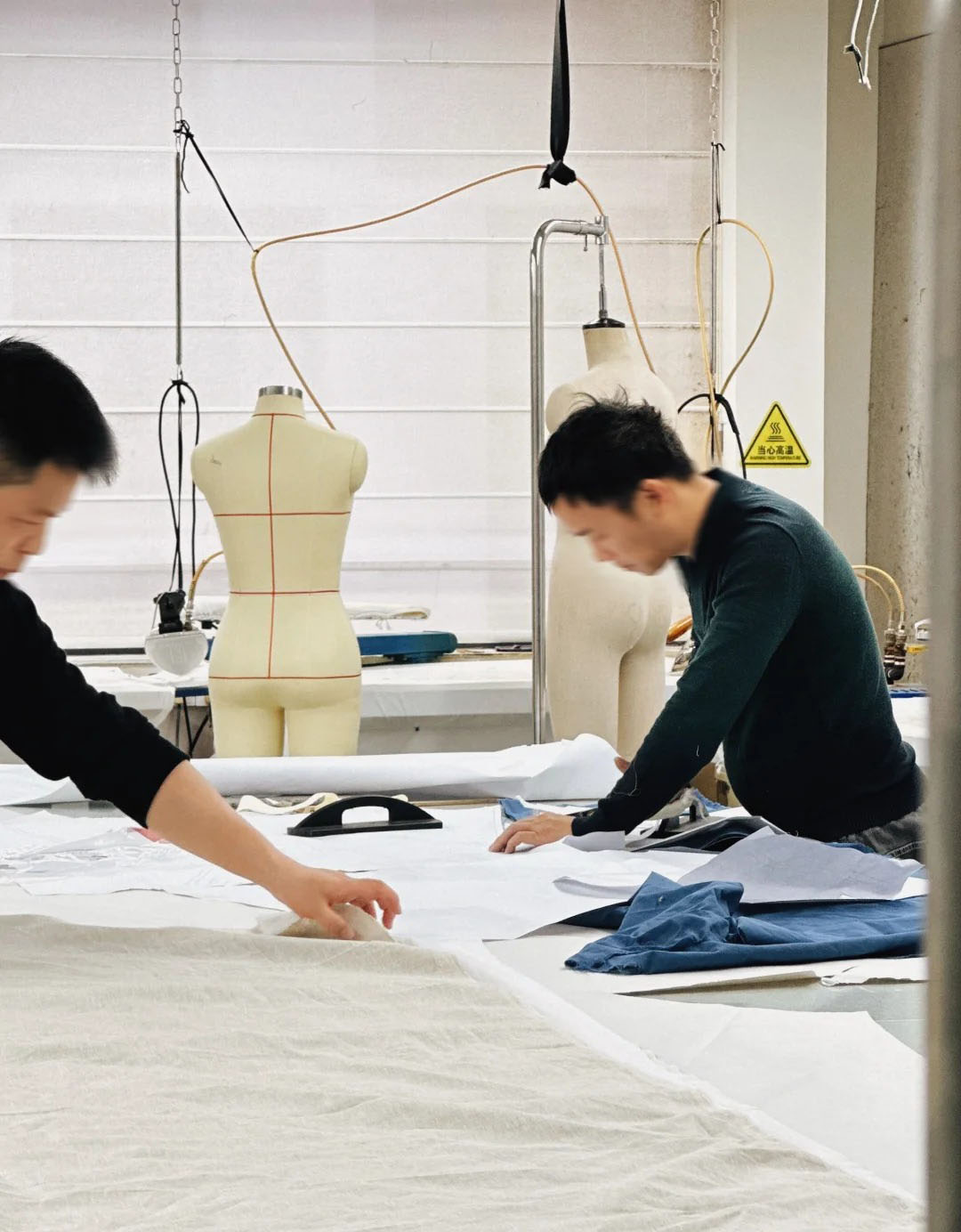
Precision Cutting
Cutting follows approved patterns, grading, grain direction and material specifications. Accurate panels support consistent proportions across men’s and women’s programs while reducing avoidable variation before garments reach the sewing line.
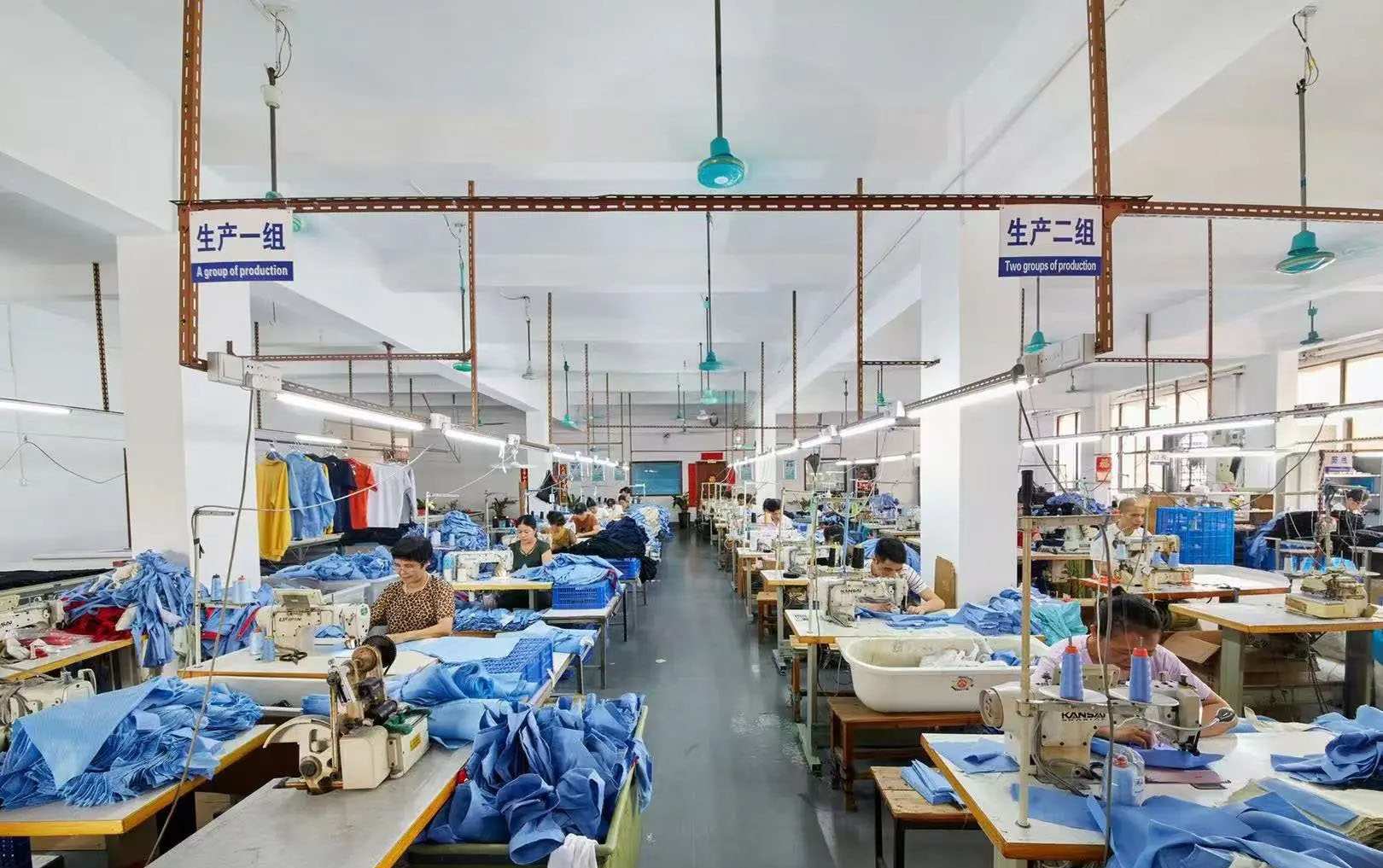
Structured Sewing
Sewing brings panels, trims and construction details together according to the approved sample and technical requirements. Stitch quality, seam strength and assembly order are monitored to support dependable repeat production.
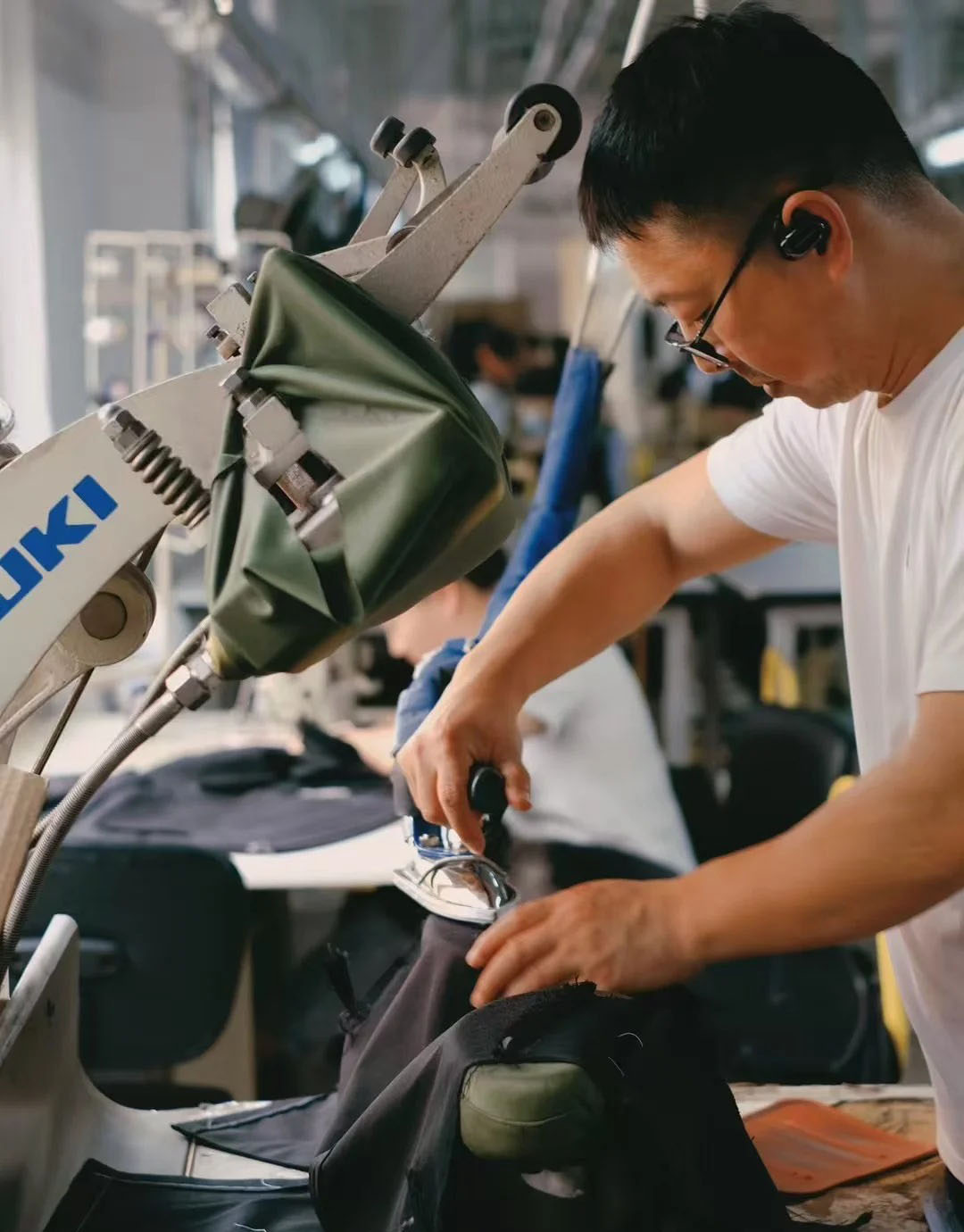
Final Finishing
Finishing includes thread trimming, pressing, measurement checks, labeling, folding and packaging preparation. These final controls help ensure each garment reflects the approved standard and arrives organized for distribution or retail.
Labels, Trims and Packaging for Private-Label Apparel
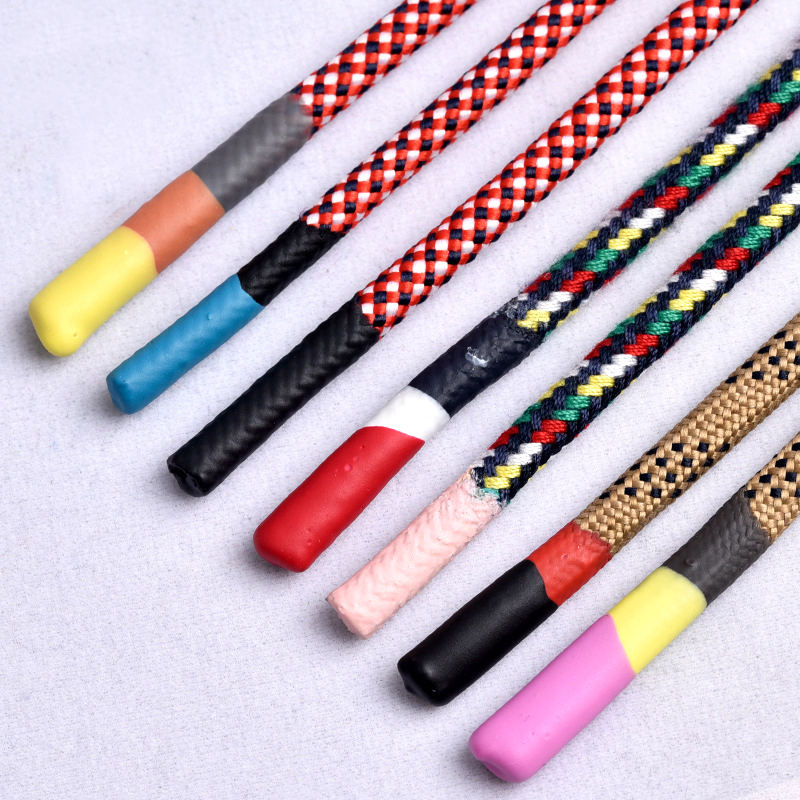
Drawcord Tipping
Customize drawcords with selected colors, lengths and end finishes for hoodies, sweatshirts and joggers. Coordinated tipping protects the cord while reinforcing the visual language of each streetwear collection.
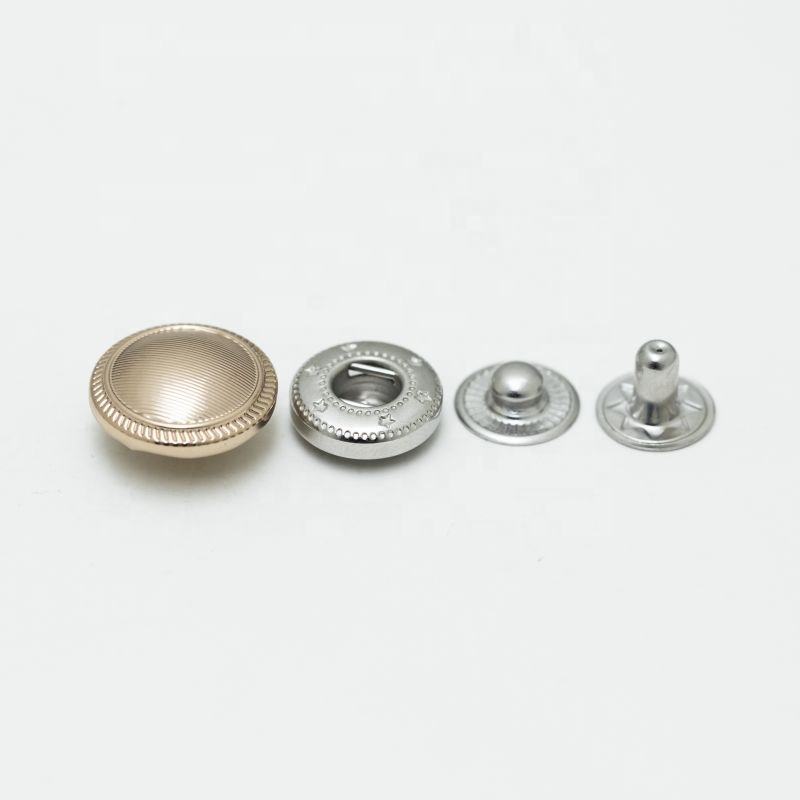
Snap Buttons
Specify snap buttons by finish, size and placement for varsity jackets, outerwear and overshirts. The right hardware supports dependable closure performance while adding a distinctive branded or utility-focused detail.
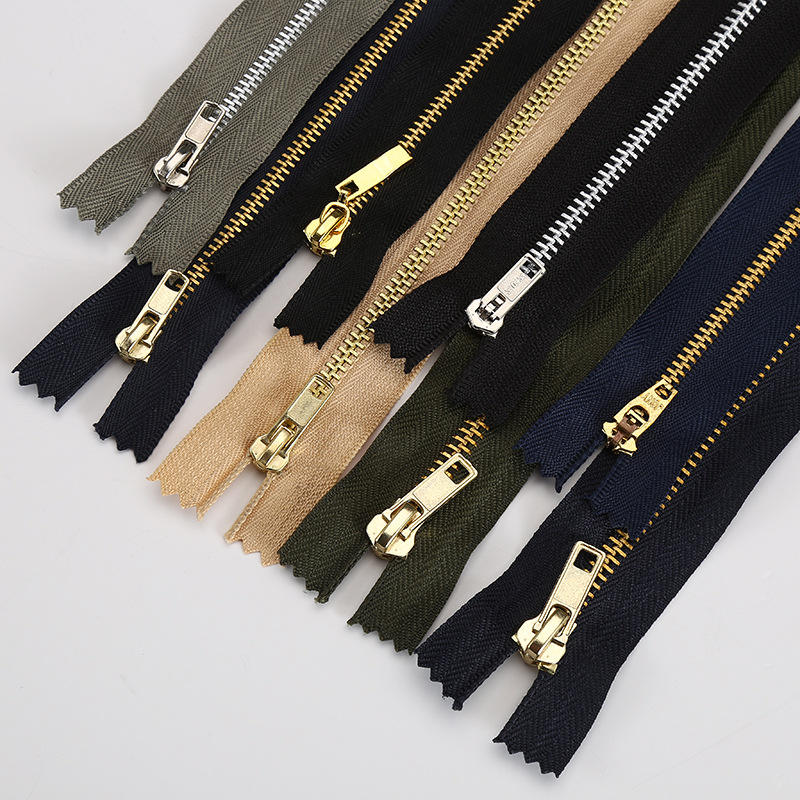
YKK Zippers
Choose zipper construction, gauge, puller style and finish for jackets, windbreakers, pockets and technical streetwear. Documented zipper specifications help maintain smooth operation, consistent appearance and reliable bulk reproduction.
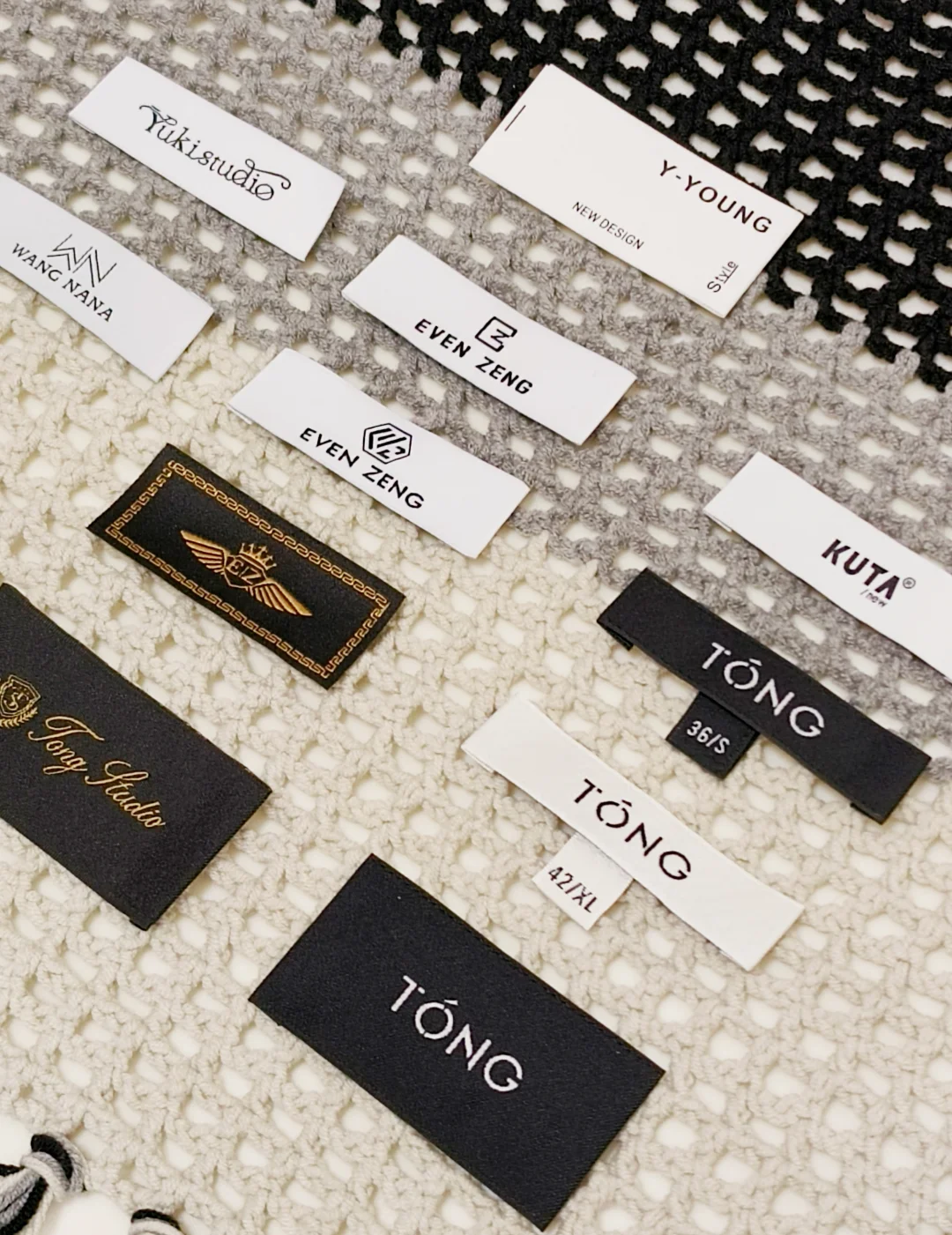
Woven Labels
Add woven main labels, size labels and care labels with controlled artwork, dimensions and placement. Clear label specifications keep brand presentation consistent across men’s, women’s and unisex apparel programs.
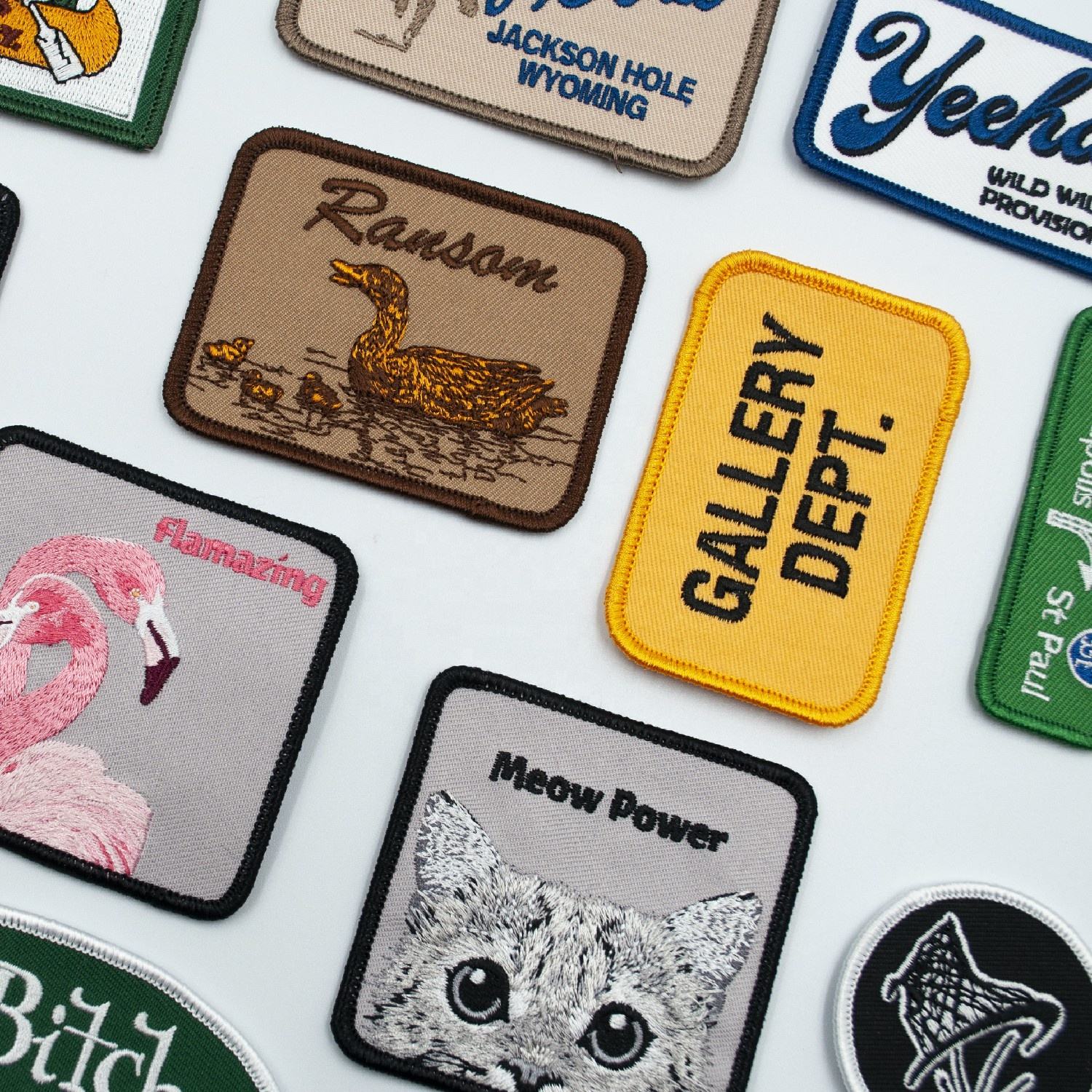
Custom Patches
Develop embroidered, woven, rubber or printed patches for jackets, hoodies, teamwear and streetwear capsules. Patch size, backing, stitch density and placement are reviewed alongside the garment construction.
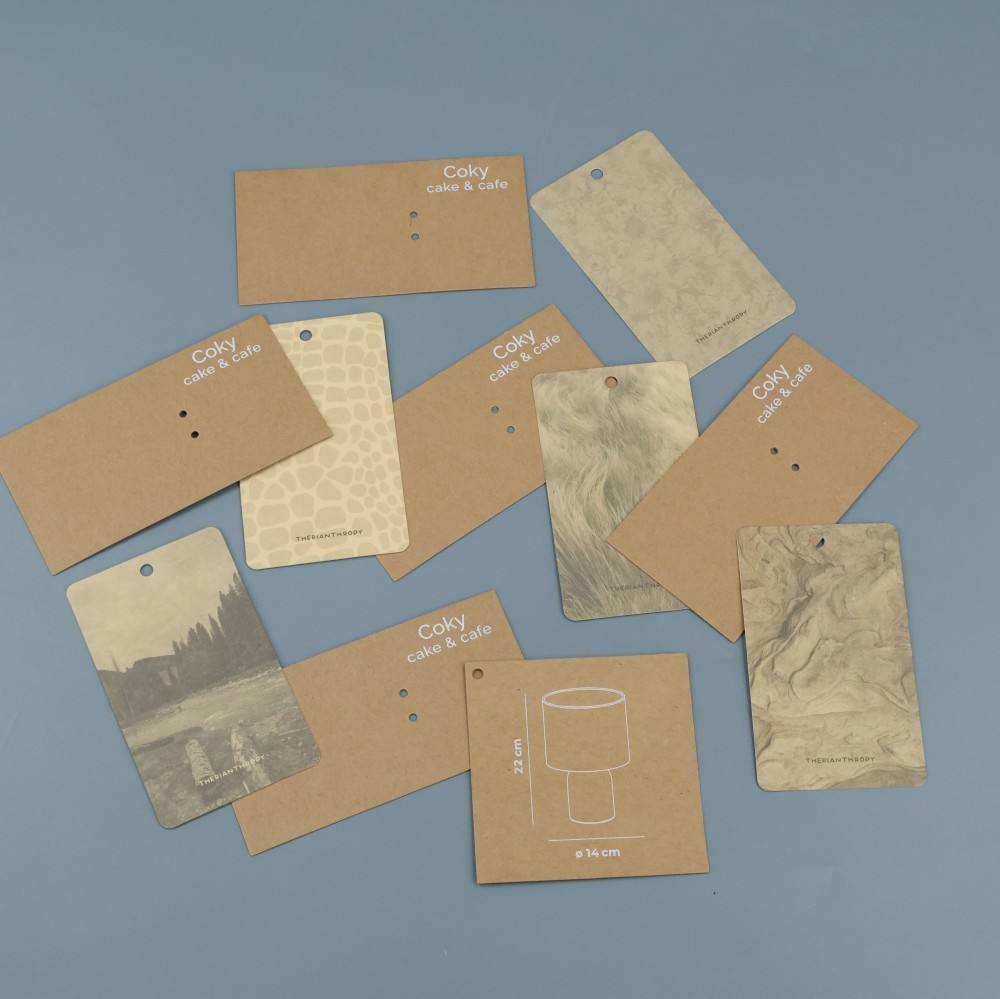
Hangtags Packaging
Coordinate hangtags, barcode labels, polybags, cartons and other packaging components with the approved garment program. Organized packaging details support retail readiness, private-label presentation and efficient shipment preparation.
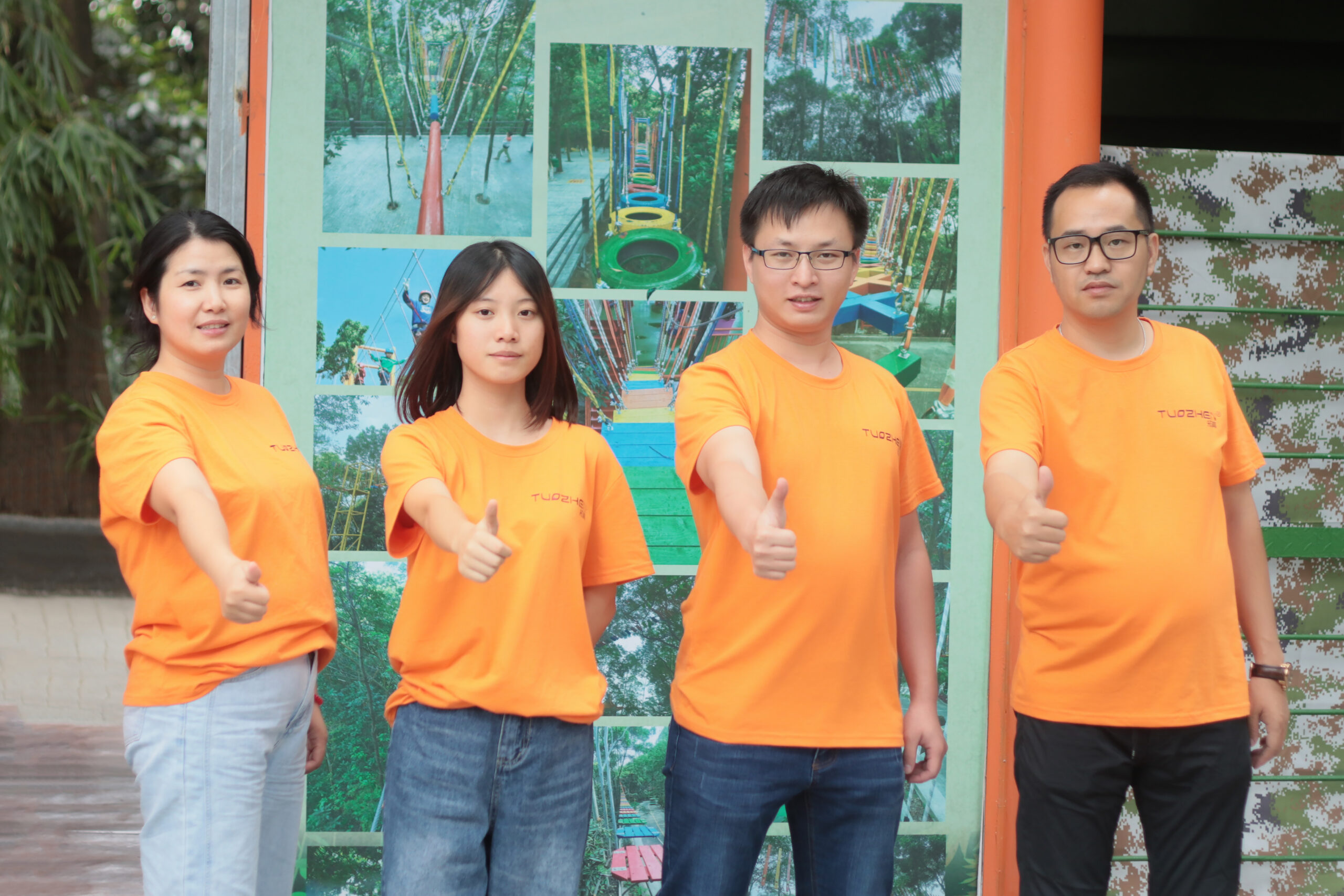
About EDVORIN: Founder-Led Apparel Manufacturing Since 2000
Founded by Edvorin Zeng in 2000, EDVORIN was built around a practical mission: turn apparel ideas into clear, repeatable manufacturing standards. From an initial sketch or reference garment to a complete tech pack, our team connects product development, material sourcing, patterns, sampling, decoration, washing, bulk production, quality control, labeling and packaging.
EDVORIN supports fashion brands, streetwear labels, sports organizations, schools, wholesalers and private-label buyers through one connected production system. Hoodies, sweatshirts, joggers, jackets, jerseys, uniforms and coordinated collections can be developed for men’s and women’s programs, with fit, materials, construction and performance requirements adjusted to the intended market.
What distinguishes EDVORIN is the discipline applied after the first sample. Approved measurements, artwork placement, trims, color references and construction details become visible production standards, while in-line and final inspections protect consistency from sample to bulk order. As a sustainable streetwear clothing manufacturer, EDVORIN helps buyers coordinate responsible material, decoration and packaging decisions with confidence for the next collection.
Core Capabilities for Custom Apparel Production
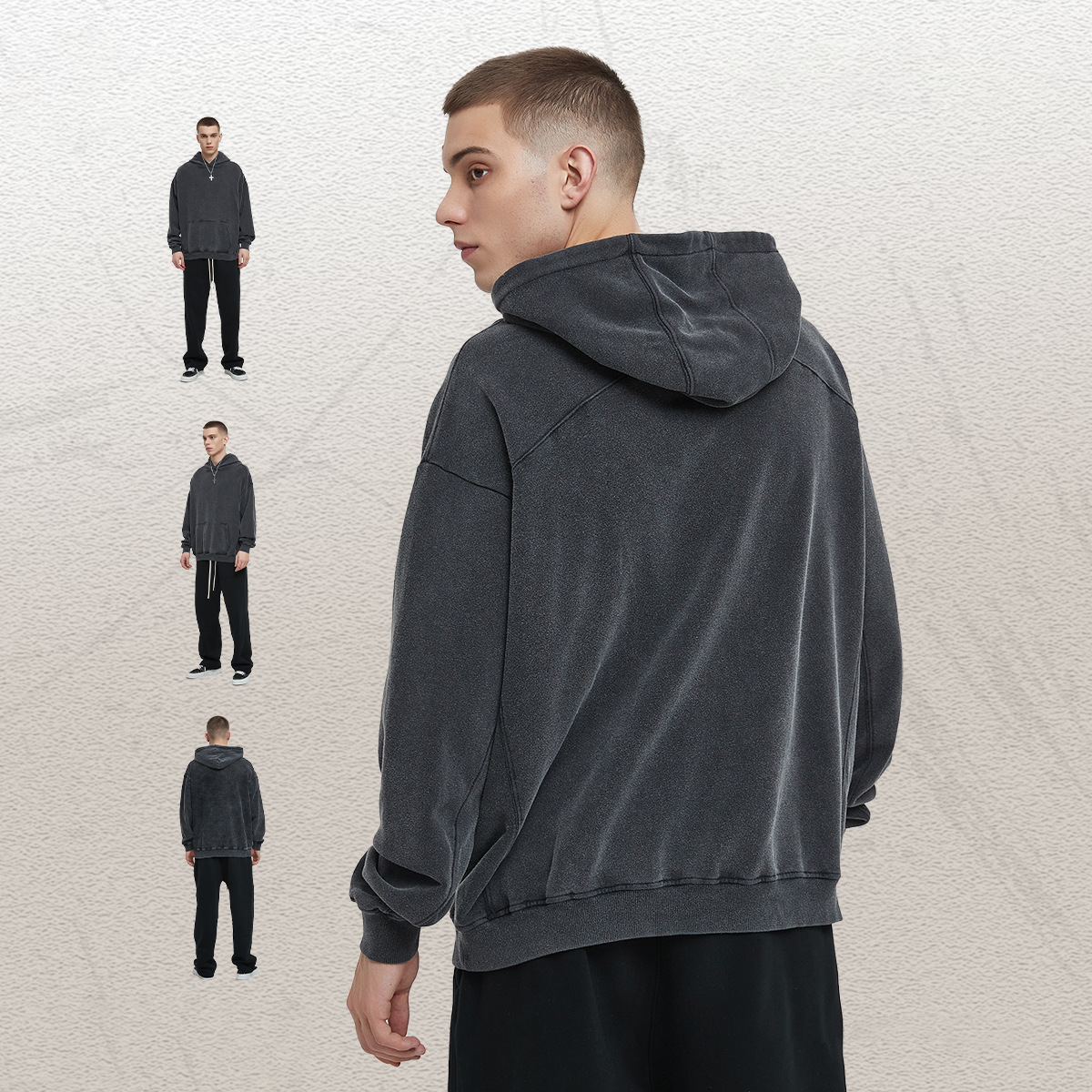
Technical Development That Scales
EDVORIN turns sketches, reference garments and tech packs into clear production standards. Our team aligns fit, grading, construction and measurements for each men’s or women’s program, helping fashion brands and streetwear labels move from an approved concept to repeatable bulk production.
- Tech pack review and specification development
- Custom patterns, fit blocks and grading
- Men's and women's development across categories
- Approved samples documented for bulk reference
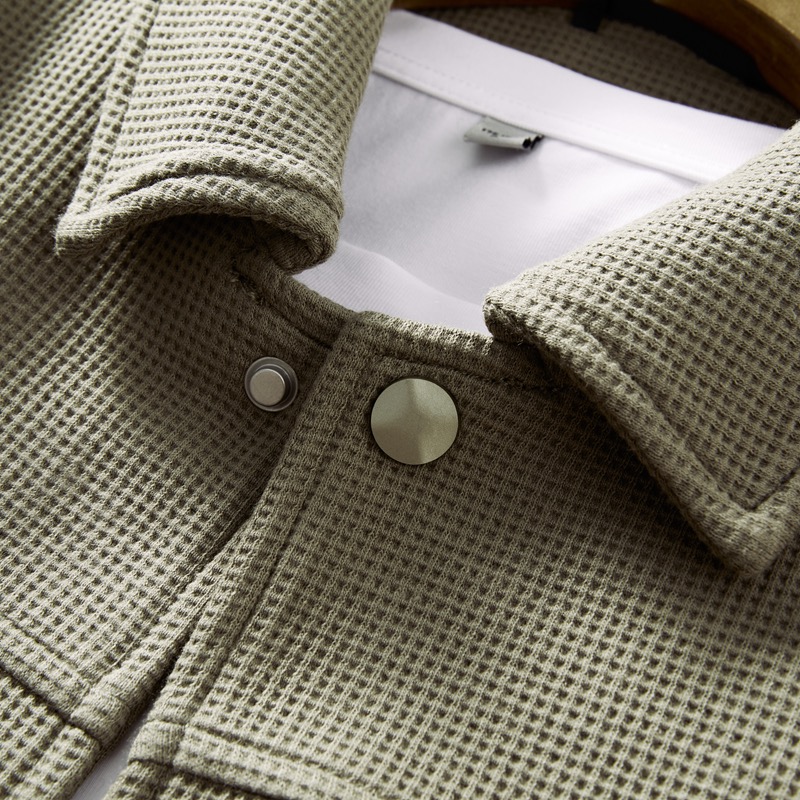
Materials and Trims, Fully Coordinated
A consistent garment depends on more than the shell fabric. EDVORIN coordinates fabric selection, weight, hand feel, trims, labels, hardware and packaging so every component supports the design intent, target performance and responsible production requirements of your collection.
- Fabric sourcing for casualwear, streetwear and teamwear
- Trim, label, hardware and packaging coordination
- Material options aligned with product performance
- OEKO-TEX Standard 100, GRS and GOTS programs available
Decoration Controlled by Category
Print, embroidery, washing and finishing must work with the garment construction and material. EDVORIN selects and records decoration details by product category, controlling artwork placement, color references and finishing requirements for consistent results across branded apparel and teamwear orders.
- Screen printing, embroidery and specialty decoration
- Placement measurements and artwork specifications
- Washing and finishing matched to fabric behavior
- Consistent names, numbers and graphics for teamwear
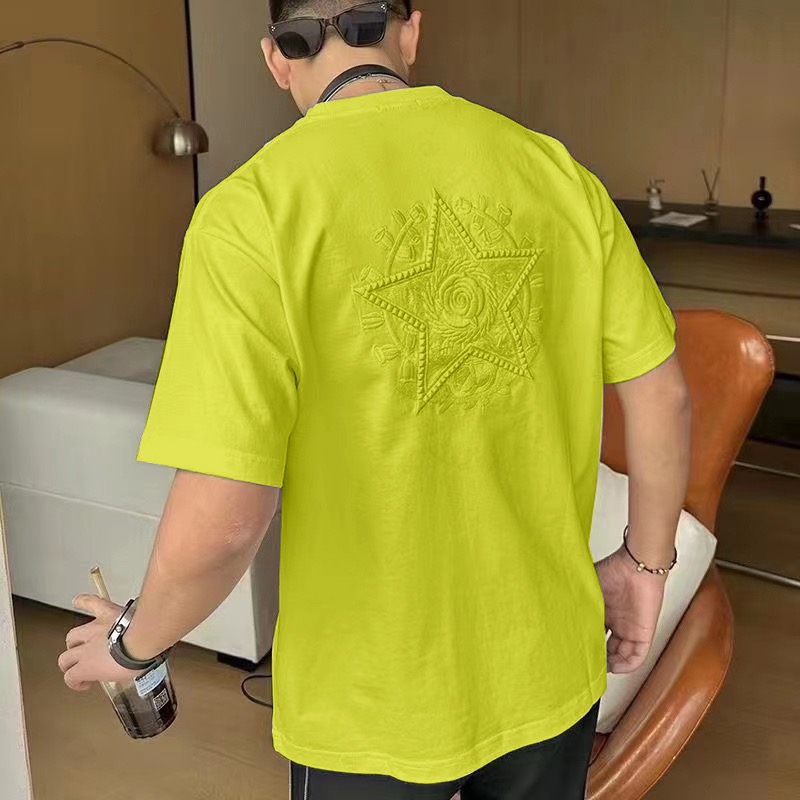
Sample-to-Bulk Quality Management
The approved sample becomes the working standard for production. EDVORIN carries that reference through material checks, in-line inspections, final inspection, labeling and packing, helping buyers protect fit, appearance and construction from first sample through repeat orders.
- Sample approval before bulk production
- In-line checks for measurements and construction
- Final inspection before labeling and packing
- MOQ starts at 200 pieces per style
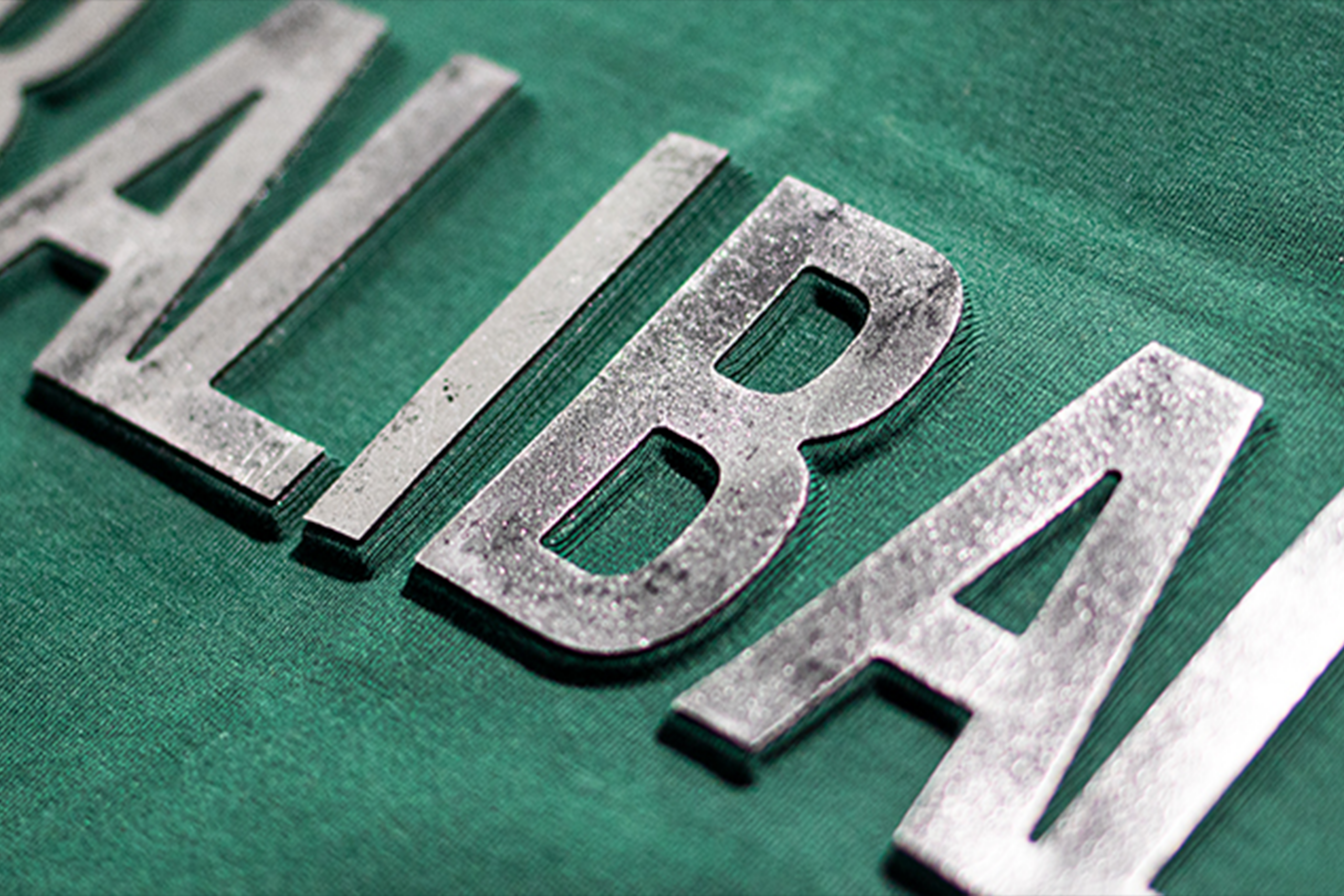
EDVORIN vs. a Typical Sustainable Streetwear Clothing Manufacturer
Compare the production support behind a sustainable streetwear clothing manufacturer built for consistent, repeatable collections.
← Swipe left or right to view →
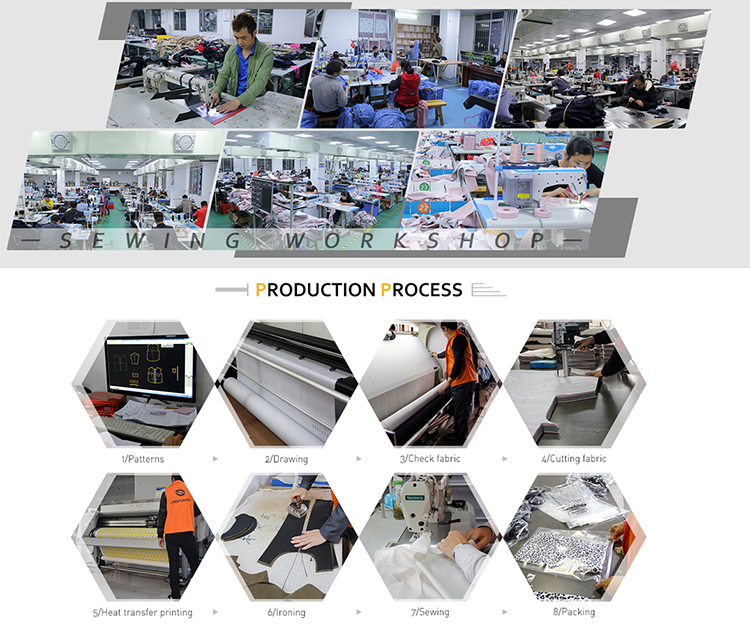
From Brief to Shipment: EDVORIN Apparel Production Process
A controlled production path that turns approved apparel concepts into repeatable, shipment-ready collections.
Brief and Production Planning
We review your brief, tech pack or reference garment, confirm quantities and MOQ starting at 200 pieces per style, then define production milestones.
Sourcing and Sampling
EDVORIN sources fabrics and trims, develops patterns and fit blocks for men’s or women’s programs, and prepares a documented sample for approval.
Cutting and Decoration
Approved garments move through cutting, printing, embroidery, washing and other category-specific decoration, with artwork placement, color references and measurements recorded for repeatability.
Sewing and Finishing
Sewing and finishing follow the approved construction standard, coordinating labels, hardware, pressing and final garment details across streetwear, outerwear and teamwear programs.
Quality Control
In-line and final inspections compare production against approved samples, specifications and size standards, helping identify variation before goods are released for packing.
Packing and Shipment
We complete labeling and packaging, organize the finished order by style and size, and coordinate shipment documentation for a clear handoff to your team.
How to work with EDVORIN on your next collection
Move from concept to approved, repeatable production with a sustainable streetwear clothing manufacturer that keeps decisions visible at every stage.
Send Your Product Brief
Send your sketch, reference garment, or tech pack so EDVORIN can review construction, quantities, decoration, fit requirements, and development priorities.
Confirm Scope and Materials
EDVORIN’s MOQ starts at 200 pieces per style. Receive a structured quotation, then confirm fabrics, trims, decoration methods, measurements, labels, packaging, MOQ, and delivery expectations before sampling begins.
Approve the Production Sample
Review the sample against the agreed specification, request revisions where needed, and approve the physical standard that will guide repeatable bulk production.
Start Controlled Bulk Production
EDVORIN coordinates cutting, sewing, washing, printing, embroidery, labeling, and packaging while in-line checks protect consistency across the approved order.
Inspect and Receive Your Order
Final inspection verifies workmanship, measurements, decoration, labeling, and packing before shipment, giving your team a clear handoff for delivery and repeat orders.
Certified Standards for Responsible Apparel Production



Results from a sustainable streetwear clothing manufacturer
Verified customer testimonial pending approval. Add a buyer-confirmed result here, such as a documented improvement in sample repeatability, fit consistency, or bulk production readiness.
Verified case study pending publication. Add a confirmed customer outcome here, such as successful development of a streetwear, teamwear, or private-label category from concept through approved production.
Verified customer feedback pending approval. Add a documented result here, such as smoother decoration coordination, clearer specifications, or more consistent repeat orders after the first production run.
FAQ for sustainable streetwear clothing manufacturer buyers
EDVORIN’s MOQ starts at 200 pieces per style. Clear answers on MOQ, development, decoration, logistics, repeat production, and protecting your apparel concepts with EDVORIN.
EDVORIN’s MOQ starts at 200 pieces per style. What MOQ does a sustainable streetwear clothing manufacturer require?
How quickly can a sustainable streetwear clothing manufacturer produce my collection?
What does sampling cost with a sustainable streetwear clothing manufacturer?
What payment terms does EDVORIN offer for sustainable streetwear manufacturing?
Can a sustainable streetwear clothing manufacturer handle shipping and packaging?
What decoration options can a sustainable streetwear clothing manufacturer provide?
Can I place repeat orders with a sustainable streetwear clothing manufacturer?
How does a sustainable streetwear clothing manufacturer protect my designs and intellectual property?
The Complete Guide to a sustainable streetwear clothing manufacturer
Use this decision framework to compare sustainable streetwear suppliers, evaluate fabrics, construction, customization, certifications, pricing, and production fit while avoiding common sourcing mistakes that create quality, compliance, inventory, or margin problems.
1. What Is a Sustainable Streetwear Clothing Manufacturer?
2000 marked EDVORIN’s founding as an apparel manufacturing partner, not simply a source of ready-made blanks. A sustainable streetwear clothing manufacturer develops or interprets designs, sources materials, builds patterns, samples garments, manages decoration, produces bulk orders, and controls quality against an approved standard. 7 checkpoints should shape a buyer’s definition of sustainability: material origin, labor conditions, energy and water use, waste control, packaging, supply-chain traceability, and product longevity. A credible partner can discuss evidence behind claims such as GOTS, OEKO-TEX, WRAP, or BSCI without treating a certificate as the whole program.
2. The Evolution of Sustainable Streetwear Manufacturing
2000 marked EDVORIN’s starting point in a period when streetwear commonly relied on rapid drops, large speculative runs and short product cycles. The model created urgency through limited releases, but it also increased the risk of unsold inventory when demand was misread. Three practical alternatives now shape more responsible programs: made-to-order production, pre-sale commitments and smaller, evidence-based replenishment runs. These approaches preserve the identity, graphics and scarcity that define streetwear while giving buyers clearer demand signals before fabric, decoration and packaging are committed. com/blog/sustainable-streetwear-brands-to-watch. Two dimensions must progress together: the garment and the production system.
3. Types of Sustainable Streetwear Clothing Manufacturers
Six supplier models cover different balances of control, speed and volume.
Custom And Private-Label Models
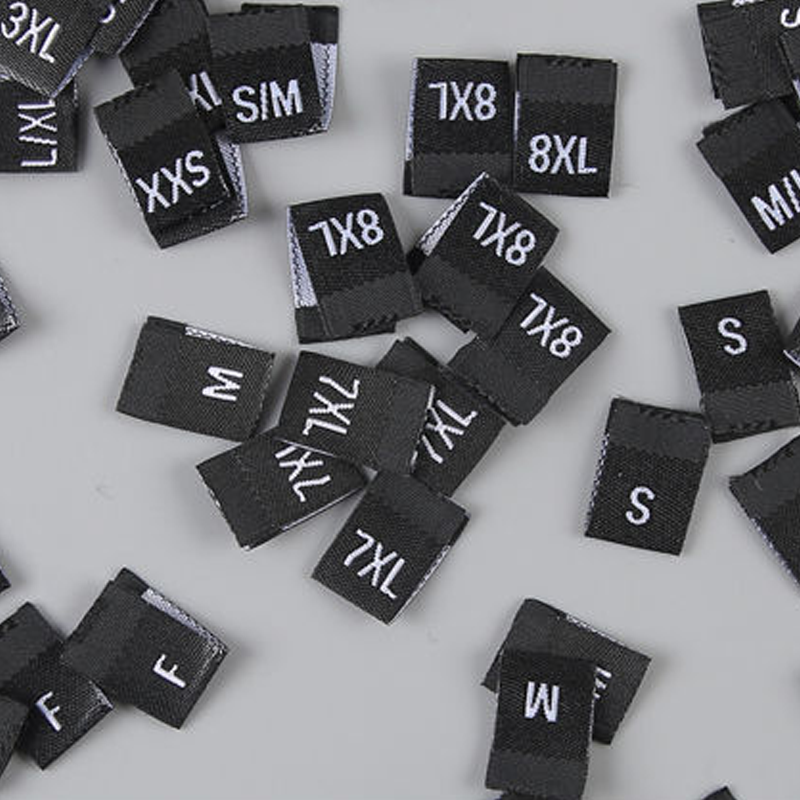
Cut-and-sew OEM gives brands the strongest design control: buyers provide specifications, while the factory manages patterns, samples and bulk production. MOQs are usually higher than blanks, with lead times expanding as construction and approvals become more complex.
Blank And Low-MOQ Suppliers
Blank-garment suppliers offer ready-made T-shirts, hoodies or joggers for printing and embroidery. Design control is limited to decoration and labeling, but MOQs can be low, sampling is immediate, and lead times suit wholesalers, event programs and small streetwear drops.
Integrated Development Partners
Vertically integrated factories coordinate materials, patterns, cutting, sewing, decoration and inspection internally. They offer stronger scalability and potentially shorter handoff delays, fitting wholesalers, established brands and large club or school programs; sampling still requires formal approval.
4. Materials and Fabrics for Sustainable Streetwear
GSM sets weight, drape, opacity and warmth, but it does not prove sustainability.
| Fabric | Applications | Strengths | Trade-offs | Ask Suppliers |
|---|---|---|---|---|
| Organic cotton | Tees, hoodies | Soft, printable | Shrinkage | GOTS scope? |
| Recycled cotton | Sweats, tees | Lower virgin input | Shorter fibers | Recycled percentage? |
| Recycled polyester | Jerseys, fleece | Strong, colorfast | Synthetic end-of-life | RCS evidence? |
| Hemp | Overshirts, tees | Durable, breathable | Can feel coarse | Blend ratio? |
| TENCEL/cellulosics | Tees, lightweight tops | Smooth, absorbent | Lower abrasion resistance | Fiber certification? |
| Deadstock | Limited capsules | Avoids surplus waste | Limited repeatability | Available yardage? |
| Blends | Performance basics | Balanced properties | Harder recycling | End-of-life route? |
Compare Fiber Options
Organic cotton offers familiar hand feel and strong color performance; recycled cotton can reduce virgin-fiber demand but may shorten staple length and require blending. Hemp is durable and develops character, while TENCEL and other cellulosics provide a smooth, absorbent feel.
- Request fiber percentages and source documentation.
- Confirm whether certification applies to the specific fabric lot.
- Ask how deadstock quantities can support repeat orders.
Check Fabric Performance
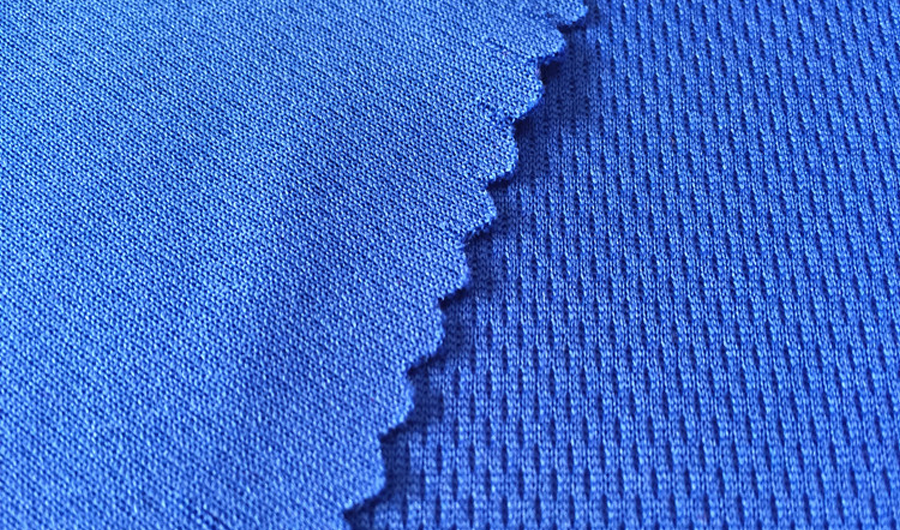
240–400 GSM often suits substantial hoodies, while 160–220 GSM supports T-shirts and lighter tops; French terry feels cleaner and cooler than brushed fleece. Ring-spun yarn generally feels smoother than open-end yarn, but construction still controls abrasion and pilling.
- Record GSM tolerance, not only a target number.
- Approve prewash and postwash measurements.
- Test rib recovery alongside the main fabric.
Use Evidence, Not Labels
GOTS, OEKO-TEX, RCS and other standards address different parts of material or chemical control; ask for current certificates, scope, transaction records and the certified facility name. WRAP or BSCI evidence concerns social compliance, not fiber content.
- Match certificate scope to the exact product and supplier.
- Request test reports for composition and colorfastness.
- Document the approved fabric, lot and revision.
5. Customization and Decoration Options
Three variables—decoration method, artwork control, and approved sampling—determine whether a streetwear concept looks distinctive or inconsistent.
| Method | Appearance | Setup And Minimums | Sustainability Consideration |
|---|---|---|---|
| Screen print | Bold, opaque graphics | Screens and color count | Durable; manage ink and wash testing |
| Embroidery or patches | Raised, tactile detail | Digitizing, backing, patch minimums | Long-wearing; avoid excess backing |
| Digital print or transfer | Gradients, fine artwork | Lower setup; fabric compatibility | Useful for short runs; test durability |
Print And Surface Decoration
Screen printing suits bold graphics and repeat orders; color count affects setup, while vector artwork, Pantone references, placement measurements, and strike-offs control consistency. Digital printing handles gradients and smaller runs with less setup, but results depend on fabric pretreatment and ink compatibility.
Dyeing And Garment Effects
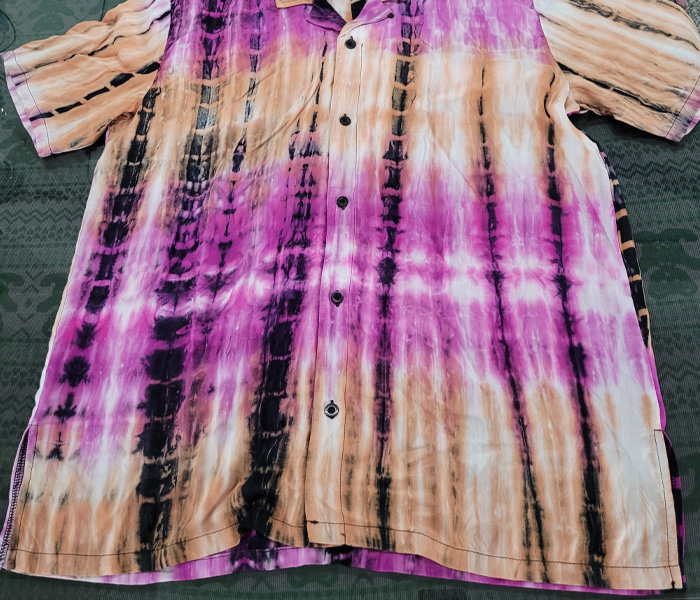
Garment dyeing, enzyme or stone washes, and distressing create vintage variation across hoodies, tees, and jackets. Each changes color, shrinkage, surface texture, and decoration behavior, so EDVORIN evaluates the finished wash—not only the untreated sample.
Trims And Packaging
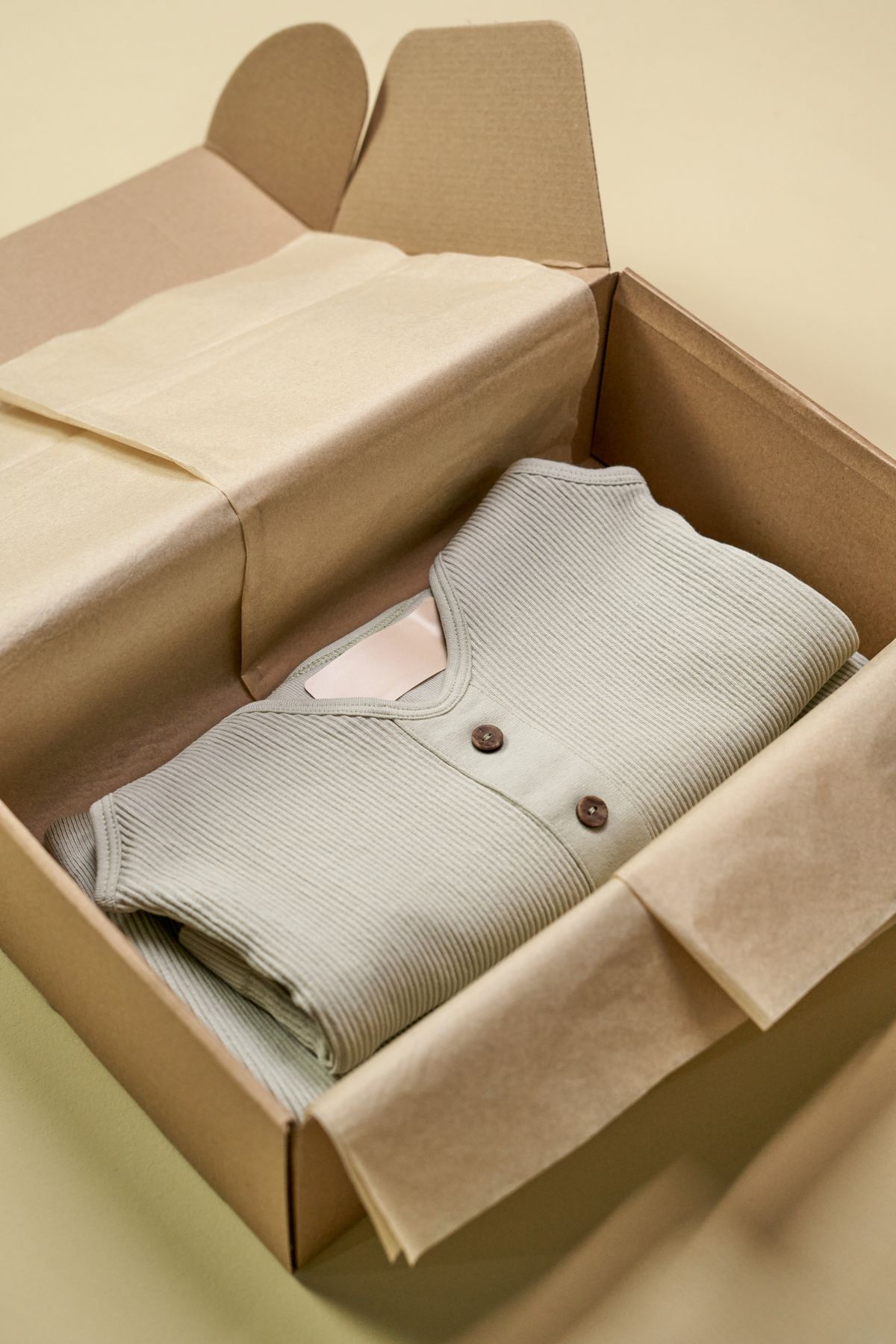
Custom drawcords, snaps, zipper pulls, rubber badges, hangtags, polybags, cartons, and recycled or paper-based packaging complete the product system. Minimums and tooling often apply to custom hardware or molded components, while woven labels usually require artwork approval and a production sample.
6. Key Construction and Quality Elements
A premium garment is defined by repeatable construction, not a fabric label alone.
Pattern And Measurement Control

Three checkpoints matter: compare the approved pattern, graded size set and finished measurements against the tech pack. Record tolerances for chest, body length, sleeve, rise and opening widths.
Seams, Ribs And Hardware
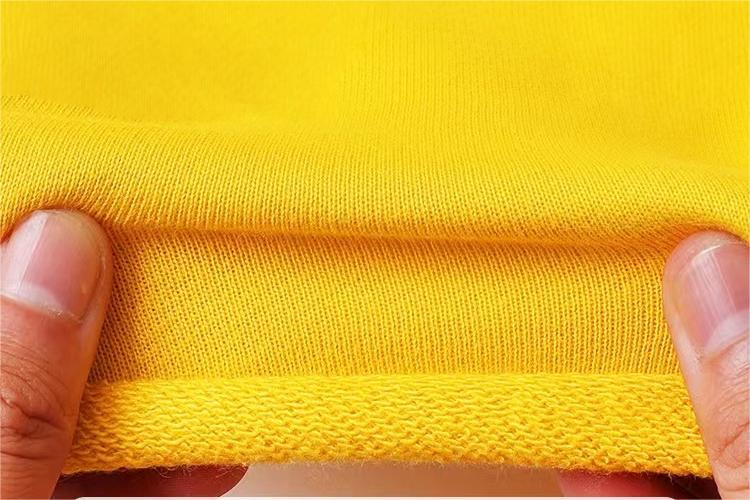
Four construction checks expose weak workmanship: stitch density, seam allowance, bartacks and seam strength at stress points. Inspect shoulder joins, pocket corners, crotch seams, cuffs and waistband recovery after stretching.
Decoration And Wash Testing
Two sample tests are essential: check print or embroidery registration against measured artwork placement, then wash-test the decorated garment for adhesion, puckering and thread distortion.
Inspection And Packing
Three inspection points reduce repeat-order risk: incoming materials, in-line sewing and final packed-goods inspection. Compare measurements, color, decoration, labeling, needle control, stains and workmanship against the approved sample.
7. How to Choose a Sustainable Streetwear Clothing Manufacturer
Founded in 2000, EDVORIN evaluates a sustainable streetwear clothing manufacturer through documented process control, not environmental language alone.
Audit Factory Capability
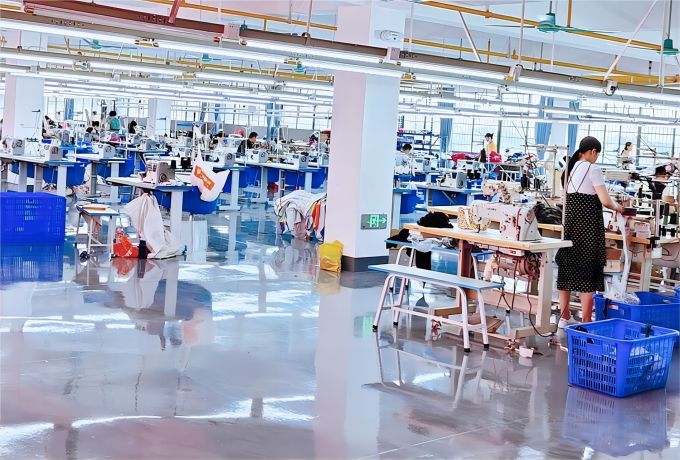
EDVORIN’s MOQ starts at 200 pieces per style. A 10-point review should cover streetwear construction, relevant product experience, MOQ flexibility, sampling, decoration, washing, quality checkpoints, available capacity, lead times and export logistics. Ask whether the factory can reproduce an approved hoodie, jersey or jacket across sizes and repeat orders.
Verify Materials And Responsibility
Each material claim should have current documentation: fiber composition, transaction records where relevant, test reports and certificates such as GOTS or OEKO-TEX. Request the actual scope, facility name, expiry date and product coverage rather than accepting a logo alone.
Compare Quotes And Questions
Three comparable quotes are useful only when every supplier prices the same GSM, fiber blend, color count, decoration method, packaging, inspection standard, quantity and Incoterm.
- Which facility will produce this order, and what is its verified capacity?
- What evidence supports each material and labor claim?
- EDVORIN’s MOQ starts at 200 pieces per style. What are MOQ, sample, bulk, inspection and replenishment lead times?
- Who owns patterns, artwork, samples and unused materials?
- How are defects, delays and unauthorized production handled?
8. Common Mistakes Buyers Make
Three checkpoints prevent most sourcing failures: verify the claim, define the standard and test demand before bulk production.
Verify Claims And Capability
One material label, such as recycled or organic, does not prove the full sustainability standard. Ask for applicable certificates, scope, transaction evidence and current factory records; brands and wholesalers should also verify the actual production site, not only a trading office.
Define And Test The Product
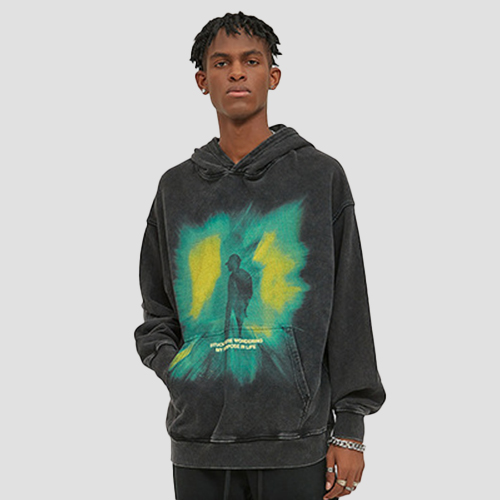
A tech pack missing GSM, fiber blend, measurements, artwork placement, trims or seam details invites production assumptions. Sports clubs and schools should add size grading, color references and personalization rules; fashion labels should record construction, wash recipe and approved tolerances.
Control Demand And Approval
One weak sample can multiply defects across an entire order. Require a signed approval sample, measurement report and decoration strike-off before production; private-label buyers should inspect embroidery density, print adhesion, placement and trim function. A large first order ties cash to unproven demand.
9. Steps to Launch Your Streetwear Brand
A controlled launch gives a sustainable streetwear clothing manufacturer a clear production standard, not just a creative direction.
Define The Product Brief
1 audience, use case and launch date should anchor the brief. Specify silhouettes, branding, colorways, size range, target quantities, packaging and whether a pre-sale will validate demand before production.
Source And Quote
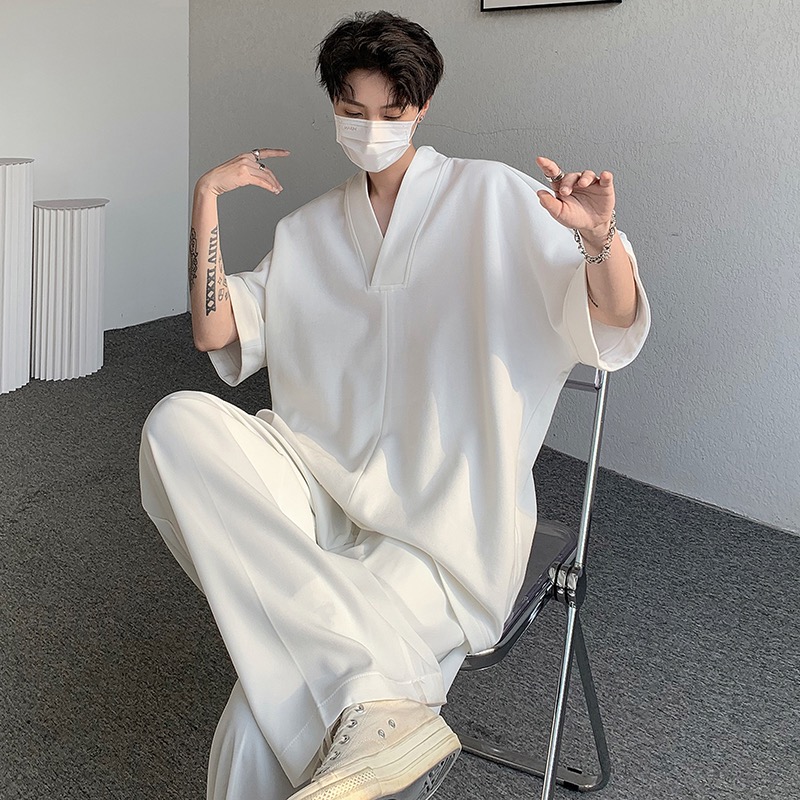
3 to 5 qualified suppliers can be shortlisted against product fit, materials, decoration, compliance documentation and communication. Request fabric options such as French terry or fleece, then compare quotations on quantity, sampling, tooling, lead time and shipping terms.
Approve Before Production
1 prototype is only a starting point: review fit across the planned size range, fabric hand, wash behavior, seam construction and decoration durability.
Control Delivery And Reorders
In-line inspection catches variation during cutting, sewing and decoration; final inspection checks measurements, defects, labeling, packing and carton quantities before shipping. Keep approved samples and records linked to the shipment.
10. Sustainable Streetwear Pricing and Cost Factors
US$ planning figures are not universal prices; request a supplier quote after confirming fabric, construction, decoration, quantity, destination, testing, and packaging. EDVORIN cost reviews should separate one-time development from recurring production costs. 2000-style production discipline means pricing must account for fabric consumption, pattern development, sampling, trims, decoration setup, sewing labor, washing, testing, in-line quality control, final inspection, packaging, freight, and import duties.
| Quantity Tier | Indicative Unit-Cost Drivers | Setup Costs | Lead-Time Implication |
|---|---|---|---|
| 50–100 units | Highest fabric and labor allocation; sampling, trims, testing, packaging | Pattern US$80–250; sample US$50–180; decoration setup US$30–150 | 4–7 weeks after approvals |
| 300–500 units | Better material utilization; standard trims; QC and wash remain style-dependent | Development and setup spread across units | 6–9 weeks |
| 1,000–3,000 units | Lower unit labor and sourcing cost; freight, duties, testing, and inspection still apply | Repeat setup may be reduced after approved standards | 8–12 weeks |
| 5,000+ units | Negotiated materials and production efficiency; carton, freight, and compliance planning become material | Quote-specific; new colors or constructions add setup | 10–16 weeks |
Start with a sustainable streetwear clothing manufacturer built to repeat
Send your tech pack or collection brief to EDVORIN for OEM development, sampling, decoration and dependable bulk production.