
Cotton Twill Shirt Manufacturer for Repeatable OEM Production
EDVORIN develops private-label cotton twill shirts from sample approval to controlled bulk production, with MOQs starting at 200 pieces per style.
Featured Apparel Manufacturing Capabilities
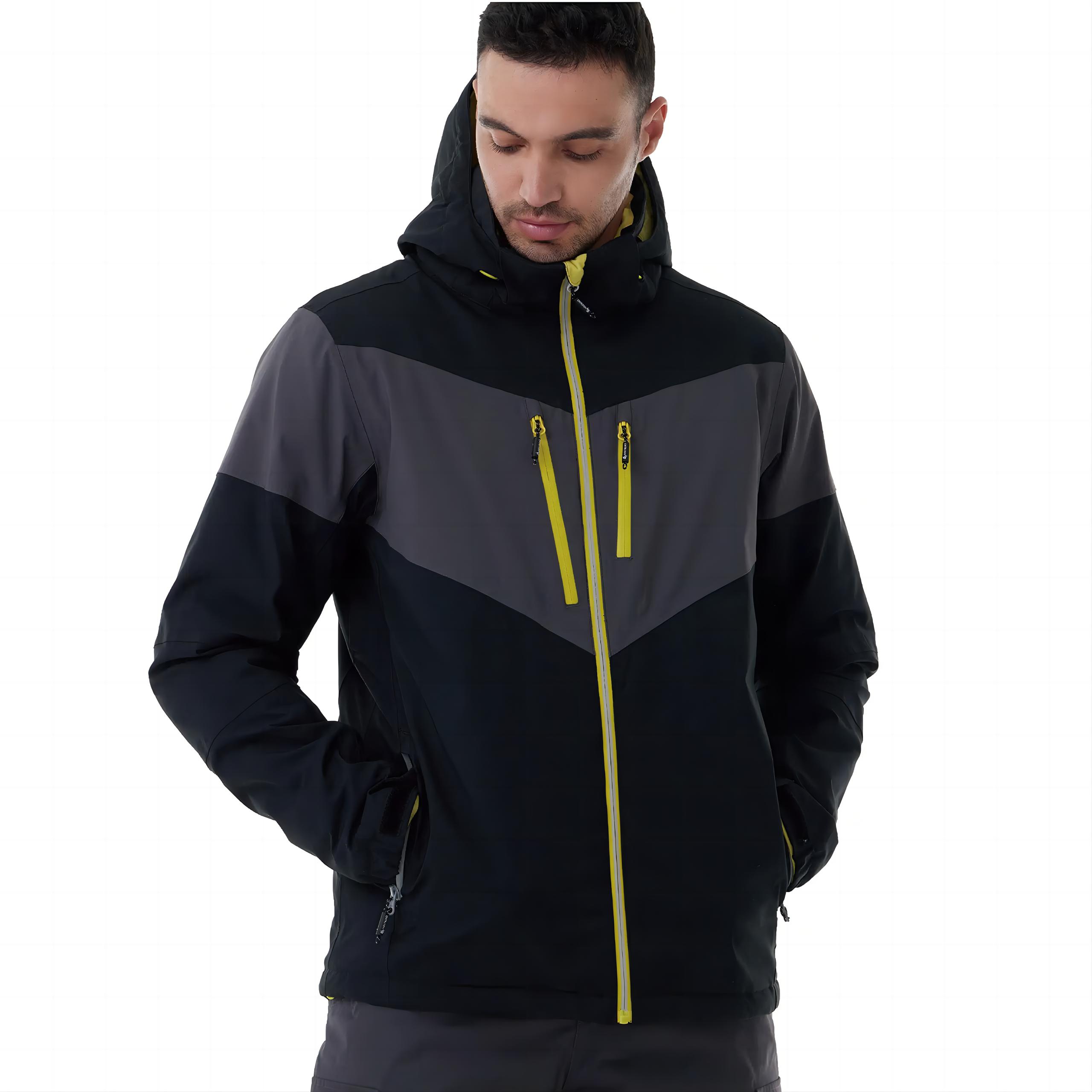
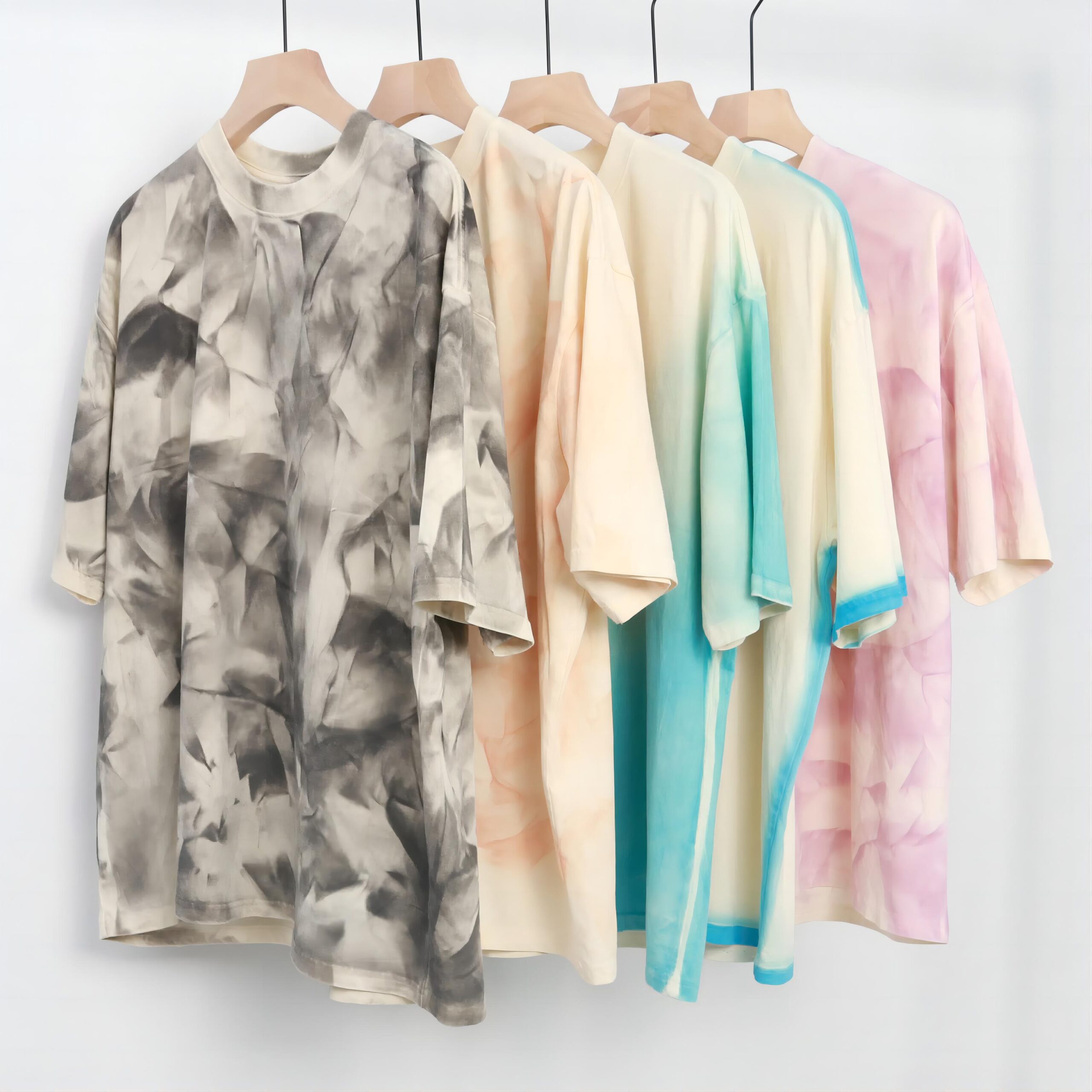
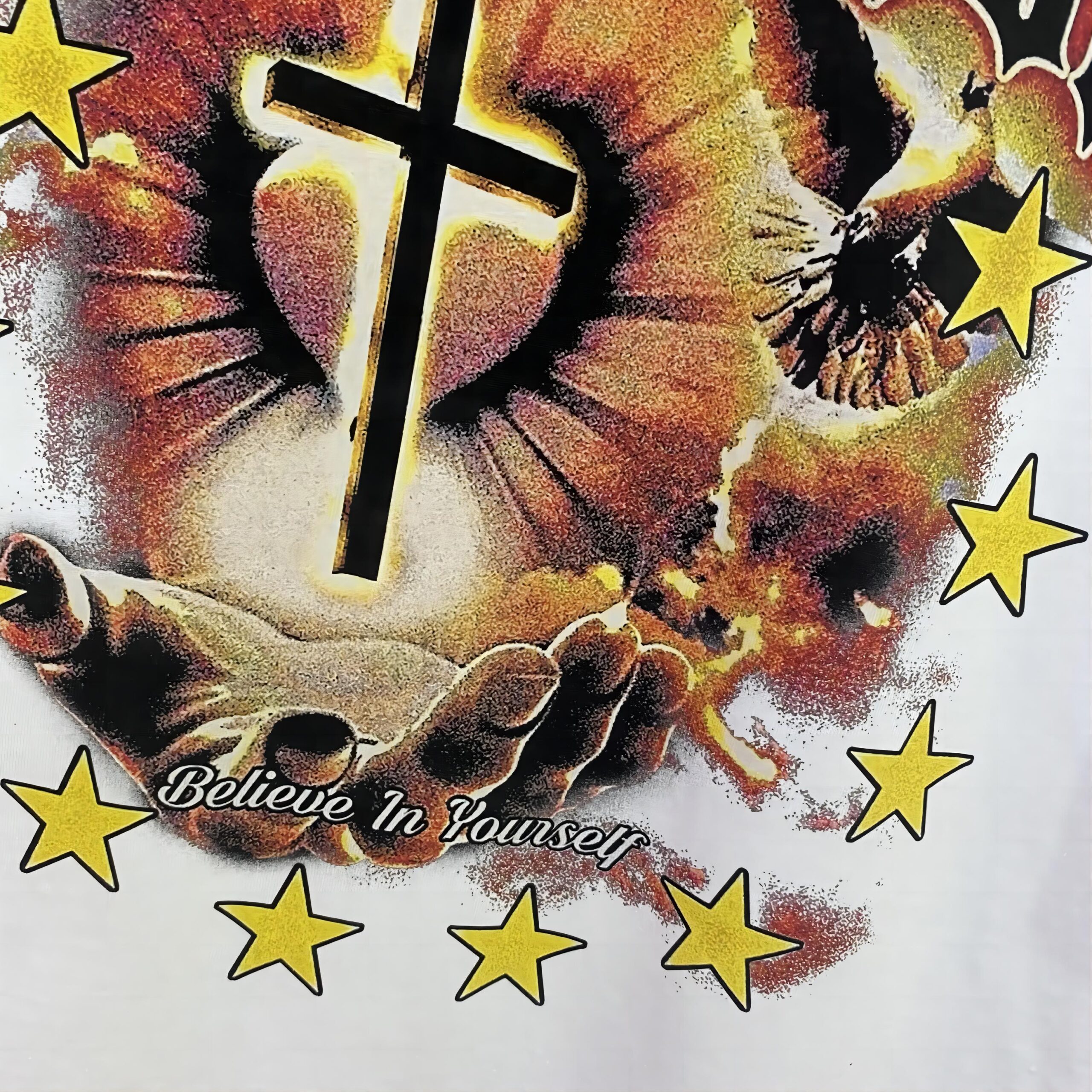
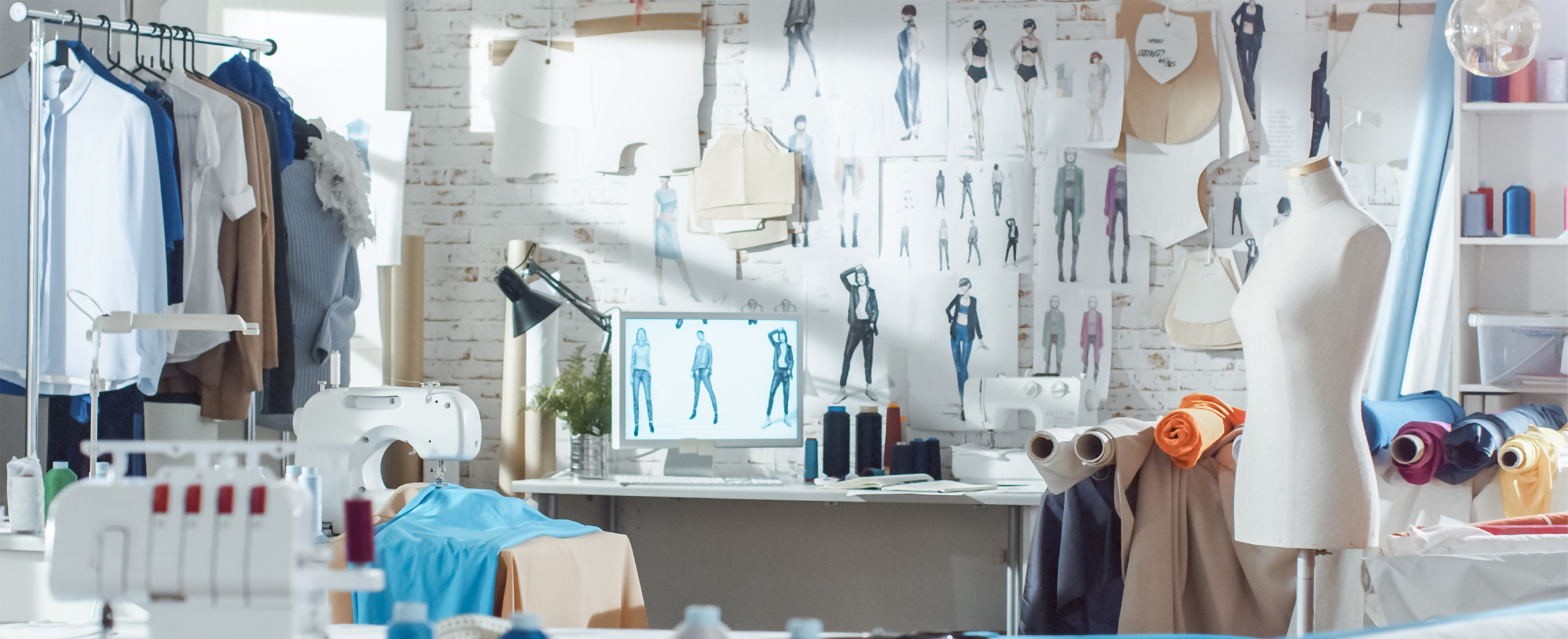

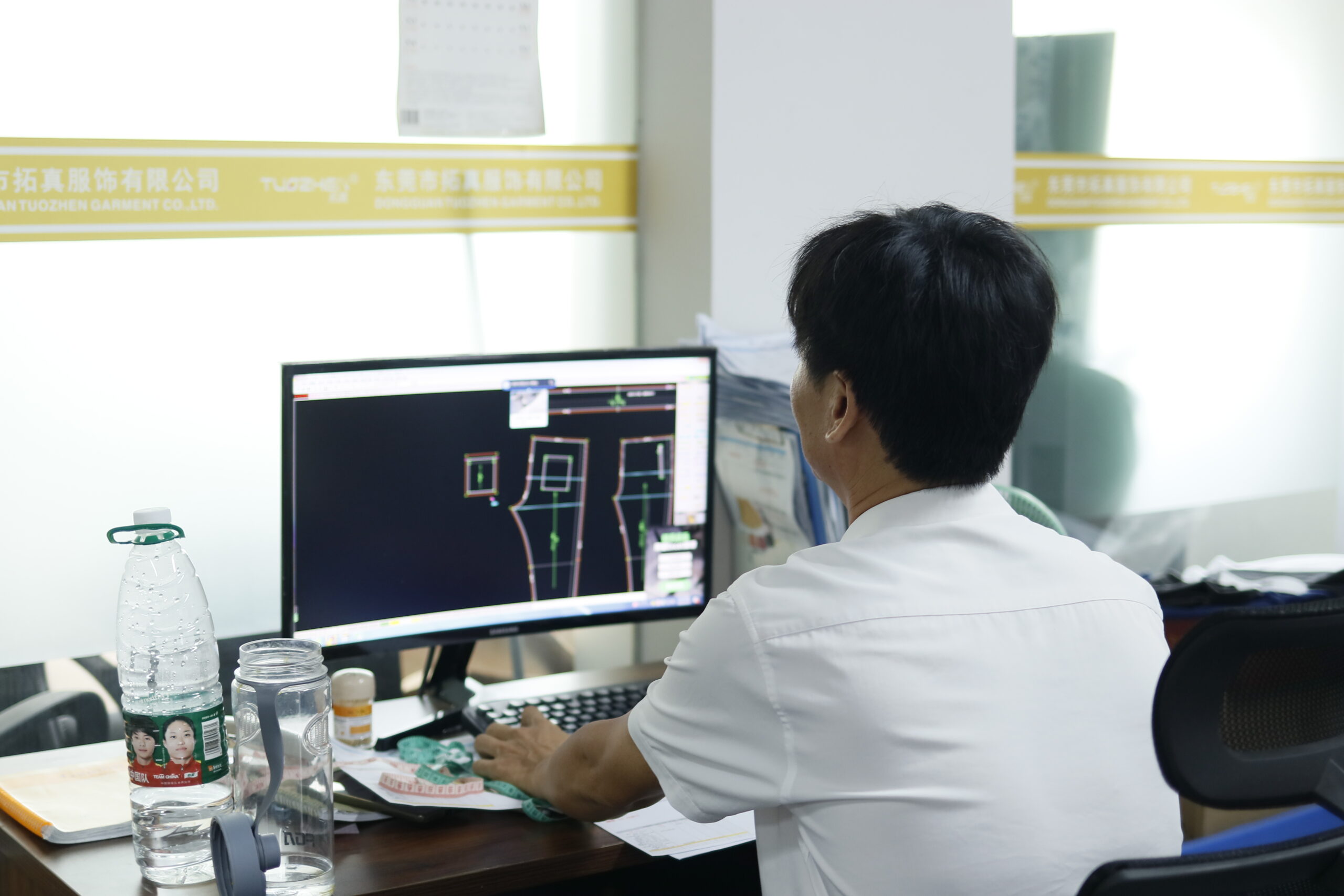

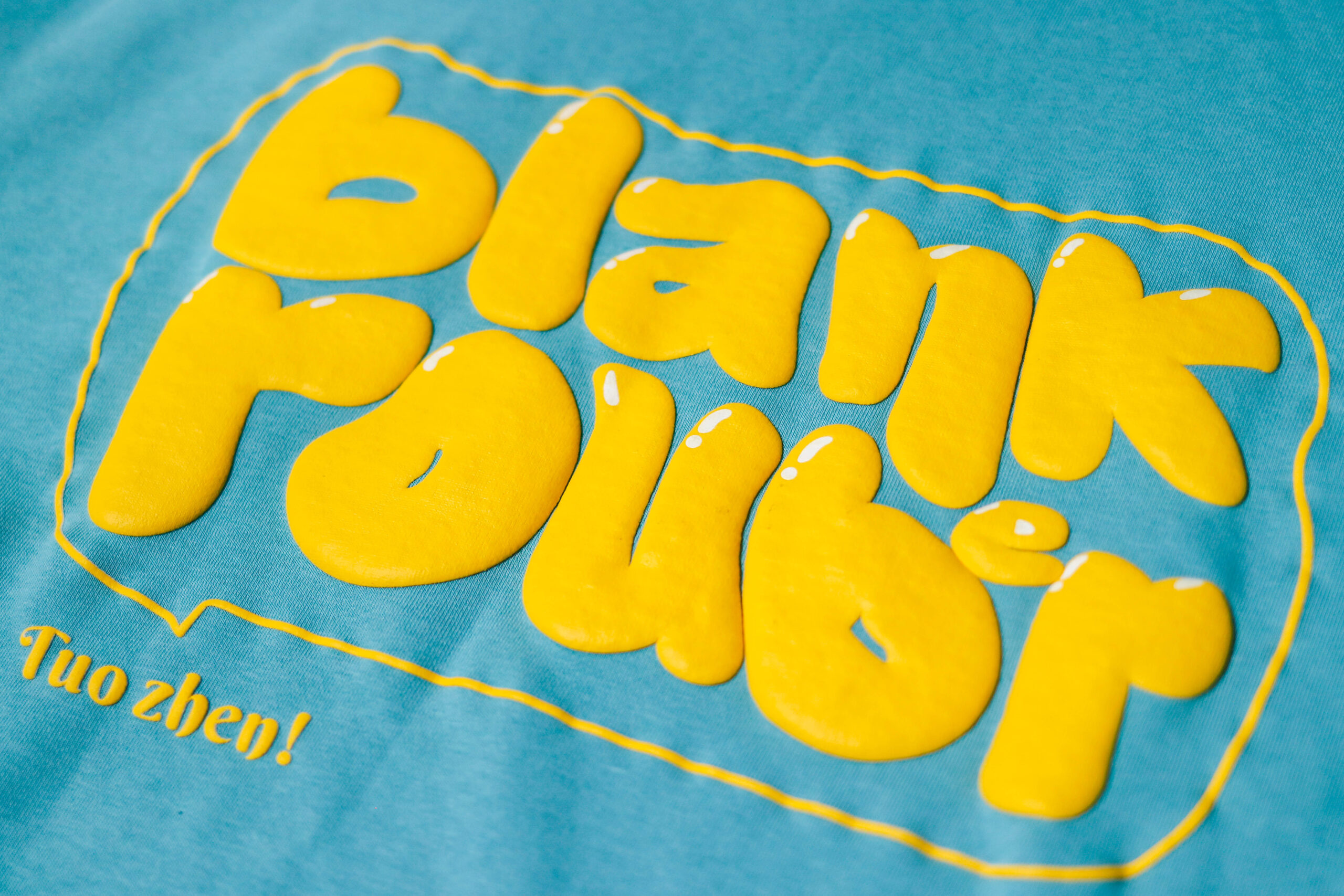
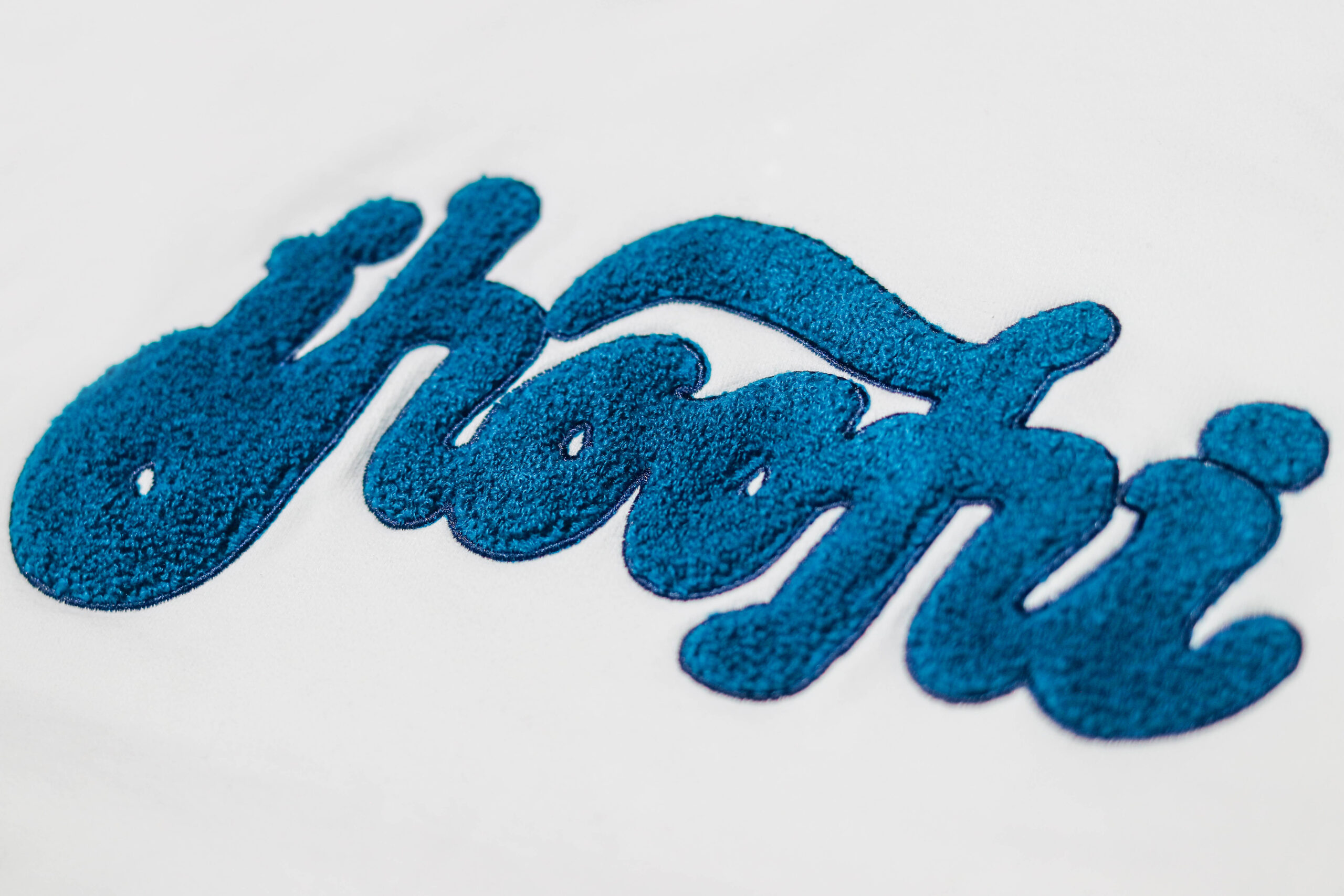
Your Cotton Twill Shirt Manufacturer for Repeatable Programs
EDVORIN connects development, decoration, production and quality control into one accountable path for branded twill shirt collections.
Development-Led Specifications
Turn sketches, reference garments or complete tech packs into clear fit, measurement, material and construction standards for sampling and production.
Flexible OEM and ODM
Build private-label cotton twill shirt programs with support suited to emerging labels, wholesale buyers and established collections, starting at 200 pieces per style.
Fabric and Trim Coordination
Coordinate cotton twill selection, collars, buttons, labels and packaging around the intended silhouette, wearer and market requirements.
Decoration Matched to Fabric
Plan embroidery, printing, patches and wash effects with the shirt material and placement requirements considered before bulk production begins.
Approved-Standard Quality Control
Carry approved sample details into bulk through documented measurements, artwork placement, trim specifications, in-line checks and final inspection.
Men’s and Women’s Programs
Adapt fit blocks, proportions, grading and styling details for men’s and women’s cotton twill shirt collections rather than relying on universal specifications.
Production-Ready Apparel Categories
From first sample to repeat bulk orders, EDVORIN develops category-specific apparel for fashion, streetwear, teamwear and private-label programs.
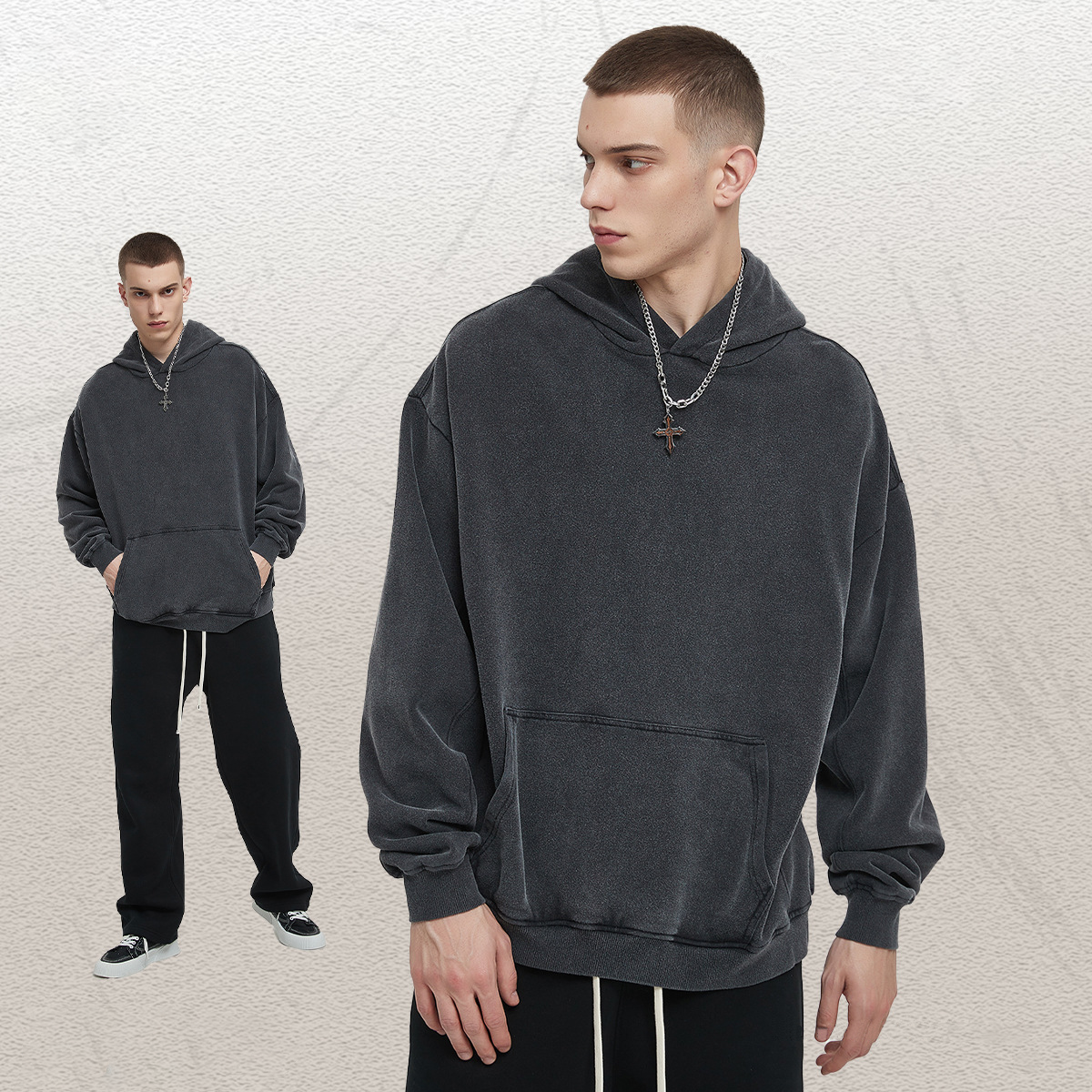
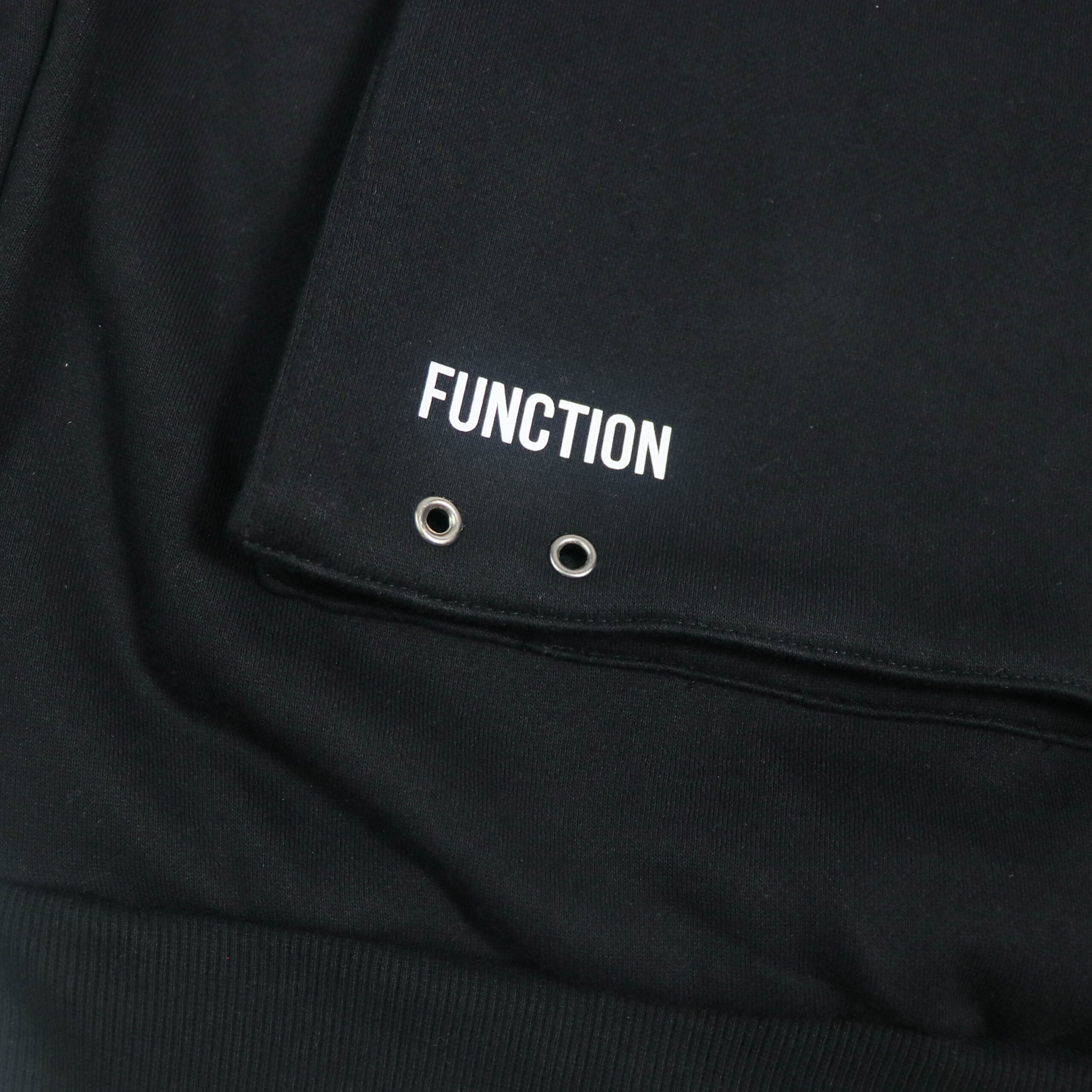
Custom Hoodies
Custom hoodies developed around fleece weight, fit blocks, rib recovery, hood shape, drawcords, labels and decoration placement. We help brands convert reference pieces or tech packs into approved standards for repeatable bulk production.
Get a Quote
Pullover Sweatshirts
Pullover sweatshirts built with appropriate fabric weight, neckline construction, rib specifications and fit grading. EDVORIN coordinates sampling, prints, embroidery, wash effects and private-label finishing for men’s and women’s programs.
Get a Quote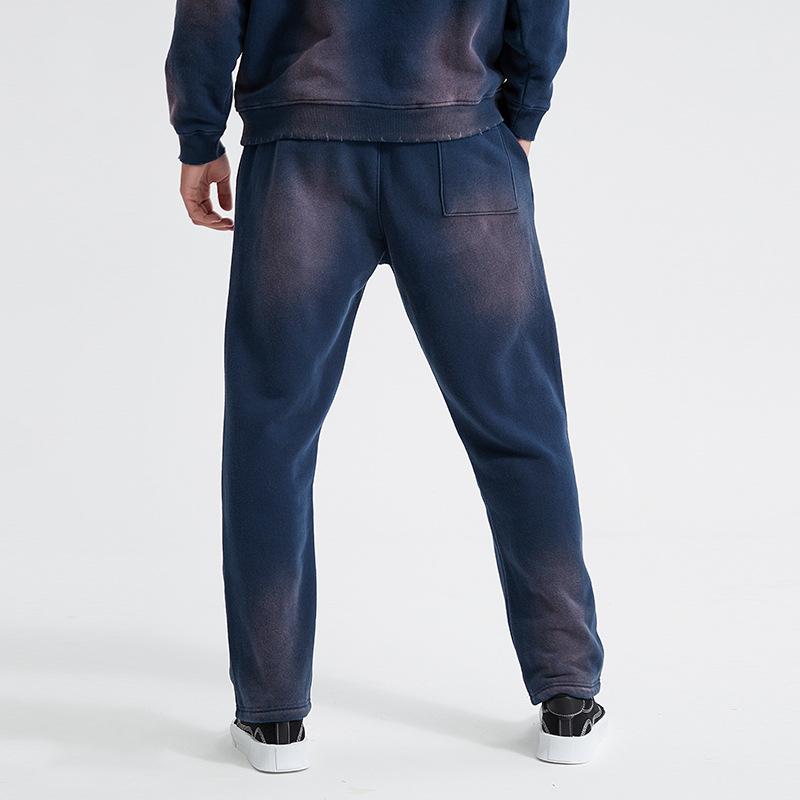
Sweatpants & Joggers
Sweatpants and joggers developed for balanced fit, waistband recovery, pocket construction, cuff details and fabric performance. Approved measurements, trims and decoration placements are documented before bulk production to support consistent repeat orders.
Get a Quote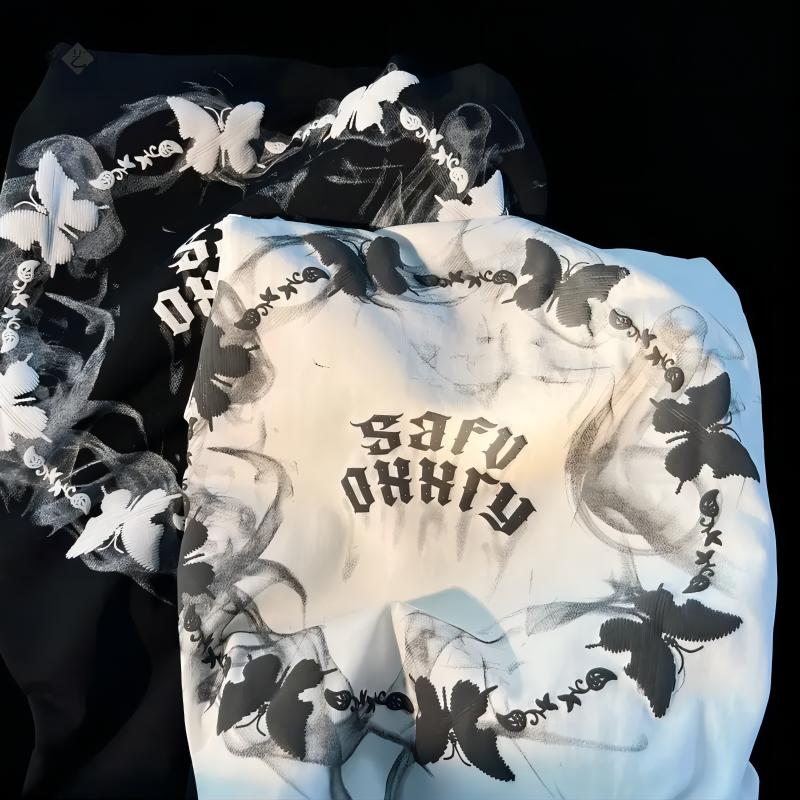
Custom Shorts
Custom shorts for casualwear, training, streetwear and uniform programs. Development can include inseam options, elastic or fixed waistbands, pocket layouts, mesh linings, prints, embroidery, labels and packing specifications.
Get a Quote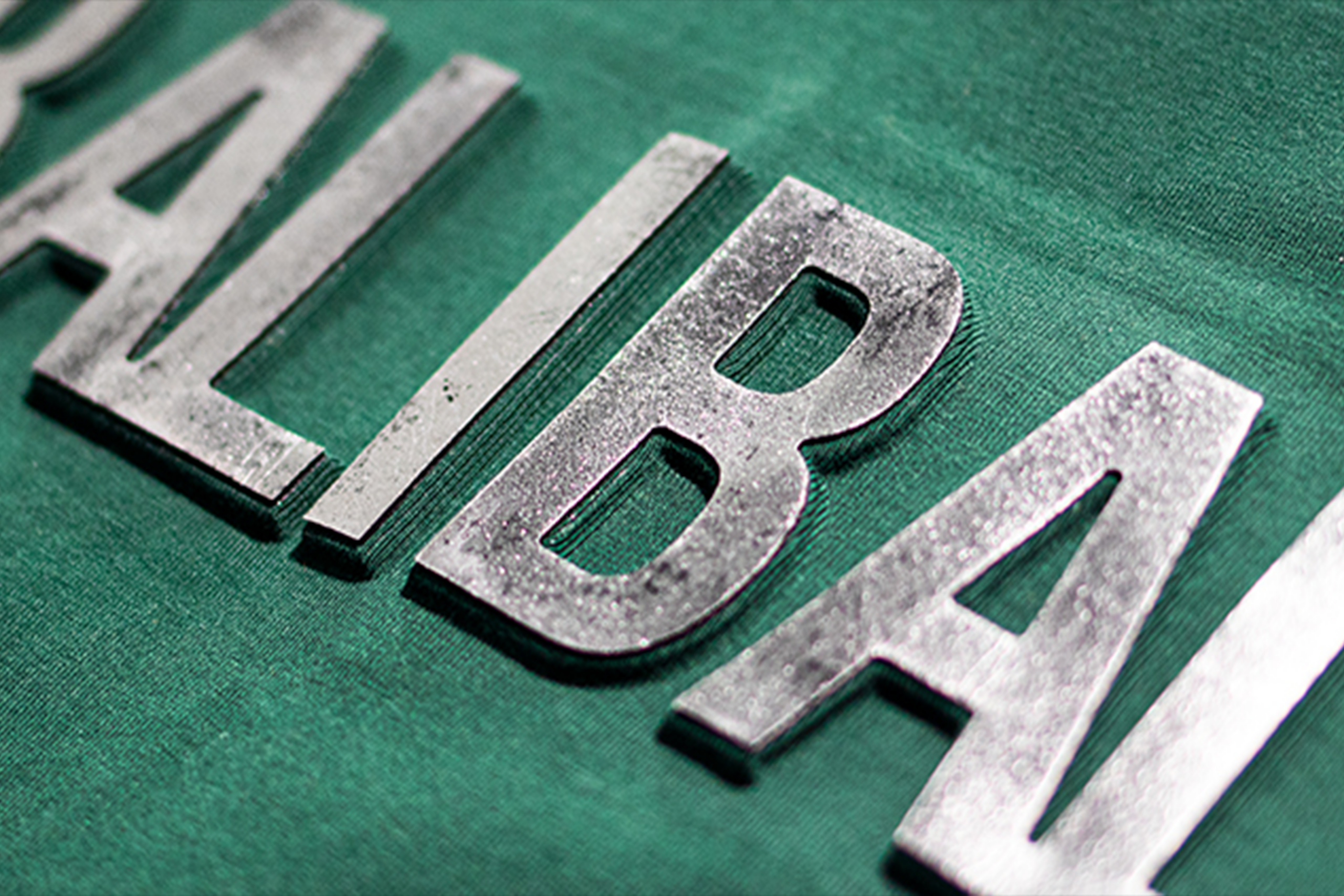
Varsity & Baseball Jackets
Varsity and baseball jackets requiring coordinated body fabrics, sleeves, rib, snaps, lining, patches and embroidery. EDVORIN develops each component against an approved sample so the jacket’s structure and visual balance carry into bulk production.
Get a Quote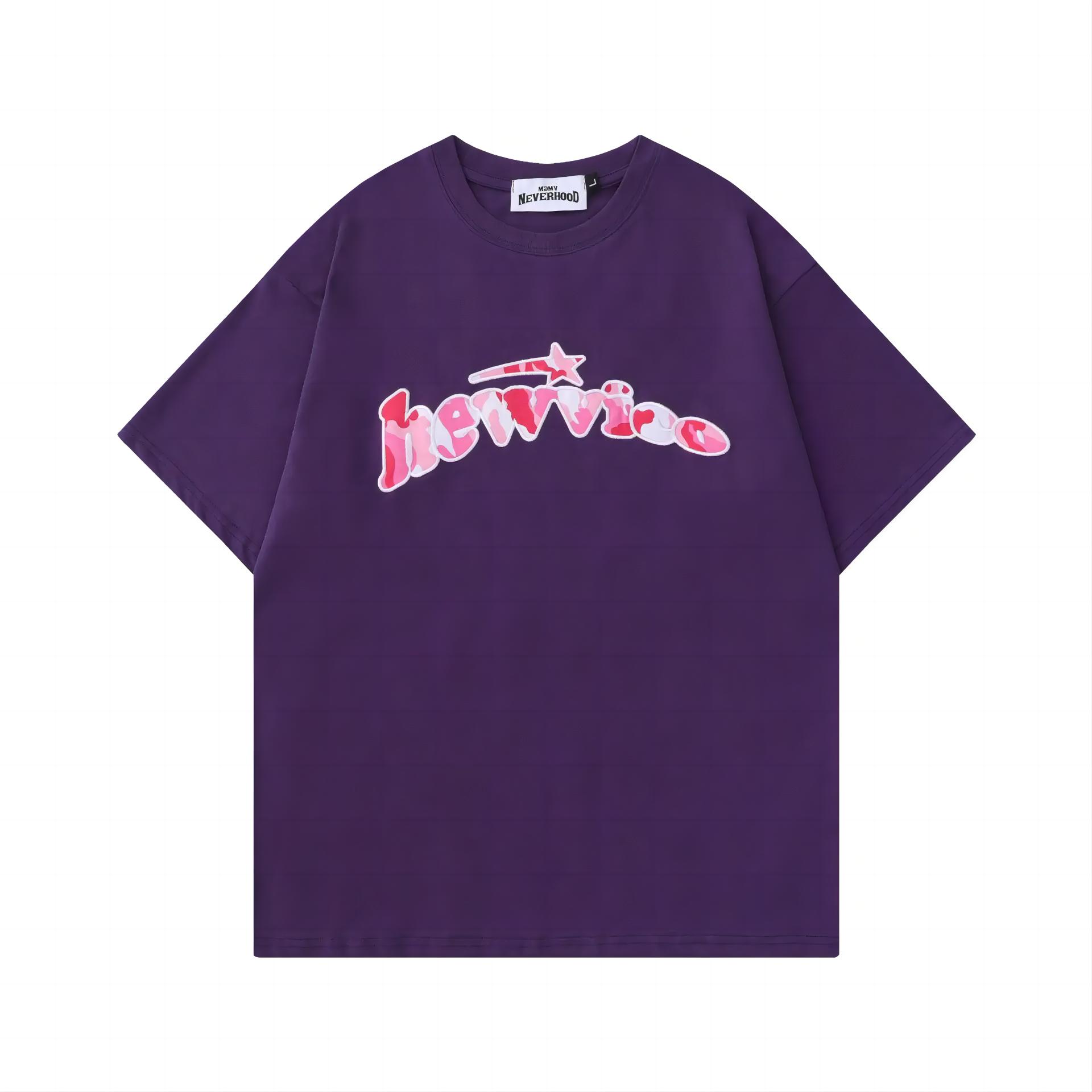
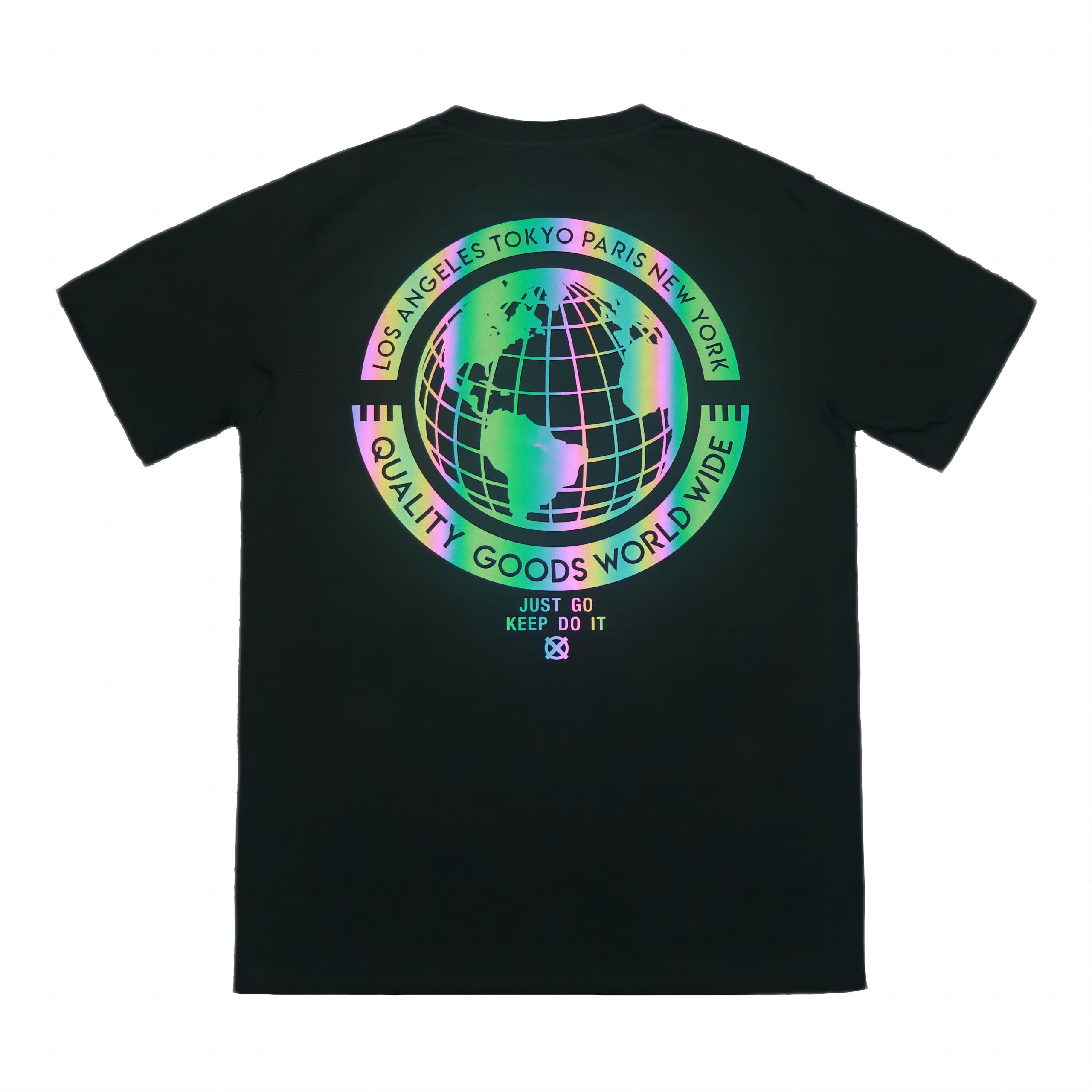
Custom T-Shirts
Custom T-shirts developed with fabric weight, collar construction, silhouette, grading and decoration method matched to the intended market. We support screen printing, embroidery, wash treatments, neck labels, hangtags and private-label packaging.
Get a Quote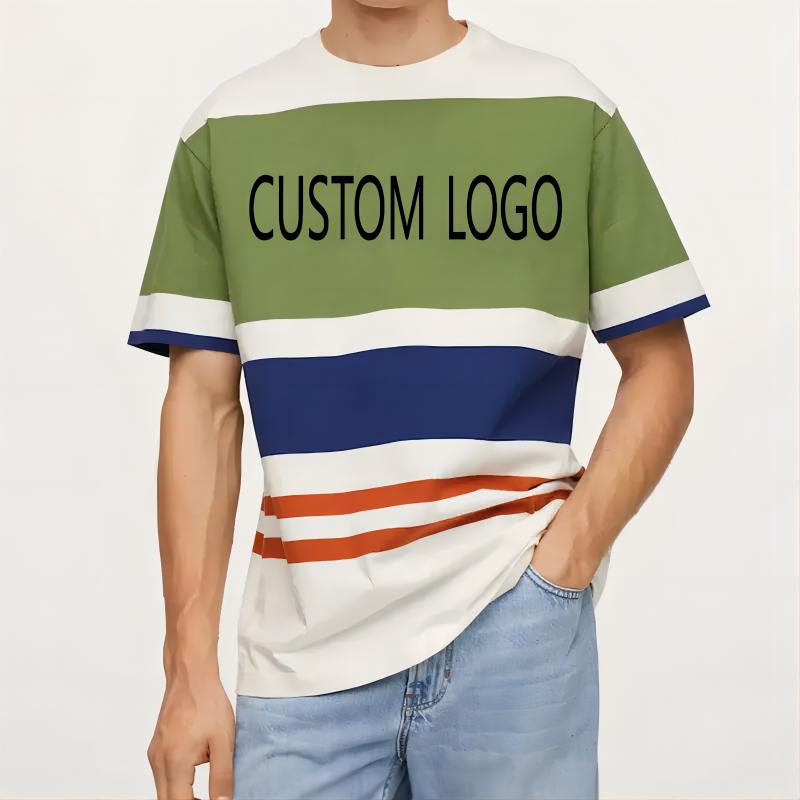
Custom Polo Shirts
Custom polo shirts built for corporate, school, sports and branded uniform needs. Options include piqué or jersey fabrics, collar and placket construction, contrast details, embroidery, heat transfers, size sets and repeat-order controls.
Get a Quote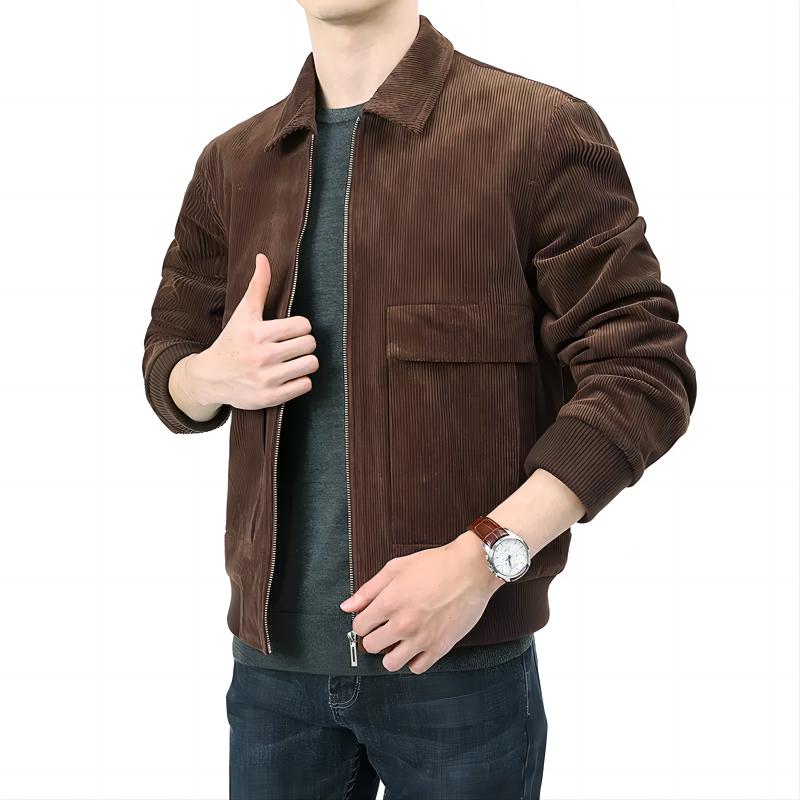
Windbreaker Jackets
Windbreaker jackets developed around shell fabric, lining, ventilation, zipper selection, pocket design, hood construction and weather-use requirements. Material and decoration choices are tested during sampling before the approved specification moves to production.
Get a Quote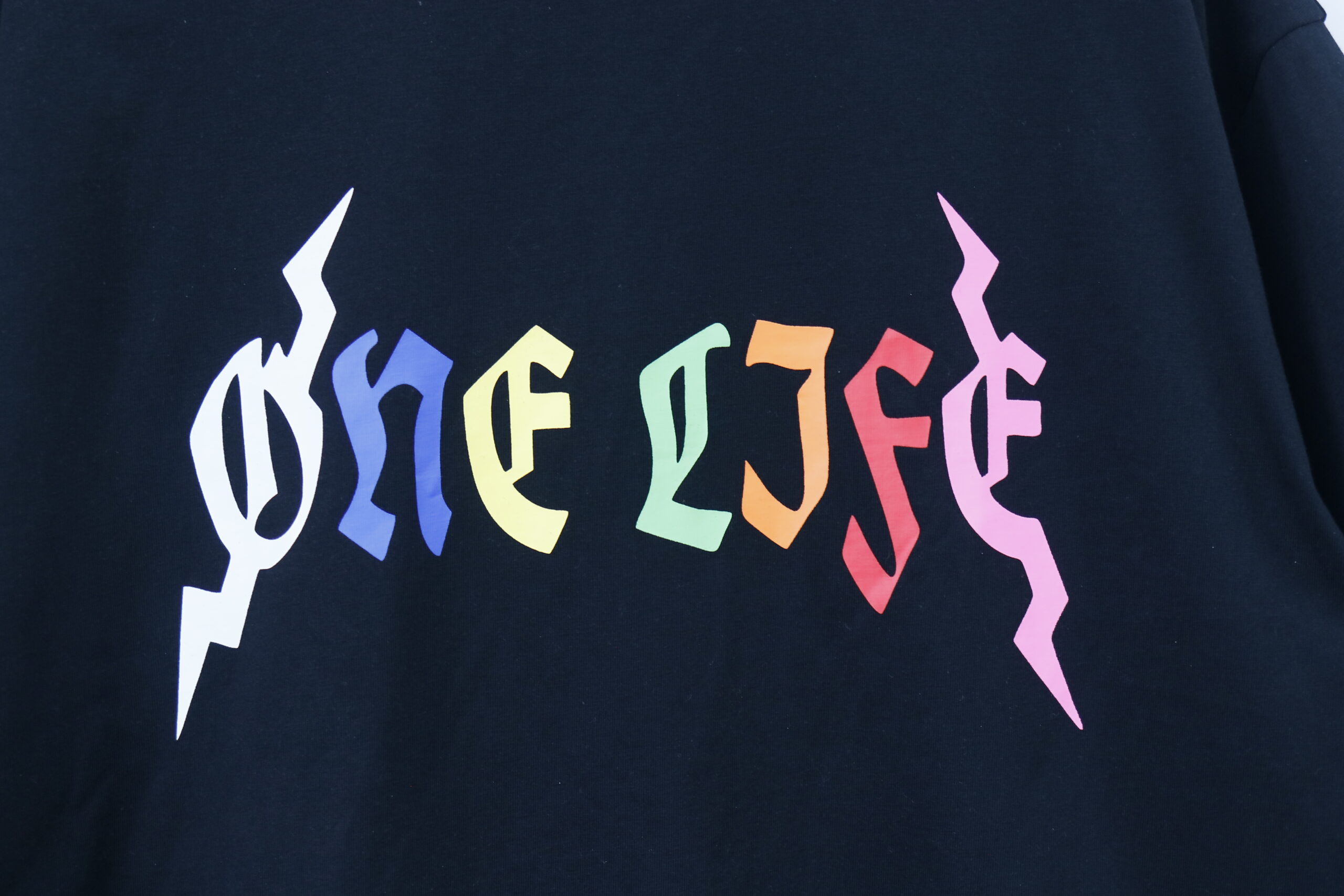
Quilted Jackets
Quilted jackets coordinated across shell, lining, insulation, quilting pattern, pocket construction and hardware. EDVORIN helps buyers resolve warmth, bulk, fit and decoration requirements before setting a controlled bulk-production standard.
Get a Quote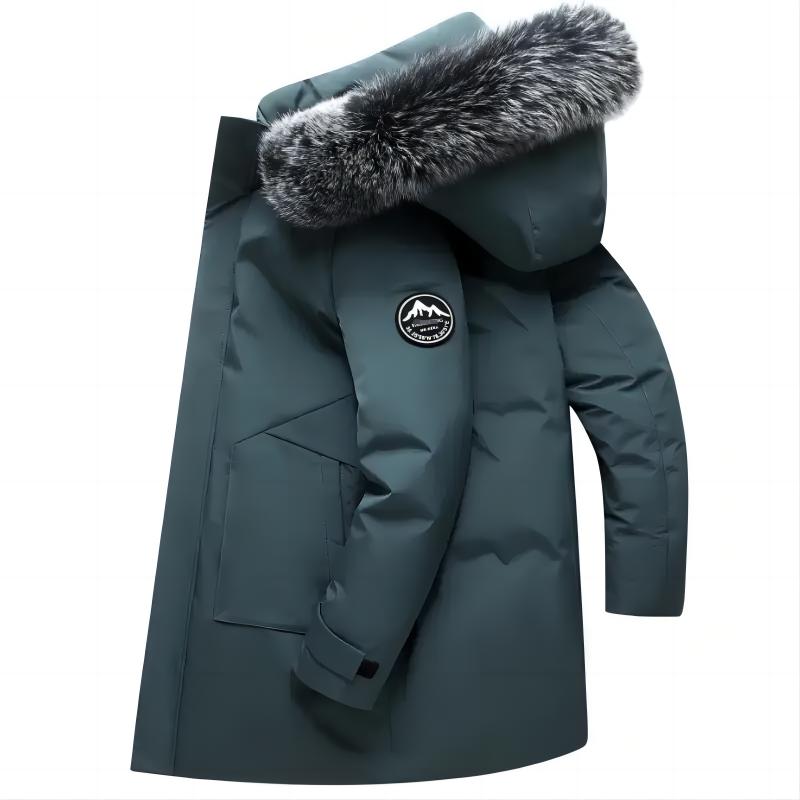
Bomber Jackets
Bomber jackets developed with balanced shell weight, lining, rib, zipper or snap hardware, pocket construction and embroidery or patch placement. Sampling confirms fit and component compatibility before bulk production begins.
Get a Quote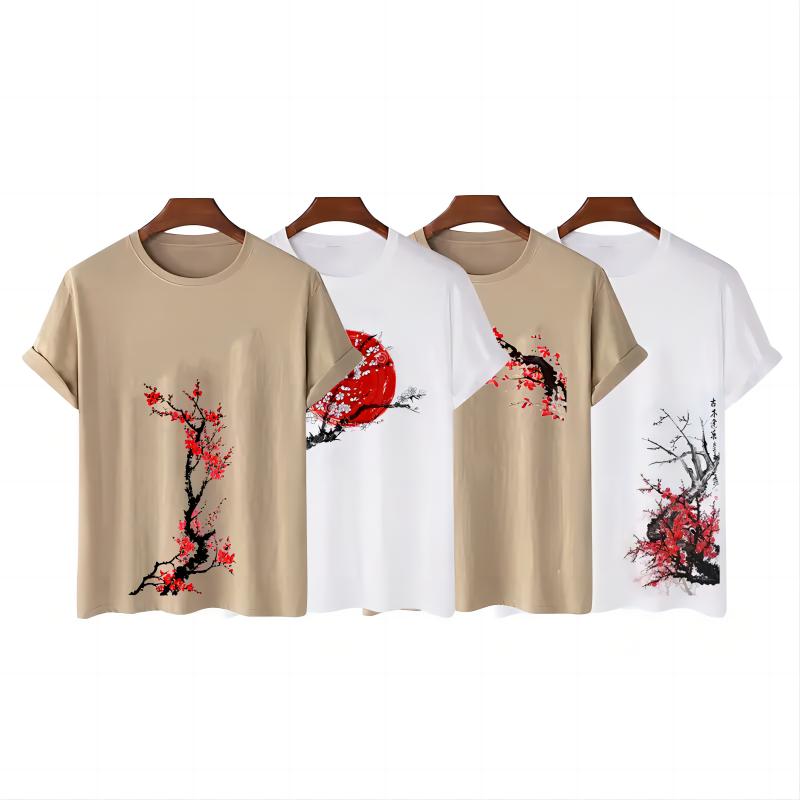
Custom Shirts
Custom woven shirts for overshirts, work shirts, utility styles, uniforms and branded private-label programs. Development covers cotton twill or other woven fabrics, collar construction, pockets, buttons, fit blocks, labels and finishing details.
Get a Quote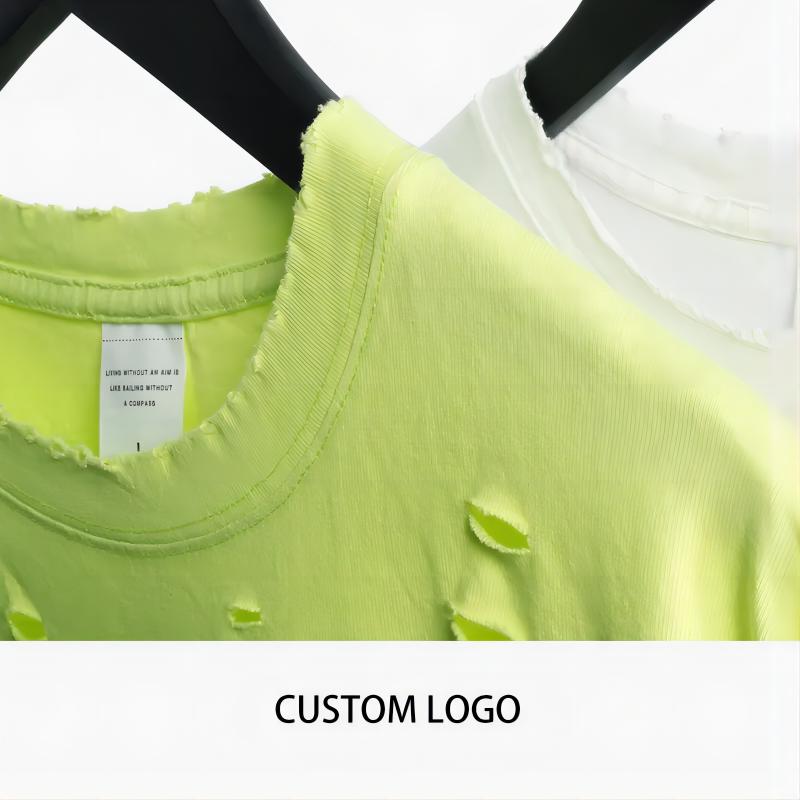
Custom Jerseys
Custom jerseys developed for club, school, event and branded teamwear programs. We coordinate breathable fabric selection, color control, sublimation or print artwork, names, numbers, fit grading and organized size-set production.
Get a Quote
Tank Tops
Tank tops developed for activewear, teamwear, casualwear and streetwear ranges. Fabric weight, armhole shape, neckline binding, ventilation, print placement and men’s or women’s proportions are specified during product development.
Get a Quote
Soccer Uniforms
Soccer uniforms developed as coordinated jersey, short and sock programs with breathable materials, stable color matching, club crests, sponsor artwork, player names and numbers. Size grading and decoration placement are controlled against approved standards.
Get a Quote
Basketball Uniforms
Basketball uniforms developed for movement, ventilation and team identification across jerseys and shorts. EDVORIN coordinates fabric, mesh panels, piping, sublimation or print, names, numbers and size sets for consistent team delivery.
Get a Quote
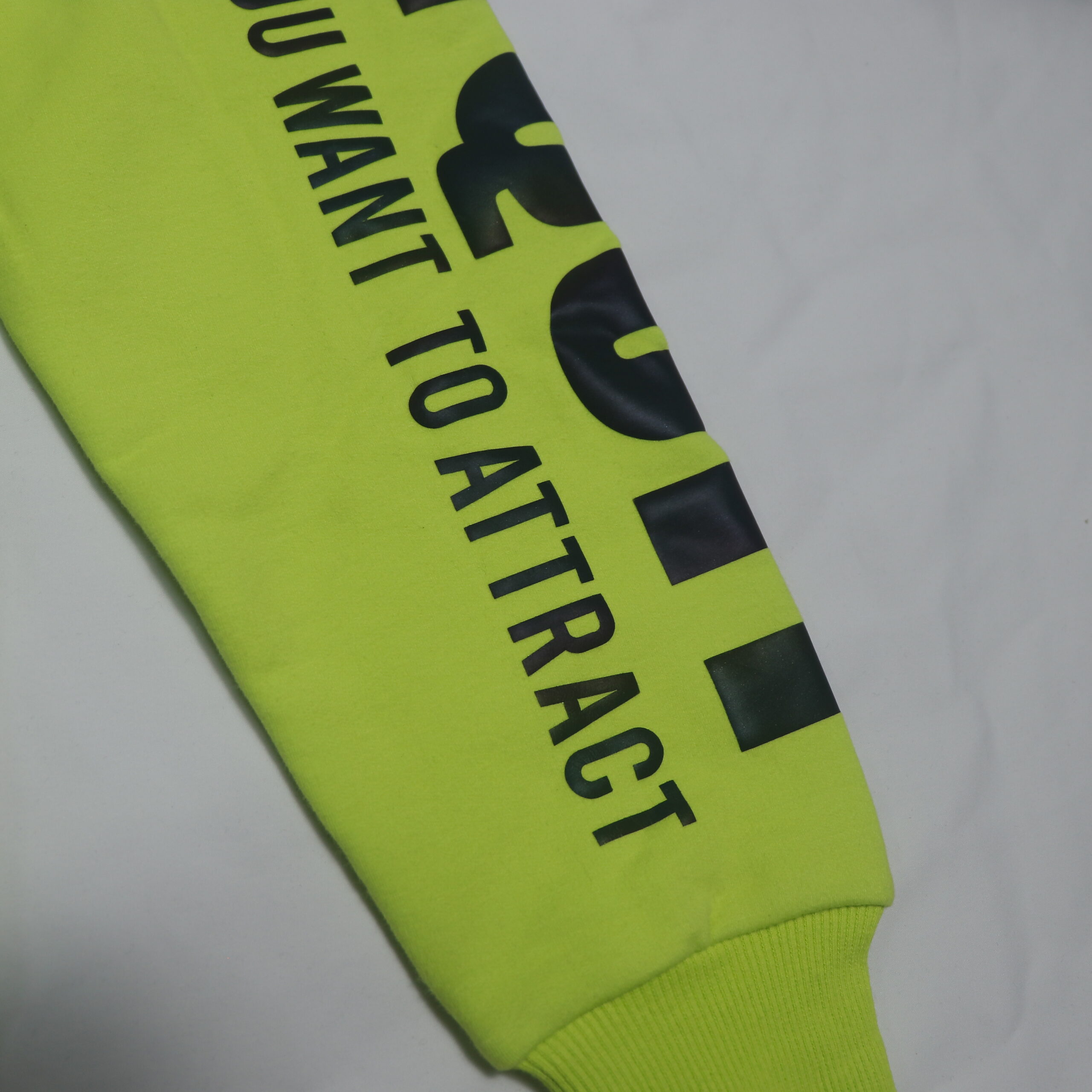
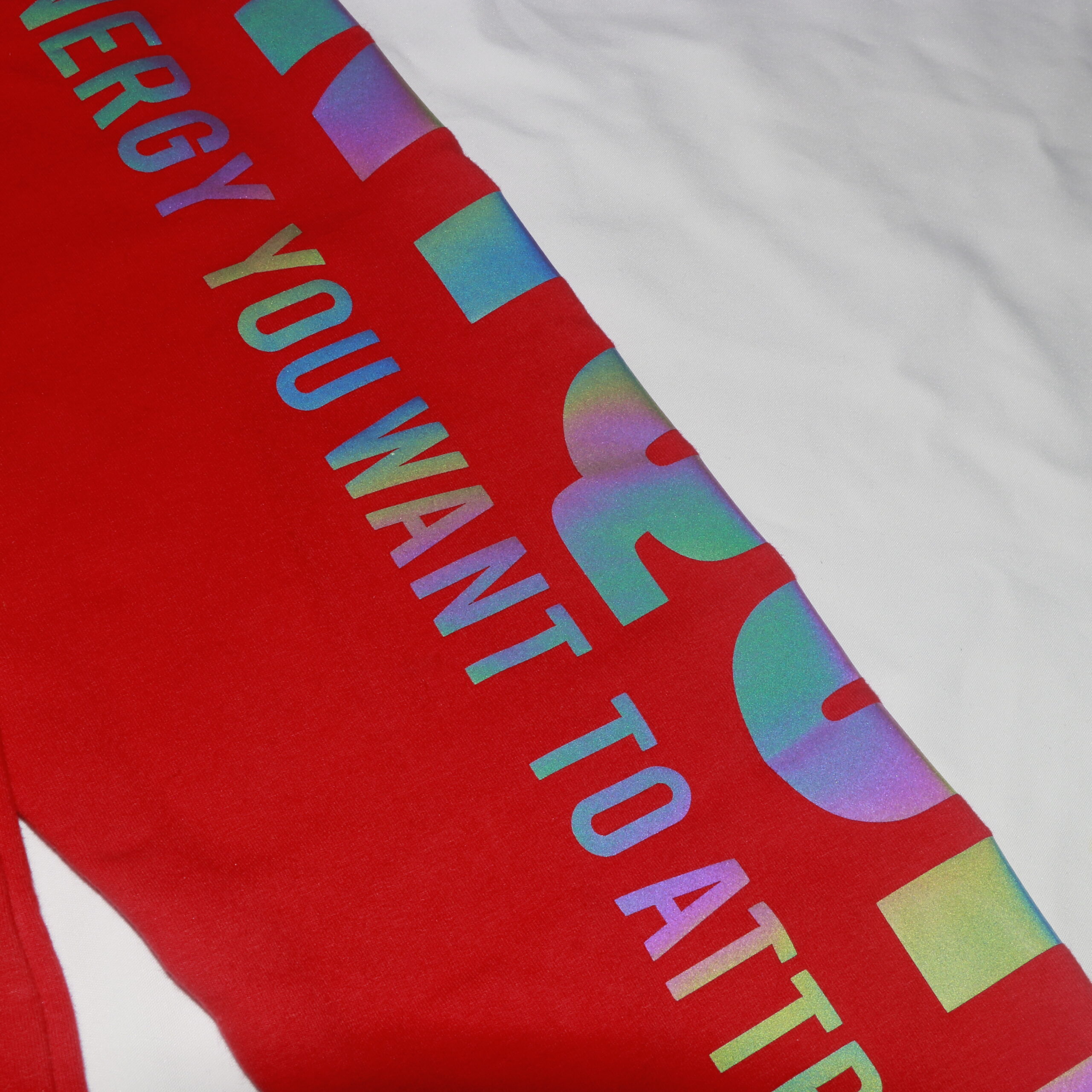
Streetwear Collections
Streetwear collections developed as connected product programs across hoodies, tees, sweatpants, jackets, shorts and woven styles. EDVORIN coordinates materials, fit blocks, washes, trims, decoration and private-label packaging from concept through bulk production.
Get a QuoteCotton Twill Materials Matched to Fit and Function
100% Cotton Twill
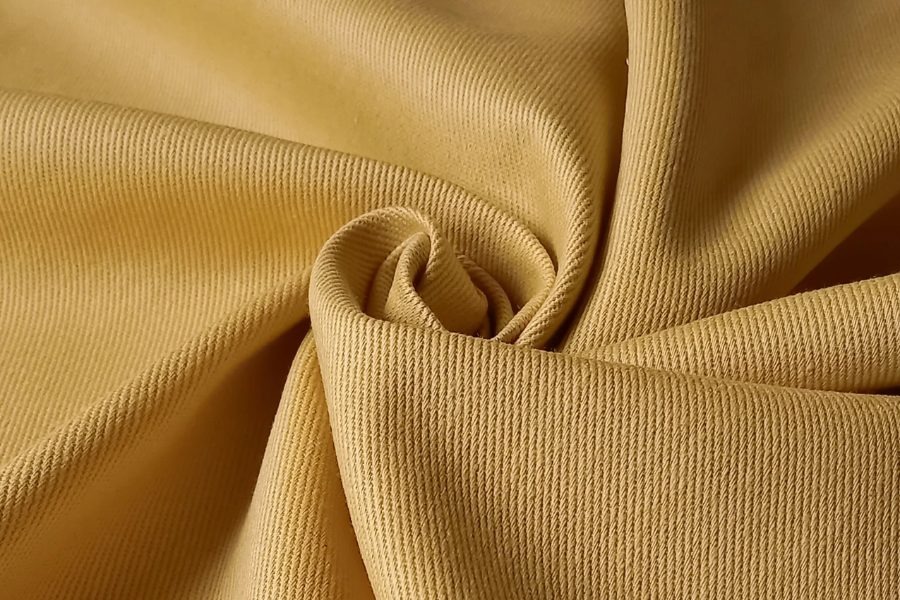
A breathable, natural twill with a soft yet structured hand. Ideal for classic overshirts, work shirts, and casual uniforms; weight can be selected to support a lighter shirt feel or a more substantial utility profile.
Stretch Cotton Twill
Cotton twill blended with elastane for easier movement and recovery. A practical option for fitted shirts, team travel apparel, and active workwear-inspired styles where flexibility matters without losing the diagonal twill appearance.
Cotton Poly Twill
A cotton-polyester twill that balances a familiar cotton hand with improved shape retention. Well suited to uniforms, corporate shirts, and repeat programs that benefit from wrinkle resistance and dependable day-to-day wear.
Organic Cotton Twill
An organic cotton option for brands developing material-conscious shirt collections. It offers the breathable, comfortable hand expected of cotton twill and can be specified with suitable weight, color, and finishing requirements for the style.
Recycled Content Twill
A twill incorporating recycled-content fibers for private-label and wholesale programs with defined sourcing goals. Material composition and hand-feel are reviewed during development to ensure the fabric still supports the shirt’s intended structure and finish.
Cotton Twill Shirt Manufacturer Decoration and Finishing Options
Embroidery Application
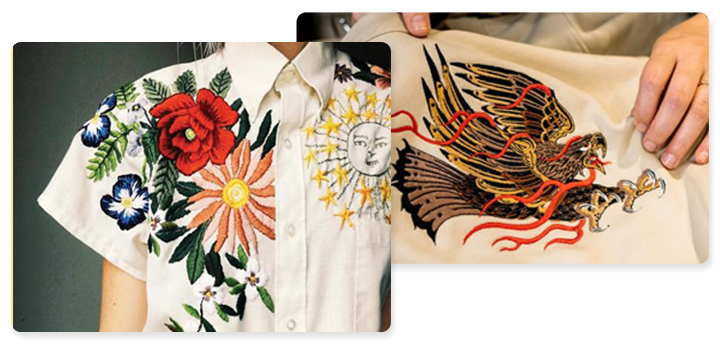
Thread-based logos, crests, and artwork are developed around twill weight and placement. The result is dimensional decoration with a durable, premium appearance suited to branded work shirts, uniforms, and structured streetwear layers.
Screen Print
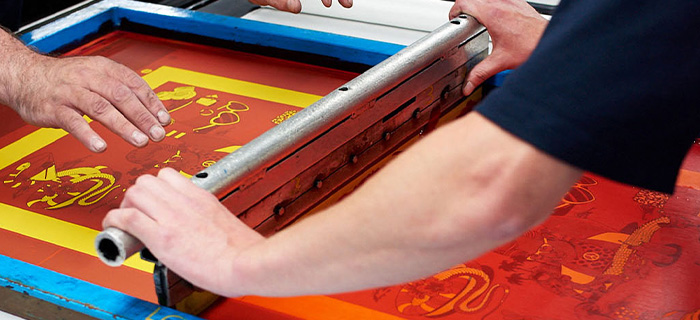
Screen printing applies bold artwork across selected shirt panels, from chest graphics to back prints. EDVORIN reviews ink, placement, and fabric compatibility to help preserve clean visual impact through repeat production.
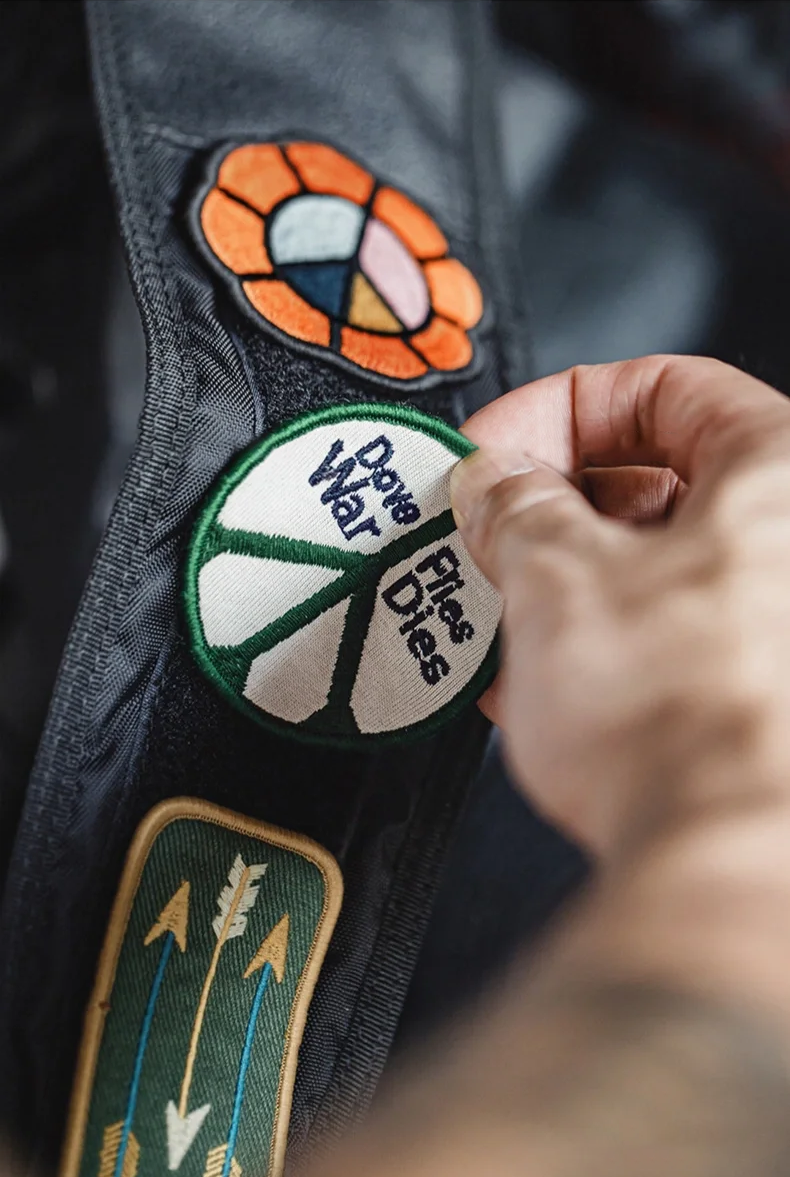
Patch Application
Woven, embroidered, or custom patches add a tactile branded detail to cotton twill shirts. Attachment methods and positions are specified during sampling, creating a consistent finish for utility, teamwear, and private-label programs.
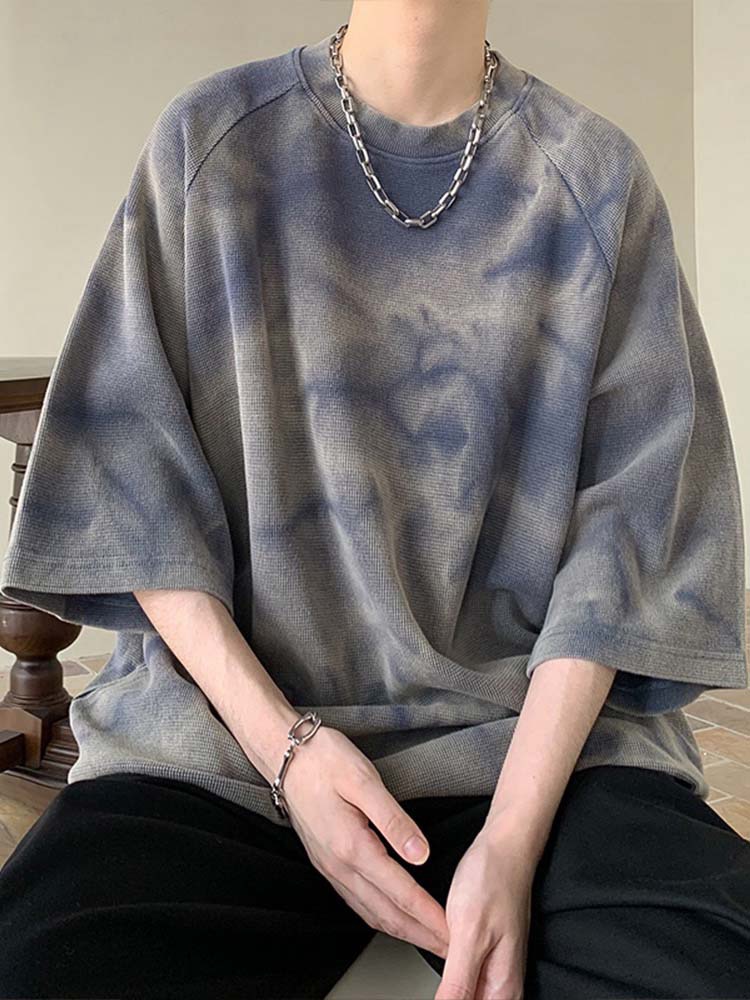
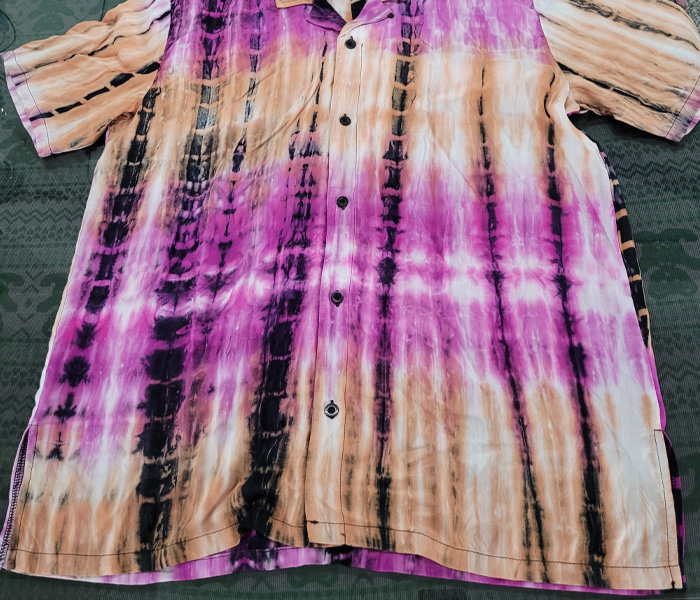
Garment Washing
Garment washing can soften the hand, create a worn-in character, or refine the visual depth of a twill shirt. Wash effects are sampled and documented before bulk production to control the intended result.
Custom Components for Your Cotton Twill Shirt Program
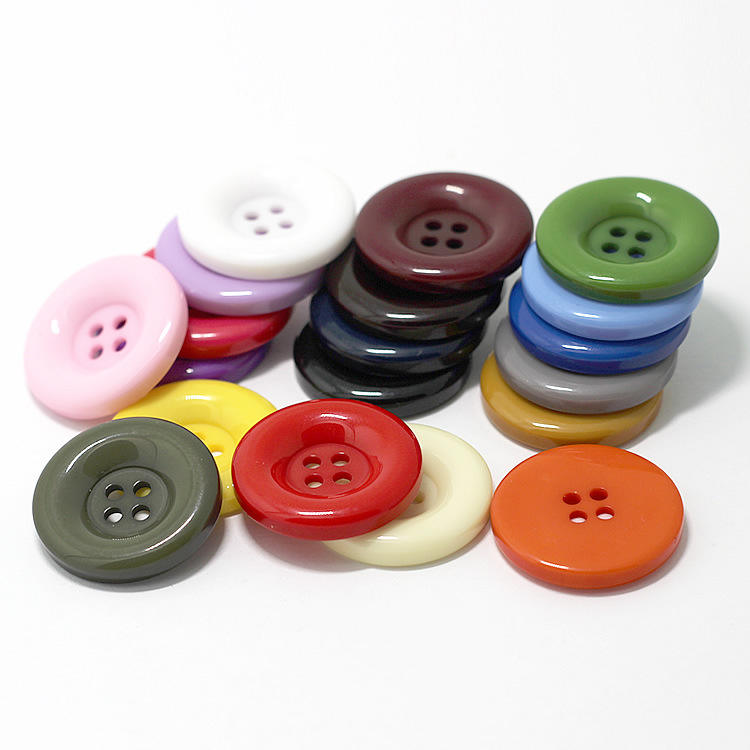
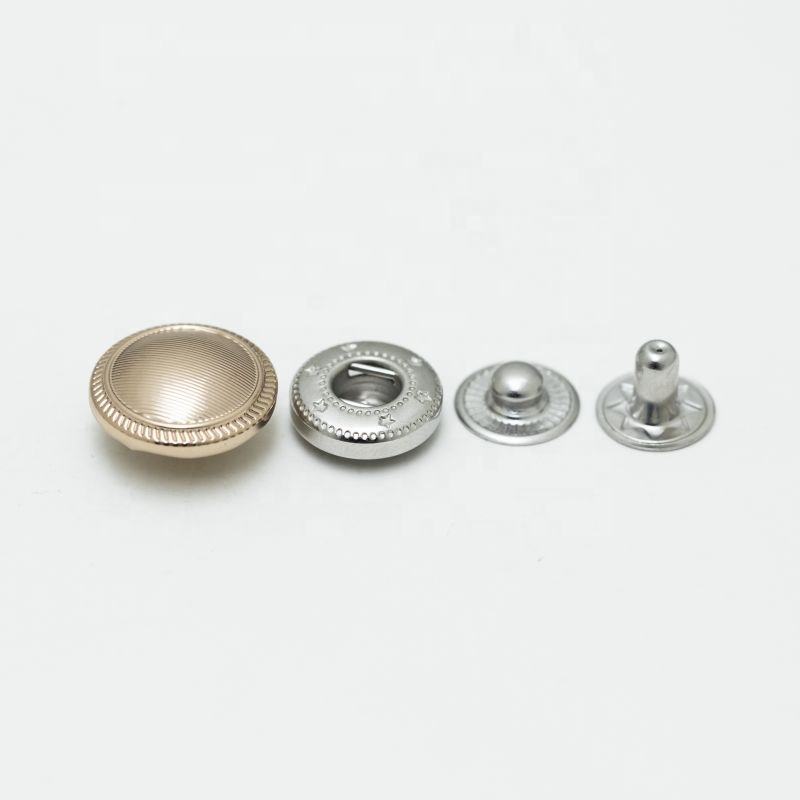
Snap Button Closures
Add metal or resin snaps for overshirts, utility styles, and teamwear-inspired layers. Snap finishes, colors, and placement can be matched to the garment design while sample approval confirms operation and overall balance.
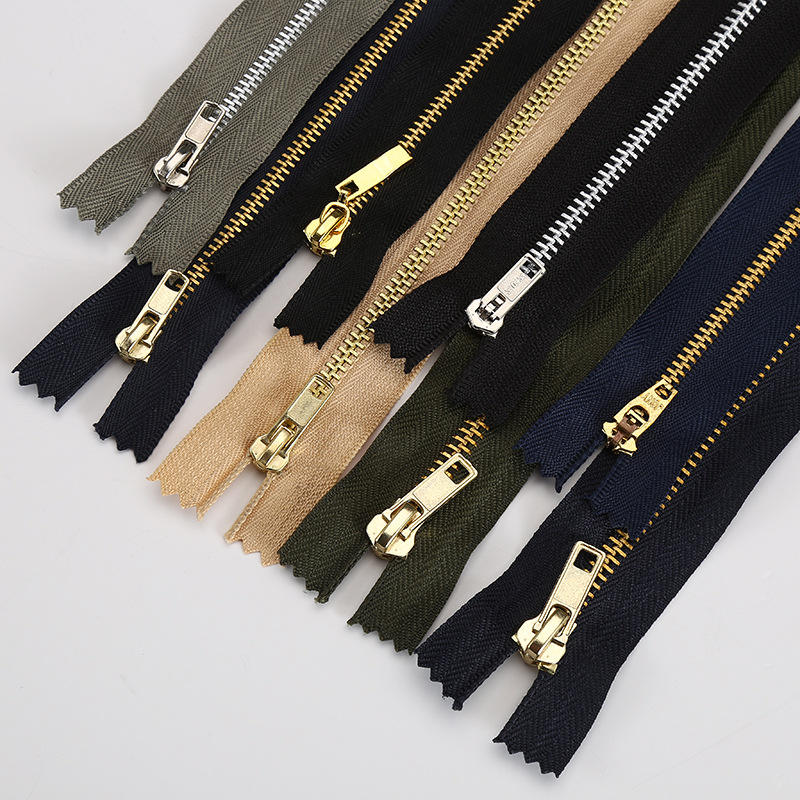
YKK Zipper Details
Use zippers for chest pockets, concealed closures, or hybrid shirt-jacket constructions. Zipper tape, puller style, length, and placement are coordinated with the twill fabric and construction before bulk production begins.
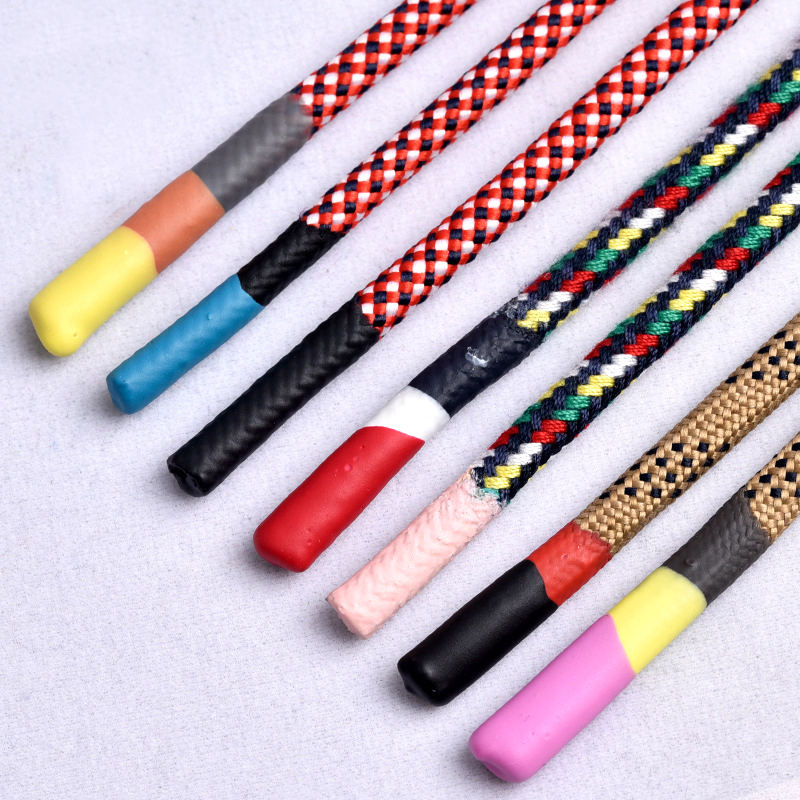
Drawcord and Tipping
Add adjustable drawcords to hooded overshirts, hem channels, or utility-inspired designs. Select cord material, color, aglets, and contrast tipping to reinforce the collection identity while maintaining a clear production specification.
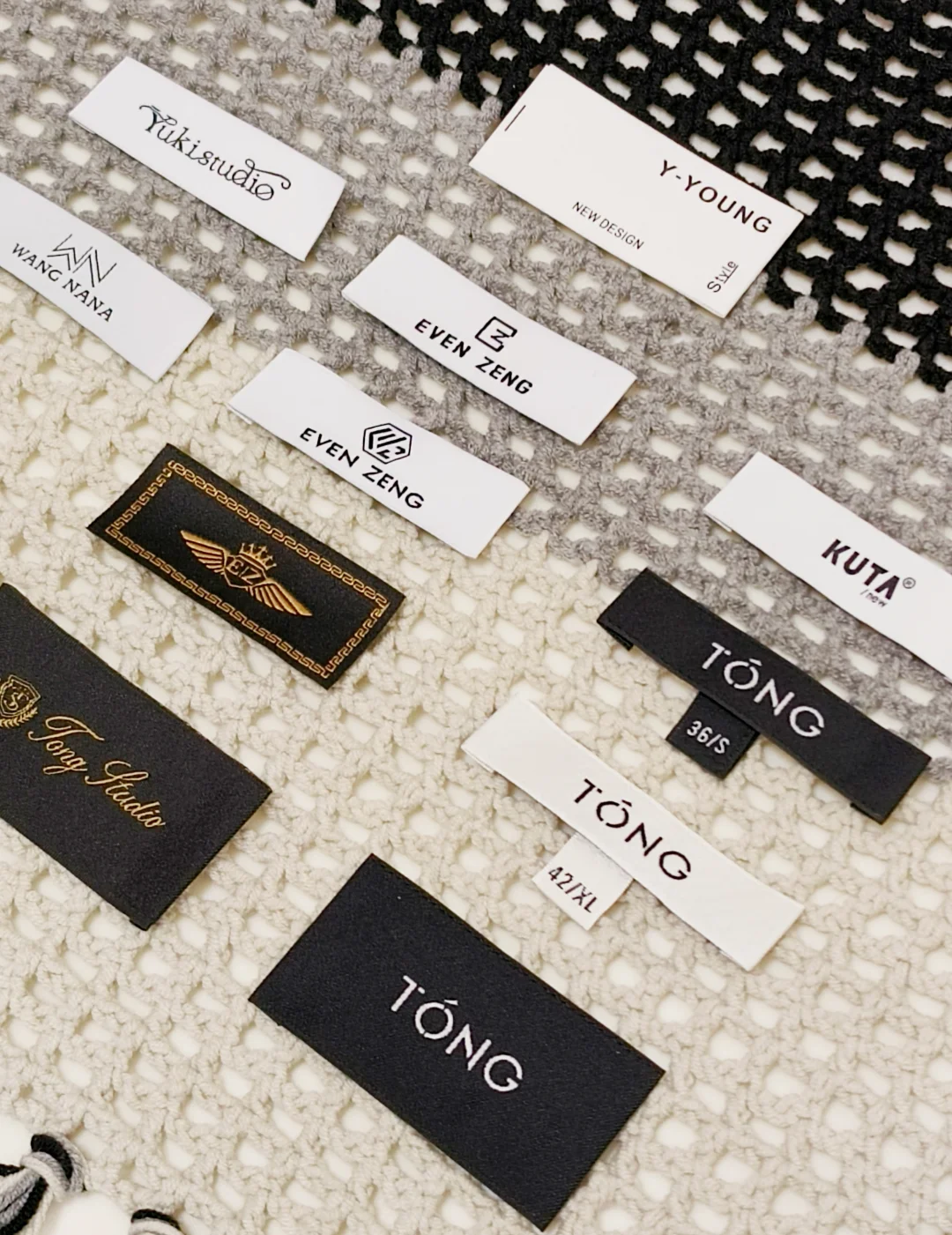
Woven Brand Labels
Create woven main labels, size labels, hem tags, and sleeve labels that carry your brand through every unit. Label content, dimensions, fold style, and sewing position are confirmed against the approved sample.
Branded Packaging Details
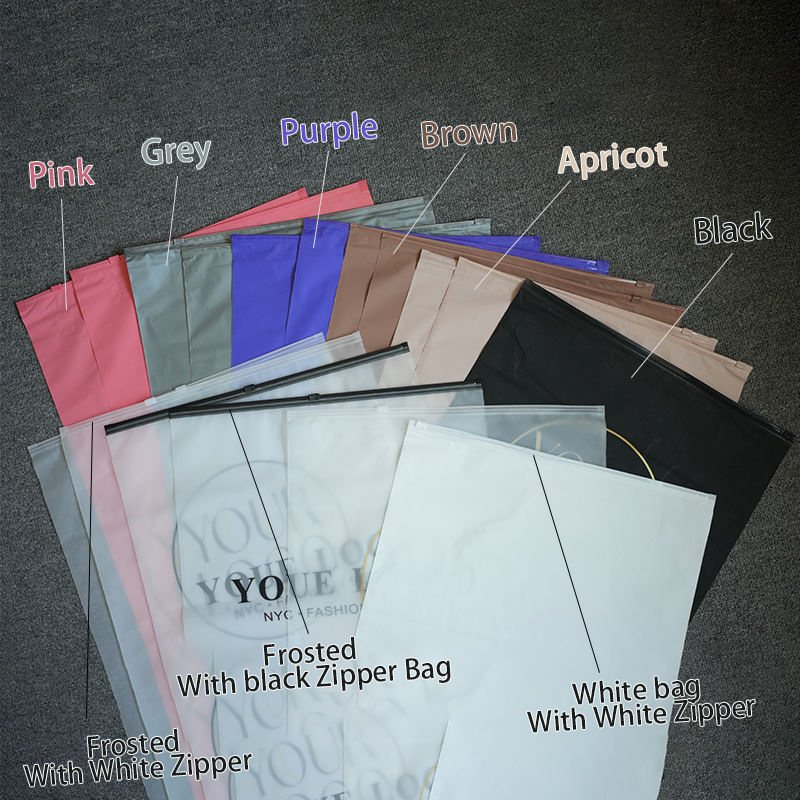
Complete the delivery presentation with custom hangtags, polybags, barcode stickers, tissue, and carton markings. EDVORIN coordinates packing details with labeling requirements to help wholesale, retail, and private-label orders arrive organized.
Founder-Led Apparel Manufacturing Since 2000
Founded by Edvorin Zeng in 2000, EDVORIN helps apparel buyers turn cotton twill shirt concepts into clear, production-ready standards. As a founder-led cotton twill shirt manufacturer, we support OEM, ODM and private-label development from early specifications through approved samples.
Our connected production system coordinates fabric sourcing, patterns, fit development, trims, printing, embroidery, washing, labeling and packaging. We apply this discipline across casualwear, streetwear, outerwear and teamwear, with men’s and women’s development available for every listed category.
What makes EDVORIN different is the path from approval to repeat order. Material, measurement, artwork placement and construction details are documented around the approved standard, then checked through bulk production and final inspection. Flexible programs start at 200 pieces per style.
Cotton Twill Shirt Manufacturer for Repeatable Standards
Develop the Shirt Precisely
EDVORIN turns sketches, reference garments, or complete tech packs into production-ready cotton twill shirts. Our team aligns fit blocks, measurements, collar shape, placket construction, pockets, cuffs, and grading before sampling, so your approved design has a clear path into repeat bulk production.
- Men’s and women’s fit development
- Patterns and measurement specifications
- Construction details documented for production
- MOQ starts at 200 pieces per style

Coordinate Materials and Trims
A cotton twill shirt depends on more than its shell fabric. EDVORIN coordinates material selection with buttons, labels, interfacing, thread, care labels, hangtags, and packaging so each component supports the intended hand feel, structure, appearance, and buyer requirements.
- Fabric and trim sourcing coordination
- Button, label, and packaging specification
- Materials matched to the intended shirt use
- Private-label finishing options
Plan Decoration With the Fabric
As a cotton twill shirt manufacturer, EDVORIN considers decoration during development rather than after production begins. Artwork placement, embroidery, printing, patches, washes, and garment details are reviewed against the selected fabric and construction to help protect the intended result.
- Artwork placement recorded clearly
- Printing and embroidery coordination
- Wash and finishing considerations
- Details reviewed during sample development
Control From Sample to Bulk
An approved sample becomes the reference point for bulk production. EDVORIN carries approved measurements, materials, trims, artwork placement, and finishing requirements through in-line checks and final inspection, helping buyers maintain a consistent standard across repeat cotton twill shirt orders.
- Approved sample used as production standard
- In-line checks for earlier issue detection
- Final inspection before packing
- Repeat-order specifications retained clearly

Why Buyers Choose EDVORIN as Their Cotton Twill Shirt Manufacturer
A connected development and quality-control path designed to turn approved twill shirt concepts into repeatable production standards.
← Swipe left or right to view →
Our Cotton Twill Shirt Production Process
From approved materials to packed orders, EDVORIN organizes each production decision around the standard your brand has signed off on.
Source Fabric and Trims
We confirm cotton twill, color references, buttons, labels, and supporting trims against your approved requirements before production materials are released.
Finalize Patterns and Samples
Patterns, measurements, fit revisions, and construction details are documented from the approved sample, creating a clear standard for repeatable bulk manufacturing.
Cut and Decorate Components
Approved fabric is cut to the graded pattern while printing, embroidery, patches, washing, or other selected finishes are coordinated for each shirt.
Sew and Check In-Line
Sewing teams follow the approved construction sequence, with in-line inspections checking measurements, seam quality, artwork placement, and trim application before issues spread.
Complete Final Quality Control
Finished shirts are reviewed against approved standards for fit, measurements, workmanship, color consistency, decoration, and overall presentation before they move to packing.
Pack and Prepare Shipping
Approved orders receive specified labels, folding, polybags, cartons, and packing marks, then are prepared for organized shipment to your distribution destination.
Launch Your Cotton Twill Shirt Program
Bring a complete tech pack or an early concept; EDVORIN turns approved decisions into a controlled, repeatable production standard.
Share Your Brief
Send your tech pack, measurement chart, reference garment, artwork, or collection concept so our team can define construction, fit, fabric, trims, and decoration requirements.
Align Quote and Sample
EDVORIN’s MOQ starts at 200 pieces per style. Review the proposed specifications, MOQ, pricing, and development path, then confirm materials and details for a sample that tests the intended product before bulk commitment.
Approve Production Standards
Evaluate the sample and record approved measurements, colors, artwork placement, trims, wash effects, labels, and packaging details as the reference for repeatable manufacturing.
Launch Managed Bulk Production
Move into coordinated material sourcing, cutting, sewing, decoration, inspection, and packing, with quality control aligned to the approved standard through final order preparation.
Certified Standards for Responsible Apparel Production



Why Buyers Choose EDVORIN as Their Cotton Twill Shirt Manufacturer
EDVORIN turned our reference shirt into a production-ready style in two sample rounds. The approved measurements, pocket placement and wash standard made our 600-piece repeat order much easier to manage without reopening core specifications.
For our academy uniform program, the team coordinated fabric, embroidery and individual packaging under one production plan. We received 14 size runs with consistent collar shape and logo placement, which reduced our sorting time before distribution.
EDVORIN’s MOQ starts at 200 pieces per style. We started at the 200-piece MOQ with a clear private-label brief. EDVORIN helped us lock the fit and trim details early, then reproduced the same shirt standard for our second drop with no unexpected material or labeling changes.
Cotton Twill Shirt Manufacturer FAQs
Clear answers for brands planning custom OEM, private-label and repeat-order twill shirt programs.
What is the MOQ for a custom cotton twill shirt order?
Can a cotton twill shirt manufacturer develop my design from a sketch?
How does sampling work with a cotton twill shirt manufacturer?
How long does custom cotton twill shirt production take?
Can I customize the fabric, fit and finishing of my twill shirts?
What payment terms are available for OEM shirt orders?
Can you arrange shipping for custom cotton twill shirts?
How do you protect my artwork and production specifications?
Complete Buyer’s Guide to cotton twill shirt manufacturer Selection
Use a practical decision framework to compare cotton twill shirt manufacturers, evaluate fabric and construction standards, plan customization, control costs, and avoid sourcing mistakes before placing an OEM or private-label order.
1. What Is a Cotton Twill Shirt Manufacturer?
A cotton twill shirt manufacturer converts a buyer’s approved design into graded, labeled, packed bulk garments. The work may include technical development, fabric sourcing, sampling, sewing, decoration, and production inspection.
Four supplier types serve different roles. A fabric mill makes or finishes yardage; a garment factory cuts and sews supplied specifications; a trading company coordinates third parties; a full-package supplier manages the connected path from development through packing.
Since 2000, EDVORIN has supported private-label programs where shirt requirements must be documented for repeat production. Fashion labels can develop structured overshirts, while uniforms, teams, schools, and distributors can use cotton twill shirts for coordinated workwear, identity programs, and scalable assortments.
2. Evolution of Cotton Twill Shirts
2/1 and 3/1 twill constructions create the diagonal face associated with hard-wearing shirts, trousers, and uniforms; the staggered interlacing also gives fabric more drape than a rigid plain weave. That balance made cotton twill a practical workwear base before it became a style signal. https://www.thomasnet.com/suppliers/usa/twills-89680409
210–265 GSM cotton twill is commonly positioned for structured apparel, while a lighter specification can keep a button-up comfortable enough for all-day corporate wear. Buyers should use weight, brushing, and garment washing to decide whether the shirt reads as uniform, overshirt, or relaxed streetwear. https://rkcotweaving.com/cotton-twill-fabric
200-piece private-label programs can turn that utility heritage into a coherent brand asset through boxier proportions, patch pockets, contrast topstitching, embroidery, and branded labels. For EDVORIN buyers, the key is documenting the approved fabric hand, fit, and decoration placement so a cotton twill shirt manufacturer can reproduce the intended identity on repeat orders.
3. Cotton Twill Shirt Manufacturer Product Types
A cotton twill shirt manufacturer should start with intended wear: the same weave can read tailored, industrial, or outerwear-led. EDVORIN converts that choice into a repeatable fit and trim specification.
Tailored And Western Shirts
Classic button-downs typically use a regular or slim fit, one chest pocket, point or button-down collar, and front buttons for office-casual programs.
Western shirts add snap closures, pointed yokes, flap pockets, and a closer fit; 180–240 GSM supports everyday retail wear.
Work And Utility Shirts
Work shirts favor regular fit, point collar, button front, and one or two reinforced patch pockets for uniforms.
Utility shirts use boxier cuts, flap pockets, and 220–300 GSM twill where tools, field use, or streetwear function matter.
Layering And Uniform Formats
Overshirts and shirt jackets need relaxed layering room, larger patch pockets, a point or spread collar, and buttons or snaps.
Uniform shirts prioritize easy grading, secure closures, logo placement, and a weight matched to indoor, service, or outdoor use.
4. Cotton Twill Shirt Manufacturer Fabric Choices
Specify composition, yarn, weave, GSM, usable width, finish, shrinkage allowance, and wash-test target before sampling. EDVORIN converts these decisions into an approved material standard for repeat bulk production.
| Composition | Comfort | Durability | Best Use |
|---|---|---|---|
| 100% cotton | Breathable | Moderate | Casual shirts |
| 98/2 cotton-elastane | Flexible | Good recovery | Fitted uniforms |
| 65/35 cotton-poly | Easy care | High | Work shirts |
Composition Trade-Offs
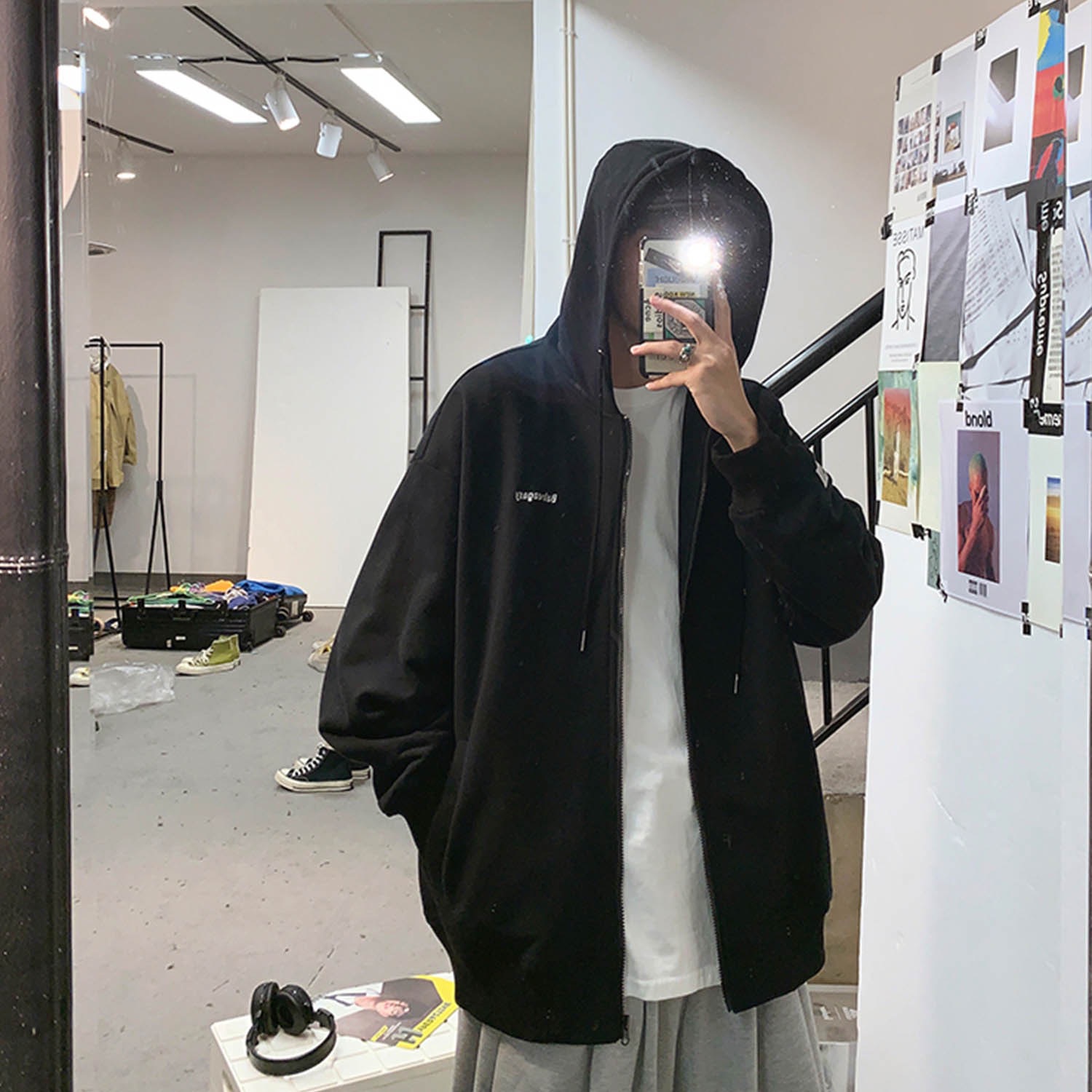
100% cotton gives breathable comfort and a natural hand; 98/2 cotton-elastane improves movement. A 65/35 cotton-poly blend offers easier care, stronger wrinkle resistance, and uniform or workwear durability.
Construction And Testing
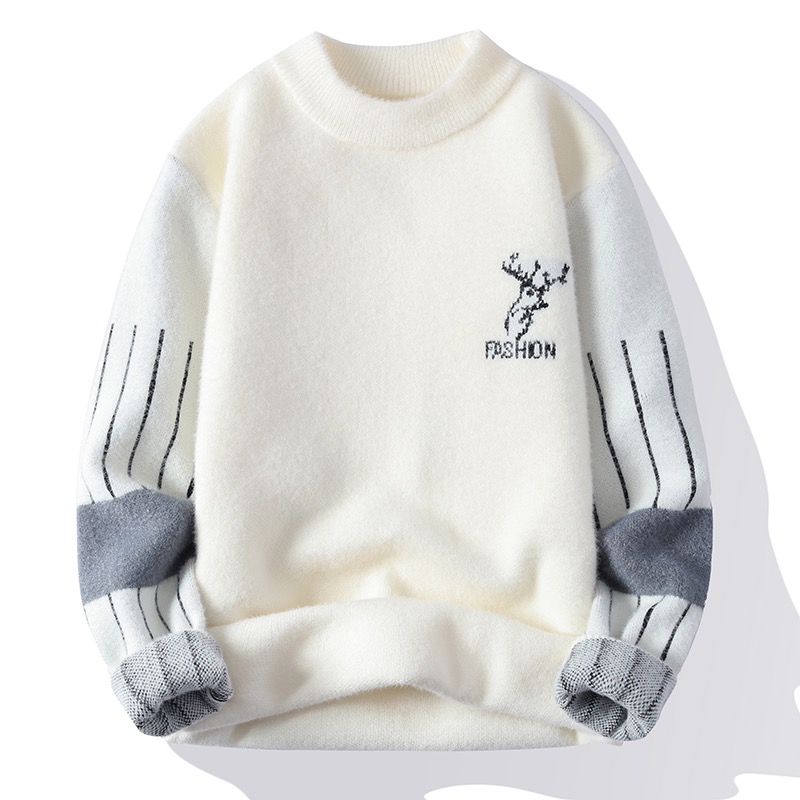
2/1 twill is lighter and drapes more easily; 3/1 twill is denser and more abrasion-resistant. Specify ring-spun versus open-end yarn, finished width, dimensional-change limit, colorfastness test method, and enzyme, peach, or garment-wash finish.
Weight By End Use
120–160 GSM suits lightweight shirts; heavier constructions need allowance for seam bulk and post-wash shrinkage.
| GSM | Best Use | Specification Focus |
|---|---|---|
| 120–160 | Lightweight shirts | Soft hand, airflow |
| 160–220 | Uniforms | Color retention, easy care |
| 220–280 | Overshirts | Structure, layering |
| 280–340 | Workwear | Abrasion resistance, durability |
5. Customization and Decoration Options
Private-label cotton twill shirts can carry structural, color, trim, and surface customization. EDVORIN records each approved choice in the tech pack so bulk production follows one placement and finish standard.
| Option | Hand Feel | Cost Driver |
|---|---|---|
| Embroidery | Textured | Stitch count |
| Screen Print | Ink layer | Color screens |
| Woven Patch | Thicker | Patch quantity |
Build The Shirt Identity
Two pattern routes are common: develop a custom block or adapt an approved fit. Contrast topstitching, chest pockets, branded buttons, and sleeve tabs add cost through extra components and operations.
One Pantone target should be approved against a lab dip before bulk dyeing. Garment washes can soften the hand or create vintage character, but require tolerance review after washing.
Specify Branding Placement
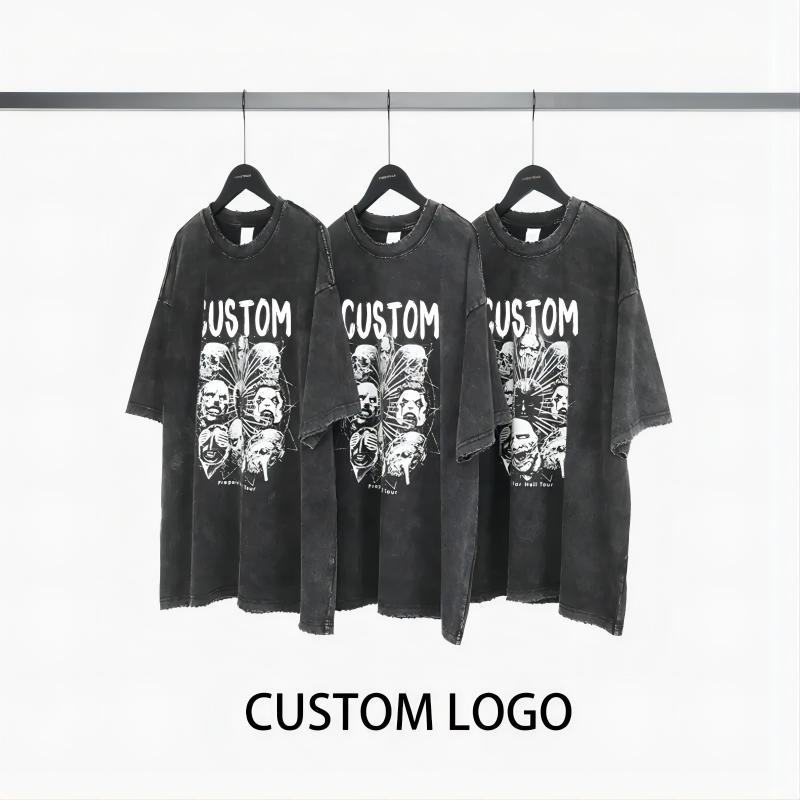
Three branding zones need measured placement: back neck, chest, and pocket. Woven labels, neck prints, and hangtags should include artwork size, color references, fold type, and attachment method.
One approved artwork file prevents improvised production decisions. Supply vector logos for screen print, embroidery, and patches; define thread colors, stitch area, patch edge, and placement from fixed garment points.
Match Decoration To Use
Three decoration routes change hand feel differently: embroidery adds texture, screen print adds an ink layer, and patches add thickness. Dense embroidery and large prints also increase unit cost and production time.
Two sample checks matter before bulk approval: laundering and placement consistency. Small decoration runs may raise minimum-order pressure because screens, embroidery setup, custom trims, and wash trials create fixed development costs.
6. Construction Quality for Cotton Twill Shirts
A 2.5–3.5 mm stitch length is a practical sample checkpoint for cotton twill shirts. Before bulk approval, inspect construction against the approved sample and measurement specification, not photos alone.
Seams And Stress Points
Two-needle felled seams or clean overlocked seams should match the intended shirt grade and seam allowance. Check shoulder joins, armholes, side seams, sleeve plackets, and bar tacks at pocket corners for skipped stitches, puckering, or exposed raw edges.
Collar, Placket, And Closures
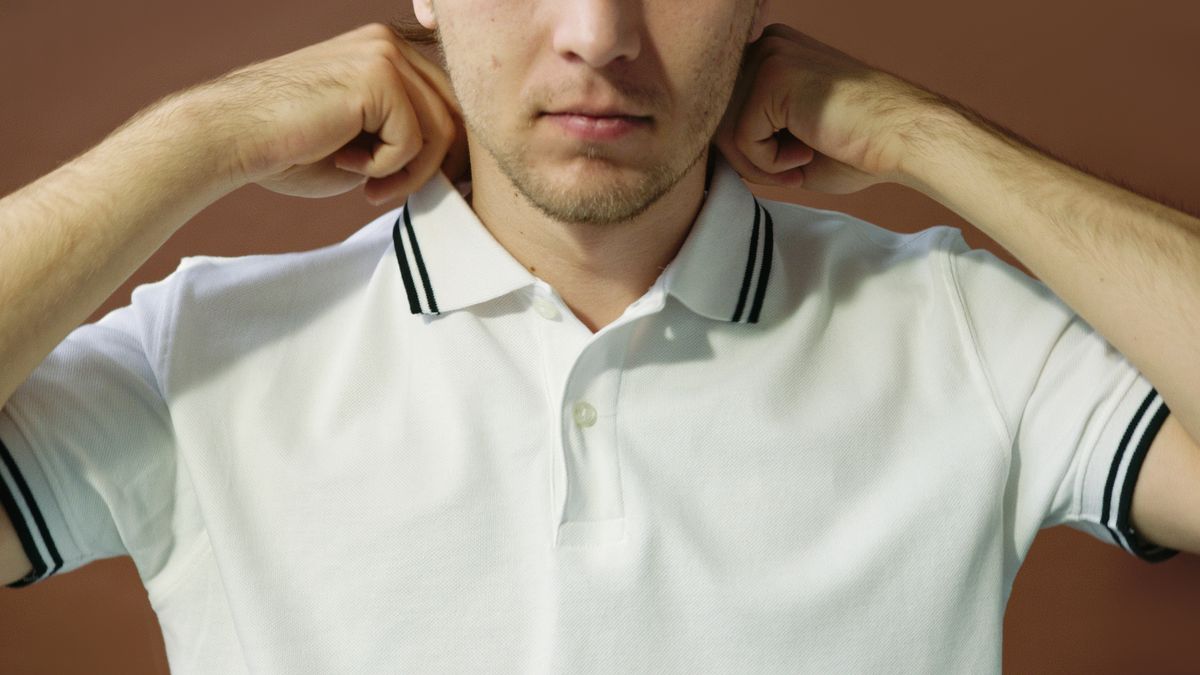
A 3–4 mm placket edge should remain straight from collar stand to hem when buttoned. Confirm collar and cuff interfacing gives the approved hand without bubbling; test button attachment, buttonhole density, alignment, and button-to-hole fit.
Symmetry, Measurements, And Finish
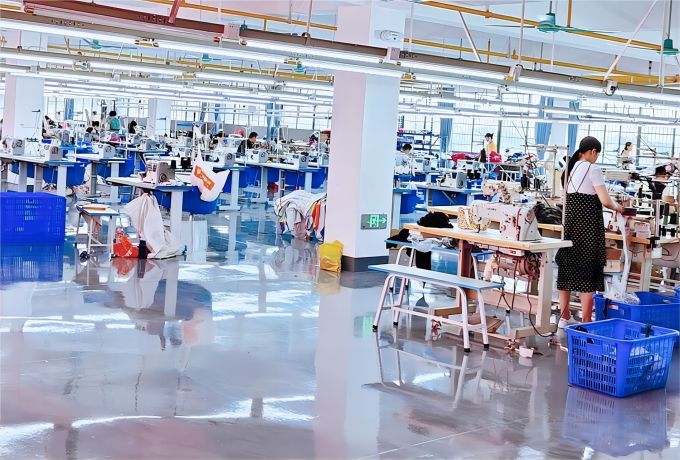
A ±1 cm measurement tolerance is commonly used for many shirt points, subject to the agreed spec. Lay the sample flat to compare pocket height, pocket angle, cuff length, sleeve pitch, hem shape, thread trimming, pressing, labels, and final packing against the pre-production sample.
7. Choosing a Cotton Twill Shirt Manufacturer
A cotton twill shirt manufacturer should be evaluated against the approved specification, not a showroom sample. EDVORIN converts product-development decisions into documented production standards for repeat orders.
Product And Sampling Fit
Comparable overshirt, uniform, or workwear programs indicate relevant construction experience. Ask for a pre-production sample, revision log, and measurement tolerances.
A 200-piece order may need color and size flexibility without process changes. Confirm who owns pattern corrections and approval records.
Fabric And Documentation
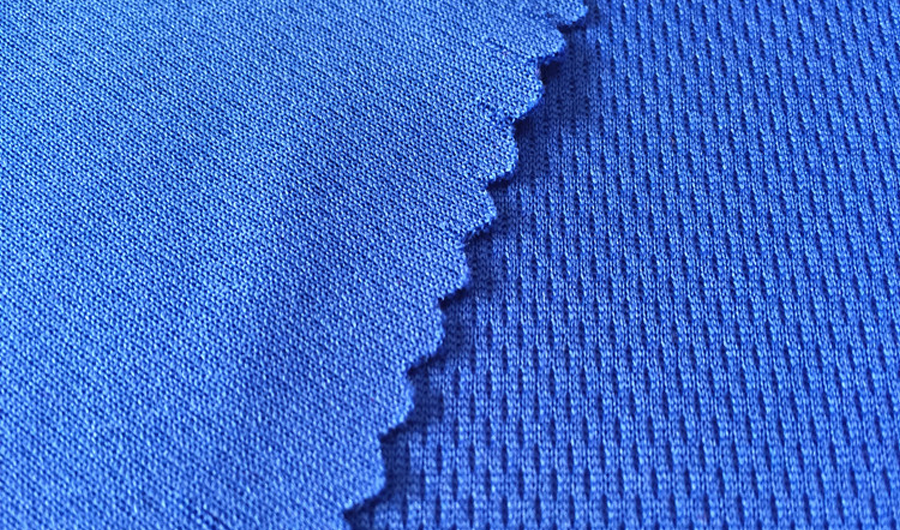
Fiber content, GSM, mill identity, color standard, and shrinkage-test results should be confirmed before cutting. Require each substitution to receive written approval.
OEKO-TEX, GOTS, WRAP, or BSCI documents must match the relevant claim. Verify document scope and validity directly.
Control And Quote Comparison
In-line and final-inspection checkpoints should define defect reporting and rework authority. Confirm monthly capacity, critical-path dates, and export-destination experience.
Compare fabric, trims, decoration, testing, packaging, freight terms, payment, and after-sales response—not unit price alone. Ask how claims are logged and resolved.
8. Common Cotton Twill Shirt Sourcing Mistakes
Eight preventable errors usually enter before the purchase order, not on the sewing line. A cotton twill shirt manufacturer should receive one reviewable standard covering fabric, fit, testing, decoration, labeling, schedule, and price basis.
Approve Fabric And Fit
100% cotton twill cannot be approved reliably from a screen photo. Request a physical swatch, color reference, and signed hand-feel approval.
1 measurement chart should define garment points, tolerances, grading, and after-wash measurements. Approve a size set against that chart before bulk cutting.
Match Weight To Wear
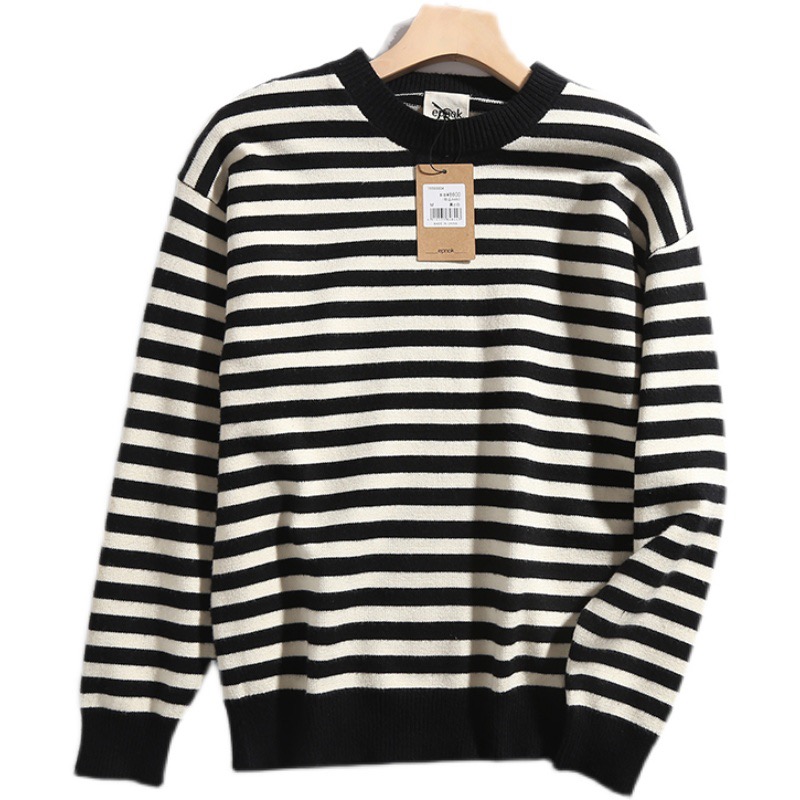
180 GSM and 260 GSM twills can serve very different climates and silhouettes. Specify end use, season, breathability expectation, and desired structure rather than GSM alone.
3 wash cycles can expose shrinkage, skew, color loss, and seam puckering. Require a wash-test method and acceptable dimensional-change limits before approval.
Control Decoration And Delivery
EDVORIN’s MOQ starts at 200 pieces per style. 1 artwork file is not enough for embroidery, print, or patches. Approve a strike-off and record placement, thread or ink colors, size, and fabric limitations.
30-day timing is meaningless without material arrival, sample approval, production, inspection, and shipment milestones. Confirm care-label rules and compare quotes only when fabric, trims, decoration, packing, MOQ, and delivery terms match.
9. Steps to Launch a Private-Label Shirt
A private-label shirt launch moves fastest when each approval becomes a production record. A cotton twill shirt manufacturer needs locked specifications before materials, cutting, and decoration enter bulk workflow.
Lock The Product Brief
One brief should define target wearer, fit, price position, colorway count, size range, and delivery date.
A tech pack should lock measurement points, seam construction, buttons, labels, artwork placement, Pantone references, and packaging.
Develop And Approve Samples
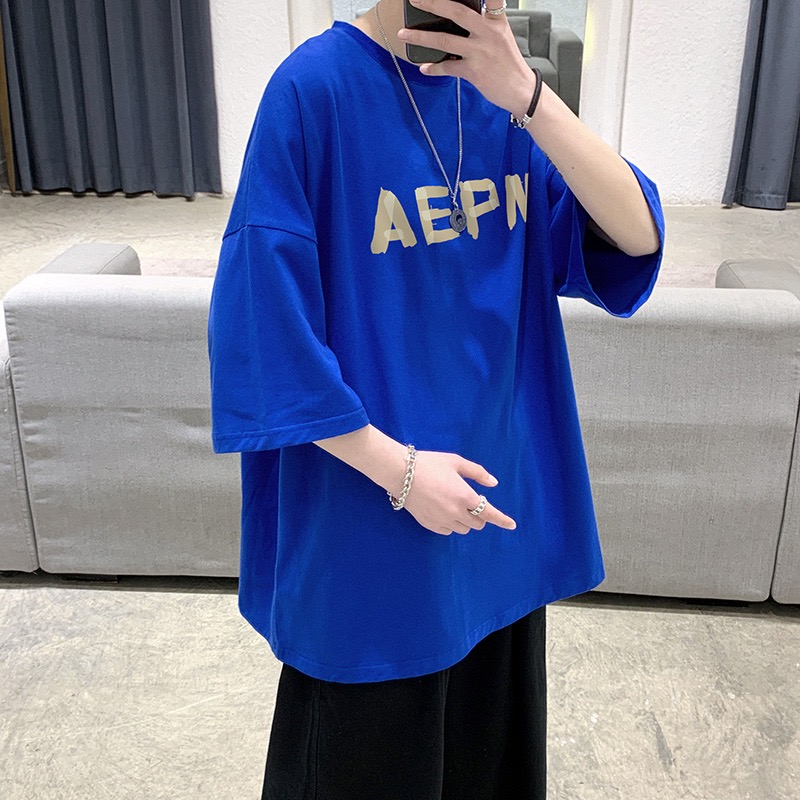
One fabric swatch set should confirm composition, weight, color, shrinkage expectations, and wash appearance before prototype cutting.
Two sample rounds are often more efficient than vague revisions: approve the prototype, then approve graded sizing and the pre-production sample.
Control Bulk And Reorders
One written bulk approval should match the sealed pre-production sample, approved artwork, trim card, and final measurement tolerance.
Three checkpoints—inline, finished-garment, and packing inspection—help catch variation before shipment. Reorder planning should retain approved samples, supplier material references, color standards, and sales-by-size data.
10. Cotton Twill Shirt Pricing and Lead Times
200-piece orders usually carry the highest unit cost because pattern setup, markers, fabric allocation, and line changeover are spread across fewer shirts. For a cotton twill shirt manufacturer, a heavier 210–265 GSM fabric, organic or stretch composition, custom dyeing, branded trims, embroidery, individual packaging, and air freight all increase landed cost.
15–25 production days is a practical planning range after bulk materials and the pre-production sample are approved; sampling and custom-dyed fabric add time. Request like-for-like quotes using one tech pack, size ratio, fabric composition and GSM, Pantone reference, decoration files, label and packaging specification, Incoterm, destination, and inspection standard.
| Indicative order tier | Main unit-price driver | Expected production lead time |
|---|---|---|
| 100–299 pieces | Setup and low fabric utilization | 20–30 days |
| 300–999 pieces | Fabric, trims, decoration | 15–25 days |
| 1,000+ pieces | Color count, packing, shipment mode | 15–30 days |
Ready to Develop Your Cotton Twill Shirt Collection?
Send your tech pack, reference garment, or collection concept to a cotton twill shirt manufacturer built for repeatable OEM production.