
Shirt Manufacturer for Private-Label Collections
EDVORIN is a shirt manufacturer for fashion, streetwear, teamwear, and private-label buyers, with development-to-bulk support and MOQs from 200 pieces per style.
Featured Products for Shirt Development
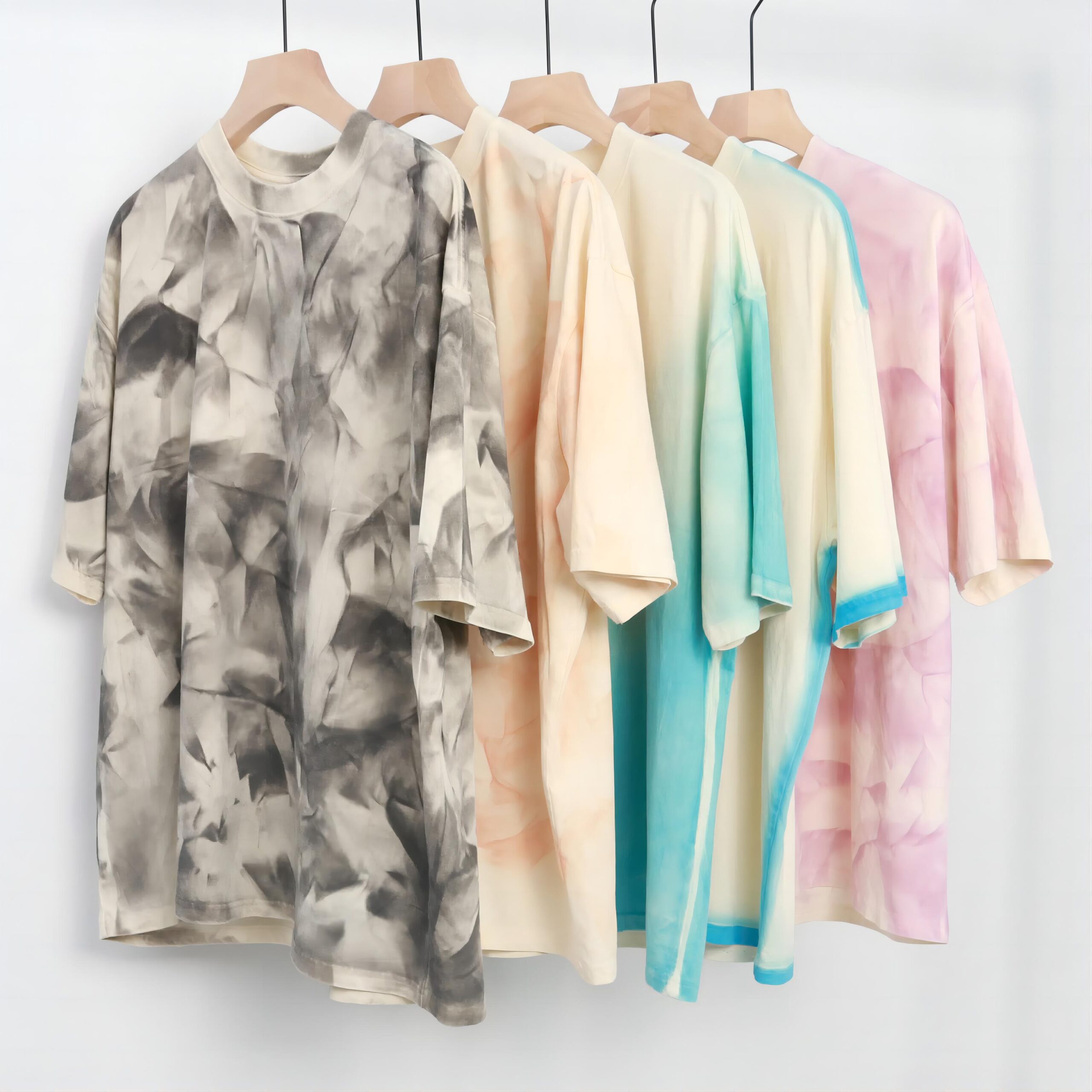




A Shirt Manufacturer Built to Repeat
EDVORIN connects development, production control and finishing details into a repeatable path for growing apparel programs.
Founder-Led Since 2000
Built from the production floor outward, EDVORIN brings founder-led apparel manufacturing experience to practical decisions across every order.
Flexible OEM/ODM Support
Bring a finished tech pack or an early concept; our team helps turn either starting point into production-ready specifications.
Category-Specific Development
Shirts, streetwear and teamwear are developed around the right fit, materials, construction details and intended end use.
Coordinated Decoration
Fabric, artwork, printing, embroidery, washes, labels and packaging are coordinated so every detail works with the finished garment.
Approved-Standard Quality Control
Samples, measurements, placements and trims are documented against approved standards, supporting meaningful checks from line production through final packing.
Ready for Repeat Orders
Clear production standards make it easier to reproduce approved styles consistently as collections, wholesale programs and team orders grow.
Shirts Built for Your Market
From tailored woven programs to branded uniforms, EDVORIN develops shirt categories with controlled materials, fit, decoration and repeatable bulk-production standards.
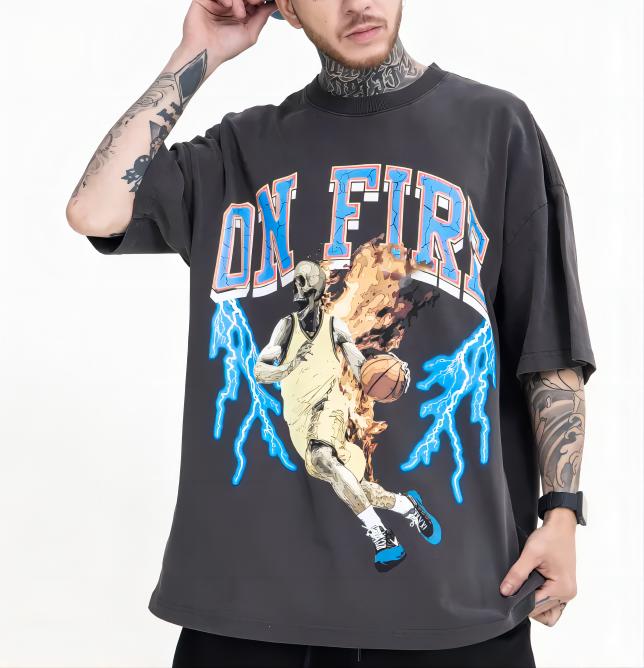
Custom Shirts
EDVORIN develops custom shirts from reference, sketch or complete tech pack. Fabric, collar construction, fit blocks, buttons, labels, artwork and packing are specified before sampling, giving brands a clear standard for repeat production.
Get a Quote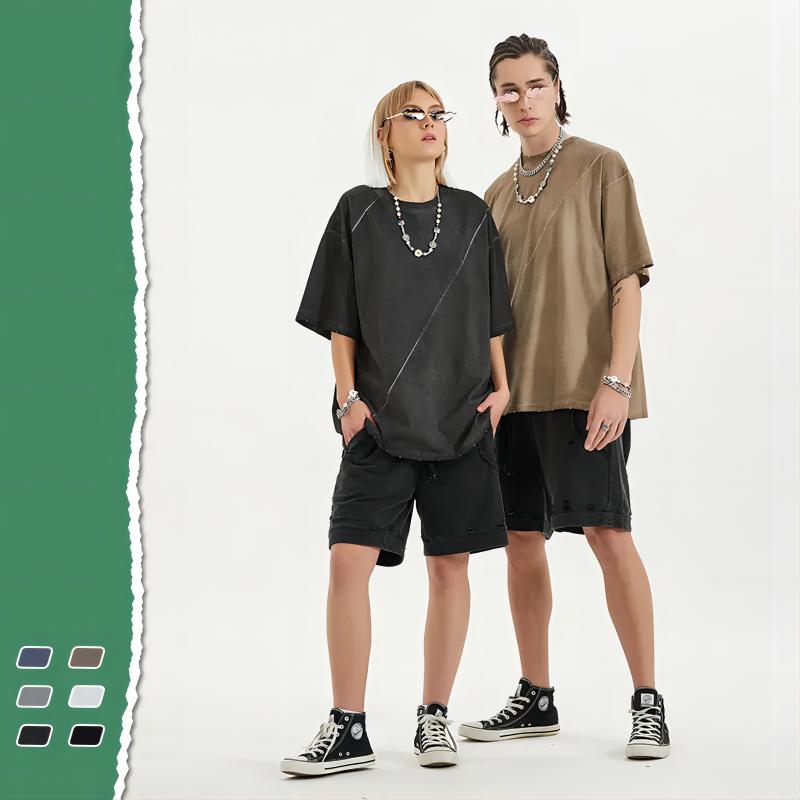
Private Label Shirts
For private-label shirt programs, EDVORIN coordinates product development with neck labels, care labels, hangtags, branded buttons and packaging. Buyers can build a consistent shirt range while keeping approved measurements, materials and construction details documented for reorders.
Get a Quote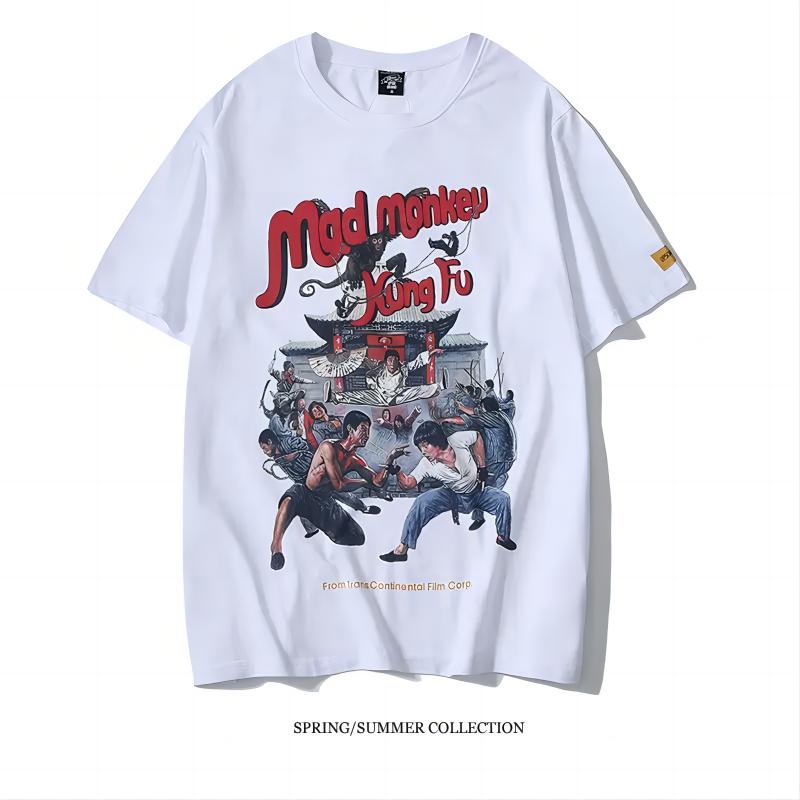
Wholesale and Bulk Shirts
EDVORIN supports wholesale and bulk shirt programs with controlled size grading, color standards, material sourcing and inspection. MOQ starts at 200 pieces per style, with production planning suited to distributors, retailers and established buying programs.
Get a Quote
Low MOQ Shirts
Low-MOQ shirt development is available from 200 pieces per style. EDVORIN helps emerging brands validate fit, fabric, trims and decoration through sampling, then documents the approved result for a more controlled transition into bulk production.
Get a Quote
Sustainable Shirts
Sustainable shirt programs can be developed with materials aligned to GOTS, GRS and OEKO-TEX Standard 100 certification programs where applicable. EDVORIN coordinates fabric selection, trims, labeling and production requirements with the buyer’s sustainability specifications.
Get a Quote
Blank Shirts
EDVORIN supplies blank shirts for wholesale programs requiring consistent fabric, color, fit and sizing before downstream decoration. Options can include woven shirts, polos and casual styles, prepared with buyer-specified labels, folding and bulk packaging.
Get a Quote
Dress Shirts
Dress shirts are developed around collar shape, placket construction, cuff type, yoke, darts, fabric weight and finishing. EDVORIN supports men’s and women’s fit requirements, turning approved samples into measurement and construction standards for production.
Get a Quote
Casual Shirts
Casual shirt programs can combine relaxed fits, lightweight woven fabrics, garment washing, utility pockets and branded trims. EDVORIN develops each detail around the intended market, then controls the approved construction through bulk production.
Get a Quote
Oxford Shirts
Oxford shirts require balanced fabric weight, collar roll, placket construction and wash performance. EDVORIN develops these elements with buyer-approved fit blocks and size grading, supporting branded casualwear, uniform and private-label shirt programs.
Get a Quote
Button-Down Shirts
Button-down shirts are developed with attention to collar point length, button placement, placket alignment, cuff construction and fabric stability. EDVORIN records the approved specifications so the shirt can be reproduced consistently across colors and reorders.
Get a Quote
Camp Collar Shirts
Camp collar shirts are developed for relaxed proportions, open-neck collar shape, lightweight fabric behavior and print placement. EDVORIN supports resortwear, streetwear and seasonal private-label programs with samples that establish a reliable bulk-production reference.
Get a Quote
Hawaiian Shirts
Hawaiian shirts require coordinated all-over artwork, lightweight woven fabric, collar construction and pattern matching. EDVORIN manages print development, sample review and production details so seasonal collections retain their intended color, scale and relaxed fit.
Get a Quote
Work Shirts
Work shirts are developed around durable fabric, reinforced seams, pockets, closure systems and practical fit. EDVORIN can coordinate embroidery, screen printing, labels and packaging for industrial, retail, service or branded workwear programs.
Get a Quote
Flannel Shirts
Flannel shirts are built around brushed fabric weight, yarn-dyed check alignment, collar structure and wash performance. EDVORIN develops men’s and women’s proportions, then controls pattern matching and construction details through sampling and bulk inspection.
Get a Quote
Denim Shirts
Denim shirts require decisions on fabric weight, wash recipe, seam construction, snaps or buttons and fading expectations. EDVORIN tests these variables during development to establish an approved standard that can guide repeat production.
Get a Quote
Chambray Shirts
Chambray shirts are developed with attention to lightweight woven construction, color transfer, wash behavior, collar balance and branded details. EDVORIN supports casual and workwear programs with controlled samples, measurements and production specifications.
Get a Quote
Bowling Shirts
Bowling shirts combine a relaxed silhouette with panel construction, contrast piping, embroidery or graphic placement. EDVORIN develops the fabric, color blocking and finishing requirements together, helping brands translate retro-inspired concepts into repeatable production.
Get a Quote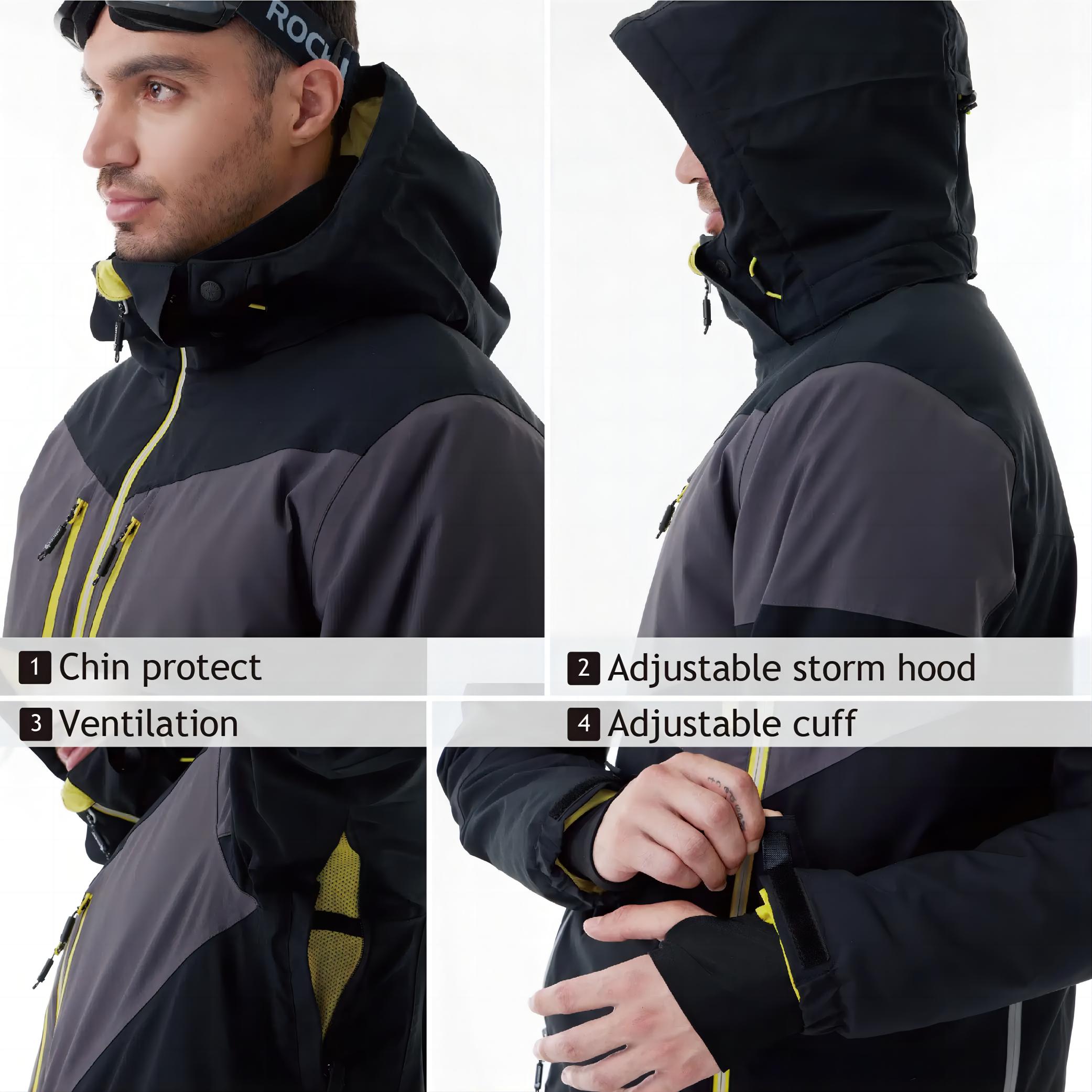
Fishing Shirts
Fishing shirts are developed for lightweight performance fabrics, ventilation, pocket utility, sun-protection requirements and decoration compatibility. EDVORIN coordinates fit, construction and branding details for outdoor, club and private-label programs requiring consistent repeat orders.
Get a Quote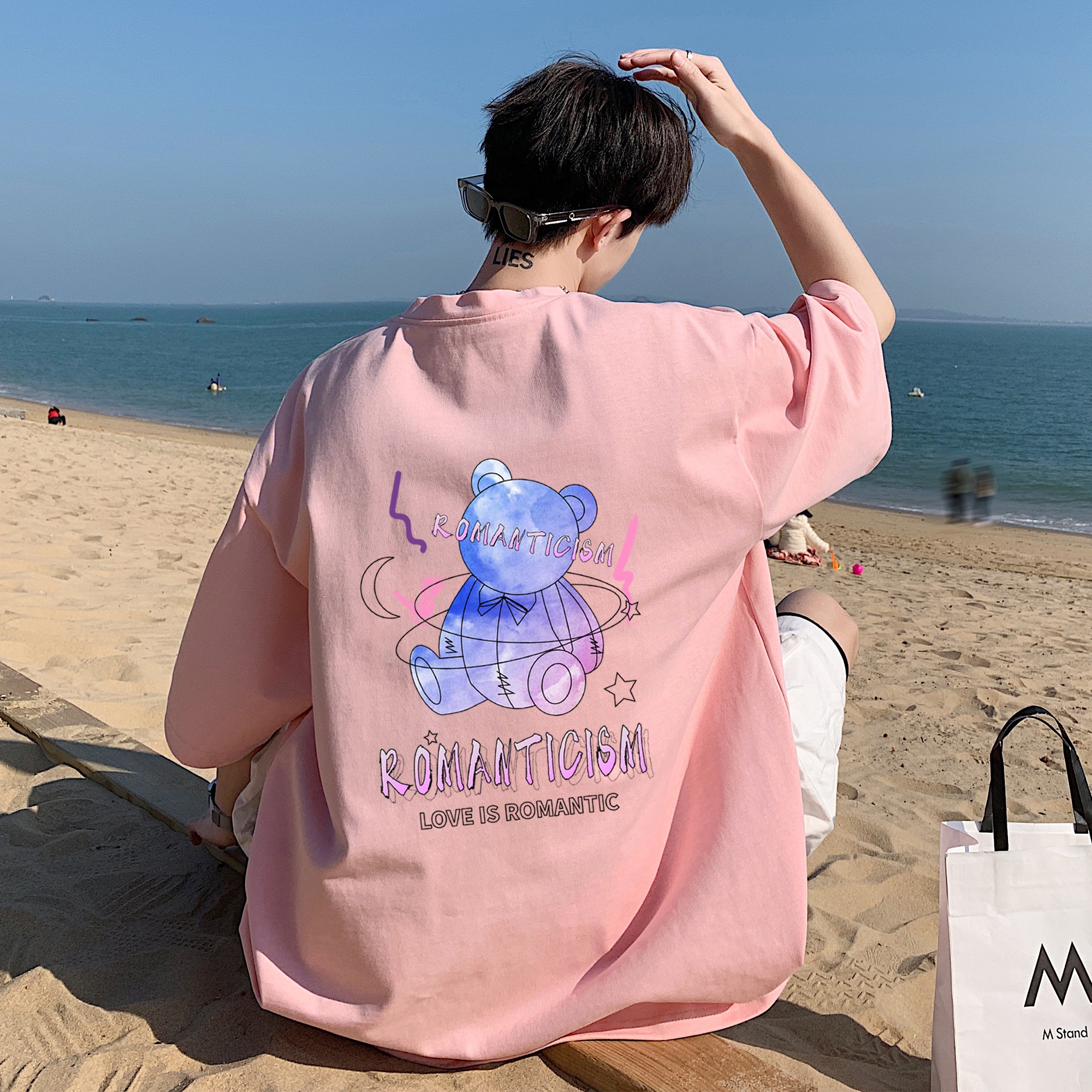
Uniform Shirts
Uniform shirts are developed around role-specific fit, durability, color control, branding and size availability. EDVORIN coordinates fabrics, trims, embroidery, printing and packing to give organizations a documented standard for initial orders and replenishment.
Get a Quote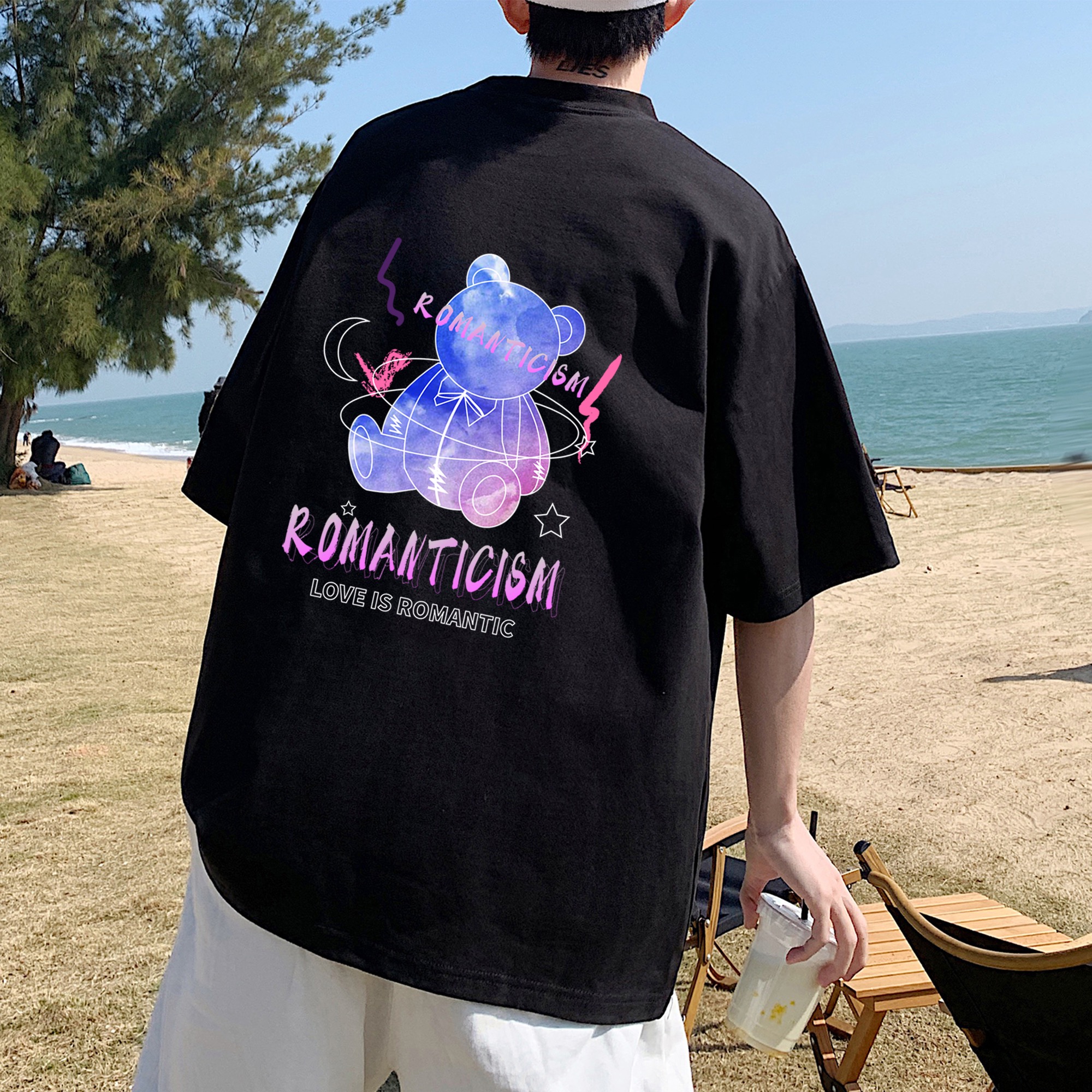
Cotton Twill Shirts
Cotton twill shirts are developed with fabric weight, weave density, garment wash, pocket construction and collar structure matched to the intended use. EDVORIN controls approved materials and measurements for casualwear, workwear and uniform programs.
Get a Quote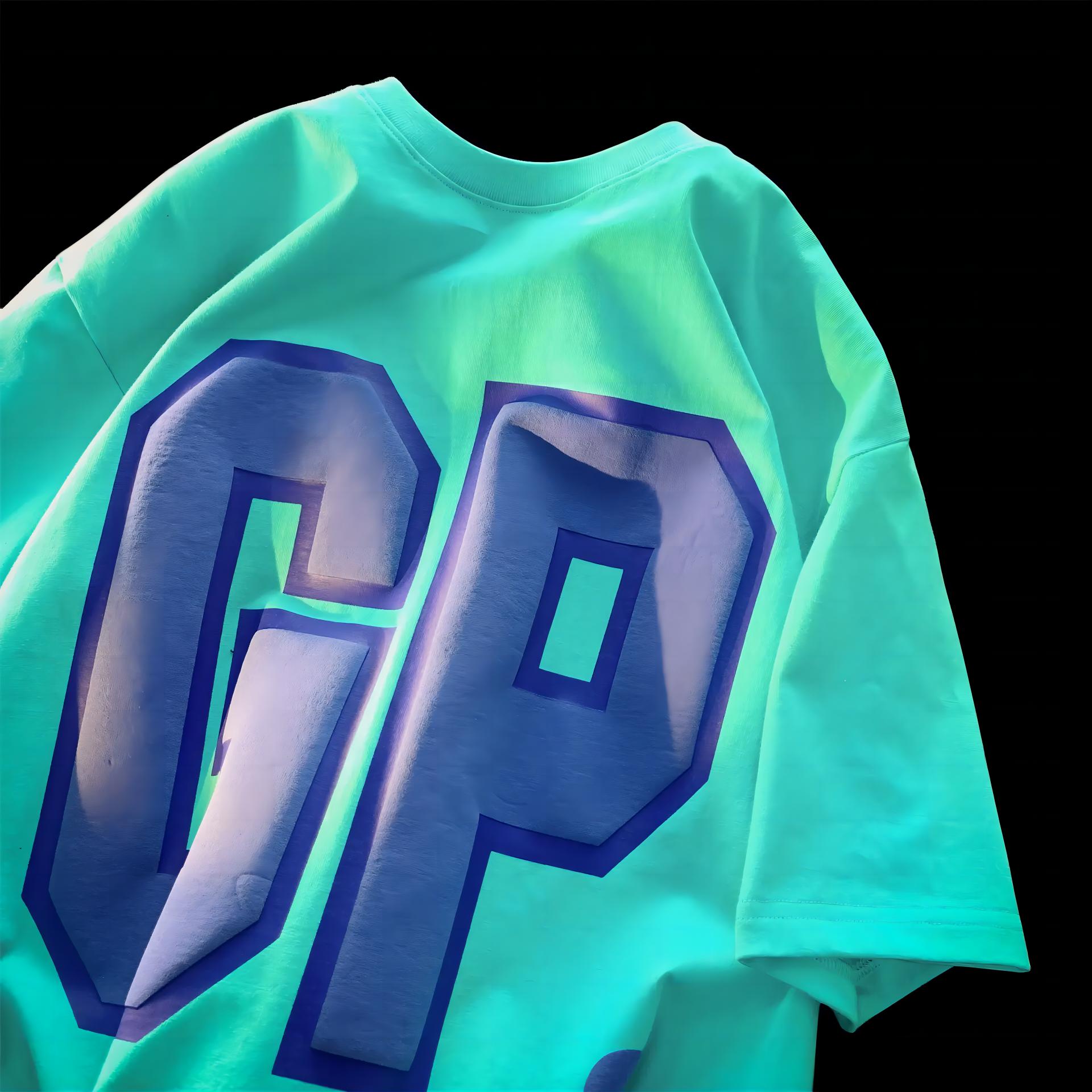
Poplin Shirts
Poplin shirts use a smooth, lightweight woven base suited to dress, uniform and seasonal casual programs. EDVORIN develops opacity, color, collar construction, fit and finishing requirements, then records approved specifications for dependable bulk production.
Get a Quote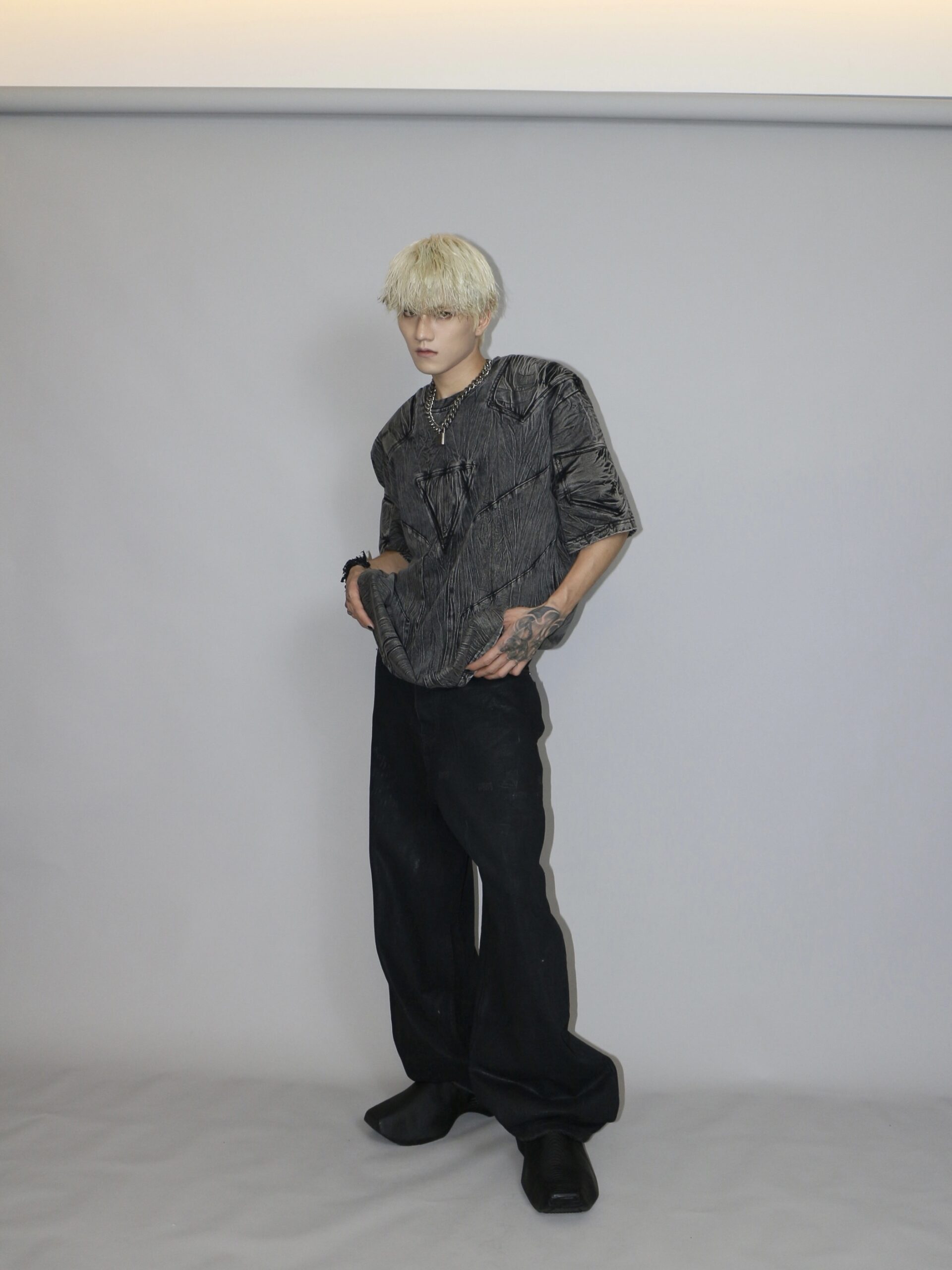
Linen Shirts
Linen shirts are developed around fabric composition, shrinkage, drape, transparency, seam finishing and relaxed fit. EDVORIN samples the material behavior before production, helping brands establish a shirt standard appropriate for warm-weather collections.
Get a Quote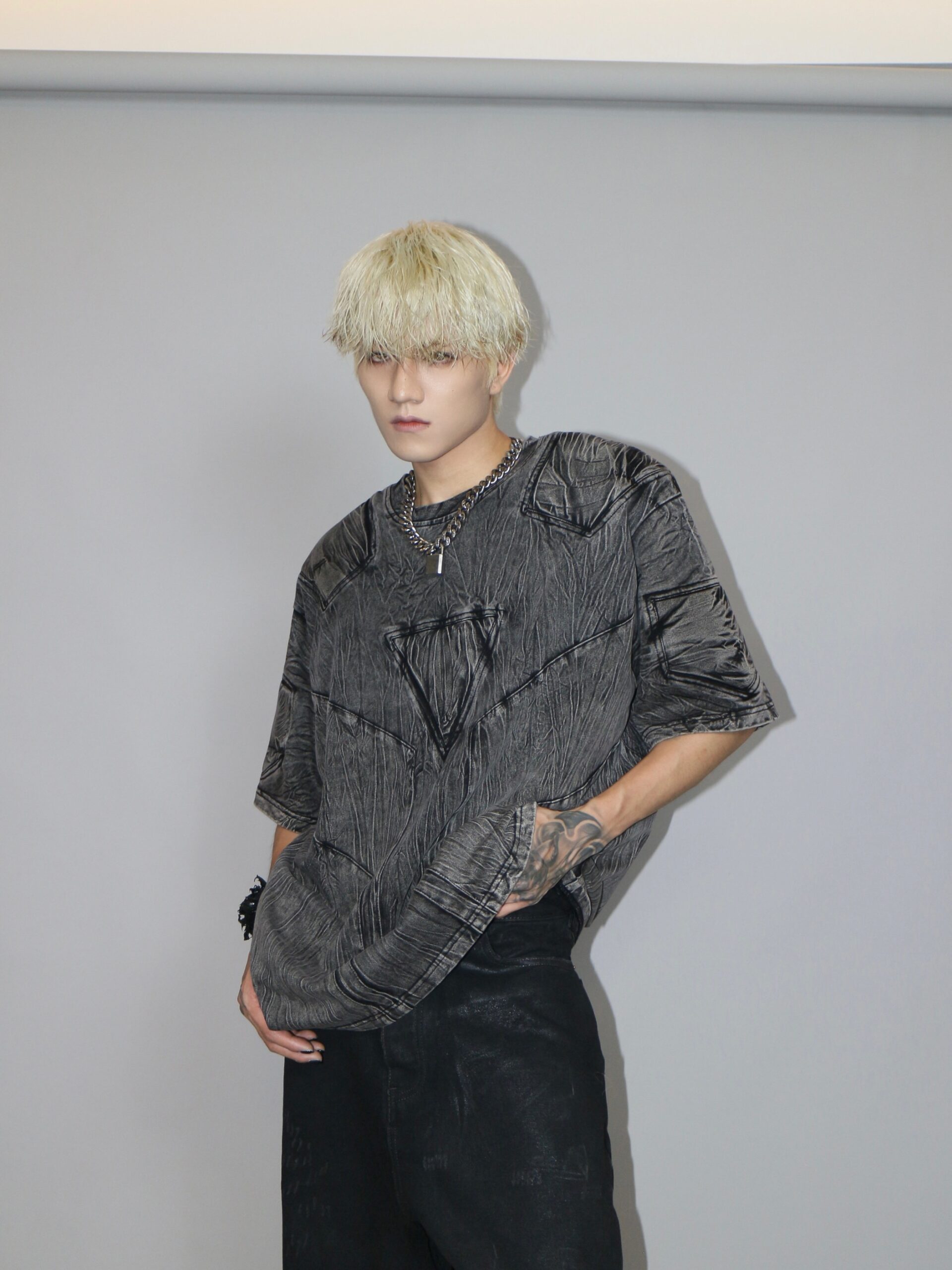
Organic Cotton Shirts
Organic cotton shirt programs can be developed using materials aligned to applicable certification requirements. EDVORIN coordinates fabric sourcing, shrinkage testing, fit, trims and labeling so sustainability claims and physical product specifications remain aligned.
Get a Quote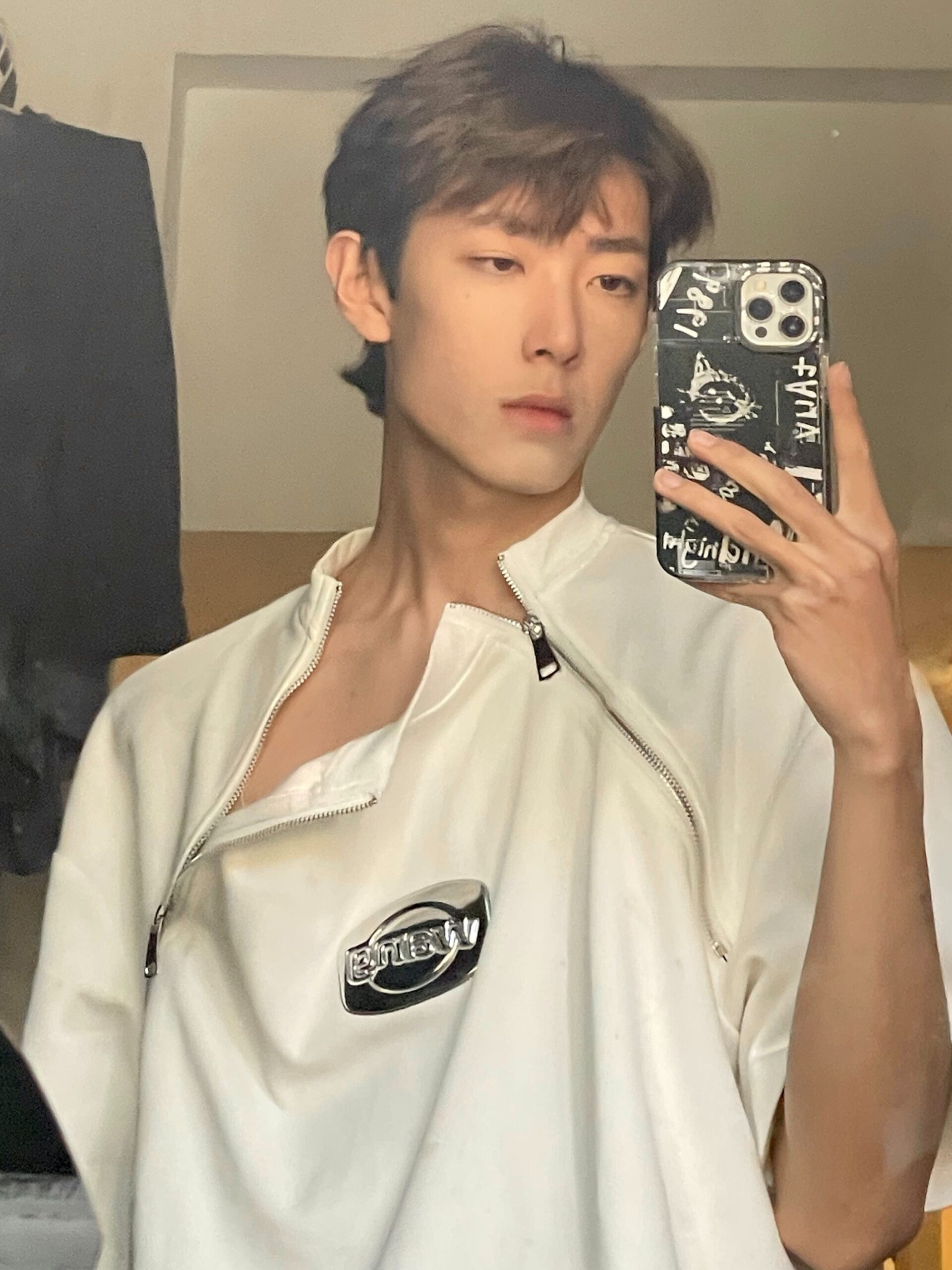
Polyester Shirts
Polyester shirts are developed for performance, durability, color retention and decoration needs. EDVORIN selects fabric construction and finishing around the use case, whether the program requires lightweight uniforms, sports-oriented styles or easy-care corporate apparel.
Get a Quote
Recycled Polyester Shirts
Recycled polyester shirts can be developed for teamwear, corporate uniforms and performance-oriented collections using materials aligned to applicable GRS programs. EDVORIN coordinates fabric documentation, fit, decoration and quality control from sample approval through packing.
Get a Quote
Rayon Shirts
Rayon shirts are developed around drape, print clarity, shrinkage control and seam construction. EDVORIN evaluates fabric behavior during sampling, then documents the approved material, fit and finishing details for resortwear, casualwear and private-label programs.
Get a Quote
Embroidered Shirts
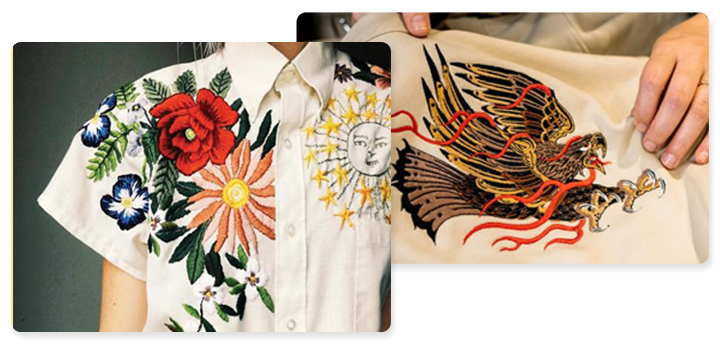
Embroidered shirts require stable fabric selection, backing choice, artwork sizing and placement control. EDVORIN coordinates embroidery with shirt construction and sample approval, helping corporate, uniform and fashion buyers maintain consistent branding across production runs.
Get a Quote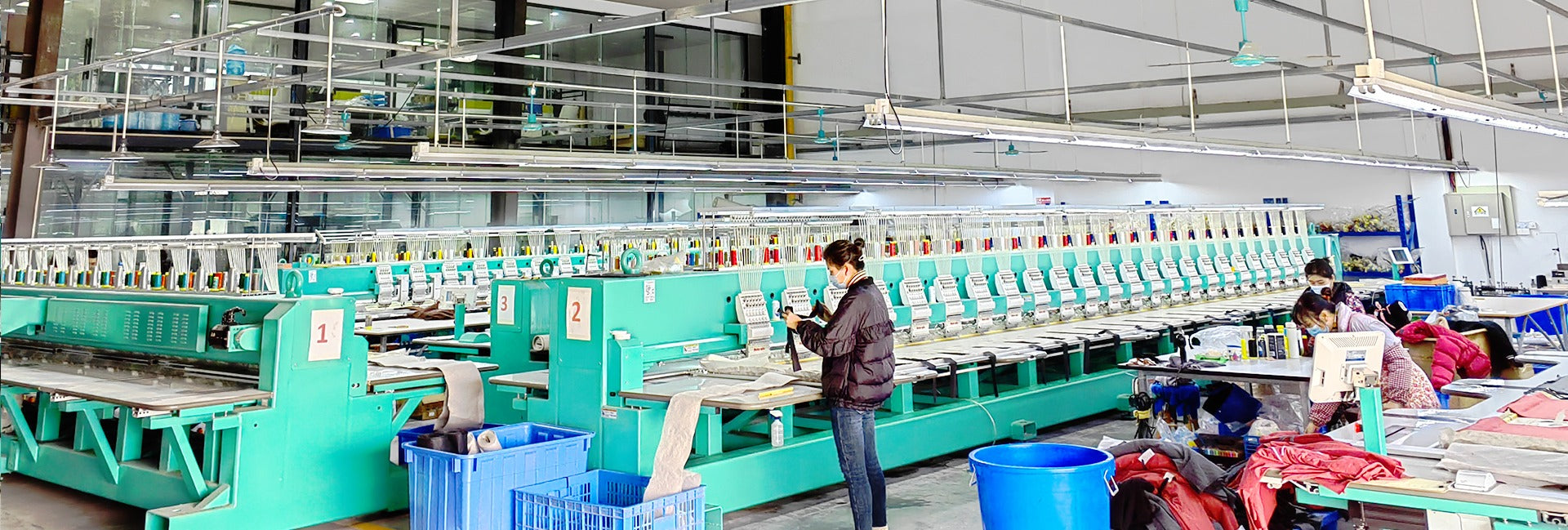
Screen Printed Shirts
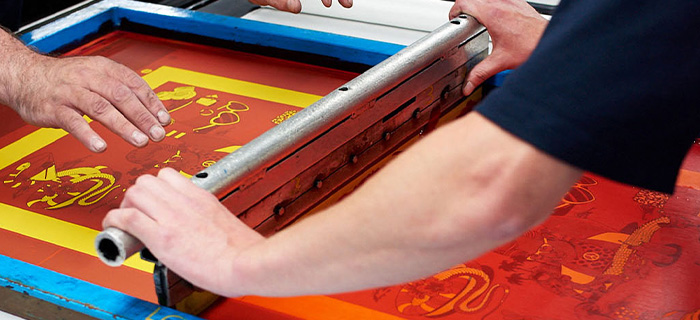
Screen-printed shirts are developed around fabric compatibility, ink type, artwork placement and wash durability. EDVORIN reviews these variables during sampling and records the approved print standard for controlled production across branded and promotional shirt programs.
Get a Quote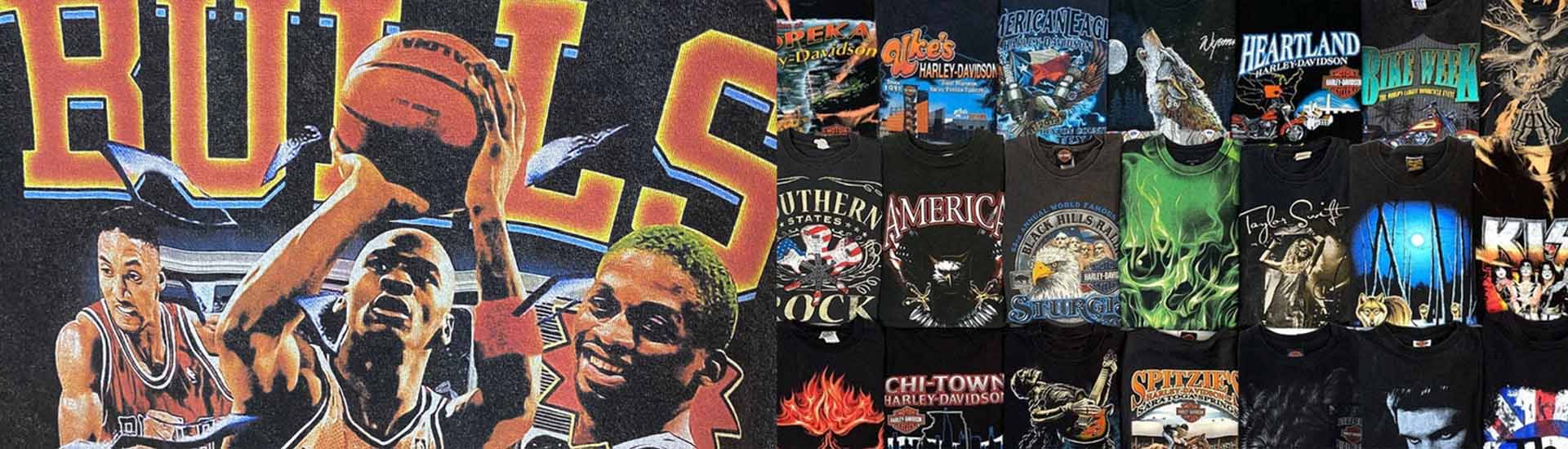
All-Over Print Shirts
All-over print shirts require coordinated artwork repeats, color approval, fabric selection and pattern placement. EDVORIN manages print development before cutting, helping buyers protect scale, alignment and visual consistency through sampling and bulk production.
Get a Quote
Corporate Shirts
Corporate shirt programs are developed around consistent branding, professional fit, color standards and practical care requirements. EDVORIN coordinates embroidery, printed logos, labels and size assortments for companies, distributors and private-label uniform buyers.
Get a Quote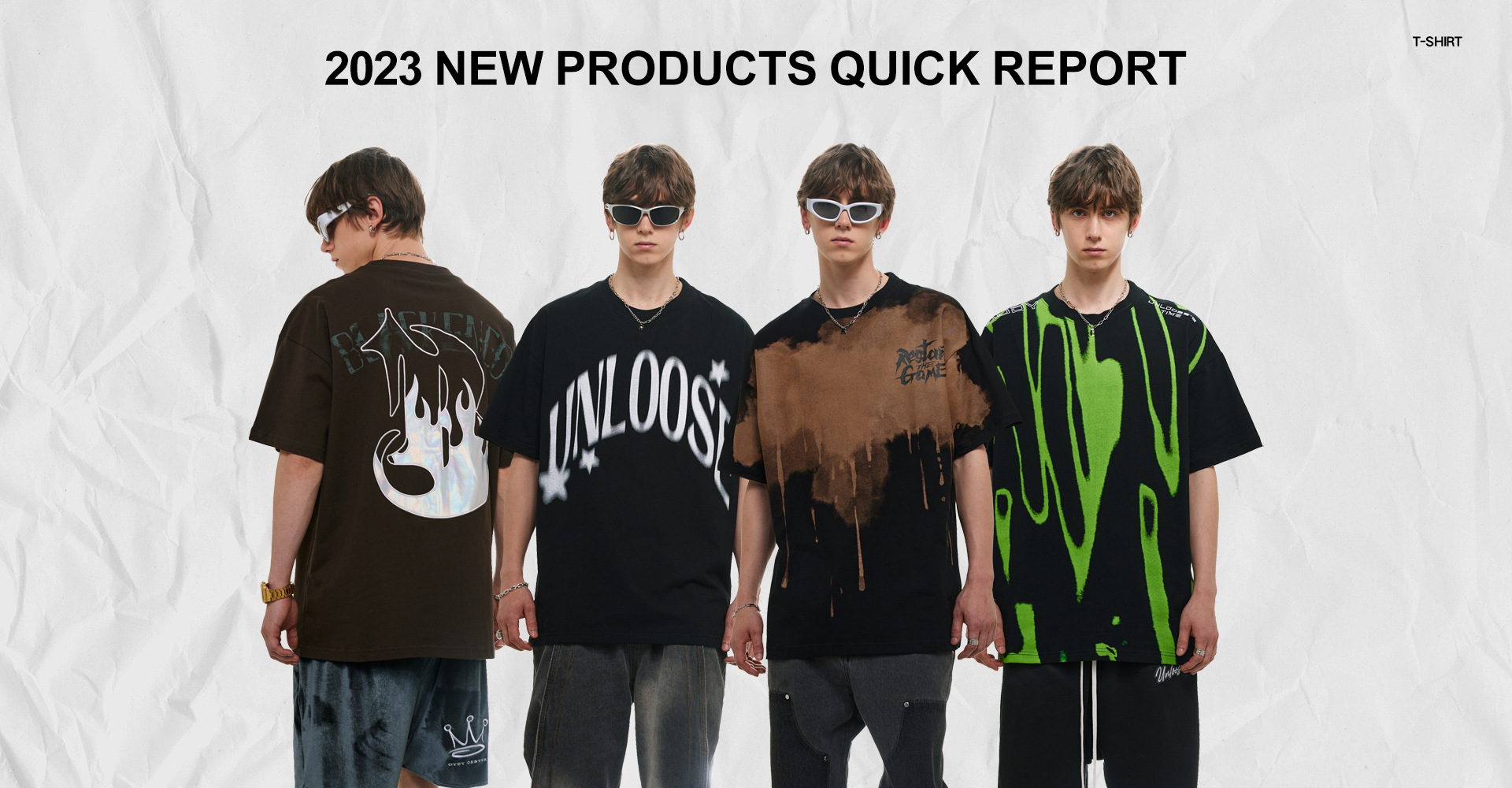
Hospitality Shirts
Hospitality shirts are developed for front-of-house appearance, role-specific fit, comfort and repeated laundering. EDVORIN coordinates fabric, color, embroidery, name personalization and sizing so hotels, venues and service groups can manage organized uniform programs.
Get a Quote
Restaurant Uniform Shirts
Restaurant uniform shirts are developed around comfort, durability, stain-conscious fabric choices and clear branding. EDVORIN supports embroidery, screen printing, role-based color options and size assortments, with production standards designed for replenishment and repeat ordering.
Get a Quote
School Uniform Shirts
School uniform shirts are developed with durable construction, stable color, age-appropriate sizing and repeated-wash performance. EDVORIN coordinates embroidery, woven labels and packing requirements for schools, academies, distributors and organized uniform supply programs.
Get a Quote
Men's Shirts
Men’s shirts are developed using fit blocks, grading, shoulder proportions, collar dimensions and styling details suited to the target market. EDVORIN applies the same approved material and construction controls across casual, dress, uniform and private-label programs.
Get a Quote
Women's Shirts
Women’s shirts are developed with category-specific fit, grading, body proportions, collar balance and fabric drape. EDVORIN adjusts construction and styling details to the intended wearer, then documents the approved standard for consistent production and reorders.
Get a QuoteMaterials Selected for Shirt Fit, Feel & End Use
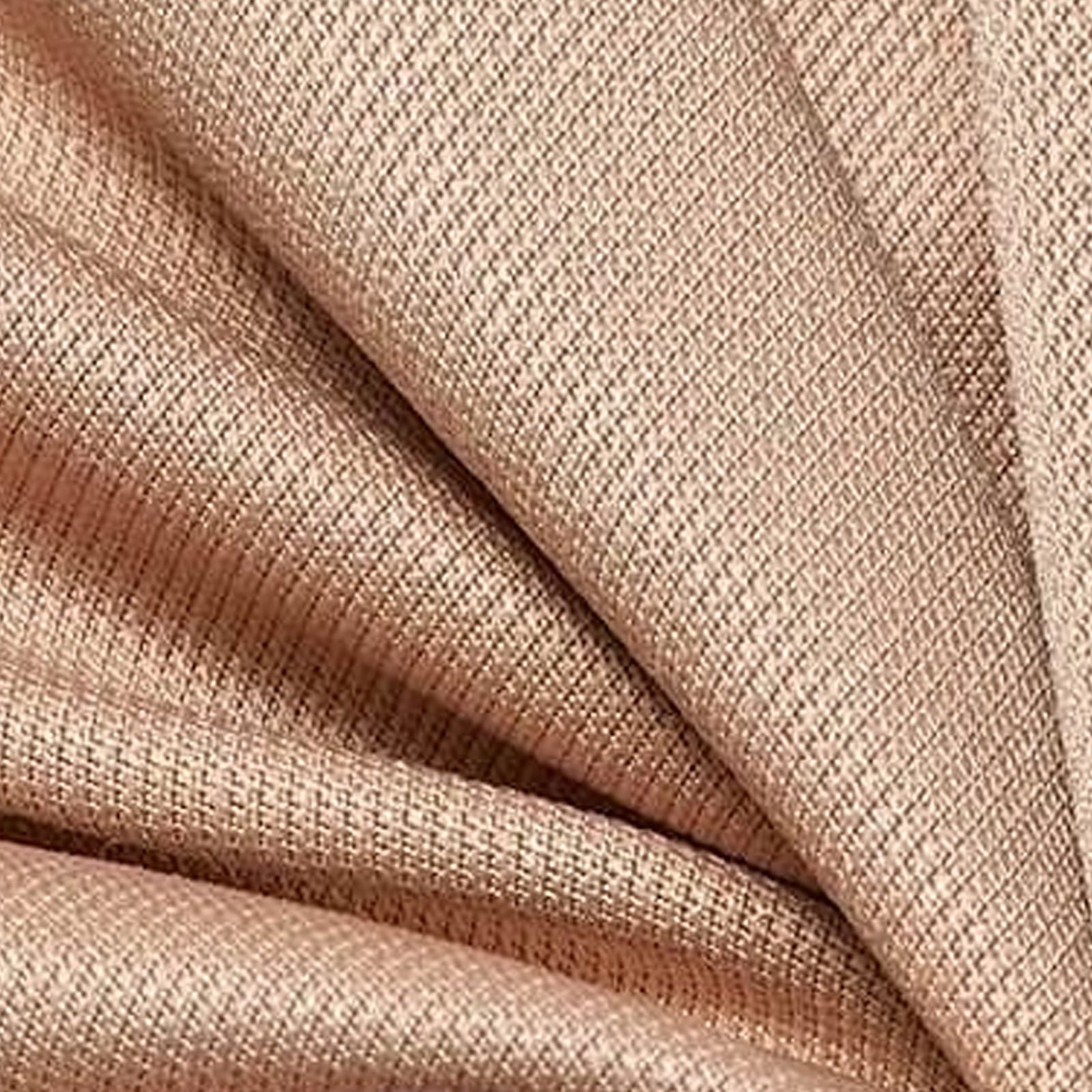
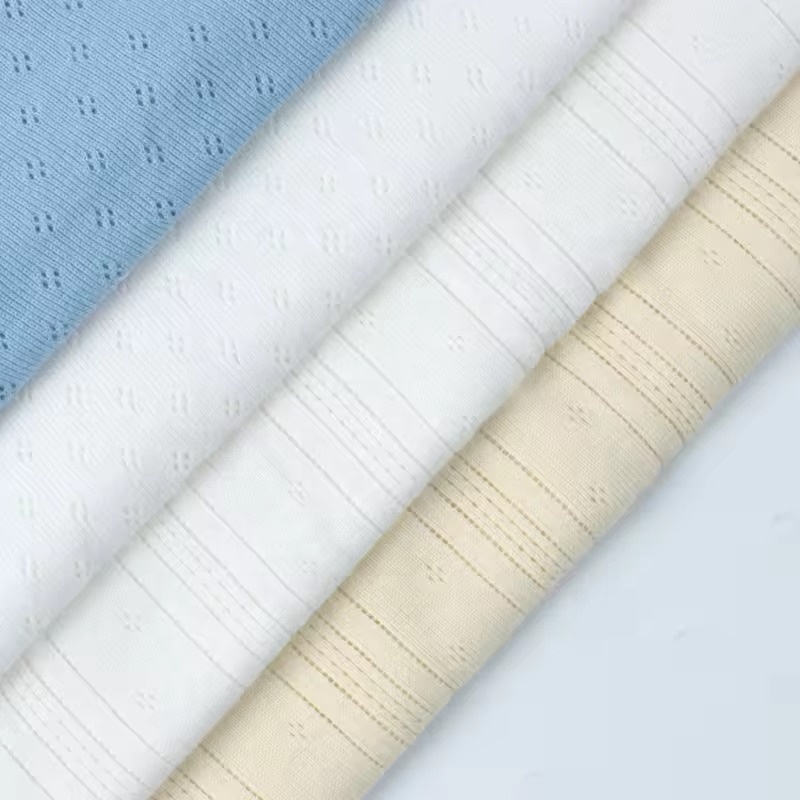
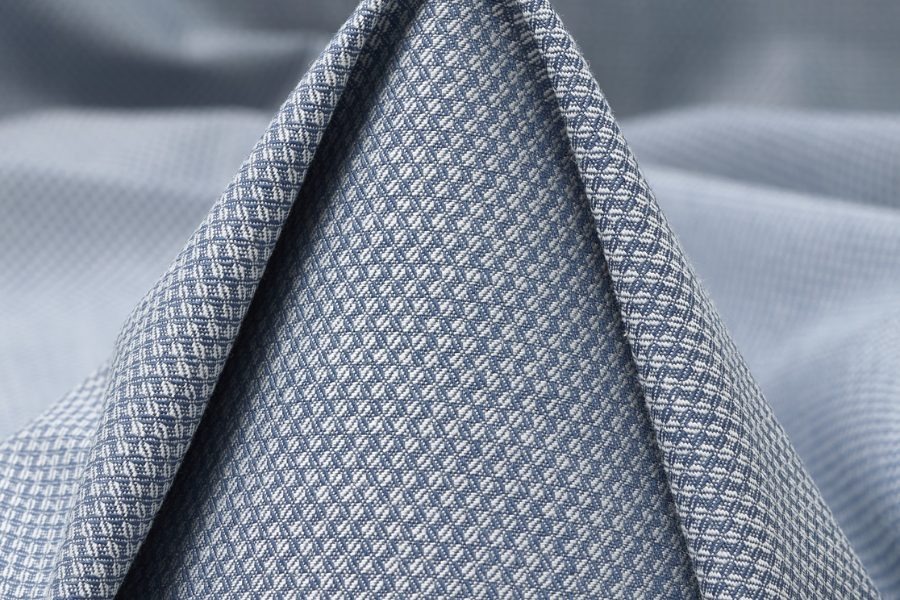
Pique Knit
Textured and breathable, pique knit is a classic choice for polo shirts, schoolwear and corporate programs. Its raised surface adds structure, while its knit construction supports comfort and airflow through regular wear.
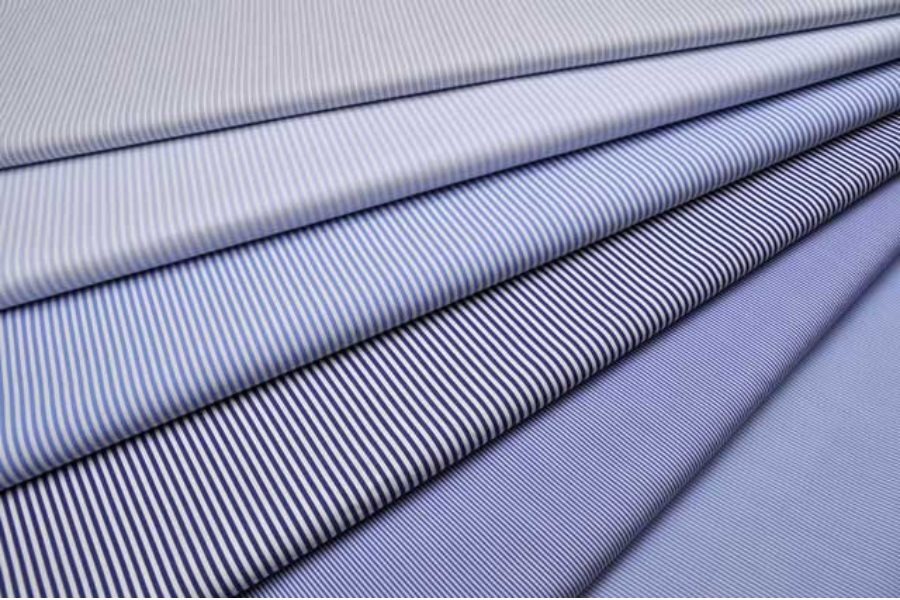
Woven Cotton Poplin
Crisp, smooth and lightweight, cotton poplin works well for button-front shirts and refined uniform styles. Its tight woven surface gives a clean appearance, stable structure and strong suitability for embroidery or printed details.
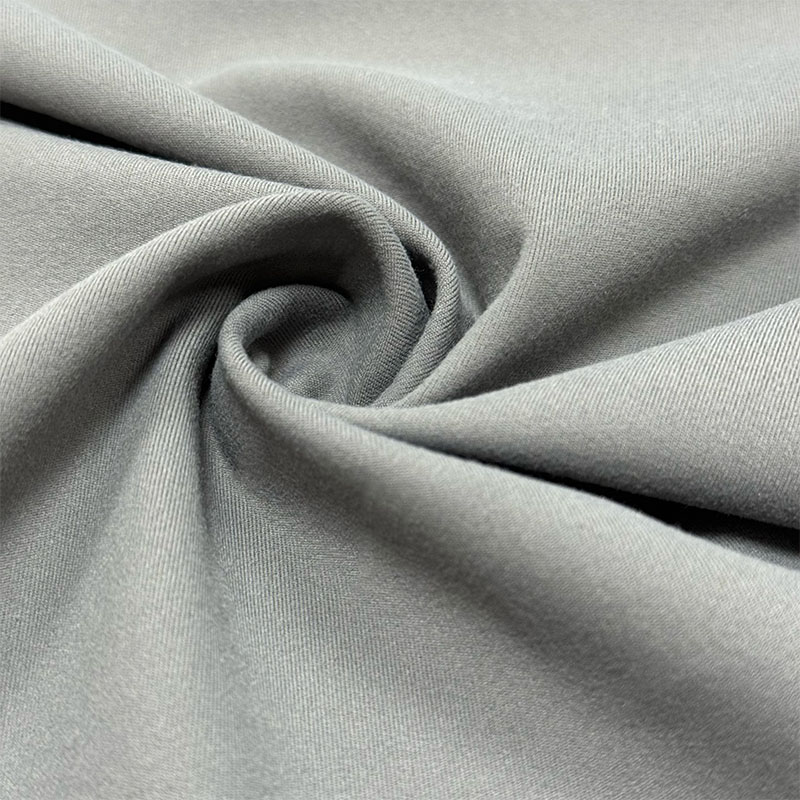
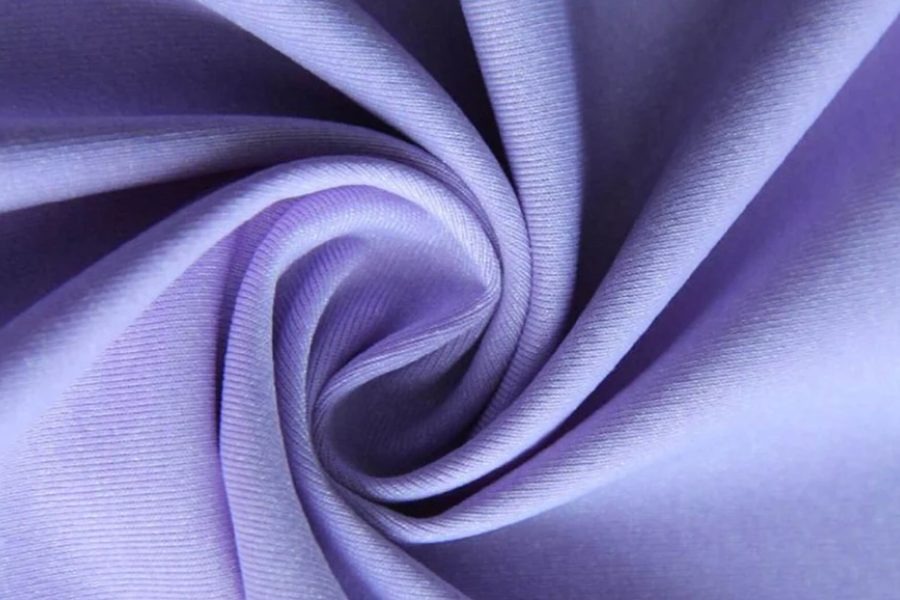
Stretch Woven Blend
Smooth with controlled give, stretch woven blends suit modern overshirts, workwear and active-inspired shirt styles. Added elastane supports ease of movement, while the woven construction helps maintain a polished, structured appearance.
Decoration and Finishing Matched to Your Design
Panel Sublimation
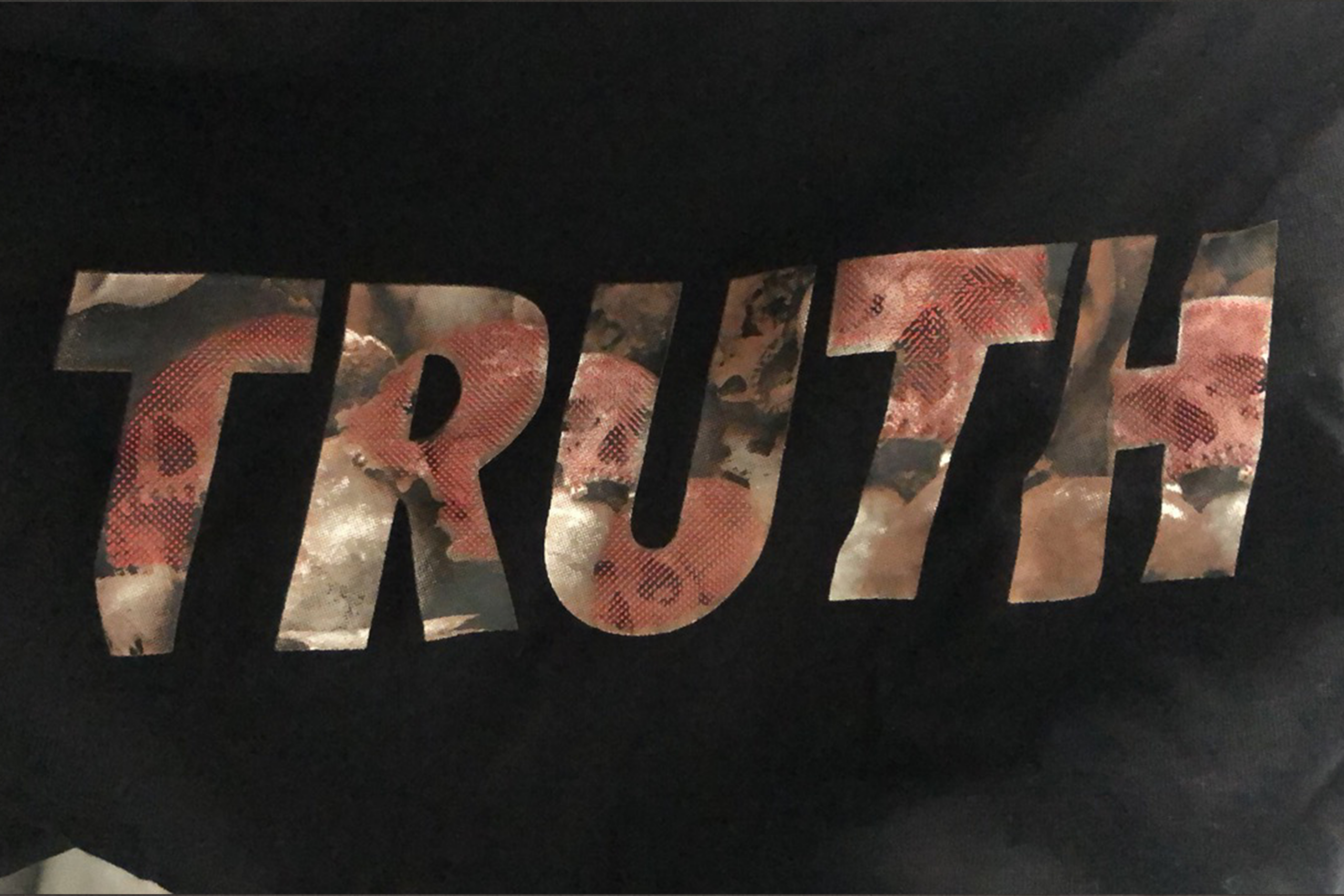
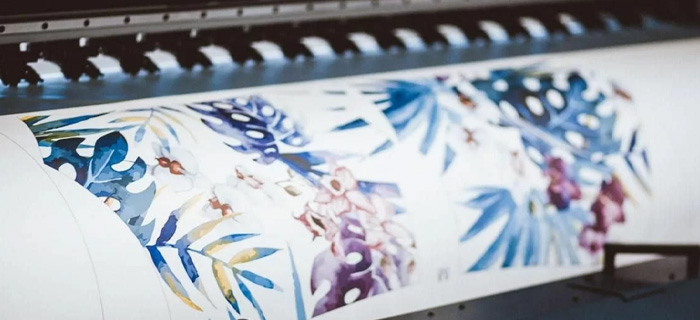
Sublimation supports full-color artwork, gradients, and repeat graphics on compatible polyester panels. The process is planned before assembly when needed, helping teamwear and performance shirts retain sharp color, low bulk, and a breathable printed finish.
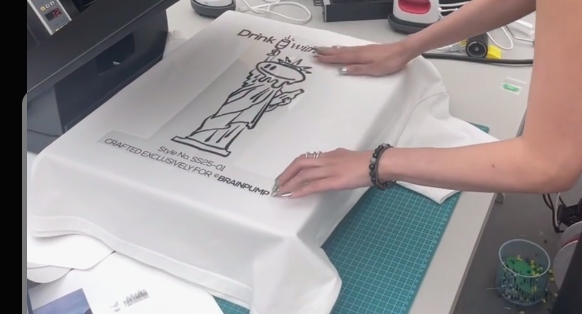
Heat Transfer
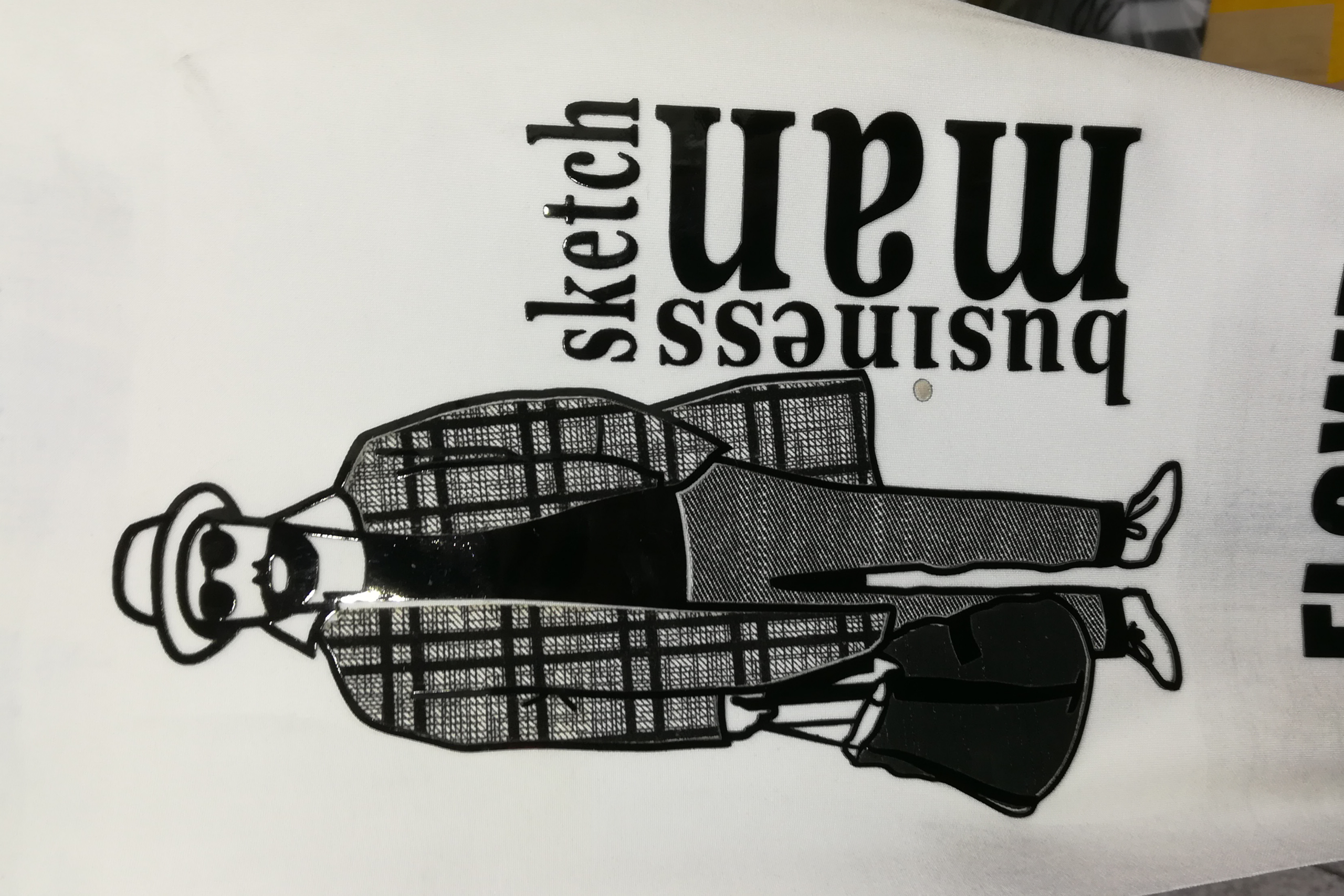
Heat transfer is suited to detailed logos, names, numbers, and smaller multicolor graphics. EDVORIN evaluates adhesive, temperature, pressure, and fabric compatibility so the finished application remains accurately placed, flexible, and dependable through wear and washing.
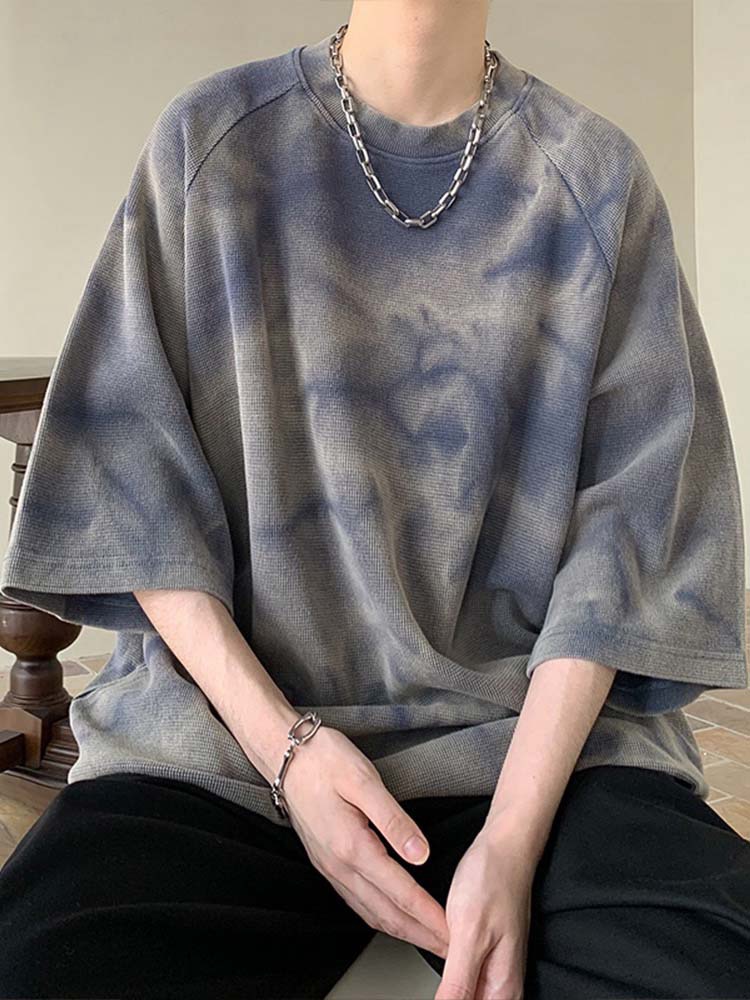
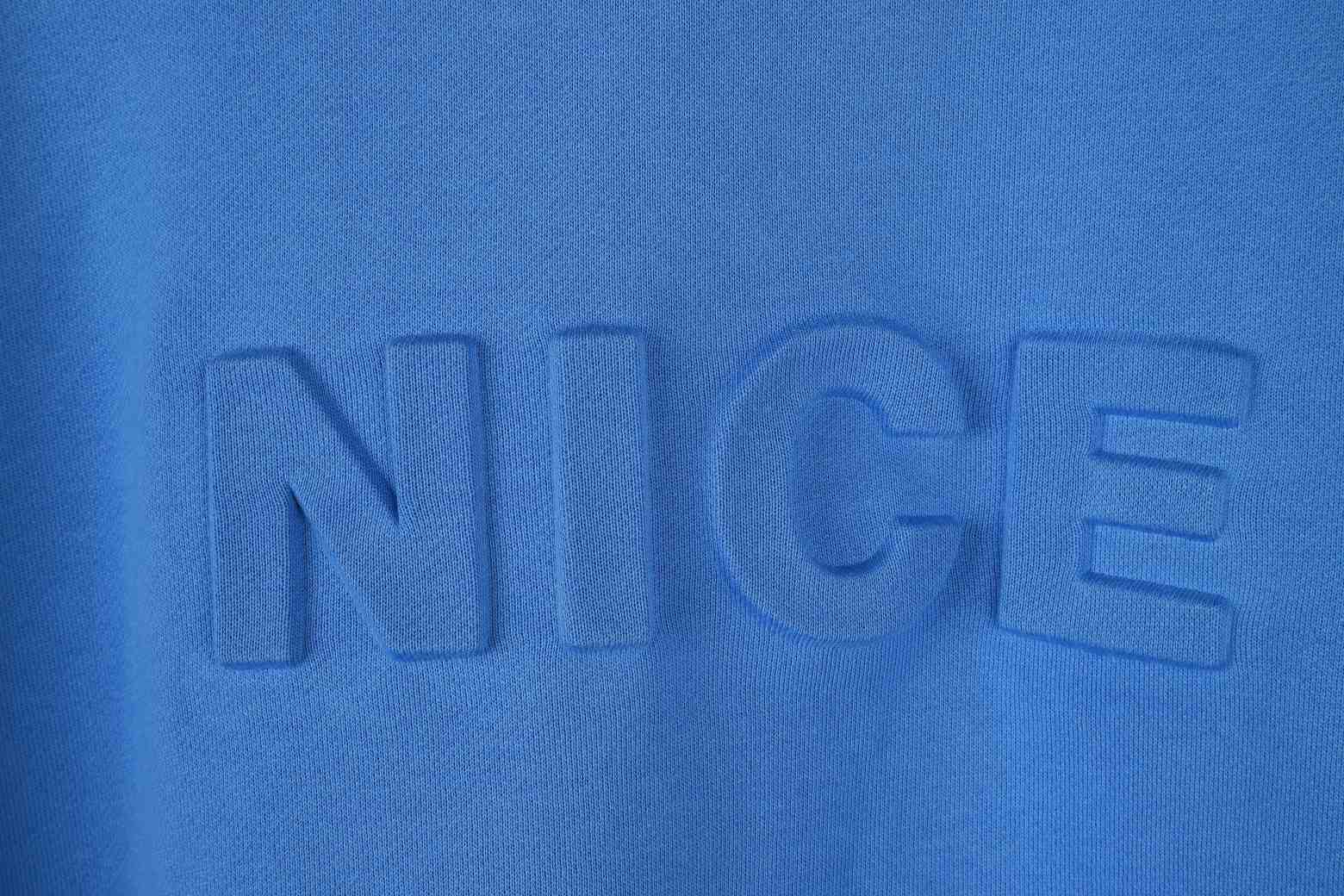
Specialty Effects
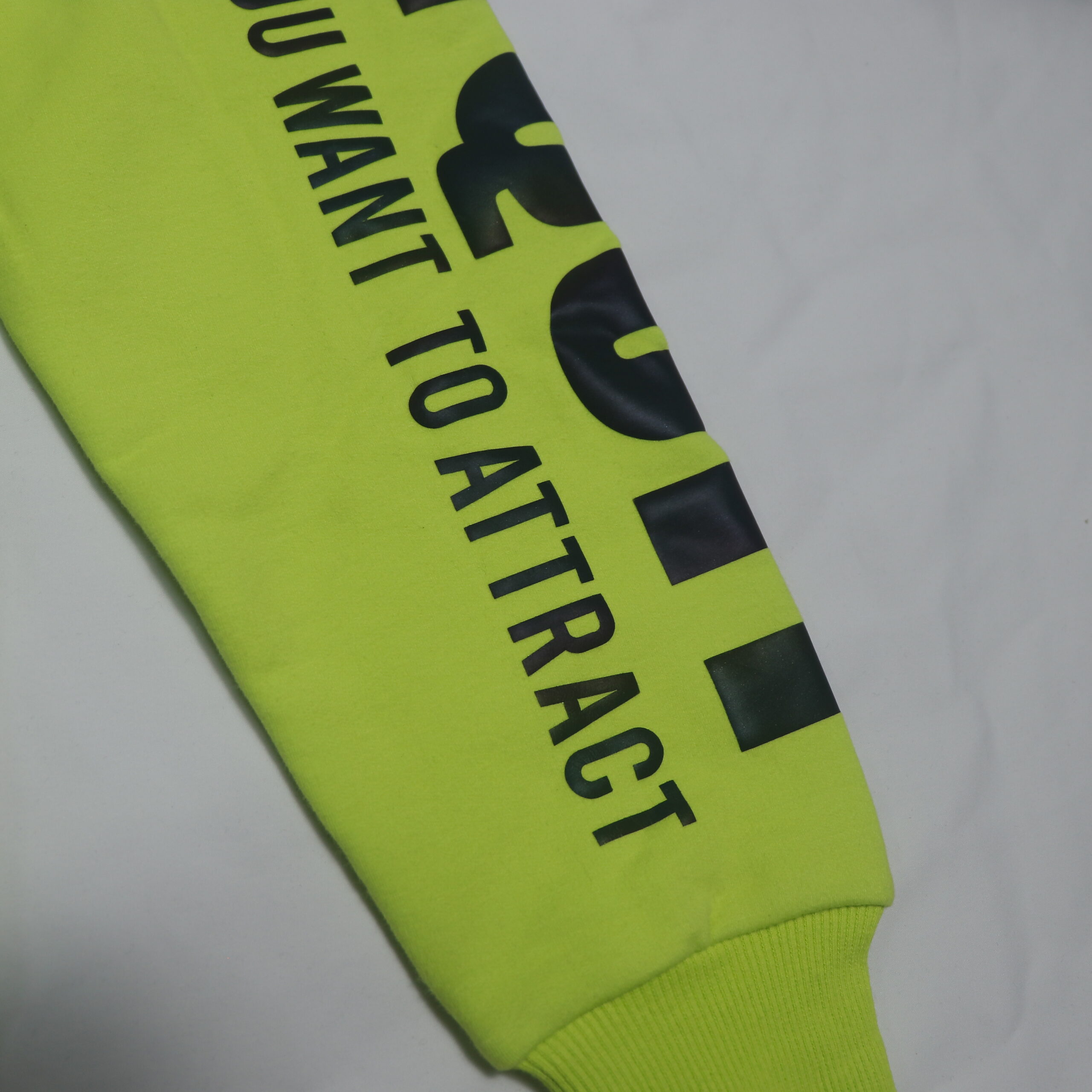
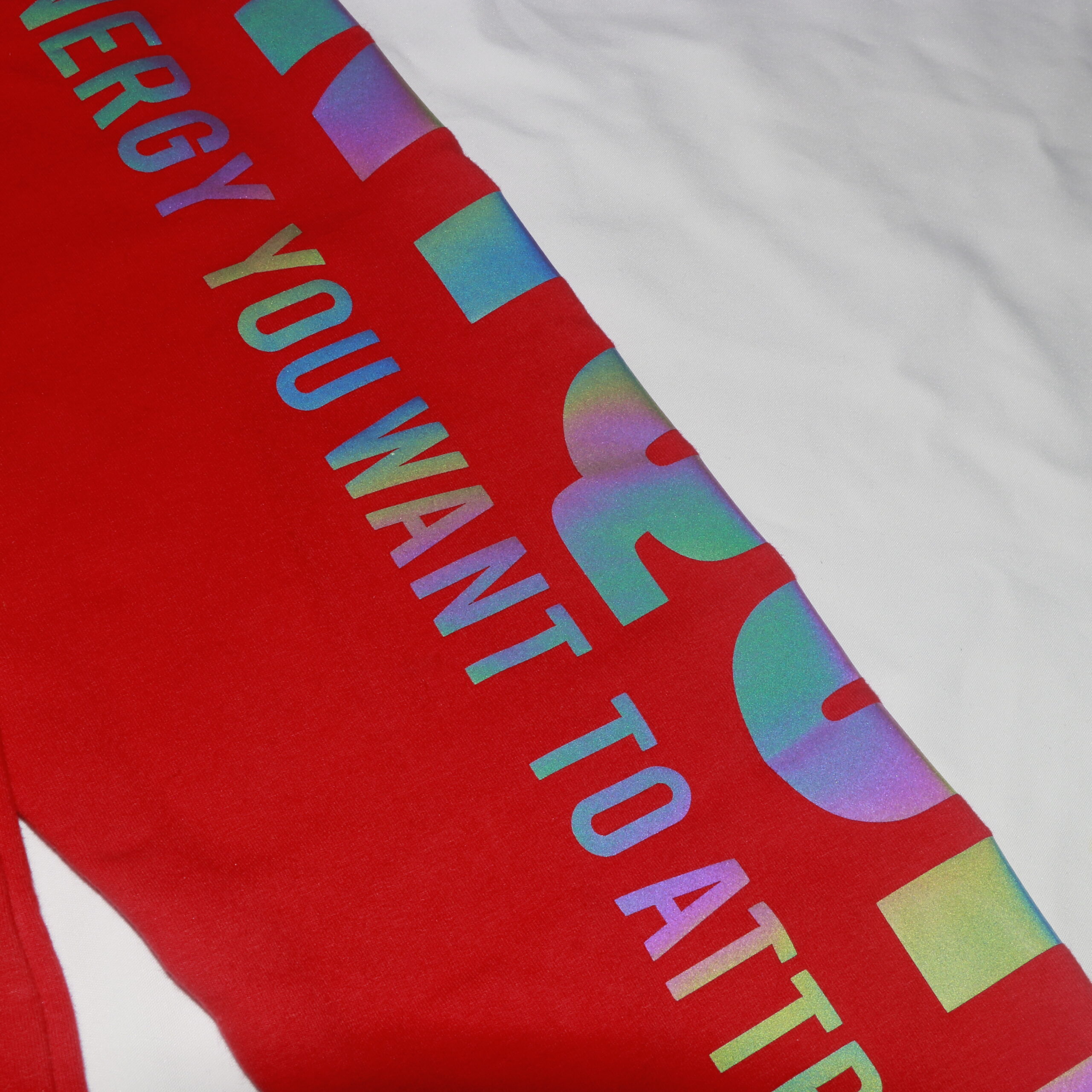
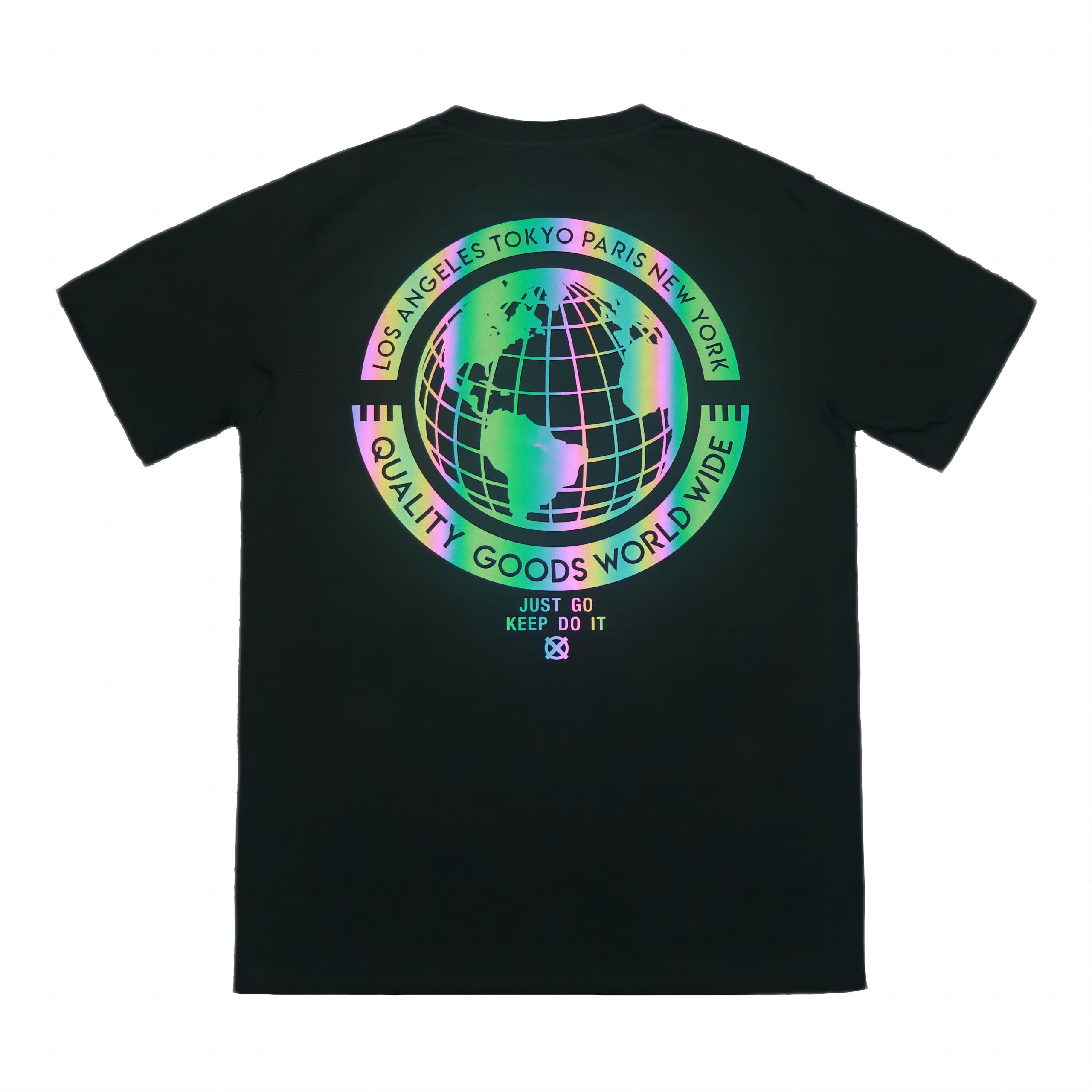
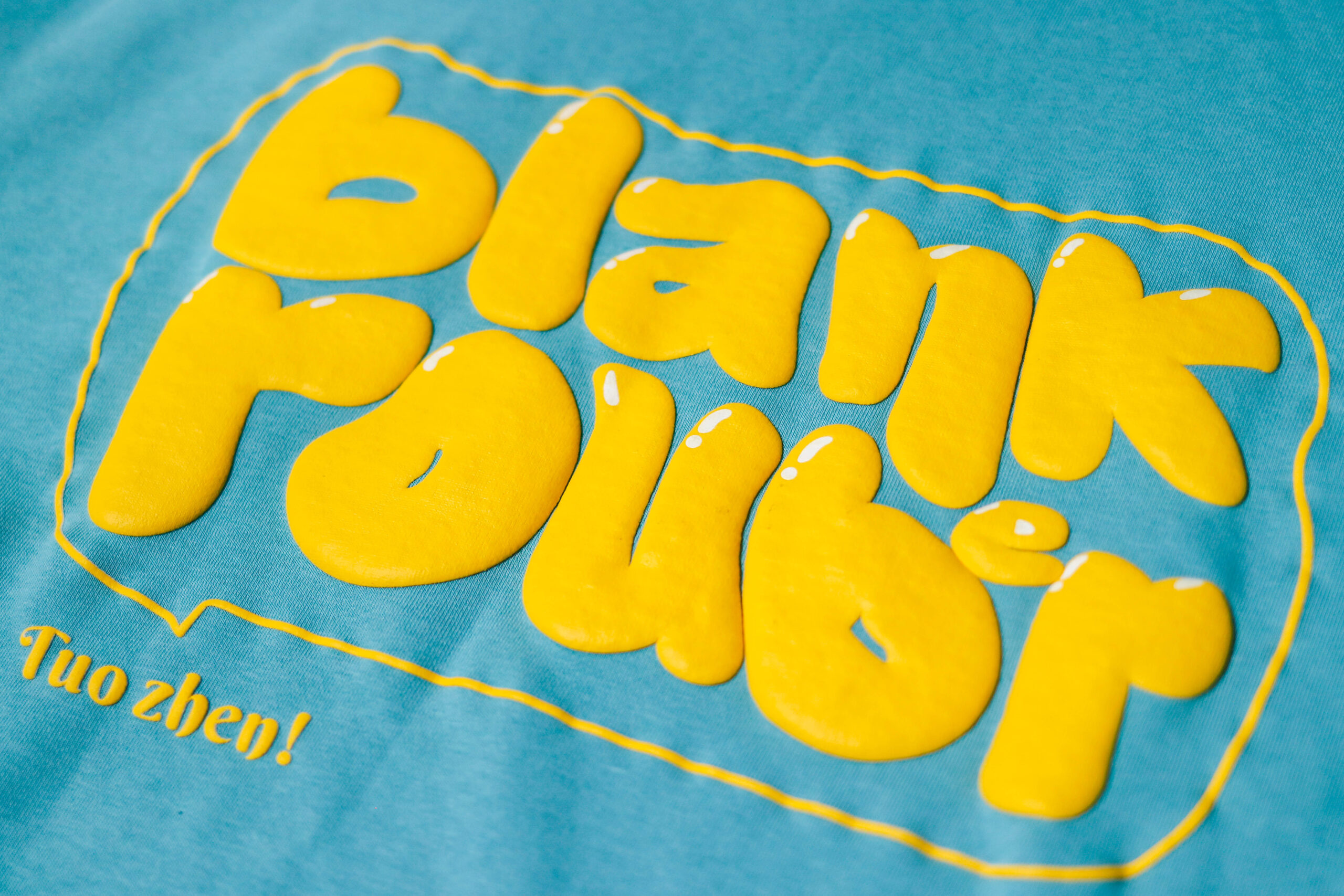
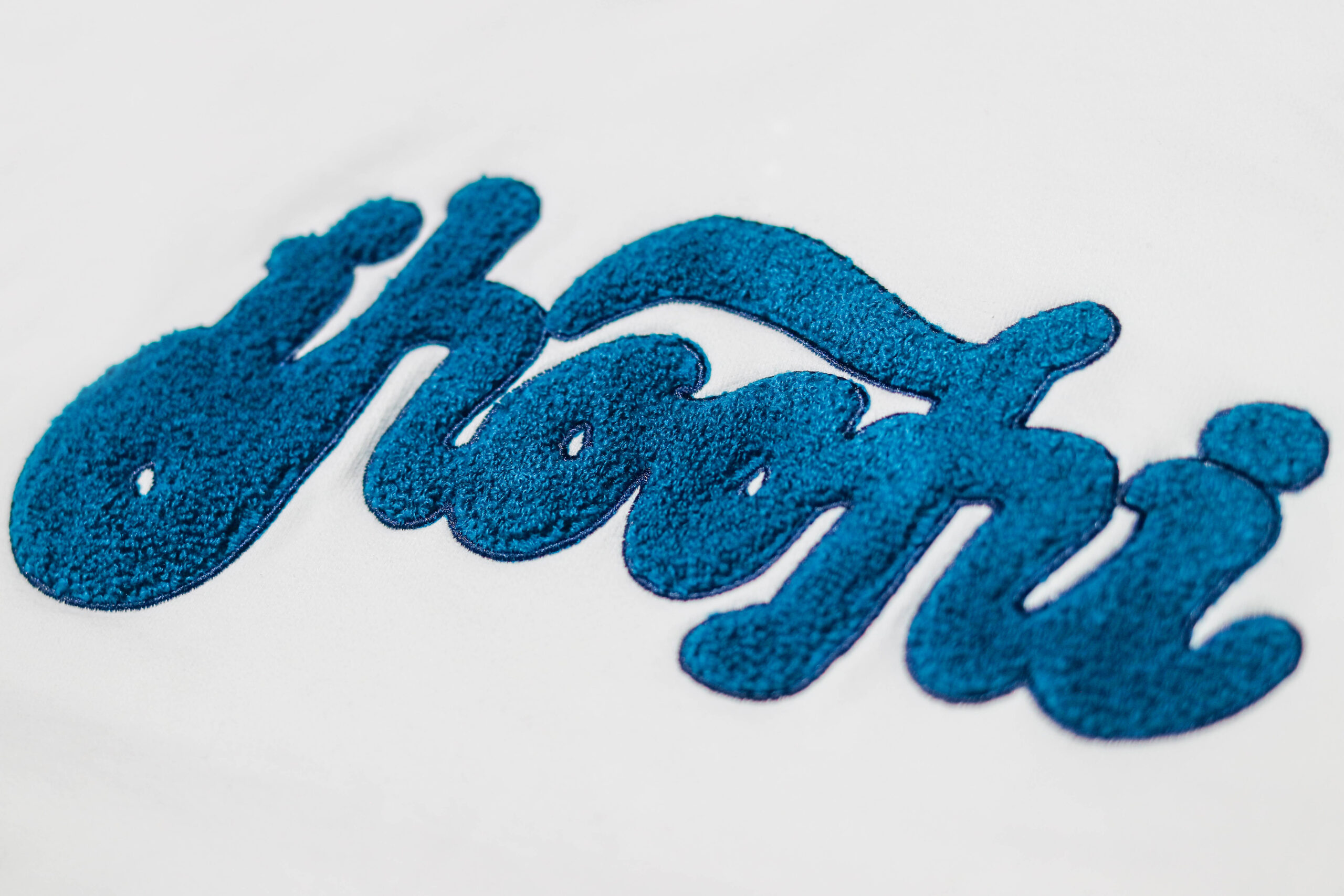
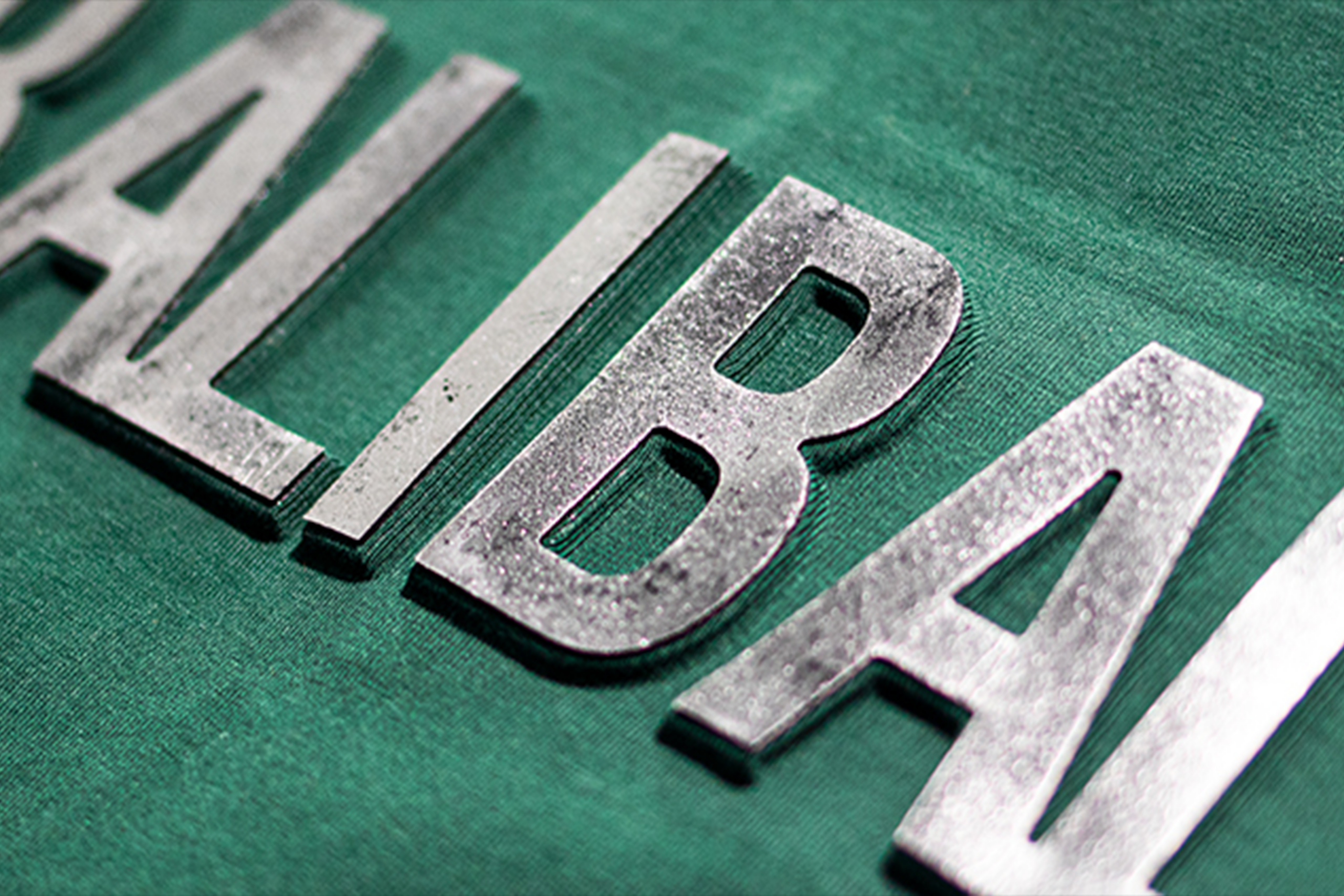
Specialty finishes such as puff print, reflective details, patches, and textured applications help distinguish a collection. Each effect is assessed against garment use, fabric stretch, placement, and care requirements to create impact without compromising lasting performance.
Trims & Branding Details for Private-Label Shirts
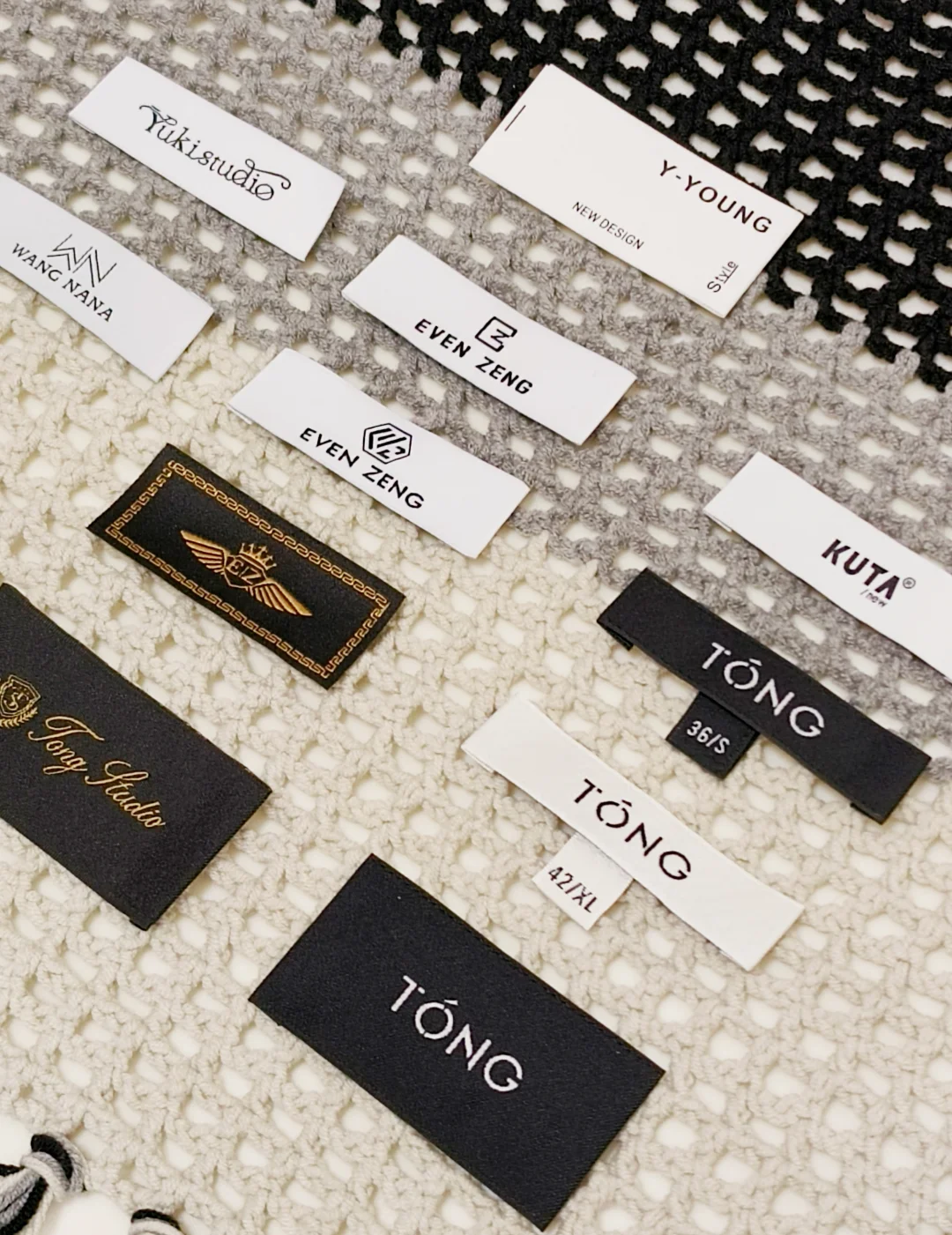
Woven Labels
Custom woven main labels, size labels and side flags give each shirt a consistent brand signature. We coordinate placement, fold style, color, yarn detail and attachment method against the approved sample.
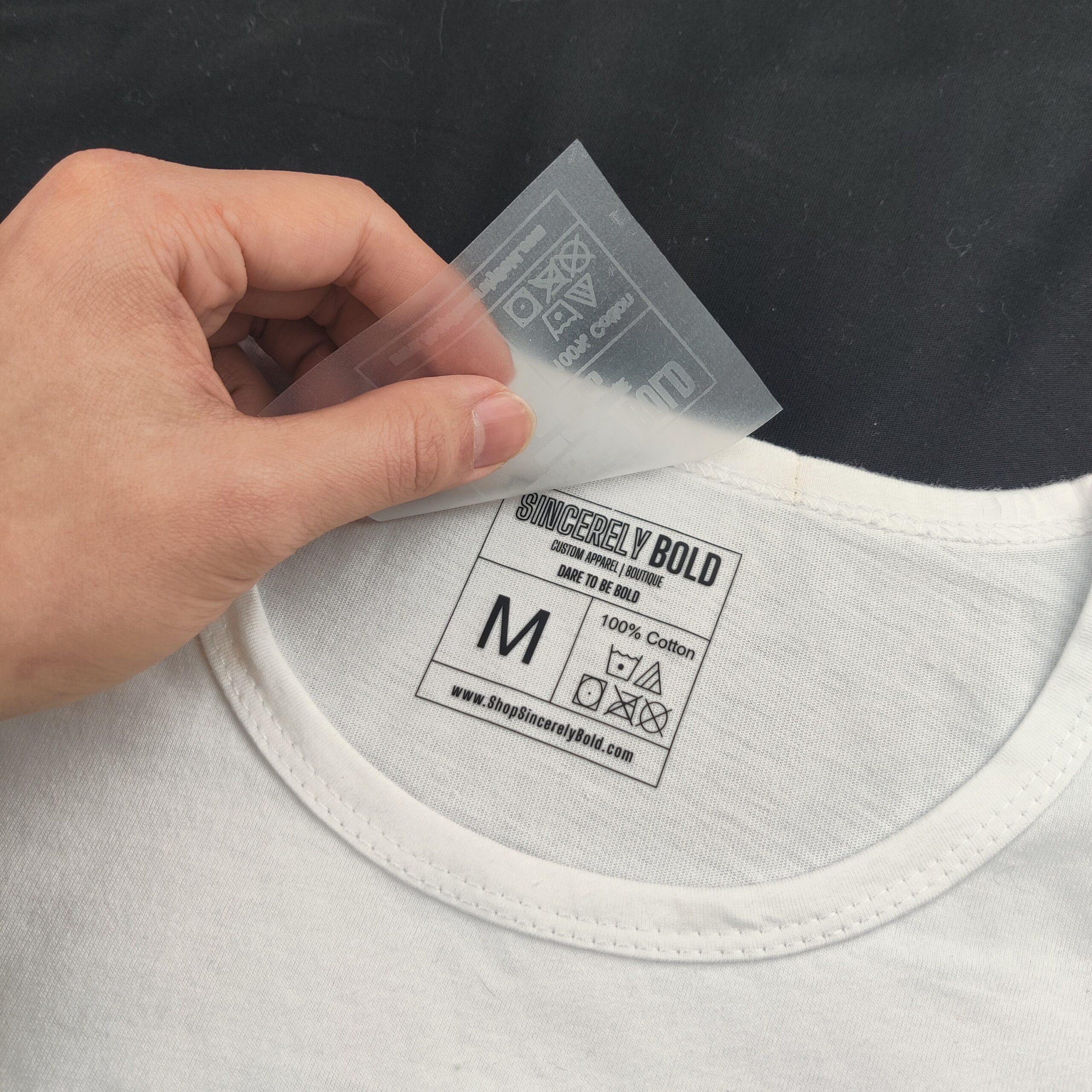
Printed Neck Labels
Printed neck labels create a clean, low-bulk finish for T-shirts, polos and performance shirts. Artwork, sizing information and care content are positioned and tested for readability, comfort and repeatable application.
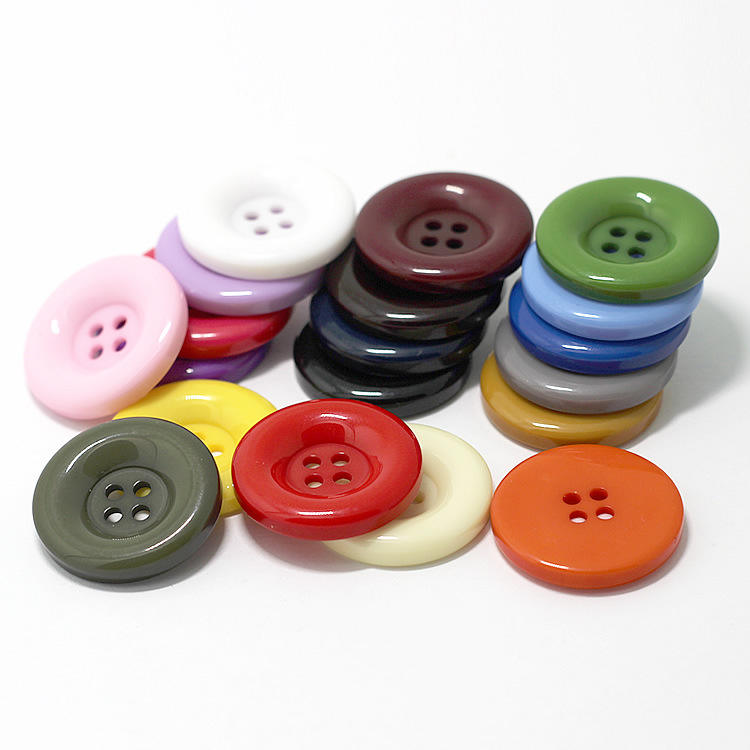
Custom Buttons
Buttons can be specified by material, size, color, finish and logo treatment for woven shirts, polos and outerwear layers. EDVORIN aligns button choices with plackets, reinforcement details and the intended product character.
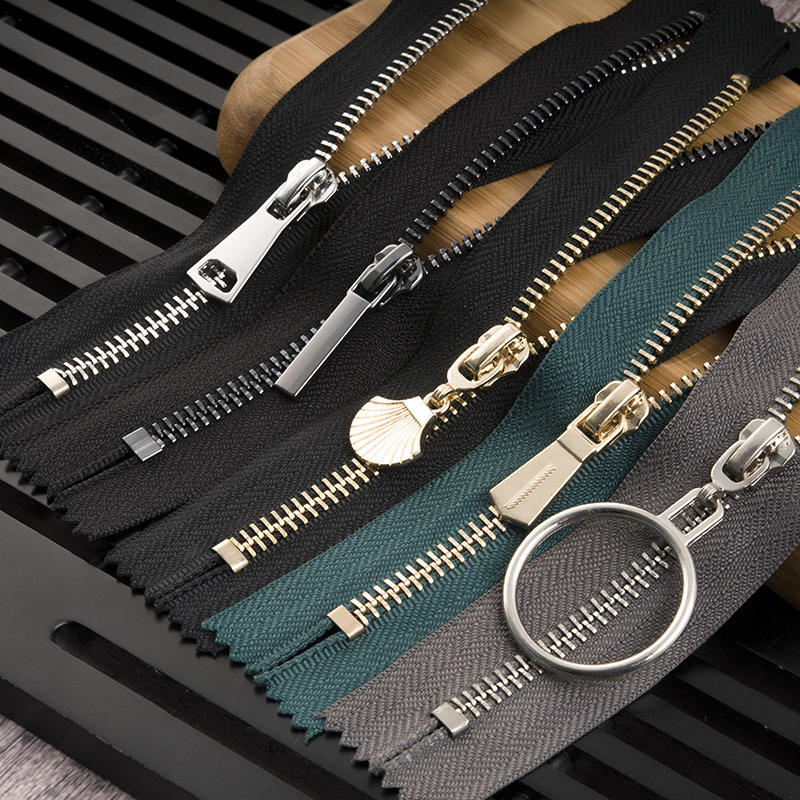
Zippers & Pullers
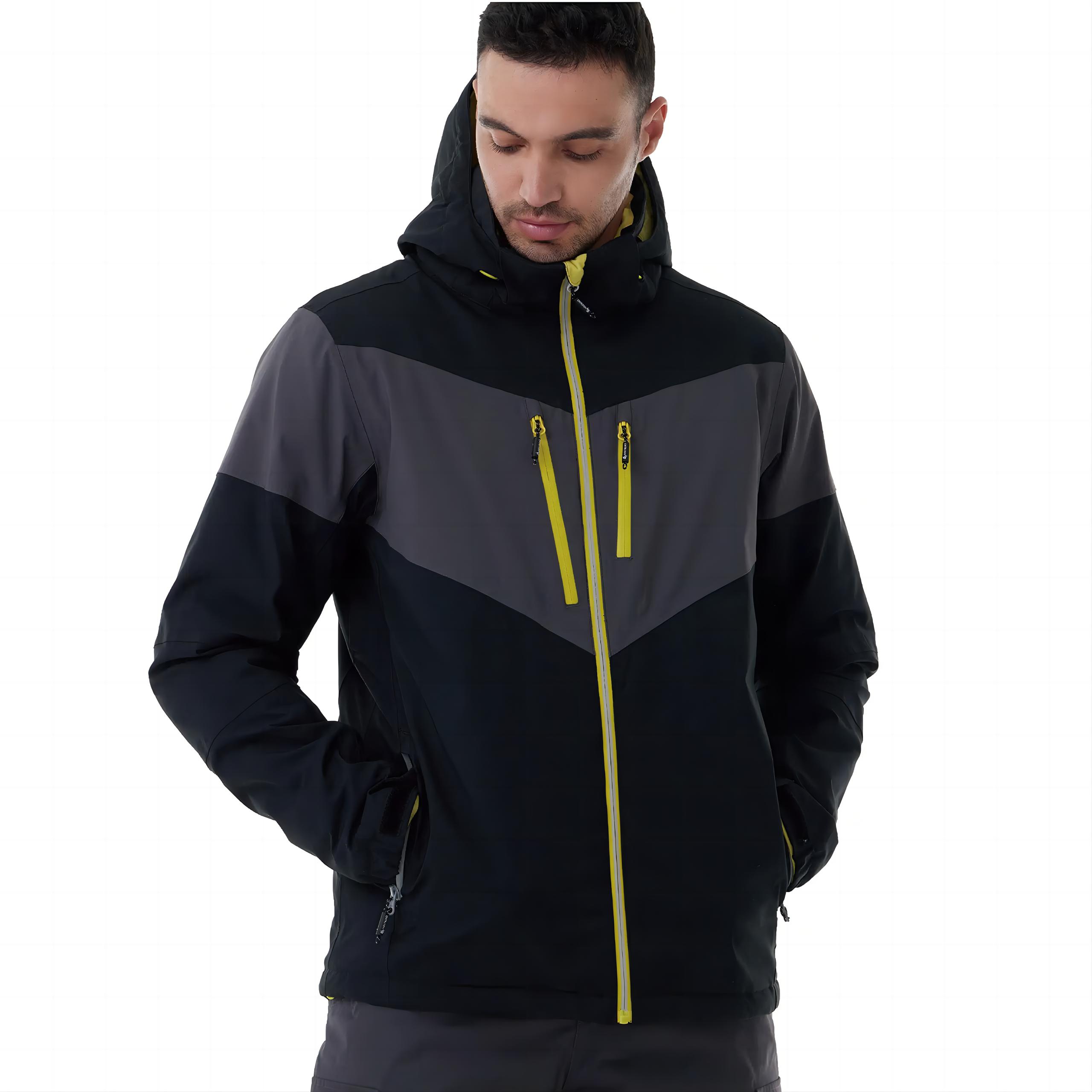
For zip shirts, windbreakers and layered styles, zipper tape, teeth, pullers and finishes are selected to suit the garment. Custom pullers and branded zipper details help make functional hardware part of the collection identity.
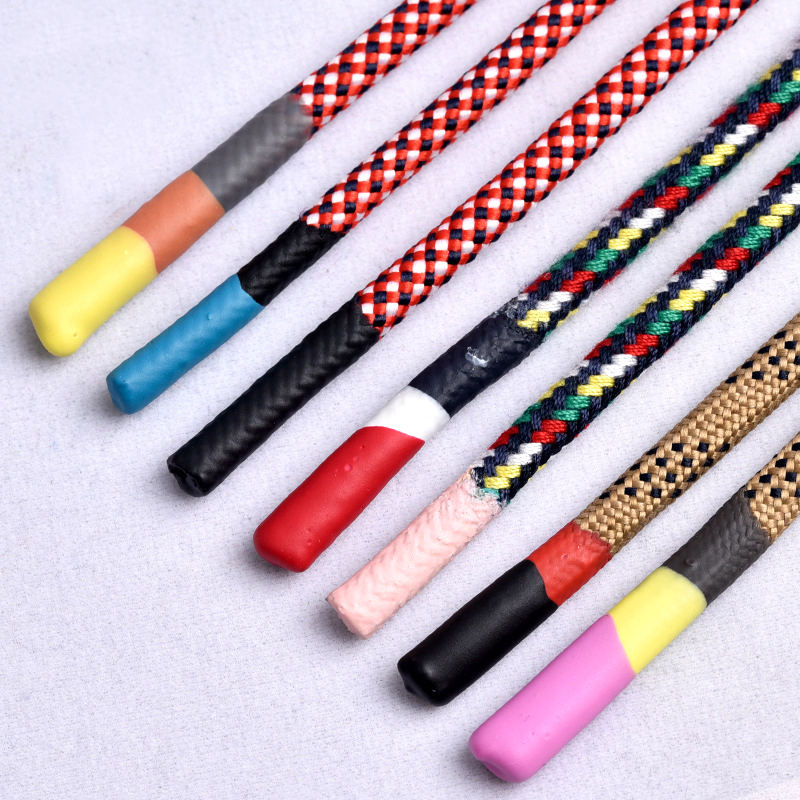
Drawcord & Tipping
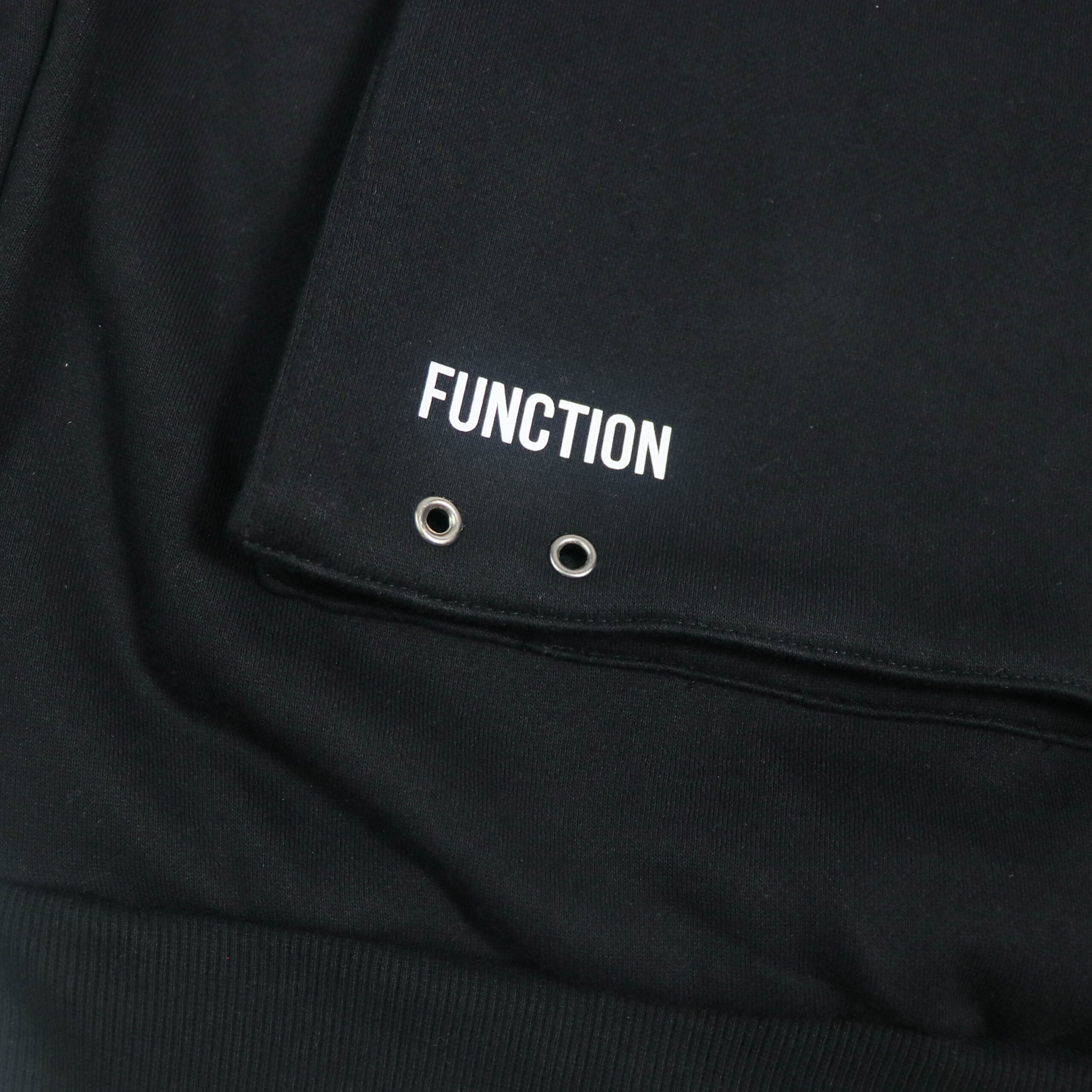
Drawcords, aglets and contrast tipping add controlled detail to hooded and adjustable shirt programs. Length, thickness, color and end treatment are documented so the approved look remains consistent in bulk production.
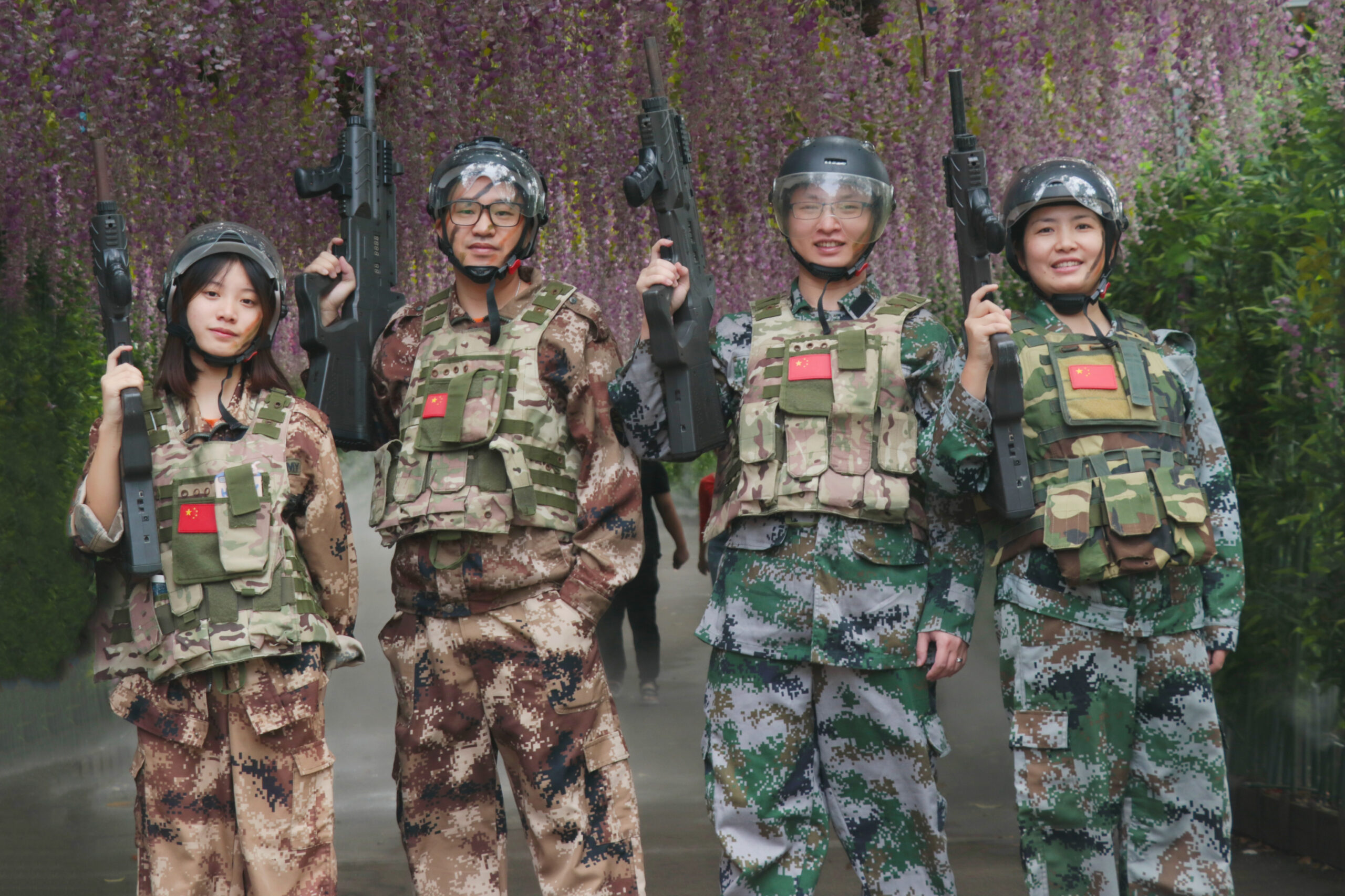
Your Shirt Manufacturer Since 2000
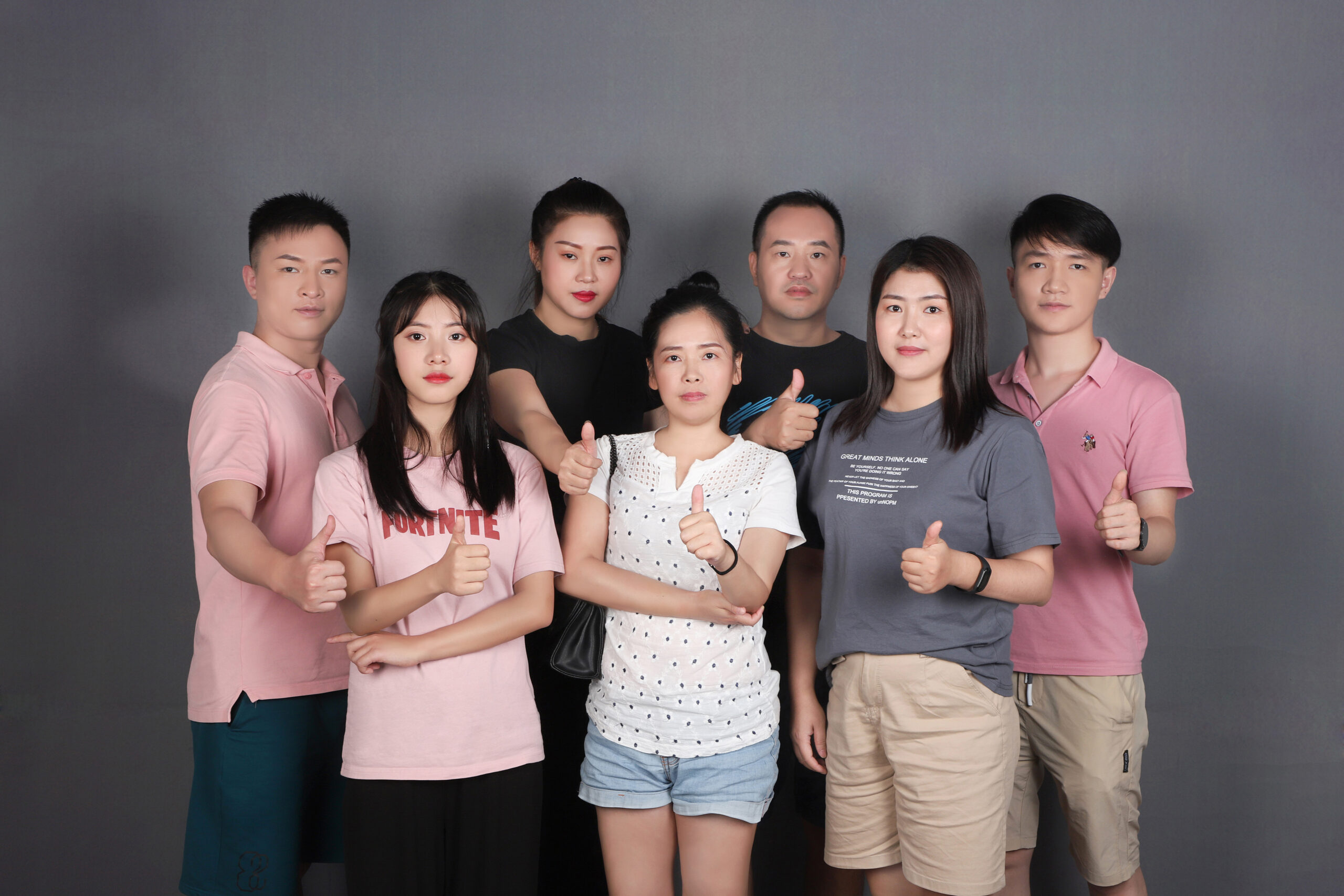
EDVORIN was founded by Edvorin Zeng with a workshop-level understanding of the moment an apparel idea becomes a real garment. As a founder-led shirt manufacturer, we help fashion labels, streetwear brands, teams and private-label buyers turn sketches, reference pieces or complete tech packs into clear production standards.
Our connected OEM and ODM workflow coordinates product development, fabric and trims, patterns, sampling, printing, embroidery, washing, labeling and packaging. Men’s and women’s shirt programs are developed around their intended fit, proportions, material and end use, then prepared for consistent bulk production from 200 pieces per style.
What sets EDVORIN apart is the discipline after sample approval. We document measurements, artwork placement, construction details and approved materials, then use in-line and final checks to protect the standard through bulk production. The result is a production path buyers can confidently repeat as their collection grows.
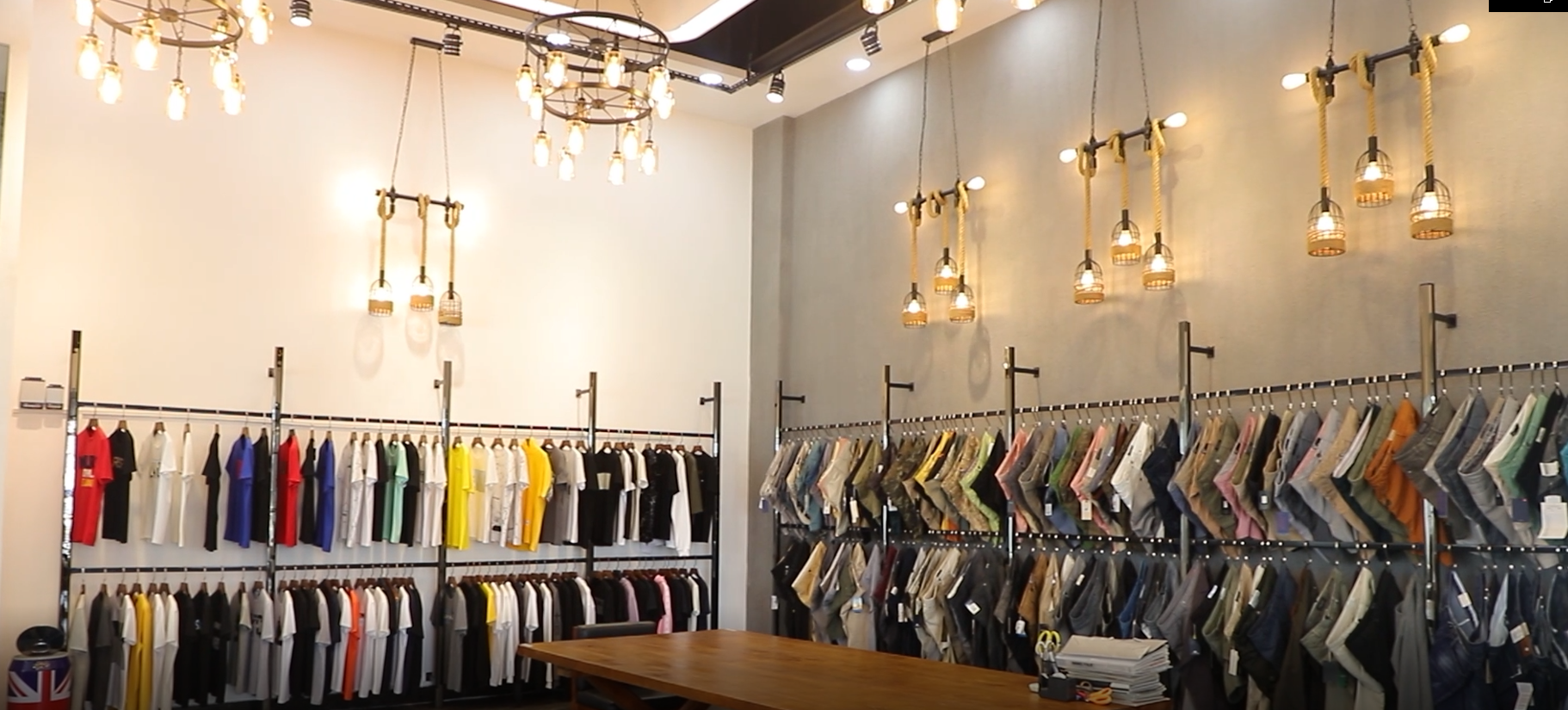
Core Shirt Manufacturer Capabilities, From Concept to Packed Order
Technical Development That Holds Up
EDVORIN translates a sketch, reference garment, or complete tech pack into construction details that can be sampled, reviewed, and repeated in bulk. Fit blocks, grading, measurements, and styling are developed for the intended men’s or women’s market.
- Tech pack and BOM development
- Pattern making and size grading
- Fit, construction, and measurement review
- Men’s and women’s program development

Materials and Trims in Sync
A manufacturer must coordinate the components that determine how a shirt feels, wears and presents at delivery. EDVORIN aligns fabric, buttons, labels and packaging with the approved product standard before production moves forward.
- Fabric sourcing for weight and handfeel
- Trim specifications matched to construction
- Private-label labels and hangtags
- Packaging coordinated with the order
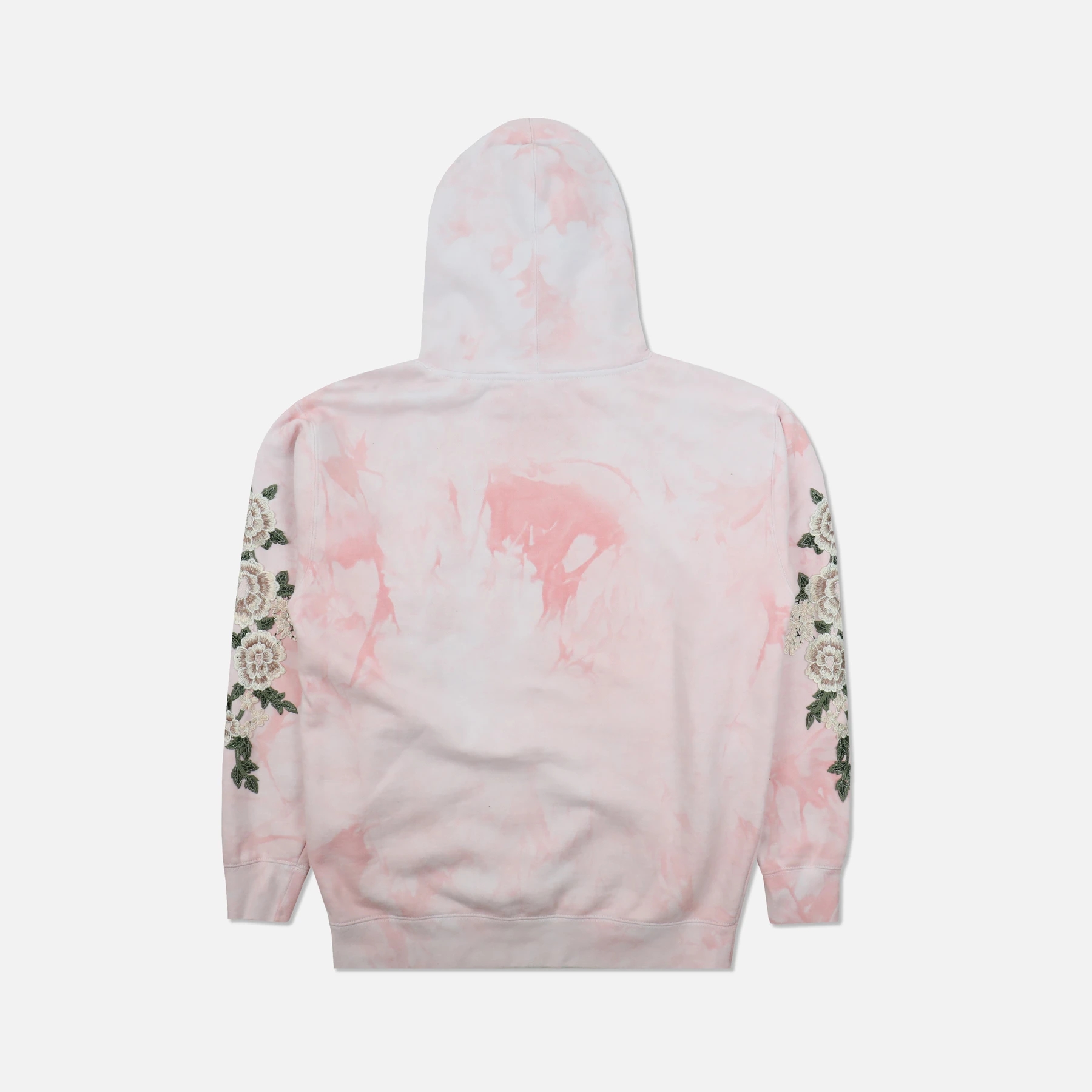
Decoration Built for Each Category
Print, embroidery, wash, and finishing choices are considered alongside the base garment rather than added as an afterthought. EDVORIN matches decoration methods to shirt fabrics, placement requirements, streetwear details, and teamwear identification needs.
- Artwork placement recorded for production
- Printing and embroidery coordination
- Wash and finishing aligned to fabric
- Names, numbers, and teamwear details managed
Approved Standards Guide Bulk Production
The approved sample becomes the reference point for material, fit, construction, decoration, and finishing throughout the order. EDVORIN uses in-line checks and final inspection to identify variation before packing and help keep repeat programs consistent.
- Approved samples guide production teams
- In-line checks during bulk manufacturing
- Measurement and workmanship verification
- Final inspection before packing
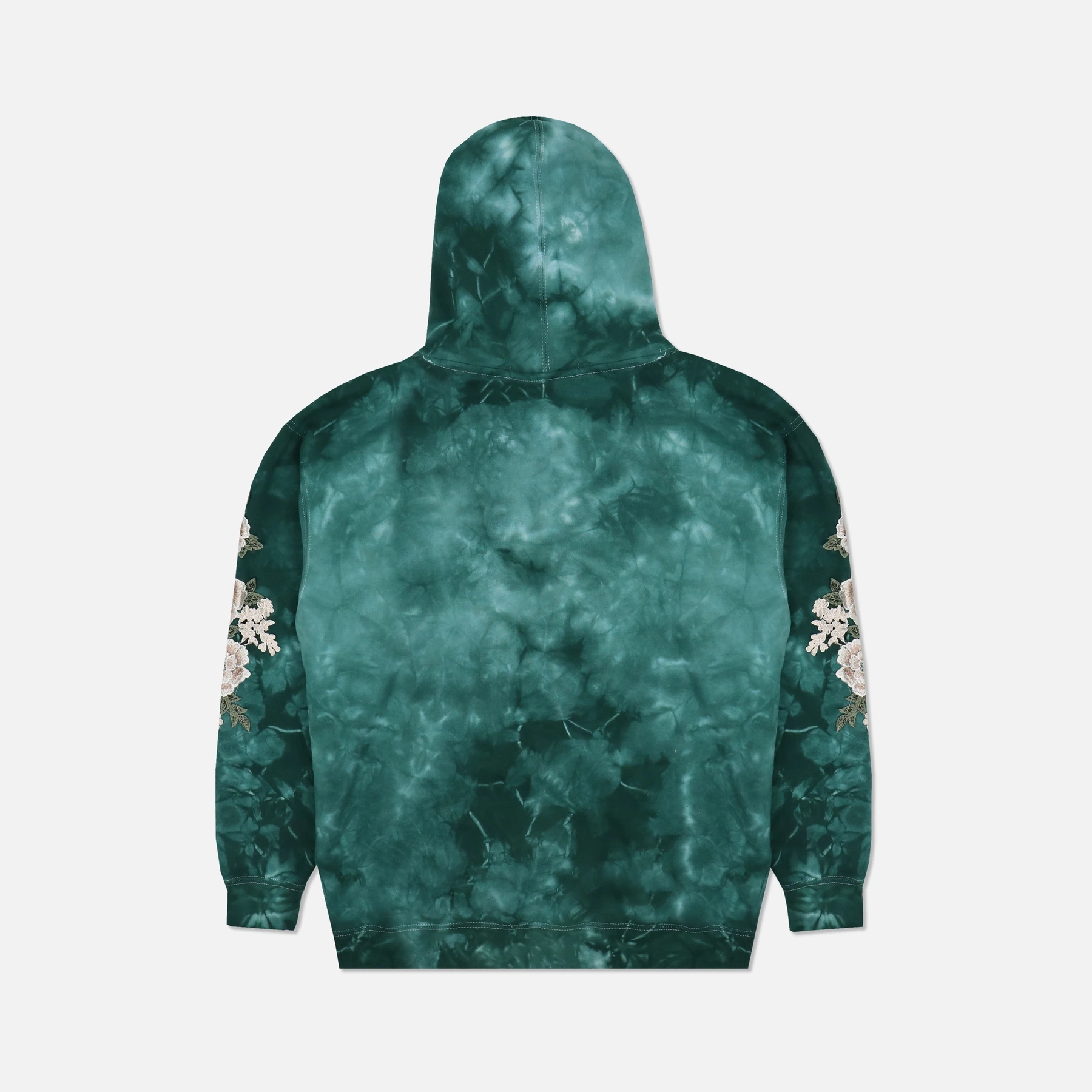
Why Buyers Choose This Shirt Manufacturer Over Fragmented Suppliers
One accountable path connects development, specifications, decoration, inspection and repeat production.
← Swipe left or right to view →
A Shirt Manufacturer Workflow Built for Control
EDVORIN connects development, sourcing, production and quality checks into one documented path for repeatable OEM, ODM and private-label shirt programs.
Define Product Requirements
We review your tech pack, reference garment or concept, then align fit, construction, fabric, trims, artwork, labeling and target order requirements.
Source Materials and Components
Fabric, color, buttons, labels, packaging and decoration requirements are coordinated against the approved product direction before production specifications are finalized.
Build Patterns and Samples
Patterns, grading and samples turn the brief into a physical standard, allowing your team to review fit, material behavior, workmanship and branding details.
Approve Production Standards
Approved samples, measurement charts, artwork placements and trim specifications become clear references for cutting, sewing, decoration and finishing teams.
Control Bulk Production
During cutting, sewing and decoration, in-line checks monitor measurements, workmanship, placement and material consistency against the approved manufacturing standard.
Inspect Pack and Ship
Final inspection verifies finished garments before labeling, packing and shipment preparation, helping ensure the order reflects the sample your team approved.
Start Your OEM/ODM Shirt Program With EDVORIN
Move from concept to a documented production standard with a shirt manufacturer built for repeatable bulk orders.
Share Your Product Brief
Send a tech pack, sketch, reference garment, or collection idea with intended fit, materials, artwork, quantities, and target market requirements.
Confirm Quote and Sample
EDVORIN’s MOQ starts at 200 pieces per style. Review the proposed construction, fabric, trims, decoration options, MOQ, pricing, and sampling plan before development begins for your shirt program.
Approve Production Standards
Check the sample, measurements, colors, artwork placement, labels, and packaging details, then confirm the approved standard that guides bulk production.
Launch Bulk Production
EDVORIN coordinates materials, cutting, sewing, decoration, in-line checks, final inspection, and packing to deliver an order aligned with your approval.
Certified Standards for Responsible Apparel Production



What Buyers Value in a Shirt Manufacturer Partnership
EDVORIN helped us turn a reference shirt into an approved production standard in two sample rounds. The measurement notes, fabric choices, and label placement were all documented clearly enough for our team to sign off with confidence.
Our jersey program required names, numbers, and logos to stay organized across 18 size and color combinations. EDVORIN coordinated the decoration details before bulk production, which made final approvals far smoother for our club.
We returned for a second 600-piece order because the approved fit, wash, and packaging standard carried through consistently. Having one shirt manufacturer coordinate trims and production reduced the back-and-forth our wholesale team usually manages.
Shirt Manufacturer FAQs for OEM Buyers
EDVORIN’s MOQ starts at 200 pieces per style. Clear answers on MOQ, sampling, production control and private-label order planning with EDVORIN.
What is your minimum order quantity for custom shirts?
Can a shirt manufacturer develop my design from a sketch or reference sample?
How does sampling work before bulk shirt production?
How long does custom shirt production take?
What payment terms do you offer for OEM shirt orders?
Can you arrange shipping and private-label packaging?
How does EDVORIN protect my designs and production specifications?
What happens after my shirt sample is approved?
The Complete Buyer’s Guide to a shirt manufacturer
Use this practical framework to compare production models, fabric and construction standards, customization options, supplier qualifications, and cost drivers—while avoiding sourcing mistakes that can delay launches or weaken your product quality.
1. What Is a shirt manufacturer?
200 pieces is a practical starting scale for a shirt manufacturer: it converts an approved design into repeatable bulk garments through material sourcing, pattern work, sampling, cutting, sewing, decoration, labeling, packing, and quality control. A blank supplier sells finished base shirts; a printer decorates blanks; a trading company coordinates factories; and a sourcing agent represents the buyer rather than operating the production path.
OEM means the factory makes your specified shirt from your tech pack; it suits custom fashion, school apparel, team uniforms, and wholesale programs with established standards. ODM starts from the manufacturer’s existing product platform, while private label applies the buyer’s branding to a selected or developed style—often efficient for corporate programs.
Full-package production combines development, sourcing, manufacturing, decoration, and packing under one accountable workflow. EDVORIN uses this model to turn a sketch, reference garment, or complete specification into a documented production standard.
2. How shirt Manufacturing Evolved
EDVORIN’s MOQ starts at 200 pieces per style. 2000 marked EDVORIN’s founding, when shirt development still relied heavily on local cut-and-sew knowledge and physical samples. Buyers commonly worked through nearby makers, with fabric, pattern changes, sewing, and decoration managed through slower, hands-on exchanges.
By the 2010s, global sourcing gave brands access to more mills, knit structures, trims, and decoration partners. A shirt manufacturer could coordinate ring-spun jersey, performance polyester, Pantone color references, screen printing, embroidery, and private labels across specialized suppliers—but buyers also had more handoffs to control.
Today, digital tech packs, CAD patterns, artwork files, and photographed sample approvals reduce ambiguity before bulk production. On-demand decoration and low-MOQ blank programs have lowered the entry barrier for simple branded shirts, while custom cut-and-sew programs still depend on disciplined approval of fabric, fit, placement, labeling, and packing standards.
3. Types of shirt manufacturer
A shirt manufacturer can own several production stages or coordinate specialist partners. Match the route to the required fit control, decoration complexity, repeatability, and order volume.
| Type | Customization | Typical MOQ | Best Fit |
|---|---|---|---|
| Vertical | High | Higher | Repeat collections |
| OEM | Very high | Medium to high | Defined brands |
| ODM | Moderate | Medium | Fast launches |
| Blank/decorated | Low to moderate | Low | Promotions |
| Uniform specialist | High | Medium | Teams |
Vertical Factories
EDVORIN’s MOQ starts at 200 pieces per style. One integrated factory controls more stages, improving traceability and bulk consistency. It suits repeat programs; development and MOQ commitments are often higher.
Cut-And-Sew OEMs
OEM cut-and-sew production follows a buyer’s tech pack, pattern, and approved sample. It offers deep customization but requires clear specifications and sampling.
ODM Suppliers
ODM suppliers start from existing blocks and product options, shortening development. They suit buyers needing faster launch, with less exclusive construction control.
Blank And Decoration Suppliers
Blank suppliers add prints, labels, or embroidery to stocked garments. Lower MOQs suit events and early brands, but fit and fabric choices remain limited.
Performance And Uniform Specialists
Specialists manage team sizing, color matching, numbers, and functional fabrics. They suit clubs and schools; customization is high within proven uniform platforms.
4. Shirt Manufacturer Fabric and Material Options
150–220 GSM is a common starting window for T-shirts, but composition alone cannot predict drape, shrinkage, airflow, or print results. A shirt manufacturer should develop from an approved swatch and recorded specification.
| Fabric | Typical GSM | Best Use | Key Trait |
|---|---|---|---|
| Cotton jersey | 150–180 | Retail T-shirts | Soft; print-ready |
| Cotton-poly jersey | 160–200 | Workwear, teams | Durable; faster drying |
| Polyester mesh | 120–160 | Training jerseys | Breathable; lightweight |
| Interlock | 180–220 | Premium tees | Smooth; stable |
| Pique | 180–240 | Polos | Textured airflow |
Fiber Choices
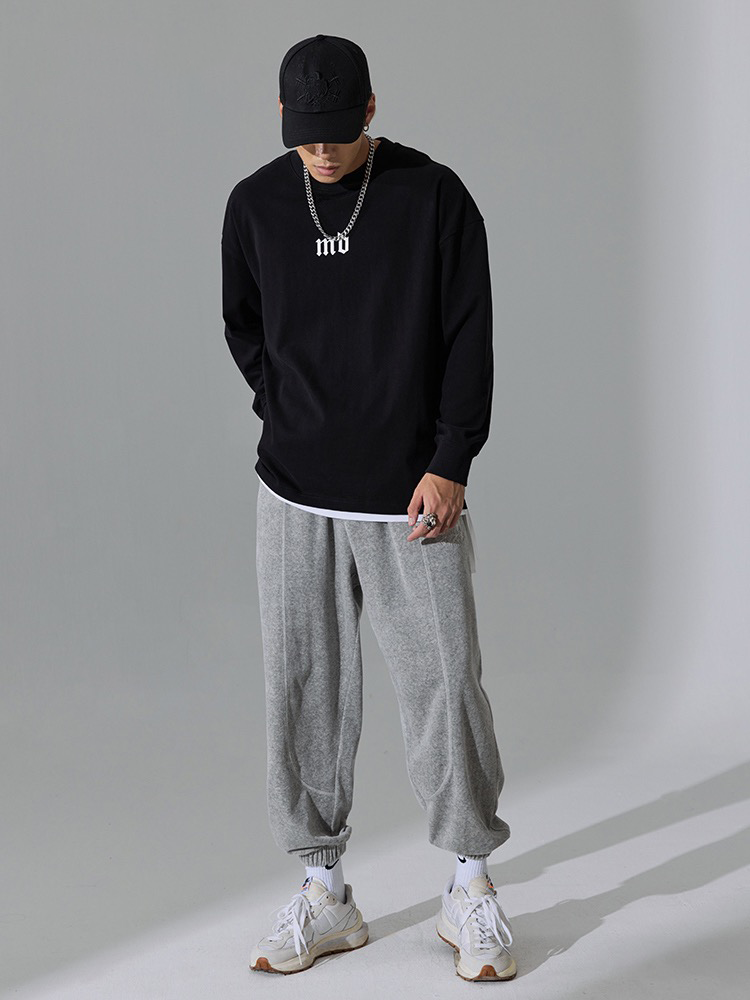
100% ring-spun cotton offers a soft, matte hand and reliable screen-print surface; cotton-poly blends add durability and quicker drying.
100% polyester resists moisture retention, while polyester-elastane performance blends add stretch and recovery for training wear.
Knit Structure Matters
Single jersey suits everyday tees; pique adds textured airflow for polos; interlock delivers a smoother, denser face.
Rib provides stretch for collars and cuffs, while mesh improves ventilation for jerseys and activewear.
Approve The Full Standard
1 approved swatch should identify fabric code, composition, GSM, color, usable width, stretch direction, handfeel, and testing requirements.
2 fabrics with identical fiber content can differ materially through yarn, density, finishing, pilling resistance, and decoration compatibility.
5. Customization Options From a shirt manufacturer
A shirt manufacturer should translate custom fit, color, branding, and decoration into an approved production standard. EDVORIN can develop patterns from a tech pack, sketch, or reference garment.
| Method | Best Use | Key Check |
|---|---|---|
| Screen print | Fashion and volume | Ink durability |
| DTG or DTF | Detailed graphics | Artwork resolution |
| Embroidery or appliqué | Teams and schools | Placement and backing |
Fit And Brand Details
Two fit blocks—men’s and women’s—should be graded separately, with approved measurements, neck labels, hangtags, and packaging recorded before bulk production.
Artwork And Placement
Pantone references, vector artwork, print size, and placement measurements reduce avoidable variation. A strike-off or decorated sample should confirm color, handfeel, and adhesion before release.
Decoration Selection
Screen print suits repeat graphic programs; DTG suits detailed short-run art; DTF transfers suit multicolor promotional graphics. Embroidery and appliqué add dimension for schools, teams, and fashion capsules, while washes or specialty finishes require sample approval.
6. Shirt Construction Quality Checklist
100% of bulk-critical details should be checked against an approved standard before release. A pre-production sample turns fabric, fit, decoration, and finishing decisions into an inspectable reference.
Fabric And Collar Tests
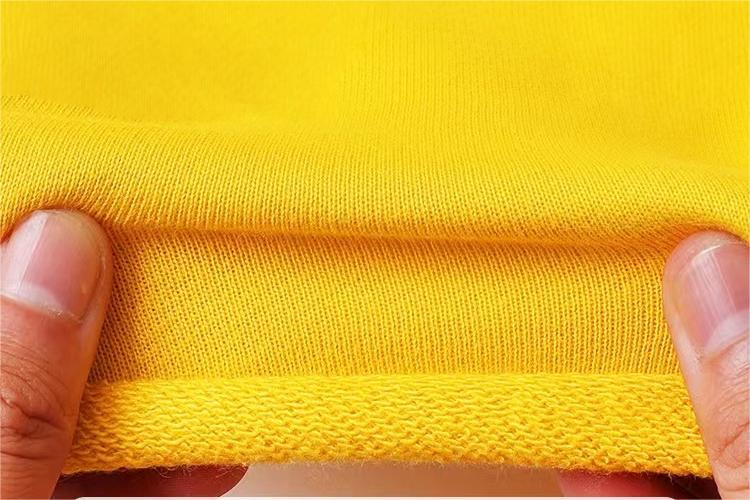
1 approved fabric lot should match the specified composition, GSM, handfeel, and color standard; inspect for barre, holes, stains, and shade variation.
3 wash-and-dry tests should confirm shrinkage and collar recovery. Record the wash method, dimensional change, and whether the rib returns flat without waviness.
Seams And Hem Finish
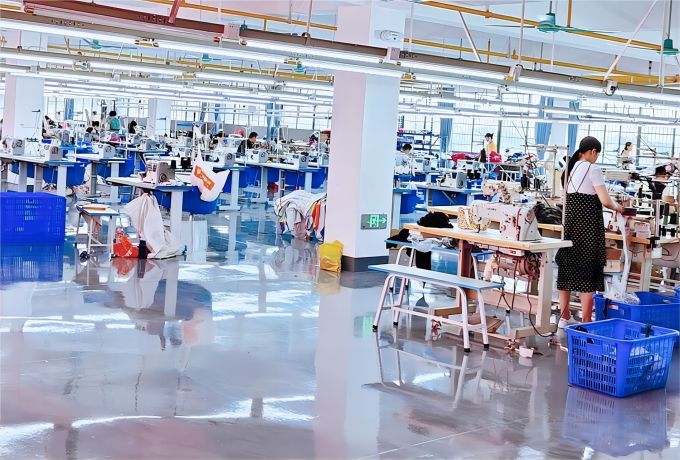
4 construction points deserve close inspection: shoulder reinforcement, seam type, stitch density, and hem finish. Check that shoulder tape lies flat, seams are secure, and skipped stitches or loose thread ends are absent.
2 matched garments from different sizes help reveal inconsistent sewing tension or twisting after laundering.
Measurements Labels And Finishing
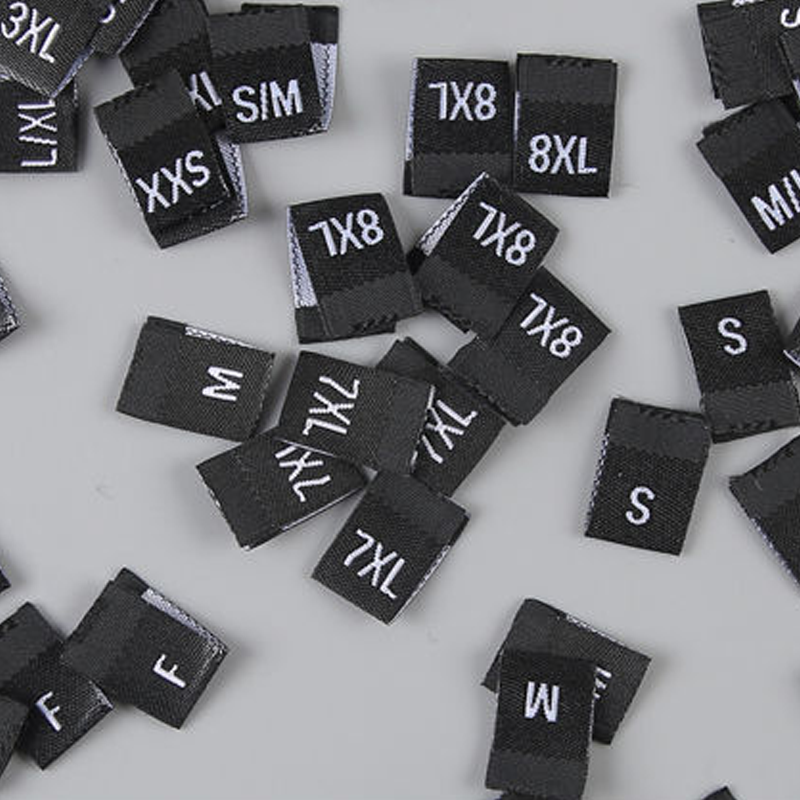
1 measurement chart should state tolerances for chest, body length, sleeve length, neck opening, and key grading increments. Measure finished garments flat and compare every size to the approved chart.
2 color references—approved swatch and sample—help assess shade consistency. Verify label attachment, placement, folding, pressing, and packaging before bulk manufacturing.
7. How to Choose a shirt manufacturer
Three comparisons—product fit, execution control, and commercial terms—make a supplier shortlist more defensible. Ask every shirt manufacturer the same questions and compare documented answers, not assurances.
| Review Area | Ask For | Evidence |
|---|---|---|
| Specialization | Comparable styles | Physical samples |
| Execution | Timeline and capacity | Critical path |
| Risk | QC and compliance | Records and documents |
| Commercial | Incoterms and payment | Written quotation |
Match Product Specialization
EDVORIN’s MOQ starts at 200 pieces per style. Two comparable shirts can require different expertise: jersey tees, woven button-fronts, and performance polos use distinct construction and finishing controls.
Request recent, relevant samples, measurement tolerances, fabric specifications, and decoration photos. Confirm MOQ by color, size run, and style—not only a headline minimum.
Test The Production Path
One approved pre-production sample should lock fabric code, Pantone reference, artwork placement, labels, and packing method before bulk release.
Request a critical-path schedule covering sampling, material booking, production capacity, inspections, and shipment. Name one day-to-day contact and agree revision-response timing.
Verify Risk And Delivery
100% of orders should have a defined final-inspection method; ask for the QC checklist, defect handling process, and inspection records.
Request mill or trim traceability, market-relevant compliance documents, shipping terms, freight responsibility, payment milestones, and remedy terms. EDVORIN can be included in a quote comparison.
8. Common Shirt Sourcing Mistakes
Eight recurring errors turn a low-cost shirt order into rework, delays, or discounted inventory. A 200-piece program needs decisions early enough for a shirt manufacturer to control bulk results.
Price And Capability
One low quote can conceal substitutions, freight or quality risks. Compare landed cost, samples and written inclusions to protect margin.
Map who controls mills, dyeing, decoration and sewing before commitment to avoid schedule gaps.
Approval Before Bulk
Three approval records—a tech pack, graded chart, and placement file—remove interpretation. Specify fabric, Pantone, print size, and tolerances; vagueness creates remakes.
Two preproduction checks—fit and wash tests—must precede bulk release. Test shrinkage and adhesion; skipped tests create returns.
Four decoration constraints—stretch, ink coverage, embroidery density, and heat sensitivity—need strike-offs. Approve a production-matched test; ignored limits cause yield loss.
Standards, Sizes, And Time
Two written controls—AQL and measurement tolerances—define what may ship. Set defect classes; absent standards delay claims.
Three size inputs—market, gender block, and sales data—set the size curve. Forecast before cutting; wrong ratios immobilize cash.
Two calendar buffers—for approvals and freight—protect launch dates. Reserve time for samples, production, and customs; compression causes airfreight or missed sales.
9. Steps to Launch a Shirt Brand
Launch one repeatable shirt program before expanding colors or silhouettes. A shirt manufacturer can support a label, club, school, or wholesaler when approvals turn requirements into production standards.
Define The Wearer And Use
1 buyer profile should state wearer, channel, season, and use: retail streetwear, team uniform, school event, or wholesale replenishment.
Gate: confirm size range, target price, quantity, and delivery date before development.
Build The Production Brief
1 tech pack should record flat sketches, measurements, grading, Pantone references, artwork positions, labels, and packaging.
Gate: resolve missing construction details before pattern work begins.
Approve Materials And Samples
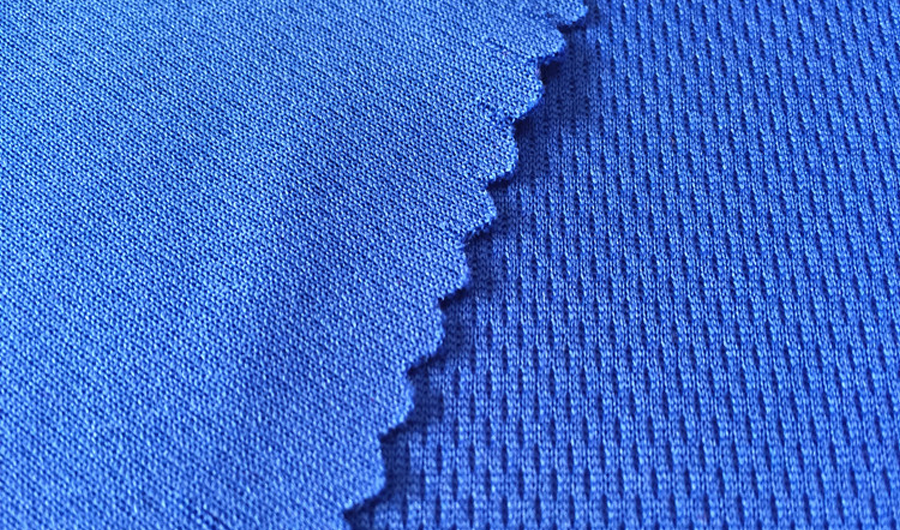
160–220 GSM cotton jersey suits many tees; performance programs may require polyester mesh and specified stretch or drying targets.
Approve fabric swatches, trim samples, and a pre-production sample. Check fit, shrinkage, print placement, color, and workmanship.
Release Bulk And Delivery
100% approval is the bulk-release gate: signed sample, final size chart, artwork files, quantities, and packing instructions.
Specify folding, polybags, barcodes, carton marks, and shipment plan; wholesalers should also set replenishment references.
10. Shirt Manufacturer Pricing and Cost
200-piece orders typically carry the highest unit cost because fabric booking, pattern work, print screens, labels, and packing setup are spread across fewer garments. Confirmed EDVORIN pricing requires a specification-based quote covering fabric, construction, decoration, labels, packaging, destination, and requested delivery date.
7–14 days of additional schedule protection can matter when custom fabric, Pantone color approval, wash testing, or multiple artwork placements are involved. Sampling, freight, duties, and rush handling should be quoted separately from the garment unit price.
| Illustrative quantity tier | Unit-price direction | Lead-time consideration |
|---|---|---|
| 200–499 units | Highest; setup is divided across fewer units | Allow sample approval and material confirmation |
| 500–999 units | Lower; production efficiency improves | Plan for decoration and label lead times |
| 1,000+ units | Lowest relative direction; subject to specification | Earlier booking helps secure materials and line capacity |
Ready to Start With a Shirt Manufacturer?
Send your tech pack, reference garment, or collection concept to EDVORIN for an OEM/ODM review and a production quote from 200 pieces.