
Casual Shirt Manufacturer for Private-Label Brands
EDVORIN is a casual shirt manufacturer turning your concepts into controlled, bulk-ready programs from development and samples to packing.
Featured Products for Casual Shirt Development
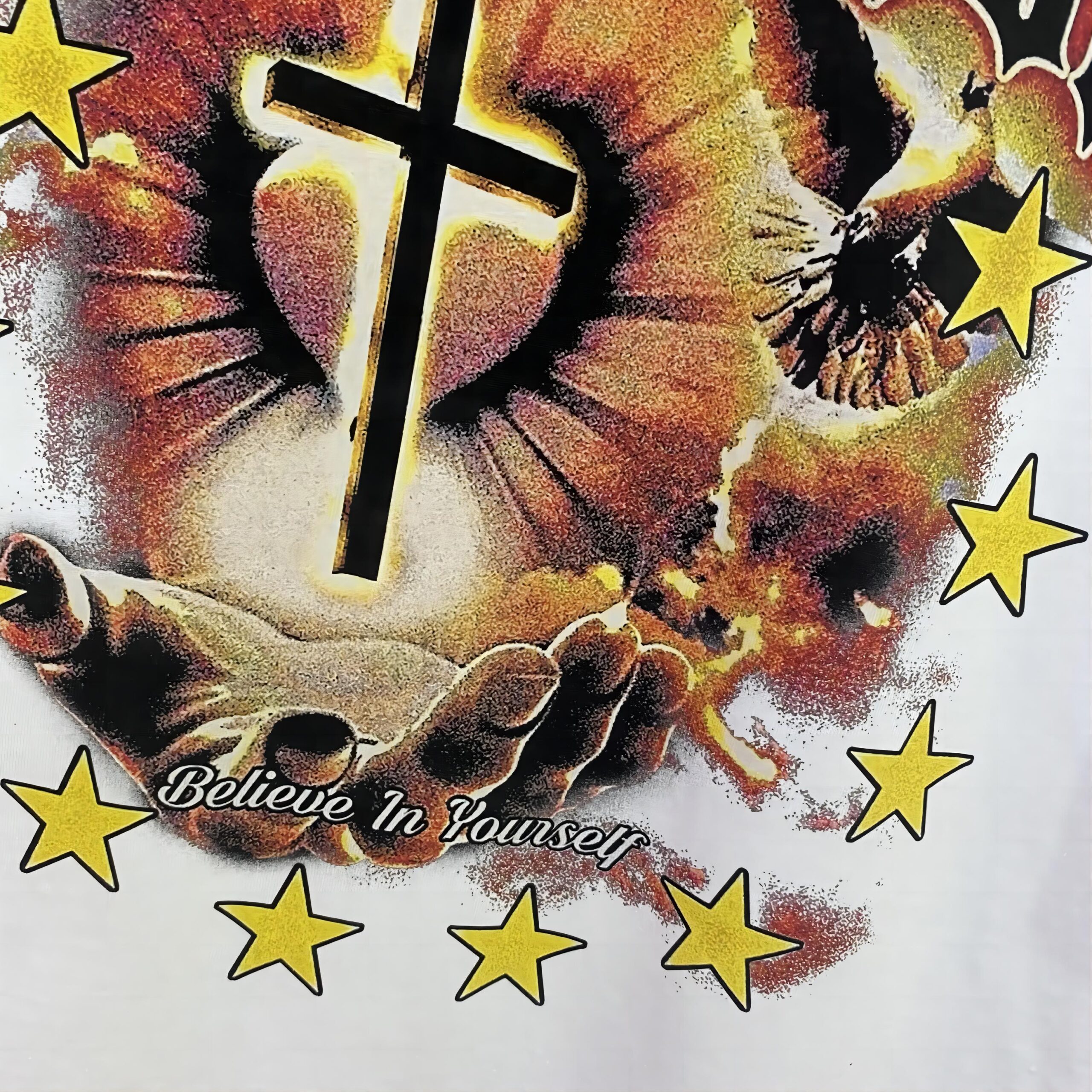



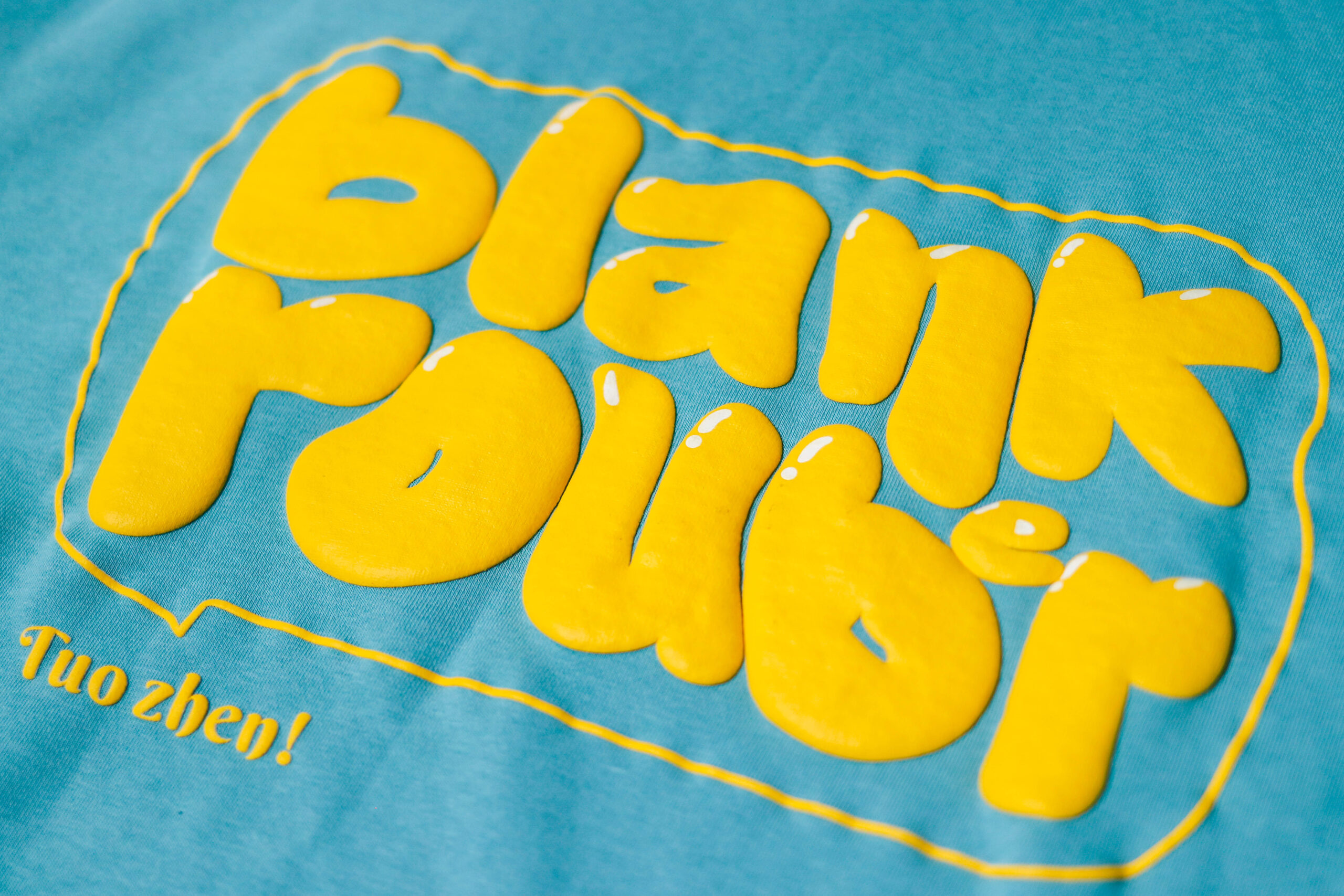

A Casual Shirt Manufacturer Built to Repeat
Founder-led development and controlled production for casual shirt programs that stay clear from first sample through repeat bulk orders.
Founder-Led Since 2000
Work with a manufacturing partner shaped by hands-on garment construction, direct responsibility, and long-term production discipline.
200-Piece Starting MOQ
Launch focused casual shirt styles from 200 pieces, with practical support for emerging labels, private-label buyers, and wholesale programs.
Integrated Development
Coordinate fabric sourcing, patterns, samples, trims, labels, and packaging through one accountable path from concept to production.
Decoration Matched to Fabric
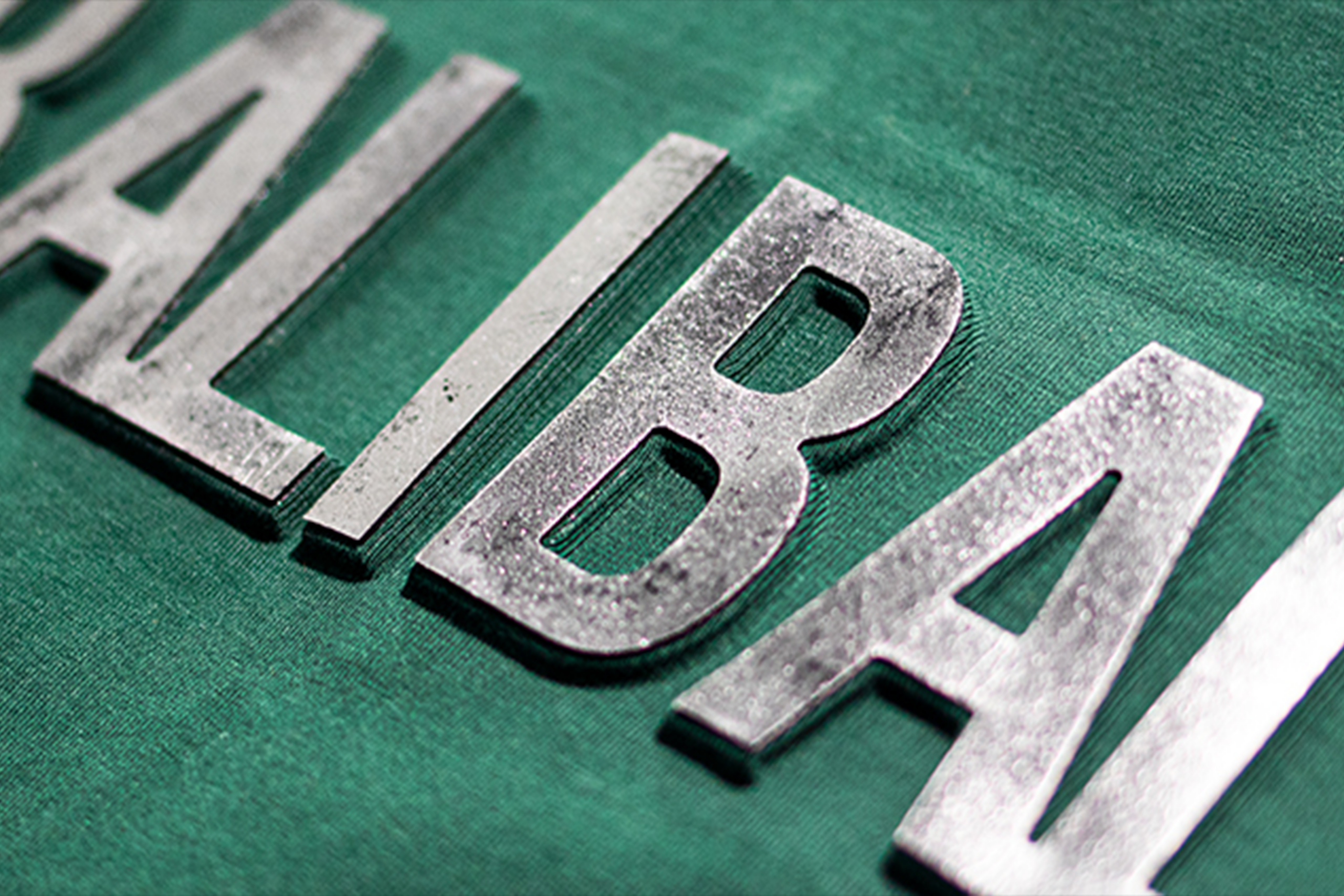
Select printing, embroidery, washing, and finishing methods that suit your shirt material, artwork, construction, and intended market.
Approved-Standard Quality Control
Turn approved samples, measurements, placement details, and trim specifications into clear references for in-line checks and final inspection.
Support That Scales
Develop men’s and women’s casual shirt programs with flexible OEM, ODM, and private-label support as your assortment and order volume grow.
Casualwear and Teamwear Programs We Develop
From individual styles to coordinated collections, EDVORIN develops men’s and women’s apparel with documented specifications for repeatable bulk production.
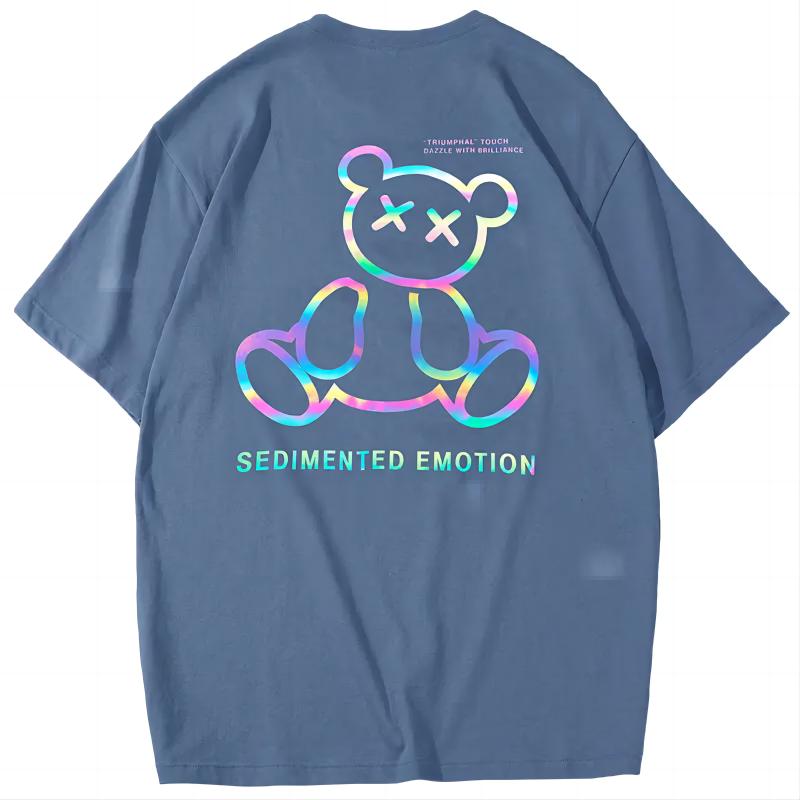
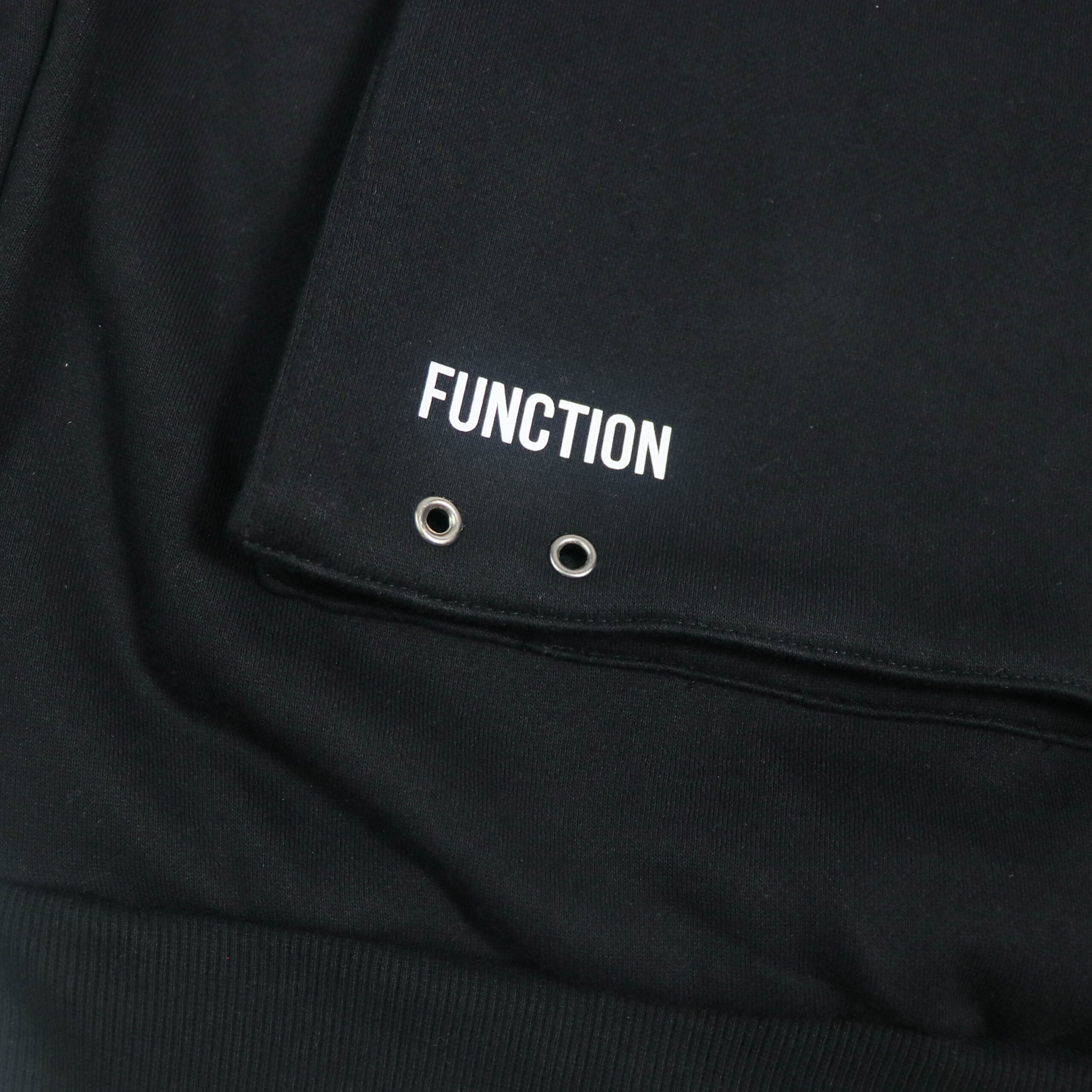
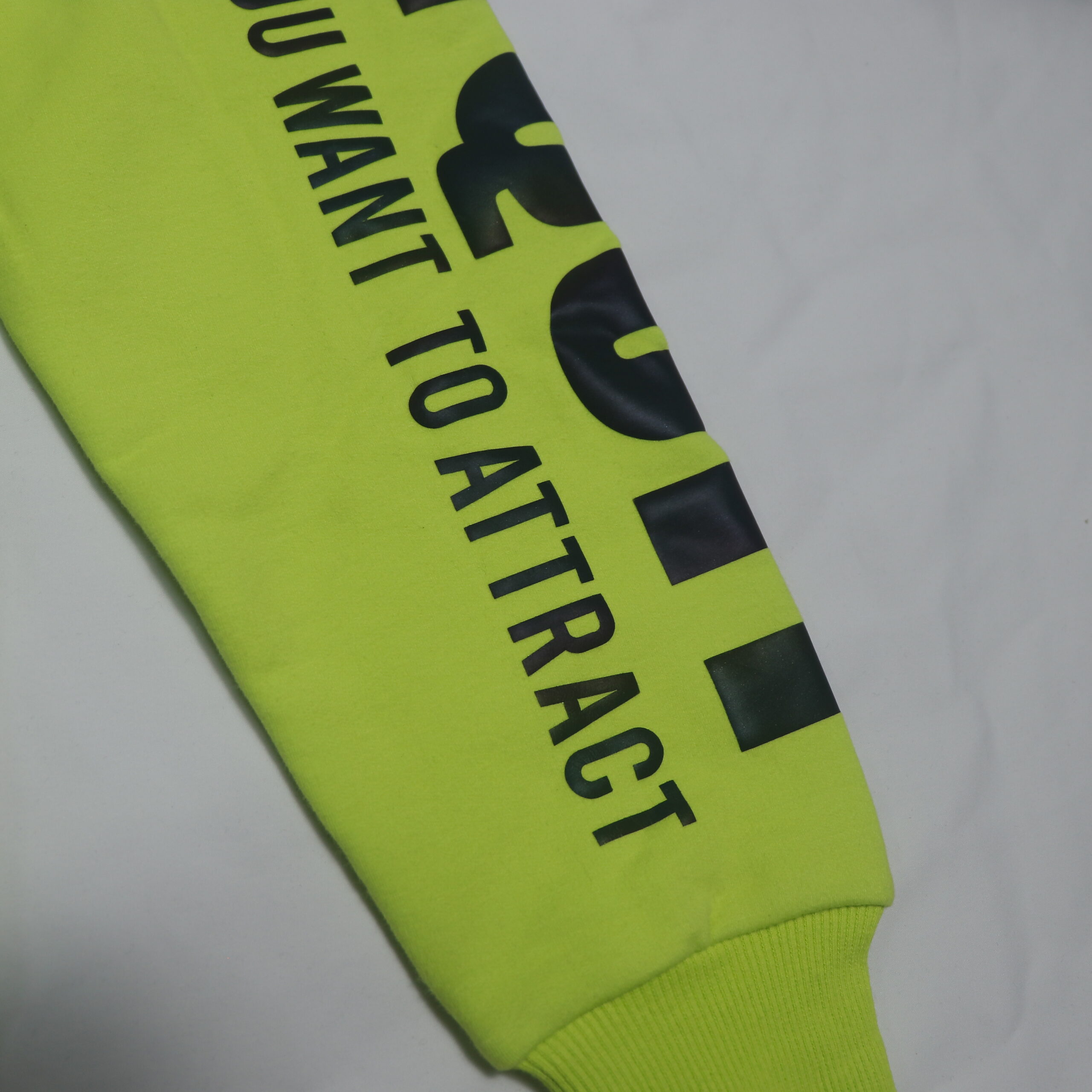
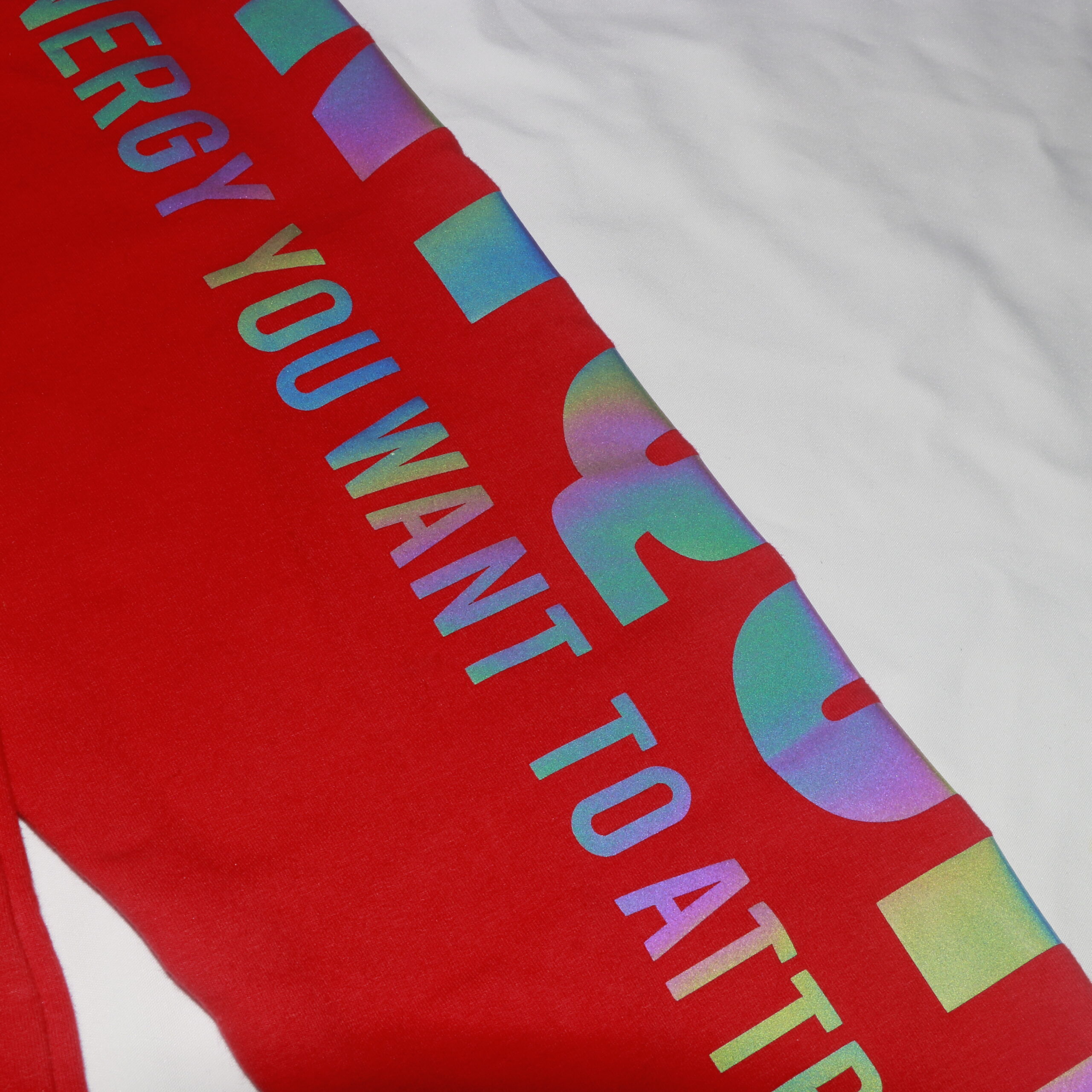
Custom Hoodies
As a custom hoodie manufacturer, EDVORIN develops men’s and women’s hoodies around fleece weight, fit blocks, rib recovery, hood construction, drawcords, pockets, labels and print or embroidery placement. Approved samples establish the standard for repeat bulk production.
Get a Quote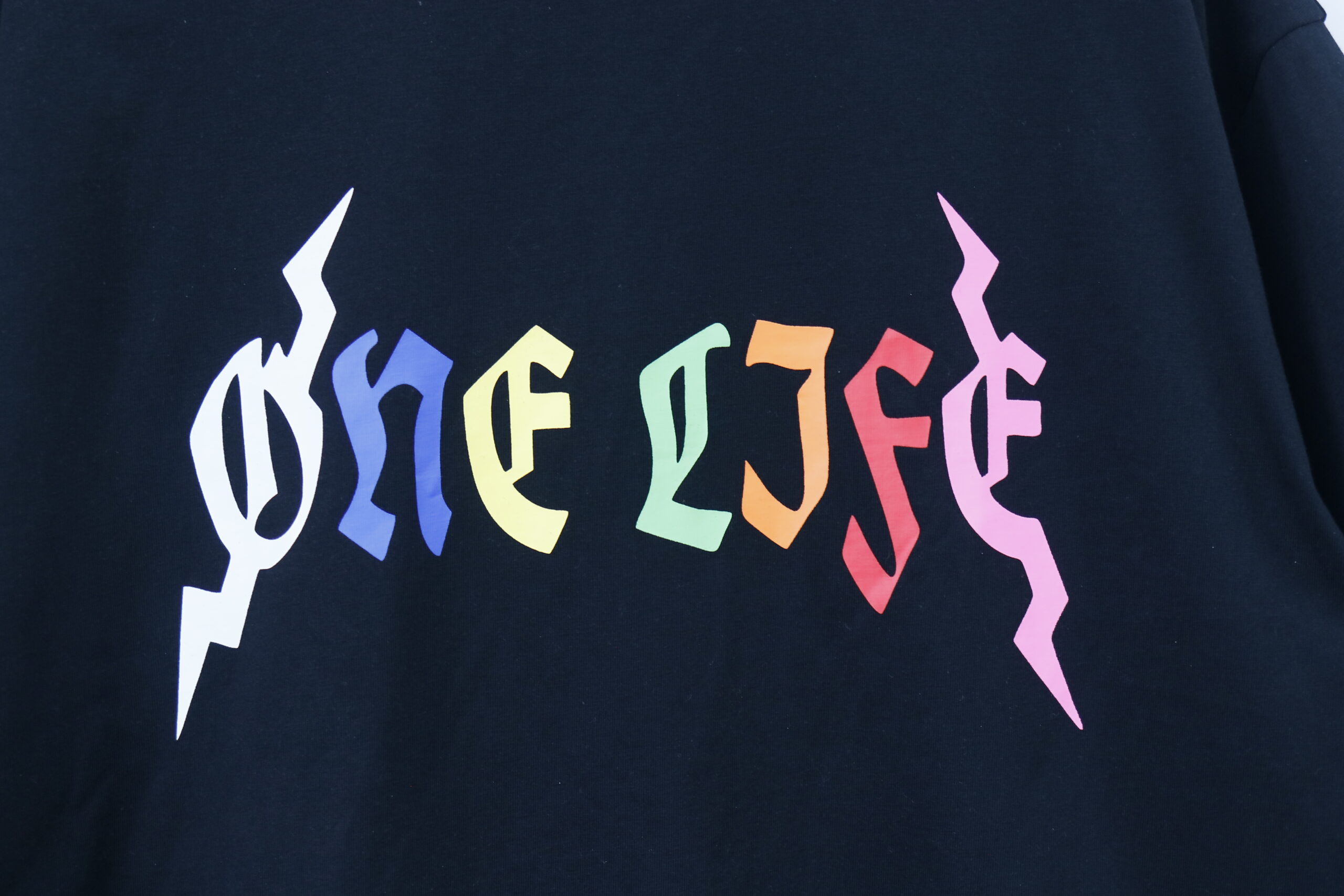
Pullover Sweatshirts
EDVORIN supports pullover sweatshirts with development focused on fabric handfeel, collar and rib construction, shoulder shape, grading, wash effects and decoration compatibility. Buyers receive a defined manufacturing standard that can be carried into seasonal or replenishment programs.
Get a Quote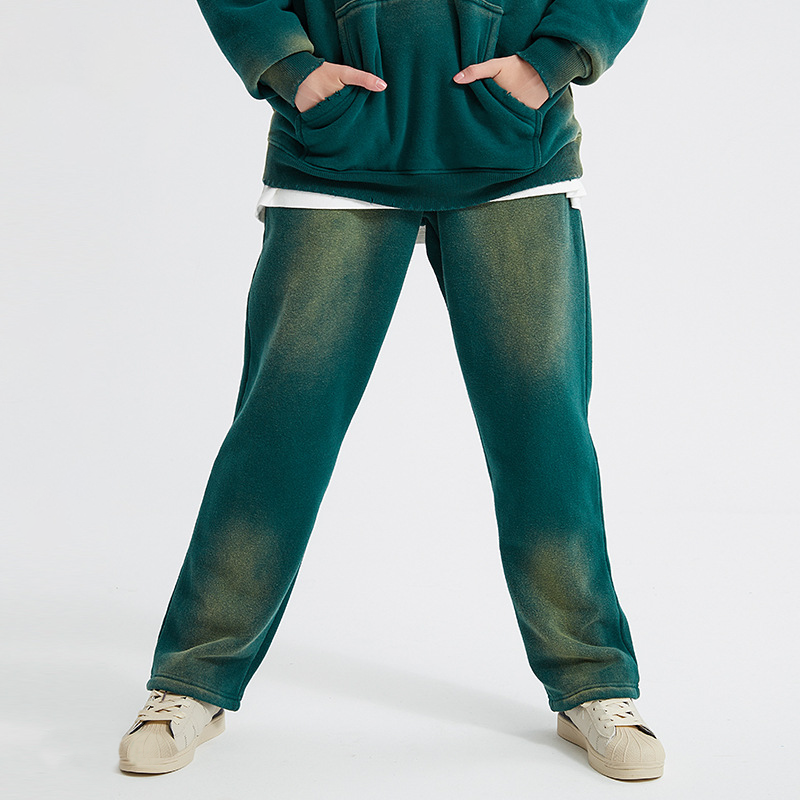
Sweatpants & Joggers
For sweatpants and joggers, EDVORIN coordinates fit, rise, leg shape, waistband elastic, drawcords, cuffs, pocket construction and fabric weight. Men’s and women’s proportions are developed separately, helping brands maintain consistency across matching fleece sets.
Get a Quote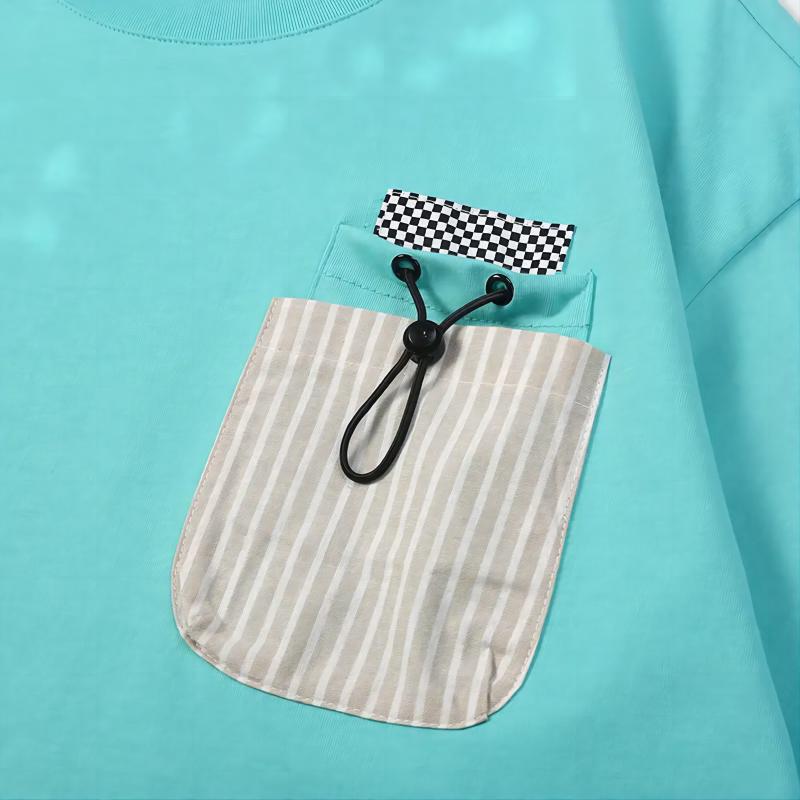
Custom Shorts
As a custom shorts manufacturer, EDVORIN develops fleece, jersey, woven and performance short programs with clear inseam, fit, waistband, pocket and trim specifications. Sampling confirms movement, comfort and decoration placement before the style enters bulk production.
Get a Quote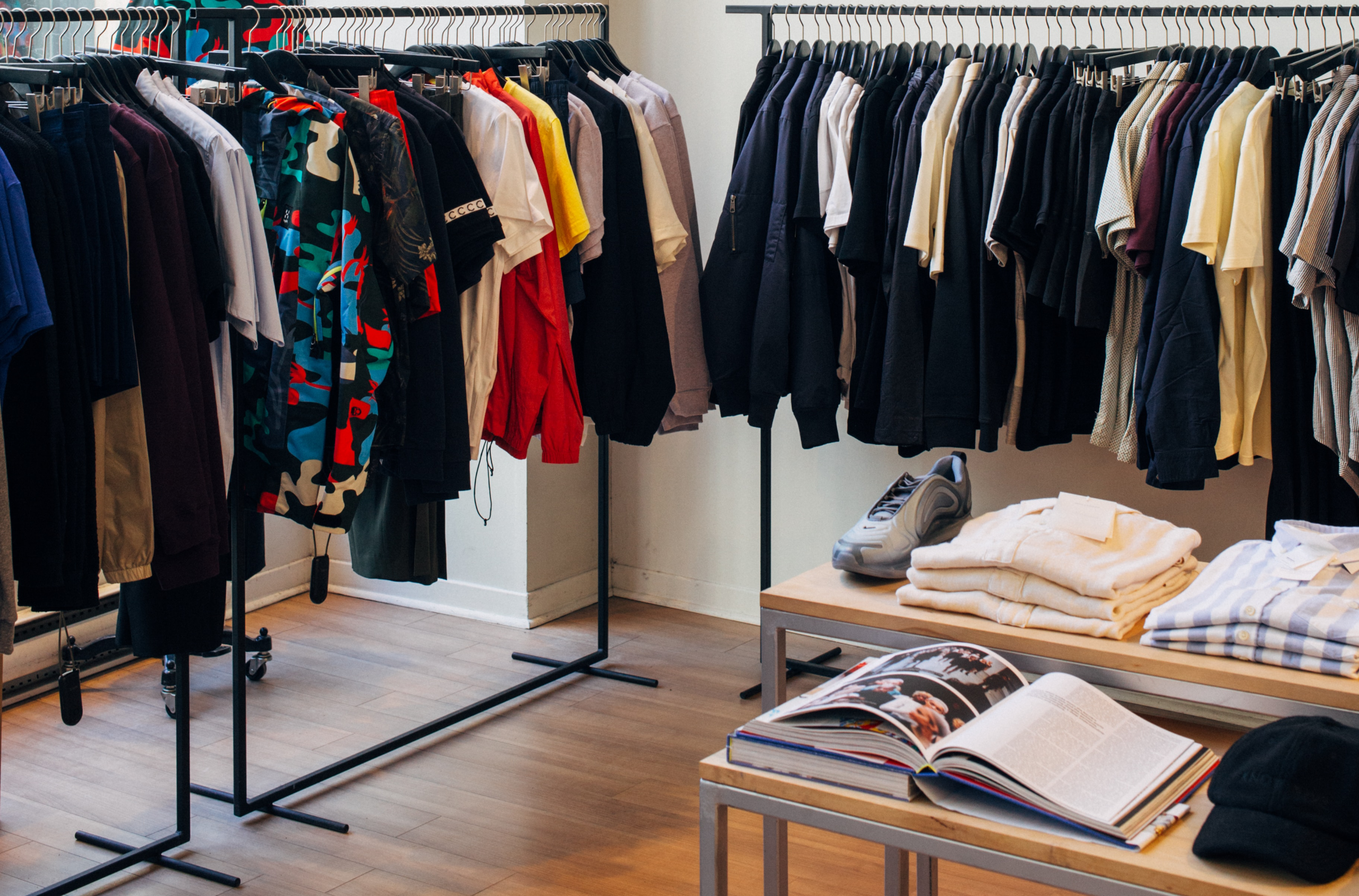
Varsity & Baseball Jackets
EDVORIN develops varsity and baseball jackets by coordinating body and sleeve materials, rib, snaps, lining, patches, embroidery and appliqué. Construction decisions are documented during sampling so the jacket’s balance and identity remain consistent across production runs.
Get a Quote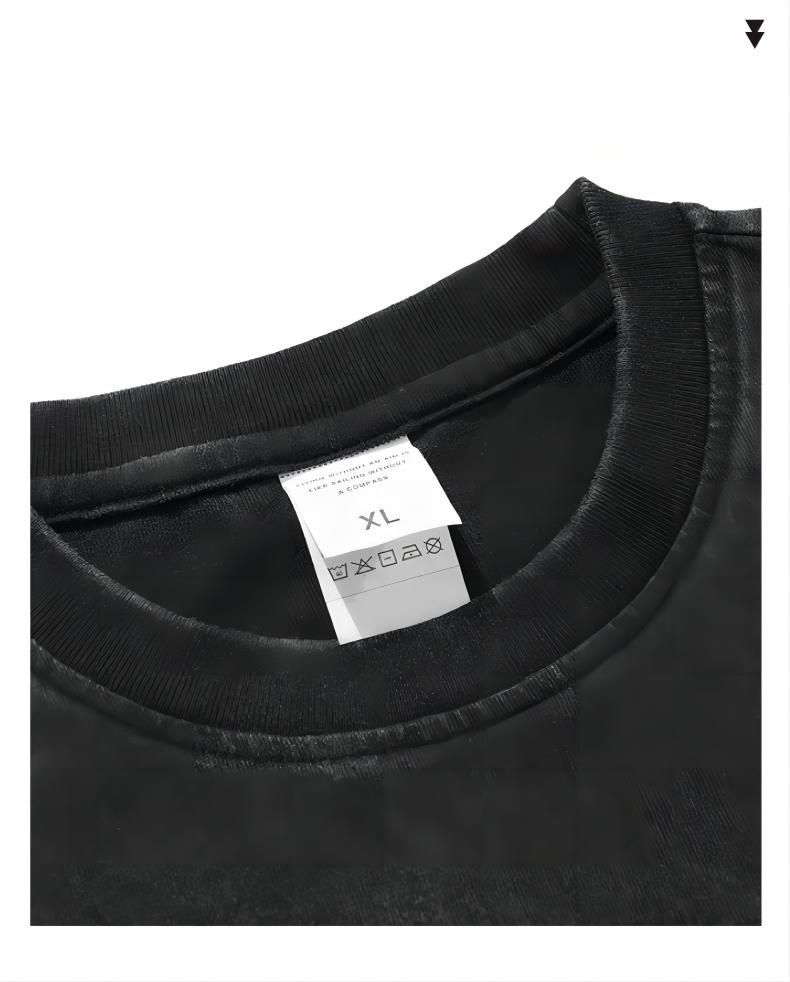
Custom T-Shirts
Custom T-shirt development covers jersey weight, yarn feel, neckline, shoulder construction, fit, grading, wash treatment and print method. EDVORIN helps buyers translate references or tech packs into repeatable men’s and women’s T-shirt specifications.
Get a Quote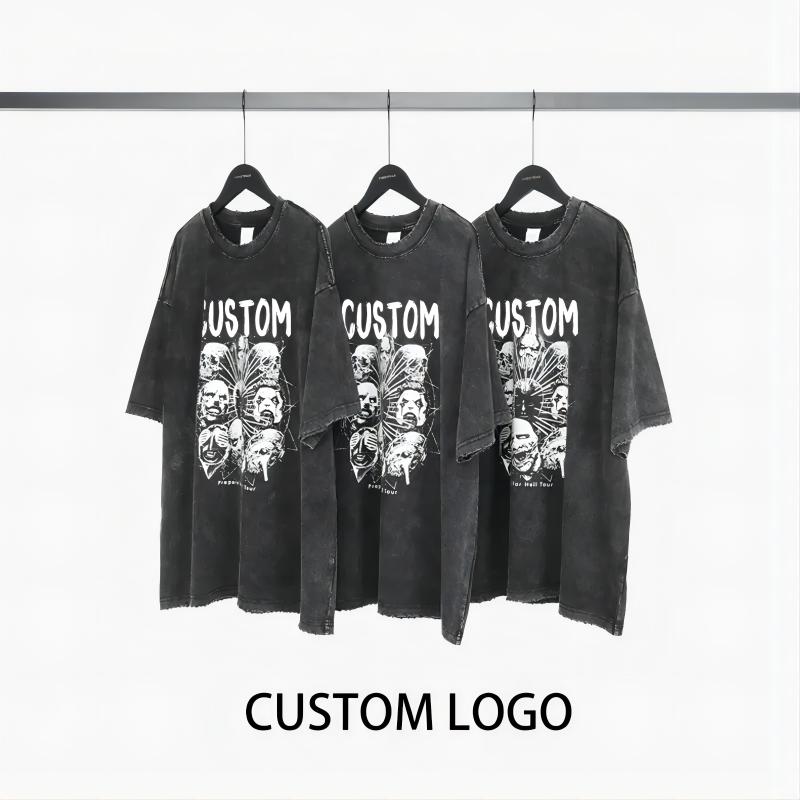
Custom Polo Shirts
For custom polo shirts, EDVORIN coordinates pique or jersey fabric, collar and placket construction, button selection, sleeve finishing, embroidery placement and color control. The result is a defined program suitable for corporate, retail, school or private-label requirements.
Get a Quote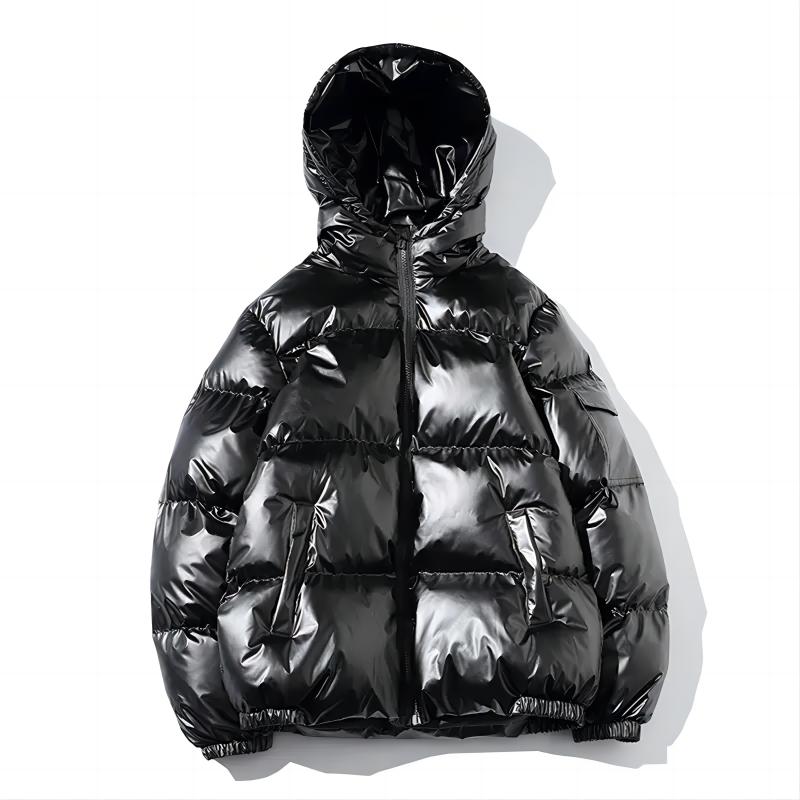
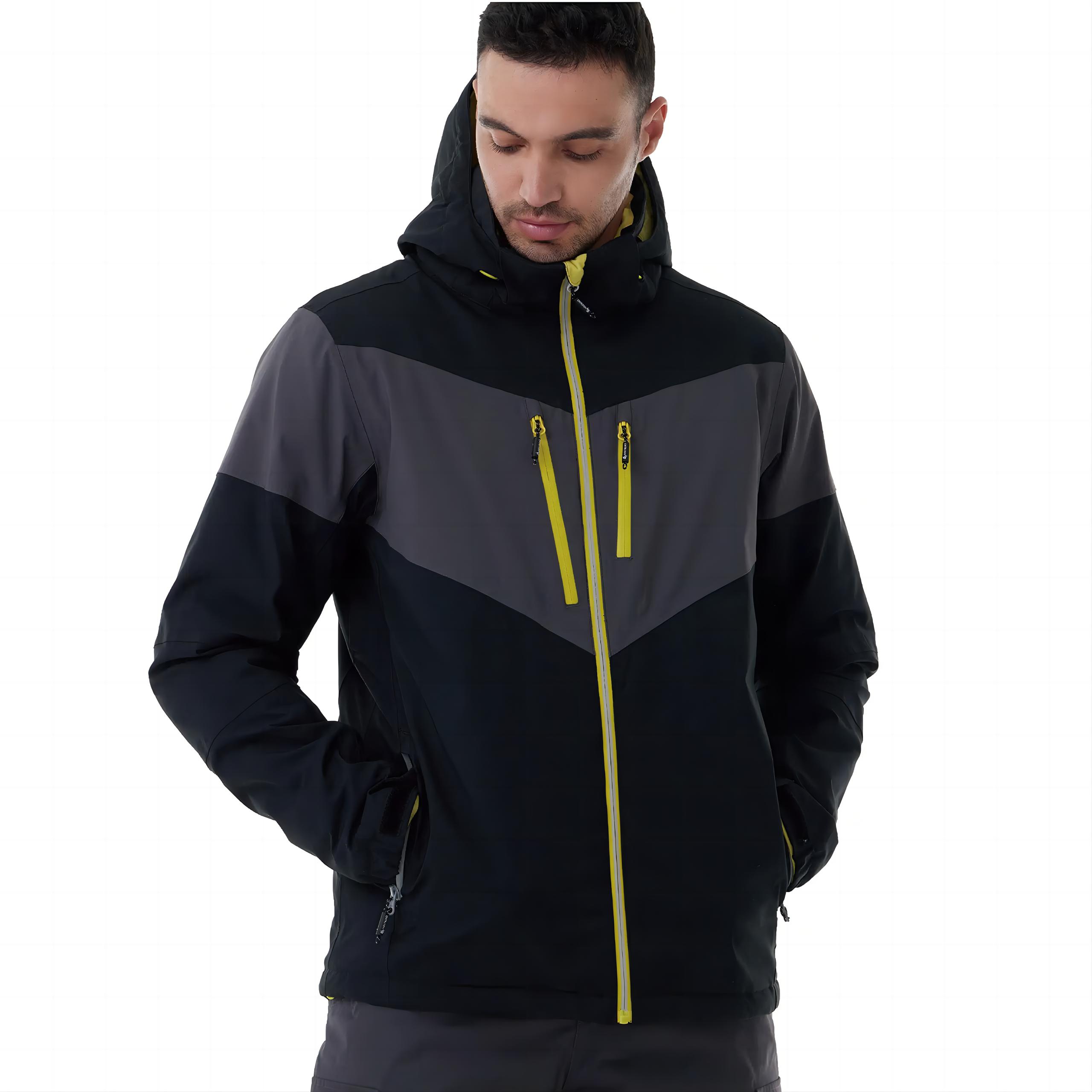
Windbreaker Jackets
EDVORIN develops windbreaker jackets with attention to shell fabric, lining, water-resistant finishes, seam construction, ventilation, zippers, elastic details and packability. Samples verify the intended balance of lightweight protection, fit and branded decoration.
Get a Quote
Quilted Jackets
Quilted jacket programs require coordinated shell, lining, insulation, quilting layout, zipper hardware, pocket construction and finishing. EDVORIN documents these variables during development to protect warmth, silhouette and consistency from the approved sample through bulk production.
Get a Quote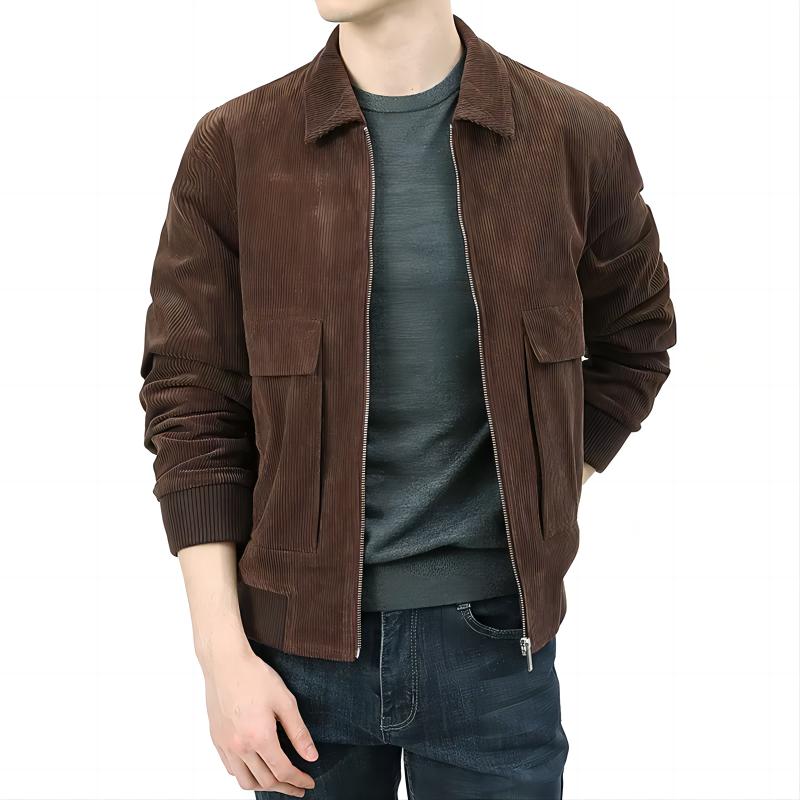
Bomber Jackets
As a bomber jacket manufacturer, EDVORIN develops shell and lining combinations, rib trims, zippers, pocket details, padding and embroidered or patched decoration. Material and construction choices are reviewed early to avoid changes that alter the finished proportion or performance.
Get a Quote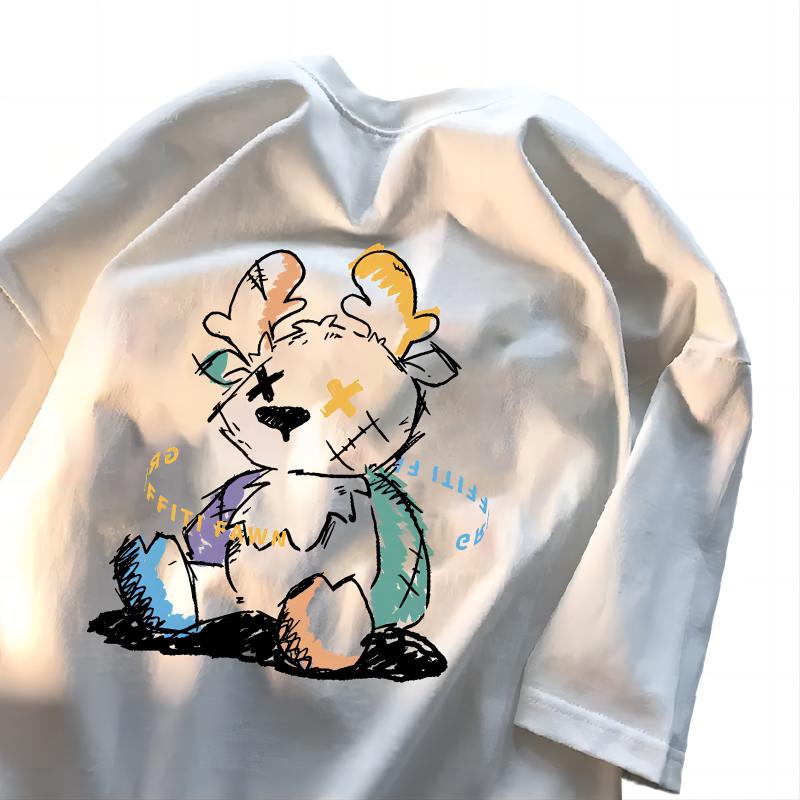
Custom Shirts
Custom woven shirt development includes fabric selection, collar and cuff construction, plackets, buttons, pocket details, fit blocks and grading. EDVORIN supports men’s and women’s programs with samples that establish construction and measurement standards for reliable repeat orders.
Get a Quote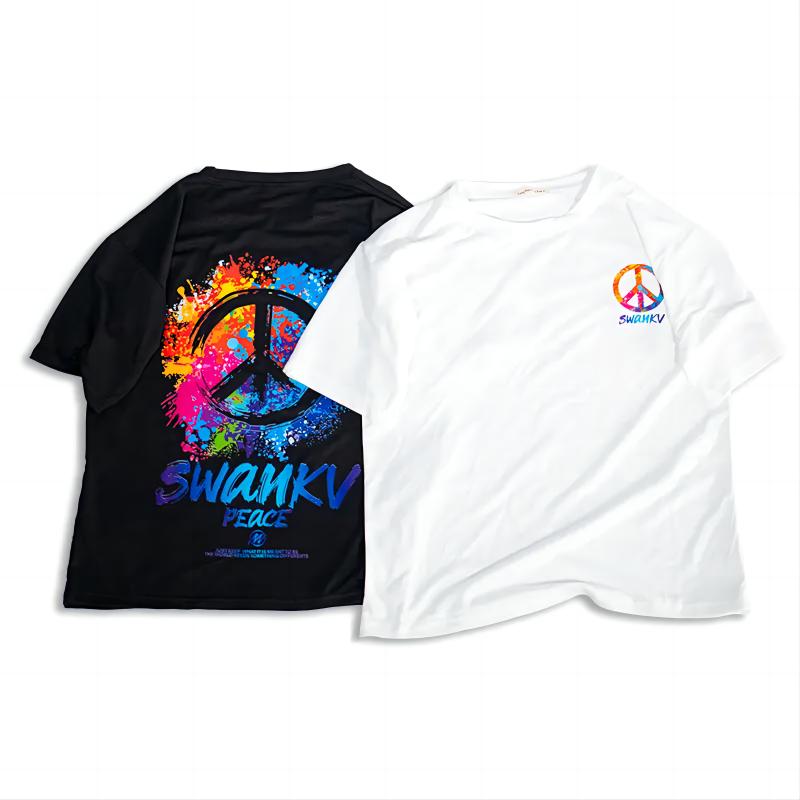
Custom Jerseys
EDVORIN develops custom jerseys for club, school, promotional and retail programs, coordinating breathable fabrics, color matching, panel construction, name and number application, sizing and finish details. Production records help keep personalization and visual placement controlled at scale.
Get a Quote
Tank Tops
Tank top programs can be developed in cotton jersey, performance knits or blended fabrics, with attention to armhole shape, neckline, binding, length, fit and decoration. Separate men’s and women’s blocks support the intended wearer rather than a universal silhouette.
Get a Quote
Soccer Uniforms
For soccer uniforms, EDVORIN coordinates lightweight performance fabric, team colors, panel layout, moisture management, crest application, sponsor artwork, names, numbers and size sets. Clear approvals help teams and distributors maintain consistent kits across players and repeat orders.
Get a Quote
Basketball Uniforms
Basketball uniform development covers breathable mesh or interlock fabrics, jersey and short proportions, contrast panels, neck and armhole finishing, team graphics, numbers and player names. EDORIN organizes the approved specifications for stable color, placement and sizing in bulk.
Get a Quote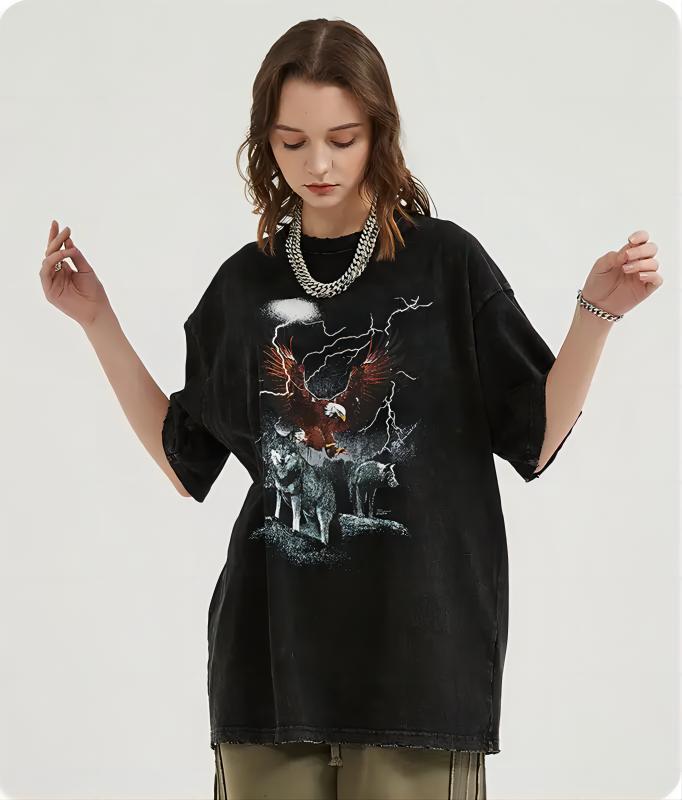
Streetwear Collections
As a streetwear clothing manufacturer, EDVORIN connects hoodies, tees, sweats, jackets, shorts and woven pieces into coordinated collections. Product development aligns fabric, fit, trims, wash, decoration, labeling and packaging so each style can move from concept to repeatable production.
Get a QuoteCasual Shirt Manufacturer Fabrics for Your Collection
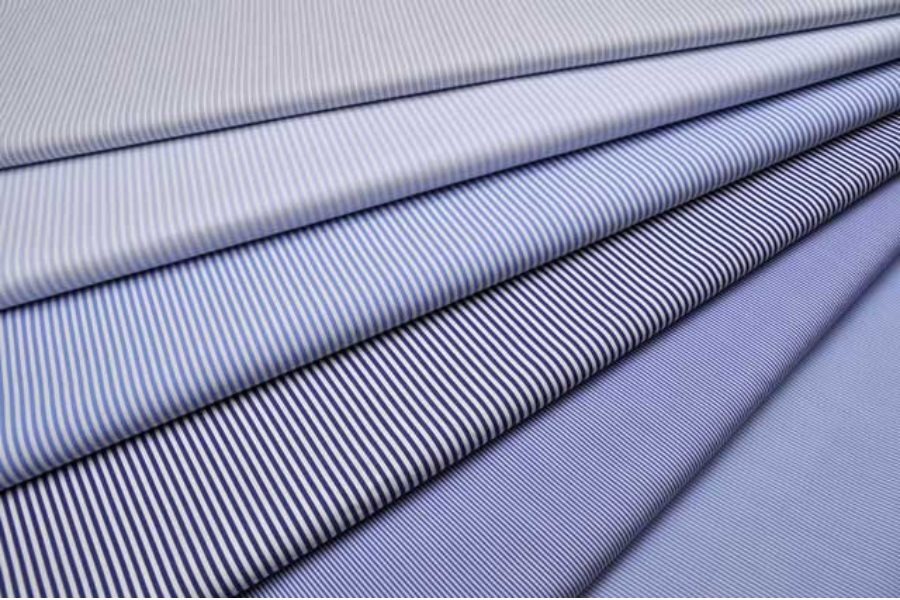
Cotton Poplin
Crisp, smooth and lightweight, cotton poplin suits clean button-downs, uniform shirts and warm-weather collections. Its tight plain weave supports sharp collars, clear printing and a polished hand-feel without unnecessary bulk.
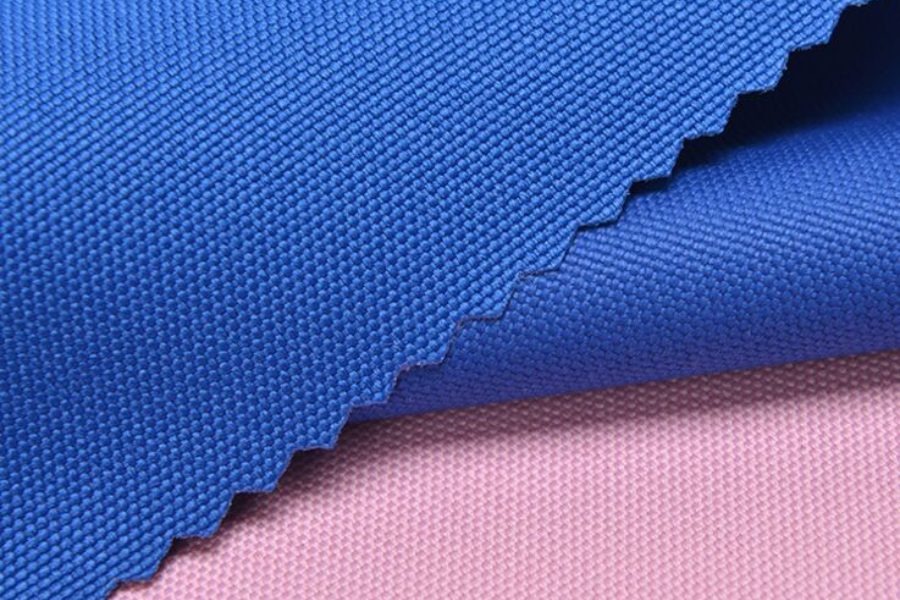
Oxford Cloth
Oxford cloth offers a textured, substantial hand that works well for relaxed button-downs and collegiate-inspired styles. The basket weave adds visible character and dependable durability while retaining comfortable everyday breathability.
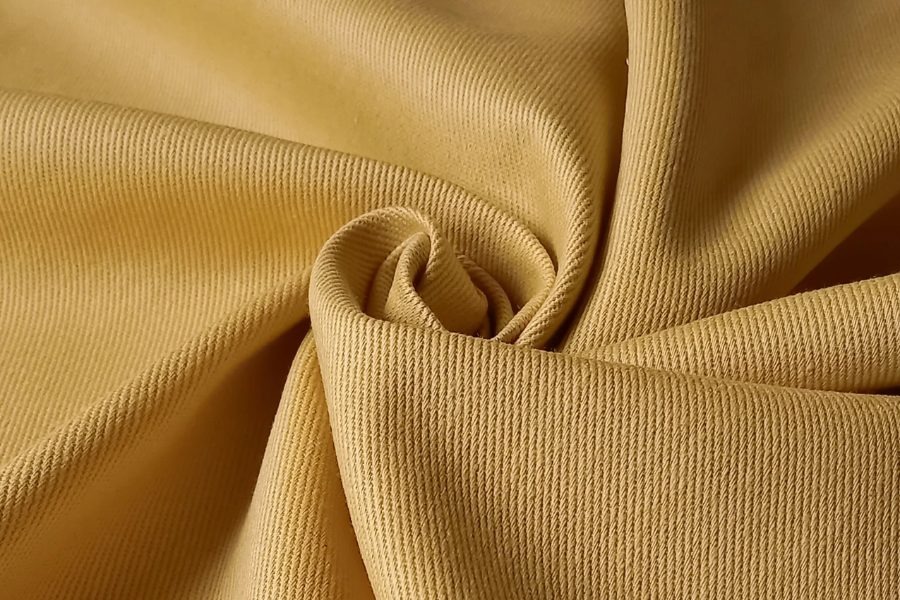
Cotton Twill
Cotton twill has a soft yet structured feel for overshirts, workwear-inspired casual shirts and heavier seasonal programs. Its diagonal weave gives the fabric durable body, while supporting washed finishes and repeat wear.
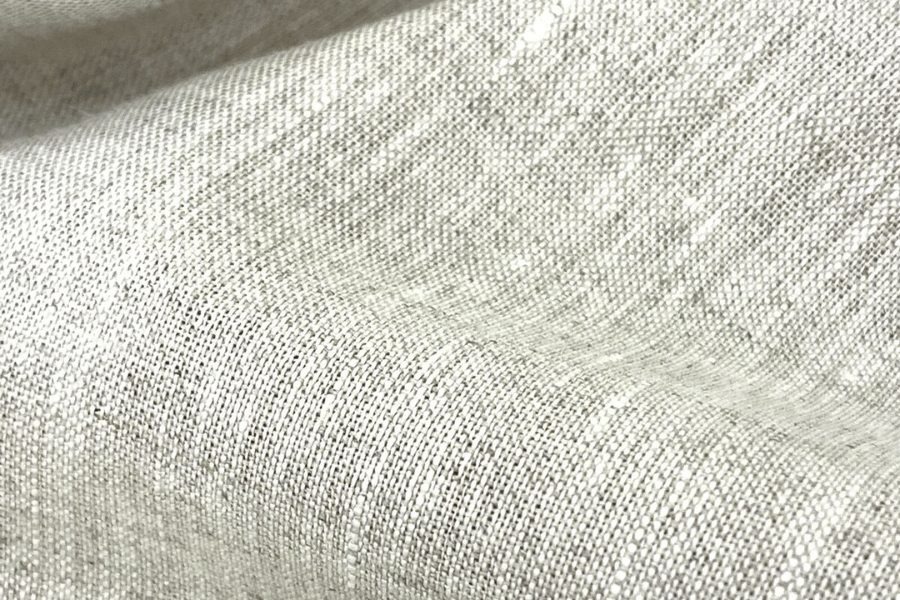
Linen Cotton Blend
Linen-cotton blends bring linen’s airy, natural texture together with cotton’s familiar softness for resort, summer and relaxed smart-casual shirts. The blend offers breathable comfort with a more manageable hand-feel than pure linen.
Rayon Blend
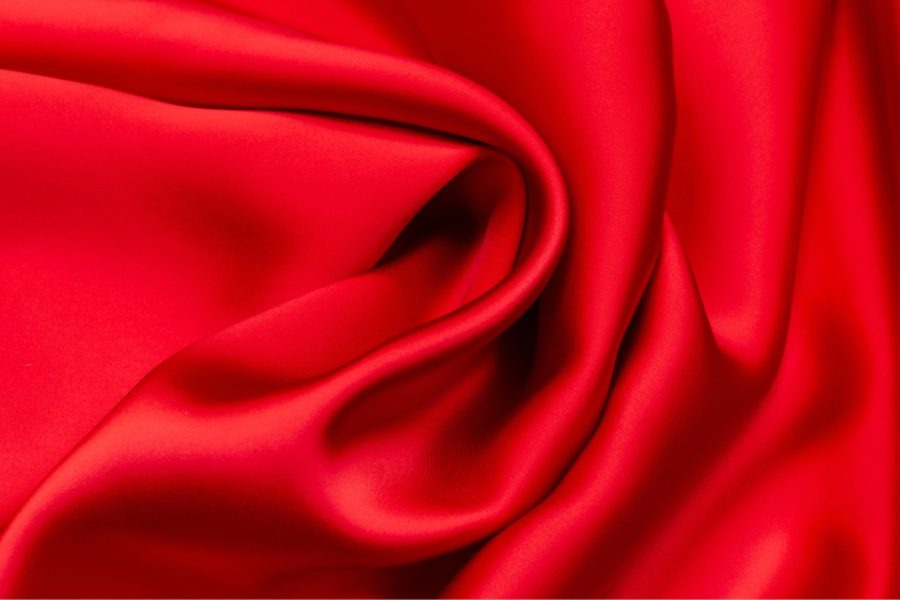
Rayon blends create a fluid, cool-touch drape suited to camp-collar shirts, printed resort styles and fashion-led capsules. Their smooth surface enhances color and movement, while blend selection can add practical dimensional stability.
Casual Shirt Manufacturer Decoration & Finishing Options
Screen Printing
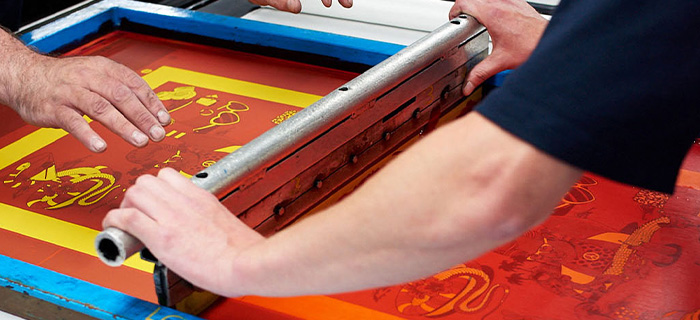
Screen printing delivers solid color, graphic detail and repeatable placement for casual shirt artwork. Ink, mesh and curing settings are selected around the fabric and design so the finished print feels intentional and performs through regular wear.
Embroidery Details
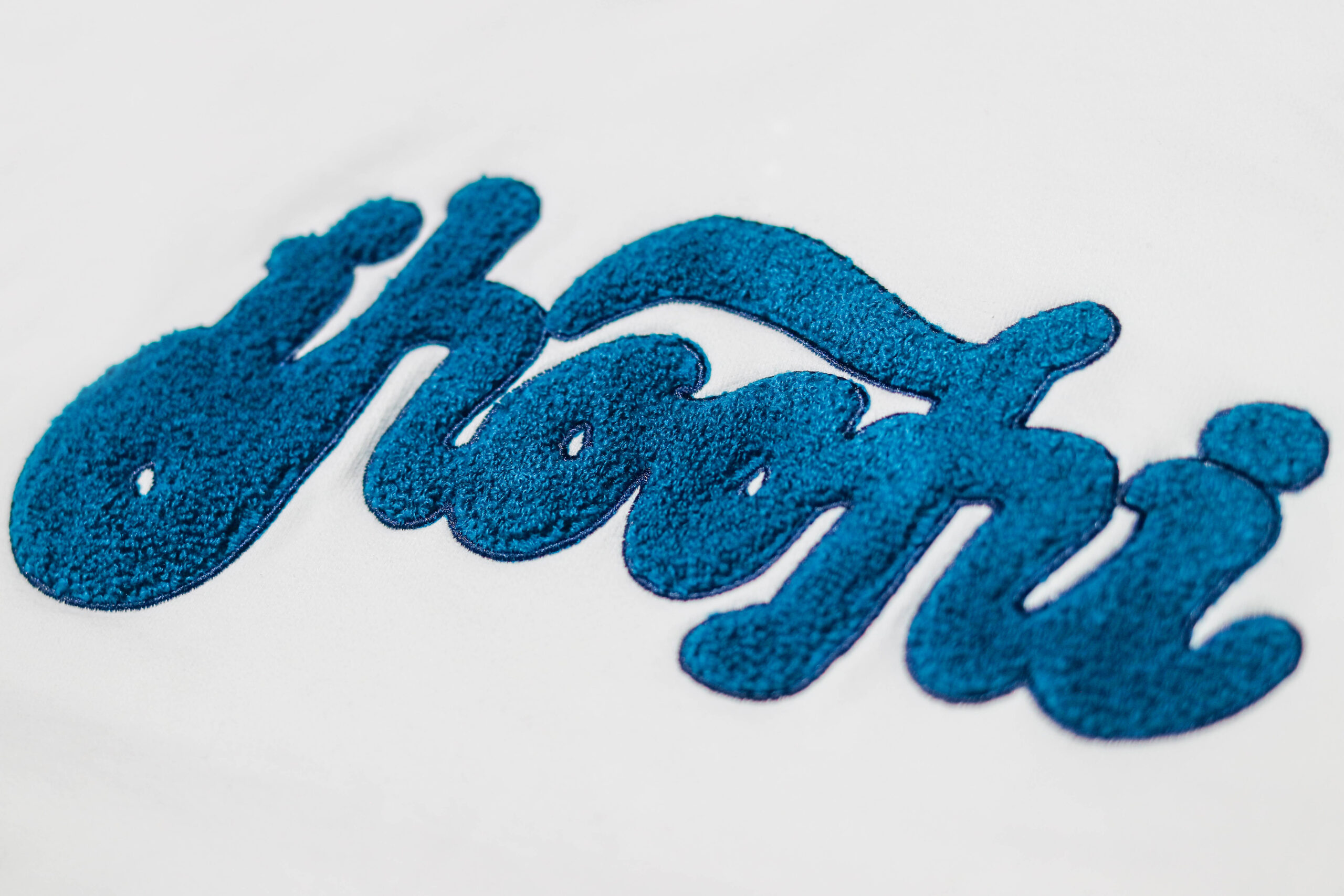
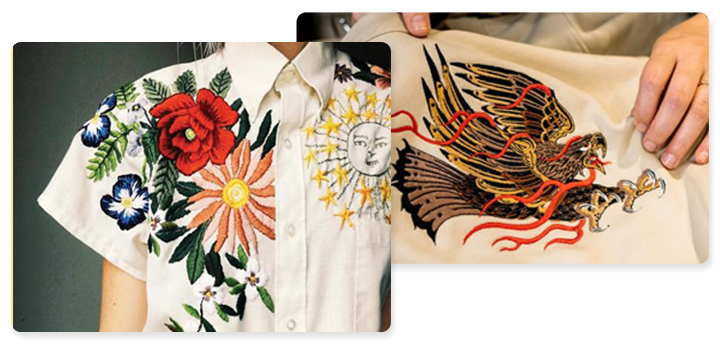
Embroidery adds dimensional logos, monograms and emblem work to casual shirts. We review backing, stitch density and placement during development to help the decoration sit cleanly on the garment without compromising the fabric’s drape.
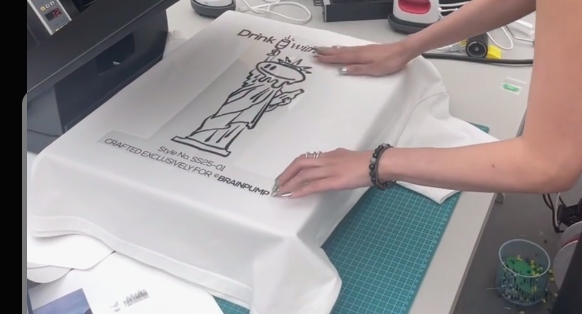
Transfer Printing
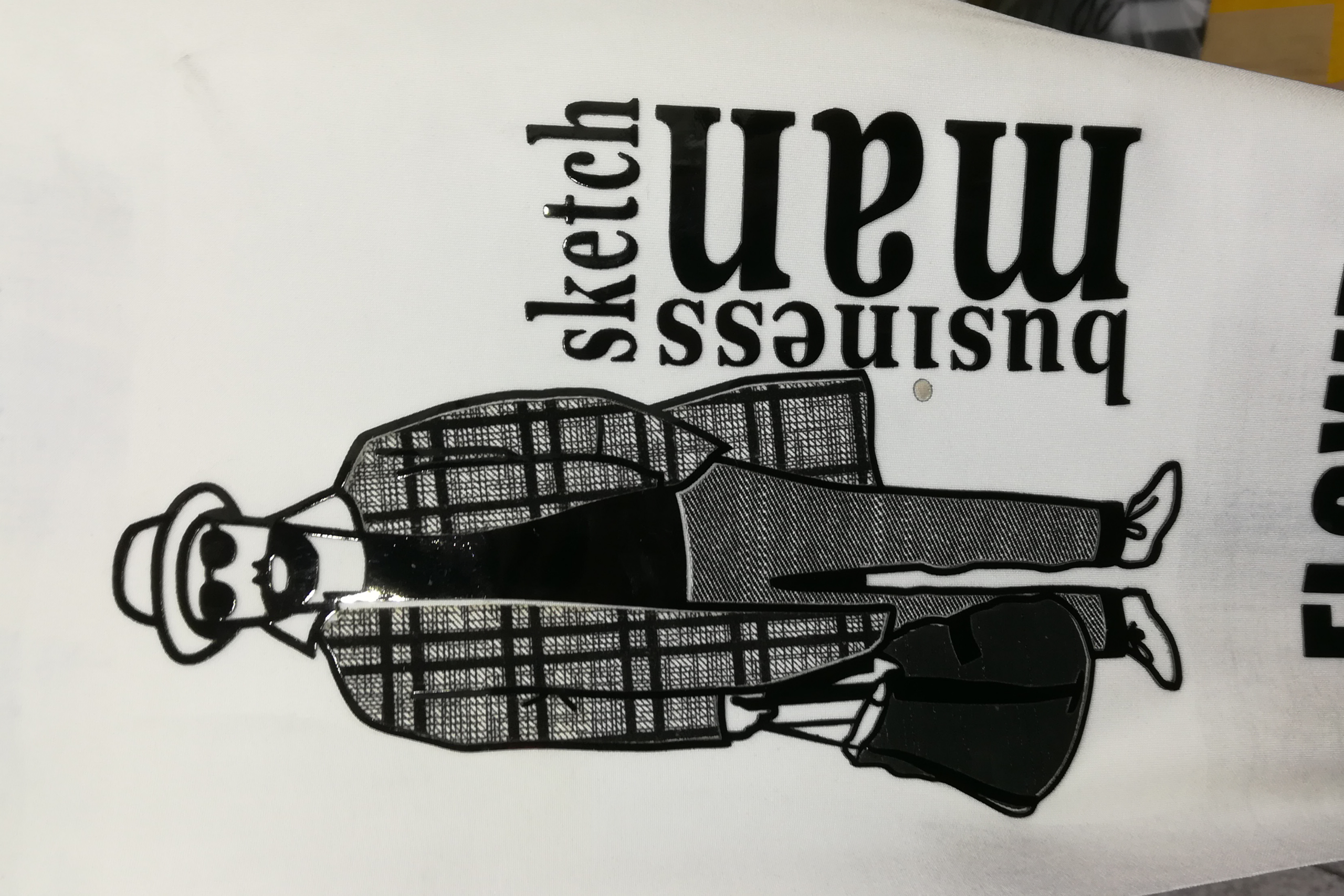
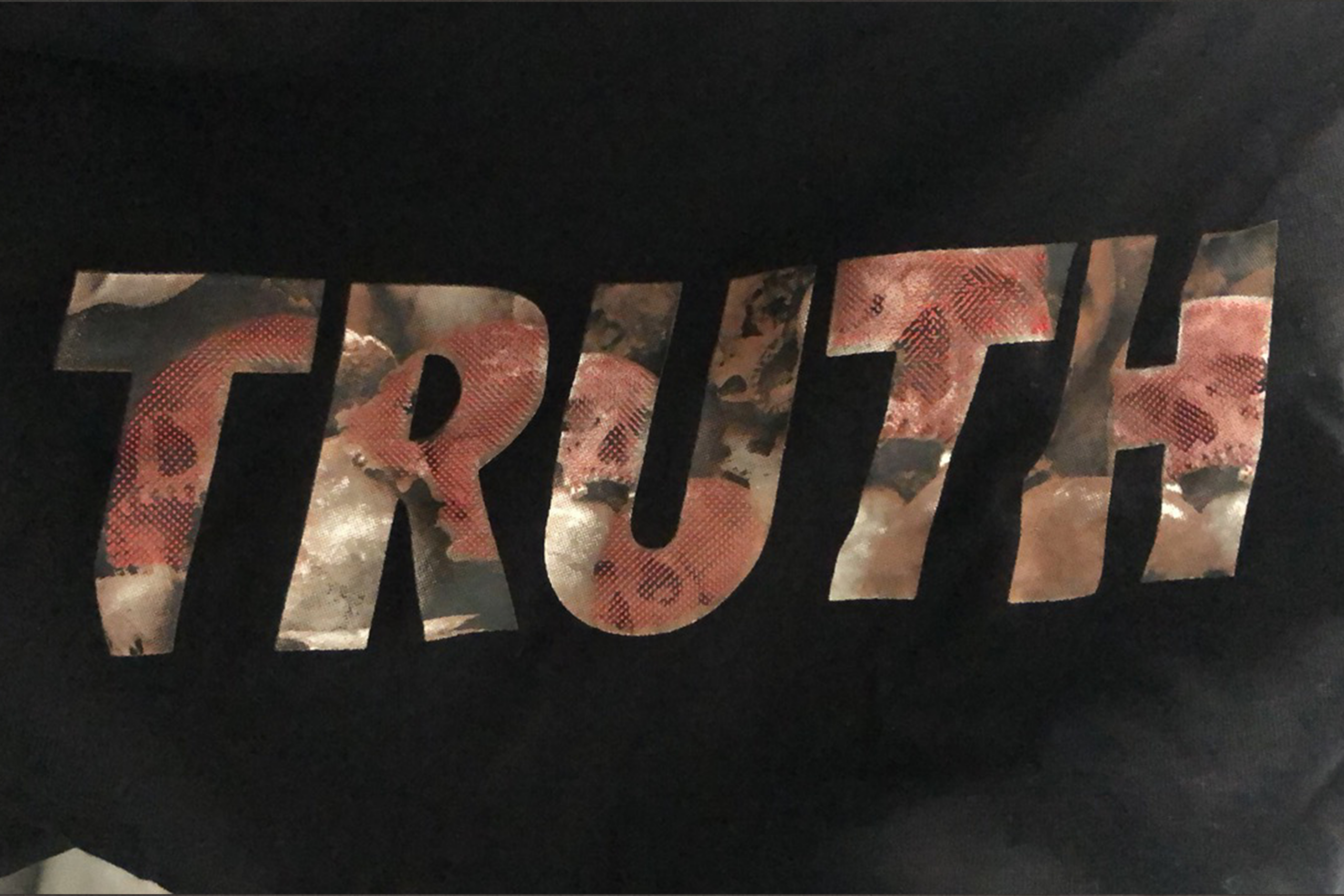
Transfer printing supports detailed artwork, smaller runs and precise logo placement where the chosen fabric is suitable. Testing during sampling helps confirm adhesion, color appearance and hand feel before the approved decoration moves into production.
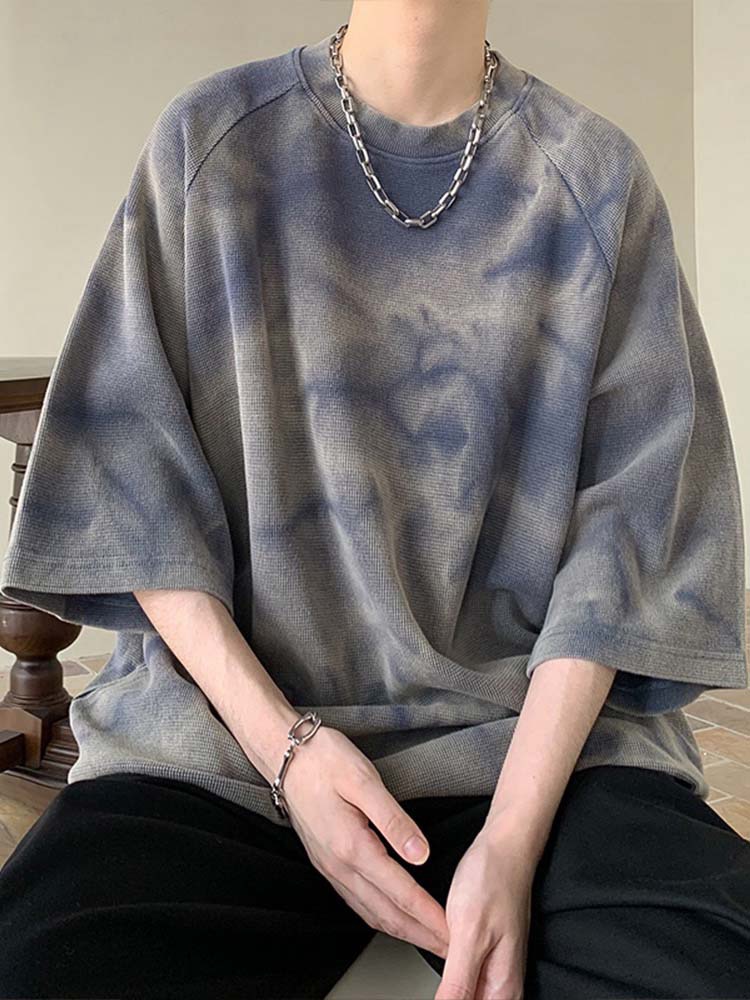
Garment Washing
Garment washing can soften the hand feel and build a lived-in visual character for casual shirt collections. Wash trials establish the approved shade, surface effect and measurement expectations before bulk production is released.
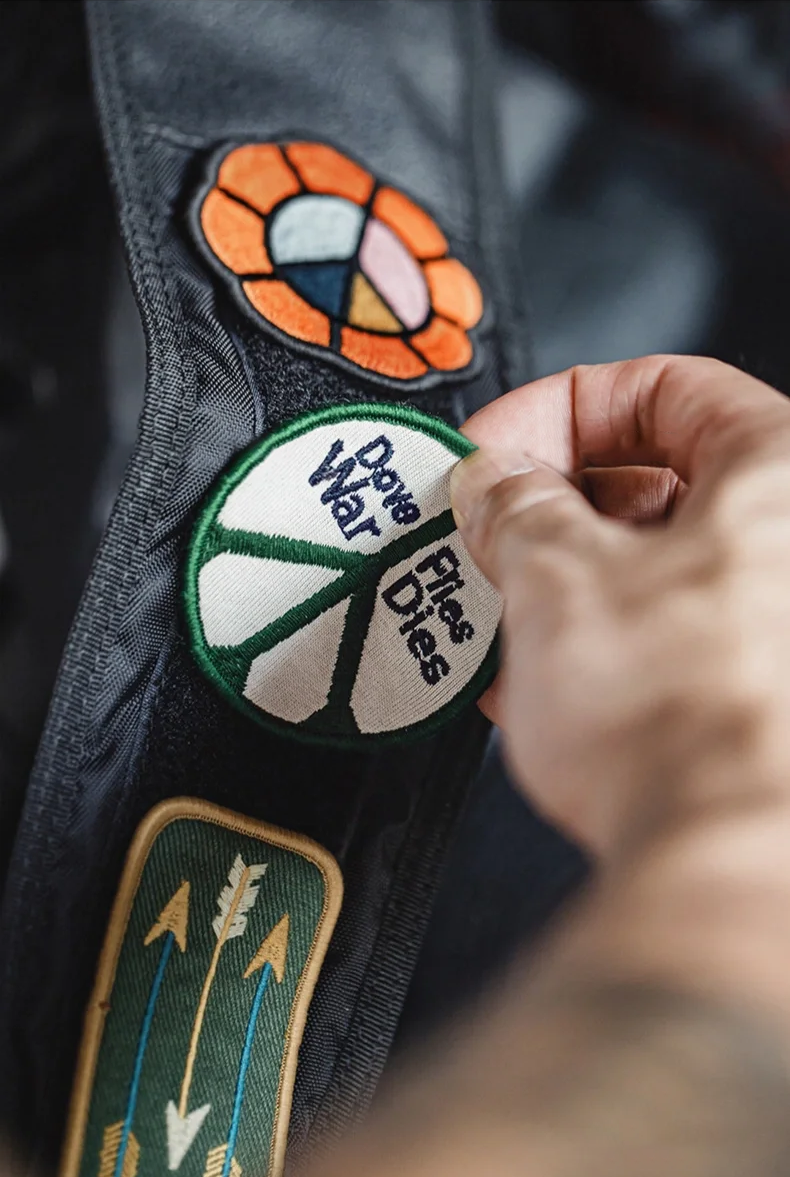
Appliqué Applications
Appliqué combines cut fabric panels, embroidery or stitching to create layered letters, patches and heritage-inspired graphics. EDVORIN develops the material combination and attachment method to achieve a defined, durable decorative result.
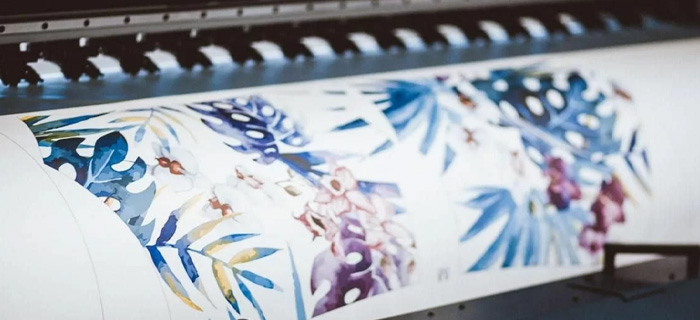
Sublimation Printing
Sublimation printing creates all-over color and graphic coverage on compatible polyester-based shirt programs. The process is evaluated against fabric composition, panel layout and artwork requirements to protect color consistency and visual continuity.
Custom Trims for Your Casual Shirt Manufacturer Program
YKK Zippers
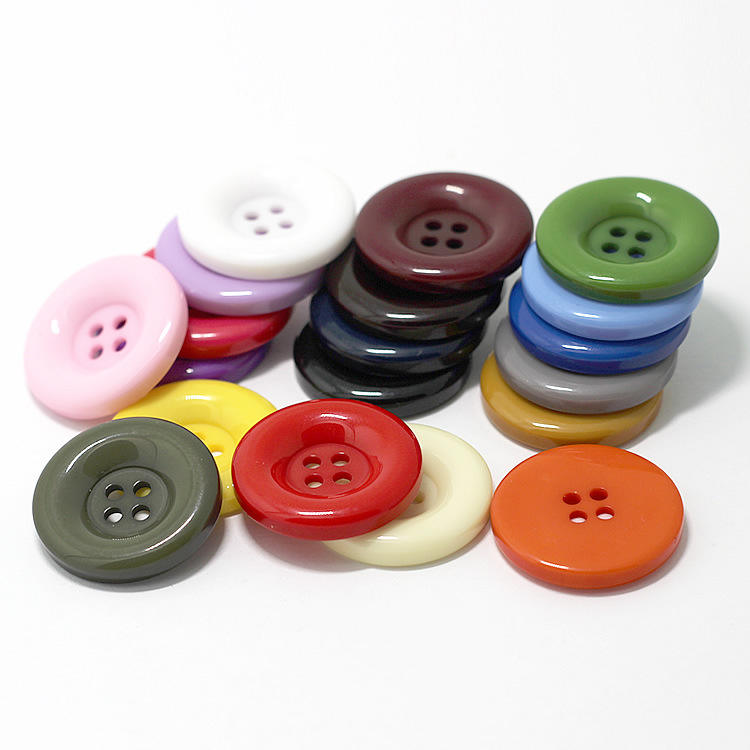
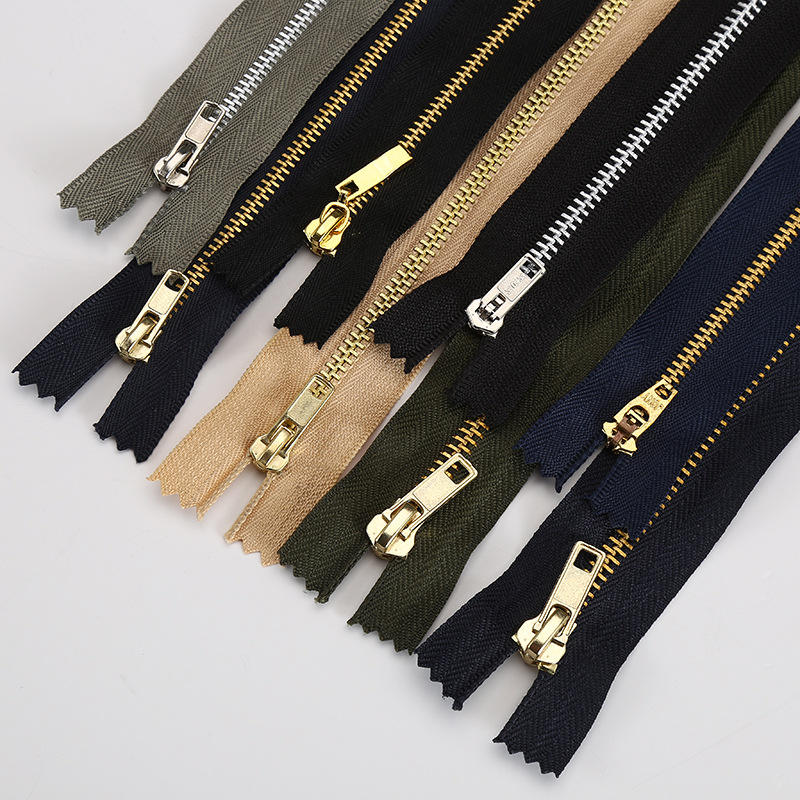
Add YKK zippers to overshirts, utility styles or zip-front casual layers where dependable function and a clean finish matter. Zip length, tape color, puller choice and placement are defined during development.
Drawcord Details
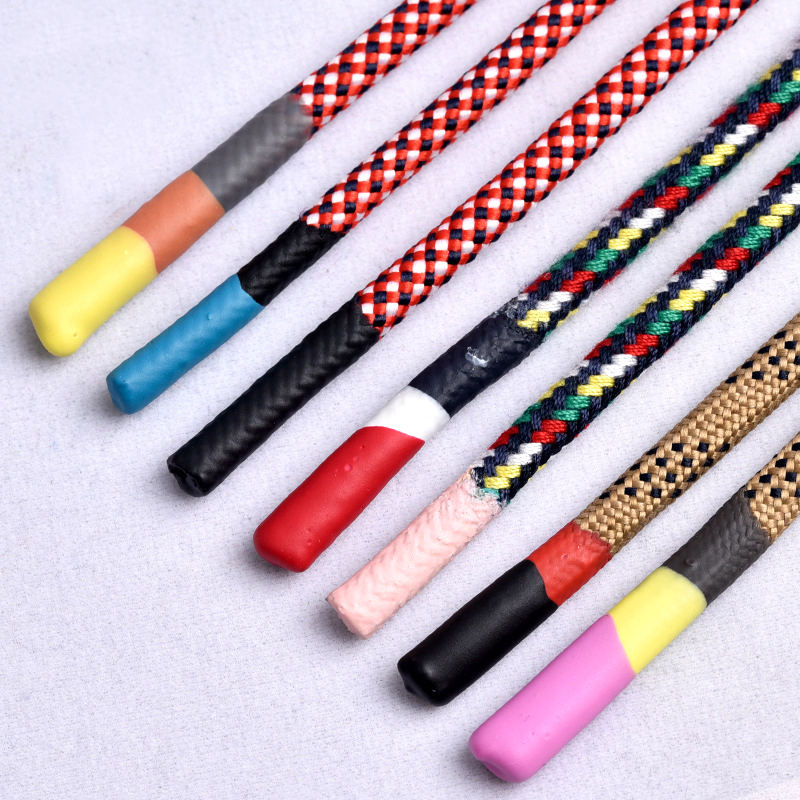
Custom drawcords and tipping can give hooded shirt jackets, anorak-inspired styles and casual layers a more recognizable finish. Select cord material, thickness, aglet treatment and color to align with your collection.
Woven Brand Labels
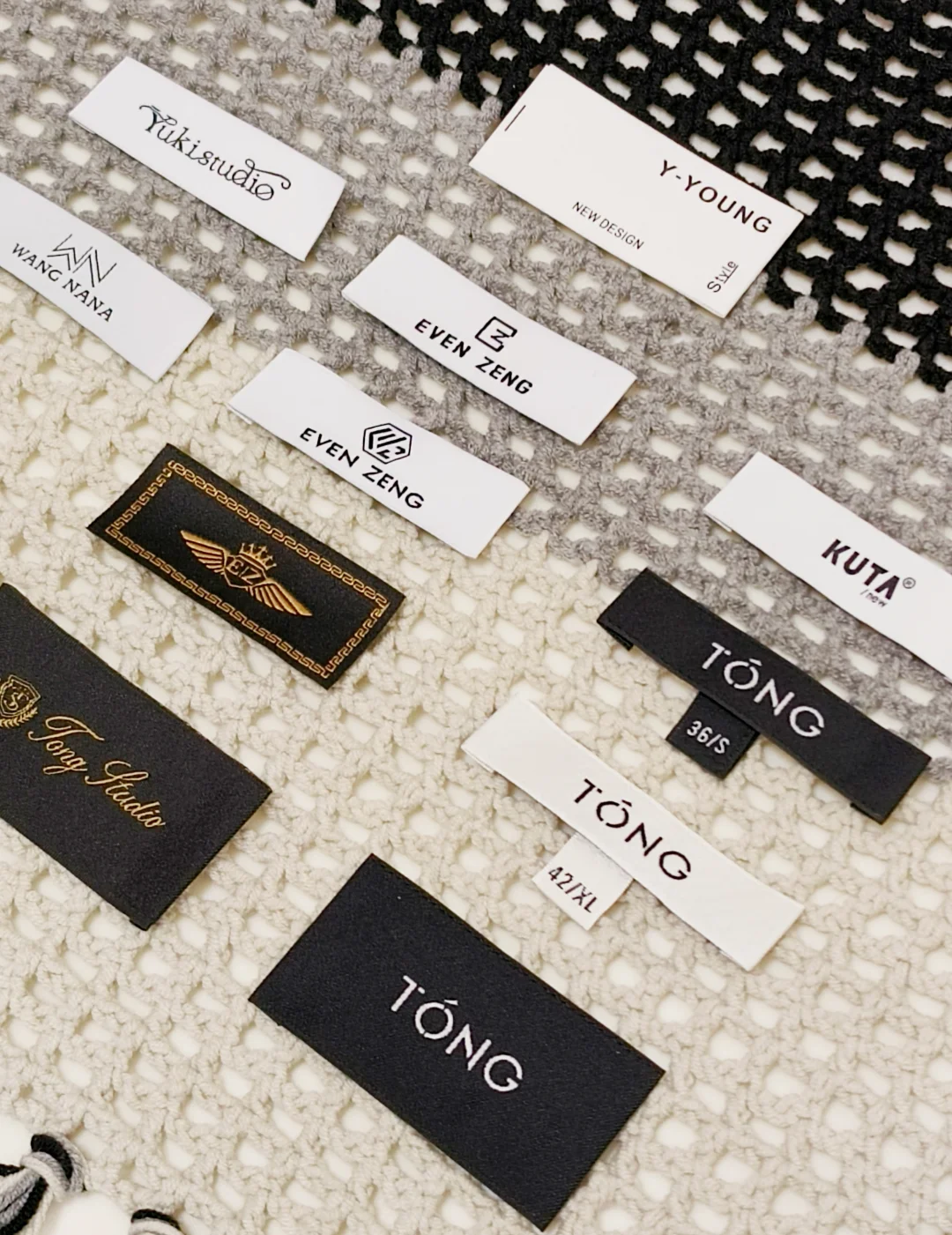
Woven labels bring your identity to collar seams, side seams or interior construction points. We coordinate artwork, dimensions, fold style and placement references so each label supports a repeatable private-label specification.
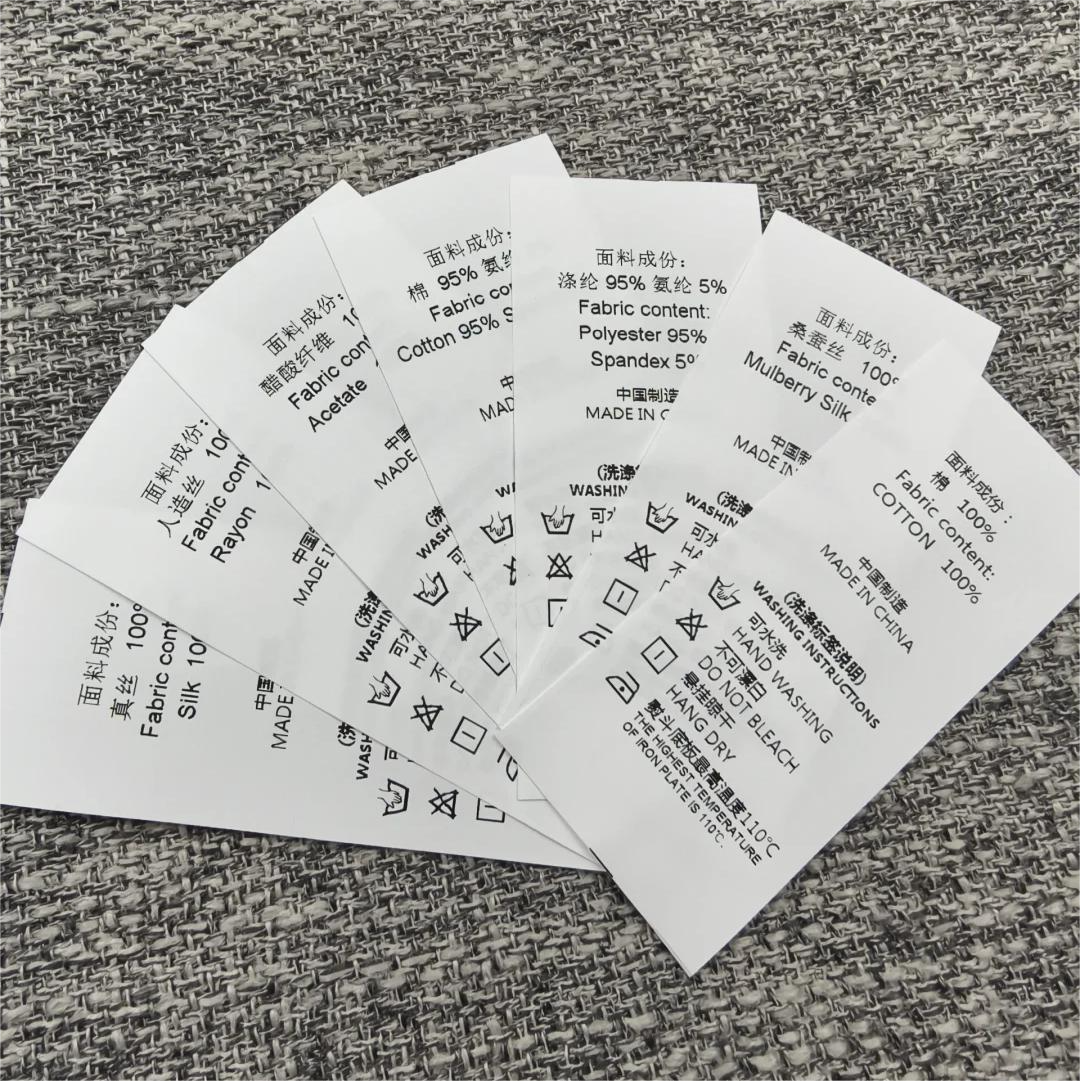
Neck Care Labels
Build a clear neck-label system with your brand, size, care information and fiber details where required. Label layouts and placement are reviewed alongside the sample to support accurate production execution.
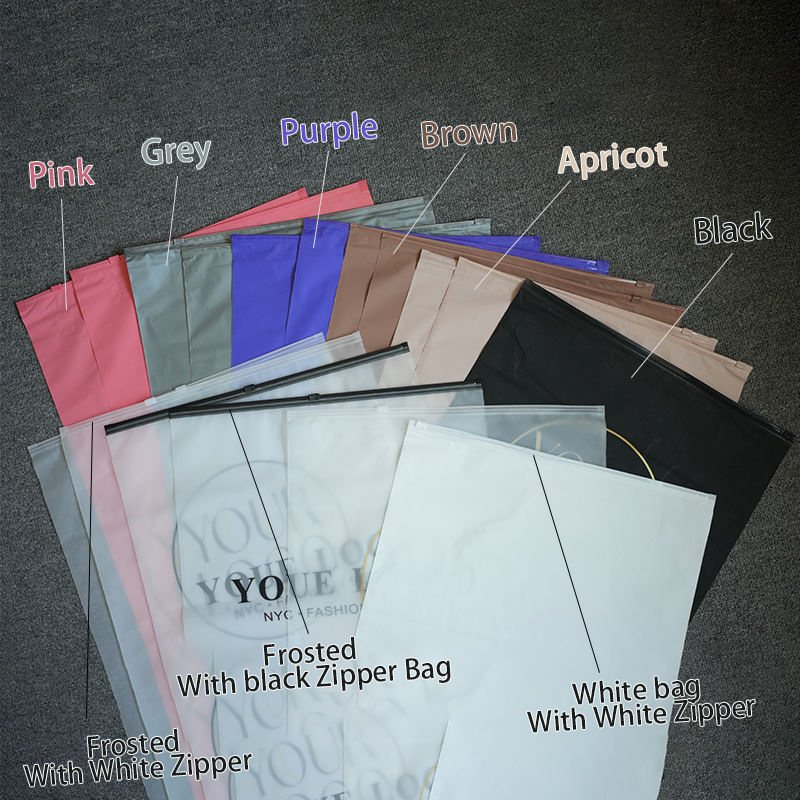
Custom Packaging
Complete the shipment with hangtags, polybags, barcode stickers and packing specifications matched to your sales channel. As a casual shirt manufacturer, EDVORIN organizes these final details with the approved product standard.
About EDVORIN, Your Casual Shirt Manufacturer
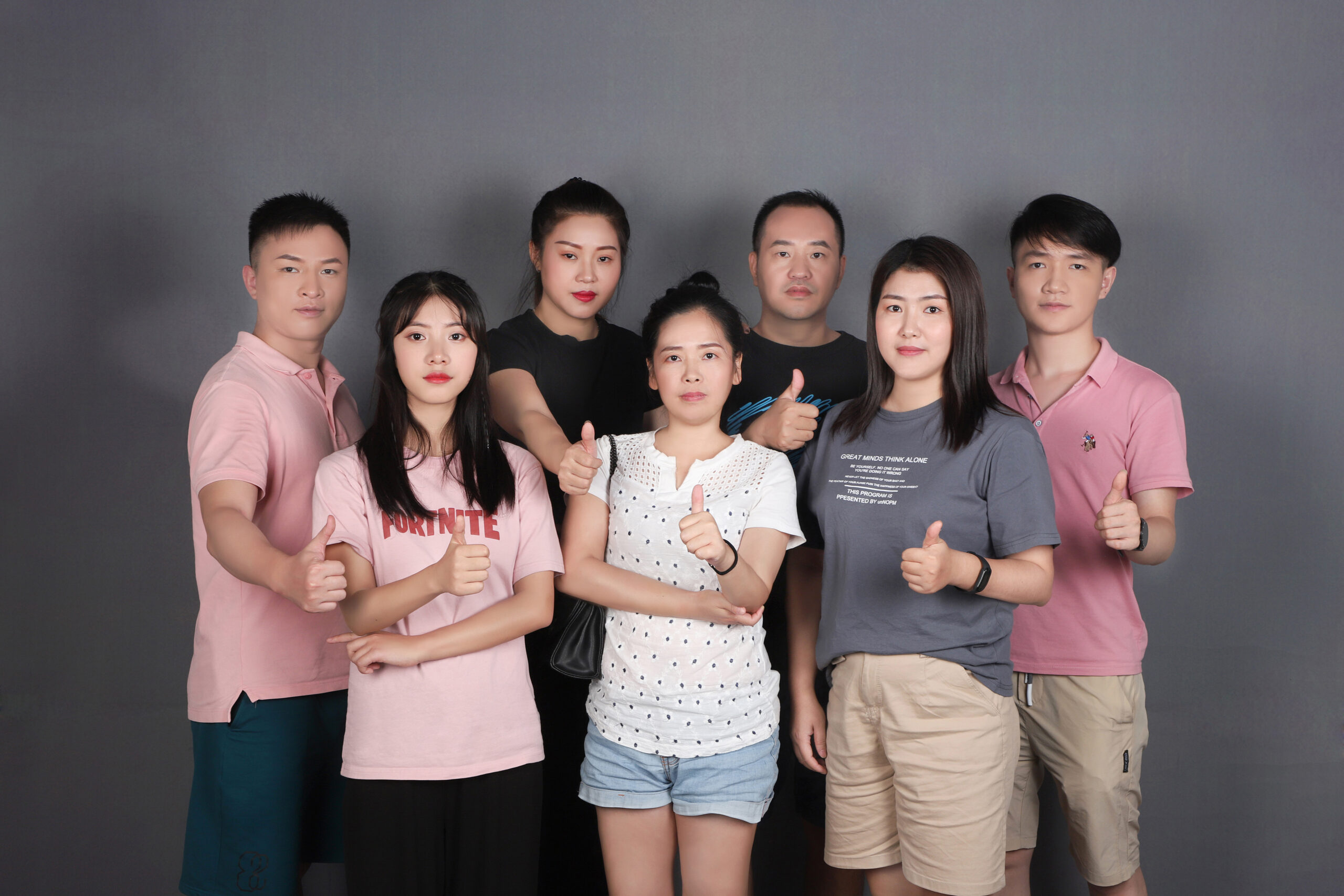
Founded in 2000 by Edvorin Zeng, EDVORIN helps fashion brands, streetwear labels and private-label buyers turn casual shirt concepts into production-ready programs. We support both complete tech packs and early-stage ideas, bringing fit, fabric, construction and branding decisions into a standard the team can review and reproduce.
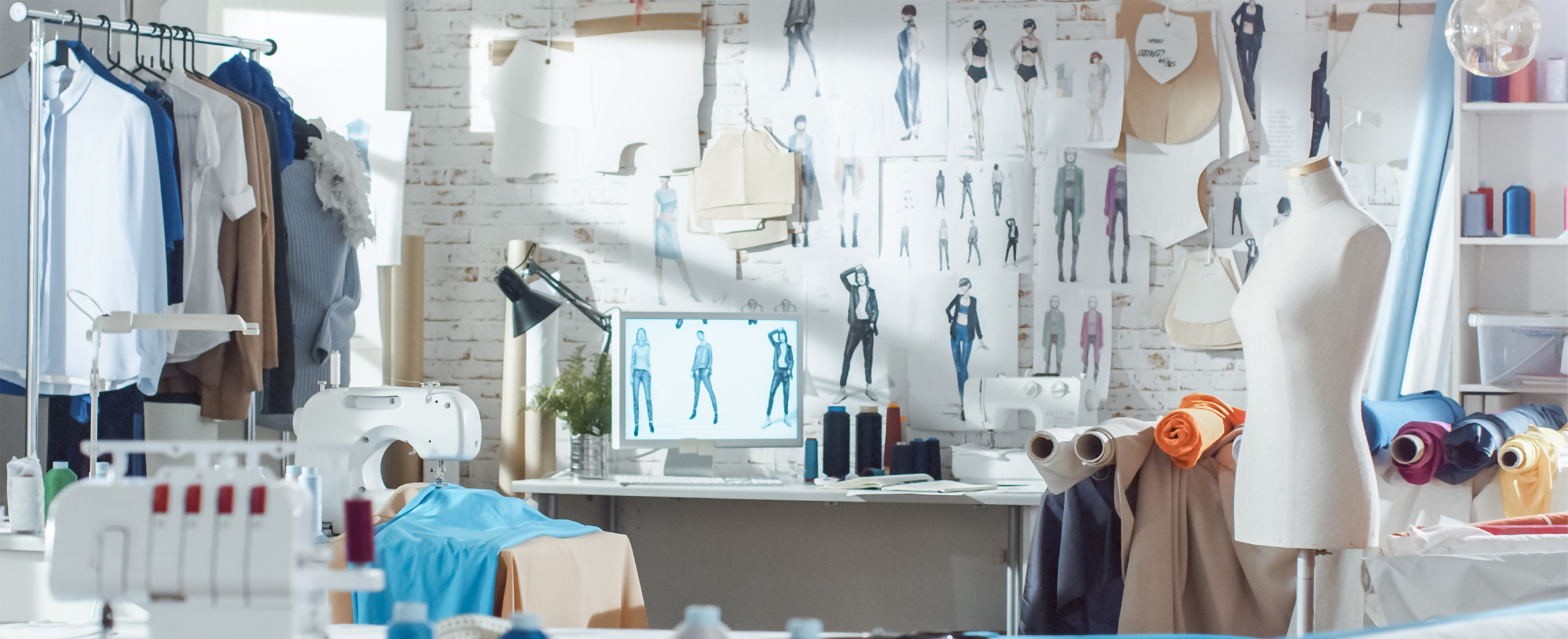
As a casual shirt manufacturer, we connect product development, material sourcing, patterns, samples, printing, embroidery, washing, bulk production, quality control, labeling and packaging in one accountable workflow. Men’s and women’s shirt programs are developed around the intended fit, proportions, styling details and market requirements rather than a one-size-fits-all specification.
What sets EDVORIN apart is the discipline after sample approval. We document approved materials, measurements, artwork placement, trims and finishing details, then use in-line and final checks to protect that standard through bulk production. With OEM, ODM and private-label support starting at 200 pieces per style, buyers can build repeatable collections with confidence.
Casual Shirt Manufacturer: From Detail to Bulk Standards
Technical Development That Holds Up
EDVORIN converts sketches, reference garments and finished tech packs into construction-ready shirt specifications, aligning men’s or women’s fit blocks, measurements, collars, plackets, pockets and grading before the sample stage so production decisions are clear rather than assumed.
- Pattern and measurement development
- Collar, placket and pocket specifications
- Men’s and women’s fit adjustments
- Grading prepared for production
Fabric and Decoration Work Together
As a casual shirt manufacturer, EDVORIN coordinates fabric weight, hand feel, color direction and shrinkage considerations with embroidery, printing, washes and branded trims. This early alignment helps protect the intended appearance, comfort and decoration performance across a repeatable bulk order.
- Fabric selection matched to the design
- Print and embroidery compatibility review
- Wash and color direction coordination
- Custom trims and branding details
Approved Samples Become Standards
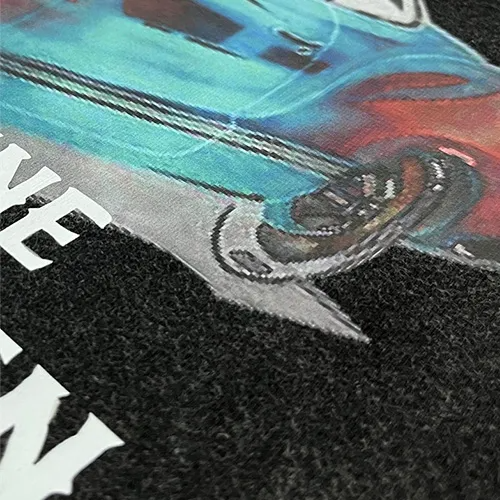
An approved sample becomes more useful when its decisions are recorded. EDVORIN documents measurement points, construction revisions, artwork placement, colors, trims, wash direction and labeling details, giving the production team a practical reference for keeping the bulk order aligned with approval.
- Sample revisions tracked clearly
- Artwork placement measurements recorded
- Labels, trims and wash details specified
- Approved references carried into bulk

Inspection at the Points That Matter
Basketball uniform development covers breathable mesh or interlock fabrics, jersey and short proportions, contrast panels, neck and armhole finishing, team graphics, numbers and player names. EDVORIN organizes approved specifications for stable color, placement and sizing in bulk.
- Incoming material checks
- In-line construction and measurement review
- Decoration and finishing inspection
- Final packed-order quality control

Production Control: From Detail to Bulk Standards
One accountable path from product development to repeat-ready bulk production.
← Swipe left or right to view →
Our Casual Shirt Production Process
A controlled path that carries your approved casual shirt from technical review through bulk production, final inspection and shipment.
Review Technical Requirements
We review your tech pack, reference garment or concept, confirming fit, measurements, construction, branding details and production priorities before development begins.
Source Fabrics and Trims
Our team coordinates shirt fabrics, buttons, labels, thread and packaging components around the required hand feel, performance, color and target market.
Develop Patterns and Samples
Patterns and samples translate approved specifications into a wearable standard, allowing you to assess fit, proportions, materials, workmanship and finishing before bulk release.
Cut and Apply Decoration
After sample approval, materials are inspected and cut while embroidery, printing, washes or other specified decoration are coordinated with the shirt construction.
Sew, Inspect and Finish
Production follows approved construction standards with in-line checks for measurements, stitching, placement and appearance, then final finishing before quality review.
Pack and Prepare Shipment
Final approved shirts receive specified labels, folding and packaging, with order quantities checked before shipment preparation for your wholesale, retail or private-label program.
Start Your Casual Shirt Manufacturer Project
Move from an approved concept to a repeatable casual shirt program with clear specifications, sample approval, controlled bulk production and delivery planning.
Submit Your Concept
Share a tech pack, reference garment, sketch or collection brief. EDVORIN reviews the intended fit, fabric, construction, branding and target market requirements.
Align Specifications and Quote
Confirm materials, measurements, collar and cuff details, trims, decoration, labels, packaging, quantities and timelines. We then prepare a clear production quotation for review.
Approve Your Sample
Review the developed sample for fit, fabric handfeel, construction and branding execution. Approved revisions become the documented standard guiding your casual shirt bulk order.
Launch Bulk Production
After approval, we coordinate material sourcing, cutting, sewing, decoration, finishing and in-line checks against the confirmed sample and production specifications.
Confirm Final Delivery
Final inspection verifies measurements, workmanship, labeling and packing before shipment. Your team confirms delivery arrangements for a production-ready order built to repeat.
Certified Standards for Responsible Apparel Production




What Buyers Say About Their Casual Shirt Manufacturer
Verified customer story placeholder: add a fashion brand’s approved account of smoother sample development, including the number of sample revisions reduced and the final order quantity.
Verified customer story placeholder: add a private-label buyer’s confirmed result for repeat casual shirt production, such as the number of styles reordered or the delivery cycles completed.
Verified customer story placeholder: add a wholesale program’s confirmed outcome for artwork, labeling, size-set, or packing control, supported by a specific order or SKU count.
Customer Stories
Clear answers on minimums, development, production control and private-label support for your casual shirt program.
What is the MOQ for a casual shirt manufacturer?
Can a casual shirt manufacturer make a sample before bulk production?
How long does casual shirt production take?
What is the difference between OEM and ODM casual shirt manufacturing?
Can you customize fabric, fit, labels and packaging?
How does EDVORIN control quality during casual shirt manufacturing?
How do payments work for a custom casual shirt order?
Can you ship private-label casual shirts internationally and protect our designs?
The Complete Buyer’s Guide to a casual shirt manufacturer
Use this practical framework to compare casual shirt suppliers, evaluate fabrics and construction, plan customization, control costs, and avoid sourcing mistakes before placing a private-label or wholesale order.
1. What Is a Casual Shirt Manufacturer?
200-piece programs illustrate the B2B role of a casual shirt manufacturer: converting an approved specification into repeatable cut-and-sew production, including fabric, pattern, sampling, decoration, labels, packing, and quality checks. It is broader than supplying shirts.
Four models define the buying relationship. OEM follows the buyer’s tech pack; ODM adapts the manufacturer’s existing development; private label adds the buyer’s identity to a developed product; contract production makes an approved design to documented standards.
One factory-led production path differs from a trading company that coordinates vendors, a blank supplier selling stock garments, and a print shop decorating finished blanks. Fashion brands need development control, teams and schools need managed names, numbers, and size sets, while wholesalers and corporate buyers need consistent specifications and reorders.
2. How Casual Shirt Manufacturing Evolved
19th-century shirtmaking centered on individual tailoring: a cutter adjusted the pattern, collar, sleeve, and body balance for one wearer. That labor-intensive model delivered personal fit but made exact repetition across sizes and reorders difficult.
By the mid-20th century, standardized ready-to-wear blocks and graded size ranges made shirts easier to produce at volume. Global sourcing then separated design, fabric mills, cut-and-sew factories, decoration, and distribution, making private-label programs practical but increasing the need for controlled specifications.
200-piece development runs now let many buyers test a fit block, fabric, wash, and branding before committing to larger volume. A capable casual shirt manufacturer must document approved measurements, Pantone references, trims, artwork placement, and inspection criteria so sampling moves faster, customization remains traceable, and replenishment can scale without changing the garment.
3. Casual Shirt Manufacturer Styles and Product Types
A casual shirt manufacturer should match silhouette and construction to the selling season and wearer. EDVORIN develops men’s and women’s programs from distinct fit blocks, then documents the approved standard for repeat production.
Warm-Weather Button-Ups
Two warm-weather staples are short-sleeve button-ups and camp-collar shirts. Relaxed bodies, straight hems, chest pockets, and clean collar roll suit resort brands, club merchandise, school events, and wholesale summer assortments.
Layering And Flannel Shirts
Two layering options are long-sleeve shirts and overshirts, typically cut with room for a tee or lightweight knit beneath. Flannels add brushed texture; reinforced seams, cuff plackets, and stable pocket placement suit streetwear and autumn programs.
Workwear And Unisex Fits
One work shirt needs a durable silhouette: a firmer collar, bar-tacked stress points, utility pockets, and dependable button spacing. Unisex styles require intentionally graded proportions, making them practical for staff uniforms, teams, academies, and private-label basics.
4. Casual Shirt Manufacturer Fabric Choices
Seven fabric families cover most casual-shirt programs. A casual shirt manufacturer should approve a swatch, wash test, and print strike-off before locking bulk specifications.
| Fabric | Typical Weight | Strengths | Limitations | Best Category |
|---|---|---|---|---|
| Cotton poplin | 100–140 GSM | Crisp, breathable, print-ready | Wrinkles; limited drape | Button-down |
| Oxford | 140–190 GSM | Textured, durable, breathable | Bulkier; less sharp print | Workwear casual |
| Cotton twill | 160–220 GSM | Durable, structured | Warmer, wrinkles | Overshirt |
| Linen | 120–180 GSM | Cool, airy, natural texture | High wrinkle care | Resort shirt |
| Rayon/viscose | 110–160 GSM | Soft, fluid drape, vivid print | Lower durability; gentle wash | Camp collar |
| Denim/chambray | 130–250 GSM | Hardwearing; chambray lighter | Crocking; slower drying | Utility shirt |
| Cotton-poly | 120–180 GSM | Easy care, durable, wrinkle-resistant | Less breathable | Uniform shirt |
Hand Feel And Drape
Poplin feels crisp; oxford feels textured; twill feels substantial. Linen breathes best but wrinkles, while rayon/viscose drapes fluidly and needs gentler care.
Print And Care
Smooth poplin supports sharp prints; cotton-poly improves wash durability. Test dark denim for crocking and rayon prints for colorfastness after laundering.
Specify The End Use
120–170 GSM suits lighter warm-weather shirts; 180–250 GSM supports overshirts. EDVORIN can translate the selected fabric into approved construction and repeatable bulk controls.
5. Customization Options From a Casual Shirt Manufacturer
EDVORIN translates a concept into controlled shirt specifications: custom patterns, men’s or women’s fit blocks, Pantone colors, yarn-dyed checks, and all-over prints. Approved samples should also lock buttons, labels, neck tape, patches, and packaging.
| Method | Visual Effect | Suitable Fabric | Durability | Artwork And Volume |
|---|---|---|---|---|
| Embroidery | Raised texture | Midweight woven | High | Simple logos; setup favors repeat runs |
| Screen print | Opaque, graphic color | Cotton or blend | High when cured | Limited colors; efficient at volume |
| Transfer | Fine multicolor detail | Smooth woven panels | Test adhesion | Complex art; useful for short runs |
Build the Brand System
EDVORIN can develop collar shape, pocket geometry, placket, cuff, and hem from a tech pack, sketch, or reference garment.
Pantone references, button samples, woven main labels, care labels, neck tape, woven patches, and folded polybag instructions should be approved together.
Match Decoration to Fabric
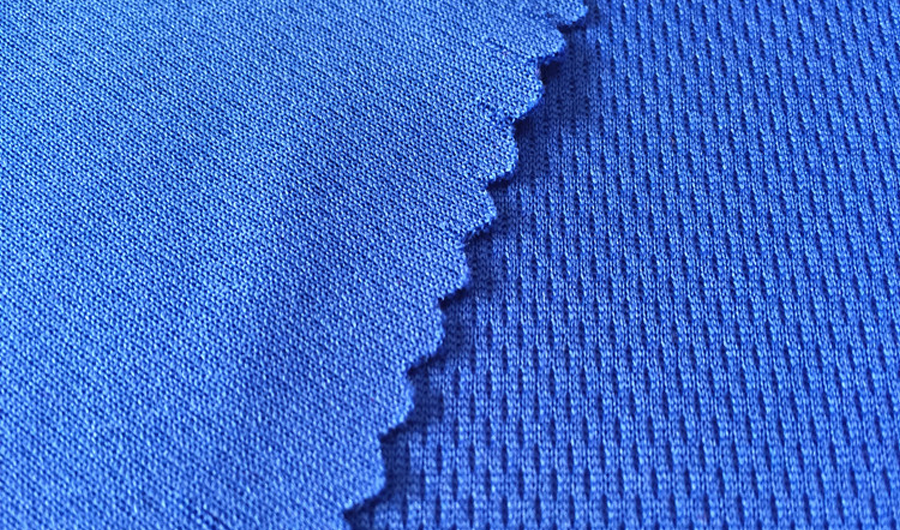
Screen printing suits bold, limited-color artwork on stable cotton or cotton-blend panels; placement and ink coverage require clear approval.
Embroidery adds texture on heavier woven fabrics, while transfers support detailed multicolor artwork; stitch density and transfer adhesion need sample testing.
6. Construction Details That Signal Quality
100% of approved samples should become measurable production standards, not visual references alone. A casual shirt manufacturer should record each checkpoint on the tech pack and inspection sheet.
Material And Shrinkage
4-point fabric inspection should identify holes, stains, skew, shade variation, and repeat defects before cutting.
3% to 5% wash-shrinkage allowance, confirmed by a test, must be reflected in pattern dimensions and approved measurements.
Sewing And Components
10 to 12 stitches per inch is a common starting specification for shirt seams; confirm the target by construction and fabric weight.
2 secure button stitches, clean buttonholes, balanced collar points, straight plackets, matched checks, and even hems should be signed off against the sample.
Final QC Checkpoints
±1 cm at key garment points is a practical tolerance to define before bulk inspection, with seam strength and appearance checked on finished units.
100% final packing review should verify pressing, loose-thread removal, size labels, fold method, polybag markings, carton assortment, and quantity accuracy.
- Fabric and shrinkage test approved
- Measurements checked against tolerance
- Collar, placket, buttons, and pattern matching inspected
- Packing ratio and labels verified
7. How to Choose a Casual Shirt Manufacturer
EDVORIN’s MOQ starts at 200 pieces per style. A 200-piece MOQ is only one decision point when choosing a casual shirt manufacturer. Compare suppliers against the exact shirt construction, development needs, and delivery constraints of your program.
Match Product Experience
Three prior shirt samples reveal more than a general apparel portfolio. Ask for comparable woven-shirt references, collar and placket close-ups, measurement tolerances, and an approved sample before deposit.
Two fit rounds are common when a block is unproven. Confirm who owns pattern revisions, grading, and written approval records.
Verify Materials And Quality
120–200 GSM cotton poplin and oxford behave differently in shrinkage, opacity, and print response. Request fabric composition, weight, color standard, test reports where required, and wash-test samples.
Four control points should be documented: incoming fabric, cutting, inline sewing, and final inspection. Ask which defects trigger repair, rejection, or rework.
Test Production Readiness
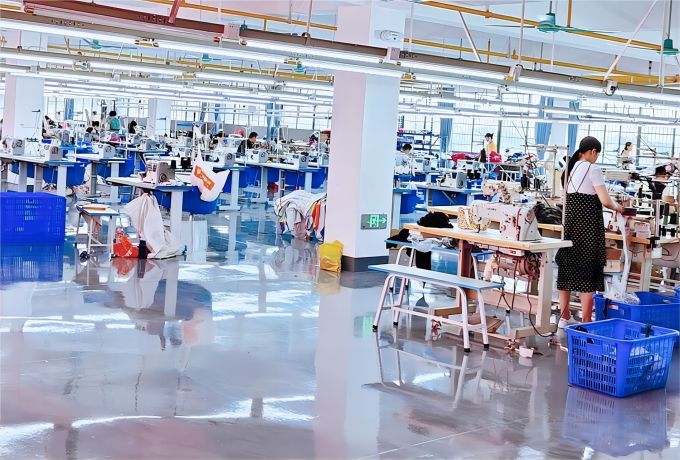
EDVORIN’s MOQ starts at 200 pieces per style. 30–60 days may be realistic only after materials, trims, artwork, and samples are approved. Ask for capacity by month, MOQ by color and style, critical-path dates, and shipping terms.
One purchase order should match a complete production file. Require a tech pack, measurement chart, Pantone references, placement dimensions, labeling list, packing ratio, and carton marks.
8. Common Casual Shirt Manufacturer Sourcing Mistakes
Two approvals—sample and specification—should precede any purchase order. A casual shirt manufacturer can control repeatability only when the buyer’s standard is complete.
Price Before Total Cost
One low unit quote can exclude testing, labels, polybags, or freight. Compare a landed-cost sheet with identical fabric, trims, and Incoterms.
Three quotes should be normalized against the same tech pack. Reject comparisons based on vague construction or unapproved substitutions.
Incomplete Development Approval
One fit sample does not approve bulk color, shrinkage, print, grading, or packing. Sign a sample checklist covering measurements, Pantone, fabric tests, artwork, and trims.
Two measurement limits—target and tolerance—belong on every point of measure. Confirm size-set grading before cutting bulk.
Late Changes And Logistics
One post-cut change can require new fabric, patterns, or rework. Freeze specifications after pre-production approval and log revisions by date.
Four delivery details—lead time, carton marks, folding, and Incoterms—should be written into the order. Reserve time for sampling, fabric approval, production, inspection, and transit.
9. Steps to Launch a Casual Shirt Collection
One launch calendar should begin with the intended wearer, channel, price band, size curve, and required delivery date. A casual shirt manufacturer can then convert the concept into controlled production decisions.
Define The Production Brief
One customer profile—private-label brand, club, school, or distributor—should set the fit, color range, quantity split, and replenishment goal.
Two documents, a product brief and tech pack, should lock measurements, construction, Pantone references, artwork placement, labels, and packaging.
Develop And Approve Samples
Two fabric options should be reviewed for weight, shrinkage, hand feel, color, and decoration compatibility before sampling.
One fit sample and one revised sample should resolve pattern, collar, placket, pocket, and grading issues; retain the approved sample as the bulk reference.
Control Bulk And Replenishment
One pre-production approval should confirm fabric lot, trims, artwork, measurement tolerances, packing ratio, and shipment marks before cutting.
Three checkpoints—inline inspection, final inspection, and freight booking—protect launch timing; record sell-through by size and color to plan replenishment.
10. Casual Shirt Manufacturer Pricing and Cost
200 pieces is a practical starting tier for a custom casual shirt program, but unit cost falls only when the same fabric, color, pattern, trims, and decoration are repeated across a larger run. The table is illustrative, not an EDVORIN price list.
1 complete specification is required for an accurate quote: fabric composition and weight, construction, color count, artwork method, trims, labels, folding, carton pack, and destination. Sampling, freight, duty, and destination handling should be quoted separately from ex-factory garment cost.
| Quantity tier | Illustrative unit-cost tendency | Main cost drivers | Quote requirement |
|---|---|---|---|
| 200–499 units | Highest | Fabric MOQ, pattern work, sample revisions | Approved tech pack |
| 500–999 units | Lower | Fabric, buttons, labels, packaging | Color and size breakdown |
| 1,000+ units | Lower when specifications repeat | Decoration, carton efficiency, freight mode | Delivery destination |
| Sample stage | One-time development cost | Pattern, material, wash or print tests | Reference garment or artwork |
The Complete Buyer’s Guide to Casual Shirt Manufacturing
Send your tech pack, reference garment or collection concept to EDVORIN for a tailored quote and a clear route to bulk production.