
Linen Shirt Manufacturer for Private-Label Brands
EDVORIN develops and produces custom linen shirts from approved samples to controlled bulk production, with MOQ starting at 200 pieces per style.
Production Capabilities for Linen Shirt Development
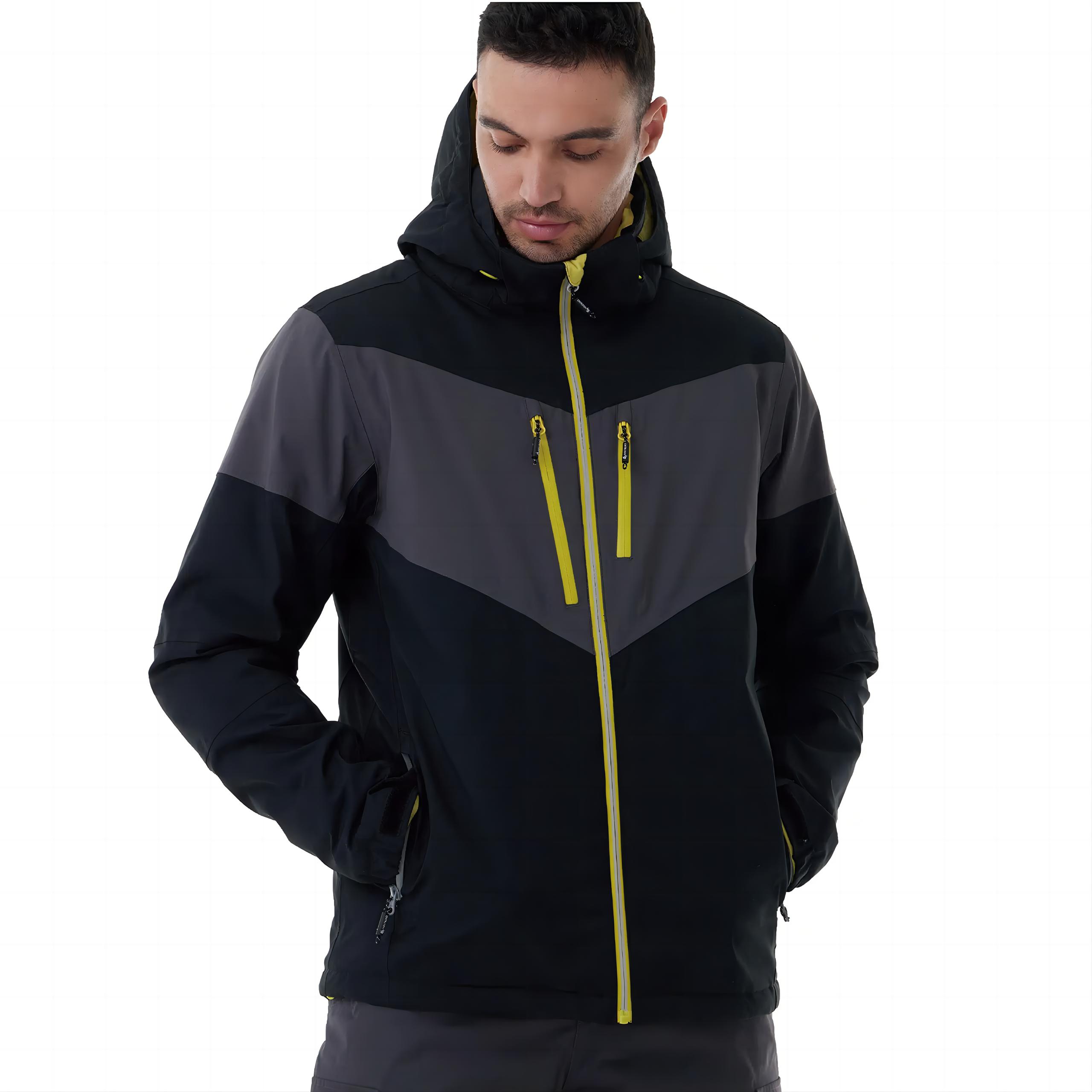
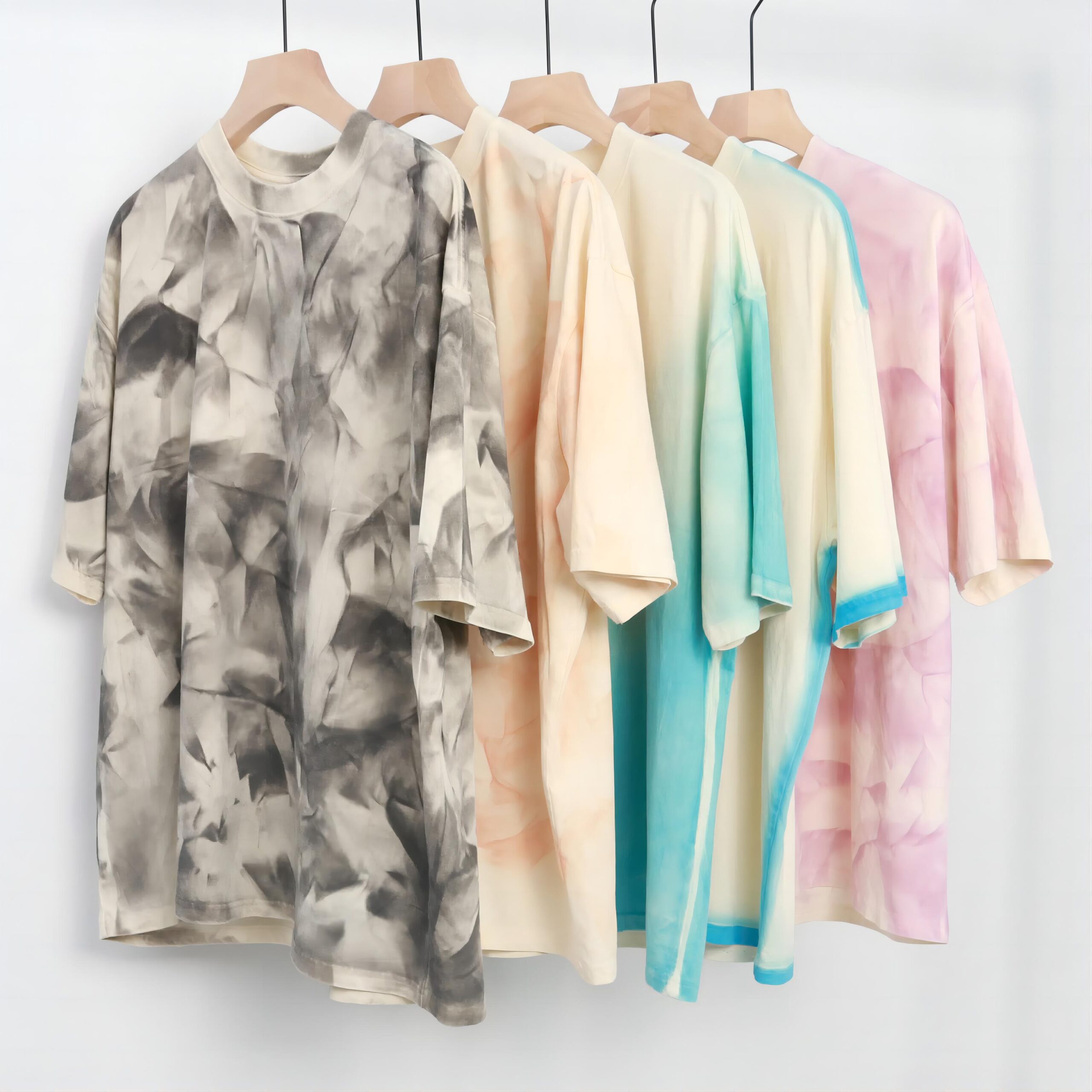
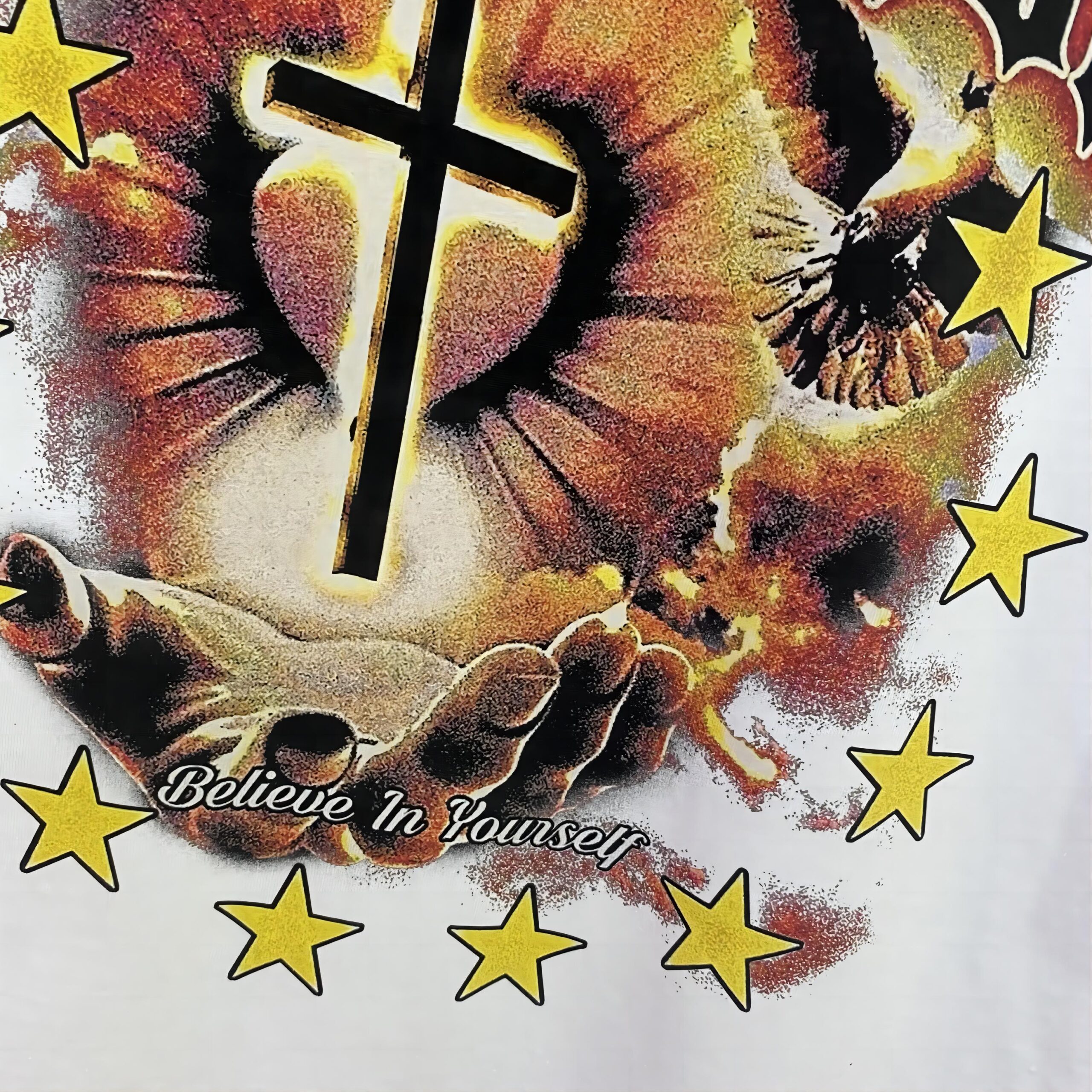
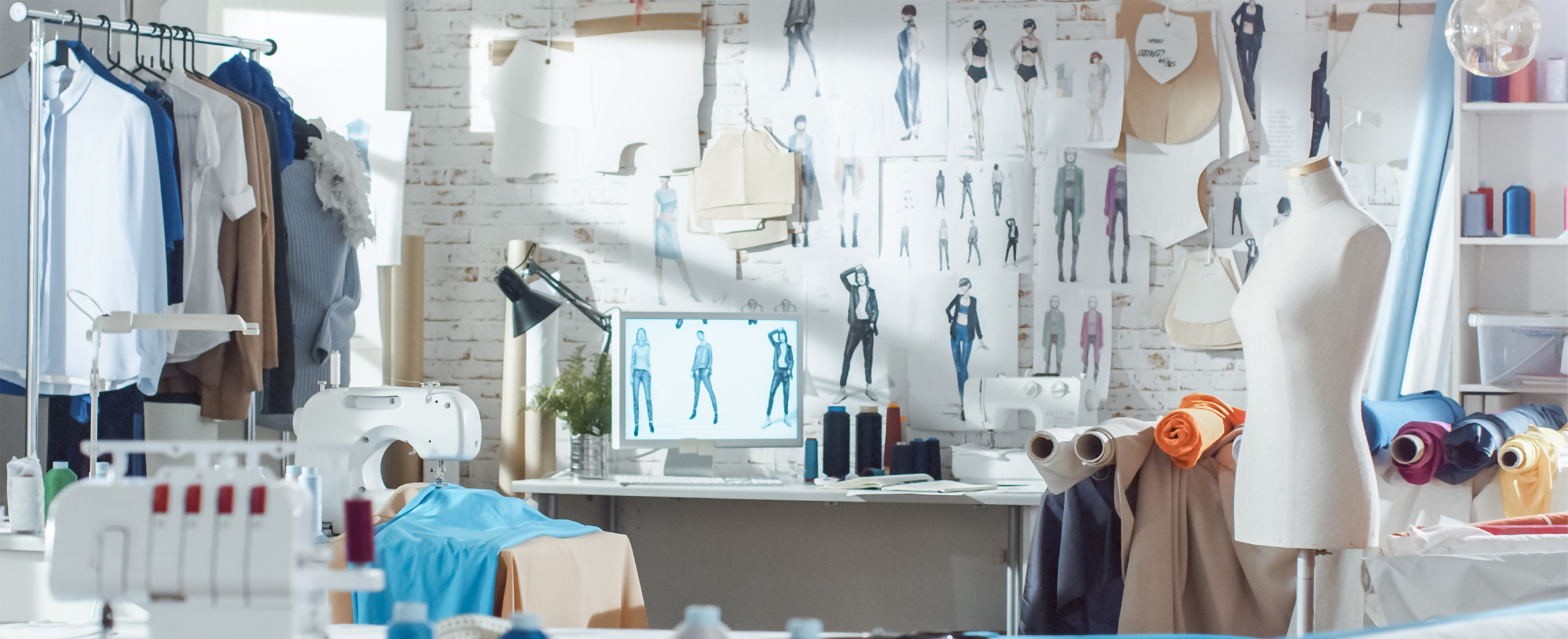

A Linen Shirt Manufacturer Built to Repeat
EDVORIN connects development, sourcing, decoration and quality control into one accountable path from first sample to bulk order.
Development-Led Sampling
Turn sketches, references or complete tech packs into reviewed shirt specifications, patterns and samples built for repeatable production.
Flexible OEM and ODM
Support private-label linen shirt programs at different stages, from technical development through production, with MOQs starting at 200 pieces per style.
Fabric and Trim Coordination
Align fabric selection, collar construction, buttons, labels and packaging so each component supports the intended fit, handfeel and brand presentation.
Decoration That Fits
Coordinate printing, embroidery and finishing choices with the base fabric, artwork requirements and placement details before bulk production begins.
Approved-Standard Quality Control
Use approved samples, measurement records and in-line inspections to keep bulk production aligned with the agreed product standard.
Men’s and Women’s Programs
Adapt fit blocks, grading, proportions and styling details for men’s and women’s linen shirt collections rather than relying on one universal specification.
Apparel Manufacturing Programs
Developed for fashion, streetwear, corporate, wholesale and teamwear buyers, with product specifications carried from sampling through repeat bulk production.
Custom Hoodies
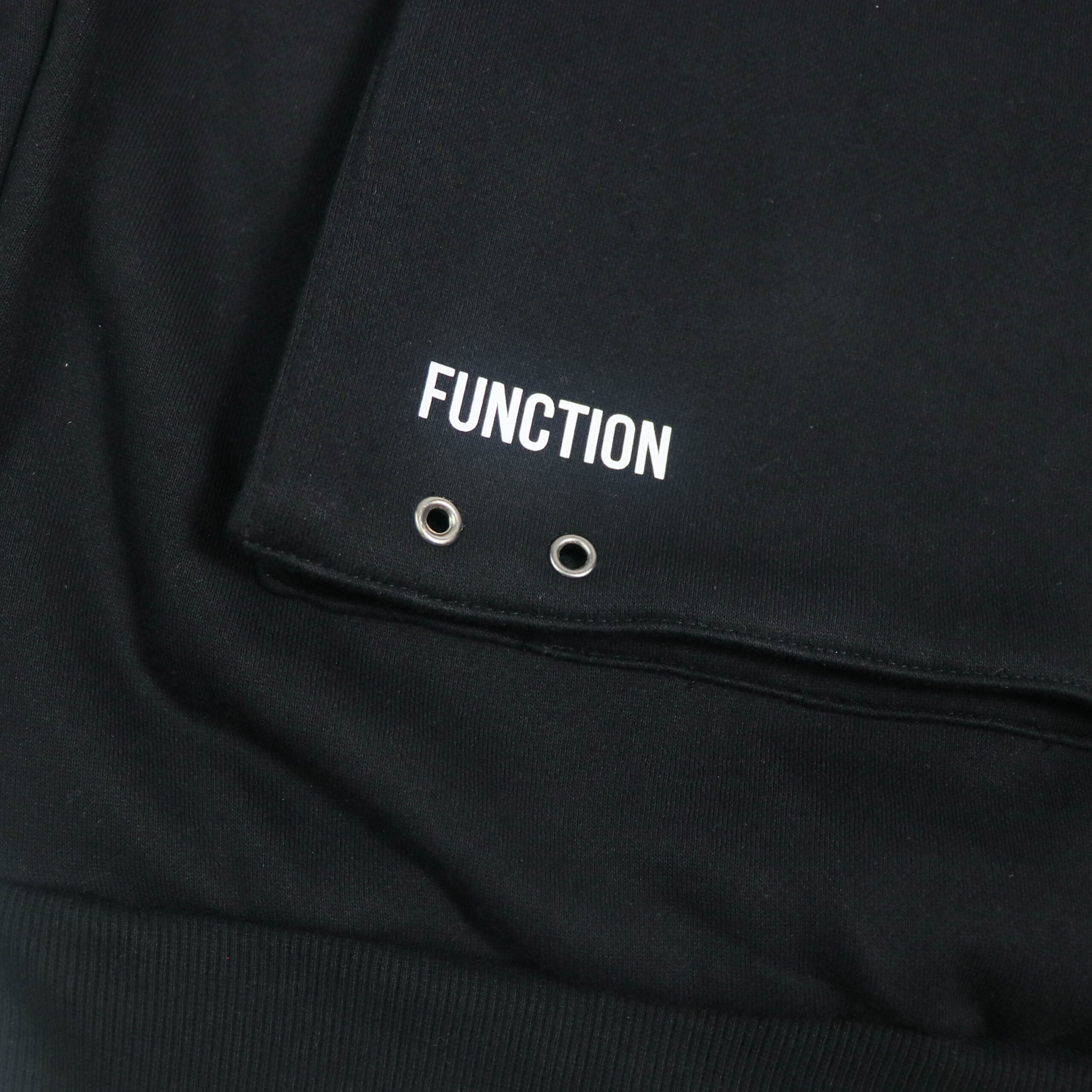
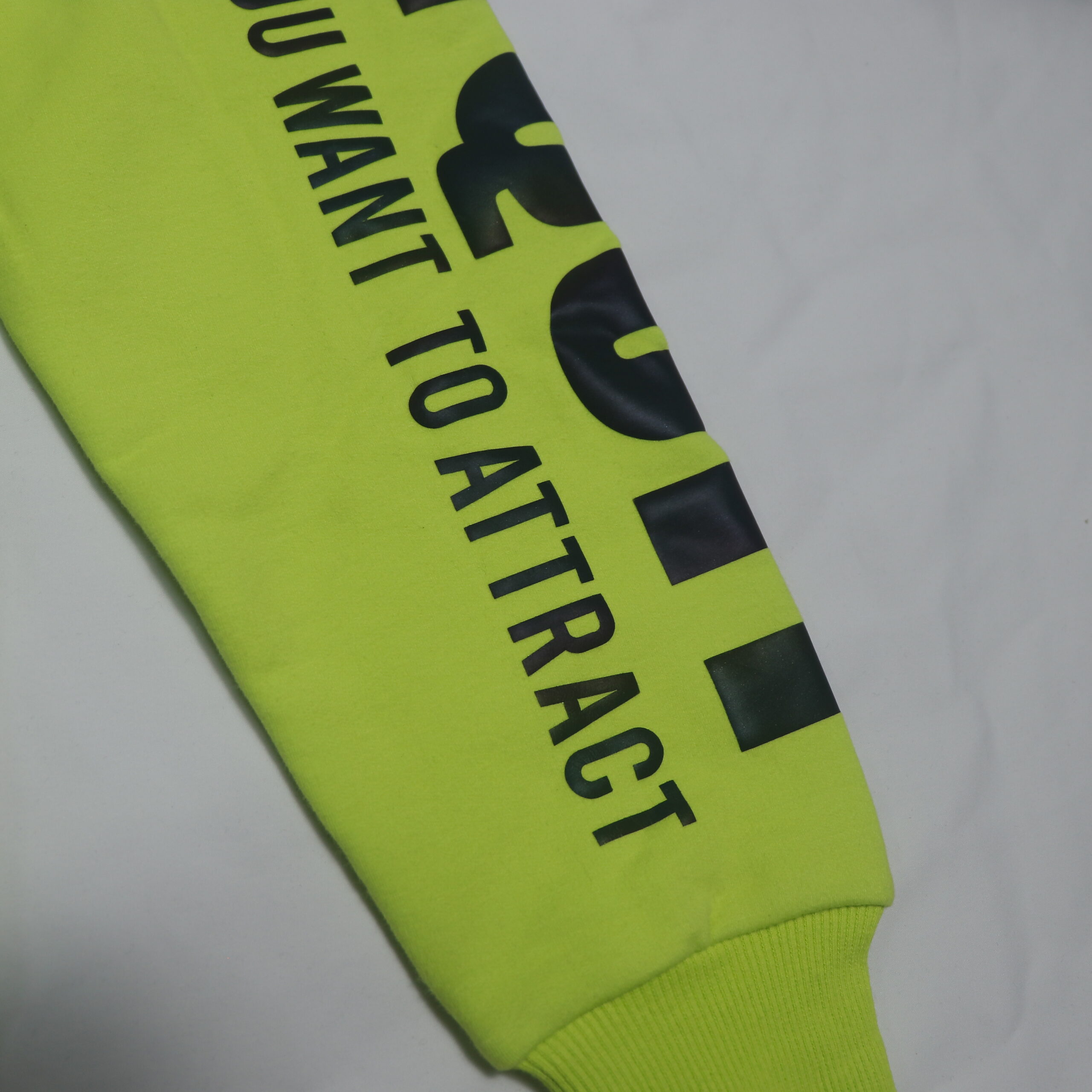
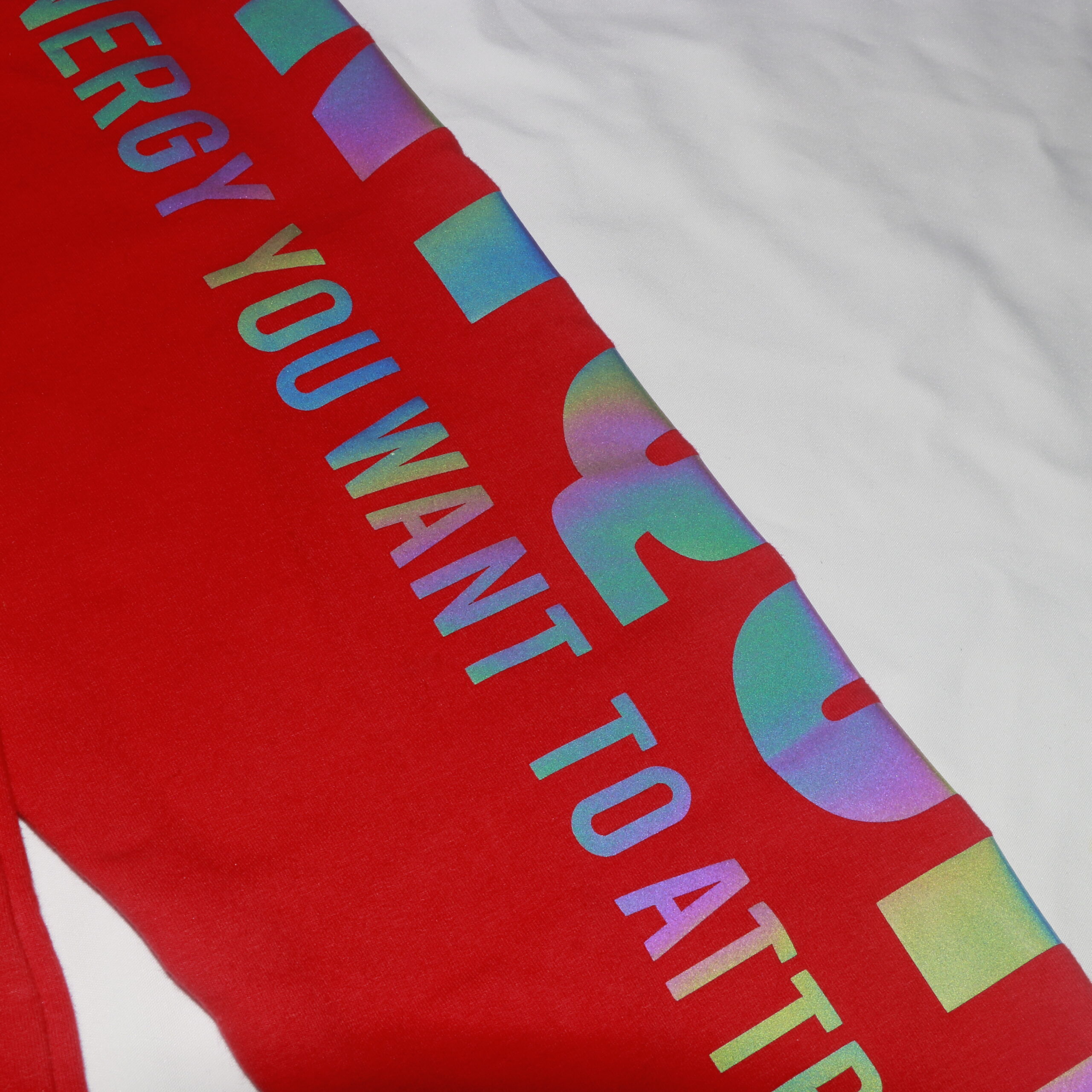
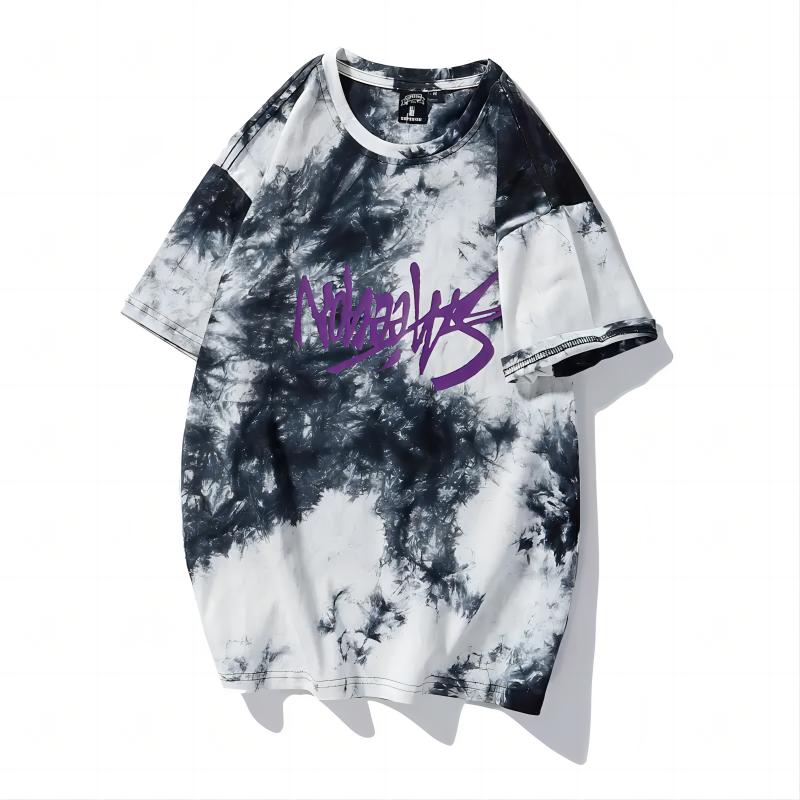
As a custom hoodie manufacturer, EDVORIN develops men’s and women’s hoodies around fleece weight, fit blocks, rib recovery, hoods, drawcords, pockets, labels, prints and embroidery. Approved samples establish the construction and placement standards used for bulk orders.
Get a Quote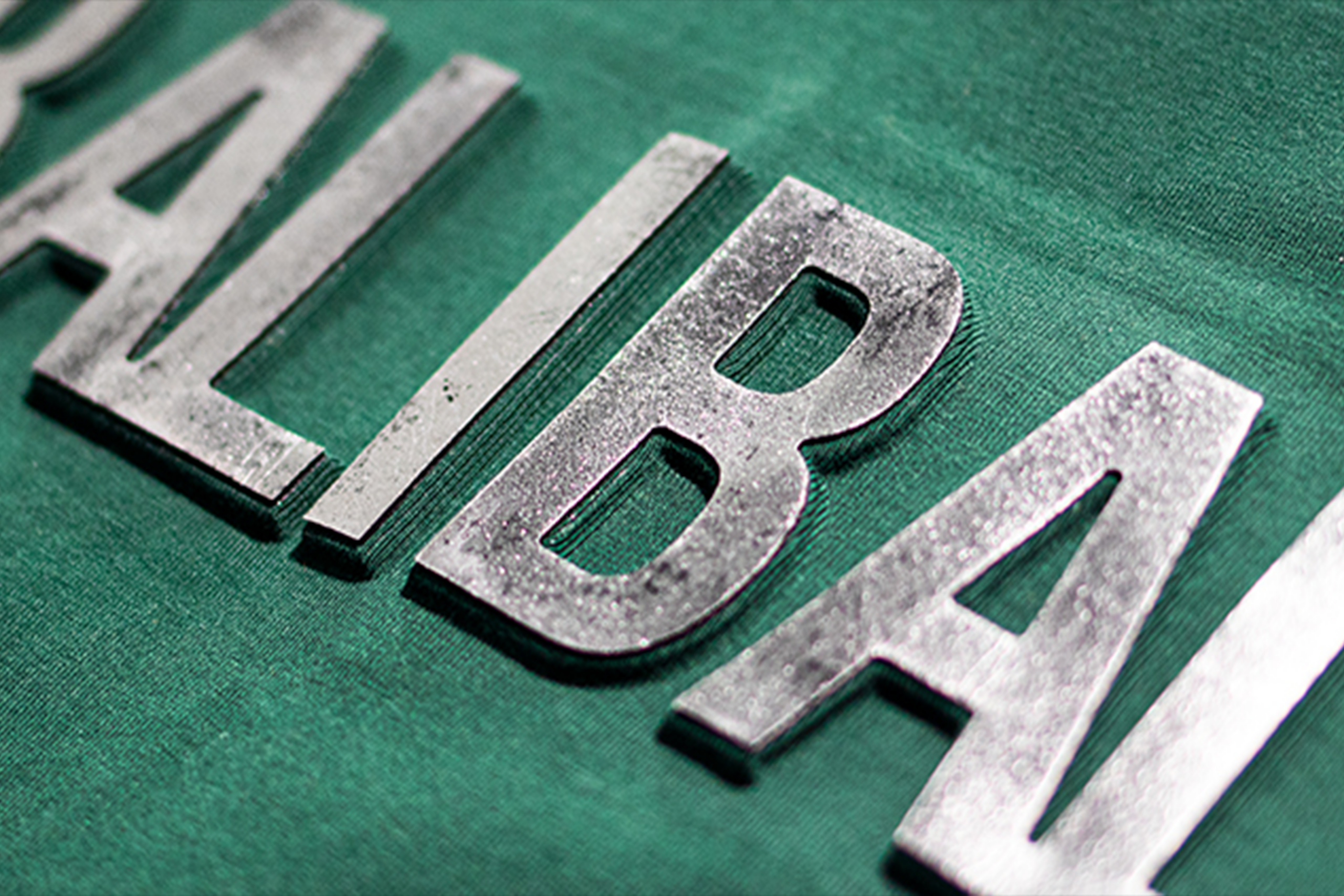
Pullover Sweatshirts
Our sweatshirt manufacturer program covers pullover silhouettes with specified fabric weight, neck rib, cuffs, hems, grading and decoration. Buyers can develop women’s or men’s programs for retail, uniform or private-label use, with sampling used to confirm fit and finishing before production.
Get a Quote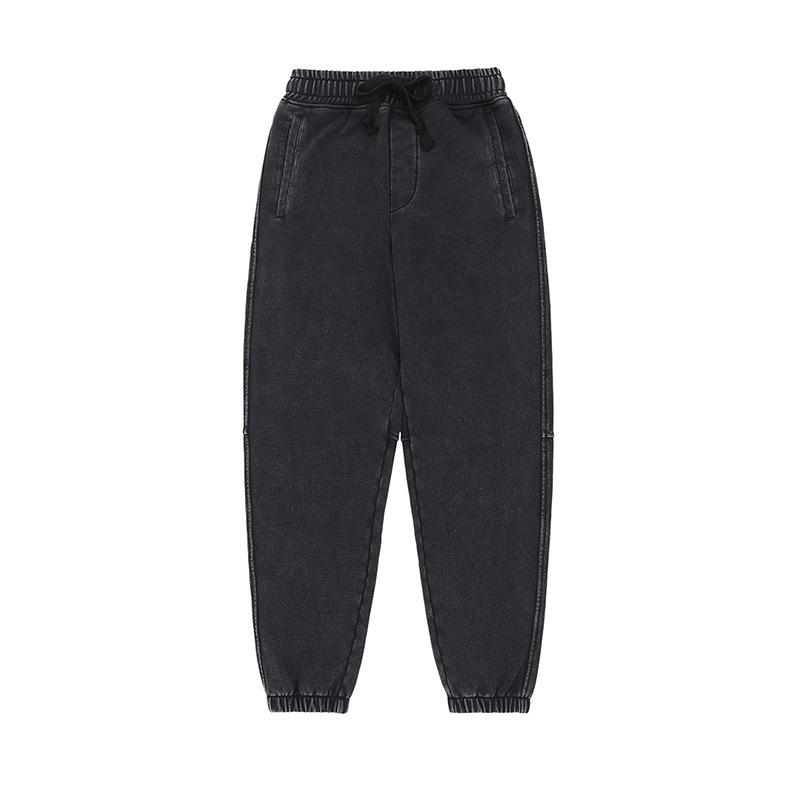
Sweatpants & Joggers
EDVORIN develops sweatpants and joggers with coordinated fit, waistband, drawcord, pocket, cuff and fabric specifications. As a sweatpants manufacturer, we support matching sets, women’s and men’s grading, embroidery, printing, washes and labeling for repeatable casualwear programs.
Get a Quote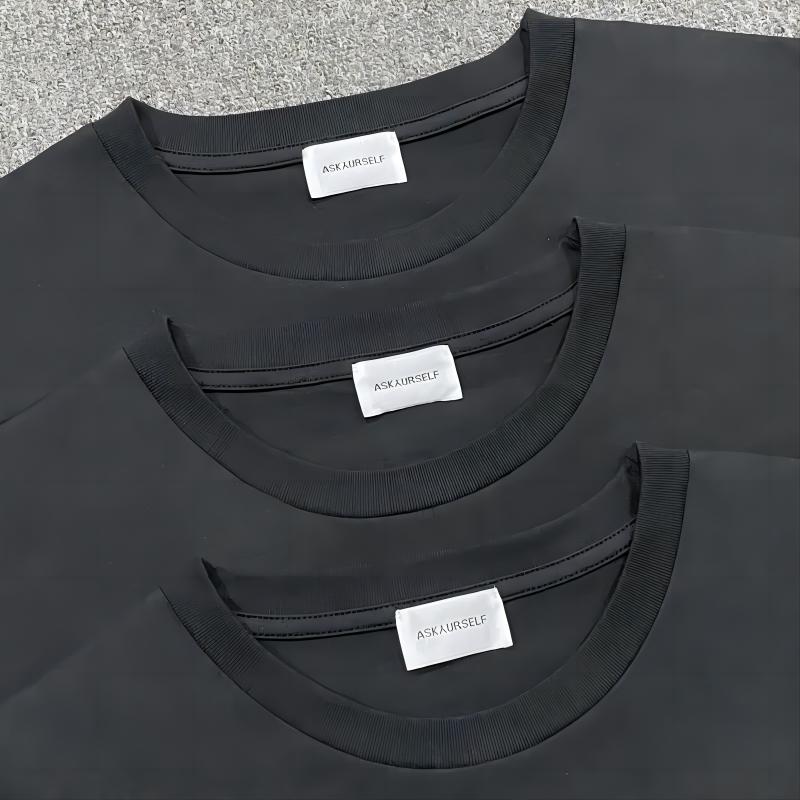
Custom Shorts
As a custom shorts manufacturer, EDVORIN produces fleece, jersey, woven and performance shorts for fashion, teamwear and private-label programs. Inseam, rise, waistband, pocket construction, lining, decoration and size grading are defined during development to support consistent bulk production.
Get a Quote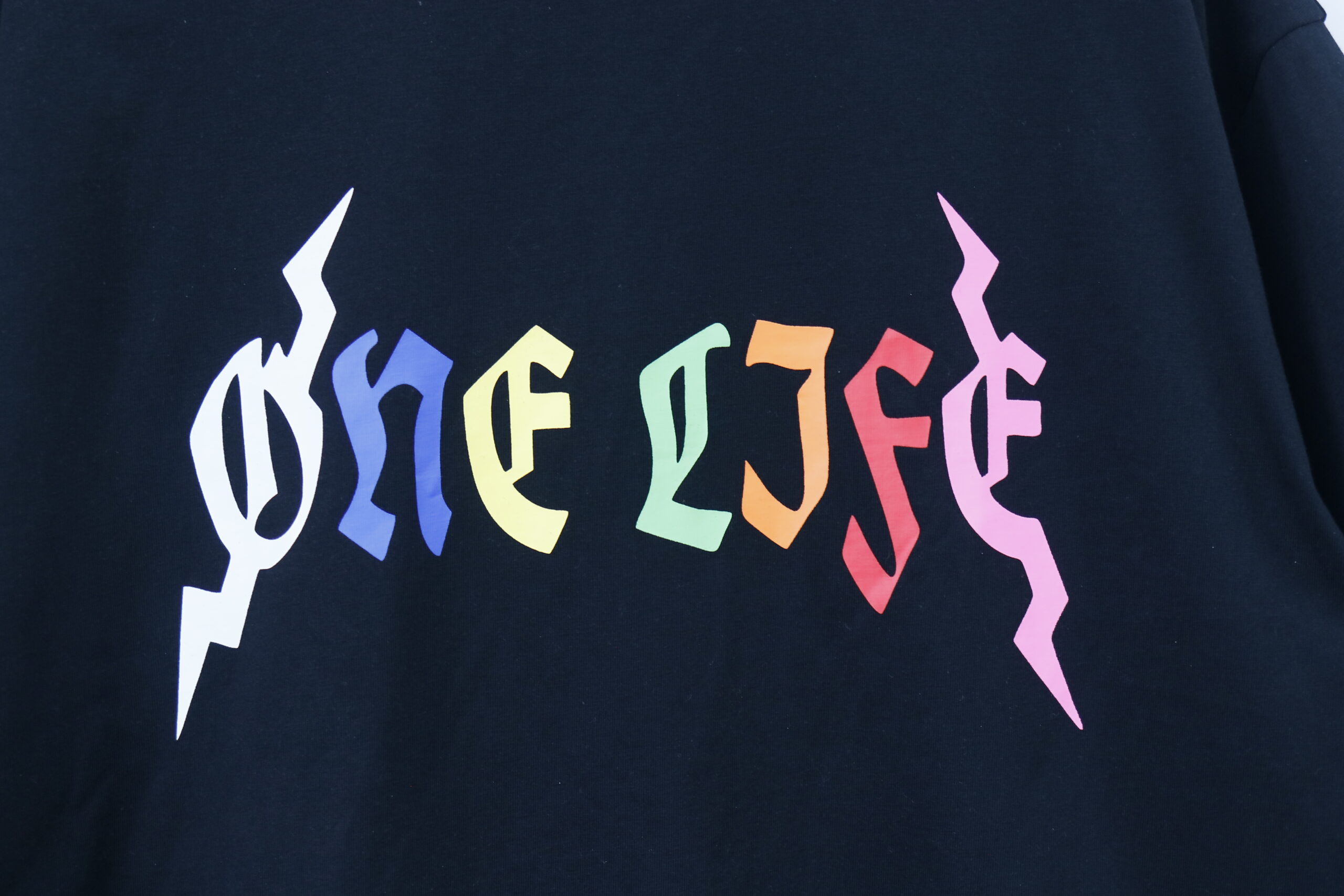
Varsity & Baseball Jackets
Our varsity jacket manufacturer program coordinates body and sleeve materials, lining, rib, snaps, patches, embroidery and appliqué. Buyers can specify classic baseball-jacket construction or updated streetwear proportions, with approved components documented for repeat seasonal production.
Get a Quote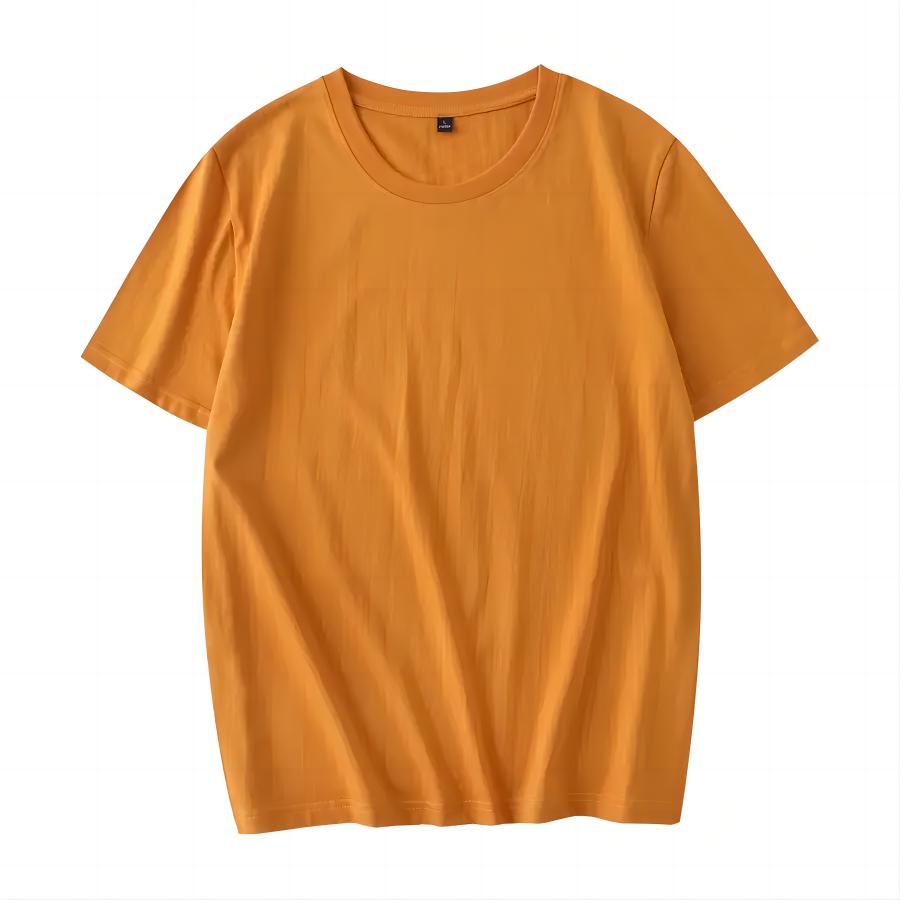
Custom T-Shirts
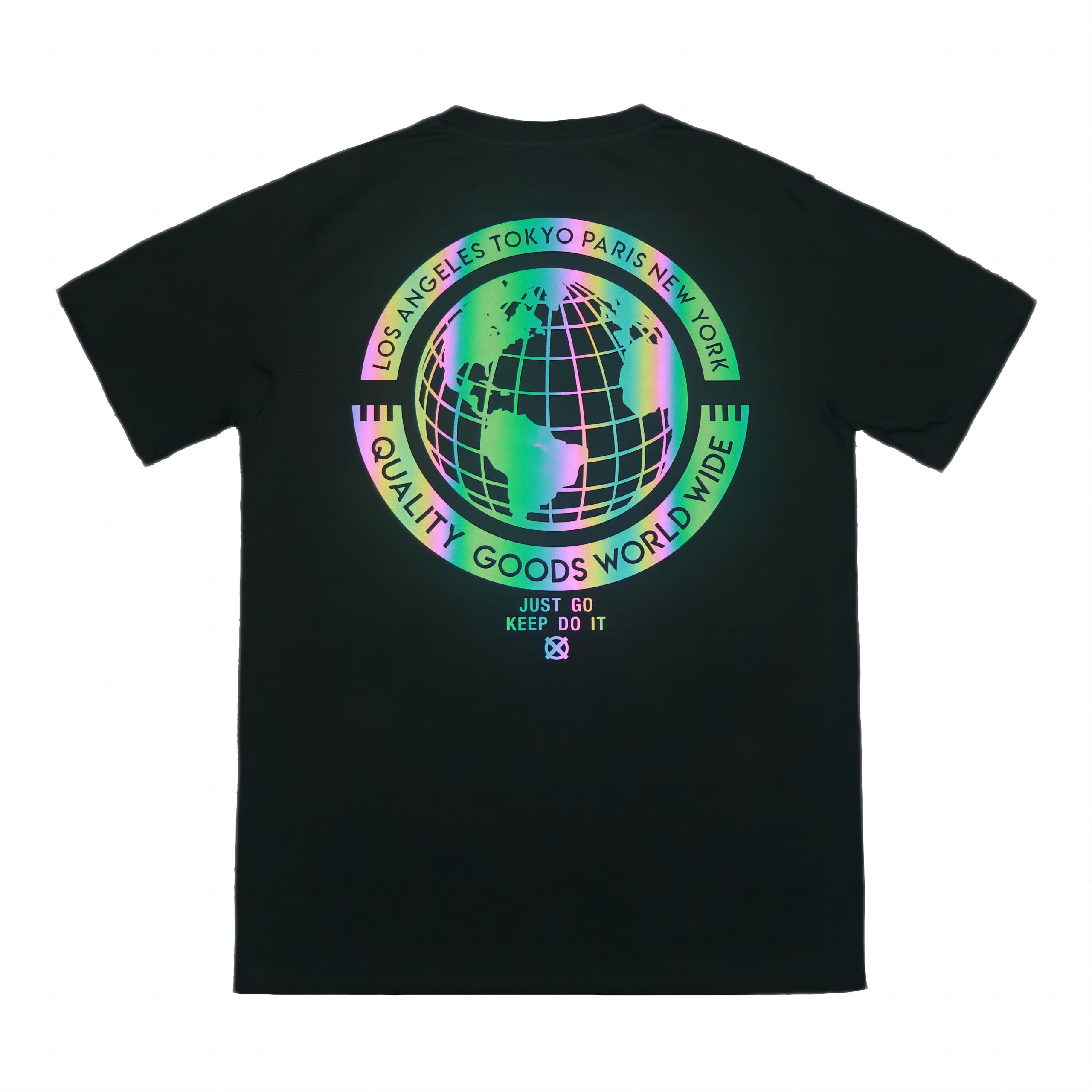
As a custom T-shirt manufacturer, EDVORIN develops men’s and women’s tees across cotton, blends and performance fabrics. Fit, collar construction, fabric weight, print method, embroidery, wash treatment, labels and packaging are aligned to the intended retail or promotional program.
Get a Quote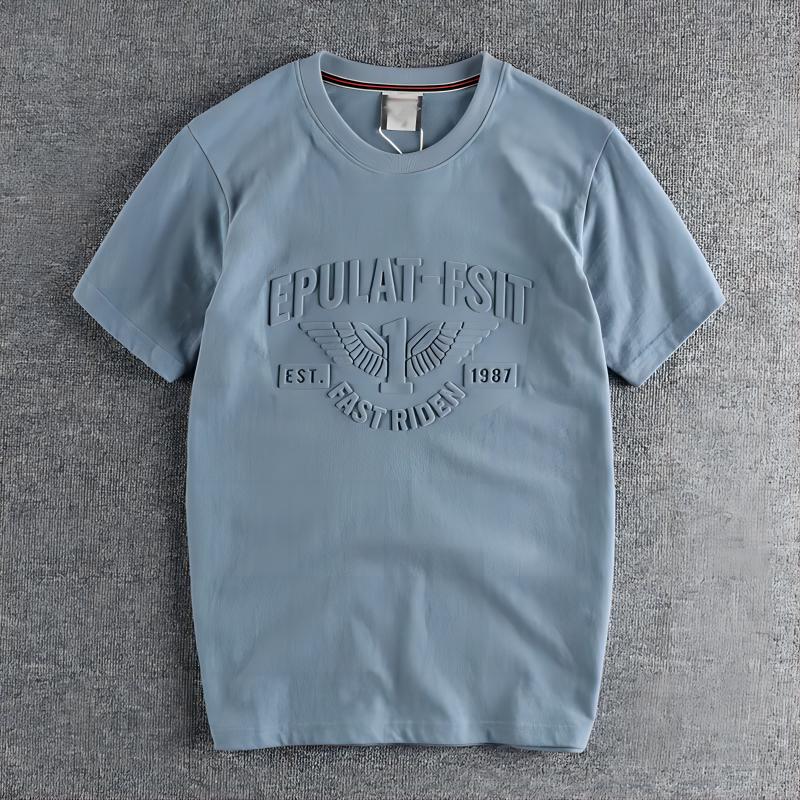
Custom Polo Shirts
Our polo shirt manufacturer capabilities cover pique, jersey and performance constructions for corporate, school, wholesale and private-label buyers. Collar shape, placket, buttons, cuff details, logo decoration and size grading are reviewed in sampling before bulk production is released.
Get a Quote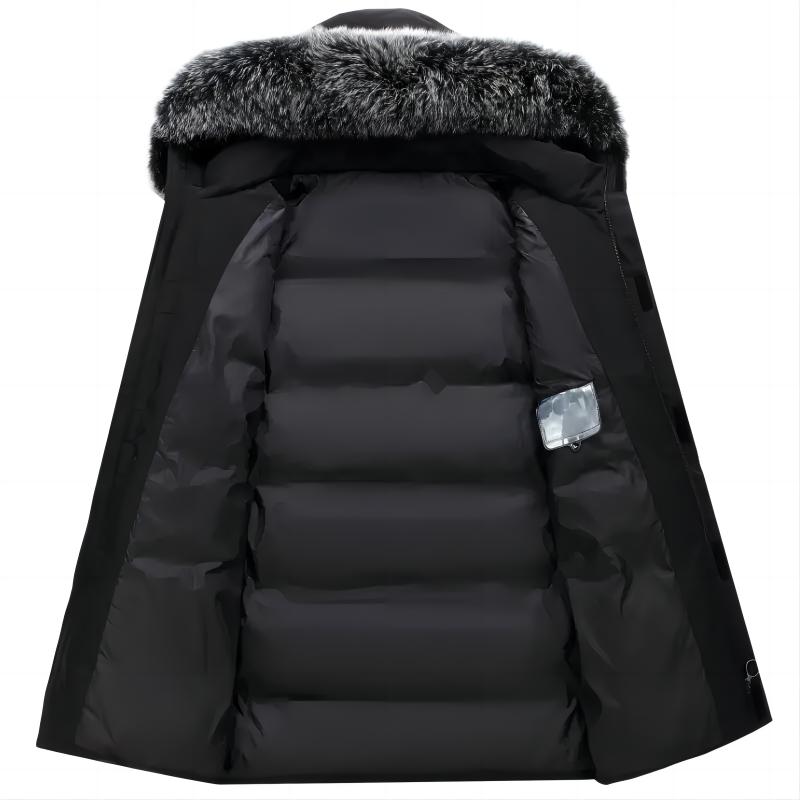
Windbreaker Jackets
As a windbreaker manufacturer, EDVORIN develops lightweight outerwear with shell selection, lining, mesh, zippers, pockets, hoods and weather-focused finishing. Construction and decoration are matched to the fabric so branded windbreakers remain practical across corporate, team and streetwear programs.
Get a Quote
Quilted Jackets
Our quilted jacket manufacturer program manages shell fabric, lining, insulation, quilting layout, hardware and finishing as one specification. Buyers can develop men’s and women’s outerwear with required warmth, silhouette, logo placement and packaging standards confirmed through samples.
Get a Quote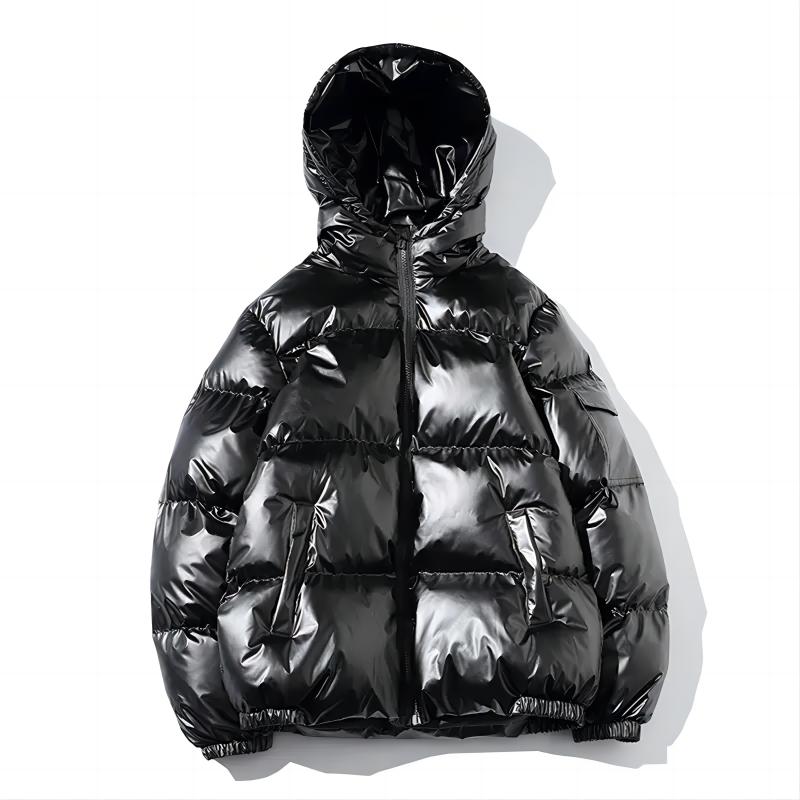
Bomber Jackets
As a bomber jacket manufacturer, EDVORIN coordinates shell fabric, lining, rib trim, zipper or snap closure, pockets, patches and embroidery. Development focuses on balance between body shape, materials and decoration so the approved jacket can be reproduced accurately in bulk.
Get a Quote
Custom Shirts
Our custom woven shirt manufacturer program includes relaxed resort shirts, button-downs, overshirts, uniform shirts and women’s styles. Fabric, collar, placket, pocket, cuff, fit and print details are developed to meet the buyer’s intended market, wearing conditions and repeat-order requirements.
Get a Quote
Custom Jerseys
As a custom jersey manufacturer, EDVORIN develops team and fan jerseys with fabric performance, panel construction, color control, numbering, names, logos and size sets specified for production. Sublimation, printing and embroidery methods are selected according to fabric and use requirements.
Get a Quote
Tank Tops
Our custom tank top manufacturer capabilities support fashion, training and teamwear styles for men’s and women’s programs. Neckline, armhole, fabric weight, mesh or jersey construction, binding, fit, print placement and labels are validated through samples before bulk production.
Get a Quote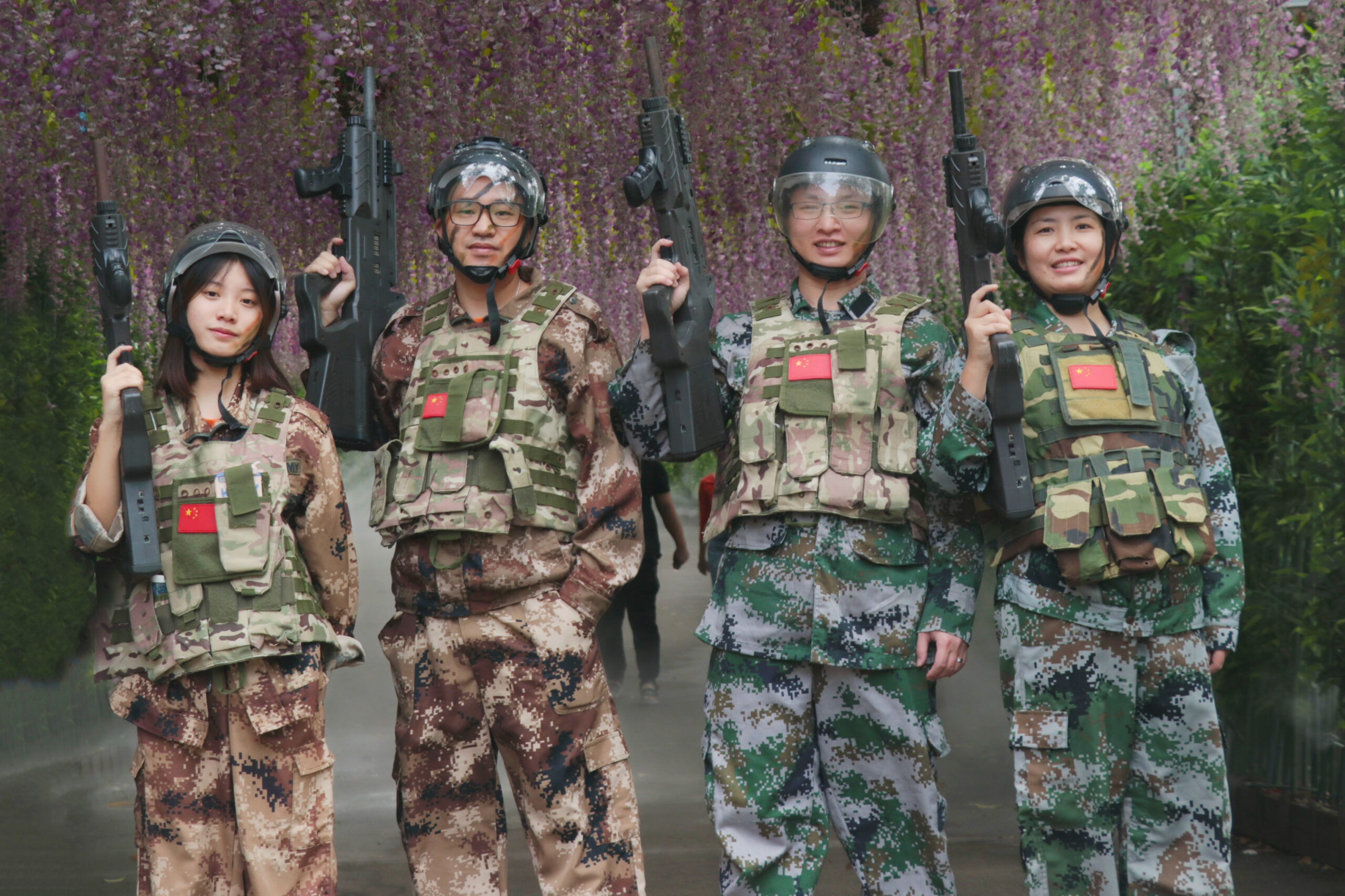
Soccer Uniforms
As a soccer uniform manufacturer, EDVORIN coordinates jerseys, shorts and optional socks with breathable materials, club colors, crests, player names, numbers and organized size sets. Production standards support school, academy, club and wholesale orders that need dependable repeat supply.
Get a Quote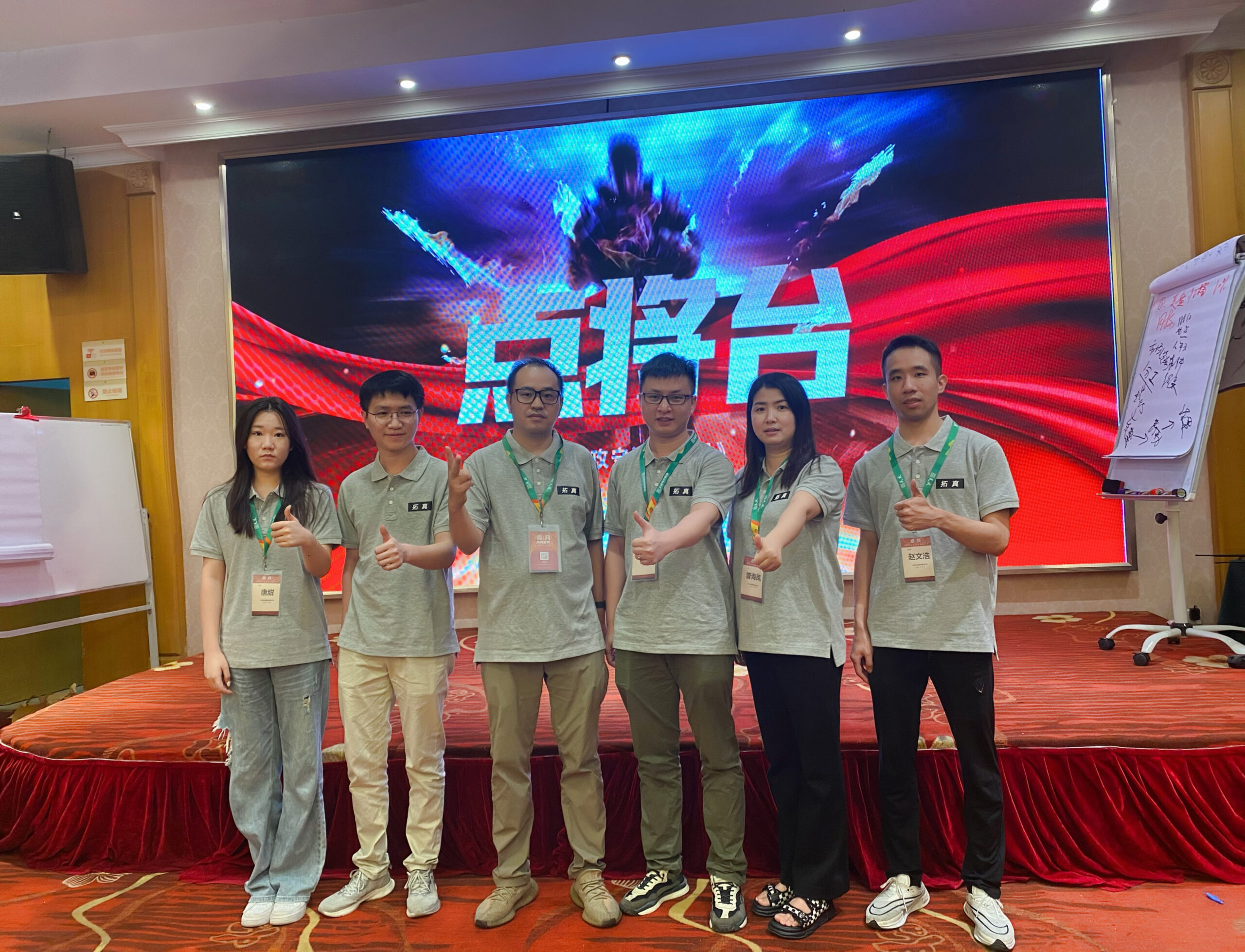
Basketball Uniforms
Our basketball uniform manufacturer program develops jerseys and shorts with performance fabric, color-blocking, trim, number and name application, logo placement and athlete-specific sizing. Samples confirm movement, decoration and color standards before the full team order enters bulk production.
Get a Quote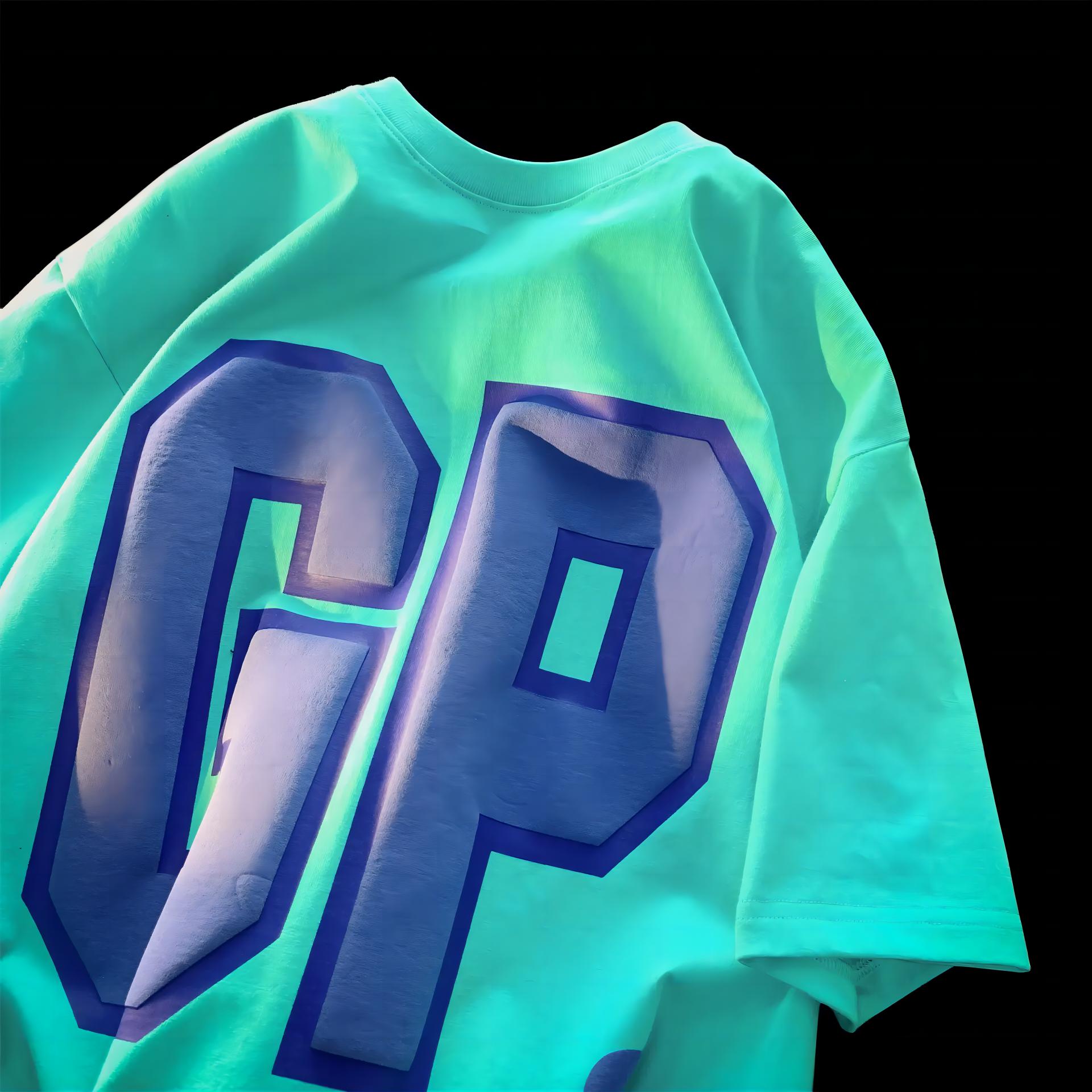
Streetwear Collections
As a streetwear clothing manufacturer, EDVORIN helps brands build coordinated collections across hoodies, tees, sweatpants, jackets, shirts and shorts. Fabrics, silhouettes, washes, trims, labels and decoration are managed as connected specifications from concept through bulk production.
Get a QuoteLinen and Linen-Blend Fabrics for Your Program
Pure Linen
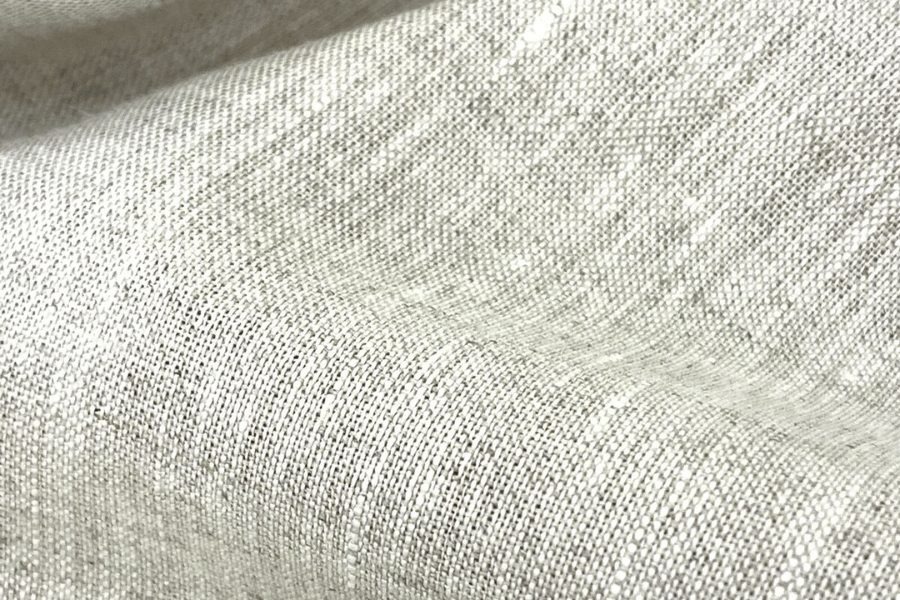
A breathable, naturally textured option for resort, casual, and elevated woven shirts. Available in lightweight to midweight constructions, it benefits from pre-washing or shrinkage testing before bulk cutting.
Washed Linen
Softened through washing for a relaxed hand-feel and lived-in appearance, washed linen suits everyday button-downs and overshirts. Pre-washing helps assess dimensional change and supports more consistent post-wash fit.
Linen Cotton Blend
A balanced fabric that combines linen texture with cotton softness, suited to versatile casual shirts and private-label essentials. The blend can offer a smoother hand-feel and more controlled shrinkage than pure linen.
Linen Viscose Blend
A fluid, softer blend for draped camp-collar shirts, fashion silhouettes, and warm-weather collections. Viscose can reduce linen’s crispness while adding a smoother touch; wash testing confirms final stability.
Linen Lyocell Blend
A refined blend with a soft, cool hand-feel and relaxed drape for premium casual or contemporary shirt programs. Lyocell adds smoothness, while sample testing helps verify shrinkage and care performance.
Decoration and Finishing Options for Linen Shirts
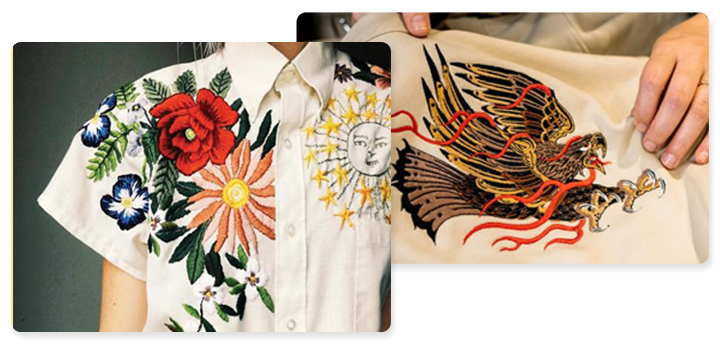
Embroidery Detailing
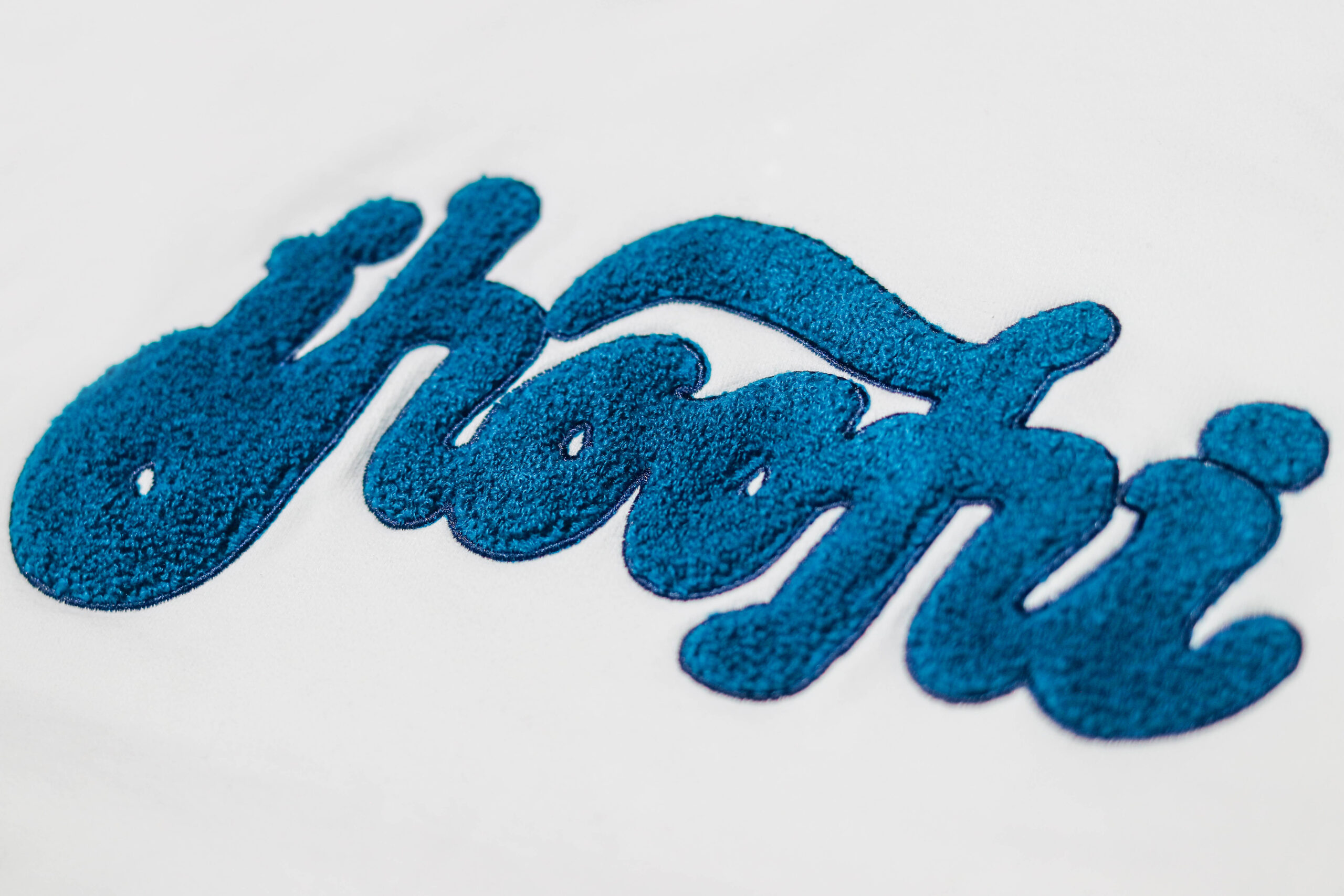
Add controlled logo, monogram, or emblem placement through embroidery developed for the shirt fabric and intended wear. Stitch density, backing, thread color, and placement are reviewed to create a refined, durable branded finish.
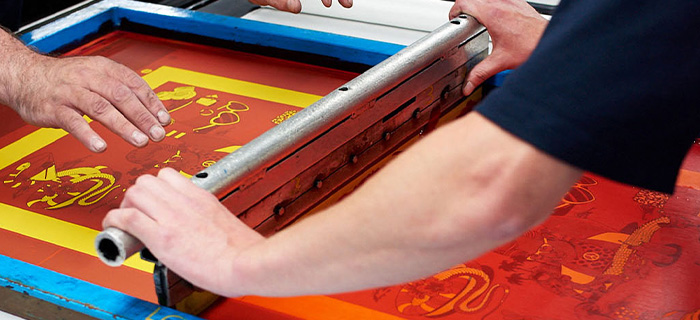
Screen Print Graphics
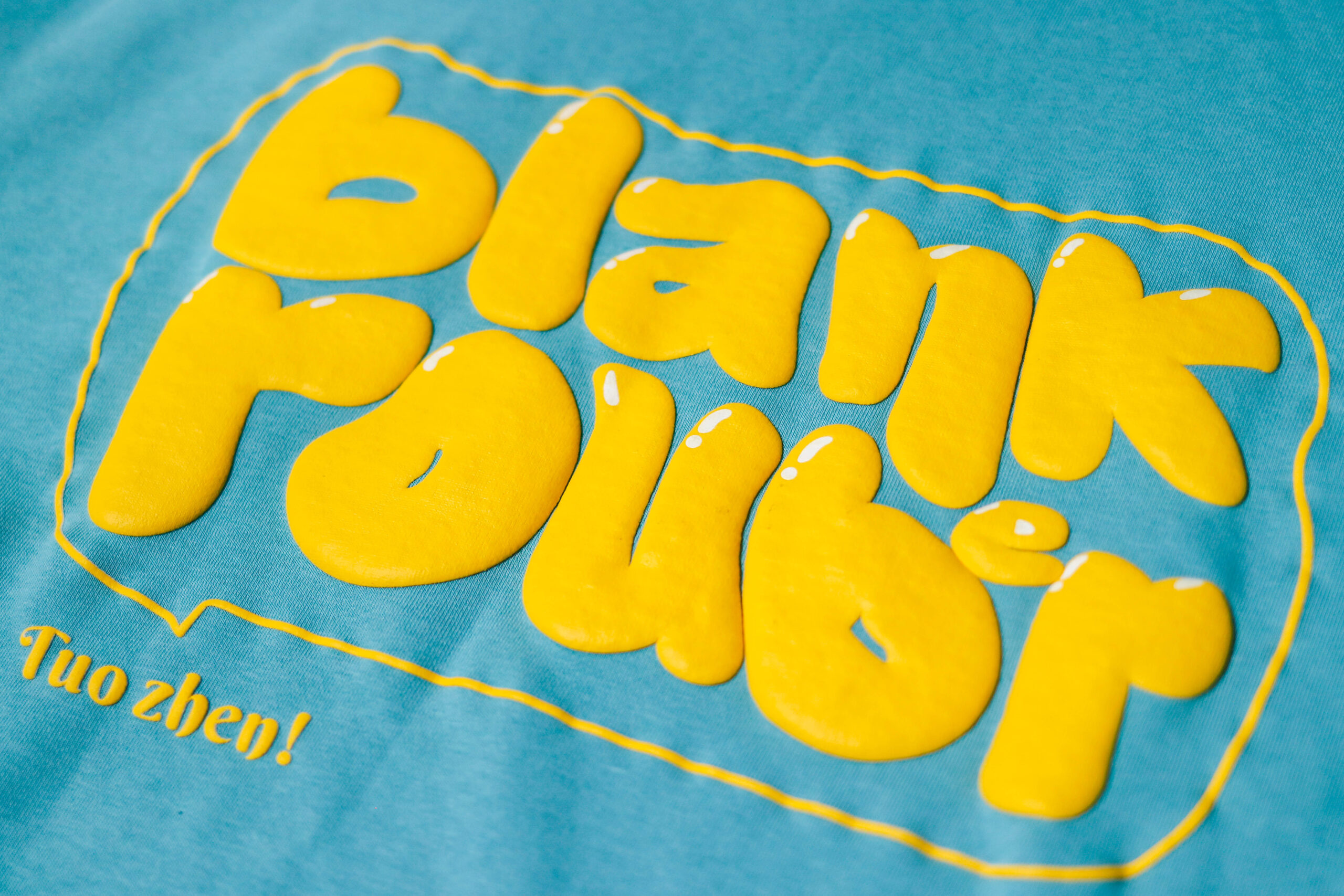
Screen printing supports bold artwork, chest graphics, back prints, and campaign details for linen shirt collections. EDVORIN evaluates artwork scale, ink approach, and placement so the result suits the fabric’s texture and garment construction.
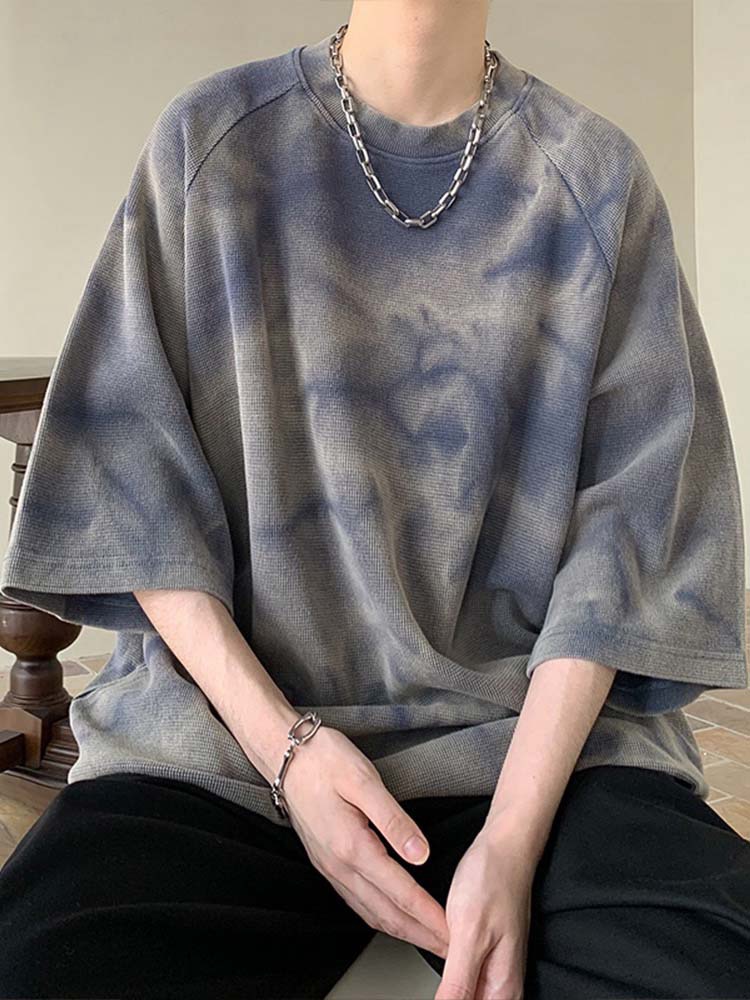
Garment Washing
Garment washing can soften the hand feel, relax the surface, and create a more lived-in character. Wash development is sampled and approved before bulk production to help maintain a consistent finish across the order.
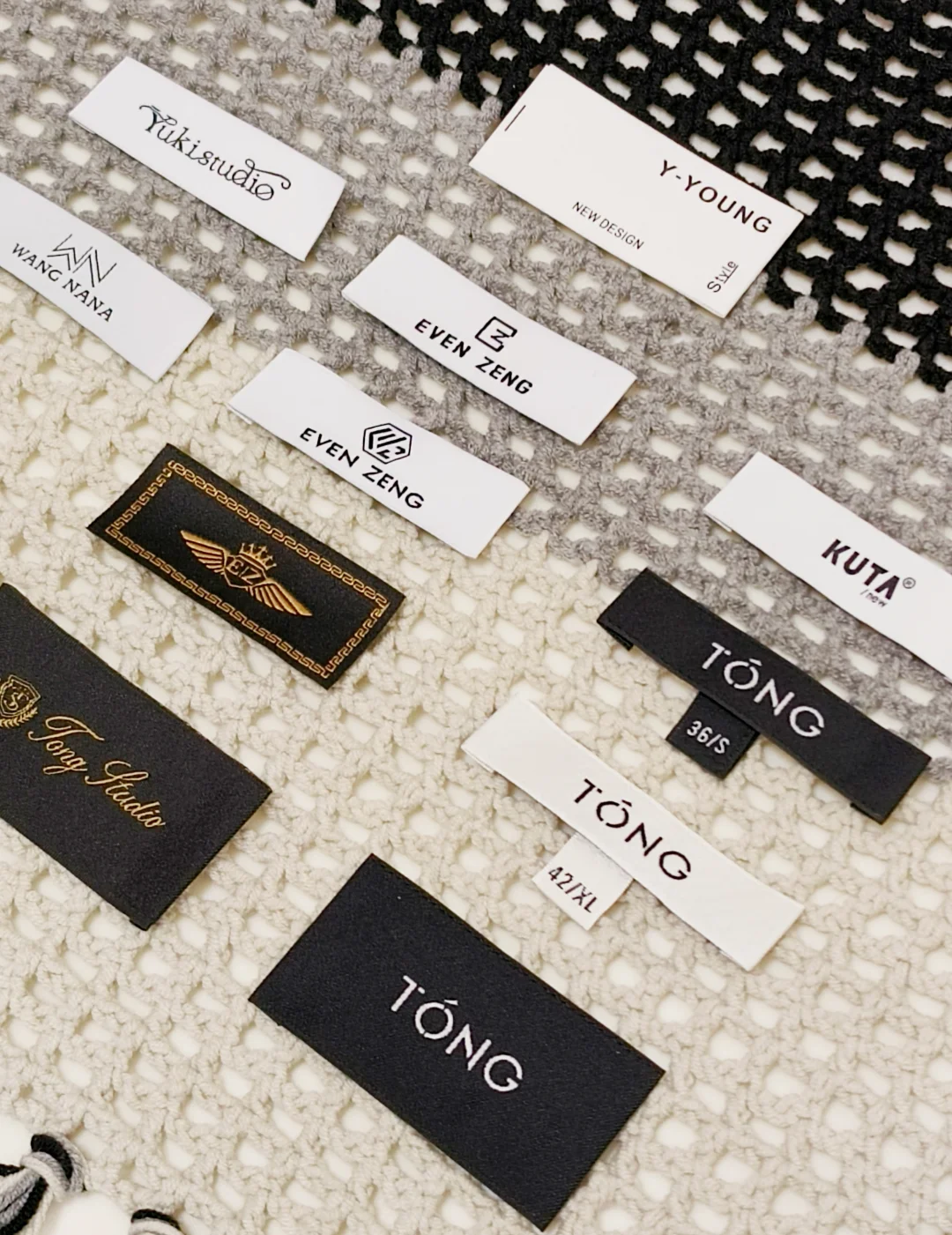
Woven Label Details
Woven labels, neck labels, hem flags, and custom tabs give private-label linen shirts a finished brand identity. Label material, fold, placement, and attachment method are specified alongside the shirt’s construction and packaging requirements.
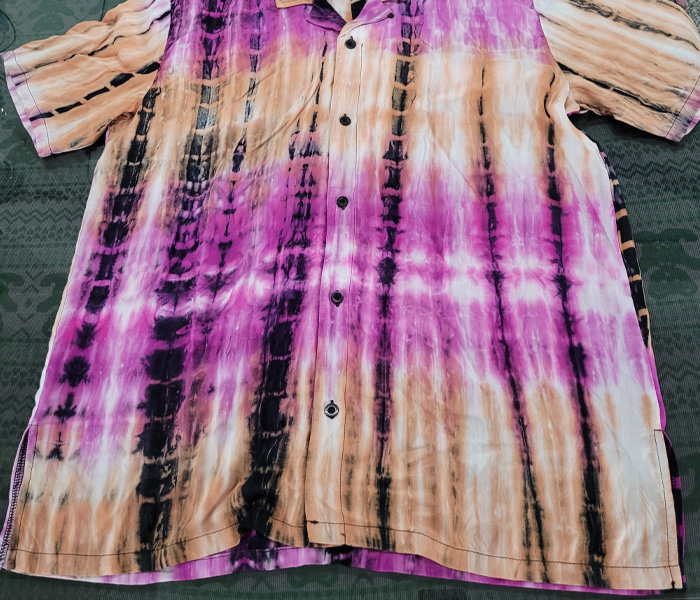
Private-Label Details for Linen Shirt Programs
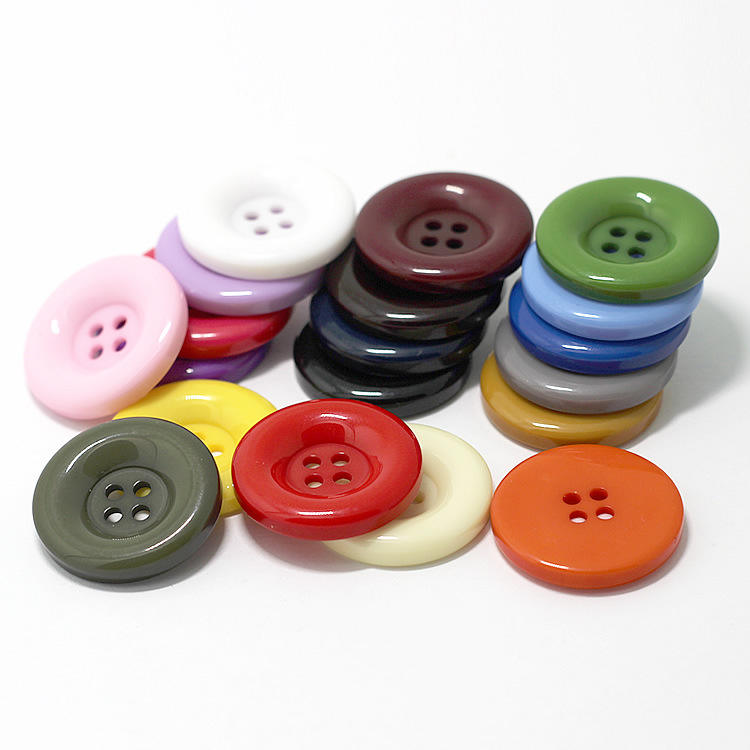
Woven Brand Labels
Add main labels with your logo, size information, and origin details. EDVORIN coordinates placement and construction so branding remains clear, secure, and consistent across production.
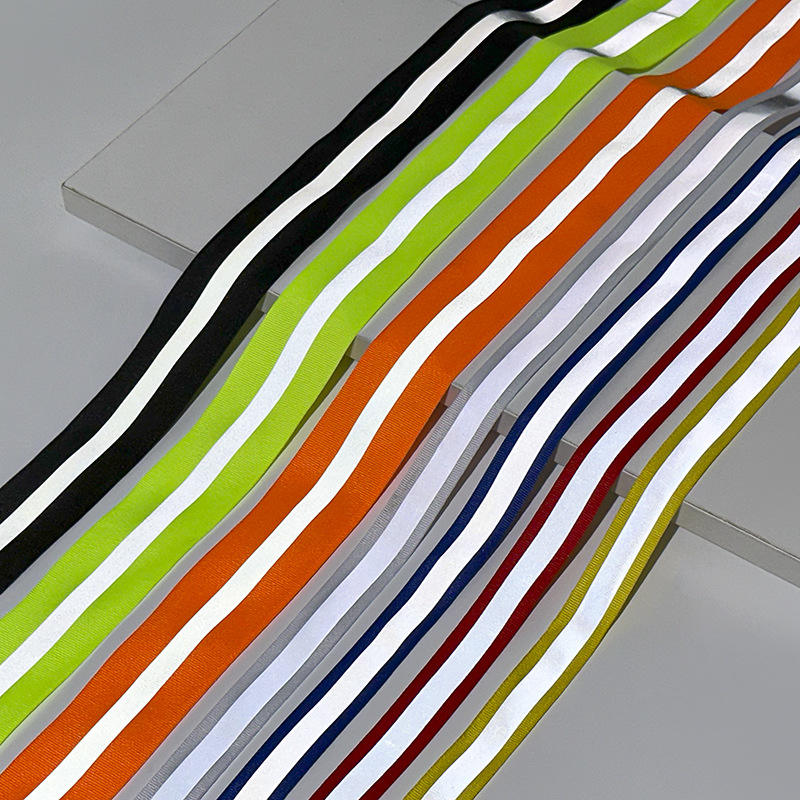
Neck Tapes
Choose neck tape materials, colors, and printed or woven branding for a cleaner inside finish. This detail can reinforce seams while adding a considered private-label touch.
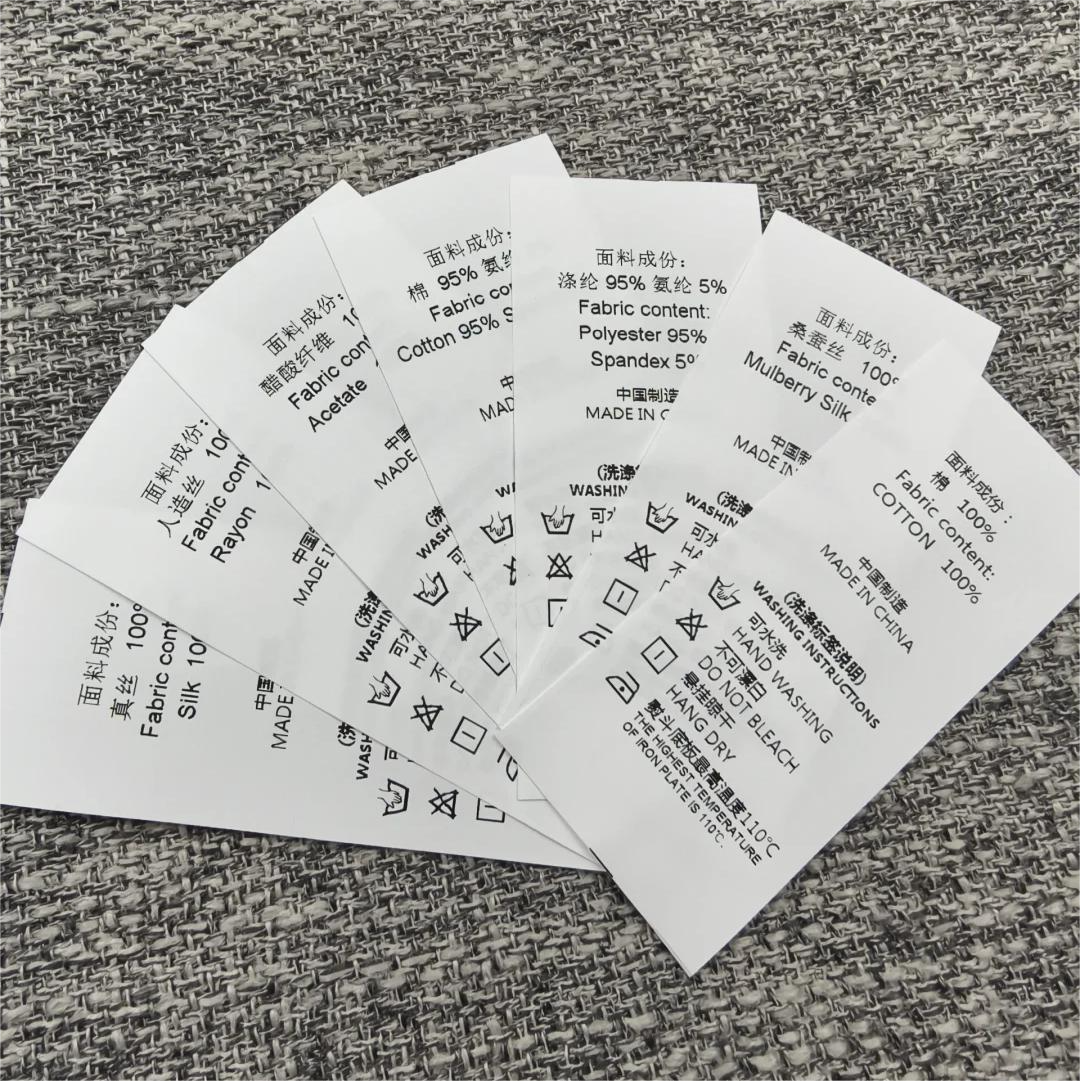
Care Labels
Care labels can document fiber content, laundering guidance, sizing, and required market information. We help incorporate approved label specifications into the production standard for repeat orders.
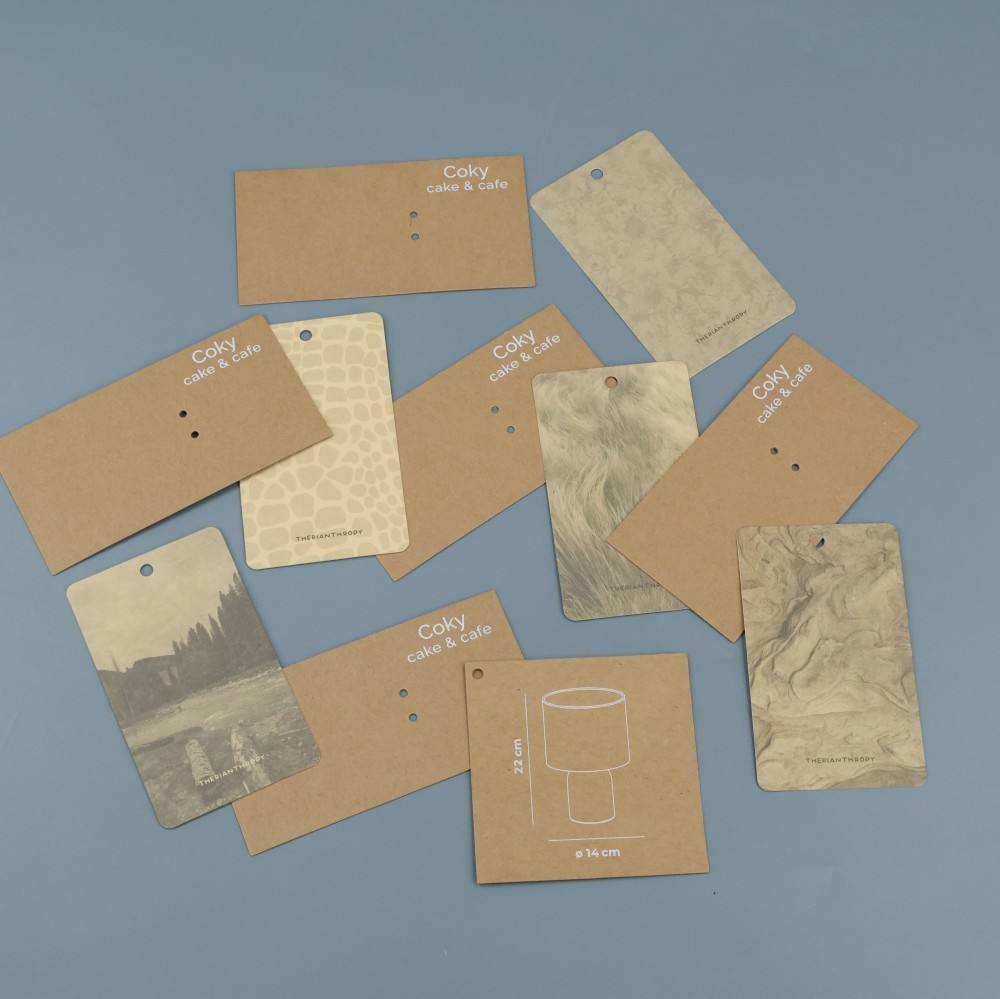
Custom Hangtags
Develop hangtags with your artwork, messaging, barcode fields, and attachment method. They provide a retail-ready presentation while keeping product identification organized through final packing.
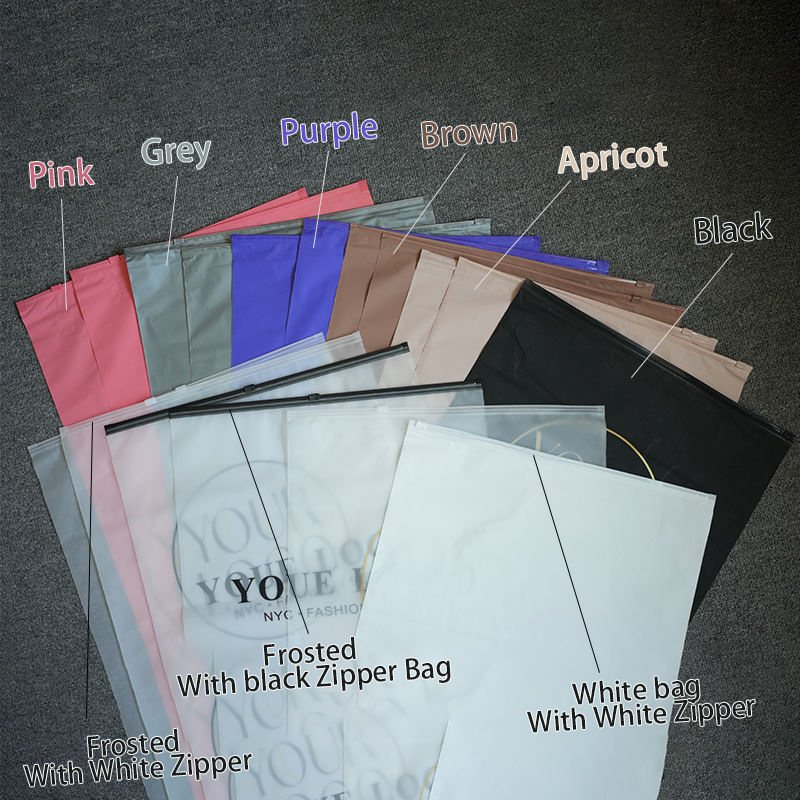
Retail Packaging
Coordinate folding instructions, polybags, tissue, stickers, cartons, and packing marks around your delivery needs. Defined packaging requirements help protect shirts and support efficient receiving downstream.
About EDVORIN, Your Linen Shirt Manufacturer
EDVORIN was founded in 2000 by Edvorin Zeng to solve the practical challenge of turning apparel ideas into garments that can be made accurately again and again. As a founder-led linen shirt manufacturer, we help brands move from a sketch, reference garment or complete tech pack to a production-ready standard.
Our connected workflow brings together product development, fabric and trim sourcing, pattern work, sampling, washing, decoration, labeling, packaging and bulk production. This gives fashion labels, streetwear programs, wholesalers and private-label buyers one accountable path from approval through final quality control.
What makes EDVORIN different is the discipline behind repeatability. We document approved materials, measurements, construction details and artwork placement so bulk production follows a visible standard. With men’s and women’s development available across our categories and MOQs starting at 200 pieces per style, we support growth without losing control of the details.
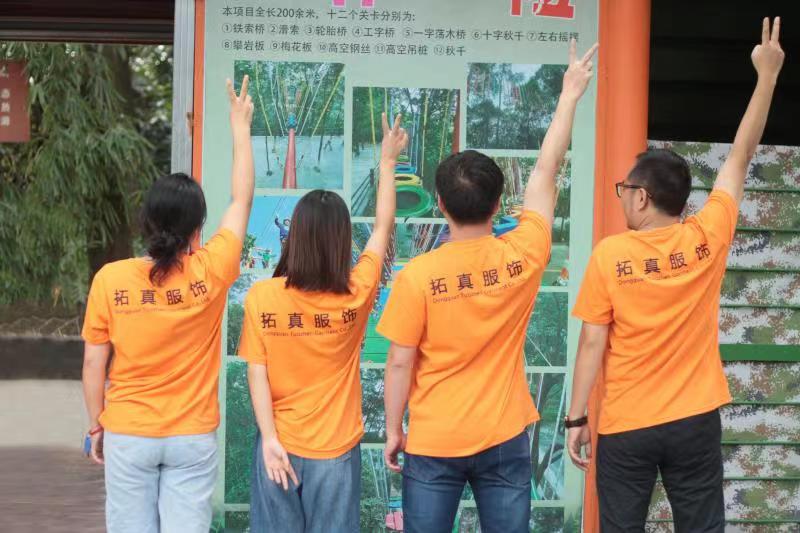
Linen Shirt Manufacturer With Controlled Bulk Production
Technical Development That Holds
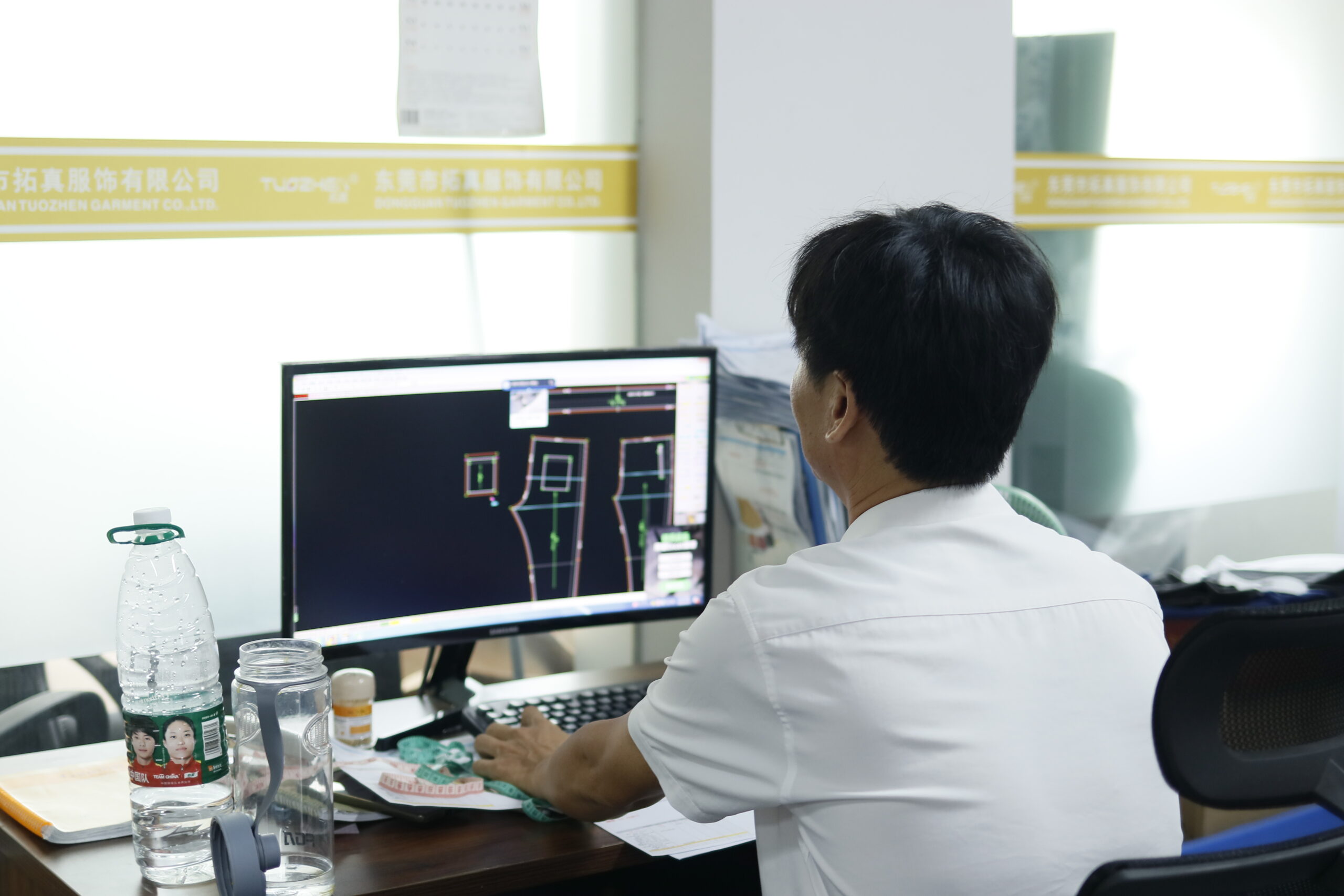
As your linen shirt manufacturer, EDVORIN converts sketches, reference garments, or complete tech packs into workable specifications. Fit, grading, collar construction, plackets, pockets, seam details, and men’s or women’s proportions are resolved before the approved sample becomes a bulk-production standard.
- Pattern and measurement chart development
- Men’s and women’s fit-block adjustment
- Construction details documented for repeat orders
- Sampling revisions tracked against approval
Fabric and Trims Coordinated
Linen shirt performance depends on more than fabric selection. EDVORIN coordinates material weight, texture, color direction, shrinkage considerations, buttons, interlinings, labels, and packaging as one product specification, helping buyers protect the intended hand feel, structure, and finish through production.
- Linen and blend options matched to the program
- Buttons, labels, and interlinings specified together
- Color and trim approvals organized before bulk
- Packaging aligned with private-label requirements
Decoration Matched to Linen
Artwork and finishing are considered alongside the shirt base rather than added at the end. EDVORIN evaluates placement, fabric behavior, embroidery, printing, washes, and construction details during development so the chosen decoration supports the collection’s visual direction and can be repeated accurately.
- Artwork placement measured from garment points
- Print and embroidery planned with fabric in mind
- Wash and finishing direction reviewed in sampling
- Decoration details carried into bulk specifications

Approved Standards Guide Bulk
A good linen shirt sample becomes useful only when its decisions are visible to production. EDVORIN carries approved measurements, materials, trims, artwork placement, and finishing requirements into in-line checks and final inspection, creating clearer control from sample approval to packed order.
- Approved samples establish the production reference
- In-line checks address variation early
- Final inspection reviews finished packed goods
- MOQ starts at 200 pieces per style

Why Brands Choose EDVORIN as Their Linen Shirt Manufacturer
From development through repeat orders, EDVORIN organizes the details that protect your approved linen shirt standard.
← Swipe left or right to view →
Our Linen Shirt Manufacturer Production Process
A clear, approval-led path that turns your shirt specifications into controlled, repeatable production.
Define Product Specifications
We review your tech pack, references, fit direction, size range, artwork, labels, packaging and target quantities to establish a clear production standard.
Source Materials and Trims
Our team coordinates linen or blended fabrics, color references, buttons, interlinings, labels and packaging components around the approved shirt program requirements.
Build Patterns and Samples
Patterns, grading and first samples translate the concept into a physical garment, allowing fit, construction, wash and decoration details to be reviewed before bulk approval.
Approve Bulk Production Standards
Approved samples and documented revisions guide cutting, sewing and finishing, so key measurements, artwork placement and trim details remain visible to the production team.
Inspect Pack and Ship
In-line and final checks compare bulk garments against approved standards before labeling, packing and shipment preparation for your wholesale, retail or private-label program.
How to Start Your Linen Shirt Program
Move from an initial concept to a production-ready linen shirt program with a clear approval path and controlled bulk execution.
Share Your Product Direction
Send a tech pack, sketch, reference garment, or collection brief. EDVORIN reviews fit, materials, trims, decoration, and the requirements behind your linen shirt manufacturer inquiry.
Confirm Specifications and Quote
Align on construction, fabric options, sizing, labeling, packaging, quantities, and delivery needs. We then prepare a clear quotation for programs starting at 200 pieces per style.
Develop and Approve Samples
We create samples to test the agreed fit, material behavior, sewing details, and finishing. Your approved sample becomes the reference standard for the next production stage.
Control Bulk Production
After approval, EDVORIN coordinates materials, cutting, sewing, decoration, finishing, and in-line checks to keep the linen shirt program aligned with documented specifications.
Inspect and Prepare Delivery
Final checks verify measurements, workmanship, artwork placement, labels, and packing before shipment. Your order is prepared for delivery with the approved production standard protected.
Certified Standards for Responsible Apparel Production
What Private-Label Buyers Say About Working With Our Linen Shirt Manufacturer
EDVORIN turned our reference shirt into a production-ready program with clear measurements, fabric notes, and trim approvals. Our first 600-piece run matched the approved sample closely, and reordering two colorways was far smoother than with our previous supplier.
We needed women’s and men’s linen shirts developed under one private-label brief. EDVORIN helped us resolve fit, collar proportions, labels, and packaging before bulk production. The final 1,200-piece delivery arrived with our size assortment organized and ready for distribution.
Our teamwear merchandising group had a short timeline for a 400-piece resort uniform program. EDVORIN kept sampling revisions, embroidery placement, and packing details in one process. We approved the sample quickly and received a consistent finished order for all four locations.
Linen Shirt Manufacturer FAQs
Clear answers for private-label buyers planning a repeatable linen shirt program with EDVORIN.
EDVORIN’s MOQ starts at 200 pieces per style. What is the minimum order quantity for a linen shirt manufacturer?
Can a linen shirt manufacturer make a sample before bulk production?
How long does linen shirt production take?
Can EDVORIN provide private-label linen shirts?
What linen fabrics and blends can be used for custom shirts?
How do you manage linen shrinkage and fabric variation?
What payment terms and shipping options are available?
How does EDVORIN protect designs and artwork during development?
The Complete Buyer’s Guide to Linen Shirt Manufacturing
Use a practical decision framework to compare linen shirt manufacturer options, assess fabric and construction standards, plan customization, control costs, and avoid sourcing mistakes before placing a private-label or wholesale order.
1. What Is a linen shirt manufacturer?
200 pieces is a practical starting point for a custom linen-shirt program, but a linen shirt manufacturer is defined by its production role, not its MOQ. For private-label brands, wholesalers, uniform buyers, and schools, the right partner turns an approved design into controlled bulk garments with documented materials, measurements, trims, labels, and packing.
4 supplier models serve different ownership levels. A full-package OEM/ODM partner can support development, sourcing, patterns, samples, decoration, production, and QC; a cut-and-sew factory usually works from buyer-supplied specifications and materials; a trading company coordinates factories; ready-stock suppliers sell existing styles with limited changes.
1 buyer question should drive selection: who owns the technical decisions and controls their execution? EDVORIN is suited to buyers who need a connected path from concept or tech pack through repeatable production, rather than only available inventory.
2. Linen Shirt Manufacturing: Evolution and Market Context
Flax fibers have supplied linen cloth for centuries, and shirt production has evolved from local weaving and tailoring into globally sourced fabric and private-label programs. That shift lets buyers pair a clear design brief with coordinated sourcing, pattern work, labels, packaging, and repeatable bulk specifications.
Lightweight linen is often chosen for warm-weather shirts because an airy plain weave supports a relaxed hand and easy tailoring. Enzyme washing, garment washing, and softening finishes can reduce initial crispness, but the approved finish should be tested against shrinkage and the measurement chart before grading.
Shrinkage should be tested on the selected fabric and finish before size specifications are finalized. Small development runs allow a linen shirt manufacturer to confirm collar shape, seam behavior, color, and fit before a private-label collection moves into larger production.
3. Types of linen shirt manufacturer Partnerships
Six partnership models differ mainly in who owns the specification and who resolves development risk. Match the model to your approved tech pack, expected volume, and need for repeatable control.
| Model | Design Ownership | Customization | Best Fit | Tradeoff |
|---|---|---|---|---|
| OEM | Buyer | High | Established brands | Higher control; development input needed |
| ODM | Manufacturer base | Medium | Early-stage buyers | Faster; less exclusivity |
| Private label | Supplier base | Low–medium | Retail launch | Lower MOQ; limited differentiation |
| Contract cut-and-sew | Buyer | High | Technical teams | Maximum control; slower setup |
| Wholesale blanks | Supplier | Low | Events and promotions | Fastest; minimal design control |
| Vertical manufacturer | Shared or buyer | High | Growing programs | Coordinated sourcing; verify capacity |
Choose By Product Maturity
A complete tech pack supports OEM or contract cut-and-sew because the buyer can approve measurements, fabric, trims, and construction before sampling.
A concept-stage collection suits ODM or a vertical linen shirt manufacturer when one accountable partner can coordinate development through packing.
4. Linen Fabrics a Manufacturer Should Offer
120–145 GSM linen suits airy summer shirts; 150–180 GSM supports more opacity and a firmer overshirt. A capable linen shirt manufacturer should match fiber content and finishing to the intended price, drape, and care profile.
| Fabric Direction | Typical Weight | Commercial Effect |
|---|---|---|
| Lightweight linen | 120–145 GSM | Airy; may need opacity control |
| Midweight linen | 150–180 GSM | Balanced drape and durability |
| Heavier linen blend | 180+ GSM | Structured overshirt feel |
Fiber Blend Options
100% linen delivers crisp texture and breathability but wrinkles readily. Linen-cotton softens handfeel; linen-viscose or linen-rayon increases fluid drape, while 1–3% elastane can aid recovery in fitted styles.
Weight And Color Control
Plain weave is the standard shirting base; lighter cloth needs an opacity check in white and pale shades. Yarn-dyed stripes or checks retain pattern definition, whereas piece-dyeing is better for solid-color flexibility.
Testing And Records
5–8% first-wash shrinkage is a practical risk range to test before grading is frozen; pre-washing can reduce later movement. Request fiber-content reports, GSM tolerance, weave details, color standards, shrinkage results, and relevant OEKO-TEX or GOTS documentation.
5. Customization From a linen shirt manufacturer
A linen shirt manufacturer should turn every visible choice into an approved production specification. EDVORIN can align fit, trims, decoration, and packing so bulk output follows one repeatable standard.
| Customization | Approval Input | Bulk Check |
|---|---|---|
| Fit, collar, sleeves | Tech pack | Measurements and grading |
| Print, embroidery, patch | Artwork and strike-off | Placement and durability |
| Labels and packaging | Artwork or sample | Content and packing accuracy |
Fit And Construction
Two fit blocks—men’s and women’s—need separate measurements, grading, collar shape, sleeve length, cuff, placket, pocket, and hem specifications. A tech pack or marked reference sample prevents assumptions before pattern development.
Branding And Decoration
Three decoration routes—embroidery, woven patches, and printing—require production-ready artwork with size, colors, placement measurements, and backing instructions. Labels, hangtags, buttons, colorways, and packaging also need approved artwork or physical references.
Bulk Approval Tests
One pre-production sample should confirm shrinkage, puckering, print hand feel, embroidery stability, and placement after washing and pressing. Linen movement can shift artwork alignment, so test decoration on the selected fabric before bulk approval.
6. Linen Shirt Construction Quality Checklist
A linen shirt manufacturer should approve construction against a physical sample, not a verbal standard. One inspection sheet should convert appearance, measurements, and wash results into pass/fail checkpoints.
Stitching And Balance
8–10 stitches per inch is a practical starting specification; set the approved density by fabric weight and seam type. Check straight seam alignment, balanced plackets, matched collar points, and even sleeve-to-cuff joins.
- Verify buttonholes are clean, centered, and fully bar-tacked.
- Check buttons for secure attachment and consistent spacing.
- Inspect pocket position from center front and hem.
Stress Points And Finish
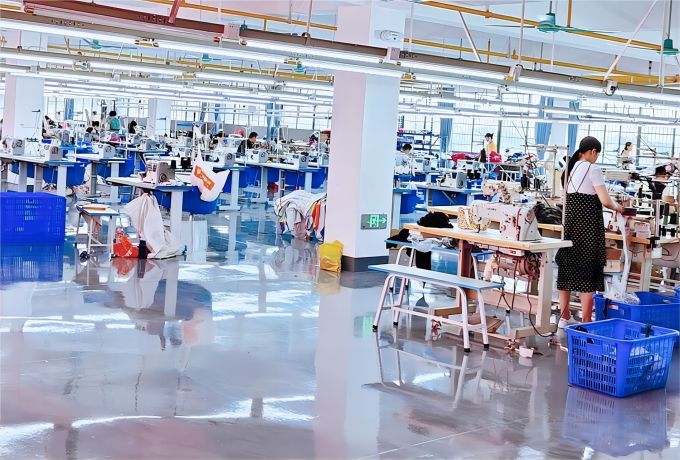
2 reinforcement areas deserve close review: side-seam hem splits and pocket corners. Confirm collar and cuff interfacing holds shape without bubbling, hems are even, and no loose threads remain after trimming.
- Confirm collar stand and cuff edges are symmetrical.
- Review hem curve or straight hem against approved pattern.
- Check reinforcement stitching does not pucker linen.
Measurable Approval Standard
1 approved sample should record each point of measure, tolerance, stitch standard, artwork-free placement, and trim reference. Recheck these criteria after one agreed wash method, documenting shrinkage, seam puckering, twist, and button performance before bulk release.
- List measurement tolerances by garment point.
- Photograph approved collar, placket, pocket, and hem.
- Use the same checklist for in-line and final inspection.
7. How to Choose a linen shirt manufacturer
One approved sample, not a low quotation, should be the baseline for comparing a linen shirt manufacturer. Score suppliers against evidence that can be checked before placing bulk production.
| Evidence | Ask For | Decision Signal |
|---|---|---|
| Material traceability | Mill specification and lot records | Fabric can be matched |
| Quality control | Sample and inspection reports | Standards are documented |
| Capacity and timing | Production plan and milestones | Dates are credible |
| Export readiness | Shipping and compliance documents | Handover is defined |
Verify Product Experience
Three recent linen-shirt references should show comparable collars, plackets, washes, and size ranges.
Ask which constructions the factory has repeated in bulk and request dated sample photos, measurement reports, and export destinations.
Test The Production System
One pre-production sample should match the approved fabric, trims, measurements, artwork placement, and packing standard.
Request material specifications, shrinkage test records, inspection procedure, capacity plan, and a realistic critical-path timeline.
- Who owns revision control?
- What triggers in-line inspection?
- Which documents accompany final inspection?
Confirm Commercial Terms
EDVORIN’s MOQ starts at 200 pieces per style. Two written documents—quotation and purchase contract—should state MOQ by color, tolerances, payment milestones, delivery terms, defects process, and ownership of patterns and artwork.
Ask for lead time from approval, not from inquiry, plus the factory’s export paperwork process.
8. Common Linen Sourcing Mistakes to Avoid
One approved fabric photo is not a production standard. Linen sourcing errors usually surface after cutting, when rework, delayed launches, and chargebacks are most expensive.
Approve Physical Fabric Standards
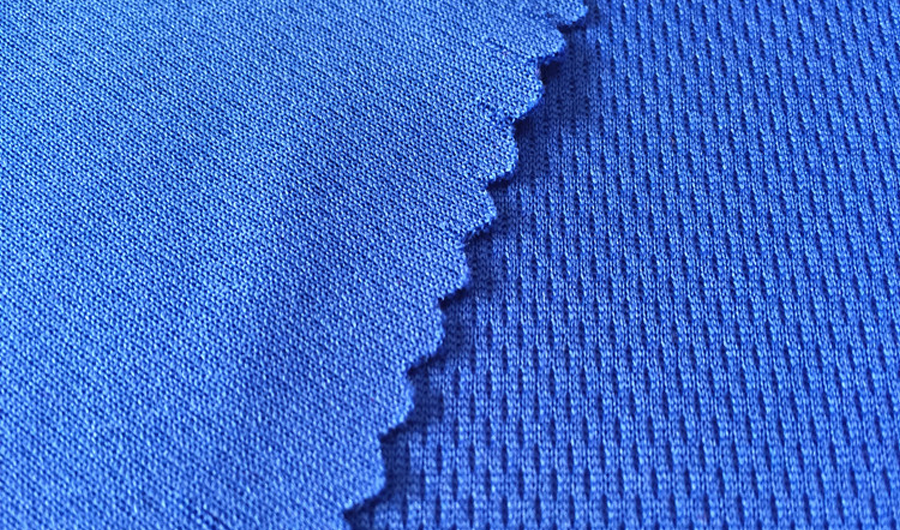
One screen image cannot confirm handfeel, opacity, slub, or shade. Approve a physical cutting swatch under agreed lighting and record the fiber content, weave, finish, and Pantone reference.
Control Shrinkage And Fit
Each linen base can change after laundering, affecting length, sleeve pitch, and placket alignment. Run fit and wash tests before bulk, then define measurement tolerances and post-wash acceptance points in the tech pack.
Complete Production Documentation
One incomplete tech pack leaves factories to interpret construction, artwork placement, and trims. Supply graded measurements, stitch details, label files, button specifications, and an approved sample so bulk follows one standard.
Protect Commercial Commitments
One lowest-price quote can conceal weaker fabric control, excluded testing, or unstable capacity. Compare landed scope, confirm payment milestones in writing, and reserve production capacity early against a documented delivery window.
9. Steps to Launch a Linen Shirt Collection
A 200-piece launch begins by defining the wearer, channel, price position, and reference garments. One shared approval path keeps a capsule, uniform program, or private-label rollout from drifting during development.
Build The Development Brief
Three inputs—reference samples, a measurement chart, and color targets—should become a tech pack before sampling. Pantone references, collar shape, pocket position, buttons, labels, and care instructions must be measurable.
Two buyer tracks simplify planning: brands may prioritize seasonal styling, while clubs, schools, and corporate teams prioritize logo placement, size runs, and reorder continuity.
Approve Materials And Samples
120–160 GSM linen is a practical starting range for lightweight shirts, but shrinkage testing and wash appearance require sample approval. Record fabric composition, weave, pre-wash method, and approved shade as bulk standards.
One fit sample should be revised against the measurement chart before size grading. Approve a pre-production sample with final decoration, labels, packaging, and fold method.
Control Bulk And Delivery
Two documents—an approved purchase order and production specification—should lock quantities, delivery window, packing ratios, and inspection criteria. Monitor fabric arrival, cutting, sewing, decoration, and finishing against the approved sample.
Final inspection should check measurements, workmanship, color consistency, labeling, carton marks, and packed counts before shipment. Allow delivery planning time for freight, customs, and launch-date buffers.
10. Linen Shirt Manufacturing Pricing and Cost Drivers
EDVORIN’s MOQ starts at 200 pieces per style. 200-piece MOQ is a practical starting point for comparing linen shirt manufacturer quotes, but it does not establish a universal unit price. Request one specification sheet for every supplier: fabric composition, GSM, color count, wash, measurements, trims, labels, packaging, inspection standard, Incoterm, and destination.
3 cost stages should be separated in the quotation: development, bulk manufacturing, and logistics. Sampling, freight, and any testing or stricter quality requirements should be shown as separate line items, so a lower ex-factory figure is not mistaken for a lower landed cost.
| Quantity tier | Indicative cost structure | Lead-time effect |
|---|---|---|
| 200–499 units | EDVORIN’s MOQ starts at 200 pieces per style. Sampling and setup carry more cost per shirt; fabric and trim MOQ exposure is higher. | Allow sample approval before bulk scheduling. |
| 500–999 units | Fabric, cutting, and sewing costs distribute across more units. | Consolidated colorways can simplify production. |
| 1,000+ units | Higher volume can improve material purchasing and line efficiency. | More colors, washes, or embroidery can extend critical paths. |
| Any quantity | Linen blend, GSM, garment wash, buttons, labels, packing, customization, QC, and freight move the total. | Compare like-for-like specifications and identical delivery terms. |
Ready to Develop Your Linen Shirt Collection?
Send your tech pack, sketch, or reference garment to EDVORIN for a tailored OEM or private-label quotation.