
Organic Cotton Clothing Manufacturer for Repeatable Collections
EDVORIN develops organic cotton apparel for fashion, streetwear, teamwear and private labels, with OEM/ODM support from sampling to bulk production starting at 200 pieces per style.
Featured Products for Organic Cotton Clothing Development
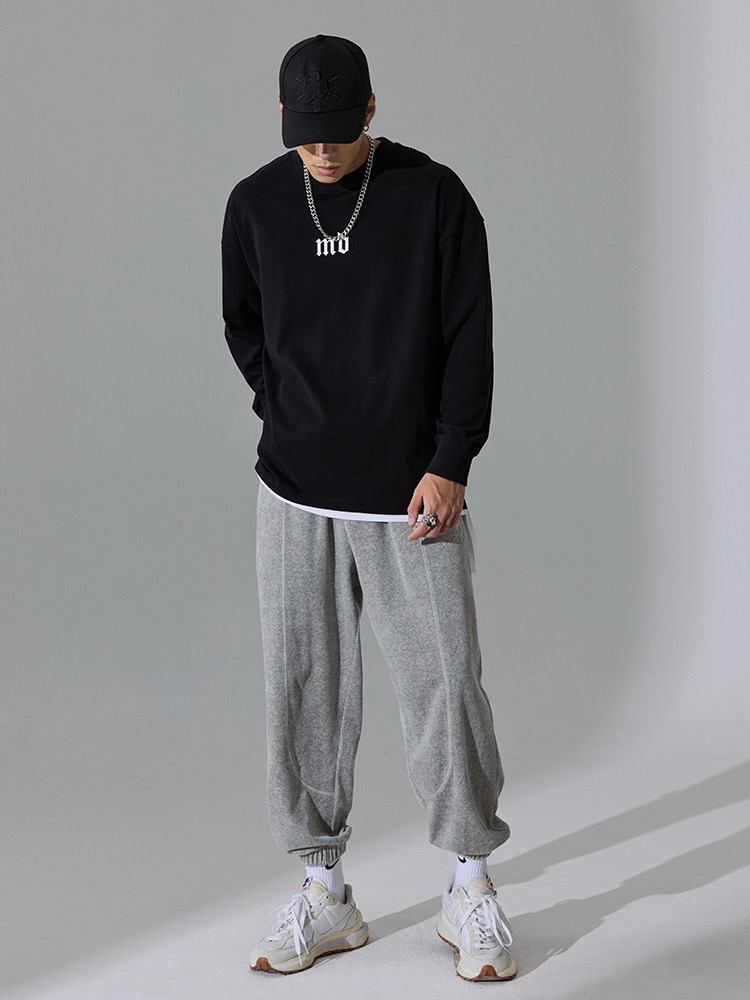
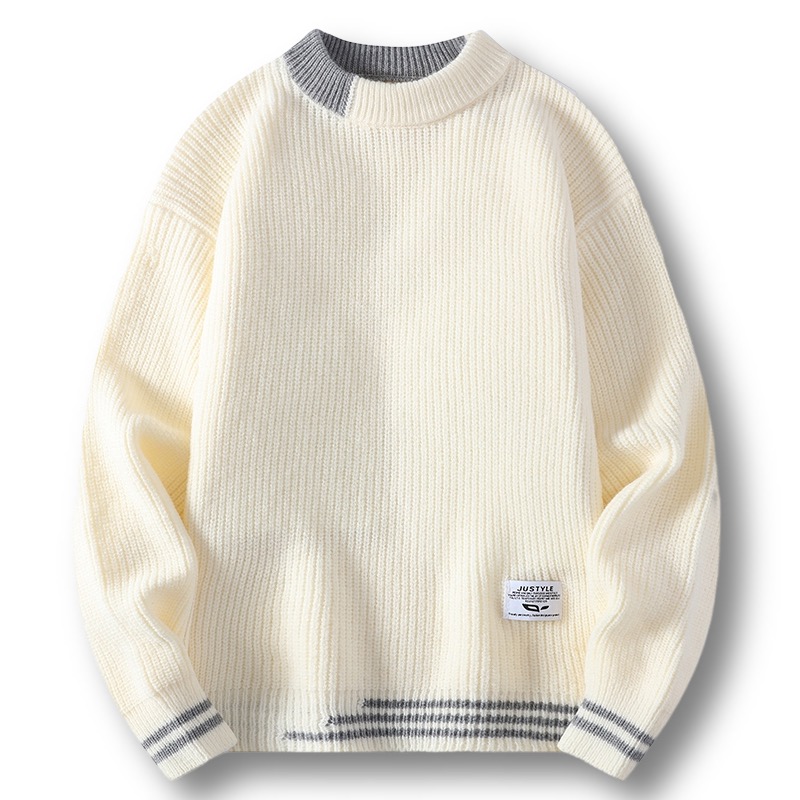
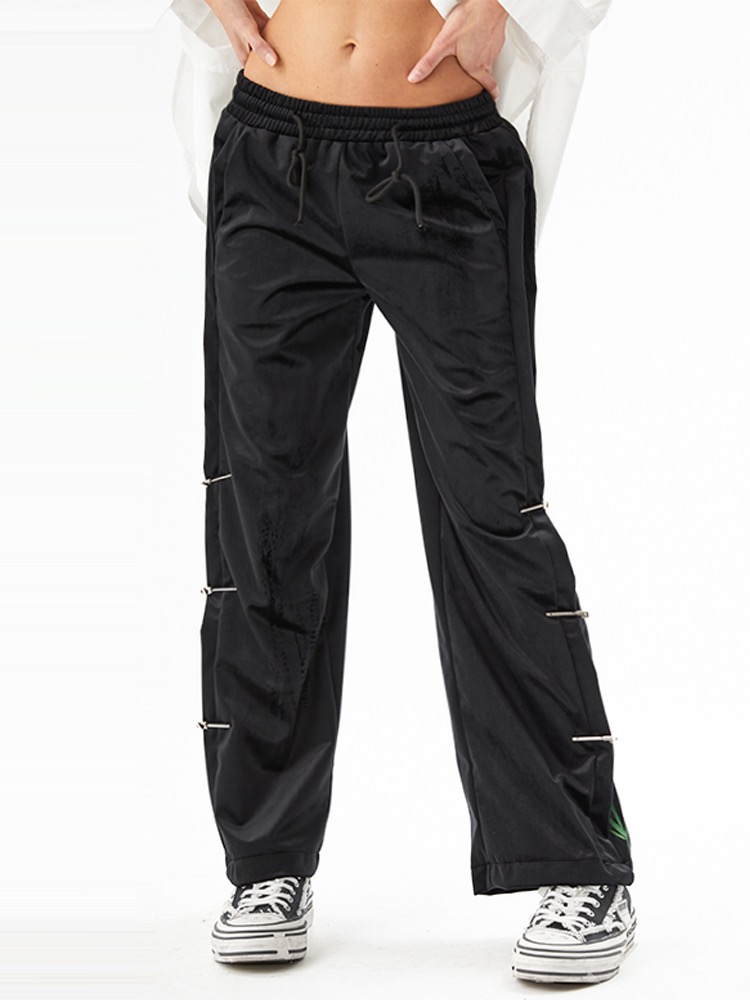
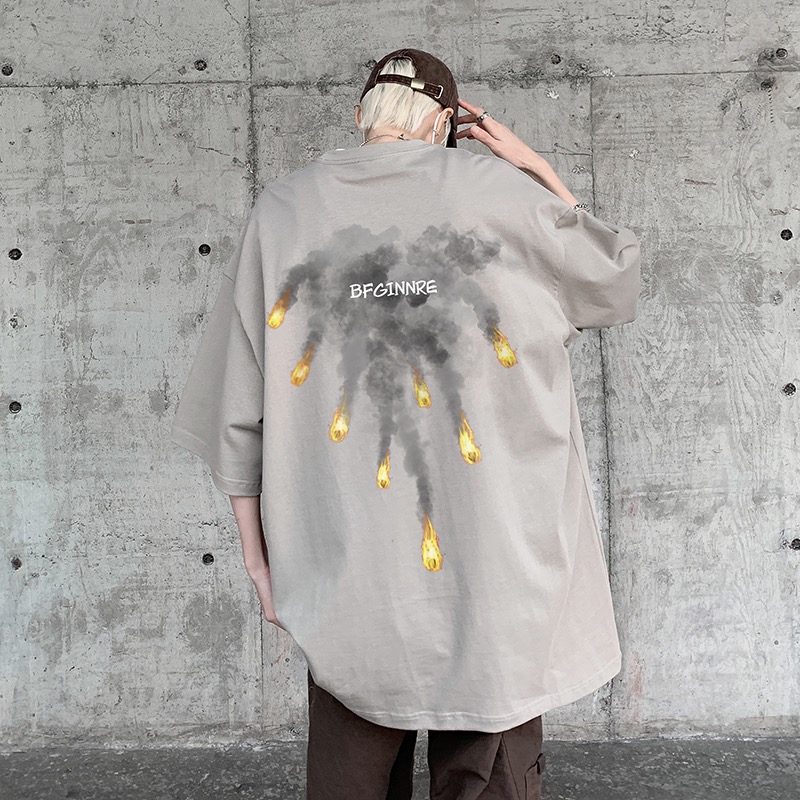
What Sets Our Organic Cotton Clothing Manufacturer Service Apart
EDVORIN connects sourcing, development and production controls so approved organic cotton apparel can be reproduced with confidence.
Material Sourcing Alignment
Coordinate organic cotton fabric options, weight, hand feel, trims and documentation around the requirements of your collection.
Production-Ready Development
Turn sketches, references or complete tech packs into clear patterns, measurement standards and samples before bulk production begins.
Men’s and Women’s Fits
Develop category-specific fit blocks, proportions, grading and styling details for men’s and women’s programs rather than relying on universal specifications.
Decoration Coordination
Align printing, embroidery, labels, washes and packaging with the selected fabric and approved artwork placements for a cohesive result.
Repeat-Order Control
Carry approved sample standards, measurements, material specifications and placement details into in-line checks and final inspection for repeatable orders.
Related Apparel Manufacturing Capabilities
Explore category-specific development, decoration and private-label production support for programs that extend beyond a single garment style.
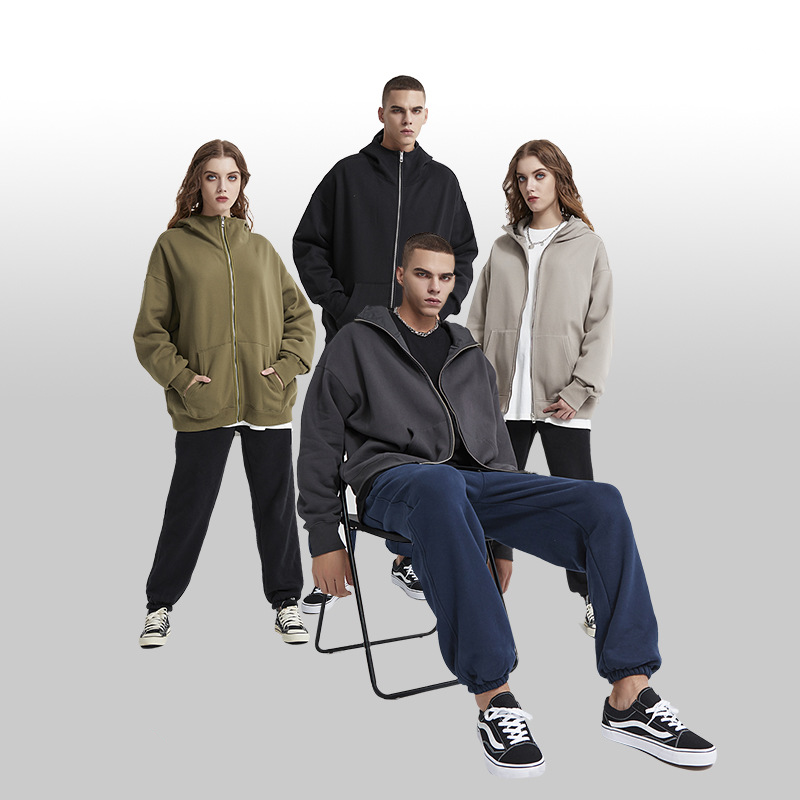
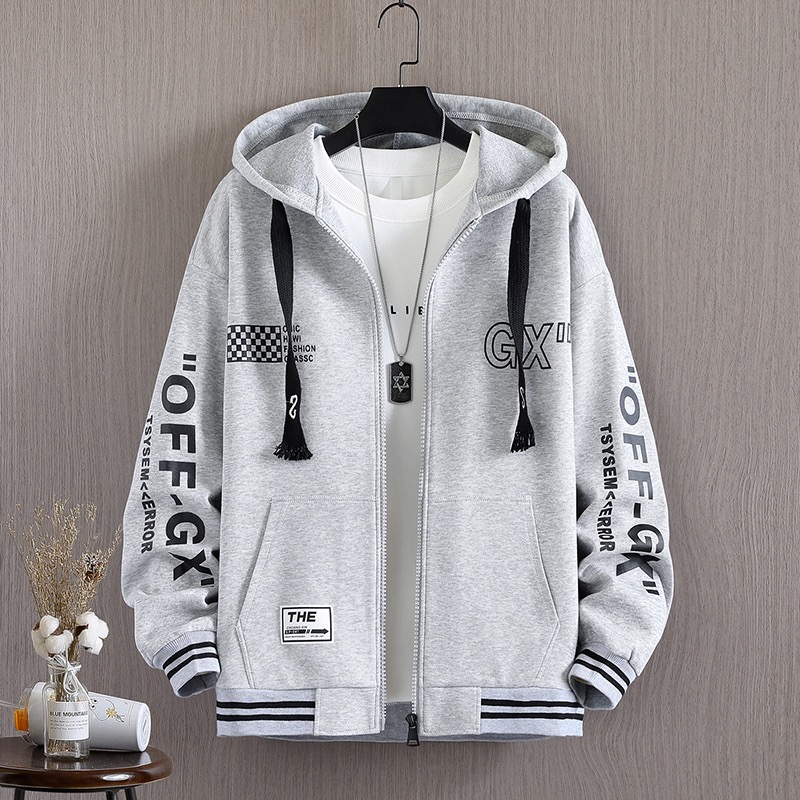
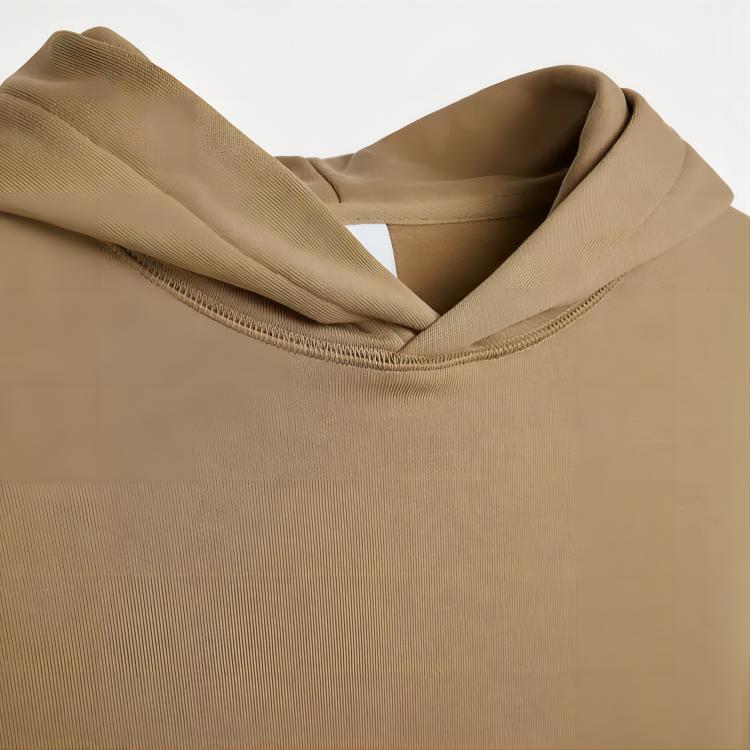
Custom Hoodies
EDVORIN develops custom hoodies from fleece selection and fit blocks through rib construction, drawcords, prints, embroidery, labels and packing. Each approved sample becomes the reference for repeatable bulk production.
Get a Quote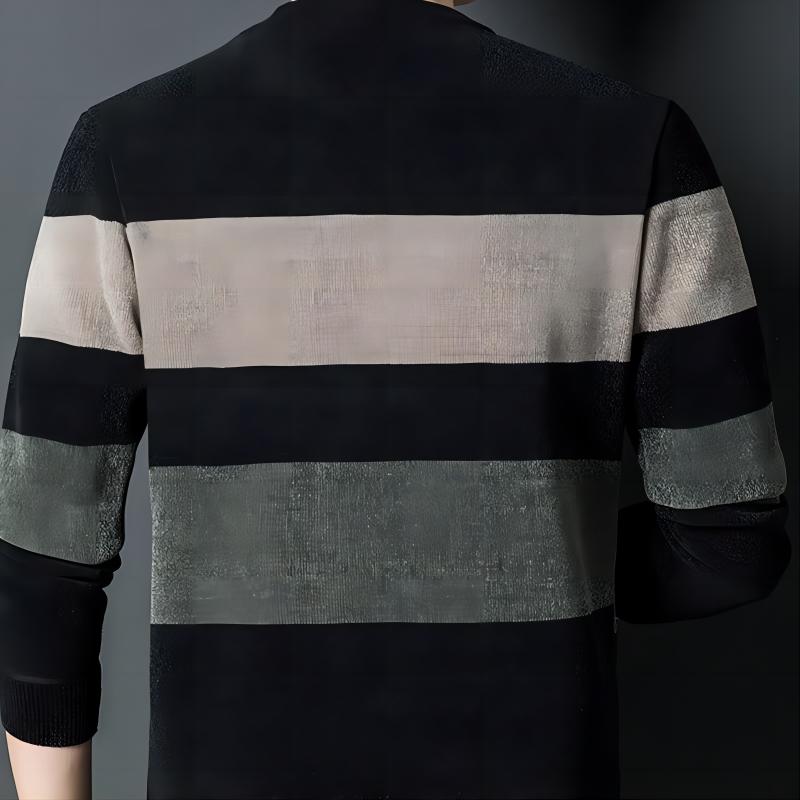
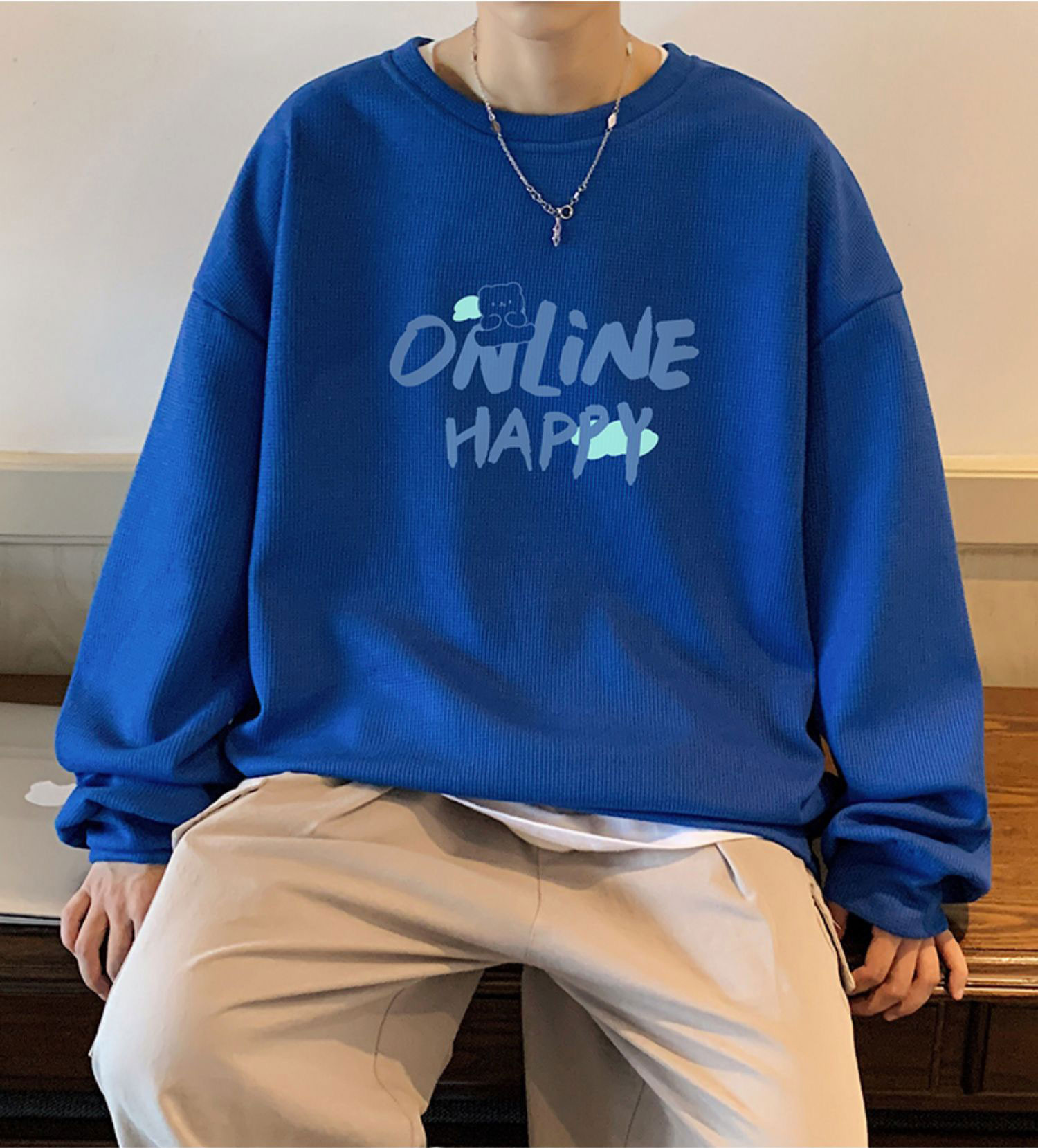
Pullover Sweatshirts
As a sweatshirt manufacturer, EDVORIN supports pullover styles with options for French terry or fleece, crewneck ribs, brushed finishes, garment washing and category-appropriate decoration. Men’s and women’s proportions can be developed separately.
Get a Quote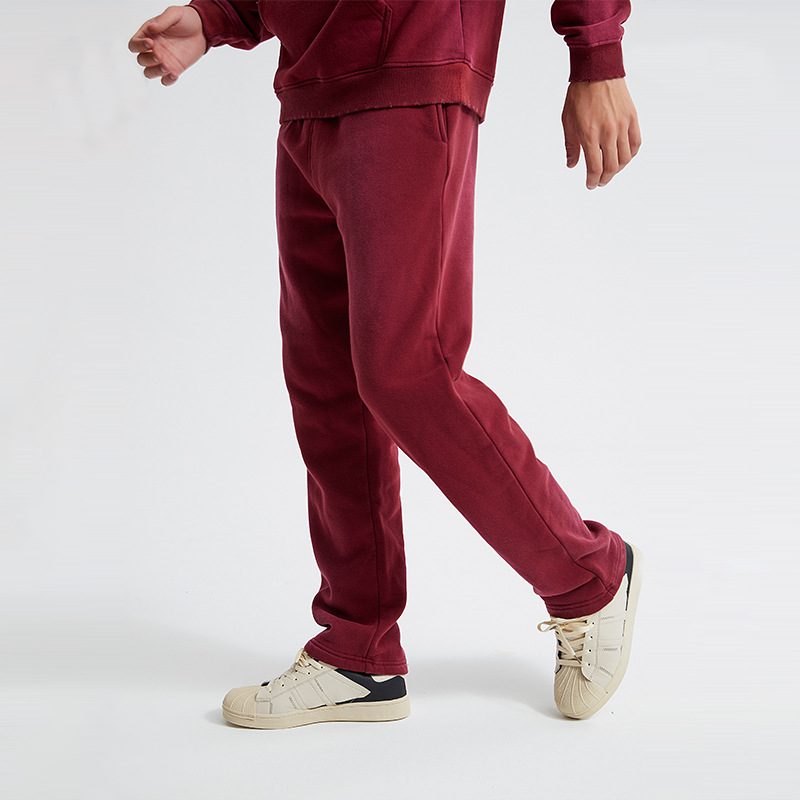
Sweatpants & Joggers
EDVORIN manufactures sweatpants and joggers with coordinated fabric weights, elastic or rib cuffs, waistband construction, drawcords, pockets and grading. Programs can be matched to hoodies or sweatshirts for complete casualwear sets.
Get a Quote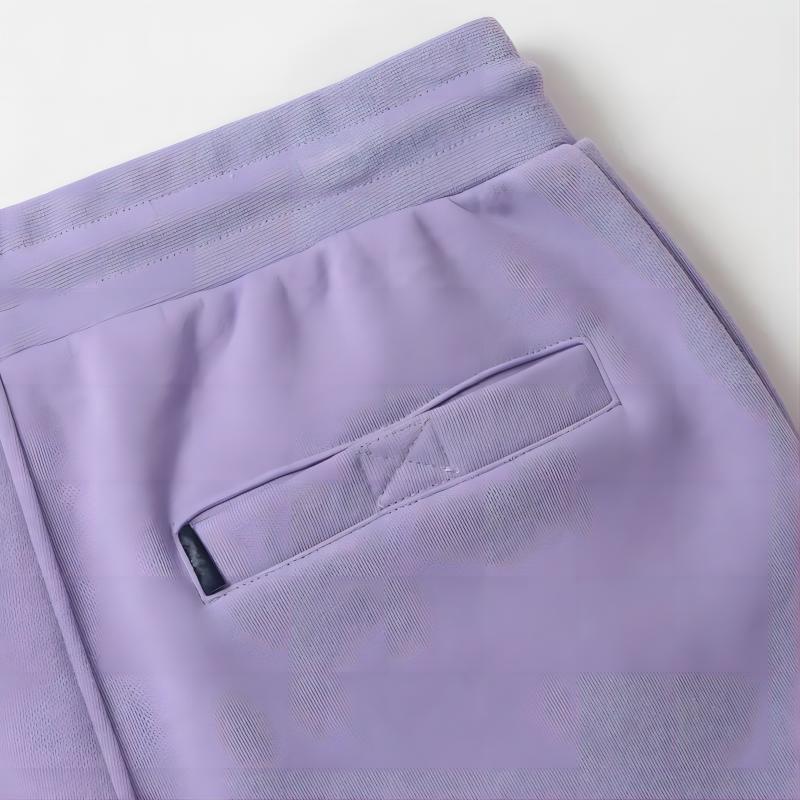
Custom Shorts
Custom shorts development covers fleece, jersey, woven and performance constructions, with decisions documented for inseam, waistband, pockets, liners, trims and decoration placement. Suitable for private-label, wholesale and coordinated collection programs.
Get a Quote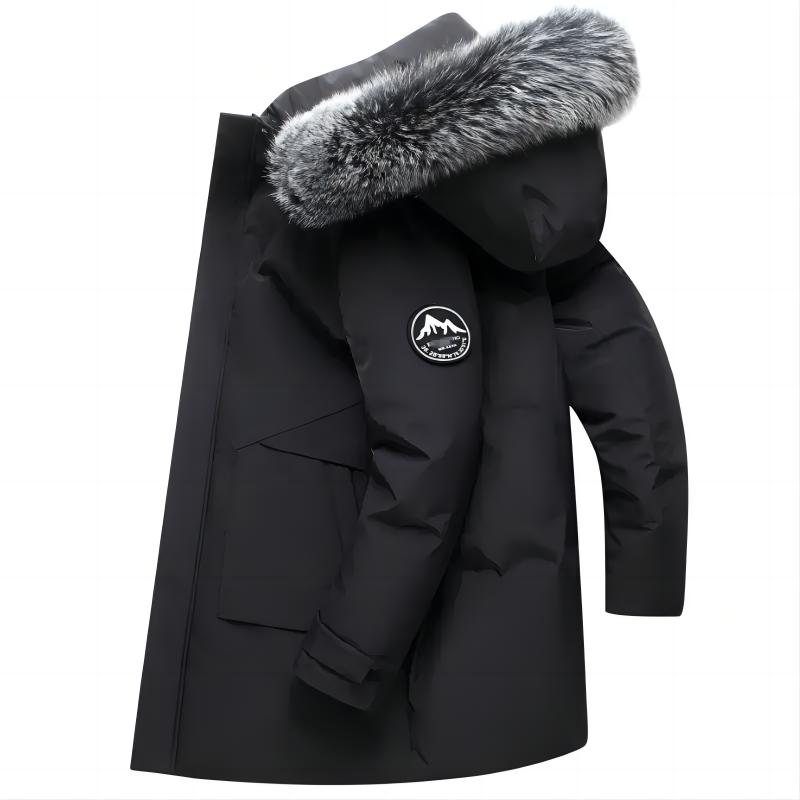
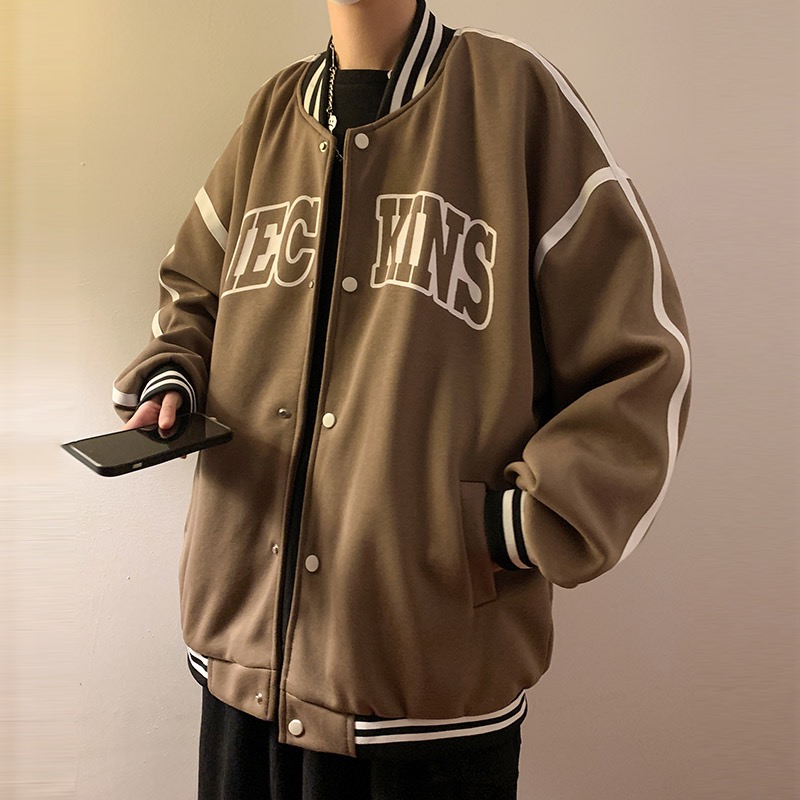
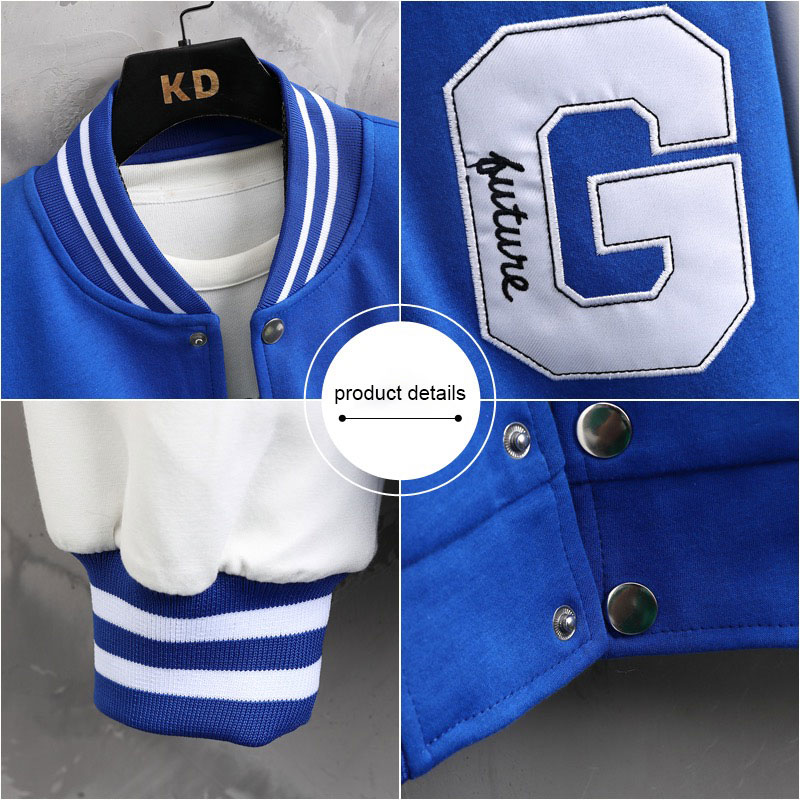
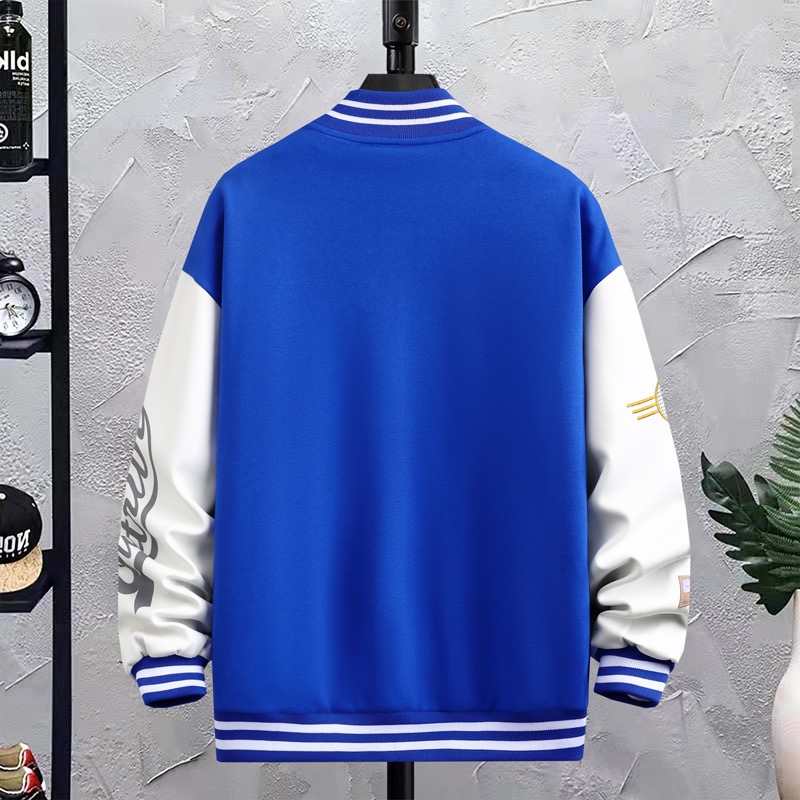
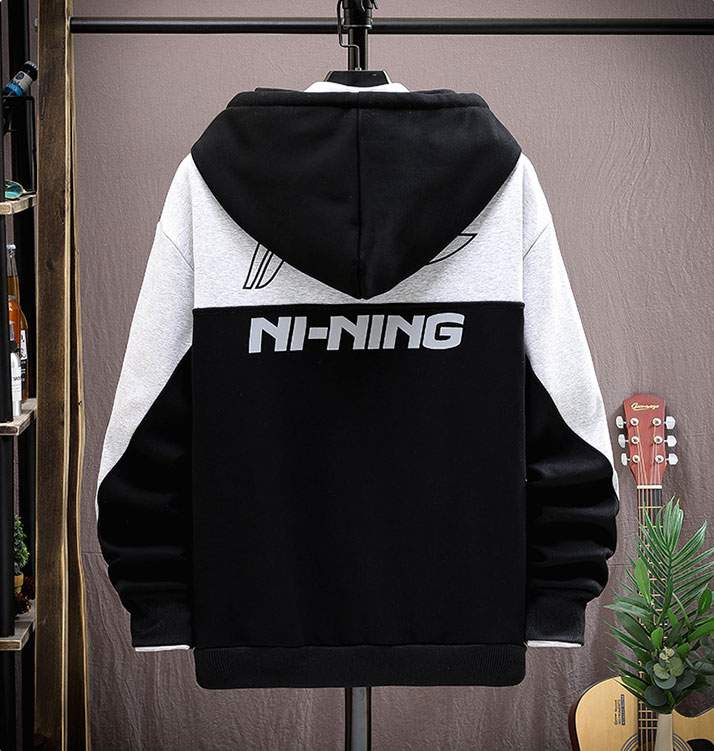
Varsity & Baseball Jackets
EDVORIN develops varsity and baseball jackets by coordinating body and sleeve materials, rib knit, lining, snaps, patches, embroidery and appliqué. Sampling verifies the balance of construction and decoration before bulk production begins.
Get a Quote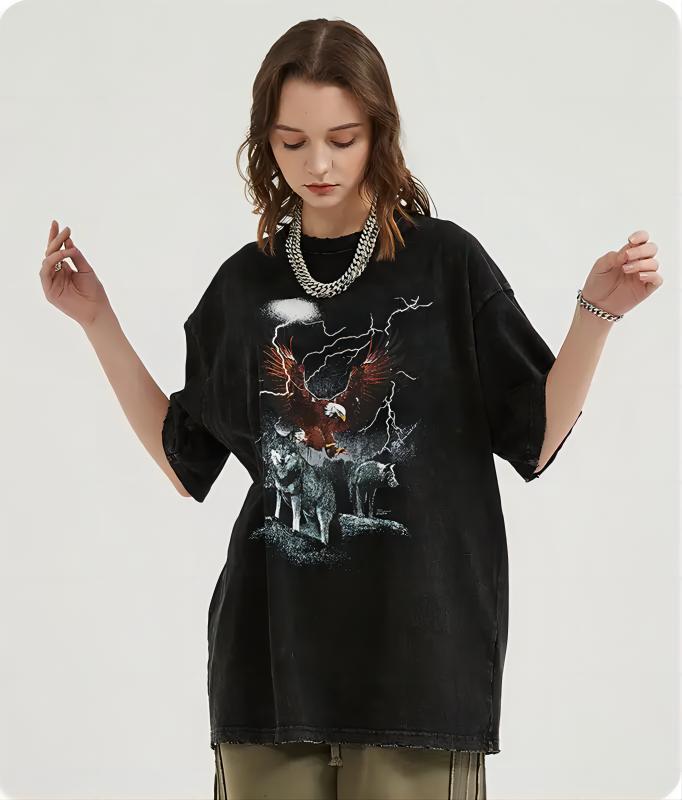
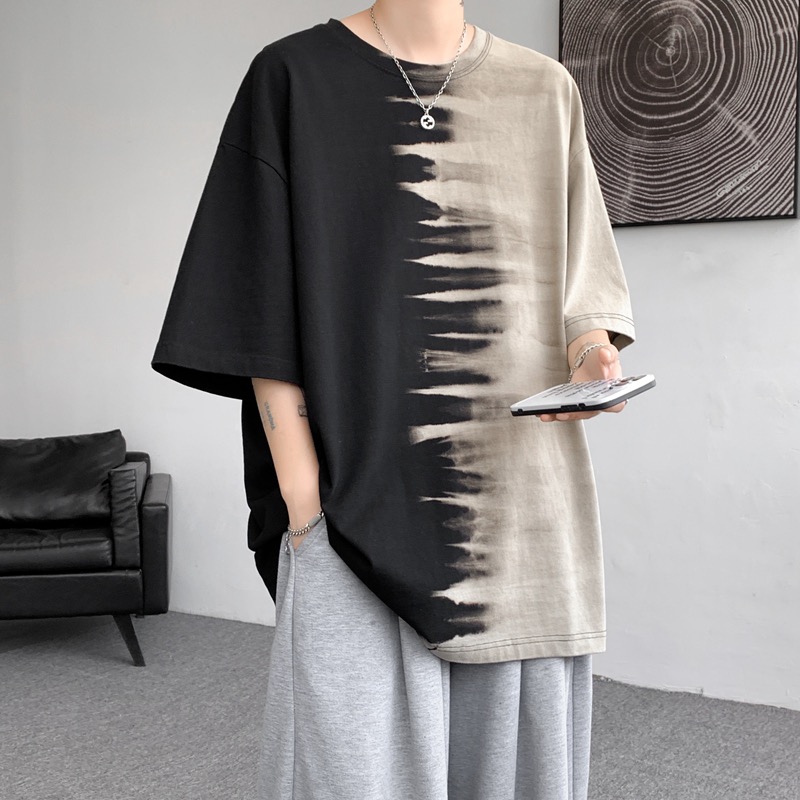
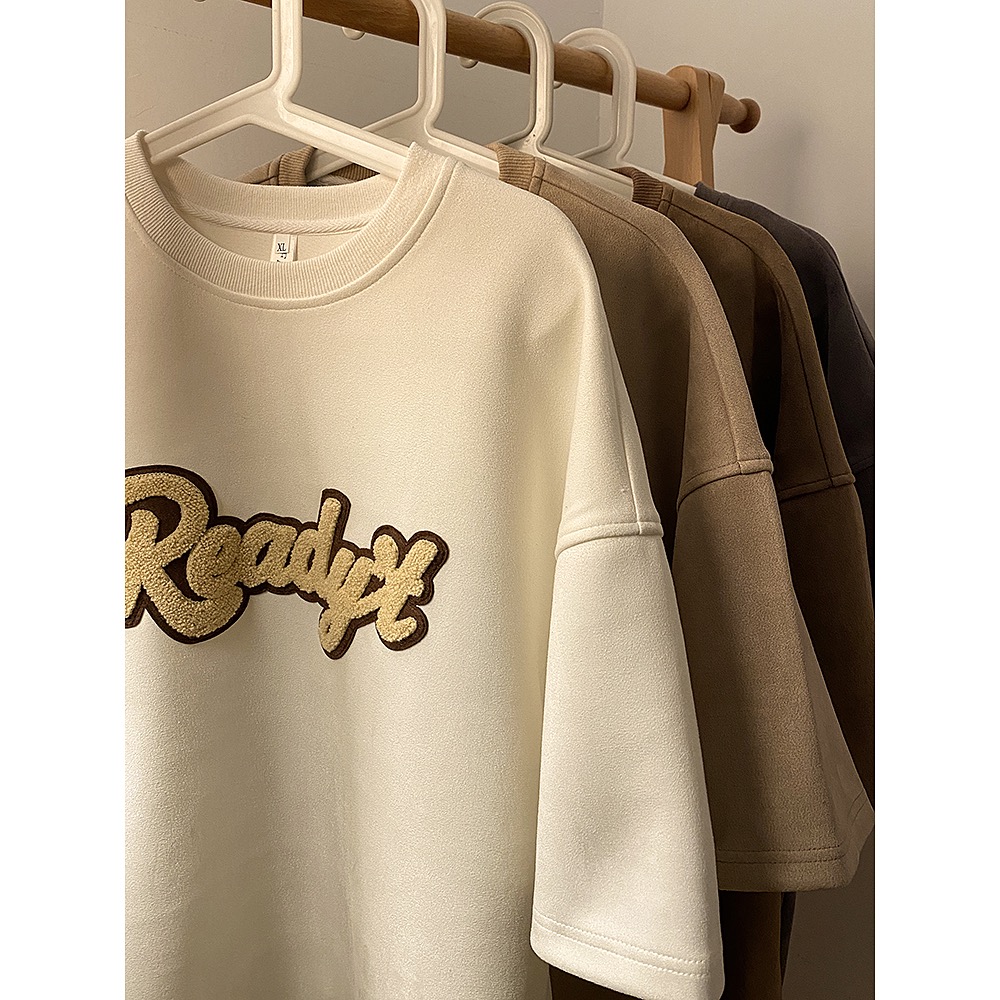
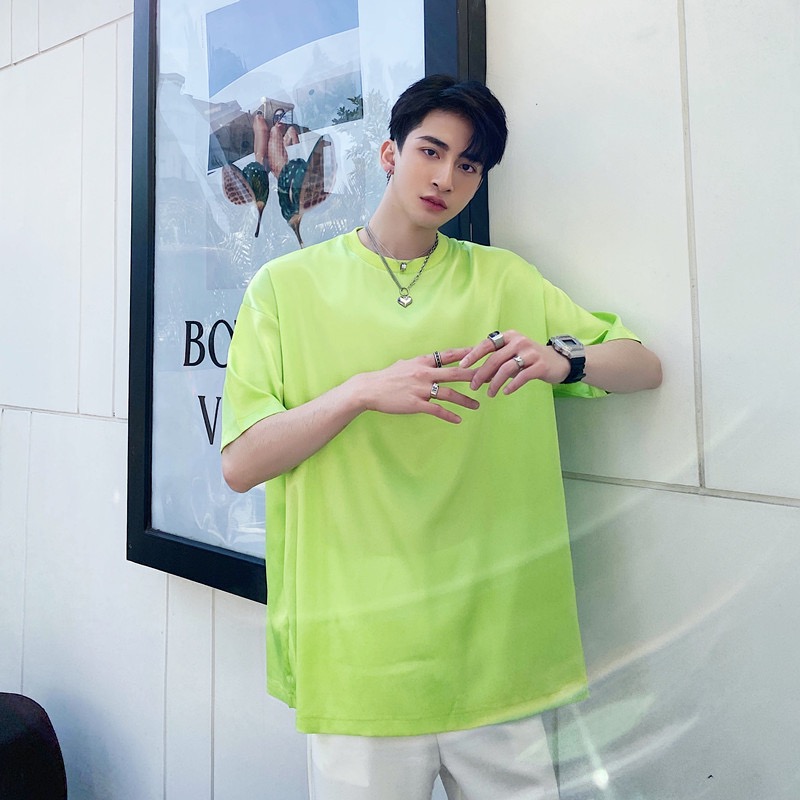
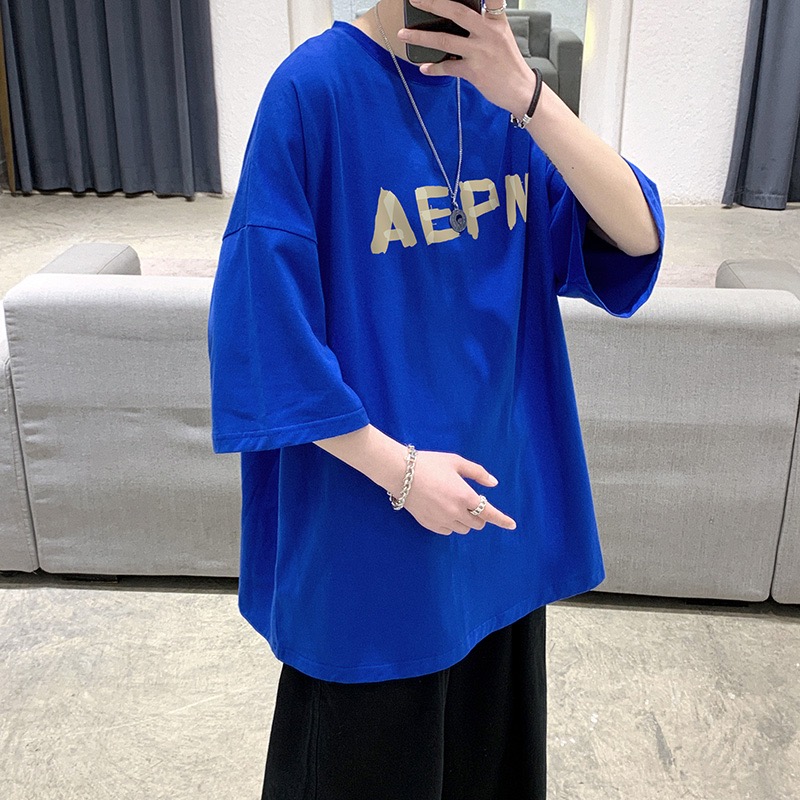
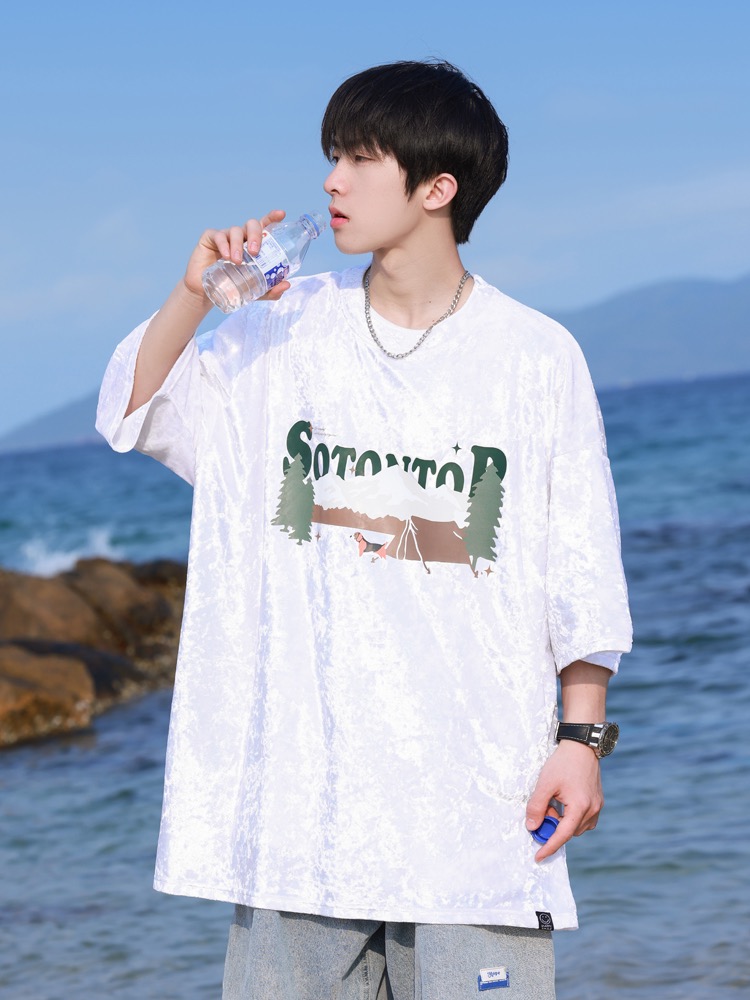
Custom T-Shirts
Custom T-shirt programs can be developed around jersey weight, fiber content, neckline, fit, wash treatment, print method, embroidery and labels. EDVORIN supports men’s and women’s sizing for fashion, promotional and private-label requirements.
Get a Quote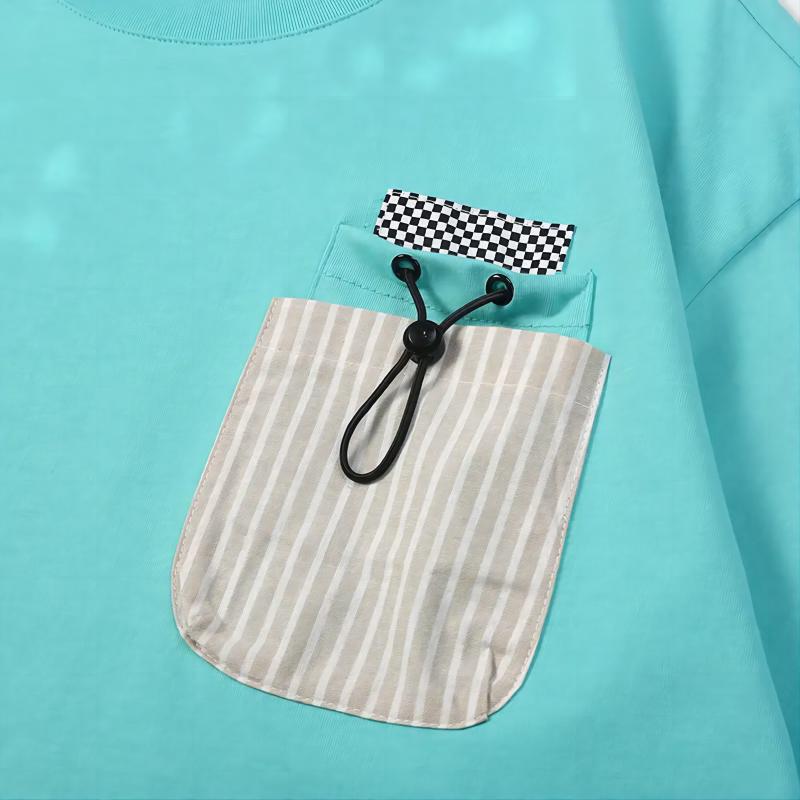
Custom Polo Shirts
EDVORIN manufactures custom polo shirts with piqué or jersey fabric options, collar and placket construction, buttons, cuffs, embroidery placement and color matching. Development can address uniform, corporate, sports club and retail uses.
Get a Quote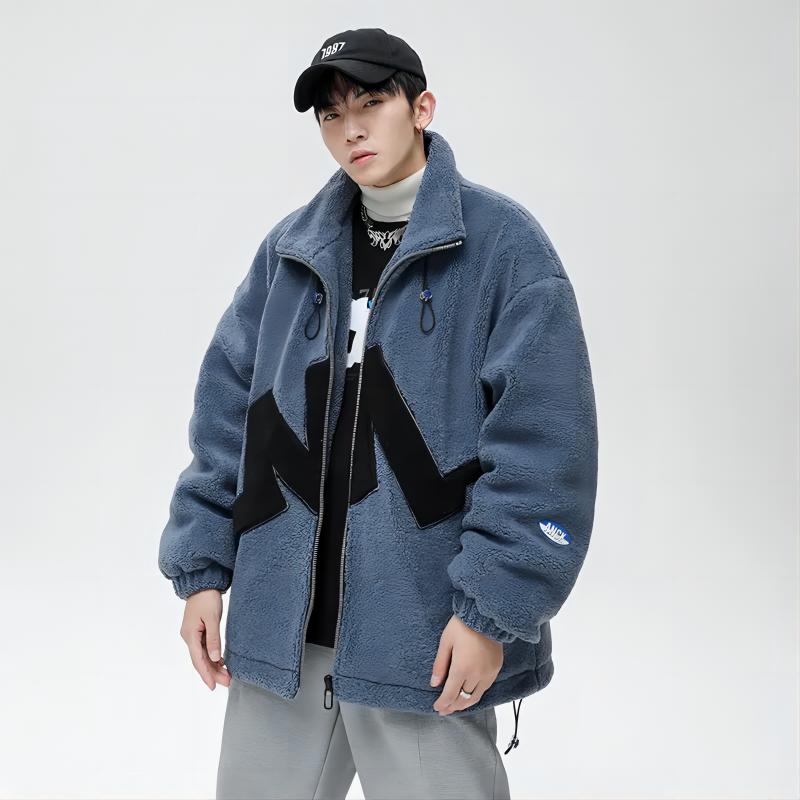
Windbreaker Jackets
Windbreaker development coordinates lightweight shell fabrics, linings or mesh, zippers, hoods, cuffs, ventilation and water-resistant finishes. EDVORIN documents construction and placement details so the approved jacket can be reproduced consistently.
Get a Quote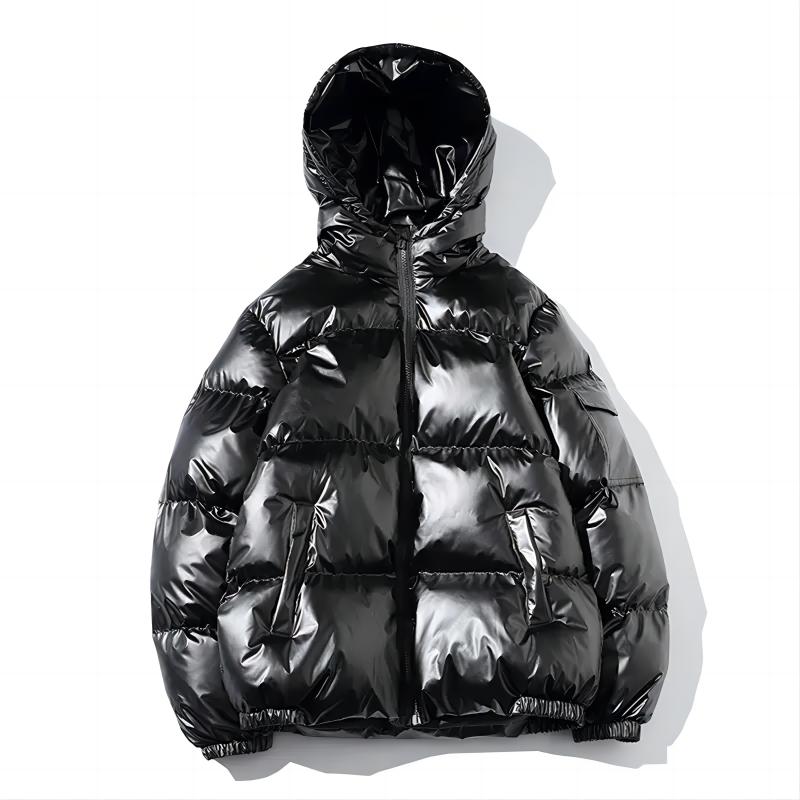
Quilted Jackets
Quilted jacket programs are developed around shell fabric, insulation type and weight, lining, quilting pattern, pocket construction, zippers and finishing. Samples help confirm warmth, bulk, stitch stability and intended silhouette before production.
Get a Quote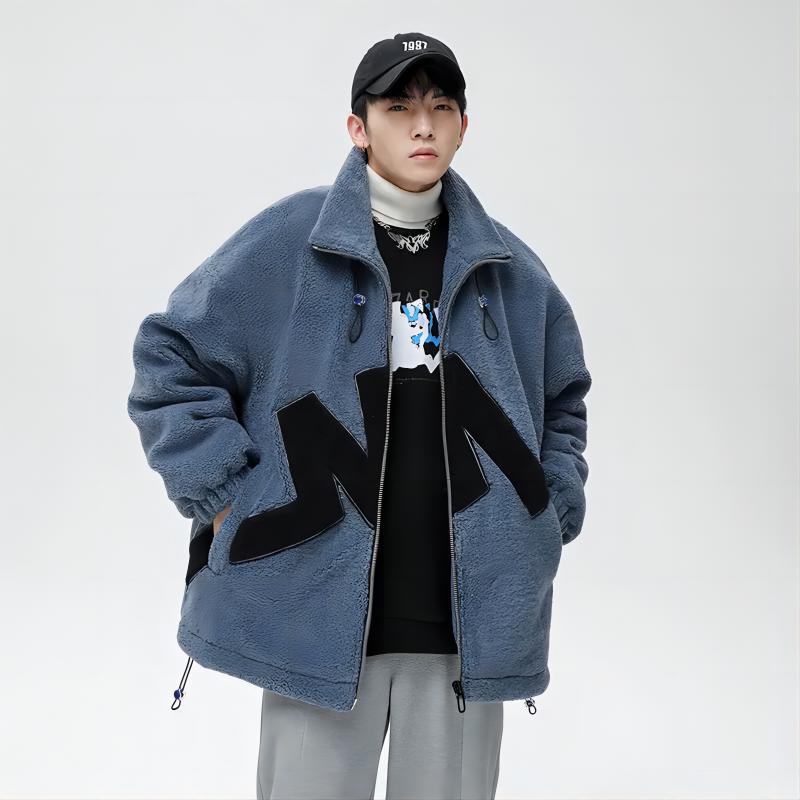
Bomber Jackets
EDVORIN manufactures bomber jackets with attention to shell and lining selection, rib components, zipper specifications, pockets, insulation, embroidery and patches. Construction details are aligned with the buyer’s approved sample and technical requirements.
Get a Quote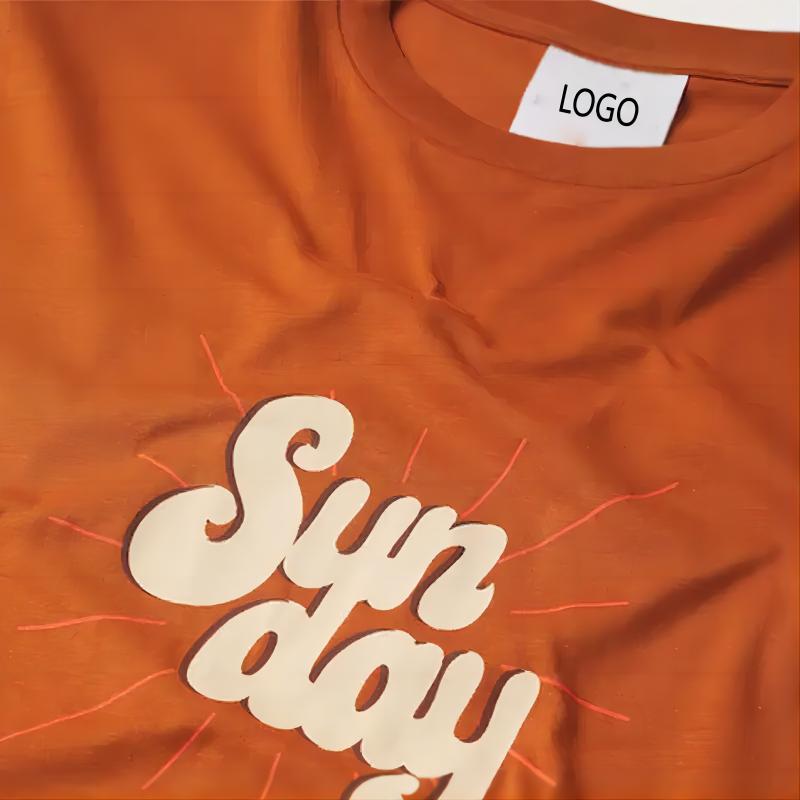
Custom Shirts
Custom woven shirts can be developed in cotton, blends and other woven qualities, with choices for collar shape, placket, cuffs, pockets, fit, buttons and branding. EDVORIN supports private-label specifications from sample through packing.
Get a Quote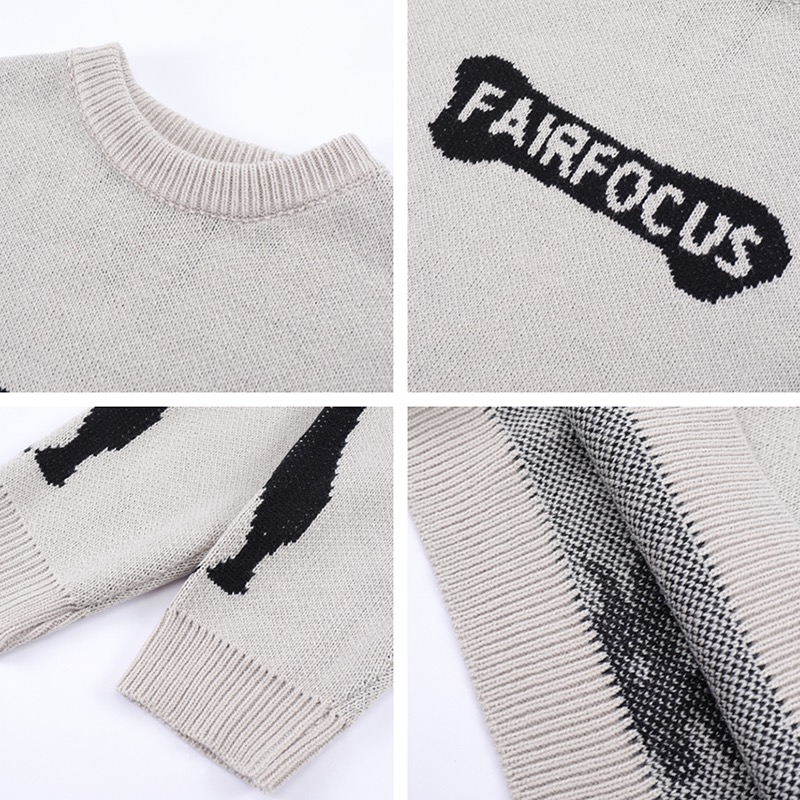
Custom Jerseys
EDVORIN develops custom jerseys with breathable materials, color panels, team artwork, names, numbers and size-set control. Decoration methods are selected for fabric compatibility and repeatability across clubs, schools, teams and retail programs.
Get a Quote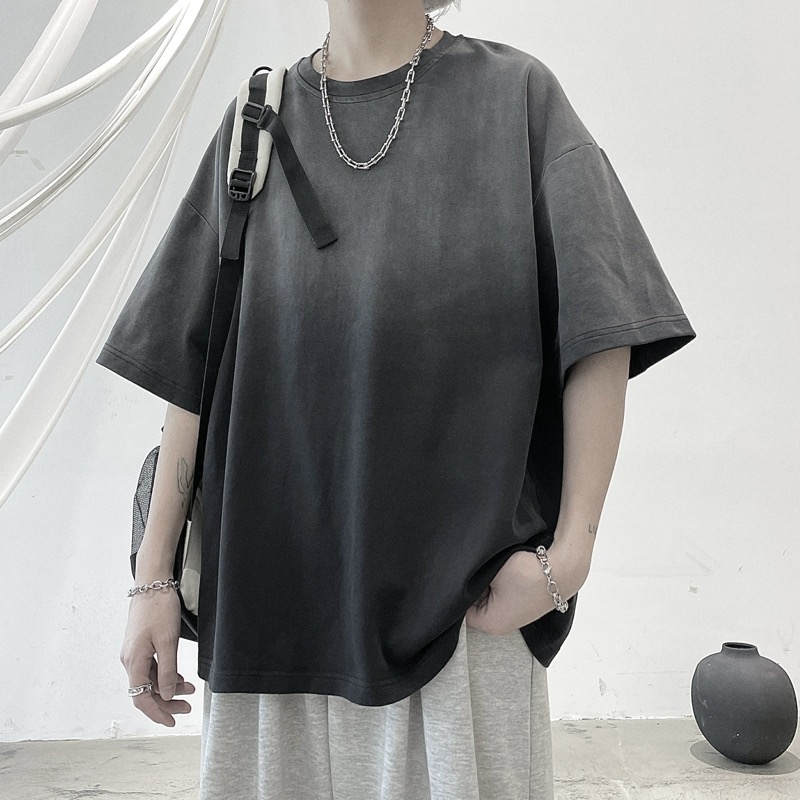
Tank Tops
Tank top manufacturing covers jersey, mesh and performance fabrics, with development for armhole shape, neck binding, fit, color blocking, prints and labels. Men’s and women’s programs can use distinct proportions and grading.
Get a Quote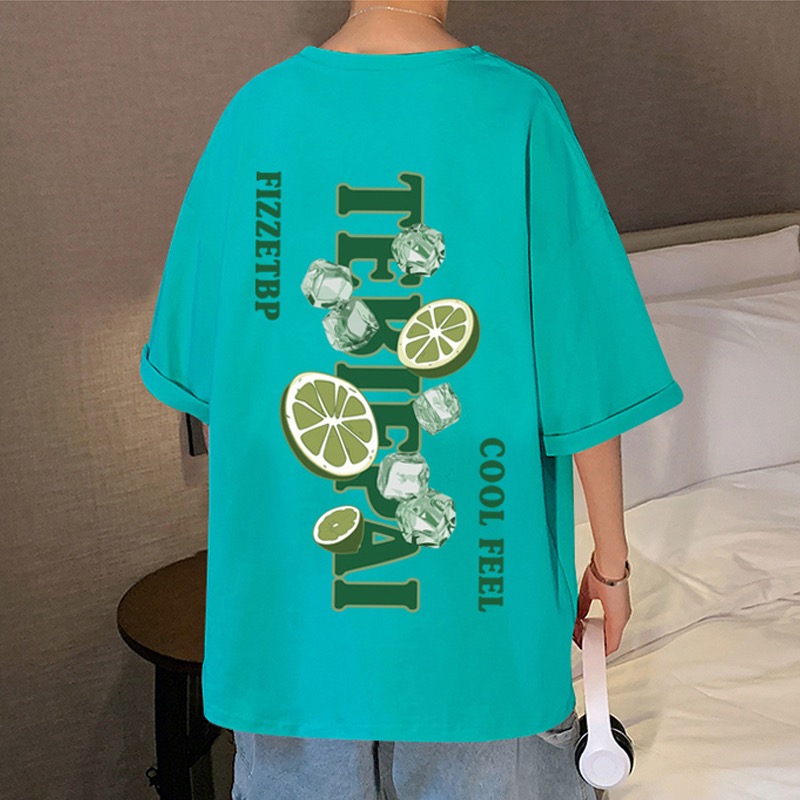
Soccer Uniforms
Soccer uniform programs coordinate jerseys, shorts and optional socks around breathable fabrics, color consistency, crest application, player names, numbers and team sizing. EDVORIN manages the approved specification through bulk inspection and packing.
Get a Quote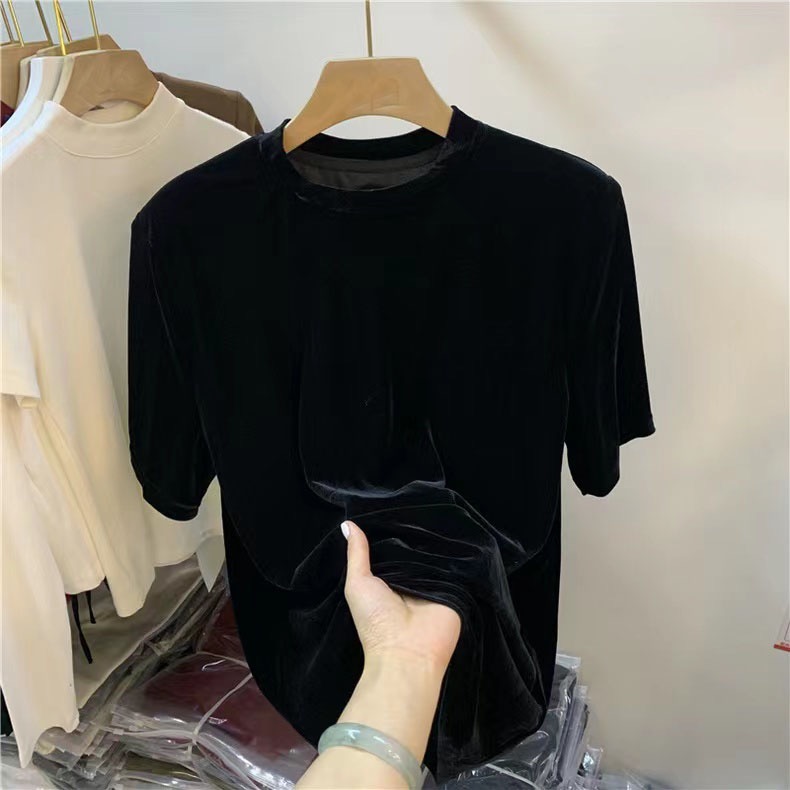
Basketball Uniforms
Basketball uniform development includes jersey and short construction, mesh or performance fabric options, contrast panels, elastic waistbands, team graphics, names and numbers. Size grading and decoration placement are controlled against approved samples.
Get a Quote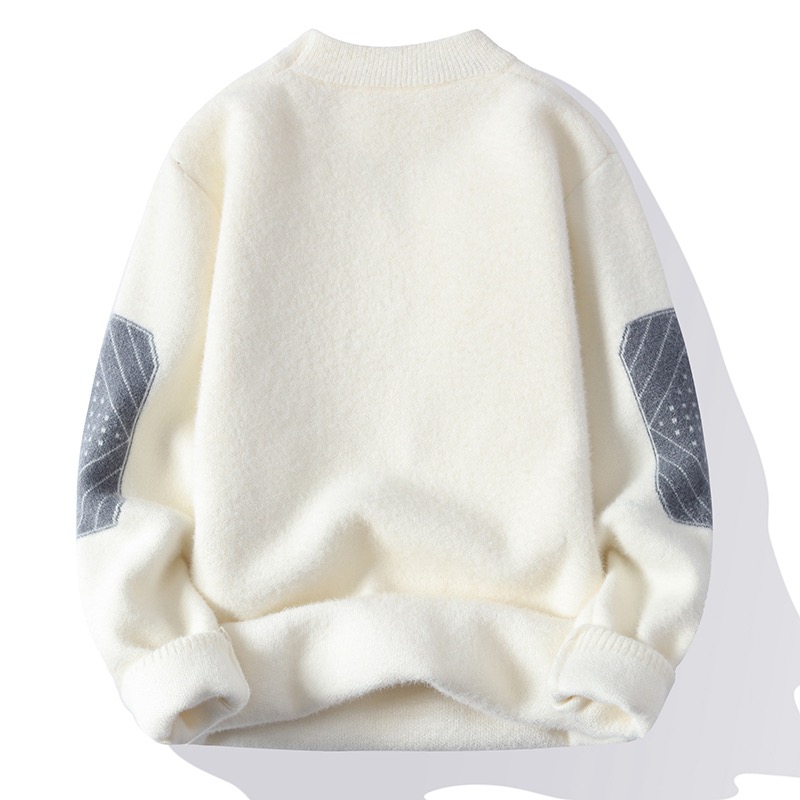
Streetwear Collections
EDVORIN supports streetwear collections across hoodies, tees, sweatpants, outerwear, woven shirts and coordinated sets. Product development brings together fabric, trims, fit, washing, printing, embroidery, labels and packaging under one production workflow.
Get a QuoteOrganic Cotton Clothing Manufacturer Since 2000
Founded by Edvorin Zeng in 2000, EDVORIN helps brands turn organic cotton clothing concepts into production-ready standards. As an organic cotton clothing manufacturer, we coordinate material sourcing, patterns, samples, fit, trims, decoration, labeling and packaging so every approved decision has a clear place in the production process.
Our difference is the discipline behind the sample. We document measurements, construction, artwork placement and material requirements, then use approved standards for in-line and final quality control. From fashion and streetwear to teamwear programs, EDVORIN supports men’s and women’s collections with flexible OEM, ODM and private-label manufacturing.
For organic cotton programs, we align sourcing and product requirements with applicable GOTS, OEKO-TEX Standard 100 and other certification programs. With MOQs starting at 200 pieces per style, buyers can develop hoodies, tees, fleece, uniforms and coordinated collections with a partner built for repeat orders.
Organic Cotton Clothing Manufacturer Program Controls
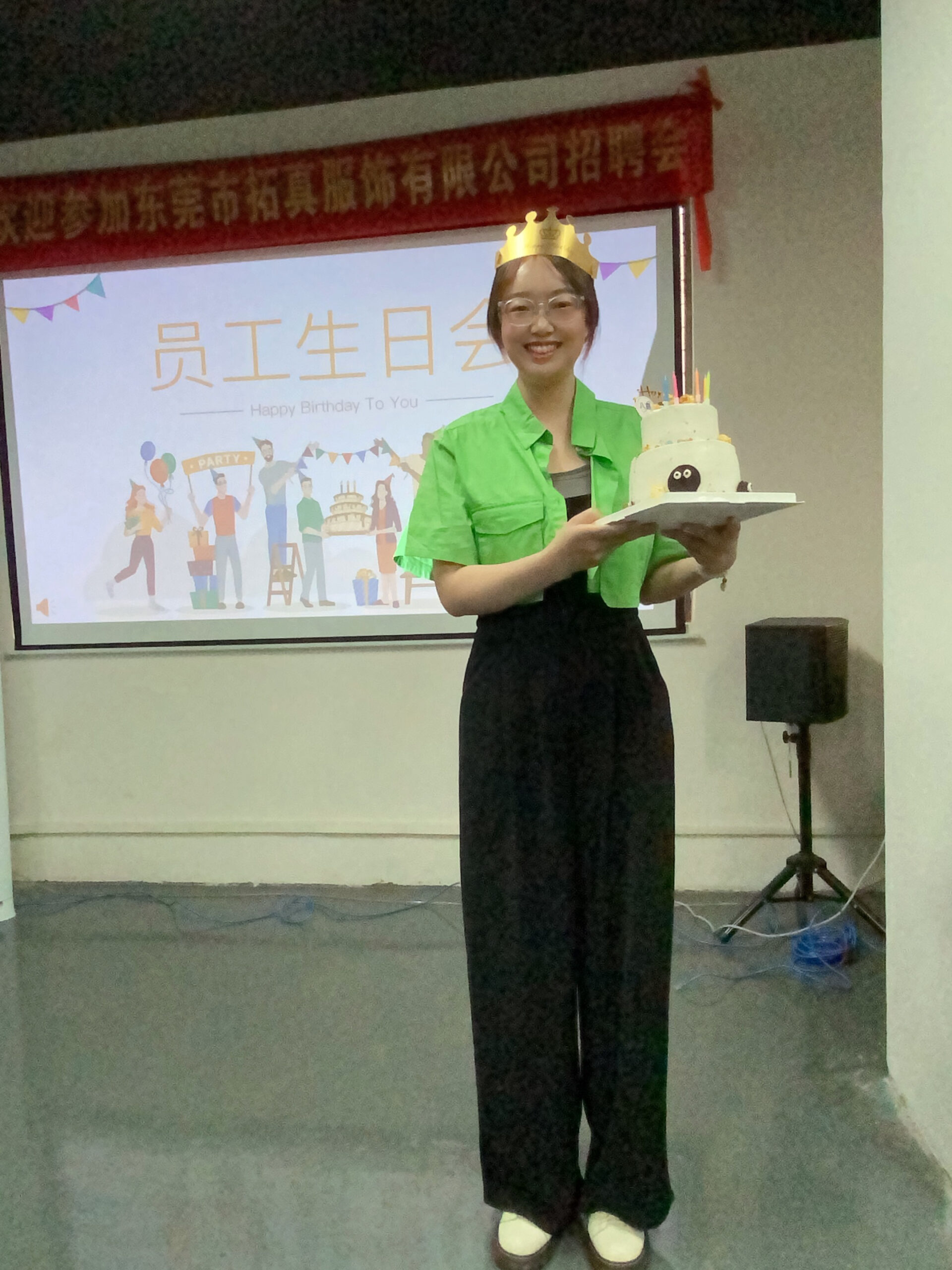
Certified Material Planning
As an organic cotton clothing manufacturer, EDVORIN aligns fabric options, trims, labels and packaging requirements before sampling, so the material direction supports your product brief and available certification program from the start.
- Organic cotton fabric options matched to garment category
- GOTS and OEKO-TEX Standard 100 program coordination
- Trim, label and packaging specifications documented early
- Material approvals recorded for bulk reference
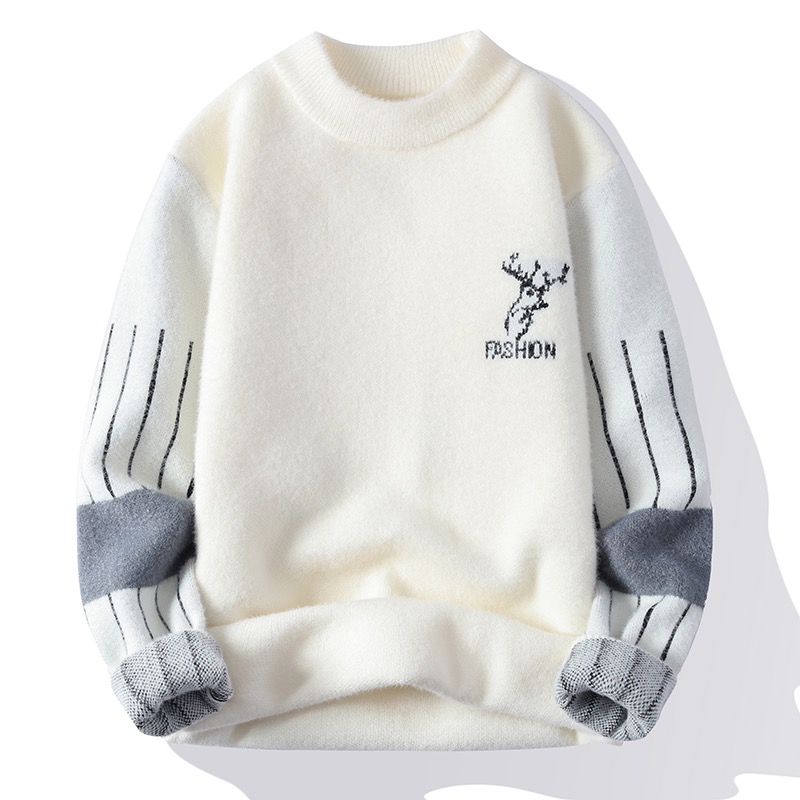
Fabric Built for the Garment
Fabric selection should reflect how the garment will be worn, decorated and washed. EDVORIN helps buyers evaluate weight, hand feel, stretch, recovery and construction for organic cotton T-shirts, fleece programs, polos, sweatpants and layered styles.
- Jersey, fleece, rib and woven fabric development
- Weight and hand-feel selection by product use
- Shrinkage and wash behavior considered during sampling
- Men’s and women’s material requirements adjusted separately
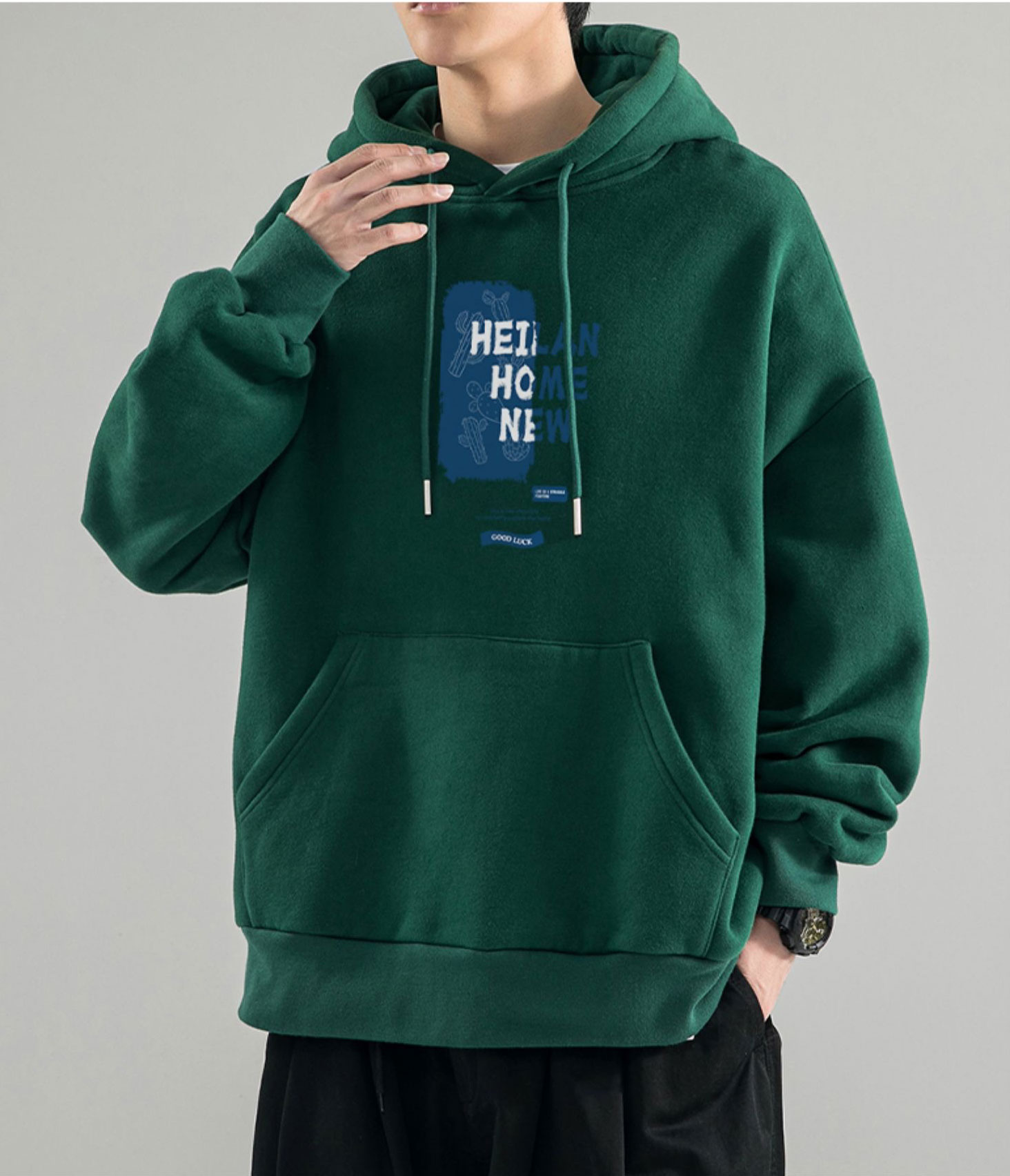
Fit and Decoration Alignment
A strong organic cotton sample brings fit, construction and artwork into one approved standard. EDVORIN develops patterns, grading and placement details alongside compatible printing, embroidery or wash treatments before those decisions reach the production line.
- Pattern development from tech packs or references
- Size grading tailored to the intended wearer
- Print and embroidery placement measurements recorded
- Decoration methods reviewed against base fabric
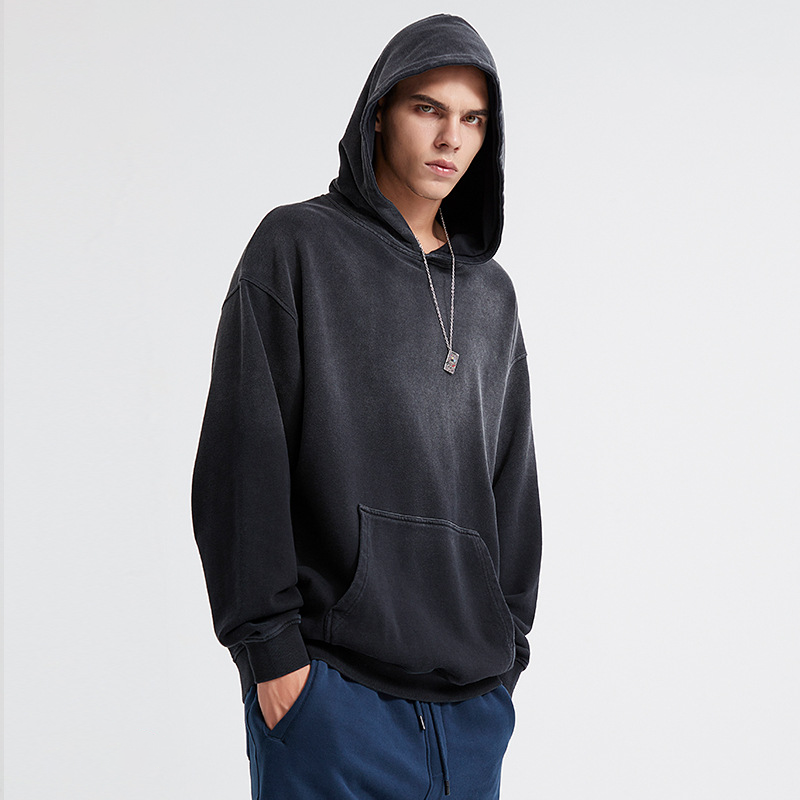
Approved Standards Through Bulk
EDVORIN carries the approved sample forward into bulk production through clear specifications and quality checks. Material, measurements, artwork placement and finishing details are reviewed in-line and again before packing to support repeatable orders from 200 pieces per style.
- Approved sample used as the production benchmark
- In-line checks for construction and measurement consistency
- Artwork, trims and finishing verified against approvals
- Final inspection before labeling and packing
Organic Cotton Clothing Manufacturer vs. Conventional Cotton Programs
Choose the organic cotton clothing manufacturer program when certified material documentation, custom development, and repeatable production standards matter.
← Swipe left or right to view →
Our Organic Cotton Apparel Production Process
EDVORIN turns approved organic cotton specifications into repeatable production standards for private-label collections, from development through final packing.
Review Materials and Specifications
We review certified organic cotton options, fabric weight, trims, artwork, fit requirements, labeling needs and your tech pack or reference garment.
Develop Patterns and Samples
Patterns, measurements and construction details are developed into samples, allowing your team to assess hand feel, fit, decoration and finishing before approval.
Record Approved Production Standards
Approved samples become the bulk reference, with measurements, placement details, color references, trims and packaging requirements documented for consistent execution.
Coordinate Bulk Production
Our organic cotton clothing manufacturer workflow coordinates cutting, sewing, printing, embroidery, washing and finishing against the approved standard across each production stage.
Inspect, Label and Pack
In-line and final inspections check workmanship, measurements and presentation before labels, hangtags, folding, packing and shipment preparation are completed.
Start Your Organic Cotton Clothing Program
Send the development inputs you have, and EDVORIN will turn them into a documented OEM, ODM, or private-label production path.
Share Your Product Brief
Send a tech pack, sketch, reference sample, artwork, measurement chart, or collection concept, along with the category, target customer, and order objectives.
Define Material Requirements
Specify organic cotton composition, fabric weight, hand feel, color, trims, wash requirements, and any GOTS or other certification needs for review.
Confirm Construction Details
Review fit blocks, grading, measurements, decoration placement, labels, packaging, and men’s or women’s requirements so the style can move into sampling.
Approve the Production Standard
Evaluate the developed sample and approved specifications, then use that documented standard to coordinate bulk production, quality control, and packing from 200 pieces per style.
Organic Cotton Clothing Manufacturer Client Results
EDVORIN helped us lock the fit and fabric hand for a 4-piece organic cotton fleece launch. After two sample rounds, all 1,200 units matched the approved measurements, and our color references held consistently across the bulk order.
Our first organic cotton jersey program needed reliable wash performance for retail. EDVORIN documented every revision clearly, and the final 800 tees stayed within our approved shrinkage tolerance after testing. That gave our team confidence to plan a repeat order.
We needed organic cotton warm-up sets for 18 academy teams, with names, numbers, and coordinated sizing. EDVORIN delivered the 2,160-piece order on schedule and kept artwork placement consistent from the first set through final packing.
Organic Cotton Clothing Manufacturer FAQ
Practical answers for brands planning certified fabric, custom decoration, sampling and repeatable bulk production.
What should I ask an organic cotton clothing manufacturer before starting a collection?
Can EDVORIN source GOTS organic cotton for custom apparel?
What products can an organic cotton clothing manufacturer make?
Can organic cotton garments combine printing, embroidery and patches?
EDVORIN’s MOQ starts at 200 pieces per style. What is the minimum order quantity for organic cotton clothing?
How long do organic cotton samples and bulk orders take?
What artwork files does an organic cotton clothing manufacturer need for printing or embroidery?
Can EDVORIN repeat an approved organic cotton collection for future orders?
Organic Cotton Clothing Manufacturer Buyer’s Guide
Use this decision framework to evaluate supplier credentials, fabrics, construction, customization, MOQs, and costs—while avoiding certification gaps, weak sampling processes, and production choices that can undermine your private-label launch.
1. What Is an Organic Cotton Clothing Manufacturer?
EDVORIN’s MOQ starts at 200 pieces per style. 200-piece MOQ programs require more than buying an organic blank: an organic cotton clothing manufacturer coordinates specified fiber, fabric, patterns, samples, cutting, sewing, decoration, labeling, final inspection, and shipment for the approved garment.
GOTS is a chain-of-custody standard, so an organic-material claim alone does not verify a finished style’s traceability. Buyers should request the applicable transaction documentation and confirm that claimed fibers, processing scope, and supplier certificates match the order.
EDVORIN develops OEM programs for brands, teams, schools, wholesalers, and corporate buyers from a tech pack or concept, recording fit, artwork placement, trims, labels, and packing instructions. A blank-garment supplier provides stocked bases for later decoration; a true OEM partner turns buyer specifications into a controlled, repeatable production standard.
2. Evolution of Organic Cotton Clothing Manufacturing
2000 marked EDVORIN’s founding, while organic cotton was still commonly treated as a specialist material choice rather than a fully managed apparel input. As private-label programs expanded, buyers increasingly needed an organic cotton clothing manufacturer to translate material claims into repeatable specifications.
GOTS introduced a common textile-processing framework that made chain-of-custody records, transaction documentation, chemical controls, and labeling more central to sourcing decisions; see https://global-standard.org/the-standard. A certificate alone is not a substitute for verifying the applicable supplier, material scope, and order documents.
2 production controls now matter as much as fabric selection: pre-production approval and traceable bulk records. For private-label hoodies, tees, and teamwear, buyers should retain approved swatches, test requirements, color references, artwork placements, and inspection results so the responsible-material claim and finished garment remain aligned.
3. Types of Organic Cotton Clothing Manufacturer Services
Four service models shift responsibility for design, sourcing, patterns, packaging, and freight. Choose the model that matches your product readiness, customization depth, budget, and order volume.
Full-Package OEM
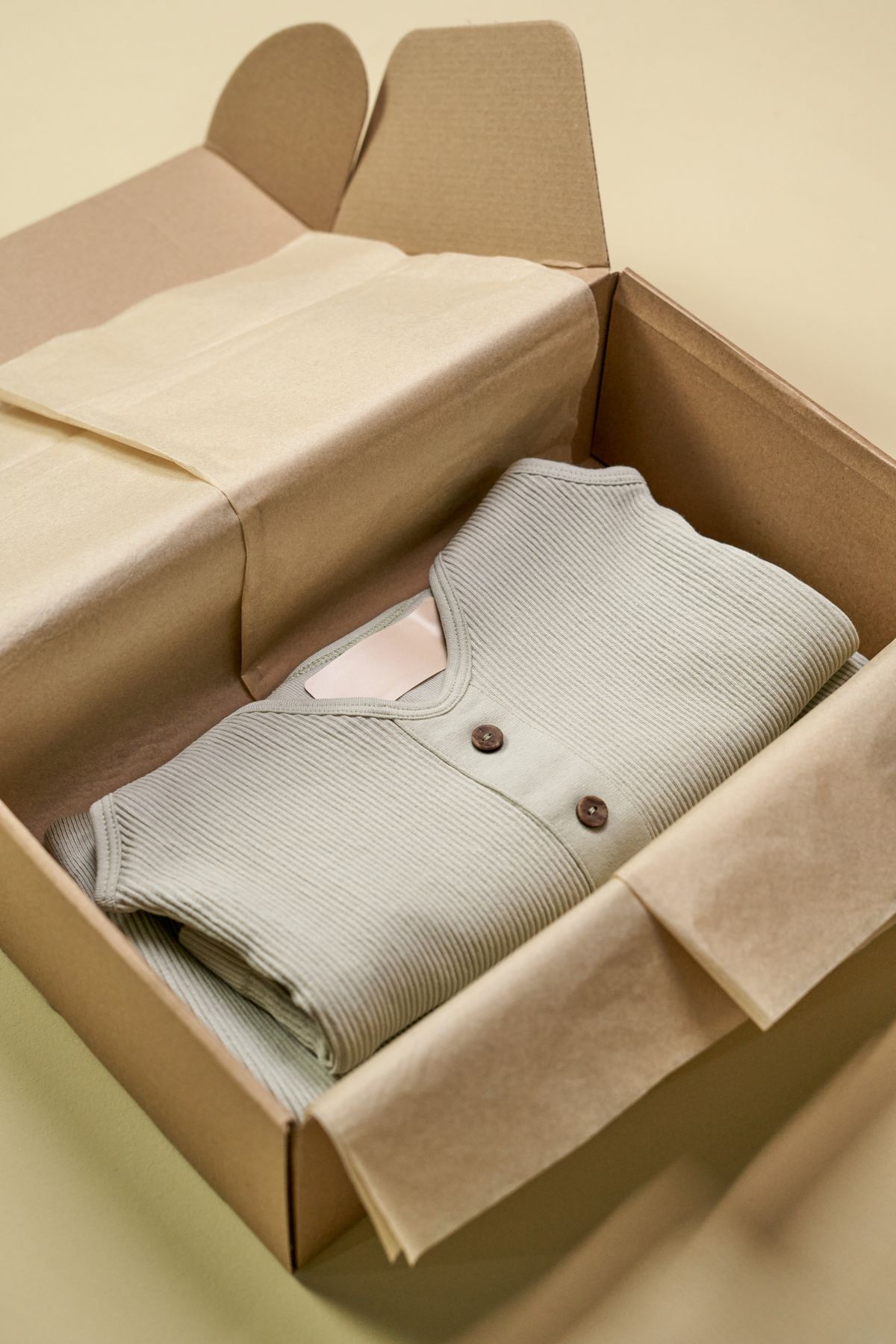
200-piece programs suit buyers with a concept but incomplete production documents. The manufacturer coordinates fabric sourcing, patterns, samples, labeling, packaging, and shipment planning; the buyer owns brand direction and approvals.
CMT Production
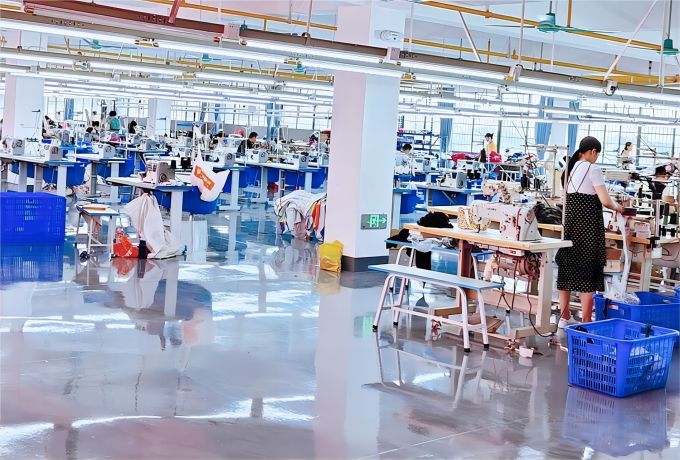
CMT works when the buyer supplies approved fabric, patterns, trims, and packing instructions. The factory owns cutting, sewing, and workmanship control, while sourcing, design risk, and inbound logistics remain buyer-managed.
Private Label And Blanks
2 lower-development routes use existing garment blocks rather than new patterns. Private label adds buyer labels and packaging; stock blanks add printing or embroidery, making both practical for faster, lower-risk launches.
Team And Corporate Programs

1 coordinated specification controls logos, names, numbers, size runs, and delivery splits. The buyer supplies artwork and recipient data; the manufacturer manages garment sourcing, decoration, packing by player or department, and dispatch preparation.
4. Organic Cotton Clothing Manufacturer Fabrics and Materials
Fabric construction determines hand feel, stability, and decoration results before a pattern is cut. An organic cotton clothing manufacturer should match knit structure and weight to the garment’s intended wearer and use.
| Construction | Typical GSM | Best Use |
|---|---|---|
| Jersey | 160–200 | T-shirts |
| Rib | 180–260 | Cuffs and fitted tops |
| Interlock | 220–300 | Stable premium knits |
| Pique | 180–240 | Polos |
| French terry | 240–320 | Sweatshirts and joggers |
| Fleece | 280–420 | Hoodies and winter bottoms |
Choose The Knit Structure
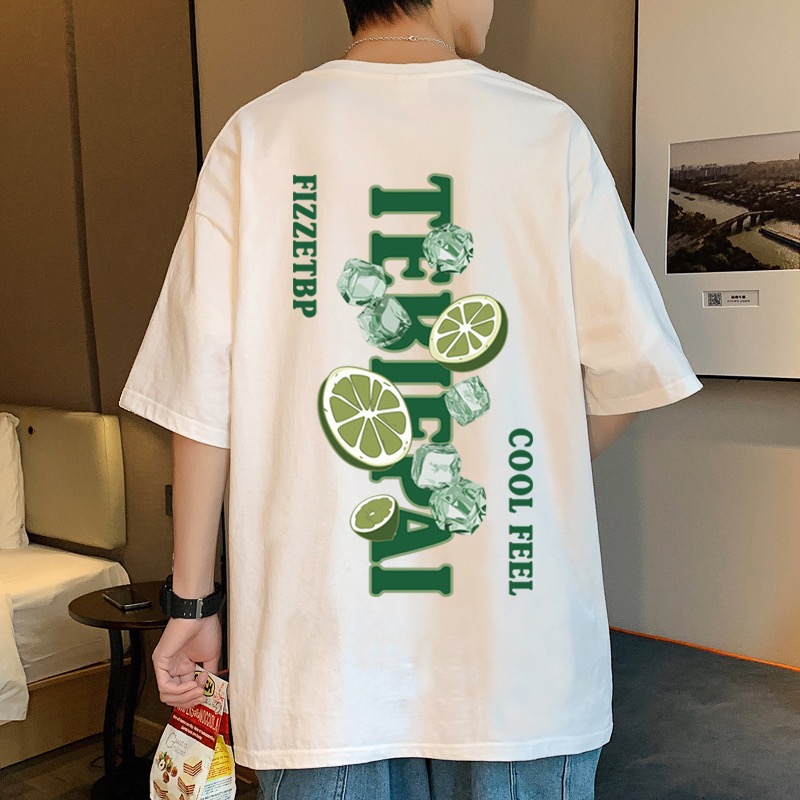
160–200 GSM single jersey suits T-shirts; 180–260 GSM rib supports cuffs, neckbands, and fitted tops.
220–300 GSM interlock gives a smoother, more stable double-knit option; pique at 180–240 GSM fits polos.
Build Weight For Use
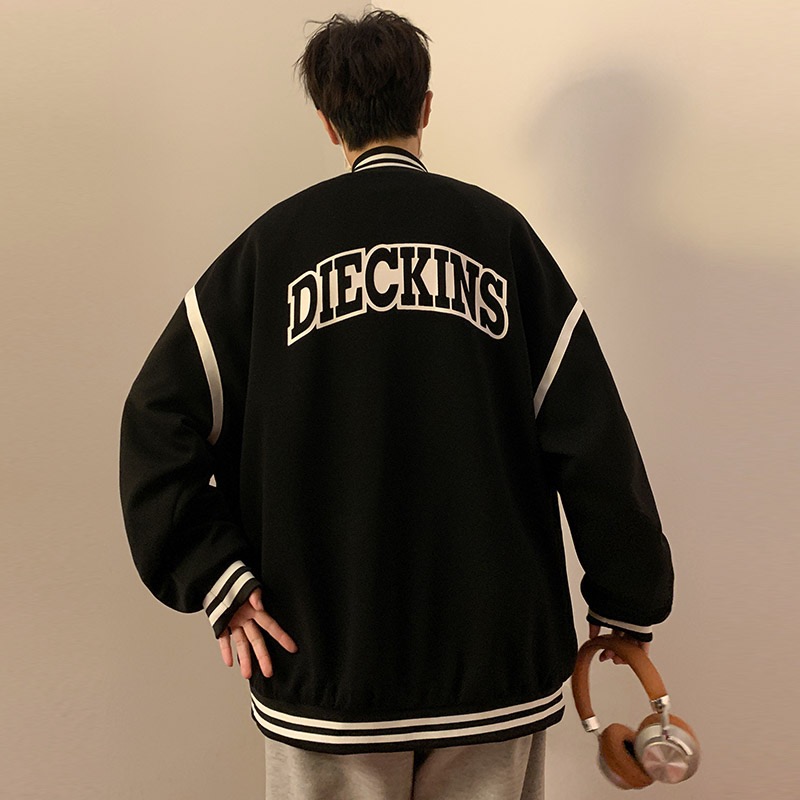
240–320 GSM French terry works for transitional sweatshirts and joggers; its loopback interior remains less insulating than fleece.
280–420 GSM brushed fleece suits hoodies and cold-weather bottoms, where warmth and bulk matter.
Confirm Fiber And Performance
100% organic cotton is appropriate when natural hand feel and fiber simplicity are priorities. Cotton-elastane improves stretch and recovery; cotton-polyester blends can improve abrasion resistance and active-use drying.
Before sampling, confirm fiber percentages, certification scope, wash shrinkage target, colorfastness method, and wearer use.
5. Customization and Decoration Options
Custom development turns a base garment into a documented production standard. For an organic cotton clothing manufacturer, decoration must be matched to fabric weight, stretch, and intended wash performance.
| Method | Detail And Hand Feel | Best Garments | Setup Implication |
|---|---|---|---|
| Screen print | Sharp, smooth to raised | Tees, fleece | Screens per color |
| Embroidery | Textured, durable | Caps, polos, jackets | Digitizing required |
| Transfer | Fine detail, variable feel | Jerseys, small runs | Artwork setup |
| Appliqué | Layered, dimensional | Varsity jackets | Cut-piece preparation |
Patterns, Fits, And Branding

200-piece programs benefit from custom fit blocks, graded measurements, and revised patterns rather than generic blanks. Men’s and women’s proportions should be approved separately.
3 branding layers—main label, neck print, and hangtag—need material, color, copy, and placement specifications. Packaging should state folding method, polybag warnings, stickers, and carton assortment.
Decoration Selection
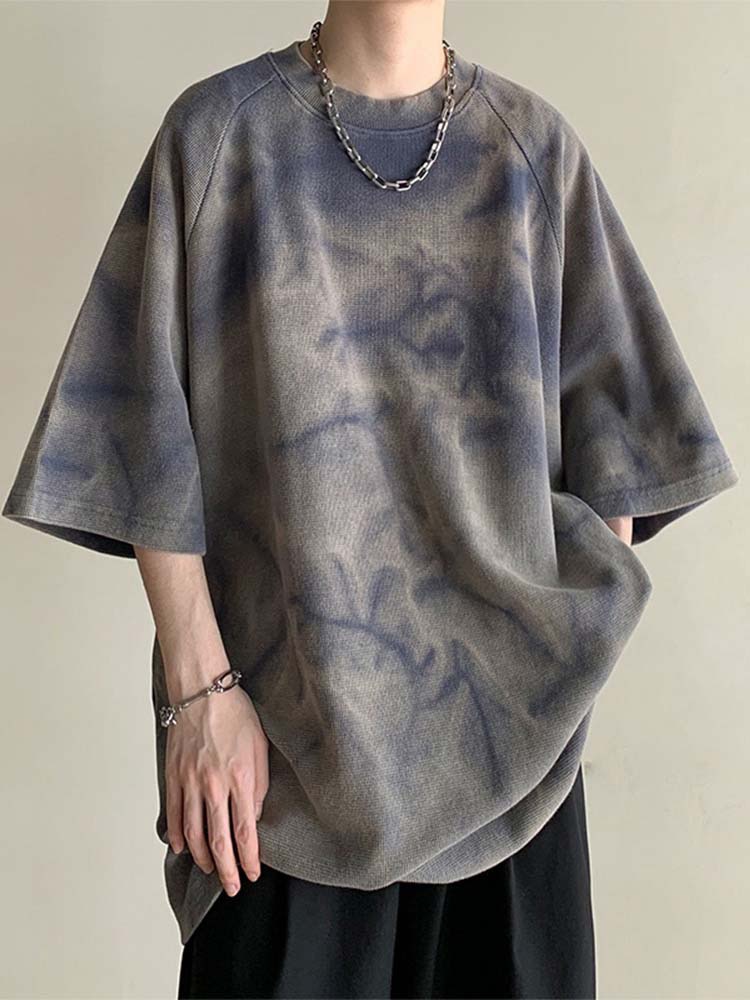
Pantone references and artwork complexity determine the practical decoration route. Screen print, embroidery, transfers, and appliqué create distinctly different surfaces.
1 approved pre-production sample should show the finished decoration on the selected garment. Wash testing is especially useful for heavyweight fleece, rib, and stretch jersey.
Production-Ready Artwork
1 vector AI, PDF, or EPS file prevents redraw assumptions for logos and linework. Raster art should be supplied at print size and high resolution.
2 placement measurements—from seams or center lines—and a Pantone color callout make locations repeatable. Buyers should approve strike-offs, label copy, and the sealed sample before bulk cutting.
6. Key Garment Construction Quality Elements
Fabric specification and construction—not an organic claim alone—determine repeat performance. An organic cotton clothing manufacturer should lock approved prototypes into measurable bulk-production standards.
Fabric Weight And Shrinkage
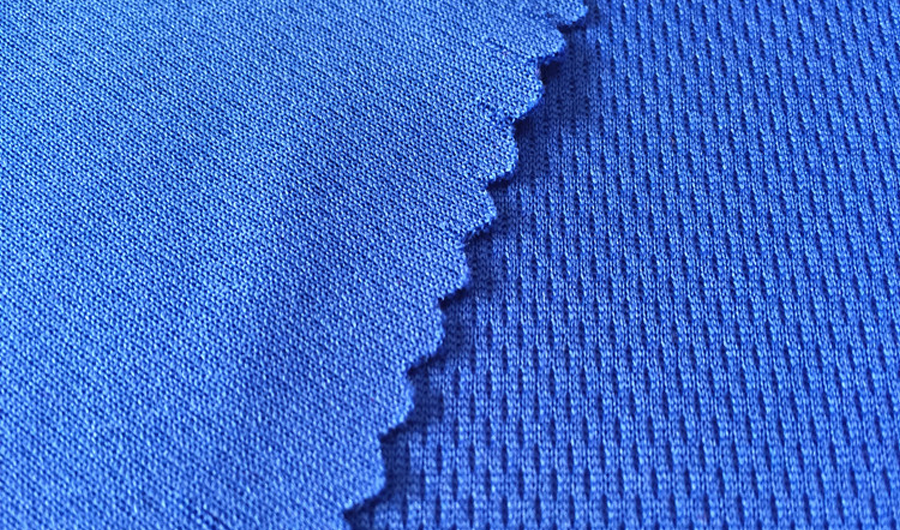
160–220 GSM jersey suits many tees; 280–360 GSM fleece commonly suits hoodies. Check lot-to-lot GSM, wash shrinkage in length and width, spirality, hand feel, and pilling after the agreed wash test.
Seams And Stress Points
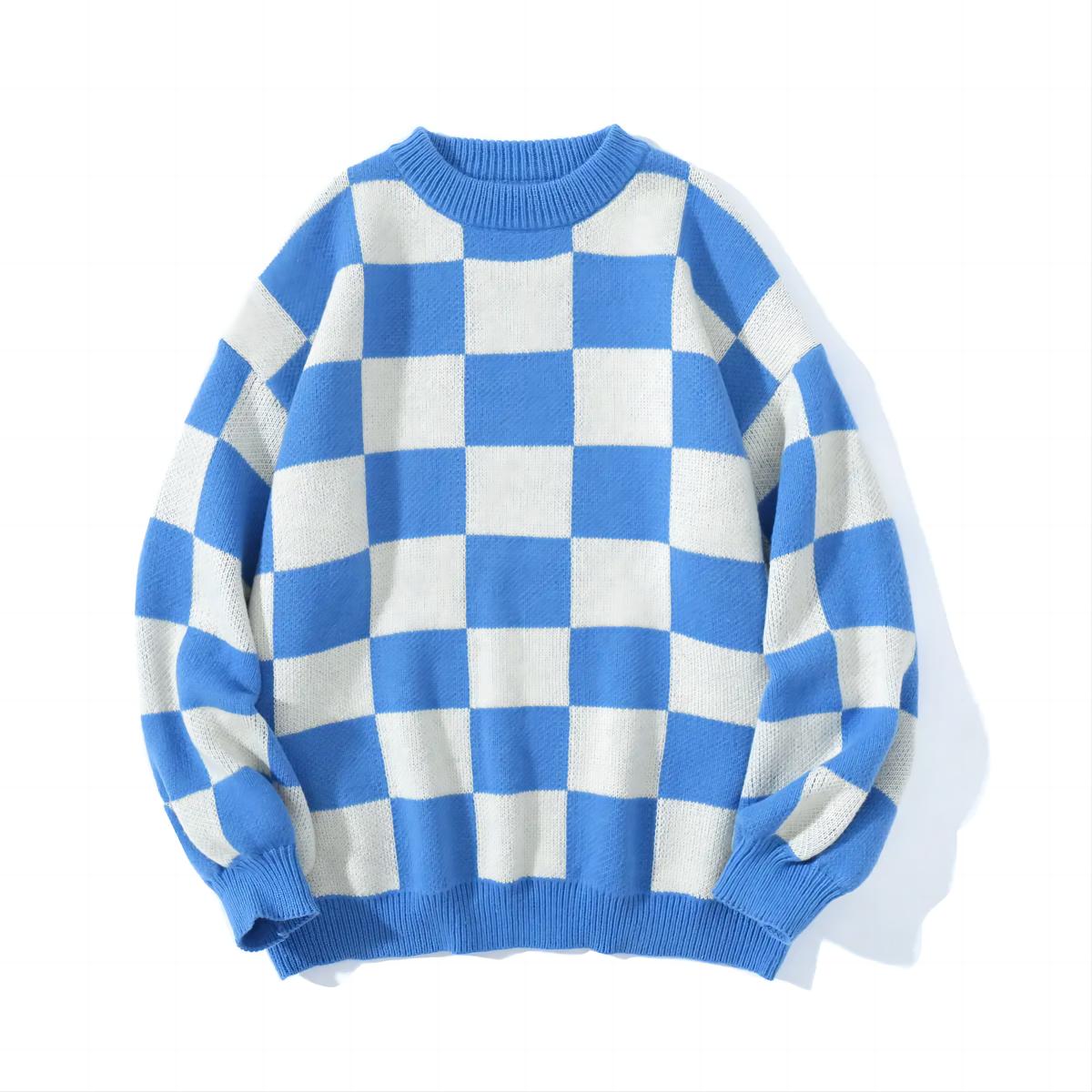
8–12 stitches per inch is a practical starting range, adjusted for fabric and seam type. Inspect shoulder tape on tees, coverstitch hems, reinforced pocket corners, crotch seams, and flatlock or durable overlock seams on active casualwear.
Fit, Rib, And Finishing
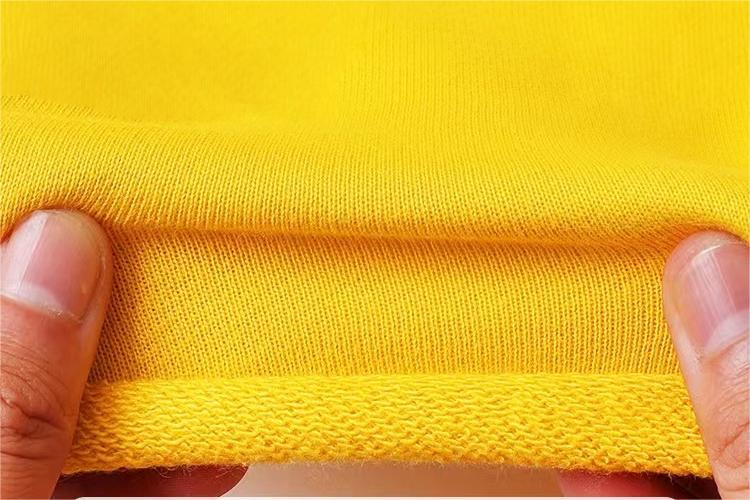
1–3 cm measurement tolerances should be documented by point of measure and size. On pre-production samples, stretch and recover neck ribs, compare grading, verify collar shape, remove loose threads, and confirm uniforms retain placement and finish after washing.
7. How to Choose an Organic Cotton Clothing Manufacturer
One approved sample and its written specifications are stronger evidence than a supplier’s sustainability claims. Before a deposit, verify the documents, production controls, and category experience behind every promise.
Verify Organic Documentation
GOTS transaction certificates should match the fabric, supplier, quantity, and shipment—not merely a factory’s expired certificate. Ask: Which document will accompany this order, and who issues it?
Trace Sample To Bulk
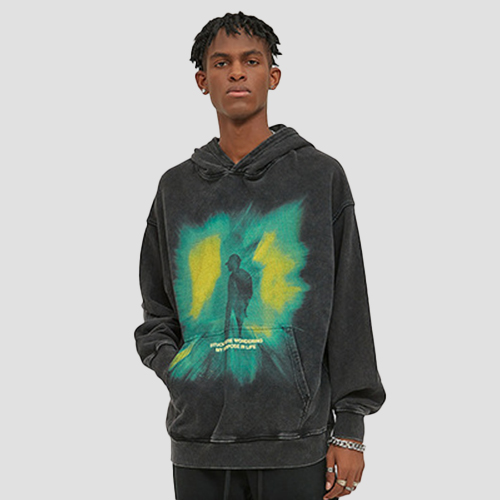
One sealed approval sample should record fabric composition, GSM, Pantone, measurements, trims, artwork placement, and wash result. Ask: Can bulk fabric, shade bands, and final inspection be checked against it?
Test Operating Reliability
EDVORIN’s MOQ starts at 200 pieces per style. Two production references and a dated critical-path plan reveal more than a fast sales reply. Ask about MOQ by color, lab testing, in-line QC, export markets, and remedies for late or failed goods.
8. Common Organic Cotton Clothing Manufacturer Mistakes
EDVORIN’s MOQ starts at 200 pieces per style. A 200-piece MOQ does not reduce the cost of preventable specification errors. An organic cotton clothing manufacturer needs evidence, end-use direction, and a controlled approval path before bulk commitment.
Verify Organic Claims
GOTS documentation should match the fabric, transaction, and finished-product claim; unsupported ‘organic’ wording creates compliance and relabeling risk.
Prevention: request certificate scope and transaction records before approving labels or marketing copy.
Specify Fabric And Shrinkage
180 GSM jersey and 320 GSM fleece serve different wear, print, and recovery needs. Ignoring wash shrinkage can turn an approved size chart into costly returns.
Prevention: define end use, wash test the sample, and record post-wash measurements and tolerances.
Control The Bulk Standard
One vague tech pack or mismatched quote can hide changes in GSM, print colors, trims, packing, or inspection. Skipping pre-production approval risks repeating that variance across every unit.
Prevention: compare line-item specifications and sign one pre-production sample against the final tech pack.
9. Steps to Launch Your Organic Cotton Brand
EDVORIN’s MOQ starts at 200 pieces per style. A 200-piece MOQ can support a focused launch when every approval becomes a production record. Build the first drop around one customer, one fit direction, and a limited color system.
Define The First Drop
Week 1: lock the target wearer, price band, 2–3 core silhouettes, size range, and color count.
Week 2: convert references into a tech pack with measurements, Pantone codes, artwork placement, labels, and packaging requirements.
Approve Materials And Fit
180–320 GSM is a practical starting range for jersey tees and French terry sweats; lock composition, weight, shrinkage target, and handfeel.
Sample round 1: review prototype construction, then approve fit revisions against a graded measurement chart before confirming certification documentation and traceability.
Release Bulk With Controls
Pre-production stage: approve the final garment, decoration, trims, wash effect, carton marks, and fold method as one sealed standard.
In production: use the approved sample for in-line measurement checks, final inspection, packing verification, and delivery documentation. Launch emerging collections sequentially—one base block, shared fabric, and controlled colorways—before adding new styles.
10. Organic Cotton Clothing Manufacturer Pricing and Costs
200 units is a practical quote-comparison starting tier, but an organic cotton clothing manufacturer should price the exact specification rather than a generic garment. A 180 GSM jersey tee and a 400 GSM brushed-fleece hoodie have different fabric consumption, cutting, sewing, and finishing costs.
3 cost layers determine landed cost: ex-factory garment, program charges, and logistics. Labels, neck prints, embroidery stitch count, individual packaging, samples, certification documentation, duties, and freight should be itemized separately.
1 comparable RFQ fixes fabric composition and GSM, color count, size ratio, artwork dimensions, trim list, packing method, Incoterm, destination, and inspection standard. Request sample charges, bulk lead time, payment terms, and price breaks in the same currency.
| Quantity tier | Unit-price driver | Illustrative bulk lead time |
|---|---|---|
| 200–499 units | Higher setup allocation | 4–8 weeks after approvals |
| 500–999 units | Improved material efficiency | 4–8 weeks after approvals |
| 1,000+ units | Lower fixed-cost share | 5–10 weeks after approvals |
Partner With an Organic Cotton Clothing Manufacturer
Send your concept, tech pack, or reference garment to develop an organic cotton sample and a repeatable production program.