
Polyester Clothing Manufacturer for Repeatable OEM Collections
EDVORIN develops polyester apparel from concept to approved sample and consistent bulk production, with flexible support from 200 pieces per style.
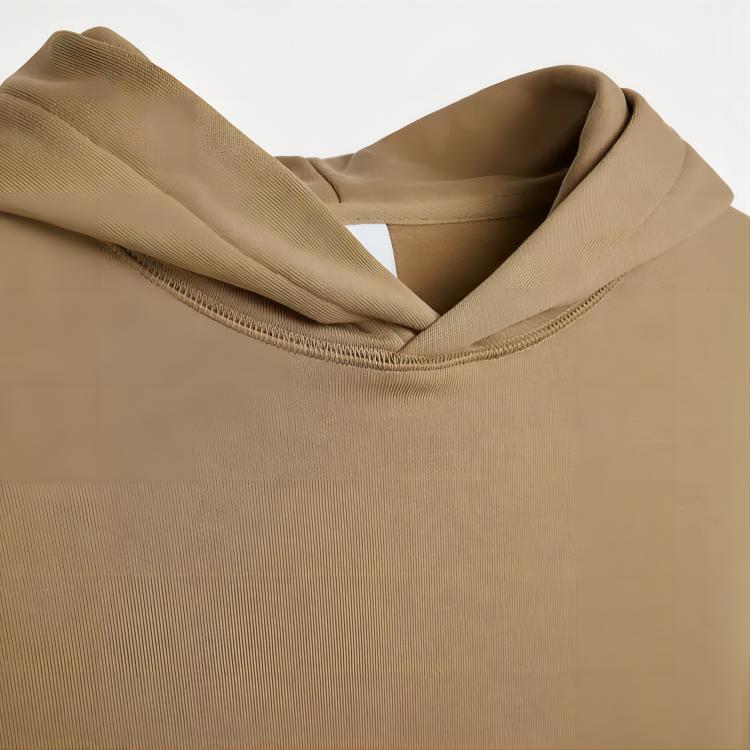
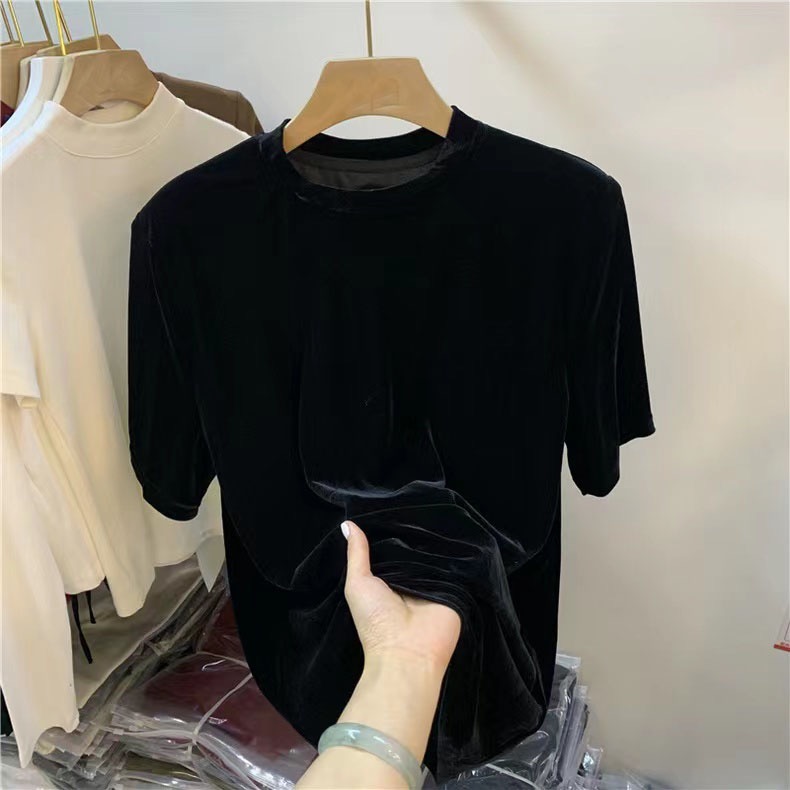
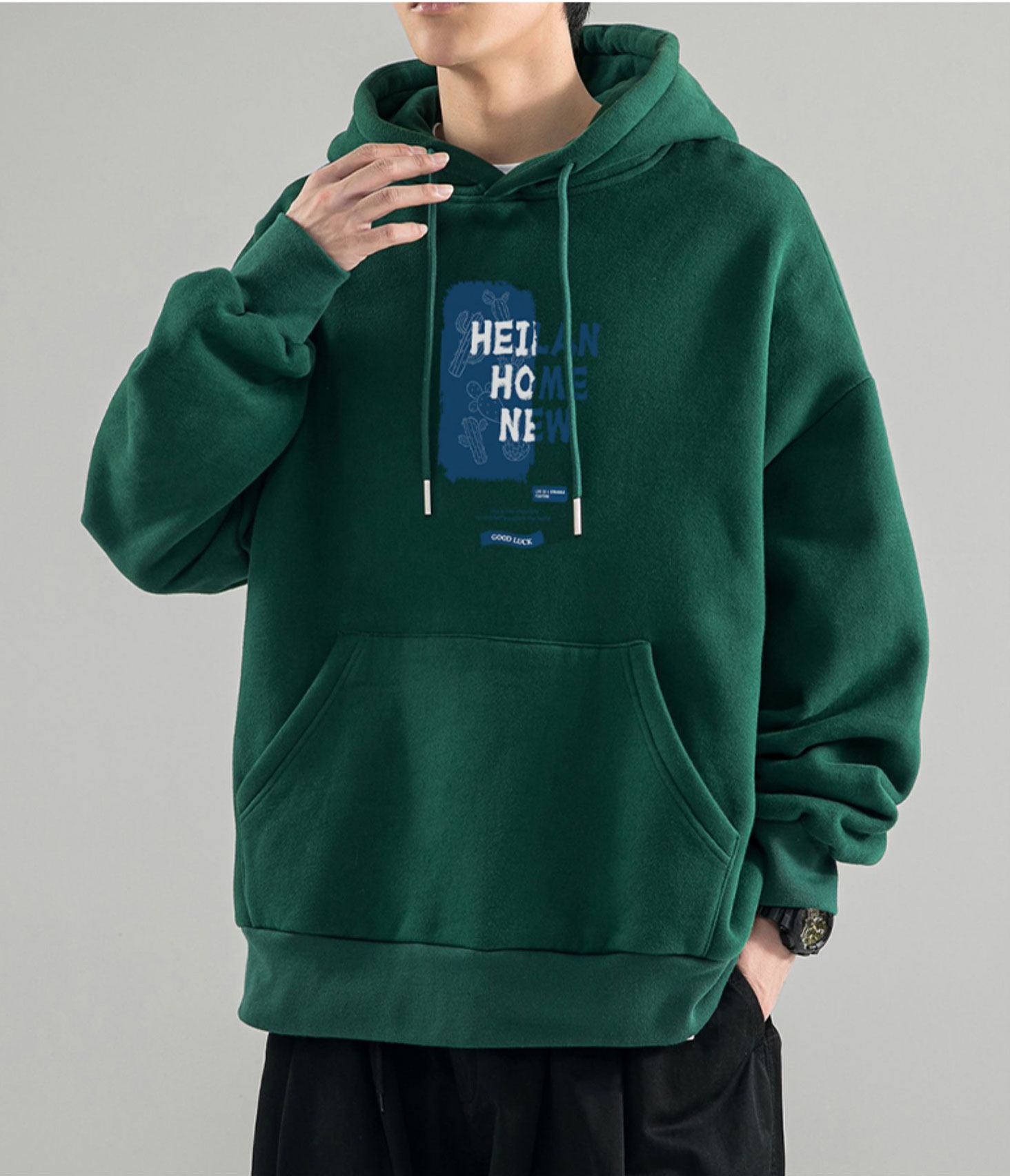
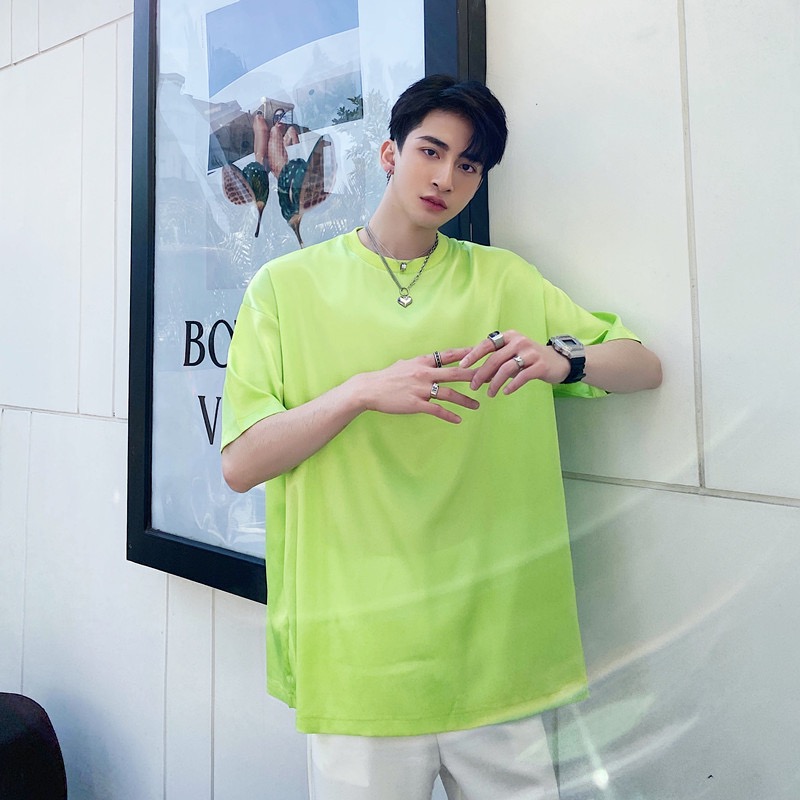
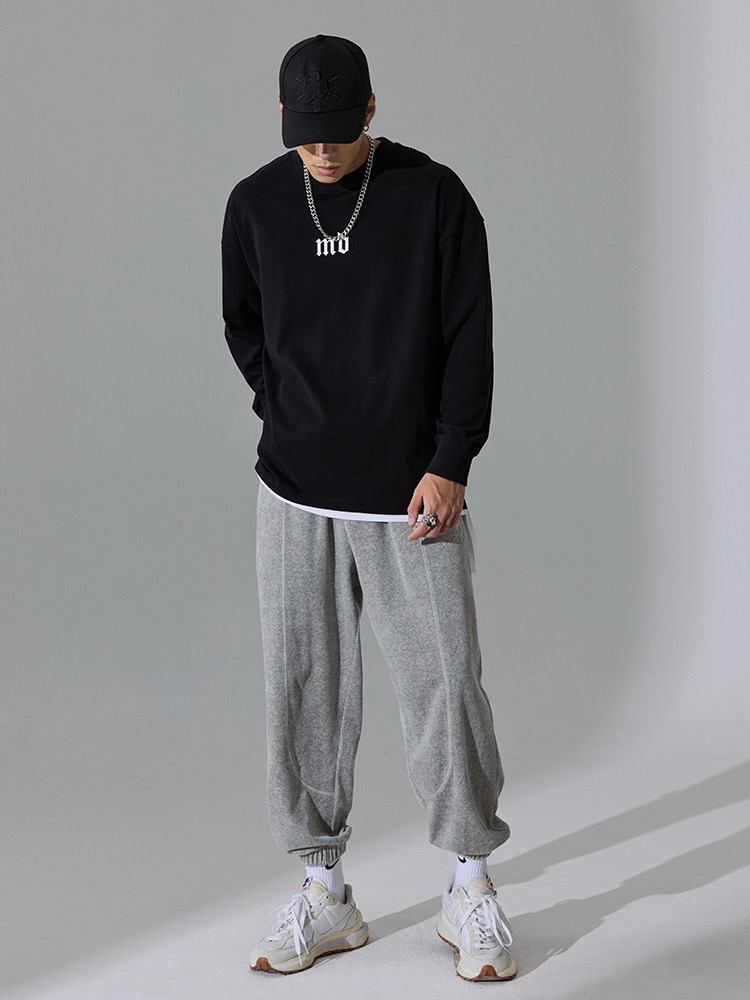
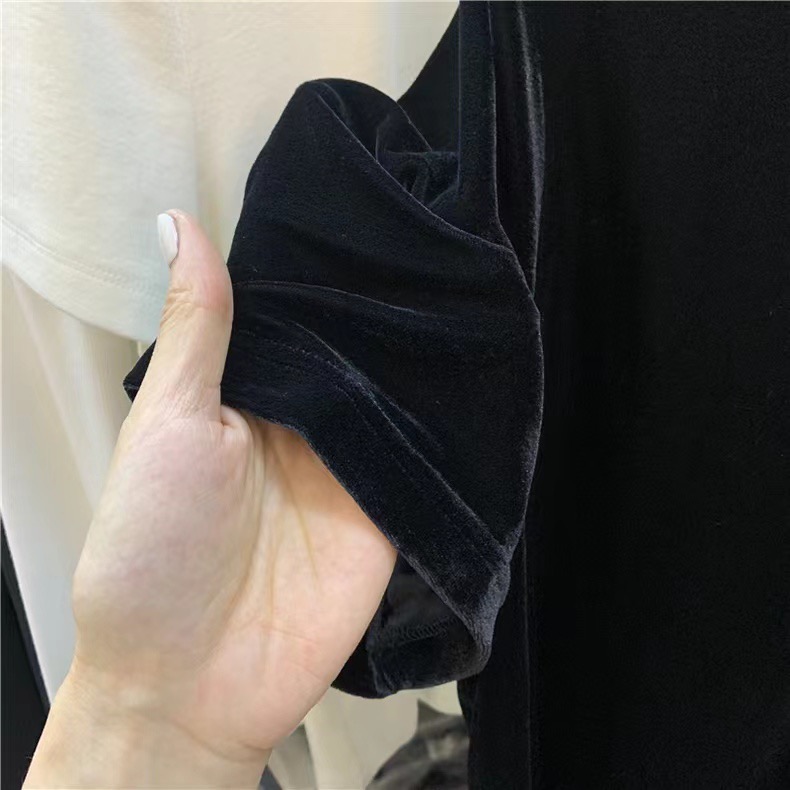
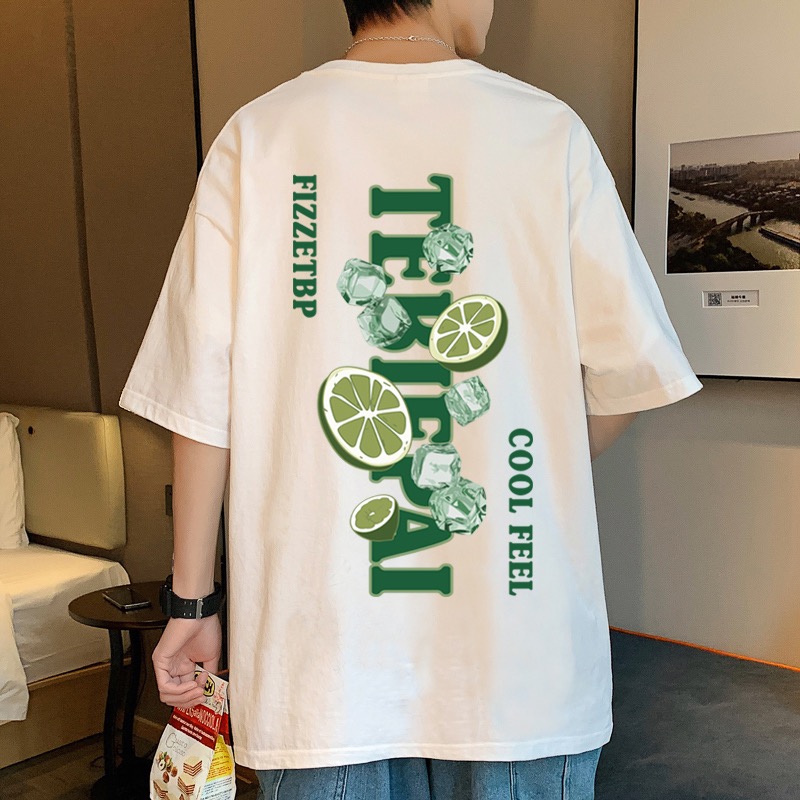
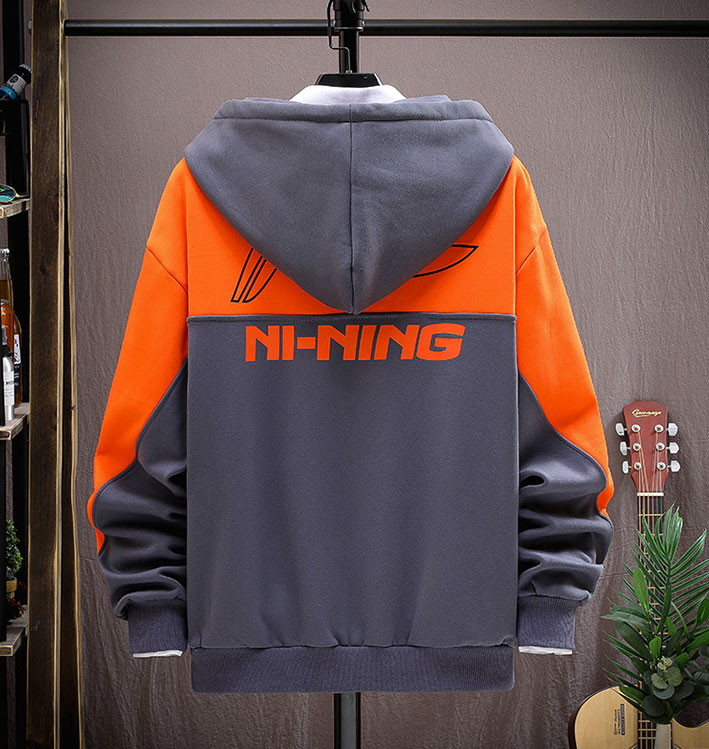
Polyester Fabric References for Product Development
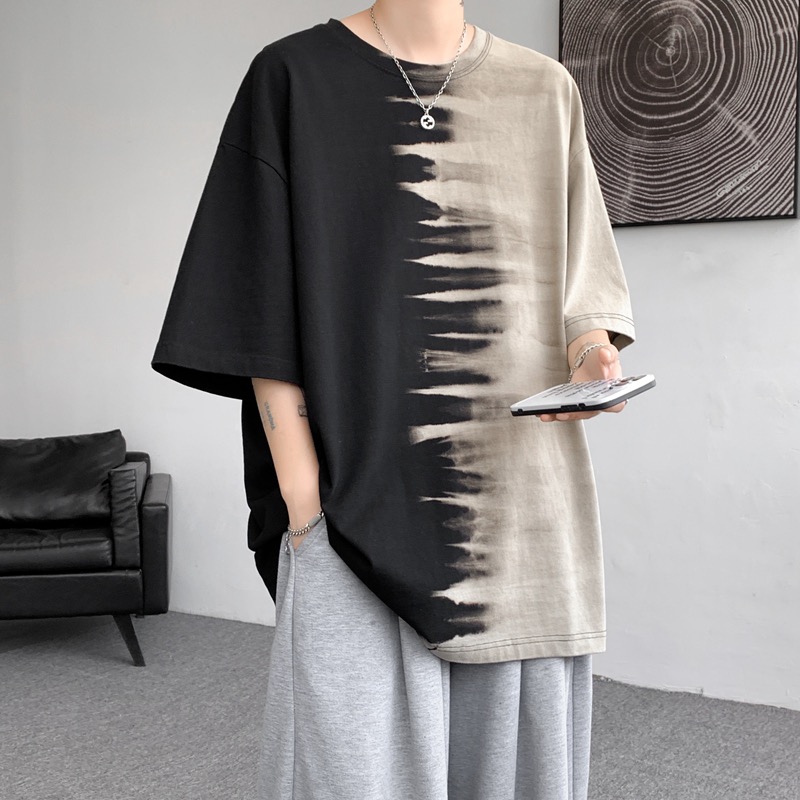
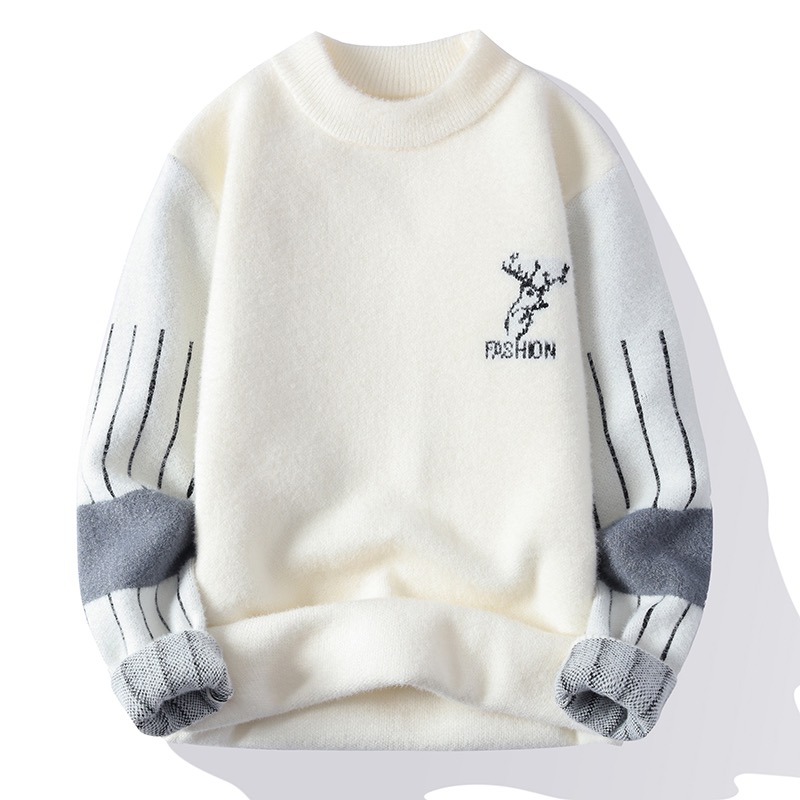
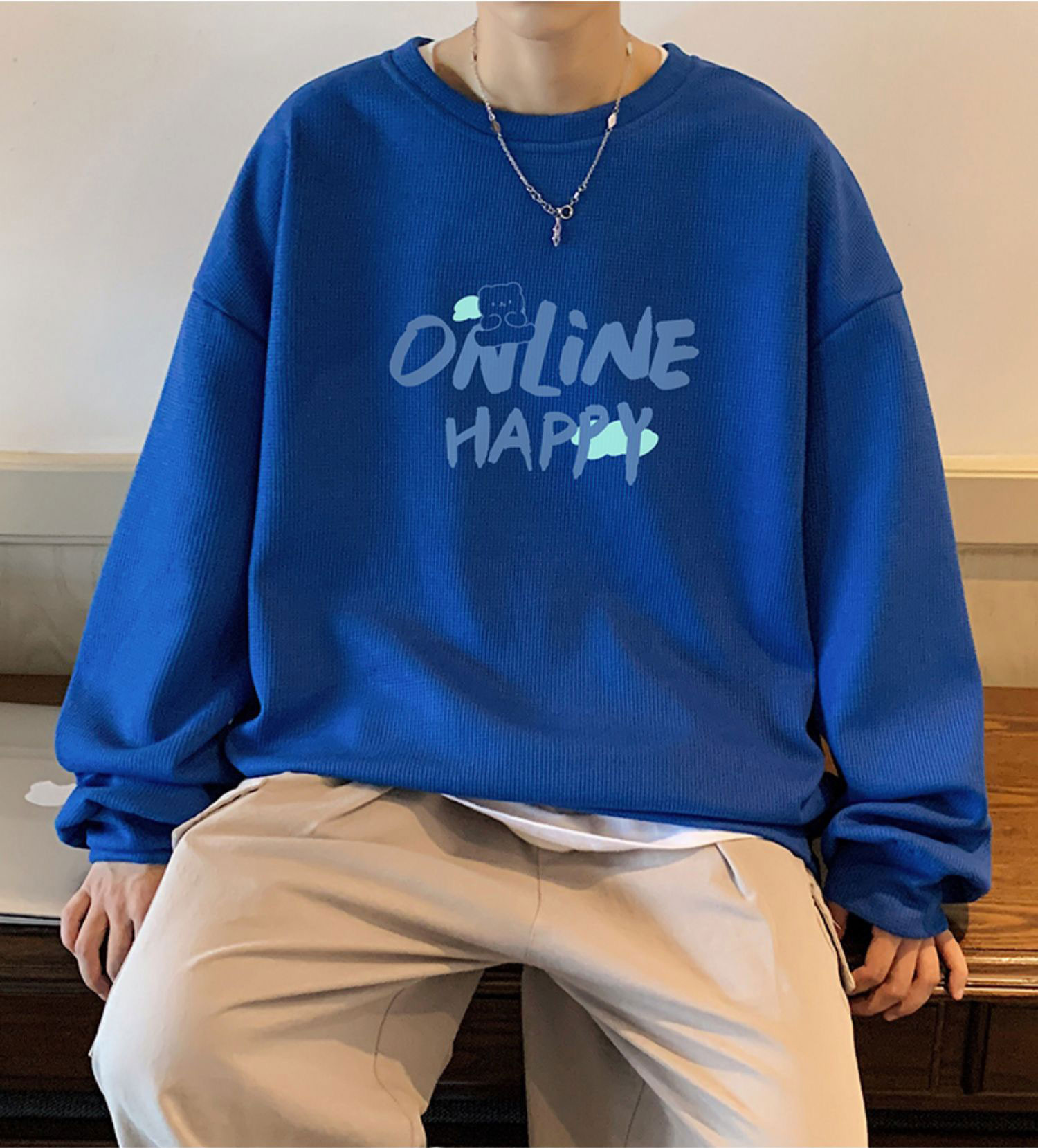
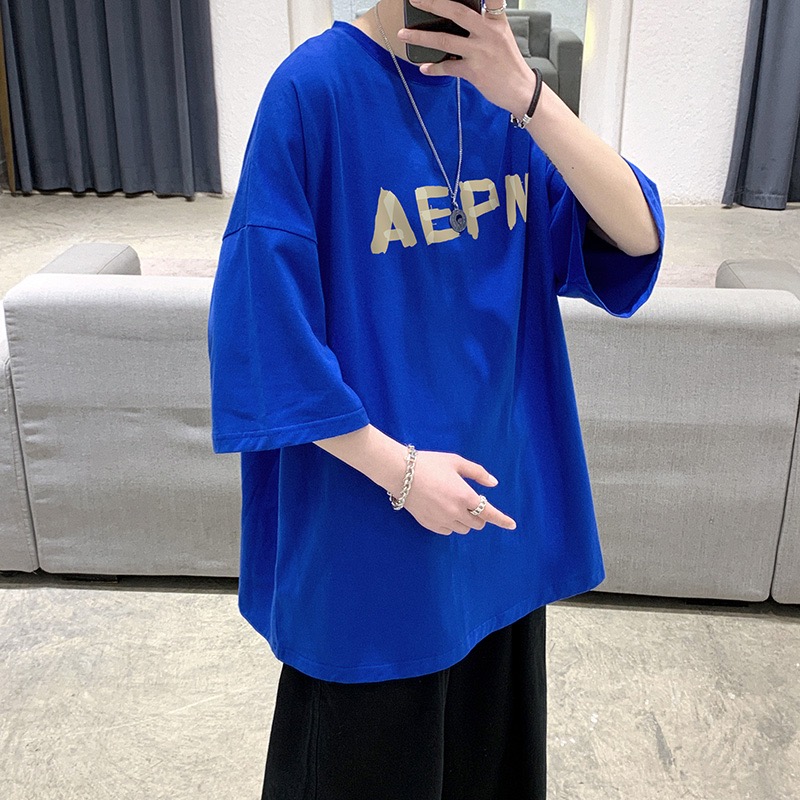
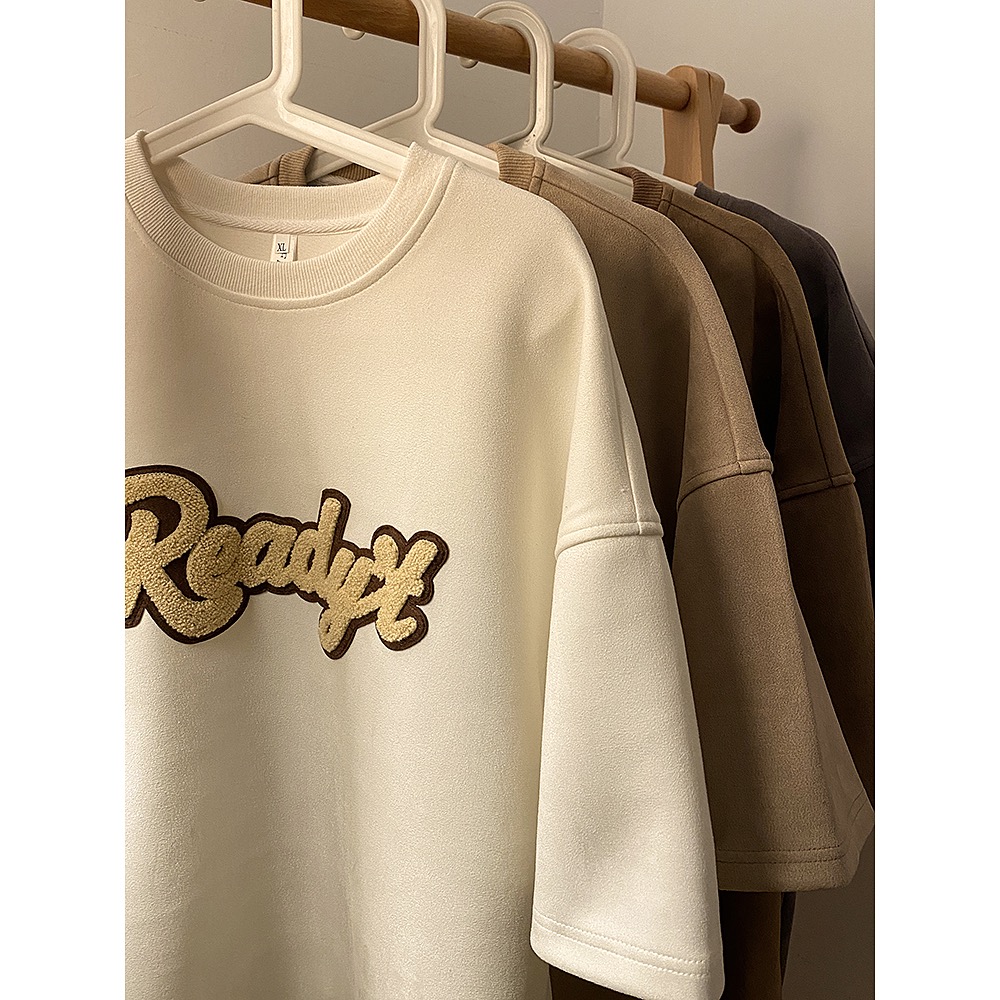
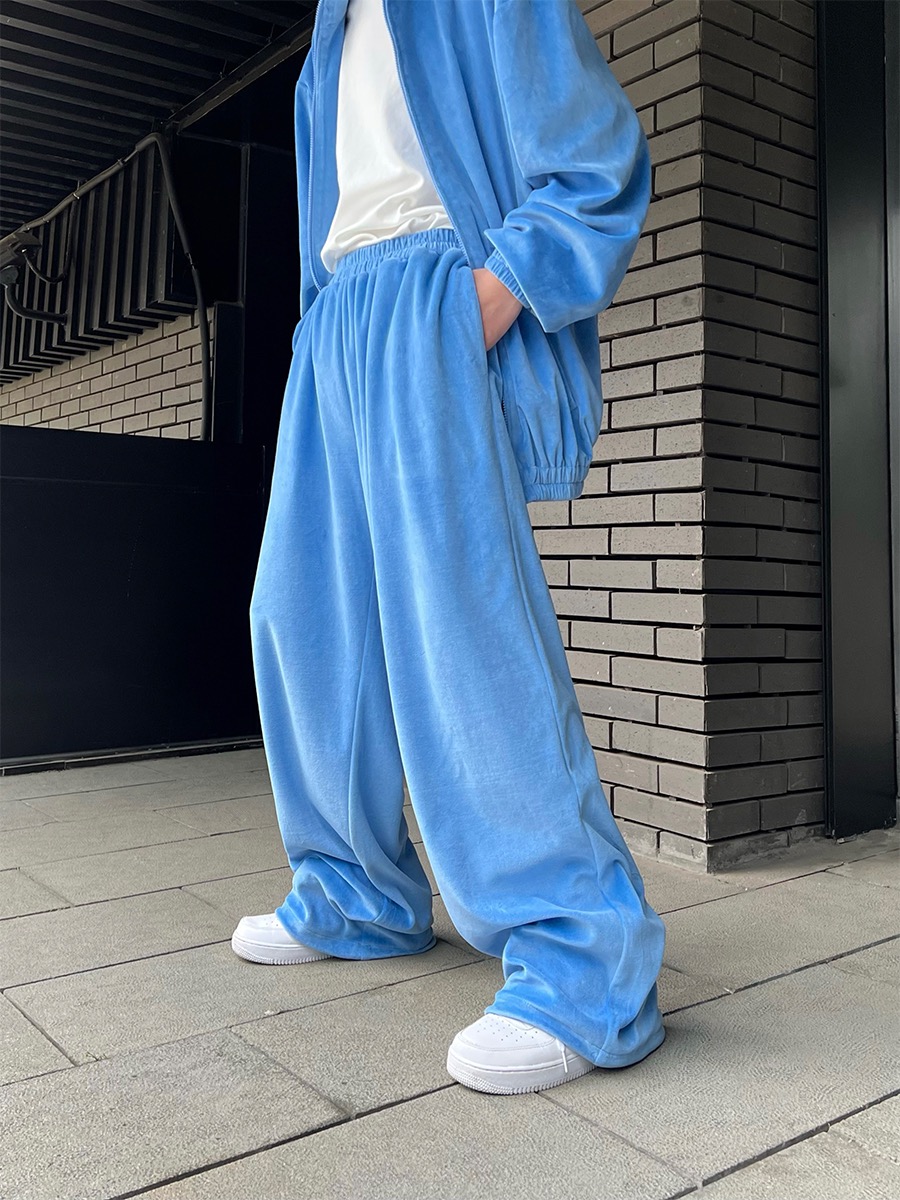
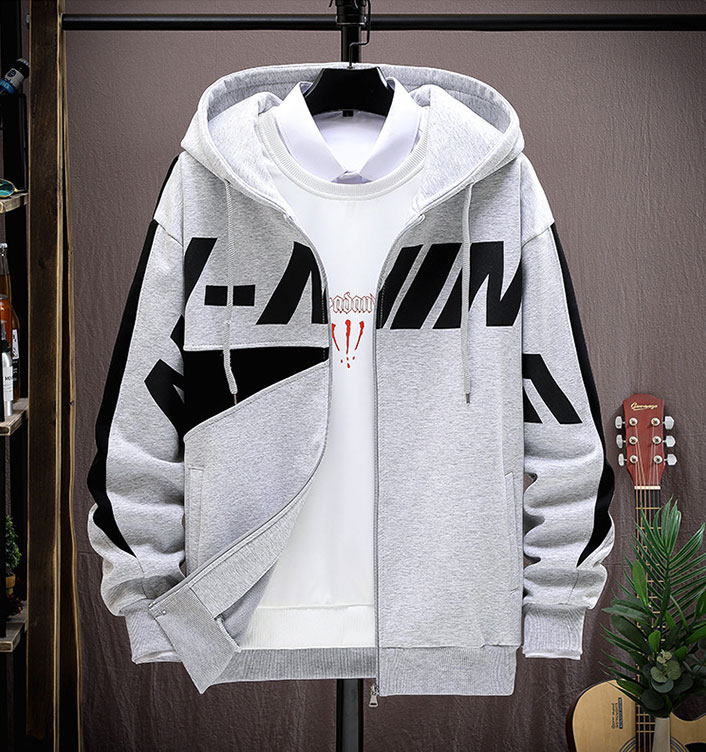
Why Choose a Polyester Clothing Manufacturer for Your Program
EDVORIN develops polyester garments around the performance, appearance and construction standards your collection needs to repeat at scale.
Performance-Ready Materials
Select polyester qualities for active uniforms, outerwear and everyday apparel, aligned with the intended weight, hand feel and garment use.
Color That Holds Up
Coordinate color references and decoration methods to support consistent visual impact across teamwear, streetwear and repeat production runs.
Shape-Conscious Construction
Match fabric behavior with patterns, seams and finishing details so fit, proportions and garment structure remain aligned with approved samples.
Quick-Dry Program Options
Develop polyester-based styles for sports and active programs where moisture management, breathability and practical wear performance matter.
Flexible Product Development
Build polyester garments from a tech pack, reference sample or early concept, with fabrics, trims, decoration, labels and packaging coordinated together.
Controlled From Sample to Bulk
Document approved measurements, artwork placement and construction details to give bulk production a clear, reviewable standard.
Explore Related Apparel Manufacturing
Move from polyester-specific requirements to the product, material, decoration, and production capabilities that support your wider apparel program.
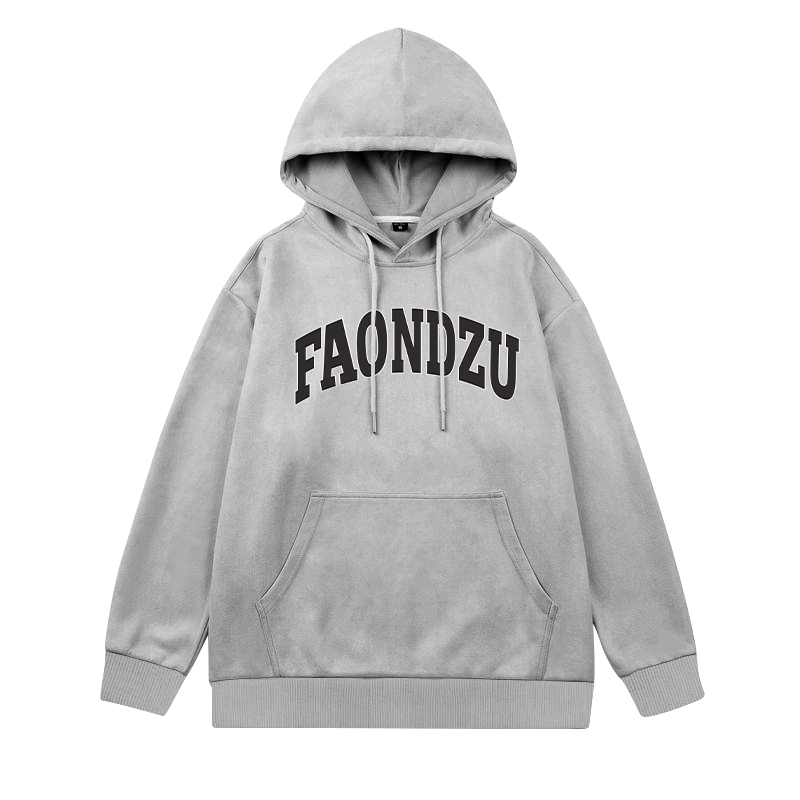
Custom Hoodies
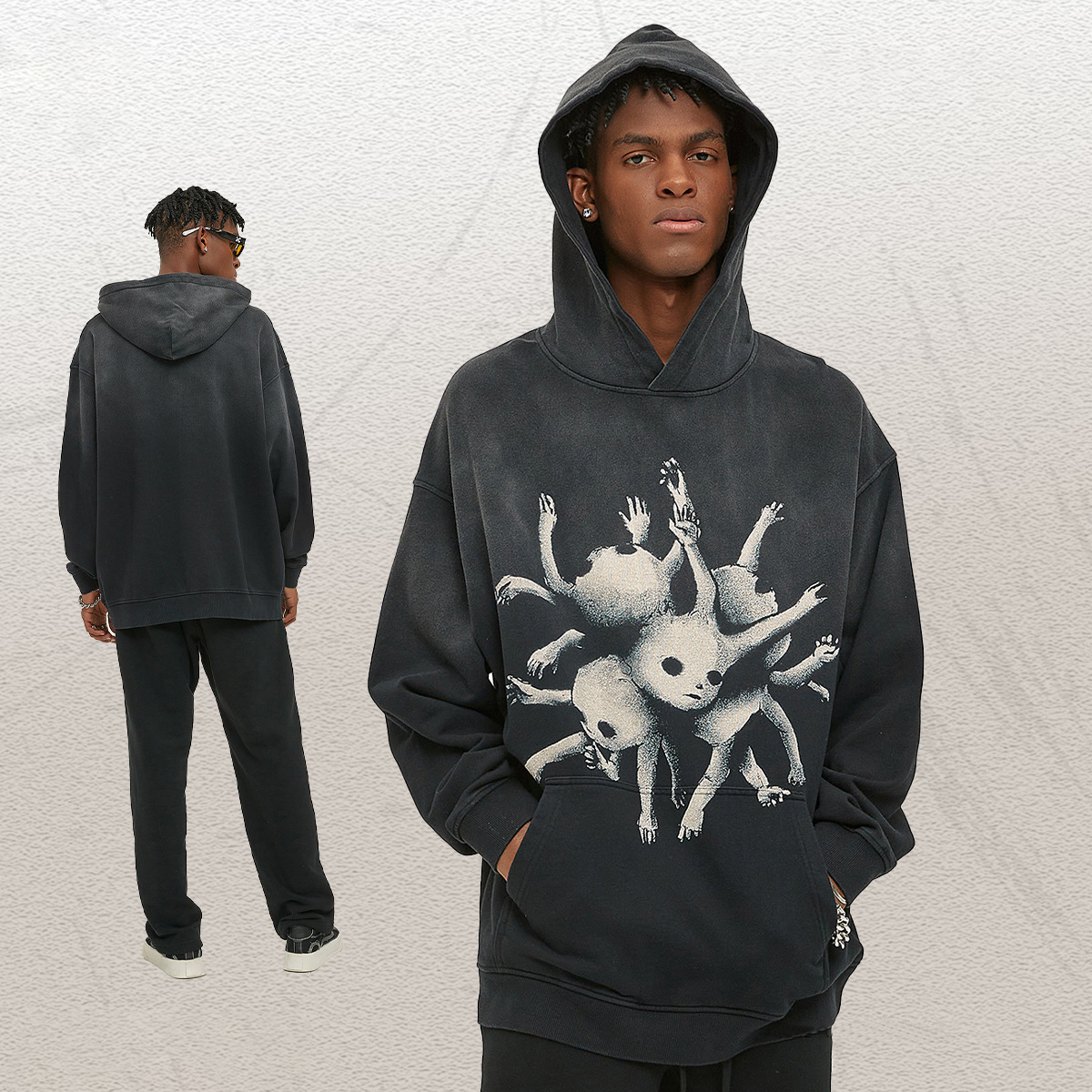
Develop custom hoodies with fleece, polyester blends, performance fabrics, rib specifications, drawcords, labels, and decoration methods documented from sample approval through bulk production. Men’s and women’s fit blocks can be developed for private-label, wholesale, and brand programs.
Get a Quote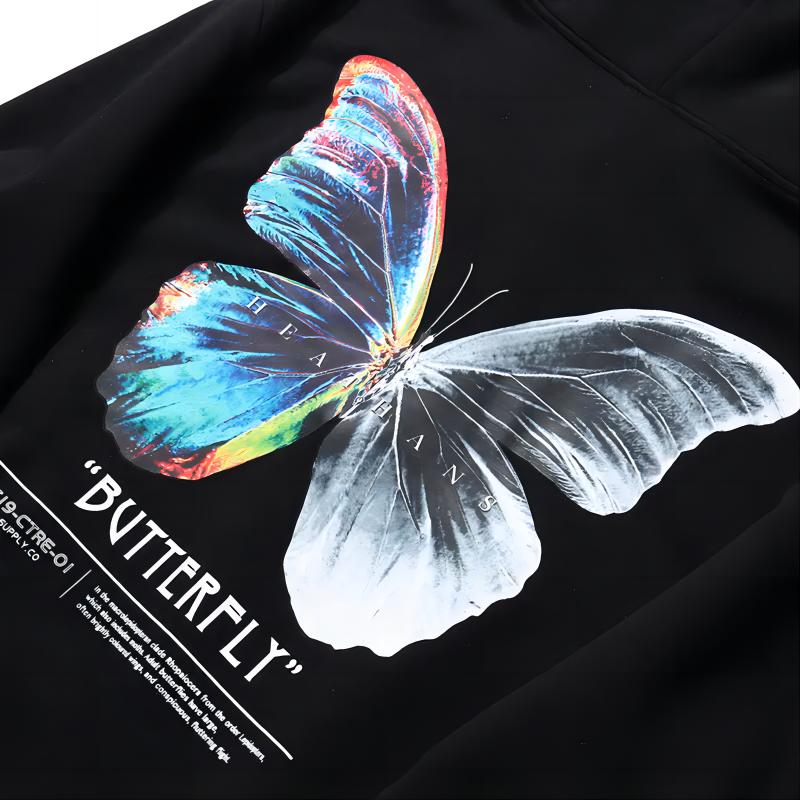
Pullover Sweatshirts
Build pullover sweatshirts around intended weight, hand feel, neckline, rib recovery, seam construction, and finish. As a sweatshirt manufacturer, EDVORIN coordinates materials, patterns, printing, embroidery, washing, labeling, and quality control against approved production standards.
Get a Quote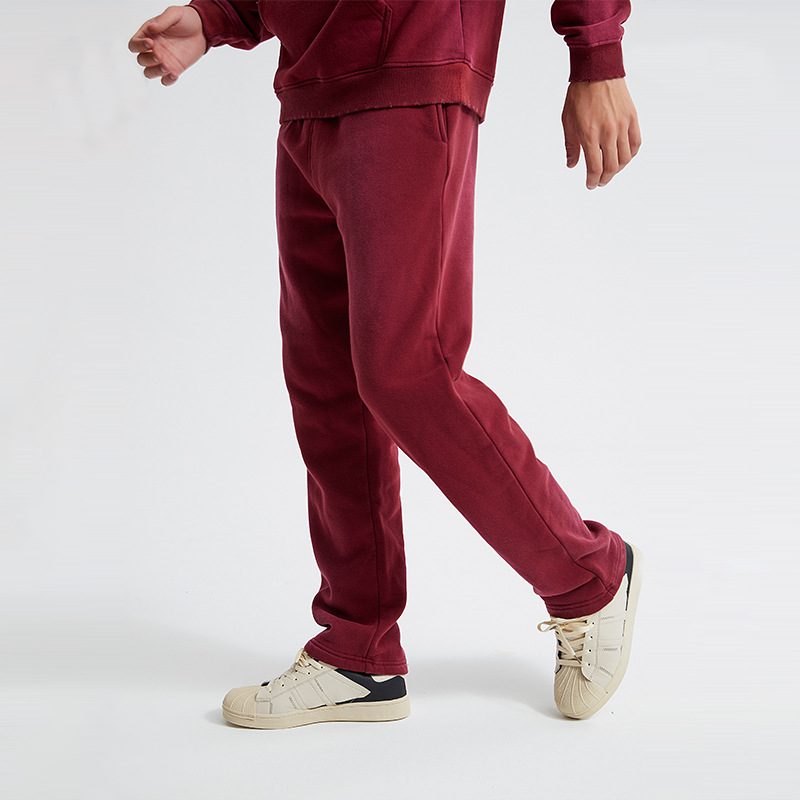
Sweatpants & Joggers
Develop sweatpants and joggers with fabric weight, waistband construction, elastic, drawcords, pocket details, cuff treatments, and grading matched to the target wearer. Programs can be coordinated with hoodies or sweatshirts for consistent sets and repeat orders.
Get a Quote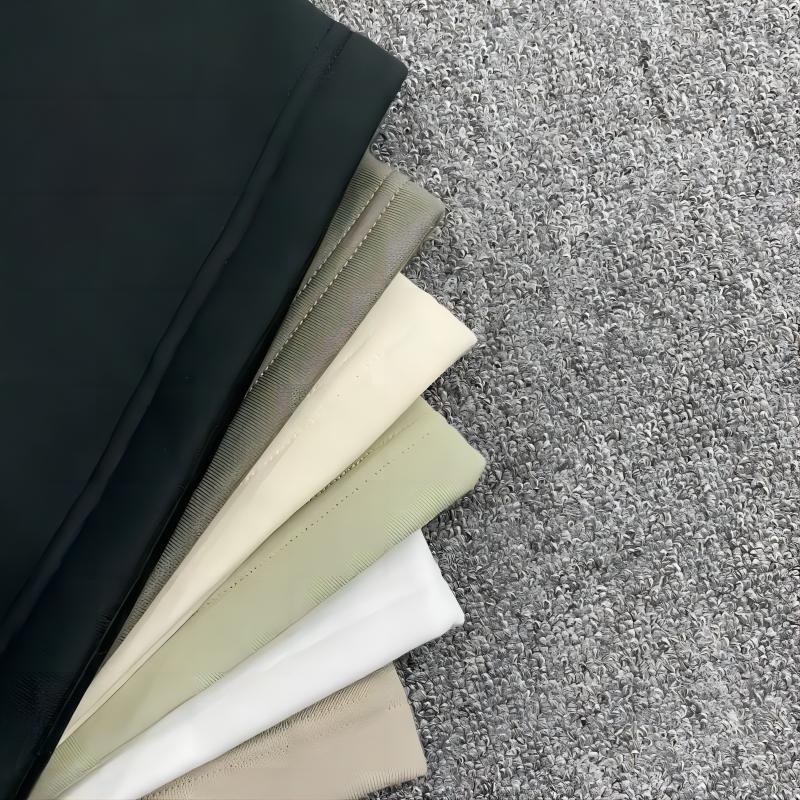
Custom Shorts
Produce custom shorts for casualwear, training, teamwear, and streetwear programs, with choices in polyester, fleece, woven fabric, mesh, inseams, pockets, waist treatments, and decoration. Development records the details needed to maintain consistency from sample to bulk.
Get a Quote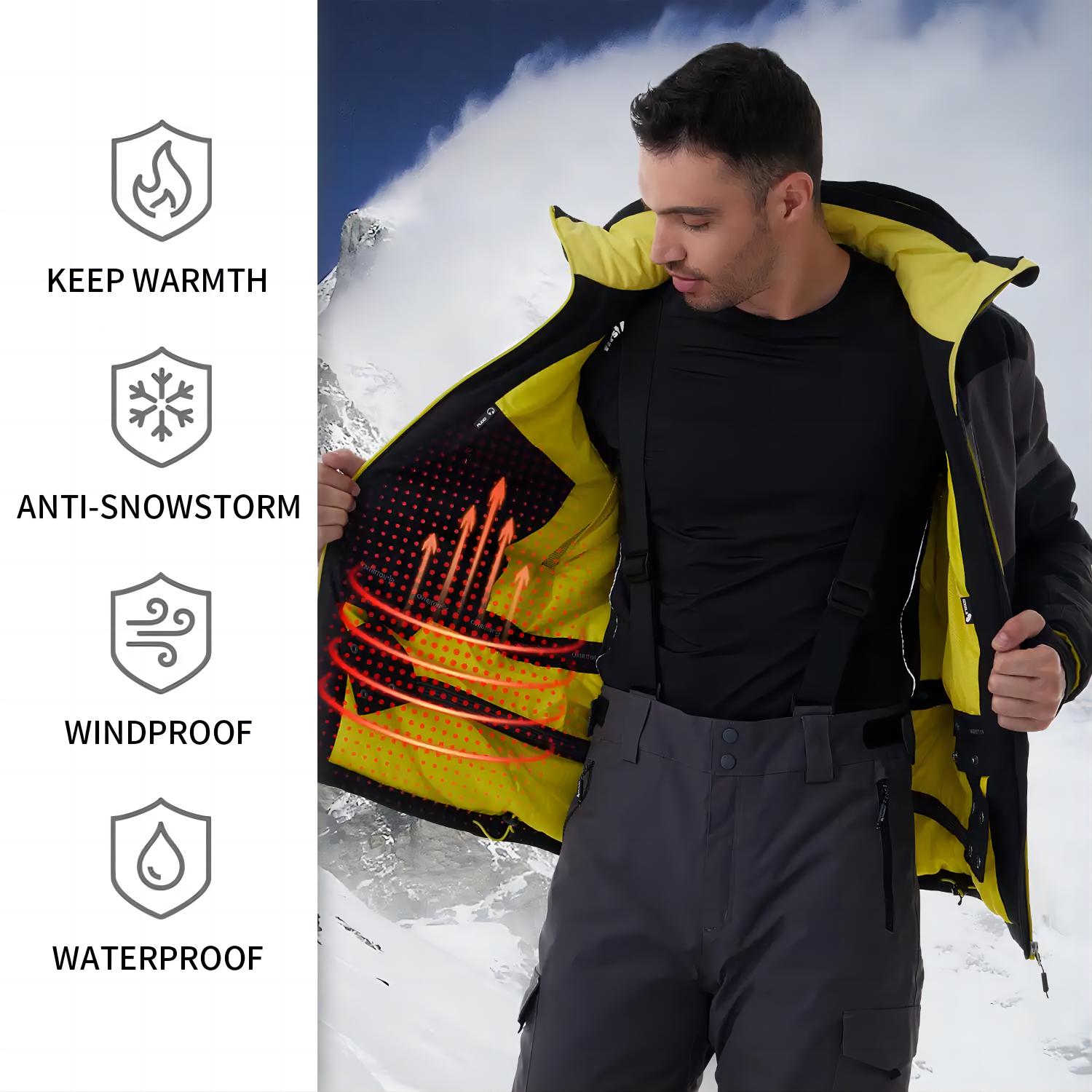
Varsity & Baseball Jackets
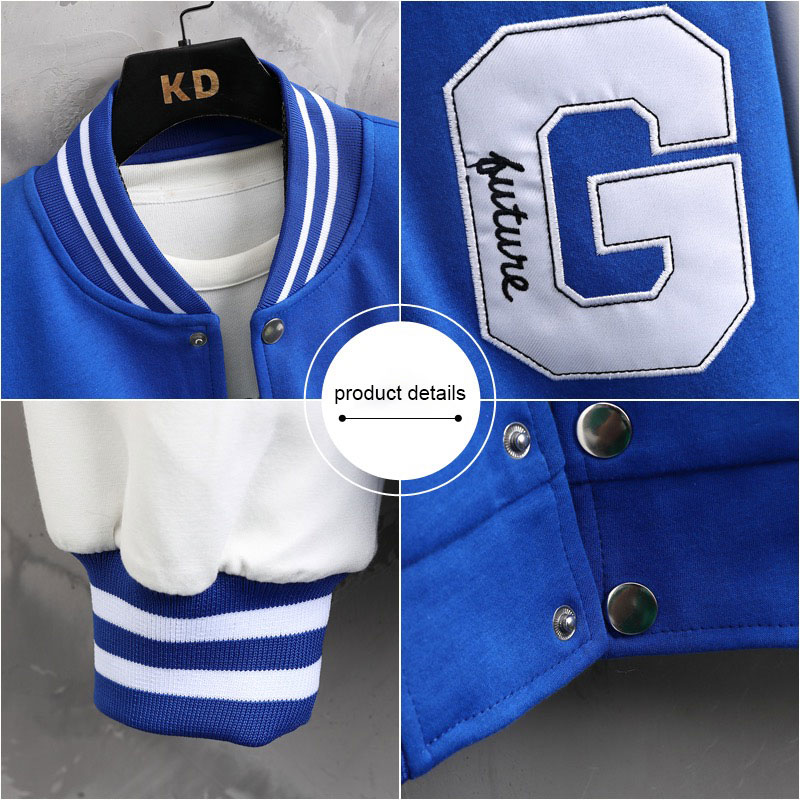
Develop varsity and baseball jackets with coordinated body fabric, sleeves, lining, rib, snaps, patches, embroidery, and appliqué. EDVORIN helps buyers balance construction and decoration so the approved jacket can be reproduced across production runs.
Get a Quote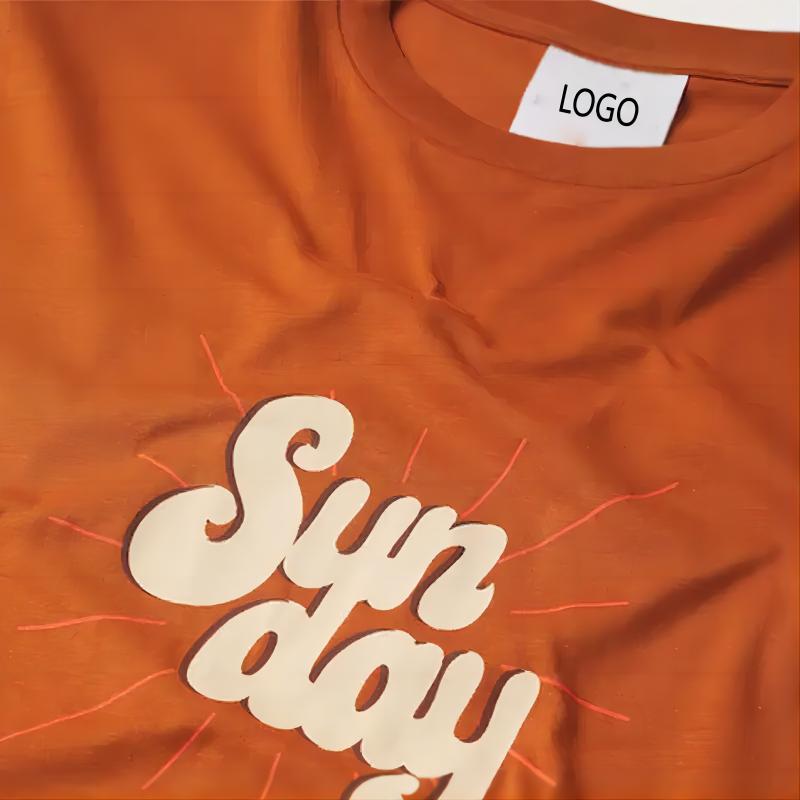
Custom T-Shirts
Produce custom T-shirts with jersey selection, weight, collar construction, fit, grading, print placement, embroidery, washes, labels, and packaging defined for bulk production. Men’s and women’s programs can use separate proportions and specifications where required.
Get a Quote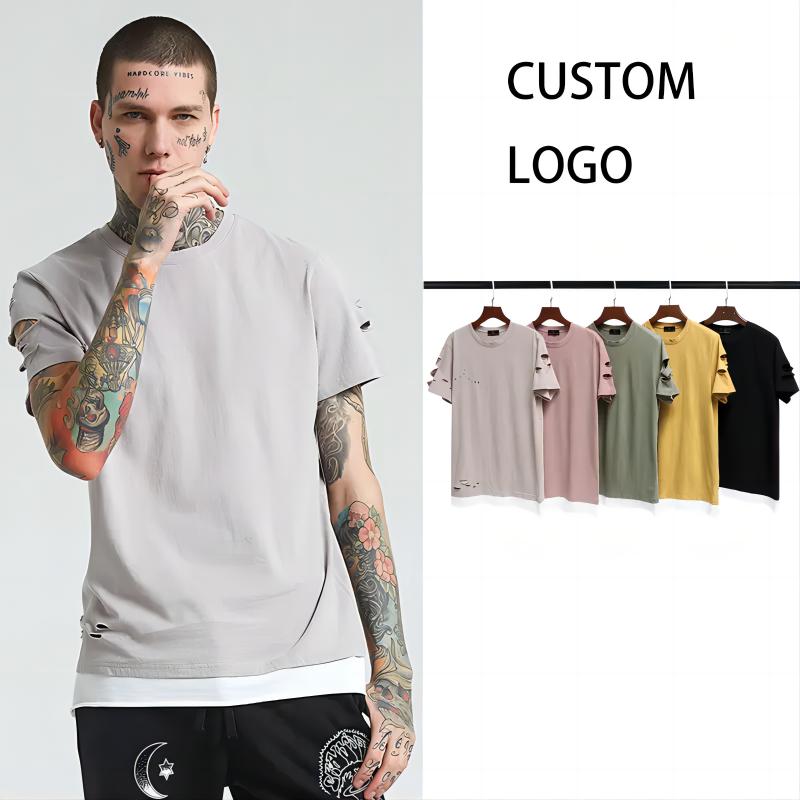
Custom Polo Shirts
Develop custom polo shirts with piqué or performance fabric, collar and placket construction, sleeve finishes, buttons, embroidery placement, and color blocking. Suitable for corporate, school, team, wholesale, and private-label programs requiring repeatable sizing and finishing.
Get a Quote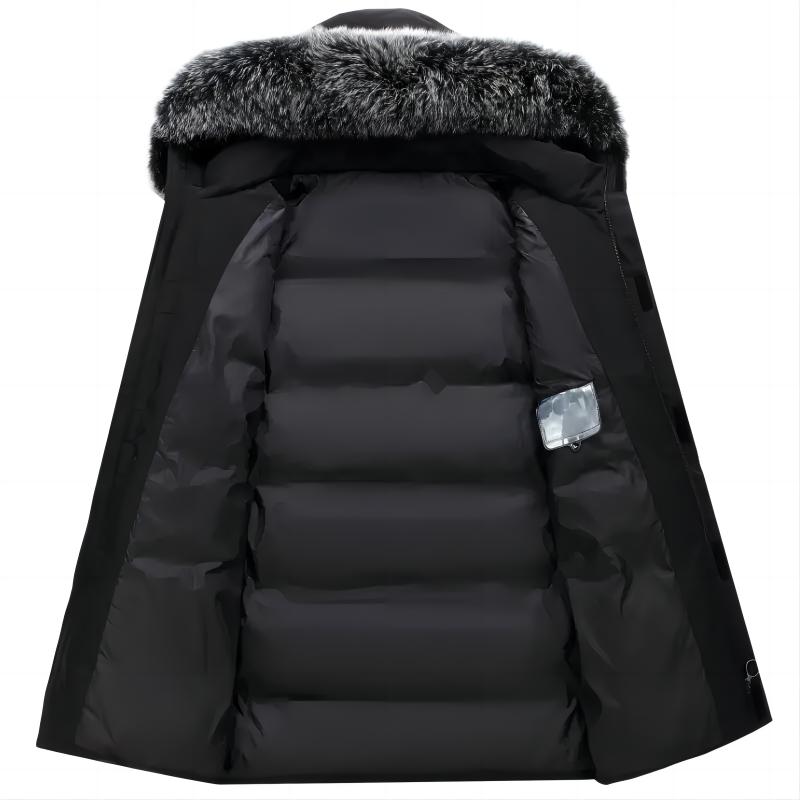
Windbreaker Jackets
Produce windbreaker jackets with shell fabric, lining or mesh, water-resistance requirements, zippers, pockets, hoods, elastic finishes, and print or embroidery specifications coordinated before bulk production. Construction can be adapted for fashion, outdoor, promotional, or teamwear use.
Get a Quote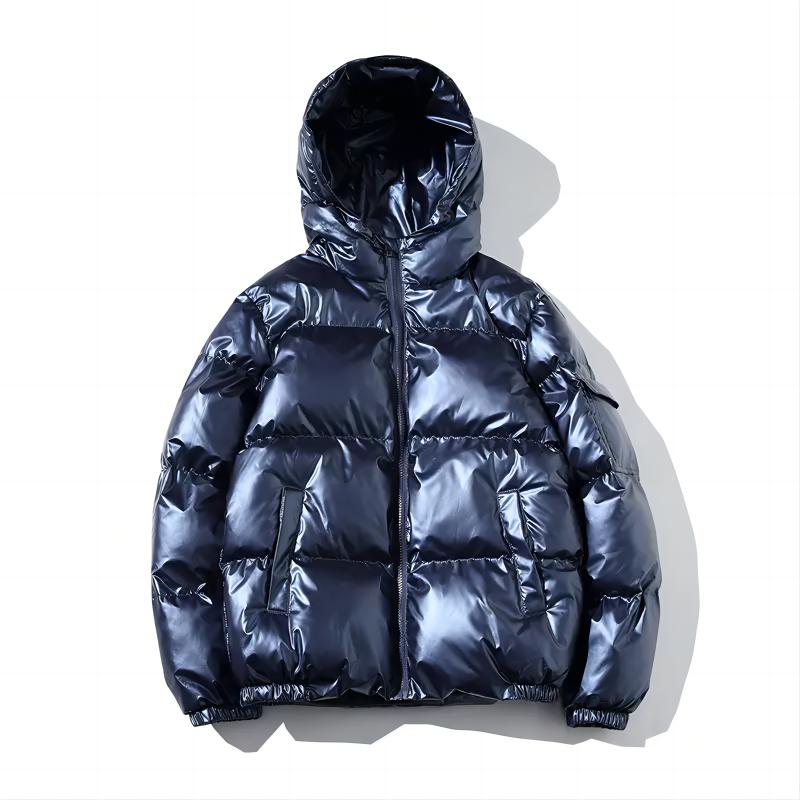
Quilted Jackets
Develop quilted jackets by coordinating shell fabric, lining, insulation, quilting pattern, stitch density, hardware, pockets, and finishing details. Sampling verifies the garment’s balance, warmth, and construction before the approved standard moves into production.
Get a Quote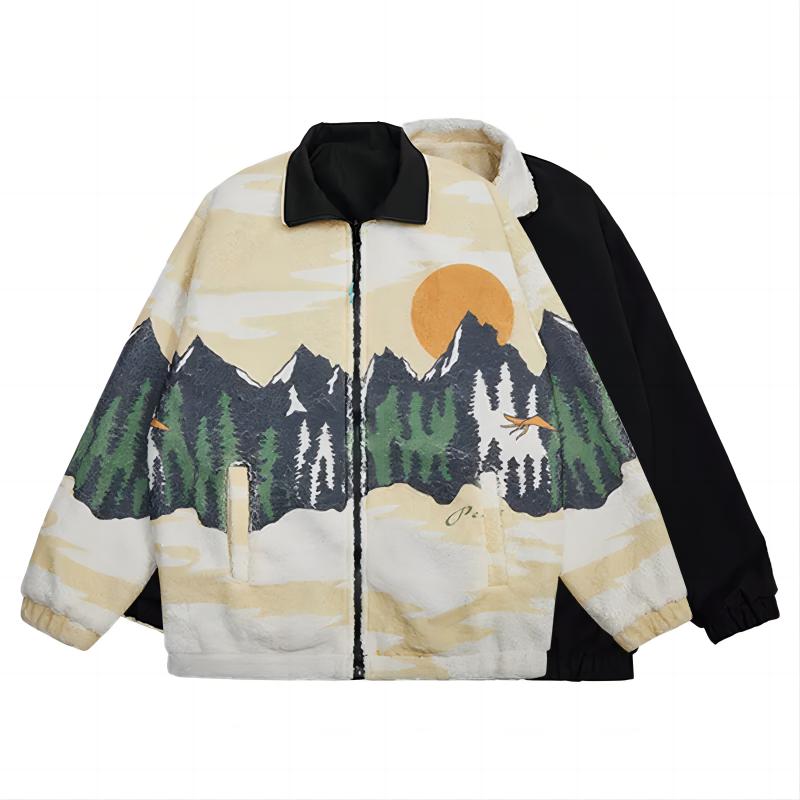
Bomber Jackets
Produce bomber jackets with specified shell, lining, rib, zipper, pocket, padding, and decoration requirements. EDVORIN develops the pattern and production details needed to preserve the intended silhouette across men’s and women’s fashion, streetwear, and private-label programs.
Get a Quote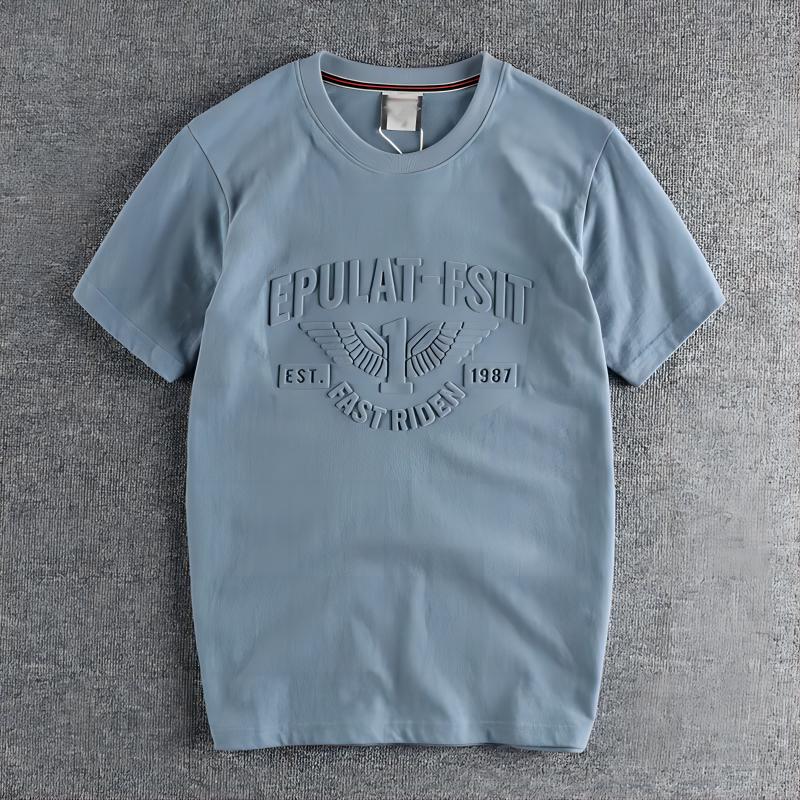
Custom Shirts
Develop custom woven shirts with fabric selection, collar type, placket, cuffs, yokes, pocket details, buttons, fit blocks, and finishing requirements. Product development supports casual, uniform, branded merchandise, and private-label shirt programs from sample through packing.
Get a Quote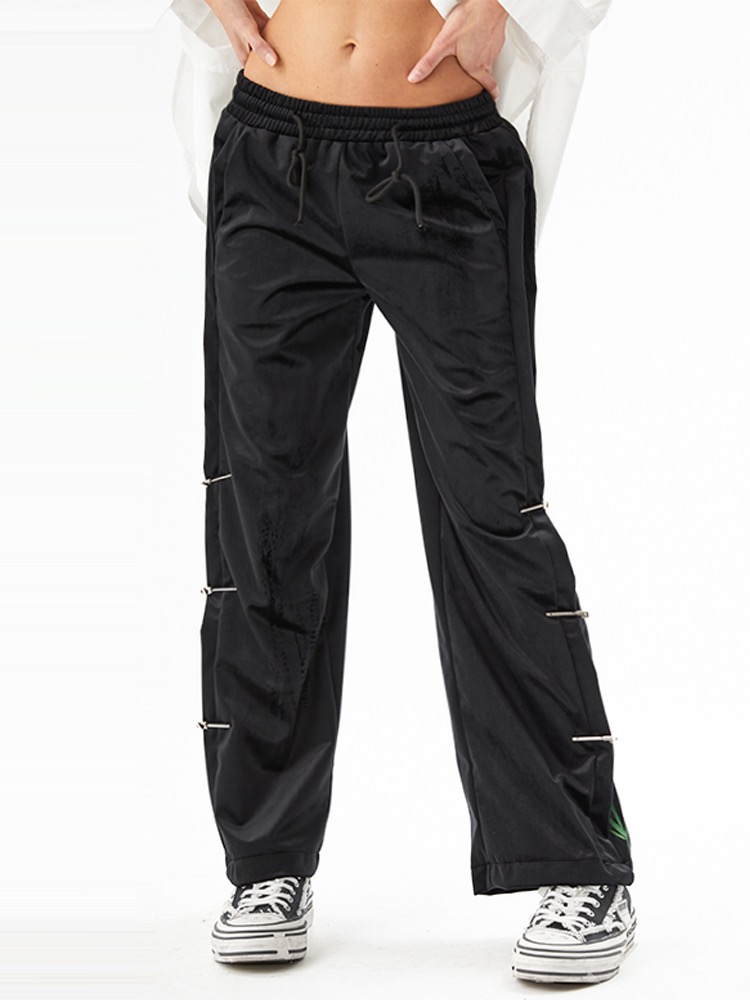
Custom Jerseys
Produce custom jerseys with polyester performance fabrics, sublimation, screen printing, embroidery, color control, names, numbers, and size sets managed within one production workflow. Specifications are documented to support organized team orders and repeat programs.
Get a Quote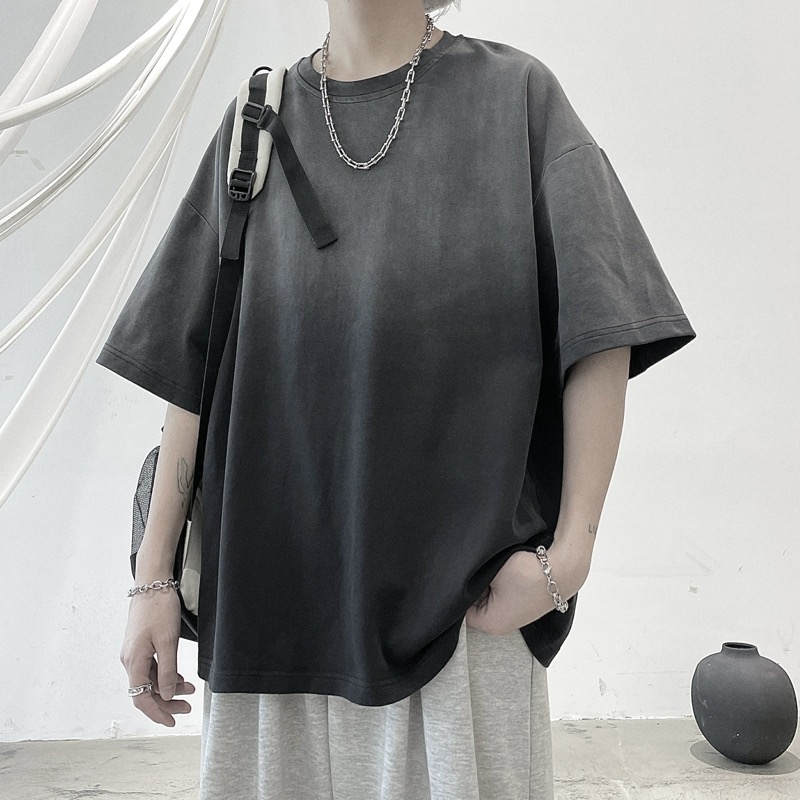
Tank Tops
Develop tank tops with jersey, mesh, rib, or performance fabrics selected for the intended use. Fit, armhole shape, neckline, binding, print placement, and grading can be adjusted for men’s and women’s training, casualwear, streetwear, or team programs.
Get a Quote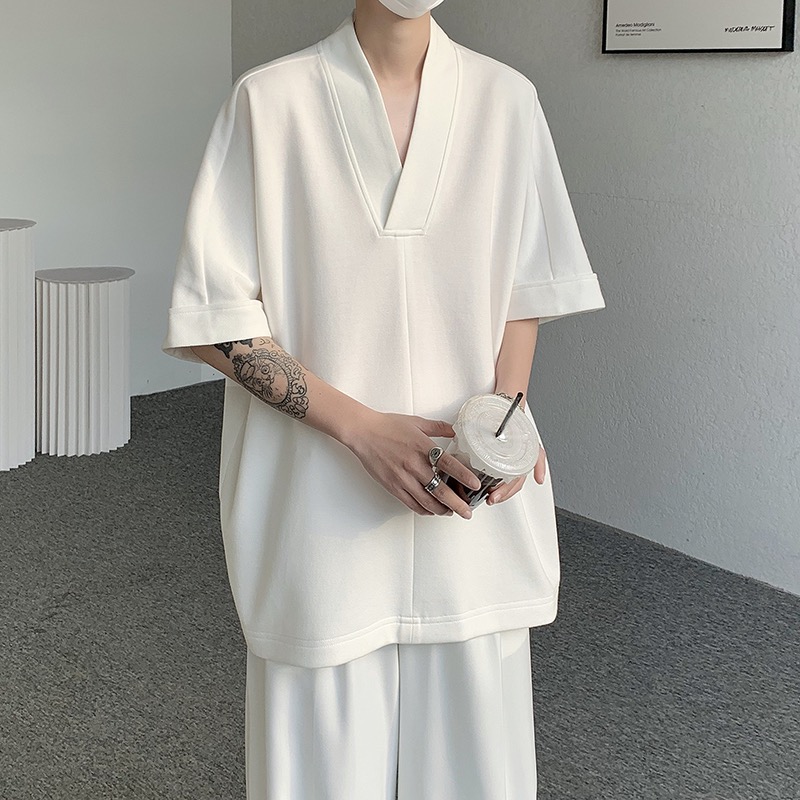
Soccer Uniforms
Produce soccer uniforms with breathable polyester fabrics, team colors, sublimation or printing, badges, names, numbers, shorts coordination, and size-set control. EDVORIN documents approved artwork and placement standards to support consistent club, school, and wholesale orders.
Get a Quote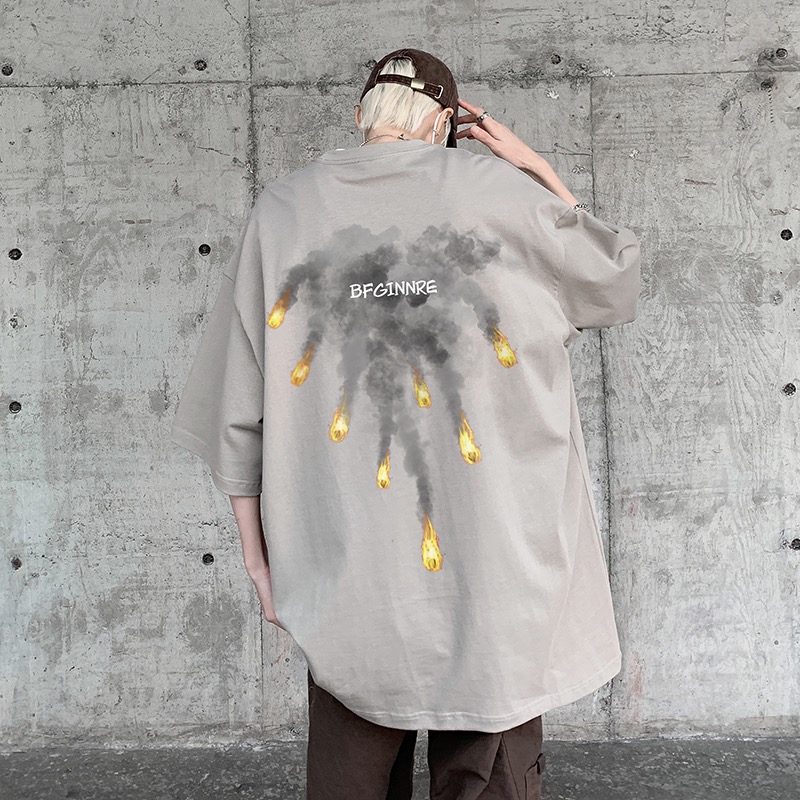
Basketball Uniforms
Develop basketball uniforms with performance polyester, mesh options, reversible or standard construction, color blocking, sublimation, numbers, names, and coordinated shorts. Sample approval establishes the fit, artwork placement, and production standard for teams, academies, and distributors.
Get a Quote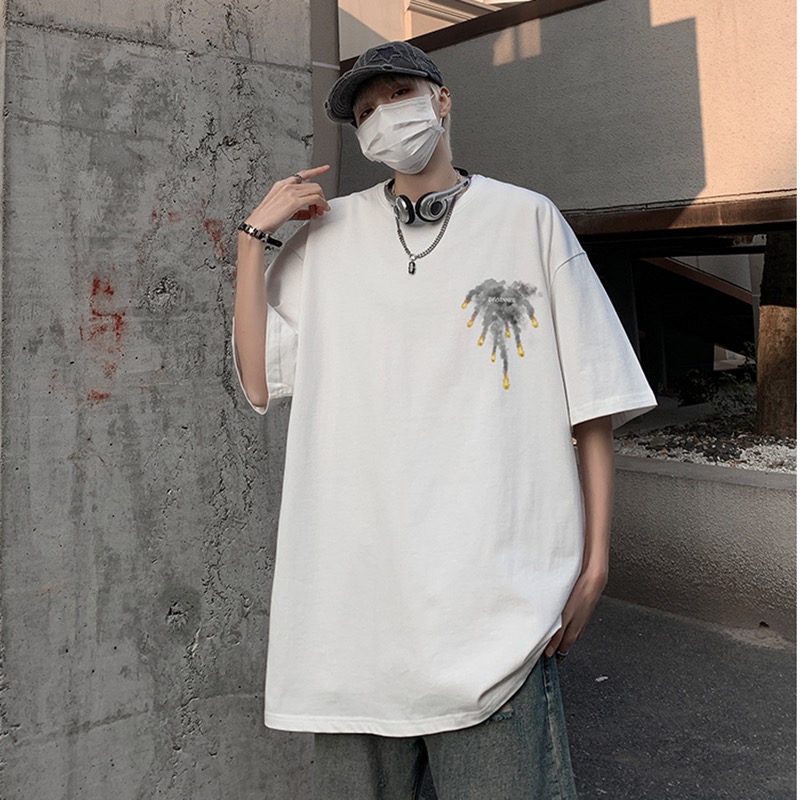
Streetwear Collections
Build coordinated streetwear collections across hoodies, T-shirts, sweatpants, shorts, jackets, and woven pieces under one production system. EDVORIN coordinates fabrics, trims, washes, graphics, embroidery, labels, packaging, and sample-to-bulk quality control for scalable releases.
Get a QuoteFounder-Led Polyester Apparel Manufacturing Since 2000
Since 2000, EDVORIN has helped fashion brands, streetwear labels, teams, and private-label buyers turn concepts into production-ready apparel. As a founder-led custom clothing manufacturer, EDVORIN supports OEM clothing manufacturer, ODM apparel manufacturer, and private-label development needs through one accountable workflow spanning product development, sourcing, patterns, sampling, decoration, and bulk manufacturing.
Our OEM, ODM, and private-label programs cover polyester-based casualwear, outerwear, and teamwear, from hoodies and jerseys to windbreakers, shorts, and coordinated collections. Men’s and women’s fit, grading, fabric selection, trims, printing, embroidery, washing, labeling, and packaging are developed around the intended product rather than treated as standard add-ons.
What makes EDVORIN different is the control built after sample approval. We document approved materials, measurements, artwork placement, trims, and finishing requirements, then use in-line and final checks to protect the standard through bulk production. MOQ starts at 200 pieces per style, providing a practical entry point for emerging brands and growing programs.

Polyester Clothing Manufacturer Controls That Protect Performance
Fabric Weight and Construction
EDVORIN helps define polyester fabric weight, knit or woven construction, hand feel, and blend direction before sampling. Those choices are matched to the garment’s intended use, from lightweight jerseys and polos to structured outerwear, so the approved concept has a production-ready material standard.
- Set target weight and construction for the category
- Review polyester blends against comfort and durability goals
- Align material choice with intended fit and silhouette
- Confirm the approved fabric reference before bulk production
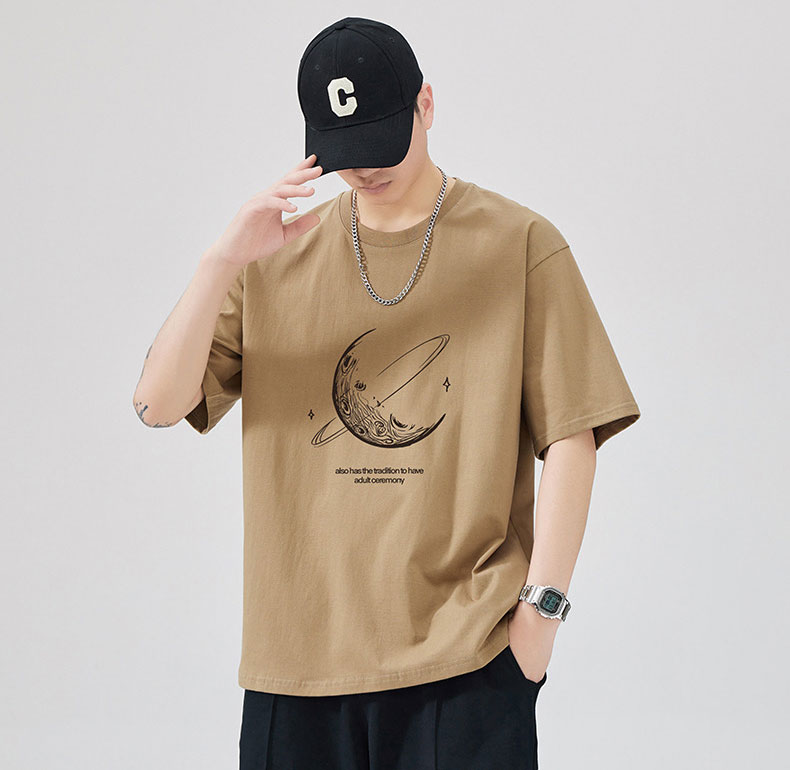
Stretch That Returns
Stretch performance is more than initial give. For activewear, teamwear, and fitted casual styles, EDVORIN evaluates stretch direction, recovery, and how the fabric behaves through cutting, sewing, and wear. This helps prevent an approved sample from becoming a less stable bulk garment.
- Define required stretch by garment panel and movement zone
- Check recovery after repeated extension
- Match seam construction to fabric behavior
- Document performance expectations with the approved sample
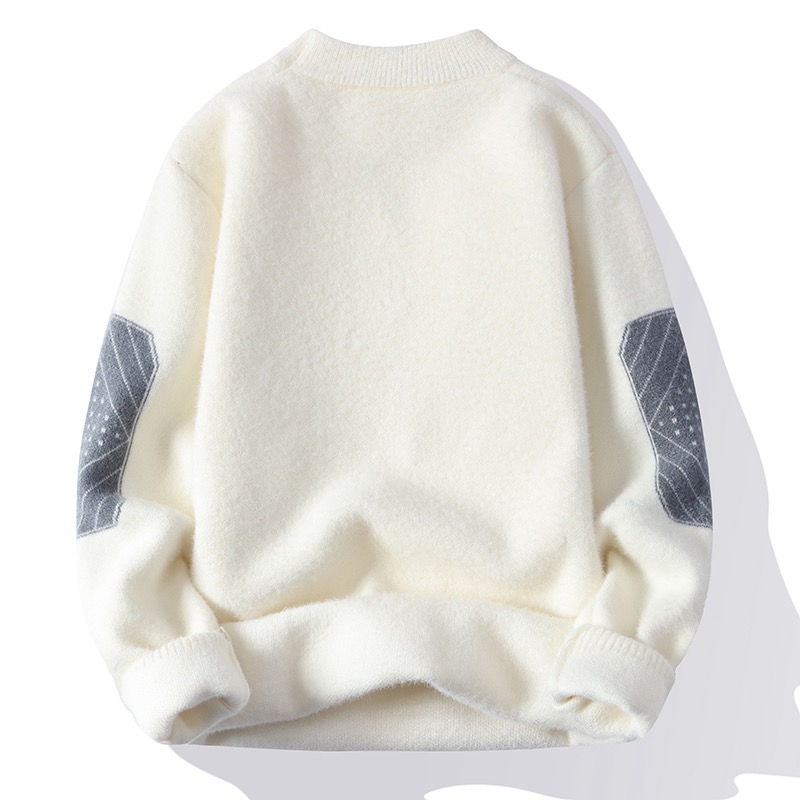
Color and Decoration Alignment
Polyester garments need color and decoration decisions that work together. EDVORIN coordinates fabric color references, artwork placement, printing or embroidery methods, and garment construction so visual details are considered before production. The result is a clearer standard for jerseys, streetwear, uniforms, and branded programs.
- Record color references for fabric and coordinated components
- Assess decoration methods against the base material
- Confirm artwork size and placement measurements
- Coordinate trims, labels, and packaging with the garment design
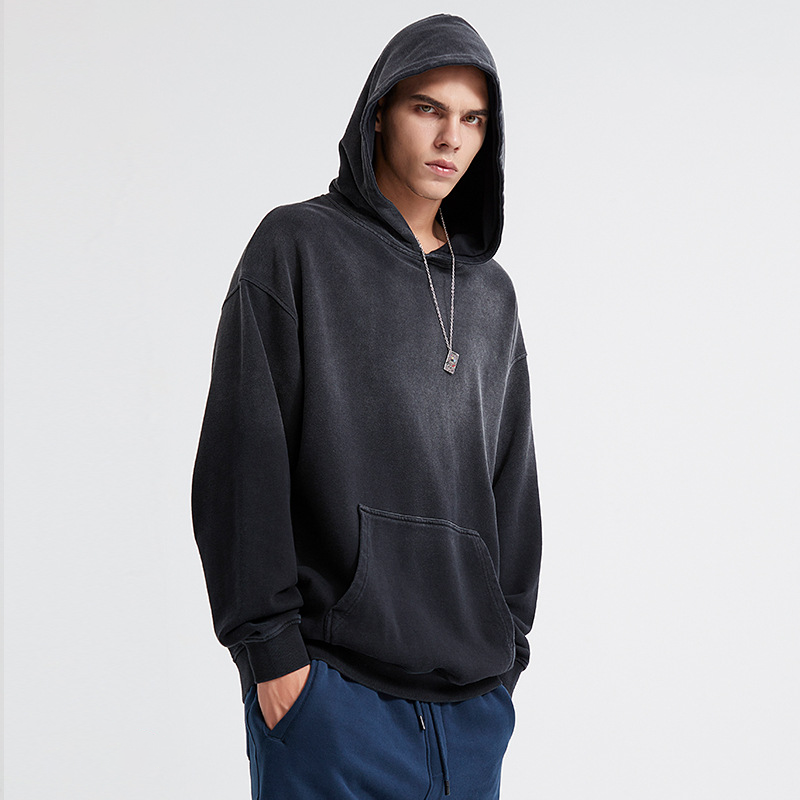
Specifications Built to Repeat
As a polyester clothing manufacturer, EDVORIN turns approved development into a controlled bulk-production reference. Measurements, fit comments, material details, trim specifications, and decoration records are organized around the approved sample, with in-line and final checks supporting consistency from the first production run to repeat orders.
- Convert approvals into clear production specifications
- Control fit, grading, and measurement tolerances
- Use in-line checks to identify variation early
- Check finished goods against approved standards before packing
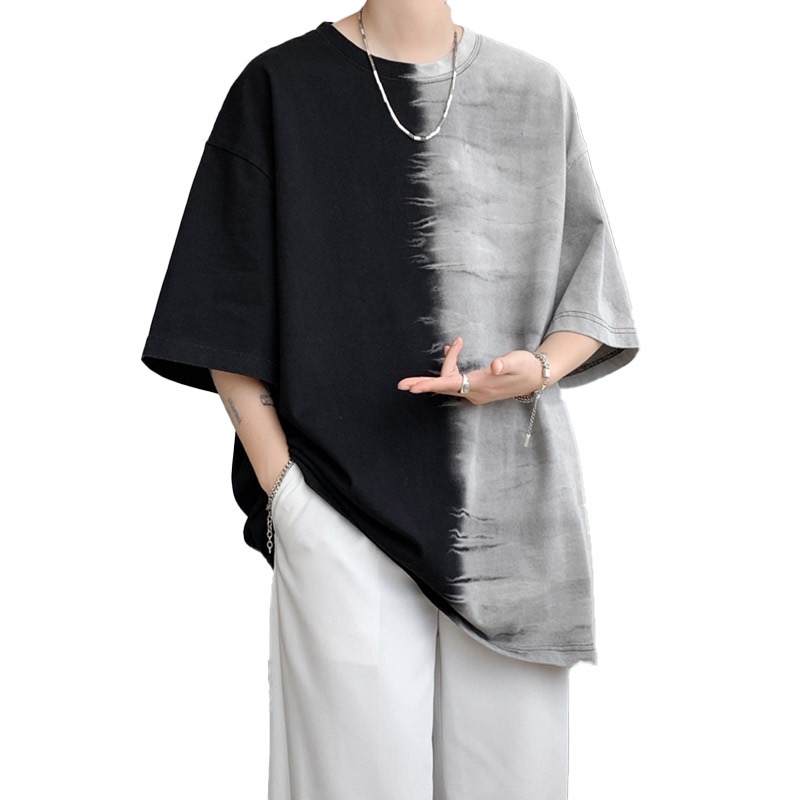
Polyester vs. Poly-Cotton Apparel Programs
Compare the fabric direction, decoration flexibility, and production controls that shape your next apparel collection.
← Swipe left or right to view →
Our Polyester Clothing Manufacturer Production Process
A documented OEM workflow that carries approved polyester garment standards from development through packing for repeatable bulk production.
Review Specifications
We review your tech pack, reference garments, fit requirements, target market, decoration needs, quantities, and polyester performance priorities before confirming a practical development path.
Source Materials and Trims
Our team coordinates polyester fabric options, weight, hand feel, color references, linings, rib, hardware, labels, and other trims against the approved product direction.
Develop Patterns and Samples
Patterns, grading, construction details, artwork placement, and sample specifications are developed for review, helping transform your concept into a measurable, production-ready garment standard.
Approve Bulk Production
After sample approval, we organize materials, cutting, sewing, printing, embroidery, washing, and finishing around recorded specifications so each production stage follows the agreed standard.
Inspect Label and Pack
In-line and final checks verify measurements, workmanship, decoration, and finishing before labeling and packing are completed to support a consistent, organized delivery for your program.
How to Order Custom Polyester Clothing
Give EDVORIN the specifications needed to develop, approve and repeat your OEM, ODM or private-label polyester collection with confidence.
Share Your Product Brief
Send a tech pack, sketch or reference garment with target styles, quantities, intended market and required delivery timeline for your polyester apparel program.
Define Fabric and Fit
Confirm polyester fabric weight, composition, performance needs, fit blocks, measurements and size grading for men’s or women’s garments before sampling begins.
Specify Artwork and Trims
Provide artwork files, placement measurements, color references, labels, zippers, drawcords and other trims so decoration and construction follow one approved standard.
Approve Your Production Sample
Review the sample for fabric feel, fit, workmanship, artwork and finishing. EDVORIN records approved details to guide consistent bulk production and inspection.
Confirm Bulk Order Details
Finalize quantities, size ratios, packaging, labeling and shipping requirements. MOQ starts at 200 pieces per style for flexible polyester clothing manufacturer support.
Polyester Clothing Manufacturer Results for Buyers
EDVORIN translated our reference jersey into a repeatable size set for 12 teams. Color matching and number placement stayed consistent across the full 1,080-piece delivery, so our club could reorder with confidence.
Our first polyester streetwear run arrived on schedule at 600 pieces. The team documented every print placement and measurement revision, which cut our sample approval cycle from three rounds to two.
We needed durable decorated polos for a distributor program in five colorways. EDVORIN kept the embroidery placement and grading stable across 2,400 units, making our wholesale rollout much easier to manage.
Polyester Clothing Manufacturer FAQ
Practical answers for developing repeatable polyester apparel programs with EDVORIN.
What polyester garments can EDVORIN develop?
How do I choose the right polyester construction for my clothing line?
Can a polyester clothing manufacturer combine printing, embroidery, and patches?
What is the MOQ for custom polyester clothing?
Can a polyester clothing manufacturer work from a sketch or reference garment?
What artwork files do you need for polyester printing or embroidery?
How do sampling and bulk quality control work for polyester clothing?
Can EDVORIN support certification-program requirements for polyester apparel?
Complete Polyester Clothing Manufacturer Buyer’s Guide
Use this decision framework to compare polyester apparel suppliers, evaluate fabrics and production quality, plan customization, control costs, and avoid sourcing mistakes before placing an OEM or private-label order.
1. What Is a Polyester Clothing Manufacturer?
EDVORIN, founded in 2000, operates as a polyester clothing manufacturer that converts an approved idea into repeatable apparel. For OEM, it builds to the buyer’s tech pack; for ODM, it can help turn a sketch or reference garment into workable specifications.
3 supply models serve different needs. A fabric mill makes yarns or yardage for buyers with internal development; a garment factory cuts, sews, and finishes buyer-supplied materials and instructions; a full-service supplier coordinates development, sourcing, sampling, decoration, production, labeling, and packing.
1 approved sample should become the production reference, not the finish line. EDVORIN can manage polyester fabric selection, patterns, measurement charts, print or embroidery placement, washes, in-line quality checks, size labeling, and export-ready packing, while the buyer retains approval over design, materials, and final standards.
200-piece programs still need clear controls. Private-label buyers typically need branded labels and packaging, while wholesalers need consistent specifications that support replenishment across colorways and sizes.
2. Polyester Clothing Manufacturing: Evolution and Context
1950s polyester adoption made durable, wrinkle-resistant apparel commercially practical, then sportswear pushed mills toward filament yarns, moisture management, stretch blends, and engineered knits. A polyester clothing manufacturer now needs to translate those performance claims into testable specifications: fiber content, fabric weight, recovery, colorfastness, pilling, and care requirements.
1990s digital textile printing shortened the path from artwork to small production runs, while recycled polyester expanded the material discussion to feedstock, traceability, certification scope, and hand feel. Buyers should request the exact recycled-content claim and supporting transaction documentation rather than treating ‘rPET’ as a complete specification.
2000s private-label production connected development, sampling, decoration, labels, and packing into one repeatable workflow. For EDVORIN programs, the useful sourcing conversation begins with the end use—teamwear, streetwear, outerwear, or promotional apparel—and records approved fabric, Pantone references, artwork placement, and inspection standards before bulk production.
3. Types of polyester clothing manufacturer Services
Six supplier models serve different launch paths. Match design ownership and development capacity before comparing a polyester clothing manufacturer on price alone.
| Model | Best Buyer | Control | Trade-Off |
|---|---|---|---|
| OEM | Original brands | High | More development |
| ODM | Fast launches | Medium | Shared blocks |
| Private label | Brand extensions | Low | Limited uniqueness |
| Teamwear | Clubs and schools | Medium | Variable data control |
| Activewear | Performance lines | High | Technical sampling |
| Blanks | Promotional buyers | Low | Stock limits |
Custom Product Development
Cut-and-sew OEM suits brands with tech packs; it offers the strongest design control but requires sampling and clearer approvals.
ODM starts from existing blocks, shortening development while limiting silhouette differentiation.
Branding And Team Programs
Private label adds buyer labels to established garments; it is faster, but core construction remains standardized.
Teamwear specialists manage names, numbers, colorways, and size runs; accuracy matters more than fashion flexibility.
Performance And Blank Supply
Activewear factories suit programs needing stretch, moisture management, or flatlock construction; fabric testing adds development time.
Wholesale blanks enable the fastest decoration route, with low differentiation and stock-dependent availability.
4. Polyester Fabrics for Apparel Programs
120–180 GSM polyester knits suit lightweight tops, while 240–320 GSM fleece supports heavier layers. Select construction by wear, decoration, and opacity—not fiber content alone.
| Fabric | GSM | Handfeel | Best Use |
|---|---|---|---|
| Jersey | 120–180 | Soft, drapey | Promotional tees |
| Interlock | 160–220 | Smooth, opaque | Uniform polos |
| Mesh | 140–180 | Open, breathable | Sports jerseys |
| Fleece | 240–320 | Brushed, warm | Streetwear hoodies |
| Woven shell | 70–140 | Crisp, durable | Windbreakers |
Fiber And Knit Choice
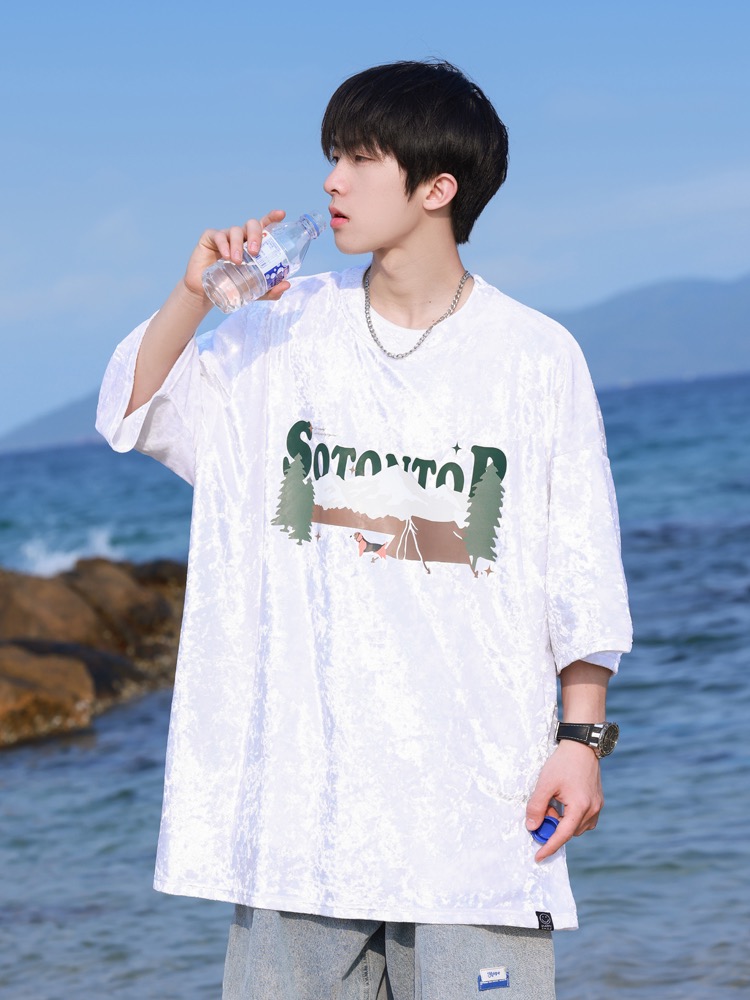
Filament polyester feels smooth and dries quickly; spun polyester has a softer, cotton-like surface. Jersey drapes for tees, while interlock gives more opacity and shape retention.
Performance Fabric Matching
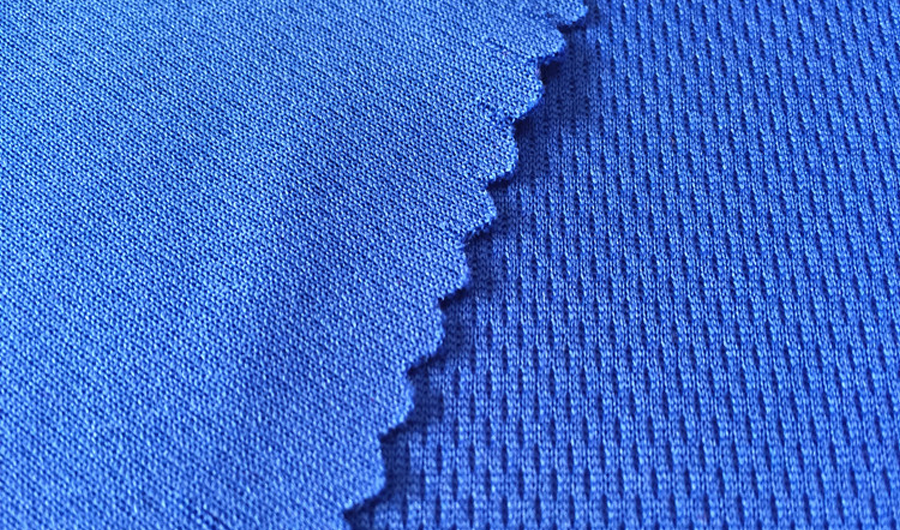
140–180 GSM mesh improves airflow for jerseys; 180–240 GSM stretch blends suit trainingwear. Add 5–12% elastane when recovery and movement matter.
Outerwear And Recycled Options
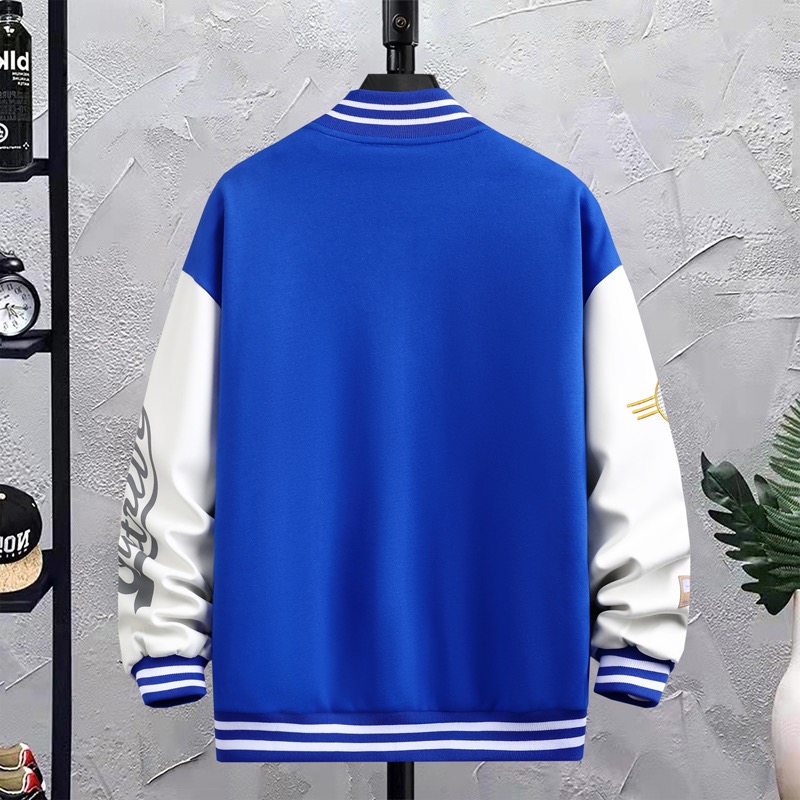
70–140 GSM woven shells suit windbreakers, often with a specified coating or finish. Recycled polyester requires traceable fiber documentation and bulk-approved color standards.
5. polyester clothing manufacturer Customization Options
A 200-piece program benefits from locking its custom pattern, size grading, and Pantone references before sampling. A polyester clothing manufacturer should convert every approved choice into production-ready artwork and trim specifications.
| Method | Best Use | Trade-Off |
|---|---|---|
| Sublimation | All-over polyester artwork | High setup control |
| Screen Print | Spot-color graphics | Color separations |
| Heat Transfer | Names and numbers | Film hand feel |
| Embroidery | Logos on heavier garments | Added bulk |
Color And Pattern Control

2 approvals—lab dip and strike-off—separate fabric color from printed color. Supply Pantone references, repeat dimensions, and vector files; gradients and fluorescent shades require early testing.
Decoration Choices
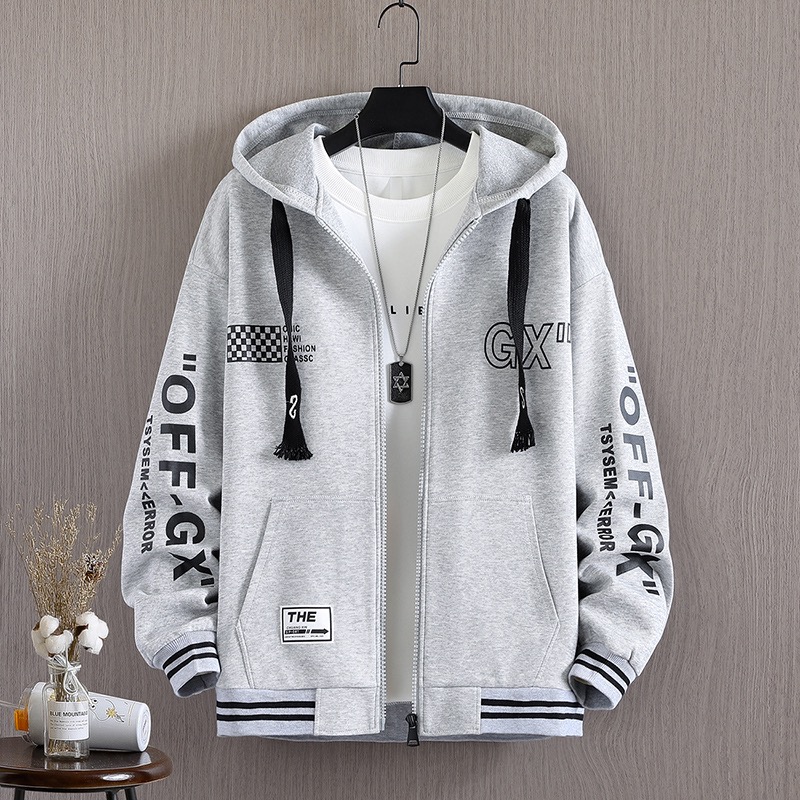
3 common routes suit polyester differently: sublimation integrates artwork into light polyester; screen print suits bolder spot-color graphics; heat transfer supports variable names and numbers. Embroidery adds texture but can distort lightweight knits.
Branding And Packout
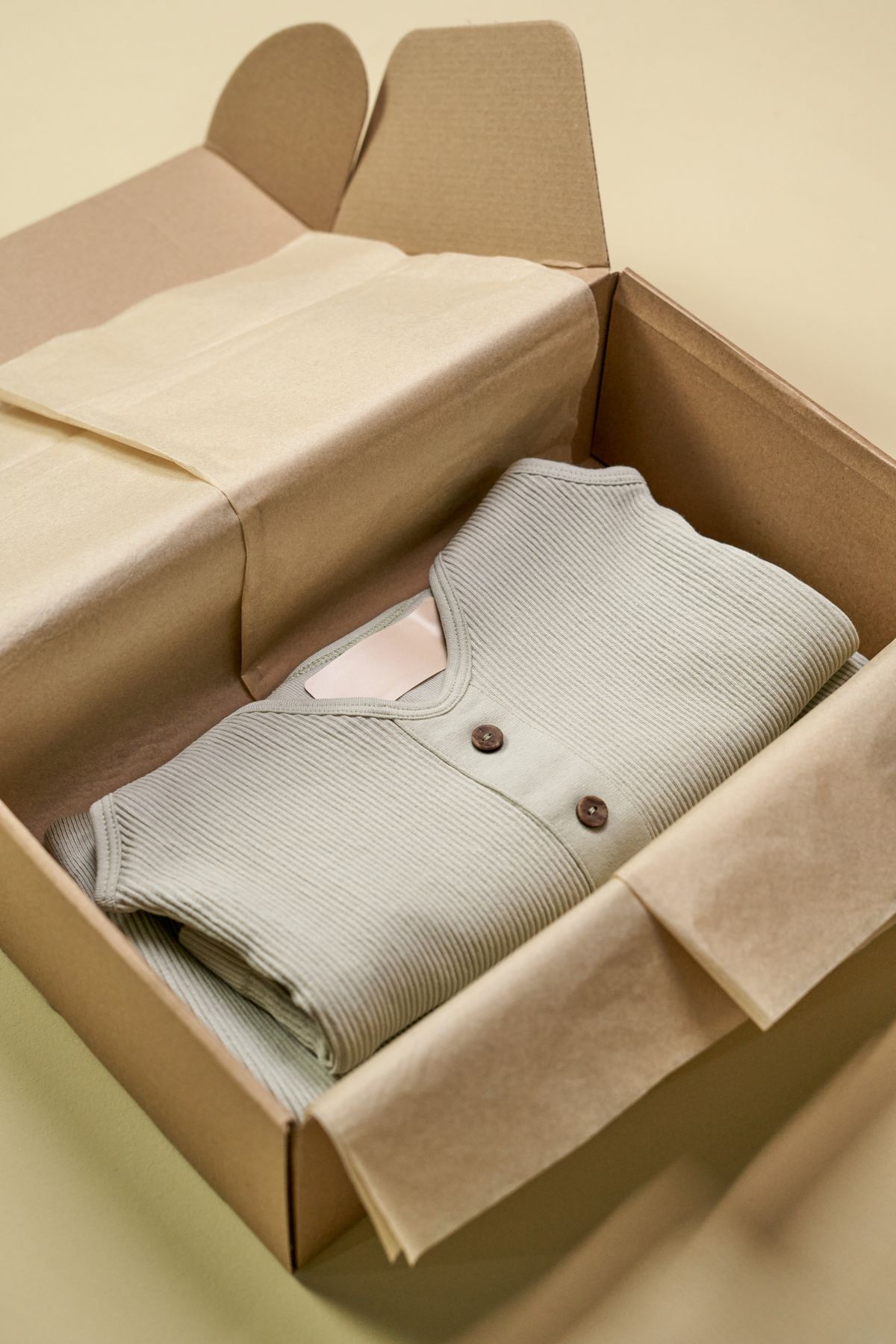
4 identity points—woven labels, printed neck labels, hangtags, and packaging—should be approved as one set. Record label placement, fold method, barcode data, and carton assortment before bulk production.
6. Construction Details That Signal Quality
A polyester clothing manufacturer should convert construction details into measurable approvals before bulk cutting. These checks determine whether garments survive washing, athletic movement, and repeated customer wear.
Stitching And Seams
8–10 stitches per inch is a practical starting point for many seams; specify the stitch type by operation. Reinforce pocket corners and stress points, use coverstitch for hems, and reserve flatlock for low-chafe athletic seams.
Recovery And Hardware
3 wash tests before approval can expose shrinkage, twisting, color transfer, and weak rib recovery. Define acceptable dimensional change, collar and cuff recovery, zipper brand or performance standard, and zipper pull attachment to reduce post-laundry returns.
Measurement And Final Checks
±1 cm tolerances should be assigned by measurement point rather than assumed across a garment. Record print placement from fixed landmarks, inspect size sets and artwork, then conduct final checks against the approved sample before packing.
7. How to Choose a polyester clothing manufacturer
Three shortlisted factories reveal more risk than one online quote. Choose a polyester clothing manufacturer by testing comparable product evidence, production controls, and commercial fit against one written specification.
| Check | Ask | Evidence |
|---|---|---|
| Capability | Which similar styles shipped? | Comparable samples |
| Quality | What is the inspection sequence? | QC report and tolerance sheet |
| Commercials | What applies to MOQ and payment? | Written quotation and terms |
Match Product Experience
Two recent polyester programs should show comparable fabric weight, construction, decoration, and sizing. Inspect samples for seam puckering, print adhesion, color consistency, measurement accuracy, and wash-change records.
Test The Production System
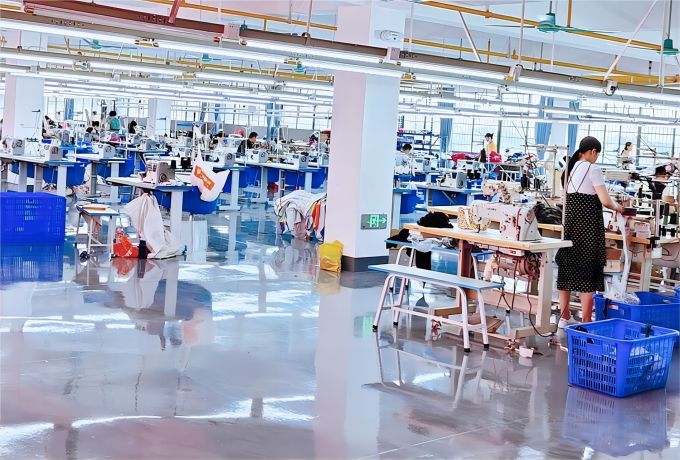
One tech-pack review should identify missing tolerances, Pantone references, trim specifications, and placement measurements before sampling. Ask who approves fabric, performs in-line and final inspection, discloses mills, and provides OEKO-TEX, WRAP, or BSCI documents when required.
Compare Commercial Fit
EDVORIN’s MOQ starts at 200 pieces per style. 200-piece MOQ may suit one style but not every colorway or size curve. Confirm available capacity, realistic sample and bulk dates, revision communication, deposit balance terms, and the remedy for failed inspection before placing bulk.
8. Common Polyester Sourcing Mistakes
A 200-piece order magnifies small specification gaps across every size and color. Use a supplier workflow that converts each approval into a documented bulk standard.
Price And Fabric Risks
One low quote can omit testing, freight, duty, or required trims. Compare landed cost and request a line-item quotation before awarding production.
One fabric swatch cannot prove shrinkage, pilling, colorfastness, or handfeel after washing. Test the approved lot and record results on the purchase order.
Specifications And Color Control
One vague note such as ‘regular fit’ leaves patterns and tolerances open to interpretation. Issue a measurement chart with points of measure and acceptable tolerances.
One missing Pantone reference invites shade variance between dye lots. Approve lab dips, bulk shade bands, and a pre-production sample.
Compliance And Decoration Checks
One assumed OEKO-TEX, GOTS, WRAP, or BSCI status is not evidence. Request scope-specific, current certificates from the relevant facility.
One large print or dense embroidery can distort polyester or restrict placement. Approve strike-offs, placement measurements, and artwork before bulk cutting.
9. Steps to Launch a Polyester Apparel Line
One launch calendar should begin with the target customer, price point, channel, and required delivery date. A polyester clothing manufacturer can convert that brief into approval gates before materials or capacity are committed.
Build The Production Brief
200-piece programs need a style list, size range, color count, target FOB, and delivery window. Provide reference garments, measurement charts, Pantone codes, label copy, and packaging requirements before tech-pack review.
Approve Materials And Artwork
150–300 GSM knit selections should be tested against the garment’s intended drape, opacity, and performance. Submit vector artwork, placement dimensions, print colors, embroidery stitch files, and wash expectations for a pre-production sample.
Lock Bulk And Delivery
Two approval gates—revised sample and pre-production sample—should close fit, color, construction, and decoration changes. Confirm inspection criteria, carton marks, folding method, booking date, and buffer time before bulk production begins.
10. polyester clothing manufacturer Pricing and Costs
200 pieces is a practical starting tier for a custom polyester apparel program, but it is not a price promise. A final quote should lock garment type, GSM, colorway count, size range, pattern complexity, and approved construction before costing begins.
3 primary cost buckets are materials, conversion, and delivered logistics. Heavier 280–350 GSM fleece versus 140–180 GSM jersey, complex panels, and full-coverage sublimation or embroidery can change consumption, labor, and yield; woven labels, retail-ready packaging, samples, and shipping belong in the same quote.
| Quantity tier | Illustrative unit-cost direction | Typical schedule variable |
|---|---|---|
| 200–499 | Highest setup allocation | Sample approval; material availability |
| 500–999 | Lower allocation | Color count; decoration coverage |
| 1,000+ | Better scale | Freight mode; packing requirements |
Start Your Polyester Apparel Project
Send your concept, tech pack, or reference garment for a clear development and production quote from EDVORIN.