
Recycled Polyester Clothing Manufacturer for Repeatable Collections
EDVORIN turns your concepts into production-ready recycled polyester apparel with OEM/ODM development, private labeling, and sample-to-bulk control.
Featured Recycled Polyester Apparel Programs
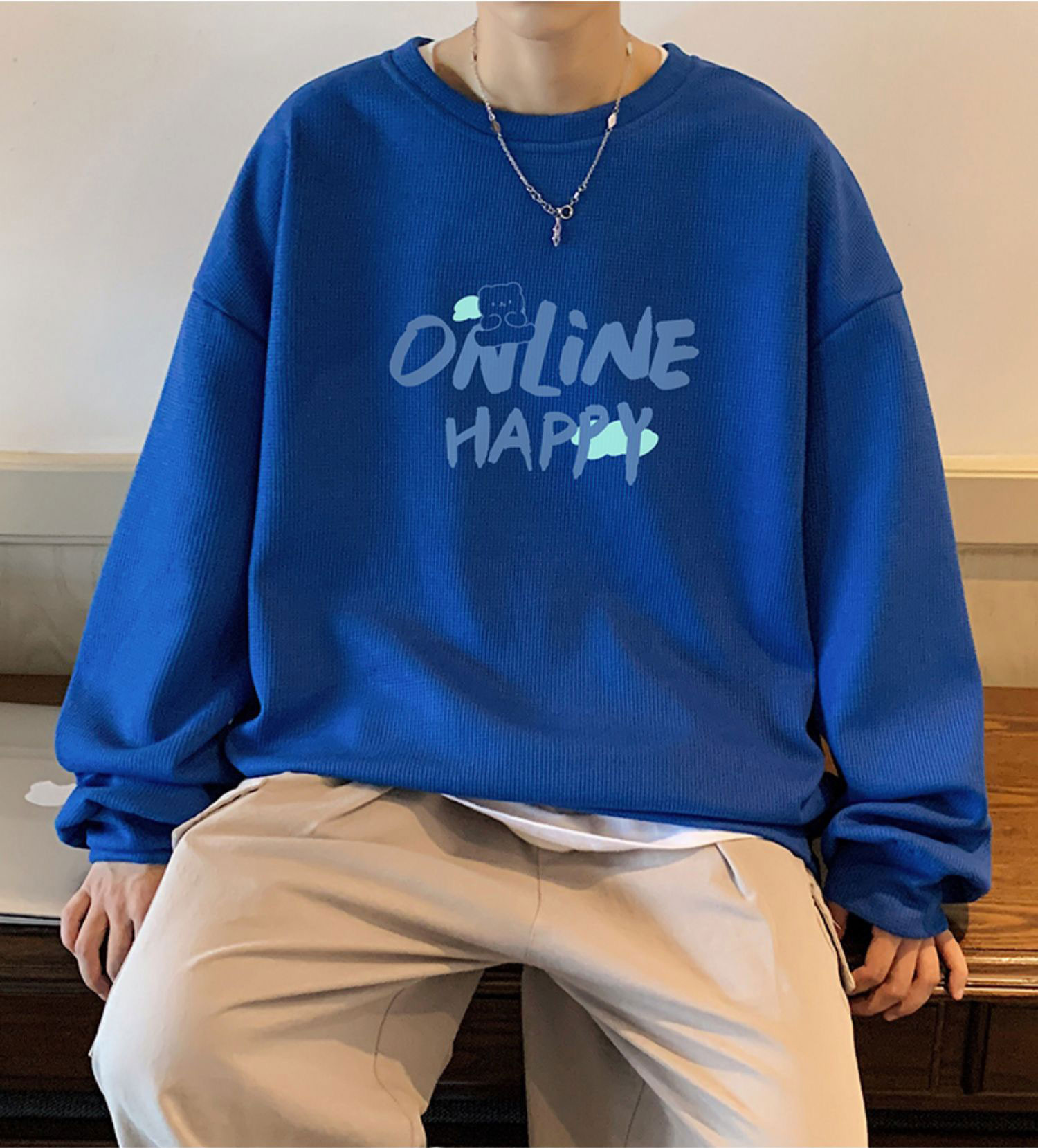
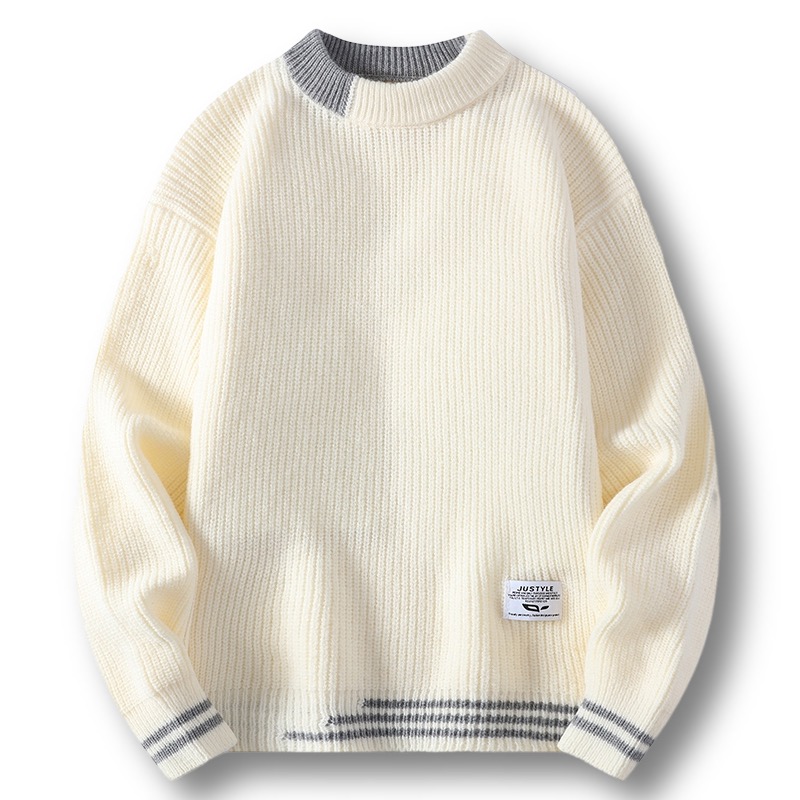
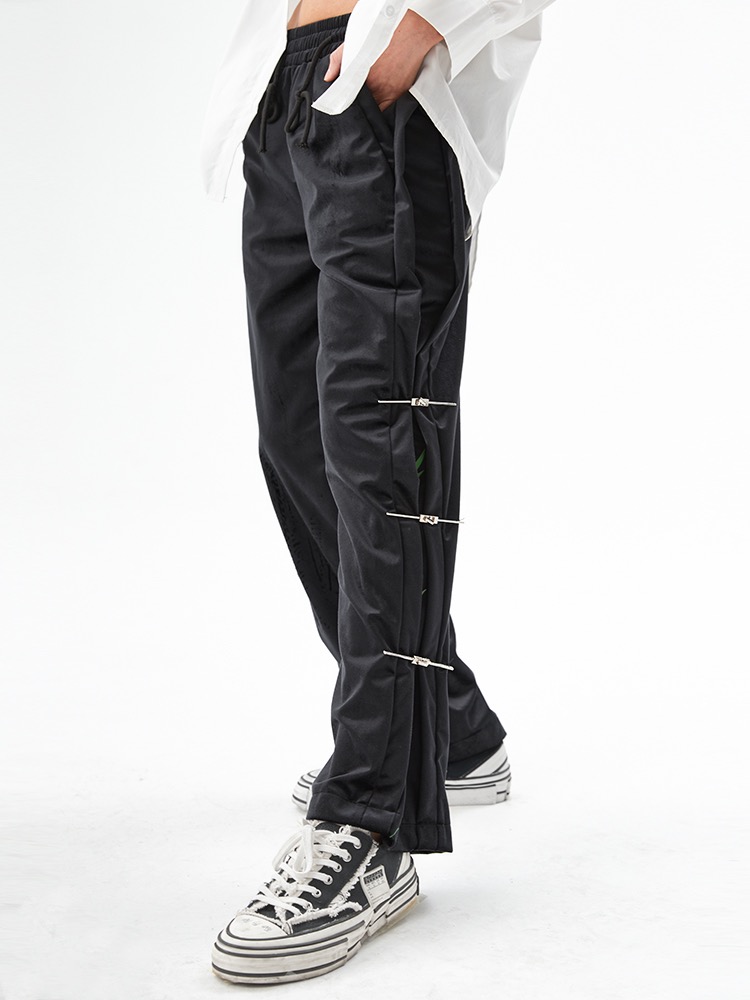

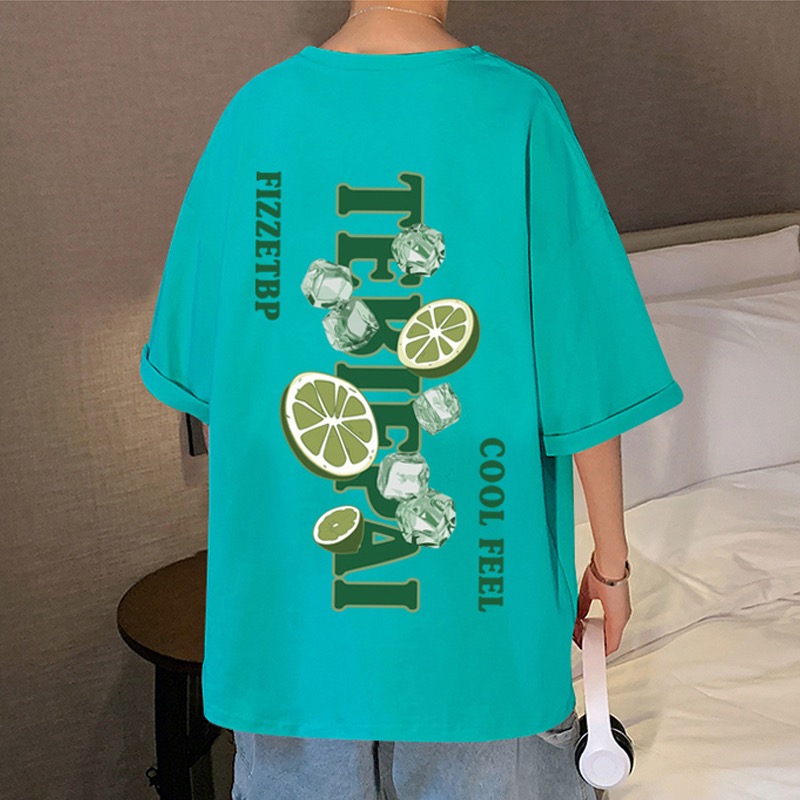
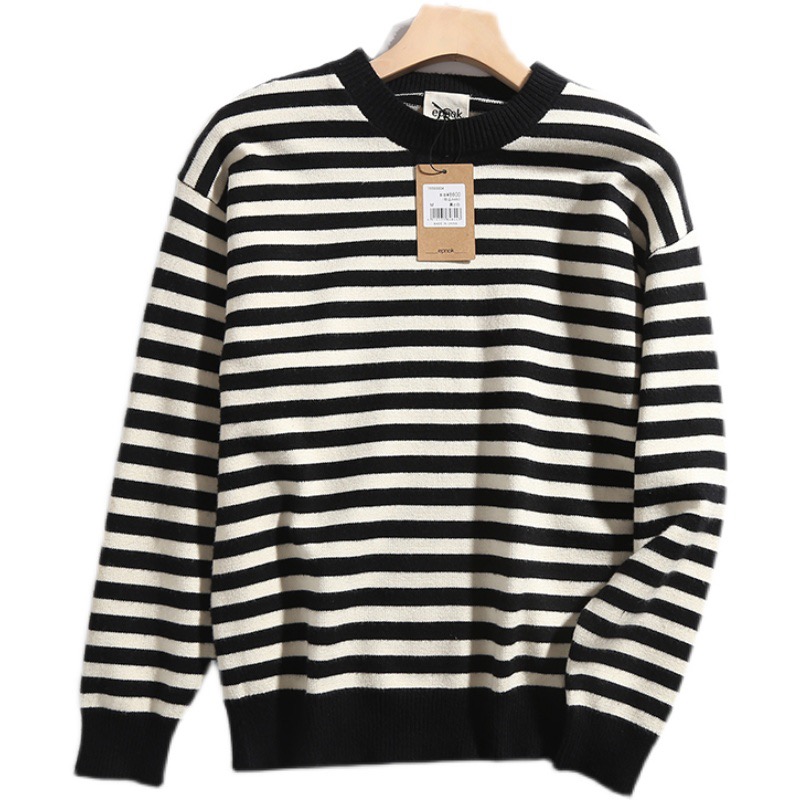
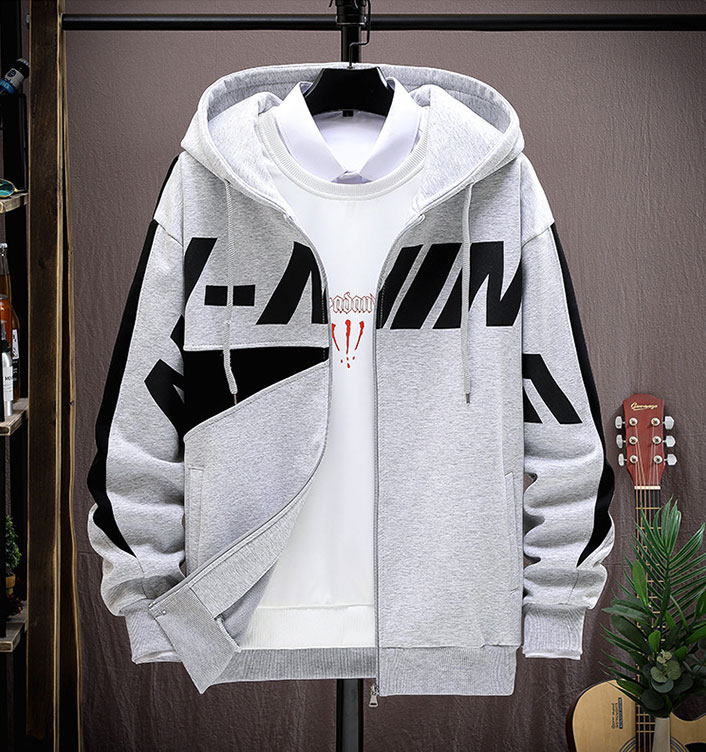
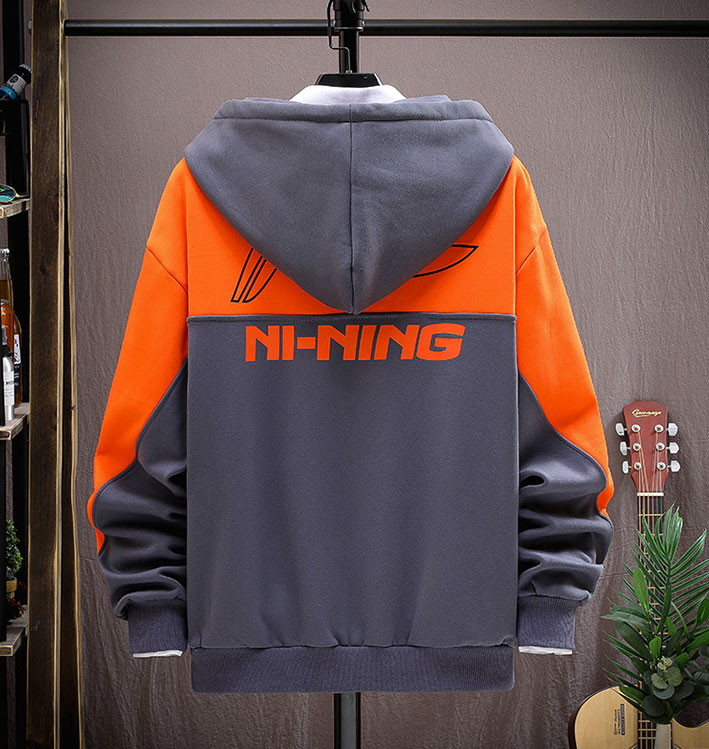
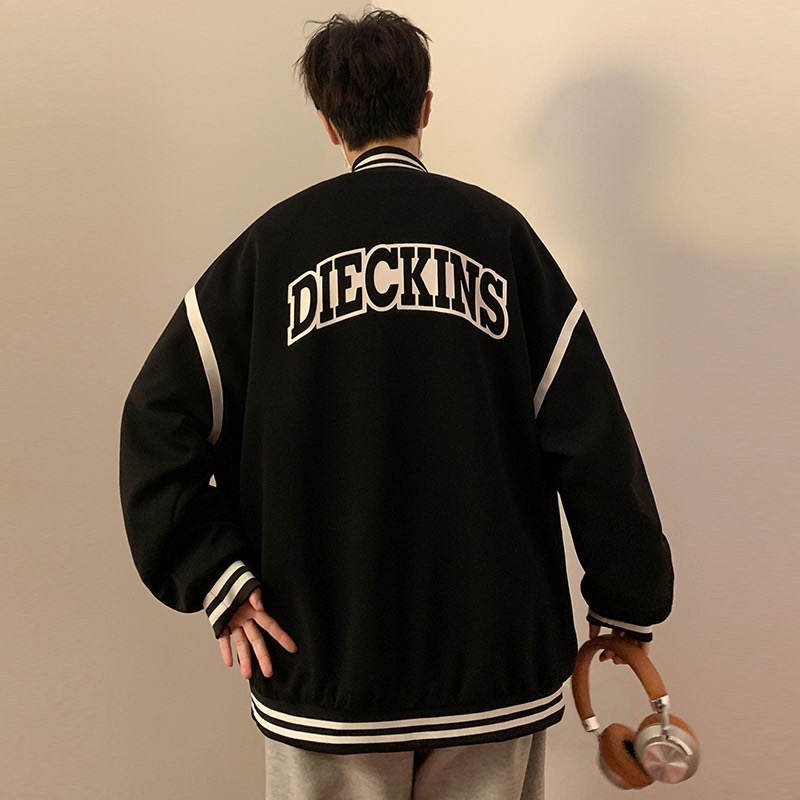
What Defines Our Recycled Polyester Clothing Capability
EDVORIN translates recycled polyester concepts into controlled apparel programs, aligning fabric, fit, color, decoration and bulk-production standards from sample onward.
Performance-Led Fabric Selection
Select recycled polyester constructions around weight, hand feel, stretch, breathability and intended wear, whether the program is streetwear, outerwear or teamwear.
Controlled Color Matching
Coordinate color references and material approvals early, helping keep shells, trims, prints and embroidery aligned throughout sample review and bulk production.
Built for Repeat Orders
Approved samples, measurement standards and construction details become clear production references, supporting consistent fit, finishing and quality across repeatable apparel programs.
Flexible Category Development
Develop men’s and women’s recycled polyester garments across hoodies, jerseys, jackets, shorts and coordinated collections, with fit blocks tailored to each intended wearer.
Decoration Planned Together
Assess printing, embroidery, washing, labels and packaging alongside the base fabric, so decoration choices support the garment’s appearance, construction and production requirements.
Sustainable Apparel, Built Across Categories
Explore adjacent product programs, fabric options and decoration methods for recycled polyester apparel developed as part of a repeatable collection.
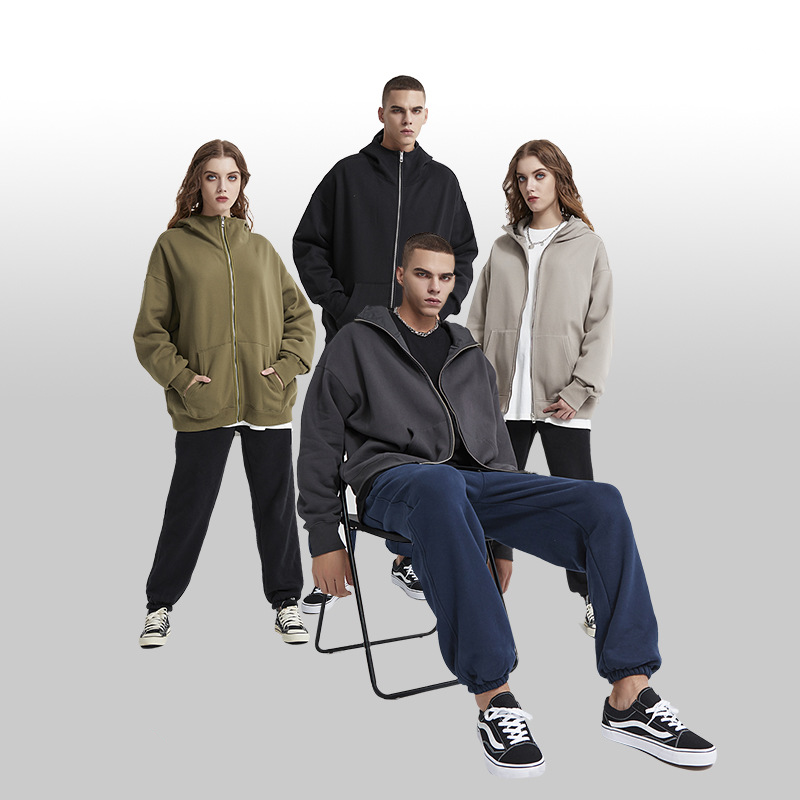
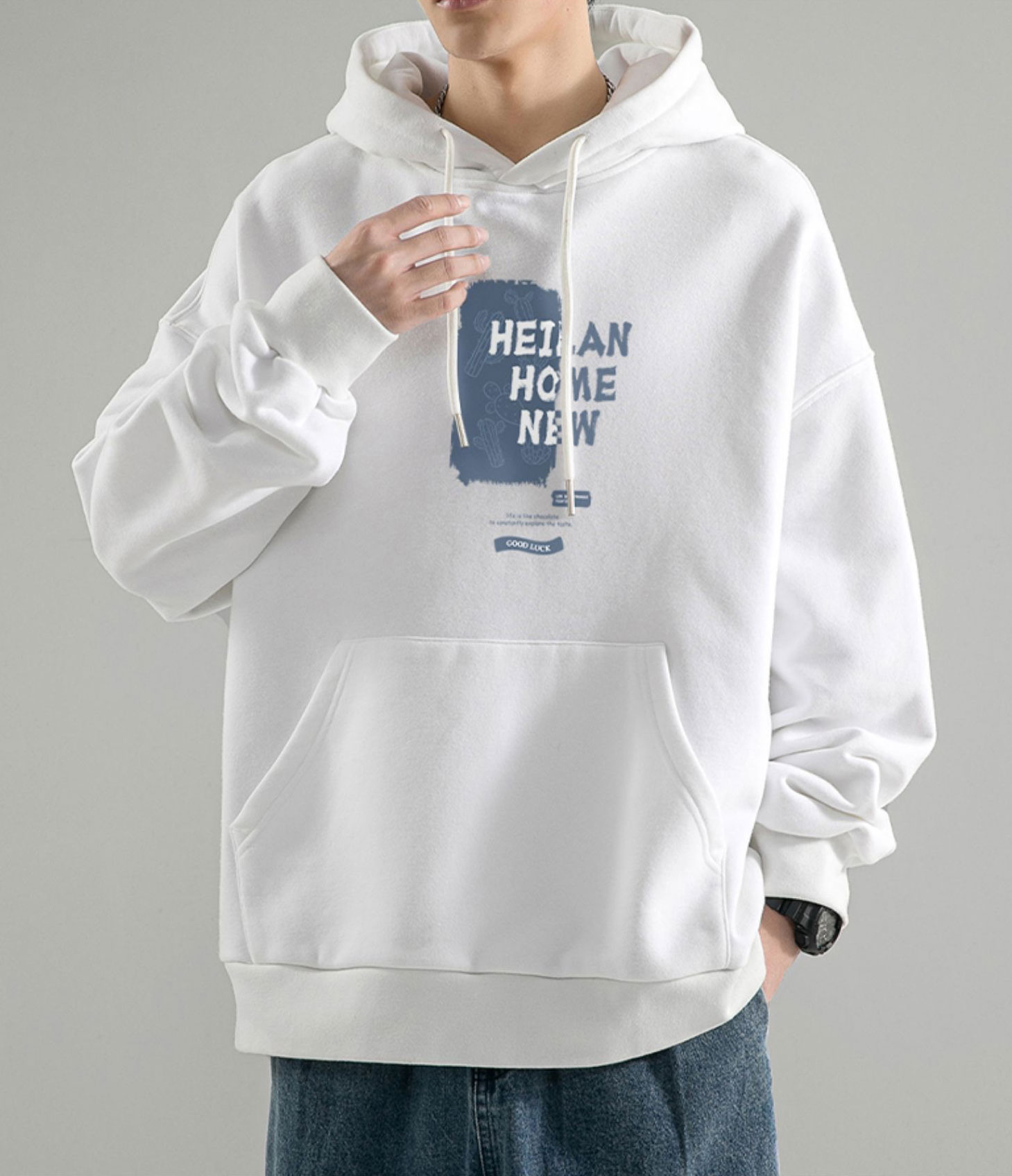
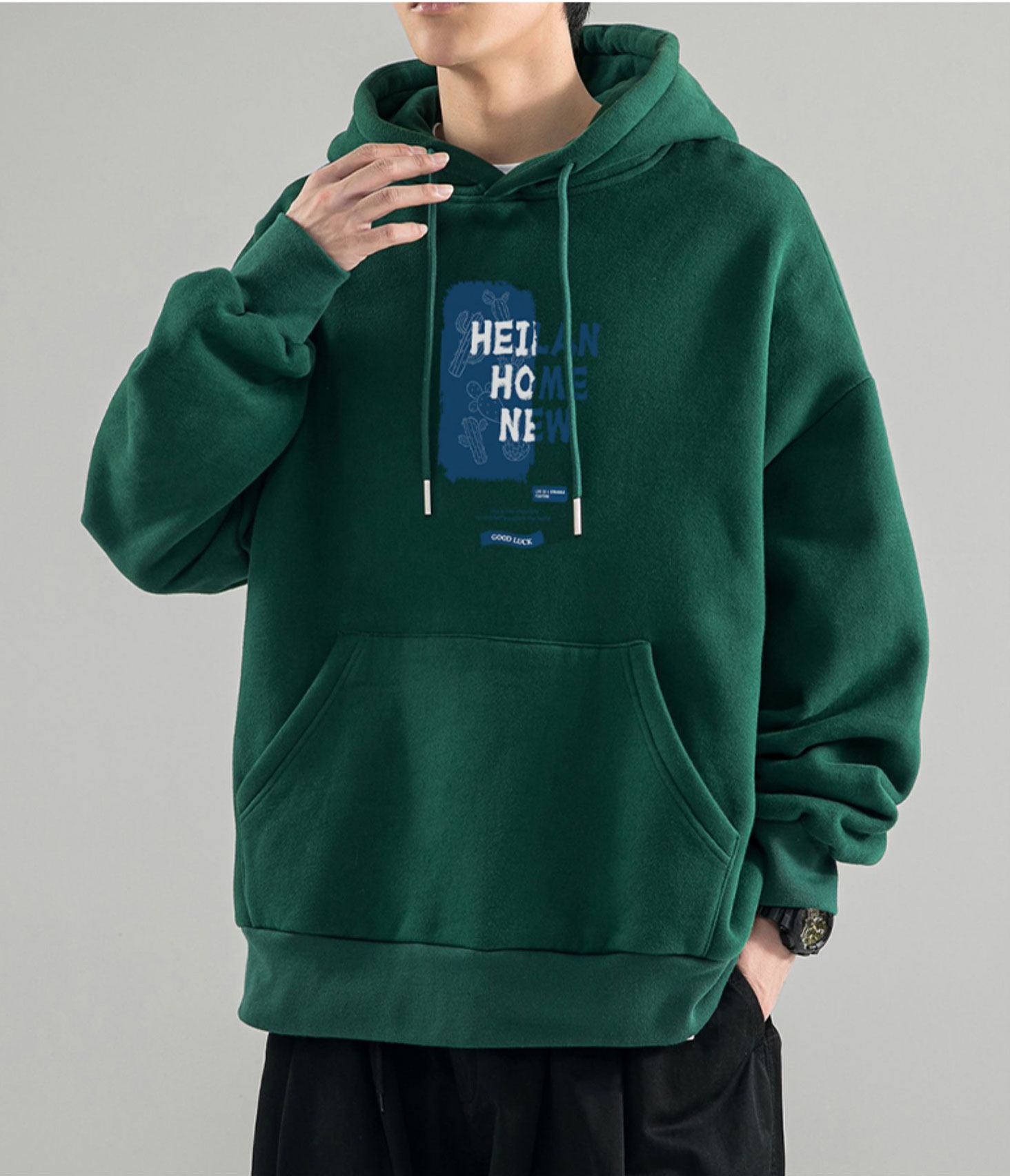
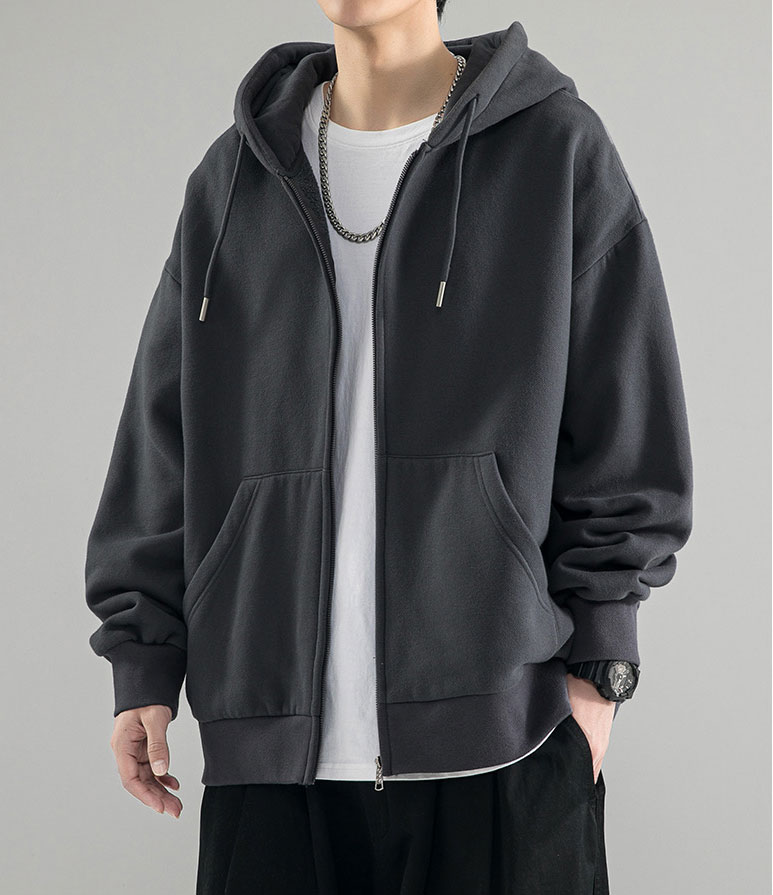
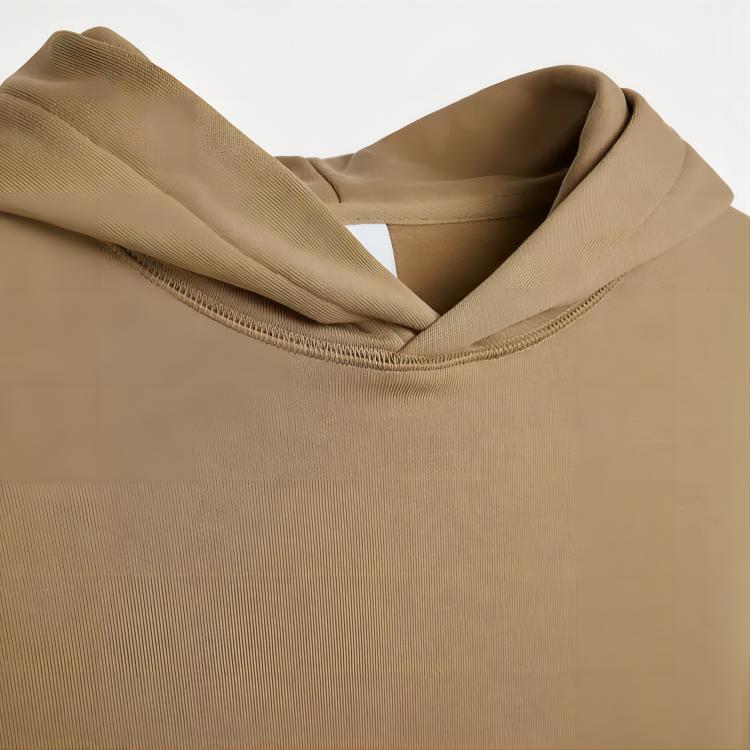
Custom Hoodies
As a custom hoodie manufacturer, EDVORIN develops recycled polyester-blend hoodies with fleece weight selection, rib specifications, drawcords, labels and decoration planned from sample approval through bulk production.
Get a Quote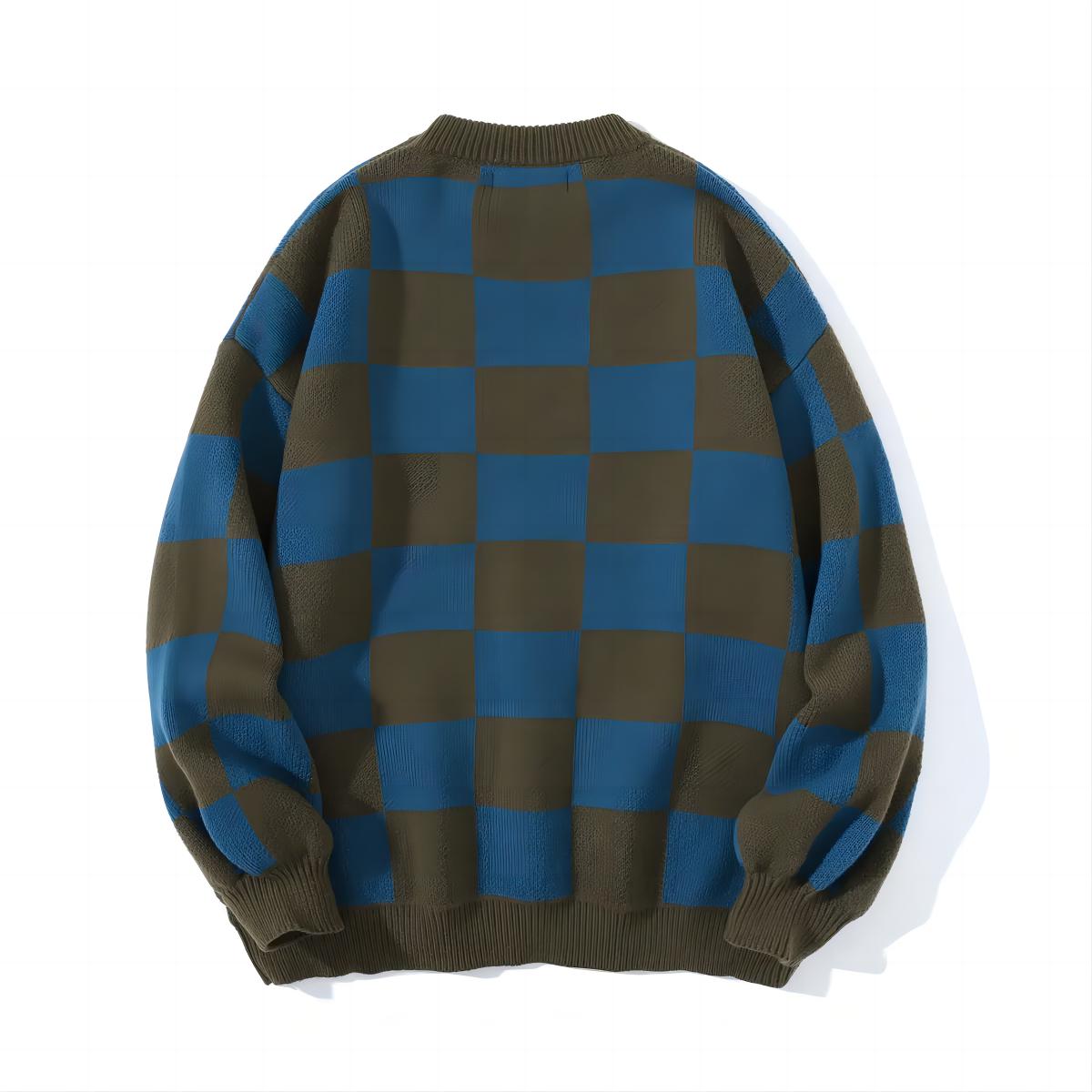
Pullover Sweatshirts
As a sweatshirt manufacturer, EDVORIN develops pullover styles with recycled polyester fabric options, fit blocks, neck ribs, cuffs, hems, printing and embroidery coordinated to your collection standard.
Get a Quote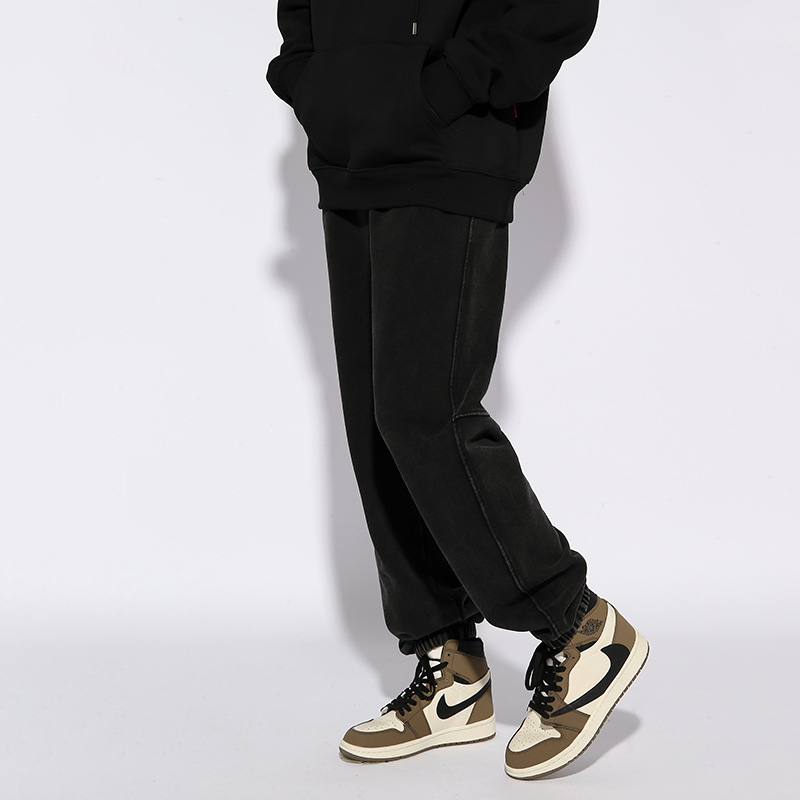
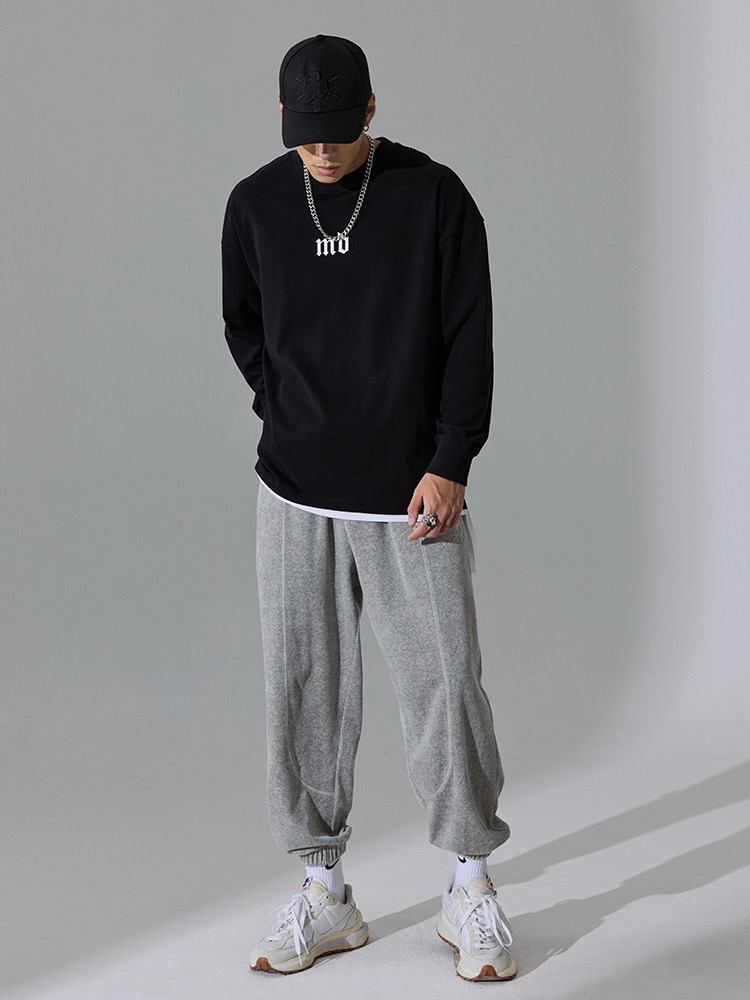
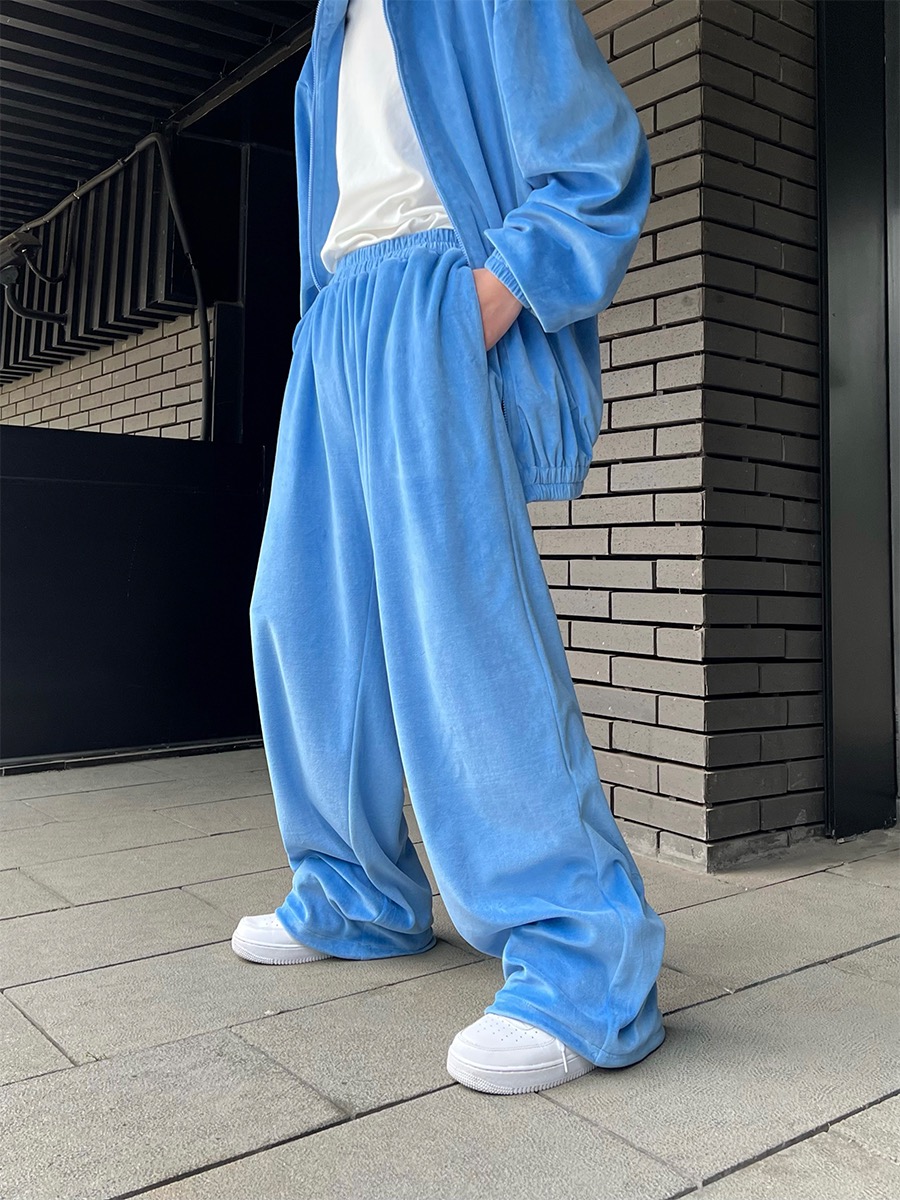
Sweatpants & Joggers
As a sweatpants manufacturer, EDVORIN builds sweatpants and joggers with recycled polyester blends suited to your intended hand feel and performance needs. Specify waistband construction, pockets, cuffs, drawcords, grading, labeling and decoration before bulk production.
Get a Quote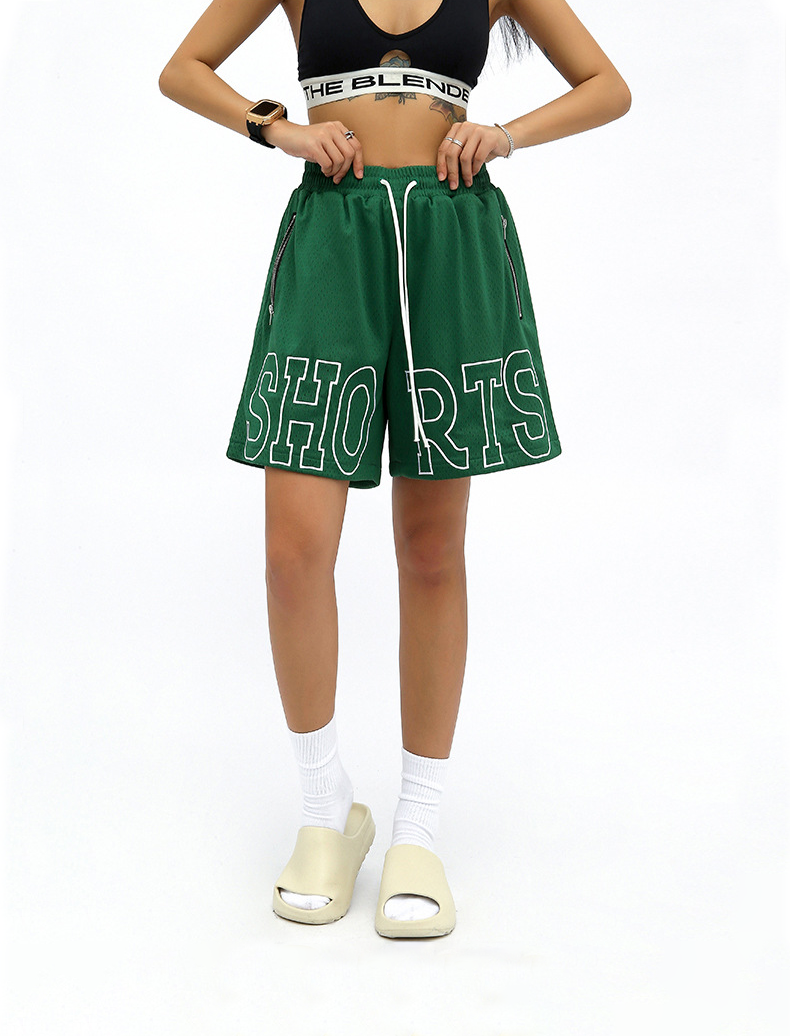
Custom Shorts
Develop custom shorts for casualwear, training or coordinated sets using recycled polyester options where appropriate. EDVORIN manages fabric selection, inseams, pockets, waist construction, prints, embroidery and packing details.
Get a Quote
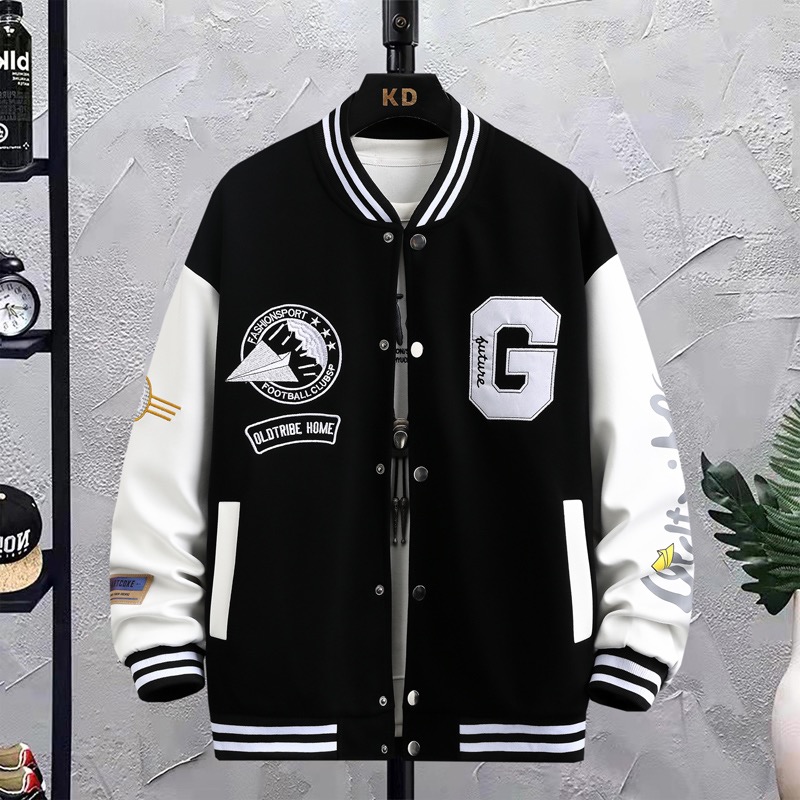
Varsity & Baseball Jackets
Create varsity and baseball jackets with recycled polyester shell or lining options alongside body fabric, rib, snaps, patches, embroidery and labels. Each construction detail is documented for repeatable bulk production.
Get a Quote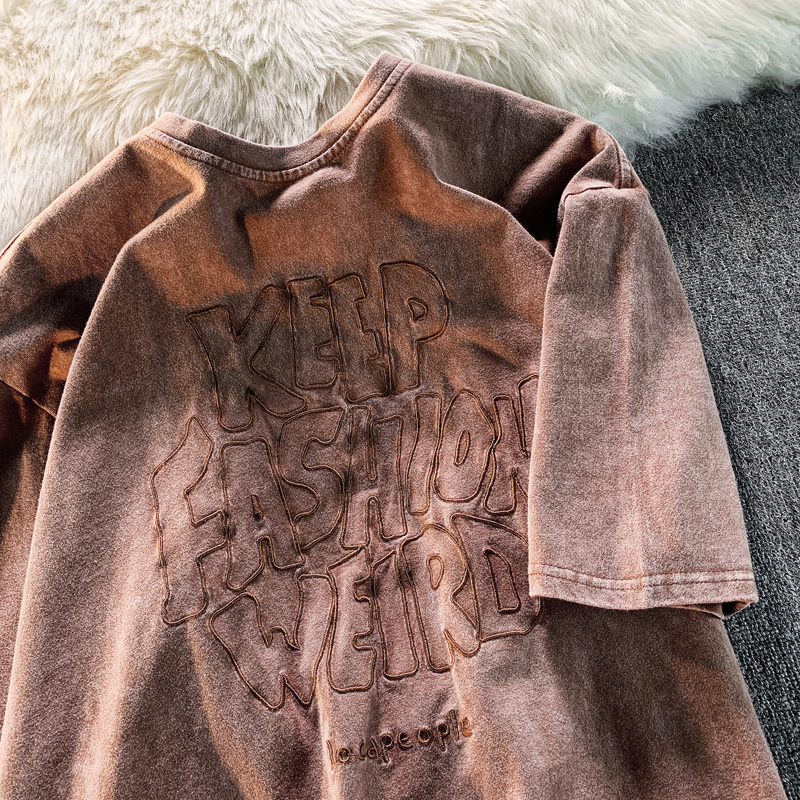
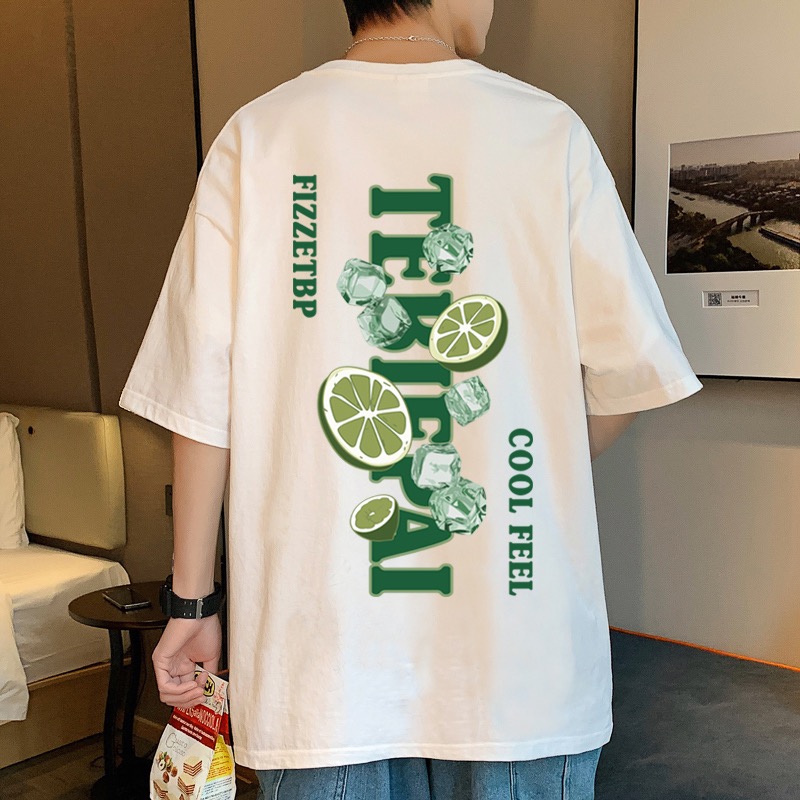
Custom T-Shirts
Develop custom T-shirts with recycled polyester or blended fabrics matched to the intended fit, weight, print method and wear requirements. Samples establish measurements, artwork placement, labels and finishing standards.
Get a Quote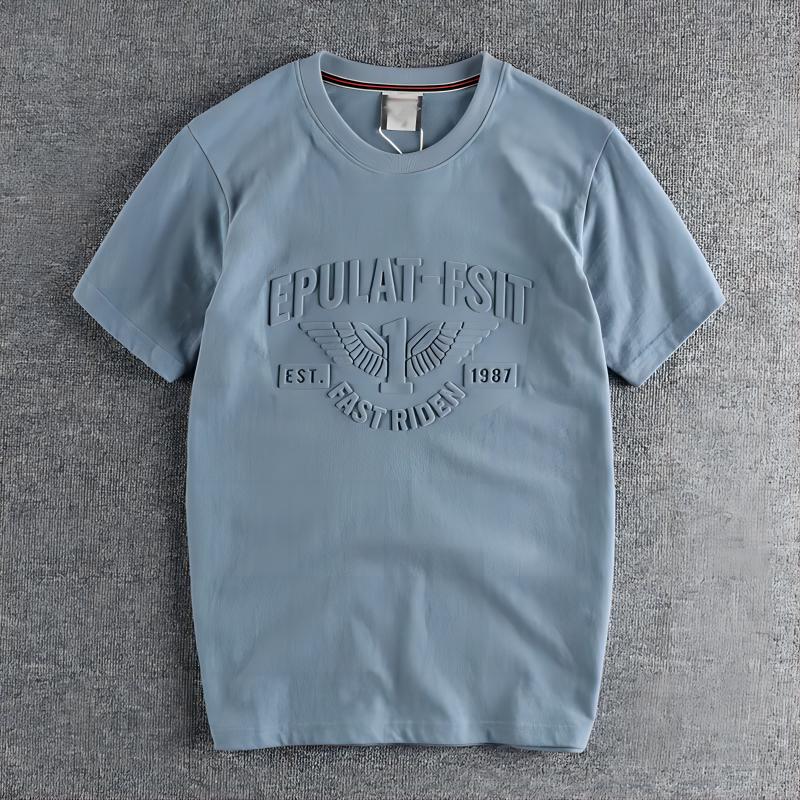
Custom Polo Shirts
Produce custom polo shirts with recycled polyester performance fabrics or blends, including collar construction, plackets, buttons, embroidery, heat transfers and size grading for retail, corporate or team programs.
Get a Quote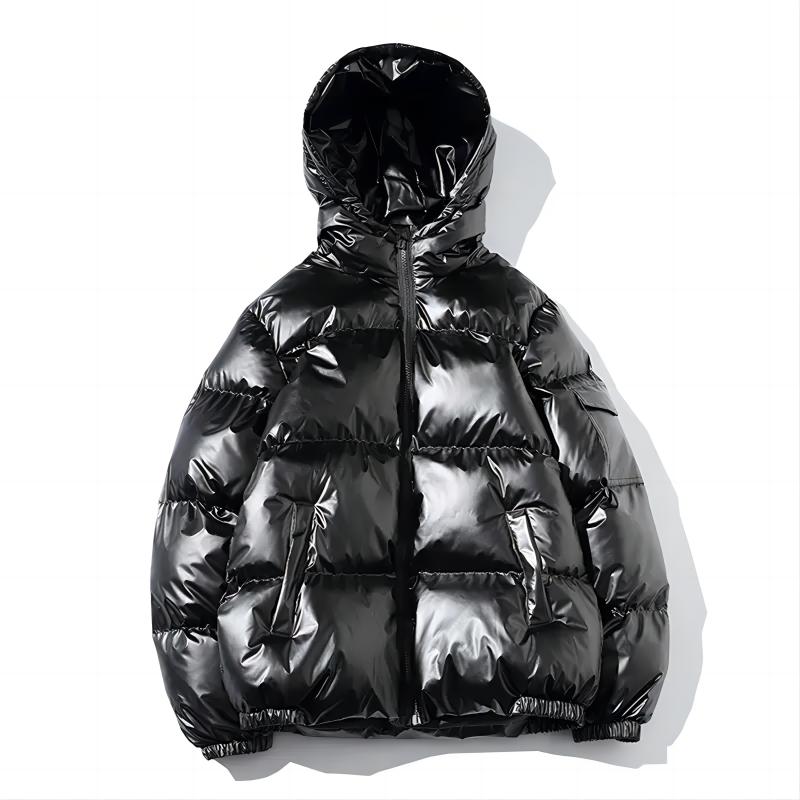
Windbreaker Jackets
Develop windbreaker jackets with recycled polyester shell options, lining, zippers, hood construction, pockets and decoration selected for the garment’s intended weather protection and brand presentation.
Get a Quote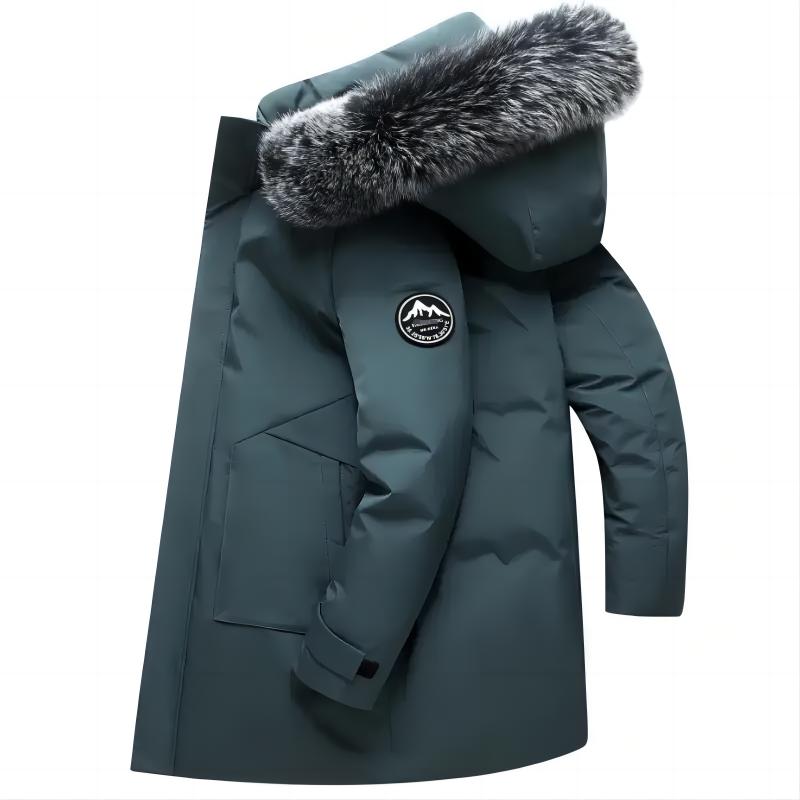
Quilted Jackets
Build quilted jackets with recycled polyester shell, lining or insulation options. EDVORIN coordinates quilting patterns, fill requirements, hardware, pockets, labels, embroidery and inspection standards across the production run.
Get a Quote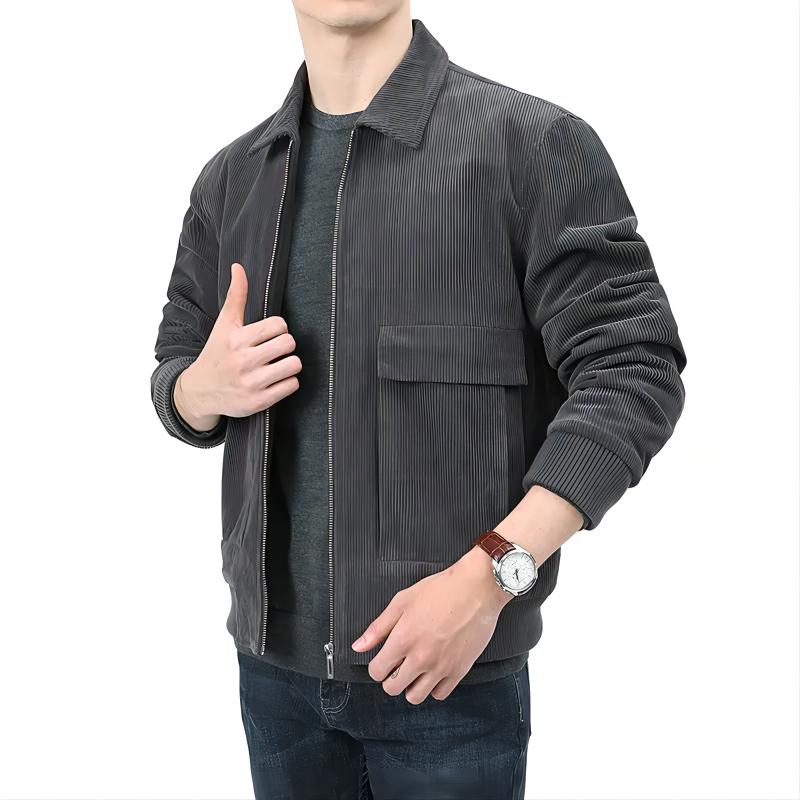
Bomber Jackets
Develop bomber jackets with recycled polyester fabric options and controlled specifications for shell, lining, rib, zipper, pockets, embroidery, patches and finishing. Approved samples become the bulk production reference.
Get a Quote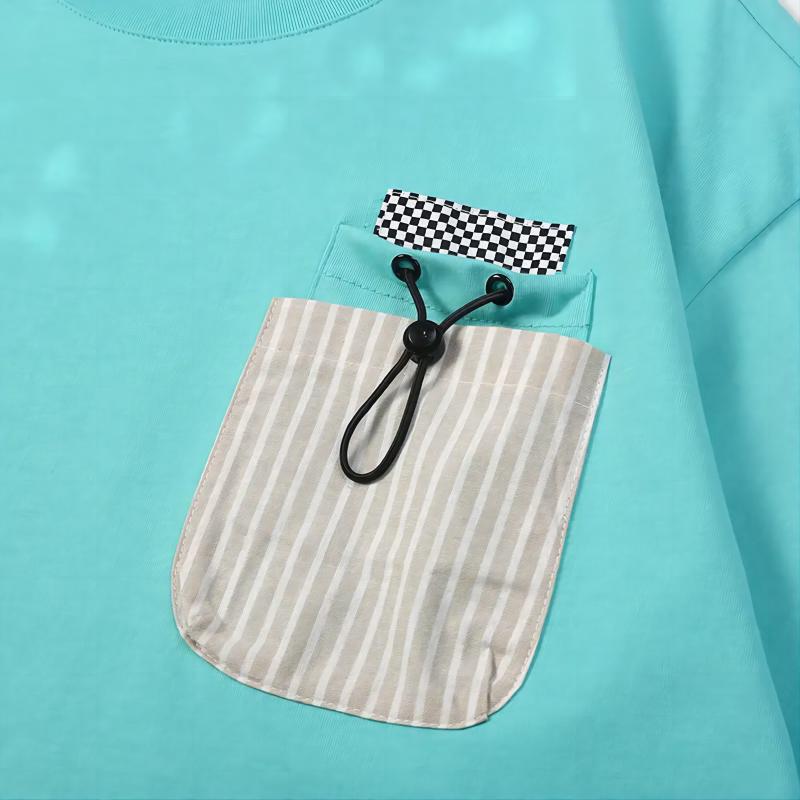
Custom Shirts
Produce custom woven shirts with recycled polyester blends where suitable for the design and end use. Specify fabric, collar, placket, cuffs, buttons, fit, grading, labels and decoration before production begins.
Get a Quote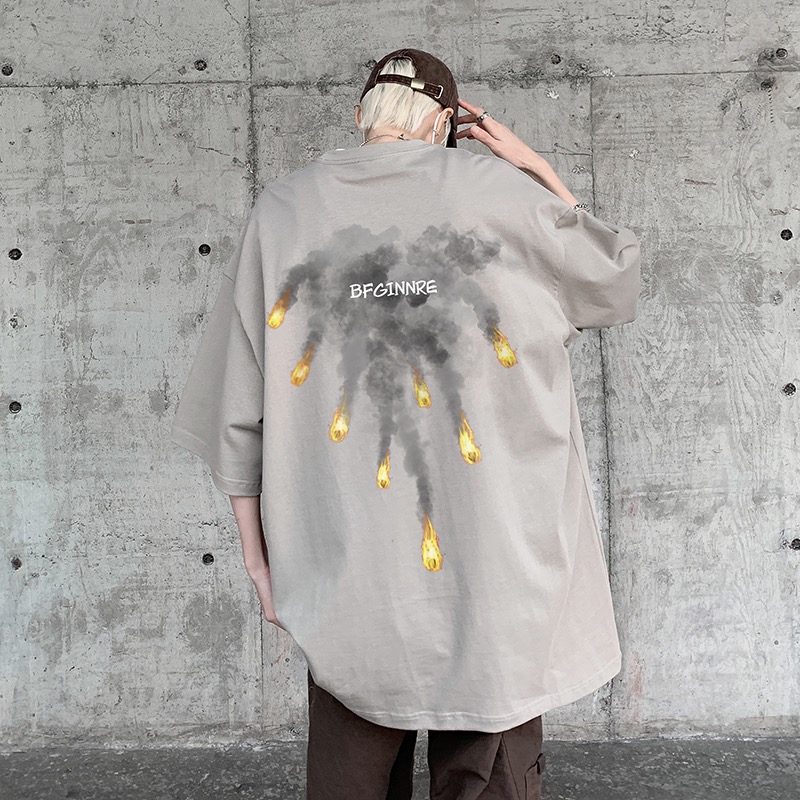
Custom Jerseys
Develop custom jerseys with recycled polyester performance fabrics, controlled color references, panel construction, name and number applications, logos, size sets and repeat-order specifications for teams and brands.
Get a Quote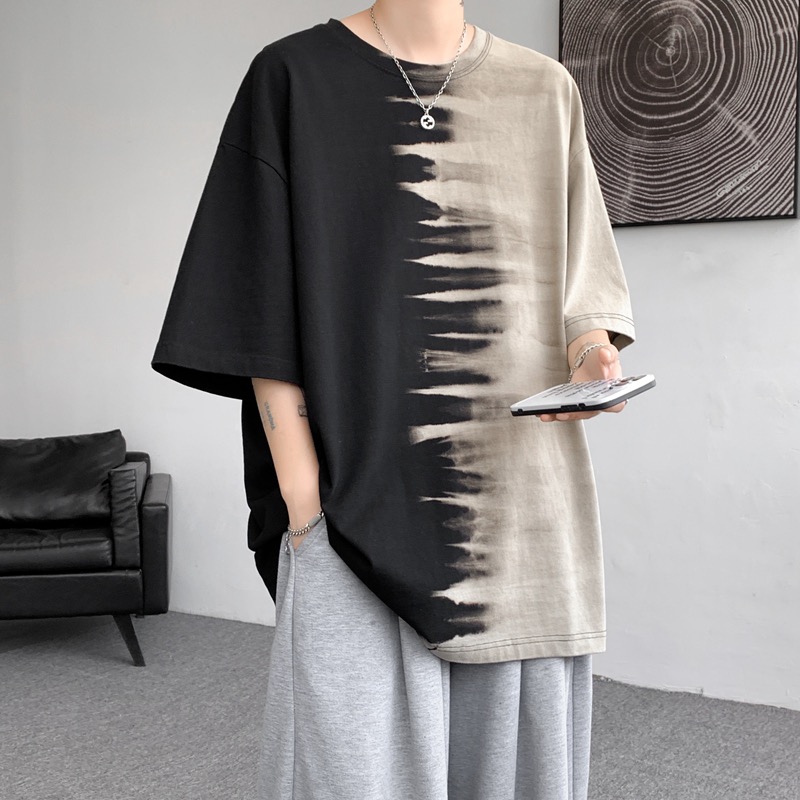
Tank Tops
Produce tank tops with recycled polyester fabrics or blends selected for activewear, teamwear or casual programs. EDVORIN manages neckline and armhole construction, fit, prints, embroidery, labels and bulk quality control.
Get a Quote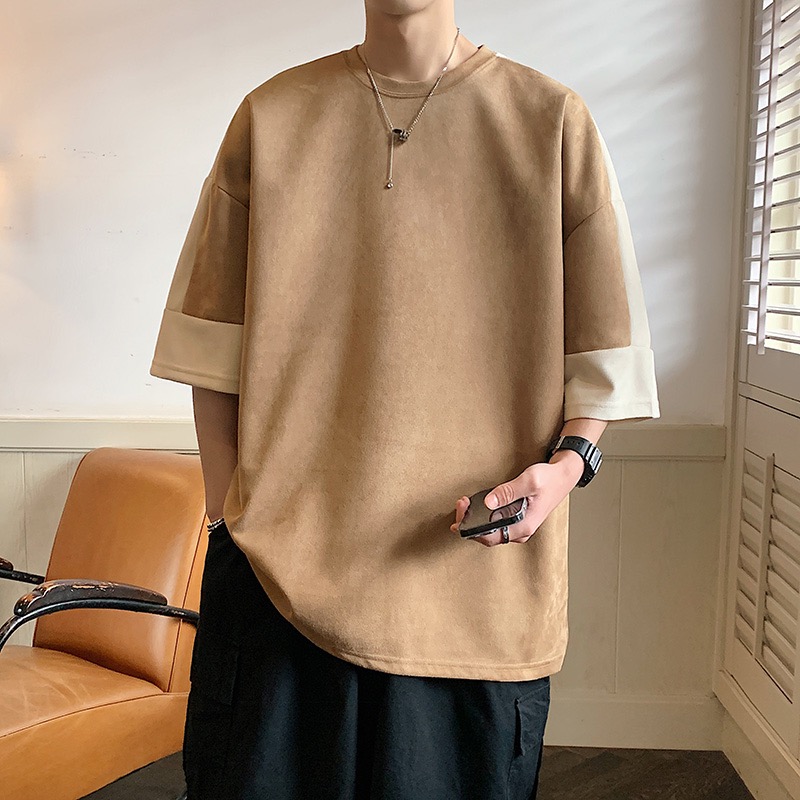
Soccer Uniforms
Develop soccer uniforms using recycled polyester performance fabrics with coordinated jerseys, shorts and optional warm-up pieces. Control color, panel layout, crest application, player names, numbers and size grading across the order.
Get a Quote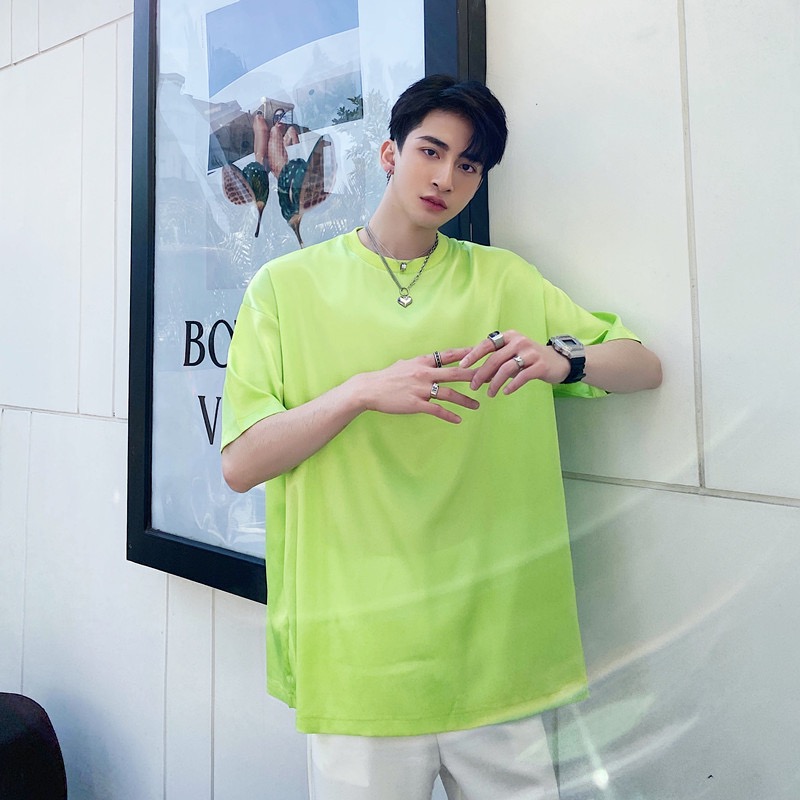
Basketball Uniforms
Produce basketball uniforms with recycled polyester fabrics designed around breathability, mobility and repeatable decoration. EDVORIN coordinates jersey and short construction, color blocking, numbers, names, logos and team size sets.
Get a Quote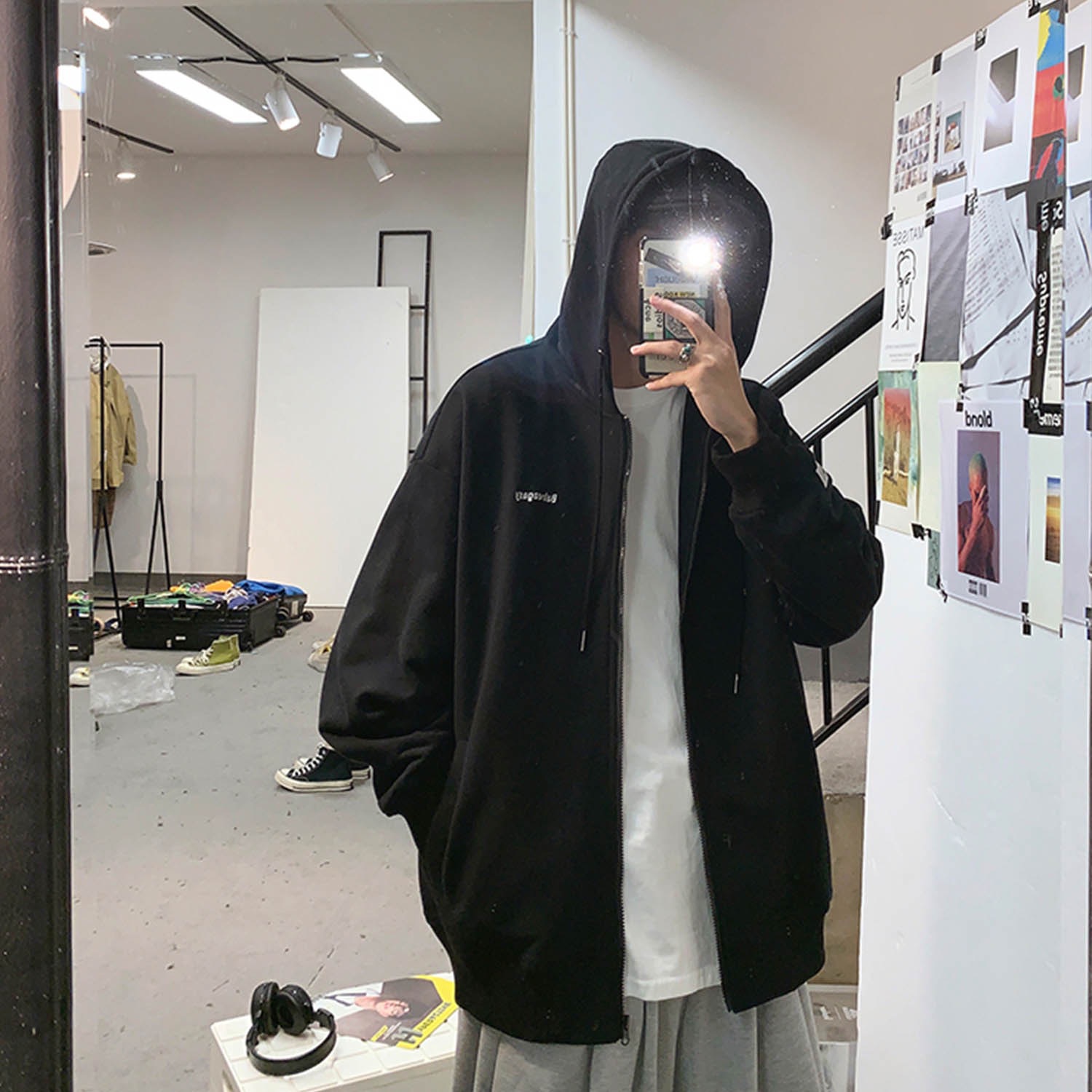
Streetwear Collections
Develop complete streetwear collections with recycled polyester options across hoodies, tees, bottoms, outerwear and accessories. Product development connects fabrics, washes, trims, decoration, fit blocks, labeling and packaging into one production standard.
Get a QuoteWhy EDVORIN, Recycled Polyester Clothing Manufacturer
EDVORIN is a founder-led recycled polyester clothing manufacturer built on a practical belief: an apparel idea only becomes valuable when it can be reproduced with control. Since 2000, we have helped brands translate concepts, sketches, reference garments, and technical packs into clear production standards.
Our connected OEM, ODM, and private-label workflow brings fabric and trim sourcing, pattern development, sampling, printing, embroidery, washing, labeling, packaging, and bulk quality control into one accountable path. With MOQs starting at 200 pieces per style, we support emerging labels, wholesale programs, teams, and established buyers.
What differentiates EDVORIN is the discipline after sample approval. We document approved measurements, materials, artwork placement, trims and finishing details so production has a standard to follow. ISO 9001, BSCI, WRAP, SEDEX, OEKO-TEX Standard 100, GRS and GOTS certification programs can support applicable buyer and material requirements.

Recycled Polyester Clothing Manufacturer Development Controls
Specify Fabric for End Use
EDVORIN develops recycled polyester garments around the required weight, knit or woven structure, hand feel, recovery and performance target, then aligns trims and finishing with the intended fashion, streetwear or teamwear application before sampling begins.
- Confirm fabric weight and construction
- Review stretch, recovery and hand feel
- Coordinate color, trims and finishing
- Develop men’s and women’s fit blocks
Build Fit Into the Standard
A reference sketch becomes a measurable garment through pattern development, size grading and sample review. EDVORIN records approved measurements, proportions and construction details so bulk production can reproduce the intended fit.
- Convert concepts into production patterns
- Set measurement points and tolerances
- Review size sets before bulk release
- Record approved construction revisions
Match Decoration to Material
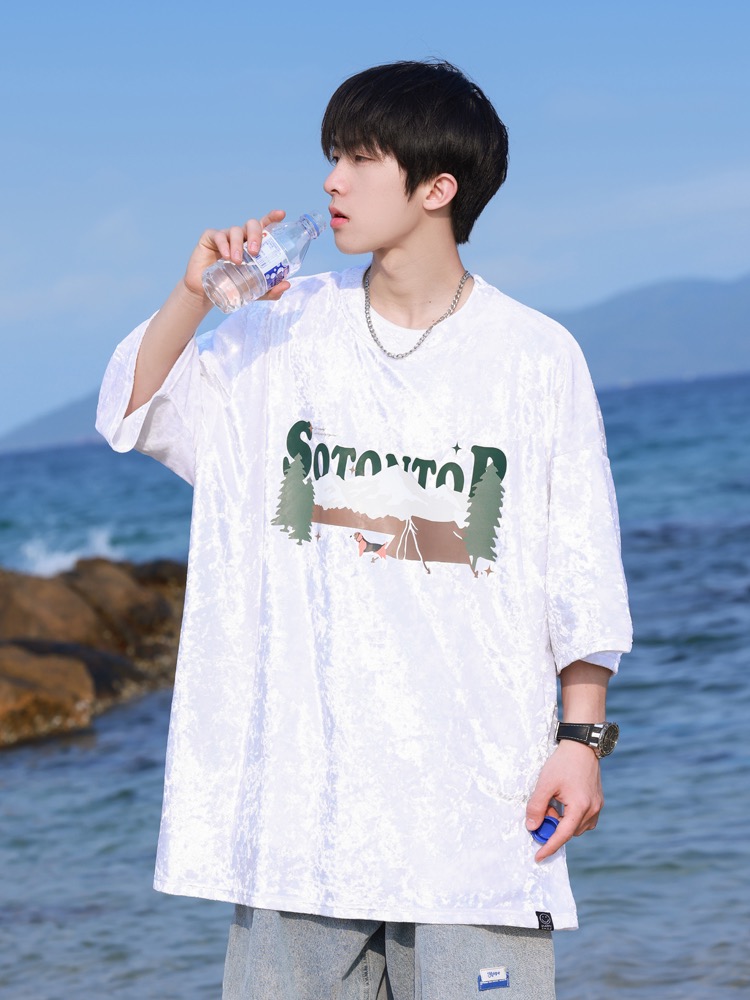
Print, embroidery, heat application and labels must work with the selected recycled polyester base. EDVORIN evaluates placement, artwork scale and decoration approach during development, helping protect garment appearance and production consistency across coordinated apparel programs.
- Test decoration with the selected fabric
- Define artwork placement measurements
- Coordinate embroidery, prints and labels
- Document approved visual standards
Control Sample-to-Bulk Consistency
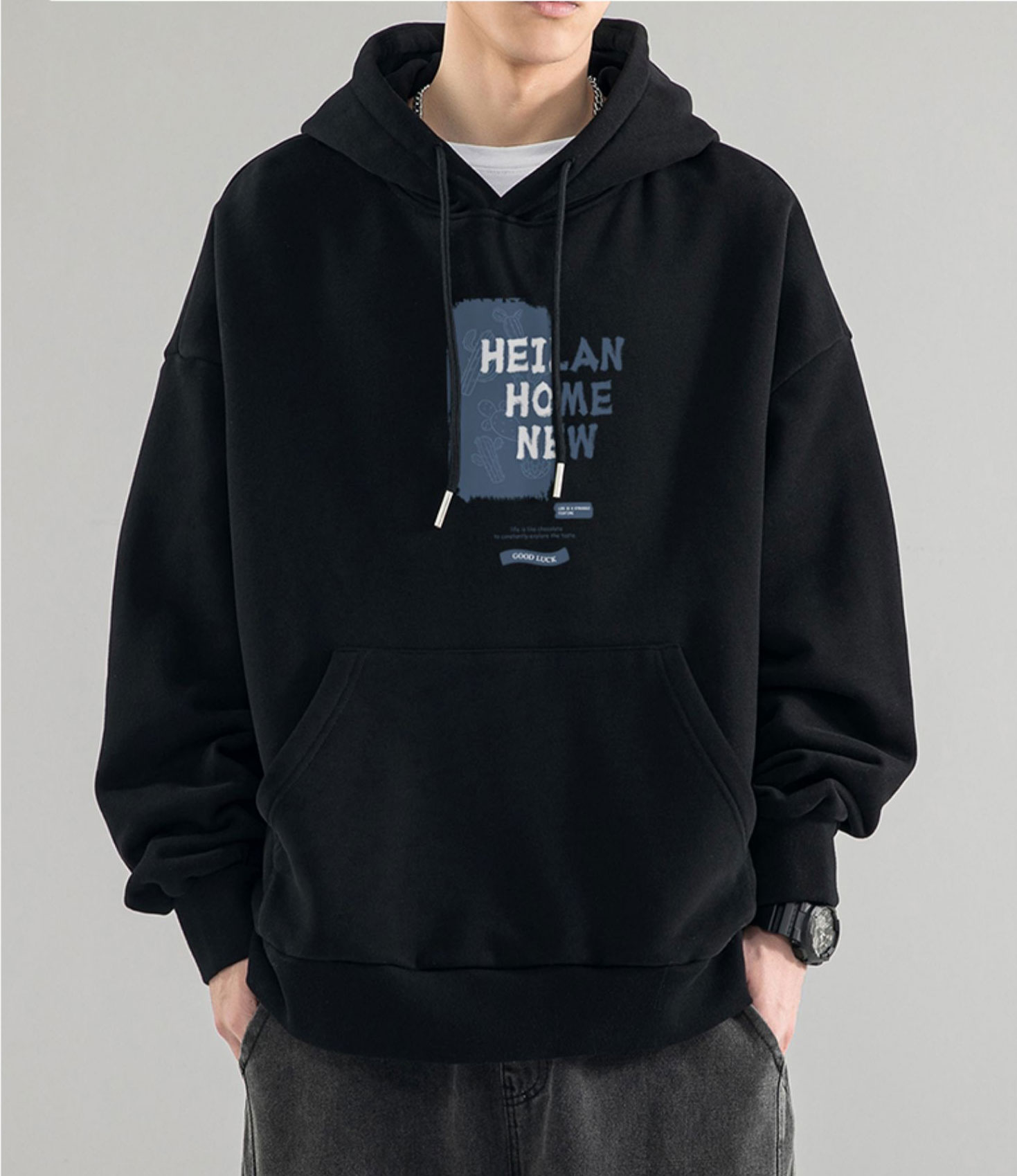
An approved sample is treated as the working production standard, not a one-time milestone. EDVORIN coordinates material checks, in-line inspection, measurement control, finishing and final review to keep each order aligned with the buyer-approved recycled polyester garment.
- Use approved samples as reference
- Check materials before production
- Inspect key stages in-line
- Verify packing before shipment

Recycled Polyester vs. Virgin Polyester: Material Considerations
Choose the material route that fits your garment category, decoration plan, performance requirements, and repeat-order standard.
← Swipe left or right to view →
Recycled Polyester Clothing Manufacturer Production Process
EDVORIN documents each approved decision so recycled polyester apparel can move from development to repeatable bulk production with controlled fit, color, construction, and finishing.
Define Material and Construction
Review the garment brief, recycled polyester fabric direction, fit targets, trims, color references, decoration needs, and packaging requirements before development begins.
Develop Patterns and Samples
Create patterns and samples for review, refining measurements, proportions, fabric behavior, stitching details, and branding placement until the product reaches an approved standard.
Approve Bulk Production Standards
Record approved measurements, materials, colors, artwork placement, trims, wash details, labels, and packaging specifications to give production one clear reference point.
Cut and Sew Bulk
Coordinate fabric inspection, cutting, sewing, and assembly against approved construction requirements, with in-line checks helping identify variation before it moves through the order.
Apply Decoration and Finishing
Manage printing, embroidery, washing, and finishing according to the approved sample, confirming compatibility between decoration methods, recycled polyester fabric, and intended garment appearance.
Inspect Pack and Release
Complete final quality checks for fit, color, construction, decoration, labels, and packing accuracy before cartons are prepared for shipment and repeat-order reference.
Start Your Recycled Polyester Clothing Program
Move from concept to repeatable bulk production with a defined development path, recycled-material requirements and approved production standards.
Share Your Product Brief
Send a tech pack, sketch, reference garment or collection concept. EDVORIN reviews construction, fit, intended category, decoration and target quantity from 200 pieces per style.
Confirm Material Requirements
Align recycled polyester composition, fabric weight, performance needs, trims and certification requirements before sourcing. Men’s and women’s fit, proportions and grading are specified for your market.
Approve Development Samples
Review samples for fabric feel, construction, measurements, artwork placement and decoration performance. Record revisions so the approved garment becomes the clear bulk-production reference.
Release Bulk Production
Finalize labeling, packaging and production details, then release the order. EDVORIN coordinates material control, in-line checks and final inspection against approved standards.
Buyer Results From Recycled Polyester Programs
EDVORIN matched our approved charcoal color across two hoodie deliveries totaling 1,200 pieces. The measurement tolerances stayed consistent from the size set through bulk, so our replenishment launch did not require a second fit review.
For our academy tracksuit program, the recycled polyester fabric, heat-applied numbers, and size grading were coordinated clearly. All 680 sets arrived before our 14-day preseason window, and the players reported no peeling after repeated training washes.
We developed a women’s and men’s performance tee from one reference sample. EDVORIN finalized the pattern and labeling details before production, then delivered 2,400 pieces with accurate carton counts for distribution to 18 wholesale accounts.
Recycled Polyester Clothing Manufacturer FAQs
Clear answers for brands planning custom recycled polyester apparel, from material documentation to sampling and bulk production.
What apparel can a recycled polyester clothing manufacturer produce?
Can a recycled polyester clothing manufacturer provide recycled-material documentation?
Can recycled polyester garments combine printing, embroidery, patches, and other decoration?
EDVORIN’s MOQ starts at 200 pieces per style. What is the minimum order quantity for custom recycled polyester clothing?
How long does recycled polyester sampling and bulk production take?
What artwork and technical files do I need to start?
How does a recycled polyester clothing manufacturer control quality from sample to bulk?
The Complete Recycled Polyester Clothing Manufacturer Buyer’s Guide
Use this practical framework to compare recycled polyester clothing manufacturers, evaluate materials and production controls, plan customization, and avoid sourcing mistakes that can derail quality, timelines, budgets, and sustainability claims.
1. What Is a Recycled Polyester Clothing Manufacturer?
PET, or polyethylene terephthalate, is the polyester plastic used in many bottles; rPET is PET recovered from waste and processed into new fiber. Material claims should be supported by transaction records and certification scope, not bottle-equivalent slogans: https://textileexchange.org/recycled-claim-standard/
EDVORIN, founded in 2000, operates as a recycled polyester clothing manufacturer when it coordinates fabric sourcing, pattern development, samples, cut-and-sew assembly, decoration or washing, labels, packaging, quality checks, and bulk delivery. A fabric mill makes yarn or fabric; a trading company sources and resells; a garment partner converts approved specifications into repeatable finished goods.
OEM production suits brands, teams, schools, and wholesalers with designs or tech packs; private-label production suits buyers needing product development plus their own labels and packaging. Both benefit when recycled-content documentation, fit approvals, artwork placement, and packing requirements are fixed before bulk production.
2. Evolution of Recycled Polyester Apparel
PET (polyethylene terephthalate) became a major apparel fiber because it can be spun into durable filament and staple yarns. Recycled polyester initially relied chiefly on post-consumer PET bottles, then expanded to pre-consumer production scrap and post-consumer textile waste.
Textile Exchange identifies mechanical and chemical recycling as routes for recycled synthetics; each has different feedstock, quality, energy and chemical-input considerations. Environmental outcomes should therefore be assessed by verified material data rather than assumed from the word recycled: https://textileexchange.org/knowledge-center/materials/recycled-polyester/
The Textile Exchange Recycled Claim Standard requires third-party verification of recycled input and chain of custody: https://textileexchange.org/recycled-claim-global-recycled-standard/ Textile-to-textile polyester is developing, but feedstock sorting and traceability remain sourcing constraints; select a supplier that can document the declared recycled content, transaction records and material origin for the specific program.
3. Recycled Polyester Clothing Manufacturer Product Types
Seven product families cover most recycled-polyester programs, from performance kits to branded layers. A recycled polyester clothing manufacturer should match each style’s end use, construction risk, and order model before sampling.
Activewear And Teamwear
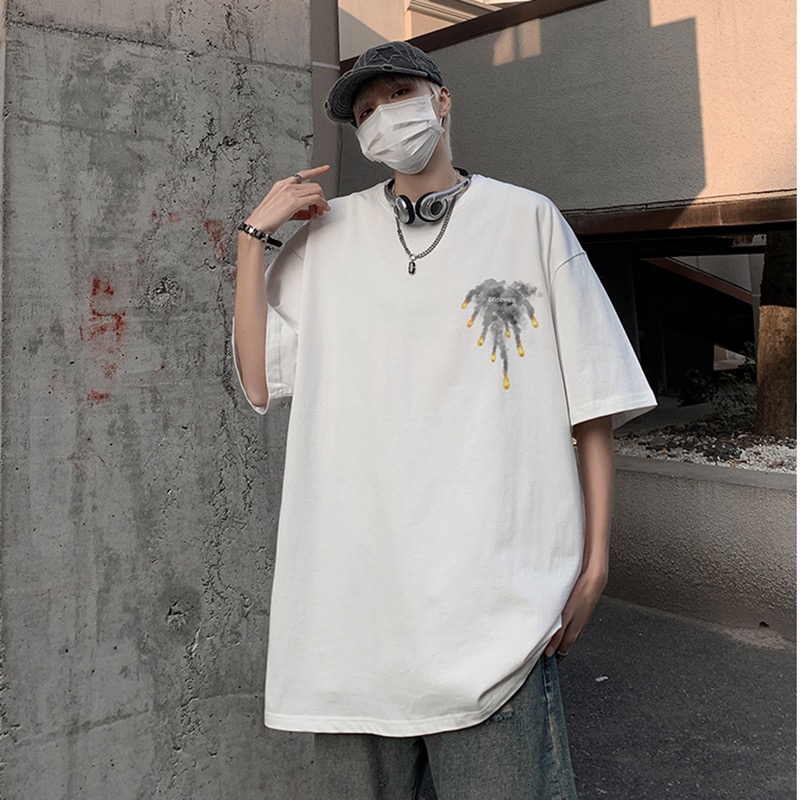
4-way stretch activewear needs flatlock seams, recovery testing, and breathable panel placement for training. Teamwear buyers also need controlled Pantone color, number placement, and repeatable size grading.
Streetwear And Fleece
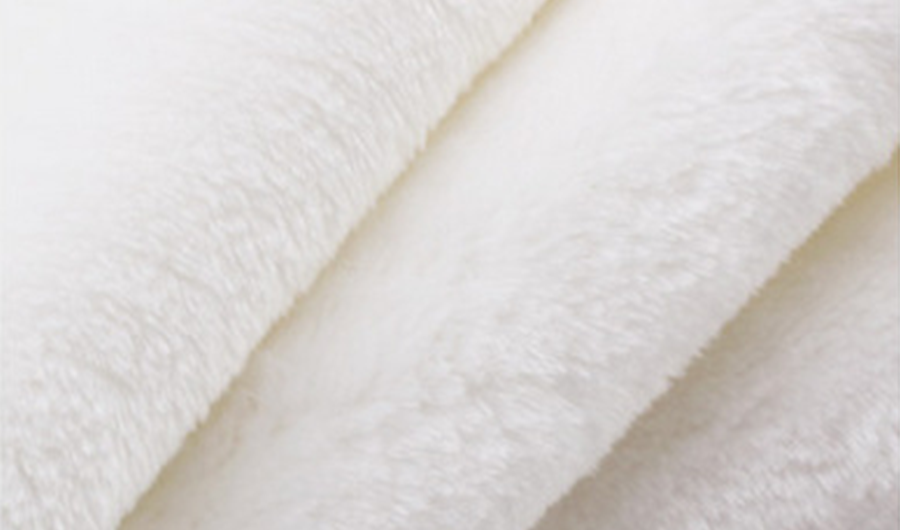
280–400 GSM fleece suits hoodies, joggers, and heavyweight streetwear where drape and rib recovery matter. Fashion labels should approve wash feel, pocket construction, and decoration locations on a size set.
Uniforms And Outerwear
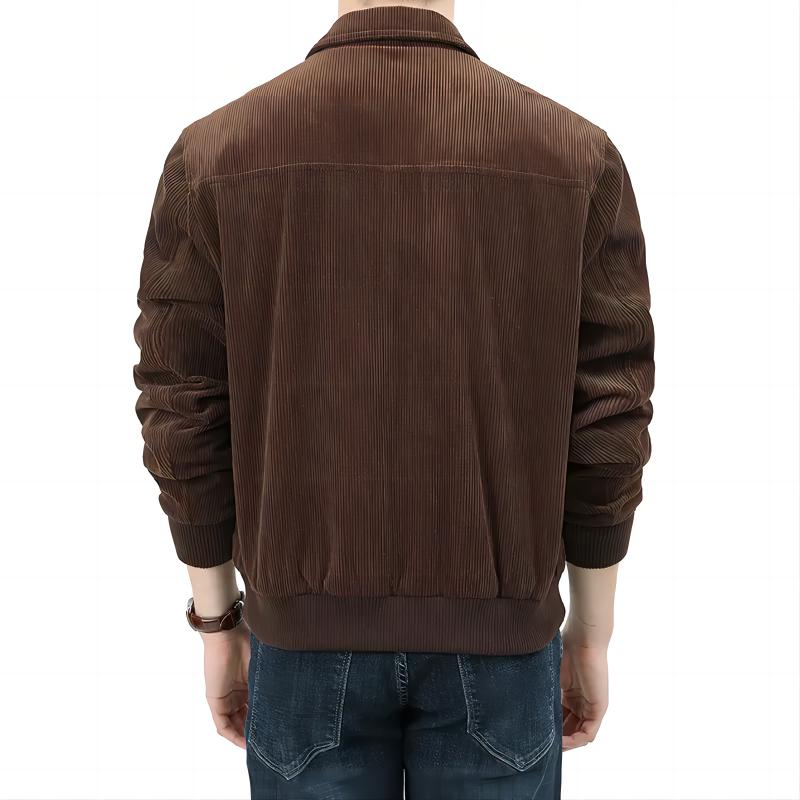
2-layer windbreakers and quilted outerwear prioritize seam sealing, lining compatibility, hardware, and movement allowance. Schools, clubs, and corporate buyers benefit from stable colors and role-specific sizing.
Blanks Or Custom OEM
Existing blanks shorten development when fit, fabric weight, and available colors already meet the brief. Fully custom OEM is appropriate when patterns, panels, trims, labels, or performance specifications define the collection.
4. Recycled Polyester Clothing Manufacturer Materials
150–220 GSM recycled jersey suits lightweight tees; 280–360 GSM fleece supports warm layers. A recycled polyester clothing manufacturer should select construction and blend for wear, not a sustainability label.
| Construction | Typical Blend | GSM | Key Traits | Best Use |
|---|---|---|---|---|
| Jersey | 100% rPET | 150–220 | Light, breathable | Tees, tanks |
| Interlock | 100% rPET | 180–240 | Smooth, opaque | Polos, uniforms |
| Pique | 100% rPET | 180–260 | Textured, stable | Polos |
| Mesh | rPET/elastane | 140–180 | Airy, stretchy | Jerseys, panels |
| Fleece | 70–100% rPET | 280–360 | Soft, warm | Hoodies, joggers |
| Woven shell | 100% rPET | 70–140 | Crisp, wind-resistant | Windbreakers |
| Performance blend | rPET/elastane | 180–260 | Recovery, durability | Activewear |
Knits By Function
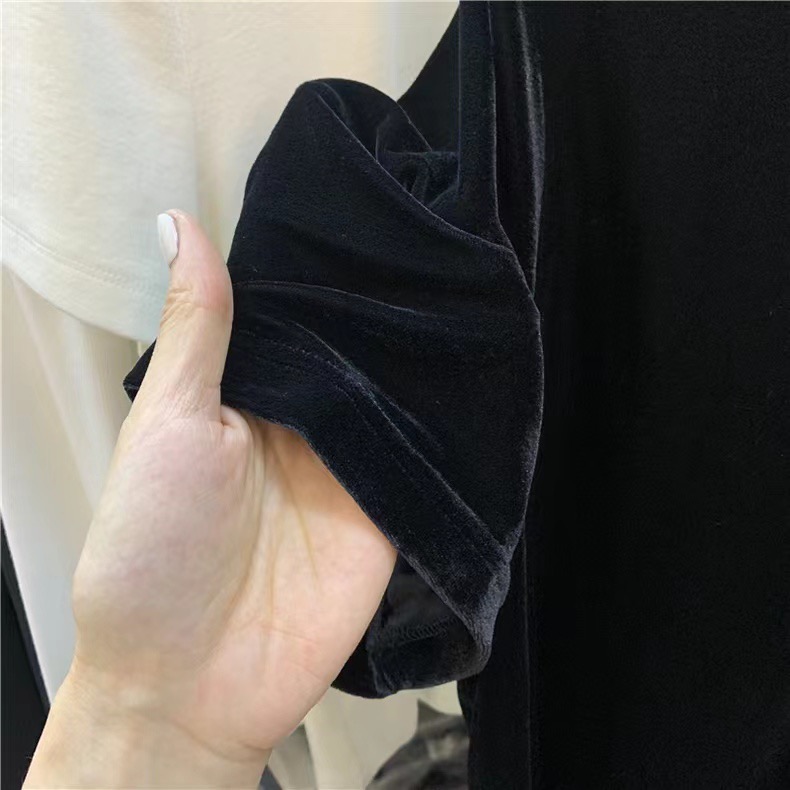
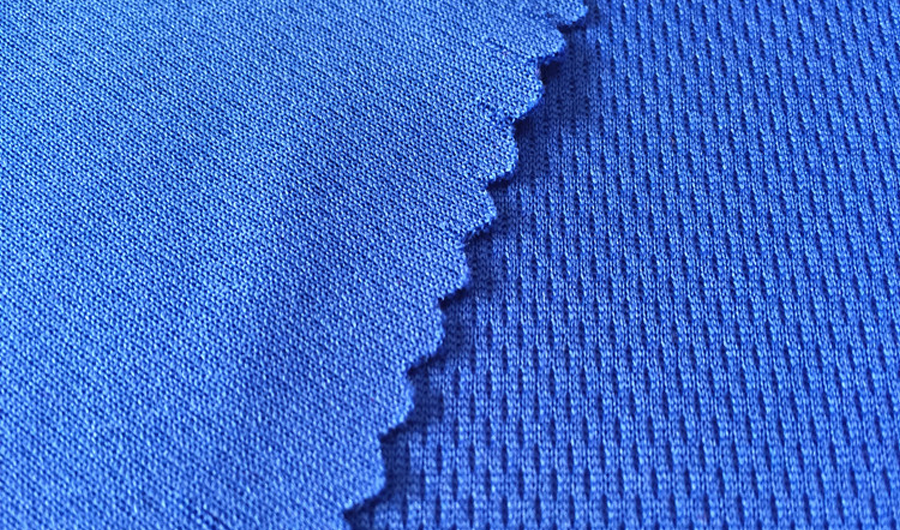
180–240 GSM interlock is smoother and more opaque than jersey, making it useful for polos and training tops.
140–180 GSM mesh improves airflow but can show through; specify lining or a denser knit for uniforms.
Stretch And Hand
5–12% elastane adds recovery for leggings and fitted jerseys; test stretch after washing.
20–50% cotton softens hand feel but slows drying and requires shrinkage control.
Verify Recycled Content
100% of a material claim should identify fiber composition, recycled percentage, and lot-level documentation before bulk approval.
GRS transaction certificates are stronger evidence than general ‘eco’ or ‘sustainable’ wording.
5. Customization and Decoration Options
A recycled polyester clothing manufacturer should lock silhouette, panel mapping, Pantone targets, trims, labels, and packaging into the approved sample before bulk production. Decoration must be tested on the exact fabric and colorway.
| Method | Best Fabric | Artwork | Feel | Production Note |
|---|---|---|---|---|
| Screen print | Fleece, jersey | Bold colors | Variable | Test migration |
| Transfer | Knits, shells | Detailed | Film layer | Check heat |
| Sublimation | White polyester | Full-color | No added layer | No dark ground |
| Embroidery | Fleece, outerwear | Logos | Textured | Stabilize knit |
Build The Garment System
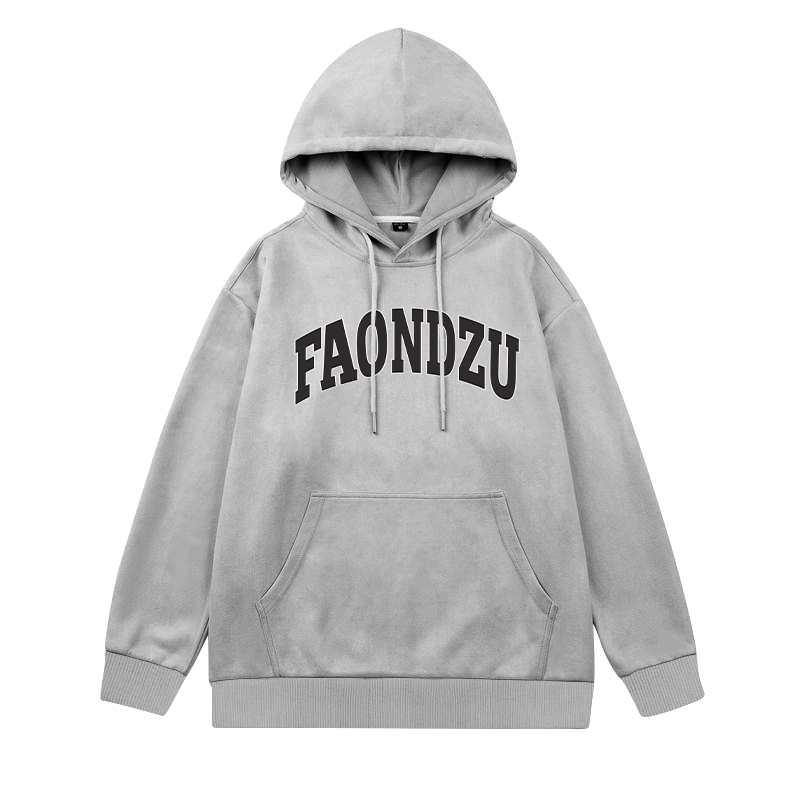
Two fit blocks—men’s and women’s—can share a graphic while using different grading, pocket positions, cuffs, and hem proportions.
One tech pack should specify contrast panels, zipper type, woven main label, care label, hangtag, polybag, and carton marks.
Match Decoration To Fabric
Heat-transfer settings can distort heat-sensitive coatings or cause dye migration on dark polyester, so approve wash-tested strike-offs using the supplier-recommended temperature, pressure and dwell time first.
Control Placement And Finish
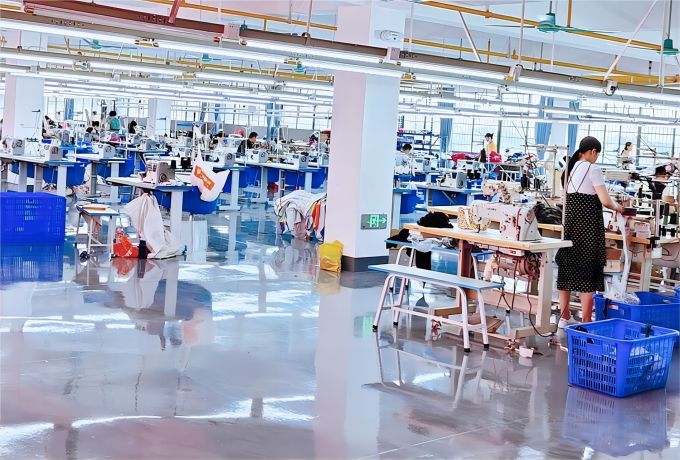
3–5 mm placement tolerances should be recorded from stable reference points, not stretch-prone seams.
Embroidery and patches add structure, but dense designs can pucker lightweight knits; use backing and test the intended location.
6. Construction Quality Checks That Matter
Three approval stages—sample, pre-production, and final inspection—should use the same signed specification. A recycled polyester clothing manufacturer should record measurable pass/fail criteria before bulk cutting begins.
Seams And Reinforcement
Inspect seam type, stitch density, skipped stitches, puckering and bartacks at pockets, crotches, plackets and other stress points using an agreed inspection plan. Match each observation to the approved sample.
- Specify seam construction by location
- Set stitch-density and appearance standards
- Photograph approved reinforcement points
Performance And Appearance
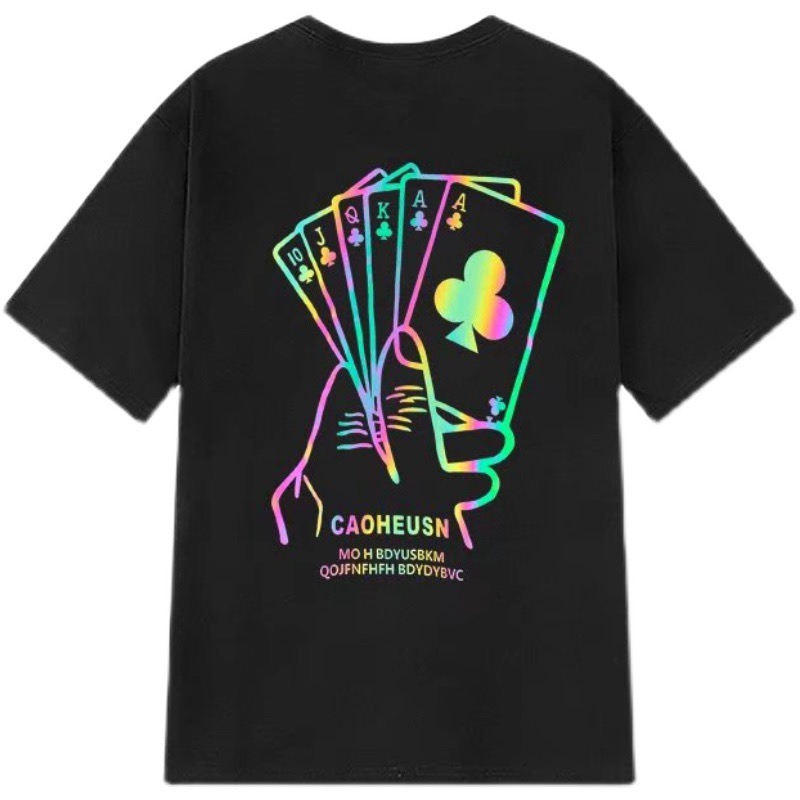
After agreed wash or wear testing, assess fabric recovery, pilling, color change, crocking, and print adhesion against retained control samples. Request test reports when a performance claim or standard is required; do not assume compliance.
- Define wash method and evaluation standard
- Compare color under consistent lighting
- Check prints for cracking or edge lift
Measurements And Packing
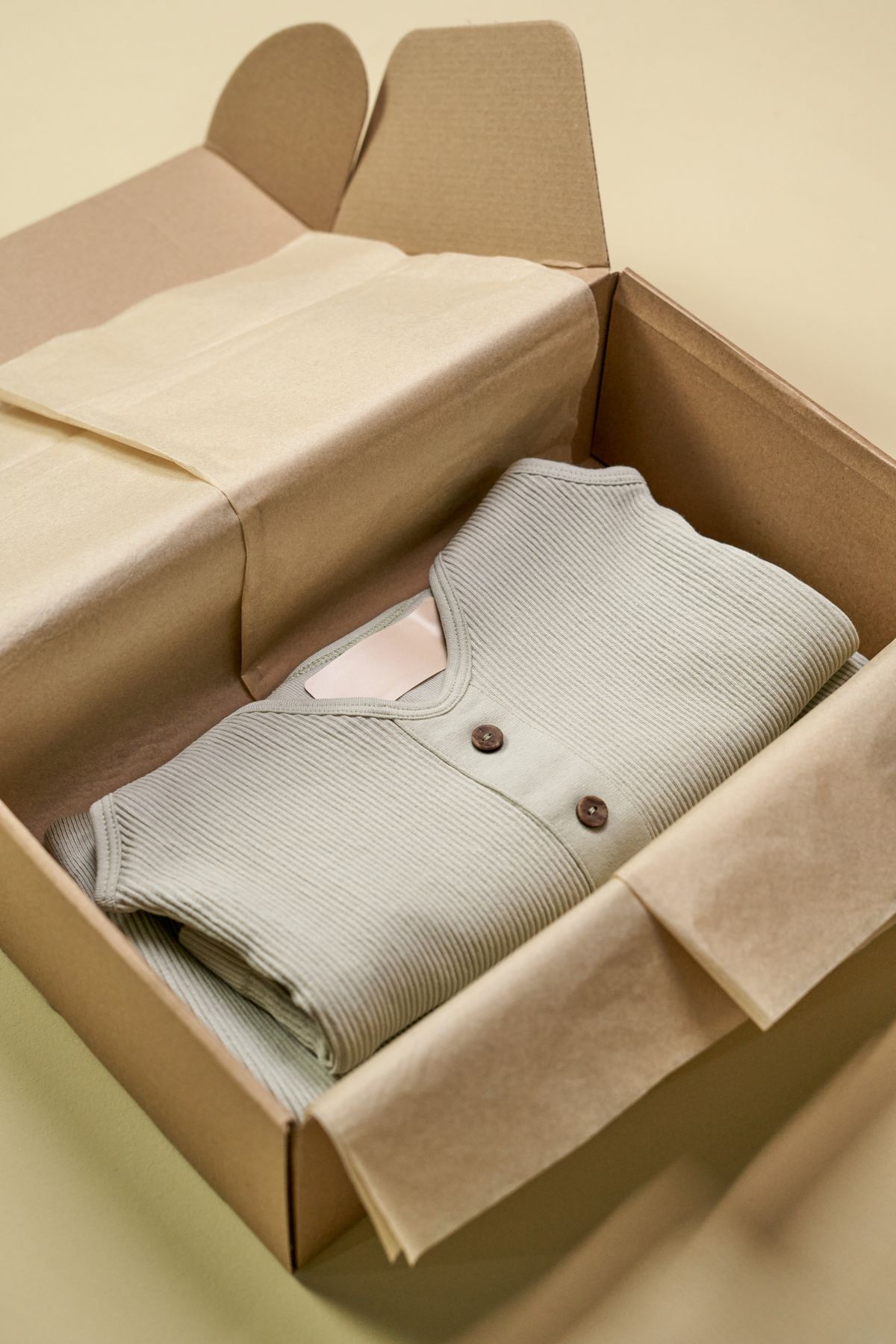
For every size, approve a measurement chart with point-of-measure instructions and stated tolerances, such as ±1 cm where appropriate to the garment. Before shipment, check label position, artwork placement, loose threads, stains, pressing, folding, polybags, and carton marks.
- Measure against approved graded specifications
- Verify label placement from fixed reference points
- Use a signed pre-shipment checklist
7. How to Choose a Recycled Polyester Clothing Manufacturer
A 200-piece order exposes whether a recycled polyester clothing manufacturer can control development, documentation, and repeat production. Compare candidates against one written specification, not a headline price.
Match Product Expertise
Two comparable samples reveal more than a catalog: request a style matching your category, such as a jersey, fleece hoodie, or windbreaker.
EDVORIN can translate a tech pack or reference garment into patterns, material choices, decoration, and approval standards.
- Request construction photos and measurement reports
- Approve fit, hand feel, artwork, and wash results
Verify Material Evidence
100% recycled claims require traceable support: ask for fiber content, supplier records, lot identification, and applicable certification scope.
OEKO-TEX, GRS, BSCI, WRAP, or GOTS documents should be current and tied to the relevant material or facility, not presented as blanket claims.
Compare Like For Like
EDVORIN’s MOQ starts at 200 pieces per style. Three quotes are comparable only when fabric GSM, recycled percentage, color count, trims, decoration, labels, packaging, MOQ, and Incoterms match.
A dated critical-path schedule should show sample revisions, material booking, bulk lead time, inspections, final packing, and shipping handoff.
- Confirm capacity for reorder windows
- Request in-line and final inspection procedures
- Name one accountable production contact
8. Common Buyer Mistakes to Avoid
One bulk approval should lock cost, construction, claims, and delivery assumptions. A recycled polyester clothing manufacturer can execute a standard; it cannot reliably infer one from a low-price quote or incomplete approval.
Price Before Total Cost
Three cost lines—unit price, freight, and revision allowance—belong in the landed-cost sheet. Compare like-for-like fabric, trims, packaging, Incoterm, and delivery date; ask: What is the approved all-in budget per delivered unit?
Claims Without Evidence
100% recycled-content wording requires material documentation that identifies composition and traceability. Request supplier records before artwork or hangtags are approved; ask: Which document supports this exact fabric and claim?
Samples And Specifications

Two controls prevent repeat errors: approve a fit sample and test print, embroidery, or heat transfer on the production fabric. Lock measurements, Pantone references, placement, labels, and lead-time milestones; ask: What remains untested or unspecified before bulk release?
9. Steps to Launch Your Recycled Apparel Line
A 200-piece OEM launch works best when every approval becomes a production record. Assign one buyer-side owner for commercial decisions and one supplier-side owner for technical execution.
Define The Product Brief
Day 1: identify wearer, channel, target retail price, style count, colors, and 200-piece size split. The buyer supplies reference images and brand requirements; EDVORIN converts them into a development brief.
Gate 1: approve the silhouette, construction, decoration, and recycled-content claim before material booking.
Lock Specifications And Samples
EDVORIN’s MOQ starts at 200 pieces per style. Version 1: issue a tech pack with measurement chart, Pantone references, artwork files, label copy, and packaging instructions. EDVORIN confirms fabric options, quote assumptions, MOQ allocation, and sample scope.
Sample round 1: record every revision against photos and measurements. Approve a size set before purchase order release; timing should follow supplier-confirmed material and sample availability.
Release Bulk And Reorder
PO release: match the approved sample, final size-color breakdown, unit price, payment terms, shipping marks, and inspection standard. Buyer owns written approval; EDVORIN owns production records, in-line control, and final packing checks.
Final inspection: review measurements, workmanship, decoration, quantities, and carton details before logistics handoff. Reorder planning should retain approved fabric, trim, pattern, and color references, subject to supplier-confirmed availability.
10. Recycled Polyester Clothing Manufacturer Pricing
200-piece OEM orders should be priced from a locked specification, not a generic garment estimate. Style complexity, fabric weight and composition, recycled-content verification, trims, decoration, labels, and packaging each change the factory cost.
3 quantity bands make the unit-cost trade-off easier to evaluate. Larger runs can spread pattern, sampling, and setup costs, while freight method, destination, duties, and shipment consolidation determine the final landed cost.
1 specification-matched quote should list the Incoterm, currency, sample charges, production lead time, and exclusions. Provide a tech pack, size breakdown, Pantone references, artwork files, recycled-content target, packaging requirements, and delivery destination to EDVORIN.
| Illustrative order tier | Unit-price pressure | Typical lead-time variables |
|---|---|---|
| 200–499 pieces | Highest setup allocation; simpler silhouettes help | Material availability; sample approval |
| 500–999 pieces | Setup spreads across more units | Color matching; decoration capacity |
| 1,000+ pieces | Better scale potential; more colors add complexity | Fabric booking; shipping mode |
Choose EDVORIN, Your Recycled Polyester Clothing Manufacturer
Send your concept, tech pack, or reference garment for a tailored recycled polyester material and production quotation built for repeatable bulk orders.