
Cotton Apparel Manufacturing Built to Repeat
EDVORIN sources cotton fabric, develops your apparel, and controls approved standards from sample through bulk production, with MOQs from 200 pieces per style.
Featured Cotton Apparel Development
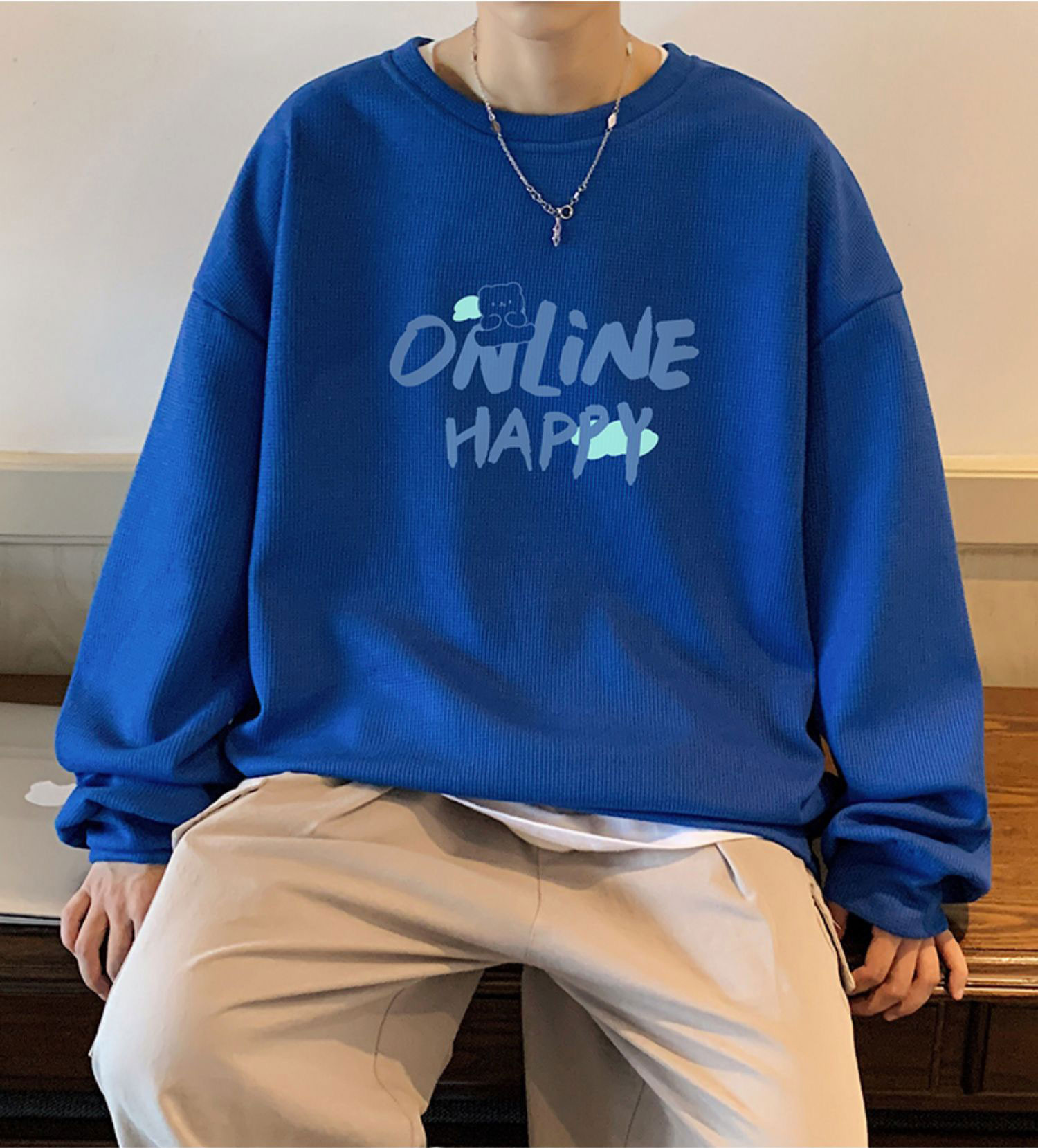
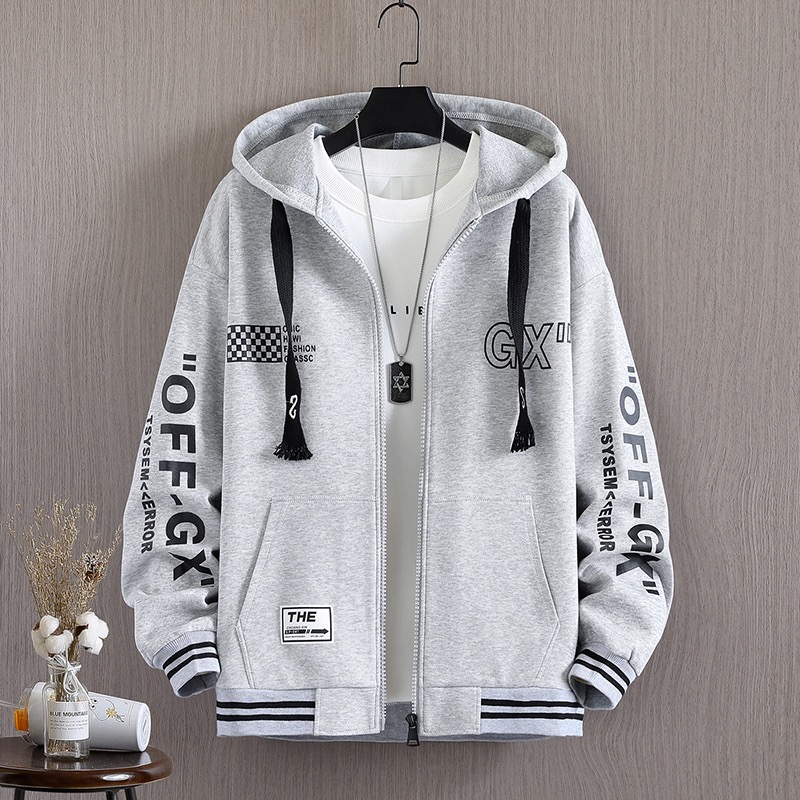
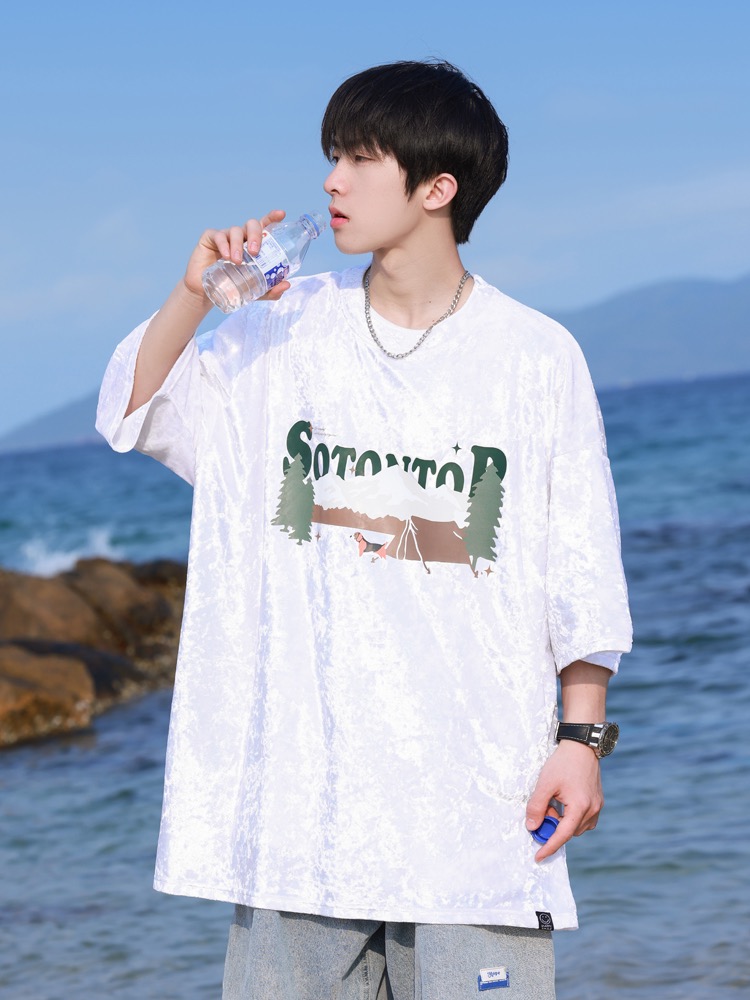
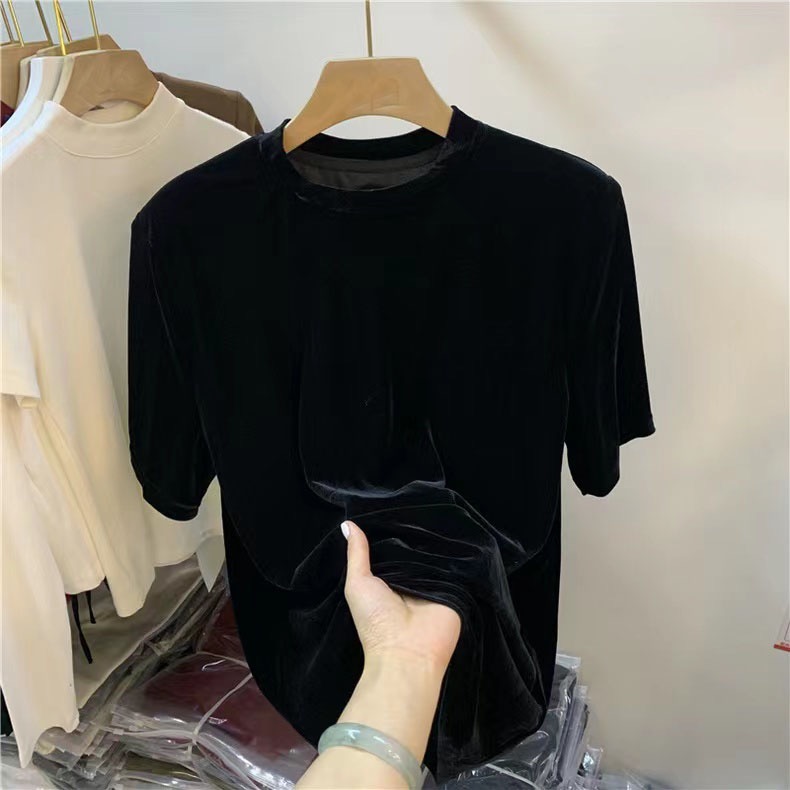
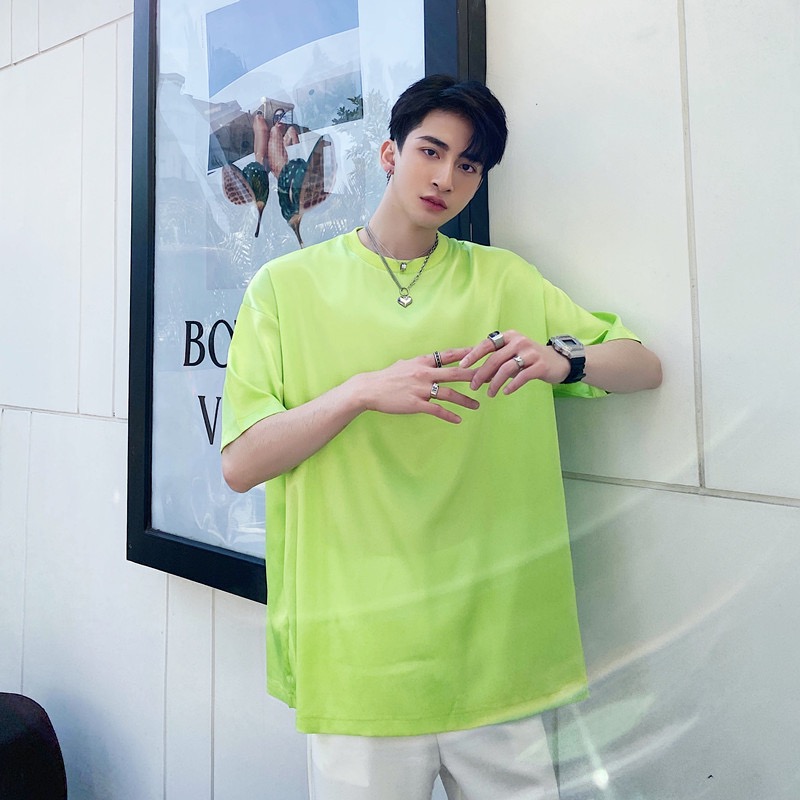
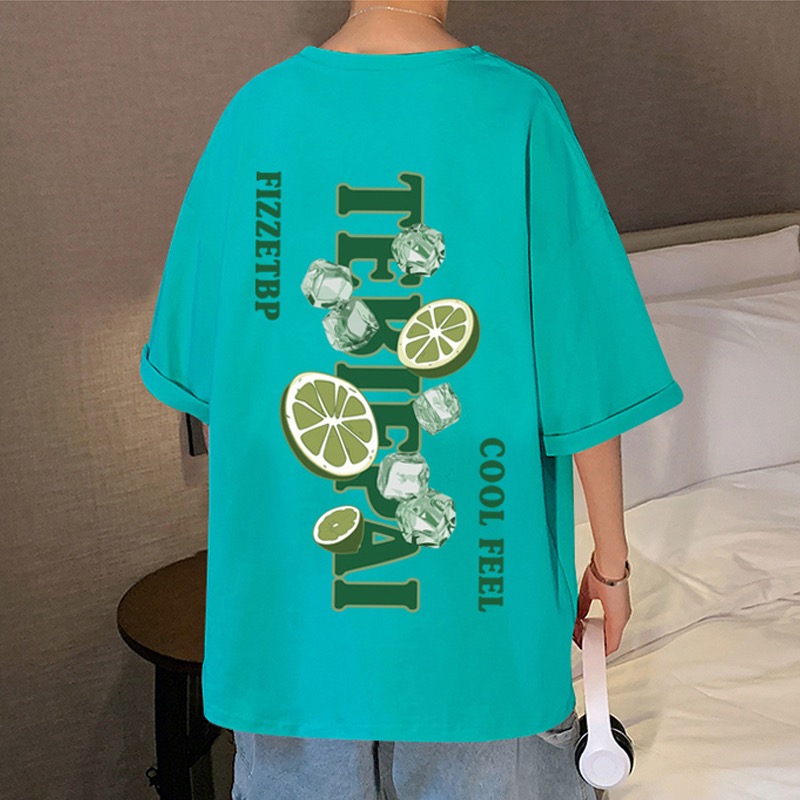
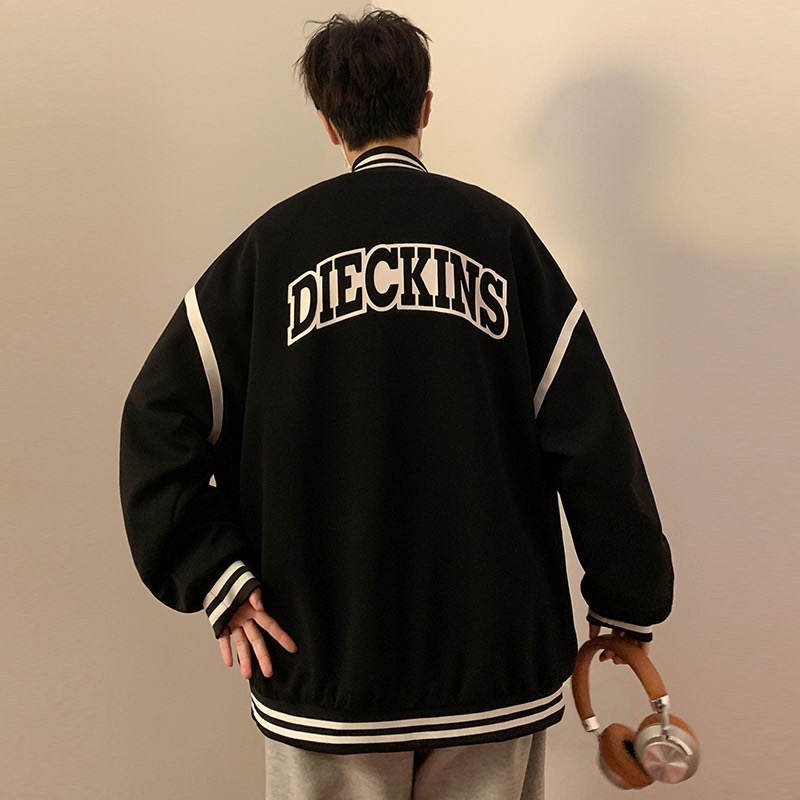
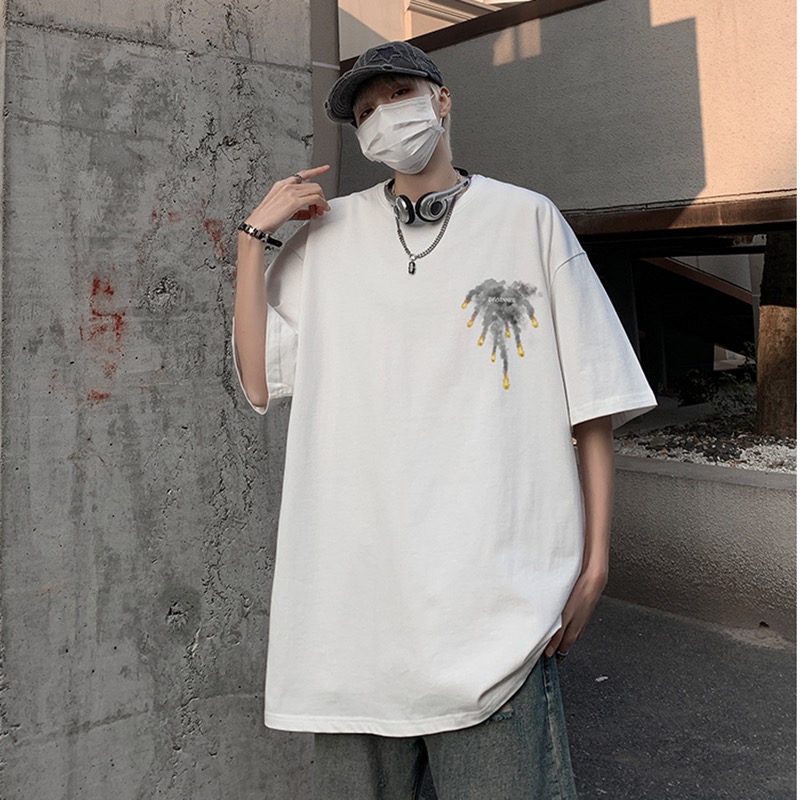
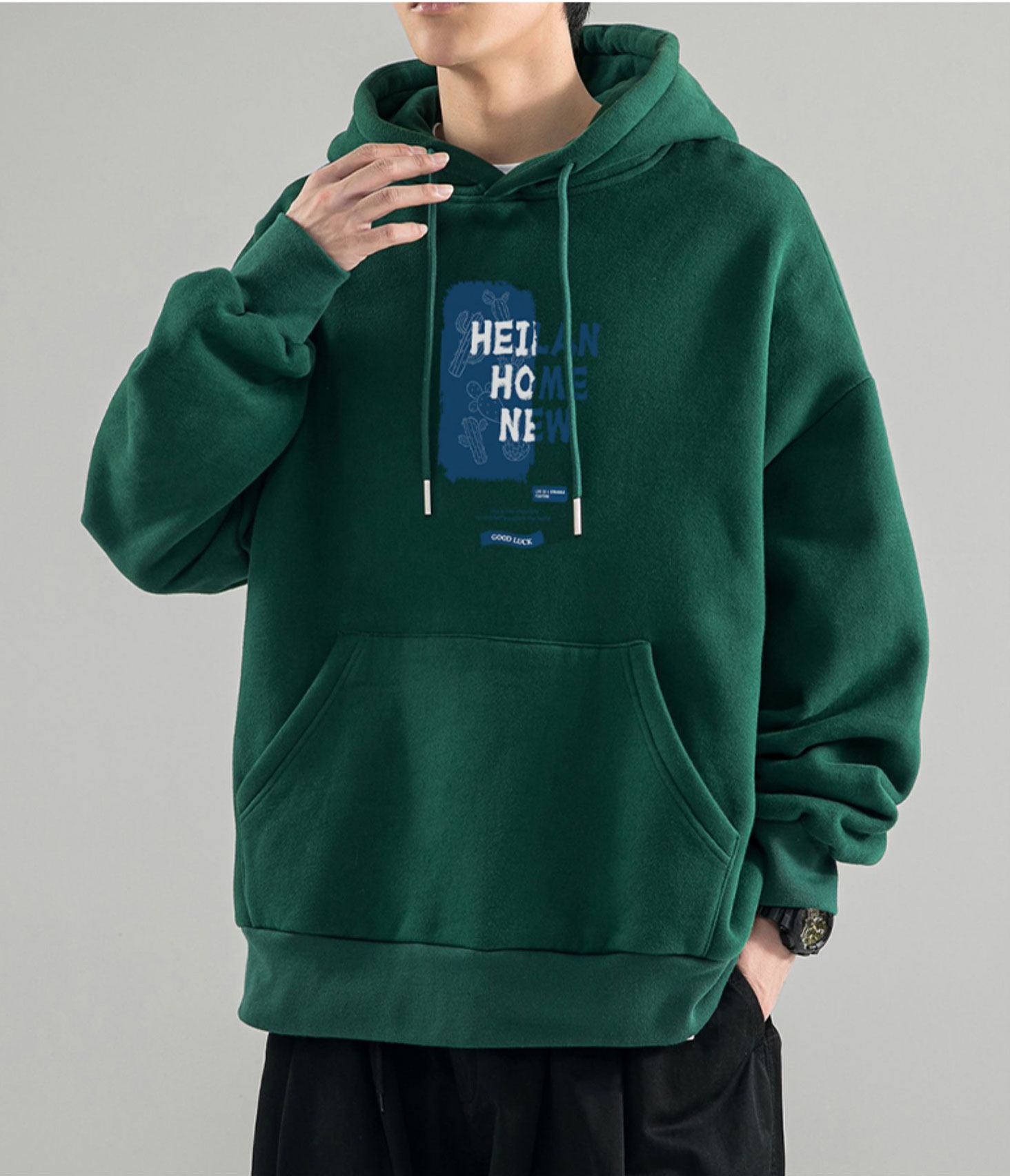
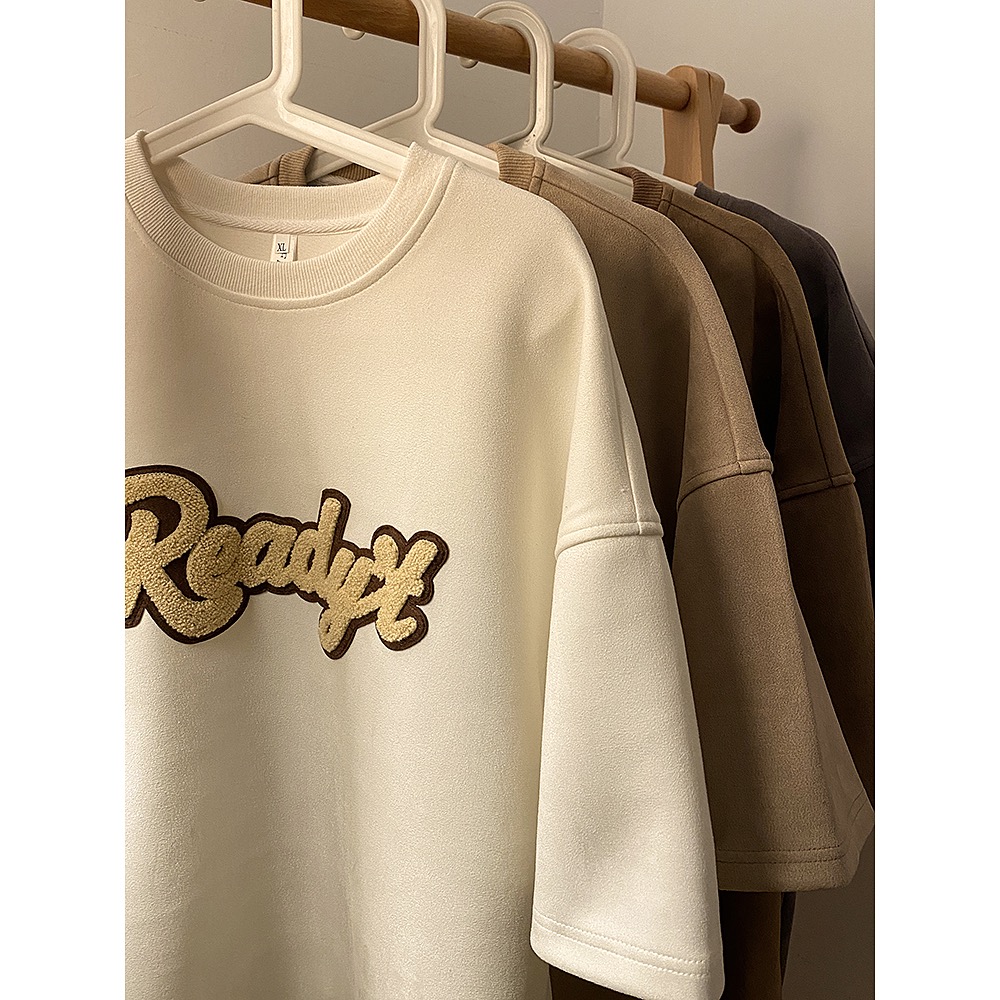
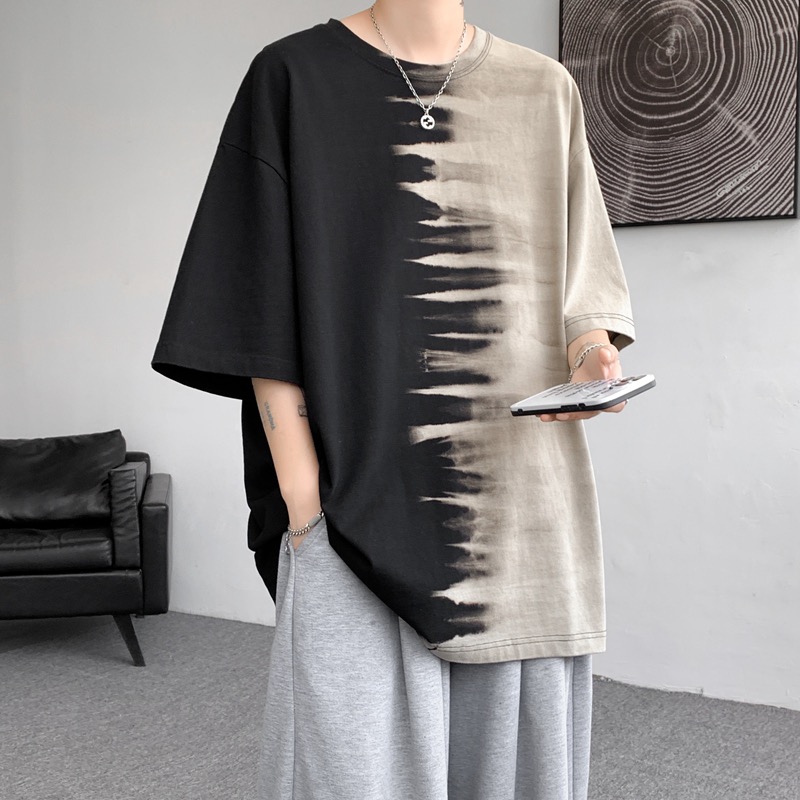
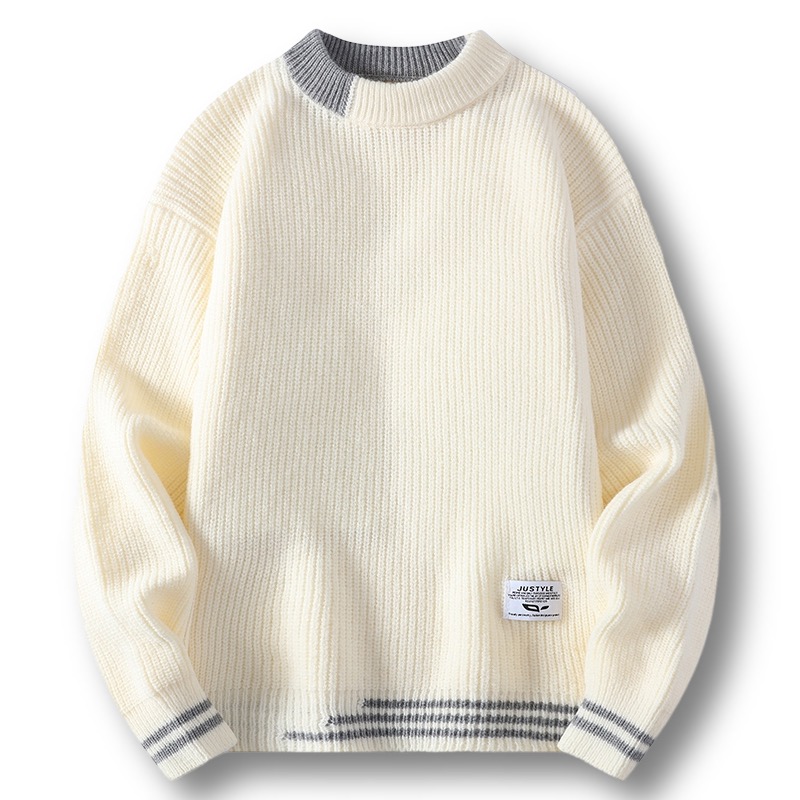
Benefits of Cotton Apparel Manufacturing
Develop cotton-based apparel with material choices aligned to comfort, decoration, durability and repeatable fit standards.
Comfort-First Hand Feel
Choose cotton qualities that support the softness and everyday comfort expected in casualwear, streetwear, schoolwear and team apparel programs.
Category-Specific Weights
Select cotton weights and constructions to match T-shirts, fleece layers, woven shirts and uniform programs without treating every category alike.
Decoration-Ready Surfaces
Coordinate fabric selection with screen printing, embroidery and wash treatments so artwork, texture and garment character work together.
Built for Repeat Wear
Develop durable cotton garments with construction and finishing decisions documented to support consistent performance from approved sample through bulk production.
Fit Across Programs
Adjust cotton fabric, fit blocks and proportions for men’s and women’s styles across fashion, teamwear and private-label collections.
Explore Related Apparel Manufacturing
From cotton-based essentials to outerwear and teamwear, EDVORIN develops production-ready apparel programs with coordinated materials, decoration and quality control.
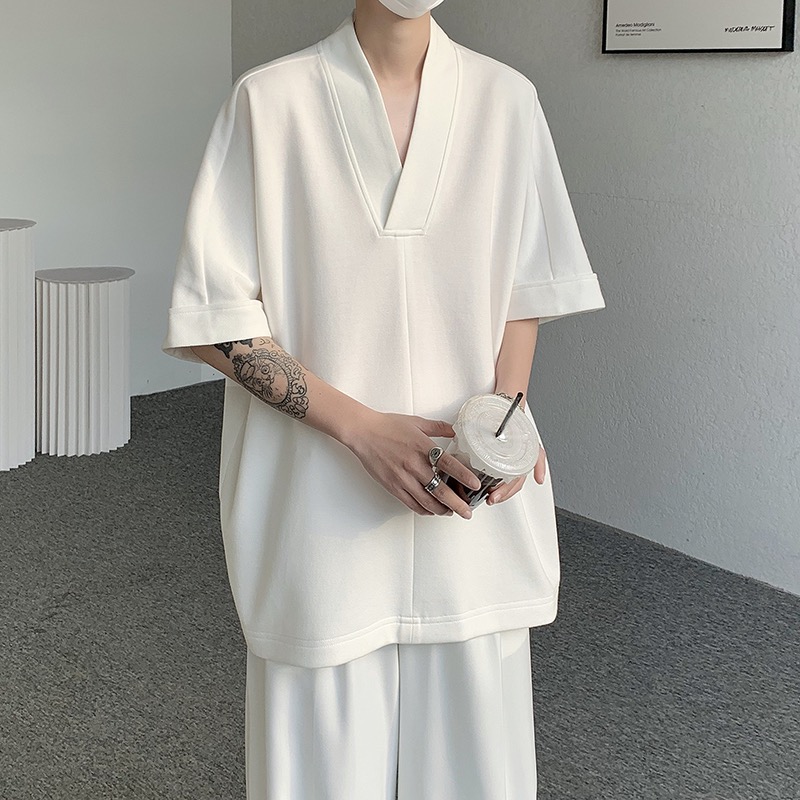
Custom Hoodies
EDVORIN develops custom hoodies from fleece selection and fit blocks through rib, drawcord, pocket, print, embroidery, labeling and packaging specifications. Each approved sample becomes the reference for repeatable bulk production.
Get a Quote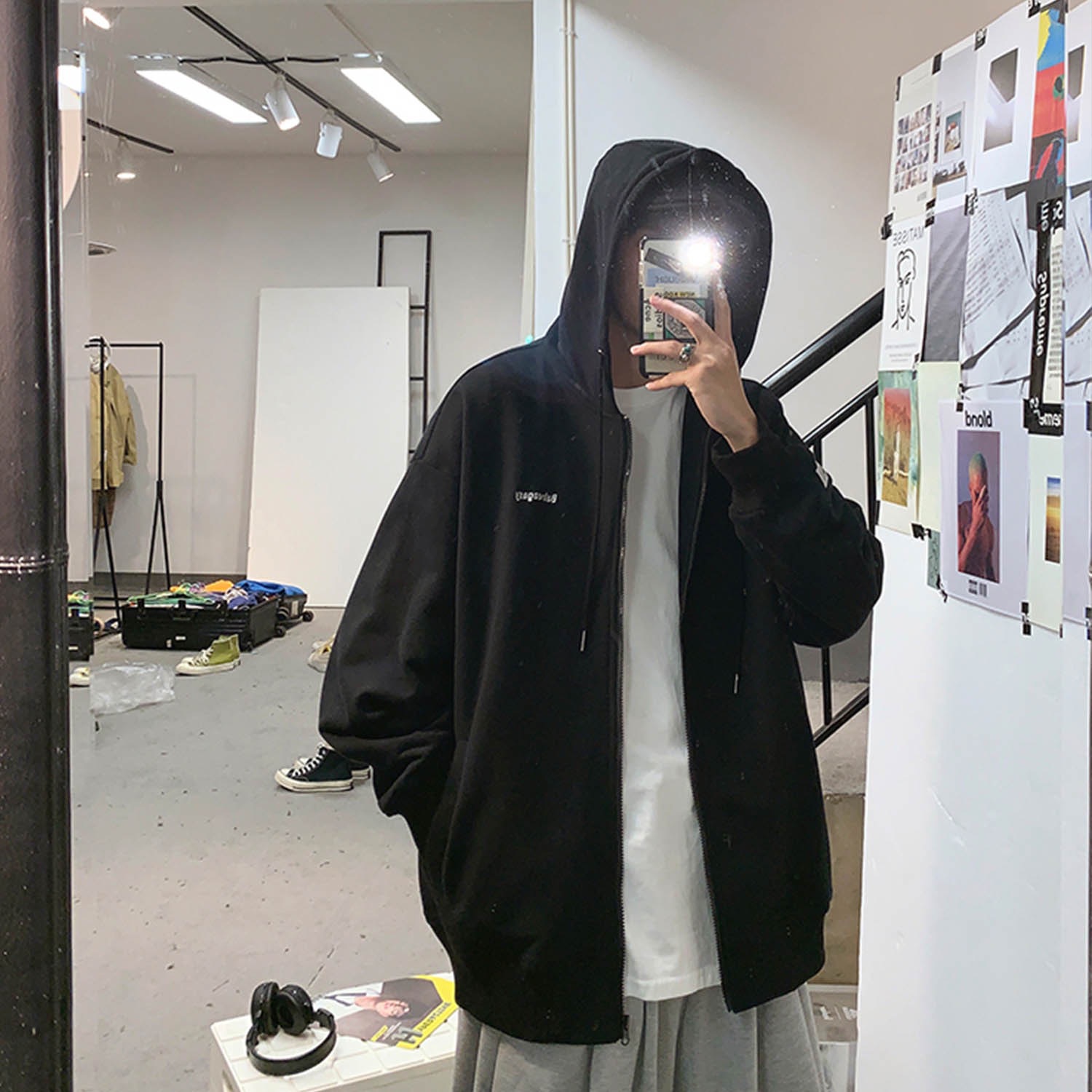
Pullover Sweatshirts
As a sweatshirt manufacturer, EDVORIN supports pullover styles with specified fleece weights, neck rib, cuffs, hem construction, fit, grading and decoration placement. Men’s and women’s programs can be developed to separate market requirements.
Get a Quote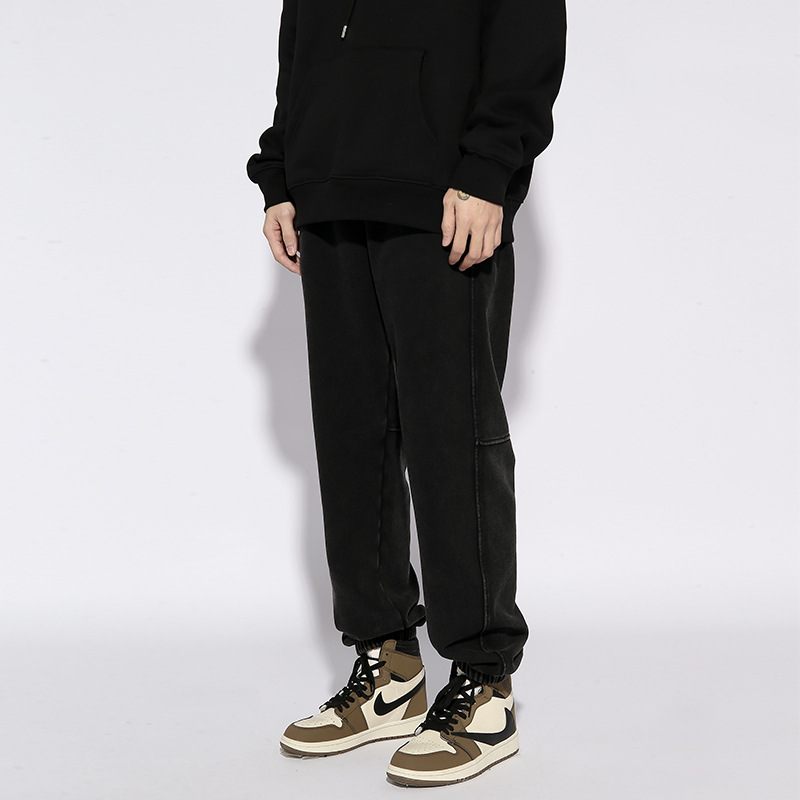
Sweatpants & Joggers
EDVORIN manufactures sweatpants and joggers with coordinated fabric weight, waistband, drawcord, pocket, cuff and inseam specifications. Development can align matching bottoms with hoodies or sweatshirts for complete casualwear programs.
Get a Quote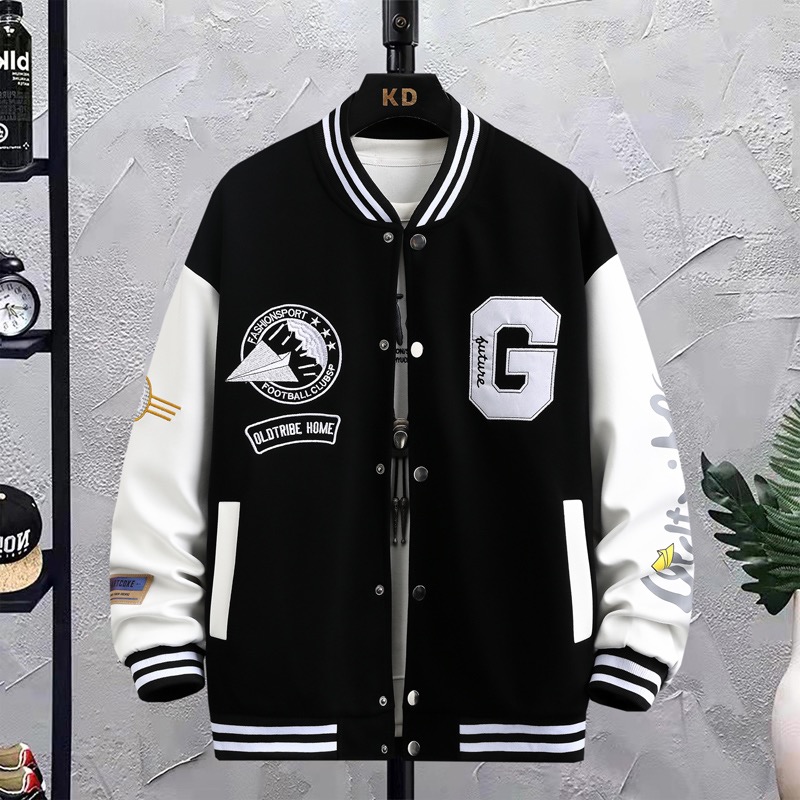
Custom Shorts
Custom shorts can be developed for casualwear, streetwear, training or team applications. EDVORIN coordinates fabric, elastic waistbands, drawcords, pockets, liners, prints, embroidery and size grading before moving approved samples into bulk production.
Get a Quote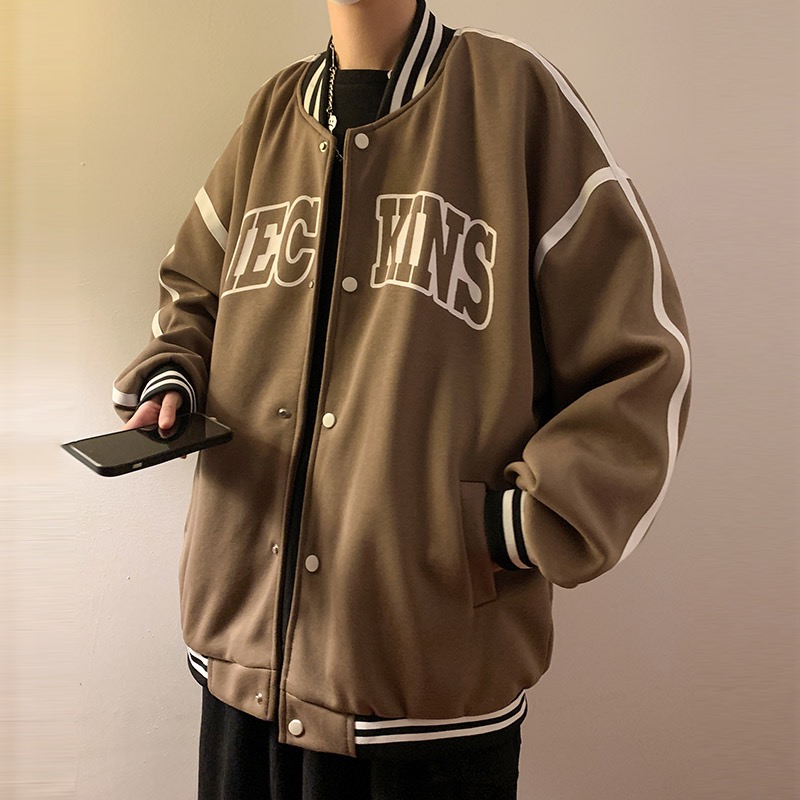
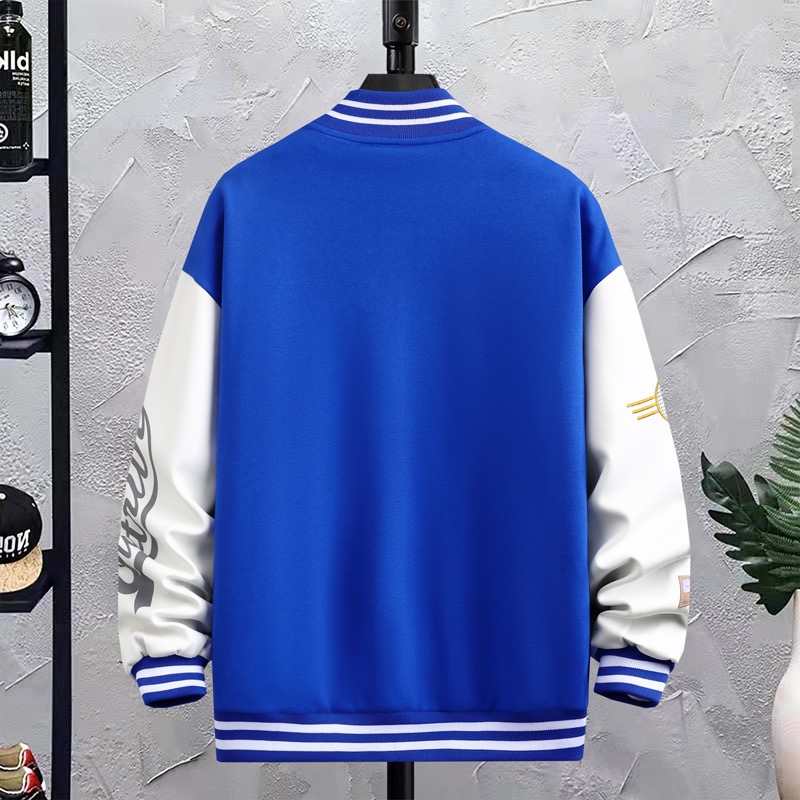
Varsity & Baseball Jackets
EDVORIN develops varsity and baseball jackets around balanced body fabric, sleeves, rib, snaps, lining, patches and embroidery. Construction details are documented during sampling to protect the jacket’s intended structure and appearance in repeat orders.
Get a Quote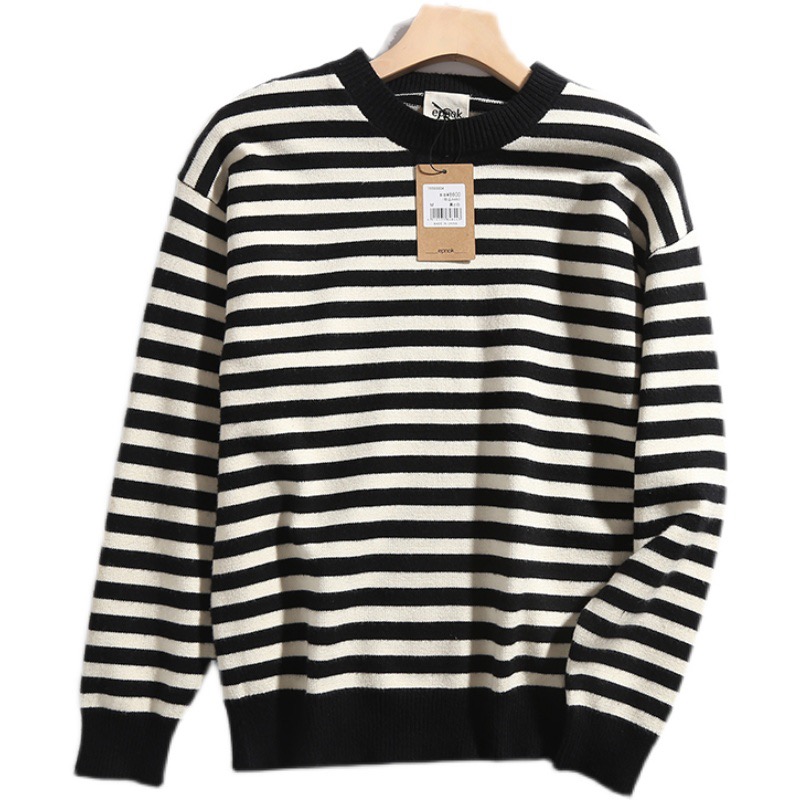
Custom T-Shirts
As a custom T-shirt manufacturer, EDVORIN develops jersey-based styles with defined fabric weight, collar construction, fit, sleeve proportions, print method, embroidery and wash requirements. Programs are available for men’s and women’s assortments.
Get a Quote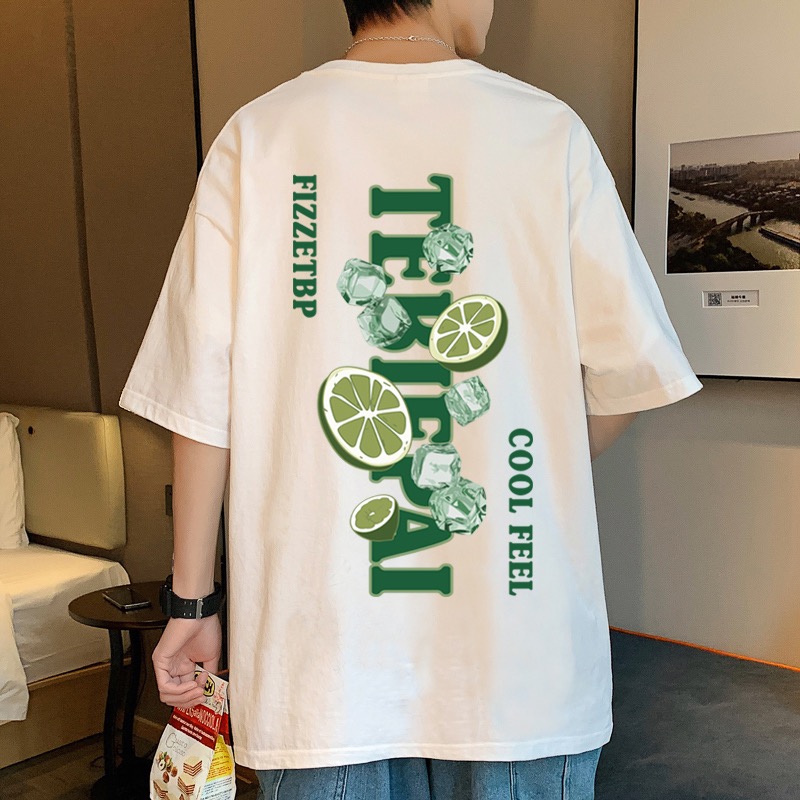
Custom Polo Shirts
EDVORIN manufactures custom polo shirts with specified piqué or jersey fabric, collar shape, placket, buttons, cuffs, embroidery placement and grading. The production standard is built from approved samples and trim references.
Get a Quote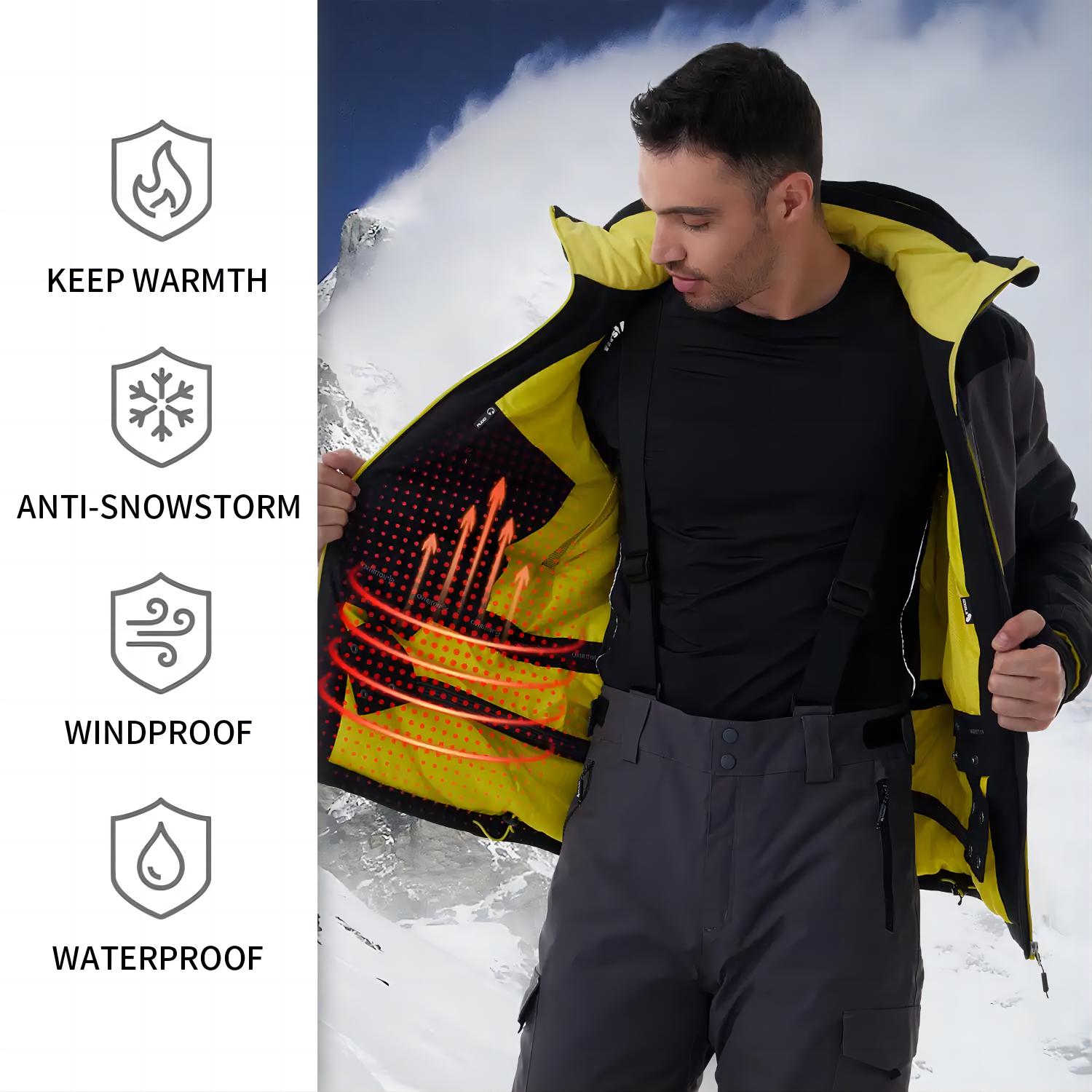
Windbreaker Jackets
Windbreaker development covers shell fabric, lining or mesh, zipper selection, hood construction, pocket design, elastic details, print and embroidery. EDVORIN coordinates lightweight outerwear specifications for fashion, promotional and teamwear programs.
Get a Quote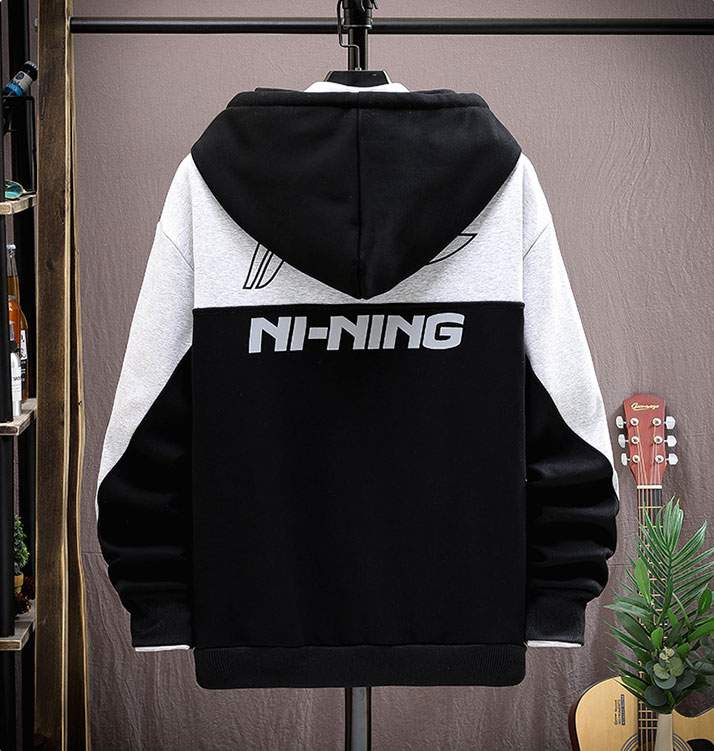
Quilted Jackets
EDVORIN develops quilted jackets by coordinating shell fabric, lining, insulation, quilting pattern, zipper, pockets, binding and labels. Samples verify warmth, bulk and construction before the style is released to production.
Get a Quote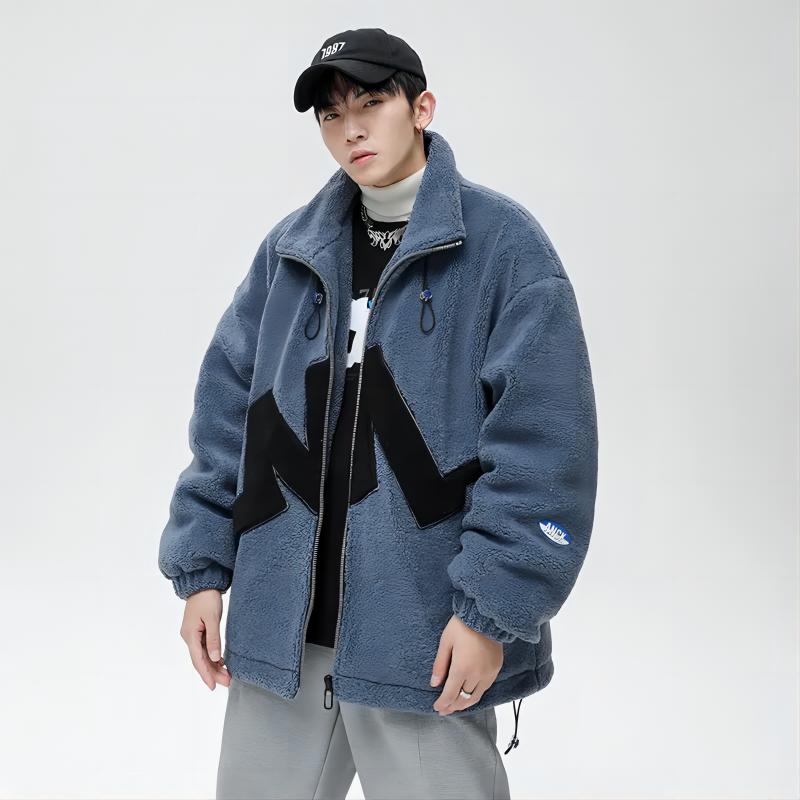
Bomber Jackets
As a bomber jacket manufacturer, EDVORIN manages shell and lining materials, rib components, zippers, snaps, pocket construction, patches and embroidery. Fit and finishing details are recorded for consistent bulk reproduction.
Get a Quote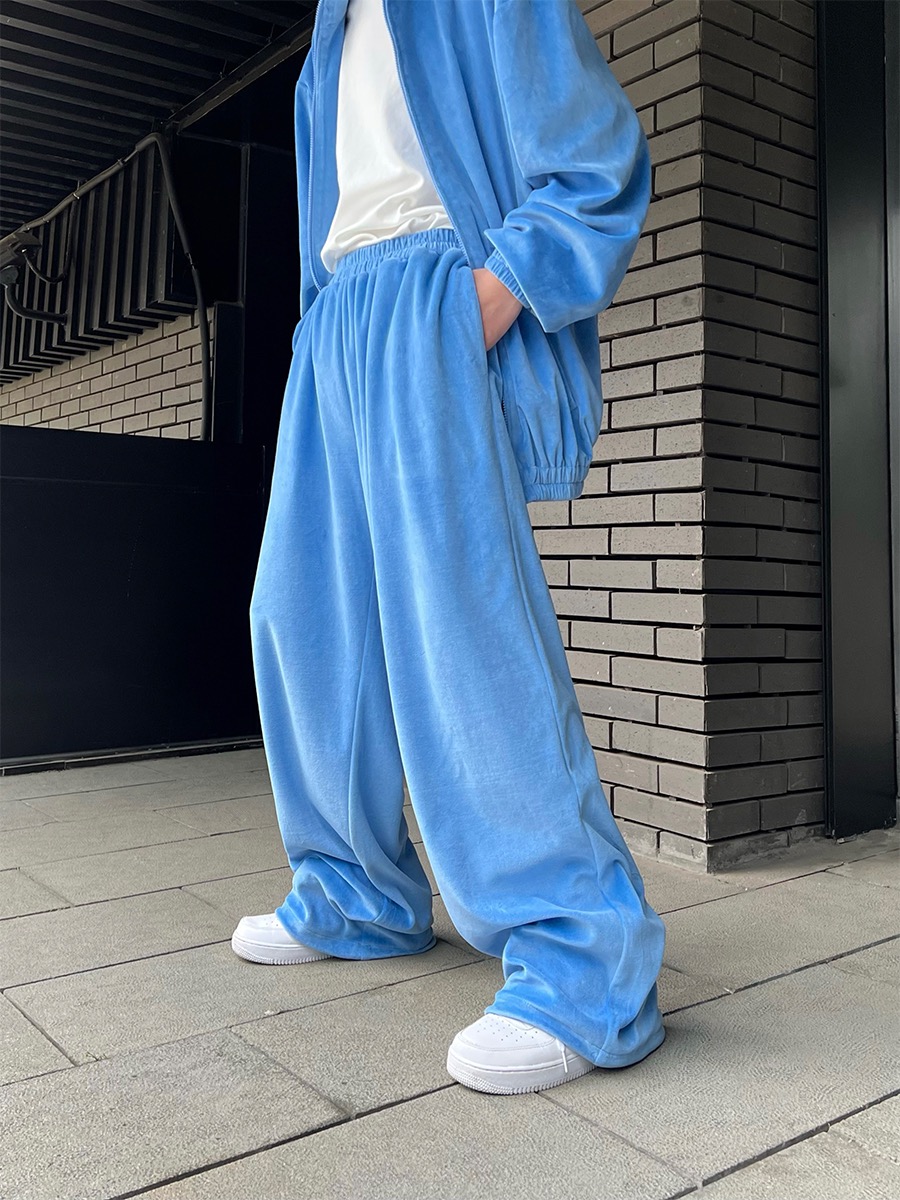
Custom Shirts
Custom woven shirts are developed with fabric selection, collar and cuff construction, placket, buttons, pocket details, fit and grading. EDVORIN supports private-label programs requiring clear sewing, trim and packaging specifications.
Get a Quote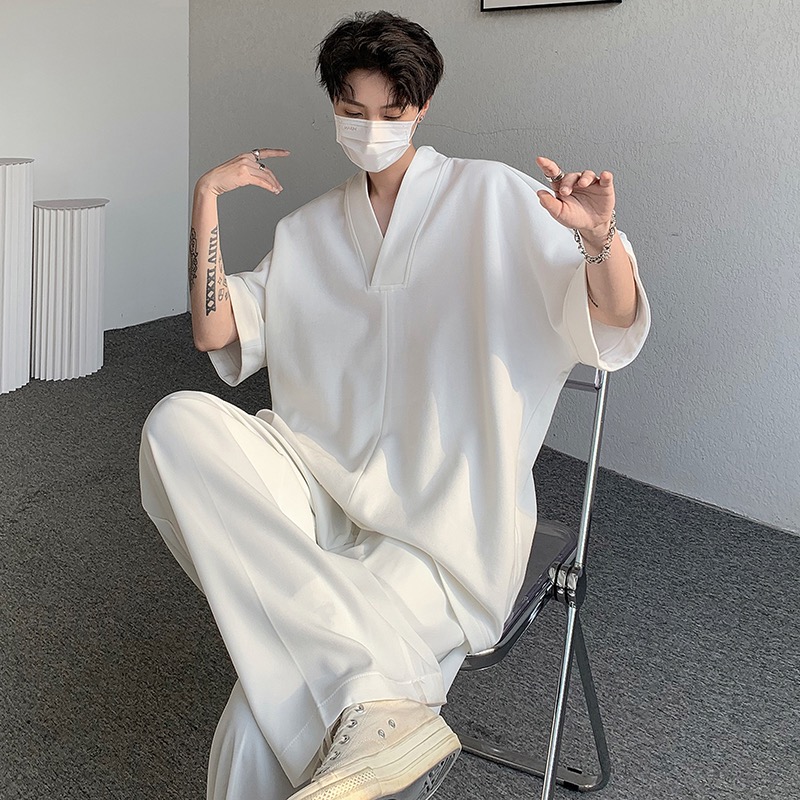
Custom Jerseys
EDVORIN manufactures custom jerseys with breathable fabric options, color control, panels, piping, numbers, names and team logos. Artwork placement, sizing and decoration methods are confirmed during sampling for organized bulk delivery.
Get a Quote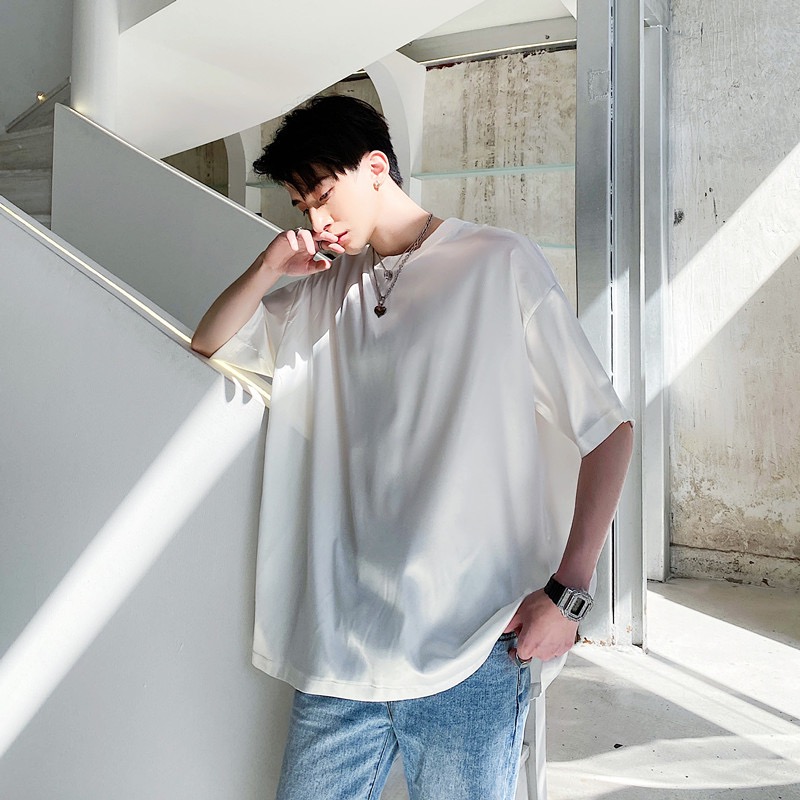
Tank Tops
Tank tops can be developed in cotton jersey, performance fabric or blended materials, depending on the intended use. EDVORIN coordinates neckline, armhole finish, fit, print, embroidery and labeling for men’s and women’s programs.
Get a Quote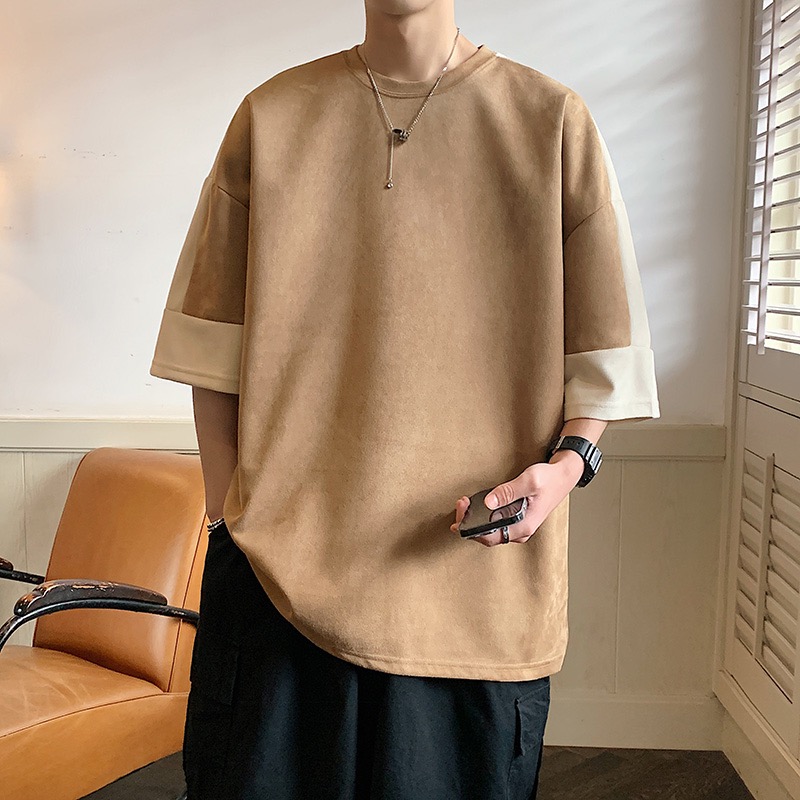
Soccer Uniforms
EDVORIN develops soccer uniforms with performance fabric, color panels, crest application, sponsor graphics, player names and numbers. Size sets, decoration placement and material standards are documented to support consistent team orders.
Get a Quote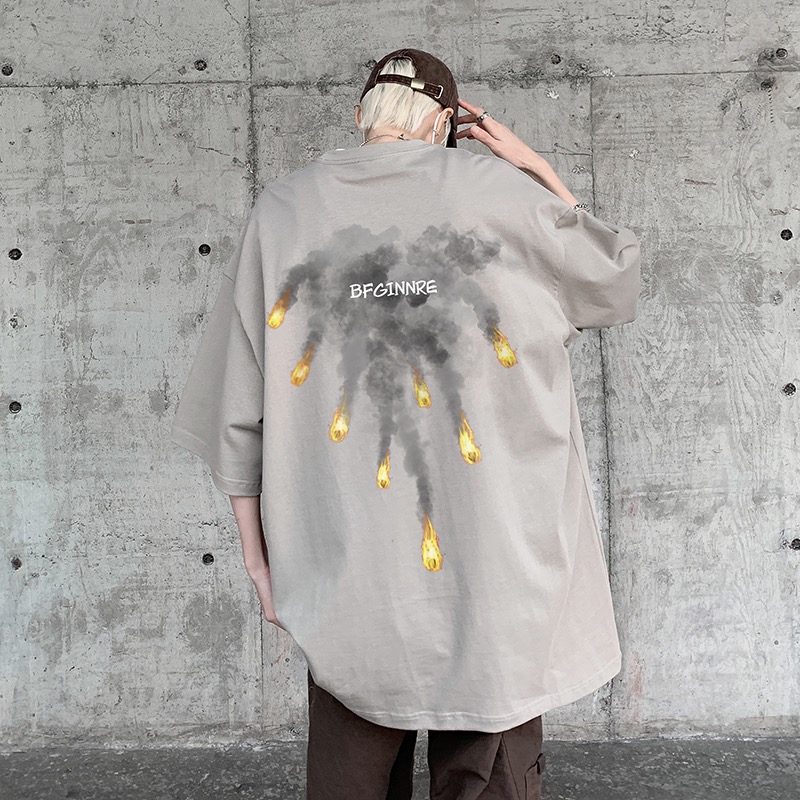
Basketball Uniforms
Basketball uniform programs include jerseys and shorts with breathable fabrics, panel layouts, trim, player numbering, names and logo applications. EDVORIN manages sample approval and bulk controls for clubs, schools and sports organizations.
Get a Quote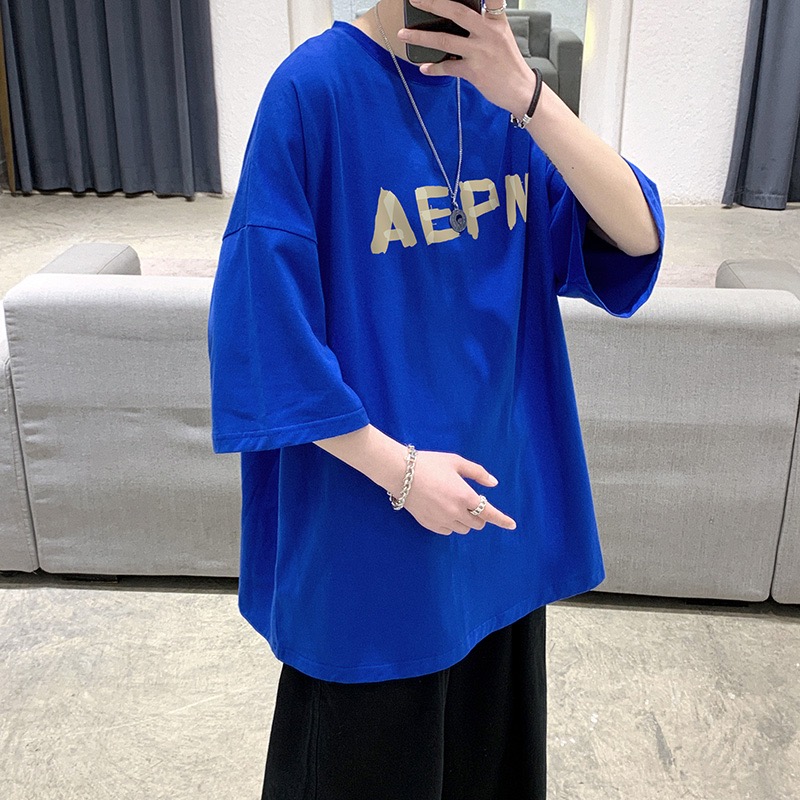
Streetwear Collections
EDVORIN develops coordinated streetwear collections across hoodies, T-shirts, bottoms, jackets and woven pieces. Fabric, trims, washes, print and embroidery are managed as one production system, from concept development through repeatable bulk orders.
Get a QuoteEDVORIN’s Cotton Apparel Manufacturing Experience
Founded by Edvorin Zeng in 2000, EDVORIN helps brands turn cotton apparel concepts into production-ready standards. We work with complete tech packs, sketches, and reference garments, bringing product development, fabric sourcing, patterns, samples, trims, decoration, and packaging into one accountable workflow.
For each cotton apparel program, our team aligns fabric weight, hand feel, fit, construction, wash, artwork placement, and labeling with the intended category. Men’s and women’s development is available across casualwear, streetwear, outerwear, and teamwear, with MOQ starting at 200 pieces per style.
What makes EDVORIN different is the discipline after sample approval. We document the approved standard, communicate measurements and decoration details clearly, and use in-line and final checks to help protect consistency from bulk production through packing. Built to Repeat. Made to Grow.
Production-Ready Cotton Apparel Specifications
Construction Matched to Category
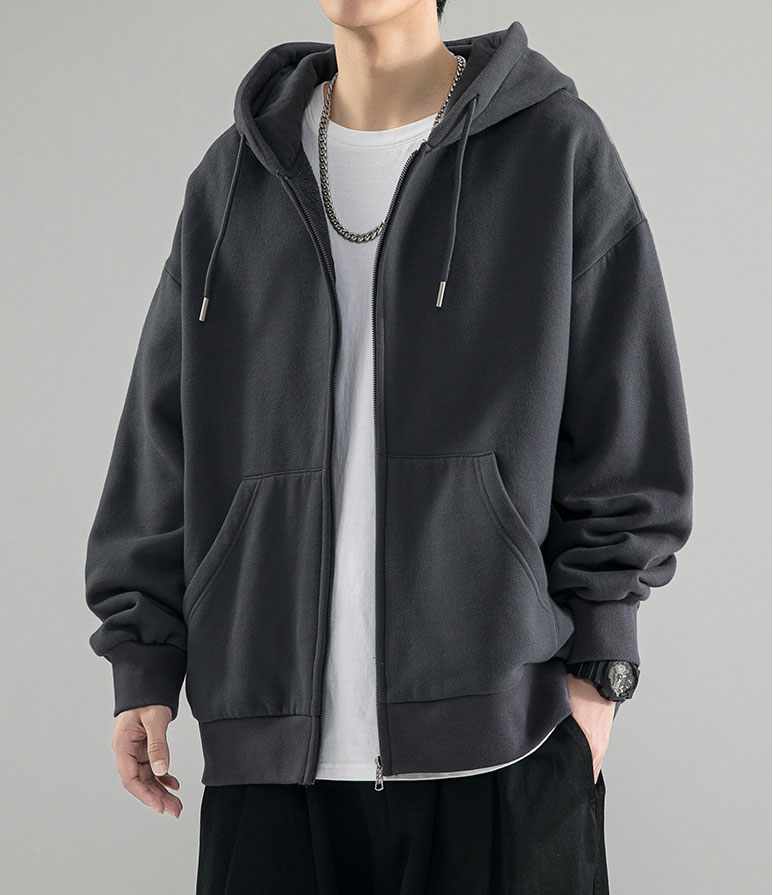
EDVORIN helps define cotton jersey, fleece, rib, twill, and woven constructions around the garment’s intended silhouette, movement, and finish. The result is a material direction that supports hoodies, tees, jerseys, shirts, and coordinated collections without relying on a one-size-fits-all fabric choice.
- Select knit or woven construction by product category
- Align fabric hand feel with intended brand position
- Coordinate rib, shell, lining, and contrast materials
- Develop men’s and women’s fit requirements separately
Weight and Shrinkage Controlled
Fabric weight and dimensional change are addressed during development, before an approved sample becomes the bulk reference. EDVORIN records the relevant material and measurement decisions so patterns, grading, washing, and production checks work toward the same repeatable garment standard.
- Set target fabric weight for the garment purpose
- Review shrinkage impact before finalizing measurements
- Coordinate wash process with fit and appearance goals
- Use approved samples as the bulk production reference
Decoration Tested With Fabric
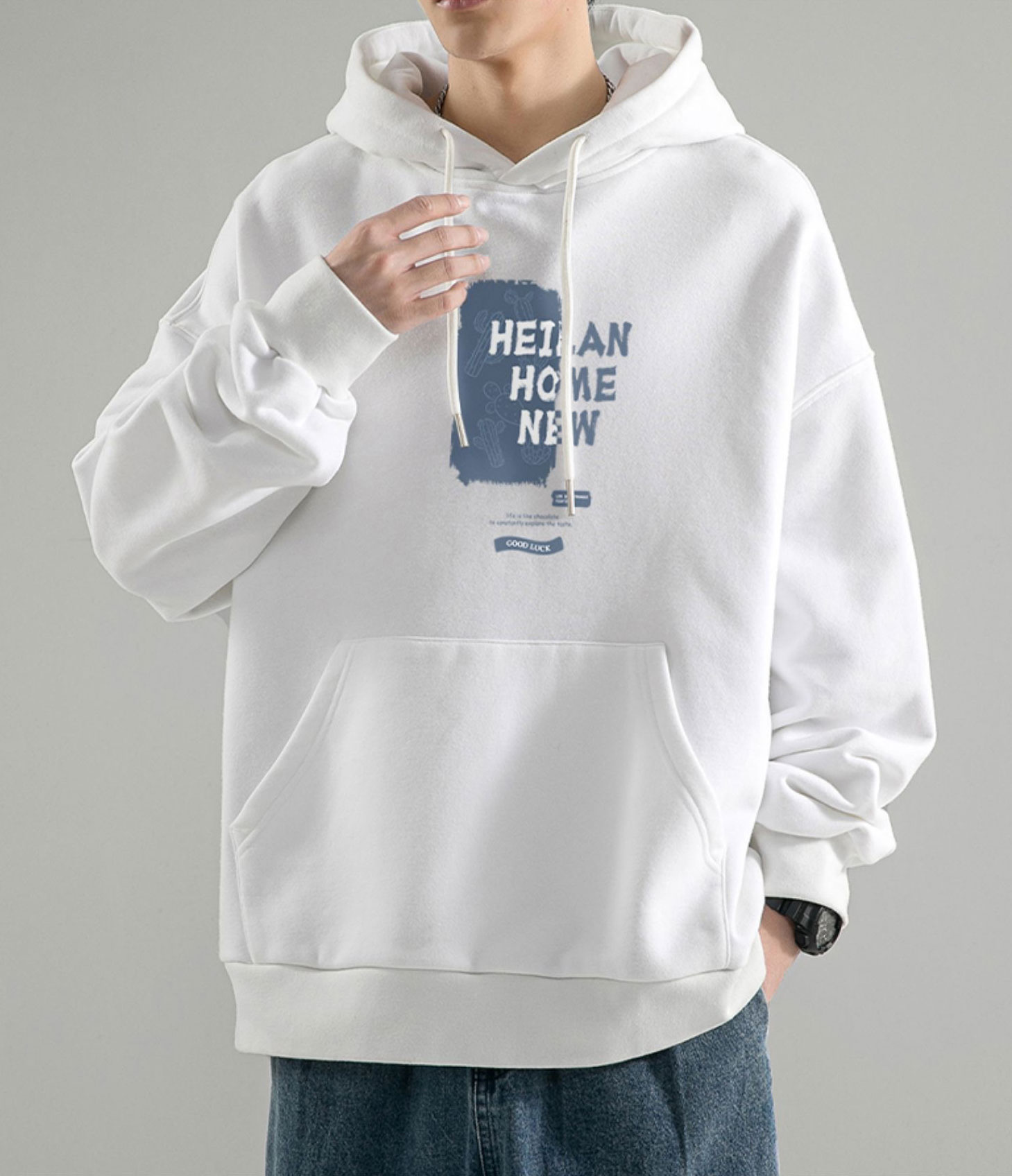
A print, embroidery, patch, or wash effect must suit the selected cotton fabric, not simply look good on artwork. EDVORIN coordinates base material, placement, decoration method, and finishing so visual details can be approved clearly and reproduced across the production run.
- Match decoration methods to fabric behavior
- Record artwork placement and sizing requirements
- Coordinate embroidery, printing, washing, and trims
- Check decoration quality during bulk production
Cotton vs. Polyester for Apparel Manufacturing
Compare garment feel, performance and decoration planning before fabric approval.
← Swipe left or right to view →
Cotton Apparel Production Flow, From Fabric Approval to Packing
EDVORIN turns approved cotton specifications into controlled, repeatable apparel production—from end-use planning through final packing.
Define End-Use Requirements
Align garment category, target fit, fabric weight, handfeel, color, performance needs, trims, decoration, and men’s or women’s sizing before development begins.
Source and Approve Fabric
Review cotton fabric options against the brief, confirm construction and color references, then document the selected material as the standard for sampling and bulk.
Develop Production-Ready Samples
Build patterns, sew samples, test decoration compatibility, and record approved measurements, artwork placement, wash effects, trims, labels, and construction details.
Control Cutting and Sewing
Release approved specifications to production, coordinate cutting and sewing, and use in-line checks to identify variation before it affects the full order.
Inspect, Pack, and Repeat
Check finished garments against the approved sample, confirm labeling and packaging requirements, then organize the production record for dependable repeat orders.
How to Order a Cotton Fabric Apparel Program
Move from a tech pack, sketch, or reference garment to a documented cotton apparel standard ready for repeat production.
Share Your Product Direction
Send a tech pack, sketch, reference garment, or collection brief so EDVORIN can define construction, fit, sizing, decoration, and labeling requirements.
Confirm Cotton Fabric Specifications
Select cotton fabric composition, weight, hand feel, color, and performance needs with our team, aligning the material to your garment category and intended wearer.
Review and Approve Samples
Evaluate the developed sample for fit, fabric behavior, artwork placement, trims, and finishing. Approved revisions become the documented standard for bulk production.
Launch Your Bulk Order
Confirm quantities starting at 200 pieces per style, then EDVORIN coordinates production, quality checks, labeling, and packaging for your cotton apparel program.
Buyer Results From Cotton Apparel Development
EDVORIN helped us turn a reference hoodie into a production standard we could repeat. After two sample rounds, the hand feel, 420 GSM weight, and fit were approved, and our 1,200-piece bulk order arrived on schedule.
Our women’s fleece program needed consistent color across four colorways and six sizes. EDVORIN documented the approved fabric and measurements clearly; the second 800-piece reorder matched the first program closely enough for us to launch without a reshoot.
We needed private-label joggers that could hold up across school team orders. EDVORIN resolved the fabric hand feel before bulk, kept the grading stable through 10 sizes, and delivered 2,400 pieces in time for our back-to-school distribution window.
Cotton Fabric for Clothing Manufacturer FAQs
Clear answers for brands planning cotton apparel development, decoration and repeat bulk production with EDVORIN.
What cotton fabric weights work best for hoodies, T-shirts and woven shirts?
Can EDVORIN develop both men’s and women’s cotton apparel?
Can cotton garments be printed, embroidered or finished with patches?
How do I choose a cotton fabric for clothing manufacturer for a streetwear collection?
What is the minimum order quantity for cotton apparel?
Can I send a sketch or reference garment instead of a complete tech pack?
What artwork files should I provide for cotton garment printing or embroidery?
Can a cotton fabric for clothing manufacturer support certified material programs?
Cotton Fabric for Clothing Manufacturer: Complete Buyer’s Guide
Use this decision framework to match cotton fabrics to garments, evaluate supplier capabilities, control quality and costs, and avoid sourcing mistakes before committing to production.
1. Cotton Fabric for Clothing Manufacturer Explained
200-piece programs change the question from which cotton cloth to buy into which garment standard can be repeated. A cotton fabric for clothing manufacturer evaluates fiber, ring-spun or open-end yarn, knit or woven construction, finishing, intended use, and the production controls needed after sample approval.
3 fabric stages separate roll sourcing from finished-apparel commissioning: fabric by the roll leaves pattern, cutting, sewing, decoration, labeling, and packing to the buyer; a manufacturer coordinates those decisions into a finished SKU. Cotton can be made into woven or knitted goods, while weaving interlaces warp and filling yarns (https://www.cotton.org/pubs/cottoncounts/fieldtofabric/fabric.cfm).
1 approved specification should state garment category, color reference, weight, measurements, artwork placement, trims, and packaging. Brands need repeatable product standards; teams and schools need size, name, and number control; wholesalers and private-label buyers need consistency across replenishment orders.
2. How Cotton Apparel Manufacturing Evolved
2,000 meters per minute is the stated speed of some modern shuttleless looms, while the core warp-and-weft principle remains the same. Industrial spinning and loom control turned cotton from a craft material into a specification buyers can repeat across production runs. https://www.cotton.org/pubs/cottoncounts/fieldtofabric/fabric.cfm
3 fabric stages—spinning, fabric formation, and dyeing—now sit within a broader apparel workflow that also includes knitting, finishing, cutting, and sewing. That evolution gives a cotton fabric for clothing manufacturer practical choices between ring-spun and open-end yarns, woven constructions, and knit structures such as jersey, French terry, or fleece.
200-piece programs benefit when the approved sample records fiber content, GSM, color standard, shrinkage allowance, and finish—not only appearance. Global supply chains make custom Pantone dyeing, washing, printing, embroidery, labels, and packaging possible, but repeatability depends on controlling these specifications from material approval through final inspection.
3. Types of Cotton Fabric for Clothing Manufacturer
Cotton construction determines drape, recovery, airflow, and abrasion resistance before color or decoration is chosen. A cotton fabric for clothing manufacturer should match the structure to the product’s intended wear.
| Construction | Handfeel | Best Products |
|---|---|---|
| Jersey | Soft, stretchy | Tees, tanks |
| Interlock | Smooth, stable | Premium tees |
| French terry/fleece | Warm, substantial | Hoodies, joggers |
| Poplin/pique | Crisp/textured | Shirts, polos |
| Twill/denim/canvas | Firm, durable | Workwear, bags |
| Rib | Elastic, resilient | Cuffs, collars |
T-Shirts And Base Layers
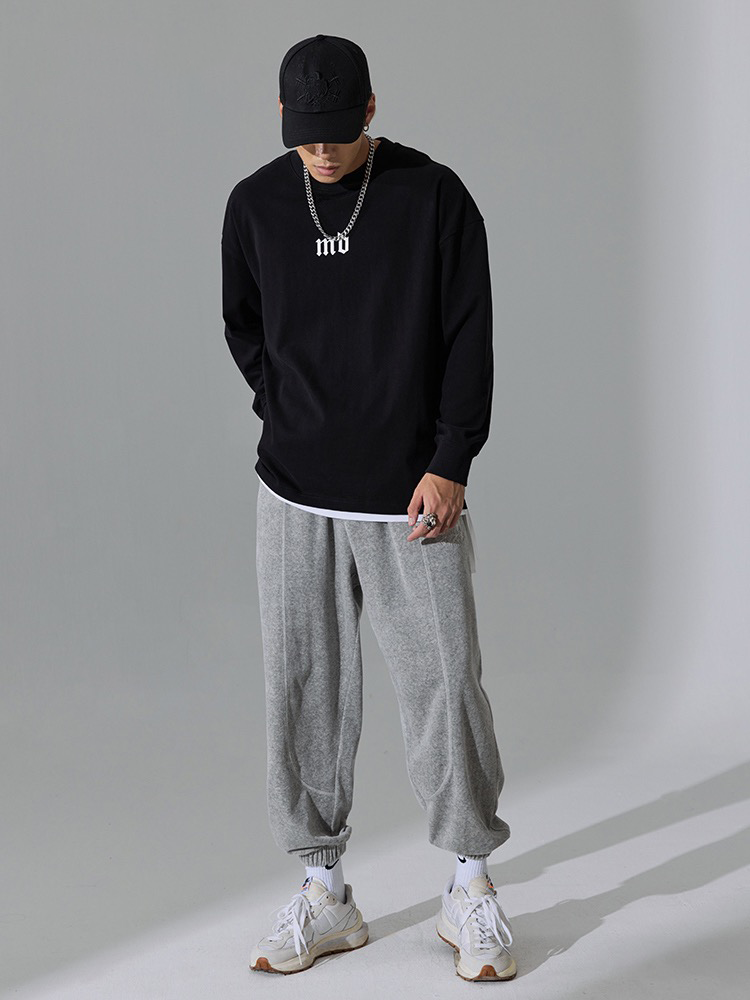
150–220 GSM jersey feels light, breathable, and naturally stretchy; it suits tees and tanks. Double-knit interlock is smoother, more stable, and better for premium tees.
Hoodies And Sweatwear
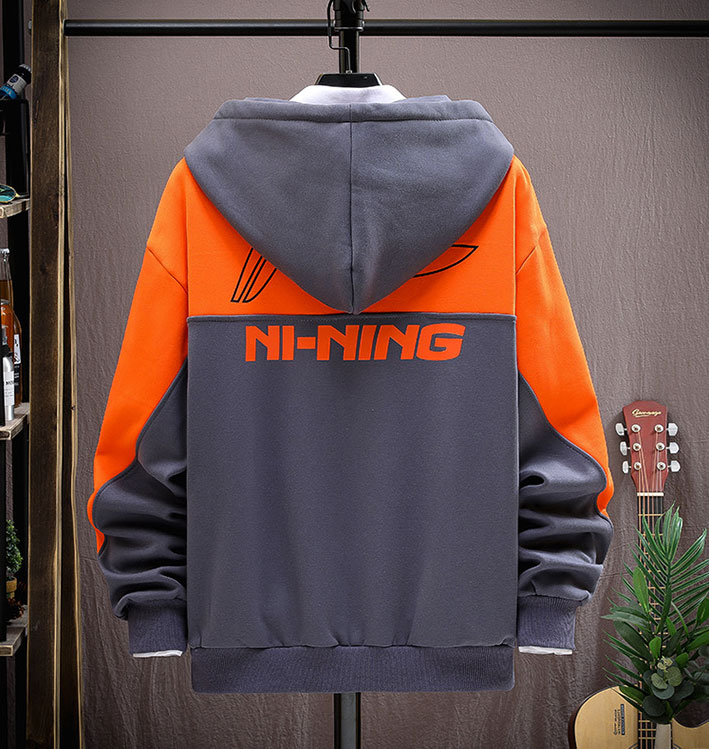
280–460 GSM French terry has looped backing for breathable warmth, while brushed fleece feels softer and warmer. Rib provides elastic cuffs, collars, and waistbands with recovery.
Shirts And Uniforms
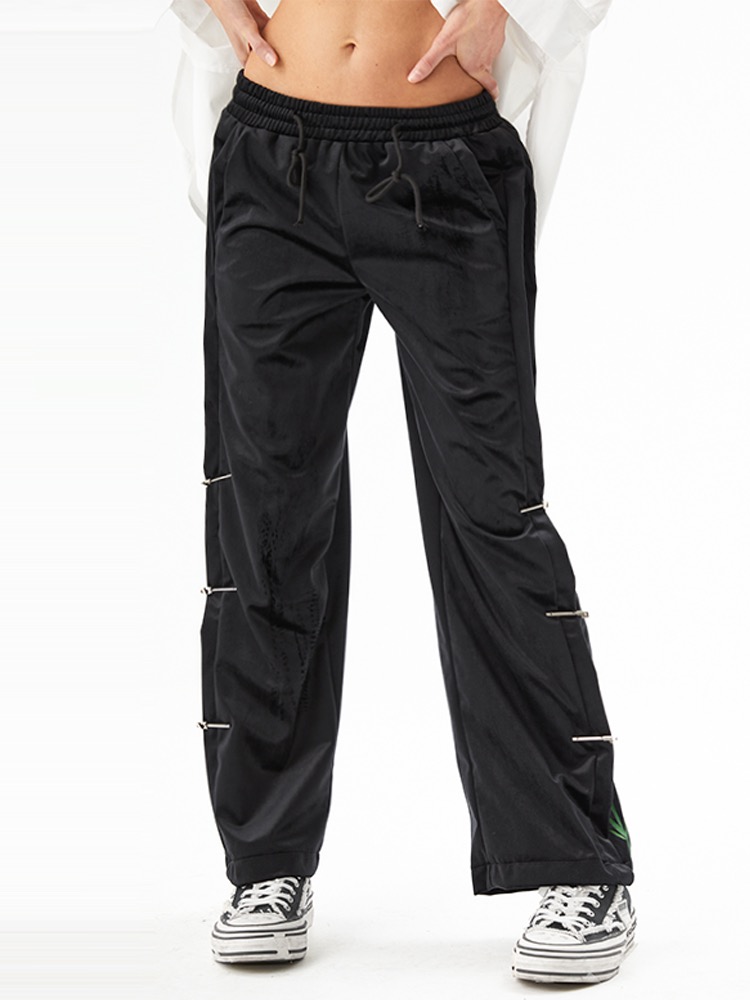
100–160 GSM poplin is crisp, light, and breathable for woven shirts. Pique’s textured knit improves airflow and structure for polos and school uniforms.
Workwear And Bags
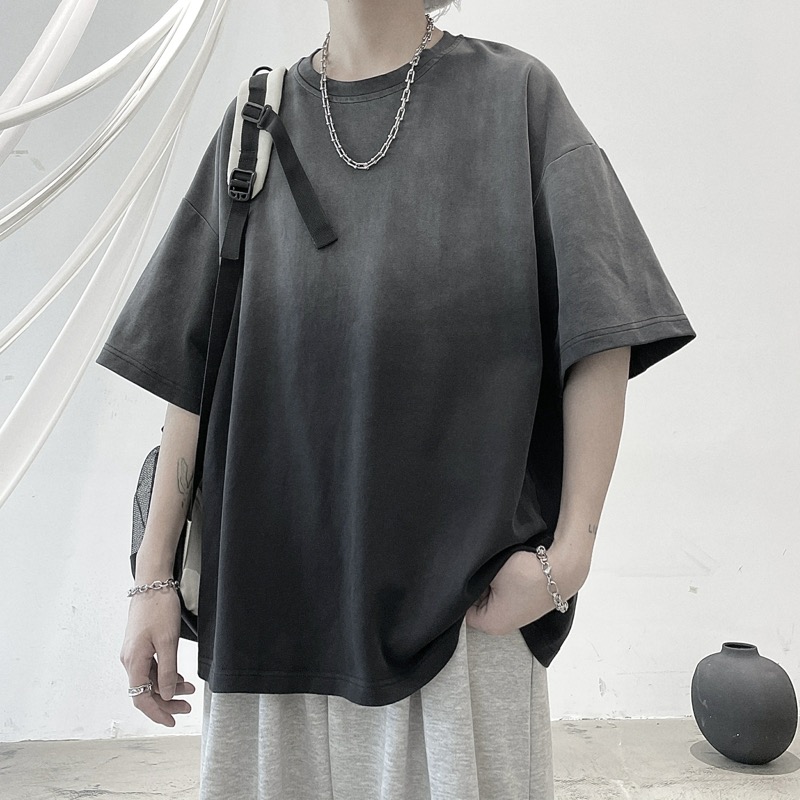
Twill’s diagonal weave improves durability for uniforms and pants. Denim and canvas offer firmer structure and abrasion resistance for workwear, jackets, and bags.
4. Cotton Fabric for Clothing Manufacturer: Material Choices
A 180–320 GSM knit can change handfeel, durability, and price even when both options are called cotton. EDVORIN records fiber content, yarn system, weight, finish, and test requirements before sample approval.
| Fabric | GSM | Best Use |
|---|---|---|
| Cotton jersey | 160–220 | T-shirts |
| French terry | 280–360 | Sweatshirts |
| Brushed fleece | 320–420 | Hoodies |
| Cotton-elastane | 180–260 | Fitted activewear |
Yarn And Fiber Selection
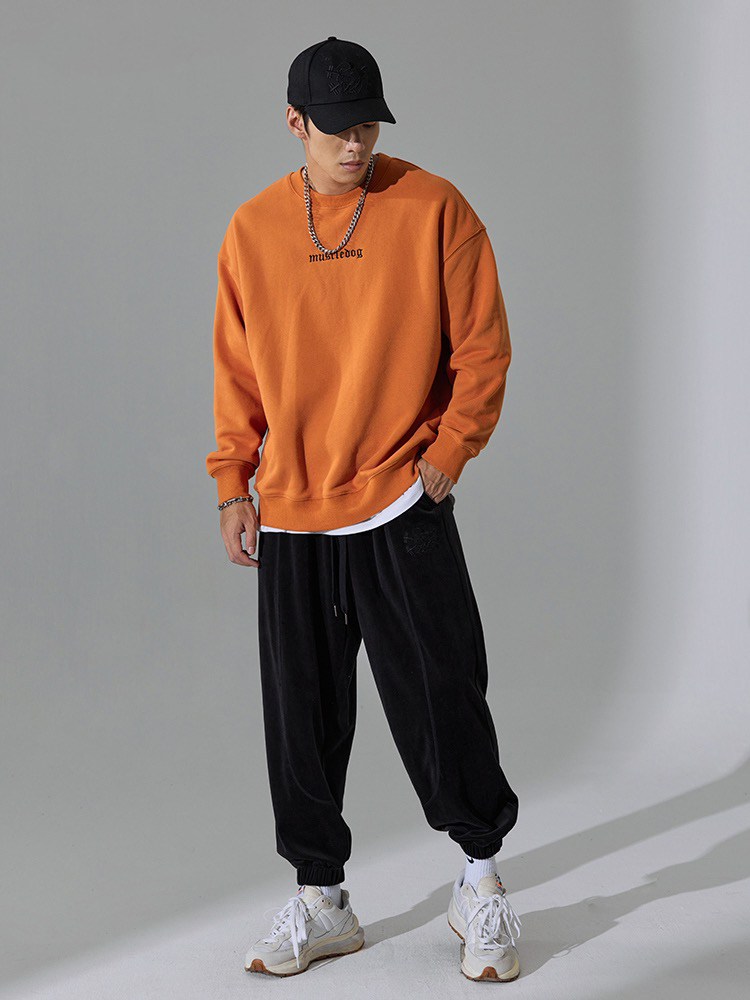
Combed ring-spun cotton generally gives a smoother, softer surface than carded or open-end yarn. Long-staple cotton can improve uniformity; confirm the actual fiber specification rather than relying on a premium label.
Claims Need Documentation
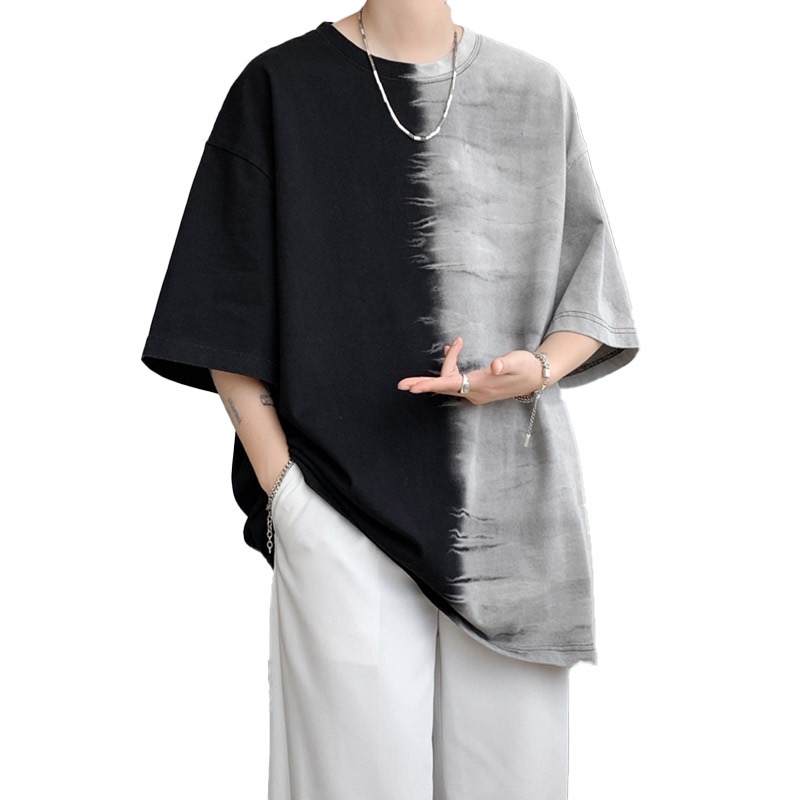
Organic, recycled, and other sustainability claims require current supplier transaction records and applicable certification scope. Recycled cotton may reduce fiber length, so blends or strength testing can be necessary.
Blends Match End Use
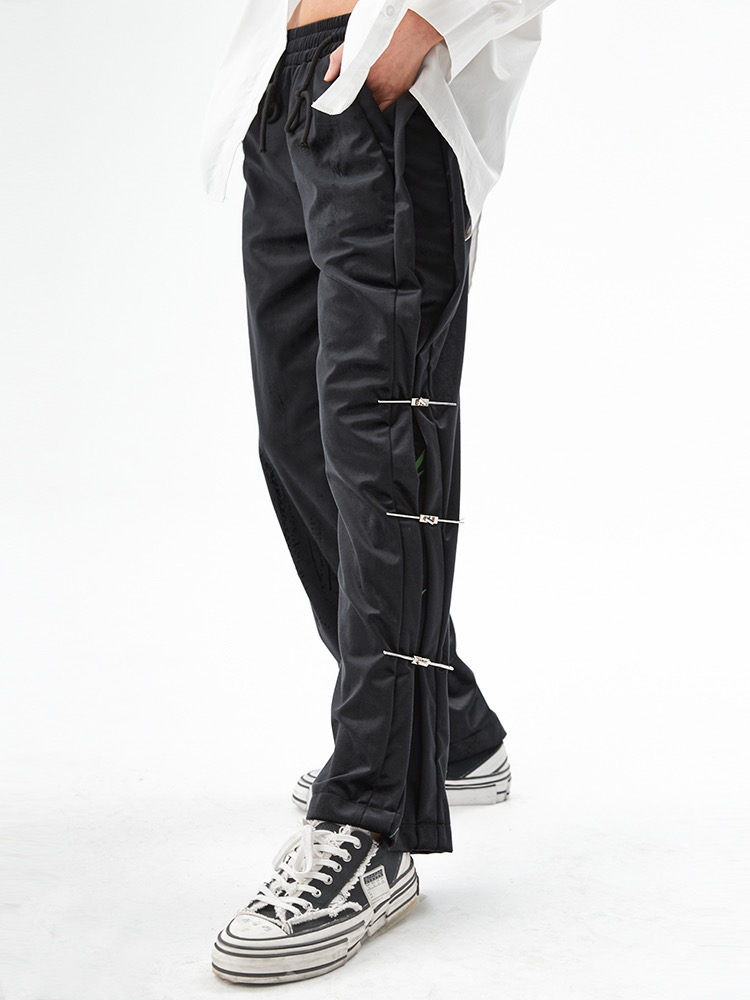
A 5–10% elastane blend improves recovery, while polyester can add durability and faster drying. Specify wash shrinkage and pilling targets for every blend.
5. Customization and Decoration Options
200-piece programs need decoration decisions locked before bulk because color, hand feel, and placement affect both yield and approvals. EDVORIN records each approved option against the production sample.
| Route | Best Cotton Surface | Approval |
|---|---|---|
| Screen print | Smooth jersey or fleece | Washed strike-off |
| DTG | Light, smooth cotton | Color proof sample |
| Embroidery | Stable fleece or twill | Trimmed sewn sample |
| Custom dye | Any approved base | Lab dip |
Color And All-Over Print
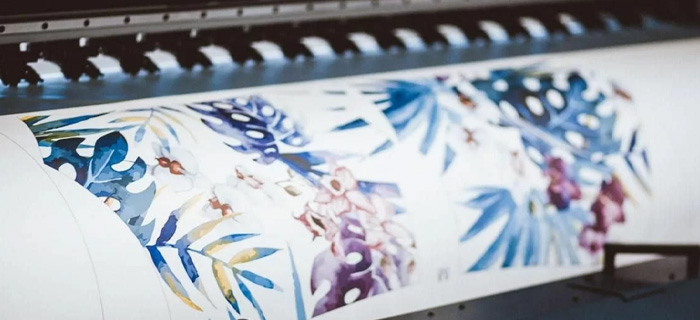
Pantone references should accompany custom-dye requests; approve a lab dip on the actual cotton base before cutting.
Full-coverage artwork needs a strike-off, especially across seams, ribs, and textured fleece.
Print Methods
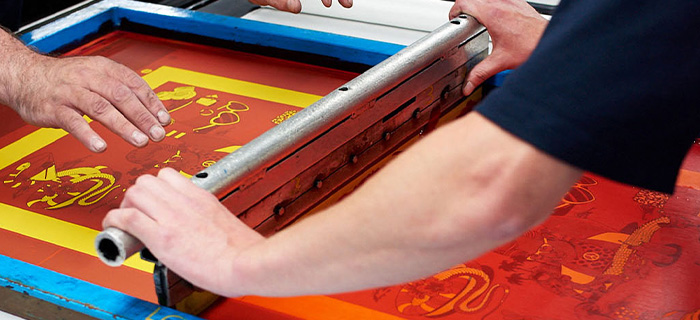
1-color screen print suits bold art on light or dark cotton; dark grounds may need an underbase. DTG handles detailed tonal artwork best on smoother knit surfaces.
1 washed print sample should confirm opacity, cracking, shrinkage, and hand feel.
Trims And Dimensional Decoration
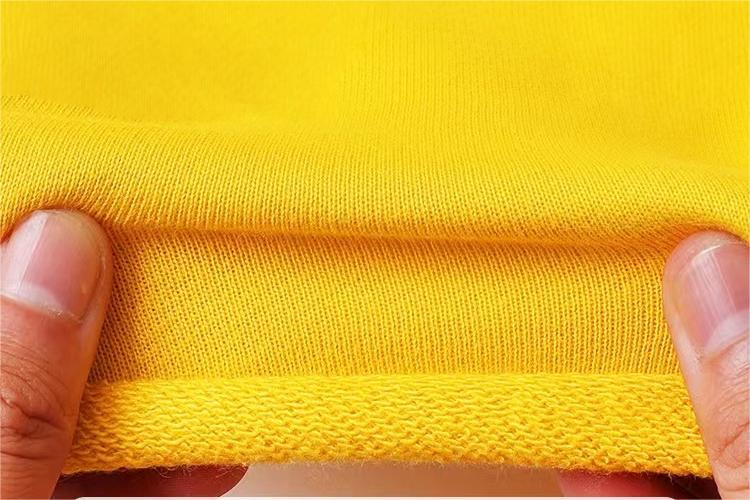
3D embroidery, appliqué, woven labels, neck prints, patches, and custom packaging require placement artwork and a fully trimmed approval sample.
2 sample stages—pre-production and wash-tested—reduce surprises from puckering, edge lift, or label color variation.
6. Construction Details That Define Quality
A 320 GSM hoodie can still miss its intended hand when yarn, finishing, and tolerance controls are unspecified. Before bulk, turn the approved sample into measurable acceptance criteria.
Fabric Stability
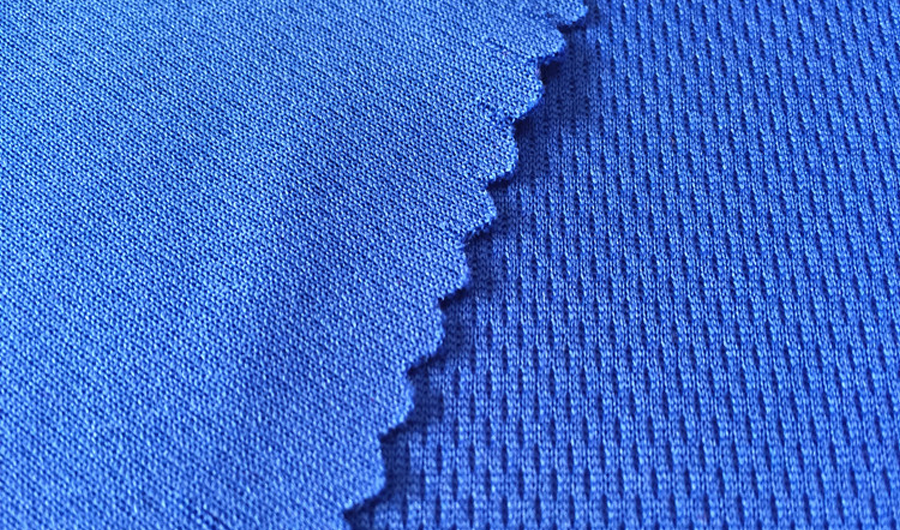
A ±5% GSM tolerance, wash method, shrinkage limit, colorfastness method, pilling grade, and allowable skew or spirality should appear in the fabric test plan. Ask for lot-level results before cutting.
Seams And Rib
Three checkpoints—stitch type, stitch density, and seam reinforcement—define whether stress points survive wear. Specify rib composition, finished width, recovery after stretch, and bartacks at pockets or plackets.
Pre-Production Review
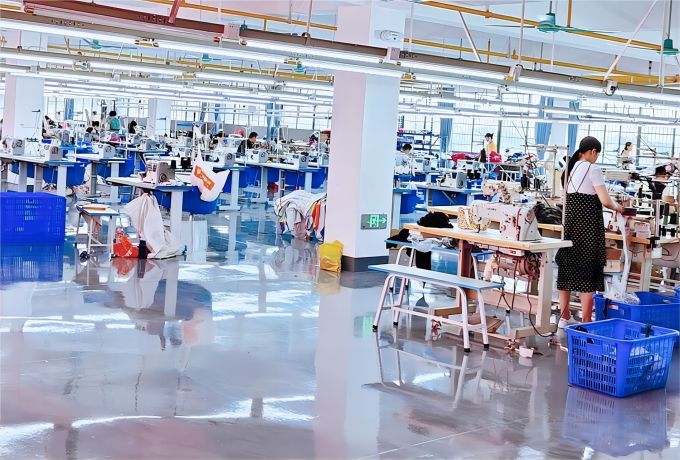
One pre-production sample should use bulk-intended fabric, trims, artwork, and labels. Compare every point of measure against the tech pack’s graded tolerances, then ask which defects trigger rework, repair, or rejection.
7. Choosing a Cotton Clothing Manufacturer
A cotton fabric for clothing manufacturer should be assessed against one RFQ, not a headline unit price. Compare the approved specification, commercial terms, and controls that protect repeat production.
| RFQ Input | Why It Matters | Evidence To Request |
|---|---|---|
| MOQ and color split | Tests launch fit | Written breakdown |
| Sample approval | Locks bulk standard | Signed sample notes |
| Shipping term | Clarifies cost ownership | Named Incoterm |
Match MOQ And Sampling
EDVORIN’s MOQ starts at 200 pieces per style. A 200-piece MOQ may suit one colorway but not a five-SKU launch. Confirm MOQ by style, color, fabric, and size run.
One approved sample should record measurements, construction, wash result, artwork placement, and revision history before bulk release.
Verify Material And Product Fit
100% cotton, blend percentage, GSM, knit or weave, color standard, and test requirements should appear on the fabric quotation. Ask whether mill origin, lot control, and certification documents can be supplied.
Hoodies, jerseys, and woven shirts require different machinery, pattern knowledge, and decoration controls.
Compare Production Controls
Three checkpoints—pre-production, in-line, and final inspection—make variation visible before shipment. Request capacity, critical-path lead time, communication owner, and defect-handling process.
Incoterms, carton marks, labeling files, packing ratio, and shipping documents belong in the same comparison.
8. Common Cotton Sourcing Mistakes
200-piece programs expose small specification gaps quickly. Buyers sourcing cotton fabric for clothing manufacturer programs should test the finished garment, not approve isolated swatches.
Weight And Composition
280 GSM alone cannot predict a hoodie’s hand, recovery, or pilling. Specify knit structure, yarn type, finish, and a sewn sample; 100% cotton does not guarantee durable construction.
Wash And Color Approval
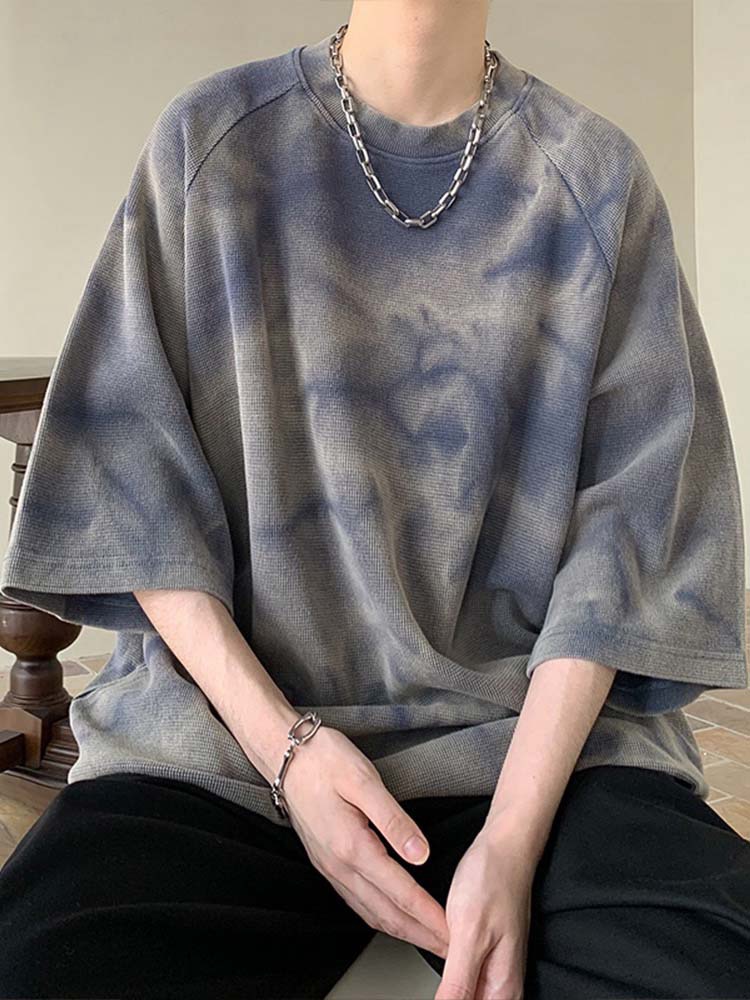
Three wash cycles can reveal shrinkage, twisting, and print failure before bulk cutting. Approve a laundered size sample and physical Pantone lab dip, not a screen rendering alone.
Production Records And Reorders
AI artwork, 6-week deadlines, and scattered messages create placement errors, delays, and inconsistent repeats. Supply vector files, a dated critical path, and one tech pack recording measurements, tolerances, trims, color standards, and approved bulk references.
9. Steps to Launch a Cotton Apparel Line
A 200-piece launch moves fastest when each decision becomes a production record before sampling. EDVORIN can turn a sketch or complete brief into an accountable path from material selection to repeat ordering.
Define The Brief
1 garment brief should identify customer, silhouette, end use, target retail level, and delivery date. Attach reference photos, logo files, size range, and desired quantity by color.
Lock Fabric And Specifications
280–360 GSM fleece or French terry is a common starting range for substantial cotton hoodies. Confirm composition, Pantone color, shrinkage allowance, measurement chart, labels, and decoration placement in the tech pack.
Approve Samples Before Bulk
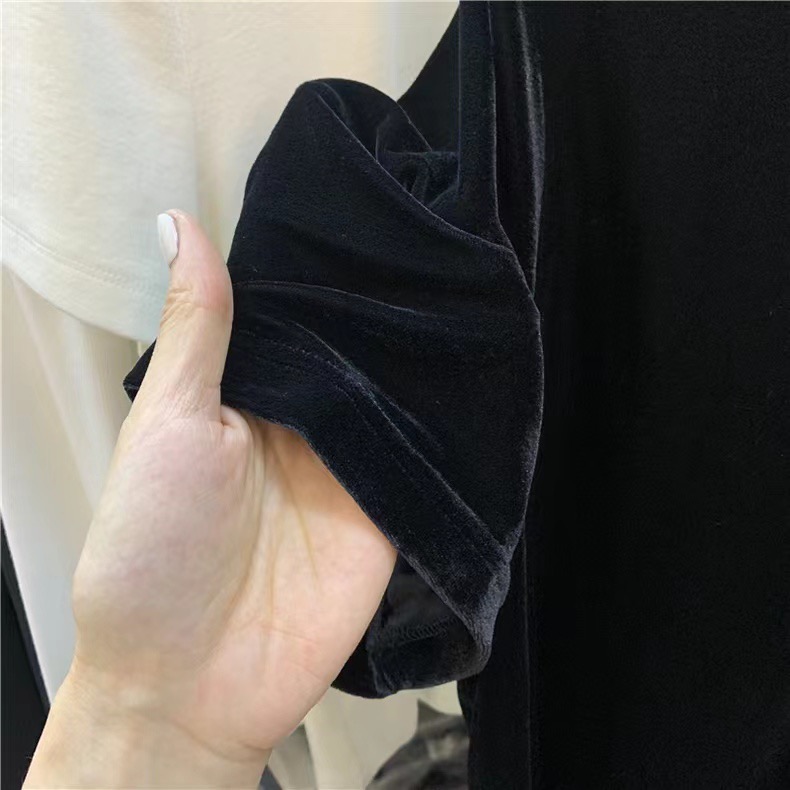
1 approved sample should be checked for fit, hand feel, artwork, stitching, and wash appearance before bulk cutting. Freeze colorways, size ratios, print method, embroidery files, and final quantities after written approval.
Control Delivery And Reorders
2 inspection points—in-line and final—help catch measurement, construction, and packing variation before shipment. Confirm carton markings, polybags, labels, shipping documents, and reorder notes so the next production run follows the approved standard.
10. Cotton Apparel Pricing and Cost Drivers
200-piece runs usually carry the highest unit cost because fabric minimums, pattern work, sampling, and decoration setup are divided across fewer garments. A cotton fabric for clothing manufacturer should quote from the approved specification, not a target price.
180–400 GSM, ring-spun versus open-end yarn, custom dyeing, trims, print or embroidery, pattern complexity, testing, packaging, and freight all change the landed cost. A precise quote requires the complete specification, order quantity, and delivery destination.
| Quantity tier | Unit-price direction | Typical lead-time stage |
|---|---|---|
| 200–499 units | Highest | Development, material booking, bulk production |
| 500–999 units | Lower | Material confirmation, production, inspection |
| 1,000+ units | Lowest potential | Bulk planning, production, packing |
Start Your Cotton Fabric for Clothing Manufacturer Program
Send a tech pack, reference garment, or collection concept for fabric direction, sample planning, and a production quote from EDVORIN.