
Sustainable Shirt Manufacturer for Repeatable Collections
EDVORIN is a sustainable shirt manufacturer offering 200-piece starting MOQs, product development, sourcing, decoration, and controlled bulk production for brand buyers.
Featured Apparel Programs
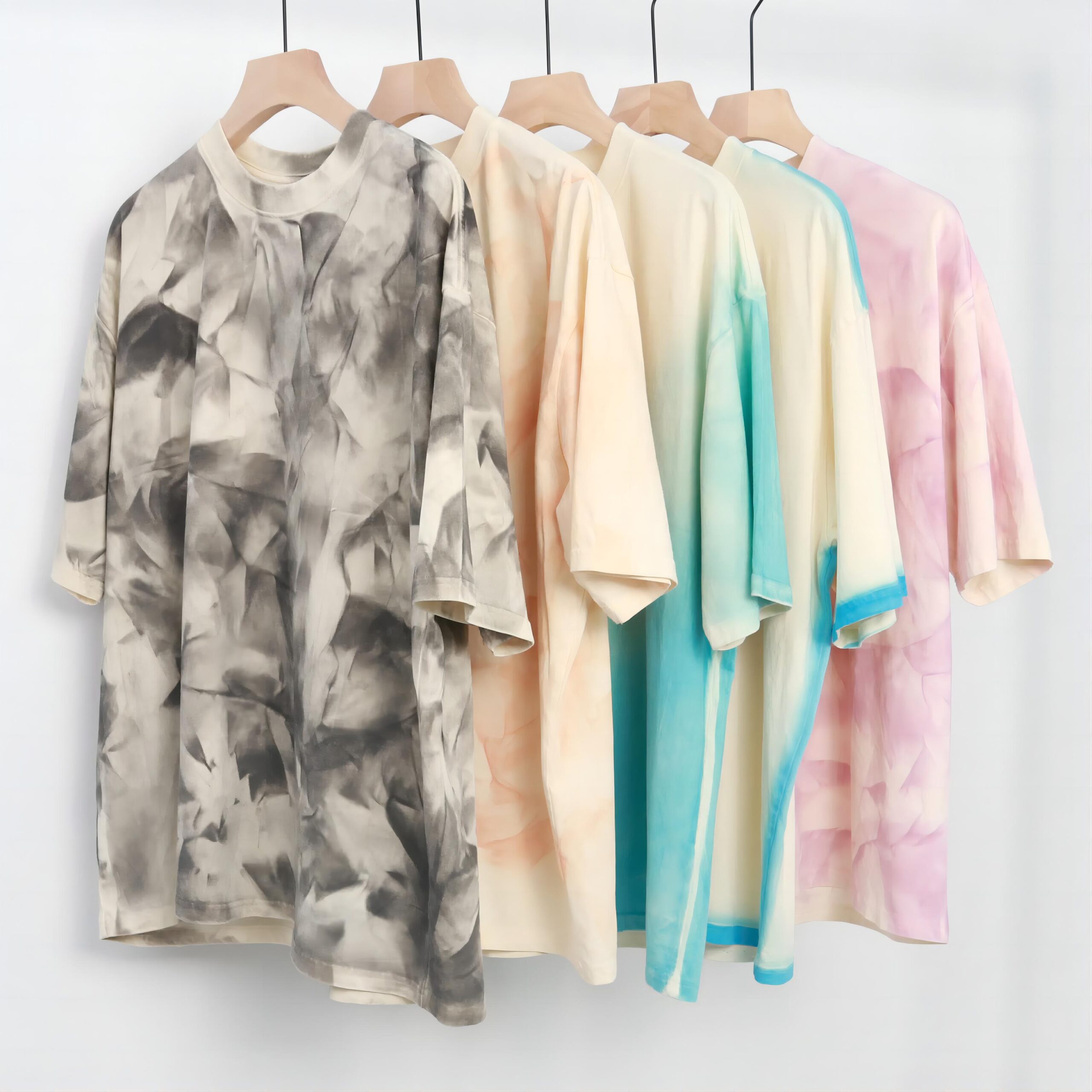
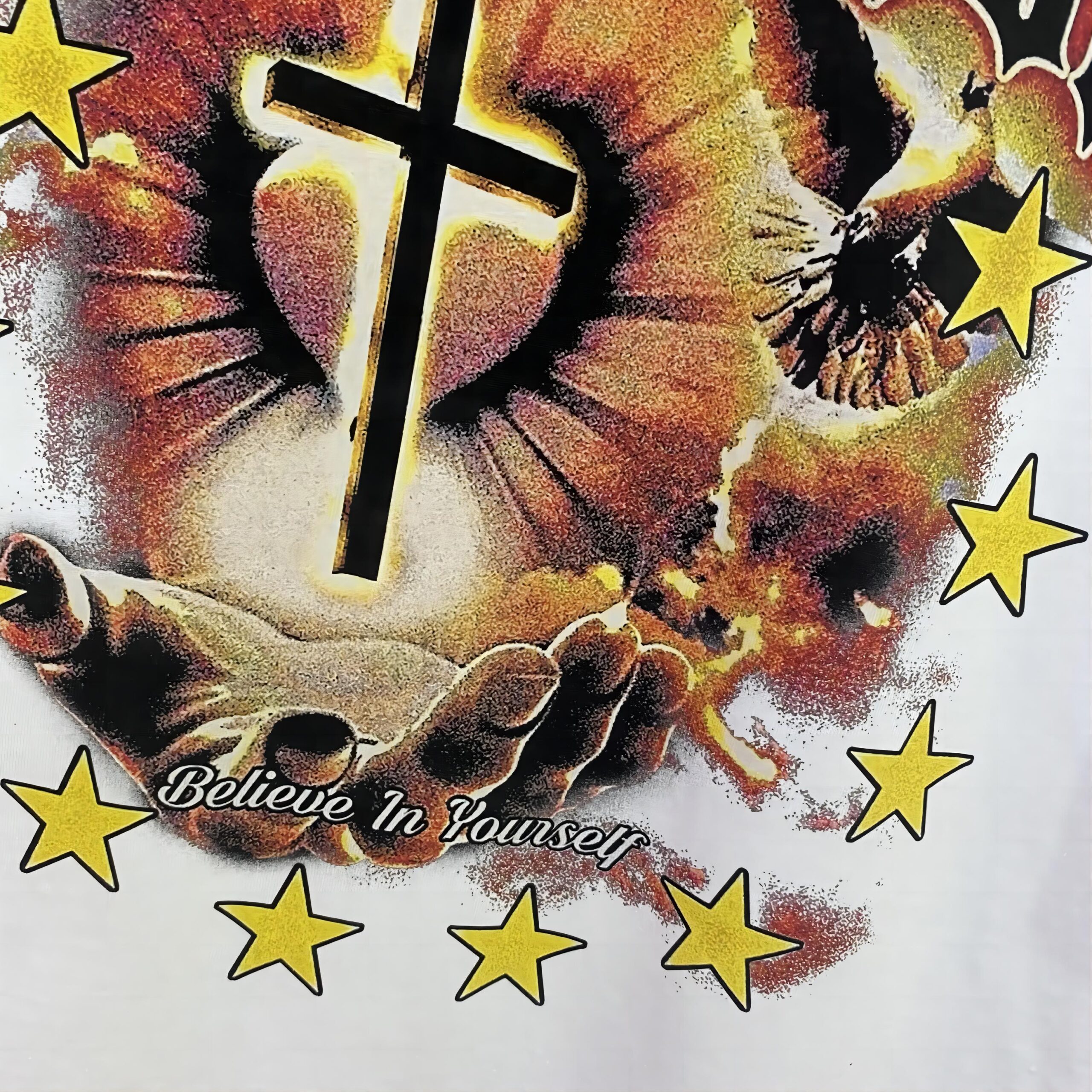




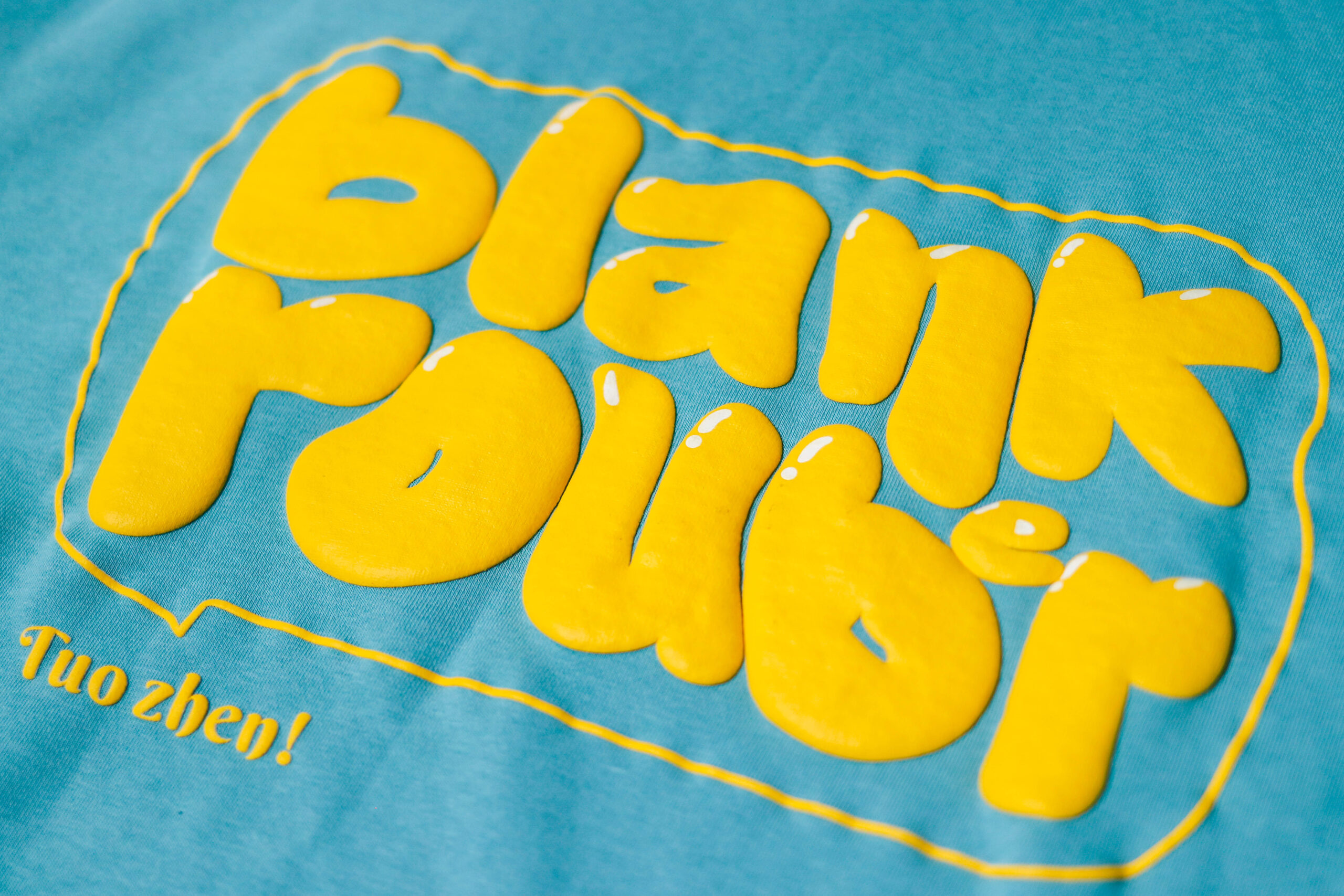

Sustainable Shirt Manufacturer Advantages for Growing Brands
Founder-led development and controlled production decisions that help apparel programs move from approval to repeatable bulk orders.
Founder-Led Development
Work directly through a production-minded process shaped by founder-led apparel manufacturing experience since 2000, from concept review through approved specifications.
Flexible 200-Piece MOQ
Launch focused shirt programs with minimums starting at 200 pieces per style, supporting emerging labels, wholesale buyers, and established private-label collections.
Fabric-to-Decoration Matching
Coordinate fabrics, artwork, printing, embroidery, washes, and trims as connected decisions, so the finished shirt supports its intended look and wear.
Coordinated Sourcing
Bring material selection, labels, packaging, fit details, and production requirements into one accountable workflow instead of managing disconnected suppliers.
Approved-Standard Quality Control
Turn approved samples, measurements, placement references, and trim specifications into practical bulk-production standards, supported by in-line and final inspections.
Responsible Apparel Programs, Built to Repeat
From single styles to coordinated collections, EDVORIN develops production-ready apparel with materials, decoration, fit and quality standards aligned to each buyer program.
Custom Hoodies
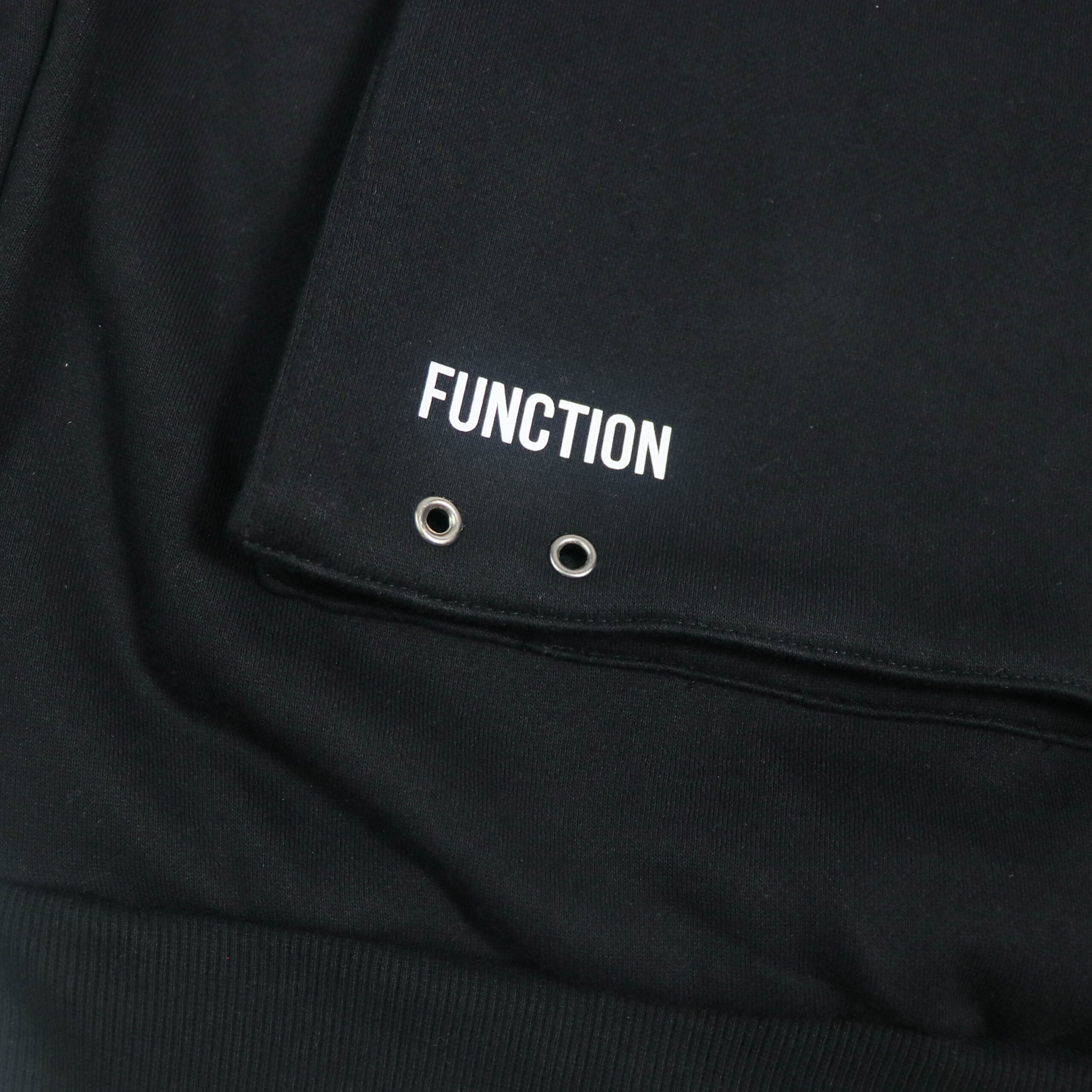
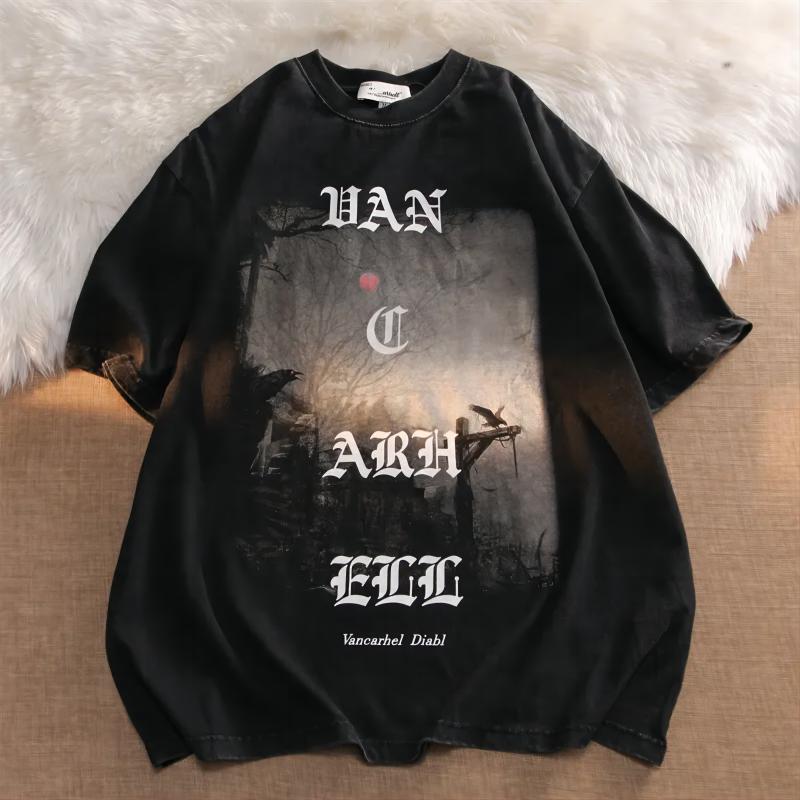
Custom hoodie manufacturer support covering fleece selection, fit blocks, rib specifications, hoods, drawcords, pockets, labels and print or embroidery placement. Develop men’s and women’s hoodies from reference, sketch or tech pack, then document approved details for repeat bulk production.
Get a Quote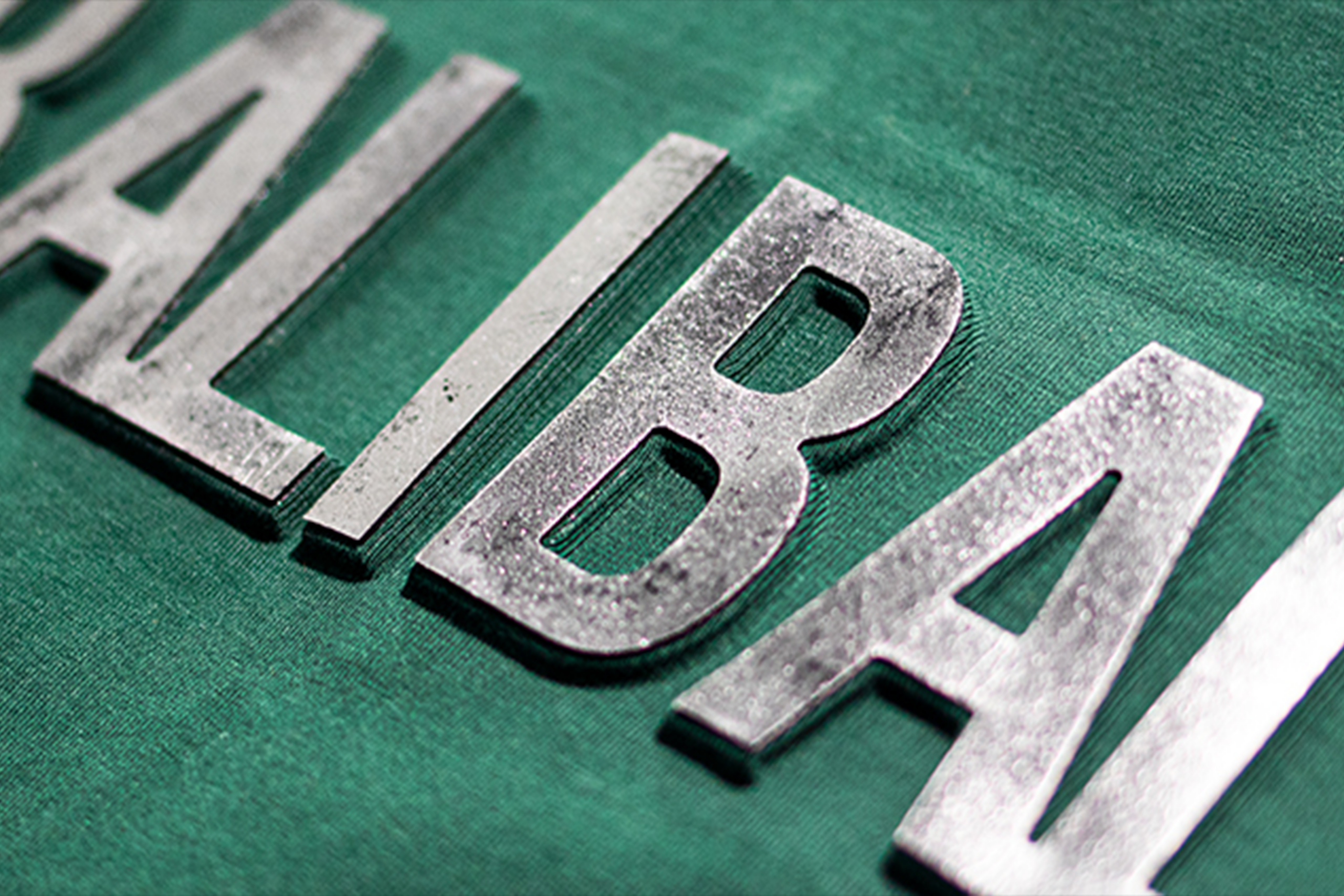
Pullover Sweatshirts
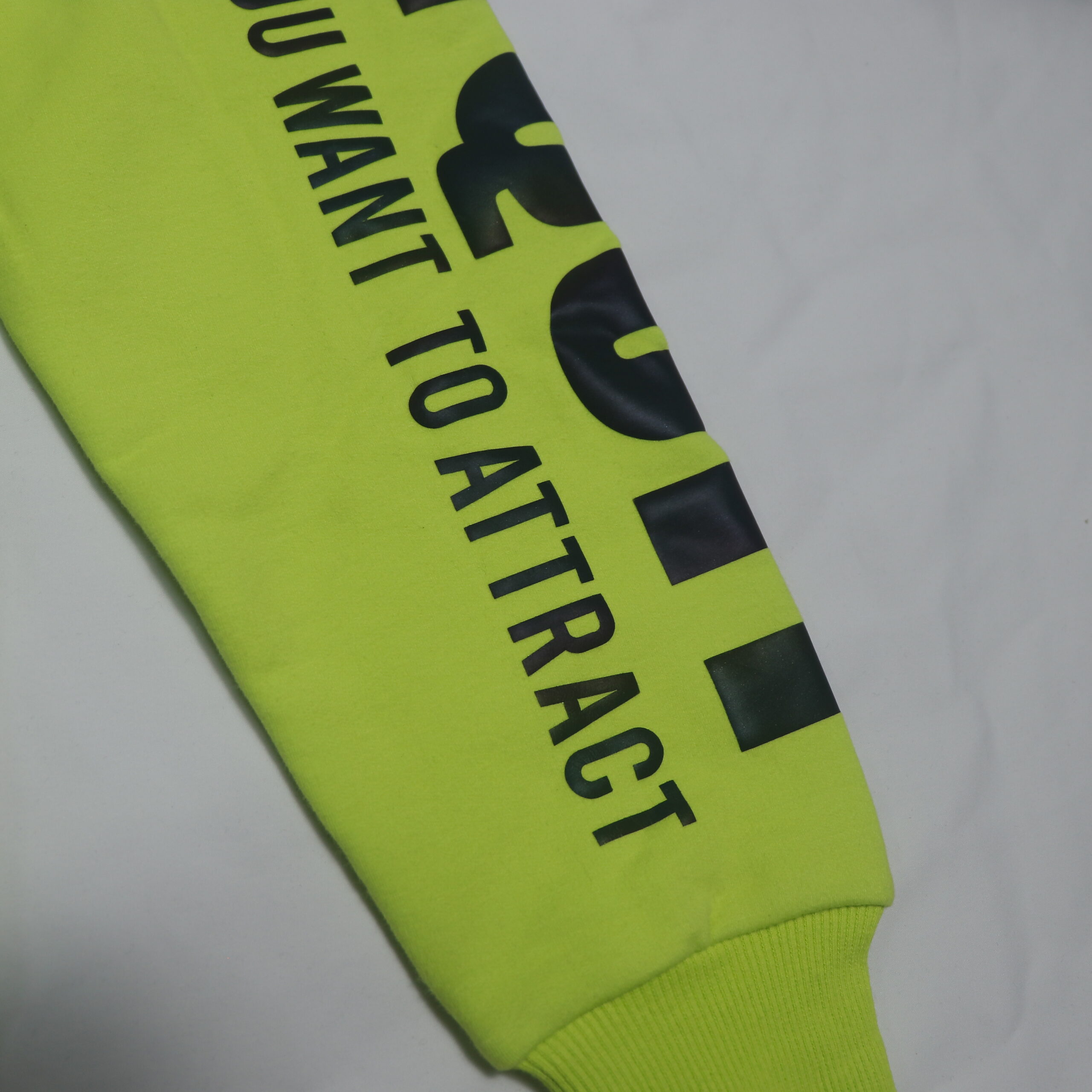
As a sweatshirt manufacturer, EDVORIN develops pullover styles around fabric weight, neckline, rib recovery, seam construction and decoration requirements. Suitable for fashion, school, wholesale and private-label programs requiring approved samples and consistent grading across repeat orders.
Get a Quote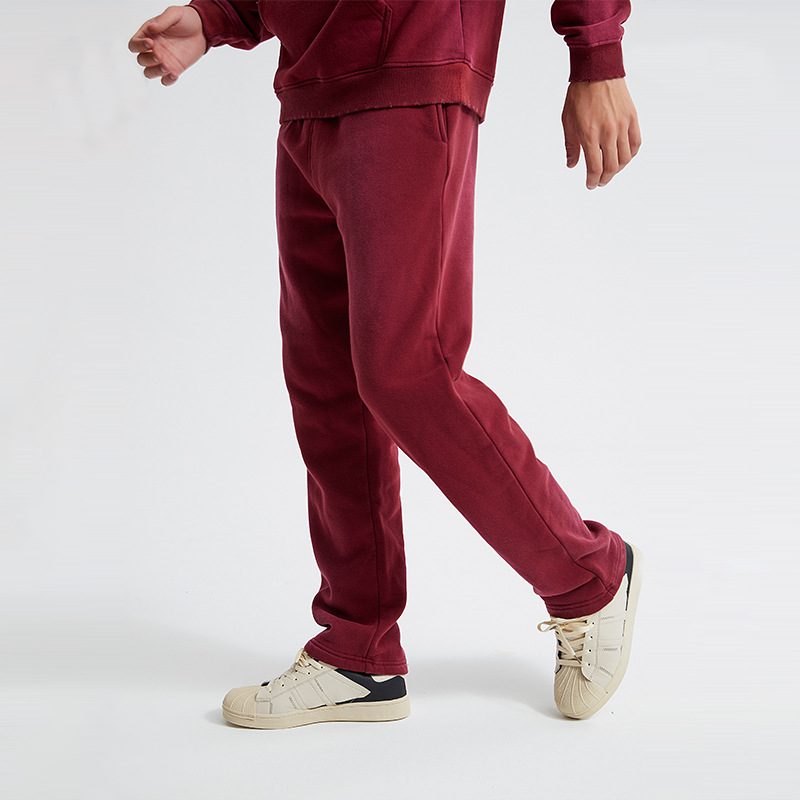
Sweatpants & Joggers
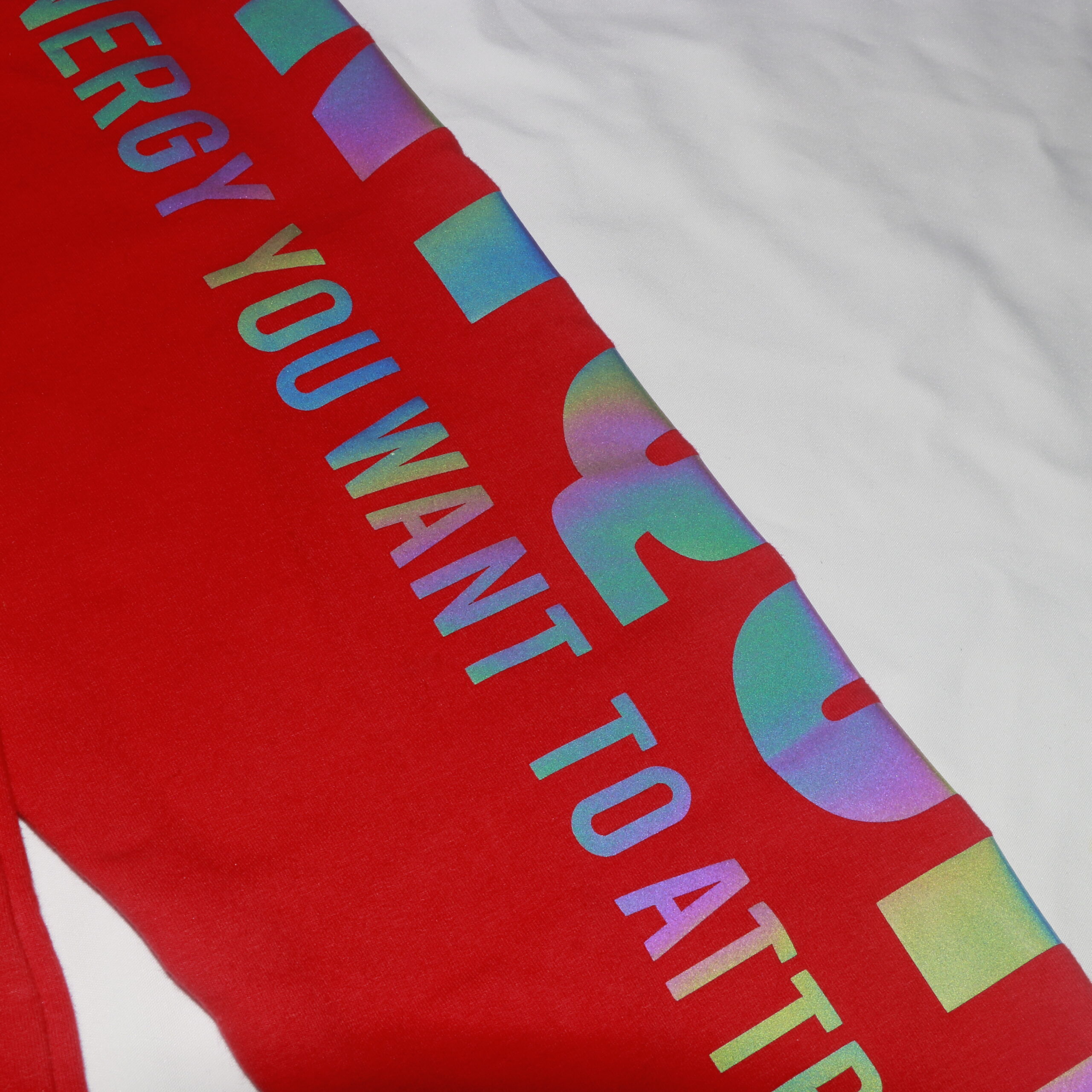
Sweatpants and joggers are developed with coordinated fabric, waistband, cuff, pocket and drawcord specifications. EDVORIN supports relaxed, tapered and performance-oriented fits, with men’s and women’s grading, decoration coordination and sample-to-bulk controls for matching apparel programs.
Get a Quote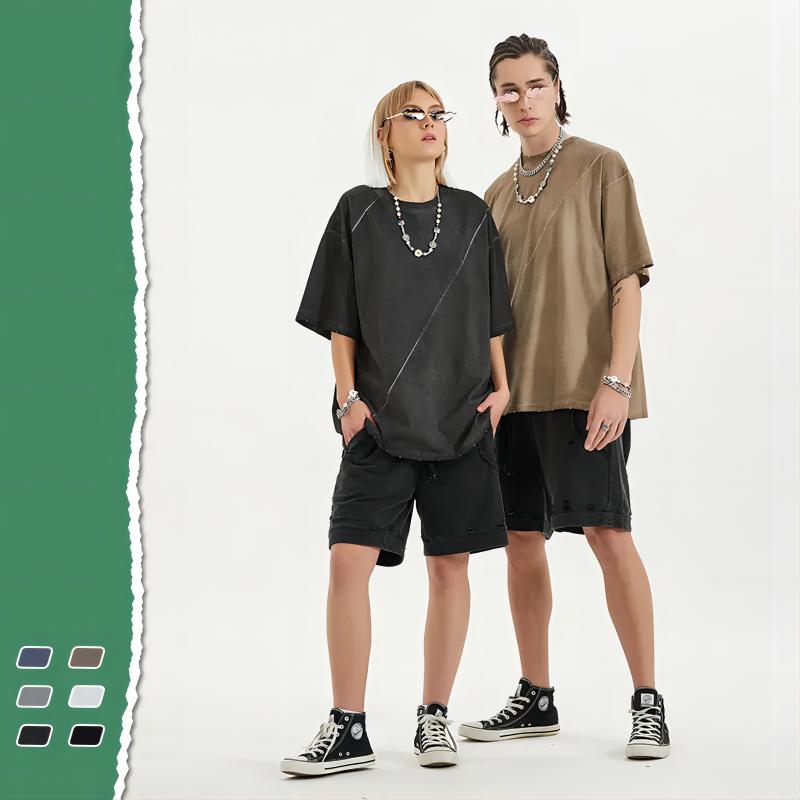
Custom Shorts
Custom shorts manufacturer services include fleece, jersey, woven and performance short development. Specify inseam, rise, waistband, pockets, lining, trims and decoration placement for casualwear, sport, school or private-label assortments, with bulk standards established from the approved sample.
Get a Quote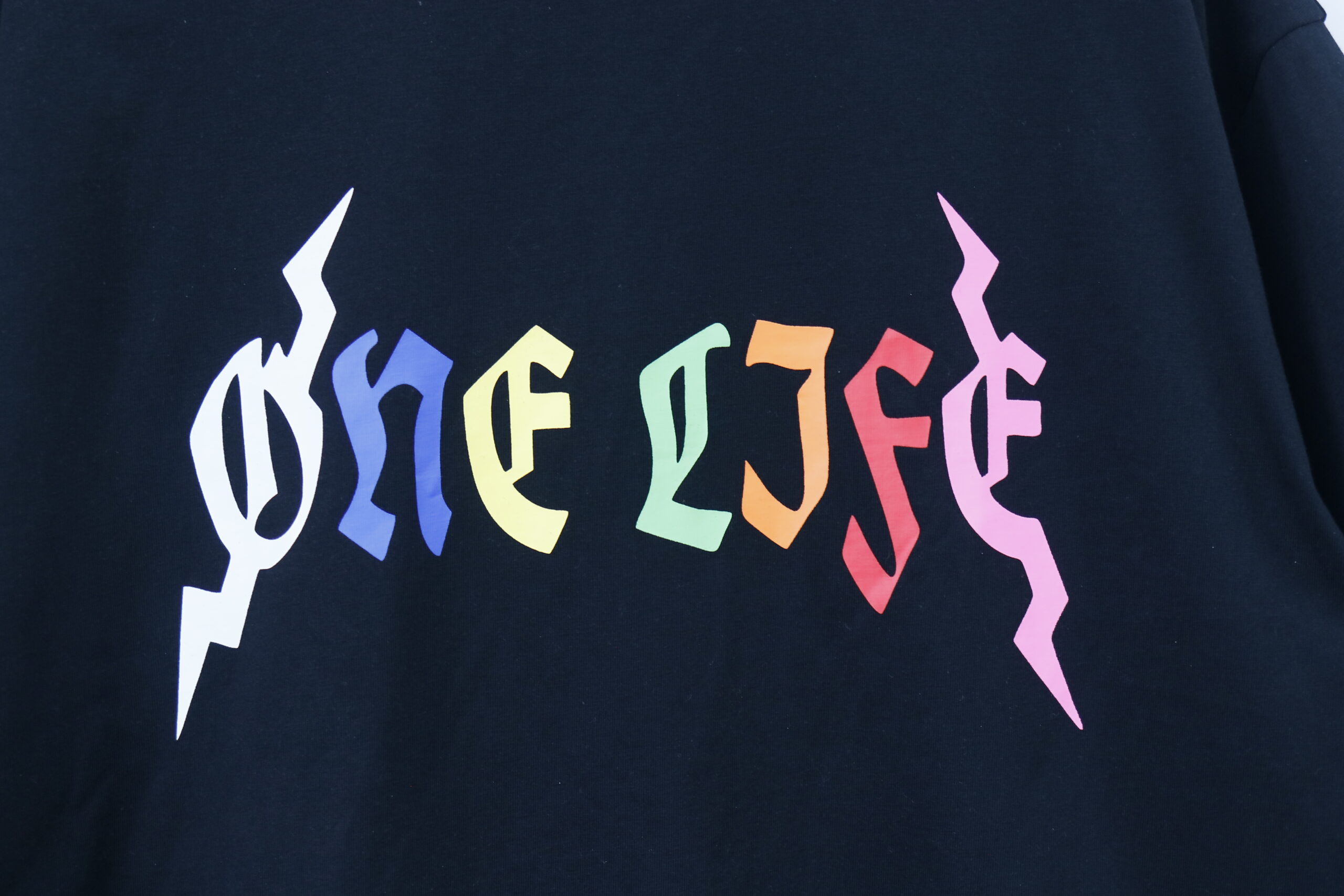
Varsity & Baseball Jackets
As a varsity jacket manufacturer, EDVORIN coordinates body and sleeve materials, rib knit, lining, snaps, patches, embroidery and chenille details. Baseball-inspired jackets are developed as complete construction packages, protecting proportions and decoration placement through production.
Get a Quote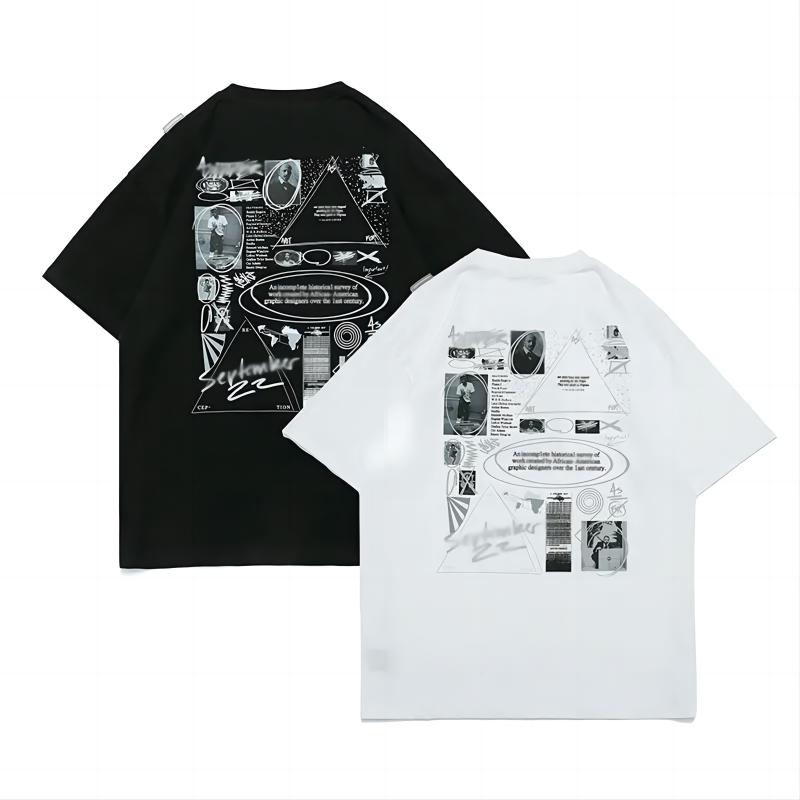
Custom T-Shirts
Custom T-shirt manufacturer capabilities cover jersey sourcing, weight, fit, collar construction, stitching, wash effects and print methods. Build standard, oversized, cropped or fitted men’s and women’s styles with clear artwork placement and measurement specifications for reliable reorders.
Get a Quote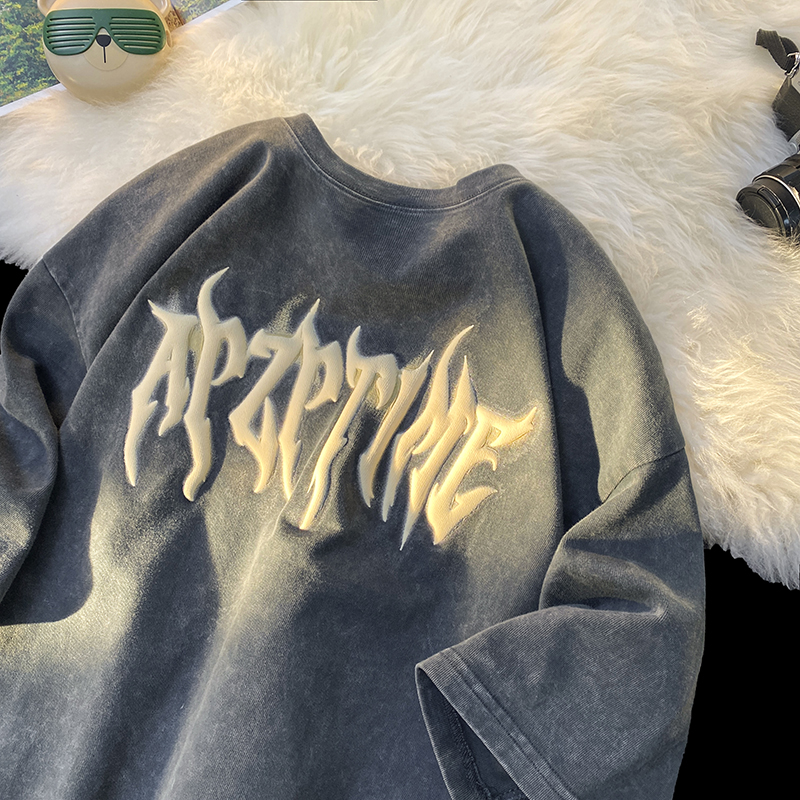
Custom Polo Shirts
Polo shirt manufacturer support includes piqué or jersey fabric selection, collar and placket construction, cuffs, buttons, embroidery and color matching. Programs can be developed for uniforms, corporate wear, schools, clubs and retail private labels with controlled fit and grading.
Get a Quote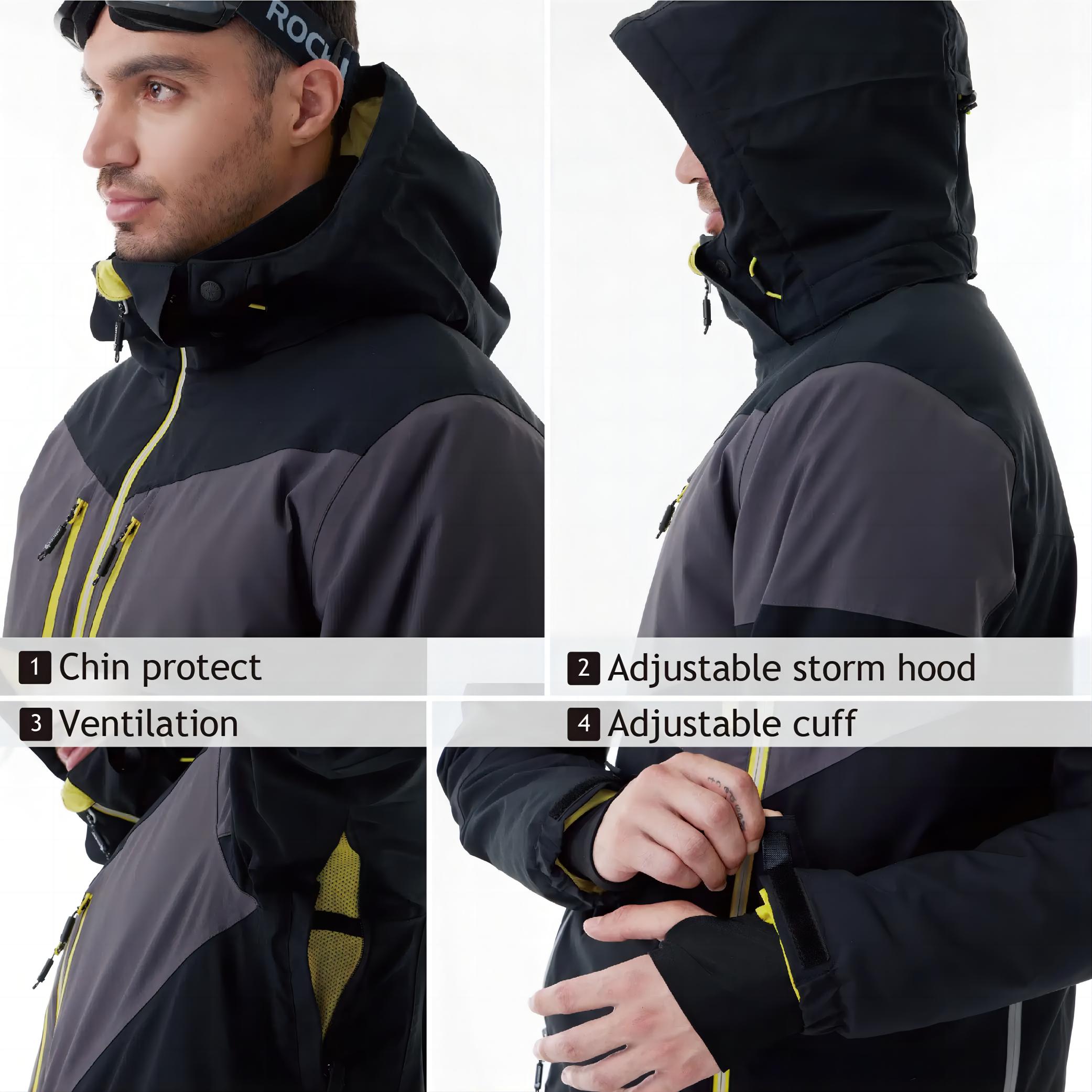
Windbreaker Jackets
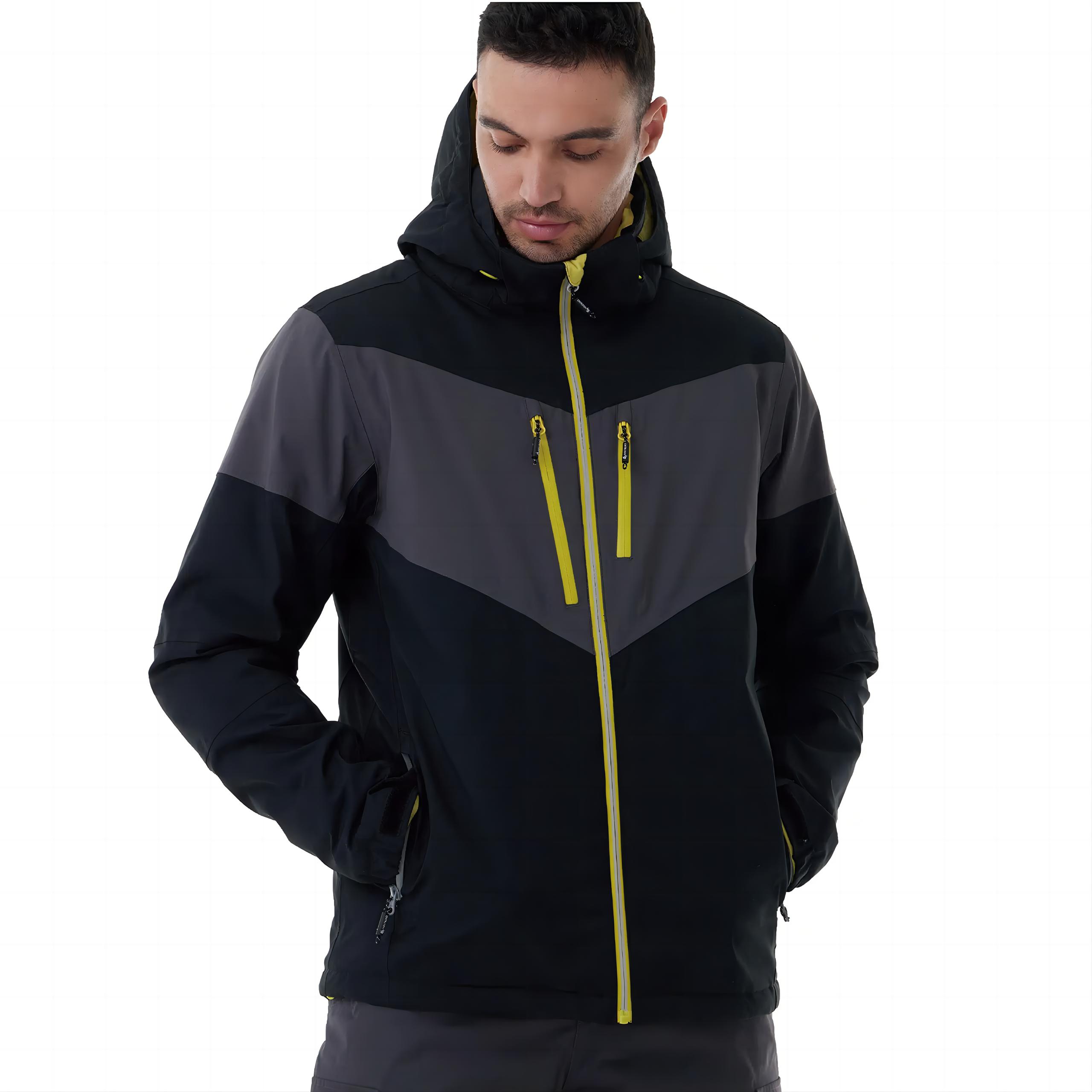
Windbreaker manufacturer development coordinates lightweight shell fabrics, linings, mesh panels, zippers, elastic, hoods, reflective details and print or embroidery. Specify weather protection, packability and fit requirements before bulk production for teamwear, outerwear and branded programs.
Get a Quote
Quilted Jackets
Quilted jacket manufacturer services bring together shell fabric, lining, insulation, quilting pattern, pockets, closures and labeling. EDVORIN develops warmth, weight and silhouette requirements into an approved construction standard for men’s and women’s outerwear programs.
Get a Quote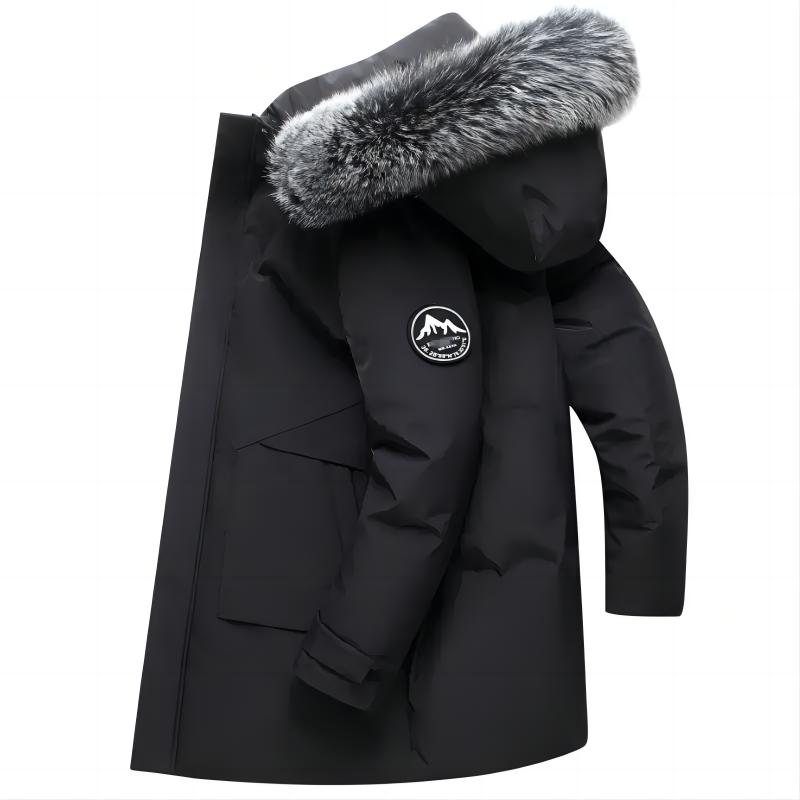
Bomber Jackets
Bomber jacket manufacturer support covers shell selection, lining, padding, rib trims, zippers, pockets, patches and embroidery. From lightweight fashion bombers to insulated outerwear, each program is sampled and documented to maintain construction and fit consistency in bulk.
Get a Quote
Custom Shirts
Custom woven shirt manufacturer development includes cotton, blends and technical woven fabrics; collar, placket, cuff and pocket options; and garment wash or embroidery coordination. Build casual, workwear or branded shirt programs around defined sizing, finishing and repeat-order standards.
Get a Quote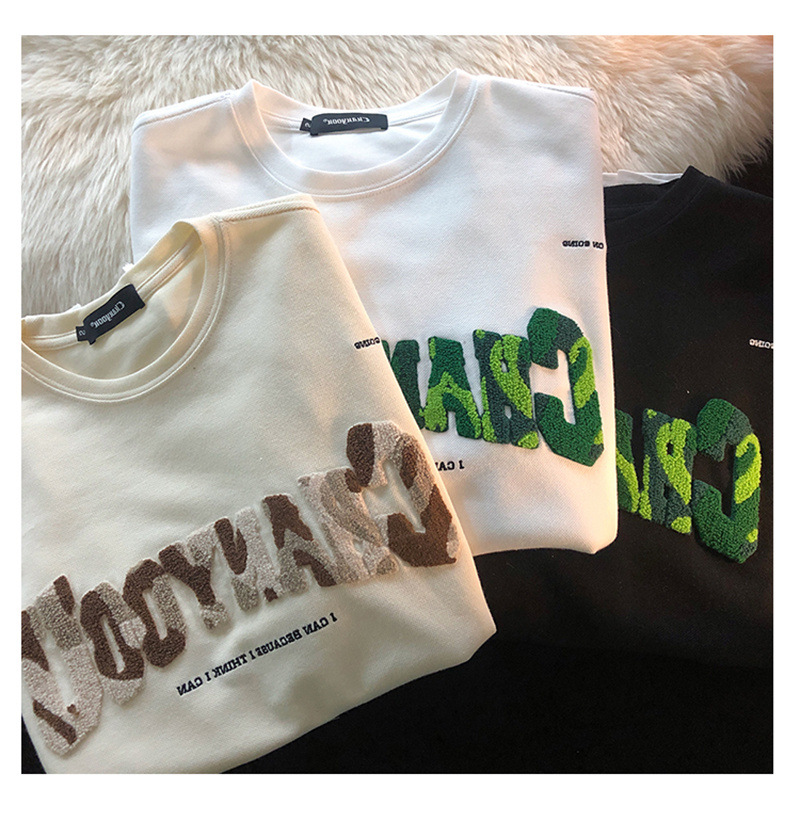
Custom Jerseys
Custom jersey manufacturer services combine breathable fabrics, panel construction, color blocking, sublimation, screen printing, embroidery and name-and-number placement. EDVORIN creates documented team, club, school and retail jersey specifications that support organized size sets and repeat production.
Get a Quote
Tank Tops
Custom tank top manufacturer programs cover jersey, mesh and performance fabrics, neckline and armhole binding, fit, length and decoration methods. Develop training, teamwear, casual or fashion styles for men and women with sample-approved construction and sizing.
Get a Quote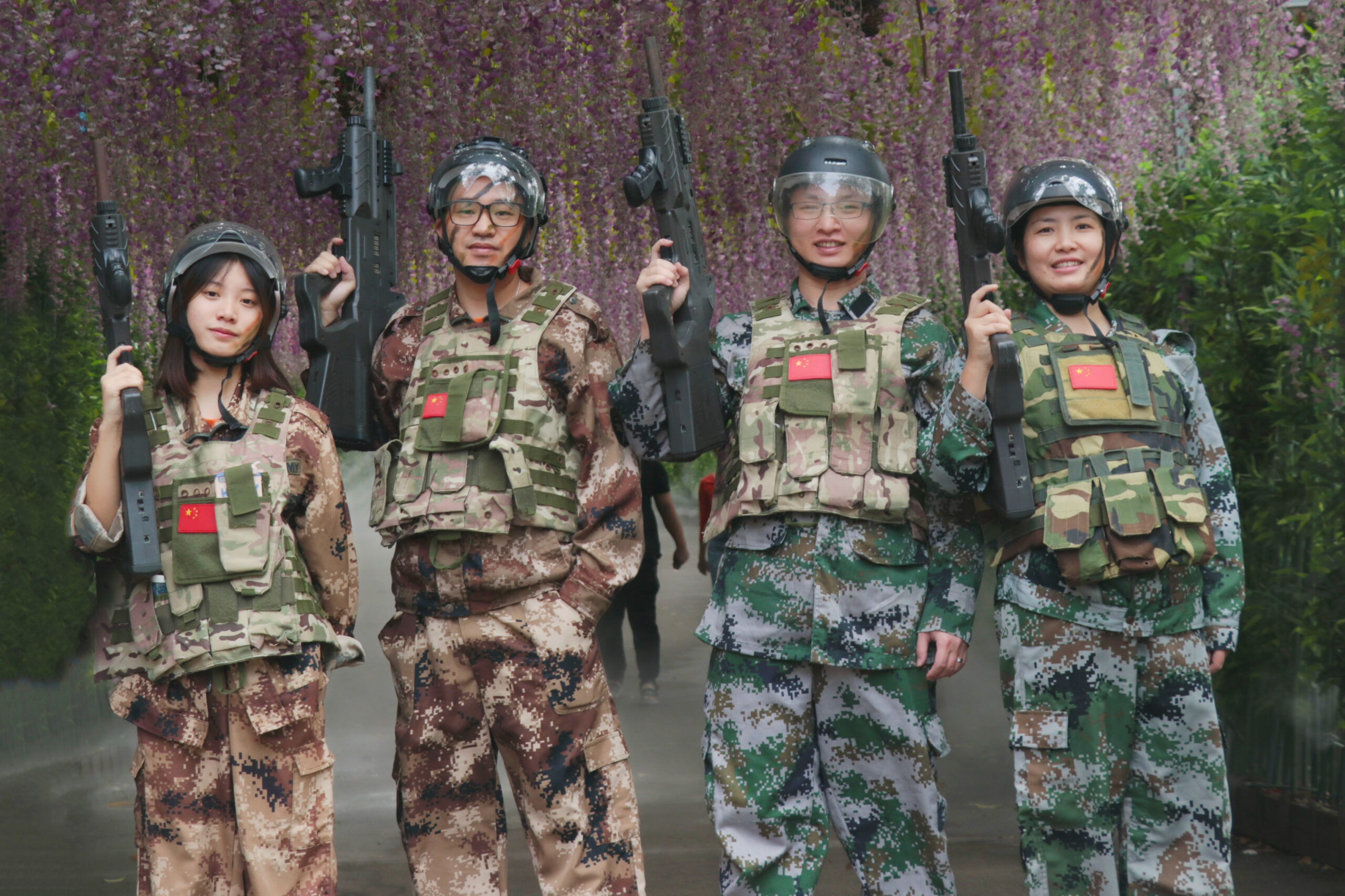
Soccer Uniforms
Soccer uniform manufacturer support includes jerseys, shorts and coordinated socks or accessories, with breathable fabric options, color matching, player names, numbers, badges and sponsor artwork. Size sets, placement records and bulk checks help protect consistency across squads and repeat seasons.
Get a Quote
Basketball Uniforms
Basketball uniform manufacturer development covers jerseys and shorts with breathable materials, panel layouts, armhole and neck finishes, sublimation or print, names and numbers. EDVORIN supports youth, school, club and retail programs with controlled fit, color and set coordination.
Get a Quote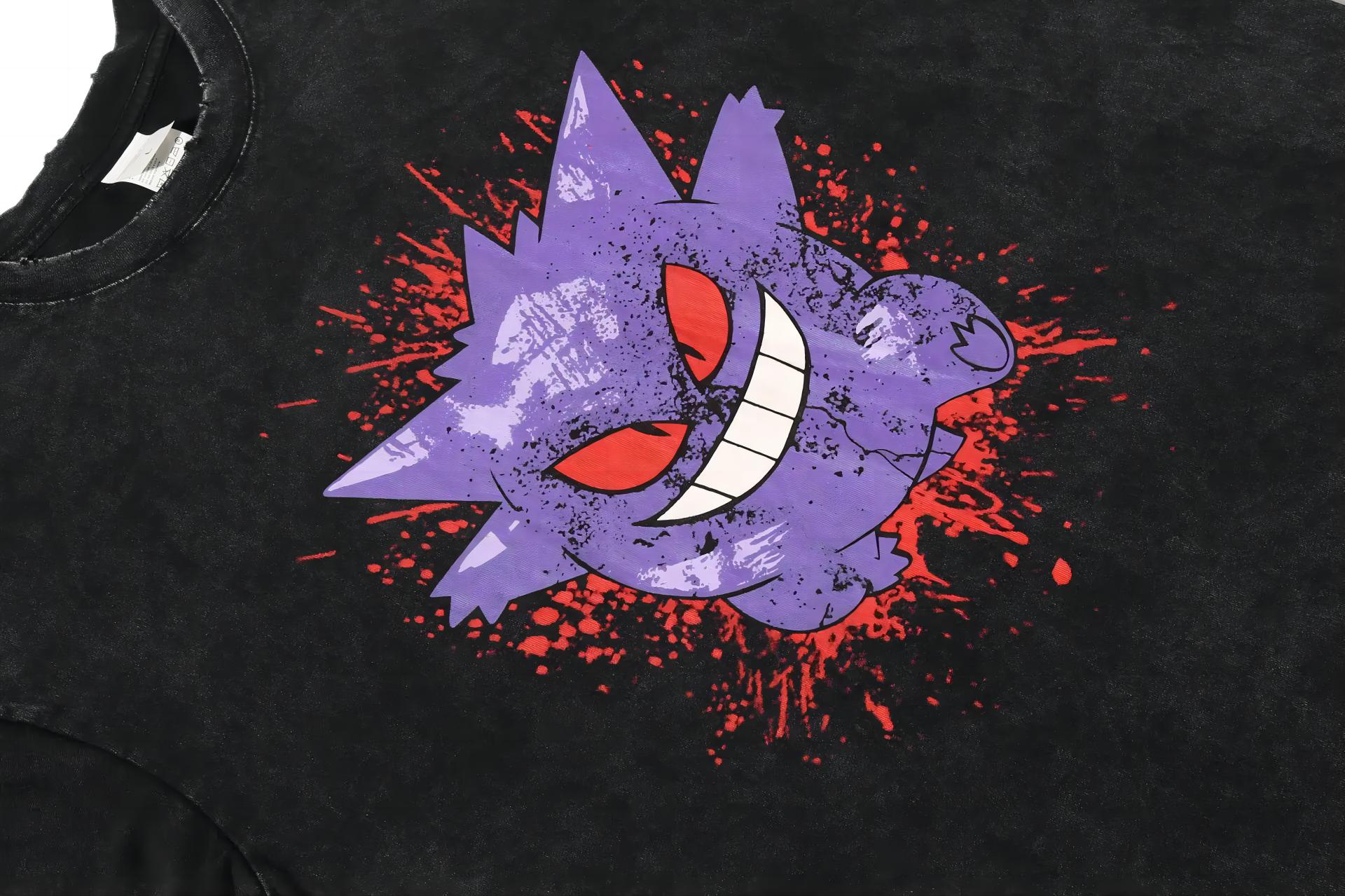
Streetwear Collections
As a streetwear clothing manufacturer, EDVORIN develops coordinated hoodies, tees, sweats, shorts, jackets and woven pieces under one production system. Fabric, washes, trims, labels, packaging and decoration are aligned to create repeatable collection standards from concept through bulk.
Get a QuoteSustainable Shirt Manufacturer Materials for Your Program
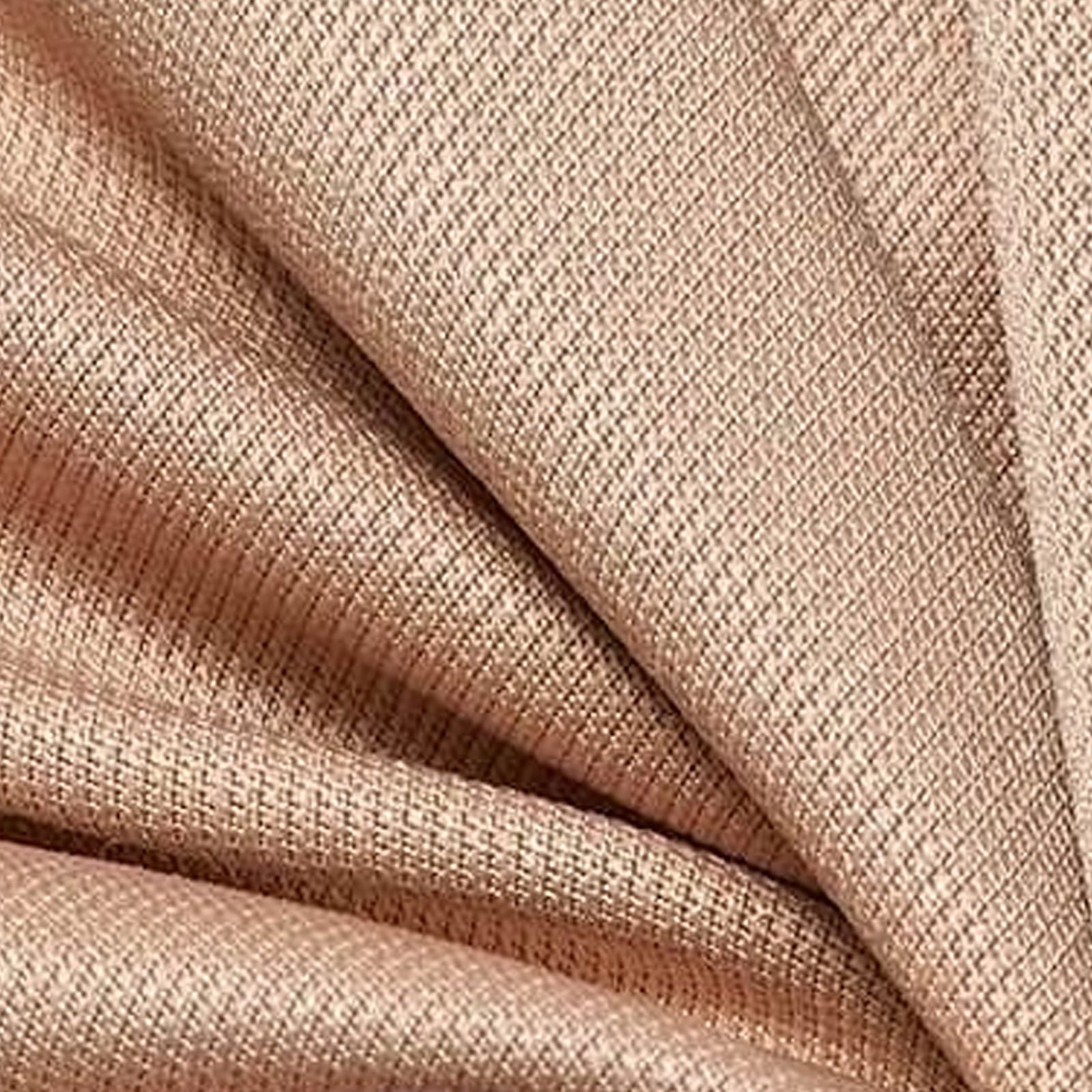
Organic Cotton Jersey
Soft, breathable knit for premium T-shirts, polos, and lightweight layers. Available in a range of weights, it offers a familiar natural hand-feel and a reliable base for screen printing, embroidery, and private-label programs.
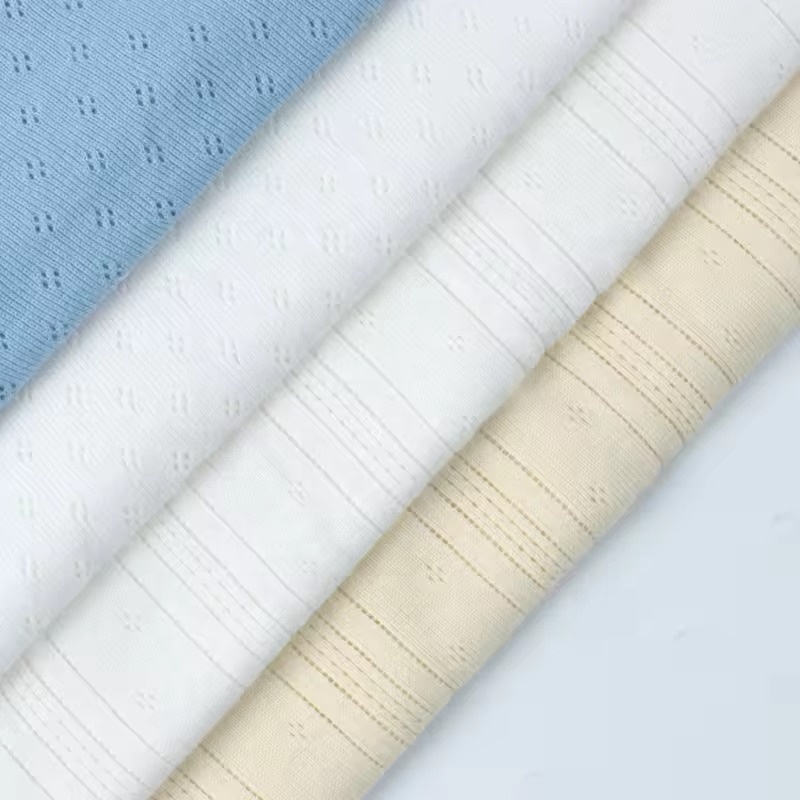
Recycled Cotton Blends
A textured, casual option for fashion basics and streetwear shirts. Blending recycled cotton with supporting fibers can balance hand-feel, durability, and fabric stability while creating a material direction suited to conscious collections.
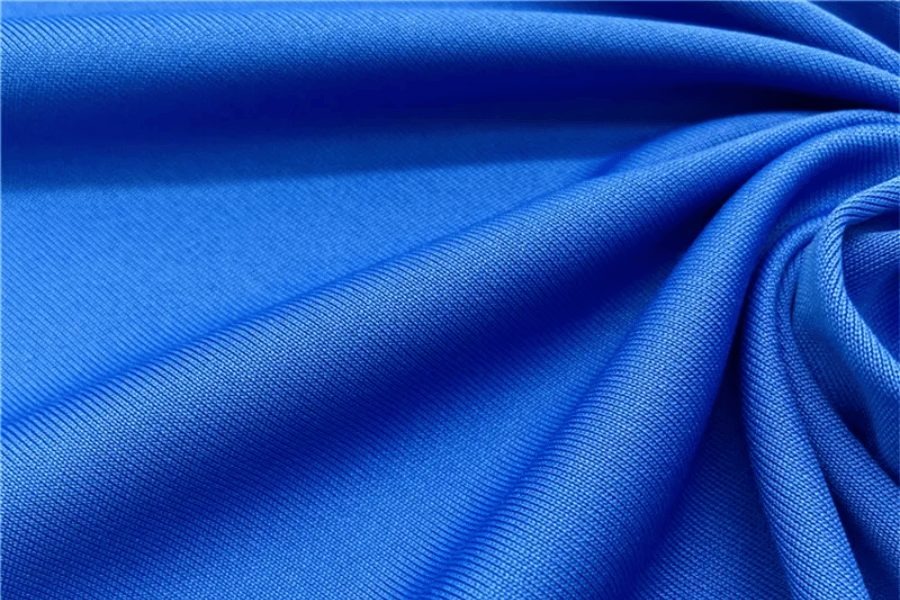
Recycled Polyester Interlock
Smooth, resilient performance knit for team jerseys, training shirts, and active programs. Its stable surface supports color-focused graphics, while moisture-management and stretch options can be specified around the intended sport or wearer.
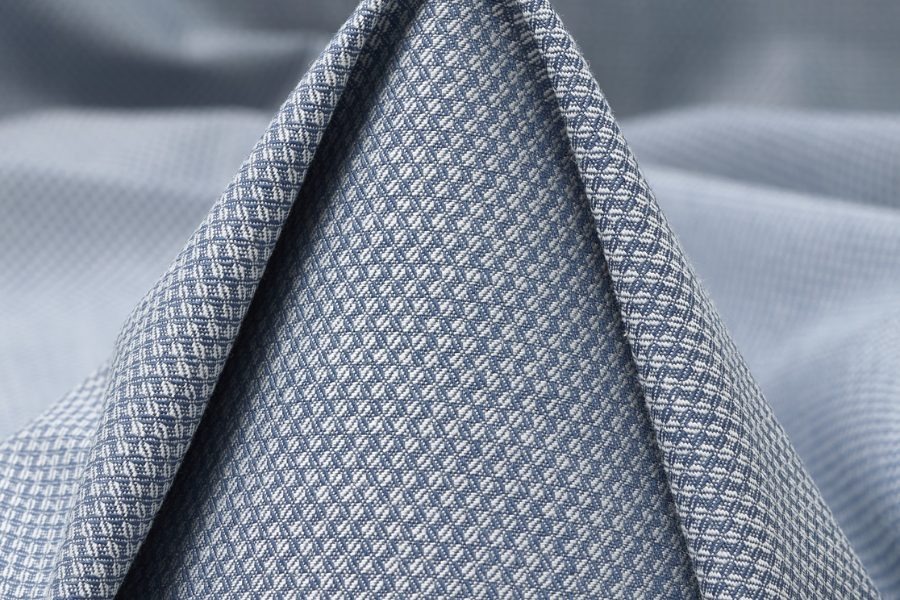
Organic Cotton Pique
Structured yet breathable for polos and elevated uniform shirts. The textured knit brings a clean, substantial hand-feel, with weight, collar construction, and stretch recovery developed to suit corporate, school, or club programs.
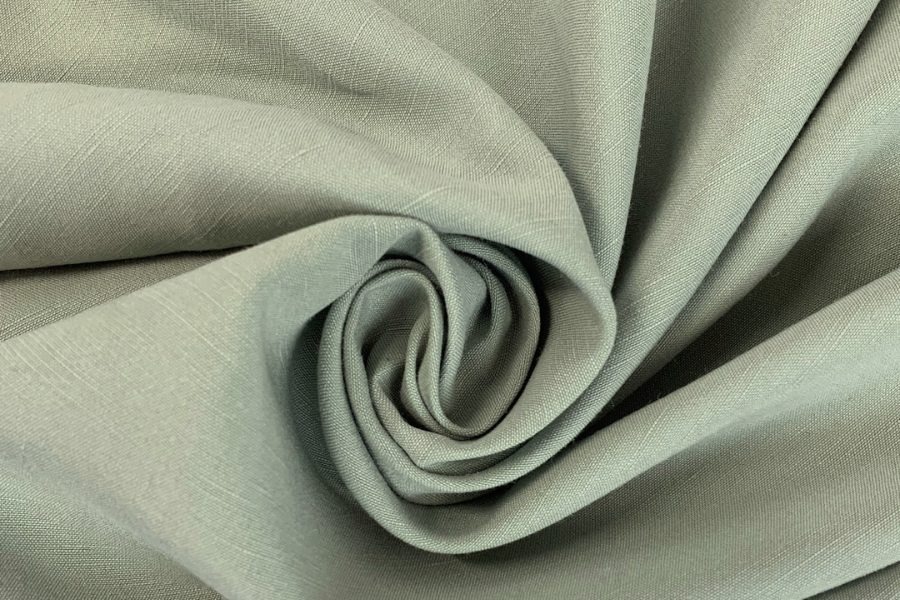
Lyocell Cotton Jersey
A soft, fluid jersey suited to refined T-shirts and fashion-led shirt programs. Combined with cotton, it creates a smooth hand-feel and drape, with fabric weight selected to support the desired silhouette and decoration method.
Decoration Processes for Sustainable Shirt Manufacturer Programs
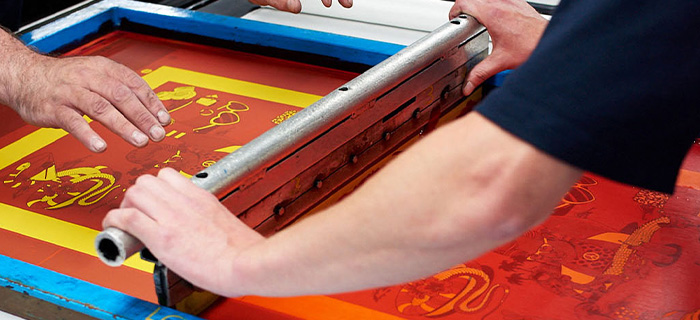
Screen Printing
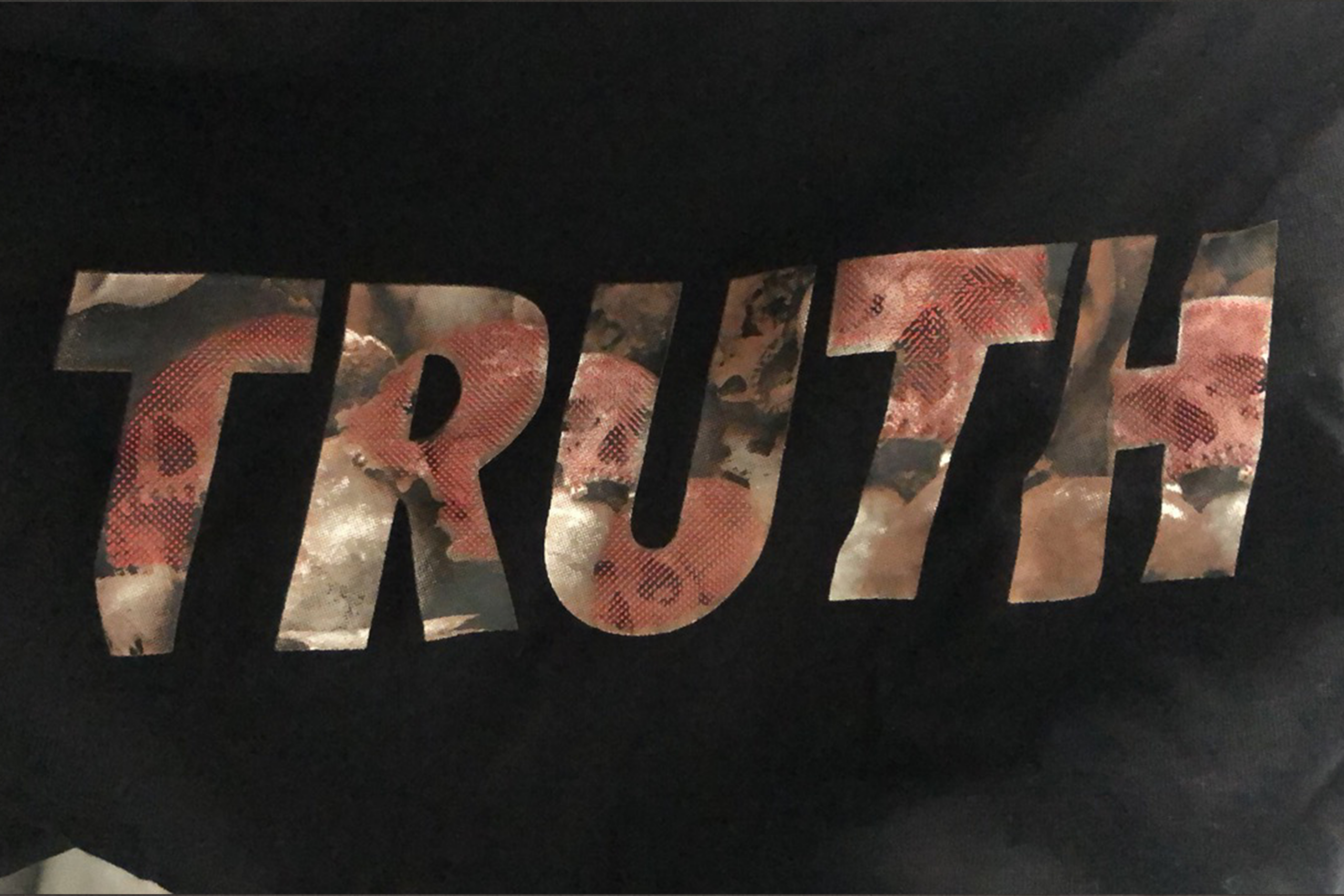
Screen printing is matched to fabric weight, stretch, and artwork coverage for clean color fields and defined detail. Placement measurements and approved strike-offs create a durable visual standard for bulk production and repeat orders.
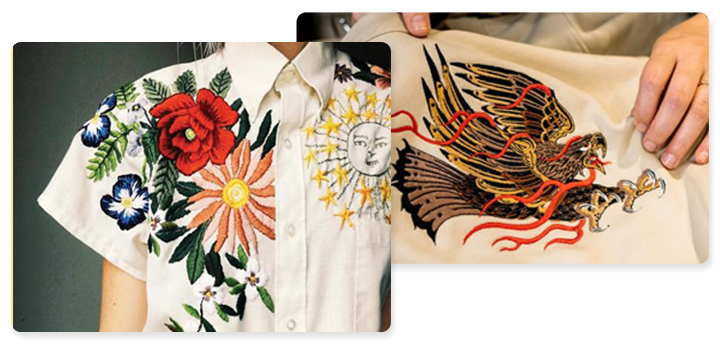
Embroidery Application
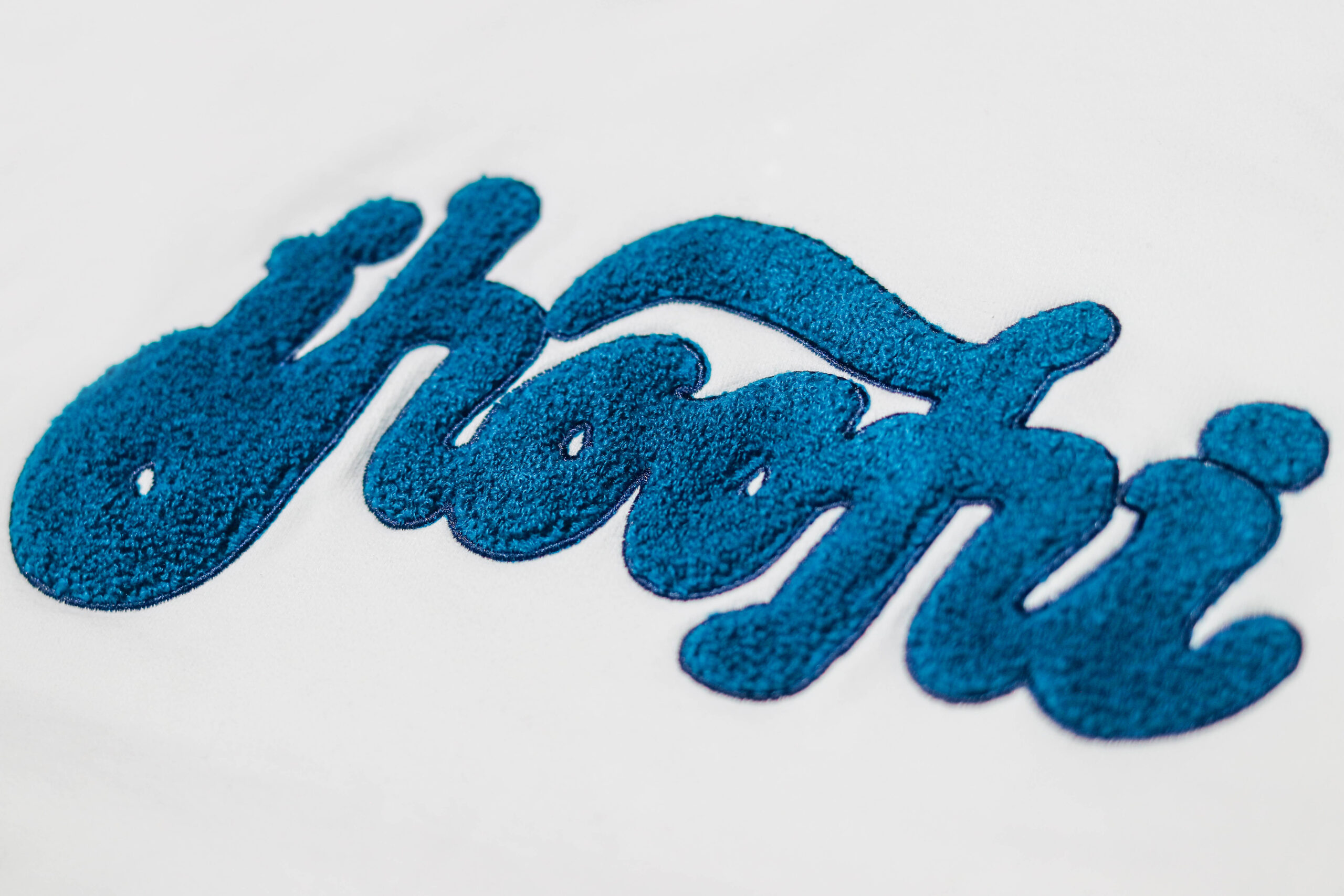
Embroidery adds dimensional logos, crests, and small-batch identity details with stitch density, backing, and placement selected for the shirt fabric. Approved samples guide a consistent finish that retains its shape through regular wear.
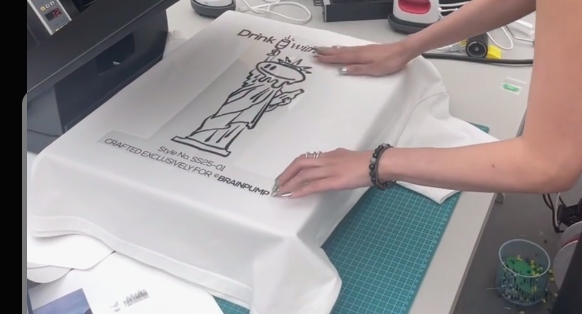
Heat Transfer
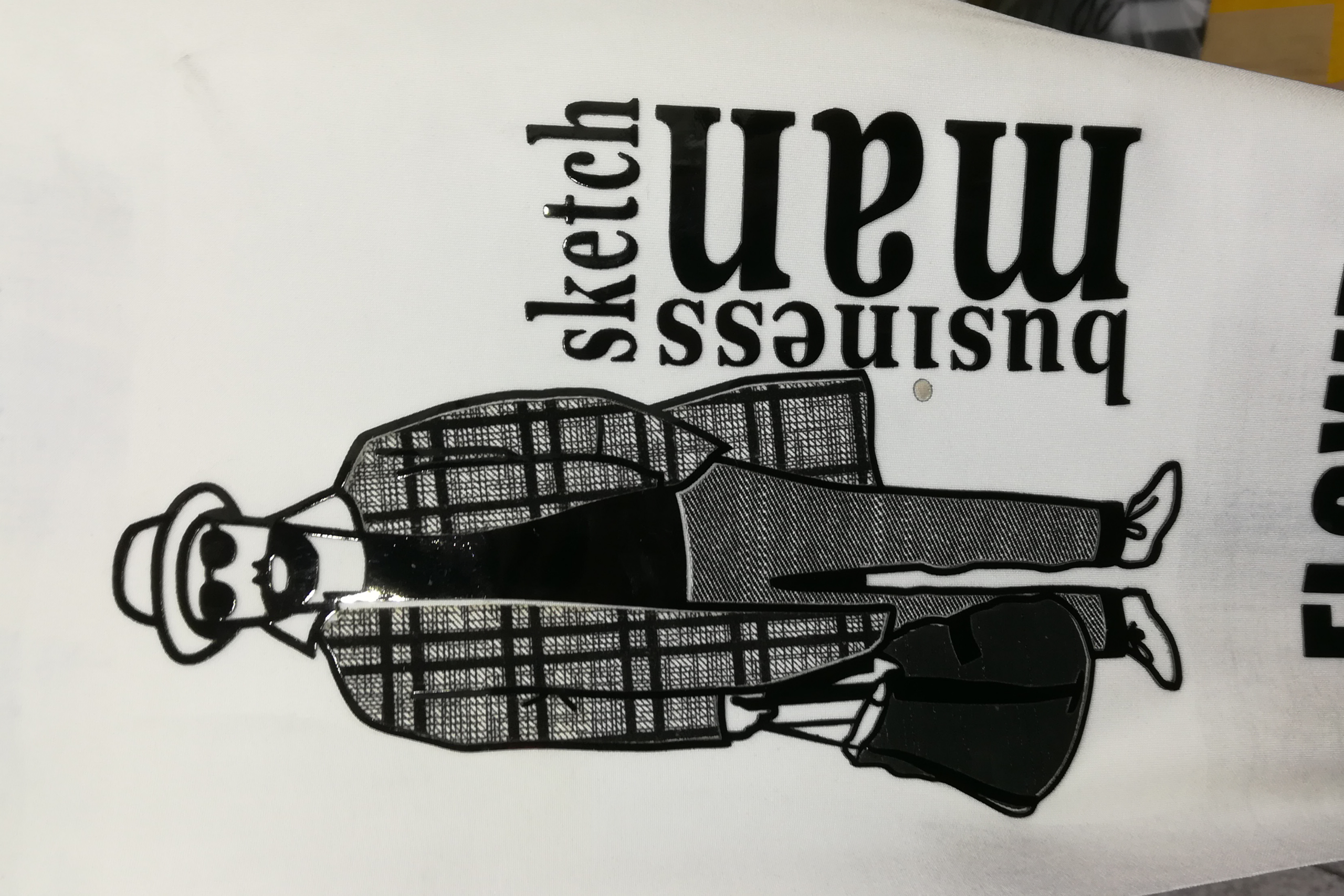
Heat transfer supports detailed graphics, names, numbers, and multicolor artwork where precise edges matter. EDVORIN coordinates transfer selection with fabric composition and placement specifications to achieve a smooth, controlled result across coordinated team or branded programs.
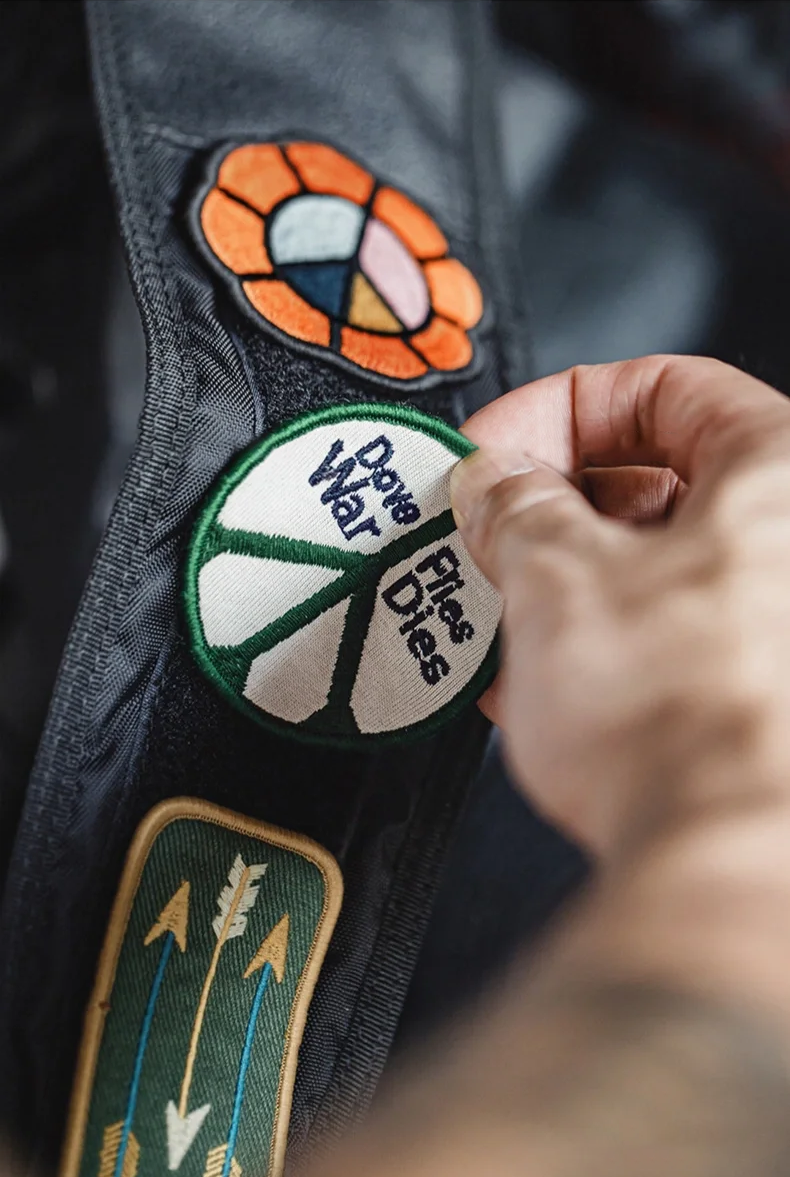
Patch Application
Patch application combines woven, embroidered, or custom badge elements with considered attachment methods for the garment construction. It creates a tactile branded finish while keeping patch position, edge treatment, and overall balance consistent across production.
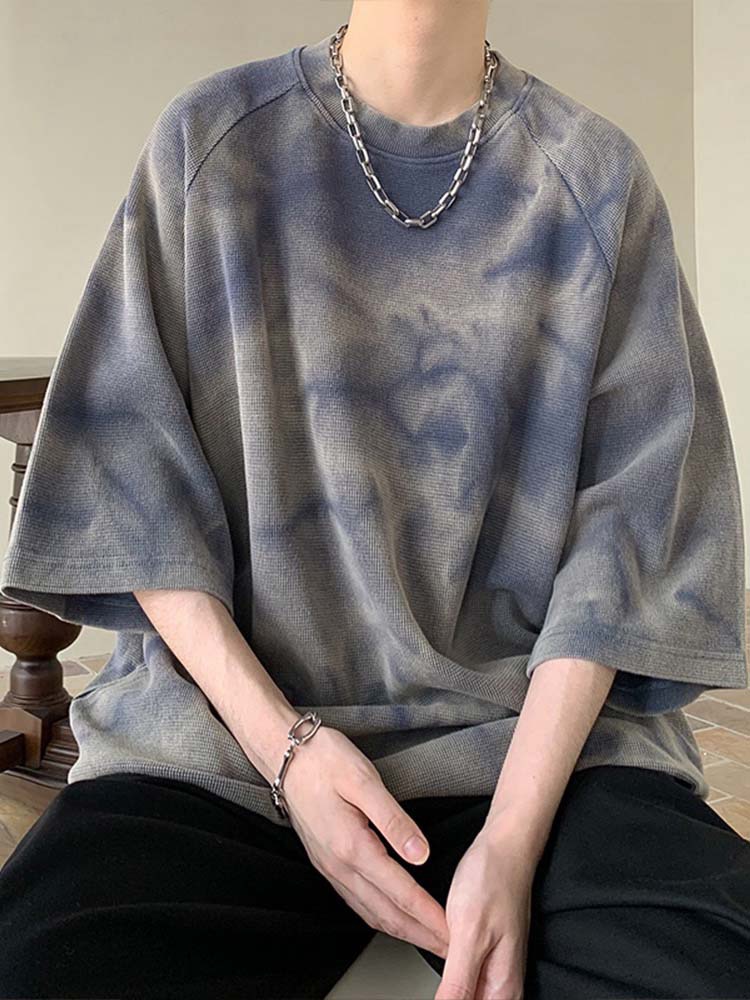
Garment Washing
Garment washing develops a softer hand feel, lived-in character, or controlled color effect after construction. Wash tests and approved references help set expectations for shade, shrinkage, and finish before the process moves into bulk production.
Trims and Private-Label Details, Fully Coordinated
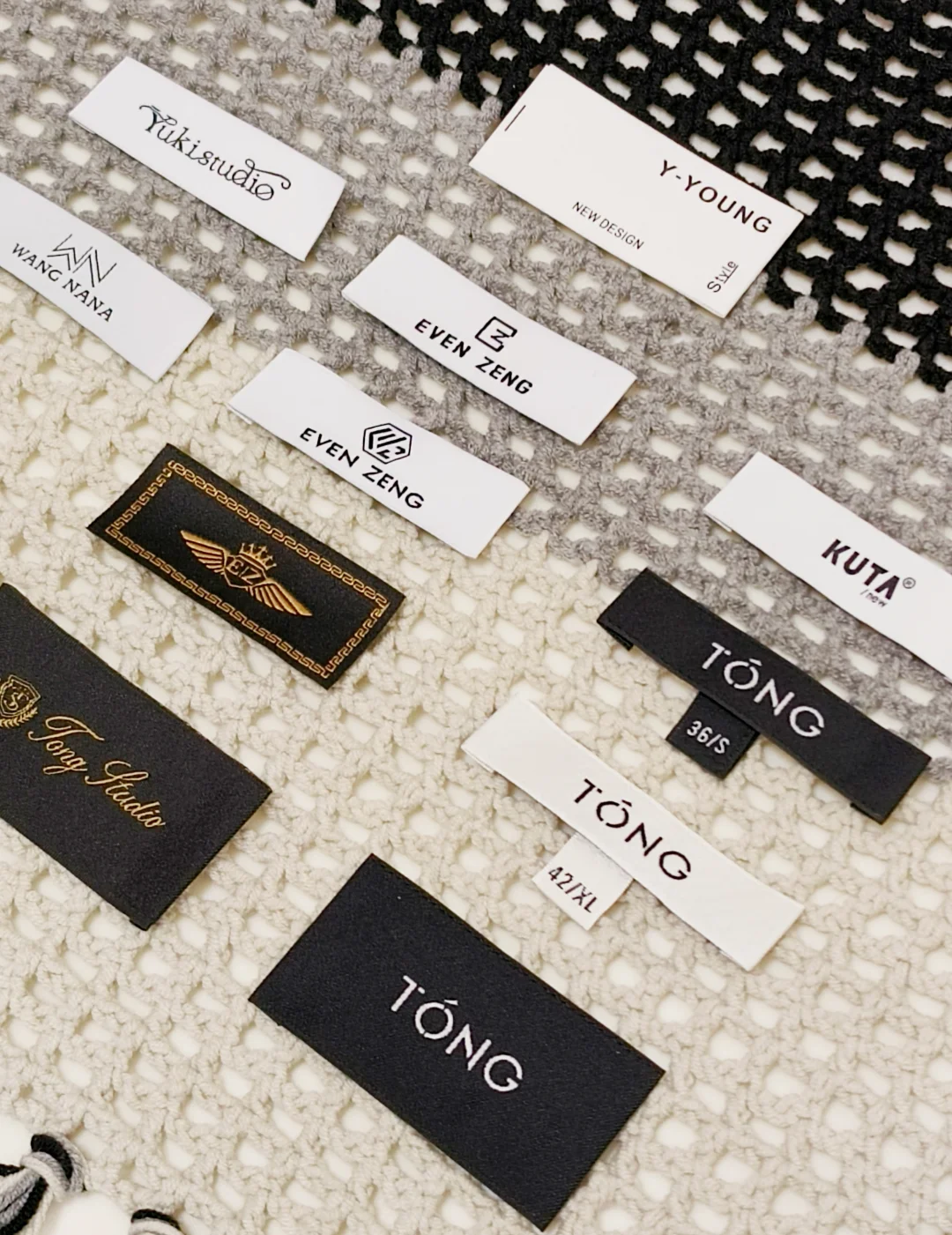
Woven Brand Labels
Custom woven main labels, size labels and care labels can be specified for necklines, side seams or hems, helping each shirt carry consistent brand information, fit guidance and a finished private-label presentation.
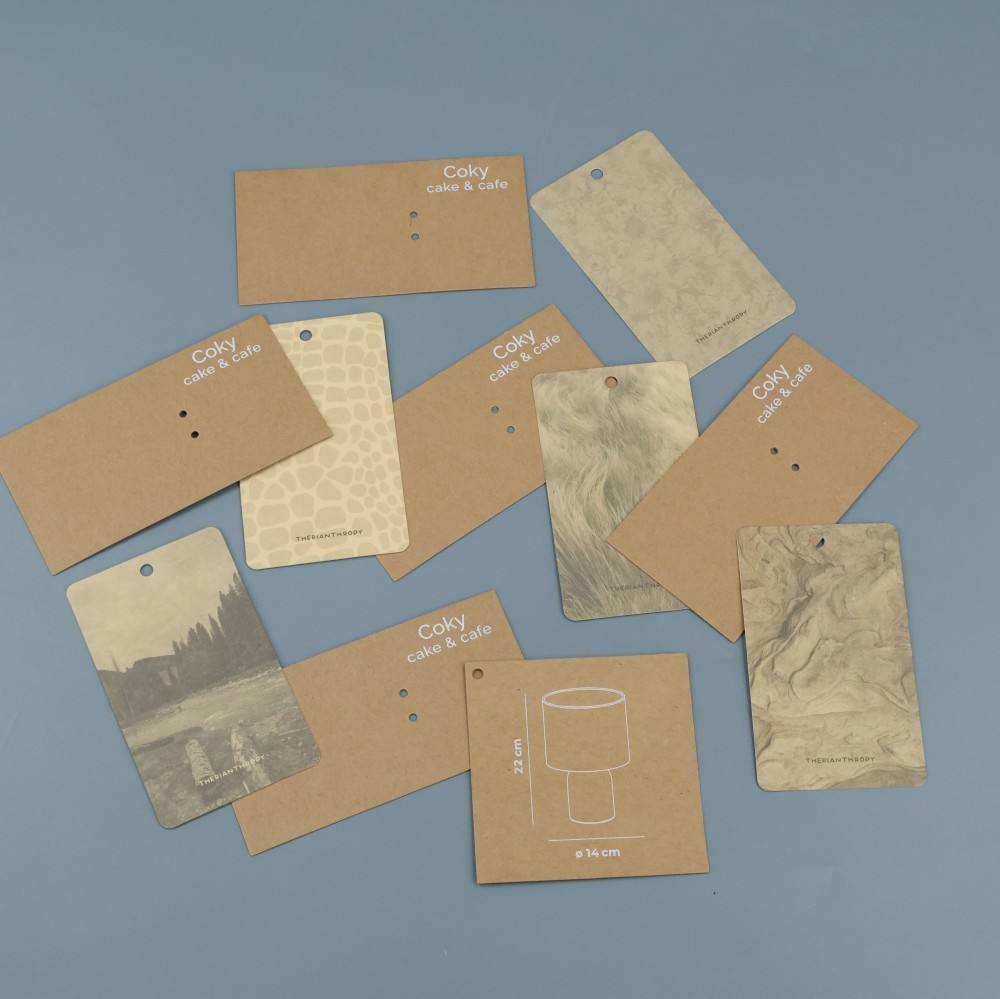
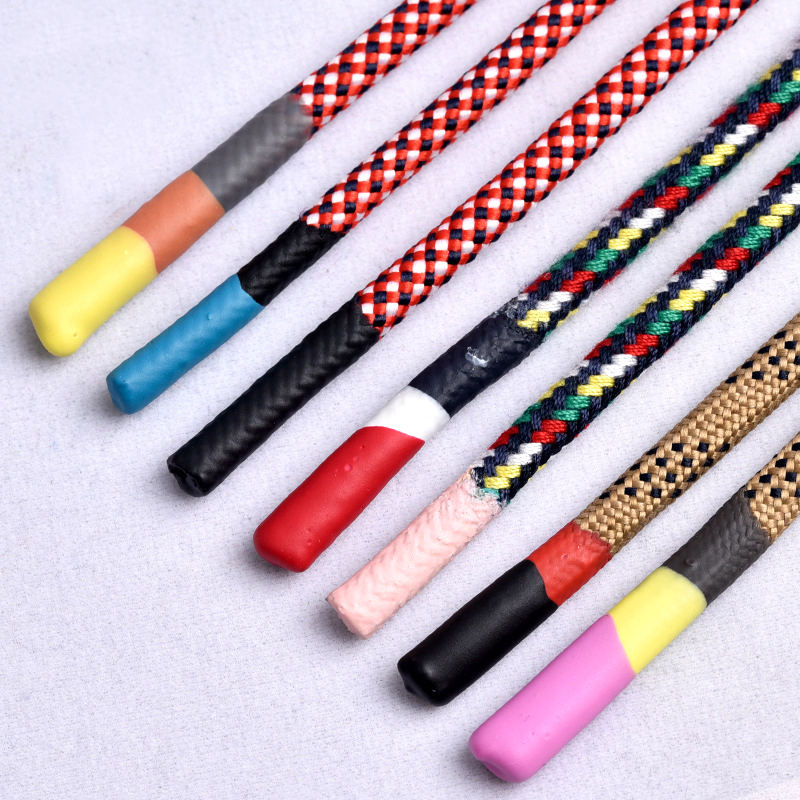
Drawcord and Tipping
For hooded shirt programs and lightweight layers, select drawcord material, thickness, color and tipped ends that complement the garment. These details are documented with the approved sample to support repeatable bulk production.
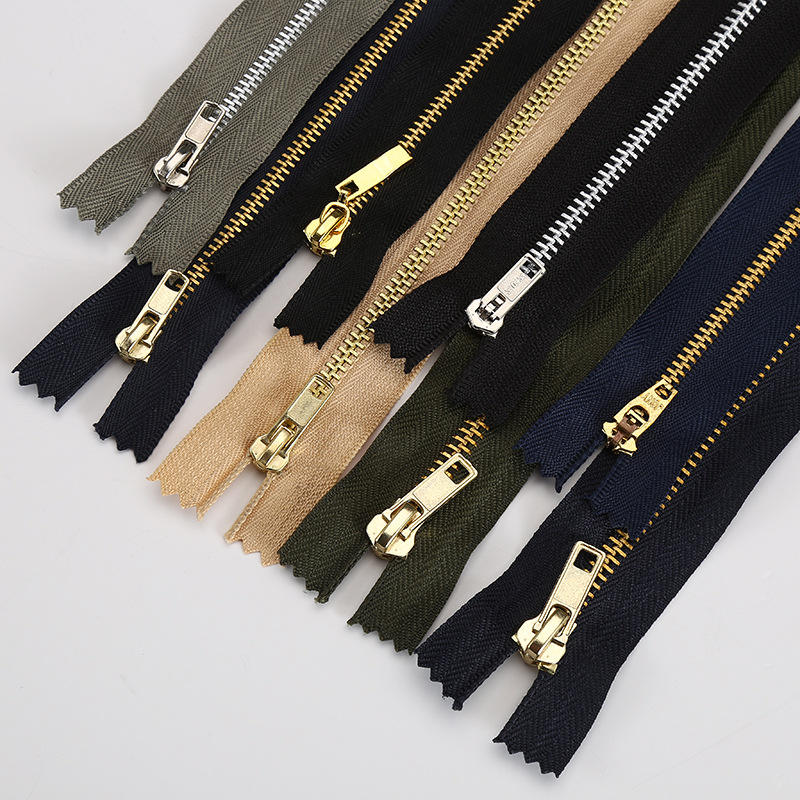
Zippers and Snaps
Specify zipper pulls, snap finishes and hardware colors for overshirts, windbreakers and shirt-jacket styles. Hardware choices are coordinated with fabric, construction and decoration to preserve the intended look and daily functionality.
Custom Woven Patches
Woven, embroidered or printed patches add a distinct branded element to chest panels, sleeves, hems or teamwear placements. EDVORIN reviews patch dimensions, backing and attachment method during development before bulk production.
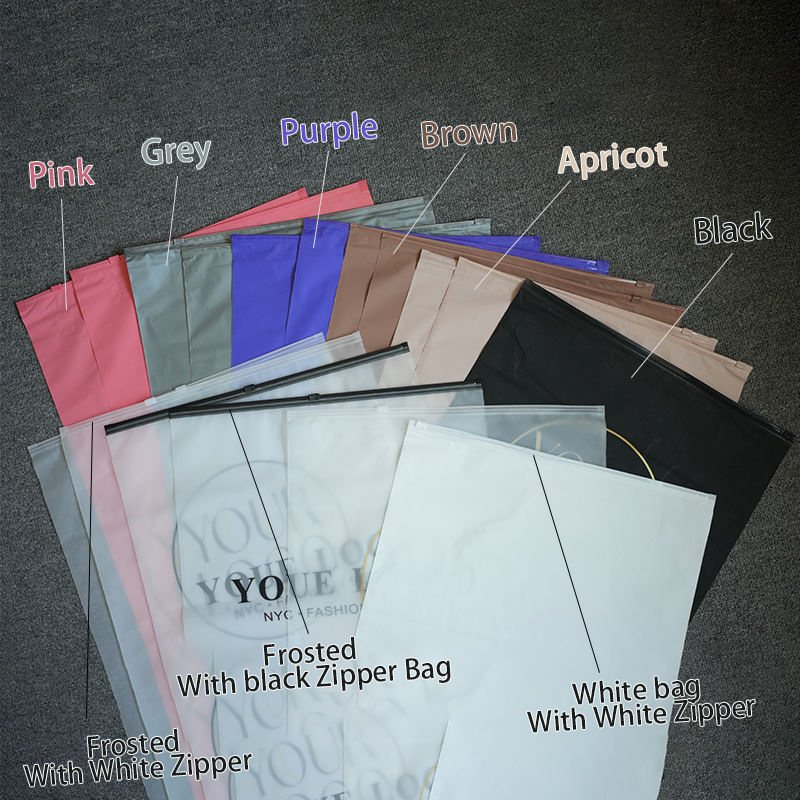
Branded Packaging
Coordinate folding, polybags, size stickers, carton marks and branded inserts around your fulfillment needs. Clear packaging specifications help protect garments in transit while keeping retail, wholesale or private-label orders organized on arrival.
About EDVORIN, Sustainable Shirt Manufacturer
Founded in 2000 by Edvorin Zeng, EDVORIN was built from the production floor outward. We help fashion brands, streetwear labels, teams, wholesalers and private-label buyers turn an early sketch, reference garment or completed tech pack into a clear standard for repeatable apparel production.
As a sustainable shirt manufacturer, EDVORIN connects product development, fabric and trim sourcing, patterns, sampling, decoration, washing, bulk production, labeling and packaging within one accountable workflow. Our team develops men’s and women’s shirt programs around the fit, materials, styling details and market requirements of each collection.
What makes EDVORIN different is the discipline after sample approval. We document measurements, artwork placement, materials and trims, then use in-line and final checks to protect the approved standard through bulk production. With OEM, ODM and private-label support, we help buyers build programs ready for the next order.

Core Capabilities of a Sustainable Shirt Manufacturer
Technical Development That Holds Up
EDVORIN translates sketches, reference garments, or complete tech packs into production-ready shirt specifications. Pattern decisions, fit blocks, grading, construction details, and material behavior are reviewed early so the approved design can be reproduced with greater control across future orders.
- Men’s and women’s fit development
- Patterns, measurements, and grading aligned
- Construction details documented for production
- OEM, ODM, and private-label support
Materials and Trims in Sync
A sustainable shirt manufacturer needs more than a fabric choice. EDVORIN coordinates fabric, rib, labels, buttons, drawcords, hangtags, and packaging as one product system, helping buyers keep hand feel, function, visual character, and private-label details aligned from sample through bulk.
- Fabric and trim compatibility review
- Labels, hangtags, and packaging coordinated
- Material options for category requirements
- Specifications carried into bulk orders
Decoration Built Around the Base
Print, embroidery, wash, and artwork placement are planned around the selected shirt fabric and garment construction. EDVORIN records approved placement, color references, and decoration details so a graphic or branded finish is treated as a controlled production requirement, not a last-minute addition.
- Print and embroidery method coordination
- Artwork placement measurements recorded
- Wash effects reviewed during development
- Branding details matched to garment base

Approved Standards Guide Bulk
EDVORIN uses the approved sample as the working reference for bulk production. Material checks, in-line inspection, measurement control, and final review help identify variation before packing, giving buyers a clearer path from a successful sample to repeatable sustainable shirt manufacturing.
- Approved sample anchors production decisions
- In-line checks monitor key variations
- Measurement and finishing reviewed
- Final inspection before packing
Why Buyers Choose EDVORIN, a Sustainable Shirt Manufacturer
A sustainable shirt manufacturer needs documented decisions from development through final packing.
← Swipe left or right to view →
Sustainable Shirt Manufacturer Production Flow
From specification review through final shipment, EDVORIN organizes each decision around the approved standard for repeatable OEM and private-label shirt programs.
Review Specifications
We review tech packs, fit requirements, artwork, quantities and target market needs, then clarify production details before materials and construction are finalized.
Source Materials and Trims
Approved fabrics, labels, threads, trims and packaging are coordinated against your specification, including certified-material programs where applicable to the selected order.
Develop and Approve Samples
Patterns, measurements, decoration placement and garment construction are tested in sampling, giving your team a physical standard to review before bulk production.
Cut, Sew and Decorate
After approval, cutting, sewing, printing, embroidery, washing and finishing follow documented instructions so each component supports the intended shirt design.
Inspect, Pack and Ship
In-line and final checks compare bulk garments with approved standards before labeling, packing and shipment preparation for your repeatable collection program.
Start Your Project With a Sustainable Shirt Manufacturer
EDVORIN can support documentation requests for quality, social-compliance, chemical-safety, recycled-content and organic-textile programs, subject to product and facility scope.
Share Your Product Brief
Send your tech pack, sketch, reference garment, target quantity, and decoration requirements. Our team reviews construction, fit, materials, trims, labeling, and packaging needs.
Confirm Specifications and Quote
EDVORIN’s MOQ starts at 200 pieces per style. Align on fabric options, measurements, artwork placement, color references, production details, MOQ, pricing, and delivery expectations before development begins.
Approve Your Production Sample
Review the sample for fit, construction, material feel, decoration, and finishing. Approved revisions become the documented standard used to guide bulk production.
Produce and Inspect Your Order
Coordinate sourcing, cutting, sewing, decoration, finishing, and packing through one production path. In-line and final checks help keep bulk output aligned with approval.
Certified Standards for Responsible Apparel Production



What Brand Buyers Say About Repeatable Production
EDVORIN helped us turn one approved shirt sample into a 6-SKU private-label program. The measurement chart, artwork placements, and packing details were organized clearly, which made our second order much easier to manage.
Our teamwear program required 420 shirts with individual names and numbers. Having fabric, decoration, size sets, and packaging coordinated through one production path reduced back-and-forth and gave us a clearer approval process.
EDVORIN’s MOQ starts at 200 pieces per style. We started at the 200-piece MOQ with a streetwear tee concept and returned with a repeat order after the first launch. The approved sample became a practical reference for keeping fit, print placement, and labels consistent.
Sustainable Shirt Manufacturer FAQ for B2B Buyers
EDVORIN’s MOQ starts at 200 pieces per style. Clear answers on MOQ, development, responsible material options, production coordination and order planning with EDVORIN.
What is the MOQ for a sustainable shirt manufacturer?
Can a sustainable shirt manufacturer develop samples before bulk production?
Which sustainable materials can EDVORIN source for custom shirts?
How long does shirt sampling and bulk production take?
Can a sustainable shirt manufacturer handle private-label packaging and trims?
How are payments handled for custom shirt orders?
Does EDVORIN arrange shipping for international shirt orders?
How does EDVORIN protect designs and production specifications?
The Complete Sustainable Shirt Manufacturer Buyer’s Guide
Use a practical decision framework to compare sustainable shirt manufacturer options, evaluate materials and supplier credentials, plan customization, manage costs, and avoid sourcing mistakes that can undermine quality, compliance, or your sustainability claims.
1. What Is a Sustainable Shirt Manufacturer?
Five controls define a sustainable shirt manufacturer: traceable material inputs, measured resource practices, worker protections, repeatable quality control, and documented supplier oversight. A recycled-polyester or organic-cotton claim alone does not establish performance across the production path.
200-piece private-label programs still need verifiable records: fiber composition and certification scope, dyeing or washing controls, facility and subcontractor identities, social-compliance evidence, and inspection standards. Certifications such as GOTS, OEKO-TEX, WRAP, or BSCI address different scopes and should be checked for validity and applicability.
1 approved sample should become the bulk-production reference for measurements, color, construction, labeling, and packaging. Fashion brands, teams, schools, wholesalers, and private-label buyers should ask how exceptions are recorded, corrected, and traced by purchase order rather than rely on a sustainability badge. https://thygesenapparel.com/blog/organic-clothing-manufacturer
2. Evolution of Sustainable Shirt Production
2000s shirt sourcing was largely optimized for unit cost, speed and repeatable conventional cotton or polyester programs; environmental claims were rarely tied to lot-level evidence.
2010s brought organic cotton, recycled polyester, lower-impact dyeing and chemical-screening standards into mainstream buying conversations. A sustainable shirt manufacturer now needs to preserve fiber composition, certification scope, mill records and approved color or trim specifications through sampling and bulk production.
2026 buyers face tighter scrutiny from consumers and emerging product-transparency requirements, including Digital Product Passport planning in the European market (https://thygesenapparel.com/blog/organic-clothing-manufacturer). Durability, repairable design choices and accurate care instructions matter because a short-lived shirt weakens any impact claim; credible communication should match documented materials, processing and supply-chain evidence, not broad green language.
3. Types of Sustainable Shirt Manufacturer
Five manufacturer models serve different shirt programs. A sustainable shirt manufacturer should match its development scope, order volume, and logistics plan to the buyer’s launch or replenishment needs.
| Model | Best Use | Control | Trade-Off |
|---|---|---|---|
| OEM/ODM | Collection launch | High | More approvals |
| Private label | Fast branding | Medium | Shared blocks |
| Blanks + decoration | Merch or uniforms | Low | Limited customization |
| Nearshore | Urgent replenishment | High | Higher unit cost |
| Overseas | Wholesale scale | High | Longer logistics |
Full-Package OEM Or ODM
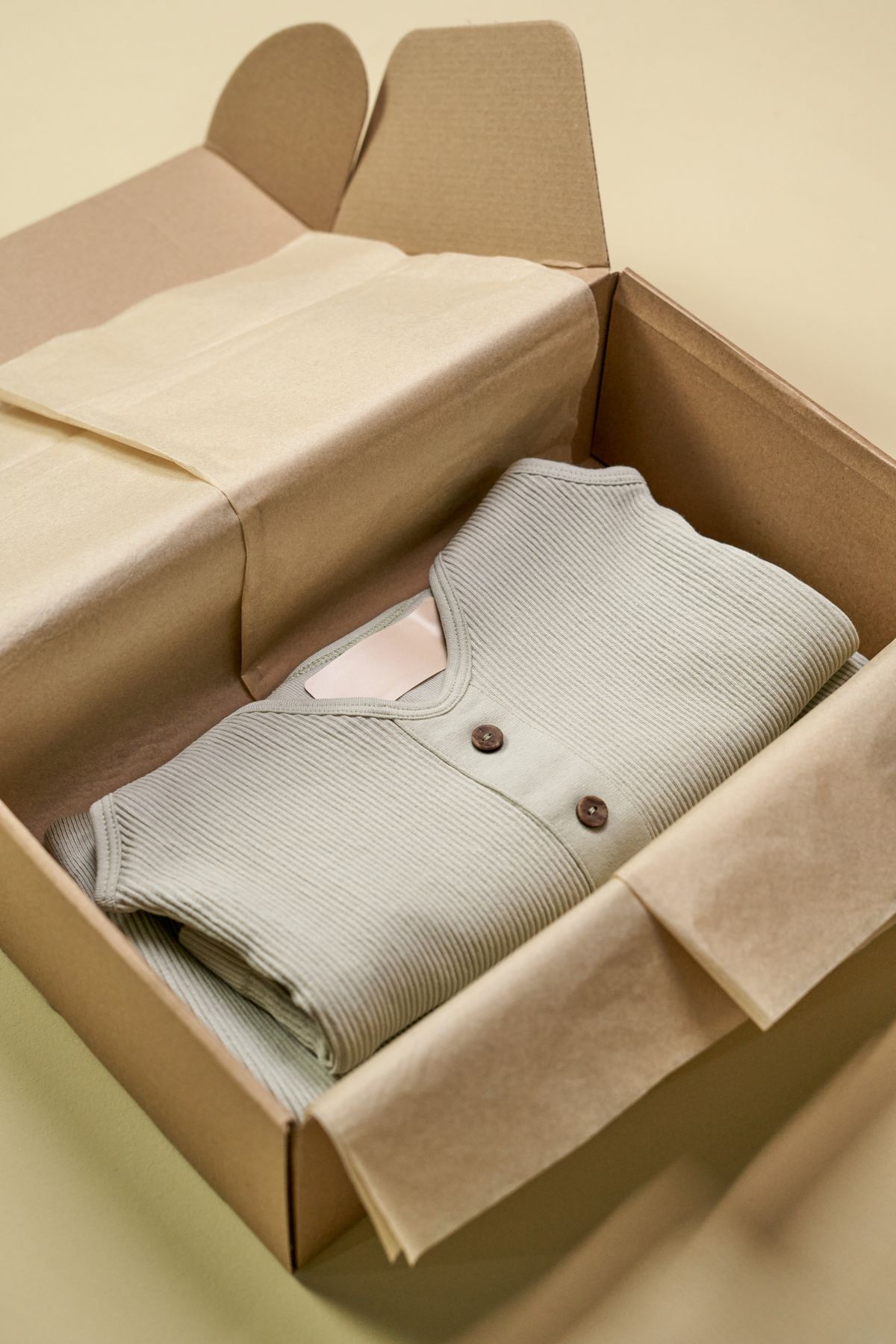
Full-package OEM/ODM manages patterns, sourcing, sampling, decoration, and packing; it suits new collections and private-label launches.
200-piece MOQs can make development accessible, but each fabric, trim, and colorway still requires approval control.
Private Label And Cut-And-Sew
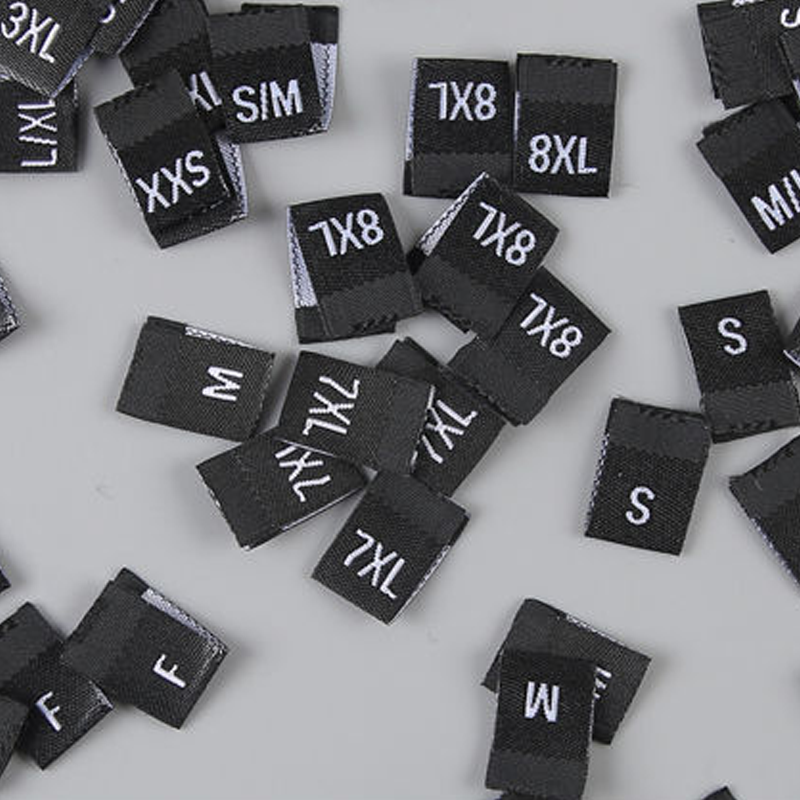
EDVORIN’s MOQ starts at 200 pieces per style. Private-label production adapts proven shirt blocks for fast branded programs; cut-and-sew gives greater control over fit and construction.
2 routes create a trade-off: faster development versus more sampling, technical decisions, and potential MOQ exposure.
Blanks And Regional Sourcing
Blank shirts with decoration fit event merch, schools, and club reorders where speed matters more than exclusive construction.
Nearshore partners reduce transit time; overseas partners can better support wholesale scale, but require clearer approvals and production communication.
4. Sustainable Shirt Materials and Fabrics
150–180 GSM jersey suits everyday tees; 200–260 GSM interlock or pique adds structure. A sustainable shirt manufacturer should match fiber performance to the wear case before approving color and decoration.
| Material | Hand Feel | Performance | Best Use |
|---|---|---|---|
| Organic cotton | Soft | Breathable; prints well | Core tees |
| Recycled cotton blend | Dryer | Durable; limited stretch | Heavy tees |
| Recycled polyester | Smooth | Strong; quick-drying | Teamwear |
| Hemp | Textured | Breathable; durable | Workwear |
| Linen | Crisp | Cool; wrinkles | Woven shirts |
| Lyocell | Silky | Breathable; drapes | Premium tees |
| Responsible blend | Balanced | Tune stretch and weight | Custom programs |
Fiber Trade-Offs
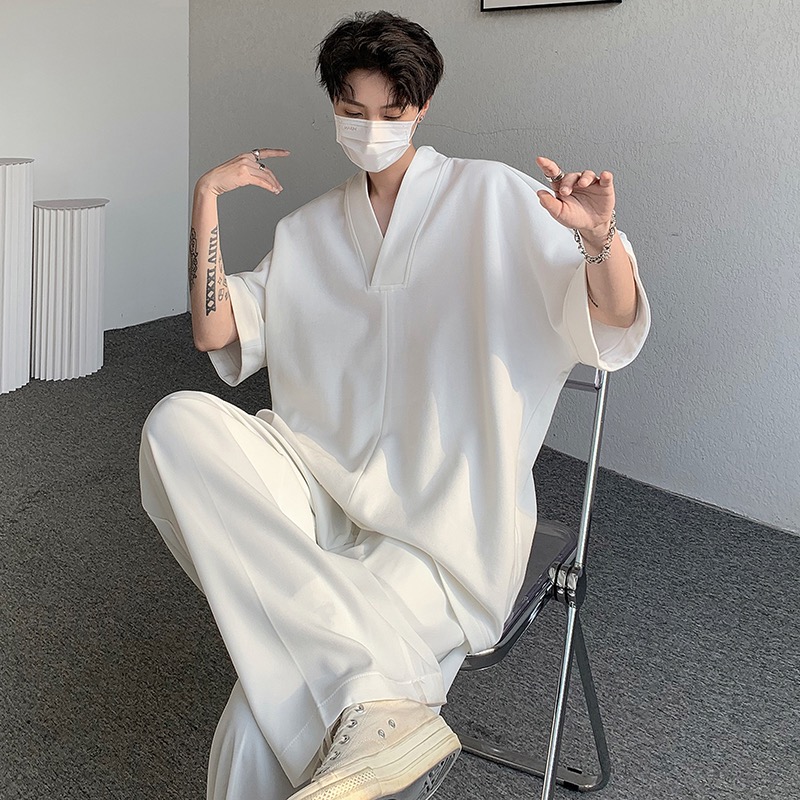
100% organic cotton is soft, breathable, and screen-print friendly; hemp and linen feel drier and more textured. Lyocell improves drape, while recycled polyester adds durability and moisture management but may require blend testing.
Material Comparison
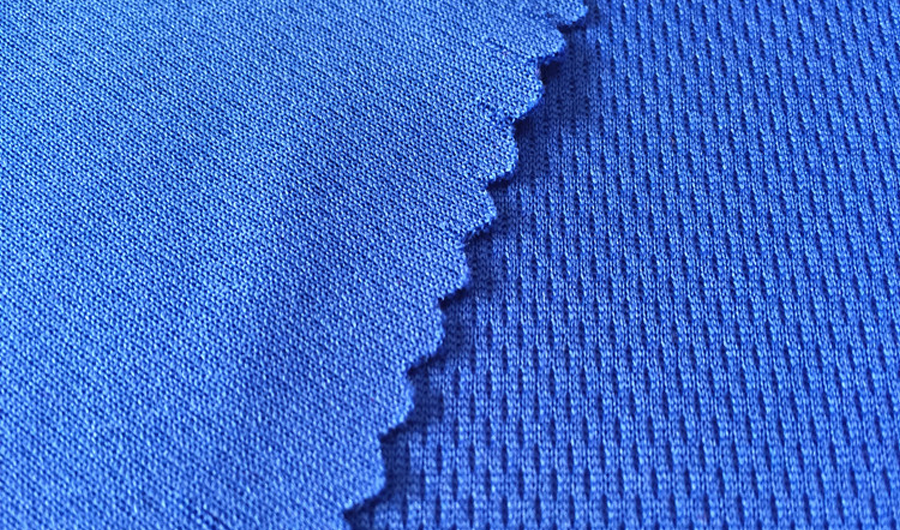
7 common options vary by hand feel, care, and intended use.
Specify The Whole Fabric
30/1 ring-spun jersey prints differently from open-end knit, and GSM affects opacity, weight, and longevity. Specify knit structure, approved Pantone color, dye method, neck rib, sewing thread, and labels together.
Request Evidence
3 documents matter: fiber composition, transaction or scope certification where applicable, and test reports. Request lot-level records for GOTS or recycled-content claims and OEKO-TEX documentation for chemical-safety claims: https://www.oeko-tex.com/en/our-standards/oeko-tex-standard-100
5. Customization and Low-Impact Decoration
At 200 pieces, customization must be specified before sampling, not added after approval. A sustainable shirt manufacturer should convert fit, color, trims, decoration, and packing into repeatable production records.
| Method | Best Artwork | Setup | Durability | Volume And Waste |
|---|---|---|---|---|
| Screen print | Bold spot colors | Screens required | High | Best for repeats; control ink use |
| DTG | Detailed multicolor art | Minimal setup | Moderate | Small runs; pretreatment requires testing |
| Transfer | Names and complex graphics | Artwork preparation | Moderate | Flexible quantities; test stretch |
| Embroidery or woven patch | Logos and badges | Digitizing or loom setup | High | Durable branding; minimize backing offcuts |
Fit, Color, And Branding
One approved pattern establishes body length, sleeve shape, and grading; men’s and women’s blocks should be developed separately. Pantone references, neck labels, care labels, size labels, recycled-paper packaging, and carton marks need written approval.
Decoration Selection
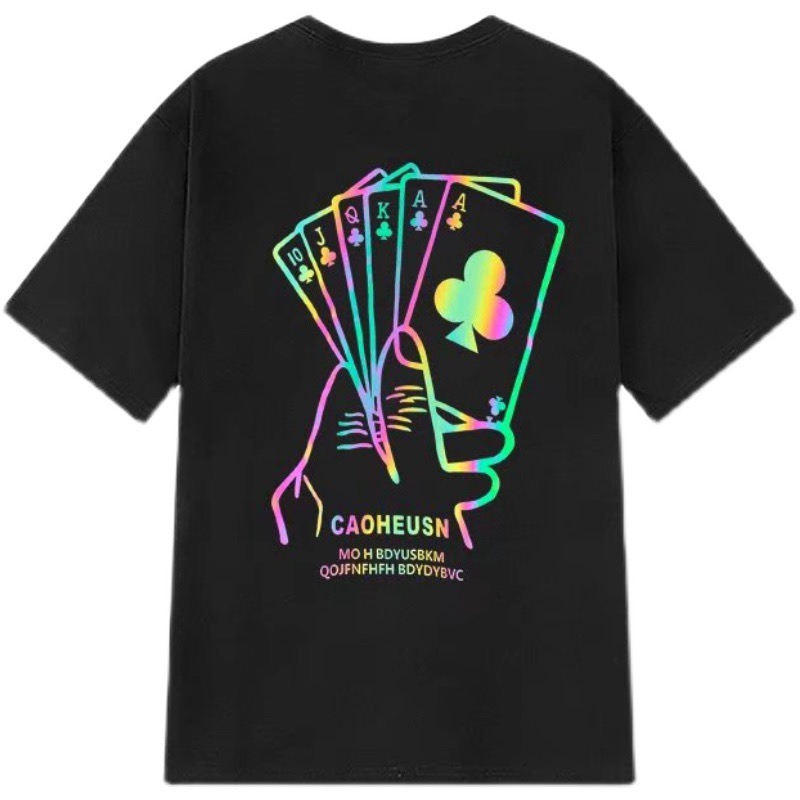
Four decoration routes create different durability, setup, and waste trade-offs. Match the artwork to the fabric and expected order volume before choosing.
Sample Before Bulk
One pre-production sample should test ink adhesion, placement measurements, wash colorfastness, and compatibility with recycled-content fabrics. Confirm embroidery backing, transfer stretch, and woven-patch edge finish under the intended care method.
6. Construction Quality That Extends Wear
A shirt that survives repeated laundering usually has fewer replacement cycles and fewer fit- or failure-related returns. For a sustainable shirt manufacturer, durability must be specified in the sample standard, not assumed from fiber content.
Fabric And Shrinkage Tests
Before bulk cutting, test fabric weight, shade, pilling, skew and dimensional change after the intended care cycle.
A 3–5% shrinkage allowance may be built into patterns, but the approved sample should confirm the target measurements after washing.
- Record wash method and dry temperature
- Check spirality on tubular jersey
- Approve post-wash measurements, not only unwashed size
Seams, Stitches, And Reinforcement
Flatlock or overlock seams should suit the fabric stretch and intended wear; weak seam margins can fail before the fabric does.
Stitch density, shoulder tape, side-seam alignment and secure label attachment deserve inspection on every size.
- Pull-check shoulder and side seams
- Inspect skipped stitches and loose thread tails
- Confirm label edges do not irritate skin
Collar And Final Inspection
Rib collars need recovery after stretch, while neck binding and topstitching should lie flat after laundering.
At pre-production approval, inspect collar shape, seam appearance, print placement, finishing cleanliness and packed measurements against the approved sample.
- Stretch and release the collar
- Compare garment measurements by size
- Check stains, holes and needle damage
7. Choosing a Sustainable Shirt Manufacturer
A sustainable shirt manufacturer should be judged on evidence, repeatability, and commercial fit—not a green label. Compare every candidate against the same written brief before approving development.
| Criterion | Evidence | Weight |
|---|---|---|
| Specialization | Relevant shirt sample | 20% |
| Traceability | Certificates and records | 25% |
| Quality | Inspection process | 25% |
| Delivery | Capacity and Incoterms | 30% |
Match Product Capability
EDVORIN’s MOQ starts at 200 pieces per style. 200-piece MOQ programs need shirt-specific pattern, fabric, and decoration experience. Ask which knit or woven constructions, size ranges, and sampling revisions the factory can control.
- Request comparable shirt samples
- Confirm MOQ by color and style
- Set sample approval milestones
Verify Claims And Controls
GOTS, OEKO-TEX, WRAP, or BSCI references require current certificates, scope, and facility names. Request material transaction records, audit dates, subcontractor disclosure, inspection reports, and traceability from fabric to packed cartons.
- Reject logo-only certification claims
- Match certificate scope to product
- Confirm approved subcontractors
Score Delivery Readiness
30-day sample and bulk timelines vary by fabric booking, trims, and capacity. Score communication, capacity, quality checkpoints, Incoterms, freight handoff, and corrective-action speed before placing a production order.
- Use one weighted scorecard
- Define inspection acceptance criteria
- Confirm shipping terms in writing
8. Common Sustainable Sourcing Mistakes
A 200-piece order can become costly when the sourcing brief leaves key assumptions unresolved. A sustainable shirt manufacturer should be evaluated against documented specifications, not sustainability language alone.
Price-Only Selection
A low unit quote can omit testing, compliant trims, or realistic freight timing. Compare like-for-like cost sheets and confirm included services before award.
Certificate Overreach
GOTS, OEKO-TEX, WRAP, and BSCI address different scopes; one document does not validate every product claim. Request current, scope-specific evidence for the fabric, facility, and claim.
Sample And Decoration Gaps
One approved sample can reveal shrinkage, hand feel, print adhesion, and color shift before bulk cutting. Test the intended fabric, decoration, wash method, and placement together.
Unclear Production Standards
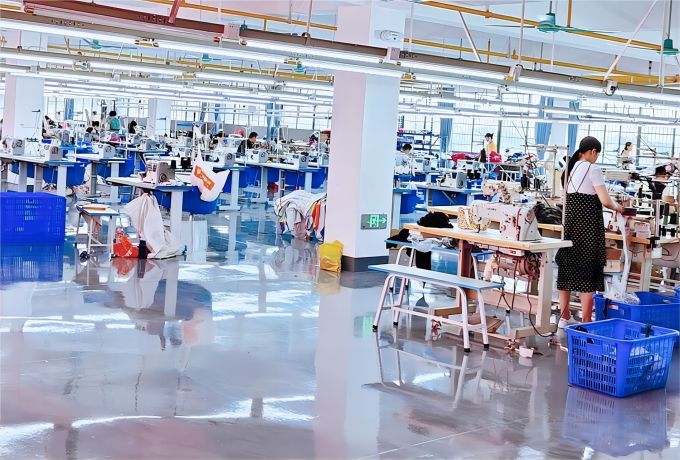
EDVORIN’s MOQ starts at 200 pieces per style. A 200-piece MOQ must specify style, color, size split, and reorder conditions. Record measurement tolerances, Pantone references, defect criteria, and packing requirements in the purchase order.
Unsupported Marketing Claims
A single vague claim can create compliance and reputation risk. Limit copy to substantiated material, certification, and production facts retained in the product file.
9. Launching With a Sustainable Shirt Manufacturer
EDVORIN’s MOQ starts at 200 pieces per style. A 200-piece MOQ is best treated as a controlled first production run, not proof of a repeatable program. A sustainable shirt manufacturer needs approved decisions before materials are committed.
Build the Product Brief
1 target customer, channel, retail price, fit, color count, and launch date should anchor the brief. Supply sketches, reference shirts, size chart, Pantone colors, logo files, labeling, packaging, and sustainability evidence required.
2 fit blocks—men’s, women’s, or unisex—should be chosen before grading. Emerging brands reduce risk by limiting the first drop to one fabric and two colors.
Approve Development
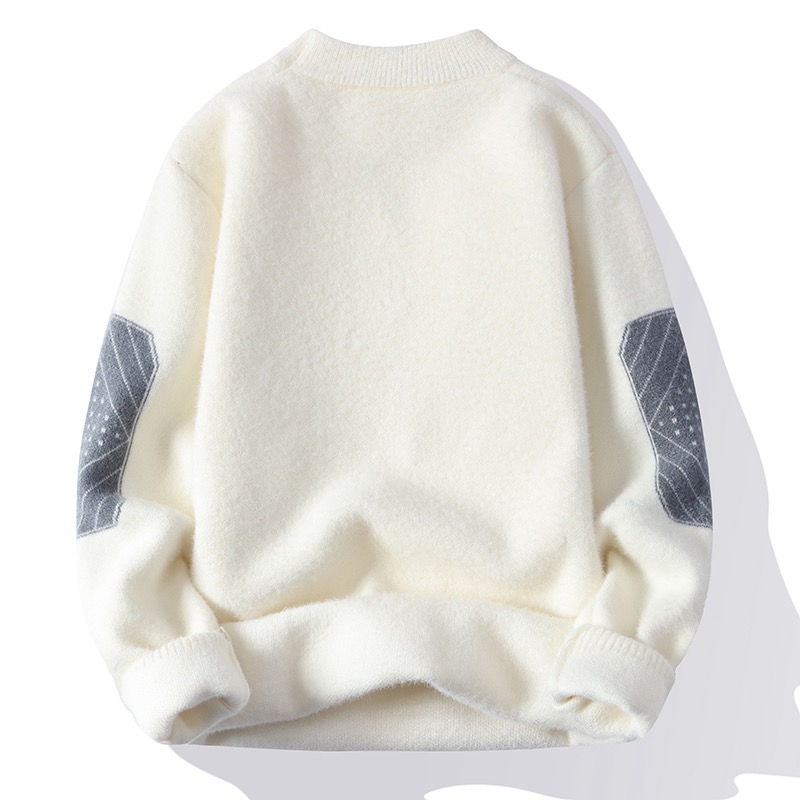
160–220 GSM jersey is a practical starting range for many tees; final weight, fiber content, shrinkage tolerance, and handfeel require material approval. Put fiber claims and applicable transaction certificates in the tech pack.
1 quotation should separate development, fabric, decoration, packaging, freight terms, and bulk lead time. Approve a size set, wash-test result, artwork placement, and sealed sample before issuing the purchase order.
Control Bulk And Learn
3 checkpoints—pre-production, in-line, and final inspection—should compare bulk goods with the sealed sample. Record measurement tolerances, shade bands, print adhesion, needle damage, labels, and carton counts.
30 days after launch, review returns, fit comments, sell-through, and decoration performance. Established buyers should convert approved specifications, supplier documents, and defect findings into a version-controlled repeat-order pack.
10. Sustainable Shirt Manufacturer Pricing
200-piece programs often carry the highest unit cost because pattern work, fabric booking, cutting, and inspection are spread across fewer shirts. Treat every tier as a planning benchmark, not a supplier price.
160–220 GSM jersey, ring-spun yarn, custom Pantone dyeing, embroidery, multiple print locations, and GOTS transaction documentation can each change the quote. Sampling, screen or embroidery-digitizing setup, recycled packaging, and Incoterms determine costs beyond the ex-factory unit price.
6–10 weeks is a common planning window after approvals, while material availability, lab dips, certification documentation, and freight mode can extend it. Request a written, like-for-like quote and compare total landed cost, including duties, freight, testing, and packing.
| Order tier | Main unit-cost effect | Setup and lead-time focus |
|---|---|---|
| 200–499 | Lower volume absorption | Samples; 6–10 weeks |
| 500–999 | Better fabric utilization | Artwork setup; material booking |
| 1,000+ | Scale can reduce unit cost | Bulk QC; sea versus air freight |
Ready to Build With a Sustainable Shirt Manufacturer?
Send your tech pack, sketch, or reference garment for an OEM, ODM, or private-label quote starting at 200 pieces per style.